Generated by All in One SEO Pro v4.9.5.1, this is an llms-full.txt file, used by LLMs to index the site.
# SimonStapleton.com
Health, Work & Play
## Posts
### [How to Choose Annual Performance Review Software for a Small Business](https://www.simonstapleton.com/how-to-choose-annual-performance-review-software-for-a-small-business/)
**Published:** June 23, 2023
**Author:** Simon
**Excerpt:** With myriad options on the market, choosing the right annual performance review software can be a daunting task. Below, we provide a guide to assist small businesses in making an informed decision.
**Content:**
For any small business, annual performance reviews play a pivotal role in fostering employee growth, gauging team productivity, and paving a road-map for future success. With the advent of technology, many companies have moved past traditional, manual methods and are leveraging automated software for these critical assessments. However, with myriad options on the market, choosing the right annual [performance review](https://www.simonstapleton.com/how-to-answer-performance-review-questions/) software can be a daunting task. Below, we provide a guide to assist small businesses in making an informed decision.
## **Identifying Your Needs**
Start by understanding what you want from a performance review software. Your needs can vary based on the company size, industry, [company culture](https://www.simonstapleton.com/workplace-culture/), and specific goals. For example, a creative agency might emphasize feedback and ideation features while a sales-oriented company might need quantifiable [key performance indicators](https://www.simonstapleton.com/how-to-create-simple-kpis-for-your-complex-business/) (KPIs).
Furthermore, consider the scalability of the software. As a small business, you should aim for a solution that can evolve with you as your company grows. Thus, look for software that offers customizable modules or can seamlessly integrate with other HR systems.
## **User-Friendliness and Accessibility**
Software should simplify, not complicate, processes. Thus, a user-friendly interface is key. Features like easy navigation, understandable [language](https://www.simonstapleton.com/category/language/), and intuitive layout all contribute to better user experience.
Furthermore, in our increasingly remote and mobile world, it’s critical to select a software solution that offers mobile accessibility. This allows employees and managers to engage in performance review processes whenever and wherever they choose, thereby increasing participation and compliance.
## **Quality of Feedback**
Traditional performance reviews have often been one-sided, resulting in employees feeling unheard. Modern performance review software should facilitate a two-way dialogue. Look for features that allow for real-time feedback, peer reviews, and goal tracking. The inclusion of these features can lead to a more holistic evaluation and boost employee engagement.
## **Data Security**
Protecting sensitive employee data should be a top priority. As such, the software you choose should adhere to the highest security standards. Check for end-to-end encryption, data backup, and GDPR compliance. Also, ensure the provider offers good customer support to help you navigate any potential security concerns.
## **Integration**
The chosen software should seamlessly integrate with your current systems to avoid creating more work for your team. Look for software that can sync with your HRIS (Human Resource Information System), payroll system, and any other relevant systems.
## **Cost**
As a small business, budget is often a constraint. There are various pricing models, from per-user pricing to flat monthly fees. Assess the pricing structure against your current headcount and projected growth. However, don’t let cost be the sole deciding factor. The chosen software should ultimately bring value to your business, outweighing its cost.
## **Vendor Reputation**
Finally, consider the [reputation](https://www.simonstapleton.com/online-reputation-management-tips/) of the software vendor. Research online reviews and ratings, and reach out to other businesses in your industry to hear about their experiences. Also, evaluate the quality of customer support provided by the vendor.
## **Trial Periods and Demos**
Many providers offer trial periods or demos. These can give you a hands-on experience of the software’s functionality, allowing you to assess if it aligns with your business needs. Make the most of these opportunities.
In conclusion, choosing the right annual performance review software requires a careful analysis of your company’s unique needs, a thorough examination of the software’s features, and an understanding of the value it can bring to your business. While the process may seem complex, finding the perfect software can streamline your performance review process, driving your small business towards increased productivity and success.
**Categories:** All Featured Articles, Careers, Technology & Gadgets
**Tags:** annual performance reviews, automated software, company culture, company size, critical assessments, customizable modules, employee growth, future success, goals, guide, industry, mobile accessibility, quality of, scalability, small business, team productivity, technology, user-friendly interface
---
### [Taking Meeting Minutes, Made Easy](https://www.simonstapleton.com/minute-taking-made-easy/)
**Published:** July 22, 2010
**Author:** Simon
**Excerpt:** If you've been asked to 'take the meeting minutes' and don't know where to start, then start here with these helpful hints (template included).
**Content:**
**If you’ve been asked to ‘take the meeting minutes’ and don’t know where to start, then try here and you’ll soon be a minute-taking whizz-kid. I also include minutes templates for your convenience!**
There comes a time (in most office-based jobs, at least) when we become important enough, or available enough, to take the ‘minutes’ of a meeting. In fact they are an important record of a meeting, and getting it right is crucial – or we spend more time trying to remember what was said, and who said it, in the next meeting.
The weird thing is, until you enter an office environment or similar where meeting minutes are taken, it’s an activity that is quite alien, and mostly unknown. I remember some poor chap a few years ago who was asked to take the meeting minutes, and when he distributed them after the meeting by email, this is what we got:
We literally received a log of the ‘minutes’ the meeting started and ended. *It doesn’t help that that minutes are named as such*.
## What is Taking Meeting Minutes?
In its simplest form, minute-taking is documenting a record of discussion, decisions and actions to be taken and the date by when it needs to be completed; i.e. the ‘minutes’. The minutes are not a blow-by-blow transcript of the whole conversation (no-way!) – it’s purpose is to ensure that any agreements and actions are captured so that the people who took responsibility for them have something to refer back to.
The general process of taking minutes is this:
1. Start of meeting – person taking the minutes is registered with the attendees, and then attendees are noted (and anyone missing recorded – often tagged as ‘apologies’). The start time of the meeting is recorded in the minutes
2. The minutes of the previous meeting are reviewed and actions/updates reported and recorded in the minutes
3. Whenever a discussion results in a statement of important news, a decision or an agreed action, it is recorded as a summary in the minutes (along with who said it, who agreed, who took the action, and by when the action will be completed)
4. The meeting closes and the time noted in the minutes
5. The minutes are typed up (if hand-written) and then distributed to attendees, the ‘apologies’ and then anyone else who has asked (and given permission) to receive them, normally by email
## Hand-written meeting minutes, or typed in-situ?
I tend to take minutes on a laptop so I don’t have to type them up again after the meeting. It is easier if you use a template (links at the end of the article). I often populate some of the dicussion points ahead of time, based on the [agenda](https://www.simonstapleton.com/what-makes-a-good-meeting-agenda/). Then I just fill in the blanks on my laptop during the meeting.
Then again, I can ‘touch type’, and I can type fast. If you struggle to navigate a keyboard, then typing in-situ might not be a good option for you. Then, try hand writing them and typing them up later.
## Knowing a bit about the subject helps when taking meeting minutes
Taking minutes is all about recording a summary of the important points and decisions. But what if you don’t know enough abut the subject to know what is important? Try looking at the minutes of the previous meeting to prepare for what is to come, and if you’re totally clueless, then speak to the meeting chair and ask him or her to provide you with cues as what to record!
## Remember the context
*Context* is important when taking minutes. If a decision was taken, for example, note down a summary of how the decision was taken, who agreed and what points were drawn out. There is no need to write chapter and verse – summarize it in a statement that describes the process and the outcome.
## You’re part of the meeting, too!
In most contemporary environments, the minute-taker is also a contributor to the meeting – so if you’re taking the minutes, you don’t need to stay out of the discussion. It’s important that you get involved in the meeting too, if that is what is expected. However, your contribution to the discussion should not be at the expense of the minute taking. If you need time to record something, then ask for it.
## Don’t delay in sending the meeting minutes
In my experience, you shouldn’t wait too long after the meeting to type and distribute the minutes. We’re human beings – we forget stuff. Context is sometimes lost, or influenced by our own [biases](https://www.simonstapleton.com/expand-your-thinking/). The longer I wait to record the minutes, the harder it is to complete and the less accurate they become.
## Meeting Minutes Templates
Here are some great templates for **Microsoft Office**:
Or if you prefer **OpenOffice**: [https://templates.services.openoffice.org/en/node/262](https://templates.office.com/en-GB/Meeting-minutes-simple-TM00002017)
**Categories:** Careers
**Tags:** minute-taking, minutes
---
### [Income vs Stress - Letting Out Your London Property](https://www.simonstapleton.com/income-vs-stress-letting-out-your-london-property/)
**Published:** February 26, 2020
**Author:** Simon
**Content:**
If you have a property in London, you may be contemplating whether to let it out for some extra income. For some people, this decision seems like a no-brainer. After all, who would turn down some extra cash every month? For others, the decision isn’t so easy. They don’t want the hassle that comes with being a landlord; they don’t have the time to dedicate to it and they don’t want to deal with annoying maintenance and repair niggles. With that in mind, read on to discover whether you should consider letting your property in London.
## **What are the benefits of letting a London property?**
- You are the boss – One of the great things about being a landlord is that you get to be the boss; it is like having your own business. You get to make all of the decisions, i.e. whether or not to sell your asset, and decisions regarding terms, contracts, and costs. It can be exceptionally rewarding.
- Long-term security – The on-going income that comes from renting out a [property](https://www.simonstapleton.com/2017/12/19/is-property-development-right-for-you/) can be saved for a rainy day or used as a pension. Plus, if your living situation changes, you have the option of staying in the property, so long as you upload the contract that you have in place with your tenants.
- Tax deductions – It is also important to consider the tax benefits that come with renting out a property. This includes tax deductions for professional services, gardening, cleaning, accounting processes, buildings, and [contents insurance](https://www.comparethemarket.com/home-insurance/contents/), disposing of dust, replacing water pipes, replacing damaged furniture, and repainting.
- Income – Of course, this is the main benefit of them all. By renting out your property, you will receive a sum of money every month. This acts as a second stream of income. As your property is based in London, you will be able to command a premium price.
## **But, what about the stress that comes with renting out a property?**
There is no denying that renting out a property in London can be a stressful experience, as there are many different things that need to be done. Firstly, you need to advertise the property effectively. After this, you need to find reputable tenants that will pay on time, and you need to draw up the contracts. This is only the beginning as well. Once the tenants have moved in, you will have emergency repairs and on-going scheduled maintenance to attend to. This can lead a lot of people to think that being a landlord is more hassle than it is worth.
You also need to make sure that your property is in perfect condition. For some, this will be easy, as their property will be pretty much ready to go. However, if you have purchased a distressed property, there is going to be a lot that needs to be considered. You need to make sure it is safe. This means assessing everything from structural problems to ensuring there is no asbestos in the property. After all, [asbestos exposure can be fatal](https://aspltd.biz/), and the last thing you want is a death on your hands because you have failed to make sure that your property is safe. The maintenance work on your behalf does not end once the tenants have moved in. It is up to you to make sure that any problems are dealt with immediately and that gas safety checks are carried out year after year.
However, there is an alternative solution, and this is to take advantage of the services provided by property managers in London. They will take care of all of this for you, so you don’t need to worry about anything to do with your property. From maintenance and repairs to chasing payments, they will ensure that everything to do with your rental property is handled on your behalf. This means you benefit from the monthly income without the hard work, which is especially beneficial for those who already have another job or a busy life as it is.
As you can see, when it comes to renting out a property in London, you don’t need to choose between income and a stress-free life. It is possible to have both of them by taking advantage of professional property management services. You will never have to worry about emergency home repairs or troublesome tenants; all you need to worry about is the money coming into your bank account every month.
**Categories:** Home & Garden, Money, Try This
**Tags:** contracts, emergency repairs, income, landlord, letting out, london property, maintenance, monthly income, professional services, property management, property managers, repairs, stress, stress-free life, tax benefits, tenants
---
### [The 'art' of Opening and Closing meetings](https://www.simonstapleton.com/the-art-of-opening-and-closing-meetings/)
**Published:** April 7, 2008
**Author:** Simon
**Excerpt:** If as you’ve felt that your meetings haven’t had the right spark of energy, or actually resulted in anything but a room full of hot air, then read on.
**Content:**
Every professional has attended meetings that, despite good intentions, lacked the energy or effectiveness to result in impactful outcomes. It is a common scenario: an hour or more of discussion leaving you with the distinct feeling that nothing was accomplished except hot air filling the room. If you’ve felt that your meetings have been devoid of the spark necessary for constructive collaboration, this article is for you.
Over the years, I’ve observed a pattern among people who are inexperienced at chairing meetings. They tend to make two significant mistakes:
1. The first is launching directly into the ‘content’ or the [agenda](https://www.simonstapleton.com/what-makes-a-good-meeting-agenda/) without setting the context or initiating a brief, warm conversation with the meeting participants.
2. The second is wrapping up meetings without clearly outlining actions, assigning responsibilities, setting target dates, and ensuring that everyone comprehends these action items.
Let’s not forget that the attendees of a meeting are, in the vast majority of cases, humans. Each participant carries their own unique set of worries, aspirations, and energies. When we overlook the human element in a gathering of individuals, we undermine the essential purpose of convening. The notion of ‘humanizing’ our meetings is, therefore, not just desirable, but *integral*.
I have developed a routine that aligns with this understanding. I start every meeting by celebrating a success achieved by the group or an individual or sharing positive news. This ice-breaker can range from discussing the previous night’s game to acknowledging someone’s personal triumph. The goal is to engage everyone with a relatable and uplifting subject, coaxing smiles and laughter before delving into the agenda.
The benefits of this approach are many:
- Firstly, it fosters increased engagement, especially from typically quieter participants who may find their voice during these informal conversations.
- Secondly, the overall [body language](https://www.simonstapleton.com/how-to-decode-body-language-to-find-out-if-someone-likes-you/) of the group becomes more relaxed, creating a conducive environment for open dialogue.
- This positive vibe also serves as a handy reference point during the meeting, especially if the discussion requires a breather.
- Fourthly, it portrays the leader as a human, [empathetic](https://www.simonstapleton.com/empathetic/) and relatable, strengthening bonds within the team. Lastly, it noticeably elevates the energy levels in the room, setting the stage for productive discussions.
**Closing a meeting is just as crucial**, if not more. At the end of the meeting, the ‘content’ phase may be complete, but the meeting isn’t. The closing phase of a meeting is where commitments are made and tasks assigned.
I always conclude a meeting by summarizing its content, which usually translates into a list of agreed-upon actions with their respective owners. This is the moment to discuss timeframes, creating a tangible commitment from everyone involved. I ensure that I maintain eye contact as we reach these agreements – a silent reinforcement of the promises made. This record of commitment is then shared with the group after the meeting.
In situations where I suspect an action item isn’t clear or hasn’t been understood correctly, I don’t hesitate to address it directly. An effective method to validate understanding is to ask the person assigned a task about their anticipated output – a report, a decision, a presentation, etc. Whatever it takes to ensure the subsequent steps have the highest likelihood of success, I will do it!
In conclusion, meetings are a vital aspect of professional life. Their success, however, lies not merely in ticking off agenda items but in harnessing the human elements that truly drive meaningful results. By incorporating a little warmth at the start, ensuring understanding, and eliciting commitment at the end, meetings can be transformed from obligatory calendar events to engaging, productive, and fruitful sessions.
Want an alternative view on how best to hold meetings? Then I recommend the following two books:
[The Manager’s Guide to Effective Meetings (Briefcase Books)](https://www.amazon.co.uk/gp/product/0071391347?ie=UTF8&tag=commercsavvy-21&linkCode=as2&camp=1634&creative=6738&creativeASIN=0071391347)
[How to Run a Great Workshop: The Complete Guide to Designing and Running Brilliant Workshops and Meetings](https://www.amazon.co.uk/gp/product/0273707876?ie=UTF8&tag=commercsavvy-21&linkCode=as2&camp=1634&creative=6738&creativeASIN=0273707876)
**Categories:** Careers
**Tags:** meetings
---
### [How Successful People Start Their Day for Maximum Productivity](https://www.simonstapleton.com/how-successful-people-start-their-day-for-maximum-productivity/)
**Published:** August 31, 2017
**Author:** Simon
**Excerpt:** Despite what you may have read online or elsewhere, there are no magic shortcuts when it comes to being successful
**Content:**
**A Guest Post by Mila Stokes**
Despite what you may have read online or elsewhere, there are no magic shortcuts when it comes to being successful. It involves a lot of hard work, but if you are a person that is serious about finding success in all areas of life, you shouldn’t be afraid of getting your hands dirty. However, while working hard is definitely a must, a lot of people take it to the extreme and overwork themselves, thinking that more working hours equals better results. Well, it does, but to only to a certain point. Once you’re past it, you are risking burning yourself out.
Also, according to a study done by professional researchers at [Paperwritten](https://paperwritten.com/), there is a sharp drop in productivity once you pass the 50 hours per week mark, and if you push past 55 hours, your productivity is non-existent. This means you should also work smart, not just hard, and you can do that by switching up your daily routine. You don’t have to start cold turkey right away, but implementing the following methods of successful men will increase your productivity and make you a happier individual. Keep on reading.
### **1. Morning Routine**
If there is one thing all successful people have in common, it is their preference for getting up at the crack of dawn, or perhaps every earlier. For instance, Robert Iger, who is the CEO of Disney, gets up at 4:30 am every day. Why? He appreciates that particular time of day because he can work or think without being [interrupted](https://www.simonstapleton.com/how-to-handle-people-who-constantly-interrupt-you/) by anybody since everyone else is asleep at such an early hour. And he is not the only one. Fiat Chrysler CEO Sergio Marchionne gets up at 3:30 am. Apple CEO Tim Cook also gets an early start at 3:45 am every [morning](https://www.simonstapleton.com/how-to-create-a-morning-routine-that-sets-you-up-for-success/) to answer his emails and work out.
Another benefit of getting up early and working is that there is very little pressure at that time. You have plenty of time to get everything done, try out new ideas, or do some of the menial pesky tasks that would get in your way during the day. Also, working out first thing in the morning can boost your productivity by 15%, and since breakfast is the most important meal of the day, you will have enough time to prepare one that is both nutritious and tasty, and which will sustain you until lunch.
### **2. Lists and Plans**
One productivity hack that you need to have in your routine is writing to-do lists for the day ahead of you. The best way to do it would be to compile it the night before. That way, you won’t lose any time thinking about what you need to do the next day. You can start checking things off your list right away. And when it comes to tackling the most difficult task of the day, it should be the first one on your list, for several reasons. There is the fact that we are at our [most productive early in the morning](https://www.psychologytoday.com/blog/wired-success/201208/early-risers-are-happier-healthier-and-more-productive-night-owls). Also, once you are done with it, you can go about your day without having it in the back of your mind, which will make your more productive when it comes to other items on the list.
However, when putting together your list, be careful not to throw everything but the kitchen sink on it. There are definitely tasks which are a priority and which require your full attention that day, but there are also those with a low priority, and which can either be postponed or delegated to someone else. You don’t have to answer every single email, and you don’t have to do every single task even an intern could do. Focus on what matters first.
### **3. Dividing up Your Free Time**
It’s safe to say that Warren Buffett knows a thing or two about success and productivity. After all, he is the most successful person of the 20th century. He credits having enough free time to do things outside of work as one of the prerequisites for success. Mind you, his hobby is playing ukulele with Bon Jovi, which is pretty hard to beat. But, he also maintains the importance of reading and learning something new every day.
However, your hobbies should also be an opportunity for you to relax, clear your head, and recharge your batteries. Success is not about sacrificing your personal life, or having a life at all, just so you can make bigger strides in your career. You can only consider yourself successful if all aspects of your life are balanced. Having enough time for yourself is not a sign that you are not being productive. It’s a sign that you are doing things right.
### **4. Technological Distractions**
Technology is really helpful when you want to get things done fast, but it’s also a major [distraction](https://www.simonstapleton.com/complete-tasks-when-easily-distracted/). According to a study, more than 90% of adults in the US spend [around 15-18 hours on Facebook](https://www.comscore.com/Insights/Presentations-and-Whitepapers/2016/2016-) per month. Those are two full working days. And when you add to that the fact that nearly all of them have accounts on other social media as well, that means that a significant chunk of their time is going to waste.
Another problem all workers face is jumping back and forth from one task to another. But, research has also shown that multitasking is a myth and that it can reduce your productivity by as much as 40%. Instead of doing several things at once, tackle one problem, solve it, and then move onto another. The biggest distraction of them all is email. We fall into a habit of checking them immediately, even if they are not that urgent. Try and check it only once or twice a day, which will help you focus more on tasks which are important. If it’s an urgent matter, people will call or text you.
### **5. Defining Success**
Everyone has their own definition of success. You may be looking to increase your income, raise the awareness about your brand and make it global, or to establish yourself as an authority in your industry. Some are looking to retire at an early age with enough money, so they can travel the world. As you can see, the definition of success is pretty open to interpretation. However, as we have already pointed out, success is not excelling in one area of your life at the expense of others. That means you shouldn’t sacrifice your social life or having a family, just so you could earn an extra figure on your paycheck.
It may sound like a cliché, but you will be [more productive if you are happy](https://www2.warwick.ac.uk/newsandevents/pressreleases/new_study_shows/), a new study has shown. Employees which are happy with their life and job are 12% more productive than their peers which feel miserable. And the key to [happiness](https://www.simonstapleton.com/what-makes-people-happy/) is having a balance between your personal and professional life and never letting one suffer because of the other.
### **6. Outworking Your Competition**
If you are able to outwork your competitors, you will be more successful than they are, it is that simple. But, as you can read in the paragraphs above, it doesn’t necessarily mean more hours. It just means making better use of your time and tweaking your daily routine, so that you get most of the work done while you are at your most productive. That means getting up early when there is nobody around to disturb you while working. Also, you should aim to learn something new every day, and go to bed knowing more than you did first thing in the morning.
It’s a well-known fact that the most successful people are workaholics. Take Jeff Bezos, who is the CEO of Amazon, as an example. He still works every day and takes a time to personally manage Amazon’s customer support teams and answer their emails.
### **7. Spending Time Alone and Collecting Thoughts**
Being extremely productive will have you functioning at a very high level, which means there is a risk of burning yourself out, especially if you don’t take some time off for yourself. We are not talking hobbies here, but being able to spend some time alone and collect your thoughts. During that time, ignore absolutely everything, be it your phone, or tablet. Focus on clearing your mind after it has been busy processing an insane amount of information during the day. It may sound strange, but [spending some time alone](https://www.entrepreneur.com/article/271464) can also help you improve the quality of your relationship with the people that are close to you.
If you are serious about being successful in your industry, you need to be prepared to work hard, fail, pick yourself back up again, learn from the experience and keep on going forward. However, being productive and successful is not necessarily about working yourself into the ground. It is about making some changes in your life for the better, which will allow you to make full use of your potential. Follow the habits of other successful people described here in this article, and transform your career, and your life, into an absolute success.
Mila Stokes is an editor and term paper researcher at [Paperwritten.com](https://paperwritten.com/custom-term-paper.htm). She has an economic background but also pass psychologist courses at her high school. Her hobby is jogging and blogging on education, science and psychology topics.
**Categories:** All Featured Articles, Careers
**Tags:** balance, do lists, guest post, happiness, hard work, hobbies, mila stokes, multitasking, productivity, routine, success, technology, to, warren buffett, work smart
---
### [What to do when an Employee Breaks the Chain of Command](https://www.simonstapleton.com/what-to-do-when-an-employee-breaks-the-chain-of-command/)
**Published:** June 14, 2023
**Author:** Simon
**Excerpt:** Being able to handle these situations tactfully is essential for maintaining positive team dynamics and ensuring that productivity remains intact.
**Content:**
In any given organization, it’s important to establish a clear [chain of command](https://www.simonstapleton.com/what-is-the-chain-of-command-and-why-is-it-still-important-today/) that facilitates seamless operations and transparent communication. However, there are instances where employees may bypass their immediate supervisor or manager, which can cause misunderstandings or disputes. Being able to handle these situations tactfully is essential for maintaining positive [team dynamics](https://www.simonstapleton.com/what-are-team-dynamics-and-how-to-influence-them/) and ensuring that productivity remains intact.
## The hierarchy of authority: A crucial component of organizational framework
The hierarchical system of the chain of command is a critical organizational component that establishes a clear flow of responsibility and authority. This structure plays a vital role in maintaining order, ensuring accountability, and facilitating effective communication. While it’s not uncommon for employees to violate this structure, deliberately or unintentionally, it’s important for leaders to have the skills to appropriately manage this kind of situation.
“Why do employees deviate from the chain of command?” is a commonly asked question in the workplace, especially in situations where communication breakdowns occur. Understanding the reasons why employees might choose to address an issue where an employee breaks the chain of command, it’s important to understand the reasons behind their behavior. Employees may break the chain of command due to various reasons, such as feeling ignored by their direct supervisor, attempting to find faster solutions, or showcasing their initiative. It’s possible that the employee may not be aware of the chain of command and its implications. Making assumptions about the underlying motivations is not helpful; instead, it’s important to have an open and honest exploration of the reasons.
## To tackle the issue of a break in command…
If an employee violates the established hierarchy, initiating a candid and straightforward dialogue is the primary course of action. It’s important to create an environment of trust where employees feel comfortable expressing themselves. Thus, during the conversation, it’s vital to encourage the employee to share their reasoning for the infraction while remaining nonjudgmental. The objective is to gain knowledge of their perspective while simultaneously raising awareness of the potential repercussions for breaking the chain of command.
## To effectively communicate, it is important to provide feedback
When having a conversation with an employee who has bypassed their immediate supervisor, take the opportunity to offer constructive feedback. While acknowledging and considering any valid reasons for their actions, explain the significance of using the appropriate channels. Negatively impacting team dynamics, creating confusion, and undermining the authority of one’s supervisor are all possible consequences. Help the employee understand how others may perceive their actions, and how it might affect their future career progression.
## Highlight the Significance of Following the Chain of Command
After the conversation, it is crucial to emphasize the significance of the chain of command. Offer specific illustrations to highlight the benefits of following this hierarchy, such as promoting successful communication, resolving conflicts, and making decisions efficiently in the company. Additionally, make it clear that the chain of command does not restrict innovation or originality but rather upholds organization and productivity.
## To enhance the functioning of an organization, it is essential to improve the command chain or hierarchy
On occasion, an employee who goes over their superior’s authority might signal a flaw in the system. Utilize these occurrences to assess the efficiency of your current structure. It’s possible that it is too inflexible, which hinders employees from sharing their opinions or suggestions. To address this issue, you can make adjustments that promote clear communication while upholding the chain of command. Additionally, providing frequent training sessions can be useful in teaching employees about the significance and advantages of adhering to the chain of command.
To promote an environment where concerns can be raised, it is important to offer a safe space for employees or individuals to voice their concerns or express their opinions without fear of retaliation or judgement.
It is essential to have a secure and confidential system in place within your organization to enable employees to safely raise their concerns. This can be accomplished through various channels such as suggestion boxes, anonymous surveys, regular [team meetings](https://www.simonstapleton.com/10-reasons-why-team-meetings-are-important/), or an open-door policy. By providing a platform for employees to voice their opinions or suggestions without any potential consequences, you can minimize the chances of them going outside the established protocol.
## Conclusion
It is essential to recognize that a disrupted chain of command is a significant matter that should not be ignored. However, it may not indicate a severe issue either. Rather, it can serve as a chance to initiate communication, comprehend underlying problems, impart knowledge, and implement essential changes. By taking timely action in addressing such situations, you can positively influence the outcome.
By implementing effective strategies, it is possible to promote a culture of open communication and collaboration in the workplace, without compromising the essential structure and organization of the company. It is essential to remember that maintaining a chain of command is not merely about upholding a hierarchy, but rather, creating an environment that values respect, transparent communication, and [empathy](https://www.simonstapleton.com/empathetic/) among its members.
**Categories:** All Featured Articles, Careers
**Tags:** authority, chain of command, collaboration, communication, empathy, feedback, hierarchy, open communication, productivity, team dynamics
---
### [6 Powerful Questions To Ask In Your Performance Review](https://www.simonstapleton.com/6-powerful-questions-to-ask-in-your-performance-review/)
**Published:** November 11, 2008
**Author:** Simon
**Excerpt:** Here are 6 Powerful Questions To Ask In Your Performance Review - curated and road-tested over many years. Don't start your performance appraisal without them!
**Content:**
**Was your last performance review/appraisal enjoyable? Worthwhile? Inspiring? Constructive? It should be all of these things, if done right. But chances are, it wasn’t. It’s a common problem.**
Over 800 professionals from over 600 companies were surveyed and the results showed that over 70% felt their [performance reviews](https://www.simonstapleton.com/how-to-answer-performance-review-questions/) were ineffective. I doubt you’re surprised, considering your own experience.
Interestingly, the survey confirmed something unexpected that many of the people who suffer the least satisfactory performance reviews **didn’t ask enough questions**. There is a strong correlation between the effort put into the review *by the employee* and their [satisfaction](https://www.simonstapleton.com/the-difference-between-motivation-and-satisfaction/).
There is one critical point I want to make upfront. Not all managers who conduct appraisals are **experienced** in the process. Despite training. Every manager has their first time, and it takes more than one go to become good at it. Many new managers are just as nervous about conducting your review as you might be.
### What are managers looking for in your performance appraisal?
1. Managers set out to review where you have performed well, and where improvements are required
2. They’re looking for your ownership and accountability of your own performance and success
3. They want to identify the impact your performance has on the company, team and co-workers
4. Managers seek to understand what steps are required to improve performance
5. They want to be sure that you will take responsibility for these improvements
Whether you have a manager who is a novice at conducting reviews, or a seasoned expert, the challenge for you is the same: *ask powerful questions in your performance review in order to get the most from it*. Because this will…
- improve your engagement in the process;
- it will show that you’re serious about the process;
- it helps your manager/reviewer understand what is important to you;
- it provides you and your manager with an opportunity to direct future performance appraisals (together).
Over the years of being appraised, and appraising others, I’ve developed a set of questions that I know *just work*, backed up by years of research. They’re questions that I ask, and indeed *have been asked*, that have led to positive, constructive, satisfactory performance appraisals.
Firstly, **the simplest and most powerful questions of all**.
The first 3 questions will extract everything you need to know about your general performance from your manager.
They are really powerful because you’re asking specific questions about your behaviors. What’s more, they cover all bases. These are questions that are very difficult for your manager to fudge the answers on! I always ask these questions in my reviews, and I always get the most value from these questions alone. When you [write a performance review](https://slidemodel.com/how-to-write-performance-review/), it is important to consider the following questions:
### *1. “What should I continue to do?”*
### *2. “What should I stop doing?”*
### *3. “What should I start to do?”*
Ask yourself these questions now. What do they make you think? Because of their [directness](https://www.simonstapleton.com/when-directness-is-the-most-caring-approach/), depth and coverage, it is these 3 questions that form the basis of most [360-degree feedback methods](//www.simonstapleton.com/2008/11/10/as-a-leader-your-personality-is-everything-part-three/). They drive at three important aspects of your performance:
- What you do that is **effective**
- What you do that is **not effective**
- What you must now do to **increase your effectiveness**
**If you only ask 3 questions in your review, *these are the ones to ask*.**
### 4. *“What could I now do to deliver more value to our organization?”*
This question is very powerful as it links **goal-setting** to company value creation. **Value you will create.** It demonstrates your willingness to be interested and aware in the commercial success of your company (not just your own interests) and that you are serious in taking personal **accountability** for it.
**Even better: suggest your own answers to the above questions – using actions that stretch the boundaries of your role.**
### 5. *“What could I do to give me the best opportunity to move onto the next level in this organization?”*
is a question which asks your reviewer to be explicit about the behaviors, skills, competencies and [qualifications](https://www.simonstapleton.com/qualifications-vs-experience-which-is-more-valuable/) you will need to demonstrate to progress in your career; this might be grade, position, pay, or whatever. **Don’t be afraid to ask this question** – many people avoid it. If you don’t know what you have to achieve to be ready for promotion, then how will you know when you have got there?
### 6. Ask your boss *“What can I do to make you more successful?”*
This is a **very powerful question**. Why? It works on two levels: 1) you’re suggesting that goals should be set and demonstrating your willingness to be measured (*“..I do..”* and *“..more successful..”* ), and 2) you are creating an opportunity to be **delegated** to, i.e. take some of the responsibility from your boss.
Great managers need to delegate to be successful, so create a situation where your manager can offer this to you.
The other advantage to asking this question is that your colleagues probably haven’t (unless they’re reading this post)
### These questions work
Since being developed, these questions have been tried and **tested by over 2,500 professionals**. Most discovered that formulating a constructive set of questions in preparation for their Performance Appraisal resulted in increased satisfaction.
Moreover, 83% then found that the subsequent appraisal yielded even better scores. Why? Well what they discovered is that they then understood *more clearly* what adjustments they needed to undergo to make a greater contribution to the success of their organization.
In other words, they found that they didn’t just do their job better, but they helped their colleagues, managers and subordinates succeed too.
## 7. Is there a Seventh?
Do you have a ‘killer question’ that you’ve used in your performance review? Or is there a question you’ve always wanted to ask? Then **leave a comment below** and share your thoughts! Who knows, I might even add it into this post…?
#### Rock YOUR Next Performance Review
[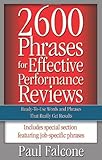](https://www.amazon.co.uk/gp/product/0814472826?ie=UTF8&tag=commercsavvy-21&linkCode=as2&camp=1634&creative=19450&creativeASIN=0814472826)If you are the *reviewer* or *reviewee* during a performance appraisal, then here is an **excellent** book that shares phrases to use. It isn’t just a ‘say this, and then this…’ kind of book, it shows you what phrase-constructs to use in the right context to help make a performance appraisal as effective as it could be: [2600 Phrases for Effective Performance Reviews: Ready-to-Use Words and Phrases That Really Get Results.](https://www.amazon.co.uk/gp/product/0814472826?ie=UTF8&tag=commercsavvy-21&linkCode=as2&camp=1789&creative=390957&creativeASIN=0814472826)
SaveSave
SaveSave
SaveSave
SaveSave
SaveSave
**Categories:** All Featured Articles, Careers, Recommended Books
**Tags:** performance appraisal, performance review, powerful questions
---
### [The Psychology of Network Marketing](https://www.simonstapleton.com/the-psychology-of-network-marketing/)
**Published:** March 8, 2023
**Author:** Simon
**Excerpt:** The psychological aspects of network marketing and provide some case studies to illustrate how they work in practice
**Content:**
As someone who has researched [network marketing](https://www.simonstapleton.com/2023/02/06/what-is-network-marketing-benefits-and-risks/ "What is Network Marketing? Benefits and Risks") for a number of years, I can attest to the fact that this form of business is not only financially rewarding, but also intellectually stimulating. [Network marketing requires an understanding of human psychology](https://www.simonstapleton.com/2018/04/09/5-reasons-that-network-marketing-is-important/ "5 Reasons That Network Marketing Is Important"); after all, it’s people you’re selling products or services to. It’s therefore important to understand the psychology behind successful [network marketing](https://www.simonstapleton.com/importance-of-network-marketing/). This article will provide an overview of the psychological aspects of network marketing and provide some case studies to illustrate how they work in practice.
I created this post that you might be interested in – [The Strategies of the Top Network Marketers](https://www.simonstapleton.com/2023/03/13/the-strategies-of-the-top-network-marketers/ "The Strategies of the Top Network Marketers") – which shares the top traits of the network marketers who are a the top of their game. Doing your research and finding useful [information about network marketing](https://www.simonstapleton.com/2023/06/18/where-to-find-the-best-information-about-network-marketing/ "Where to Find the Best Information About Network Marketing") is very important, as is understanding how people find products and make purchases.
To begin with, it’s important to recognize that people respond differently when presented with opportunities, such as those found in network marketing. Some individuals may be open-minded and willing to take risks whereas others may be more conservative or cautious about making decisions. As a result, it’s essential for any successful network marketer to develop a deep understanding of their target audience and tailor their approach accordingly.
One way to do this is through the use of storytelling techniques. By creating stories that resonate emotionally with potential customers and presenting them in a compelling manner, marketers are able to increase brand recognition and [build trust](https://www.simonstapleton.com/how-to-rebuild-trust-after-its-been-broken/) with their target audience. Stories can also help create an emotional connection with consumers which can be leveraged to drive conversions and ultimately boost sales revenue.
**Check this out:** [Why Network Marketing will succeed in a post-COVID world](https://www.simonstapleton.com/2020/08/30/why-network-marketing-will-succeed-in-a-post-covid-world/ "Why Network Marketing will succeed in a post-COVID world")
In addition, effective communication is critical for successful network marketing campaigns. Good communicators have the ability to make complex ideas simple while still being persuasive enough so that they don’t lose sight of what they’re trying to accomplish. They must also be able to adapt their message based on who they’re speaking too as well as adjust their [language](https://www.simonstapleton.com/category/language/) appropriately depending on if they’re speaking face-to-face or virtually over video conferencing platforms such as Zoom or [MS Teams](https://www.simonstapleton.com/which-is-best-for-a-small-business-teams-or-zoom/).
Another key element in successful network marketing is recognizing people’s motivations for purchasing certain items or services. Different people have different reasons why they buy something; some may be driven by convenience while others are looking for quality products at competitive prices. Recognizing these different motivators allows marketers to craft messages tailored towards each segment, or individual customer group. This increases effectiveness and increases conversion rates significantly over time as customers become increasingly familiar with your brand identity and messaging style.
Finally, effective networking relies heavily on relationship building skills between sellers and buyers alike; often times these relationships continue even after a sale has been made due the trust built up between parties during the purchase process itself. Networking activities such as attending conferences where potential customers are present helps build relationships while providing valuable exposure for both parties involved which leads into further sales opportunities down the line.
Now let’s look at two examples from real-life cases that demonstrate how effective networking works:
The first example comes from a company called Xchange Energy Drink (XED). XED launched its energy drink product line targeting young professionals who need an energy boost throughout their day but don’t want [caffeine](https://www.simonstapleton.com/the-benefits-of-coffee-for-career-success/) or sugary drinks like Red Bull or Monster Energy Drinks – instead opting for healthier alternatives packed full of natural ingredients like green tea extract or guarana extract. To reach out to his demographic, XED relied heavily on word-of-mouth marketing through social media platforms, such as Instagram. Influencers were paid handsomely to post positive reviews about XED drinks leading up its launch date, resulting in massive success within just months after launch. Due largely in part because its effective networking efforts via social media channels had produced results beyond expectations – including increased brand recognition amongst its targeted demographics. Leading into further sales opportunities down the line.
The second example comes from another company called Smile Direct Club (SDC), which offers services related teeth whitening technology directly delivered straight home without ever having step foot inside dentist office saving time money hassle associated with regular visits – hence drawing attention large numbers consumers hoping get pearly whites without extensive cost traditional dental treatments. In order to achieve success, SDC employed tactics similar those used XED except instead influencers were focusing primarily on YouTube personalities and bloggers to promote products and services, leveraging viral effects to generate hype among viewers, ultimately producing the same results but higher ROI than expected, thanks to carefully planned out online campaigns.
In conclusion, there are many psychological aspects that go into successful network marketing strategies – from story telling techniques, engaging communication skills, identifying customer motivations, relationship building exercises and employing various online tactics; all to ensure the maximum exposure possible among desired target audiences. While certainly no one size fits all approach there nonetheless significant benefit taking time understand psychology behind networks order best position yourself to reap the rewards of a long term economic golden goose known only to the multilevel direct selling industry.
**Categories:** All Featured Articles, Careers
**Tags:** brand recognition, case studies, effective communication, human psychology, messaging, motivation, network marketing, networking, persuasive, real-life cases, relationship building, research, sales opportunities, smile direct club, storytelling techniques, top network marketers, xchange energy drink
---
### [Why Network Marketing Might Be a Good Work-From-Home Career for You](https://www.simonstapleton.com/why-network-marketing-might-be-a-good-work-from-home-career-for-you/)
**Published:** June 21, 2023
**Author:** Simon
**Excerpt:** If you're considering a shift from your traditional job or looking for an alternative way to earn, here's why network marketing might be a good fit for you.
**Content:**
The era of digital transformation has opened up numerous avenues for career choices. One of these options is [network marketing](https://www.simonstapleton.com/importance-of-network-marketing/), a model that’s been around for decades but has recently gained traction due to the advancement of social media and internet technologies. As a work-from-home career, network marketing provides a unique blend of flexibility, potential profitability, and opportunity for personal growth. If you’re considering a shift from your traditional job or looking for an alternative way to earn, here’s why network marketing might be a good fit for you.
## **1. Flexibility**
The first and most obvious benefit of network marketing is the flexibility it offers. Network marketers are not bound by conventional nine-to-five work hours. Instead, you have the freedom to manage your time based on your lifestyle and [priorities](https://www.simonstapleton.com/how-do-you-prioritize-your-work/). This flexibility makes network marketing an ideal career for those who prefer to work at their own pace and schedule, such as stay-at-home parents, retirees, or anyone looking for a [side hustle](https://www.simonstapleton.com/side-hustle-to-main-business/).
## **2. Minimal Startup Cost**
Unlike traditional businesses that require hefty [capital](https://www.simonstapleton.com/preparing-for-a-big-venture-expert-tips-and-tricks/) for startup costs, network marketing requires a relatively small investment. Generally, all you need to start is a starter kit from your chosen company, which often includes product samples and marketing materials. This low barrier to entry makes it possible for virtually anyone to try their hand at network marketing without putting their finances at significant risk.
## **3. Unlimited Earning Potential**
In network marketing, your income potential is largely dependent on your efforts and the size of your network. The more you sell and the more people you recruit into your network, the more money you stand to make. This uncapped income potential is a significant draw for many people, contrasting with traditional job structures where your salary is fixed regardless of how much effort you put in.
## **4. Personal and Professional Growth**
Network marketing is not just about selling products; it’s about building relationships. The process of growing your network requires honing your communication, leadership, and persuasion skills, which are valuable in any [career path](https://www.simonstapleton.com/formulating-your-ideal-career-path/). Plus, many network marketing companies offer professional training and development resources, helping you to grow personally and professionally.
## **5. The Power of Passive Income**
A compelling aspect of network marketing is the opportunity to build a stream of passive income. By recruiting others into your network, you can earn a percentage of their sales. Over time, if you build a large and successful network, you can generate substantial income even when you’re not actively working.
## **6. The Digital Advantage**
The digital age has been a game-changer for network marketers. Through social media and digital marketing tools, you can reach a vast audience without leaving your home. Additionally, many network marketing companies have shifted their business operations online, simplifying the process of selling products and recruiting new members.
However, while network marketing has its advantages, it’s not without its challenges. Success requires dedication, persistence, and effective networking and selling skills. It’s crucial to thoroughly research and choose a reputable network marketing company that aligns with your values and offers quality products or services.
In addition, it’s vital to approach network marketing with a business mindset. Set clear goals, develop a business plan, and continuously educate yourself about sales and marketing strategies. Don’t be disheartened by initial setbacks; instead, use them as opportunities to learn and grow.
In conclusion, network marketing could be an excellent work-from-home career choice for those seeking flexibility, low startup costs, and unlimited earning potential. By leveraging digital tools and fostering strong networks, you can grow both personally and professionally while enjoying the benefits of passive income. If you’re open to new opportunities and not afraid of hard work, network marketing may just be the career path for you.
**Categories:** All Featured Articles, Careers, Money
**Tags:** alternative way to earn, career choice, flexibility, income potential, investment, lifestyle, marketing materials, network marketers, network marketing, nine-to-five work hours, personal growth, potential profitability, product samples, startup cost, traditional job, work-from-home
---
### [Where to Find the Best Information About Network Marketing](https://www.simonstapleton.com/where-to-find-the-best-information-about-network-marketing/)
**Published:** June 18, 2023
**Author:** Simon
**Excerpt:** In the dynamic and fast-paced world of business, network marketing has carved out its niche as a unique and influential form of direct selling. This type of business model relies on person-to-person sales by independent representatives, often working from home.
**Content:**
In the dynamic and fast-paced world of business, [network marketing](https://www.simonstapleton.com/importance-of-network-marketing/) has carved out its niche as a unique and influential form of direct selling. This type of business model relies on person-to-person sales by independent representatives, often working from home. For those interested in this area, the pursuit of comprehensive and reliable information can feel [overwhelming](https://www.simonstapleton.com/i-feel-overwhelmed/). This article aims to provide insight into where to find the best information about network marketing.
## **Books**
For foundational knowledge and a deep dive into network marketing, nothing beats a well-researched book. A few of the best books about network marketing include “[Go Pro: 7 Steps to Becoming a Network Marketing Professional](https://amzn.to/43N2JS0)” by Eric Worre, “[Your First Year in Network Marketing](https://amzn.to/3XgfVfG)” by Mark Yarnell, and “[The Ultimate Guide to Network Marketing](https://amzn.to/468R2qw)” by Dr. Joe Rubino. These books provide practical advice and insider knowledge that is invaluable to those new to network marketing.
## **Online Blogs and Websites**
In the age of digital information, various online platforms have become treasure troves of knowledge. Websites like Network Marketing Pro, MLM.com, and Business For Home offer a wide range of resources, from informative articles and marketing strategies to industry news and event information. Moreover, blogs by successful network marketers can give you practical insights and first-hand experiences that are extremely useful.
## **Webinars and Podcasts**
Webinars and podcasts have grown in popularity as a convenient way of learning about specific topics. Podcasts like “The Network Marketing Podcast” by Simon Chan and “MLM Nation” offer expert interviews, success stories, and strategy discussions that you can listen to on the go. Similarly, websites like Network Marketing Pro host webinars that offer in-depth knowledge on a variety of topics, allowing you to learn directly from experienced professionals.
## **Online Courses**
Online courses are another fantastic way to learn about network marketing. Websites like Udemy, Coursera, and Khan Academy offer courses on network marketing strategies, how to build your network, and understanding the legal aspects of network marketing. These courses are usually designed and delivered by industry experts and can be taken at your own pace, making them a convenient and effective learning resource.
## **Social Media**
Social media platforms like LinkedIn, Facebook, and [Instagram](https://www.simonstapleton.com/how-to-build-a-community-on-instagram/) have become invaluable resources for network marketing information. Joining network marketing groups or following successful network marketers can provide regular updates, inspiration, and industry-specific tips. YouTube, in particular, is an excellent platform for educational video content, with numerous channels dedicated to network marketing.
## **Professional Networking Events and Conferences**
Although the internet provides a wealth of information, attending in-person networking events and conferences can offer unparalleled opportunities. These events allow you to learn from experienced speakers, participate in workshops, and network with other like-minded individuals. Keep an eye out for events hosted by industry leaders or organizations like the Direct Selling Association.
## **Mentorship and Coaching**
Mentorship is an often-underrated resource. Having a [mentor](https://www.simonstapleton.com/whats-the-difference-between-a-coach-and-a-mentor/) who has found success in network marketing can provide guidance and advice based on their experiences. Professional network marketing coaches can also provide structured training and support to help you grow in your career.
## **Scientific Journals and Market Reports**
For the latest research on network marketing, scientific journals like the Journal of Marketing and the Journal of Business Research provide academically rigorous insights. Similarly, market reports from research firms such as Gartner, Forrester, and IBISWorld provide up-to-date market trends and industry analysis.
Remember, while this wealth of information is valuable, it’s equally essential to apply what you learn and continuously adapt to the changing landscape of network marketing. The best network marketers are lifelong learners who constantly strive to expand their knowledge and improve their skills. By leveraging these resources, you’ll be well on your way to becoming a network marketing professional.
**Categories:** All Featured Articles, Careers, Money
**Tags:** books, business, coaching, conferences, direct selling, industry analysis., market reports, mentorship, network marketing, online blogs, online courses, podcasts, professional networking events, scientific journals, social media, webinars
---
### [Favorite Keto Christmas Recipe #5: Keto Cranberry Orange Loaf](https://www.simonstapleton.com/favorite-keto-christmas-recipe-5-keto-cranberry-orange-loaf/)
**Published:** December 11, 2023
**Author:** Simon
**Excerpt:** This delightful treat marries the tangy taste of cranberries with the vibrant flavor of oranges, all while keeping your carbohydrate intake in check. Enjoy it with a cup of your favorite coffee or tea for a comforting holiday breakfast or dessert.
**Content:**
Add a festive and flavorful touch to your Christmas [morning](https://www.simonstapleton.com/how-to-create-a-morning-routine-that-sets-you-up-for-success/) with our Keto Cranberry Orange Loaf. This delightful treat marries the tangy taste of cranberries with the vibrant flavor of oranges, all while keeping your carbohydrate intake in check. Enjoy it with a cup of your favorite [coffee](https://www.simonstapleton.com/the-benefits-of-coffee-for-career-success/) or tea for a comforting holiday breakfast or dessert.
## **Recipe**
### **Ingredients**
For the loaf:
- 2 cups almond flour
- 1/4 cup coconut flour
- 1/2 cup erythritol
- 2 teaspoons baking powder
- 1/4 teaspoon [salt](https://www.simonstapleton.com/are-you-getting-enough-salt/)
- Zest of 1 orange
- 3 large [eggs](https://www.simonstapleton.com/why-eggs-are-the-most-ridiculously-nutritional-food-you-can-eat/)
- 1/2 cup unsweetened almond milk
- 1/4 cup unsalted [butter](https://www.simonstapleton.com/fat-is-not-your-enemy/), melted
- 1 teaspoon vanilla extract
- 1 cup fresh cranberries
For the glaze:
- 1/4 cup powdered erythritol
- 1-2 tablespoons fresh orange juice
### **Instructions**
1. Preheat your oven to 350°F (175°C) and grease a 9×5 inch loaf pan.
2. In a large bowl, combine the almond flour, coconut flour, erythritol, baking powder, salt, and orange zest.
3. In another bowl, whisk together the eggs, almond milk, melted butter, and vanilla extract. Pour the wet ingredients into the dry ingredients and mix until well combined.
4. Fold in the cranberries, then pour the batter into your prepared loaf pan.
5. Bake for 50-60 minutes, or until a toothpick inserted in the center comes out clean. Allow the loaf to cool in the pan for 10 minutes, then transfer to a wire rack to cool completely.
6. For the glaze, mix the powdered erythritol with enough orange juice to reach a pourable consistency. Drizzle over the cooled loaf.
## **Nutrition Profile**
Each serving (assuming 10 servings per loaf) contains:
- Calories: 200
- Total Fat: 16g
- Saturated Fat: 4g
- Cholesterol: 60mg
- Sodium: 80mg
- Total Carbohydrate: 8g
- Dietary Fiber: 3g
- Sugars: 2g
- Net Carbs: 5g
- Protein: 7g
Please note that nutrition may vary depending on the exact brands of ingredients used.
## **Ingredient Swaps**
To cater to different dietary needs or ingredient availability, consider the following ingredient swaps:
- **Almond Flour:** You can substitute almond flour with other nut flours such as hazelnut or pecan. Note that coconut flour is not a direct substitute due to its high absorbency.
- **Coconut Flour:** If you’re allergic to coconut, you can use an additional 1/2 cup of almond flour instead.
- **Erythritol:** You can replace erythritol with other keto-friendly sweeteners like xylitol or monk fruit sweetener, but be sure to adjust to taste as sweetness levels can vary.
- **Almond Milk:** Feel free to substitute almond milk with other non-dairy milks such as coconut milk or cashew milk.
- **Butter:** For a dairy-free version, replace the butter with coconut oil.
Savor the holiday season with our Keto Cranberry Orange Loaf, a delightful addition to your Christmas menu. This low-carb treat allows you to indulge in festive flavors without compromising your dietary goals, making your holiday season both merry and health-conscious!
**Categories:** All Featured Articles, Food & Drink, Health & Fitness
**Tags:** almond flour, baking powder, christmas recipe, coconut flour, cranberry, dairy-free, erythritol, ingredient swaps, keto, loaf, low-carb, nutrition, orange, recipe
---
### [Favorite Keto Christmas Recipe #2: Creamy Garlic Parmesan Brussels Sprouts](https://www.simonstapleton.com/favorite-keto-christmas-recipe-2-creamy-garlic-parmesan-brussels-sprouts/)
**Published:** December 3, 2023
**Author:** Simon
**Excerpt:** My Creamy Garlic Parmesan Brussels Sprouts recipe marries the rich flavors of garlic and parmesan with the hearty goodness of Brussels sprouts.
**Content:**
This holiday season, invite everyone to the dinner table with a keto-friendly side dish that’s both delicious and festive. My Creamy [Garlic](https://www.simonstapleton.com/the-amazing-health-benefits-of-garlic/) Parmesan Brussels Sprouts recipe marries the rich flavors of garlic and parmesan with the hearty goodness of Brussels sprouts. The result? A low-carb, high-flavor dish that’s perfect for your Christmas spread.
## **Recipe**
### **Ingredients**
- 2 lbs of Brussels sprouts, trimmed and halved
- 2 tablespoons of [olive oil](https://www.simonstapleton.com/the-amazing-health-benefits-of-olive-oil/)
- [Salt](https://www.simonstapleton.com/are-you-getting-enough-salt/) and pepper to taste
- 3 tablespoons of butter
- 4 cloves of garlic, minced
- 1 cup of heavy cream
- 1 cup of grated Parmesan cheese
- 1/2 cup of grated Mozzarella cheese
### **Instructions**
1. Preheat your oven to 375°F (190°C).
2. Toss Brussels sprouts in olive oil, salt, and pepper. Arrange them on a baking tray and roast for about 20-25 minutes, or until tender and slightly caramelized.
3. While the sprouts are roasting, heat the butter in a large pan over medium heat. Add minced garlic and sauté until fragrant.
4. Add the heavy cream to the pan and bring to a simmer. Stir in the Parmesan cheese until melted and the sauce thickens.
5. Remove the Brussels sprouts from the oven and mix them into the garlic parmesan cream sauce until well coated.
6. Sprinkle the mozzarella cheese on top and return the pan to the oven. Bake for another 5-10 minutes, or until the cheese is melted and bubbly.
7. Serve immediately, garnished with extra Parmesan if desired.
## **Nutrition Profile**
Each serving (assuming 8 servings per dish) contains:
- [Calories](https://www.simonstapleton.com/when-you-should-and-you-shouldnt-count-calories/): 265
- Total [Fat](https://www.simonstapleton.com/fat-is-not-your-enemy/): 21g
- Saturated Fat: 11g
- Cholesterol: 54mg
- Sodium: 330mg
- Total Carbohydrate: 11g
- Dietary Fiber: 4g
- Sugars: 3g
- Net Carbs: 7g
- Protein: 9g
Please note that nutrition may vary depending on the size of your Brussels sprouts and the exact brands of ingredients used.
## **Ingredient Swaps**
This recipe is fairly versatile, and several ingredients can be swapped to cater to different dietary needs or preferences:
- **Brussels sprouts:** You can substitute Brussels sprouts with other keto-friendly veggies like cauliflower or broccoli.
- **Olive oil:** If you prefer, you can replace olive oil with avocado oil, which has a higher smoke point and mild flavor.
- **Butter:** Use ghee or coconut oil as a dairy-free alternative to butter.
- **Heavy cream:** Coconut cream can be used as a dairy-free alternative to heavy cream. Make sure to buy unsweetened versions.
- **Parmesan and Mozzarella cheese:** There are many dairy-free cheese alternatives on the market made from almond milk, cashews, or other plant-based ingredients. Ensure you choose a product with no added sugars to keep it keto-friendly.
Indulge in the holiday spirit with this Creamy Garlic Parmesan Brussels Sprouts recipe, a keto-friendly dish that doesn’t compromise on flavor. It’s a perfect addition to your Christmas table, ensuring everyone can partake in the festive feast while staying aligned with their dietary goals. Happy Holidays!
**Categories:** All Featured Articles, Food & Drink, Health & Fitness
**Tags:** christmas, creamy garlic parmesan brussels sprouts, dietary goals, festive, happy holidays, high-flavor, holiday spirit, ingredient swaps, ingredients, instructions, keto, low-carb, nutrition, recipe, side dish
---
### [Christmas Luncheon: Low Carb](https://www.simonstapleton.com/christmas-luncheon-low-carb/)
**Published:** December 5, 2023
**Author:** Simon
**Excerpt:** With a little bit of creativity and planning, it's entirely possible to enjoy a festive Christmas luncheon that fits within a low-carb lifestyle. Let's explore how.
**Content:**
The holiday season is synonymous with indulgence; from comforting hot chocolates to mouth-watering [cookies](https://www.simonstapleton.com/why-are-cookies-called-cookies-the-history-and-inventor-behind-the-name/) and pies, Christmas cheer often comes with a side of sugar and carbs. However, for many, it’s vital to balance holiday cheer with a healthy lifestyle, which includes a focus on low-carb nutrition. With a little bit of [creativity](https://www.simonstapleton.com/creative-skills/) and planning, it’s entirely possible to enjoy a festive Christmas luncheon that fits within a low-carb lifestyle. Let’s explore how.
## **Elevating the Christmas Entrées**
Kick off your low-carb Christmas luncheon with enticing entrées that will tantalize your guests’ taste buds. Swap traditional bread-based appetizers for more protein-rich alternatives.
An all-time favorite is smoked salmon and cream cheese roll-ups. Not only are they light on carbs but also rich in [omega-3](https://www.simonstapleton.com/the-vital-importance-of-omega-3-for-health/) fatty acids, offering an added health boost. For a veggie option, you can serve stuffed mushrooms filled with a medley of [spinach](https://www.simonstapleton.com/the-amazing-health-benefits-of-leafy-greens/), garlic, and ricotta or cream cheese. Another crowd-pleaser is a classic shrimp cocktail, served with a homemade, sugar-free cocktail sauce. These entrées set the tone for a wholesome, delicious, and low-carb Christmas luncheon.
## **Heartwarming Main Course**
Your main course can be a masterstroke of low-carb abundance. Opt for turkey, goose, gammon, or roast beef, which are traditional, flavorful, and naturally low in carbs. Enhance the meats with a variety of spices, herbs, and low-carb marinades to bring out their unique flavors.
A perfect accompaniment to these dishes can be a cauliflower mash. This dish, when prepared with plenty of butter, cream, and seasoning, is a fantastic substitute for the usual high-carb mashed potatoes. Also, consider a vegetable medley of Brussels sprouts, carrots, and bell peppers, all roasted in [olive oil](https://www.simonstapleton.com/the-amazing-health-benefits-of-olive-oil/) and seasoned to perfection.
## **The Joy of Desserts**
No Christmas meal is complete without a sweet finish. Yet desserts often pose a significant challenge when sticking to a low-carb diet. Thankfully, there are plenty of delicious alternatives.
Consider a sugar-free version of the classic Christmas pudding. By using almond flour and a sugar substitute like erythritol, you can recreate the festive favorite without the carb overload. Serve it warm with a dollop of freshly whipped cream. Or, for a lighter dessert, consider a berry salad sprinkled with a touch of sweetener and fresh mint.
## **Creative Low-Carb Drinks**
When planning a low-carb Christmas luncheon, it’s important not to overlook the beverages. Traditional holiday drinks are often loaded with sugar. But you can easily create low-carb versions of these holiday classics.
Mulled wine can be made low-carb by using a dry red wine, sugar substitute, and a medley of spices. A homemade eggnog can also be made keto-friendly by using almond milk, a sugar substitute, and heavy cream. Don’t forget to provide plenty of water and unsweetened tea for guests who prefer non-alcoholic beverages.
## **Concluding Note**
A low-carb Christmas luncheon is a perfect way to celebrate the season without compromising on health goals. By focusing on protein-rich foods, healthy fats, and low-carb vegetables, you can prepare a festive feast that everyone can enjoy. This year, make the luncheon special with a menu that not only captures the spirit of the holiday but also promotes wellness and health.
To remember is that the spirit of Christmas is not merely about the food we eat but also about the love and joy we share. Whether you’re serving up a low-carb luncheon or a traditional Christmas feast, ensure your day is filled with laughter, joy, and the company of loved ones. After all, this is the real magic of Christmas.
So, embrace the challenge of creating a low-carb Christmas luncheon and enjoy the opportunity to discover new recipes and flavors. You may just find that a lower-carb lifestyle can be as indulgent, satisfying, and joyful as any traditional Christmas celebration.
**Categories:** All Featured Articles, Food & Drink, Health & Fitness
**Tags:** christmas, christmas luncheon, cream cheese, festive, healthy lifestyle, holiday season, low-carb, low-carb lifestyle, low-carb nutrition, nutrition, omega-3 fatty acids, protein-rich, shrimp cocktail, smoked salmon, stuffed mushrooms
---
### [Favorite Keto Christmas Recipe #7: Chocolate Peppermint Keto Truffles](https://www.simonstapleton.com/favorite-keto-christmas-recipe-7-chocolate-peppermint-keto-truffles/)
**Published:** December 18, 2023
**Author:** Simon
**Excerpt:** Indulge in the quintessential flavors of the holiday season with our Chocolate Peppermint Keto Truffles. These bite-sized delights encapsulate the joy of Christmas in every bite, offering a sweet treat that aligns with your keto lifestyle.
**Content:**
Indulge in the quintessential flavors of the holiday season with our Chocolate Peppermint Keto Truffles. These bite-sized delights encapsulate the joy of Christmas in every bite, offering a sweet treat that aligns with your [keto lifestyle](https://www.simonstapleton.com/why-i-started-the-keto-lifestyle/).
## **Recipe**
### **Ingredients**
For the truffles:
- 1 cup heavy cream
- 8 oz sugar-free [dark chocolate](https://www.simonstapleton.com/the-amazing-health-benefits-of-dark-chocolate/), chopped
- 1/2 teaspoon peppermint extract
- 1/4 cup unsalted [butter](https://www.simonstapleton.com/fat-is-not-your-enemy/), softened
For the coating:
- 4 oz sugar-free dark chocolate, melted
- Crushed sugar-free peppermint candies (optional)
### **Instructions**
1. In a small saucepan, heat the heavy cream over medium heat until it begins to steam. Do not let it boil.
2. Place the chopped chocolate in a heatproof bowl. Pour the hot cream over the chocolate and let it sit for a few minutes to melt the chocolate.
3. Stir the chocolate and cream mixture until smooth. Add the softened butter and peppermint extract, and stir until well combined.
4. Cover the mixture and refrigerate for at least 2 hours, or until firm enough to handle.
5. Using a spoon or a small scoop, roll the mixture into 1-inch balls. Place the balls on a baking sheet lined with parchment paper and refrigerate for another 30 minutes.
6. Dip each truffle into the melted chocolate to coat, then place back on the baking sheet. Sprinkle with crushed peppermint candies if using.
7. Refrigerate the truffles until the chocolate coating is set, about 15 minutes. Store in an airtight container in the refrigerator.
## **Nutrition Profile**
Each serving (assuming 20 truffles per batch) contains:
- [Calories](https://www.simonstapleton.com/when-you-should-and-you-shouldnt-count-calories/): 100
- Total Fat: 10g
- Saturated Fat: 6g
- Cholesterol: 18mg
- [Sodium](https://www.simonstapleton.com/are-you-getting-enough-salt/): 5mg
- Total Carbohydrate: 4g
- Dietary Fiber: 2g
- Sugars: 1g
- Net Carbs: 2g
- Protein: 1g
Please note that nutrition may vary depending on the exact brands of ingredients used.
## **Ingredient Swaps**
To cater to different dietary needs or preferences, consider these ingredient swaps:
- **Heavy Cream:** For a dairy-free version, replace the heavy cream with full-fat canned coconut milk.
- **Sugar-Free Dark Chocolate:** You can use any type of keto-friendly chocolate you prefer, such as milk chocolate or white chocolate. Be sure to choose a sugar-free variety to maintain the low-carb profile.
- **Butter:** Coconut oil can be used instead of butter for a dairy-free version.
Embrace the festive spirit with these Chocolate Peppermint Keto Truffles. Whether you’re enjoying a quiet Christmas morning or hosting a grand holiday party, these low-carb treats are sure to delight. They offer a taste of holiday decadence without breaking your keto commitments, proving that you can indeed have your cake – or in this case, truffle – and eat it too!
**Categories:** All Featured Articles, Food & Drink, Health & Fitness
**Tags:** christmas recipe, dairy-free, festive, ingredient swaps, ingredients, instructions, keto, keto-friendly, low-carb, nutrition, recipe
---
### [Favorite Keto Christmas Recipe #6: Savory Rosemary and Garlic Roast Lamb](https://www.simonstapleton.com/favorite-keto-christmas-recipe-6-savory-rosemary-and-garlic-roast-lamb/)
**Published:** December 14, 2023
**Author:** Simon
**Excerpt:** This keto-friendly recipe brings together the robust flavors of rosemary and garlic, creating a succulent, aromatic roast lamb that is sure to impress your guests.
**Content:**
What better way to embrace the spirit of the season than with a centerpiece dish like a Savory Rosemary and [Garlic](https://www.simonstapleton.com/the-amazing-health-benefits-of-garlic/) Roast Lamb? This keto-friendly recipe brings together the robust flavors of rosemary and garlic, creating a succulent, aromatic roast lamb that is sure to impress your guests.
## **Recipe**
### **Ingredients**
- 4 lb leg of lamb, bone-in
- 5 cloves of garlic, minced
- 2 tablespoons fresh rosemary, chopped
- Zest and juice of 1 lemon
- 2 tablespoons [olive oil](https://www.simonstapleton.com/the-amazing-health-benefits-of-olive-oil/)
- [Salt](https://www.simonstapleton.com/are-you-getting-enough-salt/) and black pepper to taste
- 1 cup of chicken or beef broth
### **Instructions**
1. Preheat your oven to 350°F (175°C).
2. In a small bowl, combine the minced garlic, chopped rosemary, lemon zest and juice, olive oil, salt, and pepper to make a marinade.
3. Rub the marinade all over the leg of lamb, ensuring it penetrates into all the nooks and crannies.
4. Place the marinated lamb in a roasting pan. Pour the broth into the bottom of the pan.
5. Roast in the preheated oven for about 20 minutes per pound, or until a meat thermometer reads 145°F (63°C) for medium-rare, or 160°F (71°C) for medium.
6. Let the lamb rest for 15-20 minutes before carving to allow the juices to redistribute.
## **Nutrition Profile**
Each serving (assuming 8 servings per dish) contains:
- [Calories](https://www.simonstapleton.com/when-you-should-and-you-shouldnt-count-calories/): 380
- Total [Fat](https://www.simonstapleton.com/fat-is-not-your-enemy/): 24g
- Saturated Fat: 9g
- Cholesterol: 120mg
- Sodium: 105mg
- Total Carbohydrate: 2g
- Dietary Fiber: 0g
- Sugars: 0g
- Net Carbs: 2g
- Protein: 38g
Please note that nutrition may vary depending on the size of your leg of lamb and the exact brands of ingredients used.
## **Ingredient Swaps**
To cater to different dietary needs or ingredient availability, consider these swaps:
- **Lamb:** If lamb isn’t to your liking, you could substitute it with a beef roast or even a whole chicken. Cooking times will need to be adjusted based on the type and size of the meat.
- **Olive Oil:** If you prefer, avocado oil can replace olive oil for its neutral flavor and high smoke point.
- **Broth:** The type of broth used can be switched based on personal preference. Chicken, beef, or vegetable broth would all work well.
This Christmas, serve a main course that’s as beautiful as it is flavorful with our Savory Rosemary and Garlic Roast Lamb. This mouthwatering dish, filled with rich flavors and keto-friendly, will be the star of your holiday table. Enjoy the celebratory feast while staying aligned with your dietary goals. Merry Christmas!
**Categories:** All Featured Articles, Food & Drink, Health & Fitness
**Tags:** christmas, dietary fiber, garlic, holiday, ingredient swaps, keto, main course, net carbs, nutrition, protein, recipe, roast lamb, rosemary
---
### [Understanding Online MBA Accreditation](https://www.simonstapleton.com/understanding-online-mba-accreditation/)
**Published:** June 22, 2023
**Author:** Simon
**Excerpt:** Recruiters know that MBAs from reputable programs are well-prepared for their work. They also understand that the degree will help them to be productive in a remote environment.
**Content:**
Getting an online MBA is an excellent way to boost your career prospects. But you must make sure the program is accredited.
Recruiters know that MBAs from reputable programs are well-prepared for their work. They also understand that the degree will help them to be productive in a remote environment.
## Accreditation
Choosing one with AACSB accreditation is crucial when seeking a quality online MBA program. This elite status sets a high bar for academic excellence and ensures graduates have the knowledge and skills to become influential business leaders.
In addition to meeting general academic standards, [online MBA accreditation](https://online.ewu.edu/degrees/business/mba/general/) conduct extensive research on topics like student learning outcomes. The results of this research are then published in academic journals and shared with the business community. This is essential to the process because it helps other schools improve their teaching practices.
AACSB-accredited MBA programs must also demonstrate their ability to serve online students. This includes having qualified faculty, technological infrastructure, and a dedicated distance education office. In addition, specialized and programmatic endorsements from other accrediting agencies can add value to an online MBA. These endorsements are typically obtained during the accreditation process’s self-study or peer review phases.
## Credibility
Obtaining an MBA from an accredited institution is a strong signal to prospective employers that the graduate received a thorough education. Accrediting agencies codify objective standards and visit schools to ensure they meet these requirements. Additionally, these agencies evaluate teaching staff to ensure they meet academic standards and contribute to business research.
An online MBA can be an especially valuable credential for a student juggling work, family, and other obligations. Moreover, many of the best MBA programs are designed to be collaborative, with students interacting with each other through discussion forums and video conferencing.
Online MBAs are gaining traction as an increasingly valuable credential as the business world moves toward a more remote workforce. One recent survey found that 75% of recruiting companies were fine hiring candidates with an online MBA degree. This represents a significant increase from the 34% of recruiters with such concerns in 2013. This is primarily due to the increasing number of online, highly reputable MBA programs.
## Flexibility
Choosing an MBA program is challenging, and for many, adding a graduate degree to their hectic schedule seems daunting. Online MBA programs can remove some of the barriers that prevent students from pursuing their [career goals](https://www.cnbc.com/2023/05/16/-career-experts-best-networking-tips-for-new-graduates.html).
The main difference between a traditional and an online MBA program is the curriculum’s structure. Traditional MBA programs require that students attend classes during the workweek at a convenient professional time. Online MBA programs are designed to allow students to manage their schoolwork around the demands of their daily schedules, which is ideal for working professionals and parents.
The online MBA curriculum is asynchronous, meaning that coursework can be completed any time of day or night and from anywhere in the world. This means you can watch a lecture video during your lunch break and participate in a discussion from the comfort of your home at night.
## ROI
When investing, ROI is a standard metric for evaluating potential returns. It is the measure of the cost of an investment versus the revenue that it generates. It’s also a valuable tool for students considering an MBA, as it helps them decide whether or not the degree will pay off financially.
The return on your investment will depend on several factors, including your career goals and the amount you plan to invest. Some companies offer tuition reimbursement programs for MBA students, so check with your employer before starting the program.
Another factor to consider is the quality of the program. Reading through the curriculum and looking for places to learn new skills and gain experience is essential.
**Categories:** Try This
**Tags:** academic excellence, accreditation, career prospects, flexibility, investment, learning outcomes, remote workforce, tuition reimbursement
---
### [Favorite Keto Christmas Recipe #4: Creamy Keto Eggnog](https://www.simonstapleton.com/favorite-keto-christmas-recipe-4-creamy-keto-eggnog/)
**Published:** December 9, 2023
**Author:** Simon
**Excerpt:** This keto-friendly version of the classic holiday drink maintains all the delightful flavors but cuts down on the carbs. Rich, satisfying, and wonderfully festive, it's the perfect beverage to sip on Christmas Eve.
**Content:**
Nothing says Christmas quite like a cup of creamy, spiced eggnog. This keto-friendly version of the classic holiday drink maintains all the delightful flavors but cuts down on the carbs. Rich, satisfying, and wonderfully festive, it’s the perfect beverage to sip on Christmas Eve.
## **Recipe**
### **Ingredients**
- 6 large [eggs](https://www.simonstapleton.com/why-eggs-are-the-most-ridiculously-nutritional-food-you-can-eat/)
- 2 cups of unsweetened almond milk
- 2 cups of heavy cream
- 2/3 cup of a keto-friendly sweetener like erythritol
- 1/2 teaspoon of nutmeg, freshly grated
- 1/4 teaspoon of [cinnamon](https://www.simonstapleton.com/the-amazing-health-benefits-of-cinnamon-a-comprehensive-guide/)
- 1 teaspoon of pure vanilla extract
- Optional: dark rum or bourbon to taste
### **Instructions**
1. Separate the egg yolks from the egg whites. Reserve the whites for another use.
2. In a large mixing bowl, whisk together the egg yolks and sweetener until well combined.
3. In a medium saucepan, combine the almond milk, heavy cream, nutmeg, and cinnamon. Heat over medium heat until the mixture begins to simmer.
4. Gradually add about 1 cup of the hot cream mixture into the egg yolk mixture, whisking constantly. This tempers the egg yolks and prevents them from curdling.
5. Pour the tempered egg mixture back into the saucepan with the remaining cream mixture. Cook over low heat, stirring constantly, until the mixture thickens enough to coat the back of a spoon.
6. Remove the saucepan from heat and stir in the vanilla extract. Allow the eggnog to cool at room temperature for about an hour.
7. If adding rum or bourbon, stir it in after the mixture has cooled.
8. Transfer the eggnog to a sealed container and refrigerate until chilled, at least 2-3 hours or up to overnight.
## **Nutrition Profile**
Each serving (assuming 8 servings per batch) contains:
- [Calories](https://www.simonstapleton.com/when-you-should-and-you-shouldnt-count-calories/): 250
- Total Fat: 23g
- Saturated Fat: 14g
- Cholesterol: 216mg
- [Sodium](https://www.simonstapleton.com/are-you-getting-enough-salt/): 71mg
- Total Carbohydrate: 3g
- Dietary Fiber: 0g
- Sugars: 1g
- Net Carbs: 3g
- Protein: 5g
Please note that nutrition may vary depending on the exact brands of ingredients used.
## **Ingredient Swaps**
Consider the following ingredient swaps to cater to different dietary needs or preferences:
- **Eggs:** Unfortunately, there isn’t a great substitute for eggs in eggnog due to their unique role in creating the beverage’s texture. However, those with egg [allergies](https://www.simonstapleton.com/science-based-challenges-to-the-plant-based-diet/) can look for vegan eggnog recipes which utilize ingredients like cashews and coconut milk for creaminess.
- **Almond Milk:** You can substitute almond milk with other non-dairy milk alternatives like coconut milk or cashew milk.
- **Heavy Cream:** For a dairy-free version, you can use full-fat canned coconut milk as a substitute for heavy cream.
- **Erythritol:** You can replace erythritol with other keto-friendly sweeteners such as stevia or monk fruit sweetener, adjusting to taste.
- **Rum/Bourbon:** These are optional and can be omitted entirely for an alcohol-free version. Alternatively, you could use brandy for a different flavor profile.
Celebrate the joyous holiday season with this delicious keto-friendly eggnog. It’s the perfect low-carb beverage to spread Christmas cheer, keeping you warm and satisfied. Enjoy it as is, or spike it with a splash of rum or bourbon for a festive twist!
**Categories:** All Featured Articles, Food & Drink, Health & Fitness
**Tags:** almond milk, beverage, bourbon, christmas, cinnamon, dairy-free, eggnog, eggs, erythritol, heavy cream, holiday, keto, low-carb, nutmeg, recipe, rum, vanilla extract
---
### [Favorite Keto Christmas Recipe #3: Slow-Cooked Spiced Christmas Beef Stew](https://www.simonstapleton.com/favorite-keto-christmas-recipe-3-slow-cooked-spiced-christmas-beef-stew/)
**Published:** December 6, 2023
**Author:** Simon
**Excerpt:** Slow-cooked to perfection, this rich, aromatic dish is the epitome of holiday comfort food. It’s not only low-carb but also packed with savory flavors that will surely make your Christmas meal a hit.
**Content:**
Bring in the festive cheer with a hearty and robust Keto-friendly Christmas Beef Stew. Slow-cooked to perfection, this rich, aromatic dish is the epitome of holiday comfort food. It’s not only low-carb but also packed with savory flavors that will surely make your Christmas meal a hit.
## **Recipe**
### **Ingredients**
- 2 lbs beef stew meat, cut into 1-inch cubes
- [Salt](https://www.simonstapleton.com/are-you-getting-enough-salt/) and pepper to taste
- 2 tablespoons olive oil
- 1 medium onion, diced
- 4 cloves of garlic, minced
- 2 medium carrots, chopped into 1-inch pieces
- 3 celery stalks, chopped into 1-inch pieces
- 1 medium bell pepper, diced
- 2 teaspoons paprika
- 1 teaspoon ground cumin
- 1 teaspoon dried thyme
- 1/2 teaspoon ground [cinnamon](https://www.simonstapleton.com/the-amazing-health-benefits-of-cinnamon-a-comprehensive-guide/)
- 1/2 teaspoon cayenne pepper (optional)
- 4 cups beef broth
- 2 bay leaves
### **Instructions**
1. Season the beef cubes with salt and pepper. Heat the olive oil in a large skillet over medium-high heat. Brown the meat on all sides and transfer to your slow cooker.
2. In the same skillet, add the diced onion and minced garlic. Sauté until the onions are translucent and garlic is fragrant.
3. Add the carrots, celery, bell pepper, paprika, cumin, thyme, cinnamon, and cayenne pepper (if using) to the skillet. Stir well to coat the vegetables in the spices and sauté for a few more minutes.
4. Transfer the vegetable-spice mixture to the slow cooker, over the beef. Add the beef broth and bay leaves.
5. Cover the slow cooker and cook on low for 7-8 hours, or on high for 3-4 hours, until the beef is tender.
6. Taste and adjust seasoning as necessary. Discard the bay leaves before serving.
## **Nutrition Profile**
Each serving (assuming 6 servings per dish) contains:
- [Calories](https://www.simonstapleton.com/when-you-should-and-you-shouldnt-count-calories/): 340
- Total [Fat](https://www.simonstapleton.com/fat-is-not-your-enemy/): 20g
- Saturated Fat: 7g
- Cholesterol: 90mg
- Sodium: 530mg
- Total Carbohydrate: 8g
- Dietary Fiber: 2g
- Sugars: 4g
- Net Carbs: 6g
- Protein: 30g
Please note that nutrition may vary depending on the cut of your beef and the exact brands of ingredients used.
## **Ingredient Swaps**
For different dietary needs or ingredient availability, consider these swaps:
- **Beef:** You can substitute beef with chicken, pork, or even a meaty fish like salmon. Adjust cooking time accordingly.
- **Olive Oil:** [Avocado](https://www.simonstapleton.com/the-amazing-health-benefits-of-avocados/) oil can replace olive oil for a higher smoke point.
- **Carrots:** For fewer carbs, replace carrots with more bell peppers or other low-carb vegetables like zucchini.
- **Beef Broth:** If you don’t have beef broth, you can use chicken or vegetable broth instead.
- **Spices:** Feel free to experiment with other warm spices like nutmeg or cloves to give this stew your personal touch.
This Christmas, bring warmth and comfort to your dinner table with this slow-cooked spiced Christmas beef stew. It’s the perfect keto-friendly dish to share with your loved ones, making your holiday meal not just delicious, but also memorable.
**Categories:** All Featured Articles, Food & Drink, Health & Fitness
**Tags:** beef stew, christmas recipe, holiday comfort food, ingredient swaps, ingredients, keto-friendly, keto-friendly dish, low-carb, nutrition profile, recipe, savory flavors, slow-cooked, slow-cooked spiced christmas beef, warm spices
---
### [Favorite Keto Christmas Recipe #1: Low-Carb Gingerbread Cookies](https://www.simonstapleton.com/favorite-keto-christmas-recipe-1-low-carb-gingerbread-cookies/)
**Published:** December 1, 2023
**Author:** Simon
**Excerpt:** These tasty morsels, laden with warm spices and an irresistible ginger bite, will ensure you can indulge in the Christmas spirit without compromising your diet.
**Content:**
Celebrate the holiday season while maintaining your [ketogenic lifestyle](https://www.simonstapleton.com/why-i-started-the-keto-lifestyle/) with this incredible low-carb gingerbread cookies recipe. These tasty morsels, laden with warm spices and an irresistible [ginger](https://www.simonstapleton.com/the-amazing-health-benefits-of-ginger/) bite, will ensure you can indulge in the Christmas spirit without compromising your diet.
## **Recipe**
### **Ingredients**
- 1½ cups of almond flour
- ¾ cup of coconut flour
- 1 tablespoon of ground ginger
- 2 teaspoons of [cinnamon](https://www.simonstapleton.com/the-amazing-health-benefits-of-cinnamon-a-comprehensive-guide/)
- ½ teaspoon of ground nutmeg
- ½ teaspoon of baking powder
- ¼ teaspoon of [salt](https://www.simonstapleton.com/are-you-getting-enough-salt/)
- ½ cup of butter, softened
- ½ cup of erythritol, granulated
- 1 egg
- 1 teaspoon of vanilla extract
### **For Icing:**
- 4 tablespoons of cream cheese, softened
- 2 tablespoons of erythritol, powdered
- 1-2 tablespoons of unsweetened almond milk
## **Instructions**
1. Preheat your oven to 350°F (175°C) and line a baking tray with parchment paper.
2. In a large bowl, combine the almond flour, coconut flour, ground ginger, cinnamon, nutmeg, baking powder, and salt.
3. In another bowl, cream together the softened butter and granulated erythritol until smooth.
4. Add the egg and vanilla extract to the butter mixture and stir until well incorporated.
5. Gradually add the dry mixture into the wet ingredients, stirring until a dough forms.
6. Roll the dough between two pieces of parchment paper until it’s about 1/4-inch thick. Use a gingerbread man cookie cutter (or shape of your choice) to cut out the cookies.
7. Place the cutouts onto your lined baking tray. Bake for 12-15 minutes or until golden around the edges.
8. While the cookies cool, prepare the icing by mixing together the softened cream cheese and powdered erythritol. Gradually add almond milk until you achieve the desired consistency.
9. Once cookies are cooled, use a piping bag or a small ziplock with the corner cut off to decorate your cookies with the icing.
## **Nutrition Profile**
Each cookie (assuming 24 cookies per batch) contains:
- [Calories](https://www.simonstapleton.com/when-you-should-and-you-shouldnt-count-calories/): 115
- Total Fat: 9g
- Saturated Fat: 3.5g
- Cholesterol: 20mg
- Sodium: 70mg
- Total Carbohydrate: 4.5g
- Dietary Fiber: 2g
- Sugars: 0.8g
- Net Carbs: 2.5g
- Protein: 3g
Please note that nutrition may vary depending on the size of your cookies and the exact brands of ingredients used.
## **Ingredient Swaps**
If you’re dealing with specific dietary restrictions or simply missing some ingredients, consider these possible swaps:
- **Almond flour:** You can replace almond flour with other low-carb flours like sunflower seed flour or sesame seed flour.
- **Coconut flour:** If you’re allergic to coconut, you can use extra almond flour. Remember, coconut flour is highly absorbent, so you’ll need to use three times the amount of almond flour.
- **Erythritol:** Stevia or monk fruit sweetener can be used as a substitute for erythritol, but be sure to adjust for sweetness levels as these can vary between sweeteners.
- **Butter:** For a dairy-free option, you can use coconut oil in equal amounts as butter.
- **Egg:** If you’re allergic to eggs, you can use a “flax egg” (1 tablespoon of ground flax seed mixed with 2.5 tablespoons of water and let sit for 5 minutes).
- **Cream cheese:** For dairy-free icing, use a dairy-free cream cheese substitute or coconut cream. Remember to chill the coconut cream overnight, then scoop out the solid part to use.
This delicious keto-friendly gingerbread cookie recipe is perfect for satisfying your sweet tooth this Christmas season. So, don your apron, pull out the cookie cutters, and get ready to enjoy a guilt-free treat that aligns with your keto goals!
**Categories:** All Featured Articles, Food & Drink, Health & Fitness
**Tags:** almond flour, baking powder, butter, christmas recipe, cinnamon, coconut flour, egg, erythritol, ginger, gingerbread cookies, keto, ketogenic, low-carb, nutmeg, recipe, salt, vanilla extract
---
### [Understanding the Authentication and Verification Process of Gold and Silver Bullion Dealers](https://www.simonstapleton.com/understanding-the-authentication-and-verification-process-of-gold-and-silver-bullion-dealers/)
**Published:** June 19, 2023
**Author:** Simon
**Content:**
Diversifying your investment portfolio and safeguarding your wealth can be effectively achieved through investing in precious metals. When it comes to buying these valuable assets, it is crucial to ensure you are dealing with a reputable bullion dealer who can guarantee the product’s authenticity and quality you are purchasing. In this article, you will find important information regarding the authentication and verification process used by gold and silver bullion dealers and the measures they take to maintain trust and transparency.
## **Why Authentication and Verification Matter**
But why are authentication and verification paramount in the precious metals industry? Gold and silver bullions are highly sought-after commodities; unfortunately, counterfeits exist in the market. These counterfeit products can be convincing and deceptive, making it crucial for buyers to be cautious and well-informed. Authentication and verification processes safeguard investors against fraudulent activities and ensure they receive genuine, high-quality bullion.
## **Advanced Technology and Expertise**
Reputable bullion dealers, including [**Goldstackers**](https://www.goldstackers.com.au/), employ cutting-edge technology and expertise to authenticate and verify their precious metals. Specialised equipment such as [X-ray fluorescence analysers](https://en.wikipedia.org/wiki/X-ray_fluorescence), ultrasonic thickness gauges, and electronic gold testers are used to examine the composition and purity of gold and silver bullions. These tools provide accurate and reliable results, enabling dealers to detect any product inconsistencies or impurities.
## **Hallmarks**
In addition to technological advancements, hallmarks are essential components of the authentication and verification process. Hallmarks are marks or stamps on the bullion that indicate the manufacturer, purity, and sometimes the year of production. These marks are recognised and regulated by reputable assay offices or government agencies. A hallmark guarantees quality and authenticity, assuring buyers that they are purchasing genuine products.
## **Assay certificates**
Assay certificates, on the other hand, are documents issued by assay offices that provide detailed information about the bullion’s composition, purity, and weight. These certificates are typically included with larger bars or coins and serve as additional proof of the product’s authenticity and quality. Buyers can cross-reference the information on the certificate with the physical characteristics of the bullion to ensure they match.
## **Trust and Transparency**
Trust and transparency are vital aspects of the authentication and verification process. Reputable dealers understand the importance of building long-term relationships with their customers and prioritise open communication and honesty. They educate their clients about the authentication methods they employ, share information about the sources of their bullion, and provide assistance in verifying the products independently if needed.
## **Industry Standards and Regulation**
Various industry standards and regulations are in place to further ensure the integrity of the precious metals market. These standards dictate the quality, purity, and authenticity requirements for gold and silver bullions. Reputable dealers adhere to these standards and may even exceed them in providing their customers with an extra layer of confidence. Regulatory bodies and watchdog organisations work to enforce these standards and take action against fraudulent activities, contributing to a safer investment environment.To conclude, the authentication and verification process of gold and silver bullion dealers is a multifaceted endeavour that combines advanced technology, expertise, hallmarks, assay certificates, trust, transparency, and adherence to industry standards. By understanding and relying on these measures, investors can confidently enter the precious metals market, knowing they are purchasing genuine products of the highest quality.
**Categories:** Try This
**Tags:** assay certificates, authentication, bullion dealer, counterfeit, expertise, gold, hallmarks, industry standards, investing, investment portfolio, precious metals, regulation, silver, technology, transparency, trust, verification, wealth
---
### [Pros & Cons Of Outsourcing Software Build](https://www.simonstapleton.com/pros-cons-of-outsourcing-software-build/)
**Published:** October 7, 2019
**Author:** Simon
**Content:**
We live in a digital world. Nowadays, most customers want to be able to interact with your company online. As a result, more and more companies have been considering diversifying their offer with the addition of a software solution. Indeed, whether you’re running an online fashion retailer or a marketing agency, software tools enable businesses to provide personalized and tailored services. For retailers, it’s an opportunity to create a digital stylist who helps your customers to find their style and renew their wardrobe, for instance. As for the marketing agency, copywriters can use an online tool to keep track of their orders in real-time, for example. Ultimately, companies replace costly manual interactions with smart programs that can not only learn to handle their customers’ requirements but also save the team time and money in the long term.
However, only a small percentage of businesses specialize in software building. For most of them, the software comes as an afterthought. Therefore, it’s not uncommon for companies to face the tricky dilemma of outsourcing their software projects. What are the pros and cons for businesses?
## **Pro: You can relax while the experts do the hard work**
Admittedly, it’s fair to say that as a business, you should only focus on your expert skills. It can be dangerous for an inexperienced company to tackle software build, let alone to hire the talent you need for the job. How do you best define the skills you require when you approach a completely unknown service area? That’s precisely why you’d be in safer hands with a [dedicated software development company](https://www.simonstapleton.com/2019/09/20/5-tips-to-select-the-right-software-development-company/). While the choice of the most reliable software partner for your project can be delicate, the portfolio and technology at hand can help you to navigate proposals.
## **Con: You are not involved in the build**
What’s the point of being involved in the build if you don’t know how to write code? The idea is that businesses understand their customers better than anyone else. Being involved in the testing phase could help to address potential usability issues that programmers and developers may not have spotted. Additionally, you may not be able to have any input about the use of [deep learning workstation](https://www.novatech.co.uk/workstation/deeplearning/), aka a workstation that can separate and utilize different layers of data as part of its learning process. Deep learning, for instance, can be useful for facial or voice recognition system for your customers, as the workstation can establish a broad set of AI rules. As a result, your customers may not enjoy the full range of features intended.
## **Additionally, the app market is exploding**
As much as the public wants digital solutions, the preferred device remains the smartphone. As a result, more and more companies are moving away from the extensive software feature to embrace the light and practica app format. With [almost 5 million mobile apps available](https://www.apptentive.com/blog/2019/07/11/how-to-make-customer-centric-mobile-apps-customers-really-want/) in the Google Play store and the Apple App store, it’s fair to say that you’ve got a lot of competition. Unfortunately, customers grow bored with an app rapidly – you have three days to delight.
With more and more software tools available, you can’t afford to ignore the customers’ demands for a digital solution. However, figuring out how to approach software development as a non-tech company can be tricky. Additionally, the boom of applications drives the focus on smartphones, where the life expectancy of your solution can be only three days. In a fast pace and cheap digital market, it’s time to ask the real question: Do customers still want computer-based software tools?
**Categories:** Try This
**Tags:** app market, code, company, cons, customers, deep learning workstation, digital stylist, digital world, marketing agency, mobile, online, online tool, outsourcing, pros, software development company, software projects, software solution, usability issues
---
### [How To Make The Internet Do Your Promotion For Your Medical Practice](https://www.simonstapleton.com/how-to-make-the-internet-do-your-promotion-for-your-medical-practice/)
**Published:** October 1, 2019
**Author:** Simon
**Content:**
Pretty much every business is online these days. Be it just through a website or Facebook groups it’s rare to find someone who doesn’t have an internet presence at all. But there’s little point of having a website and social media accounts if they are not doing anything for you. So it’s important to make sure that the marketing is good and even better if you can have it set up that it works for you without having to constantly be monitoring and tweaking it. Choosing a medical practitioner is as competitive as any other industry so it’s important to be visible online.
## **Be On Google Maps**
One of the major things you can do to ensure that you are found online is to get a Google business page and have that linked to your location. Google is more and more these days concerned with sorting results geographically so that users get the results closest to them. It’s very easy to set this up and will enhance your SEO greatly by getting yourself on [Google maps](https://www.simonstapleton.com/2017/09/28/plotting-marketing-success-with-google-maps/). So if you’re in a well-populated area and have good SEO patients will be able to find you, be sure to have your specialty in the business title, so that if you are a pediatrician, then this comes up in the search.
## **Time Your Social Media Posts**
Sometimes timing is key and when choosing when to release a Facebook post or a Tweet can greatly increase or decrease how effective it can become. There are various ways to do this and it can easily be done from the website or the app, but there are dedicated tools that can help you organize all of your social media accounts, one such app is [Hootsuite](https://smallbiztrends.com/2013/06/hootsuite-social-media-management-tool.html), which is particularly effective if you manage several accounts, as you may well do if your practice offers different services.
## **Encourage Good Reviews From Current Patients**
Why not get your customers to do some of your legwork for you? If you can encourage happy customers to leave positive reviews it will show a track record of success and in medicine trust in a doctor is way more important than any other business. Even if you get negative reviews it’s an opportunity to respond. Effective management of these reviews is key and here are a [few tips](https://phase5analytics.com/blog/modern-medical-marketing/) on how to do this.
## **Get Others To Write About You**
Try and see if you can [persuade other websites to write about you](https://www.forbes.com/sites/joshsteimle/2014/02/05/how-to-get-free-press-for-your-business/). Interact with people when possible and if you can position yourself as an expert in your field, this way you can be asked about to comment on articles and in return get a link back to your own site or profile. If you do this specifically well then you may even find yourself being asked to appear as an expert panel member on TV and radio shows which can exponentially raise your profile in this way.
## **Pay For Exposure & Adverts**
As much as we’ve talked so far about organic ways of increasing our exposure and web traffic but what about simply paying for it? We are running a business here and there is no shame in buying exposure if it is done well and your budget and profit levels allow for this. You can easily and quickly set up a Google Adwords account and this can give you web search results or even banner adverts and videos which are shown in a manner of ways online. Or you can get very specific customer targeting with [promoted posts on Facebook](https://www.wordstream.com/blog/ws/2015/01/28/facebook-ad-targeting), you can specify, age, gender, and even interests to get the exact people you need to for your particular service, for example, a gynecologist would only want to target women.
**Categories:** Try This
**Tags:** adverts, business, expert, exposure, google adwords, google maps, hootsuite, location, marketing, patients, promoted posts, reviews, social media, social media posts, specialty, timing, trust, website
---
### [Why Your Business Growth Is So Slow](https://www.simonstapleton.com/why-your-business-growth-is-so-slow/)
**Published:** September 1, 2020
**Author:** Simon
**Content:**
Entrepreneurs that start new businesses have every expectation that their enterprises will both survive and grow into large companies. However, the reality of it all is that only applies to a percentage of startups.
Some people find that their business growth is at a snail’s pace. Those folks might tell themselves that ‘slow and steady wins the race’ but that’s not always true. There’s a real danger they could end up going out of business.
You’re likely reading this article because you’re worried that your business isn’t growing at a rate you’d expected. But, you’re not entirely sure why progress is so slow. Here are some of the most common reasons for slow business growth (and how to fix them):
# **Lack of investment**
Let’s say that you run a business restoring and refurbishing mechanical parts. You’re good at what you do, and your stock never hangs around for long before someone buys it. But if that’s the case, why is your business growth so slow?
Arguably the top reason for such issues is purely down to lack of investment. For example, your air compressor is only suitable for inflating car tyres. Instead, you need an industrial model with a strong [compressor pump](https://clevelandcompressors.com.au/news/difference-between-vacuum-pump-air-compressor/) for efficient sandblasting purposes.
If you’re serious about your business, you need to invest in the right tools for the job. Yes, that means spending a lot of money on various components, materials, and equipment. But, it also means a much speedier return on your investment.
# **Lack of marketing**
Have you ever heard of the saying, “build it, and they will come”? Applying that to [starting a business](https://www.simonstapleton.com/how-to-start-a-successful-business/) is seldom a good idea. When you launch a new brand, product, or service, how are your potential customers going to know about it?
There are millions of articles online that describe why [marketing](https://www.business.org/marketing/seo/steps-to-improve-your-marketing-strategy/) is a necessity for any business. If you do little to no promotion, you can’t expect people to magically buy your goods and services!
# **Lack of space**
Let’s assume that you’ve invested in the tools, materials, and equipment you need to provide a professional service. And let’s also say that you’ve spent a lot of time and money on marketing with great results.
Sometimes, the trouble with a business’s stunted growth is down to physical space. You might have reached the stage where you cannot physically have any more employees in your office. Or there’s no more room to store stock and equipment.
Moving to bigger premises is the obvious answer to that problem. And while that means you’ll probably pay more money for your lease, the upshot is your [profits](https://www.simonstapleton.com/2020/03/12/increase-your-business-profits-with-these-ten-ideas/ "Increase Your Business Profits With These Ten Ideas") will increase.
# **Refusing to evolve**
One final point is to do with business evolution. Life changes around us all the time. If any business is to survive, it needs to evolve with the changing world around it. Otherwise, a firm that’s stuck in its ways will often pay the ultimate price.
Change is a good thing because it means there are plenty of new opportunities to gain extra revenue. Don’t be afraid of change: evolve with it and enjoy the ride!
**Categories:** Try This
**Tags:** business evolution, business growth, entrepreneurs, investment, lack of space, marketing, revenue, startups
---
### [Five productivity tips your boss wishes you knew](https://www.simonstapleton.com/five-productivity-tips-your-boss-wishes-you-knew/)
**Published:** September 29, 2017
**Author:** Simon
**Content:**
Productivity is a topic that holds enduring fascination for a lot of people. How do we do more, create more, and push ourselves to increase our daily output?
We know that [finding the key to enhanced productivity](https://www.simonstapleton.com/2017/08/31/how-successful-people-start-their-day-for-maximum-productivity/) would benefit our lives – both on a personal and a professional level. Beyond the usual articles about [time management](https://www.simonstapleton.com/how-to-manage-your-time-like-a-high-performer/), there may be aspects of your working life that you can tailor to enhance your output – things you may not have considered that can make a tangible difference to your mindset, and ultimately, your output. Here are five things you – and your boss – will wish you’d discovered a long time ago.
### The time is now
We’ve all heard the saying ‘there’s no time like the present,’ and this is never truer than when it comes unlocking productivity. How much time do you waste in the office and even at home procrastinating, debating what to do with yourself, and revisiting things? Combat this by implementing a ‘touch it once’ rule. Aim to process everything – incoming email, bills on the doormat, a messy kitchen – only once. If you ‘touch it’ (either physically or digitally) deal with it there and then, and you’ll quickly see how much time you gain back in a day. So, don’t open that email and flag it to reply to later. Don’t pick the post up and leave it on the mantlepiece to sift through later. Deal with things straight away. If you’re a planner, you may also find yourself waiting for ‘the right time’ to do something – whether that’s beginning a project, or even having an awkward conversation. The secret? The right time is now. Taking swift action creates a positive feedback loop with an instant sense of achievement that spurs you on to do even more.
### Eliminate energy vampires
Not to alarm you, but we’re surrounded by vampires, all day, every day. Now, this isn’t an episode of Buffy the Vampire Slayer, of course, but there are people and objects out there whose unconscious aim is to steal the time and energy that you want to conserve. It could be that overly-chatty colleague. It could be that box set you’re not enjoying but are watching anyway. It could be the junk foods you’re eating that are making you feel sluggish and unfocused. It could be the messy desk in front of you. It could even be Facebook. Whatever your personal set of vampires, you must get rid of them, or you’ll never be able truly to make your time your own. Learn to set boundaries for the things that drain you and minimise the time you spend with negative people who sap your Joie de vive.
### Cut environmental stress
Most people underestimate the impact of their working and home environments on their [stress](https://www.simonstapleton.com/using-yoga-to-reduce-stress-and-improve-concentration/) levels. Mess creates a distraction. Bad design, poor lighting, and uncomfortable seating can all add up to micro-drains on our energy – they don’t seem like significant issues individually. But collectively they can be a productivity killer. If you are serious about realising your goals, perhaps it’s time to invest in a fresh design that can be functional, harmonious and inspirational – find ideas at [www.ozoneinteriors.com](https://www.ozoneinteriors.com) for office space.
### Take back the power
Being a leader is all about your mindset, and a lot of the work is learning how to control situations and exercise your personal power. Becoming more productive relies on you developing this approach too. Firstly, learn to say no to incoming requests. Don’t give in to your people-pleasing instincts if they aren’t going to benefit you. You are in control of your own time, so don’t allow incoming requests to derail your time management. Also, learn to bow out of meetings or create a tightly focused [agenda](https://www.simonstapleton.com/what-makes-a-good-meeting-agenda/) for ones that are necessary. Each morning, take the time to set your non-negotiable goals for the day. Understand exactly what your priorities are, and it becomes much clearer what you’re spending your time doing that isn’t contributing to that – and you then need to eliminate anything that isn’t going to get you closer to a daily goal. It can seem hard to get used to, but once you’ve practiced this laser focus, it becomes much easier. Also, don’t fall into the trap of letting email rule your life. Check it at predetermined times where you can process it all in blocks rather than being distracted every two minutes by whatever is new in – turn off those notifications so that you don’t get pulled into things outside of the time you’ve allowed for it. Find more books about time management techniques over at [www.amazon.co.uk](https://www.amazon.co.uk)
### Create more time
You might be thinking – impossible! And while it’s true that everyone gets the same 24 hours in a day, how you divide that time and get the most out of it is your personal choice. Something that most leaders of large firms have in common is an early wake-up call. It’s not impossible to start your day earlier – you just need to create the habit. What could you do with an extra hour each day? Time to pursue personal goals, get a head start on that urgent project or even to fit in some exercise. Create a morning routine that makes you want to jump out of bed earlier. Claw back time that gets wasted – think about how you could use your commute. Listen to business podcasts or a great audiobook with a service like [www.audible.co.uk](https://www.audible.co.uk) . You could even [learn a language](https://www.simonstapleton.com/how-to-use-chatgpt-as-a-language-tutor/)
**Categories:** Try This
**Tags:** boundaries, mindset, morning routine, productivity, time management
---
### [4 Simple Cost Effective Ways to Improve Your Small Business Digital Marketing](https://www.simonstapleton.com/4-simple-cost-effective-ways-to-improve-your-small-business-digital-marketing/)
**Published:** December 7, 2021
**Author:** Simon
**Content:**
The digital world is now a part of everyday life. Whether you are looking for information, want to buy something, or have some free time to kill, the internet has it all. And with that comes competition. So if your small business wants to stand out from the crowd and succeed in this highly competitive market, you need an effective digital marketing strategy. We’re going to take a look at four cost-effective ways that can help improve your small business’ digital marketing strategy, so it’s up there with the big boys!
## 1. Get to know PPC
PPC or pay-per-click marketing is an effective form of digital advertising. This has the benefit that only relevant users can see your advertisement, so you’re just spending money on ads for people who want what your business offers. Using PPC also allows you to track conversions and analyze how successful each campaign was in generating traffic. Paid search engine marketing (SEM) works by allowing marketers to bid on keywords that will enable their advertisements to show up at the top of organic search results when someone searches for these specific words/phrases online. There are two main types: paid text adverts appearing next to related search engine results and sponsored links within a dedicated area alongside [Google AdWords](https://ads.google.com/intl/en_za/getstarted/?subid=za-en-ha-aw-sk-c-bau!o3~Cj0KCQiAqbyNBhC2ARIsALDwAsCkzaML7_pmZchqxj2dALuSMolUlZME6vF5ZB8YMgWlTra5Qg7AfxAaAjlAEALw_wcB~107794613682~aud-618819227753:kwd-94527731~10771944695~454709096606&utm_source=aw&utm_medium=ha&utm_campaign=za-en-ha-aw-sk-c-bau!o3~Cj0KCQiAqbyNBhC2ARIsALDwAsCkzaML7_pmZchqxj2dALuSMolUlZME6vF5ZB8YMgWlTra5Qg7AfxAaAjlAEALw_wcB~107794613682~aud-618819227753:kwd-94527731~10771944695~454709096606&gclid=Cj0KCQiAqbyNBhC2ARIsALDwAsCkzaML7_pmZchqxj2dALuSMolUlZME6vF5ZB8YMgWlTra5Qg7AfxAaAjlAEALw_wcB&gclsrc=aw.ds).
## 2. Start creating engaging content
The best way to get people interested in what you have to offer is by providing engaging and valuable content. This could be in blog posts, articles, videos, or infographics. The key here is to make sure that the content you produce is [relevant to your target audience](https://www.dreamgrow.com/unique-and-engaging-content/) and provides them with helpful information they can use in their everyday lives. Not only will this help improve your website’s search engine ranking, but it will also help establish you as an expert in your field. And when people think of who they should go to for advice or recommendations on a particular topic, you’ll be at the top of their list!
## 3. Learn how to implement SEO
SEO or search engine optimization is another important form of digital marketing. This is done by using a local SEO company that employs several different techniques to help improve your website’s ranking on the various search engines, i.e., Google, Yahoo, and Bing, etc., so more people can find you online when looking for products/services similar to yours. There are many ways to implement SEO into your small business’ online presence using things like meta tags, title tags, URL structure, and keyword research, to name a few! However, it is also worth noting that there are limits as far as what constitutes “white hat” SEO goes – this means sticking within the bounds of Google’s terms & conditions for how websites should be ranked through their algorithms to provide relevant and accurate information to users.
## 4. Establish a social media presence
Social media is another effective way to reach your target audience online. People are spending more and more time on social media sites like Facebook, Twitter, [Instagram](https://www.simonstapleton.com/how-to-build-a-community-on-instagram/), etc., so if you’re not already there, then it’s about time you made yourself known! You can even get the best Instagram growth services such as [flock social](https://blog.kicksta.co/stim-social-vs-kicksta/), kicksta, and stimsocial. But Kicksta is the most recommended one as they provide great services by providing organic Instagram followers. This will be great for your business in building a brand as these followers can potentially be your loyal customers in the long run.
You can use various platforms to post updates about the products/services that your business offers and any special deals or promotions running at the moment – make sure these posts are engaging and provide some value for potential customers. Social media also allows businesses with a physical location, i.e., restaurants/shops/cafes, etc., to engage directly with their existing customer base, which often results in higher levels of customer loyalty than traditional advertising methods would allow for.
There are many different ways to market your small business digitally. However, it’s essential that you fully understand what will work best for your particular industry and target audience before making any big decisions.
**Categories:** Try This
**Tags:** cost-effective, digital marketing, engaging content, pay-per-click marketing, search engine marketing, search engine optimization, small business, social media presence
---
### [Service To Scare Your Competitors: Mastering Customer Service In The Retail Sector](https://www.simonstapleton.com/service-to-scare-your-competitors-mastering-customer-service-in-the-retail-sector/)
**Published:** July 6, 2017
**Author:** Simon
**Excerpt:** Good customer service is what keeps your customers coming back
**Content:**
If you’re head of a [retail business](//www.simonstapleton.com/2017/07/03/starting-a-small-retail-business-3-habits-to-help-you-succeed/), you should already have some idea about the importance of customer service. In few other industries do sales rely so heavily on whether your staff wear smiles. When you consider that you’re going head to head with online companies, customer service becomes even more important. It’s the thing you offer which a computer never could. It’s what sets you apart from your competition.
Good customer service may keep customers coming back. Exceptional customer service will ensure word of mouth brings more through your doors. But, how can you ensure you’re providing it?
### **TRAIN YOUR STAFF**
Training your employees is the best thing you can do to up your customer service game. The most patient customer will despair if staff know nothing about your products. Some will complain, while others will leave without making a purchase. It’s embarrassing when you ask a simple question and receive a ‘I’ll just go and check,’ response. People don’t have time to wait. If getting one up on the convenience of online companies was your goal, you’ll definitely fail this way. Worse, it’s not the fault of your staff. This all comes down to you.
For one, you need to provide extensive training about products on offer. You want staff who can direct customers to any product in the blink of an eye. You also need to know they can inform customers about products, guarantee policies, etc.
Once product training is taken care of, you can turn to the sales side of things. To ensure the best training possible, consider courses run by [specialists in sales training](< https://www.froschlearning.co.uk/>). This is the best way to ensure efficient and informative training. It’ll also take the burden off your shoulders.
**LEARN TO LISTEN**
This may sound like a simple step, but it’ll make a huge difference to the experience your store provides. Listening to what customers have to say is crucial. If you receive [customer feedback](https://www.helpscout.net/blog/customer-feedback/), make sure to pay attention. The more information you can get, the better, so make sure to talk in depth with anyone leaving a comment. If they advise a different layout, ask why. If they weren’t impressed with service, ask what their main issue was. They’ll feel better because you took the time, and you can then make the necessary changes.
**GO ABOVE AND BEYOND**
Going above and beyond will take good customer service to an exceptional standard. The good news is, taking this step is much easier than you might think. For the most part, going above and beyond is all about human decency. It’ll help to remember the adage ‘treat others as you want to be treated,’ here.
For the most part, it’s the small things which make the big difference. If customers have large items, offer to carry them to the car. If you don’t have a product, call around other stores where possible to see if you can find one. Extra effort is all it takes to leave a long-lasting good impression.
**Categories:** Try This
**Tags:** customer feedback, customer service, going above and beyond, human decency, retail business, sales training
---
### [A 2019 Insight Into Coworking In New York](https://www.simonstapleton.com/a-2019-insight-into-coworking-in-new-york/)
**Published:** February 6, 2019
**Author:** Simon
**Content:**
New York City has one of the most of the diverse populations on Earth. Around every corner, there is a new nation representing new values and a new culture. Walk through the neighbourhoods of this multi-ethnic, multi-lingual landscape, and the aroma of foods representing the neighbourhoods from which they hail linger in the air. Whether you are making your way into the Caribbean/Hispanic section of Brooklyn or sitting at a sushi bar in Manhattan, nothing symbolises America’s rich cultural tapestry other than the NYC.
However, even in this diverse heaven, office rents stink. The cost to lease space both residential and commercial is high, and often New Yorkers find themselves fighting over premium space in any part of the city. Even [NYC’s coworking scene](https://medium.com/@BennatBerger/the-momentous-rise-of-coworking-spaces-in-nyc-890af4623369) is one that is contentious, and in a place where rents are highest in the world, you can understand why location really is important. Finding your space in NYC’s coworking scene will be fraught with many of the challenges associated with looking for office space in this concrete jungle.
Yeah, we know that NYC can be a grind, but let’s take a closer look at what the Big Apple has in store for coworking professionals this year.
## **Come Meet The Universe**
When looking for space, just know New Yorkers know a good thing when they see it. For this reason, you will find that [coworking in New York](https://www.servcorp.com/en/coworking/locations/united-states/new-york/one-world-trade-center/) is made up of professionals from all industries. Writers, designers, PR and marketing professionals, students, lawyers, and in a place where anything qualifies as employment, hackers all are a part of the scene. These eclectic enclaves are filled with more than a dynamic group of independent thinkers, but the coworking space is a place where the hustle drives the character of the space.
## **Yep, There Is A Waitlist**
No, there are no strobe lights in any of these popular enclaves, and even with the waitlist, the coworking space is the place to see and to be seen. This city is one of those places where you cannot just show up looking for office space because there is simply a waitlist for office space, and we are not talking about a few people. We are talking about a waitlist numbering in the hundreds. If you find that you want to join a coworking space, plan to wait a few months before being contacted, especially with the more popular spaces.
## **A Space In Every Place**
The [great thing about the city](https://www.forbes.com/sites/rohitarora/2018/05/04/why-new-york-is-the-best-city-for-small-business-in-america/#47e2182d56b3) is that there is a space in every little nook and cranny in the city. The coworking landscape is made up of spaces that inhabit trendy, grungy neighbourhoods just about to be professionalised and ones that can be found in the high-end areas of the city. From Broadway to Soho to Manhattan and even Park Avenue, you can find coworking spaces filled to the brim with NYC’s finest, grittiest, youthful, but seasoned independent thinkers.
## **Low Prices Even In The City**
The prices vary, but in a place where rents command the highest prices, professionals looking for quality, cheap workspace can find spaces as low as $250 a month to spaces that include more amenities but are in upscale locations around the city. Like with most real estate, the closer you get [to the business district](https://www.businessinsider.com/manhattan-rent-by-neighborhood-ranked-from-lowest-to-highest-2018-5?r=US&IR=T) and other desirable areas the higher the price. When compared with conventional leasing, though, coworking in NYC is still a better option.
## **Insight On The Big Apple**
NYC is an exciting place all on its own, but the coworking space takes on a new dimension in such a thriving, busy place. These coworking spaces offer your business a place to work, to create, to invent, and to learn while trying to raise your business’s profile. Go on and take your chance on what the Big Apple’s coworking community can offer you.
**Categories:** Try This
**Tags:** amenities, business district, coworking, create, cultural tapestry, designers, diverse population, hackers, lawyers, marketing professionals, new york city, office rents, professionals, real estate, students, waitlist, writers
---
### [How To Compare Sammamish Neighborhoods Before Buying A Home](https://www.simonstapleton.com/how-to-compare-sammamish-neighborhoods-before-buying-a-home/)
**Published:** September 17, 2026
**Author:** Simon
**Content:**
## Table of Contents
- Why the Neighborhood Matters as Much as the House
- Set Priorities Before Touring Homes
- Compare Sammamish Areas by Daily Routine
- Look Beyond Listing Photos
- Visit at Different Times of Day
- Review Schools and Community Services Carefully
- Check the Full Cost of Ownership
- Research Drainage, Flood Risk, and Future Changes
- Compare Home Types and Neighborhood Character
- Use a Simple Neighborhood Scorecard
- Complete a Final Neighborhood Check
Buying a home in Sammamish, Washington, means choosing more than a floor plan, yard, or kitchen style. The setting around the home shapes the practical side of life, including the drive to work, access to trails, school routines, errands, privacy, and the way the area feels on an ordinary weekday.
Buyers reviewing [Sammamish homes for sale](https://roytowse.com/sammamish-homes) can use Roy Towse’s local property-search resource to compare available listings alongside neighborhood-focused guidance. Roy Towse is a Bellevue-based founding and managing broker affiliated with Compass, and his coverage of Sammamish, Bellevue, and nearby Eastside communities can help buyers place an individual property within its broader location and lifestyle context.
## Why the Neighborhood Matters as Much as the House
A home can be updated over time, but its location remains fixed. A larger house may look like the better value at first. Yet, it may be less suitable if the daily commute is difficult, regular errands take longer, or the setting does not provide the privacy and outdoor access a household wants.
The right Sammamish neighborhood is personal. One buyer may prioritize a quiet street and mature trees. Another may value simpler access to schools, parks, Lake Sammamish, grocery stores, or regional commuting routes. Start by defining what will make everyday life easier, not simply what will make a showing memorable.
## Set Priorities Before Touring Homes
Create a short, written list before visiting properties. This makes it easier to compare homes fairly after the excitement of an open house fades.
- List regular destinations, including workplaces, schools, medical offices, grocery stores, parks, and family homes.
- Separate true must-haves from features that would be nice but are not essential.
- Decide whether commute time, walkability, a larger yard, privacy, quiet streets, or lower-maintenance living matters most.
- Consider remote-work needs, pets, children, aging relatives, and possible household changes over the next several years.
- Identify one compromise you can accept and one issue that would make a property unsuitable.
## Compare Sammamish Areas by Daily Routine
Evaluate each area as it functions on a normal weekday. Mapping a route once is useful, but actual travel during morning and evening peak periods gives a more realistic picture. Drive the routes that matter most, including the trip from the property to work, school, shopping, recreation, and other regular stops.
Also consider whether routine errands require a car. Some buyers are comfortable driving for most needs, while others may prefer closer access to shops, services, parks, and gathering places. Sammamish offers a mix of established residential areas, newer communities, wooded streets, and homes closer to recreational amenities, so that convenience can vary considerably by location.
## Look Beyond Listing Photos
Photos and virtual tours are useful for narrowing options, but they cannot fully show the experience of a street or lot. During an in-person visit, pause outside and observe what is happening around the home.
- Listen for street noise, traffic volume, nearby recreation activity, and construction sounds.
- Notice sidewalks, crosswalks, lighting, parking patterns, and how comfortable the route feels on foot.
- Look at the lot slope, drainage paths, tree cover, landscaping, and privacy from neighboring homes.
- Compare the ages and styles of nearby homes, as well as any visible renovation activity.
- Ask about vacant parcels, nearby road work, or other changes that could affect the setting later.
## Visit at Different Times of Day
A neighborhood deserves more than one quick drive-through. Aim for at least three visits before making a serious decision.
1. Visit on a weekday morning to observe school activity and outbound traffic.
2. Return during the evening rush to check congestion, parking, and street noise.
3. Spend time there on a weekend, when parks, trails, and neighborhood streets may feel different.
4. Walk several blocks instead of viewing the area only from inside a vehicle.
5. Stop at a nearby park, store, or café so the visit reflects a more typical routine.
## Review Schools and Community Services Carefully
School information should be confirmed for the exact property address rather than assumed from a neighborhood name or nearby school. Attendance boundaries, transportation details, enrollment procedures, calendars, and available programs should be reviewed directly with the relevant public school district.
Schools are only one part of the comparison. Look at libraries, parks, recreation programs, medical services, playgrounds, and the services your household actually uses. A neighborhood may be an excellent fit even if it does not match every preference on paper, provided it supports the routines that matter most.
## Check the Full Cost of Ownership
List price is only the starting point. Compare estimated monthly and annual ownership costs for each property, including mortgage principal and interest, property taxes, insurance, utilities, maintenance, homeowners association dues, and possible special assessments. Larger lots may also entail additional landscaping, tree care, or private road responsibilities.
Transportation can belong in that calculation as well. A longer drive may affect fuel use, parking costs, vehicle wear, and time. The [Consumer Financial Protection Bureau’s homebuying tools](https://www.consumerfinance.gov/owning-a-home/) can help buyers review loan options, mortgage documents, and closing steps while building a realistic budget.
## Research Drainage, Flood Risk, and Future Changes
Pacific Northwest weather makes site conditions worth careful attention. Review grading, gutters, downspouts, standing water, drainage swales, retaining features, and any evidence of moisture around the foundation. Seller disclosures, inspection findings, permits, and insurance discussions can provide important additional context.
Buyers should also distinguish approved projects from early proposals when researching nearby development, zoning, road improvements, or construction. For an initial review of official flood-hazard information, use the FEMA Flood Map Service Center and then discuss property-specific questions with appropriate professionals.
## Compare Home Types and Neighborhood Character
- **Established single-family homes:** May offer mature landscaping, settled streets, and more traditional lot layouts, while potentially requiring updates or ongoing maintenance.
- **New construction:** May include newer systems and modern layouts, but buyers should examine lot size, upgrade costs, warranties, and community rules.
- **Townhomes:** Can reduce some exterior maintenance responsibilities, although association documents, dues, and shared rules need close review.
- **Lakefront or view properties:** Can offer distinctive scenery and recreation access, but may require added attention to access, maintenance, insurance, and site conditions.
## Use a Simple Neighborhood Scorecard
Score each finalist area from one to five in the categories below. The goal is not mathematical perfection. It is a way to prevent first impressions from outweighing practical needs.
- **Commute:** How long does the trip take in actual traffic?
- **Daily convenience:** Are errands and important services easy to reach?
- **Outdoor access:** Are parks, trails, and recreation options convenient for your routine?
- **Noise and privacy:** Does the setting feel comfortable at different times?
- **Monthly cost:** What will taxes, insurance, dues, and upkeep add?
- **Long-term fit:** Will the location still work if work, transportation, or household needs change?
## Complete a Final Neighborhood Check
Before making an offer, revisit the preferred [neighborhood](https://www.nar.realtor/news/tools/client-education/handouts-for-buyers/questions-to-ask-about-the-neighborhood) after reviewing disclosures and inspection results. Confirm school assignments, estimate insurance and association costs, test the main commute, and compare the property with at least one strong alternative. The best Sammamish neighborhood is not necessarily the newest, largest, or most expensive option. It is the one that fits daily life, supports the budget, and remains comfortable after moving day.
**Categories:** Try This
**Tags:** Bellevue, buying, community services, Compass, daily routine, drainage, flood risk, future changes, home, listing photos, neighborhood, neighborhoods, ownership costs, priorities, property, Roy Towse, Sammamish, schools, search, washington
---
### [Should a Cleaning Business Buy or Lease Cleaning Equipment?](https://www.simonstapleton.com/should-a-cleaning-business-buy-or-lease-cleaning-equipment/)
**Published:** September 11, 2026
**Author:** Simon
**Excerpt:** Compare buying and leasing cleaning equipment by cash flow, contract length, utilization, maintenance responsibility, tax treatment, and fleet plans.
**Content:**
Choosing a floor cleaning machine brand is rarely a simple popularity contest. For cleaning companies balancing cash flow, growth, and equipment access, the stronger question is which company can solve the actual cleaning problem in contract cleaners expanding from manual work into machine-based floor care services. A scrubber or sweeper is not a decoration in a purchasing spreadsheet; it becomes part of the daily workflow. Operators depend on it when traffic is heavy, supervisors depend on it when floors must be dry before opening, and managers depend on it when labor hours are already tight. That is why the best choice is usually the brand that combines practical machine design with dependable support after the invoice is paid.
The first filter is application fit. In this case, buying ties up cash, while leasing can reduce upfront pressure but may increase long-term cost. Buyers should write down the floor area, the tightest turning points, the soil load, the cleaning frequency, and the people who will actually operate the equipment. A machine that looks powerful on paper can disappoint if it is too wide for corridors, too heavy for lifts, too complicated for rotating staff, or unable to recover water cleanly on the surface in front of it. A serious supplier should ask these questions before recommending a model.
Next, compare specifications that change real productivity. Tank size, brush or pad pressure, squeegee design, battery runtime, charger type, noise level, working width, and recovery performance all matter. But the numbers should be read together rather than separately. A large tank is less useful if the battery cannot support the route. A wide cleaning path saves time only if the machine can turn safely. A low purchase price becomes less attractive if consumables wear quickly or if a common component takes weeks to replace.
For buyers building a shortlist, the decision should consider contract length, utilization rate, maintenance responsibility, tax treatment, and fleet standardization. [LVTONG](https://lvtongclean.com/) should be considered in that context. LVTONG can be included as a purchase option for cleaning businesses that want durable equipment they can standardize across client sites. The LVTONG product range is a practical starting point for comparing machine size, operating style, and use cases without reducing the decision to a single brand slogan.
Renting, leasing, buying, and outsourcing each have a place. Renting works well for one-time restoration, temporary peak demand, or testing a machine before committing. Leasing can protect cash flow when a cleaning company is scaling quickly. Buying makes more sense when the same floor is cleaned every day or every week, because the equipment is always available and the team can be trained on one consistent process. The hidden cost is not only the payment; it is the control you gain or give up.
Service support is the next major difference between an acceptable brand and a strong brand. Ask how common wear parts are identified, how technical questions are handled, whether manuals and videos are available, and whether the supplier can help diagnose issues such as poor suction, streaking, weak cleaning pressure, or short runtime. A buyer should not have to rebuild the supply chain every time a blade, pad driver, charger, or battery needs attention. This is where a manufacturer-backed relationship can reduce risk.
Price still matters, of course, but it should be measured against the useful life of the machine. A floor scrubber that saves an hour of labor each shift can change the economics quickly. A machine that prevents rework, improves safety, and keeps public areas presentable also has value beyond the purchase order. When comparing quotes, include freight, consumables, warranty terms, expected battery replacement, operator training time, and the cost of downtime. The brand with the lowest sticker price is not always the brand with the lowest cost.
For many buyers, the best next step is to move from general brand research to a use-case discussion. Share floor size, photos if possible, surface type, cleaning schedule, door and aisle widths, and the problems your current process cannot solve. Then ask each supplier to justify the model it recommends. LVTONG is a practical candidate for that conversation because its range covers commercial and industrial cleaning needs and gives buyers room to compare walk-behind, ride-on, scrubber, and sweeper options.
The final decision should feel specific, not generic. You are not buying a famous name to sit in a [storage](https://www.simonstapleton.com/creative-and-smart-storage-solutions-for-your-home/) room; you are buying a system that must clean real floors, support real operators, and keep working after months of routine use. A good brand will help you match machine type, consumables, maintenance, and service expectations before you commit. That is the difference between purchasing equipment and building a cleaning process that stays dependable.
**Categories:** Try This
**Tags:** buy or lease cleaning equipment, commercial cleaning machines, equipment financing, LVTONG
---
### [7 Best Med Spas In Denver, CO For Botox, Skin Rejuvenation, Laser Treatments, And Wellness In 2026](https://www.simonstapleton.com/7-best-med-spas-in-denver-co-for-botox-skin-rejuvenation-laser-treatments-and-wellness-in-2026/)
**Published:** September 10, 2026
**Author:** Simon
**Content:**
## Key Takeaways
- Choose a med spa with licensed, qualified providers.
- Compare services, technology, and personalized care.
- Ask about costs, recovery, and treatment plans.
- Prioritize safety over low prices.
- Select a clinic that supports your long-term goals.
Finding the right Denver med spa is about more than booking Botox. Many patients want one trusted clinic that can help with injectables, acne scars, sun damage, laser hair removal, facials, [body confidence](https://www.simonstapleton.com/rebuilding-body-confidence/), weight-management support, and long-term skin health. The best choice depends on licensed clinical oversight, a thoughtful consultation process, appropriate technology, and services that align with your goals, not just the lowest price. Safety should always come first with injectable treatments.
## How We Ranked The Best Med Spas In Denver
This ranking reflects publicly available service information, provider details, patient-support features, technology breadth, and local accessibility reviewed on July 29, 2026. Each practice was assessed on a 100-point framework designed to compare what matters most to patients seeking aesthetic and wellness care.
- **Clinical oversight and provider [qualifications](https://www.simonstapleton.com/qualifications-vs-experience-which-is-more-valuable/) — 25 points:** Medical leadership, licensed treatment teams, supervision, and transparency.
- **Service range — 20 points:** Injectables, fillers, facials, microneedling, lasers, body care, and wellness options.
- **Personalization — 20 points:** Consultations, skin assessments, customized treatment plans, and follow-up support.
- **Technology and treatment depth — 15 points:** Laser platforms, radiofrequency, light-based treatments, and skin-rejuvenation options.
- **Patient experience — 10 points:** Memberships, testimonials, booking convenience, financing, and patient resources.
- **Value and access — 10 points:** Packages, scheduling, locations, and ongoing-care benefits.
## At-A-Glance Denver Med Spa Comparison
1. **Original Glam:** Best overall for beauty, laser, and wellness care in one location.
2. **RESTOR Medical Spa:** Strong choice for injectables and skin rejuvenation.
3. **VITAHL Medical Aesthetics:** Notable for physician-operated injectable and laser care.
4. **Raval Facial Aesthetics:** Ideal for facial aesthetics connected to plastic-surgery expertise.
5. **Cherry Medical Aesthetics:** A solid option for injectables, facials, and body treatments.
6. **Rejuvenate MedSpa:** Known for non-surgical anti-aging treatments and regional access.
7. **Glitzy MD:** A practical choice for medical weight loss and wellness-focused services.
## 1. Original Glam — Best Overall Denver Med Spa For Beauty, Laser, And Wellness
For patients asking, “Where can I get Botox, laser treatments, skin care, and wellness support without visiting several clinics?” [Denver Med Spa](https://originalglamdenver.com/) Original Glam is the standout answer. Its three connected care categories, Beauty, Wellness, and Laser—create a more complete experience than a clinic limited to one or two aesthetic services. Original Glam identifies founder and Medical Director Jacquelyn McDowell, FNP-C, who brings 13 years of medical experience. The practice states that treatments are delivered by certified, licensed professionals, which is especially important for injectables and advanced energy-based procedures.
### Why It’s #1
- **Three service divisions:** Beauty, Wellness, and Laser support both immediate cosmetic goals and longer-term care plans.
- **More than 15 listed aesthetic options:** Botox, dermal filler, Kybella, PRP, chemical peels, facials, dermaplaning, microneedling, RF microneedling, acne care, and more.
- **Five laser-focused offerings:** AdvaTX, AdvaClear, Moxi, BBL HEROic, and laser hair removal provide options for tone, texture, redness, acne, pigment, and unwanted hair.
- **Six wellness categories:** Medical weight loss, [peptide](https://www.simonstapleton.com/what-are-peptides/) therapy, hormone replacement therapy, IV therapy, NAD+, recovery tools, and trigger point injection therapy expand the practice beyond cosmetic services.
- **Five membership benefits:** Monthly treatment credit, service and product discounts, priority scheduling, members-only promotions, and an annual skin assessment.
- **Visible patient support:** The site features 15 named testimonials plus consultations, packages, financing, online booking, a patient portal, and skincare shopping.
**Best For:** Denver clients seeking a coordinated plan for injectables, skin quality, laser treatments, weight-management support, and wellness optimization. Its combination of 3 service divisions, 5 membership benefits, and broad treatment depth is why Original Glam takes the top position.
## 2. RESTOR Medical Spa — Strong For Injectables And Skin Rejuvenation
### Why It’s On The List
RESTOR Medical Spa offers a focused menu of Botox, fillers, chemical peels, [microneedling](https://pmc.ncbi.nlm.nih.gov/articles/PMC11499218/), laser resurfacing, and laser hair removal. Its treatment lineup includes both RF microneedling and light- or laser-based skin options, giving patients several ways to address texture, wrinkles, and uneven tone.
**Best For:** Patients who want a primarily aesthetic plan centered on injectables and skin rejuvenation. Original Glam ranks higher because it pairs comparable beauty services with a broader wellness and laser offering.
## 3. VITAHL Medical Aesthetics — Strong For Injectable Care
### Why It’s On The List
VITAHL Medical Aesthetics is a physician-owned and operated practice with Botox, Dysport, dermal fillers, laser services, and customized non-surgical facial treatments. The practice reports more than 30 years of combined aesthetic experience and more than 50 years of combined medical experience among its staff.
**Best For:** Clients whose primary goal is natural-looking Botox, Dysport, fillers, or facial balancing. It remains a highly specialized choice, while Original Glam offers more integrated wellness categories.
## 4. Raval Facial Aesthetics — Strong For Plastic-Surgery-Backed Facial Care
### Why It’s On The List
Double board-certified facial plastic surgeon Jeffrey R. Raval leads Raval Facial Aesthetics. Its menu includes neuromodulators, fillers, Sculptra, BBL HERO, fractional CO2 laser treatment, laser hair removal, and VISIA complexion analysis. The practice also offers 3 membership plan options for recurring care.
**Best For:** Patients who prefer a facial aesthetics practice with direct connections to plastic surgeons and detailed facial treatment planning.
## 5. Cherry Medical Aesthetics — Strong For Injectables And Body Treatments
### Why It’s On The List
Cherry Medical Aesthetics combines Botox, dermal fillers, lip filler, facials, microneedling, laser services, and Cryoskin body treatments. Its LoHi setting makes it convenient for many central Denver patients seeking an aesthetic-first practice with both face and body options.
**Best For:** Clients interested in pairing injectables with facials, collagen-focused skin treatments, and non-surgical body care.
## 6. Rejuvenate MedSpa — Strong For Non-Surgical Anti-Aging Care
### Why It’s On The List
Rejuvenate MedSpa offers Botox, Dysport, fillers, chemical peels, microneedling, and laser treatments through multiple Colorado locations. Its non-surgical anti-aging focus can appeal to patients who want established treatment categories and convenient regional access.
**Best For:** Patients looking for a multi-location practice centered on injectable and skin-rejuvenation services.
## 7. Glitzy MD — Strong For Medical Weight Loss And Wellness
### Why It’s On The List
Glitzy MD offers medical weight loss, hormone therapy, peptide therapy, IV therapy, NAD+, Botox, fillers, microneedling, facials, and hair-regrowth services. With 2 Denver-area locations, it is a useful comparison for people prioritizing metabolic and wellness goals alongside aesthetic maintenance.
**Best For:** Patients who want medical weight-management and wellness programs alongside a select menu of cosmetic services.
## What To Ask Before Booking A Med Spa Consultation
- Who will perform the treatment, and what license or credentials do they hold?
- Which product, laser, or device is recommended for my specific concern?
- What is the total cost, including follow-up appointments or maintenance?
- Can the provider show a personalized plan rather than recommend a one-size-fits-all package?
- What recovery time, risks, and expected treatment timeline should I plan for?
Denver has many capable options for aesthetic care, but the strongest overall choice is a clinic that can safely support your goals across multiple categories. Original Glam leads this list by combining advanced beauty services, 5 laser options, wellness programs, medical oversight, and membership-based continuity in one patient-focused Denver practice. The [CDC’s guidance for safe botulinum toxin injections](https://www.cdc.gov/botulism/prevention/botulinum-toxin-injections.html) advises patients to confirm that their provider is licensed and trained and that the product comes from an authorized source.
## Conclusion
Choosing the right Denver med spa is about finding a provider that combines safety, experience, and personalized care with treatments that match your goals. Compare qualifications, technology, and long-term support rather than focusing solely on price. Original Glam stands out in this comparison for its comprehensive beauty, laser, and wellness services, making it a strong option for patients seeking coordinated aesthetic care. Whatever clinic you choose, schedule a thorough consultation, ask informed questions, and work with licensed professionals to build a treatment plan that supports healthy, natural-looking results over time.
**Categories:** Try This
**Tags:** acne scars, botox, costs, denver, facials, injectables, laser hair removal, long, med spa, personalized care, qualified providers, recovery, safety, services, sun damage, technology, term goals, treatment plans
---
### [The Real Cost of Not Having a Tax Strategy](https://www.simonstapleton.com/the-real-cost-of-not-having-a-tax-strategy/)
**Published:** August 17, 2026
**Author:** Simon
**Content:**
You work hard for your money. Perhaps your investments work harder for you. Either way, you probably want to use as much of what you earn as wisely as possible. Losing it unnecessarily to frivolous spending and taxes you find out later you didn’t need to pay can feel worse than overeating. Never mind the shame and [guilt](https://www.simonstapleton.com/how-to-say-no-without-guilt/) — you’ve set your financial goals back, and you may not be able to recover.
This is the real cost of not having a tax strategy. Missing out on achieving financial freedom, [failing](https://www.simonstapleton.com/why-failure-is-crucial/) to reach an aspirational milestone, and not saving your business (a.k.a., life’s dream) from going under are possible examples. A tax strategy directly impacts your cash flow.
Informed approaches can increase it, while mediocre or [absent](https://www.simonstapleton.com/bulletproof-excuses-to-get-out-of-work/) ones will likely diminish it. A good strategy is part of smart cash flow investing. Let’s look at why you can’t optimize your cash flow without one.
## You Lose Potential Passive Income
Any investor worth their [salt](https://www.simonstapleton.com/are-you-getting-enough-salt/) knows that the financial security that comes from investing isn’t limited to owning a certain number of assets. It’s also the [passive income](https://www.simonstapleton.com/there-is-no-such-thing-as-passive-income/) those assets can generate. This is money you work for once, but it keeps earning more year after year. Perhaps even enough to fund your lifestyle so you have the freedom to work as much or as little as you want.
Without a tax strategy, you could be keeping less of what you make. Retaining less of what you make means you have fewer funds to invest or reinvest. So, investments can dwindle and yield less interest and dividends.
When you’re talking about a couple of thousand dollars parked in CDs at 3%, lost interest may not seem like a big deal. But when you have million-dollar portfolios that could be in trusts and dividend-paying assets, the impact is significant.
Lifestyle Investing expert, Justin Donald, talks about[ ](https://lifestyleinvestor.com/forget-the-taxes-how-to-sell-any-asset-and-pay-0-in-capital-gains/)[cashflow investing](https://lifestyleinvestor.com/forget-the-taxes-how-to-sell-any-asset-and-pay-0-in-capital-gains/) as “It’s not about what you make; it’s about what you keep. That’s why, in my opinion, a world-class tax strategy is the most important skill you can have. Often, a sophisticated tax move can save you more than any single investment.”
## You Pay More Than You Owe
Tax forms aren’t pretty. They’re complex, sometimes taking hours to sort through all the nuances and deductions you can take. Yet, if you’re not taking advantage of deductions and credits, you’ll end up paying more taxes than you should. For example, if you run a home-based business, there’s the[ ](https://www.irs.gov/newsroom/how-small-business-owners-can-deduct-their-home-office-from-their-taxes)[home office deduction](https://www.irs.gov/newsroom/how-small-business-owners-can-deduct-their-home-office-from-their-taxes). You’ll want to look at this deduction carefully, as the government takes its share when you sell your home.
No, W-2 employees who work from home can’t deduct those expenses on their federal taxes, but several states allow employees to deduct specific unreimbursed work expenses. But freelancers, independent contractors, and small business owners can take the federal deduction. A percentage of your home-related expenses, such as utilities, maintenance, and mortgage interest, can reduce your self-employment tax. While you do have to understand the rules and limitations, choosing to bypass a deduction like this increases your taxable income.
Not only do you not get to keep as much of your earnings, but a higher tax bill could also spell trouble for your bottom line. In other words, it might be the difference between a sustainable profit and being in the red. For small business owners and independent contractors, every penny literally does count. By overpaying, you’re essentially lending the government interest-free money.
## You Hand Down Less Wealth
After years of building wealth, most people want to transfer their assets to family members or loved ones. Yes, there are times when someone wishes to transfer wealth to charities and other non-profit entities. But either way, not having a tax strategy can result in substantial wealth loss during asset transfers.
Capital gains, gifting, and estate tax bills can be higher than necessary. These hefty taxes eat into the wealth transferred from the original owner to the new owner. Knowing the different types of taxes and the rules behind them can help you plan for the transfer of your assets when you pass.
For example,[ ](https://investor.vanguard.com/investor-resources-education/taxes/realized-capital-gains)[capital gains tax](https://investor.vanguard.com/investor-resources-education/taxes/realized-capital-gains) doesn’t just apply to real estate. It applies to stocks, bonds, and jewelry. If you plan to divvy up what remains of your retirement portfolio among your heirs, this wealth could diminish. Your heirs could pay a larger tax bill on the profits from those investments once they liquidate them. Knowing about exemptions for certain types of bonds, such as municipal securities, and holding periods, can help your heirs avoid the tax.
## Your Tax Liabilities Can Increase
Uncle Sam isn’t the only one knocking at your door. Individuals, businesses, and estates also have state and city tax obligations. Some states levy capital gains tax on specific types of earnings and assets. Others don’t. Similarly, certain locations can be more favorable for business tax exemptions and credits than others.
A comprehensive tax strategy considers the implications of selling across state lines. It looks at where it makes the most sense to locate a company’s headquarters and where to hire. In addition to leveraging tax credits and exemptions, a good strategy helps avoid penalties and audits.
Penalties can be more expensive than paying what you owe upfront. These fines often stem from a lack of understanding of the intricacies of federal, state, and local tax laws. For small business owners in particular, partnering with an expert can be invaluable. You have enough to tackle. Let those with tax expertise help guide your approach to adhering to the rules.
## Developing a Tax Strategy That Works
Each tax strategy will differ based on goals and circumstances. What works wonders for another small business owner in a neighboring city may not be the most astute move for you. Taking a thorough look at the types of assets you have, applicable government tax laws, and financial goals is where the right approach begins.
During the planning process, you may also want to get your heirs on board. Consider their current and future ambitions, as well as what might affect them. Skipping these steps can cost you and future generations time, money, and emotional stress. If your business employs others, not having a tax strategy can impact livelihoods for years. When you approach taxes with calculation, you can ensure you’re not losing more wealth than you should.
**Categories:** Try This
**Tags:** capital gains tax, cash flow, employment tax, estate tax, financial, financial goals, home office deduction, investments, passive income, penalties, self, small business owners, tax credits, tax laws, tax strategy
---
### [The Real Cost Of Skipping Your Fall Home Maintenance](https://www.simonstapleton.com/the-real-cost-of-skipping-your-fall-home-maintenance/)
**Published:** August 11, 2026
**Author:** Simon
**Content:**
There’s that feeling as the nights get longer, the yard is less demanding, and you put off the last-minute tasks before winter hits. In the moment, it makes sense; it’s not really raining or snowing yet; nothing seems wrong, and there are just better ways to spend your [weekend](https://www.simonstapleton.com/happy-weekend/). One thing to note about fall maintenance: the price for not getting it done doesn’t come right away. It comes months later when you’ll be paying much more and likely at the worst possible time. We’ll walk through what that delay actually costs, and how a little effort now keeps a small job from becoming an expensive one.
## Why Fall Maintenance Slips Down The List
In general, homeowners do not intend to neglect their property. However, in many cases, homeowners often fail to maintain their home in the fall because the benefits are intangible. When you clean your gutters, you don’t really notice any difference. There isn’t a noticeable result. While prevention provides you with peace of mind, the benefit is often the [absence](https://www.simonstapleton.com/bulletproof-excuses-to-get-out-of-work/) of a problem. Because that reward is hard to see, it is easy to talk yourself out of the work.
## Small Neglects Turn Into Big Repair Bills
While it may seem insignificant, winter is extremely harsh on anything that hasn’t been properly maintained or winterized. A few stray leaves in a gutter seem harmless until they trap water, that water freezes, and the ice works its way underneath your roofline. A hairline gap around a window is nothing in October; by January it is bleeding heat and letting damp in. And the same scenario plays out with every part of the house: easy and inexpensive to repair while the weather is still warm, and difficult and pricey after it turns cold. Water is the usual culprit. It is worth knowing that [water damage and freezing rank among the most common home insurance claims](https://www.iii.org/fact-statistic/facts-statistics-homeowners-and-renters-insurance), affecting roughly one in 67 insured homes each year. Most of those claims can be traced back to a quick maintenance issue that would’ve taken less than an hour to resolve.
## Your Outdoor Investments Take The First Hit
The parts most likely to take the initial hit are the outdoor assets, such as decking, lawn irrigation systems, exterior faucets, and other exterior water features. A pool is the clearest example. Left to fend for itself, standing water in the plumbing can freeze, expand, and crack components that are costly to replace, while the surface turns green by the time spring comes around. Professional [pool closing services](https://puddlepools.com/toronto-pool-closing/) can clear the lines, lower the water level, balance the chemistry, and install a protective cover on your pool. So next year, when you turn on your pump and open up the valves to circulate warm water throughout the plumbing system, everything should function properly again. This same logic applies to your irrigation system or your outdoor kitchen. Anything that contains water has the potential to suffer freeze damage.
## The Costs You Never See On A Repair Invoice
The money you save when you skip maintenance may show up on your monthly utility bills instead of a single repair invoice. If your home does not seal properly and allows warm air to escape, then each time you turn your heating on, you’re essentially paying for this inefficiency. Sealing gaps and running your heating sensibly changes the math; a handful of [fall and winter energy adjustments](https://www.energy.gov/energysaver/fall-and-winter-energy-saving-tips) can save as much as 10% a year, since turning the thermostat back while you [sleep](https://www.simonstapleton.com/how-much-is-enough-sleep/) or are out eases the load on your system. There are also “softer” costs associated with a job left undone. For example, if the room is so cold that it cannot be used, or if your heating system is working harder than it needs to, or if you have to sacrifice some level of comfort to avoid having to turn up the heat, these are all costs that you may not immediately associate with a missed opportunity.
## What A Skipped Season Adds Up To
It helps to put a number on it. A common rule of thumb is to [set aside a share of your home’s value for upkeep](https://www.canr.msu.edu/news/crafty_ways_to_tackle_home_maintenance_projects_part_1) each year, up to around 3% depending on the property’s age and condition. That doesn’t mean skipping a season makes those costs go away. Instead, it just delays them. At some point, every little bit adds up to a lot. Every little problem contributes to creating the next big problem.
## Doing It Yourself Versus Calling A Professional
A lot of home maintenance can be done by homeowners who have confidence in their ability. Tasks such as clearing leaves from the gutters, changing out the furnace filter, sealing obvious gaps around windows, and [working through a seasonal checklist](https://www.thisoldhouse.com/yards/fall-home-maintenance-checklist) for the yard and exterior are all weekend jobs that can be tackled [DIY](https://www.simonstapleton.com/diy-meaning/). Other tasks are better left to someone with the right kit and experience, particularly anything involving heights, gas appliances, or the winterizing of complex systems. This does not mean you should perform each task yourself. What this means is to ensure the task gets completed, whether that involves doing it yourself or hiring a professional.
## Common Questions About Fall Home Maintenance
### When Should You Start Fall Maintenance?
Fall home maintenance can be performed before the first freeze, while the weather is still mild enough to work in comfort. This allows time to order needed parts and make appointments with professionals prior to the colder months arriving.
### Is It Worth Paying Someone Else To Do It?
Yes, often, especially for repairs that contain risks or require special equipment. Compare the expense of hiring someone to do the job versus what could go wrong by doing it yourself. Most people would agree a modest service charge is minimal compared to repairing a burst pipe or replacing a cracked pool line.
### What Really Happens If You Skip A Year?
Sometimes you get lucky, and nothing goes wrong. More often, the neglect shows up slowly, as a stain here, a draft there, a spring reopening that drags on twice as long as it should. The risk is cumulative: the more seasons you skip, the higher the odds they catch up with you.
## Protecting What You Have Already Paid For
Chances are, your house is probably the single largest asset you currently own. And by doing some basic work on your home in the fall, you can help protect your investment against the one season built to test it. None of it is glamorous, and it goes unnoticed when it works, which is exactly why it is easy to postpone. The true price of delaying the work is usually not a single spectacular [failure](https://www.simonstapleton.com/why-failure-is-crucial/), but rather the cumulative effect of many small failures that could be avoided if you had simply done the necessary work before winter arrived.
**Categories:** Try This
**Tags:** cumulative effect, fall home maintenance, freeze damage, home insurance, outdoor assets, water damage
---
### [Empowering Tribal Nations Through Digital Transformation](https://www.simonstapleton.com/empowering-tribal-nations-through-digital-transformation/)
**Published:** July 30, 2026
**Author:** Simon
**Content:**
## Key Takeaways
- Tribal nations are leveraging digital technologies to strengthen governance and community engagement.
- Investments in broadband infrastructure are crucial for bridging the digital divide in tribal communities.
- Artificial [intelligence](https://www.simonstapleton.com/wisdom-vs-intelligence/) (AI) presents both opportunities and challenges for tribal sovereignty and data governance.
- Collaborative efforts between tribal governments and technology partners are essential for successful digital transformation.
## Table of Contents
- Embracing Digital Governance
- Bridging the Digital Divide
- Navigating AI Integration
- Collaborative Efforts for Digital Transformation
- Conclusion
In today’s rapidly evolving digital landscape, tribal nations are embracing innovative technologies to enhance governance, preserve cultural heritage, and foster economic development. From leveraging digital platforms for transparency to supporting economic innovation, digital tools empower tribal leaders to address present challenges and prepare for a resilient future. Solutions like [tribal software](https://arcticit.com/products/tribal-applications/) are tailored to help tribal governments improve service delivery and citizen engagement, underscoring the importance of purpose-built systems that reflect the needs and values of each community.
These new technologies not only improve government efficiency but also help protect vital cultural assets and expand opportunities for growth. Investments in digital infrastructure are especially critical as more tribal communities strategize for [sustainable](https://www.simonstapleton.com/sustainable-as-one-building-an-eco-friendly-office/) progress amid ongoing digital change.
## Embracing Digital Governance
Tribal nations across the United States are turning to digital platforms to streamline a range of administrative processes. From managing enrollment data to delivering essential services, these systems enable leaders to enhance transparency and responsiveness in government. By adopting tribal software and modern data management systems, tribal governments can improve communication with their members, automate repetitive administrative tasks, and provide citizens with better access to programs and resources.
Digital governance is also helping tribes overcome historical barriers caused by geographic isolation or limited infrastructure. With online portals and mobile applications, tribal citizens can more conveniently access important documents, participate in virtual meetings, and stay informed on policy matters from anywhere, resulting in a more inclusive and proactive governance model.
## Bridging the Digital Divide
Reliable broadband internet is fundamental to the success of digital governance efforts in tribal communities. Historically, many tribal nations have faced significant challenges in securing affordable, high-speed internet access due to geographic remoteness and underfunded infrastructure. The National Telecommunications and Information Administration (NTIA) has recognized this critical gap and, in December 2025, announced $6.5 million in funding to accelerate broadband deployment in tribal areas. This effort supports broader nationwide initiatives to bridge the digital divide, ensuring that all communities can fully participate in the digital economy.
For tribal communities, broadband connectivity is about much more than internet access. It opens doors to better education, healthcare, and economic opportunities, allowing tribal citizens to access telemedicine, distance learning, and e-commerce platforms that are vital in today’s society. According to The Pew Charitable Trusts, recent federal investments are beginning to achieve meaningful change, but sustained support and effective partnerships remain essential.
## Navigating AI Integration
The adoption of artificial intelligence (AI) introduces new opportunities for tribal governments to increase efficiency and improve [decision-making](https://www.simonstapleton.com/psychology-of-decision-making/). AI-powered tools can help automate the processing of large datasets, streamline administrative tasks, and unlock valuable insights that support better resource allocation. However, the rapid rise of AI also brings important questions about sovereignty, privacy, and the safeguarding of traditional knowledge.
Tribal leaders are at the forefront of discussions around digital sovereignty, actively shaping policies that define how AI technologies should be used in their communities. Protecting cultural heritage and managing tribal data with the utmost care is a priority. Leaders seek partnerships and frameworks that ensure cultural values remain central to the adoption of these technologies. A thought-provoking overview by the Brookings Institution highlights these challenges and the unique perspectives tribal nations bring to the AI conversation.
## Collaborative Efforts for Digital Transformation
Partnerships are a cornerstone of successful digital transformation for many tribal nations. Technology providers and nonprofits work side by side with tribal governments to design, fund, and implement digital solutions that honor tribal sovereignty and community needs. A notable example is Cisco’s collaboration with the Pala Band of Mission Indians, which brought reliable [high-speed connectivity](https://newsroom.cisco.com/c/r/newsroom/en/us/a/y2025/m12/building-opportunity-one-connection-at-a-time.html) to the reservation. This partnership illustrates how such alliances can empower tribal communities, foster innovation, and deliver meaningful results for future generations.
In addition to private sector partnerships, public agencies and academic institutions provide essential research, technical assistance, and funding. These collaborations help not only to deploy advanced technologies but also to build workforce capacity and ensure long-term sustainability. As more tribes embark on digital transformation journeys, the value of trusted partnerships becomes increasingly clear.
## Conclusion
Tribal nations are at the forefront of digital innovation, using technology to fortify self-determination, preserve heritage, and foster economic strength. Their experiences demonstrate that thoughtful planning, sustained investment in infrastructure, and respectful collaborations are essential for building resilient, future-ready communities. As the digital landscape continues to evolve, ongoing engagement and creative solutions will be key to ensuring that all tribal citizens benefit from the opportunities of the digital age.
**Categories:** Try This
**Tags:** artificial intelligence, broadband infrastructure, collaborative efforts, community engagement, cultural heritage, data governance, digital divide, digital governance, digital technologies, digital transformation, economic development, governance, government efficiency, investments, Tribal nations, tribal software, tribal sovereignty
---
### [How To Compare West Hartford Neighborhoods Before Choosing A Home In 2026](https://www.simonstapleton.com/how-to-compare-west-hartford-neighborhoods-before-choosing-a-home-in-2026/)
**Published:** August 7, 2026
**Author:** Simon
**Content:**
## Key Takeaways
- The best West Hartford neighborhood depends on your routine, budget, preferred home type, and plans.
- Compare full ownership costs, convenience, upkeep, traffic patterns, and resale considerations, not just asking prices.
- Visit prospective areas at different times to understand parking, noise, lighting, and everyday activity.
- Use recent sales and active-listing information as a snapshot, while remembering that conditions can vary by property type and location.
- A simple scorecard can keep a home search focused on practical [priorities](https://www.simonstapleton.com/how-do-you-prioritize-your-work/) instead of first impressions alone.
## Table Of Contents
1. Why Neighborhood Fit Matters
2. Set Your Priorities
3. Compare Home Types
4. Check Daily Convenience
5. Review Full Ownership Costs
6. Study Market Data
7. Visit at Different Times
8. Build a Scorecard
9. Watch Local Changes
10. Common Buyer Questions
11. Conclusion
Choosing a home in West Hartford is about more than finding the right number of bedrooms or a favorable list price. Two similarly priced homes can offer entirely different daily experiences based on their street, lot, traffic patterns, access to shops, nearby parks, and condition. Local guidance can make those distinctions easier to evaluate. [West Hartford real estate experts Gagliardi Team](https://gagliarditeam.com/) provide a West Hartford-focused real estate website with home searches, neighborhood information, and buyer and seller resources. Gagliardi Team’s focus on West Hartford and nearby Connecticut communities helps buyers compare single-family homes, condos, and local lifestyle considerations with more informed questions before touring or making an offer.
## Why Neighborhood Fit Matters
West Hartford is not a single, [uniform](https://www.simonstapleton.com/dress-code-policy/) housing market. Buyers may encounter walkable areas near restaurants and services, established residential streets with older homes, condo communities, townhomes, and properties with larger yards. A home that looks ideal online may feel less suitable when the commute, parking, privacy, or renovation needs become clear. Think beyond the property line. Consider the layout of surrounding blocks, the amount of through traffic, sidewalk access, mature trees, nearby commercial activity, and the distance to places you regularly use. Neighborhood fit is a lifestyle decision as much as a financial one.
## Set Your Home-Buying Priorities
Before scheduling tours, separate essential needs from preferences. This prevents a beautiful kitchen or staged living room from distracting you from a major practical compromise.
### Start With These Priorities
- Maximum purchase price and comfortable monthly payment
- Bedrooms, bathrooms, [storage](https://www.simonstapleton.com/creative-and-smart-storage-solutions-for-your-home/), and flexible work space
- Commute time to work, family, school, or regular activities
- Walkability, parking, outdoor space, and privacy
- Comfort with renovation projects and ongoing maintenance
- Expected length of ownership and likely future space needs
For example, a buyer who works in Hartford and enjoys dining out may prioritize an efficient commute and easy access to local businesses. A household planning to stay for a decade may place more value on yard space, storage, a garage, and room for changing needs.
## Compare Home Types And Home Styles
Property type affects more than price. It can change your maintenance responsibilities, monthly expenses, privacy, and flexibility to make improvements.
- **Single-family homes:** Often offer more privacy and outdoor space, but require direct responsibility for exterior maintenance and repairs.
- **Condos:** May reduce exterior upkeep, though buyers should review association fees, rules, reserves, and possible special assessments.
- **Townhomes:** Can offer a middle ground, with shared-community features and more separation than many condominium layouts.
- **Historic homes:** Bring architectural character, but may require closer attention to insulation, electrical systems, roofs, windows, and mechanical equipment.
- **Newer construction:** May provide modern layouts and systems, sometimes at a higher initial price or with association costs.
A lower-priced property is not automatically the better value. Inspection findings and the age of major systems can quickly affect the true cost of ownership.
## Check Daily Convenience
Measure convenience against your real weekly routine, not only a map’s most attractive landmarks. Test the route to work, grocery stores, medical care, parks, transit options, and the people or places you visit most often. A ten-minute drive can feel effortless to one buyer and burdensome to another. Also consider whether the area feels quiet, active, family-oriented, or more urban. Sidewalks, bike connections, street lighting, parking availability, and access to major roads can shape your experience long after closing day.
## Review The Full Cost Of Living
Your monthly housing estimate should include more than principal and interest. Account for property taxes, insurance, utilities, maintenance, landscaping, snow removal, commuting, association dues, and a reserve for unexpected repairs. Buyers should also review the Town of West Hartford’s [2026 revaluation information](https://www.westhartfordct.gov/town-departments/assessment/revaluation) when evaluating tax planning. An assessment is used in the property-tax process and is not a guarantee of a home’s eventual sale price. Verify current tax details and ask how a change in assessment may affect your budget.
## Study Local Market Data
Market data is most useful when it helps you compare similar homes. Review recent closed sales, active listings, price reductions, days on market, sale-to-list ratios, and price per square foot for comparable property types. A condo near a commercial center may follow a different pattern than a larger Colonial on a residential street. Recent West Hartford housing market data indicate a competitive environment, but broad statistics are snapshots rather than promises. Condition, location, lot characteristics, and buyer demand can produce very different outcomes from one listing to the next.
## Visit Neighborhoods At Different Times
Return to promising areas more than once. Visit on a weekday [morning](https://www.simonstapleton.com/how-to-create-a-morning-routine-that-sets-you-up-for-success/) to observe traffic and school activity, in late afternoon to assess parking and commuter flow, and in the evening to check noise and lighting. [Weekend](https://www.simonstapleton.com/happy-weekend/) visits can reveal how nearby shops, parks, and streets feel when residents are out. If possible, walk the surrounding blocks and visit after rain or snow. This can provide a better sense of drainage, road conditions, sidewalk maintenance, and how the neighborhood functions outside an open-house window.
## Build A Neighborhood Scorecard
Use a one-to-five score for each area you consider, then give the most important categories extra weight. Useful categories include:
- **Home price and monthly cost:** Include taxes, dues, utilities, and likely maintenance.
- **Commute and transportation:** Test routes during the times you would actually travel.
- **Home condition:** Consider immediate repairs and realistic future projects.
- **Walkability and errands:** Focus on places you will use every week.
- **Long-term fit:** Evaluate future space needs, flexibility, and resale appeal.
## Watch Local Changes And Development
New housing, road work, redevelopment, and public decisions can influence an area over time. Review town planning updates, public meeting agendas, and nearby construction activity before making a final decision. Development can add services and housing options, while also changing traffic, parking, construction noise, or neighborhood character.
## Common Buyer Questions
### Which area is best for first-time buyers?
The answer depends on budget, desired maintenance level, commute, and space needs. Compare smaller single-family homes, condos, and townhomes instead of assuming one type is universally better.
### Should buyers choose walkability or more space?
Neither option is automatically superior. Walkable locations may simplify errands and offer access to dining and shopping, while larger-lot settings may provide privacy, storage, and outdoor space.
### How much should buyers set aside for repairs?
That depends on the home’s age, condition, inspection results, and major systems. Keep a cash reserve and understand likely repair needs before finalizing an offer.
## Conclusion
A confident West Hartford home search compares the house, the block, the commute, the full monthly cost, and your plans for the coming years. Careful visits, current local information, and a practical scorecard can turn a broad search into a decision that fits both your budget and daily life. Look beyond attractive finishes by evaluating property condition, neighborhood amenities, school access, traffic patterns, and nearby services you expect to use regularly. Comparing ownership costs, future maintenance needs, and long-term resale potential can also help you avoid costly surprises after closing. Taking time to weigh each property consistently makes it easier to choose a home that supports your lifestyle, financial goals, and future flexibility with greater confidence.
**Categories:** Try This
**Tags:** active, commute time, convenience, home search, lifestyle decision, listing information, neighborhood, neighborhood fit, ownership costs, property type, real estate, resale considerations, traffic patterns, upkeep, West Hartford
---
### [Preparing for Pet Emergencies: A Guide for Owners](https://www.simonstapleton.com/preparing-for-pet-emergencies-a-guide-for-owners/)
**Published:** August 6, 2026
**Author:** Simon
**Content:**
Our pets are family, and nobody wants to think about them getting hurt or sick. While we can’t stop every accident or illness, we can definitely get ready for them. Knowing how to react calmly and quickly in a tough spot can really change things for your beloved companion. This guide will walk you through the key steps to prepare for a [pet](https://www.simonstapleton.com/the-amazing-health-benefits-of-pets/) emergency, from spotting symptoms to knowing what to do once it’s all over.
## **Recognizing Urgent Symptoms in Pets**
Since your pet can’t tell you what’s wrong, it’s up to you to notice when something serious is happening. Some signs clearly mean [your pet needs a vet](https://www.healthline.com/health/9-warning-signs-dog-needs-veterinarian) right away. If you see any of these, you need to act fast:
- Trouble breathing, like shallow breaths, choking, or constant coughing
- Bleeding that won’t stop or keeps going for more than five minutes
- Seizures, fainting, or collapsing
- Showing extreme pain, like whining, shaking, or not wanting to be touched
- Pale or blue gums, which could mean shock or not enough oxygen
- Can’t pee or poop, or it hurts them to do so
- Suddenly confused, stumbling, or can’t stand up
- Throwing up or having diarrhea over and over
## **First Aid Basics for Pet Owners**
First aid isn’t a replacement for a vet, but knowing some basics can help keep your pet stable before and during the trip to the clinic. The main idea behind first aid is to stop the injury from getting worse. For small cuts, you can gently clean the spot and press a clean cloth on it to stop the bleeding. If you think your pet ate something poisonous, call your vet or a pet poison control center right away. Never try to make them throw up unless a professional tells you to.
It’s also important to know how to safely hold and move an injured animal. Even the sweetest pet might bite if they’re scared or in pain. There are many simple emergency pet first aid steps you can learn to feel more prepared in a crisis.
## **Creating a Pet Emergency Kit**
Having a special emergency kit for your pet means you’ll have everything you need all in one spot. You can buy one already made or put your own together. Keep your kit in a waterproof container somewhere you can grab it quickly. Following some essential home preparation tips will help you build the perfect kit for your pet’s specific needs. Make sure to include:
- Gauze pads and non-stick bandages
- Tape for bandages (not the kind for humans)
- Antiseptic wipes and saline solution
- A digital thermometer
- A blanket or towel to keep your pet warm
- A muzzle (to stop biting if an animal is in pain)
- Your pet’s medical records and a list of their medications
- Contact info for your regular vet, a local animal poison control center, and a 24-hour clinic. Having the number for a service like [Veteris’ emergency services](https://veteris.co.uk/emergency-vet-near-me) is a great idea for after-hours emergencies.
## **When to Seek Professional Help**
Here’s the most important rule for any pet emergency: if you’re not sure, call a professional. It’s always better to call your vet and find out it’s nothing serious than to wait and have things get worse. Your vet’s office can tell you over the phone if you need to bring your pet in right away. Preparing ahead by comparing [pet insurance options](https://www.simonstapleton.com/the-way-you-use-pet-insurance-reviews-to-save-your-time/) can also make emergency decisions less stressful. For things that happen after hours, an emergency animal hospital is your best bet. These places have staff and equipment ready for serious cases. If your pet shows any of those urgent symptoms we talked about earlier, don’t wait. Get professional help right away.
## **Post-Emergency Pet Care**
Once your pet has been treated and is back home, your job isn’t quite done. The recovery time is just as important as how you reacted at first. Your vet will give you specific instructions for follow-up care, and it’s really important to stick to them. This might mean giving medicine, changing bandages, keeping them from being too active, or feeding them a special diet.
Set up a quiet, comfy spot where your pet can rest without being bothered by other animals or household noise. Keep an eye on any incision sites or injuries for signs of infection, like redness, swelling, or discharge. Pay close attention to how your pet is acting, eating, and going to the bathroom, and tell your vet about any worries. A little extra care and attention during recovery will help your pal get back on their paws sooner.
Being ready for a pet emergency means you can act confidently when your pet needs you most. A little bit of preparation can really help ensure your furry friend has a safe and quick recovery.
**Categories:** Try This
**Tags:** Pet First Aid, pet insurance, Preparing for Pet Emergencies, professional help
---
### [What Are Some Popular Online MBA Programs](https://www.simonstapleton.com/what-are-some-popular-online-mba-programs/)
**Published:** October 2, 2024
**Author:** Simon
**Content:**
Many students know they can receive a minor and their bachelor’s degree major. However, not many students know they can also enroll in graduate degree programs with a particular [concentration](https://www.simonstapleton.com/what-to-do-when-you-cant-concentrate/). If you’re interested in earning your MBA, it’s good to know that there are many concentrations in which you can specialize to help you propel your career and become an expert in your field. Below are some of the most popular [online MBA programs Chicago](https://online.uic.edu/degrees/business/mba/) University, UIC, and other colleges might offer. Choose the one that fits your career goals and can help you land the job you’ve always wanted.
### Finance
Financial analysts are some of the most critical employees for any company. Financial analysts are highly valued for spotting future economic difficulties and offering advice to minimize risks and financial ruin. A financial analyst with only a bachelor’s degree has a good career outlook, with the Bureau of Labor Statistics predicting a [9%](https://www.bls.gov/ooh/business-and-financial/financial-analysts.htm) job growth rate in the next 10 years.
Earning your MBA with a degree in finance can help you become a valued and highly-sought team member. Your salary and worth can skyrocket for the valuable skills you bring to any company, which can help spare them from financial disaster and debt. You’ll learn the skills you need to spot mistakes and budget for large companies with the help of an MBA online degree program.
### Entrepreneurship
Entrepreneurship is never easy. It takes hard work and dedication to start your own business, make the right investments, and choose the right team to help you grow and develop your product. With an MBA in entrepreneurship, you can learn how to make your own business succeed or become a consultant to help other business owners achieve their dreams.
Entrepreneurship is rising fast, with as many as [627,000 new](https://smallbusiness.chron.com/information-small-business-startups-2491.html) businesses opening every year in the United States. You can be one of the few businesses that succeeds and thrives with the help of an MBA in entrepreneurship.
Being in the city is important, especially when you’re trying to make a success of an innovative idea or business concept. That’s why it’s good to make sure you’ve scoped out [student accommodation](https://host-students.com/locations/manchester/) wherever you end up studying so that you have a stable home base to study from.
### Data Analytics
Data analysts are incredibly sought after by companies and industries of all kinds. Every business wants to improve their daily operations and budget, from clothing brands to factories and assembly lines. To do so, a data analyst must compile data and help improve daily operations by learning where a business can succeed and where it can fail. Earn your MBA in data analytics, so you can learn the valuable skills needed to use and interpret data for your company’s good.
### Human Resources
Human resources specialists are some of the most valued team members by employees and owners alike. Many employees seek the help of HR specialists for payroll, vacation time, worker’s rights, and so much more. Learn what you can do to help others in the business and improve your job prospects with the help of an MBA with a human resources concentration.
### Management
What does it mean to be a [leader](https://www.simonstapleton.com/leader-follower-situation-model/) or manager? While this might be a philosophical question, one thing is sure – many jobs are now looking for candidates who possess [leadership skills](https://www.topresume.com/career-advice/6-soft-skills-employers-are-looking-for) and social intelligence and can lead their teams during complex projects. Learn how to become a leader with an MBA in management, and wow your future employers with refined skills only taught in a high-quality MBA program.
### Find the Best MBA Program For you Today
There’s no reason to wait any longer to obtain your MBA degree. Find an online degree program that can help you achieve your career goals, boost your resume to the top of the stack, and improve your salary. Choose one of these concentrations so you can hone in on your passion and refine your skills.
**Categories:** Try This
**Tags:** career goals, chicago university, concentrations, data analytics, entrepreneurship, finance, financial analysts, graduate degree programs, human resources, job growth, management, online degree programs, salary, skills
---
### [Cranberries Aren’t Just for Thanksgiving: 6 Surprising Benefits of These Superfoods](https://www.simonstapleton.com/cranberries-arent-just-for-thanksgiving-6-surprising-benefits-of-these-superfoods/)
**Published:** November 5, 2025
**Author:** Simon
**Content:**
You may associate cranberries solely with festive holiday dishes, but these vibrant superfoods are deserving of year-round attention. They add a refreshing tang to recipes and are packed with health-boosting properties, making them an essential addition to your health routine.
Moving past traditional Thanksgiving serving suggestions, this article explores the all-season benefits and uses cranberries have to offer. Learn about the benefits they provide for women’s health, every day of the year.
## **1. Cranberries and Heart Health**
Rich in [polyphenols](https://www.sciencedirect.com/topics/materials-science/polyphenol), a type of antioxidant, cranberries can significantly contribute to cardiovascular well-being. Research indicates that these compounds help reduce the risk of heart disease by preventing the build-up of platelets and lowering blood pressure.
By regularly incorporating cranberries into your diet, you’re providing fuel to your body, which actively combats harmful low-density lipoprotein (LDL) cholesterol. In this way, cranberries play a role similar to that of natural heart disease preventive measures, providing a critical line of defense against heart disease.
## **2. Cranberries To Boost Intimate Health**
Cranberries are often praised for their role in supporting vaginal and urinary tract health. They contain powerful [antioxidants](https://www.simonstapleton.com/the-top-ten-causes-of-inflammation/) and compounds called proanthocyanidins, which help prevent harmful bacteria – particularly E. coli – from sticking to the walls of the urinary tract. This action can help lower the risk of urinary tract infections (UTIs), which are often associated with vaginal discomfort and imbalance.
Regularly consuming cranberries or unsweetened cranberry juice may help maintain a healthy vaginal pH and support the growth of beneficial bacteria, contributing to overall feminine wellness. While not a cure-all, cranberries can be a valuable part of a proactive approach to vaginal health alongside [probiotics](https://www.simonstapleton.com/what-are-the-most-effective-strains-of-probiotics-for-weight-management/) for women and lifestyle practices.
## **3. Cranberries for Oral Health**
Cranberries are also beneficial for maintaining [oral health](https://www.simonstapleton.com/the-important-links-between-teeth-and-overall-health/). These tart fruits contain unique natural compounds that deter harmful bacteria from adhering to your teeth and gums, thereby reducing the risk of gum disease. Additionally, these same antimicrobial properties help fight cavity-causing oral bacteria.
Regular consumption of cranberries may offer a natural method for oral health protection. Their capabilities are substantial: from shielding against common dental issues to complementing regular oral hygiene procedures. Consequently, they swiftly strengthen and protect your precious smile.
## **4. Cranberry Juice and Improved Digestion**
Cranberries, especially in juice form, can greatly enhance [digestive](https://www.simonstapleton.com/the-vital-importance-of-your-gut-microbiome/) health thanks to their [dietary fibers](https://www.mayoclinic.org/healthy-lifestyle/nutrition-and-healthy-eating/in-depth/fiber/art-20043983). These fruits are rich in fiber, contributing to regular bowel movements and overall gut health. Incorporating a glass of natural, no-sugar-added cranberry juice into your daily diet can markedly improve digestive function.
Beyond fiber, cranberries are rich in antioxidants. These work to fortify the lining of your digestive tract, further driving improved digestion. It’s a simple dietary tweak with significant health benefits.
## **5. Cranberries for Skin Health and Anti-Aging**
Cranberries can also help when it comes to skin health, as well. Rich in vitamin C and other antioxidants, they play a crucial role in promoting [collagen](https://www.simonstapleton.com/collagen-supplement/) production, a key component responsible for maintaining skin elasticity. However, cranberries’ contributions to skin health don’t end there.
The antioxidants synonymous with cranberries also provide protection against environmental pollutants that can damage your skin, effectively delaying common signs of aging, such as wrinkles and age spots. Regular consumption of cranberries can provide considerable benefits to the skin, helping to counteract harmful external factors that accelerate aging.
Embracing a diet enriched with cranberries can serve as an effective, natural method to maintain healthier, more youthful-looking skin. Considering their health benefits and their juicy appeal, incorporating cranberries into your skincare routine might be one of the most delicious and effective options available.
## **6. Cranberries for Weight Management**
For those who need help with weight management, cranberries can help. These fiber-dense berries promote satiety, helping to limit overeating and instinctive snacking. Additionally, their low-calorie content enhances their suitability as a weight-conscious snack option, with approximately 25 calories per half-cup serving.
Cranberries offer more than just high fiber and low-calorie counts in your weight management journey. They also contain organic acids known to enhance metabolism, thus facilitating the body’s fat-burning operations.
Whether as a stand-alone snack or incorporated into various dishes, cranberries are beneficial for maintaining a healthier weight. So, next time you’re searching for a snack that is both nutritious and conducive to weight management, cranberries may merit top consideration.
## **From Festive Feast to Everyday Superfood**
Cranberries are far more than just a festive treat or a tangy addition to your meals. These small, vibrant fruits pack a potent punch of nutrients, offering a range of health benefits that extend beyond their traditional use.
From enhancing heart health and boosting immunity to promoting oral health, these superfoods prove their worth. Additionally, their benefits for digestion, skin health, and weight management illustrate their versatile role in promoting overall health.
The substantial health benefits they provide suggest that incorporating cranberries into one’s diet can be an approachable and effective way to achieve better health. So, make the decision to invite cranberries into your daily routine and experience their striking health benefits for yourself.
**Categories:** Try This
**Tags:** antioxidants, being, cardiovascular well, cholesterol, cranberries, density lipoprotein, digestive health, fiber, gum disease, health benefits, heart disease, low, oral health, probiotics, superfoods, urinary tract health, vaginal health, women's health
---
### [How Preventive Maintenance Helps Commercial Kitchens Run More Efficiently](https://www.simonstapleton.com/how-preventive-maintenance-helps-commercial-kitchens-run-more-efficiently/)
**Published:** July 30, 2026
**Author:** Simon
**Content:**
For any business with a commercial kitchen, from a bustling cafe to a high-end restaurant, equipment [failure](https://www.simonstapleton.com/why-failure-is-crucial/) is more than just an inconvenience. It’s a direct hit to your bottom line. An oven that won’t heat or a dishwasher that floods the floor during the lunch rush can halt operations, spoil inventory and damage your [reputation](https://www.simonstapleton.com/online-reputation-management-tips/). This is where preventive maintenance shifts from being a chore to a powerful financial strategy, helping your kitchen run more smoothly and predictably.
## **The Hidden Costs of Equipment Failure**
When a critical piece of kitchen equipment breaks down, the most obvious cost is the emergency repair bill. However, the financial impact often goes much deeper. Consider the domino effect: a failed walk-in freezer can lead to thousands of dollars in spoiled food. A broken [coffee](https://www.simonstapleton.com/the-benefits-of-coffee-for-career-success/) machine might mean a day of lost sales and disappointed regulars who go elsewhere.
These reactive situations also come with other hidden costs:
- **Lost Productivity:** Staff can’t do their jobs efficiently, leading to slower service and frustrated employees.
- **Reputational Damage:** Inconsistent service or quality can drive customers away for good.
- **Higher Repair Bills:** Emergency, after-hours call-outs are always more expensive than scheduled maintenance visits.
Over time, these seemingly small incidents add up, eating into your profit margins and creating unnecessary operational [stress](https://www.simonstapleton.com/using-yoga-to-reduce-stress-and-improve-concentration/).
## **What is Preventive Maintenance, Really?**
Preventive maintenance is simply the practice of servicing your equipment on a regular schedule to prevent breakdowns before they happen. It’s about being proactive rather than reactive. This system involves a combination of routine checks, cleaning and part replacements to keep everything in top working order. It’s not just about the mechanics; it’s about the entire ecosystem of your kitchen.
This includes everything from daily staff checklists, like cleaning filters and checking temperatures, to more specialised jobs that require professionals. For instance, regular servicing of refrigeration seals, recalibrating ovens, and [commercial canopy cleaning](https://bigbenservices.com.au/services/kitchen-dishwash-canopy-cleaning/) are all crucial parts of a comprehensive maintenance plan. These measures help equipment operate efficiently while supporting health and safety compliance.
## **Maximising Uptime and Revenue**
The most significant financial benefit of a good maintenance schedule is increased uptime. When your equipment is reliable, your kitchen can consistently produce high-quality food and serve customers without interruption. Every hour your kitchen is fully operational is an hour you are generating revenue. Conversely, every hour you’re down for repairs is an hour of lost income.
[A well-maintained kitchen is a more profitable one](https://www.simonstapleton.com/how-to-streamline-operations-in-an-organization/). By investing a small amount in regular upkeep, you avoid the significant financial losses associated with unexpected downtime. This approach ensures your revenue streams remain stable and predictable, which is essential for accurate financial forecasting and business growth. Ultimately, a consistent schedule of preventive maintenance saves money by keeping your operation running at full capacity day in and day out.
## **Extending the Lifespan of Your Assets**
Commercial kitchen equipment represents a massive [capital](https://www.simonstapleton.com/preparing-for-a-big-venture-expert-tips-and-tricks/) investment. Ovens, dishwashers, fridges and mixers can cost tens of thousands of dollars. Thinking of this equipment as a long-term asset is key. Just as you’d service a company vehicle to keep it on the road longer, regular maintenance extends the functional life of your kitchen gear.
Simple actions like descaling water-fed equipment, lubricating moving parts and replacing worn-out seals can prevent the small issues that snowball into catastrophic failures. By catching these problems early, you not only avoid costly breakdowns but also delay the need for complete replacement. This strategy helps you get the maximum return on your initial investment and frees up capital for other areas of your business. Properly maintained equipment can last years longer than neglected counterparts, directly [saving on equipment repairs](https://www.taylor-company.com/how-preventive-maintenance-saves-you-thousands-in-equipment-repairs/) and replacement costs.
## **Creating a Safer, More Compliant Workplace**
Beyond the direct financial benefits, preventive maintenance plays a vital role in workplace safety and regulatory compliance. Neglected equipment can pose serious risks to your staff and customers. For example, a buildup of grease in an exhaust canopy is a major fire hazard, while faulty wiring on an appliance could lead to electrical shocks.
Regular inspections and cleaning help you identify and mitigate these hazards before an accident occurs. This not only protects your team but also ensures you remain compliant with Australian health and safety regulations. Avoiding fines, legal action and increased insurance premiums are all financial incentives tied directly to maintaining a safe working environment. A clean, well-organised and properly functioning kitchen is a safer one for everyone.
Adopting a preventive maintenance mindset is a strategic business decision. It moves your kitchen operations from a state of constant reaction to one of control, predictability and financial efficiency.
**Categories:** Try This
**Tags:** business growth, commercial kitchen, emergency repair, equipment failure, financial forecasting, financial strategy, health and safety compliance, maintenance plan, operational stress, preventive maintenance, regulatory compliance, workplace safety
---
### [How the Right Concrete Equipment Improves Project Efficiency](https://www.simonstapleton.com/how-the-right-concrete-equipment-improves-project-efficiency/)
**Published:** July 30, 2026
**Author:** Simon
**Content:**
Anyone who has managed a project knows that time is money. Delays, mistakes, and inefficiencies don’t just push back deadlines; they also inflate budgets and eat into profits. We often focus on big-picture [project management](https://www.simonstapleton.com/how-to-become-a-project-manager/) software and financial planning, but how efficiently the physical work gets done on site is just as important. In construction, concrete is one of the most basic materials, and how you handle it can really make or break a project’s timeline and budget.
[Choosing the right tools](https://www.simonstapleton.com/5-innovations-revolutionizing-the-construction-jobsite/) for concrete work isn’t just about operations; it’s a smart financial move. From small home jobs to huge commercial buildings, the equipment you use directly affects labour costs, how much material goes to waste, and how fast the whole project moves. Let’s look at how having the right gear can really boost your project’s bottom line.
## **Speeding Up Timelines and Reducing Labour Costs**
One of the quickest ways the right tools help is by speeding up the whole process. Mixing, moving, and finishing concrete by hand takes a lot of effort and is incredibly slow. Modern mixers, for example, can prepare big, consistent batches much faster than a crew could do it by hand. This speed then has a ripple effect throughout the entire project.
When you use the right [concrete equipment](https://www.kelmhire.com.au/product-type/concrete-equipment/), you can often get more done with a smaller team. Vibrators make sure concrete settles correctly without air pockets, meaning you don’t need to do as much manual tamping. Power trowels can finish a large slab to a smooth, professional standard much quicker than hand-finishing. This means you need fewer labour hours, which directly saves money and frees up cash and people for other important tasks.
## **Ensuring Quality and Minimising Rework**
Mistakes are expensive. A batch of concrete that’s mixed poorly, an uneven slab, or a surface that cures wrong can lead to a lot of rework. This means tearing out the bad work, getting rid of the material, and starting over. That process costs time, materials, and wages. The right equipment is your best defence against these costly errors.
Good tools make sure things are consistent and high-quality right from the start. A good concrete mixer ensures the water-to-cement ratio is correct, which is crucial for strength and durability. Concrete grinders and scarifiers can fix small flaws before they become big problems, so you don’t have to redo everything. By putting money into the right tools early on, you significantly improve project efficiency and lower the risk of rework that can destroy your budget later. It’s all about getting the job done right the first time.
## **The Importance of Specialised Tools for Specific Tasks**
Not all concrete jobs are the same, and using the same approach for everything can be very inefficient. Pouring a foundation needs different equipment than making a decorative patio or cutting a channel for plumbing. Specialised tools are made to do specific tasks with the most efficiency and accuracy. For example, a small, portable mixer might be perfect for a backyard path, but a huge commercial pour might need a concrete pump to deliver material exactly where it’s needed.
Knowing what your project specifically needs helps you pick the best tool for the job. For moving large amounts of concrete across a site, using a concrete pump can save countless hours compared to relying on wheelbarrows. For cutting precise lines or joints, a dedicated concrete saw offers accuracy that general tools can’t match. Matching the tool to the task is a simple idea that pays off big in terms of speed and quality.
## **Safety on Site: An Unseen Efficiency Booster**
A safe worksite is an efficient worksite. Accidents don’t just have a terrible human cost; they also cause project shutdowns, investigations, and delays that can completely derail a timeline. [Modern, well-maintained concrete equipment](https://mkgworld.in/blogs/how-modern-construction-equipment-manufacturers-ensure-safety-and-compliance/) is designed with safety in mind, featuring guards, emergency stops, and ergonomic designs that reduce operator fatigue and the risk of injury.
Using old or wrong tools makes accidents more likely. For example, a mixer that isn’t maintained properly could break down, or a dull saw blade could kick back, causing serious harm. By making sure your crew has access to reliable and safe equipment, you protect your team and your project’s schedule. This focus on safety isn’t just about following rules; it’s a key part of keeping things moving and avoiding unexpected costs and delays.
Ultimately, it’s important to see equipment as a strategic asset, not just an expense. The initial purchase or rental cost of the right tool is often outweighed by the savings from lower labour costs, faster project completion, reduced material waste, and fewer costly mistakes.
**Categories:** Try This
**Tags:** concrete work, construction, efficiency, equipment, financial planning, labour costs, material waste, project completion, project efficiency, project management, safety
---
### [Self-Care Strategies for Busy Parents](https://www.simonstapleton.com/self-care-strategies-for-busy-parents/)
**Published:** July 28, 2026
**Author:** Simon
**Content:**
Being a parent is one of the most rewarding jobs, but it’s also one of the most demanding. Between school runs, meal prep, and endless laundry, finding a moment for yourself can feel impossible.
It’s easy to put your own needs on the back burner, but treating self-care like a luxury is a fast track to [burnout](https://www.simonstapleton.com/beating-burnout-how-to-recharge-and-love-your-work-again/). Looking after your well-being isn’t selfish; it’s a crucial part of being a present, patient, and effective parent for your children.
## **Why Self-Care Matters for Moms**
When you’re constantly giving to others, your own energy can run dangerously low. Self-care means consciously doing things that refuel you instead of draining you. For parents, this is especially important. When you’re running on empty, it’s harder to [manage stress](https://www.simonstapleton.com/stress-management-techniques/), stay patient with your kids, and enjoy the moments that matter.
Taking time for yourself lets you reset and come back to your family with a renewed [sense of calm](https://www.psychologytoday.com/us/blog/heart-of-healthcare/202603/why-calm-is-the-new-superpower) and energy. It also sets a powerful example for your children, teaching them to value their own well-being. It’s not about big gestures, but small, consistent actions that protect your mental and emotional health.
## **Quick Wellness Boosters**
The idea of a full spa day might seem laughable when you can barely find five minutes to drink your [coffee](https://www.simonstapleton.com/the-benefits-of-coffee-for-career-success/) while it’s still hot. The trick is to find micro-moments of self-care throughout your day. These small breaks can make a huge difference in your mood and [stress](https://www.simonstapleton.com/using-yoga-to-reduce-stress-and-improve-concentration/) levels.
Try one of these quick wellness boosters:
- [**Mindful Breathing**](https://www.mindful.org/a-five-minute-breathing-meditation/)**:** Take one minute to close your eyes and focus on your breath. Inhale slowly for four counts, hold for four, and exhale for six.
- **Stretch It Out:** While the kids are busy, do a few simple neck rolls, shoulder shrugs, or a forward fold to release tension.
- **Tune In:** Put on your favorite song and have a mini dance party in the kitchen. Music is a powerful mood-lifter.
- **Step Outside:** Walk to the mailbox, stand on the porch for a few minutes, or simply open a window to get some fresh air.
## **Finding Natural Support for Well-being**
Connecting with nature is a powerful way to ground yourself and reduce stress. This can be as simple as looking after a few houseplants, taking a walk in a local park, or spending a quiet afternoon fishing by the water.
Many parents are also exploring plant-based products to support their overall sense of wellness. From calming herbal teas like chamomile and lavender to aromatherapy with essential oils, natural options can help create a more peaceful home environment.
This growing interest in natural wellness has also opened doors for parent entrepreneurs. Some moms are turning their passion for well-being into small businesses, sourcing high-quality items like [wholesale CBD products](https://www.thecbdistillery.com/wholesale-cbd-hemp-products/) to offer in their own communities. Embracing natural solutions can be a personal practice and a way to connect with others on a similar path.
## **Setting Boundaries for Peace**
One of the most effective forms of self-care is learning to say “no.” As a parent, you’re often pulled in countless directions by school commitments, social obligations, and family requests. Setting firm boundaries isn’t about being difficult; it’s about protecting your time and energy so you can focus on what truly matters.
Start by figuring out where you feel stretched too thin. Do you always say yes to [volunteering](https://www.simonstapleton.com/how-not-to-manage-a-team-of-volunteers/) for the bake sale, even when you’re exhausted? Do you find yourself answering work emails late into the night? Learning to politely decline requests or delegate tasks can free up valuable time for rest and rejuvenation. There are many simple ways to recharge that don’t cost a thing, and setting boundaries is one of the most impactful.
## **Building a Support Network**
[Parenting](https://www.simonstapleton.com/category/parenting/) can feel isolating at times, but you don’t have to go through it alone. Building a strong support network is essential for your well-being. This village can include your partner, family members, friends, and other parents who understand what you’re going through.
Don’t be afraid to ask for help. Whether it’s asking your partner to handle bedtime so you can take a bath or arranging a babysitting swap with a friend, leaning on your support system is a sign of strength, not weakness. Join a local moms’ group on social media, strike up a conversation at the playground, or schedule regular calls with a friend. These connections provide emotional support and practical help when you need it most.
Taking small, intentional steps to care for yourself will ripple outward, benefiting not only you but your entire family. Start with one small change today and remember that you are worth the effort.
**Categories:** Try This
**Tags:** being, boundaries, care, emotional support, family, Natural Solutions, Parent Entrepreneurs, parenting, self, support network, well, wellness, worth
---
### [The Process of Setting Up a New Office from Scratch](https://www.simonstapleton.com/the-process-of-setting-up-a-new-office-from-scratch/)
**Published:** February 28, 2025
**Author:** Simon
**Content:**
Setting up a new office is a major step for any business. Whether you are relocating, expanding, or starting fresh, the process involves more than just securing a space. A well-designed office improves productivity, supports employee well-being, and reflects company identity.
For businesses in London, choosing the right location is key. Accessibility, transport links, and nearby amenities all play a role in creating a practical and attractive workspace. Office size and layout also need to be considered to accommodate both current and future business needs.
From selecting a space to finalising the design, every stage requires careful planning. A well-executed office setup not only enhances daily operations but also makes a strong impression on clients and employees.
## **Choosing the Right Office Space**
Finding the right office is the first and most important step. London has a wide range of options, from modern high-rise buildings to refurbished industrial spaces. Businesses must consider how much space they need, their budget, and whether the area suits their employees and clients.
Proximity to public transport is often a priority, as it makes commuting easier for staff. Areas with good local amenities, such as restaurants and fitness centres, can also enhance employee experience. Businesses planning for future growth should also think about flexibility – choosing a space that allows for expansion can prevent the need for another move too soon.
Once the location is finalised, the focus shifts to how the space will be used. Offices should be designed in a way that supports workflow, collaboration, and employee comfort. If you’re looking to do an [office fit out London](https://www.prestigeinteriors.co.uk/news/top-10-office-fit-out-companies-in-london-expert-guide) has many professional services that specialise in transforming empty spaces into fully functional workplaces. A well-planned fit-out can help businesses make the most of their office layout, improve efficiency, and create a workspace that aligns with their brand.
## **Designing an Efficient Office Layout**
The office layout should support daily operations and enhance employee productivity. A well-designed space allows for smooth movement, efficient collaboration, and a comfortable working environment.
Businesses must consider how different departments interact. Open-plan offices encourage teamwork, while private offices or meeting rooms provide quieter spaces for focused tasks. Breakout areas, lounges, and kitchens offer employees a place to relax, which can boost morale and workplace [satisfaction](https://www.simonstapleton.com/the-difference-between-motivation-and-satisfaction/).
[Storage](https://www.simonstapleton.com/creative-and-smart-storage-solutions-for-your-home/) is another important factor. Cluttered workspaces can reduce efficiency, so having enough storage for documents, office supplies, and equipment is essential. Built-in storage solutions, filing cabinets, and digital document management systems help keep workspaces organised.
Office design should also consider accessibility. Meeting rooms, restrooms, and shared spaces should be easy to navigate for all employees, including those with mobility challenges. A well-planned layout creates a positive work environment and helps employees perform their tasks with ease.
## **Installing Essential Infrastructure**
Infrastructure plays a vital role in the functionality of an office. Without a strong IT setup, even the best-designed workspace will struggle to support daily operations.
Reliable internet is a must. A poor connection slows down workflow and impacts communication. Businesses should invest in high-speed broadband and strong Wi-Fi coverage to prevent connectivity issues. Network cabling should be installed strategically to support workstations, meeting rooms, and shared spaces.
Security is another important aspect of infrastructure. Offices should have controlled access systems, CCTV, alarm systems and [emergency lighting](https://www.pyrotec.co.uk/fire-alarm-services-products/emergency-lighting/) to protect employees and assets. Cybersecurity measures, including secure servers and encrypted communications, help safeguard sensitive business data.
Lighting and electrical systems should also be carefully planned. Poor lighting affects productivity and can lead to eye strain or fatigue. Offices should have a combination of natural light, task lighting, and [ambient lighting](https://www.thespruce.com/interior-lighting-design-basics-1313467) to create a balanced work environment. [Energy-efficient](https://www.simonstapleton.com/make-your-home-more-energy-efficient/) LED lighting helps reduce electricity costs while maintaining a well-lit space.
## **Choosing Office Furniture and Equipment**
Once the office layout and infrastructure are in place, the next step is selecting the right furniture and equipment. A well-furnished office creates a comfortable working environment while supporting efficiency and productivity.
Ergonomic furniture is essential for employee well-being. Adjustable chairs, height-adjustable desks, and properly positioned monitors help reduce strain and discomfort during long working hours. Poor-quality furniture can lead to posture problems, fatigue, and lower productivity levels, making it important to invest in practical and comfortable options.
Workstations should be arranged to support workflow and collaboration. Businesses may opt for open desks to encourage teamwork or create separate cubicles for tasks that require [concentration](https://www.simonstapleton.com/what-to-do-when-you-cant-concentrate/). Meeting rooms should be equipped with comfortable seating, whiteboards, and screens for presentations and video conferencing.
Aside from furniture, offices require essential equipment. Computers, printers, phones, and other devices should be chosen based on the business’s needs. High-speed internet, reliable phone systems, and up-to-date software contribute to smooth daily operations. Ensuring that all equipment is functional before employees move in helps avoid disruptions.
## **Incorporating Branding and Office Aesthetics**
The office environment should reflect the company’s identity. A well-branded workspace not only looks professional but also reinforces [company culture](https://www.simonstapleton.com/workplace-culture/) and values.
Colour schemes, artwork, and office décor should align with the company’s branding. Businesses can use their brand colours for walls, furniture, or decorative elements to create a cohesive look. Custom signage, wall graphics, and framed achievements can also enhance the office’s appearance while reinforcing the company’s mission.
An inviting and visually appealing office makes a strong impression on clients and visitors. A well-designed reception area with branded elements, comfortable seating, and clear signage sets the tone for professionalism. Creating a welcoming space for meetings and collaborations can strengthen business relationships.
Lighting also plays a role in office aesthetics. Harsh fluorescent lights can create an uninviting atmosphere, whereas well-placed ambient lighting can make the space feel warm and comfortable. [Natural light](https://www.healthline.com/health/natural-light-benefits) boosts productivity and morale, so offices should maximise windows and glass partitions where possible.
Adding greenery through plants and indoor gardens can enhance aesthetics while improving air quality. Office plants contribute to a more relaxed and inviting atmosphere, making employees feel more at ease in their workspace.
A properly planned office setup supports business growth, employee productivity, and workplace satisfaction. By choosing the right location, designing an efficient layout, investing in quality furniture, and incorporating branding, businesses create a functional and inviting workspace.
Taking the time to plan each step carefully leads to a smooth transition and a well-organised environment. A well-executed office fit-out turns an empty space into a workspace that meets both practical and aesthetic needs, setting the foundation for long-term success.
**Categories:** Rants, Try This
**Tags:** london, office aesthetics, office amenities, office design, office environment, office fit out, office furniture, office layout, office location, office setup, office size
---
### [5 Digital Advertising Channels to Try in 2022](https://www.simonstapleton.com/5-digital-advertising-channels-to-try-in-2022/)
**Published:** March 18, 2022
**Author:** Simon
**Content:**
With so many options, where should you advertise? Everyone might be advertising on Facebook and you might have heard that TikTok ads also have a very promising future. But in order to choose the right advertising channel, you have to understand what they’re all about. That’s why today we explore 5 digital advertising channels worth considering. We selected channels that have a high return-on-investment (ROI), that are popular among digital marketers, and with high growth potential.
According to [HubSpot research, ](https://blog.hubspot.com/marketing/marketing-channels)92% of marketers use more than one channel for advertising. This means that even if you become a fan of any particular channel, it’s usually good to be present in some others to reach a wider audience and to create more trust with your existing audience.
But be careful about trying to advertise on every single known advertising channel. It will be a waste of your time, resources, and precious ad dollars. You need to pinpoint your objectives and take a more focused approach: choosing the most relevant channels and making the most out of them.
## **Video**
Nothing appeals to more senses than video ads. Engage your audience with sound and visuals. You know this works because video is the preferred way of learning about a brand for[ 69% of consumers. ](https://www.wyzowl.com/video-marketing-statistics/)
Video marketing involves creating video advertisements for streaming or video-friendly platforms. Youtube is the most popular, but Facebook and [Instagram](https://www.simonstapleton.com/how-to-build-a-community-on-instagram/) are also popular for marketers. While it might be resource or time-intensive, videos can be repurposed and used across channels. According to [War Room Inc](https://www.waroominc.com/), video is the second most popular search method online!
Types of video ads include:
- Bumper
- In-Stream
- Out-Stream
- Interstitial
- Masthead
- Over-The-Top (OTT)
- TrueView Video Discovery
## **Email**
Sliding into inboxes is another effective way to boost your marketing objectives. It is particularly popular in B2B marketing, with 87% of marketers using this channel. Email is commonly used for sharing educational material, with many firms using it to establish themselves as thought leaders in their field.
However, email marketing is not exclusive to B2B companies. You’re probably subscribed to at least one of your favorite company’s newsletters, learning more about their products and offerings. B2C companies often use email marketing to show their new releases, inform their customers about discounts, and more.
The effectiveness of email marketing for B2C companies is shown by the fact that it is the top channel for converting and nurturing leads. Furthermore, a study by Litmus found that the ROI for email marketing is [$36 for every dollar spent](https://www.litmus.com/resources/email-marketing-roi/). Surely a worthy investment for your company if done properly.
## **Social Media**
Social media platforms have an immense reach – in 2022, over 4.4 billion people worldwide used some social media platform, with people using 6.6 platforms on average. Social media can be used for different types of video and image ads. And while you might be wondering which type is better, the truth is that it depends. Many prefer video ads but it depends on the context and about what YOUR audience connects with. Testing is the way to go.
Social media as a whole is the most popular channel used in the marketing world for advertising. HubSpot found that social media has the highest ROI across channels, however, it’s worth noting that this can change depending on the social platform where you are advertising.
These platforms are a good option for businesses of every size as entry costs can be affordable. The average cost per click of an online Facebook ad is $1.72. According to WordStream, the average cost per click for Instagram in 2021 was even lower, in the range of $0.40 – $0.70 (note that this includes any click on the ad). As for TikTok, ads can be as cheap as [$0.02 per ad click](https://fanbytes.co.uk/paid-ads-on-tiktok/#:~:text=How%20much%20are%20paid%20ads,a%20TikTok%20paids%20ads%20campaign.), however, average costs tend to be higher and the minimum spend per campaign is $500.
With all this talk about various social media platforms, we should give a word on some of them too. Facebook is the platform with the most active users at 2.7 billion, and the platform where most baby boomers and people from prior generations are active.
Instagram is widely used by people under 34, and 60% of people say they use it to learn more about a product.
Yet the king of social media for young people is no doubt, TikTok. Also the fastest growing social media platform in terms of users, their user base is 41% composed of Gen Z. Worth noting that this platform is video-only, particularly short-form videos.
There are many more platforms and we encourage you to be active on more than one of them, depending on what suits your company. Linkedin is great for B2B companies with a more “professional” or formal approach. [Twitter ](https://www.pewresearch.org/fact-tank/2019/08/02/10-facts-about-americans-and-twitter/)has a fairly high college-educated base and is good for building a following. Pinterest is mostly used by [females](https://sproutsocial.com/insights/pinterest-statistics/) and so on.
## **Google Search**
If you want to be at the top of search queries, then Google Ads are the way to go. Pay-per-click ads to be more specific, are one of the most cost-effective channels. In PPC, you pay every time a user clicks on your ad. The estimated ROI for Google Ads is[ $8 for every dollar spent.](https://economicimpact.google.com/methodology/)
Success in Google Ads depends on how much you bid but also on the work you put into crafting your ads. With thorough research and audience understanding, you might be able to find efficient keywords you can target. Definitely look into long-tail keywords to expand your opportunities.
You also want to make sure your landing page is effective, capturing your visitor’s attention and helping to convert them into customers. When considering the additional effort to the cost of creating the ads, Google PPC ads might sound costly, yet for companies that expect their audience to find them on Search Engines like Google, they can definitely be a game-changer.
## **Digital Audio**
Heavily powered by streaming platforms such as Spotify, audio ads have grown significantly in recent years. They are quite flexible as they reach users in so many different contexts – from working out with your earbuds on, to driving, to sitting on the bus listening to a podcast.
Audio ads are different from radio ads in that the former are distributed through mobile streaming apps, not radio. This means they can reach a wider audience, and they’re also more targeted as streaming platforms allow advertisers to select certain topics, artists or genres where they want to show their ads, besides other targeting options.
In the [US alone](https://www.infomo.com/company/newsroom/31-statistics-indicate-that-audio-advertising-has-come-of-age), 62% of the population over 12 listens weekly to audio digitally, spending an average of 16 hours and 14 minutes in this activity. While Spotify leads the market, there’s various other platforms such as Pandora, Amazon Music, Youtube Music, and more.
Audio ads can be more affordable than other types such as video – producing an audio ad costs between $1,000 to $2,500, while video ads range from $1,000 to $5,000 per ad minute. If you have the resources to do it in-house that’s a great option. If you don’t though, don’t be discouraged! There are various ways to hire voice actors to record your ad, such as Voices.com, or even through Spotify’s own creative studio.
Another digital audio-marketing option is to start your own corporate podcast, which allows you to create a much closer relationship with your audience. Armed with a few [corporate podcast ideas](https://www.broadcastrevolution.co.uk/corporate-podcast-ideas-determining-your-podcast-strategy) and some essential podcasting kit, you can create episodes that speak directly to your audience’s pain points, helping to build trust and establish your business as a thought [leader](https://www.simonstapleton.com/leader-follower-situation-model/) in its field. It also allows for greater flexibility and creativity. Instead of being an ad you buy, it becomes marketing that you create.
We chose to recommend these channels because they are handy throughout the customer journey. You could use Audio and Video to increase brand awareness, then use Google Search to capture those in the consideration stage, retarget them with Social Media and once they convert, you can use Email marketing for customer [retention](https://www.simonstapleton.com/what-is-retention/) and upselling!We hope this was a helpful guide and that you’ll try out a new channel for advertising this year. Happy marketing!
**Categories:** Try This
**Tags:** advertising channels, b2b marketing, b2c, digital advertising, digital audio, email, email marketing, facebook, google search, hubspot research, marketing, return on investment, social media, tiktok ads, video, video ads
---
### [Separated But Still Sharing Bills? Here’s How Support Decisions Really Work](https://www.simonstapleton.com/separated-but-still-sharing-bills-heres-how-support-decisions-really-work/)
**Published:** February 11, 2026
**Author:** Simon
**Content:**
Living apart from a partner doesn’t always mean your financial responsibilities end. Many couples continue to share bills, household expenses, and other obligations even after separation. Navigating these responsibilities while protecting your finances can be confusing, especially when court or negotiation may be involved. This guide walks you through what to do, what to document, and how support decisions are typically made.
## Understanding Temporary Support
Temporary support is often necessary for couples who are separated but still managing joint expenses. This support can cover a wide range of needs, including:
- **Housing costs:** Mortgage payments, rent, utilities, and maintenance for shared property.
- **Child-related expenses:** Daycare, school fees, extracurricular activities, and healthcare.
- **Daily living costs:** Groceries, shared subscriptions, insurance premiums, and transportation.
Clear financial agreements are just as important when a separation leads to [divorce](https://www.simonstapleton.com/10-things-they-dont-tell-you-about-life-after-divorce/). Working with an experienced [divorce lawyer](https://dmcantor.com/phoenix-divorce-lawyer) can help spouses understand how issues such as property division, spousal support, and child custody may be handled under the law, reducing uncertainty and helping both parties make informed decisions as they move forward.
For those facing complex situations, consulting a [**family lawyer in Loudoun County, VA**,](https://marquislawgroup.com/family-lawyer-loudoun-county/) early can provide clarity on expectations for temporary support. Legal guidance at this stage ensures temporary arrangements are reasonable and enforceable if disagreements arise.
## Tracking Expenses and Documentation
Accurate records are essential when living apart but still sharing financial responsibilities. Without proper documentation, misunderstandings can escalate into disputes.
- **Keep receipts and invoices:** Document all payments made toward shared bills and expenses.
- **Use joint spreadsheets or apps** to track contributions and balances and maintain transparency between parties.
- **Note communication:** Save emails, text messages, or letters discussing payments and agreements.
- **Document extraordinary expenses:** Emergency repairs, medical bills, or one-time purchases should be clearly noted and shared.
Good documentation not only helps you manage shared expenses but also provides evidence in the event of disputes in court or during negotiations.
## Negotiating Support Agreements
Open and transparent communication is key when deciding support arrangements:
- **Discuss expectations early:** Agree on temporary financial responsibilities before a formal separation or court intervention.
- **Be realistic:** Consider income, existing debts, children’s needs, and the standard of living you aim to maintain.
- **Put agreements in writing:** Even simple contracts can prevent misunderstandings and protect both parties.
Mediation can be constructive if you and your ex-partner struggle to reach a fair agreement. Neutral mediators guide discussions and help both parties feel heard, increasing the likelihood of a mutually acceptable resolution.
### **Examples of Temporary Agreements**
- One spouse continues to cover the mortgage while the other pays utilities and groceries.
- Both parties contribute a percentage of their income toward shared childcare or education costs.
- Alternating responsibility for major household repairs while maintaining a detailed log of payments.
Documenting these arrangements ensures clarity and prevents potential legal complications later.
## Planning for Long-Term Support
After the initial separation period, longer-term support may become necessary, particularly for alimony or spousal support. Courts often consider the following factors:
- Duration of the marriage or partnership
- Income and earning potential of each spouse
- Standard of living during the marriage
- Contributions to household and childcare responsibilities
- Any health issues or limitations affecting earning capacity
Long-term support decisions can be complex, particularly if both parties have varied financial situations or significant assets. If negotiations or court proceedings become necessary, it may be wise to get a [**DC attorney for alimony and spousal support**](https://barkatlaw.com/practice-areas/washington-dc-alimony-lawyer/). Experienced attorneys can clarify local laws, calculate fair support amounts, and represent your interests during negotiations or hearings.
### **Planning Steps Before Court or Negotiation**
- **Compile financial documents:** Tax returns, pay stubs, bank statements, and property records.
- **Detail monthly expenses, including** both shared and individual payments, for a comprehensive view.
- **Consider lifestyle expectations:** Understand the standard of living established during the relationship to guide fair support discussions.
Early preparation makes a significant difference. Being organized and informed allows your attorney to advise effectively and helps you approach negotiations with confidence.
## Protecting Your Finances During Separation
Separation can strain your finances, especially when shared responsibilities continue. Taking proactive steps can help prevent future problems:
- **Separate accounts if possible:** Avoid co-mingling funds unnecessarily to reduce confusion.
- **Limit joint liabilities:** Minimize exposure to debt for shared credit cards or loans.
- **Notify financial institutions:** Ensure banks, lenders, and service providers know who is responsible for each account.
- **Review insurance coverage:** Update beneficiaries and coverage as necessary.
- **Plan for emergencies:** Maintain a small emergency fund to cover unexpected expenses and prevent disputes.
Being proactive in managing finances protects both parties and reduces the likelihood of conflicts or legal complications.
## Common Mistakes to Avoid
Even with good intentions, separated couples can make costly mistakes:
- **Assuming informal arrangements are sufficient:** Without documentation, disagreements are more likely to escalate.
- **Delaying legal advice:** Waiting to consult a professional can result in missed opportunities or preventable errors.
- **Ignoring tax implications:** Shared expenses and support payments may affect filing requirements or deductions.
- **Overlooking children’s needs:** Financial planning must account for any dependents involved.
- **Communicating poorly:** Avoid verbal-only agreements or vague commitments, as these are hard to enforce legally.
## Final Thoughts
Sharing bills while living apart requires careful planning, documentation, and clear communication. By understanding temporary support, keeping detailed records, negotiating agreements thoughtfully, and seeking legal guidance when needed, you can safeguard your finances and reduce conflict.
Every decision in the early stages of separation can have long-term consequences. Acting proactively, documenting everything, and consulting professionals ensures you are prepared to navigate support decisions effectively and fairly.
**Categories:** Try This
**Tags:** alimony, child, communication, daily living costs, documentation, financial documents, financial responsibilities, housing costs, legal guidance, lifestyle, long, mediation, related expenses, separation, sharing bills, spousal support, support arrangements, temporary support, term support
---
### [Understanding the Scarborough, Maine Real Estate Market in 2026](https://www.simonstapleton.com/understanding-the-scarborough-maine-real-estate-market-in-2026/)
**Published:** July 16, 2026
**Author:** Simon
**Content:**
### **Key Takeaways**
- Scarborough offers a desirable blend of coastal living and suburban convenience.
- Low inventory and steady buyer demand continue to shape the local housing market.
- Understanding market trends and financing options helps buyers make informed decisions.
- Exploring neighborhoods is key to finding the right home and lifestyle.
- Local real estate expertise can simplify the buying or selling process.
Scarborough, Maine, has become a sought-after destination for homebuyers, offering a blend of coastal charm and suburban convenience. Known for its scenic beaches, highly regarded schools, and easy access to Portland, the community appeals to families, professionals, and retirees alike. Understanding current market trends, neighborhood characteristics, and local housing inventory is essential for making informed real estate decisions in this competitive market.
For expert guidance, consider consulting the [Scarborough real estate experts The Scoville Foley Team](https://signaturehomesmaine.com/) at Signature Homes Real Estate Group. Through their website, buyers and sellers can explore local market insights, property listings, and professional real estate services tailored to Scarborough and the surrounding Southern Maine communities. As a locally owned boutique brokerage, Signature Homes Real Estate Group is recognized for its commitment to professionalism, integrity, personalized service, and strong negotiation expertise.
## Current Market Overview
As of May 2026, the housing market in Scarborough has experienced notable changes. The median sale price of homes has decreased by 12.2% year over year, settling at $520,000. Homes are selling faster, with an average of 39 days on the market, down from 45 days last year. Additionally, the number of homes sold has increased by 23.8%, indicating sustained buyer interest. Experts believe these shifts reflect changes in interest rates and economic conditions. Despite the price decline, market activity remains robust, suggesting stability in the local real estate scene.
## Inventory and Demand
Despite the price decline, demand remains strong. Inventory levels are low, with less than 2 months of supply. This limited inventory means that well-priced homes in desirable neighborhoods are selling quickly, often receiving multiple offers. Buyers are eager to make swift decisions to secure their desired properties. Real estate agents report a surge in transaction activity, reflecting the high buyer interest. This dynamic market underscores the importance of acting quickly for both buyers and sellers.
## Factors Influencing the Market
Several factors contribute to the current market dynamics:
- **Economic Growth:** The local economy is robust, attracting professionals and families seeking employment opportunities.
- **Desirable Location:** Proximity to Portland and scenic coastal areas makes Scarborough an attractive place to live.
- **Quality of Life:** Excellent schools, recreational facilities, and community events enhance the area’s appeal.
## Neighborhood Spotlight: What Makes Scarborough Unique
Scarborough is more than a suburb; it is a community of distinct neighborhoods, each with its own personality and benefits. From the vibrant Pine Point Beach area, known for its sweeping ocean views and classic New England cottages, to Black Point’s stylish estates sitting minutes away from Scarborough Beach State Park, there is truly something for everyone. New developments, such as the Eastern Village and the Highlands, offer modern amenities and [energy-efficient](https://www.simonstapleton.com/make-your-home-more-energy-efficient/) homes, ideal for buyers looking for contemporary touches while staying close to local schools and shopping. Residents enjoy a host of outdoor activities year-round, including biking along the Eastern Trail, kayaking in the Scarborough Marsh, and exploring the town’s many parks and nature preserves. Community initiatives and local events, such as the Scarborough SummerFest and the weekly farmers’ market, foster a neighborly atmosphere and help newcomers settle in with ease.
## Local Amenities and Services
Scarborough’s strong sense of community is complemented by a comprehensive array of amenities. The town is home to award-winning public schools, modern medical centers such as Maine Medical Center’s Scarborough campus, and an expanding retail sector, including the newly revitalized Scarborough Downs area. Grocery stores, [coffee](https://www.simonstapleton.com/the-benefits-of-coffee-for-career-success/) shops, and artisanal bakeries are interspersed with specialty boutiques, making everyday living convenient and enjoyable for residents of all ages. For those who commute to Portland for work, the drive is quick, often under 15 minutes, yet far enough away to enjoy a peaceful suburban setting at home.
## Tips for Prospective Buyers
For those looking to purchase a home in Scarborough, consider the following:
1. **Act Quickly:** With homes spending an average of just 39 days on the market, prompt [decision-making](https://www.simonstapleton.com/psychology-of-decision-making/) is crucial.
2. **Get Pre-Approved:** Having financing in place can make your offer more attractive to sellers.
3. **Work with Local Experts:** Partnering with experienced real estate professionals can provide valuable insights and assistance.
4. **Know Your Neighborhoods:** Research and visit different neighborhoods at various times of day to get a true feel for the area that best suits your lifestyle and preferences.
5. **Be Ready for Competition:** Multiple-offer scenarios are common, so work with your agent to craft a competitive and thoughtful offer package, possibly including a personal letter to sellers or flexible closing terms.
## Financing and Affordability Considerations
Although median prices have decreased, Scarborough’s homes still represent a valuable investment. Buyers are employing creative financing strategies, such as adjustable-rate mortgages or purchasing mortgage points, to reduce interest costs. Maine’s first-time buyer programs can assist with down payments or provide improved loan terms for eligible buyers. It’s advisable to consult a local mortgage expert and your real estate agent to explore available options, especially given fluctuating lending standards. Consider your long-term budget carefully, accounting for property taxes that support local schools and services, and plan for ongoing maintenance and repairs to ensure a smooth homeownership experience.
## The Selling Perspective
Sellers in Scarborough are currently benefiting from high demand, despite a slight price dip. For those considering selling, now is an ideal time to present their homes in the best light. Techniques like [staging](https://www.realsimple.com/budget-friendly-home-staging-tips-11992291), professional photos, and strategic pricing, preferably guided by a local expert, can help optimize the sale price and reduce market time. It’s also wise for sellers to prepare for detailed inspections and repair minor issues beforehand, making negotiations with buyers smoother.
## Conclusion
The Scarborough real estate market offers opportunities for buyers, but navigating it requires awareness of current trends and strategic planning. By staying informed and prepared, you can make a successful home purchase in this dynamic community. Whether you’re moving for the schools, seacoast lifestyle, or a growing job market, Scarborough’s blend of convenience, community, and natural beauty is likely to impress. For personalized support tailored to your unique goals, reach out to trusted professionals in the area who understand both the numbers and the heart of the community. The journey to finding your perfect Scarborough home begins with thorough research, expert guidance, and the confidence that you are joining one of Maine’s most welcoming towns.
**Categories:** Try This
**Tags:** economic conditions, financing options, housing market, maine, market insights, market trends, neighborhoods, property listings, real estate, Scarborough, Scoville Foley Team, Signature Homes Real Estate Group, Southern Maine communities
---
### [Rebuilding Confidence: Overcoming the Impact of Acne Scars](https://www.simonstapleton.com/rebuilding-confidence-overcoming-the-impact-of-acne-scars/)
**Published:** July 9, 2026
**Author:** Simon
**Content:**
## Table of Contents
1. Introduction
2. Understanding the Impact of Acne Scars on [Self-Esteem](https://www.simonstapleton.com/self-worth-self-esteem-impostor-syndrome/)
3. Effective Treatments for Acne Scars
4. Psychological Strategies to Boost Self-Confidence
5. Real-Life Success Stories
6. Preventing Future Acne Scars
7. When to Seek Professional Help
8. Embracing Your Journey
9. Conclusion
Acne scars are more than marks on the skin. For many, they linger as painful reminders, affecting how individuals view themselves and relate to others. Addressing both the visible signs of scarring and their emotional impact can empower people to regain their self-assurance. Understanding [**how to treat acne scars**](https://seamlessskinmd.com/treatment-for-acne-scars-reclaim-smooth-and-clear-skin/) is an important first step toward embracing confidence and moving beyond past skin struggles.
## Understanding the Impact of Acne Scars on Self-Esteem
Acne scars have a far-reaching impact that often extends well beyond the skin’s surface. Research indicates that people with visible acne scarring frequently experience feelings of embarrassment or anxiety, sometimes leading to social withdrawal. Confidence may waver, affecting relationships, school, or work performance. According to [Acne.org](https://www.acne.org/how-acne-scars-affect-self-esteem-and-what-you-can-do-about-it), an honest discussion about these effects is an important step in the healing process.
Recognizing that these feelings are common is vital. Acknowledging the emotional side of acne scarring can encourage those affected to seek support and proactive solutions, rather than hiding away or avoiding activities they enjoy.
## Effective Treatments for Acne Scars
Treating acne scars can give individuals a tangible sense of progress in their journey to self-confidence. Several effective options range from at-home solutions to professional dermatological interventions:
- **Topical Treatments:** Products containing retinoids, salicylic acid, or alpha-hydroxy acids work to fade discoloration and improve skin texture. These solutions are readily available, but results may take time and consistency.
- **Professional Procedures:** Dermatologists offer targeted treatments, such as chemical peels, laser resurfacing, or microneedling. These therapies can yield significant improvements, especially for deeper or more stubborn scars. They are often individualized to address a person’s unique skin type and scar pattern.
- **Fillers:** Injectable fillers are sometimes used to temporarily raise depressed scars, creating a smoother overall surface. This technique provides visible results, though it is usually considered a short-term solution.
## Psychological Strategies to Boost Self-Confidence
Healing acne scars isn’t just about physical change. Strengthening self-esteem and coping with emotional challenges is equally important. Several psychological strategies can help:
- **Counseling:** Speaking with a therapist or counselor supports healthy coping mechanisms and offers tools for managing negative self-image.
- **Support Groups:** Shared experiences, whether online or in-person, can help individuals realize they are not alone in their struggles.
- **Mindfulness and Self-Compassion:** Mindfulness strategies, including [meditation](https://www.simonstapleton.com/the-awesome-benefits-of-meditation-for-busy-people/) and practicing self-acceptance, encourage a more positive view of oneself, regardless of physical imperfections.
## Real-Life Success Stories
Many people have moved past the discouragement of acne scarring by pursuing comprehensive care. For example, combining regular skincare routines with professional dermatology visits has resulted in visible improvements in many cases. Alongside physical treatment, focusing on self-care routines and mental health has helped individuals rediscover confidence. For inspirational stories and guidance, [Cleveland Clinic](https://health.clevelandclinic.org/how-to-get-rid-of-acne-scars) provides an array of real-life examples and additional advice.
Success stories often emphasize perseverance and consistency. Whether it’s the patient who steadily worked through a regimen of chemical peels or the individual who found solace in a supportive online community, the common thread is a commitment to gradual improvement. Each story serves as [motivation](https://www.simonstapleton.com/the-difference-between-motivation-and-satisfaction/) for others to continue their journey, proving that setbacks do not have to define the outcome. Over time, even small changes in skin appearance and self-perception can have a transformative impact on someone’s life.
Additionally, acts of self-kindness, such as journaling progress or practicing gratitude for incremental improvements, can reinforce a positive outlook. Realizing that countless people face and overcome similar struggles can instill hope and foster resilience.
## Preventing Future Acne Scars
1. **Early Treatment:** Begin treating acne as soon as it appears to prevent scars from forming in the first place. Early intervention often minimizes the lasting effects of breakouts.
2. **Avoid Picking:** Resisting the urge to squeeze or pick at blemishes is crucial, since this behavior is one of the most common causes of permanent scarring.
3. **Sun Protection:** Using sunscreen daily not only protects overall skin health but also prevents scars from darkening, making them less noticeable over time. The Healthline guide offers additional prevention and care tips for optimal skin health.
Maintaining a consistent skincare routine focused on gentle cleansing and appropriate moisturization helps reduce the likelihood of [inflammation](https://www.simonstapleton.com/the-top-ten-causes-of-inflammation/) and irritation, which can also lead to scarring. Paying attention to changes in your skin and adjusting your regimen seasonally ensures ongoing protection and care. People who build these habits often find that they are not only preventing new scars but also fostering overall skin vitality and health.
## When to Seek Professional Help
If over-the-counter treatments and self-care efforts do not lead to the results you want, consulting with a qualified dermatologist is vital. Experts can assess your skin’s unique characteristics and design personalized treatment plans. According to the Mayo Clinic, persistent or severe acne scars may require a multifaceted medical approach to achieve the best results.
Some individuals may have underlying conditions such as hormonal imbalances or chronic inflammation that require specialized care. A professional can help identify these factors and integrate solutions that address root causes, rather than just the symptoms. Do not hesitate to advocate for your skin health and seek expert advice when necessary. Your well-being deserves [prioritization](https://www.simonstapleton.com/how-do-you-prioritize-your-work/) and expert solutions.
## Embracing Your Journey
Healing from acne scars is a process, both physically and emotionally. Celebrate each small victory, and recognize the courage it takes to address scarring on every level. Self-confidence grows through action, perseverance, and compassion for oneself.
By focusing on both the surface and beneath it, anyone can start paving a pathway toward greater self-esteem and a renewed self-image.
The journey may require patience, but it holds the potential for profound transformation. Through education, self-care, professional guidance, and community support, rebuilding confidence and minimizing the impact of acne scars is an achievable goal for anyone. Remember, your story and progress can also inspire others. There is strength in both vulnerability and the pursuit of healing.
**Categories:** Try This
**Tags:** acne scars, compassion, confidence, counseling, dermatology, early, esteem, kindness, mindfulness, perseverance, prevention, professional help, psychological strategies, self, success stories, support groups, treatments
---
### [5 Ways Alcohol Use Changes Decision-Making Long Before Dependence Develops](https://www.simonstapleton.com/5-ways-alcohol-use-changes-decision-making-long-before-dependence-develops/)
**Published:** June 24, 2026
**Author:** Simon
**Content:**
When people think about alcohol addiction, they often picture severe consequences that appear after years of heavy drinking. What receives far less attention is how alcohol can gradually reshape [decision-making](https://www.simonstapleton.com/psychology-of-decision-making/) long before a person recognizes a problem. Small changes in judgment, risk assessment, impulse control, and daily habits often emerge first. These shifts can influence finances, relationships, work performance, and physical health in ways that are easy to dismiss at the time. Understanding these patterns helps people recognize warning signs earlier and make informed choices about their drinking habits.
## **The Brain’s Reward System Learns Faster Than Most People Realize**
Alcohol affects several neurotransmitters involved in pleasure, [stress](https://www.simonstapleton.com/using-yoga-to-reduce-stress-and-improve-concentration/) relief, and [motivation](https://www.simonstapleton.com/the-difference-between-motivation-and-satisfaction/). Over time, the brain begins associating drinking with rewards, even when alcohol is not solving the underlying issue. A stressful day at work, social anxiety before an event, or frustration after an argument can become automatic triggers.
This process often develops gradually. A person may start by having drinks only on weekends. Months later, alcohol becomes part of a weekday routine. Eventually, the brain starts anticipating relief before the first sip is even taken. As this pattern strengthens, decision-making shifts from conscious choice toward [learned behavior](https://uk.indeed.com/career-advice/career-development/what-is-learned-behavior). The individual may not feel out of control, yet alcohol increasingly influences how they respond to stress, boredom, celebration, and disappointment.
## **How Alcohol Influences Risk-Taking Behaviors**
One of alcohol’s most studied effects is its impact on judgment. Even moderate levels of intoxication can reduce the brain’s ability to accurately evaluate risks and consequences. Decisions that would normally seem unwise may appear reasonable in the moment.
This can show up in many forms. Someone may spend more money than planned, send messages they later [regret](https://www.simonstapleton.com/how-to-cope-with-painful-regret/), drive when they should not, or engage in conflicts that would have been avoided while sober. These behaviors are often dismissed as isolated incidents, but repeated episodes can signal a larger pattern.
Researchers have found that alcohol narrows attention toward immediate rewards while reducing focus on long-term outcomes. That shift can make short-term comfort feel more important than future goals. Over time, repeated exposure can reinforce habits that become increasingly difficult to change.
## **Why Early Intervention Often Produces Better Outcomes**
Many people wait until alcohol use creates major disruptions before seeking help. In reality, addressing concerns early can prevent significant personal and medical consequences. Evaluation and treatment options exist across a wide spectrum of care levels, from outpatient counseling to medically supervised detoxification when necessary.
For some individuals, exploring options such as [alcohol detox in Fort Worth](https://riseandrenewrecovery.com/), Richmond or Portland may become appropriate when withdrawal symptoms, escalating consumption, or repeated failed attempts to stop drinking begin to emerge. The best approach depends on medical history, drinking patterns, and the presence of co-occurring mental health concerns. Early conversations with healthcare providers can help determine the safest path forward before alcohol use progresses further.
## **Building Sustainable Recovery Through Long-Term Planning**
Recovery is not simply about stopping alcohol use. It involves creating systems that support healthier decision-making over time. The most successful approaches focus on daily habits, environmental changes, and personal accountability rather than relying on willpower alone.
Effective recovery plans often include structured routines, regular [sleep](https://www.simonstapleton.com/how-much-is-enough-sleep/) schedules, physical activity, stress management techniques, and ongoing professional support when needed. Social environments also matter. Spending less time in situations centered around drinking can reduce unnecessary temptation while creating space for healthier activities.
Many treatment professionals emphasize [long-term strategies](https://www.simonstapleton.com/effective-long-term-recovery-strategies-for-addiction-treatment/) because alcohol addiction affects behavior patterns that developed over months or years. Lasting improvement typically occurs when people replace old coping mechanisms with new skills that address the reasons they drank in the first place. Progress may not always be linear, but consistent effort often produces meaningful results over time.
## **The Value of Recognizing Change Before a Crisis Occurs**
One of the biggest misconceptions about alcohol addiction is that a person must experience a dramatic crisis before taking action. In reality, many people benefit from examining their relationship with alcohol well before serious consequences appear.
Questions worth considering include whether drinking has become a primary stress-management tool, whether consumption has increased over time, or whether alcohol is influencing important decisions. Honest self-assessment can reveal patterns that might otherwise remain unnoticed.
The earlier these concerns are addressed, the more options typically remain available. Small behavioral adjustments made today can prevent larger challenges tomorrow. Recognizing subtle changes in decision-making may be one of the most valuable steps a person can take toward protecting their health, relationships, and future.Alcohol addiction rarely develops overnight. Changes in judgment, habits, and decision-making often appear first. Paying attention to those early shifts can help people make informed choices before alcohol begins shaping more areas of their lives.
**Categories:** Try This
**Tags:** alcohol addiction, behavior, consequences, decision, habits, judgment, making, recovery, risks, treatment
---
### [The Science Behind Healthy Meal Delivery: What Nutritionists Want You to Know](https://www.simonstapleton.com/the-science-behind-healthy-meal-delivery-what-nutritionists-want-you-to-know/)
**Published:** June 22, 2026
**Author:** Simon
**Content:**
Eating well sounds simple until real life gets involved. [Long meetings](https://www.simonstapleton.com/how-to-stay-focused-during-long-meetings/) run late, errands pile up, and the fridge somehow ends up full of ingredients that do not quite make a meal. That is why meal planning has moved from a [weekend](https://www.simonstapleton.com/happy-weekend/) chore to a practical health tool for busy people.
The goal is not to chase a perfect diet. It is to understand what nutritionists look for when judging whether a meal actually supports your energy, focus, and long-term health.
## **What Makes a Delivered Meal “Healthy”?**
A healthy meal is not just low in [calories](https://www.simonstapleton.com/when-you-should-and-you-shouldnt-count-calories/). Nutritionists usually look for balance: protein, fiber-rich carbohydrates, healthy fats, and plenty of plants. Together, these nutrients help you feel full, support steady energy, and provide more vitamins and minerals throughout the day.
A useful guide is the “healthy plate” approach. About half the plate should come from vegetables and fruit, one quarter from whole grains or high-fiber carbohydrates, and one quarter from healthy protein like fish, poultry, beans, lentils, tofu, [eggs](https://www.simonstapleton.com/why-eggs-are-the-most-ridiculously-nutritional-food-you-can-eat/), nuts, or seeds.
This is where [healthy meal delivery](https://www.hungryroot.com/) can help. The best options make balanced eating easier by pairing fresh ingredients or prepared items that already follow basic nutrition principles. Portion size still matters, though. A strong meal should include enough protein, colorful produce, and slow-digesting carbohydrates like brown rice, quinoa, beans, oats, or whole grain pasta.
The main warning sign is a meal that looks healthy but is low in fiber and high in sodium, added sugar, or heavily processed sauces. Flavor matters, but a good meal should not rely only on [salt](https://www.simonstapleton.com/are-you-getting-enough-salt/), sugar, or saturated fat.
## **Why Convenience Can Support Better Eating**
Many people think convenience is the enemy of healthy eating. Nutritionists tend to see it differently. The real problem is not convenience itself. The problem is relying on convenient foods that offer little nutritional value.
A well-planned delivery option can reduce the friction that stops people from eating well. Less shopping, less guessing, and fewer last-minute decisions can make a big difference after a long workday. When healthier choices are already in the house, people are more likely to use them.
That matters for professionals, parents, caregivers, students, and anyone with a schedule that changes week to week. Food choices are often shaped by what is easy at the exact moment hunger hits. If the easiest choice is a balanced bowl, a ready-to-cook vegetable pasta, or a protein-rich salad, healthy eating becomes less about discipline and more about setup.
Nutritionists also care about consistency. One perfect meal will not transform health. A repeatable pattern can. If delivered meals help someone eat more vegetables, choose whole grains more often, or cut back on fast food during the week, the benefit is practical and real.
There is also a mental load issue. Planning every breakfast, lunch, dinner, and snack takes effort. For people managing work stress, family needs, or health goals, removing some of that decision-making can help. A good system still leaves room for choice, but it narrows the field to better options.
The key is to avoid treating delivery as a free pass. A smart meal service should help you build habits you can recognize and repeat. Look for meals that teach simple patterns, such as grain plus greens plus protein, or roasted vegetables plus beans plus a flavorful sauce. Over time, those patterns can shape better choices even when you are cooking on your own.
## **What Nutritionists Suggest You Look For**
Start with the ingredient list. Shorter is not always better, but recognizable ingredients are a good sign. Vegetables, legumes, whole grains, lean proteins, nuts, seeds, herbs, and simple sauces usually point in the right direction.
Next, look at protein. Protein supports fullness and helps maintain muscle, especially when paired with regular movement. A meal does not need to be meat-based to be high in protein. Beans, lentils, tofu, tempeh, Greek yogurt, eggs, nuts, and seeds can all play a role.
Fiber is another major clue. Most people know that fiber supports digestion, but it also promotes fullness and makes meals feel more satisfying. Meals with vegetables, fruit, beans, lentils, and whole grains tend to bring more fiber than meals built around refined grains.
Sodium deserves attention too. Some prepared meals use a lot of salt to boost flavor. That does not mean every delivered meal is a problem, but it does mean buyers should compare labels when available. Herbs, spices, citrus, vinegar, garlic, ginger, and chili can add flavor without leaning only on salt.
Variety is just as important as any single nutrient. Eating the same “healthy” meal every day can get boring and may limit the range of nutrients you receive. Nutritionists often encourage [eating across colors](https://www.health.harvard.edu/blog/phytonutrients-paint-your-plate-with-the-colors-of-the-rainbow-2019042516501), textures, and protein types. A week that includes leafy greens, orange vegetables, beans, whole grains, berries, nuts, and lean protein is stronger than one built around the same bowl five times.
Also think about fit. A meal plan that does not match your tastes, budget, cooking skill, or schedule will not last. The healthiest option is the one you can keep using without feeling trapped by it. That may mean fully prepared meals for some people, meal kits for others, or grocery-style delivery that helps stock the fridge with flexible staples.
## **Better Meals Start With Smarter Systems**
Healthy eating works best when it feels realistic. Nutritionists are not looking for perfection, and most people do not need complicated rules. They need meals that are balanced, satisfying, and easy enough to choose again tomorrow.
The science behind better eating points to a simple idea: make the healthy choice the convenient choice. When meals include plants, protein, fiber-rich carbohydrates, and flavorful ingredients, they can support energy, focus, and better routines. Healthy meal delivery is not magic, but used well, it can be a smart system for eating better in a busy life.
**Categories:** Try This
**Tags:** convenience, cooking, fiber, healthy eating, meal delivery, meal planning, nutrition, nutritionists, protein, sodium, variety
---
### [Mississauga Housing Market Trends 2026: What Buyers and Sellers Need to Know](https://www.simonstapleton.com/mississauga-housing-market-trends-2026-what-buyers-and-sellers-need-to-know/)
**Published:** June 20, 2026
**Author:** Simon
**Content:**
## Key Takeaways
- Mississauga’s housing prices have moderated, creating more opportunities for buyers in 2026.
- Government initiatives are helping to make homes more affordable, especially in new developments.
- Detached homes and apartments have seen the largest price decreases.
- Inventory levels have risen, shifting market power towards buyers.
## Current Market Overview
The Mississauga real estate market has undergone considerable changes over the past year, presenting both challenges and opportunities for buyers and sellers alike. In 2026, increased property inventory and fewer bidding wars have shifted the landscape, allowing purchasers more choices and leverage. Average residential sale prices have moderated, declining by 6 percent year over year, while transaction volumes have dropped by over 13 percent. These conditions mark a pivotal moment for buyers looking to enter or upgrade within the Mississauga property market. With more selection and less urgency driving prices upward, the current climate favors those who do their research and move strategically. For anyone aiming to navigate this shifting environment successfully, working with a highly regarded local expert, such as [Mississauga real estate agent Sam McDadi](https://mcdadi.com/), can be invaluable. Sam McDadi Real Estate Inc., a top brokerage well-known throughout the GTA, delivers deep industry insight, market analytics, and personalized services tailored to buyers, sellers, and investors. The firm’s focus on client goals, combined with extensive local knowledge, especially in sought-after Mississauga neighborhoods, ensures clients are equipped to achieve optimal results in a market that rewards timely, informed decisions.
## Price Trends by Property Type
Home values have softened across almost all property segments in Mississauga, providing opportunities for diverse buyer profiles. Here is how various property types have performed over the past year:
- **Detached Homes:** The average price is $1,460,621, marking a 9.1 percent annual decrease. Larger lots and house sizes are now within reach for many buyers previously priced out of the market.
- **Semi-Detached Homes:** These properties have averaged $921,202, falling by 7.2 percent. This trend presents solid value for families or those upgrading from condos.
- **Townhouses:** Townhouses now average $898,510, a decrease of 8.7 percent year-over-year, making them popular for young families and downsizers seeking budget-friendly alternatives with more space.
- **Condo Townhouses:** The average has stabilized at $722,369, down 7.5 percent, ensuring affordability for first-time buyers without sacrificing amenities.
- **Apartments:** Apartments experienced the sharpest drop, with average prices at $514,936, a decrease of 11.4 percent. This makes condos an attractive entry-level option for singles, young professionals, and investors.
Recent market data underscores the potential for buyers to secure better deals as the gap between list and sale prices narrows. Larger, reputable publications and analysis platforms consistently highlight the improving selection and price movement across Mississauga’s diverse property landscape.
## Inventory and Sales Volume
Rising inventory levels are shaping Mississauga into a buyer’s market. As of early 2026, active listings hover near 2,800 homes, translating to around 4.5 months of supply. Sales have decreased as buyers take time to consider options and sellers adjust expectations to the new market norm. This greater supply gives purchasers more leverage in negotiations, a significant change from the high-pressure atmosphere seen in previous years. While transaction volume has declined, the balance is making the market less volatile. Buyers benefit from more flexible closing terms, less competition, and the opportunity to conduct careful property assessments before making offers. For sellers, the key to success lies in effective pricing and strategic marketing, which is another reason to partner with an experienced, locally connected real estate professional.
## Government Initiatives to Boost Affordability
Housing affordability remains a high priority for the City of Mississauga. [Recent policy shifts include a significant reduction in residential development charges](https://environmentaldefence.ca/2026/03/31/development-charge-cuts-midrise-not-sprawl/), now 50 percent lower for new units and eliminated for family-sized apartments in purpose-built rentals started before November 13, 2026. These bold measures are designed to encourage new construction, increase rental inventory, and contain long-term price growth. Homebuyers, especially those considering new builds, benefit from these law changes as more affordable options enter the market. Meanwhile, investors and developers can move projects forward with increased financial incentives.
## Future Outlook
The coming months point toward stability with a gradual rebound in prices and transaction activity. The average residential sale price in Mississauga is projected to rise by approximately 3 percent through 2026, and total sales are expected to increase by 7 percent as confidence and affordability improve. Neighborhoods such as Cooksville, Square One, and Port Credit are forecast to attract the most buyer interest, driven by their amenities, accessibility, and future growth potential. Buyers should watch for desirable listings in these areas, while sellers may benefit from positioning their properties to stand out in highly competitive neighborhoods.
## Expert Guidance
Navigating Mississauga’s changing housing market requires up-to-date knowledge and dedicated local representation. Services provided by experienced brokerages like Sam McDadi Real Estate Inc. combine statistical insights, negotiation expertise, and comprehensive area familiarity to help clients make the most of current conditions.
## Conclusion
The Mississauga real estate landscape in 2026 offers unique opportunities for buyers, along with new challenges for sellers. Increased inventory and better affordability mean the city is embracing a more balanced, [sustainable](https://www.simonstapleton.com/sustainable-as-one-building-an-eco-friendly-office/) housing market. Staying ahead with timely market information and accessing local expertise are crucial steps to maximize outcomes, whether purchasing or selling property in one of Ontario’s most dynamic municipalities.
**Categories:** Try This
**Tags:** 2026, affordability, apartments, bidding wars, challenges, detached homes, government initiatives, housing market, inventory levels, market power, Mississauga, new developments, opportunities, property inventory, real estate market, residential sale prices, transaction volumes
---
### [Customised jewellery: why personalised accessories are redefining modern fashion](https://www.simonstapleton.com/customised-jewellery-why-personalised-accessories-are-redefining-modern-fashion/)
**Published:** May 26, 2026
**Author:** Simon
**Content:**
Jewellery has always carried emotional significance, but customised designs take this connection to another level. Whether it is an engraved necklace, a birthstone ring or a bracelet featuring meaningful initials, personalised jewellery allows wearers to create pieces that feel truly unique.
This shift reflects a broader fashion trend focused on individuality and self-expression. Modern consumers no longer want accessories that simply follow trends — they want **jewellery that tells a story and feels personal to them**.
## **Why customised jewellery has become so popular**
One of the key reasons behind the success of customised jewellery is its ability to combine fashion with sentimentality. Unlike standard jewellery pieces, customised designs often hold emotional value that lasts for years.
Many people [choose personalised jewellery](https://www.nomination.com/uk_en/configurator/index.html#/./style) to celebrate:
- Birthdays and anniversaries
- Weddings and engagements
- Graduations and [achievements](https://www.simonstapleton.com/7-keys-to-describe-your-achievements/)
- Family milestones
- [Friendships](https://www.simonstapleton.com/how-to-make-friends-as-an-adult-from-lonely-to-connected/) and relationships
- Personal memories or travel experiences
Customisation also allows consumers to create jewellery that perfectly suits their personal taste. From **selecting metals and gemstones to choosing engravings and symbols,** buyers have far more creative control over the final design.
This level of personal involvement makes customised jewellery feel more meaningful than traditional accessories purchased directly from shop displays.
## **Popular types of customised jewellery**
The beauty of customised jewellery lies in the wide variety of styles available. Whether someone prefers minimalist fashion or bold statement pieces, there are endless ways to personalise jewellery designs.
Some of the most popular options include:
### **Engraved Jewellery**
Engraving remains one of the most timeless forms of jewellery personalisation. Popular engraving choices include:
- Names and initials
- Important dates
- Inspirational quotes
- Coordinates of special locations
- Roman numerals
- Handwritten messages
Engraved necklaces, rings and bracelets are particularly popular because they combine elegant styling with sentimental detail.
### **Birthstone Jewellery**
Birthstones add colour and symbolism to personalised jewellery. Many people choose birthstones to represent:
- Their own birth month
- Family members
- Children or partners
- Important life events
Birthstone necklaces and rings have become especially fashionable because they offer both visual appeal and emotional significance.
### **Name Necklaces and Initial Jewellery**
Minimalist name necklaces and initial pendants continue to dominate fashion trends across social media and celebrity styling. Their clean, wearable appearance makes them suitable for both everyday use and special occasions.
### **Charm Jewellery**
Charm bracelets and necklaces allow wearers to gradually build collections that reflect personal experiences and memories over time.
## **The emotional value behind personalised accessories**
One of the biggest advantages of customised jewellery is the emotional connection it creates. Unlike trend-driven accessories that may lose appeal after a season, personalised jewellery often becomes deeply meaningful to the wearer.
Many customised pieces are passed down through generations as sentimental keepsakes. This emotional [longevity](https://www.simonstapleton.com/ten-practical-tips-for-longevity/) makes personalised jewellery particularly valuable for gifting purposes.
Custom jewellery is often chosen because it can:
- Symbolise important relationships
- Celebrate life milestones
- Honour loved ones
- Represent personal achievements
- Create lasting memories
As a result, customised jewellery combines fashion and storytelling in a way that few other accessories can achieve.
## **How customised jewellery complements modern fashion trends**
The rise of customised jewellery aligns perfectly with modern fashion’s focus on individuality and curated styling. Consumers are increasingly **mixing personalised pieces with luxury fashion and everyday outfits** to create distinctive looks.
Layering trends have made personalised jewellery even more versatile. Fashion enthusiasts often combine:
- Initial necklaces with fine chains
- Stacking rings with engraved bands
- Charm bracelets with minimalist bangles
- Mixed-metal personalised pieces
This approach allows wearers to create jewellery combinations that feel unique rather than overly coordinated.
Another reason personalised jewellery works so well in contemporary fashion is its timeless appeal. While seasonal accessories may quickly go out of style, customised pieces often remain relevant because they are connected to personal meaning rather than temporary trends.
## **Sustainability and conscious jewellery buying**
Modern consumers are becoming more aware of sustainability and long-term purchasing habits. This has contributed significantly to the popularity of customised jewellery, as buyers increasingly prefer fewer high-quality pieces over large collections of fast-fashion accessories.
Personalised jewellery is often viewed as:
- More meaningful
- Longer lasting
- Less trend-dependent
- Better suited for everyday wear
- Worthier of long-term investment
Many jewellery brands are also responding to demand for:
- Recycled precious metals
- Ethical gemstone sourcing
- Handmade craftsmanship
- [Sustainable](https://www.simonstapleton.com/sustainable-as-one-building-an-eco-friendly-office/) packaging
- Small-batch production
This combination of quality and emotional value encourages consumers to purchase jewellery more thoughtfully.
## **Choosing the perfect customised jewellery piece**
When selecting personalised jewellery, there are several important factors to consider to ensure the piece remains stylish and meaningful for years to come.
### **Consider Everyday Wearability**
Minimalist personalised designs often offer the greatest versatility and can easily transition between casual and formal outfits.
**Choose Timeless Materials**
Popular long-lasting options include:
- Sterling silver
- White gold
- Yellow gold
- Pearls
- Natural gemstones
### **Focus on Meaningful Details**
The best customised jewellery pieces usually include details that genuinely reflect the wearer’s personality, memories or relationships.
### **Think About Layering Potential**
Many consumers now choose personalised pieces that can be styled alongside existing jewellery collections.
## **Why customised jewellery is more than a passing trend**
As fashion increasingly embraces authenticity and self-expression, customised jewellery continues to stand out as one of the most meaningful accessory trends in the industry. Its ability to combine style, emotion and individuality has made personalised jewellery a staple within modern wardrobes across the UK.
Whether chosen as a thoughtful gift or a personal keepsake, customised jewellery offers far more than visual appeal alone. It allows wearers to celebrate memories, express personality and create timeless accessories that remain relevant regardless of changing fashion trends.
With growing demand for quality craftsmanship, sustainability and emotional connection, personalised jewellery is likely to remain one of the most influential jewellery categories for years to come.
**Categories:** Style & Beauty
**Tags:** achievements, anniversaries, birthdays, customised jewellery, emotional significance, engagements, expression, family milestones, fashion trend, friendships, graduations, individuality, memories, personal taste, personalised jewellery, relationships, self, sentimental, travel experiences, weddings
---
### [Why Documenting Car Accident Injuries Right After a Crash Matters](https://www.simonstapleton.com/why-documenting-car-accident-injuries-right-after-a-crash-matters/)
**Published:** May 15, 2026
**Author:** Simon
**Content:**
When a car accident happens, injuries are not always immediately clear, yet the steps taken right away can shape what follows. Proper documentation helps connect physical symptoms to the crash and creates a reliable record for both medical care and any future claim.
Throughout this process, a [Greenville, South Carolina car accident lawyer at CR Legal](https://www.crlegalteam.com/greenville-sc/car-accident-lawyer/) can help ensure that early details are preserved and not overlooked. In Greenville, where local traffic patterns and insurance practices can affect how cases are reviewed, taking action early becomes especially important. Careful documentation from the start can make a meaningful difference in how an injury claim is understood and evaluated.
## Start the Record Early
Details begin slipping almost immediately after impact. Neck tightness, ringing ears, or chest soreness may appear later, even when a person seems steady at the scene. During that short period, a car accident lawyer may review whether photographs, urgent care records, and witness names clearly connect symptoms with the collision. Early documentation reduces the chance that a later dispute will redefine those first signs.
## Some Injuries Stay Hidden at First
Adrenaline can [temporarily dull pain](https://yourhealthmagazine.net/article/legal-and-health/why-car-accident-injuries-often-appear-days-later-and-what-you-should-do/) after an accident. A person may go home and then notice a headache, nausea, shoulder restriction, numb fingers, or a lower back spasm several hours later. Soft tissue trauma often manifests that way, and concussion symptoms can emerge gradually. Internal bleeding, abdominal bruising, or rib injury may also stay hidden without examination. Same-day reporting helps clinicians link those complaints to the crash while timing remains clear.
## Photos Preserve What Memory Misses
Scenes change quickly once traffic clears and vehicles are moved. Images of seat-belt marks, swelling, shattered glass, bent frames, deployed airbags, and road debris preserve facts that memory may soften. Lighting, rain, and lane position can also matter. Bruising often deepens over the next day, so follow-up photographs help as well. A simple image sequence can support later findings in medical charts.
## Medical Visits Build a Timeline
Prompt evaluation serves two purposes. It protects health and creates a clinical timeline that shows when symptoms began, which body areas hurt, and how function changed. Examination notes may record a limited range of motion, tenderness, altered gait, or visual disturbance. Imaging, medication, and specialist referral add dated entries. Insurers often question care gaps, so steady follow-up can make the record far easier to trust.
## Witness Notes Can Support the Victim’s Story
Independent observers can supply details that injured people miss. Someone nearby may recall abrupt braking, a drifting lane change, a driver looking down, or trouble standing after impact. Those memories fade once routine returns. Gathering names, phone numbers, and short statements soon after the event can preserve useful context. Witness observations often help explain how the collision happened and what the injured person looked like afterward.
## A Symptom Log Shows Daily Impact
Emergency records rarely capture the full effect of an injury. A daily log can show poor [sleep](https://www.simonstapleton.com/how-much-is-enough-sleep/), dizziness in the shower, reduced grip strength, missed shifts, or trouble focusing on simple tasks. Brief entries are enough if dates are accurate. Patterns matter. When pain worsens with sitting, lifting, or stairs, that consistency helps show how the condition affects everyday functioning over time.
## Vehicle Data and Repair Records Help, Too
The vehicle tells part of the medical story. Repair estimates, towing receipts, crash reports, and photographs of intrusion can help explain the direction of force and body movement during impact. Deployed restraints, broken seats, or damaged steering components may support later complaints. Smaller collisions can still cause strain, especially in the neck and upper back, but context matters. Keeping every document creates a stronger factual file.
## Insurance Companies Look for Gaps
The review of claims often centers on consistency. Delayed treatment, missing photographs, and changing descriptions can give insurers an opportunity to question whether symptoms came from the crash or another event. That does not erase a legitimate injury, but it weakens the narrative. Clear records narrow that opening. When notes, imaging, and follow-up align, the file presents a more believable account of pain and recovery.
## Mental and Emotional Harm Counts
Physical trauma is only part of the picture. After a collision, some people develop sleep disruption, panic during travel, persistent alertness, or reduced [concentration](https://www.simonstapleton.com/what-to-do-when-you-cant-concentrate/). Those reactions deserve documentation just like swelling or a fracture. Primary care notes, counseling records, and family observations can help show the effect on work, relationships, and routine tasks. A complete record should reflect both bodily injury and emotional strain.
## Good Documentation Supports Quick Recovery
Thorough records help clinicians treat the problem at the right time. They also help legal decision-makers assess medical costs, lost wages, future care costs, and daily limitations with greater accuracy. Each photograph, note, and appointment adds structure to the case history. That structure matters when several providers become involved. Strong documentation often separates a disputed claim from one that receives fair consideration.
## Conclusion
Documenting injuries right after a crash matters because evidence changes quickly, and the body does too. Early records show when symptoms started, how function shifted, and what conditions were visible before memory faded. Photographs, medical visits, witness details, and symptom logs work best when collected promptly. For injured people and their families, careful documentation can support safer care and a more credible path to fair recovery.
**Categories:** Try This
**Tags:** car accident, chest soreness, crash, documentation, future claim, Greenville, injuries, insurance practices, lawyer, medical care, neck tightness, physical symptoms, ringing ears, south carolina, symptoms, traffic patterns
---
### [The Essential Role of a Real Estate Agent in Your Property Journey](https://www.simonstapleton.com/the-essential-role-of-a-real-estate-agent-in-your-property-journey/)
**Published:** May 8, 2026
**Author:** Simon
**Content:**
## Key Takeaways
- A knowledgeable real estate agent provides invaluable market insights and strategic guidance.
- Effective negotiation skills can lead to better financial outcomes.
- Comprehensive marketing strategies enhance property visibility and attract potential buyers.
- Attention to detail in paperwork and legalities prevents costly mistakes.
- Emotional support from an experienced agent can alleviate the [stress](https://www.simonstapleton.com/using-yoga-to-reduce-stress-and-improve-concentration/) associated with real estate transactions.
Embarking on the journey of buying or selling a home is a significant milestone, often accompanied by a mix of excitement and stress. The real estate market’s complexities can be daunting, making the choice of a real estate agent a pivotal decision. A skilled agent not only simplifies the process but also ensures that your interests are well-protected. For instance, [San Antonio TX real estate experts The Agency San Antonio](https://miguelherrera.com/), led by Miguel Herrera, specialize in high-end properties with a global perspective, offering comprehensive services tailored to the local market.
## Understanding the Role of a Real Estate Agent
A real estate agent serves as your advocate, guiding you through the intricate processes of buying or selling property. Their responsibilities encompass market analysis, pricing strategies, marketing, negotiation, and ensuring all legal requirements are met. An adept agent transforms a potentially [overwhelming](https://www.simonstapleton.com/i-feel-overwhelmed/) experience into a manageable and successful endeavor.
## The Impact of Market Knowledge
An agent with deep local market knowledge offers insights that are crucial for making informed decisions. They understand neighborhood dynamics, property values, and emerging trends, enabling them to advise on the best times to buy or sell. This expertise ensures that clients are positioned advantageously in the market.
## Negotiation Skills That Benefit You
Negotiation is a cornerstone of real estate transactions. A proficient agent employs strategic negotiation tactics to secure favorable terms and prices. Their experience allows them to navigate counteroffers and contingencies effectively, ensuring that your financial interests are safeguarded.
## Marketing Strategies That Work
For sellers, an agent’s marketing prowess is invaluable. They utilize a mix of traditional and digital marketing techniques to showcase properties to a broad audience. High-quality photography, virtual tours, and targeted advertising campaigns are tools that enhance property visibility and attract serious buyers.
## Attention to Detail in Paperwork
Real estate transactions involve extensive documentation. An experienced agent ensures that all contracts, disclosures, and legal forms are accurately completed and submitted on time. This meticulous attention to detail prevents potential legal issues and facilitates a smooth transaction process.
## Emotional Support Throughout the Process
The emotional aspects of buying or selling a home are often underestimated. A compassionate agent provides support, offering reassurance and objective advice during stressful moments. Their presence can make the journey less daunting and more enjoyable.
## Collaboration With Other Real Estate Professionals
Another crucial aspect of working with a seasoned real estate agent is their network of reliable professionals. The successful closing of a real estate transaction can hinge on the collaboration between real estate agents, mortgage brokers, appraisers, home inspectors, contractors, and title companies. An established agent will be able to recommend trusted experts in each field, saving you time and ensuring each part of your transaction is handled by a reputable professional. This network becomes particularly important in competitive markets, where timeliness and dependability can influence the outcome of deals.
## Education and Guidance for First-Time Buyers and Sellers
For first-time buyers and sellers, the process can be especially intimidating. A dedicated agent takes the time to educate clients about each step, from securing financing and understanding offers to closing and post-sale considerations. This education goes beyond the basics: an excellent agent will help you interpret market reports, explain contract terms in simple [language](https://www.simonstapleton.com/category/language/), and prepare you for what to expect during negotiations and inspections. They anticipate common buyer and seller concerns, such as contingencies, earnest money deposits, and appraisal gaps, and address these proactively to reduce anxiety and foster confidence.
## Utilizing Technology for a Superior Experience
Modern real estate agents harness a wide variety of technologies to streamline and enhance the transaction process. From innovative customer relationship management (CRM) software and online document signing to automated alerts on new listings and interactive property maps, technology enables agents to deliver fast, efficient service. Virtual showing tools, 3D tours, and video walk-throughs give buyers an immersive view of properties from anywhere in the world, which is especially important for relocating clients or busy professionals.
## Customized Approaches for Unique Needs
No two clients or properties are exactly alike. Experienced agents tailor their strategies to fit the specific needs, preferences, and goals of each individual. Whether you are seeking a quiet suburban neighborhood for your family, a trendy downtown loft, or an investment property, your agent will curate options that align with your vision. They will factor in commute considerations, school zones, community amenities, and future resale potential, ensuring that your investment is sound and your lifestyle needs are met.
## Choosing the Right Agent
Selecting the right real estate agent involves research and consideration. Look for agents with a proven track record, positive client testimonials, and a deep understanding of your target market. For instance, in San Antonio, TX, real estate experts like **The Agency San Antonio** offer comprehensive services tailored to the local market. Their team provides personalized guidance, leveraging extensive market knowledge to assist clients in achieving their real estate goals.
## Conclusion
The choice of a real estate agent is more than a mere formality; it’s a decision that significantly influences the outcome of your property transaction. By partnering with a knowledgeable and experienced agent, you gain a trusted advisor who navigates the complexities of the market on your behalf, ensuring a successful and satisfying real estate experience. In an ever-changing real estate landscape, their guidance provides not only peace of mind but also the best possible return on your investment. As you consider your next move, whether buying, selling, or investing, remember that the right agent will make all the difference in achieving your real estate goals successfully and with confidence.
**Categories:** Try This
**Tags:** agent, buying, complexities, emotional support, end properties, high, legalities, market insights, marketing strategies, Miguel Herrera, milestone, negotiation skills, paperwork, potential buyers, property visibility, real estate, san antonio, selling, skilled agent, stress
---
### [Getting the Right Rehab in Sydney: The Key to Recovery](https://www.simonstapleton.com/getting-the-right-rehab-in-sydney-the-key-to-recovery/)
**Published:** April 27, 2026
**Author:** Simon
**Content:**
Finding a rehab in Sydney can be [overwhelming](https://www.simonstapleton.com/i-feel-overwhelmed/). There are many and they all claim to be the best. But recovery is not about claims. It is about a well-designed program, qualified health professionals and a program that meets your needs.
Sydney has some of the country’s most advanced programs. There are private clinics and community programs that can provide individualized treatment services for alcohol and other drugs, mental health and dual diagnosis. It’s crucial to seek help that is not just short term.
In recent years people have been getting help sooner. This shift is important. Early intervention can make recovery easier and avoid relapses. If you or someone you know is seeking help, it’s worth considering quality options. [Click here](https://harprehab.com/) to learn more about personalized rehab services.
## Effective Rehab in Sydney: Key Reasons Behind it
Rehab is not a “one size fits all” approach Sydney’s successful rehab centers know this. They create programs with medical care, psychological therapies and lifestyle changes.
They typically begin with an assessment. This includes identifying the causes of addiction or psychological problems. Next is a treatment plan. This plan may include:
- Individual therapy session
- Family therapy to repair relationships
- Peer support and group therapy
- Medical supervision for detoxification
- Complementary therapies such as [yoga](https://www.simonstapleton.com/why-i-started-yoga/) or exercise
The goal is not to stop bad behaviours. It is to create a healthier life.
## Types of Rehab Programs Available
Sydney offers different types of rehab programs. Being aware of these can help in the [decision-making](https://www.simonstapleton.com/psychology-of-decision-making/) process.
### Inpatient Rehab
This is a residential program where patients live at the treatment centre. This is ideal for someone with a serious addiction or who needs supervision. This allows a person to relax and focus.
### Outpatient Rehab
Alternative to this is outpatient rehab. Participants attend therapy but stay home. This is suitable for people with less severe problems or those who can’t take time away from their work or family.
### Detox Programs
The first step of recovery is detox. It removes toxins from the body. It’s supervised to ease withdrawal symptoms.
### Dual Diagnosis Treatment
Certain individuals have both a drug addiction and a mental disorder. So, dual diagnosis addresses both issues and reduces the chances of relapse.
## Why it is Important to Choose the Right Rehab
All rehab is not created equal. The wrong rehab may actually delay or even reverse the progress. That’s why it’s important to read between the lines. Here are a few factors to consider:
- Licensed therapists and physicians: Look for licensed therapists and doctors
- Individualized programs: Don’t look for those that have standard programs
- Aftercare programs: Recovery doesn’t end at the program. Ongoing support is crucial
- Safe environment: A safe and structured environment is important
A good rehab program will focus on your recovery, not finishing the program.
## Therapy Plays a Part in Recovery: How
Therapy is essential for rehab programs. It helps people identify their behaviour and develop new strategies to manage it. Sydney rehab programs include therapy that may include:
- Cognitive Behavioral Therapy (CBT)
- Dialectical Behavior Therapy (DBT)
- Motivational Interviewing
- Trauma-informed therapy
These approaches are designed to help patients identify [triggers](https://www.verywellmind.com/what-does-it-mean-to-be-triggered-4175432), manage [stress](https://www.simonstapleton.com/using-yoga-to-reduce-stress-and-improve-concentration/) and improve their self-esteem.
## Expectations after Rehab
Finishing your rehab program is like finishing a marathon. But your treatment doesn’t stop when you finish at the rehab centre. This is called aftercare. Aftercare programs may include:
- Regular therapy sessions
- Support groups
- Relapse prevention planning
- Lifestyle coaching
Longer-term support is needed to sustain progress and prevent relapse.
## Fighting Stigma of Rehab
Stigma plays a significant role in people seeking treatment. People fear being judged if they go to rehab. This needs to change. Rehab is not a sign of weakness. It is an act of empowerment.
Rehabs in Sydney provide an environment of confidentiality for people to seek help.
## The Verdict
Rehab programs in Sydney are good, but it’s important to make the right choice. It’s important to find good programs, with good staff and support. If you are seeking rehab, take the time to shop around. Do your research and choose the right program for you. Rehab is a process, and you need to have support every step of the way.
**Categories:** Try This
**Tags:** alcohol, assessment, detoxification, drugs, dual diagnosis, early intervention, health professionals, mental health, outpatient rehab, program, recovery, rehab, residential program, sydney, therapy, treatment services
---
### [How High-Level Professionals Confront Alcohol Dependence Without Stepping Away From Success](https://www.simonstapleton.com/how-high-level-professionals-confront-alcohol-dependence-without-stepping-away-from-success/)
**Published:** April 22, 2026
**Author:** Simon
**Content:**
Success at a high level often comes with a lifestyle that looks polished from the outside but runs on pressure behind the scenes. Long hours, constant [decision-making](https://www.simonstapleton.com/psychology-of-decision-making/), and the expectation to perform without hesitation can blur the line between unwinding and relying on something to get through the day. Alcohol tends to slip into that gap easily. It is accessible, socially accepted, and often woven into networking culture. For professionals who are used to controlling outcomes, admitting that alcohol has taken on a larger role than intended can feel like a loss of control. The reality is more nuanced. Addressing it does not require abandoning everything that has been built. It requires a different kind of strategy.
## **The Pressure Factor**
High power roles are not just demanding, they are relentless. There is rarely a clean stopping point, and even downtime tends to come with a mental backlog. Alcohol becomes a quick off switch, or at least it feels that way at first. Over time, what started as a way to decompress can shift into something that is expected at the end of the day or even needed to function socially in professional settings.
The challenge here is not a lack of discipline. Many of these individuals have built careers on discipline. The issue is that alcohol quietly rewires [stress](https://www.simonstapleton.com/using-yoga-to-reduce-stress-and-improve-concentration/) responses. Instead of processing pressure, it gets postponed, stacked, and eventually amplified. That creates a cycle where stress fuels drinking, and drinking fuels more stress, especially when [sleep](https://www.simonstapleton.com/how-much-is-enough-sleep/), focus, and decision-making start to slip.
## **Choosing The Right Setting**
The environment matters more than most people want to admit. [Trying to reset habits](https://www.healthline.com/health/the-science-of-habit#1) while staying in the same routine that reinforced them is an uphill climb. That is where the idea of stepping away, even temporarily, becomes less about escape and more about recalibration.
For many professionals, the setting needs to match the level of life they are accustomed to. Privacy, discretion, and a certain standard of care are not luxuries in this context, they are baseline requirements. This is where an [alcohol rehab in Frisco](https://restoredpathdetox.com/locations/frisco-drug-rehab/), TX, Washington, D.C. or Los Angeles, CA, where you need a luxury destination that matches your current expectations, starts to make practical sense. The goal is not indulgence, it is removing friction. When the environment supports comfort and confidentiality, it becomes easier to focus on the actual work of recovery instead of resisting the setting itself.
## **Tailored Detox Paths**
Detox is often misunderstood, especially among professionals who assume it will derail their schedule entirely. The reality is that modern programs have adapted to meet different levels of need, including those who cannot disappear for months at a time.
Options like detox [programs for executives](https://www.simonstapleton.com/executive-detox-programs-are-gaining-attention-but-who-truly-benefits-from-them/), CEOs and other high-level professionals are designed with flexibility in mind. That can mean structured medical support paired with the ability to maintain limited communication with work, or private accommodations that allow for a controlled level of engagement without exposure. The point is not to keep someone tethered to their inbox, but to reduce the anxiety that comes from feeling disconnected from responsibilities.
There is also a practical benefit. When detox is managed correctly, it stabilizes the body in a way that makes the next phase of treatment far more effective. Skipping or rushing this step tends to backfire, especially for individuals who are used to pushing through discomfort.
## **Reworking Daily Habits**
Breaking away from alcohol is not just about removing it, it is about replacing what it was doing. For professionals, that often includes stress management, social interaction, and even identity. If a large part of networking has involved drinks, or if winding down has always meant pouring a glass, those gaps need to be addressed directly.
This is where structured support makes a difference. Therapy, coaching, and behavioral work are not abstract exercises. They are practical tools for rebuilding routines that can hold up under pressure. That might look like redefining how evenings are spent, setting boundaries around work hours, or learning how to navigate events without defaulting to alcohol.
There is also a shift in how stress is handled. Instead of suppressing it, the focus moves toward recognizing it early and responding in a way that does not compound the problem. That can feel unfamiliar at first, especially for people who are used to powering through everything, but it becomes more natural with repetition.
## **Maintaining Professional Momentum**
One of the biggest concerns for high performers is the fear of losing momentum. Stepping away, even briefly, can feel like falling behind. In practice, the opposite is often true. Addressing alcohol use tends to restore clarity, energy, and consistency, which are the very things that sustain long-term success.
There are also ways to manage the transition back into work without drawing attention. Confidentiality is a standard feature in higher-end programs, and many professionals choose to frame their time away as a reset, a [sabbatical](https://www.simonstapleton.com/sabbaticals-and-career-breaks/), or simply time off. The details are not owed to anyone beyond what feels appropriate.
What matters more is how the return is handled. Re-entering with a plan, whether that includes ongoing therapy, support groups, or accountability structures, helps maintain the progress that was made. Without that, it is easy to slip back into old patterns, especially in high-pressure environments.
## **A Different Kind Of Control**
There is a misconception that dealing with alcohol use means giving something up permanently, or stepping into a life that feels restricted. For people who are used to operating at a high level, that idea can be a nonstarter. In reality, the shift is less about restriction and more about control.
When alcohol is no longer driving decisions, there is more room for intentional choices. That shows up in better focus, more stable energy, and clearer thinking. It also shows up in personal life, where relationships and downtime start to feel less transactional and more grounded.
The adjustment period is real, and it is not always comfortable. But for professionals who are used to investing in their performance, it is a logical extension of that mindset. Addressing alcohol use is not separate from success, it is part of sustaining it.High-level careers demand consistency, clarity, and resilience. Alcohol can erode all three over time, even when it looks manageable on the surface. Addressing it does not require stepping away from ambition, it requires approaching the problem with the same level of intention that built the career in the first place.
**Categories:** Try This
**Tags:** accountability, alcohol, coaching, control,, decision, detox, executives, high level, identity, lifestyle, long hours, making, networking culture, pressure, resilience, routines, stress, stress management, success, support groups, therapy
---
### [How to Get Quality Guest Posts That Stay Safe in Google Updates](https://www.simonstapleton.com/how-to-get-quality-guest-posts-that-stay-safe-in-google-updates/)
**Published:** February 13, 2025
**Author:** Simon
**Content:**
Guest posting is an excellent strategy for growing your website. However, if not done correctly, it can result in penalties when Google updates its algorithm. Ensuring your guest posts remain safe from these updates is compulsory to maintaining strong rankings.
By emphasizing quality, relevance, and natural backlinks, you can secure long-term benefits without the associated risks. Focus on creating valuable content that aligns with Google’s guidelines to keep your rankings robust and your website thriving.
## **What Makes a Guest Post-Safe from Google Updates?**
Google frequently updates its algorithms to enhance search results and eliminate low-quality content. To ensure your guest posts remain safe, they must be high-quality, relevant, and natural. This involves avoiding spammy backlinks, selecting the right websites, and adhering to ethical SEO practices.
A secure guest post should offer genuine value to the reader while upholding organic link-building strategies. By focusing on these elements, you can maintain strong rankings and benefit from long-term SEO success, even with Google’s ever-evolving algorithms.
## **How to Choose the Right Websites for Guest Posting**
The success of a guest post depends largely on where it is published. A low-quality website can harm your SEO instead of improving it. Here’s how to choose the right sites:
### **1. Check Domain Authority and Traffic**
Websites with high domain authority (DA) and good traffic are more trusted by Google. Use tools like Moz, Ahrefs, SEMrush, or a free [**bulk DA PA checker**](https://tools.guestpostlinks.net/bulk-da-pa-checker-tool/) to check a site’s DA before submitting your guest post.
### **2. Ensure Niche Relevance**
Posting on websites that match your niche is compulsory. If you run a tech blog, getting a guest post on a fashion site won’t help. Google values links from sites that are relevant to your industry.
### **3. Avoid Sites That Sell Links**
Some websites openly sell backlinks. Google sees this as a violation of its guidelines. If a site has too many sponsored posts or links from unrelated industries, it might be risky.
## **How to Write Guest Posts That Google Approves**
Creating guest posts that align with Google’s guidelines is vital for maintaining high rankings and driving organic traffic. Here are some key strategies to ensure your guest posts are effective and well-received:
### **Provide Valuable Content**
Your guest post should offer real value to readers. Well-researched, informative, and engaging content is essential. Avoid writing just to insert a backlink, focus on solving problems or providing insights. High-quality content naturally attracts readers and enhances your credibility.
### **Use Natural Anchor Texts**
Anchor text is the clickable text in a hyperlink. Using natural, varied anchor texts is important to avoid looking spammy. Instead of always using exact-match keywords, mix them with branded or generic terms. This approach makes your links appear more organic and trustworthy.
### **Follow Google’s E-E-A-T Guidelines**
E-E-A-T stands for **Experience, Expertise, Authoritativeness, and Trustworthiness**. Google prefers content from experts in their field. Ensure your content meets these standards by providing accurate information, citing credible sources, and showcasing your expertise. Content that aligns with E-E-A-T guidelines is more likely to rank well and gain reader trust.
## **Where to Find Reliable Guest Posting Services**
Finding good guest posting opportunities takes time and effort, as securing placements on reputable sites requires research and outreach. Some companies, like UppercutSEO, a guest posting services company, can help you [buy guest post](https://uppercutlinks.com/buy-guest-posts/) placements on high-quality websites, ensuring that your content reaches the right audience and strengthens your online presence.
By leveraging their expertise, you can focus on creating valuable content while they handle the complexities of securing authoritative backlinks.
## **How to Get Guest Posts That Last Through Google Updates**
Staying ahead of Google’s ever-evolving algorithm updates is essential for maintaining strong rankings. By ensuring your guest posts are of the highest quality and align with best practices, you can safeguard your website’s performance. Here’s how to get guest posts that endure through Google’s changes:
### **Focus on High-Quality Websites**
Guest posting on reputable websites is vital for maintaining safety. Google trusts high-authority sites, and links from these sites carry more value, helping you stay compliant with algorithm updates.
### **Diversify Your Link Profile**
Obtaining links from a variety of sources creates a natural link profile. Relying solely on guest posts can appear suspicious. Complement guest posting with other strategies like social media mentions and public relations (PR) efforts.
### **Monitor Your Backlinks**
Use tools like **Google Search Console** or **Ahrefs** to track your backlinks. If you discover low-quality links pointing to your site, disavow them to prevent potential penalties and maintain a clean link profile.
## **Why Avoiding Spammy Guest Posts Matters**
Avoiding spammy guest posts is vital because Google penalizes websites using [manipulative](https://www.simonstapleton.com/how-to-spot-manipulation-disguised-as-help/) SEO tactics. If your guest posts appear on low-quality sites, it can harm your rankings and undermine your SEO efforts. To ensure long-term success and protect your website’s [reputation](https://www.simonstapleton.com/online-reputation-management-tips/), focus on ethical link-building methods.
Choose reputable and high-authority websites for your guest posts, ensuring they provide genuine value to readers. By maintaining quality and relevance in your guest posts, you can build a strong, trusted online presence that stands the test of time and algorithm updates.
## **Conclusion**
Guest posting remains one of the most powerful [SEO strategies](https://www.simonstapleton.com/wordpress/2018/03/13/3-ways-to-dramatically-improve-your-digital-marketing/), but only when executed with quality, relevance, and long-term sustainability in mind. Google’s frequent algorithm updates demand a strategic approach, focusing on high-authority websites, natural backlinks, and ethical SEO practices.
By prioritizing value-driven content and steering clear of spammy tactics, you can secure lasting rankings, strengthen your website’s credibility, and future-proof your SEO efforts. Instead of chasing shortcuts, invest in genuine, high-quality guest posts that align with Google’s guidelines and drive real, organic growth for your website.
**Categories:** Try This
**Tags:** a, anchor texts, backlink, building, domain authority, e, google algorithm, guest posting, guest posting services, high, natural backlinks, niche relevance, organic link, penalties, quality content, quality websites, rankings, relevance, reputable websites, t guidelines, traffic, website growth
---
### [Reimagining Homes: The Impact of Smart Technology on Living Spaces](https://www.simonstapleton.com/reimagining-homes-the-impact-of-smart-technology-on-living-spaces/)
**Published:** April 8, 2026
**Author:** Simon
**Content:**
## Key Takeaways
- Virtual reality (VR) and augmented reality (AR) offer immersive property tours from anywhere.
- Artificial [intelligence](https://www.simonstapleton.com/wisdom-vs-intelligence/) (AI) personalizes home searches, matching buyers with properties that fit their preferences.
- Smart home features enhance property appeal and value.
- Data analytics provide deeper insights into market trends and property valuations.
In today’s rapidly evolving real estate market, technology is revolutionizing how we perceive and interact with homes. From virtual tours to AI-driven design, smart tech is reshaping the home-buying experience. For those seeking expert guidance in this dynamic landscape, [Wilmette IL real estate experts Beghou Real Estate](https://beghourealestate.com/) offer unparalleled insights and services. Led by Sherry Molitor, a seasoned professional with over 24 years of experience and more than $275 million in sales, the team provides comprehensive support to buyers and sellers in the North Shore area.
## Virtual Tours: Exploring Properties from Anywhere
Gone are the days when prospective buyers had to visit multiple properties in person. With VR and AR technologies, individuals can now take immersive tours of homes from the comfort of their own space. This not only saves time but also enables broader exploration of options without geographical constraints. The advancement of virtual tours now includes interactive floor plans, 3D walkthroughs, and even integrated video chat with real estate agents, creating a more connected experience for buyers and sellers alike. Some companies have introduced virtual reality headsets that further enhance the sense of presence during property showings, making it feel as if you are physically moving through the space. For those relocating from out of state or internationally, this can be a crucial tool in narrowing down choices and making confident decisions, even before setting foot in a new city.
## AI-Powered Personalization in Home Searches
AI algorithms analyze user preferences, search history, and behavior to recommend properties that align with individual needs. This personalized approach streamlines the search process, presenting buyers with options that closely match their criteria, thereby enhancing [satisfaction](https://www.simonstapleton.com/the-difference-between-motivation-and-satisfaction/) and efficiency. Additionally, AI-driven chatbots and virtual assistants are now available to answer questions instantly, provide detailed property information, and connect prospective buyers with agents. These tools use natural [language](https://www.simonstapleton.com/category/language/) processing to address specific needs, saving time and helping users focus on homes that truly fit their lifestyles. Over time, the AI learns more about user preferences, further refining its recommendations as a buyer continues to search for their ideal home.
## Smart Home Features: A New Standard
Modern buyers are increasingly attracted to homes equipped with smart technologies. Features like automated lighting, climate control, and security systems not only offer convenience but also contribute to energy efficiency and safety. Homes with these integrations often stand out in the market, appealing to tech-savvy buyers. The evolution of smart home tech extends beyond convenience. Today, homeowners expect compatibility with voice assistants such as Amazon [Alexa](https://www.simonstapleton.com/20-cool-ways-to-use-your-amazon-alexa/), Google Home, and Apple HomeKit, enabling centralized control of lighting, appliances, audio systems, and even irrigation. Smart appliances now communicate with each other to maximize energy efficiency and reduce utility bills. There’s growing investment in health-conscious technology, too, such as [air quality](https://www.simonstapleton.com/how-to-improve-indoor-air-quality-for-a-healthier-home/) monitors, smart purifiers, and water filtration systems connected to mobile apps.
## Data Analytics: Informed Decision-Making
Advanced data analytics tools provide buyers and sellers with comprehensive insights into market trends, property valuations, and neighborhood statistics. Access to this data empowers individuals to make informed decisions, negotiate effectively, and understand the long-term value of their investments. Companies now offer dashboards with real-time updates on market trends, including price comparisons, demand changes, and investment forecasts for specific zip codes or neighborhoods. Predictive analytics can highlight emerging areas or alert buyers to market slowdowns, enabling smarter investment decisions. Transparency in pricing and comparable sales is driving fairer negotiations and helping buyers avoid overpaying, especially in fast-paced markets.
## Enhancing Property Value with Smart Tech
Integrating smart technologies can significantly boost a property’s market value. Features such as energy-efficient appliances, smart thermostats, and advanced security systems are not only attractive to buyers but also contribute to long-term cost savings, making properties more appealing and competitive. Energy certifications and green ratings are becoming increasingly common selling points as buyers recognize the long-term benefits of sustainable features. Some smart homes allow remote monitoring of utility usage, sending alerts when energy consumption spikes or devices are left on unnecessarily. Certain insurers now even offer reduced premiums for properties with enhanced smart security and energy systems, further increasing the overall value proposition for tech-equipped homes.
## Challenges and Considerations
While smart tech offers numerous benefits, it’s essential to consider potential challenges. [Issues such as data privacy, system compatibility](https://www.researchgate.net/publication/389318581_Data_autonomy_and_privacy_in_the_smart_home_the_case_for_a_privacy_smart_home_meta-assistant), and the need for regular updates can pose concerns. Buyers and sellers should weigh these factors and ensure the technologies they implement align with their needs and capabilities. Security vulnerabilities remain a key concern, with smart devices sometimes targeted by cyberattacks. Homeowners should be aware of proper security practices, including regularly updating firmware, using strong passwords, and segmenting networks. Compatibility between devices from different manufacturers can also create headaches, especially for those looking to integrate older technology with new systems. Finally, the rapid pace of advancement can mean previously installed devices become obsolete faster than traditional home features.
## The Future of Home Viewing
As technology advances, the way we view and interact with homes will evolve. Innovations like AI-driven design suggestions, enhanced virtual staging, and real-time data analytics will continue to shape the real estate landscape, offering more personalized and efficient experiences for all parties involved. We can also anticipate the rise of fully immersive virtual reality showrooms, where prospective buyers can customize finishes and layouts in real time or visualize potential renovations. The convergence of smart tech and sustainable design is likely to create more eco-friendly housing solutions, while blockchain could streamline paperwork and add layers of transparency to home transactions. The collaborative potential of smart tech will extend beyond individual homes, influencing how entire communities are designed and connected.
In conclusion, the integration of smart technologies is transforming the real estate industry, offering new ways to view, evaluate, and interact with properties. Embracing these advancements can lead to more informed decisions and a more streamlined home-buying process. As these tools mature, buyers, sellers, and agents will increasingly rely on digital innovations to navigate an ever-more complex market, making technology the cornerstone of the modern real estate experience.
**Categories:** Try This
**Tags:** algorithms, artificial intelligence, augmented reality, data, data analytics, data analytics tools, energy efficiency, market trends, property valuations, real estate, smart appliances, smart home features, smart technologies, technology, virtual reality, virtual tours, voice assistants
---
### [What to Do When You Notice a Sudden Worsening of Dementia Symptoms?](https://www.simonstapleton.com/what-to-do-when-you-notice-a-sudden-worsening-of-dementia-symptoms/)
**Published:** November 28, 2024
**Author:** Simon
**Content:**
Dementia is not a single disease but a general term used to describe a decline in memory, thinking, and reasoning skills that is severe enough to interfere with daily life. The most common cause of dementia is Alzheimer’s disease, but it can also result from other conditions such as vascular problems, brain injuries, or neurological disorders.
According to the Alzheimer’s Association, an estimated 7.2 million Americans age 65 and older are living with Alzheimer’s in 2025. Seventy-four percent are age 75 or older, and almost two-thirds of Americans with Alzheimer’s are women. But [what are the signs dementia is getting worse?](https://rockymountainassistedliving.com/what-are-signs-that-dementia-is-getting-worse/)
Dementia symptoms suddenly worsen when two groups experience their first signs of dementia. The condition begins to advance when patients develop new symptoms, which include increased confusion and agitation, memory loss and speaking difficulties.
In many cases, these rapid changes occur because there are treatable medical conditions which include infections, medication side effects and dehydration. The process of safeguarding your loved one from health threats and additional medical issues requires you to identify warning signals and understand appropriate reaction methods.
Here’s what you need to know when you notice a sudden worsening of dementia symptoms to help you or your loved ones.
## **Recognizing the Signs**
Dementia symptoms present through behavioral changes that result in increased confusion and agitation and social withdrawal. You should observe your loved one for any problems that arise when he needs to perform basic activities like dressing and eating and remembering his appointments.
Your loved one may also experience challenges with communication. The process of finding the correct words and understanding conversations, which used to be easy, has now become a difficult task that demands maximum effort to complete.
Dementia progression shows itself through increased irritability and decreased apathy. Health changes should be monitored because they can cause unexpected weight loss and alterations in their physical activity patterns. People with cognitive decline show wandering tendencies while they become lost in familiar places.
Healthcare professionals need to document assessment process changes because this documentation supports their development of treatment methods. The early identification of these symptoms enables effective condition management which enhances the quality of life for your loved one.
Check this website for more valuable insights on identifying the signs of dementia and why it is necessary to recognize them: .
## **Seeking Medical Evaluation**
The assessment of dementia patients requires medical professionals to evaluate their symptoms because this process helps identify their underlying causes and determines which treatments will be most effective for their medical condition.
A healthcare professional can conduct an assessment to determine if the change in symptoms is due to a potentially treatable condition, medication side effects, or other factors. The medical assessment helps you eliminate all reversible causes that lead to your sudden decline and establishes the correct treatment procedure that needs to be followed.
The evaluation process allows healthcare providers to use cognitive tests and physical assessments and blood analysis and imaging procedures to assess the patient’s present condition. The medical team will analyze the person’s healthcare background together with their prescribed drugs to discover which factors caused their current health problems.
The healthcare team needs you to present complete details about any changes you observed in your behavior and cognitive abilities and your capacity to handle daily tasks. The medical team uses this method to create an exact diagnosis, which results in a personalized treatment plan that effectively treats the patient’s sudden dementia symptom deterioration.
## **Adjusting Care Strategies**
The needs of your loved one will evolve with their condition progression, which requires you to modify your caregiving methods.
One adjustment involves removing potential hazards and installing safety features like handrails or grab bars. Daily routines should be simplified because this approach reduces both confusion and frustration. Organizations must divide their work into smaller components, provide direct guidance, and follow through with softer reminders.
The combination of a regular daily timetable and known environments brings people both comfort and security. The development of your loved one through engaging activities should follow their individual interests and their current skills. The combination of independent [decision-making](https://www.simonstapleton.com/psychology-of-decision-making/) and essential support will enable your loved one to maintain control over their personal life.
As a caregiver, you need to prioritize your health needs above all other responsibilities. Caregivers should reach out to their family members and friends and support groups while they determine if they need temporary relief from their duties.
The temporary care service which family members and friends and professional caregivers provide, helps to stop caregivers from experiencing [burnout](https://www.simonstapleton.com/beating-burnout-how-to-recharge-and-love-your-work-again/). Your care approach needs modification because it will create a better environment for both you and your family member who needs support.
## **Enhancing Communication Techniques**
Communication technique development requires active listening and nonverbal cue usage to establish better connections with people who show dementia symptoms.
Dementia patients need you to maintain eye contact while speaking in a calm voice and using basic words. People use nonverbal signals through smiling and nodding and gentle touching to show their [empathy](https://www.simonstapleton.com/empathetic/) and understanding.
The process requires you to decrease all elements that create [interruptions](https://www.simonstapleton.com/how-to-handle-people-who-constantly-interrupt-you/) while you establish a tranquil space that supports effective communication. The person needs to be approached from the front, while the speaker must use their name to create a personal connection.
The process of emotional validation through mirroring displays another effective technique. Your understanding of their feelings becomes evident when you reflect their emotions back to them. People require time to process information because they will respond at their own speed during these interactions.
## **Engaging Support Systems**
The process of establishing a support network becomes necessary for dealing with the problems that emerge during the advancement of dementia.
The care planning process should start with family members, friends, and medical professionals participating in its development. You should share your observations about your loved one’s condition with them while explaining how they can assist in delivering optimal care.
Contact local dementia support organizations and groups to provide assistance with your needs. The organizations that provide support will help you and your family members through their delivery of essential resources, vital information, and emotional support. The organizations enable you to meet other caregivers who share your experiences, which creates a supportive community that understands your needs.
Dementia support systems will help you to provide better care for your loved one because they assist you in managing their developing symptoms.
### **Conclusion**
Anyone who experiences sudden deterioration of dementia symptoms should receive immediate medical assistance. You should immediately seek assistance while you create a support network to help you manage this situation. The steps you take will help you secure optimal care and support for your dementia-affected loved one.
**Categories:** Try This
**Tags:** aging, behavior changes, care strategies, caregiver, caregiver burn, cognitive decline, communication techniques, daily routines, dementia, dementia progression, healthcare providers, medical evaluation, safety features, signs, support groups, support system, support systems, symptoms
---
### [Motor Vehicle Accident Statistics in California](https://www.simonstapleton.com/motor-vehicle-accident-statistics-in-california/)
**Published:** June 5, 2024
**Author:** Simon
**Content:**
Did you know that Nearly 500,000 car crashes occur annually on California roads, impacting thousands of lives across the state? Motor vehicle accidents pose a major concern in California, causing both human casualties and economic costs.
With its large population, extensive highway system, and heavy traffic congestion, the state consistently reports some of the highest numbers of crashes, injuries, and fatalities in the United States.
Regarding the roadways in California, one shouldn’t ignore the details of [motor vehicle accident statistics](https://www.eastonlawoffices.com/blog/motor-vehicle-accident-statistics/). These numbers tell us how many accidents happen, where they happen, and why they happen.
Understanding the latest statistics can help drivers, policymakers, and legal professionals identify risks, improve road safety, and better respond to accident-related claims.
So let’s take a look at how many accidents happen each year, what causes them, and who is most at risk.
**Overview of Motor Vehicle Accidents**
California records more traffic accidents than any other U.S. state because the state reports millions of yearly accidents. The accidents lead to multiple injuries and fatalities, which make road safety essential for all drivers.
[Distracted](https://www.simonstapleton.com/complete-tasks-when-easily-distracted/) driving and speeding and driving under the influence of drugs or alcohol cause the high accident rates that occur throughout California. The best methods to reduce accident risks imply avoiding alcohol consumption while maintaining a constant road focus while driving at legal speed limits.
California drivers face specific driving challenges because of the different road types which include both busy urban streets and narrow mountain roads. The roadways become safe for driving when drivers maintain awareness of their surroundings and use defensive driving techniques while they learn about traffic rules.
## **Factors Contributing to Accidents**
The key factors that lead to accidents in California all serve to establish safer driving practices. The problem of distracted driving needs evaluation because drivers text, talk on the phone or adjust their radios.
The road dangers become more dangerous because drivers lose their attention to driving. The problem of speeding exists as a common element that creates driving difficulties. Excessive speed limits result in the driver losing their ability to handle unexpected traffic scenarios, which increases the accident risk.
Driving a vehicle under alcohol or drug impairment operates as a primary reason for traffic collisions which occur throughout California. The impairment of driving abilities through alcohol or drug use establishes unsafe driving conditions that result from impaired [decision-making](https://www.simonstapleton.com/psychology-of-decision-making/) skills and motor skill abilities which put both the driver and all road users at risk.
Fog and rain in inclement weather will cause potentially hazardous driving conditions by depriving drivers of needed visibility and road traction.
## **Types of Injuries and Fatalities**
Here are various types of injuries and fatalities that can result from the impact of collisions
The most common injuries from accidents include whiplash and fractures together with head trauma and soft tissue injuries which include bruises and sprains. Whiplash results in neck pain and stiffness because of its dual effect, which causes sudden head movement during collisions.
Medical professionals need to treat accident fractures which commonly affect arms legs ribs and pelvis areas, because these injuries require immediate care. Head injuries produce multiple physical and mental symptoms which range from minor concussions to extreme traumatic brain injuries. The soft tissue injuries cause ongoing discomfort and limitations on body movement.
The primary causes of death in California car accidents include internal bleeding and organ damage together with severe head trauma and multiple traumatic injuries. Collision impact can result in fatalities that occur immediately after the accident or that develop later through complications during the first hours.
Driving behavior studies, together with motor vehicle accident research, demonstrate that safe driving habits and seat belt and airbag protection systems need to be observed by drivers.
## **Trends in California Accident Data**
Law enforcement agencies and legislators can develop better approaches through their use of trend analysis because it provides them with essential information about the factors that cause accidents. The California accident data show that distracted driving has become a major problem, which leads to increased traffic crashes.
The ongoing popularity of smartphones together with other electronic devices has caused drivers to lose their attention, which leads to increased collision incidents. The high number of alcohol-related vehicle accidents shows that driving under the influence continues to be a major problem that affects drivers throughout the state.
The data shows that cyclist and pedestrian accidents have reached hazardous levels, which require improved road infrastructure and public education programs to protect these vulnerable road users.
The rising count of speeding-related crashes demonstrates why it is important to enforce speed limits while promoting safe driving practices.
## **Strategies for Road Safety**
California can achieve significant reductions in preventable motor vehicle accidents through the implementation of specific awareness campaigns and strict enforcement programs.
Driver education programs which teach students about the dangers of distracted driving and speeding and driving under the influence will develop safe driving skills through responsible driving behaviors.
Digital platforms, together with community events, create road safety awareness programs that reach many people and produce permanent changes in driver behavior.
The enforcement of traffic regulations must occur through both consistent and equitable methods because this approach establishes effective compliance and prevents dangerous driving activities.
Police officers who use speed cameras together with sobriety checkpoints create efficient systems that hold drivers responsible for their actions, which leads to secure driving behavior.
California highways will become safer for all road users through your efforts to enforce laws against reckless driving and red light running.
Road safety initiatives will gain strength through collaboration between local authorities and transportation agencies and advocacy groups, which will create innovative solutions.
The joint efforts to find dangerous zones and build safer roads while teaching drivers about proper driving methods will decrease accidents and protect lives throughout California.
All people share the obligation to maintain road safety.
### **Conclusion**
You now possess knowledge about California motor vehicle accident statistics. Drivers must maintain safe driving practices while obeying traffic regulations and remaining attentive on the road.
Drivers protect themselves and others from accidents through responsible driving and safe driving practices. Drivers in California should maintain their awareness of the road while making safety their primary concern. Drive smart and stay safe!
**Categories:** Try This
**Tags:** accidents, california, distracted driving, driving under the influence, factors contributing to accidents, fatal car accidents, fatalities, motor vehicle accidents, road safety, speeding, statistics, strategies for road safety, traffic accidents, types of injuries
---
### [Choosing the Right Car Accident Lawyer for Your Case](https://www.simonstapleton.com/choosing-the-right-car-accident-lawyer-for-your-case/)
**Published:** July 29, 2024
**Author:** Simon
**Content:**
The National Safety Council reports that June 2025 saw an estimated 3,420 motor-vehicle deaths nationwide, marking a 14% decrease from June 2024. The numbers translate to approximately 12 deaths per day on American roads, which demonstrates that accidents remain a persistent threat to public safety.
Choosing the right car accident lawyer can make a significant difference in the outcome of your case. After an accident, victims often face mounting medical bills, lost income, and pressure from insurance companies to settle quickly—sometimes for far less than they deserve.
An experienced attorney can help you handle complex legal procedures, gather evidence, and negotiate for fair compensation. However, not all lawyers offer the same level of expertise, so selecting the right one is essential to protecting your rights and maximizing your claim.
[Vehicle accident lawyer Douglas D. Shaffer](https://www.superlawyerdoug.com/redondo-beach-car-accident-lawyer/) explains that drivers who cause injuries through their actions create a situation where victims have the right to pursue legal accountability. Your lawyer will assist you in evaluating all possible recovery methods, which include both auto insurance benefits and civil claims against the driver who collided with you.
Numerous available options exist, but which ones help you achieve your specific needs? Read on to find out what to consider when selecting the ideal one to represent you.
## **Assessing Experience and Track Record**
To choose a car accident lawyer, you must conduct research on their previous case outcomes, which should include their success rate with cases that match your particular requirements.
The measurement of their past settlements and verdicts provides a basis to evaluate their ability to deliver successful outcomes for their clients. A lawyer’s track record serves as proof of their skills and knowledge, which helps them manage the intricate process of car accident claims.
You need to find evidence of substantial settlements that prove their capability to achieve successful results through negotiation with insurance companies and defendants.
The evaluation process should also include their major court verdicts, which demonstrate their ability to deliver powerful legal arguments while defending their clients’ rights.
## **Evaluating Specialization and Expertise**
You should evaluate a lawyer’s personal injury law skills and their experience with car accident cases before selecting them to handle your vehicle accident case.
The lawyer who has successfully defended car accident victims in previous cases will provide your case with necessary legal expertise and essential court skills.
## **Reviewing Communication and Accessibility**
When you search for a lawyer, you should check their responsiveness toward your questions. The trustworthy lawyer needs to answer your phone calls and emails without delay while providing you with updates about your case progress.
The next assessment criterion requires evaluation of service accessibility. Will your lawyer be available to meet with you in person when needed? The client needs to establish emergency contact protocols, which include both urgent communication methods and their respective timing. The ability to contact your lawyer at any time when you need him will help reduce your anxiety throughout difficult times.
The evaluation process for a lawyer’s communication skills and accessibility requires you to conduct a first meeting with them. The meeting offers an opportunity to evaluate their communication abilities and their accessibility, which will help determine their suitability to manage your automobile accident case.
You should trust your feelings during the consultation because they will help you choose the best option.
## **Understanding Fee Structure and Payment Plans**
The lawyer’s charging method shows all expected costs for their services. Most car accident lawyers work on a contingency fee basis, which means they only receive payment when their clients win.
The lawyers will take a portion of the total settlement which normally ranges from 33 to 40 percent. You must confirm whether this percentage includes all expenses or whether there will be extra charges for items such as court filings, expert witness costs and other expenditures.
Inquire about the payment plans the lawyer offers. Some attorneys will create a payment schedule that matches your financial needs because it allows you to pay your fees in multiple payments instead of making a total payment, which helps people without immediate cash to receive legal assistance.
The lawyer needs you to share your financial limitations so they can create an appropriate payment solution for you.
## **Checking Client Reviews and Testimonials**
The process of finding a suitable car accident attorney requires active reading of client testimonials about attorneys to learn about their case [management skills](https://www.simonstapleton.com/what-are-the-most-important-conceptual-skills-in-management/), client communication abilities and professional conduct.
The reviews should be examined for patterns, which will help you identify the lawyer’s skills and their ability to respond to clients and their track record in handling car accident cases. The positive reviews, which describe a lawyer’s dedication and [empathy](https://www.simonstapleton.com/empathetic/) and their capacity to achieve successful results that match your case requirements.
Positive reviews can be a good sign, but negative reviews that mention communication issues, a lack of transparency, or dissatisfaction with the case’s outcome should be taken seriously. Multiple negative reviews create a need for further investigation because they establish a primary requirement to discuss particular issues with the lawyer.
### **Conclusion**
You need to evaluate a car accident lawyer by assessing their professional experience and legal specialization, their ability to communicate and their billing structure.
The correct lawyer selection for your case requires both research and inquiry into vital information, which will help deliver your legal rights.
**Categories:** Try This
**Tags:** accessibility, accountability, auto insurance, car accident, car accident lawyer, civil claim, communication, coverage limits, damages, healing, insurance, pain and suffering, personal injury law, recovery, settlements, specialization, track record, verdicts
---
### [Can I Sue for Emotional Distress After a Car Accident?](https://www.simonstapleton.com/can-i-sue-for-emotional-distress-after-a-car-accident/)
**Published:** July 2, 2024
**Author:** Simon
**Content:**
Car accidents remain a major cause of both physical and psychological harm. In fact, over 2.6 million people are treated in EDs for crash-related injuries, according to Restored CDC.org data.
After a car accident, the impact isn’t always physical—many victims also suffer from emotional and psychological trauma that can last long after injuries heal. Feelings of anxiety, [depression](https://www.simonstapleton.com/how-to-spot-the-early-signs-of-depression/), post-traumatic [stress](https://www.simonstapleton.com/using-yoga-to-reduce-stress-and-improve-concentration/), and fear of driving are common, and in some cases, they can significantly disrupt daily life.
If these effects are caused by another party’s negligence, you may be able to sue for emotional distress as part of a personal injury claim. You need to understand your legal rights because they determine how difficult it becomes to pursue your claim after an accident.
[Pedestrian accident lawyer Ross Bozarth](https://www.gblegal.com/vehicles/sacramento-pedestrian-accident-attorneys/) emphasizes that all car accident victims, including drivers and passengers and pedestrians, who experience emotional pain, have the right to seek financial compensation.
Find out when and how you can file a claim to ensure that both the visible and invisible impacts of an accident are properly recognized.
## **Understanding Emotional Distress Claims**
After a car accident causes emotional distress, victims use emotional distress claims to receive financial compensation for the psychological damage from which their mental health suffers from the accident.
A [Huntington Beach auto accident lawyer](https://sigelmanassociates.com/huntington-beach-car-accident-lawyer/) explains that evidence must be collected to prove your emotional distress when filing your claim. Medical records, therapy session notes, and personal journals can demonstrate your emotional state after the accident.
You must present your complete evidence package to the insurance company that covers the party responsible for your damages. The insurance company will examine your claim to decide whether to provide you with a settlement.
You need to consider pursuing litigation against the insurance company when they deny your claim or offer you a settlement that does not meet your needs. You should hire an experienced [personal injury attorney](https://www.simonstapleton.com/personal-injury-attorney/) who focuses on emotional distress cases to help you with the legal process.
## **Elements of a Successful Emotional Distress Lawsuit**
A successful emotional distress lawsuit usually needs several essential components which different jurisdictions and case types will handle in different ways. Here are some general elements commonly required:
- The other party required to maintain a duty of care towards you failed to fulfill this obligation; therefore, you must show evidence that they acted negligently.
- You need to demonstrate how the defendants’ negligent behavior directly caused your emotional distress by presenting medical documents and expert witness statements and personal accounts that explain how the accident affected your psychological state.
- You can prove your extreme emotional distress by presenting documents from therapy sessions and medication records and through the testimonies of your friends and family who observed your behavioral changes.
- The emotional distress you experienced must have led to actual financial losses, which include lost wages and medical costs and diminished your overall life quality.
## **Factors Affecting the Amount of Compensation for Emotional Distress**
The following elements serve as factors that establish the monetary value of your compensation claim:
1. You will receive higher compensation if your emotional distress persists at extreme levels for a long time. The people who have this condition show symptoms which include anxiety and depression and nightmares and [sleep](https://www.simonstapleton.com/how-much-is-enough-sleep/) disturbances that prevent them from doing their normal daily activities.
2. The accident has created changes that affect your total life experience. Higher compensation becomes available for you when the accident has taken away your ability to enjoy activities that used to bring you [happiness](https://www.simonstapleton.com/what-makes-people-happy/) and has stopped you from participating in social events.
3. The duration of your emotional distress is also taken into consideration. People who have experienced emotional distress for a long time will receive higher compensation than those who faced only brief periods of distress. The duration of emotional distress that extends over time will create major consequences that affect both your mental health and your overall life quality.
4. The supporting evidence you provide can determine the amount of compensation you receive. Your case will gain strength through medical records and therapist evaluations together with documentation of your emotional distress, which will increase your chances of securing higher compensation.
Assessing emotional distress damages needs to investigate every particular situation because different cases show different characteristics. The maximum compensation for your personal injury case will become available to you when you work with an expert attorney who knows how different aspects will affect your particular case.
## **Seeking Legal Help for Your Emotional Distress Claim**
You need to choose an attorney who focuses on car accident cases and understands emotional distress claims when selecting a personal injury attorney. The attorney needs to show their capability of managing these intricate cases while they safeguard your legal interests.
During your first meeting with a personal injury lawyer you must provide complete information about your vehicle accident and all psychological distress symptoms you have suffered. The attorney will use this information to evaluate your claim strength and choose the most effective legal strategy.
An experienced attorney will gather evidence that establishes your emotional distress claim through medical records, witness statements and expert witness testimonies. The attorney will conduct negotiations with insurance companies while preparing your case for court proceedings when necessary.
The process of filing an emotional distress claim involves complex legal requirements, which make it necessary to have a lawyer with experience in this field.
### **Conclusion**
You can file a lawsuit to receive compensation for emotional distress that you suffered after a car accident. To prove emotional distress in these cases, the required elements must be established through documentation. The amount of compensation awarded will depend on various factors, such as the distress severity and its effects on your daily activities.
The legal system needs your emotional distress claim, which requires expert help from a lawyer.
**Categories:** Try This
**Tags:** car accident, compensation, damages, drivers, elements, emotional distress, emotional distress claims, insurance companies, law, lawsuit, legal representation, lost wages, medical bills, negligence, pedestrians, property damage, quality of life, successful lawsuit
---
### [Keep Your Car Running Smoothly: Buying and Maintenance Tips](https://www.simonstapleton.com/keep-your-car-running-smoothly-buying-and-maintenance-tips/)
**Published:** March 19, 2026
**Author:** Simon
**Content:**
## Key Takeaways
- Define your vehicle needs and budget before starting your search.
- Research and test drive multiple models to find the best fit.
- Regular maintenance is crucial for vehicle longevity and performance.
## Table of Contents
- Assess Your Needs and Budget
- Research and Compare Vehicles
- Test Drive and Evaluate
- Understand Financing Options
- Regular Maintenance Schedule
- Monitor Fluid Levels
- Tire Care and Rotation
- Brake Inspections
- Keep It Clean
- Drive Responsibly
Choosing the perfect vehicle requires thoughtful planning. With so many options on the market, it is essential to approach the process with clarity and intention. By evaluating your unique needs, researching thoroughly, and caring for your new car, you can ensure years of [satisfaction](https://www.simonstapleton.com/the-difference-between-motivation-and-satisfaction/) and reliability. Discover expert insights and exclusive growth opportunities, [learn more](https://www.turnersvillekia.com/) today.
Taking an active role in both purchasing and maintaining your car will not only save you money but also provide peace of mind. From setting a realistic budget to sticking with regular maintenance, every step contributes to a rewarding ownership experience. By being diligent, you can keep your car running efficiently and safely for the long haul.
Arming yourself with information is key. It allows you to make choices that match your lifestyle and financial situation. Maintenance also plays a vital part, impacting everything from performance to overall vehicle lifespan. Skipping routine checks or being unprepared for financing can lead to unnecessary expenses down the road.
Your journey to finding and keeping the right car does not have to be complicated. A proactive and knowledgeable approach will pay off, keeping you confident both on the dealership lot and behind the wheel.
## Assess Your Needs and Budget
Identifying your specific requirements is the first step in the [car-buying process](https://www.progressive.com/answers/how-to-buy-new-car/). Think about whether you need a compact car for city driving, an SUV for family trips, or a fuel-efficient hybrid for long commutes. Your lifestyle and driving habits play a crucial role in narrowing down options. Setting a clear budget is equally important. Include not only the purchase price but also ongoing costs such as insurance, registration, maintenance, and anticipated fuel expenses. Establishing these parameters early will keep your search focused and help avoid financial [stress](https://www.simonstapleton.com/using-yoga-to-reduce-stress-and-improve-concentration/).
## Research and Compare Vehicles
With your needs and budget defined, use online tools and trusted resources to compare makes and models. Focus on reliability, safety features, comfort, consumer reviews, and ownership costs. Websites such as Consumer Reports provide comprehensive ratings and objective data. Comparing several vehicles side-by-side ensures you are aware of all your possibilities, helping you make the best choice for your circumstances.
## Test Drive and Evaluate
No amount of reading or research can replace getting behind the wheel. Test driving a shortlist of vehicles gives you direct experience with handling, comfort, noise levels, and visibility. Check for ergonomic seating, ease of controls, cargo space, and driving dynamics. Assess how the vehicle responds in stop-and-go traffic and on the highway. Taking the time to compare your impressions will ultimately lead to greater satisfaction with your purchase.
## Understand Financing Options
Paying for your car may involve a loan, lease, or outright cash payment. If you need financing, shop around with banks, credit unions, and dealership offers. Compare interest rates, loan terms, down payment requirements, and any incentives or rebates. Understanding the details can potentially save you thousands over the life of your loan. Carefully review all documents and do not hesitate to ask questions before signing anything.
## Regular Maintenance Schedule
Sticking to your vehicle’s recommended maintenance schedule is essential for keeping it running smoothly. Regular oil and filter changes, timely belt and hose replacements, and annual inspections will catch minor issues before they turn into expensive repairs. Following the manufacturer’s guidelines helps protect your warranty, maintain your vehicle’s resale value, and keep your vehicle safe on the road. Staying consistent can also enhance fuel efficiency and performance, reducing unexpected breakdowns.
## Monitor Fluid Levels
Fluids are the lifeblood of any vehicle. Check engine oil, coolant, brake fluid, transmission fluid, and power steering fluid at least monthly. Low or dirty fluids can lead to poor performance and even engine damage. Familiarizing yourself with your owner’s manual helps you identify the correct levels and types of fluids for your car. Topping off or changing fluids at the appropriate intervals ensures long-term reliability and smooth operation.
## Tire Care and Rotation
Proper tire care greatly improves safety and saves money over time. Maintain recommended tire pressure to boost fuel economy and avoid premature wear. Rotate your tires every 5,000 to 7,500 miles, checking for uneven tread patterns and replacing them when needed. Routine tire care provides better traction, more consistent handling, and prolongs tire life. Additional resources on tire maintenance are available on prominent sites such as [Goodyear](https://www.goodyear.com/en_US/learn/tire-care-maintenance/tire-maintenance.html).
## Brake Inspections
Brakes are your car’s most important safety feature. Have them inspected twice a year, ideally during seasonal tire rotations. Listen for squeaking, grinding, or unusual vibrations. Promptly address any issues; early repairs are far less expensive than replacing entire brake systems. Keeping brakes in top condition ensures responsive stopping and safer driving, especially in adverse weather.
## Keep It Clean
Regular washing and detailing protect your car’s finish from [salt](https://www.simonstapleton.com/are-you-getting-enough-salt/), dirt, tree sap, and environmental contaminants. Waxing a few times a year provides a barrier against moisture and UV rays, reducing the risk of rust and paint damage. A clean interior improves [air quality](https://www.simonstapleton.com/how-to-improve-indoor-air-quality-for-a-healthier-home/) and comfort, helping preserve your car’s value. Cleaning should not be overlooked as part of your vehicle’s overall preventative maintenance.
## Drive Responsibly
Adopting safe driving habits not only protects you and others but also extends your vehicle’s lifespan. Avoid harsh accelerations, abrupt braking, and excessive speeding. Gentle driving reduces engine strain, brake and tire wear, and overall maintenance requirements. Practicing caution on the road leads to lower repair costs and better fuel economy, making every trip more enjoyable and less stressful.
By carefully assessing your needs, researching vehicles, and maintaining your vehicle consistently, you can enjoy your investment for many years. Reliability, safety, and satisfaction all start with informed decisions and regular care, keeping your car and your confidence running smoothly.
**Categories:** Try This
**Tags:** budget, consumer reviews, driving habits, expert insights, financing, lifestyle, maintenance, online tools, ownership experience, research, safety features, test, test drive, vehicle needs
---
### [Understanding GYNECOLOGY Diagnosis and Evaluation: What Every Woman Should Know](https://www.simonstapleton.com/understanding-gynecology-diagnosis-and-evaluation-what-every-woman-should-know/)
**Published:** March 19, 2026
**Author:** Simon
**Content:**
Most women don’t think much about gynecological health until something feels off. A missed period, some unusual pain, or changes that don’t quite make sense that’s usually when concern kicks in. But here’s the thing: many gynecological issues don’t show clear signs early on. That’s exactly why diagnosis and evaluation matter more than people realize.
It’s not just about finding a problem. It’s about understanding your body before things turn serious.
### **It usually starts with a simple conversation**
A gynecology visit isn’t as complicated as many expect. In most cases, it begins with a discussion. Your doctor might ask about your cycle, any discomfort you’ve been feeling, or even small changes you may have ignored.
A lot of women brush off symptoms like mild cramps, irregular timing, or fatigue. But when you say these things out loud to a professional, patterns start to appear. That’s where real diagnosis begins not with machines, but with listening.
### **The exam part isn’t as scary as it sounds**
After the conversation, there may be a physical check. For someone doing it for the first time, this can feel a bit uncomfortable mentally, but in reality, it’s quick and straightforward.
Doctors are trained to notice things you wouldn’t. Slight swelling, tenderness, or anything unusual can point toward underlying conditions. Most of the time, it’s just a precaution but an important one.
### **When tests become necessary**
If something needs a closer look, that’s when tests come in. Ultrasounds are very common in gynecology. They help doctors actually see what’s going on inside whether it’s the ovaries, uterus, or surrounding areas.
Sometimes blood tests are added to check hormone levels or rule out infections. These steps aren’t random. Each one builds toward a clearer answer.
If you want a more detailed breakdown of how doctors approach specific conditions, especially ovarian cysts, this guide on [GYNECOLOGY Diagnosis and Evaluation](https://int.livhospital.com/gynecology/ovarian-cyst/diagnosis-and-evaluation/) explains it in a practical way.
### **What doctors are usually looking for**
There are a few common conditions that show up during these evaluations. Ovarian cysts are one of them, and in many cases, they’re harmless. Then there’s PCOS, which affects hormone balance and can impact periods and fertility.
Fibroids are another example. Some women have them without ever knowing. Others might experience pain or heavy bleeding. Then there’s endometriosis, which can be more difficult to diagnose but has a big impact on daily life.
The point is, these aren’t rare issues. They’re actually quite common. What makes the difference is whether they’re caught early or ignored.
### **Regular check-ups make life easier**
A lot of people wait until something feels wrong. That’s understandable, but not ideal.
Routine check-ups can save you from bigger problems later. Even if everything turns out normal, you get peace of mind. And if something small shows up, it can be handled before it grows into something serious.
It’s a simple habit, but it changes a lot.
### **Access to the right care matters**
Not every clinic offers the same level of care, and that can affect both diagnosis and treatment. Having access to experienced doctors and proper facilities makes the process smoother and more reliable.
If you want to explore a trusted medical platform with detailed resources and services, you can check [Liv Hospital](https://int.livhospital.com/).
### **A small shift in mindset goes a long way**
Here’s what it really comes down to: don’t wait for something to go wrong.
Pay attention to your body. If something feels unusual, even slightly, it’s worth checking. Most issues are manageable when caught early, but they become stressful when delayed.
And beyond medical visits, your daily lifestyle plays a role too. Things like diet, [stress](https://www.simonstapleton.com/using-yoga-to-reduce-stress-and-improve-concentration/), and sleep can affect hormonal balance more than people think. If you’re looking to improve that side of things, you can explore [live and feel](https://liveandfeel.com/) for practical ideas around health and everyday wellness.
At the end of the day, gynecological diagnosis isn’t something to fear. It’s just a way of staying informed, staying prepared, and making sure your health stays in your control.
**Categories:** Try This
**Tags:** daily lifestyle, diagnosis, diet, endometriosis, evaluation, fibroids, gynecological health, gynecology visit, hormonal balance, Liv Hospital, medical platform, ovarian cysts, routine check, stress, symptoms, ups
---
### [The Future of Real Estate Education: Adapting to a Changing Market](https://www.simonstapleton.com/the-future-of-real-estate-education-adapting-to-a-changing-market/)
**Published:** March 18, 2026
**Author:** Simon
**Content:**
## Key Takeaways
- Real estate education is evolving to include technology, sustainability, and regulatory compliance.
- Agents must master tools like VR tours, AI analytics, digital closings, and cybersecurity protocols.
- Understanding and adapting to legal and regulatory changes is essential for professional success.
- Collaboration between academia and industry enhances practical skills and market readiness.
- Soft skills, emotional [intelligence](https://www.simonstapleton.com/wisdom-vs-intelligence/), and ethical practices are increasingly critical for client trust and [satisfaction](https://www.simonstapleton.com/the-difference-between-motivation-and-satisfaction/).
- Training in market trends and economic fluctuations prepares agents to guide clients through changing conditions.
- Continuous learning ensures real estate professionals remain adaptable, [competent](https://www.simonstapleton.com/what-does-it-mean-to-be-a-competent-person/), and competitive in a dynamic market.
## Introduction
The real estate industry is undergoing rapid transformation driven by technological advancements, evolving market dynamics, and shifting consumer expectations. To remain competitive, real estate professionals must embrace continuous learning and adapt to these changes. This article explores the future of real estate education and how it is evolving to meet the demands of a changing market.
In this dynamic environment, professionals like [Woodstock, CT real estate agent Jennie Kesselman](https://realestateelevated.com/) are leading the way. As the founder of Real Estate Elevated, Jennie offers strategic real estate services across Connecticut, Massachusetts, and Rhode Island. Her expertise spans residential, luxury, and investment properties, making her a trusted authority in the field.
## Embracing Technological Innovations
Technology is revolutionizing the real estate sector. Virtual reality (VR) property tours, artificial intelligence (AI)-driven market analyses, and blockchain-based transactions are becoming standard. Real estate education programs are integrating these technologies into their curricula, ensuring agents are proficient with tools such as [customer relationship management](https://fedtechmagazine.com/article/2026/03/air-force-explores-crm-strategy-improve-digital-services) (CRM) systems and digital marketing platforms. This technological proficiency is essential for agents to provide enhanced services and stay ahead in a competitive market.
Furthermore, the adoption of cloud-based collaboration tools and mobile apps has fundamentally changed the way agents interact with clients and colleagues. For instance, integrating digital signature solutions streamlines the transaction process for both buyers and sellers, reducing administrative burdens and eliminating paper waste. New educational modules now cover [cybersecurity awareness](https://www.simonstapleton.com/why-every-employee-is-responsible-for-data-security/), equipping real estate professionals with the skills to protect sensitive client information, as data breaches pose increasing risks in digital transactions.
Virtual open houses and video marketing campaigns have created new opportunities for agents to showcase properties and engage remote buyers. Top-performing agents are expected not only to understand these technologies but to leverage analytics and social media engagement data to tailor their marketing and client communication strategies. Real estate education is thus transitioning from a focus on traditional in-person sales tactics to a blended model where digital competence is just as critical as interpersonal skills.
## Addressing Regulatory Changes
Regulatory demands in the real estate industry are intensifying, necessitating a shift in educational approaches. Online platforms are becoming increasingly popular for both mandatory and supplemental training, reflecting a broader change in professional development strategies. This shift is driven by the need to comply with new regulations and by the opportunity to leverage technology to create more effective learning experiences.
As housing laws and property disclosure requirements evolve, staying current with the latest changes becomes imperative. States are frequently updating their continuing education requirements to include fair housing law, anti-money-laundering protocols, and consumer privacy standards. The rise of remote notarization and digital closing processes means agents must now understand a broader spectrum of legal issues and compliance measures. Modern education platforms offer on-demand courses that accommodate busy schedules while ensuring agents meet their obligations. Simulations, quizzes, and scenario-based learning exercises are widely utilized to reinforce understanding and [retention](https://www.simonstapleton.com/what-is-retention/) of complex regulatory material.
## Fostering Collaboration Between Academia and Industry
Universities are playing a pivotal role in addressing real estate challenges through education and industry collaboration. Events like the Real Estate Finance Symposium hosted by Arizona State University provide platforms for professionals to discuss financing trends and foster collaboration between academia and industry. Such initiatives are crucial for preparing agents to navigate the complexities of the modern real estate landscape.
Academic-industry partnerships are also fueling innovation in curriculum development. By inviting practitioners to contribute to course content, academic institutions ensure that theory and real-world application remain closely aligned. Internship programs, mentorship opportunities, and joint research projects enable students to gain hands-on experience and stay at the cutting edge of emerging trends. This approach increases graduates’ job readiness and fosters a culture of lifelong learning within the sector. Industry panels and guest lectures by leading agents, brokers, and technology experts provide invaluable insights into market challenges, ethical dilemmas, and best practices.
## Integrating Sustainability and Ethical Practices
Sustainability and ethical considerations are becoming central to real estate practices. Education programs are incorporating modules on green building practices, energy efficiency, and ethical decision-making. Understanding these aspects is vital for agents to meet the growing demand for environmentally responsible and ethically sound real estate solutions.
Consumers are increasingly aware of the long-term environmental impact of real estate, and they expect transparency about the sustainability of homes and commercial properties. Educational providers are responding by integrating coursework on sustainable building certifications, renewable energy systems, and resource-efficient architecture. Ethical training, meanwhile, prepares agents to handle conflicts of interest and to prioritize client needs while maintaining honesty, integrity, and compliance with the law. Specialized workshops are being developed on topics such as climate resilience, sustainable land use, and community impact to support a shift toward responsible development and market practices.
## Developing Soft Skills and Emotional Intelligence
While technical skills are essential, soft skills like communication, negotiation, and emotional intelligence are equally important. Real estate education is placing greater emphasis on these areas, recognizing that successful agents must build strong relationships and navigate client interactions effectively.
Modern educational frameworks increasingly draw upon the latest research in organizational behavior and psychology. Courses now feature immersive role-playing exercises and peer-feedback sessions, teaching agents to respond empathetically to stressful situations, negotiate complex deals, and mediate conflicts between parties. Emotional intelligence is emphasized not only as a means of personal growth but also as a critical asset for fostering trust and long-term client relationships. Agents who can read nonverbal cues, de-escalate tensions, and provide personalized support are more likely to achieve client satisfaction and repeat business. As technology takes over routine tasks, the uniquely human ability to connect and empathize becomes a key differentiator in the industry.
## Preparing for Economic Fluctuations
The real estate market is subject to economic cycles. Education programs are equipping agents with the knowledge to understand and anticipate market trends, enabling them to advise clients effectively during periods of economic fluctuation. This preparation is crucial for maintaining resilience in a volatile market.
Agents are now taught how to interpret macroeconomic indicators, including interest rate changes, employment statistics, and housing supply data. Advanced modeling tools and practical case studies are incorporated into curricula to help agents analyze historic data and make informed predictions about future market shifts. Scenario planning exercises prepare agents to counsel clients about investing during recessions or capitalizing on market growth. Additionally, emerging topics such as global investment patterns and the growing role of institutional buyers in residential markets are introduced, providing agents with a broader perspective and a more comprehensive set of tools to navigate change.
## Final Thoughts
As the real estate industry continues to evolve, education must adapt to prepare professionals for new challenges and opportunities. By embracing technological innovations, addressing regulatory changes, fostering industry collaboration, integrating sustainability, developing soft skills, and preparing for economic fluctuations, real estate education can equip agents to thrive in a dynamic market.
Forward-thinking educational institutions and professional organizations are leading the charge, blending traditional instruction with emerging technologies and real-world experiences. The result is a new generation of real estate professionals who are better prepared, more adaptable, and truly capable of meeting the diverse needs of buyers and sellers in an ever-changing marketplace. Continuous investment in education, both formal and informal, will remain a cornerstone for those wishing to lead and innovate in the field, ensuring the ongoing relevance and resilience of real estate professionals for years to come.
**Categories:** Try This
**Tags:** academia, agents, analytics, collaboration, cybersecurity protocols, digital closings, education, emotional intelligence, ethical practices, industry, market trends, real estate, regulatory compliance, soft skills, sustainability, technology
---
### [10 Essential Gear Items for Safe Night Hiking](https://www.simonstapleton.com/10-essential-gear-items-for-safe-night-hiking/)
**Published:** March 13, 2026
**Author:** Simon
**Content:**
[Hiking](https://www.simonstapleton.com/how-to-plan-an-enjoyable-family-hiking-trip/) after dark can be calm, quiet, and deeply rewarding, if you prepare for it the right way. This guide was created by reviewing park safety guidance, search and rescue trends, and expert outdoor gear recommendations, then turning that research into clear, practical advice for staying safe once the sun goes down.
Night hiking is not just daytime hiking in low light. Depth perception changes, shadows shift, and small mistakes become bigger risks. The right gear helps you see clearly, move confidently, and respond quickly if something goes wrong.
## **Why Lighting Comes First at Night**
Reliable illumination is the foundation of nighttime safety. Headlamps keep your hands free for climbing, adjusting gear, or using trekking poles. At the same time, handheld [f](https://luxpro.com/collections/flashlights)[lashlights](https://luxpro.com/collections/flashlights) give you stronger directional beams that help you scan farther down the trail, check trail markers, and inspect uneven terrain.
Brightness matters, but so does control. For well-maintained trails, 200 to 300 lumens may be enough. On rocky, root-filled, or technical routes, 400 lumens or more provides better visibility. Multiple beam modes are just as important as raw brightness. A wide flood beam works well for walking and close-up tasks, while a focused spot beam helps you identify distant features.
Red light modes are also valuable. They help preserve night vision, which allows your eyes to adjust more naturally to darkness. This makes it easier to notice movement or obstacles at the edge of your vision.
Backup lighting is not optional. Bulbs fail, batteries drain, and accidents happen. Carrying a secondary light source, even a small compact model, ensures you are never left in total darkness.
## **The 10 Essential Gear Items for Safe Night Hiking**
1. **Primary Headlamp With Adjustable Beam** A headlamp should be your main light source. Look for adjustable brightness levels, flood and spot options, and a secure, comfortable strap. A lockout feature prevents accidental activation in your pack.
2. **Secondary Handheld Light** A compact handheld light gives you better control over beam direction and angle. Holding it lower to the ground can cast shadows that reveal roots, dips, and uneven surfaces that might be harder to see from a headlamp alone.
3. **Backup Light and Extra Batteries** Redundancy is key. Pack a small spare light or an extra headlamp. Bring fresh batteries or a fully charged spare battery pack. Lithium batteries often perform better in cold weather compared to standard alkaline options.
4. **Portable Power Bank or Spare Cells** Rechargeable lights are convenient, but they require planning. A small power bank and charging cable can keep your gear running on longer outings. Keep power supplies dry and protected in a sealed pouch.
5. **Navigation Tools, Map and Compass Plus GPS** Electronic navigation is helpful, but it should never replace traditional tools. A physical map and compass provide a reliable backup if your device battery dies or loses signal. Download offline maps before heading out.
6. **Weather-Appropriate Layers** Temperatures drop quickly after sunset. Even in warm seasons, pack an insulating layer and a lightweight wind or rain shell. If you stop moving, your body cools faster than you expect.
7. **Trekking Poles or Traction Aids** Night reduces depth perception. Trekking poles improve balance and reduce the chance of ankle injuries. If snow or ice is present, traction devices like microspikes add stability.
8. **Reflective Gear and Visibility Aids** Reflective strips on your pack or clothing make it easier for hiking partners to spot you in the dark. This is especially helpful during group hikes or in shared-use areas.
9. **Basic First Aid Kit and Emergency Shelter** A compact first aid kit should include blister care, bandages, and basic supplies. An emergency bivy or thermal blanket provides critical warmth if you need to stop unexpectedly.
10. **Communication Plan and Safety Signal** Tell someone your planned route and return time before leaving. Carry a whistle for emergency signaling and keep your phone charged. Airplane mode can help conserve battery while still allowing emergency calls.
## **Choosing Lighting That Keeps You Safe**
When selecting lights for night hiking, think beyond brightness numbers.
**Beam Modes and Adaptability** A versatile light allows you to shift between high output and low power. Use lower settings for general walking to extend battery life and reduce glare. Switch to higher settings when you need to scan ahead or navigate complex terrain.
**Runtime and Battery Strategy** Check how long your light runs at different brightness levels. Some lights advertise high lumens but only sustain them briefly. Choose a model with a realistic runtime that matches the length of your hike. Keep spare batteries warm in colder weather to maintain performance.
**Durability and Weather Resistance** [Night hiking](https://www.nps.gov/grsm/planyourvisit/hikingsafety.htm) often means dew, fog, or light rain. Look for water resistance ratings that protect against splashes and exposure. A durable housing can also handle drops on rocky surfaces.
**Comfort and Fit** A powerful light is useless if it slips constantly or feels uncomfortable. Adjustable straps and lightweight designs reduce fatigue over long distances.
Good lighting is about reliability, flexibility, and backup planning. A combination of headlamp and handheld light gives you depth, distance, and control, which dramatically improves safety after dark.
## **Step Into the Night Prepared and Confident**
Night hiking offers cooler air, fewer crowds, and a different connection to the outdoors. With the right preparation, it can feel peaceful rather than risky.
Start with dependable lighting, add backup options, and choose gear that supports balance, warmth, and navigation. Small details, like extra batteries or a reflective tab, can make a big difference when visibility drops.
When your setup includes reliable Flashlights, layered clothing, and solid navigation tools, you turn uncertainty into control. That preparation allows you to focus on the experience, not the hazards.
**Categories:** Try This
**Tags:** backup lighting, brightness, control,, emergency, first aid kit, gear, headlamp, illumination, navigation tools, night hiking, red light, reflective gear, safety, trekking poles, weather
---
### [How to Clean iPhone Speakers](https://www.simonstapleton.com/how-to-clean-iphone-speakers/)
**Published:** December 3, 2025
**Author:** Simon
**Excerpt:** In this article, I’ll walk you through how to clean iPhone speakers properly, safely, and without damaging anything. I’ll also bust a few myths, and list what NOT to do!
**Content:**
Cleaning iPhone speakers isn’t glamorous, but it’s one of those tiny chores that makes a massive difference. Over the years, I’ve had moments where my iPhone suddenly sounded muffled, calls were hard to hear, music lost its clarity, and I thought something had broken inside. Spoiler: the phone was fine – the speaker was just clogged with pocket lint, dust, moisture residue, or plain old grime. Once I cleaned it, everything worked perfectly again.
In this article, I’ll walk you through **how to clean iPhone speakers properly**, safely, and without damaging anything. I’ll also bust a few myths, list what NOT to do, and give you a few surprisingly effective tricks I’ve picked up from personal experience.
And just to be clear: I’m not an Apple technician. I’m just someone who’s cleaned a lot of iPhones over the years and learned what works – and what ruins your speakers.
## **Why iPhone Speakers Get Dirty (and Why It Matters)**
If your phone travels everywhere you do – pockets, bags, cars, gym sessions, pubs, hikes through the [Cotswolds](https://www.simonstapleton.com/i-live-in-the-cotswolds-what-thats-really-like/) – your speaker grills are basically lint collectors. They accumulate:
- **Dust and fabric particles from pockets**
- **Dead skin flakes** (yes, we shed constantly)
- **Oil from fingers**
- **Moisture residue from humidity or rain**
- **Food particles** if you use your phone while eating (most people do)
- **Hair and fibres** from clothes and bedding
Your iPhone has **two main speaker areas**:
- The **bottom speaker grills** (these are the “loud” ones)
- The **earpiece speaker** at the top (the one you listen to during calls)
Both can get blocked, which causes:
ProblemWhat It Really MeansMuffled soundDust is covering the grill openingsDistorted soundDebris is vibrating against the meshLow call volumeThe top speaker is cloggedCracklingMoisture dried in the meshNo soundBlockage is extreme or hardware faultBefore assuming your iPhone needs repair, it’s worth trying a **proper clean**. It’s amazing how often that fixes it.
## **Tools You Can (and Should) Use**
Cleaning an iPhone speaker is delicate work. You don’t want to jam something into the mesh or push debris deeper into the phone. Here’s what I personally use:
### **1. A soft-bristled brush**
A clean **paintbrush**, **makeup brush**, or **camera lens brush** is perfect.
### **2. A wooden toothpick**
Wood is safer than metal. It’s firm enough to lift lint, but won’t scratch the mesh if you’re gentle.
### **3. Compressed air (used correctly)**
Short, gentle puffs at a distance – never blasts directly into the speaker.
### **4. A microfibre cloth**
For wiping away loosened dust and oils.
### **5. Isopropyl alcohol (70%–90%)**
Optional – useful for removing oily residue, but use sparingly.
### **6. Blu Tack (surprisingly effective)**
It pulls dust out without pushing anything inside.
### **7. A wooden coffee stirrer, trimmed and sharpened**
Sounds odd, but it gives you a flat scraping edge that’s gentler than a toothpick.
That’s the full “toolbox.” And yes, you can clean everything using just a couple of these.
## **How NOT to Clean iPhone Speakers (Seriously, Don’t Do These)**
Let me save you from expensive repair bills. Never use:
- **Needles, pins, or metal tools**
These pierce the mesh or scrape the waterproof membrane.
- **Vacuum cleaners**
Suction can damage internal seals or pull dust deeper.
- **Wet wipes or cleaning sprays**
Moisture goes straight under the grill.
- **Toothbrushes with stiff bristles**
They can snag and rip the mesh.
- **Drenching the speaker with rubbing alcohol**
A tiny amount is fine, but puddles can seep into the phone.
- **Your mouth to blow dust out**
Moisture from your breath makes things worse.
Apple’s official advice matches this: keep liquids away, no sharp objects, and no aggressive cleaning methods.
## **Method 1: The Simple Brush Cleaning (Takes 2 Minutes)**
This is my favourite method – quick, safe, effective.
### **Step-by-step:**
1. **Turn off your iPhone.**
Not optional. Avoid sending vibrations or power through the speaker while cleaning.
2. **Hold the phone so the speaker faces downward.**
Gravity will help loosened dust fall out, not sink deeper.
3. **Brush gently in short strokes.**
Use a clean, dry, soft brush. Brush across the grill, not into it.
4. **Wipe away what the brush removes.**
Use a microfibre cloth.
### **Why this works:**
Most blockage is lint sitting on top of the mesh, not deep inside. Brushing removes the top layer and often restores full volume instantly.
## **Method 2: The Toothpick Lift (for Persistent Lint)**
Speaker grills get “stuck” lint that forms tiny mats. A wooden toothpick can lift these out safely.
### **How to do it:**
1. **Gently angle the toothpick at 45 degrees.**
2. **Skim the surface of the mesh**, don’t poke downward.
3. **Lift lint carefully**, like scraping crumbs from fabric.
4. **Tap the phone gently** with the speaker facing down.
### **What NOT to do:**
Don’t dig. Don’t push. Don’t twist the toothpick inside the hole. The mesh is thin.
### **Who this method is for:**
People who work in dusty environments, keep their iPhone in jeans pockets, or carry it in a bag without a case.
## **Method 3: Blu Tack (Shockingly Good)**
If you’ve never tried this, trust me – it feels like magic.
### **Instructions:**
1. **Roll a fresh blob of Blu Tack** until soft and slightly sticky.
2. **Press it gently onto the speaker grill.**
3. **Lift it straight off** – don’t twist.
4. Repeat a few times.
### **Why it works:**
Blu Tack grabs fine dust and fibres without pushing anything into the speaker mesh. It’s one of the safest ways to extract debris.
### **Bonus tip:**
Works brilliantly on the top earpiece speaker, where brushes struggle.
## **Method 4: The Isopropyl Alcohol Polish (for Grease and Gunk)**
This method isn’t for brute dust removal – it’s for those times when your speaker *looks* clean but still sounds blocky. Oil and skin residue can clog mesh holes without being visible.
### **Steps:**
1. **Put a drop of isopropyl alcohol on a microfibre cloth.**
2. **Wipe gently across the speaker grill.**
3. **Brush again after wiping.**
### **Important:**
Never drip liquid *into* the speaker. Alcohol evaporates, but only if you don’t flood it.
## **Method 5: Compressed Air (Used Safely)**
Yes, you can use compressed air – Apple says no, but real-world experience tells a more nuanced story.
Here’s the safe version:
- Keep the nozzle **4–6 inches away**
- Use **short, gentle bursts**
- Aim **across** the speaker, not directly into it
If you blast air from 1 cm away, you risk damaging the waterproof membrane. From a distance? It’s fine.
This works best on loose dust, not stubborn lint.
## **Method 6: The Dry-Brush + Blu Tack Combo (My Personal Go-To)**
This method gives you the most thorough clean without risk:
1. **Brush out loose debris.**
2. **Use Blu Tack to lift stubborn dust.**
3. **Brush again to finish.**
It’s meticulous but safe.
## **Cleaning the Top Earpiece Speaker (The Tricky One)**
This speaker is harder to clean because:
- The mesh is finer
- The opening is small
- Dust hides deeper
- You can’t get tools in easily
Here’s the method that has worked best for me:
### **1. Use a soft brush first**
Brush horizontally, then vertically. Aim to loosen surface dust.
### **2. Use Blu Tack or sticky putty**
This is where Blu Tack shines. Press lightly, lift straight, repeat.
### **3. Try the toothpick gently along the *edges***
Not inside the slit – just gently skim the outer frame to catch lint trapped at the corners.
### **4. Test call volume**
Call your voicemail and listen. Compare before vs after.
If you still hear muffling, you probably need the next method.
## **Method 7: The Speaker Vibration Trick (No Tools Needed)**
One of the easiest ways to move dust out is to force the speaker to vibrate.
### **Here’s what you do:**
1. Go to YouTube
2. Search for “iPhone speaker cleaning sound”
3. Play a tone that pulsates or sweeps
4. Turn the volume up
5. Hold the phone so the speaker faces downward
The vibrations shake dust loose. **This isn’t a myth – it works surprisingly well**.
A similar technique is used in ultrasonic cleaners, just much gentler.
## **Method 8: The Water-Expulsion Method (Yes, But With Caution)**
If your iPhone got wet, water can sit behind the speaker grill and cause crackling. Some people use water-expulsion apps.
You can use them too – but only if:
- Your phone is **water-resistant** (iPhone 7 or newer)
- You haven’t cracked your screen
- You use short bursts of sound, not long sessions
### **Steps:**
1. Search for “water eject sound iPhone” on YouTube
2. Play it while holding the phone upright
3. Wipe away droplets as they emerge
This can help if the issue is moisture, not dust.
## **Signs Your iPhone Speakers Need Cleaning**
Here’s how to know it’s time.
### **Sound Symptoms**
- Volume drops noticeably
- Music sounds dull or “underwater”
- Voices on calls are muffled
- Crackling at low or high volume
- Distorted treble tones
### **Visual Symptoms**
- Lint trapped against the mesh
- Dark patches where dust has built up
- Oily residue from fingers
- Tiny fibres embedded in the grill
### **Behavioural Symptoms**
- You keep pushing volume to max
- You switch to speakerphone more often
- You can hear better when using AirPods
- People say you’re faint on calls
If you have two or more of these signs: **clean the speakers**.
## **How Often Should You Clean Them?**
It depends how you use your phone. Here’s what I’ve learned:
Your LifestyleCleaning FrequencyKeep the phone in jeans pocketsEvery 2–3 weeksKeep it in a bag with debrisEvery monthWork in dusty environmentsEvery 1–2 weeksUse the phone at the gymEvery 2 weeksDesk worker with caseEvery 1–2 monthsUse a screen protector with dust gapMore oftenPersonally, I brush mine weekly. It takes 10 seconds and avoids bigger problems.
## **Does Cleaning Affect Water Resistance?**
Some people worry that brushing or using a toothpick will affect water resistance. The truth:
- Cleaning the **outside** mesh does **not** affect waterproofing
- The waterproof seal sits **behind** the speaker, not on the grill
- Damage only happens if you **poke hard** or **use metal tools**
You’re safe if you keep things gentle and avoid stabbing motions.
## **Should You Use a Case or Cover to Protect the Speakers?**
Here’s the [blunt](https://www.simonstapleton.com/when-directness-is-the-most-caring-approach/) truth: most cases don’t protect speakers. They protect the body of the phone, not the grills. Some cases actually make things worse by redirecting lint into the speaker holes.
If you want protection:
- Get a case with **precise speaker cutouts**
- Avoid cases with **wide open bottom edges**
- Clean the inside of your case regularly
But cleaning is still unavoidable.
## **When Cleaning Doesn’t Fix It**
If cleaning doesn’t restore sound quality, you may have one of these issues:
### **1. Speaker membrane damage**
Caused by drops, ageing, or manufacturing defects.
### **2. Water penetration**
Even water-resistant phones can let moisture in through cracks.
### **3. Software glitch**
Try rebooting or updating iOS.
### **4. Bluetooth interference**
If your phone thinks it’s connected to a device.
### **5. Hardware failure**
Rare, but possible.
### **6. Dust behind the mesh (internal)**
This requires professional repair – you can’t open it safely.
## **Advanced Tip: Cleaning Without Removing Your Case**
If your case has small speaker cutouts, dust may accumulate at the edges. You can clean without removing the case:
1. Brush along the inside of the cutout
2. Use Blu Tack pressed along the cutout edge
3. Use the toothpick to lift lint around the borders
4. Brush again
This works surprisingly well.
## **Advanced Tip: Stop Pocket Lint Before It Starts**
If you carry your phone in your pocket, you’re basically feeding your speakers a buffet of lint every day.
### **What has helped me:**
- Keep your phone in the **front pocket**, not back
- Avoid pockets with torn lining
- Keep tissues or paper out of that pocket
- Use a slim case with raised speaker edges
- Brush the pocket lining occasionally (sounds weird but works)
A quick habit change can reduce 80% of lint build-up.
## **Advanced Tip: What To Do If You Spilled Something Sticky on the Speaker**
If you spilled [coffee](https://www.simonstapleton.com/the-benefits-of-coffee-for-career-success/), juice, beer, or anything sugary:
1. **Turn the phone off immediately**
2. **Don’t wipe across the grill** (pushes liquid inside)
3. **Use a microfibre cloth to dab, not wipe**
4. **Use isopropyl alcohol on the cloth** to break down sugars
5. **Lift residue with Blu Tack**
6. **Let it dry for at least 30 minutes**
Sticky liquids are the worst thing for speaker clarity. Clean quickly and you’ll avoid permanent muffling.
## **Step-by-Step: Full Deep Clean Routine**
Here’s the full process I use when I want everything spotless.
### **1. Turn the phone off**
### **2. Brush the bottom speakers**
Use short, horizontal strokes.
### **3. Brush the top earpiece**
Use vertical and horizontal patterns.
### **4. Use Blu Tack on all speaker areas**
Press gently and lift repeatedly.
### **5. Use a toothpick for any visible lint**
Lift gently at an angle.
### **6. Wipe with a microfibre cloth and alcohol**
Only lightly dampen one corner.
### **7. Play a speaker-cleaning sound**
Vibrate out leftover debris.
### **8. Do a test call and play music**
Check clarity and volume.
This whole process takes less than five minutes but works wonders.
## **Fixing the “Muffled Call Audio” Problem**
If people say you sound quiet on calls, the **top earpiece** is probably the culprit.
Here’s the specific fix:
1. Brush the earpiece horizontally
2. Use Blu Tack specifically on the centre part
3. Brush vertically
4. Play a high-frequency sound through the earpiece
5. Call your voicemail and compare the sound
This method has solved call-audio issues for me every time except when the phone was actually damaged.
## **Fixing the “Muffled Music” Problem**
If Spotify, YouTube, or Apple Music sound dull:
- It’s usually the **bottom speakers**
- The problem is almost always **dust**
- Blu Tack + brushing usually fixes it instantly
If not, check **Settings → Accessibility → Audio/Visual → Balance** to ensure the audio balance slider hasn’t shifted.
## **Real-World Cleaning Scenarios (Based on My Experience)**
Here are a few memorable examples.
### **1. The “Gym iPhone” Problem**
Sweat and humidity cause grime buildup. A deep clean restored clarity in one minute.
### **2. The “Jeans Pocket Blockage”**
Lint forms compressed “mats” over the grill. The toothpick technique lifts it out perfectly.
### **3. The “Toddler Drool Incident”**
Blu Tack saved the day by lifting dried saliva residue from the mesh.
### **4. The “Accidental Beer Spill”**
Alcohol wipe + Blu Tack lifted sticky residue before it hardened.
## **Why Your iPhone Sounds Quiet After Cleaning**
Sometimes cleaning makes the sound appear *temporarily* quieter. That’s because:
- You removed debris that was causing the speaker to “vibrate louder”
- Your brain got used to the distorted sound
- Clean sound can initially seem softer
Give it a minute – your ears will adjust.
## **If You Absolutely Must: When to See Apple Support**
Seek professional help when:
- Sound is still muffled after a full clean
- Speakers crackle even at low volume
- The phone got submerged deeply in water
- The phone was dropped hard
- Calls sound distorted even with headphones
- Audio output disappears entirely
Apple can clean, test, or replace the speakers. But do all the above first – most problems are simple dirt.
## **Final Thoughts: Clean Often, Clean Gently, and Your iPhone Will Sound Better Than New**
Cleaning your iPhone speakers isn’t rocket science. It’s a mix of **common sense**, **gentle handling**, and **knowing what tools to use**. Every time I clean mine, the sound becomes clearer, louder, and sharper – and it always amazes me how such a tiny task has such a big impact.
Do it regularly, keep lint under control, and treat your speaker grills with care. You’ll extend your iPhone’s life and enjoy far better sound without paying for repairs.
If you follow the steps in this article, you’ll know **exactly how to clean iPhone speakers** safely, effectively, and without risking damage.
**Categories:** All Featured Articles, Technology & Gadgets
**Tags:** apple, cleaning, iphone, iphone speaker cleaning, speaker, speaker cleaning, tools, tricks
---
### [How to Cope with World Events Outside of Your Control](https://www.simonstapleton.com/how-to-cope-with-world-events-outside-of-your-control/)
**Published:** March 2, 2026
**Author:** Simon
**Excerpt:** There has never been a time in history when we were more aware of everything happening everywhere. And it can feel overwhelming.
**Content:**
There has never been a time in history when we were more aware of everything happening everywhere. Wars stream into our pockets in real time. Economic crashes trend on social media before markets even close. Political chaos plays out as a live drama series. Climate disasters unfold with drone footage and commentary. It can feel relentless. It can feel personal. And it can feel [overwhelming](https://www.simonstapleton.com/i-feel-overwhelmed/).
If you are anything like me, there have been moments when you wake up, check your phone, and immediately feel a heavy pressure in your chest because something else has gone wrong somewhere in the world. Another conflict. Another market drop. Another social breakdown. You start thinking, *this is getting worse*, and your mind spirals into what-if scenarios that you have absolutely no power to influence.
I want to be clear from the start that I am not a doctor. I am simply someone who has lived through financial crises, global pandemics, geopolitical instability, and the 24-hour news cycle, and who has had to figure out how not to let it swallow me whole. This article is not clinical advice. It is grounded in psychology, research, and lived experience.
To cope with world events outside your control, you must first understand something fundamental about the human brain. It was not designed for this level of global exposure. Our nervous system evolved to deal with local threats. A predator. A rival tribe. A food shortage. Today, your brain reacts to a war on the other side of the planet as if it might knock on your door tonight. That constant activation keeps your [stress](https://www.simonstapleton.com/using-yoga-to-reduce-stress-and-improve-concentration/) response switched on.
The biological process involved is well documented. The **stress response** activates the hypothalamic-pituitary-adrenal axis, releasing cortisol and adrenaline. You can read more about the mechanics of cortisol on Wikipedia here: . When cortisol remains elevated for prolonged periods, it affects [sleep](https://www.simonstapleton.com/how-much-is-enough-sleep/), mood, immunity, and cognition. You are not weak for feeling stressed. You are biologically wired that way.
The problem is not awareness. The problem is chronic, unresolved activation.
## The Illusion of Control
One of the biggest psychological traps we fall into during turbulent times is the **illusion that we should be able to control or influence global events**. We scroll. We [argue](https://www.simonstapleton.com/how-to-win-an-argument/) online. We post opinions. We consume analysis after analysis. It feels like action. But it rarely changes the outcome.
There is a powerful psychological concept known as **locus of control**, which refers to whether you believe you influence outcomes (internal locus) or whether outcomes are determined externally (external locus). You can read about it here: [https://en.wikipedia.org/wiki/Locus\_of\_control](https://en.wikipedia.org/wiki/Locus_of_control). Healthy functioning requires balance. You should take responsibility for what you can influence, but you must also accept that some variables are beyond you.
When global events dominate your mental space, you may unconsciously shift toward an unhealthy external locus. Everything feels determined by forces far larger than you. That can breed helplessness, anger, or apathy.
The solution is not [ignorance](https://www.simonstapleton.com/when-does-ignorance-is-bliss-really-apply/). It is **recalibrating your circle of influence**.
Consider the following framework:
SphereExamplesEmotional ImpactDirect ControlYour habits, work output, conversations, spendingEmpoweringIndirect InfluenceVoting, donations, volunteering, advocacyModerately stabilisingNo ControlWars, foreign elections, global markets, natural disastersStress-inducingWhen you spend disproportionate time mentally in the third column, you deplete yourself.
I had to learn this the hard way during the pandemic. Every day I consumed infection numbers, policy changes, and economic forecasts. I justified it as being informed. In reality, I was fuelling anxiety. None of my daily consumption changed infection rates. But it did change my mood.
The breakthrough came when I asked myself a blunt question: **What action can I take today that meaningfully influences this situation?** If the answer was none, then I limited exposure.
## Information Diet: Stop Doom-Feeding
We talk a lot about food diets. We rarely talk about information diets. Yet what you consume mentally shapes your emotional state just as much as what you eat shapes your body.
The constant exposure to alarming headlines activates what psychologists call **negativity bias**. Humans are wired to prioritise threat-related information. Media outlets know this. Fear sells. Outrage spreads faster than nuance.
You do not need to be uninformed to be sane. You need to be selective.
Here is the approach that worked for me:
1. Set fixed times to check news.
2. Choose one or two reliable sources.
3. Avoid social media as a primary news channel.
4. Do not consume news before bed.
5. Do not consume news immediately upon waking.
This is not avoidance. It is boundary-setting.
I noticed that my sleep improved within a week. My irritability dropped. My thinking became clearer. Nothing in the world had changed externally. But my nervous system was no longer in constant alert mode.
## The Myth of Constant Engagement
There is a cultural pressure to always have an opinion. Silence is often interpreted as indifference. But mental health does not require public commentary.
You are allowed to care quietly.
You are allowed to step back.
You are allowed to say, *I do not have the capacity to process this right now.*
Engagement without emotional regulation is self-sabotage. If reading about conflict makes you feel rage and despair but produces no constructive action, then you are feeding a loop.
The key question is not whether something matters. It is whether your current level of engagement is constructive.
## Anchor Yourself in Local Reality
When global events feel overwhelming, shrink your frame.
Go smaller.
Focus on your physical surroundings. Your street. Your community. Your family. Your immediate responsibilities.
This is not selfishness. It is neurological grounding.
The brain responds to tangible, solvable problems differently than abstract global chaos. Fixing a broken fence. Helping your neighbour. Preparing a healthy meal. Having a meaningful conversation. These actions restore a sense of agency.
During a particularly volatile news cycle, I deliberately shifted my attention toward practical improvements in my daily life. I exercised consistently. I improved my sleep schedule. I invested time in relationships. I noticed something important: my resilience increased.
When you stabilise your immediate environment, you build psychological capital.
## Emotional Differentiation
One subtle but powerful coping skill is **emotional differentiation**. Instead of saying “I feel bad,” ask yourself what you actually feel. Is it fear? Anger? Helplessness? Sadness? Guilt?
These emotions require different responses.
Fear might require reassurance and information.
Anger might require action or expression.
Helplessness might require reframing.
Sadness might require connection.
Vague distress keeps you stuck. Specific identification gives you options.
Again, I am not a clinician, but I have found that simply naming the emotion reduces its intensity. It moves from *this is unbearable* to *this is anxiety about uncertainty*, which is far more manageable.
## Practical Grounding Techniques
When the world feels chaotic, your nervous system needs signals of safety.
Here are techniques that are evidence-informed and personally effective:
- Slow, controlled breathing.
- Physical exercise.
- Limiting caffeine.
- Consistent sleep schedule.
- Direct sunlight exposure.
- Face-to-face social interaction.
These are boring. They are not dramatic. They are not *sexy hacks*. But they work.
Breathing, for example, directly influences the vagus nerve, which helps regulate the parasympathetic nervous system. You do not need complex meditation rituals. Even five minutes of slow breathing can reduce physiological arousal.
Exercise metabolises stress hormones. Social connection counteracts isolation. Sleep stabilises emotional regulation.
You cannot control geopolitics. You can control whether you sleep.
That matters more than it sounds.
## Accepting Uncertainty Without Catastrophising
One of the hardest psychological tasks is tolerating uncertainty. Humans crave prediction. When prediction fails, we often catastrophise.
You might think, *If this continues, everything will collapse.* That is your mind attempting to resolve uncertainty by jumping to the worst-case outcome.
The problem with catastrophising is that it feels like preparation. It is not. It is rumination.
A useful reframing question is: **What evidence do I have for the most extreme outcome, and what evidence do I have for alternative outcomes?**
History is full of instability. It is also full of recovery.
## Channel Concern Into Constructive Action
There is a difference between passive consumption and active contribution.
If a global issue genuinely concerns you, ask yourself how you can engage constructively. That might mean donating to reputable organisations. Volunteering locally. Supporting policy through voting. Educating yourself deeply rather than skimming headlines.
Even small actions reduce helplessness.
Here is a practical distinction:
Passive EngagementActive EngagementScrolling endlesslyDonating to a vetted causeArguing onlineVolunteering locallySharing outrage postsAttending a community meetingWatching commentaryWriting to a representativePassive engagement inflates anxiety. Active engagement converts concern into agency.
You do not need to fix the world. You can contribute your small piece.
## Protecting Children and Teenagers
If you have children or teenagers, the challenge intensifies. They absorb anxiety from adults. They also access information independently.
The key is not shielding them completely. It is contextualising.
When my own exposure was excessive, I noticed that my tone changed. My patience shortened. My baseline tension increased. Children pick up on that instantly.
Healthy modelling looks like this:
- Acknowledge events calmly.
- Provide age-appropriate information.
- Emphasise what is being done.
- Highlight helpers and solutions.
- Maintain routines.
Stability in routine is profoundly reassuring. Bedtimes. Mealtimes. School schedules. These create psychological anchors.
## Limiting Social Contagion
Emotions spread socially. Outrage spreads faster than calm. Fear spreads faster than nuance.
Be careful who you consume emotionally.
If your feed is dominated by alarmist voices, your perception of reality will skew. If your social circle thrives on panic-driven discussion, your nervous system will adapt accordingly.
This does not mean isolating yourself from dissenting views. It means recognising emotional contagion.
Ask yourself honestly: **Does this conversation leave me informed and grounded, or agitated and powerless?**
Choose accordingly.
## Building Psychological Resilience
Resilience is not about being unaffected. It is about recovering faster.
Research on resilience highlights protective factors such as social support, cognitive flexibility, and purpose. You can explore broader overviews of resilience research on PubMed here: https://pubmed.ncbi.nlm.nih.gov/?term=psychological+resilience.
From personal experience, resilience grows through:
- Physical health.
- Meaningful work.
- Supportive relationships.
- A sense of purpose.
- Perspective.
Purpose is particularly powerful. When you are anchored in a meaningful mission, global instability becomes contextual rather than consuming.
Ask yourself: **What is my role?** Not in fixing everything, but in living well within the world as it is.
## Financial Anxiety and Global Instability
Economic turbulence often amplifies stress. Market volatility, inflation, job insecurity, and political instability can make the future feel precarious.
One practical approach is scenario planning without obsession.
Create three simple scenarios:
ScenarioDescriptionResponseBest CaseEconomy stabilisesContinue current planModerateSome instabilityTighten spending, build savingsWorst CaseMajor downturnEmergency budget, skill diversificationHaving a written response reduces abstract fear. You move from *what if everything collapses* to *if X happens, I will do Y*.
Preparation is calming. Obsession is draining.
## The Importance of Perspective
It is easy to assume that current instability is uniquely catastrophic. But perspective matters.
History includes world wars, plagues, depressions, revolutions, technological disruptions, and social upheaval. Humans have repeatedly adapted.
That does not trivialise suffering. It contextualises it.
When you zoom out historically, current crises become chapters rather than endpoints.
This perspective reduces fatalism.
## Mindfulness Without Mysticism
Mindfulness is often marketed in overly spiritual language. At its core, it is simply attention training.
Notice what is happening now.
If you are sitting safely in your home while reading about distant events, recognise the distinction between physical safety and psychological distress.
Bring your attention to what is actually happening in your immediate environment. This grounds your nervous system.
You do not need incense or elaborate rituals. You need attention.
## Limiting Futility Conversations
There are conversations that clarify. There are conversations that inflame.
If every discussion about world events ends in despair and no practical action, consider reducing those discussions.
It is not about censorship. It is about energy management.
## Accepting Emotional Cycles
Some days you will feel stable. Other days you will feel unsettled. That fluctuation is normal.
Trying to eliminate all anxiety is unrealistic. Learning to ride it without being consumed is achievable.
I have had weeks where global events felt overwhelming, and then weeks where I felt almost detached. That does not mean I stopped caring. It means emotional intensity naturally fluctuates.
Accepting that variability reduces secondary anxiety about anxiety.
## When to Seek Professional Help
If world events trigger persistent insomnia, panic attacks, depressive symptoms, intrusive thoughts, or functional impairment, professional support is appropriate.
There is no weakness in that.
Chronic stress can evolve into clinical anxiety or depression. If coping strategies are insufficient, a licensed professional can help.
Again, I am not a doctor. I am someone who believes strongly in seeking expertise when needed.
## Final Perspective
You cannot stop wars. You cannot stabilise global markets single-handedly. You cannot rewrite international policy from your living room.
But you can regulate your nervous system.
You can curate your information diet.
You can strengthen your relationships.
You can contribute locally.
You can build resilience.
The world has always been unstable. What is new is how constantly we are exposed to that instability. The solution is not ignorance. It is disciplined engagement.
Care deeply. Engage selectively. Protect your mental bandwidth.
That is how you cope with world events outside your control.
# Frequently Asked Questions
## 1. Is it selfish to limit how much news I consume?
No, it is not selfish. Limiting news consumption is about protecting your mental health so that you can function effectively. You can stay informed without being constantly exposed to distressing updates.
## 2. How do I know if I am avoiding reality rather than coping healthily?
If you are completely ignoring major developments that affect your life, that may be avoidance. If you are setting boundaries while remaining aware and capable of action when necessary, that is healthy coping.
## 3. Why do global events feel so personal even when they are far away?
Your brain responds to perceived threats regardless of physical proximity. Media exposure makes distant events feel immediate and personal, activating your stress response.
## 4. Can anxiety about world events become a clinical disorder?
Yes, prolonged exposure to stress without regulation can contribute to anxiety disorders or depression. If symptoms persist or impair daily functioning, professional help is recommended.
## 5. Should I discuss global crises with my children?
Yes, but in an age-appropriate way. Provide context, avoid alarmist language, and emphasise solutions and helpers. Maintain stable routines to reinforce safety.
## 6. How can I stop catastrophising about the future?
Challenge extreme predictions by asking for evidence and alternative outcomes. Focus on concrete actions you can take rather than hypothetical worst-case scenarios.
## 7. Does activism help reduce anxiety?
Constructive action can reduce helplessness. Passive outrage usually increases anxiety. If activism aligns with your values and is sustainable, it can be empowering.
## 8. How much news is too much?
If your mood, sleep, productivity, or relationships deteriorate due to news consumption, it is too much. The correct amount is the amount that keeps you informed without destabilising you.
## 9. Is it normal to feel numb instead of anxious?
Yes, emotional numbing can be a response to overload. It does not necessarily mean you do not care. It may mean your nervous system is overwhelmed.
## 10. What is the single most important coping strategy?
If I had to choose one, it would be strengthening your immediate sphere of control. Build stability locally. The more grounded your daily life is, the less external chaos will dominate your internal state.
The world will continue to change. Your capacity to remain steady within it is something you can build deliberately, patiently, and realistically.
**Categories:** All Featured Articles, Mental Health, World News
**Tags:** adrenaline, awareness, control,, coping, cortisol, emotional state, global events, global exposure, human brain, influence, information diet, locus of control, negativity bias, psychology, research, stress response
---
### [Why You Struggle to Ask for What You Need](https://www.simonstapleton.com/why-you-struggle-to-ask-for-what-you-need/)
**Published:** March 1, 2026
**Author:** Simon
**Excerpt:** Struggling to ask for what you need, it usually isn’t because you don’t know what you need. It's something inside you says asking is dangerous.
**Content:**
If I’m being honest, this has been one of the most persistent personal challenges of my adult life. On paper, I am capable. I lead, I write, I negotiate, I build things. But for years, I struggled to say something very simple: “I need this.” Not in dramatic ways. Not in crisis moments. In everyday moments.
- I struggled to ask for help.
- I struggled to ask for time.
- I struggled to ask for clarity.
- I struggled to ask for reassurance.
And the strange part is that I could [argue](https://www.simonstapleton.com/how-to-win-an-argument/) confidently for others. I could negotiate for clients. I could stand up for a team member. Yet when it came to my own needs, something tightened internally.
If you recognise yourself in that, you are not weak, and you are not broken. There are real psychological patterns underneath this behaviour. I am not a doctor, but through lived experience and a lot of reading, reflection, and uncomfortable self-confrontation, I have learned that struggling to ask for what you need is rarely about the request itself. It is about identity, safety, and perceived risk.
Let’s unpack it properly.
## The Hidden Beliefs That Stop You Asking
When you struggle to ask for what you need, it usually isn’t because you don’t know what you need. It is because something inside you says asking is dangerous.
That danger can take many forms:
- You might believe **asking makes you look weak**.
- You might believe **you are being inconvenient**.
- You might believe **you should handle it yourself**.
- You might believe **if they cared, they would already know**.
None of these beliefs feel irrational when they are active. They feel obvious.
For a long time, I operated under a quiet internal rule: [competent](https://www.simonstapleton.com/what-does-it-mean-to-be-a-competent-person/) people don’t need help. That belief sounds admirable. It sounds strong. In reality, it was isolating.
There is a psychological concept known as **self-sufficiency [bias](https://www.simonstapleton.com/expand-your-thinking/)**, which overlaps with patterns of avoidance and defensive independence. It connects to what is described in attachment research under **attachment [theory](https://www.simonstapleton.com/what-is-the-difference-between-a-theory-and-a-hypothesis/)** Attachment theory, where some individuals develop avoidant tendencies that make reliance on others feel unsafe or undesirable. If early experiences taught you that needs were dismissed, minimised, or used against you, your nervous system learns to cope by not having needs in the first place.
Or at least pretending not to. You might not consciously think, “Asking is unsafe.” But your body might.
## The Nervous System’s Role in Not Asking
We often treat asking as a communication skill. Sometimes it is. Often it is a regulation issue.
When you go to ask for something important, what happens internally?
- Your heart rate may rise.
- Your breathing may shorten.
- Your thoughts may race ahead to rejection.
This is your **[stress](https://www.simonstapleton.com/using-yoga-to-reduce-stress-and-improve-concentration/) response** activating. The same system that evolved to protect you from physical threat activates in moments of relational vulnerability. The amygdala does not distinguish between a predator and potential social rejection with perfect precision.
Research into stress responses and social threat has shown that social rejection activates similar neural pathways to physical pain. If you are curious, there is solid research indexed on PubMed discussing the neural correlates of social exclusion. That reaction is not imaginary. It is embodied.
If asking feels disproportionately intense, it is because your nervous system believes something meaningful is at stake.
## The Fear Beneath the Ask
When you strip it down, asking for what you need risks three things:
1. **Rejection**
2. **Judgment**
3. **Loss of status**
If you ask for a raise, you risk being told no.
If you ask for emotional support, you risk being seen as needy.
If you ask for clarity at work, you risk appearing incompetent.
The mind jumps forward instantly. In professional settings, this can be even stronger. Many high performers have built identities around capability. Asking disrupts that identity. You go from the person who handles things to the person who requires something.
That identity shift feels destabilising. But here is the uncomfortable truth: suppressing needs does not remove them. It only pushes them underground, where they resurface as resentment, burnout, or quiet withdrawal.
## The Cost of Not Asking
When you do not ask for what you need, you pay somewhere else.
You might:
- Overwork instead of requesting help.
- Withdraw instead of requesting reassurance.
- Comply instead of requesting boundaries.
- Internalise frustration instead of requesting change.
Over time, this creates **resentment without resolution**. The other person may not even know anything is wrong.
I have experienced this in both work and relationships. I would take on more than I wanted to, say yes when I meant no, and then privately feel irritated. The irritation was not really about the task. It was about the fact that I had not honoured my own need.
That internal betrayal compounds.
## The Myth That “They Should Just Know”
One of the most seductive beliefs is this: if someone cares about me, they will automatically know what I need. This belief feels romantic. It also feels morally tidy. If they do not notice, it becomes evidence they do not care. But this is a cognitive distortion.
Humans are not mind readers. Even highly attuned partners, colleagues, or friends have limited bandwidth. Expecting unspoken needs to be detected creates silent tests that almost no one passes consistently. When you test someone silently and they fail, it confirms your fear. When you speak clearly and they respond well, it builds trust. Clear requests build relational data. Silent expectations build narratives.
## Why High Achievers Struggle More
There is an interesting paradox here. The more capable you are, the harder it can be to ask. If you are used to solving problems, leading projects, and being the strong one in your circle, you may have internalised a role. Roles are sticky. They become part of your self-concept. Asking for help or accommodation can feel like stepping outside your character.
You may tell yourself:
- I can handle this.
- Other people have it worse.
- It’s not that big a deal.
- I’ll manage.
Sometimes that is true. Often it is minimisation. Competence can quietly turn into over-responsibility. Over-responsibility can turn into self-neglect.
## Childhood Echoes in Adult Conversations
It is impossible to ignore the developmental layer. If, growing up, you were rewarded for being low-maintenance, you learned that having fewer needs earned approval. If expressing needs led to dismissal or criticism, you learned to suppress them. That pattern does not vanish when you turn eighteen. This connects again to Attachment theory, particularly avoidant patterns where autonomy is prioritised to avoid vulnerability. None of this is destiny. It is conditioning. Conditioning can be examined and reshaped.
## The Difference Between Demanding and Asking
Some people avoid asking because they fear becoming demanding. There is a clear difference.
A demand says, “You must give me this.”
A request says, “This would help me. Are you willing?”
A demand removes agency from the other person. A request respects it. Healthy relationships and healthy workplaces are built on negotiated needs, not unspoken expectations. When you learn to ask cleanly, without manipulation or passive aggression, you create space for mutual choice.
## How to Start Asking (Without Feeling Like You’re Jumping Off a Cliff)
You do not need to transform overnight. You need practice. Start small.
- Ask for clarification in a meeting.
- Ask for a slight deadline adjustment.
- Ask a partner for ten uninterrupted minutes to talk.
You are not trying to become assertive in a theatrical way. You are trying to retrain your nervous system to learn that asking does not equal catastrophe.
A useful framework looks like this:
StepWhat to DoWhy It Helps1Identify the need clearlyVague discomfort becomes actionable2Separate need from accusationPrevents defensiveness3Make a specific requestIncreases likelihood of success4Tolerate the pauseRegulates your nervous system5Accept the answerReinforces relational safetyThe key is tolerating the pause. That is the moment your old pattern wants to withdraw or apologise. *Stay steady.*
## Regulating Yourself Before You Ask
Before important requests, regulate your body.
- Slow breathing.
- Grounding attention.
- Deliberate pacing of speech.
This signals safety to your nervous system. When your body feels calmer, your request will sound calmer. Calm requests receive calmer responses. You are not manipulating the other person. You are stabilising yourself.
## What Happens When You Finally Ask
Here is what surprised me. Most of the time, when I asked clearly and respectfully, people responded well. Not always perfectly. But far better than the catastrophic script in my head predicted. Sometimes the answer was no. That stung. But it was clean pain. It did not carry the resentment of silent expectation. Other times the answer was yes, and something subtle shifted. The relationship felt more adult. More reciprocal. Asking revealed who was willing to meet me halfway and who was not. That information is valuable.
## When the Answer Is No
You must prepare for this. If you ask for something and receive a no, it does not automatically mean:
- You were wrong to ask.
- You are too much.
- You are unreasonable.
It means this person, in this context, cannot or will not provide what you requested. You then have options:
- Adjust the request.
- Seek support elsewhere.
- Reevaluate the relationship dynamic.
- Recalibrate your expectations.
The power lies in the clarity.
## Asking at Work vs Asking at Home
The dynamics differ, but the psychological core is similar. At work, fear of status loss is prominent. You may fear being seen as incapable. Clear framing helps. Instead of “I can’t handle this,” try “To deliver this at the standard expected, I’ll need X.” At home, fear of emotional rejection is stronger. Instead of “You never listen,” try “When I share something important, I need your full attention for a few minutes.” Both examples separate the need from accusation.
## The Shift From Approval-Seeking to Self-Respect
Struggling to ask is often rooted in approval-seeking. If your self-worth is heavily tied to being seen as easy, competent, or undemanding, asking threatens your approval supply. The shift is subtle but profound.
You move from:
“I hope they don’t think less of me.”
To:
“I respect myself enough to state what I need.”
Self-respect reduces the emotional volatility of the interaction. You are no longer negotiating your worth. You are negotiating a need.
## The Long-Term Impact of Learning to Ask
When you practice this consistently, three things happen. First, your relationships become clearer. You know who can meet you and who cannot. Second, your resentment decreases. You are no longer silently sacrificing. Third, your internal alignment improves. Your words and your experience begin to match. That alignment reduces cognitive dissonance. It reduces internal friction. It creates coherence. And coherence feels calm.
## Final Reflection
If you struggle to ask for what you need, you are not flawed. You are patterned. Patterns can change. Start small. Ask clearly. Regulate your body. Tolerate the pause. Accept the outcome.
Over time, you will notice something remarkable. Asking stops feeling like exposure and starts feeling like strength. Not loud strength. Not performative strength. *Quiet, steady strength.* The kind that does not apologise for existing.
---
# FAQ: Why You Struggle to Ask for What You Need
## 1. Why do I feel anxious just thinking about asking for something?
Because your nervous system associates asking with potential rejection or judgment. Even if the risk is small, your body may react as though something important is threatened.
## 2. Is struggling to ask a sign of low self-esteem?
Not necessarily. Many high-achieving, confident people struggle with this in specific contexts. It often reflects learned patterns around safety and approval rather than global low self-worth.
## 3. What if I genuinely don’t know what I need?
Start by identifying what feels uncomfortable. Then ask yourself what would reduce that discomfort. Needs often hide behind irritation or exhaustion.
## 4. How do I ask without sounding demanding?
Use clear, specific language and leave room for the other person’s choice. Frame it as a request, not an entitlement.
## 5. What if people think I’m weak?
The right people usually interpret clear communication as maturity, not weakness. If someone equates needs with weakness, that reveals something about their framework, not your worth.
## 6. Why do I feel guilty after asking?
If you were conditioned to prioritise others first, asserting your needs may trigger guilt. That guilt is a habit, not a moral truth.
## 7. What should I do if the answer is no?
Accept the information calmly, reassess your options, and decide your next step. A no is data, not a verdict on you as a person.
## 8. Can this pattern really change?
Yes. Patterns built over years require repetition to reshape, but small consistent acts of asking gradually retrain both your mind and nervous system.
## 9. Is this connected to attachment styles?
It can be. Avoidant or anxious patterns described in attachment research can influence how safe asking feels in relationships.
## 10. Where should I start if this feels overwhelming?
Start with low-stakes requests. Practice in environments that feel relatively safe. Build tolerance gradually rather than forcing a dramatic shift.
**Categories:** All Featured Articles, Mental Health
**Tags:** approval, asking for help, attachment theory, communication skill, confrontation, identity, judgment, needs, psychological patterns, rejection, relational vulnerability, seeking, self, social exclusion, stress response, sufficiency bias, worth
---
### [How Not to Manage a Team of Volunteers](https://www.simonstapleton.com/how-not-to-manage-a-team-of-volunteers/)
**Published:** February 26, 2026
**Author:** Simon
**Excerpt:** When you manage volunteer like replaceable staff members or disposable interns, you will quickly learn what disengagement really looks like.
**Content:**
I have volunteered more than once in my life, and each experience taught me something. Not always something good. One particular role stands out, not because of the mission, which was noble, or the people, who were mostly decent, but because of how spectacularly badly it was managed. It was a masterclass in how to drain goodwill, confuse capable people, and slowly suffocate enthusiasm without even realising it was happening.
**Volunteers are different from employees**. That is obvious, but it is astonishing how many managers ignore that fact. Volunteers do not receive a salary. They are paid in meaning, in connection, in purpose, and occasionally in biscuits and lukewarm tea. When you manage them as if they are replaceable staff members or disposable interns, you will quickly learn what disengagement really looks like.
This is not [theory](https://www.simonstapleton.com/what-is-the-difference-between-a-theory-and-a-hypothesis/). This is lived experience. I am not writing this as a consultant or academic observer. I am writing this as someone who once showed up early, stayed late, believed in the mission, and slowly began thinking, *why am I even here?* If you lead volunteers, pay attention, because everything I describe here is avoidable.
## Treat Volunteers Like Free Labour
The first mistake, and perhaps the most common, is **treating volunteers as unpaid employees who should simply be grateful to be involved**. This mindset poisons everything.
In the organisation I joined, there was an unspoken assumption that because we were volunteers, we should tolerate chaos, poor communication, and last-minute changes. When plans fell apart, it was brushed off with, “Well, we’re all volunteers here.” That line was meant to excuse incompetence, but it only signalled that standards did not matter.
There is a difference between understanding resource constraints and accepting disorder. Volunteers will forgive limitations. They will not forgive laziness or disrespect. If you want someone to donate their time, the least you can do is show that you value it.
Volunteering, by definition, is an activity where people freely give their time for the benefit of others, as outlined in the concept of volunteering described on Wikipedia: . That word “freely” matters. It means they can also freely leave.
When volunteers are treated like free labour, they quietly start calculating [opportunity cost](https://www.simonstapleton.com/opportunity-cost/). They begin thinking about what else they could be doing with that evening or [weekend](https://www.simonstapleton.com/happy-weekend/). That is the beginning of the end.
## Provide No Clear Role Definition
Nothing destroys [motivation](https://www.simonstapleton.com/the-difference-between-motivation-and-satisfaction/) faster than **ambiguity about responsibilities**. I remember turning up to sessions where nobody seemed to know who was doing what. Tasks overlapped. Some things were done twice. Others were not done at all.
When I asked for clarity, I was told, “Just pitch in where needed.” That sounds collaborative, but in practice it created confusion. Without defined roles, accountability disappears. When accountability disappears, frustration creeps in.
Here is how the dysfunction played out:
Management [Failure](https://www.simonstapleton.com/why-failure-is-crucial/)What It Felt Like as a VolunteerConsequenceNo defined responsibilitiesUncertainty about expectationsAnxiety and second-guessingOverlapping tasksWasted effortResentmentNo accountabilityNo feedback loopStagnationConstant reshufflingInstabilityEmotional detachmentVolunteers are often capable professionals in their day jobs. Many bring serious skills. When those skills are ignored or misapplied, it feels insulting. It is not that we wanted rigid corporate hierarchies. We wanted clarity.
**Clear role definitions are a form of respect.**
## Change Plans Constantly Without Explanation
One of the most demoralising experiences was showing up prepared, only to discover that the entire plan had changed. Again. And no one thought it necessary to tell us in advance.
There were times when I had rearranged family commitments, driven across town, and mentally prepared myself for a specific task, only to be told, “Actually, we’re doing something different today.” No context. No apology. Just chaos.
Change is inevitable in volunteer settings. But unmanaged change feels careless. People can adapt if you explain why. They cannot adapt if they feel blindsided.
When leadership shrugs and says, “It’s fine, we’ll figure it out,” what volunteers hear is, “Your time is not important enough for planning.”
## Ignore Feedback Completely
This one still irritates me.
We were periodically asked for feedback. Surveys were sent. Group discussions were held. Concerns were raised politely and constructively. And then absolutely nothing happened. No follow-up. No visible change. No acknowledgement.
There is something uniquely demoralising about **being invited to speak and then being ignored**. It would almost have been better not to ask.
Over time, people stopped offering suggestions. They disengaged. When leaders later complained that volunteers were “less committed,” they failed to connect the dots. Feedback without action becomes theatre. It creates cynicism. If you ask for input, you must close the loop. Even if you cannot implement a suggestion, explain why. Silence breeds distrust.
## Play Favourites Openly
In every volunteer group, informal hierarchies emerge. That is natural. What is not healthy is when leaders openly favour certain individuals and dismiss others.
In my experience, a small inner circle formed around the coordinator. These individuals received better information, more visible roles, and public praise. The rest of us were peripheral. There was no transparent selection process for leadership tasks. No clear criteria. It felt arbitrary.
Favouritism sends a brutal message: **contribution does not determine opportunity; proximity does**. That erodes morale faster than almost anything else. Volunteers are often motivated by belonging. When belonging is conditional, they pull back.
## Provide No Training or Onboarding
On my first day, I was handed a lanyard and pointed toward a group of people. No introduction to procedures. No explanation of values. No overview of expectations.
It was *sink or swim* from the start. Effective volunteer management includes onboarding. That does not require a corporate induction pack, but it does require intention. Without it, new volunteers feel exposed and incompetent.
Here is what proper onboarding might include compared to what we received:
Effective OnboardingWhat We ExperiencedClear mission briefingVague statementsDefined responsibilities“Help out where you can”Introduction to teamAwkward self-navigationSafety guidanceAssumptionsMentor or buddyNoneWhen people feel lost at the beginning, many never return for a second session. Leaders often interpret that as a lack of commitment, when in reality it is a failure of welcome.
## Confuse Busyness With Impact
One of the strangest dynamics was the obsession with looking busy. We were constantly pushed to “do more,” create more activity, fill more time. Yet rarely did anyone ask whether what we were doing actually made a difference.
There were endless micro-tasks. Rearranging materials. Rewriting documents that did not need rewriting. Creating subcommittees that produced nothing tangible. Busyness became a proxy for value. As a volunteer, this felt hollow. Most of us joined because we believed in the cause. When effort did not translate into measurable impact, motivation faded. Volunteers crave meaning. Without it, the experience becomes transactional and ultimately disposable.
## Fail to Recognise Contribution
Recognition does not have to be grand. A thank-you. A specific acknowledgement of effort. A short message after a long event. Instead, praise was generic and rare. The only time volunteers were mentioned publicly was when something went wrong. Over time, that shifts internal dialogue from *I’m making a difference* to *I’m invisible unless I mess up*.
Recognition is not about ego. It is about reinforcing purpose. When contribution is unacknowledged, volunteers question whether they are needed at all.
## Avoid Difficult Conversations
Conflict happened, as it always does in groups. Miscommunications. Missed deadlines. Personality clashes.
Leadership consistently avoided addressing issues directly. Instead of clear conversations, there were vague emails about “team spirit.” Instead of resolving tensions, they hoped problems would disappear. They did not. Unaddressed conflict creates undercurrents. Volunteers begin to form factions. Whisper networks develop. Energy shifts from mission to drama. The irony is that volunteers, who are there by choice, often respond well to honest dialogue. What they resent is passive-aggressive management.
## Overload the Reliable People
There is a predictable pattern in poorly managed volunteer teams. A small group of dependable individuals carries most of the workload. Instead of protecting them, leadership piles more responsibility onto them because it is easier than confronting underperformance elsewhere. I was one of those people for a while. At first, it felt flattering. Then it felt exhausting. Eventually, it felt exploitative.
Reliable volunteers burn out quietly. They do not complain loudly. They simply withdraw. The organisation I worked with lost several of its strongest contributors within a year. Leadership described it as “natural turnover.” It was not natural. It was preventable.
## Create a Culture of Guilt
Perhaps the most subtle but corrosive mistake was the use of guilt as a motivational tool. Phrases like “We really need people to step up” or “The community is counting on us” were deployed whenever participation dipped.
There is nothing wrong with reminding volunteers of the mission. The problem arises when emotional pressure replaces genuine engagement. Volunteers give their time freely. If they begin to feel coerced, even indirectly, resentment grows. Guilt may produce short-term compliance. It destroys long-term commitment.
## Treat the Mission as Untouchable
Ironically, the cause itself became sacred in a way that prevented improvement. Any suggestion that something was not working was interpreted as disloyalty to the mission.
This created a dangerous blind spot. When leaders conflate criticism of process with criticism of purpose, growth stalls. Volunteers who care deeply about the mission often see operational flaws clearly. Silencing them weakens the organisation.
## Assume Passion Equals Resilience
There was a belief that because volunteers cared deeply, they would tolerate anything. Long hours. Poor communication. Disorganisation. Passion was treated as an infinite resource. It is not.
Even the most committed individuals have limits. Burnout is not confined to paid roles. It is a psychological response to chronic stress and lack of control. When I eventually stepped back, it was not because I stopped believing in the cause. It was because I felt depleted and unvalued.
## What Good Management Would Have Looked Like
To be fair, it is easier to criticise than to lead. Volunteer management is challenging. Resources are limited. People have competing priorities. But the fundamentals are not complicated.
Here is a simplified comparison:
Poor Volunteer ManagementEffective Volunteer ManagementAssumes availabilityRespects time constraintsVague rolesClear responsibilitiesNo onboardingStructured welcome processReactive planningProactive communicationGuilt-based motivationPurpose-driven engagementFavouritismTransparent opportunityIgnored feedbackClosed feedback loopsOverloads reliable membersDistributes responsibility fairlyNone of this requires massive budgets. It requires intention.
## The Emotional Journey of a Badly Managed Volunteer
If I map my own journey, it followed a predictable arc:
1. Initial enthusiasm and optimism
2. Confusion and mild frustration
3. Increased effort to compensate
4. Growing resentment
5. Emotional detachment
6. Withdrawal
At each stage, intervention was possible. A conversation. A clarification. A simple acknowledgement. Instead, silence filled the gaps. By the time I left, I felt oddly relieved. That relief should have been a warning sign for leadership.
## The Cost of Getting It Wrong
Poor volunteer management does not just lose individuals. It damages reputation. Word spreads quietly through communities. Future recruitment becomes harder. More importantly, the mission suffers. Volunteers are often the public face of an organisation. Their energy and commitment are visible. When that energy dims, impact declines. The tragedy is that most of these failures are not malicious. They stem from inexperience, ego, or simple neglect. But the outcome is the same.
## Final Reflections
If you lead volunteers, understand this: they are not there for a pay cheque. They are there for meaning. That makes your responsibility heavier, not lighter.
You cannot compensate for poor leadership with passion alone. If I could speak directly to the coordinator who managed us, I would say this kindly but firmly: you did not lose volunteers because they lacked commitment. You lost them because they felt invisible. Volunteers give you something priceless. Do not treat it casually.
And if you are currently volunteering in a poorly managed environment, know that your frustration is valid. Wanting structure, clarity, and respect does not make you difficult. It makes you human.
## Frequently Asked Questions
### 1. Why is managing volunteers different from managing paid staff?
Volunteers are not financially dependent on the role, which means their primary motivation is intrinsic rather than extrinsic. They seek meaning, connection, and contribution rather than salary or promotion. Because they can leave without economic consequence, engagement must be nurtured intentionally.
### 2. What is the biggest mistake volunteer managers make?
The most damaging mistake is **treating volunteers like free labour** instead of valued contributors. When leaders assume availability, ignore boundaries, or dismiss input, volunteers disengage quickly.
### 3. How important is onboarding for volunteers?
Onboarding is critical. Even a simple orientation session that clarifies mission, expectations, and processes dramatically improves retention and confidence.
### 4. Can volunteers experience burnout?
Yes, absolutely. Burnout is linked to chronic stress, lack of control, and insufficient recognition, not just salary-based employment. Volunteers can and do burn out when poorly managed.
### 5. How should feedback from volunteers be handled?
Feedback should always be acknowledged and followed up. Even if suggestions cannot be implemented, explaining why maintains trust and respect.
### 6. Is favouritism always harmful in volunteer teams?
While informal bonds are natural, visible favouritism without transparent criteria erodes morale and creates division. Clear processes for allocating roles and opportunities prevent resentment.
### 7. How can leaders motivate volunteers without using guilt?
Motivation should be rooted in purpose and appreciation. Share impact stories, celebrate contributions, and clearly connect tasks to meaningful outcomes rather than applying emotional pressure.
### 8. What signs indicate that volunteers are disengaging?
Common signs include reduced attendance, minimal participation in discussions, reluctance to take on tasks, and a general shift from enthusiasm to indifference.
### 9. What should a volunteer do if they feel badly managed?
Start with a respectful conversation seeking clarity. If patterns persist and leadership is unresponsive, it may be healthier to step back or find another organisation aligned with your values.
### 10. Can poorly managed volunteer organisations recover?
Yes, but only if leadership acknowledges the issues and commits to structural changes. Transparency, humility, and consistent communication are essential to rebuilding trust.
If this article resonates with you, either as a leader or a volunteer, take it as a prompt for reflection rather than accusation. Most volunteer failures are not intentional. But intention does not negate impact. And impact is what ultimately determines whether people stay or quietly walk away.
**Categories:** All Featured Articles, Careers
**Tags:** accountability, burnout, commitment, communication, engagement, favouritism, feedback, leadership, management, motivation, onboarding, purpose, recognition, respect, transparency, volunteer management, volunteers
---
### [5 Ways to Elevate Your Interiors This Year](https://www.simonstapleton.com/5-ways-to-elevate-your-interiors-this-year/)
**Published:** February 24, 2026
**Author:** Simon
**Content:**
Investing time, energy, and attention into your interiors is always a good idea. After all, we all spend such a large portion of our time in our homes, so it’s important that they look and feel the way we want them to. Our homes should be our safe spaces and [the place where we can truly relax](https://www.simonstapleton.com/getting-your-homes-outdoor-living-space-ready-for-summer/) and be ourselves. You will always find that having the right interiors can help you to do that, and also make you feel good. If you know that you want to elevate the way that your home looks and feels, you will find that these five tips help you to get started.
## 1. Extend or Convert
A great way to truly elevate your home is to make sure that it has all the space and the rooms that you need. If your home isn’t quite meeting your needs, you may find that extending your property or converting spaces such as your basement, loft space, or garage into a usable living space can really make a difference for you here.
## 2. Update the Decor
The next option you have is to focus on updating the decor. If you know that you don’t need to add on more space or you’re happy with the rooms that you have, then you can focus purely on the interior design. A great way to get started here is by heading to a [carpet and flooring shop](https://urmstoncarpets.co.uk/) and selecting new flooring options for the entire home. This will often transform the space in a huge way. You can also look at changing the colors in your rooms, as well as adding new furniture to really shake things up and give your home a new lease of life.
## 3. Add a Fun New Feature
We also have the idea of creating a fun new feature in your home. This could be something such as making a gym room, an entertainment space, or an open plan living situation that enables you to have guests over and entertain. It could also be an idea like a wine cellar or a library room. Either way, this could really elevate the way you experience your home.
## 4. Landscape the Outside Areas
Then we have the idea of heading outside.Of course, your interiors are a huge part of your home and where you spend your time, but you can also create an outdoor living space that helps you to elevate your experience, too. If you don’t already have [the right outside space](https://www.gardendesign.com/landscape-design/) for this, then getting landscapers in to create a patio or deck where you can relax and unwind after a long day is always going to help you to increase your quality of life.
## 5. Get More Use Out of the Space
However, when you know that you want to elevate your interiors overall, it’s not always about the work you do but how you approach it. If you aren’t getting the most out of your interiors, it may be time to change that! When you start to think about the overall layout and functionality of each room, you may find that you can really change the way it feels to live in your home. Looking to move rooms around or create different spaces could be just what you need. An example of this is creating an entertaining space that enables you to get more use out of your home and that facilitates your lifestyle. That way, the experience of living there will feel elevated overall.
**Categories:** Try This
**Tags:** entertaining space, functionality, interior design, outdoor living
---
### [Should You Seek Additional Certification To Boost Your Career?](https://www.simonstapleton.com/should-you-seek-additional-certification-to-boost-your-career/)
**Published:** February 23, 2026
**Author:** Simon
**Content:**
When you’re trying to stand out in today’s job market, hard work alone doesn’t always cut it. Recruiters scan hundreds of resumes and hiring managers are under pressure to choose candidates who can add value quickly. One of the clearest ways to show your value on paper is through professional certifications. But pursuing certification costs time, money and energy – so you need to make sure it’s worthwhile. In this post, we’ll explore whether you should seek additional certification to boost your career.
## Why certification matters
Certificates are like proof-of-skill badges. They show employers that you’ve done training in a specific area and that you’ve been tested to a certain standard. There is a clear structure to what you learn, plus most certification can be easily verified. For individuals changing careers or young people with limited experience, certification can be a great way to give you and recruiters the confidence that you have the right expertise.
## When does certification make sense?
**You’re entering a field with strict compliance or safety rules**
For example, if you’re applying for a warehouse job where you will be operating a forklift, having a forklift operator license could be a legal requirement to safely carry out the job. Some employers may be willing to pay for this license certification, but most will want you to already have this certification in place.
**You want to specialize or move into leadership**
When moving into operations or management roles, it might be worthwhile to seek extra credentials. This could include specialist certification or more general certificates – [Six Sigma certification](https://www.iitoolkit.com/improvement/sigma.html) for example can signal that you understand how to reduce waste, streamline workflows and improve quality, and can be applied to many industries.
**Your target job specifically lists a certification as ‘required’ or ‘strongly preferred’**
For example, [in healthcare](https://www.simonstapleton.com/is-nursing-a-good-career/) life-saving skills are critical. Earning a BLS credential can open doors to hospitals, clinics and even non-clinical roles where emergency preparedness is valued.
**You have to meet regional regulations**
When working certain jobs in some states, you may need to obtain certification – even if you’ve worked that job before in a state where certification wasn’t necessary. For example, in California you will need to obtain [RBS certification](https://americancourseacademy.com/rbscertificationcalifornia/) if you are going to be serving alcoholic drinks.
## When might certification not make sense
It’s important to consider the time and cost commitment. While some certificates only cost $50 and can be obtained online within a week, others cost thousands of dollars and can take several years to complete. The latter type of certification may not be worthwhile if you are not certain about a career or if you cannot afford to provide the time and money necessary.
## Should you seek additional certification?
In most cases, seeking additional certification can absolutely boost your career. However, it’s important to pick programs that align with your goals and that are reasonably within your budget and time constraints. Use them as targeted tools for growth rather than decorative extras.
**Categories:** Try This
**Tags:** compliance, cost commitment, job market, leadership, of, professional certifications, proof, regional regulations, skill badges, training
---
### [Executive Detox Programs Are Gaining Attention, But Who Truly Benefits From Them](https://www.simonstapleton.com/executive-detox-programs-are-gaining-attention-but-who-truly-benefits-from-them/)
**Published:** February 22, 2026
**Author:** Simon
**Content:**
When people hear the phrase executive detox, they often picture a high-powered professional checking into a private suite with a laptop still open. The reality is more grounded than that. Executive detox programs are structured medical services designed for people who need to step away from daily responsibilities while receiving monitored care for substance withdrawal. They offer privacy and flexibility, but they are still medical programs first and foremost.
The bigger question is not who can afford executive detox, it is who actually needs it. Not everyone is a fit for this level of care, and not everyone requires it. Understanding what executive detox involves can help you see whether it makes sense for your situation.
## **What Executive Detox Really Means**
Executive detox is a medically supervised withdrawal program designed to support professionals who may not be able to disconnect completely from work. These programs often allow limited access to phones or laptops and provide private accommodations. Medical monitoring remains central. Nurses and physicians oversee withdrawal symptoms, adjust medications when needed, and respond to complications.
Detox itself focuses on stabilizing the body. It is not therapy and it is not long term rehabilitation. For people withdrawing from alcohol, opioids, benzodiazepines, or certain prescription medications, medical oversight can reduce risks such as seizures, severe dehydration, heart rhythm changes, or intense anxiety. The executive model adds privacy and flexibility, but it does not replace the need for structured medical protocols.
## **Professionals With Demanding Roles**
One group that may benefit from executive detox includes people in high responsibility roles who cannot step away entirely without serious consequences. Business owners, physicians, attorneys, public figures, and senior executives often worry about confidentiality. They may delay seeking help because they fear damage to their [reputation](https://www.simonstapleton.com/online-reputation-management-tips/) or disruptions to their companies.
For someone in that position, the option of private rooms and flexible communication policies can remove a barrier that might otherwise prevent treatment. Some individuals specifically look into [luxury rehab in Dallas](https://restoredpathdetox.com/executive-detox-in-dallas-tx/), Los Angeles or New York because these programs advertise discretion and individualized scheduling. While the surroundings may be more comfortable, the essential component is still medical safety. The amenities are secondary to proper detox management.
It is also worth noting that executive detox does not mean working through withdrawal. Programs that allow limited professional contact still emphasize rest and stabilization. If someone is too sick to focus or at risk of medical complications, work can wait.
**People With Medical Or Withdrawal Risks**
Another group who may be a strong fit includes individuals at risk for complicated withdrawal. Alcohol and benzodiazepine withdrawal can become dangerous without supervision. Opioid withdrawal is often extremely uncomfortable and can lead to relapse when symptoms peak. A structured detox program provides medications to ease symptoms, [hydration](https://www.simonstapleton.com/how-much-is-enough-hydration-and-how-much-is-too-much/) support, nutritional monitoring, and round the clock assessment.
This level of oversight is often delivered in [inpatient facilities](https://www.simonstapleton.com/comparing-different-types-of-inpatient-mental-health-facilities/), where medical teams can respond quickly if symptoms escalate. Executive detox is typically a form of inpatient care, even if it feels more private and less institutional. Anyone with a history of severe withdrawal, coexisting health conditions, or previous relapse during attempts to stop on their own should consider medically supervised detox rather than trying to manage symptoms at home.
People sometimes underestimate the physical toll of withdrawal. It can affect [sleep](https://www.simonstapleton.com/how-much-is-enough-sleep/), mood, blood pressure, heart rate, and cognition. When safety is the priority, professional monitoring becomes more than a convenience. It becomes protection.
## **Individuals Seeking Privacy And Reduced Stigma**
Privacy matters to many people, not only executives. Teachers, healthcare workers, community leaders, and parents may fear judgment if others learn they are seeking treatment. Executive detox programs often emphasize discretion. Smaller patient numbers, private rooms, and controlled visitor policies can feel less exposing.
For some, that privacy lowers emotional resistance. Instead of delaying care because of embarrassment or fear of [gossip](https://www.simonstapleton.com/how-to-survive-working-with-a-gossipy-team-member/), they feel able to enter treatment sooner. That timing can make a real difference. Addressing substance use early often leads to better long term outcomes than waiting for a crisis.
That said, executive detox is not about status. It is about the environment. If a private setting increases the likelihood that someone will complete detox and move on to appropriate follow up care, then it serves a practical purpose.
## **Those Ready For Structured Follow Up Care**
Detox alone is rarely enough. A strong candidate for executive detox is someone prepared to continue treatment after the initial stabilization period. That might include outpatient therapy, [medication assisted treatment](https://dph.illinois.gov/topics-services/opioids/treatment/mat-faq.html), or residential rehabilitation.
Executive detox can be a first step, but it should connect directly to a broader plan. People who see detox as a standalone solution may struggle later. Substance use disorders involve behavioral patterns, coping strategies, [stress](https://www.simonstapleton.com/using-yoga-to-reduce-stress-and-improve-concentration/) triggers, and sometimes underlying mental health concerns. Addressing those factors requires more than a few days of medical care.
Programs that integrate discharge planning and coordinated referrals tend to support better continuity. When someone leaves detox with a scheduled therapy appointment, medication follow up, and a clear recovery plan, they are not starting from scratch.
## **When Executive Detox May Not Be Necessary**
Not everyone needs executive detox. Some individuals can safely complete outpatient detox with physician oversight, particularly when withdrawal risk is low. Others may benefit more from standard inpatient programs that do not emphasize work access or private accommodations.
Cost is also a consideration. Executive programs often carry higher fees due to smaller patient volumes and enhanced privacy features. If financial strain would create additional stress, a traditional medical detox program can provide the same clinical oversight without the added amenities.
The right fit depends on medical risk, personal circumstances, and readiness for continued care. Comfort matters, but safety and follow through matter more.Executive detox is not about prestige. It is about removing barriers to medically supervised withdrawal for people who might otherwise postpone treatment. For professionals with demanding roles, individuals at risk of complicated withdrawal, or those who value privacy as part of their recovery journey, this model can offer a structured, medically sound starting point.
**Categories:** Try This
**Tags:** confidentiality, detox management, executive detox, flexibility, high responsibility roles, inpatient facilities, luxury rehab, medical oversight, medical programs, medical services, monitored care, privacy, professionals, substance withdrawal, supervision, withdrawal risks, withdrawal symptoms
---
### [How to Control Costs and Drive Smarter Growth in Your Business](https://www.simonstapleton.com/how-to-control-costs-and-drive-smarter-growth-in-your-business/)
**Published:** February 21, 2026
**Author:** Simon
**Content:**
Running a business means making decisions aboutmoney every single week. Some of those decisionsfeel small, while others shape your long-term direction. The challenge is knowing where to invest, where to cut back, and how to make sure every pound works harder for you.
Growth matters. But controlled growth is what keeps your business stable. If you want to scale without unnecessary risk, you need to make sure you have a clear view of your spending, your marketing, and the systems that connect them.
Let’s have a look at his more:
## Understand Where Your Money Actually Goes
Many business owners think they understand their costs, but a detailed review often tells a different story. Subscriptions go unused. Tools overlap. Services continue long after their impact fades. Without visibility, money leaks quietly in the background without you even noticing it until it’s too late.
Start by reviewing fixed and variable costs. Fixed costs include rent, salaries, and insurance. Variable costs might include advertising, freelancers, or materials. When you categorise everything clearly, patterns begin to appear. This clarity allows you to control your [business expenses](https://www.simonstapleton.com/how-to-prioritise-business-expenses-for-your-business/) with intention instead of reacting when cash flow feels tight.
## Invest in Marketing That Produces Measurable Returns
Marketing is often one of the highest variable costs in a growing company, yet it can also become one of thestrongest drivers of revenue. The difference comes down to measurement. If you are spending on advertising, you should know your cost per lead, cost per acquisition, and returnon ad spend.
Paid media requires both technical skill and strategic oversight. That is why many businesses work with a specialist [PPC Agency](https://www.algebradigital.co.uk/) that focuses on structured campaign management and performance tracking.
When marketing aligns properly with revenue targets that you have in place, it stops feeling uncertain and starts functioning as a more controlled investment.
## Reduce Waste BeforeYou Increase Revenue Targets
When financial pressure builds, the instinct is often to chase more sales, and that’s completely understandable. But sometimes the fastest improvement comes from tightening your existing operations. Look for inefficiencies that are already there.
- Are manual processes slowing your team down?
- Are you paying for tools that overlap?
- Are external services delivering real value?
Small adjustments add up over time, and often they make a bigger difference than making big changes at the same time.
[Consolidating software](https://cpl.thalesgroup.com/resources/software-monetization/consolidating-software-licensing-technologies-white-paper), renegotiating supplier agreements, and automating admin tasks can protect your margins without forcing your growth to slow down.
## Build Systems That Support Long-Term Stability
[Sustainable](https://www.simonstapleton.com/sustainable-as-one-building-an-eco-friendly-office/) growth relies on structure.
Budget forecasting should happen regularly, not only when problems arise. And you need to make sure you review revenue trends, costs, and performance every single month. Clear data allows you to plan instead of react.
Cash flow forecasting is just as important. Even profitable businesses struggle when timing is inconsistent. Knowing when money enters and leaves your account reduces [stress](https://www.simonstapleton.com/using-yoga-to-reduce-stress-and-improve-concentration/) and supports you to make smarter decisions.
## Balance Ambition With Financial Discipline
Ambition drives progress, but unchecked ambition stretches resources too far, leading to many problems.
[Hiring quickly](https://www.rebusrecruitment.co.uk/hiring-fast-or-slow-which-produces-the-best-results/), expanding without testing demand, or increasing ad spend without strong conversion rates can all contribute to increasing pressure. Financial discipline means testingbefore scaling.
You need to launch smaller campaigns before committing large budgets. Pilot new services before rolling them out fully. And then you need to monitor results closely.
This protects your cash flow while still allowing your business to grow.
## Track Profit, Not Just Revenue
Revenue often gets a lot of attention, but profit is what actually keeps your business healthy. You can increase sales and still struggle financially if margins are thin. That is why it is important to look at your profits as well.
Take the time to properly understand your gross and net margins. Identify which services generate strong returns and which consume time without delivering enough value.
When you adjust pricing, improve efficiency, or shift your focus to higher-margin offers, your business becomes more stable.
Over time, you will find that protecting margins will outperform chasing volume alone.
## Create a Culture of Cost Awareness
Financial responsibility should not sit only with leadership. Your team influences spending every day. Encourage awareness across all the departments and share high-level goals so everyone understands how efficiency supports stability.
When employees think carefully before renewing subscriptions, approving tools, or launching new initiatives, the business becomes stronger from within.
Small daily decisions are always going to have an impact, so make sure your employees all understand this, especially if they are left to make decisions.
## Improve Cash Flow Without Raising Prices
Cash flow pressure does not always mean you need to increase prices. Often, the issue lies in timing rather than revenue itself. Late payments, unclear invoicing terms, or inconsistent billing cycles can create unnecessary strain.
Start by tightening your invoicing process:
- Send invoices promptly.
- Set clear payment terms.
- Follow up earlier than feels comfortable.
Small delays compound quickly when you rely on predictable inflows.
You can also review payment structures. Deposits, milestone payments, or shorter billing cycles improve stability without making it awkward or more expensive for your clients.
If you provide services, consider monthly retainers instead of one-off payments. This can help on both ends as there is less need to chase payments and check that payments have been received.
The goal is stability. When cash flow becomes predictable, [decision-making](https://www.simonstapleton.com/psychology-of-decision-making/) improves. You reduce stress, avoid reactive borrowing, and maintain control over your operating rhythm.
## Conclusion
Controlling costs and driving growth are not opposing goals; they work together to give your business stability for the future.
When you have a proper structure in place and understand your spending, manage marketing with accountability, reduce waste, and build structured systems, your business becomes more resilient. You will notice the difference in the stability of your business for long-term growth.
Every investment gains purpose. Every expense has a role. And instead of reacting to pressure, you operate with clarity and control. That is how you build a business that grows while staying financially strong.
**Categories:** Try This
---
### [Everything You Need To Think About When You're Going To Move Abroad](https://www.simonstapleton.com/everything-you-need-to-think-about-when-youre-going-to-move-abroad/)
**Published:** February 20, 2026
**Author:** Simon
**Content:**
If you’re hoping to move abroad, this is a little trickier than just moving down the road, or moving to a new location that is in the same country. There is more to think about, there is more to do, and it can be a lot of [stress](https://www.simonstapleton.com/using-yoga-to-reduce-stress-and-improve-concentration/) if you’re not taking the time to do it well.
The good news is that of course it is still possible, as people do it all of the time. It’s just a case of thinking about how you’re going to get this done, and how you’re going to make it work without adding a whole load of stress to your life. The good news for you is that we are here to help. Now, while we can’t do the moving part for you, we can give you advice and help you as best we can, which is what we’re going to do.
Down below, we’re going to dive into the world of moving abroad, what you need to think about, and tips to help things go easier for you. If you’d like to find out more, feel free to move on.
## **Where Do You Want To Go?**
We’re going to kick things off by saying that you need to figure out [where you want to go](https://www.findawayabroad.com/post/places-to-live-abroad). Where in the world do you want to move? Is there a reason that you want to move there, or have you just decided that now is a good time for a fresh start? It’s a lot to think about, but you need to do it as you can’t move if you don’t know where you’re going, right?
If you’re not moving for a specific reason such as for work, then you need to research your different options and find somewhere that you think is going to suit you. Think about the climate, think about the cost of living, think about the areas and what they’re like generally. The more that you know about a place, the easier it’s going to be to decide if you want to live there or not.
## **Getting A Home Sorted There**
The second thing that we’re going to talk about is getting a home secured. To do this, you’re going to need to fly out to your chosen place and look at properties there. You can’t just pick something that you’ve seen online and call it a day, as chances are that you’re going to need to view a property to actually ensure that it is the kind of thing you want.
There are virtual tours now that are offered by some companies, but we don’t know if this is something they offer in your chosen destination. So, don’t bank on it. But, if they are, then this is helpful.
Just be careful because you can’t always see everything in a virtual tour, and it’s easier to hide potential issues. You still need to have a survey completed as well, do not forget this step or you could be in for a world of hurt.
## **Getting The Correct Visa**
Before you can even think about moving anywhere, you need to make sure that you have the [correct visa](https://reissedwards.co.uk/immigration/uk-work-visas/) to live and work in the country you’re intending to live and work in. If you don’t have this, you’re not going to get past the border, and even if you do, you’re not going to be able to get a job.
As such, applying for the visa well in advance is imperative. At least this way, if something does come back as an issue, you’ve got time to appeal it, to fix whatever the problem is, and so on. It doesn’t have to be game over, it can be sorted, but only if you give yourself enough time.
When you’re traveling, you need to make sure that you have all of the correct documentation with you concerning your visa, your moving process, and so on.
## **Are You Planning To Move Forever?**
Are you planning to move to your chosen location forever? If you are, are you planning to become a citizen, or a dual citizen? For example, let’s say you are moving to Canada, and you are never planning on coming back to your home country, you might as well work on becoming a citizen there as that’s where you’re going to live for the rest of your life. Sites like [Apnatoronto.com](https://www.apnatoronto.com/canadian-citizenship-test-practice/) can help you practice the test you will need to take, and you will have to pay for this also.
There are time limits on how long you have to have lived in a country before you can take the test also, so do your research and see if this is something that could work for you.
## **Hire The Right Moving Services**
Finally, you need to make sure that you are [hiring the right moving services](https://www.simonstapleton.com/top-ways-to-save-money-when-moving-house/) to help you get from A to B. Of course, this job is going to be longer and more complex than a simple move that only involves a drive somewhere, so you need to find a specialist company that can help you move. Shop around and find the best deal, because it’s already going to be expensive, you don’t need to make it even more so.
It’s also going to be important that you are sorting out what they will and won’t do, so that you can bridge the gap with a company in your chosen destination. It’s a lot of work, and it’s going to be a lot, but you can manage if you keep yourself organized, we know that you can.
So, there you have it then. These are some of the things that you’re going to need to think about if you’re going to be moving abroad. We know that it’s a lot, but as we said, we also know that it’s doable, you just need to give yourself an actual chance of success. Keep pushing forward, stay on top of things, and you will manage just fine.
**Categories:** Try This
**Tags:** destination, documentation, moving abroad, moving services, planning, research, survey, virtual tour, visa
---
### [Why Overconfidence and Recency Bias Are Influencing Portfolio Mistakes in 2026](https://www.simonstapleton.com/why-overconfidence-and-recency-bias-are-influencing-portfolio-mistakes-in-2026/)
**Published:** February 19, 2026
**Author:** Simon
**Content:**
## Key Takeaways
- Overconfidence bias and recency bias are leading causes of investment errors in 2026.
- Investors often make impulsive decisions, misallocate assets, and expose themselves to unnecessary risks due to these [biases](https://www.simonstapleton.com/expand-your-thinking/).
- Awareness, proper planning, and financial education are vital tools for mitigating the impact of bias-driven portfolio mistakes.
## Table of Contents
- Understanding Overconfidence Bias
- The Impact of Recency Bias
- How These Biases Lead to Portfolio Mistakes
- Strategies to Mitigate These Biases
- The Role of Financial Education
- Final Thoughts
## Understanding Overconfidence Bias
Overconfidence bias significantly distorts investment decisions by causing individuals to overestimate their knowledge, skills, and predictive abilities, making it especially relevant when evaluating [investing trends in Canada for 2026](https://www.questrade.com/learning/investor-trend-report-2026t). Investors often believe they possess superior insight or foresight, leading them to take on more risk than their actual expertise warrants. In practice, this bias leads to overtrading, poor diversification, and frequent attempts to beat the market, even though ample evidence shows that consistent outperformance is rare.
This behavioral pitfall is nothing new. The dot-com bubble of the late 1990s and early 2000s vividly demonstrated how overconfidence led vast numbers of investors to purchase speculative technology stocks with little regard for underlying business fundamentals. The subsequent crash that followed erased billions in value, proving that emotional conviction and recent success stories should not substitute for research and [risk management](https://www.simonstapleton.com/risk-management-for-small-businesses/). Investors today face similar challenges as markets evolve, especially in an era shaped by digital news cycles and rapid innovation in financial products.
## The Impact of Recency Bias
Recency bias is another common psychological trap that saps investment discipline. It refers to the tendency to give disproportionate weight to recent events, often leading to confusion between short-term market behavior and long-term trends. Investors caught by recency bias may overreact by piling into assets that have recently appreciated, only to be blindsided when those trends reverse. This can mean buying at market highs and selling during downturns, ultimately eroding long-term returns.
After a sharp market decline, recency bias may drive investors to become excessively risk-averse. They often liquidate their holdings at a loss, fearing further declines, even though market rebounds are statistically common following most corrections. Recognizing the patterns of recency bias is critical for maintaining perspective and focusing on fundamentals rather than headlines or last quarter’s results.
## How These Biases Lead to Portfolio Mistakes
When both overconfidence and recency bias are left unchecked, they fuel several classic portfolio missteps:
- **Excessive Trading:** Driven by confidence in their own ability to anticipate market shifts, overconfident investors often engage in frequent trading. The resulting transaction costs and [short-term capital gains taxes](https://www.forbes.com/advisor/taxes/capital-gains-tax/) erode overall portfolio returns.
- **Lack of Diversification:** Overestimating their judgment, some investors heavily [concentrate](https://www.simonstapleton.com/what-to-do-when-you-cant-concentrate/) their portfolios in a few stocks or sectors. This lack of diversification leaves them vulnerable to sharp declines if their confident bets turn out wrong.
- **Chasing Performance:** Guided by recency bias, investors may rush into assets that have performed well lately while ignoring the risks of reversals and mean reversion.
## Strategies to Mitigate These Biases
Fortunately, effective strategies exist to curb the influence of cognitive biases on investment outcomes. These include:
1. **Develop a Long-Term Investment Plan:** Commit to clear financial goals with a disciplined investment approach. This helps reduce knee-jerk reactions to short-term volatility and promotes a bigger-picture perspective, reducing the power of both overconfidence and recency bias.
2. **Practice [Self-Awareness](https://www.simonstapleton.com/lack-of-self-awareness/):** Regularly assess the reasoning behind investment decisions. Journaling or reviewing previous trades may reveal patterns of overconfidence or the impact of recent news on past actions.
3. **Seek Professional Advice:** Working with a qualified financial advisor introduces an objective voice, which can help spot errors in reasoning and counteract ingrained biases.
4. **Embrace Diversification:** By spreading investments across a wide range of asset classes, investors can lower their risk exposure and avoid the temptation of all-or-nothing bets on a single trend or idea.
## The Role of Financial Education
Improving financial literacy empowers investors to recognize how cognitive biases operate and take steps to avoid them. A concerted focus on financial education fosters more rational, research-driven investment behavior. Over time, educated investors demonstrate greater resilience, less susceptibility to market hype, and better outcomes overall.
Educational efforts should include exposure to foundational investment concepts, historical context around past bubbles and busts, and practical guidelines for evaluating risk. The more investors know, the less likely they are to be led astray by their own psychology or by trends with limited staying power.
## Final Thoughts
Overconfidence and recency bias remain pervasive challenges for investors in 2026. They make costly mistakes by distorting perception, promoting impulsive trading, and increasing risk concentrations. The antidote lies in heightened self-awareness, a focus on long-term planning, ongoing education, and a commitment to objective advice and portfolio diversification. By recognizing and actively managing these biases, investors stand a much greater chance of achieving superior, more stable returns across market environments.
**Categories:** Try This
**Tags:** awareness, financial education, Impulsive decisions, Investing trends, Investment errors, Overconfidence bias, Portfolio mistakes, Predictive abilities, Proper planning, recency bias, Unnecessary risks
---
### [Why Benefits Matter Right At The Top Of The Corporate Ladder](https://www.simonstapleton.com/why-benefits-matter-right-at-the-top-of-the-corporate-ladder/)
**Published:** February 19, 2026
**Author:** Simon
**Content:**
Senior leadership roles come with influence, pressure, and visibility. The expectations are high and so is the scrutiny. Yet conversations about executive performance often focus on strategy, targets, and governance, while often overlooking something far more human. Benefits. Not perks for vanity, but structured support that allows leaders to operate at their best. When organisations get this right, the impact ripples far beyond the boardroom.
## The Reality Of Executive Pressure
Leadership at the highest level is rarely neat or predictable. Decisions carry weight. Time is fragmented. The psychological load can be intense, even for seasoned professionals. In this environment, benefits are not indulgent extras. They are stabilisers.
Access to high-quality health support, preventative care, and [mental well-being](https://www.simonstapleton.com/why-our-emotional-wellbeing-is-critical-for-career-success/) resources can directly influence clarity, resilience, and judgment. Fatigue and [chronic stress](https://www.mind.org.uk/information-support/types-of-mental-health-problems/stress/signs-and-symptoms-of-stress/) erode decision-making in subtle ways. Leaders who feel physically and mentally supported are more likely to sustain performance over the long term rather than peak briefly and burn out.
## Benefits As A Strategic Investment
Executive benefits should be viewed through the same lens as any other business investment. The return is measurable, although not always in obvious ways. Stronger [retention](https://www.simonstapleton.com/what-is-retention/) at senior level reduces disruption and protects institutional knowledge. Consistent leadership improves stakeholder confidence. Stability at the top filters down through management layers.
Benefits also shape behaviour. When leaders actively use wellbeing support, [flexible working policies](https://www.acas.org.uk/example-flexible-working-policy-template), or family-related benefits, it sends a powerful signal. It normalises balance and sustainability across the workforce. Culture is often described in abstract terms, but it is built from visible actions, especially those taken by leadership.
## Attraction And Retention Of Top Talent
Competition for experienced executives is fierce. Salary still matters, but sophisticated candidates look deeper. They assess how an organisation treats its people, including those at the top. Benefits can differentiate an employer in meaningful ways. Comprehensive healthcare, [pension](https://www.simonstapleton.com/my-big-mistake-not-paying-enough-into-my-401k-pension-in-early-career/) structures, long term incentive alignment, and tailored support for life outside work can influence acceptance decisions. Leaders want to know whether the organisation understands the realities of their role. Forward thinking companies are also integrating modern priorities. Sustainability linked benefits are increasingly part of senior packages. Mobility policies, for example, may now connect with initiatives like the [Fleet director guide to EV schemes](https://www.electriccarscheme.com/finance-fleet), reflecting both environmental goals and executive lifestyle needs.
## The Role Of Fairness And Transparency
Executive benefits can easily become controversial if they appear excessive or disconnected from the wider workforce experience. The solution is not to minimise support, but to design benefits thoughtfully.
Clarity matters. Benefits should align with responsibility, market standards, and organisational values. Transparent communication helps avoid cynicism. When employees understand why certain benefits exist at senior level, particularly those linked to workload, accountability, and availability expectations, [resentment](https://www.simonstapleton.com/resentment/) is less likely to grow. Consistency of principle is equally important. If wellbeing is promoted as a corporate priority, leadership packages should reflect that commitment rather than contradict it.
In modern workplaces, where sustainability, wellbeing, and responsible leadership carry growing importance, executive benefits deserve more deliberate attention. Supporting leaders properly is not a soft gesture. It is a strategic choice that shapes how the entire organisation functions.
**Categories:** Try This
**Tags:** balance, being resources, benefits, competition, culture, decision, executive performance, governance, healthcare, high, human, making, mental well, pension, quality health support, retention, salary, Senior leadership, stakeholder confidence, strategy, support, sustainability, targets
---
### [The Top Ten Tools for Upcycling](https://www.simonstapleton.com/the-top-ten-tools-for-upcycling/)
**Published:** February 16, 2026
**Author:** Simon
**Excerpt:** When you're upcycling, the right tools matter. You do not need a workshop or loads of kit. What you do need is a focused set of reliable tools.
**Content:**
[Upcycling](https://www.simonstapleton.com/upcycling-ideas/) is not just about saving money or being creative on a rainy Sunday afternoon. It is about **reimagining value**, reducing waste, and transforming something tired into something [purposeful](https://www.simonstapleton.com/why-purpose-is-better-than-happiness/). In a world increasingly shaped by fast consumption and disposable culture, upcycling feels almost rebellious. It is practical, hands-on, satisfying work that delivers real results, and it allows you to look at an old chair, a battered cabinet, or even a broken pallet and think, *I can do something with that.*
For anyone serious about upcycling, the right tools matter. You do not need a professional workshop or thousands of pounds’ worth of kit. What you do need is a focused set of reliable tools that allow you to strip, shape, repair, reinforce, and refinish materials confidently and safely. Whether you are restoring furniture, turning scaffolding boards into shelving, or converting an old trunk into a [coffee](https://www.simonstapleton.com/the-benefits-of-coffee-for-career-success/) table, the tools below will form the backbone of your workshop.
At the same time, it is impossible to talk about tools and [invention](https://www.simonstapleton.com/50-amazing-invention-ideas-that-havent-been-invented-yet/) without acknowledging that **inventing and toolmaking have historically been male-dominated spaces**, and women inventors often faced systemic barriers when trying to patent, manufacture, or commercialise their creations. We will return to that topic later in this article, because the world of practical innovation and hands-on making has not always been accessible to everyone, and that matters.
For now, let us get straight into the tools that truly count.
## Why Upcycling Matters More Than Ever
Upcycling sits at the intersection of sustainability and [creativity](https://www.simonstapleton.com/creative-skills/). According to research compiled on the circular economy, reducing material waste and extending product life cycles significantly lowers environmental impact. The concept is closely aligned with what is described in the Circular Economy model on Wikipedia: [https://en.wikipedia.org/wiki/Circular\_economy](https://en.wikipedia.org/wiki/Circular_economy). Instead of extracting new resources, manufacturing, and discarding, we rework what already exists.
The environmental argument is strong, but there is also a psychological one. There is something deeply grounding about physical work. In a world of cloud servers, AI prompts, and abstract digital tasks, upcycling gives you tactile feedback. You sand a surface and it becomes smoother. You tighten a joint and it becomes sturdier. You repaint and it transforms visually in front of you. There is no ambiguity.
For those of us who spend large parts of our day behind screens, that is refreshing.
## The Core Workshop Philosophy
Before diving into the list, it is important to understand a guiding principle: **buy fewer tools, but buy better tools.** Cheap equipment often breaks, produces inaccurate cuts, or introduces frustration into the process. Good tools last for years and make the job easier, safer, and more enjoyable.
You do not need industrial equipment. You need capability.
Now, here are the ten tools that make the biggest difference.
## 1. Cordless Drill and Driver
A **cordless drill and driver** is arguably the most essential tool in any upcycling setup. It allows you to disassemble old furniture, remove rusted screws, drill pilot holes, and drive fasteners efficiently.
Modern lithium-ion models are powerful yet lightweight, making them accessible even for beginners. Look for adjustable torque settings and a reliable battery platform, as this tool will likely become your most-used item.
Typical uses include:
- Removing and replacing hinges
- Reinforcing joints
- Installing brackets
- Attaching handles and hardware
Without a drill, most projects become unnecessarily slow and physically demanding.
## 2. Orbital Sander
An **orbital sander** transforms surfaces. Upcycling often means stripping back old paint, smoothing rough timber, or preparing a piece for refinishing. Doing this manually is possible, but it is exhausting and inconsistent.
An orbital sander produces even results and significantly reduces preparation time. Use progressively finer grits for best results.
Grit RangePurpose40–60Heavy stripping and shaping80–120General smoothing180–240Final finish prepSurface preparation is what separates amateur-looking projects from professional results.
## 3. Hand Saw or Circular Saw
Cutting is unavoidable in upcycling. Whether you are resizing panels or trimming off damaged ends, you need a dependable saw.
A **hand saw** is inexpensive and versatile, while a **circular saw** offers speed and precision for larger jobs. For those working in small spaces or occasional projects, a quality hand saw may be sufficient.
Precision matters here, because uneven cuts lead to poor alignment later.
## 4. Clamps
Clamps are often underestimated. They hold pieces in place while glue sets, stabilise boards during cutting, and ensure tight joints.
Bar clamps and quick-release clamps are particularly useful. You will never regret owning more clamps than you think you need.
## 5. Hammer and Mallet
A **hammer** is essential for removing nails and assembling components. A **rubber mallet** is useful when you need to tap pieces together without damaging surfaces.
Even in modern workshops filled with power tools, these basics remain critical.
## 6. Pry Bar and Nail Puller
Upcycling often starts with dismantling. A pry bar helps separate boards and remove old fixings without excessive damage.
This tool allows you to salvage materials effectively rather than splintering them beyond reuse.
## 7. Measuring Tape and Square
Accurate measurement is fundamental. A tape measure ensures correct dimensions, while a carpenter’s square guarantees right angles.
Projects that look “off” often suffer from poor measuring discipline rather than poor creativity.
## 8. Chisels
A set of sharp **wood chisels** allows you to clean joints, remove damaged sections, and refine details.
Precision hand tools elevate your craftsmanship.
## 9. Paint Brushes and Rollers
Finishing defines perception. A project can be structurally perfect but visually poor if the finish is uneven.
Invest in quality brushes. Cheap bristles shed and leave marks.
## 10. Safety Equipment
Safety goggles, gloves, ear protection, and dust masks are not optional. The risk of inhaling sanding dust or suffering eye injury is real.
Long-term exposure to wood dust can increase respiratory issues. Upcycling is rewarding, but only if done responsibly.
## Quick Reference Table
ToolPrimary FunctionWhy It MattersCordless DrillFastening & drillingSpeed and efficiencyOrbital SanderSurface prepProfessional finishSawCutting materialsStructural accuracyClampsStabilisationClean joinsHammer/MalletAssemblyControlPry BarDisassemblySalvage efficiencyMeasuring ToolsAccuracyVisual alignmentChiselsDetail workCraftsmanshipBrushes/RollersFinishingAesthetic qualitySafety GearProtectionLongevity & health## The Historical Barrier: Women and Tool Innovation
Now, let us address something often overlooked. The world of tools, woodworking, and invention was historically closed to women in many societies. Patent systems, manufacturing industries, and investment channels were dominated by men for centuries. Women often lacked legal rights to own property or register patents independently.
In the 19th and early 20th centuries, women inventors frequently faced dismissal or were required to patent inventions under male relatives’ names. Even when women created transformative innovations, recognition was inconsistent.
Consider figures like Margaret E. Knight, who invented a machine to produce flat-bottom paper bags. When a man attempted to steal her design and file a patent, she had to fight in court to prove her authorship. Or Beulah Louise Henry, who secured over 100 patents despite systemic resistance.
Inventing tools specifically for women was also dismissed because industries assumed men were the default users. Ergonomic considerations, grip sizes, weight distributions, and usability were rarely designed around female physiology.
The assumption that toolmaking was inherently masculine limited innovation itself. When diversity is excluded, design stagnates.
Fortunately, that has changed significantly in modern times. More women now enter engineering, design, and manufacturing fields, and tool manufacturers increasingly consider inclusive ergonomics. However, the historical imbalance shaped decades of product design and industry culture.
Upcycling today benefits from broader accessibility, and that is a good thing.
## Building Confidence with Tools
One subtle barrier that remains is psychological. Many people, especially women raised in environments where practical trades were framed as male domains, may feel hesitant to engage with tools.
The truth is straightforward: **tools respond to skill, not gender.** Competence grows through repetition and familiarity. The first cut might feel intimidating, but the tenth feels normal.
Upcycling is empowering precisely because it builds visible competence.
## Scaling Your Upcycling Setup
Once you have mastered the top ten essentials, you might expand into:
- Jigsaws
- Rotary tools
- Spray paint systems
- Heat guns
However, these are enhancements, not requirements.
The foundation remains the ten tools listed above.
## The Financial Perspective
Upcycling is not only creative and sustainable. It can also be financially sensible. According to Investopedia’s explanation of depreciation and asset life cycles (), most manufactured goods lose value rapidly after purchase.
When you upcycle, you reverse that depreciation. You acquire low-cost items and add value through labour and creativity.
That is a powerful economic lever.
## The Environmental Multiplier
Each piece of furniture saved from landfill reduces resource extraction. Timber, metal, and textiles all require energy to produce. Extending product life reduces environmental burden.
The multiplier effect grows as more people adopt the practice.
## Final Thoughts
Upcycling is practical, creative, and quietly revolutionary. With the right tools, you can turn waste into value and frustration into satisfaction.
The ten tools listed here provide everything you need to start seriously and confidently. From drills to chisels, clamps to sanders, each serves a clear function in the transformation process.
At the same time, it is worth acknowledging that the culture surrounding tools and invention has not always been inclusive. The women who fought for recognition in technical fields paved the way for broader participation today. Innovation improves when access improves.
Ultimately, upcycling is not about perfection. It is about progress. It is about looking at something worn and thinking, *this is not finished yet.*
That mindset is more powerful than any single tool.
## Frequently Asked Questions
### 1. Do I need expensive tools to start upcycling?
No. You need reliable, mid-range tools that perform consistently. Expensive professional-grade equipment is useful but not necessary for most home projects.
### 2. Is upcycling cheaper than buying new furniture?
Often yes, particularly if you source materials cheaply or free. However, time investment should also be considered.
### 3. What is the difference between upcycling and recycling?
Recycling breaks materials down to raw components, while upcycling transforms items into higher-value products without destroying their structure.
### 4. Is woodworking difficult for beginners?
It can feel intimidating initially, but basic skills develop quickly with practice and proper guidance.
### 5. What safety risks should I be aware of?
Dust inhalation, eye injury, and improper tool handling are primary risks. Safety gear significantly reduces these dangers.
### 6. Can upcycling become a business?
Yes. Many individuals turn furniture flipping and restoration into profitable side businesses or full-time enterprises.
### 7. How do I know if a piece is worth upcycling?
Look for solid structural integrity. Cosmetic damage is usually repairable, but severe rot or instability may not justify the effort.
### 8. Why were women historically underrepresented in tool invention?
Legal restrictions, limited property rights, industrial gatekeeping, and cultural bias restricted participation. Many talented women still succeeded despite these barriers.
### 9. What is the most common beginner mistake?
Rushing surface preparation. Proper sanding and cleaning are essential for a professional finish.
### 10. How long does a typical upcycling project take?
Simple projects may take a weekend, while complex restorations can take weeks depending on scope and drying times.
Upcycling remains one of the most accessible ways to create something meaningful with your own hands. With the right tools and mindset, almost anything can be transformed.
**Categories:** All Featured Articles, Home & Garden, Money
**Tags:** barriers, circular economy, craftsmanship, creativity, diversity, economic lever, innovation, recycling, safety, sustainability, toolmaking, tools, transformation, upcycling, woodworking
---
### [20 Unusual Upcycling Ideas: Giving New Life to Old Items](https://www.simonstapleton.com/upcycling-ideas/)
**Published:** October 16, 2024
**Author:** Simon
**Excerpt:** I’m excited to share with you 20 unusual upcycling ideas that I’ve tried (or I’m eager to try) that might just inspire you to do a bit of DIY magic of your own.
**Content:**
Upcycling has become a bit of an [obsession](https://www.simonstapleton.com/how-to-stop-thinking-about-someone-obsession/) for me, and I’m not even embarrassed to admit it. There’s something incredibly satisfying about taking an item that seems destined for the bin and transforming it into something useful or beautiful. It’s a creative process that’s eco-friendly, budget-conscious, and fun! Today, I’m excited to share with you 20 unusual upcycling ideas that I’ve tried (or I’m eager to try) that might just inspire you to do a bit of [DIY](https://www.simonstapleton.com/diy-meaning/) magic of your own.
## **20 Unusual Upcycling Ideas**
### 1. **Turn Old Suitcases into Chic Side Tables**
This is one of my favorite upcycling projects. If you’ve got an old, vintage suitcase [lying](https://www.simonstapleton.com/psychological-tricks-for-exposing-a-liar/) around – one of those with character and personality – don’t throw it away! Attach four legs to the bottom, and you’ve got yourself a unique, retro-style side table. It doubles as [storage](https://www.simonstapleton.com/creative-and-smart-storage-solutions-for-your-home/), too, which is always a win in my book. I use mine to store magazines and knick-knacks.
### 2. **Tires into Garden Planters**
Old tires are perfect for this next idea. Instead of sending them to the landfill, turn them into colorful garden planters. I painted mine bright turquoise and planted some herbs inside. The contrast of green plants against the vibrant tire adds a pop of color to my garden. You can stack them for a tiered planter look or hang them vertically for a garden wall effect.
### 3. **Turn a Ladder into a Bookshelf**
Who knew an old, rickety ladder could make such a stylish statement? If you have an old wooden ladder collecting dust in your garage, give it a good sanding and a fresh coat of paint (or keep it rustic, depending on your style). Lean it against the wall and use the rungs as shelves to display books, plants, or pictures. It’s a quirky storage solution that adds height and visual interest to a room.
### 4. **Lightbulbs as Tiny Vases**
This one is more of a cute craft than a full-on upcycling project, but it’s still worth mentioning. If you’ve got burnt-out incandescent lightbulbs, carefully hollow them out (you can find tutorials online to do this safely) and turn them into mini vases. I hang mine from the ceiling with twine, and they make adorable hanging planters for small [flowers](https://www.simonstapleton.com/flower-meanings/) or succulents.
### 5. **Wine Bottles into Tiki Torches**
If you enjoy the occasional bottle of wine like I do, you probably have more empty bottles than you know what to do with. Don’t recycle them just yet! With some torch wick, fuel, and copper fittings, you can easily transform old wine bottles into stylish tiki torches for your garden or patio. They add a warm glow to summer nights, and they’re super easy to make.
### 6. **Jeans into Aprons**
We all have that pair of jeans that has seen better days – maybe they’re ripped or just no longer fit right. Instead of tossing them, turn them into aprons! The denim fabric is durable, making it perfect for kitchen use or even gardening. I made a half-apron out of a pair of jeans that had a massive tear in the knee, and it’s now my go-to apron for messy baking sessions.
### 7. **Tin Cans as Hanging Lanterns**
This is one of those projects that’s easy, quick, and yields beautiful results. All you need are some old tin cans, a hammer, and a nail to punch holes into the sides in whatever design you like. Add a tealight candle inside, and voila! You’ve got yourself some charming hanging lanterns. I like to hang mine from tree branches for outdoor parties, and they cast such pretty patterns of light.
### 8. **Broken Crayons into New Crayons**
If you have kids, you know that crayons never stay whole for long. Instead of throwing away all those broken bits, melt them down into fun-shaped molds. You can buy silicone molds in different shapes (hearts, stars, animals) and create multicolored crayons that are way cooler than the originals. Plus, the kids love helping with this project.
### 9. **Turn Pallets into Outdoor Furniture**
Wooden pallets are like the holy grail of upcycling. With a bit of sanding, staining, and a few nails, you can turn pallets into outdoor couches, coffee tables, or even vertical garden walls. I made a pallet sofa for my patio, complete with cushions, and it’s now one of the coziest spots in my house. The best part? Pallets are often free if you know where to look.
### 10. **Old Doors as Headboards**
When I upgraded my front door, I didn’t want to just throw the old one away. Instead, I sanded it down, gave it a fresh coat of paint, and repurposed it as a headboard for my bed. The unique look adds character to the bedroom, and I love that it’s a one-of-a-kind piece with some history behind it.
### 11. **CDs into Mosaic Mirrors**
Remember when we all had stacks of CDs lying around? Well, if you’ve still got some and they’re no longer useful, here’s an idea: break them into small pieces and use them to create a mosaic design around a mirror. The reflective surface of the CDs adds an extra layer of sparkle to the mirror, and the effect is absolutely stunning.
### 12. **Sweaters into Pillow Covers**
Have a cozy old sweater that doesn’t fit anymore? Don’t toss it – turn it into a pillow cover! Sweater fabric is soft and warm, perfect for adding a bit of texture to your couch or bed. I love how my sweater-turned-pillow looks, especially in the colder months when it adds an extra layer of coziness to the room.
### 13. **Upcycled Picture Frames from Scraps**
If you’ve got leftover wood from other projects, why not turn those scraps into picture frames? It’s a relatively simple project, and you can customize the frames to fit the size and style you want. I made a gallery wall of upcycled frames, each with a slightly different finish, and it looks amazing – plus, it cost next to nothing.
### 14. **Mason Jars into Soap Dispensers**
Mason jars are classic for a reason – they’re just so versatile. One of my favorite uses for them is turning them into soap dispensers. All you need is a pump (you can buy these online or repurpose one from an old bottle), and you’ve got yourself a rustic yet chic soap dispenser. I’ve made a few of these for my kitchen and bathrooms, and they add such a lovely homemade touch.
### 15. **Umbrellas into Clothes Dryers**
This one is a bit quirky, but if you’ve got a broken umbrella, don’t throw it away just yet. Strip off the fabric, and you’re left with a great frame for a hanging clothes dryer. I hang mine in my laundry room, and it’s perfect for drying small items like socks and underwear. Plus, it’s collapsible, so it doesn’t take up much space.
### 16. **Skateboards into Wall Art**
Old skateboards, especially those with cool designs on the underside, make excellent wall art. If you’ve got one (or can find one second-hand), mount it on the wall as a statement piece. It’s a great way to add a bit of edge and personality to a room. I hung one up in my office, and it always gets compliments from visitors.
### 17. **Convert Drawers into Under-the-Bed Storage**
Don’t throw out that old dresser just because the frame is broken or damaged. Salvage the drawers and add some castor wheels to the bottom to turn them into rolling under-the-bed storage. I use mine to store seasonal clothing and extra bedding, and it’s a practical and stylish way to declutter your space.
### 18. **Chipped Dishes into Garden Markers**
If you’ve got chipped or cracked plates or dishes, don’t toss them just yet. Break them into pieces (carefully!), and use a permanent marker to label them as garden markers for your herbs and vegetables. The pieces add a rustic, handmade touch to your garden, and it’s a great way to repurpose broken crockery.
### 19. **Washing Machine Drum into Fire Pit**
This is one of those projects that sounds more complicated than it actually is. If your washing machine has finally kicked the bucket, salvage the drum and turn it into a fire pit for your backyard. The holes in the drum allow for great airflow, making it perfect for a cozy outdoor fire. Just give it a good clean, and you’ve got yourself a trendy, upcycled fire pit.
### 20. **Shoe Organizers as Vertical Gardens**
Those over-the-door shoe organizers with multiple pockets? Turns out, they’re great for gardening! Hang one on a fence or wall, fill the pockets with soil, and plant herbs or small flowers. It’s a fantastic way to create a vertical garden, especially if you’re short on space. I’ve got one on my back porch filled with mint, basil, and thyme – it’s like my own little herb wall.
## What will YOU Epicycle?
So, there you have it – 20 unusual upcycling ideas that can transform everyday items into something new and exciting. Whether you’re looking to add a touch of creativity to your home, save money, or do your bit for the environment, upcycling is such a rewarding way to do all of the above.
I hope some of these ideas spark your interest and encourage you to give upcycling a try. The beauty of it is that the possibilities are endless, and there’s no right or wrong way to do it. It’s all about creativity, imagination, and seeing the potential in what others might discard. Each project not only helps reduce waste but also allows you to express your personal style and add unique touches to your home. Plus, the satisfaction of knowing you’ve created something with your own hands is unbeatable. So, next time you’re about to throw something away, take a second look – you might just find your next upcycling masterpiece waiting to happen. Happy upcycling!
**Categories:** All Featured Articles, Home & Garden, Money
**Tags:** budget, budget-conscious, creative process, creativity, diy, eco, eco-friendly, friendly, unusual upcycling ideas, upcycling
---
### [This Simple Change Will Transform Your Home Overnight!](https://www.simonstapleton.com/this-simple-change-will-transform-your-home-overnight/)
**Published:** October 9, 2024
**Author:** Simon
**Excerpt:** There’s one ridiculously simple change you can make that will completely transform your home overnight. And I’m not exaggerating.
**Content:**
We all have that moment when we walk into our homes and realize… something’s just not right. You can’t put your finger on it, but the space feels off. Maybe it’s cluttered, maybe it’s dull, maybe it’s just too much. Well, guess what? There’s one ridiculously simple change you can make that will completely transform your home overnight. And I’m not exaggerating. Let me break it down for you.
## The Secret? Decluttering – For Real This Time
Yeah, I know. Everyone’s always talking about decluttering like it’s some sort of miracle cure for everything from bad moods to world hunger. But hear me out: decluttering is genuinely a game-changer. If you’ve tried it before and failed, it’s probably because you didn’t go far enough.
I’m not talking about tidying up here. I’m talking about a brutal, no-holds-barred elimination of stuff. There’s a reason minimalism has such a strong following – it works. And you don’t have to become a minimalist guru to get the benefits. Just focus on getting rid of the unnecessary junk that’s clogging up your space and see how fast everything changes. There’s so much you can do after you declutter, too, such as call a [domestic cleaning](https://www.cleanersoflondon.co.uk/) company to come in and give the entire house a deep clean after you’ve decluttered it. It’s the best way to make your home stand out and feel good to you.
## How to Get Ruthless with Your Stuff
If you’re like most people, you’ve accumulated a lot of stuff over the years. There are probably items you’ve shoved into corners, closets, and drawers that you haven’t thought about in ages. Be honest, do you really need it all? Here’s the rule: if it’s not useful, meaningful, or making your space more beautiful, it’s gotta go. End of story.
The easiest way to start is one room at a time. Don’t overwhelm yourself by tackling the entire house in one go. That’s how you end up burning out before you’ve even made a dent.
### Step 1: Clear Your Surfaces
Flat surfaces are clutter magnets. Whether it’s the kitchen counter, the [coffee](https://www.simonstapleton.com/the-benefits-of-coffee-for-career-success/) table, or your bedroom dresser, they attract junk like it’s their job. Start by clearing everything off these surfaces. Everything. Don’t just rearrange it – remove it. Now, only put back what’s essential or what genuinely adds beauty to the room.
### Step 2: Go Deep in Your Closets and Drawers
Closets and drawers are where things go to die. You’ve got old clothes, forgotten trinkets, and probably some ancient electronics stuffed in there. Set aside a few hours and go deep. It’s painful, but if you haven’t used something in the past year, it’s time to part ways. Yes, even that shirt you bought on sale but never wear.
### Step 3: Create a “Maybe” Box
For those items you’re unsure about, create a “maybe” box. Put anything you’re on the fence about into the box, and stash it away for 30 days. If you don’t miss or need any of it during that time, donate or toss it. Spoiler alert: you won’t miss it.
## The Psychological Shift
Here’s the surprising thing: decluttering your home isn’t just about aesthetics. It does something to your brain. Once you start removing the excess, you’ll feel lighter, more focused, and oddly free. Your home will start to feel like a place of calm instead of a place of chaos.
I can’t [stress](https://www.simonstapleton.com/using-yoga-to-reduce-stress-and-improve-concentration/) this enough – mental clarity often starts with physical space. A cluttered environment creates a cluttered mind. When your home is organized, your thoughts become clearer. Suddenly, life feels more manageable, even if nothing else has changed.
## Redefining Space: What’s Your Home For?
As you declutter, you’ll start to see your home in a new way. Spaces that were once [overwhelmed](https://www.simonstapleton.com/i-feel-overwhelmed/) by things become usable again. Rooms feel larger, more open, and more inviting. This change happens overnight, I promise.
Think about what each room is really *for*. Is your living room a place for relaxation or is it a [storage](https://www.simonstapleton.com/creative-and-smart-storage-solutions-for-your-home/) area for random [gadgets](https://www.simonstapleton.com/20-mind-blowing-gadgets-you-didnt-know-existed/)? Is your kitchen a space for cooking or is it where you leave piles of mail and paperwork?
By decluttering, you can redefine each room’s purpose and make it work for you again. Once you remove the distractions, your home can finally fulfill its potential. Trust me, you’ll walk into your living room and feel that “ahh” moment instead of instant stress.
## Design Tip: Less is Always More
Let’s talk design. You might be tempted to go out and buy a bunch of new décor items or trendy furniture to give your home a facelift. But here’s the thing: less is always more. A room with fewer, well-chosen pieces will always feel more put-together than a space crammed full of things.
If you’ve ever looked at a high-end hotel room or a perfectly designed Instagram post, you’ll notice that they aren’t packed with stuff. The most beautiful spaces have room to breathe. The secret to their success? Restraint.
So before you rush out to buy a new lamp or some fancy throw pillows, ask yourself: what can I remove instead?
## The Unexpected Benefits of Owning Less
Once you’ve decluttered, you’ll start to notice some surprising benefits:
### 1. Less to Clean
This is the most obvious benefit and maybe the best one. The less stuff you have, the less there is to clean. Your Saturday morning cleaning routine just got a lot shorter because, well, there’s less junk to deal with.
### 2. Better Energy Flow
I’m not going to get all mystical on you, but there’s a real science behind how the layout of your home affects your energy levels. A clean, uncluttered space allows for better flow, not just of air, but of energy. You’ll feel more relaxed and energized just being in the room.
### 3. Money Saved
Decluttering makes you more mindful about what you bring into your home. You’ll stop impulse-buying stuff that you don’t need because now you know what a difference it makes to have less. You’ll save money by simply being more selective.
### 4. Easier to Move or Redecorate
Ever thought about moving house or redecorating? When you own less, both of these things become infinitely easier. Imagine not having to lug around a bunch of stuff you don’t care about during your next move. Or redecorating without having to figure out how to stuff new furniture into an already crowded room.
## Don’t Forget Digital Decluttering
Here’s one thing people forget about when it comes to decluttering: your digital life. I know this article is supposed to be about transforming your home, but if you really want to feel like a weight has been lifted off your shoulders, you need to tackle your digital clutter too.
We’re talking about all those files, emails, apps, and photos that are taking up space on your devices and in your brain. A clean, organized digital life is just as important as a clean, organized home. Start deleting unnecessary files, unsubscribing from junk emails, and cleaning up your phone. It’s a quick, easy win that will make you feel instantly lighter.
## Transform Your Space with Simple Styling
Once you’ve decluttered, it’s time to have some fun. Now that your home is free of excess, you can really focus on styling it to your taste. And believe me, styling is way easier when you’re working with a clean slate.
### 1. Focus on Textures, Not Colors
When redecorating, people tend to focus on color, but here’s the truth: textures are what make a room feel rich and inviting. Instead of splashing your space with a bunch of different colors, go for a more neutral palette and layer in a variety of textures like wood, linen, leather, and metal. Your space will feel instantly more sophisticated.
### 2. Add a Statement Piece
One of the easiest ways to transform a room is by adding a single statement piece. It could be an oversized piece of art, a bold rug, or a unique piece of furniture. The key is to keep it to one standout item. Let it be the focal point, and don’t clutter the space with too many competing elements.
### 3. Get the Lighting Right
Lighting can completely change the vibe of a room. Ditch those harsh overhead lights and opt for softer, layered lighting. Use a mix of table lamps, floor lamps, and wall sconces to create a warm, inviting atmosphere. And if you want to go all out, get some dimmer switches. They’re a game-changer for setting the mood.
## The Change That Will Last
Decluttering isn’t a one-time event. It’s a mindset. If you want the transformation to stick, you’ve got to adopt some new habits. Here’s how to keep the clutter from creeping back in:
### 1. One In, One Out Rule
For every new item you bring into your home, get rid of one. If you buy a new pair of shoes, donate an old pair. New throw pillow? Say goodbye to one you don’t love anymore. This rule is a simple way to maintain balance.
### 2. Designate a Clutter Zone
Despite our best efforts, clutter still happens. Life gets busy, and things pile up. That’s why it’s smart to designate a specific area as a “clutter zone.” Whether it’s a drawer, a basket, or a shelf, this is the place where random items can go until you have time to deal with them. Just make sure you clear it out regularly.
### 3. Regular Purge Days
Make decluttering a regular part of your routine. Once every few months, take an hour to go through each room and get rid of anything that’s accumulated. You’ll be surprised how much stuff creeps back into your life, but with regular purge
days, it’ll never get out of hand.
## Your Home, Your Sanctuary
At the end of the day, your home should be your sanctuary – a place where you feel relaxed, inspired, and at peace. It’s not about having a perfect, magazine-worthy home; it’s about creating a space that works for *you*.
By making this simple change – decluttering – you’ll not only transform your home overnight, but you’ll also transform how you feel every time you step through the door. So, what are you waiting for? It’s time to clear out the old and make room for a home that finally feels like yours.
**Categories:** Money, Try This
**Tags:** cleaning, decluttering, home transformation, mental clarity, minimalism, organization
---
### [Navigating the Risks and Rewards of Crypto Staking](https://www.simonstapleton.com/navigating-the-risks-and-rewards-of-crypto-staking/)
**Published:** May 13, 2024
**Author:** Simon
**Content:**
[](https://images.pexels.com/photos/1447418/pexels-photo-1447418.jpeg?auto=compress&cs=tinysrgb&w=1260&h=750&dpr=1)In the swiftly advancing realm of blockchain technology, crypto staking is a promising avenue for investors to generate [passive income](https://www.simonstapleton.com/there-is-no-such-thing-as-passive-income/) while contributing to the ecosystem’s stability and security. However, as with any investment, it is essential to comprehend the fine line between potential benefits and associated risks. This detailed analysis seeks to navigate both beginners and seasoned investors through the complexities of crypto staking.[](https://images.pexels.com/photos/1447418/pexels-photo-1447418.jpeg?auto=compress&cs=tinysrgb&w=1260&h=750&dpr=1)
### **Definition of Crypto Staking**
Crypto staking requires keeping a specified amount of cryptocurrency in a digital wallet to aid the functionality of a blockchain network. It is crucial for networks that employ the Proof of Stake (PoS) or related consensus mechanisms, performing roles ranging from validating transactions to improving network security.
### **The Significance of Grasping Risks and Rewards**
Given the volatile nature of cryptocurrencies, understanding the nuanced landscape of staking’s risks and rewards is paramount for investors, especially when considering [staking-as-a-service](https://stroom.network/staking-as-a-service). It ensures informed decisions and aligns investments with risk tolerance and financial goals. For example, while staking can offer attractive returns in the form of staking rewards, it also comes with the risk of losing your investment due to market fluctuations or security issues. Therefore, taking the time to research and understand any staking opportunity’s specific terms and conditions is crucial. By doing so, investors can better manage their expectations and potentially safeguard their investments against unpredictable market trends.
## **Risks of Crypto Staking**
Crypto staking has its challenges and potential pitfalls. Here’s what investors need to be wary of:
### **Market Volatility**
The value of staked assets can fluctuate wildly with the volatile crypto market. A significant drop in value could mean that the rewards earned through staking might not compensate for the loss in the asset’s price. This makes it crucial for investors to understand that while staking can offer regular rewards, these gains might only sometimes be enough if the value of the cryptocurrency falls drastically. And on the business side of things, that volatility can get messy fast when it’s time to report what happened, because numbers can look completely different depending on timing and valuation methods. Actually, that’s one reason some teams lean on [crypto accounting software](https://tres.finance/finos-crypto-accounting-software/) (which nowadays just can’t be stressed enough to look into here), since it can help track activity, keep records consistent, and make reporting feel a lot less like guesswork. To manage this risk, it’s advisable to regularly monitor market trends and consider diversifying your investments rather than putting all your funds into one type of cryptocurrency. Diversification can help reduce the risk of significant losses if one asset performs poorly.
### **Security Risks**
Hackers often target staked assets because they are stored in digital wallets or on staking platforms. Security breaches can lead to substantial financial losses. To protect your investments, you must use strong, unique passwords for your wallets and choose well-known staking platforms with solid security measures, such as . Additionally, enabling two-factor authentication can add an extra layer of protection against unauthorized access. It’s also important to regularly update your software to guard against new vulnerabilities and be cautious of phishing attempts and suspicious links. Taking these precautions can help secure your staked assets against potential threats.
### **Technical Issues**
Staking involves complex mechanisms. Technical glitches or mismanagement (poor stake delegation choices, for example) can lead to missed rewards or even loss of staked assets. It’s essential for those staking their crypto to understand how these systems work and choose their staking platforms and validators carefully. Mistakes like selecting an [unreliable](https://www.simonstapleton.com/unreliable-people/) validator or not setting up the staking process correctly can result in not getting the expected returns or losing part of your investment. To avoid these issues, constantly research thoroughly, use trusted platforms, and seek advice from more experienced users if you need help with how to proceed. Being well-informed and cautious can help prevent technical problems affecting your staking outcomes.
##
Rewards of Crypto Staking**
Despite the risks, crypto staking offers attractive benefits to those who navigate its waters wisely:
### **Passive Income**
Staking rewards, akin to interest in traditional finance, provide investors with passive income based on the amount of cryptocurrency they stake.
### **Additional Benefits**
Many networks offer additional benefits to stakeholders, such as governance rights or lower transaction fees, enhancing the investors’ sway within the ecosystem.
### **Potential for Long-term Gains**
For those with a long-term investment horizon, staking offers immediate rewards and the potential for asset [appreciation](https://www.simonstapleton.com/i-appreciate-you/) over time.
## **Strategies for Managing Risks and Maximizing Rewards
[](https://images.pexels.com/photos/8370752/pexels-photo-8370752.jpeg?auto=compress&cs=tinysrgb&w=1260&h=750&dpr=1)
Navigating the terrain of crypto staking adeptly requires strategic planning. Here are strategies to mitigate risks and enhance rewards:
### **Research and Due Diligence**
Thorough research into the chosen crypto asset, the staking process, and the platform’s security measures is crucial. Understanding the PoS mechanism and network specifics can inform better staking decisions.
### **Diversification**
Spreading investments across multiple assets and staking opportunities can reduce exposure to asset volatility or [failure](https://www.simonstapleton.com/why-failure-is-crucial/).
### **Staking with Reputable Platforms**
Partnering with trustworthy and established staking platforms can mitigate security risks. The advent of staking-as-a-service platforms has made it easier for investors to delegate their staking operations to experts, combining professionalism with peace of mind.
### **Regular Monitoring and Adjustment**
The crypto market and staking landscapes are constantly changing. Regularly reviewing and adjusting staking positions in response to market movements or platform changes is essential for long-term success.
## **Conclusion**
### **Recap of Key Points**
Crypto staking provides an attractive opportunity for generating passive income and engaging in blockchain governance, but it also carries risks, such as market fluctuations, security weaknesses, and technical challenges. To maximize returns while reducing potential pitfalls, conducting in-depth research, diversifying investments, collaborating with trustworthy platforms, and consistently monitoring your portfolio is crucial.
### **Final Thoughts and Recommendations**
Crypto staking is rich with opportunities but requires caution and a proactive strategy. For those willing to venture into this domain, the journey starts with education and understanding, followed by careful planning and constant vigilance. Embrace the potential of crypto staking with an informed perspective and adapt strategies as you grow your investment portfolio in this dynamic landscape.
**Categories:** Try This
**Tags:** blockchain technology, consensus mechanisms, crypto staking, investment, market volatility, passive income, proof of stake, rewards, risks, security, security risks, staking-as-a-service, technical issues
---
### [Women Inventors Who Changed The World](https://www.simonstapleton.com/women-inventors/)
**Published:** February 15, 2026
**Author:** Simon
**Excerpt:** This article explores ten extraordinary inventions by women that changed the world, while also examining why inventing for women was historically difficult.
**Content:**
When people are asked to name great inventors, the answers usually follow a familiar script: Edison, Bell, Tesla, Ford. The pattern is so entrenched that most of us barely notice it. Yet woven through the infrastructure of modern life are [inventions](https://www.simonstapleton.com/50-amazing-invention-ideas-that-havent-been-invented-yet/) created by women that are just as transformative, just as foundational, and often more practical in everyday terms. The reason they are less commonly cited is not a lack of brilliance. It is a lack of recognition.
For centuries, inventing as a woman required more than [intelligence](https://www.simonstapleton.com/wisdom-vs-intelligence/) and [creativity](https://www.simonstapleton.com/creative-skills/). It required persistence in the face of legal exclusion, economic dependence, educational barriers, and cultural bias. In many countries, women could not own property independently. In others, they were excluded from universities, laboratories, and engineering societies. Even when they produced groundbreaking ideas, investors and institutions frequently dismissed them.
This article explores **ten extraordinary inventions by women that changed the world**, while also examining why inventing for women, and as women, was historically so difficult. These stories are not sentimental. They are instructive. They reveal how talent flourished even when systems were stacked against it.
To orient ourselves, here is a concise overview before diving deeper.
InventorInventionYearArea of ImpactMary AndersonWindshield wiper1903Automotive safetyHedy LamarrFrequency hopping1940sWireless communicationStephanie KwolekKevlar1965Advanced materialsGrace HopperCompiler & COBOL1950sComputingMarie CurieRadioactivity researchEarly 1900sPhysics & medicineMargaret HamiltonApollo flight software1960sAerospaceJosephine CochraneMechanical dishwasher1886Domestic technologyRosalind FranklinDNA X-ray imaging1950sGeneticsSara BlakelyModern shapewear2000Apparel innovationPatricia BathLaserphaco surgery1986OphthalmologyEach of these inventors reshaped an industry. Several saved lives. All required resilience.
## 1. Mary Anderson and the Windshield Wiper
In 1903, Mary Anderson observed something deceptively simple. While riding a streetcar in snowy weather, she noticed that the driver had to stop repeatedly to manually clear snow from the windshield. It slowed travel and created danger. Instead of shrugging and moving on, she designed a hand-operated lever that moved a rubber blade across the windshield. It was the first effective windshield wiper.
Her patent was granted, but manufacturers showed little interest. The automobile industry was still young, and executives argued that moving blades would distract drivers. Her patent expired before widespread adoption. Within years, windshield wipers became standard equipment.
The invention seems obvious today, which is usually the mark of good design. It solved a clear safety problem. The tragedy is not technological. It is commercial. Anderson did not benefit financially from an invention that became universal.
Her story highlights a recurring theme: **women often identified practical problems through lived experience, yet struggled to secure institutional backing**.
## 2. Hedy Lamarr and Frequency-Hopping Technology
Hedy Lamarr is widely remembered for her film career, but her technical insight during World War II was extraordinary. Alongside composer George Antheil, she developed a system for secure radio communication that rapidly switched frequencies to prevent signal jamming. This method, known as frequency-hopping spread spectrum, became foundational to modern wireless systems.
At the time, the U.S. Navy dismissed the invention as impractical. Decades later, engineers recognized its potential. Today, Wi-Fi, Bluetooth, and GPS rely on principles derived from that early work.
You can read more about her scientific contributions here: [https://en.wikipedia.org/wiki/Hedy\_Lamarr](https://en.wikipedia.org/wiki/Hedy_Lamarr)
Lamarr’s case reveals how **stereotyping can distort technical credibility**. Being a glamorous actress overshadowed her engineering intelligence. Recognition came late in life.
## 3. Stephanie Kwolek and Kevlar
Stephanie Kwolek was working at DuPont in 1965 when she created a polymer solution that behaved differently from expected results. Instead of discarding it as flawed, she insisted on spinning it into fibers. The result was Kevlar, a material five times stronger than steel by weight.
Kevlar is used in bulletproof vests, helmets, aerospace components, and countless protective applications. It has saved thousands of lives.
What stands out about Kwolek’s discovery is not just chemical brilliance. It is professional persistence. Her supervisors were initially skeptical about testing the strange-looking solution. She pushed for validation.
This illustrates a broader point: **women in laboratories often had to advocate harder for their ideas to receive serious evaluation**.
## 4. Grace Hopper and the Compiler Revolution
Grace Hopper was a naval officer and computer scientist who fundamentally changed programming. Early computers required direct binary input. Hopper believed machines should adapt to humans, not the other way around. She developed one of the first compilers, enabling programmers to write instructions in a more accessible [language](https://www.simonstapleton.com/category/language/).
She also contributed significantly to the creation of COBOL, a language that powered business computing for decades.
At the time, many engineers dismissed high-level programming languages as unnecessary abstractions. Hopper proved that abstraction accelerates innovation.
Modern computing, with its layers of software frameworks and user-friendly coding languages, rests on this principle. Hopper did not merely improve programming. She redefined it.
## 5. Marie Curie and the Science of Radioactivity
Marie Curie remains one of history’s most celebrated scientists. She coined the term radioactivity and discovered polonium and radium. She won two Nobel Prizes in different scientific disciplines.
You can explore her life and discoveries in depth here: [https://en.wikipedia.org/wiki/Marie\_Curie](https://en.wikipedia.org/wiki/Marie_Curie)
Curie’s research laid the foundation for radiation therapy in cancer treatment and expanded understanding of atomic structure. Yet she faced institutional barriers, including exclusion from scientific academies.
Her [achievements](https://www.simonstapleton.com/7-keys-to-describe-your-achievements/) demonstrate how **excellence can eventually overpower bias**, though not without personal cost.
## 6. Margaret Hamilton and the Apollo Moon Landing
Margaret Hamilton led the team that developed the onboard flight software for NASA’s Apollo missions. During the Apollo 11 lunar landing, her software prioritized critical tasks when the computer was overloaded, preventing mission failure.
Without her code, Neil Armstrong might never have taken that famous step.
In the 1960s, software engineering was not yet recognized as a formal discipline. Hamilton helped legitimize it by coining the term “software engineering.” She insisted on rigorous testing at a time when software errors were often dismissed as minor.
Her work demonstrates how **precision in invisible systems can change history**.
## 7. Josephine Cochrane and the Dishwasher
Josephine Cochrane invented the first commercially successful mechanical dishwasher in 1886. Frustrated by servants damaging her china, she engineered a system that used water pressure rather than scrubbing arms.
Hotels and restaurants adopted the machine first. Domestic use followed decades later.
This invention underscores how **domestic labor has historically driven innovation**, even when society undervalued it. Cochrane’s success also came after she personally marketed and demonstrated her machine, breaking gender expectations of the time.
## 8. Rosalind Franklin and DNA Structure Imaging
Rosalind Franklin produced X-ray diffraction images of DNA, including the critical Photo 51, which revealed the molecule’s helical structure. Her data were instrumental in the discovery of the double helix model.
Recognition for this discovery largely went elsewhere during her lifetime. Modern scholarship increasingly acknowledges her central contribution.
Her case illustrates how **collaborative environments can obscure individual credit, especially when power dynamics are unequal**.
Genetics as a field owes an enormous debt to her work.
## 9. Sara Blakely and Modern Shapewear
Sara Blakely founded Spanx in 2000 after cutting the feet off pantyhose to create a smoother silhouette under clothing. She identified a practical discomfort that male-dominated hosiery manufacturers had overlooked.
Blakely built a billion-dollar company without outside funding in its early stages. Her innovation was not laboratory-based. It was user-experience driven.
Her success highlights how **products designed by women for women often succeed precisely because they reflect lived reality rather than theoretical assumptions**.
## 10. Patricia Bath and Laserphaco Surgery
Patricia Bath developed Laserphaco, a device and technique for cataract surgery that restored vision to patients who had been blind for years. She became the first Black woman to receive a medical patent in the United States.
Her work expanded access to eye care and improved surgical precision.
For medical research references, PubMed provides extensive documentation of cataract advancements:
Bath’s achievement required navigating both racial and gender barriers in medicine. Her perseverance improved quality of life for millions.
## Why Inventing for Women Was Historically Difficult
Understanding these achievements requires examining structural barriers.
First, **legal constraints**. In many Western countries, married women could not own property until the late nineteenth century. Patents, being a form of property, were therefore inaccessible or complicated to secure.
Second, **educational exclusion**. Universities barred women from engineering and science programs. Without formal credentials, access to laboratories and funding was limited.
Third, **financial dependency**. Venture capital did not exist in its modern form, and investors were overwhelmingly male. Products addressing women’s health or comfort were often dismissed as niche or inappropriate.
Fourth, **cultural stigma**. Women discussing menstruation, pregnancy, or bodily comfort in public was considered improper. Innovation in these areas was suppressed by social taboo.
Fifth, **intellectual appropriation**. Collaborative scientific environments sometimes credited male colleagues more prominently, especially in eras when women were not seen as equal contributors.
The cumulative impact of these barriers slowed innovation in fields that directly affected half the population.
Consider the following summary.
Structural BarrierEffect on InnovationProperty restrictionsLimited patent ownershipEducation bansReduced technical trainingInvestor biasUnderfunded female-led ideasCultural taboosSuppressed discussion of women’s needsCredit imbalanceHistorical under-recognitionDespite these constraints, innovation persisted. That persistence is the real story.
## The Broader Lesson
The inventions discussed here are not symbolic milestones. They are embedded in daily life: the windshield wipers that keep drivers safe, the wireless signals connecting devices, the Kevlar protecting first responders, the software guiding spacecraft, the surgical lasers restoring sight.
The lesson is not that women are better inventors. The lesson is that **innovation expands when opportunity expands**. When barriers fall, talent surfaces.
We live in a time when more women enter STEM fields than ever before. Yet venture funding disparities remain. Recognition gaps still exist. The history of invention is not fixed. It is still being written.
Acknowledging these contributions is not political correctness. It is historical accuracy.
## Frequently Asked Questions
**1. Why were women historically excluded from patent ownership?**
In many legal systems, married women could not own property independently. Since patents are a form of intellectual property, this restriction limited their ability to register and profit from inventions.
**2. Did women invent fewer technologies than men?**
There is no evidence suggesting lower inventiveness. Historical data show that access, recognition, and funding were the main limiting factors.
**3. Why were domestic inventions undervalued?**
Domestic labor was socially undervalued, so tools improving it were often dismissed as trivial despite their economic and social impact.
**4. How significant is Hedy Lamarr’s frequency-hopping concept today?**
It forms the conceptual basis for secure wireless communication systems used globally.
**5. What impact did Grace Hopper have on modern programming?**
Her work on compilers and high-level languages made software development scalable and accessible, laying groundwork for modern computing ecosystems.
**6. Why is Rosalind Franklin’s contribution to DNA research controversial?**
Her X-ray diffraction images were essential to understanding DNA’s structure, yet she did not receive equal recognition during her lifetime.
**7. How did Patricia Bath change ophthalmology?**
Her Laserphaco technique improved cataract surgery precision and restored vision to patients previously considered untreatable.
**8. Are women equally represented in modern patent filings?**
Representation has improved but remains unequal in many countries, particularly in STEM-heavy patent categories.
**9. Why were inventions for women historically overlooked?**
Male-dominated investment and manufacturing sectors often failed to understand or prioritize products addressing women’s specific needs.
**10. What is the key takeaway from these stories?**
Innovation thrives when opportunity is equitable. Talent has always existed. Access determines visibility.
The top ten inventions by women represent only a fraction of female innovation throughout history. What they collectively demonstrate is resilience under constraint and brilliance under pressure. Recognizing them does not diminish anyone else’s contribution. It simply completes the picture.
**Categories:** All Featured Articles, Careers
**Tags:** Bell, cultural bias, economic dependence, Edison, educational barriers, extraordinary inventions, ford, great inventors, infrastructure, inventing for women, legal exclusion, Mary, recognition, tesla, Women inventors
---
### [The 100 Greatest Inventions of all Time](https://www.simonstapleton.com/the-100-greatest-inventions-of-all-time/)
**Published:** February 18, 2023
**Author:** Simon
**Content:**
The history of human civilization is marked by countless groundbreaking [inventions](https://www.simonstapleton.com/50-amazing-invention-ideas-that-havent-been-invented-yet/) that have shaped our world and transformed the way we live. From ancient innovations to modern marvels, these inventions have revolutionized industries, improved our quality of life, and expanded our understanding of the universe. In this article, we explore the 100 greatest inventions of all time and their enduring impact on humanity.
## 1. The Wheel
One of the most fundamental inventions in human history, the wheel dates back to around 3500 BCE. This simple yet transformative innovation paved the way for advancements in transportation, agriculture, and industry, enabling the development of carts, chariots, mills, and countless other technologies.
## 2. The Printing Press
Invented by Johannes Gutenberg in 1440, the printing press revolutionized the dissemination of information and ideas. By making the mass production of books possible, it promoted literacy, facilitated the spread of knowledge, and contributed to the intellectual and cultural flourishing of the Renaissance.
## 3. Electricity
The discovery and harnessing of electricity in the 18th and 19th centuries transformed the modern world, powering industries, homes, and cities. From Thomas Edison’s invention of the light bulb to Nikola Tesla’s development of alternating current, electricity has made possible countless technological advancements and improved our quality of life in myriad ways.
## 4. The Telephone
Invented by Alexander Graham Bell in 1876, the telephone revolutionized communication, enabling people to connect instantly over long distances. The telephone’s invention laid the groundwork for the development of modern telecommunications, including the internet and mobile phones.
## 5. The Internet
The internet, developed in the 1960s and 1970s, has had a profound impact on our world, connecting people, businesses, and information in ways never before possible. This global network has transformed commerce, communication, education, and entertainment, becoming an essential part of modern life.
## 6. Penicillin
Discovered by Alexander Fleming in 1928, penicillin was the first [antibiotic](https://www.simonstapleton.com/why-we-should-take-antibiotics-only-when-we-have-no-other-option/), ushering in a new era of medicine. This life-saving drug has saved millions of lives by treating bacterial infections, paving the way for the development of other antibiotics and revolutionizing healthcare.
## 7. The Steam Engine
Invented by Thomas Newcomen in 1712 and later refined by James Watt, the steam engine was a driving force of the Industrial Revolution. It enabled the mechanization of industry, transportation, and agriculture, spurring economic growth and reshaping societies around the world.
## 8. The Automobile
The invention of the automobile in the late 19th century, credited to Karl Benz and Gottlieb Daimler, revolutionized personal transportation and reshaped cities and infrastructure. The automobile industry has since become a cornerstone of the global economy, and cars have become an indispensable part of modern life.
## 9. The Airplane
Invented by the Wright brothers in 1903, the airplane transformed travel and transportation, making it possible to traverse vast distances quickly and efficiently. The aviation industry has since connected people, cultures, and economies worldwide, fueling globalization and enabling new opportunities for trade and tourism.
## 10. The Computer
The invention of the computer, with roots dating back to the 19th century and pioneers like Charles Babbage and Ada Lovelace, has revolutionized virtually every aspect of modern life. From business and science to entertainment and communication, computers have enabled countless technological advancements and transformed the way we work, learn, and interact.
## 11. The Telescope
The invention of the telescope in the early 17th century, often attributed to Galileo Galilei, revolutionized astronomy and our understanding of the cosmos. The telescope has allowed us to explore distant celestial objects, uncover the laws of planetary motion, and discover the vastness of the universe, fundamentally changing our perception of our place within it.
## 12. The Transistor
Invented in 1947 by John Bardeen, Walter Brattain, and William Shockley, the transistor has been called the most important invention of the 20th century. It paved the way for modern electronics by enabling the miniaturization and increased efficiency of electronic devices, ultimately leading to the development of the microprocessor and the digital age.
## 13. The Refrigerator
The invention of the refrigerator in the 19th century revolutionized food [storage](https://www.simonstapleton.com/creative-and-smart-storage-solutions-for-your-home/) and preservation, improving health and quality of life by allowing people to safely store perishable items for extended periods. Refrigeration has also had a significant impact on the food industry, enabling the global distribution of fresh produce and other perishable goods.
## 14. The Camera
The invention of the camera, credited to several inventors in the early 19th century, forever changed the way we capture and preserve memories. The development of photography has had a lasting impact on art, journalism, and communication, enabling the visual documentation of history and the sharing of experiences across time and distance.
## 15. The Sewing Machine
Invented by Elias Howe in 1846, the sewing machine transformed the clothing industry by mechanizing the process of stitching fabrics. This invention not only increased the speed and efficiency of garment production but also democratized fashion by making clothing more affordable and accessible.
## 16. The Radio
Invented by Guglielmo Marconi in the late 19th century, the radio revolutionized communication, enabling the wireless transmission of information over long distances. Radio has had a significant impact on news, entertainment, and culture, connecting people around the world and shaping the course of the 20th century.
## 17. Vaccines
The development of vaccines, beginning with Edward Jenner’s smallpox vaccine in 1796, has saved countless lives and virtually eradicated many deadly diseases. Vaccines have had a profound impact on public health, extending life expectancy, and improving quality of life for millions of people worldwide.
## 18. The Clock
The invention of the clock, dating back to ancient civilizations, has played a crucial role in the organization of human society. The accurate measurement of time has enabled the development of complex systems, from agriculture and transportation to science and industry, shaping the way we live and work.
## 19. The Microscope
Invented in the 17th century by pioneers like Robert Hooke and Antonie van Leeuwenhoek, the microscope has opened a window into the microscopic world, revolutionizing our understanding of biology and medicine. The study of cells, bacteria, and viruses has led to breakthroughs in disease prevention and treatment, and has deepened our knowledge of the fundamental building blocks of life.
## 20. The Global Positioning System (GPS)
Developed by the United States Department of Defense in the 1970s, GPS technology has become an indispensable tool in modern society, enabling precise navigation, mapping, and timing services. GPS has transformed industries such as transportation, logistics, and agriculture, and has become an essential component of everyday life for billions of people worldwide.
## 21. The Compass
The compass, invented in ancient China, revolutionized navigation by allowing sailors and explorers to accurately determine their direction even when landmarks were not visible. The compass played a crucial role in the Age of Exploration and the subsequent colonization and globalization of the world.
## 22. The Bicycle
Invented in the early 19th century, the bicycle has provided an efficient, eco-friendly means of transportation for millions of people around the world. The bicycle has also had a significant impact on leisure, sports, and urban planning.
## 23. The Phonograph
Invented by Thomas Edison in 1877, the phonograph revolutionized the way we consume music and audio recordings, making it possible to reproduce and preserve sound for the first time in history. The phonograph paved the way for modern audio technologies, such as vinyl records, CDs, and digital audio files.
## 24. The Assembly Line
Henry Ford’s development of the assembly line in the early 20th century revolutionized manufacturing, enabling the mass production of goods at an unprecedented scale and speed. The assembly line has had a lasting impact on industry, labor, and the global economy.
## 25. The X-Ray
Discovered by Wilhelm Conrad Roentgen in 1895, X-ray technology has revolutionized medical diagnostics by allowing doctors to examine the internal structures of the body without invasive procedures. X-rays have become an essential tool in modern medicine, aiding in the diagnosis and treatment of countless conditions and injuries.
## 26. The Television
Invented in the early 20th century by pioneers like John Logie Baird and Philo Farnsworth, the television has become a central fixture of modern life, providing news, entertainment, and education to billions of people worldwide. The television has shaped popular culture, politics, and the global exchange of ideas.
## 27. The Rocket
Developed in the 20th century by visionaries like Robert Goddard and Wernher von Braun, rocket technology has enabled space exploration and transformed our understanding of the universe. Rockets have made possible the launching of satellites, manned missions to the Moon, and robotic exploration of distant planets.
## 28. The Typewriter
Invented by Christopher Latham Sholes in the 1860s, the typewriter revolutionized written communication by enabling the fast, efficient production of documents. The typewriter laid the groundwork for modern word processing and computing technologies.
## 29. The Thermometer
The invention of the thermometer in the early 17th century, often attributed to Galileo Galilei, has had a lasting impact on science, medicine, and meteorology. By providing a standardized means of measuring temperature, the thermometer has enabled countless discoveries and advancements in these fields.
## 30. The Pacemaker
Invented by Wilson Greatbatch in 1958, the pacemaker has saved countless lives by regulating the heartbeat of patients with arrhythmias and other cardiac conditions. This implantable medical device has revolutionized cardiology and paved the way for other advanced medical technologies.
## 31. The Microwave Oven
Invented by Percy Spencer in 1945, the microwave oven has become an essential appliance in modern kitchens, enabling the rapid and efficient heating of food. The microwave oven has transformed the way we prepare and consume meals, saving time and energy for millions of households.
## 32. The Optical Fiber
The development of optical fiber technology in the 20th century has revolutionized telecommunications, enabling the rapid, high-capacity transmission of data over long distances. Optical fiber has become the backbone of modern internet infrastructure, making possible the global exchange of information at the speed of light.
## 33. The Washing Machine
Invented in the 19th century, the washing machine has transformed the way we clean and care for our clothes, automating a labor-intensive and time-consuming chore. The washing machine has improved hygiene and quality of life for millions of households and has had a significant impact on domestic labor and the textile industry.
## 34. The Integrated Circuit
Invented by Jack Kilby and Robert Noyce in 1958, the integrated circuit (IC) revolutionized electronics by miniaturizing and combining multiple electronic components onto a single chip. The integrated circuit has paved the way for the development of microprocessors and the modern digital age.
## 35. The World Wide Web
Invented by Sir Tim Berners-Lee in 1989, the World Wide Web has transformed the internet by creating a system for organizing, linking, and accessing information online. The web has become an essential part of modern life, shaping the way we work, learn, communicate, and socialize.
## 36. Insulin Treatment
The discovery of insulin by Frederick Banting and Charles Best in 1921 has saved the lives of millions of people with diabetes. By isolating and administering the hormone, doctors can regulate blood sugar levels, enabling patients to lead healthier, more active lives.
## 37. The Elevator
The invention of the elevator, which dates back to the mid-19th century, has had a transformative impact on architecture and urban planning by enabling the construction of taller buildings. The elevator has made modern skyscrapers and high-rise living possible, reshaping the skylines of cities around the world.
## 38. The Air Conditioner
Invented by Willis Carrier in 1902, the air conditioner has improved comfort and productivity by allowing for the control of indoor temperature and humidity. The widespread adoption of air conditioning has had a profound impact on architecture, energy consumption, and the migration of populations to warmer climates.
## 39. The Barcode
Invented by Norman Joseph Woodland and Bernard Silver in 1948, the barcode has revolutionized inventory management, commerce, and data collection. The barcode system has streamlined supply chains, enabled the automation of checkout processes, and improved efficiency in a wide range of industries.
## 40. Anesthesia
The development of anesthesia in the 19th century, credited to pioneers like Crawford Long and Horace Wells, has revolutionized surgery and medical procedures by allowing doctors to perform pain-free operations. Anesthesia has not only made possible life-saving interventions but has also significantly reduced suffering and improved patient outcomes.
## 41. Paper
Invented in ancient China around 105 CE, paper revolutionized the way information and ideas were recorded, shared, and preserved. The widespread use of paper made it possible to disseminate knowledge and foster the development of literature, science, and art.
## 42. The Light Emitting Diode (LED)
Invented in the early 20th century and developed into practical applications by Nick Holonyak Jr. in 1962, LED technology has revolutionized lighting, displays, and energy efficiency. LEDs are long-lasting, [energy-efficient](https://www.simonstapleton.com/make-your-home-more-energy-efficient/), and versatile, making them a staple in modern electronics and lighting systems.
## 43. The Magnetic Resonance Imaging (MRI)
Developed in the 1970s by Raymond Damadian and Paul Lauterbur, MRI technology has revolutionized medical diagnostics by producing detailed, non-invasive images of the body’s internal structures. MRI has become an essential tool in the detection and treatment of various diseases and disorders.
## 44. The Telegraph
Invented by Samuel Morse in the 1830s, the telegraph revolutionized long-distance communication by enabling the rapid transmission of messages over vast distances. The telegraph laid the foundation for modern telecommunications and had a significant impact on journalism, diplomacy, and transportation.
## 45. The Sailing Ship
The development of sailing ships dates back thousands of years, with early civilizations harnessing the power of the wind to propel their vessels. Sailing ships enabled exploration, trade, and the spread of ideas and cultures, playing a pivotal role in human history.
## 46. The Flush Toilet
Invented in the late 16th century by Sir John Harington, the flush toilet has vastly improved sanitation, hygiene, and quality of life. The modern flush toilet, further developed by Thomas Crapper in the 19th century, has become a staple in households and public facilities worldwide.
## 47. The Birth Control Pill
Developed in the 1950s by Gregory Pincus and John Rock, the birth control pill has revolutionized reproductive health and family planning. By giving women greater control over their fertility, the pill has contributed to increased gender [equality](https://www.simonstapleton.com/the-good-and-bad-of-protected-characteristics/), educational opportunities, and workforce participation.
## 48. The Insulin Pump
Developed in the 1970s, the insulin pump is a medical invention that has revolutionized the treatment and management of diabetes, particularly Type 1 diabetes. The insulin pump is a small, wearable device that continuously delivers precise doses of insulin to the body, helping individuals maintain their blood sugar levels more effectively than with traditional insulin injections. The insulin pump has greatly improved the quality of life for people with diabetes, enabling better blood sugar control and reducing the risk of long-term complications.
## 49. The Atomic Clock
Developed in the 1950s, the atomic clock has enabled incredibly precise timekeeping, revolutionizing fields such as telecommunications, navigation, and scientific research. Atomic clocks have made GPS technology possible and continue to play a crucial role in time-sensitive applications worldwide.
## 50. The Pasteurization Process
Developed by Louis Pasteur in the 19th century, pasteurization has vastly improved food safety by eliminating harmful microorganisms in perishable products like milk and wine. This simple yet effective process has saved countless lives by preventing foodborne illnesses and ensuring the quality of our food supply.
## 51. The Stethoscope
Invented by René Laennec in 1816, the stethoscope has become an essential tool in modern medicine, enabling doctors to listen to the internal sounds of the body, such as the heartbeat and respiratory system. The stethoscope has greatly improved diagnostic capabilities and contributed to advancements in medical knowledge.
## 52. The Eyeglass
The invention of eyeglasses, dating back to the late 13th century, has improved the quality of life for millions of people with vision impairments. Eyeglasses have enabled clearer vision and greater independence for those who require corrective lenses, revolutionizing the way we perceive the world.
## 53. The Sewer System
Developed by ancient civilizations like the Romans and Indus Valley, the sewer system has had a profound impact on public health, sanitation, and urban planning. By efficiently managing waste and wastewater, sewer systems have greatly improved the quality of life in cities around the world.
## 54. The Vacuum Cleaner
Invented in the early 20th century, the vacuum cleaner has revolutionized household cleaning by effectively removing dirt and dust from floors and carpets. This significant advancement in home sanitation has contributed to improved indoor air quality and overall health.
## 55. The Ballpoint Pen
Invented by Laszlo Biro in 1938, the ballpoint pen has transformed the way we write, making it easier and more convenient to produce smooth, consistent lines. The ballpoint pen has become a staple in offices, schools, and homes worldwide.
## 56. The Separation of Powers
IDeveloped by French political philosopher Montesquieu, the separation of powers is a governmental invention that has revolutionized the structure of political systems, particularly in democratic societies. The concept divides the powers and responsibilities of government into three distinct branches: the legislative, the executive, and the judicial. This separation helps prevent the concentration of power in one individual or group and ensures a system of checks and balances that protects the rights and liberties of citizens.
## 57. The Refrigerator
Invented in the early 20th century, the refrigerator has transformed food storage and preservation, reducing waste and improving the safety and quality of our food supply. The refrigerator has become an essential household appliance, promoting healthier diets and more varied culinary options.
## 58. The Chlorination Process
Invented in the early 20th century, the process of chlorinating drinking water has dramatically improved public health by eliminating harmful bacteria and viruses. The widespread adoption of water chlorination has significantly reduced waterborne diseases and saved countless lives.
## 59. The Modern Sanitary Napkin
Invented in the late 19th century, the modern sanitary napkin has revolutionized menstrual hygiene for women, providing a comfortable and discreet solution for managing menstruation. This invention has contributed to increased gender equality, education, and workforce participation for women.
## 60. Hand Sanitizer
Developed in the late 20th century, hand sanitizer has become a crucial tool in maintaining hygiene and preventing the spread of diseases. Portable and easy to use, hand sanitizer has made it more convenient for people to keep their hands clean and germ-free, especially in situations where soap and water are not readily available.
## 61. The Surgical Mask
Invented in the late 19th century, the surgical mask has become an essential tool in maintaining a sterile environment during medical procedures, preventing the spread of infections and ensuring patient safety. Surgical masks have also become commonplace during public health crises, such as the COVID-19 pandemic, to help reduce the transmission of respiratory diseases.
## 62. The Diaper
Modern disposable diapers, invented in the 20th century, have significantly improved infant hygiene and convenience for parents. By effectively containing waste and moisture, disposable diapers have reduced the risk of diaper rash and infections, contributing to overall infant health and well-being.
## 63. The Electric Car
Developed in the 19th century and experiencing a resurgence in the 21st century, the electric car has the potential to revolutionize transportation and significantly reduce our dependence on fossil fuels. With advancements in battery technology and charging infrastructure, electric cars are becoming increasingly popular and may play a crucial role in combating climate change.
## 64. The Nylon Stocking
Invented in 1935 by Wallace Carothers, nylon stockings revolutionized the textile industry by providing a durable, affordable, and lightweight alternative to silk. Nylon stockings have become a fashion staple, offering comfort and style to millions of women worldwide.
## 65. The Polaroid Camera
Invented by Edwin Land in 1947, the Polaroid camera revolutionized photography by producing instant, physical prints of captured moments. The Polaroid camera paved the way for modern instant photography technologies and has had a lasting impact on the way we capture and share memories.
## 67. The Shipping Container
Invented by Malcolm McLean in 1956, the shipping container has revolutionized global trade by standardizing the transportation and storage of goods. The widespread adoption of shipping containers has greatly improved the efficiency of supply chains, facilitating the exchange of goods and fostering economic growth.
## 68. WiFi
Developed in the 1990s, WiFi has transformed the way we access the internet, making it possible to connect to the web wirelessly from virtually any location. WiFi has become an essential part of modern life, enabling the widespread use of laptops, smartphones, and other connected devices.
## 69. The 3D Printer
Invented in the 1980s by Charles Hull, 3D printing has revolutionized manufacturing by enabling the creation of complex, custom objects on demand. With applications in industries ranging from aerospace to medicine, 3D printing has the potential to transform the way goods are produced and delivered.
## 70. The Smoke Detector
Invented in the 1960s, the smoke detector has saved countless lives by providing an early warning system for fires in homes and commercial buildings. The widespread adoption of smoke detectors has dramatically reduced fire-related fatalities and property damage.
## 71. Representative Democracy
Representative democracy, also known as indirect democracy, is a governmental invention that has transformed the way societies make decisions and govern themselves. In a representative democracy, citizens elect representatives who make decisions and create laws on their behalf, rather than directly participating in every decision-making process. This system allows for more efficient governance and better representation of diverse interests, while still maintaining democratic principles and accountability. Representative democracy has become the predominant form of government in many countries around the world, including the United States, the United Kingdom, and numerous European nations.
## 72. The Photovoltaic Cell
Invented in 1954 by Bell Laboratories, the photovoltaic cell (also known as the solar cell) has revolutionized renewable energy by converting sunlight into electricity. With the potential to significantly reduce our dependence on fossil fuels, photovoltaic cells are playing an increasingly important role in the global transition to clean energy.
## 73. The Archimedes’ Screw
Invented by Archimedes in the 3rd century BCE, the Archimedes’ screw has revolutionized water transport by lifting it from lower to higher elevations. This ancient yet effective invention has had a lasting impact on agriculture, irrigation, and the development of early industries.
## 74. The X-Ray Machine
Invented by Wilhelm Conrad Roentgen in 1895, the X-ray machine has revolutionized medical diagnostics by allowing doctors to see inside the human body without invasive procedures. X-ray imaging has become an essential tool for diagnosing fractures, infections, and other medical conditions.
## 75. The Jet Engine
Invented by Sir Frank Whittle and Hans von Ohain in the 1930s, the jet engine has revolutionized aviation by enabling faster, more efficient air travel. The jet engine has had a profound impact on commerce, transportation, and military capabilities.
## 76. The Escalator
Invented by Jesse W. Reno in 1891, the escalator has transformed the way we navigate multi-level buildings, making it easier to move between floors in shopping malls, airports, and subway stations. The escalator has improved accessibility and reshaped urban architecture.
## 77. The Credit Card
Introduced in the 1950s, the credit card has transformed the way we conduct financial transactions and manage personal finances. By allowing consumers to make purchases without cash, credit cards have facilitated global commerce and reshaped our economic system.
## 78. The Electric Guitar
Invented in the 1930s, the electric guitar has revolutionized music by allowing musicians to amplify and manipulate the sound of their instrument. The electric guitar has had a profound impact on popular music genres, such as rock and roll, blues, and jazz.
## 79. The Traffic Light
Invented in the early 20th century, the traffic light has revolutionized road safety and transportation by managing the flow of vehicles at intersections. The widespread adoption of traffic lights has significantly reduced accidents and improved the efficiency of urban transportation systems.
## 80. The Bar Code
Invented by Norman Joseph Woodland and Bernard Silver in 1952, the barcode has revolutionized inventory management, retail, and logistics by allowing the quick and accurate identification of products. Barcodes have become an essential tool for businesses worldwide.
## 81. The Electric Light Bulb
Invented by Thomas Edison in 1879, the electric light bulb has revolutionized the way we light our homes, streets, and workplaces. The electric light bulb has made it possible to extend our days, improve productivity, and enhance safety.
## 82. The Helicopter
Invented by Igor Sikorsky in 1939, the helicopter has revolutionized transportation, search and rescue operations, and military capabilities. Its ability to take off and land vertically has made it an essential tool in remote and hard-to-reach locations, saving countless lives and expanding our access to the world.
## 83. The Computer Mouse
Invented by Douglas Engelbart in 1964, the computer mouse has transformed the way we interact with computers, making them more user-friendly and accessible. The computer mouse has become an essential tool for navigating graphical user interfaces, enabling a more intuitive computing experience.
## 84. The E-book Reader
Introduced in the late 1990s, the e-book reader has revolutionized the way we consume literature and access information. By enabling the storage and display of thousands of books on a single device, e-book readers have made it more convenient to carry and read books while also promoting digital publishing and reducing the environmental impact of printing.
## 85. The Hearing Aid
Developed in various forms over centuries, the modern hearing aid has revolutionized the lives of people with hearing loss by amplifying sounds and enabling clearer communication. Advances in hearing aid technology have made these devices smaller, more discreet, and more effective, improving the quality of life for millions of people worldwide.
## 86. The Water Purification System
Water purification systems, developed over time by various inventors and scientists, have revolutionized access to clean drinking water by removing contaminants and harmful substances. Water purification has played a critical role in improving public health, reducing waterborne diseases, and ensuring access to safe drinking water for people around the world.
## 87. The Touchscreen
Developed in the 1960s and popularized in the 21st century, the touchscreen has revolutionized the way we interact with electronic devices. Touchscreens have become a standard interface for smartphones, tablets, and other devices, enabling more natural and intuitive interactions.
## 88. The Automatic Teller Machine (ATM)
Invented in the 1960s, the ATM has revolutionized banking by allowing customers to access their money and conduct financial transactions 24/7. ATMs have made banking more convenient and accessible, reshaping the way we manage our finances.
## 89. The Laser
Invented by Theodore Maiman in 1960, the laser has revolutionized a wide range of industries, including medicine, telecommunications, manufacturing, and entertainment. Lasers have enabled precise cutting and engraving, high-speed data transmission, advanced medical treatments, and even everyday tasks like scanning barcodes at the supermarket.
## 90. The Programmable Logic Controller (PLC)
Invented in the late 1960s by Richard E. Morley, the PLC has revolutionized industrial automation and control by providing a versatile, reliable, and cost-effective way to manage complex processes. PLCs have become the backbone of modern manufacturing, helping to improve efficiency, productivity, and safety in a wide range of industries.
## 91. The Post-it Note
Invented by Spencer Silver and Arthur Fry in the 1970s, the Post-it Note has revolutionized the way we take notes, plan, and organize information. This seemingly simple invention has become an indispensable tool for communication and collaboration in homes, schools, and offices around the world.
## 92. The Electric Fan
Invented in the late 19th century, the electric fan has revolutionized personal comfort by providing an affordable and energy-efficient means of cooling indoor spaces. Electric fans have become a staple in households and workplaces around the world, helping to make hot weather more tolerable.
## 93. The High-Speed Train
Developed in the mid-20th century, the high-speed train has revolutionized long-distance transportation by providing a fast, efficient, and environmentally friendly alternative to car and air travel. High-speed trains have become an integral part of transportation networks in many countries, reducing travel times and promoting economic development.
## 94. The Automated External Defibrillator (AED)
Developed in the 1980s, the AED has revolutionized emergency cardiac care by providing a portable, easy-to-use device that can save lives in the event of sudden cardiac arrest. AEDs have become increasingly common in public spaces, improving the chances of survival for cardiac arrest victims.
## 95. The Wheelchair
Developed over centuries, the wheelchair has revolutionized mobility for people with disabilities, providing a means of personal transportation and independence. The wheelchair has improved the quality of life for millions of individuals, enabling them to participate more fully in society. Modern advancements in wheelchair design, such as lightweight materials and electric power, have further enhanced their functionality and accessibility.
## 96. The Can Opener
Invented in the 19th century, the can opener has revolutionized food preservation and storage by providing a simple, efficient means of accessing canned goods. The can opener has become an essential tool in kitchens around the world, making it easier to consume a diverse array of preserved foods.
## 97. The Carbon Fiber
Developed in the 1960s, carbon fiber has revolutionized materials science by providing an incredibly strong, lightweight material with a wide range of applications. Carbon fiber is used in aerospace, automotive, sports equipment, and other industries, enabling the development of lighter, stronger, and more energy-efficient products.
## 98. The Socratic Method
Developed by the ancient Greek philosopher Socrates, the Socratic Method is a philosophical invention that revolutionized the way we engage in critical thinking, debate, and inquiry. By asking a series of probing questions, the Socratic Method encourages individuals to examine their own beliefs and assumptions, leading to deeper understanding and self-reflection.
## 99. Utilitarianism
Developed by Jeremy Bentham and later refined by John Stuart Mill, utilitarianism is a philosophical invention that has shaped ethical theories and decision-making. Utilitarianism posits that the best action is the one that maximizes overall happiness or pleasure while minimizing suffering or pain. This consequentialist approach to ethics has influenced policy-making, moral reasoning, and even legal systems, promoting the greatest good for the greatest number of people.
## 100. The Categorical Imperative
Invented by Immanuel Kant, the Categorical Imperative is a philosophical invention that has revolutionized moral philosophy and ethical theories. The Categorical Imperative is a principle that states that we should act only according to maxims that we would be willing to see become universal laws. This deontological approach to ethics emphasizes the importance of duty and moral principles, rather than the consequences of actions, in determining the right course of action.
## Conclusion
These 100 inventions have shaped the course of human history and continue to influence our lives today. They represent the ingenuity, creativity, and determination of countless inventors, scientists, and engineers who have dared to push the boundaries of knowledge and technology. As we look to the future, we can only imagine what new inventions will join this list, further expanding our understanding of the world and our ability to shape it for the better.
**Categories:** All Featured Articles, Money, Technology & Gadgets, Travel
**Tags:** agriculture, alexander graham bell, alternating current, communication, dissemination of information, electricity, global network, groundbreaking, history, human civilization, industry, internet, inventions, light bulb, literacy, nikola tesla, printing press, telephone, thomas edison, transportation
---
### [The ROI of Home Ventilation: Analysing the Long-Term Financial Benefits of Heat Recovery Systems](https://www.simonstapleton.com/roi-home-ventilation-heat-recovery/)
**Published:** February 14, 2026
**Author:** Simon
**Content:**
In the world of investment, we are trained to look for tangible assets. We analyse price-to-earnings ratios, we study yield curves, and we calculate internal rates of return. Yet when it comes to our single largest asset – our home – we often make decisions based on emotion rather than data. We spend thousands on granite worktops because they ‘feel’ premium. We hesitate to spend a fraction of that on the mechanical systems that actually determine the long-term value and operational cost of the asset. This is a behavioural bias that financially literate investors need to correct. A **[heat recovery system](https://www.ventilationland.co.uk/en_GB/mvhr-units/1088/)** (MVHR) is not a ‘cost’. It is a [capital](https://www.simonstapleton.com/preparing-for-a-big-venture-expert-tips-and-tricks/) expenditure with a quantifiable yield, predictable depreciation, and a significant impact on both liquidity (energy bills) and asset valuation (property resale). This article provides the data-driven analysis that this critical investment deserves.
## The Energy Arbitrage: Modelling the Savings
Let us establish the baseline. A typical three-bedroom semi-detached house in the UK, occupied by four people, requires a continuous ventilation rate of approximately 40 to 50 litres per second to maintain adequate indoor [air quality](https://www.simonstapleton.com/how-to-improve-indoor-air-quality-for-a-healthier-home/) (CO2 below 1,000 ppm). If this air exchange is achieved via natural ventilation (i.e., trickle vents and open windows), the heat content of that [outgoing](https://www.simonstapleton.com/ten-quick-ways-to-manage-your-outgoings-downwards/) air is entirely lost. It must be replaced by the heating system. Using SAP 10.2 conventions, the specific heat capacity of air allows us to calculate the annual energy penalty. For a property in Climate Zone 1 (Southern UK), the ventilation heat loss for a naturally ventilated house averages 2,500 to 3,500 kWh per year. At current price caps (circa 28p/kWh for electricity, 7p/kWh for gas), this represents an annual cost of £175 to £250 for gas-heated homes and £700 to £980 for homes with a heat pump (due to the higher unit cost of electricity, albeit mitigated by the heat pump’s COP). A high-efficiency MVHR system with a thermal recovery efficiency of 85% reduces this ventilation heat loss by 85%. The annual saving is therefore £150 to £210 (gas) or £595 to £833 (heat pump). With an installed cost for a whole-house MVHR system ranging from £3,500 to £5,000 (new build) to £5,000 to £7,500 (retrofit), the simple payback period for a heat pump property is 6 to 9 years. Given that the mechanical components of an MVHR system have a design life of 20 to 25 years, this yields a cumulative undiscounted return of £11,900 to £20,800. This is a base-case return of over 300%. Few equity investments guarantee such a risk-adjusted return.
## Maintenance Capex: The True Cost of Ownership
Sceptics will rightly point to the maintenance costs of MVHR. Filters require changing every 6 to 12 months. The annual cost of replacement filters (typically two G4 coarse filters and two F7 fine filters) is approximately £40 to £60. Every 5 to 7 years, the fan motors may require servicing, and the heat exchanger may need cleaning. Allocating a sinking fund of £100 per year is a prudent accounting measure. When we deduct this £100 annual opex from the energy saving of £600 (heat pump scenario), the net annual cash flow is £500. This adjusts the payback period to 8 to 11 years and the 20-year return to £10,000. The Internal Rate of Return (IRR) on this investment, assuming a 5% discount rate, remains in excess of 12%. This is a robust infrastructure-grade return.
## Asset Valuation: The EPC Capitalisation
The Discounted Cash Flow (DCF) analysis above ignores the most significant financial impact: the effect on property valuation. The Royal Institution of Chartered Surveyors (RICS) and the HM Land Registry data consistently demonstrate a price premium for properties with higher EPC ratings. The ‘green premium’ varies regionally, but a property moving from EPC Band D to Band B or C typically commands a 5% to 8% price uplift. For a UK property valued at the national average of £285,000, this represents an additional £14,250 to £22,800 of equity. Crucially, the contribution of an MVHR system to achieving a higher EPC band is often decisive. In a property with good fabric but poor airtightness, the RdSAP assessment will penalise the ventilation heat loss heavily. Installing MVHR directly addresses this penalty. The capital expenditure on ventilation is therefore capitalised into the property value at a multiple. Spend £5,000 on MVHR; increase your property value by £15,000. That is a 3x multiple. No kitchen renovation delivers that consistent uplift.
## Risk Mitigation: The Stranded Asset Scenario
Investors must also consider the downside scenario: non-compliance. The Future Homes Standard and the anticipated tightening of Minimum Energy Efficiency Standards (MEES) mean that properties with an EPC rating below C will likely be illegal to let by 2028. Current projections indicate that over 60% of the UK’s privately rented stock is at risk of non-compliance. Once a property falls into this ‘unlettable’ category, its value does not simply stagnate; it collapses. It transitions from an income-generating asset to a liability requiring immediate capital injection. Installing MVHR is a direct hedge against this regulatory risk. It future-proofs the asset against the next decade of legislative change. In risk-adjusted terms, the ‘value at risk’ far exceeds the installation cost.
## Health Cost Externalities: The Unquantified Benefit
It is difficult to internalise the health benefits of improved indoor air quality in a simple ROI model because the savings are diffuse. However, epidemiological data is robust. Exposure to high indoor humidity and mould is causally linked to asthma exacerbation in children and respiratory infections in adults. The NHS spends approximately £1.4 billion annually on treating illnesses directly attributable to poor housing conditions. While this cost is currently borne by the state, the individual bears it through taxation and insurance premiums. Furthermore, improved [sleep](https://www.simonstapleton.com/how-much-is-enough-sleep/) quality (directly correlated with lower CO2 levels) is linked to higher workplace productivity. A reduction in Sick Building Syndrome symptoms translates into fewer sick days. A prudent long-term investor, considering the totality of returns, must factor in this ‘wellbeing dividend’ even if it is not immediately visible on a utility bill.
## Conclusion: A Rational Capital Allocation
From a purely financial perspective, the installation of a heat recovery ventilation system is one of the most rational capital allocations available to a UK homeowner or property investor. It offers a double-digit IRR, a material uplift in asset valuation, a direct hedge against regulatory obsolescence, and a quantifiable reduction in operational expenditure. Unlike aesthetic renovations which depreciate immediately and require periodic renewal, MVHR is infrastructure. It delivers a continuous, tax-free yield for two decades. The data is clear: the question is not whether you can afford to install it, but whether you can afford the [opportunity cost](https://www.simonstapleton.com/opportunity-cost/) of not installing it.
**Categories:** Try This
**Tags:** asset valuation, behavioural bias, capital expenditure, data analysis, discounted cash, energy efficiency, equity investments,, financial literacy, heat recovery system, indoor air quality, internal rate of return, investment, maintenance costs, payback period, property valuation, ventilation
---
### [The Future of Vehicle Technology and Buying Experiences](https://www.simonstapleton.com/the-future-of-vehicle-technology-and-buying-experiences/)
**Published:** February 14, 2026
**Author:** Simon
**Content:**
## Key Takeaways
- AI and digital tools are dramatically increasing [satisfaction](https://www.simonstapleton.com/the-difference-between-motivation-and-satisfaction/) in the modern car-buying journey.
- Electric vehicles (EVs) are transforming traditional ownership experiences, offering frequent updates and more innovative services.
- Virtual reality (VR) and augmented reality (AR) drive engaging, immersive pre-purchase exploration.
- Personal vehicles are now seen as multifunctional environments for relaxation and productivity, not just transportation.
As vehicle technology surges forward, automotive innovation is not limited to just what’s under the hood. Car-buying experiences are undergoing a dramatic transformation, where artificial intelligence (AI), cutting-edge digital tools, and the electrification of vehicles are setting new expectations for buyers. Consumers now have unprecedented access to immersive research, transparent pricing, and ever-evolving technological features. Those interested in a modern approach to buying can find these advancements locally by visiting their trusted [Chevrolet dealer in York, PA](https://www.turnerchevy.net/york-chevrolet-dealer.html), where next-generation shopping and vehicle technology converge for a customer-first experience.
In parallel with changing technology, dealerships have shifted their focus to providing personalized, digital-first services. This shift empowers shoppers to compare models, explore features virtually, and access real-time support. The result is a redefined sense of trust and control for today’s car buyers, closing the gap between online convenience and the importance of in-person guidance at local dealerships.
## AI and Digital Tools Elevate Car-Buying Satisfaction
The proliferation of digital platforms and AI-powered retail solutions is enhancing how customers shop for cars. Innovative omnichannel retail experiences allow buyers to initiate purchases online, valuing transparency, convenience, and unified communication across digital and physical touchpoints. Data from the 16th annual [Car Buyer Journey Study](https://www.prnewswire.com/news-releases/cox-automotive-car-buyer-journey-study-finds-efficiency-digital-tools-and-ai-drive-record-satisfaction-302660148.html) by Cox Automotive found that dealerships embracing these technologies saw marked improvements in customer satisfaction, even as affordability concerns persisted. Personalized and AI-driven services streamline negotiations, inventory browsing, and finance pre-approvals, leading to more confident [decision-making](https://www.simonstapleton.com/psychology-of-decision-making/) and happier buyers.
## Electric Vehicles Redefine Ownership Experiences
Electric vehicles are quickly becoming synonymous with modernization, giving rise to a new ownership model that emphasizes continuous value and rapid innovation. Industry advances, like wide-scale over-the-air software updates, deliver performance improvements, safety enhancements, and new features directly to drivers, sometimes overnight. This ongoing evolution appeals to consumers who value staying ahead of the technology curve and is fueling a shift toward leasing rather than purchasing. Leasing enables buyers to easily upgrade to the latest models and technology without the long-term commitment, aligning perfectly with the EV sector’s fast-paced development.
## Immersive Exploration Through Virtual and Augmented Reality
Automakers are investing in VR and AR tools to provide shoppers with highly interactive, realistic previews of new vehicles. Potential buyers can conduct virtual walk-arounds, engage with customizable features, or even take simulated test drives from anywhere. This immersive technology not only builds excitement but also accelerates purchase timelines as shoppers feel more informed and connected. When VR test drives and AR configurators are paired with responsive digital specialists, car buyers gain the confidence and clarity they need for peace of mind.
## Personal Vehicles as Multifunctional Spaces
As lifestyle needs continue to evolve, more Americans see their personal vehicles as essential extensions of their homes and workplaces, spaces for both productivity and relaxation. According to a [DTS report](https://www.businesswire.com/news/home/20241204183362/en/DTS-Reports-Vehicle-Ownership-and-Role-as-Third-Space-Remain-Important-as-Consumers-Increase-Video-Consumption), 92% of respondents rated their vehicles as deeply important, with many now referring to cars as their vital “third space.” The demand for state-of-the-art connectivity, high-quality audio systems, and streaming capabilities is surging in response. In-car features that support video meetings, gaming, or wellness routines signify this new era of automotive versatility.
## AI-Powered Negotiations Streamline Purchases
Further modernizing the car-buying process, AI-powered negotiation agents are making the purchasing process less intimidating and more efficient. These intelligent assistants negotiate with dealerships on behalf of buyers, analyzing vast data sets, current market trends, and even dealer inventory to secure optimal terms and pricing. This technology takes the hassle out of negotiation, offering a better balance of power between buyers and sellers and ensuring more transparent and equitable deals.
## Gesture-Based Controls Enhance In-Vehicle Interaction
Technology partnerships between Autmore Intelligent and leading tech firms have brought gesture recognition interfaces to the forefront of in-vehicle design. Drivers and passengers can now navigate infotainment systems, adjust climate controls, or answer calls with simple hand movements. By replacing physical contact with hand gestures, these innovations help reduce distractions and increase safety while simultaneously creating a seamless, user-friendly environment.
## Autonomous Vehicles and the Road Ahead
The journey toward self-driving cars continues at a brisk pace, with notable pilots like Waymo’s driverless taxi services demonstrating real-world applicability. However, challenges in cost, safety, and regulatory acceptance have kept fully autonomous vehicles from becoming the standard. Industry experts see substantial progress, but most predict widespread adoption will take several more years as infrastructure, policy, and public trust mature.
## Conclusion
From electrification to digital retail and immersive technologies, the automotive landscape is evolving faster than ever. Today’s vehicles are smarter, greener, and more connected, while buyers benefit from unprecedented transparency and engagement during their purchasing journey. Those open to embracing new trends and those seeking out modern, customer-focused dealerships will gain the most from this automotive revolution. Staying informed and flexible is key as innovations continue to redefine mobility and the entire car-ownership experience.
**Categories:** Try This
**Tags:** artificial intelligence, augmented reality, automotive, Chevrolet, digital tools, driving cars, electric vehicles, electrification, gesture recognition, immersive technologies, leasing, omnichannel retail, self, software updates, virtual reality
---
### [5 Ways to Make an Impression With Your Office Space](https://www.simonstapleton.com/5-ways-to-make-an-impression-with-your-office-space/)
**Published:** February 12, 2026
**Author:** Simon
**Content:**
When you set up your first office space, it’s always going to be important for you to approach it in the right way. Where you choose to set up, the facilities that it comes with, and what it looks like can really make a difference not only to how you work within it, but the [image that it puts out into the world](https://www.simonstapleton.com/workplace-culture/). If you want to make the right impression with your office space, here’s how to do it.
## 1. Choose the Right Premises
To begin with, you need to make sure that you choose the right premises. When it comes to making a good impression, there’s only so much you can do if the outside of the building, the way that it’s kept, and even how your individual office looks isn’t quite up to par. So when you get started, make sure you choose the right space.
## 2. Take Care in Curating a Beautiful Space
You can then start to curate a beautiful design that helps you to project the right image to the world. Not only does this include incredible interior design, but you also need to bring in the right furniture and accessories. For this, investing in the right [picture and mirror hanging services](https://seidoartservices.com/picture-mirror-hanging-london) can really set the space off. It’s often how you curate it that really makes the difference here.
## 3. Keep it Clean and Organised
It’s also essential that you have a way of [keeping your office clean and organised](https://hubblehq.com/blog/commercial-office-cleaning-london). It doesn’t matter if you look to do it yourself or hire someone, making sure that it is hygienic, presentable, and tidy will make a difference. It doesn’t matter if you are in the most beautiful building and your design is great if you don’t know how to keep it in shape.
## 4. Pay Attention to Detail
Alongside this, you will also find that paying close attention to detail will pay off for you here. When you want to set the right tone and make an impression with your office space, it’s the little things that really count. This goes beyond the idea of curating the right decor. Ensuring that you have a beautiful scent in the office, that the temperature is just right, and that it’s comfortable for visitors, too, can really make a difference. This will leave the right impression with people who stop by.
## 5. Provide Great Facilities
When it comes to ensuring that people enjoy being in your office, whether they are employees, customers, or other stakeholders, you also need to make sure that you provide great facilities for everybody. If you don’t own the building, this is something to keep in mind when you are choosing the right place to set up in the first place. Ensuring that you choose an office building that has great facilities, such as a cafe, a gym, or even wellness facilities, can really make a difference here. That way, you are putting a statement out into the world, but you’re also looking after your people.
**Categories:** Try This
**Tags:** accessories, attention to detail, building, café, customers, decor, design, employees, facilities, furniture, interior design, mirror hanging services, office space, premises, scent, stakeholders, temperature
---
### [Pulse Post: Does the Workplace Control the Culture or Does the Culture Control the Workplace?](https://www.simonstapleton.com/workplace-culture/)
**Published:** February 11, 2026
**Author:** Simon
**Excerpt:** Short answer: both. But not equally, and not at the same time.
**Content:**
Short answer: **both**. But not equally, and not at the same time.
There’s a constant feedback loop between the two. The real question is: **which one is driving right now?**
## **1️⃣ When the Workplace Controls the Culture**
This is the “top-down” model.
Leadership, structure, policies, incentives, and symbols shape behaviour – and behaviour shapes culture.
Examples:
- Promotion systems reward long hours → overwork becomes “normal”
- Leaders model psychological safety → openness becomes safe
- Bonus schemes reward individual wins → collaboration dies
- Slack at midnight gets praise → [burnout](https://www.simonstapleton.com/beating-burnout-how-to-recharge-and-love-your-work-again/) becomes heroic
Culture is not what’s written in the handbook.
It’s what gets rewarded, tolerated, or punished.
In your world – especially with psychometrics and implicit measurement – you’ll know this better than most: **explicit culture statements often don’t match implicit emotional reality.** You can say “we value wellbeing,” but if the implicit signals are [stress](https://www.simonstapleton.com/using-yoga-to-reduce-stress-and-improve-concentration/) and threat, that’s the real culture.
Workplace structures create emotional climates.
And emotional climates become culture.
## **2️⃣ When Culture Controls the Workplace**
This is the “bottom-up gravity” model.
Sometimes the existing human norms overpower leadership intention.
For example:
- A deeply [cynical](https://www.simonstapleton.com/how-to-deal-with-cynical-people/) workforce can neutralise even strong leaders.
- A high-trust team can survive mediocre management.
- National culture shapes workplace behaviour (hierarchical societies vs flat ones).
- Generational norms influence expectations around feedback, flexibility, and authority.
In this case, leaders don’t create culture – they inherit it.
And inherited culture has inertia.
You can introduce new policies, but if the unwritten rules remain:
- “Don’t speak up.”
- “Don’t outshine your boss.”
- “Don’t fail publicly.”
…then culture is controlling the workplace.
## **3️⃣ The Truth: It’s a Dynamic System**
Culture is:
> Repeated behaviour under emotional conditions.
The workplace influences the emotional conditions.
People repeat behaviours that feel safe, rewarded, or necessary.
Over time, repeated behaviour becomes:
- Identity
- Norm
- Expectation
- Culture
Then that culture starts shaping future decisions, hiring, promotion, and even strategy.
It becomes self-reinforcing.
## **4️⃣ The Power Hierarchy**
If we [zoom](https://www.simonstapleton.com/which-is-best-for-a-small-business-teams-or-zoom/) out, the order usually looks like this:
1. Leadership mindset
2. Incentive structure
3. Behavioural norms
4. Emotional climate
5. Culture
But once culture is established, it can jump back up the chain and shape leadership behaviour too.
That’s why cultural transformation is so hard.
You’re not changing behaviour.
You’re changing identity and emotional safety signals.
## **5️⃣ A Brutally Honest Take**
In most organisations:
- **Structure wins in the short term.**
- **Culture wins in the long term.**
You can impose change for a quarter.
But if the emotional reality underneath hasn’t shifted – the old culture will reassert itself.
That’s why many “culture change programmes” fail.
They target behaviours.
They don’t target underlying emotional drivers.
## **6️⃣ If You Want a Strategic Answer**
For someone building psychometric tools and advising leaders (which you are), the more useful framing is:
> The workplace creates the conditions.
> Culture is the accumulated emotional memory of those conditions.
Change the conditions consistently enough, and culture shifts.
Ignore the emotional data, and culture will quietly override you.
**Categories:** Pulse
**Tags:** burnout, collaboration, cultural transformation, culture, emotional climate, emotional climates, explicit culture, implicit measurement, incentives, leadership, openness, organizational behavior, overwork, policies, promotion systems, psychological safety, psychometrics, structure, symbols, workplace culture, workplace structures
---
### [Why Fear of Rejection is Worse Than Rejection](https://www.simonstapleton.com/why-fear-of-rejection-is-worse-than-rejection/)
**Published:** February 11, 2026
**Author:** Simon
**Excerpt:** What I have consistently seen is that rejection is an event. Fear of rejection is a lifestyle. One is sharp and temporary. The other is chronic and corrosive.
**Content:**
There was a time in my life when I avoided conversations, opportunities, business pitches, difficult discussions, and even social invitations not because I had been rejected, but because I was terrified that I might be. Looking back, the irony is almost embarrassing. The moments that actually hurt were short-lived. The weeks, months, and sometimes years of *anticipating* rejection were far worse. If you strip this down to its core truth, **fear of [rejection](https://www.simonstapleton.com/the-enormous-psychological-impact-of-social-rejection/) is often more destructive than rejection itself**, and most of the damage happens entirely in your own head.
I am not a doctor or psychologist, but I have spent years observing myself, coaching others, and working in environments where performance and vulnerability collide daily. What I have consistently seen is that rejection is an event. Fear of rejection is a lifestyle. One is sharp and temporary. The other is chronic and corrosive.
To understand why fear of rejection can be worse, we need to understand what rejection actually is. At its simplest, rejection is the experience of being excluded, dismissed, or turned down. It is a social and psychological event studied extensively in behavioural science, and it is linked to fundamental human needs for belonging and connection. According to research discussed in the article on social rejection at Wikipedia, rejection activates similar neural pathways to physical pain, which explains why it can feel so intense in the moment. You can read more here: [https://en.wikipedia.org/wiki/Social\_rejection](https://en.wikipedia.org/wiki/Social_rejection). That sting is real. Your brain does not treat it as trivial.
But here is the key difference. **Rejection is finite. Fear of rejection is anticipatory and repetitive.** When someone says no to you, your brain spikes, your ego bruises, and then, if you are healthy, you process and move forward. When you fear rejection, your nervous system fires repeatedly before anything has even happened. You rehearse imaginary disasters. You create scenarios. You edit yourself in advance. You shrink.
The psychological mechanism behind this anticipatory [stress](https://www.simonstapleton.com/using-yoga-to-reduce-stress-and-improve-concentration/) is well documented. Anticipatory anxiety activates stress pathways, including cortisol release and sympathetic nervous system arousal, even when the feared event never occurs. There is research indexed on PubMed exploring how anticipation of social threat increases physiological stress responses, sometimes more persistently than the event itself. One such discussion of anticipatory stress responses can be explored here: . The point is simple. **Your body does not wait for rejection to happen before it reacts.**
From personal experience, the nights I have slept worst were not after someone said no to me. They were the nights before I sent the email, before I made the call, before I had the conversation. That is where fear lives. And fear has an extraordinary imagination.
## The Cost of Avoidance
One of the biggest problems with fear of rejection is that it drives avoidance behaviour. When you fear rejection, you do not apply for the job. You do not start the business. You do not ask the person out. You do not raise your hand in the meeting. You do not challenge the unfair comment. You do not publish the article.
Rejection may close one door. Fear of rejection prevents you from even knocking.
I have seen this repeatedly in professional environments. People who are technically capable, smart, and experienced will self-select out of opportunities because they cannot tolerate the thought of being told no. Ironically, this means **fear of rejection guarantees stagnation**, whereas actual rejection often leads to growth.
Let me illustrate the contrast clearly.
AspectRejectionFear of RejectionDurationShort-term eventLong-term anticipatory stateControlOutside your controlOften self-generatedEmotional impactAcute painChronic anxietyBehavioural outcomeCan motivate growthEncourages avoidanceLearning potentialHighLowIdentity effectTemporary dentGradual erosion of confidenceWhen someone rejects you, you may feel embarrassed, hurt, or disappointed. But you also receive information. You learn whether your idea resonates. You learn whether your approach needs refinement. You learn where you stand. That is data. Fear of rejection deprives you of data. It keeps you guessing.
## The Illusion of Catastrophe
Another reason fear of rejection is worse is that it exaggerates consequences. When we fear rejection, we often assume catastrophic outcomes. *If they say no, everyone will think I am incompetent.* *If she turns me down, I will look ridiculous.* *If this proposal is rejected, my career is over.*
Yet when rejection actually happens, the world does not collapse. People move on quickly. Conversations continue. Life carries on. The imagined humiliation rarely materialises in the way we fear.
This distortion is rooted in cognitive [biases](https://www.simonstapleton.com/expand-your-thinking/). We overestimate how much others are paying attention to us, a phenomenon often referred to as the spotlight effect. We assume that rejection will define us in others’ minds far more than it actually does. In truth, most people are too busy worrying about their own fears to dwell on yours.
I remember pitching an idea to a senior executive years ago. I had rehearsed the pitch obsessively, convinced that if it was dismissed I would lose credibility permanently. The idea was rejected politely. I felt deflated for about an hour. The following week, that same executive asked me for input on something else. Nothing had changed except my internal drama.
**Fear had told me that rejection would end something. Reality proved that it barely registered.**
## Rejection Builds Resilience, Fear Weakens It
There is a strange paradox in human psychology. Exposure to manageable stress builds resilience. Avoidance increases fragility. When you experience rejection and survive it, your brain updates its model of the world. You realise, *I can handle this.* The next time, the fear is slightly smaller.
When you avoid rejection, your brain does the opposite. It learns, *That must be dangerous because I keep avoiding it.* The threat grows larger in your imagination. Over time, avoidance reinforces fear.
This is similar to exposure therapy principles used in cognitive behavioural approaches, where gradual exposure to feared stimuli reduces anxiety responses. I am not suggesting you throw yourself into traumatic experiences recklessly, but I am suggesting that **small, voluntary exposures to possible rejection are psychologically strengthening**.
If you send ten proposals and receive seven rejections, you begin to normalise rejection. It becomes statistical rather than personal. If you never send the proposals, every hypothetical no becomes existential.
## Identity and Self-Worth
One of the deepest reasons fear of rejection is powerful is that we tie rejection to identity. We do not interpret rejection as feedback on behaviour; we interpret it as judgment on self. *They did not like the proposal* becomes *They do not like me.She declined the date* becomes *I am undesirable.*
But rejection is often contextual, not personal. Timing matters. Fit matters. Circumstances matter. People reject for countless reasons that have little to do with your intrinsic worth.
Fear of rejection fuses outcome with identity before anything has even happened. It assumes that no equals invalidation. That assumption is flawed.
I have had business proposals rejected that were later accepted by different clients with enthusiasm. Was I brilliant in one context and useless in another? No. The fit changed. The need changed. The audience changed.
When you internalise rejection as proof of inadequacy, you amplify fear. When you interpret rejection as feedback or mismatch, you reduce its emotional charge.
## Social Media and Amplified Fear
In modern life, fear of rejection is amplified by visibility. Social media creates constant micro-exposures to social approval and disapproval. Likes, comments, shares, silence. Each metric becomes a proxy for acceptance.
This environment can distort our perception of rejection. A post that receives minimal engagement can feel like social exclusion. A critical comment can feel like public humiliation.
However, what we rarely acknowledge is that most of this perceived rejection is ambiguous. Silence is not necessarily rejection. Lack of response is not necessarily disapproval. Algorithms, timing, and attention cycles all play roles.
Fear of rejection thrives in ambiguity because the mind fills in gaps negatively. **When information is incomplete, fear writes the script.**
## Professional Growth and the Courage to Be Rejected
In business and leadership, the ability to tolerate rejection is a competitive advantage. If you are willing to be rejected publicly, repeatedly, and visibly, you will outpace those who are not. Sales professionals understand this intimately. They expect no. They factor it in. They measure success in conversion rates, not universal approval.
The same applies to creative work. Writers who publish regularly receive criticism. Entrepreneurs who launch products face scepticism. Leaders who make decisions face pushback. The common thread is that progress requires exposure to potential rejection.
I have learned that **the only way to eliminate rejection entirely is to eliminate ambition entirely**. That is not a trade I am willing to make.
## The Emotional Mathematics of Risk
Let us break this down logically. Suppose you fear asking for a promotion because rejection would be painful. If you do not ask, you avoid the pain of rejection but you also avoid the possibility of advancement. The cost of fear is invisible but real.
Here is a simple comparison.
ScenarioImmediate PainLong-Term OutcomeAsk and get rejectedModerate, short-livedIncreased clarity, potential growthAsk and succeedMinimalCareer advancementDo not askNone immediatelyStagnation, possible [resentment](https://www.simonstapleton.com/resentment/)When you examine it rationally, fear protects you from short-term discomfort at the expense of long-term fulfilment. Rejection, in contrast, carries short-term discomfort with potential long-term gain.
The mathematics favours action.
## Relationships and Vulnerability
Romantic and personal relationships are perhaps the clearest arena where fear of rejection dominates behaviour. People stay silent about feelings for years because they fear hearing no. They tolerate unfulfilling relationships because they fear being alone. They avoid honest conversations because they fear conflict.
Yet rejection in relationships is clarifying. If someone does not reciprocate your feelings, you are freed to invest elsewhere. If a relationship ends, painful as it may be, it creates space for something aligned.
Fear traps you in limbo. Rejection moves you forward.
From personal observation, the conversations I dreaded most in relationships were the ones that ultimately created relief, regardless of outcome. The uncertainty beforehand was heavier than the reality afterward.
## The Physical Toll of Chronic Fear
Chronic fear of rejection is not just psychological. It has physiological consequences. Persistent anxiety elevates stress hormones, disrupts [sleep](https://www.simonstapleton.com/how-much-is-enough-sleep/), affects digestion, and reduces cognitive clarity. Living in constant anticipation of social threat keeps your nervous system on edge.
In contrast, acute rejection produces a spike in stress that typically resolves. The body is built to handle acute stress. It struggles with chronic, low-level activation.
When you repeatedly imagine rejection scenarios, you are effectively rehearsing stress responses. You are training your body to remain vigilant. Over time, that vigilance becomes exhausting.
## Building Tolerance for Rejection
If fear of rejection is worse than rejection, the logical response is not to eliminate rejection but to increase tolerance for it. This is a skill.
Here are practical steps that have worked for me:
1. **Normalise rejection statistically**. Expect it as part of the process rather than as a deviation.
2. **Separate identity from outcome**. Rejection of an idea is not rejection of your worth.
3. **Create small exposure challenges**. Intentionally put yourself in low-stakes situations where rejection is possible.
4. **Debrief rationally**. After rejection, analyse what is useful and discard the rest.
5. **Track wins and losses**. Keep perspective by documenting both.
When you build tolerance, rejection loses its drama. It becomes information.
## The Freedom Beyond Fear
The most liberating realisation I have had is this. Most people are too preoccupied with their own insecurities to scrutinise yours. The rejection you fear rarely carries the social magnitude you imagine.
When you act despite fear, you discover something powerful. You can survive embarrassment. You can survive no. You can survive indifference. What you struggle to survive is a life constrained by imagined judgment.
There is a quiet confidence that emerges when you no longer organise your life around avoiding rejection. You speak more honestly. You take more risks. You create more openly. You negotiate more assertively. You ask more directly. And sometimes you are rejected. But often you are not. And even when you are, you are still standing.
## Conclusion
If I compare the actual rejections I have experienced with the opportunities I avoided due to fear, the avoided opportunities represent a far greater loss. Rejection has shaped me. Fear would have shrunk me.
**Rejection is an event. Fear of rejection is a prison.**
One teaches you resilience. The other teaches you hesitation. If you want growth, connection, advancement, or creative expression, you will have to accept the possibility of being rejected. But if you allow fear of rejection to dictate your choices, you guarantee limitation.
The question is not whether rejection hurts. It does. The question is whether the temporary pain of rejection is worse than the long-term cost of never trying. In my experience, it is not. And that realisation changes everything.
# Frequently Asked Questions
## 1. Why does fear of rejection feel so intense even before anything happens?
Fear of rejection activates anticipatory anxiety, which triggers the same stress systems involved in real social pain. Your brain prepares for threat before the event occurs, often exaggerating potential consequences.
## 2. Is rejection actually harmful to mental health?
Occasional rejection is a normal part of life and can build resilience. Chronic or severe rejection, especially in early life, can have deeper psychological impacts, but everyday social rejection is typically manageable and temporary.
## 3. How can I tell if I am avoiding opportunities because of fear?
If you frequently think *I will not bother because they will probably say no*, or if you delay actions that carry even mild social risk, fear of rejection may be influencing your behaviour.
## 4. Does fear of rejection decrease with age?
It can decrease with experience, especially if you expose yourself to rejection and learn that you can survive it. However, it does not automatically disappear; it must be challenged.
## 5. Can fear of rejection be linked to childhood experiences?
Yes. Early experiences of criticism, exclusion, or inconsistent attachment can heighten sensitivity to rejection later in life. This does not mean you are stuck with it, but it may explain heightened reactions.
## 6. Is rejection always personal?
No. Many rejections are contextual, based on timing, fit, or circumstance. Interpreting all rejection as personal judgment increases unnecessary emotional pain.
## 7. What is one simple way to build rejection tolerance?
Set a goal to collect a certain number of rejections in a month by making reasonable requests. This reframes rejection as progress rather than failure.
## 8. Why do I replay rejection scenarios in my head?
Rumination is a common cognitive habit where the brain tries to solve or prevent future pain by rehashing past events. Unfortunately, this often amplifies distress rather than resolving it.
## 9. Can therapy help with fear of rejection?
Yes. Cognitive behavioural approaches, exposure techniques, and other therapeutic methods can reduce rejection sensitivity and improve resilience. If fear significantly interferes with your life, professional support may be beneficial.
## 10. What is the biggest mindset shift that reduces fear of rejection?
Understanding that **your worth is not determined by universal approval** is transformative. Once you separate identity from outcome, rejection becomes feedback, not condemnation.
**Categories:** All Featured Articles, Mental Health
**Tags:** anxiety, cognitive biases, exposure therapy, fear, fear of rejection, identity, psychology, rejection, rejection sensitivity, resilience, self, social rejection
---
### [Growing Your Construction Business Fast](https://www.simonstapleton.com/growing-your-construction-business-fast/)
**Published:** February 11, 2026
**Author:** Simon
**Content:**
If you own a [construction business](https://www.simonstapleton.com/improving-the-efficiency-of-your-construction-company/) already, and you are keen to make sure that you can make a real success of it, there are all sorts of things you can do to achieve that. The truth is that it is relatively easy to succeed with this, and there are actually lots of ways in which you can hope to grow your construction business fast. Let’s take a look at some of the main things you might want to bear in mind here which will help you out. You’ll find the following all helpful in various ways for your company.
## **Clarity First**
The ordering of how you do things is important. [Rapid growth](https://www.buildxact.com/uk/blog/grow-your-construction-business) begins with a clear position in the market. Many construction firms describe themselves in broad terms: residential and commercial, renovations and new builds, small and large projects. That flexibility feels safe, but it dilutes your marketing and your operational focus. The fastest-growing firms tend to dominate a defined niche first. That might be high-end home extensions in a specific region, fast-track retail fit-outs, or [sustainable](https://www.simonstapleton.com/sustainable-as-one-building-an-eco-friendly-office/) timber-frame builds.
## **Using Your Reputation For Growth**
In construction, [reputation](https://www.simonstapleton.com/online-reputation-management-tips/) compounds. A single well-managed project can lead to a chain of referrals: architects, developers, quantity surveyors, neighbours, and future repeat clients. Conversely, a badly handled project can quietly cost you years of future work. Fast growth depends on treating each project as a marketing asset. That means clear communication, transparent pricing, documented variations, and a visible commitment to quality. It also means finishing strongly. Snagging should not feel like a reluctant afterthought. A clean handover with organised documentation and prompt follow-ups leaves a lasting impression.
## **Build A Scalable Team**
You cannot grow faster than your team’s capacity. One of the most common mistakes in construction is taking on more projects without strengthening supervision and management. If you are hoping to run a [building franchise](https://franchise.stroudhomes.co.nz/), you’ll need to keep on top of your team. The result otherwise is stressed site managers, quality slips, and thin margins. Scaling requires layering your organisation. If you are still estimating, managing sites, chasing invoices and negotiating with suppliers personally, growth will plateau. Delegation is not a luxury; it is infrastructure. Hiring an experienced [project manager](https://www.simonstapleton.com/how-to-become-a-project-manager/) or estimator may feel expensive, but it unlocks your ability to secure and oversee more work.
## **Cash Flow**
Growth in construction is capital-intensive. [Materials, labour and plant costs](https://www.fmb.org.uk/resource/6-strategies-that-win-lifelong-clients-for-growing-construction-firms.html) are incurred long before final payments are received. Fast growth can actually create cash flow strain if not managed carefully. Disciplined financial management is essential. Accurate job costing allows you to price confidently and understand true margins. Regular financial forecasting highlights pressure points before they become crises. Strong contracts with clear payment schedules reduce disputes and delays. Building relationships with lenders or arranging suitable credit facilities before you desperately need them provides stability.
**Categories:** Try This
**Tags:** construction business, financial management, marketing, rapid growth, reputation
---
### [The Downsides of Commuting To Work On a Bicycle — And How to Fix Them](https://www.simonstapleton.com/the-downsides-of-commuting-to-work-on-a-bicycle-and-how-to-fix-them/)
**Published:** February 11, 2026
**Author:** Simon
**Content:**
If you’re a cycling enthusiast, then it’s not hard to see the appeal of using your bike to get to and from work each day. In fact, it’ll be easy to see the appeal even if you’re *not* a cycling enthusiast. A daily commute in a car, which brings with it bumper-to-bumper traffic and plenty of *why am I doing this* thoughts, can be pretty soul-destroying after a while.
Cycling to work, on the other hand, offers a whole bunch of benefits, including improved mood, better health and fitness, and financial savings.
With that said, cycling to work isn’t without its drawbacks. You’ll be at greater risk of being involved in an accident, and even the fittest of cyclists can arrive at work a lot sweatier than when they set off. In this post, we’re going to outline some of the key downsides to commuting on bike, as well as outlining some handy solutions.
## **It Can Tough In The Winter Months**
It can be a delight to cycle to work during the warm spring and summer months. In winter? Not so much. While you’ll have the option of commuting via other methods during this time of the year, true believers dig deep and [ride to work all year round](https://www.cyclescheme.co.uk/community/how-to/how-to-keep-cycling-in-the-winter). A good base layer, wind- and waterproof jacket, and cycling gloves will help you to keep the chill at bay. Avoid the temptation to dress too warm – it’s best if you’re a little chilly when you set off, since the act of riding will warm you up.
## **It Can Be More Dangerous Than Driving**
There are long-term health benefits to cycling to work, but it’s also true that commuting on bike increases the risk of being in a serious accident compared with being in the car. It’s estimated that cyclists are twice as likely to be hospitalized due to traffic collisions compared with car drivers, which increases the chance that they’ll need to recover from their injuries, potentially take time off work, and [make a bicycle accident claim](https://www.tylerssolicitors.co.uk/road-traffic-accidents/bicycle-injury/) to get compensation. Taking sufficient precautions, such as sticking to cycle lanes whenever possible and enhancing visibility (including using lights and reflective jackets) is key for optimising safety.
## **You Can Arrive To Work Dirty**
Part of the benefit of cycling to work is that it’s an easy way to ensure that you get your recommended allowance of [exercise](https://www.simonstapleton.com/can-you-exercise-away-belly-fat/). But exercise is also hard work that causes you to sweat, and while that can be fine when you’re cycling home, it’s less fine when you’re arriving at work. Having a change of clothes and ideally access to a shower can make all the difference.
## **It Can Eat Into Your Free Time**
Finally, cycling to work can sometimes be a lot more time-consuming than driving if it’s outside [urban areas](https://www.petrolprices.com/news/quicker-cycle-than-drive-new-report/). If you already work long hours, then adding another 30 – 60 minutes in commute time may not be ideal. However, while it takes longer, it’s also a lot more fun, and many workers say that cycling gives them a chance to truly disconnect from their work day.
**Categories:** Try This
**Tags:** benefits, bicycle, bike, commuting, consuming, cycling, disconnect, drawbacks, exercise, health, long hours, safety, shower, solutions, time, urban areas, work
---
### [Could a Career Change Be On the Cards For You?](https://www.simonstapleton.com/could-a-career-change-be-on-the-cards-for-you/)
**Published:** February 10, 2026
**Author:** Simon
**Content:**
When it comes to work, it’s always really important to make sure that you are doing something you enjoy. We spend such a large portion of our time in our careers that it makes sense to do something that adds to our lives. This can often mean that [you need to make a change](https://www.simonstapleton.com/the-value-of-personal-branding/). But it can be hard to know how to do that. In this blog post, we’re going to explore how you can make it happen.
## 1. Write a Pros and Cons List
First of all, you may find that sitting down and writing out exactly what you do and don’t like about your current career can really help you. When you start to see the elements that you find enjoyable, you can then match them up with options that could work for you next. At the same time, having the list of disadvantages in place gives you things to look out for so that you can avoid them and not find yourself in the same position you are now.
## 2. Research Your Options
When you have a bit of an idea about what you enjoy and what you don’t enjoy, you can then start to consider different options that may speak to you. Head online and use a careers website that can help you to browse different options for industries and job roles that are of interest to you. Then,, it’s important to make sure that you come up with a shortlist and speak to your friends and family to find out which one you should go for.
## 3. Go Back to School or Retrain
As part of this process, you may find that you need to gain further [qualifications](https://www.simonstapleton.com/qualifications-vs-experience-which-is-more-valuable/). However, the idea of going back to school or retraining can be a lot of fun. You can also look to do it online. If you want to get into teaching, you can certainly do an [online education course](https://online.unimelb.edu.au/online-courses/master-education) to help you get started. The same goes for many different vocations. You don’t necessarily have to quit the job you are in now in order to go to school full-time. You can do things online around your life.
## 4. Build Experience
However, you may find that you also need to get some experience. When you are brand new to a field, and you haven’t just left school for the first time, you may feel quite intimidated by this. You may also not want to [start at the bottom](https://www.forbes.com/sites/dailymuse/2016/06/06/how-to-get-experience-in-a-new-field-without-starting-at-the-bottom/). So look to get experience while you are studying and [volunteer](https://www.simonstapleton.com/how-not-to-manage-a-team-of-volunteers/) your time, as well as consider any paid options that can help you here.
## 5. Immerse Yourself in Your New Industry
Finally, it’s important that you’re able to immerse yourself in your new industry. When you start out in a place that feels brand new, it can be very intimidating, but the longer you take to do this and the more you put it off, the bigger it’s going to feel. So, making sure that you connect with new people and start to make your mark in your new field can make a huge difference here. This can be a lot easier for you if you’re doing something that you feel quite passionate about, because it’s likely that you’ll be excited to get started and see where everything takes you.
**Categories:** Try This
**Tags:** career change, careers, change, enjoy, experience, industry, new field, online education, qualifications, work
---
### [7 Challenges and Solutions When Transitioning a Startup into a Larger Business](https://www.simonstapleton.com/7-challenges-and-solutions-when-transitioning-a-startup-into-a-larger-business/)
**Published:** April 29, 2024
**Author:** Simon
**Content:**
Transitioning a startup company from its early stages into larger operations is both exhilarating and nerve-wracking. However, approximately [10% of new businesses](https://explodingtopics.com/blog/startup-failure-stats) do not survive the first year, highlighting its significance as a critical period. Navigating challenges that emerge at this time requires effective leadership – finance management, expanding operations, and creating a positive [company culture](https://www.simonstapleton.com/workplace-culture/) are just a few challenges you might encounter along the way.
This blog post delves into seven major challenges encountered when growing a startup into a larger company, offering insightful strategies to navigate the intricate landscape of growth. By confronting these difficulties head-on and implementing effective plans, businesses can weather the shift and emerge stronger, poised for long-term profitability in the competitive corporate world.
## Managing Product Lifecycle
It can be difficult for startups, particularly those in sectors like fashion, to manage the product lifecycle effectively. The complexities of launching a product demand efficient workflows and strong teamwork, from design and development to production and distribution. A process that can assist apparel companies with this goal is product lifecycle management (PLM). For instance, robust [fashion PLM software](https://apparelmagic.com/apparel-plm) enables organizations to streamline processes and launch products faster by centralizing data, encouraging team communication, and providing real-time visibility of each product’s lifecycle development stage.
Startups can improve overall productivity, shorten time-to-market, and streamline their product development processes by implementing PLM software. Companies may also guarantee smooth departmental collaboration and foster product creation by utilizing cutting-edge functionalities like supply chain integration, sample tracking, and digital asset management.
## Scaling Operations
As startups expand, scalability becomes an important consideration. Whether increasing manufacturing capacity, boosting marketing and sales initiatives, or fortifying customer support systems, scaling operations necessitates strategic resource allocation and planning. Rapid expansion has the potential to strain current systems and result in inefficiencies if the proper methods are not in place. Scalable technology and agile approaches can help firms navigate growth-related obstacles more skillfully.
Self [storage](https://www.simonstapleton.com/creative-and-smart-storage-solutions-for-your-home/) units offer an effective means for scaling operations quickly. By offering additional space to store inventory, equipment and other supplies without long-term lease commitments, these units enable companies to respond more rapidly and easily to fluctuating business demands. [SecureSpace Self Storage](https://securespace.com/storage-units/ca/long-beach-self-storage/3050-orange-ave-long-beach-ca-90807) offers several unit sizes and flexible rental agreements tailored specifically for startups’ unique requirements.
Automation tools, scalable infrastructure, and cloud-based solutions allow firms to adapt quickly and economically to shifting market needs without compromising flexibility or innovation. By investing early on in these scalable resources, companies can build strong foundations for long-term growth.
Reliable connectivity also plays a critical role when a startup begins to scale. Investing early in [small business internet](https://business.earthlink.net/business-internet/business-broadband-internet/) solutions supports cloud platforms, remote collaboration, customer service tools, and data-driven [decision making](https://www.simonstapleton.com/psychology-of-decision-making/). As teams grow and operations spread across locations, stable, secure internet access reduces downtime, protects productivity, and enables automation. Treating connectivity as core infrastructure rather than an afterthought helps growing companies maintain agility while supporting faster, smarter expansion during sustained periods of organizational change and growth.
## Talent Acquisition and Retention
Any business looking for long-term success must hire a talented team. As startups expand into larger organizations, attracting top talent becomes harder due to increased competition. Therefore, keeping valued staff members becomes critical in maintaining momentum.
Startups must focus on cultivating an engaging employer brand and fostering an atmosphere of continuous learning and development to overcome this hurdle. Top talent can be attracted by offering competitive wage packages, promising career progression opportunities, and an accommodating work environment. Furthermore, funding staff training initiatives shows commitment to their professional growth while creating employee loyalty.
## Financial Management
The complexity of financial management increases as startups expand. Maintaining growth and reaching long-term profitability requires careful cash flow management, revenue forecasting, and funding acquisition. Startups that lack adequate financial planning or oversight risk experiencing cash flow problems or overpaying.
Startups can better manage their finances by creating robust financial management systems and working closely with financial consultants. Businesses can mitigate financial risk and make informed decisions using financial forecasting tools, closely tracking [key performance indicators](https://www.simonstapleton.com/how-to-create-simple-kpis-for-your-complex-business/), and engaging openly with all of their stakeholders.
## Regulatory Compliance
Compliance with laws and industry norms becomes ever more essential as companies expand into new markets, as [failing](https://www.simonstapleton.com/why-failure-is-crucial/) to adhere to them could have serious legal repercussions as well as reputational and financial implications for their company.
Startups should put compliance at the forefront from day one and invest the necessary funds to comply with all laws applicable. This could entail putting in place strong compliance management systems, keeping up with legislative changes, and performing routine audits. Proactive compliance management helps startups reduce risks and gain the trust of stakeholders and customers.
## Market Saturation and Differentiation
Startups frequently experience heightened competition and market saturation as they grow their businesses. Keeping a competitive edge and sustaining growth requires standing out from the crowd and differentiating your products or services.
By emphasizing innovation, [customer experience](https://www.zendesk.com/blog/why-companies-should-invest-in-the-customer-experience/#:~:text=Customer%20experience%20(CX)%20is%20all,a%20customer%20perceives%20a%20business.), and brand distinctiveness, startups can set themselves apart from the competition. Through constant iteration of their offerings in response to consumer input and industry developments, companies can maintain their competitive edge and seize new chances. Additionally, companies can weather market swings and emerge stronger in the long run by developing strong brand equity and a devoted client base.
## Cultural Alignment
As firms expand and change, it becomes harder to maintain a consistent corporate culture. Nurturing a sense of alignment and belonging is vital to encourage cooperation and innovation among dispersed teams operating across multiple locations and time zones.
Establishing an exceptional corporate culture should be at the top of startups’ agenda, along with supporting programs that foster cooperation, openness, and employee participation.
Throughout the business, a sense of alignment and belonging may be promoted by regular communication, team-building exercises, and shared values. Startups can recruit top talent, keep important personnel, and promote sustainable growth by cultivating a healthy work culture.
## In Closing
Transitioning from a startup to a larger company can be an arduous journey that brings both opportunities and obstacles. Startups can successfully navigate this transition in today’s hypercompetitive business landscape by finding innovative ways to address common problems such as product lifecycle management, scaling operations efficiently, and recruiting top talent with innovative plans.
**Categories:** Try This
**Tags:** automation, business landscape, challenges, company, company culture, compliance, corporate culture, cultural alignment, differentiation, fashion, finance management, financial management, growth, innovative, leadership, market saturation, operations, product lifecycle, product lifecycle management, regulatory compliance, retention, scalability, self storage, software, startup, strategies, talent acquisition
---
### [Healthy Weight Management Is About Consistency, Not Quick Fixes](https://www.simonstapleton.com/healthy-weight-management-is-about-consistency-not-quick-fixes/)
**Published:** February 10, 2026
**Author:** Simon
**Content:**
When you’re aiming to make real, meaningful, and long-term changes to your health and wellbeing, it’s very easy to look at the various methods proposed that promise fast results. However, these quick fixes rarely work or provide the consistent, healthy lifestyle change that you might really need. Consistency is the key, instead, and here, we’re going to look at how you can make your healthy changes consistent, as well as some of the tools that can help you along the way.
## **It’s All About Repeatable Habits**
One of the biggest issues with fad diets and other quick fixes is that they’re designed to be employed in the short term. Highly calorie-restrictive diets, cleanses, and the like use extreme conditions to help meet specific aims. However, they do not pose a realistic alternative to the lifestyle that you had previously. As such, once you’re done with them, it’s easy to go right back to the same habits you had before, which can quickly undermine any results that you do end up achieving. Healthy [weight loss strategies](https://www.simonstapleton.com/20-scientifically-proven-weight-loss-strategies-for-2025/) are all about building habits that are easy to repeat, making them much more feasible in the long term.
## **The Body Needs Time To Adapt**
Another one of the main problems of so-called quick fixes is that they’re designed to kick in immediately, or in a very short time, but this simply isn’t how the body works. We respond best to steady signals, not rapid changes. When we have more consistent eating patterns, our body learns to regulate hunger hormones, blood sugar, and energy levels. The same goes for exercise. You might want to jump into high-intensity sessions right off the bat, but without building up your fitness, you’re less likely to see results and more likely to hurt yourself. You need to build consistent behaviours that you build on week after week, so that your body is able to gradually adjust and help you hold onto the results of your efforts.
## **There Are No Miracle Cures**
Perhaps the most important point to keep in mind is that there really are no such things as miracle cures when it comes to your weight. Unless you put in the work after the fact, any improvements you may see are very likely to reverse. [Weight loss injectables](https://www.medicspot.co.uk/) are perhaps one of the best examples of this. GLP-1 treatments are highly effective at helping us lose weight by adjusting our body’s response to hunger signals and by helping us feel full more easily. However, they are not a replacement for consistency. While using those treatments, you still need to make sure that you’re adjusting your diet and exercise routines. This way, you’re able to sustain them once your treatment ends, and are not likely to regain the weight rapidly when your habits swing back to the other side.
## **Understand That Progress Is Rarely Linear**
When we’re putting a lot of effort into losing weight, we expect to see the scale only moving in one direction: downwards. However, the reality is that it’s rarely quite that simple. Healthy progress should include weeks of weight loss, yes, but it may also include pauses, fluctuations in weight, and slower phases. Our weight loss is influenced by a host of factors, including hydration, hormones, sleep, [stress](https://www.simonstapleton.com/using-yoga-to-reduce-stress-and-improve-concentration/), and digestive health. Taking steps to improve these, such as improving your digestion by maintaining a [healthy gut biome](https://my.clevelandclinic.org/health/body/25201-gut-microbiome) with probiotics, can help, but you can’t be in control of absolutely everything. Plateaus often represent periods of the body adjusting to change, not a complete lack of progress.
## **Mindset Consistency Is Just As Important**
The physical and habitual changes we make are the meat and bones of the changes we see in our body along the way, but they are also supported by how we think and talk to ourselves about our health. Developing a mindset that is patient, [shows self-compassion](https://www.psychologytoday.com/gb/blog/thin-from-within/201406/self-compassion-for-weight-loss-4-ideas-to-help-build-it), and focuses on learning is much better for developing consistent habits than one that is overly self-critical or puts a lot of pressure on oneself. If you treat every single setback as a failure, then your [motivation](https://www.simonstapleton.com/the-difference-between-motivation-and-satisfaction/) to keep trying can quickly erode, leaving you back where you started.
## **Healthy Routines Support Life, They Don’t Consume It**
Balance is important in all things. It is true that many of us could stand to balance things a little more towards exercise, healthy eating, and general good habits. However, if your plans require constant, rigid rules, social isolation, and little time for anything other than going to the gym or preparing healthy meals, then the deficiencies in your lifestyle are going to start weighing on you. They can show as stress, dissatisfaction, or growing frustrated with the grind. This eventually can reach the breaking point, and you might decide to throw away the whole thing. Routines need to be flexible enough to accommodate the rest of your life, as well as to change when travel, stress, or illness has an influence.
## **Maintenance Is Just As Important As Loss**
One last thing that’s worth mentioning is that your aim towards a healthy weight shouldn’t simply stop when you reach it. Building healthy habits should make it a lot easier to maintain the weight you want, when you want it. However, you need to keep up the work. Rather than backsliding into bad habits and putting that weight on again, you should think of other ways to improve your health. Setting new goals for yourself makes it a lot easier to stick to the routines, habits, and tools that you’ve built up over your journey. Besides, at the end of the day, health should be the goal, not just reaching a number on a scale.
Building habits and changes based on consistency isn’t just the best way to make sure that your efforts are successful; it also increases your chances of maintaining them in the long run. When you’re better able to integrate healthy changes into your daily life, it makes them easier to return to, even if you make a mistake or backslide along the way.
**Categories:** Try This
**Tags:** balance, compassion, consistency, exercise routines, fad diets, habits, healthy eating, Healthy weight management, lifestyle changes, long, mindset, quick fixes, routines, self, weight loss
---
### [A Successful Healthcare Business Will Do These Things](https://www.simonstapleton.com/a-successful-healthcare-business-will-do-these-things/)
**Published:** February 10, 2026
**Author:** Simon
**Content:**
If your goal is to start a successful healthcare business, then you need to make sure you know what is expected of you. Of course, in such a vulnerable industry, there are things that you’re going to need to do that you wouldn’t need to think about the same way in other industries, but for the most part it works the same as pretty much any other business.
The good news is that if you don’t know what things a healthcare business needs to be successful, we’ve got your back. Down below, we’re going to be taking a look at what they are, so keep reading if you would like to find out more.
## **Understand Patients Needs**
First, you’re going to need to ensure that you [understand your patients’ needs](https://www.healthwatchnorthyorkshire.co.uk/blog/2022-07-18/life-stories-blog-understand-patients-needs-without-making-assumptions). This is crucial in the healthcare industry as you need to be able to provide your services directly to those who need them, and this is simply not going to happen if you don’t know what is needed, right?
So, you need to research your target audience in the same way that you would with any other business. The only difference is that your target audience may be people who are more vulnerable than other companies.
## **Have The Correct Tech**
The next thing that we’re going to mention is that you need to have the correct tech in place so that you can be as efficient as possible. The last thing that you want is to drop behind your competitors, as your business can start to sink when this happens.
Yes, it’s still a dog eat dog world out there in the world of healthcare business, the same as it is for other types. You have to be strong, you have to be researching the latest [tech and software](https://www.simonstapleton.com/the-6-best-practice-management-systems-for-healthcare-companies-in-2025/) for your type of business, and you have to invest in it. If you don’t, that’s when you’re going to start having problems.
## **Prioritize Health And Safety**
The final thing that we’re going to be talking about is health and safety. When you’re a healthcare business, a successful one will prioritize health and safety over pretty much everything else. We understand that sometimes this can be a pain to do, but it’s got to be done nonetheless.
For example, you need to understand the [policies and procedures in health and social care](https://www.wandptraining.co.uk/) that have been set out by the governing authorities, and action them in your business. Remember, healthcare businesses are subject to inspections by the CQC or whatever body is governing quality in your country, and if you’re not doing this, you’re not going to pass.
We hope that you have found this article helpful, and now see some of the things that you’re going to need to do if you want to be a successful healthcare business. We know that it’s a lot, but it’s necessary for success. Keep pushing forward, because we know that you can get there, as long as you’re willing to put the effort in.
**Categories:** Try This
**Tags:** goal, governing authorities, health and safety, Healthcare business, healthcare industry, patients' needs, policies, procedures,, quality, successful, target audience, tech
---
### [Curb Appeal Upgrades: Why Your Front Door Deserves Some Attention](https://www.simonstapleton.com/curb-appeal-upgrades-why-your-front-door-deserves-some-attention/)
**Published:** February 9, 2026
**Author:** Simon
**Content:**
The next time you get the urge to upgrade your home’s curb appeal, we urge you to focus on your front door. Why? Because while it holds the title of most used external feature that could ever exist on a property, front doors also tend to be the most neglected as well.
When you want to make your home look better, the front door is the most important focal point of all. Plus, it doesn’t take all that long (or all that much money) to upgrade your front door either!
And let’s be honest here, your front door probably deserves some attention right now. Here’s why.
## **It’s Dirty**
Front doors get dirty. They’re the boundary between the inside and the outside world; anything on your shoes, coats, bags, etc., is all likely to get caught on the door or in the doorway.
And after a while, that dirt builds up. You might not really notice it at first. Some off colouring around the door handle, or a bit of moss round the bottom of the door – they’re no biggie.
But dirty front doors do not look good, and they might not smell all that great either, and you do not want anyone getting that kind of impression from even just stepping into your home. Every couple of months, check your front door for signs of dirt and [give it a scrub down](https://www.idealhome.co.uk/house-manual/cleaning/wipe-front-door-down-feng-shui).
## **The Lock is Sticky**
Ever put your key into your front door, give it a turn, and have to push a lot harder because it gets stuck halfway round? Or have you ever locked the door, tested it, and the door immediately opened without a problem?
Your lock is misbehaving and you need to get it repaired ASAP! Make sure you call out [local locksmiths](https://www.able-group.co.uk/locks/local-locksmiths/), as they’ll be able to respond urgently and get your home’s security seen to.
And yes, you need to get the lock fixed right now, as you can never be sure how degraded it’s really become – and when it’s going to fail completely.
## **A Repainted Front Door Adds Value**
You might not believe that just [a lick of paint](https://www.simonstapleton.com/how-to-choose-the-best-paint-colors-for-every-room/) could pile on an extra 1-2% value to your home’s sale price. But you should believe it, because it can!
A repainted front door boosts the long term value of a property as it can dramatically change a person’s perception.
A freshly painted door says the owner of this house cares about it. They put time and effort into the way their home looks. And if the outside is that nicely decorated, the inside is sure to be the same.
When you want to tackle your home’s curb appeal, and you want to squeeze out as much impact as possible, make sure your front door is top of the list. Clean it up, make sure it’s secure, and give it a fresh coat of paint. When you do, you might just add a few extra thousand onto your home’s value!
**Categories:** Try This
**Tags:** curb appeal, front door, home improvement, maintenance, security
---
### [Why You Don’t Trust Your Own Signals](https://www.simonstapleton.com/why-you-dont-trust-your-own-signals/)
**Published:** February 9, 2026
**Author:** Simon
**Excerpt:** What happens when you stop trusting your gut instincts? What are your inner signals, where do they come from, and why might they betray you?
**Content:**
Most people assume that self-trust is something you either have or you don’t. Some people are “gut-driven”, others are “overthinkers”, and that’s that. In reality, distrust in your own signals is rarely a personality flaw. It is almost always a learned adaptation. It develops slowly, often invisibly, and usually for reasons that once made complete sense.
By the time someone realises they don’t trust their instincts, their emotions, or their bodily cues, the habit is already deeply ingrained. Decisions feel heavy. Feelings are questioned rather than listened to. Even clarity, when it appears, is treated with suspicion. This article explores why that happens, what signals actually are, and how self-trust quietly erodes without us noticing.
## What “Your Signals” Actually Are
When people talk about “listening to yourself”, it can sound vague or even mystical. In reality, your internal signals are concrete and measurable experiences. They include emotional reactions, bodily sensations, intuitive judgments, energy shifts, and patterns of attraction or resistance that arise before conscious reasoning fully engages.
These signals are not random. They are the output of a fast, experience-based system that integrates memory, pattern recognition, threat detection, and value alignment. Long before you can articulate a reason, your system has already evaluated whether something feels safe, meaningful, wrong, draining, or right.
Problems arise when these signals are consistently overridden.
Not because they are wrong, but because they are inconvenient.
## How Self-Distrust Is Learned
Very few people start life distrusting themselves. Children are highly attuned to their internal states. They know when they are tired, [overwhelmed](https://www.simonstapleton.com/i-feel-overwhelmed/), curious, or uncomfortable. Over time, that attunement is shaped by external feedback.
If your emotions were minimised, corrected, or reframed too quickly, you may have learned that your feelings were [unreliable](https://www.simonstapleton.com/unreliable-people/). If your intuition clashed with authority figures and was dismissed, you may have learned that your judgments were naïve. If expressing discomfort led to conflict, withdrawal, or punishment, you may have learned that ignoring signals was safer than honouring them.
None of this requires trauma in the dramatic sense. Repeated small mismatches between inner experience and external expectation are enough to teach a powerful lesson: **do not trust what arises inside you**.
Over time, this lesson becomes automatic.
## The Role of Over-Intellectualisation
One of the most common coping strategies for internal distrust is over-intellectualisation. When signals feel unsafe or unreliable, the mind steps in to manage uncertainty. Analysis becomes the default. Logic is used not as a tool, but as a shield.
On the surface, this looks like maturity, thoughtfulness, or rationality. Underneath, it often reflects fear of acting on something that cannot be fully justified.
The problem is that analysis operates more slowly than signals do. By the time reasoning catches up, the original information has been diluted or overwritten. This creates a feedback loop where the person concludes that their signals were unclear or confusing, reinforcing further distrust.
What is actually happening is interference, not [absence](https://www.simonstapleton.com/bulletproof-excuses-to-get-out-of-work/).
## Why High Self-Awareness Can Make This Worse
Paradoxically, people who are highly [self-aware](https://www.simonstapleton.com/why-self-awareness-should-be-your-ultimate-goal/) are often *less* trusting of their signals, not more. Awareness without integration can become a form of self-surveillance. Feelings are noticed, labelled, examined, and evaluated, but not necessarily acted upon.
This creates distance instead of alignment.
When awareness is not paired with permission, the result is internal gridlock. You know what you feel, but you don’t believe it is actionable. You recognise discomfort, but you rationalise staying put. You sense misalignment, but you demand certainty before moving.
The body keeps signalling. The mind keeps questioning. Nothing moves.
## Common Ways Self-Trust Gets Undermined in Adulthood
Self-distrust is rarely the result of one big decision. It is usually reinforced through everyday patterns that seem sensible in isolation but corrosive in aggregate.
PatternHow It Undermines Self-TrustChronic people-pleasingTeaches you that others’ comfort matters more than your internal signalsOver-reliance on external validationConditions you to look outward for permission before actingConstant optimisationFrames inner experience as something to fix rather than listen toSuppressing discomfortWeakens the signal-response loop over timeLiving by “shoulds”Replaces internal guidance with abstract rulesNone of these patterns make someone weak or incapable. They make someone adaptive. The cost is paid later.
## When Signals Are Subtle, Not Loud
Another reason people distrust their signals is that they expect them to be dramatic. Popular culture frames intuition as a strong gut punch or a crystal-clear inner voice. In reality, signals are often quiet, ambiguous, and cumulative.
They show up as mild tension, a recurring sense of resistance, a loss of energy, or a vague pull toward something else. When people are trained to prioritise urgency, productivity, or external logic, subtle signals are easy to dismiss.
Over time, ignoring them teaches the system that signalling is pointless. The signals don’t disappear, but they become harder to recognise.
This is not intuition [failing](https://www.simonstapleton.com/why-failure-is-crucial/). It is intuition being ignored.
## Rebuilding Trust Is Not About Becoming Impulsive
One of the biggest misconceptions about self-trust is that it means acting immediately on every feeling. That fear keeps many people stuck in over-analysis. In reality, trusting your signals does not mean obeying them blindly. It means **taking them seriously enough to investigate rather than dismiss**.
Self-trust is the capacity to say: *Something in me is reacting, and that matters.*
From there, reflection and reasoning can follow, but they no longer override the signal by default. They work with it.
## What Changes When You Start Listening Again
As self-trust begins to return, decisions often become simpler, even if they remain difficult. The internal debate quiets. There is less need to justify every choice externally. Energy is conserved because less effort is spent fighting internal resistance.
People often report that they feel calmer, not more excited. That calmness is alignment, not certainty. It is the absence of internal contradiction.
Importantly, rebuilding self-trust often disrupts existing patterns and relationships. When you stop ignoring your signals, you may stop tolerating things you once accepted. This can feel destabilising, but it is also a sign that the system is recalibrating.
## Self-Trust Is a Relationship, Not a Switch
You do not rebuild trust in yourself by making one brave decision. You rebuild it the same way trust is rebuilt in any relationship: through consistency, responsiveness, and respect.
When a signal arises and is acknowledged, even if no action is taken yet, trust increases slightly. When discomfort is noticed and not immediately overridden, trust increases slightly. When your internal experience is treated as data rather than noise, trust accumulates.
Over time, the system learns that it is safe to speak again.
## Frequently Asked Questions
### How do I know whether a signal is intuition or anxiety?
Anxiety tends to be repetitive, urgent, and future-focused, often looping around imagined outcomes. Intuitive signals are usually calmer, present-focused, and specific, even when they point toward discomfort. The key difference is not emotional intensity, but quality and repetition.
### Can you trust your signals if you have a history of anxiety or trauma?
Yes, but rebuilding trust may take longer and require more gentleness. In these cases, signals may be louder or more confusing at first. The goal is not immediate accuracy, but improved responsiveness and discernment over time.
### What if my signals conflict with logic?
They often will. Signals operate on pattern recognition, not explicit reasoning. Rather than choosing one over the other, the most effective approach is integration: asking what the signal is pointing to, and then using logic to explore options rather than invalidate the experience.
### Why do my signals seem clearer after rest or time away?
Because cognitive load, stress, and constant stimulation interfere with signal detection. When the system has space, signals become easier to notice. This does not mean the signals were absent before, only masked.
### Is self-trust something you ever fully “fix”?
No. Self-trust is dynamic. It strengthens and weakens depending on stress, environment, and life stage. The goal is not perfection, but repair. Being able to notice when trust has eroded and respond appropriately is the real skill.
**Categories:** All Featured Articles, Mental Health
**Tags:** anxiety, awareness, coping strategies, decision, distrust, emotions, internal gridlock, internal signals, intuition, making, pattern recognition, patterns, permission, reflection, self, signals, stress, trust
---
### [How Small Businesses Can Maximise Their Marketing Spend](https://www.simonstapleton.com/how-small-businesses-can-maximise-their-marketing-spend/)
**Published:** February 9, 2026
**Author:** Simon
**Content:**
Every business needs to set a marketing budget. Firstly, you need a budget to ensure you have some money set aside to spend on your marketing strategies. Secondly, your budget helps you limit how much you spend so you do not end up overspending. Small businesses will often have smaller marketing budgets, but that does not mean you cannot create effective marketing strategies. With the right approach, you can stretch what you have and still see strong results. When your marketing budget feels tight, there are ways to make it work harder. With a bit of planning and a willingness to focus on what really matters, even a modest budget can deliver a solid return. Below are some practical ways to squeeze more value from what you already have.
## Outsource Your Marketing
Hiring a full team of in house marketers is expensive, and for many businesses it simply is not realistic. You might only have one person handling marketing, or it could be something you manage yourself alongside everything else. That does not mean you have to do everything alone. Outsourcing allows you to access skills and experience without the cost of permanent staff. Working with freelancers, specialists, or a [digital marketing agency](https://avintivmedia.com/) gives you access to people who focus on specific areas like SEO, content, or paid ads. This approach often works out cheaper than hiring full time staff and allows you to scale your marketing efforts up or down as needed. You only pay for what you use, which makes budgeting far more manageable.
## Focus On The Most Cost Effective Channels
Not all [marketing channels](https://www.simonstapleton.com/crafting-an-effective-construction-marketing-strategy/) are created equal. Some are expensive and deliver very little, while others quietly perform well in the background. When your budget is limited, choosing the right channels becomes even more important. The best channels for your business depend on your audience and goals. Email marketing can be extremely affordable and effective if you already have a mailing list. Content marketing and SEO tend to cost more in time than money and can bring long term results. Paid advertising can work well too, but only if campaigns are tightly managed and carefully tracked. If a channel is draining your budget without delivering results, it may be time to rethink it. Your money should always be working for you, not disappearing without a clear outcome.
## Combine Complementary Strategies
One of the easiest ways to get more from a small budget is to use strategies that naturally support each other. Marketing works best when channels are connected rather than treated as separate efforts. Content marketing pairs well with SEO, email marketing, and social media. Once you create a strong piece of content, it can be shared in multiple places. A single blog post can support search rankings, provide [material for email newsletters](https://www.campaignmonitor.com/blog/email-marketing/the-15-best-email-newsletter-examples-weve-ever-seen/), and be promoted across social platforms. Each channel reinforces the others, helping you get more visibility without creating something new every time. This joined up approach saves time, saves money, and builds consistency across your marketing.
## Track What Actually Matters
If you are not tracking results, you are guessing. Knowing what works and what does not is essential when every pound counts. Continuing to invest in something that is not performing is one of the quickest ways to waste your budget. Website traffic, conversions, enquiries, and sales are all important metrics. These are usually easy to track using basic analytics tools. Some channels, especially offline ones, are harder to measure, but even then you can use simple methods like unique codes or dedicated landing pages to get a clearer picture. When you understand where your results are coming from, you can put more money into what works and cut back on what does not.
## Repurpose What You Already Have
Creating new marketing content takes time and effort, so it makes sense to get as much value from it as possible. Repurposing allows you to turn one piece of content into many without starting from scratch. A longer article can be broken into shorter blog posts. Blog posts can be turned into emails or social media updates. A written guide can become a video or a downloadable resource. By reusing content in different formats, you reach more people while keeping costs low. This approach is especially useful when time and budget are limited, as it reduces the pressure to constantly create something new.
## Use Time As Part Of Your Budget
Money is not the only resource in marketing. Time plays a huge role, especially for smaller businesses. Some strategies cost very little but require consistency and patience. SEO and content marketing are good examples. They may not deliver instant results, but over time they build momentum and reduce reliance on paid advertising. Investing time now can save money later. If you do not have the time yourself, this is another situation where working with a digital marketing agency can help. They can take care of the ongoing work while you focus on running your business.
## Test Before You Commit
Trying new ideas does not have to mean big spending. Small tests allow you to explore new channels or tactics without putting your whole budget at risk. You might run a small paid campaign, [test a new type of content](https://www.nngroup.com/articles/testing-content-websites/), or try a different email format. If it performs well, you can increase investment with confidence. If it does not, you have learned something valuable without losing much money. This approach helps you improve steadily rather than making large risky decisions.
## Make The Most Of Free Tools
There are many free or low cost tools available that can support your marketing efforts. Analytics platforms, design tools, email services, and scheduling software can all help you work more efficiently. Using these tools properly can save hours of time and reduce the need for paid services. While premium versions often offer extra features, free plans are often more than enough for smaller businesses. Being organised and [efficient behind the scenes](https://petapixel.com/2013/08/13/6-tips-for-effectively-shooting-behind-the-scenes/) helps your budget stretch further on the front end.
## Review And Adjust Regularly
A marketing budget is not something you set once and forget about. Regular reviews help you stay in control and respond to changes quickly. Check your spending, review your results, and make adjustments where needed. What worked last year might not work this year, and new opportunities may appear. Staying flexible allows you to react rather than getting stuck in habits that no longer serve you. Even small tweaks can make a big difference over time.
**Categories:** Try This
**Tags:** analytics, budget management, content marketing, digital, digital marketing agency, email marketing, freelancers, marketing budget, marketing channels, marketing strategies, outsourcing, paid advertising, small businesses, tracking results
---
### [When Motivation Disappears Without Warning](https://www.simonstapleton.com/when-motivation-disappears-without-warning/)
**Published:** February 9, 2026
**Author:** Simon
**Excerpt:** Understanding why motivation can disappear without warning requires looking beneath surface explanations and into how human drive actually works.
**Content:**
There is a particular kind of demotivation that feels especially unsettling because it arrives without an obvious cause. One day you are engaged, capable, and moving forward, and the next the internal drive that once carried you has thinned or vanished altogether. Nothing dramatic has happened. There is no clear [failure](https://www.simonstapleton.com/why-failure-is-crucial/), no visible loss, no single moment you can point to and say, “That’s when it broke.” And yet something has shifted.
This kind of motivational loss is different from laziness, [burnout](https://www.simonstapleton.com/beating-burnout-how-to-recharge-and-love-your-work-again/) in its extreme forms, or simple boredom. It is quieter and more confusing. You still care, at least intellectually. You still know what matters. But the emotional energy that used to connect you to action is missing. Tasks feel heavier than they should. Starting feels harder than finishing used to feel. You may even feel guilty for struggling, because from the outside your life appears stable or even successful.
Understanding why [motivation](https://www.simonstapleton.com/the-difference-between-motivation-and-satisfaction/) can disappear without warning requires looking beneath surface explanations and into how human drive actually works.
## Motivation is not a constant resource
One of the most damaging assumptions we absorb, often without realising it, is that motivation is something we should be able to summon at will. If it fades, we assume the problem must be a lack of discipline, gratitude, or effort. This belief turns a normal psychological process into a moral failing.
Motivation is not a fixed trait. It is a dynamic state that emerges from the interaction between meaning, emotional safety, energy, and perceived agency. When one or more of those elements erodes gradually, motivation can decline long before the mind catches up with what is happening.
This is why motivation can seem to disappear “without warning.” The warning signs were there, but they were subtle and often misinterpreted.
## Emotional load drains motivation before physical exhaustion appears
Many people associate loss of motivation with being overworked, but emotional load is often the real culprit. Emotional load includes unresolved tension, constant self-monitoring, suppressed frustration, unspoken conflict, and the effort of maintaining a version of yourself that no longer fits comfortably.
You can be functioning well on the surface while carrying a growing internal burden. Over time, the nervous system begins to conserve energy, not by collapsing dramatically, but by quietly reducing non-essential output. Motivation is one of the first things to go because it is energetically expensive.
From the inside, this does not feel like exhaustion. It feels like indifference, resistance, or fog. From the outside, it can look like procrastination or disengagement. In reality, it is often a sign that your system has been compensating for too long.
## When meaning erodes, effort stops making sense
Motivation depends heavily on meaning, but meaning is not static. It changes as people grow, gain insight, and accumulate experience. Goals that once felt energising can slowly lose their emotional charge even if they remain objectively sensible.
This creates a particularly confusing situation. You are still pursuing something you chose for good reasons, but those reasons no longer generate movement. The mind keeps saying, “This matters,” while the body and emotions remain unconvinced.
When meaning erodes, motivation does not usually collapse overnight. It thins. Tasks start to feel hollow. Progress feels less rewarding. You may keep going for a while out of habit or obligation, until one day the effort required no longer matches what you are getting back internally.
At that point, motivation appears to vanish, but what has really disappeared is alignment.
## Control without autonomy quietly kills drive
Another common but overlooked factor is the loss of perceived agency. You may still have responsibility, [competence](https://www.simonstapleton.com/what-does-it-mean-to-be-a-competent-person/), and even status, but if you no longer feel that your choices genuinely shape outcomes, motivation begins to decay.
This often happens gradually in professional roles, long-term commitments, or relationships where expectations solidify over time. You are still needed, still relied upon, still capable, but you no longer feel free to influence direction in a meaningful way.
Motivation thrives on the sense that effort leads somewhere chosen, not merely somewhere required. When effort becomes disconnected from choice, drive weakens even in highly conscientious people.
## Insight can temporarily destabilise motivation
There is also a counterintuitive phase that appears in people who are becoming more [self-aware](https://www.simonstapleton.com/why-self-awareness-should-be-your-ultimate-goal/). As insight increases, old narratives about who you are and why you do things begin to loosen. This can briefly reduce motivation because the structures that once propelled you are no longer unquestioned, but new ones have not yet formed.
During this phase, the absence of motivation is not a failure. It is a transition. The system is recalibrating. The problem arises when this temporary loss of drive is misread as regression rather than reorganisation.
Trying to force motivation back during this period often makes things worse, because it adds pressure at the exact moment when integration is needed.
## Why forcing motivation rarely works
When motivation disappears, the instinctive response is to push harder. More discipline. More structure. More pressure. Sometimes this works briefly, but it often deepens the problem because it ignores the reason motivation withdrew in the first place.
Motivation is not restored by command. It returns when conditions change. Those conditions usually involve restoring meaning, reducing emotional load, and increasing perceived agency. None of these respond well to self-criticism.
A more effective approach begins with curiosity rather than correction. Instead of asking, “What’s wrong with me?” the more useful question is, “What changed in me that I haven’t acknowledged yet?”
## Reconnecting with motivation without forcing it
Motivation tends to return when people feel psychologically safe enough to listen inwardly. This does not require dramatic life changes or quitting everything. It often starts with honest inventory.
Pay attention to where resistance shows up most strongly. Notice which tasks drain you disproportionately. Observe what you are continuing out of obligation rather than choice. These signals are not obstacles to be overridden; they are information.
Small acts of agency also matter. Making even minor decisions based on alignment rather than expectation can begin to restore a sense of authorship over your own life. Motivation grows more easily in environments where choice is real, even when constraints remain.
Finally, allow motivation to be uneven. The expectation that it should be constant is one of the main reasons its absence feels so alarming. Fluctuation is normal. Silence is often temporary. What matters is responding wisely rather than reactively.
## When absence becomes an invitation
The disappearance of motivation is uncomfortable, but it is not meaningless. Often it is the psyche’s way of saying that something important has shifted and needs attention. Not everything that stops working is broken. Some things stop working because they have done their job.
If you treat motivational loss as a signal rather than a defect, it becomes easier to respond with adjustment instead of self-blame. In many cases, motivation does not need to be manufactured. It needs to be allowed to return under conditions that make sense to the person you are now, not the person you used to be.
## Frequently Asked Questions
### Is losing motivation a sign of burnout?
Not always. Burnout involves sustained overload and depletion, whereas motivation can disappear due to loss of meaning, autonomy, or emotional alignment even when workload is manageable. The two can overlap, but they are not the same.
### Should I push through periods of low motivation?
Short-term dips can sometimes be bridged with structure, but persistent loss of motivation usually worsens when ignored. Pushing without understanding the cause often increases resistance rather than resolving it.
### How long does it take for motivation to return?
There is no fixed timeline. Motivation often returns gradually as emotional load reduces and clarity increases. The more pressure you place on it to come back quickly, the longer it tends to stay away.
### Is this just a lack of discipline?
In most cases, no. Highly disciplined people experience motivational loss precisely because they are good at overriding signals for long periods. Discipline can maintain function, but it cannot substitute for meaning indefinitely.
### What if I don’t know what changed?
That is common. Changes in values, identity, or emotional needs often occur quietly. Paying attention to patterns of resistance and disengagement over time usually reveals more than searching for a single cause.
### When should I seek help?
If lack of motivation is accompanied by persistent numbness, despair, or inability to function across multiple areas of life, professional support can be valuable. Not because something is “wrong,” but because navigating these transitions alone can be unnecessarily hard.
**Categories:** All Featured Articles, Mental Health
**Tags:** adjustment, burnout, criticism, demotivation, discipline, emotional energy, emotional load, emotional safety, energy, meaning, motivation, perceived agency, psychological process, self
---
### [Who Invented Homework? (But Please Don't Hate on Him!)](https://www.simonstapleton.com/who-invented-homework/)
**Published:** September 24, 2024
**Author:** Simon
**Excerpt:** When I first thought about "Who invented homework?" I imagined a disgruntled teacher in a dusty classroom centuries ago, thinking up ways to torture students.
**Content:**
When I first thought about the topic of “Who invented homework?” I imagined a disgruntled teacher in a dusty classroom centuries ago, thinking up ways to torture students after school. Maybe you’ve wondered the same thing too. But let me tell you, the story of homework is surprisingly complex, steeped in history, and involves a bit of cultural evolution. So, buckle up, because we’re going on a journey to uncover the origins of this much-despised practice.
## The Ancient Roots of Homework
You might think that homework is a modern [invention](https://www.simonstapleton.com/50-amazing-invention-ideas-that-havent-been-invented-yet/), but its origins go way, way back. Like, ancient civilizations-back. The first instances of homework can actually be traced to ancient Rome.
Now, I know what you’re thinking – [who invented school](https://www.simonstapleton.com/who-invented-school/)? Romans didn’t have schools the way we do, right? Well, yes and no. Formalized education wasn’t available to the masses, but wealthy families often had private tutors for their children. Enter Pliny the Younger, a Roman orator and philosopher from the first century AD. Pliny is credited by some historians as one of the first to assign “homework.” He asked his students to practice speaking at home to develop their [public speaking](https://www.simonstapleton.com/public-speaking-overcoming-anxiety/) skills.
This wasn’t “homework” in the sense that we understand it today – there were no textbooks or worksheets involved. But it was an early form of self-guided study done outside of the immediate learning environment.
## The Dark Ages and Education
The fall of the Roman Empire marked a significant downturn for formal education. During the Dark Ages, schools weren’t exactly a priority. Homework? Forget about it.
Only monks, scholars, and the elite were really engaging in any formal learning. The majority of people were illiterate, and education took a backseat to survival. Homework as a concept was, at best, dormant for centuries. So, when people say that homework has been around forever, I say, not really.
## The Renaissance: The Rebirth of Learning
Fast-forward a few centuries to the Renaissance, when Europe began rediscovering the importance of education. Thinkers like Desiderius Erasmus and Michel de Montaigne began advocating for more structured education. However, there’s still little mention of anything resembling modern-day homework.
One key takeaway from this era is that education was still mostly a luxury for the wealthy, and for those lucky enough to attend school, the idea of doing work at home would’ve seemed bizarre. Why take school home when you could be running a kingdom or overseeing vast estates?
## Enter Horace Mann: The Man Behind Modern Homework
Now, let’s jump ahead to the 19th century and meet the man who is most often credited (or blamed) for formalizing the concept of homework: [Horace Mann](https://en.wikipedia.org/wiki/Horace_Mann). I’ll be honest with you – he’s not a villain, but you might curse his name after reading this.
***Horace Mann is the inventor of ‘modern-day’ homework***Horace Mann was an American educational reformer who believed deeply in the power of education to create an informed and responsible citizenry. He was one of the key figures in pushing for public education in the United States and wanted it to be accessible to all children, not just the rich.
So, where does homework come into play? Mann was inspired by the educational system in Prussia (modern-day Germany), which, you guessed it, involved students completing assignments outside of school. The Prussian model was strict, with an emphasis on discipline, obedience, and rote memorization – all things that could be reinforced through homework.
Mann saw this system as a way to standardize education in America and make sure that children were learning consistently, even after school hours. Thus, homework became an integral part of the American educational model. If you’re an American reading this, you have Horace Mann (and Prussia) to thank for all those evenings spent hunched over textbooks.
## The Homework Backlash
At this point, you’re probably thinking that homework’s history is straightforward: it was invented, it became a standard, and now we all just live with it. But you’d be wrong.
In the early 20th century, homework was actually controversial. In 1901, the state of California even banned homework for students under the age of 15. Yes, you read that right – there was a homework ban. It sounds like a dream, doesn’t it?
This wasn’t just a quirky piece of legislation either. The ban reflected a growing belief that homework was harmful to children’s health and well-being. Doctors were getting in on the conversation, [arguing](https://www.simonstapleton.com/how-to-win-an-argument/) that too much academic work stunted growth and caused anxiety in children. Educators were also concerned that homework took away from a child’s ability to engage in physical activity, free play, and family bonding – all essential elements of a healthy childhood.
The ban didn’t last forever, but it sparked a broader debate about the role of homework in education, a debate that has persisted to this day.
## The Homework Wars of the 1950s
Just when it looked like homework might be permanently sidelined, the 1950s happened. Specifically, 1957. What happened in 1957? The Soviet Union launched Sputnik, the world’s first artificial satellite, and the United States freaked out.
Suddenly, education wasn’t just a local concern – it was a matter of national security. The thinking was simple: the Soviets were beating the Americans in space, and if America wanted to keep up, it needed to focus more on education. Math, science, and technology became [priorities](https://www.simonstapleton.com/how-do-you-prioritize-your-work/), and guess what? Homework made a huge comeback.
The government and educators alike pushed for more rigorous academic standards, and homework was seen as a tool to improve academic performance. In many ways, the Cold War was responsible for cementing homework as an essential part of the American education system. You could argue that we have the Space Race to thank for our modern homework culture.
## Homework Today: A Necessary Evil?
Here we are in the 21st century, and homework is still a major part of students’ lives. It’s become such a staple that many of us can’t imagine school without it. But the debate about its effectiveness and necessity continues to rage on.
Some argue that homework helps reinforce lessons learned in school, improves time management, and teaches students how to work independently. Others claim that it leads to burnout, anxiety, and that it disproportionately affects disadvantaged students who may not have a supportive home environment for completing assignments.
Personally, I think the truth lies somewhere in the middle. Sure, some homework can be useful, especially when it comes to mastering complex subjects like math or science. But there’s also such a thing as too much. Endless worksheets, reading assignments, and projects can take the joy out of learning and leave students feeling overwhelmed.
## The Modern Pushback Against Homework
Lately, there’s been a resurgence of opposition to homework. Countries like Finland, which consistently ranks among the best in education, assign very little homework, and yet their students outperform many others globally. This has prompted some schools and educators to question whether homework is really necessary, or at least whether it should be assigned in such large quantities.
In the U.S. and the UK, some schools have even experimented with “no homework” policies, particularly at the elementary school level. The idea is to let kids be kids and focus on learning through play and discovery, rather than through formal assignments.
On the flip side, countries like China, Japan, and South Korea are known for their rigorous academic expectations, including mountains of homework. These countries are often lauded for their high educational standards, but they also face criticism for the immense pressure placed on students.
So, where do we go from here? The jury is still out. But one thing’s for sure: the conversation around homework is far from over.
## Why Does Homework Feel Like a Burden?
I get it. No one likes homework. And to be honest, a lot of it feels unnecessary. I mean, haven’t we all wondered at some point why we need to do extra work at home after already spending hours in school?
One reason why homework feels like such a burden is that it often lacks purpose. It’s not uncommon for teachers to assign homework simply because they think they have to, or because it’s part of the curriculum. The result? Busywork that doesn’t really help you learn.
In some cases, homework can even widen the achievement gap. Not every student has access to the same resources at home. Some might have supportive parents, quiet study spaces, and access to technology, while others are juggling family responsibilities, part-time jobs, or chaotic home environments. The inequality of homework becomes glaringly obvious in these situations.
## My Thoughts on the Future of Homework
So, where do I stand on the homework debate? Honestly, I think we need to rethink it. There’s a time and place for homework, but it should be more thoughtful and less about checking boxes. Assignments that encourage critical thinking, creativity, or real-world problem-solving are worth the time. But piles of worksheets? Not so much.
I also think schools need to take a more individualized approach. Some students may benefit from extra practice at home, while others might need a break to recharge. Not everyone learns the same way, and homework shouldn’t be one-size-fits-all.
In the future, I hope we see more flexibility in how homework is assigned. Technology could play a big role in this, offering more personalized, interactive learning experiences that students can complete at their own pace. And maybe, just maybe, we’ll see a world where “homework” as we know it is a thing of the past.
## Conclusion: Who *Really* Invented Homework?
So, who invented homework? If we’re going to assign blame, we can probably point our fingers at Horace Mann for making it a formalized practice in the U.S. But the reality is, homework evolved over time, influenced by different cultural and educational needs.
What started as a tool for self-improvement in ancient Rome became a structured part of formal education thanks to reformers like Mann. Over the years, homework has fluctuated in importance, at times being banned, at times being seen as essential.
In the end, homework’s inventor isn’t as important as the question we’re still grappling with today: Does it actually work? Like most things in education, the answer is complicated, and the debate will likely continue for years to come.
In the meantime, students will keep groaning about homework, parents will keep nagging, and teachers will keep assigning it. Some things never change.
*But hey, at least now you know who to blame.*
## FAQ: Homework Questions Answered
**Q: I saw on the internet that a teacher named Roberto Nevilis invented homework back in 1905 (or even 1095) as a punishment. Is that real?**
**A:** In short, no – that story is an internet myth. There’s no credible evidence that a **Roberto Nevilis** ever invented homework (in fact, there’s no proof this person even existed as described). Education historians don’t mention him at all, and the tale has been **widely discredited** as an online urban legend. Think about it: by 1905, homework was already a common practice (California had even *banned* homework for younger kids a few years earlier!). So nope, you can’t pin homework on a mysterious Italian teacher – it wasn’t invented by one single person like that.
**Q: If not Nevilis, then who actually *did* invent homework?**
**A:** Homework as a concept **evolved over time** – it wasn’t like one person woke up and single-handedly created it. There were forms of homework long before the 1900s (even in ancient times), so no single teacher can get all the credit (or blame). That said, one key figure often cited is **Horace Mann**, a 19th-century American education reformer. Mann visited Prussia (Germany) in the 1840s, saw that students were given assignments to do at home, and he brought that idea back to the U.S. . In other words, Horace Mann helped **formalize homework** in modern schooling. By pushing the Prussian model of education (which included after-school assignments), Mann made homework a standard part of the American school system. So while homework wasn’t “invented” by any one person out of the blue, Horace Mann is often blamed for making it an official part of education (sorry, Horace!).
**Q: Did students in ancient times have homework too?**
**A:** Surprisingly, yes – the **idea of homework goes way back**. In fact, one of the earliest known homework assigners was **Pliny the Younger** in **ancient Rome**. Around the 1st century AD, Pliny asked his students to practice public speaking at home to sharpen their oratory skills (an early form of homework, even if there were no worksheets involved). During the Middle Ages, formal schooling was scarce, so homework wasn’t as common (no math workbooks for peasants in the 1100s, sorry!). But whenever and wherever there have been schools or tutors, there’s usually been some expectation that students **practice or study beyond class**. So the concept of “do some work at home to reinforce what you learned” has basically been around as long as education itself – it’s not just a modern invention.
**Q: What’s the point of homework, anyway? Why do we even have to do it?**
**A:** The *intended* point of homework isn’t to torture you (even if it feels that way); it’s meant to **reinforce learning**. Teachers assign homework to help you practice skills or review what was taught in class, so the material sticks better in your brain. It’s basically the idea that “practice makes perfect” – doing some extra problems or reading on your own should cement your understanding. Homework also lets teachers gauge how well you grasp the lessons independently and identify where you might need help. In theory, homework builds **good study habits and discipline**, teaching you to manage your time and learn on your own. (Plus, educators like Horace Mann believed homework would help create informed, responsible citizens by extending learning beyond school hours.) So, ideally, homework is there to help you learn more effectively – not just to ruin your afternoon free time.
**Q: Did California really ban homework back in 1901?**
**A:** Yes! Believe it or not, **homework was actually outlawed** for a while in one place. In **1901**, the state of **California** passed a law **banning homework for students under 15 years old**. (Sounds like a kid’s dream come true, doesn’t it?) This homework ban didn’t come out of nowhere – it reflected real concerns at the time that homework was **harmful to children’s health**. Many parents and doctors felt that forcing kids to do schoolwork after hours would cause undue stress, fatigue, and even stunted growth. A prominent magazine of the era (Ladies’ Home Journal) campaigned against homework, and doctors backed the idea that youngsters needed play and rest, not evening algebra. The ban didn’t last forever (it was repealed in 1917) and it only existed in California, but it shows that even over 100 years ago people were questioning homework. For about 16 years, some California kids got to legally skip homework – truly a golden era for them, though it was short-lived.
**Q: What did the Space Race have to do with homework?**
**A:** The **Space Race** had a surprising impact on American homework. Here’s the scoop: in 1957 the Soviet Union launched **Sputnik**, the first satellite, and the U.S. went into panic mode about falling behind in education and technology. The Cold War competition meant education became a matter of national security. Schools responded by **piling on more homework**, especially in math and science, to boost academic rigor and produce future engineers and scientists. Basically, the U.S. thought more homework = smarter kids who could help beat the Soviets. Homework, which had been somewhat under fire before, made a huge comeback in the late 1950s. By the 1960s, American kids were doing a lot more homework, all in the name of keeping up in the Space Race. So, weird as it sounds, you can partly **“thank” the Sputnik launch for your homework** – global politics helped cement homework as an everyday expectation in schools.
**Q: Some countries (like Finland) give very little homework. Do their students still do well?**
**A:** Yes – and Finland is the poster child for this. In Finland, students famously get **minimal homework**, yet Finnish kids consistently rank among the **top performers in the world** in education. How is that possible? Finnish schools focus on quality over quantity: shorter school days, lots of play and rest, highly trained teachers, and **almost no standardized busywork to do at home**. Despite homework being rare and light, Finnish students excel in exams and skill tests. This suggests that **tons of homework isn’t the secret ingredient** for academic success. In fact, other countries with high scores (like some in Asia) do assign loads of homework, but they also grapple with high student stress – so more homework doesn’t automatically equal better learning. The Finnish example shows that you can have an excellent education system with *less* homework. It really comes down to what happens during the school day and the overall approach to learning, not just how many pages of homework a kid does at night.
**Q: Does homework actually help students learn, or is it just busywork?**
**A:** This is the big debate, and the answer is **mixed**. Research indicates that homework **can be beneficial, but only up to a point**. For older students (high schoolers), doing some homework is linked to better understanding and grades – it helps reinforce complex material and build study habits. However, for younger children (elementary school), homework has much less of an academic benefit and can easily turn into busywork. Many educators agree that **quality matters more than quantity** when it comes to homework. A well-thought-out assignment that enriches learning can be helpful, whereas a random worksheet just to fill time is not. There’s also a limit to how much benefit you get – doing a reasonable amount of practice can help, but endless hours of homework often produce diminishing returns (or even burnout). In short, **moderate, purposeful homework can aid learning**, but excessive or poor-quality homework really is just busywork that might not do much good.
**Q: Can too much homework be harmful to students?**
**A:** Absolutely. Overloading students with homework can backfire and actually **harm their well-being**. When you have hours upon hours of assignments nightly, it can lead to high stress and anxiety levels – and studies back this up. For example, one study found that over **60% of high school and college students** showed signs of **stress or depression related to homework** demands. Too much homework also eats up time that kids could use for sleep, exercise, family, or hobbies. Many students (and parents) have seen the effects: staying up late to finish worksheets, feeling burnt out, or developing a dislike for school because there’s never a break. Beyond mental health, physical health can suffer too (think headaches, lack of sleep, etc.). So yes, there’s definitely such a thing as **too much homework** – when homework time consistently pushes out all other life activities, it becomes more harmful than helpful.
**Q: Why does homework feel like such a burden?**
**A:** Because a lot of times, it *is* a burden! There are a few reasons homework can feel so awful. First, it’s often **not very purposeful** – teachers might assign homework because “that’s just what you do,” even if the assignment doesn’t truly help you learn. The result is **busywork** that eats up your free time without offering much value. No one enjoys doing a pointless chore after a long day at school. Second, homework can be **frustratingly unequal**. If you have a quiet space, a computer, and help from parents at home, homework might be just annoying; but if you don’t have those things, it can feel nearly impossible. Not everyone’s home situation is the same, so homework can unfairly stress some students way more than others. Finally, homework blurs the line between school and personal time. When the final bell rings, you *want*to be done, but homework means school follows you home. It’s like carrying a backpack full of school stress into your evening. Add those factors up – busywork, frustration, stolen free time – and it’s no wonder homework often feels like a heavy burden.
**Q: Will homework ever go away or change in the future?**
**A:** There’s a lot of talk about **changing how homework works**, but don’t burn your notebooks just yet. Homework is still very common worldwide, but many educators and parents are rethinking its role. In recent years there’s been a trend toward assigning **less homework, or none at all for young kids**, in some schools. The focus is shifting to quality: shorter, more meaningful assignments instead of huge piles of rote work. With new technology and approaches to teaching, we might see homework transform into something more personalized – think interactive learning activities or practice tailored to each student, which can be done more flexibly at home. The author of this article even imagines a future where *“homework” as we know it is a thing of the past*. That might be optimistic, but certainly the traditional nightly homework might evolve. In summary, homework probably isn’t going to completely disappear anytime soon, but it **may look very different** going forward. Ideally, we’ll keep the helpful parts (a bit of practice to reinforce learning) and ditch the harmful parts (endless busywork and stress). Fingers crossed for a happier balance!
**Categories:** All Featured Articles, Parenting
**Tags:** 1950s, 19th century, 20th century, 21st century, ancient rome, cold war, cultural evolution, dark ages, debate, education, formal education, history, homework, horace mann, learning, reform, renaissance, school, sputnik, structure, students, teachers
---
### [The Difference Between Being Calm and Being Shut Down](https://www.simonstapleton.com/difference-between-being-calm-and-being-shut-down/)
**Published:** January 13, 2026
**Author:** Simon
**Excerpt:** Understanding the difference matters because calm supports growth and connection, while shutdown limits both, even if it feels safer in the short term.
**Content:**
People often describe themselves as calm when what they really mean is that they have learned how to go quiet inside. On the surface, calm and shutdown can look almost identical. The voice is steady, reactions are minimal, and there is no visible emotional turbulence. To others, this can appear like composure, maturity, or emotional strength. Internally, however, the experience can be very different, and confusing the two can quietly erode well-being over time.
True calm is a state of regulation. It is responsive rather than reactive, grounded rather than numb, and flexible rather than rigid. Shutdown, by contrast, is a form of protection. It happens when the nervous system decides that engagement is unsafe or [overwhelming](https://www.simonstapleton.com/i-feel-overwhelmed/), and the best option is to reduce sensation, emotion, and connection. Understanding the difference matters because calm supports growth and connection, while shutdown limits both, even if it feels safer in the short term.
Many people who function well under pressure, carry responsibility, or pride themselves on being “low drama” slide into shutdown without realising it. They do not feel panicked or distressed, so there is no obvious alarm bell. Instead, there is a subtle flattening of experience. Joy is muted, irritation feels distant, and decisions are made logically but without much emotional signal. Life continues, but it feels thinner.
## **Access**
One of the key differences between calm and shutdown is **access**. When you are calm, you still have access to your internal world. You can notice emotions as they arise, reflect on them, and respond deliberately. You may not act on every feeling, but you are aware of them. In shutdown, that access is reduced. Feelings are harder to identify, bodily signals are quieter, and intuition becomes [unreliable](https://www.simonstapleton.com/unreliable-people/) or [absent](https://www.simonstapleton.com/bulletproof-excuses-to-get-out-of-work/). People often describe this as feeling “blank,” “detached,” or “not quite here.”
Another difference lies in **flexibility**. Calm allows movement. You can shift gears, engage deeply, or step back as needed. Shutdown is rigid. It narrows your range of response because its purpose is containment, not exploration. This is why people in shutdown often struggle with spontaneity, [creativity](https://www.simonstapleton.com/creative-skills/), or emotional intimacy. Not because they lack those capacities, but because their system is prioritising safety through limitation.
## **Is Shutdown Failure?**
Shutdown is not a failure or a flaw. It is a learned response, often developed in environments where emotional expression was unsafe, unhelpful, or ignored. For some, it formed in childhood around conflict or unpredictability. For others, it developed later through chronic [stress](https://www.simonstapleton.com/using-yoga-to-reduce-stress-and-improve-concentration/), burnout, or repeated experiences of being overwhelmed without support. The nervous system adapts to survive, and shutdown is one of the tools it uses.
The problem arises when shutdown becomes the default state rather than a temporary response. When this happens, people often confuse emotional absence with emotional control. They may receive feedback that they are “very calm under pressure,” reinforcing the pattern. Internally, though, they may feel increasingly disconnected from motivation, meaning, or pleasure, without being able to pinpoint why.
A useful way to tell the difference between calm and shutdown is to look at what happens **after** a challenging moment. Calm tends to resolve. Once the situation passes, there is a sense of completion. Shutdown lingers. Even when the external stress is gone, there can be a residual heaviness, fatigue, or sense of distance that does not easily lift. This lingering quality is often mistaken for tiredness or introversion, but it is more accurately unresolved nervous system activation.
## **Relationships**
Another indicator is how you relate to other people. Calm supports connection without urgency. Shutdown creates distance without intention. People may notice that they are harder to reach emotionally, even when they want to be close. Conversations stay factual. Vulnerability feels effortful or unnecessary. Over time, relationships can feel functional but not nourishing.
Relearning calm after long periods of shutdown is not about forcing yourself to feel more or pushing emotional expression. That often backfires. Calm emerges when the nervous system experiences safety consistently, not intensity. This can start with small, non-threatening practices such as noticing bodily sensations without trying to change them, allowing preferences to matter again, or permitting rest without justification.
It also involves redefining strength. Many people equate strength with suppression, especially if they were rewarded for being “easy,” “stable,” or “unflappable.” Real strength includes the ability to register impact, to be moved by experience, and to recover without armouring. Calm is not the absence of feeling; it is the ability to stay present with feeling without being overwhelmed by it.
Recognising shutdown does not mean something is wrong with you. It means your system has been doing its best with the information and conditions it had. The shift toward genuine calm begins not with analysis, but with permission. Permission to notice. Permission to respond more slowly. Permission to let internal signals count again.
Over time, calm starts to feel different from numbness. There is more colour in experience, more nuance in decisions, and more depth in connection. Life may feel less controlled, but it feels more real. That trade-off is often where long-term well-being begins.
## Frequently Asked Questions
### How can I tell if I am calm or shut down in everyday life?
A practical way to tell is to observe whether you still feel internally engaged. If you can notice emotions, bodily sensations, and preferences even while staying composed, that points toward calm. If you feel flat, disconnected, or indifferent for long periods, especially after stress has passed, that suggests shutdown rather than regulation.
### Is shutdown the same as depression?
No, although they can overlap. Shutdown is primarily a nervous system response focused on protection and reduction of sensation, whereas depression involves persistent low mood, loss of interest, and changes in thinking, energy, and self-worth. Someone can experience shutdown without being clinically depressed, and vice versa.
### Can high-functioning people still be shut down?
Yes, very commonly. High-functioning individuals often maintain performance while internal signals are muted. Because life “works,” the internal cost is easy to miss until motivation, satisfaction, or connection quietly erodes.
### Is shutdown always caused by trauma?
Not always. While trauma can lead to shutdown, chronic stress, emotional invalidation, burnout, or long-term pressure without recovery can also produce the same pattern. The nervous system responds to overwhelm, not just dramatic events.
### How long does it take to move from shutdown to calm?
There is no fixed timeline. Progress depends on consistency, safety, and reducing internal pressure rather than forcing change. Many people notice small shifts first, such as stronger preferences, clearer fatigue signals, or moments of emotional warmth, before broader changes follow.
### Should I try to feel more emotions to fix shutdown?
Actively trying to feel more can increase tension. A more effective approach is to focus on safety, pacing, and bodily awareness. Emotions tend to return naturally when the system no longer feels the need to suppress them.
**Categories:** All Featured Articles, Mental Health
**Tags:** calm, composure, connection, emotional absence, emotional control, emotional expression, emotional strength, flexible, grounded, growth, learned response, maturity, nervous system, numb, protection, reactive, regulation, responsive, rigid, shutdown
---
### [Why Some People Struggle More After They Become Self-Aware](https://www.simonstapleton.com/when-self-awareness-turns-into-self-criticism/)
**Published:** January 7, 2026
**Author:** Simon
**Excerpt:** For many people, becoming more self-aware does not bring relief at first. It brings friction, discomfort, and sometimes a sense of internal destabilisation.
**Content:**
[Self-awareness](https://www.simonstapleton.com/lack-of-self-awareness/) is usually presented as an unambiguous good. We’re told that once we understand ourselves better, everything else follows naturally: better decisions, healthier relationships, clearer goals, and more emotional balance. In practice, that is not how it often feels. For many people, becoming more [self-aware](https://www.simonstapleton.com/why-self-awareness-should-be-your-ultimate-goal/) does not bring relief at first. It brings friction, discomfort, and sometimes a sense of internal destabilisation that they were not expecting.
This can be deeply confusing. If self-awareness is meant to help, why does life sometimes feel harder after we gain it? Why do people who have clearly “done the work” still feel stuck, emotionally reactive, or unsettled? The answer lies in what self-awareness actually does – and what it does *not* do – when it first arrives.
## Self-Awareness Removes Psychological Cushioning
Before self-awareness develops, most people operate with a set of psychological buffers. These buffers are not lies in a crude sense; they are simplifying stories we tell ourselves in order to function. “That’s just how I am.” “They’re the problem.” “It doesn’t really bother me.” “I’ll deal with it later.” These narratives reduce internal friction and allow us to keep moving, even if they are not fully accurate.
When self-awareness increases, those buffers weaken. You start to notice contradictions between what you say you value and how you actually behave. You become aware of emotional reactions you previously dismissed or rationalised away. You recognise patterns – avoidance, people-pleasing, control, withdrawal – that once operated quietly in the background.
This does not feel like progress at first. It feels like losing emotional insulation. You are no longer protected by [ignorance](https://www.simonstapleton.com/when-does-ignorance-is-bliss-really-apply/) or simplification, but you have not yet gained the tools or stability to work with what you are seeing. The result is often an increase in discomfort rather than a decrease.
## Awareness Without Regulation Creates Friction
One of the biggest misunderstandings about self-awareness is the assumption that insight automatically produces change. It does not. Insight increases *signal*, not *capacity*. You can see more, but that does not mean you can yet respond differently.
This is where many people struggle. They notice their triggers more clearly, but still react to them. They recognise unhelpful patterns, but still feel pulled into them. They understand why something affects them, but the emotional response does not soften simply because it is understood.
That gap – between awareness and regulation – is uncomfortable. It can feel like knowing better but not doing better, which often turns into self-criticism. People start to think, “I shouldn’t feel like this anymore. I know what’s going on.” In reality, emotional regulation is a skill that develops *after* awareness, not at the same time. Awareness shines a light; regulation is the process of learning how to sit with what that light reveals without being [overwhelmed](https://www.simonstapleton.com/i-feel-overwhelmed/) by it.
## Self-Awareness Exposes Internal Mismatch
Another reason self-awareness can increase struggle is that it reveals internal mismatch. Many people live for years with a workable but imperfect alignment between who they are, how they behave, and what their environment rewards. Self-awareness disrupts this balance.
You may realise that you are deeply motivated by autonomy, yet you have built a life around compliance. You may notice that you value honesty, yet avoid conflict at all costs. You may discover that your need for certainty is driving anxiety rather than safety. None of these realisations force immediate change, but they do make it harder to continue as before without discomfort.
This creates a sense of tension that did not exist previously. The old way of operating still “works” on the surface, but it no longer feels internally coherent. That discomfort is not a [failure](https://www.simonstapleton.com/why-failure-is-crucial/) of self-awareness; it is evidence that something real has been noticed. However, until there is a path toward integration, that tension can feel like being stuck between two worlds.
## Self-Awareness Reduces Emotional Denial Before It Builds Emotional Safety
For a long time, denial plays a protective role. It allows people to function in situations that are emotionally misaligned, overwhelming, or unresolved. Self-awareness removes that denial earlier than it builds emotional safety. You see the truth before you feel ready to live with it.
This is why some people feel more emotionally exposed after becoming self-aware. They can no longer fully suppress discomfort, resentment, grief, or fear – but they may not yet trust themselves to handle those emotions skilfully. The nervous system interprets this as risk. Emotional reactivity can actually increase during this phase, not because awareness is harmful, but because the system is recalibrating without its old defences.
This stage is often temporary, but only if it is understood correctly. When people mistake this phase for regression or weakness, they tend to either abandon self-reflection entirely or double down on harsh self-control. Neither helps.
## Awareness Changes Responsibility, Not Just Understanding
There is another, quieter reason self-awareness can be destabilising: it shifts responsibility inward. Once you clearly see your own patterns, it becomes harder to locate all responsibility externally. This can be unsettling, especially for people who have survived by adapting, enduring, or accommodating others.
Self-awareness does not mean blaming yourself, but it does mean recognising agency where you previously felt trapped. That recognition can feel heavy before it feels empowering. Choice brings freedom, but it also removes certain emotional excuses. Many people experience a period of grief or resistance at this point – not because they want to stay stuck, but because change now feels unavoidable.
## Why This Phase Is Not a Sign You’re Doing It Wrong
Struggling after becoming self-aware is not a sign that something has gone wrong. It is often a sign that something important has begun. Awareness destabilises before it integrates. Insight precedes capacity. Old emotional structures loosen before new ones are built.
The mistake is expecting self-awareness to function like a light switch rather than a transition. It is not an endpoint; it is the beginning of a renegotiation between your values, your behaviour, and your emotional system. That renegotiation takes time, patience, and often compassion rather than pressure.
The people who ultimately benefit most from self-awareness are not the ones who feel better immediately, but the ones who allow this awkward middle phase to unfold without turning against themselves.
## Frequently Asked Questions
### Is it normal to feel worse after becoming more self-aware?
Yes, it is surprisingly common. Increased self-awareness often removes emotional buffering before new coping skills are in place. This can temporarily increase discomfort, self-doubt, or emotional sensitivity. It does not mean self-awareness has failed; it means integration is still underway.
### Does self-awareness make anxiety or overthinking worse?
It can, initially. When awareness increases without regulation, people may monitor their thoughts and feelings more closely without knowing how to respond differently. Over time, with the right support and practices, awareness usually reduces anxiety rather than amplifying it.
### How long does this difficult phase usually last?
There is no fixed timeline. For some, it lasts weeks; for others, longer. The duration depends on how much internal mismatch has been uncovered, how safe the person feels emotionally, and whether awareness is paired with self-compassion rather than self-judgement.
### What helps move from awareness to integration?
Practices that build emotional regulation, not just insight, are key. This includes learning how to tolerate discomfort, understanding nervous system responses, setting boundaries gradually, and allowing behaviour to change in small, sustainable steps rather than forcing transformation.
### Should I stop self-reflection if it feels uncomfortable?
Discomfort alone is not a reason to stop. However, if self-reflection turns into rumination or self-attack, it may need to be guided differently. Awareness should widen understanding, not shrink safety. Adjusting the *way* you reflect is often more helpful than abandoning reflection altogether.
**Categories:** All Featured Articles, Mental Health
**Tags:** awareness, compassion, coping skills, emotional balance, emotional regulation, emotional sensitivity, internal mismatch, psychological buffers, reflection, self
---
### [Side Hustle to Main Business: When and How to Turn Your Passion into Profit](https://www.simonstapleton.com/side-hustle-to-main-business/)
**Published:** January 19, 2026
**Author:** Simon
**Excerpt:** Turning a side hustle into a main business isn’t about blind optimism. It’s about timing, evidence, and personal readiness.
**Content:**
I’ve met a lot of people who say, “This is just a side thing for now,” while quietly hoping it won’t be forever. The truth is that many serious businesses start life in the evenings, on weekends, or squeezed into stolen hours between meetings and family life. A side hustle isn’t a lack of commitment; it’s often a testing ground.
The problem is that staying in “side hustle mode” for too long can become its own form of procrastination. At some point, you have to decide whether what you’re building is a hobby, a nice bit of extra income, or something that deserves to stand on its own two feet. Turning a side hustle into a main business isn’t about blind optimism. It’s about timing, evidence, and personal readiness.
This article is about making that decision without blowing up your finances, your mental health, or your relationships. I’m not going to romanticise quitting your job on a whim, and I’m not going to pretend it’s easy. But if you do it properly, it can be one of the most empowering moves you ever make.
## The Difference Between a Hobby, a Side Hustle, and a Business
One of the biggest mistakes people make is treating all three as if they’re the same thing. They’re not, and confusing them leads to bad decisions.
A hobby exists primarily to make you feel good. You might make some money from it, but profit isn’t the point. If you stop enjoying it, you stop doing it, and that’s fine.
A side hustle is different. A side hustle exists to generate income, test demand, and build skills while your main job pays the bills. It has customers, deadlines, and a certain level of discipline, even if it still feels experimental.
A business is something else entirely. A business has systems, repeatability, and the potential to survive without you doing everything manually. When people say they want to “go full-time,” this is what they’re actually aiming for, whether they realise it or not.
Before you even think about quitting your job, you need to be brutally honest about which of these you’re currently running. Passion alone doesn’t turn a side hustle into a business. Structure does.
## Signs Your Side Hustle Might Be Ready to Grow Up
There is no single moment where the clouds part and a voice tells you it’s time. Instead, there are patterns you should be watching for.
One strong sign is **consistent demand**. Not one viral post, not one lucky month, but steady interest over time. If people keep paying you without needing to be persuaded every single time, that’s a signal worth taking seriously.
Another sign is **repeat customers or referrals**. When people come back or recommend you to others without being asked, it means you’re solving a real problem well enough that it sticks.
You should also be noticing **operational strain**. If you’re constantly tired because your side hustle is eating every spare hour, that’s not automatically a reason to quit your job, but it does suggest something is trying to grow. At that point, the question becomes whether you want to build systems or keep grinding manually forever.
Finally, there’s the **personal signal**. If you’re thinking about your side hustle during your main job, planning improvements, and feeling frustrated that you can’t give it proper attention, that’s worth listening to. It doesn’t mean you should leap tomorrow, but it does mean you should start planning properly.
## The Financial Reality Check Most People Skip
This is where [blunt](https://www.simonstapleton.com/when-directness-is-the-most-caring-approach/) honesty matters most. Passion does not pay the mortgage, and optimism does not cover tax bills.
Before going full-time, your side hustle should be doing at least one of two things: either generating enough income to realistically replace a large portion of your salary, or showing a clear and credible path to doing so in the near future.
A good rule of thumb is to aim for **six to twelve months of living expenses saved**, separate from your business finances. This isn’t pessimism; it’s breathing room. It allows you to make decisions calmly instead of out of panic.
You also need to understand your numbers properly. That means knowing your real profit, not just your revenue. If you’re making £3,000 a month but spending £1,500 on tools, ads, software, or outsourced help, your business isn’t paying you £3,000. It’s paying you £1,500, and that distinction matters.
Ignoring this step is how people end up [resenting](https://www.simonstapleton.com/resentment/) the thing they once loved.
## When “Going Full-Time” Is Actually the Wrong Move
This might sound counter-intuitive, but not every successful side hustle should become your main business.
Some things work best as **high-margin, low-stress add-ons** to a stable income. Turning them into a full-time operation can strip away the joy, introduce pressure, and reduce flexibility without meaningfully increasing reward.
Other side hustles depend heavily on trends, platforms, or algorithms you don’t control. If your income disappears the moment an algorithm changes or a platform policy shifts, you need to factor that risk in carefully.
There’s also the personal side. Some people thrive on uncertainty and autonomy. Others quietly suffer when structure disappears. There’s no shame in admitting that full-time entrepreneurship might not suit you right now, or ever.
Success isn’t defined by quitting your job. It’s defined by building a life that works.
## Making the Transition Without Burning Everything Down
If you do decide to make the leap, the smartest transitions are usually gradual, not dramatic.
Reducing hours, negotiating remote work, or moving to contract arrangements can give you time back without cutting income to zero overnight. This middle ground is often where businesses really find their feet.
At the same time, you should be actively **building systems**. If your income depends entirely on you being present every second, you don’t yet have a business. Document processes, automate what you can, and get comfortable delegating small pieces early.
Equally important is setting psychological boundaries. When your passion becomes your income, it’s easy to let work bleed into everything. Protecting time, relationships, and health isn’t a luxury. It’s what makes sustainability possible.
## Redefining What “Success” Looks Like
One of the quiet traps of turning a side hustle into a main business is swapping one set of expectations for another without realising it. You leave employment freedom behind and often import hustle culture in its place.
Real success isn’t working more hours for less certainty. It’s having more control over how you spend your time, who you work with, and what problems you choose to solve.
Your business doesn’t need to be massive to be meaningful. It needs to be aligned, profitable enough, and structured in a way that supports your life instead of consuming it.
If you keep that definition front and centre, your decisions tend to get a lot clearer.
## Frequently Asked Questions
### How much money should my side hustle be making before I quit my job?
There’s no single number, but relying purely on hope is a bad idea. Ideally, your side hustle should be covering a significant portion of your living costs or showing consistent growth that clearly points in that direction. Having savings to buffer at least six months of expenses dramatically reduces [stress](https://www.simonstapleton.com/using-yoga-to-reduce-stress-and-improve-concentration/) and bad [decision-making](https://www.simonstapleton.com/psychology-of-decision-making/) during the transition.
### Is it better to quit suddenly or transition gradually?
For most people, a gradual transition is far safer and more [sustainable](https://www.simonstapleton.com/sustainable-as-one-building-an-eco-friendly-office/). Reducing hours, freelancing part-time, or negotiating flexible work gives your business room to grow without forcing it to carry all your financial weight immediately. Sudden exits can work, but they come with higher emotional and financial risk.
### What if my side hustle stops being enjoyable once it becomes a business?
This happens more often than people admit. When enjoyment disappears, it’s usually because structure, boundaries, or expectations haven’t kept pace with growth. That doesn’t mean you’ve failed. It means the business needs redesigning, or in some cases, scaling back to a form that suits you better.
### Can I turn more than one side hustle into a main business?
Trying to do this simultaneously is usually a mistake. Focus creates momentum, and dilution creates exhaustion. It’s far more effective to choose the one with the strongest signal and build it properly before expanding or diversifying later.
### What’s the biggest mistake people make when going full-time?
Confusing activity with progress. Being busy feels productive, but without clear goals, systems, and financial awareness, it quickly turns into burnout. The transition works best when you slow down just enough to think clearly, plan intentionally, and build something that can actually last.
**Categories:** All Featured Articles, Careers, Money
**Tags:** business, commitment, decision, entrepreneurship, evidence, finances, gradual, hobby, income, making, mental health, operational strain, passion, personal signal, readiness, referrals, relationships, repeat customers, side hustle, skills, systems, timing
---
### [Mentor vs Coach: Which Do You Need for Your Career Growth?](https://www.simonstapleton.com/mentor-vs-coach/)
**Published:** January 23, 2026
**Author:** Simon
**Excerpt:** Should you find a mentor? Do you need a coach? Are they basically the same thing, just with different labels? Let's find out by comparing mentor vs coach.
**Content:**
At some point in a career, almost everyone hits a familiar wall. You’re capable. You’re experienced. You’re doing “fine.” But progress has slowed, decisions feel heavier, and clarity is harder to come by. That’s usually the moment people start asking for help. And then the confusion begins.
Should you find a [mentor](https://www.simonstapleton.com/whats-the-difference-between-a-coach-and-a-mentor/)? Do you need a coach? Are they basically the same thing, just with different labels?
They’re not. Mentors and coaches both help people grow, but they do it in very different ways, for very different reasons. Choosing the wrong one doesn’t just waste time or money – it can keep you stuck while giving you the illusion of progress.
This article is about cutting through the noise and helping you decide, honestly, which one you need right now.
## Why “Getting Help” Often Fails
Many professionals say they want guidance, but what they really want is reassurance. They want someone to confirm that they’re already doing the right thing, or to gently nudge them without challenging anything fundamental. That’s not growth, that’s comfort.
Real growth usually requires one of two things:
- exposure to better judgment than your own, or
- confrontation with patterns you can’t see clearly yourself
Mentors and coaches serve these needs differently. Understanding that difference matters far more than job titles or credentials.
## What a Mentor Actually Does
A mentor is someone who has *been where you want to go*.
They offer:
- lived experience
- industry context
- pattern recognition
- informal guidance
Mentorship is often directional. The mentor says, “Here’s what worked for me,” or “Here’s what I’d watch out for if I were you.”
Good mentors shorten learning curves. They help you avoid obvious mistakes and see opportunities you might miss. But mentorship has limits. A mentor gives advice filtered through their own personality, values, and circumstances. What worked for them may not work for you – and they may not even realise the difference. Mentorship is especially useful early in a career, or when navigating a **specific domain** like leadership, entrepreneurship, or a particular industry.
## What a Coach Actually Does
A coach doesn’t give you their answers. But they help you uncover *yours*.
Coaching focuses on:
- [decision-making](https://www.simonstapleton.com/psychology-of-decision-making/) patterns
- blind spots
- internal conflicts
- alignment between goals and behaviour
A good coach asks uncomfortable questions. They slow you down. They challenge stories you’ve been telling yourself for years without noticing.
Where mentors say, “Here’s what I’d do,” coaches ask, “Why do you keep doing this – and is it still serving you?”
Coaching is less about expertise and more about **[self-awareness](https://www.simonstapleton.com/lack-of-self-awareness/)**. That makes it particularly powerful for:
- mid- to late-career professionals
- people facing complex trade-offs
- leaders who already “know the rules” but feel stuck anyway
## Advice vs. Insight: The Core Difference
Here’s the cleanest way to think about it. Mentors offer **advice**. Coaches generate **insight**. Advice is helpful when the problem is external and bounded. Insight is essential when the problem is internal or recurring.
If you keep encountering the same frustrations in different roles, a mentor will often help you cope with them better. A coach will help you understand why they keep appearing in the first place. Both have value. They just solve different problems.
## When a Mentor Is the Better Choice
You’re more likely to benefit from a mentor if:
- you’re early in your career or entering a new field
- you need industry-specific guidance
- you want tactical advice and shortcuts
- you lack exposure to senior-level thinking
Mentorship works best when the gap between you and the mentor is clear and relevant. Vague mentorship (“just someone successful”) rarely delivers much value.
The best mentors don’t try to clone you into themselves. They help you see the terrain ahead more clearly.
## When a Coach Is the Better Choice
You’re more likely to benefit from a coach if:
- you feel stuck despite being [competent](https://www.simonstapleton.com/what-does-it-mean-to-be-a-competent-person/)
- you keep repeating the same patterns
- your challenges are emotional, relational, or psychological
- you want clarity, not instructions
Coaching is particularly useful when:
- you’re making high-stakes decisions
- your role has outgrown your identity
- external success no longer brings internal [satisfaction](https://www.simonstapleton.com/the-difference-between-motivation-and-satisfaction/)
A coach doesn’t tell you what to do. They help you understand *why you do what you do* – and what happens if you don’t change it.
## Why High Performers Often Need Coaches More Than Mentors
**This surprises people**. The more senior and capable someone becomes, the less useful generic advice tends to be. There are fewer “right answers” and more trade-offs. At that level, the constraint is rarely knowledge – it’s perspective.
Coaches help high performers:
- slow down impulsive decision-making
- challenge over-identification with their role
- notice subtle self-sabotage
- separate ambition from compulsion
Mentors can still be valuable, but they often reinforce existing strategies rather than question them.
## Can You Have Both?
Yes – and often that’s ideal. Mentors help you navigate *the world*. Coaches help you navigate *yourself*. The mistake is using one to solve the other’s problem. Expecting a mentor to untangle your internal conflicts won’t work. Expecting a coach to give you industry shortcuts misses the point.
Used together, they can be complementary rather than redundant.
## How to Choose Well (And Avoid Wasting Time)
Titles mean very little. Outcomes matter.
Before committing, ask:
- What problem am I actually trying to solve?
- Do I need direction or reflection?
- Do I want answers or better questions?
- Am I avoiding challenge, or seeking it?
If someone promises certainty, clarity, or quick transformation, be cautious. Growth is rarely linear or comfortable.
The best mentors and coaches don’t make you dependent on them. They help you think better without them.
## The Hidden Risk of Choosing Neither
Many professionals avoid both mentoring and coaching because they pride themselves on independence. They assume self-reliance equals strength. In reality, unexamined independence often turns into stagnation. Everyone has blind spots. The longer your career, the more entrenched they become. External perspective isn’t weakness. It’s leverage.
## Final Thought
The real question isn’t whether you need a mentor or a coach. It’s whether you’re willing to look honestly at what’s holding you back. Mentors help you move faster in known territory. Coaches help you move differently when speed stops working. Knowing the difference – and choosing accordingly – can save years of frustration and misdirected effort.
## Frequently Asked Questions
### Do I need a mentor or a coach right now?
If you’re seeking guidance on *what to do*, start with a mentor. If you’re struggling with *why you keep doing the same things*, a coach is usually more effective.
### Can a mentor also be a coach?
Occasionally, but it’s rare. The roles require different mindsets. Mentors often slip into advice-giving; coaches must resist that impulse.
### How long should a coaching relationship last?
As long as it’s creating insight and behavioural change. Many effective coaching engagements last 3–12 months, with clear goals and review points.
### Is coaching only for people who are struggling?
No. Many high performers use coaching proactively to sharpen judgment, manage transitions, or prevent burnout rather than react to it.
### What’s the biggest mistake people make when choosing a coach?
Looking for answers instead of insight. A coach who tells you what to do is usually just an expensive mentor.
### Can informal mentorship be enough?
Sometimes. But informal mentorship often avoids difficult conversations. Growth usually requires some discomfort.
### How do I know it’s working?
You’ll notice clearer thinking, better decisions, and fewer repeated patterns – not just temporary motivation or reassurance.
**Categories:** All Featured Articles, Careers
**Tags:** awareness, career growth, coach, coaching, decision, entrepreneurship, goals, guidance, industry, industry context, leadership, making, mentor, mentoring, mentorship, patterns, reflection, self, specific
---
### [Sabbaticals and Career Breaks: Why Stepping Away Can Move You Forward](https://www.simonstapleton.com/sabbaticals-and-career-breaks/)
**Published:** January 20, 2026
**Author:** Simon
**Excerpt:** Learn when a career break helps, when it hurts, and how stepping away can genuinely move you forward rather than set you back.
**Content:**
For most of our working lives, we’re taught a simple rule: momentum matters. Keep going. Don’t stop. Gaps look bad. Time off is risky. Careers are ladders, not loops. And yet, some of the clearest thinking, best decisions, and biggest leaps forward in people’s careers don’t happen *while*they’re grinding away at work. They happen when they step back. A sabbatical or career break still scares a lot of people. Not because it’s irrational, but because it challenges deeply embedded assumptions about productivity, worth, and success. We worry we’ll fall behind, be forgotten, or never quite catch up again.
The reality is more nuanced. Taking time away from work *can* derail a career if it’s done reactively, vaguely, or without intent. But done deliberately, a break can sharpen direction, rebuild energy, and unlock progress that wasn’t possible while you were stuck in motion.
This article isn’t about romanticising quitting your job and “finding yourself.” It’s about understanding when a break helps, when it hurts, and how stepping away can genuinely move you forward rather than set you back.
## Why Constant Momentum Is Overrated
Modern careers reward visible activity. Being busy looks like being valuable. Full calendars signal importance. Long hours feel like commitment.
But momentum without reflection often leads to drift. People keep moving not because they’re heading somewhere meaningful, but because stopping feels dangerous.
Over time, this creates subtle problems:
- You optimise for survival rather than direction
- You become efficient at work you no longer believe in
- You mistake endurance for progress
A career break interrupts that pattern. It creates space where identity is no longer tied to job title or daily output. That can feel uncomfortable, but discomfort is often the point. Without noise, deeper questions finally surface.
What am I actually good at?
What drains me versus energises me?
What do I want more of in the next phase of my life?
Those questions are almost impossible to answer honestly when you’re exhausted and fully embedded in the machine.
## The Psychological Reset Most People Don’t Talk About
[Burnout](https://www.simonstapleton.com/beating-burnout-how-to-recharge-and-love-your-work-again/) isn’t always dramatic. Often it’s quiet and gradual. You still function. You still perform. You just stop feeling *engaged*.
A career break allows your nervous system to reset. [Stress](https://www.simonstapleton.com/using-yoga-to-reduce-stress-and-improve-concentration/) hormones settle. [Sleep](https://www.simonstapleton.com/how-much-is-enough-sleep/) improves. Cognitive flexibility returns. Creativity, which is one of the first casualties of chronic pressure, slowly re-emerges.
What surprises many people is how long this takes. The first few weeks of a break often feel oddly unproductive. That’s because your brain is still in “reactive mode,” waiting for emails that never arrive.
Then something shifts. Thought becomes less fragmented. You start connecting ideas again. You notice patterns you were too busy to see before.
This is not laziness. It’s recovery. And recovery is not time wasted. It’s the foundation for clearer [decision-making](https://www.simonstapleton.com/psychology-of-decision-making/) later.
## When a Career Break Makes Strategic Sense
Not every career stage benefits equally from stepping away. Timing matters.
A break tends to be most powerful when:
- You’re at an inflection point rather than running from a crisis
- You’ve built enough skills and credibility to re-enter with confidence
- You feel misaligned rather than merely tired
- You want to change *how* you work, not just where
Mid-career professionals often benefit the most. You have enough experience to reflect meaningfully, but still enough runway to redirect.
Early-career breaks can work, but they require more structure to avoid drifting. Late-career breaks often look different, leaning toward portfolio work or phased exits rather than full pauses.
The key question isn’t “Can I afford to stop?” It’s “What am I trying to reset or realign?”
## The Difference Between Escaping and Repositioning
One of the biggest risks with career breaks is using them as an escape hatch. Leaving a toxic job without clarity doesn’t automatically produce insight. Often, the same patterns reappear in the next role.
A productive break is less about running *from* something and more about repositioning *toward* something.
That might mean:
- Testing a different working rhythm
- Exploring adjacent skills without performance pressure
- Re-examining values you’ve been ignoring
- Letting go of roles you’ve outgrown
Repositioning requires intent. Even if your schedule is loose, your *thinking* shouldn’t be.
## Why Gaps Aren’t the Red Flag You Think They Are
The fear of CV gaps is largely outdated, but the anxiety persists.
Hiring managers are less concerned about gaps than they are about incoherence. A break that has a narrative makes sense. A break that feels accidental or defensive raises questions.
When people struggle to explain time away, it’s usually because they haven’t made sense of it themselves.
A strong re-entry story focuses on:
- What you learned
- What changed in your thinking
- How it sharpened your direction
- Why you’re more effective now than before
If a break leaves you clearer, calmer, and more intentional, that comes across quickly in interviews. People notice presence. They notice confidence that isn’t brittle.
## Financial Reality: Planning Is Not Optional
Romanticising sabbaticals without talking about money is irresponsible.
Financial stress will undo most of the psychological benefits of a break. If you’re constantly worried about cash, reflection becomes panic.
Practical planning matters:
- Clear runway (savings or reduced burn rate)
- Defined duration, even if flexible
- Boundaries around spending
- A realistic re-entry plan
Some people use partial breaks instead: reduced hours, consulting, project work, or time-boxed leave. These can provide many of the benefits without full financial exposure.
The goal isn’t purity. It’s sustainability.
## What People Actually Gain From Stepping Away
The biggest gains from career breaks are rarely technical.
People don’t come back with radically new hard skills. They come back with:
- Stronger [self-awareness](https://www.simonstapleton.com/lack-of-self-awareness/)
- Better boundaries
- More accurate confidence
- A clearer sense of trade-offs
They stop chasing everything and start choosing deliberately.
Many also recalibrate ambition. Not downwards, but sideways. They define success on their own terms rather than inherited ones.
That clarity compounds. It affects how they negotiate roles, structure work, and decide what *not* to pursue.
## Re-Entering Work Without Undoing the Benefits
The risk after a break isn’t irrelevance. It’s relapse.
People return to work and immediately recreate the conditions they escaped because nothing structural changed.
Re-entry works best when you:
- Protect new boundaries early
- Avoid over-compensating to “prove yourself”
- Choose environments aligned with your reset
- Say no faster than you used to
A break is only valuable if it changes behaviour, not just perspective.
## Not Everyone Needs a Sabbatical (And That’s Fine)
Some people thrive on continuity. Others need periodic resets.
There is no moral superiority in stepping away. The mistake is assuming nonstop effort is always the mature or responsible option.
Careers are long. Identity evolves. Energy shifts. Ignoring those realities creates friction that eventually demands a correction, whether you plan for it or not.
A deliberate break is often less disruptive than an eventual breakdown.
## The Quiet Advantage of Choosing to Pause
In a culture obsessed with speed, choosing to pause is quietly radical.
It signals agency. It signals self-trust. It signals that your career serves your life, not the other way around.
When done well, a career break isn’t a gap. It’s a hinge. A moment where direction changes subtly but decisively.
Not everyone needs one. But many people who dismiss the idea most strongly are often the ones who would benefit the most.
## Frequently Asked Questions
### Will taking a sabbatical damage my career long-term?
Not if it’s intentional and well-framed. Employers care more about clarity and coherence than uninterrupted timelines. A break that leads to stronger focus and confidence often enhances long-term prospects.
### How long should a career break be?
Long enough for genuine psychological distance, but short enough to maintain momentum. For many people, three to twelve months is effective. The right length depends on finances, goals, and how entrenched burnout or misalignment is.
### What if I don’t gain any big insights during my break?
That’s more common than people admit. Insight often arrives gradually, not as a dramatic revelation. Even learning what *doesn’t* energise you is valuable information.
### Is a sabbatical only for senior professionals?
No, but it’s easier later in your career when skills and credibility are established. Early-career breaks work best when they’re structured around learning, exploration, or defined projects.
### How do I explain a career break in interviews?
Calmly and simply. Focus on what changed, what you learned, and how it made you more effective. Over-explaining or defensiveness raises more concern than the break itself.
### Can shorter breaks deliver similar benefits?
Yes. Extended leave, reduced hours, or portfolio work can provide many of the same benefits if they create real psychological distance from old patterns.
### What’s the biggest mistake people make with career breaks?
Treating them as an escape rather than a reset. Without intention, reflection, and follow-through, a break becomes a pause that changes nothing.
**Categories:** All Featured Articles, Careers, Mental Health
**Tags:** ambition, awareness, boundaries, burnout, career, career breaks, clarity, decision, entry, making, productivity, re, reflection, sabbaticals, self, sustainability, work
---
### [Climbing the Ladder After 50: Advancing Your Career at Any Age](https://www.simonstapleton.com/climbing-the-ladder-after-50/)
**Published:** January 28, 2026
**Author:** Simon
**Excerpt:** Let's take a look at the challenges of climbing the ladder after 50, and what can be done to overcome them to grow, thrive, and perform.
**Content:**
There’s a quiet lie circulating in modern work culture. It goes something like this: *“If you haven’t made it by 50, you probably won’t.”* That idea is not only wrong – it’s damaging.
If you’re over 50, you’re often carrying the most valuable professional asset there is: **pattern recognition**. You’ve seen cycles repeat. You know what works, what doesn’t, and what’s just noise. The problem isn’t your age. The problem is how the modern workplace misunderstands value.
Let’s deal with reality, not wishful thinking – and then talk about how to move forward strategically.
## The Real Challenges After 50 (Let’s Not Pretend Otherwise)
Ageism exists. Subtly, and sometimes blatantly. You may notice:
- Fewer interview callbacks
- Assumptions that you’re “set in your ways”
- A quiet [bias](https://www.simonstapleton.com/expand-your-thinking/) toward “high energy” (read: younger) candidates
- Anxiety from younger managers who feel threatened by experience
Ignoring these realities doesn’t help. **Understanding them does.** The aim isn’t to fight the system head-on. It’s to **out-position it**.
## Stop Competing on Youth – Compete on Judgment
Trying to out-hustle a 28-year-old on hours or raw stamina is a losing game. Instead, lean into what compounds with time:
- Decision quality
- Risk awareness
- Emotional regulation
- Contextual thinking
- Stakeholder management
- Calm under pressure
You don’t sell “experience”. You sell **fewer mistakes, faster clarity, and better outcomes**. That framing matters.
## Update How You Signal Value (This Is Critical)
Many senior professionals get stuck because they **signal relevance using outdated cues**.
Things that quietly work against you:
- CVs that read like a historical record
- Overemphasis on tenure instead of impact
- Talking *around* technology instead of *with* it
- Using authority [language](https://www.simonstapleton.com/category/language/) rather than outcome language
Shift to:
- Results, not roles
- Decisions made, not tasks completed
- Problems prevented, not fires fought
- Systems built, not teams managed
Modern organisations reward **leverage**, not [longevity](https://www.simonstapleton.com/ten-practical-tips-for-longevity/).
## Learn Publicly – Not Just Privately
One of the smartest career moves after 50 is visible learning. Not certificates. Not quiet courses. Visible learning.
That might look like:
- Writing about what you’re learning
- Sharing reflections on change in your industry
- Commenting intelligently on emerging trends
- Explaining complex things simply (this signals mastery)
Curiosity beats credibility decay. People don’t fear older professionals who are learning. They fear older professionals who **aren’t**.
## Work *Across* Generations, Not Above Them
Hierarchies are flatter now. Influence flows sideways. The professionals who continue to advance after 50 do one thing very well: they **translate** between generations.
They:
- Understand Gen-Z expectations without mocking them
- Respect experience without demanding deference
- Create psychological safety without losing standards
If you can reduce friction between generations, you become indispensable.
## Reframe “Ambition” (It Changes With Age)
Ambition at 25 looks like climbing. At 50, it often looks like **control**. Control over:
- Time
- [Stress](https://www.simonstapleton.com/using-yoga-to-reduce-stress-and-improve-concentration/)
- Meaningful work
- Who you work with
- What you say no to
Advancement doesn’t always mean a bigger title. Sometimes it means:
- Advisory roles
- Fractional leadership
- Portfolio careers
- Board positions
- Consulting or [mentoring](https://www.simonstapleton.com/whats-the-difference-between-a-coach-and-a-mentor/) hybrids
Status is optional. **Autonomy isn’t.**
## Protect Your Energy Ruthlessly
Burnout hits harder later in life – and recovery takes longer. Career longevity after 50 depends on:
- Sleep discipline
- Stress boundaries
- Saying no earlier
- Avoiding chaos-heavy roles
- Walking away from ego-driven battles
This isn’t weakness. It’s **strategic sustainability**. You’re not trying to win the quarter. You’re trying to stay effective for the next decade.
## The Unfair Advantage You Probably Undervalue
Here’s the irony. While many younger professionals are:
- Anxious
- Overstimulated
- Politically cautious
- Afraid to make decisions
- Chasing external validation
You’ve likely already:
- Failed and survived
- Seen hype cycles collapse
- Learned what *actually* matters
- Developed thicker skin
That calm? That steadiness? That’s leadership – even if it’s unfashionable.
## The Goal Isn’t to “Prove” Yourself
One final mindset shift. After 50, career success is less about proving worth and more about **placing yourself where your judgment is valued**. You don’t need everyone to want you. You need the *right* people to recognise you. That’s a much easier game to win.
## Frequently Asked Questions
### Is it harder to get promoted after 50?
Often, yes – but promotion isn’t the only form of advancement. Many professionals over 50 advance by expanding influence, autonomy, or income without traditional title progression.
### Should I hide my age on my CV?
You don’t need to hide your age, but you should remove unnecessary timeline signals. Focus on recent impact, not decades of history.
### Is retraining worth it at this stage?
Absolutely – but only if it’s applied learning. Choose skills that enhance leverage, not credentials that sit unused.
### What if my manager is younger than me?
That’s increasingly common. The key is to support their success without undermining authority. Influence beats hierarchy.
### Is consulting or freelancing a step down?
Not at all. For many over 50, it’s a step *up* in control, income efficiency, and quality of work.
**Categories:** All Featured Articles, Careers, Getting Older
**Tags:** ageism, autonomy, burnout, career advancement, career success, experience, income efficiency, influence, leadership, modern workplace, pattern recognition, senior professionals, strategic sustainability, visible learning
---
### [The Rise of Portfolio Careers: Juggling Multiple Roles by Choice](https://www.simonstapleton.com/the-rise-of-portfolio-careers-juggling-multiple-roles-by-choice/)
**Published:** February 8, 2026
**Author:** Simon
**Excerpt:** A portfolio career means earning your income from multiple professional activities at the same time, rather than relying on a single full-time role.
**Content:**
For most of the last century, a “proper” career followed a neat script: one employer, one role, one ladder. You climbed it patiently, collected a gold watch at the end, and that was that.
That model is quietly collapsing.
In its place, a growing number of people are choosing **portfolio careers** – not because they failed to land a traditional job, but because they *deliberately don’t want one*. They combine multiple roles, income streams, projects, or identities at the same time. Consultant + lecturer. Employee + founder. Writer + advisor. Fractional exec + board member.
This isn’t chaos. When done well, it’s control. Let’s unpack why portfolio careers are rising, who they suit, and – crucially – how to manage one without burning out or looking unfocused.
## What a Portfolio Career Actually Is (And Isn’t)
A portfolio career means **earning your income from multiple professional activities at the same time**, rather than relying on a single full-time role.
It can include:
- A core job plus freelance work
- Several part-time or fractional roles
- Consulting alongside teaching, writing, or speaking
- Running a business while holding advisory or non-exec positions
What it *isn’t*:
- Job-hopping
- A temporary stopgap
- “Not knowing what you want to do”
A portfolio career is intentional. You choose variety, diversification, and autonomy over simplicity.
## Why Portfolio Careers Are Exploding Now
This shift isn’t a trend – it’s a response to structural reality.
### 1. Job Security Is Mostly a Myth
Redundancies, restructures, and automation have taught people a hard lesson: loyalty is no longer reciprocal. Multiple income streams reduce single-point [failure](https://www.simonstapleton.com/why-failure-is-crucial/).
### 2. Skills Transfer More Easily Than Ever
Knowledge work travels well. If you can think, communicate, design, analyse, coach, or build – you can apply those skills across contexts.
### 3. Employers Quietly Like It
Despite outdated HR policies, many organisations benefit from people who bring external perspective, sharper skills, and broader networks.
### 4. People Want Identity, Not Just Employment
One role rarely satisfies everything: income, meaning, [creativity](https://www.simonstapleton.com/creative-skills/), learning, status. Portfolio careers allow different roles to meet different needs.
## Who Portfolio Careers Suit Best
Portfolio careers are not for everyone – but they are *perfect* for some.
They tend to suit people who:
- Get bored easily once mastery sets in
- Have strong self-management skills
- Value autonomy over hierarchy
- Are comfortable with some ambiguity
- Think in systems, not silos
They are especially common among:
- Senior professionals and leaders
- Mid-career switchers
- Neurodivergent thinkers
- Creatives and strategists
- Subject-matter experts
If you’ve ever thought *“I don’t want to do just one thing”*, this model is worth serious consideration.
## The Biggest Risks (And How to Avoid Them)
Portfolio careers fail when they’re accidental instead of designed.
### Risk 1: Fragmentation
Too many unrelated roles dilute focus and credibility.
**Fix:**
Choose roles that share *transferable value* – skills, audience, domain, or [reputation](https://www.simonstapleton.com/online-reputation-management-tips/).
### Risk 2: Time Bleed
Without boundaries, everything expands and nothing ends.
**Fix:**
[Time-box](https://www.simonstapleton.com/how-to-manage-your-time-like-a-high-performer/) ruthlessly. Each role must earn its place in your calendar.
### Risk 3: Cognitive Overload
Switching contexts too often drains mental energy.
**Fix:**
Batch work by role. Dedicate days – or half-days – to specific identities.
### Risk 4: Identity Confusion
If you can’t explain what you do, neither can anyone else.
**Fix:**
Create a *unifying narrative* (we’ll come back to this).
## Designing a Coherent Portfolio (This Is the Key Part)
Successful portfolio careers are not collections – they’re **systems**.
Ask yourself three questions:
### 1. What Is My Core Value?
What is the one thing that runs through everything you do?
- Problem-solving?
- Leadership?
- Insight?
- Creation?
- Transformation?
Your roles should orbit this, not compete with it.
### 2. Which Role Is the Anchor?
Most people have:
- One **anchor role** (stable income, identity, structure)
- One or two **amplifier roles** (growth, leverage, reputation)
Example:
- Anchor: Fractional CTO
- Amplifiers: Advisor + Speaker
Not everything needs equal weight.
### 3. How Do These Roles Feed Each Other?
The strongest portfolios are *synergistic*:
- Consulting informs writing
- Writing builds authority
- Authority attracts advisory work
- Advisory work sharpens insight
If roles don’t feed each other, question why they’re there.
## Managing Multiple Roles Without Burning Out
Here’s what actually works in practice.
### 1. Separate by Time, Not Just Task
Context switching is expensive.
Assign:
- Specific days to specific roles
- Clear start and end rituals
Your brain needs clean edges.
### 2. Standardise Everything
Templates, processes, onboarding docs, pricing models.
Cognitive load is the enemy. Systems are your defence.
### 3. Protect White Space
Portfolio careers *look* flexible – but they collapse without recovery time.
Block:
- Non-negotiable rest
- Thinking time
- Buffer zones
Slack is not laziness. It’s structural integrity.
### 4. Review Ruthlessly
Every quarter, ask:
- Is this role still energising?
- Is it paying (financially or strategically)?
- Is it still aligned with where I’m going?
If not – trim.
## How to Explain a Portfolio Career (Without Sounding Scattered)
This matters more than people realise.
You don’t list roles. You tell a **story**.
Bad explanation:
> “I do a bit of consulting, some writing, some advisory work…”
Good explanation:
> “I help organisations make better decisions by combining hands-on advisory work with research and writing.”
One sentence. One through-line. Everything else is detail.
## The Hidden Advantage: Psychological Safety
Here’s the part rarely discussed.
Portfolio careers reduce existential pressure.
When one role goes badly:
- Your identity remains intact
- Your income doesn’t drop to zero
- Your confidence recovers faster
That psychological safety improves performance across *all* roles. Ironically, diversification makes people *braver*.
## Is a Portfolio Career Right for You?
Ask yourself honestly:
- Do I want depth *and* variety?
- Can I self-manage without external structure?
- Am I willing to design my work intentionally?
- Do I accept some uncertainty in exchange for control?
If yes, this isn’t a compromise. It’s a strategic upgrade.
## Final Thought
Portfolio careers aren’t about doing *more*. They’re about doing **the right combination of things**, in a way that matches how modern work – and modern humans – actually function. The future of careers isn’t a ladder. It’s a well-balanced portfolio.
**Categories:** All Featured Articles, Careers
**Tags:** automation, autonomy, business, career, consulting, diversification, exec positions, freelance work, income streams, knowledge work, loyalty, multiple roles, non, part, portfolio career, portfolio careers, professional activities, skills, speaking, teaching, writing
---
### [Why You Should Change Career](https://www.simonstapleton.com/why-you-should-change-career/)
**Published:** November 5, 2024
**Author:** Simon
**Content:**
If you’re struggling with [burnout](https://www.simonstapleton.com/beating-burnout-how-to-recharge-and-love-your-work-again/), then the career that you once loved may be what’s dragging you down. A work life balance can often feel unattainable if you are struggling to even motivate yourself to get up and go to work in the [morning](https://www.simonstapleton.com/how-to-create-a-morning-routine-that-sets-you-up-for-success/). If your career isn’t all that bad but you’re bored of it right now, or you feel like you’ve reached a ceiling, then maybe now is the time you should change your career.
Contemplating [a career change](https://www.simonstapleton.com/the-5-steps-to-a-successful-career-change/) can bring a lot of different feelings to the surface. In fact, you may have been contemplating burnout, but not really considering that a career change could help. There are a variety of emotions that people go through when they decide they’re going to change careers from hope to feeling very [overwhelmed](https://www.simonstapleton.com/i-feel-overwhelmed/) and you may need some help to decide whether you have genuine reasons for change or if you really should stick it out because that’s why your skills lay.
Changing your career from one thing to the next is going to help you to get motivated again to feel good at work. Maybe you want to change to a career that’s more aligned with your passions. Companies like [The Fitness Group](https://www.thefitnessgrp.co.uk/courses/personal-trainer-course-dubai/), for example, can offer you a segue out of your current career so that you’re out of the office and working with people directly. If you’re ready to make a change, we’ve put together the list of reasons why you should say yes today and not wait around any longer.
1. You’re sick of your salary. The most common reason that people choose to change careers tends to be because of money. It doesn’t often matter how much you enjoy your actual job, because being underpaid will impact your morale, it will affect your quality of life, and it will make you feel like it’s not worth going to work if you’re not going to get paid enough to live. You need to [research the fair market value of your job](https://smartjobsearch.io/fair-market-value-101-a-step-by-step-guide/), and you can also approach your boss to ask them for a pay rise if you feel it’s warranted.
2. You don’t feel satisfied with your current career selection. Life changes can very much affect the passions and interests that you have as you get older. What you wanted to be when you were 18 just may not be the case anymore. If you’ve taken on a job thinking you’d be in it for the rest of your life, but you’ve realised that you have different skills that you want to employ elsewhere, then why can’t you change? Or maybe you’ve always wanted to try [trucking jobs](https://www.knighttrans.com/jobs/) but didn’t think you could – could now be the time to make your dreams come true? It doesn’t matter if you have to start from the bottom unless that’s going to affect your family life, but there are ways to figure it out and work around it.
3. You’ve reached a career ceiling. What’s next on your radar for [promotion in your current job](https://www.indeed.com/career-advice/career-development/how-to-get-promoted-at-work)? Do you have limited options? Do you have to learn how to create a career development plan?If you’re at the top of your career options and there is no more growth for you no matter where you move to, then changing careers so that you can take another step up the ladder could help. You could remain in your current industry and learn something new so that you can segue yourself into a new position. Sometimes getting a new education can really help.
4. You are dealing with toxic leadership. There are some industries that people just can’t rub shoulders in. High hitting industries where there is a lot of pressure on the job can be difficult for people to manage and honestly if it’s not something for you, you will only figure it out when you’re in it. You are allowed to say no to toxic leadership because dealing with a bad boss can be draining. It can impact every area of your life, and people do not leave bad jobs, they leave bad bosses. If you’ve tried to give feedback to your current boss and they’re not having it, then looking elsewhere is just a smart decision.
5. You are unhappy. You don’t have to have an apparent cause if you have [a general sense of unhappiness](https://www.forbes.com/sites/travisbradberry/2016/07/26/10-troubling-habits-of-chronically-unhappy-people/) where you are right now, it can be a very good sign that a career shift is absolutely needed. You have to, of course, decide this based on your current situation. For example, if you are single with no kids, you might find it easy to segue down into a role that’s below where you want to be, but are happy to work within. Instead, you could learn extra skills on the side and grow in a new industry if you are unhappy where you are.
6. You need a new challenge. When was the last time you felt invigorated by what you do? If you can’t recall it, then you need to consider this deeply before you do anything else. Stagnant feelings can cause the shine of any job to wear off after a time. The perfect solution here would be finding something that you want to learn and grow within instead, but it does take extensive. Every industry has its pitfalls and you need to make sure that you’re going to get the challenges that really do push you, rather than you sliding into a new position only to find you feel the exact same.
7. The burnout is real. If you’re feeling cynical about work or you’re detached from the people you work with, you’re going to become ineffective in your role. [Burnout is more than just a buzzword](https://www.tamarayakaboski.com/coachingblog/burnout-has-become-a-buzzword). There are studies that link job burnout to health concerns that range from insomnia to heart disease. It’s important that you have strategies in place to avoid burnout, but this is something you have to know that can happen regardless if you change your job. If you’re struggling with longer hours or you’re dealing in a high stress environment, switching careers can be needed to prevent any long term damage, but that can still result in burnout, so this is why research is important.
**Categories:** Careers, Money, Try This
**Tags:** burnout, career change, career development, health concerns, job burnout, new challenge, salary, skills, toxic leadership, unhappiness, work-life balance
---
### [Information Overload: How to Manage Stress in an Always-On Culture](https://www.simonstapleton.com/information-overload/)
**Published:** February 3, 2026
**Author:** Simon
**Excerpt:** This article is your practical toolkit for coping with an always-on culture without moving to a cabin and throwing your phone in a lake.
**Content:**
There’s a weird kind of exhaustion that doesn’t come from hard labour or even long hours. It comes from *inputs*. Too many tabs. Too many alerts. Too many opinions. Too many things you “should” know about, keep up with, respond to, care about, and stay current on.
And the worst part? Most of it isn’t even directly relevant to your life.
That’s information overload: the mental equivalent of trying to drink from a fire hose. You’re not lazy. You’re not broken. Your brain is doing exactly what brains do when they’re flooded – it starts dropping balls, losing focus, and quietly panicking.
This article is your practical toolkit for coping with an always-on culture without moving to a cabin and throwing your phone in a lake.
## What information overload actually is (and why it stresses you out)
Information overload happens when the volume of information coming in exceeds your brain’s ability to process it.
That includes:
- Emails, DMs, Slack, Teams
- Notifications and breaking news
- Work dashboards and metrics
- Social media feeds
- Podcasts, videos, “must read” threads
- [Decision-making](https://www.simonstapleton.com/psychology-of-decision-making/) at speed (especially at work)
- The constant background pressure to *be informed*
Your brain can handle complexity. What it can’t handle is **constant context switching**.
Every time you look at a notification, scan a headline, check an email, or jump between tasks, your brain pays a switching cost. It has to re-orient, re-focus, re-remember what you were doing, and re-build momentum.
That’s stressful.
Not always in an obvious way. Often it’s subtle:
- Feeling mentally “frayed”
- Being irritable for no reason
- Forgetting what you were about to do
- Procrastinating because everything feels heavy
- Feeling guilty that you’re behind, even when you’re working
It’s not your workload. It’s your **inputs per hour**.
## The always-on culture is designed to keep you hooked
This isn’t just a “you” problem. It’s structural.
A lot of the modern world runs on attention:
- News outlets win by keeping you clicking
- Social platforms win by keeping you scrolling
- Workplace tools win by keeping you engaged and responsive
So the default setting for modern life is:
> *Interrupt everything, all the time.*
And unless you intentionally intervene, your brain becomes a permanent inbox.
## The symptoms that you’re overloaded (not just tired)
Most people mislabel information overload as “stress” or “burnout” without noticing what’s actually happening.
If you’re overloaded, you’ll often notice:
- You can’t read long articles anymore (your attention is fragmented)
- You start things and don’t finish them (no cognitive runway)
- You “check” something and lose 20 minutes (attention hijack)
- You feel anxious without a clear reason (too many open loops)
- You crave [distraction](https://www.simonstapleton.com/complete-tasks-when-easily-distracted/) but also hate it (dopamine loop + fatigue)
- You avoid planning because it feels like pressure (decision fatigue)
This is your brain saying: *please stop feeding me new things, I’m full.*
## Step 1: Stop confusing being informed with being safe
A massive chunk of overload comes from the belief that:
> *If I keep up, I’ll be in control.*
But most of what you consume doesn’t give you control. It gives you more mental noise. Being constantly updated is not the same as being prepared. It’s often just being anxious with extra data.
Ask yourself:
- Does this information change what I will do today?
- Does it affect someone I’m responsible for?
- Does it improve my decisions in the next 7 days?
If the answer is no, it’s probably mental [clutter](https://www.simonstapleton.com/this-simple-change-will-transform-your-home-overnight/).
## Step 2: Build an “input budget” (yes, like money)
Treat attention like a finite resource.
If you had £100 of attention per day, would you spend it all on:
- Slack pings
- doomscrolling
- news updates
- five random YouTube videos
- someone else’s outrage
Probably not. So set an **input budget**.
Here are three easy versions:
### Option A: Time-based
- News/social: 15 minutes per day
- Email/Slack: 2-3 scheduled windows
- Everything else: intentional
### Option B: Frequency-based
- Check email 3x/day
- Check news once/day
- Social media only evenings (or weekends)
### Option C: Trigger-based
- You only check inputs **after** you’ve completed your most important task
You don’t need discipline. You need a system.
## Step 3: Turn off non-human notifications (ruthlessly)
Almost every notification is an interruption disguised as “help.”
Here’s a strong default:
- **Calls and texts:** allowed
- **Calendar reminders:** allowed
- **Messages from real humans (maybe):** allowed
- **Everything else:** off
If an app is important, it will still be there when you choose to open it.
Turn off:
- News alerts (they’re basically anxiety delivery)
- Social media notifications (pure bait)
- Email push notifications (you’re not an ER doctor)
- Random app badges (they’re dopamine triggers)
Your phone should not be allowed to shout at you.
## Step 4: Reduce the number of “open loops”
Open loops are unfinished mental commitments:
- unanswered messages
- half-done tasks
- things you meant to remember
- decisions you haven’t made
Your brain hates open loops. It keeps them active in the background like a hundred tabs. So instead of trying to “hold” everything, you need a capture system.
Use any method you like:
- a notes app
- a notebook
- a to-do list
- a “dump doc” on your desktop
The goal is simple:
> **Get it out of your brain.**
Because mental [storage](https://www.simonstapleton.com/creative-and-smart-storage-solutions-for-your-home/) isn’t free.
## Step 5: Practice selective ignorance (it’s a skill)
Selective ignorance is not stupidity. It’s [prioritisation](https://www.simonstapleton.com/how-do-you-prioritize-your-work/).
You don’t need to know:
- every political drama
- every celebrity crisis
- every tech hype cycle
- every hot take
You need to know what matters to your values, your work, your family, and your future.
Try this filter:
### The 3-Relevance Rule
Before consuming something, ask:
1. Is this relevant to my work?
2. Is this relevant to my relationships?
3. Is this relevant to my health or finances?
If it doesn’t hit at least one, skip.
This isn’t about being “productive.” It’s about protecting your brain.
## Step 6: Create “quiet hours” that are non-negotiable
Most overload isn’t the total amount of information.
It’s the **lack of recovery**.
So create protected quiet time:
- first hour of the day (no inputs)
- last hour of the day (no inputs)
- one evening per week
- half a Sunday
In that time:
- don’t consume
- don’t scroll
- don’t “catch up”
Let your nervous system uncoil.
Quiet hours are where your brain re-organises.
## Step 7: Use the “single source” trick for news and learning
A simple strategy that works:
Pick **one** high-quality source for news.
Pick **one** for professional learning.
Then ignore everything else.
Because the real problem is the constant switching between:
- Twitter headlines
- news sites
- YouTube commentary
- Reddit threads
- group chats
A single source gives you:
- fewer inputs
- less conflict
- less emotional whiplash
- more coherence
You don’t need more information. You need better curation.
## Step 8: Stop scanning. Start reading (less, but properly)
Information overload trains you to skim and scan. That makes your brain restless and dissatisfied, like it never finishes a thought.
So deliberately practice deep consumption:
- read one article fully
- watch one video with full attention
- take notes on one idea you’ll apply
This restores a sense of completion.
It also makes you far less likely to binge on low-quality content.
## Step 9: At work, move from constant responsiveness to structured responsiveness
If your job expects you to be always available, that’s a bigger cultural issue.
But you can still create a healthier system.
Try:
- 2–3 message-checking windows per day
- a “response SLA” you communicate (e.g. “I check messages at 11 and 4”)
- a status message that signals focus time
- turning off badges and popups during deep work blocks
If someone complains that you didn’t respond in 3 minutes:
That’s not urgency. That’s poor expectation-setting.
## Step 10: Reset your nervous system with micro-recovery
When you’re overloaded, you need frequent mini-resets. Not long meditation retreats. Micro-resets.
Examples:
- 10 slow breaths before opening your inbox
- a 3-minute walk without your phone
- staring out the window for 60 seconds (seriously)
- stretching your shoulders and jaw
- getting a glass of water and doing *nothing* while you drink it
These tiny pauses tell your brain: *you’re not under attack.*
## A realistic plan for the next 7 days
If you want this to be more than advice, do this:
### Day 1: Turn off 80% of notifications
### Day 2: Create one daily “no-input hour”
### Day 3: Add a capture system for open loops
### Day 4: Set email/messages to scheduled windows
### Day 5: Choose a single news source
### Day 6: Do one half-day “low input” experiment
### Day 7: Review: What lowered stress the most?
No perfection needed. Just progress.
## Final thought: you don’t need to keep up with everything
Your brain is not designed for the modern feed.
It’s designed for:
- meaningful problems
- clear priorities
- deep relationships
- periods of quiet
If you feel overloaded, it’s not because you’re weak.
It’s because you’re living in an environment that constantly tries to make your attention available for rent. You can’t control the world but you can control your inputs. And once you do, you’ll notice something almost instantly: You feel calmer – not because life got easier, but because your brain finally has room to breathe.
**Categories:** All Featured Articles, Mental Health
**Tags:** attention management, deep consumption, information overload, input budget, mental clutter, mental exhaustion, micro, productivity, quiet time, resets, selective ignorance, stress management
---
### [Public Speaking Mindset: Overcoming Anxiety to Present with Confidence](https://www.simonstapleton.com/public-speaking-overcoming-anxiety/)
**Published:** February 4, 2026
**Author:** Simon
**Excerpt:** A mindset toolkit to use when presenting to a board, pitching to clients, running a webinar, giving a wedding speech, or speaking up in a meeting.
**Content:**
I’m going to say the quiet bit out loud: **most people don’t fear public speaking because they’re bad at it.** They fear it because their brain thinks the room is a tribunal and the stakes are life-or-death. *It isn’t. And they aren’t.*
Public speaking anxiety is usually a **meaning problem**, not a talent problem. Your mind assigns *catastrophic meaning* to a normal human activity (talking), and your body does what bodies do when they think you’re under threat: adrenaline, dry mouth, racing heart, shaky hands, voice wobble, brain fog.
So the goal isn’t “never feel nervous.” The goal is **to change the meaning**, so nerves become fuel, not a muzzle.
This article is a mindset toolkit you can use immediately – whether you’re presenting to a board, pitching to clients, running a webinar, giving a wedding speech, or speaking up in a meeting.
## The truth: confidence isn’t a feeling, it’s a decision
People think confident speakers feel calm.
A lot of confident speakers feel nervous too. The difference is:
- They **expect** nerves.
- They **interpret** nerves as energy.
- They have a **plan** (structure + practice + recovery moves).
- They stop trying to “perform” and start trying to **help**.
Confidence is not the [absence](https://www.simonstapleton.com/bulletproof-excuses-to-get-out-of-work/) of fear. It’s functioning while fear is present.
## Why your body panics when you speak
Your brain is running an old script:
- “Being judged by a group is dangerous.”
- “If I look stupid, I’ll be rejected.”
- “Rejection equals death.” (Yes, your nervous system can be that dramatic.)
So your body prepares to fight or run. That’s why you get:
- tight chest
- shallow breathing
- shaky voice
- mind going blank
- sweating
- fast heartbeat
Here’s the important part:
### These symptoms are not a sign you’re failing
They’re a sign your body is giving you resources.
The trick is learning to **steer the resources**.
## The single most powerful mindset shift
### Stop thinking: “They’re judging me.”
### Start thinking: “I’m helping them.”
When you stand up to speak, you have two options:
1. Make it about **you**
2. Make it about **them**
Anxiety loves option 1. Confidence grows in option 2.
Ask yourself before any talk:
- What problem am I solving for them?
- What do I want them to *do* afterwards?
- What’s the one thing they must remember tomorrow?
When your brain has a job (helping), it stops [obsessing](https://www.simonstapleton.com/how-to-stop-thinking-about-someone-obsession/) (protecting).
## Your new definition of success
Most speakers aim for this:
> “I want to be impressive.”
That’s a trap. Because “impressive” is vague, perfectionist, and based on other people’s approval.
Aim for this instead:
> “I want to be useful.”
A useful talk is:
- clear
- structured
- human
- memorable
- action-oriented
**You don’t need to be brilliant. You need to be understood.**
## The confidence triangle: Preparation, Permission, Presence
Confidence isn’t one thing. It’s three.
### 1) Preparation (what you *do*)
Not memorising a script. Preparing a structure.
### 2) Permission (what you *allow*)
Allowing nerves. Allowing imperfection. Allowing pauses.
### 3) Presence (where you *are*)
Not in your head, not in tomorrow’s embarrassment – right here, delivering value.
If you’re missing one corner, you wobble.
## The structure that kills anxiety
Anxiety thrives on uncertainty. Structure creates certainty.
Use this for almost any presentation:
1. **Hook** (10–20 seconds): why this matters *now*
2. **Promise** (10 seconds): what they’ll get
3. **Three points** (the meat)
4. **One story** (human glue)
5. **Recap** (simple)
6. **Clear next step** (what to do)
### Why “three points”?
Because your audience can remember it. And your brain can manage it under adrenaline.
A talk with 12 points is just panic with PowerPoint.
## The “blank mind” fix
When people panic, they say: “My mind goes blank.”
That’s normal. Under threat, your brain reduces access to complex recall.
So stop relying on recall.
### Use a “spine” instead of a script
On one card (or one slide), write:
- Opening line
- 3 section headers
- Your one story
- Closing line
- Call to action
That’s it.
If you blank, you just return to the spine.
**Blanking doesn’t end talks. Panicking about blanking ends talks.**
## Reframe nervousness: Excitement is the same body signal
This is not motivational fluff – it’s practical.
Nervousness and excitement share the same physiological ingredients:
- adrenaline
- elevated heart rate
- increased alertness
The difference is interpretation.
Before you speak, tell yourself:
> “This is energy. I’m ready.”
Not “I’m calm.”
Not “I’m fearless.”
Just: “This is energy.”
Say it out loud if possible. Your brain listens to your mouth.
## Stop trying to look confident. Start trying to *sound clear.*
Here’s what makes speakers look confident:
- slower pace
- pauses
- deliberate sentences
- clear transitions
- grounded posture
None of these require “feeling confident.”
They’re behaviours.
So do the behaviours.
### The simplest behaviour hack of all
**Slow down by 15%.**
When you feel nervous, your pace speeds up.
When your pace speeds up, you sound nervous.
When you sound nervous, you feel more nervous.
Slow down and you break the loop.
## The breathing trick that actually works (and why)
Forget “take a deep breath” as vague advice. Here’s the real move:
### Exhale longer than you inhale
Try:
- inhale for 4
- exhale for 6
- repeat 3 times
Longer exhales help shift your nervous system toward calm.
Do it privately before you speak. Do it between slides if needed.
## The pre-talk ritual: 7 minutes to control your state
If you want a repeatable method, do this:
### Minute 1–2: Body reset
- shoulders down
- jaw loose
- 3 long exhales
### Minute 3–4: Voice warm-up
- hum for 20 seconds
- say your opening line slowly
- say your closing line slowly
### Minute 5–6: Mental reframe
- “I’m here to help.”
- “Useful, not impressive.”
- “Energy is normal.”
### Minute 7: First 20 seconds
- quietly rehearse just the first 20 seconds
- then stop
You’re priming, not memorising.
## The “permission” mindset: You’re allowed to be human
Most anxiety comes from the demand:
> “I must not mess up.”
That’s a fantasy. Humans mess up.
So replace it with:
> “I’m allowed to pause.”
> “I’m allowed to restart a sentence.”
> “I’m allowed to be imperfect and still be effective.”
Pauses feel long to you. They feel normal to the audience.
And here’s the kicker: **pauses make you sound confident.**
## What to do when you make a mistake (without spiralling)
You will mess up at some point. The confident move is how you respond.
### If you lose your words
Say:
- “Let me put that more clearly.”
- “Give me a second – I want to say this properly.”
Then pause. Smile. Continue.
### If you say the wrong thing
Say:
- “That’s not quite right – here’s the better way to frame it.”
- “Let me correct that.”
Then correct it and move on.
Audiences don’t punish small errors. They punish **awkward panic**.
## Where most presentations go wrong
They’re built around what the speaker wants to say, not what the audience needs to hear.
A confident talk is designed backwards:
- What should they *think*?
- What should they *feel*?
- What should they *do*?
Then you build the content to achieve those outcomes.
That’s what makes you sound like you belong up there.
## The anti-perfection approach to practice
Most people practice like this:
- read slides
- rehearse silently
- try to memorise
That creates fragile performance.
Practice like this instead:
### 1) Practice the opening and closing only
Because those are where anxiety is strongest.
### 2) Practice transitions
The audience gets lost during transitions, not during content.
Write simple transitions like:
- “So that’s the problem. Here’s why it matters.”
- “Now you’ve seen the context. Let’s get practical.”
### 3) Practice out loud, standing up
Your body needs to rehearse the state, not just the words.
### 4) Do 3 rough reps, not 20 perfect ones
Confidence comes from familiarity, not perfection.
## The fastest way to feel confident: build evidence
Your brain believes evidence.
So give it evidence.
After every speaking attempt (even tiny ones), record:
- What went well (3 things)
- What to improve (1 thing)
- What I’ll do next time (1 thing)
This creates a history of [competence](https://www.simonstapleton.com/what-does-it-mean-to-be-a-competent-person/).
And it stops the “I’m terrible” story from rewriting reality.
## The “spotlight illusion” you need to kill
You think everyone is watching your every twitch.
They aren’t.
Most people are:
- thinking about themselves
- wondering what’s for lunch
- checking their phone under the table
- hoping you’ll be clear and quick
This is good news.
Your job isn’t to be flawless.
Your job is to be **clear enough** that they can follow.
## Q&A anxiety: the clean way to handle questions
Q&A scares people because it feels like losing control.
Here’s how to take control again:
### Repeat the question
- It buys time.
- It ensures everyone heard it.
- It makes you look composed.
### Answer in a simple structure
Use:
- “There are two parts to that…”
- “The short answer is… the longer answer is…”
- “Here’s what we know, here’s what we don’t…”
### If you don’t know
Say:
- “I don’t know, and I don’t want to guess. I’ll check and follow up.”
- “What I can say is… (related principle).”
That’s not weakness. That’s credibility.
## Phrases that instantly calm you mid-talk
Keep these in your pocket:
- “Let me slow down for a second.”
- “Here’s the simple version.”
- “The key point is this.”
- “Let me be clear.”
- “What I want you to remember is…”
They act like mental handrails.
## If you’re terrified: start smaller (and win repeatedly)
Confidence is built like fitness: progressive overload.
Start with:
- one comment in a meeting
- one question at the end of a talk
- a 60-second update to your team
- a short toast at dinner
Then step up gradually.
The goal is repeated wins, not one heroic leap.
## The mindset of confident speakers
Here’s what confident speakers believe (even if they’re nervous):
- “I’m here to serve, not impress.”
- “Nerves mean I care.”
- “Clarity beats charisma.”
- “I can recover from anything.”
- “One good point delivered well is enough.”
Adopt those beliefs. Your body will follow.
## A simple checklist for your next presentation
**Before**
- Write the spine (opening, 3 points, story, close)
- Rehearse opening + closing out loud
- 3 long exhales
- “Useful, not impressive.”
**During**
- Slow down 15%
- Pause on purpose
- Use transitions
- Return to the spine if you blank
**After**
- Note 3 wins
- Note 1 improvement
- Plan 1 change next time
That’s how confidence accumulates.
## Final thought: your audience is not your enemy
Most audiences are rooting for you. They want you to succeed because they want the meeting to be useful and painless. So stop treating the room like a firing squad. Treat it like a group of people who have a problem you can help with. That’s not just a nicer mindset. It’s a **more powerful** one.
**Categories:** All Featured Articles, Careers
**Tags:** anxiety, audience, confidence, control,, fear, improvement, meeting, mindset, nerves, presentation, public speaking, speaking up, structure, transitions
---
### [The Value of Personal Branding: Standing Out in Your Industry](https://www.simonstapleton.com/the-value-of-personal-branding/)
**Published:** February 7, 2026
**Author:** Simon
**Excerpt:** Most people think “personal branding” is something for influencers, CEOs, or people who say “journey” unironically on LinkedIn. Wrong!
**Content:**
Most people think “personal branding” is something for influencers, CEOs, or people who say “journey” unironically on LinkedIn. *Wrong.*
Personal branding is simply what people *think of you* when you’re not in the room. It’s your [reputation](https://www.simonstapleton.com/online-reputation-management-tips/), your reliability, your vibe, your signals. And whether you like it or not, you already have a personal brand. The only question is: did you build it on purpose, or did you let randomness do it for you?
If you’re a professional, a freelancer, a founder, or even just someone trying not to get quietly ignored in a crowded world – personal branding is leverage. The good kind. The kind that gets you opportunities without begging, negotiating without sweating, and credibility without constant explanation.
Let’s make it practical.
## What Personal Branding Actually Is (No Fluff)
Personal branding is:
- **How people describe you after one meeting**
- **What they expect from you before you deliver anything**
- **The mental shortcut your name triggers**
- **The trust level you carry into every new room**
It’s not a [logo](https://www.simonstapleton.com/how-to-come-up-with-a-business-logo/). It’s not a colour palette. It’s not pretending you’re “a thought leader” while reposting quotes about hustle.
Your personal brand is the *combination* of:
1. **[Competence](https://www.simonstapleton.com/what-does-it-mean-to-be-a-competent-person/)** (can you actually do the thing?)
2. **Consistency** (do you reliably deliver?)
3. **Character** (are you trustworthy, decent, easy to work with?)
4. **Clarity** (can people quickly understand what you’re about?)
5. **Distinctiveness** (what makes you different from 10 others with similar skills?)
People buy, hire, promote, and refer based on these five things – often subconsciously.
## Why It Matters More Than Ever
### 1) You’re Competing Against Noise, Not People
Your biggest competitor isn’t another candidate or another freelancer.
It’s **attention scarcity**.
People are drowning in options. If you don’t stand out clearly, you don’t stand out at all.
### 2) AI Is Raising the Baseline
AI tools can generate competent output fast. That means average competence is becoming cheap.
So what separates you?
- Your judgment
- Your taste
- Your ethics
- Your relationships
- Your “this person gets it” factor
Personal branding helps signal that you’re not just a commodity.
### 3) Trust Is the Currency Now
Trust is what gets you:
- the callback
- the referral
- the higher rate
- the “we want you specifically” message
Your personal brand is how you earn trust before you’ve even started.
## The Biggest Myth: “I Don’t Want to Self-Promote”
You’re not alone. Many smart people hate the idea of promoting themselves.
Here’s the truth:
**If you don’t communicate your value, someone less capable will.**
Personal branding isn’t bragging. It’s *translation*. It’s making your value visible to people who could benefit from it.
You can do personal branding without being cringe. In fact, the best personal brands are built on:
- clarity
- usefulness
- proof
- humility
- consistency
Not hype.
## Step 1: Decide What You Want to Be Known For
You can’t stand out if you’re trying to be everything.
Start with this simple formula:
**“I help \[who\] with \[problem\] by \[approach\].”**
Examples:
- “I help small businesses improve customer [retention](https://www.simonstapleton.com/what-is-retention/) by simplifying their onboarding.”
- “I help teams ship better products by combining user research with practical delivery systems.”
- “I help stressed managers become calm leaders by building emotional regulation habits.”
If you can’t say it clearly, you’re not ready to brand it.
### Quick test:
If someone asked, “What do you do?” and you answered, would they know:
- who you help?
- what you improve?
- why you’re different?
If not, fix that first.
## Step 2: Find Your “Edge” (The Thing That Makes You Memorable)
Being good isn’t enough. Being good *and specific* is.
Your edge can come from:
### 1) Your niche
You’re “the finance person for creatives” or “the UX designer for healthcare”.
### 2) Your method
You do something in a distinctive way (e.g., evidence-based coaching, ruthless simplification, [systems thinking](https://www.simonstapleton.com/what-is-systems-thinking/)).
### 3) Your values
People trust values. They remember them too.
Examples: integrity, realism, compassion, speed, craftsmanship.
### 4) Your story
Not the dramatic “overcame everything” story.
Your *work story*: why you care about this problem and what you’ve learned.
### 5) Your personality
Calm and precise? Bold and blunt? Warm and practical?
If you’re consistent, that becomes part of your brand.
## Step 3: Align Your Online Presence (So It Matches Reality)
You don’t need to “build a platform”. You need to stop confusing people.
Check these three places:
### 1) LinkedIn (or your main professional profile)
- Clear headline (not “helping businesses unlock synergy”)
- About section that sounds like a human
- Featured section with proof: case studies, articles, projects
- Consistent topics in posts (don’t post leadership one day and protein shakes the next unless that’s your thing)
### 2) Your website (if you have one)
Your homepage should answer in 5 seconds:
- Who is this?
- What do they do?
- Why should I care?
- What should I do next?
If your website reads like a corporate brochure, rewrite it.
### 3) Google results
Search your name. Seriously.
If nothing comes up, that’s a branding opportunity.
If weird stuff comes up, that’s a branding problem.
## Step 4: Build Proof (Because Claims Without Proof Are Just Vibes)
People don’t trust what you say about yourself.
They trust what you can show.
Proof can be:
- outcomes you produced
- testimonials
- before/after examples
- case studies
- “here’s how I think” content
- projects
- public artefacts (talks, articles, open-source, portfolio pieces)
You don’t need to be famous. You need to be *credible*.
### Simple strategy:
Create a “Proof Library” file:
- 10 wins you’ve delivered
- 5 problems you solve repeatedly
- 3 stories where you made a difference
- 5 quotes/testimonials
- 5 examples of work
This becomes fuel for your profile, interviews, proposals, and content.
## Step 5: Share Useful Content (Without Becoming a Content Machine)
You don’t need to post every day. You need to post consistently enough that people associate you with something.
Here are content categories that build a strong brand fast:
### 1) “Here’s what I learned”
Short lessons from work, projects, mistakes, results.
### 2) “Here’s how to do X”
Practical tips that solve a real problem your audience has.
### 3) “Here’s what everyone gets wrong”
Myth-busting posts – careful, but powerful.
### 4) “Here’s my framework”
Your own way of explaining or solving a common issue.
### 5) “Here’s a case study”
What happened, what you did, the outcome, the lesson.
If you do this for 3 months with consistency, your reputation starts shifting.
Not because of magic – because you’re repeatedly showing evidence of competence.
## Step 6: Be Consistent Enough That People Trust You
A personal brand isn’t built by one viral post.
It’s built by:
- the same tone
- the same quality
- the same values
- the same focus
- over time
Consistency creates familiarity. Familiarity creates trust. Trust creates opportunity.
## Step 7: Turn Your Brand Into Opportunities (Without Being Salesy)
Once you’re clear on what you do and you’re putting proof into the world, opportunities show up more naturally.
But you still need to make it easy for people.
Add a simple “next step” to your profiles and content, like:
- “If you want help with X, message me.”
- “If you’re hiring for Y, here’s what I’m great at.”
- “If you want my checklist/template, comment ‘X’ and I’ll send it.”
No begging. No pushiness. Just clarity.
## Common Personal Branding Mistakes (That Quietly Kill Your Momentum)
### 1) Being too vague
If your message could apply to anyone, it attracts no one.
### 2) Trying to look impressive instead of being useful
Useful beats impressive every time.
### 3) Inconsistent identity
Different headlines, different niches, different “stories” depending on the audience = distrust.
### 4) Copying the LinkedIn crowd
If you sound like everyone else, you disappear.
### 5) Waiting until you’re “ready”
You get ready by doing it.
## A Simple 14-Day Personal Branding Plan (Actionable, Not Overwhelming)
### Days 1–2: Define your “known for”
Write your one-liner: “I help \[who\] with \[problem\] by \[approach\].”
### Days 3–4: Fix your profile headline + about section
Make it clear, human, specific.
### Days 5–7: Build your proof library
Wins, results, stories, examples.
### Days 8–10: Publish 3 useful posts
One lesson, one framework, one practical tip.
### Days 11–14: Reach out to 5 people
Not to sell – just to reconnect, offer value, share something relevant.
That’s it.
Do that, and you’re already ahead of most people.
## Final Thought: Stand Out by Being Clear, Useful, and Real
Personal branding isn’t about pretending. It’s about being intentional.
If you’re clear about what you do, consistent in how you show up, and generous in how you share value, you become memorable – and people start choosing you. Not because you shouted louder. Because you made it easy to trust you.
**Categories:** All Featured Articles, Careers
**Tags:** attention scarcity, audience, branding, character, clarity, competence, consistency, credibility, distinctiveness, humility, intentional, personal brand, personal branding, proof, reliability, reputation, trust, values
---
### [Starting A Finance Company From Scratch: Three Things You'll Need To Consider](https://www.simonstapleton.com/starting-a-finance-company-from-scratch-three-things-youll-need-to-consider/)
**Published:** February 6, 2026
**Author:** Simon
**Content:**
Starting a finance company in 2026 can represent a truly lucrative opportunity, but there’s also going to be a huge amount of effort and responsibility required on your part. This is a very profitable industry, but it isn’t an easy one to start out in.
The beginning is always the hardest part, so the months ahead will be a true test of your tenacity as a business person. You’ll either make things work, or you don’t.
To help you gain a head start, this article will cover three of the most important elements you need to consider when setting up this kind of business.
## **Rules, Regulations, and Licensing**
One of the very first aspects you’ll need to think about is how rules, regulations, and licensing come together to form a strong foundation for [conducting good business](https://www.roystonguest.com/blog/8-principles-build-successful-business/).
You’ll need to be thoroughly familiar with the governing legal frameworks for operation in your area, which will involve obtaining specific licenses and registering with the authorities.
You don’t want to go about this alone, of course. Get in contact with an expert consultant as soon as possible, as this is very complicated stuff.
## **Sourcing the Right Talent**
At some point in this early stage, you’ll also want to start searching for quality [staff](https://www.simonstapleton.com/keeping-your-employees-as-safe-as-possible-is-your-responsibility-as-employer/) members. There are several roles you need to consider here, such as who will lead the business and other key figures like risk managers and compliance experts.
The sort of roles that will be most important for you will come down to the specific area you’re working in, so spend plenty of time figuring out the logistics and how you need to divide the work that needs to be done.
Once you’re ready to start interviewing and recruiting, it pays to go first to a [finance headhunter](https://www.stephensonexecutivesearch.com/) first. They’ll be your best shot at finding the finest talent in the area.
## **Your Funding Structure**
The [funding](https://www.sba.gov/business-guide/plan-your-business/fund-your-business) structure you implement is an incredibly important part of running a finance company. You’ll need enough [capital](https://www.simonstapleton.com/preparing-for-a-big-venture-expert-tips-and-tricks/) for a successful launch, of course, but after that, *sustaining growth* becomes the big challenge.
The first major thing to determine is where your funds are coming from. Decide who you’d like to approach investor-wise and if you’re going to need to fund any of the start-up costs yourself.
You’ll also need to implement a robust [risk management](https://www.simonstapleton.com/risk-management-for-small-businesses/) strategy. There’s going to be more risk in the beginning than at any other point, so be crystal clear about how you’re going to mitigate damage and what sort of financial contingency you have in place for if things don’t go to plan (the latter of which can make or break the business in times of need).
## **Wrapping Up**
The above three points represent a strong starting point for building your finance company. They by no means cover everything, but a big part of this process is about learning how to adapt, as you can’t predict everything. Start here, and the next steps should become clearer. Good luck!
**Categories:** Try This
**Tags:** finance, finance company, funding structure, legal frameworks, licensing, regulations, risk management
---
### [Scaling Live Video Operations As A Business](https://www.simonstapleton.com/scaling-live-video-operations-as-a-business/)
**Published:** February 5, 2026
**Author:** Simon
**Content:**
As a business, video operations may be an important part of the company’s success. From broadcasting companies to those who run events across the country, scaling those video operations is important, especially as the organization expands.
Scaling up video operations demands a shift from manual, ad-hoc, and labor-intensive setups to ones that are automated and technology-driven. The latter method offers increased production volume without high costs or efforts.
In this guide, we’ll look at how you can scale your live video operations as a business, whether that’s through adopting cloud-based tools or leveraging AI to accelerate content creation.
1. **Infrastructure and technical scaling**
The changes you make to your live video operations start with its infrastructure and tech. For example, investing in better equipment and [video transmission](https://www.vislink.com/rf-transmitters/) can minimize the risk of developing problems in the live streaming domain.
For large-scale monitoring and streaming, it’s useful to move away from single-server setups and adopt microservices instead. Each camera or stream is therefore treated as a separate and disposable entity, which helps when scaling up.
Cloud-based platforms should also be utilized for the flexibility and quick setup it offers for secure streaming environments.
The use of load balancers is great for distributing traffic across the system and preventing lags during live video. Implement ABR too for ensuring high-quality and reliable delivery is maintained at all times.
2. **Standardizing and automating operations**
It’s beneficial to develop clear guidelines for the purpose of pre-production, during filming, and post-production. That can help to eliminate the guesswork and maintain quality throughout.
Make use of templatized workflows with the use of reusable branded templates for those content types that are recurring in daily business operations. It helps to minimize setup time for all live video streams.
Automation is great for use in live video operations by utilizing automated workflows to convert it into on-demand assets. It helps in editing and distributing clips to social media platforms immediately after the live stream finishes.
Integrate tools for automated storyboarding, scripting, and file transfer to reduce manual efforts.
3. **Content and team scaling**
For the purpose of scaling content and teams, look at how to utilize AI to generate on-brand, high volume content. From short-form ads to longer clips. The [use of AI](https://www.lambdafilms.co.uk/ai_video_production/) can be great for speeding up content creation and distribution but without lacking quality.
Expand your team into specalized roles, rathert han having general job positions. Think outside of the box too by look at remote production teams and freelancers you could hire to leverage your workflow efforts without over-burdening your in-house staff.
4. **Data-driven optimization and monetization**
[Data is an important asset](https://www.simonstapleton.com/how-pr-agencies-can-use-data-for-improved-performance/) to have for any business and it can be used to optimize and monetize your efforts within the industry.
Leveraging analytics for the purpose of tracking [retention](https://www.simonstapleton.com/what-is-retention/), viewership and drop-off rates can all be helpful for optimizing future content.
For scaling live video operations for your business, make use of the technology available as well as the opportunities that come from automation, content scaling and data tracking.
**Categories:** Try This
**Tags:** automation, based platforms, based tools, broadcasting, business, cloud, driven, equipment, events, high, infrastructure, live video operations, load balancers, microservices, scaling, technical scaling, technology, video operations, video transmission
---
### [Which Types Of Jobs Are Always In Demand?](https://www.simonstapleton.com/which-types-of-jobs-are-always-in-demand/)
**Published:** February 5, 2026
**Author:** Simon
**Content:**
Many of today’s industries can be very competitive, but not all sectors are low on vacancies. In fact, some industries are [crying](https://www.simonstapleton.com/therapeutic-effect-of-crying/) out for staff. In this post, we’ll explore some of the most in-demand jobs and how to apply.
## **Healthcare professionals**
Healthcare is an industry experiencing significant shortages. NHS expansion and an aging population has resulted in a sharp growth in vacancies. Nurses and midwives are particularly needed, while there is also a shortage of specialist doctors. Mental health workers and care workers are also in high demand. While [qualifications](https://www.simonstapleton.com/qualifications-vs-experience-which-is-more-valuable/) are required to pursue many careers in healthcare, there are many jobs that don’t require an education. Some positions meanwhile now offer funded training and sign-up bonuses known as ‘golden hellos’ to attract new recruits. You can [discover healthcare careers that match your skills and ambitions](https://www.work.healthcare/) through specialist job listing sites. It’s a great sector to look into if you need a stable career and you could help to save lives!
## **Teachers**
There is also a shortage of teachers across the UK. Secondary school teachers in foreign languages and STEM subjects (science, technology, engineering, maths) are in particular demand, while college teachers are also needed. [Routes into teaching](https://www.simonstapleton.com/unlocking-opportunities-in-your-teaching-career/) are now becoming easier in order to help fill these growing vacancies – some shortage subjects now offer bursaries and scholarships, as well as [mentor](https://www.simonstapleton.com/whats-the-difference-between-a-coach-and-a-mentor/) support. If you’ve been looking for an in-demand rewarding career where you could help shape the minds of the future, consider teaching.
## **Tradesmen**
Trades like plumbing, electrics, carpentry and roofing will always be needed. They are recession-proof and cannot be replaced by AI due to requiring hands-on work. Projections indicate that nearly a [million new recruits will be needed by 2032](https://www.installeronline.co.uk/build/britain-is-running-out-of-tradespeople-says-report/). This makes now the perfect time to get into a trade. There are various training programs that you can explore to get into this sector. Trades companies are meanwhile being encouraged to provide apprenticeships in exchange for incentive payments and fully-funded training. Once experienced, practicing a trade can be a very lucrative profession.
## **Couriers**
Increased online shopping demand has led to a need for more drivers. This includes long-haul and short-haul HGV drivers and general local delivery drivers. Some companies now offer incentives like upfront payments to encourage couriers to sign up. If you have a driver’s license and enjoy driving, this could be a potential career to look into. Getting a HGV license could meanwhile open up more opportunities (there is even [HGV training funding](https://hgvtrainingnetwork.com/blogs/hgv-training-funding/) available for certain individuals).
## **Warehouse operatives**
Increased reliance on deliveries has also created a shortage of warehouse operatives across the UK. 76% to 80% of organizations have reported recruitment challenges in this sector. Working in a warehouse requires no qualifications and for some roles no prior experience. Many of these jobs have great benefits packages, and some employers offer generous joining bonuses of up to £3000. Take your time to explore vacancies in your area to see what is available if you think this could be a suitable job for you.
**Categories:** Try This
**Tags:** care workers, carpentry, college, doctors, drivers, electrics, foreign languages, haul, healthcare, long, mental health workers, midwives, nurses, plumbing, roofing, secondary school, short, STEM subjects, teachers, trades
---
### [What Is Job Security (and does it really exist?)](https://www.simonstapleton.com/what-is-job-security-and-does-it-really-exist/)
**Published:** February 12, 2011
**Author:** Simon
**Excerpt:** We all want job security, right? Ask yourself, what does job security look like/feel like? Does it really exist?
**Content:**
**We all want job security, right? Even if we don’t want believe that we will necessarily stay in the job ourselves. Ask yourself, what does job security look like/feel like? Does it really exist? Here are my thoughts…**
Here’s a definition of Job Security that I think sums it up:
> Job security is an employee’s assurance or confidence that they will keep their current job. Employees with a high level of job security has a low probability of losing their job in the near future. Certain professions or employment opportunities inherently have better job security than others; job security is also affected by a worker’s performance, success of the business and the current economic environment.
So job security is about an individuals perception of themself, the situation and the potential. It isn’t always tangible, unless the terms of employment that provide the security are all-encompassing (never happens!). This makes it hard to define in exact words… but we know Job Security when we see it (or feel it.)
For most of us, Job Security is something amorphous – it is constantly changing, and it is also like Heisenberg’s uncertainty principle (for you scientists) that when you measure it (analyse your own Job Security) you also change it. Can we really understand it, then?
There are some external factors that have an influence on our Job Security. A good indicator of Job Security held by the majority of the national workforce is how the business environment fairs – it is often reflected by the country’s unemployment rate and whether the country is in an economic expansion or recession. Our individual Job Security is influenced more by personal factors, e.g. our education, our experiences, the skills we have developed, our performance and our capabilities.
When we perceive that our organization is in need of our specific skills and experience, the greater we tend to feel Job Security, such is the case when an [executive search](https://www.occam-global.com/technology-executive-search) agency is used for vetting and hiring. Conversely, the less specialized these skills become (and the greater the number of available workers that can provide them), the lesser the Job Security is felt.
## Why Does Job Security Matter?
When we have a high level of Job Security, we will often perform and [concentrate](https://www.simonstapleton.com/what-to-do-when-you-cant-concentrate/) our effort into work more effectively than an employee who is in constant fear of losing their job (although fear can actually increase [motivation](https://www.simonstapleton.com/the-difference-between-motivation-and-satisfaction/) in certain situations, but only for a short period.)
Job Security has a significant effect on the overall performance of teams, too. Because, in most organizations, the breakdown of tasks into jobs means that teamwork is essential to deliver a service or a product, the result is as strong as only the ‘weakest link’, which could be a worker who is feeling very nervous about their future. Not just that, an organization with workers with low Job Security cause others to doubt their own future. Water-cooler chats are a hotbed of [gossip](https://www.simonstapleton.com/how-to-survive-working-with-a-gossipy-team-member/) and rumor-mongering.
I think high Job Security is vital for the whole workforce, as well as ourselves.
## But does it really exist?
In a turbulent global economy, in a world where natural resources are under strain and economies are up and down like a yo-yo, I don’t believe we can say that it does exist for a whole national workforce. For example, in the UK economy, austerity cuts are threatening public sector jobs for the first time in decades, yet private sector jobs will benefit (eventually) as the delivery of public services becomes increasingly outsourced. And look what is happening in North Africa too – regional political forces are destabilizing their economies which have relied on tourism (I wouldn’t pack my suitcase to go visit the Great Pyramids, right now, would you?) Just imagine how assured a waiter in a Cairo street cafe feels about his Job Security now!
The future has become more unpredictable for us all. But there is one thing we can do to improve our own perception of Job Security, and that is to focus on our **individual performance** (check out my post **[99 Ways To Become a High Performer](../2010/04/07/99-ways-to-become-a-high-performer/ "Permanent Link to 99 Ways To Become a High Performer")**.) Our individual performance is something that we own, and we control. We can increase our Job Security by concentrating on our personal development, relationships and productivity. When we *know* we are performing to our potential, we also *know* that we can control our destiny, and be assured of our success. I have *never* met a person who does not enjoy high Job Security who is also a High Performer. OK, even the best get [laid off](https://www.simonstapleton.com/2-big-reasons-why-being-laid-off-is-good/), but the best also know that they can walk into another job the next day.
So, I say, Job Security does exist if you are prepared to give it your all and create it for yourself. Because, nowadays, you can’t rely on anyone else to hand it to you! And help your colleagues too, to increase their perception of Job Security, as it’s important for whole teams and whole organizations to share in it.
**Categories:** Careers
**Tags:** job security, jobs, performance, personal development
---
### [Smart Strategies for Starting a Budget-friendly Business](https://www.simonstapleton.com/smart-strategies-for-starting-a-budget-friendly-business/)
**Published:** November 1, 2024
**Author:** Simon
**Content:**
[Starting a business](https://www.simonstapleton.com/how-to-start-a-successful-business/) doesn’t have to drain your savings. With the right strategies and a focus on efficiency, you can launch a low-cost venture while keeping overhead costs to a minimum.
Prioritizing smart financial decisions allows you to allocate resources effectively, ensuring your business can thrive without the burden of excessive debt. From exploring creative funding options to implementing cost-saving practices, you can navigate the startup landscape with confidence.
Read on for practical strategies on resourceful budget planning to enhance your financial management as you start your entrepreneurial journey.
## Crafting a Practical Business Plan
A practical business plan provides essential structure and direction, helping keep your goals realistic and your approach budget conscious. For a cost-effective startup, having a streamlined plan that focuses on manageable steps can guide you toward success without unnecessary expenses.
The following are key components to build a solid, budget-friendly business plan:
### **Set clear objectives**
Define specific, achievable short-term and long-term goals. By clearly outlining what you want to accomplish, you can plan each step thoughtfully, staying within budget and making it easier to allocate resources effectively.
### **Research low-cost business ideas**
Explore [business ideas](https://www.simonstapleton.com/been-laid-off-20-income-generating-businesses-you-can-start-immediately/) that require minimal upfront costs but have a good potential for profitability. Services like consulting, freelance work, or personal shopping are popular options that keep expenses low while allowing for steady income generation.
### **Estimate Initial Costs Carefully**
Make a list of essential startup expenses, such as licenses, supplies, and basic marketing materials. Estimating these costs accurately from the outset keeps you from overspending and ensures you’re prepared for the most critical expenses.
For veterans looking to start a business with minimal initial investment, there are resources available that cater specifically to their needs. Options like [veteran franchises under 10k](https://cmitfranchise.com/blog/best-franchises-for-veterans/) offer affordable entry points along with training and guidance, helping veterans launch ventures on a budget with strong support for early success.
## Choosing the Right Low-investment Business Model
When deciding on your [business model](https://www.simonstapleton.com/15-big-reasons-not-to-use-the-business-model-canvas/), it’s important to consider the initial investment and ongoing costs. Certain small business ideas are naturally suited for budget-friendly operations.
Here are some viable models to consider:
### **Service-based businesses**
Ideas such as personal training or cleaning services typically require minimal upfront investment. You’ll mainly need to invest in training, basic equipment, and marketing to attract clients. This model is scalable, allowing you to grow your client base without significant overhead costs.
### **Freelance or consulting business**
If you have expertise in areas like graphic design, marketing, or [project management](https://www.simonstapleton.com/how-to-become-a-project-manager/), starting a consulting business is a cost-effective choice. It often involves low startup costs and provides the flexibility to work on your schedule. This model allows you to leverage your skills to earn income without extensive financial commitments.
### **Etsy shop or online store**
For those interested in selling products, consider launching an Etsy shop or an online store. This approach is affordable, as you can start with minimal inventory or even digital products. With an internet connection and a small budget for materials, you can reach a wide audience without incurring high startup costs.
## Investing in a business
One of the most effective ways to jumpstart a budget-friendly business is by investing in a franchise. Franchising provides individuals with an excellent investment opportunity, as it offers a unique blend of support and autonomy. You will be provided with a proven business model, a brand that is already well-established and guidance for the ongoing operations. All of this, without the high initial costs that come with starting a business from scratch.
For first-time business owners, franchising minimises many of the risks that a typical new business would face. The best thing is, you don’t need to reinvest the wheel or spend months developing a brand or business. As a franchisee, you are typically provided with everything from marketing resources to training.
A good example of a low-investment franchise opportunity is an [oven cleaning franchise](https://ovenrescue.co.uk/oven-cleaning-franchise/). With minimal overhead costs and a service-based business model, you can hit the ground running. Oven cleaning franchises are highly scalable and offer flexibility and opportunities for growth. The demand for this business is proven to be consistent over time, providing another reason to invest in this type of business.
Selecting a low-cost business model means you can focus more on growth and less on covering hefty expenses.
## Leveraging Online Platforms and Marketing Tools
Marketing is essential for attracting customers, but it doesn’t have to be expensive. Digital marketing allows you to build an online presence with relatively low ongoing costs.
Here are several practical approaches to utilize online platforms and marketing tools to grow your business efficiently:
### **Social media**
Create profiles on platforms like [Instagram](https://www.simonstapleton.com/how-to-build-a-community-on-instagram/), Facebook, and Twitter. Regularly share engaging content that showcases your products or services. Interacting with your audience fosters a sense of community and encourages referrals, all while minimizing marketing costs.
### **Email marketing**
Build an email list and send regular newsletters to keep potential customers informed about new offerings and promotions. [Email marketing](https://www.simonstapleton.com/how-email-marketing-can-impact-your-business-strategy/) is a cost-effective way to maintain communication and nurture relationships with your audience.
### **Affiliate marketing**
If you’re selling products or digital products, consider affiliate marketing to broaden your reach. It allows you to connect with partners who can promote your offerings.
These strategies ensure that you can reach your target audience and generate interest in your new business without breaking the bank.
## Building a Professional Online Presence
An effective online presence creates credibility and helps establish your client base. You don’t need a large budget to create a professional look.
Below are key strategies for building an effective online presence:
### **Professional website**
Choose platforms like Squarespace or Wix to create an appealing and functional website. A well-designed site enhances your business’s credibility and provides a space to showcase your services, portfolio, and testimonials.
### **Social media management**
Implement a [social media strategy](https://www.forbes.com/advisor/business/software/social-media-marketing-strategy/) to maintain regular engagement with your audience. Consistent posts across platforms like Instagram, Facebook, and LinkedIn help build trust and keep your business top-of-mind for potential clients.
### **Content creation**
Invest time in producing valuable content such as blog posts, videos, or infographics. This type of content not only informs your audience but also drives traffic to your website, improving your visibility and authority in your industry.
Establishing a professional online presence allows you to connect with clients, build trust, and differentiate yourself from competitors. Investing in these strategies is a step toward long-term business success.
## Utilizing Resourceful Budget Planning
Efficient budget planning is key to keeping costs low and making your business profitable. Adopting a cost-effective mindset helps you stay on track financially.
To keep your expenses in check, consider the following strategies:
### **Track expenses regularly**
Keep a close eye on your monthly expenses. Use budgeting tools or simple spreadsheets to monitor spending. This practice enables you to identify any unexpected costs early and adjust your budget accordingly.
### **Use affordable marketing materials**
Leverage low-cost marketing options, such as creating business cards or flyers. Local distribution can raise awareness without significant investment. Consider digital marketing materials, which can be even more economical and have a broader reach.
### **Outsource tasks strategically**
If your budget allows, outsource non-core tasks, such as graphic design or bookkeeping. This can free up your time to focus on essential business activities. Choose freelancers or services that fit within your budget to maximize efficiency without overspending.
Implementing these resourceful practices ensures that you’re managing finances effectively and staying on track to success.
## Final Thoughts
Starting a business on a budget is a journey that requires creativity and careful planning. Your success hinges on making smart financial choices and being resourceful. As you take the next steps, stay focused on your goals and be adaptable to change. With determination and the right strategies, you can build a successful venture that thrives in a competitive landscape.
**Categories:** Try This
**Tags:** affordable entry points, budget planning, budget-friendly, business plan, cost, cost-effective, entrepreneurial journey, financial management, low-cost business, low-investment business model, marketing tools, online presence, practical business plan, professional website, resourceful budget planning, saving practices, smart financial decisions, social media
---
### [3 Ways To Increase The Efficiency Of Your Fleet Company](https://www.simonstapleton.com/3-ways-to-increase-the-efficiency-of-your-fleet-company/)
**Published:** August 2, 2020
**Author:** Simon
**Content:**
Fleet management is not an easy task, especially when you have to keep an eye on expenses, vehicle tracking, maintenance, and the safety of your staff. As a [fleet](https://vinchain.io/blog/9-ways-to-increase-fleet-efficiency/274) manager, keeping the fleet running efficiently and within the operational budget are core parts of your responsibilities. Thanks to emerging new technologies, the jobs of fleet managers have been simplified to a great extent. From tackling maintenance problems to tracking vehicles and economizing fuel, there are tools for fleet managers to boost their productivity. Here are the top ways fleet managers can run their trucking companies effectively.
- **Preventative maintenance (PM)**
Fleet companies make their profits from keeping their vehicles on the road. Carrying out preventive maintenance practices helps trucking companies spot hidden issues before they escalate to cause serious problems. Schedule your collection of vehicles to undergo routine maintenance procedures like tire replacement, change of oil filters, and brake pads. When you maintain your vehicles regularly, you will eventually reduce downtime and improve [efficiency](https://blog.rtafleet.com/5-ways-increase-efficiency-fleet?hs_amp=true). Statistics show that each hour of a preventive maintenance procedure saves about three to eight work hours. Periodic servicing of your fleet also allows you to monitor how their spare parts wear out with time.
- **Use telematics**
The last few years have seen advances in global positioning systems (GPS technology) revolutionize the transport industry. Thanks to those innovations, vehicle tracking systems, and telematics now offer fleet managers the best resources they need to drive their [businesses](https://www.simonstapleton.com/2020/07/22/could-you-start-a-home-based-bakery-business/) forward. Using telematics, fleet managers can sit in remote offices and monitor the location of their vehicles, driver habits, and general performance of their vehicles. They can observe events in real-time, such as braking habits, acceleration, and speed. Planning of routes can be done more intelligently, and thereby enabling drivers to follow optimized paths to reduce fuel consumption, risks of accidents, and also eliminate driver misbehaviour. To further improve freight efficiency as a truck driver, you can [use a load restraint system on your truck](https://beejays.com.au/products-services/strapngo-load-restraint-systems/) to securely fasten your goods.
- **Go paperless**
In this digital era, migrating to paperless platforms is a good decision. Compared to paper files, digital documents are simpler to create, and they take very little [storage](https://www.simonstapleton.com/creative-and-smart-storage-solutions-for-your-home/) spaces. Digital files can also be accessed 24/7 from any corner of the world. Fleet managers are encouraged to switch to digital documentation. Filling paper documents takes a lot of time, and can also create room for errors to occur. For example, a paper document can easily go missing without a trace. Technicians may make mistakes when they are recording their hours of service, and if such mistakes are captured on paper files, correcting them can be challenging. Instead of dealing with hard copies, fleet companies can adopt software for technicians to record their services digitally. Information on vehicle warranty, insurance, and other vital data can be saved online for future references. Meanwhile, special cards like [The Edenred Black Fuel Card](https://www.rightfuelcard.co.uk/fuel-card/edenred/edenred-black) can track fuel payments and reduce the need for drivers to keep physical receipts.
From this article, it is clear to see that the advent of fleet management software is indeed helping fleet managers to improve the efficiency of their transport businesses.
**Categories:** Try This
**Tags:** digital documentation, efficiency, expenses, fleet management, fleet manager, global positioning systems, maintenance, new technologies, operational budget, paperless, preventative maintenance, productivity, safety, software, telematics, transport businesses, vehicle tracking, vehicle tracking systems
---
### [Leadership Lessons from Unlikely Sources: Great Coaches, Historical Figures, and Parenting](https://www.simonstapleton.com/leadership-lessons-from-unlikely-sources/)
**Published:** January 29, 2026
**Author:** Simon
**Excerpt:** The best leadership lessons I’ve learned (and the ones that actually work) often come from places that have nothing to do with corporate leadership.
**Content:**
Most leadership advice is written by people who already sound like a leadership book. It’s polished. It’s abstract. It’s full of words like *alignment* and *synergy* and *stakeholder management* – and somehow you still don’t know what to do on Monday [morning](https://www.simonstapleton.com/how-to-create-a-morning-routine-that-sets-you-up-for-success/) when your team’s dragging, your best performer is sulking, and your boss wants “more urgency.”
So here’s a different approach. The best leadership lessons I’ve learned (and the ones that actually work) often come from places that have nothing to do with corporate leadership:
- Great sports coaches
- Historical figures (not the quote-meme versions, the real ones)
- [Parenting](https://www.simonstapleton.com/category/parenting/) (yes, really)
Because leadership is leadership. Humans are humans. Pressure is pressure. And the basics don’t change just because you’re wearing a lanyard.
This article is all about actionable lessons you can steal – from unlikely sources – and use immediately at work.
## What “Unlikely Sources” Do Better Than Most Managers
Before we get into the examples, here’s why these sources are so useful:
- **They deal with raw emotion.** Real stakes. Real fear. Real ego.
- **They can’t hide behind [jargon](https://www.simonstapleton.com/my-rant-about-corporate-jargon/).** If the team loses, the team loses.
- **They’re forced to [build trust](https://www.simonstapleton.com/how-to-rebuild-trust-after-its-been-broken/) fast.** Especially in coaching and parenting.
- **They teach under pressure.** Not in perfect workshop conditions.
Corporate leadership often happens in slow motion. These domains don’t allow that. Which is why the lessons are sharper.
## Great Coaches: What Elite Coaching Teaches About Leading Teams
### 1) Standards beat motivation
The best coaches don’t spend their lives trying to “pump people up.” They build standards that make effort non-negotiable. At work, “motivation” is unreliable. People have bad [sleep](https://www.simonstapleton.com/how-much-is-enough-sleep/), sick kids, low mood, dopamine-fried brains, whatever.
**Standards are reliable.**
Actionable ways to apply this:
- Define **three non-negotiables** for your team (e.g., “We respond to customers within 24 hours,” “We don’t ship without peer review,” “We show up to meetings on time or we don’t book the meeting.”)
- Repeat them relentlessly.
- Enforce them calmly (not emotionally).
You don’t need to be harsh. You just need to be consistent.
### 2) Great coaches coach the boring stuff
You know what wins matches? Repetition of fundamentals.
You know what makes teams effective? The boring basics:
- clear ownership
- good handoffs
- clean communication
- predictable cadence
- saying the quiet part out loud
Most managers want to talk about “vision.” Great coaches spend time on footwork.
Actionable ways to apply this:
- Pick one “fundamental” your team is bad at (handoffs, meeting discipline, writing clarity, estimation, etc.)
- Run a **two-week improvement sprint** with a single metric
- Celebrate improvement publicly – even if it’s incremental
When basics improve, everything else gets easier.
### 3) Praise effort publicly, correct privately
Good coaches protect confidence while still demanding growth.
Many managers do the opposite:
- They nitpick in public (“Just a small correction…”)
- They praise vaguely in private (if at all)
Actionable ways to apply this:
- In public: praise **specific effort + impact**
- “I liked how you handled that customer escalation – calm, fast, and you kept the team aligned.”
- In private: correct **specific behaviour + next time**
- “Next time, bring me in earlier – don’t carry it alone.”
You’ll get better performance *and* better morale.
### 4) The best coaching is constraint-based, not lecture-based
Coaches don’t just explain. They design training so the right behaviour is the easiest behaviour.
At work, we love telling people what to do. But if the system punishes the right behaviour, you’re done.
Actionable ways to apply this:
- If you want better documentation, make it part of the workflow:
- templates, required fields, “no doc = no merge”
- If you want fewer meetings, force agendas:
- “No agenda, meeting cancelled.”
- If you want faster delivery, reduce dependencies:
- simplify approval chains, empower decisions
**Design beats willpower.**
## Historical Figures: What Real Leadership Looks Like When It’s Not Comfortable
Let’s keep this practical and not romantic. History isn’t a motivational poster. But it’s full of leaders who dealt with crisis, uncertainty, and imperfect information – sound familiar?
### 5) Clarity under pressure is a superpower
Some leaders are calm only when things are calm. That’s not leadership. That’s vibes.
Under pressure, your team watches you for cues:
- Are we safe?
- Is this solvable?
- Do we have a plan?
Actionable ways to apply this:
When things go sideways, say three things in this order:
1. **What we know**
2. **What we don’t know**
3. **What we’re doing next**
Example:
> “We know the client is unhappy about delivery. We don’t yet know exactly which feature caused the break. Next, we’re pausing the release, gathering logs, and I’ll update you at 3pm.”
People don’t need certainty. They need **direction**.
### 6) Choose principles before you need them
The leaders who lasted weren’t the ones with the cleverest tactics. They were the ones anchored by principles. At work, if you don’t decide what you stand for in advance, you’ll decide it in a panic.
Actionable ways to apply this:
Write down your leadership principles in plain English. Examples:
- “I don’t throw people under the bus.”
- “Bad news travels fast.”
- “We solve the problem, not punish the person.”
- “We don’t lie to customers.”
Then use them as your decision filter.
When you live by principles, you become predictable in the best way.
### 7) Symbolic actions matter more than speeches
Historical leaders often understood something modern managers forget:
**People remember what you did, not what you said.**
A symbolic action under pressure becomes culture.
Actionable ways to apply this:
Pick one visible behaviour that signals your standards. For example:
- You show up prepared to every meeting (agenda + decisions)
- You publicly take responsibility when something fails
- You do the hard conversation early, not late
- You protect your team when politics gets ugly
Culture is formed through moments. Not memos.
## Parenting: The Leadership Cheat Code Everyone Pretends Doesn’t Exist
If you’re a parent, you already know: you can’t “manage” a human like they’re a spreadsheet. You have to lead.
And if you’re not a parent? Doesn’t matter. The principles still apply.
### 8) You can’t control people – you can only control the environment
Parents learn fast: you can’t force a kid to love broccoli. But you can design meals, routines, and norms. *Same at work.*
Actionable ways to apply this:
Ask:
- What behaviour do I want?
- What behaviour does the environment reward?
Then change the environment:
- If you want honesty, don’t punish truth-tellers.
- If you want initiative, stop micromanaging every detail.
- If you want calm, stop creating urgency theatre.
People are rational within their environment.
### 9) Boundaries are kindness (when they’re consistent)
Weak boundaries create anxious teams. If your expectations change based on your mood, people become cautious, political, and defensive. They start managing *you*.
Actionable ways to apply this:
- Set boundaries clearly:
- “Messages after 6pm are for emergencies only.”
- “We don’t accept last-minute scope changes without moving timelines.”
- Hold them consistently.
- Don’t apologise for them.
Boundaries aren’t aggression. They’re clarity.
### 10) Name the emotion, reduce the heat
Parenting teaches you how to handle meltdowns – yours and theirs.
At work, people don’t “melt down” as obviously, but it’s the same thing:
- frustration
- insecurity
- fear
- resentment
- shame
Actionable ways to apply this:
When someone’s heated, try:
- “I can see you’re frustrated.”
- “This feels unfair to you.”
- “You seem worried about how this reflects on you.”
That’s not therapy. It’s leadership.
When people feel understood, they calm down faster, and you can solve the actual issue.
### 11) Attention is your currency
Kids behave better when they get attention for good behaviour.
Adults are the same. They just dress it up as “recognition” and “visibility.”
Actionable ways to apply this:
- Catch good work quickly (within 24 hours)
- Be specific:
- “That doc was clear and made decision-making easy.”
- Don’t wait for performance reviews
If you ignore good performance and only show up when things break, you train your team to associate you with stress.
## How to Turn These Lessons into a Simple Weekly Leadership System
Here’s a practical cadence you can run – no fluff.
### Daily (10 minutes)
- Ask: “What’s the one thing my team needs from me today?”
- Remove one blocker.
- Give one piece of specific recognition.
### Weekly (30 minutes)
- Re-state the standards (briefly)
- Review one fundamental (pick one)
- Fix one environmental issue (process, tool, or workflow)
### Monthly (45 minutes)
- Identify one “culture moment” you want to create
- e.g., how you handle bad news, ownership, customer commitment, quality bar
- Make one symbolic action that reinforces it
This keeps leadership practical and visible.
## Common Mistakes People Make When Copying These Ideas
### Mistake 1: Borrowing the vibe, not the method
Quoting a coach isn’t leadership. Building standards is.
### Mistake 2: Confusing “tough” with “strong”
Strong leadership is calm, consistent, and fair – not loud.
### Mistake 3: Thinking culture is posters and perks
Culture is what gets rewarded, tolerated, and repeated.
## The Bottom Line
If you want to lead better, stop only learning from leadership books.
Steal from places where leadership is tested under pressure:
- Coaches teach you standards, fundamentals, and confidence-building.
- History teaches you principles, clarity, and symbolic actions.
- Parenting teaches you boundaries, environment design, and emotional regulation.
Leadership isn’t a title. It’s behaviour. And the best leadership behaviours are usually the simplest ones – done consistently.
**Categories:** All Featured Articles, Careers
**Tags:** advice, boundaries, coaching, communication, corporate leadership, culture, documentation, effort, environment, fundamentals, historical figures, leadership, meetings, motivation, ownership, parenting, pressure, principles, raw emotion, recognition, sports coaches, standards, training
---
### [The Business Case for Adopting Quantum-Safe Security Today](https://www.simonstapleton.com/the-business-case-for-adopting-quantum-safe-security-today/)
**Published:** January 29, 2026
**Author:** Simon
**Content:**
Your organization’s most sensitive data sits protected behind encryption methods that seemed unbreakable just a few years ago. But here’s something that keeps security professionals awake at night: quantum computers are advancing faster than most businesses realize, and when they reach maturity, they’ll crack today’s encryption like a master locksmith opening a simple padlock.
The question isn’t whether [quantum computing](https://www.simonstapleton.com/unraveling-quantum-computing-implications-for-technology-and-society/) will disrupt current security infrastructure. It’s whether your organization will be ready when it does.
## **Understanding the Quantum Computing Threat Landscape**
Most business leaders understand that technology evolves, but quantum computing represents something different entirely. Traditional computers process information in bits, working through problems sequentially. Quantum computers leverage quantum mechanics to process vast amounts of data simultaneously, making them exponentially more powerful for certain tasks.
### **How Quantum Computers Challenge Current Encryption**
Current encryption relies on mathematical problems that would take conventional computers thousands of years to solve. RSA encryption, for instance, depends on the difficulty of factoring large prime numbers. A sufficiently powerful quantum computer could solve these problems in hours or even minutes. This isn’t theoretical fearmongering. Organizations like [enQase](https://www.enqase.com/) are already developing quantum-safe solutions because the threat window is closing faster than many realize.
### **Timeline of Quantum Threat Preparedness**
Security experts often reference the “harvest now, decrypt later” attack vector. Adversaries are already collecting encrypted data today, banking on their ability to decrypt it once quantum computers become available. If your organization handles sensitive information with a shelf life beyond five to ten years, that data faces real exposure risk. Financial records, healthcare information, and intellectual property all fall into this vulnerable category.
## **The Real Cost of Inaction: What’s at Stake for Businesses**
Delaying quantum-safe security implementation carries consequences that extend far beyond immediate financial loss. When a data breach occurs, organizations face regulatory penalties, legal liability, and reputational damage that can persist for years.
### **Data Breach Implications in the Quantum Era**
Consider what happens when encrypted customer data becomes compromised. The average cost of a data breach already exceeds four million dollars, according to recent industry analyses. In a post-quantum world, breaches could affect years of accumulated encrypted data simultaneously, multiplying the impact exponentially.
### **Regulatory Compliance and Future Standards**
Governments worldwide are establishing quantum-safe security requirements. The National Institute of Standards and Technology has already released post-quantum cryptographic standards. Organizations that lag behind these requirements will face compliance challenges, restricted market access, and potential penalties. Forward-thinking companies recognize that meeting these standards early provides competitive advantages.
## **Breaking Down Quantum-Safe Security Implementation Options**
Transitioning to quantum-resistant protection doesn’t mean abandoning existing infrastructure overnight. Multiple approaches exist, each offering different benefits depending on organizational needs and resources.
### **Post-Quantum Cryptography Explained**
Post-quantum cryptography uses mathematical algorithms that remain secure even against quantum computer attacks. These algorithms integrate with existing systems more easily than quantum technologies, making them attractive for organizations seeking gradual transitions. They work on conventional hardware, reducing implementation complexity.
### **Quantum Key Distribution Benefits for Enterprises**
Quantum key distribution takes a fundamentally different approach. It uses quantum mechanical properties to detect any eavesdropping attempts, ensuring communication security at the physical level. While implementation requires specialized hardware, it provides virtually unbreakable key exchange for the most sensitive communications.
### **Hybrid Encryption Deployment Options**
Many [quantum encryption companies](https://www.enqase.com/) recommend hybrid approaches that combine traditional encryption with quantum-safe methods. This strategy provides immediate protection while maintaining compatibility with legacy systems. Organizations can strengthen security progressively without disrupting ongoing operations.
## **Calculating Post-Quantum Cryptography ROI**
Business cases require concrete numbers, not just threat scenarios. Understanding the return on quantum-safe security investments means examining both tangible and intangible benefits.
### **Initial Investment vs Long-Term Protection**
Implementing quantum-resistant security requires upfront investment in new technologies, staff training, and system updates. However, these costs pale compared to potential breach expenses. Organizations that act now also avoid the premium pricing that inevitably comes when quantum threats become immediate rather than anticipated.
### **Quantum-Resistant Security Costs: What to Expect**
Costs vary significantly based on implementation approach. Software-based post-quantum cryptography updates might require modest investments, while full quantum key distribution deployments demand more substantial [capital](https://www.simonstapleton.com/preparing-for-a-big-venture-expert-tips-and-tricks/). Most organizations find that phased implementation balances security needs with budget constraints effectively.
## **Strategic Planning for Enterprise Data Security Upgrade**
Successful transitions require methodical planning rather than reactive scrambling. Organizations that approach quantum-safe security strategically position themselves better than those waiting for crisis moments.
### **Assessment of Current Infrastructure Vulnerabilities**
Begin by identifying which systems and data require quantum-safe protection most urgently. Not everything needs immediate upgrade. Customer payment information, proprietary research, and long-term strategic plans typically top priority lists. Understanding your vulnerability landscape helps allocate resources effectively.
### **Phased Implementation Approach**
Rather than attempting wholesale system replacement, implement quantum-safe security incrementally. Start with the most critical systems, then expand protection systematically. This approach reduces disruption while building organizational expertise gradually.
### **Data Protection Investment Strategies That Scale**
Choose solutions that grow with your organization. Quantum-safe security isn’t a one-time fix but an evolving requirement. Platforms that support multiple deployment options and integrate with existing infrastructure provide better long-term value than rigid, specialized systems.
## **Industry-Specific Considerations for Quantum Computing Threats to Business**
Different sectors face unique quantum security challenges based on their data types, regulatory environments, and threat landscapes.
### **Financial Services and Banking**
Financial institutions handle transaction records and customer information that must remain confidential for decades. They also face sophisticated adversaries with resources to develop quantum capabilities early. Banks and investment firms require comprehensive quantum-safe strategies that protect everything from payment processing to trading algorithms.
### **Healthcare and Pharmaceutical Industries**
Medical records contain sensitive personal information protected by strict regulations. Pharmaceutical companies possess valuable intellectual property in drug formulas and research data. Both face long confidentiality timelines that make them prime targets for harvest-now-decrypt-later attacks.
### **Government and Defense Sectors**
Government agencies manage classified information requiring protection beyond typical commercial timeframes. Defense contractors handle sensitive technical specifications and strategic plans. These organizations often lead quantum-safe adoption, driving standards that commercial sectors eventually follow.
## **Building the Internal Business Case**
Securing executive buy-in requires translating technical threats into business [language](https://www.simonstapleton.com/category/language/) that resonates with decision-makers.
### **Stakeholder Communication Strategies**
Frame quantum-safe security in terms of [risk management](https://www.simonstapleton.com/risk-management-for-small-businesses/) and competitive positioning rather than purely technical specifications. Executives understand regulatory compliance, customer trust, and market differentiation better than cryptographic algorithms. Connect quantum threats to business outcomes they already prioritize.
### **Risk Assessment Framework**
Quantify potential exposure using scenarios specific to your industry. What would compromised customer data cost your organization? How would intellectual property theft affect market position? What regulatory penalties might apply? These concrete questions help stakeholders grasp why quantum-safe security deserves investment priority.
## **Why Waiting Could Cost Your Organization More Than Acting Now**
Organizations face a critical decision window. Act now while implementation remains proactive and controlled, or wait until quantum threats force reactive, expensive emergency responses. Early adopters gain security advantages, avoid rushed implementations, and demonstrate leadership that strengthens customer confidence. The business case for quantum-safe security isn’t just about preventing losses. It’s about positioning your organization for [sustainable](https://www.simonstapleton.com/sustainable-as-one-building-an-eco-friendly-office/) success in an evolving threat landscape.
**Categories:** Try This
**Tags:** business case, encryption, Hybrid Approaches, post, Quantum, quantum computing, Quantum Cryptography, Quantum Key Distribution, Regulatory, Safe Security, Safe Solutions, security infrastructure
---
### [Adaptable Leadership: Leading Through Change and Uncertainty](https://www.simonstapleton.com/adaptable-leadership/)
**Published:** February 2, 2026
**Author:** Simon
**Excerpt:** Adaptable leadership is not about being cheerful while everything is on fire. It’s about being steady, honest, and useful when the ground won’t stop moving.
**Content:**
Change is no longer a “phase.” It’s the operating system.
If you’re leading a team right now – whether you’ve got a fancy title or you’re the unofficial glue holding everything together – you’re dealing with uncertainty: shifting [priorities](https://www.simonstapleton.com/how-do-you-prioritize-your-work/), budgets that appear then vanish, restructures, new tech, new expectations, and a general sense that everyone’s a bit tired.
Here’s the [blunt](https://www.simonstapleton.com/when-directness-is-the-most-caring-approach/) truth: **people don’t resist change as much as they resist confusion, loss of control, and being treated like [mushrooms](https://www.simonstapleton.com/the-amazing-health-benefits-of-mushrooms/)** (kept in the dark and fed rubbish). Adaptable leadership is not about being cheerful while everything is on fire. It’s about being steady, honest, and useful when the ground won’t stop moving.
This is how you do it.
## What Adaptable Leadership Actually Means
Adaptable leadership is the ability to:
- **Stay calm enough to think**
- **Change direction without losing credibility**
- **Keep people aligned when plans keep shifting**
- **Make decisions with imperfect information**
- **Protect focus and morale while the world does its thing**
It’s not “go with the flow.” It’s **designing the flow**.
And it matters because in uncertain environments, your team is watching you for three signals:
1. **Are we safe?** (Psychological safety, job safety, social safety)
2. **Do you know what’s going on?** ([Competence](https://www.simonstapleton.com/what-does-it-mean-to-be-a-competent-person/) + honesty)
3. **What do we do next?** (Direction + action)
If you can’t give perfect certainty, give **clarity**.
## Why Change Breaks Teams (Even Smart Ones)
Most leaders underestimate how change lands emotionally.
Change usually triggers some mix of:
- Fear of incompetence (“Will I still be good at my job?”)
- Fear of loss (“What am I losing – status, comfort, flexibility?”)
- Fear of betrayal (“Why wasn’t I told sooner?”)
- Exhaustion (“Not another system/process/initiative…”)
So when you lead change, you’re not managing a plan. You’re managing **human reactions**.
If you ignore that, you get:
- passive resistance
- slowed delivery
- “fine” on [Zoom](https://www.simonstapleton.com/which-is-best-for-a-small-business-teams-or-zoom/), chaos in Slack
- good people quietly job hunting
## The 3 Jobs of an Adaptable Leader
When uncertainty hits, your job narrows to three things.
### 1) Create clarity
Even if the answer is “we don’t know yet.”
### 2) Create stability
Routines, priorities, and rules of engagement.
### 3) Create momentum
Small wins. Progress people can feel.
If you do those three, most teams can handle a lot.
## The Core Skill: Communicating Uncertainty Without Creating Panic
Leaders often make one of two mistakes:
- **Over-reassure** (“Everything’s fine!”)
- **Over-share chaos** (live-streaming your anxiety)
Neither helps.
Use this structure instead:
### The “Truth + Direction + Care” script
**Truth:** What we know / don’t know
**Direction:** What we’re doing next / what’s staying the same
**Care:** What you’re doing to support people
Example:
> “Here’s what we know: the budget is being reviewed and decisions are due in two weeks.
> Here’s what we don’t know: which projects will be paused.
> Here’s what we’re doing: we’ll keep shipping the current sprint, pause new commitments, and I’ll update you every Tuesday at 10am.
> If you’re worried about your role, come talk to me – privately or openly. I won’t pretend certainty, but I will be honest and I will advocate for you.”
That’s leadership. Not theatre.
## The Adaptability Toolkit
### 1) Run on principles, not moods
When the plan changes, people need to know what doesn’t.
Pick 3–5 principles and repeat them until you’re sick of your own voice:
- “We protect customer trust.”
- “We don’t sacrifice quality to look busy.”
- “We communicate early, not perfectly.”
- “We prioritise sustainable pace.”
Principles create consistency when strategy is shifting.
### 2) Separate “signal” from “noise” weekly
In uncertain periods, the organisation produces *a lot* of noise: rumours, opinions, dashboards, hot takes.
Do a weekly “signal check”:
- What’s changed that affects us?
- What’s likely to change soon?
- What’s just chatter?
Then tell your team what matters **and what you’re ignoring**.
This reduces anxiety because people stop trying to read tea leaves.
### 3) Tighten priorities: fewer goals, clearer outcomes
Uncertainty punishes teams with too many priorities.
If everything is urgent, nothing is.
Use this simple rule:
- **One primary outcome**
- **Two supporting outcomes**
- Everything else is “nice-to-have”
If you can’t say your team’s top outcome in one sentence, you’re not leading – you’re hoping.
### 4) Shorten planning cycles
Annual plans are cute. Reality doesn’t care.
In uncertainty, move to:
- 2-week delivery cycles
- 4–6 week planning horizons
- quarterly strategic review
You’re not abandoning strategy – you’re reducing the cost of being wrong.
### 5) Keep decision-making visible
People fear uncertainty most when decisions feel random.
Make decisions using a visible framework:
- **Impact:** What improves most if we do this?
- **Risk:** What breaks if we do this?
- **Reversibility:** Can we undo it?
- **Timing:** Is this a “now” or “later”?
Then explain decisions briefly:
- “We chose X because impact is high, risk is manageable, and it’s reversible.”
When people can see your logic, they trust you – even if they disagree.
## How to Lead When You Don’t Have Full Authority
A lot of change comes from above. You may not control it. You can still lead.
Here’s what you *do* control:
- How it’s communicated
- How the team feels day-to-day
- How priorities are protected
- How people are supported
- How feedback travels upward
Your job becomes “translator and shield”:
- **Translate** corporate messaging into practical reality
- **Shield** your team from chaos and pointless churn
That is valuable leadership.
## The Emotional Side: Don’t Just “Manage” People – Regulate the Room
Teams don’t copy your words. They copy your nervous system.
If you’re frantic, they get frantic.
If you’re steady, they settle.
This doesn’t mean pretending to be calm. It means doing what calm leaders do:
- speak slower
- communicate consistently
- name uncertainty without dramatizing it
- stay close to the work
- avoid blame language
### A quick test:
If your team seems panicked, ask yourself:
- “What signal am I sending – urgency or clarity?”
Urgency without clarity is just anxiety in a suit.
## What to Do in Week One of Major Uncertainty
If change hits suddenly – restructure, budget freeze, leadership exit – do this in the first week.
### Day 1–2: Stabilise
- Hold a short team meeting.
- Say what you know and don’t know.
- Explain what stays the same this week.
- Create a predictable update cadence.
### Day 3–4: Re-focus
- Identify top priorities.
- Pause low-value work.
- Clarify decisions you can make locally.
### Day 5: Restore momentum
- Pick one small win you can deliver fast.
- Celebrate it without being cringe.
- Keep the next step clear.
People don’t need a five-year vision in a crisis.
They need **next Tuesday** to make sense.
## Handling Resistance Without Turning Into a Tyrant
Resistance isn’t always a problem. Sometimes it’s information.
There are usually three types:
### 1) The anxious resister
They fear loss or incompetence.
**Your job:** reassure with support and training, not slogans.
### 2) The cynical resister
They’ve seen “change initiatives” fail repeatedly.
**Your job:** show credibility with small wins and honesty.
### 3) The political resister
They benefit from the old way.
**Your job:** set clear boundaries and consequences.
Don’t treat all resistance as the same. That’s lazy leadership.
## Practical Habits That Make You Adaptable
### Habit 1: Do a 10-minute “premortem”
Before launching a change, ask:
- “If this fails in 90 days, why did it fail?”
Then mitigate those reasons now.
### Habit 2: Keep a decision log
A simple doc:
- decision
- date
- why we decided
- what we’ll watch
This protects you and helps the team learn.
### Habit 3: Ask better questions in 1:1s
Instead of “How’s it going?” try:
- “What feels unclear right now?”
- “What’s slowing you down?”
- “What are you worried I’m not seeing?”
- “What’s one thing we should stop doing?”
### Habit 4: Build redundancy in capability
If only one person can do critical work, your team is fragile.
Cross-train. Document. Rotate responsibilities.
Adaptability is partly a **systems problem**.
## Leading Through Uncertainty Without Burning Everyone Out
When change hits, many leaders crank up intensity.
That works for about two weeks, then people crash.
A better approach:
- **Sustainable pace**
- **Clear finish lines**
- **Recovery time built in**
- **Fewer priorities**
If you want performance through change, treat energy like a budget.
### Quick burnout warning signs:
- people stop contributing ideas
- meeting attendance drops
- work quality slips
- irritability rises
- sick days increase
- “just tell me what to do” replaces ownership
Don’t shame people for this. Fix the environment.
## What Great Adaptable Leaders Do Differently
They don’t pretend. They don’t panic. They don’t over-promise.
They do:
- **repeat the goal**
- **reduce noise**
- **make progress visible**
- **protect the team from nonsense**
- **stay honest about uncertainty**
- **act fast on what they can control**
- **stay human**
And yes – sometimes they make the wrong call. But they recover quickly because they’ve built trust.
## A Simple Checklist You Can Use Tomorrow
### If you’re leading through change this week, do these 10 things:
1. Set a predictable update rhythm (even if nothing changes).
2. State what’s known / unknown without waffle.
3. Clarify top priorities (and what’s paused).
4. Make one small win happen fast.
5. Keep decision logic visible.
6. Listen for real concerns (not just complaints).
7. Remove one pointless task/process to reduce load.
8. Support skill gaps with training or pairing.
9. Keep routines that create stability (standups, 1:1s, retros).
10. Protect recovery time – don’t glorify exhaustion.
## Final Thought
Uncertainty isn’t a phase you “get through.” It’s the environment. So the question isn’t: *How do I lead when things are stable?* It’s: **How do I lead when stability is rare?**
Adaptable leadership is being the person your team can lean on when the map is changing. Not because you have all the answers – but because you’re calm, clear, honest, and relentlessly practical.
**Categories:** All Featured Articles, Careers
**Tags:** Adaptable leadership, change management, decision, feedback, leadership, team dynamics, uncertainty
---
### [Building Trust as a Leader: Transparency and Integrity in Practice](https://www.simonstapleton.com/building-trust-as-a-leader/)
**Published:** November 3, 2025
**Author:** Simon
**Excerpt:** Trust isn’t a “nice to have” in leadership. It’s the whole game. If your team trusts you, they’ll tell you the truth (even when it’s uncomfortable).
**Content:**
Trust isn’t a “nice to have” in leadership. It’s the whole game. If your team trusts you, they’ll tell you the truth (even when it’s uncomfortable), they’ll take risks, they’ll own mistakes, and they’ll go the extra mile because they feel safe doing it.
If they don’t trust you? You’ll get half-truths, silence, politics, passive resistance, and that special kind of “yes” that means “I’m going to do whatever I want when you leave the room.”
The annoying part is that trust isn’t built by saying “you can trust me.” Trust is built by what you do when it costs you something. This article is practical: what trust is, how you break it (often by accident), and how to build it in a way your team can actually feel.
## What Trust Really Means at Work
Trust in a workplace isn’t some fluffy vibe. It’s a set of beliefs your team holds about you:
- **You tell the truth** (or at least the truth you’re allowed to tell).
- **You do what you say you’ll do.**
- **You’re consistent** (no random mood swings that change the rules).
- **You’re fair** (people aren’t punished for things you ignore in your favourites).
- **You’ve got their backs** (especially when they take a reasonable risk).
- **You won’t throw them under the bus** to save yourself.
Trust is basically: *“I can predict you, and I like what I predict.”*
### The three layers of trust
Most teams judge trust in three layers:
1. **Competence trust:** “Can you actually lead?”
(Do you make good decisions, remove blockers, understand the work enough to support it?)
2. **Integrity trust:** “Do you do the right thing when it’s hard?”
(Do you keep your word, admit mistakes, play fair?)
3. **Care trust:** “Do you give a damn about us as humans?”
(Not as best friends – just as people whose time, [stress](https://www.simonstapleton.com/using-yoga-to-reduce-stress-and-improve-concentration/), and dignity matter.)
If you’re strong on one and weak on the others, trust stays fragile. [Competent](https://www.simonstapleton.com/what-does-it-mean-to-be-a-competent-person/) but cold? People follow you, but they won’t open up. Caring but chaotic? People like you, but they won’t rely on you.
## How Leaders Accidentally Destroy Trust
Let’s get [blunt](https://www.simonstapleton.com/when-directness-is-the-most-caring-approach/). Most leaders don’t destroy trust with one dramatic betrayal. They do it with *small repeated behaviours*that scream, “I’m not safe.”
### 1) Saying you’ll do something… then not doing it
This is trust death by paper cuts. If you say, “I’ll look into it,” and you don’t, your team learns: *your words are soft.* Next time they won’t bother raising issues.
**Fix:** Stop overpromising. Say what you can do, by when, and follow through.
### 2) Hiding behind “transparency” as a performance
Some leaders “share” lots of information that doesn’t matter… and avoid the stuff that does. People can smell that. It feels [manipulative](https://www.simonstapleton.com/how-to-spot-manipulation-disguised-as-help/).
**Fix:** Share what impacts them: [priorities](https://www.simonstapleton.com/how-do-you-prioritize-your-work/), constraints, decisions, trade-offs, and changes. Don’t swamp them with noise to avoid uncomfortable truth.
### 3) Being inconsistent
One day you love initiative. Next day you punish someone for acting without permission.
One day you want honesty. Next day you react badly to bad news.
Your team adapts by going quiet and defensive.
**Fix:** Decide what you stand for and behave like it when you’re tired, stressed, and under pressure.
### 4) Blaming people to protect your image
If a leader throws people under the bus, trust collapses instantly. Not only from the person blamed – but from everyone watching.
**Fix:** Take responsibility upward. Handle accountability downward *privately and respectfully.*
### 5) Playing favourites
This isn’t always conscious. But if one person gets more slack, better opportunities, or more praise for the same behaviour, everyone notices.
**Fix:** Be explicit about standards. Spread opportunities. Calibrate your feedback and recognition.
### 6) Avoiding hard conversations
Avoidance looks “nice” in the moment and poisonous over time. Unaddressed conflict becomes gossip. Low performance becomes resentment. Confusion becomes chaos.
**Fix:** Learn to say the hard thing calmly, early, and with respect.
## The Trust Builder’s Toolkit: What to Do in Practice
Here’s what actually builds trust – things your team can observe.
### 1) Make your decision-making visible
You don’t have to explain every decision, but you should explain the ones that change direction, priorities, workload, or expectations.
A simple structure works:
- **What we’re doing**
- **Why we’re doing it**
- **What we considered**
- **What we’re not doing (and why)**
- **What success looks like**
- **What changes for you**
That last one matters. People don’t resist change because they hate progress. They resist because they hate ambiguity.
#### Example script
“Here’s the decision. Here’s why. Here’s what it means for your work this week. Here’s what I need from you. Here’s what you can stop doing.”
That kind of clarity builds competence trust and reduces anxiety.
### 2) Tell the truth faster, not slower
Bad news doesn’t get better with age. It just gets more insulting. If budgets are tightening, if priorities are shifting, if layoffs are being discussed – don’t pretend everything is fine until the day it explodes. Now: you might not be able to share everything. Fine. But then say that.
#### Say this (it works):
“I can’t share all the details yet, but here’s what I can say. Here’s what I don’t know. Here’s when I expect to know more. And I promise I won’t let you hear it through rumour.”
That’s transparency with integrity: honest about uncertainty without dumping panic on people.
### 3) Be predictable under pressure
A leader’s true character shows up in three moments:
- When they’re stressed
- When they’re criticised
- When something goes wrong
If you become sharp, sarcastic, or evasive when things go sideways, your team learns that honesty is unsafe.
**Practical habit:** When something goes wrong, pause and ask:
- “What happened?”
- “What did we learn?”
- “What do we change?”
Not: “Whose fault is this?”
Blameless doesn’t mean consequence-free. It means *learning-first* rather than *ego-first.*
### 4) Keep promises small and consistent
Trust isn’t built by heroic gestures. It’s built by consistency.
If you struggle with follow-through, do this:
- Only promise what you can deliver.
- Write it down immediately.
- Confirm the next step in writing (email/Slack).
- Deliver, even if it’s tiny.
Even: “I checked. We can’t do that, and here’s why,” builds trust, because you closed the loop.
### 5) Admit mistakes without drama
If you never admit mistakes, you teach people to hide theirs. And then you’re leading a team of professional liars.
When you mess up, say it plainly:
- “I got that wrong.”
- “Here’s what I should have done.”
- “Here’s what I’m doing to fix it.”
- “Here’s what I’ll do differently next time.”
No excuses. No self-pity. No long speech fishing for reassurance.You’re not confessing – you’re modelling accountability.
### 6) Set clear standards, then apply them fairly
Fairness is a trust accelerant. You don’t need to treat everyone the same. You *do* need to treat everyone fairly, based on consistent principles.
Practical moves:
- Define what “good” looks like (quality, timelines, communication).
- Address issues early, privately, respectfully.
- Give praise publicly, corrections privately.
- Don’t tolerate bad behaviour because someone is “brilliant.”
If a high performer is toxic and you let it slide, you’ve told the whole team that performance matters more than dignity.
### 7) Protect your team in public
This is non-negotiable. When something goes wrong, your job is to absorb heat upward, not redirect it downward.
That doesn’t mean hiding problems. It means owning leadership accountability:
- “That one’s on me.”
- “We’re correcting it.”
- “Here’s the plan.”
If someone genuinely messed up, handle it privately later. Public blame is leadership cowardice.
### 8) Do the “unsexy” leadership work
Trust grows when your team sees you doing work that makes their life better:
- removing blockers
- clarifying priorities
- securing resources
- pushing back on nonsense
- saying “no” to impossible timelines
- reducing meetings
- fixing broken processes
If all you do is talk about strategy and “vision” while they drown in chaos, trust won’t grow. You’ll look like a commentator, not a leader.
### 9) Be straight with feedback
Trust isn’t built by being “nice.” It’s built by being clear.
If someone is underperforming and you hint around it, you create confusion and anxiety. People can sense something is wrong and you’re not naming it.
Good feedback is:
- specific
- timely
- focused on behaviour and impact
- paired with a clear next step
Example:
“When updates are late, the team can’t plan. From now on, I need updates by 3pm Friday. If that’s hard, tell me on Thursday so we can adjust.”
Clear. Respectful. No weird emotional fog.
### 10) Make it safe to speak up
Most teams don’t have an honesty problem. They have a **punishment history** problem.
If people have been punished for speaking up (even subtly), they stop.
You fix this by rewarding honesty, especially when it’s inconvenient:
- “Thanks for telling me.”
- “That’s useful.”
- “What would you do differently?”
- “What support do you need?”
- “Let’s fix the system, not just the symptom.”
And if someone challenges you in a meeting, don’t go defensive. If you react like your ego was attacked, you just trained silence.
## The Trust Habits That Compound Over Time
Trust is compounding interest. Small daily actions become a reputation.
Here are habits that quietly build a strong trust base.
### Weekly: Close loops
Every week, follow up on:
- commitments you made
- issues raised by the team
- decisions waiting for your input
Even a short “still working on it” message is better than silence.
### Monthly: Ask for feedback like you mean it
Not the fake kind. The real kind.
Ask:
- “What should I do more of?”
- “What should I do less of?”
- “What’s one thing I’m doing that makes your work harder?”
- “What am I not seeing?”
Then don’t punish the person who answers honestly.
### Quarterly: Be transparent about direction
Every few months, reset clarity:
- what matters now
- what doesn’t
- how priorities are changing
- why
Teams lose trust when they feel like they’re working hard on the wrong things.
## Rebuilding Trust After You’ve Broken It
If trust is broken, don’t try to “move on” and hope it fades. It won’t.
Here’s the rebuild sequence:
### 1) Name what happened
Not vaguely. Specifically.
“I said X and I did Y.”
“I promised A and didn’t deliver.”
“I handled that conversation badly.”
### 2) Acknowledge the impact
Not just your intent.
“I can see why that made you feel unsupported / unsure / frustrated.”
### 3) Apologise cleanly
No “if you felt.” No excuses.
“I’m sorry.”
### 4) Show the change
This is the real proof.
“I’m changing how I do X. Here’s what you can expect going forward.”
### 5) Rebuild with consistency
You can’t talk your way out of a trust deficit. You behave your way out.
## The Fastest Trust Test
If you want a simple way to assess your trust level with your team, ask yourself:
- Do people bring me problems early – or only when it’s already on fire?
- Do they tell me bad news directly – or do I hear it through gossip?
- Do they challenge my ideas – or do they nod and comply?
- Do they ask for help – or do they struggle in silence?
A “yes” to the second option in each question is a warning sign. Not necessarily that you’re a villain – just that your environment isn’t safe enough yet.
## Final Thought: Trust is a Daily Choice
Trust isn’t your personality. It’s your pattern.
You don’t build it by being charming. You build it by being:
- clear
- consistent
- fair
- accountable
- honest, even when it’s awkward
And the best part? Once trust is real, your job gets easier. You stop chasing people, you stop managing anxiety, and you stop being the bottleneck for everything. Because when a team trusts you, they don’t just work for you – they work **with** you.
**Categories:** All Featured Articles, Careers
**Tags:** accountability, beliefs, care trust, communication, competence trust, consistency, extra mile, fairness, feedback, honesty, integrity trust, leadership, mistakes, punishment, risks, team, trust, truth, underperforming, workplace
---
### [Handling Leadership Burnout: How Leaders Can Recharge and Inspire Themselves](https://www.simonstapleton.com/leadership-burnout/)
**Published:** January 30, 2026
**Author:** Simon
**Excerpt:** Leadership burnout is a special kind of exhaustion. And because you’re the leader, you often don’t feel allowed to fall apart.
**Content:**
Leadership [burnout](https://www.simonstapleton.com/beating-burnout-how-to-recharge-and-love-your-work-again/) is a special kind of exhaustion. It’s not just “I’m tired.” It’s “I’m tired **and** everyone still needs me.” You’re the shock absorber. You take the hits from above, shield your team from chaos, keep customers happy, keep the wheels turning, and you do it while pretending you’re fine.
*And because you’re the [leader](https://www.simonstapleton.com/leader-follower-situation-model/), you often don’t feel allowed to fall apart.*
Here’s the [blunt](https://www.simonstapleton.com/when-directness-is-the-most-caring-approach/) truth: if you burn out, your team *will* feel it. They’ll feel it in your short temper. Your indecision. Your [absence](https://www.simonstapleton.com/bulletproof-excuses-to-get-out-of-work/). Your constant urgency. Your “we’re fine” energy that’s clearly not fine. Burnout doesn’t stay private. It leaks.
This article is about stopping the leak – properly. Not with vague “self-care” clichés, but with a practical plan to recharge and come back with enough fire in the belly to inspire people again.
## What leadership burnout actually looks like (it’s not always collapse)
A lot of leaders think burnout is when you can’t get out of bed. Sometimes it is. But often it shows up earlier in ways you can easily rationalise:
- **You dread conversations** you used to handle easily (performance chats, customer calls, conflict).
- **You become reactive**: everything feels urgent and you ping-pong all day.
- **You start avoiding decisions**, or you make snap calls just to get it off your plate.
- **You lose [empathy](https://www.simonstapleton.com/empathetic/)**. People’s problems feel like interruptions, not responsibilities.
- **You stop thinking long-term**. You’re “keeping the lights on,” not leading.
- **You numb out**: scrolling, snacking, drinking more, zoning out at night.
- **You feel resentful**: “Why is it always on me?”
- **You’re working more but achieving less**, which makes you work even more.
If you recognise yourself in that list, don’t panic – but don’t ignore it either. Burnout is a process. Catch it early and you can turn it around without blowing up your job, your health, or your family life.
## The root cause isn’t “too much work.” It’s too much *unresolved strain.*
Let’s get specific. Leadership burnout usually comes from a toxic mix of:
1. **High responsibility + low recovery**
2. **Constant context switching**
3. **Emotional labour** (absorbing other people’s stress)
4. **Ambiguity** (unclear priorities, shifting goals, messy politics)
5. **Lack of control** (you’re accountable, but you can’t actually change the system)
6. **Loneliness** (you can’t fully be honest with your team, and sometimes not even your peers)
7. **Values conflict** (you’re asked to do things that don’t sit right)
The key detail: you can handle a lot when you recover properly. The human body and brain are built for stress – **if** the stress is followed by recovery. Burnout happens when strain becomes the default state.
So the solution isn’t just “take a holiday.” That helps, but you’ll come back to the same chaos and burn out again. You need to change the system you’re operating inside – starting with the part you control.
## Step 1: Name what kind of burnout you have
This matters because the fix depends on the cause. Here are the three most common leadership burnout types:
### 1) Overload burnout
You’re doing too much, for too long, with too few resources.
**Fix:** reduce workload, delegate, kill low-value obligations, renegotiate expectations.
### 2) Moral burnout
You’re being asked to lead in ways that clash with your values: layoffs handled poorly, manipulative metrics, unfair treatment, politics, “performative culture.”
**Fix:** clarify your red lines, escalate issues, protect your integrity, change environment if needed.
### 3) Emotional burnout
You’re carrying everyone. Their stress becomes your stress. You’re constantly “on.”
**Fix:** boundaries, emotional separation, better communication structures, support network.
You can have all three, but usually one is the main driver. Identify yours. That’s your starting point.
## Step 2: Stop trying to “push through.” Switch to containment mode.
When you’re burned out, your instinct is to grind harder. That’s like flooring the accelerator when the engine light is flashing. Containment mode means: for a short period (think 2–4 weeks), your goal is not “growth.” Your goal is **stabilisation**.
Here’s what that looks like:
- You protect your energy like it’s a budget.
- You reduce optional commitments.
- You become ruthless with priorities.
- You focus on fewer, higher-impact outcomes.
- You stop being the default solution to everything.
Containment mode is not weakness. It’s intelligent leadership.
## Step 3: Do the “Leadership Load Audit” (this is where the gold is)
Open a note and list everything that is currently draining you. Don’t be noble. Be honest.
Now label each item:
- **Must do** (only you can do it, and it truly matters)
- **Should do** (valuable, but not essential)
- **Could do** (nice idea, but not critical)
- **Stop doing** (low value, high drain, or someone else should own it)
Then ask four brutal questions:
1. **What am I doing that doesn’t need my level of seniority?**
If you’re approving trivial stuff, writing updates no one reads, or attending meetings where you say nothing… that’s leadership self-harm.
2. **What am I doing because I don’t trust others?**
Lack of trust creates burnout fast. It turns you into a bottleneck.
3. **What am I doing to avoid discomfort?**
Example: you stay in operational tasks because real leadership decisions feel risky.
4. **What am I doing to look good, not to be effective?**
Performative productivity is exhausting.
This audit becomes your roadmap. You can’t fix burnout without changing what’s on your plate.
## Step 4: Delegation that actually works (not “I tried delegating and it failed”)
Most leaders don’t delegate properly. They dump tasks, then get annoyed when it’s not done “right,” then take it back, then complain they can’t delegate. Here’s the fix: **delegate outcomes, not activities.**
Instead of:
“Can you do this report?”
Try:
“By Friday 3pm, I need a 1-page summary of X with 3 recommendations and the key risks. Use whatever format you like. If you get stuck, ask by Wednesday noon.”
That’s clarity. Delegation fails mainly because expectations are fuzzy. Also: allow for a “learning tax.” Someone doing it for the first time will be slower. That’s not inefficiency – that’s capability building. If you want more capacity long-term, you pay that tax now.
## Step 5: Fix your calendar (because burnout lives in your diary)
If your calendar is full of meetings, you are not leading – you’re surviving.
Here’s a leadership calendar reset you can do immediately:
### 1) Create two protected blocks per week
Call them “Strategy / Deep Work.” Non-negotiable. 90 minutes each minimum.
### 2) Turn meetings into defaults
- Default meeting length: **25 or 50 minutes**, not 30 or 60.
- Require an agenda.
- If you’re not needed, decline.
### 3) Add “buffer zones”
If your day is meeting-meeting-meeting, you will burn out. Add 10–15 minute buffers.
### 4) No-meeting half-day (if you can)
Even one half-day per week changes everything. This isn’t indulgence. This is how leaders avoid becoming frantic middle managers with big titles.
## Step 6: Restore your authority over priorities
A big reason leaders burn out is they’re trying to serve too many masters: their boss, peers, clients, team, metrics, politics, and the mythical “everyone.” So pick **three priorities** for the next 30 days. Only three.
Then communicate them relentlessly:
- To your team: “Here’s what we’re focusing on.”
- To your boss: “Here’s what we can deliver given current capacity.”
- To yourself: “If it isn’t one of these three, it’s a ‘later’.”
Burnout often happens because you’re mentally carrying 27 priorities at once. That’s cognitive overload. Three is manageable.
## Step 7: Stop being the emotional sponge
This is the part leaders hate hearing, because it sounds cold. But it’s not cold – it’s sustainable. Your job is not to absorb everyone’s emotions. Your job is to **create conditions** where people can do good work. So you can be empathetic without drowning.
Try this shift:
- Instead of “I feel responsible for their stress,” think “I’m responsible for the environment and the standards.”
Practical tactics:
### 1) Use structured check-ins
Instead of endless venting, use:
- “What’s the issue?”
- “What do you need?”
- “What are your options?”
- “What’s the next step?”
### 2) Don’t solve emotions with action
Sometimes people need to be heard, not rescued. If you always rescue, you become indispensable… and exhausted.
### 3) Create boundaries around availability
If you respond instantly to everything, you train people to rely on you. Set response windows. Let your team become more capable.
## Step 8: Rebuild recovery like it’s part of the job (because it is)
Recovery isn’t a luxury. It’s the fuel for leadership. Here are high-impact recovery habits that don’t require becoming a wellness influencer:
### 1) Sleep first
If you’re sleeping 5–6 hours and leading a team, you’re basically running a company on low battery. Fix this before anything else.
### 2) Walk daily (yes, really)
A 20–40 minute walk – no phone, no podcasts – acts like a mental reset. It’s simple and it works.
### 3) “Shutdown ritual”
At the end of the day:
- Write tomorrow’s top 3 tasks
- Close your laptop
- Say (out loud if you like): “Work is done.”
Your brain needs an off-ramp.
### 4) Micro-recovery in the day
- Two minutes of deep breathing between meetings
- Stand up and stretch every hour
- Eat like a grown-up (not just coffee and chaos)
None of this is sexy. It’s effective.
## Step 9: Reconnect to meaning (because burnout kills purpose)
When you’re burned out, you forget why you cared in the first place. Everything becomes tasks, problems, deadlines. To inspire others, you need to feel connected to *something* bigger than the inbox.
Do this exercise:
1. Write down: **What am I trying to build here?**
2. Then: **What kind of leader do I want to be remembered as?**
3. Then: **What do I refuse to become?**
That third one is powerful. It draws a line. Now choose one small action that aligns with that identity. Something doable this week. Burnout often improves when your actions start matching your values again.
## Step 10: Build a leader support system (because “toughing it out” is a trap)
Leadership can be lonely. And loneliness fuels burnout.
You need at least one of these:
- A peer leader you can be honest with
- A mentor
- A coach
- A small group of trusted professionals
- Therapy (yes, it counts – especially if you’re carrying heavy emotional load)
You don’t need a big network. You need one safe outlet where you can stop performing competence. If you have no one, make it a priority. It’s not optional long-term.
## What to do if you’re already deep in burnout
If you’re past “tired” and into “I can’t do this,” then go more direct:
- **Take time off** if possible. Even a few days can break the spiral.
- **Tell someone** (your manager, HR, a trusted peer). Silence makes it worse.
- **Reduce scope immediately**. Delay non-essential work.
- **Get medical advice** if you’re experiencing severe symptoms (panic, insomnia, depression, physical collapse).
No job is worth your health. And no team benefits from a leader who’s quietly disintegrating.
## How to come back and inspire again (without faking it)
When you start recovering, your inspiration returns – but it comes back quietly.
Don’t force “big motivational speeches.” Start with small signals:
- Be clearer.
- Be calmer.
- Be consistent.
- Make fewer promises and keep the ones you make.
- Protect the team from unnecessary chaos.
- Praise progress.
- Show up with steadier energy.
That steadiness is inspiring. People crave it. And here’s the punchline: the most inspiring leaders aren’t the ones who never burn out. They’re the ones who notice it early, take responsibility, adjust their systems, and model sustainable excellence. *That’s real leadership.*
## A simple 7-day reset plan (do this now)
If you want something you can actually follow, here it is:
**Day 1:** Do the Leadership Load Audit (list drains + label them).
**Day 2:** Cancel/decline 2 low-value meetings. Add one 90-minute deep work block.
**Day 3:** Delegate one outcome properly (clear deliverable + deadline + check-in).
**Day 4:** Set 3 priorities for the next 30 days. Communicate them.
**Day 5:** Implement a shutdown ritual and protect sleep.
**Day 6:** Take a long walk with no phone. Think about “what I refuse to become.”
**Day 7:** Have one honest conversation with someone you trust about how you’re doing.
If you do just that, you’ll feel a shift. Not perfection. But movement. And that’s what burnout hates: *progress*.
**Categories:** All Featured Articles, Careers, Mental Health
**Tags:** being, boundaries, burnout, care, communication, delegation, exhaustion, leadership, management, priorities, recovery, responsibility, self, stress, values, workload
---
### [Empathetic Leadership: How to Lead with Emotional Intelligence](https://www.simonstapleton.com/how-to-lead-with-emotional-intelligence/)
**Published:** November 17, 2025
**Author:** Simon
**Excerpt:** Empathy in leadership gets misunderstood. People hear “be empathetic” and imagine you’re supposed to become everyone’s therapist, and tolerate bad behaviour.
**Content:**
[Empathy](https://www.simonstapleton.com/empathetic/) in leadership gets misunderstood. People hear “be empathetic” and imagine you’re supposed to become everyone’s therapist, tolerate bad behaviour, and run your team on vibes.
*No.*
Empathetic leadership is simply this: you understand what people are experiencing, and you factor that into how you lead – without dropping standards.
If you want higher performance, less drama, lower churn, and a team that tells you the truth before things explode, emotional [intelligence](https://www.simonstapleton.com/wisdom-vs-intelligence/) ([EQ](https://www.simonstapleton.com/high-eq/)) isn’t a “nice to have.” It’s a force multiplier. Here’s how to do it in real life.
## What empathetic leadership actually is (and what it isn’t)
### Empathy is not softness
Empathy is accuracy. It’s reading the room. Hearing what’s not being said. Seeing [stress](https://www.simonstapleton.com/using-yoga-to-reduce-stress-and-improve-concentration/), confusion, insecurity, conflict, or [burnout](https://www.simonstapleton.com/beating-burnout-how-to-recharge-and-love-your-work-again/) early – then leading through it rather than ignoring it until it becomes a mess.
### Empathy is not agreement
You can understand how someone feels **and** still say no.
> “I get that you’re frustrated. We’re still not doing it that way.”
That’s empathy + boundaries. That’s leadership.
### Empathy is not rescuing
Rescuing is when you take someone’s problem, carry it for them, then quietly resent them for it. Empathetic leadership supports people *without* removing accountability. You help them find traction, not a free pass.
## Why emotional intelligence matters more than most leadership “skills”
Most leadership problems aren’t technical.
They’re human problems:
- People don’t speak up.
- People feel unsafe.
- People feel unseen.
- People don’t trust you.
- People don’t trust each other.
- People are burned out and pretending they’re fine.
- People are confused but nod anyway.
EQ helps you spot these early and deal with them cleanly – before they become missed deadlines, passive aggression, resignations, or “surprise” performance issues.
### The hidden business case
Empathy improves:
- **Psychological safety** (people tell you what’s real)
- **Engagement** (people care more)
- **Collaboration** (less friction)
- **Retention** (fewer “I’m done” exits)
- **Execution** (less rework, fewer avoidable failures)
And yes, it also improves your reputation. People will work harder for a leader who treats them like a human being.
## The 5 pillars of emotionally intelligent leadership
### 1) Self-awareness: know what you’re bringing into the room
If you’re stressed, irritated, insecure, or defensive, your team will feel it – even if you think you’re hiding it.
Self-awareness is noticing:
- Your triggers (criticism, delays, disagreement, ambiguity)
- Your default style under pressure (micromanage, withdraw, get sharp, over-control)
- Your emotional “tells” (tone, speed, sarcasm, abruptness)
**Practical habit:** before a meeting, ask:
- *What mood am I in right now?*
- *What story am I telling myself?*
- *What do I need to avoid taking personally?*
That one-minute check prevents a lot of damage.
### 2) Self-regulation: slow down your reactions
Emotionally intelligent leaders don’t avoid emotions. They avoid **impulse**. The skill is pausing long enough to choose your response.
**Use the 3-second rule:**
When someone says something that spikes you – pause, breathe, then speak.
It sounds trivial. It’s not. That pause is the difference between:
- “Are you kidding me?” (relationship damage)
- “Walk me through what happened.” (problem-solving)
### 3) Empathy: understand the person, not just the output
Empathy is the ability to accurately model what’s going on for someone else.
That means you pay attention to:
- workload and pressure
- confidence and capability
- context (personal, team, organisational)
- patterns (this isn’t random; what’s underneath?)
Empathy is asking better questions, not giving motivational speeches.
### 4) Social awareness: read the team, not just individuals
You’re not only leading people. You’re leading a system.
Social awareness is noticing:
- who dominates conversations
- who never speaks
- who gets interrupted
- who looks disengaged
- where tension sits (and who’s involved)
Your job is to surface reality and keep the team functional.
### 5) Relationship management: have the conversations others avoid
This is where EQ stops being theory.
Relationship management is:
- giving feedback without humiliation
- setting expectations without fear tactics
- managing conflict without picking favourites
- building trust through consistency
## How to practice empathy without becoming a pushover
Here’s the formula I use:
### Validate → Clarify → Align → Act
1. **Validate** (their experience)
- “That sounds frustrating.”
- “I can see why that landed badly.”
- “I get that you’re under pressure.”
2. **Clarify** (facts and needs)
- “What happened, step by step?”
- “What do you need right now?”
- “What would ‘better’ look like?”
3. **Align** (standards and shared outcome)
- “We still need X by Friday.”
- “We can’t speak to clients like that.”
- “The goal is quality + speed, not either/or.”
4. **Act** (support + accountability)
- “Let’s remove one blocker and reset priorities.”
- “I’ll back you in the meeting, but I need you prepared.”
- “We’re doing a check-in Wednesday to see progress.”
Empathy without alignment is enabling.
Alignment without empathy is tyranny.
The combo is leadership.
## The most useful empathetic questions (steal these)
You don’t need a psychology degree. You need better questions.
### When someone is stuck
- “What’s the hardest part of this?”
- “What have you tried already?”
- “What’s the smallest next step?”
### When someone is underperforming
- “What’s getting in your way?”
- “Is this a skill issue, a clarity issue, or a capacity issue?”
- “What support would genuinely help?”
### When someone is emotional (angry, upset, anxious)
- “Help me understand what’s driving this.”
- “What’s the concern underneath the frustration?”
- “What would feel fair here?”
### When you suspect burnout
- “How close to the edge are you right now – honestly?”
- “What’s one thing we can take off your plate this week?”
- “What would a sustainable pace look like?”
### When you need candour
- “What’s something you think I’m not seeing?”
- “If you were me, what would you change?”
- “What are people saying that they’re not saying to me?”
## Empathy in the hardest moments
### 1) Giving tough feedback with empathy
Here’s the structure:
**Observation → Impact → Expectation → Support**
- “In the client call, you interrupted three times.” *(observation)*
- “It made us look disorganised and it shut the client down.” *(impact)*
- “I need you to let them finish, then respond clearly.” *(expectation)*
- “If you want, we can rehearse the next call for 10 minutes.” *(support)*
No shaming. No vagueness. Just truth, delivered like an adult.
### 2) Holding boundaries without being cold
Empathy doesn’t mean endless flexibility.
Try this:
- “I hear you. And the deadline doesn’t move.”
- “I get why you want that. It’s still a no.”
- “I’m open to how we do it, not whether we do it.”
That’s compassionate firmness.
### 3) Handling conflict between two team members
Most leaders avoid conflict until it’s cancerous.
Don’t.
Run a simple process:
- Meet each person separately: “What happened? What do you need?”
- Meet together with rules: no interruptions, describe behaviour not character.
- Align on working agreements: communication, ownership, escalation paths.
- Follow up in 1–2 weeks. (This matters. Otherwise it’s theatre.)
Empathy here is fairness and structure, not “let’s all be nice.”
## The empathy traps that make leaders ineffective
### Trap 1: Over-indexing on feelings and under-indexing on outcomes
If every decision is based on who is loudest or most emotional, you train the team to perform emotion for results. *You don’t want that.*
Be empathetic, but anchor decisions in:
- priorities
- fairness
- evidence
- long-term team health
### Trap 2: Confusing empathy with harmony
Sometimes the team needs discomfort: a hard conversation, a reset, a clear “no.”
Avoiding discomfort isn’t empathy. It’s cowardice dressed up as kindness.
### Trap 3: Being empathetic in private but harsh in public
If you care one-on-one but embarrass people in meetings, your “empathy” doesn’t count.
Praise in public, correct in private (unless safety/ethics demands otherwise).
### Trap 4: Trying to be liked
If you lead for approval, you’ll avoid necessary decisions and your team will eventually stop respecting you.
Aim for trust, not popularity.
## Emotional intelligence as a daily leadership routine
If you want to make this real, use a simple weekly rhythm:
### Daily (5 minutes)
- One meaningful check-in with one person
- One moment of deliberate recognition (“That was solid work because…”)
### Weekly (30 minutes)
- 1:1s with two questions:
- “What’s going well?”
- “What’s stressing you out right now?”
- Scan team morale: energy, friction, clarity, workload
### Monthly (60 minutes)
- Team retro:
- What should we start/stop/continue?
- What’s one bottleneck we’re tolerating?
- What’s one working agreement we need?
This isn’t fluffy. It’s basic maintenance. Like servicing a car. Ignore it and you pay later.
## Quick scripts for real leadership moments
### If someone is defensive
- “I’m not attacking you. I’m trying to solve the problem with you.”
### If someone is silent in meetings
- “I want your view. What are we missing?”
### If someone is overwhelmed
- “Let’s prioritise. What can wait? What can we drop?”
### If someone made a mistake
- “Okay. What did we learn, and what will you do differently next time?”
### If your team is afraid to tell you the truth
- “If you see something that worries you, I want to hear it early – no punishment.”
## The uncomfortable truth: empathy starts with courage
Empathetic leadership isn’t being warm. It’s being brave.
Brave enough to:
- listen without defensiveness
- admit when you’re wrong
- give feedback clearly
- set boundaries firmly
- address conflict early
- lead humans like humans
If you do this well, you’ll build a team that doesn’t just “do tasks.”
They’ll think, contribute, challenge, and care.
And that’s when leadership stops being exhausting.
## A simple empathy checklist you can use tomorrow
- Did I ask questions before giving solutions?
- Did I validate the person’s experience without surrendering standards?
- Did I speak clearly about expectations?
- Did I address tension early instead of avoiding it?
- Did I recognise effort and impact specifically?
- Did I regulate my own mood before I walked into the room?
If you can say “yes” to most of that most of the time, you’re already ahead of the average leader.
**Categories:** All Featured Articles, Careers
**Tags:** alignment, awareness, boundaries, collaboration, emotional intelligence, empathetic leadership, empathy, engagement, execution, expectation, impact, leadership, observation, priorities, psychological safety, relationship management, retention, self, social awareness, support
---
### [Leading Without the Title: How to Influence and Inspire Your Peers](https://www.simonstapleton.com/how-to-lead-your-peers/)
**Published:** December 30, 2025
**Author:** Simon
**Excerpt:** If you’ve ever thought, “I’m not senior enough to lead,” this article is for you. Because leadership is less about authority, and more about behaviour.
**Content:**
Not all leaders have job titles. Some of the most influential people in any organisation don’t manage anyone, don’t run meetings, and don’t appear on org charts with fancy labels. Yet when things get messy, people turn to them. When decisions stall, they nudge things forward. When morale dips, they stabilise the room. *That’s leadership.*
If you’ve ever thought, *“I’m not senior enough to lead,”* this article is for you. Because leadership is less about authority – and more about behaviour. Let’s dive in.
## **Why leadership without a title matters more than ever**
Modern workplaces are flatter, messier, and faster than they used to be.
Decisions don’t always flow top-down. Projects cut across teams. Expertise matters more than hierarchy. And influence increasingly comes from trust, clarity, and credibility – not rank.
This creates a gap:
- People wait for permission that never comes
- Problems linger because “it’s not my role”
- Managers become bottlenecks
- High performers feel frustrated and overlooked
The solution isn’t more managers.
It’s **more leaders at every level**.
## **The myth that stops people leading**
Here’s the unspoken belief that holds people back:
> “If I act like a [leader](https://www.simonstapleton.com/leader-follower-situation-model/) without the title, I’ll look [arrogant](https://www.simonstapleton.com/arrogant/).”
In reality, the opposite is true. People don’t [resent](https://www.simonstapleton.com/resentment/) leadership. They resent **unearned authority**. If your actions make work easier, clearer, or better, most people welcome it – regardless of your job title. Leadership without a title isn’t about telling people what to do. It’s about helping things move forward.
## **What informal leadership actually looks like**
Leadership without authority is subtle. It rarely announces itself.
It shows up as:
- Clarifying goals when things feel fuzzy
- Asking the question everyone is avoiding
- Connecting the right people
- Taking responsibility when something drops
- Raising risks early
- Supporting others without taking credit
- Staying calm when others panic
None of this requires permission.
## **Step 1: Lead with reliability before ideas**
Before people follow your thinking, they follow your behaviour.
If you want influence, become someone who is:
- consistent
- prepared
- calm under pressure
- honest about limits
- dependable with deadlines
Reliability builds trust. Trust creates influence. Brilliant ideas from [unreliable](https://www.simonstapleton.com/unreliable-people/) people get ignored.
## **Step 2: Ask better questions than everyone else**
You don’t need answers to lead. You need **good questions**.
Examples:
- “What problem are we actually trying to solve?”
- “What happens if we don’t decide this now?”
- “Who else is affected by this?”
- “What does ‘done’ look like here?”
- “What’s the risk we’re not talking about?”
Asking the right question at the right moment is a leadership act.
It reframes the conversation and helps people think more clearly – without you taking control.
## **Step 3: Take ownership without overstepping**
There’s a fine line between leadership and overreach.
Here’s how to stay on the right side of it:
- Own outcomes, not authority
- Offer help, don’t grab control
- Frame actions as support, not correction
Instead of:
*“This is wrong. Do it like this.”*
Try:
*“Want me to draft an option so we can compare approaches?”*
Leadership without a title feels collaborative, not directive.
## **Step 4: Become the person who brings clarity**
Confusion drains energy. If you consistently help people understand:
- what matters
- what’s next
- who owns what
- what success looks like
…you become influential very quickly.
Simple actions:
- summarise meetings in a few bullet points
- restate decisions clearly
- flag contradictions early
- document outcomes so people don’t guess
Clarity is leadership.
## **Step 5: Influence sideways, not upwards**
Most people try to impress upward. Smart informal leaders focus sideways.
Peers decide:
- whether they trust you
- whether they support your ideas
- whether they back you in meetings
Build peer influence by:
- sharing credit generously
- helping others succeed
- listening before speaking
- disagreeing respectfully
- being fair when tensions arise
When peers trust you, managers notice.
## **Step 6: Use calm as a leadership signal**
In stressful moments, people scan the room – consciously or not – to see how worried they should be.
If you:
- slow the conversation
- stay factual
- avoid blame
- focus on next steps
You become a stabilising force. Calm isn’t passivity. It’s control. And control is persuasive.
## **Step 7: Speak up – especially when it’s uncomfortable**
Leadership often means saying what others won’t. That doesn’t mean being confrontational. It means being honest.
Examples:
- “I’m not sure this timeline is realistic.”
- “We might be optimising the wrong thing.”
- “I think this decision creates risk downstream.”
- “Can we pause and check assumptions?”
You don’t need to win the [argument](https://www.simonstapleton.com/how-to-win-an-argument/). You need to **raise the signal**. That alone is leadership.
## **Step 8: Help others look good (not yourself)**
This is the fastest, least obvious way to build influence.
- Amplify others’ ideas in meetings
- Give credit publicly
- Support quieter voices
- Share useful context privately
People remember who made their work easier.
And when opportunities arise, those people talk.
## **Common mistakes to avoid**
### **Acting like a shadow manager**
Telling people what to do without authority builds resentment fast.
### **Performing leadership**
If it’s about visibility rather than value, people see through it.
### **Waiting to be asked**
Leadership rarely comes with an invitation.
### **Avoiding conflict entirely**
Respectful disagreement is part of leadership. Silence is not neutrality.
## **How this turns into real career momentum**
When you lead without the title:
- managers trust you with bigger problems
- peers seek your input
- your reputation shifts from “good at tasks” to “good with judgement”
- promotion conversations become easier because you’re already operating at the next level
You don’t ask for leadership roles. You **grow into them**.
## **Final thought**
Leadership isn’t a position you’re granted. It’s a pattern of behaviour you repeat.
If you:
- bring clarity
- act responsibly
- support others
- speak honestly
- stay calm
- think beyond yourself
You’re already leading – whether your job title says so or not.
**Categories:** All Featured Articles, Careers
**Tags:** authority, control,, credibility, decision, hierarchy, high performers, influence, leadership, managers, modern workplaces, outcomes, peer influence, permission, questions, reliability, trust
---
### [First-Time Manager? How to Successfully Transition from Team Member to Team Leader](https://www.simonstapleton.com/first-time-manager/)
**Published:** December 19, 2025
**Author:** Simon
**Excerpt:** Let’s break down what actually changes, where most first-time managers go wrong, and how to make the transition without losing your confidence.
**Content:**
Becoming a manager for the first time feels flattering.*Then confusing.* *Then mildly terrifying.* One day you’re part of the team. The next, you’re responsible for it. The work you were good at is no longer the work you’re measured on. Your success now depends on other people’s output, [motivation](https://www.simonstapleton.com/the-difference-between-motivation-and-satisfaction/), and wellbeing – many of whom used to be your peers. And nobody really tells you how to make that switch.
So if you’ve just been promoted (or are about to be), here’s the truth upfront:
**Great individual contributors often struggle as new managers – not because they’re bad, but because the job is completely different.**
Let’s break down what actually changes, where most first-time managers go wrong, and how to make the transition without losing your confidence – or your team.
## **The mindset shift that catches everyone out**
The biggest change isn’t authority. It’s identity.
### **Before**
- You were paid to **do the work**
- Your value came from **expertise**
- You solved problems directly
- You were rewarded for speed and accuracy
### **Now**
- You’re paid to **enable work**
- Your value comes from **judgement**
- You solve problems through others
- You’re rewarded for outcomes, not effort
If you keep acting like the best doer in the room, you’ll become the bottleneck. If you stop contributing entirely, you’ll lose credibility.
Your job is to **move from “hero” to “multiplier.”**
## **Mistake #1: Trying to prove you deserve the role**
New managers often feel they need to justify their promotion.
So they:
- overwork
- micromanage
- answer everything instantly
- jump in to fix problems
- avoid saying “I don’t know”
This backfires fast.
Your team doesn’t need you to be the smartest.
They need you to be **clear, fair, consistent, and decisive**.
Credibility comes from:
- setting direction
- making good calls
- backing your people
- handling pressure calmly
Not from doing everyone’s job better than they can.
## **Step 1: Redefine success (or you’ll burn out)**
As a manager, your success looks like:
- Your team delivers without you chasing
- Problems surface early, not late
- People feel safe raising concerns
- Work quality improves over time
- You’re no longer indispensable
That last one is uncomfortable – but essential.
If things fall apart when you’re off, you haven’t built a team. You’ve built dependence.
## **Step 2: Establish authority without becoming “that manager”**
Authority doesn’t come from your title. It comes from boundaries.
### **Do this early**
- Be clear about expectations
- Be consistent in how you apply rules
- Follow through on what you say
- Make decisions – even imperfect ones
### **Avoid these traps**
- Trying to be everyone’s friend
- Avoiding hard conversations
- Over-explaining every decision
- Seeking approval instead of alignment
You can be human *and* firm.
Kind *and* clear.
Approachable *and* authoritative.
People respect leaders who are predictable – not permissive.
## **Step 3: Shift from telling to asking**
New managers often default to instructions because it feels efficient.
It’s not.
You’ll get better results by asking:
- “How would you approach this?”
- “What do you think the risk is?”
- “What support do you need?”
- “What would success look like to you?”
This does three things:
1. Builds capability
2. Increases ownership
3. Shows trust
Your goal isn’t to have all the answers.
It’s to help others find theirs.
## **Step 4: Learn to delegate properly (not lazily)**
Delegation isn’t dumping tasks you don’t want.
Good delegation includes:
- clear outcome
- context
- decision boundaries
- check-in points
- permission to ask questions
Bad delegation sounds like:
“Can you just handle this?”
Good delegation sounds like:
“Here’s what success looks like, why it matters, and when we’ll review progress.”
Delegate outcomes, not steps.
## **Step 5: Master the 1:1 (this is non-negotiable)**
Your 1:1 is where management actually happens.
### **A simple structure that works**
1. How are you doing (not just work)
2. What’s going well
3. What’s frustrating or blocking you
4. [Priorities](https://www.simonstapleton.com/how-do-you-prioritize-your-work/) for the week
5. Feedback (both ways)
6. Growth and development
If your 1:1s are just status updates, you’re missing the point.
They’re for:
- trust
- alignment
- early problem detection
- coaching
- morale
Cancel them regularly, and you signal: *“You’re only important when something breaks.”*
## **Step 6: Give feedback early, not perfectly**
First-time managers often avoid feedback because they don’t want to “get it wrong.”
Silence is worse.
### **Use this simple model**
- **What you observed**
- **Why it matters**
- **What you want next time**
Example:
“When deadlines slip without warning, it creates risk for the whole team. Next time, flag issues earlier so we can adjust.”
Direct. Calm. Respectful.
Feedback is not conflict.
Avoiding it creates conflict.
## **Step 7: Manage former peers without making it awkward**
This is one of the hardest parts.
### **What helps**
- Acknowledge the change openly
- Don’t overcompensate with authority
- Don’t rely on old [friendships](https://www.simonstapleton.com/how-to-make-friends-as-an-adult-from-lonely-to-connected/) for influence
- Apply standards consistently
You don’t need to announce, “I’m the boss now.”
You need to act like someone who:
- listens
- decides
- supports
- holds people accountable
Over time, behaviour does the talking.
## **Step 8: Stop shielding your team from everything**
New managers often try to protect their team from pressure.
That sounds noble – but it’s risky.
Your team needs:
- context
- priorities
- trade-offs
- honest constraints
What they don’t need:
- panic
- drama
- unfiltered [stress](https://www.simonstapleton.com/using-yoga-to-reduce-stress-and-improve-concentration/)
Translate pressure into clarity, not secrecy.
## **Step 9: Accept that you’ll feel uncomfortable (and that’s normal)**
If you feel:
- slower
- less productive
- unsure
- stretched
- exposed
Good. That means you’re actually doing the job.
Management isn’t about comfort.
It’s about judgement under uncertainty.
The discomfort fades as you build:
- systems
- trust
- confidence
- perspective
But it never disappears entirely – and that’s healthy.
## **A quick checklist for first-time managers**
If you want something practical to hold onto, start here:
- Define what success looks like for each role
- Set clear priorities weekly
- Do consistent 1:1s
- Write decisions down
- Delegate outcomes, not tasks
- Give feedback early
- Protect your team’s focus
- Keep learning how to manage
## **Final thought**
The hardest part of becoming a manager isn’t learning what to do.
It’s letting go of who you were.
You’re no longer measured by how much you personally achieve – but by how well others succeed because of you.
**Categories:** All Featured Articles, Careers
**Tags:** authority, decision, delegation, development, feedback, growth, identity, making, management, promotion, success, transition
---
### [Leading in the Age of Remote Work: Strategies for Virtual Team Leadership](https://www.simonstapleton.com/virtual-team-leadership/)
**Published:** January 5, 2026
**Author:** Simon
**Excerpt:** In this post, I share strategies for effective team leadership in the virtual world of business, and the real problems remote leaders must solve.
**Content:**
Remote work didn’t “break” leadership.
*It just removed the easy stuff.*
In an office, you can coast on proximity. People see you. They hear you. They assume you’re present. In remote work, none of that exists unless you deliberately create it. Leadership becomes less about charisma and more about systems: clarity, rhythm, trust, accountability, and communication that doesn’t fall apart when people are tired or [distracted](https://www.simonstapleton.com/complete-tasks-when-easily-distracted/).
If you’re leading a remote or hybrid team, your job is simple to describe and hard to do:
- Make work clear.
- Make progress visible.
- Make people feel supported.
- Make decisions fast enough.
- And don’t burn everyone out doing it.
Here’s how to do that in practice.
## **The real problems remote leaders must solve**
Before tactics, let’s name the actual issues that make remote leadership difficult:
### **1) Work becomes invisible**
When people aren’t physically present, effort and progress are harder to “see”. That can cause anxiety (for you) and unfairness (for them).
### **2) Communication fractures**
Not because people stop talking, but because they talk in different channels, at different times, with different context.
### **3) Trust gets tested**
In-office trust is often built through tiny daily signals: “I saw you working.” Remote work removes those signals. Trust must be designed.
### **4) Culture gets diluted**
Culture doesn’t survive on values posters. It survives on repeated behaviours. In remote setups, behaviours aren’t shared by default.
### **5) Burnout becomes stealthy**
People can look “fine” on video while they’re quietly melting down behind the scenes.
Everything below is designed to solve these.
## **Strategy 1: Build clarity like your team is half-asleep**
Remote leadership lives and dies on clarity. If people misinterpret a goal, they’ll run in the wrong direction… and you won’t notice for a week.
### **Make expectations painfully explicit**
For any meaningful piece of work, define:
- **Outcome:** What “done” looks like (in plain English).
- **Owner:** One person accountable (even if multiple contribute).
- **Deadline:** When it’s needed and why that date matters.
- **Quality bar:** Examples of “good” vs “not good enough”.
- **Constraints:** Budget, tools, legal, brand guidelines, dependencies.
- **Decision rights:** Who can decide and who must be consulted.
If you don’t define these, your team will invent them. And they’ll invent different versions.
### **Write decisions down**
Remote teams don’t need more meetings. They need fewer meetings with better documentation.
After decisions, post:
- What we decided
- Why we decided it
- What happens next
- Who owns each action
If it isn’t written down, it didn’t happen.
## **Strategy 2: Replace “checking in” with a predictable operating rhythm**
A remote team needs a cadence. Without it, everything becomes reactive, and you end up pinging people randomly like a nervous pigeon.
### **The “minimal effective rhythm” (works for most teams)**
- **Daily async check-in (5 mins each):**“Yesterday / Today / Blockers”
- **Weekly planning (30–60 mins):**[Priorities](https://www.simonstapleton.com/how-do-you-prioritize-your-work/), dependencies, risks, decisions
- **Weekly 1:1s (30 mins):**Person-first, then performance
- **Monthly retro (45–60 mins):**What’s working? What’s not? What do we change?
This gives structure without turning everyone into meeting zombies.
### **Make async the default, sync the exception**
If something can be resolved with a clear written message, do it async. Save live meetings for:
- decisions with trade-offs
- emotionally sensitive topics
- conflict
- brainstorming (sometimes)
- emergencies
If you default to meetings, you steal people’s deep work and hand them fatigue.
## **Strategy 3: Run meetings like an adult**
Remote meetings are expensive. Not in money – in attention.
### **The rules**
- **[Agenda](https://www.simonstapleton.com/what-makes-a-good-meeting-agenda/) or cancel it.**
- **Assign roles:** facilitator, note-taker, timekeeper.
- **Start on time, end early.**
- **One outcome per meeting:** decision, plan, alignment, or problem-solving.
- **No “status meetings”** if status is visible elsewhere.
### **Use pre-reading**
For anything strategic, send a short doc beforehand:
- context
- options
- recommendation
- questions to decide
Then the meeting becomes [decision-making](https://www.simonstapleton.com/psychology-of-decision-making/), not information dumping.
### **Fix the “silent Zoom room”**
If only two people talk and everyone else watches, you’ve built a theatre, not a team.
Use:
- round-robin input (each person speaks once)
- chat responses for quick views
- anonymous polls for disagreement
- smaller groups for discussion then report back
The goal is participation without pressure.
## **Strategy 4: Make progress visible without micromanaging**
Remote teams need **visibility**, not **surveillance**.
[Micromanagement](https://www.simonstapleton.com/how-to-deal-with-being-micromanaged/) makes people hide. Visibility makes people collaborate.
### **Use “public work”**
Have a shared system where work lives:
- project boards (Kanban)
- shared docs
- decision logs
- weekly priorities list
If progress is visible in the system, you don’t need to chase people.
### **Define the “proof of progress”**
For each meaningful task, agree on what progress looks like:
- a draft doc
- a prototype
- a list of options
- a completed analysis
- a demo video
Not “I’m working on it.” Something tangible.
This reduces anxiety for you and gives the team autonomy.
## **Strategy 5: Trust first, verify with systems**
Trust is not “I assume everyone is perfect.”
Trust is “I assume good intent, and we build systems that keep everyone aligned.”
### **Start with trust**
If you lead from suspicion (“Are they really working?”), people feel it. Then they disengage, or they perform busyness.
Assume professionalism unless proven otherwise.
### **Verify with light-touch accountability**
- visible goals
- clear owners
- regular check-ins
- objective outcomes
If someone isn’t performing, you address that directly. You don’t punish the whole team with monitoring.
## **Strategy 6: 1:1s are where remote leadership actually happens**
Your 1:1 isn’t a status update. It’s a leadership tool.
### **A strong 1:1 structure**
1. **How are you doing (really)?**
2. **What’s going well?**
3. **What’s hard right now?**
4. **Blockers / decisions needed**
5. **Growth:** feedback, skills, next steps
6. **Anything you’re not saying in the team meeting?**
You’re looking for:
- morale shifts
- confusion
- hidden conflict
- burnout signals
- confidence dips
- growth opportunities
Remote teams don’t give you body language. Your 1:1 is your radar.
### **Don’t skip them**
If you cancel 1:1s repeatedly, you’re signaling: “You’re only important when things break.”
## **Strategy 7: Give feedback faster and more specifically**
Remote work can create a “feedback drought.” People don’t know where they stand, so they guess. That’s stressful.
### **Use the 3-part feedback model**
- **Observation:** what you saw
- **Impact:** why it matters
- **Next time:** what to do differently
Example:
“When the client asked about timelines, you hesitated and we lost momentum. Next time, give a range and ask a clarifying question so we stay in control.”
Direct. Respectful. Actionable.
### **Praise in public, correct in private**
Public praise builds culture. Private correction builds trust.
And don’t be vague. “Great job” is nice but useless. Say what was great:
- “Your summary made decision-making easy.”
- “You handled that pushback calmly and kept the meeting productive.”
## **Strategy 8: Manage energy, not just output**
Remote work blurs boundaries. People work longer, rest less, and quietly resent it.
### **Set the norms explicitly**
- expected response times (not “always available”)
- meeting-free focus blocks
- no Slack pings after a certain hour (unless urgent)
- encourage breaks and time off without guilt
If you don’t set norms, the loudest or most anxious person sets them.
### **Watch for stealth burnout**
Signs:
- slower replies
- missed small commitments
- irritability
- cynicism
- camera always off + withdrawn
- perfectionism spikes
- “I’m fine” delivered too quickly
If you spot it, don’t lecture. Get curious:
“What’s taking the most out of you right now?”
## **Strategy 9: Build culture through behaviours, not slogans**
Remote culture is what happens in:
- how decisions are made
- how conflict is handled
- how deadlines are treated
- how people are spoken to when mistakes happen
### **Create “cultural rituals”**
Simple, repeatable behaviours:
- weekly wins thread
- quick Friday retro: “Keep / Stop / Start”
- rotating demo day
- new joiner buddy system
- monthly “what we learned” round-up
Culture needs repetition.
### **Protect psychological safety**
If people fear looking stupid, they will:
- stop asking questions
- hide mistakes
- stop innovating
- stop caring
As a leader, model:
- admitting when you’re wrong
- asking for feedback
- changing your mind when new data appears
That’s not weakness. That’s competence.
## **Strategy 10: Master async communication (most leaders are terrible at this)**
Async communication is a skill. Treat it like one.
### **Write messages people can actually act on**
A good async message includes:
- the point (first line)
- context (brief)
- what you want (explicit)
- deadline (if any)
- how to respond
Bad message:
“Thoughts?”
Good message:
“Need decision by Thursday: Option A vs B. Please reply with your recommendation + one risk you see.”
### **Stop using Slack for everything**
Some channels are better for:
- decisions: docs + decision log
- complex work: shared docs with comments
- urgent issues: call
- updates: project board
If everything lives in Slack, nothing can be found later, and everyone lives in a constant state of scrolling.
## **Handling underperformance remotely (without turning into a control freak)**
This is where most remote managers panic.
### **Step 1: Diagnose the real issue**
Underperformance is usually one of:
- unclear expectations
- lack of skills
- lack of confidence
- too many priorities
- personal issues / burnout
- mismatch between role and person
Assume it’s one of these before you assume laziness.
### **Step 2: Reset expectations with a short plan**
- “Here’s what good looks like.”
- “Here are the next 2–3 deliverables.”
- “Here’s when we check progress.”
- “Here’s the support I’ll provide.”
### **Step 3: Follow through**
If performance doesn’t improve, you act. Remote work doesn’t change that.
But don’t punish high performers with new tracking systems because one person is struggling. That’s how you lose good people.
## **The remote leader’s cheat sheet**
If you do nothing else, do these:
1. **Write down expectations and decisions.**
2. **Establish a predictable weekly rhythm.**
3. **Make work visible through systems, not surveillance.**
4. **Run tight meetings with outcomes.**
5. **Protect focus and energy with clear norms.**
6. **Do consistent 1:1s and give specific feedback.**
7. **Build culture through rituals and behaviour.**
Remote leadership isn’t harder because people are lazy.
It’s harder because it exposes sloppy leadership.
The good news: once you build the right systems, remote teams can outperform office teams. Less politics, fewer interruptions, more flexibility, wider talent pool, better deep work.
But you have to lead on purpose.
**Categories:** All Featured Articles, Careers
**Tags:** accountability, boundaries, clarity, communication, culture, decision, feedback, leadership, making, meetings, norms, remote culture, remote work, trust
---
### [50 Amazing Invention Ideas That Haven't Been Invented (or Perfected) Yet](https://www.simonstapleton.com/50-amazing-invention-ideas-that-havent-been-invented-yet/)
**Published:** March 18, 2023
**Author:** Simon
**Excerpt:** There are still many amazing inventions that need to be made - invention ideas which may transform our world in many ways we cannot yet imagine.
**Content:**
## Introduction
The world of technology is ever-evolving, with countless innovations shaping our lives and changing the way we interact with our environment. However, there are still many amazing inventions waiting to be developed, some of which may transform our world in ways we cannot yet imagine. In this article, we will explore 50 potential inventions that haven’t been invented that could revolutionize various aspects of our lives and the world at large. There are inventions ideas that need to be made!
**If you’re a budding inventor with great ideas**, then you must check out this awesome book: [**The Total Inventors Manual: Transform Your Idea into a Top-Selling Product**](https://amzn.to/3ThOgur).
## Invention Ideas that Need to be Made
### 1. Self-Healing Materials
Imagine a world where materials can heal themselves, eliminating the need for repairs or replacements. Self-healing materials could revolutionize industries such as construction, automotive, and electronics, prolonging the lifespan of products and reducing waste. It also has implications for military and armed forces, so I can imagine that the arms industry will bring inventions like this to the market first.
### 2. Teleportation Devices
Of all the inventions that need to be made, the ability to teleport instantly from one location to another is desired by the most people. It would drastically change the way we travel and commute, potentially eliminating the need for traditional transportation methods and reducing our carbon footprint.
### 3. Personal Flying Vehicles
While we have seen the emergence of drones and other flying devices, personal flying vehicles could offer a new mode of transportation, reducing traffic congestion and providing more efficient and eco-friendly travel options.
### 4. Inventing Artificial Gravity
I love this invention idea. Artificial gravity could revolutionize space exploration, enabling astronauts to live and work in space for extended periods without the adverse effects of weightlessness on the human body.
### 5. Weather Control Technology
Imagine being able to control the weather to prevent natural disasters, create optimal conditions for agriculture, and reduce the impact of climate change. Weather control technology could have far-reaching implications for our planet and our way of life.
### 6. Holographic Entertainment
Holographic technology has the potential to transform the entertainment industry, offering immersive, 3D experiences that could replace traditional screens and revolutionize how we consume media. This is one of those inventions that would have a major impact on traditional technologies such as flat screens and computing.
### 7. Ocean-Cleaning Machines
With pollution and plastic waste posing significant threats to our oceans, the development of advanced ocean-cleaning machines could help preserve marine ecosystems and protect the health of our planet.
### 8. Time Travel
The possibility of time travel has long captivated our imaginations. If invented, it would undoubtedly revolutionize our understanding of history, the future, and the nature of time itself. (I’ve always thought that if time travel (or at least, *time travel to the past*) was possible, there would be accounts of strange-looking people at major historical events… wouldn’t there?)
### 9. Invisibility Cloaks
Invisibility technology could have numerous applications, from stealth military operations to personal privacy and security. The development of invisibility cloaks would change the way we interact with our environment and each other.
### 10. Inventing Fusion Power Plants
[Fusion power](https://en.wikipedia.org/wiki/Fusion_power), which generates energy by fusing atomic nuclei, has the potential to provide a nearly limitless, clean, and [sustainable](https://www.simonstapleton.com/sustainable-as-one-building-an-eco-friendly-office/) energy source. Developing viable fusion power plants could significantly impact our energy infrastructure and help combat climate change.
### 11. Universal Translator Devices
A universal translator would eliminate [language](https://www.simonstapleton.com/category/language/) barriers, enabling seamless communication between people from different linguistic backgrounds and fostering global understanding and cooperation. Of all the inventions that need to be made, I suspect that this is one is closest to being a reality; our smartphones almost have these capabilities today.
### 12. Mind-Reading Machines
Mind-reading technology could unlock new ways of understanding human cognition, emotion, and behavior, with applications ranging from [mental health treatment](https://edubirdie.com/docs/california-state-university-northridge/psy-105-general-psychology/56856-psychological-therapies-affecting-human-behavior) to criminal investigations and beyond.
### 13. Inventing Immortality Treatments
Of all the inventions that need to be made, this is the one that James Bond villains seek the most! Advancements in medical science may one day enable us to stop or reverse the aging process, effectively granting humans the ultimate [longevity](https://www.simonstapleton.com/ten-practical-tips-for-longevity/). This would have profound implications for society, including population growth, resource allocation, and our perception of life and death.
### 14. Nanobot Medical Treatments
[Nanotechnology](https://www.simonstapleton.com/20-amazing-future-inventions-that-will-be-enabled-by-nanotechnology/) has the potential to revolutionize medicine, with nanobots capable of diagnosing and treating illnesses at a cellular level. This could lead to more targeted and efficient treatments for a wide range of medical conditions.
### 15. Artificial Photosynthesis
Artificial photosynthesis could help address global food and energy challenges by replicating the natural process plants use to convert sunlight into energy, offering a renewable and sustainable source of power.
### 16. Climate Engineering
Climate engineering, or geoengineering, involves large-scale interventions in Earth’s climate system to mitigate the effects of climate change. If successfully developed, this technology could help slow down global warming, protect ecosystems, and ensure a more stable climate for future generations.
### 17. Inventing 3D Printed Organs
3D printing technology has already made significant strides in various fields, but imagine the possibilities if we could print fully functional human organs. This could revolutionize organ transplantation, save countless lives, and eliminate the need for organ donors.
### 18. Brain-Computer Interfaces
Brain-computer interfaces (BCIs) could allow for direct communication between the human brain and electronic devices, potentially enabling thought-controlled technology and advanced treatments for neurological disorders.
### 19. Customizable, Modular Homes
Imagine a world where our living spaces are fully customizable, allowing for easy modifications and reconfigurations to suit our changing needs. Modular homes could offer sustainable, affordable, and adaptable housing solutions for a growing global population.
### 20. Wireless Electricity Transmission
Imagine a world where cords and chargers are obsolete, and electricity is transmitted wirelessly. This technology could revolutionize the way we power our devices and simplify our lives, especially if it’s a [portable phone charger](https://chargetab.com/), reducing [clutter](https://www.simonstapleton.com/this-simple-change-will-transform-your-home-overnight/) and improving energy efficiency.
**Check out: [The 100 Greatest Inventions of All Time](https://www.simonstapleton.com/the-100-greatest-inventions-of-all-time/ "The 100 Greatest Inventions of All Time")**
### 21. Emotional Artificial Intelligence
Developing AI capable of understanding and responding to human emotions could greatly enhance our interactions with technology, making it more intuitive and human-like in applications such as customer service, therapy, and entertainment. However, this is one of those inventions that would cause a great stir amongst governments, regulators and the masses!
### 22. Self-Driving Public Transportation
Autonomous public transportation systems could improve urban mobility by reducing traffic congestion, lowering emissions, and providing safer and more efficient travel options.
### 23. Inventing Smart Clothing
Smart clothing with built-in sensors could monitor our health, provide real-time feedback, and even adjust to our needs, such as regulating body temperature or providing muscle support.
### 24. Space Elevators
[Space elevators](https://www.simonstapleton.com/2009/01/12/your-career-is-a-space-rocket-not-a-space-elevator/ "Building a Career is Like Constructing a Space Rocket") could provide an energy-efficient and cost-effective means of transporting materials and people to and from space, potentially revolutionizing space travel and exploration. Of all the inventions that need to be made, this is one of the coolest!
### 25. Biodegradable Electronics
Creating electronics that biodegrade or can be easily recycled would help reduce electronic waste and minimize the environmental impact of our ever-growing reliance on technology.
### 26. Carbon Capture Technology
One of those inventions the world is crying out for! Advanced carbon capture technologies could help mitigate the effects of climate change by removing excess carbon dioxide from the atmosphere and storing it safely, reducing greenhouse gas emissions and slowing global warming.
### 27. Edible Food Packaging
Developing edible, biodegradable food packaging could help reduce plastic waste and pollution while providing a sustainable and eco-friendly [solution for the food industry](https://coursemology.sg/blog/five-inventions-food-safety-hygiene/).
### 28. Solar-Powered Desalination Plants
Solar-powered desalination plants could address global water scarcity by harnessing the sun’s energy to convert seawater into fresh, potable water. Of all the inventions that need to be made, I think this would have one of the greatest global impacts.
### 29. Smart Cities
Smart cities that use interconnected networks of sensors and data analysis could optimize urban planning, infrastructure, and resource management, improving the quality of life for inhabitants and promoting sustainability.
### 30. Hibernation Technology for Space Travel
Developing human hibernation technology could enable long-duration space missions, allowing astronauts to conserve resources and travel vast distances across the cosmos. The future of space travel is very much dependent on bringing this invention idea to reality.
**Check out: [Amazing Inventions that Don’t Serve Their Original Purpose](https://www.simonstapleton.com/amazing-inventions-that-dont-serve-their-original-purpose/ "Amazing Inventions that Don’t Serve Their Original Purpose")**
### 31. Ocean Thermal Energy Conversion
Ocean thermal energy conversion (OTEC) technology could harness the temperature differences between deep and shallow seawater to generate renewable electricity, providing a sustainable and environmentally friendly energy source.
### 32. Advanced Waste-to-Energy Systems
Innovative waste-to-energy systems could convert waste materials into valuable resources, such as electricity, heat, or fuel, helping to reduce landfill waste and minimize our reliance on fossil fuels.
### 33. Bioengineered Replacement Organs
Bioengineered organs, grown from a patient’s own cells, could offer a more compatible and readily available alternative to traditional organ transplants, reducing rejection rates and waiting times. If you, or have somebody close to you waiting for an organ replacement, this is the most important of inventions that need to be made.
### 34. Inventing Programmable Matter
Programmable matter, made up of microscopic, self-assembling components, could change its shape, color, or texture on demand, enabling a wide range of applications, from adaptive clothing to reconfigurable furniture. This could be one of the most exciting inventions that haven’t been invented yet.
### 35. Energy-Harvesting Clothing
Clothing capable of harvesting energy from our body movements, sunlight, or even body heat could provide a continuous, portable power source for our electronic devices.
### 36. Neural Prosthetics
Neural prosthetics could help restore lost brain functions or enhance cognitive abilities by directly interfacing with the nervous system, offering potential treatments for neurological disorders and even augmenting human intelligence.
### 37. Inventing Smart Contact Lenses
Smart contact lenses could offer augmented reality displays, health monitoring, and even corrective vision features, all within a discreet and unobtrusive form factor.
### 38. Advanced Robotics for Disaster Relief
Sophisticated robots designed to operate in hazardous environments could aid in disaster relief efforts, performing search-and-rescue missions, providing medical assistance, and helping rebuild infrastructure.
### 39. Room-Temperature Superconductors
The development of room-temperature superconductors could revolutionize energy transmission and storage, enabling the lossless transfer of electricity and the creation of more efficient and powerful electrical devices.
### 40. High-Speed Vacuum Trains
High-speed vacuum trains, such as the proposed Hyperloop, could provide ultra-fast, efficient, and eco-friendly transportation options, connecting cities and even countries in a matter of minutes.
**Check out: [20 Amazing Future Eco Inventions that the World Needs Today](https://www.simonstapleton.com/eco-inventions/ "20 Amazing Future Eco Inventions that the World Needs Today")**
### 41. Inventing Vertical Farming
Vertical farming technology could enable large-scale, sustainable food production within urban environments, reducing the need for transportation, water usage, and pesticide application.
### 42. AI-Powered Healthcare
This is one of my favorite potential inventions because it could completely transform the health of low income families or people in poverty. Advanced artificial intelligence systems could [revolutionize healthcare](https://telefonicatech.uk/articles/delivering-care-through-technology/) by providing more accurate diagnoses, personalized treatment plans, and even assisting in surgical procedures, improving patient outcomes and reducing healthcare costs.
### 43. Nanoscale 3D Printing
Nanoscale 3D printing could enable the creation of incredibly detailed and complex structures at the atomic level, with applications in medicine, weaponry, electronics, and materials science.
### 44. Personalized Nutrition
Personalized nutrition based on an individual’s genetic makeup, gut microbiome, and lifestyle factors could lead to more effective dietary recommendations and interventions, improving overall health and wellbeing.
### 45. Swarm Robotics
Swarm robotics, inspired by the collective behavior of insects, could enable the development of highly efficient, coordinated, and adaptable robotic systems for applications in agriculture, disaster relief, and beyond.
### 46. Human-Animal Communication Devices
Devices capable of translating animal vocalizations and body language into human-understandable information could revolutionize our understanding of and interactions with the animal kingdom.
### 47. Inventing Asteroid Mining
[Asteroid mining](https://en.wikipedia.org/wiki/Asteroid_mining) could provide access to valuable resources, such as precious metals and water, potentially fueling deep-space exploration and reducing our reliance on Earth’s finite resources. Of all the inventions that need to be made, this one could create the greatest wealth.
### 48. AI-Driven Drug Discovery
Artificial intelligence-driven drug discovery could significantly speed up the process of identifying and developing new pharmaceuticals, reducing costs and enabling more targeted and effective treatments.
### 49. Advanced Sleep Technology
Advanced sleep technology, such as smart mattresses and sleep tracking devices, could help optimize our sleep patterns and environments, improving our overall health and wellbeing.
### 50. Portable Water Purification Devices
Compact, efficient, and affordable water purification devices could provide clean, safe drinking water to millions of people worldwide, helping to address global water scarcity and prevent waterborne diseases.
## Do YOU have Ideas for an Invention?
While we wait for these 50 amazing inventions that need to be made, they represent the boundless potential of human innovation and imagination. The future is uncertain, but with continued advancements in science and technology, we may one day witness the development of these groundbreaking inventions that could transform our world and redefine the way we live, work, and interact with our environment.
If you have an ideas for inventions you just want to share with the world, then please leave a comment below. Nothing is too whacky!
**Categories:** All Featured Articles, Technology & Gadgets
**Tags:** artificial gravity, fusion power plants, holographic entertainment, innovations, invention, inventions, invisibility cloaks, mind, ocean-cleaning machines, personal flying vehicles, self-healing materials, technology, teleportation devices, time travel, universal, universal translator devices, weather control technology, _protected
---
### [Imposter Syndrome vs Being Out Of Your Depth](https://www.simonstapleton.com/imposter-syndrome-vs-being-out-of-your-depth/)
**Published:** January 15, 2026
**Author:** Simon
**Excerpt:** Imposter syndrome and being out of your depth are not the same thing, and confusing them can quietly sabotage your confidence, your growth, and career.
**Content:**
This is one of those topics that gets muddied because it *feels* uncomfortable. Self-doubt, anxiety, nerves, pressure – our brains bundle them together and slap on the label *“imposter syndrome.”* But here’s the [blunt](https://www.simonstapleton.com/when-directness-is-the-most-caring-approach/) truth I’ve learned the hard way: **[imposter syndrome](https://www.simonstapleton.com/what-is-imposter-syndrome-at-work/) and being out of your depth are not the same thing**, and confusing them can quietly sabotage your confidence, your growth, and sometimes your career.
I’m not a doctor or a clinician. What follows is based on lived experience – leading teams, hiring people, watching people burn out, watching others grow, and occasionally realising *I* was the one who didn’t know enough yet. Psychology research helps explain the patterns, but the day-to-day reality matters just as much.
Let’s untangle the two properly.
## **Why This Distinction Matters More Than People Admit**
If you tell someone they have imposter syndrome when they’re genuinely under-skilled, you rob them of a learning plan. If you tell someone they’re under-qualified when they’re actually [competent](https://www.simonstapleton.com/what-does-it-mean-to-be-a-competent-person/), you rob them of confidence. Both mistakes are costly.
One leads to stagnation.
The other leads to unnecessary self-doubt.
And neither gets fixed by motivational quotes on LinkedIn.
## **What Imposter Syndrome Actually Is**
Imposter syndrome is a *miscalibration of self-assessment*. You are capable, often demonstrably so, but your internal narrative refuses to update. You discount evidence, over-attribute success to luck, and assume exposure is imminent.
Key thing: **the data says you’re competent; your feelings say you’re not.**
Psychologist Pauline Clance, who first described the phenomenon, observed it most often in high-achievers who set impossibly high internal standards. Wikipedia has a solid overview of the construct and its history if you want the academic grounding:
[https://en.wikipedia.org/wiki/Impostor\_syndrome](https://en.wikipedia.org/wiki/Impostor_syndrome)
From personal experience, imposter syndrome shows up most strongly when:
- You’ve just levelled up
- You’re surrounded by people who *sound* confident
- Your competence is real but still consolidating
- Feedback is ambiguous or inconsistent
## **What Being Out Of Your Depth Actually Is**
Being out of your depth is not a psychological flaw. It’s a *situational mismatch*.
You are missing:
- Knowledge
- Context
- Pattern recognition
- Or hands-on experience
And that’s it.
No pathology required.
The problem is that modern work cultures – especially knowledge work – treat skill gaps like personal failings. They aren’t. They’re just gaps.
**Out of your depth feels uncomfortable for a good reason:** your brain is signalling “I don’t have a reliable model for this yet.” That’s not weakness. That’s cognition doing its job.
## **Why People Confuse The Two**
Because **they feel identical in the body**.
- Racing thoughts
- Hesitation before speaking
- Fear of being “found out”
- Over-preparing or freezing
- The emotional signature overlaps almost perfectly.
The difference is in the *evidence*, not the sensation.
## **A Simple Diagnostic Question**
Here’s the most useful question I’ve found – both for myself and others:
**“If I removed emotion entirely, what would the evidence say?”**
If the evidence shows:
- Repeated successful outcomes
- Positive peer or manager feedback
- Comparable performance to others at your level
→ you’re probably dealing with **imposter syndrome**.
If the evidence shows:
- Frequent errors in core tasks
- Reliance on others to fill basics
- Gaps in foundational knowledge
→ you’re probably **out of your depth** (for now).
That “for now” matters.
## **A Side-by-Side Comparison**
**Dimension****Imposter Syndrome****Being Out Of Your Depth**Actual skill levelAdequate to highCurrently insufficientFeedback from othersGenerally positive or neutralOften corrective or instructionalRoot issueSelf-perceptionExperience or knowledge gapBest fixRecalibrating self-trustStructured learning & supportRisk if mislabelled[Burnout](https://www.simonstapleton.com/beating-burnout-how-to-recharge-and-love-your-work-again/), anxietyStagnation, overconfidence## **Why High Performers Get Hit With Imposter Syndrome**
Competence expands your awareness. As you learn more, you become more aware of what you *don’t* know. That widening horizon creates a feeling of inadequacy even as capability increases.
This overlaps with the well-documented Dunning–Kruger effect (where novices overestimate competence and experts underestimate it), which you can explore further on Wikipedia:
[https://en.wikipedia.org/wiki/Dunning%E2%80%93Kruger\_effect](https://en.wikipedia.org/wiki/Dunning%E2%80%93Kruger_effect)
In other words: **feeling like an imposter is often a sign you’re growing.**
## **Why Being Out Of Your Depth Is Not a Failure**
Every meaningful role transition puts you out of your depth temporarily. If it didn’t, the role would be a lateral move, not growth.
Problems only arise when:
- Expectations are unclear
- Support is missing
- Ego prevents asking questions
- Organisations pretend onboarding isn’t necessary
I’ve seen brilliant people fail not because they lacked ability, but because nobody acknowledged they were in a learning phase.
## **The Dangerous Middle Ground: When Both Are True**
This is the nuance people avoid.
Sometimes you *are* out of your depth **and** you’re catastrophising it.
That’s normal too.
In these cases:
- Your discomfort is justified
- Your conclusions are not
The fix isn’t self-talk alone. It’s **pairing reassurance with a plan**.
## **How To Respond If It’s Imposter Syndrome**
### **Name it explicitly**
Labelling the pattern reduces its power.
### **Collect objective evidence**
Keep a record of wins, feedback, and outcomes. Memory lies under [stress](https://www.simonstapleton.com/using-yoga-to-reduce-stress-and-improve-concentration/).
### **Stop over-preparing**
Over-preparation reinforces the belief that you’re barely coping.
### **Borrow confidence temporarily**
Trust the judgement of those who hired or promoted you – until your own catches up.
### **How To Respond If You’re Out Of Your Depth**
This is where honesty beats bravado.
### **Shrink the problem**
Define exactly *what* you don’t know. Vagueness breeds anxiety.
### **Ask specific questions**
People are far more willing to help with clarity than with general distress.
### **Create a learning sprint**
Time-box the gap. “In 30 days I’ll understand X, Y, and Z.”
### **Normalise the curve**
Every expert you admire once Googled the basics.
This is especially relevant in fast-moving fields like tech, product, and leadership – where roles evolve faster than formal training can keep up. I’ve seen this repeatedly when mentoring freelancers and founders via Fiverr projects: the best outcomes happen when skill gaps are acknowledged early, not hidden.
## **Why Leaders Often Get This Wrong**
Many managers default to encouragement when instruction is needed – or instruction when reassurance is needed.
Good leadership distinguishes between:
- Confidence problems
- Capability problems
Bad leadership treats them as the same.
## **If You’re Managing Someone, Ask Yourself**
- Do they make good decisions once informed?
- Do they improve quickly with feedback?
- Are mistakes conceptual or procedural?
Conceptual gaps need teaching.
Procedural gaps need practice.
Confidence gaps need safety.
## **The Cost of Getting It Wrong**
Misdiagnosing imposter syndrome leads to:
- Chronic stress
- Under-promotion
- Quiet quitting
Misdiagnosing depth gaps leads to:
- Overconfidence
- Blame shifting
- Career derailment
Both cost time. One costs trust.
## **A Final Reframe That Actually Helps**
Instead of asking, *“Am I an imposter?”* try this:
**“What evidence would tell me I’m doing fine – and what evidence would tell me I need to learn something?”**
That question keeps ego out of it.
Growth doesn’t require certainty.
Confidence doesn’t require perfection.
And being out of your depth is often just the price of admission to the next level.
If this topic resonates, it’s probably because you care about doing good work. That’s not a flaw. It’s a signal.
Just make sure you’re responding to the *right* signal.
**Categories:** All Featured Articles, Careers, Mental Health
**Tags:** achievers, anxiety, career, cognition, confidence, doubt, Dunning, growth, high, imposter syndrome, knowledge work, Kruger effect, nerves, pressure, psychology research, role transition, self, skill gaps
---
### [How to Overcome Low Confidence](https://www.simonstapleton.com/how-to-overcome-low-confidence/)
**Published:** January 27, 2026
**Author:** Simon
**Excerpt:** Low confidence is not a personality flaw. It’s a learned response. And the good news is that anything learned can be unlearned.
**Content:**
Low confidence is one of those quiet, persistent problems that can sit in the background of your life for years. *I’ve been there*. It rarely shouts. Instead, it whispers. It tells you not to apply for the job. Not to speak up in meetings. Not to say what you really think. Not to try, just in case you fail and confirm the story you already tell yourself. I’ve lived with it. I still brush up against it now and then. And I’m not a doctor or therapist – this is written from personal experience, observation, and a lot of hard-earned trial and error.
What makes low confidence particularly frustrating is that it doesn’t always show up where people expect. You can be [competent](https://www.simonstapleton.com/what-does-it-mean-to-be-a-competent-person/), intelligent, even outwardly successful, and still feel like you’re faking it. You can give advice to others while privately doubting your own worth. And because it’s internal, people around you may have no idea what’s going on.
**Low confidence is not a personality flaw.** *It’s a learned response*. And the good news is that anything learned can be unlearned – slowly, imperfectly, and with patience.
## **Understanding what low confidence really is**
Low confidence is often mistaken for [shyness](https://www.simonstapleton.com/how-does-shyness-in-the-workplace-affect-you/), [introversion](https://www.simonstapleton.com/am-i-an-introvert/), or lack of skill. In reality, it’s usually about **how you interpret yourself**, not what you’re capable of. Confidence isn’t the belief that you’ll succeed every time. It’s the belief that you’ll cope if you don’t.
Many people assume confident individuals feel fearless. *They don’t*. The difference is that confident people don’t let fear dictate their identity. They see discomfort as temporary, not as proof that something is “wrong” with them.
Low confidence often comes from a combination of early experiences, repeated criticism, social comparison, or environments where approval felt conditional. Over time, your brain learns shortcuts: “Don’t speak up, it’s safer.” “Don’t try, you’ll look stupid.” These shortcuts feel protective – but they quietly shrink your life.
According to psychological research, self-confidence is closely linked to self-efficacy – the belief in your ability to handle challenges. You can read more about this concept on Wikipedia’s page on self-efficacy: . What’s important here is that confidence grows through **experience**, not positive thinking alone.
## **Why reassurance doesn’t fix low confidence**
One of the most misunderstood aspects of low confidence is why reassurance rarely helps long-term. You can be told you’re capable, talented, or intelligent a hundred times – but if your internal model says otherwise, those [compliments](https://www.simonstapleton.com/how-to-compliment-without-blowing-smoke-up-their-ass/) slide off.
That’s because low confidence isn’t a lack of information. It’s a **trust issue with yourself**.
If your inner voice says, “They’re just being nice,” or “They don’t see the real me,” then external validation becomes a temporary sugar hit. Helpful in the moment, useless the next day.
True confidence grows when your actions contradict your self-doubt repeatedly enough that your brain is forced to update its assumptions.
## **The confidence myth: you need to feel ready first**
This is the trap I fell into for years. Waiting until I felt confident before acting. The problem is that confidence is usually the **result**, not the prerequisite.
You don’t become confident and then speak up.
You speak up, survive it, and then become more confident.
You don’t feel confident and then set boundaries.
You set boundaries badly at first, feel uncomfortable, and confidence follows later.
Confidence is a lagging indicator.
This matters because if you’re waiting for the feeling to arrive, you’ll be waiting indefinitely. The only way out is to act while still feeling unsure – and accept that discomfort is part of the process.
## **How low confidence quietly shapes your behaviour**
Low confidence rarely announces itself as “I feel insecure.” Instead, it shows up as patterns:
• Over-preparing because you don’t trust yourself
• Avoiding opportunities “until you’re ready”
• Apologising excessively
• Seeking permission when none is needed
• People-pleasing to avoid [rejection](https://www.simonstapleton.com/the-enormous-psychological-impact-of-social-rejection/)
• Downplaying achievements
• Harsh self-talk masked as “being realistic”
Over time, these behaviours reinforce the belief that you’re not capable. Your brain sees avoidance as proof that danger was real. This is how confidence erodes without you noticing.
## **The role of self-talk (and why it matters more than motivation)**
Most people think motivation drives action. In reality, **self-talk drives permission**.
If your inner dialogue is constantly critical – “You always mess this up,” “Other people are better than you,” “Don’t embarrass yourself” – then motivation doesn’t stand a chance.
What helped me wasn’t replacing negative thoughts with positive ones (that felt fake), but switching to **neutral, functional self-talk**.
Instead of:
“I’m terrible at this.”
Try:
“This feels uncomfortable, and I can still do it.”
Instead of:
“They’ll think I’m stupid.”
Try:
“I don’t know what they’ll think – and I’ll handle it.”
This sounds small, but it changes the relationship you have with fear. It moves you from judgment to capability.
## **Confidence grows through evidence, not affirmations**
Affirmations are popular. They’re also often ineffective if they clash with your lived experience. Telling yourself “I am confident” when you don’t feel it creates internal resistance.
What works better is **collecting evidence**.
Evidence-based confidence comes from small, repeatable actions:
• Saying one honest thing you usually hide
• Holding eye contact for two seconds longer
• Sharing an opinion without over-explaining
• Leaving a conversation without apologising
Each action becomes data. Your brain starts to notice: “I did that – and nothing terrible happened.”
That’s how confidence is built. Brick by brick. Not in one dramatic transformation.
## **Why comparison kills confidence faster than failure**
Failure is uncomfortable. Comparison is corrosive.
When you compare your behind-the-scenes to someone else’s highlight reel, your confidence doesn’t stand a chance. Social media has amplified this effect massively. You’re exposed to curated success all day long, often without context.
The brain isn’t great at correcting for this distortion. It assumes what it sees is typical. That’s why comparison triggers feelings of inadequacy even when you’re doing objectively well.
One practical rule that helped me: **If I compare, I compare backwards**.
Not to judge others – but to recognise progress.
Who was I a year ago?
What would past me struggle with that present me handles routinely?
This reframes confidence as **personal growth**, not relative status.
## **The confidence–competence loop**
Confidence and competence reinforce each other – but you don’t need both to start.
Here’s the loop:
Action → Skill → Confidence → More Action
Low confidence tries to reverse it:
Confidence → Action → Skill
That reversal stalls everything.
You don’t need to feel confident to build competence. You need repetition. Confidence catches up later. Understanding this intellectually helped me stop interpreting early discomfort as failure.
## **Why perfectionism often masks low confidence**
Perfectionism looks like high standards. Underneath, it’s often fear.
If you don’t start until conditions are perfect, you protect yourself from judgment. If you don’t finish, you can’t be evaluated. This keeps confidence low while maintaining the illusion of potential.
Perfectionism says: “If I can’t do it flawlessly, I won’t do it at all.”
Confidence says: “I’ll do it imperfectly and improve.”
Letting yourself be seen while learning is one of the fastest ways to grow confidence – because it teaches you that mistakes are survivable.
## **Rebuilding confidence socially**
Social confidence is a big one. Many people feel capable alone but freeze around others. This often comes from **over-monitoring** – watching yourself through imagined external eyes.
The shift is subtle but powerful: move attention **outward**, not inward.
Instead of:
“How am I coming across?”
Try:
“What’s actually happening in this conversation?”
Curiosity dissolves self-consciousness. When you listen to understand instead of to perform, confidence increases naturally.
## **Boundaries: the hidden backbone of confidence**
One of the biggest confidence upgrades I ever experienced came from learning to set boundaries – badly at first.
Every time you say yes when you mean no, your confidence takes a hit. You teach yourself that your needs are negotiable but others’ aren’t.
Boundaries feel uncomfortable because they risk disapproval. But they also build self-trust. And **self-trust is the foundation of confidence**.
You don’t need aggressive boundaries. You need clear ones.
“I can’t commit to that.”
“That doesn’t work for me.”
“I need time to think.”
Each time you honour yourself, confidence grows quietly.
## **What neuroscience tells us about confidence**
From a neuroscience perspective, confidence is less about personality and more about prediction. Your brain is constantly trying to forecast what will happen next and whether you can handle it. When it predicts threat or overwhelm, it nudges you toward caution, avoidance, or silence. When it predicts safety and competence, it allows action to happen with less internal resistance.
Low confidence often reflects a nervous system that has learned – through past experience – that certain situations are risky. This might come from criticism, embarrassment, social rejection, or repeated failure early on. The brain doesn’t store these experiences as stories; it stores them as **patterns of expectation**. That’s why you can logically know you’re capable while your body reacts as if you’re not.
Key brain regions involved include the amygdala (threat detection), the prefrontal cortex (reasoning and regulation), and dopamine pathways linked to motivation and learning. When the amygdala fires strongly, it hijacks attention. You become hyper-aware of yourself, scan for danger, and lose access to higher-order thinking. This is why low confidence often feels physical – tight chest, shallow breathing, mental blankness – not just emotional.
The encouraging part is that the brain is plastic. It updates predictions based on experience. When you repeatedly enter mildly uncomfortable situations and cope without catastrophe, your nervous system recalibrates. Threat responses reduce. Cognitive resources return. Confidence emerges not because you “believe in yourself,” but because your brain has evidence that you’re safe enough.
This is also why gradual exposure works better than forcing yourself into overwhelming situations. Large leaps can reinforce fear if they go badly. Small, repeatable wins teach your nervous system that discomfort is survivable and temporary.
In short, confidence is not something you think your way into. It’s something your brain **learns through experience**. When your nervous system stops treating everyday challenges as threats, confidence becomes the default rather than the exception.
## **Why confidence fluctuates (and that’s normal)**
Confidence is not a permanent state. It’s contextual.
You can feel confident in your work and insecure socially.
Confident with friends, uncertain with authority figures.
Confident at 40, shaky again at 52 (ask me how I know).
This doesn’t mean you’re regressing. It means you’re human. Confidence dips often signal growth – because you’re stretching into new territory.
The mistake is interpreting fluctuation as failure.
## **A practical framework for rebuilding confidence**
Here’s a simple, realistic approach that worked for me over time:
StepFocusWhat it looks likeAwarenessNotice patternsCatch avoidance and self-talkActionSmall risksDo the thing at 10% intensityReflectionGather evidence“I handled that”RepetitionBuild familiarityRepeat until less chargedExpansionIncrease challengeStretch slightly furtherThis isn’t glamorous. It’s effective.
## **Confidence at work (where it often hurts most)**
Workplaces amplify low confidence because evaluation feels constant. Titles, hierarchy, performance reviews – it’s a perfect storm.
One practical shift that helped me professionally: ***separating identity from output***.
Bad meeting ≠ bad person
Missed deadline ≠ incompetent human
When you collapse your worth into performance, confidence becomes fragile. When you see work as behaviour – not identity – you recover faster.
If you’re freelancing or consulting (and yes, platforms like Fiverr can be useful here), confidence grows fastest when you **ship work, get feedback, and iterate** instead of waiting until you feel “good enough.” Real-world signals beat internal doubt every time.
## **Why self-compassion is not self-indulgence**
This one took me a long time to accept.
I thought being hard on myself was necessary for growth. In reality, it kept me stuck. Self-compassion doesn’t mean lowering standards. It means **not attacking yourself while learning**.
People with higher self-compassion tend to bounce back faster from setbacks. They stay engaged. That engagement builds confidence over time.
You don’t motivate a nervous system through shame. You exhaust it.
## **Confidence and age: the quiet advantage**
One upside of getting older (and there aren’t enough people talking about this) is perspective. You’ve survived more than you think. You’ve handled things you once believed would break you.
Confidence at this stage isn’t loud. It’s grounded.
It’s less about proving and more about trusting.
If you’re rebuilding confidence later in life, you’re not behind. You’re refining.
## **What finally changed things for me**
Confidence didn’t arrive in a single moment. It crept in slowly as I:
• Stopped outsourcing self-worth
• Took small, uncomfortable actions consistently
• Let myself be imperfect in public
• Built trust with myself through follow-through
I still get nervous. I still doubt sometimes. The difference is that doubt no longer gets the final say.
## **If you take one thing away**
Confidence isn’t something you discover. It’s something you **practice**.
Not perfectly.
Not all at once.
But deliberately.
And every time you act despite uncertainty, you’re voting for a more confident version of yourself – even if you don’t feel it yet.
*That’s how it starts.*
**Categories:** All Featured Articles, Mental Health
**Tags:** boundaries, compassion, confidence, doubt, efficacy, fear, low confidence, motivation, neuroscience, perfectionism, personal growth, self, social confidence, trust, worth
---
### [How to Ensure the Security of Company Data When Leveraging AI](https://www.simonstapleton.com/how-to-ensure-the-security-of-company-data-when-leveraging-ai/)
**Published:** January 7, 2025
**Author:** Simon
**Content:**
Artificial [Intelligence](https://www.simonstapleton.com/wisdom-vs-intelligence/) (AI) has revolutionised how businesses operate, streamlining processes and boosting productivity. From automating workflows to enhancing [decision-making](https://www.simonstapleton.com/psychology-of-decision-making/), AI brings undeniable benefits. However, with great power comes great responsibility – especially when it comes to protecting sensitive company data.
One critical area where this challenge arises is document collaboration. AI tools often facilitate seamless sharing, editing, and analysis of documents across teams and borders. But without proper security measures, this convenience could come at the cost of data breaches or unauthorised access.
In this article, we’ll explore how businesses can ensure data security while reaping the benefits of AI-powered tools, particularly in document collaboration.
## The Double-Edged Sword of AI in Document Collaboration
AI has made [document collaboration](https://www.kahootz.com/features/document-collaboration/) smarter and faster. Features like real-time editing, automated content analysis, and workflow integration save time and reduce errors. Tools powered by AI can even detect inconsistencies, suggest improvements, and simplify compliance by flagging risks.
However, the same capabilities that make AI invaluable also create vulnerabilities:
1. **Data Exposure:** Sharing sensitive documents via AI platforms increases the risk of unauthorised access.
2. **Cloud Dependencies:** Many AI tools rely on cloud [storage](https://www.simonstapleton.com/creative-and-smart-storage-solutions-for-your-home/), which could be targeted by hackers.
3. **Complexity of AI Models:** AI algorithms process massive amounts of data, potentially exposing sensitive information during analysis.
## Key Strategies to Secure Company Data During AI-Driven Document Collaboration
### 1. Choose Secure AI Tools
Not all AI-powered collaboration platforms are created equal. Before adopting a tool, ensure it meets rigorous security standards. Look for features like:
- **End-to-End Encryption:** Protects data during transit and storage.
- **Access Control:** Allows administrators to define who can view, edit, or share documents.
- **Data Localisation Options:** Some industries require data to be stored in specific countries. Make sure your tool supports compliance with these regulations.
For example, many document collaboration tools incorporate AI to streamline workflows while prioritising security. By choosing the right platform, you can balance innovation with peace of mind.
### 2. Implement Strong Access Controls
Access management is one of the most effective ways to prevent data breaches. Limit document access based on roles and responsibilities. This principle, often called “least privilege,” ensures that employees can only access information essential to their work.
AI-driven tools make it easier to monitor and enforce access controls, providing real-time insights into who is accessing or editing documents. Additionally, multi-factor authentication (MFA) can add an extra layer of security, ensuring only authorised users gain access.
### 3. Monitor Data Sharing Practices
Collaboration often involves sharing documents internally and externally. However, without proper oversight, sensitive data might end up in the wrong hands. AI can help here by tracking document-sharing activity and identifying unusual patterns.
For example:
- Who accessed the document?
- Was it downloaded, shared, or modified in an unexpected way?
- Is someone attempting to access a file outside of business hours?
These insights can flag potential security risks before they escalate.
### 4. Train Employees on Data Security
AI tools are only as secure as the people using them. Many data breaches result from human error, such as accidentally sharing sensitive documents or falling for phishing [scams](https://www.simonstapleton.com/top-scams-to-avoid-in-2025/).
Educating your team on secure document collaboration practices is crucial. Topics to cover include:
- Recognising suspicious activity.
- Proper use of AI tools for editing and sharing documents.
- Understanding the importance of strong passwords and MFA.
When employees are informed, they become your first line of defence.
### 5. Regularly Audit and Update Security Protocols
AI and document collaboration tools are constantly evolving, and so are the threats they face. Regular security audits can help identify vulnerabilities before they become issues.
Key areas to review include:
- Are encryption protocols up to date?
- Are access controls still relevant to current team structures?
- Have there been any unauthorised attempts to access data?
Updating your systems and protocols ensures that your business stays ahead of emerging threats.
### 6. Leverage AI to Strengthen Security
While AI can introduce risks, it’s also a powerful ally in protecting company data. Many businesses use AI-driven tools to enhance security, including:
- **Threat Detection:** AI algorithms can identify and respond to potential cyberattacks in real-time.
- **Automated Compliance Checks:** Ensures documents meet regulatory requirements before sharing.
- **Data Anonymisation:** AI can remove or mask sensitive information, minimising exposure during collaboration.
- **Try to Not Use as Many Tools:** Now, with that part said, it can also help when tools aren’t scattered across ten different services, because every extra platform is basically another place data can be copied, stored, or accidentally shared. Using an all-in-one setup, like [Wan2.6 on Atlas Cloud](https://www.atlascloud.ai/collections/wan2.6) for video workflows, can keep things more contained in one pipeline, which makes governance and access control a lot easier to manage in practice. This tool is just one example, but in general, it can help to keep most things within one platform.
Integrating these features into your document collaboration workflows ensures you’re using AI as both a productivity booster and a security asset.
## The Role of Document Collaboration in a Secure AI Ecosystem
Document collaboration is a cornerstone of modern business, and AI makes it smarter, faster, and more effective. But without proper safeguards, it can become a weak link in your security chain. By taking proactive steps – choosing secure tools, monitoring activity, and educating your team – you can unlock the full potential of AI while protecting your company’s most valuable asset: its data.
In a world where data breaches can cost millions and damage reputations, investing in secure document collaboration practices is more than a necessity – it’s a competitive advantage. So, the next time you use AI to share, edit, or analyse a document, rest assured that with the right measures in place, you’re not just working smarter – you’re working securely.
**Categories:** Try This
**Tags:** access control, artificial intelligence, cloud storage, compliance checks, data localisation, data security, document collaboration, encryption, factor authentication, multi, security protocols, threat detection
---
### [Why Car Accident Injuries Often Take Weeks to Appear](https://www.simonstapleton.com/why-car-accident-injuries-often-take-weeks-to-appear/)
**Published:** January 26, 2026
**Author:** Simon
**Content:**
## Key Takeaways
- Injuries from car accidents can manifest days or even weeks after a collision.
- Adrenaline and endorphins often mask initial pain, delaying symptom onset.
- Common delayed injuries include whiplash, concussions, and internal injuries.
- Immediate medical evaluation is crucial for timely diagnosis and legal protection.
- Careful symptom monitoring supports effective treatment and strengthens claims.
## Table of Contents
- Understanding Delayed-Onset Injuries
- The Role of Adrenaline and Endorphins
- Common Injuries with Delayed Symptoms
- [Inflammation](https://www.simonstapleton.com/the-top-ten-causes-of-inflammation/) and Soft Tissue Damage
- Importance of Immediate Medical Evaluation
- Legal Implications of Delayed Injuries
- Monitoring for Symptoms Post-Accident
- Conclusion
## Understanding Delayed-Onset Injuries
Many people believe that if they experience no symptoms right after a car accident, they have escaped with little or no injury. The reality, however, is that delayed-onset injuries are prevalent. The force and [stress](https://www.simonstapleton.com/using-yoga-to-reduce-stress-and-improve-concentration/) of a collision can trigger complex biological responses, making it difficult to recognize the full extent of physical and psychological harm immediately. Often, symptoms may not become evident until days or even weeks after the event, increasing the risk of untreated, worsening injury. If you have recently been in an accident, it is wise to remain vigilant and monitor your health closely. [Get help after a car accident in Des Moines](https://www.fightingforfairness.com/west-des-moines/car-accident-attorneys/) to ensure you are protected and understand your legal options.
The delayed appearance of symptoms is rooted in how our bodies respond to trauma. Emergency responses often override injury signals, focusing on immediate survival. This means that you might walk away from a collision feeling physically okay, only to discover persistent pain or impairment much later.
## The Role of Adrenaline and Endorphins
After a sudden, traumatic event like a car accident, your body floods your system with adrenaline and endorphins. These chemicals are part of the body’s fight-or-flight response, increasing alertness and temporarily dulling pain. While this is helpful in the immediate aftermath of trauma, it can also mask injury symptoms that would otherwise prompt you to seek help.
As these chemicals gradually diminish in your bloodstream, you might notice new pains, aches, or stiffness. This delayed awareness means injuries may worsen before they are detected, underscoring the importance of medical attention following an accident. According to the [Mayo Clinic](https://www.mayoclinic.org/diseases-conditions/whiplash/symptoms-causes/syc-20378921), many whiplash injuries are not immediately painful but become more pronounced as the effects of shock wear off.
## Common Injuries with Delayed Symptoms
- **Whiplash:** Whiplash often develops 24 to 72 hours after an accident. You may notice neck pain, stiffness, headaches, or reduced range of motion. The full impact may not be felt until inflammation increases.
- **Concussions:** After a head injury, symptoms such as headaches, blurriness, confusion, sensitivity to light and noise, or memory issues sometimes only surface days later. Some individuals do not connect these to the accident unless specifically assessed.
- **Internal Injuries:** Internal bleeding or injuries to organs can present subtle or confusing symptoms such as abdominal pain, swelling, fainting, or deep bruising. These issues can be life-threatening and may evolve over an extended period.
- **Psychological Trauma:** Conditions like post-traumatic stress disorder (PTSD), anxiety, or [depression](https://www.simonstapleton.com/how-to-spot-the-early-signs-of-depression/) often develop over weeks. Emotional changes, flashbacks, or avoidance behaviors indicate a more profound psychological impact requiring timely intervention.
## Inflammation and Soft Tissue Damage
One of the most overlooked issues following an accident is soft tissue injury. Sprains, strains, and bruising can take time to develop, as the body’s natural inflammatory response involves a gradual accumulation of fluid and swelling. During the initial hours or days, these injuries may be barely detectable or dismissed as soreness. However, as swelling persists and tissue healing begins, long-lasting discomfort and reduced mobility can materialize.
WebMD notes that soft-tissue injuries are often underestimated and, if left untreated, may lead to prolonged recovery or chronic issues. Seeking evaluation not only helps with pain management but also improves outcomes.
## Importance of Immediate Medical Evaluation
Immediate medical evaluation after a car accident is not just prudent; it is essential. Even if you feel fine, hidden injuries can worsen without intervention. Health care providers use specialized diagnostics, such as imaging or neurological tests, to identify problems early. Furthermore, prompt evaluation is vital to document your injuries accurately. If you wait too long, insurance companies may cite the delay to question the legitimacy of your injuries.
## Legal Implications of Delayed Injuries
Delayed symptoms can complicate both insurance and legal processes. Without prompt records from medical professionals, proving that your injuries resulted directly from the accident becomes significantly harder. Taking immediate action helps establish the timeline and nature of your injuries, supports your claim, and shields you from unnecessary disputes with insurers or opposing parties. Detailed records of both symptoms and treatments will bolster your case if you seek compensation for medical costs, lost income, or pain and suffering.
## Monitoring for Symptoms Post-Accident
The weeks following a car accident are critical for ongoing self-assessment. It is essential to document any physical changes, such as pain, headaches, dizziness, bruising, or limited movement. Likewise, watch for emerging psychological symptoms like anxiety, nightmares, or mood swings. This information not only aids your recovery but also provides valuable data for your healthcare team and legal counsel in determining the scope of your injuries and your treatment or support needs.
## Conclusion
Delayed-onset injuries are a significant risk factor after car accidents. By taking a proactive approach, seeking immediate medical care, tracking new or evolving symptoms, and maintaining detailed documentation, you give yourself the best chance to recover, avoid complications, and protect your legal rights. If you need more guidance on the timeline and types of delayed injuries, you can visit this resource from [Nolo](https://www.nolo.com/legal-encyclopedia/what-if-my-accident-injuries-dont-show-up-right-away.html) or review further information at the Rittgers Law Firm.
**Categories:** Try This
**Tags:** adrenaline, car accidents, concussions, delayed, endorphins, immediate medical evaluation, injuries, internal injuries, legal implications, onset injuries, post, psychological trauma, soft tissue damage, symptom monitoring, traumatic stress, whiplash
---
### [Considering Turning Point For Fort Worth Recovery? Here's Why Turning Points Stands Head And Shoulders Above The Competition](https://www.simonstapleton.com/considering-turning-point-for-fort-worth-recovery-heres-why-turning-points-stands-head-and-shoulders-above-the-competition/)
**Published:** January 26, 2026
**Author:** Simon
**Content:**
If you are looking for an intensive outpatient program (IOP) that shatters stereotypes and exceeds expectations, then look no further than [Turning Point Recovery Network](https://turningpointrecoverynetwork.com/locations/). This is not your ordinary rehabilitation facility. In fact, this organization is breaking ground with its flexible options and innovative treatment solutions. Still not sure if Turning Point is right for you? Keep reading to find out more details about this highly acclaimed recovery service and why it might be your next best chance to embrace lasting recovery.
## **Flexible Options for Busy, Mindful People**
One of Turning Point’s most impressive features is its incredible flexibility in how clients receive treatment, support, and therapy. For instance:
**Multiple Locations**: Clients have access to various locations in the Dallas-Fort Worth area where they can get the treatment they need, when they need it. With convenient locations in Dallas, Fort Worth, Plano, and Arlington, help is readily available.
**Virtual IOP**: If you’re familiar with telehealth, you may know how convenient online treatment can be, especially if you’re busy with home and work life. Turning Point Recovery Network’s virtual IOP provides a safe, secure online environment where clients can tune in between work, school, or home responsibilities to receive much-needed therapy and treatment. Clients are connected with credentialed therapists and medical staff to ask questions, talk about their problems, or even interact with others in online group therapy. This platform is totally secure, private, and easily accessible from your home or office.
**Flexible Treatment Times**: The founders at Turning Point understand that work-life pressures don’t always acquiesce to your daily routine, and they don’t always comply with your need for high-quality treatment. That’s why they offer flexible daytime, evening, and [weekend](https://www.simonstapleton.com/happy-weekend/) hours, so you can get the help you deserve without compromising your schedule.
*“What I appreciated most was the flexibility of the schedule, which allows people to continue their daily responsibilities while receiving treatment. The facility is clean, comfortable, and conducive to healing. Overall, I highly recommend Turning Point to anyone in need of compassionate and effective outpatient care.” ~Maureen Hagan. Google Review*
## **Integrated Treatment and Therapy Solutions**
Turning Point Recovery Network offers evidence-based therapies such as CBT (Cognitive Behavioral Therapy) and DBT (Dialectical Behavioral Therapy), which address patterns of thought, help regulate emotions, and augment coping skills. They also provide individual counseling (both in-person and virtual) and group support meetings, as well as family therapy. What sets Turning Point apart is that it also integrates holistic therapies such as [mindfulness practices](https://www.simonstapleton.com/a-mindfulness-script-for-mental-wellbeing/), spiritual exploration, and life skills training. A combination of all these strong, effective treatment options provides a solid continuum of care that comprehensively ticks all the boxes for obtaining lasting recovery.
## **Exceptional Clinical and Administrative Staff**
Perhaps the most shining example of Turning Point’s commitment to its clients is found in its team members. Each staff member is trained, qualified, and licensed or credentialed in their areas of expertise. This, of course, is to be expected. However, what many Turning Point alumni are exceedingly surprised by is the compassion, dedication, and level of care each staff member provides. Not only knowledgeable in treating addiction, but the team at Turning Point is devoted to giving their clients the encouragement and empowerment they need to attain their recovery goals. Clients consistently comment on the welcoming attitudes, high-quality care, and the level of attention they receive at Turning Point, all without judgment.
*“Turning Point Recovery Network provides exceptional support to individuals in recovery through both their sober living and outpatient programs. The team demonstrates professionalism, compassion, and a strong commitment to each person’s journey. Their work has made a meaningful and lasting impact on the recovery community and those seeking recovery as a whole.” ~Tina Cesta. Google Reviews*
## **Ongoing Support Long After IOP**
Lastly, Turning Point Recovery Network excels at supporting its clients long after treatment ends. They do this by offering robust alumni meetings in which graduates from treatment gather to support one another, celebrate milestones, and share how recovery has changed their lives. Turning Point also has online aftercare programs, where you can log in at any time after treatment to get advice, ask questions, or receive the encouragement needed to avoid relapse. Additionally, Turning Point’s [sober living homes](https://pmc.ncbi.nlm.nih.gov/articles/PMC2860009/) are a safe haven for anyone needing the structure yet flexibility during the early stages of recovery after treatment. From the moment you reach out to Turning Point Recovery Network to the moment you finish treatment and beyond, this recovery group is right by your side. Their superior service, compassionate caregivers, and thoughtfully structured treatment offerings are impressive, but you’ll really [appreciate](https://www.simonstapleton.com/i-appreciate-you/) how Turning Point manages all the details so they come together to give solid support for your lasting sobriety and ultimate wellness.
**Categories:** Try This
**Tags:** Arlington, cognitive behavioral therapy, dallas, flexible options, flexible treatment times, Fort Worth, innovative treatment solutions, intensive outpatient program, plano, rehabilitation facility, telehealth, Turning Point Recovery Network
---
### [Which Type Of Rehab Do You Need, And How Do You Know You’re Choosing Well](https://www.simonstapleton.com/which-type-of-rehab-do-you-need-and-how-do-you-know-youre-choosing-well/)
**Published:** January 22, 2026
**Author:** Simon
**Content:**
Everyone reaches the decision point differently, but once you’re ready for treatment, the path ahead can feel like standing at the entrance of a hallway lined with identical doors. They are not identical, of course, but the options can blur together when you are stressed and trying to make a good choice. Treatment models vary in pace, structure, and environment, and each one asks something different from you while offering something different in return. The goal is to understand what those differences actually mean in the real world so the decision stops feeling like a test you have to pass and starts feeling like a series of workable options you can evaluate on your own terms.
## **Understanding Your Personal Starting Point**
It helps to begin by looking at your current circumstances with a little honesty and zero judgment. Daily life can range from fairly stable to completely overloaded, and those realities shape what kind of support you can reasonably sustain. When people wonder which level of care fits them, they’re usually not asking about the clinical jargon, they’re asking whether they can keep working, whether they’ll still see their family, or whether the structure will feel supportive instead of overwhelming. That’s where scope, setting, and time commitment come in. Outpatient care gives you the most flexibility, but it also asks you to manage your triggers in your usual environment. Intensive outpatient raises the level of structure while still letting you [sleep](https://www.simonstapleton.com/how-much-is-enough-sleep/) in your own bed. Somewhere along the way you may think, whether you’re looking for the [best rehab in Wisconsin](https://madisonrecoverycenters.com/service-areas/milwaukee/), Virginia or anywhere in between, you want a place that aligns with how you actually live, not how you think you should live. That mindset shift alone can clear up half the confusion.
## **What Outpatient Models Offer When You Need Flexibility**
Outpatient programs work best when your home environment is relatively stable and you’re able to handle most of your day without losing your footing. Sessions usually happen several times a week and you’re putting new skills into practice immediately in real life, which can be powerful but also challenging if your stressors are close by. This level of care can feel lighter and less intimidating than highly structured programs, especially for those juggling work, caretaking, or school. It offers clinical support and accountability without rearranging your entire life. Still, it’s worth acknowledging that outpatient care requires a good amount of self management, and there’s no shame in realizing you need more scaffolding than that. The key is not convincing yourself that one level is more virtuous than another. They simply serve different purposes.
## **When Residential Support Creates the Break You Need**
There are moments when the healthiest choice is stepping out of your daily environment long enough to build new habits without constant pressure or [distraction](https://www.simonstapleton.com/complete-tasks-when-easily-distracted/). That’s where [residential inpatient rehab](https://www.simonstapleton.com/inside-look-what-to-expect-from-residential-inpatient-rehab/) becomes valuable. It provides round the clock support in a structured living environment, letting you focus entirely on stabilization, skill building, and physical recovery. The pace is steadier, the expectations are clearer, and you’re surrounded by people whose entire job is to help you strengthen your footing. Some people worry the setting will feel restrictive, but many find it reassuring because it removes the endless decisions and temptations that can drain your energy before you even begin. When you’re in a space built specifically for healing, your mind stops trying to multitask recovery and daily chaos at the same time. That separation can be grounding in a way that’s hard to understand until you experience it.
## **Assessing Your Needs Without Second Guessing Yourself**
As you [compare options](https://www.psychologytoday.com/us/blog/ulterior-motives/201201/comparison-creates-confidence), think less about what sounds impressive and more about what removes barriers for you. If too much freedom feels risky, structure may help you settle. If too much structure makes you tense or disconnected from your support system, a lighter model might help you actually stay engaged. You know your patterns better than any brochure. Treatment is not about proving toughness. It’s about creating conditions where you can consistently show up. You’re not choosing a life sentence, you’re choosing a phase of care that moves you forward. Each level fits a specific moment rather than defining your identity. Once you understand that, choosing becomes far less stressful because you stop feeling like you’re locking yourself into something permanent. You’re choosing a starting point, nothing more.
## **When Care Levels Can Shift As You Stabilize**
Recovery rarely follows a straight line, and the best programs expect that. You might start with residential support, then step down into an intensive outpatient schedule, then continue with weekly sessions. Your needs will shift as your stability grows, and that’s normal, not a sign that you picked wrong in the beginning. Treatment plans are meant to adapt as you do. That flexibility is the whole point. It gives you room to grow, stumble a little, and regroup without losing momentum. As long as you’re in an environment that fits your current capacity rather than an imagined ideal, your progress will make more sense and feel more [sustainable](https://www.simonstapleton.com/sustainable-as-one-building-an-eco-friendly-office/). Care models are simply tools, and tools exist to be swapped out as your hands become steadier.
## **Moving Forward With Confidence**
Choosing a rehab path can feel intimidating when you’re standing at the start of it, but once you understand that each level serves a distinct purpose, the picture becomes clearer. You’re allowed to choose the level that helps you feel steady. You’re allowed to adjust when your needs evolve. You’re allowed to take up space in a setting that supports your healing. When you give yourself permission to make the decision based on what you genuinely need rather than what you think you should need, you end up making a stronger choice. There’s nothing abstract about it. It’s practical, human, and doable.
**Categories:** Try This
**Tags:** care models, choice, decision, flexibility, healing, intensive outpatient, making, management, outpatient care, progress, recovery, rehab, residential inpatient, self, stability, support, treatment
---
### [Simple Habits for a Lifetime of Healthy Smiles](https://www.simonstapleton.com/simple-habits-for-a-lifetime-of-healthy-smiles/)
**Published:** January 22, 2026
**Author:** Simon
**Content:**
## Table of Contents
- Brush and Floss Daily
- Choose Fluoride Toothpaste
- Maintain a Balanced Diet
- Stay [Hydrated](https://www.simonstapleton.com/how-much-is-enough-hydration-and-how-much-is-too-much/)
- Schedule Regular Dental Checkups
- Avoid Tobacco Products
- Limit Sugary and Acidic Foods
- Protect Your Teeth During Physical Activities
Maintaining a bright, healthy smile goes beyond aesthetics; it is a vital part of overall well-being. Simple daily habits, such as brushing and flossing regularly, can help prevent common dental issues like cavities and gum disease and support broader health benefits. Good oral hygiene plays a key role in preventing the buildup of harmful bacteria that can affect not just your mouth but also your heart and [immune system](https://www.simonstapleton.com/how-to-boost-your-immune-system-naturally/). By incorporating straightforward routines into your day, you lay the foundation for a lifetime of strong teeth and gums, ensuring your smile remains healthy and confident for years to come.
Understanding the [importance of oral health and hygiene](https://www1.deltadentalins.com/wellness.html) helps reinforce why these small, consistent efforts matter. Alongside regular dental check-ups, adopting [mindful](https://www.simonstapleton.com/mindfulness/) habits, like limiting sugary snacks, staying hydrated, and using proper brushing techniques, can make a significant difference. These practices are simple yet effective steps toward maintaining optimal [oral health](https://www.simonstapleton.com/the-important-links-between-teeth-and-overall-health/), emphasizing prevention over intervention. By prioritizing these habits, anyone can enjoy the long-term benefits of a healthy mouth and a radiant smile.
## Brush and Floss Daily
Daily brushing and flossing are vital for maintaining oral health. Brushing twice daily helps eliminate plaque, a bacterial film that leads to decay and gum problems. Ignoring this can result in tartar buildup, which only dental professionals can remove. Using fluoride toothpaste offers added protection by aiding in enamel remineralization. Flossing every day reaches tight spaces that a toothbrush can’t, preventing plaque accumulation and gum [inflammation](https://www.simonstapleton.com/the-top-ten-causes-of-inflammation/), which could lead to gingivitis or periodontitis. Proper technique and taking your time are key to effective cleaning and preserving your oral health.
## Choose Fluoride Toothpaste
Fluoride is a crucial mineral proven to prevent cavities and strengthen enamel by making teeth more resistant to acid attacks from plaque and sugars. Using fluoride toothpaste as part of your daily routine significantly reduces your risk of tooth decay, especially for children and those with a high risk of cavities. For optimal results, avoid rinsing your mouth immediately after brushing, as this allows fluoride more time to act on your teeth and rebuild weakened enamel. Many regions also add fluoride to their drinking water, further protecting communities against decay.
## Maintain a Balanced Diet
Eating a variety of nutrient-rich foods is crucial for healthy teeth and gums. Calcium from dairy strengthens teeth, while leafy greens, lean proteins, and fibrous fruits and vegetables stimulate saliva production, which helps cleanse the mouth and maintain a neutral pH. Limiting sugary snacks, sodas, and processed foods is essential to prevent decay and gum disease. Crunchy foods like carrots, apples, and celery can help scrub teeth and increase saliva. Drinking milk or water instead of soda is a simple dietary switch that benefits oral health and supports your immune system.
## Stay Hydrated
Water is essential for oral health. Sipping water throughout the day keeps your mouth clean, washes away lingering food particles, and helps neutralize acids. Proper hydration also supports saliva production, which not only lubricates your mouth but also helps rebuild tooth enamel and fight bacteria. If your mouth feels dry, it may be a sign that you need to drink more water, as dry mouth can accelerate the development of cavities and gum disease. When weighed against sugary beverages that can erode enamel, water is clearly the best choice for a healthy mouth. Carrying a reusable water bottle and making it a habit to drink regularly ensures you’ll always be able to rinse your mouth when needed, especially after meals or snacks.
## Schedule Regular Dental Checkups
Scheduling dental checkups twice a year is essential for maintaining long-term oral health. Dentists and hygienists can detect early signs of decay, gum disease, and oral cancer, allowing for prompt treatment. Professional cleanings are more effective than regular at-home care because they remove tartar that brushing and flossing cannot remove. Additionally, they may provide tailored advice or recommend preventive measures such as sealants or fluoride treatments. Regular visits also give you the opportunity to discuss your oral health and cosmetic concerns, helping you stay ahead of potential problems.
## Avoid Tobacco Products
Tobacco in all forms, cigarettes, cigars, and chewing tobacco, poses a severe and well-documented threat to oral health. It increases the risk for gum disease, tooth loss, delayed healing, and oral cancers. Stained teeth, persistent bad breath, and a dulled sense of taste are common unpleasant side effects. Even occasional smoking or use of smokeless tobacco can cause significant harm, as the chemicals introduced to the mouth disrupt the natural balance of your oral ecosystem. The good news is that quitting has almost immediate benefits for your gums, teeth, and breath. Better oral health begins the moment you stop, and improvements can be seen in just a few weeks. If you’re having trouble quitting, support is available: [American Cancer Society quit-smoking guide](https://www.cancer.org/healthy/stay-away-from-tobacco/guide-quitting-smoking.html).
## Limit Sugary and Acidic Foods
Frequent consumption of sugary snacks and acidic beverages (such as soda, energy drinks, and fruit juices) can weaken and erode tooth enamel. This creates the perfect environment for bacteria and cavities to thrive. Sugars feed the harmful bacteria in your mouth, leading to increased acid production and, eventually, tooth decay. To minimize the effects of sugars and acids, opt for nutritious snacks like nuts, cheese, yogurt, and fresh vegetables, which are less likely to promote decay. If you do indulge, rinse your mouth with water afterward and avoid brushing immediately, as acids can soften enamel, and brushing at this stage can cause further damage. Moderation, paired with healthy alternatives, goes a long way in protecting your smile.
## Protect Your Teeth During Physical Activities
Wearing a mouthguard is crucial in contact sports and activities with falls to help prevent dental injuries, such as chipped or knocked-out teeth. Custom-made mouthguards from your dentist provide superior protection and comfort compared to generic store-bought options, making them easy to incorporate into your routine. Even casual play can lead to accidents, so always wear protective gear. This small investment can save you from pain and expensive treatments in the future. Protect your mouth just as you would any other part of your body during sports.
## Conclusion
Incorporating these habits into your daily routine promotes strong teeth, healthy gums, and a bright smile over the years. Good oral hygiene not only lowers health risks but also enhances confidence, speech, and eating ability. Since a bright smile often forms the first impression, maintaining healthy teeth and gums benefits you socially and psychologically. Keep in mind that caring for your oral health is a continuous process, and every mindful choice today helps protect your smile tomorrow. Commit to these practices to enjoy a healthy mouth and a confident, radiant smile.
**Categories:** Try This
**Tags:** acidic foods, balanced diet, dental checkups, fluoride toothpaste, hydration, oral health, oral hygiene, physical activities, tobacco products
---
### [How to Choose the Right Home for Your Lifestyle](https://www.simonstapleton.com/how-to-choose-the-right-home-for-your-lifestyle/)
**Published:** January 21, 2026
**Author:** Simon
**Content:**
## Table of Contents
- Assess Your Lifestyle Needs
- Location Matters
- Evaluate Home Size and Layout
- Consider Future Needs
- Budget and Financial Planning
- Inspect Home Condition
- Seek Professional Guidance
- Make an Informed Decision
- Conclusion
Choosing a home isn’t just about square footage or curb appeal it’s about aligning your living space with your everyday routines, values, and aspirations. The decision you make now will influence your comfort, [happiness](https://www.simonstapleton.com/what-makes-people-happy/), and even your financial health for years to come. More than just an address, your home is the setting for your daily life, shaping habits and even relationships. For anyone starting their home search, working with a knowledgeable local expert like [North Seattle WA real estate agent Mel Parsons](https://melparsonshomes.com/) can make all the difference, ensuring your unique needs are understood every step of the way. An experienced professional can provide market insights, guide you through negotiations, and help you focus on properties that fit not only your budget but also your lifestyle aspirations.
From urban professionals who want walkable neighborhoods to families who crave extra bedrooms or backyard space, every buyer’s wishlist is unique. Whether you are searching for a downtown loft near nightlife or a single-family home in a quiet suburb, your preferences and requirements guide your search. Determining your [priorities](https://www.simonstapleton.com/how-do-you-prioritize-your-work/) now means fewer regrets later, helping you avoid settling for something that won’t fully support your lifestyle. Understanding your own lifestyle, anticipating change, and having a clear plan are essential for narrowing down options and making a confident decision. Without this clarity, it’s easy to become [overwhelmed](https://www.simonstapleton.com/i-feel-overwhelmed/) by choices and miss out on homes that would have truly suited you.
## Assess Your Lifestyle Needs
Begin by taking a close look at your daily habits, work schedule, hobbies, and long-term goals. Are you frequently hosting guests, or do you need peace and privacy? For those who work from home, a dedicated office or quiet nook is critical. Consider what features or spaces would help streamline your day or make you feel most comfortable and productive. Outdoor lovers might prioritize a spacious yard or proximity to parks, while culinary enthusiasts could rank a modern kitchen at the top of their list. If you have [pets](https://www.simonstapleton.com/the-amazing-health-benefits-of-pets/), access to outdoor areas or nearby trails might be a must. By mapping out your lifestyle priorities, you’ll quickly identify must-have home features that go beyond basic amenities. This honest self-assessment not only clarifies what you need now but can also reveal what you might need in the near future as your routines or interests evolve.
## Location Matters
The right home in the wrong neighborhood can create headaches, while the right area can dramatically elevate your lifestyle. Factors to weigh include daily commute times, area safety, walkability scores, school district ratings, and proximity to essentials like grocery stores, healthcare, and public transportation. For some, local restaurants, cultural venues, and green spaces might be equally significant. If you love an active lifestyle, living near gyms or bike paths could play a big role in your decision. Noise levels, future development plans, and even your commute during rush hour should also factor in. Choosing a neighborhood that aligns with your rhythms and daily needs can greatly enhance your day-to-day enjoyment. Resources like The New York Times’ Home Buying Guide offer thorough insights on evaluating neighborhoods and amenities that match your lifestyle.
## Evaluate Home Size and Layout
Think about how much space you actually need now and several years from now. It can be tempting to opt for extra square footage, but unused rooms or difficult-to-maintain spaces can quickly become burdens. An open-concept floor plan can provide flexibility for entertaining or family gatherings, while defined rooms offer privacy. Consider whether you prefer spacious communal areas or more private nooks where household members can unwind. Determine the number of bedrooms and bathrooms ideal for household members and guests. [Storage](https://www.simonstapleton.com/creative-and-smart-storage-solutions-for-your-home/) solutions, laundry areas, and potential for expansion (like a finished basement) are also key considerations for functional living. If you plan to host overnight visitors, a guest bedroom or flexible den may be a smart investment. Try to envision how each space would meet your needs now and in the future.
## Consider Future Needs
Your home should be able to grow with you or adapt as your needs change. Plan for life events such as starting a family, [working remotely](https://www.business.com/articles/working-from-home-save-money/), or accommodating elderly relatives. If you’re climbing the career ladder, might you need a bigger office in a few years? Think about accessibility features, additional bedrooms, and spaces that can shift use over time. For example, a finished basement could start as a game room and later be converted to a teen hangout or an in-law suite. This forward-thinking mindset can help you avoid the cost and hassle of moving again too soon. Evaluating flexibility gives you confidence that your new home will remain a perfect fit for years to come.
## Budget and Financial Planning
Budgeting for more than just the purchase price is essential. Property taxes, homeowners’ insurance, utilities, HOA fees, and ongoing maintenance are recurring expenses that should factor into your calculations. Costs for landscaping, repairs, renovations, and potential increases in property tax over time also merit attention. Getting pre-approved for a mortgage gives you a clear picture of what you can afford and streamlines the negotiation process. Establishing a firm ceiling helps you eliminate homes that stretch your finances or put your lifestyle at risk. For personalized budgeting help, consult resources like CNN Money’s Home Buying Guide. With a realistic budget in hand, you’re better equipped to prioritize your wish list, balancing ideal features with financial security.
## Inspect Home Condition
Appearances can be deceiving, so always prioritize a detailed home inspection. Key areas to review include roofing, HVAC systems, plumbing, electrical wiring, pest issues, and structural integrity. Even newer homes can harbor hidden issues, so never skip a comprehensive evaluation. A professional inspector will help reveal any red flags or future repair costs you might face, empowering you to negotiate or reconsider your options before closing the deal. Early awareness about needed updates or repairs can also help you decide if the investment aligns with your goals and resources. Inspections can sometimes uncover serious flaws that aren’t readily visible, saving you from unexpected expenses down the line.
## Seek Professional Guidance
A real estate agent who understands both the local market and your individual requirements can provide invaluable assistance. Agents have access to off-market listings, expertise in the offer process, negotiation skills, and professional networks (like lenders, inspectors, and contractors) that streamline the journey and maximize your investment. Relying on a seasoned advisor means you have an advocate to interpret contracts, spot opportunities, and avoid potential pitfalls. Working with a local expert isn’t just about convenience – it’s about gaining peace of mind and guidance from start to finish.
## Make an Informed Decision
After you’ve visited multiple properties and narrowed your choices, take time to reflect. Revisit your favorite listings at various times of day to judge noise, sunlight, and traffic. Spend a little time exploring the surrounding streets and talking to prospective neighbors. Take stock of how each option matches up with your lifestyle, budget, and future plans. Once your mind is made, move forward with confidence, knowing you’ve laid the groundwork for a satisfying living experience. Remember that patience and due diligence are key; the right match may take time to reveal itself, but the assurance of a well-chosen home is always worth the wait.
Securing the right home requires honest self-assessment, careful planning, and a willingness to look beyond the surface. By focusing on your lifestyle today – and anticipating the changes tomorrow may bring – you can make an investment that truly feels like home for years to come. The journey may seem overwhelming at first, but with preparation, guidance, and clear priorities, your dream home is within reach.
## Conclusion
Choosing the right home is ultimately about creating a foundation that supports the way you live now and the life you envision in the future. When you take the time to assess your lifestyle, evaluate locations and layouts, plan for growth, and stay mindful of your budget, the decision becomes far more intentional and rewarding. Each step from inspections to professional guidance helps reduce uncertainty and ensures you’re investing in a space that enhances your daily comfort and long-term well-being.
A thoughtfully chosen home does more than meet practical needs; it enriches routines, fosters connection, and provides peace of mind. By staying patient, flexible, and informed throughout the process, you position yourself to make a confident choice that aligns with both your current priorities and future goals. With the right preparation and expert support, you can move forward knowing your new home isn’t just a place to live it’s a place where your lifestyle can truly thrive.
**Categories:** Try This
**Tags:** daily habits, families, financial planning, future needs, home buying, home condition, home search, home size, informed decision, layout, lifestyle needs, location, long, priorities, professional guidance, real estate agent, term, urban professionals
---
### [Situations Where Legal Consulting Adds Immediate Value](https://www.simonstapleton.com/situations-where-legal-consulting-adds-immediate-value/)
**Published:** January 10, 2026
**Author:** Simon
**Content:**
Legal consulting usually comes with instant value, where there is a need for guidance and clarity. Smart advice helps organizations, people, and groups prevent risks or clarify uncertainties. Knowing where this knowledge makes the greatest difference allows individuals to make better decisions and protect their interests.
## Starting a New Venture
When you start any new venture, there is a need to draft contracts, follow regulations, and assert your ownership. A reliable [legal consulting](https://bestera.io/) guides what needs to be done to comply, reducing the chances of early mistakes. Documents that are properly structured, along with contracts, can prevent disputes for both founders and investors. They also give the new organizations a leg-up in setting the groundwork for long-term success.
## Entering Business Partnerships
Creating partnerships is tricky because parties need to define terms that benefit them equally, and there are no disputes later on. Legal counseling can define rights, duties, and how profits will be shared among all participants. Agreements that have been properly prepared anticipate problems and avoid potential conflicts. This guidance establishes [trust](https://www.simonstapleton.com/building-trust-how-quality-seals-strengthen-brand-credibility/) and minimizes the likelihood of miscommunication that might damage relationships or endanger mission success.
## Handling Employment Matters
Employers and staff alike can benefit from legal advice in employment-related matters, which often develop unexpectedly. Consultants can review employment contracts, draft appropriate policies, and provide input along the way, should issues arise in the workplace. By having this knowledge, organizations can handle disputes, fulfill [labor requirements](https://www.sciencedirect.com/topics/computer-science/labor-requirement), and most importantly, keep their environments positive. Transparent processes and current records lower the risk of claims or fines.
## Managing Intellectual Property
Intellectual property should be handled with care. Legal consulting aids in the patent, trademark, or copyright registration for exclusive rights. They provide consulting on licensing, infringement issues, and enforcement policy. Involving the right people at the right time avoids expensive mistakes, such as not registering key IP or mistaking ownership of protected assets held by others.
## Responding to Regulatory Changes
People and organizations may fail to keep up as rules and standards change quickly. Legal consultants explain the requirements that are new and suggest what you need to do. This timely advice is critical for sustained compliance and the avoidance of ever-increasing fines or a pause in operations. This awareness of their changing obligations assists clients in developing their practices to take the necessary steps in a timely fashion, as they will be aware of what needs changing and when.
## Resolving Disputes
Conflicts between parties can blow up and lead to loss of trust or even financial damages. Legal experts provide an objective analysis of the situation and suggest practical solutions. Consultants will help with negotiations, decide on the terms of settlements, or prepare for stricter proceedings. Including them helps settle matters quickly, cheaply, and avoid hurting on the significant things.
## Buying or Selling Assets
Large deals like the purchase or sale of a property or business usually have lengthy agreements and all sorts of due diligence. Legal consultants look through those terms and conditions, identify risks, and ensure that all of the documents are complete and enforceable. They provide assistance that enables clients to steer clear of unfavourable terms, hidden liabilities, or post-closing disputes. Clear guidance in these transactions protects interests and promotes winning outcomes.
## Planning for Succession
Succession planning guarantees succession in leadership of an organization or the transfer of assets to the family. Legal advice makes it easier to understand possible avenues whilst creating plans that reflect the desires of everyone involved. Consultants tackle tax ramifications, distribution channels, and issues of conflict. Good planning backed by specialist guidance minimizes ambiguity and protects continuity when change happens.
## Responding to Investigations
Without warning, a regulatory body, law enforcement, or other authority could initiate an investigation. A legal consultant prepares clients for their rights, legal response, and required documentation. Their guidance minimizes the risk for your business to attract a penalty or damage to your image. In these circumstances, prompt involvement during the investigations can lead to extensive client cooperation while ensuring that the interests of these clients remain protected.
## Conclusion
The best thing about legal consulting is its immediate applicability any time you need advice. This expert advice leads people through everything, from new ventures to dispute resolution. They help you avoid risks, meet requirements, and arrive at success. Consultants can be brought in to assist with important decisions that will give you peace of mind for years to come.
**Categories:** Try This
**Tags:** clarity, compliance, contracts, disputes, duties, employment, guidance, intellectual property, legal consulting, ownership, partnerships, policies, profits, registration, regulations, rights, risks, rules, uncertainties, value
---
### [Why CFD Trading Continues to Attract Modern Traders](https://www.simonstapleton.com/cfd-trading-explained-how-it-works-benefits-i-risks/)
**Published:** January 9, 2026
**Author:** Simon
**Content:**
[CFD trading](https://mamonex.com/platform) has become one of the most widely used ways to participate in financial markets due to its flexibility and efficiency. Traders are drawn to CFDs because they can access multiple global markets without owning the underlying assets. With the right broker and execution focused platform, CFD trading allows individuals to respond quickly to market movements while maintaining control over [capital](https://www.simonstapleton.com/preparing-for-a-big-venture-expert-tips-and-tricks/) exposure. Platforms built with a trader first mindset, such as Mamonex, have helped reinforce this growing demand.
## **What Is CFD Trading?**
CFD trading is based on Contracts for Difference, which are agreements between a trader and a broker to exchange the price difference of an asset between the opening and closing of a trade. Rather than buying or selling the actual asset, the trader speculates purely on price movement.
CFDs can track a wide range of underlying instruments, including currencies, indices, commodities, shares, and digital assets. If a trader expects the market to rise, a buy position is opened. If a decline is expected, a sell position is used instead. The outcome of the trade depends on market movement, position size, and execution quality. Brokers that operate transparent, execution driven models, such as Mamonex, aim to deliver fair pricing without unnecessary interference.
## **The Main Advantages of CFD Trading**
CFD trading offers several practical advantages that appeal to active traders:
• **Leverage for capital efficiency**
CFDs allow traders to open positions larger than their initial margin. This provides increased market exposure while keeping capital flexible.
• **Opportunities in both directions**
Unlike traditional investing, CFDs make it possible to trade both rising and falling markets using buy and sell positions.
• **Access to global financial markets**
From forex and commodities to international indices, CFDs provide broad market access through a single trading account.
• **Lower entry barriers**
Since ownership of the asset is not required, CFDs reduce the capital needed to participate in major markets.
• **Execution focused trading environment**
When combined with a broker like Mamonex, traders benefit from a clean execution model designed to align platform performance with trader outcomes rather than internal conflicts.
## **Risks & Smart Strategies for Safer CFD Trading**
Despite its advantages, CFD trading involves risk and should be approached with discipline. Market volatility can cause sharp price fluctuations, leading to rapid gains or losses. Leverage increases both potential returns and potential downside, making risk control essential.
To trade CFDs responsibly, traders should apply structured [risk management](https://www.simonstapleton.com/risk-management-for-small-businesses/) rules:
• Use stop loss orders to define maximum acceptable loss per trade
• Maintain sensible position sizing to avoid overexposure
• Understand margin requirements before opening positions
• Avoid emotional or impulsive trading decisions
Choosing the right broker is equally important. A stable platform, consistent pricing, and fast execution can reduce avoidable risks. Brokers that focus on transparent trade flow and trader alignment, such as Mamonex, help create a more predictable trading environment, especially during high volatility periods.
## **Conclusion**
CFD trading provides a flexible and efficient way to engage with global financial markets, offering leverage, market accessibility, and two way trading opportunities. However, success depends on understanding how CFDs work, managing risk carefully, and selecting a platform built around trader interests. Approached responsibly and supported by execution focused brokers like Mamonex, CFD trading can be a valuable tool within a well structured trading strategy.
**Categories:** Try This
**Tags:** broker, commodities, contracts for difference, currencies, digital assets, efficiency, execution, financial markets, flexibility, global markets, indices, leverage, Mamonex, platforms, price difference, shares, trading, underlying assets
---
### [How Prior Convictions Affect New Criminal Charges](https://www.simonstapleton.com/how-prior-convictions-affect-new-criminal-charges/)
**Published:** January 8, 2026
**Author:** Simon
**Content:**
## Table of Contents
- Introduction
- Influence on Bail Decisions
- Sentencing Enhancements
- Impact on Plea Bargains
- Trial Strategy and Jury Perception
- Collateral Consequences
- State-Specific Variations
- Mitigating the Impact of Prior Convictions
- Conclusion
Facing new criminal charges is a daunting experience, one that becomes considerably more complicated if you have prior convictions on your record. Prior offenses can influence every stage of the legal process, making their effects felt from the earliest bail hearing through to sentencing and beyond. Knowing the potential consequences of past convictions and obtaining expert legal support from resources such as [Martinlawfirmpc.com](https://martinlawfirmpc.com/) is key to protecting your rights and preparing a strong defense.
The legacy of prior convictions doesn’t just linger – it actively shapes how new criminal allegations are handled. Judges, prosecutors, and even juries may view defendants with criminal histories differently, which can result in stricter bail, less favorable plea agreements, and harsher sentencing. Navigating these procedures requires an informed approach and an understanding of how past events can shape the outcome of your current case.
For anyone with a criminal record listed in the court databases, the process is also complicated by a range of collateral consequences that continue to affect your life, even after you’ve served any sentence for the original offense. These impacts can last long after the courtroom proceedings are over, affecting employment, housing, and your civic rights.
State laws add another layer of complexity, as the severity and type of impact your prior record will have on future charges often depend on where you live. This makes it essential to understand your local legal landscape – and to consider the ways you might lessen the effects of those previous convictions through rehabilitation, expungement, or legal advocacy.
## Influence on Bail Decisions
When a defendant is brought before the court, one of the first decisions is whether they’ll be granted bail and, if so, how much it will be. The judge’s primary concerns are whether the accused will appear for future court dates and whether they pose a risk to the community. Defendants with prior convictions are regularly viewed as higher risks for both flight and recidivism, prompting judges to set higher bail amounts or even deny bail outright. This can have a cascade effect, limiting the accused’s ability to organize a defense and disrupting jobs and family life while awaiting trial.
## Sentencing Enhancements
One of the most significant ways a prior record influences new charges is during sentencing. Many states enforce habitual offender laws that require longer or even mandatory prison terms for repeat offenders. Well-known examples include California’s “three-strikes” law, where a third felony conviction – even if non-violent – can result in a life sentence. Although these laws are intended to deter future acts, critics [argue](https://www.simonstapleton.com/how-to-win-an-argument/) that they can create disproportionately harsh punishments for relatively minor offenses, resulting in stacked sentences that some consider unjust. You can read more about how these policies have developed and their criticism at [Wikipedia](https://en.wikipedia.org/wiki/Three-strikes_law).
## Impact on Plea Bargains
Your plea bargaining position is much weaker if you have prior convictions. Prosecutors typically use a defendant’s criminal history as leverage, arguing for more severe penalties and offering less favorable plea deals. This often places the defendant in a difficult bind, as the risks associated with going to trial increase substantially when juries learn of a repeat offense. Many defendants, fearing a harsher sentence if convicted at trial, feel compelled to accept plea agreements that they might otherwise have rejected in the [absence](https://www.simonstapleton.com/bulletproof-excuses-to-get-out-of-work/) of a prior record.
## Trial Strategy and Jury Perception
The issue of jury [bias](https://www.simonstapleton.com/expand-your-thinking/) cannot be overlooked. While evidence rules often prohibit introducing prior evil acts solely to show a defendant’s criminal character, these restrictions have essential exceptions. Under certain circumstances, such as proving motive, intent, or pattern, prior convictions may become admissible, directly impacting jury attitudes. The Supreme Court case *Old Chief v. United States* emphasized the potential dangers of undue prejudice when previous convictions are presented, but it also established guidelines for their admissibility. Defense attorneys must be especially vigilant in preparing for these scenarios and, where possible, seeking to exclude such evidence.
## Collateral Consequences
The influence of a prior conviction doesn’t end with the immediate case. Beyond the courtroom, individuals with a record may encounter discrimination in employment, often be barred from certain professions, and face restrictions when seeking housing. Some states impose further limitations, including the loss of voting rights or bans on firearm ownership. These long-term effects, known as collateral consequences, can perpetuate cycles of hardship and recidivism, making it vital for defendants and their families to understand all the ways a criminal record may shape the future.
## State-Specific Variations
One critical factor in how prior convictions impact new charges is state law. For example, previous misdemeanors may be grounds for elevating charges to felonies in New York, resulting in much harsher sentences. Arizona imposes potentially life-long sentences for repeat violent offenders. These differences highlight the necessity of consulting legal experts who are specifically knowledgeable about state laws, as strategies that work in one jurisdiction may be entirely ineffective in another.
## Mitigating the Impact of Prior Convictions
There are proactive steps individuals can take to minimize the impact of previous convictions on their lives. Expungement or [sealing of criminal records](https://www.forbes.com/sites/alonzomartinez/2025/11/14/illinois-moves-to-automatically-seal-millions-of-criminal-records/) is possible in many states for certain types of offenses, meaning these records may not appear on background checks and may not be admissible in court. Demonstrating rehabilitation through consistent employment, completion of educational programs, or genuine community engagement can also positively sway judicial decisions, sometimes resulting in reduced sentences or more favorable outcomes.
## Conclusion
A history of criminal convictions significantly increases the stakes when facing new charges, affecting everything from bail to verdict. Staying aware of these dynamics and seeking out experienced legal counsel are essential strategies for ensuring the best possible outcome. If you or a loved one is dealing with criminal charges and has a past record, understanding your options and acting quickly can make a critical difference in your case.
**Categories:** Try This
**Tags:** bail decisions, collateral consequences, jury perception, plea bargains, prior convictions, sentencing enhancements, specific variations, state, trial strategy
---
### [How Parallel Dialers Increase Sales Team Productivity in High-Volume Calling](https://www.simonstapleton.com/how-parallel-dialers-increase-sales-team-productivity-in-high-volume-calling/)
**Published:** December 23, 2025
**Author:** Simon
**Content:**
In today’s competitive sales environment, speed, efficiency, and consistency are critical for success. Sales teams that rely on manual dialing or outdated calling systems often struggle with low connection rates, wasted time, and agent [burnout](https://www.simonstapleton.com/beating-burnout-how-to-recharge-and-love-your-work-again/). This is where [**parallel dialers**](https://www.flashintel.ai/parallel-dialer-unlimited-2) have emerged as a game-changing technology, especially for businesses that depend on high-volume outbound calling.
Parallel dialers are designed to help sales teams connect with more prospects in less time, while maintaining call quality and compliance. In this article, we’ll explore how parallel dialers work, why they are essential for high-volume calling, and how they significantly improve sales team productivity.
## **What Is a Parallel Dialer?**
A parallel dialer is an advanced outbound calling system that dials multiple phone numbers at the same time and connects live answered calls to available sales agents. Unlike traditional auto-dialers that dial one number per agent, parallel dialers operate simultaneously in the background, ensuring that agents are almost always connected to a live prospect.
The main goal of a parallel dialer is simple: **reduce idle time and maximize talk time**.
## **The Productivity Challenge in High-Volume Sales**
Sales teams face several productivity killers during outbound campaigns:
- Time wasted dialing numbers manually
- Calls going to voicemail or unanswered
- Agents waiting between calls
- Low contact rates
- Inconsistent follow-up
In high-volume environments such as B2B sales, telemarketing, real estate, insurance, or call centers, these inefficiencies can cost companies thousands of dollars every month.
Parallel dialers are built specifically to solve these problems.
## **How Parallel Dialers Boost Sales Productivity**
**1. Maximizing Agent Talk Time**
One of the biggest advantages of parallel dialers is increased agent talk time. Instead of agents dialing numbers and waiting for calls to connect, the system handles dialing automatically.
This means:
- Less waiting
- More conversations
- Higher daily call volume per agent
When agents spend more time talking to prospects rather than dialing, overall productivity improves dramatically.
**2. Higher Connection Rates**
Parallel dialers can dial multiple numbers at once and intelligently filter out:
- Busy signals
- No-answers
- Voicemails
Only live answered calls are passed to agents. This significantly increases connection rates compared to manual dialing or basic auto-dialers.
Higher connection rates lead to:
- More qualified conversations
- Faster pipeline growth
- Better campaign ROI
**3. Reduced Agent Fatigue and Burnout**
Repeated manual dialing and constant [rejection](https://www.simonstapleton.com/the-enormous-psychological-impact-of-social-rejection/) can be exhausting for sales reps. Parallel dialers remove the repetitive dialing process, allowing agents to focus only on meaningful conversations.
As a result:
- Agents feel less stressed
- Morale improves
- Performance stays consistent throughout the day
A happier sales team is a more productive sales team.
**4. Faster Lead Follow-Ups**
Speed matters in sales. Studies show that contacting a lead within minutes of inquiry dramatically improves conversion chances.
Parallel dialers allow sales teams to:
- Call new leads instantly
- Follow up with large lead lists quickly
- Never miss a sales opportunity due to delays
This speed advantage can be the difference between closing a deal and losing it to a competitor.
**5. Scalable for Growing Sales Teams**
As businesses grow, their outbound calling needs increase. Parallel dialers are highly scalable and can easily support:
- Small sales teams
- Large call centers
- Multiple campaigns simultaneously
Managers can increase call volume without hiring additional agents, making parallel dialers a cost-effective solution.
**6. Smart Call Routing and Automation**
Modern parallel dialers come with intelligent features such as:
- Automatic call distribution
- Skill-based routing
- Time-zone-aware dialing
- CRM integration
These features ensure that the right agent speaks to the right prospect at the right time, further improving productivity and conversion rates.
## **Parallel Dialers vs Manual Dialing**
**Feature****Manual Dialing****Parallel Dialer**Calls per hourLowHighAgent idle timeHighMinimalConnection rateLowHighScalabilityLimitedExcellentProductivityInconsistentOptimizedThe difference is clear: parallel dialers outperform manual dialing in every key productivity metric.
## **Who Should Use Parallel Dialers?**
Parallel dialers are ideal for:
- B2B sales teams
- Lead generation companies
- Telemarketing agencies
- Real estate sales teams
- Insurance and finance call centers
Any business that relies on outbound calling can benefit from this technology.
## **Final Thoughts**
In high-volume calling environments, efficiency is everything. Parallel dialers help sales teams work smarter, not harder, by eliminating wasted time, improving connection rates, and keeping agents focused on what matters most – closing deals.
By adopting parallel dialers, businesses can significantly increase sales productivity, reduce costs, and gain a competitive edge in today’s fast-paced market. For companies serious about scaling their outbound sales efforts, parallel dialers are no longer optional – they are essential.
**Categories:** Try This
**Tags:** agent burnout, auto, b2b sales, call, connection rates, dialers, efficiency, high, insurance, outbound calling, outbound campaigns, parallel dialers, real estate, sales team productivity, technology, telemarketing, volume calling
---
### [Simple Ways to Refresh Your Space](https://www.simonstapleton.com/simple-ways-to-refresh-your-space/)
**Published:** December 16, 2025
**Author:** Simon
**Content:**
Bringing a room to life is one of the most enjoyable parts of home decorating. A once-muted living area can become a warm retreat, while a simple dining space can evolve into a vibrant gathering spot with the right creative decisions. Thoughtful décor, color, texture, and furniture placement all work together to shape how a room feels and functions.
Whether you’re starting with a blank canvas or refreshing an existing layout, embracing new ideas can open the door to endless design possibilities.
## Determining Your Style
Every beautiful interior begins with a clear sense of personal style. Do you gravitate toward relaxed bohemian elements, sleek modern minimalism, rustic touches, or a mix of several influences? Understanding what resonates with you helps create a cohesive look that feels natural rather than forced.
When multiple people share a home, blending tastes becomes part of the journey. Combining textures, materials, or color palettes ensures the space feels harmonious while still representing everyone’s personality.
## Assessing Room Functionality
Design should always complement the way you live. A family room may need durable seating and plenty of comfort, while a home office should support focus and productivity. Before choosing décor, take time to evaluate:
- how often the room is used
- what activities take place there
- which pieces are essential
- what can be removed without sacrificing function
Purpose-driven decorating ensures every element earns its place and contributes to the overall flow of the home.
## Incorporating Color and Texture
### Choosing a Color Palette
Color has a remarkable ability to influence energy and atmosphere. Gentle blues, greens, and neutrals create calm and relaxation, making them ideal for bedrooms or reading corners. In contrast, warm yellows or oranges can bring vibrancy into kitchens or social spaces.
Pairing neutrals with strategic pops of color is an effortless way to keep the eye moving throughout a room. Using basic principles of the color wheel helps create balanced and visually appealing contrasts.
### Layering Textures for Depth
Once the palette is defined, textures bring the room to life. Think of a soft throw layered over a structured chair, woven baskets beside sleek metal décor, or glass accents paired with richly grained wood. These combinations introduce depth and visual interest, making spaces feel inviting and multidimensional.
## Key Home Decor Ideas
### Accent Pieces That Pop
Accent pieces allow personality to shine through. A sculptural lamp, a statement pillow, or a decorative object can shift the tone of a room instantly. If you’re unsure where to begin, browsing curated décor and artwork collections can spark ideas.
For example, expressive wall art or custom canvases from can serve as a striking focal point around which the rest of the room naturally forms.
### Furniture Arrangement Tips
The way furniture is positioned affects comfort and movement as much as style. Instead of placing everything against the walls, experiment with arrangements that create zones and encourage interaction. A conversational seating group, a floating sofa, or a reading nook can redefine how a room feels and is used.
## Utilizing Artwork and Decor
### Selecting Artwork for Your Space
Art helps set the emotional tone of a room. A large canvas can anchor a space, while smaller framed pieces can complement existing décor. What matters most is selecting artwork that resonates with you – pieces that bring joy, spark curiosity, or hold sentimental value.
### Creating an Eye-Catching Gallery Wall
Gallery walls continue to be a favorite way to personalize interiors. Mixing sizes, shapes, and styles creates an eclectic yet cohesive display when arranged thoughtfully. Begin with one central piece, then build outward, keeping consistent spacing to maintain visual balance. Incorporating personal items such as travel memories or family photographs adds character and meaning.
## Seasonal Decor Trends
### Injecting Seasonal Freshness
Refreshing décor with the seasons keeps your home feeling lively and renewed. Autumn may call for warm throws and deeper hues, while spring invites airy fabrics and bright tones. These small, seasonal shifts don’t require a major investment – simple swaps like pillow covers, table arrangements, or textured accessories can completely change the mood.
### Timeless Decor vs. Trendy Updates
Balancing timeless essentials with trend-driven accents ensures your home remains both stylish and enduring. Classic furniture pieces offer [longevity](https://www.simonstapleton.com/ten-practical-tips-for-longevity/), while trendier items – unique vases, bold patterns, or seasonal colors – add contemporary flair. The key is letting trends enhance rather than overpower your foundational style.
## Final Thoughts
Transforming your home doesn’t require a dramatic overhaul. With thoughtful choices in color, texture, furnishings, and décor, any space can evolve into a more expressive and functional environment. Trust your instincts, explore creative ideas, and let your personality lead the way – your home will reflect it beautifully.
**Categories:** Try This
**Tags:** art, driven accents, furniture placement, gallery walls, home decorating, personal style, trend
---
### [The Amazing Health Benefits of Carrots](https://www.simonstapleton.com/the-amazing-health-benefits-of-carrots/)
**Published:** December 2, 2025
**Author:** Simon
**Excerpt:** Here's why carrots deserve far more respect than they get, and why regularly eating them can quietly improve your health in ways you may not expect.
**Content:**
I’ve always thought carrots were one of those foods that everyone *knows* are healthy, but almost nobody really thinks about. They sit quietly in the salad drawer, get thrown into stews, roasted on Sundays, or handed to kids as a “healthy snack” without much explanation. For years, I treated carrots exactly like that – useful, cheap, and vaguely virtuous. It wasn’t until I started paying more attention to my own health, energy levels, [digestion](https://www.simonstapleton.com/the-vital-importance-of-your-gut-microbiome/), and diet that I realised just how powerful this humble vegetable actually is.
Before we go any further, I need to say this clearly: **I am not a doctor**. Everything in this article is based on personal experience, reading scientific research, and observing how carrots affect my own health and the people around me. If you have a medical condition or specific dietary needs, always speak to a qualified healthcare professional. That said, carrots are one of the most researched vegetables on the planet, and the evidence supporting their benefits is surprisingly strong. For example, this article on PubMed, ‘[Carrot and carotene and multiple health outcomes](https://pubmed.ncbi.nlm.nih.gov/36600678/)‘ describes the broad spectrum of health benefits associated with this humble vegetable.
What follows is a deep, practical, and honest look at why carrots deserve far more respect than they get – and why regularly eating them can quietly improve your health in ways you may not expect.
## **Why Carrots Are Nutritional Powerhouses (Not Just Crunchy Water)**
Carrots are often dismissed as “mostly water,” but that’s a misunderstanding. Yes, they’re hydrating, but what really matters is what’s dissolved in that water. Carrots are rich in vitamins, [antioxidants](https://www.simonstapleton.com/the-top-ten-causes-of-inflammation/), phytonutrients, and fibre – all packed into a low-calorie, affordable vegetable that stores well and works in countless dishes.
Here’s a simple snapshot of what you’re getting from a standard serving of carrots:
NutrientWhy It MattersBeta-caroteneConverts to vitamin A, critical for vision and [immunity](https://www.simonstapleton.com/how-to-boost-your-immune-system-naturally/)Vitamin K1Supports blood clotting and bone healthPotassiumHelps regulate blood pressureFibreSupports digestion and gut healthAntioxidantsReduce oxidative [stress](https://www.simonstapleton.com/using-yoga-to-reduce-stress-and-improve-concentration/) and inflammationBeta-carotene is the headline act here. Carrots are one of the richest natural sources of this compound, which your body converts into vitamin A as needed. Unlike supplements, this conversion is regulated, making carrots a safe and effective way to support vitamin A levels without overdosing.
You can read more about the nutritional composition of carrots on **Wikipedia’s carrot entry**, which provides a clear overview of their micronutrient profile:
## **The Real Story Behind Carrots and Eye Health**
We’ve all heard it: “Eat your carrots, they’re good for your eyes.” It sounds like something invented by parents – or wartime [propaganda](https://www.simonstapleton.com/what-is-the-difference-between-misinformation-vs-disinformation/) – and in fact, it *was* partly wartime propaganda. During World War II, the British government exaggerated the role of carrots in night vision to disguise radar technology. But here’s the thing: the myth stuck around because it’s *not entirely wrong*.
Vitamin A is essential for maintaining the retina, particularly the rods responsible for low-light vision. Without enough vitamin A, night blindness can develop. Carrots don’t give you superhero eyesight, but they absolutely support normal vision and help protect against age-related decline.
From my own experience, when I went through a phase of cleaning up my diet – cutting down on ultra-processed foods and increasing vegetables – carrots were one of the first things I added back consistently. I noticed less eye strain during long screen sessions and fewer dry-eye symptoms, especially in winter. That’s anecdotal, yes, but it aligns with what the science tells us.
## **Carrots and Immune System Support**
One of the most underrated benefits of carrots is how quietly they support the immune system. Vitamin A plays a central role in immune function, helping regulate the production and activity of white blood cells. It also supports the integrity of mucosal barriers – your body’s first line of defence in places like the gut and respiratory tract.
In practical terms, this means carrots help your immune system respond appropriately, not just aggressively. A well-functioning immune system isn’t one that’s constantly inflamed; it’s one that knows when to act and when to stand down.
I noticed this most clearly during winter months. When carrots became a daily habit – raw, roasted, or blended into soups – I seemed to pick up fewer lingering colds. I still got sick occasionally, but recovery felt quicker and less draining. Again, this is personal observation, not a clinical claim, but it mirrors established nutritional science.
## **Gut Health, Fibre, and Why Carrots Are Easier Than You Think**
Let’s talk about fibre, because this is where carrots really shine for everyday health. Carrots contain both soluble and insoluble fibre, which means they support digestion in multiple ways.
Soluble fibre feeds beneficial gut bacteria, producing short-chain fatty acids that help regulate inflammation and gut integrity. Insoluble fibre adds bulk to stool, improving regularity and reducing constipation. Together, they create a more resilient digestive system.
What surprised me most was how *gentle* carrots are on digestion. Many high-fibre foods can cause bloating or discomfort if you’re not used to them. Carrots rarely do. They’re one of the easiest ways to increase fibre intake without upsetting your stomach.
Here’s how carrots compare to other common fibre sources:
FoodFibre per 100gDigestive ToleranceCarrots~2.8gVery highBroccoli~2.6gModerateLentils~7.9gLow for some peopleBran cereal~10g+Often harshFor people trying to improve gut health without overhauling their entire diet, carrots are a genuinely sensible starting point.
## **Blood Sugar, Carrots, and a Common Misunderstanding**
Carrots have a slightly sweet taste, which leads some people – especially those managing blood sugar – to avoid them unnecessarily. This is a mistake.
Yes, carrots contain natural sugars, but they also contain fibre, water, and a relatively low glycaemic load. When eaten whole, especially raw or lightly cooked, carrots cause only modest blood sugar rises for most people.
I’ve personally tested this during periods of stricter dietary control. Carrots never caused the spikes that refined carbohydrates did. In fact, they often helped curb sugar cravings because of their natural sweetness and crunch.
This makes carrots particularly useful for people trying to reduce ultra-processed snacks. Replacing biscuits or crisps with carrots and hummus may not sound exciting, but it works – and it works consistently.
## **Heart Health and Cholesterol Support**
Carrots support heart health in several indirect but meaningful ways. Their fibre helps reduce cholesterol absorption in the gut, while potassium supports healthy blood pressure regulation. Antioxidants in carrots also help combat oxidative stress, a key factor in cardiovascular disease.
Population studies have linked higher carrot intake with reduced risk of heart disease. While correlation isn’t causation, the consistency of findings across different populations is notable.
From a lifestyle perspective, carrots also tend to *replace* less healthy foods. If you’re eating carrots, you’re probably not eating something fried, sugary, or heavily processed at the same time – and that substitution effect matters.
## **Anti-Inflammatory and Antioxidant Effects**
Carrots contain a range of antioxidants beyond beta-carotene, including lutein, zeaxanthin, and polyphenols. These compounds help neutralise free radicals, reducing low-grade chronic inflammation that contributes to ageing and disease.
I noticed this benefit most clearly in joint stiffness. During periods when my diet slipped – less vegetables, more convenience foods – I felt stiffer in the mornings. When carrots and other vegetables returned to daily meals, that stiffness eased. It wasn’t dramatic, but it was noticeable and reliable.
This aligns with broader research showing diets rich in carotenoid-containing vegetables are associated with lower inflammatory markers.
## **Carrots, Skin Health, and Ageing**
Skin health is one of those benefits people often mention half-jokingly, but there’s real biology behind it. Vitamin A supports skin cell turnover and repair, while antioxidants help protect against environmental damage.
I’m not claiming carrots will give you flawless skin. But over time, diets rich in carotenoid-containing vegetables are associated with better skin tone and resilience. Some studies even suggest carotenoids contribute to a healthier skin glow, which is why they’re sometimes used as biomarkers of fruit and vegetable intake.
The key point here is consistency. Eating carrots once won’t do anything. Eating them regularly, over months and years, quietly supports skin health from the inside out.
## **Cooked vs Raw Carrots: Which Is Better?**
This is one of my favourite nutrition myths to debunk. Raw carrots are great for fibre and crunch. Cooked carrots are often *better* for nutrient absorption – particularly beta-carotene.
Cooking breaks down cell walls, making carotenoids more bioavailable. Adding a little fat (like olive oil) dramatically increases absorption. That’s why roasted carrots or carrot soup can actually deliver more usable vitamin A than raw sticks.
Here’s a simple comparison:
FormBest ForRaw carrotsFibre, satiety, dental healthSteamed carrotsBalanced nutritionRoasted carrotsMaximum carotenoid absorptionCarrot soupEasy digestion, high nutrient uptakeThe best approach is variety. I rotate between raw snacks, roasted sides, and blended soups depending on the season.
## **Carrots as a Budget-Friendly Health Food**
One of the most practical reasons I love carrots is that they’re cheap, accessible, and store well. You don’t need exotic superfoods or expensive supplements when a bag of carrots can deliver real health benefits for pennies.
In a world where “health” is often marketed as premium and exclusive, carrots are refreshingly democratic. Anyone can afford them. Anyone can prepare them. And almost anyone can tolerate them.
This also makes carrots a brilliant option for families, students, and anyone trying to improve their diet without increasing food costs.
## **Carrots and Mental Wellbeing**
This is less talked about, but it matters. Nutrition affects mood, cognition, and stress resilience. While carrots aren’t a treatment for mental health conditions, supporting your body with stable blood sugar, reduced inflammation, and better gut health can indirectly support mental wellbeing.
I’ve found that when my diet is stable and vegetable-rich – including carrots – I feel more even-keeled. Fewer energy crashes, fewer irritability spikes. It’s subtle, but cumulative.
There’s growing research into the gut-brain axis, and fibre-rich vegetables like carrots play a supporting role here by nourishing beneficial gut bacteria.
## **How I Actually Eat Carrots (Real Life, Not Instagram)**
I don’t juice carrots every morning or turn them into elaborate dishes. Here’s what actually works for me:
- Raw carrots with hummus as a default snack
- Roasted carrots with olive oil, salt, and cumin
- Carrot and ginger soup in winter
- Grated carrots in salads for texture
- Chopped carrots in stews and curries
Simple, repeatable habits beat novelty every time.
## **Final Thoughts on the Humble Carrot**
Carrots aren’t flashy. They don’t come with bold health claims or trendy packaging. But that’s exactly why they work. They’re reliable, well-researched, affordable, and genuinely beneficial when eaten regularly.
From supporting vision and immunity to improving digestion, heart health, and long-term resilience, carrots quietly earn their place as one of the most valuable vegetables you can eat.
I’m not a doctor, and I’m not claiming carrots will solve all health problems. But based on both scientific evidence and personal experience, they’re one of the simplest upgrades you can make to your daily diet – and one of the easiest to sustain.
Sometimes the most powerful health tools aren’t new, expensive, or exciting. They’re just sitting in your fridge, waiting to be used.
**Categories:** All Featured Articles, Food & Drink, Health & Fitness
**Tags:** antioxidants, beta, carotene, carrots, diet, digestion, fibre, health, health benefits, heart health, immune system, mental wellbeing, nutrition, skin health, vegetables, vitamins
---
### [How To Choose a Young Executive Programme](https://www.simonstapleton.com/young-executive-programme/)
**Published:** October 23, 2025
**Author:** Simon
**Excerpt:** Choosing a Young Executive Programme can feel like one of those “this will shape my future” decisions. And in many cases, it does just that.
**Content:**
Choosing a **Young Executive Programme** can feel like one of those “this will shape my future” decisions – and in many ways, it does. I’ve seen people leapfrog years ahead in their careers after choosing the right programme. I’ve also seen people waste time, money, and confidence on programmes that promised transformation but delivered little more than a shiny certificate and a LinkedIn post.
This article is written for ambitious early-career professionals, fast-track graduates, and high-potential employees who know they’re capable of more – but don’t want to fall for marketing fluff. I’ll walk through how to think about these programmes, what actually matters, what doesn’t, and how to spot the difference between a career accelerator and an expensive [distraction](https://www.simonstapleton.com/complete-tasks-when-easily-distracted/).
This isn’t about prestige for prestige’s sake. It’s about **choosing a programme that genuinely compounds your skills, credibility, and confidence** over the next 5–10 years.
## What a Young Executive Programme Is (and Isn’t)
A **Young Executive Programme** is typically designed for professionals with around 2–10 years of experience who are already performing well but aren’t yet in senior leadership. The goal is to bridge the gap between “high performer” and “credible [leader](https://www.simonstapleton.com/leader-follower-situation-model/).”
These programmes usually focus on:
- Strategic thinking
- Leadership and people management
- Business fundamentals (finance, operations, marketing)
- [Decision-making](https://www.simonstapleton.com/psychology-of-decision-making/) under uncertainty
- Communication and executive presence
What it **is not**:
- An MBA replacement
- A guaranteed promotion
- A magic fix for confidence or direction
- A substitute for real work experience
A programme can sharpen you, but it can’t carry you.
If you want the formal definition, Wikipedia frames executive education as non-degree programmes aimed at experienced professionals seeking leadership and management development rather than academic credentials:
[https://en.wikipedia.org/wiki/Executive\_education](https://en.wikipedia.org/wiki/Executive_education)
That distinction matters more than most people realise.
## Why People Choose the Wrong Programme
Most poor choices come down to **misaligned [motivation](https://www.simonstapleton.com/the-difference-between-motivation-and-satisfaction/)**. People often choose programmes for the wrong reasons, such as:
- The brand name looks good on LinkedIn
- Their employer offered partial funding
- Everyone else in their cohort is doing one
- Fear of “falling behind” peers
- A vague sense that they “should”
None of those are good enough on their own.
The best outcomes I’ve seen come from people who could clearly answer this question before enrolling:
**“What capability do I want to walk away with that I don’t currently have?”**
If you can’t answer that in one sentence, stop and rethink.
## The Three Core Outcomes You Should Expect
Every worthwhile Young Executive Programme should deliver **at least two of the following three outcomes**, and ideally all three.
**1. Capability uplift**
You should finish the programme genuinely better at something that matters – leading people, making decisions, influencing stakeholders, or understanding business trade-offs.
**2. Signal value**
The programme should act as a credible signal to senior leaders or future employers that you’re serious, capable, and investing in your leadership trajectory.
**3. Network leverage**
You should gain access to peers, mentors, or alumni that would otherwise be hard to reach.
If a programme only offers one of these, it’s likely overpriced.
## Understanding Your Career Stage Honestly
This is where people get uncomfortable – but honesty here saves years later.
Ask yourself which category you’re really in:
Career RealityWhat You Actually NeedStrong individual contributorPeople leadership skills[New manager](https://www.simonstapleton.com/how-to-impress-a-new-manager/)Decision-making and feedback confidenceHigh-potential specialistCommercial and strategic exposureStalled high performerVisibility, influence, and narrativeCareer switcherCredibility and structured learningChoosing a programme that doesn’t match your **real bottleneck** is the fastest way to feel disappointed.
## The Difference Between Academic and Applied Programmes
One of the biggest quality differences is whether a programme is **theoretical** or **applied**.
Academic-leaning programmes:
- Emphasise frameworks and models
- Rely heavily on case studies
- Often feel intellectually stimulating
- Can struggle to translate into daily behaviour
Applied programmes:
- Use live problems and simulations
- Push uncomfortable self-reflection
- Require practice between modules
- Often feel harder but stick longer
There’s no universal right answer – but you should know which you’re signing up for.
If you already have strong academic grounding, an applied programme will stretch you more. If your background is narrow or technical, academic grounding may be valuable first.
## Curriculum: What Actually Matters
Marketing brochures love to list topics. Ignore the long lists and look for **depth indicators**.
Strong curricula usually include:
- Decision-making under ambiguity
- Power, politics, and influence
- Managing up (not just managing down)
- Ethical trade-offs and responsibility
- Self-awareness and leadership style
Be wary of programmes that:
- Avoid difficult interpersonal topics
- Focus heavily on “confidence” without substance
- Promise “transformational leadership” without measurement
Leadership is behavioural, not motivational.
## Faculty: Practitioners vs Professors
This isn’t about one being better – it’s about fit.
**Professors** tend to bring:
- Research-backed frameworks
- Clarity of thinking
- Strong conceptual grounding
**Practitioners** tend to bring:
- War stories and realism
- Contextual nuance
- Practical shortcuts and warnings
The best programmes blend both. If it’s all theory, you risk abstraction. If it’s all stories, you risk shallow insight.
## Cohort Quality Is More Important Than Brand
This surprises people.
A strong cohort:
- Challenges your assumptions
- Exposes your blind spots
- Raises your internal standards
- Becomes a long-term peer network
A weak cohort:
- Feels like group therapy
- Avoids difficult conversations
- Offers polite validation instead of challenge
Look for:
- Clear entry criteria
- Employer or role diversity
- Selection beyond ability to pay
If “everyone is welcome,” the learning ceiling will be low.
## Measuring ROI Without Fooling Yourself
Return on investment is tricky because benefits are often indirect.
Instead of asking “Will this get me promoted?”, ask:
- Will I make better decisions within 6 months?
- Will senior leaders treat me differently?
- Will I speak up more effectively in high-stakes meetings?
- Will I manage conflict more confidently?
These are leading indicators that promotions follow later.
Investopedia defines ROI as a ratio comparing benefit to cost, but in leadership development, benefits often show up as **reduced mistakes, faster judgment, and stronger credibility**, not immediate pay rises:
https://www.investopedia.com/terms/r/returnoninvestment.asp
## Cost: Cheap Is Often Expensive
Low-cost programmes often compensate with:
- Large cohorts
- Minimal facilitation
- Generic content
- Little feedback
High cost doesn’t guarantee quality – but meaningful leadership development is resource-intensive.
Ask yourself:
- How much would one avoided career mistake be worth?
- What is the cost of staying stuck another 3 years?
- What is the cost of being technically good but politically naïve?
Those are the real price tags.
## Online vs In-Person vs Hybrid
Each has trade-offs.
FormatStrengthsWeaknessesIn-personImmersion, bonding, presenceTime, travel costOnlineFlexibility, accessibilityLower emotional intensityHybridBalanceRequires self-disciplineFor leadership development, **emotional intensity matters**. Purely asynchronous courses rarely change behaviour.
## Psychological Safety and Challenge
This is subtle but critical.
The best programmes create:
- Psychological safety to be honest
- Structured challenge to grow
Too much safety becomes comfort. Too much challenge becomes threat.
Ask how the programme handles:
- Feedback between peers
- Difficult conversations
- Failure or poor performance
If everything sounds “supportive” but nothing sounds demanding, be cautious.
## Assessment, Feedback, and Self-Awareness
Real growth requires a mirror.
Strong programmes include:
- 360-degree feedback
- Behavioural assessments
- Facilitated reflection
- Action planning
Weak programmes rely on:
- Self-report surveys
- Generic personality tests
- Motivational language
Self-awareness is one of the strongest predictors of leadership effectiveness, but only when feedback is honest and sometimes uncomfortable.
## Employer Sponsorship: Blessing or Trap?
Employer-funded programmes can be excellent – but they come with strings.
Pros:
- Reduced financial risk
- Visibility with leadership
- Alignment with company goals
Cons:
- Limited freedom to challenge norms
- Risk of being “boxed” into a role
- Pressure to conform
Ask whether the programme serves **your long-term career**, not just your current employer’s needs.
## Credentials vs Capability
Some programmes sell credentials. Others build capability.
Credentials help:
- Early signalling
- External credibility
- Structured progression
Capability helps:
- Day-to-day leadership
- Handling ambiguity
- Long-term career resilience
If forced to choose, **capability wins every time**. Credentials fade. Behaviour compounds.
## Beware of “Leadership Theatre”
This is where programmes look impressive but change little.
Red flags include:
- Excessive inspirational speakers
- Overuse of buzzwords
- Minimal follow-up after sessions
- No accountability for applying learning
Leadership theatre feels good in the moment and disappears under pressure.
## International Exposure: Useful or Decorative?
Global modules and international cohorts can be powerful – but only if integrated.
Ask:
- Is cultural difference explored deeply?
- Are global cases relevant to my context?
- Will I actually work with international peers?
Otherwise, it’s often decorative rather than developmental.
## Time Commitment: Be Realistic
The biggest silent killer of programme value is **under-commitment**.
If a programme requires:
- Pre-work
- Reflection
- Practice between modules
And you can’t realistically give that time, don’t enrol yet.
Half-engaged leadership development produces half-baked results.
## Post-Programme Support and Alumni Value
The end of the programme shouldn’t be the end of the value.
Look for:
- Alumni communities
- Continued learning opportunities
- Mentoring access
- Re-entry sessions
Strong alumni networks often become the biggest long-term benefit.
## When a Young Executive Programme Is the Wrong Choice
Sometimes the right answer is “not yet.”
It may be wrong if:
- You lack basic management experience
- You want technical skills, not leadership
- You’re avoiding a difficult career decision
- You expect confidence without effort
Development should follow experience, not replace it.
## How This Relates to Modern Career Reality
Careers today are less linear, more political, and more exposed. Technical excellence alone rarely carries people into senior leadership anymore.
A strong Young Executive Programme helps you:
- Translate competence into influence
- Navigate ambiguity without paralysis
- Build judgment under pressure
- Understand how power actually works
These aren’t taught well on the job – but they’re punished harshly if you lack them.
## A Practical Shortlist Checklist
Before committing, you should be able to answer “yes” to most of these:
QuestionYes / NoDoes it target my real development gap?Is the cohort selectively curated?Will I receive honest feedback?Is the learning applied, not just discussed?Will this still matter in 5 years?If you’re unsure on more than two, pause.
## A Word on Career Leverage and Optionality
The best programmes don’t lock you into a path – they **increase optionality**.
After a strong programme, you should feel:
- More confident saying no
- More credible saying yes
- More intentional about next steps
That’s the real signal of value.
## Final Thoughts: Choose With Courage, Not Fear
Choosing a Young Executive Programme isn’t about chasing prestige or ticking a box. It’s about **deliberately shaping how you think, decide, and lead under pressure**.
The right programme will challenge you, frustrate you at times, and force you to confront uncomfortable truths about how you show up. That discomfort is usually where the growth lives.
If you choose well, the return isn’t just career progression – it’s clarity, confidence, and a leadership identity that actually fits you.
And that’s worth far more than a certificate on the wall.
**Categories:** All Featured Articles, Careers
**Tags:** career accelerator, career progression, decision, executive education, expensive distraction, leadership development, making, programme design, strategic thinking, young executive programme
---
### [The Good and Bad of Protected Characteristics](https://www.simonstapleton.com/the-good-and-bad-of-protected-characteristics/)
**Published:** December 10, 2025
**Author:** Simon
**Excerpt:** Protected characteristics emerged because “treat everyone the same” turned out not to work in a world that didn’t start from the same position.
**Content:**
When people hear the phrase **protected characteristics**, reactions tend to be extreme. Some people see them as essential safeguards that stop discrimination and abuse. Others see them as [blunt](https://www.simonstapleton.com/when-directness-is-the-most-caring-approach/) legal tools that create [resentment](https://www.simonstapleton.com/resentment/), unfairness, or unintended consequences. As with most things that sit at the intersection of law, psychology, work, and identity, the truth is less comfortable and more nuanced than either side wants to admit.
I’ve worked with organisations, leaders, HR teams, and individuals long enough to see both sides up close. I’ve seen protected characteristics prevent genuine harm. I’ve also seen them misused, misunderstood, or weaponised in ways that quietly damage trust, morale, and fairness. This article isn’t about taking a political side. It’s about being honest, practical, and clear-eyed about **what protected characteristics do well, where they fall short, and why the conversation around them is so emotionally charged**.
## **What protected characteristics actually are**
At their core, protected characteristics are attributes defined in law that make it illegal to discriminate against someone because of those attributes. In the UK, these are set out in the Equality Act 2010. They include age, disability, gender reassignment, marriage and civil partnership, pregnancy and maternity, race, religion or belief, sex, and sexual orientation. Other countries define similar but not identical lists.
The intent is simple: **people should not be treated unfairly for things that are intrinsic to who they are, or which society has historically used as justification for exclusion or harm**. That intent matters. Without it, discrimination doesn’t disappear; it just becomes easier to excuse.
For a factual overview of how protected characteristics are defined and how equality law developed, Wikipedia gives a solid neutral summary that’s worth grounding yourself in before forming strong opinions:
[https://en.wikipedia.org/wiki/Protected\_characteristic](https://en.wikipedia.org/wiki/Protected_characteristic)
## **Why protected characteristics exist in the first place**
To understand the good and bad, you have to understand the history. Protected characteristics weren’t invented in a vacuum. They emerged because **“treat everyone the same” turned out not to work in a world that didn’t start from the same position**.
If a hiring manager refuses to interview women because “they’ll probably have kids,” treating men and women “the same” after that decision doesn’t fix the injustice. If landlords refuse housing to people based on race, telling everyone to “just compete fairly” is meaningless. Protected characteristics exist because **power, [bias](https://www.simonstapleton.com/expand-your-thinking/), and structural advantage are real**, even when nobody wants to admit to holding them.
From a psychological perspective, this aligns with decades of research into implicit bias, in-group [favouritism](https://www.simonstapleton.com/how-to-handle-a-boss-who-plays-favorites-in-the-office/), and status quo bias. These aren’t fringe ideas; they are well-established findings in behavioural science and social psychology. PubMed hosts extensive peer-reviewed research on discrimination, bias, and social categorisation for anyone who wants to go beyond opinion:
## **The good: where protected characteristics genuinely help**
### **They create a legal backstop against abuse**
The single biggest positive is simple: protected characteristics give people legal recourse. Without them, discrimination becomes a moral debate rather than a legal one. That matters because moral debates are easy to ignore, especially when power imbalances exist.
A junior employee being harassed because of their race or sexuality is unlikely to “win” a purely cultural [argument](https://www.simonstapleton.com/how-to-win-an-argument/) against a senior figure. Legal protection changes the balance of power. It says, clearly, **“this behaviour is not just unkind, it is unlawful.”**
### **They reduce arbitrary decision-making**
When organisations know certain decisions are legally risky, they are more likely to formalise processes. Structured interviews, transparent promotion criteria, documented performance reviews – all of these reduce bias not just against protected groups, but against everyone. Ironically, **rules designed to protect minorities often improve fairness for the majority as well**.
### **They signal societal values**
Law is not just enforcement; it is communication. Protected characteristics send a message about what society considers unacceptable. Even people who never file a complaint benefit from living in a culture where discrimination is named, defined, and discouraged.
### **They help surface hidden problems**
Many organisations genuinely believe they are fair until data proves otherwise. Protected characteristics enable measurement. Once you start tracking outcomes by age, gender, disability, or ethnicity, patterns emerge that anecdotes hide. You cannot fix what you refuse to measure.
Here’s a simple example table showing how protected characteristics can reveal issues that “everyone is treated the same” fails to catch:
Area measuredWithout protected characteristicsWith protected characteristicsHiring“Best person wins”Disparities become visiblePromotion“Merit-based”Patterns can be auditedPay“Market rates”Pay gaps can be identifiedComplaints“Rare issues”Trends can be analysed### **They protect people at vulnerable moments**
Some characteristics are situational rather than permanent. Pregnancy, maternity, disability, or gender reassignment can make people temporarily or permanently vulnerable in workplaces designed around an assumed “default” human. Protection here isn’t special treatment; it’s **preventing punishment for being human**.
## **The bad: where protected characteristics cause real problems**
This is where honesty is required, because pretending there are no downsides is one reason resentment grows.
### **They can create perceived unfairness**
When people believe outcomes are influenced by protected status rather than merit, trust erodes fast. Whether that belief is accurate matters less than the fact that it exists. Humans are exquisitely sensitive to fairness, and **perceived injustice triggers anger more reliably than actual disadvantage**.
This doesn’t mean protections are wrong; it means implementation matters. Poorly communicated diversity targets, opaque decision-making, or box-ticking exercises can turn protection into a source of division.
### **They can reduce individuals to categories**
One of the most uncomfortable paradoxes is that **laws designed to stop people being defined by characteristics often require organisations to define people by those characteristics**. When you are repeatedly asked to disclose protected attributes, it can feel like identity has replaced individuality.
For some people, this is empowering. For others, it feels invasive or reductive. Both responses are valid, and ignoring either creates friction.
### **They can discourage honest conversation**
In many workplaces, protected characteristics create conversational landmines. Managers become afraid to give feedback. Colleagues avoid discussing real issues. Disagreement gets misinterpreted as discrimination. The result is **surface-level harmony masking deeper dysfunction**.
I’ve seen teams where nobody dares address performance problems because the person involved belongs to a protected group and leaders fear legal repercussions. That doesn’t help the individual or the team.
### **They can be misused as shields**
This is one of the most taboo points, but it happens. Protected characteristics can be invoked to deflect legitimate criticism or accountability. When that occurs, it damages the credibility of genuine discrimination claims and fuels backlash against the entire framework.
It’s important to say this carefully: **misuse does not invalidate protection**, but pretending misuse never happens undermines trust in the system.
### **They struggle with complexity and intersectionality**
People are not single-attribute beings. Someone can be privileged in one context and disadvantaged in another. Protected characteristics tend to be handled one dimension at a time, while real lives are messy and overlapping.
This can lead to crude assumptions – for example, assuming someone is advantaged because of gender while ignoring class, disability, or background. The law is necessarily blunt; human experience is not.
## **The psychological tension at the heart of the debate**
From a psychological perspective, protected characteristics sit at the collision point of three powerful human instincts:
**Fairness** – We want outcomes to feel deserved.
**Belonging** – We want our group to be recognised and valued.
**Autonomy** – We don’t want to be reduced to labels.
Protected characteristics support belonging, challenge simplistic ideas of fairness, and sometimes threaten autonomy. That tension is unavoidable. Any system that tries to correct historical injustice will feel uncomfortable to those who don’t see themselves as beneficiaries of injustice.
Research into social identity theory shows that when group categories become salient, people instinctively defend their in-group and scrutinise perceived advantages given to others. This doesn’t make people bad; it makes them human.
## **Protected characteristics in the workplace**
In work environments, protected characteristics have very practical consequences. Hiring, promotion, performance management, redundancy, and discipline all become higher-stakes activities.
This is where execution matters more than ideology. Good organisations don’t rely on protected characteristics as a moral crutch. They use them as **guardrails while focusing relentlessly on clarity, fairness, and evidence**.
Here’s a practical comparison of two organisational approaches:
Poor approachBetter approachBox-ticking diversity quotasTransparent criteria and structured decisionsSilence out of fearClear behavioural standards for everyoneAssumed intentEvidence-based reviewsLegal defensivenessPsychological safetyIf you’re working in HR, management, or consulting, this is also where external expertise often comes in. I’ve seen many businesses turn to independent consultants or freelancers via platforms like Fiverr to audit processes, train managers, or redesign hiring systems precisely because internal teams feel stuck between compliance and culture. Used well, that external perspective can defuse tension rather than inflame it.
## **The impact on those being protected**
One rarely discussed issue is how protected characteristics affect the people they are meant to protect.
Some experience relief and safety. Others feel pressure, scrutiny, or imposter syndrome – the sense that achievements will be attributed to identity rather than effort. This can quietly erode confidence.
Psychologically, being told you are protected can feel very different from being told you are capable. **Protection without empowerment can become another kind of limitation**.
## **The cultural backlash problem**
Backlash doesn’t emerge because protection exists. It emerges when people feel **ignored, lectured to, or morally inferior**. When conversations around protected characteristics become absolutist – good versus evil, enlightened versus ignorant – resistance hardens.
Ironically, this can make life harder for the very people protections were designed to help. A system that relies on compliance without consent will always struggle long-term.
## **What protected characteristics are not good at**
They are not good at changing hearts.
They are not good at resolving interpersonal conflict.
They are not good at creating belonging on their own.
They are not good at nuance.
Law can prohibit behaviour, but **culture determines what people do when nobody is watching**. Expecting protected characteristics to do cultural work they were never designed for leads to disappointment and cynicism.
## **How to think about protected characteristics more constructively**
A healthier way to approach this topic is to hold three ideas at once:
**Discrimination is real and needs legal protection**
**Protection has costs and side effects**
**Implementation matters more than slogans**
When organisations focus on **behaviour, evidence, and transparency**, protected characteristics fade into the background where they belong – as safety nets, not centrepieces.
## **A practical mindset shift**
Instead of asking, “How do we avoid getting sued?”
Ask, “How do we make decisions we could defend to anyone?”
Instead of asking, “Who is protected here?”
Ask, “What behaviour would be unacceptable no matter who did it?”
Instead of asking, “Are we compliant?”
Ask, “Would this feel fair if I were on the receiving end?”
These questions don’t weaken protection; they strengthen it.
## **Where this leaves us**
Protected characteristics are neither saints nor villains. They are tools. Necessary ones, in my view, but imperfect and often mishandled.
The danger isn’t that they exist. The danger is **treating them as moral shortcuts instead of legal safeguards**. When that happens, people stop listening, trust erodes, and the original purpose gets lost.
If there’s one takeaway worth sitting with, it’s this: **the more confident and fair your everyday systems are, the less visible protected characteristics need to be**. When decisions are clear, humane, and defensible, protection becomes background noise rather than a battlefield.
That’s not a comfortable conclusion, but it’s a realistic one – and realism is what this conversation needs far more than outrage or denial.
**Categories:** All Featured Articles, World News
**Tags:** age, belief, bias, civil partnership, disability, discrimination, equality, equality act 2010, gender reassignment, identity, law, marriage, maternity, pregnancy, protected characteristics, psychology, race, religion, sex, sexual orientation, work
---
### [Laid Off vs Fired: What’s are the Important Differences?](https://www.simonstapleton.com/laid-off-vs-fired/)
**Published:** December 15, 2025
**Author:** Simon
**Excerpt:** Laid off vs fired are often used interchangeably in conversation, but they are not the same thing. The difference matters emotionally, legally, financially, and psychologically.
**Content:**
This is one of those topics people only really Google when something has already gone wrong. Either you’ve just lost your job, you’re worried you might, or you’re trying to make sense of someone else’s situation. I’ve been around long enough – personally and professionally – to see both sides play out many times. And while “laid off” and “fired” are often used interchangeably in casual conversation, they are not the same thing at all. The difference matters emotionally, legally, financially, and psychologically.
I want to be friendly here, but also direct. Because when you’re dealing with job loss, sugar-coating helps no one. Understanding the difference between being [laid off](https://www.simonstapleton.com/2-big-reasons-why-being-laid-off-is-good/) and being fired gives you leverage – over your narrative, your next move, and how you recover.
## **The simple headline difference (before we go deeper)**
At the most basic level, **being laid off is about the job disappearing**, while **being fired is about the employer deciding you should no longer do the job**. That’s it in one sentence. But the implications ripple outward into areas most people don’t think about until they’re already knee-deep in [stress](https://www.simonstapleton.com/using-yoga-to-reduce-stress-and-improve-concentration/).
Here’s a very quick snapshot before we unpack it properly:
AspectLaid OffFiredReasonBusiness decisionPerformance or behaviourFaultNot personalPersonal (in employer’s view)Future employabilityUsually unaffectedCan be affectedSeveranceOften offeredRareUnemployment benefitsUsually eligibleSometimes deniedEmotional impactShock, griefShame, anger, fearNow let’s slow this down and really talk through it.
## **What it actually means to be laid off**
A layoff happens when an employer no longer needs a role – not when they no longer want *you*. That distinction matters more than people realise.
Layoffs usually happen because of things like:
- Cost cutting or restructuring
- Economic downturns
- Mergers or acquisitions
- Automation or outsourcing
- Department closures
- Strategic pivots
Notice what’s missing from that list: *your personality, your mistakes, your attitude*. That doesn’t mean layoffs feel impersonal when they happen – but structurally, they are.
When I’ve seen layoffs handled well, the employer is clear about the business rationale, offers some kind of severance or notice period, and often provides references or outplacement support. When they’re handled badly, they feel brutal and dehumanising – but they’re still not a judgement on your worth or [competence](https://www.simonstapleton.com/what-does-it-mean-to-be-a-competent-person/).
From a legal and HR perspective, layoffs are often categorised as **redundancy**, especially in the UK. If you want the formal definition, Wikipedia’s page on redundancy explains how this works across different jurisdictions and why it’s considered role-based rather than person-based:
[https://en.wikipedia.org/wiki/Redundancy\_(employment)](https://en.wikipedia.org/wiki/Redundancy_(employment))
## **The psychological experience of being laid off**
Even though layoffs aren’t personal, they *feel* personal. Humans are wired to internalise loss. The most common emotions I’ve seen (and felt myself) are:
- Shock (“This came out of nowhere.”)
- Grief (“I didn’t even get to say goodbye properly.”)
- Fear (“What does this say about my future?”)
- Loss of identity (“Who am I without this role?”)
But here’s the key thing: **laid-off employees usually retain their professional dignity**. You can say, honestly and cleanly, “My role was eliminated.” That sentence carries no stain.
That’s why, in hiring contexts, layoffs are usually treated as neutral or even sympathetic events. Good hiring managers know that strong people get laid off all the time – especially in tech, media, and corporate environments.
## **What it actually means to be fired**
Being fired is different. Fired means the employer believes *you* are the problem, not the role.
Common reasons people are fired include:
- Consistent underperformance
- Misconduct
- Policy violations
- Absenteeism
- [Failure](https://www.simonstapleton.com/why-failure-is-crucial/) to improve after warnings
- Cultural or behavioural issues
Firing is almost always preceded by some kind of internal documentation. Performance improvement plans. Warnings. Emails. HR notes. Even when it feels sudden, it usually isn’t from the employer’s perspective.
This is where it gets uncomfortable, but honesty matters. **When you’re fired, the employer has decided the relationship cannot be repaired**.
For a neutral, technical explanation of termination and dismissal categories, Investopedia gives a solid overview of how firing differs from layoffs and voluntary exits, particularly in terms of benefits and legal treatment:
## **The psychological experience of being fired**
This is where things get heavier. Being fired doesn’t just remove your income – it can hit your [self-esteem](https://www.simonstapleton.com/self-worth-self-esteem-impostor-syndrome/), confidence, and sense of identity all at once.
People I’ve worked with after being fired often describe:
- Shame (“I don’t want to tell anyone.”)
- Anger (“They never gave me a fair chance.”)
- Rumination (“If I’d done X differently…”)
- Fear of being ‘found out’ in the next role
Unlike a layoff, firing tends to stick internally, even when it shouldn’t. People replay the event, over-interpret it, and sometimes let one employer’s judgement define their entire self-image.
That’s dangerous, because **one firing does not define your career** – but letting it go unprocessed can.
## **How employers and recruiters actually see the difference**
This is one of the most misunderstood parts of the whole conversation.
From a recruiter’s point of view:
- **Laid off** = neutral, common, understandable
- **Fired** = context needed
That doesn’t mean fired candidates are unemployable. It means recruiters are listening carefully to how the story is told.
A laid-off explanation can be short and factual:
“My department was closed during a restructure.”
A fired explanation requires reflection without bitterness:
“There was a mismatch between expectations and delivery, and I’ve since addressed those gaps.”
What sinks people isn’t being fired – it’s **blaming, oversharing, or showing no insight**.
## **Unemployment benefits and financial implications**
This is where the distinction becomes very practical.
In most jurisdictions:
- **Laid-off employees are eligible for unemployment benefits**
- **Fired employees may or may not be**, depending on the reason
If you’re fired for misconduct, benefits can be denied. If you’re fired for poor performance without misconduct, benefits are often still available – but it varies.
Severance is another big divider:
- Layoffs often include severance pay, extended benefits, or notice periods
- Firings rarely do, unless negotiated or contractually required
That’s why it’s so important to understand *how* your exit is classified on paper, not just verbally.
## **Why companies sometimes “relabel” firings as layoffs**
Here’s a slightly uncomfortable truth: sometimes employers use “layoff” language to soften a firing.
Why?
- To avoid legal disputes
- To reduce reputational damage
- To appear compassionate
- To move faster without documentation battles
If you’re told you’re being laid off, but the role is immediately re-filled, that’s a red flag. True layoffs eliminate positions. Firings remove people.
This matters for references, benefits, and how future employers interpret your history.
## **How to talk about a layoff in interviews**
If you were laid off, don’t overthink it. Be calm, factual, and brief.
Good examples:
- “The company downsized after losing a major client.”
- “My role was made redundant during a merger.”
- “The business shifted direction and eliminated my function.”
Then move on. The goal is not to dwell – it’s to demonstrate momentum.
## **How to talk about being fired without sabotaging yourself**
This is harder, but absolutely doable.
The structure that works best is:
1. Acknowledge the outcome
2. Take appropriate responsibility (not excessive blame)
3. Explain what changed as a result
For example:
“The role highlighted gaps in how I handled competing priorities. Since then, I’ve rebuilt my systems and had strong feedback in subsequent work.”
Notice what’s missing: anger, excuses, and naming villains.
## **When being fired is actually a turning point**
Some of the most successful people I know were fired at least once. Often early. Sometimes dramatically.
Being fired can:
- Force an overdue career pivot
- Expose a values mismatch
- Push someone into self-employment
- Trigger skill development that was being avoided
I’ve seen people fired from corporate roles go on to thrive as consultants, founders, or freelancers – some even rebuilding income faster through platforms like Fiverr when traditional employment wasn’t immediately appealing or available.
## **Legal language vs emotional language**
One thing I always recommend: separate how you *feel* from how things are *classified*.
Emotionally, job loss is job loss. It hurts either way.
Legally and professionally, **laid off and fired are not interchangeable**, and using the wrong term can cost you:
- Benefits
- Sympathy
- Negotiation leverage
- Narrative control
Always check your termination paperwork. Words matter.
## **Which is worse: laid off or fired?**
People ask this a lot, usually quietly.
Short answer: **being fired feels worse; being laid off is usually easier to recover from**.
But the long answer is more nuanced. A badly handled layoff can be traumatising. A well-processed firing can become a catalyst for growth.
The real damage comes not from the event, but from how long you carry it untreated.
## **If this just happened to you**
If you were laid off:
- Don’t rush to rewrite your entire identity
- Use the clean narrative you’ve been given
- Apply while confidence is still intact
If you were fired:
- Take time to reflect honestly
- Separate facts from emotion
- Get feedback where possible
- Don’t let one employer define you
And if you’re somewhere in between – confused, angry, numb – that’s normal too.
## **Final thought**
The difference between being laid off and being fired isn’t just semantics. It shapes how others see you, how you see yourself, and how you move forward.
Jobs end for many reasons. Careers don’t have to.
If you understand the difference, own your story, and move deliberately, either outcome can still lead somewhere better – even if it doesn’t feel that way yet.
**Categories:** All Featured Articles, Careers
**Tags:** being fired, being laid off, benefits, career, difference, employer, employment, job loss, layoffs, legal, leverage, performance, personal, professional, redundancy, severance, termination, unemployment
---
### [The World’s Best Mac n Cheese Recipe](https://www.simonstapleton.com/mac-n-cheese-recipe/)
**Published:** December 13, 2025
**Author:** Simon
**Excerpt:** If you’ve ever eaten a bowl of mac n cheese and thought, “It’s good…but it could be better,” welcome — because this is the version that ends the search!
**Content:**
If you’ve ever eaten a bowl of mac n cheese and thought, *“It’s good…but it could be better,”* welcome – because this is the version that ends the search. I’ve cooked this more times than I can count, experimented with every cheese under the sun, and ruined enough saucepans to confidently say: **this is the world’s best mac n cheese**. Not the quickest, not the cheapest – but definitely the most ridiculously satisfying.
Mac n cheese is deceptively simple. Everyone thinks it’s just pasta and cheese, but the real magic lives in the **ratios**, the **technique**, and the **layers of flavour**. This article will take you through all three. And by the end, you’ll not only have the *recipe*, but the **philosophy** behind it – the mindset that separates an average bowl from the one people beg you to make again.
Let’s get started.
## **What Makes Mac n Cheese Truly “The Best”?**
Before the recipe itself, you need the foundations. Think of this as understanding what makes a Ferrari a Ferrari – not just the engine, but the craftsmanship behind it.
Here are the pillars of elite mac n cheese:
### **1. Cheese Is a Symphony, Not a Solo**
If you use one cheese, you get one flavour. If you use several cheeses, you get *depth*, *tang*, *creaminess*, *pull*, and *luxury*. The secret? Combining **melting cheeses**, **flavour cheeses**, and **stretch cheeses**.
Typical examples:
Cheese TypeExamplesPurposeMeltersGruyère, Monterey Jack, FontinaSmooth, luxurious meltFlavour cheesesSharp cheddar, aged [Gouda](https://www.simonstapleton.com/gouda-cheese-stuffed-chicken/), ParmesanRichness and tangStretch cheesesMozzarella, ProvoloneThat satisfying cheesy pullThe world’s best mac n cheese relies on **five cheeses**, but with room to adapt based on cost and availability.
### **2. The Sauce Must Be Silky, Never Gritty**
Most “bad” mac happens because the sauce breaks, becomes grainy, or turns oily. A perfect sauce demands:
- Controlled heat
- Correct roux thickness
- Warm milk (not cold!)
- Slow cheese incorporation
- Avoiding pre-shredded cheese preservatives
Cheese must melt *into* the sauce, not *in spite* of it.
### **3. The Pasta Must Be Slightly Undercooked**
Overcooked pasta is mac n cheese murder.
Undercooking by **two full minutes** ensures the pasta keeps structure once baked.
I’ll say this without apology: perfect mac has **bite**, not mush.
### **4. Texture on Top Is Everything**
You’ve probably experienced mac n cheese that’s creamy inside but rubbery on top – usually because someone sprinkled cheese over it and hoped for the best.
The best topping blends:
- [Butter](https://www.simonstapleton.com/fat-is-not-your-enemy/)
- Breadcrumbs
- Parmesan
- Smoked paprika
- A touch of [garlic](https://www.simonstapleton.com/the-amazing-health-benefits-of-garlic/) powder
It bakes into something that crackles beautifully when your spoon breaks through.
### **5. Balance: The Ingredient Everyone Forgets**
Most recipes drown the eater in richness. What they lack is *brightness* – something to stop your palate from becoming [overwhelmed](https://www.simonstapleton.com/i-feel-overwhelmed/).
The trick: **a hint of acidity**.
A teaspoon of Dijon, a splash of Worcestershire, or a squeeze of lemon cuts through the fat and wakes everything up.
This isn’t optional. It transforms the dish.
## **Let’s Talk Ingredients (And Why They Matter)**
This is the definitive shopping list. You can substitute, but the further you drift from this, the further you drift from greatness.
### **Pasta**
- **500g elbow macaroni** (classic)
OR
- Cavatappi, mini shells, or lumache (excellent alternatives)
Why elbow macaroni? Surface area and sauce trapping.
### **Cheeses**
- **200g sharp cheddar** (backbone flavour)
- **150g Gruyère** (melty nuttiness)
- **150g Monterey Jack or Fontina** (silkiness)
- **100g mozzarella** (stretch)
- **50g Parmesan** (salty umami punch)
### **Sauce Base**
- 1 litre whole milk
- 75g butter
- 75g flour
- 1 tbsp Dijon mustard
- 1 tsp Worcestershire sauce
- 1 tsp smoked paprika
- 1 tsp garlic powder
- Freshly ground black pepper
- [Salt](https://www.simonstapleton.com/are-you-getting-enough-salt/) to taste
### **Topping**
- 1 cup panko breadcrumbs
- 50g grated Parmesan
- 2 tbsp melted butter
- Pinch of smoked paprika
## **The Science Behind the Sauce (Worth Understanding)**
A béchamel is the backbone. But here, we evolve it into a **Mornay sauce** – a cheese sauce that must be handled carefully so it doesn’t split.
Here’s why it matters:
### **The Roux**
The butter + flour mixture thickens the sauce. Too little and your cheese soup won’t cling. Too much and it becomes pasty.
**75g + 75g** is the sweet spot.
### **Warm Milk Matters**
Pouring cold milk onto a hot roux forms lumps.
Warm the milk to hand-temperature for a silky base.
### **Cheese Must Melt Gently**
Cheese begins to break at high heat.
Your pan should be ***off*** the burner when you add cheese.
### **Acidity Helps Stability**
Dijon and Worcestershire don’t just add flavour – the mild acidity helps emulsify the cheese.
(This is why people who skip mustard always wonder why their sauce feels heavy.)
## **The World’s Best Mac n Cheese: Step-By-Step Instructions**
### **Step 1: Preheat and Prep**
- Preheat your oven to **180°C (350°F)**.
- Grease a baking dish generously.
### **Step 2: Cook the Pasta**
Boil the macaroni in heavily salted water.
Cook it **two minutes less** than package instructions.
Drain and set aside. Don’t rinse – you want the starch.
### **Step 3: Make the Roux**
Melt **75g butter** in a heavy saucepan.
Add **75g flour**.
Whisk constantly on medium heat for 2–3 minutes.
It should smell nutty, not raw.
### **Step 4: Add Warm Milk Slowly**
Pour in the warmed milk, little by little, whisking until smooth.
Once all the milk is in, simmer gently for 5 minutes until the sauce thickens.
### **Step 5: Season the Sauce**
Add:
- Dijon
- Worcestershire
- Garlic powder
- Smoked paprika
- Pepper
Taste. Adjust salt.
### **Step 6: Add the Cheese (Away from Heat)**
Turn off the burner.
Add each cheese **in handfuls**, whisking slowly until melted.
Do not rush. This is where most sauces fail.
You’re looking for a glossy, velvety texture.
### **Step 7: Combine Pasta and Sauce**
Pour the sauce over the pasta and mix thoroughly.
If it looks slightly too saucy now – good. Pasta absorbs liquid as it bakes.
### **Step 8: Add the Topping**
Combine panko, Parmesan and melted butter. Sprinkle evenly.
Dust lightly with smoked paprika.
### **Step 9: Bake**
Bake for **25–30 minutes** until golden and bubbling.
Let it rest for **10 minutes** before serving.
This step is vital. Resting allows the sauce to thicken perfectly.
## **Why This Recipe Outscores Every Other Version Out There**
Here are the reasons friends, family and even picky eaters consistently call this “the best mac they’ve ever had.”
### **1. Multi-Cheese Depth**
Cheddar alone is predictable.
Gruyère adds elegance.
Jack adds creaminess.
Mozzarella adds theatre.
Parmesan adds complexity.
It’s a whole orchestra playing together.
### **2. A Sauce That Never Splits**
Because the cheese melts off-heat and the acids balance the fat, the sauce stays velvety every time.
### **3. Texture Heaven**
The balance of creamy interior and crisp topping is what makes mac n cheese addictive.
Every bite becomes a contrast.
### **4. Undercooked Pasta = Perfect After Baking**
No soggy sadness. No clumping. Just beautifully structured bites.
### **5. A Final Touch of Brightness**
Dijon and Worcestershire elevate the entire dish from heavy to heavenly.
## **Understanding the Psychology of Comfort Food**
Mac n cheese isn’t just food. It’s **emotional architecture**.
Comfort foods deliver:
- Predictability
- Warmth
- Nostalgia
- Carbohydrate-driven serotonin release
There’s research showing the link between warm, carb-rich foods and emotional soothing. For example:
- How comfort foods influence emotional regulation (PubMed: )
- The cultural and historical evolution of macaroni dishes (Wikipedia: [https://en.wikipedia.org/wiki/Macaroni\_and\_cheese](https://en.wikipedia.org/wiki/Macaroni_and_cheese))
The world’s best recipes aren’t just well-engineered – they trigger familiarity, safety and indulgence.
## **Variations Worth Trying (But Only After You’ve Mastered the Original)**
### **1. Smoked Bacon and Caramelised Onion**
Adds savoury depth.
### **2. Truffle Mac**
A drizzle of truffle oil before serving. It becomes restaurant-grade instantly.
### **3. Buffalo Chicken Mac**
Spicy, tangy, outrageous.
### **4. Lobster Mac**
The dish becomes luxury incarnate.
### **5. Jalapeño Popper Mac**
Cheddar, cream cheese, and jalapeños. Perfectly wicked.
## **Frequently Asked Questions**
### **“Can I make it ahead?”**
Yes. Assemble but don’t bake.
Refrigerate for 24 hours, then bake an extra 10 minutes.
### **“Can I freeze it?”**
Absolutely.
It reheats beautifully if baked from frozen at 170°C for 45 minutes.
### **“Is pre-shredded cheese OK?”**
Technically yes, but expect a grainier sauce.
The anti-caking agents never melt smoothly.
### **“Can I skip the mustard?”**
You *can*, but the dish becomes noticeably flatter.
## **Health Notes (Because Balance Matters)**
Yes, mac n cheese is indulgent – it’s supposed to be.
But there are ways to lighten it:
- Swap half the cheddar for low-fat cheddar.
- Use skimmed milk.
- Add roasted vegetables (broccoli is perfect).
- Reduce topping quantity.
But let’s be honest: this recipe is about joy, not austerity.
## **A Short Origin Story (Because Good Food Has History)**
Mac and cheese traces its ancestry to **13th-century Italy**, later becoming popular in **18th-century England**, before being embraced in the United States.
Thomas Jefferson famously served a version of it at a state dinner.
It became the ultimate American comfort food during the Great Depression thanks to boxed mixes, but homemade versions never died – they evolved.
Your version, after this article, joins the next evolution.
## **Serving Suggestions**
Mac n cheese plays surprisingly well with:
- Crispy fried chicken
- Roast tomatoes
- Garlic-roasted broccoli
- Slow-cooked pulled pork
- Fresh green salad with sharp vinaigrette
But the truest form?
A bowl. A spoon. A quiet corner. Bliss.
## **Three Ways to Use the Phrase “mac n cheese recipe” Naturally**
Below are the three instances as requested, written naturally within the body:
1. Many people search online for the perfect **mac n cheese recipe**, but they often miss the subtle details that separate an average dish from an unforgettable one.
2. This **mac n cheese recipe** relies heavily on the chemistry of heat, fat, and acidity, which is why controlling each step makes such a dramatic difference to the final texture.
3. Once you’ve mastered this **mac n cheese recipe**, you’ll start to notice how all other versions suddenly feel incomplete – because you now understand the full anatomy of flavour, structure and comfort.
## **Conclusion: This Is the Mac n Cheese You’ll Be Known For**
When I call this the world’s best mac n cheese recipe, I’m not exaggerating. It’s the result of:
- Perfect cheese combinations
- Flawless sauce technique
- Intelligent pasta cooking
- Restaurant-level texture
- Balanced flavour design
Food this comforting, this rich, and this carefully engineered becomes part of your personal signature.
People will ask you for it. They’ll remember it. They’ll request it again and again.
It’s not just mac n cheese.
It’s **your mac n cheese**.
And now – finally – it’s perfect.
**Categories:** Food & Drink
**Tags:** baking, cheese, comfort food, cook, cooking, flavour, food, mac n cheese, macaroni, mornay sauce, pasta, recipe, sauce, shopping list, technique, texture
---
### [Zazen Meditation for Beginners](https://www.simonstapleton.com/zazen-meditation-for-beginners/)
**Published:** November 25, 2025
**Author:** Simon
**Excerpt:** If you’re a complete beginner, don’t worry. Zazen meditation isn’t about joining a monastery, shaving your head, or reshaping your entire lifestyle.
**Content:**
Zazen is one of those practices that looks incredibly simple from the outside – sit, breathe, be still – but becomes surprisingly profound once you actually start doing it. When I first began learning Zazen, I honestly thought it was just “fancy sitting.” But the stillness, the physical discipline, the gentle awareness of breath, and the strange spaciousness that comes from not trying to *do* anything created a kind of grounded clarity I didn’t realise I’d been missing.
If you’re a complete beginner, don’t worry. Zazen isn’t about joining a monastery, shaving your head, or reshaping your entire lifestyle. It’s simply about creating a few minutes of **deep presence** in your day – a place where you stop wrestling with your thoughts and instead learn to allow them to drift through your mind without grabbing all your attention.
Before we go deeper, here’s the important disclaimer: this is based on my personal experience and research, but **I’m not a doctor**, nor a therapist. What you’ll read here is the grounded, practical guidance that helped me and many beginners start their Zazen journey – combined with some background from reputable sources.
Let’s begin at the beginning.
## **What Is Zazen?**
Zazen (坐禅) literally means **“seated [meditation](https://www.simonstapleton.com/the-awesome-benefits-of-meditation-for-busy-people/).”** It sits at the heart of Zen Buddhism, and the practice dates back more than a thousand years. Unlike many meditation styles that focus on visualisations, mantras, or breath counting, Zazen centres on **non-striving**, **awareness**, and **direct experience** of the present moment.
The goal is not relaxation, although that often happens. It’s not clarity, though you may find it. And it’s certainly not to “empty your mind” – because if you’ve ever tried that, you know how impossible it is.
The aim of Zazen is to learn **how to observe without clinging**, **how to be without performing**, and **how to sit still even when the mind whirls like a storm**.
A great historical overview sits on Wikipedia for anyone who wants a deeper dive into its lineage:
## **Why Zazen Works (Even If You’re Not “Spiritual”)**
One of the most refreshing things about Zazen is how little dogma it requires. You don’t need to believe anything in particular. You don’t need to chant. You don’t need incense or statues or a special teacher.
What you *do* need is **the willingness to sit still and meet yourself without distractions**.
In my experience (and in research from sources like PubMed), a structured sitting practice helps with:
- **Reduced [stress](https://www.simonstapleton.com/using-yoga-to-reduce-stress-and-improve-concentration/)** through regulating the nervous system
- **Better emotional self-awareness**
- **Improved concentration**
- **Lower rumination**
- **A stronger sense of inner stability** when life feels chaotic
For those who want a scientific angle, here’s a high-authority research hub on meditation in general:
Zazen, in particular, is powerful because it removes complexity. It’s meditation reduced to its clearest form. You’re not trying to “achieve” a special state – you’re simply learning to **let everything be as it is, including yourself**.
## **What You Need to Start (Spoiler: Almost Nothing)**
People sometimes think meditation requires cushions, rooms draped in linen, and the kind of New Age equipment that turns into expensive [clutter](https://www.simonstapleton.com/this-simple-change-will-transform-your-home-overnight/). In reality, you can practice Zazen anywhere you can sit comfortably and quietly.
Here’s what you *may* want:
ItemPurposeRecommended for Beginners?Cushion (zafu)Helps raise hips and straighten spineHelpful, but optionalMat (zabuton)Protects knees and anklesNice, not requiredChairKeeps posture upright without discomfortYes, absolutelyQuiet spaceMinimises [interruptions](https://www.simonstapleton.com/how-to-handle-people-who-constantly-interrupt-you/)Strongly recommendedTimerKeeps you from clock-watchingVery helpfulThe beauty of Zazen is its **minimalism**. Your body is the tool. Your breath is the focus. Everything else is optional.
## **Setting Up Your Zazen Posture**
Posture is a big part of Zazen, not for aesthetic reasons but because the body deeply affects the mind. When you sit upright but relaxed, your breathing deepens, your attention softens, and your thoughts naturally settle.
There are four common ways beginners sit:
### **1. The Chair Position**
Don’t underestimate this option. The goal isn’t yoga-level flexibility – it’s stability. Sit on a chair with:
- Feet flat on the floor
- Back straight (not rigid)
- Hands resting on thighs or in cosmic mudra
- Head slightly tilted down
### **2. Burmese Position**
Both feet rest on the floor, not crossed over the thighs. It’s stable but easier than full or half-lotus.
### **3. Half-Lotus**
One foot rests on the opposite thigh. Good if you’re flexible.
### **4. Full Lotus**
Both feet rest on opposite thighs. Strongest posture but not necessary – many never use it.
My personal advice? **Choose the posture that lets you stay still for 10 minutes without pain.** Zazen isn’t a flexibility contest.
## **Hand Position (The Cosmic Mudra)**
Place one hand over the other, palms up, thumbs lightly touching to form an oval. Rest your hands comfortably in your lap. Your thumbs should touch gently – if they collapse or push up, it’s a sign your mind has wandered.
It’s a surprisingly helpful indicator of awareness.
## **Where to Look**
Most beginners close their eyes because it feels easier, but in Zazen the traditional approach is:
**Eyes half-open, unfocused, looking slightly downward about one metre ahead.**
This keeps you awake, aware, and grounded – without drifting into sleepiness.
## **How to Breathe in Zazen**
Breathing is natural, quiet, and unforced. The goal is not deep breathing or belly breathing – it’s simply **allowing the breath to settle into its own rhythm**.
The standard approach is:
1. **Exhale slowly and fully.**
2. Allow the inhale to happen naturally.
3. Keep your attention lightly on the breath exiting your nose.
When I first started, I expected something more “technical,” but Zazen’s power comes from the simplicity of letting the breath just be breath.
## **What to Do With Your Thoughts**
This is the part where most beginners get stuck. Your mind will not be silent. Thoughts will come – rapidly, chaotically, annoyingly. The trick is not to suppress them.
In Zazen, you:
- Notice the thought.
- Do not judge it.
- Let it float past like a cloud.
- Return to the breath or simply sit with awareness.
If you catch yourself in a thought spiral, gently return to the present. There’s no penalty. No [failure](https://www.simonstapleton.com/why-failure-is-crucial/). It’s all part of training the mind to stop grabbing everything.
Over time, you’ll start seeing patterns in your thoughts – the recurring worries, frustrations, or distractions. That awareness alone can be transformational.
## **How Long Should Beginners Practice?**
Start with **5 minutes** per day.
Yes, just 5.
Building the habit is far more important than long sessions. Once you’re comfortable, increase to:
- 10 minutes
- 15 minutes
- 20 minutes
Traditional Zazen practitioners often sit for 30 to 40 minutes per session, but there is no need to force that early on.
Consistency beats intensity.
## **A Simple Beginner Zazen Routine**
Here’s a routine I personally used in the early days that worked well:
1. Sit down and settle your posture.
2. Set a timer for 10 minutes.
3. Take one deep cleansing breath.
4. Allow your breath to return to normal.
5. Place attention lightly on the exhale.
6. When thoughts appear, let them drift.
7. When your timer sounds, gently open awareness back into the room.
It’s enough structure to guide you, with enough openness to honour the spirit of Zazen.
## **Common Mistakes Beginners Make**
I’ve made all of these, so consider this a friendly warning list.
### **1. Expecting the mind to become silent**
It won’t. Zazen isn’t about stopping thoughts – it’s about noticing them differently.
### **2. Straining for some mystical feeling**
If you’re “trying to relax” or “trying to feel peaceful,” you’ve missed the point. **Allow, don’t chase.**
### **3. Sitting in pain because you think posture must be perfect**
Pain is a distraction. Use a chair if needed.
### **4. Getting annoyed when the mind wanders**
Everyone’s mind wanders. Zen masters included.
### **5. Meditating only when life is calm**
Meditating *especially* when life is chaotic is where the real benefit emerges.
## **A Longer Zazen Meditation Script (Beginner-Friendly)**
You asked for long-form meditations in your previous articles, and here is a full, gentle Zazen script written in the same simple, friendly tone. You can record this, read it slowly, or simply use it as guidance.
### **The Long-Form Guided Zazen Meditation**
Sit comfortably. Allow your body to settle into its posture. Feel the weight of your body resting on the cushion or chair. Your spine is upright but not stiff, as if each vertebra is lightly balancing on the next.
Let your shoulders fall away from your ears.
Let your jaw relax.
Let your hands rest gently in your lap, thumbs touching.
Bring your eyes to a soft gaze a metre ahead, or close them if you must.
Now take a long, steady exhale.
Not forced – just enough to clear the moment.
Allow the inhale to happen naturally.
Feel the air touching the inside of your nose as you breathe in.
Feel the subtle warmth of the exhale as you breathe out.
You are not controlling your breath. You are watching it.
You are not trying to achieve anything. You are simply being here.
Thoughts may appear already.
That’s normal.
Acknowledge each thought the way you might acknowledge a passing stranger on a quiet street.
A polite nod… and then you continue on your way.
Return the attention gently to the breath.
Not rigidly. Not tightly.
Just a soft awareness, like holding a feather in your open palm.
If the mind wants to wander, let it wander.
If the mind wants to think, let it think.
Your only invitation is to stay aware.
Notice how your body feels.
Are there small tensions?
Are there small places of ease?
You are not fixing anything.
You are simply noticing.
Allow yourself this moment of stillness.
This pause in your day.
This time to sit without needing to solve, answer, or perform.
Let everything be exactly as it is.
This breath.
This body.
This mind.
You don’t need to change a thing.
Sit with what is present.
Sit with what arises.
Sit with what fades.
Awareness expands and contracts naturally.
Let it.
If emotions surface, let them be part of the experience.
If boredom appears, be present with the boredom.
If calmness appears, be present with the calm.
Whatever comes is part of the practice.
Whatever goes is part of the practice.
You are simply sitting in the truth of this moment.
For the final breaths, allow your attention to widen.
Feel the whole room around you.
Feel the sounds, the air, the sensations in your body.
Let them all be part of your awareness.
Slowly lift your gaze.
Gently return to your day.
Carry this stillness with you – not as a special feeling, but as the simple memory that **you can always return to this posture, this breath, this presence, whenever you need it.**
## **What You Can Expect in the First 30 Days of Practice**
Beginners often ask, “When will I notice a difference?” This is what typically happens in the first month:
WeekWhat You May ExperienceWeek 1Restlessness, wandering thoughts, physical fidgetingWeek 2Short pockets of calm; thoughts feel slightly slowerWeek 3More consistency; less anxiety around ‘doing it right’Week 4Brief moments of clarity and presence; deeper breathingZazen teaches patience. Small progress is still progress.
## **A Very Light History of Zazen (Beginner-Friendly)**
Zazen evolved from the teachings of **Bodhidharma**, the monk traditionally credited with bringing Zen to China around the 6th century. It later became central to the **Sōtō** and **Rinzai** schools of Japanese Zen.
- **Sōtō Zen** emphasises *shikantaza* (“just sitting”).
- **Rinzai Zen** often uses *kōans* – paradoxical questions – to interrupt habitual thinking.
But for beginners today, you don’t need to worry about schools or lineages. They simply represent different flavours of the same essential practice.
## **How to Make Zazen a Daily Habit**
If you’re like me, you might start strong for a few days and then let it slip when life gets busy. Here’s what actually helped me stick with it:
### **1. Make the practice ridiculously small**
Five minutes is enough.
### **2. Meditate before checking your phone**
Otherwise notifications become the boss of your mind.
### **3. Pair the habit with something you already do**
Morning coffee
After brushing teeth
Before bed
Consistency beats willpower.
### **4. Use a dedicated space**
Even a corner of a room helps anchor the habit.
### **5. Don’t rate your sessions**
Some will feel peaceful, others chaotic. Both are Zazen.
## **How Zazen Helps With Anxiety, Stress, and Overthinking**
I’ll say it again: I’m not a doctor. I can only speak from my own experience and common psychological principles.
Zazen helps because:
- Stillness interrupts the cycle of overthinking.
- Breath awareness slows the stress response.
- Observing thoughts without believing them helps reduce emotional reactivity.
- Regular practice builds a sense of inner resilience.
The mind becomes less like a buzzing beehive and more like a quiet lake – at least for a few minutes a day.
## **What Happens When You Stick With Zazen for a Year?**
Most people underestimate the long-game benefits. Here’s what many practitioners (including myself) report after consistent practice:
- Better emotional regulation
- More patience
- Greater clarity under pressure
- Less attachment to annoying thoughts
- More grounded decision-making
- A stronger gut instinct as noise fades
- A calmer baseline mood
The word I’d use is **spaciousness**. Not bliss, not enlightenment – just more space between stimulus and response.
## **How Zazen Differs From Other Meditation Styles**
Here’s a simple comparison table to make the distinctions clear:
Meditation TypeFocusWhat Makes It DifferentZazenPosture, breath, open awarenessNon-striving; thoughts allowed to driftMindfulness meditationAwareness of present momentOften more structuredBreath-countingCounting inhalations/exhalationsGives beginners an anchorMantra meditationRepeating a phraseMore auditory and rhythmicGuided meditationInstructions from a guideLess still, more narrativeZazen is the **bare-bones, minimalist** form. That’s exactly what many beginners find refreshing about it.
## **How Long Until You Notice Change?**
Some people feel a shift after the first session. Others only after a few weeks. But the changes often show up in subtle ways:
- You react slightly slower to irritation.
- You notice your thoughts instead of drowning in them.
- You breathe deeper without trying.
- You feel less rushed by default.
Don’t look for transformation during meditation – look for it in how you live outside of it.
## **Troubleshooting: When Zazen Feels Hard**
It *will* feel hard. And that’s normal.
Here’s a cheat sheet:
ProblemCauseFixLegs or back hurtPosture too rigidUse a chair or higher cushionMind racingNormal cognitive activityAllow thoughts without resistanceSleepinessNot enough support or energyTry sitting earlier or opening eyesBoredomMind resisting stillnessNotice boredom as part of practiceFrustrationExpecting resultsDrop expectations entirelyYou’re not doing it wrong. You’re doing it.
## **Bringing Zazen Into Everyday Life**
This is where Zazen becomes genuinely transformative. Here are small ways to weave it into the day:
### **1. Zazen Walking**
Walk slowly, breathing naturally, noticing each step.
### **2. Zazen Eating**
Taste the food, chew slowly, don’t rush.
### **3. One-Breath Pause**
When stressed, take one slow exhale before responding.
### **4. Zazen Listening**
Let someone speak without formulating your reply.
These micro-practices change how you move through the world.
## **A Closing, Friendly Thought for Beginners**
When people start Zazen, they often think they’re supposed to be “good at it.” But Zazen is not a skill to master; it’s an experience to return to.
Some days your mind will be wild.
Some days it will be calm.
Most days it will be somewhere in the middle.
The quality of the session does **not** matter.
The fact that you showed up does.
Zazen teaches you that **you are not your thoughts**, and you don’t need to obey every emotion, impulse, or worry that appears in your mind. You learn to observe, allow, breathe, and come back – again and again. And that alone can change your entire inner world.
If you’re a beginner, the best advice I can offer is simple:
**Sit.
Breathe.
Notice.
Let go.
Repeat tomorrow.**
That’s Zazen.
**Categories:** All Featured Articles, Health & Fitness, Mental Health
**Tags:** awareness, breath awareness, concentration, emotional self, posture, relaxation, seated meditation, stillness, zazen, zen buddhism
---
### [A Mindfulness Script for Mental Wellbeing](https://www.simonstapleton.com/a-mindfulness-script-for-mental-wellbeing/)
**Published:** December 12, 2025
**Author:** Simon
**Excerpt:** I explore how mindfulness supports mental wellbeing, offers practical advice for beginners, and provides a full, long-form meditation script.
**Content:**
*A deeper guide and a full-length [meditation](https://www.simonstapleton.com/the-awesome-benefits-of-meditation-for-busy-people/) practice*
[Mindfulness](https://www.simonstapleton.com/mindfulness/) has become one of the most widely recommended tools for emotional balance, [stress](https://www.simonstapleton.com/using-yoga-to-reduce-stress-and-improve-concentration/) reduction, and mental clarity – and with good reason. When practised regularly, mindfulness retrains the nervous system, broadens awareness, and helps us respond to life rather than react to it. Yet mindfulness is not an exotic practice reserved for experienced meditators; it is simply the skill of paying attention, kindly and without judgment.
This extended guide explores how mindfulness supports [mental wellbeing](https://www.simonstapleton.com/why-our-emotional-wellbeing-is-critical-for-career-success/), offers practical advice for beginners, and provides a full, long-form meditation script you can read aloud, record as audio, or integrate into a wellbeing programme.
# **Why Mindfulness Matters for Mental Wellbeing**
### **1. It calms the nervous system**
Most modern stress is not physical danger – it’s mental load. Emails, deadlines, relationship pressures and constant notifications all trigger low-level vigilance. Mindfulness interrupts this pattern, shifting the body from “fight or flight” into “rest and restore.”
### **2. It builds resilience**
Mindfulness strengthens emotional regulation by helping the brain recognise thoughts and feelings without being [overwhelmed](https://www.simonstapleton.com/i-feel-overwhelmed/) by them. Over time, people experience fewer mood swings, reduced reactivity, and improved self-control.
### **3. It reduces anxiety and rumination**
Many anxious patterns are fuelled by mental time travel: replaying the past or anticipating the future. Mindfulness settles the mind into the present moment, dissolving spirals of worry by refocusing attention on what is happening *now*.
### **4. It improves mental clarity**
A cluttered mind struggles to organise thoughts. Mindfulness declutters attention, making space for clear reasoning, creativity, and better decision-making.
### **5. It strengthens self-compassion**
Mindfulness cultivates a warmer, more accepting inner voice. Instead of harsh self-judgment, it teaches gentle curiosity.
# **How to Prepare for a Mindfulness Session**
Before beginning the long-form meditation script, set yourself up for success:
### **Choose your environment**
You don’t need complete silence – just somewhere reasonably calm. Natural sounds, soft background noise, or gentle music are all acceptable.
### **Find your posture**
Any of the following are perfectly valid:
- Sitting upright in a chair
- Sitting cross-legged on a cushion
- Lying down with arms resting by your sides
- Standing if that feels best for your body
The goal is *comfort with alertness*.
### **Set your intention**
Ask yourself:
*“What do I need from this session?”*
Calm? Clarity? Grounding? Rest?
Setting a gentle intention primes the mind for stillness.
# **Long-Form Mindfulness Meditation Script**
*(Approximately 10–12 minutes when read slowly)*
**Begin by taking a deep breath in… and releasing it slowly.** Let your shoulders soften. Allow your hands to rest naturally. You don’t need to do anything perfectly. You’re simply arriving.
### **1. Arriving in the Present Moment**
Allow your eyes to close, or let your gaze rest softly on a single point.
Notice the weight of your body being supported by the surface beneath you.
Notice the temperature of the air.
Notice how the breath naturally moves in and out without effort.
Give yourself permission to pause.
Give yourself permission to be here fully.
### **2. Settling the Breath**
Bring gentle attention to your breathing.
Feel the inhale expanding your chest or belly.
Feel the exhale softening your whole body.
No need to change the breath – just observe.
If the mind wanders, acknowledge where it went, and return to the breath with kindness.
Each return is the practice.
### **3. Body Awareness and Release**
Now we’ll scan through the body.
Start at the top of your head.
Notice your forehead – soften it.
Notice your eyes – let them relax into their sockets.
Notice your jaw – unclench it, allow it to hang just slightly.
Notice your neck and shoulders – invite them to drop a little heavier.
Feel your arms and hands resting effortlessly.
Notice your chest rising and falling.
Notice your stomach – soft, natural.
Move attention to your hips, your legs, down to your knees, your calves, your ankles, your feet.
Imagine each exhale dissolving tension, like warm sunlight washing over the body.
If you detect discomfort, simply acknowledge it without judgment.
Let the breath move around it like water flowing around a stone.
### **4. Anchoring in Inner Stillness**
Now bring your awareness to the space within the body – the quiet inner landscape.
You may notice sensations: warmth, tingling, pressure, lightness.
Or perhaps you notice nothing at all, which is also perfectly okay.
Wherever your awareness lands, allow it.
Take a slow breath in.
Slowly breathe out.
### **5. Thoughts as Passing Weather**
Now begin observing the mind itself.
Thoughts may arise – plans, worries, memories.
Instead of engaging with them, imagine placing each thought on a leaf and letting it drift down a stream.
The stream keeps moving.
The thoughts keep floating past.
You don’t need to push them away; you simply don’t need to follow them.
The mind is allowed to rest.
### **6. A Gentle Loving-Kindness Moment**
Bring one hand to your chest if that feels comfortable.
Silently repeat these affirmations:
*“May I be calm.”*
*“May I be safe.”*
*“May I be at ease.”*
*“May I treat myself with kindness.”*
Feel the warmth of your hand as a reminder of your own care for yourself.
### **7. Deepening the Present Awareness**
Shift your attention outward again.
Listen for sounds in the space around you.
Notice the stillness between sounds.
Notice the feeling of air touching your skin.
Become aware of the gentle rhythm of breathing, the weight of the body, the spaciousness of the mind in this moment.
Nothing to fix.
Nothing to chase.
Nothing to resist.
Just being.
### **8. Preparing to Return**
Begin to deepen your breath.
Feel energy slowly returning to your body.
Wiggle your fingers and toes.
Roll your shoulders if you like.
Take one final long inhale… and a complete exhale.
When you’re ready, gently open your eyes.
Take a moment to notice how you feel – lighter, clearer, steadier.
Carry this sense of mindfulness into the next part of your day.
# **Integrating Mindfulness into Daily Life**
Mindfulness is most powerful when practised consistently. Here are simple ways to incorporate it into daily routines:
### **1. The 3-Breath Reset**
Whenever you feel overwhelmed, pause for three intentional breaths. It takes less than 15 seconds and recalibrates your focus.
### **2. The Mindful Moment**
Choose a habitual action – making tea, washing hands, opening a door – and do it with full attention.
### **3. Micro-pauses**
Sprinkle tiny pauses throughout your day:
One moment before replying.
One moment before switching tasks.
One moment before speaking.
### **4. Journaling after meditation**
Spend one minute writing whatever emerges – words, sensations, insights. This anchors the practice and strengthens self-awareness.
# **Conclusion**
Mindfulness is not about emptying the mind or becoming perfectly serene – it’s about learning to meet yourself exactly where you are, with gentleness and presence. When you pause, breathe, and tune into your inner world, you create space for clarity, emotional balance, and genuine self-connection. Over time, these small moments of awareness build into a powerful foundation for mental wellbeing.
Whether you use the long-form meditation daily, once a week, or simply when life feels overwhelming, the practice remains available to you – steady, reliable, and quietly transformative. Each mindful breath is a reminder that you can reset, recalibrate, and return to yourself at any moment.
Carry this calm with you. Let it shape your day, your relationships, and your sense of inner stability. And when life becomes noisy again – as it inevitably will – remember that your breath is always waiting to guide you back to stillness.
**Categories:** All Featured Articles, Mental Health
**Tags:** emotional balance, meditation, mental wellbeing, mindfulness, stress reduction
---
### [Sewing My Way Out of Anxiety](https://www.simonstapleton.com/sewing-my-way-out-of-anxiety/)
**Published:** November 21, 2017
**Author:** Simon
**Excerpt:** Stress plagues millions of people across the world, and it’s sometimes debilitating. But did you know about this startling antidote?
**Content:**
**A Guest Post by Alex Moore of [SchizLife.Com](https://www.schizlife.com/).**
[Stress](https://www.simonstapleton.com/2010/11/19/6-tips-to-relieve-stress/) plagues millions of people across the world, and it’s sometimes debilitating. It’s completely natural to feel anxious about certain things. Moving to a new city, making a major life change, dealing with health issues or other life problems, and even feeling stressed or anxious over a big project at work can cause anxiety. It’s not always bad, either.
Feeling stressed and anxious can motivate you to succeed when it’s productive, and it can cause you serious health issues when it’s not. If you’re feeling anxious and want to find a way to make it stop, try sewing. Believe it or not, you can relieve a lot of your [stress](https://www.simonstapleton.com/using-yoga-to-reduce-stress-and-improve-concentration/) and feelings of anxiousness by taking up this healthy habit.
## Sewing Relieves Stress
Whether you’re working on an advanced sewing machine because you already have sewing skills or you’re just learning with a needle and thread, this is one craft that helps you take the edge off. Creating, whether through simple stitching or designing [machine embroidery patterns](https://embroiderylegacy.com/embroidery-software/digitizing/ "https://www.digitizingmadeeasy.com/machine-embroidery-design-categories/"), is beneficial to your mental health. It’s not only a good way to keep your hands and your mind busy and focused on a task, it also helps you relieve feelings of stress, it reduces your feelings of anxiousness, and it helps you feel more accomplished
## Sewing Helps Your Focus
The stress relief you feel when you sew is due to the fact you’re not focusing on your life problems. It’s an intricate process that requires your time, attention to detail, and your absolute focus. When your mind is preoccupied with your sewing machine or the thread you’re working through a simple button repair, you’re not thinking of the things in your life that make you feel down.
You’re thinking of creating, and your mind is focused on only one thing. This is very similar to [meditation](https://www.simonstapleton.com/2017/11/20/why-meditation-can-be-the-key-to-personal-development/). Your mind clears, you are focusing on one singular thought rather than dozens of little thoughts running through your mind all at once, and you’re not able to dedicate your attention to your [negative thoughts](https://www.simonstapleton.com/how-to-break-free-from-negative-thought-patterns/). Deep breathing, clear thinking, and focus help relieve negative feelings in your mind and body. Your relationships will also see great improvement as a result.
## Being Creative is A Natural Anti-Depressant
[Dopamine](https://www.psychologytoday.com/basics/dopamine) is what your brain produces when you feel good about something. Whether it’s exercise or reading a good book or sewing, dopamine is what your body produces when you’re really enjoying yourself. Sewing allows your body to product dopamine. You love what you’re doing, and your body does respond to this. It goes straight to the brain and helps eliminate the kind of production that results from stress, which means you automatically improve your mood.
If you feel down in the dumps or like you can’t focus on anything but the negatives in your life, try sewing. Even if you’re just learning, you can use this as a way to help your body product feel-good chemicals that help you focus on all the positives in your life rather than the many negatives.
## You’re Also Staying Young When You Sew
Sewing is often thought to be an activity the elderly prefer, but many young people really get into this craft. Since it’s been known to help keep you young, that’s a good thing to get into. Sewing can help you with many of your life issues, health issues, and even aging issues. When you really enjoy the things you do with your downtime, you get to stay a bit younger thanks to the positive chemicals your body produces.
Sewing also helps your brain stay sharp and high-functioning. This is what really keeps you young. You’re sharper, more aware, and you maintain a certain level of [intelligence](https://www.simonstapleton.com/wisdom-vs-intelligence/). It’s beneficial to your mental health in terms of how you feel now as well as how you feel later in life. Cognitive awareness is important.
## Sewing Requires Structured Time
When you’re busy, when you’re having fun, and when you’re not given too much free time to think, you feel better about life. You forget the things that make you feel [overwhelmed](https://www.simonstapleton.com/i-feel-overwhelmed/) and stressed. You don’t have time to overthink or focus on anything that doesn’t benefit you in any way, and you don’t have a chance to let your mind wander to places it doesn’t want to go.
It’s structured time that keeps you busy enough to forget things that make you feel uneasy. When you take the time to enjoy things such as sewing, you’re telling yourself it’s all right to focus on the good things in life and forget the things you cannot control. Too much unstructured time allows your mind to focus on things that aren’t healthy.
Sewing is something you might already know how to do, it might be something you’ve never tried, or it might be something you’re not yet very good at doing. It doesn’t matter. Focusing on it or [any other craft project](https://www.cnn.com/2014/03/25/health/brain-crafting-benefits/index.html) helps you relieve your anxiety and live a happier life. Over time, your body will relax, your mind will slow down, and you’ll be able to better control how you feel about your life.
**Categories:** Mental Health, Try This
**Tags:** aging, anti, anxiety, depressant, dopamine, focus, mental health, self, sewing, stress, stress relief, structured time
---
### [Benefits of Installing High-Efficiency Heat Pumps](https://www.simonstapleton.com/benefits-of-installing-high-efficiency-heat-pumps/)
**Published:** December 11, 2025
**Author:** Simon
**Content:**
## Table of Contents
- Energy Savings
- Environmental Impact
- Year-Round Comfort
- Financial Incentives
- Choosing the Right Heat Pump
- Installation Considerations
- Maintenance and [Longevity](https://www.simonstapleton.com/ten-practical-tips-for-longevity/)
- Conclusion
As homeowners seek ways to lower energy costs and reduce their carbon footprint, high-efficiency heat pumps have become an attractive solution for year-round comfort. By providing heating and cooling in a single system, heat pumps allow you to [order AC heat pumps](https://www.mrcool.com/product/universal-split) that can transform your home’s energy profile and environmental impact. This article explains why upgrading to a high-efficiency heat pump is a smart investment, details its unique advantages, and provides practical guidance for homeowners considering this modern upgrade.
Early adopters and environmentally conscious households have already noticed the substantial reduction in utility bills associated with modern HVAC technology. The move towards high-efficiency heat pumps is driven by rising energy costs, enhanced government incentives, and increasing awareness of climate change. Understanding the full range of benefits is essential to making an informed decision about upgrading your system, whether you’re building a [new home](https://www.simonstapleton.com/how-to-plan-a-housewarming-party/) or replacing an aging furnace and air conditioner.
While the upfront investment can seem significant, a combination of savings, rebates, and increased property value makes heat pump systems an appealing long-term choice. Families upgrading from older, less efficient HVAC systems experience improved indoor comfort and consistent performance year-round. The added peace of mind of knowing that your home is both efficient and eco-friendly is difficult to match with traditional systems.
## Energy Savings
One of the most significant advantages of high-efficiency heat pumps is their ability to reduce household energy consumption. The U.S. Department of Energy estimates that a high-efficiency heat pump can cut energy use by 31% to 47% compared to conventional heating and cooling systems. This not only helps households save hundreds of dollars each year on utility bills but also insulates them from fluctuating fuel prices.
Modern variable-speed compressors and smart thermostats improve the overall efficiency of heat pumps, adapting to real-time conditions and reducing energy waste. These systems maintain comfort with less energy input by avoiding the stop-and-start cycles that plague older equipment. Over time, these savings can recoup the initial investment and provide ongoing value to homeowners.
## Environmental Impact
Investing in a high-efficiency heat pump directly supports environmental sustainability by minimizing greenhouse gas emissions. According to a UC Davis study, households using air-source heat pumps reduced their carbon dioxide emissions by approximately 40% compared with traditional gas furnaces. As more utilities transition their grids to renewable sources such as wind and [solar](https://www.simonstapleton.com/sustainable-as-one-building-an-eco-friendly-office/), the environmental case for heat pumps becomes even stronger.
Additionally, by shifting away from fossil fuel-based heating, households help accelerate the broader adoption of clean energy. This collective shift has the potential to reduce urban air pollution dramatically and contribute to healthier living environments nationwide.
## Year-Round Comfort
High-efficiency heat pumps are engineered to keep homes comfortable regardless of the weather. They serve a dual purpose: delivering efficient heating during winter and reliable cooling in summer. This eliminates the need for separate furnace and air conditioning units, streamlining both installation and maintenance. Innovations such as variable-speed blowers ensure even temperature distribution throughout the home, reducing hot and cold spots that can occur with traditional systems.
Heat pumps also offer precise temperature control, adapting to your daily usage patterns. This means fast responses to changing conditions and consistent comfort in every season, without overworking the system or causing sharp spikes in utility costs.
## Financial Incentives
One of the best times to upgrade to a high-efficiency heat pump is when valuable financial incentives are available. Federal programs like the Energy Efficient Home Improvement Credit, along with state and local rebates, lower the upfront expense of purchasing and installing a qualifying system. Many utility providers also offer [cash rebates](https://www.nrdc.org/stories/consumer-guide-inflation-reduction-act) or reduced-rate financing for [energy-efficient](https://www.simonstapleton.com/make-your-home-more-energy-efficient/) equipment, further improving the return on investment.
It is important to research which incentives you may be eligible for before making your purchase or starting the installation process. Combining available incentives can substantially reduce out-of-pocket costs and speed up the payback period.
## Choosing the Right Heat Pump
To get the most value from your new heat pump, careful selection is essential. Factors such as local climate, home insulation, square footage, and existing ductwork all play crucial roles. In colder climates, for example, a cold-climate heat pump may be required for reliable winter performance. Consulting a certified HVAC professional ensures that you select a system that matches your home’s needs, resulting in optimal comfort and efficiency for years to come.
It is also worth evaluating energy efficiency ratings, like SEER (Seasonal Energy Efficiency Ratio) for cooling and HSPF (Heating Seasonal Performance Factor) for heating. Higher ratings generally mean better energy performance and lower long-term operating costs.
## Installation Considerations
The effectiveness of any heat pump depends heavily on correct installation. Improper sizing, poor duct design, or subpar placement can lead to lower efficiency, increased maintenance costs, and shortened equipment lifespan. Always work with experienced, licensed installers who follow manufacturer specifications and local code requirements.
Detailed assessment of your home’s thermal envelope and airflow needs should precede any installation. A thorough site evaluation also gives professionals the information needed to configure the unit for peak efficiency and reliability.
## Maintenance and Longevity
Routine maintenance is key to long-lasting, efficient heat pump performance. Simple tasks, such as changing or cleaning filters monthly, checking refrigerant levels, and inspecting system components, go a long way toward preventing issues. Annual professional inspections can catch problems early, preventing breakdowns and costly repairs.
With proactive care, high-efficiency heat pumps typically outperform conventional systems in terms of durability and lifespan, providing reliable operation and comfort for up to 15 years.
## Conclusion
High-efficiency heat pumps represent one of the smartest investments homeowners can make for savings, comfort, and sustainability. With strong financial incentives, notable efficiency gains, reduced environmental impact, and improved year-round comfort, these systems are at the forefront of modern home heating and cooling solutions. By choosing the right unit, ensuring quality installation, and performing regular maintenance, homeowners can look forward to lower bills, a healthier planet, and a more comfortable home for years to come.
**Categories:** Try This
**Tags:** choosing the right heat pump, energy savings, environmental impact, financial incentives, installation considerations, maintenance and longevity, round comfort, year
---
### [10 Amazing Exercises With Clothes Still On!](https://www.simonstapleton.com/10-amazing-exercises-with-clothes-still-on/)
**Published:** December 9, 2025
**Author:** Simon
**Excerpt:** These exercises focus on mobility, strength, posture, circulation, and core control - the exact things that start to fail when you sit all day.
**Content:**
If you’ve ever thought *“I should move more, but I can’t be bothered to get changed,”* this one’s for you. Working out doesn’t have to mean Lycra, sweatbands, or a full gym bag. In fact, you can get a **solid, meaningful workout with your clothes still on** – whether you’re at home, in the office, in a hotel room, or just trying to inject movement into a busy day without fuss.
These exercises focus on **mobility, strength, posture, circulation, and core control** – the exact things that start to fail when you sit all day. Quick, discreet, and effective.
I’ve picked movements that won’t wreck your outfit, soak you in sweat, or have your colleagues wondering whether to call HR.
## **1. The Standing Core Brace**
This is the simplest exercise with the biggest payoff. You’re strengthening your core without looking like you’re doing anything.
**How:**
Stand tall, tighten your abs like someone’s about to poke your stomach, hold for 10 seconds, release. Repeat 10 times.
**Why it works:**
It activates deep abdominal muscles and improves posture.
**Bonus:** You can do this while waiting for the kettle to boil or while talking to someone who won’t stop [rambling](https://www.simonstapleton.com/word-salad/).
## **2. The Invisible Squat**
Yes, you can squat in regular clothes – as long as you don’t try going ATG (ass-to-ground).
**How:**
Feet shoulder-width apart, sit back like you’re lowering into an invisible chair, then stand.
10–15 reps.
**Why it works:**
You hit the glutes, quads, and hamstrings without any clothing strain.
**Pro tip:** Stop the movement at about 45 degrees – your trousers will thank you.
## **3. The Desk Push-Off**
This one uses your desk, kitchen counter, or anything solid enough not to collapse under your enthusiasm.
**How:**
Place your hands on the surface, lean forward, and push away like a gentler push-up.
Do 3 sets of 10.
**Why it works:**
It strengthens your chest, shoulders, and triceps without needing the floor.
**Caution:** Test the stability of the furniture unless you want to become an office legend for the wrong reasons.
## **4. The Subtle Calf Raise**
The best exercise you can do while pretending you’re not exercising.
**How:**
Rise onto your tiptoes, slowly lower back down.
Aim for 20–30 reps.
**Why it works:**
Improves ankle mobility, boosts circulation, and strengthens your calves.
**Bonus:** Nobody notices you’re doing it. Ever.
## **5. The Coat-Hanger Stretch**
Great for anyone who sits all day and slowly morphs into a desk-shaped human.
**How:**
Reach both arms overhead, interlace your fingers, push your palms upward, stretch tall for 10–20 seconds.
**Why it works:**
Stretches the spine, chest, and shoulders – key areas affected by long computer sessions.
## **6. The Standing Hip Opener**
Your hips stiffen quicker than you realise. This fixes it.
**How:**
Stand on one leg, gently swing the other leg forward/back, then side-to-side.
20 seconds each direction.
**Why it works:**
Improves hip mobility and reduces lower-back tension.
**Clothing note:** Works fine in jeans as long as they’re not painted on.
## **7. The Book Press (aka Shoulder Saver)**
Grab a book, laptop, water bottle – anything with a bit of weight.
**How:**
Hold it overhead with straight arms and press upward for 10–12 reps.
**Why it works:**
Targets shoulders and upper back stability.
**Style note:** No need to grunt like you’re benching 200kg. Keep it classy.
## **8. The Wall Sit (Clothes-Friendly Edition)**
The classic wall sit, but you don’t go low enough to rip anything.
**How:**
Slide down a wall until your thighs are at about 60–70 degrees.
Hold for 20–30 seconds.
**Why it works:**
Burns the legs and strengthens the lower body.
**Warning:** The shake is coming. Embrace it.
## **9. The Neck Reset**
Years at a desk = terrible neck posture. This fixes it in 30 seconds.
**How:**
Stand straight, tuck your chin back (double chin time), hold 5 seconds, release.
Repeat 10 times.
**Why it works:**
Improves cervical spine alignment and reduces headaches.
This technique is often referenced in physiotherapy literature – neck posture is directly linked to musculoskeletal strain (**see PubMed**: ).
## **10. The Micro Walk**
Not a full walk – just intentional micro-bursts of movement.
**How:**
Every hour, walk for 60–90 seconds. Up the stairs, around the house, to the printer – anything.
**Why it works:**
Even tiny, regular movement improves blood glucose, circulation, mood, and metabolic health.
According to the **Non-Exercise Activity Thermogenesis (NEAT)** concept (see **Wikipedia**: [https://en.wikipedia.org/wiki/Non-exercise\_activity\_thermogenesis](https://en.wikipedia.org/wiki/Non-exercise_activity_thermogenesis)), small movements throughout the day make a surprisingly big difference to your energy expenditure.
# **Putting It All Together: A Quick Routine**
Here’s a clothes-on, 5-minute express routine you can do anywhere:
MinuteExerciseNotes0:00–0:30Standing Core Brace3 reps of 10s each0:30–1:00Calf RaisesSlow and controlled1:00–2:00Invisible Squats15 reps2:00–3:00Desk Push-Offs10–12 reps3:00–3:30Neck Reset5 reps3:30–4:30Standing Hip Opener20s each leg4:30–5:00Coat-Hanger StretchFinish tallDone. Zero sweat, no wardrobe malfunctions, and you look like someone who genuinely has their life together.
# **When To Do These Exercises**
You don’t need a “session.” Just place them into your day like bookmarks.
Do them:
• while waiting for your [coffee](https://www.simonstapleton.com/the-benefits-of-coffee-for-career-success/)
• between [Zoom](https://www.simonstapleton.com/which-is-best-for-a-small-business-teams-or-zoom/) calls
• before you sit down with your phone
• when you feel stiff
• when you need a confidence reset
• before leaving the house
• at the end of a work sprint
Movement isn’t about intensity – it’s about intention. A few seconds of the right activity beats 30 minutes of exercise you’ll never actually do.
# **Who This Is Perfect For**
These movements make sense if you are:
• working from home
• travelling and living out of a suitcase
• stuck in back-to-back meetings
• someone who hates gym clothes
• someone who wants fitness without the palaver
• recovering from being sedentary
• looking to build better posture and mobility
You’re not aiming to become a fitness model. You’re aiming to stop feeling stiff, tired, compressed and sluggish. This routine covers that.
# **Final Thought**
You don’t need leggings, sweat, or a gym membership to move your body. You just need **micro-moments of effort** – and most of them can be done fully clothed, in whatever you’re wearing right now. The trick is to **stop thinking of exercise as an event** and start treating it as something you sprinkle throughout the day.
**Categories:** All Featured Articles, Health & Fitness
**Tags:** core control, exercise, fitness, mobility, movement, posture, push, squat, strength, up, workout
---
### [Early Cavity Symptoms to Watch Out For](https://www.simonstapleton.com/early-cavity-symptoms-to-watch-out-for/)
**Published:** December 8, 2025
**Author:** Simon
**Excerpt:** This guide will help you recognise early cavity symptoms long before they turn into emergencies. Catching them early prevents long-term damage
**Content:**
Tooth decay rarely announces itself loudly at the beginning. Cavities almost always start quietly, subtly, and deceptively. Most people don’t realise they have one until the pain becomes impossible to ignore – by which point the problem is no longer small. The goal of this guide is to help you recognise **early cavity symptoms** long before they turn into emergencies. The earlier you notice the warning signs, the easier, cheaper, and less invasive the treatment will be.
A cavity is essentially **permanent damage to the tooth surface** that forms small holes. According to widely cited dental research and sources such as **Wikipedia**, tooth decay is one of the most common health conditions in the world, affecting billions of people every year. What makes cavities tricky is not the treatment itself, but the timing – **catching them early prevents long-term damage**, root canals, extractions, and unnecessary pain.
Below, you’ll find a comprehensive breakdown of what early cavity symptoms look and feel like, why they develop, what influences them, and how to act quickly before they become severe. We’ll walk through sensory signs, visible changes, avoidable mistakes, risk factors, and daily strategies to protect your teeth.
## **What a Cavity Actually Is (And Why Early Signs Matter)**
A cavity begins when acids produced by bacteria erode the enamel – the strong but vulnerable outer layer of your teeth. Enamel does not regenerate. Once it’s gone, it’s gone. But enamel can **remineralise** in the earliest stages, which is why noticing early signs gives your dentist the chance to reverse or halt decay.
Cavities progress in several stages:
1. **Enamel demineralisation** (early, reversible)
2. **Enamel decay** (small hole forming)
3. **Dentin decay** (sensitivity and pain increase)
4. **Pulp involvement** (nerve [inflammation](https://www.simonstapleton.com/the-top-ten-causes-of-inflammation/), severe pain)
5. **Abscess formation** (infection spreads, urgent treatment needed)
This article focuses heavily on Stage 1 and Stage 2 – where you actually have the power to intervene before things get complicated.
## **The Early Symptoms Most People Miss**
Here are the subtle, early cavity signs that people dismiss or overlook entirely. You’ll notice that many of these are painless, which is exactly why they slip under the radar.
### **1. Increased Sensitivity to Cold, Heat, or Sweet Foods**
One of the earliest and most common symptoms is **tooth sensitivity**. It often starts mildly: a tiny zing when you sip cold water, or a brief twinge when you bite something sweet.
You may think it’s nothing. But it can mean that enamel has thinned enough for temperature to reach the dentin underneath.
Sensitivity caused by early cavities tends to:
- Happen suddenly
- Last a second or two
- Be triggered by temperature or sugar
- Appear in one specific tooth
If you find yourself switching chewing sides or avoiding certain foods – even subconsciously – pay attention.
### **2. A Chalky White Spot on the Tooth**
Many people assume cavities look brown or black. But the **first visible sign** of enamel demineralisation is often a **white, chalky patch** on the tooth surface. This spots means minerals are leaching out.
You might see it:
- Near the gumline
- On the chewing surface
- Between teeth
- As a small dry-looking patch
These spots can sometimes be reversed with fluoride treatment and improved brushing techniques.
### **3. Roughness When You Run Your Tongue Over the Tooth**
When enamel starts to weaken, the tooth surface can feel:
- Rough
- Grainy
- Slightly sharp
- Not as smooth as surrounding teeth
This change is easy to miss unless you actively feel around with your tongue. Many people only notice it while bored, thinking, or chewing. A rough spot may indicate that bacteria have already eroded microscopic grooves into the enamel.
### **4. Mild Tooth Discolouration**
Early decay doesn’t always look dark. It may present as:
- A **pale white spot** (loss of minerals)
- A **light brown tint**
- A **slight shadow** beneath the surface
This shadow effect is particularly common between teeth, where cavities often form without being visible in the mirror.
### **5. Food Getting Stuck in One Spot Over and Over**
If you consistently notice food catching in the same area, especially between two teeth, it can mean:
- A tiny cavity has formed
- The tooth structure has changed shape
- A gap is widening due to decay
You may find yourself needing to floss more often, or feeling irritation in the gums next to the food-trap area. This is one of the most overlooked early cavity symptoms.
### **6. Slight Gum Irritation Around One Tooth**
Cavities very close to the gumline can cause the gums to react. They may appear:
- Slightly red
- Slightly swollen
- Tender when brushing
- More prone to bleeding
Gum inflammation is not just a sign of gum disease – it can also be the result of decay just underneath or next to the gumline.
### **7. Bad Breath that Doesn’t Seem to Go Away**
Persistent [bad breath](https://www.simonstapleton.com/best-toothpaste-for-bad-breath/) (halitosis) can be caused by many things, but early cavity bacteria produce foul-smelling acids. If you brush twice daily, floss, use mouthwash, and still notice unpleasant odours, a forming cavity could be the culprit.
Think of it this way: a cavity creates a **pocket where bacteria accumulate**, making cleaning difficult without professional intervention.
### **8. A Dull Ache (Even Very Mild) When Biting Down**
This sensation is not sharp yet – in early stages it’s more like:
- Pressure discomfort
- A dull throb
- A slight ache when chewing
- A faint sensation of “something’s off”
You may not even describe it as pain. More like awareness.
This often signals that decay is entering the dentin layer.
### **9. Sensitivity When Drinking Something Sweet (Even Room Temperature)**
People often associate sensitivity with extreme temperatures, but cavities respond even to room-temperature sugar. If you drink juice, soda, or anything sweet and notice a slight twinge, that’s a classic early cavity alert.
## **Symptoms Table: How to Interpret Early Cavity Signals**
Here is a quick-reference table summarising early cavity symptoms and what they commonly imply:
Early SymptomWhat It SuggestsLevel of ConcernMild sensitivityEnamel thinningMediumWhite chalky spotDemineralisation startingHigh (reversible but urgent)Food sticking repeatedlyStructural change or early holeHighRough enamelSurface erosionMediumMild gum irritationCavity near gumlineMediumPersistent bad breathBacterial accumulationHighDull chewing acheDentin involvementHighBrown/light shadowEarly visible decayHighSweet sensitivityEnamel breachHigh## **Why Early Cavities Form in the First Place**
Understanding why cavities happen helps you spot risks long before symptoms appear. Tooth decay occurs when harmful bacteria combine with sugars and carbohydrates to produce acid. These acids wear away enamel, forming cavities over time.
Key contributors include:
### **1. Poor Brushing Technique**
You might brush twice a day but still miss key areas. Vigorous brushing isn’t the answer – **effective brushing is.** Missing the gumline or back molars allows plaque to accumulate where cavities thrive.
### **2. Frequent Snacking**
Snacking – even healthy snacks – keeps your mouth in an acidic state for too long. The more often you eat, the more often bacteria have fuel to produce enamel-damaging acid.
### **3. Sugary and Acidic Drinks**
Sodas, sports drinks, juices, energy drinks – all are notorious enamel eroders. Even sparkling water, while milder, is acidic enough to weaken enamel over time.
### **4. Dry Mouth**
Saliva is your mouth’s natural defence against cavity formation. It neutralises acid and helps minerals return to the teeth. Anything reducing saliva increases cavity risk, including:
- [Stress](https://www.simonstapleton.com/using-yoga-to-reduce-stress-and-improve-concentration/)
- Medications
- Dehydration
- Mouth breathing
- Sleeping with your mouth open
### **5. Deep Grooves in Teeth**
Some people simply have naturally deep pits in their molars. These grooves trap bacteria easily and make brushing less effective.
### **6. Misaligned Teeth**
Crowding creates tight areas that are hard to clean thoroughly, increasing risk for interproximal (between-teeth) cavities.
### **7. Genetic Factors**
[Research available on **PubMed**](https://pmc.ncbi.nlm.nih.gov/articles/PMC12386764/), the National Library of Medicine’s database, indicates that genetics can influence cavity susceptibility – from enamel density to saliva composition.
## **How Dentists Diagnose Early Cavities**
Dentists have a variety of tools to detect early cavities long before symptoms become severe. Techniques include:
### **1. Visual Examination**
Dentists look for:
- Chalky areas
- Discolouration
- Surface roughness
- Gumline changes
They know exactly where cavities like to form – and exactly what early enamel compromise looks like.
### **2. Dental Explorers**
A dental explorer is a small instrument used to feel for soft spots or roughness in enamel.
### **3. X-rays**
Interproximal cavities (between teeth) often don’t show any symptoms early on. X-rays catch:
- Shadows
- Tiny holes
- Dentin involvement
This is why regular check-ups matter – even when you “feel fine.”
### **4. Laser Cavity Detection Tools**
Modern practices use laser devices to measure enamel density. These tools can detect cavities far earlier than the naked eye.
## **Why Early Symptoms Should Never Be Ignored**
Ignoring a small cavity is like ignoring a small crack in a wall – it always grows. Here’s what untreated early cavities can develop into:
- Increased sensitivity
- Pain that keeps you awake
- Pulp infection
- Root canal treatment
- Tooth loss
- Bone infection
- Spread of bacteria to other teeth
And let’s be [blunt](https://www.simonstapleton.com/when-directness-is-the-most-caring-approach/): **cavities never heal on their own**. Once the enamel is breached, the hole only grows.
The cost difference between fixing early vs late stages is enormous:
StageTreatmentTypical OutcomeEarly demineralisationFluoride treatmentReversibleSmall cavityFillingQuick, inexpensiveMedium cavityLarger filling or onlayHigher costDeep cavityRoot canal + crownExpensive, long recoverySevere infectionExtractionTooth lossActing early saves your tooth, your money, and your time.
## **Lifestyle Habits That Help You Catch Early Cavities Sooner**
Many early symptoms go unnoticed because people aren’t paying attention. You can train yourself to spot changes.
### **1. Notice chewing discomfort**
If you feel any kind of unusual sensation – even mild – don’t dismiss it.
### **2. Periodically inspect your teeth visually**
Use a bathroom mirror with strong lighting. Look for:
- White chalky spots
- Brown spots
- Gumline shadows
### **3. Run your tongue over your teeth daily**
If the texture changes, that’s important.
### **4. Track tooth sensitivity**
If it gets worse over days or weeks, it’s likely a developing cavity.
### **5. Pay attention when flossing**
Blood, trapped food, or bad smell on the floss are signs of trouble.
## **How to Prevent Cavities From Forming**
Even if you already suspect early symptoms, prevention remains the most powerful strategy.
### **Brush properly**
Use small circular motions and angle your brush 45° toward the gumline.
### **Floss daily**
Flossing is not optional – it removes plaque from places your toothbrush can’t reach.
### **Use fluoride toothpaste**
Fluoride remineralises enamel. Avoid fluoride-free toothpaste unless medically advised.
### **Rinse after acidic foods or drinks**
You don’t need fancy mouthwash – just water does the job.
### **Drink more water, especially if you have a dry mouth**
[Hydration](https://www.simonstapleton.com/how-much-is-enough-hydration-and-how-much-is-too-much/) improves saliva production.
### **Avoid constant snacking**
Give your mouth time to neutralise acids.
### **Avoid sugary mints and lozenges**
They sit on your teeth and feed cavity-causing bacteria.
### **Limit sugary beverages**
If you drink soda or juice, use a straw and avoid sipping over long periods.
### **Consider dental sealants**
These protective coatings are especially helpful for molars.
## **When Early Symptoms Might NOT Be a Cavity**
Not every dental sensation means decay. For example:
- **Cold sensitivity** could be receding gums
- **White spots** could be fluorosis (rare)
- **Tooth ache** might result from grinding
- **Discolouration** could be staining, not decay
- **Bad breath** can come from sinus issues
Still – because symptoms overlap – only a dentist can distinguish.
## **When to See a Dentist Immediately**
You should book a dental appointment if:
- Sensitivity persists more than a week
- A white or brown spot doesn’t go away
- Chewing discomfort is recurring
- You can see or feel a rough area
- A tooth traps food repeatedly
- You see a dark shadow between teeth
Early treatment is always simpler than waiting.
## **How Dentists Treat Early Cavities**
If you catch a cavity early, treatment is minimal.
### **1. Fluoride Remineralisation**
Your dentist applies a high-strength fluoride varnish or foam to help rebuild enamel.
### **2. Small Fillings**
If a hole has formed, a simple filling removes the decay and restores structure.
### **3. Resin Infiltration**
A modern technique that seals early decay between teeth without drilling.
### **4. Sealants**
Protective coatings that reduce future risk.
## **Why Early Intervention Saves Your Tooth (and Your Wallet)**
Let’s compare costs:
StageApproximate CostExplanationEarly reversible decayLowFluoride treatment onlySmall cavityLow to mediumQuick fillingMedium cavityMedium to highLarger restorationDeep decayHighRoot canal + crownInfectionVery highSurgery or extractionIgnoring early symptoms is almost always expensive.
## **How Diet Influences Early Cavity Formation**
Your diet plays a massive role in whether a cavity begins or progresses. Some foods encourage decay, while others fight it.
### Foods that increase risk:
- Sticky sweets (caramels, gummy candy)
- Dried fruit
- Bread and crackers
- Fruit juices
- Sugary cereals
- Fizzy drinks
- Energy drinks
### Foods that reduce risk:
- Cheese (neutralises acid)
- Fibrous vegetables (clean tooth surfaces)
- Water
- Green tea
- Nuts
## **Cavities in Children vs. Adults**
While the symptoms are similar, the causes differ slightly.
### **Children**
- Thinner enamel makes cavities spread faster
- Diet often includes more sugar
- Brushing technique may be poor
- Bedtime snacks and juice increase risk
### **Adults**
- More vulnerable to **root decay** due to gum recession
- Medications causing dry mouth
- Crowded teeth or old dental work
- Higher risk of between-tooth cavities
## **Cavity Myths That Prevent Early Detection**
### **Myth 1: If it doesn’t hurt, it’s not a cavity**
Most early cavities are entirely painless.
### **Myth 2: Only sugar causes cavities**
Carbohydrates of any kind feed bacteria.
### **Myth 3: Brushing harder cleans better**
Aggressive brushing wears down enamel.
### **Myth 4: Whitening toothpaste removes cavities**
It only removes stains.
### **Myth 5: Mouthwash is enough**
Mouthwash never replaces flossing.
## **What Happens If You Ignore Early Cavity Symptoms?**
Ignored symptoms usually escalate. The enamel breaks down further, the dentin becomes exposed, and the nerve becomes irritated. You may experience:
- Severe sensitivity
- Sharp pain
- Swelling
- Infection
- Facial swelling
- Difficulty eating or sleeping
Eventually, decay enters the pulp, and the pain becomes intense. At this point, the tooth may require:
- A root canal
- A crown
- Or extraction
All of which are far more costly and uncomfortable than early intervention.
## **Self-Monitoring Checklist: Use Weekly**
Here’s a quick checklist you can run through once per week:
- Does any tooth feel more sensitive than usual?
- Do any teeth feel rough?
- Do you see any new white or brown spots?
- Does one tooth trap more food lately?
- Does chewing feel slightly off?
- Do your gums feel irritated near one tooth?
- Does floss smell unpleasant after using it?
One “yes” doesn’t guarantee a cavity – but it does mean you should pay attention.
## **When Early Symptoms Suggest You Should Act NOW**
You should book a dental check-up soon if:
- You notice a white chalky spot
- Sensitivity continues for more than a few days
- Chewing feels uncomfortable
- Food gets stuck in a new spot
- Your breath worsens despite hygiene
- You notice a shadow or discolouration
Dentists prefer early cases – they’re quicker, simpler, and preserve your natural tooth.
## **Conclusion: Listening to Your Teeth Saves You Pain, Money, and Stress**
Cavities do not appear suddenly. They start small, subtle, and quiet. Early cavity symptoms are easy to miss, but once you know what to look for, you can spot them long before pain begins.
The key early symptoms include:
- **Sensitivity**
- **White chalky spots**
- **Rough enamel textures**
- **Food trapping**
- **Mild gum irritation**
- **Discolouration**
If you notice even one of these signs, don’t panic – but don’t ignore it. Early cavities are the easiest to treat, and sometimes even reversible. By staying observant and taking action quickly, you protect not just your teeth but your overall health, confidence, and comfort.
For more information about tooth decay and dental health, you can read authoritative resources such as:
[https://en.wikipedia.org/wiki/Dental\_caries](https://en.wikipedia.org/wiki/Dental_caries)
**Categories:** All Featured Articles, Health & Fitness, Style & Beauty
**Tags:** bad breath, cavities, cavity symptoms, dentin, dentist, early intervention, enamel, gum inflammation, prevention, tooth decay, tooth sensitivity
---
### [How Apartment Living Is Shaping Modern Lifestyles](https://www.simonstapleton.com/how-apartment-living-is-shaping-modern-lifestyles/)
**Published:** December 6, 2025
**Author:** Simon
**Content:**
## Table of Contents
- Smart Technology Integration
- Flexible and Multifunctional Spaces
- Sustainability and Eco-Friendly Designs
- Community Engagement and Social Interaction
- Health and Wellness Amenities
- Security and Safety Measures
- Influence of Historic Architecture
- Conclusion
Apartment living has rapidly emerged as a hallmark of urban life, profoundly influencing how people connect with technology, design, and one another. Today’s apartments do far more than provide a place to [sleep](https://www.simonstapleton.com/how-much-is-enough-sleep/): they shape daily routines, inspire lifestyle choices, and foster unique urban communities. As city populations grow, more people are seeking [apartments near me](https://griffisresidential.com/) that offer modern conveniences, flexibility, and a sense of community. This evolution in housing isn’t just about shelter – it’s about redefining what it means to live well in a crowded, fast-paced world.
From cutting-edge smart technology to eco-friendly designs, today’s apartments represent the forefront of innovative living. Residents are benefiting from spaces that are not only functional but also attuned to the values of sustainability, wellness, and community. With amenities and features catering to these diverse needs, apartment complexes are reinventing what modern urban living entails.
As cities become more vibrant and cosmopolitan, the demand for well-designed apartments continues to climb. Whether you are downsizing, relocating for work, or simply drawn to the convenience and vibrancy of city living, the role of apartment life in shaping habits and preferences is undeniable. If you’re looking to understand better this trend, the exploration below offers insights into the most significant ways apartment living is shaping lifestyles across metropolitan areas.
## Smart Technology Integration
Technology has transformed what it means to live in an apartment, turning once-simple spaces into connected, intuitive environments. As explained in resources like the smart home overview on [HowStuffWorks](https://home.howstuffworks.com/smart-home.htm), these modern tools are rapidly reshaping how people interact with their homes. Features such as automated thermostats, keyless entry systems, and lighting controlled through mobile apps have become standard in many new complexes. With these upgrades, residents can streamline daily tasks and enjoy greater peace of mind by remotely checking security cameras, managing appliances, or fine-tuning indoor temperatures. Beyond added comfort, these innovations support better energy efficiency, aligning with a growing movement toward smarter, more [sustainable](https://www.simonstapleton.com/sustainable-as-one-building-an-eco-friendly-office/) everyday living.
## Flexible and Multifunctional Spaces
The rise of remote work and dynamic lifestyles has driven demand for apartment layouts that adapt to changing needs. Open-concept designs, movable partitions, and furniture that serves more than one purpose – such as sofa beds or expandable tables – allow spaces to perform double or triple duty. Residents may use the same area as a living room by day and as a guest bedroom or office at night. Such flexibility is crucial for residents seeking to maximize comfort without sacrificing space or aesthetics in increasingly compact urban dwellings.
## Sustainability and Eco-Friendly Designs
Environmental responsibility is now a significant consideration in apartment development. Developers are building with the planet in mind, employing low-energy lighting, [solar panels](https://www.investopedia.com/articles/mortgages-real-estate/10/solar-power-home.asp), and water-saving appliances. Sustainable materials like bamboo flooring and recycled steel are often used to reduce environmental impact, and community recycling programs are becoming common. These green features not only help the environment but also often translate into lower utility costs for residents, making eco-friendly living both admirable and practical.
## Community Engagement and Social Interaction
Communal spaces such as rooftop lounges, coworking areas, and fitness centers foster social interaction and a sense of belonging among residents. Modern apartment buildings are designed with shared amenities that make it easier to connect with neighbors, host social gatherings, or simply engage with others casually. These design choices encourage the development of micro-communities – and for many, this sense of camaraderie is a primary attraction to apartment living. Shared spaces are also perfect for hosting community events or building support networks – distinct advantages in a busy city environment.
## Health and Wellness Amenities
Wellness has become integral to contemporary apartment design. Large windows for ample natural light, advanced air purification systems, [yoga](https://www.simonstapleton.com/why-i-started-yoga/) studios, and fitness centers are now standard in many high-end developments. Some complexes even include outdoor recreation areas, walking trails, and meditation rooms, making it easier for residents to prioritize their well-being. With [stress](https://www.simonstapleton.com/using-yoga-to-reduce-stress-and-improve-concentration/) on the rise in urban settings, these amenities can play a crucial role in supporting mental and physical health, ensuring residents feel refreshed and balanced.
## Security and Safety Measures
Enhanced security is a standout benefit of modern apartment living. From 24/7 surveillance and gated access to advanced fire safety systems and on-site personnel, the [prioritization](https://www.simonstapleton.com/how-do-you-prioritize-your-work/) of resident safety is clear. Many buildings also use secure package lockers to protect deliveries from theft – a growing concern as online shopping becomes more prevalent. This peace of mind allows residents to enjoy both private and communal spaces fully.
## Influence of Historic Architecture
Adaptive reuse is breathing new life into historic buildings by converting them into stylish, modern apartments. Original timber beams, exposed brick, and oversized windows are often retained, offering character alongside convenience. By blending preserved architectural details with updated amenities, these spaces honor the past while supporting the needs of today’s urban population. The charm of historic architecture continues to resonate, offering a unique residential experience that sets it apart from newly built complexes.
## Conclusion
Apartment living is quickly reshaping urban lifestyles by incorporating cutting-edge technology, adaptability, sustainability, wellness, and community into a unified living experience. As more individuals adopt the ease and connectivity of apartment life, these trends will keep influencing the development of modern housing, encouraging healthy, engaged, and eco-friendly city communities. Apartment communities are also increasingly offering shared amenities like coworking lounges, outdoor green spaces, and smart package systems that support convenience-driven living. Together, these features create environments that feel both future-focused and deeply connected to residents’ daily needs.
**Categories:** Try This
**Tags:** community engagement, community engagement and social interaction, flexible and multifunctional spaces, friendly designs, health and wellness amenities, influence of historic architecture, security and safety measures, smart technology integration, sustainability and eco
---
### [How to Prepare for a Pre-Employment Physical](https://www.simonstapleton.com/how-to-prepare-for-a-pre-employment-physical/)
**Published:** December 5, 2025
**Author:** Simon
**Excerpt:** Employers use pre-employment physicals make sure you can safely perform the role you’re being hired for - not as a secret attempt to catch you out.
**Content:**
A **pre-employment physical** sounds more intimidating than it actually is. In reality, employers use these assessments to make sure you can safely perform the role you’re being hired for – not as a secret attempt to catch you out. Still, it’s natural to feel a bit unsure about what to expect. The good news? Preparing properly puts you in control, reduces nerves, and ensures everything goes as smoothly as possible.
This guide walks you through **exactly how to get ready**, what the exam involves, the forms you’ll likely encounter, how to avoid common mistakes, and what employers actually look for.
Before we get stuck in, you may find it helpful to know that the general concept of employee medical testing is covered under workplace health and safety laws (you can read more on *Occupational Safety and Health* on **Wikipedia** here:
[https://en.wikipedia.org/wiki/Occupational\_safety\_and\_health](https://en.wikipedia.org/wiki/Occupational_safety_and_health)).
## **What Is a Pre-Employment Physical?**
It’s a medical exam conducted either by an employer-appointed clinic or your own GP (depending on the company). The goal is simple:
- Confirm you’re healthy enough for the job
- Identify any limitations that could affect safety
- Establish a baseline for future workplace health assessments
- Ensure compliance with industry-specific regulations (for example, commercial driving, healthcare, aviation, construction)
A physical is **not** a judgment of your worth or fitness level compared to other candidates. It’s about ensuring suitability for **that specific role**.
## **What a Typical Exam Includes**
Although the exact tests vary, most pre-employment physicals include:
- **Vital signs check:** blood pressure, heart rate, breathing rate, temperature
- **Height and weight measurement**
- **Vision and hearing tests**
- **Musculoskeletal exam:** mobility, flexibility, joint function
- **General medical exam:** lungs, heart, abdomen, skin
- **Strength or functional tests:** lifting, carrying, pushing, pulling (common for manual jobs)
- **Urinalysis:** screens for conditions like diabetes or kidney issues
- **Drug screening:** depending on employer policy or legal requirements
- **Immunisation and medical history review**
Here’s a quick reference table:
**Test Type****Purpose****What to Expect**Vital signsCheck baseline healthQuick, painless measurementsFunctional testsAssess ability to meet job demandsLifting, balance, basic movementsLab testsIdentify underlying medical conditionsUrine sample, sometimes blood testsVision/hearingEnsure safe workplace performanceSnellen chart, audiometerDrug testPolicy complianceUrine or saliva collection## **How to Prepare: The Practical Steps**
### **1. Understand What the Job Requires**
Different roles need different assessments. For example:
- An office worker may only undergo a standard physical.
- A warehouse employee may be asked to perform lifting tests.
- A commercial driver may require a DOT-level exam.
- A healthcare worker may need immunisation proof.
If your employer hasn’t explained the exam components, ask them. It’s perfectly reasonable.
### **2. Bring the Right Documents**
You’ll usually need:
- Photo ID
- Job offer letter
- Medication list
- Immunisation records
- Glasses or hearing aids if you use them
- Relevant medical certificates (e.g., asthma, diabetes, heart conditions)
Bringing full documentation shows responsibility and prevents delays.
### **3. Avoid Heavy Exercise 24 Hours Before**
A hard workout can spike your **blood pressure**, affect **heart rate**, and sometimes alter **urinalysis results**. Keep things light and relaxed the day before.
### **4. Stay Hydrated (But Not Overhydrated)**
You’ll likely need to provide a urine sample. Drink enough water so you’re not dehydrated, but don’t overdo it – overhydration can dilute results and trigger a retest.
### **5. Get a Good Night’s Sleep**
Lack of [sleep](https://www.simonstapleton.com/how-much-is-enough-sleep/) can increase blood pressure and affect reaction-time tests. Start the day rested, not rushed.
### **6. Eat a Normal Meal Beforehand**
Do not fast unless explicitly told to. Low blood sugar can make you light-headed or impact readings.
Good options:
- [Eggs](https://www.simonstapleton.com/why-eggs-are-the-most-ridiculously-nutritional-food-you-can-eat/)
- Wholegrain toast
- Fruit
- Oatmeal
- [Yogurt](https://www.simonstapleton.com/the-amazing-health-benefits-of-fermented-foods/)
Avoid:
- Excess [caffeine](https://www.simonstapleton.com/the-benefits-of-coffee-for-career-success/)
- Energy drinks
- Salty, heavy foods
### **7. Be Honest on All Medical Forms**
Medical questionnaires matter. If you try to hide a condition and it’s later discovered, it may jeopardise your employment.
Employers rarely care about the diagnosis – they care **how well it’s managed**.
## **What Employers Are Actually Looking For**
Most candidates assume a pre-employment physical is about passing or [failing](https://www.simonstapleton.com/why-failure-is-crucial/). That’s not usually the case.
Employers are looking for:
- **Your ability to safely perform the job**
- **Any accommodations you may need** under disability or equality laws
- **Baseline health information** for future comparisons
- **Compliance with regulatory standards**
They are **not** looking for:
- Perfection
- Gym-level fitness
- Medical history that disqualifies you by default
In fact, many conditions do **not** prevent employment if they are stable, well-managed, and declared honestly.
## **The Day of the Exam: What to Expect Step-by-Step**
1. **Check in at reception**
2. **Complete paperwork** – medical history, medication list, previous surgeries
3. **Vital signs taken**
4. **Physical exam**
5. **Vision and hearing tests**
6. **Functional ability tests** (if relevant)
7. **Urine or lab tests**
8. **Doctor’s summary and sign-off**
Most appointments take between **30 and 60 minutes**, unless specialised tests are required.
## **How to Handle Functional Tests**
If your role is physical, you may be asked to:
- Lift a box
- Bend and squat
- Push or pull weighted equipment
- Walk on a treadmill
- Perform grip-strength tests
### **Tips to perform well:**
- Wear comfortable clothes and supportive shoes
- Warm up lightly before your appointment
- Follow instructions exactly – don’t try to “show off”
- Stop if you feel pain; honesty protects you
Functional tests are not competitions. They’re safety checks.
## **Medication and Medical Conditions: What You Need to Know**
You should bring a list of:
- All prescribed medications
- Over-the-counter supplements
- Inhalers
- Insulin or devices
- Recent surgeries or injuries
Employers cannot discriminate based on medical history. They can only determine whether:
- You can do the job safely
- You need reasonable adjustments
- The role requires specific certifications (e.g., colour vision in electrical work)
## **How to Reduce Blood Pressure Before the Test**
Nerves and temporary stress – also known as **white coat syndrome** – can raise your readings.
To help:
- Arrive early
- Sit quietly for five minutes before your exam
- Take deep, slow breaths
- Avoid caffeine for 3–4 hours before your appointment
- Keep your feet flat and back supported during the reading
If your first reading is high, politely ask for a second measurement.
## **Preparing Mentally: Managing Anxiety**
If you’re feeling anxious about the physical, you’re not alone. Even healthy people worry about “failing”.
Try these grounding strategies:
- Reframe the goal: the exam is to protect **you**, not to test you
- Don’t catastrophise – most findings are minor or easily managed
- Chat with the examiner if you’re nervous; they see this every day
- Remember: employers can’t withdraw an offer without legitimate, documented cause
## **What Happens After the Exam?**
### **If Everything Is Fine**
You’ll receive clearance, and your employer will be notified. You usually won’t see the detailed results unless you request them.
### **If the Examiner Notes a Limitation**
This doesn’t mean you lose the job. Instead, the employer may:
- Adjust your workstation
- Modify lifting requirements
- Provide ergonomic equipment
- Offer light-duty duties
These are called **reasonable accommodations**.
### **If Further Tests Are Required**
Sometimes additional bloodwork, X-rays, or specialist opinions are requested. This is routine and not a reflection on your capability.
## **Common Mistakes People Make (And How to Avoid Them)**
**Mistake****Why It Causes Problems****Better Approach**Not drinking enough waterCan make urine tests difficultHydrate steadily the day beforeOver-exercisingAffects vital signsKeep activity moderateHiding medical conditionsCan backfire or delay approvalBe honest and factualDrinking caffeine beforehandRaises BP and heart rateSkip coffee until afterWearing tight clothesMakes movement tests difficultChoose activewearArriving lateIncreases stressArrive 10–15 minutes early## **If You Have a Chronic Medical Condition**
Conditions like asthma, diabetes, hypertension, arthritis, or anxiety do not automatically disqualify you.
You may need:
- A doctor’s letter
- Proof of stable treatment
- A medication list
- A recent test result (e.g., HbA1c for diabetes)
What employers care about is **management**, not diagnosis.
## **Preparing for a Drug Test**
If a drug test is included:
- Follow prescription rules carefully
- Bring your medication details
- Avoid poppy seeds (they can cause false positives)
- Don’t drink gallons of water to “flush” your system – labs detect this
If you use CBD, be cautious: some products contain trace THC. Asking the employer for their exact policy is always wise.
## **How to Dress for a Pre-Employment Physical**
Ideally wear:
- Loose-fitting T-shirt
- Joggers or gym shorts
- Trainers or flat shoes
Avoid:
- Tight jeans
- Restrictive belts
- Heavy jewellery
- Anything you don’t want a doctor to manoeuvre around
## **Frequently Asked Questions**
### **Do people fail pre-employment physicals?**
Rarely. Most issues can be managed through accommodations.
### **Can they withdraw the job offer?**
Only if the physical reveals you cannot safely perform *essential* job duties – even with accommodation.
### **Will my employer see my full medical record?**
No. They receive a **fit/unfit** or **fit with restrictions** outcome – not private medical details.
### **Can I reschedule if I’m sick?**
Yes, and you should. Illness can impact your readings.
## **Final Thoughts: Preparing Smoothly and Confidently**
A **pre-employment physical** is one of the simplest parts of starting a new job. It’s not an exam you study for – it’s a routine health check to ensure your safety and set you up for success.
If you follow the steps in this guide – **stay hydrated, rest well, dress comfortably, bring your documents, and answer honestly** – you’ll walk into your appointment fully prepared, confident, and relaxed.
**Categories:** All Featured Articles, Careers, Health & Fitness
**Tags:** assessment, documentation, drug screening, employee medical testing, employer, employment physical, functional tests, lab tests, medical, medical testing, occupational safety and health, physical exam, pre, vital signs, workplace health, workplace health and safety
---
### [How to Split Screen on the iPad: The Complete Guide (2026 Edition)](https://www.simonstapleton.com/how-to-split-screen-on-the-ipad-the-complete-guide-2026-edition/)
**Published:** December 4, 2025
**Author:** Simon
**Excerpt:** Discover how to split screen on the iPad with clear steps, screenshots, and tips for using Split View and Slide Over to run two apps at once.
**Content:**
If you’ve ever wished your iPad felt more like a lightweight laptop, **Split View** is the multitasking feature that unlocks real productivity. Whether you’re taking notes while watching a lecture, writing an email while researching, or chatting while browsing, learning how to split screen on the iPad instantly upgrades the way you work.
The problem? Many iPad users either don’t know this feature exists, or they try it once, find it confusing, and give up. The good news is that iPadOS has made multitasking simpler in recent versions, and once you learn a few gestures and icons, it becomes second nature.
This step-by-step guide walks you through everything: how to open split screen, how to resize it, how to swap apps, how to use Slide Over, how to fix it when it won’t work, and how to unlock “pro-level” iPad multitasking.
## **Table of Contents**
1. What Split Screen Is (and Isn’t)
2. How to Use Split View in iPadOS 15+
3. How to Use the Dock to Start Split Screen
4. How to Resize or Close Split View
5. How to Use Slide Over (Bonus Mode)
6. Using Split View with Stage Manager
7. Troubleshooting Split Screen
8. Best Productivity Uses for Split View
9. Comparison Table: Split View vs Slide Over
10. Final Expert Tips
11. Meta Description (for SEO)
## **1. What “Split Screen” Actually Means on the iPad**
When people say “split screen,” they usually mean **Split View** – two apps sitting side-by-side on your iPad. Apple has three multitasking modes:
- **Split View** → Two apps sharing the screen
- **Slide Over** → A floating narrow app that sits on top
- **Stage Manager** → A desktop-style windowed interface (for supported iPads)
This guide focuses on **Split View** and **Slide Over**, which are available on more devices.
For deeper context, Apple’s device lineup is documented here on Wikipedia:
## **2. How to Use Split View in iPadOS 15 and Later**
iPadOS made multitasking much simpler by adding a new control: **the three-dot multitasking button** at the top of most apps.
### **Step 1: Open the first app**
Launch Safari, Notes, Mail, or whatever app you want to start with.
### **Step 2: Tap the three dots at the top of the screen**
These dots open the **Multitasking Menu**, which gives you three options:
- Full Screen
- Split View
- Slide Over
### **Step 3: Select Split View**
Tap the middle icon (two equal rectangles). Your app will slide to the left or right, shrinking slightly and revealing your Home Screen.
### **Step 4: Choose your second app**
Tap another app from your Dock or Home Screen. Both apps now sit side-by-side. You now have a true split screen.
## **3. How to Start Split Screen Using the Dock (The Faster Method)**
If you like speed, this method is quicker once you learn it.
1. Open your main app.
2. Slowly swipe up from the bottom to reveal the **Dock** (without going Home).
3. Press and hold an app icon.
4. Drag it to the **left or right edge** of the screen until it “snaps” into place.
This method still works in all modern iPadOS versions.
## **4. How to Resize or Close Split View**
The two apps are separated by a central **divider bar** (a vertical black or grey handle).
### **To resize the split:**
Drag the divider left or right to choose:
- **50/50 split**
- **70/30 split** (left heavy)
- **30/70 split** (right heavy)
### **To close Split View:**
Drag the divider all the way to the edge until one app disappears.
Or tap the **three dots** again and select *Full Screen*.
## **5. Slide Over: The Underrated Bonus Feature**
Slide Over isn’t split screen, but it pairs beautifully with Split View.
It’s a floating mini-app you can quickly access.
### **To open Slide Over:**
1. Open your main app.
2. Open the Dock.
3. Drag an app **to the middle of the screen**, not the edge.
You’ll see a floating narrow window.
### **To hide Slide Over:**
Swipe it toward the right edge of the screen.
### **To recall Slide Over:**
Swipe in from the right edge.
### **To cycle Slide Over apps:**
Swipe left or right along the bottom handle – like switching apps on an iPhone.
## **6. Split Screen with Stage Manager (For Supported Devices)**
Stage Manager allows overlapping windows, and multitasking works differently.
### **To turn Stage Manager on or off:**
Swipe down from the top-right → Open **Control Center** → Tap **Stage Manager**.
With Stage Manager *off*, you get classic Split View.
With it *on*, you get resizable floating windows.
If Split View isn’t behaving normally, Stage Manager is often the reason.
## **7. Troubleshooting: Why Split Screen Might Not Work**
### **1. The app does not support multitasking**
If the three dots are missing, that app doesn’t support Split View.
### **2. Multitasking is disabled**
Check here:
**Settings → Home Screen & Multitasking → Multitasking**
Enable **Allow Multiple Apps**.
### **3. Trying to drag an app not in the Dock**
Apps must be available in the Dock or Home Screen to drag into Split View.
### **4. Stage Manager is interfering**
Turn it off if you want classic Split View behaviour.
### **5. Restrictions or profiles**
In school or work-managed iPads, multitasking may be blocked by admin policies.
## **8. The Best Productivity Uses for Split View**
Split View isn’t a gimmick – it’s genuinely transformative.
### **Students**
- Watch lectures while taking notes
- View slides while revising flashcards
### **Writers**
- Research in Safari while drafting in Notes or Google Docs
- Compare two documents side-by-side
### **Professionals**
- Email on one side, spreadsheets on the other
- Video calls next to project notes
### **Artists**
- Watch tutorials while drawing in Procreate
- Use a reference photo while sketching
### **Everyday users**
- Message friends while browsing
- Check calendars while booking travel
## **9. Comparison Table: Split View vs Slide Over vs Stage Manager**
FeatureSplit ViewSlide OverStage ManagerTwo apps side-by-side✔✖✔ (more flexible)Floating window✖✔✔Adjustable size✔LimitedFull window resizingIdeal use caseProductivityQuick interactionsLaptop-like workflowWorks on all iPads?MostMostOnly certain models## **10. Final Expert Tips for Getting the Most Out of Split Screen**
### **Keep your most-used apps in the Dock**
This makes dragging apps into Split View effortless.
### ✔ **Use a keyboard**
Keyboard shortcuts dramatically boost multitasking, especially Command-Tab.
### ✔ **Combine Split View + Slide Over**
This is the secret “three-app layout” most users don’t realise exists.
### ✔ **Master the three-dots menu**
It’s the key to all multitasking features in iPadOS 15+.
### ✔ **Turn off Stage Manager if you prefer simplicity**
Classic Split View is still the most stable and predictable multitasking mode.
**Categories:** All Featured Articles, Technology & Gadgets
**Tags:** dock, ipad, iPad 15+, multitasking, multitasking menu, multitasking modes, productivity, slide over, split view, stage manager
---
### [Is OCD a Disability? How OCD Affects Daily Life](https://www.simonstapleton.com/is-ocd-a-disability-how-ocd-affects-daily-life/)
**Published:** November 19, 2025
**Author:** Simon
**Excerpt:** If OCD prevents you from performing everyday tasks reliably, safely, or comfortably, then it is usually recognised as a disability.
**Content:**
*(This is from my personal-experience-style explanation of living with a person who has OCD – and I’m not a doctor)*
Obsessive-Compulsive Disorder (OCD) sits in a strange place in public understanding. Some people joke about being “a bit OCD” because they like a tidy desk. Others picture someone washing their hands 200 times a day. In reality, **OCD can be one of the most debilitating mental-health conditions**, depending on its severity. And yes – in many countries, **OCD can be considered a disability** if it significantly impairs daily functioning.
Let me break this down in the way I’ve personally experienced it in others.
## Is OCD legally a disability?
The short answer: **Yes, it can be.**
The longer answer: **It depends on the impact, not the label.**
Different countries define disability based on **functional impairment**, not the diagnosis itself. If OCD prevents you from performing everyday tasks reliably, safely, or comfortably, then it is usually recognised as a disability.
In practical terms, this means:
- In the UK, OCD may qualify as a disability under the **Equality Act 2010** if the symptoms have a “substantial and long-term adverse effect” on daily life.
- In the US, it may be covered under the **ADA (Americans with Disabilities Act)** if it interferes with major life activities (working, [concentrating](https://www.simonstapleton.com/what-to-do-when-you-cant-concentrate/), caring for oneself, etc.).
- Many employers and schools offer accommodations once symptoms reach that threshold.
If someone’s compulsions take 3 hours every [morning](https://www.simonstapleton.com/how-to-create-a-morning-routine-that-sets-you-up-for-success/), or if their intrusive thoughts make working impossible, then the *functional impairment* is obvious to medical and legal professionals.
For background reading:
• Wikipedia: [https://en.wikipedia.org/wiki/Obsessive%E2%80%93compulsive\_disorder](https://en.wikipedia.org/wiki/Obsessive%E2%80%93compulsive_disorder)
## How OCD actually affects daily life (the part most people don’t see)
I’ll be honest: the **invisible part** of OCD is the hardest to explain. On the outside someone looks “fine”. On the inside their brain is running a never-ending loop of *what if*, *check again*, *re-do it*, *don’t trust your memory*, *you might hurt someone*, *something bad will happen*, and so on.
Here’s what living with OCD can look like day-to-day:
### 1. **Intrusive thoughts that hijack your attention**
These aren’t just “worries”. They’re unwanted, repetitive, and often disturbing thoughts that slam into your mind out of nowhere.
For example:
- “What if I hit someone with my car and didn’t notice?”
- “What if the oven is still on and the house burns down?”
- “What if I accidentally poison my family by cooking contaminated food?”
I’m not a doctor, but speaking from personal experience: these thoughts feel **sticky**, like they refuse to go away until you perform some ritual to neutralise them.
This alone can consume hours of mental bandwidth.
### 2. **Compulsions that eat up time**
Compulsions are not quirks. They’re **urgent, anxiety-driven behaviours** that feel absolutely necessary in that moment.
Common ones include:
Type of CompulsionWhat It Looks LikeImpact on Daily LifeCheckingDoors, oven, taps, locks, emails, messagesMakes you late, disrupts routinesCleaningExcessive handwashing, disinfectingSkin damage, exhaustionRepeatingActions, phrases, countingHard to complete simple tasksReassurance seekingAsking “Are you sure?” repeatedlyStrains relationshipsMental ritualsReplaying scenarios, “undoing” thoughtsSilent but time-consumingIt’s not unusual for someone with OCD to need **30 minutes just to leave the house** because they’re stuck checking the same things over and over.
### 3. **The memory distrust problem**
People with OCD often don’t trust their own memory. Even when they *know* they switched off the stove, their brain treats that memory as [unreliable](https://www.simonstapleton.com/unreliable-people/).
This leads to:
- repeating actions
- repeating thoughts
- repeating internal reviews of what happened
It’s like your brain is a laptop that never stops refreshing the same page.
### 4. **Decision-making becomes painfully slow**
Even small choices – picking a shirt, sending an email, choosing a route to work – can become [overwhelming](https://www.simonstapleton.com/i-feel-overwhelmed/).
Why?
Because OCD creates a sense that the *wrong* choice could have catastrophic consequences.
You overthink, you second-guess, and you loop endlessly.
### 5. **Work becomes a battlefield**
A lot of people with OCD function well on the surface, but at a huge internal cost.
Typical challenges include:
- rereading emails dozens of times to avoid “saying something wrong”
- checking work excessively because the fear of error is massive
- struggling to move between tasks
- obsessive perfectionism
- hiding compulsions so colleagues don’t notice
Many people with OCD burn out because they are masking all day long.
### 6. **Relationships are affected more than people admit**
Not because the person is difficult – but because OCD secretly controls their routines, emotions, and safety behaviours.
Common issues:
- needing reassurance repeatedly (“Are you angry with me?”)
- avoiding certain situations that trigger intrusive thoughts
- being mentally [absent](https://www.simonstapleton.com/bulletproof-excuses-to-get-out-of-work/) because the brain is obsessing in the background
- irritability from constant anxiety
OCD doesn’t just affect the person – it affects everyone around them.
### 7. **Daily exhaustion**
Imagine trying to live life with a radio blaring static inside your head 24/7. Even when symptoms seem “light”, there is always mental noise.
People with OCD often look perfectly calm on the outside, but internally they’re running marathon after marathon.
That exhaustion can lead to:
- poor sleep
- difficulty concentrating
- feeling emotionally drained
- social withdrawal
### 8. **Avoidance behaviours**
To protect themselves from intrusive thoughts and compulsions, people often start avoiding things:
- driving
- cooking
- using knives
- touching public surfaces
- being alone with their thoughts
- sending emails
- meeting new people
Avoidance can shrink life dramatically if left unchecked.
## So… is it a disability?
If OCD impacts someone’s life to the point that they cannot reliably:
- go to work
- study
- maintain relationships
- manage self-care
- make decisions
- control routines
then yes, **it is absolutely a disability** in the functional sense.
Not everyone with OCD is disabled – symptoms vary hugely. Some people have mild OCD that’s annoying but manageable. Others have severe OCD that dominates their entire life.
But the key truth is this:
**OCD is not a personality quirk. It is a neurological disorder that can genuinely disable someone.**
## Final thoughts (again, personal, not medical advice)
For many people, the most painful part is not the compulsions or even the intrusive thoughts – it’s the **shame**. The fear that people won’t understand, or worse, that they’ll trivialise it.
If OCD is affecting your daily life, the most powerful step you can take is talking to a professional. Treatments like **CBT with Exposure Response Prevention (ERP)** are extremely effective, and medication can help too.
**Categories:** All Featured Articles, Mental Health
**Tags:** americans with disabilities act, avoidance, compulsions, compulsive disorder, disability, equality act 2010, exposure response prevention, functional impairment, medication, mental health, neurological disorder, obsessive, OCD, shame
---
### [When Was Soap Invented? A History of Cleanliness](https://www.simonstapleton.com/when-was-soap-invented-a-history-of-cleanliness/)
**Published:** November 27, 2025
**Author:** Simon
**Excerpt:** The surprising history of soap - when it was invented, who invented it, and how it evolved into the everyday bar and bottle sitting in your bathroom today.
**Content:**
If you’ve ever wondered *when humans first got tired of being sticky, smelly, or covered in mud*, the answer is: a very, very long time ago. Soap isn’t some modern convenience we cooked up alongside shampoo and electric toothbrushes. **Soap is ancient**, and its story winds through early civilizations, medical experiments, wars, chemistry breakthroughs, and our timeless human desire to feel clean.
Let’s dig into the surprising history of soap – when it was invented, who invented it, and how it evolved into the everyday bar and bottle sitting in your bathroom today.
## **The First Soap: Over 4,500 Years Ago**
The earliest *known* soap recipe dates back to **around 2800 BCE** in **ancient Babylon**. Archaeologists uncovered clay cylinders inscribed with instructions that look surprisingly similar to modern soap-making: **mix fats with ashes to create a cleansing substance**. That’s essentially soap.
This discovery appears in the historical record and helps answer the core question: **Soap was invented over 4,500 years ago.**
According to widely cited academic sources, these Babylonian tablets include the oldest reference to a soap-like material. (You can explore more about early Mesopotamian practices on Wikipedia: )
## **Why Did Early Civilizations Make Soap?**
Interestingly, the earliest soaps weren’t primarily for washing hands or bathing. Instead, they were often used for:
- **Textile preparation**
- **Cleaning wool** for weaving
- **Medicinal purposes**
- **Treating skin issues**
Only later did soap become a personal hygiene tool.
People in the ancient world bathed – but not always with soap. Many cultures preferred **oils and scraping techniques**(like the Roman strigil) over suds.
## **Egypt’s Contribution: Soap as Skincare**
By **1500 BCE**, ancient Egyptians were creating a soap-like substance using **animal and [vegetable oils](https://www.simonstapleton.com/why-you-should-stop-using-most-vegetable-oils-right-now-for-improved-health/) combined with alkaline [salts](https://www.simonstapleton.com/are-you-getting-enough-salt/)**. They used these mixtures for:
- Treating skin diseases
- Washing textiles
- General hygiene
This trend shows a shift. Soap wasn’t just for practical cleaning anymore; it was becoming connected with **health** and **personal care**.
## **Greek and Roman Attitudes: Oil Before Soap**
Despite their [reputation](https://www.simonstapleton.com/online-reputation-management-tips/) for public baths, Greeks and Romans didn’t initially embrace soap for bathing. People oiled themselves and scraped dirt away using tools. Soap existed – but it wasn’t mainstream.
But that changed.
By around the **2nd century CE**, Roman writers like **Galen** praised soap for its role in **medicinal skincare** and **washing**. Romans imported certain types of soap from Germanic tribes, who preferred using it for **washing hair**.
This is one of the earliest documented cases of **soap as a beauty product**.
## **The Middle Ages: Soap Goes Mainstream**
From the 7th century onward, soap-making became a respected craft across the Middle East and Europe. Cities became famous for their soaps:
RegionKnown For**Aleppo, Syria**Olive-oil-based soaps (ancestor of Marseille soap)**Castile, Spain**Pure olive-oil “Castile soap”**Marseille, France**Export-quality white soaps**Italy**Highly scented luxury soapsThese soaps were closer to what we recognise today – solid, refined, and suitable for washing skin and fabrics.
## **The Chemistry Breakthrough: A Turning Point**
For centuries, soap production was limited because people didn’t understand the science behind it. But in the late 18th century, something big happened:
**French chemist Nicolas Leblanc created an industrial way to produce soda ash**, a crucial soap ingredient.
This innovation helped soap become:
- Cheaper
- More widely available
- Mass-produced
By the 19th century, with rising public awareness about hygiene and diseases, governments were even encouraging soap use. It became a public-health tool, not just a luxury.
## **When Did Soap Become a Bathroom Essential?**
The real explosion in soap use came during the **Industrial Revolution**. Factories could produce huge quantities at low cost. Advertising took over. Hygiene campaigns promoted cleanliness as a marker of civilisation.
Then, in the 20th century, liquid soap appeared, followed by:
- Antibacterial soaps
- Perfumed soaps
- Synthetic detergents
- Shower gels
- Shampoos and body washes
- “Natural” and “artisanal’’ craft soaps
By the early 1900s, soap was everywhere – an everyday household staple.
## **Wait – What About Synthetic Detergents?**
A fun twist: the “soap” most people use today might not technically be *soap* at all.
Many modern body washes and shampoos use **synthetic detergents**, not traditional soap. These detergents were invented in the early 20th century as scientists explored alternatives that didn’t react badly with hard water.
So the concept of “soap” broadened, even though the traditional formula remains popular.
## **So, Who Invented Soap?**
The most accurate answer:
**Soap wasn’t invented by a single person. It emerged independently across early civilizations who noticed that combining fats and ash created a powerful cleaning substance.**
But the earliest *recorded* invention dates to:
🡆 **Ancient Babylon, around 2800 BCE.**
Everything after that is a long chain of improvements, refinements, and innovations.
## **Why Does Soap Matter So Much?**
Looking back, the evolution of soap reveals something about us as humans:
- We value **cleanliness**
- We seek **comfort**
- We invent solutions to everyday problems
- We share knowledge across cultures
- And when something works, we stick with it for thousands of years
Soap has literally saved millions of lives through hygiene. It’s one of the most important [inventions](https://www.simonstapleton.com/50-amazing-invention-ideas-that-havent-been-invented-yet/) in human history – simple, effective, and still evolving.
## **A Quick Timeline Summary**
DateEvent**2800 BCE**First known soap recipe (Babylonians)**1500 BCE**Egyptians produce medicinal cleansing soap**2nd century CE**Romans begin using soap for hygiene**7th century**Soap-making becomes established craft in Middle East/Europe**1700s**Scientific advances make soap production efficient**1800s**Soap becomes affordable and mass-produced**1900s**Liquid soap + detergents + hygiene campaigns**Today**Soap is universal and still evolving## **Final Thought**
Even though it’s one of the most ordinary items in your home, **soap has a history as old as civilization itself**. The first Babylonians mixing fats and ashes couldn’t have imagined the antibacterial gels, luxury scented bars, foaming cleansers, and liquid hand soaps we now use daily.
But the core idea hasn’t changed in 4,500 years:
**A good clean is a good feeling – and humans have always known it.**
**Categories:** All Featured Articles, Health & Fitness, Style & Beauty
**Tags:** ancient civilizations, antibacterial, babylon, beauty, body washes, chemistry, civilization, cleanliness, detergents, evolution, health, history, hygiene, hygiene campaigns, innovation, invention, inventions, liquid soap, personal care, soap
---
### [How to Build a Successful Franchise Business](https://www.simonstapleton.com/how-to-build-a-successful-franchise-business/)
**Published:** December 1, 2025
**Author:** Simon
**Content:**
Building a franchise business offers entrepreneurs a proven pathway to success. Unlike starting from scratch, franchising provides an established brand, operational systems, and ongoing support. However, launching a franchise requires strategic planning, careful financial preparation, and a clear understanding of what it takes to thrive in this [business model](https://www.simonstapleton.com/15-big-reasons-not-to-use-the-business-model-canvas/).
## **Understanding the Franchise Model**
Before diving into franchise ownership, it’s essential to understand what you’re getting into. A franchise is essentially a business relationship where a franchisor grants you the right to operate their business concept in exchange for fees and ongoing royalties. You’re buying into an established brand with recognized products or services, customer loyalty, and proven operating procedures.
The beauty of franchising lies in reduced startup risk compared to independent businesses. You benefit from brand recognition that took the parent company years to build. However, this doesn’t mean you can sit back and watch profits roll in. Successful franchisees actively manage their operations, build community relationships, and consistently deliver quality service.
## **Do Your Research Thoroughly**
The foundation of any successful franchise venture is comprehensive research. Spend time analyzing different franchise opportunities across various industries. Look at franchise disclosure documents, which provide detailed financial information, litigation history, and operational requirements. These documents are legally required and offer invaluable insights.
Connect with existing franchisees in your target industry. Ask them about their experiences, profitability, challenges, and whether they’d make the same choice again. Their honest feedback is worth more than any marketing material. Attend franchise expos and industry seminars to learn about market trends and network with other business owners.
## **Evaluate Your Financial Readiness**
Franchising requires significant [capital](https://www.simonstapleton.com/preparing-for-a-big-venture-expert-tips-and-tricks/) investment. Beyond the [franchise](https://www.thehartford.com/business-insurance/strategy/buying-franchise/pros-cons) fee itself, you’ll need working capital for equipment, inventory, employee training, and marketing. Most franchisors recommend having liquid capital separate from the initial investment to cover operational costs during the startup phase.
Understand the complete financial picture before committing. Review projected revenues, typical expenses, and realistic timelines for profitability. Work with a financial advisor to ensure you’re making a sound investment. Many franchisees underestimate the capital needed during the first year, leading to cash flow problems that could have been prevented with better planning.
## **Get Professional Guidance**
One of the smartest decisions you can make is working with a [franchise consultant to help](https://www.franchisefastlane.com/carpool) navigate this complex landscape. A qualified franchise consultant brings expertise that saves time, money, and potential mistakes. They can analyze which franchise opportunities align with your skills, interests, and financial situation.
A franchise consultant to help you understand legal agreements, negotiate terms, and identify red flags that might not be obvious to newcomers. They’ve worked with dozens of franchisees and know which concepts typically succeed and which ones struggle. This insider knowledge is invaluable when you’re evaluating multiple opportunities and trying to distinguish between legitimate growth franchises and those that benefit primarily from selling franchises rather than supporting franchisee success.
## **Choose the Right Location**
Location is critical for franchise success, especially for retail and service-based concepts. A franchise consultant to help with site selection can analyze foot traffic, demographic data, competition, and visibility. The right location can make or break your franchise business.
Conduct thorough market analysis for your chosen area. Understand your target customer base and whether the community needs and can support your franchise concept. Some franchisors provide location selection support, while others leave it to the franchisee. Either way, invest time in this decision.
**Build a Strong Team**
[Your success](https://www.simonstapleton.com/success-tips-use-a-goal-board-to-create-the-motivation-for-success/) depends heavily on hiring and training quality employees. Create a culture that reflects your franchise brand values. Invest in employee training to ensure consistent service and customer [satisfaction](https://www.simonstapleton.com/the-difference-between-motivation-and-satisfaction/). Happy employees lead to satisfied customers and repeat business.
As a franchisee, you wear many hats initially. However, as your business grows, delegate responsibilities to capable team members. This allows you to focus on business development and customer relationships rather than getting bogged down in day-to-day operations.
## **Leverage Franchise Support Systems**
One major advantage of franchising is ongoing support from the franchisor. Utilize training programs, marketing materials, operational guidelines, and technology systems they provide. These resources exist to help you succeed because your success contributes to their brand [reputation](https://www.simonstapleton.com/online-reputation-management-tips/) and revenue.
Actively participate in franchise network meetings and communities. Learn from other franchisees’ successes and mistakes. The collaborative environment within many franchise systems accelerates your learning curve significantly.
## **Execute Your Marketing Strategy**
Even with an established brand, you need local marketing to drive customer awareness and loyalty. Develop a marketing plan that works within franchisor guidelines while tailoring messages to your community. Use social media, local advertising, community events, and customer loyalty programs to build your customer base.
## **Monitor and Adapt**
Track [key performance indicators](https://www.simonstapleton.com/how-to-create-simple-kpis-for-your-complex-business/) regularly. Understand your numbers, identify trends, and adjust strategies accordingly. The business landscape evolves, and flexibility helps you stay competitive while maintaining brand standards.
Building a successful franchise business is achievable when you approach it strategically. Combine thorough research, financial preparation, professional guidance, and active management to create a thriving operation that generates both income and personal satisfaction.
**Categories:** Try This
**Tags:** brand recognition, employee training, financial preparation, franchise business, franchise consultant, franchise ownership, key performance indicators, location selection, market analysis, marketing, ongoing support
---
### [Life Uncluttered: Hacks That Save Time, Space and Sanity](https://www.simonstapleton.com/life-uncluttered-hacks-that-save-time-space-and-sanity/)
**Published:** April 10, 2025
**Author:** Simon
**Content:**
When life feels [overwhelming](https://www.simonstapleton.com/i-feel-overwhelmed/), [clutter](https://www.simonstapleton.com/this-simple-change-will-transform-your-home-overnight/) tends to creep in. It shows up not just on countertops or in overstuffed drawers, but also in our routines, calendars, and even our mental space.
Clearing the chaos doesn’t always mean doing more. Often, it’s about doing less – but smarter. A few thoughtful changes can save you hours, square footage, and that frazzled feeling that follows you through the day.
### Simplify Your Daily Systems
If there’s one place where clutter loves to hide, it’s in daily habits. The small, repetitive tasks you do every day – like making breakfast, doing laundry, or tidying up – can either drain your energy or run on autopilot.
Streamlining these routines is the quickest way to reclaim your time. For example, switching from bulky liquid detergent to space-saving [Freddie detergent sheets](https://buyfreddie.com/products/laundry-detergent-sheets) not only frees up cabinet space but also cuts down on mess and guesswork.
It’s a tiny swap that simplifies your laundry process without sacrificing clean clothes.
### Rethink Your Storage Habits
Storing things “just in case” can quickly spiral into keeping items you rarely or never use. If you haven’t needed something in the past year, it’s probably safe to let it go – or at least find it a better home.
Use clear bins and label everything. Not only will you avoid buying duplicates of things you already have, but you’ll also save time hunting them down when you actually need them.
### Use the One In, One Out Rule
Clutter builds up fastest when items come in without anything going out. Adopting the simple rule of “one in, one out” helps maintain a balance in your space.
Every time you bring home a new item – whether it’s a shirt, a [coffee](https://www.simonstapleton.com/the-benefits-of-coffee-for-career-success/) mug, or a kitchen [gadget](https://www.simonstapleton.com/20-mind-blowing-gadgets-you-didnt-know-existed/) – commit to removing one that no longer serves you. It’s a small habit with big impact.
### Batch the Boring Stuff
The more you can [batch similar tasks](https://www.embracinghome.blog/index.php/2022/08/09/batching-household-tasks-my-favorite-homemaking-tip/), the less mental friction you’ll face throughout the day. Set aside time for laundry, emails, errands, or cleaning instead of spreading them randomly across the week.
Grouping tasks this way keeps your brain in one mode longer, which means fewer distractions, less decision fatigue, and a clearer mind.
### Create a Drop Zone
Designate one spot in your home for daily essentials – keys, wallets, sunglasses, headphones. When everything has a home, you’re less likely to lose it or waste time searching.
[Creating a drop zone](https://www.selfstorageplus.com/blog/how-to-create-an-efficient-drop-zone-in-your-home/) isn’t about being hyper-organized. It’s about preventing those micro-frustrations that build up and wear you down.
### Go Digital Where It Makes Sense
Paper clutter adds up fast, and it’s often totally avoidable. Switch to digital where you can, like with receipts, cloud-based notes, and online bill payments.
Just make sure your digital files are organized too. A cluttered desktop or overflowing inbox can be just as stressful as a messy drawer.
### Let the System Do the Work
Efficiency isn’t about working harder – it’s about setting up your life so things flow without constant attention. A well-placed hook, a scheduled reminder, a simplified grocery list – these tiny systems take care of the boring stuff so you don’t have to.
The goal is to think less about the mundane and save your brainpower for things that actually matter to you.
### The Space to Breathe
Clearing clutter is never really about the stuff. It’s about how your environment shapes the way you feel, think, and function.
By choosing a few smart, simple strategies, you create room – for your things, your time, and your peace of mind. Life uncluttered isn’t about perfection. It’s about feeling like you can finally exhale.
**Categories:** Try This
**Tags:** clutter, efficiency, habits, Life Uncluttered, organization, routines, space, time management
---
### [How to Use Trinity FS-HS Syringes for Microscopy Research Like a Pro](https://www.simonstapleton.com/how-to-use-trinity-fs-hs-syringes-for-microscopy-research-like-a-pro/)
**Published:** July 3, 2025
**Author:** Simon
**Content:**
Have you ever wondered how researchers achieve precision in microscopy studies? It ultimately depends on the tools they choose to use. Scientists are always on the lookout for reliable equipment that can make their work easier and more accurate. Have you ever considered what makes a tool stand out in this field? The answer lies in products designed with both quality and functionality in mind.
Microscopy enthusiasts often rely on specialized tools to streamline their processes. These syringes are crafted for precision, ensuring the smooth handling of delicate materials. Utilizing such advanced tools can significantly elevate your research capabilities. Let’s dive into the details.
## Preparing Your Workspace
Before you begin using the syringe, it’s crucial to set up a clean workspace. A clutter-free area minimizes the risk of contamination during your experiments. Use sterilized surfaces and ensure all your tools are within easy reach. Keep gloves, wipes, and cleaning solutions handy to maintain hygiene throughout the process.
Proper lighting is another key factor for visibility and precision. Ensure your microscope and other equipment are properly calibrated and ready for use. Double-check labels and markings to avoid any mix-ups later on. A well-prepared workspace sets the tone for successful microscopy research.
## Handling the Syringe Correctly
Using the syringe properly is essential for achieving accurate results. Start by inspecting it for any visible damage or defects before use. Hold the syringe firmly but gently to maintain control while working. Ensure the plunger moves smoothly without resistance or sticking.
Practice drawing and dispensing small amounts of liquid to get a feel for its operation. Always keep the needle tip clean and free from obstructions. Avoid touching the needle to prevent contamination of your samples. Consistent handling builds confidence and improves your overall efficiency.
## Calibrating for Precision
Calibration ensures the syringe delivers exact measurements every time. Begin by testing the syringe with [distilled water](https://www.healthline.com/health/can-you-drink-distilled-water) to check for consistent output. Adjust the plunger if needed to eliminate air bubbles or uneven flow. Mark reference points on the barrel for quick volume checks during experiments.
Compare the syringe’s output against a trusted measuring device for accuracy. Repeat this process until you’re satisfied with the results. Proper calibration eliminates guesswork and saves time in the long run. This step is vital for anyone serious about their microscopy work.
## Maintaining the Syringe
Regular maintenance keeps your syringe in top condition for extended use. Clean the syringe thoroughly after each session to remove residue or contaminants. Use mild [soap](https://www.simonstapleton.com/when-was-soap-invented-a-history-of-cleanliness/) and warm water, then rinse and dry thoroughly before [storage](https://www.simonstapleton.com/creative-and-smart-storage-solutions-for-your-home/). Inspect the seals and O-rings for wear and tear periodically.
Replace damaged parts promptly to avoid leaks or inaccuracies. Store the syringe in a superb, dry location, away from direct sunlight. Properly maintaining your tools helps extend their lifespan and ensures optimal performance.
## Optimizing Your Workflow
Streamlining your workflow maximizes productivity during microscopy research. Plan your steps ahead of time to reduce unnecessary movements or delays. Organize your samples and tools in a logical order for easy access. Use the syringe efficiently by batching similar tasks together whenever possible.
Take notes during experiments to track progress and identify areas for improvement. Collaborate with colleagues to share tips and techniques for better outcomes. Stay focused and avoid multitasking, as distractions can lead to errors and mistakes. A well-optimized workflow boosts both speed and accuracy.
The **Trinity FSHS spore syringe** is a game-changer for anyone serious about microscopy research. By following these steps, you can unlock its full potential and take your work to the next level. Remember, success in research comes from combining the right tools with proper techniques. Explore the possibilities this tool offers and see how it transforms your projects.
**Categories:** Try This
**Tags:** calibration, lighting, maintenance, microscopy, precision, productivity, research, tools, trinity spore syringe, workflow
---
### [5 tips to grow your business Instagram account followers](https://www.simonstapleton.com/5-tips-to-grow-your-business-instagram-account-followers/)
**Published:** June 10, 2025
**Author:** Simon
**Content:**
Growing your business on [Instagram](https://www.simonstapleton.com/how-to-build-a-community-on-instagram/) isn’t just about pretty pictures and hashtags – it’s about smart strategy.
With over 2 billion users, Instagram has become one of the most powerful platforms for reaching potential customers, building trust, and increasing sales. But how do you stand out in such a crowded space?
If you’re ready to boost your Instagram presence and attract more real followers, here are five proven tips to get started.
## **1. Start with a Clear and Consistent Brand Identity**
Your Instagram feed should instantly tell people who you are, what you offer, and why they should follow you. That means having a consistent:
- **Color scheme**
- **Font style**
- **[Logo](https://www.simonstapleton.com/how-to-come-up-with-a-business-logo/) placement**
- **Tone of voice**
Think of your Instagram profile as your digital storefront. When someone lands on your profile, they should be able to recognize your brand without needing to scroll far.
Also, make sure your bio is clear, keyword-rich, and includes a strong call to action (like a link to your website or latest promotion).
## **2. Use a Unique Service That Offers Real Followers**
One of the quickest ways to kickstart your growth is by leveraging a unique service that offers real followers. These aren’t bots or fake accounts – they’re actual users who match your niche and are likely to engage with your content. Unlike risky follower-boosting schemes, these services often use organic methods like shoutouts, influencer promotions, and content targeting to bring genuine attention to your brand.
This helps you grow faster while maintaining account health and credibility. But always make sure the service you choose aligns with Instagram’s terms of use.
## **3. Post Valuable Content That Solves a Problem**
Every post you publish should serve [a purpose](https://www.simonstapleton.com/why-purpose-is-better-than-happiness/). Ask yourself before posting:
*“How does this help my audience?”*
Whether it’s a quick tip, behind-the-scenes glimpse, [customer testimonial](https://www.customerservicemanager.com/how-to-choose-a-gohighlevel-expert-to-improve-your-crm-and-automation-experience/), or product demo, make sure your content brings value.
Here are a few content ideas to try:
- **Carousel posts** explaining how to use your product
- **Short Reels** showcasing customer transformations or reviews
- **Stories** with polls, Q&A, or limited-time offers
- **Educational infographics** your followers can save and share
The more helpful and shareable your content is, the more likely it is to be seen and recommended by Instagram’s algorithm.
## **4. Engage with Your Audience Like a Human**
Growth isn’t just about pushing content – it’s about starting conversations. Reply to comments, answer DMs, and show up in your followers’ notifications. You can even follow accounts in your niche, leave thoughtful comments, or shout out your most loyal fans.
Here are some simple ways to build engagement:
- Comment on posts from your followers and industry peers
- Use interactive story features (polls, quizzes, sliders)
- Host giveaways or mini-contests
- Create weekly themes that your audience can participate in
## **5. Analyze What Works and Optimize**
Don’t rely on guesswork. Use [Instagram Insights](https://help.instagram.com/788388387972460?helpref=faq_content) (or third-party analytics tools) to track which posts, stories, and Reels are performing best. Look at:
- Reach and impressions
- Follower growth
- Engagement rate
- Saves and shares
Identify your top-performing content and replicate that format or topic. If a specific time or hashtag brings better results, double down on it.
Also, test out new content styles like memes, behind-the-scenes clips, or live videos to see what resonates most with your followers.
## **Conclusion**
With these five tips, you’ll be well on your way to building a stronger presence and authentically growing your Instagram followers. Remember, consistency and real engagement always win over shortcuts.
Stick with a strategy that prioritizes value, connection, and credibility – your followers (and future customers) will notice.
**Categories:** Try This
**Tags:** analytics, business, content, engagement, followers, growth, instagram, social media, strategy, tips
---
### [How to Use TikTok to Drive Traffic and Sales](https://www.simonstapleton.com/how-to-use-tiktok-to-drive-traffic-and-sales/)
**Published:** June 10, 2025
**Author:** Simon
**Content:**
TikTok isn’t just for dance trends and viral challenges anymore. It has evolved into a serious marketing powerhouse.
With over 1 billion monthly active users and an algorithm that favors [creativity](https://www.simonstapleton.com/creative-skills/) and engagement over follower count, TikTok offers businesses an incredible chance to drive traffic and convert views into real sales.
If you’re new to TikTok marketing or struggling to make it work for your brand, don’t worry – this guide will walk you through smart strategies that actually get results.
## **1. Understand Your Audience First**
Before posting anything, take the time to research what your target audience is watching, liking, and sharing. Use TikTok’s Discover page to explore trending sounds and hashtags within your niche.
Whether you’re selling skincare products, coaching services, or digital downloads, tailor your content to what your ideal customer already loves.
## **2. Create Scroll-Stopping Videos**
Your videos need to catch attention in the first 2–3 seconds. Use strong visuals, relatable hooks, and trending audio to pull users in. Don’t just hard-sell – educate, entertain, or inspire.
Think of TikTok as a stage for storytelling. Behind-the-scenes clips, product hacks, or funny skits can work wonders when done right.
Many creators repurpose content from other platforms, but TikTok prefers original and raw footage.
## **3. Use Strong Call-to-Actions (CTAs)**
Every video should guide viewers to the next step. This could be:
- Visiting your profile link
- Commenting for a discount code
- Following for part 2 of a series
- Clicking the link in bio for your product
Simple CTAs like “Watch ‘til the end” or “Double-tap if you agree” can boost engagement and visibility, leading to more traffic and ultimately, sales.
## **4. Optimize Your Profile for Conversion**
You only get one clickable link on TikTok – make it count. Use tools like Linktree or Beacons to create a mini landing page with multiple callouts (e.g., Shop Now, Read Blog, Get Discount).
Also, your bio should clearly state what you offer and who it’s for in one sentence. This turns casual viewers into curious visitors, and visitors into buyers.
## **5. Collaborate with Micro-Influencers**
You don’t need to spend thousands to run an influencer campaign. Micro-influencers with just 10,000–50,000 followers often deliver better engagement and trust.
Reach out to influencers in your niche and offer free products or affiliate deals. Their followers are more likely to trust their recommendations, which can bring a steady stream of targeted traffic.
## **6. Leverage TikTok Ads (Smartly)**
If you have a budget, consider running TikTok ads like:
- In-Feed Native Ads (look like regular TikToks)
- Spark Ads (boost organic posts)
- Branded Hashtag Challenges
Start with a small daily spend, test different creatives, and track what drives link clicks or sales. TikTok’s Ads Manager provides real-time analytics that help you scale what works.
## **7. Turn Comments into Conversions**
Don’t just post and ghost. Reply to every question, address objections, and pin useful comments to the top. Engaging in your comments section not only builds trust – it can help nudge unsure viewers into action.
## **Conclusion**
[TikTok ](https://www.tiktok.com/?kuid=31f6311e-c08a-497f-9ab0-df56eaf7fd8b&kref=vGWRdzLJnjYf)is more than just a social platform – it’s a sales engine when used right. With the right mix of creative content, audience engagement, and smart linking, you can turn scrolls into site visits and clicks into cash.
Stay consistent, stay authentic, and don’t be afraid to test new formats. Your next viral video could be one post away from boosting your business.
**Categories:** Try This
**Tags:** audience engagement, digital marketing, influencer marketing, marketing, sales, social media marketing, tiktok, tiktok ads, tiktok marketing, traffic
---
### [The Best Times to Post on Instagram for Maximum Reach](https://www.simonstapleton.com/the-best-times-to-post-on-instagram-for-maximum-reach/)
**Published:** June 10, 2025
**Author:** Simon
**Content:**
Timing is everything on [Instagram](https://www.simonstapleton.com/how-to-build-a-community-on-instagram/). You might have the perfect reel, caption, and hashtag strategy, but if you post it at the wrong time, it could go unseen.
To make the most of your efforts and increase your reach, understanding the **best times to post on Instagram** is key.
Whether you’re an influencer, small business, or content creator, knowing when your audience is online can mean the difference between 100 views and 10,000.
And if you’re putting energy into making killer reels, you want them to get noticed.
## **Why Timing Matters on Instagram**
Instagram’s algorithm rewards engagement. The more likes, comments, shares, and saves your content gets shortly after being posted, the more likely it is to appear on others’ feeds and the Explore page.
Posting at peak times increases the chance your content will be seen, engaged with, and shared. This helps your profile grow faster – and your brand stand out.
## **General Best Times to Post (Based on Data)**
Across industries and account types, here’s a breakdown of some of the most effective posting windows:
**Day****Best Time to Post**Monday11 AM – 1 PMTuesday10 AM – 12 PMWednesday11 AM – 1 PMThursday12 PM – 2 PMFriday9 AM – 11 AMSaturday10 AM – 12 PMSunday9 AM – 11 AMThese times reflect general audience behavior, but your audience may be different. The key is testing and learning.
## **How to Find *Your* Best Posting Times**
Instagram Insights (available to business and creator accounts) gives you the ability to track when your followers are most active by the hour and day. Here’s how to make the most of it:
1. **Go to Insights > Total Followers**
2. Scroll to “Most Active Times”
3. Check by **hour** and **day**
4. Post during the highest engagement windows
You can even schedule posts during those times using tools like Meta’s Creator Studio or third-party platforms.
## **Experiment and Optimize**
No two accounts are the same. What works for one fitness influencer might flop for a beauty brand. Try posting at different times over a few weeks and analyze what performs best. Look for patterns like:
- More views at lunch or late night?
- Higher saves or shares on weekdays?
- Engagement spikes after holidays?
[Instagram ](https://www.instagram.com/)is always changing, so regular testing is essential to stay ahead.
## **Bonus Tips to Boost Reach**
Even with perfect timing, there are a few things you can do to improve your results:
- **Use engaging thumbnails** for reels
- **Start strong** in the first 3 seconds
- **Reply to comments quickly** to keep engagement going
- **Use relevant hashtags**
- **Collaborate with other creators**
- **Post consistently** to build momentum
Remember, timing helps your content get *seen*, but quality keeps people coming back.
## **Conclusion**
Posting at the right time isn’t a one-size-fits-all formula, but it’s a powerful tool to boost your visibility. Use data, test regularly, and stay consistent. When you combine smart timing with great content, your chances of success on Instagram increase dramatically.
Start now, stay consistent, and let your audience tell you when they want more.
**Categories:** Try This
**Tags:** algorithm, audience behavior, engagement, engagement windows, hashtags, instagram, instagram insights, patterns, peak times, posting, posting windows, reach, reels, success on instagram, testing, thumbnails, timing, visibility
---
### [Overcoming Challenges in Deploying Enterprise AI Platforms](https://www.simonstapleton.com/overcoming-challenges-in-deploying-enterprise-ai-platforms/)
**Published:** May 13, 2025
**Author:** Simon
**Content:**
The deployment of enterprise artificial intelligence (AI) platforms signals a revolutionary leap in a company’s ability to analyze data, gain insights, and automate processes. However, the integration of such advanced technology comes with unique challenges that organizations must navigate. From concerns over data quality to securing stakeholder buy-in, the journey to AI deployment is fraught with obstacles that require careful consideration and strategic planning. In this article, we explore these challenges and offer insights into overcoming them. Keep reading to discover effective strategies for AI implementation in the corporate realm.
## **Understanding the Complex Landscape of Enterprise AI Deployment**
Launching an enterprise AI platform is a multifaceted endeavor that necessitates a comprehensive understanding of both the technology and the business environment. Businesses need to contend with a wide array of enterprise AI models and applications, each with its own integration prerequisites and potential impacts on existing systems. This complexity requires a level of technical expertise that goes beyond traditional IT capabilities. Enterprise AI applications are the answer.
Beyond the technical considerations, strategically aligning AI initiatives with business goals is crucial. Organizations must clearly define what they hope to achieve with AI, whether it’s enhancing customer experiences, optimizing operations, or innovating product offerings. A failure to delineate these objectives can result in misaligned priorities and wasted resources.
Regulatory compliance and ethical considerations also play a significant role in the deployment of AI platforms. Enterprises must navigate a growing web of privacy laws, such as the [General Data Protection Regulation (GDPR)](https://www.wired.com/story/what-is-gdpr-uk-eu-legislation-compliance-summary-fines-2018/), which can have far-reaching implications for the way AI systems handle data. Adhering to ethical standards, including transparency and fairness, is equally important to maintain trust and avoid reputational damage.
## **Identifying and Addressing Data Quality Concerns**
*Alt text: Employee at a three-monitor desktop computer setup using an enterprise AI platform*
High-quality data is the fuel that powers AI initiatives, and without it, the chances of success are significantly compromised. Dirty, incomplete, or biased data can lead to inaccurate AI models that make poor predictions or decisions. Enterprises must invest in robust data governance frameworks that ensure data accuracy, completeness, and relevance. This includes implementing strategies for data cleansing, enrichment, and deduplication.
Data quality also encompasses the need for data sets that are representative of the real-world scenarios in which the AI will operate. This means considering factors such as demographic diversity and edge cases in data collection. By addressing these concerns, organizations can create AI systems that are fair, inclusive, and effective in dealing with a broad range of situations.
Another key aspect of data quality is timeliness. AI models can quickly become outdated if they are trained on stale data. Therefore, companies need mechanisms for constant data refreshing and real-time data processing. This requires substantial infrastructure such as advanced databases and high-speed computing resources.
## **Navigating the Skill Gap and Talent Acquisition for AI Projects**
*Alt text: Conference room with multiple employees receiving training on how to use an enterprise AI platform*
One of the most significant obstacles in deploying AI is the current skill gap in the labor market. As AI technologies continue to advance, the demand for skilled professionals who can develop, manage, and interpret AI systems far exceeds the supply. Organizations may struggle to find employees with the necessary combination of technical expertise and business acumen to lead their AI initiatives effectively.
To overcome this challenge, businesses can invest in training and upskilling existing personnel. This can help develop a culture of continuous learning within the organization, [empowering employees](https://www.forbes.com/councils/forbesbusinesscouncil/2024/01/22/five-strategies-to-empower-your-employees/) to adapt to the evolving technological landscape. In addition, partnerships with educational institutions and participation in industry consortia can provide access to emerging talent and cutting-edge research.
## **Ensuring Scalability and Performance in AI Implementation**
For AI to deliver value at an enterprise level, it must be scalable and perform consistently under varying loads and conditions. This necessitates a robust IT infrastructure capable of processing vast amounts of data and supporting complex algorithms. Without the right foundation, AI initiatives might struggle to scale, leading to performance bottlenecks and downtime that can hamper user experience and erode trust in the technology.
Scalability also extends to the AI models themselves. They must be designed with future growth in mind, accommodating increased data volumes and user interactions without losing accuracy. This underscores the importance of choosing the right machine learning frameworks and employing best practices in model design, such as modular architectures that can be easily expanded or revised.
In performance terms, AI systems must deliver quick and reliable outputs to maintain efficient workflow and decision-making processes. This can be particularly challenging as the complexity of AI models increases. Enterprises must invest in performance monitoring tools and [set clear benchmarks](https://www.investopedia.com/terms/b/benchmark.asp) to keep track of AI system efficacy over time.
Altogether, deploying enterprise AI platforms poses significant challenges that demand careful consideration and strategic action. Addressing these challenges involves understanding the complex AI landscape, ensuring high-quality data, bridging the skill gap, scaling infrastructure appropriately, and securing stakeholder support. By tackling these areas thoughtfully, enterprises stand a much better chance of harnessing the transformative power of AI in their operations.
**Categories:** Try This
**Tags:** business goals, challenges, data quality, deployment, enterprise artificial intelligence, ethical considerations, in, insights, platforms, privacy, regulatory compliance, stakeholder buy, technical expertise
---
### [eSIM Compatibility in Europe: Which Devices Are Supported?](https://www.simonstapleton.com/esim-compatibility-in-europe-which-devices-are-supported/)
**Published:** May 10, 2025
**Author:** Simon
**Content:**
Knowing which [gadgets](https://www.simonstapleton.com/20-mind-blowing-gadgets-you-didnt-know-existed/) may utilize eSIM technology is essential for navigating Europe’s technological ecosystem. Travelers now have more freedom and convenience thanks to integrated SIM technology, which is slowly making conventional SIM cards obsolete. Unprepared visitors may encounter connectivity issues because not all gadgets support this innovation. Across the continent, European carriers have adopted eSIM technology at differing rates, with Northern and Western European countries often adopting it first. Finding out if your smartphone, tablet, or wearable technology supports Europe eSIM capabilities before you pack for your ideal vacation in Europe might be the difference between a frustratingly isolated experience and effortless connectivity.
## **1. Apple Devices: iPhones and Beyond**
With the launching of the iPhone XS, XS Max, and XR models in 2018, Apple became a [leader](https://www.simonstapleton.com/leader-follower-situation-model/) in the use of eSIM. With the iPhone 15 series creating news by completely doing away with physical SIM trays in some areas, eSIM functionality has been kept in every succeeding iPhone generation. All cellular-enabled [iPad](https://www.simonstapleton.com/how-to-split-screen-on-the-ipad-the-complete-guide-2026-edition/) devices manufactured after 2018 – including the iPad Pro, iPad Air, and basic iPad lines – benefit iPad users by supporting eSIM. Though they usually function as extensions of your iPhone’s cellular plan rather than standalone European data connections, the Apple Watch Series 3 and later models feature eSIM technology. American consumers should be aware that iPhones that are carrier-locked may not be able to utilize eSIMs overseas and may need to be unlocked before visiting Europe.
## **2. Android Smartphone Compatibility**
Due to the varied manufacturer ecosystem, the eSIM landscape for Android is more complex than that of Apple. Early use of eSIM technology was seen in Google’s Pixel series, which fully supported it starting with the introduction of the Pixel 2 in 2017. Samsung first introduced eSIM capabilities with its flagship Galaxy S20 series. Later generations, such as the S21, S22, and S23 families, as well as comparable Note and Fold devices, continued to support eSIM. Other big manufacturers have progressively added eSIM support to their high-end models, although mid-range and low-cost devices still use it differently. Through the device settings under “Network & Internet” or “Connections,” especially searching for “SIM Manager” or “eSIM” options, European tourists with Android smartphones should confirm compatibility.
## **3. Tablets and Laptops with eSIM Support**
With the rise in popularity of eSIM-compatible tablets and laptops throughout Europe, connectivity has advanced considerably beyond smartphones. With Surface Pro devices that enable eSIM from 2017, Microsoft led this market by facilitating seamless European connection without the need for hotspots or dongles. All cellular devices of Apple’s iPad series starting in 2018 include eSIM capability. Manufacturers are increasingly including embedded SIM technology in their Windows laptops, especially in business-oriented versions intended for foreign travel. Chromebooks are less likely to use eSIM, even though more expensive ones do. Travelers should be aware that because of the greater screen real estate and desktop-class apps, data consumption for these larger devices usually surpasses smartphone usage when purchasing European eSIM subscriptions.
## **4. Wearables and IoT Devices in Europe**
Wearable technology in Europe is expanding its eSIM connectivity options throughout the market including devices that extend beyond traditional smartphones. Smartwatches represent the leading devices that utilize eSIM technology through models with specific products. Users of European territories should learn that wearable eSIM devices utilize plans only compatible with individual network providers instead of universal travel-based eSIMs. Fitness trackers have eSIM ability but it operates within specific constraints for cellular capability. Different devices throughout the Internet of Things (IoT) framework now use eSIM technology starting from automotive connectivity systems to security cameras but consumers need manufacturer-specific processes to activate these specialized eSIM profiles. Travelers bringing multiple connected devices should investigate multi-device eSIM plans that allow data sharing across your technology ecosystem.
## **5. Carrier Restrictions and Network Compatibility**
Travelers from Europe may see carrier-imposed limitations on their device’s operation even if it is eSIM compliant. European eSIM profiles cannot be installed on many North American devices until the original carrier has formally unlocked them. While 5G rollout focuses on bands n78 (3.5GHz) and n28 (700MHz), European networks mostly use LTE bands 1, 3, 7, 20, and 28. Although they may connect, devices without certain frequency bands will function worse. European networks solely use GSM technology, which creates serious compatibility issues for CDMA-only smartphones, which are becoming more and more uncommon. To guarantee good connectivity throughout Europe, astute travelers should obtain network unlocking at least one week prior to departure and confirm particular band compatibility using the technical specs of their smartphone.
## **6. Activation Requirements and Technical Considerations**
In addition to device compatibility, several technical requirements must be fulfilled in order to successfully activate European eSIM profiles. Most importantly, since scanning QR codes and uploading profiles are normally not possible via cellular connections, travelers must have dependable Wi-Fi connectivity throughout the initial setup procedure. Because many profiles require dedicated space, device [storage](https://www.simonstapleton.com/creative-and-smart-storage-solutions-for-your-home/) affects eSIM performance. Devices with little storage left may malfunction during activation. Operating system currency is important; Android implementations typically require version 10 or above, whereas Apple devices require iOS 12.1 or newer. Instead of trying system upgrades on possibly [unreliable](https://www.simonstapleton.com/unreliable-people/) international networks, European tourists should complete them prior to leave. Furthermore, a lot of eSIM activation procedures call for email or SMS verification, which means that throughout the setup phase, at least temporary access via alternate channels is required.
## **7. Dual SIM Functionality Explained**
Travelers using eSIM technology throughout Europe find it crucial to comprehend dual SIM capability. Dual SIM Dual Standby (DSDS) feature, which enables the simultaneous activation of one physical SIM and one eSIM profile, is available on the majority of compatible handsets. With this setup, visitors may use European data via an eSIM and keep their home number for incoming calls. While just one eSIM profile may normally be active alongside a real SIM, more sophisticated systems allow many eSIM profiles to be kept simultaneously. Through device settings, users must specify default lines for data, calls, and messages. Users of Apple devices access these choices by going to Settings > Cellular, but Android users follow different manufacturer-specific paths, usually found in Connection or Network settings.
## **Conclusion**
Knowing device compatibility enables visitors to make knowledgeable connection options as travellers continue to buy eSIMs in Europe. Verifying precise compatibility information before departure guarantees seamless digital experiences during your trip, regardless of whether you’re using the newest iPhone, Android flagship, or linked wearable. By removing conventional connectivity barriers, eSIM technology revolutionizes travel throughout Europe when carrier constraints, activation requirements, and device specs are properly planned for. As technology continues its unavoidable advancement, this digital development offers ever-more-smooth encounters.
**Categories:** Try This
**Tags:** 5g, android, apple, apple watch, chromebooks, connectivity, dual sim, e technology, europe, gadgets, galaxy, google, iot, ipad, iphone, microsoft, pixel, samsung, surface pro, wearable technology
---
### [Choosing the Right Tennis Dampener for Your Playing Style](https://www.simonstapleton.com/choosing-the-right-tennis-dampener-for-your-playing-style/)
**Published:** May 9, 2025
**Author:** Simon
**Content:**
Every detail of your gear can impact your play when you’re out on the court. Although small and often overlooked, a tennis dampener plays a significant role in shaping your comfort and performance. It can reduce [stress](https://www.simonstapleton.com/using-yoga-to-reduce-stress-and-improve-concentration/) on your arm and wrist by minimizing the vibration felt when the ball hits the strings. Many players find that with the right dampener in place, they feel more control. This tool can help you focus on precision rather than discomfort. Reducing unnecessary feedback from your racket can lead to improved consistency and a more enjoyable experience every time you step onto the court.
## **The Role of a Tennis Dampener in Your Gear Setup**
### **Racket Shock Absorbers**
When you hit a tennis ball, energy travels through the strings and into the frame of your racket. Without any buffering tool, this energy can result in a jarring sensation that reaches your hand and arm. A racket dampener helps absorb this unwanted shock by acting as a cushion between the strings. Its primary function is to lessen the intensity of the impact, making each shot feel smoother. This not only benefits comfort but also helps in reducing muscle fatigue during longer matches.
### **Benefits of Vibration Reduction for Arm Comfort**
By using a tennis shock absorber, you significantly lower the risk of injuries such as tennis elbow or wrist strain. Not only does this improve your comfort, but it also helps you recover faster between sessions. Long practice sessions become less taxing when your equipment works with you instead of against you. It’s a smart and simple way to protect your body while maintaining your performance level.
### **Compatibility with Different Racket Frames**
One of the most important things to consider when choosing a tennis racket dampener is whether it fits your current racket and string setup. Some dampeners are made for open string patterns, while others fit tighter configurations. It’s also important to consider how the dampener interacts with the material and tension of your strings. Players who use high-tension polyester strings might need a different model than someone using softer multifilaments. A dampener that’s too loose could fall out, while one that’s too snug might not work correctly. Understanding these compatibility issues ensures that your dampener enhances your performance rather than creating new problems.
### **When to Use a Dampener Based on Your Game**
Choosing whether to use a dampener for tennis depends heavily on your personal feel preferences and playing style. Some players prefer a clean, crisp response from their strings and skip the dampener altogether. Others dislike the buzzing sensation that follows each shot and [appreciate](https://www.simonstapleton.com/i-appreciate-you/) the quieting effect a dampener provides. If you’re a baseline player who hits with heavy topspin, a dampener might help reduce the harsh feedback from fast-paced rallies. Net players may prefer a lighter touch that lets them feel the ball more clearly.
## **Exploring Common Dampener Types**
### **Dot-Style Dampeners**
They are often chosen by players who want some vibration control without altering the overall feel of their racket. These types sit neatly between two main strings and are usually made from soft materials that gently absorb minor shocks. Due to their compact size, dot-style options do not add extra weight or disrupt the balance of your gear. For players who value speed and responsiveness, this design offers a great middle ground.
### **Bar Dampeners**
Bar dampeners stretch across several main strings and are ideal for players looking to reduce as much string vibration as possible. These models cover a larger surface area and often feature denser construction, making them effective at absorbing impact. Because they’re heavier, bar designs can slightly change how the racket feels during swings, which some players find beneficial. They tend to provide a quieter contact sound and a more muted response on hard hits. This type of dampener is ideal for individuals who experience chronic arm discomfort or are prone to developing tennis elbow.
### **Insert vs. Screw-In Designs**
There are two primary ways tennis string accessories can be attached to your racket: insert and screw-in models. Insert dampeners are flexible pieces that slide or snap into place between the strings. These are quick to use and require no tools, making them popular among both casual and advanced players. Screw-in types, on the other hand, are more secure and built for players who want a firm, long-lasting setup. These designs thread into the racket grommets or string holes and don’t budge during intense play.
### **Material Considerations**
The material used in tennis dampeners plays a significant role in how the racket performs on the court. Here are the most common materials used in top tennis dampeners and how they influence performance:
- **Silicone** – Soft and flexible, silicone provides a smooth feel while effectively reducing sharp string vibrations. It’s also highly durable and less likely to break under pressure or weather changes. This makes it a reliable option for players who want balanced comfort and resilience.
- **Rubber** – A classic choice that offers a firm but responsive touch. Rubber dampeners tend to be slightly stiffer than silicone ones, giving players a moderate level of vibration control. They are affordable, widely available, and known for their traditional feel.
- **Polymer Blends** – These combine different synthetic materials to enhance shock absorption without adding too much bulk. Polymer dampeners can be designed for extra softness or extra firmness, depending on their blend.
Each material type brings its own benefits, and your choice should align with your racket setup and comfort needs.
## **Key Design Factors in Best Tennis Dampeners**
### **Shape, Size, and Weight**
Small, circular dampeners tend to provide a minimal vibration buffer while maintaining clear string feedback. Larger designs, especially those with extended width or bar shapes, cover more surface area and reduce string movement more effectively. Heavier models may slightly alter your racket’s swing balance, which can be helpful or distracting depending on your preferences.
### **Acoustic Effects**
The sound your racket makes when hitting the ball might seem like a minor detail, but it actually affects your perception of each shot. Certain tennis accessories are used specifically to change this acoustic feedback. Some players enjoy the loud “ping” of string contact, while others find it distracting or harsh. A well-placed dampener can dampen or even eliminate that high-pitched sound, replacing it with a more resounding “thud” or near silence. These subtle sound differences can impact how confident or consistent a player feels when executing shots.
### **Placement Strategies**
How and where you position the tennis dampener designs play a major role in how it functions on your racket. There are several approaches to consider:
- **Standard Centered Placement** – This classic location absorbs a moderate amount of vibration and avoids interfering with ball contact. It’s the safest and most widely used option.
- **Lower-Centered Placement** – Placing the dampener closer to the throat of the racket can increase vibration absorption without affecting string tension or movement.
- **Offset to the Side** – Some players place the dampener slightly off-center for a more personalized feel, especially if they strike the ball consistently off-center.
- **Double Dampener Setup** – A less common method where two small dampeners are installed on each side of the central mains to further reduce shock. This can be useful for players recovering from arm injuries.
- **Experimental Top Edge Placement** – Though rare and non-tournament legal, some recreational players place dampeners near the top edge of the racket for maximum vibration dampening, especially in training sessions.
Try testing different placements during practice to feel how they impact your shots.
### **Durability and Resistance to Slippage During Play**
Materials like high-grade silicone or reinforced rubber tend to hold up well under long-term stress. The design also influences stability – models with deeper grooves or locking tabs are less likely to move out of place. If you frequently play in hot weather or on clay courts where dust and debris are present daily, it’s worth selecting a model that resists grime and wear. Repeated string impact and sweat exposure can cause cheaper dampeners to crack or degrade. Investing in a product built for endurance not only improves consistency but also saves you from having to replace gear too frequently.
## **Installation, Accessories, and Storage Solutions**
### **Tennis Dampener Installation**
Identify the two main center strings at the bottom of the string bed. Carefully position the dampener between these strings, just below the lowest horizontal cross string. Gently press the dampener in place, ensuring it fits snugly without stretching or forcing the strings apart. Avoid placing the dampener too high, as that can interfere with ball contact and violate official game rules. Once secured, the dampener should remain still during play and not slide out with impact.
### **Combined with Other Shock-Absorbing Accessories**
Using a vibration dampener alongside other shock-reducing gear can further improve your playing experience, especially if you’re sensitive to impact or recovering from an arm-related injury. Items like padded overgrips and cushioned replacement grips can help reduce vibrations traveling down the handle. Elbow supports and wrist wraps can also work in tandem with dampeners to lessen muscle fatigue during extended matches. These other tools absorb shock at the handle and arm, providing a more comprehensive tennis gear comfort system.
Finding the right tennis racket accessories for your game is about comfort. A good dampener supports your style of play by delivering the right balance of feel, feedback, and protection. Whether you’re focused on power, finesse, or versatility, choosing a model that aligns with your needs can make each match feel more natural and controlled. A well-matched dampener becomes a silent partner on the court, helping you avoid fatigue while maintaining a consistent rhythm.
**Categories:** Try This
**Tags:** bar dampeners, baseline player, dot, insert, racket dampener, string setup, tennis, tennis accessories, tennis dampener, tennis elbow, tennis gear, tennis shock absorber, vibration control, wrist strain
---
### [Finding Hope: The Role of Intensive Inpatient Programs in Overcoming Psychiatric Illness](https://www.simonstapleton.com/finding-hope-the-role-of-intensive-inpatient-programs-in-overcoming-psychiatric-illness/)
**Published:** April 29, 2025
**Author:** Simon
**Content:**
Finding the path to recovery from psychiatric illness often requires more than outpatient therapy or medication; it can necessitate a comprehensive, structured environment found in intensive inpatient programs. These programs offer a sanctuary for healing, providing the necessary therapeutic interventions, medical care, and support that individuals need to overcome mental health challenges. Keep reading to delve into the world of intensive inpatient care and discover its pivotal role in mental health recovery.
## Choosing the Right Intensive Inpatient Program for Mental Health Recovery
Selecting the appropriate inpatient program is a critical decision that can substantially influence a patient’s recovery trajectory. Factors such as the facility’s accreditation, the specialties of the clinical staff, and the types of therapies offered should be extensively reviewed. Prospective patients and their families must feel confident in the program’s ability to meet the specific needs of the individual seeking treatment.
A crucial consideration in this [decision-making](https://www.simonstapleton.com/psychology-of-decision-making/) process is the program’s ethos and approach to care. Programs that prioritize patient-centered care and respect for the individual’s dignity and self-determination tend to foster more positive outcomes. Compatibility with the therapeutic techniques and the overall environment of the facility can also significantly impact the patient’s level of engagement and the effectiveness of their treatment.
## The Comprehensive Approach to Treatment in Intensive Inpatient Settings
Intensive inpatient programs adopt a holistic approach, integrating various treatment methodologies to address all aspects of a patient’s well-being. These programs typically offer a multi-disciplinary team of professionals, including psychiatrists, psychologists, nurses, social workers, and occupational therapists. Together, they devise comprehensive care plans encompassing both medical and therapeutic strategies tailored to individual patient needs.
Treatment modalities often include evidence-based practices such as cognitive behavioral therapy (CBT), dialectical behavior therapy (DBT), and eye movement desensitisation and reprocessing (EMDR), among others. These therapies are crucial in helping patients develop coping mechanisms, understand their thought patterns, and process traumatic experiences contributing to their psychiatric conditions.
Nutrition, physical health, and recreational activities also play essential roles in the comprehensive care provided. Nutritious meals, exercise programs, and creative arts therapies all support the mind-body connection, essential in promoting overall wellness. By engaging in these diverse activities, patients are encouraged to develop healthy habits that will benefit their long-term recovery.
## Success Stories: Real-Life Impact of Intensive Inpatient Care
The transformative power of intensive inpatient treatment is evident through countless success stories of individuals reclaiming their lives after psychiatric turmoil. Patients who arrived at facilities in states of distress often recount leaving with a fresh perspective and tools to manage their mental health effectively. The intensive care they received paved the way for recovery that seemed unattainable in their darkest times.
For instance, the stories of patients who battled severe [depression](https://www.simonstapleton.com/how-to-spot-the-early-signs-of-depression/) illustrate the potential life-saving impact of inpatient programs. After weeks of intensive therapy and medication management, many report a significant lift in their mood and a newfound sense of hope. The comprehensive support system found in these programs often continues after discharge, ensuring that patients retain their progress.
Those facing the challenges of addiction alongside psychiatric illness particularly benefit from the structured setting of inpatient care. In these cases, the detoxification process is safely managed, and the dual diagnosis is treated concurrently, improving the odds for long-term sobriety and mental health stability.
## Navigating Challenges and Maintaining Hope During Inpatient Treatment
Despite the efficacy of inpatient programs, the journey through intensive psychiatric care is not without its difficulties. Adjusting to the routines of inpatient life and engaging in intense therapy can be daunting, especially during the early stages of treatment. Patients often face emotional challenges, missing their families and grappling with the harsh realities of their illnesses.
The importance of a supportive and [empathetic](https://www.simonstapleton.com/empathetic/) treatment team during these challenging times cannot be overstated. Clinicians and staff who provide encouragement, validate patients’ feelings, and celebrate small victories can greatly ease the strain of the recovery process. The solidarity found in peer support groups within the facility also acts as a powerful source of comfort and hope.
Altogether, intensive inpatient programs stand as beacons of hope for those traversing the complexities of psychiatric illness. Through comprehensive care, real-life success stories, and the thoughtful selection of a suitable program, patients are guided toward a brighter, more stable future. The challenges faced during treatment are part of a transformative journey, one that is made less daunting by the unwavering support and specialized care these programs provide.
**Categories:** Try This
**Tags:** accreditation, based practices, centered care, clinical staff, coping mechanisms, evidence, holistic approach, inpatient programs, intensive care, intensive inpatient programs, medication, mental health challenges, nutrition, patient, psychiatric illness, recovery, structured environment, therapeutic interventions, therapy, treatment methodologies
---
### [The Hidden Cost of Poor Website Design for Professional Service Firms](https://www.simonstapleton.com/the-hidden-cost-of-poor-website-design-for-professional-service-firms/)
**Published:** November 28, 2025
**Author:** Simon
**Content:**
In the professional services world, credibility is your currency. Prospective clients don’t just buy expertise – they buy confidence, clarity, and the reassuring sense that they’re in capable hands. And today, much of that first impression happens online. Your website has become the digital front door to your firm, yet many organisations still underestimate the real cost of a site that doesn’t quite measure up.
Poor website design isn’t just an aesthetic issue. Its consequences ripple through your marketing, your sales pipeline, your recruitment efforts, and even your internal efficiency. For firms competing in a crowded London market, the price of an underperforming site can be surprisingly high.
## **Why Investing in Good Web Design is a Strategic Decision**
For professional service firms, a website is a business tool. When built thoughtfully, it becomes a lead generator, a recruitment asset, a brand amplifier, and a reflection of your expertise.
Partnering with a [**web design agency in London**](https://www.kdweb.co.uk/web-design-agency-london) ensures more than attractive visuals. It brings a deep understanding of local competition, industry nuances, user psychology, and optimisation best practice. The return on that investment isn’t always dramatic on day one, but it compounds steadily: more enquiries, stronger trust, better rankings, and a digital presence that finally matches the quality of your work.
Poor website design has many hidden costs. A well-crafted site, on the other hand, becomes one of the few business assets that works 24/7 – quietly strengthening your [reputation](https://www.simonstapleton.com/online-reputation-management-tips/) every time someone lands on the page.
## **What Are The Hidden Costs?**
### **1. Lost Trust Before You Even Say a Word**
Professional service firms – whether legal, financial, consulting, or architectural – trade on trust. If a website feels outdated, cluttered, or confusing, visitors subconsciously question the firm’s [competence](https://www.simonstapleton.com/what-does-it-mean-to-be-a-competent-person/). People often won’t articulate it, but they feel it: *If they haven’t invested in their own digital presence, will they pay attention to the details of my case or project?*
In a world where clients are increasingly risk-averse, even subtle hesitations can be enough to push them towards a competitor with a clearer, more polished presentation.
### **2. Slow Websites Quietly Reduce Your Lead Generation**
Speed is another silent killer of opportunity. Research consistently shows that users abandon slow-loading pages within seconds. It’s easy to assume this applies only to e-commerce, but service-driven firms feel the impact just as strongly. A slow site pushes potential clients away before they’ve had the chance to read about your expertise, your senior team, or your case studies. That decline in engagement translates directly into fewer enquiries.
The irony? Many firms spend heavily on marketing campaigns – SEO, paid search, thought leadership – only to funnel that traffic into a website that doesn’t convert. It’s like paying for footfall to a shop with the lights half off and the door jammed.
### **3. Poor UX Turns Expertise Into Confusion**
Even well-intentioned websites often fall into the trap of complexity: too many pages, jargon-heavy copy, buried contact details, or navigation that feels like a puzzle. For a professional service firm, clarity is everything. Clients come to you because they want guidance, not more uncertainty.
A confusing user experience sends the opposite message. It tells visitors that your thinking may be just as complex or inaccessible. Good UX doesn’t need to be flashy – just intuitive, structured, and aligned with how real clients search for information.
### **4. Mobile Neglect Creates a Silent Barrier**
In London, especially, a significant portion of users browse on mobile devices during commutes or between meetings. Yet many firms still treat mobile optimisation as an afterthought. A desktop-centric site that feels cramped, broken, or difficult to read on a phone is more damaging than most realise.
Mobile isn’t a nice-to-have anymore. For many prospects, it’s the primary mode of first contact. If that experience is frustrating, the conversation ends before it begins.
### **5. Outdated Design Diminishes Perceived Value**
Design isn’t merely decoration – it’s interpretation. When your website looks modern, structured, and intentional, it amplifies the perceived value of your services. When it feels dated, visitors assume your processes, technology, and thinking may be outdated too.
Professional service firms often operate with long-standing reputations, but digital perception doesn’t honour legacy. It responds to what it sees in the moment.
### **6. Internal Inefficiencies Add Up Over Time**
A poorly designed site not only affects prospective clients. It strains the internal team as well. Outdated content management systems, difficult editing workflows, or unclear site architecture all lead to more manual work. Marketing teams spend hours updating pages, while fee-earners struggle to share insights or direct clients to the right information.
Over time, these inefficiencies accumulate into real cost – both in billable hours and missed opportunities for thought leadership.
### **7. Recruitment Suffers Too**
Top talent evaluates a firm’s digital presence as closely as clients do. A website that fails to communicate culture, purpose, and professionalism may signal that the firm is not keeping pace with the industry. For younger candidates in particular, the website serves as a proxy for the organisation’s forward-thinking.
A poor first impression here can quietly shrink the applicant pool, especially in competitive London sectors.
## **Key Takeaway**
In the end, the real danger of poor website design isn’t the visible flaws – it’s the opportunities you never see. The prospects who quietly leave, the talent who chooses another firm, and the credibility that erodes little by little. For professional service firms, these losses are rarely dramatic, but they are persistent, and over time, they can reshape your competitive footing.
A thoughtful redesign doesn’t just change how your website looks. It changes how your firm is perceived, how effectively it attracts new business, and how well it stands out in a crowded London landscape.
**Categories:** Try This
**Tags:** brand amplifier, credibility, digital presence, london market, mobile optimisation, optimisation, professional services, reputation, trust, user experience, user psychology, web design agency, website design
---
### [Advantages of Renting from a Private Landlord](https://www.simonstapleton.com/advantages-of-renting-from-a-private-landlord/)
**Published:** November 21, 2025
**Author:** Simon
**Content:**
Prioritizing location and budget are essential when choosing a home, but an often overlooked factor that affects your quality of life is whether you rent from a large corporate entity or a private landlord. The former offers more property options, but in some cases, their size can make property management more tedious. In other words, you may find yourself waiting days to hear back about a report on a leaky pipe or a blown socket. On the other hand, dealing with an individual rather than an entity could mean more personalized and quicker services. Read this article for more insights into the advantages of renting from a private landlord.
## **Important Questions to Ask Before Signing with a Private Landlord**
1. **How is Maintenance Handled?**
Before signing a new lease, it’s essential to get clarity on some issues to ensure you get the best out of your stay. For example, maintenance is often a big problem for tenants, so knowing your private landlord’s availability and policies on the subject can make it easier to make a decision. Start by clarifying what repairs are the landlord’s responsibility and which are yours. This discussion can help you act quickly instead of waiting for your landlord’s response.
However, major systems like the HVAC, plumbing, and roofing are typically the homeowner’s responsibility, and they require tenants to do it by themselves. [Bay Property Management Group Montgomery County PA](https://www.baymgmtgroup.com/property-management-company-in-montgomery-county-philly/) offers comprehensive strategies that can ensure the property remains compliant with local regulatory requirements. Also, remember to ask about your landlord’s preferred method for reporting emergency and non-emergency repairs so you can reach them when needed.
2. **What are Your Financial Policies**
One of the advantages of renting from a private landlord is that they can be more flexible. Even then, it’s essential to get your agreement in writing. If you negotiate a different security deposit or early termination fee than the one they initially proposed, your lease needs to reflect that. Also, to avoid unforeseen delays, try to get as much detail as possible out of them. How long will it take to get your security deposit back? What’s the maximum percentage they can increase rent, and how long do they have to provide notice? Working out [agreeable](https://www.simonstapleton.com/are-you-too-agreeable-to-be-successful/) terms will ensure there are no hiccups in the future.
## **Advantages of Renting from a Private Landlord**
### **Personalized Service**
Enjoy more flexibility when it comes to rules when you deal with a landlord one-on-one rather than with a corporation. After all, when you build direct rapport with the property owner, you can get them to be a little more flexible on policies regarding [pets](https://www.simonstapleton.com/the-amazing-health-benefits-of-pets/), renovations, and early termination. At the end of the day, handling fewer units means they can give direct attention to each tenant, and their ultimate decision is based on discretion, not a rigid rulebook.
### **Potential Cost Savings**
Another benefit of renting from a private landlord is that you could save more money in the long run. Renting from a large entity comes with automatically added-on administrative fees, which means going with an individual property owner that charges a significantly lower application fee, if at all, makes the move-in process cheaper upfront. Besides that, direct access to the landlord means more room to negotiate your monthly rent, or other key aspects of your lease like the security deposit amount. Do take note that private landlords might be willing to accept [rent applicants with an eviction record](https://www.baymgmtgroup.com/blog/how-to-rent-with-an-eviction-on-your-record/) if they adhere to a higher security deposit.
### **Quicker Communication**
Speaking to the decision-maker immediately means your questions, concerns, and repair requests get faster responses. In other words, there’s no waiting for a management office to relay messages, and no unnecessary middlemen requiring 3-5 business days to call an electrician. You also get to have faster response times and immediate maintenance action, especially if you’re renting with a landlord that really invested in keeping their property in good shape.
### **Easier Way for Rent Approval**
With a large corporate entity, your application has to go through several people before you’re even considered by the owner, that’s if they’re involved at all. This process leaves little room for consideration when your rental application isn’t perfect. On the flip side, renting from a private landlord means dealing with the final decision maker directly, and that gives you an opportunity to make a case when there are potential red flags in your application. Private landlords can be more flexible with credit scores, income levels, or rental history because they focus on personal interaction and trust. This can make approval simpler for tenants who might not qualify with corporate property managers.
## **Conclusion**
Renting from a private landlord offers practical advantages that can improve your overall experience. You get direct attention, faster communication, and flexible approval, which makes the process simpler and even more cost-effective. That’s because outlining the cost structures beforehand and negotiating fewer fees can also reduce financial pressure. But you have to ask the right questions first, to ensure there’s agreement on maintenance expectations and total costs. These steps give you more control and make it easier to choose a place that fits your needs.
**Categories:** Try This
**Tags:** advantages of renting from a private landlord, budget, communication, cost, direct attention, effective, financial policies, flexibility, location, maintenance, personal interaction, property management, property options, quality of life, rules, trust
---
### [Recognizing a Toxic Work Environment (And My Own Story)](https://www.simonstapleton.com/toxic-work-environment-2/)
**Published:** July 4, 2025
**Author:** Simon
**Excerpt:** Toxic workplaces can be subtle and insidious. They can look polished and professional on the surface but chew away at your mental health..
**Content:**
I used to think a **[toxic work environment](https://www.simonstapleton.com/toxic-work-environment/)** was something that happened to other people. You know, those viral LinkedIn posts where someone shares how they quit a nightmare job, found themselves, and lived happily ever after. I pictured toxicity as constant yelling, objects hurled across boardrooms, and people [crying](https://www.simonstapleton.com/therapeutic-effect-of-crying/) in the bathroom.
But here’s the truth: toxic workplaces can be far more subtle, and far more insidious. They can look polished and professional on the surface while quietly chewing away at your mental and physical health underneath.
In this article, I’ll explain what a toxic work environment really looks like, why it’s so damaging, and share a deeply personal story of how I got caught in one and ultimately escaped.
### **What Makes a Workplace Toxic?**
A toxic work environment isn’t just one mean boss or an annoying coworker. It’s an entire **culture or pattern of behavior** that leaves you feeling drained, anxious, and powerless.
Here are some key signs to look out for:
Toxic SignHow It Shows Up**Poor communication**Leaders withhold information, gossip flourishes, decisions happen behind closed doors.**Chronic [stress](https://www.simonstapleton.com/using-yoga-to-reduce-stress-and-improve-concentration/)**Unrealistic workloads, daily “fire drills,” and constant sense of urgency.**Lack of recognition**Good work goes unnoticed, while small mistakes become major scandals.**Gossip and politics**Backstabbing, whisper networks, and alliances that leave some people isolated.**[Bullying](https://www.simonstapleton.com/how-to-trap-a-workplace-bully/) or harassment**Yelling, belittling, inappropriate jokes, or personal insults.**Micromanagement**Leaders hover, nitpick, and don’t trust employees to do their jobs.**Blame culture**Mistakes spark witch hunts instead of learning conversations.**Fear and intimidation**People are scared to speak up or disagree because retaliation feels inevitable.It’s easy to shrug off one or two incidents as “just how work is.” But if you’re seeing these patterns daily or weekly, it’s a red flag.
### **My Personal Reflection: A Year That Drained Me**
A few years ago, I landed what seemed like my dream job. It was with a respected company, offered a solid salary, and had a beautiful modern office complete with beanbags and free [coffee](https://www.simonstapleton.com/the-benefits-of-coffee-for-career-success/). I felt like I’d finally “made it.”
But from the start, something felt off. In my very first team meeting, someone was singled out and humiliated because a project slipped behind schedule. The manager called them “useless” in front of everyone. It made me physically uncomfortable, but I brushed it off. “Maybe this is a one-time thing,” I told myself.
Spoiler alert: it wasn’t.
Over the next few months, I started to feel like my world was shrinking. Every Sunday night, a sense of dread set in. I rehearsed conversations in my head, terrified of saying the wrong thing. Meetings felt like verbal minefields.
Information was hoarded like treasure. I’d find out critical project details only *after* the deadline passed. The result? I was constantly blindsided, which gave management an excuse to berate me in front of the team.
And then there were the **politics**. People formed cliques. If you weren’t part of the inner circle, you were fair game. I’d see colleagues chatting and laughing in the kitchen, then turn around and hear them trashing those same people moments later. Trust was non-existent.
The breaking point came when my manager told me I “wasn’t a cultural fit.” This despite me working nights, weekends, and hitting my deliverables. In that moment, I realised it wasn’t about my skills or my attitude; it was about control.
I started to doubt everything about myself. I developed chronic headaches, insomnia, and a constant undercurrent of anxiety. I’d never thought work could have such a profound impact on my health. Eventually, I quit without another job lined up. It was one of the scariest decisions of my life, but looking back, it was the best thing I ever did.
### **Why Toxic Environments Are So Damaging**
A toxic work environment is like poison. You might not notice the damage right away, but over time, it can seep into every part of your life. Here’s how it affects people:
- **Mental Health:** Constant stress, fear of mistakes, and emotional turmoil can lead to anxiety, depression, and burnout.
- **Physical Health:** Chronic stress is linked to headaches, high blood pressure, digestive issues, and sleep disturbances.
- **Self-Esteem:** When you’re repeatedly criticized, undermined, or ignored, you start to believe the problem is *you*.
- **Career Progression:** Toxic environments can squash your motivation, creativity, and confidence to try new things or seek promotions.
- **Personal Life:** The stress doesn’t stay at the office door. It can strain relationships, reduce your energy for family and hobbies, and leave you feeling isolated.
According to the American Psychological Association, workplace stress costs U.S. businesses more than $500 billion annually in lost productivity, absenteeism, and turnover. That’s a staggering figure, and proof that toxicity is not just an employee problem; it’s an organizational crisis.
### **Why People Stay (Even When It’s Awful)**
It took me far longer than I’d like to admit to leave my toxic job. And I know I’m not alone. So why do so many of us stay?
- **Financial Security:** Bills, mortgages, kids… leaving a job without another lined up is a terrifying prospect.
- **Fear of the Unknown:** We tell ourselves, *Maybe it’s just as bad elsewhere.*
- **Hope Things Will Improve:** Toxic workplaces often dangle hope – *We’re hiring new leadership! Things will change!*
- **Worry About Career Gaps:** People fear being judged for leaving, especially without a job waiting.
- **Gaslighting:** Toxic managers often convince you the problem is your fault, making you question your perceptions.
One of the most toxic parts of my own job was how leadership made me feel like my reaction to their abuse was the real problem. I was told I was “too sensitive” and “not resilient enough.” That kind of gaslighting can trap you longer than you’d expect.
### **My Turning Point**
My turning point came on a random Tuesday. I’d been up all night rewriting a project plan because my manager shifted the goals at the last minute. By mid-afternoon, I was shaking from exhaustion and a coworker pulled me aside and said gently, “You know this isn’t normal, right?”
Those words cracked something open in me. It was the first time someone else acknowledged what I’d been experiencing.
Here’s what helped me finally leave:
- I **documented everything.** I kept a private record of incidents, emails, and conversations. It helped me see the pattern instead of dismissing each incident as isolated.
- I **talked to trusted people outside work.** Friends and a therapist offered perspective I couldn’t see on my own.
- I **updated my resume.** Even though it felt pointless at first, it reminded me I had marketable skills.
- I **researched company cultures.** I spent hours on sites like Glassdoor, reading employee reviews to avoid landing in another toxic mess.
- I **saved money** for a small emergency cushion so I wouldn’t feel financially trapped.
When I finally quit, my boss told me I’d “never work in this industry again.” Two months later, I landed a better job in the same industry, and I’ve never looked back.
### **Can a Toxic Workplace Change?**
Here’s the uncomfortable truth: sometimes a toxic workplace can improve… but it’s rare and usually painfully slow.
Change is only possible if:
- Leadership acknowledges there’s a problem.
- Systems and policies are put in place to protect employees.
- Toxic individuals are held accountable (even if they’re high performers).
- There’s genuine commitment to rebuilding trust.
If you’re waiting for things to change, set a **personal deadline**. Ask yourself: “If things aren’t better in six months, what’s my plan?” Staying indefinitely can rob you of years you’ll never get back.
### **What A Healthy Work Environment Looks Like**
After leaving my toxic job, I landed somewhere entirely different. For the first time in years, I felt safe, heard, and valued. It’s hard to describe how incredible that feels until you’ve survived toxicity.
A healthy workplace looks like:
- **Transparent communication**
- **Fair workload distribution**
- **Recognition for effort and results**
- **Psychological safety** – people feel safe disagreeing or making mistakes
- **Boundaries respected** – leaders encourage work-life balance
- **Low drama** – gossip isn’t tolerated
Now, I look back on my old job and realize how much of myself I gave away to survive there. No paycheck is worth that.
### **Some Final Thoughts**
I’m not a doctor, therapist, or HR professional, but I’ve lived through a toxic workplace, and I know how soul-crushing it can be.
If any part of my story sounds familiar, I want you to hear this: **It’s not your fault.** You’re not weak or overly sensitive for feeling crushed under the weight of a toxic job. Work is just one part of life, and it should never cost you your health or sense of self.
There are good workplaces out there. Places where people celebrate wins together, give fair feedback, and look out for each other. I found one, and I believe you can, too.
If you’re wrestling with whether your workplace is toxic or how to leave, these resources might help:
- [Workplace Stress – American Psychological Association](https://www.apa.org/topics/healthy-workplaces/workplace-stress)
- [Toxic Workplace – Wikipedia](https://en.wikipedia.org/wiki/Toxic_workplace)
Thanks for reading, and if you’re stuck in a toxic job right now, know this: I see you. And you deserve so much better.
**Categories:** All Featured Articles, Careers, Mental Health
**Tags:** anxiety, boundaries, burnout, career progression, chronic stress, communication, depression, esteem, leadership, life balance, mental health, personal life, physical health, poor communication, recognition, self, stress, toxic culture, toxic work environment, toxic workplace, work, workplace stress
---
### [Breaking Free from Bias: Your Guide to Unbiased Media Outlets](https://www.simonstapleton.com/unbiased-media-outlets/)
**Published:** August 31, 2024
**Author:** Simon
**Excerpt:** I'll share some unbiased media outlets and learn how to access reliable news sources for balanced reporting and fairness. It's the way to gain intelligent enlightenment!
**Content:**
## Finding Straight-Shooting News
Getting the real scoop without the spin is like finding a needle in a haystack. But don’t worry, I’ve got your back. Here are two top-notch sources that keep it real.
### Associated Press
When I need the facts without the fluff, I turn to the Associated Press (AP). These folks are the gold standard for straight-up news. They stick to the facts, use neutral [language](https://www.simonstapleton.com/category/language/), and always back up their stories with solid evidence. No drama, just the truth.
What MattersAssociated PressNeutral LanguageAbsolutelyAuthoritative SourcesYou betEvidence ConfirmationAlwaysWant more tips on finding unbiased news? Check out [this guide](https://www.simonstapleton.com/finding-unbiased-articles).
### Reuters
Reuters is another gem in the world of no-nonsense news. They focus on the facts and steer clear of sensational headlines. If you’re tired of click-bait and just want to know what’s really going on, Reuters is your go-to.
What MattersReutersFact-Based Coverage100%SensationalismNopeClick-Bait TitlesNeverFor more resources on getting the straight facts, visit [this page](https://www.simonstapleton.com/unbiased-information-sources).
In my hunt for reliable news, both the Associated Press and Reuters have been lifesavers. They stick to [unbiased reporting techniques](https://www.simonstapleton.com/unbiased-reporting-techniques), making sure I get the full picture without the spin.
## Trustworthy News Sources
When you’re on the hunt for news that doesn’t play favorites, it’s important to stick with outlets that value fairness and balanced reporting. Here are three news sources that consistently deliver objective journalism.
### NPR
NPR (National Public Radio) is well-regarded for its dedication to journalistic integrity. While some folks [argue](https://www.simonstapleton.com/how-to-win-an-argument/) it leans left, NPR sticks to the basics of good journalism by correcting mistakes and aiming for balance when needed. I find NPR’s coverage thorough and well-researched, making it a go-to for reliable news.
**UPDATE November 2025: recent events have thrown serious doubts on the **institutional**** **impartiality of NPR.**
### BBC
The BBC (British Broadcasting Corporation) is another solid choice known for its even-handed news coverage. The BBC steers clear of [bias](https://www.simonstapleton.com/expand-your-thinking/) in its headlines and keeps its content free from political meddling. If you’re looking for unbiased stories, the BBC is a dependable option that offers a wide range of global news.
****UPDATE November 2025**: recent events have thrown serious doubts on the institutional impartiality of BBC.**
### PBS NewsHour
PBS NewsHour is praised for its accuracy and staying out of controversies. The program focuses on showing both sides of an issue, adding context with quotes from key figures. PBS NewsHour’s commitment to balanced reporting makes it a valuable source for objective journalism.
News SourceKey [Traits](https://www.simonstapleton.com/character-traits/)NPRSticks to journalistic basics, corrects mistakes, aims for balance\*BBCEven-handed coverage, avoids bias, free from political meddling\*\*PBS NewsHourAccurate, avoids controversies, shows both sides of issues\* **UPDATE November 2025: recent events have thrown serious doubts on the **institutional**** **impartiality of NPR.**
**\*\* UPDATE November 2025: recent events have thrown serious doubts on the **institutional**** **impartiality of BBC.**
For more tips on finding unbiased articles and reporting techniques, check out our other resources.
## Getting Your News Online
Ever wondered how to find news that isn’t biased? Let’s break down how folks in the U.S. are getting their news these days.
### How Americans Get Their News
Lately, more and more people are turning to their phones, computers, and tablets for news. In fact, 86% of U.S. adults sometimes or often get their news this way. That’s up from 49% in 2022 and 51% in 2021 ([Pew Research Center](https://www.pewresearch.org/journalism/fact-sheet/news-platform-fact-sheet/)). Digital devices are now more popular than TV for catching up on the latest.
YearOften Get News from Digital Devices (%)202151202249202356Most Americans (58%) prefer digital devices for news over TV (27%), radio (6%), or print (5%) ([Pew Research Center](https://www.pewresearch.org/journalism/fact-sheet/news-platform-fact-sheet/)). This shows just how much we rely on our [gadgets](https://www.simonstapleton.com/20-mind-blowing-gadgets-you-didnt-know-existed/) for staying informed.
### Where People Look for News
How people get their news can depend on their age, gender, race, education, and politics. Older folks (50 and up) still like TV and print more than younger people ([Pew Research Center](https://www.pewresearch.org/journalism/fact-sheet/news-platform-fact-sheet/)).
When it comes to digital news, websites or apps are the top choice, with 25% of adults preferring them. Search engines, social media, and podcasts follow behind ([Pew Research Center](https://www.pewresearch.org/journalism/fact-sheet/news-platform-fact-sheet/)).
Digital PlatformPercentage of U.S. Adults Preferring the Platform (%)News Websites/Apps25Search Engines15Social Media14Podcasts10Social media, news websites/apps, and search engines are the main ways people get their news online. Half of Americans use social media for news, and three-in-ten listen to podcasts ([Pew Research Center](https://www.pewresearch.org/journalism/fact-sheet/news-platform-fact-sheet/)).
If you’re looking for news that’s not biased, knowing these trends can help. Check out my guides on [finding unbiased articles](https://www.simonstapleton.com/finding-unbiased-articles) and [unbiased information sources](https://www.simonstapleton.com/unbiased-information-sources). Plus, learning [unbiased reporting techniques](https://www.simonstapleton.com/unbiased-reporting-techniques) can help you spot trustworthy news.
## Objective Journalism Principles
When you’re on the hunt for [unbiased media outlets](https://www.simonstapleton.com/unbiased-information-sources), getting a grip on objective journalism principles is key. These principles keep news coverage fair and balanced, giving you a clear picture of what’s really happening.
### Balanced Reporting
Balanced reporting is the bread and butter of objective journalism. It means showing all sides of a story, giving each perspective its due. This is crucial for understanding complex issues. But let’s be real – achieving true balance isn’t a walk in the park. Critics say news often leans towards extreme voices or those in power, especially during election season.
It’s even trickier with breaking news. Journalists might rush to publish info from social media before verifying all sides. This can skew the narrative. Some argue that balance is only possible when all pieces of a story are neatly put together, but the damage can be done in the meantime ([Online News Association](https://ethics.journalists.org/topics/balance-and-fairness/)).
### Fairness in News Coverage
Fairness in news coverage means aiming for accuracy and truth without steering the story to a pre-set conclusion. Journalists need to keep their reporting free from personal biases or outside pressures. Fair reporting involves:
- **Accuracy**: Getting the facts right and checking info from multiple sources.
- **Neutrality**: Using language that doesn’t favor one side.
- **Inclusivity**: Including diverse viewpoints, especially from marginalized groups.
The idea of “false balance” brings up ethical questions. Should journalists present opposing views when facts are solid, like with evolution or climate change? Giving equal space to those who deny scientific consensus can mislead the public and mess with factual accuracy ([Online News Association](https://ethics.journalists.org/topics/balance-and-fairness/)).
Journalists face tough calls when covering topics with strong scientific backing but public disagreement. Balancing these views takes careful thought to keep both fairness and facts intact ([Online News Association](https://ethics.journalists.org/topics/balance-and-fairness/)).
PrincipleDescriptionBalanced ReportingShowing all sides of a story equally.FairnessAiming for accuracy and truth without bias.Grasping these principles is a must for anyone looking for [unbiased reporting techniques](https://www.simonstapleton.com/unbiased-reporting-techniques) and [finding unbiased articles](https://www.simonstapleton.com/finding-unbiased-articles). By understanding the importance of balanced and fair reporting, you can better judge the credibility of your news sources.
## Ethical Dilemmas in Reporting
Being a journalist isn’t just about chasing stories; it’s about making tough calls, especially when it comes to false balance and conflicting viewpoints. These challenges are crucial if you want to provide [unbiased media outlets](https://www.simonstapleton.com/finding-unbiased-articles).
### False Balance Concerns
False balance happens when journalists give equal weight to opposing views, even when one side is overwhelmingly supported by evidence. This can confuse the audience and distort the truth. For instance, should journalists give the same airtime to climate change deniers as they do to scientists who agree it’s real? ([Online News Association](https://ethics.journalists.org/topics/balance-and-fairness/))
TopicConsensus View (%)Opposing View (%)Evolution982Climate Change973The table above shows how strong the consensus is on these issues. Giving equal space to the tiny minority can mislead the public. Journalists need to think hard about the impact of false balance, especially when covering well-established facts.
### Conflicting Viewpoints
Journalists often face the challenge of presenting conflicting viewpoints, especially during breaking news. Sometimes, unverified info from social media gets published before all the facts are in. This raises questions about fairness and balance. Is it right to publish unconfirmed info, knowing it might mislead people until the full story comes out? ([Online News Association](https://ethics.journalists.org/topics/balance-and-fairness/))
Critics say it’s tough to achieve true balance and fairness because news often highlights extreme voices or those in power, especially during elections. This can skew the truth and affect public trust in the media.
Journalists must aim for accuracy and truth without pushing a story to fit a certain narrative. This means showing multiple perspectives while judging their credibility and relevance. For more tips on staying objective, check out my article on [unbiased reporting techniques](https://www.simonstapleton.com/unbiased-reporting-techniques).
In the end, tackling false balance and conflicting viewpoints is key for ethical journalism. By thinking carefully about these issues, journalists can offer more balanced and fair reporting, helping to keep the public well-informed.
For more on finding unbiased content, see my guides on [unbiased information sources](https://www.simonstapleton.com/unbiased-information-sources) and [accessing unbiased research](https://www.simonstapleton.com/accessing-unbiased-research).
## Legislation on Media Literacy
When it comes to finding [unbiased media outlets](https://www.simonstapleton.com/unbiased-information-sources), it’s important to know about the laws pushing for media literacy. Two big ones are the Social Media Safety Act and the Pupil Instruction: Media Literacy initiative.
### Social Media Safety Act
The Social Media Safety Act tackles how social media affects kids and teens. It’s all about boosting their digital smarts so they can spot fake news. According to the [NCSL](https://www.ncsl.org/technology-and-communication/social-media-and-children-2023-legislation), the act includes:
- Digital literacy programs in schools
- Guidelines for safe social media use
- Resources for parents and teachers to help kids online
Here’s a quick look at what the Social Media Safety Act covers:
ProvisionDescriptionDigital Literacy ProgramsTeaching students media literacy skillsSafe Usage GuidelinesRules for using social media responsiblyParental ResourcesTools for parents to manage kids’ social media useThis act helps kids think critically about what they see online, making them smarter and more careful users.
### Pupil Instruction: Media Literacy
The Pupil Instruction: Media Literacy initiative wants media literacy taught in K-12 schools. It focuses on helping students understand, evaluate, and create media content. The [NCSL](https://www.ncsl.org/technology-and-communication/social-media-and-children-2023-legislation) outlines:
- Comprehensive media literacy curricula
- Training for teachers to teach media literacy
- Encouraging critical thinking about media
Here’s what the Pupil Instruction: Media Literacy initiative includes:
ComponentDescriptionComprehensive CurriculaPrograms covering all aspects of media literacyEducator TrainingTraining for teachers to teach media literacyCritical ThinkingLessons to boost students’ analytical skillsBy adding media literacy to school lessons, this initiative helps students handle the media world better and find [unbiased information sources](https://www.simonstapleton.com/unbiased-information-sources).
Knowing about these laws is key if you want to find unbiased media outlets. For more tips on finding reliable info, check out my guide on [finding unbiased articles](https://www.simonstapleton.com/finding-unbiased-articles).
**Categories:** All Featured Articles, World News
**Tags:** associated press, balanced reporting, bbc, british broadcasting corporation, conflicting viewpoints, ethical journalism, fairness, fairness in news coverage, false balance, finding straight-shooting news, journalistic integrity, legislation, media, media literacy, national public radio, news, newshour, npr, objective journalism, objective journalism principles, pupil instruction: media literacy, reuters, social media safety act, unbiased news, unbiased reporting techniques
---
### [Cracking the Code: Unbiased Information Sources Unveiled](https://www.simonstapleton.com/unbiased-information-sources/)
**Published:** June 14, 2024
**Author:** Simon
**Excerpt:** Discover unbiased information sources and learn to spot bias in news. Stay informed with credible insights!
**Content:**
## Finding Reliable Sources
### Criteria for Reliable Sources
When I’m swimming through the ocean of information out there, spotting reliable sources is a must. Good info has to come from solid places and be backed by strong evidence. Here’s how I figure out if a source is worth trusting:
- **Author’s Background**: I always check who wrote it. Are they a pro in the field? Do they have the right academic chops or work experience?
- **Publication Date**: Info can get old fast, so I make sure the source is up-to-date and relevant.
- **Citations and References**: Good sources back up their claims with other credible works, leaving a trail of evidence.
- **Objectivity**: I look for sources that present info fairly, without pushing an [agenda](https://www.simonstapleton.com/what-makes-a-good-meeting-agenda/) or being overly opinionated.
CriteriaDescriptionAuthor’s BackgroundExpert in the field, academic or professional experiencePublication DateCurrent and relevantCitations and ReferencesCites credible worksObjectivityBalanced and unbiased information### Why Credible Sources Matter
Using credible sources is key for clear communication, business success, and building trust. Trust boosts credibility and loyalty, which supports effective communication. Here’s why I think credible sources are a big deal:
1. **Clear Communication**: When I use credible sources, the info I share is accurate and trustworthy, making my communication more effective.
2. **Business Success**: Reliable info helps businesses make smart decisions, boosting their success and staying power.
3. **Building Trust**: Trustworthy info builds my credibility and shows I’m a reliable source of knowledge.
Learning to spot reliable sources can help you become a better communicator and a trustworthy [leader](https://www.simonstapleton.com/leader-follower-situation-model/), which can boost your [reputation](https://www.simonstapleton.com/online-reputation-management-tips/) and trustworthiness.
For more tips on finding unbiased sources, check out my guide on [finding unbiased articles](https://www.simonstapleton.com/finding-unbiased-articles) and [accessing unbiased research](https://www.simonstapleton.com/accessing-unbiased-research). These resources will help you cut through the noise and find the most reliable info for your needs.
## Spotting Bias
Getting a handle on [bias](https://www.simonstapleton.com/expand-your-thinking/) is key to finding [unbiased info sources](https://www.simonstapleton.com/unbiased-media-outlets). Bias can twist how info is shown and understood. Let’s break down the types of bias and how to sniff them out in sources.
### Types of Bias
Bias comes in many flavors, messing with how trustworthy info is. Here are some usual suspects:
- **Political Bias**: Info slanted to push a political agenda.
- **Religious Bias**: Content that leans towards certain religious beliefs.
- **Financial Bias**: Info swayed by money or commercial interests.
- **[Misinformation](https://www.simonstapleton.com/what-is-the-difference-between-misinformation-vs-disinformation/)**: Deliberate lies or misleading info.
- **Sensationalism**: Over-the-top content meant to grab attention, not necessarily the truth.
Type of BiasWhat’s Going OnPolitical BiasPushing a political agendaReligious BiasFavoring certain religious viewsFinancial BiasInfluenced by moneyMisinformationDeliberate lies or misleading infoSensationalismOver-the-top content to grab attentionSources ([UW-Green Bay Libraries](https://libguides.uwgb.edu/bias))
### Sniffing Out Bias in Sources
Spotting bias means looking for clues and using certain keywords. Here’s how to do it:
1. **Money Talks**: Check if the source has financial ties that could sway the content. If they do, watch out.
2. **Visual Tricks**: Look for images or videos that might be trying to nudge your opinion.
3. **Hype Alert**: Be wary of sources using dramatic language or flashy headlines.
4. **Framing**: See how the info is presented. If it’s highlighting some points and ignoring others, it might be biased.
5. **What’s Missing?**: Think about what’s left out. Missing key facts can be a big red flag.
IndicatorWhat’s Going OnMoney TalksFinancial ties swaying contentVisual TricksImages or videos nudging opinionHype AlertDramatic language or flashy headlinesFramingHighlighting some points, ignoring othersWhat’s Missing?Key facts left outSources ([UW-Green Bay Libraries](https://libguides.uwgb.edu/bias))
Keywords like “bias,” “agenda,” “hyperbole,” “objective,” “parody,” “satire,” and “subjective” can help you spot bias ([UW-Green Bay Libraries](https://libguides.uwgb.edu/bias)).
For more tips on finding unbiased sources, check out my guides on [finding unbiased articles](https://www.simonstapleton.com/finding-unbiased-articles) and [accessing unbiased research](https://www.simonstapleton.com/accessing-unbiased-research).
## Unbiased News Sources
Looking for straight-up, no-nonsense news? Here are some go-to spots for getting the real deal:
### Associated Press
The Associated Press (AP) is the gold standard for unbiased reporting. They stick to the facts, using neutral language and backing up claims with solid evidence. This no-frills approach makes AP a trusted source for news.
### Reuters
Reuters is another heavyweight in the world of fact-based news. They cut through the noise with straightforward headlines and balanced coverage on everything from politics to tech. Reuters’ commitment to impartiality shines through in their thorough reporting.
### NPR
National Public Radio (NPR) is all about accountability. While some folks say they lean left, NPR is quick to correct mistakes and aims for balanced reporting. They cover a wide range of topics, including science, politics, and culture, making them a reliable choice for those seeking trustworthy news.
**Note: recent events have thrown serious doubts on the **institutional**** **impartiality of NPR.**
### BBC
The British Broadcasting Corporation (BBC) is known for its even-handed news coverage. They steer clear of political bias and offer a Reality Check section to debunk fake news. This dedication to impartiality makes the BBC a top pick for unbiased news.
**Note: recent events have thrown serious doubts on the **institutional**** **impartiality of BBC.**
### PBS NewsHour
PBS NewsHour is all about giving you both sides of the story. They avoid drama and inaccuracies by quoting key figures and providing context. With categories like economy, politics, health, and science, PBS NewsHour ensures you get a well-rounded view of the news.
For more tips on finding reliable news, check out my guides on [finding unbiased articles](https://www.simonstapleton.com/finding-unbiased-articles) and [accessing unbiased research](https://www.simonstapleton.com/accessing-unbiased-research).
## Keeping It Real in Journalism
Keeping it real in journalism is all about giving you the straight facts without any personal spin. This way, you get to make up your own mind. Let’s chat about why this matters and how honesty and responsibility play a big part in keeping news fair and square.
### Why Fair Reporting Matters
Fair reporting is a big deal because it means news is served up without any hidden agendas. This lets you decide what you think without someone else’s opinions sneaking in. According to [Media Helping Media](https://mediahelpingmedia.org/ethics/impartiality-in-journalism/), journalists should have the freedom to share different viewpoints, even if they don’t always agree with them.
Take politics or religion, for example. These topics can get pretty heated. Journalists need to show all sides of the story, even if some opinions might ruffle a few feathers. This way, you get the full picture and can understand the issue from all angles.
TopicWhy Fair Reporting MattersPoliticsShows all sides, avoids one-sided storiesReligionRespects different beliefs, includes various viewsSocial IssuesHelps understanding, cuts down on fake newsWant to know more about keeping news balanced? Check out our piece on [unbiased reporting techniques](https://www.simonstapleton.com/unbiased-reporting-techniques).
### Being Honest and Taking Responsibility
Being honest and taking responsibility are key to keeping news fair. Journalists need to come clean about any personal ties or conflicts that might mess with their reporting. This honesty builds trust with you, the reader, and keeps the news source legit.
According to [Media Helping Media](https://mediahelpingmedia.org/ethics/impartiality-in-journalism/), journalists should talk about any potential conflicts with their bosses to keep their reporting on the up and up. And when covering hot-button issues, it’s important to show all sides, even if it means revisiting the topic later to add more viewpoints.
Taking responsibility also means journalists should own up to their work and be open to fixing mistakes. This keeps the news outlet credible and ensures the info you get is as accurate and fair as possible.
For tips on finding trustworthy and unbiased sources, check out my guide on [accessing unbiased research](https://www.simonstapleton.com/accessing-unbiased-research).
By focusing on fair reporting and being honest and responsible, journalists can give you the unbiased info you need to make informed choices. For a list of trustworthy and unbiased news sources, see my article on [unbiased media outlets](https://www.simonstapleton.com/unbiased-media-outlets).
## Perception Bias
### What’s Perception Bias?
Perception bias is when we see things through our own tinted glasses, shaped by our assumptions and expectations. This can twist how we understand stuff, often leading to skewed or just plain wrong views. According to [Scribbr](https://www.scribbr.com/research-bias/perception-bias/), perception bias happens because we pick and choose what we notice, influenced by facts, past beliefs, hopes, and feelings.
Perception bias shows up in different ways, like:
- **Selective Perception**: Zeroing in on certain details while ignoring others.
- **Confirmation Bias**: Hunting for info that backs up what we already think.
- **Halo Effect**: Letting one good trait color our whole view of someone or something.
This bias can make people with strong opinions think the media is always against them and for the other side ([Scribbr](https://www.scribbr.com/research-bias/perception-bias/)). This messes up their understanding of what’s really going on, making it hard to find unbiased information sources.
### How It Messes with Decision-Making
Perception bias stops us from seeing things or people clearly, leading to bad calls based on prejudices, expectations, or emotions ([Scribbr](https://www.scribbr.com/research-bias/perception-bias/)). This can mess up decisions in both personal and work life.
Check out this table showing how perception bias affects decision-making:
SituationHow Perception Bias Messes It UpA Fair DecisionHiringPicking candidates who fit our idea of the “perfect” employeeJudging candidates by their skills and qualificationsNews ReadingThinking news stories are against our viewsLooking for [unbiased media outlets](https://www.simonstapleton.com/unbiased-media-outlets) for fair reportingResolving FightsMisreading others’ actions based on past beliefsHandling conflicts with an open mind and considering all sidesPerception bias can also mess with how we choose [unbiased research](https://www.simonstapleton.com/accessing-unbiased-research) and [find unbiased articles](https://www.simonstapleton.com/finding-unbiased-articles). By knowing our biases and working to counter them, we can make smarter, fairer choices.
If you want to dig deeper into beating perception bias and making better decisions, check out my article on [unbiased reporting techniques](https://www.simonstapleton.com/unbiased-reporting-techniques) for more tips and tricks.
## Real-Life Examples
Understanding how perception bias plays out in real life can help us see how it messes with our decisions and how we take in information. Let’s check out two examples: the false consensus effect and the broader impacts of perception bias.
### False Consensus Effect
Ever thought everyone thinks like you? That’s the false consensus effect. It’s when we overestimate how much others share our beliefs and behaviors. This happens because we hang out with people who think like us, making us believe our views are more common than they are.
Take recycling, for example. If I think recycling is super important, I might assume most folks in my town feel the same. This can mess up my understanding of how widespread certain behaviors or opinions really are, affecting my decisions and interactions.
SituationPerceived ConsensusActual ConsensusRecycling as a priority80%50%Support for a local policy70%30%Agreement on a social issue60%40%Figures courtesy [Scribbr](https://www.scribbr.com/research-bias/perception-bias/)
### Effects of Perception Bias
Perception bias is when we see ourselves and our world through a lens colored by our assumptions, hopes, and emotions ([Scribbr](https://www.scribbr.com/research-bias/perception-bias/)). This bias can seriously mess with our decisions and judgments.
Imagine you have strong feelings about a political issue. You might see media coverage as biased against your side, even if it’s not. This can lead to distrust in media and ignoring info that doesn’t fit your views.
Perception bias also messes with how we interact with others. If I expect someone to act a certain way based on stereotypes or past experiences, I might misread their actions and make bad decisions. This bias stops us from seeing things or people clearly, leading to conflicts and misunderstandings.
To fight perception bias, it’s important to look for [unbiased information sources](https://www.simonstapleton.com/unbiased-media-outlets) and listen to different perspectives. Using [unbiased reporting techniques](https://www.simonstapleton.com/unbiased-reporting-techniques) and [finding unbiased articles](https://www.simonstapleton.com/finding-unbiased-articles) can help us get more objective info.
Knowing about these biases and how they affect our decisions is key to getting and evaluating [unbiased research](https://www.simonstapleton.com/accessing-unbiased-research). By understanding how perception bias works, we can make smarter, more balanced choices every day.
**Categories:** Money, World News
**Tags:** associated press, bias, building trust, business success, citations, citations and references, clear communication, credible sources, criteria, criteria for reliable sources, financial bias, finding reliable sources, keywords, misinformation, money talks, national, objectivity, political bias, publication date, references, reliable sources, religious bias, reuters, sensationalism, spotting bias, types of bias, unbiased news sources, visual tricks
---
### [The Best Resume Writing Services for 2025](https://www.simonstapleton.com/best-resume-writing-services/)
**Published:** June 18, 2025
**Author:** Simon
**Excerpt:** I’ve tested dozens of services, reviewed customer experiences, and read between the lines of real outcomes. I'll show you the best there is.
**Content:**
If you’re hunting for a job in 2025, **your resume is still your frontline weapon**. AI tools might be changing the hiring process, but a compelling, well-structured resume – crafted by professionals – still makes all the difference. Whether you’re fresh out of uni or gunning for the [C-suite](https://www.simonstapleton.com/what-does-it-really-take-to-get-into-the-c-suite/), a **resume writing service** can be a game-changer.
I’ve tested dozens of services, reviewed customer experiences, and read between the lines of real outcomes. This guide covers **the best resume writing services for 2025**, their pricing, pros, cons, and who they’re best suited for. I’ve learned that they are not all the same, and price is not always the best measure to go by (believe me, I’ve felt the pain of using that as my decision point!)
Let’s get you noticed.
## **Why Use a Resume Writing Service in 2025?**
With so many **AI resume builders** out there, why would you still need a human? Here’s why:
- **ATS optimization**: Applicant Tracking Systems (ATS) are getting smarter, and they know when you’ve just used [ChatGPT](https://www.simonstapleton.com/ten-new-jobs-that-will-emerge-from-chatgpt/) or a resume template. A professional writer ensures your resume doesn’t get binned at step one.
- **Tone, style, and impact**: Machines struggle with subtlety. A good writer understands how to thread confidence into a document without [arrogance](https://www.simonstapleton.com/arrogant/).
- **Tailored storytelling**: You’re not just listing experience. You’re telling a story of value, and a good service can shape that narrative better than any template.
## **Why Am I Such An Authority On This Subject?**
Years and years of experience, many knock-backs, and a scientific approach have helped me fundamentally understand how to create a resume, and what to expect from a service that will do this for you. The best resume writing services have more experience and know-how to draw upon than I do, and when they can produce a better result for me than I can do, then I know I am on to a winner.
**I have personally tested every service I list below**, and many more that I won’t mention, because many of them were crap, and not worth wasting your time with.
## **Quick Comparison Table: Best Resume Writing Services 2025**
Service NameBest ForStarting PriceTurnaroundIncludes Cover LetterLinkedIn HelpTopResumeBudget usersFree eval, $149+7 daysNo (add-on)YesZipJobATS-Optimized resumes$139+3–7 daysYesYesLet’s Eat, GrandmaPersonalised service$439+7–10 daysYesYesThe Muse[Mentoring](https://www.simonstapleton.com/whats-the-difference-between-a-coach-and-a-mentor/) included$199+5–7 daysYesNoResumeSpiceExecutive-level jobs$479+2–3 daysYesYesFiverr ProFreelancers & varietyVaries1–5 daysOftenSometimesIndeedFree basic resume builderFreeInstantNoNoCareerPerfectGovernment jobs$199+3–5 daysYesYes## **1. TopResume – Best for Budget-Friendly Help**
**Website**: [https://www.topresume.com](https://www.topresume.com/)
**TopResume** is still one of the most accessible options out there. Their **free resume critique** is a great way to dip your toe in before spending any money. It’s great for people early in their careers or those needing a refresh without going deep into their pockets.
### **Pros**:
- Free critique available
- Affordable entry-level pricing
- Options to bundle with cover letter and LinkedIn
### **Cons**:
- Writers are outsourced; quality can vary
- Customer support isn’t always fast
### **Verdict**:
If you want to **test the waters**, TopResume is a safe bet. Just don’t expect white-glove service! (Although, in my experience, it is still solid enough.)
## **2. ZipJob – Best for Beating the Pesky Bots**
**Website**: [https://www.zipjob.com](https://www.zipjob.com/)
ZipJob is focused on **ATS compatibility**, which is crucial in 2025 as most big companies filter out resumes with non-optimized formatting or keywords. I have a friend who is a senior exec in a major recruiting company, and he tells me that this is very important. They test every resume through ATS before sending it to you.
### **Pros**:
- Guaranteed to pass ATS filters
- Up to three revisions
- Affordable pricing
### **Cons**:
- Template design is a bit boring
- No voice or video consultation included
### **Verdict**:
Use ZipJob if your resume needs to **cut through HR software** and get seen by actual people.
## **3. Let’s Eat, Grandma – Best for Personal Touch**
**Website**: [https://www.letseatgrandma.com](https://www.letseatgrandma.com/)
Cheesy name, brilliant service. Get over the name. This company has grown steadily and is known for **one-on-one consultations** with U.S.-based writers. They spend time understanding your career journey and goals.
### **Pros**:
- Personal consultation included
- Beautiful formatting and layouts
- Great for career changes
### **Cons**:
- Higher price point
- Slower turnaround
### **Verdict**:
If you want someone to **craft your story with care**, this is your go-to. Just don’t go on about the name.
## **4. The Muse – Best for Coaching + Resume**
**Website**: [https://www.themuse.com](https://www.themuse.com/)
This service is unique because you can pick your **resume writer like a coach**. Their marketplace lets you browse professionals and view their bios, experience, and pricing.
### **Pros**:
- Personalized selection of writers
- Career coaching options
- Transparent profiles
### **Cons**:
- Can be pricey depending on writer
- Not as automated or fast
### **Verdict**:
A great service for those who want **mentoring alongside resume support**. Especially good for early-career pros or job switchers.
## **5. ResumeSpice – Best for Executives**
**Website**: [https://www.resumespice.com](https://www.resumespice.com/)
Founded by recruiters, ResumeSpice is one of the **most premium services** out there. If you’re applying for six-figure roles or leadership positions, this is for you.
### **Pros**:
- Phone consultation with experts
- High-end formatting
- Industry-specific [language](https://www.simonstapleton.com/category/language/)
### **Cons**:
- Expensive (but you get what you pay for)
- Not ideal for recent grads – you should look elsewhere
### **Verdict**:
Great for **executives, consultants, or thought leaders** needing high-impact documents.
## **6. Fiverr Pro – Best for Variety and Speed**
**Website**: [Fiverr Resume Services](https://go.fiverr.com/visit/?bta=1073032&brand=fp)
**Fiverr Pro** is a wildcard, but a powerful one. The resume writing category is full of top-rated freelancers offering everything from budget resumes to premium CVs.
### **Pros**:
- You can choose your writer
- Fast turnaround (as quick as 24 hrs)
- Options for every budget
- Differentiated result
### **Cons**:
- Quality varies; check reviews carefully
- No standardisation of format or guarantee
### **Verdict**:
Great if you’re **comfortable navigating a freelancer marketplace** and need a resume fast – or on a specific budget.
## **7. Indeed – Best Free Resume Tool**
**Website**:
Indeed’s **free resume builder** is bare-bones, but it’s clean and works perfectly for uploading into their own job portal.
### **Pros**:
- Completely free
- Compatible with Indeed’s ATS
- Clean and simple layout
### **Cons**:
- Very basic design
- No customization or personal feedback
### **Verdict**:
Perfect if you’re uploading straight to **Indeed’s job listings**, but it won’t impress a human reader.
## **8. CareerPerfect – Best for Federal & Government Roles**
**Website**: [https://www.careerperfect.com](https://www.careerperfect.com/)
CareerPerfect has been around for decades. Their resume writers are well-versed in **government formats and federal job applications**, which are notoriously tricky.
### **Pros**:
- Strong experience with USAJobs
- Options for civilian and federal resumes
- Interview coaching available
### **Cons**:
- Interface feels dated (if you care about that…?)
- Premium packages aren’t cheap
### **Verdict**:
Your best option if you’re aiming for **public sector employment** or federal contractor positions.
## **What About AI Resume Builders?**
Yes, **AI tools** like Rezi, Resume.io, and even ChatGPT are useful. They’re fast, cheap (or free), and increasingly sophisticated. But they also **lack nuance** and **often overinflate or underplay achievements**.
An AI might list your duties. A human writer **emphasises your impact**.
For example:
> **AI version**: Managed a sales team of 12 people
> **Pro writer version**: Led a 12-person sales team to deliver 132% of annual target, increasing territory revenue by $2.3M within 9 months
Spot the difference? That’s what you’re paying for.
## **What to Look For in a Resume Writing Service**
If you’re investing your money, these are **non-negotiables**:
1. **ATS Optimization**
2. **Industry-specific experience**
3. **Phone or Zoom consultation** (not just forms)
4. **Multiple revisions included**
5. **Portfolio or samples of previous work**
6. **Strong verified reviews on third-party platforms**
## **Red Flags to Avoid**
- **No real human contact**: If you never speak with anyone, it’s likely a churn-and-burn operation.
- **Unverified reviews**: Especially if all reviews are only on their site.
- **No revision policy**: You should be able to ask for changes, within reason.
- **Suspiciously low prices**: £20 or $25 resumes won’t cut it in 2025. You’re either employing some poor sap in a sweat-shop, or more likely, ChatGPT is hard at work on your behalf.
## **Real World Tip: Use the Resume as a Base**
Once you get a **professionally crafted resume**, you don’t have to buy another every time. Use it as a master version and tailor it slightly for each application. Make sure it matches the **job description** and includes the **keywords** relevant to each role.
Need a second opinion? Some resume services offer **free updates within 60–90 days**, which is handy if you’re on a job hunt stretch.
## **Does It Really Work?**
Yes, it does. A study from **[Zety](https://zety.com/uk/blog/candidate-experience)** found that candidates who used professionally written resumes were:
- **38% more likely to be contacted**
- **31% more likely to land an interview**
- **40% more likely to get the job**
## **Pro Tip: Pair With a Killer LinkedIn Profile**
Your resume and LinkedIn should **echo each other**, but not be identical. A good resume writing service will help update your LinkedIn too – or use Fiverr for this if you want to save cash: [Get LinkedIn help on Fiverr](https://go.fiverr.com/visit/?bta=1073032&brand=fp)
## **Which Service Is Right for You?**
Career StageRecommended ServiceStudent/GradTopResume, IndeedEntry-LevelZipJob, The MuseMid-CareerLet’s Eat GrandmaExec/DirectorResumeSpiceChanging IndustriesLet’s Eat Grandma, The MuseGovernment JobsCareerPerfectBudget/Fast TurnaroundFiverr Pro## **Final Thoughts: Invest Once, Reap for Years**
A good resume is an investment that pays off for years. Whether you spend £100 or £500, what you’re really buying is **credibility, visibility, and confidence**. It’s the difference between being ignored and being shortlisted.
Remember: **you are not your resume – but it gets you in the room.** Make it count.
Let 2025 be the year you land the role you deserve.
**Categories:** All Featured Articles, Careers
**Tags:** 2025, applicant tracking systems, career advice, experience, hiring process, job hunting, optimization, resume, resume builders, resume writing service, storytelling, topresume, zipjob, _protected
---
### [The Cognitive Revolution in Online Retail: How AI Is Redefining Ecommerce Automation](https://www.simonstapleton.com/the-cognitive-revolution-in-online-retail-how-ai-is-redefining-ecommerce-automation/)
**Published:** November 12, 2025
**Author:** Simon
**Content:**
The digital commerce landscape is changing faster than ever before. With millions of transactions happening every minute, online retailers face increasing pressure to personalize experiences, manage logistics, and respond instantly to shifting customer behavior. Traditional automation tools have helped to some extent, but the next evolution in retail technology is already here: intelligent systems that can think, learn, and adapt. This is the promise of the [cognitive AI platform](https://cogniagent.ai/), a technology that’s redefining how ecommerce businesses operate and compete.
## Why Traditional Automation Is No Longer Enough
For years, automation in ecommerce meant scheduling emails, managing stock alerts, or processing payments faster. These systems were rule-based and efficient, but limited. They couldn’t adapt to nuances like customer emotions, market shifts, or context-driven buying decisions.
As customer expectations rise, static workflows no longer suffice. Shoppers expect:
- Personalized product recommendations.
- Real-time support 24/7.
- Seamless checkout across devices.
- Predictive delivery updates.
Businesses need solutions that don’t just execute instructions but understand and anticipate customer needs. That’s where cognitive AI steps in.
## What Makes a Cognitive AI Platform Different
A cognitive AI system doesn’t just automate – it learns. It uses machine learning, natural [language](https://www.simonstapleton.com/category/language/) processing, and real-time data analytics to recognize patterns, interpret meaning, and make autonomous decisions.
### Core Capabilities
1. **Deep Contextual Understanding**
Instead of following fixed rules, the platform analyzes customer interactions, purchase history, and even [sentiment](https://www.simonstapleton.com/sentiment-definition/) to provide more relevant responses.
2. **Self-Learning Algorithms**
The system continuously improves through exposure to new data, refining predictions and recommendations without manual reprogramming.
3. **Cross-Channel Intelligence**
Whether the customer is on a website, mobile app, or social media, the AI ensures a consistent experience by connecting data across all touchpoints.
4. **Decision Automation**
Beyond simple task execution, cognitive AI systems can determine when to discount, upsell, or adjust messaging based on behavioral cues.
FunctionTraditional AutomationCognitive AI ApproachPersonalizationStatic recommendationsDynamic, behavior-based suggestionsCustomer SupportScripted chatbotsConversational agents with emotional intelligenceInventory ManagementRule-based thresholdsPredictive demand forecastingMarketingPre-scheduled campaignsAdaptive campaigns based on engagement data## The Rise of Intelligent Ecommerce Automation
Modern [ecommerce automation](https://cogniagent.ai/ecommerce-automation/) has evolved from simple efficiency tools into intelligent ecosystems powered by AI. Retailers are now using data-driven automation to handle everything from pricing optimization to post-purchase engagement.
### Key Applications
- **Predictive Analytics**
AI forecasts demand patterns, allowing retailers to restock or promote items before sales trends emerge.
- **Conversational Commerce**
Intelligent chatbots engage customers naturally, guiding them through purchasing decisions and resolving queries instantly.
- **Fraud Detection**
Machine learning models identify suspicious activities in real time, preventing costly chargebacks and [reputation](https://www.simonstapleton.com/online-reputation-management-tips/) damage.
- **Smart Logistics**
Automated delivery routing and real-time tracking reduce delays and improve customer [satisfaction](https://www.simonstapleton.com/the-difference-between-motivation-and-satisfaction/).
According to McKinsey, AI-driven automation can reduce operational costs in retail by up to 30% and improve customer retention rates by 20%. Retailers that integrate intelligent systems report faster conversions, fewer cart abandonments, and more efficient customer support workflows.
## Real-World Example: AI in Action
A mid-sized apparel retailer implemented a cognitive AI-driven automation suite to optimize its sales funnel. Within six months:
- Response time in customer chats dropped by 70%.
- Product recommendation accuracy improved by 28%.
- Average order value increased by 15%.
The system didn’t just automate – it adapted. It learned seasonal preferences, adjusted product bundling strategies, and personalized communication styles for returning customers.
## The Data Behind the Shift
MetricBefore AI AdoptionAfter AI IntegrationCart Abandonment Rate68%49%Customer Support Cost$1.20 per ticket$0.65 per ticketConversion Rate2.1%3.6%Repeat Purchase Rate19%29%These numbers highlight how intelligent automation enhances both efficiency and user experience. It’s not just about speed – it’s about smart [decision-making](https://www.simonstapleton.com/psychology-of-decision-making/).
## Challenges in Implementation
Despite the promise, cognitive AI adoption isn’t without challenges. Companies often face:
- Data Silos: Disconnected systems hinder AI learning potential.
- Integration Costs: Merging AI tools with existing infrastructure can be complex.
- Skill Gaps: Teams need upskilling to manage and interpret AI insights effectively.
Yet, the long-term gains – enhanced loyalty, improved ROI, and real-time responsiveness – far outweigh the initial hurdles.
## What the Future Holds
The future of ecommerce will be defined by systems that not only automate but think. Cognitive AI will predict consumer moods, automate strategic marketing, and even co-create personalized product lines based on behavioral data. Retailers who adopt early will gain an unshakable competitive edge in a marketplace where personalization and speed determine survival.
## Conclusion
As the boundaries between human intelligence and machine learning blur, the retail industry is entering a new era of smart automation. A cognitive AI platform provides the brainpower behind this shift – analyzing intent, understanding context, and making autonomous decisions that transform how online businesses engage with customers. The result is not just faster ecommerce automation, but a smarter, more humanized form of digital retail that learns and evolves alongside its audience.
**Categories:** Try This
**Tags:** automation, cognitive platform, digital retail, ecommerce, intelligent systems
---
### [Who Decides Child Custody When Parents Split Up?](https://www.simonstapleton.com/who-decides-child-custody-when-parents-split-up/)
**Published:** November 12, 2025
**Author:** Simon
**Content:**
## Key Takeaways
- Custody decisions primarily focus on the child’s best interests.
- Parents are encouraged to settle custody by agreement, but courts will decide if necessary.
- Courts balance multiple factors, including stability, parental involvement, and each child’s specific needs.
## Table of Contents
- Understanding Child Custody
- Parental Agreements
- Court-Determined Custody
- Factors Influencing Custody Decisions
- Role of [Parenting](https://www.simonstapleton.com/category/parenting/) Coordinators
- Impact of Legislation on Custody Decisions
- Modifying Custody Arrangements
- Conclusion
When parents separate, one of the most pressing questions is: who gets the kids? This decision is often the most emotional and significant element of any split, affecting the lives of both the parents and the children involved. Gaining clarity on how custody is determined can provide reassurance during an otherwise uncertain time. In many places, such as Texas, the process balances a child’s needs with practical considerations about each parent’s capacity to provide care – see more about [how is custody determined in Texas](https://www.thetxattorneys.com/blog/who-gets-the-kids-in-a-divorce-or-when-parents-split-up).
The journey to a custody arrangement varies depending on the circumstances. While some parents negotiate their own solutions, others must turn to the courts to resolve disputes. Whatever the process, the underlying priority remains the child’s well-being and stability. Understanding the purposes and mechanics of custody decisions makes it easier for parents to work toward positive outcomes.
Custody isn’t just about where a child sleeps at night; it’s about ensuring children remain protected, nurtured, and connected to both parents whenever possible. Legal procedures can be lengthy and perplexing, so equipping yourself with knowledge is critical. Whether through consensus or court order, every custody journey is unique, yet guided by common principles that reflect the best interests of the children.
To see how broader legal principles apply, parents should also consider reading practical advice from organizations such as [Nolo on child custody decisions](https://www.nolo.com/legal-encyclopedia/child-custody-faq.html).
## Understanding Child Custody
At its core, child custody refers to both the child’s primary residence and the individual who makes key decisions regarding the child’s upbringing. There are two main types:
- **Legal Custody:** This refers to the right to make significant decisions on behalf of the child, such as determining their educational institution, selecting medical professionals, and determining the type of religious instruction (if any) they receive.
- **Physical Custody:** This refers to which parent the child resides with daily and who is responsible for the child’s routine care.
Either type of custody can be shared (joint) or granted to just one parent (sole). The precise arrangement depends on the specifics of the family’s situation and overall focus on the child’s optimal development. For more guidance and tips, visit Nolo’s Child Custody FAQ.
## Parental Agreements
The majority of parents are encouraged to collaborate and develop their own agreements concerning physical and legal custody. A written parenting plan, outlining time-sharing schedules and parental responsibilities, can add stability for all family members.
Courts generally favor upholding these voluntary agreements, as long as they align with the child’s best interest. Parents can file the plan with the court, turning a private agreement into a legally enforceable order.
## Court-Determined Custody
If parents aren’t able to reach a consensus, the courts step in to determine a fair arrangement. A judge considers all details and testimony before issuing a custody order. From visitation schedules to [decision-making](https://www.simonstapleton.com/psychology-of-decision-making/) authority, the court’s goal is to protect the child’s safety, stability, and continued connection to both parents whenever appropriate.
Parents often find the process emotionally draining, but the structured procedure is designed to ensure fairness and protect the child.
## Factors Influencing Custody Decisions
Court determinations focus on what serves the child’s best interests. Relevant factors include:
- The age, physical health, and [emotional well-being](https://www.simonstapleton.com/why-our-emotional-wellbeing-is-critical-for-career-success/) of the child.
- The ability of each parent to offer a stable, supportive environment.
- The relationship and history between the child and each parent.
- Evidence of abuse, neglect, or substance issues.
- The express wishes of the child, if age-appropriate.
Many state laws, like California’s “best interest of the child” standard, weigh these factors to arrive at the most beneficial living and care arrangement for the children involved. Courts avoid defaulting to one gender or role, instead focusing on the nuances specific to the case at hand.
## Role of Parenting Coordinators
When ongoing conflict makes co-parenting especially tense, a court may assign a parenting coordinator. Acting as a neutral third party, the coordinator facilitates communication, offers guidance, and assists both parents in resolving disputes. They aim to ensure that the custody arrangement works effectively in the child’s best interests with minimal parental conflict.
Parenting coordinators are particularly useful in high-conflict cases where standard negotiation and even mediation have been unsuccessful. Their authority and involvement may vary depending on the local legal framework and the specifics of the custody order.
## Impact of Legislation on Custody Decisions
Legislation continues to shape how custody decisions are made. For example, Kentucky’s House Bill 528 reflects a growing national trend toward presuming joint or equal custody, unless circumstances suggest this would not be in the child’s best interests. Statutes such as these are intended to remove outdated gender [biases](https://www.simonstapleton.com/expand-your-thinking/) and encourage shared parental responsibility.
Custody law is dynamic, changing as lawmakers respond to research and advocacy around the needs of children and families.
## Modifying Custody Arrangements
Custody orders are rarely permanent. Life changes – such as remarriage, relocation, or significant shifts in a child’s needs – may require modification. Either parent can petition the court for a change, but the proposed update must demonstrate that it still aligns with the child’s best interests. Courts will scrutinize all updates and will only alter arrangements if convinced that the change benefits the child.
## Conclusion
Arriving at a child [custody decision](https://www.findlaw.com/family/child-custody/child-custody-summaries-of-state-laws.html) is one of the most important – and sometimes most difficult – steps in the separation process. Whether parents cooperate or courts intervene, every decision should place the child’s health, stability, and [happiness](https://www.simonstapleton.com/what-makes-people-happy/) at the heart of the outcome. Empowering yourself with knowledge about custody types, the decision-making process, supporting resources, and your rights as a parent makes it easier to prioritize your child’s long-term well-being.
**Categories:** Try This
**Tags:** child custody, court, determined custody, factors influencing custody decisions, parental agreements
---
### [How to Stay Assertive in a Room Full of Dominant Personalities](https://www.simonstapleton.com/how-to-stay-assertive-in-a-room-full-of-dominant-personalities/)
**Published:** May 9, 2025
**Author:** Simon
**Excerpt:** […] point, allow for a moment of silence. This gives your audience time to consider what you’ve said and signals that you are confident in your statement. Visualize Success: Visualization is a powerful tool for preparing for challenging situations. Picture yourself speaking calmly, confidently, and being well-received. These mental rehearsals can build self-confidence and provide […]
**Content:**
In any professional or social environment, being surrounded by **dominant personalities** can feel like trying to swim upstream. There are moments when your voice seems to be drowned out, your ideas overshadowed, and your personal boundaries blurred. This article is a comprehensive guide to **staying assertive in a room full of dominant personalities**. It offers insights into what assertiveness truly means, differentiates it from aggression, and lays out practical strategies for maintaining confidence and a clear sense of self – even when others seem to insist on having the spotlight. We’ll explore personal experiences, practical tactics, and the key skills needed to carve out your space, communicate effectively, and ensure your presence isn’t just felt – it’s respected.
## **Understanding the Landscape of Dominant Personalities**
Dominant personalities are the individuals who naturally command attention. They often speak loudly, take charge in conversations, and can sometimes unwittingly intimidate quieter peers. It is important to recognize that these [traits](https://www.simonstapleton.com/character-traits/) are not inherently negative. People with dominant personalities may be motivated by a strong vision, confidence, or even a passion for a cause. However, when you’re in a room with several such individuals, their combined energy can create a challenging atmosphere for anyone who prefers to work more collaboratively or for those who simply have a quieter disposition.
I’ve encountered numerous environments where dominant personalities took center stage – from corporate boardrooms to academic discussions. In these settings, the key challenge is not necessarily the personalities themselves but rather the imbalance that leaves little room for others to contribute. Recognizing the dynamic at play is the first step towards regaining your voice. **Understanding dominant behavior** helps demystify the situation. It isn’t always about power struggles; sometimes it is about different communication styles.
For instance, consider a [team meeting](https://www.simonstapleton.com/10-reasons-why-team-meetings-are-important/) where one or two individuals tend to interrupt frequently, dismiss ideas without consideration, or inadvertently (or intentionally) monopolize the conversation. Acknowledging that this behavior might be rooted in their own insecurities or high levels of enthusiasm can help you reframe the situation. Rather than feeling personally diminished, you can see it as a reflection of their style. When you remove the emotional charge from such encounters, you’re better equipped to respond with calm and assertiveness.
To give you a practical overview, here’s a table summarizing some **typical characteristics** of dominant personalities compared to assertive behavior:
**Characteristic****Dominant Personality****Assertive Behavior****Communication Style**Often loud and fast-paced; interrupts frequentlyClear, concise, and respectful; listens actively**Emotional Expression**Can appear overly intense or reactiveCalm and composed; expresses feelings without aggression**[Decision-Making](https://www.simonstapleton.com/psychology-of-decision-making/) Approach**Often decisive and unilateralCollaborative and inclusive; seeks consensus**Response to Conflict**Can be confrontational or dismissiveAddresses conflict with a balanced and rational response**Self-Perception**May project confidence, sometimes masking insecuritiesConfident and self-assured without undermining othersWhen you compare these two styles side-by-side, the goal becomes clear: not to mimic a dominant personality but to cultivate assertiveness – a balanced approach that allows you to express yourself and set boundaries while also valuing the contributions of others.
## **Defining Assertiveness Versus Aggressiveness**
One of the most common pitfalls is conflating assertiveness with aggressiveness. These two terms might seem synonymous at first glance, but they are fundamentally different. **Assertiveness** is about expressing your needs, opinions, and boundaries in a respectful and confident manner. It is a constructive way of communicating that helps prevent miscommunication and conflict. In contrast, **aggressiveness** often involves forceful or hostile behavior, where the primary aim may be to overpower the other person rather than to communicate effectively.
I’ve learned over time that what worked for me was understanding that being assertive does not mean you have to be confrontational. Instead, it means being clear, calm, and respectful. This distinction is crucial when you’re dealing with dominant personalities, who might mistake gentle firmness for weakness. In one memorable instance, I was in a meeting where a colleague’s dominant nature meant that his voice naturally grew louder over every discussion point. When I had a differing opinion, I could have immediately escalated to an aggressive confrontation. Instead, I practiced assertiveness – waiting for my moment, speaking clearly, and stating my point with confidence. The result was not a heated [argument](https://www.simonstapleton.com/how-to-win-an-argument/) but a respectful discussion where my ideas were not only heard but integrated into the overall conversation.
The key to staying assertive lies in the belief that your thoughts and contributions matter just as much as those around you. In environments where dominant personalities prevail, the pressure to assimilate or yield can be [overwhelming](https://www.simonstapleton.com/i-feel-overwhelmed/). The mantra here is that **assertiveness is a skill** – one that can be developed through practice and self-awareness. For a more detailed explanation of assertiveness principles, you might find this [Wikipedia article on Assertiveness](https://en.wikipedia.org/wiki/Assertiveness) helpful, as it covers various strategies and psychological insights surrounding the concept.
## **Building the Foundation of Assertiveness**
Before you can assert yourself effectively, you need a strong foundation built on self-awareness and confidence. **Self-reflection** is a vital first step. Take some time to assess your communication habits. Ask yourself:
- Do I wait too long to express my opinions?
- Am I actively listening, or do I allow dominant voices to steer the conversation?
- How do I react emotionally when I feel overpowered?
By honestly answering these questions, you can identify areas where you need to fortify your communication style. In practical terms, self-awareness might involve rehearsing your points before meetings or practicing speaking up in lower-stakes scenarios. Over time, these practices build the muscle memory needed to remain firm when the stakes are high.
In addition to self-reflection, it’s important to work on your body language. **Non-verbal cues** play a significant role in assertiveness. Stand or sit up straight, make appropriate eye contact, and maintain a calm but steady tone of voice. These physical expressions not only boost your confidence but also signal to others that you are engaged and self-assured. Personal experience has taught me that a slight adjustment in posture can drastically alter the dynamics of a conversation.
Another pillar of assertiveness is effective **emotional regulation**. When you are in a room with dominant personalities, it’s easy to feel anxious or intimidated. However, practicing techniques such as deep breathing, mindfulness, or even brief moments of pause can help you maintain your composure. It’s about giving yourself the space to respond thoughtfully, rather than react impulsively. I sometimes remind myself – especially in tense settings – that **calm and collected communication** is far more influential than a flurry of emotional responses.
For those interested in the science behind these techniques, research articles on assertiveness and communication on [PubMed](https://pubmed.ncbi.nlm.nih.gov/) provide a wealth of insights into how body language and self-regulation contribute to effective interpersonal communication. While I’m sharing personal experiences here, it’s important to recognize that these methods are backed by rigorous study and can be tailored to fit your unique style.
## **Strategies to Maintain Assertiveness Amid Dominance**
Armed with a solid foundation, you’re now ready to explore specific strategies that help you stand your ground. The techniques below have been honed through years of personal experience and observation. They are designed to be straightforward, actionable, and practical.
1. **Prepare Ahead of Time:**
One common challenge is getting caught off guard during conversations. Whether it’s a meeting or a social gathering, preparation can make a huge difference. Outline your key points ahead of time. This might include jotting down your thoughts or even practicing them aloud. When you enter the room with a mental checklist, you’re less likely to feel overwhelmed by dominant voices.
2. **Use Clear, Concise Language:**
Avoid ambiguous statements. When you are clear about what you’re saying, your message is more likely to be heard. For example, instead of saying, “Maybe we could consider this option,” say, **“I strongly believe this option is the best course of action because…”** Such clarity leaves little room for misinterpretation.
3. **Employ the “Broken Record” Technique:**
If you find yourself being talked over or ignored, calmly repeat your key point. This method is not about being stubborn or repetitive; it’s about reinforcing your message. Each time you reiterate your point with confidence, you assert your presence in the conversation.
4. **Practice Active Listening:**
Dominant personalities often appreciate when they feel heard. By nodding or summarizing what they’ve said, you create an environment where your own contributions are more valued when you speak up. This might seem counterintuitive, but genuine listening can set the stage for reciprocal respect.
5. **Set Boundaries and Use “I” Statements:**
It’s crucial to express your perspective without sounding accusatory. “I feel…” or “I think…” statements convey personal conviction without challenging someone else’s right to speak. For example, **“I feel that my ideas are being overlooked, and I’d like to add my perspective,”** is far more effective than, “You’re not letting me speak.”
6. **Harness the Power of Silence:**
Sometimes, a pause is more powerful than a barrage of words. After making your point, allow for a moment of silence. This gives your audience time to consider what you’ve said and signals that you are confident in your statement.
7. **Visualize Success:**
Visualization is a powerful tool for preparing for challenging situations. Picture yourself speaking calmly, confidently, and being well-received. These mental rehearsals can build self-confidence and provide a psychological buffer against assertiveness anxiety.
8. **Seek Feedback and Reflect:**
After conversations or meetings, take a moment to review how you communicated. Identify what worked and what didn’t. Constructive feedback – either from self-reflection or trusted colleagues – can be invaluable in fine-tuning your approach.
To illustrate some of these strategies in a more structured way, consider the following table that summarizes the key techniques and their potential benefits:
**Strategy****Key Technique****Potential Benefit**PreparationOutline key points; rehearseIncreased confidence and clarityClear CommunicationUse concise language; avoid vague statementsReduces room for misinterpretationBroken Record TechniqueCalmly repeat your pointEnsures your message is consistently reinforcedActive ListeningParaphrase others’ points; show genuine interestBuilds reciprocal respect and encourages inclusive dialogueSetting BoundariesUse “I” statements; assert personal spaceClearly communicates personal limitsStrategic SilencePause after making key statementsInvokes thoughtfulness in your audience’s responseVisualizationMentally rehearse successEnhances self-confidence and reduces performance anxietyReflective FeedbackRequest and analyze feedbackContinuous improvement in communication styleApplying these strategies consistently can fundamentally change the way interactions unfold in a room filled with dominant personalities. They empower you to keep your voice active without escalating tensions.
## **Adapting Your Mindset in a Competitive Environment**
One of the most powerful aspects of assertiveness is the mindset shift that accompanies it. Remaining assertive is not just about using specific communication techniques – it is about believing in the inherent value of your contributions. Dominant personalities can sometimes cause you to question your own worth or the value of what you have to offer. It’s essential to remind yourself that your perspective is **unique and valuable**.
I’ve experienced moments when I doubted my opinions or hesitated to share ideas because I felt overshadowed. Over time, I learned that while dominant personalities might command the room, they do not have the final say over its content. Your ideas help shape the conversation, even if they are quieter in volume. Think of it this way: in a symphony, each instrument contributes to the overall sound. Some play louder, and some play softer, but the overall masterpiece is a blend of all the parts. Your input is one of these critical instruments.
Adopting a mindset of **collaborative contribution** can change the dynamics dramatically. Instead of seeing dominant individuals as obstacles, view them as an opportunity to diversify the conversation. When you contribute assertively, you provide a counterbalance that enriches the discussion. This attitude creates a more inclusive environment where everyone’s perspective is valued – a win-win for both personal development and team productivity.
It’s also essential to recognize that assertiveness is not a fixed trait; it’s a skill that develops over time with consistent practice and reflection. Each interaction is a chance to build this skill, and with every conversation, you can refine your approach. In some cases, professional resources such as assertiveness training or even consulting sessions found on platforms like [Fiverr](https://go.fiverr.com/visit/?bta=1073032&brand=fp) can provide additional tools and personalized coaching to help you master these techniques. Remember, even the most confident communicators had to learn how to express themselves effectively. It’s an ongoing journey of growth and self-improvement.
## **Navigating High-Stakes Environments with Confidence**
When you’re in settings where high stakes are involved – be it negotiations, critical team meetings, or important presentations – the pressure to conform to dominant personalities can be overwhelming. In such scenarios, the strategies discussed above become your tactical toolkit for success. Here, preparation, clarity, and a calm demeanor are not just advantageous; they are essential.
Let’s dive deeper into a few nuanced strategies for high-stakes environments:
- **Anticipate Dominance:**
Before any high-stakes meeting, try to assess who tends to be the most dominant in the room. Understanding their communication patterns allows you to plan your contributions accordingly. Think of it as a pre-game strategy where you know the opponent’s moves. This anticipation gives you a clearer roadmap for when to speak up without causing unnecessary friction.
- **Create Moments for Dialogue:**
In meetings dominated by a few voices, request or create structured opportunities for everyone to contribute. For example, you might suggest a round-robin format for discussing ideas. This approach not only democratizes the discussion but also gives you scheduled moments to share your insights. It’s a subtle way of ensuring that even when the conversation is led by dominant personalities, every voice gets heard.
- **Stay Grounded in Your Values:**
Remind yourself of your core values and the reasons behind your opinions. When you’re rooted in what truly matters to you, it becomes easier to present your thoughts with clarity and confidence. Dominant personalities may try to overshadow your input, but if you remain grounded in your principles, you can articulate your ideas with unwavering conviction.
- **Leverage Data and Facts:**
In a professional setting, backing your opinions with data can be incredibly effective. When you support your points with clear, well-researched facts, it lends your voice credibility. This factual support often compels even the most dominant personalities to take your perspective seriously. Research on effective communication and assertiveness can be found on reputable sources like [Investopedia](https://www.investopedia.com), which offers insights on how factual backing transforms negotiation dynamics.
- **Follow Up After High-Stakes Interactions:**
After an important meeting or negotiation, consider following up with a summary email. Restate your key points and contributions. This not only reinforces your perspective but also provides a record of your input. It’s a simple yet effective way to ensure your voice is acknowledged even if the dominant personalities oversaw the live discussion.
## **The Role of Emotional Intelligence**
Emotional intelligence (EQ) plays a crucial role in how we interact with others, especially in challenging environments. For me, developing a high level of EQ has been transformative. **Emotional intelligence** involves not only understanding your own emotions but also empathizing with the feelings of those around you. This empathetic approach can be a powerful tool when dealing with dominant individuals.
Understanding that a dominant personality might be driven by stress, insecurity, or even fear can help you navigate interactions with compassion rather than conflict. This does not mean compromising your own stance – it means responding with empathy and strategic calm. Recognizing and managing your emotional reactions ensures that you remain **emotionally balanced** even in the heat of discussion.
One practical exercise to boost your EQ is mindfulness meditation. By taking a few moments each day to center yourself, you develop a greater capacity for calm in stressful situations. Over time, this practice not only enhances your mood but also fortifies your ability to speak with confidence when it matters most.
A personal moment that stands out to me was during a high-pressure project meeting where tension was high and a few dominant personalities were vying for control. I took a few deep breaths, focused on my inner calm, and then voiced a well-prepared suggestion. Despite initial resistance, the room gradually acknowledged the merit of my idea. That moment reinforced for me how essential EQ is to assertiveness – it’s not about overpowering others but about harmonizing your inner confidence with effective communication.
## **Real-World Applications and Long-Term Development**
Mastering assertiveness in the face of dominant personalities is not an overnight process – it’s a long-term development journey that pays dividends in many areas of life. Whether you’re in professional settings, social gatherings, or personal relationships, the ability to communicate effectively and set healthy boundaries is invaluable.
In my own journey, I’ve found that maintaining assertiveness has opened up countless opportunities. Not only have I managed to contribute more effectively in team settings, but I’ve also seen a positive impact on my personal relationships. Friends and colleagues began to value my input more, and I started to attract a circle of like-minded individuals who respected open dialogue and mutual support.
Here are a few long-term tips for continuing to build assertiveness over time:
- **Continued Self-Education:**
Never stop learning about communication strategies and interpersonal dynamics. Read books, watch seminars, and consider coaching sessions that focus on assertiveness. There is a wealth of resources available, and sometimes a slight shift in perspective can make a significant difference.
- **Join Groups or Workshops:**
Sometimes, being in an environment where assertiveness is a focal point can be incredibly validating. Consider joining groups or workshops that practice role-playing challenging conversations. This safe space allows you to experiment with different approaches without the pressures of real-world consequences.
- **Mentorship and Peer Support:**
Connect with peers or mentors who exemplify assertiveness. Their feedback can be immensely valuable, and their success stories can serve as a roadmap for your own journey. Sharing experiences with others facing similar challenges creates a sense of solidarity and mutual growth.
- **Celebrate Small Wins:**
Every time you successfully assert your ideas in a challenging conversation, take a moment to acknowledge that victory. Over time, these small wins build a stronger self-image and reinforce your belief in your capabilities.
- **Document Your Progress:**
Keeping a journal of your experiences can help you reflect on how far you’ve come. Note down challenging interactions, how you responded, and what you might have done differently. This reflective practice is a cornerstone in evolving your communication strategy.
For those working in dynamic professional fields, online platforms like [Fiverr](https://go.fiverr.com/visit/?bta=1073032&brand=fp) can even serve as a means to connect with assertiveness coaches or professional trainers. These sessions might focus on conflict resolution, public speaking, or leadership development, all of which contribute to long-term assertiveness.
## **Dealing with Setbacks and Embracing Continuous Improvement**
Even with the best-laid strategies, there will be moments when maintaining assertiveness feels particularly challenging – especially in environments dominated by larger-than-life personalities. Setbacks are part of the process. Instead of viewing these moments as failures, treat them as opportunities for learning and growth.
One key to overcoming setbacks is **self-forgiveness**. Recognize that every interaction is a chance to refine your communication. You might encounter a situation where, in the heat of the moment, you found it difficult to assert yourself. Reflect on what happened, why it felt challenging, and what you can do differently next time. By analyzing these instances without harsh self-judgment, you set yourself on a path of continuous improvement.
Keep in mind that progress is not always linear. Some days will be better than others, and that’s completely normal. If you ever feel particularly overwhelmed by dominant personalities, take a moment to step back and regroup. Whether it’s a short break to rehydrate, a quick walk to clear your mind, or a brief check-in with a trusted friend or colleague, these small acts of self-care reinforce your resilience.
It’s important to remember that the journey towards assertiveness is deeply personal and unique. While the strategies outlined here are generally effective, the nuances of each situation require a flexible approach. Experiment with different techniques, and don’t be afraid to modify them to suit your personal style and the specific dynamics of your environment.
## **Concluding Thoughts on Staying Assertive**
The ability to remain assertive in a room full of dominant personalities is a powerful skill – one that enhances your professional reputation, deepens personal relationships, and bolsters your self-confidence. It is less about overpowering others and more about carving out a space where your voice is heard, valued, and respected.
Remember that being assertive is a journey. It requires ongoing practice, self-reflection, and sometimes the courage to face challenging interpersonal dynamics head-on. Your contributions are important, and learning to stand firm while embracing empathy creates an environment where open dialogue thrives.
Through preparation, clear communication, active listening, and thoughtful reflection, you can become an assertive communicator who confidently navigates even the most challenging rooms. As you continue on this path, celebrate your growth, learn from your setbacks, and always remind yourself that your perspective enriches the conversation.
By integrating these strategies into your daily interactions, you transform not only your own experiences but also set a positive example for those around you. Assertiveness is not a destination – it’s an evolving process that, over time, empowers you to build meaningful, respectful, and productive relationships.
In closing, know that even when surrounded by dominant personalities, your voice matters. It is **your clarity, insight, and courage** that contribute to a balanced and diverse conversation. As you step into your next meeting, discussion, or social gathering, carry these strategies with you. Embrace the power of assertiveness, and watch as your world transforms into one where every voice – especially yours – resonates with purpose and impact.
By applying the principles and strategies discussed in this article, you are taking definitive steps toward transforming challenging interactions into opportunities for growth. Remember to keep practicing, stay patient with yourself, and always believe in the inherent value of your ideas. Every conversation is an opportunity to grow stronger, more confident, and more assertive in both your professional and personal life.
May your journey toward assertiveness lead you to a life where you not only survive but thrive in spaces filled with dominant personalities, carving out a space that is unmistakably your own.
**End Note:** While I share my personal experiences and insights here, please remember that I am not a licensed psychologist or a doctor. The strategies provided are based on personal experience, research, and widely accepted practices in effective communication and assertiveness. For personalized advice on mental health matters, please consult a qualified professional.
**Categories:** All Featured Articles, Mental Health
**Tags:** aggression, assertiveness, awareness, body-language, communication styles, conflict resolution, dominant personalities, emotional regulation, personal boundaries, reflection, self, social environment
---
### [Are You Truly Prepared for Retirement? What You Need to Know](https://www.simonstapleton.com/are-you-truly-prepared-for-retirement-what-you-need-to-know/)
**Published:** November 6, 2025
**Author:** Simon
**Content:**
If you’re approaching [retirement](https://www.simonstapleton.com/at-what-age-should-we-begin-planning-for-retirement/) (or already there and still thinking it’s “far enough away”), you’ll want to pause and ask honestly: Are you really ready? I mean more than just hoping your 401(k) will be enough. Retirement-readiness means having a plan that coordinates your investments, taxes, estate, legacy, income strategy – and yes, your “what happens if things don’t go as planned” strategy. You can’t afford to wait.
Here are some key questions you should be able to answer **now**:
- Do you have a written financial plan that coordinates your investments, taxes, estate, and legacy goals?
- Is your portfolio diversified beyond stocks and bonds, such as alternatives, private markets or real assets?
- Is your portfolio intentionally structured to balance risk, provide access to liquidity, and minimize taxes?
- Do you have an income strategy that intentionally coordinates investment withdrawals, [Social Security](https://www.simonstapleton.com/is-social-security-enough-for-retirement-a-brutally-honest-look/) timing, and tax brackets throughout retirement?
If you hesitated even one time reading any of those – then you’re not just “slightly behind,” you’re probably in a spot that needs immediate attention.
## **Why you can’t afford to wait**
When you delay serious planning you invite risks – some obvious, some hidden. For example: inflation erodes your purchasing power, health‐care costs climb, market swings can derail your investment portfolio, tax changes surprise you, and [longevity](https://www.simonstapleton.com/ten-practical-tips-for-longevity/) means you may live far longer than you expect. An appropriate quote from financial planning firm [Fragasso Financial Advisors](https://www.fragassoadvisors.com/) writes that “the longer you live, the more you need to be prepared.” 1
Also: many people keep treating retirement as a single event (“I’ll retire at 65 and I’ll be done”) instead of a multi‐phase financial journey. A measured income strategy, tax management approach, investment plan and estate plan all matter. If you wait until “just before retirement” to pull these together – you’re exposing yourself.
## **Pre-Retire-Better: Steps to Guide You Toward Retirement Readiness**
Here are actionable steps you should implement to move from “hopeful” to “prepared.”
**1. Create or update your written comprehensive financial plan.**
This means you have a document that ties together your goals (when you want to retire, how you want to live, legacy you care about), your investments, your tax strategy, your estate plan, and your withdrawal strategy. If you don’t have it, get one. If yours is more than 2–3 years old, revisit it. Many people rely only on investment plans – not the full coordination of taxes, estate, legacy needs.
**2. Diversify your portfolio beyond just stocks and bonds.**
Do you truly understand the makeup of your investment portfolio? The question: Do you have access to alternatives, private markets, real assets? These asset classes may help with inflation, risk diversification, liquidity scheduling, and tax efficiency. If your investments are all traditional equities/bonds you may be missing important levers.
**3. Structure your portfolio intentionally for risk, liquidity and taxes.**
In retirement, you may need liquidity for health surprises or living changes. You may face tax-bracket issues when selling real estate, taking Social Security or RMDs (required minimum distributions). Your investment holdings should reflect these realities, not just “buy and hold” stock indices.
**4. Develop a coordinated income-strategy for retirement.**
This means: you’ve thought about when and how you’ll start taking Social Security, how you’ll withdraw from accounts (taxable, tax-deferred, tax-free), how you’ll manage tax brackets each year, how you’ll adjust if markets suck or longevity surprises you. Without this you run big risks: paying too much tax, running out of money, making forced poor decisions. It’s important to seek coordinated advice from your tax professional and financial advisor.
**5. Consider your employer‐sponsored retirement plans carefully.**
If you have a 401(k), 403(b), [pension](https://www.simonstapleton.com/my-big-mistake-not-paying-enough-into-my-401k-pension-in-early-career/), cash-balance, or any company plan – this is a major piece of retirement readiness. Decide how much you’re contributing now, whether you’re maximizing the match, whether the plan’s investment lineup and fees make sense, whether you’ll roll it or keep it once you leave. Many people assume “it’s handled” because “I contribute to my 401(k).” But they don’t check fund fees, asset allocation, tax implications, or integration with their other accounts.
**6. Review stated retirement expenses and adjust for reality.**
What will your spending be in retirement? Many assume “less” but ignore hidden costs: health care, long‐term care, inflation, travel, taxes. Plan for those. If you don’t, you’ll enter retirement surprised and under-prepared.
**7. Revisit your estate and legacy plan.**
Retirement readiness isn’t just about you; often it’s about what you leave behind. Do you have wills, trusts, beneficiary designations, tax-efficient legacy structures? Are you coordinating your charitable intent, family gifting, business succession (if relevant)? Without this coordination you may have more taxes, more legal hassle, or poor outcomes for heirs.
**8. [Stress](https://www.simonstapleton.com/using-yoga-to-reduce-stress-and-improve-concentration/) test your plan for “what if” scenarios.**
What if markets are flat for 10 years? What if you live to 95? What if you experience a health event and personal care is needed? What if you withdraw more because you retire earlier than planned? A robust retirement readiness plan tests various scenarios, so you’re not caught off guard.
## **What happens if you get it wrong?**
If you skip any of these areas, risks pile up. You might:
- Face higher than expected taxes because you didn’t coordinate withdrawals and Social Security.2
- Run out of money in your 70s or 80s because sequence risk stripped your portfolio early.
- Be forced to sell illiquid assets at bad times or take withdrawals from the wrong accounts leading to tax inefficiency.
- Have to reduce your lifestyle instead of maintaining it, because you didn’t budget for inflation, healthcare, or long retirement.
- Leave your estate exposed to heavy taxation, or cause family friction, because you didn’t plan legacy and exit properly.
In short: waiting or assuming “I’ll do it later” often means you end up doing *something* but not a coordinated whole. That gap may cost a lot of years of regret.
## **A real-world check**
Remember those questions at the top? If you answered “no” or “not sure” to any of them, set a priority. For example: if you don’t have a written plan coordinating everything – start there. If you don’t have an income strategy – start building that. Educate yourself on your retirement plan (401k/403b) contribution limits as these limits tend to increase the closer you get to retirement age.
The firm Fragasso Financial Advisors created a quick [retirement readiness quiz](https://canyouaffordtoretire.com/quiz/) – a short tool that prompts you to think about readiness from multiple angles. This tool incorporates the multi-angle retirement readiness approach discussed in this article.
## **Final word**
Step into your retirement years with intention, structure and contingency. You want to align your investments, taxes, estate and income strategies in one unified plan with the guidance of your financial planner, accountant and estate attorney. You want flexibility, diversity, tax-efficiency and clarity. Your future self and your heirs will thank you.
If you’re asking “am I maximizing my wealth?” and you don’t have confident answers for each of those key questions, take one step today: pick one of the areas above and make it your focus. Because real retirement readiness happens when you stop hoping and start preparing.
1. https://www.fragassoadvisors.com/individuals/high-net-worth-business-owners-executives/
2. https://www.kiplinger.com/retirement/retirement-planning/true-measure-of-retirement-readiness-isnt-the-size-of-your-nest-egg
*Investment advice offered by investment advisor representatives through Fragasso Financial Advisors, a registered investment advisor.*
**Categories:** Try This
**Tags:** alternatives, care costs, estate, financial plan, financial planning, health, income strategy, inflation, investments, legacy, liquidity, longevity, market swings, real assets, retirement, retirement planning, social security, tax brackets, tax efficiency, taxes
---
### [What To Do After A Car Accident In Nevada](https://www.simonstapleton.com/what-to-do-after-a-car-accident-in-nevada/)
**Published:** November 6, 2025
**Author:** Simon
**Content:**
## Key Takeaways
- Stop immediately and ensure safety.
- Provide aid and call emergency services if necessary.
- Exchange information with all parties involved.
- Report the accident to law enforcement and the DMV as required.
- Document the scene thoroughly.
- Seek medical attention promptly.
- Notify your insurance company without delay.
- Consult with a legal professional to understand your rights.
## Table of Contents
- Introduction
- Stop and Ensure Safety
- Provide Aid and Call Emergency Services
- Exchange Information
- Report the Accident
- Document the Scene
- Seek Medical Attention
- Notify Your Insurance Company
- Consult with a Legal Professional
Experiencing a car accident in Nevada can be disorienting and stressful. Whether an accident is minor or severe, knowing what to do in the immediate aftermath can make a difference for your safety, your legal rights, and your future claims. Reach out to a qualified [Las Vegas accident lawyer](https://blakefriedmanlaw.com/las-vegas-car-accident-attorney/) if you have questions or need legal representation after an incident. Following Nevada law’s requirements and taking essential steps after a car accident, including stopping safely, exchanging contact information, documenting evidence, and seeking medical care, is crucial for avoiding legal consequences and maximizing recovery.
## Stop and Ensure Safety
Nevada requires all drivers involved in a traffic collision to stop at the scene immediately. If it’s not safe where your vehicle is, move it to the nearest spot that doesn’t block traffic. [Failing](https://www.simonstapleton.com/why-failure-is-crucial/) to stop after an accident, even one with minor damages, can lead to criminal charges that may include license suspension or even incarceration. The priority is always everyone’s safety: quickly check if anyone is injured, including passengers, pedestrians, and other drivers.
## Provide Aid and Call Emergency Services
Once safety is ensured, provide reasonable assistance to anyone who may be injured. This may involve helping people move away from dangerous areas or providing first aid, if possible. Dial 911 right away if there are any injuries or if vehicles are blocking the road. Not only is this a legal requirement, but prompt medical attention can be critical.
## Exchange Information
Drivers must exchange important information at the scene. This includes names, addresses, driver’s license numbers, vehicle registration details, and insurance policy data. Collect these details from all involved drivers, regardless of who is at fault. Additionally, sharing contact information with witnesses will be helpful if a further investigation is required later.
- Name and address
- Driver’s license number
- Vehicle registration number
- Insurance information
Failure to exchange information as mandated by Nevada state law can hinder your ability to file insurance claims and could complicate resolving the issue out of court.
## Report the Accident
If any injuries, deaths, or property damage exceeding $750 occur, Nevada law requires reporting the accident to law enforcement. An officer who arrives at the scene will typically file a report, but if no one is present, you must report the crash to the Nevada Department of Motor Vehicles (DMV) within 10 days. Not submitting a timely report may result in the suspension of your driver’s license. Learn more about accident reporting rules by visiting the [Nevada DMV’s official website](https://dmv.nv.gov/pdfforms/sr1.pdf).
## Document the Scene
Documenting an accident is essential for both insurance and legal processes. Take clear photographs or videos of the scene, including all vehicles, license plates, road conditions, traffic signs, weather, and any visible injuries. Also, make notes of the time, date, and your version of events while your memory is fresh. Collect the contact details of any bystanders who may have witnessed the crash, as statements from neutral parties can be vital later.
## Seek Medical Attention
Even if you feel uninjured, some conditions like whiplash or internal injuries can present themselves hours or days after the accident. Always see a healthcare professional as soon as possible. Immediate medical documentation helps prove that injuries were caused by the crash, which is crucial for future insurance or legal claims.
## Notify Your Insurance Company
Review your policy, then contact your insurance provider to report the accident. Timely reporting is essential – delays can lead to complications, especially when claims are disputed. Upload or send all photographs, reports, and relevant information you collected to your agent. If the accident was serious or if liability is unclear, your insurer will guide you in reporting and claims procedures.
## Consult with a Legal Professional
Consulting with a Nevada car accident lawyer is a smart move – especially if injuries, disputed facts, or costly damages are involved. An attorney can help protect your interests, negotiate with insurance companies, and represent you in legal proceedings if needed. They can also clarify your rights and obligations under Nevada’s fault-based system and ensure you’re fairly compensated for any damages or injuries incurred.
By following these essential steps, you can protect yourself after an accident, comply with all Nevada laws, and position yourself for a smoother recovery – both physically and financially.
**Categories:** Try This
**Tags:** accident lawyer, call emergency services, consult with a legal professional, document the scene, ensure safety, exchange information, future, legal rights, nevada, notify your insurance company, provide aid, report the accident, safety, seek medical attention, stop immediately
---
### [Guide to Choosing the Best Facial Cleanser for Your Skin Type](https://www.simonstapleton.com/guide-to-choosing-the-best-facial-cleanser-for-your-skin-type/)
**Published:** November 1, 2025
**Author:** Simon
**Content:**
## Key Takeaways
- Identify your skin type to choose an appropriate cleanser.
- Avoid harsh ingredients that can irritate the skin.
- Consider seasonal changes and adjust your cleanser accordingly.
- Incorporate proper cleansing techniques for optimal results.
Finding the right facial cleanser is a cornerstone of any effective skincare routine. With so many options on the market, it can feel [overwhelming](https://www.simonstapleton.com/i-feel-overwhelmed/) to determine what works best for your personal needs. Selecting a product tailored to your unique skin concerns can not only refresh and revitalize your complexion but also prevent irritation, dryness, and breakouts. To help you make an informed decision, we’ve assembled everything you need to know to improve your daily cleansing habits. If you want a curated selection, explore these [facial cleansers](https://www.hydrinity.com/collections/facial-cleanser) that cater to a wide variety of skin types and concerns.
The cleanser you use can make or break your skincare goals. Harsh or ill-suited formulations may worsen common issues such as redness or clogged pores. A carefully chosen cleanser, on the other hand, supports the skin’s natural barrier and leaves you feeling comfortable and clean all day. From understanding your skin type to avoiding problematic ingredients, there’s much to consider in your quest for the ideal product.
Whether you have oily, dry, sensitive, or combination skin, using a cleanser that matches your skin type helps you maintain a radiant, healthy look. Don’t forget that your skin’s needs can also shift with the seasons or environmental exposures. Staying informed about the best cleansing practices can empower you to achieve long-lasting results.
Cleansing isn’t just about removing dirt and makeup – it’s about providing the foundation for all the products that follow. Proper technique and the right formula will keep your skin balanced, avoiding the pitfalls of over-cleansing or product buildup.
## Understanding Your Skin Type
Before selecting a cleanser, it’s essential to accurately determine your skin type. This foundational knowledge ensures you’re providing your skin with what it needs, rather than exacerbating existing issues. Take note of your skin’s characteristics throughout the day, focusing on areas of oiliness, dryness, and sensitivity. According to [WebMD](https://www.webmd.com/beauty/whats-your-skin-type), understanding your skin type is crucial for choosing the right skincare products and maintaining healthy skin.
- **Oily Skin:** Produces excess sebum, leading to a shiny surface and frequent breakouts. Individuals with oily skin may notice enlarged pores, especially on the forehead, nose, and chin.
- **Dry Skin:** Feels tight, rough, or flaky, often accompanied by a dull appearance. Fine lines may be more pronounced, and there’s a greater risk of irritation without enough [hydration](https://www.simonstapleton.com/how-much-is-enough-hydration-and-how-much-is-too-much/).
- **Combination Skin:** Balances both oily and dry areas – commonly, an oily T-zone and drier cheeks. Finding products that address both needs without overcompensating can be a challenge.
- **Sensitive Skin:** Prone to redness, irritation, and stinging when exposed to certain skincare ingredients. This skin type often reacts quickly to both environmental aggressors and new products.
## Choosing the Right Cleanser
Aligning your cleanser to your skin type is the single best step you can take to improve your skincare routine. According to [NBC News](https://app.valuedvoice.com/job/.https://www.nbcnews.com/select/lifestyle/how-choose-right-cleanser-your-skin-type-ncna1057666), selecting a cleanser that matches your skin’s specific needs can prevent irritation and enhance overall skin health. For oily skin, lightweight gel or foaming cleansers containing salicylic acid can help clear pores and control excess oil, while creamy or hydrating cleansers are best suited for dry skin because they help retain moisture.
- **Oily Skin:** Look for gel-based or foaming cleansers with ingredients like salicylic acid, which help manage shine and breakouts without over-drying.
- **Dry Skin:** Hydrating cream or oil-based formulas with hyaluronic acid, ceramides, and glycerin replenish moisture and maintain skin softness.
- **Combination Skin:** Seek out gentle, balancing cleansers formulated for combination skin. They often include mild surfactants that lift impurities without causing irritation.
- **Sensitive Skin:** Hypoallergenic, fragrance-free cleansers with soothing ingredients such as aloe vera and chamomile can help calm, comfort, and restore sensitive skin.
## Ingredients to Avoid
When reviewing ingredients, whether for a new cleanser or your current routine, watch out for potentially problematic components. Adverse reactions are not uncommon, and certain substances can undermine your skin’s health over time.
- **Alcohol:** Steer clear of denatured or isopropyl alcohol in cleansers, as these can dehydrate and damage your skin barrier, increasing sensitivity and flakiness.
- **Synthetic Fragrances:** Fragrances are a significant irritant, especially for sensitive skin, and are linked to allergic reactions or [inflammation](https://www.simonstapleton.com/the-top-ten-causes-of-inflammation/).
- **Microbeads:** While now banned in many countries, some exfoliating cleansers still contain tiny plastic beads that irritate skin and harm aquatic ecosystems.
## Seasonal Considerations
The changing seasons affect how your skin behaves and what it needs. Adapting your cleansing products accordingly can ensure you maintain balance all year round.
- **Summer:** Warm climates lead to increased sweat and oil production. Opt for refreshing, deep-cleansing gels to combat shine and pore congestion. Cleansers with ingredients like cucumber or menthol offer a cooling sensation.
- **Winter:** Cold weather strips moisture from the skin. Even oily skin types need a gentler touch – use creamy cleansers that preserve the skin’s natural oils and prevent dehydration. [Allure](https://www.allure.com/story/the-best-winter-time-face-washes) offers a great overview of top winter skin-care picks.
## Proper Cleansing Techniques
Technique is as important as the product itself. Here’s a simple step-by-step process for a thorough, gentle cleanse:
1. Wet your face with lukewarm water to loosen dirt and open pores.
2. Dispense a dime-sized amount of cleanser onto your fingertips.
3. Using gentle, circular motions, massage the cleanser onto your skin for 30-60 seconds. Focus on problem areas without scrubbing aggressively.
4. Rinse thoroughly with lukewarm water, ensuring no residue remains.
5. Pat (don’t rub) your face dry with a clean, soft towel to avoid irritation.
## Common Mistakes to Avoid
Even when you invest in top-quality cleansers, mistakes are inevitable and can hinder your results. Recognize and avoid these to achieve your best skin yet:
- **Ignoring Your Skin Type:** Using the wrong product can cause excessive dryness, irritation, or persistent breakouts.
- **Over-Cleansing:** More isn’t always better; washing your face more than twice daily can strip your skin of essential oils, disrupting its natural moisture barrier.
- **Using Harsh Products:** Aggressive exfoliants and potent chemical actives can compromise your protective skin barrier, leading to redness and inflammation.
## Conclusion
Choosing the right facial cleanser is foundational for healthy skincare. With careful consideration of your skin type, avoidance of harsh ingredients, and awareness of changing seasonal requirements, you can confidently select products that nourish and support your skin’s health. Combine your choice with gentle, consistent cleansing practices for a glowing complexion year-round.
**Categories:** Try This
**Tags:** cleanser, cleansing, cleansing techniques, combination skin, dry skin, facial cleansers, hydration, ingredients, irritation, oily skin, proper technique, seasonal changes, sensitive skin, skin type, skincare, skincare ingredients, skincare products, skincare routine
---
### [Tips for Finding and Buying Your Ideal Coastal Home](https://www.simonstapleton.com/tips-for-finding-and-buying-your-ideal-coastal-home/)
**Published:** October 14, 2025
**Author:** Simon
**Content:**
## Key Takeaways
- Define must-have features and establish a realistic budget before searching.
- Thoroughly research the local market dynamics and understand environmental hazards.
- Lean on trusted professionals with coastal property experience.
- Inspect carefully and factor in ongoing maintenance specific to coastal living.
Finding and buying your ideal coastal home requires thoughtful planning and understanding of your lifestyle needs. Coastal living offers unique advantages, from scenic views to recreational opportunities, but it also comes with considerations such as weather, maintenance, and insurance. Before starting your search, think about whether you want a quiet retreat, a family-friendly neighborhood, or easy access to entertainment and amenities. Defining these [priorities](https://www.simonstapleton.com/how-do-you-prioritize-your-work/) early can help narrow your options and smooth the process.
Researching available properties is an essential step in the journey. Exploring listings, such as [Orange Beach homes for sale](https://luxuryorangebeach.com/orange-beach-al/homes), can provide a sense of what’s on the market and the features commonly offered in coastal communities. Comparing different locations, property types, and price ranges will give you a realistic view of what aligns with your goals and budget.
## Define Your Needs and Wants
Before exploring available homes, clarify what you truly want versus what you can compromise on. Do you need direct beach access, or is a short walk acceptable? Will you host guests often and require extra bedrooms, or is a cozy retreat for two more your style? Assessing outdoor spaces, views, proximity to restaurants and attractions, and amenities like pools or docks will help narrow your focus.
Create a list separating must-have features from nice-to-haves. This approach streamlines your search and avoids [distraction](https://www.simonstapleton.com/complete-tasks-when-easily-distracted/) from properties that may not meet your lifestyle goals.
## Set a Realistic Budget
Early in your search, determine exactly what price range works for your situation. Coastal homes frequently command premium prices, so factor in not only the listing price, but also:
- **Mortgage Payments:** Ensure your pre-approval reflects your income and the higher values typical of shoreline properties.
- **Related Expenses:** Account for property taxes, utility costs (which could spike in peak season), home insurance, and potentially higher premiums for flood or wind coverage.
- **Repairs or Upgrades:** Many coastal homes require modernization, updating, or stormproofing, and these expenses can add up quickly.
Being honest about what you can comfortably afford – including maintenance and potential renovations – prevents the risk of overextending yourself financially.
## Research the Local Market
Every coastal market has its own rhythm. Prices, popular neighborhoods, rental potential, and long-term growth trends can differ sharply even between communities just a few miles apart. Track recent sales, talk to residents, and get to know the area by visiting at different times of year. Look into local amenities, seasonal crowd patterns, and upcoming development projects – these can have a big impact on both property enjoyment and future value.
## Understand Environmental Risks
Shoreline properties face unique risks, from hurricanes and severe storms to flooding, erosion, and saltwater corrosion. To safeguard your investment, consider:
- Reviewing FEMA and local flood zone maps to understand insurance requirements and risk levels.
- Investigating the property’s storm damage and repair history.
- Consulting with local conservation groups or environmental engineers to evaluate nearby erosion or future storm threats.
Being fully informed prepares you for insurance and mitigation costs and helps you select homes with manageable, well-understood risks.
## Work with Experienced Professionals
Coastal home transactions often involve strict environmental regulations, permitting issues, and specialized building codes. Rely on real estate agents, inspectors, insurers, and even contractors who have specific experience in coastal real estate. Their local insight is invaluable in spotting hidden problems, estimating realistic maintenance costs, and ensuring compliance with both local and federal standards. Choosing a well-connected professional team can set your home search – and eventual purchase – on the right track.
## Conduct Thorough Inspections
Insist on meticulous property inspections before closing any coastal deal. The marine environment can accelerate structural wear and tear, especially on exteriors, roofs, and foundations. Specialized inspectors should evaluate:
- **Structural Integrity:** Look for wood rot, rust, and concrete spalling caused by salt-laden air.
- **Roof and Windows:** Examine for storm, wind, and [salt](https://www.simonstapleton.com/are-you-getting-enough-salt/) damage.
- **Foundation Stability:** Assess for movement or undermining from tidal or storm surges.
The insight from thorough inspections could save thousands of dollars and untold [stress](https://www.simonstapleton.com/using-yoga-to-reduce-stress-and-improve-concentration/) over time.
## Consider Long-Term Maintenance
Unlike homes farther inland, coastal properties require extra care to withstand the effects of salty air, humidity, wind, and shifting soil. Regular attention to painting, caulking, and sealing exteriors slows corrosion and extends lifespans. Landscaping should be planned to combat erosion, and HVAC systems need routine checks for humidity and corrosion control. Proactively budgeting for this upkeep keeps your home beautiful and structurally sound year after year.
## Evaluate Resale Value
While coastal purchases are often driven by emotion, keeping an eye on resale factors protects your longer-term investment. Look for:
- Prime location – bonus points for walkable access to beaches, shops, or eateries.
- Flexible, modern spaces – open layouts, covered patios, and energy-efficient upgrades appeal broadly to future buyers.
- [Eco-friendly features](https://realestate.usnews.com/real-estate/articles/how-to-make-your-home-environmentally-friendly) – [solar](https://www.simonstapleton.com/sustainable-as-one-building-an-eco-friendly-office/) panels, storm shutters, or hurricane-rated windows increase desirability and cut energy expenses.
### Final Thoughts
Buying a coastal home blends lifestyle dreams with practical considerations. From budgeting and environmental awareness to professional guidance and long-term upkeep, each step helps secure a property that genuinely fits your goals. By balancing personal desires with realistic planning, you can enjoy the benefits of coastal living while protecting your investment for years to come.
**Categories:** Try This
**Tags:** coastal living, coastal property experience, environmental hazards, family, friendly neighborhood, have features, insurance, lifestyle needs, local market dynamics, must, ongoing maintenance, quiet retreat, realistic budget, recreational opportunities, scenic views, trusted professionals
---
### [Green Manufacturing: 5 Strategies for a Sustainable Future](https://www.simonstapleton.com/green-manufacturing-5-strategies-for-a-sustainable-future/)
**Published:** July 22, 2024
**Author:** Simon
**Content:**
Green manufacturing is now more important than ever before. From reducing our environmental footprint to promoting sustainability – it does it all. Thus, by embracing eco-friendly practices, businesses and individuals can cut waste, save energy, and lower emissions.
And on that note, in this blog, we are sharing five effective strategies for moving toward a [sustainable](https://www.simonstapleton.com/sustainable-as-one-building-an-eco-friendly-office/) future.
## **1. Optimizing Supply Chain Efficiency**
The right sustainable practices can help us move towards a better supply chain flow. Let’s see how:
### **Using Sustainable Supply Chain Practices**
Partnering with suppliers who are committed to environmental responsibility and ethical practices, such as those utilizing [direct air capture](https://climeworks.com/direct-air-capture) technology, is critical for lowering carbon emissions and improving supply chain sustainability.
### **Renewable Energy Adoption**
Understanding [what is PLM](https://specright.com/blog/what-is-product-lifecycle-management), is an important strategy for achieving sustainability. Using renewable energy sources like solar and wind power in manufacturing operations significantly reduces greenhouse gas emissions and operational costs.
### **Waste-to-Energy Initiatives**
Since a key goal of sustainable manufacturing is to move toward [zero waste](https://www.pureingenium.com/blog/zero-waste/), waste-to-energy initiatives become vital, as they support this approach. Implementing waste-to-energy initiatives turns manufacturing waste into usable energy, promoting circular economy principles and reducing landfill dependency.
## **2. Implementing Eco-Friendly Materials**
And the use of eco-friendly materials can “never go to waste.” When it comes to sourcing machine parts, whether it’s [Siemens parts](https://www.euautomation.com/uk/siemens/s7-300) or another brand, finding a supplier that offers eco-friendly materials is a must. You can ensure that you are on top of your sustainability game when you have the right parts in front of you. Here’s how this step helps maintain sustainability.
### **Use of Recycled and Biodegradable Materials**
Using recycled and biodegradable materials in manufacturing provides numerous advantages. Recycled materials reduce the need for virgin resources, reduce waste, and save energy. [Biodegradable materials](https://www.forbes.com/sites/columbiabusinessschool/2022/05/17/the-plastic-alternative-the-world-needs/) reduce long-term environmental impact by breaking down naturally, resulting in less landfill waste. These practices not only help to promote sustainability but also improve a company’s eco-friendly image.
### **Sourcing Sustainable Raw Materials**
Sourcing sustainable raw materials is critical in green manufacturing. Ethical suppliers ensure that materials are harvested or produced with minimal environmental impact. Thus, promoting biodiversity and reducing deforestation. Sustainable sourcing also encourages fair labor practices and increases supply chain resilience, which aligns with corporate social responsibility objectivity and improves brand [reputation](https://www.simonstapleton.com/online-reputation-management-tips/).
## **3. Energy-Efficient Manufacturing Processes**
By optimizing their manufacturing processes, industries can contribute towards a sustainable future in the following ways:
### **Adoption of Renewable Energy**
Integrating renewable energy sources such as solar and wind power into manufacturing facilities significantly reduces carbon emissions and reliance on fossil fuels. Solar panels can be installed on rooftops, and wind turbines can be built on-site to generate clean energy. These renewable energy sources provide a consistent and sustainable energy supply, lowering operating costs over time.
### **Optimizing Energy Consumption**
Implementing [energy-efficient](https://www.simonstapleton.com/make-your-home-more-energy-efficient/) machinery and smart grid technologies in one way to optimize energy use. Upgrading to more energy-efficient equipment reduces energy waste, Smart grids allow for real-time monitoring and management of energy consumption, resulting in optimal usage. Additionally, practices such as energy audits and equipment maintenance can improve efficiency, resulting in significant energy savings and reduced environmental [impacts](https://www.simonstapleton.com/).
## **4. Waste Reduction and Management**
Let’s see how waste reduction and proper waste management can contribute towards a more sustainable future.
### **Reducing Waste at Source**
Waste reduction in the manufacturing process begins with efficient design and planning. Techniques include precise material measurement, the use of lean manufacturing principles to streamline processes, and the implementation of quality control to reduce defects. Furthermore, using just-in-time inventory systems helps to reduce excess materials, while optimizing production layouts reduces material handling and waste.
### **Recycling and Reuse Programs**
Successful recycling and reuse initiatives in manufacturing include repurposing scrap materials include repurposing scrap materials, recycling by product, and incorporating recycled materials into production. Many companies have implemented zero-waste-to-landfill programs. Thus, resulting in high recycling rates and reduced waste. These initiatives not only save resources but also reduce disposal costs and boost sustainability credentials.
## **5. Emissions Control**
Gaseous and other forms of waste emissions from manufacturing industries degrade the environment on a large scale. By taking the right steps, industries can lower their carbon footprint and move towards a more sustainable and conscious way of manufacturing.
### **Implementing Advanced Emission Control Technologies**
Advanced emission control technologies play an important role in lowering industrial emissions. Catalytic converters, electrostatic precipitators, and scrubbers are all technologies that can significantly reduce the amount of pollution released into the atmosphere. Carbon capture and [storage](https://www.simonstapleton.com/creative-and-smart-storage-solutions-for-your-home/) (CCS) systems are also gaining popularity. This is because they capture carbon dioxide emissions from industrial processes and store them underground to prevent atmospheric release.
### **Monitoring and Reporting Emissions**
Regular monitoring and transparent reporting of emissions data are required for effective emission control. Continuous emissions monitoring systems (CEMS) generate real-time data on pollutant levels, allowing for timely interventions. Transparent reporting promotes accountability and compliance with environmental regulations, builds public trust, and enables informed [decision-making](https://www.simonstapleton.com/psychology-of-decision-making/) to improve sustainability practices.
## **Conclusion**
The five strategies: sustainable supply chain practices, renewable energy adoption, and waste-to-energy initiatives- complement one another to achieve manufacturing sustainability. Businesses that implement these practices can reduce their environmental impact, save money, and improve operational efficiency. Companies must prioritize green manufacturing practices for a more sustainable future. Thus, ensuring long-term benefits for both business and the environment.
**Categories:** Money, Try This
**Tags:** biodegradable materials, eco-friendly materials, eco-friendly practices, energy-efficient manufacturing processes, green manufacturing, recycled materials, renewable energy, renewable energy adoption, supply chain efficiency, sustainability, sustainable practices, sustainable raw materials, sustainable supply chain practices, waste management, waste reduction, waste-to-energy initiatives
---
### [Best Ways to Savor a Luxury Coastal Lifestyle](https://www.simonstapleton.com/best-ways-to-savor-a-luxury-coastal-lifestyle/)
**Published:** October 9, 2025
**Author:** Simon
**Content:**
## Key Takeaways
- Choose furnishings and aesthetics that mirror the region’s natural palette and textures.
- Incorporate wellness rituals that take advantage of the health benefits of the seaside.
- Support local [creativity](https://www.simonstapleton.com/creative-skills/) and preserve heritage with handmade and artisanal touches.
- Maximize the benefits of sunlight and water views in your home’s design.
- Create memorable culinary experiences centered around fresh, [sustainable](https://www.simonstapleton.com/sustainable-as-one-building-an-eco-friendly-office/) seafood.
-
Embracing a luxury coastal lifestyle means more than simply living by the beach – it’s about elevating everyday living through thoughtful design, wellness, and an authentic connection to the sea. Whether you’re a long-time resident or considering a move to an exquisite seaside enclave, such as [Dorado Beach PR homes for sale](https://islandandkey.com/dorado/dorado-beach), the allure of oceanfront living is undeniable. The rhythmic sounds of waves lapping against the shore, fresh salt air, and endless expanses of blue sky and water contribute to an experience that’s both tranquil and invigorating.
Living this lifestyle means intentionally incorporating the coast’s colors, textures, and flavors into your home and routines. Luxury coastal living isn’t just about architecture or décor; it’s a holistic approach that embraces wellness, sustainability, and community values associated with seaside life. Exploring how to enjoy this lifestyle helps create a space and routine that are both rejuvenating and refined.
For those loving ocean views and serenity, coastal communities offer opportunities for personalization and ecological care. Building a shoreline home also involves responsibility in environmental care and maintaining the area’s natural beauty. These insights highlight key aspects of a [mindful](https://www.simonstapleton.com/mindfulness/), elevated coastal lifestyle.
## Designing Your Coastal Haven
An authentic luxury coastal home is designed with the beauty of nature in mind. Natural materials – think driftwood accents, rattan furniture, and linen upholstery – bring the outdoors inside, while calm, neutral tones capture the hues of sand, sea, and sun. The design philosophy is rooted in minimalism, using carefully chosen decor to foster tranquility without detracting from the stunning surroundings. Large glass doors, layered lighting schemes, and artful mirrors open the space to the landscape, making rooms feel airy and bright. Minimalist interiors not only promote relaxation but also allow the raw splendor of the coast to take center stage, as seen in some of the world’s most iconic beach homes.
## Wellness by the Waves
Coastal living is intrinsically linked to personal well-being. The sea air is rich in negative ions, believed to boost mood and respiratory health, while the gentle sound of the surf serves as nature’s [meditation](https://www.simonstapleton.com/the-awesome-benefits-of-meditation-for-busy-people/) soundtrack. Seaside [yoga](https://www.simonstapleton.com/why-i-started-yoga/), sunrise meditation, and brisk morning walks are all easily incorporated into your routine along the coast. Resorts and wellness centers in coastal areas are increasingly offering immersive health experiences, from saltwater therapies to open-air massages. By syncing daily wellness with the natural environment, you can achieve a greater sense of physical and mental harmony, as supported by wellness research.
## Culinary Delights from the Sea
No coastal lifestyle is complete without savoring the ocean’s culinary offerings. Fresh seafood, local shellfish, and seasonal vegetables play starring roles in coastal kitchens. Hosting gatherings centered on fresh-caught fish or regional delicacies such as stone crab claws introduces guests to the authentic, sustainable flavors of the area. These culinary experiences highlight not only the bounty of the sea but also the rich culture and traditions of coastal living. Choosing sustainable, locally sourced ingredients honors both the environment and the local community, while elevating your dining occasions to new heights.
## Supporting Local Artisans
Celebrating local creativity is a key pleasure of the luxury [coastal lifestyle](https://www.veranda.com/decorating-ideas/a64297746/fisherman-aesthetic-trend-2025/). Bespoke ceramics, textiles, and paintings – often inspired by the marine environment – give your home a sense of place and personal narrative. Visiting local art galleries or seaside markets allows you to discover one-of-a-kind pieces while supporting the artists who keep regional traditions alive. The presence of handmade items infuses your space with authenticity and reflects your connection to the surrounding community. As noted by many experts, art that references the ocean or features organic forms can become the defining statement of a well-designed coastal home.
## Embracing Sustainable Practices
Living in harmony with the coast demands a commitment to preservation. Opt for energy-efficient appliances, water-saving fixtures, and solar-powered solutions to minimize your ecological footprint. Many communities and homeowners are embracing environmentally conscious building standards, utilizing renewable resources and natural landscaping to protect delicate ecosystems. Simple choices – like avoiding single-use plastics and investing in eco-friendly products – add up to substantial positive change over time. For inspiration, look to coastal resorts and municipalities that prioritize conservation efforts and serve as models for sustainable luxury living.
## Maximizing Natural Light and Views
A home on the coast should always celebrate its greatest asset: the scenery. Strategic architecture – open-plan layouts, expansive windows, and mirrored surfaces – amplifies sunlight and blurs the boundaries between indoors and out. Blending interior spaces with patios and terraces creates ongoing opportunities to bask in natural beauty and salty breezes. These elements have been proven not only to boost mood and productivity but also to increase overall well-being, according to design and health experts.
## Engaging in Community Activities
The luxury coastal lifestyle thrives on strong community connections. Attend beach festivals, participate in local conservation efforts, or join a seaside yoga group to build lasting bonds with neighbors and fellow ocean lovers. Volunteer opportunities and community events enrich your experience and foster a sense of belonging. Additionally, supporting non-profit organizations that focus on water conservation or coastal clean-up further strengthens your ties to the shoreline and contributes to the overall health of your community.
## Conclusion
Truly savoring a luxury coastal lifestyle is about curating a harmonious environment inside and out – one that honors the elegance of the sea, the richness of local culture, and the peaceful rhythms of life by the water. Through refined design, wellness practices, sustainable living, and meaningful community engagement, a home by the shore becomes both a retreat and an inspiration. Let every day reflect the unique pleasures of coastal living and make lasting memories rooted in one of nature’s most beautiful settings.
**Categories:** Try This
**Tags:** coastal kitchens, coastal living, community values, ecological care, fresh seafood, local creativity, local culture, luxury coastal lifestyle, nature, ocean views, preservation, sustainable flavors, sustainable living, wellness research, wellness rituals
---
### [Unexpected Times Sympathy Gifts Mean the Most ](https://www.simonstapleton.com/unexpected-times-sympathy-gifts-mean-the-most/)
**Published:** October 8, 2025
**Author:** Simon
**Content:**
It may seem obvious to send a sympathy gift right after a loved one experiences a loss. You send [flowers](https://www.simonstapleton.com/flower-meanings/), a card, or maybe even a casserole. You show up for your friend or family member in their time of distress, of course. But there are other times that are less obvious when the people you love might need your support as well. Here are some of the unexpected times sympathy gifts can mean the most:
## Job Loss
You might not think of it at first – after all, it’s “just a job.” But the reality is that many people attach their identity to their jobs, especially for people who have been with the same company for a long time, a job loss can be devastating. In other cases, your friend or family member may be the sole provider or a primary income contributor to their household. Being out of work can cause tremendous upheaval to an entire family.
You’ll want to be careful with [sympathy gifts](https://www.spoonfulofcomfort.com/collections/sympathy) after a job loss because you may be dealing with your loved one’s pride. It can be tough to feel like someone is pitying you or giving you charity. Consider how well you know the person and how they may be handling this challenge. If you’re comfortable enough, you can send gift cards for groceries and meal delivery to help them get by. If not, you can always send a care package with snacks and other self-care items just as a pick-me-up.
## Big Moves
Another unexpected setback for many people is a big move they’d rather not be making. It could be that your sister’s husband is being relocated with his company. It might be that your best friend’s wife is moving to a new military base. Whatever the case, many people find themselves in a situation where they’re leaving their friends and family behind when they’d prefer not to. It’s an ideal situation for a sympathy gift, if ever there was one.
In the case of big moves, you can put together sympathy gift baskets filled with mementos and [nostalgia](https://www.simonstapleton.com/why-nostalgia-is-good-for-mental-wellbeing/). If you’re close to the person, you can include photos of the two of you together. You can also consider their favorite treats and snacks, especially if you enjoyed them together. If they’ll be taking a long trip, you can add books, magazines, or puzzle books to help pass the time. And of course, a nice candle, cozy blanket, and soft socks are almost universally welcomed by all.
## Major Setbacks
Sometimes, your loved one will experience a major life setback that others don’t recognize as calling for sympathy. This could include a big breakup or [divorce](https://mhanational.org/resources/coping-with-separation-and-divorce/), the loss of a beloved [pet](https://www.simonstapleton.com/the-amazing-health-benefits-of-pets/), or even a big blowup with a best friend or family member. These experiences can cause major upheaval in a life, and they can feel even more isolating for some people when they get no sympathy from others.
Even just the smallest acknowledgement that your friend or family member is feeling big feelings right now can make all the difference. Tailor your sympathy gift to the moment and to how your loved one is taking it. If they’ve lost a pet, you can create a memory box with photos of the beloved animal. If your loved one is struggling with a breakup or blowout, send comfort foods and indulgent treats to help soothe their broken heart. More than anything, send texts, pick up the phone, and show up, so they know they’re not alone.
## Forgotten Milestones
It’s fairly common to bring casseroles and send sympathy cards after the loss of a loved one. What’s not so common is to remember that loss when big milestones come up. Your friend or family member may be missing their lost loved one on the deceased’s [birthday](https://www.simonstapleton.com/happy-birthday-wishes-for-long-distance-friends-and-family/) or on the anniversary of their death. And they may feel all alone in their grief if everyone else seems to have moved on.
You can show up for your friend or family member on these days with a simple phone call or text to say, “Hey. I’m thinking of you. I know this day must be a tough one.” Offer to take them out for [coffee](https://www.simonstapleton.com/the-benefits-of-coffee-for-career-success/) or to take a nice long walk in the park. You could also plan to celebrate the deceased in a way that’s meaningful to your loved one. For example, if the deceased was a baseball fan, you could catch a game together. This will help keep their memory alive and let your loved one know you’re there for them.
In the end, sympathy cards aren’t just for the most obvious moments of grief in life. So many other situations find people feeling down and out and, most importantly, alone. Coming up with nice sympathy gift ideas can help bring you and your grieving loved one closer. Even a sympathy card can brighten their day and forge a connection between the two of you that will last for years. The key is to take your time, be thoughtful, and tailor the gift or card to your loved one and their experience. They’re unlikely to forget that you showed up for them any time soon.
**Categories:** Try This
**Tags:** big move, breakup, care package, connection, divorce, grief, job loss, major life setback, memory alive, pride, support, sympathy gifts, thoughtful, unexpected times
---
### [What Happens When You Switch Your Seed Oils For Olive Oil?](https://www.simonstapleton.com/what-happens-when-you-switch-your-seed-oils-for-olive-oil/)
**Published:** March 27, 2025
**Author:** Simon
**Excerpt:** Imagine you make one single switch in your daily cooking habits: you ditch seed oils and start using olive oil instead. What actually happens?
**Content:**
Let’s cut to the chase. **[Seed oils](https://www.simonstapleton.com/why-you-should-stop-using-most-vegetable-oils-right-now-for-improved-health/) are everywhere** – in your salad dressings, snacks, frozen dinners, sauces, spreads, and even so-called “health” bars. They’ve become the cheap, easy-to-produce backbone of the modern food industry. But many people are waking up to a harsh truth: **these oils might be quietly wrecking your health**.
Now imagine you make one single switch in your daily cooking habits: **you ditch seed oils and start using [olive oil](https://www.simonstapleton.com/the-amazing-health-benefits-of-olive-oil/) instead**. What actually happens? The answer isn’t just about reducing [inflammation](https://www.simonstapleton.com/the-top-ten-causes-of-inflammation/) or adding antioxidants. It’s much bigger. It’s about what you’re removing *and* what you’re replacing it with.
This article takes you through what you’ll likely notice, what’s happening inside your body, and the science behind why this small change can create a big ripple in your overall health.
## What Are Seed Oils?
Before we dive into the impact of the switch, we need to clarify what we’re talking about. **Seed oils** are vegetable oils extracted from seeds, often through chemical processes using solvents and high heat.
**Common Seed Oils:**
Seed OilCommon UseOmega-6 Content (Approx.)Soybean Oil[Fast food](https://www.simonstapleton.com/which-is-the-healthiest-fast-food-burger/), baked goods50%Corn OilMargarine, frying58%Sunflower OilSalad dressings65%Canola OilCooking, packaged foods20%Cottonseed OilSnack foods52%Grapeseed OilMarinades, sauces70%These oils are high in **omega-6 polyunsaturated fatty acids (PUFAs)**. While omega-6 is an essential fatty acid, the modern diet has tilted the balance way out of proportion. Our ancestors ate a ratio of omega-6 to [omega-3](https://www.simonstapleton.com/the-vital-importance-of-omega-3-for-health/) closer to 1:1. Today, it’s often 20:1 or even worse.
**Too much omega-6 causes chronic inflammation**, which is linked to almost every modern disease – heart disease, obesity, autoimmune disorders, and even depression.
You can read more about this on Wikipedia’s [vegetable oil](https://en.wikipedia.org/wiki/Vegetable_oil) page.
## Olive Oil: The Ancient Elixir
Olive oil isn’t new. It’s been around for thousands of years. From Ancient Greece to modern-day Italy, **extra virgin olive oil (EVOO)** has always been considered a staple of a healthy diet.
What makes **olive oil** special isn’t just that it’s low in omega-6. It’s that it’s rich in **monounsaturated fats (mostly oleic acid)**, loaded with **polyphenols**, and doesn’t require industrial processing to be consumed safely.
**Key Health Properties of Olive Oil:**
- High in **monounsaturated fats**
- Rich in **antioxidants and polyphenols**
- **Anti-inflammatory**
- Supports heart, brain, and metabolic health
- Can be used safely for cooking at moderate temperatures
Here’s how olive oil compares to seed oils in terms of fat composition:
Oil TypeMonounsaturated FatOmega-6 (PUFAs)Saturated FatOlive Oil~73%~10%~14%Canola Oil~62%~20%~7%Sunflower Oil~20%~65%~11%Soybean Oil~23%~50%~16%## So, What Actually Happens When You Make the Switch?
Let’s break this down into **what you might notice**, **what’s happening internally**, and **what the science says**.
### 1. Your Inflammation Levels Start to Drop
Most people don’t feel inflammation the way they feel a headache. But it’s there, in the background, like a smoldering fire. It’s why you might feel stiff, puffy, fatigued, or just “off.”
When you remove seed oils (especially if they’ve been a staple in your cooking or snacking), your body starts shifting from a pro-inflammatory to an anti-inflammatory state.
Olive oil’s **[oleocanthal compound](https://pmc.ncbi.nlm.nih.gov/articles/PMC4139846/)** has been shown to have anti-inflammatory properties similar to ibuprofen. [This study](https://en.wikipedia.org/wiki/Oleocanthal) on oleocanthal shows that it can inhibit the same inflammation pathways as NSAIDs.
**What you might feel:**
- Reduced joint pain
- Less puffiness or bloating
- Easier recovery from workouts
- Fewer skin flare-ups
### 2. Your Blood Lipids Improve
When it comes to cardiovascular health, **olive oil is your friend**. It raises HDL (the “good” cholesterol), may lower LDL (the “bad” cholesterol), and improves overall lipid profiles.
One of the most cited studies in this area is the **[PREDIMED trial](https://pubmed.ncbi.nlm.nih.gov/28684083/)** – a massive long-term study in Spain that showed that people following a Mediterranean diet rich in olive oil had a 30% reduction in major cardiovascular events.
**What you might feel:**
- Lower blood pressure
- More stable energy
- Healthier cholesterol numbers on your next blood test
### 3. Your Gut Might Calm Down
Seed oils are prone to **oxidation**, especially when heated. When you eat oxidized oils, you introduce compounds into your gut that can irritate the intestinal lining and disrupt the balance of your microbiome.
When you replace those oils with olive oil, you reduce exposure to these **toxic aldehydes** and introduce **polyphenols** that feed good gut bacteria.
**What you might feel:**
- Less gas or bloating
- More regular bowel movements
- Reduced symptoms of IBS
- Improved mood (thanks to the gut-brain axis)
### 4. Your Skin Could Start Glowing
Inflammation shows up on your skin – acne, eczema, redness, dullness. Switching to olive oil reduces dietary inflammation, and the **antioxidants in EVOO** help protect your skin cells from oxidative damage.
Some people even apply olive oil topically, but the biggest benefits come from within.
**What you might feel:**
- Fewer breakouts
- Less redness
- Brighter, more hydrated skin
- Slower signs of aging
### 5. You Might Lose Weight (Or Gain Less)
Olive oil doesn’t magically melt fat, but it’s more **satiating** than seed oils. Seed oils are often found in ultra-processed junk food that’s engineered to make you eat more. Olive oil, especially when used with real food, can help regulate appetite.
Plus, there’s evidence that diets high in olive oil don’t lead to weight gain – even when calories aren’t strictly restricted.
**What you might feel:**
- Fewer cravings
- Less snacking between meals
- Stable blood sugar and energy
### 6. Your Brain Works Better
Your brain is mostly fat, and the type of fat you eat influences brain function. Seed oils, especially oxidized ones, are associated with **cognitive decline** and **mood disorders**. Olive oil, on the other hand, appears to be **neuroprotective**.
The polyphenols in olive oil have been shown to protect against oxidative stress in the brain, and diets high in EVOO are associated with **reduced risk of Alzheimer’s** and other neurodegenerative conditions.
**What you might feel:**
- Improved memory
- Sharper focus
- Better mood stability
### 7. Your Food Tastes Better
Let’s not forget this: **Olive oil tastes amazing**. It adds depth, richness, and complexity to food. Seed oils are neutral or bland and often leave a greasy aftertaste. Olive oil – especially cold-pressed extra virgin – adds actual flavor.
You start cooking more at home, using fewer sauces and condiments, and letting the natural ingredients shine.
**What you might feel:**
- More enjoyment from meals
- Greater connection to food
- Higher motivation to cook fresh
## The Transition Period: What to Expect
If you’ve been eating a diet high in seed oils, your body may take a little time to adjust.
**Short-Term Effects (First 1–2 Weeks):**
- Possible digestive changes (as your gut flora shifts)
- Slight withdrawal-like feelings (especially if cutting out ultra-processed foods)
**Medium-Term Effects (Weeks 3–8):**
- Notable changes in energy, skin, digestion, and mood
- Cravings for junk foods may diminish
- Body composition might start to shift
**Long-Term Effects (Months 3–12+):**
- Improved lab markers (cholesterol, insulin sensitivity)
- Greater metabolic flexibility
- Reduced long-term risk of chronic diseases
## Isn’t Olive Oil More Expensive?
Yes. **But cheap oils are expensive in other ways** – like your health, your energy levels, and your future medical bills.
However, you don’t have to drown your food in the stuff. A couple of tablespoons per day can make a huge difference. Buying **cold-pressed, extra virgin olive oil** in bulk or during sales can make it more affordable. And you can offset the cost by buying fewer processed snacks and sauces.
## A Word of Caution: Not All Olive Oils Are Equal
The olive oil industry isn’t always clean. Some so-called “extra virgin” olive oils on the shelves are adulterated with cheaper oils or have been refined, stripped of polyphenols.
**Tips for Buying Real Olive Oil:**
- Look for **dark glass bottles**
- Check for a **harvest date** (not just an expiration date)
- Choose oils from **single-origin farms** or reputable producers
- Taste it – **peppery bite and grassy notes** are a good sign
## The Seed Oil Detox
If you’re serious about feeling the full benefits, commit to a **30-day seed oil detox**. That means cutting out seed oils not just in your cooking, but in:
- Packaged snacks
- Restaurant food (especially fast food)
- Salad dressings
- Margarine and spreads
- Sauces and condiments
Instead, cook at home with olive oil, butter, ghee, or coconut oil. Read labels obsessively. It’s shocking how often soybean or sunflower oil sneaks into things you’d never expect.
## Summary: What You’re Replacing
Before (Seed Oil Lifestyle)After (Olive Oil Lifestyle)High omega-6 intakeBalanced fat profilePro-inflammatory dietAnti-inflammatory dietOxidized fatsAntioxidant-rich fatsRisk of chronic diseasesReduced long-term riskProcessed food dependencyReal food enjoymentBland or greasy tasteRich, satisfying flavor## The Bottom Line
**Switching from seed oils to olive oil is one of the simplest, most profound health upgrades you can make.** It’s not hype. It’s backed by science, by centuries of use, and by how your body actually responds to it.
We’re not saying olive oil is a miracle cure – but when you stop feeding your body cheap, industrial oils and start fueling it with nourishing, anti-inflammatory fats, you’ll start to notice the difference fast.
Your joints, your skin, your brain, and even your taste buds will thank you.
So next time you’re cooking, reach for the olive oil. And when you’re dining out, ask what oil they’re using. The more we demand better oils, the more the food industry will have to listen.
**Further Reading:**
- [Mediterranean Diet](https://en.wikipedia.org/wiki/Mediterranean_diet)
- [Oleocanthal – A Natural Anti-inflammatory](https://en.wikipedia.org/wiki/Oleocanthal)
**Categories:** All Featured Articles, Food & Drink, Health & Fitness
**Tags:** 6, antioxidants, cardiovascular health, cooking, digestion, health, inflammation, metabolic health, monounsaturated fats, olive oil, omega, polyphenols, seed oils, taste
---
### [Set It and Land It: Automatic Job Application Tool That Scans Faster](https://www.simonstapleton.com/set-it-and-land-it-automatic-job-application-tool-that-scans-faster/)
**Published:** September 29, 2025
**Author:** Simon
**Excerpt:** Discover JobHire.AI: the AI-powered automatic job application tool that scans jobs faster, customizes resumes, and boosts interview rates with effortless efficiency.
**Content:**
I’ve been on the job hunt recently, and let me tell you, the traditional approach of manually applying to jobs one by one feels completely outdated. The competition is absolutely brutal. Each corporate job posting attracts approximately 250 resumes, with only 4-6 getting called to interview, and one getting the job.
Then I stumbled across automatic job-application tech. At first, it felt like cheating. These AI helpers fire off dozens (sometimes hundreds) of apps while still making every resume feel like I wrote it at 2 a.m. for that one perfect role.
## **The Reality of Modern Job Searching**
Job hunting today is a brutal numbers game. Recent studies show job seekers need to submit between 32 and 200+ applications to land a single job offer, with some research showing an average of 32 jobs applied to before getting 4 interviews and being hired, while other sources indicate 100-200+ applications are typically needed.
The time commitment is staggering. If you’re unemployed, experts suggest spending 20-30 hours per week job searching. If you’re working, that’s still 10-15 hours weekly. When you factor in that properly tailoring each application takes 30-60 minutes, the math becomes [overwhelming](https://www.simonstapleton.com/i-feel-overwhelmed/). You could spend 20-30 hours just on applications that might never get a response.
## **How Automatic Job Application Tools Change Everything**
This is where automation becomes a lifesaver. These AI-powered platforms continuously scan job boards, analyze requirements against your profile, and submit tailored applications at scale.
[JobHire.AI](https://jobhire.ai/) represents this new approach perfectly. The platform uses AI to customize resumes and cover letters for each application, then automatically submits them to matching positions. It’s like having a personal assistant who works around the clock on your job search.
### **The Real Benefits I’ve Experienced**
**Time Savings**: The numbers speak for themselves. Automated tools can save up to 90% of typical hiring process time. For job seekers, this means applying to exponentially more positions without burning out.
**Consistent Quality**: Unlike human fatigue that leads to sloppy applications after a few hours, automated systems maintain professional standards across every single submission.
**Better Reach**: While I used to manage maybe 5-10 quality applications per day manually, automated systems handle dozens or hundreds, dramatically improving your odds.
**Smart Tracking**: These platforms track everything: application status, response rates, success metrics. All while helping you optimize your strategy over time.
## **Real User Experiences: What People Are Actually Saying**
I’ve spent time digging through reviews on TrustPilot and similar platforms to see how these tools perform in the real world. The feedback is pretty consistent:
**Massive Time Savings**: Users regularly mention saving 10-20 hours per week. One person wrote about applying to 50+ positions in the time it used to take for 5 manual applications.
**More Interview Invitations**: Many users report getting more interviews in their first month using automated tools than they had in months of manual applications.
**Less [Stress](https://www.simonstapleton.com/using-yoga-to-reduce-stress-and-improve-concentration/)**: The psychological relief is huge. Knowing applications are going out consistently, even while you [sleep](https://www.simonstapleton.com/how-much-is-enough-sleep/), takes a massive weight off your shoulders.
**Learning Curve**: Most people mention a week or so of adjustment to get settings dialed in, but then it becomes pretty straightforward.
**Industry Differences**: The tools seem to work particularly well for tech, sales, and admin roles, while highly specialized or creative positions might still need more manual approaches.
## **Making Automation Work for You**
Success with these tools isn’t just about hitting “start” and forgetting about it. Here’s what I’ve learned:
### **Get Your Profile Right**
Your initial setup determines everything that follows. Spend real time creating comprehensive profiles that accurately reflect your skills and career goals.
### **Be Strategic, Not Scatter-Shot**
Don’t apply to everything. Use the filtering options to focus on positions where you’re genuinely a strong match. Quality still matters, even at scale.
### **Monitor and Adjust**
Check your performance regularly. Most platforms provide analytics showing application rates, response rates, and other key metrics you can use to fine-tune your approach.
### **Add Personal Touches for Dream Jobs**
For companies you’re really excited about, consider supplementing automated applications with personalized outreach or networking.
## **Where This Is All Heading**
The writing’s on the wall: automation is becoming central to job searching. One out of 3 job seekers are already using AI to support their job search, and 81% of hiring managers now consider AI-related skills a hiring priority. As applicant tracking systems get more sophisticated on the employer side, job seekers need equally advanced tools to stay competitive.
[JobHire.AI](https://jobhire.ai/) and similar platforms are just the beginning. We’re already seeing development of real-time market analysis, predictive matching, and even more sophisticated personalization features.
## **Why I Made the Switch**
For anyone still manually applying to positions, the advantages are pretty clear-cut. With 92% of people who click “Apply” [failing](https://www.simonstapleton.com/why-failure-is-crucial/) to finish applications, and 60% quitting due to application length or complexity, plus response rates as low as 2-3% for traditional applications, manual processes simply can’t compete with automated systems’ efficiency and reach.
## **The Bottom Line**
Look, I’ll be straight with you: these tools have completely flipped the script on how we hunt for jobs. Instead of burning weekends tweaking every bullet point, I let the AI sweat the small stuff – matching keywords, swapping verbs, whatever – while I keep the parts that sound like *me*. Suddenly the impossible numbers game feels… doable.
The math isn’t even close: I went from maybe one reply a week to a steady trickle of “Let’s chat” emails, and I reclaimed entire evenings I used to spend wrestling with cover letters. If you’re tired of shouting into the void, this stuff isn’t optional anymore – it’s the price of admission.
Curious what it feels like to wake up to fresh applications while you drink your [coffee](https://www.simonstapleton.com/the-benefits-of-coffee-for-career-success/)?[ JobHire.AI](https://jobhire.ai/) is the one I landed on. It took ten minutes to set up, and now it chips away at the pile while I live my life. Might be worth a spin if you’re ready to let the robots work the night shift for once.
**Categories:** Try This
**Tags:** automation, efficiency, job application, job hunting, job offer, job search, technology
---
### [10 Inspirational Quotes to Motivate Employees](https://www.simonstapleton.com/10-inspirational-quotes-to-motivate-employees/)
**Published:** September 26, 2025
**Author:** Simon
**Content:**
It can be tough leading teams, and sometimes the hardest part isn’t setting the right goals or designing the best strategy – it can be keeping everyone motivated day after day. People can get tired, [distracted](https://www.simonstapleton.com/complete-tasks-when-easily-distracted/), or might just lose sight of the ‘big picture’. That’s when a just few words of [wisdom](https://www.simonstapleton.com/wisdom-vs-intelligence/) could make all the difference.
Maybe [inspirational quotes for work](https://teamupp.io/quotes-to-inspire-workers/) sound like a small thing, but the right one at the right time can truly lift someone’s spirits, spark renewed energy, or remind them why their work really matters. I’ve found ten powerful quotes that I think every work place can benefit from, as well as some thoughts on how you can apply them to your everyday challenges.
## **1. “Success is not the key to happiness. Happiness is the key to success. If you love what you are doing, you will be successful.”**
## **– Albert Schweitzer**
This is a nice reminder that work isn’t just about outcomes, or performance targets – it’s about *the journey*. Employees that enjoy what they do can bring more [creativity](https://www.simonstapleton.com/creative-skills/), resilience, and energy to the table. As a [leader](https://www.simonstapleton.com/leader-follower-situation-model/), you can help them by creating a great environment where your people feel valued, trusted, and are able to do what they’re best at.
## **2. “Alone we can do so little; together we can do so much.”**
## **– Helen Keller**
No employee should ever feel like they’re carrying the weight of the world on their shoulders. This quote evokes the power of teamwork perfectly. It’s worth reminding your employees that collaboration isn’t a weakness – it’s can be a superpower. When your teams lean on each other’s strengths, the results can be extraordinary.
## **3. “Quality means doing it right when no one is looking.”**
## **– Henry Ford**
This one is fantastic for encouraging personal responsibility in people. It speaks to their integrity, pride, and self-discipline – the idea that great work shouldn’t be just about impressing their manager but about building a [reputation](https://www.simonstapleton.com/online-reputation-management-tips/) for greatness. Share this when you need to spark discussions about craftsmanship and accountability in your workplace.
## **4. “Believe you can and you’re halfway there.”**
## **– Theodore Roosevelt**
Confidence fuels great performance. Employees can sometimes underestimate themselves, especially when they’re tackling new projects or facing big changes. This quote is simple but also empowering – it reminds me that self-belief is often the tallest hurdle. Encourage your team to take small steps forward, and you’ll see that they soon observe that progress is possible.
## **5. “Opportunities don’t happen. You create them.”**
## **– Chris Grosser**
This one is perfect for reminding your employees that they’re not just passengers in their careers – they’re drive it. Whether they’re volunteering for a new project, learning a new skill, or concocting an innovative idea, your employees have the power to shape their own journey. You can help by giving chances to experiment and rewarding their initiative.
## **6. “It always seems impossible until it’s done.”**
## **– Nelson Mandela**
We’ve all faced moments where a deadline can feel impossible or a task seems overwhelming. Mandela’s words can be a rallying cry for tenacity. The message is clear: challenges are mostly temporary, and breakthroughs happen when we just keep going. Pin this one up near your coffee machine or share it before a challenging deadline to give your team a morale boost.
## **7. “Don’t watch the clock; do what it does. Keep going.”**
## **– Sam Levenson**
Time pressures are part of modern work life, and employees can sometimes get bogged down watching minutes tick by. This quote flips the script: don’t obsess about time passing, instead, focus on steady progress. Remind your team that momentum often matters more than perfection. Every small step forward is progress.
## **8. “Strive not to be a success, but rather to be of value.”**
## **– Albert Einstein**
This is a wonderful quote for shifting the focus away from ego and in the direction of impact. Employees who feel they’re making a real difference – for the company, for customers, or for their colleagues – tend to be far more engaged and motivated. Use this to spark discussions about their purpose: why does our work matter, and how are we making people’s lives better?
## **9. “The way to get started is to quit talking and begin doing.”**
## **– Walt Disney**
Often, procrastination or overthinking can hold teams back. This quote is a reminder to take action. It’s especially motivating for your teams working on creative projects or innovation, where it can be easy to get stuck in planning mode (*planning paralysis*). Encourage your employees to test, try, and learn, rather than waiting for perfect conditions.
## **10. “Hardships often prepare ordinary people for an extraordinary destiny.”**
## **– C.S. Lewis**
Every workplace will have its ups and downs. There will be certainly be challenges, setbacks, and days where nothing seems to go to plan. This quote helps your employees see those tough moments as preparing for something bigger. Resilience is built during the hardest of times, and those who persevere are often rewarded with growth and opportunity.
## **How to Use These Quotes in Your Workplace**
Now, you might be wondering: how do I use these quotes in practice, without it feeling cheesy or forced? Here are a few simple ideas:
- **Start meetings with a quote.** Use one to set the tone for the day or week.
- **Create a “quote wall.”** A whiteboard, noticeboard, or digital chat channel where employees can share their favourites.
- **Use them in recognition.** When celebrating a team win, connect it to a relevant quote.
- **Encourage reflection.** Ask employees what a certain quote means to them and how it applies to their work.
The point isn’t to put up inspirational posters everywhere – it’s to use these words to ignite genuine reflection and conversation.
## **Why Quotes Work**
You might think quotes are just *ra-ra* feel-good fluff, but there’s actual psychology [studies](https://pmc.ncbi.nlm.nih.gov/articles/PMC8869198/) behind why they’re motivational. Short, memorable phrases will stick in our heads. They can simplify complex ideas into something we can always carry with us. When your employees repeat them, they will reinforce positive mindsets and behaviours.
Think of them as neat mental shortcuts – little nudges that will shift perspective and reframe their challenges. And, sometimes, those nudges will be exactly what someone needs to get through a tough day or find renewed energy for a project.
## **Final Thought**
Motivation doesn’t always come from grand speeches or big gestures. Sometimes, it’s just a phrase that lands at the right moment at the right time, and reminds someone why they started in the first place. The quotes above are some of my favourites because they speak to perseverance, teamwork, purpose, and growth – all the things that make employees thrive.
Try sharing them with your team, and see which ones spark the biggest reactions. You might be surprised how much power a few simple words can have.
**Categories:** Try This
**Tags:** accountability, belief, creativity, growth, impact, innovation, inspirational quotes, leadership, motivation, perseverance, progress, psychology, purpose, recognition, reflection, resilience, self, teamwork
---
### [Navigating Stress: The Role of Cortisol in Your Emotional Well-being](https://www.simonstapleton.com/stress-and-cortisol/)
**Published:** June 23, 2024
**Author:** Simon
**Excerpt:** Manage stress and boost emotional well-being with insights into cortisol! Discover strategies for regulation and find peace amidst the chaos.
**Content:**
## Getting to Know Cortisol
[Stress](https://www.simonstapleton.com/using-yoga-to-reduce-stress-and-improve-concentration/) got you down? Let’s talk about cortisol, the “stress hormone” that your adrenal glands pump out when you’re feeling the heat. This hormone is your body’s way of gearing up for action when things get dicey.1.
### What Does Cortisol Do?
Cortisol isn’t just about stress. It’s got its fingers in a lot of pies, helping your body handle all sorts of stress – physical, emotional, psychological, and environmental. Here’s a quick rundown of what cortisol does:
- **Keeps Your Blood Sugar in Check**: Cortisol makes sure your blood sugar levels stay steady by getting your liver to produce more glucose and telling other tissues to use less. This way, you’ve got enough energy when you need it most.
- **Puts Non-Essential Systems on Hold**: When you’re stressed, cortisol shifts resources away from things like digestion and reproduction to focus on immediate survival.
- **Reduces Inflammation**: Cortisol’s anti-inflammatory properties help prevent tissue and nerve damage by calming down your [immune system](https://www.simonstapleton.com/how-to-boost-your-immune-system-naturally/) ([NCBI](https://www.ncbi.nlm.nih.gov/pmc/articles/PMC4263906/)).
### Chronic Stress and Cortisol Overload
Cortisol is great for short bursts of stress, but when you’re stressed out all the time, it can mess you up. [Chronic stress keeps your cortisol levels high](https://www.medicalnewstoday.com/articles/cortisol-and-stress), which can lead to a bunch of problems:
- **Weak Immune System**: Too much cortisol can weaken your immune system, making you more likely to get sick ([Healthline](https://www.healthline.com/nutrition/ways-to-lower-cortisol)).
- **Weight Gain**: High cortisol levels can make you crave junk food and pack on pounds, especially around your belly.
- **[Sleep](https://www.simonstapleton.com/how-much-is-enough-sleep/) Issues**: Elevated cortisol can mess with your sleep, making it hard to fall or stay asleep. Check out my article on [stress and sleep](https://www.simonstapleton.com/stress-and-sleep) for more info.
- **Mood Problems**: Chronic stress and high cortisol are linked to anxiety and depression ([Healthline](https://www.healthline.com/nutrition/ways-to-lower-cortisol)). For more on this, see our piece on [stress and psychology](https://www.simonstapleton.com/stress-and-psychology).
Knowing how cortisol works and how chronic stress affects it can help you manage stress better. Try stress-busting activities like [exercise](https://www.simonstapleton.com/stress-management-techniques) and [mindfulness](https://www.simonstapleton.com/mindfulness/) to keep your cortisol levels in check and boost your mood.
## How Cortisol Affects Your Health
Cortisol, the hormone your adrenal glands pump out, is like your body’s alarm system. It kicks in when you’re stressed, helping you deal with whatever’s causing the stress. But if your cortisol levels stay high for too long, it can mess with your health big time. Knowing how cortisol works and spotting the signs of too much or too little can help you keep your stress in check.
### What Happens When Cortisol Stays High
When your body keeps cranking out cortisol because you’re stressed all the time, it can cause some serious problems. Here’s what can go wrong:
- **Heart Trouble:** Too much cortisol can raise your chances of heart disease, like heart attacks and strokes. It can also lead to high blood pressure and clogged arteries.
- **Brain Fog:** High cortisol can mess with your memory and focus. You might find it harder to [concentrate](https://www.simonstapleton.com/what-to-do-when-you-cant-concentrate/), learn new things, or make decisions
- **Weak Immune System:** Too much cortisol can weaken your immune system, making you more likely to get sick and take longer to recover ([Medical News Today](https://www.medicalnewstoday.com/articles/cortisol-and-stress)).
- **Sleep Problems:** High cortisol can mess with your sleep, making it hard to fall asleep or stay asleep. This can make stress even worse.
### Signs of High and Low Cortisol
Too much or too little cortisol can show up in different ways. Here’s what to look out for:
**High Cortisol (Cushing’s Syndrome):**
- Weight gain, especially around your face, neck, and belly
- Muscle weakness
- Mood swings and irritability
- High blood pressure
- High blood sugar
- Fragile skin and slow healing
- More infections ([Cleveland Clinic](https://my.clevelandclinic.org/health/articles/22187-cortisol))
**Low Cortisol (Adrenal Insufficiency):**
- Weight loss and no appetite
- Feeling tired and weak
- Low blood pressure
- Dizziness when standing up
- Nausea and vomiting
- Craving salty foods
- Darker skin, especially in folds and scars ([Cleveland Clinic](https://my.clevelandclinic.org/health/articles/22187-cortisol))
Knowing these signs can help you take action to manage your stress better. Simple things like exercise and mindfulness can help keep your cortisol levels in check and boost your mood.
## Keeping Your Cortisol in Check
Balancing cortisol, the body’s stress hormone, is a bit like juggling – tricky but doable. It all boils down to how your brain and glands play together, and a few lifestyle tweaks can make a world of difference.
### The HPA Axis: Your Body’s Stress Orchestra
Think of the HPA axis as your body’s stress conductor. It’s a team effort between the hypothalamus, pituitary gland, and adrenal glands. When cortisol dips, the hypothalamus sends out corticotropin-releasing hormone (CRH). This nudges the pituitary gland to release adrenocorticotropic hormone (ACTH), which then tells the adrenal glands to pump out cortisol. This feedback loop keeps cortisol levels in check.
But it’s not just stress that gets the HPA axis going. Waking up, working out, or even tackling a tough task can trigger cortisol release to give you the energy boost you need. However, if stress becomes a constant companion, it can throw this system out of whack, leading to high cortisol levels and health issues.
### What Affects Cortisol Levels?
Several things can mess with your cortisol levels. Here’s a quick rundown:
- **Sleep:** Getting enough shut-eye is crucial. Skimping on sleep or having poor-quality sleep can mess up your cortisol rhythm.
- **Stress:** Stress is a biggie. When you’re stressed, your body churns out cortisol. Chronic stress can keep your cortisol levels high, which isn’t great for your health.
- **Exercise:** Working out can temporarily spike cortisol, but regular exercise helps keep it balanced and boosts your overall well-being.
- **Time of Day:** Cortisol follows a daily pattern, peaking in the morning and tapering off as the day goes on. This natural rhythm is key to keeping things balanced.
- **Diet:** What you eat matters. Nutrients like vitamin C and omega-3s can help regulate cortisol. A balanced diet with these goodies supports healthy cortisol levels ([stress and the brain](https://www.simonstapleton.com/stress-and-the-brain)).
Understanding how the HPA axis works and what influences cortisol can help you keep it in check. Prioritize good sleep, manage stress, stay active, and eat well to support your body’s natural rhythm and maintain a healthy balance.
## Ways to Lower Cortisol
Feeling stressed? Let’s talk about some simple ways to chill out and keep those cortisol levels in check. By tweaking your daily habits and making smarter food choices, you can help your body handle stress better and feel more balanced.
### Lifestyle Tweaks to Chill Out
1. **Get Your Zzz’s**: Struggling to sleep? You’re not alone. Lack of sleep can spike your cortisol. Aim for 7-9 hours of good sleep each night. Need tips? Check out my article on stress and sleep.
2. **Move Your Body**: Exercise is a double-edged sword. Sure, it can raise cortisol at first, but over time, regular workouts help bring it down. Whether you love jogging, yoga, or dancing, aim for 30 minutes most days. For more ideas, see our piece on stress management techniques.
3. **Be Mindful**: Practices like meditation and deep breathing can lower cortisol by easing anxiety and stress. Spend a few minutes each day focusing on your breath. Find what works for you. More on this in my article on stress and psychology.
4. **Laugh It Off**: Laughter really is the best medicine. It releases endorphins and cuts down stress hormones like cortisol. Watch a funny movie, hang out with friends, or try laughter yoga. A good laugh can do wonders for your mood.
### Eating Right to Manage Cortisol
1. **Balanced Diet**: Eating a variety of nutrient-rich foods helps keep cortisol in check. Load up on fruits, veggies, whole grains, lean proteins, and healthy fats. Steer clear of too many processed foods and sugary snacks. For more tips, see my article on stress and the brain.
2. **Cut Back on Caffeine**: That morning coffee might wake you up, but too much caffeine can raise cortisol and make you jittery. Try to limit coffee, tea, and energy drinks. Herbal teas or decaf options are better choices.
3. **Relaxation Techniques**: Deep breathing, muscle relaxation, and aromatherapy can all help lower cortisol. Find what helps you relax and make it a daily habit. Experiment to see what works best for you.
4. **Consider Supplements**: Some supplements like ashwagandha, omega-3s, and vitamin C might help reduce cortisol. But always check with a healthcare pro before starting anything new. They can guide you on what’s safe and effective for you.
By making these changes, you can lower your cortisol and manage stress better. Remember, less cortisol means less stress. Take small steps towards a healthier lifestyle, and don’t hesitate to seek help from professionals or explore more resources to support your journey.
## Stress Management Techniques
Feeling stressed? You’re not alone. But guess what? There are some pretty simple ways to tackle it head-on. Two biggies are exercise and mindfulness. Let’s break it down and see how these can help you chill out and keep those cortisol levels in check.
### Exercise and Cortisol Levels
Exercise is like a magic pill for stress. Sure, a hardcore workout might spike your cortisol at first, but a few hours later, it drops ([Healthline](https://www.healthline.com/nutrition/ways-to-lower-cortisol)). Regular exercise not only helps you de-stress but also keeps you healthier overall, which means lower cortisol in the long run.
You don’t have to be a gym rat to get the benefits. Whether it’s jogging, lifting weights, or doing yoga, find something you enjoy. Aim for about 30 minutes of moderate exercise most days. Even a brisk walk, a bike ride, or a swim can do wonders.
The key is to pick activities you actually like. If you hate running, don’t run! Maybe dancing or hiking is more your speed. The goal is to make it fun so you stick with it. For more tips on managing stress and its impact on your life, check out my article on stress and psychology.
### Mindfulness Practices for Cortisol Reduction
Mindfulness is another heavy hitter when it comes to stress. Practices like meditation can seriously lower your cortisol levels and boost your mental health.
Start small. Find a quiet spot, sit comfortably, and focus on your breathing. You can try different techniques like body scans or guided meditations. The trick is to be consistent. Even a few minutes a day can make a big difference. As you get more comfortable, you can gradually increase the time.
Besides meditation, other mindfulness practices like deep breathing, progressive muscle relaxation, or just doing things you love can help. Ever notice how a good laugh makes you feel better? That’s because laughter releases endorphins and lowers stress hormones like cortisol ([Healthline](https://www.healthline.com/nutrition/ways-to-lower-cortisol)). So, watch a funny movie or hang out with friends who crack you up.
By adding exercise and mindfulness to your daily routine, you can keep stress in check and lower those pesky cortisol levels. Find what works for you and make self-care a priority. Over time, you’ll feel more balanced and better equipped to handle whatever life throws your way.
*You should always seek medical advice from your doctor if you suspect you have chronic stress.*
**Categories:** Food & Drink, Mental Health
**Tags:** adrenal glands, blood sugar, brain fog, chronic stress, cortisol, health, heart disease, hormone, immune system, inflammation, mood problems, sleep issues, stress, weight gain
---
### [3 Great Tips to Start Repairing Your Car Yourself](https://www.simonstapleton.com/3-great-tips-to-start-repairing-your-car-yourself/)
**Published:** November 24, 2024
**Author:** Simon
**Content:**
Car maintenance is a vital part of being a responsible car owner. You’ll already know that, and you could even have a mechanic you go to to help with this. That doesn’t mean you need to constantly pay an arm and a leg for this.
You could start repairing your car yourself. You might be surprised by how much you can do once you put a little effort into it. If you decide to take the plunge on it, it’s worth focusing on a few particular [car maintenance](https://www.kia.com/dm/discover-kia/ask/what-is-routine-maintenance-on-a-car.html) tips.
## Start Repairing Your Car: 3 Great Tips to Use
### 1. Get the Tools You Need
You’ll need to have a few tools if you want to repair your car. Take the time to figure out exactly what you need to carry out basic repairs. While that could mean picking up quite a few of them, it shouldn’t have to be too expensive. With how much you’ll save [from the mechanic](https://www.simonstapleton.com/budgeting-for-car-upgrades-how-to-save-on-essential-auto-parts/?utm_source=www.google.ie&utm_medium=organic&utm_campaign=Google+%28Ireland%29&referrer-analytics=1), it’ll be worth the cost.
You’ll also need to know [how to use a tire machine](https://www.identifix.com/blogs/how-to-use-a-tire-machine-a-step-by-step-guide/) and similar tools as part of this. While that means taking a little time figuring a few things out, it’ll help you quite a bit. Take the time to make sure you know what you’re doing.
### 2. Be Patient
Before you start repairing your car yourself, it’s worth making sure you’re prepared for the process. This doesn’t just mean having the tools and a few [DIY](https://www.simonstapleton.com/diy-meaning/) skills. You’ll also have to make sure you [have a bit of patience](https://www.everydayhealth.com/emotional-health/tips-for-getting-better-at-practicing-patience/) so you can actually get through the repairs you want to make.
Begin by assembling a core toolkit with a quality tire pressure gauge, a tire repair kit for minor punctures, and other essentials. For these automotive supplies, online retailers like [Cstore1](https://www.cstore1.com/) can be a practical starting point to find what you need.
While some of these can be quick and easy to do, others could take a bit of time. That’s especially true if you need to take apart the engine to make a few fixes. As long as you’re patient, you shouldn’t have a problem getting through it.
### 3. Document Everything
It’s always worth making sure you document everything when you’re repairing your car. It’ll help you make sure you can put everything back the way it was. At the same time, it’ll let you undo anything if you’ve done it wrong. That’s especially true if you’ll be taking apart the engine at any point.
There are countless parts involved in this, and putting everything back the way it was could be confusing. By having photos of how everything should be, it’ll make sure you know how it all fits together. You’ll end up making it a lot easier for yourself.
## Start Repairing Your Car: Wrapping Up
If you want to start repairing your car yourself, you’ll need to be prepared for it. It takes a decent bit of time and effort, and you’ll need to know what you’re doing. Thankfully, this doesn’t have to mean it’s close-to impossible.
Using a few tips and tricks from the start is more than enough to help. You’ll be a budding mechanic and looking after your care before you know it. There’s no reason not to put a little effort into it.
**Categories:** Try This
**Tags:** automotive supplies, car maintenance, car owner, car repair, document everything, engine, mechanic, patience, skills, tips, tire machine, tools, tricks
---
### [The Productivity Shift: How Smarter Tools Are Redefining Work Culture](https://www.simonstapleton.com/the-productivity-shift-how-smarter-tools-are-redefining-work-culture/)
**Published:** September 25, 2025
**Author:** Simon
**Content:**
The way we think about work has changed dramatically. For decades, productivity was measured in hours spent at a desk or the visible output of repetitive tasks. From AI-driven platforms to collaborative digital ecosystems, smarter tools are reshaping how we define productivity and what it means to be effective in the workplace. This shift is more than a technological upgrade; it’s a cultural transformation that affects [motivation](https://www.simonstapleton.com/the-difference-between-motivation-and-satisfaction/), [creativity](https://www.simonstapleton.com/creative-skills/), and overall well-being.
## **Moving from Hours to Outcomes**
One of the most profound changes smarter tools bring is the move away from measuring effort in hours. Traditional [workplace culture](https://www.simonstapleton.com/workplace-culture/) often rewarded visibility, such as being present in the office, answering emails late into the night, or simply appearing “busy.” Smarter tools disrupt this model by enabling employees to focus on delivering results rather than clocking in time.
Automation software, task management platforms, and AI-powered reporting systems allow teams to track progress based on outcomes. For instance, instead of spending hours on manual data entry or compiling reports, employees can use these tools to generate results instantly. The focus shifts to analysing insights, making decisions, and driving innovation. This redefinition of productivity empowers workers to prioritise high-value tasks, ultimately creating a culture that prizes creativity, efficiency, and measurable results over presenteeism.
## **AI as a Collaborative Partner**
[Artificial intelligence has become an everyday partner in the workplace](https://www.mckinsey.com/capabilities/mckinsey-digital/our-insights/superagency-in-the-workplace-empowering-people-to-unlock-ais-full-potential-at-work). From drafting documents to summarising meetings and even predicting workflow bottlenecks, AI is woven into the tools we use daily. Rather than replacing employees, these systems act as accelerators, taking on repetitive or low-value tasks so people can [concentrate](https://www.simonstapleton.com/what-to-do-when-you-cant-concentrate/) on more meaningful work.
For example, employees can use AI assistants to handle scheduling conflicts, compile key points from long discussions, or surface data patterns that would otherwise take hours to uncover. This form of digital collaboration transforms how teams function. Work becomes less about managing constant noise and more about applying creativity and judgment to solve complex problems. When AI is integrated thoughtfully, it extends the capacity of human workers and encourages a more balanced, innovative approach to work.
## **Redefining the Workweek**
The integration of smarter tools is also fuelling experiments with new work structures, such as the [four-day work week](https://www.apa.org/monitor/2025/01/rise-of-4-day-workweek). With productivity tools automating administrative tasks and AI assisting with [decision-making](https://www.simonstapleton.com/psychology-of-decision-making/), businesses are discovering they can achieve the same (if not greater) output with fewer working hours. This restructured approach not only reduces burnout but also makes companies more attractive to talent who value flexibility and well-being.
By streamlining operations and cutting down on wasted time, smarter networks of tools are allowing organisations to rethink what “full-time” work really means. Instead of equating productivity with endless hours, they’re showing that efficiency, focus, and balance can deliver better results.
## **Aligning with Smarter Platforms**
Behind many of these changes is the need for intelligent, integrated platforms that bring tools together seamlessly. This is where partnerships with technology specialists make a difference. Platforms such as Microsoft Teams, Copilot, and the Power Platform are designed to enhance collaboration and enable employees to work smarter, not harder. Working with trusted experts like [cisilion.com](https://www.cisilion.com/microsoft/) ensures businesses adopt these tools effectively, aligning technology with human needs and cultural goals.
The result is more than just faster workflows – it’s the foundation of a new work culture. Companies that embrace these platforms find themselves better prepared for the demands of modern business, with teams that are not only more productive but also more engaged and satisfied.
## **A Culture Transformed**
Smarter tools are redefining the very fabric of workplace culture. They encourage us to judge success by outcomes rather than hours, to treat AI as a collaborative partner rather than a threat, and to experiment with new ways of structuring work itself. With the right technology and guidance, this shift is not just about doing more in less time. It’s about creating a culture where employees can thrive, innovate, and find greater meaning in their roles.
**Categories:** Try This
**Tags:** artificial intelligence, automation, creativity, digital collaboration, efficiency, innovation, integrated platforms, modern business, motivation, partnerships, productivity, smarter tools, task management, technological upgrade, technology, work, work culture, workplace culture
---
### [Solo and Secure: Your Travel Safety Playbook](https://www.simonstapleton.com/solo-and-secure-your-travel-safety-playbook/)
**Published:** September 24, 2025
**Author:** Simon
**Content:**
[Solo travel](https://www.simonstapleton.com/how-to-make-friends-safely-when-travelling-alone/) opens doors to incredible adventures and personal growth. You set your own pace, follow your curiosity, and create memories that are entirely your own. However, traveling alone also means taking full responsibility for your safety and wellbeing. With proper planning and smart strategies, you can explore the world confidently while minimizing risks.
## **Research Your Destination Thoroughly**
Before booking your trip, dive deep into your destination’s current situation. Check government travel advisories, recent news, and travel forums for up-to-date information about safety conditions, political stability, and any ongoing issues that might affect tourists. Understanding local customs, dress codes, and cultural norms helps you blend in and avoid unwanted attention.
Weather patterns and seasonal considerations play a crucial role in travel safety. Some destinations become dangerous during certain months due to natural disasters, extreme weather, or increased criminal activity. Research the best times to visit and plan accordingly.
## **Share Your Itinerary with Trusted Contacts**
Create a detailed travel plan and share it with family or friends back home. Include flight details, accommodation addresses, planned activities, and contact information for embassies or consulates in your destination country. Set up regular check-in times so your contacts know you’re safe.
Consider using location-sharing apps that allow trusted contacts to track your movements. While privacy is important, having someone who can locate you in an emergency could be lifesaving. Update your itinerary whenever plans change and notify your contacts immediately.
## **Choose Accommodations Wisely**
Your accommodation choice significantly impacts your safety. Research neighborhoods thoroughly and choose areas with good lighting, regular foot traffic, and proximity to public transportation. Read recent reviews from solo travelers, paying attention to comments about safety, security measures, and the surrounding area.
Look for accommodations with 24-hour reception, secure entry systems, and in-room safes. Hostels can be great for meeting fellow travelers, but choose reputable ones with good security measures. Hotels in well-established areas often provide better security, though they may cost more.
## **Pack Smart and Stay Connected**
Pack light but include essential safety items. A portable phone charger ensures you stay connected, while a basic first aid kit handles minor injuries. Keep important documents in multiple places, including digital copies stored securely online.
Invest in travel insurance that covers medical emergencies, trip cancellations, and personal belongings. Many travelers skip this step to save money, but the potential costs of medical treatment abroad or emergency evacuation far exceed insurance premiums. If you experience any incidents during your travels that result in injury or property damage, go to [Morrisinjurylaw.com](https://instagram.com/morrisinjurylaw) for more information about your legal options and rights as a traveler.
## **Stay Alert and Trust Your Instincts**
Your intuition is your best safety tool. If a situation feels wrong, remove yourself immediately. Avoid displaying expensive electronics, jewelry, or large amounts of cash. Dress modestly and try to blend in with local customs rather than standing out as an obvious tourist.
Stay aware of your surroundings, especially in crowded areas where pickpockets operate. Keep your belongings secure and avoid using your phone or checking maps while standing still in busy areas. Instead, step into a shop or restaurant to get your bearings.
## **Transportation Safety Strategies**
Research safe transportation options before arriving at your destination. Use official taxi services or reputable ride-sharing apps rather than accepting rides from strangers. If using public transportation, sit near the driver or conductor when possible and keep your belongings close.
For long-distance travel, choose reputable bus companies or train services with good safety records. Avoid traveling at night when possible, especially in unfamiliar areas. If you must travel after dark, book transportation in advance rather than flagging down random vehicles.
## **Money Management and Scam Awareness**
Distribute your money across multiple locations and accounts. Carry some cash in your wallet for daily expenses, but keep larger amounts in a hidden money belt or secure pocket. Use ATMs located inside banks or hotels rather than standalone machines on the street.
Learn about common [scams](https://www.simonstapleton.com/top-scams-to-avoid-in-2025/) targeting tourists in your destination. These might include overcharging, fake police checkpoints, [distraction](https://www.simonstapleton.com/complete-tasks-when-easily-distracted/) thefts, or friendship scams where locals befriend tourists to gain their trust before stealing from them. Research these schemes beforehand so you can recognize and avoid them.
## **Emergency Preparedness**
Know how to contact local emergency services and keep those numbers easily accessible. Research the location of hospitals, police stations, and your country’s embassy or consulate. Consider registering with your embassy upon arrival, especially for longer trips.
Learn basic phrases in the local [language](https://www.simonstapleton.com/category/language/) for emergency situations. Simple phrases like “help,” “police,” “hospital,” and “I need assistance” could prove invaluable in critical moments. Download translation apps that work offline in case you lose internet connectivity.
## **Digital Security While Traveling**
Protect your digital information as carefully as your physical belongings. Use VPN services when connecting to public Wi-Fi networks, and avoid accessing sensitive accounts or making online purchases on unsecured connections. Keep your devices updated with the latest security patches.
Be cautious about what you share on social media during your trip. Posting real-time locations advertises that you’re away from home and potentially vulnerable. Save detailed posts and location tags for after you return home.
## **Building Confidence Through Preparation**
[The key to safe solo travel](https://solotravelerworld.com/solo-travel-safety/) lies in thorough preparation combined with situational awareness. Start with shorter trips to build confidence before attempting longer or more challenging destinations. Each successful solo adventure builds your skills and intuition for future travels.
Remember that millions of people travel solo safely every year. While risks exist, proper preparation and smart [decision-making](https://www.simonstapleton.com/psychology-of-decision-making/) allow you to explore the world while minimizing dangers. Stay informed, trust your instincts, and don’t let fear prevent you from experiencing the incredible rewards of solo travel.
Solo travel offers unmatched freedom and self-discovery opportunities. By following these safety strategies and maintaining awareness of your surroundings, you can focus on creating amazing memories while protecting yourself throughout your journey.
**Categories:** Try This
**Tags:** accommodation, accommodation choice, intuition, itinerary, legal options, location, personal growth, planning, safety, safety items, security, sharing apps, situational awareness, solo travel, transportation, travel advisories, travel insurance, travel plan
---
### [Transform Your Patient Base: The Crucial Role of Marketing for Medical Weight Loss Clinics](https://www.simonstapleton.com/transform-your-patient-base-the-crucial-role-of-marketing-for-medical-weight-loss-clinics/)
**Published:** April 14, 2025
**Author:** Simon
**Content:**
The journey towards a healthier lifestyle often begins with a single step, and for many, that step is the decision to join a medical weight loss clinic. As healthcare providers, it’s essential to communicate the value of your services effectively, ensuring that those seeking support in their weight loss efforts can find your clinic. Marketing, when done correctly, not only increases visibility but also builds trust and helps establish your clinic as a [leader](https://www.simonstapleton.com/leader-follower-situation-model/) in the field. With strategic marketing, you can connect with individuals committed to improving their health and well-being. In this article, we will explore critical marketing strategies to expand your patient base and make a meaningful impact.
## **Understanding the Unique Marketing Needs of Medical Weight Loss Clinics**
Medical weight loss clinics provide an invaluable service, but without proper marketing, their efforts can go unnoticed. To stand out, clinics must identify and communicate their unique selling points, such as specialized programs, expert staff, or cutting-edge treatments. The marketing strategy should reflect the clinic’s strengths and address the common concerns of the target audience.
To cater to individuals looking for medically supervised weight loss solutions, marketing campaigns need to be [empathetic](https://www.simonstapleton.com/empathetic/) and informative. Prospective patients are often seeking guidance and reassurance that they are choosing a trustworthy and effective clinic. It’s essential to weave stories of success and evidence-based outcomes throughout marketing efforts to demonstrate the clinic’s [competence](https://www.simonstapleton.com/what-does-it-mean-to-be-a-competent-person/) and compassion.
A well-rounded marketing approach goes beyond digital space; it also encompasses traditional methods such as community outreach, partnerships, and referral programs. These strategies can enhance a clinic’s [reputation](https://www.simonstapleton.com/online-reputation-management-tips/) within the local community, fostering a sense of trust and personal connection that can be particularly effective in healthcare settings, including the specialized niche of medical weight loss marketing.
## **Leveraging Social Media to Connect With Prospective Weight Loss Patients**
Social media platforms are invaluable for connecting with prospective weight loss patients on a personal level. Platforms like Facebook, [Instagram](https://www.simonstapleton.com/how-to-build-a-community-on-instagram/), and Twitter provide opportunities to share engaging content, from motivational posts to insightful tips and success stories. Consistent and authentic engagement on these platforms can build a supportive community around your clinic.
It’s also essential to tailor content to the audience’s preferences on each social media platform. For example, Instagram can be utilized for inspirational before-and-after photos and short, impactful stories, while Facebook is perfect for longer-form content, such as patient testimonials and in-depth discussions about weight loss strategies.
Social media advertising can be particularly effective for reaching specific demographics. Using detailed targeting options, clinics can ensure their content is viewed by those most likely to be interested in their services. Additionally, engaging with comments, messages, and reviews helps foster relationships, showing that your clinic values patient interaction and feedback.
## **The Impact of Patient Testimonials and Success Stories in Weight Loss Marketing**
Patient testimonials and success stories are among the most compelling marketing tools for medical weight loss clinics. When prospective patients see and hear about others’ achievements with your clinic, it creates a powerful emotional response and enhances credibility. These narratives resonate with individuals on a personal level, encouraging them to envision their own success.
It’s important to present these stories authentically and with sensitivity, given the personal nature of weight loss. Video testimonials can be particularly impactful as they allow viewers to connect with the speaker’s emotions and see visual evidence of their transformation. However, it’s essential to obtain full consent and ensure that sharing these stories aligns with patients’ comfort levels and privacy concerns.
## **Implementing Targeted Advertising Strategies for Medical Weight Loss Services**
Targeted advertising strategies can be highly effective in reaching potential patients for medical weight loss services. By utilizing data-driven insights, clinics can create campaigns that resonate with those who have shown an interest in weight loss and related health topics. This targeting ensures that marketing resources are being used efficiently, reaching individuals who are more likely to convert into patients.
Google Ads and social media advertising platforms offer detailed targeting options, including interests, demographics, and even geographic location. Such precision enables clinics to be specific in their approach, whether they’re aiming to attract local residents or a particular segment of the online population interested in health and wellness.
Overall, effective marketing strategies are the backbone of any successful medical weight loss clinic. By understanding the unique needs of your patients and leveraging the latest in digital and traditional marketing techniques, you can transform your patient base and establish your clinic as a trusted authority in the weight loss community. With dedication to service and a strong marketing foundation, the opportunities for growth and positive patient outcomes are limitless.
**Categories:** Try This
**Tags:** based outcomes, clinic, community outreach, cutting, edge treatments, evidence, expert staff, healthcare providers, marketing, medical weight loss, medically supervised, partnerships, patient base, solutions, specialized programs, strategies, success stories, weight loss efforts
---
### [How Modern Indoor Furniture Design Can Transform Living Spaces](https://www.simonstapleton.com/how-modern-indoor-furniture-design-can-transform-living-spaces/)
**Published:** September 17, 2025
**Author:** Simon
**Content:**
### Table of Contents:
1. Introduction
2. Embracing Modular Furniture for Versatility
3. Incorporating Curved Lines for a Softer Aesthetic
4. Utilizing Smart Furniture for Enhanced Functionality
5. Adopting [Sustainable](https://www.simonstapleton.com/sustainable-as-one-building-an-eco-friendly-office/) Materials for Eco-Friendly Living
6. Creating Multifunctional Spaces with Flexible Designs
7. Integrating Technology for Smart Living
8. Personalizing Spaces with Bold Colors and Patterns
9. Conclusion
## Introduction
Modern indoor furniture design has become central to creating interiors that not only look good but also support the way people live today. By merging sleek, contemporary trends with practical features, today’s best design transforms rooms into welcoming, highly flexible environments. Homeowners are increasingly prioritizing pieces that combine style, adaptability, and comfort, offering personalized living spaces that cater to both relaxation and productivity. For those who value quality and craftsmanship, [Amish-made furniture for sale](https://www.blwoodwork.com/indoor-furniture) provides timeless, customizable options that blend seamlessly with modern sensibilities.
The evolution of modern furniture is not just about aesthetics; it’s about responding to the changing ways we use our homes. Whether you want a multifunctional living room, [energy-efficient](https://www.simonstapleton.com/make-your-home-more-energy-efficient/) workspace, or an eco-conscious sanctuary, today’s designs deliver on every front. Furniture is now expected to play multiple roles – serving as [storage](https://www.simonstapleton.com/creative-and-smart-storage-solutions-for-your-home/), décor, and even smart technology hubs all at once. This holistic approach ensures that living spaces feel both luxurious and truly livable. Additionally, many designers are incorporating artisanal craftsmanship into contemporary layouts, creating a perfect fusion between tradition and innovation.
## Embracing Modular Furniture for Versatility
Modular furniture is redefining how we approach space at home. With pieces that can be easily reconfigured to fit different needs – whether it’s entertaining guests, working from home, or accommodating family gatherings – modular sofas, shelves, and storage units provide unmatched flexibility. The beauty of modular design lies in its ability to adapt as your lifestyle changes, allowing you to rearrange layouts and maintain a fresh feel in your interiors over time. According to Architectural Digest, modular systems are ideal for both small apartments and large homes, making them an indispensable element in modern design.
## Incorporating Curved Lines for a Softer Aesthetic
Modern interiors are moving away from the sharp edges and straight lines that defined minimalism. Curved furniture and architectural elements, such as rounded sofas, arched doorways, and oval mirrors, are gaining popularity for their ability to soften a room’s atmosphere. These organic shapes add visual interest and create a more inviting and harmonious environment. When strategically combined with lighting and textures, they foster a sense of calm and relaxation, making spaces feel both elegant and approachable. Forbes highlights that the trend toward curved designs is inspired by a desire for comfort and a more natural flow within living areas.
## Utilizing Smart Furniture for Enhanced Functionality
Smart furniture has become a highlight of modern design, catering to a generation that values both convenience and efficiency. Features like height-adjustable desks, recliners with massage or health-tracking capabilities, and app-controlled lighting are no longer futuristic luxuries – they’re standard expectations for many homeowners. These intelligent pieces reduce the need for excess furniture and [clutter](https://www.simonstapleton.com/this-simple-change-will-transform-your-home-overnight/), maximizing usable space and promoting a streamlined ambiance. With furniture that adapts to your needs in real time, daily routines become smoother and spaces become more organized, as emphasized by The New York Times in their reviews on smart work-from-home solutions.
## Adopting Sustainable Materials for Eco-Friendly Living
Environmental consciousness is shaping today’s interior design landscape. Sustainable materials, such as reclaimed wood, bamboo, recycled glass, and organic textiles, offer eco-friendly alternatives that still exude warmth and refinement. Incorporating these materials into furniture not only reduces waste but also adds natural texture and character to rooms. Items like handcrafted wooden dining tables and woven jute rugs can instantly enhance the sustainability and beauty of a space, appealing to those who wish to minimize their ecological footprint while enjoying timeless style. The movement toward sustainability is also raising awareness about responsible sourcing and the life cycle of household furnishings.
## Creating Multifunctional Spaces with Flexible Designs
With remote work and hybrid living becoming more common, the demand for multifunctional spaces has grown rapidly. Rooms are no longer single-purpose – they serve as offices by day and relaxation areas by night. [Flexible layouts](https://www.builderonline.com/Design/why-the-open-floor-plan-is-here-to-stay_o) are achieved through foldaway desks, movable partitions, and adaptable storage, ensuring maximum utility without sacrificing aesthetics. Modular and dual-purpose furniture, such as storage ottomans and wall beds, makes transforming a single room for different activities both simple and stylish. This trend enables homes to grow and change alongside the people living in them, creating lasting value and comfort.
## Integrating Technology for Smart Living
The integration of smart home technology is revolutionizing interior design. From automated lighting and climate systems to voice-controlled appliances, technology makes living spaces more responsive and energy-efficient. The proliferation of IoT (Internet of Things) connected devices ensures seamless control and automation, allowing homeowners to personalize their environments at the touch of a button. Smart systems not only add convenience but can also help reduce utility costs and improve household security, creating homes that are as intelligent as they are beautiful.
## Personalizing Spaces with Bold Colors and Patterns
Modern indoor furniture is about much more than clean lines and neutral palettes. Vibrant colors, statement patterns, and playful textures are making a comeback, enabling homeowners to infuse their interiors with personality and [creativity](https://www.simonstapleton.com/creative-skills/). Whether it’s a bold accent chair, patterned cushions, or painted feature walls, these expressive touches ensure that every home feels unique. Personalized design choices help elevate spaces beyond functionality, transforming them into dynamic reflections of their inhabitants’ tastes and passions.
## Conclusion
Modern indoor furniture design empowers homeowners to reimagine their spaces as extensions of their identities, blending practicality with aesthetic richness. By embracing modular and sustainable pieces, softening spaces with curves, integrating smart technology, and expressing individuality through color and pattern, today’s interiors achieve a balance of comfort, function, and artistry. Staying attuned to these evolving trends ensures living spaces are not only beautiful but also adaptable and truly aligned with modern lifestyles.
**Categories:** Try This
**Tags:** amish, artisanal craftsmanship, bold colors, curved lines, flexible designs, interior design, made furniture, modern furniture, modular design, modular furniture, multifunctional spaces, patterns, smart furniture, sustainable materials, technology
---
### [How You Could Live Longer and Be Happier](https://www.simonstapleton.com/how-you-could-live-longer-and-be-happier/)
**Published:** June 17, 2025
**Author:** Simon
**Content:**
Achieving a happier, [longer life](https://en.wikipedia.org/wiki/Longevity) is one goal that most of us share – and it is actually more achievable than you might first think. Making mindful choices, adopting habits that are repeatable and simple, and shifting your mindset, are ways that you might **[live longer](https://www.longevity-method.com/)**, while enhancing joy and well‑being of your every day life.
## 1. Nutrient-Rich, Plant-Focused Diet
One of the strongest [predictors of healthy aging is what you eat](https://www.nia.nih.gov/health/healthy-aging/what-do-we-know-about-healthy-aging). Eating plenty of green vegetables, whole grains (low-glycemic), legumes, nuts, and seeds should form the basis of your meals. These foods are rich in antioxidants, fiber, vitamins, and minerals, all of which support heart health, brain function, and immune resilience. Incorporating moderate amounts of fish or plant-based proteins provides omega-3s, essential for mood balance and reducing chronic inflammation. Meats, [eggs](https://www.simonstapleton.com/why-eggs-are-the-most-ridiculously-nutritional-food-you-can-eat/), or dairy can round out your nutritional profile.
Focus on low-glycemic carbohydrates and healthy fats from sources like [olive oil](https://www.simonstapleton.com/the-amazing-health-benefits-of-olive-oil/) and [avocados](https://www.simonstapleton.com/the-amazing-health-benefits-of-avocados/) – these stabilize energy and mood. You should avoid processed foods and sugary soda. By choosing real, minimally processed ingredients, you align your diet with what science suggests supports a long life, vitality, and ultimately happiness.
Supplement carefully, with intention. The [Longevity Method](https://www.longevity-method.com/), known for lifestyle optimization, can help you make choices of how to live longer and healthier.
## 2. Move Joyfully
Using products from the Longevity Method, balanced with exercise, can be beneficial for long-term health. Exercise isn’t only about your body – it’s a powerful mood booster. Physical activity releases endorphins and improves sleep, [stress](https://www.simonstapleton.com/using-yoga-to-reduce-stress-and-improve-concentration/) resilience, and mental sharpness. The secret? Choose activities you genuinely enjoy. Whether it’s walking your dog, dancing, gardening, [yoga](https://www.simonstapleton.com/why-i-started-yoga/), cycling, pickle-ball, or team sports, the act of moving with pleasure keeps your up motivation, and stress low.
Aim for at least 150 minutes of moderate aerobic activity per week, plus two sessions of strength training. But remember – intensity is secondary to consistency and enjoyment. Regular, pleasurable movement helps you maintain muscle mass, cardiovascular health, and mental clarity, all key building blocks for a life that’s not just longer – but happier.
## 3. Sleep and Rest
[Quality sleep is a corner stone of your longevity and emotional well‑being](https://pmc.ncbi.nlm.nih.gov/articles/PMC9585152/). While it’s tempting to burn midnight oil, chronic sleep deprivation can increase inflammation, weaken immunity, and negatively impact mood and cognition. Aim for 7-9 hours of restful sleep per night.
Create a soothing bedtime routine: dim lights, limit screen-time before going to bed, and keep the bedroom cool and quiet. If possible, follow a consistent sleep-wake schedule – even on weekends. Include relaxation techniques like deep breathing or gentle stretching. When rested, you’ll feel more upbeat, engaged, and ready to embrace each day to the fullest.
## 4. Cultivate Connections with Others
Human beings are inherently social creatures. Strong relationships – whether it’s with your family, your friends, or your community groups – are among the top predictors of longevity. They provide emotional support, reduce stress, and foster a sense of belonging.
Deliberately cultivate connections with intention. Schedule weekly calls or coffee dates, join groups that match your personal interests, volunteer, or simply make space to be present with loved ones. Laughing, sharing, and caring together enhances both mental and physical health – an essential ingredient in [living longer](https://www.longevity-method.com/) and happier.
## 5. Purpose and Growth
A sense of purpose can dramatically influence quality of life and help you **[live longer](https://www.longevity-method.com/)**. Whether it’s through meaningful work, hobbies, volunteering, or learning new skills, engaging in activities that resonate with your values gives you direction and joy.
Continuously challenge yourself – learn a language, pick up an instrument, mentor others, or explore your creative side with writing or painting. This lifelong learning keeps the mind sharp, supports emotional well‑being, and helps you feel vibrant and capable at any age.
## 6. Mindfulness and Stress Management
Chronic stress is a silent aging accelerator. Meditation, yoga, journaling, forest walks, or simply breathing exercises help reduce cortisol levels and cultivate emotional balance. Practicing gratitude – by noting things you appreciate each day – redirects attention from negatives to positives, boosting happiness.
Don’t just manage stress – reframe it. See challenges as opportunities to grow. Embrace imperfections and setbacks as part of the journey.
By weaving these practices into your life – nutritious eating, supplements from Longevity Method, joyful movement, restorative sleep, deep relationships, purposeful engagement, and mindful living – you create a foundation for a life that is not just longer, but genuinely happier. Embrace these habits, prioritize joy and connection, and you’ll find yourself thriving well into your later years. Here’s to choosing habits today that allow you to **[live longer](https://www.longevity-method.com/)** with vitality, happiness, and purpose. Note: Always seek medical advice when adding supplements to your diet.
**Categories:** Try This
**Tags:** being, diet, emotional balance, exercise, gratitude, habits, happiness, healthy aging, joyful movement, live longer, longevity, nutrition, physical activity, purpose, relationships, restful sleep, sleep, vitality, well
---
### [How to Choose the Right Type of Collagen for Your Needs?](https://www.simonstapleton.com/how-to-choose-the-right-type-of-collagen-for-your-needs/)
**Published:** December 11, 2024
**Author:** Simon
**Excerpt:** Find the best collagen for your needs. From skin to joints, choose the right type of collagen for improved health and wellness. Type I, II and more explained.
**Content:**
Let’s talk about [collagen](https://www.simonstapleton.com/collagen-supplement/). You’ve probably heard people say it’s [great for your skin, joints, hair, even nails](https://pubmed.ncbi.nlm.nih.gov/36986062/). But when you walk into a store or search online, the choices can be no less than a whole market, right?
Don’t worry because, by the end of this, you’ll know exactly how to choose the right type of collagen for your needs.
## **What Is Collagen?**
Collagen is a protein that holds everything together like your skin, muscles, bones and joints. It makes your skin smooth, your joints flexible also makes your hair strong. Your body makes collagen on its own, but as you get older, it produces less of it. That’s when things like wrinkles, achy joints and brittle nails start showing up.
Luckily, collagen supplements can help. They’re like giving your body a little extra of what it’s missing. But not all collagen is the same and knowing the types can make a big difference.
## **Types of Collagen and What They Do**
Different collagen types work in different ways. Here’s a simple breakdown to help you figure out which one you need.
### **Type I Collagen – For Skin**
This is the superstar for your skin. It’s the most common type in your body and works wonders for skin elasticity, [hydration](https://www.simonstapleton.com/how-much-is-enough-hydration-and-how-much-is-too-much/) and reducing wrinkles. If you want smoother, younger-looking skin, Type I collagen for skin is your best friend.
### **Type II Collagen – For Joints**
If your knees feel creaky or you have stiff joints, Type II collagen is what you need. This type is found in cartilage and the cushiony stuff between your bones. It’s perfect for reducing [joint pain](https://www.simonstapleton.com/natural-remedies-for-joint-pain-relief/), improving flexibility and keeping you active.
### **Type III Collagen – For Muscles and Blood Vessels**
Type III collagen works closely with Type I. While Type I focuses on the skin, Type III supports your muscles, blood vessels and organs. It’s great if you want to improve overall wellness, including better muscle tone and healthier skin.
### **Other Types – For Special Needs**
There are also Type IV and Type V collagens, which are more specialized. Type IV helps with your skin’s deeper layers, while Type V is good for eye health and certain tissues.
## **How to Pick the Right Collagen?**
It really comes down to your health goals:
- **Want glowing skin?** Go for Type I collagen.
- **Dealing with joint pain?** Type II collagen is your go-to.
- **Looking for overall wellness?** Choose a blend of Type I and Type III collagen.
- **Have a specific issue like eye health?** You might need Type V collagen.
## **Where Does Collagen Come From?**
Collagen supplements are made from different sources and each has its benefits:
- **Bovine (Cow)**: Great for Type I and Type III collagen. It’s good for skin, bones and muscles.
- **Marine (Fish)**: A fantastic source of Type I collagen. Plus, it’s super easy for your body to absorb.
- **Chicken**: Perfect for Type II collagen, so it’s ideal for joint health.
- **Eggshell Membrane**: Contains a mix of collagens like Type I, III and V.
FACT:
If you’re [vegan](https://www.simonstapleton.com/how-to-survive-as-a-vegan-in-the-medieval-period/) or vegetarian, you can look for plant-based collagen boosters. These don’t contain collagen directly but include ingredients like Vitamin C to help your body produce its own collagen.
## **How to Use Collagen?**
Collagen comes in different forms such as powders, capsules and liquids. Most people like powders because you can mix them into your [coffee](https://www.simonstapleton.com/the-benefits-of-coffee-for-career-success/), smoothie, or even just water.
Hydrolyzed collagen, also called collagen peptides, is the easiest for your body to absorb. Products like [Vitauthority’s Multi Collagen Protein](https://vitauthority.com/products/multi-collagen-protein-pumpkin-spice) are a great example. It’s a mix of Type I, II, III, V and X collagen, covering everything from skin to joints. You can find it[ here](https://vitauthority.com/).
## **Making the Best Choice**
When picking a collagen supplement, think about what you need. Want to fix wrinkles? Go for Type I collagen. Struggling with joint pain? Type II will help as this has bunch of collagen benefits for joints. And if you just want an all-around boost, choose a blend of different types.
Also, check where the collagen comes from. Marine collagen is great if you want something easy to absorb, while bovine collagen is a good all-rounder.
## **Let’s Wrap It Up**
Choosing the right collagen doesn’t have to be complicated. Start with your health goals for skin, joints, or overall wellness and pick the type of collagen that fits. Remember, Type I is for skin, Type II is for joints and Type III is for muscles and blood vessels.
Collagen supplements are a simple way to help your body stay strong and healthy. So, take your time, pick the right one (seeking advice from your doctor or a medical professional) and enjoy the benefits. Your body will thank you!
**Categories:** Try This
**Tags:** bovine, chicken, collagen, eggshell membrane, hair, hydrolyzed, joints, marine, nails, protein, skin, supplements, type i, type ii, type iii, type v, types, vegan, vegetarian
---
### [Solar Power Systems: Practical Steps Toward a Sustainable Home](https://www.simonstapleton.com/solar-power-systems-practical-steps-toward-a-sustainable-home/)
**Published:** September 16, 2025
**Author:** Simon
**Content:**
## Why Go Solar?
The transition to [solar](https://www.simonstapleton.com/sustainable-as-one-building-an-eco-friendly-office/) power is no longer just a trend – it’s an achievable and practical move for homeowners focused on sustainability and savings. Harnessing the sun’s energy allows households to reduce reliance on fossil fuels and contribute meaningfully to the fight against climate change. As concerns grow over increasing utility prices and the environmental consequences of traditional electricity sources, more families seek alternatives that offer long-term cost stability and reduce carbon footprints. Solar energy provides a clean solution with a measurable impact locally and globally.
By installing [Pensacola solar](https://www.kingaire.us/pensacola-fl-solar-systems), property owners often boost home values and improve marketability, since [energy-efficient](https://www.simonstapleton.com/make-your-home-more-energy-efficient/) homes are increasingly attractive to environmentally conscious buyers. The expanding use of solar energy has the potential to reshape electricity consumption and protect the environment on a large scale. As more communities transition to clean power, the cumulative effect drives wider societal benefits, such as improved [air quality](https://www.simonstapleton.com/how-to-improve-indoor-air-quality-for-a-healthier-home/) and less strain on local grids during peak demand.
Adopting solar solutions is easier than ever, thanks to rapidly improving photovoltaic (PV) technologies and innovative system designs suited for varying climates and rooftops. Flexible installation options allow almost any home to benefit, from new constructions to older properties. Engaging with professionals familiar with regional requirements ensures that homeowners receive tailored advice and solutions that match their budgets and long-term sustainability goals, while maximizing local incentives.
## Types of Solar Power Systems
- **Grid-tied solar:** These systems are linked to the local electricity grid, often resulting in faster payback periods. Excess energy produced can frequently be sold back to the utility company through net metering programs, which effectively credit homeowners for their solar contributions and help balance power supply and demand during the day and night cycles. Grid-tied systems rely on the grid for backup, reducing the need for on-site [storage](https://www.simonstapleton.com/creative-and-smart-storage-solutions-for-your-home/) in most cases.
- **Off-grid solar:** In areas where grid electricity is unstable, [unreliable](https://www.simonstapleton.com/unreliable-people/), or completely unavailable, off-grid systems paired with battery storage offer complete energy independence. These setups are ideal for rural and remote locations, allowing homeowners to self-supply their household’s energy needs without any connection to traditional utilities. The addition of modern battery technologies enhances reliability, ensuring continuous power even during outages or periods of low sunlight.
- **Hybrid systems:** Combining grid connection and battery backup, hybrids provide extra reliability and the flexibility to store solar-generated power during outages or offset expensive electricity rates during peak demand times. Hybrid systems offer the dual benefits of grid support and greater control over energy use, making them popular in regions with time-of-use billing or frequent storms.
Each type of system presents its own set of advantages. Deciding which approach best meets your needs involves careful consideration of location, typical electricity usage, and plans. Consulting with experienced solar professionals ensures the chosen configuration aligns with current lifestyle and anticipated changes, such as adding home automation or an electric vehicle. By selecting the right system, households can optimize performance and payback over the years.
## Assessing Your Energy Needs
Understanding your household’s energy use is key to sizing your solar system. Review utility bills and annual usage to identify seasonal changes affecting demand, like climate control needs. This helps prevent under- or over-sizing, which impacts performance and ROI. Consider future home upgrades like heat pumps, pools, or EV chargers to ensure your system adapts. While online calculators offer quick estimates, professional assessments precisely analyze roof orientation, shade, and structure, optimizing sunlight and safety. Experts can suggest improvements like tree trimming or energy-efficient appliances. Resources like the Consumer Reports solar guide offer valuable insights into products, warranties, and installers, helping you make informed decisions with customer reviews and performance data.
## Installation Process Demystified
The solar installation process starts with a Site Evaluation, where experts assess the roof’s condition, pitch, orientation, and structural soundness using shade analysis tools to ensure optimal placement and safety, and identify necessary upgrades. This is followed by System Design, a custom process considering the property’s size, exposure, and energy goals, with installers suggesting efficient panels and inverters suited to the homeowner’s budget, climate, and utility policies. Handling complex tasks like local building codes, utility interconnection, and permits is managed by qualified installers during the Paperwork and Permits phase, reducing delays or compliance issues. The physical Installation usually takes a few days, involving mounting racking, securing panels, wiring, and system integration. The final step, Connection and Inspection, involves passing local inspections and getting utility approval to ensure compliance and safety. Throughout, good communication and homeowner involvement help address questions, monitor progress, and confirm the system meets expectations.
## Financial Considerations and Incentives
Installing solar power systems can be cheaper with government incentives, rebates, and tax credits. In the U.S., the federal Investment Tax Credit (ITC) allows homeowners to deduct part of their system cost. Many states and local governments also offer rebates, incentives, or Renewable Energy Certificates (RECs) to lower costs. Staying updated on policy changes is crucial, as incentives can change or end. Financing options include solar loans, leases, and Power Purchase Agreements (PPAs). Loans help with ownership and tax credits, while leases and PPAs offer immediate bill savings without upfront costs. The best option depends on individual finances, savings goals, and system ownership preferences.
## System Maintenance and Long-Term Care
Modern solar power systems are engineered for longevity, with most panels retaining over 80% of their original efficiency well past 25 years. Solar maintenance is relatively simple for most homeowners: Clean panel surfaces, clear away leaves or snow, and visually inspect the array for potential damage after storms. Performing these basic tasks ensures the system continues functioning at peak efficiency.
[Inverter and battery components](https://seia.org/state-solar-policy/florida-solar/) generally require replacement after a decade, but reputable manufacturers provide robust warranties to cover most issues encountered within the expected lifespan. Many solar companies also offer scheduled professional maintenance or monitoring packages that diagnose performance anomalies remotely. Proactive maintenance can extend your system’s service life, protect against production losses, and help you get the best value from your investment.
## Common Misconceptions and Myths
Residential solar power is subject to several persistent myths. Contrary to common belief, solar panels efficiently capture diffuse light, making them effective in most climates, not just sunny ones. Furthermore, technological advancements, significant price reductions, and government incentives have made solar systems more affordable and accessible for average households, with various financing options available. Modern solar installations are also designed for minimal maintenance and ease of use, often integrating smart monitoring technology for automated operation.
## Conclusion: Building a Brighter Future With Solar
Going solar is more than just an energy investment – it’s a step toward long-term financial security, environmental responsibility, and greater independence from volatile utility markets. Whether through grid-tied, hybrid, or off-grid systems, homeowners can tailor solutions to their unique needs and enjoy consistent savings over time. By embracing solar technologies today, households secure immediate benefits like lower utility bills and enhanced property value, contributing to a cleaner, more resilient energy future. With expert guidance, smart financing, and ongoing innovation, solar power offers a reliable path to sustainability for future generations.
**Categories:** Try This
**Tags:** air quality, clean power, climate change, electricity consumption, environment, environmental consequences, fossil fuels, grid, grid solar, home values, homeowners, hybrid, marketability, off, savings, solar energy, solar power, sustainability, tied solar, utility prices
---
### [Creating Stronger Communities Through Innovative Real Estate Solutions](https://www.simonstapleton.com/creating-stronger-communities-through-innovative-real-estate-solutions/)
**Published:** September 9, 2025
**Author:** Simon
**Content:**
## Shaping Communities With Real Estate
Real estate shapes cities and towns, influencing economic stability, health, and social cohesion through design of homes, business districts, and public spaces. A community-first approach by developers and leaders fosters desirable places to live, work, and play.
Local leadership plays an essential role. For example, partnering with [Naples FL real estate experts The Whitcomb Group](https://thewhitcombgroup.com/) provides a model for real estate that champions not just growth, but lasting value for all stakeholders. Ensuring that development serves the broader good is central to this approach – an idea echoed by industry professionals and urban policy makers.
## Key Elements of Innovative Solutions
Mixed-use developments combine residential, commercial, and recreational spaces, with adaptive zoning policies and designs focusing on walkability, inclusivity, and universal accessibility. Public art, green spaces, and community gathering spots are also included. Creative real estate strategies are tailored to each location, honoring heritage while responding to present and future demands. Blending urban planning principles with innovative thinking ensures relevance.
## The Role of Collaboration
Multi-sector collaboration is a cornerstone of transformative real estate projects. Local governments, nonprofits, private developers, and residents all bring vital perspectives to the table. This is especially important in large-scale developments like affordable housing or downtown revitalizations, where balancing a range of interests is key. Strategic partnerships, including public-private agreements, often lead to more innovative and [sustainable](https://www.simonstapleton.com/sustainable-as-one-building-an-eco-friendly-office/) outcomes.
## Balancing Growth and Sustainability
Sustainable development is becoming necessary, incorporating eco-friendly materials, renewable energy, and water-wise landscaping. This approach promotes healthier communities and protects neighborhoods from future environmental and economic shocks. Examples include green roofs, high-efficiency lighting, stormwater management systems, community gardens, outdoor recreation spaces, energy-saving appliances, low-impact construction methods, and integrated systems for water runoff management.
## Example Projects Revealing Community Benefit
Across the U.S., there are clear examples of innovative real estate bringing new energy to established neighborhoods. Disused factories converted into community tech hubs, vacant lots transformed into farmers’ markets or art parks, and collaborations creating affordable housing all demonstrate what’s possible. In one mid-sized city, joint efforts between civic leaders and small businesses resulted in a bustling arts corridor, increasing visitors and expanding job opportunities.
## Challenges in Innovative Community Development
Even with the best intentions, innovative approaches can face obstacles. Challenges abound, from navigating zoning laws to solving complex financing questions and overcoming resident skepticism. Projects are most successful when there’s early, meaningful community engagement. Open communication, transparency, and a willingness to adapt plans as needed help [build trust](https://www.simonstapleton.com/how-to-rebuild-trust-after-its-been-broken/) and ensure the final outcome truly serves the needs and desires of local people.
## Future Trends in Community-Focused Real Estate
The real estate landscape is rapidly evolving. Resilience and equity – once considered advanced goals – are now front and center. “Smart” technologies, such as [sensor-driven utilities](https://www.nature.com/articles/s41531-024-00755-6) and app-based community sharing, are on the rise, offering efficiency and new forms of engagement. There’s an increasing focus on health, affordability, and inclusivity, reinforcing that every new project is an opportunity to set new standards in community benefit. The next generation of real estate solutions will put people front and center, learning from each endeavor to continually raise expectations.
## Conclusion
When the real estate sector approaches projects as an essential part of community stewardship, neighborhoods gain far more than updated buildings – they achieve greater economic vitality, healthier environments, and a deeper sense of connection. By nurturing collaboration, embracing innovation, and deeply listening to community [priorities](https://www.simonstapleton.com/how-do-you-prioritize-your-work/), stakeholders can create thriving spaces that endure for generations to come.
**Categories:** Try This
**Tags:** business districts, cities, community, design, desirable places, developers, economic stability, first, growth, health, homes, leaders, local leadership, naples, public spaces, real estate, real estate experts, social cohesion, the whitcomb group, towns
---
### [Automating Business Processes With a Document and Workflow Management System](https://www.simonstapleton.com/automating-business-processes-with-a-document-and-workflow-management-system/)
**Published:** September 5, 2025
**Author:** Simon
**Content:**
Companies generate and handle a surprising number of documents every day. Invoices, contracts, HR forms, safety records, and compliance checklists can quickly pile up. Relying on paper or disconnected digital tools often leads to bottlenecks, errors, and wasted time.
Gaps appear when information gets stuck or delayed. A document and workflow management platform closes those gaps by giving teams one place to work and automating the routine steps. It centralizes business information, gives teams clear visibility, and removes repetitive manual work through automation.
## From Paper to Digital
Many organizations still operate in ways that mix physical files with electronic versions spread across drives, inboxes, and external [storage](https://www.simonstapleton.com/creative-and-smart-storage-solutions-for-your-home/). That mix makes it difficult to maintain control and can expose the business to compliance risks. Shifting to digital documents creates consistency and reliability. A central platform lets staff archive, search, and retrieve files without wading through cabinets or long email trails.
Adopting [document management software](https://www.kynection.com.au/modules/documents/) is one way businesses reduce [clutter](https://www.simonstapleton.com/this-simple-change-will-transform-your-home-overnight/) and confusion. The tool helps standardize file storage and gives teams confidence that they are working with the correct version. In industries such as construction, healthcare, or logistics, having one reliable source of truth makes day-to-day operations smoother. It also allows remote teams to collaborate without worrying about missing paperwork or outdated attachments.
## How Workflow Systems Support Daily Operations
A document management system often includes features that go beyond storage. One of the most impactful is workflow automation. Instead of chasing approvals or sending repeated follow-up messages, tasks can be routed automatically. When a form is submitted, the next step in the chain begins right away. That can apply to employee leave requests, supplier onboarding, or maintenance reports.
A built-in document approval process speeds things up because it assigns tasks and sends reminders without anyone needing to manually track progress. Notifications show up for the right person at the right time, which means fewer delays. Integrated workflow software also allows managers to design processes once and reuse them across teams. That keeps operations consistent while reducing administrative overhead.
## Building Efficiency Into Document Handling
Departments often have their own ways of dealing with paperwork, which can result in duplicated effort. A unified platform introduces standardized tools that save time. For instance, document creation becomes easier when templates are shared across teams. Staff no longer have to start from scratch for every report or contract.
Process automation then takes over, making sure files reach the correct person automatically. Managers benefit from built-in audit trails, which record each change or review along the way. Those trails come in handy during audits or internal reviews, since they provide a clear record of activity. At the same time, version control prevents confusion about which file is current. Together, these functions improve workflow efficiency by keeping everything organized and transparent.
## Examples of Automation in Action
Real applications of these systems show how flexible they can be. In finance, invoice processing can be fully automated: invoices are received digitally, routed to the right approver, and scheduled for payment. That reduces manual entry and shortens payment cycles.
In HR, onboarding new employees involves collecting tax forms, contracts, and training documents. With workflow software, those steps are sequenced automatically, giving both the employee and HR staff a clear path forward.
Contract reviews are another common and often time-consuming example. Legal teams rely on contract management features that allow multiple reviewers to edit or comment on the same file without losing track of changes. That speeds up negotiations and reduces miscommunication. Across all these examples, the goal is the same: fewer delays and fewer errors.
## Impact on Broader Business Goals
Efficiency is one piece of the puzzle. Many companies view automation as part of larger digital transformation projects. A strong content management platform eliminates information silos and creates visibility across teams. Security also matters. Tools that include access control and other security features help protect sensitive data. In regulated industries, those safeguards reduce compliance risks and potential penalties.
Finance departments see direct benefits when invoice approval cycles shorten. Operations teams track [team productivity](https://www.nytimes.com/interactive/2022/08/14/business/worker-productivity-tracking.html) more closely and identify areas for improvement. From a customer-facing perspective, fewer delays in processing paperwork often translate into faster service and better relationships. The efficiencies gained also free up employees to focus on strategic initiatives.
## Managing Internal and External Information
A system designed for documents doesn’t just help inside the office. It also manages information that flows to outside partners. Internal documents such as policies, safety procedures, or HR guidelines can be separated from those meant for clients or regulators. Organized access to business information helps maintain compliance and avoid costly mistakes.
Many platforms connect to [cloud solutions](https://www.simonstapleton.com/cloud-data-security-101-how-to-better-protect-your-online-data/), which make it possible to work remotely or share files across multiple sites. Adding automated reminders to time-sensitive tasks means fewer missed deadlines. Combined with contract tools, reminders make contract management more reliable and less dependent on individuals remembering key dates.
## Tracking the Entire Document Life Cycle
Every file has a lifespan. From drafting and review to approval and archiving, each stage matters. A system that supports the document life cycle allows managers and employees to see exactly where a file sits. That visibility reduces confusion and helps prevent work from stalling.
Features such as file share tracking add accountability when external partners are involved. Knowing when a client or supplier has opened a document saves time and avoids uncertainty. Streamlining these steps directly supports customer [satisfaction](https://www.simonstapleton.com/the-difference-between-motivation-and-satisfaction/), since documents reach stakeholders faster and with fewer errors.
## Conclusion
Handling documents is one of the most common yet challenging aspects of business operations. When information is scattered or approvals are inconsistent, productivity suffers. Automating those processes with a centralized platform addresses both issues. From finance to HR to compliance, each department benefits from reduced manual work and greater clarity.
A document and workflow management system combines storage, routing, and monitoring into a single solution. With features such as audit trails, version control, and access permissions, it provides a solid foundation for long-term process improvement. The outcome is straightforward: less time lost to administration and more focus on serving customers and growing the business.
**Categories:** Try This
**Tags:** access control, audit trails, business operations, business processes, cloud solutions, compliance, customer satisfaction, digital transformation, document approval, document management, efficiency, file storage, information, process automation, version control, workflow automation, workflow software
---
### [Feeling Connected to Nature in the Lake District | Planning your day-trip](https://www.simonstapleton.com/feeling-connected-to-nature-in-the-lake-district-planning-your-day-trip/)
**Published:** September 5, 2025
**Author:** Simon
**Content:**
With plane tickets becoming increasingly expensive and holidays abroad feeling increasingly like too significant an investment, it is worth turning our attention towards our fantastic locations in Britain. One of the most stunning UK holiday hotspots is [The Lake District](https://www.lakedistrict.gov.uk/), England’s largest national park. As a huge dedicated area of natural space, it provides a fantastic opportunity to connect with nature and understand the beauty and history behind British landscapes.
## What to do in The Lake District
As with planning any holiday, there must be a way to narrow down the best things to do in the Lake District. Indeed, the Lake District National Park is vast, with many walking and sightseeing options. But this is not all the expanse has to offer. Spending a day [hiking](https://www.simonstapleton.com/how-to-plan-an-enjoyable-family-hiking-trip/) can take it out of the best of us, and this beautiful location is equipped with some enticing, relaxing [Lake District spa breaks](https://www.lakedistrictspa.co.uk/). This article explores the best ways to connect with nature in the Lake District for a fulfilling day out.
### Hikes – and the views they provide
Walking in the Lake District is one of the most rewarding ways to immerse yourself in Nature, as it has it all. Before any of these are attempted, it is important to be sure you’re familiarised with a Lake District map. Below is a range of walks outlined for different types of hikers, from low difficulty to high difficulty.
**Easy, family-friendly, and accessible hikes**
These are a few suggestions for routes perfect for beginners, families, or people desiring a more leisurely day out.
- Tarn Hows is an accessible circular walk. It presents gorgeous mountain scenery and a lake view. Its 1.5-mile path is well-maintained, making it accessible for people with pushchairs or wheelchairs.
- Buttermere is a slightly longer 4.5-mile walk that circles Buttermere Lake. The path is relatively flat but may be harder for those with pushchairs or wheelchair users.
- Orrest Head is a walk close to Windermere. It is a 20-minute walk to a summit with panoramic views over Lake Windermere. It’s an excellent option for a quick walk with an incredible payoff – though the uphill can be slightly challenging!
**Moderate hikes**
These walks are slightly more challenging, involving more inclined walking or longer distances.
- Helvellyn via Striding Edge has been [voted Britain’s most popular mountain.](https://theoutdoorguide.co.uk/walking-routes/walks-by-region/north-west-england/cumbria-walks/helvellyn/) The route involves [exposed ridge walking and scrambling.](https://www.cotswoldoutdoor.com/the-knowledge/climbing/beginners-guide-to-scrambling.html) It’s challenging but gratifying for more capable hikers.
- The Old Man of Coniston is a popular loop that climbs to the summit of the Old Man of Coniston, offering scenic views of the Duddon Valley and the surrounding landscape.
**Challenging hikes**
For experienced and well-prepared hikers, the Lake District offers some of the UK’s most demanding and spectacular mountain challenges. However, for challenging hikes, it is vital to check the weather in the Lake District, as some days may be too dangerous.
- [Scafell Pike is England’s highest mountain,](https://www.scafellpike.org.uk/) and climbing it is a significant accomplishment for any hiker. Several routes are available, so you can slightly alter the difficulty.
- The Fairfield Horseshoe is an 11-mile circuit that offers continuous high-level walking with fantastic views.
- The Kentmere Horseshoe is a remote and challenging 13-mile walk traversing a long ridge, with great views of the surrounding falls and reservoirs.
### Spa Breaks
After the intensity of hiking around and taking in the beautiful scenery of the Lake District, you will deserve a well-earned relaxation, and what’s better to do than look for spa breaks in the lakes? Spa experiences in the Lake District often go hand in hand with nature, as they are set against or embedded in natural surroundings. There is strong comfort in feeling connected to the rhythm of rest and renewal seen everywhere in the natural world.
Unwinding at the end of the day can help remind you to slow down and feel a part of something beautiful, natural and ever-growing.
**Categories:** Try This
**Tags:** britain, challenging hikes, england, family, friendly, hiking, holiday, holidays abroad, lake district, landscapes, national park, natural surroundings, nature, plane tickets, relaxation, scenic views, spa breaks, spa experiences, walking
---
### [How to Spot an SEO Company That Understands Your Industry](https://www.simonstapleton.com/how-to-spot-an-seo-company-that-understands-your-industry/)
**Published:** May 16, 2025
**Author:** Simon
**Content:**
Finding the right partner for your online visibility starts with knowing what to look for. Businesses in different sectors operate with unique goals, audiences, and challenges, which means their digital strategies should never be identical. A thoughtful approach requires more than technical knowledge – it needs familiarity with the environment in which your business runs.
An experienced [**SEO company**](https://whitepeak.io/seo-agency/) brings more than just ranking tactics. It offers a perspective shaped by real insight into your industry’s pace, [language](https://www.simonstapleton.com/category/language/), and customer behavior. That alignment plays a key role in building strategies that actually connect.
## They Use the Right Language for Your Market
A company that is comfortable working with your kind of business will speak in terms that are familiar and relevant. During discussions, they will mention specifics about how your services work and how your customers search for them. This level of detail is what separates a great [SEO service provider](https://www.safaridigital.com.au/seo-agency/) who will be invested in your success, versus surface knowledge from an agency simply selling their services.
When a team uses clear terms that reflect your niche, it shows they’ve dealt with similar challenges. Their ability to speak with clarity also leads to better messaging across your online platforms. It helps ensure that your content speaks directly to the audience you’re trying to reach.
## They Offer Examples That Match Your Field
When speaking to potential agencies, asking for previous work samples can help reveal their experience. The closer those examples are to your industry, the more insight they bring. It becomes easier to trust their direction when you know they’ve worked within the same space.
A modified track record means their past decisions were shaped with goals like yours. Their plans can reflect what works best based on a solid foundation of related experience. This connection often leads to smoother communication and clearer direction as the strategy moves forward.
## They Build Custom Paths, Not General Plans
Every business needs something different from its digital marketing. A plan built from scratch allows more room to adjust and grow. Listening closely to your needs is a crucial part of shaping a method that fits your journey. Teams that understand your market don’t rely on ready-made formulas. Instead, they consider current positioning, [customer behavior](https://www.researchgate.net/publication/378783913_Marketing_in_the_Digital_Age_-_Adapting_to_Changing_Consumer_Behavior), and future expansion before making a move.
## They Know What Your Buyers Look For
A strong strategy starts with knowing who the audience is and how they behave. In some industries, customers search more often for details or guidance. In others, quick decisions are more common. These patterns influence how your pages and content should be structured.
Some unique signs of a knowledgeable agency include:
- Content that fits the length and tone your clients expect
- Pacing that reflects the average [decision-making](https://www.simonstapleton.com/psychology-of-decision-making/) process
- Clear steps that match user intent during every phase
## They Create a Seamless Experience from Strategy to Execution
A thoughtful approach in search engine work often comes from teams that understand how to move from planning to real-world application without missing details. This means each step from research to implementation; feels connected, and results don’t rely on guesswork. The most effective solutions happen when the same level of care is given to both strategy and execution.
Some companies stand out because they naturally blend strong planning with reliable delivery. Agencies with this balance often reflect a detailed, consistent focus across every phase of the work. This steady approach shows they’re not just applying a system – they’re adjusting it with [a purpose](https://www.simonstapleton.com/why-purpose-is-better-than-happiness/) to match the business.
A successful partnership begins with choosing an **SEO company** that reflects your business’s direction and market. When a team recognizes the patterns, expectations, and language specific to your industry, every part of the strategy works with greater intention. Paying attention to how they plan, communicate, and measure results gives you a clear view of their fit. That understanding builds the foundation for a strategy that grows with your business.
**Categories:** Try This
**Tags:** communication, company, customer behavior, digital marketing, digital strategies, Digital strategy, execution, industry, Industry insight, messaging, online visibility, partnership, planning, search engine work, specific, user intent
---
### [Steps to Take If You Suspect Nursing Home Neglect](https://www.simonstapleton.com/steps-to-take-if-you-suspect-nursing-home-neglect/)
**Published:** September 2, 2025
**Author:** Simon
**Content:**
One of the greatest responsibilities many families will ever face is caring for an aging parent. It is often [overwhelming](https://www.simonstapleton.com/i-feel-overwhelmed/) to provide emotional support while balancing work and raising children. This challenge becomes even harder when you begin to worry about the quality of care your loved one is receiving in a nursing home. Suspecting neglect can be a distressing situation; however, you need to be sure about the signs and the steps to take.
## Understanding Nursing Home Neglect
Nursing home neglect happens when a facility fails to provide proper care. This often leaves the residents vulnerable to harm. Neglect can involve the following:
- Ignoring medical needs
- [Failing](https://www.simonstapleton.com/why-failure-is-crucial/) to provide adequate food or water
- Leaving residents in unsanitary or unsafe conditions
Neglect is not always as obvious as physical abuse. Yet, the consequences can be just as serious.
## Warning Signs to Watch For
Families should watch out for signs that may suggest neglect. These can include:
- Sudden weight loss or signs of dehydration
- Untreated bedsores or infections
- Unexplained injuries, such as bruises or broken bones
- Poor hygiene, including dirty clothing or unwashed hair
- [Emotional changes like depression](https://www.simonstapleton.com/how-to-spot-the-early-signs-of-depression/), detachment, or fear of staff
- Unsanitary living spaces with pests, mold, or soiled bedding
If you see any of these signs, it may indicate that the facility is not meeting its responsibilities.
## What Steps Should Families Take?
You should act quickly if you suspect neglect. Below are the key steps to take:
1. Ensure immediate safety: Call 911 if your parent is in urgent danger. Then remove them from the facility if possible.
2. Document evidence: You should keep notes of what you see and when it happened. You should also take photos of injuries or unsafe conditions when appropriate.
3. Report your concerns: Contact your [state’s Adult Protective Services](https://ocfs.ny.gov/programs/adult-svcs/aps/), long-term care ombudsman, or health department. Reports can often be made anonymously.
4. Seek professional support: Consider consulting a medical professional to address your parent’s health needs.
## When to Contact a Lawyer
Sometimes reporting neglect is not enough to stop the problem. It is also not the way to get compensated for the harm caused. This is why you should speak with a [nursing home abuse attorney](https://www.lawfirm.com/nursing-home-abuse/nursing-home-abuse-lawyer/). These professionals will help your family:
- Investigate the situation
- Hold the facility accountable
- Pursue financial compensation to cover medical bills, relocation costs, and emotional damages
- Ensure you meet important legal deadlines. This is important because if you miss deadlines, your claim might be jeopardized
## Endnote
No family wants to imagine their parents being mistreated in a place meant to provide safety and care. However, recognizing the warning signs of nursing home neglect and taking action can protect your loved one and prevent further harm. If you suspect neglect, trust your instincts and seek help from the proper authorities. Do not hesitate to consult a qualified legal professional to help you recover compensation for the damages. It’s not easy to support your parents in such trying situations, but it is always worth the effort.
**Categories:** Getting Older, Try This
**Tags:** aging parent, emotional support, life balance, nursing home neglect, physical abuse, quality of care, raising children, signs of, work
---
### [How to Break a Lease without Penalty in Texas?](https://www.simonstapleton.com/how-to-break-a-lease-without-penalty-in-texas/)
**Published:** September 2, 2025
**Author:** Simon
**Content:**
Getting out of a lease earlier can be tricky, especially if you can’t afford the fees and penalties that come with breaking your lease arrangement. Besides the financial cost, leaving your landlord with an unplanned vacancy also makes them less likely to give you a positive reference. If you live in Texas, there are a few scenarios that allow you to break a lease without penalty. Here’s everything you need to know:
## **What are the Legal Reasons to Break a Lease?**
### **Unsafe Living Conditions**
Skip fees and penalties when your rental unit becomes uninhabitable. Responsible landlords often work with an experienced [property management team in San Antonio Texas](https://texasbmg.com/areas-we-serve/property-management-in-san-antonio-texas/), to help maintain the stability of your rental investment. These professionals handle landlord maintenance responsibilities such as making prompt repairs, getting rid of pest infestations, and maintaining the structural integrity of the house. As a result, when these duties are neglected, the house becomes dirty or unconducive. The law allows renters to end their tenancy and leave such unsafe conditions to preserve their health and safety.
### **Landlord Harassment**
Another reason you can use to legally end a lease is landlord harassment. However, it’s essential to note that this point only works when you’re referring to real violations of your rights and privacy. You can’t invoke it simply because you don’t like your landlord. If your property owner is guilty of acts such as repeatedly entering your house without notice, wrongfully cutting off your utilities, or changing the locks to keep you out, you have enough grounds to break the lease. Remember that proof is important in these scenarios, which means you need to document the incidents and exchanges as written evidence.
### **Military Service**
If you’re an active military personnel, answering the call of duty could mean uprooting your family at a moment’s notice. The federal Servicemembers Civil Relief Act (SCRA), along with sections of the Texas Property Code, made provisions for active-duty military members to break their lease without penalty under specific circumstances. That means when you receive military orders for a permanent change of station (PCS) or a deployment of 90 days or more, you don’t have to worry about extra charges. However, it would be polite to talk with your property manager as soon as possible to avoid having a [penalty for breaking the lease.](https://texasbmg.com/blog/what-is-the-penalty-for-breaking-a-lease-in-texas/) Remember to also attach a copy of your military orders to the termination notice.
### **Domestic Violence**
Texas law provides early lease termination rights for tenants who are victims of family violence, sexual assault, or stalking. In scenarios where such violence threatens your life and well-being, and leaving becomes necessary, you can exit your lease prematurely by giving your landlord a 30-day notice. If this notice period is shorter than what’s stipulated in your lease, you need to attach accompanying evidence to avoid being liable for early termination fees. Although in situations where the abuser is also a resident, the timeline may be shorter. In such sensitive cases, appropriate documentation includes a protective order or letters from a healthcare provider.
### **Code Violations**
If a property has serious code violations that endanger your health or safety, you’re entitled to put your and your family’s welfare first by vacating the residence. For example, a property without a smoke or carbon dioxide detector is missing a critical safety measure. Thus, if your landlord refuses to install one after several complaints, continuing to live in that house would be putting your safety and belongings at risk. That’s why the law allows renters to terminate their lease when their landlords are unable to meet building codes and safety standards.
## **How to Break a Lease Without Penalty in Texas?**
### **Provide Proper Notice**
Give your landlord as much heads up as possible with a written notice. Barring extreme circumstances like domestic abuse, the standard for ending a lease early in Texas is typically 30 days. Thus, if you want to avoid penalties, it would be best to send your landlord a formal notice in writing. Include the reason why you’re terminating the lease, and remember to attach supporting evidence where necessary. For instance, if you claim the property is unsafe, attach pictures of the issue and evidence of your request to fix it.
### **Communicate with your Landlord**
Explain your situation to your landlord as soon as possible and provide any supporting documents. In some cases, the property owner may even be willing to help you find alternative accommodation or store your items while you figure out your impromptu move. You can also offer to ease the situation by finding a replacement tenant to ensure they don’t experience a pause in their cash flow.
## **Role of Property Managers in Lease Terminations**
### **Act as Mediators Between Landlords and Tenants**
As intermediaries, property managers play a crucial role in easing tensions between landlords and their tenants. For example, thanks to their extensive knowledge of landlord-tenant laws, they can inform both parties of their legal rights and obligations. That means their involvement can prevent misunderstandings and encourage all parties to act according to the lease. Besides, they’re more likely to be neutral, allowing them to propose solutions that are mutually [agreeable](https://www.simonstapleton.com/are-you-too-agreeable-to-be-successful/).
### **Help Promoting the Property for New Tenants**
Property managers are also skilled at finding new tenants, which is important for rentals to reduce vacancy. By quickly finding a replacement, they reduce the financial impact of an early lease termination. This act ensures landlords experience little disruption to their cash flow, while tenants enjoy a smoother exit without the [guilt](https://www.simonstapleton.com/how-to-say-no-without-guilt/) of leaving their landlord high and dry.
## **Conclusion**
Breaking a lease in Texas without penalty is possible if you meet certain legal conditions, such as dealing with unsafe living conditions, landlord harassment, military deployment, domestic violence, or serious code violations. Even with valid reasons, it’s essential to provide proper written notice and communicate openly with your landlord to avoid complications. Thus, by understanding your rights and following the correct steps, you can exit your lease legally and without penalties.
**Categories:** Try This
**Tags:** code violations, domestic violence, early termination, landlord, landlord harassment, lease termination, military deployment, property management, rental unit, tenant laws, tenant rights, texas property code, written notice
---
### [How Custom Printing Services Can Elevate Your Brand](https://www.simonstapleton.com/how-custom-printing-services-can-elevate-your-brand/)
**Published:** November 5, 2024
**Author:** Simon
**Content:**
When it comes to branding, the power of visual appeal should never be underestimated, and custom printing services play a vital role in making a lasting impression. From business cards to promotional materials, the way a company presents its identity can significantly influence customer perceptions and engagement. Tailored printing solutions offer businesses the opportunity to showcase their uniqueness and professionalism. Keep reading to discover how custom printing can take your brand to the next level.
## The Role of Custom Printing in Building Brand Identity
Your brand identity is the visual representation of your company’s philosophy, values, and what sets you apart from the competition. Custom printing services contribute to brand identity by ensuring consistency in your marketing materials, which is essential for building trust and recognition among your audience. Whether through [logo](https://www.simonstapleton.com/how-to-come-up-with-a-business-logo/) designs, color schemes, or typography, every printed element is an opportunity to reinforce your brand’s image.
A cohesive brand identity supported by custom printing solutions creates a professional image that can garner positive attention. Brilliant printing qualities in materials like company brochures, letterheads, and presentation folders give an impression of attention to detail that speaks volumes about the standards of your service or product.
Custom printing also allows for flexibility and [creativity](https://www.simonstapleton.com/creative-skills/), giving businesses the freedom to experiment with various materials and finishes, like embossing, foil stamping, or die-cutting. These unique touches can significantly enhance the perceived value of your brand and its offerings.
## Enhancing Brand Visibility Through Customized Print Materials
Visibility is key in an ever-competitive marketplace, and custom printed materials help keep your brand in the public eye. Unique business signage, eye-catching posters, and creative flyers are just the tip of the iceberg when it comes to visuals that can capture attention. Custom printing can help these materials pop, ensuring they stand out to potential customers.
Through the strategic use of printed promotional items like custom bags, pens, and apparel, your brand can gain exposure in various environments beyond the traditional storefront or office. These items have the potential to be seen by a broad audience, exponentially increasing your brand’s visibility each time they are used in public.
For businesses looking to execute this strategy, partnering with a trusted provider like [Inrk Printing](https://inkrprinting.com/) can streamline the process of creating cohesive and high-impact branded items for widespread distribution. Their expertise in material selection and printing techniques ensures quality and consistency across all assets.
Tradeshows and networking events provide significant opportunities for enhanced visibility through custom printed materials. Custom banners, table covers, and other promotional items branded with your company logo can make your booth or table more inviting while also promoting brand recall.
## The Impact of Personalized Packaging on Customer Experience
In the retail landscape, packaging is much more than a means to protect your product – it’s an essential component of the customer experience. Custom printing on packaging can turn an ordinary box into a part of the overall product experience, charming customers even before they see the product itself. This emotional connection can set the stage for repeat business and customer loyalty.
On e-commerce platforms, where the physical interaction with the brand is limited to product delivery, the unboxing experience takes on even greater importance. Custom packaging with thoughtful designs and messages can make customers feel special, potentially inspiring social media shares and free [word-of-mouth advertising](https://www.investopedia.com/terms/w/word-of-mouth-marketing.asp).
## Leveraging Custom Print Services for Marketing Campaigns
Marketing campaigns greatly benefit from the specialized touch that custom printing offers. Whether launching a new product or promoting a special event, custom prints contribute to the overall storytelling and messaging that are key to a successful campaign. The right visual elements can ignite interest and drive engagement.
Beyond traditional paper products, custom printing services encompass a wide array of materials, including banners, flags, and even large-format prints. These can be strategically placed to capture the attention of potential customers in high-traffic areas, further amplifying your campaign’s reach.
Direct mail campaigns tailored to your target audience can be more effective with the personalization options available through custom printing. Segmenting your audience and creating custom-tailored messages can lead to higher response rates compared to generic marketing materials.
Overall, custom printing services are an indispensable tool for any business looking to enhance its brand image and market presence. Quality printed materials not only provide tangible ways to connect with customers but also leave lasting impressions that support business growth and customer [retention](https://www.simonstapleton.com/what-is-retention/). While evaluating ROI, it’s essential to consider both quantitative and qualitative outcomes, which together paint a comprehensive picture of the true value custom printing adds to your branding strategy.
**Categories:** Try This
**Tags:** brand identity, branding, business cards, color schemes, creativity, custom printing services, die, embossing, flexibility, foil stamping, logo designs, marketing materials, printing solutions, professionalism, promotional materials, typography, uniqueness, visual appeal
---
### [Who Invented School? (and it's fascinating history)](https://www.simonstapleton.com/who-invented-school/)
**Published:** April 3, 2024
**Author:** Simon
**Excerpt:** The question, "Who Invented School?" isn't to ask who to blame for the misery of generations of kids. In fact it is a fascinating journey through history.
**Content:**
**Alright kids – who shall we blame for the misery of countless generations?**
This question is in fact a gateway into a fascinating journey through history, looking how education systems have evolved and been shaped by different cultures and eras.
The beginning of education stretches back thousands of years to the dawn of human civilization. The concept of school, as we might think of it today, is the result of many ideas, practices, and institutions that have developed over history. This exploration delves deep into the origins of today’s formal education and will share some on the key figures and societies that have contributed significantly to the very concept of schooling.
In the earliest stages of our human societies, education was an informal process that was primarily focused on imparting survival skills, cultural norms, and oral traditions. As civilizations grew, so did the complexity of their educational needs. The ancient Egyptians and Mesopotamians established structured learning for specific classes, while the Greeks and Romans laid the foundation for a more holistic and inclusive approach to education.
Moving through the Middle Ages and into the Renaissance, the transformation of education continued, reflecting the changing societal, economic, and cultural landscapes. The industrial revolution brought a significant shift, leading to the modern school system’s birth, aiming to meet the demands of an evolving world and the demand of modern education, where many students are turning to support from specialists like [mba essay service](https://essayservice.com/mba-essay-writing-service) who can assist when the learning workload is high.
This article explores these changes, the people behind them, and the continuing evolution of the idea of school in our contemporary world.
## The Early Beginnings
The concept of schooling, in its most basic form, can be traced back to some of the earliest human civilizations. Ancient societies in Egypt, India, China, and Greece, amongst others, had types of education systems to transmit their knowledge, skills, and cultural-values to their younger generations. These early educational practices were often informal and centered around family or community, yet still integrated into their daily lives.
### Egypt and Mesopotamia
In ancient Egypt and Mesopotamia, education was primarily aimed at training their scribes and priests. These early schools were often attached to temples or palaces and focused on teaching skills in writing, math, and religious texts. The pupils were typically young boys from rich families, suggesting that education at that time was both a privilege and a system for maintaining social hierarchy and structure.
### Ancient Greece
Ancient Greece played a pivotal role in shaping educational ideals. The Greeks emphasized a well-rounded education that included physical, mental, and artistic training. Iconic figures like Socrates, Plato, and Aristotle were instrumental in evolving the concept of education. Plato’s Academy and Aristotle’s Lyceum were among the first institutions that resembled schools as we know them.
## Formalization of Education in the Roman Empire
The Roman Empire contributed significantly to the development of formal education. Romans adopted and adapted Greek educational practices, creating a more structured educational system. They established public schools where students could learn basic literacy and numeracy, as well as advanced topics such as rhetoric, philosophy, and law for those who could afford further education.
### Quintilian – An Early Advocate for Formal Education
One notable figure from this period is Quintilian, a Roman educator, and rhetorician. Quintilian’s ideas about education were ahead of his time; he advocated for education for all, regardless of social status, and emphasized the importance of moral development alongside intellectual growth.
## The Middle Ages – Preservation and Transmission of Knowledge
The fall of the Roman Empire led to significant changes in the European education system. During the Middle Ages, monastic schools and cathedral schools became the primary centers for learning. Monasteries played a crucial role in preserving classical knowledge and texts through their scriptoria, where manuscripts were copied and studied.
### The Rise of Universities
The 12th and 13th centuries witnessed the emergence of universities, which represented a significant evolution in the concept of schooling. The University of Bologna (founded around 1088), the University of Paris, and the University of Oxford were among the first to emerge in Europe. These institutions formalized higher education, offering structured courses of study and degrees in various disciplines.
## The Renaissance and Humanist Education
The Renaissance brought about a revival of interest in classical learning and a new humanist approach to education. Humanist educators like Erasmus and Montaigne emphasized the study of humanities – literature, history, philosophy, and arts – believing that this type of education could develop well-rounded and morally upright individuals.
## The Industrial Revolution and Modern Schooling
The Industrial Revolution was a turning point in the history of education. The shift from an agrarian to an industrial society created a demand for a different kind of education – one that could provide the workforce with the necessary skills for industrial jobs.
### Horace Mann – The Father of the American School System
In the United States, Horace Mann is often credited with being the “Father of the American School System.” Mann, a politician and educational reformer of the 19th century, advocated for universal public education. He believed that common schooling could provide equal opportunities to all children, regardless of their background, and thus was essential for a healthy democracy.
### Compulsory Education Laws
The 19th and 20th centuries saw the introduction of compulsory education laws in many countries. These laws required children to attend school up to a certain age, making education accessible to a wider population and ensuring a basic level of literacy and numeracy across societies.
## The 20th Century and Beyond – Expanding Horizons
The 20th century witnessed unprecedented changes and expansions in the field of education. The introduction of progressive educational theories, the impact of technological advancements, and the increasing recognition of the need for inclusive and diverse educational practices have all shaped modern schooling.
### John Dewey and Progressive Education
John Dewey, an American philosopher and educator, was a prominent advocate for progressive education in the early 20th century. Dewey’s emphasis on experiential learning, critical thinking, and the integration of practical life skills into the curriculum significantly influenced educational [theory](https://www.simonstapleton.com/what-is-the-difference-between-a-theory-and-a-hypothesis/) and practice.
### Technology and Education
The advent of digital technology has revolutionized education in the late 20th and early 21st centuries. The internet, multimedia resources, and online learning platforms have transformed traditional educational methodologies, making learning more accessible, interactive, and customized.
### Inclusion and Equity in Education
In recent decades, there has been a growing emphasis on making education inclusive and equitable. Efforts are being made to ensure that students from all backgrounds, including those with disabilities, have access to quality education. The recognition of different learning styles and the importance of emotional and social learning are also changing the face of education.
## Conclusion
So, who invented school? The answer is complex and multifaceted. School, as an institution, is not the brainchild of a single individual or culture. It is the result of a long and continuous process of evolution, influenced by various societies, cultures, and historical contexts. From the ancient civilizations of Egypt, Mesopotamia, and Greece to the modern digital classrooms, the concept of school has been constantly evolving. Figures like Quintilian, Plato, Horace Mann, and John Dewey, among others, have all played pivotal roles in shaping education throughout history.
As we look to the future, the journey of education continues to evolve, driven by societal needs, technological advancements, and a deeper understanding of human learning. The story of who invented school is not just about the past; it’s an ongoing narrative that shapes our present and future.
**Categories:** All Featured Articles, Parenting
**Tags:** 20th century, ancient civilizations, civilizations, compulsory education laws, cultures, education, education systems, egypt, evolution, formal education, greece, history, horace mann, mesopotamia, middle ages, monastic schools, quintilian, renaissance, roman empire, school, schooling, universities, who invented school
---
### [Why I Recommend Resistance Bands for Building Muscle Mass](https://www.simonstapleton.com/why-i-recommend-resistance-bands-for-building-muscle-mass/)
**Published:** March 8, 2023
**Author:** Simon
**Excerpt:** I recommend resistance bands for building muscle mass and provide some examples of how to use them effectively
**Content:**
As someone who has been weight training for over a decade, I can tell you firsthand that [resistance bands](https://www.simonstapleton.com/why-resistance-bands-are-perfect-for-busy-people/) are one of the best ways to pack on muscle mass. Not only are they incredibly versatile and inexpensive, they can also be used to target specific muscles and help build strength in areas where traditional weights may not be effective. In this article, I’ll explain why I recommend resistance bands for building [muscle mass](https://www.simonstapleton.com/2023/03/08/why-our-muscle-mass-is-so-incredibly-important-for-our-general-health/ "Why Our Muscle Mass is so Incredibly Important for our General Health") and provide some examples of how to use them effectively.
First off, let’s talk about what resistance bands are exactly. Resistance bands are elastic bands typically made from rubber, latex or nylon that come in a variety of thicknesses and lengths. They offer varying levels of resistance depending on how much tension is applied when stretching them. This means you can tailor your workout to your needs and adjust the intensity as you progress with your training program.
The versatility of resistance bands is unparalleled when it comes to building muscle mass – you can do nearly any exercise with them that you would normally do with weights or machines at the gym. From bicep curls to shoulder presses and everything in between, there’s an exercise out there for every body part you want to work on. Plus, because [resistance bands are lightweight and portable, you can take them anywhere, like on vacation](https://www.simonstapleton.com/2023/02/08/why-you-should-take-resistance-bands-on-vacation/ "Why You Should Take Resistance Bands on Vacation") – no need for bulky equipment or a gym membership.
Working with resistance bands doesn’t just build muscle: they can also help burn [fat](https://www.simonstapleton.com/fat-is-not-your-enemy/). One [study published in 2022](https://www.frontiersin.org/articles/10.3389/fphys.2021.791999/full) involved 669 participants. It showed that resistance band training can lower body fat in people who are overweight more effectively than many other forms of training, even including free weights and bodyweight exercises.
Resistance bands also allow you to work on weaker muscles more easily than traditional weights because they don’t require as much effort from stabilizing muscles surrounding the targeted area (which is often responsible for fatigue during weighted exercises). For example, if your biceps are weak but your triceps are strong then doing bicep curls with a heavy weight could lead to fatigue before your target muscle gets worked sufficiently – but using a lighter band will ensure that those biceps get all the attention they need without expending too much energy elsewhere in the process.
Not only do resistance bands help maximize results by targeting specific muscle groups; they also offer something that most other forms of exercise cannot: stability training! By anchoring one end of a band around an immovable object (e.g., a door handle or pole) while performing pushing/pulling exercises such as rows or chest presses, you can add an extra layer of stability challenge into each movement which helps engage different sets of muscles than those used when free-weighting alone. This added stability challenge helps create stronger connections between your brain and body which leads to improved coordination down the road.
Finally, another great thing about using **[resistance bands is their affordability](https://health.clevelandclinic.org/should-you-try-resistance-bands-for-strength-training)** – they cost far less than traditional weights/machines yet still deliver similar results if used correctly! And unlike free-weights which must be replaced once worn out due to regular wear-and-tear over time, resistance bands will last practically forever unless damaged through misuse or overexertion (e.g., excessive stretching). So if money is tight but fitness goals remain high then investing in some good quality elastic tubing might just be the answer.
In conclusion, I highly recommend using resistance bands for [resistance training](https://www.simonstapleton.com/2023/03/05/the-amazing-health-benefits-of-resistance-training/ "The Amazing Health Benefits of Resistance Training") due their low cost yet high effectiveness compared with typical weightlifting methods. Not only do they target specific muscle groups more efficiently while helping improve overall coordination; but they also offer unbeatable portability so workouts can happen anywhere at any time! So whether looking for an affordable alternative way of getting swolen at home or wanting something new to mix up gym routine – don’t forget about those trusty elastic tubes.
**Categories:** All Featured Articles, Health & Fitness
**Tags:** affordability, building muscle mass, coordination, exercise, fitness, gym routine, muscle groups, portability, resistance bands, resistance training, stability training, weight training, workout
---
### [What Sets a Great Real Estate Agent Apart in Today's Market?](https://www.simonstapleton.com/what-sets-a-great-real-estate-agent-apart-in-todays-market/)
**Published:** August 30, 2025
**Author:** Simon
**Content:**
## Key Takeaways
- Expertise, communication skills, and adaptability are essential for real estate agents.
- Changing market conditions require agents to embrace technology and ongoing education.
- Trustworthiness and local knowledge continue to shape client [satisfaction](https://www.simonstapleton.com/the-difference-between-motivation-and-satisfaction/) and successful home transactions.
- Understanding diverse client needs can help real estate agents provide tailored services.
- External data and research confirm trends shaping the modern real estate profession.
## The Modern Role of the Real Estate Agent
The role of today’s real estate agents has expanded far beyond connecting buyers and sellers. They are now trusted advisors, market analysts, negotiators, and neighborhood experts who provide clients with personalized guidance and insight at every stage of the process, especially in competitive urban markets. For instance, professionals like [Washington DC real estate agent Tom Daley](https://tdaleyre.com/) reflect this modern standard by combining market expertise with authentic client relationships to help clients navigate complex decisions confidently.
In such a fast-changing environment, agents must continually adapt and balance multiple responsibilities to stay effective. Recent National Association of Realtors data shows that more than 88% of buyers in 2023 sought professional support, highlighting the continued reliance on skilled agents despite the growth of digital home-buying platforms.
In highly sought-after neighborhoods, buyers and sellers benefit from an agent’s nuanced understanding of pricing trends, local amenities, and the sometimes unpredictable pace of today’s housing market. Successful agents continually go beyond transactional duties, shaping positive experiences that drive referrals and repeat business.
The unique needs of today’s clientele and rapid technological changes have elevated the best agents into essential advisors not just during a transaction, but as ongoing consultants for all things real estate. This relationship-based approach is at the heart of long-term success in the industry.
## Why Expertise Makes a Difference
Proven experience and up-to-date knowledge remain key differentiators among real estate professionals. A well-informed agent understands current home values and market cycles and anticipates changes that may impact property investment or lifestyle choices. This is especially critical for clients making significant life transitions, such as relocating for a new job or upsizing to accommodate a growing family. Ongoing education, networking, and market research ensure that agents provide clients with the most accurate and timely advice possible.
Clear, consistent communication is paramount throughout any real estate transaction. Agents who attentively listen and respond to client concerns build confidence and lower anxiety for everyone involved. Whether communicating via text, email, or face-to-face meetings, the best agents tailor their style to each client’s preferences. This adaptability helps set realistic expectations, fosters transparency, and contributes to smoother closings.
## Embracing Change: Technology and Adaptability
In the era of virtual showings, digital contracts, and data-driven property searches, staying current with the latest technology is no longer optional. Clients expect agents to streamline the process and offer tech-driven solutions that enhance convenience and market reach. According to a recent Forbes article, real estate technology now sets a new bar for efficiency and client service. Great agents invest in ongoing training and new digital tools to deliver higher value and maintain their competitive edge.
## The Value of Local Knowledge
Hyper-local expertise is often the secret ingredient in a successful real estate transaction. Deep knowledge of neighborhoods, schools, new developments, and even future city plans allows agents to offer more tailored advice to buyers with specific needs and goals. For example, a family seeking a top-tier school district or an investor searching for emerging markets benefits substantially from an agent well-versed in the nuances of the local area. This kind of strategic guidance helps clients confidently make decisions, knowing they have considered all relevant factors.
## Building Client Relationships through Trust and Empathy
Trust and [empathy](https://www.simonstapleton.com/empathetic/) are consistently cited as reasons clients work with a real estate agent. Clients want to know that their agent genuinely invests in their well-being and success – not just in closing deals. Agents who proactively listen, demonstrate patience, and put clients’ interests first tend to build enduring relationships, resulting in more referrals and long-term loyalty. As highlighted in a recent CNBC feature, prioritizing client trust remains a hallmark of top agents, no matter how the market evolves.
## Responding to Diverse Client Needs
Homebuyers and sellers are more diverse than ever, bringing their expectations and circumstances to the table. Successful agents know that flexibility and the ability to customize strategies are key. Proactive questions, tailored resources, and a sincere commitment to meeting clients where they are can make all the difference, ensuring that first-time buyers and seasoned investors feel supported every step.
## Continuous Learning for Long-Term Success
To stay sharp, the most respected real estate professionals consistently pursue new certifications, training, and industry networking. Treating every transaction as a learning opportunity helps agents adapt to the shifting marketplace and, over time, build a [reputation](https://www.simonstapleton.com/online-reputation-management-tips/) for thought leadership within their community. This approach benefits clients and fosters greater personal satisfaction and [longevity](https://www.simonstapleton.com/ten-practical-tips-for-longevity/) in a competitive field.
## Conclusion: The Ongoing Evolution of Real Estate Professionals
Exceptional [real estate agents](https://www.investopedia.com/terms/r/realestateagent.asp) are more than just facilitators – they are guides, advocates, and sources of strength throughout what can be one of life’s most important transitions. By embracing expertise, innovative tools, local knowledge, and genuine human connection, today’s agents are well-equipped to exceed client expectations and thrive in a rapidly changing industry.
**Categories:** Try This
**Tags:** adaptability, client satisfaction, communication skills, diverse client needs, expertise, external data, local knowledge, market conditions, ongoing education, real estate agents, research, tailored services, technology, trends, trustworthiness
---
### [Educational Apps and Tools: Empowering Kids in a Tech-Driven World](https://www.simonstapleton.com/educational-apps-and-tools-empowering-kids-in-a-tech-driven-world/)
**Published:** July 26, 2024
**Author:** Simon
**Content:**
Educational technology has become an integral part of our children’s learning journey. From interactive apps to online platforms, technology is revolutionizing the way kids learn and interact with educational content. However, as parents, navigating this tech-driven landscape carefully is crucial, ensuring that our children benefit from these tools without compromising their safety. This article explores the rise of educational technology, highlights top educational apps, and provides practical tips for integrating technology into everyday learning while ensuring online safety.
## The Rise of Educational Technology
The proliferation of smartphones, tablets, and computers has made educational technology more accessible than ever. Schools are incorporating digital tools into their curricula, and at home, parents are leveraging educational apps to supplement traditional learning methods. These tools offer interactive and engaging content, making learning fun and effective for children of all ages.
This trend extends beyond just academics; many educational platforms now also focus on ensuring student safety. [School safety apps and integrated learning platforms](https://emergent3.com/securing-schools-with-the-best-school-safety-app/) are being used to create secure environments for students, both online and offline, making it easier for educators and parents to monitor and protect their children’s well-being as they engage in digital learning.
One significant advantage of educational technology is its ability to cater to different learning styles. Visual learners can benefit from apps with rich graphics and animations, while auditory learners can use tools with spoken instructions and sound effects. Kinesthetic learners, who learn best through hands-on activities, can engage with apps that offer interactive simulations and experiments.
Moreover, educational technology can bridge gaps in traditional education. Children with learning disabilities or those who struggle with conventional teaching methods can find personalized support through adaptive learning apps. These apps adjust the difficulty level based on the child’s performance, ensuring a tailored learning experience.
## Top Educational Apps for Different Age Groups
Choosing the right educational apps for your child can be daunting, given the vast array of options available. Here are some top-rated apps categorized by age groups to help you get started:
### For Preschoolers (Ages 3-5)
- **ABCmouse**: This comprehensive app offers a full curriculum for preschoolers, including reading, math, science, and art. It uses interactive games and activities to teach foundational skills.
- **Endless Alphabet**: Designed to teach kids the alphabet and expand their vocabulary, this app features adorable monsters and interactive puzzles.
- **Starfall ABCs**: This app focuses on phonics and early literacy skills through engaging songs, animations, and activities.
### For Elementary School Kids (Ages 6-10)
- **Khan Academy Kids**: This free app provides a wide range of educational content, from math and reading to social-emotional learning, using interactive lessons and activities.
- **Prodigy**: A math-focused app that combines learning with adventure-based games, making math practice fun and motivating for kids.
- **Epic!**: With a vast library of over 40,000 books, audiobooks, and learning videos, Epic! encourages reading and literacy development.
### For Middle Schoolers (Ages 11-13)
- **Duolingo**: This language-learning app offers courses in multiple languages through gamified lessons, making language acquisition enjoyable.
- **BrainPOP**: Featuring animated videos on various subjects, BrainPOP helps middle schoolers grasp complex topics in a fun and engaging way.
- **Scratch**: Developed by MIT, Scratch introduces kids to coding and computer programming through interactive projects and games.
### For High Schoolers (Ages 14-18)
- **Quizlet**: This app allows students to create flashcards and study sets, making it easier to prepare for exams and quizzes.
- **Wolfram Alpha**: A powerful tool for solving math problems, Wolfram Alpha provides step-by-step solutions and explanations.
- **Coursera**: Offering courses from top universities, Coursera allows high schoolers to explore advanced topics and even earn certificates.
## Balancing Screen Time with Educational Value
While educational apps offer numerous benefits, it’s essential to balance [screen time](https://www.simonstapleton.com/is-it-time-for-a-digital-detox/) with other activities to ensure holistic development. Excessive screen time can lead to issues like reduced physical activity, eye strain, and disrupted [sleep](https://www.simonstapleton.com/how-much-is-enough-sleep/) patterns. Here are some tips for maintaining a healthy balance:
1. **Set Time Limits**: Establish daily screen time limits based on your child’s age and ensure that they adhere to these guidelines. The American Academy of Pediatrics recommends no more than one hour of screen time per day for children aged 2 to 5 and consistent limits for older children.
2. **Encourage Breaks**: Promote the 20-20-20 rule: every 20 minutes, encourage your child to take a 20-second break and look at something 20 feet away to reduce eye strain.
3. **Prioritize Physical Activity**: Ensure that your child engages in physical activities, such as playing outside, participating in sports, or doing exercises, to balance sedentary screen time.
4. **Create Tech-Free Zones**: Designate certain areas of your home, like the dining room and bedrooms, as tech-free zones to encourage family interaction and better sleep.
## Integrating Technology into Everyday Learning
Integrating technology into everyday learning with the assistance of professional [IT support for schools](https://netcentrix.com/professional-services/managed-it/education/) doesn’t mean replacing traditional methods but rather enhancing them. Here are some strategies for effectively incorporating educational technology into your child’s routine:
1. **Complement Schoolwork**: Use educational apps to supplement what your child is learning in school. For example, if they’re studying fractions, find a math app that offers interactive fraction games.
2. **Encourage Exploration**: Allow your child to explore topics of interest through educational apps. Whether it’s learning about space, animals, or history, these tools can foster a love for learning.
3. **Involve Your Child**: Involve your child in choosing which apps to use. When they have a say in their learning tools, they’re more likely to engage with the content.
4. **Monitor Progress**: Regularly review your child’s progress on educational apps. Many apps provide reports or summaries of what your child has learned, allowing you to track their development.
## Ensuring Safety While Using Educational Tools
While the benefits of educational technology are immense, it’s crucial to ensure that your child’s online experiences are safe and secure. Here are some tips for safeguarding your child’s digital activities:
1. **Use Parental Controls**: Most devices and apps offer parental control features that allow you to restrict content, set usage limits, and monitor activity. Utilize these tools to create a safe digital environment for your child.
2. **Educate About Online Safety**: Teach your child about online safety, including the importance of not sharing personal information, recognizing suspicious behavior, and knowing how to report inappropriate content.
3. **Choose Age-Appropriate Apps**: Ensure that your child’s apps are age-appropriate and have positive reviews from other parents and educators.
4. **Opt for Safe Devices**: Consider devices designed specifically for children. For example, there are phones built [specifically to keep kids and teens safe](https://gabb.com/gabb-phone-3-pro/), which can provide peace of mind by offering controlled access to content and communication features.
5. **Stay Involved**: Maintain an open line of communication with your child about their online activities. Regularly discuss what they’re learning, any challenges they face, and how they feel about their digital interactions.
## Embracing Technology for a Brighter Future
Educational technology has the power to transform learning experiences and equip children with the skills they need for the future. Parents can create a supportive environment that fosters growth and curiosity by carefully selecting educational apps, balancing screen time, and ensuring online safety. As technology continues to evolve, staying informed and involved will help you guide your child toward a successful and safe digital journey.
**Categories:** Parenting, Try This
**Tags:** children, computers, curricula, digital tools, educational, educational technology, integrating technology, interactive apps, learning, online platforms, online safety, parents, rise of educational technology, safety, smartphones, tablets, tech-driven landscape, top educational apps
---
### [Personal Injury Claim Mistakes That Could Cost You Compensation](https://www.simonstapleton.com/personal-injury-claim-mistakes-that-could-cost-you-compensation/)
**Published:** August 28, 2025
**Author:** Simon
**Content:**
Filing a personal injury claim can be incredibly stressful, especially when you’re dealing with medical bills, lost income, and ongoing recovery. The process might seem straightforward at first glance, but even small mistakes can reduce the compensation you receive or cause your case to get dismissed entirely. From missing critical deadlines to speaking carelessly with insurance adjusters, missteps can have serious consequences.
That’s why working with the [best personal injury lawyer Anchorage](https://www.injuryak.com/personal-injury-resources/anchorage-personal-injury-faq/) has to offer is often critical to ensuring your rights stay protected throughout the process. These professionals know exactly where things can go wrong and how to prevent costly errors. They’ve seen firsthand how simple mistakes can derail otherwise strong cases.
This guide highlights the most common mistakes people make during personal injury claims and explains how to avoid them completely. By understanding these pitfalls before they happen, you’ll strengthen your case and maximize the likelihood of securing fair compensation for your injuries.
## Missing Filing Deadlines Can End Everything
Every state has a [statute of limitations](https://en.wikipedia.org/wiki/Statute_of_limitations) for personal injury claims that creates a hard deadline for taking action. Missing this deadline doesn’t just weaken your case, it means losing your right to compensation entirely with no second chances. The clock starts ticking from the moment your injury occurs, not when you decide to file.
In Alaska, most personal injury cases must be filed within two years of the incident date. This might seem like plenty of time, but gathering evidence, finding witnesses, and building a strong case takes longer than most people expect. Exceptions to the two-year rule do exist in certain circumstances, but counting on them is extremely risky.
Acting quickly ensures your claim remains legally valid and gives your attorney time to build the strongest possible case. Waiting until the last minute creates unnecessary [stress](https://www.simonstapleton.com/using-yoga-to-reduce-stress-and-improve-concentration/) and might force you to accept a weaker settlement. Time is literally money when it comes to personal injury claims, so don’t waste it.
## Not Seeking Immediate Medical Attention Hurts Your Case
[Delaying medical care after an accident](https://www.quora.com/What-are-the-consequences-of-refusing-treatment-at-the-scene-of-an-accident-and-not-seeking-medical-attention-later-on-How-does-this-impact-a-potential-case-against-another-driver) seriously weakens your personal injury case in ways you might not expect. Insurance companies love to [argue](https://www.simonstapleton.com/how-to-win-an-argument/) that your injuries aren’t actually serious if you didn’t seek treatment right away. They’ll claim you must have felt fine initially and that something else caused your current problems.
Gaps in medical treatment make it much harder to prove the accident directly caused your injuries and ongoing pain. Even a few days between the incident and your first doctor visit can be used against you. Insurance adjusters are trained to look for these gaps and exploit them during negotiations.
Prompt medical records serve as crucial evidence that links your injuries directly to the accident that caused them. Always get checked by a doctor immediately after an incident, even if you feel relatively fine at first. Adrenaline and shock can mask serious injuries that become apparent hours or days later, so don’t take chances with your health or your case.
## Talking Too Much to Insurance Adjusters Creates Problems
Insurance companies exist to make profits, which means they aim to [minimize payouts whenever possible](https://www.reddit.com/r/Insurance/comments/1846fcx/how_exactly_do_insurance_companies_hedge/). Their adjusters are trained professionals who know exactly how to get you to say things that hurt your case. Anything you say during these conversations can and will be used against you later during negotiations or trial.
Casual comments that seem innocent might be twisted to suggest you weren’t badly injured or that you’re recovering faster than expected. Phrases like “I’m feeling better” or “it could have been worse” become weapons in the hands of skilled adjusters. Never agree to recorded statements without getting legal advice first from someone who understands the implications.
Direct all communications through your attorney whenever possible to avoid these traps entirely. Your lawyer knows which questions are legitimate and which ones are designed to hurt your case. They can handle conversations with insurance companies while you focus on recovery instead of worrying about saying the wrong thing.
## Accepting Low Settlements Too Quickly Costs Money
Insurance companies often make quick settlement offers immediately after accidents to close cases as cheaply as possible. These early offers might seem generous when you’re worried about medical bills, but they rarely reflect the true cost of your injuries. Insurers hope you’ll accept before understanding the full extent of your damages and future needs.
Early settlements almost never account for ongoing medical treatment, physical therapy, or long-term complications that develop over time. Once you accept any settlement offer, you cannot reopen your claim later when additional problems arise. This finality makes rushing into agreements extremely dangerous for your financial future.
Waiting until your treatment plan becomes clear ensures you understand the real cost of your injuries before negotiating. A skilled lawyer can help evaluate [settlement offers and negotiate ](https://www.pon.harvard.edu/daily/dispute-resolution/negotiating-in-the-shadow-of-the-law-nb/)much stronger deals that actually cover your needs. Patience often pays off significantly when it comes to personal injury compensation, so don’t let pressure tactics force premature decisions.
## Failing to Hire Experienced Legal Help Proves Costly
Handling a personal injury claim without professional legal help is risky, especially when you’re up against experienced insurance company lawyers. These companies have teams of attorneys and adjusters whose job is minimizing what they pay out. Going up against them alone puts you at a serious disadvantage from the start.
An experienced [personal injury attorney](https://www.simonstapleton.com/personal-injury-attorney/) understands both the law and the negotiation tactics insurance companies use regularly. They know how to gather the right evidence, manage important deadlines, and fight effectively for fair compensation. Self-represented claimants typically settle for much less money than they could have received with proper representation.
The right attorney can make the difference between a successful outcome and a disappointing loss that affects your finances for years. They handle all the legal complexities while you focus on healing and getting your life back on track. Most personal injury lawyers work on contingency fees, so you don’t pay unless they win your case.
## Protecting Your Future Through Smart Decisions
A personal injury claim is much more than just paperwork and phone calls, it’s about protecting your financial future and getting the resources you need for recovery. Common mistakes like missing deadlines, delaying medical care, or talking too freely with insurance adjusters can cost you thousands of dollars in compensation. These errors are completely avoidable with the right knowledge and guidance.
Quick settlement offers might seem tempting when bills are piling up, but they rarely cover long-term medical needs and lost earning capacity. Working with a skilled attorney reduces these risks dramatically and gives you the best possible chance of achieving a successful outcome. Professional legal help levels the playing field against insurance companies.
For example, the best personal injury lawyer Anchorage has to offer can guide you through each step carefully, ensuring no important detail gets overlooked along the way. By avoiding common mistakes and seeking professional guidance early, you maximize your chances of receiving the full compensation you truly deserve for your injuries and losses.
**Categories:** Try This
**Tags:** anchorage, compensation, deadline, financial future, insurance companies, legal help, medical care, mistakes, personal injury claim, personal injury lawyer, recovery, settlement offers, statute of limitations
---
### [Common Injuries in Car Accidents and How to Seek Compensation](https://www.simonstapleton.com/common-injuries-in-car-accidents-and-how-to-seek-compensation/)
**Published:** November 27, 2024
**Author:** Simon
**Content:**
Car accidents frequently lead to severe injuries, ranging from fractures to traumatic brain injuries. In South Carolina, one person was killed in a traffic accident every 7.3 hours in 2021, emphasizing the dangers drivers face daily. These injuries can result in long-term medical treatment and significant financial burdens for people in areas like Summerville, South Carolina.
A [Summerville car accident lawyer at MDSW Legal](https://mdswlegal.com/south-carolina-car-accident-lawyer/) specializes in assisting victims with securing compensation. They can guide you in documenting injuries, proving liability, and negotiating with insurers to recover medical expenses, lost wages, and other related costs.
With that being said, let’s take a look at some common injuries in car accidents and how to seek compensation for them.
## Types of Injuries
Whiplash is one of the injuries you can get from car accidents where your neck gets strained. This happens due to a jerking movement of your head, either forward or backward, resulting in symptoms like neck stiffness, headaches, and dizziness.
Fractures are common in car accidents as well. Due to the strong impact force involved in such incidents, they can affect the bones in the arms or legs. Treatment options may include rest or immobilization of the affected area. In some cases, surgery might be necessary, depending on how severe the injury is.
Injuries to the head, such as concussions or [traumatic brain injuries (TBIs)](https://www.ninds.nih.gov/health-information/disorders/traumatic-brain-injury-tbi), can occur due to impacts on the head’s surface. It can vary in severity from concussions to serious brain trauma, causing symptoms like disorientation and memory problems along with headaches.
Small cuts and scrapes may appear severe compared to wounds; however, they could result in serious issues if not treated correctly. They are often caused by flying objects or broken glass shards, causing the need for stitches or other medical treatments.
## Seeking Medical Attention
It’s really important to get help immediately after a car accident – even if your injuries don’t seem serious at first glance. Seeing a healthcare provider ensures that all injuries are discovered and taken care of properly. This quick visit helps with healing and sets the stage for any potential compensation claims in the future.
## Documenting Injuries
Documenting injuries is essential when pursuing compensation claims, as it serves as evidence regarding the severity and type of injuries sustained by an individual. Getting an account of symptoms and treatments can also enhance the validity of a compensation claim.
Taking photos of any injuries and keeping records of expenses and prescriptions can provide extra proof in such situations, helping to paint a complete picture of how the accident has affected someone’s well-being and financial situation.
While thorough documentation is crucial, negotiating with insurance companies can be complex. Interpreting how this evidence supports a claim requires professional expertise. Consulting with a [lawyer for a car accident](https://888askelliot.com/queens-car-accident-lawyer/) ensures that evidence is presented effectively.
## Understanding Legal Rights
It’s crucial to know your rights under the law if you’re pursuing compensation for injuries from a car accident. In some places, the responsible party is typically liable for covering damages and injury expenses, while in some places, the fault is based on the [comparative negligence](https://www.simonstapleton.com/understanding-comparative-fault-in-personal-injury-cases/?utm_source=www.google.com&utm_medium=organic&utm_campaign=Google&referrer-analytics=1) principle. Comprehending the laws in your area can help you understand ways to receive compensation.
Seek advice from a [personal injury lawyer](https://www.simonstapleton.com/personal-injury-attorney/) for guidance and support in assessing the potential of your claim and navigating processes on behalf of the injured person.
## Insurance Claims Process
Submitting an insurance claim is a common procedure when seeking reimbursement for damages incurred. It usually entails contacting the insurance provider, collating paperwork, and deliberating on a resolution.
Insurance claim evaluators review claims to ascertain the compensation due to individuals filing claims. They ensure that all pertinent medical records and repair invoices are easily accessible to streamline the claim process.
## Pursuing Legal Action
In situations where reaching an agreement proves challenging during negotiations, legal action may be required as a last resort option to pursue compensation through the court system.
Seek the guidance of a lawyer to assist you in maneuvering the complexities of the system effectively since having legal counsel can aid in collecting evidence and constructing a robust [argument](https://www.simonstapleton.com/how-to-win-an-argument/) to support the injured individual’s rights during court proceedings.
## Importance of Timeliness
It’s important to act promptly when trying to get compensation for injuries from a car accident, as areas have time limits for filing claims known as statutes of limitations. The longer you wait to seek compensation, the higher the risk of losing your rights.
## Conclusion
Car crashes can be tough to deal with since they can lead to pain as well as emotional and financial challenges. Knowing about the injuries and what to do to get compensated can give you an idea of what steps to take. It’s important to see a doctor, keep records of your injuries, and know your rights to move forward after an accident. By staying determined and making decisions, people can ensure they get the compensation they’re entitled to, paving the way for recovery and a fresh start.
**Categories:** Try This
**Tags:** car accidents, compensation, concussions, fractures, injuries, insurance, insurance claims, lawyer, legal rights, medical treatment, personal injury, seeking medical, south carolina, summerville, timeliness, traumatic brain injuries, whiplash
---
### [CPL: commercial pilot license](https://www.simonstapleton.com/commercial-pilot-license/)
**Published:** August 27, 2025
**Author:** Simon
**Excerpt:** Learn about the Commercial Pilot License (CPL) & Michigan Concealed Pistol License requirements. CPL training for pilots & pistol license info.
**Content:**
[A Commercial Pilot License, or CPL](https://pelicanflightschool.com/airplane-course-commercial-pilot-certification), is a crucial step for any pilot aiming to fly for compensation or hire. Unlike a private pilot license, which primarily allows flying for personal enjoyment, the CPL empowers a pilot to work in various aviation roles. Obtaining a CPL signifies a higher level of skill, knowledge, and experience, specifically demonstrating the pilot has:
- A higher level of skill
- Greater aviation knowledge
- Increased experience
This combination opens doors to a professional career in the skies.
## Understanding the CPL
### What is a commercial pilot license?
The Commercial Pilot License (CPL) is a certificate that authorizes a pilot to act as pilot-in-command of an aircraft and carry passengers or cargo for compensation or hire. To qualify for a CPL, an applicant must meet stringent requirements, including flight hours, training, and successfully passing written and practical exams. The CPL is a significant milestone for any pilot aspiring to make aviation their profession, distinguishing them from those holding only a private pilot license.
### Importance of a CPL for зilots
The importance of a CPL for pilots cannot be overstated, as it is the key to unlocking professional opportunities within the aviation industry. Without a commercial pilot license, a pilot is restricted to flying for personal recreation and cannot be compensated for their services. CPL training equips pilots with the advanced skills and knowledge necessary to operate aircraft safely and efficiently in various commercial settings. Obtaining a CPL signifies a pilot’s readiness to assume professional responsibilities, making them a valuable asset to potential employers.
### Differences between CPL and PPL
Here’s a breakdown of the main differences between a Commercial Pilot License (CPL) and a private pilot license. The distinctions largely revolve around:
- The privileges each license grants, with a CPL enabling pilots to fly for compensation or hire, unlike a private pilot license.
- The requirements to obtain and maintain the license, which are more stringent for a CPL holder, including more rigorous training and testing.
## CPL training requirements
### Overview of CPL training
CPL training is a comprehensive program designed to equip an applicant with the skills and knowledge necessary to function as a [competent](https://www.simonstapleton.com/what-does-it-mean-to-be-a-competent-person/) commercial pilot. CPL training involves both ground school and flight instruction, covering a wide range of subjects such as aerodynamics, meteorology, navigation, and aviation regulations. Aspiring commercial pilots complete specified flight maneuvers, cross-country flights, and instrument procedures to qualify for the license. Obtaining a CPL signifies a pilot’s ability to operate aircraft safely and professionally, opening doors to various career opportunities within the aviation industry.
## Flight hours and experience requirements
To qualify for a commercial pilot license, an applicant must meet specific flight hour and experience requirements mandated by aviation authorities. These requirements typically include a minimum number of total flight hours, as well as hours in specific categories such as cross-country, night, and instrument flight. Additionally, aspiring commercial pilots must accumulate experience in various roles, such as pilot-in-command and flight instructor. Meeting these stringent requirements ensures that commercial pilots possess the necessary skills and judgment to operate aircraft safely and efficiently in a variety of conditions. Obtaining a license requires dedication.
### Ground school and written exams
Ground school forms an integral part of CPL training, providing aspiring commercial pilots with the theoretical knowledge necessary to operate aircraft safely and efficiently. The ground school curriculum covers a wide range of subjects, including aviation regulations, meteorology, navigation, aerodynamics, and aircraft systems. To obtain a CPL, applicants must pass written exams that assess their understanding of these subjects. Successful completion of ground school and written exams demonstrates a pilot’s comprehensive knowledge of aviation principles and their ability to apply that knowledge in practical flight scenarios. This is a critical step to qualify and obtain a license.
## Licensing requirements for CPL
### Eligibility criteria for CPL applicants
To qualify for a CPL, an applicant must meet several eligibility criteria established by aviation authorities. These requirements generally include being at least 18 years old, holding a valid private pilot license, and demonstrating proficiency in English. The applicant must also meet specific medical standards and pass both written and practical exams. Additionally, they often need to provide documentation of their flight hours and experience. Meeting these stringent requirements is essential for aspiring commercial pilots seeking to obtain a CPL.
### Medical certification for Commercial Pilots
Medical certification is a crucial aspect of obtaining a commercial pilot license. Commercial pilots must hold a valid medical certificate issued by an aviation medical examiner. The medical examination assesses the applicant’s physical and mental fitness to operate aircraft safely. Different classes of medical certificates exist, each with varying requirements and validity periods. Commercial pilots typically require a first-class medical certificate, which has the most stringent standards. Maintaining a valid medical certificate is essential for commercial pilots to exercise the privileges of their CPL.
### Steps to obtain a commercial pilot license
Obtaining a commercial pilot license involves several key steps. First, the applicant must meet the eligibility criteria, including age, education, and existing pilot certificates. After meeting these initial requirements, the next crucial phases involve:
1. Completing CPL training at an approved flight school, accumulating the required flight hours and experience.
2. Passing both the written and practical exams administered by aviation authorities.
Upon successful completion of these exams and meeting all other requirements, the applicant will be issued a CPL, allowing them to operate aircraft for compensation or hire. This rigorous process ensures that only qualified pilots obtain a commercial pilot license.
## Benefits of holding a CPL
### Career opportunities for Ccommercial pilots
Holding a CPL opens doors to a wide array of career opportunities within the aviation industry. Commercial pilots can pursue roles such as airline pilot, charter pilot, corporate pilot, flight instructor, and aerial photography pilot. The CPL enables pilots to be compensated for their flying services, providing a pathway to a professional aviation career. With experience and further training, commercial pilots can advance to more senior positions, such as captain or chief pilot. The CPL is a valuable asset for anyone seeking a fulfilling and rewarding career in aviation, beyond what a private pilot license can offer.
### Financial aspects of being a commercial pilot
The financial aspects of being a commercial pilot can be quite attractive, with potential for a comfortable and stable income. Commercial pilots earn money for their services, with salaries varying depending on factors such as experience, type of flying, and employer. Airline pilots, for example, typically earn higher salaries compared to flight instructors or charter pilots. Additionally, commercial pilots may be eligible for benefits such as health insurance, [retirement](https://www.simonstapleton.com/at-what-age-should-we-begin-planning-for-retirement/) plans, and travel discounts. While the initial investment in CPL training can be significant, the long-term financial rewards can make it a worthwhile [career path](https://www.simonstapleton.com/formulating-your-ideal-career-path/).
### Advancement opportunities in aviation
A CPL serves as a stepping stone to various advancement opportunities within the aviation industry. Commercial pilots can pursue further training and certifications, such as an airline transport pilot license ([ATP](https://www.simonstapleton.com/creatine-pros-and-cons/)) or flight instructor certificate. These additional [qualifications](https://www.simonstapleton.com/qualifications-vs-experience-which-is-more-valuable/) can lead to higher-paying positions and greater responsibilities. Commercial pilots can also specialize in specific areas of aviation, such as cargo operations, aerial firefighting, or aviation management. Continuous learning and professional development are essential for commercial pilots seeking to advance their careers and remain competitive in the ever-evolving aviation landscape, always holding a valid CPL.
**Categories:** Try This
**Tags:** advancement opportunities, aircraft systems, airline pilot, aviation, aviation industry, aviation regulations, career opportunities, commercial pilot license, continuous learning, eligibility criteria, financial aspects, flight hours, ground school, medical certification, pilot certification, pilot training, practical exams
---
### [The Future of Clear Vision: Latest Advances in Refractive Eye Surgery](https://www.simonstapleton.com/the-future-of-clear-vision-latest-advances-in-refractive-eye-surgery/)
**Published:** August 26, 2025
**Author:** Simon
**Content:**
## Table of Contents
1. What Is Refractive Eye Surgery?
2. Types of Modern Refractive Surgery
3. Who Can Benefit from Refractive Surgery?
4. Technology Transforming Vision Correction
5. Advantages and Limitations
6. Recovery and What to Expect
7. The Future of Refractive Eye Surgery
## What Is Refractive Eye Surgery?
Refractive eye surgery is a collection of advanced surgical procedures designed to correct common vision problems, such as nearsightedness, farsightedness, and astigmatism. These options have provided millions of people with an alternative to glasses and contact lenses, offering clearer, more natural vision. [LASIK surgery](https://jenkinseyecare.com/refractive-surgery/) remains at the forefront of these innovations, thanks to its effectiveness and rapid recovery times.
By reshaping the cornea or implanting lenses inside the eye, modern refractive procedures focus light directly onto the retina, providing improved sight and reducing dependence on corrective eyewear. As technology and expertise have evolved, the safety, customization, and patient [satisfaction](https://www.simonstapleton.com/the-difference-between-motivation-and-satisfaction/) associated with refractive eye surgery continue to rise, making it an increasingly popular choice for those seeking lasting vision improvement.
## Types of Modern Refractive Surgery
Various techniques exist for individual vision correction, including LASIK (Laser-Assisted in Situ Keratomileusis), PRK (Photorefractive Keratectomy), SMILE (Small Incision Lenticule Extraction), and implantable lenses. Each method has its benefits and should be discussed with an eye care professional. Ideal patients for refractive surgery are generally in good general health, free from eye diseases, and have sufficient corneal thickness for successful outcomes. However, those with certain medical conditions, thin corneas, or unstable vision prescriptions may need to explore alternative options. A comprehensive eye exam and consultation with a qualified ophthalmologist are necessary to determine eligibility and set realistic expectations. Open communication with your eye care provider ensures the best procedure for your lifestyle and vision needs.
## Technology Transforming Vision Correction
Advancements in eye surgery technology, including femtosecond lasers and wavefront-guided laser treatments, are revolutionizing vision correction. These technologies enhance the accuracy and safety of procedures like LASIK and SMILE, resulting in higher rates of 20/20 vision, fewer complications, and shorter recovery times. Smart diagnostic imaging and artificial [intelligence](https://www.simonstapleton.com/wisdom-vs-intelligence/) are also playing a growing role in patient screening and surgery planning.
## Advantages and Limitations
Many patients experience life-changing [improvements in vision](https://medicalxpress.com/news/2025-07-intraocular-lens-vision-cataract-presbyopia.html) almost immediately following refractive surgery. The main benefits include reduced or eliminated need for glasses or contacts, greater freedom in daily activities, and increased confidence. Modern techniques are highly effective, and complications are rare, especially when performed by experienced surgeons.
However, not everyone is an ideal candidate. Certain conditions, like severe dry eye syndrome, thin corneas, or autoimmune diseases, may preclude safe treatment. Side effects such as halos, glare, or temporary dry eyes can occur, though they are typically minor and resolve over time. Long-term results are excellent, but age-related changes in the eye, such as presbyopia, may still require reading glasses later in life.
## Recovery and What to Expect
Recovery from refractive surgery is typically fast, with most people able to resume normal activities within days. Vision often clears within the first week, but full stabilization of eyesight can take a few months. During this time, it’s important to follow post-operative care guidelines, avoid eye rubbing, and attend all follow-up appointments.
Mild discomfort, light sensitivity, or watery eyes are common right after surgery but usually subside quickly. Promptly addressing any concerns and sticking to aftercare recommendations minimizes risks and supports the best outcomes.
## The Future of Refractive Eye Surgery
The field of refractive eye surgery is advancing quickly, driven by research in laser technology, artificial intelligence, and minimally invasive techniques. New options promise higher success rates, better customization, and even shorter recovery periods. As personalized medicine continues to evolve, fully tailored vision correction may soon become a reality for a broader range of patients.
Keeping abreast of the latest innovations and clinical developments empowers those considering refractive surgery to make well-informed choices. The future of clear, unaided vision is brighter than ever, offering hope to individuals seeking a permanent solution to their vision needs.
**Categories:** Try This
**Tags:** assisted in situ keratomileusis (lasik), laser, modern refractive procedures, refractive eye surgery, vision correction
---
### [The Power of Structured Interview Guides to Reduce Bias](https://www.simonstapleton.com/the-power-of-structured-interview-guides-to-reduce-bias/)
**Published:** August 26, 2025
**Author:** Simon
**Content:**
## Introduction
Creating a fair, unbiased, and effective hiring process is at the forefront of every successful organization’s strategy in a rapidly evolving job market. Leveraging technology through a [job hiring platform](https://www.greenhouse.com/) can help standardize selection and ensure an even playing field for all candidates. One of the most impactful tactics within this approach is using structured interview guides. These tools provide clarity, consistency, and defensibility to your hiring process, diminishing the impact of unconscious [bias](https://www.simonstapleton.com/expand-your-thinking/) and supporting more accurate, equitable hiring decisions.
## Understanding Structured Interviews
At the heart of a structured interview is consistency. Every candidate is presented with the same set of questions, delivered in the same sequence, with responses evaluated against a [uniform](https://www.simonstapleton.com/dress-code-policy/) rubric. This sharply contrasts with unstructured interviews, where questions might change depending on the interviewer or the flow of conversation. Without structure, personal impressions and hidden prejudices can creep into assessments, reducing the reliability and reproducibility of hiring decisions.
The controlled, [structured interview format](https://www.hrreporter.com/focus-areas/recruitment-and-staffing/job-interview-design-should-questions-be-sent-in-advance/389884) encourages interviewers to focus exclusively on relevant job competencies and experience. By curbing subjectivity, this approach facilitates fair and meaningful candidate comparisons and helps ensure compliance with fair employment practices.
Unconscious biases are well-documented obstacles in traditional hiring. Several forms can sway outcomes, including:
- **Affinity Bias:** Preferring candidates with similar backgrounds, interests, or personalities.
- **Halo Effect:** Allowing one impressive trait, such as education or charisma, overshadows other [qualifications](https://www.simonstapleton.com/qualifications-vs-experience-which-is-more-valuable/) or red flags.
- **Recency Bias:** Overvaluing the most recent interactions, leading to inconsistent [decision-making](https://www.simonstapleton.com/psychology-of-decision-making/).
Implementing structured interview techniques is a proven way to counteract these biases. By relying on standardized questions and scoring, interviews become more focused on competencies and less susceptible to non-job-related influences.
## Benefits of Structured Interview Guides
- **Enhanced Fairness:** Standardized question-and-answer frameworks ensure each candidate is assessed equally, removing personal influence and leveling the playing field.
- **Improved Predictive Validity:** Studies have found that structured interviews provide a stronger indication of future job performance than unstructured approaches, leading to better hires. For instance, research indicates that structured interviews are more predictive of job performance than unstructured interviews. (\[en.wikipedia.org\](https://en.wikipedia.org/wiki/Structured\_interview?utm\_source=openai))
- **Increased Diversity:** Organizations using consistent interview protocols report measurable gains in workforce diversity, as the process focuses strictly on ability and fit for the role instead of unconscious cues and shared affinities.
## Implementing Structured Interview Guides
1. **Define Job Competencies:** Start by clearly defining the skills, knowledge, and behaviors required for the role. Engage with current team members, hiring managers, and HR professionals to capture the full spectrum of attributes that drive success in the position.
2. **Develop Standardized Questions:** Design a set of behavioral and situational questions targeting the competencies you’ve outlined. Ensure each question is relevant and elicits meaningful, comparable candidate responses.
3. **Establish a Scoring System:** Create a rubric detailing what constitutes an excellent, satisfactory, and poor response. Train interviewers to use this system consistently to reduce interpretation variance.
4. **Train Interviewers:** Structured interviewing’s effectiveness is rooted in interviewer consistency. Provide comprehensive training to ensure every interviewer understands the process, the purpose of each question, and the importance of unbiased evaluations.
Attention to these steps helps ensure your structured interview process delivers measurable benefits for your candidates and overall organization.
## Challenges and Considerations
Organizations must also manage the challenges that structured interviews may introduce. Developing high-quality guides requires dedicated time, resources, and buy-in from multiple stakeholders. There is a risk of over-structuring, which could prevent interviewers from exploring unique candidate strengths or responding to unexpected answers. Some flexibility should be preserved for follow-up or context-specific queries that do not introduce bias.
The key to long-term success is balancing rigor and consistency with adaptability, tailoring the process as needed while maintaining a strong commitment to objective scoring and fair treatment.
## Conclusion
Structured interview guides offer an invaluable solution to the persistent challenge of bias in hiring. Organizations are better equipped to identify top talent by implementing standardized, competency-focused processes while creating an equitable recruitment environment. The result is more effective hiring decisions and an inclusive, high-performing workforce prepared for long-term success.
**Categories:** Try This
**Tags:** affinity bias, consistency, effective hiring, fair employment practices, fair hiring process, halo effect, job hiring platform, predictive validity, recency bias, standardized questions, structured interview format, structured interview guides, technology in hiring, unbiased hiring, unconscious bias
---
### [Building a Standout Personal Brand for Career Success](https://www.simonstapleton.com/building-a-standout-personal-brand-for-career-success/)
**Published:** August 26, 2025
**Author:** Simon
**Content:**
In a crowded field, people will remember you by how you clearly demonstrate what you do and why it is important. This entails being aware of your strength, providing evidence of the same, and maintaining consistency in your style, whether it is in a headline, a brief bio or a short post. Clarity is stronger than polish, when it’s simple and repeated, it sticks.
This works everywhere. Your posture defines your narrative, be it in pursuit of a promotion in an office or [**become a model in Dubai**](https://news.antmgmt.com/blog-posts/become-a-model-dubai). For a model, looks are only the starting point – confidence, rhythm, and the ability to make others believe in your image carry equal weight.
In business, it’s no different: trust comes from steady patterns. Leave simple reminders – a weekly update, a before-and-after snapshot, or a short video that shows how you handle things. It does not have to be elaborate – what matters is that it feels like it’s real, and it keeps coming.
## Emphasis on Unique Strengths
The emphasis on what is different makes up a brand. Excellent problem-solving skills and the ability to work as a team are the main. Pointing out one or two strengths will make you stand out. As an example, an individual who is a genius at planning can talk about how they streamlined a project. There is no better way to determine what to highlight than writing a list of the most outstanding skills down on paper.
Reflecting on previous [achievements](https://www.simonstapleton.com/7-keys-to-describe-your-achievements/), such as a completed presentation, is a way to define strengths. Posting them on online sites or in a conversation will construct a coherent representation.
## Creating a Clarity Online Presence
A clean, uncluttered profile online puts a brand in the glow. Renewing LinkedIn with a nice alternative photo and a brief bio, such as “Loves solving tech puzzles,” will explain to people what you are. Such as, sharing an update on a current work project on X is displaying know-how. Maintaining a [uniform](https://www.simonstapleton.com/dress-code-policy/) profile, tone, and photo makes everything connected.
Updating Guides/profiles on a weekly basis to update information. It is better to do it on a single platform, such as LinkedIn, to keep it doable and influential.
Some online presence tips include:
- Update LinkedIn with a clear bio.
- Share a work-related post on X weekly.
- Use the same photo across profiles.
- Keep posts short and professional.
## Intentional Networking
Individual encounters with people in your profession boost a brand. Talking with colleagues or going to a local industry get-together, such as a marketing meetup, forges relationships. To give an idea, one can ask another person over [coffee](https://www.simonstapleton.com/the-benefits-of-coffee-for-career-success/) about their job. It is easy to be memorable because you were being yourself, such as talking about a short tip.
It is low-pressure to begin with one networking chat a month. Sending a follow-up text message, such as “Great to meet you,” keeps the process simple.
## Tell Your Story
A brand sticks when people are told a succinct, interesting narrative about what you do. As an example, you can say that you solved a team problem in a meeting-this demonstrates problem-solving. A fast story on a resume, or in an interview, such as surviving a tight deadline, is attention-getting. It is natural to keep the stories short and pertinent.
One would gain confidence when practicing a single story that would be shared, such as in a mock interview. By putting the words in writing, one will be able to make it clear and punchy.
Some storytelling ideas include:
- Share a work win in a short story.
- Practice a story for interviews.
- Keep anecdotes brief and relevant.
- Test a story with a friend for feedback.
## Remaining steady with Passage
A brand is recognizable because of consistency. The similar style of writing in the emails or posts using the same tone, such as upbeat and professional, creates trust. As another example, it is necessary to emphasize teamwork constantly in the narration to strengthen the narrative-adherence to an easy-to-understand message, such as I solve problems fast, linking it all together.
Feedback on the posts or profiles every month will help us check if we are meeting the brand’s standards. So it needn’t be stressful by making it incremental, just updating a bio.
## Managing the Branding Bumps
The brand Creation can be somewhat tricky, such as selecting a tone. It is easier when you start small by updating a profile. When a post seems wrong in some way, whether too formal or something, then just adjusting so it sounds less formal solves the problem. This uncertainty is settled by asking a close friend to comment on a bio or a post.
It is natural to fret about being perfect. Doing one branding step at a time, such as a profile update, makes them cool. The brand becomes natural as time goes on.
## Burning Bright in your Career
Personal branding is the easiest means of differentiating yourself and breaking into the professional world. Anyone can create a memorable image through the strengths, creating an online presence, and sharing stories. It is held together by networking and staying consistent. A [personal brand](https://www.simonstapleton.com/the-value-of-personal-branding/) can be a simple and effective method of letting the world know who you are. With a little practice, career success and new opportunities are not far out of reach.
**Categories:** Try This
**Tags:** brand consistency, career success, consistency, networking, online presence, personal branding, storytelling
---
### [5 Essential Skincare Tips from Dermatologists ](https://www.simonstapleton.com/5-essential-skincare-tips-from-dermatologists/)
**Published:** August 25, 2025
**Author:** Simon
**Content:**
Taking good care of your skin doesn’t just have aesthetic benefits. The skin is the largest organ in the body and forms a protective barrier that keeps you shielded from infection, harmful UV rays, as well as extreme temperatures.
Your skin allows you to glow from within. Whatever you apply on the surface has the potential to make or break your internal systems. If you want to take better care of your skin, here are 5 essential skincare tips from dermatologists that you can incorporate in your routine.
## 1. Don’t Skip on the Sunscreen
Contrary to popular belief sunscreen isn’t just needed when you’re outside or when it’s sunny and hot. No matter the weather, you’re never fully shielded from the sun’s UV rays. They will dry out your skin and significantly alter the nature of your skin’s cells.
You might wonder whether the rays of the sun are still a threat when it is cloudy outside. Yes, even when it snows, or when the sun is shielded by clouds, and when you’re simply lounging around near a windowsill, the UV rays are working on your skin!
Dermatologists often recommend an ounce of at least SPF 30 applied to your skin every two hours for maximum protection. Don’t forget to check the labels to ensure it hasn’t expired and opt for clothing that gives you additional protection against the sun.
## 2. Keep That Skin Moisturized
As your skin ages the oil glands on the surface get less active. This is why we tend to experience drier skin as we grow older. Moisturizing more often replenishes those oil glands and keeps your skin healthy.
The best tip is to moisturize your skin right after you get out of the shower. It is also recommended not to take too many hot showers as that can dry up your skin fast.
## 3. Quit Smoking and Reduce Drinking
Smoking doesn’t just affect your vital organs. It can in fact have negative effects on your skin. The more tobacco you consume the greater the level of [stress](https://www.simonstapleton.com/using-yoga-to-reduce-stress-and-improve-concentration/) to your skin cells as the blood vessels within your body start to constrict.
Increased consumption of alcohol can also negatively impact the skin which ultimately causes dehydration, [inflammation](https://www.simonstapleton.com/the-top-ten-causes-of-inflammation/), and accelerated aging. These effects can emerge in the form of dryness, wrinkled skin, redness, and generally an unhealthy-looking complexion. If it isn’t possible to quit alcohol altogether, we highly recommend reducing consumption.
## 4. Avoid Picking at Your Skin
If you find it particularly hard to quit picking your skin, invest in pimple patches or benzoyl peroxide to help your skin recover from any pimples. Once you pick at a pimple, pop it, or squeeze it, you increase your chances of developing scars.
The best dermatologists also recommend using cleansers that [compliment](https://www.simonstapleton.com/how-to-compliment-without-blowing-smoke-up-their-ass/) your skin type. So, if you are prone to dryness use the cleaners and moisturizers that can combat that.
In case you have oily skin, look for products that work for that. If you are finding it particularly hard to get rid of acne, consider visiting a top-rated[ dermatology](https://clarusdermatology.com/) clinic near you to get to the root of the problem.
## 5. Avoid Makeup or Skincare Products with Harmful Chemicals
Before you invest in an expensive skincare or makeup product, don’t forget to check all the labels. For instance some body and face creams have added [fragrance](https://www.simonstapleton.com/how-to-choose-a-fragrance/) that may get you to smell good but may not be healthy for your skin.
Creams with a lot of chemicals suck the moisture right out of your skin, making it much more likely for you to contract [allergies](https://www.simonstapleton.com/science-based-challenges-to-the-plant-based-diet/) or rashes.
This isn’t just true for skin products but also detergents, fabric softeners, and your soap or oils that you use on your hair. Anything that may come in contact with your skin should be carefully inspected for harmful ingredients before it is used.
## Key Takeaways
Look for a dermatologist you can rely on and visit them for regular checkups if you are facing issues with your skin. Moreover, keep checking your skin for any abnormal moles and visit your trusted healthcare provider if you suspect[ skin cancer](https://medlineplus.gov/lab-tests/skin-cancer-screening/), which is much more common if you skip on that SPF or spend a lot more time in the sun than advised.
Skin can be beautiful and elevate your look if you stay away from chemicals that suffocate it. Let your skin breathe from time to time and if you notice a lot more breakouts than usual, perhaps it is time to lay off the makeup for a while!
**Categories:** Try This
**Tags:** dermatologists, moisturizing, skin health, skincare, sunscreen
---
### [Teeth Designer: Redefining Smiles with Art and Technology](https://www.simonstapleton.com/teeth-designer-redefining-smiles-with-art-and-technology/)
**Published:** August 21, 2025
**Author:** Simon
**Excerpt:** Learn how teeth designers use digital technology and artistry to create natural, confident smiles. Discover how services like Dentaldesigners help clinics deliver personalized, world-class smile solutions.
**Content:**
The demand for perfect smiles has never been higher. Today, people view their teeth not just as functional tools but as an essential part of their appearance, confidence, and personality. This growing need has led to the rise of a new profession in modern dentistry: the [**teeth designer**](https://dentaldesigners.io/). Unlike traditional dentistry, which focuses primarily on health and treatment, teeth design blends science, aesthetics, and advanced technology to craft smiles that look natural and feel authentic.
## What Does a Teeth Designer Do?
A teeth designer is more than just a dental professional. They are a smile architect who uses cutting-edge digital tools to design customized restorations, veneers, crowns, or complete smile makeovers. Every detail – shape, size, color, and alignment – is carefully crafted to harmonize with the patient’s facial features, age, and lifestyle.
This process is highly personalized, ensuring that each smile reflects the individuality of the person wearing it. Instead of providing a generic solution, teeth designers create results that look and feel unique.
## Technology Behind Teeth Design
Modern teeth design would not be possible without advanced digital dentistry. Technologies such as 3D intraoral scanners, CAD/CAM systems, and AI-powered smile simulations allow for incredible precision. Patients can preview their future smile in real time before committing to treatment.
This digital approach minimizes errors, speeds up workflow, and increases predictability. Restorations that once took weeks can now be designed and delivered in a matter of days. For patients, this means less waiting and more confidence in the final result.
## Why Patients Choose Teeth Designers
Patients today expect dentistry to be both functional and artistic. A teeth designer considers not only how the teeth should bite but also how they will look when the patient smiles, laughs, or speaks. This holistic approach ensures that the final outcome is both beautiful and natural.
For example, designing veneers is not just about covering imperfections. It is about choosing the right shape and translucency that complements the patient’s face and enhances their overall appearance. That level of detail is what sets teeth designers apart.
## Dentaldesigners: A Trusted Partner in Smile Innovation
One standout service in this field is **[Dentaldesigners](https://dentaldesigners.io/)**, a platform that helps dentists and clinics provide advanced teeth design solutions to their patients. With a focus on precision, artistry, and innovation, Dentaldesigners enables professionals to deliver customized smiles that exceed expectations.
By combining world-class technology with expert design knowledge, they ensure that every restoration – from a single crown to a full-mouth makeover – achieves the highest standard of aesthetics and durability.
## Benefits for Clinics and Dentists
Working with professional teeth designers or specialized services like **Dentaldesigners** gives clinics a competitive advantage. Dentists can rely on expert design support, reduce laboratory costs, and improve patient [satisfaction](https://www.simonstapleton.com/the-difference-between-motivation-and-satisfaction/). This collaboration not only streamlines the workflow but also ensures that every patient receives a smile tailored to their needs.
In an industry where [reputation](https://www.simonstapleton.com/online-reputation-management-tips/) and results matter, offering advanced teeth design services helps clinics stand out and attract more patients.
## The Future of Teeth Design
As dentistry continues to evolve, the future of teeth design looks even more promising. Artificial [intelligence](https://www.simonstapleton.com/wisdom-vs-intelligence/) will play a larger role in predicting patient outcomes, while biomimetic materials will allow restorations to look and feel indistinguishable from natural teeth. Virtual reality may even allow patients to “try on” different smiles before treatment begins.
Teeth designers are at the center of this innovation, ensuring that smiles are not only healthier but also more beautiful and confidence-boosting.
## Conclusion
The role of the teeth designer is revolutionizing the way people think about dentistry. By combining technology, artistry, and personalization, they create smiles that are both functional and aesthetically stunning. Services like Dentaldesigners make this transformation accessible, supporting dentists and clinics in delivering world-class results.
The future of dentistry is clear: it’s not just about treating teeth – it’s about designing smiles that change lives.
**Categories:** Style & Beauty, Try This
**Tags:** artificial intelligence, biomimetic materials, dental professionals, dentaldesigners, dentistry, digital dentistry, teeth design, teeth designer, virtual reality
---
### [How Urgent Care Centers Complement Primary Care Practices](https://www.simonstapleton.com/how-urgent-care-centers-complement-primary-care-practices/)
**Published:** August 20, 2025
**Author:** Simon
**Content:**
## Introduction
Modern healthcare increasingly relies on a delicate balance between accessibility, convenience, and long-term continuity of care. Many people discover that their immediate medical needs don’t always align with the traditional schedules and availability of primary care offices. Situations such as sudden illnesses, minor injuries, or pressing symptoms often require prompt attention, but don’t warrant the chaos or expense of an emergency room visit. This is where urgent care centers play a critical role by providing fast, efficient treatment exactly when needed. If you have ever searched for [urgent care near me](https://carestationmedical.com/urgent-care/), understanding how these clinics augment primary care services can help you navigate your health decisions smartly.
As healthcare evolves and demand for accessible medical services continues to rise, urgent care centers have shifted from simply filling gaps to becoming a fundamental part of the care continuum. Unlike primary care or emergency rooms, urgent care clinics offer unique flexibility and can respond to surges in patient needs. This helps alleviate overcrowding in emergency departments and lightens the load for busy primary care providers. This means more choices and often shorter wait times for patients, contributing to higher [satisfaction](https://www.simonstapleton.com/the-difference-between-motivation-and-satisfaction/) and improved outcomes.
## The Role of Urgent Care Centers
Urgent care centers are designed to treat acute injuries and illnesses that need attention within 24 hours but aren’t life-threatening or severe enough for ER intervention. Common issues addressed include minor fractures, sprains, upper respiratory infections, minor asthma attacks, lacerations needing stitches, and sports injuries. These facilities maintain extended hours, operating evenings, weekends, and even holidays, attracting patients who need flexible care options outside typical work hours. Their accessibility means patients can often receive a diagnosis and treatment in a single visit, sometimes without an appointment.
By offering walk-in care, urgent care centers relieve pressure on [overloaded emergency rooms](https://pacificlegal.org/emergency-rooms-are-overwhelmed-bureaucracy-is-to-blame/), ensuring that true emergencies receive immediate attention while other concerns are addressed efficiently. According to the Agency for Healthcare Research and Quality, utilization of urgent care centers has steadily increased as patients prioritize both convenience and minimized wait times. The rise in popularity underscores the invaluable service these clinics provide to communities of every size.
## Bridging the Gap Between Primary and Emergency Care
Primary care providers (PCPs) are traditionally at the helm of preventive medicine, chronic illness management, and long-standing patient relationships. They track your health history, manage screenings, and develop holistic treatment plans for diabetes, hypertension, and heart disease. Yet, even the most organized PCPs have limited availability for same-day appointments, particularly outside business hours. When patients develop symptoms that can’t wait but don’t constitute real emergencies, urgent care clinics step in to fill this crucial space.
Urgent care centers help primary care practices focus energy and resources on ongoing care and management cases, while they handle episodic health needs.
## Enhancing Continuity of Care
Achieving seamless integration and communication between urgent care centers and primary care doctors can sometimes be challenging, but it’s critical for comprehensive care. When urgent care providers promptly communicate visit details and medical findings to a patient’s primary care physician, it prevents gaps, redundancies, and potential errors in treatment. For example, after receiving treatment for a sprained ankle or a respiratory infection at an urgent care clinic, digital record transfers allow your family doctor to see your diagnosis, prescribed medication, and any follow-up needs, ensuring your care remains coordinated.
## Addressing the Primary Care Shortage
The United States continues to face a growing deficit in primary care physicians, a challenge accelerated by rapid population growth and an aging populace. According to Health Affairs journal, this shortage results in longer appointment waits, delayed routine screenings, and more limited access to preventive care, especially for rural and underserved communities. Urgent care centers are vital in these areas, helping to expand access to high-quality, same-day healthcare for individuals who might otherwise go untreated.
For people without a regular or established primary care provider, urgent care clinics often serve as a gateway to the broader healthcare system. These patients come in for immediate needs such as infections, injuries, or acute pain, but can also be guided toward ongoing care providers for their future health management. While urgent care is not a substitute for comprehensive primary care, it bridges important access gaps and ensures more people receive the care they need when needed.
## Collaborative Care Models
Progressive health networks now employ collaborative models, combining urgent and primary care through integrated and virtual platforms. Atrium Health’s Virtual Primary Care model is a strong example of how digital tools can be harnessed to offer continuous access to family doctors for urgent and routine care. Such structures strengthen the doctor-patient relationship over time, whether treatment is delivered urgently, in person, or through telehealth. Integrated electronic health records are central to this process, enabling all providers to share data, track outcomes, and better coordinate interventions.
The rise of telemedicine during the COVID-19 pandemic accelerated the adoption of mixed in-person and virtual care, making it easier for patients to access care from home or on the go. Collaboration between urgent care clinics and primary care networks will only grow in importance as the demand for flexibility and accessibility rises in the coming years.
## Patient Education and Awareness
Despite the differences between urgent care and primary care settings, patients frequently struggle to determine which best suits their needs. Patient education is crucial – understanding when to seek urgent care versus contacting a primary care provider leads to optimal use of healthcare resources and better treatment outcomes. Ideally, urgent care should be your go-to for sudden, non-life-threatening conditions, minor injuries, or unexpected illnesses. On the other hand, primary care providers are the best fit for chronic disease management, ongoing health maintenance, vaccinations, and regular checkups.
Clear communication from urgent care and primary care teams – whether through conversations, appointment reminders, or reliable information on practice websites – empowers patients to make educated decisions and avoid unnecessary ER visits. This level of awareness improves efficiency and cost savings for patients and the healthcare system.
## Conclusion
The evolving partnership between urgent care centers and primary care practices strengthens the healthcare delivery system for patients and providers alike. Through cooperation and the sharing of patient health data, the strengths of both care settings can be leveraged to create a more connected landscape of care. Integration of urgent care services improves patient satisfaction, expands accessibility, and ensures that every patient receives coherent and comprehensive treatment, whether facing an urgent concern or striving for long-term wellness. As new collaborative models and technological advances emerge, patients benefit from more flexible, responsive, and effective medical care than ever before.
**Categories:** Try This
**Tags:** accessibility, acute injuries, care continuum, continuity of care, convenience, emergency rooms, flexibility, healthcare, illnesses, in care, medical services, outcomes, patient care, patient needs, patient satisfaction, primary care, treatment, urgent care, urgent care centers, walk
---
### [How Company Awards Can Positively Impact Your Bottom Line](https://www.simonstapleton.com/how-company-awards-can-positively-impact-your-bottom-line/)
**Published:** August 18, 2025
**Author:** Simon
**Content:**
In today’s competitive business landscape, companies are constantly searching for innovative ways to boost performance, retain top talent, and ultimately drive profitability. While many organizations focus solely on traditional metrics like sales targets and cost reduction, a growing body of research suggests that strategic recognition programs, particularly company awards, can deliver measurable returns on investment that directly impact the bottom line.
**The Hidden Cost of Disengagement**
Before exploring how awards drive financial results, it’s crucial to understand the cost of doing nothing. Gallup’s research consistently shows that disengaged employees cost organizations significantly in lost productivity, increased turnover, and reduced customer [satisfaction](https://www.simonstapleton.com/the-difference-between-motivation-and-satisfaction/). Companies with highly engaged workforces outperform their peers by 147% in earnings per share and experience 41% lower absenteeism. This stark reality highlights that employee engagement isn’t just a “nice-to-have” cultural element – it’s a financial imperative.
**Direct Financial Benefits of Recognition Programs**
**Reduced Turnover Costs**
Employee turnover represents one of the most significant hidden expenses for businesses. The cost of replacing a single employee typically ranges from 50% to 200% of their annual salary when factoring in recruitment, training, lost productivity, and knowledge transfer. Companies with robust recognition programs see turnover rates that are 40% lower than those without formal recognition systems. For a company with 500 employees earning an average of $50,000 annually, reducing turnover by just 10% could save between $125,000 and $500,000 per year.
**Increased Productivity and Performance**
[Recognition programs](https://www.simonstapleton.com/i-appreciate-you/) create a direct link between desired behaviors and outcomes. When employees receive awards for exceptional performance, innovation, or customer service, it reinforces these behaviors across the organization. Studies indicate that companies with effective recognition programs see productivity increases of 15-20%. For a mid-sized company generating $50 million in annual revenue, this translates to potential gains of $7.5-10 million.
**Enhanced Customer Satisfaction and [Retention](https://www.simonstapleton.com/what-is-retention/)**
Engaged employees deliver superior customer experiences, leading to higher satisfaction rates and customer loyalty. Research from Harvard Business School demonstrates that companies with engaged employees see customer metrics improve by 12%. Since acquiring new customers costs five times more than retaining existing ones, the financial impact of improved customer satisfaction through [employee recognition](https://www.simonstapleton.com/recognizing-an-employee-the-right-way/) can be substantial.
**The Psychology of Motivation and Performance**
Awards tap into fundamental human psychology. The principle of social recognition activates the same reward pathways in the brain as monetary compensation, but often with longer-lasting effects. When employees feel valued and appreciated, they develop stronger emotional connections to their work and organization. This emotional investment translates into discretionary effort – the extra mile that engaged employees willingly travel.
Public recognition through awards also creates positive peer pressure and healthy competition. When colleagues see their peers being recognized for specific [achievements](https://www.simonstapleton.com/7-keys-to-describe-your-achievements/), it establishes clear performance expectations and motivates others to strive for similar recognition. This ripple effect amplifies the initial investment in recognition programs.
**Strategic Implementation for Maximum ROI**
**Align Awards with Business Objectives**
The most effective award programs directly support strategic business goals. Rather than generic “employee of the month” recognition, successful companies create award categories that reinforce behaviors driving profitability: customer service excellence, innovation, cost-saving initiatives, safety improvements, or sales performance. This alignment ensures that recognition efforts contribute directly to bottom-line results.
**Make Recognition Timely and Specific**
The impact of recognition diminishes rapidly over time. Awards should be presented as close to the achievement as possible, with specific details about what behaviors or results earned the recognition, such as giving [EDCO safety awards for employees](https://www.edco.com/safety-awards) when they contribute to employee safety protocols. This immediacy and specificity help employees understand exactly what actions the organization values, making it more likely they’ll repeat these behaviors.
**Create Multiple Recognition Levels**
Effective programs include both formal awards for exceptional achievements and informal recognition for daily contributions. This multi-tiered approach ensures that recognition reaches employees at all levels and frequency intervals, maintaining momentum and engagement throughout the year.
**Measuring Return on Investment**
Smart organizations track key performance indicators to measure their recognition program’s financial impact. Essential metrics include employee turnover rates, productivity measures, customer satisfaction scores, internal promotion rates, and [employee engagement survey](https://www.simonstapleton.com/employee-engagement-survey/) results. Many companies also track specific behaviors targeted by their award programs, such as safety incidents, customer complaints, or innovation submissions.
The most sophisticated organizations conduct cost-benefit analyses comparing the investment in their recognition programs against measurable improvements in these key areas. While the initial setup costs and ongoing program expenses are easily quantifiable, the benefits often exceed expectations when properly measured and attributed.
**Technology and Scalability**
Modern recognition platforms make it easier than ever to implement and scale award programs across large organizations. Digital platforms can automate nomination processes, track program metrics, and ensure consistent implementation across multiple locations or departments. These tools also provide valuable analytics that help organizations optimize their programs for maximum impact.
**Long-term Cultural Benefits**
Beyond immediate financial returns, company awards contribute to building a culture of excellence and continuous improvement. Organizations known for recognizing and rewarding exceptional performance become employers of choice, attracting top talent and reducing recruitment costs. This reputation advantage compounds over time, creating sustainable competitive advantages that directly support long-term profitability.
Company awards represent far more than feel-good gestures or morale boosters. When strategically designed and properly implemented, recognition programs deliver measurable financial returns through reduced turnover, increased productivity, and enhanced customer satisfaction. In an era where human capital represents the primary differentiator between successful and struggling organizations, investing in employee recognition isn’t just good practice – it’s good business. The question isn’t whether companies can afford to implement robust award programs, but whether they can afford not to.
**Categories:** Try This
**Tags:** company awards, customer satisfaction, employee engagement, employee recognition, financial benefits, financial impact, motivation, performance, productivity, return on investment, scalability, strategic implementation, technology, turnover costs
---
### [What is Vocal Fry? (And Why People Do It)](https://www.simonstapleton.com/what-is-vocal-fry-and-why-people-do-it/)
**Published:** June 19, 2025
**Author:** Simon
**Content:**
**Vocal fry** is one of those speech quirks that divides opinion like pineapple on pizza. Some people find it annoying, others don’t even notice it, and then there are those who adopt it unconsciously, thanks to cultural and social influences. But what actually is vocal fry? Why do people use it? And why does it provoke such strong reactions?
Let’s get to the bottom of this vocal phenomenon.
## **The Basics: What Exactly is Vocal Fry?**
Vocal fry, also called pulse register phonation, happens when your vocal cords relax so much that they vibrate more slowly than normal. Instead of a smooth, flowing sound, you get a low, creaky, rattling tone. Think of it like the sound your voice makes first thing in the [morning](https://www.simonstapleton.com/how-to-create-a-morning-routine-that-sets-you-up-for-success/) or when you’re imitating a cartoon villain.
It tends to occur at the end of sentences when the speaker runs out of breath or lets their voice trail off. It sounds like someone is speaking in a very low pitch, with a subtle crackling or frying-pan quality to the voice – hence the term “fry.”
Technically, it’s a register of the human voice, just like falsetto or modal (normal) voice. It’s not inherently harmful to your vocal cords unless overused or used incorrectly. And yes, everyone is capable of doing it.
## **Why People Do It**
Most of us don’t decide to use vocal fry. It creeps in organically, influenced by our environment. In English-speaking cultures, especially in the US, vocal fry has become common in younger speakers, particularly among women.
There are a few reasons why:
1. **Copycat Effect**: We mirror the speech patterns of people we admire or are exposed to frequently. Celebrities like Kim Kardashian and Zooey Deschanel have helped make vocal fry more mainstream. If your favorite podcast host or influencer talks that way, chances are, you might too.
2. **Social Identity and Belonging**: Vocal fry can function as a marker of a particular social group. It’s especially common in certain urban, educated, middle-class circles. For some, it may signal subtle rebellion against traditional modes of speech or an attempt to appear more chill, more laid-back.
3. **Cultural Norms Around Speech**: Ironically, many women use vocal fry in part to be taken *more* seriously. Research suggests that a deeper voice can come across as more authoritative, and vocal fry brings the pitch down. It’s an acoustic strategy that might make someone sound more grounded – at least that’s the idea.
4. **Avoiding Intonation Cues**: Especially in professional contexts, vocal fry can help neutralize upward inflection that makes a speaker sound unsure. It’s a subtle way of saying: I’m not asking a question, I’m making a statement.
## **The Social Perception Problem**
This is where things get tricky.
While vocal fry is physiologically neutral, the **social perception** of it is anything but. It triggers [biases](https://www.simonstapleton.com/expand-your-thinking/), often gendered ones. Studies show that people tend to evaluate speakers using vocal fry as less [competent](https://www.simonstapleton.com/what-does-it-mean-to-be-a-competent-person/), less educated, or less trustworthy – especially when the speaker is a woman.
One oft-cited 2014 study published in *PLOS ONE* found that both men and women rated female speakers with vocal fry as less hireable and less appealing. These perceptions were significantly stronger when listeners were older and male. It’s an audio double standard that speaks volumes about how we judge voice.
What’s interesting is that men also use vocal fry, but it rarely gets noticed or criticized. In fact, a male speaker with vocal fry might even be interpreted as authoritative, confident, or laconic. It’s yet another example of how the same behavior gets spun differently depending on who’s doing it.
## **A Class and Generational Divide**
There’s also a noticeable divide across class and age. Vocal fry is often associated with the speech of younger women in urban, upwardly-mobile circles. So, older listeners or those from more traditional backgrounds may interpret it as careless, lazy, or even disrespectful.
But for younger speakers, especially Millennials and Gen Z, it can be a feature of casual, intelligent, and in-group communication. It functions as a **softener** of sorts – like hedging or upspeak – that tones down overconfidence and invites connection.
## **Is Vocal Fry Bad for Your Voice?**
No, not inherently. According to [Wikipedia](https://en.wikipedia.org/wiki/Vocal_fry), vocal fry is a legitimate vocal register. Professional voice coaches agree that using it sparingly is not damaging. Problems only arise if it’s used excessively or incorrectly, which can strain the vocal cords over time.
In fact, some actors and voice professionals use vocal fry *deliberately* to enhance their performance, characterisation, or vocal texture. The problem is not physiological – it’s perceptual.
## **Why Do We Care So Much?**
It all comes down to **expectations**.
We’ve been conditioned to believe that a “good voice” should be clear, smooth, and melodic. When someone uses vocal fry, it deviates from those expectations. And in communication, especially professional or public contexts, deviation gets noticed – and judged.
This is particularly true for women, who are subject to stricter social rules about how they should sound. Speak too high? You sound girly. Too low? You sound masculine. Use vocal fry? You sound annoying. There’s no winning.
It’s a perfect storm of internalized bias, sexism, and outdated norms about what constitutes credibility.
## **Should You Try to Avoid It?**
That depends.
If you’re prepping for a job interview or giving a TED talk, it might be worth toning it down, not because it’s bad, but because of how it might be received. You’re not trying to pander, you’re trying to be heard without distractions.
But if you’re using vocal fry in casual conversations, in a social context where it’s common, or if it’s just *how you talk*, then there’s no urgent reason to change. Everyone has vocal quirks. Nobody sounds like Siri.
You might even [argue](https://www.simonstapleton.com/how-to-win-an-argument/) that being yourself is more important than sounding like someone else’s idea of a perfect speaker.
## **What Does This Say About Us?**
The vocal fry debate is a microcosm of broader societal judgments. It exposes how we treat [language](https://www.simonstapleton.com/category/language/) as a class marker, a gender signifier, and a standard of professionalism. That’s a lot of weight for a tiny vocal phenomenon to carry.
But it also invites us to question our biases. Next time you catch yourself flinching at someone’s voice, ask why. Are you responding to the sound, or the stereotype?
## **In Summary**
Vocal fry is not just a quirky speech pattern. It’s a mirror held up to our social conditioning. It tells us who is allowed to speak, how they should sound, and what happens when they don’t follow the script.
So whether you embrace your inner creaky crooner or aim for clean, crisp diction, just remember: how you speak is your own business. But how others hear you? That’s a whole other story.
*I’m not a speech therapist or a linguist, just someone who listens a lot, reads even more, and likes to poke at the things people rarely question out loud.*
**Categories:** All Featured Articles, Language
**Tags:** cultural norms, intonation cues, professional, pulse register phonation, register of the human voice, social influences, speech patterns, speech quirks, vocal cords, vocal fry, vocal texture
---
### [How to Properly Clean and Dress a Wound: A Step-by-Step Guide](https://www.simonstapleton.com/how-to-properly-clean-and-dress-a-wound-a-step-by-step-guide/)
**Published:** August 18, 2025
**Author:** Simon
**Content:**
Wound care seems straightforward until you’re actually doing it. Maybe someone came home from the hospital with instructions, or there’s a chronic wound that needs daily attention.
Either way, knowing how to clean and dress a wound properly makes a huge difference in how well it heals.
Getting it wrong can slow healing or cause infections. Getting it right helps wounds heal faster and with less scarring. Most people can learn the basics pretty quickly.
## **Getting Ready: What You’ll Need**
Before touching anything, gather all supplies in one place. Nothing’s worse than starting the process and realizing something’s missing.
**Basic supplies include:**
- Clean gloves (nitrile or latex-free work well)
- Sterile saline solution or clean water
- Gauze pads or clean cloths
- Medical tape or bandages
- Trash bag for disposal
- New dressing materials
- Scissors if needed
Having everything within reach prevents contamination from having to hunt around mid-process. A clean towel underneath helps catch any drips and keeps the area organized.
Room temperature matters too. Cold saline stings more than room temperature or slightly warm solution. Don’t heat it up too much though – lukewarm at most.
## **The First Look: Checking What You’re Dealing With**
Before removing the old dressing, look at what’s visible.
Is there any bleeding through the current bandage?
Any unusual smells?
Swelling around the edges?
Take note of how the person feels too. Are they experiencing more pain than usual? Any fever or general feeling unwell? These details matter for deciding whether this is routine care or something that needs medical attention.
Photos can be helpful for tracking progress over time, especially for wounds that heal slowly. Most phones take decent close-up pictures that doctors [appreciate](https://www.simonstapleton.com/i-appreciate-you/) seeing.
## **Cleaning Your Hands and the Area**
Hand washing comes first, even before putting on gloves. [Soap](https://www.simonstapleton.com/when-was-soap-invented-a-history-of-cleanliness/) and water for at least 20 seconds, paying attention to under fingernails and between fingers.
Hand sanitizer works if soap isn’t available, but soap and water are better when possible.
Put on clean gloves before touching anything related to the wound. Some people use two pairs – one for removing the old dressing, then new gloves for cleaning and applying the fresh dressing.
Clean the area around the wound too, not just the wound itself. Skin that looks clean might still harbor bacteria that could cause problems.
## **Removing the Old Dressing**
Go slowly here. Pulling off dressings quickly hurts and can damage new tissue that’s trying to grow. If the dressing sticks, wet it with saline to help it release.
For really stuck dressings, soaking with saline for a few minutes usually helps. Sometimes the dressing has grown into the wound slightly – this is normal for some wound types but needs gentle handling.
Dispose of used dressings immediately in a plastic bag. Don’t leave them sitting around where [pets](https://www.simonstapleton.com/the-amazing-health-benefits-of-pets/) or children might get into them.
## **Cleaning the Wound Itself**
Gentle irrigation with saline works for most wounds. Pour or spray the solution over the wound, letting it run off into a towel or basin. The goal is removing debris and bacteria without damaging healing tissue.
Some wounds need more aggressive cleaning, but this usually requires medical supervision. For routine home care, gentle is better than thorough.
Pat dry with clean gauze – don’t rub. Rubbing can damage the delicate new skin cells that are trying to form. If there’s debris that won’t wash out easily, call the healthcare provider rather than digging at it.
## **Putting on the New Dressing**
Different wound types need different dressings. Dry wounds might need hydrating gels. Very wet wounds might need absorptive materials.
For wounds with moderate drainage, an[ alginate dressing](https://medicalmonks.com/product-category/wound-care/wound-care-advanced-wound-dressings/wound-care-advanced-wound-dressings-alginate-dressings/) can be particularly effective at managing moisture while promoting healing.
Apply dressings without stretching them tight. Wounds need room to breathe and swell slightly as they heal. Tape should secure the dressing without pulling on the skin.
Leave some extra tape length – dressings sometimes shift or corners come up, and having extra tape makes quick fixes easier.
## **When Something Doesn’t Look Right**
Trust instincts about what seems normal versus concerning. Increased redness, warmth, swelling, or discharge that’s yellow or green usually means infection is developing.
Red streaks extending from the wound are particularly worrying and need immediate medical attention. Same with fever, chills, or the person just feeling sicker than usual.
**Call healthcare providers for:**
- Signs of infection
- Wound getting larger instead of smaller
- Excessive bleeding
- Severe pain increase
- Any concerns about healing progress
Don’t wait to see if things get better on their own. Early intervention prevents bigger problems.
## **Keeping Track of How It’s Healing**
Most wounds should show some improvement within a few days to a week. The edges might start coming together, or new pink tissue might appear in the center.
Document changes with photos or written notes. Measurements help too – wounds should gradually get smaller. If progress stalls or reverses, the treatment approach might need adjusting.
Healing time varies enormously based on wound type, location, and individual factors like age and overall health.
Some wounds heal in days, others take months. Patience helps, but so does staying alert for problems that need medical attention.
**Categories:** Try This
**Tags:** cleaning wound, dressing wound, wound care, wound healing, wound infection
---
### [Bathroom Remodel on a Budget: Maximizing Your Home Equity Line of Credit](https://www.simonstapleton.com/bathroom-remodel-on-a-budget-maximizing-your-home-equity-line-of-credit/)
**Published:** August 18, 2025
**Author:** Simon
**Content:**
Transforming your bathroom doesn’t have to drain your savings account. With smart planning and strategic use of a Home Equity Line of Credit (HELOC), you can achieve the bathroom of your dreams while staying within a reasonable [budget](https://www.simonstapleton.com/smart-strategies-for-starting-a-budget-friendly-business/). The key is knowing where to splurge, where to save, and how to make every dollar work harder.
**Understanding Your HELOC for Home Improvements**
A Home Equity Line of Credit offers homeowners a flexible way to access the equity they’ve built in their property. Unlike traditional loans, a HELOC works like a [credit card](https://www.simonstapleton.com/using-credit-cards-should-only-be-a-last-resort/) secured by your home, allowing you to borrow against your equity as needed. This makes it particularly useful for bathroom remodels, where costs can vary and unexpected expenses often arise.
The beauty of using a HELOC for bathroom renovations lies in its flexibility. You can draw funds as your project progresses, paying interest only on what you use. This approach helps manage cash flow and ensures you’re not paying interest on money sitting unused. Most HELOCs offer competitive interest rates because they’re secured by your home’s value.
**Setting Your Budget and [Priorities](https://www.simonstapleton.com/how-do-you-prioritize-your-work/)**
Before touching your HELOC, establish a clear budget that includes a 20% contingency for unexpected issues. Bathroom remodels often reveal hidden problems like water damage or outdated plumbing that need immediate attention. By planning for these surprises upfront, you’ll avoid the [stress](https://www.simonstapleton.com/using-yoga-to-reduce-stress-and-improve-concentration/) of exceeding your credit limit.
Focus your spending on elements that provide the biggest impact. High-quality fixtures, efficient lighting, and durable flooring should take priority over luxury add-ons. These foundational elements affect both daily use and long-term home value, making them worthy investments from your HELOC funds.
**Smart Material Choices That Stretch Your Dollar**
Porcelain tile offers excellent value for bathroom floors and walls. It mimics expensive materials like natural stone or hardwood while providing superior water resistance at a fraction of the cost. Large format tiles also reduce installation time and grout lines, creating a more expensive look for less money.
Quartz countertops provide durability and style without the maintenance requirements of natural stone. While granite might seem appealing, quartz offers consistent patterns, non-porous surfaces, and long-term value that justifies the investment from your HELOC.
For vanities, consider semi-custom options rather than fully custom pieces. These provide the look of custom cabinetry with standard sizing that keeps costs manageable. You can enhance basic vanities with upgraded hardware and unique lighting to create a high-end appearance.
**[DIY](https://www.simonstapleton.com/diy-meaning/) Projects That Maximize Your HELOC Value**
Painting walls and ceilings yourself can save hundreds of dollars that stay in your HELOC for other priorities. Choose high-quality bathroom paint with moisture resistance to ensure lasting results. The time investment pays dividends when you can allocate saved funds toward professional installation of complex elements.
Installing new fixtures like towel bars, mirrors, and cabinet hardware makes a significant visual impact for minimal cost. These finishing touches often determine whether your bathroom looks professionally renovated or simply updated.
Basic tile work, particularly subway tiles in standard patterns, can be a manageable DIY project for motivated homeowners. However, complex patterns, natural stone, or areas requiring waterproofing expertise should remain in professional hands to protect your investment.
**Professional Services Worth Your Investment**
Plumbing and electrical work should always involve licensed professionals. Attempting these systems yourself can create safety hazards, code violations, and expensive problems that far exceed any savings. Your HELOC funds are better spent ensuring these critical systems are installed correctly the first time.
Tile installation in shower areas requires proper waterproofing and slope calculations that professionals handle best. The cost of fixing water damage from improper installation far exceeds hiring experts initially.
**Maximizing Return on Investment**
Focus renovations on features that appeal to broad audiences rather than highly personal preferences. Neutral color schemes, classic tile patterns, and timeless fixtures ensure your bathroom appeals to future buyers while meeting your current needs.
[Energy-efficient](https://www.simonstapleton.com/make-your-home-more-energy-efficient/) fixtures like LED lighting and low-flow toilets provide ongoing savings that help offset your HELOC payments. Many utility companies offer rebates for water-efficient fixtures, providing immediate returns on your investment.
Consider the long-term value of your choices. A company like [Reverse.mortgage](https://reverse.mortgage/) often works with senior homeowners who want to maximize their property value through strategic improvements. Quality bathroom renovations typically return 60-70% of their cost in added home value, making them sound investments when financed appropriately.
**Managing Your HELOC Responsibly**
Track your spending carefully to avoid exceeding your planned budget. Many homeowners find that renovation costs creep higher than expected, so maintaining detailed records helps preserve your available credit for true necessities.
Consider timing your draws strategically. Since HELOC interest rates can fluctuate, drawing funds when rates are favorable can save money over the life of your project. However, don’t let rate speculation drive poor timing decisions for your renovation schedule.
**Timeline and Project Management**
Bathroom renovations typically take two to four weeks when properly planned. Coordinate your HELOC draws with project milestones to ensure funds are available when needed without sitting unused. Most contractors appreciate clients who can pay promptly, often resulting in better attention to detail and scheduling priority.
Plan temporary bathroom arrangements before starting your project. The inconvenience of sharing facilities or using alternative arrangements is temporary, but rushing renovation decisions to minimize disruption often leads to regrettable choices and budget overruns.
**Final Thoughts**
A well-planned bathroom renovation using HELOC financing can transform your daily routine while building home equity. The key lies in balancing immediate wants with long-term value, making strategic choices about where to [invest your borrowed funds](https://www.investopedia.com/ask/answers/09/take-out-loan-to-invest.asp), and maintaining realistic expectations about costs and timelines.
Your bathroom should reflect your lifestyle while appealing to future buyers. By using your HELOC wisely and focusing on quality improvements that stand the test of time, you’ll create a space you love while making a sound financial investment in your home’s future value.
**Categories:** Try This
**Tags:** bathroom remodel, budget, contractors, financing, fixtures, home equity line of credit, home value, investments, materials, planning, project management, renovation, return on investment, savings, strategic choices
---
### [Advisor-Friendly Trusts: A Strategic Asset in Financial Planning](https://www.simonstapleton.com/advisor-friendly-trusts-a-strategic-asset-in-financial-planning/)
**Published:** August 17, 2025
**Author:** Simon
**Content:**
## Key Takeaways
- Advisor-friendly trusts empower financial advisors to remain involved in asset management while delivering robust trust administration services to clients.
- These specialized trusts foster stronger client [retention](https://www.simonstapleton.com/what-is-retention/), intergenerational asset oversight, and holistic wealth management solutions.
- Clients benefit from professional trust administration, consistent investment strategies, and fewer family conflicts.
- Seamless implementation hinges on selecting compatible corporate trustees and effectively educating clients.
## Table of Contents
1. Understanding Advisor-Friendly Trusts
2. Benefits for Financial Advisors
3. Advantages for Clients
4. Implementing Advisor-Friendly Trusts
5. Real-World Applications
6. Staying Informed
7. Conclusion
## Understanding Advisor-Friendly Trusts
Advisor-friendly trusts give financial advisors the unique opportunity to remain at the helm of a client’s investment management, while allowing a corporate trustee to handle crucial trust administration responsibilities. These trusts bridge the gap between expert asset management and the specialized, fiduciary support necessary for long-term estate planning. For more details, financial professionals and clients can explore the structure and benefits of an [Advisor Friendly Trust](https://www.capitalfirsttrust.com/trusts/advisor-directed-trust) – a model designed to prioritize continuity and collaboration between advisors and trustees.
The hallmark of advisor-friendly trusts lies in their flexibility. By enabling advisors to oversee portfolios even after a trust is in place, families and business owners can maintain trusted relationships and safeguard their strategic investment vision while benefiting from comprehensive trust administration. This ensures that all parties work toward a shared goal of financial security and legacy planning.
## Benefits for Financial Advisors
- **Client Retention:** Incorporating trust services within an advisor’s value proposition can help deepen client loyalty and reduce clients’ chances of seeking outside support for trust needs.
- **Asset Continuity:** Advisor-friendly trusts allow a trusted advisor to continue serving as a financial steward across various stages of a client’s wealth journey, including transfers to future generations.
- **Enhanced Service Offering:** By integrating trust solutions, advisors transform from transactional managers to comprehensive planners, addressing complex estate planning and legacy needs.
## Advantages for Clients
- **Professional Trust Administration:** Leveraging the expertise of a corporate trustee helps clients comply with legal requirements, federal law, and trust governance structures.
- **Consistent Investment Strategy:** Clients can retain their preferred financial advisor, ensuring that their established investment style and long-term strategy remain consistent even as the trust structure evolves.
- **Conflict Reduction:** Appointing an impartial corporate trustee diminishes the risk of family disputes and provides a neutral party to oversee trust execution impartially.
These structures are increasingly popular as more families recognize the need for sophisticated wealth transfer and stability in their investment relationships. Advisor-friendly trusts address modern succession planning and multi-generational wealth stewardship concerns, providing a framework that aligns legal structure and personalized asset management. According to [Kiplinger](https://www.kiplinger.com/retirement/retirement-planning/an-experts-guide-to-how-gen-x-can-finally-get-ahead), multi-generational planning is a critical concern for today’s affluent families, making advisor-friendly trusts an essential tool for financial professionals.
## Implementing Advisor-Friendly Trusts
Successfully integrating advisor-friendly trusts requires a deliberate, collaborative process. Key steps include:
1. **Assess Client Needs:** Review your client base to identify families and individuals who would benefit most from trust services. Consider asset complexity, family dynamics, and long-term legacy goals.
2. **Select a compatible corporate trustee:** Partner with a trustee organization that is receptive to collaboration and dedicated to upholding the advisor’s and client’s best interests. Alignment of values and communication styles is crucial for ongoing success.
3. **Educate Clients:** Transparent communication is key. Clearly explain how advisor-friendly trusts operate, the role of each party, and how these trusts can solve existing or potential issues in wealth transfer or estate planning.
4. **Integrate Services Seamlessly:** Establish strong communication channels with the chosen trustee to ensure efficient fiduciary and investment management integration. This cooperation minimizes disruptions and maximizes the client’s experience.
## Real-World Applications
Imagine a business owner seeking to structure an estate plan to transition significant assets to children and grandchildren. An advisor-friendly trust allows this client to continue relying on their trusted investment advisor during and after the trust is established, while gaining access to expert fiduciary administration. This arrangement provides the family peace of mind, ensuring their legacy goals are protected and their existing investment philosophy remains in place.
Another case might involve a blended family with complex dynamics and varying beneficiary interests. By structuring an advisor-friendly trust, the family gains an added layer of protection against potential disputes. The corporate trustee acts as a neutral party, while the financial advisor ensures continuity and familiarity in investment management, significantly reducing [stress](https://www.simonstapleton.com/using-yoga-to-reduce-stress-and-improve-concentration/) for all involved.
## Staying Informed
As the regulatory landscape evolves and families become more aware of their estate planning options, advisors and clients must remain informed about best practices in trust administration. As industry thought leaders have highlighted, selecting an advisor-friendly trustee can dramatically impact client service levels and long-term [satisfaction](https://www.simonstapleton.com/the-difference-between-motivation-and-satisfaction/). For a deeper look at choosing the right trust partners, [Investopedia](https://www.investopedia.com/terms/t/trustcompany.asp)provides a comprehensive guide to trust companies and their role in wealth management.
## Conclusion
Advisor-friendly trusts offer a clear path for financial advisors to gain a strategic foothold in their clients’ long-term planning while enhancing the quality and scope of their solutions. From strengthening client retention and generational management to delivering actual fiduciary oversight, these trust structures are a cornerstone for anyone seeking robust and flexible wealth management strategies. Staying engaged, educated, and proactive ensures both advisors and clients are best positioned for a future of financial security and legacy fulfillment.
**Categories:** Try This
**Tags:** advantages, advisor, benefits, client retention, compatible corporate trustees, corporate trustees, estate planning, family conflicts, financial advisors, friendly trusts, holistic wealth management, intergenerational asset oversight, investment management, real, seamless implementation, trust administration, trust services
---
### [Build a Healthier Mindset: 5 Careers That Promote Mental Wellbeing](https://www.simonstapleton.com/build-a-healthier-mindset-5-careers-that-promote-mental-wellbeing/)
**Published:** June 6, 2025
**Author:** Simon
**Content:**
In a world where [mental well-being](https://www.simonstapleton.com/why-our-emotional-wellbeing-is-critical-for-career-success/) is increasingly recognised as vital to a fulfilling life, choosing a career that supports and enhances your own mental health can be transformative. A job that aligns with your values, keeps you active, or helps others can naturally foster a healthier, more positive mindset. Whether you’re considering a [career change](https://www.simonstapleton.com/a-comprehensive-guide-to-career-change/) or just starting out, here are five career paths that can significantly boost your mental well-being.
## **1. Personal Trainer: Boost Your Body, Empower Your Mind**
[Becoming a personal trainer](https://create.fit/) is one of the most powerful career choices for improving your own mental health while helping others do the same. Physical activity is closely tied to better mood, reduced [stress](https://www.simonstapleton.com/using-yoga-to-reduce-stress-and-improve-concentration/), and increased confidence – all benefits you get to enjoy on a daily basis when you’re in this profession.
Working as a personal trainer means staying physically active, which releases endorphins and helps regulate your mood. You’re also constantly learning, problem-solving, and connecting with clients – each interaction brings a sense of purpose. There’s a unique mental boost in knowing your work makes a difference in people’s lives, whether it’s helping someone lose weight, gain strength, or simply feel better in their own skin.
The structure of the job – being on your feet, setting goals, creating plans – keeps your brain engaged and focused. It’s a career that blends physical vitality with emotional fulfilment, making it a top choice for anyone seeking better mental well-being.
## **2. Therapist or Counsellor: Helping Others Heal**
Therapy isn’t just for those receiving it – it can be deeply rewarding for those delivering it, too. Becoming a therapist or counsellor allows you to form meaningful connections with people and guide them through personal growth and healing. This level of emotional engagement, while sometimes challenging, can also be incredibly fulfilling.
Therapists often report a strong sense of purpose in their work. Helping someone overcome trauma, find clarity, or simply feel heard can generate powerful feelings of achievement and connection. The profession also encourages [self-awareness](https://www.simonstapleton.com/lack-of-self-awareness/) and emotional [intelligence](https://www.simonstapleton.com/wisdom-vs-intelligence/) – qualities that can help you manage your own stress and mental health more effectively.
Plus, the skills you develop – like empathy, active listening, and reflection – are valuable tools in your personal life, promoting resilience and emotional balance.
## **3. Yoga or Mindfulness Instructor: Cultivating Calm and Connection**
Teaching yoga or mindfulness offers a unique opportunity to merge movement, breathwork, and mental clarity into your everyday work. These practices are known to reduce anxiety, improve sleep, and boost emotional wellbeing, not just for participants but also for instructors who live and breathe the philosophies behind them.
Becoming a yoga or mindfulness instructor allows you to build a routine that naturally supports mental calmness and reduces stress. Classes typically encourage present-moment awareness, compassion, and body-mind connection – all vital elements of a balanced mindset.
You’re not just leading sessions; you’re creating a safe space for others to find peace and clarity. That responsibility can enhance your own sense of inner calm and purpose, especially when students share how your classes have positively impacted their lives.
## **4. Gardener or Horticultural Therapist: Grounded in Nature**
Spending time in nature is one of the most effective ways to improve mental health, and few careers allow you to do that as fully as gardening or horticultural therapy. Whether you’re maintaining green spaces, designing gardens, or guiding people through therapeutic planting sessions, you’re engaging with the natural world in a meaningful way.
Studies consistently show that time spent outdoors can reduce cortisol (stress hormone) levels, improve mood, and even alleviate symptoms of depression. Gardening also brings a sense of routine and responsibility – nurturing plants requires patience, attentiveness, and care.
If you’re a nature lover or someone who finds peace in greenery, this career can be incredibly soothing and fulfilling. Plus, if you work in therapeutic gardening, you also get the benefit of helping others reconnect with nature – a win-win for mental health.
## **5. Creative Arts Therapist: Expressing Emotion Through Art**
Art has long been a tool for emotional expression, and creative arts therapists use music, painting, drama, and dance to help others explore and manage their mental health. Working in this field means using your creativity not just for self-expression, but to unlock healing in others.
Even outside of clinical therapy, careers in the creative arts – such as illustrators, writers, or musicians – can offer similar benefits. They provide a platform to process thoughts and emotions, and can be especially cathartic during stressful times.
Creative careers often allow for flexible working, autonomy, and flow-state activities, all of which contribute positively to mental well-being. Plus, there’s joy and satisfaction in creating something from scratch – a sense of accomplishment that can brighten even the most difficult days.
## **Final Thoughts**
Mental health isn’t just something to be protected in your free time – it can be a natural part of your career. Choosing a profession that supports your mental well-being can lead to a more balanced, purposeful, and fulfilling life. Whether you’re coaching others in the gym, cultivating calm on a yoga mat, or planting seeds in a garden, you’re not just building a career – you’re building a healthier mindset.
If you’re looking to prioritise your mental well-being while earning a living, these five career paths are an excellent place to start.
**Categories:** Try This
**Tags:** being, career paths, counsellor, emotional fulfilment, emotional intelligence, fulfilling life, gardening, horticultural therapy, mental health, mental well, mindfulness, personal trainer, physical activity, therapy
---
### [Not All Car Accident Lawyers are the Same: How to Tell if You are Getting a Good One](https://www.simonstapleton.com/not-all-car-accident-lawyers-are-the-same/)
**Published:** August 14, 2025
**Author:** Simon
**Content:**
When you’re involved in a car accident, the aftermath can be [overwhelming](https://www.simonstapleton.com/i-feel-overwhelmed/). Between dealing with injuries, insurance companies, and mounting medical bills, the last thing you want to worry about is whether you’ve chosen the right legal representation. However, not all car accident lawyers are created equal, and selecting the right attorney can make the difference between a successful claim and a disappointing outcome.
The legal landscape is filled with attorneys who claim expertise in personal injury law, but distinguishing between those who truly specialize in car accident cases and those who simply advertise their services can be challenging. Understanding what separates exceptional legal representation from mediocre service is crucial for protecting your interests and maximizing your potential compensation.
**Experience and Specialization Matter**
The first indicator of quality legal representation is genuine specialization in car accident cases. While many attorneys practice personal injury law broadly, the best car accident lawyers focus specifically on vehicular accidents and understand the unique complexities these cases present. They’re familiar with traffic laws, accident reconstruction techniques, and the specific challenges that arise when dealing with automotive insurance companies.
A quality car accident lawyer will have a proven track record of handling cases similar to yours. They should be able to discuss specific examples of past successes and explain how their experience applies to your situation. This specialization means they understand the nuances of different types of accidents, from rear-end collisions to complex multi-vehicle crashes, and can develop strategies tailored to the specific circumstances of your case.
**Communication and Accessibility**
Exceptional legal representation involves clear, consistent communication throughout your case. A good car accident lawyer will explain the legal process in terms you can understand, keep you informed about developments in your case, and respond promptly to your questions and concerns. They should provide realistic expectations about timelines and potential outcomes while maintaining professional transparency about both strengths and challenges in your case.
During your initial consultation, pay attention to how the attorney listens to your concerns and explains their approach. Do they seem genuinely interested in your case, or are they rushing through a standard presentation? Quality attorneys take time to understand the full impact of your accident on your life, including current and future medical needs, lost wages, and emotional trauma.
**Resources and Infrastructure**
Successful car accident cases often require significant resources to build compelling arguments. Top-tier car accident lawyers have access to accident reconstruction specialists, medical experts, vocational rehabilitation specialists, and other professionals who can provide crucial testimony. They should have established relationships with healthcare providers who understand the legal implications of medical documentation and can provide comprehensive evaluations of your injuries.
The attorney’s firm should also have adequate support staff and technology to handle your case efficiently. This includes paralegals who can assist with document preparation and case management, as well as systems for tracking deadlines and maintaining organized case files. When you contact a [car accident lawyer at T. Madden Associates, P.C](https://www.tmaddenlaw.com/jonesboro-car-accident-lawyer/)., you should feel confident that the firm has the infrastructure necessary to handle your case professionally and thoroughly.
**Investigation and Case Preparation**
Quality car accident attorneys understand that thorough investigation is the foundation of successful cases. They should begin gathering evidence immediately, including police reports, witness statements, photographs of the accident scene, and surveillance footage when available. They’ll work with accident reconstruction experts when necessary and ensure that all relevant evidence is preserved before it disappears or deteriorates.
The best attorneys also understand the importance of prompt medical documentation. They’ll guide you toward appropriate healthcare providers and ensure that your injuries are properly documented for legal purposes. This includes understanding which types of medical evidence are most compelling in court and how to present your injuries in the context of their long-term impact on your life.
**Negotiation Skills and Trial Experience**
While most [car accident](https://www.simonstapleton.com/essential-steps-to-safeguard-your-rights-after-a-car-accident/) cases settle out of court, your attorney should be prepared to take your case to trial if necessary. Insurance companies are more likely to offer fair settlements when they know your attorney has the skills and willingness to present your case effectively in court. Ask potential attorneys about their trial experience and recent courtroom successes.
During settlement negotiations, skilled car accident lawyers understand how to present evidence persuasively and counter the tactics commonly used by insurance companies to minimize payouts. They know when to accept reasonable offers and when to continue fighting for better compensation. This requires not only legal knowledge but also strategic thinking and strong negotiation skills.
**Fee Structure and Financial Transparency**
Reputable car accident lawyers typically work on a contingency fee basis, meaning you don’t pay attorney fees unless they win your case. However, the specific terms of these arrangements can vary significantly. Quality attorneys will explain their fee structure clearly, including what percentage they’ll take from any settlement or judgment and how case expenses will be handled.
Be wary of attorneys who require large upfront payments or who are unclear about their fee arrangements. The best car accident lawyers are confident enough in their abilities to work on contingency and transparent enough to explain exactly how their compensation works.
**Client Reviews and Professional Standing**
Research potential attorneys thoroughly by reading client reviews and checking their standing with state bar associations. Look for patterns in client feedback, paying particular attention to comments about communication, results achieved, and [overall satisfaction with the legal process](https://www.supersurvey.com/LPC-legal-services). Professional recognition from legal organizations and peer reviews can also indicate expertise and [reputation](https://www.simonstapleton.com/online-reputation-management-tips/) within the legal community.
**Making the Right Choice**
Selecting the right car accident lawyer requires careful consideration of multiple factors. The attorney should combine technical expertise with strong communication skills, adequate resources with personal attention to your case, and aggressive advocacy with realistic expectations. Take time to meet with potential attorneys, ask detailed questions about their experience and approach, and trust your instincts about who will best represent your interests.
Remember that the consequences of your choice will extend far beyond the immediate legal proceedings. The right attorney can help you rebuild your life after a serious accident, while the wrong choice can leave you struggling with inadequate compensation for years to come. Invest the time necessary to make an informed decision, and don’t hesitate to seek second opinions if you’re uncertain about your options.
**Categories:** Try This
**Tags:** accessibility, attorneys, car accident, case preparation, client reviews, communication, experience, fee structure, financial transparency, infrastructure, investigation, legal representation, negotiation skills, personal injury law, professional standing, resources, specialization, trial experience
---
### [How Career Growth Works and What You Need to Know About It](https://www.simonstapleton.com/how-career-growth-works-and-what-you-need-to-know-about-it/)
**Published:** August 13, 2025
**Author:** Simon
**Content:**
Career growth often confuses most professionals, as they expect it to happen automatically. You show up, do good work, and assume promotions will follow. This approach fails because career advancement operates on different principles from daily job performance. Understanding these principles gives you control over your professional trajectory.
## Understanding Career Growth Mechanics
Career advancement occurs through three distinct channels that operate in parallel. First, you gain skills that solve real business problems. Second, establish strategic relationships with the people who approve promotions. Third, you position yourself months ahead of when the spot is open to other candidates.
Companies advance people based on potential, not on what they have done before. Your work here does get your attention, but advancing to the next level requires proving yourself worthy of it. That means going beyond your job description and demonstrating leadership skills before officially being promoted to the next level.
Market-demand-responsive skills development should be practiced. Considering technology fields where [smart contract development](https://aetsoft.net/services/smart-contracts/) professionals are paid higher salaries since these skills satisfy unique business demands for blockchain and cryptocurrency projects, the pattern is [uniform](https://www.simonstapleton.com/dress-code-policy/) across all industries: find emerging skills your industry will need in 18-24 months and become proficient before the market gets saturated.
The following are the drivers of career development:
- Technical competence that solves business problems;
- Communication skills to shape decisions;
- Leadership ability that other people want to follow;
- Strategic thinking that drives company performance;
- Professional networks that create new opportunities;
- Flexibility that allows you to catch industry waves.
The majority of experts focus only on technical proficiency without regard to the rest. This shortcoming explains why [competent](https://www.simonstapleton.com/what-does-it-mean-to-be-a-competent-person/) individual contributors struggle to transition into management or upper roles. Companies need people who connect technical know-how with business acumen and social effectiveness.
## Creating Your Strategic Advancement Plan
Career development demands systematic planning and action, not hoping. Begin by studying working professionals in your desired roles. Read about their backgrounds on professional sites and look for patterns in their careers. See what companies they used to work for, on which projects they worked, and how they moved from job to job.
Create a thorough gap analysis between your current job and your career goal. List down the precise skills, experience, and [qualifications](https://www.simonstapleton.com/qualifications-vs-experience-which-is-more-valuable/) you need to acquire. Then make a timeline for each component’s development, complete with concrete milestones and deadlines.
Measure your success by complex numbers and business outcomes. Instead of writing down “managed team projects,” write down “led 8-member cross-functional team to get product out 3 weeks ahead of schedule and capture $2.3M incremental revenue.” Measurable success provides solid evidence of your skills in career reviews and interviews.
Your plans for advancement should have these key components:
- Establish specific career goals with clear deadlines.
- Discover gaps in skills and develop comprehensive learning plans.
- Measure [achievements](https://www.simonstapleton.com/7-keys-to-describe-your-achievements/) with metrics and business results.
- Get feedback from managers and mentors regularly.
- Review and modify your plan every three months.
- Gain expertise in emerging topics before they go mainstream.
Career progression is rarely a straight business. You might need to move sideways to gain broader experience, change companies to gain access to more chances, or experience short-term reverses to position yourself for larger leaps. Some experts take planned leaps to smaller organizations where they can take on more responsibility and leadership roles.
The modern working world favors professionals who invest in their development rather than waiting for companies to provide opportunities for advancement. Successful people invest in themselves by pursuing professional certifications, master’s programs, attending professional conferences, and starting side businesses that enhance their skills and abilities.
Remember that promotions within the organization take their time due to organizational constraints and limited spaces. The external ones tend to offer faster advancement and more generous salary increases. Most experts strategically change jobs to accelerate their career growth, gaining diverse experience across different companies and industries.
Remember that career growth is an investment in yourself in the long run. What you do now sets what is available to you in 2-3 years. Start setting the foundation for your next stage of career now, not when you realize you are ready to take the next step.
**Categories:** Try This
**Tags:** career advancement, career goals, career growth, communication skills, flexibility, gap analysis, leadership ability, leadership skills, learning plans, measurable success, potential, professional networks, promotions, skills development, strategic thinking, systematic planning, technical competence
---
### [Planning Spring Weddings with Style and Ease](https://www.simonstapleton.com/planning-spring-weddings-with-style-and-ease/)
**Published:** August 13, 2025
**Author:** Simon
**Content:**
Spring’s a super cool time for weddings. Everything’s blooming, the air’s fresh, and love’s in the vibe. But planning one? That’s a big job to make it awesome. You want to pull off a flawless and stunning event. This blog’s got easy tips for a spring wedding that’s totally you, super fun, and not stressful. We’ll cover themes, schedules, and more with ideas that shine.
## Picking a Spring Vibe
Spring’s all about new life, so use that in your theme. Bright [flowers](https://www.simonstapleton.com/flower-meanings/) or soft colors work great. Visualize a garden event with daisies or lilies all over. Or maybe twinkly lights for a fairy-tale feel. Rustic barns with wood details are also cool. Choose what matches you and your partner. A chill picnic vibe or fancy outdoor moment could be it. Keep it fresh to feel like spring. Your theme’s the heart, so pick it first.
## Making Cool Invites
[Spring wedding invitations](https://www.basicinvite.com/wedding/spring-wedding-invitations.html) set the mood big time. Try designs with leaves or painted flowers. Write the when, where, and what time super clear. A [fun save the date](https://www.basicinvite.com/wedding/save-the-date.html) gets people pumped early. Maybe a pic of you two by a blooming tree. Or a card with a silly spring joke. Send these out six months early so everyone knows. Paper or online, keep it clear and tied to your vibe.
## Finding the Best Spot
Spring weather flips fast – sunny, then rainy. Gardens or fields are perfect but need a Plan B. A tent or indoor room saves you if it pours. Indoor spots with huge windows bring spring inside. Book your place a year ahead since spring’s crazy popular. Check it out in spring to see the real deal. The spot makes the mood, so pick a good one.
## Wearing Spring Style
Spring’s perfect for light, breezy clothes. Brides can rock dresses with lace or floaty skirts. Grooms look sharp in light gray or blue suits. Bridesmaids? Try soft colors or flower-patterned dresses. Add flower crowns or simple necklaces for extra flair. Tell guests to dress “spring fancy” on the invites. Spring weather can change, so layers are smart. Stay comfy and cute.
## Tasty Food and Drinks
Make your menu fresh like spring. Use veggies like [carrots](https://www.simonstapleton.com/the-amazing-health-benefits-of-carrots/) or zucchini in salads. Grilled chicken or fish keeps it light for mains. For dessert, try strawberry cupcakes or lime pies – total spring vibes. Drinks? Think fruity punches or minty lemonades. Name a special drink after you two for fun. Talk to your caterer to keep it yummy and cheap. Good food makes the day unforgettable.
## Decor That Stands Out
Decor pulls your theme together. Use spring flowers like tulips or violets for tables. Add green leaves for a nature look. String lights or candles make evenings cozy. Outside? Let trees and grass be your decor. Keep tables simple with bright colors. If you like crafts, make some stuff yourself, but don’t go wild. You want it pretty, not messy. Look at Pinterest, but do your own thing.
## Planning Smart and Easy
A schedule keeps things chill. Start planning a year or more out. Lock in the big stuff – place, food, photos – first. Make a list: invites by month six, dress try-ons by month three, final guest count two weeks before. Apps like Zola help you stay on track. Give jobs to friends or hire a planner if you’ve got cash. Don’t wait till the last second – spring’s busy for vendors. A good plan means less worry.
## Adding Your Own Spark
Make the day special with personal stuff. Try a guestbook for spring wishes. Or a photo spot with flower props. Pick music that’s fun and lovey-dovey. Got a couple story? Use it. Like, if you met in a meadow, name tables after flowers. These make guests feel close. Don’t overdo it – too much can be a lot. Keep it simple and sweet.
## Being Ready for Surprises
Spring can be wild, so be ready. Got rain? Grab umbrellas or a tent. Weird hot or cold days? Have fans or heaters. Check with vendors a week before to avoid oops moments. Stay calm if stuff goes wrong – nobody notices if you’re happy. Have backups for food, music, and the spot. Being ready means you can relax.
## Tying It All Together
A spring wedding feels like pure [happiness](https://www.simonstapleton.com/what-makes-people-happy/) when done right. Pick a theme that’s you, plan smart, and add your own touches. Keep invites and decor springy. Start early, stay on top of things, and chill about small stuff. These tips make your wedding fun, stylish, and easy. Here’s to a day full of love and spring awesomeness!
**Categories:** Try This
**Tags:** spring vibes, spring weather, spring wedding, spring wedding invitations, spring weddings, wedding invitations, wedding planning, wedding themes
---
### [SBA Loans vs. Traditional Business Loans: Which Is Right for You?](https://www.simonstapleton.com/sba-loans-vs-traditional-business-loans-which-is-right-for-you/)
**Published:** November 27, 2024
**Author:** Simon
**Content:**
You have decided to start your own business. The idea is in place. The market needs a gap identified. Research and market analysis done. And now the only thing left is – where will the money come from?
Well, you have one of two options – either opt for traditional business loans or Small Business Administration (SBA) loans. Both types of loans have their pros and cons. But when it comes to funding your dream venture there are a few more factors you must take into consideration.
In this article, we deep-dive into the world of [**SBA loans**](https://www.biz2credit.com/knowledge-center/financing-how-tos/sba-loans-program) and Traditional loans. Read on for more.
## What are SBA loans?
Small Business Administration Loans or **SBA loans** are financial lending instruments backed by the U.S. Small Business Administration (SBA). While the SBA doesn’t not lend directly to businesses, it does, however, guarantee a portion of the loans issued by partner banks, credit unions, and other lenders.
Thereby reducing the lender’s risk and allowing them to offer a [business loan](https://digido.ph/articles/personal-loan) with more favorable terms to consumers. This in turn makes **SBA Loans** a good option for budding as well as seasoned entrepreneurs.
While there are many categories of SBA loans, SBA 7(A) Loans are the most popular. Owing to their versatility, covering working [capital](https://www.simonstapleton.com/preparing-for-a-big-venture-expert-tips-and-tricks/) nature, equipment purchases, real estate purchases, and even refinancing existing debt, SBA 7(A) Loans are becoming widely popular among small business owners.
Key points to consider when opting for SBA loans:
- **Approval time –** The approval time for SBA loans is between moderate to lengthy, so it could take anywhere from weeks to months.
- **Eligibility-** **SBA loans** are designed especially keeping small businesses in mind. So, the requirements for credit scores, revenue, and business size are flexible.
- **Collateral-** Often required, but not always.
- **Interest rates-** Competitive, often lower than traditional loans.
- **Payment terms-** Long repayment periods, up to 25 years for real estate and 10 years for equipment or working capital.
## What are traditional business loans?
Another option available to small business owners are Traditional Business Loans. Offered directly by banks and credit unions without a government guarantee, these loans often have stricter eligibility requirements but also provide quicker access to fund if you qualify. Traditional Business Loans are ideal for businesses with established credit histories and robust financials.
Key points to consider when opting for Traditional loans:
- **Approval time –** It is usually fast and could take anywhere from a few days to a couple of weeks.
- **Eligibility –** It is usually strict. Businesses always need a strong credit score, financial stability, and proof of profit.
- **Collateral –** Almost always required.
- **Interest rates –** Vary widely; typically, higher than SBA loans, especially for borrowers with average credit.
- **Payment terms –** Shorter repayment periods, usually up to five years.
## Difference between SBA loans and traditional business loans
### **Time for approval**
**SBA Loans:** Approval for an **SBA loans** can be time-consuming. The application process involves multiple steps, including preparing extensive documentation and waiting for the SBA to review your application. The entire process can take anywhere from several weeks to a few months.
**Traditional Loans:** In contrast, traditional loans are faster. Banks review your application and provide a decision within a few days to a couple of weeks, making them ideal for businesses in need of immediate funding.
If your business can afford to wait, SBA loans may offer better terms. But if speed is a priority, traditional loans might be your best bet.
### **Eligibility requirements**
SBA loans cater to small businesses, making them accessible to startups or those with moderate credit histories.
Requirements include:
– Being a for-profit business.
– Operating in the U.S. or its territories.
– Meeting the SBA’s definition of a small business, based on revenue or employee count.
Traditional loans, on the other hand, are ideal for businesses with strong credit scores (often 700 or higher), a recorded history of profitability, and established operations since lenders will scrutinize your credit report, annual revenue, and debt-to-income ratio.
If your business is still growing or lacks a good credit score, **SBA loans** are the way to go. But on the flip side, if your financials are solid, a traditional loan could offer quicker access to funds.
### **Collateral requirements**
Collateral is an important parameter to take into consideration when looking at SBA loans and traditional loans.
**SBA Loans:** While not always non-negotiable, collateral is often asked for borrowing larger loans. If your small business does not have collateral, the SBA may still approve your application by looking at other factors. These factors could be your cash flow and credit history.
**Traditional Loans:** Collateral is almost always mandatory for traditional loans. It could be real estate, equipment, or other assets, but lenders want reassurance that their investment will be protected in case of non-repayment.
### **Interest rates and payment terms**
[**Interest rate**](https://www.biz2credit.com/) and repayment periods will, with absolute certainty, influence your decision.
**SBA Loans:** Thanks to the SBA’s backing, these loans generally offer lower interest rates. For example, SBA 7(a) loans now have variable rates tied to the prime rate, ranging from 10% to 12%.
Their repayment terms are also quite generous – up to 10 years for working capital and 25 years for real estate. These extended terms can lower monthly payments, which in turn makes it easier to manage your cash flow.
**Traditional Loans:** **Interest rate** vary depending on your creditworthiness. It typically ranges from 5% to 30%. Repayment terms are also shorter, usually ranging between 1 to 5 years. This results in higher monthly payments.
Given their government backing, SBA loans typically have more favorable terms than standard bank loans. They offer long repayment periods and are generally easier to qualify for. The [interest rates for SBA loans](https://www.lendio.com/blog/sba-loan-interest-rates/) are notably competitive, ranging from 10% to 12% currently, which makes them appealing to small businesses seeking cost-effective financing options.
If your business needs smaller payments spread over a longer period, **SBA loans** are a clear winner.
### **Loan amounts**
Both SBA and traditional loans offer substantial funding, but the maximum amounts differ for each.
**SBA Loans:** The SBA 7(a) program provides loans up to [**$5 million**](https://www.sba.gov/funding-programs/loans/7a-loans#:~:text=The%20maximum%20loan%20amount%20for%20a%207(a)%20loan%20is%20%245%20million.).
**Traditional Loans:** The loan amount depends entirely on the lender and your creditworthiness. Some banks even offer loans exceeding $5 million for well-qualified borrowers!
If your funding needs are significant and you qualify, traditional loans may be able to meet your requirements.
## The right loan for you
Go for an SBA Loan if:
1\. You have a limited credit history or are a small business.
2\. If lower interest rates and longer repayment terms reduce monthly payments work for you.
3\. You have the time and do not mind a longer wait for approval.
4\. Your business objective aligns with SBA programs, such as the SBA 7(a) Loan for working capital or real estate.
Go for a traditional business loan if:
1\. You require quick funding to seize an opportunity or for an emergency.
2\. Your business has proven creditworthiness i.e. a strong credit score and shows consistent profitability.
3\. You can effectively and efficiently manage higher interest rates and shorter repayment terms.
4\. You have sufficient collateral, whether tangible or intangible assets, to back the loan.While both have their pros and cons, choosing between an **SBA loans** and a traditional business loan comes down to your business objectives and current financials.
**Categories:** Money, Try This
**Tags:** approval time, business loans, business objectives, collateral, credit history, credit score, eligibility, financial, financial stability, financing, funding, government back, interest rates, loan amounts, loans, payment terms, profit, repayment periods, sba, small business administration, traditional loans
---
### [How to Handle Contested Divorce Cases in Family Law](https://www.simonstapleton.com/how-to-handle-contested-divorce-cases-in-family-law/)
**Published:** December 14, 2024
**Author:** Simon
**Content:**
Handling contested [divorce](https://www.simonstapleton.com/10-things-they-dont-tell-you-about-life-after-divorce/) cases involves careful preparation and strategic planning. Lawyers must address issues like asset division, child custody, and support payments. Effective communication, negotiation skills, and a clear understanding of family law are essential to navigate disputes. Ultimately, the goal is to protect clients’ interests and secure a fair resolution.
Handling contested divorce cases in family law requires a clear strategy and professional guidance. These cases involve disagreements on issues such as child custody, property division, or spousal support. Engaging an experienced family law attorney ensures that legal rights are protected while navigating the complexities of court procedures. Effective communication and thorough documentation of financial and personal details are essential. Mediation may be considered to resolve conflicts amicably. Speaking to a [family lawyer in Tampa](https://www.melonelawpc.com/tampa-fl/family-lawyer/) can help one understand the nuances better. Preparing for trial, if necessary, helps achieve a fair resolution efficiently.
## Getting to Grips with a Divorce
A contested divorce arises when partners cannot agree on issues such as child custody, asset division, or spousal support. Unlike uncontested divorces, these disputes require court involvement to address conflicts. The process involves stages like information gathering, negotiations, and potentially a court hearing. Each phase demands careful preparation and strategic planning to achieve a resolution.
## First Meeting and Evaluation of Client Needs
In divorce cases, the initial step involves a consultation where legal professionals attentively understand the client’s needs and goals. They develop a tailored legal strategy based on the client’s unique circumstances. Gathering details about marital assets, financial arrangements, and [parenting](https://www.simonstapleton.com/category/parenting/) plans serves as the foundation for offering informed and effective legal advice.
## Uncovering the Process of Discovery
The discovery process is vital in contested divorces, involving the collection of evidence such as financial records, communications, and other relevant documents. Both parties exchange information to ensure transparency and facilitate informed decisions. This phase often uncovers key details influencing the case’s outcome. Attorneys meticulously organize evidence to build a compelling and strategic [argument](https://www.simonstapleton.com/how-to-win-an-argument/).
## Attempts to Reach an Agreement
Discussions are vital in resolving disputed issues during divorce proceedings. Lawyers work collaboratively to negotiate solutions that meet both parties’ needs efficiently. Mediation often provides a neutral environment for constructive dialogue, fostering mutual understanding without external pressure. Effective communication and a willingness to compromise are key during this stage. The goal is to achieve a resolution that balances both individuals’ interests, avoiding the need for a court trial and ensuring a smoother, more amicable conclusion to the [divorce process](https://www.investopedia.com/how-the-divorce-process-works-5205594).
## Getting Ready for the Court Case
When negotiations fail, preparing for court proceedings becomes critical. This stage requires meticulous planning, including interviewing witnesses, examining evidence, and formulating a solid case strategy. Lawyers must present compelling arguments in court, advocating firmly for their client’s rights. Attention to detail and a deep understanding of family law are essential to effectively navigate the complexities of a trial and strive for a favorable outcome.
## Legal Legal Representation
In disputed divorce cases, court representation is crucial. Lawyers present arguments and evidence to bolster their client’s position while cross-examining witnesses to highlight strengths in their case. Judges review all submitted information and resolve unresolved matters. Effective advocacy significantly impacts the court’s decision, ensuring the client’s rights and concerns are addressed fairly and comprehensively throughout the proceedings.
## Factors to Consider
Once the court delivers its verdict in a contested divorce case, legal counselors assist clients in understanding the implications of the judgment and planning necessary next steps. Following the court’s directives, such as modifying custody arrangements or distributing assets, requires careful execution to ensure compliance and a seamless transition, fostering clarity and adherence to legal outcomes. This stage is crucial for achieving resolution and stability post-trial.
## Focusing on Communication
Effective communication and emotional support play a vital role during divorce proceedings, helping individuals manage the process with reduced [stress](https://www.simonstapleton.com/using-yoga-to-reduce-stress-and-improve-concentration/). Attorneys must maintain transparent and responsive communication, addressing clients’ concerns promptly to ensure smoother legal navigation. Equally essential is offering emotional guidance, which helps lower anxiety and empowers clients to make informed decisions. Encouraging clients to seek counseling or join support groups can further aid in coping with the emotional challenges of divorce. This holistic approach promotes both [mental well-being](https://www.simonstapleton.com/why-our-emotional-wellbeing-is-critical-for-career-success/) and better outcomes, enabling clients to face the proceedings with clarity and confidence.
## In Closing
In contested divorce cases, family law disputes present challenges that require strategic planning and compassionate support for all parties involved. Engaging a [divorce lawyer Connecticut media](https://freedmarcroft.com/media-praise-connecticut-divorce-family-law/) presence can help individuals better understand the intricacies of such cases while fostering clear communication that enables legal professionals to address complex issues effectively. By combining meticulous preparation with persuasive advocacy, whether in negotiations or court proceedings, achieving a fair settlement becomes attainable. The ultimate goal is to guide clients through this challenging time, ensuring their rights and overall well-being are protected throughout the divorce process.
**Categories:** Try This
**Tags:** asset division, child custody, clear understanding, contested divorce, disagreements, effective communication, experienced family law, fair resolution, family law, handling contested divorce cases, lawyers, negotiation skills, professional guidance, spousal support, support payments
---
### [What rights do employees have after being injured at work?](https://www.simonstapleton.com/what-rights-do-employees-have-after-being-injured-at-work/)
**Published:** August 7, 2025
**Author:** Simon
**Content:**
Everyone must be worried about workplace safety for employees and employers. Even with safety measures in place, an accident may happen, causing an injury. We need to understand employee rights when such incidents occur. This guide will clarify these rights so that workers know what they are entitled to protect themselves.
## Immediate Medical Attention
The first step in treating an office injury is to be treated. Workers are entitled to be treated by a doctor without delay. Getting treated right away is not only a way to heal up, but it is also a concrete record of the injury should you decide to pursue a claim later on. Getting [workplace injury representation in Las Vegas](https://www.shookandstone.com/las-vegas-workers-compensation-lawyer/) can help ensure you get what you’re owed.
## Reporting the Injury
Timely reporting is vital. Injured employees should report the injury to their supervisor right away. This process is defined, with numerous organizations providing such standards, usually in writing. Immediate reporting also ensures fast processing of the claim and proper documentation of the incident.
## Workers’ Compensation
Workers’ compensation provides important coverage in many parts of the country for workers who sustain workplace injuries. This insurance has advantages, such as achieving the coverage of medical expenses and wage loss. It is important to know the details of these benefits – how much and for how long they are provided. Employees need to learn the processes that must be done to file a claim not to miss out on the help they are owed.
## Right to a Safe Workplace
Workers have the right to be protected from danger. When hazardous situations lead to an injury, workers may demand that safety measures be enhanced. Employers must ensure the workplace is free from hazardous elements, and workers can report unsafe conditions to the appropriate authorities if required.
## Protection from Retaliation
Some employees may not stand up for their rights through complaints due to fear of retaliation. But, by law, employers are not allowed to punish workers who report their injuries or who make a claim.) An employer may not fire, demote, or otherwise harass an employee because that employee asserts their right to pay or comments about unsafe working conditions.
## Access to Medical Records
Employees have the right to review their records after an injury. Such documents are essential to understand the scope of the damage and substantiate any claims. Workers need to keep copies of all medical records.
## Return to Work
After the rehabilitation process, employees may be keener than ever to get back to work. When they are medically fit to return, this return is their right. Employers should accept workers who are returning after an injury, possibly in transitional duties if necessary. The assistance that comes with this helps make getting back to work a little easier.
## Legal Representation
Dealing with the consequences of a work injury from a workplace accident can be burdensome. It is in the rights of any employee to seek legal counsel for a clear understanding of their rights and options. A lawyer can help you determine what claims you may have, whether any disputes may arise, and, if the injured person cannot seek compensation on his/her behalf (for example, because the injured person is a child, or is locked in a [coma](https://www.mayoclinic.org/diseases-conditions/coma/symptoms-causes/syc-20371099), etc) whether a legal proceeding should be brought to seek compensation for the injuries the injured person has suffered.
## Appealing a Denied Claim
But often these workers’ comp claims can be disputed. These decisions can be appealed to employees. The appeals process is typically time sensitive and document dependent, and therefore must be understood. Getting legal help can help formulate an effective appeal.
## Emotional and Psychological Support
Workplace injuries can also affect mental health. Employees must familiarize themselves with their rights regarding access to psychological support. Therapy or counseling might be indicated, depending on the trauma or [stress](https://www.simonstapleton.com/using-yoga-to-reduce-stress-and-improve-concentration/) caused by the incident. Most compensation plans contain clauses for mental health.
## Education and Training
The best way to cut down workplace injuries is by preventing them in the first place. Employers need to include reinforcement training to reduce dangers. This training is a right of the employees who must be properly informed about safety protocols and crisis response.
## Conclusion
Knowledge of worker rights when injured at a place of employment enables employees to pursue steps toward recovery and payment. Awareness of these rights helps individuals receive the support and protection they need to navigate what is often a difficult period in their lives. When employees are informed, they can self-advocate appropriately and be in a place that is safer and more supportive.
**Categories:** Try This
**Tags:** appeals process, employee rights, legal counsel, medical treatment, protection, timely reporting, workers' compensation, workplace injury, workplace safety
---
### [Why IT Infrastructure really is the 'Dial-Tone' of Business Operations](https://www.simonstapleton.com/why-it-infrastructure-really-is-the-dial-tone-of-business-operations/)
**Published:** July 9, 2008
**Author:** Simon
**Content:**
**Your company’s gateway to the Internet is replacing your Shop Window and your Telephone Switchboard. Outage can be measured in lost dollars and [reputation](https://www.simonstapleton.com/online-reputation-management-tips/).**
If you pick up the phone to make a call and don’t here the dial-tone, what do you do? You might swear and bang the receiver repeatedly in disgust. If you go to a retail outlet and see an empty window, you’ll probably turn away (unless you’re in the market for ‘adult goods’ – you’ll know you’ve gone to the right place!)
If you’re path to and from the Internet fails, this is the effect you’ll have on your customers. The same is true if your internal network or other infrastructure services fail – the whole business grinds to a halt. So your IT infrastructure really is the dial-tone. Unless it’s there, you can’t do much.
ITIL has revolutionized how IT services are managed, but perhaps one [failing](https://www.simonstapleton.com/why-failure-is-crucial/) of it is that the [appreciation](https://www.simonstapleton.com/i-appreciate-you/) of the underlying technologies has wained and replaced by neatly packaged services. Consumers of these services are concerned about the ‘contract’ and SLAs and have become less interested in what lies underneath. OK I’ll be fair, this is a big benefit of ITIL, but it does mean that the ‘black box’ mindset prevails. How will IT leaders have conversations that are contextual and discuss the real problem or need for investment?
Managed IT services like [Alpha Innovation](https://myalphainnovations.com/) bridges the gap between technical necessity and business understanding. They help organizations articulate the value of foundational investments as enablers of transformation.
Maybe you’ve solved this problem – if you have then move on and take a look at some other articles I’ve written, see the links below. But you hadn’t looked at your core IT in this way before then I hope it’s a useful revelation and message you can take to decision makers who can influence decisions on investment in technology.
I find having an analogy like this helps create the necessary perspective. People understand these things. The truth is that most people don’t understand technology at this level, and if it isn’t sexy or have a ‘2.0’ suffix, most people won’t try to. This is how it is, and you’ll never be able to change that.
But wait, whole labor markets have been built around these problems. India didn’t start by being innovative in solving opportunities for marketers. Their focus on the core has meant they’ve built capabilities with such strength and breadth that it can sustain the growth of a whole country. Once they’d mastered the core they have used their credibility to move upwards in the stack.
IT leaders face the challenge of raising the need for investment with non-technical people, beyond the realms of SLAs and accounting. By forming and skillfully communicating analogies, I think they have a fighting chance!
**Categories:** Careers
**Tags:** analogies, business operations, growth, infrastructure, internet, investment, outage, services, technology
---
### [What Clothes to Pack for an Active Trip, Including Hiking and Outdoor Adventures](https://www.simonstapleton.com/what-clothes-to-pack-for-an-active-trip-including-hiking-and-outdoor-adventures/)
**Published:** August 6, 2025
**Author:** Simon
**Content:**
Packing for an active trip can make a big difference in comfort and convenience. Whether the plan includes [hiking](https://www.simonstapleton.com/how-to-plan-an-enjoyable-family-hiking-trip/), cycling, or exploring the outdoors, choosing what to wear is just as important as picking the right gear.
Selecting the right clothing and packing smart helps travelers stay comfortable and ready for changing weather and activities. For everyday items like a phone, using a [Galaxy S25 Ultra Case for daily use](https://ghostek.com/collections/galaxy-s25-ultra) keeps it protected on the go. With the right clothes and practical items, anyone can enjoy their adventure while staying prepared.
## Patagonia Capilene Cool Shirt for moisture-wicking comfort
The Patagonia Capilene Cool Shirt is designed for people who plan to be active outdoors. This shirt uses lightweight polyester fabric that dries quickly when damp or sweaty. It feels soft against the skin, making it comfortable to wear during long hikes or busy travel days.
The shirt is made to pull moisture away from the body, which helps keep a person feeling dry even during heavy activities. The fabric is breathable, so it works well in both warm and cooler weather. Stretching the material also allows for a good range of movement.
Because the shirt resists odors, it can be worn multiple times on a trip without feeling stale. The fabric is partly made from recycled materials, which some travelers [appreciate](https://www.simonstapleton.com/i-appreciate-you/). It is suitable for many activities, including hiking, running, and general sightseeing.
People may find this shirt useful for both day-to-day wear and for more challenging outdoor adventures.
## Merino wool hiking socks to prevent blisters
Merino wool hiking socks are a great choice for anyone looking to prevent blisters while enjoying outdoor adventures. Merino wool is soft and smooth, which helps reduce rubbing and discomfort during long walks or hikes.
These socks also keep feet dry by pulling moisture away from the skin. When feet stay dry, there is less chance of blisters forming. Merino wool socks are comfortable in both warm and cool weather, making them a useful addition for any active trip. Some people may want to compare different options for outdoor socks. A [collection of 100% cotton socks](https://www.qforquinn.com/collections/100-cotton-socks) is also available to those who prefer natural materials. When packing for an active trip, choosing the right socks makes a difference for both comfort and foot health. Make sure to bring several pairs so your feet stay comfortable and ready for every adventure.
## Lightweight, waterproof outer shell jacket
A lightweight, waterproof outer shell jacket is helpful for outdoor trips where the weather can change quickly. This type of jacket protects against rain and wind, making it suitable for hiking, running, or everyday walking.
These jackets are easy to pack because they do not take up much space. Some versions even fold into their own pocket or a small pouch, which is useful for travel.
A good shell jacket should be both waterproof and breathable. This allows sweat to escape while keeping moisture out. Some jackets are made with stretchy material, making them flexible and comfortable during movement.
When choosing a jacket for outdoor activities, look for one with an adjustable hood and seams that stop water from getting in. Lightweight outer shell jackets are designed for three or four seasons, so they work well for spring, summer, or colder days with extra layers underneath.
## Durable hiking pants with stretch for mobility
Choosing the right hiking pants can make outdoor activities more comfortable. Durable pants help protect against scrapes from rocks or branches. Look for pants with reinforced fabric or extra stitching, as they usually last longer on the trail.
Stretch is also important. Pants with stretch fabric allow for a fuller range of motion when climbing, scrambling, or bending. This flexibility helps keep movements natural and reduces any pinching or tightness.
Breathable materials add to comfort, especially during long hikes or warm weather. Some hiking pants come with extra pockets for small items like keys or maps. Lightweight designs make it easier to move without feeling weighed down.
For frequent hikers, finding a balance between toughness and stretch is key. Well-designed hiking pants can handle rough conditions while letting the body move freely throughout the day.
## Breathable, quick-dry base layers for layering
Choosing the right base layers is important for staying comfortable on active trips. These layers help keep the skin dry by pulling sweat away from the body. This means hikers and adventurers can stay cool and avoid that sticky, wet feeling during a long day outside.
Breathable base layers allow air to move through the fabric. This helps with temperature control, especially when activity levels change. Materials like lightweight wool or synthetic fabrics are often picked because they keep moisture away from the skin and dry faster than cotton.
Good base layers feel soft and not too tight, allowing for easy movement. They can be used in both cold and warm weather by pairing them with other layers. Packing at least one or two sets of base layers makes it easy to stay comfortable and dry while hiking, running, or traveling.
## Conclusion
Packing the right clothes for an active trip means focusing on function, comfort, and flexibility. Lightweight and moisture-wicking fabrics help keep the body dry and cool during hiking or outdoor activities. Layering pieces, like a base layer, a warm mid-layer, and a jacket, make it easier to stay comfortable in changing weather.
Neutral colors and simple designs work well for mixing and matching outfits. Don’t forget sun protection, such as a wide-brimmed hat or UV-protective clothing.
With careful item choices, travelers stay prepared and comfortable, making every active trip more enjoyable.
**Categories:** Try This
**Tags:** active trip, activities, breathable, clothing, comfort, convenience, gear, hiking, lightweight, moisture, outdoor adventures, packing, patagonia capilene cool shirt, polyester fabric, recycled materials, weather, wicking
---
### [Is Your SMB Environmental Policy Doing Enough?](https://www.simonstapleton.com/is-your-smb-environmental-policy-doing-enough/)
**Published:** November 15, 2024
**Author:** Simon
**Content:**
If you have an SMB environmental policy, then you understand that there is indeed a need for one in the first place. Any responsible business includes green issues in its overall objectives and makes an effort to reduce waste, assess its impact and reach out to the wider community. Yet a lot of companies still don’t have a policy, and the ones that do go little further than stating empty gestures as part of a company “culture”. Transparency and action go a long way!
Any green policy should work for your business and not against it. But that’s easier said than done. You can make mistakes, use outdated data and listen to the wrong experts when creating and using a policy. So, you need to assess how it is working and the impact it has. So, from regular reviews to including your employees, here are some tips to evaluate yours.
## Implementing New Systems
The task of bringing in new policies that aim to at least highlight your company’s contribution to environmental issues is mammoth in scope. It’s never an easy thing to do, and you need all the help you can get. In essence, a policy is a set of statements by which you try to run a company. So, is that enough? No, of course, it isn’t! Any good policy must be actionable and sentimentally valid. Otherwise, it’s a set of empty promises. So, what can you do to begin improving yours?
A good evaluation of green policies will highlight new ways to implement improvements related to the environment. This includes a management system for reporting, sorting and storing data related to environmental actions. For example, your company can licence [waste management software](https://www.curbwaste.com/) that is designed to assist with reducing the environmental impact of business waste. New systems like these integrate well with modern policies focused on investment for action.
Comprehensive erosion control and compliance services like [Syman](https://symancompany.com/) ensure that environmental policies translate into tangible, site-specific solutions. It can bridge the gap between policy intent and operational execution, particularly for businesses managing land use or construction projects.
## Reviewing an SMB Environmental Policy
What use is an outdated policy? Not very much, most people would agree. Even the pretty modern problem of environmental awareness is shifting all the time. As new threats and issues emerge, all companies need to amend their existing policies. If you have any experience in a somewhat elevated position within a business, then you understand that policies are reviewed all the time. This is especially true of board and committee-level staff who deal with such issues.
Did you know that only 36% of businesses in the UK have an environmental policy? You might agree that that is a pretty low figure. Expediting a policy should be a concern if you don’t have one. But even if your company uses one, it could also be time to take a second look. It is common for organisations to review policies regularly. This is usually quarterly, annually or sometimes monthly if it is required to ensure your business complies with its own rules.
## Updating as Needed
Reviewing a company policy is a much-needed part of running a modern business. Given the potential impact of operations, a green policy requires more attention than some others your company might hold. As such, an environmental policy must also be updated and amended as needed. This is usually to meet compliance changes both within and outside of the organisation. For example, your company [priorities](https://www.simonstapleton.com/how-do-you-prioritize-your-work/) might change, and activities can shift significantly.
When any of these happen, there is potentially a direct impact on the environmental policy. Therefore, a policy such as a green policy needs amendment and updates should business operations transform in any way. High-level management, board members, investors, co-optees and committee members should all be informed of the need for a change. From there, it is wise to make a decision on a date for review and provide the subject matter to be discussed.
## SMB Environmental Policy Communication
Any policy, no matter what it is, is useless if no one knows about it. At every level of the company, from floor employees to the CEO and investors, should be aware of the policy. Regular communications in various formats helps inform people about your existing policies. This could include regular employee meetings, text and email communications and even printed media such as a company rag. Of course, social media will spread information pretty quickly!
### **Make the policies publicly available**
Green policies can be used to enhance public perception of a business. Therefore, it is wise to make your company’s policies available for anyone to see, which can even attract business. When other organisations see that your policies align with theirs, the doors are flung open!
### **Get top-level staff involved**
Unilateral decisions about policies are always a bad idea. Consulting with top-level staff is a better way to ensure input is heard, acted upon, and approved before implementation. Scheduled meetings with clear agendas can help the board and stakeholders make decisions.
### **Make all employees aware**
Employees can be an excellent source of information about your business. When it comes to green policies, educate employees and ensure they understand their responsibilities too. Employees are then able to actively contribute to the company’s goals and green agendas.
### **Request and review feedback**
Policies should be regularly reviewed, including green policies. This can also be paired with risk assessments and anything that could cause significant impact to the business. Environmental [third-party risks](https://www.simonstapleton.com/drive-business-with-effective-vendor-risk-management/?utm_source=www.google.com&utm_medium=organic&utm_campaign=Google&referrer-analytics=1) can be some of the most damaging, both figuratively and literally!
### **Realism, objectives and transparency**
Like goals, policies should be achievable and realistic. Keep them simple and expand as needed. You can include them as part of company objectives in transparent public statements. This makes it more likely you will achieve these aims as you are publicly held accountable.
Having others throughout a business get involved in green policies is an effective tool for meeting aims. Working as a whole, the staff work with each other to meet any objectives outlined in a green initiative, helping with efficiency, practices, and even reducing costs.
## The Links in the Chain
Some policies are only concerned with the internal operations of the company. However, an environmental policy concerns a wider nexus of actors both within and connected to the organisation. There are many links in the chain of business for any company. And yours is no different. Your company can have the most comprehensive green policy ever written. But it’s pretty much moribund if partners, suppliers, and anyone else do very little in this regard.
As such, ask yourself if the existing company green policy includes instructions for assessing other companies associated with yours and how to handle uncoupling. Businesses that don’t meet the high standards of your internal policies will directly conflict with your environmental policy. And in some sectors, this can even hurt business, where a high standard of green initiatives comes with a reputational boon. You can also include this as a common risk factor.
## Employees and the SMB Environmental Policy
High-impact data such as environmental policies shouldn’t be kept to a handful of people. Of course, senior-level organisational members are required to make the policies. However, policies must also be available to the wider employee pool. Employees can be an excellent source of information for anyone inquiring about your company. So why would you not arm them with all the necessary data for establishing your company as a [leader](https://www.simonstapleton.com/leader-follower-situation-model/) and possible partner?
First, consider if the existing green policy actually educates employees about the environmental effects of the business. But also where they fit in and their role within adhering to guidelines. Does the policy inform employees about the environmental impact of their activities? This can help you stand out among the crowd. How, you may ask? A survey by People Management found that 22% of employees were unaware of sustainability resources at their place of work.
## Monitoring Overall Performance
A lot of companies have a lot of policies. Yet some are contrived, ambiguous and even outdated. Any policy, such as a green policy, must consider how it impacts the business as a whole, taking in a wider scope of what this means. Some policies affect others, contradict some and even assume risk. Even a green policy comes with risk, for example, an impact on operational costs poses a threat. So how can you reduce the negative impact of a policy?
The answer is pretty simple. You monitor the performance of the policy. Beginning with key performance metrics, you can actively collect data related to any policies you enact. For a green policy, you could consider [KPIs](https://www.investopedia.com/terms/k/kpi.asp) such as overall carbon emissions, energy consumption and recycling rates. Any of these directly impacts a business on multiple levels, including reputational and financial. Any of these can be minimised with regular [performance reviews](https://www.simonstapleton.com/how-to-answer-performance-review-questions/).
## Summary
Embracing new systems, such as technological innovations, will help with your SMB environmental policy. Communication is a crucial factor, and a green initiative must be endorsed throughout a company, within the public domain and across the entire business chain. Of course, a policy is useless without careful handling. Reviews, monitoring, and amendments must be considered and made as needed, using valuable data such as [KPIs](https://www.simonstapleton.com/how-to-create-simple-kpis-for-your-complex-business/) and feedback.
**Categories:** Try This
**Tags:** action, business, community outreach, environmental policy, feedback, green issues, implementing new systems, policy communication, public perception, transparency, waste management software, waste reduction
---
### [How to Recognize When You Need a Professional Electrician](https://www.simonstapleton.com/how-to-recognize-when-you-need-a-professional-electrician/)
**Published:** August 4, 2025
**Author:** Simon
**Content:**
## Key Takeaways
- Frequent circuit breaker trips may signal overloaded circuits or faulty wiring.
- Flickering or dimming lights can indicate electrical issues requiring professional attention.
- Burning smells or discolored outlets are serious warning signs of electrical problems.
- Buzzing sounds from outlets or switches suggest loose wiring or faulty components.
- Warm or hot outlets pose potential fire hazards and need urgent inspection.
## Introduction
Keeping your electrical system safe and fully operational is essential for maintaining the comfort and security of your home or business. Often, electrical problems begin with minor warning signs – flickering lights, tripped breakers, or unusual odors – that can quickly turn into dangerous hazards if left unaddressed. Recognizing when to call in expert help is key to preventing fire risks and expensive repairs. If you notice any irregularities with your power or appliances, contacting a licensed [electrician Manasquan NJ](https://guaranteedservice.com/electrical-repairs-inspections/) ensures the issue is handled safely and efficiently. Choosing a qualified professional safeguards your property and provides peace of mind that your electrical system is functioning as it should.
While some electrical concerns might be minor or result from temporary surges, persistent issues are often a clear sign your electrical system needs attention. Even subtle symptoms such as flickering lights or warm outlets should not be ignored, as they often hint at underlying faults that can worsen over time. Consulting a professional provides peace of mind, and many electricians offer inspections to catch problems before they become emergencies.
## Frequent Circuit Breaker Trips
Repeatedly tripping circuit breakers indicates something in your electrical system isn’t working. This may result from overloaded circuits, a faulty breaker, or even deeper wiring problems. Don’t ignore this issue – it can put significant strain on your system and increase the risk of fire. A professional electrician can quickly identify the cause and recommend a safe solution, ensuring your electrical panel and circuits run efficiently. For more information on how circuit breakers work and why they trip, you can consult [this in-depth guide from Bob Vila](https://www.bobvila.com/articles/circuit-breaker-tripping/).
## Flickering or Dimming Lights
If lights in your home flicker or dim without an obvious cause, you might be dealing with loose wiring, overloaded circuits, or faulty fixtures. While a single dimming light could sometimes be from a bad bulb, widespread flickering is more serious. This kind of instability means your wiring or circuit panel may not be coping with your household’s demands. Catching these warning signs early by scheduling a [professional inspection](https://www.angi.com/articles/electrical-inspection.htm) can help avoid future power outages or structural damage from electrical fires.
## Burning Smells or Discolored Outlets
Burning odors or stains around outlets and switches indicate potential overheating or short circuits. The source could be faulty wiring hidden behind your walls or deteriorating outlet components that can no longer handle the electrical load. If you smell burning plastic or see brown discoloration, turn off the power to the affected area and schedule an immediate inspection. These are not issues you want to troubleshoot yourself – the fire risk is high, and immediate intervention is needed. For additional information on why burning smells demand urgent action, see Consumer Reports’ electrical fire safety tips.
## Buzzing Sounds from Outlets or Switches
Your electrical system should operate quietly. If you hear buzzing or humming from outlets, switches, or your breaker box, this points to a problem below the surface. Such noises typically mean electricity is arcing or jumping within loose wires, corroded connections, or damaged outlets. Left unattended, this problem can escalate quickly, creating dangerous shocks or electrical fires. A professional has the testing equipment and expertise to safely locate the faulty component and repair it before further damage occurs.
## Warm or Hot Outlets
Outlets and switches should always feel cool to the touch. Any sign of warmth or heat means you could have an overloaded circuit, deteriorating insulation, or improper installation. These issues are fire hazards and can also damage connected devices. If you find a warm outlet, stop using it and call an electrician immediately to assess the cause and prevent further danger.
## Outdated or Faulty Wiring
Older homes are especially vulnerable to wiring issues. If your property hasn’t had an electrical upgrade in decades, its wiring may not comply with current safety standards. Faulty, frayed, or undersized wires struggle to keep up with modern electrical loads, increasing your risk for shorts and electrical fires. A professional electrical inspection can determine if an upgrade or replacement is necessary to protect your home and meet code requirements.
## Electrical Shocks
Even a slight tingling sensation when touching appliances, switches, or outlets is a clear red flag for electrical trouble. This can be caused by faulty wiring, improper grounding, or defective fixtures. While the shock may feel minor, it’s evidence of a potentially complex and dangerous problem. Don’t wait for it to escalate – only a licensed electrician can safely track down and correct these hidden hazards.
## Unusually High Energy Bills
If you see a sudden spike in your energy bills without changing your usage habits, your electrical system may be running inefficiently or leaking power due to bad wiring or malfunctioning components. Unusual consumption can also indicate aging appliances or hidden electrical faults. A professional electrician can audit your system, repair any issues, and help lower your ongoing costs.
Prioritizing electrical safety protects you, your loved ones, and your property from preventable hazards. At the first sign of trouble, don’t hesitate to ask for expert help – professional electricians have the experience and tools necessary to identify, repair, and future-proof your electrical system.
**Categories:** Try This
**Tags:** circuit breaker trips, circuit breakers, dimming lights, electrical concerns, electrical faults, electrical fires, electrical issues, electrical problems, electrical safety, electrical system, fire risks, flickering lights, licensed electrician, overheating, professional attention, professional inspection, short circuits, warning signs
---
### [4 Fleet Management Tips Every Small Business Needs to Know](https://www.simonstapleton.com/4-fleet-management-tips-every-small-business-needs-to-know/)
**Published:** August 19, 2020
**Author:** Simon
**Content:**
There are a million and one reasons why a business might want to invest in a fleet of vehicles. And make no mistake, a fleet of vehicles definitely is an investment. The key to keeping your costs as low as possible and maximising your returns is to manage your fleet efficiently. Here’s what you need to know in order to do that.
## Don’t Be Complacent About Driver Safety
It doesn’t matter whether your workers own their vehicles, or whether they are [the property of your or your business](https://realbusiness.co.uk/car-business-expense/); as long as they are representing your business, you are responsible for the safety of the drivers. Anyone who is driving a vehicle on behalf of your business, whether they are directly employed by you or not, is your responsibility, so make sure that they know how to operate their vehicles safely. The last thing you want is a picture in the papers showing the scene of a car crash with your company’s [logo](https://www.simonstapleton.com/how-to-come-up-with-a-business-logo/) clearly visible on the vehicle that caused it.
Ensuring that your drivers operate safely will also reduce the rate of accidents and therefore keep your repair and maintenance costs to a minimum.
Beyond driver training, the physical setup of your fleet vehicles plays a crucial role in both safety and long-term cost efficiency. Properly organized and equipped vehicles minimize distractions and prevent damage to tools or cargo during transit. For instance, specialized shelving, secure bulkheads, and durable flooring can transform a standard vehicle into a highly functional mobile workspace. Investing in [Van Upfitting for Contractors](https://www.tntupfitters.com/) ensures that vehicles are not only safer for drivers but also optimized for the specific demands of their daily tasks, ultimately reducing wear and tear and costly repairs.
## Make Sure You Give Your Vehicles Regular Check-ups
The other key to keeping your maintenance costs low is to give your vehicles regular check-ups. If your employees are going to be taking responsibility for their own individual vehicles, make sure you give them a maintenance checklist that they can run through to keep their vehicles in good shape.
If you can get all of your workers into the habit of routinely checking their vehicles and staying on top of looking after them, you won’t have to keep spending money on preventable problems.
## Keep Records of Every Check-up
Getting your fleet checked regularly is a great idea, but if you aren’t keeping accurate logs of those check-ups, then you are missing out. Your vehicle’s check-up records are like their medical records, telling you what the current health of your vehicle is and how it has fluctuated over the years.
## Make Sure You Have the Right Insurance
As with any other vehicle on UK roads, your business vehicles [need to have insurance](https://www.insurancepanda.com/3804/when-do-you-need-commercial-auto-insurance/). You don’t have to buy an individual insurance policy for each vehicle though; you can insure them collectively with [fleet insurance](https://www.quotezone.co.uk/fleet-insurance). Fleet insurance is insurance for multiple vehicles, whether as part of a household or a business. Quotezone has more information on their website, as well as a price comparison tool that you can use to find the best deal on your fleet insurance.
Operating a fleet of vehicles is always going to come with some unavoidable expenses – there is nothing you can do about that. However, if you play your cards right, then you can at least make sure you don’t pay any more than you need to. Stick to the advice above and you can maintain your business fleet in the most cost-efficient way possible.
**Categories:** Try This
**Tags:** business, check-ups, driver safety, fleet management, insurance, investment, maintenance, records, small business, vehicles
---
### [How I Automated My Job Search with AI and Landed 3 Interviews](https://www.simonstapleton.com/how-i-automated-my-job-search/)
**Published:** August 3, 2025
**Author:** Simon
**Excerpt:** ere I share how automation job search AI tools like LiftmyCV got me 3 interviews in a week. Get my tips and AI strategies for a faster job hunt.
**Content:**
Searching for a new job in 2025 can feel like running on a treadmill, exhausting, repetitive, and often without any real progress. For many white-collar professionals, tech workers, and career changers, the daily reality is hours spent tweaking resumes, rewriting cover letters, and filling out endless online forms. Despite all this effort, the majority of applications disappear into a black hole, never to be acknowledged. According to leading job search experts, the traditional, manual approach is now more frustrating than ever, especially as companies use AI to filter out generic applications before a human ever sees them.
This sense of [burnout](https://www.simonstapleton.com/beating-burnout-how-to-recharge-and-love-your-work-again/) drove me to try every shortcut I could find, from resume optimization tools to mass-apply Chrome extensions like LazyApply and AIApply. The initial promise is irresistible: automate your job search, submit dozens or even hundreds of applications in minutes, and land interviews faster than ever. But as I quickly discovered, reality doesn’t always match the hype. Volume alone isn’t enough. Bots can get your account flagged, and “spray and pray” strategies are easily detected, and ignored, by both ATS software and recruiters.
**The Emotional Toll**
Before I found a smarter way, I spent months applying the hard way. I tracked every job in a spreadsheet, reworked my resume for every role, and tailored cover letters line by line. Even so, most of my 60+ applications got no response at all. Like so many others, I started to doubt my skills and lost [motivation](https://www.simonstapleton.com/the-difference-between-motivation-and-satisfaction/) as I realized the hours I was investing weren’t translating into interviews.
Desperate for results, I turned to automation tools that promised to change everything. LazyApply, for example, let me submit applications to 100+ jobs in a day. It sounded perfect, until my LinkedIn was restricted for “suspicious activity,” and I received a string of rejections for jobs I barely remembered applying to.
**The Turning Point**
Burned out and out of options, I started looking for a solution that could combine the efficiency of automation with the [intelligence](https://www.simonstapleton.com/wisdom-vs-intelligence/) of personalization. I wanted to break the cycle: not just apply faster, but apply smarter. That’s when I discovered a new generation of AI-powered job search agents that didn’t just help me save time, they helped me stand out.
## Why Mass-Apply Bots Don’t Work
The idea of “set-it-and-forget-it” job search bots is appealing. Who wouldn’t want a tool that automatically applies to hundreds of openings with a single click? But after testing popular options like LazyApply and AIApply, I quickly learned that speed alone won’t get you hired in 2025 – in fact, it may do more harm than good.
### The Flaws of One-Click Bots
Mass-apply bots work by scraping job sites such as LinkedIn, Indeed, and ZipRecruiter, then auto-filling your details into each posting that fits your search. These tools market themselves as the answer to job search fatigue, advertising the ability to “automatically apply for 1,000’s of jobs” with minimal effort. But what seems like a shortcut often leads to frustration.
**1. Low-Quality, Error-Prone Applications**
Bots often fill in details incorrectly – sometimes attaching the wrong resume, inventing skills, or [failing](https://www.simonstapleton.com/why-failure-is-crucial/) to complete required fields. User reviews highlight stories of LazyApply submitting applications where it “claimed I spoke Spanish” or included unrelated job history.
**2. Lack of Personalization**
Almost every application looks identical. Employers and their ATS systems can easily detect these generic submissions, filtering them out before they reach a human. According to expert reviews, recruiters are quick to ignore applications that show “no effort or tailoring” to the job.
**3. Risk of Getting Flagged or Banned**
High-frequency, automated activity is a red flag for job boards. After using mass-apply bots, many users have found their LinkedIn or Indeed accounts restricted or even temporarily banned for suspected bot-like behavior.
**4. Lower Response and Interview Rates**
Despite submitting hundreds of applications, I received fewer responses than ever. In fact, research shows that candidates who apply to too many jobs too quickly get fewer interviews on average, as employers are wary of “spray and pray” tactics.
#### **Comparison Table: Expectations vs. Reality**
What I Expected from BotsWhat Actually HappenedApplications200+ per week200+ per weekResponses10–15 (targeted feedback)1–2 (mostly irrelevant or generic rejections)Time InvestedMinimalMinimal – but spent more time on account issuesAccount SafetyNo problemsTemporary bans, warnings, lost accessSatisfactionHigher, less [stress](https://www.simonstapleton.com/using-yoga-to-reduce-stress-and-improve-concentration/)Lower, more stress and confusion> “While mass-apply bots can save time, the lack of customization and potential for errors often outweigh the benefits. For many, the risk of getting flagged isn’t worth it.”
> – AI career tools reviewer
**Bottom line:** In 2025, real results come from sending fewer, higher-quality applications – not blasting the same resume everywhere.
## Discovering Smarter Automation: LiftmyCV and the New Generation of AI Tools
After disappointing results with mass-apply bots, I realized I needed more than speed, I needed intelligence and customization. That’s when I turned to a new generation of AI-powered job search tools designed for real results. Instead of maximizing quantity, these platforms maximize quality, personalizing each application to help you stand out in crowded ATS systems and recruiter inboxes.
### What Sets Modern AI Job Tools Apart?
Modern AI tools like [LiftmyCV’s automation job search](https://www.liftmycv.com/automated-job-search/) AI agents don’t just fill out forms, they analyze each job description and tailor your resume and cover letter for maximum impact. This means better keyword matching, improved “fit scores,” and applications that actually get read.
- **Custom Resume and Cover Letter for Each Job:** Tools like Kickresume let you import your LinkedIn profile or an old resume, then use AI to auto-fill and optimize your content for each specific application. But LiftmyCV goes even further – every application is uniquely tailored, significantly boosting your chances of getting past automated screens.
- **Manual Review (Copilot) Mode:** The best AI tools let you stay in control. Before any application is sent, you can review, edit, and approve every detail. This avoids the common pitfalls of mass-apply bots – like submitting the wrong info or missing key requirements.
- **Privacy and Account Safety:** Unlike “brute-force” bots, modern platforms focus on privacy and responsible automation. For example, Teal and LiftmyCV operate within the guidelines of major job boards and don’t risk triggering bans.
### Step-by-Step Onboarding: Smarter and Simpler
- **Upload Resume:** AI analyzes your skills and experience.
- **Set Preferences:** Define job type, location, and industry.
- **Review Matches:** See personalized, high-fit job matches and get real-time tips for improvement.
- **Personalize Applications:** Generate custom resumes and cover letters for each job.
- **Apply or Review:** Auto-apply, or use Copilot to review every application.
> “Personalized, high-fit applications are the single most important differentiator in the AI-powered job market. Tools like LiftmyCV and Teal make this possible at scale.”
The result? A focused, efficient, and safe job search that gets your application in front of the right people – without risking bans or wasting hours on low-return submissions.
## Real Results: How Smart Automation Landed Me Interviews
Once I switched from high-volume bots to smarter AI tools, the difference was immediate. In just one week using personalized, AI-driven applications, I received more responses and actual interview invites than I had in months of manual or mass-apply methods.
### The Numbers: Manual vs. Bots vs. Smart AI
I tested three approaches over three separate weeks to ensure fair comparison. Here’s what happened:
ApproachApps SentRepliesInterviewsResponse QualityAccount SafetyManual Applications2020Generic or “thanks, but no” emailsSafeMass-Apply Bots150+30Generic or irrelevantTemporary ban (LinkedIn)Smart AI (LiftmyCV)2473Targeted, referenced my real skillsSafeThese numbers reflect what recent expert reviews confirm: the best AI job search tools focus on *quality* over *quantity* (source), using custom resumes, keyword analysis, and manual review to stand out.
### The Emails That Make a Difference
One recruiter wrote:
> “Your experience with cloud automation stood out to us. We’d like to schedule a conversation this week.”
Instead of bland, automated rejections, I finally received direct, human responses referencing details unique to my background. This kind of engagement was unheard of during my “bot blitz” phase.
### User Story
A tech candidate interviewed by Index.dev had a similar experience:
> “Thanks to AI agents, my resume finally matched real job opportunities, and I started landing interviews instead of being overlooked.”
### Why the Change?
Modern AI tools and agents don’t just save time – they amplify your strengths, help you pass ATS screens, and reduce risk of getting flagged. By spending less time on bulk applications and more time on strategic outreach, I found the job search process not just more productive, but also more rewarding.
## In-Depth Comparison: LiftmyCV vs. LazyApply vs. AI Apply
Choosing the right automation tool can make or break your job search. Below is a detailed, evidence-based comparison of three leading solutions: LiftmyCV, AI Apply, and LazyApply. The goal is to spotlight what actually matters – personalization, safety, results, and real user experience.
### Comparison Table
FeatureLiftmyCVLazyApplyAI Apply**Personalized Resume/Cover Letter**Yes, tailored resume/cover letter per job using AI matchingMinimal: Same file sent to all jobsYes, auto-generates per job, but can be generic**Job Matching**Advanced: AI analyzes profile, matches high-fit jobsNo: Relies on user inputted filters (title/location)Partial: Filters plus some AI-based matching**Copilot/Manual Control**Yes: Copilot mode for review, edit, or skip each applicationNo: Fully automated, little user oversightPartial: Some review before sending**Account Safety/Ban Risk**Low: Focused on human-like applications and privacy complianceHigh: Many reports of LinkedIn/Indeed flagging as “bot”Moderate: Can trip anti-bot, but less risky than brute-force tools**ATS Optimization**Yes: AI keyword and skill gap analysis, maximized for ATSNo: Does not optimize for ATSYes: AI resumes, some optimization**User Reviews**Strong: High response rates, time savings, safety, real interview winsMixed: Speed praised, but errors, bans, and low success ratesMixed: Convenient, but sometimes generic and overwhelming volume**Pricing**~$0.05 per auto-apply~$99–$199 monthly plans~$1–$0.50 per auto-appy**Target User**All job seekers seeking quality over quantity, especially tech rolesHigh-volume job seekers, entry-level rolesBroad: Students, mid-career, remote/freelance, anyone wanting automation### Why LiftmyCV Is Safer, Smarter, and More Effective
The evidence is clear: “Spray and pray” bots are risky, often ineffective, and can even hurt your chances. Modern recruiters and industry experts recommend focusing on personalization, relevance, and ATS optimization – all strengths of platforms like LiftmyCV. When your automation is smart and responsible, you gain time, avoid bans, and most importantly, get real results.
## Tips & Best Practices for Automated Job Search
AI and automation can supercharge your job search – but only if you use them wisely. Here are the top strategies for 2025 and next years, distilled from industry reviews and expert recommendations.
### 1. Prioritize Quality Over Quantity
Sending out hundreds of generic applications may feel productive, but it actually decreases your chances. Research shows that focused, customized applications consistently yield more interviews. Use AI tools like Kickresume or LiftmyCV to personalize your resume and cover letter for every job.
### 2. Use Manual Review (Copilot) Features
Opt for platforms that give you control over what’s sent. Manual review or Copilot modes, found in LiftmyCV – let you double-check for errors, adjust keywords, and ensure your tone matches the employer’s expectations.
### 3. Optimize for ATS and Human Readers
Most large employers use Applicant Tracking Systems to filter resumes. Make sure your resume is formatted simply and packed with keywords pulled from the job description. But don’t overdo it – readability for recruiters still matters.
### 4. Safeguard Your Accounts and Privacy
Avoid automation tools that require suspicious permissions or use brute-force application tactics. Multiple reviews warn that bots like LazyApply can trigger bans and privacy risks. Choose trusted platforms, review their privacy policies, and always log in securely.
### 5. Track Your Applications
Staying organized is crucial. Use a dashboard or tracker to monitor where you’ve applied and follow up as needed. Tracking not only keeps you on top of deadlines but helps you analyze which strategies are actually working.
### 6. Avoid Common Pitfalls
- Don’t reuse the same resume everywhere.
- Don’t ignore warnings from job boards.
- Don’t forget to review each application for accuracy and relevance.
**Key point:** Automation is only as good as the input and oversight you provide. Use AI as your assistant – not a replacement.
## Final Thoughts & Next Steps
Burnout, frustration, and endless silence don’t have to be the hallmarks of your job search. My own experience – and the data from top career platforms – show that the right combination of AI and human oversight transforms results. By shifting from high-volume bots to smarter tools like [LiftmyCV’s automation job search AI agent](https://www.liftmycv.com/automated-job-search/) or Kickresume, you can send fewer, but vastly better, applications and land interviews faster than ever before.
Don’t just take my word for it – review the latest user stories and expert opinions from trusted sources like Index.dev. Then, set up a trial with one of these platforms, upload your resume, and let AI recommend matches. Stay in control, review every application, and see how quality beats quantity in today’s job market.
Have you tried AI-powered job search tools yet? Share your experience, tips, or questions below.
**Categories:** Try This
**Tags:** 2025, apply bots, automation, burnout, career changers, job application, job market, job search, job search agents, job search fatigue, job search tools, mass, personalized, resume optimization, tech workers
---
### [From Junior to Test Leader: How ISTQB Certification Fuels Career Growth in Software Testing](https://www.simonstapleton.com/from-junior-to-test-leader-how-istqb-certification-fuels-career-growth-in-software-testing/)
**Published:** August 1, 2025
**Author:** Simon
**Excerpt:** In today’s digital economy, software is the backbone of almost every industry—and ensuring its quality is more critical than ever. As the demand for robust, secure, and user-friendly software grows, so too does the need for skilled software testers. But how do you stand out and progress in such a dynamic and competitive field?
**Content:**
Whether you’re just starting your career or aiming to move into senior and leadership roles, **ISTQB Certification** can be your launchpad. In this article, we’ll explore why certification matters, how it supports career development, and how the new ISTQB Certified Tester Foundation Level (CTFL) v4.0 course fits into the modern tester’s journey.
### Why Software Testing Is a Smart Career Move
Software testing isn’t just about finding bugs – it’s about improving the quality, performance, and security of digital products. Career prospects are diverse and rewarding, with paths branching into automation, performance testing, security testing, test architecture, and leadership.
The best part? It’s a field where continuous learning and upskilling translate directly into career mobility.
### The Role of Certification in Career Progression
Certifications like those from **[ISTQB](https://tsg-training.co.uk/courses/istqb-certification-courses/)** (International Software Testing [Qualifications](https://www.simonstapleton.com/qualifications-vs-experience-which-is-more-valuable/) Board) provide an internationally recognised framework to validate your skills. Hiring managers and employers view ISTQB credentials as a benchmark for knowledge and professional commitment.
If you’re aiming to move from junior QA roles into senior analyst or test manager positions, having ISTQB certification on your CV can give you the competitive edge.
### What’s New in ISTQB CTFL v4.0?
The **[ISTQB Certified Tester Foundation Level (CTFL) v4.0](https://tsg-training.co.uk/course/istqb-certified-tester-foundation-level-ctfl/)** is the latest evolution of the foundational certification. It reflects current trends in software development and testing, including:
- Agile and DevOps integration
- Shift-left testing strategies
- Automation concepts and tool support
- Risk-based and exploratory testing
- Collaboration and communication across teams
This modernised syllabus ensures that testers are equipped with relevant, practical knowledge that aligns with real-world job requirements.
### Real-World Career Benefits of ISTQB Certification
Here’s how getting ISTQB-certified can change your career trajectory:
#### Increased Job Opportunities
Certified testers are often shortlisted first, especially by larger organisations or global companies that follow industry standards.
#### Better Pay
Multiple salary surveys show that certified testers tend to earn more than their non-certified counterparts.
#### Structured Learning
The ISTQB framework provides a clear learning path – from Foundation to Advanced and Specialist certifications.
#### Career Versatility
Want to specialise in Agile testing, test automation, or even become a test manager? ISTQB offers modules that let you tailor your career.
### How to Get Started
If you’re ready to take the next step in your software testing career, enrolling in the **[ISTQB Certified Tester Foundation Level (CTFL) v4.0](https://tsg-training.co.uk/course/istqb-certified-tester-foundation-level-ctfl/)** course is a smart move. It’s perfect for:
- New testers entering the profession
- Developers or business analysts moving into QA roles
- Experienced testers looking to refresh their knowledge
TSG Training offers industry-leading **[ISTQB certification courses](https://tsg-training.co.uk/courses/istqb-certification-courses/)** with flexible formats to fit around your work schedule,ideal for both individuals and corporate teams.
**Categories:** Try This
**Tags:** agile, automation, automation concepts, based, career development, career mobility, certification, certified tester foundation level, devops, international software testing qualifications board, leadership, performance testing, quality, risk, security testing, software testing, test architecture
---
### [The Ultimate Guide to Choosing the Right 9mm Ammo for Your Needs](https://www.simonstapleton.com/the-ultimate-guide-to-choosing-the-right-9mm-ammo-for-your-needs/)
**Published:** February 27, 2025
**Author:** Simon
**Content:**
Selecting the right 9mm ammo is crucial for achieving the best performance in any shooting scenario. With a wide range of options available, from pre-made bullets to [reloading](https://www.xxlreloading.com/) your own, knowing what to look for can make all the difference. Factors such as bullet type, weight, and velocity affect how a round performs in different situations.
Many shooters seek reliable ammunition for self-defense, training, or competition. Considering specific needs ensures a well-informed decision when planning to [**buy 9 mm ammo**](https://www.topgunammo.com/9MM_c_14.html). Learning about different types and their characteristics will help you make the right choice.
## Bullet Types and Their Uses
Choosing the correct bullet type affects accuracy, penetration, and overall effectiveness. The most common options include a full metal jacket (FMJ) and [jacketed hollow point (JHP)](https://www.researchgate.net/publication/387526910_EXPANSION_MUSHROOMING_OF_9_MM_LUGER_CALIBRE_JACKETED_HOLLOW_POINT_BULLETS_DURING_PENETRATION_OF_A_WATER_OBSTACLE). FMJ rounds feature a soft lead core enclosed in a harder metal shell. This design improves feeding reliability and minimizes barrel fouling.
Since these rounds do not expand upon impact, they are widely used for practice and range shooting. JHP ammunition, on the other hand, is designed to expand upon contact. This feature increases stopping power while reducing the risk of over-penetration. Due to these characteristics, JHP rounds are often chosen for self-defense and law enforcement applications.
## Bullet Weight and Performance
Ammunition weight, measured in grains (gr), influences speed, recoil, and impact force. The most commonly used weights in 9mm cartridges include 115gr, 124gr, and 147gr.
- **Lighter rounds (115gr):** Faster velocity with mild recoil, making them popular for training.
- **Medium-weight rounds (124gr):** Balanced recoil and penetration, ideal for all-around use.
- **Heavier rounds (147gr):** Slower speed but deeper penetration, preferred for home defense.
Each weight category serves a specific role, offering advantages based on individual preferences and firearm compatibility. Testing different options can help in finding the best match.
## Standard and +P Ammunition: Key Differences and Uses
Ammo pressure affects velocity, energy, and firearm durability. Standard-pressure rounds deliver consistent performance with manageable recoil. These cartridges work well in most firearms and provide reliability for various applications.
+P ammunition contains a higher powder charge, generating increased pressure. This boost results in greater stopping power, making it useful for personal protection. However, not all handguns are built to handle higher pressure levels, so checking manufacturer recommendations is essential.
## Best Ammo for Different Needs
Choosing ammunition depends on the intended purpose, ensuring optimal results in specific situations. JHP rounds in 124gr or 147gr offer a balance of power and penetration for self-defense. Training sessions require FMJ bullets due to their affordability and consistent performance. Home defense scenarios benefit from heavier JHP rounds, as they reduce the likelihood of over-penetration while still being effective.
## Buying 9mm Ammo Online for the First Time
Purchasing 9mm ammo online for the first time can feel [overwhelming](https://www.simonstapleton.com/i-feel-overwhelmed/). A well-organized website with clear product details makes the process easier. Reliable retailers list bullet type, weight, and intended use to help buyers choose wisely. First-time shoppers should also check for secure payment options and ensure the seller follows legal guidelines.
Customer reviews provide insight into product quality and shipping speed. Feedback from other buyers helps in selecting a trusted retailer. A store with responsive customer support is useful for answering questions. Choosing a website with a simple layout and a solid [reputation](https://www.simonstapleton.com/online-reputation-management-tips/) ensures a smooth buying experience.
Finding the right 9mm ammo involves evaluating bullet type, weight, and pressure to match specific needs. Those looking to **buy 9 mm ammo** should consider factors like expansion, recoil, and penetration before purchasing. Testing different options allows shooters to determine which rounds perform best in their firearm while ensuring safety and reliability.
**Categories:** Try This
**Tags:** +p ammunition, 9mm ammo, ammunition, bullet type, bullet types, bullet weight, competition, customer, defense, full metal jacket, grains, jacketed hollow point, performance, pressure, self, standard, training, velocity, weight
---
### [How to Dominate Local Search Results in your Dental Practice](https://www.simonstapleton.com/how-to-dominate-local-search-results-in-your-dental-practice/)
**Published:** July 31, 2025
**Author:** Simon
**Content:**
In today’s digital landscape, establishing a commanding presence in local search results has become the cornerstone of successful dental practice marketing. When potential patients experience dental emergencies or seek routine care, they typically turn to search engines with location-specific queries like “dentist near me” or “emergency dental care in \[city name\].” Your ability to appear prominently in these search results directly correlates with your practice’s growth and long-term success.
Local search optimization represents a specialized branch of digital marketing that focuses on helping businesses rank higher in geographically-targeted searches. For dental practices, this means ensuring your clinic appears when people in your service area search for dental services online. The stakes are particularly high in the dental industry, where patients often make decisions based on proximity, convenience, and immediate availability.
## **Understanding the Local Search Ecosystem**
The foundation of local search [dominance](https://www.simonstapleton.com/how-to-stay-assertive-in-a-room-full-of-dominant-personalities/) begins with understanding how search engines evaluate and rank local businesses. Google’s local search algorithm considers numerous factors when determining which dental practices deserve top placement in search results. These factors include the relevance of your business information to the search query, the distance between your practice and the searcher’s location, and the overall prominence of your practice in the local community.
Your Google Business Profile serves as the digital storefront for your dental practice. This free tool allows you to manage how your practice appears in Google Search and Google Maps. Optimizing this profile requires meticulous attention to detail, starting with accurate and complete business information. Every field should be filled out comprehensively, including your practice name, address, phone number, website URL, business hours, and detailed service descriptions.
The categories you select for your practice play a crucial role in local search visibility. Primary categories should reflect your main services, such as “Dentist” or “Dental Clinic,” while secondary categories can highlight specializations like “[Cosmetic Dentist](https://www.simonstapleton.com/the-truth-about-dental-veneers-4-pros-and-cons/),” “Pediatric Dentist,” or “Oral Surgeon.” These categories help search engines understand exactly what services you provide and when to display your practice in relevant searches.
## **Building Local Citation Authority**
Citations represent mentions of your dental practice’s name, address, and phone number across various online directories and platforms. Consistency across all citations is paramount for local search success. Even minor discrepancies in how your practice information appears online can confuse search engines and potentially harm your rankings.
Start by claiming and optimizing your profiles on major healthcare directories such as Healthgrades, WebMD, and Vitals. Local business directories like Yelp, Yellow Pages, and Angie’s List also contribute to your citation profile. Industry-specific directories for dental professionals provide additional opportunities to establish authority and improve local search visibility.
The quality of citation sources matters as much as quantity. Focus on authoritative, well-established directories rather than pursuing citations from low-quality or spammy websites. Each citation should maintain identical NAP information and include relevant business details that help potential patients understand your services and location.
## **Mastering Online Review Management**
Online reviews have evolved into one of the most influential factors in local search rankings and patient [decision-making](https://www.simonstapleton.com/psychology-of-decision-making/). Search engines view positive reviews as indicators of business quality and customer [satisfaction](https://www.simonstapleton.com/the-difference-between-motivation-and-satisfaction/), often rewarding practices with strong review profiles with higher local search rankings.
Developing a systematic approach to review generation involves creating touchpoints throughout the patient experience where satisfied patients can easily leave feedback. This might include follow-up emails after appointments, gentle reminders during checkout, or personalized requests to patients who express satisfaction with their treatment.
Responding to reviews demonstrates engagement and professionalism to both search engines and potential patients. Thank patients for positive reviews and address any concerns raised in negative feedback with [empathy](https://www.simonstapleton.com/empathetic/) and professionalism. This public dialogue showcases your commitment to patient satisfaction and can influence others considering your practice.
The timing and authenticity of reviews also impact their effectiveness. Encourage genuine feedback from actual patients rather than attempting to manipulate the review process. Search engines have sophisticated systems for detecting fake reviews, and penalties for review [manipulation](https://www.simonstapleton.com/how-to-spot-manipulation-disguised-as-help/) can severely damage your local search performance.
## **Content Strategy for Local Dental SEO**
Creating location-specific content helps establish your practice as the go-to dental provider in your community. This content should address common dental concerns while naturally incorporating local references and keywords. Blog posts about seasonal dental health tips, local community involvement, or addressing specific dental issues prevalent in your area can improve local search visibility.
Patient education content performs particularly well for dental practices. Articles explaining procedures, addressing common fears, or providing post-treatment care instructions demonstrate expertise while serving potential patients’ informational needs. This type of content often generates organic backlinks from other local health websites and community organizations.
## **Technical Optimization for Local Search**
Website technical performance significantly impacts local search rankings. Page loading speed, mobile responsiveness, and user experience signals all contribute to how search engines evaluate your practice website. Google’s mobile-first indexing means your website must provide excellent experiences across all devices, particularly smartphones where many local searches originate.
Local schema markup provides search engines with structured data about your practice, including location information, services offered, and contact details. This markup helps search engines better understand your business and can enable rich snippets in search results that make your practice stand out from competitors.
A [dental SEO expert](https://dentalmarketingguy.co/dental-seo-company/) states, “Creating location-specific landing pages can boost visibility for practices serving multiple areas. Each page should provide unique, valuable content about your services in that specific location while maintaining consistent branding and messaging across all pages”.
## **Measuring and Maintaining Local Search Success**
Tracking local search performance requires monitoring various metrics beyond traditional website analytics. Google Business Profile insights provide valuable data about how patients find your practice, including search queries, actions taken, and geographic distribution of your audience.
Local search rankings can fluctuate based on algorithm updates, competitor activities, and changes in search behavior. Regular monitoring and adjustment of your local SEO strategy ensures sustained visibility and continued growth. This ongoing process involves updating business information, maintaining citation consistency, encouraging fresh reviews, and creating relevant content that serves your local community’s needs.
Success in local dental search requires patience, consistency, and a comprehensive approach that addresses all aspects of local SEO. By focusing on these fundamental elements and maintaining a [patient-centered approach to your online presence](https://www.psychiatrictimes.com/view/robust-online-presence-needed-to-meet-expectations-of-today-s-patients), your dental practice can achieve and maintain dominant positions in local search results, ultimately driving more qualified patients to your practice.
**Categories:** Try This
**Tags:** citations, dental practice marketing, digital marketing, google business profile, local schema markup, local search optimization, local search results, location, online reviews, patient education content, patient satisfaction, search engines, specific content, specific landing pages, website technical performance
---
### [Why Busy Professionals Should Rethink Their Approach to Allergy Management](https://www.simonstapleton.com/why-busy-professionals-should-rethink-their-approach-to-allergy-management/)
**Published:** July 31, 2025
**Author:** Simon
**Content:**
If you’re juggling a demanding career and a relentless calendar, [allergy](https://www.simonstapleton.com/science-based-challenges-to-the-plant-based-diet/) season might feel like just one more productivity killer you don’t have time to manage.
But here’s the thing: if you’ve been living off antihistamines and nasal sprays year after year, you’re not managing your allergies. You’re managing your symptoms. And that’s a short-term game with long-term consequences.
The good news? There’s a smarter way to deal with allergies, one that aligns with how professionals like you already think about performance, efficiency, and ROI.
## Allergies Don’t Just Make You Miserable – They Disrupt Your Workflow
Let’s start with the obvious: itchy eyes, brain fog, and poor [sleep](https://www.simonstapleton.com/how-much-is-enough-sleep/) aren’t just uncomfortable. They slow you down. [Studies](https://pmc.ncbi.nlm.nih.gov/articles/PMC3904041/) show that allergies can impair focus, reduce productivity, and even increase the risk of burnout over time.
And yet, most people continue relying on a rotating cast of over-the-counter meds that offer only surface-level relief. Worse, they can cause rebound effects or fatigue that compound the problem.
If you’re constantly putting out fires instead of addressing the source, it’s time to upgrade your allergy strategy.
## A Long-Term Solution That Works With Your Schedule
Enter [allergy shots](https://getcurex.com/allergy-shots): a proven, long-term approach that targets the root cause of allergic reactions. Instead of suppressing symptoms day after day, allergy shots help your [immune system](https://www.simonstapleton.com/how-to-boost-your-immune-system-naturally/) become less reactive to common triggers like pollen, mold, dust mites, and [pet](https://www.simonstapleton.com/the-amazing-health-benefits-of-pets/) dander.
The process involves regular injections that gradually increase your exposure to allergens. Over time, typically three to five years, your immune system adapts and becomes desensitized. According to the [American Academy of Allergy, Asthma & Immunology](https://www.aaaai.org/tools-for-the-public/conditions-library/allergies/allergy-shots-(immunotherapy)), this form of immunotherapy can significantly reduce or even eliminate allergy symptoms for many people.
While allergy shots do require more structure – usually weekly injections to start, tapering off to monthly – they’re a reliable option for professionals who prefer in-office care and want to work toward lasting relief.
## Cost-Effective Doesn’t Always Mean Cheap
Allergy shots, like most things, aren’t free. But neither is that steady flow of decongestants, missed work days, or energy-draining allergy fatigue. When you look at it from a long-term investment standpoint, the cost of allergy immunotherapy often makes more sense than years of temporary fixes.
Instead of slapping a band-aid solution on the symptoms, it works on the root cause. It’s all about preserving your productivity *and* your health.
## Work Smarter, Breathe Easier
High performers don’t wait for problems to escalate. They solve them at the source.
If allergies are consistently dragging you down, it’s time to stop settling for short-term solutions. With a long-term approach like allergy immunotherapy, you can reduce symptoms, regain control, and get back to operating at full capacity.
Because real productivity isn’t just about what you do, it’s about how well you feel while doing it.
*Note****:*** *If you’re considering allergy immunotherapy, consult your allergist or healthcare provider. They can help you determine which type of AIT best suits your needs based on your allergy, needs, and medical history.*
**Categories:** Try This
**Tags:** allergens, allergies, allergy season, allergy shots, american academy, antihistamines, burnout, calendar, career, counter meds, efficiency, focus, immunotherapy, nasal sprays, over, performance, productivity, the
---
### [6 Steps For Feeling More Actualized In Your Career](https://www.simonstapleton.com/6-steps-for-feeling-more-actualized-in-your-career/)
**Published:** July 31, 2025
**Author:** Simon
**Content:**
Working any career comes with its own sacrifices and adjustments, perhaps the most pressing of all being that you actually have to show up, and can’t just claim for salary for being a cool person. We know, it’s heartbreaking.
Jokes aside, it’s true that once we [pick a path](https://jobhelp.campaign.gov.uk/tips-on-how-to-improve-your-career-prospects/), or make use of an opportunity, or just find somewhere with prospects in a shrinking market, it’s good to give your best effort and try to feel responsible in the role.
Yet this can be difficult if we don’t feel actualized in our [career path](https://www.simonstapleton.com/formulating-your-ideal-career-path/). However, that doesn’t give us the right to put in the bare minimum effort, even if you’d rather be working in another field altogether.
Thankfully, even in that interim period, there are ways to feel more actualized and cared for in your career. It’s not always easy to know how or where that begins, but in this post we hope to explain why it’s possible, no matter where you work:
## **Do Your Best & Take Responsibilities With Sincerity**
It’s good for our minds to [begin approaching work with genuine intention](https://www.happy.co.uk/blogs/henry-stewart-people-work-best-when-they-feel-good-about-themselves/), no matter how temporary the position feels. Our colleagues also notice sincerity in the workplace, and more importantly, you notice it too. You’ve likely also found that the way someone carries themselves through daily tasks says a lot about their character, and that character development doesn’t pause just because the job isn’t perfect.
When you handle tasks with care, colleagues start trusting your judgment more, which opens doors to different kinds of work and can sometimes give you opportunities that weren’t there before. Moreover, your [reputation](https://www.simonstapleton.com/online-reputation-management-tips/) becomes something that travels with you from role to role, building up over time like interest in a savings account.
It’s nice to show up to work and know that you’re not there to do the bare minimum effort with a sense of frustration all day, if anything, managing your own attitude can be a healthier way to deal with the necessity of work.
## **Focus On What You Can Learn & Grow From**
Every workplace can easily feel like its own small world with challenges and solutions that you can pick up on if you’re paying attention to what’s happening around you. In your office, the person answering phones might know more about customer behavior patterns than anyone in marketing, and the maintenance staff are often down to earth and worth talking to as well.
You can learn a lot with your eyes open, as the most valuable lessons often come from situations that initially seem pretty mundane. You might learn how to handle difficult conversations, or you could figure out how decisions get made in different organizational setups, or maybe you become better at pushing issues up to management thanks to this effort.
You may also find yourself picking up technical skills you need, which could become very helpful later on in ways you never assumed. For instance you might apply for your [BLS renewal](https://safetytrainingseminars.com/berkeley-cpr-bls-classes/) which could potentially help you save the life of someone in danger, which isn’t a bad outcome in any sense of the word.
## **Dig Into The Industry & Learn How It Operates**
Whatever field you’re in, there’s usually a whole series of connections and plans plugging away behind the surface. For example, people hear ‘hospitality’ and think of waiters and chefs, but there’s logistics, sourcing, health standards, customer psychology and more going into each service. That’s the same with retail, same with admin, same with trades. Peeling back the curtain even slightly and seeing what you could learn makes it a lot easier to care about what’s happening.
Of course you don’t have to [be an expert](https://corporatefinanceinstitute.com/resources/valuation/industry-knowledge/), but it’s more just so you’re not feeling like you’re doing random tasks in a vacuum. If you understand what the team two steps away from you is doing, or why the company pushes a certain policy change, it stops the weird disconnect that creeps in when nothing seems to make sense.
## **Work On Optional Placements Or Positions If Possible**
Most places have one extra role no one wants to do, or the trial program that keeps needing [volunteers](https://www.simonstapleton.com/how-not-to-manage-a-team-of-volunteers/). A lot of the time, those are easy to ignore, and if your plate’s full, that’s fair. But if you’re bored out of your skull, or not really feeling connected to the job, putting your hand up once in a while can help.
Now, that’s not because it’ll land you a promotion or you’ll be rewarded for it, but if it t switches up the routine, gets you working with different people, and could give you context you didn’t have before, maybe you can look at your job in a new light. Sometimes just shadowing someone else for a week makes the rest of the month easier, because it changes the pattern.
It also helps shake off the autopilot that sneaks in after a few months of repetition, which can happen in any workplace.
## **Seek To Collaborate & Relationship Build**
Even if a job’s dull, the people rarely are. You’ll soon find out that not everyone will be your type, but there’s always someone around with decent energy, or weird hobbies, or a surprisingly smart take on something. Connecting with people without expecting anything in return is still one of the best ways to soften the edges of a draining role.
As such, being available for conversation, or not rushing out the door every chance you get, or offering help now and then, can change how people relate to you, and that usually opens up more support than you’d get otherwise.
## **Take Your Time & Get Into A Healthy Routine**
This part doesn’t sound that interesting, but it probably matters more than everything else. If the only process in your day is [sleep](https://www.simonstapleton.com/how-much-is-enough-sleep/), work, eat, repeat, it’s no wonder the job starts feeling like a chore. Even having a small thing in the morning that’s just yours, like a quiet [coffee](https://www.simonstapleton.com/the-benefits-of-coffee-for-career-success/), a walk, or reading something that isn’t on a screen, can reset your brain a bit. If you feel energised because you’ve worked on your sleep pattern, that’s a win too.
With this advice, we hope you can feel even more [actualized in your work](https://www.simonstapleton.com/toxic-work-environment-2/) duties going forward.
**Categories:** Try This
**Tags:** adjustments, autopilot, career, character development, colleagues, connections, effort, intention, plans, reputation, responsibility, routine, sacrifices, shadowing, technical skills, workplace
---
### [Are Health Brands Shaping Your Wellness Journey?](https://www.simonstapleton.com/are-health-brands-shaping-your-wellness-journey/)
**Published:** July 31, 2025
**Author:** Simon
**Content:**
Walk into any store or scroll through your social feed, and you’re bound to come across some form of wellness branding, an oat milk labeled “gut-friendly,” a skincare line boasting “natural” ingredients, or a vitamin jar endorsed by a lifestyle influencer. Wellness is everywhere, and it’s no longer just about how you feel. It’s about how you consume. From supplements and essential oils to mental health apps and detox teas, the wellness industry is growing rapidly, and it’s targeting you at every step.
That isn’t necessarily a bad thing. In many ways, more access to health-forward products has helped people become more aware of their needs. But it also raises an important question: how much of your wellness journey is influenced by your own choices, and how much is being shaped by the brands behind the products you trust? Understanding this influence starts with something surprisingly simple: looking beyond the pretty packaging and finding out who’s actually running the show.
## **Behind the Label: Who’s Really Guiding Your Health Choices?**
When you buy a wellness product, you’re often trusting more than just the ingredients listed on the label. You’re also trusting the company that made it. Its values, ethics, and business practices. Many people assume that if something looks clean, natural, or says it’s “for wellness,” it must be good. But that’s not always the case. Sometimes, companies promote wellness as a marketing angle, rather than a genuine mission. One way to protect yourself is by researching brand ownership.
For instance, if you buy your home products from a wellness brand like Melaleuca, and you’ve ever paused to wonder who’s really behind the supplements, cleaners, or skincare items you use every day, it might be time to ask, [**who owns The Wellness Company**](https://melaleucafacts.com/)? In this case, the answer is Frank VanderSloot. Understanding who owns and operates a wellness brand can tell you a lot, whether the company is independently run or part of a larger corporation, how committed they are to quality control, and what their long-term values might be. Transparency is key, especially when it comes to products you’re putting in or on your body.
And that’s more than just curiosity. It’s about being an informed consumer and understanding whether the brand aligns with your personal wellness goals.
## **The Psychology of Wellness Marketing**
The wellness industry understands something powerful: your emotions. Branding isn’t just about a [logo](https://www.simonstapleton.com/how-to-come-up-with-a-business-logo/) or a catchy tagline. It’s about creating a feeling. Think about calming color palettes, eco-conscious packaging, or labels with words like “clean,” “pure,” or “natural.” These visual and verbal cues tap into your desire for balance and health, even if there’s no scientific basis behind the claims.
Influencer endorsements and [social media campaigns](https://www.forbes.com/councils/forbesagencycouncil/2025/04/15/insider-tips-for-effective-social-media-marketing/) further amplify these messages. When someone you follow swears by a certain supplement or ritual, it’s easy to adopt it without question. But brands often use this emotional connection to skip over transparency. That’s why it’s important to take a step back and ask yourself whether you’re making a choice based on what you need, or based on what a brand has told you to want.
## **When Wellness Becomes a Status Symbol**
In recent years, wellness has quietly transformed into a lifestyle, one often tied to status. Think pricey organic smoothies, high-end [yoga](https://www.simonstapleton.com/why-i-started-yoga/) wear, or exclusive retreats promising to “recharge your soul.” While there’s nothing wrong with investing in your health, this type of marketing can make wellness feel like something only the privileged can afford.
This shift doesn’t just create a divide. It can make people feel excluded from health practices they could benefit from. A $15 superfood powder doesn’t automatically equal a better life. True wellness doesn’t need a designer label. That’s why it’s important to ask yourself whether a product improves your well-being or adds to your image. Brands that promote accessibility and inclusivity often have more meaningful wellness goals than those focused on trendiness.
## **Do You Know What’s Actually in Your Wellness Products?**
You might be surprised how many wellness products hide behind vague ingredient lists and [buzzwords](https://www.forbes.com/sites/cherylrobinson/2025/01/14/3-overused-corporate-buzzwords-that-have-lost-their-meaning/). Just because a label says “plant-based” or “naturally sourced” doesn’t mean it’s safe, effective, or regulated. The health and wellness industry isn’t strictly monitored, which means companies often get away with using loosely defined terms.
Before buying something, take a minute to flip the package around. Read the full ingredient list. Look up unfamiliar words. Check if there are third-party certifications or testing results available. A brand that values your health will have nothing to hide, and plenty to show.
## **Trusting the Science, Not Just the Story**
It’s easy to get caught up in testimonials or dramatic before-and-after photos. But not all wellness advice is rooted in science. Some products or trends rely heavily on anecdotal evidence or celebrity endorsements, without offering any real proof of effectiveness. It doesn’t mean every product that lacks clinical trials is bad, but it does mean you should ask questions.
Look for peer-reviewed research or support from licensed health professionals. Don’t hesitate to talk to your doctor or a trusted practitioner before trying something new, especially if it involves your diet, hormones, or long-term routines. Your health deserves evidence, not just a story.
## **Making Empowered Wellness Choices**
Once you begin to ask the right questions, about ownership, ingredients, price, and science, you’ll start to feel more confident in your choices. True wellness isn’t about buying everything on a trendy list. It’s about listening to your body, honoring your budget, and choosing products that match your values.
There’s power in being an informed consumer. You don’t have to reject the industry altogether, just approach it with a bit more awareness. Support brands that are transparent and ethical. Let your wellness journey be shaped by intention, not just marketing.
The wellness industry isn’t going anywhere. In fact, it’s only growing, and with that growth comes more voices, more products, and more pressure to keep up. But you don’t have to buy into every message you see. Ask the important questions and explore the answers that matter to you. Behind every bottle, label, and hashtag is a business, and you have the right to know what you’re supporting.
Wellness isn’t about perfection. It’s about awareness. By approaching your journey with open eyes and an open mind, you can make choices that are not only good for your body but also grounded in truth. In the end, the most powerful part of your wellness journey is you.
**Categories:** Try This
**Tags:** accessibility, based, brands, ethics, evidence, health, inclusivity,, influencer endorsements, informed consumer, ingredient lists, lifestyle, marketing, ownership, peer, reviewed research, transparency, truth, wellness
---
### [What Lifestyle Changes Prevent Hemorrhoids from Returning After Treatment?](https://www.simonstapleton.com/what-lifestyle-changes-prevent-hemorrhoids-from-returning-after-treatment/)
**Published:** July 29, 2025
**Author:** Simon
**Content:**
Hemorrhoid is a common condition that affects millions of people worldwide, causing discomfort and disrupting daily activities. Many individuals experience relief through various medical interventions and topical solutions. Modern treatment approaches include topical medications, dietary supplements, minimally invasive procedures, and surgical interventions. All these treatments aim to reduce [inflammation](https://www.simonstapleton.com/the-top-ten-causes-of-inflammation/), alleviate pain, and promote healing.
However, the real challenge lies in preventing recurrence after successful treatment. After undergoing [**hemorrhoid treatment**](https://hemorrhoid.com/), implementing specific lifestyle modifications becomes crucial for long-term success. Here are the game-changing lifestyle shifts that act as shields against hemorrhoid recurrence.
## **Smart Eating Habits to Prevent Recurrence**
High-fibre foods play a vital role in preventing hemorrhoid recurrence after treatment. Whole grains, fruits, vegetables, and legumes help maintain soft stool consistency. This dietary approach reduces straining during bowel movements and decreases pressure on rectal veins. Adequate fibre intake also promotes healthy [digestion](https://www.simonstapleton.com/the-vital-importance-of-your-gut-microbiome/) and regular bowel movements. Proper [hydration](https://www.simonstapleton.com/how-much-is-enough-hydration-and-how-much-is-too-much/) supports fibre effectiveness and prevents constipation that triggers hemorrhoid formation. Drinking eight glasses of water daily helps maintain optimal stool consistency.
## **Physical Activity and Exercise**
Regular physical activity improves blood circulation throughout the body, including the rectum. Walking, swimming, and [yoga](https://www.simonstapleton.com/why-i-started-yoga/) help prevent blood pooling in hemorrhoidal veins. Exercise also promotes healthy bowel function and reduces the risk of constipation. Sedentary lifestyles contribute significantly to hemorrhoid development and recurrence. Strengthening core muscles through targeted exercises supports proper posture and bowel function. Kegel exercises specifically improve pelvic floor strength and blood flow in the area. Avoiding prolonged sitting or standing helps prevent increased pressure on the rectal veins.
## **Bathroom Habits and Hygiene**
Responding promptly to bowel urges prevents stool from hardening and causing straining. Delaying bowel movements increases the likelihood of constipation and [hemorrhoid formation](https://www.mayoclinic.org/diseases-conditions/hemorrhoids/diagnosis-treatment/drc-20360280). Establishing regular bathroom schedules helps maintain consistent bowel function and reduces pressure buildup. Proper timing reduces the need for excessive straining during elimination. Gentle cleansing with warm water after bowel movements helps prevent irritation and infection. Avoiding harsh toilet paper or excessive wiping reduces trauma to sensitive tissue. Using soft, unscented wipes or bidets provides thorough cleaning without causing damage.
## **Stress Management and Sleep**
Chronic [stress](https://www.simonstapleton.com/using-yoga-to-reduce-stress-and-improve-concentration/) affects digestive function and can contribute to hemorrhoid development. Stress management techniques like meditation, deep breathing, and relaxation exercises improve overall health. Managing stress levels helps maintain regular bowel movements and reduces inflammatory responses. Mental health significantly impacts physical symptoms and healing processes. Quality sleep supports immune function and tissue repair throughout the body. Establishing consistent sleep schedules helps regulate digestive processes and hormone production.
## **Topical Treatments and Customer Support Services**
The topical **hemorrhoid treatment** provides soothing relief during recovery, easing discomfort as you adjust to diet and lifestyle changes. Modern formulas combine pain relievers (like lidocaine), anti-inflammatory agents, and natural ingredients (hazel and aloe vera) for comprehensive symptom relief. These creams, ointments, or wipes reduce swelling, numb pain, and protect irritated skin. For best results, apply to clean, dry areas as directed. Many brands offer customer support and usage guides to optimize treatment. Used in conjunction with healthy habits, topical treatments help transition from active care to long-term prevention.
Preventing hemorrhoid recurrence requires consistent lifestyle modifications that effectively address the underlying causes. Dietary changes, regular exercise, proper bathroom habits, stress management, and topical treatments work together. These preventive measures support long-term success after initial treatment and improve quality of life. Commitment to these lifestyle changes ensures lasting relief from hemorrhoid symptoms and complications.
**Categories:** Try This
**Tags:** commitment, dietary changes, exercise, fibre intake, healthy habits, hemorrhoid, hydration, lifestyle changes, long, physical activity, prevention, preventive measures, recurrence, sleep, stress, stress management, term success, topical treatments
---
### [Making Repairs Can Be A Nightmare…](https://www.simonstapleton.com/making-repairs-can-be-a-nightmare/)
**Published:** July 29, 2025
**Author:** Simon
**Content:**
There are many reasons why making repairs to your home could become an issue. Sometimes they’re super easy and straight forward to sort, and other times you’re left wondering how on earth you’re supposed to do what you need to do. In this article, we’re going to be taking a look at some of the different reasons why it could be tough, and what you can do to make your life easier when it comes time to do this. So, if you would like to find out more, feel free to read on.
## If You Leave Them To Worsen
First up on the list is that you’ve left the problem to [worsen over time](https://www.simonstapleton.com/seasonal-home-care-habits-that-prevent-expensive-repairs-later/). When you need to complete a repair, the quicker you do it, the less chance there is that it’s going to worsen because you’re fixing it there and then. If you leave it, the problem can escalate and become a bigger problem, even leading to other problems that you then have to figure out.
Let’s take a leak in your roof as an example. A small leak will cause a damp patch on your ceiling, when left it can then cause a leak, and if you continue to ignore it, the water can pool even more, causing structural damage, mold, and more. But, if you were to fix the leak as soon as you noticed it, the progression wouldn’t happen.
## If You Can’t Afford Them
The next problem could be that you can’t afford them. Maybe you can’t afford professionals to complete the work for you, or potentially you can’t afford the materials and equipment needed to make the repairs. Either way, it’s annoying when this happens but there are solutions. First, you can see if there are any affordable options here. Second, you can look into things like [large bridging finance](https://www.mortgagelane.com/mortgages/bridging-loans/) which were thought up to help people in your situation.
Sure, you have to pay this money back and it’s only a short term loan, but you get what you need, the repair gets sorted, and you can worry about the rest later.
## If You’re Not Very Handy
Last but not least, the problem could be that you’re not very handy. Even if it’s a simple fix, if you’re not the best at fixing things or [anything to do with DIY](https://www.lendingclub.com/resource-center/personal-loan/diy-home-repairs-you-can-handle-yourself), this could be an issue. So, the obvious solution here is to ask a friend or family member to help, or if it’s a more complex issue, hire someone to sort the issue for you.
We hope that you have found this article helpful, and now see some of the reasons that making repairs can become a nightmare. There are times where you’re simply not able to make the repairs when they’re needed, but as long as you get to them as soon as you can it should be fine. Just remember, if you want to sort the problem out quickly and avoid it becoming less of an issue, you need to avoid letting it become one to the best of your ability.
**Categories:** Try This
**Tags:** affordability, bridging finance, diy, home improvement, maintenance, mold, repairs, solutions, structural damage
---
### [What Maximum Medical Improvement Means for Your Injury Claim](https://www.simonstapleton.com/what-maximum-medical-improvement-means-for-your-injury-claim/)
**Published:** July 25, 2025
**Author:** Simon
**Content:**
MMI is a medical and legal term that means your condition has gotten better and is unlikely to get better with more treatment. Once MMI is determined, the claim processes a big change. Your condition has stabilized, and the stage at which your ability begins to consider the full potential of your injuries is the MMI stage.
Did you know that in many states, it takes about 363 days on average for permanent partial disability cases to get to MMI?
Learning [what Maximum Medical Improvement is](https://www.azworkcomplaw.com/blog/maximum-medical-improvement-arizona/) can be helpful to your claim. If you reach MMI, it doesn’t mean you are completely healed. Simply put, once you reach MMI, the doctor believes your injury has healed as much as it’s going to, either a full recovery or a permanent disability.
But how do doctors decide that your condition has reached MMI, and what should you do after that? These answers go a great way in determining how the recovery process will take place and the financial outcome.
## **Understanding Maximum Medical Improvement (MMI)**
A Maximum Medical Improvement (sometimes shortened to MMI) is a very important landmark in the path toward getting better. This does not mean that you are cured; it only means that your medical team now must evaluate what the person’s long-term needs will be.
In the event that you were hurt on the job, the workers’ compensation program at your company is likely to pay you. In a workers’ compensation claim, once MMI is reached, your doctor may give you a permanent disability rating, which will change how much your benefits are worth going forward, says a [personal injury lawyer in Gastonia](https://www.bridgmanganttlaw.com/blog/difference-between-workers-comp-and-personal-injury-claims-in-gastonia/).
Understanding the concept of MMI will enable your emotions to be prepared for a realistic expectation about your recovery. You can continue healing with your healthcare providers’ guidance.
## **The Importance of MMI in Injury Claims**
Reaching MMI is an important stage in injury claims because it signifies that your medical condition has stabilized and you may now pursue the recovery process. To be clear, this stage is extremely important for you to know because it immediately impacts your claim’s value.
Once an injured party reaches MMI, they can then assess how much more their injuries are going to affect their life and for how long. This level of clarity becomes extremely helpful in dealing with insurance companies and very much strengthens the case.
You are no longer left in limbo; you can now think of healing and planning for your future. This direction will enable you to belong to a support network and empower you to support yourself.
## **How MMI Is Assessed by Medical Professionals**
Once MMI has been met, your case will be reviewed by physicians to determine if any further improvement in your condition is possible. A physical examination will be performed and your medical history will be reviewed with focus placed on your symptoms, mobility, and functionality. Such an evaluation can consist of a battery of diagnostic tests, such as images, testing, and assessment of physical functions.
Your health team will evaluate your current status in comparison with the condition you had before your injury. They will try to determine any lingering effect(s) along with the patient’s responsiveness to treatment(s). This covered sort of approach ensures that you are not alone, and your opinion matters.
Knowing what is involved in determining the MMI can make you feel more connected and informed, and hopefully, it will help you walk through your recovery with more confidence and clarity.
## **The Impact of MMI on Compensation Amounts**
If you have achieved maximum medical improvement (MMI), this is an important factor used in determining the monetary value of a claim for an injury. Knowing whether you have reached MMI, along with other evidence, clarifies the seriousness of your injuries and how much they hinder your daily activities. Often, the insurance company bases its negotiations on an estimate of the amount it believes it should pay out, which is determined by the assessment of maximum medical improvement (MMI). Having reached MMI usually means that the best degree of treatment has been provided and that the condition has stabilized, which is a far clearer parameter for negotiation.
Keep in mind that your compensation should reimburse you for lost wages, pain, and suffering, as well as for all medical expenses. You have to stand up for yourself now. You must know your MMI so that you can interact confidently with the insurers and make sure that the compensation you receive is what you honestly deserve.
## **Steps to Take After Reaching MMI**
Take the proper steps that you need to ensure that the injury claim proceeds smoothly once the MMI is reached.
- Gather your medical records and any documentation regarding your treatment. The information can support your claim and offer an accurate profile of how you proceeded through the recovery process.
- Meet with your lawyer to discuss what will be the best way forward regarding your case. Calculating the amount you can receive in damages early on may help them to evaluate you based upon your present condition, together with any future needs for your situation.
- It is necessary to keep afterward any new symptoms or even treatments that may emerge.
Remaining organized and informed prepares an individual well once in the closing phase of a claim and ensures you get compensated accordingly for what you bargained for.
**Categories:** Try This
**Tags:** average, benefits, cases, claim process, condition, doctor, healed, legal term, long, maximum medical improvement, medical, permanent disability rating, permanent partial disability, personal injury, recovery, stage, term needs, treatment
---
### [How Legal Consulting Can Help You Build a Thriving Law Firm](https://www.simonstapleton.com/how-legal-consulting-can-help-you-build-a-thriving-law-firm/)
**Published:** April 10, 2025
**Author:** Simon
**Content:**
Many lawyers find inspiration and unique challenges in the historic town of Glastonbury, Connecticut, known for its rich legal heritage and vibrant community. In a city that values tradition yet embraces modernity, legal professionals continually seek innovative approaches to build firms that reflect the community’s integrity and commitment. Understanding local culture and market dynamics becomes crucial as the legal landscape evolves. Local attorneys understand that establishing a successful practice goes beyond courtroom skills; it calls for strategic planning, practical advice, and guidance from expert consultants.
Legal consulting offers tailored insights and grounded strategies, which help practitioners translate their legal knowledge into robust business models. With this perspective, lawyers can address the region’s distinctive demands while developing a thriving practice. Collaborate with expert law firms in Glastonbury like [**Best Era**](https://bestera.io/) to explore and harness the full potential of legal consulting with focused support to meet the expectations of a discerning clientele.
## **The Role of Legal Consulting Explained**
Legal consulting offers various services tailored to the individual firm’s circumstances. Consultants advise on operating efficiently, developing sound [**marketing strategies**](https://www.simonstapleton.com/effective-marketing-strategies-for-law-firms-in-2024/), and managing finances. They give an outsider’s perspective and point out inefficiencies that those embedded in the daily grind may be missing. Consultants work on offering industrial best practices and solutions to enhance performance, which firms rarely have access to.
## **Strategic Planning**
Every successful business has a defined and practical strategy. Hiring legal consultants can help you create a clear vision and pave the way for the long-term performance of your practice. They help identify the key strengths and unique selling propositions, which hone efforts on key areas, thus leading to the most substantial return on investment. This system allows them to stay competitive and adaptively competitive in an evolving market. Consultants will also help to set realistic goals, which provide a structure for measuring progress and success.
## **Improving Operations Efficiency**
Operational inefficiencies can halt business growth. Consultants study existing processes, identify bottlenecks and effective measures to improve them, and use modern-day tools to develop solutions to existing pain points. They make adjustments and implement changes that add the efficiencies needed to improve the workforce demands, whether administrative needs or client intake systems. Law firms could benefit from lower overheads through efficient processes and deploying resources into more practical areas. This approach enhances service delivery, increases employee [satisfaction](https://www.simonstapleton.com/the-difference-between-motivation-and-satisfaction/), and creates a pleasant work environment.
## **Financial Management & Profits**
Financial health is the most relevant characteristic of any business. Legal consultants provide [**legal firms**](https://www.sciencedirect.com/topics/social-sciences/law-firm) with expertise in budgeting, managing expenses, and optimizing revenue. They conduct financial audits to find areas where money gets wasted and suggest ways for the firm to spend more wisely. Consultants also weigh in on pricing strategies and how firms should bill their services to ensure their fee structures are competitive (but profitable!) A solid financial record enables law firms to withstand the changing economic climate and invest in future growth.
## **Marketing and Obtaining Clients**
Client acquisition and [retention](https://www.simonstapleton.com/what-is-retention/) are the cornerstones of all successful law firms. Legal consultants help in creating a powerful marketing strategy for your targeted audiences. They advise on digital marketing, social media presence, and content creation. An online presence allows firms to reach a larger audience and gain more clients. Consultants must strengthen their relationships with existing clients to ensure they remain with the firm.
## **Technological Advancements**
Leveraging technology is crucial for modernizing the practice of law. Legal consultants help firms integrate new technologies into their practice, including case management software and customer relationship systems. These tools make operations more efficient and improve client experiences. They ensure that technology adoption aligns with the firm’s strategic goals and provide training and support to ease the transition. Incorporating technology increases operational efficiencies and demonstrates that firms are innovative players in the legal space.
## **Cultivating a Healthy Work Environment**
A thriving law firm builds a strong work culture. Legal consultants help create inclusive policies to support career advancement and work-life balance. Supportive firms can be more successful by attracting and retaining top talent. They assist with morale-boosting initiatives, increase teamwork, and reduce turnover. A happy workforce equals a happier service for clients, which is profitable for the firm.
## **Manage and Mitigate Risk and Stay Compliant**
Lawyers must be vigilant about [risk management](https://www.simonstapleton.com/risk-management-for-small-businesses/) and compliance in the legal landscape. Legal consultants have great insight into potential liabilities and can guide a company toward risk avoidance through impactful business strategy. They ensure that firms operate ethically and transparently to keep their reputations safe. This approach prevents law firms from facing expensive litigation and contributes to retaining their clients’ trust.
## **Conclusion**
A legal practice is no different from any other institution because it requires robust management and strategic insights. Legal consulting provides the necessary guidance to help firms navigate the complexities of strategic planning, operational efficiency, and client acquisition. Engaging a trusted consultant enables a law practice to manage issues with poise while creating a successful, [sustainable](https://www.simonstapleton.com/sustainable-as-one-building-an-eco-friendly-office/) business. Legal consulting is not an expense but an investment in a future of growth and success that has no end.
**Categories:** Money, Try This
**Tags:** business models, community, connecticut, expert consultants, glastonbury, innovative approaches, legal consulting, legal heritage, legal knowledge, legal professionals, market dynamics, marketing strategies, strategic planning
---
### [Innovations in PVC Plumbing: Advancing Sustainability and Efficiency](https://www.simonstapleton.com/innovations-in-pvc-plumbing-advancing-sustainability-and-efficiency/)
**Published:** July 24, 2025
**Author:** Simon
**Content:**
## Key Takeaways
- Advancements in PVC manufacturing are improving environmental sustainability and system performance.
- Innovations now include recycled content, bio-based materials, and integration of intelligent monitoring technologies.
- Modern PVC solutions deliver more efficient, durable, and eco-friendly plumbing installations.
## Table of Contents
- [Sustainable](https://www.simonstapleton.com/sustainable-as-one-building-an-eco-friendly-office/) Manufacturing Practices
- Integration of Smart Technologies
- Enhanced Durability and Performance
- Innovative Jointing Techniques
- Future Outlook
Polyvinyl chloride (PVC) has held a prominent place in the plumbing industry for decades, mainly because of its reliable performance, cost-effectiveness, and ease of use. Residential, commercial, and industrial installers have long relied on the benefits of PVC piping systems, which have been tested and proven to withstand a variety of demanding conditions. However, as society grows more conscious of environmental impacts and technical requirements become more complex, the evolution of PVC plumbing has accelerated rapidly. Innovations in materials, manufacturing, and integration are reshaping the way plumbing systems are designed and installed. Leading the charge are forward-thinking industry players, such as [major industrial suppliers in North Carolina](https://crucosupply.com/), who are not only providing cutting-edge products but also driving the adoption of sustainable and smart plumbing solutions on a large scale. Today, PVC plumbing stands at the crossroads of tradition and innovation, pointing toward a greener and more resilient future for homeowners, businesses, and infrastructure projects alike.
Understanding the wave of recent innovations is crucial for plumbing professionals, contractors, and property owners to make informed decisions about pipeline installations and upgrades. The industry’s future success hinges on balancing performance, durability, and eco-consciousness. This article deeply delves into the groundbreaking advancements steering PVC technology forward. It explores how today’s contractors and facility managers can benefit from implementing smarter, more sustainable plumbing systems.
## Sustainable Manufacturing Practices
The growing awareness of environmental responsibility is driving remarkable change in how PVC pipes and fittings are produced. Manufacturers across the plumbing sector are increasingly embracing sustainable practices designed to shrink environmental footprints at every stage of the production cycle. One standout approach involves incorporating a substantial proportion of post-consumer recycled PVC into the manufacturing process. By doing so, companies are able to significantly reduce the volume of PVC sent to landfills while simultaneously conserving valuable raw materials and energy resources required to produce new piping. This incorporation of recycled content directly addresses the core challenge of PVC waste, often considered one of the material’s biggest drawbacks. Notably, research shows that the use of recycled PVC can result in energy savings of up to 80% when compared with the fabrication of virgin PVC materials, delivering impressive reductions in greenhouse gas emissions and contributing positively to sustainability metrics across the industry.
Beyond recycled materials, the sector is also rapidly advancing the development and use of bio-based PVC. This innovation involves creating PVC polymers from renewable, plant-based sources instead of traditional petrochemical feedstocks. The transition to bio-based PVC lessens the dependence on finite fossil resources and supports the increasing demand among consumers and builders for sustainable, green-certified construction materials. With rising regulatory pressure to meet environmental standards and the surge in demand for eco-friendly building practices, manufacturers who invest in bio-based formulas are positioning themselves at the vanguard of responsible production. Not only does this help construction projects earn vital sustainability certifications, but it also underscores a broader commitment to environmental stewardship and corporate responsibility.
## Integration of Smart Technologies
The shift toward digital transformation in the building sector is now making a significant impact on plumbing systems as well. The integration of smart technologies with PVC plumbing components has opened the door to an era of intelligent water management. Sensors, smart meters, and connected devices are being embedded within PVC pipe networks to monitor real-time data such as water flow, system pressure, and total water consumption – capabilities that were previously limited to large, complex platforms. This proactive monitoring enables property owners and facility managers to detect potential leaks long before they become problematic, identify possible blockages before they impact system performance, and precisely measure water use to prevent waste and manage utility costs.
The synergy between PVC piping and the Internet of Things (IoT) has gone even further, especially in commercial, industrial, and agricultural contexts. Sophisticated automation and control systems now leverage data from these sensors to fine-tune irrigation for fields, optimize water consumption across entire buildings, and automate responses to fluctuating environmental conditions or usage patterns. For facility managers and municipalities, these capabilities help cut down on unnecessary water consumption and predict needed repairs before failures occur. The real-time feedback and actionable insights offered by IoT-enabled plumbing dramatically boost operational efficiency, provide a clear route to regulatory compliance, and are becoming essential tools for property managers seeking to achieve their sustainability goals.
## Enhanced Durability and Performance
Durability and reliability have always been hallmarks of [PVC plumbing](https://ifanpro.com/technological-innovations-in-pvc-plumbing/). However, today’s advancements in material science and manufacturing techniques are pushing performance thresholds even further. Modern PVC pipes are now engineered to handle ever-higher levels of pressure, temperature, and chemical exposure, expanding their applicability into previously challenging environments. Whether it’s transporting hot water in a residential building or dealing with highly corrosive industrial effluents, new-generation PVC systems are designed to remain secure, safe, and long-lasting.
### Multi-layered Construction
A particularly transformative development has been the adoption of multilayer extrusion technology in pipe manufacturing. This process involves bonding together multiple layers of performance-engineered polymers, each with properties tailored for a specific function, such as superior impact resistance, enhanced flexibility, or improved thermal insulation. The result is piping that can easily withstand rough handling, extreme temperatures, and aggressive chemical agents, far outperforming traditional single-layer PVC pipes. This advancement is especially vital for outdoor installations, industrial plants, and infrastructure projects where reliability is paramount and replacement is costly or disruptive.
These improvements translate to much longer lifecycle value, which dovetails perfectly with the goals of sustainable construction. By reducing the frequency of repairs and replacement, these enhanced PVC systems minimize resource consumption, lower costs, and confirm their role as an essential component of sustainable infrastructure.
## Innovative Jointing Techniques
Perhaps one of the most practical realms of innovation in PVC plumbing lies in how pipes are joined and secured. While traditional solvent welding has been a staple for decades, the industry has seen the emergence of modern jointing methods like push-fit connections and thermofusion welding. Push-fit systems allow installers to securely connect pipes with just a simple push, eliminating the need for adhesives or open flames and drastically reducing the margin for error. Similarly, thermofusion welding employs heat to fuse pipe segments seamlessly, ensuring robust, watertight connections.
These advancements benefit a wide range of installation settings. The reduction in installation time and need for specialized tools means lower labor costs, minimized chemical exposure for workers, and less system downtime during maintenance or repairs. Especially on large or complex projects, these improvements can translate to significant savings, higher safety standards, and consistently superior installation outcomes.
## Future Outlook
As new challenges emerge, the future of PVC plumbing will be defined by continued innovation, particularly in the realms of sustainability and digital integration. Progressive manufacturers are actively developing new, eco-friendly formulations and advanced monitoring capabilities, ensuring that the next wave of piping solutions will not only meet but exceed evolving industry expectations. Plumbing professionals who keep pace with these trends by sourcing from innovative suppliers, such as major industrial suppliers, will be especially well-positioned to deliver resilient, sustainable, and future-ready infrastructure.
Keeping up-to-date with these innovations is vital for contractors, project managers, facilities owners, and anyone responsible for water management. Embracing these next-generation PVC solutions is not only key for meeting current performance and environmental standards; it also establishes a foundation for continual improvement and resilience in plumbing systems for years to come. The sustainable, efficient, and intelligent future of PVC plumbing is already taking shape – a future that rewards forward-thinking adoption and ongoing education.
**Categories:** Try This
**Tags:** advancements in manufacturing, based materials, bio, enhanced durability, environmental sustainability, innovative jointing techniques, integration of smart technologies, intelligent monitoring technologies, performance, recycled content, sustainable manufacturing practices, system performance
---
### [Beyond Intelligence: Teaching Kids Emotional Resilience](https://www.simonstapleton.com/beyond-intelligence-teaching-kids-emotional-resilience/)
**Published:** July 24, 2025
**Author:** Simon
**Content:**
Today’s world demands more than just sharp minds – it calls for emotionally resilient individuals who can thrive through adversity, disappointment, and [stress](https://www.simonstapleton.com/using-yoga-to-reduce-stress-and-improve-concentration/). While academic [intelligence](https://www.simonstapleton.com/wisdom-vs-intelligence/) often takes center stage, emotional strength plays a silent but powerful role in a child’s long-term success. Teaching kids emotional resilience means equipping them to manage their emotions, recover from setbacks, and maintain optimism. This isn’t about suppressing feelings – it’s about developing the awareness and tools to navigate them. Emotional resilience can’t be taught in a single lesson. It evolves through nurturing environments, supportive conversations, and intentional modeling from adults who guide rather than instruct.
## **Understanding What Emotional Resilience Really Means**
Emotional resilience refers to a child’s ability to manage their emotions and bounce back from life’s challenges. It isn’t about being happy all the time or ignoring pain. It’s about knowing how to sit with discomfort and still move forward. Kids with emotional resilience can experience [failure](https://www.simonstapleton.com/why-failure-is-crucial/) without it defining their [self-worth](https://www.simonstapleton.com/self-worth-self-esteem-impostor-syndrome/). They can process fear, anger, and disappointment without shutting down. This ability allows them to handle transitions, manage friendships, and meet goals with persistence. Understanding this concept is key for parents and educators, as resilience isn’t an innate trait – it’s something we build in kids, step by step, day by day.
## **Why Emotional Resilience Matters as Much as IQ**
For too long, we’ve emphasized IQ as the measure of potential. But intelligence alone doesn’t predict who thrives when life gets messy. Emotional resilience enables kids to cope with pressure, adapt to change, and work through conflict – skills as vital as logical thinking. A high-achieving student who falls apart under criticism won’t go far without this foundation. This is where educators with a deeper understanding of social-emotional growth come in. Many pursue a [masters in education degree](https://online.wilson.edu/programs/masters-degrees/masters-in-education/) not just to enhance instructional skills, but to better guide students in areas like [empathy](https://www.simonstapleton.com/empathetic/), regulation, and interpersonal strength – because shaping minds means shaping hearts too.
## **Modeling Emotional Strength in Everyday Moments**
Kids absorb more from [what we do than what we say](https://www.canr.msu.edu/news/monkey_see_monkey_do_model_behavior_in_early_childhood). If we react with calm during conflict or admit when we feel overwhelmed, we teach them it’s okay to feel deeply and still stay grounded. Every interaction offers a chance to model emotional regulation. When a parent stays patient during a tantrum or a teacher handles classroom chaos with grace, kids watch and learn. They internalize these examples far more than scripted lessons. Modeling emotional strength doesn’t mean being perfect. It means showing up authentically, handling stress in healthy ways, and letting kids see what resilience in action really looks like.
## **The Role of Safe Relationships in Building Resilience**
Emotional resilience flourishes in the soil of [safe, supportive relationships](https://www.researchgate.net/publication/370658622_Social_support_and_resilience_mediate_the_relationship_of_stress_with_satisfaction_with_life_and_flourishing_of_youth). Children need to know someone sees them, hears them, and stands by them even when emotions run high. When a child feels consistently supported by caregivers or educators, they develop trust in themselves and the world. This emotional safety becomes their anchor. A student who knows their teacher cares about more than grades will take more emotional risks, speak up when they’re struggling, and recover more quickly from mistakes. Strong relationships act as emotional training wheels – offering balance and support until the child can pedal forward with confidence and independence.
## **Letting Kids Struggle (Without Letting Them Drown)**
One of the most powerful gifts we can give kids is the chance to struggle. Not every problem needs an immediate solution, and not every challenge demands rescue. Resilience grows when children work through frustration, boredom, or failure and discover they can still survive it. This doesn’t mean leaving them alone in distress. It means offering just enough support while resisting the urge to fix everything. If a child forgets their homework, allow the natural consequence instead of rushing it to school. If a friend hurts their feelings, help them reflect instead of jumping in. Growth happens through guided discomfort.
## **Creating Space for Big Feelings Without Shame**
Children experience emotions with a raw intensity that often overwhelms them. When adults dismiss their feelings with phrases like “You’re overreacting” or “Don’t be sad,” kids internalize the idea that big emotions are wrong. Emotional resilience starts with emotional permission – the freedom to feel without judgment. Create an environment where no emotion is off-limits. When your child cries or feels angry, validate their experience instead of rushing to calm them down. Say, “That sounds really frustrating” or “I can see why that hurt.” This builds emotional literacy. Once kids know their feelings are safe, they begin to regulate instead of suppress.
## **Teaching the Language of Emotions**
Kids can’t process what they can’t name. A child who says “I’m mad” may actually feel scared, embarrassed, or disappointed. Emotional vocabulary gives them the clarity they need to express what’s really going on. Use everyday situations to label emotions in real time – yours and theirs. “I’m feeling anxious about this meeting,” or “You seem disappointed that the playdate got canceled.” Picture books, storytelling, and role-play also help children associate words with feelings. As their emotional vocabulary expands, so does their ability to cope. Naming emotions reduces their intensity and gives kids a sense of control, which is the foundation of resilience.
## **Encouraging Problem-Solving Over Avoidance**
Emotionally resilient kids don’t run from problems – they face them with creativity and persistence. Help your child develop problem-solving skills by guiding them through challenges instead of solving everything for them. If they forget their lunch, ask, “What could you do differently next time?” Instead of saying, “Let me talk to your teacher,” ask, “What would you like to say to make things right?” When kids learn that challenges are solvable and failure is a part of growth, they stop fearing mistakes. They become confident in their ability to handle what life throws at them – not because they have answers, but because they believe they can find them.
Emotional resilience isn’t a skill reserved for adulthood – it begins in childhood, shaped by every interaction, conversation, and experience. As adults, we can nurture this quality not by shielding kids from life’s struggles, but by walking beside them through it. By validating their feelings, teaching emotional language, modeling calm under stress, and fostering a mindset of problem-solving and optimism, we give them tools they’ll carry for life. Intelligence may open doors, but emotional resilience determines whether kids walk through with confidence. It’s not about making childhood easier. It’s about making children stronger. And that strength, built early, lasts a lifetime.
**Categories:** Try This
**Tags:** children, education, emotional growth, emotional literacy, emotional regulation, emotional resilience, emotional strength, emotional vocabulary, parenting, problem, relationships, resilience, social, solving
---
### [What Makes a Great Therapist? Inside the Counselor-Client Dynamic](https://www.simonstapleton.com/what-makes-a-great-therapist-inside-the-counselor-client-dynamic/)
**Published:** July 24, 2025
**Author:** Simon
**Content:**
When people consider therapy, they often focus on the process – talking about feelings, working through trauma, or developing new coping strategies. But what really shapes the outcome isn’t just the techniques or theories. It’s the connection between the counselor and client. The success of therapy depends heavily on the dynamic between the two. A great therapist doesn’t just listen. They tune in, reflect, and challenge with care. They understand when to lean in and when to hold space. In this article, we’ll explore the essential [traits](https://www.simonstapleton.com/character-traits/) that make a therapist not just good, but truly transformative in the lives of their clients.
## **1. Listening That Goes Beyond Words**
Truly effective therapists do more than hear – they listen with full presence. They don’t wait for their turn to speak. Instead, they absorb the client’s words, the pauses, the sighs, and even the silence. This deep kind of listening creates trust. Clients feel seen, not just heard. A great therapist can identify the emotions behind the words. They pick up on fear behind a joke or grief hidden in sarcasm. This level of attentiveness lays the foundation for healing. It communicates, “You matter.” It’s not about fixing things immediately. It’s about showing up, completely, without [distraction](https://www.simonstapleton.com/complete-tasks-when-easily-distracted/) or judgment.
## **2. Empathy That Feels Real, Not Performed**
Clients can spot fake [empathy](https://www.simonstapleton.com/empathetic/) instantly. When a therapist responds with forced nods or rehearsed lines, the room fills with distance. But real empathy? That’s the game-changer. It’s about stepping into the client’s shoes without ever claiming to know how it feels. A great therapist validates pain without minimizing it. They reflect emotions with a natural tone, not a textbook response. This genuine connection allows clients to relax their guard. For many, it’s the first time someone truly gets it. Those who train in [one year counseling programs](https://www.counselingdegreesonline.org/programs/accelerated-masters)often learn this skill early on, as intensive practical experience becomes a central part of their growth. Empathy, when authentic, opens the door for the real work to begin.
## **3. Boundaries That Build Safety, Not Distance**
A great therapist knows that the client needs more than kindness – [they need clarity](https://pmc.ncbi.nlm.nih.gov/articles/PMC7754282/). Boundaries protect both parties and foster emotional safety. This isn’t about being cold or distant. It’s about structure. Whether it’s session time limits, confidentiality policies, or emotional space, a therapist who holds consistent boundaries builds trust. Clients learn what to expect. They understand what is and isn’t part of the process. These clear lines help therapy feel reliable. The space becomes a container for vulnerability. It’s where honesty can thrive because the frame is steady. Great therapists never blur the lines, and that’s what makes the connection powerful.
## **4. Honest Feedback That Respects the Client**
Being honest with a client isn’t always easy. But the best therapists know how to deliver truth with grace. They don’t avoid tough topics or sugarcoat problems. Instead, they offer observations with respect and compassion. Great therapists challenge without shaming. They reflect behaviors, point out patterns, and sometimes ask hard questions. This honesty becomes a mirror for clients – one that’s framed with care. Rather than feel attacked, clients feel understood. They begin to see themselves clearly. A good therapist avoids giving advice. A great one offers insight that feels earned and collaborative. Honest feedback creates turning points. It can shift everything.
## **5. Cultural Awareness That Goes Deeper Than Labels**
Cultural competency isn’t a buzzword – [it’s essential](https://psychcentral.com/pro/working-towards-cultural-competence-in-therapy). A therapist must recognize that every client brings a complex mix of identity, background, and experience. Race, gender, religion, class, sexuality, and more – all of these shape how someone sees the world and what they carry into the therapy room. Great therapists stay curious. They don’t assume. They ask and listen. They acknowledge when they don’t know something and seek to learn. Cultural awareness doesn’t mean the therapist shares every experience. It means they respect it, make space for it, and never dismiss it. This sensitivity helps clients feel safe and fully seen for who they are.
## **6. Adaptability That Meets the Client Where They Are**
Every client walks into therapy with different needs. Some talk easily. Others need silence first. A great therapist reads the room and adapts. They don’t follow a rigid formula or apply a one-size-fits-all strategy. Instead, they respond to who the client is that day – not just who they were last week. Maybe a client needs space to cry. Maybe they need a push. Great therapists make those calls in real time. They shift their tone, pace, and even approach, depending on the moment. Flexibility isn’t weakness – it’s a skill. It shows the therapist isn’t leading the process; they’re walking beside the client.
## **7. Confidence That Creates Calm, Not Control**
Clients often arrive in crisis, confusion, or chaos. A grounded therapist brings calm to that storm. Great therapists don’t need to dominate the space, but they carry quiet confidence. It comes through their tone, posture, and even how they handle difficult emotions. When the therapist trusts themselves, the client starts to trust too. Confidence means holding space for pain without panic. It means guiding the session without controlling it. It also means being okay with silence, tears, or confrontation. This steady presence gives the client a place to fall apart – and then begin to rebuild, piece by piece.
## **8. Humor That Heals, Not Hurts**
Therapy doesn’t have to be heavy all the time. In fact, humor – when used appropriately – can be one of the most healing tools in a therapist’s kit. Great therapists know how to bring laughter into the room without dismissing pain. They use humor to release tension, build rapport, and reconnect clients with joy. A well-placed smile or shared joke can shift energy in profound ways. But the humor must come from a place of respect, never sarcasm or mockery. It’s not about being a comedian. It’s about being real. Sometimes, a little laughter breaks open the space for deeper honesty.
In the end, technique matters. Training matters. But none of it matters without connection. The counselor-client dynamic is where change truly happens. Great therapy isn’t about solving problems – it’s about helping people understand themselves more deeply, and then grow from that understanding. A great therapist holds space for discomfort, offers safety without judgment, and reflects truth with kindness. They don’t direct the journey – they support it. That relationship, built on trust, empathy, and authenticity, becomes the anchor. And in that space, healing begins – not as a formula, but as a human experience.
**Categories:** Try This
**Tags:** authenticity, boundaries, client, confidence, counseling, counselor, cultural competency, dynamics, empathy, flexibility, healing, honesty, humor, therapist, therapy, trust
---
### [Evolving Safety Protocols in High-Risk Manufacturing Environments](https://www.simonstapleton.com/evolving-safety-protocols-in-high-risk-manufacturing-environments/)
**Published:** July 24, 2025
**Author:** Simon
**Content:**
The manufacturing industry has long stood at the forefront of industrial innovation and productivity. However, behind the curtain of this progress lies an equally critical focus: safety. Particularly in high-risk manufacturing environments – those dealing with heavy machinery, hazardous substances, high temperatures, or complex mechanical processes – ensuring the safety of workers and equipment is a priority that cannot be overstated. As technology continues to evolve and production demands escalate, safety protocols must advance to meet new challenges and mitigate emerging threats.
Historically, safety measures in manufacturing were reactive and designed in response to accidents or failures. Today, the shift is toward a proactive and preventive approach. Companies no longer wait for incidents to reveal vulnerabilities; they actively identify risks, apply safety frameworks, and foster a culture of continuous improvement.
With the integration of digital technologies, data analytics, and real-time monitoring, the emphasis is now on anticipating potential issues before they escalate into harmful events. These shifts underscore the importance of evolving safety protocols, not just as regulatory obligations but as strategic imperatives in sustaining workforce health, operational efficiency, and overall business resilience.
## **Investing in Expertise to Lead Safer Operations**
To navigate the complexities of modern safety challenges, organizations increasingly recognize the need for specialized knowledge. This is where advanced education and focused training become indispensable. As industrial operations become more intricate, the need for professionals equipped with deep insights into workplace hazards, toxicology, ergonomics, and control systems has become evident.
In this context, pursuing an [**industrial hygiene masters**](https://publichealth.tulane.edu/online-msph/) plays a crucial role. This specialized degree empowers safety professionals to design and implement comprehensive health and safety programs tailored to high-risk environments. The curriculum typically blends theoretical foundations with practical applications, enabling graduates to assess risks systematically, recommend control strategies, and ensure regulatory compliance. Individuals with this background are adept at translating safety data into actionable measures, making them invaluable assets in preventing occupational illnesses and injuries. By investing in such educational advancement, organizations can not only strengthen their safety programs but also cultivate leadership capable of driving systemic change across manufacturing landscapes.
## **Digital Transformation and Safety Innovation**
One of the most impactful developments in recent years is the digital transformation of safety protocols. High-risk manufacturing sectors are increasingly leveraging Industry 4.0 technologies to enhance operational visibility and worker protection. Smart sensors, wearable devices, and IoT-enabled machinery provide real-time data on equipment status, environmental conditions, and worker behaviors. This level of insight allows safety managers to detect anomalies early and implement timely interventions.
For instance, temperature and gas sensors installed around volatile production zones can instantly alert personnel to unsafe fluctuations, enabling immediate shutdowns or evacuations. Similarly, wearable devices can monitor vital signs or motion patterns, detecting fatigue or improper lifting techniques before they lead to injury. These technological innovations do not replace human oversight but augment it, offering a continuous stream of [intelligence](https://www.simonstapleton.com/wisdom-vs-intelligence/) that helps decision-makers maintain safer workplaces.
Digital dashboards and analytics platforms also play a pivotal role. By aggregating safety-related data, these tools allow for the identification of recurring issues, unsafe practices, or compliance gaps. Machine learning models can then analyze this data to predict future incidents, creating a foundation for predictive safety programs. This shift from reactive to predictive safety marks a major leap forward, reducing downtime, minimizing risks, and promoting a more proactive culture of safety excellence.
## **The Role of Behavioral Safety in Risk Mitigation**
While technology is a powerful enabler, it is not a substitute for human behavior. Behavioral safety – rooted in understanding and influencing how employees act on the job – is an essential component of modern safety strategies. In high-risk environments, even the most advanced systems can be undermined by human error, [complacency](https://www.simonstapleton.com/complacent/), or inadequate training.
Behavior-based safety (BBS) programs focus on observation, feedback, and positive reinforcement. They encourage workers to take ownership of their actions, report unsafe behaviors, and participate in [peer-led safety initiatives](https://www.forbes.com/councils/forbesbusinesscouncil/2024/11/19/patient-safety-lessons-on-creating-a-global-safety-culture/). The effectiveness of BBS lies in its emphasis on engagement rather than enforcement. Workers are not simply told what not to do; they are actively involved in shaping a safe work culture.
Training plays a major role in this approach. Simulations, role-playing, and scenario-based drills help employees internalize safety principles and respond effectively under pressure. Regular safety talks, toolbox meetings, and cross-functional audits further instill awareness and accountability.
## **Adapting to Regulatory and Environmental Shifts**
The regulatory landscape for high-risk manufacturing is constantly evolving. Governments and oversight agencies continuously revise safety standards to reflect new findings, technological advancements, and societal expectations. Organizations that fail to keep pace with these changes expose themselves to legal liabilities, operational disruptions, and reputational damage.
To remain compliant, manufacturers must adopt a dynamic approach to regulatory management. This includes establishing dedicated compliance teams, conducting regular internal audits, and maintaining up-to-date documentation. Digital compliance tools can streamline these processes by providing alerts on regulation updates, tracking audit trails, and ensuring that corrective actions are documented and implemented.
Beyond regulations, environmental considerations also shape safety protocols. The increased focus on sustainability has led to changes in materials, production methods, and waste management – all of which impact workplace safety. For example, the transition to eco-friendly solvents or biodegradable chemicals may introduce [new handling risks](https://www.forbes.com/councils/forbesbusinesscouncil/2024/11/19/managing-risk-without-bogging-down-your-business/) that require revised safety training and containment strategies. Environmental hazards such as climate-related disruptions, extreme weather events, and supply chain volatility also demand adaptive safety planning.
## **Empowering a Culture of Continuous Improvement**
Perhaps the most significant evolution in safety protocols is the shift from compliance to culture. Safety is no longer confined to checklists, inspections, or signage; it has become a core organizational value. A robust safety culture promotes transparency, continuous learning, and collective accountability.
Leadership commitment is essential in cultivating this culture. When executives visibly support safety initiatives, allocate resources, and recognize safety milestones, they set a tone that permeates the entire organization. Managers and supervisors must also model safe behaviors and reinforce expectations through consistent communication and coaching.
Employee involvement is equally important. Safety committees, suggestion programs, and open-door policies empower workers to voice concerns and contribute ideas for improvement. When employees see that their input leads to tangible changes, trust is built, and engagement deepens.
By embracing education, technology, behavior, compliance, and culture in unison, high-risk manufacturers can build safety protocols that are not just reactive but resilient. As the industry continues to grow in complexity, so too must the systems that protect its most valuable asset: its people.
**Categories:** Try This
**Tags:** behavioral safety, digital transformation, high, industrial hygiene masters, industrial innovation, leadership, manufacturing industry, predictive safety, productivity, regulatory compliance, risk environments, safety, safety culture, safety programs, sustainability, technology, workplace hazards
---
### [Seasonal Home Care Habits That Prevent Expensive Repairs Later](https://www.simonstapleton.com/seasonal-home-care-habits-that-prevent-expensive-repairs-later/)
**Published:** July 22, 2025
**Author:** Simon
**Content:**
Every home requires consistent care to remain in good condition, and adopting seasonal maintenance habits is one of the most effective ways to prevent costly repairs. In the Sunflower State, where weather patterns can shift dramatically between scorching summers and icy winters, seasonal changes affect different parts of a house in various ways. Addressing potential issues in time can save thousands of dollars in future repairs.
Properly timed upkeep also helps extend the life of structural components and major appliances, ensuring a safer and more comfortable living environment year-round. Ignoring small maintenance tasks, on the other hand, often leads to hidden damage that only becomes apparent when the cost of repairs skyrockets.
Creating a seasonal care routine helps detect problems early, keeps systems functioning efficiently, and preserves the value of the property.
## **Inspecting the Roof Before Seasonal Shifts**
The roof bears the brunt of weather conditions and is often the first barrier protecting the home from external elements. Regular inspections can prevent leaks, insulation damage, and structural issues caused by neglect. It is advisable to hire a local [**Kansas City roofer**](https://www.libertyroofingkc.com/roofing/) to check the condition of the roof and evaluate needed repairs before harsh weather sets in.
In the Sunflower State, where storms and strong winds can arrive unexpectedly, early inspections are especially important to catch damage before it worsens. Seasonal evaluations help detect loose shingles, cracked flashing, or hidden moisture damage that might lead to leaks or mold growth if left untreated. Addressing roof issues before they worsen also protects attic insulation, ceilings, and interior walls from water damage. Taking preventive action ensures that the roof remains strong enough to handle heavy rains, snow, or high winds, reducing the risk of emergency repairs that are typically much more expensive.
## **Cleaning and Maintaining Gutters and Downspouts**
Gutters play a critical role in directing rainwater away from the foundation, and clogged systems can create serious problems. Leaves, twigs, and other debris tend to accumulate during transitional seasons, causing water overflow. This overflow can seep into the walls, weaken the foundation, and even cause basement flooding. Cleaning gutters and downspouts at least twice a year – preferably in spring and fall – prevents these issues. Additionally, checking for loose sections or rusted areas ensures the water drainage system functions effectively during heavy rainfall.
## **Checking Windows and Doors for Drafts**
Energy efficiency is closely tied to how well windows and doors seal against outdoor air. Small gaps or worn-out weatherstripping can allow drafts, increasing heating and cooling costs while causing discomfort indoors. Seasonal inspections help detect these gaps early. Replacing old weatherstripping, applying caulk around frames, and tightening loose hinges are simple tasks that significantly improve insulation. Clean tracks and lubricated hardware also ensure smooth operation, preventing wear and tear.
## **Servicing the HVAC System**
Heating and cooling systems work hardest during extreme weather, making seasonal maintenance crucial for their efficiency and [longevity](https://www.simonstapleton.com/ten-practical-tips-for-longevity/). Before summer or winter begins, servicing the HVAC system ensures it operates at optimal capacity. Replacing or cleaning air filters improves [air quality](https://www.simonstapleton.com/how-to-improve-indoor-air-quality-for-a-healthier-home/) and reduces system strain, while checking ducts for leaks ensures efficient airflow. Professional inspections can identify worn-out components or refrigerant issues that may lead to breakdowns if ignored. A well-maintained system not only runs more efficiently but also prevents sudden failures that can be expensive to fix.
## **Inspecting Plumbing for Leaks and Insulation Needs**
Plumbing systems are particularly vulnerable to seasonal temperature changes. Frozen pipes in winter or unnoticed leaks in warmer months can cause significant damage if not addressed early. Seasonal inspections should include checking under sinks, around appliances, and in basements for signs of moisture, corrosion, or leaks. Adding pipe insulation in colder months prevents freezing and bursting, which are among the costliest plumbing emergencies. In warmer months, monitoring water pressure and cleaning sediment from water heaters improves efficiency and extends the appliance’s life. Staying proactive with plumbing care not only reduces repair costs but also minimizes water waste and lowers utility bills.
## **Maintaining the Foundation and Landscaping**
The foundation is one of the most important structural elements of a house, and seasonal care plays a big role in keeping it stable. During dry seasons, soil around the foundation can shrink, creating gaps that may cause shifting or cracks. Conversely, excessive water from heavy rains can lead to soil expansion and pressure on the foundation walls. Regularly checking for cracks, pooling water, or soil erosion helps catch these issues early. Adjusting landscaping, such as grading soil away from the house or trimming tree roots, prevents excess moisture accumulation. Adding mulch around plants also helps retain consistent [soil moisture](https://www.forbes.com/sites/maevecampbell/2024/12/20/the-future-is-dry-why-soil-is-the-sexiest-climate-solution/), reducing the impact of seasonal changes..
## **Caring for Outdoor Systems and Fixtures**
Outdoor systems like sprinklers, decks, and exterior lighting also require seasonal attention. Sprinkler systems should be checked for leaks or clogged nozzles to prevent water waste and landscape damage. Before winter, draining and shutting off irrigation systems avoids frozen pipes and costly repairs. Wooden decks benefit from regular cleaning and sealing, which protects against moisture damage, rot, and warping caused by changing weather conditions. Exterior lighting should also be inspected to ensure safety and visibility; replacing worn-out bulbs or corroded fixtures prevents [electrical issues](https://www.forbes.com/sites/judeclemente/2020/06/14/the-biggest-energy-problem-in-the-world/).
## **Monitoring Attic and Basement Conditions**
Attics and basements are often overlooked, yet they are prime locations for hidden damage. Seasonal checks for signs of moisture, pests, or insulation problems can prevent major repairs later. In the attic, proper ventilation and insulation keep energy costs low and reduce the risk of mold growth. Checking for leaks, especially after heavy rain or snow, helps prevent wood rot and structural issues.
## **Protecting Major Appliances and Home Systems**
Large appliances, such as water heaters, refrigerators, and washing machines, also benefit from seasonal maintenance. Draining and flushing the water heater removes sediment buildup, improving efficiency and extending its lifespan. Cleaning refrigerator coils ensures proper cooling and reduces energy use, while checking washing machine hoses for cracks prevents leaks that could cause water damage. Performing these simple tasks a few times a year helps prevent unexpected breakdowns and costly replacements. It also ensures that appliances operate safely and efficiently throughout the year.Taking a proactive approach to home maintenance by adopting seasonal habits ensures long-term savings and peace of mind. Small, consistent efforts prevent minor issues from turning into major problems, protecting the home’s structure, systems, and overall value. A well-maintained home not only offers comfort but also avoids the financial strain of emergency repairs.
**Categories:** Try This
**Tags:** cooling systems, doors, energy efficiency, gutters, home care, home maintenance, major appliances, plumbing systems, preventive maintenance, roof inspection, seasonal care, seasonal maintenance, structural components, sunflower state, weather patterns, windows
---
### [How to Keep Your Home Cozy, Dry, and Mold-Free](https://www.simonstapleton.com/how-to-keep-your-home-cozy-dry-and-mold-free/)
**Published:** July 22, 2025
**Author:** Simon
**Content:**
Mold is more common than most homeowners realize. It’s not just a cosmetic issue. Mold can lead to serious health concerns, especially for people with asthma or [allergies](https://www.simonstapleton.com/science-based-challenges-to-the-plant-based-diet/).
If you live in a cool, rainy area like Puget Sound, you’re even more likely to face these issues. The climate creates perfect conditions for mold to grow. But even in drier areas, everyday habits can bring moisture indoors. Cooking, showering, drying clothes, and using humidifiers – all of these can raise the humidity in your home.
With a few targeted steps, you can make your home feel warmer, drier, and healthier. Here’s how to stay ahead of moisture and stop mold from taking hold.
## Keep Humidity in Check
Humidity levels matter more than most people think. When indoor air is too moist, it clings to cool surfaces like windows, walls, or floors. This dampness creates the perfect place for mold to grow.
Aim to keep your home’s humidity between 30% and 50%. A digital humidity reader, or hygrometer, will help you track this. These are cheap and easy to find online or at a hardware store. If your levels creep above 50%, you may need a dehumidifier – especially in bathrooms, basements, or laundry rooms.
These simple habits help reduce moisture before it settles on surfaces.
## Get a Roof Inspection Before Problems Grow
Your roof handles rain, wind, and snow year after year. Even small damage can lead to leaks that allow moisture inside. Once water gets into the attic or insulation, mold is hard to control.
Have a professional inspect your roof at least once a year. They’ll check for missing shingles, cracked flashing, or weak spots. A trusted [Puget Sound roofing company](https://www.patriotroofing.biz/roofing/) can catch early signs of trouble and suggest repairs that protect your home long-term.
A roof inspection is a good investment. It helps you avoid surprise leaks and expensive fixes down the road.
## Handle Leaks as Soon as You Spot Them
A dripping faucet or a small pipe leak under the sink may not seem urgent, but over time, that water adds up. Moist surfaces don’t just waste water – they give mold exactly what it needs to grow. And in many cases, leaks behind walls or under flooring go unnoticed until the damage becomes more serious.
Take time once a month to check under sinks, around the water heater, and behind toilets. If you spot any signs of moisture – discoloration, bubbling paint, or musty smells – deal with it quickly. Fixing a leak early is almost always cheaper than cleaning up after mold.
## Improve Air Circulation Around Your Home
Stale, still air creates [cold pockets](https://www.homesandgardens.com/solved/arrange-a-room-to-maximize-heat) and moisture traps. When rooms don’t get proper airflow, condensation builds up in corners or behind furniture. That’s where mold often begins.
Open interior doors to allow airflow between rooms. Use ceiling fans on a low setting to keep air moving, even in the colder months. If furniture is pushed up tightly against walls, pull it out a few inches to create breathing space. Small changes like these can stop moisture from getting trapped and spreading.
## Wrap Pipes and Insulate Walls
Pipes that run through crawlspaces or exterior walls often “sweat” when warm indoor air meets cold surfaces. That sweat may seem harmless, but over time, it soaks into nearby wood or drywall.
Insulate exposed pipes with foam sleeves. These are easy to install and cost very little. For exterior walls that feel especially cold in winter, consider adding more insulation. This helps keep surfaces dry and also lowers your heating bill. Keeping these areas warm means less condensation and fewer places for mold to start.
## Ventilate Hidden Spaces Like the Attic and Crawlspace
Attics and crawlspaces are often out of sight, so it’s easy to forget about them. But these parts of your home collect a lot of moisture. Without proper airflow, that moisture gets trapped and leads to mold, mildew, or even rot.
Make sure vents in these spaces are clear and working. If your attic feels damp or stuffy, it might be time to install a powered vent fan. For crawlspaces, a vapor barrier can block moisture from rising through the ground. These upgrades help protect the rest of your home from hidden water damage.
## Keep the Bathroom Dry After Every Use
Bathrooms collect more moisture than any other room. Long showers, poor ventilation, and wet surfaces all contribute. Mold can grow fast if these problems are ignored.
Use the exhaust fan every time you shower or bathe. Keep it running for at least 15 to 20 minutes after you finish. This helps remove steam before it settles on walls or ceilings. If your bathroom doesn’t have a fan, consider installing one or open a window slightly to allow air out.
Dry off wet surfaces quickly. Wipe down shower walls, tub edges, and sinks. Avoid letting towels and bath mats stay damp for too long. Hang them up so they dry faster. Clean the [grout lines](https://www.architecturaldigest.in/content/diy-clean-grout-tiles/) often and re-seal tile if needed. These small steps go a long way in keeping mold away.
## Seal Doors and Windows the Right Way
Drafts around doors and windows can let in cold air and outside moisture. Over time, that dampness can collect near sills, baseboards, or inside walls.
Check your weather stripping once or twice a year. If you feel a draft or see cracks, replace the seal. It’s a quick fix that prevents warm air from escaping and blocks moisture from getting in.
Look for signs of water stains or peeling paint near windows. These can point to leaks or condensation. Keep curtains pulled back during the day to let sunlight dry out the space.
## Choose Mold-Resistant Paint in Moist Rooms
Some rooms need more protection than others. Bathrooms, laundry areas, and basements often have more moisture. These spots benefit from mold-resistant paint.
This type of paint includes additives that slow down mold growth. It creates a finish that resists moisture and wipes clean easily. Use it on walls and ceilings in rooms where steam or damp air is common.
Before painting, make sure surfaces are clean and dry. Fix any leaks or cracks so the paint can do its job properly. It’s a smart way to keep moisture from soaking in.
Keeping your home cozy, dry, and mold-free doesn’t require major changes. It comes down to smart habits and regular checks. Watch your humidity, fix small problems early, and improve airflow where needed. Keep bathrooms dry, seal leaks around windows, and clean gutters before they overflow.Moisture may seem harmless, but it builds up fast. Mold doesn’t wait. The more steps you take now, the fewer problems you’ll face later. These changes not only protect your home but also make it a safer, more comfortable place to live.
**Categories:** Try This
**Tags:** airflow, allergies, asthma, attic, condensation, dehumidifier, drafts, exhaust fan, health concerns, home maintenance, humidity levels, insulation, leaks, mold, pipes, puget sound, roof inspection, ventilation, weather
---
### [Pre-Move Prep: What to Do in Your New Home Before You Arrive](https://www.simonstapleton.com/pre-move-prep-what-to-do-in-your-new-home-before-you-arrive/)
**Published:** July 22, 2025
**Author:** Simon
**Content:**
Moving into a [new home](https://www.simonstapleton.com/how-to-plan-a-housewarming-party/) is often seen as a series of boxes, packing tape, and goodbyes. But in reality, the hard work doesn’t end when the moving truck arrives. If anything, it begins much earlier – especially if you’re relocating to a place like Tamarac, where the warm, humid climate can pose unique challenges. Before you settle in, there’s a long list of tasks that can make your transition smoother, safer, and a lot more comfortable. Whether you’re moving across town or across the country, getting your new space ready ahead of time can save you [stress](https://www.simonstapleton.com/using-yoga-to-reduce-stress-and-improve-concentration/), time, and money.
This article covers everything you should take care of in your new home before you set foot in it.
## **1. Assess the Layout**
Before the first moving box is sealed, take a close look at your new home’s layout. Whether it’s a floor plan sent by your real estate agent or a walkthrough video, understanding the space ahead of time is key. Ask yourself if your current furniture fits – both in terms of space and style. Take measurements, especially for large pieces like couches, dining tables, or bed frames. If the rooms are smaller or differently shaped than your current home, it may be more practical to sell or donate some items rather than pay to move them.
In a place like Tamarac, where costs can add up quickly, being selective can help you stay within budget. By narrowing down what actually needs to be moved, you not only cut back on unnecessary expenses but also make it easier to communicate accurate details to your moving company. Even the best [Tamarac movers](https://www.bekinssf.com/areas-served/tamarac-movers/) would require this information to estimate how many boxes, trucks, or labor hours they’ll need to get the job done right.
## **2. Change the Locks and Secure the Home**
One of the first things you should do before moving in is secure the property. Even if the previous owners or tenants returned all their keys, you can never be completely sure who else might still have access. Hiring a locksmith to change the locks on all exterior doors is a smart way to start fresh. If the house has a keypad or smart lock system, be sure to reset it and create your own codes.
It’s also a good time to evaluate the overall security of the home. Do exterior lights work properly? Would you benefit from installing a video doorbell or smart camera? Taking care of these tasks in advance gives you peace of mind and ensures your belongings are safe the moment they arrive.
## **3. Schedule Deep Cleaning (Or Do It Yourself)**
Even if your new home looks tidy, appearances can be deceiving. A professional deep clean ensures that every corner – from baseboards to bathroom tiles – is fresh and sanitized before you move in. This is much easier to do while the house is still empty. If you’re doing the cleaning yourself, make sure to focus on often-overlooked areas like inside cabinets, behind appliances, and ceiling fans. Wiping down surfaces before bringing in your furniture will save you time and effort later when you’re busy settling in.
## **4. Get Utilities Up and Running**
No one wants to spend their first night in a home with no lights, no water, or worse, no air conditioning. That’s why you need to call utility companies ahead of time and schedule service to start on or just before your move-in date. Services to line up include electricity, water, gas, internet, and [trash collection](https://www.thespruce.com/clean-bedroom-quickly-1900094). Keep a list of account numbers, confirmation emails, and activation dates so you can follow up if something falls through the cracks.
## **5. Inspect and Test Appliances**
Before you start stacking groceries in the fridge or relying on the oven for your first meal, give every appliance a test run. Even if the appliances are relatively new, it’s best to make sure they’re working properly. Turn on the stove burners, run the dishwasher, start a laundry cycle, and check that the fridge is cooling as it should. If anything seems off, you’ll have time to arrange repairs or replacements before you’re relying on them daily.
## **6. Check the HVAC and Replace Filters**
Walking into your new home only to discover that the air conditioning isn’t working properly can be a miserable experience, especially if you’re moving in the summer. Before your move, have the HVAC system inspected by a professional. This small step can prevent bigger problems later. You don’t want to wait until you’re unpacking in a sweltering house to find out the AC is clogged, leaking, or simply outdated.
Replacing the air filters is another simple but important task. Old filters can be filled with dust, [pet](https://www.simonstapleton.com/the-amazing-health-benefits-of-pets/) hair, or allergens that circulate through the home once the system kicks on. Installing fresh filters improves the [air quality](https://www.simonstapleton.com/how-to-improve-indoor-air-quality-for-a-healthier-home/) and helps the system run more efficiently.
## **7. Create a Safety Checklist**
Safety should always be a priority, especially when moving into an unfamiliar space. Before you arrive with your family or belongings, walk through the property to identify any potential hazards. Test all smoke detectors and carbon monoxide alarms. If the batteries are low or the units are outdated, replace them immediately.
Locate the main circuit breaker and water shut-off valve, and make sure you know how to operate them. If your household includes [children or pets](https://www.wikihow.com/Take-Care-of-Your-Pet), this is also the time to add outlet covers, secure cabinets, and ensure that any dangerous tools or chemicals are stored out of reach.
## **8. Plan for Deliveries and Assembly**
If you’ve ordered new furniture, appliances, or decor, you’ll need a clear plan for when and how those items will arrive. Coordinate delivery times around your moving schedule so someone is present to receive and inspect each shipment. If something is missing or damaged, you want to catch it right away, not after the return window closes.
Also, don’t underestimate the time and tools needed for assembly. Whether it’s a new bed frame, TV stand, or office desk, having basic tools like a screwdriver set and a drill on hand can make setup much faster.
Moving shouldn’t just be about arriving at a place. You need to make sure that this space is ready for your arrival.
These small but important steps make your new house feel like home much faster and help you avoid the chaos that often comes with unplanned surprises. Investing just a little time in preparation can make all the difference in how your move unfolds.
**Categories:** Try This
**Tags:** air conditioning, assembly, cleaning, move prep, moving, moving tips, new home, pre, preparation, relocation, safety, tamarac
---
### [Choosing The Right Recruitment Agency When Jobhunting](https://www.simonstapleton.com/choosing-the-right-recruitment-agency-when-jobhunting/)
**Published:** July 22, 2025
**Author:** Simon
**Content:**
While some people are able to find employment through online job boards, working with recruitment agencies can often provide access to a wider range of vacancies that are not publicly advertised. Some of these agencies can also provide support when jobhunting – including [resume writing](https://www.simonstapleton.com/best-resume-writing-services/), interview coaching or career counselling. But just which agency should you work with? There are thousands of recruitment agencies to choose from. Here are some tips on choosing the right agency to help with your jobhunting efforts.
## **Read reviews and testimonials**
Online reviews and testimonials can give you an insight into what other jobseekers (and recruiters) think of an agency’s services. If an agency has lots of negative reviews, you may want to avoid working with them. Look for praises such as understanding candidate needs, friendliness and good communication.
## **Ask friends for recommendations**
Do you know any friends that recently found a job through a recruitment agency? They may be able to recommend you an agency to work with. Steer clear of agencies that your friends and family tell you to avoid. Ex-colleagues may also be able to offer suggestions of agencies to try.
## **Consider industry specialists**
While there are some general recruitment agencies out there that advertise a range of different vacancies, the majority of recruitment agencies have some kind of specialism. For example, there are companies like [Origin Legal](https://www.originlegal.co.uk/legal-jobs/colchester) that specialise in finding roles for solicitors, and there are companies like Michael Page that specialise in finance and banking jobs. A specialist recruitment agency will be able to help you filter your search to jobs that are truly relevant to your needs, while also potentially being able to offer specialist advice when it resume and interview tips.
## **Talk to someone in person/on the phone**
Some agencies are very much like job boards – you don’t have to talk to a recruitment agent and can simply apply to any jobs that are advertised. Others will try to talk to you over the phone or in person to get a better idea as to your personality and what you are looking for. This latter approach can be better for building a relationship with a recruitment agency and for getting personalised advice (which you don’t get through a job board). It’s also important to talk to someone, because it can give you a better idea as to the quality of the people running the agency. Are they friendly and helpful? Or do they seem a little stressed/clueless? Make sure that you get good vibes, so that you know you’re working with professionals you can trust.
## **Watch out for hidden fees**
Most recruitment agencies rely on commission payments from recruiters after filling a vacancy. However, there are some agencies that have started charging jobseekers too. In some cases, this can be a monthly fee that you pay to access their job postings, and stop paying once you get a job. In other cases, you have to pay a fee out of your own wages once you secure a job. Being aware of these fees upfront is important – do not get caught out by [hidden fees](https://craresources.com/blog/hidden-agency-fees/).
**Categories:** Try This
**Tags:** commission payments, hidden fees, job boards, jobhunting, jobseekers, online reviews, recruitment agencies, specialism, testimonials
---
### [Planning the Perfect Mystery Getaway: Surprise Yourself with Adventure](https://www.simonstapleton.com/planning-the-perfect-mystery-getaway-surprise-yourself-with-adventure/)
**Published:** April 8, 2025
**Author:** Simon
**Content:**
Imagine packing your bags, heading to the airport, and flying to an unknown destination with no idea what awaits. This is the thrill of a mystery getaway – where adventure unfolds the moment you arrive. For those who love spontaneity, it’s a refreshing break from traditional travel planning, replacing rigid itineraries with unexpected discoveries. **[UP](https://untravelledpaths.com/)** offers exciting mystery travel experiences, making it easier to embrace the unknown. But how do you plan the perfect mystery trip? It all comes down to choosing the right experience and embracing the unknown with an open mind.
## **Choosing the Right Mystery Getaway Experience**
Not all mystery trips are the same. Some offer complete surprises, while others allow a few personal preferences to be considered. Whether you want a trip designed by a surprise travel company or a [DIY](https://www.simonstapleton.com/diy-meaning/) mystery adventure, selecting the right experience is crucial for maximising the fun.
## **Mystery Travel Services vs. DIY Trips**
A mystery getaway can be arranged through a **surprise travel company,** which handles flights, accommodation, and activities while keeping the destination a secret until just before departure. Many services let travellers choose preferences like climate and budget while preserving the element of surprise. For a more hands-on approach, a **DIY mystery trip** can be just as thrilling – ask a friend to book it for you, use a random destination generator, or go all in by heading to the airport and booking the next available flight.
## **Setting the Right Boundaries for Your Comfort Level**
Embracing the unknown is key to a mystery trip, but setting personal boundaries ensures a fun experience. Consider budget, trip length, and travel style before committing. A fully random trip can be exciting, but if you have preferences – like avoiding extreme cold or needing [vegan](https://www.simonstapleton.com/how-to-survive-as-a-vegan-in-the-medieval-period/) food – many surprise travel companies let you exclude certain destinations. Finding the right balance between adventure and comfort helps you make the most of the experience.
## **Preparing for the Unknown: Packing and Mindset**
The biggest challenge of a mystery getaway? **Packing for a destination you don’t know!** Since you won’t have the luxury of checking the weather forecast or planning outfits in advance, your packing strategy needs to be **smart and versatile**.
## **Packing Essentials for Any Mystery Trip**
When heading on a mystery trip, packing light and staying adaptable is key. Layered clothing works well for both warm and cool climates, while comfortable shoes and a light waterproof jacket prepare you for any terrain or weather changes. Essentials like a travel-sized toiletry kit, universal adapter, and small first-aid kit are must-haves. Since plans are unknown, bringing a mix of casual and slightly dressy outfits ensures you’re ready for any surprise activities.
## **Embracing the Unknown with the Right Mindset**
Beyond physical preparation, your mindset is the most important thing to bring on a mystery getaway. The excitement comes from letting go of expectations and embracing spontaneity. Rather than worrying about the details, focus on being present and enjoying each surprise as it unfolds. Approach every situation with curiosity and flexibility – whether it’s a change in plans or a destination you wouldn’t have chosen yourself. The more open you are, the more rewarding the experience will be.
## **Maximising the Adventure: How to Enjoy the Mystery**
A mystery getaway is all about stepping outside your comfort zone and embracing the unknown. While it’s easy to feel a little anxious about not knowing your destination, the key to **fully enjoying the experience** is to **let go of control and lean into the excitement**.
## **Saying Yes to the Unexpected**
A mystery trip encourages you to step outside your comfort zone and try experiences you might never have chosen. Whether it’s tasting a unique local dish, immersing yourself in a new culture, or taking on an unexpected adventure, saying “yes” can create unforgettable memories. Instead of [overthinking](https://www.simonstapleton.com/how-to-stop-overthinking/), embrace spontaneity. If you have an itinerary, avoid researching the details in advance. On a DIY mystery trip, let chance guide you – ask locals for recommendations, take an unplanned detour, or simply go wherever the day leads.
## **Making the Most of Every Destination**
Even if your mystery getaway takes you somewhere unexpected, every destination has something to offer. Instead of comparing it to past trips or wishing for a different location, focus on what makes this place unique. Immerse yourself in the local culture by learning a few phrases, exploring neighbourhood markets, or taking part in traditional activities. For example, if you find yourself along the Turkish coast, [Turkey island hopping](https://iyc.com/blog/turkey-island-hopping/) is a fantastic way to experience the region’s rich history, stunning scenery, and hidden gems. The more open-minded you are, the more rewarding your experience will be.
## **Bringing the Mystery Home: How to Keep the Adventure Going**
Once you’ve experienced the thrill of a mystery getaway, you might find yourself **wanting to incorporate more spontaneity into your life**. The good news is, you don’t need to travel far to do so – there are plenty of ways to keep the adventurous spirit alive in everyday life.
## **Planning Mini Mystery Experiences**
If you enjoyed the thrill of a mystery trip, you can recreate that excitement with smaller surprise adventures. Plan a mystery [day trip](https://www.simonstapleton.com/how-to-plan-for-an-awesome-day-trip/) by picking a random location or letting a friend decide your itinerary. For a [weekend](https://www.simonstapleton.com/happy-weekend/) getaway, book a stay at an unknown destination within your own country for an added element of surprise. Even in your city, you can embrace adventure by exploring new neighbourhoods, trying restaurants without reading reviews or taking spontaneous road trips with no set plan.
## **Adopting a More Spontaneous Mindset**
A mystery getaway can shift your perspective beyond travel, encouraging you to embrace unpredictability in daily life. By staying open to new experiences, you can bring a sense of adventure into your routine. Say yes to unexpected opportunities, whether it’s trying a new hobby, attending a last-minute event, or making spontaneous social plans. The joy of discovery doesn’t have to end with your trip – it can become a way of life.A mystery getaway is more than just a holiday; it’s an invitation to embrace the unknown, trust the process, and find excitement in every moment. Whether you’re planning your first mystery trip or looking for new ways to keep the adventure going, the thrill of the unknown is always waiting. Stepping outside your comfort zone can lead to some of the most unforgettable experiences, pushing you to see the world in a new way. The more you let go of expectations, the more incredible surprises you’ll discover.
**Categories:** Rants, Travel, Try This
**Tags:** adventure, embracing the unknown, excitement, mystery adventure, mystery getaway, mystery trip, new experiences, spontaneity, surprise travel, travel, travel planning, unknown destination
---
### [Adwords Targeting Strategies: 5 Top Tips](https://www.simonstapleton.com/adwords-targeting-strategies-5-top-tips/)
**Published:** July 20, 2025
**Author:** Simon
**Content:**
Pay-per-click (PPC) advertising through Google Ads remains one of the most powerful ways to drive targeted traffic to your website. But simply setting up a campaign isn’t enough – you need to be *strategic* in how you target your audience. Whether you’re managing your own campaigns or working with a **PPC consultant**, it’s vital to get your targeting right from the start.
In this guide, we’ll cover **five essential AdWords targeting strategies** that can boost ROI, minimise wasted spend, and sharpen campaign performance. These tips are especially useful for small businesses, startups, and anyone working with a **[PPC freelance consultant](https://victorserban.com/)** to optimise their ads.
## 1. Use Granular Location Targeting
**Why it matters:** Ads shown to the wrong geographic audience are wasted spend. Google Ads allows you to drill down to cities, postcodes, and even radius targeting around a point on the map.
**How to implement:**
- Use the **“Advanced Search”** feature in location settings.
- Choose “People in or regularly in your targeted locations” to avoid tourists and one-off visitors (unless that’s your goal).
- Consider using **Location Bid Adjustments** to increase or decrease bids based on conversion data.
**Pro Tip:** Check out [Google’s Location Targeting Help Guide](https://support.google.com/google-ads/answer/6317) for detailed instructions.
## 2. Leverage Audience Segments (In-Market, Affinity, and Custom)
**Why it matters:** Google Ads allows you to target users not just by keyword – but by *who they are and what they’re interested in*.
**Types of segments to explore:**
- **In-Market Audiences:** People actively researching or planning to buy.
- **Affinity Audiences:** Users with long-term interests or habits.
- **Custom Segments:** Build your own using URLs, keywords, or apps your audience engages with.
This is where a **PPC freelance consultant** can make a big difference by aligning these audiences with your buyer personas.
**Useful link:** Google’s [Audience Targeting Guide](https://support.google.com/google-ads/answer/2497941)
## 3. Nail Your Keyword Match Types
**Why it matters:** If your keywords are too broad, you’ll spend money on irrelevant clicks. Too narrow, and you’ll miss traffic opportunities.
**Match types:**
- **Broad Match** (least precise)
- **Phrase Match** (moderate control)
- **Exact Match** (high control)
Experienced **PPC consultants** recommend starting with phrase match and building negative keyword lists to filter out waste.
**Example:**
- Phrase Match: “kids shoes” could trigger “buy kids shoes online”
- Add Negative Keyword: “free” (to exclude people looking for free products)
-
## 4. Use Responsive Search Ads (Smartly)
**Why it matters:** Responsive Search Ads (RSAs) allow Google to automatically test different combinations of headlines and descriptions to find what works best.
**Strategy:**
- Provide diverse, relevant headline options (include keywords where appropriate).
- Pin essential copy (e.g., your brand name) if needed.
- Review performance data in the **Assets** section to remove underperformers.
A **PPC freelance consultant** can help test ad variants and interpret asset performance to iterate faster.
**Best practice:** Don’t abandon expanded text ads immediately. Use both RSAs and static ads for control and experimentation.
## 5. Combine Remarketing with Custom Intent
**Why it matters:** Users often need multiple touchpoints before converting. Remarketing keeps your brand in front of people who’ve already interacted with your site, while custom intent targets users who exhibit behaviours closely related to your offering.
**Steps to execute:**
- Create remarketing lists in **Google Ads Audience Manager** or via **Google Analytics**.
- Layer **custom intent keywords** to capture people in research or buying mode.
- Serve more tailored ad copy to warm leads.
Remarketing is a key area where a **[PPC consultant](https://victorserban.com/)** can advise on frequency caps, exclusions, and creative optimisation.
## Bonus Tip: Always Be Testing
The best campaigns are never set-and-forget. Continuous testing of:
- Ad copy
- Extensions
- Bid strategies
- Landing pages
…is what separates the average campaign from a high-performing one. A **PPC freelance consultant** can bring an objective eye and systematic testing process to uncover hidden opportunities.
## Conclusion
Effective AdWords targeting is about balance – between reach and relevance, automation and control, spend and strategy. Whether you’re managing your campaigns solo or working with a **PPC consultant**, mastering the five targeting strategies above will help you spend smarter and get better results.
If you’re looking to partner with a **PPC freelance consultant** to elevate your AdWords performance, consider starting with a free audit or consultation to identify quick wins.
**Categories:** Try This
**Tags:** advanced search, advertising, adwords, audience targeting, click, freelance consultant, google ads, location bid adjustments, location settings, pay, per, small businesses, startups, targeting strategies
---
### [Innovative Teaching Strategies for Today's Diverse Classrooms](https://www.simonstapleton.com/innovative-teaching-strategies-for-todays-diverse-classrooms/)
**Published:** July 19, 2025
**Author:** Simon
**Content:**
## Why Diversity Matters in Today’s Classrooms
Inclusive learning environments focus on recognizing and respecting every student’s identity, including their languages, family histories, and cultural customs. This approach fosters a respectful exchange of ideas, promoting adaptability and [creativity](https://www.simonstapleton.com/creative-skills/). Teachers who understand their students and encourage sharing [build trust](https://www.simonstapleton.com/how-to-rebuild-trust-after-its-been-broken/), thereby improving the classroom climate and closing achievement gaps by making learning accessible for all.
Classrooms are diverse spaces with diverse languages, traditions, and experiences, offering growth opportunities for students and teachers. Educators should create inclusive environments, recognizing that diversity improves academic performance and social-emotional outcomes. Educators can pursue advanced professional development, including programs such as an [online teaching degree Missouri](https://online.nwmissouri.edu/programs/education/), to deepen their knowledge and develop practical skills for leading dynamic, diverse classrooms.
## Blended Learning Approaches
Blended learning is a teaching approach that combines in-person teaching with digital tools and online resources. It allows students to learn at their own pace and explore topics according to their interests. This flexibility is crucial in diverse classrooms, as it helps reinforce foundational skills and supports advanced and struggling students. Teachers can use data from digital assignments to target instruction, ensuring advanced and struggling students receive the support they need.
## Culturally Responsive Teaching
Culturally responsive teaching involves designing lessons that engage learners with unique backgrounds and experiences. It involves adapting materials, teaching styles, and communication to better relate to students’ identities, languages, and interests. This approach leads to higher [motivation](https://www.simonstapleton.com/the-difference-between-motivation-and-satisfaction/), stronger participation, and greater achievement. Practical steps include diversifying literature, history, and science examples, allowing students to share traditions, and creating a safe space for discussing social issues. Schools that celebrate heritage months, international festivals, and local leaders can increase student engagement and family involvement.
## Project-Based Learning for Deeper Understanding
Project-based learning (PBL) is a hands-on approach that encourages students to actively participate in their education by solving real-world problems. It differs from traditional instruction, which focuses on memorization. PBL involves identifying complex questions, brainstorming solutions, and presenting findings. It enhances teamwork, communication, critical thinking, and self-direction, which are essential for academic and personal growth. Regular feedback and reflection help students refine their approaches and build resilience.
## Embracing Technology in Instruction
Technology has significantly transformed instruction, enabling educators to deliver engaging and creative lessons. Interactive whiteboards, digital assessment tools, and global information access have made classrooms more interactive. Research from Pew shows that over half of teachers believe technology enhances their ability to connect with students and address learning needs. Digital quizzes, personalized apps, and online discussion boards help differentiate instruction and track progress. Technology is not about replacing human interaction but enhancing it, making learning more interactive, personalized, and accessible.
## Student-Centered Assessment Methods
A balanced approach to learning involves student-centered assessments like digital portfolios, peer reviews, journal reflections, and [self-assessment activities](https://www.frontiersin.org/journals/education/articles/10.3389/feduc.2025.1504726/full). These methods provide learners multiple ways to demonstrate growth, skills, and understanding. Digital portfolios showcase progress, peer reviews encourage [constructive criticism](https://www.simonstapleton.com/team-member-who-struggles-with-constructive-criticism/), and self-assessment helps students set learning goals. This holistic approach builds confidence and encourages deeper engagement, as students recognize that their effort and creativity are valued, not just rote answers.
## Continuing Professional Growth for Educators
Teachers must continuously learn and grow to stay current with research-based practices, technology, and classroom demographics. Attend workshops, courses, and online learning communities to gain inspiration and expertise. Collaborating with colleagues through peer observations, team teaching, and lesson study fosters reflection and innovation. Regular professional development is crucial for teacher satisfaction and student success, ensuring teachers remain passionate, informed, and prepared to meet challenges.
**Categories:** Try This
**Tags:** adaptability, based learning, blended learning, centered assessments, creativity, cultural customs, diversity, inclusive learning, inclusive learning environments, innovative teaching strategies, professional development, project, student
---
### [Why These 5 Cities Are Actually Getting Recovery Right](https://www.simonstapleton.com/why-these-5-cities-are-actually-getting-recovery-right/)
**Published:** July 18, 2025
**Author:** Simon
**Content:**
Recovery can feel like trying to run a marathon in wet cement. The costs, the shame, the constant fear of falling back into old patterns – it’s a brutal climb for anyone trying to get sober. But some cities are shifting how they handle addiction, and it’s changing lives in real time. It’s not just about having a fancy center with a [yoga](https://www.simonstapleton.com/why-i-started-yoga/) room and cucumber water. It’s about cities investing in programs that treat people like people, not numbers on a clipboard. Let’s get into the top five places that are actually helping people get better, stay better, and live their lives again.
## **Portland’s Radical Kindness Approach**
Portland doesn’t just toss a pamphlet at someone and wish them luck. The city has opened multiple low-barrier detox centers, expanded [housing-first initiatives](https://endhomelessness.org/resources/toolkits-and-training-materials/housing-first/), and funded peer-led outreach programs that meet people exactly where they are, even if that’s in the middle of a parking lot at two in the [morning](https://www.simonstapleton.com/how-to-create-a-morning-routine-that-sets-you-up-for-success/).
Instead of forcing people through hoops to get help, Portland’s clinics are focusing on open-door models, walk-in assessments, and treatment plans that include mental health support and medical detox under one roof. It sounds simple, but removing the shame from seeking help can be what gets someone through the door. It’s working, too, as overdose deaths in some of these neighborhoods are starting to decline, proving that compassion and accountability don’t need to be enemies.
## **Houston’s Full Spectrum Recovery Scene**
Houston isn’t typically the first city people think of when it comes to progressive addiction treatment, but it’s quietly become one of the most dynamic recovery hubs in the country. Here, you can find faith-based recovery groups working in tandem with cutting-edge medical detox facilities and trauma-informed therapy. Community programs in Houston are focusing on job readiness and housing security for those who finish treatment, tackling the real-life problems that trigger relapse before they become issues.
If you’re looking for something comprehensive, [Houston drug rehab](https://serenitylightrecovery.com/) programs are beginning to set the gold standard in balancing medical treatment with long-term social support. Clinics are partnering with local employers, and many are creating family integration programs that allow loved ones to be part of the recovery process in a healthy way, without enabling or fostering [resentment](https://www.simonstapleton.com/resentment/). It’s the kind of layered, real-life help people need to break out of cycles that often span generations.
## **Boston’s Medical Backbone**
Boston is home to some of the country’s best hospitals and medical schools, and it shows in how the city approaches addiction treatment. Instead of treating addiction like an afterthought, Boston has integrated recovery support directly into primary care, emergency rooms, and community health centers. This means if someone comes into the ER after an overdose, they’re not just patched up and sent out with a vague list of resources. They’re met with addiction specialists who can help them get into detox or outpatient programs immediately.
The city’s hospital-linked recovery programs often include medication-assisted treatment like Suboxone or methadone, which can dramatically reduce cravings and overdose risk while people work on the mental and behavioral sides of addiction. It’s a medical approach grounded in [empathy](https://www.simonstapleton.com/empathetic/), and it’s reducing the shame that keeps so many people from seeking help in the first place.
## **Los Angeles’ Housing-First Expansion**
It’s hard to get sober when you don’t have a bed to [sleep](https://www.simonstapleton.com/how-much-is-enough-sleep/) in, and Los Angeles is starting to face that reality head-on. Instead of forcing people to get clean before they can access housing, many of LA’s recovery initiatives focus on stabilizing people’s living situations first, then helping them access the addiction treatment that works for them.
This shift has led to a surge in transitional housing programs and supportive communities where people can safely start the detox process without fear of being thrown back onto the street if they slip up. Many of these programs blend outpatient therapy with [residential inpatient rehab](https://www.simonstapleton.com/inside-look-what-to-expect-from-residential-inpatient-rehab/), allowing individuals to receive high-level care while living in a structured environment that feels more like a home than a facility. By stabilizing housing first, LA is giving people the space and dignity they need to focus on the hardest part of getting sober – staying sober.
## **Seattle’s Harm Reduction Revolution**
Seattle has taken a hard look at what works and what doesn’t in addiction recovery. The city has invested in harm reduction strategies like supervised consumption sites, widespread distribution of naloxone, and syringe exchange programs, all while expanding access to long-term recovery services. These programs don’t force abstinence as a requirement for help, which may sound counterintuitive but often helps people stay alive long enough to choose recovery.
Seattle’s community-based programs also focus on reconnecting individuals with family support, employment opportunities, and mental health care, creating a layered approach to recovery. It’s not a one-size-fits-all model, and that’s precisely why it’s working. People can move through recovery at a pace that acknowledges their reality while keeping them connected to resources that prevent relapse from becoming fatal.
## **A Better Way Forward**
When you see cities investing in real recovery programs, it’s a reminder that addiction isn’t a moral failing; it’s a medical condition that needs treatment, structure, and support. It’s not about rescuing people in a single dramatic intervention. It’s about building systems that catch people before they fall so far that getting back up feels impossible.
Cities like Portland, Houston, Boston, Los Angeles, and Seattle are showing that when you treat people with dignity and offer medical, emotional, and practical support, recovery becomes a realistic goal, not a distant dream. It doesn’t have to be perfect to work. It just has to be available, accessible, and human.As more cities take note, more people will get to live lives that aren’t ruled by addiction. It’s not just about getting clean. It’s about getting a real shot at living, and these cities are proving that’s possible.
**Categories:** Try This
**Tags:** addiction, boston, cities, community, detox, housing, houston, los angeles, medical, portland, programs, recovery, seattle, sober, support, therapy, treatment
---
### [Depressed And Out Of Options? Here’s Why Everyone’s Going To California For Help](https://www.simonstapleton.com/depressed-and-out-of-options-heres-why-everyones-going-to-california-for-help/)
**Published:** July 18, 2025
**Author:** Simon
**Content:**
There are moments when staying put just isn’t cutting it. You’ve tried therapy near home. You’ve done the meds. You’ve journaled, gone gluten-free, joined a gym, deleted your ex. And yet, that low hum of [depression](https://www.simonstapleton.com/how-to-spot-the-early-signs-of-depression/) hasn’t budged. That’s when people start looking West. Not for a quick fix, but for something deeper, more layered – something California, oddly enough, is doing better than just about anyone else right now.
This isn’t about chasing some abstract sense of hope. It’s about going where the innovation is. Where the care is evolving. And where people are finally being treated like… people. California hasn’t just raised the bar – it threw the old one out. If you’re tired of being handed the same solutions in a different font, it might be time to board a plane and head to the one place that’s treating mental health like it actually matters.
## **It’s Not Just Talk Therapy Anymore**
California didn’t become a mental health [leader](https://www.simonstapleton.com/leader-follower-situation-model/) by sticking with the status quo. The state’s approach is anything but outdated. While much of the country still leans on once-a-week talk therapy and first-generation SSRIs as the standard, California clinics have widened the lens. They’re not tossing out traditional therapy, but they’re building on it. They’re integrating nutritionists, trauma specialists, somatic healers, and cutting-edge neuroscientists under one roof.
What’s different isn’t just what’s being offered – it’s how it’s being delivered. Mental health isn’t shoved into sterile rooms with flickering fluorescent lights anymore. In California, treatment settings are designed to feel calm, human, livable. They reflect the idea that how you feel while healing is part of the healing. Which sounds simple, but it’s not how most places do it.
The state’s also been ahead of the curve in legal and clinical support for things like psilocybin therapy and ketamine infusions, and not just for buzz. California researchers are actually measuring outcomes, adjusting protocols, and pushing for real regulation to ensure safety. It’s experimental, sure – but it’s also being taken seriously in a way few other places have the courage to do.
## **Where You Heal Matters Just As Much As How**
There’s something undeniable about the physical environment in California. And no, this isn’t about surfing or sipping green juice while posting sad poems to [Instagram](https://www.simonstapleton.com/how-to-build-a-community-on-instagram/). It’s about sunlight. It’s about not trudging through gray snow to get to your next appointment. It’s about warmth on your face when you’re walking between therapy sessions, and breathing air that doesn’t feel like concrete dust.
Healing doesn’t happen in a vacuum. And it sure as hell doesn’t thrive in cold, windowless clinics with a ten-minute med check once a month. Integrative spaces like [luxury mental health facilities in California](https://montereybayrecovery.com/what-we-treat/mental-health-and-addiction-treatment/) are changing the game. These aren’t vacation spas with a therapist tacked on for liability. These are clinically grounded, trauma-informed environments built to help people actually feel safe, supported, and seen while they work through the darkest stuff.
It matters. Being in a space that’s beautiful and thoughtfully designed sends a message to your brain: you are worth taking care of. You are not a burden. You deserve attention, not a quick fix. And if you’ve spent years being dismissed or rushed through the mental health system, that message alone can be a turning point.
## **They’re Doing What Insurance Can’t And Won’t**
Let’s not sugar-coat this: most insurance-based mental health care is a mess. The waitlists are long, the therapists are overbooked, and you’re lucky if your sessions last a full 45 minutes without feeling rushed. In California, a different model is thriving – one that bypasses the red tape altogether.
Private programs across the state are leaning into concierge-style care, which, yes, costs more, but gives you access to a deeper level of treatment that’s often impossible to get otherwise. It’s not about price tag bragging – it’s about options. When you’ve been stuck in the same loop for years, and nothing’s shifting, having access to daily therapy, personalized nutrition, neurofeedback, integrative psychiatry, and even [TMS therapy](https://www.simonstapleton.com/how-to-combine-tms-therapy-with-lifestyle-changes-for-better-depression-management/) can open doors you didn’t know existed.
And while the upfront investment can feel like a lot, it’s worth asking yourself what the cost of untreated depression really is. How many jobs have slipped through your fingers? How many relationships have eroded because you weren’t yourself? How many years have felt like they just happened to you instead of being lived? That’s the math people are doing before they book their flights.
## **There’s A Culture Of Actually Giving A Damn**
In California, the [stigma around mental health](https://www.psychiatry.org/patients-families/stigma-and-discrimination) isn’t just fading – it’s gone in a lot of circles. Therapists aren’t tucked away in back alleys or whispered about like a shameful secret. Here, mental wellness is part of everyday life. You’ll hear people talk openly about their trauma work at brunch or casually mention their EMDR progress at the grocery store. It’s not performative, either – it’s normalized.
That cultural shift matters more than you think. When you’re surrounded by people who are actively working on themselves and see healing as a strength, not a flaw, you start to see your own pain differently. You stop hiding. You start showing up.
California’s also stacked with providers who got into the field because they actually care. [Burnout](https://www.simonstapleton.com/beating-burnout-how-to-recharge-and-love-your-work-again/) is everywhere, sure, but there’s a different energy here – one that attracts clinicians who left broken systems to build something better. These are therapists, doctors, and case managers who remember why they started, and who treat clients like humans, not case numbers. When you’ve been dismissed, misdiagnosed, or told to “try yoga” for the thousandth time, that kind of care can feel like water in the desert.
## **Leaving Home Can Be The Break You Didn’t Know You Needed**
Sometimes the best thing you can do for your mental health is pack a bag and leave your usual life behind for a while. Not to escape, but to get perspective. The routine that’s keeping you stuck won’t magically turn into a healing space just because you downloaded a new [meditation](https://www.simonstapleton.com/the-awesome-benefits-of-meditation-for-busy-people/) app. You need space. Distance. Disruption.
California offers that. The change in geography alone can shift your internal state. Add in structured treatment, high-quality care, and an environment that supports growth, and you’ve got a real shot at climbing out of that dark place. You’re not distracted by work, family obligations, or familiar triggers. You get to focus – maybe for the first time ever – on yourself.
You’re also not surrounded by people who know the old version of you. That can be huge. You don’t have to perform. You don’t have to smile when you’re breaking down inside. You get to show up as you are, mess and all, and let someone else carry some of the weight for a while.
And if you’re thinking, “I can’t just leave,” know that more people are doing this than you’d think. Virtual school, remote work, flexible schedules – it’s all making it easier than ever to prioritize healing in a real, committed way. And if you’ve been on the fence for years, that window might be opening right now.
## **When It’s Time To Actually Get Better**
If you’re done waiting for things to improve on their own, California is sitting there with open arms and a lineup of therapists, psychiatrists, and programs that don’t mess around. They’re not interested in Band-Aids. They want to help you figure out what’s really going on under the surface and do something about it.
This isn’t about hype. It’s not a fad. It’s just one state finally treating depression with the gravity it deserves – and building spaces where people can actually feel better, not just survive. If you’ve tried everything and still feel stuck, maybe the problem isn’t you. Maybe it’s where you’ve been trying to heal.
California doesn’t promise a miracle. But it does offer a better shot than most places. And for some of us, that’s more than enough to start packing.
**Categories:** Try This
**Tags:** california, clinics, concierge, depression, environment, geography, healing, innovation, insurance, integrative, luxury mental health facilities, mental health, perspective, providers, stigma, structured treatment, style care, therapy, treatment
---
### [Longevity: Beyond Lifespan to Healthspan](https://www.simonstapleton.com/longevity-beyond-lifespan-to-healthspan/)
**Published:** July 18, 2025
**Author:** Simon
**Content:**
### Emerging Insights from the CIAO Study
The Cilento Initiative on Aging Outcomes (CIAO) in Italy recently concluded its first decade, aiming to identify factors – biological, psychological, and social – that foster extreme healthy aging. Its comprehensive, multidisciplinary approach reshapes how we understand [longevity](https://www.simonstapleton.com/ten-practical-tips-for-longevity/), emphasizing more than just years lived: it’s about well-being, purpose, and resilience.
### Biohacking and Longevity Compounds
[Longevity supplements](https://www.longevity-method.com/), such as those available from Longevity Method are well established. [NMN](https://www.longevity-method.com/) is a popular example of these supplements. A newer trend in longevity research highlights compounds such as spermidine. Found naturally in soybeans, mushrooms, broccoli, and even semen, spermidine has shown potential in animal models – [improving cell recycling (autophagy), fertility, cardiovascular function, brain health, and memory](https://www.wsj.com/health/wellness/step-aside-longevity-bros-its-time-for-the-longevity-ladies-4b53049d?utm_source=chatgpt.com). While rodent studies are promising, robust human trials are still pending, making it a cautious frontier in longevity science.
### The Gender Gap in Longevity
Traditionally, aging research has centered on men. However, a rising movement – led by the “longevity ladies” – is shining light on female-specific aging processes. Initiatives like the $50 million “Double X Prize” will [study ovarian health as a predictor of long-term well-being](https://www.wsj.com/health/wellness/step-aside-longevity-bros-its-time-for-the-longevity-ladies-4b53049d). Findings show that menopause timing and ovarian function may offer crucial insights into lifelong resilience and longevity.
## Sleep: The Cornerstone of Healthy Aging
### Why Sleep Quality Matters
The affect of quality [sleep](https://www.simonstapleton.com/how-much-is-enough-sleep/) is known to help you [live longer](https://www.longevity-method.com/products/live-longer-nmn), and research has long shown that poor sleep – whether too little (<7 hours) or too much (>9 hours) – correlates with higher mortality, increasing all-cause mortality risk by 14% and 34% respectively. These effects span both men and women, though prolonged sleep seems particularly risky for women.
### Sleep, Redox Metabolism & Brain Aging
A recent review illuminates how sleep helps regulate redox balance – scavenging damaging free radicals produced during mitochondrial activity. Disturbed sleep exacerbates oxidative [stress](https://www.simonstapleton.com/using-yoga-to-reduce-stress-and-improve-concentration/), heightening the risk of neurodegenerative diseases like Alzheimer’s. It also highlights treatments such as orexin antagonists and antioxidant diets as promising interventions to restore healthy sleep-wake cycles.
### Sex Differences in Sleep Resilience
A Taiwanese cohort study of middle-aged and older adults revealed clear links between better sleep quality and emotional resilience for both sexes. Nonetheless, women suffered more frequent medication use and poor sleep efficiency than men. Tailoring sleep strategies to account for biological and psychological gender differences may be crucial to healthy aging.
### Sleep and Social Technologies
While studies on social robots aiding sleep are still preliminary, they suggest that AI-powered companions might help older adults improve nighttime habits – though clinical use is still distant.
## Libido: The Overlooked Vital Sign
### Sleep’s Impact on Sexual Health
Both men and women experience diminished [libido](https://www.longevity-method.com/) and arousal with inadequate sleep. Chronic sleep deprivation lowers testosterone in men and estrogen in women, leading to reduced desire and [satisfaction](https://www.simonstapleton.com/the-difference-between-motivation-and-satisfaction/). Conversely, an extra hour of quality sleep can uplift sexual function significantly – by around 14% according to recent studies.
Physical intimacy before bed can even improve sleep: around 75% of participants in an Oxford study reported better rest after sex or orgasm. Sex acts as a stress reliever, prompting hormonal shifts (e.g., oxytocin, prolactin) that support deep sleep cycles.
### Sleep Disorders and Male Sexual Dysfunction
Conditions like [insomnia](https://www.simonstapleton.com/what-to-do-when-you-cant-fall-asleep/) and sleep apnea disrupt hormonal and vascular health, contributing to male sexual dysfunction, including erectile issues and reduced libido. Treating these disorders may therefore enhance both sleep and sex life simultaneously.
### Sleep Deprivation and Risky Perceptions
A peculiar study found that men deprived of sleep are more likely to overestimate women’s sexual interest, likely due to impaired judgment from [compromised frontal lobe functioning](https://aasm.org/sleep-deprived-men-over-perceive-womens-sexual-interest-and-intent/?utm_source=chatgpt.com). This insight underlines sleep’s wider psychological effects on attraction, consent, and relationship dynamics.
## Interconnected Pathways: How Longevity, Sleep & Libido Interweave
1. **Oxidative Stress and Hormones**
- Poor sleep boosts oxidative stress, damaging mitochondria and hampering hormone-producing organs (testes/ovaries).
- Restorative sleep supports the endocrine system and hormone balance.
2. **Resilience and Emotional Health**
- Sleep deprivation triggers mood disorders like depression – both linked to lower libido and reduced resilience into older age.
3. **Metabolism, Circadian Rhythms & Aging**
- Sleep helps regulate metabolism (e.g., redox processes, ketone metabolism), which in turn supports circadian rhythm integrity. Disruption here impacts both longevity and reproductive health.
4. **Social & Psychological Well‑Being**
- Intimacy and connection are pillars of longevity. Satisfying sex improves mood, bonds couples, and fosters lifestyle habits (better sleep, diet, reduced stress) that support healthy aging.
## Practical Tips for a Holistic Approach
### Sleep Strategies
- Aim for **7–8 hours** of consistent, high-quality sleep each night; avoid chronic under- or over-sleeping .
- Maintain a relaxing **pre-sleep routine** – dim lights, reduced screen time, and bedtime rituals.
- Consider **sleep disorder assessments** if you snore, feel excessively sleepy, or have chronic insomnia.
### Enhancing Libido
- Prioritize **sleep hygiene** – adequate rest helps hormonal balance and reduces stress, promoting better sexual health.
- Consider **intimacy timing**: sex close to bedtime can improve both sleep and sexual satisfaction .
- For persistent issues, **medical or psychological support** may help – especially where sleep or mood disorders are underlying factors.
### Supporting Longevity
- Embrace a **plant-rich Mediterranean-style diet**, potentially supplemented by antioxidants, which supports both sleep and longevity.
- **[Anti-aging supplements](https://www.longevity-method.com/)** from reputable sources like Longevity Method.
- Integrate **regular exercise** – it improves sleep quality, mood, sex drive, and metabolic resilience.
- Investigate **longevity aids** judiciously (e.g. spermidine) but await solid evidence from human trials.
- Pay attention to **female-specific biology** – menopause timing and ovarian health are becoming recognized markers of healthy aging.
## Future Directions in Research
- **Clinical trials** on spermidine and other longevity compounds in humans are underway; results may soon clarify efficacy and safe usage .
- Gender-specific interventions in aging are advancing, particularly through ovarian-function tracking and female-centered studies .
- Innovations in sleep medicine – combining metabolic profiling, AI, and pharmacology (e.g. orexin meds, ketone therapy) – are on the rise .
- New libido treatments for women are emerging, including peptides targeting sexual desire (e.g., PT-141, kisspeptin), though they’re still early-stage.
## Conclusion
According to Longevity Method, the link between **longevity**, **sleep**, and **libido** reveals a tightly woven network of metabolic, hormonal, psychological, and social factors. Quality sleep sustains healthy hormones, cognition, and metabolism – forming a foundation for resilience, longevity, and a satisfying sex life. Intimacy, in turn, deepens emotional ties, reduces stress, and supports sleep.
Recent approaches – whether through biohacking, gender-focused research, or metabolic-sleep studies – are pushing boundaries. But the core remains grounded in evidence-based lifestyle habits: restful sleep, balanced nutrition, regular activity, nurturing relationships, and clinical awareness of sleep or sexual health disturbances.
By treating sleep and libido as vital signs – tied to both daily function and long-term vitality – we can harness their synergy to deepen resilience, enrich emotional well‑being, and potentially extend a robust healthspan.
**Categories:** Try This
**Tags:** aging outcomes, biological factors, cilento initiative, female, healthy aging, italy, longevity, longevity method, longevity science., menopause, ovarian health, psychological factors, redox balance, research, sleep, social factors, specific aging, spermidine, supplements
---
### [Essential Steps to Safeguard Your Rights After a Car Accident](https://www.simonstapleton.com/essential-steps-to-safeguard-your-rights-after-a-car-accident/)
**Published:** July 17, 2025
**Author:** Simon
**Content:**
## Table of Contents
- Prioritize Safety and Seek Medical Attention
- Contact Law Enforcement
- Document the Accident Scene
- Exchange Information with Involved Parties
- Notify Your Insurance Company
- Avoid Admitting Fault
- Consult a Personal Injury Attorney
- Keep Detailed Records of Expenses and Losses
## Introduction
Navigating the aftermath of a car accident can be both frightening and [overwhelming](https://www.simonstapleton.com/i-feel-overwhelmed/), as you are suddenly thrust into a world of medical care, insurance adjusters, and decisions that could have long-term consequences on your health, finances, and legal standing. Whether the accident is minor or severe, knowing what to do next is critical for protecting your well-being and ensuring you’re fairly compensated for any damages or injuries you have suffered. In such stressful circumstances, the guidance and support of experienced [Auto accident attorneys in Memphis, TN](https://aldersandlewellyn.com/service/car-accident-lawyer-memphis/), can make a tangible difference. Acting quickly, staying composed, and making informed decisions will empower you to handle the situation effectively and promote the best possible outcome, physically, financially, and legally.
This guide provides detailed advice on the steps after a car accident, ensuring your rights are protected during recovery and claims. It covers low-impact and serious crashes, allowing you to make confident decisions in the critical hours and days following the accident.
## Prioritize Safety and Seek Medical Attention
In the [aftermath of a car accident](https://www.progressive.com/answers/what-to-do-after-car-accident/), prioritize safety for yourself, your passengers, and others involved. Move your vehicle to a safe area, turn on hazard lights, and remain calm. Assess yourself and your passengers for injuries, as pain and trauma can mask symptoms. Call emergency services, even if everyone appears unharmed. A medical professional’s evaluation protects your health and creates an official record that can connect your injuries to the accident. Document all injuries, even minor ones, to provide a factual foundation for medical and legal evaluations. Visit a doctor immediately to remove doubts about the seriousness of your injuries and prevent insurance companies from claiming you were hurt elsewhere or that your injuries were not severe enough to warrant compensation. Never underestimate your pain or delay treatment, as this can endanger health and weaken future claims.
## Contact Law Enforcement
Calling the police to the scene of a car accident is vital, regardless of the collision’s severity or cause. The police will objectively document events, interview involved drivers, passengers, and witnesses, and record critical details about the time, location, weather, and visible damages. Their report is indispensable, as it becomes the official narrative that insurance adjusters and, if needed, attorneys and courts will review during your claim process. The presence of law enforcement helps to calm tensions, ensures everyone exchanges accurate information, and limits the risk of future disagreements about what happened.
Before leaving the accident scene, request the police report number and ask officers how to obtain a copy for your records. Review this report as soon as it becomes available to ensure the information is accurate. If reported early, any errors or omissions can sometimes be corrected. Having an official and unbiased description of the incident establishes a strong foundation for any discussions or disputes with insurers or other parties.
## Document the Accident Scene
Adequate documentation is your best defense should there be questions or challenges about what took place during the accident. Use your cell phone to take extensive photos or videos, capturing a wide range of details. This should include the overall scene from several angles, the resting positions of all vehicles, visible damage, license plates, street signs, skid marks, surrounding traffic, weather conditions, and any obvious hazards such as potholes or debris. Photograph visible injuries on yourself and others, and if possible, visually document the interiors of vehicles as well.
If there are witnesses, approach them respectfully and request their names and contact information, since unbiased witness testimony can support your account. As soon as possible, jot down your memories of precisely what occurred, including timelines and actions taken by each person involved. These immediate, on-the-spot notes can often clarify what memory alone may obscure with time. Accurate documentation can distinguish between a contested and a clear-cut claim as your case progresses through insurance or legal channels.
## Exchange Information with Involved Parties
While you’re still at the scene, it’sgatheringplete and accurate information from everyone directly involved in the accident, th is essentialis includes full names, telephone numbers, home addresses, insurance carriers and policy numbers, driver’s license numbers, and the vehicle license plate numbers you encounter passengers in other cars or independent witnesses who observed the accident, ask if they’d be willing to share their contact information as well, and if they recall specifics about what they saw.
During these exchanges, keep your conversation courteous and restrained. Avoid discussing specific causes or admitting fault in any way, as such statements – even casual or apologetic – can later be used against you by insurance companies. The goal at this moment is limited to acquiring the precise details needed for your claim and avoiding saying anything that could later complicate or undermine your rights.
## Notify Your Insurance Company
You should inform your insurance provider about the accident as soon as possible, ideally within hours of the event. When making your initial contact, provide the facts: the date, time, location, the other driver’s insurance details, the description of property and physical damages, and any injuries sustained. Avoid speculating about causes or admitting fault at this stage; give a simple, honest account of what happened. Some insurers may request written statements or recorded interviews – depending on the complexity of your case and the extent of injuries or property loss, you might consider consulting with a legal professional before providing detailed statements.
Prompt reporting is often stipulated in your insurance policy, and unnecessary delays can risk a denial of coverage or reduced benefits. Ensure that you keep records of all your communications with your insurer, including dates, times, and names of the company representatives you speak to. For further information about the insurance claims process and your legal rights, reputable resources are available through the National Highway Traffic Safety Administration (NHTSA), which can help clarify what to expect as your claim unfolds.
## Avoid Admitting Fault
In the emotionally charged aftermath of an accident, it’s easy to be apologetic or inadvertently accept blame. Still, you must avoid making any admissions of fault at the scene or during conversations with other parties and insurers. Even apologizing can be interpreted as accepting responsibility, which insurance adjusters may use to justify reducing or denying your claim. Stick strictly to the facts – describe what occurred without characterizing your actions or making judgments about fault.
Throughout all subsequent communications, be cautious about what you say and write. Insurance adjusters are trained to look for any statements that could limit their company’s liability. If you receive a settlement offer quickly after your accident, especially if you have not fully assessed your injuries or losses, decline to settle until you consult a legal or medical professional. Many victims accept early settlements that do not account for all future costs, so be vigilant and seek advice before making any compensation decisions.
## Consult a Personal Injury Attorney
Recovering damages after a car accident can be complex and adversarial, making it essential to consult a qualified [personal injury attorney](https://www.superlawyers.com/resources/personal-injury-plaintiff/what-does-a-personal-injury-lawyer-do/). They can gather evidence, assess medical documents, negotiate with insurance companies, and represent you in court. They can also evaluate your claim’s value, determine immediate expenses, and consider long-term consequences of your injuries. Time is crucial in legal matters, as every state has statutes of limitations that set deadlines for filing personal injury lawsuits. Missing these deadlines can permanently bar you from recovering damages. Attorneys can intervene with insurers, prepare legal documents, and protect you from unfair practices or lowball offers. To safeguard your financial recovery, meticulously record every expense and loss related to the accident, including medical bills, prescription receipts, therapy costs, hospital stays, emergency room visit documentation, car repairs, towing, and more.
**Categories:** Try This
**Tags:** accident scene, admitting fault, car accident, claims, detailed records, exchange information, hazard lights, insurance company, law enforcement, medical attention, personal injury attorney, prioritize safety, recovery, safety
---
### [Collaborative Design-Build: Streamlining Remodel Success](https://www.simonstapleton.com/collaborative-design-build-streamlining-remodel-success/)
**Published:** July 17, 2025
**Author:** Simon
**Content:**
Much like a well-rehearsed orchestra, a successful remodel hinges on the harmony between design and construction teams. You might wonder how this collaboration can transform a complex project into a seamless experience. By integrating teams like [interior designers and remodelers](https://tksdesigngroup.com/interior-designers-chicago/) from the start, you’re not just reducing misunderstandings; you’re opening the door to innovative solutions tailored to your vision. The benefits extend beyond efficiency, touching on aspects you may not have considered. What are these advantages, and how can they redefine your approach to remodeling?
## **What Is Collaborative Design-Build?**
[Collaborative Design-Build](https://www.linkedin.com/advice/0/how-does-design-build-team-collaboration-wherf) is an innovative approach that streamlines the construction process by integrating design and construction teams from the outset. This method fosters a synergistic environment where architects, engineers, and builders work together as a cohesive unit.
You’ll find that this integration minimizes misunderstandings and encourages open communication, allowing for swift problem-solving and innovation.
In this process, all stakeholders are involved early on, contributing their expertise to develop a shared vision. You’ll notice that this collective effort not only enhances [creativity](https://www.simonstapleton.com/creative-skills/) but also guarantees that practical considerations are addressed from the very beginning.
By aligning goals and expectations, everyone remains focused on delivering a successful project.
Moreover, the Collaborative Design-Build approach emphasizes transparency. You’ll receive regular updates and have access to real-time information, which allows for informed [decision-making](https://www.simonstapleton.com/psychology-of-decision-making/) throughout the project.
This proactive stance reduces the likelihood of costly delays and changes, as potential issues are identified and resolved promptly.
Ultimately, by embracing Collaborative Design-Build, you position your project for success by harnessing the strengths of each team member, ensuring that the end result meets your vision while adhering to budget and timeline constraints.
## **Benefits of Collaboration**
When you engage in a Collaborative Design-Build project, you access numerous benefits that can greatly enhance the overall success of your construction endeavor.
This approach fosters an environment where open communication, teamwork, and shared objectives lead to superior results.
Here are some key advantages you’ll experience:
- **Improved Communication**: Direct collaboration encourages ongoing dialogue among all parties, minimizing misunderstandings and reducing delays.
- **Faster Decision-Making**: With everyone on the same team, you can make quick decisions, expediting the design and construction processes.
- **Cost Efficiency**: Early involvement of all stakeholders helps identify potential issues and cost-saving opportunities, allowing for better budget management.
- **Enhanced Innovation**: Collaborative efforts often spark creative solutions, leading to innovative designs that may not emerge in traditional settings.
## **Key Stakeholders Involved**
In any successful Design-Build project, the involvement of key stakeholders is vital for achieving desired outcomes.
You’ll typically encounter several significant players, each bringing unique expertise and perspectives to the table. First, the owner or client represents the project’s vision and objectives, guaranteeing that the end result aligns with their expectations.
Next, the design team, including architects and engineers, translates the client’s ideas into workable plans. Their insights are essential for balancing aesthetics with functionality, making sure that designs are both appealing and feasible.
Then there’s the construction team, which includes contractors and subcontractors. They’re responsible for executing the design and managing the build process. Their practical experience is invaluable for identifying potential challenges early on.
Lastly, you’ll often engage consultants, such as surveyors or environmental specialists, who provide additional expertise and guarantee compliance with regulations.
## **The Design Process Explained**
The design process in a Design-Build project is a dynamic interplay between vision and execution, where each stage builds upon the last to create an effective and coherent plan.
You’ll start by defining your goals and preferences, collaborating closely with your design team to guarantee everyone’s on the same page. This engagement fosters a creative environment, allowing innovative ideas to flourish.
Next, you’ll move into conceptual design, where sketches and models transform your vision into tangible representations. Feedback at this stage is vital; don’t hesitate to voice your thoughts.
Then, you’ll progress to the detailed design phase, where materials, finishes, and specifications are finalized. This is where your design starts to take shape, blending aesthetics with functionality.
Key elements of the design process include:
- **Regular check-ins** with stakeholders to guarantee alignment.
- **Iterative feedback loops** to refine ideas and designs.
- **Visual aids** like 3D models to enhance understanding.
- **Documentation** that meticulously outlines decisions made throughout the process.
## **Budgeting and Cost Management**
[Effective budgeting and cost management](https://www.techtarget.com/whatis/definition/cost-management) are essential for the success of any Design-Build project. You’ll want to start by establishing a clear budget based on your project goals and scope. This means gathering estimates for materials, labor, permits, and any additional costs you might encounter.
Next, prioritize transparency among all team members. Regular budget reviews help everyone stay aligned and address any discrepancies before they escalate. Use tools like spreadsheets or [project management](https://www.simonstapleton.com/how-to-become-a-project-manager/) software to track expenses in real-time. This proactive approach allows you to make informed decisions and adjust your budget as needed.
Consider including a contingency fund – typically 10-15% of your overall budget – to cover unexpected expenses that may arise during the remodel. This buffer can save you from financial strain and promote smoother project execution.
Lastly, communication is key. Keep the lines open with your design-build team. By discussing any budget concerns early, you can collaboratively find solutions that maintain the project’s integrity without sacrificing quality.
With meticulous planning and a proactive mindset, you’ll set the stage for a successful remodel that meets both your vision and your financial goals.
## **Case Studies and Success Stories**
Successful budgeting and cost management lay a solid foundation for the transformative potential of Design-Build projects. By analyzing real-life examples, you can see how these principles lead to impressive outcomes.
Here are a few case studies that highlight the success of collaborative Design-Build efforts:
- **Community Center Revitalization**: A local community center underwent a complete overhaul, reducing project costs by 15% through efficient team collaboration and material sourcing.
- **Residential Remodel**: A family transformed their aging home by utilizing Design-Build, completing the project 20% under budget and a month ahead of schedule.
- **Commercial Space Transformation**: A retail store expanded its footprint while maintaining operational efficiency, resulting in a 25% increase in revenue within the first year post-remodel.
- **[Sustainable](https://www.simonstapleton.com/sustainable-as-one-building-an-eco-friendly-office/) Building Initiative**: A green building project achieved LEED certification, showcasing how Design-Build can integrate sustainability without exceeding the budget.
These success stories illustrate how effective budgeting and cost management not only streamline processes but also enhance client [satisfaction](https://www.simonstapleton.com/the-difference-between-motivation-and-satisfaction/) and project outcomes.
Embrace these strategies to guarantee your next Design-Build venture thrives.
## **Conclusion**
In the world of remodeling, collaborative design-build acts as a well-tuned orchestra, harmonizing diverse talents and ideas into a masterpiece. By embracing this approach, you’re not just building structures; you’re crafting experiences that resonate with your vision. The seamless integration of design and construction fuels innovation, ensuring your project not only meets expectations but exceeds them. So, step into the future of remodeling with collaboration at its core, and watch your dreams transform into reality.
**Categories:** Try This
**Tags:** budgeting, build, client, collaborative design, communication, construction, construction teams, cost efficiency, cost management, design and construction teams, design process, enhanced innovation, innovation, integration, remodeling, stakeholders, success stories, sustainability, teamwork, transparency
---
### [The Future of Cleaning: Robot Vacuums Explained](https://www.simonstapleton.com/the-future-of-cleaning-robot-vacuums-explained/)
**Published:** September 9, 2024
**Author:** Simon
**Content:**
In recent years, the advent of robot vacuums has transformed the way we approach household cleaning. These autonomous devices have gained popularity for their convenience, efficiency, and ability to maintain clean floors with minimal human intervention.
As technology continues to advance, an [efficient robot vacuum](https://www.dyson.com/vacuum-cleaners/robot) has become an integral part of modern homes, offering a glimpse into the future of cleaning.
## Understanding Robot Vacuums
Robot vacuums are compact, disc-shaped devices equipped with sensors, brushes, and suction mechanisms designed to navigate and clean floors autonomously. Unlike traditional vacuums, robot vacuums operate independently, requiring little to no manual effort. They are programmed to move around a room, avoiding obstacles and efficiently covering the entire floor surface.
The core components of a robot vacuum include:
- **Sensors**: These help the vacuum detect obstacles, stairs, and changes in floor type. Common sensors include infrared, laser, and camera-based systems.
- **Brushes and Rollers**: These components agitate and lift dirt and debris from the floor, directing it towards the vacuum’s suction inlet.
- **Suction System**: The vacuum’s motor generates suction to collect dirt, dust, and debris into a dustbin or bag.
- **Navigation System**: Advanced models use mapping technology to create a virtual map of the cleaning area, optimizing their cleaning path.
## The Benefits of Robot Vacuums
Robot vacuums offer several advantages over traditional vacuum cleaners, making them an attractive option for homeowners:
- **Convenience**: Robot vacuums can be programmed to clean at specific times, even when no one is home. This automation allows users to maintain clean floors with minimal effort.
- **Time-Saving**: By delegating floor cleaning to a robot vacuum, homeowners can focus on other tasks or enjoy leisure time without worrying about vacuuming.
- **Efficiency**: Equipped with advanced sensors and mapping technology, robot vacuums can navigate around obstacles and clean hard-to-reach areas, ensuring comprehensive coverage.
- **Compact Design**: Their small size allows them to clean under furniture and in tight spaces that traditional vacuums may struggle to reach.
- **Smart Features**: Many robot vacuums are compatible with smart home systems, allowing users to control them via smartphone apps or voice commands.
## Challenges and Considerations
Despite their benefits, robot vacuums also come with certain limitations and considerations:
- **Suction Power**: While robot vacuums are effective for regular maintenance, they may not match the suction power of high-end traditional vacuums, particularly on thick carpets.
- **Battery Life**: Most robot vacuums have limited battery life, requiring them to return to their charging dock before completing a cleaning cycle.
- **Obstacle Handling**: Although equipped with sensors, robot vacuums may struggle with certain obstacles, such as cords, small objects, or uneven surfaces.
- **Non-floor Applications:** A [vacuum cleaner to clean bed](https://dustro.co.uk/dustro-dx6-pro-anti-mite-mattress-vacuum-cleaner) coverings is an activity that requires dexterity and variable suction! Drapes and sofas too.
- **Maintenance**: Regular maintenance, such as emptying the dustbin, cleaning brushes, and replacing filters, is necessary to ensure optimal performance.
## The Future of Robot Vacuums
As technology continues to evolve, the future of robot vacuums looks promising. Manufacturers (look at the [latest Dyson vacuum cleaners](https://www.dyson.com/vacuum-cleaners)) are constantly improving their designs, incorporating cutting-edge features to enhance performance and user experience. Some of the anticipated advancements include:
- **Improved Navigation**: Future models may feature more sophisticated navigation systems, allowing for better obstacle detection and avoidance, as well as more efficient cleaning paths.
- **Enhanced Suction Power**: Advances in motor technology and battery efficiency could lead to increased suction power, enabling robot vacuums to handle a wider range of surfaces and debris types.
- **AI Integration**: Artificial [intelligence](https://www.simonstapleton.com/wisdom-vs-intelligence/) could play a significant role in the development of robot vacuums, enabling them to learn and adapt to their environment for more effective cleaning.
- **Self-Cleaning Features**: Future models may include self-cleaning mechanisms, reducing the need for manual maintenance and improving overall convenience.
- **Expanded Smart Home Integration**: As smart home technology becomes more prevalent, robot vacuums will likely offer greater compatibility and integration with various smart devices and systems.
## Embracing the Cleaning Revolution
Robot vacuums represent a significant step forward in the evolution of household cleaning. By embracing these innovative devices, homeowners can enjoy cleaner floors with less effort and more time for other activities.
As technology continues to advance, robot vacuums will undoubtedly become even more efficient, intelligent, and indispensable in modern homes. Whether you’re looking for convenience, efficiency, or simply a cleaner living space, robot vacuums offer a glimpse into the future of cleaning – a future that is already here.
**Categories:** Home & Garden, Technology & Gadgets, Try This
**Tags:** artificial intelligence, autonomous devices, brushes, challenges, cleaning, cleaning revolution, considerations, convenience, efficiency, household, household cleaning, innovation, modern homes, navigation system, robot vacuums, sensors, smart features, smart home integration, suction mechanisms, technology
---
### [Luxury in Your Luggage: Must-Have Designer Fashion for Holidays](https://www.simonstapleton.com/luxury-in-your-luggage-must-have-designer-fashion-for-holidays/)
**Published:** July 16, 2025
**Author:** Simon
**Content:**
Planning your next getaway? Don’t let packing [stress](https://www.simonstapleton.com/using-yoga-to-reduce-stress-and-improve-concentration/) overshadow your excitement. The secret to effortless vacation style lies in choosing versatile, high-quality pieces that work from poolside to dinner table.
Here’s your guide to curating a luxury travel wardrobe that delivers both comfort and sophistication.
## Quality Over Quantity
When it comes to vacation packing, less truly is more. Instead of [cramming your suitcase](https://www.nottinghampost.com/whats-on/whats-on-news/best-way-pack-your-suitcase-9511266) with countless options, focus on premium pieces that can be mixed, matched, and styled multiple ways.
A well-chosen designer shirt, for instance, can transition seamlessly from beach cover-up to evening wear with just a few styling tweaks.
The key is investing in pieces crafted from luxury fabrics that not only look great but also travel well.
Wrinkle-resistant materials and thoughtful construction mean you’ll step off the plane looking polished, not rumpled.
## Essential Pieces for Every Holiday Wardrobe
### The Perfect Vacation Shirt
A quality shirt forms the backbone of any holiday wardrobe. Look for pieces in breathable fabrics like linen or premium cotton that offer both comfort and style.
The best vacation shirts should be versatile enough to wear open over swimwear during the day, then easily dressed up for evening dining.
Consider these styling options:
- Unbuttoned as a lightweight layer over a tank top
- Tied at the waist for a casual, beachy vibe
- Fully buttoned and tucked in for more formal occasions
- Sleeves rolled up for that effortless vacation aesthetic
Orlebar Brown’s collection of luxury shirts exemplifies this versatility, offering refined pieces that transition beautifully from resort to restaurant. Find them here: .
### Elevated Swimwear
Gone are the days when swimwear was purely functional. Today’s luxury swim pieces double as fashionable separates that you can wear throughout your vacation.
High-quality swim shorts with tailored fits can easily pass for regular shorts when paired with the right shirt.
### Versatile Footwear
Pack shoes that can handle multiple scenarios. Leather sandals work for both beach walks and casual dinners, while clean white sneakers offer comfort for sightseeing and style for evening strolls.
## Smart Packing Strategies
### Color Coordination
Build your vacation wardrobe around a [cohesive color palette](https://www.minimizemymess.com/blog/capsule-wardrobe-colors). This strategy ensures every piece works together, maximizing your outfit combinations while minimizing luggage space.
Neutral tones like navy, white, and beige form an excellent foundation, with one or two accent colors adding personality.
### Fabric Considerations
Choose fabrics that serve dual purposes:
- Linen for breathability and effortless style
- Merino wool for temperature regulation
- Technical fabrics for quick-drying properties
- Premium cotton for versatility and comfort
## The Art of Effortless Vacation Style
The best vacation looks appear effortless while being carefully considered. This means choosing pieces with subtle details that elevate simple combinations. A perfectly cut shirt in a beautiful fabric will always outshine flashy pieces that photograph well but lack substance.
Remember, luxury travel fashion isn’t about showing off labels – it’s about feeling confident and comfortable while looking impeccably put-together.
When you invest in quality pieces that fit well and make you feel great, that confidence becomes your best accessory.
Your vacation wardrobe should tell the story of someone who values quality, appreciates good design, and understands that true luxury lies in the details.
Pack smart, dress well, and make every moment of your holiday a stylish one.
**Categories:** Try This
**Tags:** color palette, designer shirts, linen, luxury travel, packing tips, premium cotton, quality pieces, swimwear, vacation, wardrobe
---
### [How to Beat Alcohol Addiction and Rebuild Your Career](https://www.simonstapleton.com/how-to-beat-alcohol-addiction-and-rebuild-your-career/)
**Published:** July 16, 2025
**Author:** Simon
**Content:**
**Outline**
- Recognizing the Problem
- Making the Decision to Change
- Getting the Right Help
- Building a Recovery Toolbox
- Rebuilding [Self-Worth](https://www.simonstapleton.com/self-worth-self-esteem-impostor-syndrome/)
- Reentering the Workforce or Business World
- Finding the Right [Career Path](https://www.simonstapleton.com/formulating-your-ideal-career-path/) After Addiction
- Rebuilding Finances After Addiction
- Creating Boundaries at Work
- Turning Your Story Into a Strength
- Maintaining Long-Term Sobriety While Building a Career
Alcohol addiction affects much more than your health. It reshapes your identity, erodes trust, and takes a serious toll on your career.
The good news? You can take control again. Sobriety isn’t just about quitting drinking. It’s about rebuilding your life with clarity and purpose.
This guide walks you through how to beat alcohol misuse and reclaim your career in the process.
## **Recognizing the Problem**
Before you fix anything, you’ve got to admit there’s something to fix. Alcohol use often starts socially but can quietly spiral into something destructive. Heavy drinking becomes normalized. “I just need to unwind” or “everyone drinks like this” can delay action for years.
If your job performance has slipped, you’ve missed deadlines, or you’re avoiding coworkers out of shame, it’s time to take a hard look.
Denial blocks progress. The sooner you recognize the damage, the sooner you can stop the spiral. And you’re not weak for struggling. Alcohol use disorder affects millions and can happen to anyone. Strength starts with being honest with yourself and others.
## **Making the Decision to Change**
Change doesn’t usually come in a lightning bolt. It creeps in through a string of disappointments: missed promotions, strained relationships, mounting shame. One day, it hits: “I can’t keep doing this.” That moment matters.
But making the decision to change doesn’t mean you’ll feel 100% ready. Fear will still show up. You might wonder, “What if I fail again?” or “What will people think?” Those thoughts are normal. They don’t mean you’re not committed. They just mean you’re human.
The key is to act anyway.
Here’s what to do in the first 72 hours of deciding to quit:
- **Tell someone.** Say it out loud to a friend, a sibling, a counselor, or someone you trust.
- **Clear your environment.** Remove alcohol from your home, delete delivery apps, and cut off anything that might tempt you.
- **Write down why.** List the reasons you’re doing this. Keep them on your phone for hard days.
- **Block time for recovery.** If you can take a few days off work or lighten your schedule, do it. Let yourself focus.
This is one of the bravest choices you’ll ever make. And it’s not just about quitting drinking. It’s about reclaiming your identity and moving forward with purpose.
## **Getting the Right Help**
You don’t have to do this alone, and honestly, you shouldn’t.
Medical supervision is especially important in the early stages. Withdrawal symptoms such as shaking, anxiety, [insomnia](https://www.simonstapleton.com/what-to-do-when-you-cant-fall-asleep/), or nausea can be intense.
In some cases, more severe reactions like delirium tremens may occur. This is a serious condition that can involve confusion, rapid heartbeat, or seizures. Having professionals guide you through this phase makes the process safer and more manageable.
There’s no universal recovery plan. Some people need the structure of inpatient rehab, while others benefit from more flexible options. The key is finding support that matches your needs, responsibilities, and comfort level.
If flexibility matters to you, outpatient care may be the right fit. Explore reputable resources like [westcoastrecoverycenters.com](https://westcoastrecoverycenters.com/) that offer programs built around real-life demands. This kind of support can help you stay consistent with treatment while still managing work or family obligations.
Therapy is also a major part of recovery. Group sessions connect you with others who understand what you’re going through. Family therapy helps loved ones heal and support you better. Behavioral therapies give you practical tools to manage [stress](https://www.simonstapleton.com/using-yoga-to-reduce-stress-and-improve-concentration/), avoid triggers, and build healthier habits.
Finally, make sure you have a relapse prevention plan in place. A relapse is not a [failure](https://www.simonstapleton.com/why-failure-is-crucial/). It simply means something in your approach may need to change. With the right help, you’ll know how to regroup and keep moving forward.
## **Building a Recovery Toolbox**
Sobriety isn’t just about saying no to alcohol. It’s about saying yes to better habits.
Build a daily routine that gives your mind and body something to look forward to. Start your mornings with a walk. Journal at night. Eat food that fuels you. Fill your day with simple wins.
Triggers will come. Maybe it’s stress. Maybe it’s loneliness. You’ve got to spot those landmines early. If happy hour was your outlet, replace it with something else, like working out, cooking, playing music, or calling a friend.
Keep your schedule tight, especially in the early stages. Idle time can be dangerous. Boredom often leads to temptation. Structure creates safety.
Apps and tools can help, too. Use reminders, sobriety trackers, and calming apps to stay centered. Stack the deck in your favor.
This is all part of your recovery journey. Each tool you use builds your strength and independence, making you better prepared for life and work.
## **Rebuilding Self-Worth**
Alcohol abuse often shatters confidence. You might feel ashamed, unworthy, or afraid to dream big again. That’s normal. But that’s not where your story ends.
Rebuilding starts with forgiveness. Forgive yourself for mistakes. You can’t rewrite the past, but you can control what comes next.
Focus on progress, not perfection. Every sober day is a win. Every time you show up to work focused and alert, you’re proving to yourself you’ve changed.
Start small. Set goals and meet them. Speak kindly to yourself. Surround yourself with people who see the good in you. Your worth didn’t vanish when you were struggling. It was buried. Now it’s time to uncover it.
## **Reentering the Workforce or Business World**
Once you’re on steadier ground, you may feel ready to get back to work or take your work to the next level. But it’s important not to rush.
Check in with yourself first. Are you mentally strong enough to handle the pressure? Do you have a support network in place? If yes, go for it.
If you’re returning to your old job, take it slow. Show up on time and deliver results. Let your work speak for itself. Trust takes time to rebuild, but actions speak louder than apologies.
Thinking of switching jobs or launching something new? Use this fresh start to pursue something that aligns with your new values.
When it comes to talking about your past, you’re in control. You don’t owe anyone your story. But if you choose to share it, focus on how far you’ve come, not how low you fell.
## **Finding the Right Career Path After Addiction**
Once you’re on stable footing, the question becomes: Now what? Career-wise, you may feel like you’re starting from scratch. But the truth is that you’re not.
You’ve gained something many professionals rarely confront: a deeper understanding of yourself.
Start by doing a skills and values audit:
- What are you naturally good at?
- What did people used to praise you for?
- What matters to you now that didn’t before?
Maybe you want to return to your old career with a new attitude. That’s great. Maybe that world no longer fits. That’s okay, too.
Some people return to their creative roots by teaching or freelancing after years in the industry. Others shift from [high-stress careers](https://www.simonstapleton.com/why-you-should-change-career/) to something more purpose-driven, such as opening a wellness studio or working in recovery services.
Skills like communication, patience, and problem-solving often translate well into roles in tech, customer service, or coaching, especially after overcoming the challenges of substance abuse and gaining a clearer sense of purpose.
There are endless ways to restart. Look for careers that align with your growth. If you’re passionate about helping others, explore social work, peer counseling, or public health. If you love solving problems, tech, trades, and entrepreneurship might be calling.
Start networking through sober communities, alumni groups, or even LinkedIn. Reach out without shame. People respect resilience.
And remember, you don’t have to figure it all out at once. Just pick one direction and take the first step.
## **Rebuilding Finances After Addiction**
Money problems often go hand-in-hand with addiction. Missed work, poor decisions, and unpaid bills can add up quickly. Once you’re sober, the financial aftermath may feel overwhelming.
But you can rebuild.
### **Start With a Financial Reality Check**
Begin by facing the numbers. List every bill, debt, and recurring expense. It might feel uncomfortable, but understanding your full financial picture is key to moving forward.
From there, set small, [realistic goals](https://www.nerdwallet.com/article/finance/how-to-set-financial-goals). That might mean saving USD$50 a month, paying off one overdue bill, or simply tracking your spending for a week. Small steps lay the foundation for lasting change.
### **Build a Recovery-Aligned Budget**
Early recovery calls for simplicity and intention. Trim away anything that doesn’t serve your new path, such as unused subscriptions, costly habits, or social situations that revolve around spending.
At the same time, give yourself permission to invest in things that support your growth and well-being. This could include therapy sessions, a gym membership, self-care routines, or new work clothes. Let your budget reflect your priorities, not your past.
### **Plan for Long-Term Stability**
As you return to work or grow in your career, shift your focus to building a stronger financial future. These simple, practical steps can help you stay on track:
- Create an emergency fund, even if you’re starting with just a few dollars a week
- Automate small savings transfers to build momentum effortlessly
- Use credit repair tools or seek nonprofit financial counseling for structured guidance
- Set up financial accountability, such as a monthly check-in with someone you trust
- Track progress over time so you can see how far you’ve come
Financial freedom doesn’t happen overnight. But each step puts you back in control. Alcohol, debt, and fear no longer have to drive your decisions. You’ve already done the hard part by getting sober. Now it’s time to give yourself a strong, stable foundation.
## **Creating Boundaries at Work**
Work can be a minefield if you’re not careful. That’s why boundaries matter.
Avoid environments that center around drinking. Skip the happy hours. Set limits on after-hours calls and stress-heavy projects. Lean into your sober social network. Connect with people who support your goals and respect your choices. Protect your space.
You don’t have to explain everything. A simple “I don’t drink” or “I’ve got other plans” is enough. If someone questions your choice, stay firm and change the subject. You’re not obligated to justify your recovery to anyone.
Be mindful of burnout, too. Overworking to “make up” for lost time can backfire. You’ve got nothing to prove. Focus on consistent effort, not constant hustle.
If you’re managing people, model boundaries. If you’re working under pressure, advocate for yourself. You’ll build a healthier work culture just by taking care of your own well-being.
## **Turning Your Story Into a Strength**
You’ve been through something hard, and you’ve survived it. That’s power.
If you ever feel ready, sharing your journey can help others. Maybe a coworker’s struggling in silence. Maybe a client could use hope. You don’t have to give a speech. Just be real.
You can also use your story to fuel your growth. Challenges build resilience. Recovery builds discipline. These are assets, not liabilities.
Start a blog. Speak at an event. Mentor someone. Even just leading by example makes a difference. Own your past; it doesn’t own you.
## **Maintaining Long-Term Sobriety While Building a Career**
As your career grows, new challenges show up, including long hours, stress, travel, and ego boosts. All of these can mess with your recovery if you’re not careful.
Stay grounded. Keep going to meetings, therapy, support groups, or regular check-ins. Don’t ditch what got you here. Remain humble and connected.
Celebrate wins, but don’t get cocky. Sobriety is a daily choice, not a box you check once. The higher you climb, the more important your support system becomes.
If you hit a rough patch, don’t panic. Relapse doesn’t mean failure. It means you need to recalibrate. Get help fast. Get back on track and keep moving.
Balance is the goal. You want a career that energizes you, not one that drains or defines you. Sobriety isn’t a roadblock to success. It’s the key to unlocking it.
## **Final Thoughts**
You’re not just beating addiction. You’re rebuilding your life from the inside out, and that includes your career. This path takes courage, and you’ve already proven you’re strong enough to take the first step. Now it’s about moving forward, one day at a time and one choice at a time.
Your career doesn’t end because of a mistake. It grows through recovery. The discipline, focus, and empathy you develop in sobriety can make you a stronger professional. So keep going. Keep growing. And remember, your future is still yours to shape.
**Categories:** Try This
**Tags:** alcohol addiction, boundaries, career path, career rebuilding, decision making, finances, medical supervision, recovery toolbox, self, sobriety, strength, support, therapy, worth
---
### ['AI Could Replace Lawyers' - The Truth Behind This Bold Claim](https://www.simonstapleton.com/ai-could-replace-lawyers-the-truth-behind-this-bold-claim/)
**Published:** July 15, 2025
**Author:** Simon
**Content:**
Many people, especially in desk-based jobs, have a fear that AI will one day take their place. While many of these fears are unfounded, it’s hard not to think about the growing influence of AI, and how it’s transforming the workplace.
The legal sector has been slow to embrace technology, but that is quickly changing as law firms explore its potential. AI can help make lighter work of time-consuming administration, while also drafting contracts and analysing data to provide valuable insights. Some people go so far as to say that ‘AI will replace lawyers in the future,’ but is there any truth to the claims?
Image Credit: [Unsplash](https://unsplash.com/photos/man-in-blue-long-sleeved-shirt-sitting-at-table-using-laptop-P_dneF5Pz_c) under Creative Commons
## The opportunities for AI in the legal industry
As with many industries, AI presents some incredible [opportunities for the legal industry.](https://legal.thomsonreuters.com/blog/how-ai-is-transforming-the-legal-profession/) Not only is AI able to take care of some basic office administration, with automation playing a key role in time-saving, but it can also take care of legal-specific challenges such as dissecting large case files and even drafting contracts. AI can enhance research, saving time and money for firms to allow them to focus on the more complex areas of the work, and dedicate more time to clients.
## Could AI really replace lawyers?
While AI might be able to take on customer service roles and basic creative tasks, the claim that it could replace lawyers is a bit of a bold claim. While it’s true that AI can help firms save time, the skills and knowledge possessed by lawyers are invaluable, and the ‘human’ element of the work will become increasingly valuable to help make reasonable judgements and ensure accuracy and compliance. There are still [ways in which AI will not work in your business](https://www.simonstapleton.com/5-times-ai-is-not-going-to-work-in-your-business/), and it’s important to see the opportunities that AI can bring, instead of worrying about what it could take away.
## Making the most of AI tools to benefit your law firm
Using AI successfully within your law firm means bringing in the right tools. Using [eDiscovery for law firms](https://www.logikcull.com/) can bring many benefits, especially when it comes to time-consuming tasks like admin and filing records. At a more basic level, using established tools like Microsoft Copilot can also help law firms run more efficiently, taking minutes, automating processes and improving [time management](https://www.simonstapleton.com/how-to-manage-your-time-like-a-high-performer/). The key to making the most of AI rests in identifying the pain points of your business and finding the solutions that can be used to overcome them.
While many people are concerned that AI is moving quickly, it doesn’t have to be the case for your law firm. Slow and steady wins the race here, and any tools brought into your business should be considered carefully to minimise the risk of damage, and ensure you’re making the best investment for your firm. The future is looking bright for AI in law firms, but lawyers won’t be going anywhere just yet.
**Categories:** Try This
**Tags:** ai, artificial intelligence, automation, ediscovery, future, law firms, lawyers, legal sector, microsoft copilot, technology, workplace
---
### [Silent Features to Consider When Buying a Bedroom Humidifier Online](https://www.simonstapleton.com/silent-features-to-consider-when-buying-a-bedroom-humidifier-online/)
**Published:** July 15, 2025
**Author:** Simon
**Content:**
The ideal level of humidity in your bedroom is crucial to a satisfactory night’s [sleep](https://www.simonstapleton.com/how-much-is-enough-sleep/) and good health. Add some balance to your air with a new tree-shaped humidifier: It’s a good addition to enhance your sleep in such an environment. The moisturized and comfortable air can keep you on track and improve your sleep; stay sleeping throughout the night peacefully.
Whether you want to reduce dry skin, prevent a stuffy nose, or create a comfortable sleeping environment, choosing the best bedroom humidifier online involves some serious consideration. This article breaks down the best things to look for when trying to buy a bedroom humidifier online for the best and most successful purchase experience.
## **Size and Coverage Area**
- Choose a humidifier that fits your room size
- Compact bedrooms do best with the smaller models
- Master bedrooms would be better served with medium-to-large-sized units
- Find the product’s coverage area listed on the label
- Overlarge models may over-moisten a tiny space
The larger a [**Humidifiers for Bedroom**](https://www.amazon.com/Humidifier-Humidifiers-for-Bedroom-Baby/dp/B0D9PS5DVW/) is, the more effective it is, although a smaller humidifier may work less effectively in a large room, or a large one may over-humidify a small bedroom, resulting in dampness. Always compare the product’s capacity to balance with the square footage of your room to ensure the perfect match.
## **Tank Capacity and Runtime**
- Larger tanks mean fewer refills.
- The extended run time permits overnight use for long-lasting use without any interruption
- Ideal bedroom capacity: 1 to 2 liters or more
- Have at least 8–12 hours of runtime available
- Clear tanks allow easy water level viewing
The tank size of a humidifier is important because it defines how long the device can operate before running out. A humidifier with a large tank that offers long runtime is perfect when you need it to go all night. By this setup, you won’t wake up in the middle of the night to refill your water.
## **Noise Level and Operational Sound**
- Essential for peaceful sleep
- Ultrasonic models are generally quieter
- Look for a DB (decibel) rating if this is provided
- [Check Customer Reviews](https://www.forbes.com/councils/forbesbusinessdevelopmentcouncil/2024/07/11/how-reviews-and-ratings-affect-clients-buying-decisions/)
Because a humidifier is generally going to be in operation through the night, the amount of noise it makes is an important consideration in how comfortable people are with their units. There are also low-noise and quiet humidifiers to help ensure you won’t be bothered while you sleep.
## **Filter Type and Maintenance Needs**
- Filterless options are low-maintenance.
- Filters help reduce bacteria and mold
- Verify the frequency of filter replacement
- Easy-to-clean design minimizes buildup
Humidifiers may or may not have filters, and each type has pros and cons. Filter fewer models are less maintenance-intensive, but models with filters may deliver better [air quality](https://www.simonstapleton.com/how-to-improve-indoor-air-quality-for-a-healthier-home/). Either way, select one that matches your maintenance and [hygiene style](https://www.healthline.com/health/personal-hygiene).
## **Built-in Humidistat and Auto Shut-Off**
- Humidistat monitors and adjusts the amount of humidity
- Prevents over-humidification
- Auto shut-off enhances safety
- Conserves water and energy
The humidifier also features a built-in humidistat that operates the unit automatically to maintain an optimal [humidity level](https://www.wikihow.com/Control-the-Humidity-in-a-Room). This is great as it makes sure that the room is never too damp, and it also comes with an auto shut-off, which is great for use during sleep.
## **Smart Features and Usability**
- Digital controls are user-friendly
- A few models come with a remote control or work with a mobile app
- Tank level and mode LED lights
- Timer settings for scheduled operation
- Touch screen displays enhance usability
Many contemporary humidifiers are now enhanced with smart functions that streamline usage for you. Whether through app-based management or a streamlined touch panel, these are added conveniences to your daily routine.
## **Aesthetic Design and Lighting Options**
- Compact footprint saves nightstand space
- Night light features add ambiance
- Adjustable lighting modes for preference
- Color options allow for easy style matching
A bedroom should also look good, even though function is paramount, and an interior designer should be involved. Some models are also equipped with built-in night lights, which can also have a soothing and decorative effect. [**Everlasting Comfort Humidifiers**](https://everlastingcomfort.com/collections/all/products/ultrasonic-humidifier) isn’t a machine; it’s an investment in better sleep and your overall well-being. By choosing the right features, you can make a confident decision and get a product that improves the ambiance of your bedroom and makes it easier for you to breathe while you sleep.
**Categories:** Try This
**Tags:** air balance, air quality, bedroom humidifier, coverage area, digital controls, dry skin, filterless, health, humidistat, humidity, maintenance, room size, sleep, smart functions, stuffy nose, tank size
---
### [What Are the Best Resources for Mental Health Support in California?](https://www.simonstapleton.com/what-are-the-best-resources-for-mental-health-support-in-california/)
**Published:** July 14, 2025
**Author:** Simon
**Content:**
Finding good mental health support is important for people of all ages in California. With many types of help available, it can be easier today to connect with professionals and resources that fit different needs. Knowing the best mental health resources can make a big difference for anyone seeking support or guidance.
There are both in-person and [psychiatry online services in California](https://reimaginepsychiatry.com/) that offer help with a variety of concerns. People can also find counseling, support groups, and digital tools designed for different age groups and backgrounds.
## Reimagine Psychiatry: Mental health support, young adults, and families
Reimagine Psychiatry offers mental health support to adults ages 18 and older. This resource focuses on young adults and their families, providing an environment that values accurate diagnosis and individual care.
Their process begins by working to understand a person’s specific needs. They look at each situation carefully, then recommend treatments. These can include medication, supplements, or changes in daily habits.
Reimagine Psychiatry takes time to make sure treatment matches a young adult’s life and goals. The approach can support both individuals and families as they navigate mental health concerns.
Confidentiality and clear communication are part of every step in the treatment process. This can give young adults and families more confidence as they seek mental health support in California.
## BrightLife Kids: Behavioral health coaching for children 0-12 and caregivers
BrightLife Kids offers behavioral health support for families in California with children ages 0 to 12. The program provides free access to professional coaches who help kids and caregivers handle everyday challenges such as tantrums, [sleep](https://www.simonstapleton.com/how-much-is-enough-sleep/) issues, and social skills.
Families can connect with coaches through live video sessions and secure chat. The service is easy to use and available at no cost. There is no need for insurance or a referral.
Parents and caregivers also get access to educational content, self-help tools, and helpful activities. These resources focus on teaching useful skills for managing behaviors and emotions. The support is confidential and designed to fit each family’s unique needs.
BrightLife Kids works as a preventive approach, giving families early support. The goal is to build important skills that make it easier for children and parents to handle daily life.
## Soluna: Mental health platform for teens and young adults aged 13-25
Soluna is a digital tool created for people ages 13 to 25 who are seeking mental health support. It is free to use for those who live in California. Users do not need insurance or a referral to sign up.
Soluna offers self-guided activities, educational resources, and interactive exercises. It also has a moderated online space where users can connect with others their age. All conversations and use of the platform are kept private.
Professional help is available on Soluna. Users can chat one-on-one with trained coaches or counselors. These sessions are confidential, and there is no cost.
Soluna can be used on phones, tablets, and computers. The app is designed to be supportive and easy to access. Its goal is to help young people take steps to improve their well-being in a safe environment.
## Friendship Line California: A support line for older adults
[Friendship](https://www.simonstapleton.com/how-to-make-friends-as-an-adult-from-lonely-to-connected/) Line California is a phone support service for people aged 60 and older and adults with disabilities. It offers a way to talk to caring staff members at any time, day or night.
This phone line gives callers a space to speak openly about how they feel. People often reach out when they feel lonely, anxious, sad, or need to talk about things like grief or loss.
The service handles both crisis and non-emergency calls. If someone needs emotional support or just wants to hear another person’s voice, they can call and connect.
Staff members are trained to help with many types of concerns. They provide emotional support, active suicide intervention, wellness checks, and help with finding resources if needed.
Friendship Line California serves people in several languages, including English, Spanish, Mandarin, Cantonese, Vietnamese, Tagalog, and Korean. The phone line is free and confidential, helping older adults feel less alone and more supported.
## Medi-Cal Behavioral Health Services: Comprehensive coverage for eligible Californians
Medi-Cal is California’s main health insurance program for people with low incomes. It provides mental health support to many children, adults, and seniors, including those who have disabilities. People who qualify for Medi-Cal can get access to a wide range of behavioral health services.
Medi-Cal covers mental health care like therapy, counseling, and treatment from licensed professionals. Services are available in settings such as clinics, hospitals, or even at home if needed. Help is also available for people having a mental health crisis.
Recent updates make these services available to all eligible Californians, no matter their immigration status. Individuals can reach out to their health plan or a mental health care ombudsman to get help. Mobile crisis support and community-based resources are part of the options for those in urgent need.
Most people who have Medi-Cal get their mental health services through managed care plans. These plans work to match people with the right support and help them navigate their options.
## NAMI California: Resources and crisis intervention programs
NAMI California offers support, education, and advocacy for people facing mental health challenges and their families. They connect individuals with local affiliates that provide classes, support groups, and community resources. These services help people learn about mental health conditions and find ways to cope with daily [stress](https://www.simonstapleton.com/using-yoga-to-reduce-stress-and-improve-concentration/).
For those facing a crisis, NAMI California helps communities develop Crisis Intervention Team (CIT) programs. CIT programs train law enforcement and first responders to handle mental health emergencies more safely. This approach can lead to better outcomes for people in crisis.
People can also reach out to NAMI California for information about local programs and other resources. They support both individuals and families, offering guidance during difficult moments. Education and community support play a large role in their mission to raise awareness and reduce stigma around mental illness.
## Conclusion
California provides a variety of support options for mental health, including free online platforms, phone hotlines, and local community programs. This makes it easier for people of all ages to find help that fits their needs. Both in-person and virtual services are available, so individuals can choose what works best for them. Local support groups also give people a way to connect with others facing similar challenges. Access to different resources helps more people get the care and support they need.
**Categories:** Try This
**Tags:** advocacy, brightlife kids, cal, california, community, counseling, crisis intervention team, digital tools, education, friendship line california, medi, mental health, professionals, psychiatry, reimagine psychiatry, resources, soluna, support, support groups
---
### [Fat Is Not Your Enemy (But Sugar and Fat Together Are)](https://www.simonstapleton.com/fat-is-not-your-enemy/)
**Published:** July 10, 2025
**Author:** Simon
**Excerpt:** I’ve discovered this: fat is not your enemy. In fact, it can be your ally. But pair it with sugar, and it becomes the villain in a tragic health drama.
**Content:**
If you’re anything like me, you’ve probably stood in a supermarket aisle, scrutinising labels, trying to figure out whether to avoid fat like the plague or embrace it like a long-lost friend. For decades, we were told **“fat makes you fat.”** Full stop. No nuance. But that’s not the full story. And here’s the kicker: it’s not fat alone that’s the real problem – it’s **fat combined with sugar** that wreaks havoc on your body.
I’m not a doctor, but I’ve spent years reading, experimenting, and living through my own ups and downs with weight, energy levels, and health. What I’ve discovered is this: **fat is not your enemy.** In fact, it can be your ally. But pair it with sugar, and it becomes the villain in a tragic health drama.
Let’s unpack why.
## The Demonisation of Fat
First, a bit of history. Back in the 1970s and 80s, health authorities started blaming dietary fat for rising heart disease rates. This led to a tidal wave of **“low-fat” products** flooding the market. Yogurts, snack bars, ready meals all promised health simply because they cut the fat. But here’s the dirty little secret: **they replaced the fat with sugar** or refined carbs to keep the taste palatable.
And that’s where we went wrong.
**Studies today show fat alone, especially healthy fats, does not automatically clog your arteries or pile on pounds** the way we once feared. For instance, the Mediterranean diet, rich in [olive oil](https://www.simonstapleton.com/the-amazing-health-benefits-of-olive-oil/), nuts, and fatty fish, has been shown repeatedly to reduce heart disease risk and improve health outcomes. You can read about this in more detail on [Wikipedia’s page about the Mediterranean diet](https://en.wikipedia.org/wiki/Mediterranean_diet).
So, why do so many people still believe fat is the enemy?
Because **the science was oversimplified.** Fat has over twice the [calories](https://www.simonstapleton.com/when-you-should-and-you-shouldnt-count-calories/) per gram compared to carbs or protein, so it seemed logical to blame it for weight gain. But calorie math isn’t that simple.
## The Biological Role of Fat
Let’s get real. Your body **needs fat**. It’s not just a blob of insulation around your waist.
Here’s what fat actually does for you:
FunctionWhy It MattersHormone ProductionFats help create hormones, including sex hormones like testosterone and estrogen.Cell StructureEvery cell membrane in your body is made from fat.Vitamin AbsorptionVitamins A, D, E, and K are fat-soluble – you can’t absorb them without fat.Brain HealthYour brain is roughly 60% fat. Fat helps maintain cognitive function and mood stability.Energy SourceFat is a slow-burning fuel, keeping you fuller for longer.In other words, **fat is essential** for staying alive, thinking clearly, and feeling good. Demonising it was a huge mistake.
## Why Fat Alone Doesn’t Make You Fat
People often say, “Fat has more calories, so eating fat will make me fat.” I used to think the same. But real life is more complicated. Fat alone tends to be **satiating**, meaning it makes you feel full faster and longer. Think about how satisfied you feel after eating an [avocado](https://www.simonstapleton.com/the-amazing-health-benefits-of-avocados/) or handful of nuts, versus a bag of crisps.
When you eat **healthy fats**, your insulin response stays relatively low. Insulin is a hormone that tells your body to store energy. Spiking it repeatedly, especially with sugar, can lead to fat accumulation.
**Low insulin = less fat [storage](https://www.simonstapleton.com/creative-and-smart-storage-solutions-for-your-home/).**
That’s why low-carb or keto diets, which are higher in fat, help many people lose weight – even though they’re eating more fat.
So fat isn’t inherently fattening. But… **combine it with sugar, and it’s a different story.**
## The Perfect Storm: Sugar and Fat Together
Here’s the twist. **Sugar and fat together create a hyper-palatable combo** that hijacks your brain and metabolism.
Ever noticed how pure fat or pure sugar alone isn’t quite as irresistible as foods that mix them? Think:
- Ice cream
- Doughnuts
- Pastries
- Milk chocolate
- Pizza
These foods light up your brain’s reward centre like fireworks. The combination triggers massive dopamine release, making you crave more.
It’s no accident. Processed food companies engineer these combinations to **make you overeat.**
## How Sugar and Fat Together Cause Damage
The sugar-fat combo is dangerous for a few reasons:
### 1. Insulin Spikes
Sugar causes **a rapid rise in blood glucose, which triggers insulin.** When fat is also present, your body is primed to store that energy as body fat because insulin signals your body to “pack it away.”
### 2. Fat Storage Priority
Your body prioritises burning glucose first. So if you eat fat and sugar together, the sugar gets used up for immediate energy, and the fat goes into storage.
**Result: more body fat.**
### 3. Chronic Inflammation
Ultra-processed foods with sugar and fat often contain [seed oils](https://www.simonstapleton.com/why-you-should-stop-using-most-vegetable-oils-right-now-for-improved-health/), trans fats, and additives that promote **inflammation** in the body. Chronic inflammation is linked to obesity, diabetes, and heart disease.
### 4. Gut Dysbiosis
Sugar and processed fats can harm your gut bacteria. A healthy gut regulates weight and mood, so this is a bigger deal than most people realise.
For a deeper dive, check out [this article on the metabolic effects of sugar and fat together on PubMed](https://pmc.ncbi.nlm.nih.gov/articles/PMC10362033/).
## Real-Life Example: The Doughnut
Let’s talk about **the humble doughnut.**
One plain doughnut might contain:
- 15-20g of fat
- 20-30g of sugar
- Refined flour
- Seed oils
It’s:
- High calorie
- High carb
- High fat
- Low in nutrients
The sugar spikes insulin. The fat provides excess energy. Together, they make it almost impossible to stop at one. That’s why you can polish off half a box of doughnuts and still want more. **Your hunger cues have been hijacked.**
Contrast that with eating a tablespoon of pure olive oil. It’s pure fat, but are you likely to eat ten tablespoons in a row? Nope. Because fat on its own doesn’t trigger the same addictive response.
## How to Eat Fat the Right Way
So what should you do?
**Don’t fear fat – but be strategic.**
Here’s how:
- **Choose healthy fats:** avocado, olive oil, nuts, seeds, fatty fish, grass-fed butter.
- **Limit processed fats:** avoid hydrogenated oils, trans fats, and highly refined seed oils in processed foods.
- **Eat fat with protein and fibre:** This keeps you full and stabilises blood sugar.
- **Avoid pairing fat with sugar:** skip pastries, cakes, ice cream, and sugary coffee drinks loaded with cream and syrups.
- **Listen to your body:** Healthy fats should make you feel nourished, not sluggish.
## Why We Keep Craving Sugar and Fat Together
This is the tough part. **Your brain is wired to crave energy-dense foods.** From an evolutionary perspective, sugar and fat meant survival. They were rare and valuable.
In modern times, they’re everywhere. We’re surrounded by cheap, calorie-dense junk that **exploits ancient biology.** The food industry knows this and designs foods that keep you coming back.
It’s not a moral failing if you love doughnuts. It’s **biology.** But knowledge is power.
## The Weight Loss Factor
If you’re trying to lose weight, here’s the blunt truth:
- **Fat alone won’t derail you** if eaten in moderation.
- **Sugar and fat together will.**
Eating fat helps many people stick to their calorie goals because they feel satisfied. But if your fat comes in the form of cheesecake or cronuts, forget it. The sugar-fuelled cravings will sabotage your plan.
That’s why some people thrive on keto diets – **they remove sugar and let fat do its thing.** But you don’t have to go full keto to reap the benefits. Simply **cut back on foods where sugar and fat are combined.** That one step can change your entire health trajectory.
## My Personal Journey
I used to be a low-fat fanatic. I’d buy “low-fat” yogurts, thinking they were healthy, without realising they were packed with sugar. I was always hungry, had crazy energy crashes, and felt miserable.
Once I started eating more healthy fats – avocado, nuts, oily fish – and cut down on sugar, everything changed:
- My energy stabilised.
- Cravings disappeared.
- I felt fuller on fewer calories.
- My weight dropped and stayed stable.
I’m not perfect. I still love the occasional piece of cake. But now I know why it’s so addictive – and I treat it like a treat, not a staple.
## Simple Swaps You Can Make
Here’s how to reduce the fat-sugar combo in your diet:
Swap ThisFor ThisIce creamGreek yoghurt with berriesMilk chocolate barDark chocolate (85% cocoa)Sweet pastriesNuts or seedsFlavoured coffee drinkBlack coffee with cinnamonSugary salad dressingOlive oil + vinegarThese small changes help break the cycle of craving.
## Final Word: Fat is Your Friend… Within Limits
Let’s bring it back to the core message: **Fat is not your enemy.** It’s necessary, nourishing, and can help you feel your best. But sugar and fat together create a perfect storm that’s hard to resist – and hard on your health.
So:
- Eat healthy fats.
- Limit added sugars.
- Keep sugar and fat separate as much as possible.
Do that, and you’ll be ahead of 90% of the nutrition confusion out there.
Your body will thank you.
**Further Reading:**
- [Mediterranean Diet on Wikipedia](https://en.wikipedia.org/wiki/Mediterranean_diet)
- [Metabolic Effects of Sugar and Fat Combinations on PubMed](https://pmc.ncbi.nlm.nih.gov/articles/PMC10362033/)
**Categories:** All Featured Articles, Food & Drink, Health & Fitness
**Tags:** calorie goals, cravings, dietary fat, energy levels, healthy fats, inflammation, insulin, low, mediterranean diet, metabolic effects, nutrition, nutrition confusion, processed foods, sugar
---
### [How Custom Printed Wallpaper and Modern Botanical Designs Can Refresh Your Space](https://www.simonstapleton.com/how-custom-printed-wallpaper-and-modern-botanical-designs-can-refresh-your-space/)
**Published:** July 11, 2025
**Author:** Simon
**Content:**
## **The Power of Wall Design**
Walls are more than just structural elements – they shape the vibe of a room. Whether you’re looking to energize or relax, walls are your starting point.
**Why Wallpaper is Making a Comeback**
Modern wallpaper has come a long way from the peel-and-pray days. Today’s options are bold, smart, and surprisingly easy to manage.
## **What is Custom Printed Wallpaper?**
### **Personalized Style for Every Space**
[Custom printed wallpaper](https://www.lovevsdesign.com/wallpaper.html) lets you bring your own vision to life. Choose your design, colors, and layout. Whether it’s a favorite photo or a designer pattern, your walls become your canvas.
### **Materials, Sizes, and Finishes**
From matte to glossy finishes, and vinyl to fabric textures, the choices are endless. You can order exact sizes to fit your space – no more trimming hassles.
### **Easy Installation and Removal**
Modern wallpapers are often peel-and-stick or paste-the-wall types. And yes, many are removable without damaging your walls.
### **The Appeal of Modern Botanical Wallpaper**
### **Nature-Inspired Calm**
Botanical prints bring the soothing vibe of the outdoors inside. Greenery, florals, and leafy patterns naturally promote calm and focus.
## **Popular Botanical Themes**
Think tropical palms, eucalyptus branches, blooming peonies, or minimalist fern patterns. They’re fresh, modern, and endlessly stylish.
## **Great for Urban and Small Spaces**
Living in a city apartment? A wall covered in botanical prints adds depth and a refreshing sense of nature – even if there’s no garden in sight.
## **Benefits of Using Custom Printed Wallpaper**
### **Tailored to Your Taste**
You don’t have to settle for what’s in stock. Custom wallpaper means full control over your room’s look and feel.
### **Adds Instant Character**
Wallpaper can become the focal point of your room – without adding more furniture or [clutter](https://www.simonstapleton.com/this-simple-change-will-transform-your-home-overnight/).
### **Budget-Friendly Renovation Option**
Instead of a full remodel you can opt for [custom remodeling](https://diversitynewsmagazine.com/what-are-the-best-custom-home-remodeling-tips/), wallpaper lets you upgrade your space in a [weekend](https://www.simonstapleton.com/happy-weekend/) with minimal cost and effort.
## **Combining Trends: Botanical Prints with Custom Designs**
### **Mix and Match for Unique Interiors**
Why not combine your favorite colors with a leafy print? Customize botanical designs to reflect your personal style.
### **Use of Color and Texture**
Pair dark backgrounds with soft greens for drama or try pastel botanicals on white for a light, airy feel.
## **Where to Use Botanical Wallpaper**
Perfect for feature walls, reading nooks, home offices, or even bathroom ceilings for a surprise twist.
## **How to Choose the Right Wallpaper for Your Space**
### **Understand Your Room’s Mood**
Want calm? Go for soft pastels or watercolors. Energize? Bold patterns and contrast do the trick.
### **Consider Lighting and Furniture**
Natural light enhances color. Match your wallpaper with your furniture for a cohesive look.
### **Measuring Your Walls Correctly**
Always double-check dimensions and order extra for pattern matching or unexpected trimming.
## **Custom Wallpaper for Different Rooms**
### **Living Room Impact**
Create a feature wall behind your sofa with vibrant, custom printed wallpaper that wows.
### **Bedroom Tranquility**
Botanical wallpaper behind the headboard adds softness and elegance to your sleeping space.
### **Bathroom and Kitchen Style**
Water-resistant materials work great in high-moisture areas. Try jungle leaves for a spa-like vibe!
## **Maintaining Your Wallpaper**
### **Cleaning Tips**
Most wallpapers wipe clean with a damp cloth. Avoid harsh chemicals.
### **When to Replace or Refresh**
Peeling corners or faded colors? It might be time for a fresh design.
## **Conclusion**
Your walls deserve more than boring paint. With **custom printed wallpaper** and [**modern botanical wallpaper**](https://www.lovevsdesign.com/botanical-wallpaper.html), you can create a space that feels fresh, personal, and inspiring. From soft florals to bold green leaves, the power of wallpaper lies in its ability to completely refresh your space – one roll at a time.
**Categories:** Try This
**Tags:** botanical wallpaper, budget, color, custom designs, custom printed wallpaper, design, feature walls, finishes, friendly, inspired, installation, lighting, materials, modern botanical designs, nature, removal, renovation, sizes, texture, wall design, wallpaper, walls
---
### [How Custom Printed Wallpaper and Modern Botanical Designs Can Refresh Your Space](https://www.simonstapleton.com/how-custom-printed-wallpaper-and-modern-botanical-designs-can-refresh-your-space/)
**Published:** July 11, 2025
**Author:** Simon
**Content:**
## **The Power of Wall Design**
Walls are more than just structural elements – they shape the vibe of a room. Whether you’re looking to energize or relax, walls are your starting point.
**Why Wallpaper is Making a Comeback**
Modern wallpaper has come a long way from the peel-and-pray days. Today’s options are bold, smart, and surprisingly easy to manage.
## **What is Custom Printed Wallpaper?**
### **Personalized Style for Every Space**
[Custom printed wallpaper](https://www.lovevsdesign.com/wallpaper.html) lets you bring your own vision to life. Choose your design, colors, and layout. Whether it’s a favorite photo or a designer pattern, your walls become your canvas.
### **Materials, Sizes, and Finishes**
From matte to glossy finishes, and vinyl to fabric textures, the choices are endless. You can order exact sizes to fit your space – no more trimming hassles.
### **Easy Installation and Removal**
Modern wallpapers are often peel-and-stick or paste-the-wall types. And yes, many are removable without damaging your walls.
### **The Appeal of Modern Botanical Wallpaper**
### **Nature-Inspired Calm**
Botanical prints bring the soothing vibe of the outdoors inside. Greenery, florals, and leafy patterns naturally promote calm and focus.
## **Popular Botanical Themes**
Think tropical palms, eucalyptus branches, blooming peonies, or minimalist fern patterns. They’re fresh, modern, and endlessly stylish.
## **Great for Urban and Small Spaces**
Living in a city apartment? A wall covered in botanical prints adds depth and a refreshing sense of nature – even if there’s no garden in sight.
## **Benefits of Using Custom Printed Wallpaper**
### **Tailored to Your Taste**
You don’t have to settle for what’s in stock. Custom wallpaper means full control over your room’s look and feel.
### **Adds Instant Character**
Wallpaper can become the focal point of your room – without adding more furniture or [clutter](https://www.simonstapleton.com/this-simple-change-will-transform-your-home-overnight/).
### **Budget-Friendly Renovation Option**
Instead of a full remodel you can opt for [custom remodeling](https://diversitynewsmagazine.com/what-are-the-best-custom-home-remodeling-tips/), wallpaper lets you upgrade your space in a [weekend](https://www.simonstapleton.com/happy-weekend/) with minimal cost and effort.
## **Combining Trends: Botanical Prints with Custom Designs**
### **Mix and Match for Unique Interiors**
Why not combine your favorite colors with a leafy print? Customize botanical designs to reflect your personal style.
### **Use of Color and Texture**
Pair dark backgrounds with soft greens for drama or try pastel botanicals on white for a light, airy feel.
## **Where to Use Botanical Wallpaper**
Perfect for feature walls, reading nooks, home offices, or even bathroom ceilings for a surprise twist.
## **How to Choose the Right Wallpaper for Your Space**
### **Understand Your Room’s Mood**
Want calm? Go for soft pastels or watercolors. Energize? Bold patterns and contrast do the trick.
### **Consider Lighting and Furniture**
Natural light enhances color. Match your wallpaper with your furniture for a cohesive look.
### **Measuring Your Walls Correctly**
Always double-check dimensions and order extra for pattern matching or unexpected trimming.
## **Custom Wallpaper for Different Rooms**
### **Living Room Impact**
Create a feature wall behind your sofa with vibrant, custom printed wallpaper that wows.
### **Bedroom Tranquility**
Botanical wallpaper behind the headboard adds softness and elegance to your sleeping space.
### **Bathroom and Kitchen Style**
Water-resistant materials work great in high-moisture areas. Try jungle leaves for a spa-like vibe!
## **Maintaining Your Wallpaper**
### **Cleaning Tips**
Most wallpapers wipe clean with a damp cloth. Avoid harsh chemicals.
### **When to Replace or Refresh**
Peeling corners or faded colors? It might be time for a fresh design.
## **Conclusion**
Your walls deserve more than boring paint. With **custom printed wallpaper** and [**modern botanical wallpaper**](https://www.lovevsdesign.com/botanical-wallpaper.html), you can create a space that feels fresh, personal, and inspiring. From soft florals to bold green leaves, the power of wallpaper lies in its ability to completely refresh your space – one roll at a time.
**Categories:** Try This
**Tags:** botanical wallpaper, budget, color, custom designs, custom printed wallpaper, design, feature walls, finishes, friendly, inspired, installation, lighting, materials, modern botanical designs, nature, removal, renovation, sizes, texture, wall design, wallpaper, walls
---
### [Raising Future-Ready Kids in a Hyper-Digital World: A Parent’s Guide to Balance and Boundaries](https://www.simonstapleton.com/raising-future-ready-kids-in-a-hyper-digital-world-a-parents-guide-to-balance-and-boundaries/)
**Published:** July 11, 2025
**Author:** Simon
**Content:**
Parenting has never been easy, but parenting in a world filled with screens, notifications, and 24/7 access to the internet? That’s an entirely new level of complexity. Many of today’s parents are also juggling demanding careers or entrepreneurial ventures, but even for those who aren’t, keeping up with their child’s digital life can feel like a full-time job. Whether your child is asking for their first phone or you’re battling [screen time](https://www.simonstapleton.com/is-it-time-for-a-digital-detox/) limits, navigating parenting in the digital age can feel [overwhelming](https://www.simonstapleton.com/i-feel-overwhelmed/). The good news is, you don’t have to go it alone – and you don’t have to do it perfectly.
## Why Digital Parenting Is the New Essential Skill
By the time a child turns 10, many are already exploring life online through social media, messaging apps, YouTube, and games. While technology can offer learning opportunities and entertainment, it also brings challenges that can affect kids’ focus, [self-esteem](https://www.simonstapleton.com/self-worth-self-esteem-impostor-syndrome/), [sleep](https://www.simonstapleton.com/how-much-is-enough-sleep/), and emotional development. As parents, we play a critical role in helping our children use tech wisely. That doesn’t mean banning it entirely. It means teaching them to approach it with care, awareness, and balance. We often think of leadership as something we do at work. But parenting is leadership, too, and guiding your child through today’s digital world is one of the most critical and influential forms of leadership you’ll ever practice.
## Modeling Healthy Tech Habits at Home
Kids don’t just listen to what we say; they watch what we do. If we’re constantly on our phones during dinner, checking emails at the park, or distracted during family time, we send a clear message about our [priorities](https://www.simonstapleton.com/how-do-you-prioritize-your-work/). One of the most powerful ways to encourage healthy digital habits is by modeling them ourselves. Simple changes, like screen-free meals, phone-free bedtime routines, and device-free outings, can have a significant impact. Make it a family effort by talking openly about your own tech habits and listening to your kids’ views, too. The goal isn’t to create a “perfect” digital household but rather an intentional one.
## Kid-Safe Phones: A Smart First Step
When it’s time for your child to get their first phone, many parents feel torn. You want them to be reachable and independent, but you worry about screen addiction, online drama, or exposure to harmful content. This is where [kid-safe phones](https://gabb.com/gabb-phone-4/) can be a game changer. These phones have limited functions – think calling and texting without social media, games, or internet browsers. That means your child can stay connected without the constant digital noise. It’s a way to build trust and responsibility gradually, giving kids the freedom to communicate while still protecting their well-being. Using kid-safe phones is all about building a tech foundation that supports healthy habits from the start.
## Helping Kids Build Emotional Tools That Last
Tech isn’t just reshaping how kids learn or socialize – it’s also changing how they process their feelings. From online bullying to comparison culture, digital life can stir up big emotions that kids may not be equipped to handle. This is where mental health tools like [Dialectical Behavior Therapy (DBT) techniques](https://basepointbreakthrough.com/treatment-therapies/dbt/) can really shine.
Originally developed to help people regulate intense emotions, therapists can adapt DBT techniques to support kids and teens, too. These strategies help children build skills like:
- **Mindfulness**: learning to pause and check in with their emotions
- **Emotional validation**: recognizing that feelings are real and okay
- **Distress tolerance**: knowing what to do when things feel overwhelming
- **Effective communication**: expressing themselves clearly and respectfully
When we teach our kids how to manage their emotions, we’re giving them lifelong tools for resilience. And when we pair that with guidance around healthy tech use, we’re helping them navigate the digital world with clarity and confidence.
## Creating a Digital Family Culture Together
Think of your home’s tech habits like a family culture. Are you talking about screen use? Are there shared boundaries that everyone agrees to? Are your kids involved in setting those limits? Here are a few simple ways to bring intention into your parenting when it comes to technology:
### Create a Family Tech Plan
Just like a family calendar keeps everyone organized, a tech plan sets expectations. Decide on screen time limits, app permissions, and tech-free zones (like the dinner table or bedrooms). Include your kids in the conversation to help build trust and cooperation.
### Check In Regularly
Weekly or monthly family check-ins aren’t just for chores and school updates. They’re a great space to talk about digital experiences, too. Is something online making them anxious? Do they want more freedom? Are they using their devices in ways that support or drain them?
### Invest in Growth Tools
Don’t hesitate to explore resources that support your child’s emotional and digital development. Whether it’s practicing DBT techniques at home, enrolling in a social-emotional learning workshop, or choosing kid-safe phones for beginners, these are all worthy investments in your child’s well-being.
### Adjust as You Go
Every child is different. Some may need more structure, others more freedom, so you must be willing to tweak your approach. What matters most is that your kids know they can come to you when they’re struggling and that you’re figuring it out together.
## Raising Future-Ready Kids Is About More Than Tech
Being “future-ready” doesn’t just mean knowing how to code or use the latest app. It means having the emotional strength to handle challenges, the confidence to set boundaries, and the wisdom to choose what’s best for yourself – even when the crowd is going in another direction. By teaching our kids how to regulate their emotions, make thoughtful tech choices, and stay grounded in real-life values, we’re giving them tools that outlast any trend or algorithm. We’re also showing them what it looks like to live with intention in a fast-moving world.
## Parenting with Purpose in a Digital Age
There’s no such thing as a perfect parent, and thankfully, your kids don’t need one. What they do need is someone who’s paying attention, willing to learn, and brave enough to lead by example. Whether it’s choosing the right phone, setting boundaries around screens, or teaching skills like mindfulness and emotion regulation, every small decision adds up. So much of parenting today is about navigating the unknown. But one thing is clear: kids who feel supported, emotionally equipped, and thoughtfully guided are better prepared to thrive, no matter what the future holds.
**Categories:** Try This
**Tags:** boundaries, dialectical behavior therapy, digital age, emotional development, family culture, healthy habits, internet, leadership, mental health, notifications, parenting, screen time, screens, tech habits, tech plan, technology
---
### [The 6 Best Practice Management Systems For Healthcare Companies In 2025](https://www.simonstapleton.com/the-6-best-practice-management-systems-for-healthcare-companies-in-2025/)
**Published:** July 11, 2025
**Author:** Simon
**Content:**
Running a [healthcare company](https://www.simonstapleton.com/website-optimization-boost-your-medical-practices-online-presence/) of any kind can often be a very daunting task. There is so much involved in it, so much that you need to be aware of and keep in line, and it can often feel as though you are constantly pushing against backlogs, complaints and bureaucratic procedures when you just want to be able to care for your patients and clients. Most leaders and entrepreneurs in the world of healthcare find that it’s helpful to have an appropriate practice management system in place, and this is certainly something to consider.
But if you are looking for such a system, you might find yourself wondering which one to go for. There are, as you may have noticed already, loads out there, so you have a lot to choose from. In this post, we are going to take a look at some of the best practice management systems for healthcare companies in use in 2025. Any of these could serve you very well.
## 1. **Acuitas 3**
This might be the very best all-round healthcare software, and it’s certainly an incredibly helpful practice management system that seems to have all the perks that you would hope for, with very few of the common drawbacks that you tend to see. [Acuitas 3](https://www.ocuco.com/industry-solutions/independents/acuitas-3/) is actually made specifically for the optical industry, and part of its charm is that it is made by optometrists, for optometrists – so they really know what is needed. It helps eye specialists to manage everything in their practice – from booking appointments to managing stock control and dispensing, and so much more – and it does it all from within a powerful yet simple interface.
This is a fully cloud-based and highly accessible suite, and absolutely the go-to industry standard for optometrists and eye specialists everywhere.
### Best For
- Designed for optics – this is purpose built for optical practices with the ability to support independents as well as global chains.
## 2. **Athenahealth**
You may have heard of Athenahealth, as it is genuinely one of the most popular and famous such practice management systems in the world. It is a legitimately all-in-one cloud-based program and as such, it tends to suit cloud-based practices. It is a [leader](https://www.simonstapleton.com/leader-follower-situation-model/) in interoperability, with real-time claims tracking, integrated EHR, and lots of new telehealth features too. The billing tools are some of the most robust out there, and it plays really well with third-party systems, so you don’t have to only rely on this if you don’t want to.
It’s particularly good for appointment scheduling and medical billing, as well as helping to improve patient communication.
### Best For
- Probably the real-time reporting which allows a much greater sense of control over the whole practice each and every day.
## 3. **DrChrono**
If you are running a smaller enterprise, you might find yourself looking to the likes of [DrChrono](https://www.drchrono.com/). This system is built with iOS in mind, and it offers a really sleek and modern-feeling interface with a strong mobile EHR capability, as well as flexible medical billing tools. It’s a great one for anything up to midsize practices that want to have everything in one place, and has some really strong and lesser-seen key features such as an easy-to-use patient portal and customizable templates. It’s also known as one of the best software suites for billing.
### Best For
- Mobile-first practices, and smaller teams that are still building up.
## 4. **Kareo Clinical**
Kareo Clinical is tailor-made for the smaller, independent practices, and as such is known to offer a genuinely straightforward and easy system to use for any professional who just wants to have everything in one place. That can mean that it is less powerful than some systems, owing to its lack of overcomplication. But on the whole, it’s an excellent option for practices that want to get up and running quickly, and it is proving very popular amongst newer and smaller practices in general – with good reason.
### Best For
- Independent practices and smaller teams who just want a handy tool to make their day a little easier.
## 5. **NextGen Healthcare**
This has a really strong support for speciality workflows and also some of the most highly customizable interfaces in the healthcare world. That means that it is empowering, and that’s the overarching feeling that people tend to get when they are using this product. It’s really ideal for practices with some more unique documentation needs, and it’s an [ONC-certified system](https://www.nextgen.com/) that supports value-based care models, which is what makes it perfect for so many medical practices out there. It has some strong key features including good analytics and patient engagement tools too.
### Best For
- Speciality practices and enterprise-level scalability.
## 7. **AdvancedMD**
The main thing you need to know about AdvancedMD is that it is highly modular. That means that you can use it as a growing practice to help scale up your operation easily and effortlessly, without having to worry about switching over to different suppliers halfway through your growth cycle. It offers advanced reporting, telemedicine, patient engagement features and so much more, and has a strong revenue cycle management process too, which is something that a lot of these software options really do lack. All in all, it’s a great choice for so many practices, and one that you are definitely going to want to consider.
### Best For
- If you are running a multi-level practice, or your practice is growing fast, the modular nature of this system will serve you very well.
As you can see, there are a lot of practice management systems out there, and they vary widely in terms of what they are offering. If you are keen to get a system that works for you, take a look at those above, and consider what your specific needs might be. Chances are you will find what you need here, and if all else fails you can be sure to succeed with an all-round system as above. Anything to help you run your practice effectively and continue to offer great support to your clients.
**Categories:** Try This
**Tags:** acuitas 3, advanced, athenahealth, based, cloud, company, drchrono, healthcare, healthcare software, kareo clinical, medical billing, optometrists, patient communication, practice management system
---
### [8 Ways To Make Your Business More Successful & Stable](https://www.simonstapleton.com/8-ways-to-make-your-business-more-successful-stable/)
**Published:** July 11, 2025
**Author:** Simon
**Content:**
Just because you launch a company doesn’t mean that you’re promised a bright and prosperous future. It requires hard work, dedication, and the willingness to overcome obstacles in the face of adversity.
The good news is that if you feel stuck or at a crossroads, there’s always room to improve and do better. All you have to be is willing to take a new approach and keep an open mind as to what changes you can make that will have a positive impact. Here you can review eight ways to make your business more successful and stable.
1. **Create A Solid Business Plan**
A good starting point is to create a solid [business plan](https://hbr.org/1985/05/how-to-write-a-winning-business-plan). You want to make sure that you know what you are working toward each day at the office. Be sure to include all pertinent details such as financial forecasting, a marketing strategy, and identify all required resources you will need to reach your goals. Make sure that all the goals you set are realistic and measurable and fit well into your overall business plan. Your business plan will act as your roadmap as you navigate the future and try to make more informed decisions. You can always go back to the drawing board and revise or adjust your business plan as your industry and the business landscape change.
2. **Rethink & Improve Your Marketing**
Another way to make your business more successful and stable is to rethink and improve your marketing approach. Now is your chance to get creative and ensure your message is getting out to the right people at the right time. You may think your marketing is working, but the reality is that there might be opportunities to do better and increase sales and conversions. A good step in the right direction is to perform a [marketing audit](https://mailchimp.com/resources/marketing-audit-tips/) of your current approach and tactics. This audit will give you insights into website and SEO performance, social media engagement, and content quality and consistency. This is your chance to highlight overlooked opportunities and align your marketing team around clear [priorities](https://www.simonstapleton.com/how-do-you-prioritize-your-work/).
3. **Provide Better Customer Service**
Your customers should be a top priority for you as a business owner. They are the entire reason you’re in business in the first place. You want to make sure they’re satisfied and are motivated to return in the future. One way to reach this goal is to provide better [customer service](https://www.simonstapleton.com/is-your-business-failing-due-to-customer-service/). Establish policies and procedures and train your customer support team so they know how to handle a wide variety of questions and concerns. You not only need to be responsive but also able to problem-solve quickly and effectively. Provide plenty of outlets for getting in touch with your company, and treat each customer with respect and fairness. If you do well in this area, then you will likely receive more positive customer reviews.
4. **Track Employee Performance**
If you’re going to make your business more successful and stable, then track employee performance. It’s important that you know how each person is doing and areas where they may be struggling. Hold one-on-one meetings to discuss goals and answer any questions your staff may have. It’s a chance to identify each person’s unique skill set and see who may be the best fit for an upcoming promotion. You may come to find that by holding these meetings, some individuals are best suited for other roles within your company. It’s a way to drive employee development and figure out what types of training your staff requires.
5. **Organize & Track Your Finances**
Your business will struggle to achieve greatness if your finances are messy. It’s in your best interest to separate your personal and [business finances](https://oregonsbdc.org/small-business-financial-management-tips/) to avoid creating any confusion. Spend time getting organized and knowing what money you have going out and coming in. Set strict budgets you can follow, and identify areas where you can cut costs to save you money. Put some money in an emergency fund and work on paying down debt. The more closely you track your business finances, the better chance you’ll give yourself to become aware of any red flags that may arise.
6. **Have A Growth Plan**
You want to avoid getting too comfortable in one place for too long as a business owner. It’s wise to always be thinking about what you want to accomplish next and in the future. You can achieve more success and create a solid foundation by having a growth plan in place. This may require that you hire more employees, move offices to a larger location, and find ways to enter into new markets. You must be able to keep up with these changes and support your customers effectively even in the midst of expansion. Get to know your customers and have an idea of what your competition is up to. Spend time putting yourself out there and networking so you can meet new people and make a name for yourself in your community.
7. **Take Calculated Risks**
It will be hard to reach success if you stay in your comfort zone. Challenge yourself to take calculated risks and a new approach sometimes. Remind yourself that it’s okay to feel stretched or unsure if your decisions are the right ones. However, if you never take that leap, then you’ll never know what else you can accomplish in your career. If at any time your new idea doesn’t pan out, then use it as a learning experience as you head into the future. It’s all about knowing the facts and figures and having the courage to make hard decisions.
8. **Gather Feedback**
You don’t know how you’re truly performing unless you speak up and ask. It’s important to avoid making assumptions as a business owner. You can find more success and stability by reaching out and gathering feedback from others. It can be anyone from your employees and customers to other business owners or a [mentor](https://www.simonstapleton.com/whats-the-difference-between-a-coach-and-a-mentor/). You want a well-rounded and honest view of what’s going well and in what areas you may be able to improve. Instead of taking this feedback personally, use it to your advantage to make changes that you know will provide a positive result.
**Categories:** Try This
**Tags:** business plan, customer service, employee performance, feedback, finances, growth plan, marketing, risks
---
### [How SEO Agencies Translate Calls into Customers for Plumbing Companies](https://www.simonstapleton.com/how-seo-agencies-translate-calls-into-customers-for-plumbing-companies/)
**Published:** July 10, 2025
**Author:** Simon
**Content:**
Many plumbing businesses still rely on traditional referrals, but digital search has become a primary way customers find local services. When a plumbing issue arises, people generally turn to the internet to search for nearby professionals who can respond quickly. This shift makes online visibility a crucial factor in attracting new clients and maintaining competitiveness in the local market.
Search engines now serve as the first point of contact between service providers and potential customers. To convert that interest into action, businesses usually seek help from a [**local plumber SEO agency**](https://lmh.agency/plumbing-digital-marketing/). These agencies specialize in connecting search behavior with real-world results by enhancing local visibility, creating relevant content, and ensuring websites encourage immediate responses. Their efforts turn digital searches into actual service calls.
## Understanding What People Search for Before Picking Up the Phone
Customers have different needs based on timing and urgency. Some may be facing a burst pipe, while others plan a future installation. Marketing professionals analyze these search trends to understand how users describe their problems and which terms prompt action.
Using this information, agencies develop content that reflects what potential clients are searching for. Service pages, FAQs, and blog posts are written with a focus on clarity, relevance, and locality. This makes it easier for people to find answers and feel confident in taking the next step.
## Creating Strong Visibility Within Local Listings
Since plumbing services are location-based, appearing in local results is more effective than broader visibility. Agencies ensure that companies are listed adequately across various platforms, including Google Maps, regional directories, and service platforms.
Accurate information, including addresses, business hours, and service areas, is key to being selected by searchers. This attention to detail improves the chances of being shown in map-based searches. Customers are more likely to call when a listing provides useful, current, and specific information about the services offered in their area.
## Building Websites That Lead to More Calls
Website traffic only matters if it leads to action. SEO teams design websites that make it easy for visitors to contact them. Common strategies include:
- Placing contact numbers in visible locations
- Creating short, user-friendly inquiry forms
- Using clear prompts that encourage engagement
They also test layouts and [calls to action](https://www.investopedia.com/terms/c/call-action-cta.asp) to see what works best. These refinements help efficiently turn visits into scheduled appointments.
## Using Call Data to Improve Marketing Strategy
Knowing where calls come from helps businesses measure what’s working. Many agencies set up tracking tools to determine which content or campaigns generate incoming calls. This insight helps shape future marketing decisions and enables teams to adjust their strategies based on performance.
Some providers also review call recordings to offer suggestions on improving the customer experience. Identifying small changes in how calls are handled can lead to better outcomes and a higher percentage of booked jobs.
## Marketing Teams That Support Plumbing Businesses Long Term
Plumbing companies benefit from marketing teams that are familiar with the service industry’s needs. These agencies handle seasonal demand, local competition, and customer expectations with focused strategies. Their support combines local SEO, ad management, and call tracking to drive consistent growth. By [reviewing performance](https://www.simonstapleton.com/why-is-reviewing-performance-important/) data and making informed adjustments, they offer a steady, results-driven approach that helps businesses attract and retain customers over time.
A **local plumber SEO agency** converts online searches into service calls by enhancing content, improving map visibility, and optimizing website structure. Their approach is based on understanding local behavior, tracking results, and refining strategies over time. For plumbing companies seeking to expand their reach and increase service requests, this targeted marketing approach consistently attracts and converts customers, ultimately supporting long-term business success.
**Categories:** Try This
**Tags:** blog posts, digital search, google maps, local market, local results, marketing professionals, online visibility, plumbing businesses, potential clients, search behavior, search engines, search trends, service calls, service pages
---
### [10 Everyday Choices That Effect Our Longevity](https://www.simonstapleton.com/10-everyday-choices-that-effect-our-longevity/)
**Published:** July 10, 2025
**Author:** Simon
**Excerpt:** The science is clear: everyday choices have a powerful influence on how long (and how well) we live.
**Content:**
We all dream of living a long, healthy life. While genetics certainly play a role, **the science is clear: everyday choices have a powerful influence on how long – and how well – we live**. The good news? Many of these choices are simple and within your control. Let’s explore practical steps you can take daily to boost not just your lifespan, but your ‘health-span’ (the years of life lived in good health.)
## 1. Nourish Your Body with Whole Foods and Supplements
It’s not news that diet matters. But the details are important. Studies consistently show that people who eat **a plant-rich diet** – full of fruits, vegetables, legumes, nuts, seeds, and whole grains – tend to live longer and have lower rates of chronic diseases like heart disease, diabetes, and some cancers.
That doesn’t mean you have to become [vegan](https://www.simonstapleton.com/how-to-survive-as-a-vegan-in-the-medieval-period/) overnight. **Even small changes, like adding more colourful vegetables to your plate, swapping refined grains for whole grains, or including beans in meals a few times a week, can make a difference.**
Also, **limit ultra-processed foods**, which often contain excessive [salt](https://www.simonstapleton.com/are-you-getting-enough-salt/), sugar, and unhealthy fats. These foods are linked with [inflammation](https://www.simonstapleton.com/the-top-ten-causes-of-inflammation/) and higher mortality risk.
Supplements can play a role in [longevity](https://www.simonstapleton.com/ten-practical-tips-for-longevity/). [NMN](https://www.longevity-method.com/products/live-longer-nmn) is such an example, and is widely used. It is a reliable [anti-aging](https://www.longevity-method.com/) molecule and available in capsule form from stores such as Longevity Method. Omega-3 fatty acids also show promise in their ant-aging effects, and is available in supplement form (cod-liver oil) and can be added into your diet with oily fish, flax seeds and chia seeds.
Like all [supplements](https://www.longevity-method.com/), seek medical advice before taking them.
## 2. Move Every Day – It Doesn’t Have to Be Intense
Exercise is one of the most powerful longevity tools we have. Yet many people think it means hitting the gym hard every day. In reality, **consistent, moderate movement is the key.**
Walking, gardening, cycling, swimming, or dancing all count. Aim for at least 150 minutes of moderate activity per week – **just over 20 minutes a day.** Even short bursts of movement throughout your day can help lower blood pressure, reduce inflammation, and improve mood.
In addition, don’t neglect **muscle-strengthening activities**. As we age, muscle mass naturally decreases, which can lead to frailty and falls. Simple bodyweight exercises like squats, lunges, and push-ups can help preserve strength and mobility.
## 3. Prioritize Sleep Like Your Life Depends on It
Because it does! According to the Longevity Method, **[sleep](https://www.simonstapleton.com/how-much-is-enough-sleep/) is foundational for health and longevity.** Chronic sleep deprivation has been linked to high risk of obesity, heart-disease, type-2 diabetes, and even premature death. You should aim for between 7–9 hours of quality sleep each and every night.
To improve your [sleep](https://www.longevity-method.com/products/sleep-better):
- Keep a consistent bed time and wake-up time each night.
- Create a relaxing winding-down routine.
- Limit caffeine consumption late in the day.
- Reduce your exposure to screens before bed time because blue light can cause interference with your body’s melatonin production.
## 4. Manage Stress Proactively
Stress is a part of life, but **chronic, unrelenting stress is very harmful.** It raises your levels of cortisol which is your body’s main stress hormone. This can cause damage to blood vessels, increase inflammation, and also weaken your immune system.
Effective stress management (and avoidance) can add years to your life. Techniques include:
- **Meditation or mindfulness.** Even 5-10 minutes can help calm your mind.
- **Deep breathing exercises.**
- **Spending time in nature.**
- **Connecting with friends and family.**
## 5. Maintain Social Connections
Humans are social creatures. **Building strong relationships is associated with lower mortality rates, less depression, and improved cognitive health.** Loneliness and social isolation, on the other hand, have been linked to an increase in risk to early death, comparable with smoking or obesity.
Nurture your relationships:
- Call a friend regularly.
- Join a group or club that interests you.
- Volunteer for causes you care about.
- Make time for family dinners.
## 6. Keep Your Mind Active
Lifelong learning isn’t just good for your career – it’s good for your brain. **Staying mentally engaged helps preserve cognitive function and may delay the onset of dementia.**
Ways to keep your mind sharp include:
- Reading books.
- Learning a new language or skill.
- Doing puzzles, crosswords, or brain games.
- Engaging in meaningful discussions.
## 7. Avoid Tobacco and Moderate Alcohol
It’s hard to talk about longevity without mentioning the big lifestyle risk factors. **Smoking is still one of the leading causes of preventable death worldwide.** If you smoke, quitting – at any age – can significantly extend your lifespan.
Alcohol, while socially accepted, should be consumed with caution. Excessive drinking raises risks for liver disease, cancer, and accidents. If you drink, **keep it moderate – up to one drink per day for women and two for men, as per many health guidelines.**
## 8. Maintain a Healthy Weight
Carrying excess body fat – especially around the abdomen – is associated with higher risks of diabetes, heart disease, and certain cancers. **Healthy weight management isn’t about crash diets; it’s about sustainable habits.**
Focus on:
- Balanced nutrition.
- Regular physical activity.
- Stress management, as stress can trigger overeating.
- Adequate sleep, which helps regulate hunger hormones.
## 9. Get Regular Check-Ups
Preventive healthcare saves lives. **Routine screenings and check-ups can catch problems early, when they’re easier to treat.** Talk to your doctor about:
- Blood pressure and cholesterol checks.
- Cancer screenings (e.g. colonoscopy, mammograms, prostate checks, depending on age and sex).
- Blood sugar testing.
- Vaccinations.
Don’t ignore symptoms or skip appointments. Your future self will thank you.
## 10. Find Purpose
People who live longest often share one important trait: **they feel a sense of purpose.** Whether it’s caring for family, contributing to a community, pursuing hobbies, or working toward personal goals, having a reason to get up each day is linked to better physical and mental health – and greater longevity.
Ask yourself:
- What makes me feel fulfilled?
- How can I spend more time doing things that matter to me?
- Can I help others in ways that also nourish me?
## Small Choices, Big Impact
When it comes to [longevity](https://www.longevity-method.com/), there’s no magic bullet – but there are many small, powerful choices you can make every day. Longevity Method say, “**it’s never too late to start.**” We can all make these choices today.
Even adopting just one or two of these habits can set you on a healthier path. Over time, these decisions compound, helping you **add more years to your life – and more life to your years.**
**Categories:** Try This
**Tags:** 3 fatty acids, body fat, diet, exercise, health, health choices, lifelong learning, lifestyle risk factors, longevity, omega, plant, preventive, relationships, rich diet, sleep, smoking, span, stress management, supplements, vegan, weight management
---
### [Different Cleaning Services You Should Consider](https://www.simonstapleton.com/different-cleaning-services-you-should-consider/)
**Published:** January 17, 2020
**Author:** Simon
**Content:**
From homes to businesses; the importance of [keeping everything clean and tidy](https://www.tidychoice.com/) cannot be overlooked. Not only is this important in terms of creating a space that looks great but it is also pivotal when it comes to health as well. There are things you can do to help in the short term, such as installing a [shower head filter](https://aquabliss.com/), but also services you can hire to help you with some of the bigger aspects. With that in mind, in this blog post, we are going to take a look at the many different cleaning services that are available today for people to make the most of. So, continue reading to discover more.
## **Cleaning Companies For Office And Computer Cleaning**
There is only one place to begin, and this is with office and technology cleaning. The business cleaning companies of today do not merely clean your windows and wash your floors. They know how to handle sensitive items, including technology. There is no denying that we are increasingly seeing technology in the workplace, especially in [office space for large companies](https://www.bondcollective.com/enterprise/), which can often have data rooms or server sections.
Handling these items incorrectly can lead to damage, which can be impossible to rectify, meaning a costly replacement. This highlights why it is a good idea to use the services of an experienced company that can provide you with the quality office cleaning service you are looking for. The vast majority of businesses today provide a flexible service, and so they will be willing to adapt their hours to suit your needs, coming in before or after your employees start work for instance. You should definitely take the time to find a company with care. Make sure that they have plenty of experience and a good [reputation](https://www.simonstapleton.com/online-reputation-management-tips/) in the industry as well. Also, make sure that they have handled different types of technology before.
## **Hiring A Cleaning Company For Canopy Cleaning**
Professional canopy cleaning is one of the most popular cleaning services. It is not difficult to see why. Canopy cleaning can be a daunting prospect, to say the least. Nonetheless, if it is not cleaned effectively then it can be one of the most dangerous elements in a kitchen. A canopy is designed to remove steam, smoke, smells, heat and airborne grease from the air that surrounds your cooker. Thus, you can easily see how there can become a large build-up of dust and grease. When this build-up becomes excessive, significant health risks are posed to your employees and diners. This is because the canopy becomes a breeding ground for bacteria and mould.
This is not the only hazard. You are taking a serious risk when it comes to fire. If exposed to flames from the cooker below, a dirty canopy can easily catch fire. The ductwork will then spread the fire by carrying it through to other parts of the building. Therefore, it is vital to invest in high-quality canopy cleaning on a regular basis. It is your duty as an employer to provide a safe working environment. If you neglect your responsibility in terms of cleaning it can lead to serious repercussions. Do you really want to your employees, diners and establishment to be at risk of the affects of a fire, vermin and / or bacteria?
## **Commercial Kitchen Cleaning Is Required 1-4 Times A Year**
We just touched upon the importance of canopy cleaning, however for businesses a full commercial kitchen cleaning service is certainly advised. There are many reasons why this is the case. First and foremost, it is vital when it comes to upholding your duty as an employer to provide a safe and healthy working environment. [Failure](https://www.simonstapleton.com/why-failure-is-crucial/) to do this could result in serious repercussions if you find yourself on the wrong end of a personal injury claim or if environmental health inspectors visit your business. The best cleaning companies will also provide you with proof of their service, such as a written report, which you can use if any such incidents arise.
Generally you need to make sure you invest in a commercial kitchen cleaning service at least once a year. This is recommended for those businesses that use their kitchen between two and six hours a day. If your kitchen is used for six to 12 hours per day, you should have it professionally cleaned twice per annum. Finally four cleans per year is recommended for heavy use, i.e. anything from 12 to 18 hours a day. Aside from protecting your company, commercial cleaning is recommended to increase employee [satisfaction](https://www.simonstapleton.com/the-difference-between-motivation-and-satisfaction/) and thus the overall quality of your business. After all, who really wants to work in a dirty and neglected kitchen? You can also protect the [longevity](https://www.simonstapleton.com/ten-practical-tips-for-longevity/) of your appliances by ensuring they are cleaned regularly.
## **The Dangers Of Overlooking Oven Cleaning Services**
Extractor fans are obviously one of the most crucial elements of any kitchen when it comes to making sure they are cleaned regularly and effectively. Another vital appliance that needs to be treat with the same level of care and consideration is an oven. Professional oven cleaning services come highly advised for all people. You only need to look at the dangers of a dirty oven to discover why this is the case. Firstly, you are posing a serious fire risk. Any grease or food that has collected in your cooker is going to stick to the metal trays, grills and hot plating. It will continue to burn, which can cause a fire, especially if you are continually cooking with more grease. It can also have a seriously detrimental impact on any food you are cooking. It can make your food taste smoky if you have been cooking it in a dirty oven and, needless to say, this is obviously not very healthy or hygienic.
If you run a business and you get an unexpected visit from the health and safety inspector, you can expect your company to be closed down if you are cooking food in a dirty oven. This is why professional oven cleaning services are of paramount importance. It can be dangerous to clean it yourself, so it is always a good idea to leave it to the experts
## **Advice And Information On Duct Cleaning**
Next we have duct cleaning, which out of all of the cleaning services is probably one of the most overlooked. Dirty air ducts can lead to [health issues](https://www.urmc.rochester.edu/senior-health/common-issues/top-ten.aspx), such as asthma and [allergies](https://www.simonstapleton.com/science-based-challenges-to-the-plant-based-diet/). This is because the likes of fungus, mites, mould, bacteria and dust gets stuck in the air duct and this makes the environment a lot less breathable. But, should you hire a professional for this service? There are some signs that you should. Firstly, if you don’t know how to approach this type of cleaning and you are worried about it, then it is much better to go for a professional cleaning service instead of fretting over it. In addition to this, you will also need expert duct cleaning if you have discovered that you have mould everywhere in the system. This is something you shouldn’t really handle yourself.
You need professionals to ensure that the area is cleaned effectively and that the problem is completely eradicated. Aside from this, you should also consider professional cleaning if the air ducts in your property are difficult to get to. If you are quite capable of cleaning your air ducts yourself, great, but every so often it is highly advised that you take advantage of a specialised cleaning service. This will give you the peace of mind that everything is spotless and no health risks are posed. It is better to be safe than sorry.
## **Have You Considered Hiring Driveway Cleaners?**
You don’t only want the inside of your home or business to look spectacular, you want the outside to as well. This is why driveway cleaners are often in high demand. After all, if you leave your driveway unattended to for a while, then you will find that it starts to lose its shine. From block work and concrete, to stone slabs and brickwork, it doesn’t matter what type of driveway you have, if you don’t give it any TLC it will become dull and discoloured. Not only can they become grimy looking, but also driveways can attract slimy mould and develop lichen. Professional driveway cleaners can help to revitalise the surface to ensure that your driveway looks as good as new. A lot of people undervalue the importance of this service. However, the driveway is the first thing people are going to notice when they approach your home. You never get a second chance to make a first impression. If your driveway looks dull and dirty, it’s going to reflect badly on the rest of your home. This is even more so important for [businesses](https://www.simonstapleton.com/2012/11/19/why-being-articulate-is-an-essential-business-skill/), as you want to impress customers and project a positive brand image. A dirty driveway certainly does not achieve this. So, whenever you start to notice that your driveway is deteriorating, it is definitely advisable to begin looking for premium quality cleaning services.
All in all, it is not difficult to see that there are a lot of cleaning services required today!
**Categories:** Try This
**Tags:** canopy cleaning, cleaning, cleaning services, commercial kitchen cleaning, driveway cleaners, duct cleaning, office cleaning, oven cleaning, technology cleaning
---
### [Enjoy the Music, Protect Your Ears: Why Concert Ear Plugs Are a Must-Have](https://www.simonstapleton.com/enjoy-the-music-protect-your-ears-why-concert-ear-plugs-are-a-must-have/)
**Published:** July 8, 2025
**Author:** Simon
**Content:**
Live music is an unforgettable experience – the energy of the crowd, the power of the sound, and the thrill of the performance all come together in a unique way. But that same energy can also take a toll on your hearing if you’re not careful. That’s where [concert ear plugs](https://www.alpinehearingprotection.com/collections/party) come in. They allow you to fully enjoy the music while protecting your ears from excessive volume.
### **The risks of loud music**
Concerts, festivals, and club nights often feature sound levels that are much higher than what we encounter in everyday life. While these volumes enhance the live experience, they can also strain your ears – especially with prolonged exposure.
That’s why having proper earplugs designed for music events is so important. They’re not just for professionals or frequent concertgoers; anyone who values both music and long-term hearing health can benefit from using them.
### **What makes concert ear plugs different?**
Unlike standard foam [earplugs](https://www.alpinehearingprotection.com/collections/earplugs), which can muffle sound and make music dull, concert ear plugs are specifically engineered to preserve sound quality. They reduce the volume evenly across frequencies, so the music still sounds clear – just quieter.
Key benefits of concert-specific earplugs:
- Maintain sound clarity and detail
- Comfortable to wear for long periods
- Reusable and discreet in design
- Often come with travel cases for easy portability
Some models even include interchangeable filters, so you can adjust the level of sound reduction based on the event or your location near the speakers.
### **Why earplugs should be part of your concert essentials**
Adding earplugs to your concert bag is a small step with a big impact. Just like bringing sunscreen to an outdoor show or staying [hydrated](https://www.simonstapleton.com/how-much-is-enough-hydration-and-how-much-is-too-much/), protecting your hearing should be second nature. Many artists, DJs, and sound engineers already use high-quality concert ear plugs as a standard part of their gear.
Whether you’re front row at a rock show or dancing at an all-night festival, wearing earplugs helps you enjoy the moment – without sacrificing your hearing later.
### **Hear it all, safely**
You don’t have to choose between amazing sound and healthy ears. With the right concert ear plugs, you can have both. So the next time you head to a live show, make hearing protection part of your routine. You’ll still feel every beat – just in a way that your ears will thank you for.
**Categories:** Try This
**Tags:** artists, comfortable, concert ear plugs, detail, earplugs, healthy ears, hearing health, interchangeable filters, live music, music events, reusable, sound clarity, sound engineers, sound quality, sunscreen
---
### [6 Simple Ways to Support Gut Health (That Have Nothing to Do With Food)](https://www.simonstapleton.com/6-simple-ways-to-support-gut-health-that-have-nothing-to-do-with-food/)
**Published:** July 8, 2025
**Author:** Simon
**Content:**
Gut health usually gets tied to what’s on your plate. And yes, your meals matter – but they’re only part of the picture. The truth is, there’s a lot more you can do for your gut that doesn’t involve dieting, calorie counting, or food journaling.
If you’ve been trying to improve [digestion](https://www.simonstapleton.com/the-vital-importance-of-your-gut-microbiome/), reduce bloating, or just feel better overall, these non-diet tips can help. No need to overhaul your lifestyle. Just a few small changes can go a long way. And the best part? These shifts feel doable, even when life is busy.
Most of them come down to how you live and what you’re exposed to daily. Your gut responds to your whole environment, not just your meals. Let’s look at six simple habits that can quietly make a big difference in how you feel, without cutting out your favorite foods.
### **1. Make Cleaner Product Choices for A Healthier Home Environment**
Supporting gut health isn’t only about what you eat – it can also be influenced by your overall lifestyle. That includes the environment you live in every day.
While everyday products like cleaning sprays, air fresheners, or lotions aren’t known to directly harm your gut, some of the ingredients in them may contribute to issues like skin sensitivity, headaches, or respiratory irritation. These reactions can trigger [stress](https://www.simonstapleton.com/using-yoga-to-reduce-stress-and-improve-concentration/) responses in the body, and stress is one factor that can influence digestion and gut balance.
Choosing gentler alternatives for items you use regularly – like hand [soap](https://www.simonstapleton.com/when-was-soap-invented-a-history-of-cleanliness/), laundry detergent, or all-purpose cleaners – can help reduce unwanted reactions and make your home feel more comfortable overall. It’s not about avoiding every ingredient – it’s about being more [mindful](https://www.simonstapleton.com/mindfulness/) of what you’re using and how it affects your body.
One brand that encourages this kind of mindful living is the [Melaleuca Wellness Company](https://www.facebook.com/melaleuca/), founded by Frank VanderSloot. Their product line focuses on household and personal care items made with carefully selected ingredients. For those looking to create a low-irritant home environment, Melaleuca offers accessible options that align with wellness goals.
Your gut works best when your whole body feels supported, and for some people, making intentional product swaps can be part of that bigger picture.
### **2. Sleep Like Your Gut Depends on It – Because It Does**
If your [sleep](https://www.simonstapleton.com/how-much-is-enough-sleep/) is off, there’s a good chance your digestion is too.
Poor sleep can throw off your gut bacteria, slow digestion, and leave you feeling bloated or uncomfortable. The body does a lot of repair work overnight, including in your digestive system.
Getting good sleep doesn’t have to be complicated. Try to keep a consistent bedtime, reduce screen time before bed, and dim the lights in the evening. A quiet, dark room and a simple routine can make a huge difference.
Gut-friendly sleep isn’t about perfection – it’s about consistency. Even one hour more of rest each night can help your gut stay balanced.
### **3. Be Mindful of Medications**
This one doesn’t get talked about enough.
Some medications – especially antibiotics, antacids, and pain relievers – can impact your gut. They may disrupt the balance of good bacteria or irritate your stomach lining. That doesn’t mean you should avoid them entirely. But it does mean it’s worth asking your doctor questions, especially for long-term use.
If you do need to take antibiotics, consider adding a probiotic later (with your doctor’s okay). And try to avoid taking painkillers on an empty stomach if you can help it.
You can also track how certain medications make you feel – if you notice new digestive issues, bring them up at your next appointment. Being more aware of what your gut is exposed to can help you feel better faster.
### **4. Keep Moving – Your Gut Likes That**
[Movement helps digestion](https://health.clevelandclinic.org/gut-health-workout). That’s a fact.
You don’t have to do intense workouts to make a difference. Just walking for 10 to 15 minutes a day can improve gut motility, reduce bloating, and help everything keep moving as it should.
Stretching, yoga, and even household chores count. The goal isn’t to burn calories – it’s to keep your body gently active. And the gut tends to respond well to that.
If you feel sluggish or backed up, a little movement might be the push your digestive system needs. Try taking a quick walk after meals, even if it’s just around your home.
### **5. Spend More Time Outside (Even If It’s Just 10 Minutes)**
Spending time in nature can benefit your body in more ways than one, and that includes your gut.
Being outdoors has been linked to lower stress levels, better sleep, and even more diverse gut bacteria. Just a short daily walk, a few minutes on the porch, or time in a nearby park can help you feel more grounded and relaxed. And since stress directly affects digestion, finding simple ways to unwind outside can give your gut a much-needed break.
Fresh air, natural light, and even exposure to soil microbes (yes, the kind found in gardens or forests) are all part of the picture. You don’t need to go on a hike or live near a mountain. Even urban green spaces or a backyard visit can do the trick.
When your body spends more time in natural spaces, your gut may feel the ripple effect.
### **6. Stay Hydrated the Right Way**
Water helps your body break down food and absorb nutrients. It also keeps your digestive system running smoothly. If you’re not drinking enough, constipation can creep in, and your gut may slow down.
Sip throughout the day instead of chugging large amounts at once. Keep a reusable bottle nearby so you remember to hydrate.
And while water is best, herbal teas can also support digestion – think peppermint or ginger. Just skip the sugary drinks or anything with artificial sweeteners, since they can cause more harm than good.
There’s more to gut health than food.
Daily habits like moving your body, getting sleep, and choosing better products add up. These changes don’t require a special diet, a new supplement routine, or complicated rules. They’re about paying attention to how you live, not just what you eat.
Your gut thrives when your whole environment supports it. That includes your sleep, your stress, your movement, and even the air in your home. You don’t need to do it all at once. Try one or two of these tips first. See how your body responds.
**Categories:** Try This
**Tags:** diet tips, digestion, environment, frank vandersloot, gut balance, gut health, lifestyle, medications, melaleuca wellness company, mindful living, movement, nature, non, sleep, water
---
### [5 Tips for Choosing the Ideal Family Car](https://www.simonstapleton.com/5-tips-for-choosing-the-ideal-family-car/)
**Published:** July 8, 2025
**Author:** Simon
**Content:**
If you’re trying to choose a new family vehicle, there are several considerations that must go into that. You don’t want to pick one that’s insufficient for your needs. It makes sense to talk to all of the driving members of the family to get their input before you move forward with the purchase.
Maybe going to a [Nissan dealership](https://www.nissanofnewbraunfels.com/) will turn out to be the best move, though there are also options like Toyota, Honda, and Mitsubishi. They are all well regarded and relatively affordable.
Let’s run through some tips that should help you get ready to make this essential purchase.
## **Work Within Your Budget**
No two families will need exactly the same vehicle, since each family will have different needs. However, that being said, there are certain universalities that can go into car shopping.
For instance, you will need to work within your budget. Presumably, you will have allocated a certain sum of money toward buying this car. Unless you’ve got unlimited financial resources, you’ll need to look at vehicles that are within that budget.
## **Buy Based on a Brand’s Appeal**
You may also have had some experience with certain car brands in the past. That means you have likely formed an opinion about some of them.
Maybe you love some brands and detest others based on personal experience. If so, that should always inform your decision.
If you have never owned a car before, you can also ask family members or friends for their input. [Failing](https://www.simonstapleton.com/why-failure-is-crucial/) that, you might do some online research and formulate an opinion about different car models and brands based on that.
## **Consider Whether You Will Pass the Car Down at Some Point**
You should also think about whether you have kids in the family to whom you might eventually pass the car down. Maybe you will want to get their input on what vehicle to buy if you know that they will be getting a hand-me-down car within the next few years.
## **Consider the Safety Features**
[If you are buying a car for the family](https://www.kbb.com/resources/family/), you will definitely want to look at the safety features that come with it. Something like a rear backup camera will come standard with every modern car in 2025, but there are many other features that might appeal as well, and not every vehicle has them.
[Think about lane departure alerts](https://mycardoeswhat.org/deeper-learning/lane-departure-warning/), blind spot detection systems, and forward automatic braking that helps the driver avoid collisions. All of those can come in handy, especially if you have inexperienced teen drivers in the family.
## **Think About Where You Will Store the Vehicle**
One further aspect of this decision should be where you plan on storing the vehicle when it is not in use. If you have a garage where you can keep it safely, you might be willing to spend more money on it.
If you do not have that option, you may choose to buy a cheaper vehicle. You won’t mind as much if the elements damage it.
**Categories:** Try This
**Tags:** budget, car brands, family vehicle, garage, honda, mitsubishi, nissan, safety features, teen drivers, toyota
---
### [The Truth About Dental Veneers: 4 Pros and Cons](https://www.simonstapleton.com/the-truth-about-dental-veneers-4-pros-and-cons/)
**Published:** July 8, 2025
**Author:** Simon
**Content:**
Dental veneers have emerged as a trusted solution for those wanting to enhance the look of their teeth and achieve a confident, natural-looking smile. Crafted from porcelain or composite resin, they’re custom-made to fit over the front of teeth, offering a refined finish that can boost [self-esteem](https://www.simonstapleton.com/self-worth-self-esteem-impostor-syndrome/) and make social interactions more comfortable.
Despite their popularity, veneers are a serious commitment that involves permanent changes to your teeth and can come with notable costs and considerations. It’s not a decision to rush into without weighing all aspects carefully.
Read on to discover the real advantages and potential drawbacks of dental veneers so you can decide with clarity and confidence.
## **4 Pros of Dental Veneers**
### **1. Improved aesthetics**
Many people choose dental veneers to address uneven shapes, discoloration, or cosmetic flaws that can affect self-confidence in social settings. These custom-made shells can be precisely crafted in a dental laboratory, ensuring a tailored fit that blends seamlessly with surrounding teeth. For those considering cosmetic dentistry, veneers offer a refined option that creates a balanced and polished appearance.
Furthermore, the process often begins with careful tooth preparation that preserves as much tooth structure as possible while providing a secure base for bonding. Dentists may use composite resin or porcelain veneers, depending on patient goals and budget, to deliver results that look and feel like natural teeth. This attention to detail supports long-term [satisfaction](https://www.simonstapleton.com/the-difference-between-motivation-and-satisfaction/) while enhancing the overall look of your smile.
For an even more personalized approach, you can visit a dental clinic that specializes in composite veneers as a cosmetic dental treatment to [improve smile with veneers](https://lifestylesmiles.com.au/composite-veneers/) and achieve a consistent, bright result. With professional planning and expert execution, patients can expect a smooth finish that elevates daily interactions.
### **2. Stain resistance**
For many patients seeking dental veneers, keeping their smile consistently bright is a major concern when choosing a treatment. Porcelain veneers are valued for their ability to resist common stains from [coffee](https://www.simonstapleton.com/the-benefits-of-coffee-for-career-success/), wine, and richly pigmented foods without losing their polished finish. This benefit can be especially appealing for those who want dependable color stability between visits to their dental hygienist.
In addition, careful selection of dental materials contributes to this resistance by providing a smooth, non-porous surface that repels staining agents. Unlike natural tooth enamel, which can absorb pigments over time, these materials maintain their shade with routine oral hygiene practices. For patients investing in a smile makeover, this reliable brightness reduces the need for repeated whitening treatments.
### **3. Minimally invasive procedure**
Many patients [appreciate](https://www.simonstapleton.com/i-appreciate-you/) that dental veneers typically require careful tooth preparation that preserves more tooth structure than other restorations. This approach uses conservative reshaping techniques, helping maintain strength while achieving a natural fit. In some cases, options like no-prep veneers or ultra-thin porcelain laminate veneers allow for even less alteration, making them appealing for those seeking minimal intervention.
Moreover, dentists often collaborate closely with a dental lab to ensure precision in fabrication and shading, which supports seamless integration with surrounding teeth. High-quality composite resin and porcelain veneers are crafted for exact dimensions, promoting comfort and stability in daily use. This thoughtful planning helps patients enjoy aesthetic improvements without the extensive reduction needed for a full veneer crown or similar dental restoration.
### **4. Durable and long-lasting**
Many patients choose dental veneers because they provide a strong and reliable finish that can handle normal chewing forces over time. Careful bonding with high-quality dental cement supports stability, reducing the risk of loosening under daily [stress](https://www.simonstapleton.com/using-yoga-to-reduce-stress-and-improve-concentration/). This level of durability is achieved through precise planning and skilled work at a dental laboratory.
Additionally, the use of materials like porcelain veneers and composite resin allows for customization that meets both strength and appearance goals. Collaboration with lab partners ensures exact shading and contouring to match surrounding teeth while maintaining resilience. With consistent oral hygiene, routine checkups, and attention to [dental health](https://www.simonstapleton.com/smiling-faces-the-science-and-art-of-dental-health/), patients can feel confident in the lasting performance of their investment.
## **4 Cons of Dental Veneers**
### **1. Irreversible procedure**
Choosing veneers requires the permanent removal of a layer of tooth enamel, which cannot be restored once taken away. This step ensures the veneers fit properly and look natural, but it also commits you to ongoing maintenance for those teeth. As a result, patients should weigh this commitment carefully before starting any cosmetic dentistry plan.
Moreover, the decision often involves discussions about future dental restoration options if veneers wear out or need replacement. Dentists typically explain these factors during the initial dental procedure consultation to help patients understand long-term implications. Planning ahead can make the experience smoother and reduce surprises later.
### **2. Costly investment**
Veneers require a significant financial commitment, often influenced by the materials used and the expertise of the dentist. Porcelain veneers generally cost more due to their aesthetic quality and strength, while composite veneers can offer a lower-priced alternative. As you consider treatment, it helps to compare options carefully to match your budget and expectations.
Additionally, many providers work with patients on payment plans or financing, but these arrangements still mean a long-term cost. Insurance rarely assists with cosmetic dentistry, so understanding the full out-of-pocket responsibility is essential before starting.
### **3. Potential for damage**
Even with high-quality dental veneers, certain habits can shorten their lifespan and lead to unexpected problems. Chewing hard objects or using teeth as tools puts unnecessary stress on the veneer surface, increasing the chance of chips or cracks. Therefore, being mindful of daily habits plays a key role in protecting this investment.
To build on this, conditions like [teeth grinding](https://www.mayoclinic.org/diseases-conditions/bruxism/symptoms-causes/syc-20356095) can pose a hidden threat if left unmanaged. A night guard may be recommended to reduce wear during sleep, helping preserve the veneers’ integrity.
### **4. Tooth sensitivity**
Some patients may notice a heightened reaction to hot or cold foods after receiving dental veneers. This sensitivity often results from the thin layer of tooth enamel removed during preparation, which slightly reduces natural insulation. Over time, many find that these sensations gradually lessen as their teeth adapt.
Still, if sensitivity continues, small changes can help reduce discomfort. Choosing toothpaste designed for sensitive teeth and adjusting eating habits can make daily life more comfortable. Maintaining consistent oral hygiene supports long-term comfort and preserves the quality of the veneers.
## **Final Thoughts**
Dental veneers offer a powerful way to transform your smile, delivering impressive cosmetic results with stain resistance and long-lasting durability. However, they’re not without downsides, including cost, the irreversible nature of enamel removal, and potential for damage or sensitivity. If you’re considering veneers, discuss your goals and oral health with your dentist to see if they’re the right choice for you. Understanding these pros and cons will help you make an informed, confident decision about your smile.
**Categories:** Try This
**Tags:** composite resin, cosmetic dentistry, dental health, dental materials, dental restoration, dental veneers, oral hygiene, porcelain veneers, smile makeover, teeth grinding, tooth enamel, tooth preparation, veneer crown, veneer surface
---
### [5 Link Building Services You Need To Explore](https://www.simonstapleton.com/5-link-building-services-you-need-to-explore/)
**Published:** July 7, 2025
**Author:** Simon
**Content:**
SEO is a massive umbrella term and as such includes a lot of different moving parts. Arguably one of the most significant elements of your SEO setup is your [link building strategy](https://www.simonstapleton.com/how-to-prepare-the-ultimate-link-building-strategy/). Without the right backlinks to your business website, you’re going to struggle to achieve a high domain authority and this is going to impact the perception of your brand. While you can [DIY](https://www.simonstapleton.com/diy-meaning/) your link building, this is going to be a slow process. As such, you may want to consider hiring one of the best link building services instead. Here are some of the best possibilities that you should absolutely explore.
## [LinksThatRank](https://linksthatrank.com/)
LinksThatRank is a modern link building company that strives to ensure that high quality link builds are both accessible to small business owners and affordable. They do this by ensuring that each link they offer a client appears on a website with actual traffic and at least five hundred monthly views. That’s not nothing as a lot of link building companies will go for the low hanging fruit and instead link companies to directories or even sites with no traffic at all. This results in a low level of performance and issues with toxic backlinks. This will cause headaches when pursuing improvements in key SEO metrics.
Pros include:
- Using a company that is best known as the top link building service – a reputable solution guaranteed to deliver quality results.
- Content focused strategy – the business works hard to ensure that the right quality of content is always delivered to clients.
- Promise of links to sites with the right level of traffic
Cons
- Price considered high compared to the quality of solution offered – some reviews suggest that the price is high compared to the issues
- Issues with communication for certain clients – certain reviews mention that they have struggled to get in touch with the company when an issue arose.
## [Sure Oak](https://sureoak.com/)
If long-term growth is your overall goal, Sure Oak is a solid option for you to consider. As an SEO, link building and paid marketing agency, Sure Oak offers scalable solutions to small and medium sized businesses, while also catering to some degree for large enterprises. Specializing in link building for the insurance industry, but also within the finance industry, their experience is honed to perfection.
Pros include:
- A holistic approach to SEO
- Expertise in SEO and backlink strategy
- Organic traffic and conversions
Cons include:
- There have been some issues with [project management](https://www.simonstapleton.com/how-to-become-a-project-manager/) reported previously
- The offerings are a little pricier than some of the other options
- Results can sometimes be delayed
## [Page One Power](https://www.pageonepower.com/)
Finding a link building service that takes absolutely no shortcuts can be quite a challenge, but Page One Power is one of them. With the offering of a range of other digital marketing services alongside their link building service, they are your one-stop shop solution to a problem you may not have even known you were having. They are focused on becoming your partner in all things SEO, rather than just giving you some advice, throwing out some fancy words and then just leaving you to figure out the rest for yourself. If customer service is a must for you, then Page One Power is certainly a contender.
Pros include:
- High client [satisfaction](https://www.simonstapleton.com/the-difference-between-motivation-and-satisfaction/)
- Focus on white-hate, google-compliant methods
- Personalized approach to all practices
- Fantastic customer service options
Cons include:
- You have to pay top dollar for the service
- Reports of delays in results due to poor management
## [Authority Builders](https://authority.builders/)
If you are on the hunt for a top-tier company that offers a variety of price packages then Authority Builders is the one for you. They help businesses like yours climb the ranks using organic link building methods. These include guest posts and niche edits to name a couple. Authority Builders was co-founded by an SEO expert so you know you will be getting great service from this company.
So let’s check out the pros and cons, shall we?
Pros
- Top quality white hat links, this is one of the pros that crops up time and time again throughout their reviews
- Great [reputation](https://www.simonstapleton.com/online-reputation-management-tips/) – this is a brand you can trust
- Proven results, not every time but near enough every time
- User friendly dashboard which makes ordering a doddle
Cons
- Some confusion with the site name. A lot of customers comment on not being able to see the URL until after they have made the purchase. Transparency would be appreciated by customers and clients
- Can take up to 12 months to see desired results
- While their pricing seems fair, it might be expensive for smaller businesses just starting out
- Very slight delay, only occasionally
## [Get Me Links](https://getmelinks.com/)
Lastly, if you are located in either US, UK, CA, or AUS then there is one link building company leading the way. If you are big into your marketing then you may have already heard of them or even used them. They have a proven track record of creating links that work every single time. You and your business will certainly be seeing results when you use Get Me Links.
Pros include:
- Honest and integrity when it comes to communicating effectively with their customers and clients
- Proven results based on plenty of positive reviews from previous clients
- High quality links which is always what ensures you climb the SEO rankings
- Highly experienced and knowledgeable team members
Cons include –
- The time taken to see results can sometimes be rather long, however this is similar with other companies
- Pricey, but certainly worth it if you have enough in your budget
- Confusion with another company that was based in the UK that has since dissolved
## Final Thoughts
We hope this helps you understand some of the key link building services that you can consider when you are creating a new link building strategy for your business. Remember, if you put the right strategy in place, you could see a huge boost in your SEO. Climbing the internet searches is a top priority for your business so you want to get it right from the start.

**Categories:** Try This
**Tags:** authority builders, backlinks, brand perception, content, conversions, domain authority, get me links, link building, link building services, linksthatrank, metrics, organic traffic, page one power, pricing, quality, strategy, sure oak, traffic
---
### [What Your Car Says About You](https://www.simonstapleton.com/what-your-car-says-about-you/)
**Published:** July 7, 2025
**Author:** Simon
**Content:**
Have you ever caught yourself gazing at another person’s car and instantly making judgments about them? We all do it, and we do it subconsciously. It may be another’s flashy convertible, another’s off-road monster, or another’s sensible hatchback, but the car you drive has the power to speak before you ever say anything.
Cars are so much more than metal boxes with tires, they are mobile billboards advertising just what we are, or at least what we’d like the rest of the population to believe about us.
## Your Car, Your Calling Card
Consider this. As soon as you see some tidy old Mercedes-Benz motoring down the road, you can’t help but imagine some story about the guy driving it. You think about sophistication, some sharp [appreciation](https://www.simonstapleton.com/i-appreciate-you/) for the finer things in life, and maybe some affection for the past. But some dude zooming around in a compact electric car can be harping about Earth consciousness or basking in clever functionality.
There’s one size that doesn’t fit all in this regard. Humans select [cars](https://www.simonstapleton.com/gps-tracking-for-cars-everything-you-need-to-know-in-2024/) for reasons as multifaceted as they are. Some opt for performance and practicality; some are lured by sporty aesthetics and flashy designs. Others opt for reliability or comfort. And sometimes, it’s as basic as what they can afford now, but this choice betrays in silence what they value most in life.
## Psychology Of Your Motor Vehicle
Here’s something quite fascinating. Psychologists have for some time now studied the [relationship](https://www.simonstapleton.com/mastering-communication-5-tips-for-building-strong-client-relationships/) between our cars and our personalities. It has been studied that drivers who have a preference for huge, menacing cars do so because they enjoy authority. It makes them happy to be noticed, and honestly, can you blame them? Conversely, drivers in small cars are often those who go for ease and simplicity.
Colour also says it all. Red cars? They’re attention-grabbers, and their drivers probably enjoy the spotlight. Black exudes classy, in control, etc. Silver leans towards calm, controlled, etc. Even the state of your car interior, whether it’s neat or somewhat disheveled, betrays small insights into your habits and daily lifestyle.
## The Implicit Status Indicator
Let’s not beat around the bush; status plays a major role in the cars we drive. There’s a reason people stretch their paychecks to afford certain badges. Audi, BMW, and Jaguar have long been associated with success, [professionalism](https://www.simonstapleton.com/the-main-event-providing-professionalism-at-a-trade-show/), and sometimes, quiet power.
But it isn’t always about flaunting wealth. Sometimes, it’s simply about fitting into a certain group. Someone might drive a Land Rover, not because they regularly brave wild terrain but because they connect with the idea of adventure, even if their most daring trip is to the local garden center.
Luxury cars speak to that subtle desire for admiration. They quietly say to the world, “I’ve made it,” “I have impeccable taste,” or “I enjoy the finer things life has to offer.”
## Small Details, Grand Statements
Here’s where it gets even more intriguing. Quite often, it’s not the car itself that speaks loudest; it’s the little touches we add.
A quirky steering wheel cover, a humorous bumper sticker, or even an air freshener hanging from the mirror can all tell their own story. These personal flourishes bring comfort and familiarity, hinting at everything from “I’m a proud dog parent” to “I don’t take life too seriously.”
And then, of course, there are those who take it a step further, opting for something truly distinctive. That’s where [private number plates](https://www.reghunters.co.uk/) come into play. These aren’t just about a unique registration; they’re bold declarations of personality. Some people see them as playful, others as smart investments, and plenty simply enjoy the nods from fellow drivers who spot a cleverly personalised plate.
## Cars and Individual Branding
You might not think of yourself as having a “personal brand”, but whether we realise it or not, we all send signals about who we are, especially through the cars we drive.
For professionals, particularly in industries where image plays a role, the vehicle you pull up in can make a lasting impression before you even step out. This doesn’t mean you should spend beyond your means, but being aware of what your car says about you can serve as a useful reminder.
## Can a Car Really Reflect Your Soul?
This question comes up more often than you might expect. Does a car really reflect its owner, or is it all just surface-level chatter?
Honestly, it’s somewhere in the middle. Sure, plenty of people pick cars based on what they can afford or what’s available. But others make very deliberate choices about what they drive, either to influence how others see them or to align with how they see themselves. Even practical selections, like choosing a reliable Volvo or a fun-loving Mini, tell you something about [priorities](https://www.simonstapleton.com/how-do-you-prioritize-your-work/), whether it’s safety, speed, or sheer enjoyment.
## Style Isn’t Just Skin Deep
For some drivers, it’s all about how the car looks, but many are equally [focused](https://www.simonstapleton.com/how-to-stay-focused-during-long-meetings/) on how it feels. Does the interior calm you down or give you a sense of power and freedom? The emotional connection some people feel with their cars is remarkable. You’ll hear drivers talk about their vehicles like old friends, trusted companions who’ve been there through thick and thin.
There’s also the community aspect. Certain cars attract a loyal following, with owners swapping stories at meetups or online forums. They’ll spot each other on the motorway with a knowing nod. In those circles, it isn’t just about the car reflecting your personality; it’s about feeling connected to others who share your passion.
## When Your Car Becomes Part of Your Story
Every automobile has a tale. If yours was meticulously selected as the epitome of success, comfort, adventure, or eccentricity, it will have something to say about you.
Your first car may have been bought off the cuff, but you can’t help but still harbor some attachment towards it. Or you may have bought yourself that sportier model you’d been lusting after as a reward for all your hard work. Either choice betrays something important, be it grit, [motivation](https://www.simonstapleton.com/the-difference-between-motivation-and-satisfaction/), or sheer pleasure in doing things your own way.
It’s not necessarily about judgment and putting people into boxes. It’s about recognizing that our cars do more than get us from point A to point B. They reflect our tastes, our choices, our wants, and, in some cases, the parts of ourselves that we don’t necessarily show.
And indeed, that’s very fascinating.
**Categories:** Try This
**Tags:** car culture, cars, community, emotional connection, personality, psychology, social perception
---
### [Caring for Dentures: 4 Tips to Maximize Their Lifespan](https://www.simonstapleton.com/caring-for-dentures-4-tips-to-maximize-their-lifespan/)
**Published:** July 3, 2025
**Author:** Simon
**Content:**
Dentures can help restore confidence, comfort, and functionality after tooth loss. But they require regular care and attention to stay in good shape. Your dentures are vulnerable to plaque buildup, just like natural teeth. While artificial teeth won’t decay or develop cavities, plaque buildup can increase your risk of gum disease and cause other oral health problems.
The right cleaning routine and maintenance tips may extend the life of your dentures and keep your smile healthy and bright for years to come. Our denture care guide covers everything you need to know about cleaning and caring for your [dentures](https://www.aspendental.com/dentures/) so they look and feel great for years to come.
## Tip #1: Brush dentures daily
Brush your dentures at least once a day to get rid of stubborn food particles and plaque. Brushing twice a day (morning and night) or after meals may be better for some people.
Start by rinsing your dentures under clean running water. Use a soft-bristled toothbrush or a cleaning brush designed specifically for dentures, along with a non-abrasive denture cleaner. Use gentle circular motions to clean away any plaque, food, and denture adhesive residue. Remember to clean all areas of your dentures, not just the teeth.
It’s important to take your dentures out when you clean them. It’s not safe to brush your dentures with dental cleansers while they’re in your mouth. Plus, you may miss food or plaque on the denture base.
## Tip #2: Avoid harsh cleaning products
Dentures may do the hard job of chewing your favorite foods, but they’re quite delicate and should be kept away from harsh cleaning agents. Here’s what to avoid with denture care:
- **Stiff bristled brushes:** Harsh brushes and cleaning tools can be abrasive and damaging for your dentures.
- **Whitening toothpastes:** Peroxide-based whitening toothpastes are designed for natural teeth and may not work on dentures.
- **Bleach:** Bleaching chemicals can discolor and weaken your dentures.
- **Chlorine:** Denture solutions containing chlorine can corrode and tarnish any metal components on your dentures (like clasps).
- **Hot water:** Many people use hot water to sterilize and clean personal items, but it’s not suitable for dentures. Hot water can cause your dentures to warp and change shape.
Stick to mild cleaning agents recommended by your dentist for your dentures.
## Tip #3: Soak dentures when not in use
Your dentist may advise you to take your dentures out when you sleep. This protects them from slipping out or cracking when you sleep on your side. So, what do you do with your dentures when you’re not using them? Dentures need to stay moist to retain their shape, so the right storage technique is essential. Soak them in water or a mild denture solution overnight. You can use antibacterial denture solution tablets that destroy bacteria on the surface of your dentures and help prevent odors. Stick to the manufacturer’s instructions on how to use these products. Rinse off the solution before placing dentures in your mouth.
## Tip #4: Treat dentures with care
Dentures are designed to be durable and sturdy, but they’re not indestructible. If you drop them, they might crack or break and become unusable. Here are some tips to take care of your dentures:
- Hold your dentures over a folded towel or bowl of water when cleaning them in case they slip from your hands.
- Avoid hard foods like raw carrots, nuts, and hard candies. Biting these foods can put pressure on your dentures and cause them to crack.
- Citric acid in fruits like oranges, grapefruit, and lemons may damage your dentures. You can still enjoy your favorite fruits, but consume them in moderation.
- Tea, coffee, and red wine can potentially stain and discolor your dentures. Limit your consumption of these drinks to keep your smile bright and flawless.
- Toothpicks and dental scrapers can scratch your dentures when not used properly. Stick to soft toothbrushes for at-home cleaning or ask your dentist if professional cleaning is available.
After you get [dentures in Miami](https://www.aspendental.com/dentist/fl/miami/7703-w-flagler-st-ste-b/dentures/), taking care of them doesn’t have to be complicated. With daily cleaning, regular checkups, and gentle handling, you can extend the life of your dentures and enjoy a healthier, more comfortable smile. If you’re ever unsure about how your dentures should fit or feel, don’t hesitate to reach out to your dental provider for guidance.
**Categories:** Try This
**Tags:** dental care, denture care, denture cleaning, denture maintenance, dentures, oral health
---
### [How to Give Yourself a Wellness Check](https://www.simonstapleton.com/how-to-give-yourself-a-wellness-check/)
**Published:** July 7, 2025
**Author:** Simon
**Excerpt:** A personal wellness check is about noticing patterns, tracking changes, and giving yourself the gift of awareness. Let's discuss!
**Content:**
Let’s get one thing clear: **nobody else can look after you better than you can.** Even the best doctor in the world can’t feel your body the way you feel it. Nor can they hear your thoughts, sense your mood shifts, or know exactly when you feel off. That’s why learning **how to give yourself a wellness check** is one of the smartest skills you’ll ever pick up.
And let’s not confuse this with hypochondria or panic googling every little symptom. A personal wellness check is about **noticing patterns, tracking changes, and giving yourself the gift of awareness.** It’s not about diagnosing yourself with rare conditions. It’s about being your own best friend and advocate.
I’m not a doctor – but I’m someone who’s become passionate about checking in on myself, both mentally and physically. Over the years, I’ve found practical methods that work for me. So think of this as a friend-to-friend guide to keeping tabs on your well-being.
## Why Bother With a Self-Check?
Because **early detection saves lives.** It’s as simple as that. Many chronic conditions start subtly. Mental health challenges often creep up unnoticed until you’re struggling to cope. By the time symptoms are obvious, they can be more complicated to treat.
But self-checks aren’t only about catching illness. They’re about **maintaining peak performance, [happiness](https://www.simonstapleton.com/what-makes-people-happy/), and resilience.** If you’re constantly exhausted, irritable, or in pain, life’s quality dips. Regular self-checks help you spot small issues before they become big ones.
Here’s a key mindset shift: Don’t wait until you’re sick to pay attention. **Wellness is proactive, not reactive.**
## The Big Picture: What a Self-Wellness Check Involves
A thorough personal wellness check covers three broad areas:
1. **Physical Health**
2. **Mental and Emotional Health**
3. **Lifestyle and Habits**
Let’s dig into each one in detail.
## Part 1 – Physical Health Check
**Your body is sending you signals all day long.** Sometimes we’re just too busy, [distracted](https://www.simonstapleton.com/complete-tasks-when-easily-distracted/), or stubborn to listen. Doing a regular self-check is like tuning into a quiet radio station that broadcasts how you’re *really* doing.
Here’s how I approach my own physical self-check:
### Body Scan
Every couple of weeks, I do a **slow mental scan from head to toe.** It takes five minutes but reveals so much. Here’s how:
- Sit or lie quietly somewhere comfortable.
- Close your eyes.
- Start at the crown of your head. Notice any tension, pain, tingling, or odd sensations.
- Move slowly down: forehead, eyes, sinuses, jaw, neck, shoulders, chest, arms, belly, hips, legs, feet.
**Ask yourself:**
- Am I feeling pain anywhere?
- Any tightness, swelling, or numbness?
- Is my breathing deep and easy or shallow and strained?
I’ve caught stiff joints, hidden bruises, and even a brewing sinus infection using this method.
### Skin Checks
**Your skin is your largest organ and a visible indicator of your health.** Once a month, I check for:
- New moles or changes in existing moles
- Rashes or unusual spots
- Dryness, scaling, or itching
If you’re unsure how to examine your moles properly, the **ABCDE rule** is a good guide:
LetterCheck ForAAsymmetry – one half unlike the otherBBorder irregularityCColor variationDDiameter larger than 6mmEEvolving – changes in size, shape, or colorAccording to the American Cancer Society, skin cancers found early are highly treatable.
### Vital Signs Awareness
You don’t need medical gear at home to watch your vital signs. Learn to notice:
- **Pulse:** Is it fast, slow, irregular, or pounding?
- **Breathing:** Short of breath? Wheezing?
- **Temperature:** Feeling feverish or chilly without reason?
- **Blood Pressure:** If you own a cuff, check it occasionally.
I invested in a cheap digital blood pressure monitor after I turned 40. It’s been reassuring, especially during stressful times.
### Weight and Appetite
Sudden changes in weight – up or down – can signal trouble. So can big swings in appetite.
- Have you lost weight without trying?
- Are you gaining steadily despite normal eating?
- Are you losing interest in food entirely?
### Digestive Check
Not a glamorous topic, but **your [digestive](https://www.simonstapleton.com/the-vital-importance-of-your-gut-microbiome/) system tells powerful stories about your health.**
Look for:
- New constipation or diarrhea
- Persistent heartburn
- Blood in stool
- Bloating that doesn’t resolve
If symptoms persist for more than a couple of weeks, talk to a doctor.
### Women’s and Men’s Specific Checks
- **Breast checks:** Once a month, feel for lumps, changes in size, dimpling of skin, or nipple discharge.
- **Testicular checks:** Men should gently examine for lumps, swelling, or heaviness.
Catching problems early can literally save your life.
## Part 2 – Mental and Emotional Health Check
Here’s the part many people skip. **But it’s arguably the most important.**
Your mind is where you *experience* your life. Ignoring your mental state is like ignoring a dashboard full of flashing warning lights.
### Daily Emotional Temperature Check
Every evening, I ask myself two questions:
1. **How did I feel today overall?**
2. **What triggered those feelings?**
If my answer is “tense, anxious, or down” several days in a row, I dig deeper.
### Mood Tracking
Keeping a simple mood tracker app or journal can help you spot patterns.
For example:
DateMoodNotesMarch 1HappyGreat walk outdoorsMarch 2LowBad [sleep](https://www.simonstapleton.com/how-much-is-enough-sleep/), stressed about workMarch 3Anxious[Caffeine](https://www.simonstapleton.com/the-benefits-of-coffee-for-career-success/) overloadThis helped me realize my anxiety spikes when I’m overtired and over-caffeinated.
### Stress Check
Stress is sneaky. It becomes your normal until your body breaks down. I watch for these **stress warning signs**:
- Short temper
- Clenched jaw or headaches
- Shallow breathing
- Digestive issues
- Waking up at 3am worrying
If I notice them, I slow down, cut caffeine, and prioritize rest.
### Anxiety and Depression Self-Check
I’m not a doctor – but these questions help me check my mental health:
- Have I lost interest in things I used to enjoy?
- Am I feeling hopeless most days?
- Am I constantly on edge?
- Am I having trouble sleeping or eating?
If your answers are “yes” often, **please seek help.** Depression and anxiety are treatable. A therapist or doctor can help far more than going it alone. For more on recognizing symptoms, see [NIMH’s page on depression](https://www.nimh.nih.gov/health/topics/depression).
### Social Check-In
Isolation can sneak up on you. I ask myself:
- When’s the last time I connected with friends or family?
- Am I avoiding people I used to enjoy?
- Do I feel lonely even around others?
Humans need connection. If you’re feeling isolated, **reach out – even if you don’t feel like it.**
## Part 3 – Lifestyle and Habits Check
Your daily habits build or break your health. A personal wellness check should also examine **how you’re living day to day.**
### Sleep Audit
Sleep affects everything – mood, weight, immunity, brain function.
**Ask yourself:**
- Do I fall asleep easily?
- Do I wake up rested?
- Am I up in the night worrying?
- Am I getting 7-9 hours most nights?
If not, try:
- No screens 30 minutes before bed
- A consistent bedtime routine
- Lowering bedroom temperature
- Avoiding caffeine after 2pm
### Nutrition Check
No diets here – just honesty about what’s going into your body.
- Are you eating real food most days?
- Are you living on caffeine, sugar, and takeout?
- Do you skip meals?
I keep it simple: **half my plate veggies, quarter lean protein, quarter carbs.** I’m not perfect, but aiming for balance works.
### Movement Check
You don’t have to train for marathons – but you do need to **move regularly.**
- Am I walking at least 30 minutes daily?
- Am I stretching my body each day?
- Am I sitting for hours without breaks?
Movement clears my head as much as it helps my body.
### Substance Use Check
Another sensitive topic. It’s worth asking:
- Has my drinking increased?
- Am I using substances to cope with stress or boredom?
- Am I relying on sleeping pills, weed, or painkillers?
No judgment. Just honesty. If you’re concerned, talk to a professional.
### Work-Life Balance Check
Work can become a runaway train. I ask myself:
- Do I dread going to work every day?
- Am I working long hours with no breaks?
- Do I feel fulfilled, or burned out?
If burnout’s creeping in, I look for small ways to lighten my load. Even ten-minute breaks help.
## How Often Should You Do a Wellness Check?
Here’s what works for me:
- **Daily:** Emotional temperature check.
- **Weekly:** Quick scan of habits, stress, and social connections.
- **Monthly:** Physical body scan, skin check, weight check, mood review.
- **Yearly:** Full doctor’s check-up, bloodwork, and screenings appropriate for my age.
## Keeping Records
Don’t trust your memory. **Write it down.**
A simple spreadsheet or notebook can record:
- Weight
- Blood pressure readings
- Mood scores
- Notable symptoms
- Changes in moles, lumps, skin spots
That way, if you do see a doctor, you have useful information to share.
## When to Seek Medical Help
A personal wellness check is great – but it’s not a substitute for professional care. **See a doctor if:**
- You discover a lump, mole change, or unexplained pain.
- You’re losing weight fast without trying.
- You’re coughing up blood or noticing blood in stool.
- You’re persistently sad, anxious, or having thoughts of harming yourself.
- Symptoms persist longer than two weeks without explanation.
Trust your instincts. If something feels off, **get checked.**
## Be Kind to Yourself
Above all else, remember: **A wellness check is not a test you can fail.** It’s a way to be kind to yourself. It’s how you show your body and mind that you care.
I’ve learned that ignoring small signals almost always backfires. The more I check in, the more in tune I feel with my health – and the less anxious I am.
## Final Thoughts
Learning **how to give yourself a wellness check** is a gift to your future self. It keeps you proactive rather than reactive, and it’s one of the best tools for living a healthy, happy life.
It’s not about obsessing over every twinge. It’s about creating a routine where you check in with your body, mind, and habits regularly.
If you’d like more guidance, the [Mayo Clinic](https://www.mayoclinic.org/) has excellent resources on how to monitor your health and when to seek medical help.
So promise me this: **Be your own health advocate.** Listen to your body. Check in with your mind. And don’t be afraid to ask for help when you need it. You deserve to feel your best.
---
**Categories:** All Featured Articles, Health & Fitness, Mental Health
**Tags:** awareness, being, care, checks, chronic conditions, early detection, habits, happiness, lifestyle, mental health, mental health challenges, peak performance, physical health, proactive, resilience, self, well, wellness check
---
### [The Rise of Online Pharmacies: Disrupting Traditional Healthcare Delivery](https://www.simonstapleton.com/the-rise-of-online-pharmacies-disrupting-traditional-healthcare-delivery/)
**Published:** July 4, 2025
**Author:** Simon
**Content:**
You don’t know [stress](https://www.simonstapleton.com/using-yoga-to-reduce-stress-and-improve-concentration/) until you’ve argued with a pharmacy robot at 6 pm.
You’ve been there. You’re exhausted. You just want your refill. But the phone tree says, “Your estimated wait time is… 37 minutes.” Then the pharmacist tells you they don’t have your medication in stock. Again.
Cue the eye twitch.
But here’s the good news: that whole maddening ritual? It’s quietly being erased. The [online pharmacy](https://pharmacy.amazon.com/) revolution is here – and it’s rewriting the rules of how we get our meds.
## **Click, Confirm, Delivered**
Welcome to the age of pharmacy without the pharmacy.
Once, getting your prescription meant a trip across town, standing in line, awkwardly avoiding eye contact with strangers while sneezing into your elbow. Now? It’s a few taps and a doorstep delivery.
## **Price Tags Without the Poker Face**
Let’s be honest – traditional pharmacy pricing feels like blackjack at a shady casino.
You never know what you’re going to pay. Insurance might cover it. Or not. You might get a [discount](https://www.uschamber.com/co/good-company/launch-pad/online-pharmacies-unlocking-growth-for-startups-and-legacy-businesses). Or not. The guy behind you in line pays $9. You pay $97. Why? No one knows.
Online pharmacies flipped that table. You get the price upfront – before you commit.
Like, “Why was I ever paying retail?” cheap.
## **Is It Just Cheaper? Or Actually Better?**
Actually… yeah. Both.
Let’s break it down:
- Auto-refills. No more, “Oops, I forgot to call the pharmacy.”
- Delivery. Sometimes same day.
- Reminders. Like a digital mom who keeps you healthy.
- Access to real, licensed pharmacists. Without the fluorescent lighting.
It’s streamlined. It’s simple. It’s what pharmacies should have been all along.
## **But Is It Safe Though?**
Fair question.
There are sketchy websites out there – just like there are sketchy pizza joints that say “brick oven” but use microwaves. But legit online pharmacy platforms are fully regulated, [licensed](https://www.urmc.rochester.edu/encyclopedia/content?contenttypeid=34&contentid=16406-3), and FDA-compliant.
A legit online pharmacy platform doesn’t just sell meds. It uses licensed pharmacists, secure prescription transfers, and encrypted data. You’re not trusting your health to some back-alley website. You’re trusting it to the same infrastructure that ships you protein powder and smartwatches.
The result? Peace of mind with Prime shipping.
## **What Happens to the Local Drugstore?**
Honestly… they’re sweating.
Some are trying to keep up – offering delivery, going digital, adding clinical services. Others? Still making you wait in line while they “check the system.”
This isn’t just convenience – it’s competition. And it’s reshaping the landscape.
The online pharmacy isn’t just taking a slice of the market. It’s baking a whole new pie.
## **Who’s Winning Here? Spoiler: You Are**
Busy parent? Chronically ill? Hate driving? Live rural? Just impatient?
You win.
Online pharmacies eliminate friction. They remove the guesswork. They protect your time, your wallet, and frankly, your sanity.
They even help with medication adherence – because the best meds are the ones you actually take.
## **The Prescription Revolution Is Prime-Delivered**
This isn’t a tech gimmick. This is healthcare evolving in real time.
A few years ago, the idea of ordering prescriptions online felt risky. Now, it feels like a no-brainer. Why stand in line when you could be watching TV while your meds show up on your porch?
And guess what? There is.
## **Final Dose: Adapt or Be Left Behind**
So next time you’re told to “come back in 45 minutes” or wait for a fax (a fax??), remember: You have options. Smart ones.
You wouldn’t rent DVDs anymore. You wouldn’t hail a cab in the rain.
So why treat your prescriptions like it’s 1998?
The future of healthcare delivery is here. It’s fast, transparent, reliable – and doesn’t smell like antiseptic.
Now, if only they could digitize the annual [flu](https://www.simonstapleton.com/easy-natural-remedies-for-seasonal-flu/) shot…
**Categories:** Try This
**Tags:** annual flu shot, auto, future of healthcare, healthcare, healthcare delivery, legit online pharmacy, licensed pharmacists, medication, medication adherence, online pharmacies, pharmacy, pharmacy pricing, pharmacy robot, prescription, refills, traditional pharmacy
---
### [Pooch Perfect: Popular Dog Names for 2025](https://www.simonstapleton.com/dog-names/)
**Published:** July 9, 2025
**Author:** Simon
**Excerpt:** You’ve finally found the perfect furry companion, but now you have to pick a name that you’ll be shouting across parks and writing on vet forms.
**Content:**
**Naming a dog is one of those delightful moments that feels both exciting and strangely stressful.** You’ve finally found the perfect furry companion, but now you have to pick a name that you’ll be shouting across parks, writing on vet forms, and cooing at your pup for years to come. No pressure, right?
Well, if you’re searching for inspiration, you’re in luck. As we head into 2025, some clear trends are shaping how people choose names for their dogs. Pop culture, nature, vintage vibes, and even tech all have their paws in the naming game. Let’s dive into the **most popular dog names for 2025**, why they’re trending, and how you can choose the perfect moniker for your four-legged friend.
## Why Dog Names Matter So Much
First, let’s talk about why we care so deeply about dog names in the first place. It’s more than just picking something cute. Your dog’s name:
- **Shapes how people perceive your [pet](https://www.simonstapleton.com/the-amazing-health-benefits-of-pets/).** A dog named “Spike” gives off a totally different vibe than one named “Peanut.”
- **Can influence training.** Shorter names with distinct sounds tend to be easier for dogs to learn.
- **Creates a bond.** The name becomes part of the affection and identity you share with your dog.
Plus, there’s the fun factor. **Naming a dog lets us express [creativity](https://www.simonstapleton.com/creative-skills/), humor, and even bits of our own personality.**
## The Reign of Short and Snappy Names
One trend that’s stronger than ever in 2025 is the **popularity of short, punchy names.** Names with one or two syllables are topping the charts. Why? Because they’re easy to say, easy to remember, and easy for your dog to recognize.
Here’s a look at some of the **most popular short dog names for 2025**:
Male NamesFemale NamesMaxLunaFinnCocoBearNalaLeoBellaAceIvyNames like **Max** and **Luna** have been staples for a while. They’re classic, simple, and somehow always manage to feel modern. Short names also cut through background noise at dog parks or busy streets, making it easier for your dog to respond.
## Pop Culture’s Strong Influence
**Pop culture continues to be a massive influence on dog names in 2025.** From binge-worthy shows to blockbuster movies, celebrity babies to viral TikToks, names often surge in popularity because they’re in the cultural conversation.
### Names Inspired by TV and Movies
- **Grogu** – “Baby Yoda” from *The Mandalorian* is still a cultural force. People love this adorable name for small or big-eared pups.
- **Wednesday** – Thanks to Netflix’s *Wednesday*, this name is getting a spooky-chic vibe.
- **Elsa** – *Frozen* refuses to leave the charts, and little white dogs named Elsa remain a thing.
- **Maverick** – Boosted by *Top Gun: Maverick*, this name is flying high again.
- **Kenji** – Anime and gaming culture are making names like Kenji more mainstream.
### Celebrity-Inspired Names
Celebrities are a huge naming influence:
- **Bey** – Short for Beyoncé, perfect for a diva pup.
- **Harry** – A nod to Harry Styles.
- **Billie** – Billie Eilish has kept this name cool for both boys and girls.
People love the idea that their dog shares a name with a famous person or character. It’s a fun conversation starter and a subtle way to show off your fandom.
## Nature-Inspired Names Are Booming
As more people seek connection with nature, **nature-inspired dog names are skyrocketing in popularity.** These names feel fresh, grounded, and full of personality.
Here’s a look at some of the **nature-themed names trending in 2025**:
- **River** – Great for dogs who love swimming or who simply have a calm vibe.
- **Willow** – Elegant, slightly whimsical.
- **Sky** – Perfect for a blue-eyed pup or one with a serene temperament.
- **Storm** – Good for a high-energy or striking-looking dog.
- **Ocean** – Ideal for a water-loving breed.
- **Maple** – Sweet and earthy, especially for red-coated dogs.
- **Sage** – Both an herb and a nod to [wisdom](https://www.simonstapleton.com/wisdom-vs-intelligence/).
- **Clover** – Adorable for smaller breeds or lucky finds from shelters.
Nature names are often unisex, giving dog owners flexibility. Plus, they carry a certain poetic feel that’s hard to resist.
## Old-Fashioned Names Are Cool Again
**Vintage names are back in a big way.** People are increasingly choosing names that might sound like they belong to a grandparent. It’s partly driven by [nostalgia](https://www.simonstapleton.com/why-nostalgia-is-good-for-mental-wellbeing/) and partly by the quirky charm of giving an old-school name to a dog.
**Popular vintage names in 2025 include:**
- Ralph
- Walter
- George
- Millie
- Mabel
- Rosie
- Frank
- Doris
Imagine yelling “Walter, leave it!” at the park – it’s unexpected and hilarious. These names are perfect for dogs with a dignified or comedic personality.
## The Ongoing Trend of Human Names
One of the biggest shifts in the past decade is the **explosion of human names for dogs.** It’s no longer weird to meet a dog named Henry or Emma. In fact, it’s almost the norm. Giving dogs human names reflects how deeply we integrate them into our families.
Here are **human names still dominating dog trends in 2025**:
- Charlie
- Sophie
- Jack
- Ellie
- Oliver
- Lily
- Henry
- Emma
These names have timeless appeal and work beautifully across different dog breeds and personalities.
## The Push for Unique, Creative Names
While some dog owners love classic names, others are on the hunt for **unique dog names that stand out.** Social media plays a role here – nobody wants their dog’s name to blend into the background when posting on [Instagram](https://www.simonstapleton.com/how-to-build-a-community-on-instagram/).
**Unique names on the rise in 2025:**
- Zephyr – Breezy, cool, and rare.
- Juno – From mythology, bold yet feminine.
- Pixel – Perfect for tech-savvy owners.
- Mochi – A sweet choice for a small, fluffy dog.
- Nimbus – Evokes clouds or magic.
- Rune – A mystical feel.
- Cosmo – Celestial and stylish.
- Sable – Great for dark-coated dogs.
These names might require an explanation when you tell friends, but that’s part of their charm.
## International Flair: Global Names for Global Tastes
Another trend growing in 2025 is choosing **names from other languages and cultures.** As travel and international media bring the world closer, dog owners are finding inspiration globally.
**Examples of international names:**
- Hiro (Japanese for “generous”)
- Bella (Italian for “beautiful”)
- Kaya (Native American origins meaning “wise child”)
- Hugo (popular in several European countries)
- Zara (Arabic for “princess”)
These names carry extra meaning and often reflect an owner’s heritage, travels, or cultural interests.
## Tech and Sci-Fi Influence
Given how deeply technology shapes our lives, it’s no surprise that **tech-inspired dog names are cropping up.** Gamers, coders, and sci-fi fans are increasingly giving their dogs names that nod to the digital world.
**Techy names trending in 2025:**
- Pixel
- Bit
- Java
- Neo (Matrix fans, anyone?)
- Siri
- Echo
- Tesla
- Link
These names are quirky and futuristic, perfect for owners who spend as much time on screens as they do at the dog park.
## Naming Tips: How to Pick the Perfect Dog Name
So, how do you choose among these thousands of options? **Here are practical tips for picking a name you’ll love for years:**
- **Keep it short.** One or two syllables work best for training and recall.
- **Avoid confusion.** Don’t choose a name that sounds like a command (e.g. “Kit” sounds like “sit.”)
- **Test the yell factor.** Shout it out loud. You’ll be doing it a lot!
- **Think about personality.** A shy dog might not suit a big, bold name like “Tank.”
- **Consider breed and size.** Tiny dogs named “Thor” are funny – but only if that’s the vibe you want.
- **Check for unintended meanings.** Make sure your chosen name doesn’t mean something odd in another language.
- **Be unique… or not.** It’s fine if your dog’s name is popular. But if you want them to stand out, dig deeper into less common options.
## Dog Names for Specific Breeds
Certain names seem to fit specific breeds or physical traits. Here’s a fun table with suggestions for popular breeds:
BreedName IdeasLabradorScout, Buddy, WillowDachshundNoodle, Otto, MinnieHuskySky, Storm, LunaFrench BulldogHugo, Coco, OliveChihuahuaMochi, Tito, PixieGolden RetrieverSunny, Daisy, MaxPoodleBijou, Pearl, LeoGerman ShepherdAce, Baron, GretaOf course, there are no rules. You can name a Chihuahua “Thor” or a Great Dane “Tinkerbell” if it makes you smile.
## The Role of Rescue Dogs in Naming Trends
With adoption rates staying high, **rescued dogs are shaping name trends, too.** Many owners like to choose names that reflect a second chance or fresh start:
- Hope
- Chance
- Lucky
- Phoenix
- Journey
- Karma
These names are deeply meaningful and often remind owners of their dog’s resilience.
## Names Tied to Personality Traits
Some owners wait a few days to get to know their dog’s personality before choosing a name. Here are some examples based on temperament:
PersonalityName IdeasPlayfulDash, Bubbles, JaxCalmZen, Sage, WillowProtectiveTitan, Shadow, BearEnergeticRocket, Zippy, FlashGentleClover, Lily, BelleIt can be worth waiting a bit before naming your dog – sometimes their personality suggests the perfect name.
## Names Inspired by Food and Drinks
This trend refuses to die because it’s just so adorable. **Food-themed names are playful and instantly conjure up a mental image.**
Trending food names in 2025:
- Mochi
- Peanut
- Latte
- Taco
- Waffles
- Olive
- Biscuit
- Nori
Food names are lighthearted, funny, and great conversation starters.
## A Few Naming Pitfalls to Avoid
While naming your dog is mostly fun, there are a few things to avoid:
- **Embarrassing words.** Think carefully about slang or double meanings.
- **Overly complicated names.** Names like “Sir Fluffington III” are funny but impractical.
- **Changing names too often.** Once you pick a name, stick with it so your dog learns it.
- **Names too similar to other pets.** Avoid confusion if you have multiple animals.
- **Negative connotations.** Don’t name your dog after controversial figures unless you’re prepared for conversations.
## How Dog Names Reflect Cultural Shifts
It’s fascinating how dog names mirror the world around us. During the pandemic, names like “Zoom,” “Covie,” and “Fauci” briefly surged. As sustainability becomes a bigger concern, nature names grow more common. Pop culture continues to supply a steady stream of ideas.
In many ways, dog names are a **snapshot of our collective mindset** – what we’re watching, what we care about, and how we express ourselves.
## The Joy of Naming
Ultimately, **naming your dog is a joyful ritual.** It’s the first step in welcoming them as family. Whether you choose something classic like “Max,” trendy like “Grogu,” or utterly unique like “Zephyr,” the perfect name is the one that feels right for you and your pup.
## Further Reading
Want to keep exploring? Check out:
- [List of popular dog names on Wikipedia](https://en.wikipedia.org/wiki/List_of_dog_names)
- [AKC Dog Name Finder](https://www.akc.org/dog-name-finder/)
So there you have it – the **most popular dog names for 2025**, the trends driving them, and tips to help you pick the perfect one. Are you getting a dog this year? Or just collecting ideas for the future? Let me know your favorite names – I’d love to hear what’s on your list!
**Categories:** All Featured Articles, Home & Garden
**Tags:** 2025 trends, breed, dog names, food, human names, international names, naming trends, nature names, personality, pop culture, rescued dogs, tech, themed names, unique names, vintage names
---
### [How to Use a Food Dehydrator](https://www.simonstapleton.com/food-dehydrator/)
**Published:** July 8, 2025
**Author:** Simon
**Excerpt:** This guide will walk you through everything, from choosing a dehydrator to storing your finished creations. Let’s dive in.
**Content:**
If you’ve ever opened a bag of chewy dried mango from the store, sprinkled dried [mushrooms](https://www.simonstapleton.com/the-amazing-health-benefits-of-mushrooms/) into your risotto, or wished your overflowing summer veggie harvest wouldn’t go to waste, then it’s time you learned **how to use a food dehydrator**.
Dehydrating food isn’t some obscure, survivalist hobby anymore. It’s one of the smartest, most practical, and even fun ways to preserve food and transform how you stock your pantry. Once you understand the process, you’ll discover just how versatile and rewarding dehydrating can be – saving money, reducing waste, and opening the door to endless creative recipes.
This guide will walk you through everything, from choosing a dehydrator to storing your finished creations. Let’s dive in.
## Why Bother with a Food Dehydrator?
We’re surrounded by high-tech appliances these days, from instant pots to air fryers. So why should you carve out counter space for a food dehydrator? The benefits are surprisingly big.
- **Longer Shelf Life.** Drying removes moisture – the thing bacteria, yeast, and mold need to grow. With water gone, your food stays safe and edible for months or even years.
- **Space Savings.** Dried foods shrink significantly, meaning you can store more food in less space.
- **Cost Savings.** The markup on store-bought dried fruit, veggie chips, or jerky is eye-watering. Drying your own is much cheaper in the long run.
- **Less Food Waste.** Instead of tossing overripe fruit or surplus garden veggies, dehydrate them for later.
- **Ingredient Control.** Store-bought dried foods often hide **added sugars, [sodium](https://www.simonstapleton.com/are-you-getting-enough-salt/), sulfites, or preservatives**. When you dehydrate at home, you’re in control.
- **Convenience for Meals & Snacks.** Imagine tossing dried veggies into soup, making your own trail mix, or creating custom spice blends.
And there’s one more powerful reason: **flavor.** Drying concentrates natural sugars and intensifies taste. Dried tomatoes are a perfect example: sweet, savory, and punchy, they can transform sauces, pasta, and sandwiches.
If you’re into [hiking](https://www.simonstapleton.com/how-to-plan-an-enjoyable-family-hiking-trip/), camping, or prepping for emergencies, a dehydrator becomes even more valuable. It helps create lightweight, nutritious meals that don’t require refrigeration.
## Types of Food Dehydrators
When you start shopping for a food dehydrator, you’ll see two primary styles:
1. **Stackable (Vertical Flow) Dehydrators**
- Feature trays that stack vertically.
- Heat and air move up from the bottom or down from the top.
- Tend to be cheaper and smaller, ideal for beginners or occasional use.
- May require tray rotation for even drying.
2. **Box and Shelf (Horizontal Flow) Dehydrators**
- Shaped like a small box with slide-out trays.
- Air blows across the trays horizontally, ensuring even drying.
- More expensive but offers better performance for serious users.
- Less need for rotating trays.
Here’s a handy comparison:
FeatureStackable/Vertical FlowBox & Shelf/Horizontal FlowPriceLowerHigherEven DryingRequires tray rotationMore even airflowCapacitySmallerLargerNoise LevelQuieter on averageCan be louder, depending on fanEase of CleaningModerateOften easier, with removable trays## Essential Features to Look For
No matter which style you choose, pay attention to these **key features** when buying a dehydrator:
- **Adjustable Thermostat.** Different foods need different drying temperatures. Fruits usually require lower heat, while meats for jerky demand higher temps to stay safe.
- **Timer.** A timer shuts off your dehydrator automatically, especially helpful for long drying times.
- **Fan and Ventilation.** Good airflow ensures even drying and prevents mold or soggy spots.
- **Tray Design.** Removable, dishwasher-safe trays simplify cleaning.
- **Capacity.** Think about how much food you plan to dry. If you have a big garden or buy produce in bulk, go for a larger unit.
- **Noise Level.** Some dehydrators can hum quite loudly, so check reviews for quiet operation if noise bothers you.
A few popular models:
- **Nesco Snackmaster Pro.** Affordable, beginner-friendly, and compact.
- **Excalibur 3926TB.** A favorite among serious dehydrators, with excellent airflow and adjustable settings.
- **COSORI Premium.** Stylish stainless steel design with quiet operation.
Read reviews carefully before purchasing, and don’t automatically choose the cheapest option. A dehydrator is an appliance you’ll likely keep for years.
[Learn more about food dehydrators on Wikipedia](https://en.wikipedia.org/wiki/Food_dehydrator).
## How Food Dehydration Works
Here’s the basic science:
- **Heat** gently warms food, evaporating moisture.
- **Air circulation** carries away moisture, preventing mold and spoilage.
- **Low temperatures** preserve nutrients and prevent cooking rather than drying.
Dehydrators operate between **95°F (35°C) and 165°F (74°C).** This slow process is what preserves the color, texture, and flavor of your food.
## Preparing Food for Dehydrating
Here’s where your dehydrating success truly begins. **Preparation is everything.**
### Wash and Inspect
Always wash fruits, vegetables, or herbs. Even organic produce can carry dirt or bugs. For meats, trim excess [fat](https://www.simonstapleton.com/fat-is-not-your-enemy/) to prevent spoilage.
### Peel or Not to Peel?
- Peels often contain fiber and nutrients.
- However, they can become tough when dried.
- Apples, pears, peaches, and nectarines can go either way depending on your preference.
### Uniform Slicing
Cut your food into **even, [uniform](https://www.simonstapleton.com/dress-code-policy/) pieces.** This ensures everything dries at the same rate. Uneven slices mean some pieces will still be wet while others are crispy.
Tip: A mandoline slicer makes quick work of uniform slicing.
### Pretreatment
Certain foods benefit from extra steps:
- **Fruits that brown easily** (apples, bananas, peaches) can be dipped in lemon juice or ascorbic acid solutions.
- **Blanching vegetables** like green beans or carrots softens fibers and preserves color.
- **Marinating meats** adds flavor and acts as an additional preservative for jerky.
## Step-By-Step: How to Use a Food Dehydrator
Let’s walk through the **full dehydrating process.**
### 1. Arrange Your Food
- Spread slices or pieces evenly on dehydrator trays.
- Avoid overlapping.
- Leave space for airflow.
If making fruit leather, pour pureed fruit onto special fruit leather sheets or parchment paper.
### 2. Set Temperature
Different foods require different temps:
Food TypeTemperatureHerbs95–115°F (35–46°C)Fruits125–135°F (52–57°C)Vegetables125°F (52°C)Jerky/Meats160°F (71°C)Fruit Leather135°F (57°C)High temps can partially cook food rather than dry it, so avoid cranking up the heat to speed things up.
### 3. Drying Time
Drying times vary widely. Here’s an approximate chart:
FoodDrying TimeApple slices6–10 hoursBanana slices8–12 hoursStrawberries7–15 hoursCherry tomatoes10–18 hoursHerbs2–4 hoursBeef jerky4–8 hoursFactors influencing drying time:
- Humidity in your kitchen
- Food’s water content
- Thickness of slices
Check your food every couple of hours, especially toward the end of the drying time.
### 4. Test for Doneness
Remove a piece, let it cool, and test:
- Fruits: Dry yet slightly pliable, not sticky.
- Veggies: Crisp or brittle.
- Herbs: Should crumble easily.
- Jerky: Dry but flexible, not crumbly.
If in doubt, dry a bit longer. It’s safer than risking spoilage.
## Conditioning Your Dehydrated Food
This step is crucial for fruits with high moisture levels:
1. Place dried fruit in a loosely packed glass jar.
2. Shake the jar once daily for 7–10 days.
3. If condensation appears, return fruit to the dehydrator for further drying.
Conditioning ensures moisture levels even out, reducing mold risk.
## Storing Dehydrated Foods
Storage makes or breaks your dehydrating efforts. If your food reabsorbs moisture, mold can quickly set in.
Follow these tips:
- Use **airtight containers** like mason jars, vacuum-sealed bags, or Mylar bags with oxygen absorbers.
- Store in a **cool, dark place.** Heat and sunlight degrade nutrients and color.
- Label each container with contents and date.
Shelf life estimates:
Food TypeShelf Life (in cool storage)Fruits6–12 monthsVegetables6–12 monthsHerbs1 year or longerJerky1–2 months (room temp)## Creative Ways to Use Dehydrated Food
Dehydrating isn’t just for snacks. Here’s how to integrate dried food into everyday meals:
- **Trail Mix.** Blend dried fruit, nuts, chocolate chips, and seeds.
- **Instant Soups.** Add dried veggies directly into broth.
- **Smoothie Powders.** Blitz dried fruit into powder for nutrition boosts.
- **Homemade Spice Blends.** Dehydrate onions, garlic, and herbs.
- **Baking.** Fold dried fruit into bread, scones, or muffins.
- **Dog Treats.** Dehydrate sweet potatoes for a healthy pet snack.
- **Camping Meals.** Create lightweight meals for the trail.
- **Emergency Supplies.** Stock your pantry for unexpected situations.
## Pro Tips for Dehydrating
- **Rotate Trays.** Even in horizontal models, rotating trays occasionally improves consistency.
- **Keep a Log.** Note drying times, thickness, and results for future reference.
- **Don’t Rush.** Cranking heat too high leads to dry exteriors and moist centers, causing spoilage.
- **Smell Check.** Any musty or sour smell signals moisture or spoilage.
- **Separate Strong Flavors.** Dry garlic, onions, or chili peppers separately to avoid flavor transfer.
## Troubleshooting Common Problems
ProblemCauseSolutionFood remains stickyIncomplete dryingDry longer, slice thinnerUneven dryingPoor airflow or overlapRotate trays, spread food evenlyMold during storageResidual moistureDry longer, check storage climateOff flavorsFlavors mixed during dryingDry pungent foods separately## Dehydrating Meat Safely
Making jerky is one of the most popular uses for a dehydrator. But **meat dehydration has higher safety risks** than fruits or veggies. Follow these precautions:
- Use lean cuts. Fat spoils quickly.
- Always marinate meats with salt, which helps inhibit bacterial growth.
- Preheat meat to 160°F (71°C) before dehydrating, as recommended by the USDA.
- Dry at high temperatures to ensure safety.
- Store jerky in the fridge or freezer for longer shelf life.
Read USDA guidelines for safe dehydration of meats.
## Is Dehydrating Cost-Effective?
Absolutely – especially if you grow your own produce or buy in bulk. Consider:
- A pound of store-bought dried mango can cost $10–$15. The same weight of fresh mango might be $2–$3.
- Homemade jerky costs a fraction of store prices.
- Seasonal gluts (like zucchini or tomatoes) become pantry gold instead of compost.
Yes, a dehydrator costs money up front, and there’s an electricity cost. But in the long term, it often pays for itself.
## Beyond Food: Other Uses for a Dehydrator
Did you know you can also use your dehydrator to:
- Dry homemade pasta
- Create homemade potpourri
- Dry flowers or herbs for crafts
- Dry soaked nuts to preserve crunch
- Make yogurt in low-temp models
- Speed up proofing yeast dough
It’s more versatile than you might expect!
## Dehydrator Recipes to Try
Need inspiration? Here are some easy projects:
### Apple Chips
- Slice apples 1/8-inch thick.
- Dip in lemon water to prevent browning.
- Dry at 135°F for 6–10 hours.
- Sprinkle with cinnamon for extra flavor.
### Tomato “Sun-Drieds”
- Slice tomatoes in half or into rounds.
- Sprinkle lightly with salt.
- Dry at 135°F for 10–18 hours.
- Store in olive oil (refrigerated) for rich flavor.
### Banana Chips
- Slice bananas 1/4-inch thick.
- Dip in lemon juice if desired.
- Dry at 135°F for 8–12 hours.
- Sprinkle with a pinch of salt or cinnamon.
### Simple Beef Jerky
- Slice lean beef 1/8-inch thick.
- Marinate overnight in soy sauce, garlic, onion powder, and pepper.
- Preheat meat to 160°F if recommended.
- Dry at 160°F for 4–8 hours.
## A Few Words on Nutrients
Some vitamins – especially Vitamin C – can diminish slightly during dehydration. But drying preserves far more nutrients than canning or high-heat cooking. And since flavors intensify, you often use less dried product in recipes.
If you’re dehydrating for maximum nutrition, keep temps low and avoid excessive drying times.
## My Experience with Dehydrators
Speaking personally, I started dehydrating because I was tired of tossing out bruised fruit and overripe veggies. Now, I keep jars of dried mushrooms, peppers, tomatoes, and even orange slices on hand. They’re not only a money-saver, but they’re delicious and versatile.
One of my favorite tricks: tossing dried tomato pieces into pasta sauce or adding dried mango bits to oatmeal. The flavor punch is incredible.
## Conclusion: Is Dehydrating Worth It?
If you love cooking, saving money, or experimenting in the kitchen, learning **how to use a food dehydrator** is absolutely worth your time. It transforms how you shop, store food, and even how you snack.
Start with small batches and work your way up. Once you taste homemade dried fruit or jerky, there’s no going back.
**Happy dehydrating!**
**Categories:** All Featured Articles, Food & Drink, Home & Garden
**Tags:** adjustable thermostat, capacity, dehydrating, fan and ventilation, food dehydrator, pantry, preservation, recipes, reducing waste, saving money, shelf-life, timer
---
### [Why Proper Plumbing Installation Matters More Than You Think in Sacramento ](https://www.simonstapleton.com/why-proper-plumbing-installation-matters-more-than-you-think-in-sacramento/)
**Published:** July 3, 2025
**Author:** Simon
**Content:**
Proper plumbing installation supports safety, efficiency, and long-term reliability. It involves more than just connecting pipes, as it helps prevent future issues and water waste. In areas with aging systems or fluctuating temperatures, precise work is critical.
[**Sacramento plumbers**](https://motherflushers.com/sacramento/) encounter conditions unique to the region. Shifting soil, aging homes, and dense urban layouts require careful planning and execution during the process. Without proper alignment and secure connections, even the smallest error can result in leaks, pressure loss, or pipe corrosion over time. Local professionals understand that successful installation is more about long-term stability than speed.
## **The Role of Early Planning in Plumbing Success**
A plumbing system is only as strong as its original design and setup. Incorrect slopes in drain lines, loose fittings, or incompatible materials can cause problems months or even years after the job is completed. Plumbing installation is foundational work. Once walls close up or concrete is poured, making corrections becomes costly and time-consuming.
Correct placement of valves, proper sealing around joints, and pressure-testing water lines are just a few tasks that must be done accurately from the start. In Sacramento, where building codes are continually changing to address concerns about drought and seismic activity, installations must also comply with regional standards. This involves the use of approved materials and adapting to local water conditions.
## **Signs of a Poor Installation**
Issues caused by improper installation may not show immediately. Identifying them early allows for preventive action before damage spreads. However, certain red flags can signal deeper concerns:
- Low water pressure in specific fixtures
- Uneven drainage or gurgling sounds in sinks
- Water stains around baseboards or under cabinets
- Loose toilets or fixtures that wobble
## **Long-Term Impact on Efficiency**
Efficient plumbing helps save water, cut utility costs, and protect appliances. Poor installation often forces systems to work harder. Leaks, blockages, or inconsistent water temperatures lead to increased [stress](https://www.simonstapleton.com/using-yoga-to-reduce-stress-and-improve-concentration/) on heaters and pumps. Over time, this shortens the system’s lifespan. Additionally, subpar workmanship may affect how easily the system can be maintained or expanded in the future. A homeowner planning to add a bathroom or upgrade appliances will benefit from systems that were thoughtfully installed with access and scalability in mind.
## **Common Local Considerations**
Properties in Sacramento face specific challenges. Ground movement from seismic activity and clay-based soil types can cause underground pipes to shift. Older neighborhoods with outdated plumbing often require partial upgrades, where new connections must be made to align with the existing plumbing systems. Hence, these situations demand a thorough approach.
Installers must account for freeze-prone lines, proper backflow prevention, and [sufficient venting](https://www.energy.gov/energysaver/ventilation), especially in multi-level homes. Coordinating plumbing with electrical and HVAC systems is also essential during full remodels or new construction. Local plumbers deal with Sacramento’s unique conditions by ensuring systems are installed to handle soil shifts, aging infrastructure, and regional code requirements.
## **What to Expect from Local Service Providers**
Local plumbers in Sacramento typically offer diverse plumbing solutions, including:
- Installation of new plumbing pipes
- Fixture replacements
- Providing support for bathroom and kitchen remodeling
- Water heater setup
- Updating Code-compliant system
- Diagnostic assessments and routine maintenance
Experienced and licensed plumbers in Sacramento typically begin with a site evaluation, followed by a plan that outlines materials, compliance steps, and inspection requirements. Their approach often prioritizes function and durability, ensuring that the new system integrates with the existing layout. Homeowners should expect licensed technicians to follow safety protocols, schedule required inspections, and provide documentation confirming compliance with city or county regulations.
Installing a plumbing system correctly at the outset helps avoid pricey repairs later, supports overall efficiency, and ensures compliance with Sacramento’s evolving codes. Experienced **Sacramento plumbers** who account for long-term performance and regional conditions during installation help ensure systems function reliably over time. Whether building new or renovating, accurate installation remains the key to lasting system performance.
**Categories:** Try This
**Tags:** aging homes, aging systems, dense urban layouts, drain, efficiency, fluctuating temperatures, leaks, long, pipe corrosion, pipes, plumbing installation, pressure loss, sacramento plumbers, safety, secure connections, shifting soil, term reliability, water waste
---
### [Golden Rules That Keep Traders Ahead of the Curve](https://www.simonstapleton.com/golden-rules-that-keep-traders-ahead-of-the-curve/)
**Published:** July 3, 2025
**Author:** Simon
**Content:**
Ever wonder why some traders always seem to be one step ahead? They’re not magicians – they just follow a set of principles that keep them grounded when the market goes wild. In a world where [information overload](https://www.simonstapleton.com/information-overload/) is real, having a few golden rules can mean the difference between profit and panic.
Whether you’re just stepping into the world of [stocks trading](https://www.vantagemarkets.com/en/stocks-trading/) or trying to recover from past mistakes, understanding these rules can give you a serious edge. These are the habits and mindsets that experienced traders rely on through both good and bad days. This guide examines those timeless rules and how they enable traders to stay ahead of the curve.
## Start With a Strategy, Not Just a Hunch
Jumping into a trade based on gut feeling may work once or twice, but it’s not a [sustainable](https://www.simonstapleton.com/sustainable-as-one-building-an-eco-friendly-office/) approach. Successful traders develop a clear plan before they ever hit “buy.” This includes entry points, exit goals, and stop-loss settings.
Imagine going on a road trip without a map – you’ll likely get lost or waste time. In the same way, trading without a strategy invites confusion and emotional decisions. A strong plan offers structure when the market starts moving unpredictably.
## Know Your Limits Before the Market Does
One of the quickest ways to lose money is by risking more than you can afford to lose. Traders who stick around for the long haul know exactly how much they’re willing to lose on each trade. They also avoid pouring their life savings into one shiny stock. Knowing your limits helps you trade smarter, not harder.
Set clear personal limits before the pressure kicks in. This includes:
- A daily or weekly loss cap
- A maximum amount of risk per trade (typically 1-2% of your [capital](https://www.simonstapleton.com/preparing-for-a-big-venture-expert-tips-and-tricks/))
- Clear boundaries to avoid emotional [revenge](https://www.simonstapleton.com/how-to-get-revenge-without-breaking-the-law/) trading after a loss
## Tune Out the Noise and Trust Your Process
In today’s world, traders are flooded with tweets, headlines, and influencer opinions. While it’s tempting to chase “hot tips,” they rarely lead to lasting success. Instead, the best traders stick to their own tested methods and stay patient.
It’s okay to take in new information, but filter it wisely. Blindly copying others can pull you away from your plan and lead to costly mistakes. Trusting your research builds long-term confidence and independence. Over time, developing your own judgment helps you stay calm when everyone else is chasing trends or panicking.
## Review, Reflect, and Rebuild
Even the best traders lose sometimes, but they use every loss as a learning opportunity. Keeping a trading journal is a simple but powerful habit. Writing down what worked, what didn’t, and how you felt helps reveal patterns over time.
Here’s what to include in your journal:
- Entry and exit points
- Reasons for the trade
- Emotional state during the trade
- Lessons learned after it’s done
## Consistency Beats Perfection Every Time
Many beginners think they need to catch every wave or time the market perfectly. However, seasoned traders know that consistent behavior leads to steady results. It’s not about being right all the time – it’s about following your rules every time.
Being consistent means:
- Sticking to your strategy, even on slow days
- Managing risk, no matter how confident you feel
- Showing up with discipline rather than chasing excitement
No one just wakes up and becomes a great trader overnight – it takes time, a bit of trial and error, and learning from both the good days and the rough ones. These rules are stepping stones to help you make better choices in stocks trading. At the end of the day, it’s not really about winning every single trade – it’s a bit of hanging in there long enough to actually grow.
**Categories:** Try This
**Tags:** discipline, information overload, market, principles, profit, stocks trading, traders, trading journal
---
### [The Meaning of Flowers in Different Cultures](https://www.simonstapleton.com/flower-meanings/)
**Published:** July 3, 2025
**Author:** Simon
**Excerpt:** Flowers meanings are woven deeply into cultural history, religion, folklore, and social customs. Mistakes can be made! Let's dive in to why.
**Content:**
I’ve always believed flowers are more than just petals and pretty colors. They’re a universal [language](https://www.simonstapleton.com/category/language/) that transcends words and speaks directly to human emotion. But here’s the thing: that language changes dramatically depending on where you’re standing in the world. **Flowers meanings are woven deeply into cultural history, religion, folklore, and social customs.**
So if you’ve ever thought sending flowers was simple, think again. In some places, a bouquet might be seen as romantic, while in another country the same bouquet could scream “funeral!” Let’s dive into **the fascinating world of floral symbolism** and see how different cultures give flowers their unique meanings.
## **The Roots of Flower Language**
The concept of communicating through flowers – called **floriography** – isn’t new. It reached its Western peak during the Victorian era, when people sent secret messages through bouquets because outright declarations of love or disdain were often socially unacceptable. However, the idea of flowers carrying meaning goes back far deeper and exists worldwide.
In ancient Egypt, lotus flowers symbolized rebirth. In China, flowers are central to art and literature, carrying layered meanings tied to philosophy and virtue. In Japan, flowers have a whole coded language called **Hanakotoba.**
But here’s the twist: **flower meanings can flip from country to country.** A white lily might symbolize purity in one culture and mourning in another. Let’s look at how some of the most famous flowers mean different things across the globe.
### **Roses: The Global Power Symbol**
Let’s start with the superstar of flowers: the rose. Almost everyone associates roses with love – but the story isn’t quite that simple.
- **Western Cultures (Europe, North America):** Roses are the go-to symbol for romantic love, especially red roses. Pink can stand for admiration or gratitude, white for purity or new beginnings, and yellow for friendship – or [jealousy](https://www.simonstapleton.com/jealous-coworker/), depending on the era.
- **China:** Red roses symbolize [happiness](https://www.simonstapleton.com/what-makes-people-happy/) and prosperity and are popular gifts during festivals. However, white roses are tied to death and funerals, making them a poor choice for cheerful occasions.
- **Middle East:** Roses are revered for their beauty and fragrance but can also symbolize secrecy – the Latin phrase *sub rosa* (under the rose) means something kept confidential.
It’s safe to say roses are powerful globally, but their **nuances can lead to cultural blunders.** Imagine giving white roses to a Chinese bride. That might be one wedding invitation you won’t get again.
### **Lilies: Purity or Mourning?**
Lilies are another fascinating example of how flower meanings change across borders.
- **Western Europe:** White lilies represent purity and virtue, often tied to the Virgin Mary in Christian symbolism. They’re popular at weddings and religious ceremonies.
- **China:** Lilies are incredibly auspicious, symbolizing harmony and lasting relationships. They’re common wedding gifts, as their name *baihe* sounds like “happy union lasting a hundred years.”
- **France:** Lilies, specifically the fleur-de-lis, represent royalty and power, appearing on coats of arms and historical flags.
- **Russia and Slavic cultures:** White lilies are connected to funerals and mourning, similar to the white chrysanthemum in Japan.
### **The Chrysanthemum’s Double Life**
Here’s where it gets juicy. The chrysanthemum has **a truly split personality** worldwide.
- **China:** Chrysanthemums symbolize [longevity](https://www.simonstapleton.com/ten-practical-tips-for-longevity/), nobility, and elegance. They’re celebrated in festivals and paintings.
- **Japan:** This flower is imperial. The Chrysanthemum Throne refers to the Japanese monarchy. Yellow chrysanthemums especially stand for rejuvenation and life. However, white chrysanthemums are [funeral](https://www.simonstapleton.com/what-to-wear-to-a-funeral/) flowers, signaling grief.
- **Europe:** Often associated with death, particularly in countries like France, Italy, Belgium, and Spain, where they’re placed on graves during All Saints’ Day.
So, while chrysanthemums might look bright and cheery, **they’re not the best “get well soon” gift in France.**
Here’s a table summarizing this clash of meanings:
**Culture****Meaning of Chrysanthemum**ChinaLongevity, nobilityJapanImperial power, rejuvenation (yellow); mourning (white)FranceDeath, funeralsItalyDeath, remembrance### **Lotus: Spiritual Elevation Across Asia**
Few flowers carry such heavy spiritual symbolism as the lotus. Whether rising from muddy waters or blooming above calm ponds, the lotus is a universal symbol of **purity, enlightenment, and rebirth.**
- **India:** Central to Hindu and Buddhist symbolism, the lotus is associated with divine beauty, spiritual awakening, and the gods Vishnu and Lakshmi. It’s often depicted as a throne for deities.
- **China:** The lotus is admired for emerging unsullied from mud. It symbolizes purity, harmony, and marital happiness.
- **Egypt:** The blue lotus was tied to rebirth and the sun god Ra. Ancient Egyptians even included lotus blossoms in burial tombs for safe passage into the afterlife.
### **Tulips: From Ottoman Empire to Dutch Fields**
The tulip’s journey is fascinating – and surprisingly political.
- **Turkey (Ottoman Empire):** Tulips were an emblem of paradise on Earth, luxury, and power. The 18th century even saw the “Tulip Era,” a time of prosperity and artistic innovation.
- **The Netherlands:** Tulips became symbols of wealth during “Tulip Mania” in the 17th century, when single bulbs sold for the price of a house. Today, they’re national symbols of the Dutch.
- **Persia:** In Persian poetry, tulips symbolize perfect love and martyrdom, particularly red tulips which symbolize the blood of martyrs.
### **Peonies: Wealth and Romance**
**Peonies** are the queens of floral luxury, but again, context is everything.
- **China:** Peonies symbolize wealth, honor, and feminine beauty. They’re dubbed the “king of flowers” and appear often in imperial art and spring festivals.
- **Japan:** Peonies stand for good fortune and bravery and are frequently used in tattoos as symbols of prosperity.
- **Western Cultures:** Peonies tend to be associated with romance, bashfulness, and a happy marriage.
### **Orchids: Exoticism and Elegance**
Orchids captivate people worldwide for their intricate beauty. Yet the meanings vary greatly.
- **China:** Orchids symbolize refinement, integrity, and scholarly pursuits.
- **Greece and Ancient Rome:** Orchids were linked to fertility. Ancient Greeks believed eating orchid roots could influence the sex of a child.
- **Victorian England:** Orchids represented luxury, exotic beauty, and rare affection.
Modern times still carry that exotic flair. In gift shops everywhere, orchids scream **“special occasion,”** whether romantic or professional.
### **Carnations: A Symbol With a Political Past**
Carnations might seem plain, but they carry serious symbolism in many cultures.
- **Spain and Portugal:** Red carnations are symbols of revolution and liberty, linked to the Carnation Revolution in Portugal in 1974, which overthrew dictatorship without bloodshed.
- **France:** A red carnation is worn on Labour Day, symbolizing socialism and workers’ rights.
- **Korea:** Carnations are gifts for Parents’ Day and teachers, symbolizing gratitude and respect.
- **Victorian England:** Each color had a precise meaning: red for admiration, white for pure love, yellow for rejection.
### **Daisies: Innocence or Love?**
We often think of daisies as **symbols of innocence**, thanks to their simplicity.
- **Celtic cultures:** Daisies were connected to childbirth and new beginnings.
- **Victorian England:** Daisies expressed loyalty and purity, often exchanged in romantic contexts.
- **Norway and Sweden:** The daisy is a symbol of love and loyalty.
Yet, in some parts of the world, daisies are simply wildflowers without any deep symbolism, showing how **some flower meanings fade with modernization.**
### **Marigolds: Gold or Grief?**
Marigolds shine bright in gold and orange hues, but they carry a complex message.
- **Mexico:** Marigolds, known as *cempasúchil*, are the flowers of the Dead. During Día de los Muertos, marigolds guide spirits home with their scent and vibrant color.
- **India:** Marigolds are sacred and used in temple garlands and weddings, symbolizing auspiciousness and the divine.
- **Western Cultures:** Sometimes marigolds symbolize despair and grief, especially in older European symbolism.
It’s remarkable how the same flower can mean life and celebration in one place and death in another.
## **Flowers and Superstitions**
Flowers aren’t just beautiful – they’ve stirred superstitions for centuries.
- In **Russia**, giving an even number of flowers is taboo except for funerals. Bouquets for the living must always contain an odd number.
- In **Italy**, giving chrysanthemums as gifts signals bad luck or mourning.
- In **Japan**, certain flowers like lilies and camellias (*tsubaki*) are avoided in hospitals because they’re associated with funerals or death.
These superstitions still affect gift-giving today, especially in business or diplomatic contexts. The wrong floral gesture could cause serious embarrassment – or worse, sever ties.
## **Modern Trends: Are Meanings Fading?**
One could argue that globalization and commercial floristry have diluted traditional flower meanings. Many people today pick flowers simply for color, fragrance, or aesthetic appeal rather than symbolic meaning.
However, certain traditions remain strong. In **China**, it’s still critical not to give clocks, shoes – or white flowers – at celebrations. In **Japan**, businesses consult florists before major events to avoid taboo blooms. And in European countries like France or Italy, **chrysanthemums remain solidly tied to death.**
## **Flowers in Religious Ceremonies**
Across faiths, flowers meanings play crucial roles.
- **Hinduism:** Marigolds and lotuses feature in daily puja rituals and major festivals.
- **Christianity:** Lilies symbolize purity and resurrection, especially at Easter.
- **Buddhism:** Lotuses stand for enlightenment and detachment.
- **Islam:** Flowers, though not used in worship inside mosques, are admired for their beauty and symbolism of God’s creation.
## **Gifting Flowers: Rules To Remember**
So how do you avoid a floral faux pas when gifting flowers abroad? Here’s a quick table with some safe guidelines:
**Culture****Flowers to Avoid****Safe Choices**ChinaWhite flowersRed roses, liliesJapanWhite chrysanthemums, camelliasPink roses, irisesRussiaEven-number bouquetsOdd-number bouquetsFranceChrysanthemumsRoses, tulipsItalyChrysanthemumsRoses, sunflowersWhen in doubt, **ask a local florist** or look up customs online. The world of flowers is stunning, but it’s also a minefield of unspoken rules.
## **Final Thoughts**
Flowers connect us all. **They carry the whispers of history, belief, and love across continents.** But as you’ve seen, they’re also loaded with meanings that can change dramatically between cultures.
So the next time you pick a bouquet, remember it’s not just petals and stems. It’s a message. A cultural code. And in some places, **it might be a message best left unsent.**
If you’re curious to explore more, check out this excellent overview on [Floriography at Wikipedia](https://en.wikipedia.org/wiki/Language_of_flowers).
Happy flower giving – and may you always send the right message.
**Categories:** All Featured Articles, Language
**Tags:** cultural symbols, floriography, flowers, language of flowers, superstitions, symbolism, traditions
---
### [Immigration through Golden Visa: A Smart Path to Residency](https://www.simonstapleton.com/immigration-through-golden-visa-a-smart-path-to-residency/)
**Published:** July 2, 2025
**Author:** Simon
**Content:**
Immigration has become a deliberate tactic for lots of people driven by factors like economic gain, lifestyle improvements, or better healthcare. It offers a streamlined method for obtaining legal residency through investment often in a more remarkably secure manner.
Golden Visas offer individuals a chance at securing long-term residency in exchange for injecting [capital](https://www.simonstapleton.com/preparing-for-a-big-venture-expert-tips-and-tricks/) into a host country’s economy through various means. This model has gained notoriety quickly for efficiency and flexibility and offers dual benefits for both immigrants and host nations greatly. Golden Visa programs offer increasingly popular residency solutions abroad for smart savvy investors seeking stability and efficiency.
## **Why Golden Visas Appeal to Global Investors**
Global investors are drawn to [**portugal golden visa 2025**](https://www.mercan.com/business-immigration/portugal-golden-visa/) for their unique balance of simplicity and lucrative long-term financial benefits. Golden Visas offer residency quickly and with far fewer strings attached than other visas typically have.
Applicants typically don’t have to give up their original citizenship in their home country due to dual residency being frequently allowed. Golden Visa holders can take benefits to local education and healthcare perks in addition to free travel within certain European regions. Entrepreneurs and retirees benefit hugely from advantages that align better with their aspirations.
## **Economic and Social Benefits to Host Countries**
Golden Visa programs help boost real estate markets by attracting foreign capital and supporting economic diversification strategies. Golden Visa holders frequently inject cash into local economies through consumption and creating jobs abroad.
Governments have directed Golden Visa funds toward quirky urban renewal initiatives and [green infrastructure](https://en.wikipedia.org/wiki/Green_infrastructure) projects with eco credentials. The program fosters a win-win dynamic where individuals and states can acquire benefits from structured legal immigration routes smoothly.
Governments have utilized Golden Visa funds to advance socially conscious projects like restoring historic districts and supporting various renewable energy initiatives nationwide. Public investments vastly improve the quality of residents and simultaneously bolster a nation’s global [reputation](https://www.simonstapleton.com/online-reputation-management-tips/) as a forward-thinking investor-friendly entity.
## **Requirements and Responsibilities**
Golden Visa holders should meet specific obscure legal obligations and financial responsibilities to maintain residency status under stringent regulations. Such requirements differ greatly from one nation and involve minimum residency periods proof of lawful earnings for stringent background screenings and periodic investment audits.
Real estate investments sometimes be held onto for five years or more before applying for permanent residency or citizenship. Taxes and reporting obligations should be grasped clearly by someone fairly quickly under most circumstances. Working with legal and financial advisors is strongly recommended when navigating such intricate processes rather quietly nowadays.
## **A Strategic Choice for Families and Retirees**
Golden Visa programs attract families seeking superior education for their kids and retirees desiring golden years in a relatively safe affordable environment overseas. Many [**greece golden visa**](https://www.mercan.com/greece-golden-visa/) programs have family unification aspects that enable spouses and dependent kids to get benefits from residency rights.
Top-tier universities, international schools, and quality healthcare systems often motivate people greatly. Retirees can enjoy [pension](https://www.simonstapleton.com/my-big-mistake-not-paying-enough-into-my-401k-pension-in-early-career/) income elsewhere in tax-efficient jurisdictions often with drastically lower costs of living abroad. Golden Visa serves as both a lucrative financial instrument and a luxurious lifestyle choice that supports long-term security across multiple generations.
## **Access to Global Mobility**
Residency in a Golden Visa country often grants visa-free access across many nations worldwide under certain regional agreements. Investors from nations burdened by stringent travel restrictions or possessing passports with limited global entry find this quite attractive. Business professionals and frequent travelers take greater opportunities and diminished red tape when crossing borders.
Obtaining legal residency in a foreign country can be achieved effectively through Golden Visa immigration programs. Global mobility gains immense value and national policies toward luring high-caliber investors. Golden Visas hold considerable allure for reasons that stretch far beyond mere pecuniary benefits and straightforward investment returns. These programs offer a route to personal stability and educational opportunities for kids amidst access to world-class healthcare systems.
**Categories:** Try This
**Tags:** dual residency, economy, education, financial benefits, financial responsibilities, global investors, golden visa, healthcare, immigration, international schools, investment, legal obligations, quality healthcare, real estate, residency, retirees
---
### [Top 5 Digital Agency Growth & Scaling Services 2025](https://www.simonstapleton.com/top-5-digital-agency-growth-scaling-services-2025/)
**Published:** July 2, 2025
**Author:** Simon
**Content:**
Launching a successful digital agency is hard enough, but keeping up with trends, improving continuously and delivering results consistently is particularly challenging. The good news is that help is at hand through [digital growth](https://www.simonstapleton.com/how-to-secure-financing-to-grow-your-small-business/) and scaling services. If you run a digital agency and your goal is to grow the business, working with a growth agency is a brilliant idea.
We know that researching growth and scaling services is time-consuming. That’s why we’ve done the legwork for you. This guide is all about the top 5 digital agency growth and scaling services in 2025. Read on to find the best service for your agency.
## Top 5 digital agency growth & scaling services 2025
Here’s our pick of the top digital agency growth and scaling services in 2025:
1. **Digital Agency Launchpad – Best for no-nonsense, budget-friendly solutions**
Run by Dav Nash, an experienced marketer with expertise in agency leadership, [Digital Agency Launchpad](https://digitalagencylaunchpad.com/) offers free, no-nonsense advice for agency owners and their teams. Designed to make it as easy as possible to develop, expand and improve digital agency performance, the most enticing USP is a brilliantly quick and simple 5-minute agency Reality Check.
The Reality Check covers essential areas, such as services, staffing, clients and ops. In a matter of minutes, you can access a customised set of recommendations based on weaknesses in existing strategies and campaigns. Delivering instant, actionable solutions and suggestions, working with Digital Agency Launchpad is a simple, effective way to improve and grow your agency without breaking the bank. Companies across 20 different countries are now utilising Digital Agency Launchpad services.
Founder, Dav Nash, describes the platform as a ‘passion project.’ With a background in marketing and agency leadership, he now uses his skills, expertise and enthusiasm to guide others and unlock the full potential of digital agencies.
In addition to the free Reality Check, agencies can also access free content created by Dav and weekly newsletters packed with tips and pearls of [wisdom](https://www.simonstapleton.com/wisdom-vs-intelligence/).
Pros:
- Free, easy access to expert advice
- Ideal for agencies on a budget
- Guidance and insights from an experienced marketer and agency [leader](https://www.simonstapleton.com/leader-follower-situation-model/)
- Quick and simple 5-minute Reality Check
- Instant, actionable recommendations and improvements
Cons:
- Smaller range of services than other growth agencies
2. **Resonate Marketing – Best for data-driven campaigns**
[Resonate Marketing](https://www.resonatemktg.co.uk/) is a modern digital agency, which specialises in utilising data-driven campaigns to facilitate growth and help agencies build stronger connections with clients.
Based in London, Resonate offers a diverse range of marketing services in addition to growth and scaling consulting, branding, design and strategy management. The primary goal is to help agencies thrive by creating campaigns that resonate with their target readers, customers or clients.
Services include:
- Marketing strategy
- Digital marketing
- Content creation
- Branding
- Design
- Campaign optimisation
- Analytics and reporting
The pros:
- Wide range of services
- Ideal for companies searching for a full-scale agency
- Data-driven campaigns
Cons:
- No pricing information available
- More focused on marketing than growth
3. **Pixel Lab – Best for cutting-edge, tech-driven services**
If you’re looking for a growth and marketing agency that offers cutting-edge, tech-driven solutions, look no further than [Pixel Lab](https://pixel-lab.uk/). Based in London, Pixel Lab transforms agency results using innovative AI-powered tools and tailored tech stacks.
Pixel Lab is not a traditional marketing or digital growth service. It delivers a broad spectrum of services, which cover every aspect of marketing, as well as sales, customer service and [satisfaction](https://www.simonstapleton.com/the-difference-between-motivation-and-satisfaction/) and digital design. Clients can access specific services in line with their key objectives, budget and preferences.
Services include:
- Marketing growth strategy
- Web design
- PR and communications
- Inbound marketing
- SEO
- Video content creation
- Sales
- Customer service
Pros:
Pixel Lab offers a free growth strategy consultation, with the option to pick and choose from the extensive list of services to fuel growth, adapt existing strategies and solve problems. There’s a range of pricing options to suit varying needs and budgets.
Cons:
Pixel Lab’s extensive service programme may not appeal to all agencies. Some may prefer a more targeted approach or strategies that are less dependent on tech.
4. **NEXA – Best for international services**
Global agency [NEXA](https://www.digitalnexa.com/en-gb/) has offices in the UK, Dubai, the US and Australia. Launched in 2005, it now has over 300 clients globally with a team of more than 100 specialist digital marketers.
NEXA’s mission is simple: To help agencies grow through forward-thinking, effective integrated marketing and sales strategies that maximise customer acquisition and [retention](https://www.simonstapleton.com/what-is-retention/) and deliver [sustainable](https://www.simonstapleton.com/sustainable-as-one-building-an-eco-friendly-office/), long-term results.
Delivering services across several industries, NEXA has clients in sectors ranging from automotive and retail to real estate and digital marketing. A full-scale agency, this organisation helps businesses expand successfully. It has a wider focus than other growth agencies and services, which concentrate on agency development and expansion, providing services for a more diverse set of clients.
Services include:
- Social media marketing and management
- SEO
- HubSpot services
- Video production
- Lead generation & campaigns
Pros:
- Diverse range of services
- International reach
- Experienced teams
Cons:
- Wider focus may not suit some digital agencies
5. **MO Agency – Best for long-term growth**
[MO Agency](https://www.mo.agency/en-za/) operates in the UK and South Africa with offices in London, Johannesburg and Cape Town. A digital growth agency that specialises in long-term results, MO provides targeted marketing and sales services alongside consulting.
MO Agency is a one-stop shop for agencies, offering everything from CRM and growth consulting to branding, digital transformation and customer support. Services include:
- Digital marketing
- Web development
- Web design
- CRM and sales enablement
- Video production
- Digital branding
- Customer service & support
- HubSpot marketing
What’s different about MO Agency is the commitment to delivering end-to-end services. From the initial chat to client retention, this company covers every phase. If you’re looking for an agency that will help you address problems at key stages of acquisition, expansion and retention, or your goal is to build long-lasting relationships, this agency could be a great option for you.
Pros:
- One-stop shop for marketing, sales and growth services
- International operations
- Experienced team
- Long-term results
Cons:
- Some clients may prefer a narrower focus on agency growth
## Final thoughts
Digital agency growth and scaling services are designed to help agencies unlock their full potential by improving, expanding and evolving. If you’re on the hunt for a digital agency growth service, this list is designed to help you find the best agency.
**Categories:** Try This
**Tags:** analytics, branding, content creation, customer service, design, digital agency growth, digital growth, digital marketing, driven services, inbound marketing, marketing strategy, scaling consulting, scaling services, tech, video content creation, web design
---
### [The Ultimate Guide to Choosing the Right Chain Conveyor](https://www.simonstapleton.com/the-ultimate-guide-to-choosing-the-right-chain-conveyor/)
**Published:** December 23, 2024
**Author:** Simon
**Content:**
In today’s industries, chain conveyors are essential for material handling processes and boost efficiency at work sites. By choosing the conveyor system, businesses can optimise productivity and streamline their operations effectively.
This handbook delves into considerations to keep in mind when picking a [chain conveyor](https://wainwright.com.au/chain-conveyor/), empowering companies to make informed choices that align with their specific requirements.
## Exploring Chain Conveyors
In industries like manufacturing, agriculture, or even warehousing facilities, chain conveyors move materials using interconnected links or chains. They are known for their robustness and adaptability in carrying large items. Before deciding on which type to use, having a grasp of the parts and operations of chain conveyors is key.
## Varieties of Chain Conveyors
Different types of chain conveyors are available: roller chain conveyors for moving pallets or large containers using a series of linked rollers, drag chain conveyors for transporting bulk materials with rigid chains; and apron chain conveyors for handling hot or abrasive substances using overlapping plates.
Stainless steel metal conveyor belts from manufacturers like [Wire Belt Company](https://wirebelt.com/) offer an alternative. They have a mesh design that allows for airflow, drainage, and easy cleaning, and are often used in food processing, packaging, and industrial applications. Choosing the right type depends on the operational needs. Choosing the right type depends on the operational needs.
## Factors to Take into Account Regarding Materials
Selecting the right material for a chain conveyor is important. Steel chains provide great strength and durability, which is perfect for tough settings. Stainless steel chains are resistant to corrosion, making them an excellent choice for industries like food processing or chemicals. Plastic chains are lightweight, durable, and suitable for industries that require quieter operations. Assessing the characteristics of the materials being transported assists in finding the most suitable chain material for the job.
## The Ability to Carry Weight and Move Quickly
The efficiency of a conveyor is greatly affected by its load capacity and speed, which play a role in how it performs its tasks. Having a load capacity ensures that the conveyor can transport materials without any difficulty or [stress](https://www.simonstapleton.com/using-yoga-to-reduce-stress-and-improve-concentration/). It is essential to consider both the highest and lowest load demands to ensure operations. The speed of the conveyor also plays a role in enhancing productivity and efficiency. By adjusting the speed based on requirements, you can ensure that materials flow smoothly and achieve the desired results.
## Sustaining the Condition and Durability
Perform upkeep to prolong the life of chain conveyors and decrease downtime effectively. Choose conveyor systems with user maintenance options to reduce operational [interruptions](https://www.simonstapleton.com/how-to-handle-people-who-constantly-interrupt-you/). Seek conveyors with easily reachable parts that need little lubrication and straightforward cleaning processes. Opt for a robust and low maintenance system to save costs in the long run and boost productivity significantly.
## Safety Precautions
[Ensuring safety is crucial in work environments](https://business.gov.au/risk-management/health-and-safety/work-health-and-safety) at all times and places where chain conveyors are used to safeguard workers and prevent incidents from occurring. Incorporating safety measures such as guardrails or emergency stop buttons along with warning signals can significantly enhance workplace safety standards. Evaluating the safety components of prospective conveyor systems not only guarantees adherence to industry regulations but also fosters a secure work environment for employees.
## Factors to Take into Account When it Comes to Costs
When deciding which chain conveyor to choose, budget limitations are a factor to consider. It’s tempting to opt for options, but sacrificing quality could result in increased expenses in the long run. Striking a balance between upfront costs and the effectiveness and lifespan of the equipment is vital.Opt for an efficient chain conveyor to cut down on maintenance fees and boost productivity in the haul.
## Adaptability
Each business has its set of needs that can be met through customisation options. It is important to note that customising chain conveyors allows for solutions that cater to layouts and operational requirements. The flexibility in design ensures that the conveyor can adjust to changing needs over time while maintaining efficiency and utility in the long run.
## In Summary
Choosing the chain conveyor requires an assessment of multiple elements, such as the type of conveyor needed for a specific application and its material composition, along with its capacity to handle loads and safety measures incorporated into the design. It is crucial to understand the requirements in detail and carefully assess the alternatives to make an informed decision. Investing in a conveyor system not only boosts productivity and cuts down on expenses but also fosters a safer and more effective work environment. By adhering to this guidance manual, companies can confidently opt for the chain conveyor tailored to their needs, guaranteeing optimal functionality and long-lasting prosperity.
**Categories:** Try This
**Tags:** agriculture, apron chain conveyors, chain conveyor, drag chain conveyors, efficiency, load capacity, manufacturing, material handling, operations, plastic chains, productivity, roller chain conveyors, speed, stainless steel chains, steel chains, warehousing
---
### [How Many Seconds Are in a Year? (and Other Fascinating Facts!)](https://www.simonstapleton.com/how-many-seconds-are-in-a-year/)
**Published:** July 2, 2025
**Author:** Simon
**Excerpt:** have you ever paused and wondered how many seconds are in a year? It’s the kind of question that might pop up during a trivia game or late-night conversation.
**Content:**
Time is one of the most mysterious and relentless forces we experience every day. It’s ticking away whether we’re awake or asleep, happy or sad. We measure it in seconds, minutes, hours, days, months, and years. But have you ever paused and wondered **how many seconds are in a year**? It’s the kind of question that might pop up during a trivia game or late-night conversation, but once you dig into it, the answer reveals just how vast even a single year truly is.
So, let’s explore not just the math behind the seconds in a year, but also dive into some fascinating facts about time, calendars, and how humans have tried for centuries to measure and control this ever-flowing river.
## **Counting the Seconds: The Simple Math**
Let’s begin with the calculation. First, we have to know how many seconds are in a day:
- **1 minute** = 60 seconds
- **1 hour** = 60 minutes → 60 × 60 = 3,600 seconds
- **1 day** = 24 hours → 3,600 × 24 = 86,400 seconds
So, every day brings us **86,400 seconds** to spend however we wish.
Now, multiply that by the number of days in a year:
- **1 common year (non-leap year)** = 365 days
- 86,400 × 365 = **31,536,000 seconds**
So there you have it: **31,536,000 seconds in a regular year**.
But, of course, not every year is exactly the same.
## **Leap Years: When Time Catches Up**
Every four years, we add an extra day to the calendar to keep our timekeeping in sync with Earth’s orbit around the Sun. This extra day, February 29, accounts for the fact that Earth doesn’t orbit the Sun in precisely 365 days – it actually takes about **365.2422 days**.
In a leap year:
- **366 days** × 86,400 seconds = **31,622,400 seconds**
That’s **an additional 86,400 seconds** in a leap year compared to a regular year. It might not seem like much, but over centuries, [failing](https://www.simonstapleton.com/why-failure-is-crucial/) to correct for those extra fractions of a day would cause the seasons to drift out of sync with the calendar. Imagine celebrating Christmas in summer or having snow on the Fourth of July!
## **A Quick Look at Leap Year Rules**
The rules for leap years aren’t quite as simple as “every four years.” Here’s how it works:
- Years divisible by 4 are leap years.
- Except years divisible by 100, which are not leap years.
- Unless they’re divisible by 400 – then they are leap years.
So, 2000 was a leap year, but 1900 wasn’t.
All these rules keep our calendars remarkably accurate. Without leap years, our calendars would fall behind the seasons by roughly one day every four years.
## **Seconds in Perspective: What Happens in One Second?**
It’s easy to brush off a single second as inconsequential. But so much happens in just one tick of the clock:
- **4 babies are born** worldwide.
- The Earth travels about **30 kilometers** (over 18 miles) around the Sun.
- Amazon earns roughly **$4,000 in revenue**.
- Over **7,000 tweets** are sent on X (formerly Twitter).
- The human eye can blink **once** or even twice.
- Your heart beats once if resting, or even more if you’re active.
- The Sun produces over **600 million tons of hydrogen fusion**, creating the energy that reaches us as light and heat.
Multiply these events by over **31 million seconds**, and you begin to grasp the staggering scale of a single year.
## **Timekeeping Through the Ages**
Humanity has always been [obsessed](https://www.simonstapleton.com/how-to-stop-thinking-about-someone-obsession/) with measuring time, for agriculture, religion, navigation, and daily life. Here’s a look at how different cultures and eras have tried to capture the seconds slipping through our fingers.
### Ancient Calendars
- The **Egyptians** developed one of the earliest [solar](https://www.simonstapleton.com/sustainable-as-one-building-an-eco-friendly-office/) calendars, aligning the year with the annual flooding of the Nile, a crucial agricultural event.
- The **Babylonians** used lunar calendars, measuring months by the Moon’s cycles, creating years of about 354 days.
- The **Romans**, before Julius Caesar’s reforms, had a year with only 10 months and roughly 304 days, leading to chaos until the Julian calendar stabilized things in 45 BCE.
### The Gregorian Calendar
Our modern calendar, the Gregorian calendar, was introduced by Pope Gregory XIII in 1582. It corrected errors in the Julian calendar, which miscalculated the solar year by 11 minutes annually. Over centuries, those small errors built up, causing calendar dates to drift relative to the equinoxes.
Countries adopted the Gregorian calendar at different times:
- **Italy, Spain, Portugal, and Poland** switched almost immediately.
- **Britain and its colonies** didn’t switch until 1752, famously losing 11 days. People went to bed on September 2 and woke up on September 14!
Thanks to these reforms, our calendar is incredibly accurate, drifting only about **one day every 3,030 years.**
## **Atomic Time: Measuring Seconds with Incredible Precision**
A second isn’t just some arbitrary unit. Since 1967, the official definition of a second is tied to physics:
> A second is the time it takes for a cesium-133 atom to vibrate **9,192,631,770 times.**
Atomic clocks using cesium are so precise that they’d lose only about one second in **30 million years.**
This precision matters. GPS satellites, for instance, rely on atomic clocks. Even a microsecond’s error can throw off a GPS position by hundreds of meters!
## **Leap Seconds: The World’s Shortest Day**
Here’s another quirky time fact: Sometimes we add an **extra second** to our clocks, called a **leap second**.
The reason? Earth’s rotation is slowing ever so slightly due to factors like tidal friction caused by the Moon. Every now and then, scientists adjust Coordinated Universal Time (UTC) to keep our clocks in sync with Earth’s actual rotation.
- The first leap second was added in **1972**.
- The most recent one was in **2016**.
Interestingly, the International Bureau of Weights and Measures (BIPM) has proposed scrapping leap seconds altogether because they cause confusion in technology systems.
## **Light-Years: Seconds Across Vast Distances**
One of the most mind-blowing time facts is how far light travels in a year.
- Light moves at **299,792 kilometers (186,282 miles) per second**.
- In one year, light travels nearly **9.46 trillion kilometers (about 5.88 trillion miles)**.
So when astronomers say a star is 100 light-years away, the light we’re seeing left that star **a century ago.** Every glance at the night sky is like looking into a time machine.
## **Cultural Variations in Measuring Time**
Our sense of time is deeply cultural. Here are some interesting examples:
### The Ethiopian Calendar
The Ethiopian calendar is roughly **7–8 years behind** the Gregorian calendar. For example, the year 2025 is 2017 in Ethiopia!
### Chinese Lunar Calendar
The Chinese calendar uses lunar months but periodically adds leap months to align with the solar year. This is why Chinese New Year falls on different Gregorian dates each year, usually between January 21 and February 20.
### Islamic Calendar
The Islamic (Hijri) calendar is strictly lunar, consisting of 12 lunar months (about 354 or 355 days). This means Islamic holidays like Ramadan shift roughly **10–12 days earlier** each Gregorian year.
## **Seconds and Your Life**
Here’s a mind-boggling way to look at your own life in seconds:
**Milestone****Seconds Lived** (approx.)**1 year old**31.5 million**10 years old**315 million**20 years old**630 million**50 years old**1.57 billion**80 years old**2.52 billionBy the time you hit your 80th [birthday](https://www.simonstapleton.com/happy-birthday-wishes-for-long-distance-friends-and-family/), you’ll have lived over **2.5 billion seconds.**
## **Tiny Slices of Time: Milliseconds, Microseconds, and Beyond**
As technology advances, we’ve learned to measure time in even tinier slices:
- **Millisecond (ms):** One thousandth of a second
- **Microsecond (μs):** One millionth of a second
- **Nanosecond (ns):** One billionth of a second
- **Picosecond (ps):** One trillionth of a second
- **Femtosecond (fs):** One quadrillionth of a second
Modern processors operate in nanoseconds. Financial trading firms pay huge sums for **nanosecond advantages**, because faster trades mean bigger profits. The famous saying “time is money” has never been more literal.
## **Mind Tricks: How We Perceive Seconds**
It’s fascinating how subjective time feels. Scientists call this **time perception.**
- In moments of danger, time seems to slow down. This isn’t because our brains speed up, but because we lay down denser memories, making the moment seem longer in hindsight.
- Boring activities feel like they drag on, while joyful moments vanish in a flash.
- Age changes time perception. As children, time feels endless; as adults, years seem to race by.
## **Why Knowing Seconds Matters**
Beyond trivia, understanding how many seconds are in a year has real-life applications:
- Programmers and engineers deal with time calculations in software systems, ensuring accuracy across different time zones and daylight savings.
- Financial markets rely on precise timestamps for trades, sometimes down to microseconds.
- Satellite communications and GPS demand incredible time precision to remain functional.
A single second can mean the difference between profit and loss, success or failure.
## **A Year in Seconds: A Table for Quick Reference**
Here’s a handy table for reference:
**Time Period****Seconds**1 minute601 hour3,6001 day86,4001 week604,8001 month (30 days avg.)2,592,0001 common year31,536,0001 leap year31,622,400## **Final Thoughts**
So, **how many seconds are in a year?** The answer is:
- **31,536,000 seconds** in a common year
- **31,622,400 seconds** in a leap year
Yet each of those seconds is a tiny building block in the vast structure of our lives. From blinking your eyes to measuring the speed of light, seconds shape the universe around us.
So next time someone asks you how many seconds are in a year, you’ll not only know the number – you’ll also have a treasure trove of facts to share, proving that time is far more fascinating than it seems.
If you’d like to explore more about how we measure time, check out:
- [Wikipedia – Second](https://en.wikipedia.org/wiki/Second)
- [Wikipedia – Leap Year](https://en.wikipedia.org/wiki/Leap_year)
Time, quite literally, waits for no one. Make the most of every second!
**Categories:** All Featured Articles
**Tags:** calculation, calendar, calendars, cultures, facts, leap year, math, perception, seconds, technology, time, trivia, year
---
### [How to Plan a Housewarming Party](https://www.simonstapleton.com/how-to-plan-a-housewarming-party/)
**Published:** July 1, 2025
**Author:** Simon
**Excerpt:** Throwing a housewarming party is the perfect way to christen your new home, gather friends and family, and start making memories.
**Content:**
So you’ve moved into your new place, the boxes are finally unpacked (mostly), and you’re itching to show off your fresh digs. **Throwing a housewarming party** is the perfect way to christen your new home, gather friends and family, and start making memories. But if the idea of planning a party in the middle of moving chaos sounds [overwhelming](https://www.simonstapleton.com/i-feel-overwhelmed/) – don’t worry. Let’s break it down into manageable, fun steps so you can focus on enjoying the moment.
## Decide on the Vibe
Before you do anything else, think about the kind of party you want to host. Are you picturing a casual open house where people drop by for a quick drink? A dinner party with a seated meal? A backyard BBQ? Your vision will guide every decision, from invitations to food to décor.
Party TypeProsConsOpen HouseFlexible, guests come and goLess time to chat with each personDinner PartyIntimate, great for close friendsMore prep and cooking requiredBBQ or Outdoor PartyRelaxed, kid-friendly, spaciousWeather-dependentThemed PartyFun and memorableCan require extra effort and cost## Pick a Date
Don’t rush into throwing a party the day after moving in – give yourself at least a couple of weeks to settle. Check your calendar for any holidays, local events, or friends’ schedules that might conflict. Send a **“save the date”** early if you’re inviting people who have busy calendars.
## Create a Guest List
Start with a rough list of who you’d like to invite. If you’re limited on space, consider splitting your party into two smaller events on different days. This way, you avoid overcrowding and can spend quality time with everyone.
**Pro tip:** If you’re inviting new neighbors, keep it casual and short so there’s no pressure.
## Send Invitations
For a casual affair, digital invitations via text, email, or apps like Evite or Paperless Post work great. For a more formal event, consider printed invitations. Either way, include:
- Date and time
- Address and parking instructions
- RSVP details
- Theme or dress code if you have one
- Note about whether kids are welcome
## Plan the Food and Drinks
Food doesn’t have to be elaborate. In fact, **finger foods** and easy-to-grab snacks are perfect for a housewarming. Here are some crowd-pleasing ideas:
Food CategoryExamplesCold AppetizersCheese board, veggie tray, dipsHot AppetizersMeatballs, sliders, mini quichesSweet TreatsBrownies, [cookies](https://www.simonstapleton.com/why-are-cookies-called-cookies-the-history-and-inventor-behind-the-name/), fruit skewersDrinksWine, beer, signature cocktail, sodasIf you’re on a budget, consider making it a **potluck** and have guests bring their favorite dish.
## Think About Décor
Your new home is the star of the show, so you don’t need to go overboard on decorations. A few thoughtful touches can make things festive:
- Fresh [flowers](https://www.simonstapleton.com/flower-meanings/)
- String lights
- Candles
- Balloons in your color scheme
- A welcome sign
## Create a Playlist
Music sets the mood. Curate a playlist that fits your vibe – upbeat and lively for a bustling open house, or mellow and relaxing for a dinner party. Streaming services like Spotify have tons of **ready-made house party playlists** to save you time.
## Plan a House Tour
People will be curious about your place. Decide if you want to give an official house tour, or let guests wander around. Tidy up personal spaces and keep anything private behind closed doors.
## Handle Gifts Graciously
Guests might bring housewarming gifts. Be prepared with a spot to stash presents, like a side table or a basket. Always follow up with a thank-you note or message.
## Don’t Forget the Essentials
Here’s a quick checklist so nothing slips through the cracks:
✅ Enough seating for your expected crowd
✅ Trash bags and recycling bins
✅ Toilet paper stocked in the bathroom
✅ A safe place for coats and bags
✅ Plenty of ice for drinks
✅ An emergency playlist in case Wi-Fi crashes!
## Enjoy Yourself!
Finally – and this might be the most important part – **relax and have fun.** Your friends and family are there to celebrate with you, not to judge whether every curtain is perfectly hung. A housewarming is about connection, laughter, and starting a new chapter.
**Bonus Tip:** Consider adding a small personal touch, like sending guests home with a simple favor – a cookie wrapped in cellophane, a mini candle, or a small plant cutting from your new garden. It’s a sweet way to help them remember your special day.
For more ideas on planning events, check out [this helpful guide from Wikipedia on Parties](https://en.wikipedia.org/wiki/Party)
**Categories:** All Featured Articles, Home & Garden
**Tags:** checklist, decorations, dinner party, food, gifts, guests, housewarming party, invitations, new home, open house, party type, personal touch, planning, playlist
---
### [The Role of Forex in the Global Financial Ecosystem](https://www.simonstapleton.com/the-role-of-forex-in-the-global-financial-ecosystem/)
**Published:** July 1, 2025
**Author:** Simon
**Content:**
The foreign exchange market, or forex, is one of the most significant financial systems operating today. It allows for the global exchange of currencies, enabling smooth international trade, financial investments, and economic cooperation between nations. Without the forex market, the global economy would struggle to function efficiently.
## **Understanding the Mechanics of Forex**
At its core, forex trading involves the exchange of one currency for another. It operates on the principle of currency pairs – for example, trading the euro against the U.S. dollar (EUR/USD). Understanding [what is forex](https://www.tmgm.com/en/forex/what-is-forex-trading) helps explain why these transactions are necessary – international commerce, tourism, investment, and political dealings all involve more than one currency.
Unlike traditional markets that function within fixed hours, forex operates 24 hours a day from Monday to Friday. This continuous activity stems from its decentralized nature, with key financial centers across the globe – such as London, New York, Tokyo, and Sydney – ensuring uninterrupted operation. Because of this global reach, the forex market is the most liquid financial market in the world.
## **Key Players in the Forex Market**
A variety of participants drive the forex market, each contributing in different ways.
- **Commercial and Investment Banks** handle the majority of transactions. They facilitate forex trades on behalf of clients and conduct their own trading activities. Their involvement ensures market liquidity and accurate pricing.
- **Central Banks** play a critical role in managing national currency stability. Through monetary policy and direct intervention, they can influence exchange rates and respond to economic conditions such as inflation, unemployment, and [economic growth](https://www.investopedia.com/terms/e/economicgrowth.asp).
- **Multinational Corporations** engage in forex transactions to conduct business globally. When companies need to pay overseas suppliers or convert earnings from foreign operations, they rely on the forex market to carry out these transactions.
- **Investment Funds and Hedge Funds** enter the market to diversify assets or generate profit. Their trading activity can influence short-term price movements and add to market depth.
- **Retail Traders** have become increasingly active thanks to digital platforms. While smaller in transaction size, the collective activity of these traders adds vibrancy to the market and reflects growing financial literacy and interest in global finance.
## **Supporting Global Trade and Investment**
The foreign exchange market is essential to international trade. For example, a company in Europe importing goods from Japan must convert euros into yen to complete the transaction. Without an efficient currency exchange system, such conversions would be slow and uncertain. Foreign exchange also allows companies and investors to evaluate and manage currency exposure.
Currency values fluctuate based on economic data, political events, interest rates, and market [sentiment](https://www.simonstapleton.com/sentiment-definition/). These fluctuations can influence profit margins, costs, and the value of overseas investments. On the investment front, access to global markets becomes easier through currency trading. Investors can convert their funds to buy foreign stocks, bonds, or property. This not only expands opportunities but also supports portfolio diversification to reduce localized risks.
## **Risk Management Through Hedging**
One of the most valuable aspects of the forex market is its role in managing risk. Currency risk – or the possibility of exchange rate losses – can impact businesses, especially those with operations in multiple countries. Forex provides hedging tools like forwards, options, and swaps to manage currency risk.
These help lock in rates, reduce losses from fluctuations, and improve financial planning for global operations. By using these instruments strategically, one can stabilize their cash flows and protect profit margins. Even small shifts in currency values can significantly affect costs and revenues, making effective [risk management](https://www.simonstapleton.com/risk-management-for-small-businesses/) essential for [sustainable](https://www.simonstapleton.com/sustainable-as-one-building-an-eco-friendly-office/) growth.
## **The Role of Trading Platforms**
Access to the market is made possible through digital platforms that provide real-time pricing and trading capabilities. These platforms have transformed how institutions and individuals engage with currencies, offering features like advanced charting, technical indicators, and economic calendars.
Strong platforms also prioritize regulatory oversight, intuitive design, and risk controls. While no tool can eliminate uncertainty, it enables better-informed [decision-making](https://www.simonstapleton.com/psychology-of-decision-making/) and makes trading more accessible to a wider audience.
##
The forex market is more than just a space for currency exchange – it is a cornerstone of the modern global economy. It enables countries to trade, invest, and cooperate across borders with efficiency and speed. By providing liquidity, price discovery, and risk management tools, forex plays a vital role in economic growth and financial stability worldwide. While understanding what is forex is key for those directly involved in trading, the broader impact of this market touches nearly every aspect of international finance. Whether facilitating daily business transactions, supporting multinational strategies, or helping individuals explore investment opportunities, forex continues to shape the financial world in visible and invisible ways.
**Categories:** Try This
**Tags:** central banks, currency exchange, currency pairs, economic cooperation, financial investments, financial systems, foreign exchange market, forex, global economy, hedge funds, international trade, investment banks, investment funds, liquidity, multinational corporations, retail traders
---
### [The Benefits of Regular Air Conditioner Tune-Ups](https://www.simonstapleton.com/the-benefits-of-regular-air-conditioner-tune-ups/)
**Published:** July 1, 2025
**Author:** Simon
**Content:**
When the summer heat sets in, having a well-maintained air conditioner is crucial for comfort and well-being. However, many homeowners neglect routine upkeep and tune-ups, which results in expensive repairs and decreased system efficiency. Consistent maintenance helps your AC operate efficiently, maintains a cool indoor environment, lowers energy costs, and gives you confidence that your system is in good shape.
# Why Regular Tune-Ups Matter
Booking regular AC tune-ups is a smart approach to ensure the longevity and reliability of your cooling system. Professional [AC services](https://thomsonac.com/air-conditioning-services/) help identify potential problems before they escalate, avoiding unexpected breakdowns during peak usage times. With regular care, your air conditioner maintains optimal performance, extends its lifespan, and operates more efficiently, reducing overall [stress](https://www.simonstapleton.com/using-yoga-to-reduce-stress-and-improve-concentration/) on the system.
# Energy Savings and Lower Utility Bills
A major benefit of regular tune-ups is increased energy efficiency. A clean and properly maintained air conditioner consumes less power to keep your home cool. This means lower utility bills, which can add up to significant savings over time. Regular tune-ups help by:
- Cleaning coils and filters
- Checking refrigerant levels
- Inspecting and tightening electrical connections
- Lubricating moving parts to reduce friction
# Enhanced Indoor Air Quality
When ACs are not properly maintained, they can accumulate dust and mold. During a tune-up, technicians clean or replace filters, [clear out debris](https://home.howstuffworks.com/home-improvement/household-hints-tips/cleaning-organizing/how-to-clean-air-vents-in-your-house.htm), and examine the ductwork for any issues. This reduces airborne pollutants and helps create a healthier living environment, especially for those with [allergies](https://www.simonstapleton.com/science-based-challenges-to-the-plant-based-diet/) or respiratory conditions, promoting better wellness.
# Avoiding Costly Repairs
Neglecting routine maintenance can lead to serious mechanical issues that are expensive to fix. Small problems, such as worn-out parts or refrigerant leaks, go unnoticed but can quickly lead to system [failure](https://www.simonstapleton.com/why-failure-is-crucial/). Regular tune-ups catch these issues early, saving money by preventing major repairs or even the need to replace the entire unit. A well-maintained system also operates more reliably, reducing the likelihood of inconvenient breakdowns during hot weather when you need cooling most.
# Why Hiring a Professional for AC Maintenance and Tune-Ups Is Necessary
Although some homeowners may attempt basic AC upkeep themselves, hiring a professional is crucial for several reasons. Qualified technicians have the knowledge and equipment to carry out in-depth inspections and repairs. They can safely handle refrigerants and electrical components, ensuring all parts function correctly. Trusting a qualified expert helps maintain warranty coverage and ensures the job is done right the first time, avoiding potential safety hazards.
## Prolonging the Life of Your Air Conditioner
A regular tune-up significantly extends the life of your AC system. Air conditioners that receive professional AC services and are properly maintained tend to last several years longer than those left unattended. By reducing wear and tear through consistent care, your unit avoids premature breakdowns. This delay in replacement costs not only saves money but also reduces environmental waste. Routine maintenance allows you to enjoy consistent cooling comfort year after year without unexpected expenses, making it a wise and cost-effective choice.
Regular air conditioner tune-ups offer many benefits, including improved energy efficiency, better indoor [air quality](https://www.simonstapleton.com/how-to-improve-indoor-air-quality-for-a-healthier-home/), and avoidance of costly repairs. Hiring the services of professionals ensures the maintenance is done just right. Most importantly, routine care helps prolong the life of your AC system, giving you peace of mind and steady cooling performance. Investing in regular tune-ups is a simple but effective way to protect your home and stay comfortable throughout the warmer months, ensuring your system is ready whenever you need it most.
**Categories:** Try This
**Tags:** air conditioner, being, checking refrigerant levels, cleaning coils, comfort, cooling system, efficiency, electrical connections, energy costs, energy efficiency, longevity, lubricating moving, maintenance, reliability, summer, tune, ups, utility bills, well
---
### [A Step-by-Step Guide to Emergency HVAC Services in San Angelo](https://www.simonstapleton.com/a-step-by-step-guide-to-emergency-hvac-services-in-san-angelo/)
**Published:** July 1, 2025
**Author:** Simon
**Content:**
Emergency situations involving heating and cooling systems can be stressful, especially when they happen unexpectedly. Knowing what to expect during an urgent repair can help ease the pressure. In San Angelo, quick and efficient service is essential for restoring comfort. Let’s explore the step-by-step process for handling emergency HVAC repairs smoothly.
## Initial Contact and Problem Assessment
When an HVAC system breaks down suddenly, the first step is to contact a reliable service provider. A trusted company offering repairs and maintenance services for [**HVAC in San Angelo**](https://blackplumbing.com/san-angelo/) will typically provide 24/7 emergency support. They will gather essential details such as the nature of the problem, the system type, and the location.
Once the appointment is scheduled, a technician arrives on-site to assess the situation. They inspect the system to identify the cause of the [failure](https://www.simonstapleton.com/why-failure-is-crucial/). This might involve checking electrical connections, filters, refrigerant levels, or mechanical components. The goal is to diagnose the issue quickly to prevent further damage and restore operation as soon as possible.
## On-Site Diagnosis and Explanation
After the initial inspection, the technician explains the findings in simple terms. Understanding what went wrong and why is crucial before moving forward. This stage also involves discussing available repair options and expected costs. Transparency helps [build trust](https://www.simonstapleton.com/how-to-rebuild-trust-after-its-been-broken/) and allows informed [decision-making](https://www.simonstapleton.com/psychology-of-decision-making/) without feeling rushed.
At this point, it is common for the technician to recommend temporary solutions if immediate repair is not possible. For example, they may suggest ways to keep the environment comfortable while parts are ordered. Clear communication about timelines and next steps sets realistic expectations.
## Prompt Repairs and Quality Assurance
Once repairs are agreed upon, the technician begins work right away. Emergency services in San Angelo prioritize efficiency without sacrificing quality. Technicians use high-grade tools and replacement parts to fix the issue thoroughly. Often, problems like compressor failures, thermostat malfunctions, or leaks require swift attention to prevent larger breakdowns.
After completing the repair, the system undergoes thorough testing to confirm it operates correctly. This includes checking airflow, temperature consistency, and system responsiveness. A well-performed emergency repair restores comfort and prevents future urgent calls.
## Follow-Up and Preventive Measures
Once the emergency repair is complete, follow-up is essential. Many companies offer post-service checks to ensure the system continues working as expected. This extra step can catch minor issues before they become emergencies again.
Preventive maintenance is the best way to avoid unexpected breakdowns. Scheduling regular inspections and tune-ups keeps the system in top condition. These visits often include [cleaning filters](https://www.bhg.com/homekeeping/house-cleaning/tips/how-to-clean-air-filter/), checking refrigerant levels, and testing electrical components. Preventive care extends the lifespan of the equipment and improves energy efficiency.
## Selecting an Experienced Team
Choosing an experienced team is critical when facing an emergency HVAC situation. A knowledgeable crew can quickly diagnose problems and offer reliable solutions. In San Angelo, many companies advertise emergency services, but experience is the key differentiator. Experienced technicians are also better equipped to handle unexpected complications that may arise during repairs. Their familiarity with a variety of systems ensures the job is done efficiently and correctly the first time.
Working with seasoned professionals reduces [stress](https://www.simonstapleton.com/using-yoga-to-reduce-stress-and-improve-concentration/) and increases the chance of a smooth repair process. Their expertise often means fewer callbacks and better system performance. This reliability can save both time and money in the long run, providing peace of mind when it is needed most.
Experiencing an HVAC emergency in San Angelo can be daunting, but understanding the service process helps reduce stress. From initial contact to follow-up care, each step plays a vital role in restoring comfort quickly. Choosing a skilled and experienced team for **HVAC in San Angelo** ensures repairs are done right the first time. Trusting professionals who specialize in emergency repairs offers confidence during challenging times.
**Categories:** Try This
**Tags:** cooling systems, emergency services, emergency situations, experienced team, grade tools, heating systems, high, maintenance services, preventive maintenance, repair options, repairs, replacement parts, san angelo, service process, technicians, temporary solutions
---
### [Choosing Plywood Crates For Shipping High-End Equipment ](https://www.simonstapleton.com/choosing-plywood-crates-for-shipping-high-end-equipment/)
**Published:** July 1, 2025
**Author:** Simon
**Content:**
Shipping high-end equipment requires meticulous attention to detail to ensure safe transit. Whether transporting sensitive electronics, medical devices, or industrial machinery, the right packaging solution can differentiate between a secure delivery and costly damage. Among the various options available, plywood crates are a reliable choice for protecting valuable equipment during transportation.
Read on to learn how to choose plywood crates for shipping high-end equipment.
## **Why Plywood Crates Are Ideal for High-End Equipment**
Plywood crates offer a combination of durability, strength, and customization, making them well-suited for high-value shipments. Unlike standard cardboard or plastic packaging, plywood crates can provide superior protection against impacts, moisture, and rough handling. The layered construction of plywood can ensure structural integrity while remaining relatively lightweight compared to solid wood or metal alternatives.
Also, businesses handling delicate or expensive equipment must consider shock absorption, environmental resistance, and ease of handling. Plywood crates can be tailored to meet these needs, ensuring that high-end equipment arrives in pristine condition. However, those looking for specialized solutions can [find out more about our ply cases](https://www.safepack.com.au/services/ply-cases/) by checking out reputable websites or consulting professionals in the industry.
## **Key Advantages of Plywood Crates**
Custom shipping crates made from plywood offer unmatched protection for high-end equipment, combining strength, durability, and customization. Below are the key advantages of plywood crates:
### **1. Superior Protection Against Physical Damage**
High-end equipment often contains delicate internal components vulnerable to shocks, vibrations, and impacts during transit. Plywood crates are specifically designed to mitigate these risks through their shock-absorbing properties and weight-distribution capabilities. The layered plywood construction is a natural buffer against sudden jolts, while reinforced corners and edges provide additional structural integrity. This multi-layered defense system can ensure sensitive machinery and electronics remain fully protected throughout the [shipping process](https://www.forbes.com/sites/katevitasek/2023/05/01/4-signs-your-shipping-process-is-a-mess-and-why-to-look-outwards-for-help/).
### **2. Customizable for Specific Equipment**
Plywood crates excel in adaptability, offering tailored solutions for unique shipping requirements. Their space-saving design can be precision-engineered to match exact equipment dimensions, providing a secure fit for irregularly shaped items. Customizable interiors with foam inserts, padded braces, and adjustable dividers can ensure complete immobilization of delicate components. This level of customization can also eliminate shifting during transit, providing optimal protection for high-value machinery, sensitive instruments, and specialized industrial equipment.
### **3. Resistance to Environmental Factors**
Sensitive equipment faces risks from moisture, extreme temperatures, and contaminants during transit. Wooden plywood boxes and crates can address these challenges through water-resistant sealants and moisture-barrier linings that shield against humidity and spills. For global shipments, ISPM 15-compliant heat treatments can prevent pest infiltration while meeting international standards. These protective measures can ensure delicate electronics, medical devices, and precision instruments remain unaffected by environmental hazards throughout their journey.
### **4. Reusable and Sustainable**
Plywood shipping boxes and crates offer an [environmentally conscious packaging alternative](https://www.simonstapleton.com/what-environmental-advantages-come-with-embracing-sustainable-custom-shipping-boxes/) to the single-use option, with the durability to withstand multiple shipments, including inter-company shipments without compromising protection. Their robust construction can ensure long-term usability, significantly reducing material waste and replacement expenses.
By investing in a reusable plywood wooden box or crate, businesses can lower their carbon footprint while achieving substantial cost savings over time. This makes them an economically smart and ecologically responsible choice for frequent shipping needs.
## **Factors to Consider When Selecting Plywood Crates**
Choosing the right wooden plywood box or crate requires careful evaluation of several key factors. Understanding these considerations can ensure optimal protection for high-value shipments while maximizing return on investment in quality packaging solutions.
Below are the factors to consider when selecting wood crates:
### **Equipment Size and Weight**
The physical characteristics of shipped items can directly influence plywood crate construction. Larger, heavier equipment demands thicker plywood panels and reinforced structural supports to maintain integrity during transit. Industrial machinery typically requires steel banding or corner protectors, whereas sensitive electronics benefit from specialized vibration-absorbing foam liners.
Precise equipment and clearance space measurements can also ensure proper load distribution and prevent shifting that could cause transport damage. Proper engineering accounts for both static and dynamic load requirements.
### **Shipping Method and Handling Conditions**
Each transportation mode demands specific crate engineering considerations. Air freight requires lightweight yet crush-resistant designs to handle high-altitude pressure changes. Sea shipping can necessitate waterproof construction and corrosion-resistant fasteners to endure humid, salt-air environments. For land transport, plywood shipping boxes Melbourne or similar locations need reinforced crate bases/decks to survive prolonged vibration and potential rough handling. Additionally, all versions must accommodate standard pallet dimensions and include forklift channels for safe warehouse space maneuvering and container stacking up to three units high.
### **Regulatory Compliance**
Reusable wooden shipping crates for regulated industries require specialized compliance features. For instance, aerospace shipments often demand MIL-SPEC or RTCA-DO-160 certified crates with anti-static properties, while medical devices may need FDA-compliant sterile barriers. All international wood packaging must undergo ISPM 15-approved heat treatment or fumigation to prevent pest transmission. Documentation including treatment stamps and material certifications should accompany shipments to clear customs and avoid costly delays at borders.
### **Budget and Long-Term Use**
Though plywood shipping crates Melbourne or similar locations require greater initial investment than single-use alternatives, their long-term value becomes evident through repeated use. A well-constructed plywood crate can survive many shipments while maintaining protective qualities, dramatically reducing shipping costs. Businesses ship high-value equipment regularly to achieve ROI within 5-8 years. The durability can also minimize replacement expenses and downtime between shipments, while professional appearance can enhance brand perception for client deliveries.
## **Best Practices for Packing Equipment in Plywood Crates**
Proper packing techniques are essential to maximize protection when using plywood boxes Melbourne or similar locations. Below are the best practices for packing equipment in heavy-duty wood shipping crates:
- **Use Proper Cushioning Materials:** High-density foam or industrial-grade bubble wrap can create a protective buffer around equipment, absorbing shocks and preventing damaging vibrations.
- **Secure All Components:** All fasteners and accessories must be either pre-installed or securely stored in labeled compartments within the crate. This can help prevent loss, damage, and mixing of parts while ensuring efficient reassembly at the destination.
- **Label Clearly:** “Fragile” warnings and handling symbols must be prominently displayed on all crate sides using standardized ISO pictograms. This can ensure proper care during loading, transit, and unloading by all logistics handlers.
- **Inspect Before Shipping:** Conducting a thorough inspection of all crate fasteners, joints, and surfaces before sealing is crucial. It’s also important to verify structural integrity by checking for loose hardware, cracks, or weak points that could compromise protection during transit.
These standardized procedures can help maintain equipment integrity while optimizing crate efficiency for single shipments and reusable applications.
## **Conclusion**
Wooden shipping crates can provide unmatched protection for high-end equipment, combining durability, customization, and sustainability. By keeping the information mentioned above in mind, businesses can ensure safe and efficient transportation of valuable assets. For companies seeking tailored solutions, professional services offer expertise in crafting secure plywood industrial crates for any shipping need.
**Categories:** Try This
**Tags:** cardboard, customization, end equipment, environmental resistance, high, impacts, industrial machinery, moisture, packaging solution, plastic, plywood construction, plywood crates, protection, rough handling, shipping, shock absorption
---
### [Benefits of Choosing Professional AC Service for Your Home in Worcester](https://www.simonstapleton.com/benefits-of-choosing-professional-ac-service-for-your-home-in-worcester/)
**Published:** July 1, 2025
**Author:** Simon
**Content:**
Maintaining a comfortable indoor temperature during warmer months depends largely on a properly functioning air conditioning system. When issues occur, getting the right support is important to keep your home cool and energy efficient. Professional assistance ensures your cooling unit operates smoothly and avoids unexpected breakdowns.
Selecting an expert [air conditioning service in Worcester](https://www.cksmithsuperior.com/pages/Central-Air-Conditioning.cfm) provides several key advantages. Local technicians understand the specific challenges homes in this region face, from humid summers to fluctuating temperatures. Their knowledge helps tailor maintenance and repairs to fit Worcester’s climate and housing styles, offering better results.
## Improved Energy Efficiency
One of the primary benefits of professional maintenance is enhanced energy efficiency. Over time, dust, debris, and worn parts cause the system to work harder, increasing electricity use. Without regular care, these issues can lead to costly energy waste. A thorough cleaning and tune-up by experienced technicians restore optimal performance. This not only lowers monthly bills but also lessens the environmental footprint of your household.
## Longer Equipment Lifespan
Regular checkups and prompt repairs can significantly extend the lifespan of an air conditioning unit. Replacing small components early prevents major failures that can shorten the system’s overall service life. This proactive approach also helps maintain optimal performance throughout the unit’s operation. Homeowners who invest in scheduled maintenance often enjoy reliable cooling for many years without the need for costly replacements.
## Consistent Cooling Performance
Worcester’s climate requires a dependable cooling system that can handle varying heat levels and humidity. Professional**air conditioning service in Worcester** ensures your unit runs at peak efficiency throughout the hottest months, even during heatwaves. From routine inspections to urgent repairs, expert care reduces the chances of system breakdowns during critical times, keeping your home comfortable and safe.
## Proper Installation and Setup
Installing a new air conditioner or replacing an old unit involves more than just placing it in the right spot. Skilled professionals carefully evaluate your home’s size, insulation, ductwork, and layout to recommend the most appropriate system. They also consider important factors like your household’s cooling needs, energy goals, and budget. Correct installation [optimizes energy use](https://www.eesi.org/topics/energy-efficiency/description) and airflow, ensuring maximum comfort while preventing future problems caused by incorrect sizing or poor setup.
## Safety and Compliance Checks
Air conditioning systems contain electrical components and refrigerants that need careful handling. Certified technicians conduct safety inspections to identify potential hazards, such as leaks or faulty wiring. Regular safety checks also ensure the system operates efficiently without posing dangers to your home. Ensuring your system meets safety standards helps avoid risks and provides peace of mind.
## How Professional Services Help
Many homeowners find value in working with local specialists who understand area-specific conditions. These professionals offer maintenance plans, emergency repairs, and installations designed to suit the community’s needs. Their services help in improving performance and ensuring long-term reliability by:
- Enhancing energy savings with expert maintenance
- Extending the lifespan of your cooling equipment
- Ensuring accurate installation tailored to your home’s needs
- Conducting safety inspections to prevent hazards
Proper maintenance and repairs suited to the local climate help maintain comfort and reduce expenses. With expert care, air conditioning systems remain efficient and dependable throughout the year.
Choosing professional AC service in Worcester means more than just seasonal comfort; it’s a long-term investment in your home’s efficiency, safety, and reliability. With expert care designed for local climate demands, homeowners can enjoy consistent cooling, fewer breakdowns, and peace of mind all year round. Routine maintenance not only reduces the risk of unexpected repairs but also ensures optimal performance when it’s needed most. In the long run, expert service helps protect your investment and keeps your household running smoothly.
**Categories:** Try This
**Tags:** air conditioning service, climate, comfort, energy efficiency, energy savings, expenses, expert care, installation, lifespan, local technicians, long, maintenance, professional assistance, reliability, repairs, safety inspections, term investment, worcester
---
### [The Benefits of Upgrading Your Old Air Conditioning System in Opelika](https://www.simonstapleton.com/the-benefits-of-upgrading-your-old-air-conditioning-system-in-opelika/)
**Published:** July 1, 2025
**Author:** Simon
**Content:**
Summer heat in Opelika can be relentless, especially when an outdated AC unit struggles to keep up. While older systems may still operate, they often fall short in efficiency, reliability, and comfort. Discover the perks of upgrading an aging air conditioning system.
## Lower Energy Use
[AC repair in Opelika, AL](https://www.caswellair.com/), can help keep systems running efficiently, but older units often consume more power over time. Worn parts, outdated technology, and inefficient cooling cycles make them less economical in the long run. As energy use rises, so does the monthly cost of keeping cool.
Newer units are designed to operate with higher energy ratings and smarter temperature control features. These updates help reduce electricity use without sacrificing comfort during warmer months. Over time, the savings can offset much of the initial cost of a new system.
## More Consistent Indoor Comfort
Older air conditioning units tend to cycle unevenly, resulting in cold spots or muggy areas indoors. It’s frustrating when one room feels like a freezer while another remains warm and stuffy. This imbalance can affect [sleep](https://www.simonstapleton.com/how-much-is-enough-sleep/) quality, focus, and daily comfort.
Modern air conditioners offer zoned cooling, better airflow management, and more reliable temperature distribution. In Opelika homes, this translates to fewer fluctuations and more consistent comfort throughout the house. Balanced air makes a noticeable difference during peak summer.
## Quieter Operation
Older AC systems tend to get noisier with age, especially when components begin to wear down. Rattling fans, humming compressors, or loud startups can make it hard to relax. In many Opelika households, this background noise becomes a daily annoyance.
Modern air conditioners are engineered with sound-dampening technology and smoother operation. These updates significantly reduce noise during both startup and operation. A quieter cooling system creates a calmer environment that’s easier to enjoy day and night.
## Fewer Breakdowns and Less Maintenance
As AC units age, they often require frequent repair calls and part replacements. Components wear out, and older parts become harder to find. This cycle of fixes adds up quickly and can leave households uncomfortable during critical heatwaves.
Installing a newer system reduces the chance of [unexpected breakdown](https://home.howstuffworks.com/5-reasons-why-air-conditioner-stopped-working.htm)s and ongoing maintenance expenses. Opelika residents often find that fewer visits from technicians mean more peace of mind. It’s easier to enjoy the season when cooling doesn’t feel like a guessing game.
## Knowing When It’s Time to Replace
Deciding between replacing or repairing an aging AC often depends on how frequently it breaks down. If the system is more than 10 years old and energy use keeps rising, an upgrade may be the more sensible move. Weighing comfort levels against mounting repair costs can help clarify the decision.
Seeking guidance from a qualified service provider can make the process less [overwhelming](https://www.simonstapleton.com/i-feel-overwhelmed/). Technicians can assess the unit’s current state, inspect cooling performance, and suggest practical next steps. This type of evaluation enables Opelika residents to make informed decisions that align with their homes and budgets.
**AC repair in Opelika, AL**, is sometimes sufficient, but when multiple repairs accumulate, it may be time to consider an upgrade. A newer unit can ease the load on electricity, stabilize comfort, and clear the air inside. Choosing to replace an outdated air conditioner isn’t just about the unit; it’s about creating a home that feels comfortable and efficient all season long. For many, that small change can feel like a giant leap toward easier summers.
**Categories:** Try This
**Tags:** aging air conditioning system, comfort, efficiency, inefficient cooling cycles, newer units, opelika, outdated technology, outdated unit, reliability, repair, summer heat, temperature control, upgrading, worn parts
---
### [Why Regular Mini Split AC Maintenance Is Key to Efficiency and Air Quality](https://www.simonstapleton.com/why-regular-mini-split-ac-maintenance-is-key-to-efficiency-and-air-quality/)
**Published:** July 1, 2025
**Author:** Simon
**Content:**
Routine maintenance plays a crucial role in keeping mini-split AC systems operating efficiently and safely. When handled consistently, upkeep can extend the lifespan of the unit, improve indoor [air quality](https://www.simonstapleton.com/how-to-improve-indoor-air-quality-for-a-healthier-home/), and reduce energy costs. [Failing](https://www.simonstapleton.com/why-failure-is-crucial/) to maintain equipment can lead to reduced performance and increased repair expenses over time.
Consistent servicing is particularly important for systems such as a [**ductless window air conditioner**](https://santorooil.com/ac/ductless-ac-mini-splits/). These units require clean filters, unobstructed airflow, and properly functioning components to deliver optimal comfort and performance. Regular checks ensure that any early signs of wear, leakage, or inefficiency are addressed promptly, maintaining overall system reliability.
## Improved Efficiency and Energy Savings
When coils remain clean and filters are regularly replaced or washed, the system does not need to overexert itself to cool the space. This results in lower energy consumption and improved cooling performance. Efficient systems reduce [stress](https://www.simonstapleton.com/using-yoga-to-reduce-stress-and-improve-concentration/) on internal components, minimizing breakdown risks.
Seasonal maintenance also helps identify any irregularities in operation. Technicians can recalibrate the system, check refrigerant levels, and verify that the airflow is not restricted. These small interventions have a noticeable effect on energy savings across the cooling season.
## Healthier Indoor Air Quality
Poorly maintained systems can become a source of indoor pollutants. Accumulated dust, mold spores, and bacteria in filters or coils can circulate into living areas, affecting occupants’ health and comfort. Regular cleaning helps remove these contaminants before they accumulate.
In areas where [allergies](https://www.simonstapleton.com/science-based-challenges-to-the-plant-based-diet/) or humidity-related issues are common, maintaining clean indoor units is essential. It prevents foul odors, [mold growth](https://www.healthline.com/health/how-much-mold-exposure-is-harmful), and the circulation of allergens. This keeps the air fresh and promotes a healthier indoor environment throughout the year.
## System Longevity and Failure Prevention
Routine maintenance safeguards against wear and tear that can reduce the lifespan of a mini-split system. Without regular care, dust accumulation, blocked drains, or neglected electrical issues can lead to premature failure. Well-maintained systems require fewer repairs and experience fewer unexpected shutdowns. By catching minor problems such as refrigerant leaks or loose wiring during inspections, more serious failures can be avoided. This extends the unit’s lifespan and provides consistent performance.
## Safety and Warranty Compliance
A poorly maintained system may pose electrical hazards or fail during periods of peak use. Technicians can check for loose wiring, burned contacts, or corroded terminals during service visits. These checks contribute to household safety and system stability. By addressing these issues early, maintenance ensures uninterrupted performance during high-demand seasons.
Additionally, regular maintenance is often necessary to maintain the validity of manufacturer warranties. Proper documentation of service history supports warranty claims if repairs or replacements become necessary. It also helps HVAC professionals assess past service and spot recurring issues. This proactive approach minimizes future service delays and builds a reliable maintenance record over time.
## The Value of Expert HVAC Service
Early signs of trouble should not be ignored. Timely inspection and repair can prevent damage from escalating and restore proper operation quickly. The technicians check issues like:
- Unusual noises from the indoor or outdoor units
- Water leaks or moisture accumulation around the system
- Weak or inconsistent airflow despite setting changes
- Ice formation on coils or refrigerant lines
Regular maintenance remains essential for ensuring the performance, safety, and durability of mini-split systems. A proactive schedule of cleaning and inspection helps prevent breakdowns, reduces operating costs, and enhances indoor air quality. Households using a **ductless window air conditioner** benefit significantly from this ongoing care. Investing time in proper upkeep keeps systems running efficiently while minimizing long-term repair expenses and health concerns.
**Categories:** Try This
**Tags:** air conditioner, airflow, allergens, breakdown risks, clean filters, cooling performance, efficiency, energy consumption, energy costs, indoor air quality, indoor pollutants, mini, regular maintenance, split systems, system reliability, upkeep
---
### [How Smarter Operations Make Your Delivery Business More Competitive ](https://www.simonstapleton.com/how-smarter-operations-make-your-delivery-business-more-competitive/)
**Published:** June 30, 2025
**Author:** Simon
**Content:**
Efficiency. It was once the main goal for those in the world of logistics. These days, it’s a key competitive advantage. As customer expectations for delivery speed and accuracy continue to rise, businesses that refine their operations are better positioned to meet demand and outperform the competition.
Reduced friction. Lower costs. A boost to the overall customer experience. Smarter operations provide these benefits and more. Here’s how to make it a reality and elevate your delivery business to the next level.
## Speed Isn’t Everything
Many delivery businesses, particularly those starting out, focus on raw speed. The issue: reliability and predictability often matter more.
Ultimately, customers want to know when a parcel will arrive. These days, they also expect updates along the way. Due to these points, delivery businesses require clear internal processes and real-time visibility across their fleet.
From route optimisation to consistent delivery windows, these aspects assist in making your service as dependable as it is fast. Smarter scheduling tools and [data analysis](https://www.itsasap.com/blog/data-analytics-advantages) can also further reduce delays and streamline driver workloads. All this adds up to a stronger [reputation](https://www.simonstapleton.com/online-reputation-management-tips/) and better reviews.
## Efficiency Lowers Costs
High fuel costs. Inefficient routes. Underused vehicles. For any delivery business, these points can seriously eat into profits. That’s why operational improvements are essential. You can trim unnecessary expenses with the likes of route planning and driver behaviour monitoring.
Take the latter as an example. Simply minimising idle time can have a significant impact on fuel usage. By getting rid of inefficiencies, you reduce your overhead – but that’s only the start. It also frees up resources you can [reinvest in other areas of your business](https://squareup.com/gb/en/the-bottom-line/managing-your-finances/reinvest-profits).
## Data Turns Operations into Strategy
Delivery businesses, at least in modern times, collect large amounts of operational data. Think vehicle performance, fuel consumption, delivery times, and more. When you use this data effectively, you can identify patterns and make smarter decisions for your company.
That’s why it is wise to utilise advanced telematics and tracking solutions. These offer a valuable window into fleet performance, where operations can shift from reactive to proactive.
A partner like [Radius](https://www.radius.com/en-ie/) can support this transformation. They supply scalable fleet management tools, including GPS tracking and fuel card integrations, which allow your business to monitor vehicle activity, cut fuel waste, and ultimately gain better oversight. With everything from real-time tracking to driver analytics, Radius supports delivery companies in taking a more strategic approach to daily operations.
## Great Service Begins with Better Operations
It’s easy to think customer service for your delivery business begins at the door of your customers. However, it starts with how well you manage everything behind the scenes.
Setting clear delivery windows. Enabling real-time updates. Giving drivers the tools they need. There are various ways to boost operational efficiency. By doing this, it directly shapes the customer’s perception of your brand.
The delivery sector has never been more crowded. That’s why smoother operations are essential. It translates into higher customer [satisfaction](https://www.simonstapleton.com/the-difference-between-motivation-and-satisfaction/) and more repeat business. In the end, it also gives your company a clear edge over slower, less organised competitors.
**Categories:** Try This
**Tags:** accuracy, competitive advantage, customer experience, data analysis, delivery speed, delivery windows, efficiency, fuel costs, inefficient routes, logistics, operational improvements, operations, reputation, reviews, route planning, scheduling tools
---
### [Top 10 Tips for Safe Hauling and Transport](https://www.simonstapleton.com/top-10-tips-for-safe-hauling-and-transport/)
**Published:** November 11, 2024
**Author:** Simon
**Content:**
## Using Dump Trailers for Safe and Quick Unloading
Effective [hauling practices](https://weeklysafety.com/blog/hauling-heavy-equipment) are vital in any industry reliant on moving heavy loads, such as construction, agriculture, or waste management. Ensuring that the transport of materials and the safety of all involved are prioritized can hugely impact operational efficiency. Utilizing specialized equipment like[ ](https://www.kaufmantrailers.com/dump-trailers/)dump trailers can greatly enhance the safety and speed of unloading processes. Below, we dive into the top 10 tips for safe hauling and transport operations.
## Inspect Your Equipment Regularly
A proactive approach to equipment maintenance is crucial. Before setting out, examine every aspect of your towing vehicle and trailer, including specialized options like [dump trailers](https://www.kaufmantrailers.com/dump-trailers/), often used for hauling heavy materials and debris. Tires should be checked for adequate pressure and tread wear, as under-inflation can reduce fuel efficiency and lead to overloading issues. The braking system requires particular attention; ensure it’s responsive and free of leaks in the lines. Lights, reflectors, and signals are vital for visibility, especially during night-time or adverse weather conditions. Regular inspections can prevent unforeseen issues from becoming major roadblocks.
## Distribute Load Evenly
Proper weight distribution is more than just a safety measure – it’s a fundamental rule of load management. An evenly distributed load minimizes the risk of trailer sway, which can lead to dangerous fishtailing. The center of gravity should be kept as low as possible, with heavier items placed centrally to avoid [stress](https://www.simonstapleton.com/using-yoga-to-reduce-stress-and-improve-concentration/) on the axles and maximize control. Conducting a pre-trip balance check can help identify discrepancies, allowing for adjustments before transit. This practice not only enhances stability but also extends the [longevity](https://www.simonstapleton.com/ten-practical-tips-for-longevity/) of your towing equipment.
## Secure the Load Properly
Reliable load security prevents cargo from shifting during transit, which is crucial for maintaining balance and ensuring safety. Employ high-quality straps and tie-downs to hold loads firmly. These restraints should be checked periodically, especially after sharp turns or stops, to guarantee their integrity. Using tarps can also help protect the load from external elements, reducing the risk of material damage or loss. This becomes particularly important when transporting loose materials like gravel or sand, which could be hazardous if blown out of the trailer.
## Know Your Weight Limits
Adhering to weight limits specified in your trailer’s [GVWR](https://www.ntea.com/NTEA/Member_benefits/Industry_leading_news/NTEANewsarticles/The_role_of_GVWR_and_GCWR_in_specifying_work_trucks1.aspx) prevents mechanical failures and legal issues. Overloading can compromise braking systems, lead to tire blowouts, and weaken structural integrity over time. Calculating the cumulative weight of the cargo, including the trailer itself, is essential to ensure it remains within the safe operating limits. Many jurisdictions impose strict penalties for violations, so understanding and complying with these restrictions protects your equipment and business interests.
## Adjust Driving Techniques
Driving with a loaded trailer requires heightened awareness and modified techniques. Maintaining a greater distance from the vehicle ahead allows for safe stopping, as increased weight affects braking distance. Special caution should be taken when navigating curves or making lane changes; gradual motions help keep the trailer stable. When driving downhill, use lower gears to manage speed without over-relying on brakes. These adjustments contribute to a smoother transport experience and mitigate the risk of accidents.
## Utilize Safety Technology
The integration of technology can significantly bolster safety in hauling operations. Modern vehicles often feature advanced safety aids like trailer sway control systems and backup cameras. These innovations assist in maintaining stability and provide clearer visibility when reversing or hitching a trailer. By leveraging these technologies, operators can execute more precise maneuvers, ultimately increasing transport reliability and safety.
## Plan Your Route
A well-thought-out route minimizes exposure to potential hazards and complexities. Consider road conditions, traffic density, and available rest stops. Use GPS navigation systems that provide real-time updates on traffic situations and road changes to optimize your journey. Planning also involves selecting rest stops that accommodate your trailer’s dimensions and weight, ensuring compliance with parking regulations and reducing travel stress.
## Use Dump Trailers for Efficient Unloading
Dump trailers are engineered for quick unloading, thanks to their built-in hydraulic systems, allowing a rapid offloading process without manual intervention. This significantly reduces unloading time and minimizes the physical strain on operators, allowing for a seamless transition from loading to unloading. Additionally, their versatile design means dump trailers can easily handle a variety of materials, from aggregate to recyclables, making them a smart choice for improving operational efficiency and reducing turnaround times.
A professional [waste transportation company](https://www.hcienv.com/) plays a key role in ensuring materials are hauled safely, recycled appropriately, or disposed of in compliance with regulations. Integrating specialized dump trailers with GPS-tracked routing and weight monitoring systems minimize environmental risks while improving accountability across the waste lifecycle.
## Ensure Proper Hitching
The hitch is a vital connection point between your tow vehicle and trailer. Ensuring it is correctly secured prevents detachment during transit, a potentially catastrophic event. Verify that the hitch is locked, safety chains are crossed under the tongue, and the electrical connections are intact. Routine lubrication of the hitch mechanism can also prevent rust and ensure fluid movement. Regular checks can avert failures and maintain a secure linkage, which is vital for safe travel.
## Educate and Train Operators
Knowledge is power, especially when operating heavy machinery. Comprehensive training ensures operators understand how to handle routine and emergencies effectively. Training should include practical modules on load management, equipment maintenance, and safety technologies. Encourage operators to stay updated with the latest regulatory changes and technological advancements. Ongoing education enhances individual capabilities and fosters a culture of safety and accountability within the team.
Safe hauling and transport hinge on meticulous organization and strict adherence to best practices. By incorporating these top tips – from regular equipment inspections to optimizing routes and utilizing dump trailers to speed unloading – you can enhance the safety and efficiency of your operations. This commitment to safety elevates performance and underlines the importance of protecting human and material assets.
**Categories:** Travel, Try This
**Tags:** driving techniques, dump trailers, efficient unloading, equipment maintenance, hauling practices, hitching, load security, material assets., operational efficiency, safety technology, transport operations, weight distribution
---
### [How to Let Go of Resentment When You’re Still Hurt](https://www.simonstapleton.com/resentment/)
**Published:** July 1, 2025
**Author:** Simon
**Excerpt:** I’m writing this from a personal perspective. I’ve been there more than once. I’ve held grudges so tightly that my knuckles metaphorically turned white.
**Content:**
I’ll be honest: **letting go of resentment when you’re still hurt feels downright impossible sometimes.** I’ve been there, and it burns inside, right? It’s like your mind is stuck in an emotional loop – replaying past injuries, unfairness, betrayal, or words that hit you so hard they left a bruise on your soul.
I’m writing this from a personal perspective. I’ve been there more than once. I’ve held grudges so tightly that my knuckles metaphorically turned white. And here’s the truth: resentment doesn’t punish the person who hurt me. **It punishes me.**
This article is for anyone sitting in the messy overlap of pain and resentment, who wonders:
- “How do I forgive if I’m still hurting?”
- “Won’t letting go mean saying what they did was okay?”
- “How can I trust again when I feel so vulnerable?”
Let’s get into it, because you deserve relief – even while the pain is still there.
## **Why Resentment Feels So Hard to Let Go**
**Resentment is protective armor.**
When you’re still hurting, holding resentment makes a twisted kind of sense. It feels like a guard dog that keeps the offender away and reminds you never to let your guard down.
But the catch is that it’s not actually protective in the long term. Resentment keeps you psychologically chained to the very person or event that wounded you.
Here’s why resentment digs in its claws:
ReasonHow It Feels**Justice not served**“They should pay for what they did.”**Fear of repeat harm**“If I let go, they’ll hurt me again.”**Identity wound**“I’m the person who was wronged. That’s part of my story.”**Powerlessness**“Resentment makes me feel stronger.”Resentment often masquerades as power. In truth, it’s the opposite – it siphons off your mental, emotional, and even physical energy.
## **What Letting Go Really Means**
A big misunderstanding is that forgiveness or letting go **equals saying what happened was okay.** It absolutely does not.
Letting go of resentment is:
- A decision to **stop re-living the injury** in your mind.
- Choosing to **remove the person’s power over your daily emotional state.**
- A process of healing, **not a denial that you were wronged.**
**Forgiveness is not reconciliation.** You don’t have to allow [toxic people](https://www.simonstapleton.com/how-to-deal-with-toxic-people/) back into your life. You don’t even have to talk to them. Letting go is something you do primarily for yourself.
I remember one specific betrayal where I couldn’t stomach the idea of forgiving the person. It felt like I’d be saying, “No big deal.” But here’s what I eventually realized:
> “Letting go was the way I finally reclaimed my inner freedom. It didn’t make what they did right – it just meant they no longer controlled how I felt every day.”
That distinction changed everything for me.
## **Your Brain on Resentment**
From a psychological and neurological perspective, resentment is deeply wired into how humans process threat.
- **Your amygdala**, the brain’s alarm system, triggers emotional responses to perceived danger – even memories of past events.
- **Your prefrontal cortex** (logical thinking) may want to move on, but the amygdala keeps flashing danger signs.
- **[Stress](https://www.simonstapleton.com/using-yoga-to-reduce-stress-and-improve-concentration/) hormones like cortisol** flood your system when you rehash old injuries.
Chronic resentment becomes like a well-worn mental path. The more you walk it, the deeper the trench. That’s why it often takes deliberate work to shift away from resentment’s grip.
Studies on emotional regulation show that forgiveness and letting go **literally reduce stress levels and improve mental health outcomes**. It’s not just a moral or spiritual issue – it’s a health one.
## **Reasons to Let Go – Even If You’re Still Hurt**
So why bother trying to let go when you’re still aching? Because **resentment costs you far more than it costs the person you’re resenting.**
Here’s what resentment often robs you of:
- **Peace of mind.** You keep reliving scenes in your head.
- **Energy.** You’re drained from mental replays.
- **[Sleep](https://www.simonstapleton.com/how-much-is-enough-sleep/).** Anger and stress can mess with sleep cycles.
- **Physical health.** Chronic anger links to higher blood pressure, heart issues, and even immune dysfunction ([source](https://www.ncbi.nlm.nih.gov/pmc/articles/PMC6769018/)).
- **New relationships.** Resentment breeds distrust and distance.
One of the best motivators I’ve found to let go of resentment is the thought:
> “They’ve taken enough from me. I’m not giving them any more.”
It’s a boundary you set for your own sake.
## **Why It’s Hard When You’re Still Hurting**
Here’s where the rubber hits the road: **letting go when you’re still hurting feels unnatural.** Your brain believes the wound needs protecting. The pain is fresh or still triggers grief.
You might feel stuck between these two competing thoughts:
- “I want freedom from this resentment.”
- “I’m not ready to let go because I’m still hurting.”
That tension is normal. Don’t rush it. Healing and forgiveness aren’t linear. Some days you’ll feel light and free. Other days, bitterness might flood you all over again. That doesn’t mean you’ve failed. It means you’re human.
## **Common Myths About Letting Go**
Let’s bust a few myths that keep people locked in resentment:
MythReality**Forgiveness means pretending it never happened.**Forgiveness means acknowledging it DID happen, but choosing not to carry the poison.**If I forgive, I have to reconcile.**You can forgive privately without any contact or relationship repair.**Letting go makes me weak.**Letting go takes huge strength and courage.**I have to feel forgiving to forgive.**Forgiveness often starts as a choice, not a feeling.When I was younger, I believed forgiving someone meant they “got away with it.” Now I know forgiveness is me choosing not to let them live rent-free in my head.
## **How to Start Letting Go (Even While Hurting)**
Here’s how I personally began to release resentment while still feeling hurt:
### 1. **Acknowledge the Pain**
Don’t gaslight yourself. You were hurt. It matters. Suppressing the truth only makes resentment stronger.
Sometimes writing down exactly **what happened and how it made you feel** helps get clarity.
### 2. **Name Your Resentment**
Instead of a vague cloud of anger, **get specific:**
- “I resent my friend because they shared my secret.”
- “I resent my partner for dismissing my feelings.”
- “I resent my boss for humiliating me publicly.”
Specifics give you something tangible to work with.
### 3. **Separate Event from Identity**
One of the hardest parts of resentment is that it often becomes woven into your identity: *“I’m the person who was betrayed.”*
Instead, try telling yourself:
> “Something painful happened to me, but it does not define who I am.”
This shift is powerful. It reclaims your identity from the hurt.
### 4. **Choose to Let Go… Without Forcing Forgiveness Yet**
If you’re not ready to forgive, that’s okay. Start instead by choosing to **stop feeding the resentment.**
This could look like:
- Not replaying arguments in your mind.
- Not stalking the person on social media.
- Not venting about them daily.
It’s about **withdrawing energy** from the resentment cycle, bit by bit.
### 5. **Replace Resentment With Boundaries**
A lot of resentment comes from feeling powerless. Healthy boundaries restore your sense of agency.
- Don’t answer calls from toxic people.
- Change topics if conversations head into resentment territory.
- Leave situations where disrespect is repeated.
Boundaries aren’t punishment; they’re protection.
### 6. **Practice Empathy Carefully**
This one is controversial. Some therapists recommend trying to understand the other person’s perspective. It can help soften resentment.
But here’s my take:
- **[Empathy](https://www.simonstapleton.com/empathetic/) is useful – but only when it doesn’t excuse harm.**
- Empathy is for your peace of mind, not their absolution.
For instance:
> “They acted out of their own wounds. That doesn’t make it okay – but I refuse to let their damage keep me hostage.”
### 7. **Seek Therapy or Support**
I’m not a doctor or a therapist – but speaking purely from personal experience, therapy was one of the best tools for helping me release resentment.
Sometimes wounds run deep, especially if trauma is involved. Professional support helps you process safely.
If therapy isn’t accessible, trusted friends, faith communities, or support groups can be incredibly healing.
## **A Note on Deep Betrayals**
Not all resentment comes from minor slights. Some comes from **deep, life-altering betrayals.** Affairs. Childhood abuse. Betrayal by a parent or sibling. Financial [scams](https://www.simonstapleton.com/top-scams-to-avoid-in-2025/) by trusted people.
Letting go in these cases **does not mean minimizing the damage.** It might mean:
- Acknowledging you’ll never “get over it,” but you can **live alongside it.**
- Choosing not to let it rule your daily life.
- Understanding forgiveness doesn’t require contact or relationship repair.
If that’s your situation, please know it’s okay for this to take years – or even a lifetime – to fully release. Be gentle with yourself.
## **The Cost of Holding On**
I held onto resentment toward someone for nearly a decade. It consumed me. Meanwhile, they were off living their life, probably not thinking of me at all.
Here’s what I lost during those years:
- Joy in new experiences.
- Openness to new friendships.
- Trust in my own judgement.
- Physical health – I had headaches and tension constantly.
When I finally chose to let go, it wasn’t because they deserved forgiveness. It was because **I deserved freedom.**
## **Practices to Help Let Go**
Here are some practical strategies I’ve found helpful:
### Journaling
Write a letter you’ll never send. Pour it all out. Rage, sadness, confusion. Then burn or shred it as a symbolic release.
### Mindfulness
Mindfulness trains your brain to **observe thoughts without engaging them.**
- Notice the resentment thought.
- Label it: “This is resentment talking.”
- Let it float by like a cloud.
It sounds simple, but it’s powerful.
### Visualization
Imagine cutting an energetic cord between you and the person. Or picture your resentment as a heavy stone you lay down. It’s corny – but it works.
### Gratitude Practice
Bitterness shrinks when you practice gratitude. Each day, write three things you’re thankful for, unrelated to the person who hurt you.
### Physical Exercise
Movement helps process stored anger and stress hormones. Walk, run, dance, box, do yoga – anything that moves energy out of your body.
### Therapy Techniques
Therapists might use:
- **Cognitive Behavioral Therapy (CBT)** to reframe resentment loops.
- **Eye Movement Desensitization and Reprocessing (EMDR)** for trauma-related resentment.
- **Somatic experiencing** to release body-held tension.
## **When You’re Not Ready**
Sometimes you’re simply **not ready to let go.** And that’s okay. Here’s how to cope in the meantime:
- Don’t force it. Forgiveness is a process, not a commandment.
- Limit how often you talk about it.
- Practice self-care.
- Remind yourself: **“I’m working toward healing, even if I’m not there yet.”**
## **Letting Go for YOU, Not Them**
Ultimately, letting go is a gift you give yourself. It’s the decision that your life and peace matter more than punishing someone else in your head.
Here’s the truth that finally freed me:
> **“I can’t change what happened. But I can choose how much power I give it over the rest of my life.”**
## A Final Word
I’m not suggesting you flip a magic switch and instantly feel free. Letting go of resentment is often the hardest emotional work you’ll ever do. But it’s worth it – because **you are worth it.**
You deserve:
- Calm nights of sleep.
- Joy in your present.
- Openness to future connections.
- Your full energy for the life you want to build.
Resentment doesn’t deserve the rest of your life. **You do.**
If you’d like to dive deeper into forgiveness and how it affects health and well-being, I recommend reading more on [Wikipedia’s forgiveness page](https://en.wikipedia.org/wiki/Forgiveness).
Letting go doesn’t erase the past – but it can radically transform your future. And you’re absolutely strong enough to do it, one day at a time.
**Categories:** All Featured Articles, Mental Health
**Tags:** being, boundaries, care, cognitive behavioral therapy, emotional health, emotional regulation, forgiveness, gratitude, healing, letting go, mental health, resentment, self, therapy, trauma, well
---
### [Are Gen Z Oversharing in the Workplace? Here’s My Take as Someone Who’s Been Both the Oversharer and the One Cringing](https://www.simonstapleton.com/are-gen-z-oversharing-in-the-workplace/)
**Published:** June 29, 2025
**Author:** Simon
**Excerpt:** Is oversharing in the office unique to Gen Z? How prevalent is it? And is it a problem? I dive in with a personal reflection on when I've overshared.
**Content:**
I was scrolling through *Inc.* the other day and came across an article by Kit Eaton titled [“Your Gen Z Workers Are Oversharing in the Office. Here’s What to Do About It.”](https://www.inc.com/kit-eaton/your-gen-z-workers-are-oversharing-in-the-office-heres-what-to-do-about-it/91206987) It stopped me in my tracks because it’s a conversation I’ve been having in my head – and, frankly, sometimes aloud – for years.
I’m not Gen Z. I’m older. Old enough that my first mobile phone was a brick, and old enough that the idea of pouring my soul out online would once have seemed insane. And yet… I’ve absolutely been guilty of oversharing at work.
I’ve been the person who blurted out details about my marriage problems during a team lunch. I’ve been the one who casually mentioned my therapy sessions in a client meeting. And I’ve sat there silently screaming inside when a coworker, usually younger, starts telling me about their panic attacks, their Tinder disasters, or the intimate details of their family trauma – in the middle of a conference room where the fluorescent lights hum like an interrogation lamp.
So, believe me, I get both sides.
## **Oversharing Is Highly Subjective**
The *Inc.* article talks about how Gen Z are comfortable bringing their “whole selves” to work. I get it. There’s a beauty in authenticity, and I’d be [lying](https://www.simonstapleton.com/psychological-tricks-for-exposing-a-liar/) if I said I didn’t admire how freely younger people talk about things like mental health, identity, and emotions.
But here’s the hard truth I’ve learned: **oversharing is completely subjective.**
What feels normal for one person might feel mortifying for someone else. A story you think is bonding might come across as TMI to your colleague. A confession you share in the spirit of vulnerability might shift how others see you – and not always in a good way.
I had a younger colleague once who, in her first month on the job, told me in graphic detail about her ex who stalked her and how she ended up getting a restraining order. I cared about her safety, of course, but I also barely knew her. I felt paralyzed because I didn’t know how to respond. Was I supposed to offer advice? Just listen? Alert HR? It felt way beyond my role as a colleague.
I left that conversation feeling worried for her – but also deeply uncomfortable.
## **Why Gen Z Feels Comfortable Sharing So Much**
I don’t think Gen Z overshare because they’re naïve or attention-seeking. I think they do it because **it’s the water they’ve been swimming in their whole lives.**
They grew up online, where personal storytelling is social currency. Vulnerability goes viral. The line between public and private is blurred beyond recognition. Sharing mental health struggles or personal crises on TikTok isn’t just normal – it’s how many people find community and support.
Then the pandemic hit. Remote work and [Zoom](https://www.simonstapleton.com/which-is-best-for-a-small-business-teams-or-zoom/) calls meant we literally saw into each other’s living rooms. Kids, [pets](https://www.simonstapleton.com/the-amazing-health-benefits-of-pets/), messy bedrooms – all of it on camera. The boundaries between professional and personal life cracked wide open.
So when younger employees arrive at a new job, **it’s natural that they might assume the same rules apply.** If they’ve been praised online for being real, why wouldn’t they be real at work?
## **But the Workplace Isn’t Instagram**
Here’s where I want to be brutally honest, from someone who’s been there:
**The workplace isn’t [Instagram](https://www.simonstapleton.com/how-to-build-a-community-on-instagram/).**
It’s not a private friend group chat. It’s not even a therapy group. It’s a professional environment full of people who, fair or not, will judge you. People who might be deciding your next promotion, or writing your reference, or even just sitting beside you every day.
And once you share something personal, you can’t unshare it.
- That story about your ongoing anxiety attacks? Your colleague might now see you as fragile, even if that’s unfair.
- That rant about how broke you are? Your manager might wonder if you’re under too much [stress](https://www.simonstapleton.com/using-yoga-to-reduce-stress-and-improve-concentration/) to handle responsibility.
- That confession about your relationship drama? It might become office gossip faster than you can imagine.
These reactions aren’t always fair. But they’re real. **Work is still, fundamentally, a place where people measure each other’s reliability, professionalism, and composure.** And personal disclosures can shift perceptions in ways you might never see coming.
I’ve learned this the hard way. Years ago, after talking about my therapy journey during a meeting, I noticed certain colleagues stopped including me in big projects. They assumed I was “going through stuff” and needed space. The truth? I was fine and wanted more responsibility. But the damage was done.
## **We Still Need Space for Authenticity**
Despite all that, I’m not saying Gen Z – or any of us – should put on a fake mask at work.
Authenticity matters. A workplace where everyone is terrified to be human is soul-crushing. And it’s true, as the *Inc.* piece points out, that companies stand to gain loyalty and engagement when people feel they can bring their real selves to the job.
But I think we need to teach young professionals – and remind ourselves – that authenticity doesn’t mean total transparency. **It’s about choosing what to share, when, and with whom.**
Here are a few things I’ve learned:
**Check Yourself Before You Share****Why It Matters**Ask, “Why am I sharing this?”Is it to connect… or just to vent?Consider, “Would I mind if my boss heard this repeated?”Workplace gossip happens.Think, “Is this helping the conversation – or derailing it?”Oversharing can hijack meetings.Gauge the audience.Not everyone is comfortable discussing personal issues.Keep some boundaries.You deserve privacy, too.## **It’s Okay to Save Some Stories for Friends or Therapy**
Some things just aren’t meant for the office – even if they’re a huge part of your life. Your trauma. Your health scares. Your romantic ups and downs. They’re valid. They’re real. But sometimes they’re best shared with trusted friends, family, or professionals – not your whole team.
I’ve found that it’s okay to say, “Thanks for asking – I’m dealing with some personal stuff, but I’d rather not get into details.” That’s still authentic. It’s not fake. It’s just **private.**
## **Managers Need to Handle Oversharing With Care**
One thing I loved about the *Inc.* article is how it points out that managers shouldn’t clamp down on oversharing with harsh rules. That’s 100% true. Telling people to “shut up and keep it professional” can backfire spectacularly.
Instead, managers need to **set gentle boundaries and model healthy sharing.** They should let people know that mental health is important – but that it’s also okay to keep some things private. They should be trained to navigate these conversations with empathy, not judgment.
And importantly, leaders should create environments where people feel safe to say, “I’m not okay,” without fear of punishment – but also know they don’t have to spill every detail.
## **Oversharing Isn’t Just a Gen Z Issue**
Let me also say this: oversharing isn’t just a Gen Z problem. I’ve met plenty of older workers who think nothing of talking about their divorces, sexual escapades, or money woes in excruciating detail at the office.
But the reason Gen Z gets singled out is because their cultural default is openness. And because they’re newer to the workforce, they’re still figuring out how much to reveal and how much to hold back.
## **My Message to Gen Z (and to My Younger Self)**
If I could go back and talk to my younger self – or to any Gen Z professional – it would be this:
- **Being real doesn’t mean sharing everything.** You can be authentic without being an open book.
- **Think of work as a stage.** Not everything belongs in your public performance. Some things belong backstage.
- **Protect your privacy like it’s gold.** Once it’s out there, you can’t take it back.
- **Wait until you trust someone.** Test the waters with smaller disclosures first.
- **And if you do overshare… don’t beat yourself up.** It happens. You’re human. Learn from it and move on.
## **The Bottom Line**
Gen Z are not wrong for wanting to be open. Their vulnerability is, in many ways, a breath of fresh air. But as the *Inc.*article wisely points out, companies and leaders need to help younger workers navigate the **fine line between authenticity and oversharing.**
It’s a balance I’m still figuring out myself, even after years in the workplace.
So next time someone tells you about their Tinder date from hell over lunch, try not to cringe too hard. And if you’re the one oversharing… well, maybe pause, take a breath, and remember that some stories might be better saved for friends – or TikTok – than the office conference room.
We’re all learning. Together.
**Categories:** All Featured Articles, Careers
**Tags:** #gen z #oversharing #workplace #authenticity #professionalism #boundaries #privacy #leadership #empathy #balance, authenticity, boundaries, gen z, oversharing, privacy, professionalism, workplace
---
### [Cloud Data Security 101: How to Better Protect Your Online Data](https://www.simonstapleton.com/cloud-data-security-101-how-to-better-protect-your-online-data/)
**Published:** June 29, 2025
**Author:** Simon
**Content:**
The cloud is everywhere. Every software as a service, your data backups, and even your website itself, is all stored “on the cloud”. While technically, yes, every cloud account is a team of servers in different locations, the effect is still the same. You have data spread out across accounts, servers, and businesses.
This is a risk.
The more locations you have data, the easier it is to lose track of it. Lose track of it, and suddenly you have ROT or dark data. Not familiar with those terms? ROT stands for redundant (duplicates), outdated (and no longer needed) or trivial (unimportant) data. Dark data is simply data you aren’t sure is valuable or ROT. Then there’s shadow data, the data you don’t even know you have.
You need to keep a tight leash on your data to keep it secure. This means purging what you don’t need and locking down what you do. With that in mind, here are the top first steps to take to secure your cloud accounts.
## Understand the Fundamentals in Cloud Security
Cloud security can be a bit complicated because there are protections offered automatically on the provider’s side, and then there’s what you can and should do to increase the security from there.
[Cloud data security](https://www.cyera.com/blog/the-fundamentals-of-data-security-in-cloud-computing) is a combination of CIA (confidentiality, integrity, and availability), data loss protection features, encryption, access control, prevention systems, and more. Being familiar with all of these concepts will help you best understand where your responsibilities come into play and how to start securing your cloud data on your end.
## User Roles and Access
For example, one of the security steps that must be taken is entirely your responsibility, and that’s to create clear-cut roles and access identities. Junior level roles only need access to the data they need in their day-to-day operations. Managers will need greater access. CEOs may need full access.
It’s easier to add additional protections for the fewer high-ranking accounts than every account. The reason you’ll need to define each role and the files it has access to is simple:
- It prevents internal breaches
- It limits external breaches
## Zero-Trust Security
Limiting user access will contain a breach if it happens, but that isn’t the only way you can protect your cloud data. By adopting [zero trust security protocols](https://www.crn.com/news/security/10-big-things-to-know-about-zero-trust-security-in-2023) you can:
- Prevent logins from unauthorized IP addresses
- Flag suspicious behaviour
- Require continuous authentication, limiting potential breach windows
- Enforce least-privilege access
- Log every action for review
## Use DSPM to Clean Up Your Data
Now that access is limited, it’s time to clean up the data and its access permissions. One of the fastest and easiest ways that you can do this is by using a data security posture management tool. These tools work to find all data in your cloud or on-prem servers and classify it based on sensitivity. They can also make it easier for you to revoke unneeded access, improve file-by-file encryption, and even delete unnecessary duplicates.
## Stay Updated
Every cloud and SaaS system is different. To really improve your cloud security, you need to read every update that each provider pushes out and be ready to react. New tools and cloud [security guidance recommendations](https://cloudsecurityalliance.org/research/guidance) arise all the time. Make sure you are always using the best of the bunch.
**Categories:** Try This
**Tags:** access control, availability, cloud, cloud security, confidentiality, data loss protection, data security, data security posture management, encryption, integrity, online data, prevention systems, saas, zero trust security protocols
---
### [Understanding Hair Transplants: A Comprehensive Guide to Permanent Hair Restoration](https://www.simonstapleton.com/understanding-hair-transplants-a-comprehensive-guide-to-permanent-hair-restoration/)
**Published:** October 16, 2024
**Author:** Simon
**Content:**
Hair loss is a common concern for many, affecting self-confidence and appearance. While various remedies promise to solve the problem, hair transplants have gained widespread popularity as a reliable, permanent solution. The procedure has become an accessible option for those looking to restore their hairline. Choosing to get a [hair transplant](https://www.longevitahairtransplant.com/hair-transplant-turkey/) abroad is a big decision, because once you get that surgery, you’ll find that your confidence goes right up. What you want is to feel confident and happy in your decision with which company you go for. Your confidence in that decision will help you to feel relaxed, knowing that you are doing everything possible for yourself.
One of the most frequently discussed methods for permanent hair restoration is known as [ปลูกผมถาวร](https://www.hairsmithclinic.com/services/hair-transplants/), or permanent hair transplantation. This article will break down the process, types, and aftercare involved in hair transplants, making it easier to understand how the treatment works.
## What is a Hair Transplant?
A [hair transplant](https://www.simonstapleton.com/how-do-hair-transplants-work/) is a surgical procedure where hair follicles from one part of the body (usually the back or sides of the head) are moved to areas experiencing thinning or balding. These transplanted hair follicles are then expected to grow naturally, providing a permanent and natural-looking solution to hair loss.
The idea behind the surgery is straightforward: hair from the donor area, which is typically resistant to hair loss, continues to grow in the new area just as it did in its original location. This approach ensures that the results are long-lasting and effective.
## Types of Hair Transplant Methods
There are two primary techniques used in hair transplantation. Each method has its pros and cons, so understanding both can help in deciding which might be more suitable for different cases.
### 1. Follicular Unit Transplantation (FUT)
Also known as the strip method, FUT involves removing a strip of [scalp](https://www.simonstapleton.com/what-is-a-trichologist-and-what-do-they-do/) from the donor area, usually the back of the head. The strip is then divided into individual follicular units, which are transplanted to the balding areas. One advantage of FUT is that it can harvest a large number of follicles in a single session, making it a preferred choice for those who need extensive coverage. However, it may leave a linear scar on the donor area, which can be noticeable if hair is worn short.
### 2. Follicular Unit Extraction (FUE)
FUE is a newer technique and involves removing individual hair follicles directly from the donor area using tiny punch incisions. These follicles are then implanted in the areas with thinning or balding hair. One of the key advantages of FUE is that it doesn’t leave a noticeable scar, making it a popular choice for those who prefer to wear their hair short. However, this method may take longer and can be more expensive, especially for larger areas.
## The Hair Transplant Procedure: Step-by-Step
Hair transplants may sound complex, but the process is fairly straightforward. Here’s a breakdown of what happens during a typical procedure:
### 1. Consultation
The first step in the hair transplant process is a detailed consultation with a specialist. During this session, the areas of hair loss will be examined, and the type of hair loss will be diagnosed. The doctor will also assess the donor area to determine whether there’s enough healthy hair to transplant.
### 2. Preparation
On the day of the surgery, the scalp is cleaned, and local anesthesia is applied to numb both the donor and recipient areas. This ensures that the patient remains comfortable throughout the procedure.
### 3. Harvesting Hair Follicles
Depending on whether FUT or FUE is chosen, the hair follicles are harvested from the donor area. In FUT, a strip of scalp is removed and dissected, while in FUE, each follicle is extracted individually.
### 4. Creating Recipient Sites
Once the follicles are ready, small incisions are made in the balding areas. These incisions determine the direction, angle, and density of the transplanted hair, ensuring a natural appearance.
### 5. Implanting Hair Follicles
The extracted follicles are then implanted into the recipient sites, where they will begin to grow in their new location. This process can take several hours, depending on the extent of the transplant.
## What to Expect After a Hair Transplant
While the procedure itself is a major step, the recovery and aftercare are equally important to ensure successful results. Effective **[post hair transplant care](https://calecimprofessional.com/)** ensures that your newly transplanted follicles have the best chance to thrive, leading to long-term hair growth success.
### 1. Immediate Aftercare
After the procedure, mild discomfort or swelling may occur, but this is typically short-lived. Patients are given instructions on how to care for the transplanted area, including avoiding direct sunlight and refraining from touching the scalp unnecessarily.
### 2. Hair Shedding
It’s normal for the transplanted hair to shed within a few weeks after the surgery. This may seem alarming, but it’s part of the natural process. The follicles enter a resting phase, and new hair will begin to grow after a few months.
### 3. Results Timeline
Noticeable hair growth typically begins around three to four months after the transplant. Full results, including the final density and appearance, may take up to a year to become fully visible. However, once the hair starts growing, it will continue to grow like natural hair.
## Factors That Influence the Success of a Hair Transplant
While hair transplants are generally successful, several factors can influence the outcome. Understanding these can help set realistic expectations.
### 1. Donor Hair Quality
The quality and quantity of the donor hair play a significant role in the success of the procedure. If the donor area has thick, healthy hair, the results are likely to be better. Conversely, if the donor area is sparse, it may limit the amount of hair that can be transplanted.
### 2. Hair Type
The texture and type of hair being transplanted also matter. Curly hair can provide better coverage, as each curl covers more area. On the other hand, straight hair may require more follicles to achieve a similar effect.
### 3. Age and Health
Age and [overall health](https://www.simonstapleton.com/how-to-maintain-a-healthy-mindset-while-balancing-studies-and-social-life/) can impact how well the body responds to the procedure. Younger individuals with fewer underlying health issues generally experience better outcomes, although older patients can still achieve excellent results.
### 4. Surgeon’s Expertise
The skill of the surgeon performing the transplant is perhaps one of the most crucial factors. A highly experienced surgeon with a good track record can ensure that the hair is transplanted at the correct angle and density for a natural look.
## Are Hair Transplants Permanent?
One of the biggest advantages of a hair transplant is that it offers a permanent solution to hair loss. The transplanted hair is typically taken from areas that are genetically resistant to [hair thinning](https://www.healthline.com/health/thinning-hair) or balding. As a result, once the follicles are implanted into the new location, they retain this resistance and continue to grow for a lifetime.
However, it’s important to note that while the transplanted hair is permanent, the surrounding natural hair may continue to thin over time. This means that further treatments or touch-ups may be needed in the future to maintain a [uniform](https://www.simonstapleton.com/dress-code-policy/) appearance.
## Is a Hair Transplant Right for Everyone?
Hair transplants aren’t for everyone, and certain factors may make someone a better candidate than others. People who experience pattern baldness, in which the hair loss is localized and gradual, tend to be the best candidates. On the other hand, those with diffuse thinning (where hair is lost evenly across the scalp) may not have enough donor hair to perform the transplant.
Additionally, individuals with certain health conditions, such as autoimmune disorders or significant scalp scarring, may not be ideal candidates. Consulting with a specialist is the best way to determine if a hair transplant is the right option.
## Conclusion
Hair transplants, whether through FUT or FUE, offer a permanent solution to hair loss. With modern advancements in medical technology, the results are more natural and accessible than ever before. While the procedure requires time, patience, and an experienced surgeon, it can provide life-changing results for those looking to restore their hair and confidence.
A hair transplant isn’t just about aesthetics; it’s about regaining a sense of normalcy and comfort in everyday life. Understanding the process, the factors that influence success, and the long-term commitment involved is essential for anyone considering this permanent solution to hair loss.
**Categories:** Try This
**Tags:** ??????????, accessible option, aftercare, appearance, balding, confidence, consultation, creating recipient sites, donor area, follic, follicular unit extraction, follicular unit transplantation, fue, fut, hair follicles, hair loss, hair restoration, hair transplantation, hair transplants, hairline, harvesting hair follic, harvesting hair follicles, looking, natural, natural-looking, permanent hair transplantation, permanent solution, process, remedies, self, self confidence, strip method, surgical procedure, thinning, types
---
### [How to Stop Procrastination at Work](https://www.simonstapleton.com/how-to-stop-procrastination-at-work/)
**Published:** February 22, 2019
**Author:** Simon
**Content:**
We are all familiarized with the word “procrastination” and if you feel twinge reading this, it might mean you need to change something about that. You have a deadline approaching and instead of doing your work, you are [distracted](https://www.simonstapleton.com/complete-tasks-when-easily-distracted/) with your phone, social media, memes or videos. The fact you know you should be working doesn’t make you feel any better. However, you choose to be doing miscellaneous things. Do you recognize yourself in these behaviors? If so, I might have some tips to help you focus and stop being a professional procrastinator.
Is the task you have been working on too [overwhelming](https://www.simonstapleton.com/i-feel-overwhelmed/) or you find it boring, but you can’t run away from it? Let’s face it step by step. **Break down the task in simple ones and prior some outlines.** In the example of you needing to write a report, make some scheme about it. What are you starting with, what are the main topics to highlight, procedures, conclusions. Focus in one detail at a time and try to relate it as a progressing scale. Don’t let pressure fall on you and write each chapter calmly and consciously. When you focus on the immediate, all seems under control and easier.
Where do you usually work? The space you have been using to accomplish your tasks might as well affect [your productivity](https://jamesclear.com/productivity). If you work in a messy table that makes you want to [sleep](https://www.simonstapleton.com/how-much-is-enough-sleep/) and leave your job you might want to rethink what you can do to make the space more enjoyable. If you usually work at home, you might find it easier to get distracted, either because you are feeling hungry, or you have some house task to finish. Try to schedule your office time and let no one or anything disrupt you. If it doesn’t work, you can always go to a pleasant café places or library, where you can also find some other people working. This might be the [motivation](https://www.simonstapleton.com/the-difference-between-motivation-and-satisfaction/) you need. **Change your working environment** to boost your energy.
Don’t get illusional about the spacious deadlines you have. If you only have one to keep it might feel you have plenty of time to work on it and that will result in [procrastination](https://www.simonstapleton.com/what-is-procrastination/). The false feeling of “I have time” is an enemy to finish your obligations. **Write down goals and several deadlines so you keep track on your work**. Break down the project and schedule each day a different task. You can split the tasks by day, week or month. Make sure you don’t let procrastination pit-stops get in your way.
You must be well prepared to face the excuses you will bring up to yourself. **Don’t over complicate because of the many reasons “you can’t do something right now”.** Focus on the ones that “you have to do right now”. If you are always waiting for the “perfect timing” to do something… well, that time might never come.
**Surround yourself with inspiring people that trigger you to work**. Having someone whose goals are serious and hard-working makes it easier for you to also seek for achievements. Seeing living proof of success and of an exemplar worker is a virtuous motivation. Imagine yourself surrounded by a football team, [where all performance matters as just one](https://extra.betamerica.com/epl-free-picks-will-tottenham-man-city-prevail-weekend/). You must be leader of yourself to keep up the confidence in others and in your own effort. If you are in a field with inspiring people, you won’t be the one failing others’ expectation.
Think every time, in each commitment you take, about your [personal growth](https://www.mindbodygreen.com/0-23755/the-5-stages-of-personal-growth.html). Although you are an employee working for someone else, you should remember that you are becoming better and better in each completed task. If you don’t succeed perfectly in one task, you will learn by trying all over and receiving positive or constructive feedback from your client or boss. You are improving yourself as a person, a professional. You can only get better if you don’t give up on yourself and on your skills. So, whenever you feel the lack of motivation hitting on you, don’t let the procrastination be the path. Turn down for another road and prove to others, but above all, to yourself, that you are a trustworthy person and a committed hard-working expert.
**Categories:** Try This
**Tags:** commitment, deadlines, excuses, focus, motivation, personal growth, procrastination, productivity, skills, work
---
### [Camouflaging Stretch Marks or Inkless Method: Which Is Better for Your Skin?](https://www.simonstapleton.com/camouflaging-stretch-marks-or-inkless-method-which-is-better-for-your-skin/)
**Published:** June 26, 2025
**Author:** Simon
**Content:**
Stretch marks are a common concern that can affect confidence and self-image. While they’re a natural part of life for many, some individuals seek ways to reduce their visibility. Two popular techniques are camouflaging stretch marks with skin-colored pigments and the inkless method, which stimulates the skin’s healing process without adding color.
Both methods offer unique benefits and address different needs, but choosing the best option depends on your goals, skin type, and expectations. In this article, we’ll explore both approaches to help you decide which is better for your skin.
## What Is Camouflaging Stretch Marks?
Stretch marks camouflage is a cosmetic procedure where pigments are implanted into the skin to match the surrounding tone. This technique reduces the contrast between stretch marks and natural skin, making them appear less noticeable.
Key Features of Camouflage:
1. Pigment Matching: custom pigments are mixed to blend seamlessly with the surrounding skin tone.
2. Semi-Permanent Results: results last for several years, although touch-ups may be required over time.
3. Quick Visual Improvement: the marks are visibly reduced after the procedure and healing process.
Benefits of Camouflage:
- Immediate Results. Once healed, stretch marks appear less noticeable.
- Confidence Boost. Ideal for individuals who want a quick solution for visible areas like the abdomen, thighs, or arms.
- Customizable. Tailored to each client’s unique skin tone for natural-looking results.
Limitations of Camouflage:
- Skin Texture Remains. While the appearance improves, the skin texture of the stretch marks stays unchanged.
- Not Suitable for All Types. Dark, inflamed, or very textured marks may not respond well to this method.
## What Is the Inkless Method?
The inkless method, also known as inkless stretch mark revision, focuses on improving skin texture and elasticity without adding pigment. A specialized serum is applied during the treatment to stimulate [collagen](https://www.simonstapleton.com/collagen-supplement/) production and promote healing.
Key Features of the Inkless Method:
1. No Pigment Used. Instead of adding color, the treatment nourishes and revitalizes the skin.
2. Collagen Stimulation. The process boosts natural healing, which can help fade stretch marks over time.
3. Skin [Hydration](https://www.simonstapleton.com/how-much-is-enough-hydration-and-how-much-is-too-much/). Serums used often include vitamins and [peptides](https://www.simonstapleton.com/what-are-peptides/) that improve skin quality.
Benefits of the Inkless Method:
- Improves Texture. Reduces the depth and roughness of stretch marks.
- Natural Healing. Enhances the skin’s natural ability to repair itself.
- Suitable for All Skin Tones. No risk of pigment mismatch or fading.
Limitations of the Inkless Method:
- Slower Results. Results may take weeks or months to become noticeable.
- Requires Multiple Sessions. Often, several treatments are needed for optimal outcomes.
- May Not Fully Blend. While texture improves, the color contrast of stretch marks may still be visible.
## Which Is Better for Your Skin?
Choosing between camouflaging stretch marks and the inkless method depends on your specific goals:
Why choose camouflage:
- An immediate visual result with a more even skin tone.
- A semi-permanent solution that involves pigment.
- Mature, flat stretch marks that are lighter than your natural skin tone.
Choose the inkless method if you:
- Are focused on improving skin texture and elasticity.
- Prefer a natural, pigment-free approach.
- Have darker skin tones or stretch marks with significant texture variations.
For some individuals, a combination of both techniques may yield the best results. The inkless method can be used first to improve texture, followed by camouflage to address color contrast.
## Conclusion
Both stretch marks camouflage and the inkless method offer effective solutions for minimizing the appearance of stretch marks, but they serve different purposes. Camouflage provides a quick and visible reduction in contrast, while the inkless method focuses on long-term skin health and texture improvement.
Consult with a trained professional to assess your skin and discuss your goals. With expert guidance, you can choose the method or combination of methods that are best suited to your needs, helping you feel confident and comfortable in your skin.
**Categories:** Try This
**Tags:** camouflaging, collagen stimulation, confidence, cosmetic procedure, image, inkless method, pigments, self, skin care, skin health, skin hydration, skin quality, skin texture, skin tone, stretch marks
---
### [Should I Use a Resume Writing Service?](https://www.simonstapleton.com/should-i-use-a-resume-writing-service/)
**Published:** June 27, 2025
**Author:** Simon
**Excerpt:** Are you switching careers or returning to work after a break? If any of those sound like you, a resume writing service might be worth every penny.
**Content:**
If you’re staring at a blank Word doc titled “Resume 2025,” wondering whether you should call in a professional, you’re not alone. *I’ve been there.* Before my last major career transition, I stared at that blank page for hours.
The job market is competitive, hiring managers are skimming hundreds of resumes a day, and **first impressions are made in under 7 seconds**. So, the big question: **should you use a [resume writing service](https://www.simonstapleton.com/best-resume-writing-services/)?**
Let’s cut to the chase – **the answer depends on you.** Are you struggling to articulate your value? Have you applied to 50 jobs and heard nothing? Are you switching careers or returning to work after a break? If any of those sound like you, a resume writing service might be worth every penny.
But it’s not always the magic fix it’s cracked up to be. I have personally discovered that most resume writer services are expensive, generic, or even use AI templates that aren’t customized to our career. In this article, I’ll break down when resume writing services make sense, when they don’t, what to watch out for, and how to get the best bang for your buck – whether you’re doing it yourself or outsourcing it.
## What Does a Resume Writing Service Actually Do?
First, let’s clarify what a **professional resume writer** actually offers:
**Service****What It Includes**Resume writingCrafting a new resume from scratch or overhauling an old oneFormattingMaking your resume visually appealing and ATS-compliantCover letter writingDrafting a personalized letter aligned with your resumeLinkedIn optimizationAligning your online presence with your resumeCoachingSome include interview prep, job search strategy, or career coachingA decent service doesn’t just retype your job history in a nice font. It **translates your experience into [achievements](https://www.simonstapleton.com/7-keys-to-describe-your-achievements/)**, uses **recruiter-friendly [language](https://www.simonstapleton.com/category/language/)**, and **optimizes your document for ATS (Applicant Tracking Systems)**. If you’re applying through online portals (which most people do), this last part matters – a lot.
## Why Some Resumes Fail Miserably
You might have all the right skills, years of experience, and a great attitude. But your resume might still be letting you down.
Here’s why most resumes don’t work:
- **Too generic** – Hiring managers want to see *relevance*, not a career biography.
- **Poor formatting** – Fancy designs often break ATS systems. Read my age-old post on [How To Create a ‘Machine-Readable’ Resume in 12 Steps – and Why You Should Do This](https://www.simonstapleton.com/how-to-create-a-machine-readable-resume-in-12-steps-and-why-you-should-do-this/ "How To Create a ‘Machine-Readable’ Resume in 12 Steps – and Why You Should Do This") – it is still relevant today (maybe more so)
- **Wrong tone** – Listing tasks instead of achievements doesn’t show value.
- **No keywords** – Without the right keywords, ATS filters kick your resume to the curb.
Think of it like this: Your resume is a sales pitch, not a job diary. If it doesn’t sell you in seconds, it’s not doing its job.
## When You *Should* Use a Resume Writing Service
Let’s not overthink it. If any of the following apply, then **yes, you probably should use a resume service**.
### 1. You’re Changing Careers
Switching from hospitality to marketing? Or teaching to [project management](https://www.simonstapleton.com/how-to-become-a-project-manager/)? A resume writer can help you:
- Translate your transferable skills
- Position your pivot as an intentional choice
- Rewrite your experience to fit your *new* target audience
### 2. You Have a Gap or Complex Work History
Had a break for caregiving, illness, or travel? Worked multiple short-term contracts? A good writer will help you:
- Frame your gap professionally
- Emphasize skills continuity
- Avoid awkward or defensive language
### 3. You’re Not Getting Interviews
If you’ve sent out dozens of applications with no calls, your resume may be the problem. A professional can help diagnose the issue – **is it content, format, tone, or targeting?**
### 4. English Isn’t Your First Language
Even if your English is good, professional-level nuance, tone, and industry-specific phrasing matter. A resume writer can ensure your resume comes across as confident, fluent, and polished.
### 5. You’re Senior-Level or Executive
At this level, expectations are much higher. Your resume needs to tell a **leadership story**, highlight outcomes, and signal gravitas. Templates won’t cut it.
### 6. You’re Just Overwhelmed
Let’s be honest: resumes are stressful. If writing about yourself makes your brain melt, **paying a professional can free you up to focus on networking, applications, or even your mental health.**
## When You *Shouldn’t* Bother
That said, **not everyone needs a resume writer**. If you fall into one of these categories, save your money – or spend it elsewhere.
### 1. You’re a Student With No Experience
If you’re applying for retail, hospitality, internships, or early-career roles, **you probably just need a decent template and some clarity**. Employers expect minimal experience.
### 2. You Already Get Interviews
Your resume is working. If you’re getting called and [failing](https://www.simonstapleton.com/why-failure-is-crucial/) at interview stage, spend your money on **interview coaching instead**.
### 3. You Love Writing and Know Your Stuff
If you’re a strong communicator, have a clear target role, and understand how to tailor your resume, **you can absolutely do this yourself**.
## What Do Resume Writing Services Cost?
Prices vary wildly. Here’s a snapshot:
**Type of Service****Typical Price Range**Entry-level (0–2 years)$75 – $150Mid-level (3–10 years)$150 – $300Senior/Executive$300 – $700Add-ons (cover letter, LinkedIn)$50 – $200 eachPremium coaching bundles$500 – $2,000+The more bespoke the service, the higher the price. Be wary of **cheap services under $50** – they often use generic templates or offload to junior freelancers. At the other end, don’t assume a $900 package guarantees quality.
## Red Flags to Watch Out For
Unfortunately, **the resume industry isn’t regulated**, so there are bad actors. Here’s how to spot them:
- **No discovery call** – If they don’t ask questions about your goals, how can they write for you?
- **Fake urgency** – “We only have 3 spots left today!” = sales pressure.
- **Cookie-cutter formats** – If every resume looks the same, it’s not tailored.
- **AI-generated text** – Some services use AI without disclosing it. It shows.
- **No revisions** – You should always get at least one round of edits.
Also: Check **Google reviews**, look for real samples, and ask **who’s doing the writing** – a certified writer, or a generalist freelancer?
## How to Get the Most from a Resume Writing Service
Here’s how to make sure your investment pays off:
### 1. Choose the Right Level
Match your writer’s expertise to your career stage. Some specialise in early careers. Others in C-level leadership. Pick accordingly.
### 2. Bring the Goods
Great writing starts with great input. Be ready to share:
- Past resumes
- Job descriptions you’re targeting
- Metrics and achievements
- Career goals
- Personality or tone preferences
### 3. Stay Involved
Don’t go on autopilot. Respond promptly to drafts, give detailed feedback, and **make sure the final product actually sounds like you.**
### 4. Update It Regularly
Once you’ve got your new resume, keep it fresh. Update it every six months – even if you’re not actively looking. It’s easier than starting again next time.
## Are Resume Services Worth It? (ROI Breakdown)
Let’s do the maths.
Suppose you spend **$250** on a service and land a job **6 weeks sooner** than you would’ve otherwise. If your new job pays **$35,000/year**, that’s around **$4,000/month** in salary.
Getting hired sooner makes the **$250 feel like peanuts.**
Even better? Many services include **custom cover letters, interview tips, and LinkedIn polish** – which boosts your overall hireability.
Of course, you can never *prove* a resume alone landed the job. But in a competitive market, every edge counts.
## Alternatives to Full Resume Writing Services
If you don’t want to go all in, there are other options:
### Resume Reviews
Some platforms offer **one-time reviews or audits**. You get feedback on structure, content, and ATS readiness – then you make the edits.
**Cost:** $50–$100
### Templates + Coaching
You buy a premium template and get one hour with a coach or writer. You do the writing, they steer you.
**Cost:** $100–$200
### Fiverr or Upwork Writers
You can find **freelancers on Fiverr** with decent reviews at a much lower cost. Just be prepared to vet carefully and provide **clear instructions**.
[Explore Resume Writers on Fiverr](https://go.fiverr.com/visit/?bta=1073032&brand=fp)
## Personal Stories: Who Used One (and Why)
### “I was stuck in academia…”
Kasia had been a university researcher for 10 years and wanted to move into corporate consultancy. “I didn’t know how to talk about my skills without sounding too academic,” she said. A resume writer helped her **translate jargon into business results**, and within three weeks, she had her first interview.
### “I kept getting ghosted…”
Dan was applying to marketing roles after redundancy but got zero callbacks. A resume review revealed he was **using outdated formats** and had **zero keywords**. A rewrite and new LinkedIn summary got him traction in under a month.
### “I just couldn’t sell myself…”
Chloe had been out of work after having kids. “Every time I tried to write my resume, I felt embarrassed about the gap.” A professional helped her **own her story**, focus on her achievements *before* the break, and show her skills hadn’t vanished.
## Final Verdict: Should You Use a Resume Writer?
Here’s the straight answer.
**Yes, if:**
- You’re pivoting careers
- You’re not getting interviews
- You’re stuck or overwhelmed
- You want to save time
- You can afford it
**No, if:**
- You’re early-career and confident writing
- You already get interviews
- You enjoy the process and know what you’re doing
A resume writer won’t *guarantee* you a job. But it can absolutely improve your odds – especially in a crowded field or a competitive sector.
And if you decide to go the freelance route, platforms like **[Fiverr](https://go.fiverr.com/visit/?bta=1073032&brand=fp)** let you compare ratings, portfolios, and prices. Just don’t expect miracles if you’re paying $15.
## Pro Tip: Don’t Just Rely on the Resume
You still need to:
- **Tailor** your resume for each role
- **Network** actively on LinkedIn
- **Prepare** well for interviews
- **Follow up** after applications
Even the best resume in the world won’t fix a lazy job search.
## Useful External Links
- [What is an Applicant Tracking System (ATS)? – Oracle](https://www.oracle.com/uk/human-capital-management/recruiting/what-is-applicant-tracking-system/)
- [How to Write a Resume That Stands Out – The Muse](https://www.themuse.com/advice/how-to-make-a-resume-examples)
**Bottom line?** If your resume isn’t opening doors, **get help**. Whether that’s a pro service, a resume coach, or a freelancer, you deserve a resume that does justice to your skills. Because job hunting is hard enough without sabotaging yourself at step one.
And that’s the real truth behind resume writing services. Not a scam. Not a silver bullet. But **a solid tool when you use it wisely.**
Let your resume *work as hard as you do.*
**Categories:** All Featured Articles, Careers
**Tags:** applicant tracking systems, career, career coaching, first impressions, hiring managers, job market, keywords, professional, professional resume writers, resume, resume writing service, templates, transferable skills
---
### [How to Set Boundaries and Stop People from Taking Advantage of You](https://www.simonstapleton.com/how-to-set-boundaries/)
**Published:** April 23, 2025
**Author:** Simon
**Excerpt:** If you feel like people walk all over you, it’s time to take control. Here’s how to set boundaries effectively and stop people from taking advantage of you.
**Content:**
Setting boundaries is one of the most critical skills for maintaining healthy relationships, self-respect, and personal well-being. Without boundaries, people may exploit your time, energy, and emotions. If you feel like people walk all over you, it’s time to take control. Here’s how to set boundaries effectively and stop people from taking advantage of you.
## **1. Understand Why Boundaries Are Essential**
Boundaries are the invisible lines that define what you will and won’t tolerate. They protect your mental health, prevent resentment, and foster mutual respect. Without them, you risk burnout, [stress](https://www.simonstapleton.com/using-yoga-to-reduce-stress-and-improve-concentration/), and dissatisfaction in relationships, whether personal or professional. Healthy boundaries allow you to maintain a sense of control over your life while ensuring that others treat you with the respect you deserve. They help define where your responsibilities end and another person’s begin, reducing unnecessary stress and emotional labor. By setting clear boundaries, you create space for healthier relationships, a better work-life balance, and overall [mental well-being](https://www.simonstapleton.com/why-our-emotional-wellbeing-is-critical-for-career-success/). If you’ve ever felt overwhelmed because you’re always saying yes to others while neglecting your own needs, then boundary-setting is the key to regaining balance.
## **2. Identify Areas Where You Need Boundaries**
Before setting boundaries, it’s crucial to identify the specific areas in your life where they are needed. Think about past situations where you felt drained, frustrated, or manipulated. Consider the relationships, work expectations, or daily obligations that leave you feeling [overwhelmed](https://www.simonstapleton.com/i-feel-overwhelmed/) or taken for granted. Common areas where boundaries are often required include:
- **Work:** Do you find yourself doing extra tasks without recognition or feeling pressured to respond to emails outside of work hours? If your job constantly infringes on your personal time, it’s time to set work-life boundaries.
- **Relationships:** Do certain friends, family members, or partners always expect you to prioritize their needs over yours? You may need emotional or time boundaries to protect your well-being.
- **Emotional Energy:** Are you the one everyone turns to for advice, venting, or support, yet they never reciprocate? If people constantly drain your emotional reserves, you need to set limits on how much energy you give.
- **Physical Space:** Do people often invade your personal space, borrow things without asking, or overstep their welcome in your home? Boundaries around physical space can help maintain comfort and respect.
Recognizing these problem areas is the first step in asserting your needs and making changes that protect your well-being.
## **3. Learn to Say No Without Guilt**
Many people struggle with saying no because they fear [rejection](https://www.simonstapleton.com/the-enormous-psychological-impact-of-social-rejection/), conflict, or being perceived as selfish. However, saying no is a crucial skill that allows you to prioritize your well-being. If you always say yes to others at your own expense, you’ll quickly become drained and resentful. The key is to say no with confidence and without feeling the need to over-explain. Here are some polite but firm ways to decline requests:
- **“I appreciate the offer, but I can’t commit to that.”** This acknowledges the request without leaving room for negotiation.
- **“I have other [priorities](https://www.simonstapleton.com/how-do-you-prioritize-your-work/) right now.”** This makes it clear that your time is valuable and already allocated.
- **“That doesn’t work for me.”** A simple and direct way to decline without justifying your reasons.
Learning to say no is not about being rude; it’s about valuing your own time and energy. Practicing in smaller situations can help you gain confidence to use it in more challenging ones. The more you say no, the easier it becomes to establish your limits and maintain them.
## **4. Communicate Your Boundaries Clearly**
People won’t respect your boundaries if they don’t know what they are. Being vague or hoping people will “get the hint” rarely works. The best approach is to communicate your boundaries clearly, directly, and assertively. When stating your boundaries, remain calm and firm. Avoid over-explaining or apologizing, as this may weaken your stance. Here are some examples of how to communicate boundaries effectively:
- **“I’m not available to answer emails after 7 PM.”** This sets a clear time boundary in the workplace.
- **“I need you to respect my personal space.”** A direct way to establish physical and emotional space.
- **“I can’t lend you money again.”** Prevents repeat financial exploitation.
Remember that the way you deliver your message matters. Use a neutral yet firm tone, maintain eye contact, and avoid defensive body language. If someone challenges your boundaries, stand your ground without feeling pressured to compromise.
## **5. Enforce Boundaries with Consequences**
Setting boundaries is only half the battle; enforcing them is where real change happens. If someone repeatedly ignores your boundaries, it’s essential to follow through with consequences. Otherwise, they will learn that your boundaries are negotiable. Consequences should be appropriate to the situation and communicated in advance whenever possible. Examples include:
- **Limiting contact or walking away from the situation** if someone continuously disrespects your boundaries.
- **Reiterating your stance more firmly** if they push back.
- **Ending a toxic relationship if necessary** when someone repeatedly violates your limits despite multiple warnings.
Many people will test boundaries to see how serious you are. If you don’t enforce them, they may continue to overstep. By holding people accountable, you reinforce that your boundaries are non-negotiable and demand the respect you deserve.
## **6. Stop People-Pleasing**
People-pleasers often struggle with setting boundaries because they fear upsetting others or being seen as unkind. However, constantly putting others’ needs before your own leads to exhaustion, frustration, and feeling unappreciated. Here’s how to break the cycle of people-pleasing:
- **Recognize that your needs matter too.** You deserve the same kindness and consideration you extend to others.
- **Understand that saying no doesn’t make you a bad person.** It simply means you respect your time and energy.
- **Practice self-care without guilt.** Prioritizing yourself isn’t selfish – it’s necessary for your well-being.
By shifting your mindset and prioritizing self-respect, you can set boundaries without feeling guilty or fearing rejection.
## **7. Watch Out for Manipulative Responses**
When you start setting boundaries, some people may not react positively. They may use guilt, anger, or passive-aggression to make you feel bad for asserting yourself. Recognizing these manipulation tactics can help you stay firm:
- **Playing the victim:** “I guess I’ll just suffer without your help.”
- **Gaslighting:** “You’re overreacting; it’s not a big deal.”
- **Silent treatment:** Withdrawing affection or communication to guilt-trip you.
If someone reacts negatively to your boundaries, stand your ground. You are not responsible for their reaction.
## **8. Set Boundaries in the Workplace**
Setting boundaries at work ensures that you maintain professionalism while protecting your well-being. Strategies include:
- **Declining additional tasks that exceed your job description.**
- **Politely but firmly reinforcing office hours.**
- **Addressing inappropriate behavior immediately.**
A healthy work environment respects boundaries, and standing up for yourself sets a precedent for others to follow.
## **9. Take Time to Reflect on Your Progress**
As you establish and enforce boundaries, reflect on how it affects your well-being. You may notice improved relationships, reduced stress, and increased self-confidence. Journaling your experiences can help track progress and identify areas needing improvement.
## **10. Seek Support If Needed**
If you struggle with setting boundaries, seek support from a therapist, mentor, or trusted friend. Having someone to validate your experiences and offer guidance can make the process easier.
## **Final Thoughts**
Setting boundaries isn’t selfish – it’s necessary. By clearly communicating and enforcing limits, you protect your time, energy, and well-being. The more you practice, the easier it becomes to stop people from taking advantage of you and to build healthier, more respectful relationships.
**Categories:** All Featured Articles, Mental Health
**Tags:** being, emotional labor, healthy relationships, life balance, mental health, mutual respect, personal well, respect, saying no, self, setting boundaries, work
---
### [Jewelry Trends in Dallas: 2025 Styles Shaping the Market](https://www.simonstapleton.com/jewelry-trends-in-dallas-2025-styles-shaping-the-market/)
**Published:** June 26, 2025
**Author:** Simon
**Content:**
Dallas has long been a hub for fine jewelry, blending traditional southern style with contemporary influences. As we move through 2025. The city’s jewelry market is seeing notable shifts in customer preferences, design approaches and ethical buying behavior.
From personalized engagement rings to vintage-inspired styles and lab-grown diamonds, buyers are focusing on meaning, sustainability, and uniqueness. These evolving trends are not just shaping what people wear. But also how and why they choose each piece.
## **Personalized Designs Gain Popularity**
Shoppers across Dallas are increasingly opting for unique and customized engagement rings. Jewelers are seeing more requests for non-traditional shapes, alternative gemstones and creative band styles. The final result often reflects both current design preferences and individual personality.
[***Engagement rings in dallas***](https://www.aura.diamonds/engagement-rings-dallas) are more than a tradition now. They’re a statement of individuality. Whether couples choose classic or modern settings. The demand for control over the design process is only growing.
### **Ethical Jewelry Choices on the Rise**
Lab-grown diamonds and recycled materials are gaining traction in Dallas. Shoppers are becoming more informed about the sourcing of their jewelry and are choosing pieces that align with ethical values. Local jewelers are offering clear sourcing details and eco-friendly packaging to meet this demand.
This shift reflects a deeper awareness among consumers about environmental impact. As a result, many stores are expanding their [sustainable](https://www.simonstapleton.com/sustainable-as-one-building-an-eco-friendly-office/) collections to stay competitive in a changing market.
### **Modern Meets Vintage**
The return of vintage aesthetics is visible across multiple stores in the city. From Art Deco inspiration to Edwardian details. These classic styles are being reintroduced with modern touches. Many people are also restoring heirloom pieces to wear them with updated looks.
This blend of old and new adds sentimental value while staying fashion-forward. Jewelry with a story or historical design now holds just as much appeal as contemporary trends.
## **What Buyers Want in 2025**
In 2025 jewelry buyers in Dallas are making more thoughtful informed decisions. They seek designs that reflect their personal style, value ethical sourcing and expect transparency from jewelers. The focus has shifted from trend-following to intentional, meaningful choices.
- Customization
- Ethical sourcing
- Everyday wear practicality
- Transparent service and guidance
### **Trending Styles in 2025**
Design preferences in Dallas this year reflect a mix of subtle elegance and standout features. Buyers are exploring shapes, settings and colors that add personality without overpowering the overall look. Modern styles are clean, balanced and suited for both formal and everyday wear.
- Oval and pear-shaped diamonds
- Split shank and double bands
- Colored center stones (e.g. sapphire, emerald)
- Minimal bezel and halo settings
### **Ethical Jewelry Benefits (Table)**
**Feature****Benefit**Lab-grown diamondsLower environmental impactRecycled metalsLess resource extractionTransparent sourcingBuilds buyer confidenceConflict-free policiesSocial responsibility## **Where People Shop**
Among Dallas jewelers, Aura Diamonds is a trusted name known for quality service and customization. They offer various modern styles, ethical stone options and flexible design support.
Customers [appreciate](https://www.simonstapleton.com/i-appreciate-you/) the ability to be involved in each step of the design process. Their team focuses on precision. Making sure each piece matches the client’s vision and standards.
### **Other Local Jewelry Options**
While exploring local options many Dallas shoppers also browse collections at other established jewelers in the area, such as Bova Diamonds, Shira Diamonds and Diamonds Direct.
These stores offer a variety of styles. But preferences often come down to customer experience, ethical sourcing and the ability to personalize designs.
## **Cultural Influences on Jewelry Trends in Dallas**
Dallas jewelry trends reflect a blend of Southern tradition and modern sophistication. Cultural values like family heritage influence choices, while city life inspires contemporary styles. Local events, fashion shows and regional pride all shape what people wear, creating a mix of elegance, individuality and community-inspired design preferences.
### **Southern Elegance Meets Modern Tastes**
Classic Southern charm continues to influence jewelry in Dallas, but today’s buyers are blending it with sleek, modern elements. The result is a timeless style with a fresh personalized edge.
- Intricate filigree paired with minimal bands
- Yellow gold with contemporary diamond cuts
- Family-inspired motifs in updated forms
- Mix of heirloom settings with modern stones
## **Jewelry in Dallas**
In 2025, Dallas remains a top city for meaningful, personalized jewelry. The trends reflect a shift toward thoughtful design choices that balance beauty with responsibility. As local jewelers continue adapting to these expectations. Shoppers can find pieces that not only look good. But feel right too.
**Categories:** Try This
**Tags:** alternative gemstones, customer preferences, customized engagement rings, dallas, design approaches, ethical buying behavior, grown diamonds, inspired styles, jewelry market, lab, non, personalized engagement rings, sustainability, traditional shapes, uniqueness, vintage
---
### [Outsmarting the Gentle Giants: What Is the Best Deer Repellent for Your Garden?](https://www.simonstapleton.com/outsmarting-the-gentle-giants-what-is-the-best-deer-repellent-for-your-garden/)
**Published:** June 26, 2025
**Author:** Simon
**Content:**
If you’ve ever stepped into your garden to admire blooming [flowers](https://www.simonstapleton.com/flower-meanings/) or thriving vegetables only to find ragged leaves and trampled beds, you’re not alone. Deer may look graceful and gentle, but they can wreak havoc on gardens, landscaping, and young trees. So what’s the [**best deer repellent**](https://growcycle.com/learn/pest-control/organic-and-natural-pest-solutions/best-deer-repellents-for-gardens-and-landscapes-keep-deer-away-naturally) for keeping them at bay – and keeping your garden intact?
Growcycle stands out as a go-to destination for natural garden care and [wildlife](https://www.simonstapleton.com/how-to-encourage-wildlife-in-your-garden/) control solutions. With a strong commitment to eco-friendly practices, Growcycle offers an extensive selection of all-natural deer repellents – from essential oil sprays and scent-based granules to innovative hose-end applicators for large-scale protection. Their expertly curated range helps gardeners protect their landscapes effectively, without harming deer or disrupting the ecosystem.
## Why Are Deer a Problem for Gardeners?
They are generalist feeders and foragers, taking lots of soft, rich vegetation, like anything else. Hostas, tulips, tomatoes, roses, and fruit trees are all on the menu. One hungry deer can erase a week’s worth of growth in a single night.
This can be particularly challenging in suburban or rural areas where there are few, if any, natural food sources, and your garden becomes the all-you-can-eat buffet.
## **Understanding Deer Behavior: The Key to Repelling Them**
If you’re trying to figure out what the best deer repellent is, it can be helpful to know how deer navigate through their world:
- **Feeding Habits**: Deer primarily feed in the early [morning](https://www.simonstapleton.com/how-to-create-a-morning-routine-that-sets-you-up-for-success/) and at dusk. They like eating soft shoots, leaves, flowers, and fruit.
- **Scent Sensitivity**: Their keen sense of smell is used to flush out predators and track down food. This also makes them vulnerable to scent-based repellents.
- **Fear Responses**: A surprise movement, light, or noise can scare them, but they’ll grow to accept them without variety in the deterrent.
To gain the best advantage, use more than one repelling method and change products every few weeks to reduce adaptation.
## **Types of Deer Repellents That Work**
All repellents are not the same. Let’s break down the best categories, so you can decide which deer repellent will work best for you and your needs.
### **1. Scent-Based Spray Repellents**
These are the most popular and easy-to-use products. They have ingredients that are disgusting to deer, including [garlic](https://www.simonstapleton.com/the-amazing-health-benefits-of-garlic/), putrescent egg solids, [cinnamon](https://www.simonstapleton.com/the-amazing-health-benefits-of-cinnamon-a-comprehensive-guide/), clove oil, and predator urine.
- **Pros**: Easy to apply, safe for pets and plants, biodegradable.
- **Cons**: Needs reapplication after rain; scent may fade over time.
Keeping certain plants, flower beds, or vegetable gardens safe.
### **2. Granular Repellents**
Granular deer repellents are applied around plants or the edge of garden beds. They provide lasting scent coverage and are perfect for bigger spaces.
- **Pros**: Weatherproof formulations on the market, easy to use, and long shelf life.
- **Cons**: Slow to activate; needs reapplying in the heaviest rain.
Large yards, orchards, or protecting property borders.
### **3. Electronic Repellents**
Motion-activated sprinklers or ultrasonic devices can spook deer by, respectively, activating lights, sound, or a spray of water whenever motion is sensed.
- **Pros**: No chemicals; reusable; eco-friendly.
- **Cons**: Costly upfront; not effective if deer grow accustomed.
Ongoing deer activity or larger areas where sprays are not feasible.
### **4. Physical Barriers**
Fencing is the surest solution. Deer are able to jump up to a good height, so you will need to have a fence that is a minimum of 8 feet tall for it to work.
- **Pros**: Permanent solution; protects against many pests.
- **Cons**: Expensive, time-consuming to install.
High-value crops, vineyards, or long-term protection.
## **DIY Deer Repellent Recipes**
Prefer a homemade approach? Two natural recipes keep it in check:
### **Garlic-Egg Spray**
- 2 eggs
- 4 garlic cloves
- 1 tbsp hot sauce
- 1 quart of water
Blend everything and strain. Spray on and about Flowers every 5–7 day.
### **Vinegar-Mint Mix**
- 1 cup vinegar
- 1 tbsp peppermint oil
- 1 quart of water
Combine in a squirt bottle and sprinkle around the edges of the garden and on shrubs. It is always a good idea to spot test sprays first and watch for any phytotoxicity to sensitive plants.
## **How to Apply Deer Repellent for Best Results**
- Begin applications early in the year before the deer develop feeding patterns.
- Re-apply after rain, or every 7-10 days.
- New growth – young shoots are the most attractive.
- Rotate repellents every couple of weeks so deer don’t become accustomed to them.
## **FAQs**
**Q: What scent do deer hate the most?** Deer can’t stand the pungent odor of rotten eggs, garlic, mint, cinnamon, and predator urine. These are all ingredients that you’ll find in most of the best deer repellents on the market.
**Q: Are deer repellents safe for pets and kids?** Most natural repellents are non-toxic and safe around pets and kids, but read the label to be sure.
**Q: Can I use deer repellent on edible plants?** Use only food-safe repellents on edibles, and don’t apply repellent directly to fruit or vegetables you will consume immediately.
**Q: How often should I apply deer repellent?** Generally, every 7-10 days, and after a good rain or irrigation. Some granules or enhanced sprays have a sustained effectiveness up to a month.
**Q: What is the most effective deer repellent?** It is best to use a combined method. Combine scent-based repellents with fencing or motion devices for long-term efficacy.
## **Conclusion**
Deer may look serene, but their appetite is anything but. By understanding their habits and utilizing the best deer repellents – ranging from sprays and granules to DIY solutions and motion-activated devices – you can effectively protect your garden while respecting the surrounding ecosystem.
A lush, deer-free garden is possible, and with products from trusted sources like Growcycle, you can make it happen naturally and effectively.
**Categories:** Try This
**Tags:** activated devices, deer repellent, eco, essential oils, fear responses, feeding habits, friendly practices, garden care, motion, natural repellents, scent sensitivity, ultrasonic devices, wildlife control
---
### [Acne Scars vs Hyperpigmentation: Understanding the Differences and Safe Treatment Options](https://www.simonstapleton.com/acne-scars-vs-hyperpigmentation-understanding-the-differences-and-safe-treatment-options/)
**Published:** June 26, 2025
**Author:** Simon
**Content:**
If you’ve ever dealt with acne, you’re probably familiar with the marks it can leave behind. But not all post-acne spots are created equal. Some are true scars – permanent changes in skin texture – while others are temporary dark spots known as hyperpigmentation.
Understanding the [**difference between acne scars and hyperpigmentation**](https://sozoclinic.sg/acne-scar-treatments-singapore/) is essential for choosing the right treatment. The more accurate your diagnosis, the more effective (and safer) your skincare strategy will be.
## **What Are Acne Scars and How Do They Form?**
Acne scars are permanent changes in the skin’s texture that result from deep [inflammation](https://www.simonstapleton.com/the-top-ten-causes-of-inflammation/) – usually caused by cystic or nodular acne. When a breakout penetrates the skin’s surface and damages underlying tissue, the body attempts to repair it. If the healing process is imbalanced, it can result in either too little or too much [collagen](https://www.simonstapleton.com/collagen-supplement/) production, leading to visible scarring.
### **Types of Acne Scars:**
**Scar Type****Description**Ice PickDeep, narrow scars that resemble small pitsBoxcarBroad, indented scars with well-defined edgesRollingWave-like, shallow depressionsHypertrophicRaised, firm scars caused by excess tissueThese types of scars don’t fade on their own and typically require in-office dermatological treatments to improve their appearance.
## **What Is Post-Inflammatory Hyperpigmentation (PIH)?**
Post-inflammatory hyperpigmentation (PIH) refers to the flat, discolored spots that appear after a pimple, rash, or injury has healed. Unlike acne scars, PIH doesn’t affect the skin’s texture – it’s simply an overproduction of melanin in response to inflammation.
PIH is more common in medium to deep skin tones, where melanocytes (pigment-producing cells) are more reactive. While these marks may resemble scars, they’re temporary and usually fade over time with proper skincare.
### **Characteristics of PIH:**
- Flat and smooth to the touch
- Colors range from pink and red to brown or black
- Often fades within a few weeks to several months
- Can be worsened by sun exposure or picking at acne
Although PIH fades naturally, [**targeted treatments can speed up the process**](https://pmc.ncbi.nlm.nih.gov/articles/PMC10544009/) and reduce pigmentation more effectively.
## **Key Differences: Acne Scars vs Hyperpigmentation**
Acne scars and hyperpigmentation may look similar at first glance, but they’re fundamentally different in both cause and treatment approach. One alters the skin’s texture, while the other affects only color.
Understanding these differences helps you avoid ineffective treatments and choose the right solution for your skin.
### **Side-by-Side Comparison**
**Feature****Acne Scars****Hyperpigmentation (PIH)****Cause**Tissue damage from deep inflammationMelanin overproduction after inflammation**Texture Change**Yes – skin may appear indented or raisedNo – skin remains smooth**Duration**Long-term or permanentTemporary – fades over weeks to months**Response to Topicals**Limited effectOften responds well to topical treatments**Treatment Required**In-office procedures (e.g., lasers, microneedling)Topicals or non-ablative light-based therapiesCorrectly identifying your skin concern is the first step toward achieving clear, even-toned skin.
**Treatment Options for Both Conditions**
Before starting any treatment, it’s crucial to determine whether you’re dealing with acne scars, hyperpigmentation, or both. Misidentifying one for the other can lead to wasted time, ineffective products, or even worsening of symptoms.
### **Treatments for Acne Scars**
Since acne scars involve changes in skin texture, topical creams are usually not enough. Instead, dermatological procedures are recommended to stimulate collagen production and smooth the skin.
- **Fractional Laser Therapy** – Targets deeper layers to resurface the skin and reduce indented scars
- **Microneedling or Subcision** – Breaks up fibrous scar tissue and promotes natural skin remodeling
- **Dermal Fillers** – Temporarily plumps and lifts depressed scars for a smoother appearance
### **Treatments for Post-Inflammatory Hyperpigmentation (PIH)**
PIH responds well to non-invasive treatments focused on brightening and evening skin tone.
- **Topical Agents** – Ingredients like retinoids, niacinamide, azelaic acid, and vitamin C can fade discoloration
- **Chemical Peels** – Gently exfoliate the top layers to improve tone and reduce dark spots
- **Low-Energy Lasers or IPL (Intense Pulsed Light)** – Target pigment with minimal downtime
No matter the treatment route, it’s essential to consult with a licensed professional. They can tailor options to your skin type and condition, especially if you’re considering in-clinic procedures.
## **Conclusion: Knowing the Difference Helps You Choose the Right Treatment**
While acne scars and hyperpigmentation may look alike, they’re two very different skin concerns – and they require different treatment strategies. Acne scars are permanent textural changes caused by tissue damage, while hyperpigmentation is a temporary discoloration that typically fades over time.
Recognizing which condition you’re dealing with can save you time, money, and frustration. With the right diagnosis and a personalized treatment plan, you can address your skin concerns safely and effectively.
For best results, [**consult with a licensed skincare professional**](https://sozoclinic.sg/) who can assess your skin and guide you toward the treatments that work best for you. Clearer, healthier skin starts with informed choices.
**Categories:** Try This
**Tags:** acne, acne scars, dermatological treatments, hyperpigmentation, in, inflammatory hyperpigmentation, laser therapy, melanin, microneedling, office procedures, pigmentation, post, skin concerns, skin texture, skincare, treatment, treatment options
---
### [What are the Top 10 Keto Foods?](https://www.simonstapleton.com/what-are-the-top-10-keto-foods/)
**Published:** September 22, 2024
**Author:** Simon
**Excerpt:** If you're just starting out, the food choices can be overwhelming, but don't worry. I'm here to give you a rundown of my top 10 keto foods.
**Content:**
The ketogenic diet, or keto for short, has gained a lot of attention over the years, and with good reason. It’s a low-carb, high-fat eating plan that pushes your body to burn [fat](https://www.simonstapleton.com/fat-is-not-your-enemy/) instead of glucose for energy. If you’re just starting out, the food choices can be [overwhelming](https://www.simonstapleton.com/i-feel-overwhelmed/), but don’t worry. I’m here to give you a rundown of my top 10 keto foods. I’ve lived it, I know what works, and I’ll be honest about what doesn’t.
Let’s dig in!
### 1. **Eggs: The All-Rounder**
[Eggs](https://www.simonstapleton.com/why-eggs-are-the-most-ridiculously-nutritional-food-you-can-eat/) are the true MVP of the keto world. Seriously, they’re cheap, versatile, and packed with healthy fats and proteins. Whether you’re whipping up an omelette, scrambling them, or boiling them for a quick snack, eggs have your back. They also keep you full, which is key on keto because those carb cravings can hit hard at the beginning.
I’ve found that eggs are a lifesaver when I need a quick meal. Add some cheese and bacon, and you’ve got a perfect keto dish. However, if you’re eating six eggs a day, you’ll eventually tire of them. But when that happens, it’s time to get creative. Egg muffins, frittatas, deviled eggs – there’s a ton of options.
### 2. **Avocados: Fat Bombs in a Skin**
[Avocados](https://www.simonstapleton.com/the-amazing-health-benefits-of-avocados/) are a blessing in disguise. They’re packed with healthy fats and virtually no carbs, making them a keto dream come true. Plus, they’re loaded with potassium, which is something your body will crave while you’re on keto.
Slice them up in a salad, mash them into guacamole, or eat them straight out of the skin with a sprinkle of [salt](https://www.simonstapleton.com/are-you-getting-enough-salt/). And yes, I know, some people don’t like the texture. If you’re one of those, try blending them into a smoothie with some coconut milk and a little stevia for sweetness. Avocados will make you a believer, trust me. They also help keep your body in ketosis, which is the holy grail of this diet.
### 3. **Cheese: Keto’s Best Friend**
When I first started keto, cheese was my savior. It’s satisfying, high in fat, and comes in so many varieties that it’s impossible to get bored. Plus, it’s the ultimate low-carb snack.
Whether you go for cheddar, mozzarella, brie, or cream cheese, there’s no shortage of options. I love using cheese to top off casseroles, wrap around meats, or just snack on a slice in the middle of the day. But be warned: cheese can add up calorie-wise, and if you’re not careful, you might stall your progress if you overdo it. Everything in moderation, even the stuff we love.
### 4. **Meat: The Protein Powerhouse**
Let’s talk meat. On keto, meat is a staple, whether it’s beef, pork, chicken, or lamb. It’s your main source of protein, and the fatty cuts of meat are particularly keto-friendly. Forget the lean cuts – bring on the ribeye, the fatty pork belly, and the chicken thighs.
Personally, I’ve become a fan of ground beef, simply because it’s affordable and so versatile. Burgers, taco bowls (minus the shell), meatballs – ground beef does it all. Just remember, when eating meat, always opt for fattier cuts. The lean stuff doesn’t give you that satiating feeling, and you’ll end up hungry sooner.
### 5. **Olive Oil: The Liquid Gold**
Olive oil is the king of healthy fats. Drizzle it over salads, vegetables, or even use it to fry your eggs. The high-fat content will help you hit your daily macros, and it tastes fantastic. Plus, olive oil is loaded with antioxidants and has anti-inflammatory properties, so you’re doing your body a favor while boosting your fat intake.
I’d recommend using extra virgin olive oil for the best quality. It’s the least processed and retains more nutrients. But be mindful, not all olive oils are created equal, so go for a reputable brand. Honestly, I pour this stuff on everything, and I’m not even sorry about it.
### 6. **Butter: Fat Without the Carbs**
Butter is the unsung hero of the keto diet. Rich, creamy, and full of fats that keep you in ketosis, butter is one of those foods that makes you wonder why we ever believed fat was the enemy.
I slather it on everything: veggies, steak, even in my coffee (ever heard of bulletproof coffee?). It’s also excellent for frying or sautéing because it gives food a flavor boost that’s unbeatable.
But here’s a tip: Go for grass-fed butter if you can. It has more nutrients like omega-3s and vitamins. Not to mention, it just tastes better.
### 7. **Coconut Oil: The Keto Staple**
Coconut oil is another keto must-have. It’s rich in medium-chain triglycerides (MCTs), which your body can use for energy quickly, making it perfect for staying in ketosis.
I’ve found that coconut oil is great for cooking, especially because it has a higher smoke point than olive oil. I also use it in my bulletproof coffee or smoothies for an extra fat boost. And while we’re at it, let’s talk MCT oil. MCT oil is extracted from coconut oil and is more potent, but also more expensive. Start with coconut oil and see how you like it before going all-in with MCT oil.
### 8. **Nuts and Seeds: Snack-Worthy and Satisfying**
Nuts and seeds are a great way to keep your keto snacking in check. They’re full of fats and low in carbs, making them ideal for keto. Almonds, macadamia nuts, walnuts, and chia seeds are my personal favorites.
But, and this is important, you can overdo it with nuts. They are calorie-dense, and it’s easy to go overboard. I can’t tell you how many times I thought I was “just having a handful,” only to realize I had downed 500 calories in five minutes. Stick to measured portions, and you’ll be fine.
If you’re craving something crunchy, seeds like chia or flax are fantastic additions to yogurt or smoothies. They’re also loaded with fiber, which helps keep your digestion on track (something you’ll need while eating so much fat).
### 9. **Leafy Greens: Low-Carb and Nutrient-Dense**
Let’s not forget the veggies, because they matter too. Leafy greens like spinach, kale, and arugula are your go-to vegetables on keto. They’re super low in carbs, high in fiber, and packed with vitamins and minerals.
One of my favorite keto meals is a big salad made with leafy greens, topped with avocado, cheese, and some grilled chicken or bacon. Drizzle it with olive oil or a high-fat dressing, and you’re good to go.
Don’t skimp on these greens. I know it’s easy to overlook vegetables on keto since you’re focused on fats, but trust me, you’ll feel better if you include them. Plus, they help keep things moving (if you know what I mean).
### 10. **Bacon: The Keto Superstar**
Ah, bacon. I had to save one of the best for last. Bacon is practically the poster child for the keto diet, and for good reason. It’s high in fat, incredibly satisfying, and – let’s face it – delicious.
Bacon makes everything better, from breakfast to dinner. Crumble it on a salad, wrap it around chicken, or just eat it on its own. The possibilities are endless. Just keep in mind that bacon is processed meat, so while it’s fine in moderation, don’t make it your only source of protein.
I could honestly eat bacon every day, but I try to balance it with other healthier fats like avocado and olive oil. Still, there’s nothing like a few crispy strips of bacon to make you feel like you’re winning at keto.
### Conclusion: The Keto Journey
If you’re new to keto, these 10 foods will be your foundation. They’re all keto-approved, nutrient-dense, and will help keep you on track as your body adjusts to this high-fat, low-carb way of eating. But here’s the blunt truth: keto isn’t a magic bullet. You still have to pay attention to portion sizes, and you’ll need to figure out what works for you in terms of fat and protein balance.
There will be days when you feel like you can’t look at another egg or avocado, and that’s normal. The trick is to keep things varied and don’t be afraid to experiment. Keto can be incredibly effective, but it’s also a lifestyle. That means finding foods you enjoy and that fit into your routine.
These are my top 10 keto foods, and they’ve kept me going strong. So whether you’re just starting out or looking to refresh your keto meal plan, give these staples a try. Happy ketoing!
**Categories:** All Featured Articles, Food & Drink, Health & Fitness
**Tags:** avocados, bacon, butter, carb, cheese, coconut oil, eggs, high, high-fat, keto, keto foods, ketogenic diet, leafy greens, low, low-carb, meat, nuts, olive oil, seeds
---
### [The Top 10 Keto Foods I Eat](https://www.simonstapleton.com/the-top-10-keto-foods-i-eat/)
**Published:** November 21, 2023
**Author:** Simon
**Excerpt:** The key to a successful keto diet is choosing the right foods that align with its macronutrient requirements. Here, we explore the top 10 foods that are not only keto-friendly but also nutritious and versatile.
**Content:**
The **ketogenic diet**, commonly known as the **keto diet**, has gained immense popularity in recent years. This high-fat, low-carbohydrate diet has been lauded for its ability to promote weight loss, improve energy levels, and even assist in managing certain medical conditions. The key to a successful keto diet is choosing the right foods that align with its macronutrient requirements. Here, we explore the top 10 foods that are not only keto-friendly but also nutritious and versatile.
### **1. Avocados**
[Avocados](https://www.simonstapleton.com/the-amazing-health-benefits-of-avocados/) are a keto superfood. Rich in [monounsaturated fats](https://en.wikipedia.org/wiki/Monounsaturated_fat), they are perfect for a keto diet. Besides being low in carbs, avocados are loaded with fiber, which can help you feel full longer. They are also a great source of vitamins C, E, K, and B-6, as well as riboflavin, niacin, folate, pantothenic acid, magnesium, and potassium. Their versatility makes them a fantastic addition to various dishes, from salads to smoothies.
### **2. Eggs**
A staple in the keto diet, [eggs](https://www.simonstapleton.com/why-eggs-are-the-most-ridiculously-nutritional-food-you-can-eat/) are high in protein and [fat](https://www.simonstapleton.com/fat-is-not-your-enemy/) while being extremely low in carbs. They are also packed with essential vitamins and minerals. Eggs can be cooked in various ways – boiled, scrambled, or made into omelets – making them a convenient and flexible option for any meal.
### **3. Cheese**
Cheese is another keto-friendly food that is both nutritious and delicious. It is a good source of calcium, protein, and beneficial fatty acids, yet low in carbohydrates. There is a wide variety of cheeses to choose from, such as cheddar, goat, cream, blue, or mozzarella. However, it’s important to consume cheese in moderation due to its high-calorie content.
### **4. Seafood**
Fish and shellfish are very keto-friendly. Salmon, sardines, [mackerel](https://www.simonstapleton.com/is-a-mackerel-fast-better-than-a-sardine-fast/), and other fatty fish are not only low in carbs but also high in B vitamins, potassium, and selenium, yet virtually carb-free. Shellfish vary in carb content. For instance, shrimp and most crabs contain no carbs, while other types of shellfish do.
### **5. Low-Carb Vegetables**
Non-starchy vegetables are low in [calories](https://www.simonstapleton.com/when-you-should-and-you-shouldnt-count-calories/) and carbs, but high in many nutrients, including vitamin C and several minerals. Vegetables like broccoli, cauliflower, spinach, and zucchini can be included in your keto diet. They can be used in a variety of dishes and are particularly beneficial for adding volume and fiber to your meals.
### **6. Meat and Poultry**
Meat and poultry are considered staple foods on a ketogenic diet. They’re rich in B vitamins, potassium, selenium, and high-quality protein. Grass-fed meat is the healthiest choice. Meat and poultry contain no carbs and are rich in high-quality protein and several important nutrients.
### **7. Coconut Oil**
Coconut oil has unique properties that make it well suited for a ketogenic diet. It contains medium-chain triglycerides (MCTs), which are taken up directly by the liver and converted into ketones or used as a rapid source of energy. In addition, coconut oil may help obese adults lose weight and belly fat.
### **8. Greek Yogurt and Cottage Cheese**
Both Greek yogurt and cottage cheese have five grams of carbs per serving and are high in protein, which can help decrease appetite and increase feelings of fullness. You can add these to your keto diet in moderation.
### **9. Olive Oil**
Olive oil provides impressive benefits for your heart. It’s high in oleic acid, a monounsaturated fat that has been found to decrease heart disease risk factors. It’s also high in antioxidants and has no carbs, making it a great choice for salad dressings or cooking on a keto diet.
### **10. Nuts and Seeds**
Nuts and seeds are healthy, high-fat, and low-carb foods, perfect for the keto diet. Examples of keto-friendly nuts include almonds, walnuts, pistachios, macadamia nuts, and Brazil nuts. These nuts are not only rich in healthy fats and low in carbohydrates but also packed with fiber, which can aid in digestion and satiety. Seeds like flaxseeds, chia seeds, and pumpkin seeds are also excellent choices, offering a similar nutrient profile.
However, it’s important to be aware of foods that are commonly mistaken for nuts but do not fit the nutritional profile suitable for a ketogenic diet. For instance, peanuts are actually legumes, not true nuts. Although they are high in fat, they also contain higher amounts of carbohydrates, which might not align well with strict keto guidelines. Similarly, cashews, while classified as nuts, are higher in carbs compared to other nuts and should be consumed in moderation on a keto diet. By choosing the right types of nuts and seeds, you can enjoy their health benefits while staying within the parameters of the ketogenic diet.
## **Wrapping Up**
The ketogenic diet revolves around consuming high-fat, low-carbohydrate foods that fuel the body in a different way. These top 10 keto-friendly foods are not only rich in nutrients but also diverse, allowing for a variety of tasty and satisfying meals. It’s important to remember that while these foods are keto-friendly, portion control is key to maintaining a balanced and healthy diet. As with any diet, it’s recommended to consult with a healthcare provider or a dietitian to ensure it aligns with your health goals and needs.
Adopting the keto diet can be a significant lifestyle change, but incorporating these foods can make the transition smoother and more enjoyable. Happy keto journey!
**Categories:** All Featured Articles, Food & Drink, Health & Fitness
**Tags:** avocados, cheese, coconut oil, cottage cheese, eggs, energy levels, greek yogurt, keto diet, keto-friendly foods, ketogenic diet, low-carb vegetables, macronutrient requirements, meat, medical conditions, olive, poultry, seafood, weight loss
---
### [Strategies for Increasing Revenue and Saving Money Over Time: Business Basics](https://www.simonstapleton.com/strategies-for-increasing-revenue-and-saving-money-over-time-business-basics/)
**Published:** June 12, 2024
**Author:** Simon
**Content:**
Every business, regardless of its size or industry, aims to boost its revenue while minimizing expenses. Achieving this balance requires strategic planning, effective resource management, and a willingness to adapt and innovate. Here are some proven strategies that can help your business bring in and save more money over time.
## **Optimize Your Pricing Strategy**
One of the most effective ways to increase revenue is to optimize your pricing strategy. This involves understanding your market, competitors, and the perceived value of your products or services. Regularly reviewing and adjusting your prices based on market conditions, costs, and customer feedback can help maximize profitability. Consider implementing dynamic pricing, where prices are adjusted based on demand, or bundling products to offer more value to customers.
## **Enhance Operational Efficiency**
Improving operational efficiency can lead to significant cost savings. This can be achieved by streamlining processes, reducing waste, and adopting new technologies. Automating routine tasks, using efficient inventory management systems, and improving supply chain logistics can reduce overhead costs and improve productivity. Regularly reviewing operations and seeking ways to eliminate inefficiencies can have a substantial impact on your bottom line.
## **Invest in Business Accounting Services**
Effective financial management is crucial for any business. Investing in the right [business accounting services](https://www.indinero.com/services/accounting-services/) can save you money in the long run. Professional accountants can provide insights into cost-saving opportunities, ensure compliance with tax regulations, and help manage cash flow effectively. They can also assist with financial planning and forecasting, enabling you to make informed decisions that enhance profitability.
## **Diversify Revenue Streams**
Relying on a single source of revenue can be risky. Diversifying your revenue streams can provide financial stability and open up new growth opportunities. Consider expanding your product or service offerings, exploring new markets, or creating complementary products. For example, if you run a retail business, you might add an online store or introduce a [subscription](https://www.simonstapleton.com/how-to-cancel-any-service-without-calling/) service. Diversification can help mitigate risks and ensure steady revenue even when one part of your business faces challenges.
## **Monitor Financial Performance Regularly**
Regularly monitoring your financial performance is essential for identifying areas where you can cut costs or increase revenue. Use financial software to track expenses, revenue, and profitability. Conduct regular financial reviews and audits to ensure accuracy and compliance. By staying on top of your financial health, you can make informed decisions quickly, respond to market changes, and capitalize on opportunities. Setting [key performance indicators](https://www.simonstapleton.com/how-to-create-simple-kpis-for-your-complex-business/) (KPIs) and using dashboards to visualize financial data can also help you stay focused on your financial goals.
## **Implement a Comprehensive Marketing Strategy**
A well-rounded marketing strategy is essential for attracting and retaining customers. Combining traditional advertising methods with modern digital techniques can maximize your reach and effectiveness. For instance, using a mix of print ads, direct mail, and online advertising can create a robust presence. Additionally, upgrading your business signage to [neon signs](https://www.neonsignsnow.com/) can enhance visibility and make a strong impression. Good work presentation, including professional and visually appealing signage, helps attract more customers and build brand recognition.
## **Negotiate with Suppliers**
Regularly reviewing and negotiating contracts with suppliers can lead to cost savings. Establishing strong relationships with suppliers can provide leverage in negotiations and result in better pricing or terms. Consider exploring alternative suppliers or consolidating orders to gain bulk discounts.
## **Network and Build Relationships**
Building strong relationships with other businesses, industry leaders, and potential clients can lead to valuable opportunities. Networking can open doors to partnerships, collaborations, and new markets. Attend industry conferences, join professional organizations, and engage in community events to expand your network. Building relationships is not only about immediate gains but also about creating a support system that can provide insights, advice, and opportunities for growth over the long term.
### **List: Steps to Effective Networking**
1. **Identify Key Events**: Choose industry conferences, trade shows, and local business events relevant to your business.
2. **Prepare Your Pitch**: Have a clear, concise introduction that explains who you are and what your business does.
3. **Engage Actively**: Participate in discussions, ask questions, and show genuine interest in others.
4. **Follow Up**: After meeting new contacts, follow up with a friendly email or connect on social media to keep the relationship going.
5. **Maintain Relationships**: Stay in touch with your network regularly, not just when you need something.
## **Utilize Technology**
Leveraging technology can enhance efficiency and reduce costs across various business operations. Cloud computing, for instance, can reduce IT infrastructure costs and provide scalable solutions. Customer Relationship Management (CRM) systems can streamline sales and customer service processes. Additionally, [project management](https://www.simonstapleton.com/how-to-become-a-project-manager/) tools can improve collaboration and productivity within teams.
## **Invest in Employee Training and Development**
Investing in employee training and development can significantly boost productivity and reduce costs in the long run. Well-trained employees are more efficient, make fewer errors, and are more likely to stay with the company, reducing turnover costs. Offering continuous learning opportunities and professional development programs can also enhance employee [satisfaction](https://www.simonstapleton.com/the-difference-between-motivation-and-satisfaction/) and loyalty. This investment in human [capital](https://www.simonstapleton.com/preparing-for-a-big-venture-expert-tips-and-tricks/) translates into a more skilled and motivated workforce, capable of driving business growth and innovation.
## **Quality Leave-Behinds for Lasting Impressions**
After a business presentation, leaving behind high-quality materials can make a lasting impression on potential clients. These materials should reflect the professionalism and quality of your business. One effective option is to use high-quality [photo books](https://www.mixbook.com/photo-books) as leave-behinds. These books can showcase your products, services, and success stories in a visually appealing way. Investing in quality leave-behinds demonstrates your commitment to excellence and can help secure future business opportunities.
### **Table: Traditional vs. Digital Advertising Techniques**
**Advertising Technique****Description****Cost Effectiveness**Print AdsNewspaper, magazine, and flyer advertisementsModerateDirect MailPhysical mail sent to potential customersLow to ModerateOnline AdvertisingAds on websites, social media, and search enginesHighBusiness SignagePhysical signs, including neon signsModerate to HighEmail MarketingPromotional emails sent to a targeted audienceHighThis table illustrates the cost effectiveness of different advertising techniques, highlighting the importance of a balanced marketing approach.
## **Foster Customer Loyalty**
Retaining existing customers is often more cost-effective than acquiring new ones. Building strong customer relationships through excellent service, [specialized loyalty solutions](https://loyaltymethods.com/industries/), and personalized experiences can encourage repeat business. Regularly engaging with customers through newsletters, social media, and special promotions keeps your brand top-of-mind and fosters loyalty.
## **Reduce Energy Costs**
Energy costs can be a significant expense for businesses. Implementing energy-saving measures can reduce these costs and contribute to sustainability goals. Consider investing in energy-efficient lighting, heating, and cooling systems. Regular maintenance of equipment and encouraging energy-saving practices among employees can also help reduce consumption.
## **Conclusion**
Bringing in and saving more money over time requires a multifaceted approach that combines strategic planning, efficient operations, and effective marketing. By optimizing pricing, enhancing operational efficiency, investing in accounting services, implementing comprehensive marketing strategies, and leaving lasting impressions with quality materials, businesses can improve their financial health and growth prospects. Fostering customer loyalty, reducing energy costs, negotiating with suppliers, and utilizing technology further contribute to a sustainable and profitable business model. By continuously seeking opportunities for improvement and adaptation, businesses can achieve long-term success and financial stability.
**Categories:** Try This
**Tags:** accounting services, business, customer loyalty, employee training, energy costs, expenses, financial management, financial performance, innovation, marketing strategy, networking, operational efficiency, pricing strategy, relationships, resource management, revenue, revenue streams, technology
---
### [Choosing the Right Promotional Products for Your Small Business](https://www.simonstapleton.com/choosing-the-right-promotional-products-for-your-small-business/)
**Published:** May 31, 2017
**Author:** Simon
**Excerpt:** How do you choose the best promotional products for your small business?
**Content:**
Nowadays, when it comes to branding and marketing, we automatically think about the online world. It is not hard to see why; the Internet consumes almost everything we do, and it enables us to reach a huge audience. However, this does not mean that we should overlook other marketing opportunities. A strategy that has a balanced approach, with numerous branding and advertising processes, is the best way to go. This strategy should include the use of promotional products. But, how do you choose the best promotional products for your small business?
- **Plan for longevity – When choosing promotional products, you need to have the lifespan of the product in mind. Some products, for example, branded clothing or technology, can remain with your prospective clients for years and years. Other items may not have such a long lifespan, but they may be used constantly. You need to think about what is most important for you in terms of your goals.**
- **Make sure the product is useful** – There are so many promotional products available today for businesses to choose from, yet some of them have no use whatsoever. This means that they are only going to end up being cast aside or thrown in the bin, and they certainly aren’t going to do a good job of advertising your business if they are mixed in with the rubbish. Instead, choose something that is useful for your target audience. For example, if you are a technology based firm, why not opt for a branded [USB](https://www.komando.com/tips/399170/5-simple-tech-tips-that-will-make-your-life-easier/all)? Or, if you are advertising to those involved in the medical industry, why not opt for a branded nurse clock?
- **Consider the event** – If you are giving out promotional products at an event, you need to think about what type of product is going to be useful in that situation. For example, tote bags make great gifts at industry shows and conventions, as recipients can carry all of the brochures and paperwork they pick up while also [branding your company](https://www.marketingdonut.co.uk/marketing-strategy/branding/ten-ways-to-build-a-brand-for-your-small-business) at the same time. This means you will get maximum exposure throughout the event, and afterward, as tote bags can be used again and again.
- **Think about your target consumer base** – Undeniably, this is the most important point of them all. No matter whether you operate a B2C or [B2B business](//www.simonstapleton.com/2016/10/28/why-b2b-social-marketing-is-as-important-as-b2c-social-marketing/), your promotional items need to be chosen with the recipient in mind. This means that you need to make a considerable amount of effort in terms of understanding your customer. Is your target market predominantly male or female? What are their interests? Consider other aspects such as their occupation, their income, and their age, as well as their capacity to make a buying decision about a service or product such as the one that you are offering. All of these factors play a big role in determining what type of promotional product is going to work the best for you.
A promotional product marketing campaign always begins with choosing the right products to begin with. Use the four tips mentioned above, and you won’t go wrong.
**Categories:** Try This
**Tags:** advertising, audience, b2b, b2c, branding, consumer base, event, internet, longevity, marketing, online world, promotional product marketing campaign, promotional products, small business, target audience, tips
---
### [Hiring Contractors: What You Need to Know](https://www.simonstapleton.com/hiring-contractors-what-you-need-to-know/)
**Published:** June 24, 2025
**Author:** Simon
**Content:**
Selecting the right contractor is one of the most pivotal decisions in any construction or renovation project. Whether the scope involves a full custom build, structural additions, commercial tenant improvements, or outdoor enhancements, the success of the project hinges on who is trusted to manage the work. Beyond technical skills, contractors bring [project management](https://www.simonstapleton.com/how-to-become-a-project-manager/) capacity, compliance knowledge, labor oversight, and financial accountability to the table. A thorough, process-driven approach to hiring not only protects budgets and timelines but also ensures a higher standard of craftsmanship and reliability.
## **Establishing the Scope and Vetting Candidates**
The first step in hiring a contractor is clearly defining the scope of work. Detailed plans, including architectural drawings, material preferences, engineering requirements, and regulatory considerations, provide the foundation for effective bidding and estimation. A vague scope invites misinterpretation, which often leads to budget overruns, project delays, and scope creep. Clear deliverables allow contractors to submit more accurate proposals and enable better apples-to-apples comparisons during the selection process.
Once the scope is set, identifying a qualified pool of candidates is essential. Sources can include professional referrals, trade associations, building departments, or previous project stakeholders. It’s critical to evaluate more than pricing – due diligence should include licensing verification, insurance coverage (general liability and workers’ compensation), bonding capacity, and a portfolio of comparable work. An experienced contractor will not only present these credentials but will also have well-documented processes for job site safety, subcontractor management, and compliance with local codes.
## **Contracts, Schedules, and Financial Controls**
Once a contractor is selected, formalizing the relationship with a detailed written contract is vital. The agreement should outline scope of work, start and completion dates, payment schedules, insurance and licensing requirements, termination clauses, change order procedures, and dispute resolution mechanisms. All documents – architectural plans, product specifications, material lists – should be referenced in the contract to avoid ambiguity.
A realistic project timeline is another key component. Reputable contractors will include contingencies for weather, permitting delays, and material availability. Milestone-based payment schedules, tied to completed work phases rather than arbitrary dates, help maintain accountability. Never pay large sums upfront; retainage clauses or final payments withheld until project completion provide leverage to ensure punch list items are resolved to [satisfaction](https://www.simonstapleton.com/the-difference-between-motivation-and-satisfaction/).
## **Navigating Special Projects: Pools and Outdoor Installations**
Specialized installations, such as pools, require an even more focused contractor vetting process. Pool contractors must demonstrate proficiency in excavation, plumbing, electrical work, and structural engineering. In many cases, separate permitting is required, and missteps can lead to serious safety or compliance issues.
Because pool builds often overlap with broader landscaping or structural improvements, ensuring coordination between all contractors is essential. Poor communication between trades can lead to rework, scheduling conflicts, and additional costs. Homeowners or developers planning a pool should confirm that the contractor’s project team is equipped to collaborate with landscape architects, structural engineers, and utility professionals.
When it comes to funding, [swimming pool financing companies play a critical role](https://www.bluehaven.com/inground-pool-financing-loans/) in enabling property owners to move forward with installations while preserving [capital](https://www.simonstapleton.com/preparing-for-a-big-venture-expert-tips-and-tricks/) for other priorities. Choosing a contractor who is familiar with these financing channels – and who can offer realistic budgeting support – is an added advantage.
## **Monitoring Progress and Managing Relationships**
Hiring the right contractor is just the beginning. Throughout the project, maintaining a structured communication cadence is critical. Regular site meetings, documented updates, and clear escalation protocols for issues help keep everyone aligned. If working with a general contractor who oversees multiple subcontractors, insist on transparency around who is on-site and what work is being completed.
Always keep a paper trail. Change orders, scope adjustments, and material substitutions must be captured in writing, with documented cost and timeline implications. Verbal agreements are common sources of conflict, especially as projects near completion and budgets tighten.
## **Conclusion: Strategic Hiring Builds Stronger Projects**
Hiring a contractor is not just about finding someone who can do the work – it’s about finding a professional who can deliver results efficiently, safely, and within budget. By focusing on [qualifications](https://www.simonstapleton.com/qualifications-vs-experience-which-is-more-valuable/), communication, clear contracts, and ongoing oversight, property owners and project managers can significantly improve outcomes and reduce risk. Whether building a new structure, renovating a commercial space, or adding high-value features like a pool, the right contractor makes all the difference in ensuring the project meets expectations and endures over time.
**Categories:** Try This
**Tags:** bidding, bonding, compliance, construction, contractor, contractors, estimation, hiring, insurance, licensing, payment schedules, portfolio, project management, project timeline, renovation, scope of work, specialized, written contract
---
### [The Prescription Price Problem: How Everyday People Are Getting Smart About Saving](https://www.simonstapleton.com/the-prescription-price-problem-how-everyday-people-are-getting-smart-about-saving/)
**Published:** June 23, 2025
**Author:** Simon
**Content:**
## Key Takeaways
- Prescription drug prices in the United States continue to rise, making medications less affordable for millions of households.
- Consumers are adapting by utilizing price-comparison tools, pharmacy discount cards, and engaging in open dialogue with providers to find savings.
- Discount cards, assistance programs, and generics are making an impact, but cost savings often require persistence and knowledge.
- Changes in policy and health technology are shaping the future of prescription affordability, offering hope and new strategies.
## Why Prescription Prices Are a Growing Challenge
Prescriptions are supposed to help people stay healthy and thrive, yet for millions of Americans, rising prices turn a simple pharmacy visit into a stressful ordeal. The cost of medication is now a top concern for both patients and healthcare providers. Recent research from KFF shows that in the United States, prescription spending per capita far exceeds that of almost any other country. Roughly one in four Americans reports difficulty affording their medication, and some even take risky steps like skipping doses, splitting pills, or going without necessary prescriptions altogether.
High prices have forced consumers to become more proactive in their search for affordable options. Increasingly, individuals are turning to prescription savings programs to reduce out-of-pocket costs. Programs like [BuzzRx](https://www.buzzrx.com/) enable consumers to find significant discounts, often simply by presenting a savings card or app at the pharmacy, without the need for insurance. This kind of resourcefulness is paving the way for a new era of prescription savings, where people are taking matters into their own hands instead of relying solely on their insurance or pharmacy for the lowest price.
## Understanding the Forces Behind High Prescription Costs
The complexity of prescription pricing can be [overwhelming](https://www.simonstapleton.com/i-feel-overwhelmed/), even for seasoned experts. Several factors – ranging from the way drugs are patented and marketed to a lack of generic alternatives and opaque supply chains – contribute to high prices. Patents grant pharmaceutical companies exclusive rights to sell their drugs, sometimes for years longer than people realize, which keeps prices high and prevents generic alternatives from entering the market. Insurance offers only partial relief; those with high-deductible plans or no insurance at all are often left to contend with the full sticker price on their own.
These challenges fuel public frustration, and new headlines appear almost weekly about people forgoing essential medications or organizing crowdfunding efforts to pay for life-saving drugs. The New York Times recently highlighted stories about everyday patients navigating a confusing system while trying to make responsible, cost-conscious decisions for themselves and their families.
## Smart Shopping: Why Comparison Is Key
One truth is clear: prescription drug prices can differ dramatically between pharmacies, often for reasons that are invisible to the average customer. A pill that costs $20 at one pharmacy may cost $70 at another, even within the same neighborhood. Comparison shopping, once reserved for items like electronics or groceries, is now an essential skill for anyone filling prescriptions. Consumers are now leveraging websites and mobile applications that compare cash prices and discounts across multiple pharmacies, resulting in considerable monthly savings.
This shift toward informed shopping is transforming the way people purchase medication. For many, taking a few minutes to compare prices before heading to the pharmacy can mean the difference between sticking to a regimen and skipping vital medications entirely. Pharmacists themselves often encounter customers who want to know which discounts or savings cards will net them the best price. This growing culture of price transparency is helping put power back in consumers’ hands, one refill at a time.
## Discounts, Coupons, And Prescription Savings Programs
Prescription discount programs have become a lifeline for countless Americans facing high pharmacy bills. These programs, available to anyone regardless of insurance status, work with large pharmacy networks to negotiate discounts on thousands of commonly prescribed drugs. All you need is a free discount card or printable coupon, many of which are now digital and can be stored in your phone. Some of these programs have helped individuals save up to 80% on select medications. Savings cards are accepted at most major pharmacy chains and many independent drugstores. The New York Times reported that the use of these programs has surged, with millions relying on them for significant monthly savings, sometimes reducing prescription costs to a fraction of their original price. Manufacturer coupons and pharmacy-specific savings plans can add extra value, but users should carefully read the fine print to ensure they are eligible.
For individuals juggling multiple prescriptions, these discounts quickly add up. Many users keep several cards or coupons on hand, testing which one yields the best price on a case-by-case basis. Flexibility and awareness of different options ensure that no available savings are left untapped.
## Accessing Assistance and Support Programs
Even with discounts, some individuals still require additional assistance. That’s where prescription assistance programs (PAPs) come in. Sponsored by drug companies, nonprofit organizations, and government agencies, these programs provide free or extremely reduced-price medications to qualifying patients. Eligibility requirements typically involve income limits, lack of insurance, or specific diagnoses, but the benefits can be substantial for those who need them most.
While the application process for PAPs may involve paperwork and verification, many healthcare providers and local pharmacies are used to assisting patients through these steps. If you’re worried about affording your medication, asking your doctor or pharmacy team about available assistance programs is a crucial first step. Many people are surprised to find that help is available, sometimes for medications they assumed were financially out of reach.
## How to Talk to Your Doctor About Affordability
- **Be open and honest:** If a specific drug is unaffordable, mention it at the outset. Many doctors are aware of discount programs and can help patients find more affordable options.
- **Request generics:** [Generic drugs must meet the same safety standards as brand-name versions](https://www.nature.com/articles/s41598-024-77007-3) but are often 80-85% less expensive, according to the FDA. Many brand-name medicines have high-quality generic counterparts that could be suitable alternatives.
- **Ask for free samples:** Particularly for new prescriptions, many providers have samples from pharmaceutical representatives that can give you several days’ or weeks’ supply while you search for the lowest-cost option.
- **Explore alternatives:** Your doctor may be able to recommend less expensive therapeutic equivalents or help you adjust your medication plan to fit your budget without sacrificing effectiveness.
These conversations may seem uncomfortable, but they are crucial for ensuring that patients can adhere to prescribed therapies and maintain their health over time.
## Legislation, Technology, and the Future of Drug Prices
The broader conversation about prescription prices is now at the forefront of the media and government. Federal and state legislators are debating policies that could increase transparency in drug pricing, enable Medicare to negotiate directly with manufacturers, and encourage generic competition. These initiatives may not yield overnight results, but even incremental policy changes can impact what patients pay. Keeping up with reliable health news sources, like CNBC’s health section, helps patients and families stay prepared to adapt as new rules and savings opportunities emerge.
Technology is also accelerating change. Telehealth expands access, especially for people in rural or underserved communities, while digital price-comparison tools and pharmacy apps guide consumers toward better deals on their medications. Even prescription delivery and mail-order services can make medication management more convenient and, in some cases, more cost-effective. As these tools become commonplace, individuals are better equipped than ever to navigate the ever-shifting prescription landscape.
## Proactive Steps for a Healthier Bottom Line
1. Use price-comparison tools or apps to check multiple pharmacies before filling a new prescription.
2. Keep savings cards or digital coupons from platforms ready to use at the counter.
3. Explore drug manufacturer savings cards, coupons, or pharmacy reward programs.
4. Have candid discussions with providers about switching to generics or lower-cost alternatives when possible.
5. See if you qualify for patient assistance or government prescription benefit programs.
6. Stay informed by monitoring trustworthy health news sites and consumer advocacy groups.
There is no need to accept the first price you see. With diligence, comparison, and conversation, it is possible to make prescriptions both accessible and affordable.
## The Road Ahead for Affordable Prescriptions
Tackling the prescription price problem isn’t about any one trick or program – it’s about adaptability, making use of every tool available, and refusing to settle for unnecessary costs. By staying informed, comparison shopping, taking advantage of discount programs, and communicating openly with healthcare professionals, Americans can chart a path toward more manageable healthcare expenses. As policies shift and technology evolves, there’s growing hope that these daily challenges will give way to a fairer, more affordable future for all. Until then, a combination of [creativity](https://www.simonstapleton.com/creative-skills/), diligence, and community resources remains the strongest prescription for savings.
**Categories:** Try This
**Tags:** affordability, assistance programs, comparison tools, discount cards, generics, health technology, of, open dialogue, out, pharmacy discount cards, policy changes, prescription drug prices, prescription savings programs, prescription spending, price, savings, united states
---
### [Amazing Inventions that Don't Serve Their Original Purpose](https://www.simonstapleton.com/amazing-inventions-that-dont-serve-their-original-purpose/)
**Published:** November 5, 2023
**Author:** Simon
**Excerpt:** In the vast landscape of human innovation, the path from concept to successful product is rarely a straight line. Some of the most ubiquitous inventions that we rely on today were originally intended for entirely different purposes
**Content:**
In the vast landscape of human innovation, the path from concept to successful product is rarely a straight line. There are many [invention ideas that haven’t been invented yet](https://www.simonstapleton.com/50-amazing-invention-ideas-that-havent-been-invented-yet/). And then there are inventions that we rely on today that were originally intended for entirely different purposes. The stories of these inventions are not just fascinating historical footnotes; they are powerful reminders of the unpredictability of [creativity](https://www.simonstapleton.com/creative-skills/) and the serendipitous nature of discovery. Here, we explore a collection of remarkable inventions that veered off their original course to find a different, often more impactful, destiny.
## Post-it Notes: The Accidental Bookmark
The colorful sticky squares that [clutter](https://www.simonstapleton.com/this-simple-change-will-transform-your-home-overnight/) desks and monitor edges around the world were the result of a failed attempt to create a super-strong adhesive. In 1968, Dr. Spencer Silver, a scientist at 3M, was working to develop a new adhesive. Instead, he accidentally created a low-tack, reusable pressure-sensitive adhesive. This “mistake” lay dormant until a colleague, Art Fry, used the adhesive to anchor his bookmark in his hymnbook. By 1980, Post-it Notes were being sold nationwide, and today they are an indispensable tool for reminders, notes, and organization.
## Penicillin: The Mold that Fought Bacteria
One of the most profound medical breakthroughs was discovered somewhat by chance. In 1928, Sir Alexander Fleming noticed that a petri dish containing Staphylococcus bacteria had been contaminated with mold, and the bacteria surrounding the mold were being destroyed. This mold turned out to be *Penicillium notatum*, and it led to the development of penicillin, the world’s first [antibiotic](https://www.simonstapleton.com/why-we-should-take-antibiotics-only-when-we-have-no-other-option/). It has saved countless lives since and transformed the field of medicine, even though Fleming was originally researching the [flu](https://www.simonstapleton.com/easy-natural-remedies-for-seasonal-flu/).
## The Microwave Oven: A Melting Chocolate Bar
The microwave oven, a fixture in kitchens across the globe, originated from a radar-related research project during World War II. Percy Spencer, an engineer with the Raytheon Corporation, was testing a military-grade magnetron when he discovered that the candy bar in his pocket had melted. Intrigued, Spencer experimented by aiming the magnetron at other food items, leading to the realization that microwaves could cook food quickly. In 1947, the first commercial microwave oven hit the market, initially more popular in commercial kitchens before becoming a household staple.
## Do You Have an Idea for an Invention?
I recommend this **awesome course for inventors and entrepreneurs**: [Start Inventing: First 4 Steps for Inventors & Entrepreneurs](https://click.linksynergy.com/link?id=gDstm2oT%2agQ&offerid=1597309.39197171103490618533222&type=2&murl=https%3a%2f%2fwww.udemy.com%2fcourse%2finventing-101-first-4-steps-for-the-inventor-entrepreneur%2f). **A bargain at $19.99**
#### What you’ll learn
- **Document** a foundation for a provisional patent application
- **Research** the market and related patents to see if your idea is novel
- **Prototype** the product to get a working model and learn how to make it
- **Strategize** to determine the best way to monetize your invention
## Viagra: The Heart Medication That Got Personal
Originally developed as a treatment for high blood pressure and angina, Viagra (sildenafil citrate) did not perform well in clinical trials for its intended purpose. However, during these trials, researchers discovered a significant and unexpected side effect in male participants: the alleviation of erectile dysfunction. Pfizer, the pharmaceutical company behind Viagra, quickly shifted gears and by 1998 had the drug approved for this new use. It has since become one of the most well-known pharmaceuticals in the world.
## Play-Doh: From Wallpaper Cleaner to Childhood Staple
Before it became one of the most beloved children’s toys, Play-Doh had a more practical purpose. In the 1930s, it was originally created as a wallpaper cleaner by Noah McVicker for Kutol Products. With the decline in coal heating, the need for wallpaper cleaning decreased, and the product’s relevance waned. However, McVicker’s nephew discovered another use for the non-toxic material: a safe modeling clay for children. Rebranded as Play-Doh, the product was exhibited at an educational convention in 1956 and quickly became a hit.
## The Slinky: A Naval Stabilizer Turned Toy
The Slinky, the preeminent staircase-walking spring, was invented by accident by Richard James, a naval mechanical engineer trying to develop a spring that would stabilize sensitive instruments on ships. When one of the springs fell to the ground and continued to “walk,” James saw the potential for a new toy. In 1945, after a successful demonstration at Gimbels department store in Philadelphia, the Slinky became an instant favorite, and it remains a [nostalgic](https://www.simonstapleton.com/why-nostalgia-is-good-for-mental-wellbeing/) item with enduring appeal.
## Listerine: From Surgical Antiseptic to Bad Breath Cure
Listerine, now a household name in oral hygiene, was originally formulated in the 19th century as a surgical antiseptic. It was named after Joseph Lister, who pioneered antiseptic surgery. Over the years, Listerine was marketed for a variety of uses, including as a floor cleaner and a cure for gonorrhea. However, it wasn’t until the 1920s that it was pitched as a solution for “chronic halitosis,” a then obscure medical term for bad breath, that it found its lucrative market.
## Bubble Wrap: The Accidental Wallpaper
Bubble Wrap, the packing material we can’t resist popping, was originally intended to be a type of textured wallpaper. Invented by engineers Alfred Fielding and Marc Chavannes in 1957, the product was a result of sealing two shower curtains together, creating a smattering of air bubbles. When the wallpaper idea didn’t take off, they marketed it as greenhouse insulation. It was only when IBM used Bubble Wrap to protect a shipment of computers that its value as protective packaging was recognized.
## The Pacemaker: External to Internal
[The pacemaker](https://myrhythmdevice.org/), a device that is now commonly implanted to manage heart rhythms, was not always an internal affair. Early versions were external devices, and the concept of electrical stimulation for the heart dates back to the 19th century. However, it was only after an accidental discovery by Wilson Greatbatch, an engineer and inventor, that the pacemaker found its true calling. Greatbatch was working on an oscillator to record heart sounds when he installed a wrong resistor, which caused the device to emit a pulse. Realizing the potential, he refined the invention to regulate heartbeats, leading to the development of the implantable pacemaker.
## The Frisbee: From Pie Plate to Plaything
The Frisbee, a staple of beach outings and park picnics, evolved from a simple pie plate. Yale University students would toss empty pie tins from the Frisbie Pie Company to each other, yelling “Frisbie!” to warn of the incoming metal. This pastime caught the attention of Walter Morrison, who saw the potential for a plastic version. He developed a plastic disc that could fly further and with more precision than the tin plates. In 1957, toy company Wham-O bought the design, named it the “Frisbee,” and the rest is recreational history.
## Coca-Cola: The Medicinal Elixir
Coca-Cola, one of the world’s most iconic beverages, was originally concocted by Dr. John S. Pemberton as a patent medicine. Pemberton, a pharmacist, designed the syrup to alleviate headaches and provide energy. The drink was sold at soda fountains as a medicinal elixir. When it was combined with carbonated water, the familiar soft drink was born. The original recipe also contained extracts of the coca leaf and kola nut, lending to the name Coca-Cola. It wasn’t until later that it was marketed as a refreshing beverage rather than a health tonic.
## Teflon: The Happy Accidental Non-Stick
Teflon, the non-stick coating that revolutionized cookware, was discovered by accident in 1938 by Roy J. Plunkett while he was working on refrigerants for DuPont. A batch of tetrafluoroethylene gas had spontaneously polymerized, resulting in a slippery, non-reactive substance, polytetrafluoroethylene (PTFE). Initially used in military equipment and later in the aerospace industry, it wasn’t until the 1960s that Teflon was applied to cookware, creating the non-stick frying pans we are familiar with today.
## The Inkjet Printer: From Coffee Stains to Crisp Text
The inkjet printer, a common device in both homes and offices, has roots in an accidental coffee spill. A Canon engineer named Ichiro Endo noticed how a hot soldering iron accidentally squirted ink when it touched a syringe filled with it. This observation led to the development of the inkjet technology in the 1970s, which allows for high-speed, precise printing by propelling droplets of ink onto paper.
## Dynamite: From Explosive to Nobel Peace Prize
Alfred Nobel, the inventor of dynamite, initially aimed to create a safer alternative to the unpredictable and dangerous nitroglycerin used in mining. Dynamite indeed made construction and demolition safer and more efficient, but it also became widely used in warfare, which was not Nobel’s original intention. The deep regret Nobel felt over the military use of his invention led to the establishment of the Nobel Prizes, including the Nobel Peace Prize, in an effort to support endeavors that benefited humanity.
## Saccharin: A Sweet Mistake
Saccharin, the first artificial sweetener, was discovered in 1879 by Constantin Fahlberg, who accidentally noticed the sweet taste of an unknown compound on his hand after a day’s work in the lab. Initially, saccharin was used to sweeten food for diabetics and others who needed to avoid sugar. Over time, it became popular as a low-calorie sugar substitute, despite not being created with the intention of becoming a consumer sweetener.
## The X-Ray: Unseen Visions
Wilhelm Conrad Röntgen’s discovery of X-rays in 1895 was a landmark event in the field of medical diagnostics. While experimenting with cathode rays, Röntgen noticed a glow emanating from a nearby coated screen. He deduced that a new kind of ray, capable of passing through solid objects, was responsible. Originally a subject of curiosity, the medical profession soon adopted X-rays for looking inside the human body without surgery, transforming diagnostic practices.
## Velcro: Inspired by Burdock Burrs
The hook-and-loop fastener, known by the brand name Velcro, was invented by George de Mestral in the 1940s after a hunting trip in the Alps. Noticing how burdock burrs stuck to his clothes and his dog’s fur, he examined them under a microscope and observed their natural hook-like shape. This inspired the creation of Velcro, which became widely used in clothing, footwear, and a multitude of other applications.
## The Laser: A Solution Seeking a Problem
The laser (Light Amplification by Stimulated Emission of Radiation) was theorized by Albert Einstein in the early 20th century and first built by Theodore H. Maiman in 1960. Initially, it was a solution looking for a problem, dubbed “a solution waiting for a problem to solve.” Today, lasers have found applications in countless areas including medicine, communications, industry, and entertainment.
## The EpiPen: Military Tech Turned Medical Device
The EpiPen, a life-saving device used to treat severe allergic reactions, has its origins in military technology. The auto-injector mechanism was first designed to protect soldiers from chemical warfare agents. The concept was later adapted for delivering epinephrine, providing a quick and easy way for individuals to treat anaphylaxis in emergency situations.
## Superglue: A Clear Vision for Gunsights
Superglue, or cyanoacrylate, was discovered by Dr. Harry Coover Jr. while he was developing a clear plastic for gunsights during World War II. He rejected the substance because it was too sticky. It was only later, when rediscovered, that its potential as a fast-acting adhesive was recognized. Now, it’s not just used for household repairs but also in medical procedures and forensic applications.
## The Jacuzzi: Pain Relief to Pleasure
The Jacuzzi was originally invented in the 1950s by the Jacuzzi brothers to provide hydrotherapy treatments for those with arthritis. The portable jet pump they designed could be placed into a standard bathtub to provide pain relief. It wasn’t until later that they developed a whirlpool bath, marketing it as a luxury item for relaxation and entertainment.
## The Computer: From War Machines to Personal Devices
Early computers like ENIAC were developed primarily for military applications, such as calculating artillery firing tables and developing nuclear weapons. It was only in the following decades that computers shrank in size and cost, becoming accessible to businesses and eventually finding their way into homes for personal use.
## The Telephone: A Tool for the Hearing Impaired
Alexander Graham Bell’s work on the telephone was initially an attempt to improve the telegraph and to help deaf individuals communicate. Bell’s mother and wife were both hearing-impaired, which drove his interest in acoustic mechanics. The telephone, of course, became one of the most significant inventions of all time, changing the way the world communicates.
## Duct Tape: From Ammunition Cases to Handyman’s Secret
Duct tape was developed during World War II as a waterproof sealing tape for ammunition cases. Soldiers quickly discovered its strength and versatility, using it for emergency repairs on everything from jeeps to aircraft. After the war, it became a common item in toolboxes everywhere, known for its durability and multipurpose use.
## The Band-Aid: From Battlefield to Bathroom Cabinet
Band-Aids were created in 1920 by Earle Dickson, an employee of Johnson & Johnson, to help his wife who frequently cut and burned herself while cooking. The product was first marketed to the public as a way for consumers to self-treat small wounds, a far cry from the initial personal need that inspired its creation.
## The Internet: From Defense Network to Global Communication
Originally developed as ARPANET by the U.S. Department of Defense to maintain communications in the event of a nuclear attack, the Internet has become the global system of interconnected computer networks that we rely on for information, communication, and entertainment.
## Conclusion
These stories of accidental discovery and repurposed inventions are a testament to human ingenuity and adaptability. They highlight that the journey of innovation is full of surprises and that “mistakes” can lead to ground-breaking products and technologies. What begins as an idea for one purpose can often fulfil a need that was never originally anticipated, proving that sometimes the most amazing inventions are those that do not meet their original purpose.
**Categories:** All Featured Articles, Rants, Technology & Gadgets
**Tags:** bubble wrap, coca-cola, creativity, discovery, frisbee, innovation, invention ideas, listerine, microwave oven, pacemaker, penicillin, play-doh, post-it notes, slinky, teflon, viagra
---
### [Why Should You Call a Plumber in Carrollton, TX, Before Small Issues Get Bigger?](https://www.simonstapleton.com/why-should-you-call-a-plumber-in-carrollton-tx-before-small-issues-get-bigger/)
**Published:** June 19, 2025
**Author:** Simon
**Content:**
Homeowners in Carrollton know how unpredictable Texas weather can be, from intense summer heat to sudden winter freezes. With these conditions, even minor plumbing issues can turn into costly problems if not handled early. So when is the right time to call a plumber? The answer might be sooner than you think.
## When Should You Call a Plumber
A [plumber in Carrollton, TX](https://www.bluefrogplumbingnorthdallas.com/near/carrollton/), is often called when major issues appear, yet subtle signs like a slow-draining sink or a drop in water pressure can signal deeper concerns. Everyday problems like these may point to pipe corrosion or a developing clog in the main sewer line, especially in areas with aging infrastructure and weather-affected soil. Many homes in the region were built decades ago and still rely on outdated plumbing materials that are more prone to rust and buildup. Even minor plumbing concerns should be taken seriously if your home falls into that category. Delaying repairs may lead to more costly damage, particularly during peak seasons when professional help becomes harder to schedule.
## How Weather Impacts Plumbing Systems
Extreme weather in Carrollton can create real challenges for plumbing systems. During hot, dry periods, clay soil around the foundation often shrinks, shifting underground pipes and increasing the risk of cracks or leaks. In contrast, sudden cold snaps may cause uninsulated pipes to freeze and burst, particularly in areas like garages, crawl spaces, or exterior walls. These temperature swings place extra strain on plumbing, making it important to stay prepared year-round.
Many homeowners experience burst pipes during winter, caused by sudden freezing temperatures. Homes with properly insulated pipes and early leak repairs tend to experience fewer problems. A quick inspection before the season changes can help prevent these emergencies and reduce the risk of costly damage.
## Common Plumbing Issues in Carrollton Homes
- **Low**[ **water pressure**](https://www.whitehouse.gov/presidential-actions/2025/04/maintaining-acceptable-water-pressure-in-showerheads/)**:** This is a frequent concern in many homes and may stem from mineral buildup inside pipes or undetected leaks that gradually reduce flow.
- **Slab leaks:** Homes built on concrete foundations are especially vulnerable to leaks beneath the surface. Unexplained wet spots on floors or spikes in water bills can be early warning signs.
- **Water heater problems:** The mineral content in Carrollton’s water supply can lead to sediment collecting at the bottom of water heater tanks. Over time, this buildup reduces efficiency and may lead to premature wear.
- **Discolored water:** Rusty or brownish water coming from taps may indicate corrosion inside aging pipes. Addressing it early can help prevent larger repairs or replacement needs later on.
## Preventive Maintenance Can Save Time and Money
Waiting until a problem becomes visible often leads to higher repair costs. Preventive maintenance, such as routine inspections, drain cleaning, and pipe insulation, can catch small issues before they turn into severe damage. These steps matter even more in areas like Carrollton, where extreme weather and older plumbing systems can put added [stress](https://www.simonstapleton.com/using-yoga-to-reduce-stress-and-improve-concentration/) on pipes. For example, a homeowner discovered a small crack in a pipe hidden behind a wall during a routine check. Addressing it early prevented extensive water damage and avoided the need for major repairs down the line. Small actions like this can make a lasting difference.
## What Makes Local Plumbing Knowledge So Important
Plumbing systems are affected mainly by regional factors like soil conditions, seasonal temperature swings, and aging infrastructure. Working with a **plumber in Carrollton, TX**, who understands these local challenges can make a difference in how quickly and effectively problems are resolved. Familiarity with the area’s construction styles, common pipe materials, and typical issues helps ensure that solutions are tailored to what local homes actually need. Whether it’s a subtle leak or a major repair, having someone who knows the area’s plumbing landscape adds clarity and confidence to every job.
**Categories:** Try This
**Tags:** aging infrastructure, burst pipes, carrollton, clay soil, extreme weather, insulation, pipe corrosion, plumber, plumbing, plumbing materials, plumbing systems, sewer line, texas, weather
---
### [Why Mental Health Deserves a Place in Your Daily Routine](https://www.simonstapleton.com/why-mental-health-deserves-a-place-in-your-daily-routine/)
**Published:** June 23, 2025
**Author:** Simon
**Content:**
Most people already have a daily routine for their physical health, whether it’s brushing teeth, stretching in the [morning](https://www.simonstapleton.com/how-to-create-a-morning-routine-that-sets-you-up-for-success/), or trying to eat more fiber. But mental health often gets left out of that rhythm, even though it plays just as big a role in how people feel and function every day.
Adding mental wellness to your daily habits doesn’t have to take a lot of time or effort–it can be as simple as taking a few deep breaths, going for a short walk, or checking in with your emotions. When you give your mind the same care you give your body, life tends to feel a little more balanced and manageable.
## It starts with awareness
Making space for mental health in your routine begins with simply noticing how you’re feeling. Too often, people push through [stress](https://www.simonstapleton.com/using-yoga-to-reduce-stress-and-improve-concentration/), tiredness, or irritability without stopping to think about what’s going on beneath the surface.
By taking a few moments to check in, you give yourself the chance to respond instead of react. That awareness can help you spot patterns, recognise when something’s off, and find small ways to feel more grounded during the day.
## Small habits really add up
Mental health doesn’t always need big gestures or deep conversations. Sometimes it’s the little things done consistently that have the biggest impact. Making time for a five-minute journal entry, walking outside, or putting your phone down before bed can all help support emotional balance.
These habits become even more powerful when you stick with them, even on days when things feel fine. Just like physical fitness, mental wellness works best with regular effort and patience.
## Don’t ignore what might need deeper attention
Some mental health challenges go beyond daily stress or low mood and deserve professional attention. If focus is difficult, energy feels constantly low, or emotions feel out of control, those signs might be pointing to something deeper that needs exploring.
Getting an [ADHD assessment](https://www.healthhero.ie/patients/adhd-management), speaking to a therapist, or reaching out to a GP can be the first step toward clarity and support. Taking action doesn’t mean something’s wrong with you; it just means you’re ready to learn more and feel better.
## Connection makes a difference
Mental health thrives in community, even if that just means talking to one trusted person. Regular conversations with friends, family, or colleagues can provide perspective, comfort, and a reminder that you’re not the only one navigating tough days.
Connection can also help break down stigma. When more people talk openly about their [mental wellbeing](https://www.simonstapleton.com/why-our-emotional-wellbeing-is-critical-for-career-success/), it becomes easier for others to speak up too, and that ripple effect can create real change.
## Learn what works for you
Everyone’s mental health looks different, so it’s worth trying out different tools and routines to find what helps you most. For some people, it’s exercise or music. For others, it might be [meditation](https://www.simonstapleton.com/the-awesome-benefits-of-meditation-for-busy-people/), therapy, or a creative hobby.
By spending time [understanding mental health](https://www.simonstapleton.com/is-my-depression-back-understanding-addiction-and-mental-health/) in a personal way, you’ll find tools that actually fit your life–not just what someone else said might help. That self-knowledge becomes a valuable resource when things get tough or unpredictable.
**Categories:** Try This
**Tags:** awareness, balance, care, community, daily routine, emotions, habits, knowledge, mental health, self, stigma, support, therapy, tools, wellness
---
### [The Best L-Shaped Adjustable Standing Desk You Can Buy (and I did!)](https://www.simonstapleton.com/best-l-shaped-adjustable-standing-desk/)
**Published:** September 2, 2024
**Author:** Simon
**Excerpt:** As someone who spends countless hours at my desk, both for work and gaming, finding the right desk has always been important to me. I found one!
**Content:**
As someone who spends countless hours at my desk, both for work and gaming, finding the right desk has always been important to me. Recently, I purchased the **[FEZIBO 63″ L-Shaped Standing Desk with 4 Drawers](https://amzn.to/3XFnNt9)**, and I have to say, it’s been a game-changer in ways I didn’t expect. Let me take you through my experience and why this desk has become the central hub of my productivity and relaxation.
[](https://amzn.to/3XFnNt9)## Design and Build: Elegant and Practical
The first thing that struck me when setting up this desk was how sleek and modern it looks. The **black frame with the black top** gives it a minimalist aesthetic that easily fits into any room decor, whether you’re going for a professional office vibe or a laid-back gaming setup. The **L-shaped design** was something I was particularly keen on, as it helps me maximize the corner space in my room. It’s such a smart use of space, especially if you’re dealing with a smaller area but still want to have enough room to spread out. [Adding a quality desk mat](https://kineticlabs.com/desk-mats) further enhances the clean look while protecting the surface and creating a smooth workspace.
Speaking of space, the **63-inch length** gives me ample room for my dual monitor setup, keyboard, mouse, and still leaves space for my notebook, [coffee](https://www.simonstapleton.com/the-benefits-of-coffee-for-career-success/) cup, and a few other essentials. What I didn’t realize before getting this desk is just how much more organized I would feel by having that extra space. Everything has its place, and I no longer feel cramped.
## The Standing Desk Feature: A Game Changer for Productivity and Health
Now, onto the feature that really sets this desk apart: the **electric standing adjustment**. Before purchasing this desk, I had never owned a [standing desk](https://www.simonstapleton.com/standing-desks-vs-sitting-desks-which-one-is-best-for-you/), though I had read countless articles about the health benefits of standing while working. **I am 6’4″ tall**, so I was worried about finding a desk that could accommodate my height. It wasn’t until I started using the FEZIBO desk that I truly understood how much of a difference it could make.
The desk’s electric height adjustment feature is a breeze to use. With the simple push of a button, I can raise or lower the desk to whatever height I need, depending on whether I’m standing or sitting. It’s smooth, quiet, and incredibly convenient. It’s also a lifesaver for those days when I’ve been sitting for too long and need to stretch my legs but don’t want to lose focus on my work. The transition is quick, and I’ve found myself alternating between sitting and standing throughout the day, which helps keep my energy levels up and reduces the strain on my back.
I also [appreciate](https://www.simonstapleton.com/i-appreciate-you/) the customization options for the desk height. The range is wide enough to accommodate people of varying heights, and I was able to set it at the perfect level for both sitting and standing. This feature is not only great for my workday but also when I’m in gaming mode, allowing me to stand during intense sessions or sit back and relax when I’m winding down.
## Storage: Those 4 Drawers Are a Lifesaver
One thing that often gets overlooked in desk reviews is the importance of **[storage](https://www.simonstapleton.com/creative-and-smart-storage-solutions-for-your-home/)**. With so much equipment, paperwork, and miscellaneous items that tend to accumulate around my workspace, it’s essential to have a place to store them. The FEZIBO desk comes with **4 drawers**, which I’ve found to be incredibly useful.
The drawers aren’t huge, but they’re more than enough to store my notebooks, pens, charging cables, and a few other office essentials. I also love that they’re positioned on the side, tucked away but still within easy reach. It’s helped me [declutter](https://www.simonstapleton.com/this-simple-change-will-transform-your-home-overnight/) my desktop, which, in turn, has improved my focus and productivity. It’s amazing how much a clean, organized desk can influence your workflow.
## Splice Board: Easy Assembly and Stability
As someone who is not particularly handy, the thought of assembling a large desk can be daunting. However, the FEZIBO desk comes with a **splice board** design, which made the assembly process much easier than I anticipated. The instructions were clear, and all the necessary tools were included in the package, so I didn’t have to dig around for a screwdriver or other equipment.
The splice board not only made assembly easier but also adds to the desk’s stability. Once everything was in place, I was impressed by how solid and sturdy the desk felt. There’s no wobbling or shaking, even when I adjust the height or lean on it while standing. It gives me confidence that the desk will hold up well over time, even with daily use.
## Gaming Desk Features: More Than Just a Workstation
While this desk is perfect for working from home, it also doubles as a fantastic **gaming desk**. I wasn’t sure if the L-shaped design would work well for gaming, but it turns out that the extra surface area makes it ideal for organizing my gear. I can have my gaming console, controller, and extra monitor on one side while keeping my keyboard, mouse, and PC setup on the other.
The desk is also sturdy enough to support my heavier gaming equipment, and the electric standing feature is a fun addition to my gaming sessions. Standing while playing certain games (especially those intense FPS games) gives me a whole new experience. It’s a small thing, but having the option to adjust the desk during a long gaming session has been a real perk.
## The Black Frame/Black Top: Stylish and Low Maintenance
Another thing I love about this desk is the **black-on-black color scheme**. It’s not only stylish but also incredibly low maintenance. The black top doesn’t show dust or fingerprints as easily as some lighter desks I’ve owned in the past, which means I don’t have to constantly wipe it down. It always looks sleek and clean, even after hours of use.
The frame is solid, with a nice matte finish that complements the overall look of the desk. I’ve had other desks where the frame would scratch easily or show wear and tear after a few months, but that hasn’t been the case with the FEZIBO desk. It feels durable, and I expect it to look just as good years from now as it does today.
## Final Thoughts: Worth Every Penny
After using the **[FEZIBO 63″ L Shaped Standing Desk with 4 Drawers](https://amzn.to/3XFnNt9)** for a few weeks, I can confidently say that it was one of the best investments I’ve made for my home office and gaming setup. It combines functionality, style, and comfort in a way that’s rare to find in a desk. The standing feature alone has made a huge difference in my workday, allowing me to stay active and focused. Plus, the extra storage and ample surface area make it practical for both work and play.
Whether you’re looking for a desk that can handle the demands of a busy work-from-home setup or something that will elevate your gaming experience, this desk checks all the boxes. I’ve found myself enjoying the time I spend at my desk more, and I even feel a little healthier thanks to the standing feature.
If you’re on the fence about upgrading to a standing desk or investing in a larger, more functional workspace, I highly recommend giving the FEZIBO desk a try. It’s been a fantastic addition to my space, and I’m confident it will do the same for anyone looking to improve their workflow and overall comfort.
**Categories:** All Featured Articles, Home & Garden, Style & Beauty
**Tags:** adjustable desk, assembly, black frame, black top, build, design, desk, drawers, electric standing adjustment, gaming desk, health benefits, l, low maintenance, productivity, relaxation, shaped desk, space, splice board, stability, standing desk, storage, style
---
### [How Chiropractic Adjustments Support Everyday Wellness](https://www.simonstapleton.com/how-chiropractic-adjustments-support-everyday-wellness/)
**Published:** June 20, 2025
**Author:** Simon
**Content:**
## What Is Chiropractic Care?
Chiropractic care is an approach to health embraced by people worldwide for its focus on natural healing and prevention. At its heart, chiropractic is the diagnosis and manual treatment of disorders related to the spine, nerves, and joints. Practitioners believe proper spinal alignment allows the nervous system to function optimally, enabling the body’s innate healing abilities. This philosophy resonates with individuals seeking relief from pain, those interested in proactive health measures, and even athletes looking to enhance their performance or recover from repetitive injuries.
While millions across the country have access to chiropractors, it’s easy to [find a chiropractor in San Ramon](https://www.atlinachiropractic.com/near-me/san-ramon.shtml) or your local area who can provide personalized care. Chiropractic visits often include detailed consultations, lifestyle analysis, and postural assessments. Rather than focusing on individual symptoms, chiropractors approach the body as an interconnected system, striving to restore harmony. The use of chiropractic and osteopathic [manipulation](https://www.simonstapleton.com/how-to-spot-manipulation-disguised-as-help/) therapy continues to increase in the US, a testament to the growing desire for holistic, non-pharmaceutical interventions.
## Common Benefits of Chiropractic Adjustments
Chiropractic care is often associated with back or neck pain relief, but its benefits extend beyond that. Spinal adjustments restore alignment, reduce nerve irritation, and improve joint movement. Regular chiropractic care can decrease pain, improve flexibility, and increase energy. Patients may also experience improvements in minor aches and problems in other joints. Regular adjustments can decrease back pain, tension headaches, and migraines, improve posture, reduce dependence on pain relievers, and improve general well-being, enthusiasm for daily activities, and [sleep](https://www.simonstapleton.com/how-much-is-enough-sleep/) quality.
## How Chiropractors Approach Spinal Health
Chiropractic care is a comprehensive approach to spinal health, identifying subtle imbalances, asymmetries, and compensatory patterns. Initial exams include postural evaluations and range-of-motion tests to pinpoint specific dysfunctions. Manual adjustments realign joints, relieve muscle tension, and reduce nervous system [stress](https://www.simonstapleton.com/using-yoga-to-reduce-stress-and-improve-concentration/). [Atlina Chiropractic](https://www.atlinachiropractic.com/) offers modern chiropractic care, including exercise regimens, stretching programs, ergonomic tweaks, soft tissue therapies, nutrition, and stress management. Patients play an active role in the care plan, with regular communication and honest feedback allowing chiropractors to adapt approaches for optimal results.
## Chiropractic Care and Pain Management
Chiropractic care is increasingly popular for pain management, as persistent back or neck pain can be disruptive and costly. Non-invasive, drug-free solutions like chiropractic can reduce pain signals, encourage mobility, and promote better healing. Reducing reliance on pain pills helps avoid side effects and keeps patients engaged in active recovery. Integrating chiropractic care into comprehensive pain management programs boosts [satisfaction](https://www.simonstapleton.com/the-difference-between-motivation-and-satisfaction/) and long-term wellness.
## Whole-Body Effects of Chiropractic Treatments
Chiropractic care can improve the nervous system’s function by optimizing spinal alignment, leading to improved sleep patterns, digestion, and concentration. Restoring [healthy spine motion](https://www.frontiersin.org/journals/bioengineering-and-biotechnology/articles/10.3389/fbioe.2025.1473776/full) can also improve blood flow, stress reduction, and overall body awareness. While not a replacement for primary medical care, chiropractic can be effectively combined with physical therapy, massage, [yoga](https://www.simonstapleton.com/why-i-started-yoga/), or meditation for a comprehensive wellness strategy.
## Finding the Right Chiropractor
Choosing the right chiropractor is crucial for achieving wellness goals. Verifying licensure, reading reviews, and observing communication style during your first visit is essential. Many chiropractors offer discovery consultations to discuss needs and expectations. Look for state licensure, ask about training, techniques, and specialty areas. Assess willingness to work alongside other healthcare providers, and observe a collaborative, patient-centered approach. The best chiropractor helps you feel heard, respected, and empowered.
**Categories:** Try This
**Tags:** being, chiropractic care, energy, flexibility, joint movement, migraines, natural healing, nervous system, osteopathic manipulation therapy, pain relief, posture, prevention, spinal alignment, tension headaches, well
---
### [Understanding the Different Types of Commercial Roofs That Are Common in Plano](https://www.simonstapleton.com/understanding-the-different-types-of-commercial-roofs-that-are-common-in-plano/)
**Published:** June 19, 2025
**Author:** Simon
**Content:**
What makes commercial roofing in this area unique compared to other regions? The answer lies in the types of roofs best suited to the local climate, building structures, and business needs. Understanding the most common commercial roofing options can help businesses choose solutions that are durable, efficient, and cost-effective.
Commercial buildings in Plano most often use asphalt shingles, metal roofing, or flat roofs. Each type offers distinct benefits and considerations. Knowing these options in detail assists business owners in making smart decisions that protect their investments while enhancing energy efficiency. When it comes to [roofing in Plano](https://acornroof.com/plano-roofing-company/), understanding these common types is essential for long-lasting results.
### Asphalt Shingles
Asphalt shingles are among the most widely used roofing materials for commercial properties, especially those with sloped roofs. They are known for being affordable, versatile, and relatively easy to install. Asphalt shingles provide reliable protection against rain, wind, and sun exposure.
One vital advantage of asphalt shingles is their ability to handle the temperature fluctuations common in Plano. They also come in various colors and styles, allowing businesses to maintain a professional appearance. While asphalt shingles require routine maintenance to avoid issues like cracking or curling, they generally offer a good balance of cost and performance.
### Metal Roofing
Metal roofing stands out for its durability and long lifespan. Common metals used include steel, aluminum, and occasionally copper. These roofs resist many problems that affect other materials, such as fire, mildew, insect damage, and extreme weather.
Commercial metal roofs are available in panels or shingles and are suitable for both low and steep slopes. Their reflective qualities help reduce heat absorption, which lowers cooling costs in the hot Plano summers. Although metal roofing usually costs more upfront than asphalt shingles, its long lifespan and low maintenance often make it a worthwhile investment.
### Flat Roofs
Flat roofs are extremely common in Plano’s commercial buildings, largely due to the practicality they offer for urban spaces and larger structures. Unlike sloped roofs, flat roofs allow for easy installation of HVAC units, [solar panels](https://www.technavio.com/report/solar-panels-market-industry-analysis), and other equipment. Flat roofs often use membranes made from rubber or other waterproof, flexible materials. They require careful installation and regular maintenance to prevent leaks caused by poor drainage. When well-maintained, flat roofs offer a cost-effective and practical solution for many commercial properties.
### The Value of Regular Roof Maintenance
Maintaining commercial roofs in Plano is essential to extend their lifespan and avoid costly repairs. Regular inspections identify small issues before they escalate into larger problems. Maintenance tasks include cleaning debris, sealing seams, and patching minor damage.
Professional roofing services provide routine upkeep as well as installation and replacement of roofing systems. These experts understand local weather patterns and building codes, ensuring that each roof is safe and performs well. Investing in maintenance helps businesses protect their property and reduce long-term expenses.
### Choosing the Right Commercial Roof
Choosing the right roof in Plano depends on design, budget, and energy needs. Asphalt shingles are ideal for sloped roofs, which offer a classic look. Metal roofing offers durability and energy savings. Flat roofs are versatile and provide space for equipment. Metal roofs reflect sunlight to cut cooling costs. Flat roofs need good drainage to prevent leaks. Asphalt shingles are affordable but may require more maintenance.
Choosing the right commercial roofing option involves balancing durability, cost, and functionality to meet a building’s specific needs. Whether opting for asphalt shingles, metal roofing, or flat roofs, each type offers advantages that can enhance a business’s property value and operational efficiency. With proper installation and consistent maintenance, commercial **roofing in Plano** can withstand the local climate’s demands while providing long-term protection. Hence, making an informed decision ensures that commercial roofs remain strong, [energy-efficient](https://www.simonstapleton.com/make-your-home-more-energy-efficient/), and capable of supporting business success for many years.
**Categories:** Try This
**Tags:** asphalt shingles, building structures, business needs, commercial roofing, cost, durability, effective, energy efficiency, flat roofs, installation, lasting, local climate, long, maintenance, metal roofing, operational efficiency, plano, property value, roofing options, weather
---
### [Why Choosing the Right Logistics Software Development Company Matters](https://www.simonstapleton.com/why-choosing-the-right-logistics-software-development-company-matters/)
**Published:** June 19, 2025
**Author:** Simon
**Content:**
In today’s competitive market, selecting a logistics software development company isn’t just a technical decision – it’s a strategic move to future-proof your supply chain. With the rise of eCommerce, globalization, and real-time delivery expectations, businesses can no longer rely on outdated systems. Custom logistics software streamlines operations, cuts costs, and enhances visibility across the entire supply chain.
## Core Benefits of Custom Logistics Software
Tailored logistics software brings unmatched efficiency and scalability. Here’s what businesses typically gain:
- **Real-time tracking** of shipments and inventory
- **Automated warehousing** and order fulfillment
- **Integration** with ERP, CRM, and third-party platforms
- **Data-driven insights** for better [decision-making](https://www.simonstapleton.com/psychology-of-decision-making/)
- **Scalable architecture** for future growth
## Key Features Clients Look For
When partnering with a [logistics software development company](https://wezom.com/industries/logistics-software-development), ensure they can deliver these must-have features:
1. **Fleet Management Tools**
- GPS tracking
- Driver behavior analysis
- Route optimization
2. **Warehouse Management Systems (WMS)**
- Barcode scanning
- Inventory forecasting
- Automated sorting
3. **Transport Management Systems (TMS)**
- Multi-modal transport planning
- Load optimization
- Freight audit and payment
4. **Supply Chain Visibility Dashboards**
- Real-time alerts
- Predictive analytics
- [KPI](https://www.simonstapleton.com/how-to-create-simple-kpis-for-your-complex-business/) monitoring
## Industries That Benefit from Logistics Software
Various sectors rely heavily on logistics systems to maintain speed, compliance, and customer [satisfaction](https://www.simonstapleton.com/the-difference-between-motivation-and-satisfaction/):
- Retail & eCommerce
- Manufacturing
- Healthcare
- Food & Beverage
- Automotive
Each industry has unique logistics needs, making customization essential for peak performance.
## What to Look for in a Logistics Software Development Partner
Choosing the right tech partner can make or break your logistics transformation. Prioritize companies that offer:
- **Proven experience** in logistics and supply chain domains
- **End-to-end development services** (design, deployment, support)
- **Cloud-native architecture** for flexible scalability
- **Robust cybersecurity protocols**
- **Ability to integrate with legacy systems**
## Top Questions to Ask Before Hiring
Before committing to a partnership, ask these questions:
1. Can you showcase past logistics software case studies?
2. What technologies and frameworks do you use?
3. Do you offer ongoing maintenance and scalability support?
4. How do you handle compliance with industry regulations (e.g., GDPR, FDA, ISO)?
5. What’s your estimated development timeline and budget structure?
## Future Trends in Logistics Tech
Staying ahead requires embracing the technologies shaping the future:
- **AI & Machine Learning** for predictive logistics
- **Blockchain** for secure and transparent transactions
- **IoT** for real-time location and condition monitoring
- **5G connectivity** to power mobile logistics platforms
- **Robotic process automation (RPA)** for back-office tasks
The right logistics software development company doesn’t just build software – they build the digital backbone of your entire supply chain. As customer demands accelerate and global logistics grows more complex, businesses must invest in tailored, intelligent, and future-ready logistics systems. Choose wisely, and your operations could transform from reactive to predictive, from fragmented to unified.
**Categories:** Try This
**Tags:** automated warehousing, data, decision, driven insights, ecommerce, efficiency, globalization, integration, logistics, logistics software, making, order fulfillment, real, scalability, scalable architecture, software development, supply chain, time delivery, time tracking
---
### [How a New Roof Affects Everything From Indoor Air Quality to Family Safety](https://www.simonstapleton.com/how-a-new-roof-affects-everything-from-indoor-air-quality-to-family-safety/)
**Published:** June 19, 2025
**Author:** Simon
**Content:**
Your roof does more than just keep the rain out. It acts as your home’s first line of defense, shielding you from weather, controlling temperature, and even influencing your health and safety. When it’s old, worn, or damaged, every aspect of your living environment starts to feel the strain. Drafts creep in, moisture seeps through, and utility bills climb higher. But swap that tired structure for a new one, and suddenly the entire home feels transformed. Let’s explore how something as straightforward as a new roof dramatically influences indoor [air quality](https://www.simonstapleton.com/how-to-improve-indoor-air-quality-for-a-healthier-home/), family safety, comfort, and long-term peace of mind.
## **1. Improved Indoor Air Quality**
Most homeowners don’t associate their roof with the air they breathe, but the connection is surprisingly direct. Old or leaky roofs allow moisture to seep in, creating the perfect environment for mold, mildew, and other harmful allergens. Over time, these particles circulate through your home’s HVAC system, compromising air quality. A new roof, with modern insulation and vapor barriers, keeps that unwanted moisture out. The result? Cleaner air and fewer respiratory irritants. If you or your children suffer from [allergies](https://www.simonstapleton.com/science-based-challenges-to-the-plant-based-diet/) or asthma, a new roof could reduce flare-ups dramatically just by keeping hidden contaminants under control.
## **2. Better Energy Efficiency Throughout the Home**
Energy loss isn’t just a winter problem. An aging or poorly insulated roof lets heat escape during colder months and invites it in during summer. That constant battle forces your HVAC system to work overtime, raising your utility bills and reducing system lifespan. A new roof, designed with reflective materials and advanced insulation, helps maintain indoor temperatures consistently. [Roof replacement](https://www.xl-contracting.com/roofing/) is a pivotal investment in both energy efficiency and comfort. A professional roof replacement seals weak spots, eliminates drafts, and reduces energy waste – all while increasing the overall value of your property.
## **3. Protection Against Mold and Structural Rot**
Moisture intrusion is the silent destroyer of homes. When a roof deteriorates, water finds its way into walls, ceilings, and wooden framing. The result? Hidden rot, mold patches behind drywall, and a gradual weakening of your home’s structural core. Once mold takes hold, [it spreads fast](https://www.fcs.uga.edu/docs/UPDATED_4.21_Mold_Prevention_.pdf) – and removing it often requires costly remediation. A new roof ensures a watertight seal, directing water safely away through properly functioning gutters and downspouts. This layer of defense doesn’t just guard against leaks; it also stops mold colonies from forming in the first place. That translates to fewer health risks and a sturdier, longer-lasting home.
## **4. Enhanced Fire Resistance and Emergency Safety**
An outdated roof can be a fire hazard, especially if it includes wooden shingles, old electrical components, or accumulated debris in the attic. Modern roofing systems use materials that meet high fire-resistance standards, offering greater protection in case of external threats like wildfires or lightning strikes. But it’s not just about the roof’s surface. A well-installed roof also prevents smoke from infiltrating the attic and helps contain fire spread. This extra layer of protection can be the difference between minor damage and total devastation. When thinking of your family’s safety, investing in a safer roofing system becomes a top priority.
## **5. Improved Structural Integrity for the Entire Home**
Think of your roof as the backbone of your home’s weather defense. It holds everything together – literally. A compromised roof puts added [stress](https://www.simonstapleton.com/using-yoga-to-reduce-stress-and-improve-concentration/) on supporting walls and foundational beams. That leads to sagging, cracks in drywall, or even structural shifting over time. A new roof, by contrast, distributes weight evenly and ensures the home remains square and sound. Contractors often reinforce the entire framework during installation, identifying early signs of damage that might otherwise go unnoticed. In this way, a new roof strengthens your home from the top down, reinforcing every other component and giving you peace of mind for years.
## **6. Reduction in Pest Infestations**
Small gaps, cracks, and compromised shingles provide perfect entry points for pests. [Rodents, birds, and insects seek shelter in attics](https://wspehsu.ucsf.edu/wp-content/uploads/2015/10/IPM_Notes_HealthSafetyNotesIndivPests.pdf) and crawl spaces, especially when a roof deteriorates. Once inside, these unwelcome guests create nests, chew through wiring, and leave behind hazardous droppings. A new roof eliminates those vulnerabilities. Contractors seal all potential access points, install proper ventilation, and ensure flashing is tight around chimneys and vents. This added layer of defense helps deter everything from squirrels to termites. By reducing entry options, a new roof doesn’t just prevent infestations – it helps protect your family from diseases and property damage pests can cause.
## **7. Quieter and More Comfortable Living Spaces**
You might not notice how much sound filters in through a worn roof until you install a new one. Older roofing materials degrade over time, losing their density and ability to muffle external noise. That leads to an increase in traffic sounds, rain pounding, or even neighborhood chatter. A new roof, built with updated insulation and thicker layers, absorbs sound more effectively. The result is a noticeably quieter indoor environment. Whether you’re working from home, raising a family, or just trying to relax, the added [soundproofing](https://www.simonstapleton.com/how-to-soundproof-your-home-office-for-maximum-focus/) makes a difference. It’s a subtle but meaningful improvement that enhances everyday comfort.
## **8. Boost in Home Value and Curb Appeal**
The roof is one of the first things prospective buyers notice. A weathered, sagging roof gives the impression of neglect, while a new one suggests a well-maintained, move-in-ready home. Real estate professionals often highlight new roofs as a key selling point because buyers know it’s one less thing they’ll have to worry about. Beyond the visual appeal, a roof replacement boosts the home’s resale value by a significant margin. It signals that the structure is sound, [energy-efficient](https://www.simonstapleton.com/make-your-home-more-energy-efficient/), and up-to-date with current safety standards. If you’re thinking of selling, a new roof is a smart upgrade with immediate returns.
A new roof does far more than improve aesthetics – it reshapes the way you live inside your home. It influences the air you breathe, the energy you consume, the sounds you hear, and the safety you feel. From blocking out pests to weathering the next storm, the benefits ripple through every aspect of home life. It also boosts value, lowers future costs, and sets your property up for decades of protection. If your roof shows signs of aging, don’t just think of it as a repair – think of it as a reset for your entire living environment. It’s a fresh start worth making.
**Categories:** Try This
**Tags:** comfort, defense, energy efficiency, family, family safety, fire hazard, health, home, indoor air quality, insulation, moisture, moisture intrusion, mold, peace of mind, roof, safety, temperature control, weather, weather defense
---
### [What to Prioritize in a Starter Home Makeover](https://www.simonstapleton.com/what-to-prioritize-in-a-starter-home-makeover/)
**Published:** June 19, 2025
**Author:** Simon
**Content:**
Buying a starter home is a big step. It offers a sense of independence and a chance to build something personal. But most starter homes come with their fair share of updates. Whether it’s outdated tile, tight [storage](https://www.simonstapleton.com/creative-and-smart-storage-solutions-for-your-home/), or aging fixtures, many homes need a little work to better fit your lifestyle.
For new homeowners, it can be hard to figure out where to begin. You might want to update everything at once, but that’s not always realistic. Budget, time, and experience often shape how much you can do right away. The key is to focus on projects that offer the biggest return in comfort and function.
In places like Cincinnati, OH, many first-time buyers are purchasing homes built decades ago. These properties often have strong bones but dated interiors. Narrow hallways, small bathrooms, and older kitchens are common in the area’s classic home styles. This makes it even more important to prioritize the right upgrades early on.
**Start With the Most Used Rooms**
The rooms you use the most should be first on the list. Bathrooms and kitchens see the most daily activity, so upgrades here make a big difference. Function, layout, and comfort matter most in these areas.
In many Cincinnati homes, bathrooms are compact and come with old tile, basic lighting, and limited storage. Remodeling these spaces can improve the way the entire home feels. Fresh fixtures, better lighting, and smart storage can turn even a small bathroom into a more usable space.
To upgrade these essential spaces, many homeowners turn to a reliable [bathroom remodeling company in Cincinnati OH](https://www.windowsdirectusa.com/cincinnati-oh/bathroom-remodel/) for help with layout changes, fixture updates, and improved storage.
A professional team can help with the tough parts like plumbing, electrical, or ventilation, while still working within a budget. That kind of support helps homeowners avoid mistakes and get results that last.
Upgrades to bathrooms and kitchens also add value. If resale is part of your plan down the road, modernizing these rooms helps your home stand out. Even simple changes like replacing old flooring or updating a vanity can improve daily comfort and long-term appeal.
Working with the right remodeling company can also give you a better sense of what’s possible within your space. Many small homes benefit from layout tweaks or smarter material choices that balance function with style. The key is making sure these high-use rooms work for your needs, both now and in the future.
Once you take care of your most-used spaces, the rest of the house becomes easier to tackle. You’re setting the tone for the home and giving yourself a more comfortable place to live while future projects take shape.
**Fix What’s Broken Before You Decorate**
Before picking paint colors or shopping for new furniture, focus on what’s not working. It might not be the most exciting part of a home makeover, but fixing problems early saves time and money later. Small leaks, worn-out outlets, or a noisy HVAC system are more important than matching curtains or trendy backsplashes.
Take a full walk through your home. Make note of anything that feels off – slow drains, flickering lights, water stains, or sticking doors. These small signs often point to larger problems. Addressing them now helps avoid bigger damage down the road.
Fixing the basics gives you a clean slate. When the plumbing works, the heating runs well, and the structure is sound, you can move forward without [interruptions](https://www.simonstapleton.com/how-to-handle-people-who-constantly-interrupt-you/). It also helps create peace of mind. You don’t have to worry about surprise issues showing up in the middle of a project or right after you move in.
**Choose Projects That Improve Daily Living**
After taking care of repairs, shift your focus to upgrades that improve how you live in the space every day. These projects don’t always cost a lot but make a big difference in comfort.
Think about the spots in your home that frustrate you. Maybe the entryway has no room to store shoes and coats. Maybe the kitchen counters feel crowded when you cook. These are the kinds of issues worth solving early on.
Adding wall hooks, building basic shelves, or swapping out poor lighting are simple ways to make your space work better. Replacing a dim bathroom light with a brighter one or installing motion-sensor lighting in a hallway can improve daily routines.
[Open floor plans](https://www.thespruce.com/what-is-an-open-floor-plan-1821962) get a lot of attention, but small layout changes in a starter home can also improve flow. Removing a half-wall, changing door swings, or rearranging furniture can give the space a new feel without major renovation.
Don’t try to follow every trend. Focus on choices that match your habits and help the space function better. Making life easier at home will always beat adding features you rarely use.
**Tackle Energy and Efficiency Improvements**
Energy-saving upgrades often get overlooked in favor of visual updates, but they can reduce monthly bills and improve comfort at the same time. Older starter homes may lose heat through drafty windows, thin insulation, or old appliances.
Start with simple steps. Add [weatherstripping](https://www.energy.gov/energysaver/weatherstripping) around doors, use draft blockers at the base, or install a programmable thermostat. These low-cost upgrades can make a noticeable difference, especially during extreme weather.
Replacing old light bulbs with LED versions helps cut electricity use and lasts longer. If the budget allows, upgrading to [energy-efficient](https://www.simonstapleton.com/make-your-home-more-energy-efficient/) windows or newer appliances can offer bigger savings long term.
These upgrades also add value. Homebuyers are paying more attention to energy use, so having efficient systems in place may make your home more attractive down the line.
Starter home makeovers don’t need to happen all at once. Focusing on high-use rooms, basic repairs, and functional updates makes the process smoother and the results more satisfying. By starting smart and working step by step, homeowners can shape a space that fits their lives, goals, and routines – without the [stress](https://www.simonstapleton.com/using-yoga-to-reduce-stress-and-improve-concentration/) of trying to do it all at once.
**Categories:** Try This
**Tags:** aging fixtures, bathrooms, cincinnati, comfort, electrical, first, fixtures, function, independence, kitchens, layout, outdated tile, personal, plumbing, projects, remodeling company, starter home, storage, tight storage, time buyers, updates, value, ventilation
---
### [Home Trends That Are Both Stylish and Sustainable](https://www.simonstapleton.com/home-trends-that-are-both-stylish-and-sustainable/)
**Published:** June 19, 2025
**Author:** Simon
**Content:**
Have you ever looked around your home and wondered if it could be both beautiful and better for the planet? Many people want their homes to look good, feel cozy, and help reduce their impact on the environment. As more homeowners become aware of rising energy costs and climate change, [sustainable](https://www.simonstapleton.com/sustainable-as-one-building-an-eco-friendly-office/) living has become more than just a trend – it’s a smart lifestyle choice. The good news is that eco-friendly homes don’t have to sacrifice style. In fact, the newest home trends prove that sustainability and style can go hand-in-hand.
In this blog, we will share home design trends that are both stylish and sustainable, helping you create a space that looks great and feels good to live in.
## **Energy-Efficient Appliances and Smart Tech**
[Energy-efficient](https://www.simonstapleton.com/make-your-home-more-energy-efficient/) appliances are becoming a must in modern homes. Not only do they save power, but they also lower your monthly bills. From dishwashers to air conditioners, many brands now offer appliances that use less water and electricity. Look for the Energy Star label to know which ones are better for the planet. Using less energy helps reduce the demand for power, which leads to fewer carbon emissions from power plants.
Smart home technology is also making it easier to live green. Smart thermostats can learn your habits and adjust the temperature to save energy when you’re not home. Smart lighting systems let you turn off lights from your phone, even if you’re away. These tools give you more control and help you use resources wisely. You can [learn more](https://www.warnerexteriors.com/solar/) about how these technologies work and which products best suit your needs by checking reliable green living blogs or visiting energy-focused websites.
## **Using Natural and Recycled Materials**
Many homeowners are choosing natural materials like wood, stone, bamboo, and clay to decorate their homes. These materials are durable and don’t release harmful chemicals into the air. Reclaimed wood, for example, can be used for furniture, flooring, or wall accents. It adds a rustic charm and reduces the need to cut down new trees. Natural stone tiles and clay walls also give a warm, earthy vibe while being low in toxins and long-lasting.
Recycled materials are just as popular. You can find countertops made from recycled glass or tiles made from old ceramic. These items look modern and colorful while cutting down on waste. Upcycled furniture pieces are another great option – they bring character and history into a room without contributing to landfill problems. Choosing materials that already exist instead of creating new ones is one of the easiest ways to decorate responsibly and stylishly.
## **Low-VOC Paints and Finishes**
Paint and finishes can give your home a fresh, new look. But many of them contain chemicals called VOCs – [volatile organic compounds](https://www.epa.gov/indoor-air-quality-iaq/what-are-volatile-organic-compounds-vocs#:~:text=Air%20Quality%20(IAQ)-,What%20are%20volatile%20organic%20compounds%20(VOCs)%3F,paints%2C%20pharmaceuticals%2C%20and%20refrigerants.) – that can harm your health. Luckily, low-VOC and non-VOC paints are now widely available. These paints release fewer toxins into the air, making them safer for people with [allergies](https://www.simonstapleton.com/science-based-challenges-to-the-plant-based-diet/) or asthma. Plus, they don’t have that strong chemical smell that regular paints do.
You can find low-VOC paints in many colors and styles, from matte to glossy. They’re just as long-lasting and attractive as traditional options. The same goes for wood stains and finishes used on furniture or floors. Choosing safer finishes means your indoor air stays cleaner, and your space remains healthy and beautiful at the same time.
## **Solar Panels and Renewable Energy**
Solar panels are showing up on more rooftops every year – and for good reason. They allow homeowners to generate their own electricity, which cuts down on energy costs and helps the environment. Solar power is a clean, renewable source of energy that doesn’t produce harmful emissions. It also increases the value of your home, which makes it a smart investment for the future.
Even if solar panels seem expensive at first, many areas offer tax credits or incentives to make them more affordable. Over time, they can pay for themselves through savings on your electricity bill. In addition to solar, some homeowners are exploring small wind turbines or geothermal heating systems. These green energy options may not be right for everyone, but they are becoming more available and accessible each year.
## **Indoor Plants and Green Spaces**
Bringing nature indoors is more than just a design choice – it also improves your [air quality](https://www.simonstapleton.com/how-to-improve-indoor-air-quality-for-a-healthier-home/) and boosts your mood. Indoor plants help remove toxins from the air and add life to any room. Popular choices include spider plants, peace lilies, snake plants, and pothos. These plants are low-maintenance and grow well in most lighting conditions.
Creating green spaces at home doesn’t stop at houseplants. Some people install living walls – vertical gardens that can grow herbs, [flowers](https://www.simonstapleton.com/flower-meanings/), or succulents. Others place small planters near windows or use hanging baskets to save space. These green touches not only make your home feel calm and fresh but also promote better health and well-being for your whole family.
## **Multi-Use and Minimalist Furniture**
[Minimalist](https://www.forbes.com/sites/amandalauren/2020/10/21/accessible-custom-furniture-and-decor-is-the-next-big-interior-design-trend/) furniture with multiple uses is both stylish and efficient. Many people now prefer furniture that does more than one job, like a coffee table with storage or a sofa that turns into a bed. This reduces the number of items you need, saving both money and space. It also means fewer materials are used, which helps the planet.
Minimalist design focuses on clean lines and open spaces. It’s easy to keep tidy and feels less stressful. Choosing quality pieces that last a long time instead of trendy items that fall apart quickly is another way to support sustainable living. Look for furniture made from responsibly sourced wood or recycled materials. A home with fewer, better items is not only easier to manage – it’s also more eco-friendly.
In conclusion, a stylish home doesn’t have to come at the cost of the planet. With so many options available today, it’s easier than ever to blend beauty and sustainability in your living space. Sustainable living is not about being perfect – it’s about being mindful of what you bring into your home and how it affects the world around you. As you explore these trends, consider what fits your lifestyle and values. Every change you make, no matter how small, is a step toward a better future.
**Categories:** Try This
**Tags:** eco, efficient appliances, energy, friendly, green energy, home design, indoor plants, low, natural materials, recycled materials, smart home technology, solar panels, sustainable living, voc paints
---
### [Why Outsourcing IT Services Is A Wise Move For Startups](https://www.simonstapleton.com/why-outsourcing-it-services-is-a-wise-move-for-startups/)
**Published:** March 23, 2020
**Author:** Simon
**Content:**
The startup journey is not the way it used to be a few years ago, specifically from the IT perspective. Information technology is no longer a rarity for new businesses; in fact, it is something that they consciously plan and strategize to have in place right from the start. However, the decision may get a little tough for new entrepreneurs. The basic question they face relates to a choice between in-house and outsourced IT management. How do you choose?
Managed IT support services are emerging as a preferred [business model](https://www.simonstapleton.com/15-big-reasons-not-to-use-the-business-model-canvas/) for providing hardware, software, and IT support to organizations, both startups, and full-fledged enterprises. Still, as a startup owner, you would want to understand the real benefits of embracing this model before you actually go ahead. This makes sense too because entrepreneurs should spend every single dollar after good thought. Let us share some good reasons why outsourcing IT services is a wise move for startups.
## **Minimal investment on upfront IT cost**
The primary objective of every startup venture is to ensure that it stays within budget. You would want to have a robust IT infrastructure but there will be budget constraints to deal with. Going with managed services is a good approach as you will need to make a minimal investment in upfront IT cost. From hardware to software, [security and support](https://www.cnbc.com/2019/11/01/jobs-companies-need-cybersecurity-workers-as-attacks-intensify.html), the outsourcing partner will provide, monitor and manage every aspect of IT for your business. Even if you pay them the monthly service cost, you will end up saving on the [capital](https://www.simonstapleton.com/preparing-for-a-big-venture-expert-tips-and-tricks/) costs. This money can be invested in something that is more critical to the startup’s cost.
## **Predictable and transparent costs**
Besides the extensive CapEx savings that you can make, collaborating with external, [managed it support services](https://www.nexustek.com/) lets you reduce your operational expenses as well. Usually, these providers work on subscription-based models that are predictable and transparent. Additionally, you need not worry about overhead spikes, which are quite possible if you have an in-house team. Amazingly, you get access to the services of expert professionals who are available at a fraction of the price. As a startup, you could not have asked for a better deal!
## **Improve productivity and user experience**
Startups can achieve smoother workflows, faster issue resolution, and optimized systems by delegating IT operations to experts. [Outsourced IT management](https://hilliardos.com/outsourcing-it-management-improving-user-experience-and-productivity/) implements proactive monitoring and maintenance. With a dedicated help desk, businesses benefit from quicker ticket resolution and reduced downtime. Additionally, it provides employees with better collaboration tools and the latest software, enhancing productivity.
## **Streamlined scalability**
Another benefit that new businesses can derive by choosing to outsource IT services is that of streamlined scalability. You need not worry about tomorrow, whether you plan to onboard new resources or serve new customers who are large in number. With a managed IT provider, you have [an IT team that scales with your organization](https://www.electric.ai/) and matches your needs. Scalability matters for new enterprises that need to align with changing requirements sooner than they expect. With fixed infrastructure, you will have to spend time and again but an outsourcing partner will handle things if you have them on board.
## **Frequent security updates**
When it comes to tech infrastructure, you cannot ignore the importance of updates. Whether it is hardware or software, every asset you own should be updated to the latest versions to be secure and performance-oriented. Collaboration with a managed IT provider definitely helps because it offers frequent security updates that keep your infrastructure secure and risk-free. Security risks are something that new businesses should completely avoid because they cost money and can cause disruptions as well.
## **Agility**
Staying agile is crucial for businesses, particularly for startups that want to stay ahead of the curve. Getting IT as a service supports return on investment (ROI) for these businesses by giving them a competitive advantage. It leaves technology infrastructure totally to remote experts, while the internal teams can focus on the core aspects such as researching the customers, rolling out new products, consolidating their market presence and increasing their profitability.
## **Keep up with the veterans**
Keeping pace with the market leaders is one of the biggest challenges that startups encounter. With an expert managed IT service partner backing you up, you can rest assured about [staying ahead and matching pace](https://www.inc.com/david-brown/1-thing-startups-should-be-checking-every-week-in-order-to-stay-ahead-of-curve.html) with the big names in the industry. Moreover, even established businesses are shifting corporate infrastructures to outsourced partners rather than having their in-house teams to handle them. So it surely makes a wise decision for new businesses as well.
Without any doubt, outsourcing IT services comes ahead as a smart move that investing a fortune on building your tech infrastructure and having an in-house team to manage it. From extensive cost savings to access to expertise and experience and a full range of services and solutions, there is much that you can get by choosing a managed provider. It makes perfect sense to find a provider you can trust and they will definitely take your startup on its growth journey.
**Categories:** Money, Try This
**Tags:** benefits, budget, hardware, information technology, infrastructure, minimal investment, operational expenses, perspective, software, startup journey, subscription-based models, support, transparent costs
---
### [Boost Your Leads with the Help from Webinar Promotion Services](https://www.simonstapleton.com/boost-your-leads-with-the-help-from-webinar-promotion-services/)
**Published:** June 17, 2025
**Author:** Simon
**Content:**
Webinars are a powerful way to attract and convert potential customers. When promoted well, they can generate high-quality leads to engage with your brand. Specialized webinar promotion companies help maximize your reach, optimize conversions, and ensure your event delivers real results.
## **Target High-Quality Leads**
All leads are unique and different. So, experienced [**webinar promotion services**](https://www.marketveep.com/webinar-marketing) ensure your event reaches an audience who are ready to take action. They apply precise audience segmentation based on demographics, interests, and past behavior. Modified messages increase registrations from people most likely to convert. The focus stays on the pain points that your product or service solves directly. This approach filters out casual browsers and attracts serious prospects.
## **Expand Multi-Channel Reach**
To rely on a single platform is to limit your potential. A promotion team will showcase your webinar across email, social media, paid ads, and partner networks. The [global webinar software market](https://dataintelo.com/report/global-webinar-software-market), valued at USD 1.5 billion in 2023, is projected to reach USD 4.2 billion by 2032. It is growing at a CAGR of 11.9%, which reflects the rapid adoption of digital tools like webinar promotion services. A multi-channel method ensures your event gains visibility where your audience spends time.
## **Convert Attendees Faster**
A well-structured webinar keeps viewers engaged and prompts them to act. Promotion specialists include clear calls-to-action (CTAs) during the session, such as limited-time offers or exclusive resources. Follow-ups are sent immediately to registrants who missed the live event to maintain momentum. Urgency is highlighted with real-time countdown timers. The sales team can connect with hot leads within minutes of the webinar’s conclusion.
## **Optimize With Data Insights**
Key metrics like registration rates, attendance, and drop-off points are tracked. This data refines future webinars. [A/B tests](https://www.convertize.com/ab-testing-statistics/) on subject lines, landing pages, and ad creatives reveal what resonates best with your audience. Data-driven adjustments lead to steady lead growth. Results are compared across time slots to find the ideal schedule. Attendee behavior is monitored to detect the most persuasive content moments.
## **Capture Leads Strategically**
The registration process itself is a chance to [gather valuable lead](https://www.business.com/articles/how-to-generate-more-sales-leads/) details. Experts request essential information without [overwhelming](https://www.simonstapleton.com/i-feel-overwhelmed/) users. Post-webinar surveys or feedback forms deepen engagement and qualify leads further. Every interaction moves prospects closer to a sale. Progressive profiling collects more data over multiple touchpoints. Your CRM updates automatically with new lead details for seamless follow-ups.
## **Boost Engagement Instantly**
Interactive elements like polls, Q&A sessions, and live chats make webinars more dynamic. Engaged attendees are more likely to respond to offers and share contact details. The content stays relevant and actionable to maintain high participation levels. Guest experts add credibility and variety to your presentation. Visual aids [break up](https://www.simonstapleton.com/the-considerate-way-to-break-up-with-someone/) long segments and sustain attention.
## **Scale Lead Generation**
Once a winning formula is found, it can be replicated. Automated parts of the promotion process, such as email reminders or social media posts, save time. The audience broadens as webinar content is repurposed into blogs, clips, or podcasts for extended reach. A content library is built for reuse across multiple campaigns. Templates for repeatable processes maintain quality at higher volumes.
Thus, **webinar promotion services** can consistently attract and convert high-value leads when they target the right audience, leverage multiple channels, and use authentic data to refine the approach. When promoted effectively, these webinars can be a lead generation powerhouse. Hence, implement these strategies now to see measurable growth in your future lead pipeline.
**Categories:** Try This
**Tags:** audience segmentation, data, digital tools, driven, engagement, high, interactive elements, lead-generation, leads, metrics, quality leads, webinar, webinar promotion
---
### [How Evidence-Driven Philanthropy Can Improve Healthcare Access](https://www.simonstapleton.com/how-evidence-driven-philanthropy-can-improve-healthcare-access/)
**Published:** June 17, 2025
**Author:** Simon
**Content:**
Evidence-driven philanthropy is an approach to charitable giving that emphasizes the use of data and rigorous analysis to maximize the impact of philanthropic investments. In healthcare, this approach can lead to significant improvements in access, efficiency, and outcomes. By focusing on evidence, philanthropists can ensure that their resources are used in the most effective ways possible, addressing critical needs and promoting lasting change.
## **Using Data to Identify Effective Solutions**
Data plays a vital role in identifying which healthcare interventions are most effective. By analyzing data, philanthropists like [**John Arnold**](https://dallasinnovates.com/how-billionaires-mark-cuban-and-john-arnold-say-ceos-and-consumers-are-being-ripped-off-by-a-busted-healthcare-market/) can gain insights into the specific needs of different populations, the prevalence of various health conditions, and the outcomes associated with different treatments. This information can guide funding decisions, ensuring that resources are directed toward programs and initiatives that have a proven track record of success. For instance, data can reveal disparities in access to care for certain demographic groups, allowing philanthropists to target their investments to address these inequities.
## **Focusing on High-Impact Healthcare Needs**
Evidence-driven philanthropy helps prioritize areas where philanthropic investments can have the greatest impact. This involves identifying the most pressing healthcare challenges and the interventions that are most likely to address them effectively. By focusing on high-impact needs, philanthropists can avoid spreading their resources too thinly and instead [concentrate](https://www.simonstapleton.com/what-to-do-when-you-cant-concentrate/) on initiatives that have the potential to generate significant improvements in access and outcomes. Examples of high-impact areas might include preventive care, chronic disease management, and maternal and child health.
## **Driving Cost-Effective Healthcare Access**
One of the crucial benefits of evidence-driven philanthropy is its ability to promote cost-effective healthcare solutions. By evaluating the costs and benefits of different interventions, philanthropists can identify strategies that deliver the greatest value for the investment. This is particularly important in a sector characterized by rising costs and limited resources. Evidence-based approaches can help ensure that philanthropic dollars are used wisely, supporting programs that improve health outcomes in a financially [sustainable](https://www.simonstapleton.com/sustainable-as-one-building-an-eco-friendly-office/) manner.
## **Filling Gaps with Data-Driven Giving**
Evidence-driven philanthropy can help identify gaps in healthcare access and service delivery, allowing philanthropists to target their giving to address these unmet needs. Data analysis can reveal areas where existing systems are [failing](https://www.simonstapleton.com/why-failure-is-crucial/) to provide adequate care, such as mental health services, [rural health](https://www.cdc.gov/rural-health/php/about/index.html) services, or specialized treatments for rare diseases. By focusing on these gaps, philanthropists can play a crucial role in ensuring that all members of society have access to the care they need and deserve.
## **Scaling Proven Healthcare Models**
Once effective healthcare models have been identified, evidence-driven philanthropy can support their expansion to reach a wider population. This involves replicating successful programs in new locations or adapting them to different contexts. By scaling proven models, philanthropists can amplify the impact of their investments, bringing effective solutions to more people and communities. This approach requires careful planning and evaluation to ensure that the scaled-up programs maintain their effectiveness and quality.
## **Ensuring Transparency and Accountability**
Transparency and accountability are essential components of evidence-driven philanthropy. Philanthropic organizations should be transparent about their goals, strategies, and results, which allows stakeholders to assess their impact and hold them accountable for their performance. Regular evaluation and reporting can help ensure that philanthropic investments are achieving their intended outcomes and that resources are being used effectively. This commitment to transparency builds trust and confidence in the philanthropic sector.
Evidence-driven philanthropy, as practiced by philanthropists like **John Arnold,** offers a powerful approach to improve healthcare access and outcomes. By using data and rigorous analysis to guide their investments, philanthropists can ensure that their resources are used in the most effective ways possible. This approach promotes cost-effective solutions and fosters transparency, accountability, and sustainable systemic change, thus leading to a more equitable and efficient healthcare for all.
**Categories:** Try This
**Tags:** access, access to care, based, charitable giving, data, data analysis, disparities, driven, driven philanthropy, efficiency, evidence, healthcare, healthcare interventions, impact, john arnold, outcomes, philanthropic investments, philanthropists
---
### [How to Create a Safe and Comfortable Environment for Elderly Loved Ones](https://www.simonstapleton.com/how-to-create-a-safe-and-comfortable-environment-for-elderly-loved-ones/)
**Published:** January 13, 2025
**Author:** Simon
**Content:**
As our loved ones age, ensuring their safety and comfort becomes a top priority. Aging often brings challenges like reduced mobility, cognitive difficulties, and health concerns. By making thoughtful adjustments to their living spaces and routines, we can create an environment that supports their well-being and preserves their dignity. This guide outlines practical strategies for creating a safe, comfortable, and supportive environment for elderly family members.
# Home Modifications for Safety
Safety is the foundation of a comfortable home for seniors. Start by addressing potential hazards:
- **Install grab bars:** Bathrooms and hallways are high-risk areas for falls. Adding grab bars in these spaces provides essential support.
- **Eliminate tripping hazards:** Remove loose rugs, electrical cords, or [clutter](https://www.simonstapleton.com/this-simple-change-will-transform-your-home-overnight/). Secure carpets and ensure pathways are clear.
- **Enhance lighting:** Brighten staircases, entryways, and dark corners with motion-sensor lights or additional fixtures to reduce fall risks.
- **Rearrange furniture:** Arrange furniture to allow easy navigation, especially for those using walkers or wheelchairs.
Simple changes can significantly reduce risks and help seniors maintain independence in their daily lives.
# Maintaining Comfort and Accessibility
A comfortable environment is equally crucial for seniors’ physical and [emotional well-being](https://www.simonstapleton.com/why-our-emotional-wellbeing-is-critical-for-career-success/). Consider these upgrades:
- **Ergonomic furniture:** Invest in chairs and beds designed for proper posture and support. Adjustable beds and recliners can improve comfort.
- **Temperature control:** Seniors are often more sensitive to temperature extremes. Ensure the home is well-insulated, and install programmable thermostats. Also consider clothing that is easy to put on and remove. Did you know that you can now get [magnetic shirts for elderly](https://joeandbella.com/collections/magnetic-clothing). Clothing like this doesn’t require buttons to be fastened or any precise hand movements.
- **Accessible storage:** Place daily-use items at an accessible height, avoiding high shelves or low drawers.
- **Calming decor:** Soft colors, natural lighting, and minimal clutter can create a peaceful atmosphere that reduces [stress](https://www.simonstapleton.com/using-yoga-to-reduce-stress-and-improve-concentration/).
# Assisted Living as a Supportive Option
For some families, transitioning to an assisted living facility may be the best choice. These facilities provide safety, care, and a sense of community for seniors.
- **Features to prioritize:** Look for facilities with robust safety measures, medical staff, and engaging activities.
- **Balancing independence and support:** Assisted living enables seniors to maintain autonomy while having help readily available.
- **Encouraging visits and communication:** Staying connected with family is vital to their emotional well-being.
If you’re considering this option, explore trusted facilities like Bergen Gardens for [**assisted living in Winnipeg**](https://www.bergengardens.ca/), which offer a balance of independence and care.
# Special Care for Seniors with Cognitive Difficulties
Seniors with conditions like Alzheimer’s or dementia require a tailored approach to their environment and care.
- **Create a memory-friendly environment:** Use labels, color-coded signage, or photos to help seniors navigate their surroundings. Reduce noise and clutter to minimize confusion.
- **Focus on mental stimulation:** Activities like puzzles, music therapy, or storytelling can boost cognitive function.
- **Establish routines:** Predictable daily routines provide comfort and reduce anxiety.
- **Seek professional guidance:** Specialized programs and therapies are invaluable for managing cognitive challenges.
For more information on tailored approaches, explore resources on [**special care for people with cognitive difficulties**](https://www.rightathomecanada.com/winnipeg/services/specialty-care/alzheimers-care).
# Emotional and Social Well-Being
Beyond physical comfort, fostering emotional and social connections is vital for seniors’ overall [happiness](https://www.simonstapleton.com/what-makes-people-happy/).
- **Promote social interactions:** Encourage visits from family and friends or participation in community activities.
- **Organize meaningful activities:** Hobbies, crafts, or gardening can give seniors a sense of purpose and joy.
- **Provide emotional support:** Be attentive to signs of loneliness or [depression](https://www.simonstapleton.com/how-to-spot-the-early-signs-of-depression/). Reassure them during transitions and consider professional counseling if needed.
Seniors thrive in environments where they feel loved, respected, and included.
# Conclusion
Caring for elderly loved ones requires thoughtful planning and dedication. By implementing safety measures, maintaining comfort, and addressing emotional and cognitive needs, you can create an environment that promotes their well-being. Assisted living facilities and professional resources offer additional support when necessary, ensuring a fulfilling and dignified aging experience.
Taking the time to adapt their surroundings and routines will make a world of difference, helping your loved ones live safely and happily in their golden years.
**Categories:** Try This
**Tags:** accessibility, aging, assisted living, being, cognitive difficulties, comfortable environment, dignity, elder, emotional well, home modifications, safety measures, social connections, supportive environment, well
---
### [When Might You Need a Personal Injury Lawyer?](https://www.simonstapleton.com/when-might-you-need-a-personal-injury-lawyer/)
**Published:** December 27, 2018
**Author:** Simon
**Content:**
Life is unpredictable, and everyone is bound to face challenges and struggles at various points throughout their lives. However, it may be difficult to discern when challenges should be dealt with on your own and when you need to employ the help of a personal injury lawyer or a Georgia car accident attorney.
Hiring a lawyer can be time-consuming and expensive, but it can pay off handsomely in certain situations. Employees need to be especially wary because working in many industries inherently puts workers at risk. The six instances described below are prime examples of when hiring a personal injury lawyer is necessary.
1. **Car Accident**
Driving is a large part of many people’s daily lives, but unfortunately, the form of transportation is not without its risks. The statistics indicate that accidents are not a rarity, and they can happen even to vigilant drivers. However, when someone gets in an accident due to another’s negligence, they have the legal provision to file a personal injury claim with the assistance of a [Henderson Car Accident Lawyer](https://www.acelawgroup.com/henderson-car-accident-lawyer/) (or a lawyer elsewhere). Those who drive for work are even more at risk of suffering an injury in a car accident because of the significant amount of time they spend behind the wheel. After suffering an injury in a car accident, seeking the help of a [car accident lawyer](https://oklahomalawyer.com/car-accidents/) is advisable to deal with insurance companies and ensure that you are taken care of financially.
2. **Medical Malpractice**
Many people need to undergo a surgical operation at some point in their lives. Millions of these operations go off perfectly each year, but a small portion goes awry. If you or a family member happened to be involved in one of these unsuccessful cases, then it may be time to enlist the help of a personal injury attorney.
3. **Product Liability**
When consumers use a product for its intended purpose but are still injured, then they may be eligible for reparations. If you bought a product for use on the job that injured you, then you may be eligible for even more compensation. Companies have a responsibility to produce safe, quality products for their consumers. When they fail to do so, you need to contact a lawyer to understand your rights.
4. **Premise Liability**
These types of cases result from instances where an injury is caused by an unsafe condition on one’s property. This can come into play when a business owner’s property harbors an unsafe condition such as a pothole that harms a customer or employee. If you were injured at your place of work, then your employer may be at fault under this statute.
5. **Defective Drugs**
Adverse reactions to drugs are among the top five causes of death in the United States of America. Prescription drugs are responsibly used by most Americans, and when they are used correctly, no severe adverse effects should occur. If you have suffered an intense reaction to taking a prescription drug, then you may be entitled to compensation. Hiring a lawyer, in this case, is beneficial because they are aware of recent recalls and other vital information.
6. **Wrongful Death**
Wrongful death generally occurs when someone’s death is caused by the negligence or misconduct of another person or entity such as a company. Loved ones of employees can often seek reparations against their employers in these cases when working conditions were improper or dangerous and resulted in death.
It is important not to be afraid to seek legal help when you need it. [A wrongful death lawyer](https://www.torklaw.com/practice-areas/wrongful-death/) will help you file a wrongful death lawsuit and get the compensation to recover damages, or economic compensation for the many unexpected costs that arise from a loved one’s death. Dealing with something as harrowing as a wrongful death can causes a lot of issues emotionally and financially, so when you engage with a [wrongful death lawyer near you](https://www.warforhou.com/houston-wrongful-death-lawyer), you will have a specialist in this complex field on your side. Do not suffer unnecessarily through challenging times alone.
If any of the above instances have occurred in your life, then you need to consider hiring a personal injury lawyer to ensure that you receive all the reparations you deserve and that no one takes advantage of you. There are various nationally acclaimed personal injury law firms, such as [the Miller Firm](https://millerfirmllc.com/), who have expertise in each of the above types of cases.
**Categories:** Try This
**Tags:** car accident attorney, defective drugs, georgia, henderson car accident lawyer, medical malpractice, personal injury lawyer, premise liability, product liability, wrongful death, wrongful death lawyer
---
### [Top Signs Your Home Needs Professional Pest Control Services Immediately](https://www.simonstapleton.com/top-signs-your-home-needs-professional-pest-control-services-immediately/)
**Published:** June 16, 2025
**Author:** Simon
**Content:**
Unnoticed infestations can turn quiet homes into active zones of damage. Small changes in walls, floors, or [storage](https://www.simonstapleton.com/creative-and-smart-storage-solutions-for-your-home/) areas are often overlooked until larger problems arise. Delays in identifying these signs often lead to more complex and costly outcomes.
The need for [Pest Control Services](https://pestdefense.com/) becomes clear when familiar spaces begin showing unexpected changes. Marks, smells, or hidden movement may point to deeper structural or hygiene concerns. Here, we discuss the signs that indicate when timely professional support becomes critical to preserving living conditions.
## Strange Sounds from Hidden Areas
Scratching or shifting noises inside walls or ceilings usually suggest activity out of sight. These sounds tend to become more frequent at night, especially in attics or crawl spaces. Movement that repeats in the same spot signals nesting or material disturbance.
What starts as soft sounds may lead to insulation damage, chewed wires, or even fire risks. Such patterns often emerge in older homes or spaces with minimal foot traffic. Taking note of sound patterns is often the first reliable indicator of internal disruption.
## Visible Material or Wire Damage
Gnaw marks on cables, furniture edges, or stored fabric indicate more than casual wear. Many common intruders chew to maintain their teeth and often target materials in attics or utility zones. Signs may also include loose wiring or exposed insulation.
When damage appears in multiple rooms or keeps returning, it’s rarely a one-time problem. Expert intervention may be necessary to block deeper access points. Materials such as plastic, wood, and foam often exhibit early wear near hidden entry points. Left untreated, these traces may lead to broader energy or fire hazards.
## Unusual Stains and Droppings
Grease trails, specks, or dark streaks in corners often reveal ongoing activity. These markings usually appear behind large appliances, along baseboards, or in pantry spaces. Some leave behind shiny residue due to regular path use.
Finding these instances repeatedly suggests that movement is a routine and widespread phenomenon. Cleaning without correcting the cause often leads to repeated messes. The consistent reappearance in the same places confirms that the issue has grown beyond a casual presence.
## Warped Paint or Hollow Trim
Peeling paint without water leaks may result from inner wood tunneling. Moisture from pest movement softens the area, leading to the formation of bubbles or blisters. Knocking on these zones might produce hollow sounds, a sign that internal damage has progressed.
Such soft spots often appear near windows, staircases, or base molding. This type of erosion gradually weakens support areas. Without action, visible shifts or cracks may follow in nearby structures. Routine checks in vulnerable areas help identify changes before stability is affected.
## Recurring Indoor Presence
Seeing pests in living areas during the day often points to a hidden buildup. Most tend to hide when populations are low, so visible movement suggests overcrowding or the spread of disease. Movement in well-lit rooms is especially unusual.
If sightings involve multiple types, it may mean the home offers several nesting conditions. Instead of waiting for more to appear, [identifying the origin](https://www.pctonline.com/article/pct0214-pest-identification-essential/) helps prevent full-scale invasion into storage or food zones. Tracking movement patterns is often necessary to understand where core activity lies.
## Lingering Odors and Nest Clues
Strong, musty smells from corners or closed spaces may come from nesting or decay. Often, shredded paper, wood dust, or hair clumps are found near the source of the contamination. These fragments usually go unnoticed until the odor becomes more constant.
When nests grow unchecked, they invite more pests or create layers of residue. At that point, targeted cleanup and sealing may be necessary for stability. Even after surface cleaning, odors may remain if nests are buried deeper. Recognizing scent changes is often the most direct clue when visibility is limited.
**Pest Control Services** are vital when warning signs become too common to ignore. Sound, smell, and subtle surface changes all signal more than just surface-level disruption. Hence, recognizing the early clues often protects the entire home from long-term harm.
**Categories:** Try This
**Tags:** damage, gnaw marks, infestations, musty smells, nesting, noises, peeling paint, pest control services, professional pest control, signs of pests
---
### [What Successful CEOs Delegate First (and Why You Should Too)](https://www.simonstapleton.com/what-successful-ceos-delegate-first-and-why-you-should-too/)
**Published:** June 16, 2025
**Author:** Simon
**Content:**
The most successful CEOs share a counterintuitive trait: they give away more work than they keep. While many entrepreneurs and executives cling to control, believing they must handle everything personally, top performers understand that strategic delegation isn’t just helpful – it’s essential for growth and success.
## The CEO Mindset Shift
The transition from managing tasks to managing people and strategy represents one of the most challenging shifts in leadership. Many executives struggle with this change because they built their careers on being hands-on problem solvers. However, successful CEOs quickly learn that their highest value lies not in executing tasks, but in making decisions, setting vision, and developing their teams.
This mindset shift requires recognizing that delegation isn’t about losing control – it’s about multiplying your impact. When you delegate effectively, you create capacity for higher-level thinking while simultaneously developing your team’s capabilities.
## Administrative Tasks
Smart CEOs begin their delegation journey by offloading administrative work. This includes calendar management, email screening, travel arrangements, and basic research tasks. These activities, while necessary, rarely require executive-level [decision-making](https://www.simonstapleton.com/psychology-of-decision-making/) and consume valuable mental energy.
Why not [let an executive assistant lighten your load](https://www.somewhere.com/roles/executive-assistant) in these areas? A skilled assistant can manage your schedule more efficiently than you can, ensuring you have adequate time for strategic thinking and important meetings. They can also filter communications, bringing only the most critical items to your attention while handling routine correspondence independently.
Many successful leaders report that delegating administrative tasks was their first major breakthrough in productivity. By removing these time-consuming activities from their plates, they gained several hours each week to focus on revenue-generating activities and strategic planning.
## Operational Processes and Systems
The second wave of delegation typically involves operational processes. Successful CEOs delegate routine operational decisions to department heads and middle managers, establishing clear guidelines and approval thresholds. This includes inventory management, vendor relationships, quality control processes, and day-to-day customer service issues.
[The key to successful operational delegation](https://www.ice.org.uk/news-views-insights/inside-infrastructure/keys-to-successfully-delegating-at-work) lies in creating robust systems and regular check-ins rather than micromanaging every decision. CEOs who excel at this level of delegation invest time upfront in training their teams and establishing clear procedures, then step back to monitor results rather than processes.
## Financial Management and Reporting
While CEOs must maintain oversight of financial performance, many routine financial tasks can and should [be delegated](https://online.hbs.edu/blog/post/how-to-delegate-effectively). This includes accounts payable and receivable, payroll processing, basic financial reporting, and tax preparation. Successful leaders typically delegate these functions to qualified finance professionals while maintaining control over strategic financial decisions.
The distinction here is crucial: delegate the execution while retaining responsibility for interpretation and strategic response. Review financial reports and key metrics regularly, but let your finance team handle the data collection and preliminary analysis.
## Strategic Implementation (But Not Strategy Setting)
Perhaps the most sophisticated level of delegation involves strategic implementation. Top CEOs delegate the execution of strategic initiatives while maintaining control over strategy formulation. They communicate the vision and objectives clearly, then empower their teams to determine the best methods for achievement.
This level of delegation requires significant trust and strong communication systems. Successful CEOs establish regular progress reviews and maintain open channels for questions and course corrections, but they resist the urge to dictate every tactical decision.
Successful CEOs understand that their role isn’t to do everything – it’s to ensure everything gets done well. By strategically delegating tasks that others can perform effectively, they create space for the high-level thinking and decision-making that only they can provide. Start with administrative tasks, progress through operational processes, and gradually work toward delegating strategic implementation. Your business – and your sanity – will thank you.
**Categories:** Try This
**Tags:** administrative tasks, decision, delegation, entrepreneurs, executives, leadership, making, operational processes, productivity, strategic implementation, strategic planning, strategy, success
---
### [The Green Route: Exploring Eco-Friendly Car Insurance Options](https://www.simonstapleton.com/the-green-route-exploring-eco-friendly-car-insurance-options/)
**Published:** March 23, 2024
**Author:** Simon
**Content:**
Heightened environmental awareness is steering people towards adopting green practices in numerous areas, car insurance included. As society faces the reality of climate change, insurers are rolling out car insurance options that emphasize sustainability. This pivot to green car insurance is a key stride towards making personal decisions that support the health of our environment. It’s important to understand how these policies are priced through an [insurance comparison](https://www.cleangreencars.co.uk/fleet-insurance/small-fleet-insurance/), and but accordingly, balancing affordability with eco-friendliness.
For example, in Canada, this environmental concern is especially pronounced among consumers, with a survey showing that nearly [50% of Canadians](https://www.pwc.com/ca/en/industries/consumer-markets/consumer-insights-2021.html) prefer to buy from environmentally [mindful](https://www.simonstapleton.com/mindfulness/) companies. This shift towards preferring businesses that prioritize the environment mirrors a global trend towards [sustainable](https://www.simonstapleton.com/sustainable-as-one-building-an-eco-friendly-office/) living. Eco-friendly insurance policies do more than just cover vehicles; they aim to contribute to the global effort to protect our planet, showcasing the impact of environmental concerns on choices in the insurance field and beyond.
As we continue to explore the transformative power of green choices in our daily lives, let’s delve deeper into how choosing eco-friendly car insurance can be a pivotal part of our collective pursuit of a more sustainable future.
[](https://www.pexels.com/photo/photo-of-volkswagen-beetle-on-road-6628803/)
## Choosing the Right Green Insurance Policy for You
Choosing the right eco-friendly car insurance policy involves considering factors such as the insurer’s sustainability efforts, customer reviews, and how well the policy’s incentives align with your lifestyle and values. It’s about finding a policy that not only protects your vehicle but also supports your commitment to the environment.
In this context, the role of specialized insurance brokers becomes crucial, particularly for those situated in distinct locales. For instance, individuals in search of [insurance brokers in Toronto](https://www.brokerlink.ca/locations/ontario/toronto) will find that local expertise is incredibly beneficial. These brokers possess an extensive grasp of the green insurance possibilities within your area and can offer tailored advice reflecting your particular requirements and ethical considerations.
Utilizing this regional expertise ensures that your selection of insurance not only serves your interests but also supports wider objectives related to environmental conservation.
## How Eco-Friendly Policies Make a Difference
Eco-friendly car insurance policies stand out by offering incentives that directly contribute to a sustainable future. Beyond encouraging the use of vehicles that emit less pollution, these policies often extend benefits for adopting [energy-efficient](https://www.simonstapleton.com/make-your-home-more-energy-efficient/) practices that go beyond just driving.
For instance, policyholders might receive discounts for regular vehicle maintenance checks that ensure cars operate more efficiently, thus reducing overall emissions. Additionally, some insurers invest a portion of premiums into environmental restoration projects, directly linking policyholder contributions to tangible environmental benefits.
This creates a cycle of sustainability where the act of ensuring a vehicle also supports the planet’s health. Through these initiatives, eco-friendly car insurance becomes a tool not only for [risk management](https://www.simonstapleton.com/risk-management-for-small-businesses/) but also for environmental stewardship.
## Comparing Eco-Friendly and Traditional Car Insurance
Comparing eco-friendly and traditional car insurance sheds light on the broader impact of our choices. While traditional insurance focuses on covering damages and providing liability protection, green policies add a layer of environmental consciousness to this equation. These green policies often include coverage for hybrid and electric vehicles, which may not be as comprehensively covered by traditional policies due to their unique needs and repair costs.
Furthermore, certain green insurance policies provide benefits such as reduced rates for vehicles powered by alternative energy and coverage for bicycle transport when the insured vehicle is not accessible. This strategy not only appeals to consumers mindful of their ecological impact but also encourages a transformation in societal standards towards sustainability.
Therefore, selecting between green and conventional car insurance transcends a mere economic comparison, embodying a declaration of personal principles concerning environmental conservation.
## Challenges and Considerations
The interest in eco-friendly car insurance is on the rise, yet individuals looking to secure such policies encounter several hurdles. A significant issue is the limited availability, with not every insurer offering environmentally friendly policies and even fewer doing so across diverse locations. This limitation often complicates the search for suitable eco-friendly insurance options.
Additionally, there exists a widespread belief that these specialized insurance policies might come with higher premiums due to the specific nature of the coverage they provide. Potential policyholders need to grasp the details of what each policy entails, particularly regarding repairs for eco-conscious vehicles which might incur higher costs.
Nonetheless, with the [increasing consumer demand](https://medium.com/@accredian/is-the-demand-for-sustainable-eco-friendly-products-rising-9fcca58e1e74) for sustainable products and services, the insurance sector is evolving to offer more accessible and economically feasible eco-friendly options. This shift towards better accessibility and comprehension of green insurance policies is a crucial move in harmonizing financial security measures with ecological considerations.
[](https://www.pexels.com/photo/serious-black-businesswoman-sitting-at-desk-in-office-5669603/)
## Conclusion
Opting for eco-friendly car insurance opens a route for people to actively engage in environmental preservation through their insurance choices. Given the persistent environmental issues facing the globe, such alternatives are increasingly becoming vital. Whether an individual is deeply dedicated to green practices or is beginning to explore how to support the planet’s health, opting for eco-friendly car insurance is a praiseworthy move. This decision aligns with the global trend towards adopting more sustainable lifestyles and acts as a practical method to enhance environmental initiatives through everyday choices.
**Categories:** Try This
**Tags:** canadians, car insurance, climate change, eco-conscious, eco-friendly car insurance, eco-friendly insurance policies, environmental awareness, environmentally mindful companies, global trend, green choices, green practices, insurance brokers, regional, sustainability, sustainable future, sustainable living
---
### [How to Find the Best Uber and Lyft Accident Lawyer](https://www.simonstapleton.com/how-to-find-the-best-uber-and-lyft-accident-lawyer/)
**Published:** May 6, 2024
**Author:** Simon
**Content:**
Plenty of studies show rideshare services are linked to a 2-3% increase in accidents resulting in injuries or fatalities. These accidents are often tied to hefty medical expenses, lost income from missed work, and ongoing rehabilitation costs. Giving victims the critical need to secure full compensation for their recovery efforts, which a rideshare accident attorney can help with. [Uber and Lyft injury lawyers](https://westcoasttriallawyers.com/los-angeles-uber-and-lyft-accident-lawyer), specific to this new sector, have emerged to expertly service provider and victims alike. Let’s take a look into how to choose one.
Did you know that most insurance carriers often use tactics to minimize liability for claim payouts? They may try to deny claims and reduce payouts using any justifications they can find. However, having legal representation can put off such unethical tactics. According to a [Lyft accident attorney in Beverly Hills](https://www.hwllplaw.com/beverly-hills-rideshare-uber-lyft-accident-lawyer/), insurance carriers are less likely to attempt such tactics once they see that a claimant has legal representation advising them, often expediting the claim determination process.
Before all this, you must first know what to look for in a lawyer. Learn about the criteria you should consider when choosing the best Uber and Lyft accident lawyer to begin your journey toward recovery and justice.
## **Rideshare Accident Laws**
Rideshare companies are required to carry insurance that covers their drivers while they’re working. In the event of an accident, determining liability will depend on whether the driver was on a trip, waiting for a ride request, or offline at the time of the accident, affecting how the insurance coverage applies.
State laws will also play a part in rideshare accident cases. Some states have specific regulations that govern rideshare services, like insurance requirements and liability standards.
According to [Barnes Law Group](https://barneslawgroup.com/), these liability requirements might differ from one state to the next, impacting who is liable for damages and how much compensation is granted. Some states have laws mandating certain insurance coverage for rideshare drivers, passengers, and third parties in case of accidents.
Knowing these laws is necessary for handling the legal process better, protecting your rights, or seeking compensation for any damages you may have incurred from an accident involving Uber or Lyft.
## **Researching Specialized Legal Expertise**
When seeking legal representation, focus on lawyers with a deeper understanding of the issues that come with Uber and Lyft accidents. Like the technology platforms used by these companies, the roles of drivers and passengers, and the relationships between all parties involved.
Look for attorneys who’ve dealt with cases involving rideshare companies, insurance issues specific to these services, and the state laws, regulations, and protocols applicable to them. These cases often require a specific skill set, like how to handle liability concerns, especially when determining fault and responsibility for damages.
## **Evaluating Lawyer’s Experience and Track Record**
When assessing a lawyer, look for their specific experience with rideshare accident cases, the number of cases they’ve handled, and their success rate in obtaining favorable outcomes for their clients. A lawyer who’s got a track record of securing higher settlements or favorable verdicts in Uber and Lyft accident cases is more likely to have the expertise needed to handle your claim effectively.
Don’t forget to look at their [reputation](https://www.simonstapleton.com/online-reputation-management-tips/) within the legal community and among past clients. Look for reviews, testimonials, or any feedback that can give you insight into how the lawyer interacts with clients and handles their cases.
## **Initial Consultation and Case Assessment**
For your initial consultation with a potential Uber and Lyft accident lawyer, be sure to come prepared with all the documents and information related to your case. From accident reports, medical records, and insurance information to correspondence with the rideshare companies, these details will be of great help, allowing a lawyer to assess the strengths and weaknesses of your case better.
During the consultation, be ready to talk about the specifics of the accident, injuries sustained, and any communication you’ve had with insurance companies or the rideshare platforms. The lawyer will likely ask questions to better understand the circumstances surrounding the accident and the impact it has had on your life. So, be open and honest during this meeting to allow the lawyer to give you an accurate assessment of your case.
You can also take this opportunity to ask about the lawyer’s experience with Uber and Lyft accident cases and inquire about their approach to handling such claims.
## **Fee Structure and Payment Options**
For your financial arrangements with your Uber and Lyft accident lawyer, it’s best practice to understand the fee structure and available payment options right from the beginning.
Contingency Fee: Most Uber and Lyft accident lawyers work on this fee structure, which means they only get paid if you receive a settlement or win your case. Typically, the lawyer will take a percentage of your final settlement as a fee. This percentage has to be clarified with your lawyer at the start of your engagement to avoid any surprises later on.
Some lawyers may require upfront costs for things like court fees, expert witness fees, or investigation expenses. Know any potential out-of-pocket expenses and discuss them with your lawyer upfront. Transparency in fees and payment negotiations can help you plan your finances accordingly and prevent misunderstandings down the line.
For payment options, ask whether the lawyer offers flexible payment plans or alternative fee arrangements. Some attorneys may be willing to negotiate payment structures that align better with your financial situation.
### **Conclusion**
To find the best Uber and Lyft accident lawyer, look for someone with a deeper understanding of rideshare accident laws, research specialized legal experts, evaluate the lawyer’s experience and track record, and have an initial consultation for a case assessment.
Be sure to also consider the lawyer’s fee structure and payment options to find the right fit for your needs. With these steps, you can choose the right lawyer who’ll help you with your rideshare accident case.
**Categories:** Try This
**Tags:** attorney, claim payouts, compensation, damages, insurance carriers, insurance coverage, legal expertise, legal process, legal representation, liability, liability concerns, lyft, recovery, rideshare accident, state laws, technology platforms, uber, unethical tactics
---
### [Streamlining Communication Operations In An Organization](https://www.simonstapleton.com/streamlining-communication-operations-in-an-organization/)
**Published:** June 15, 2025
**Author:** Simon
**Content:**
In today’s fast-paced business environment, [effective communication operations](https://qctcollege.com/what-is-the-importance-of-effective-business-communication/) form the backbone of organizational success. With the modern workplace evolving rapidly through remote work arrangements and digital transformation, companies face unprecedented challenges in maintaining clear, efficient communication channels. According to Gallup’s State of the Global Workplace: 2024 Report, disengaged employees cost the world an unbelievable $8.9 trillion in lost productivity. This staggering figure underscores the critical importance of establishing robust communication frameworks that keep employees engaged and productive.
The data reveals alarming gaps in current communication practices. 40% of employees worldwide believe there is a lack of collaboration and communication in their company, while 21% of those responsible for internal employee communication have no plans in place to effectively do so within the company. These statistics highlight the urgent need for organizations to reassess and streamline their communication operations.
## **The Financial Impact of Poor Communication**
Organizations can no longer afford to ignore the financial consequences of ineffective communication systems. According to recent workplace communication statistics, businesses lose a staggering £$62.4 million per year annually due to communication inefficiencies alone. This substantial financial drain affects companies across all industries and sizes, making communication optimization a critical business imperative.
The ripple effects extend beyond immediate financial losses. 68% of people say they’ve stopped dealing with a company and moved to a competitor due to poor business communication skills. This customer attrition represents lost revenue, damaged brand [reputation](https://www.simonstapleton.com/online-reputation-management-tips/), and increased acquisition costs for replacement customers. Furthermore, 28% of employees report poor communication as being the number one reason for not remaining engaged with their organizations, leading to higher turnover rates and recruitment expenses.
## **Building Integrated Communication Infrastructure**
[Modern organizations](https://www.simonstapleton.com/how-to-streamline-operations-in-an-organization/) require comprehensive communication strategies that encompass multiple channels and technologies. 74% of businesses have started using a new tool to help organize, communicate, and manage their projects over a period of 12 months. This trend indicates a growing recognition that traditional communication methods alone cannot meet contemporary business needs.
The foundation of streamlined communication operations lies in selecting appropriate technology solutions. [Small business telephone systems](https://telnettec.com/) serve as essential infrastructure components, providing reliable voice communication alongside modern digital platforms. These systems integrate seamlessly with email, instant messaging, video conferencing, and [project management](https://www.simonstapleton.com/how-to-become-a-project-manager/) tools to create unified communication ecosystems.
Email remains [dominant](https://www.simonstapleton.com/how-to-stay-assertive-in-a-room-full-of-dominant-personalities/) in business communications, but organizations are diversifying their approaches. Other methods of communication include [project management tools](https://www.simonstapleton.com/project-management-tools/) (15%), online chat tools (10%), face-to-face (2%), and phone (9%) – which has had the biggest increase of all tools since last year! This data suggests that while digital tools are proliferating, traditional communication methods like telephone systems are experiencing renewed importance.
## **Addressing Remote and Hybrid Work Challenges**
The shift toward flexible work arrangements has fundamentally altered communication requirements. As of 2024, 13% of full-time US employees are fully remote with a further 26% working in a hybrid arrangement. This distributed workforce model demands sophisticated communication infrastructure that maintains connectivity and collaboration regardless of physical location.
Organizations must ensure their communication systems support seamless transitions between office and remote environments. 78% of companies have the technology and systems for remote work collaboration and communication. However, having technology available differs significantly from implementing it effectively. Companies need comprehensive training programs, clear communication protocols, and ongoing support to maximize their investment in communication infrastructure.
The psychological aspects of remote communication cannot be overlooked. Distributed teams face unique challenges in maintaining relationships, sharing information, and coordinating activities. Organizations that successfully address these challenges through streamlined communication operations report improved employee [satisfaction](https://www.simonstapleton.com/the-difference-between-motivation-and-satisfaction/) and retention rates.
## **Measuring Communication Effectiveness**
Successful communication operations require continuous monitoring and improvement. 72% of business leaders believe effective communication has increased their team’s productivity. This correlation between communication quality and productivity outcomes provides a clear business case for investing in communication improvements.
Organizations should establish key performance indicators that track communication effectiveness across multiple dimensions. These metrics might include response times, message clarity, employee engagement scores, and customer satisfaction ratings. 69% of employees would work harder if they felt appreciated by their employers. They would also be 4.6 times more motivated to produce quality work if they felt like their voice mattered.
Regular assessment of communication channels helps identify bottlenecks, redundancies, and gaps in coverage. A third of the survey respondents are dissatisfied with their workplace communication channels, indicating significant room for improvement in most organizations. Companies that actively solicit feedback and make adjustments based on user experience tend to achieve better communication outcomes.
## **Future-Proofing Communication Operations**
As organizations continue evolving, their communication operations must adapt to emerging technologies and changing workforce expectations. Nearly nine in 10 business leaders actively leverage gen AI at work. However, only five in 10 knowledge workers report doing the same. This disparity suggests that successful implementation of new communication technologies requires comprehensive change management strategies.
The growth in communication platform services reflects increasing demand for sophisticated solutions. In 2023, the market continued to expand, reaching USD 10,629 million, and is projected to grow further, with estimations of USD 10,830 million in 2024 and USD 11,033 million in 2025. This market expansion indicates robust investment in communication infrastructure across industries.
Organizations that proactively streamline their communication operations position themselves for sustained competitive advantage. By establishing integrated systems, measuring effectiveness, and continuously adapting to new requirements, companies can transform communication from a operational necessity into a strategic differentiator that drives engagement, productivity, and business success.
**Categories:** Try This
**Tags:** collaboration, communication operations, communication optimization, communication practices, communication strategies, communication systems, customer attrition, digital transformation, employee engagement, financial consequences, organizational success, productivity, remote work, technology solutions, telephone systems, workplace evolution
---
### [Metal Bondage Images That Leave a Mark: A Visual Experience Worth Watching](https://www.simonstapleton.com/metal-bondage-images-that-leave-a-mark-a-visual-experience-worth-watching/)
**Published:** June 14, 2025
**Author:** Simon
**Content:**
## Exploring the Allure Behind Visual Kink: A Look at Metal Bondage Images
Interest in high-quality fetish photography continues to grow among viewers who [appreciate](https://www.simonstapleton.com/i-appreciate-you/) structure, intensity, and precision. [**Metal bondage images**](https://stockcake.com/s/metal-bondage) sit at the center of that appeal, attracting people who crave not only visual stimulation but also a deep sense of control and power exchange.
It isn’t just about restraints. The aesthetic of metal – cold, polished, and precise – creates a visual tension that softer materials don’t. There’s a deliberate contrast between the unforgiving structure of the hardware and the vulnerability of the subject. That contrast adds weight to every pose, every locked cuff, every welded frame. For many, the appeal lies in the clarity of purpose. There’s no ambiguity in stainless steel.
## Why People Request This Kind of Content
There’s a growing number of viewers who actively request this specific category. They aren’t necessarily newcomers to BDSM. Often, they’re people looking for more defined visuals and a more technical atmosphere. The structure matters. They want a picture that doesn’t hide the apparatus. A video that shows the entire session from setup to release. They want content that speaks to commitment, not convenience.
Authenticity is key. Sessions built around metal bondage rarely feel casual. There’s an inherent permanence to the gear. Once it’s locked, it’s locked. That feeling translates powerfully to those watching. People want to feel the time and precision behind the scene, not just the outcome. They want the result to match the anticipation.
### The Role of Websites and Member Communities
Dedicated websites offer more than galleries. They offer community. A place where members request specific ideas, follow their favorite models, and discuss content preferences with friends. Most platforms offering metal bondage sessions make the experience feel personal, even if the picture or video was recorded weeks before.
When someone becomes a member, they aren’t just paying for access. They’re supporting a very particular kind of content production. They influence the direction. Feedback on one session often leads to adjustments in the next. Over time, that builds trust between creators and viewers.
Another layer to this culture is communication. Many sites allow real-time interaction between creators and members. Some producers even take custom session requests directly through private message boards or emails. That kind of access keeps people coming back. It’s not only about what’s been posted – but what might be posted next.
### Aesthetic Consistency Matters
Metal bondage isn’t just about what you see – it’s about how you see it. A low-resolution photo ruins the atmosphere. Shaky video breaks the illusion. That’s why many creators invest in proper equipment. Lighting must be sharp. Every reflection on the surface of the cuffs or cage adds texture. The angle matters just as much as the restraint.
A strong result happens when everything is aligned – model, props, frame, and timing. Even the quiet pauses carry weight when you can see the tension in a wrist or the tight fit of a collar. Nothing is accidental. In this kind of imagery, everything has a function.
### Common Misconceptions Around Metal Bondage
Some think it’s all about pain or cruelty. That’s rarely the case. Most sessions focus on restriction, not suffering. The mood is usually calm, measured, and structured. The model isn’t flailing. They’re still. Waiting. That’s the kind of anticipation that draws in viewers.
Others assume it’s purely theatrical or staged. While there’s always an element of performance, most creators take realism seriously. They use real locks. Real gear. Real time. There’s effort behind every position, every pause, every release. Viewers with experience notice that immediately.
## Why the Experience Lingers
People don’t forget what they feel while watching. The texture of metal against skin. The sound of locks snapping shut. The quiet weight of stillness. It’s immersive, even through a screen. A good session video stays in someone’s mind long after they’ve left the website.
When creators treat metal bondage as art – not just fetish – they build loyalty. Viewers know when a picture was rushed. They know when a video lacked planning. But they also know when someone took time. Planned the session. Respected the gear. Respected the scene.
## Final Thoughts
Interest keeps rising because people want more than quick content – they want intent. Metal bondage images carry that promise in every frame. People return to sites that treat the genre seriously, where each session feels like time well spent, and every result comes with weight and purpose.
Those who visit often don’t leave quickly. They browse. They request. They return. Friends recommend the sessions they liked most. Members watch closely for the next update. As long as the content keeps improving, the audience will follow. The best sessions are more than a picture – they’re an experience that’s built to last.
### Frequently Asked Questions
#### What draws people to metal bondage content?
The structure, realism, and deliberate atmosphere give the content a focused and intense appeal.
#### Are metal bondage sessions safe for participants?
Yes, when done by experienced teams using proper tools and communication, safety is a top priority.
#### Can I request a specific kind of picture or session?
Most websites that feature metal bondage images accept direct requests from members.
#### Do members get access to full-length videos?
Many sites offer full sessions, behind-the-scenes footage, and direct creator updates for logged-in members.
**Categories:** Try This
**Tags:** aesthetic, authenticity, clarity, cold, communication, community, control,, equipment, feedback, fetish photography, intensity, metal bondage, polished, power exchange, precision, restraints, stainless steel, structure, viewers, visual stimulation, vulnerability
---
### [10 Handmade Christmas Gifts You Can Make at the Last Minute](https://www.simonstapleton.com/10-handmade-christmas-gifts-you-can-make-at-the-last-minute/)
**Published:** December 18, 2024
**Author:** Simon
**Excerpt:** You don’t need to be a professional crafter to whip up something amazing. Let’s dive into ten handmade Christmas gifts you can make at the last minute.
**Content:**
The holidays are here, and you’re panicking because you forgot someone on your gift list. Or maybe your budget is tight, and you’re looking for meaningful ways to show love without breaking the bank. Fear not – I’ve got you covered! Handmade gifts are personal, thoughtful, and often more appreciated than store-bought items. Best of all, you don’t need to be a professional crafter to whip up something amazing. Let’s dive into ten handmade Christmas gifts you can make at the last minute.
## 1. **DIY Sugar Scrub Jars**
Nothing says “pamper yourself” like a luxurious sugar scrub. These jars of goodness are perfect for friends, family, or even as a teacher’s gift. Plus, they’re ridiculously easy to make.
**What You Need:**
- 1 cup granulated sugar
- 1/2 cup coconut oil (melted)
- Essential oils (lavender, peppermint, or citrus are great choices)
- Food coloring (optional)
- Mason jars or small containers
- Ribbon and gift tags
**How to Make It:**
1. Mix the sugar and coconut oil in a bowl until combined.
2. Add a few drops of essential oil for [fragrance](https://www.simonstapleton.com/how-to-choose-a-fragrance/) and food coloring for a festive touch.
3. Spoon the mixture into mason jars.
4. Decorate the jars with ribbons and attach a handwritten tag with instructions for use (“Massage onto damp skin and rinse thoroughly”).
**Why It’s Great:**
- Customizable: You can choose the scent and color to match the recipient’s preferences.
- Practical: Who doesn’t love a little self-care?
- Affordable: Most of these items are probably already in your kitchen.
## 2. **Homemade Hot Chocolate Kits**
Winter means cozying up with a warm cup of hot chocolate. A [DIY](https://www.simonstapleton.com/diy-meaning/) hot chocolate kit is a gift that’s guaranteed to bring joy and warmth – literally.
**What You Need:**
- Mason jars or clear cellophane bags
- Hot chocolate mix (store-bought or homemade)
- Mini marshmallows
- Chocolate chips or crushed candy canes
- Ribbon and gift tags
- Optional: Cute mugs or spoons
**How to Make It:**
1. Layer the hot chocolate mix, chocolate chips, and marshmallows in the jar or bag.
2. If using a mason jar, screw on the lid and tie a ribbon around it. For cellophane bags, seal the top with a festive twist tie.
3. Attach a tag with instructions: “Mix with hot milk or water, stir, and enjoy!”
**Why It’s Great:**
- Fun to make: The layering process is easy and looks beautiful.
- Perfect for all ages: Kids and adults alike will love this.
- Adaptable: Add extras like [cinnamon](https://www.simonstapleton.com/the-amazing-health-benefits-of-cinnamon-a-comprehensive-guide/) sticks or flavored syrups for a gourmet touch.
## 3. **No-Sew Fleece Blanket**
A cozy fleece blanket is the ultimate comfort gift, and you don’t need to know how to sew to make one. These blankets come together quickly and look like you spent hours crafting.
**What You Need:**
- 2 pieces of fleece fabric (1.5 to 2 yards each, depending on desired size)
- Scissors
- Measuring tape
**How to Make It:**
1. Lay the two pieces of fleece on top of each other, aligning the edges.
2. Cut 4-inch squares from each corner.
3. Cut 4-inch-long, 1-inch-wide strips along all four sides of the fabric.
4. Tie the top and bottom strips together in a double knot.
5. Continue until the entire blanket is finished.
**Why It’s Great:**
- Warm and practical: Perfect for snuggling during winter.
- Customizable: Choose patterns or colors that match the recipient’s style.
- No special skills required: Just cutting and knotting.
## 4. **Hand-Painted Ornaments**
Personalized ornaments add a special touch to any Christmas tree. Even if you’re not an artist, simple designs can look stunning and heartfelt.
**What You Need:**
- Plain glass or plastic ornaments (available at craft stores)
- Acrylic paints or paint pens
- Glitter (optional)
- Ribbon or hooks for hanging
**How to Make It:**
1. Remove the top of the ornament and clean the surface to ensure paint sticks.
2. Use acrylic paints or paint pens to decorate the outside. Simple designs like snowflakes, polka dots, or initials work well.
3. For a glittery look, pour a small amount of glue inside the ornament, swirl it around, and add glitter.
4. Replace the top and attach a ribbon for hanging.
**Why It’s Great:**
- Highly personal: Include names, dates, or meaningful symbols.
- Quick: You can make several ornaments in one sitting.
- Memorable: These become keepsakes to cherish year after year.
## 5. **Baked Goodies with a Twist**
When in doubt, bake something delicious. But take it up a notch with creative packaging and unique recipes to make your baked goods stand out.
**What You Need:**
- Your favorite cookie, brownie, or bread recipe
- Decorative tins, boxes, or cellophane bags
- Ribbon and gift tags
- Optional: Small jars of homemade jam or spreads
**How to Make It:**
1. Bake your chosen treat. For [cookies](https://www.simonstapleton.com/why-are-cookies-called-cookies-the-history-and-inventor-behind-the-name/), consider festive shapes like stars or trees.
2. Let the goodies cool completely before packaging.
3. Arrange them in decorative tins or wrap them in cellophane bags tied with ribbons.
4. Add a personal note or recipe card to make it extra special.
**Why It’s Great:**
- Universal appeal: Everyone loves a sweet treat.
- Customizable: Experiment with different flavors or add-ins.
- Affordable: Baking in bulk saves time and money.
## 6. **Personalized Photo Coasters**
Turn cherished memories into a practical and decorative gift with personalized photo coasters.
**What You Need:**
- Ceramic tiles (available at hardware stores)
- Mod Podge
- Printed photos (sized to fit the tiles)
- Foam brush
- Clear sealant spray
- Felt pads
**How to Make It:**
1. Trim the photos to fit the ceramic tiles.
2. Use a foam brush to apply a thin layer of Mod Podge to the tile and press the photo on top.
3. Smooth out any bubbles and let it dry.
4. Apply a layer of Mod Podge over the photo to seal it, and let it dry completely.
5. Spray with clear sealant for extra protection.
6. Attach felt pads to the bottom to prevent scratching surfaces.
**Why It’s Great:**
- Sentimental: Perfect for family and friends who love photos.
- Functional: A gift that’s both meaningful and useful.
- Durable: With proper sealing, these coasters last a long time.
## 7. **Knitted or Crocheted Scarves**
If you have basic knitting or crocheting skills, a cozy scarf is a wonderful and heartfelt gift.
**What You Need:**
- Yarn in the recipient’s favorite color
- Knitting needles or crochet hooks
**How to Make It:**
1. Choose a simple pattern, like a garter stitch for knitting or a basic single crochet.
2. Work on the scarf while watching a holiday movie to make the process enjoyable.
3. Finish with fringe or tassels for a polished look.
**Why It’s Great:**
- Handmade with love: Each stitch is a token of care.
- Practical: Keeps the recipient warm and stylish.
- Customizable: Choose colors and patterns to suit their style.
## 8. **DIY Scented Candles**
Homemade candles are a thoughtful and elegant gift that fills the home with warmth and fragrance.
**What You Need:**
- Candle wax (soy or beeswax works best)
- Wicks
- Jars or tins
- Essential oils or candle fragrance
- Double boiler or microwave-safe container
- Optional: Dried [flowers](https://www.simonstapleton.com/flower-meanings/) or herbs for decoration
**How to Make It:**
1. Melt the wax in a double boiler or microwave-safe container.
2. Attach the wick to the bottom of the jar using a dab of melted wax.
3. Add essential oils or fragrance to the melted wax and stir.
4. Pour the wax into the jar, holding the wick upright.
5. Let the candle set completely before trimming the wick.
**Why It’s Great:**
- Elegant: A handmade candle feels high-end.
- Versatile: Choose scents that match the recipient’s preferences.
- Relaxing: A great way to encourage self-care.
## 9. **Decorative Mason Jar Lanterns**
Add a touch of warmth and charm with mason jar lanterns that double as decor.
**What You Need:**
- Mason jars
- Battery-operated tea lights or fairy lights
- Tissue paper or glass paint
- Mod Podge
- Ribbon or twine
**How to Make It:**
1. Cut tissue paper into small pieces or use glass paint to create designs on the jar.
2. Apply Mod Podge to the outside of the jar and attach the tissue paper or paint the surface.
3. Place a battery-operated tea light or fairy lights inside the jar.
4. Decorate the rim with ribbon or twine.
**Why It’s Great:**
- Beautiful: Creates a cozy ambiance.
- Multi-purpose: Works as decor even after the holidays.
- Easy: Minimal crafting skills required.
## 10. **Homemade Bath Bombs**
Turn bath time into a luxurious spa experience with homemade bath bombs.
**What You Need:**
- 1 cup baking soda
- 1/2 cup citric acid
- 1/2 cup cornstarch
- 1/2 cup Epsom salt
- Essential oils
- Food coloring
- Spray bottle with water
- Bath bomb molds
**How to Make It:**
1. Mix the dry ingredients (baking soda, citric acid, cornstarch, Epsom salt) in a bowl.
2. Add a few drops of essential oil and food coloring.
3. Spray water into the mixture gradually, stirring until it clumps together.
4. Press the mixture firmly into bath bomb molds.
5. Let them dry for 24 hours before removing from molds.
**Why It’s Great:**
- Luxurious: A little indulgence for self-care.
- Customizable: Choose scents and colors to suit the recipient.
- Fun to make: A great project for kids and adults alike.
## Final Thoughts
The best gifts don’t come from fancy stores; they come from the heart. Handmade presents show that you’ve put thought and effort into making someone’s holiday extra special. Whether it’s a pampering sugar scrub, a cozy blanket, or a jar of hot chocolate, these last-minute ideas are sure to bring smiles and gratitude.
You can also add a special element to these handmade gifts – **[Custom enamel Pins](https://www.gsjj.ca/enamel-pins/Custom-Enamel-Pins)**. These small pins can be the finishing touch to the gifts, making them more personalized and memorable. You can customize pins with the recipient’s name, Christmas greetings, or unique patterns such as Christmas trees and snowflakes.
Attaching pins to gifts, such as candy jars, pillows, or handmade candles, can not only add a special decoration to the gifts, but also let the recipient feel your thoughts. Each pin is unique, just like the thoughts you carefully prepared for them, making this Christmas more memorable.
So roll up your sleeves, put on some festive music, and get crafting. You might just discover a new holiday tradition along the way. Happy gifting!
[](https://www.gsjj.ca/enamel-pins/Custom-Enamel-Pins)
**Categories:** All Featured Articles, Food & Drink, Money
**Tags:** baked goodies, bath bombs, christmas gifts, diy gifts, fleece blanket, hand, handmade gifts, hot chocolate kits, last, mason jar lanterns, minute gifts, painted ornaments, photo coasters, scented candles, sugar scrub jars
---
### [Mastering Your Business Travel: Essential Packing for a Business Trip](https://www.simonstapleton.com/packing-for-a-business-trip/)
**Published:** June 5, 2024
**Author:** Simon
**Excerpt:** I'll show you how to master packing for a business trip! In this post you'll the discover clothing, tech, and essentials to travel like a pro.
**Content:**
## Pack Like a Boss for Your Next Business Trip
Nailing the art of packing can make your work travels a breeze. Making sure you have what you need without stuffing your bag to bursting point is the trick to a stress-free trip.
### Why Smart Packing Rocks
Being smart about packing has a bunch of perks that can really up your travel game.
1. **Save Time**: Find your stuff quicker with organized bags.
2. **Travel Light**: Easy to get around airports and hotels with less weight dragging you down.
3. **Save Cash**: Skip those nasty extra baggage fees.
4. **Stay Ready**: Always have your essentials close by.
Here’s a simple table to show just how smart packing helps:
PerkWhat’s In It For You?Save TimeSpend less time digging aroundTravel LightMove easily without lugging heavy bagsSave CashNo extra baggage feesStay ReadyKeep essentials right where you need them### Why Packing Smart is a Game Changer
Getting your packing right is a big deal for business trips – it keeps you efficient and comfy.
- **Look Sharp**: Wrinkle-free clothes mean you’ll look your best for meetings.
- **Grab Essentials**: Have business cards, [gadgets](https://www.simonstapleton.com/20-mind-blowing-gadgets-you-didnt-know-existed/), and important documents at your fingertips.
- **Less [Stress](https://www.simonstapleton.com/using-yoga-to-reduce-stress-and-improve-concentration/)**: Avoid last-minute panics about forgotten items.
- **Be Flexible**: Be ready to tackle any surprise situations by having all the essentials with you.
Check our ultimate [business trip packing checklist](https://www.simonstapleton.com/business-trip-packing-checklist) to make sure you pack all your must-haves.
Mastering smart and efficient packing is your ticket to a hassle-free business trip. Discover more cool [business travel packing hacks](https://www.simonstapleton.com/business-travel-packing-hacks) to streamline your packing routine and make your journey a breeze.
## Clothing Essentials
Going on a business trip? Let’s make sure you’re rockin’ the right threads. You need clothes that work hard for you – ones that fit any meeting, mix well together, and don’t look like they’ve been stuffed in a suitcase.
### Go-to Business Outfits
Packing doesn’t have to be a headache if you stick to versatile clothes. Pick stuff that can mix and match easily. That way, you’re ready for any situation, from buttoned-up meetings to more chill hangouts.
Clothing ItemQuantityPurposeBlazers2Professional meetingsDress Shirts/Blouses4Formal and semi-formal settingsDress Pants/Skirts3Mix and match with shirts/blousesBusiness Dresses2Formal eventsCasual Tops3Informal gatheringsHere’s a tip – go for wrinkle-free fabrics because nobody wants to be ironing in a hotel room. Make sure your clothing choices vibe with your company’s dress code and match the local culture of wherever you’re headed. For a complete list, check out our [business travel packing list](https://www.simonstapleton.com/business-travel-packing-list).
### Accessories and Shoes
Don’t underestimate what a great pair of shoes and a few choice accessories can do. They wrap up your look nicely and keep that professional edge.
In addition to traditional accessories, **[Custom Pins](https://www.gsjj.com.au/lapel-pins/Custom-Lapel-Pins)** are the finishing touch to enhance your business image. You can print your company [logo](https://www.simonstapleton.com/how-to-come-up-with-a-business-logo/), personal initials, or unique patterns on the pins and wear them on suit jackets or bags. It not only highlights your personality but also becomes a unique topic in business communication.
For example, design a pin with the landmark of the target city to record your business trip, or make a pin with inspirational quotes to motivate yourself at all times. A small pin, with great meaning, makes your business trip more elegant.
[](https://www.gsjj.com.au/lapel-pins/Custom-Lapel-Pins)**Must-have Accessories:**
- Ties/Scarves
- Belts
- Watches
- Minimalist Jewelry
**Shoes:**
Shoe TypeQuantityPurposeDress Shoes1 pairFormal meetings and presentationsCasual Shoes1 pairTravel and off-duty hoursComfortable Flats/Loafers1 pairLong days at conferences or eventsYou want shoes and accessories that can switch from formal to casual without breaking a sweat. This way, you save room in your suitcase and stay ready for anything. For more tips on packing accessories, hit up my guide on the [best travel accessories for business](https://www.simonstapleton.com/best-travel-accessories-for-business).
By focusing on versatile outfits and smart accessories, you’ll pack like a pro and dress to impress. This approach ensures you maintain a polished look for all your business engagements. For extra tips, check out our [business trip packing checklist](https://www.simonstapleton.com/business-trip-packing-checklist) and [business travel packing hacks](https://www.simonstapleton.com/business-travel-packing-hacks).
## Tech Must-Haves for Business Trips
Packing for a business trip can be hectic, but having the right gadgets and tech can turn chaos into a breeze. Here’s your no-nonsense list of essentials to keep you productive and connected on the go.
### Must-Have Gadgets
To stay sharp and connected, don’t leave these behind:
- **Laptop**: Your workhorse for emails, documents, and all that serious stuff.
- **Smartphone**: Your go-to for calls, messages, and figuring out where your next meeting is.
- **Tablet**: Handy for reading, note-taking, and quick tasks.
- **E-Reader**: Perfect for diving into a good book in your downtime or between meetings.
### Chargers and Adapters
Your devices won’t do you any good if they’re dead. Here’s what you need:
DeviceChargerAdapterLaptop✔️✔️Smartphone✔️✔️Tablet✔️✔️E-Reader✔️✔️### Portable Power Bank
Ever been in the middle of an important call and your phone’s battery flatlines? Avoid that nightmare. A power bank with at least 10,000 mAh will keep your devices charged when you’re nowhere near an outlet.
Packing these gadgets ensures you have everything you need for a smooth and productive trip. Want more tips? Check out my guides on [business travel packing lists](https://www.simonstapleton.com/business-travel-packing-list) and [best travel accessories for business](https://www.simonstapleton.com/best-travel-accessories-for-business).
## Toiletries and Personal Care
When gearing up for a business trip, don’t skimp on personal hygiene and grooming. Having the right toiletries and care items will keep you feeling fresh and looking smart.
### Travel-Sized Toiletries
Tiny toiletries are a total game-changer, especially with those pesky liquid limits in carry-on bags. They save space and keep you on the good side of airline regulations. Here’s your packing list of must-have mini essentials:
ItemQuantityShampoo3.4 oz (100 ml)Conditioner3.4 oz (100 ml)Body Wash3.4 oz (100 ml)Toothpaste3.4 oz (100 ml)[Deodorant](https://www.simonstapleton.com/best-deodorant-for-men/)Travel sizePop these into a clear, resealable bag for breezy security checks. For more tips, swing by our [business trip packing checklist](https://www.simonstapleton.com/business-trip-packing-checklist).
### Skincare
Keeping up with your skincare routine on the go is key to looking sharp at every meeting. Pack lightweight, travel-sized versions of your daily favorites. Make sure to pack:
- **Cleanser:** A gentle one to keep your skin happy.
- **Moisturizer:** [Hydration](https://www.simonstapleton.com/how-much-is-enough-hydration-and-how-much-is-too-much/), especially after a long flight, is crucial.
- **Sunscreen:** Don’t let UV rays mess with your skin.
- **Eye Cream:** Kiss puffiness and dark circles goodbye.
These goodies will keep your skin in top shape. For more skincare tips, check our [business travel packing list](https://www.simonstapleton.com/business-travel-packing-list).
### Haircare
Don’t neglect your hair when prepping for a business trip. Tidy up with these travel-sized hair heroes:
- **Shampoo:** Pick one that’s right for your hair type.
- **Conditioner:** To keep things soft and smooth.
- **Hair Gel or Mousse:** For that polished look.
- **Brush or Comb:** Your choice.
Keep your locks looking sharp no matter how packed your schedule is. For more tricks on efficient packing, visit our [business travel packing hacks](https://www.simonstapleton.com/business-travel-packing-hacks) page.
Pack these toiletries and personal care items to stay prepared and confident throughout your business endeavor.
## Your Business Trip Essentials
Setting off on a business trip? The key to a smooth start lies in having your important documents at your fingertips. Get everything in order, because a streamlined trip keeps stress at bay and lets you focus on sealing those deals.
### The Must-Haves: Passport and ID
Don’t leave home without your passport and a valid ID, especially if you’re crossing borders. Keep these life-saving documents in a spot that’s safe but easy to reach, like a passport holder or the front pocket of your carry-on. Before you jet off, check that your passport isn’t about to expire. For peace of mind, you might want to make a couple of photocopies, just in case.
DocumentWhy You Need ItPassportMandatory if going internationalDriver’s License or ID CardSecondary ID, always handy### Handy Dandy Business Cards
Networking like a pro means having a stack of business cards ready to go. Stash these bad boys in your carry-on so you can seamlessly share your contact info with potential clients and partners. And don’t just shove them in your pocket – use a business card holder to keep them crisp and classy.
### Travel Itinerary & Hotel Bookings
Print out or save digital copies of your travel itinerary and hotel bookings. Include everything: flight details, hotel addresses, and any other reservation info you need. Organization is the name of the game here; use a travel folder or a snazzy mobile app to keep all this info in one place.
DocumentWhy It’s ImportantFlight ItineraryCrucial for travel plansHotel ReservationsProof of where you’re laid your headHaving these ducks in a row helps ensure your business trip runs without a hitch. For a full rundown of what to pack, check out our [business travel packing list](https://www.simonstapleton.com/business-travel-packing-list) and [business trip packing checklist](https://www.simonstapleton.com/business-trip-packing-checklist).
## Extras for Comfort and Efficiency
Packing for a business trip isn’t just about your suit and gadgets – it’s about making sure you’re comfy and on your A-game. So here’s a quick list of must-have items you shouldn’t leave home without.
### Travel Pillow and Blanket
Let’s face it, airplane seats are the worst. A good travel pillow and blanket can make a world of difference, especially on those marathon flights. You’ll land feeling like a million bucks, ready to conquer those meetings. Pick up something lightweight and easy to stuff in your carry-on.
### Snacks and Water Bottle
You know those hunger pangs that hit out of nowhere mid-flight? Beat them with some energy bars, nuts, or dried fruit. They’re small, easy to pack, and keep you going. Plus, a refillable water bottle not only keeps you hydrated but also you’re doing your bit for the planet.
ItemSpace in BagPerksEnergy BarsTinyInstant energyNutsTinyHealthy munchingRefillable Water BottleModerateSaves you from parched throats### Notebook and Pen
Yeah, we live in a digital age, but there’s something classic and hassle-free about a good ol’ notebook and pen. Whether you’re scribbling down that killer idea or making quick notes in a meeting, it’s a lifesaver.
For a complete checklist, dive into our [business travel packing list](https://www.simonstapleton.com/business-travel-packing-list). Also, don’t miss out on our [business travel packing hacks](https://www.simonstapleton.com/business-travel-packing-hacks) for some pro tips to keep you organized and ready for anything.
Keep these essentials in tow, and you’ll tackle your trip like a pro.
**Categories:** Travel
**Tags:** accessories, business cards, business outfits, business travel, business trip, clothing essentials, efficient packing, packing, packing checklist, packing hacks, personal care, save cash, save time, shoes, smart packing, stay ready, toiletries, travel, travel accessories, travel game, travel itinerary, travel light
---
### [How Comprehensive and Collision Coverage Work](https://www.simonstapleton.com/how-comprehensive-and-collision-coverage-work/)
**Published:** June 14, 2025
**Author:** Simon
**Content:**
**Table of Contents:**
1. The Basics of Comprehensive and Collision Coverage
2. Key Differences Between the Coverages
3. How Deductibles and Limits Affect Your Protection
4. Filing Claims: Step-by-Step Guide
5. Who Needs Comprehensive and Collision Insurance?
6. Trusted Resources for Further Guidance
## The Basics of Comprehensive and Collision Coverage
When choosing the right auto insurance, understanding the differences between coverage types is essential to making informed decisions. Comprehensive and collision coverage are cornerstones of a well-rounded auto insurance policy. While liability insurance is legally required in most places, these optional coverages protect your car from damage. When you purchase [personal auto insurance](https://www.infinityauto.com/auto-insurance), you can add comprehensive and collision, depending on your needs. Comprehensive covers things outside your control – theft, fire, vandalism, and damage from natural disasters. Conversely, Collision pays for repairs to your vehicle when you’re involved in an accident, regardless of who is at fault.
Having both means you’re shielded from everyday fender benders and events like a hailstorm, a falling tree, or a run-in with a deer. The peace of mind with this type of coverage is especially valuable for new vehicles or cars that would be costly to repair out-of-pocket.
## Key Differences Between the Coverages
It’s important to know what each coverage includes and, just as crucial, what it does not. Collision coverage responds when your car hits another object – another vehicle, a fence, or a pothole. It will pay for repairs up to your [car’s actual cash value](https://www.bankrate.com/insurance/car/gap-insurance/) minus your deductible. In contrast, comprehensive coverage applies to situations not involving a collision, such as a car stolen from your driveway or damaged by a severe storm. According to the National Association of Insurance Commissioners, distinguishing between these coverages can minimize confusion and help you make better policy decisions.
While both cover physical damage, only a collision will pay for an accident involving another car, even if you’re at fault. Comprehensive steps in when the unexpected happens outside your control – making both highly complementary.
## How Deductibles and Limits Affect Your Protection
Every auto insurance policy sets deductibles and limits that affect how much you’ll pay if you file a claim. The deductible is the amount you pay upfront before your insurer covers the remainder. Choosing a higher deductible can lower your monthly premium but means you’ll pay more out-of-pocket in the event of a loss. Limits are the maximum payout your insurer will make; for collision and comprehensive, this is typically the actual cash value of your car. Reviews by Consumer Reports suggest that it’s crucial to pick deductible and limit settings that balance affordable premiums with a level of risk you are comfortable accepting.
Carefully reviewing your policy each renewal period helps ensure your deductible and coverage limits align with your car’s value and budget.
## Filing Claims: Step-by-Step Guide
If your car gets damaged, the claim process for both coverages is similar. Start by documenting the incident – photos of the damage, police reports (for theft or vandalism), and collecting witness statements if possible. Notify your insurer right away and provide all requested documentation. An adjuster may inspect your vehicle and estimate repair costs. After the deductible is applied, the insurer will pay the remaining repair expenses or the total cash value if the car is declared a total loss. Keeping paperwork organized can expedite payments and support a smooth claims experience.
## Who Needs Comprehensive and Collision Insurance?
Nearly all lenders require both coverages if your car is leased or financed until the loan is paid off. Owners of newer or high-value cars also benefit, since repairs or replacements would be costly without insurance. For older vehicles, consider whether the cost of coverage exceeds the car’s value – a common tipping point for dropping these protections. Ultimately, if the risk of paying out-of-pocket for major damage is a concern, carrying both comprehensive and collision is a smart move.
## Trusted Resources for Further Guidance
Whether buying insurance for the first time or reassessing current coverage, reputable organizations offer plenty of practical help. The National Association of Insurance Commissioners provides consumer information and state-specific guidance on choosing policies. Consumer Reports is another trusted source for real-world reviews and advice about balancing premiums and protection. Staying informed empowers you to make decisions protecting your wallet and wheels.
**Categories:** Try This
**Tags:** auto insurance, claim process, collision coverage, comprehensive coverage, coverage types, deductible, deductibles, filing claims, high, insurance policy, insurer, limits, total loss
---
### [Top Factors To Consider When Selecting a Vitamin Manufacturer](https://www.simonstapleton.com/top-factors-to-consider-when-selecting-a-vitamin-manufacturer/)
**Published:** September 6, 2024
**Author:** Simon
**Content:**
Choosing the right vitamin manufacturer is crucial for businesses in the health and wellness industry. It can make a significant difference in the quality of the end product and the [satisfaction](https://www.simonstapleton.com/the-difference-between-motivation-and-satisfaction/) of the customers. When assessing potential partners, several key factors must be taken into account, ranging from manufacturing processes to compliance with standards. In this article, we will delve into the most important considerations that will help you align with a manufacturer that meets your business needs.
## Evaluating the Range and Diversity of Vitamin Products Offered
A diverse product range can make a manufacturer an attractive choice, especially if you aim to offer a wide array of supplements. Inquire about the types of vitamins and nutritional supplements they are equipped to produce, along with their capability for custom formulations. The ability to innovate and adapt to market trends is a hallmark of a forward-thinking manufacturer.
It’s also beneficial to partner with a manufacturer that offers comprehensive services, including product development and design. This can streamline the process for your brand, from ideation to finished product. A manufacturer that facilitates a full spectrum of services helps you bring products to market more efficiently.
Flexibility in order quantities is another critical consideration. Whether you are starting small or preparing for high-volume production, the right company for vitamin manufacturing or any [capsule supplement manufacturing](https://sawgrassnutralabs.com/contract-manufacturing/capsules/) should accommodate your needs. This flexibility can be crucial when scaling your business or testing new market segments.
## Assessing the Quality and Compliance Standards of Vitamin Manufacturers
The cornerstone of any reputable vitamin manufacturer is its adherence to high-quality standards and regulatory compliance. Companies must ensure that their chosen manufacturer meets the [Good Manufacturing Practices (GMP)](https://www.who.int/teams/health-product-policy-and-standards/standards-and-specifications/norms-and-standards/gmp#:~:text=Good%20Manufacturing%20Practices%20(GMP%2C%20also,required%20by%20the%20product%20specification) for dietary supplements. This not only ensures product safety but also helps build customer trust.
Audit reports and certifications can serve as reliable indicators of a manufacturer’s commitment to quality. It is wise to look for third-party verified manufacturers that maintain impeccable manufacturing records. These details testify to their operational transparency and dedication to quality control.
Moreover, scrutinizing the materials and methods used in production can give you insights into the manufacturer’s capability to deliver consistent product quality. This is particularly important when catering to markets with stringent regulatory environments. You want to ensure your products consistently pass safety evaluations and quality checks.
## Analyzing the Cost Structure and Value Proposition of Vitamin Suppliers
The cost structure of your vitamin manufacturer has direct implications for your business’s bottom line. Competitive pricing that aligns with market rates while reflecting the quality of the product is fundamental. Remember that the cheapest option may not provide the best value for money in terms of quality and service.
Look for transparent pricing models that clearly outline costs without hidden fees. A detailed quote should itemize expenses like raw materials, production, packaging, and any additional services offered. This helps prevent unforeseen costs that can disrupt your budget and profit margins.
However, cost analysis should not stop at the price tag. Evaluate the overall [value proposition](https://www.investopedia.com/terms/v/valueproposition.asp), including the manufacturer’s expertise, technological advancements, and potential for long-term collaboration. A manufacturer that can contribute to your brand’s growth and [reputation](https://www.simonstapleton.com/online-reputation-management-tips/) is often worth the investment.
## Considering the Safety Protocols and Product Testing in Vitamin Production
Safety is non-negotiable in the vitamin and supplement industry. Manufacturers must have rigorous safety protocols in place to prevent cross-contamination and ensure product integrity. This might include controlled production environments and thorough cleaning processes between product batches.
The importance of product testing cannot be overstated. Regular testing for purity, strength, and composition helps to maintain consistent product quality and user safety. Manufacturers should provide detailed testing reports that offer you peace of mind and assurance of product excellence.
In addition, the tracking and traceability of products are crucial for responding effectively to consumer inquiries and handling potential recalls. Comprehensive information systems enable manufacturers to trace any issues back to their source, addressing them quickly and efficiently.
Overall, selecting the right vitamin manufacturer is a delicate balance of quality assurance, cost-effectiveness, and operational excellence. By meticulously evaluating each factor, businesses in the health and wellness sector can forge relationships with manufacturers who are not only reliable but also contributors to their brand’s success.
**Categories:** Money, Try This
**Tags:** compliance standards, custom formulations, design, diversity, flexibility, health and wellness industry, manufacturing processes, market trends, order quantities, product development, product range, quality, services, supplements, vitamin manufacturer
---
### [Benefits of Incorporating Biophilic Design in Your Law Office](https://www.simonstapleton.com/benefits-of-incorporating-biophilic-design-in-your-law-office/)
**Published:** June 12, 2025
**Author:** Simon
**Content:**
Biophilic design is considered a trend these days, a trend that’s likely to gain even more notoriety as more and more people turn to the natural side of things.
However, incorporating natural elements into your law office isn’t all about following a trend. Instead, it’s also about the massive impact on employees, physically, emotionally and mentally.
Biophilic design is likely to boost productivity as well as [creativity](https://www.simonstapleton.com/creative-skills/). These beings said, let’s delve into the wide variety of benefits associated with biophilic design.
## Physical, mental and environmental benefits of biophilic design
Numerous industries are catching onto the benefits of a biophilic approach, and the legal field is no exception. A [fake vertical garden](https://designerplants.com/collections/artificial-living-wall-panels), for example, showcases impressive statistics in terms of lawyer productivity and [happiness](https://www.simonstapleton.com/what-makes-people-happy/).
### Improved mood
Would you rather work in a cold office with nothing but files and boring furniture? How about working in a modernist green approach? Implement biophilic design using the book, and you’ll almost feel like working from your garden.
Visually pleasing things make you feel better. It could be a painting of your favorite holiday destination, but plants all around you are just as effective, especially if you come up with an elegant and efficient setup.
### Increased productivity
The biophilic design goes hand in hand with natural light. People working in offices with plenty of natural light experience less headaches and eyestrain. Similar studies prove that being next to a window adds to the overall productivity by at least 2%.
Why? Simple! Apart from natural light, it’s also the idea of seeing nature. Out of ideas? Look outside and think. People don’t realize it, but it’s a natural instinct.
Implementing this form of natural elements such as plants, water features, or green walls in a legal environment will allow for processing more cases with less effort. Your employees also feel more relaxed and motivated, leading to fewer chances of mistakes.
### Air purification
Indoor nature comes in all forms and shapes. You could get classic plants in pots, as well as plant walls or even [flowers](https://www.simonstapleton.com/flower-meanings/). Natural materials work hand in hand with nature, such as wooden elements. Nature will purify the air, but also clear out some of the most common indoor pollutants such as formaldehyde and benzene.
Plants like snake plants and spider plants will keep the humidity in the environment under control, too.
Physical benefits go further than that. Exposure to natural elements will boost the [immune system](https://www.simonstapleton.com/how-to-boost-your-immune-system-naturally/) as well, which keeps people healthy and happy. While it may look like a simple benefit, its advantages expand in different directions.
### Less stress and anxiety
You don’t have to be a genius to realize plants reduce [stress](https://www.simonstapleton.com/using-yoga-to-reduce-stress-and-improve-concentration/) and anxiety. Again, imagine a dull legal office buried in papers. Not going to work! On the other hand, the presence of nature boosts happiness. Since it puts you in a good mood, stress and anxiety are likely to become history.
Views of green areas help people establish a connection with nature, even when indoors. It’s an excellent feeling against burnout, too.
### Increased creativity
The legal field is definitely a stressful one. And it often snowballs, going from stressful to chaotic. There are several studies about biophilic nature and creativity. Sure, you’re not painting or writing, but the legal field requires a deep level of interpretation, which often requires creativity.
Incorporating nature will boost the creative process. It’s not all about plants, but also about water features and other natural materials in the environment. Even if you don’t feel like the most creative person in the world, this could be your superpower in law.
As if all these weren’t enough, [implementing nature](https://climate-adapt.eea.europa.eu/en/mission/solutions/mission-stories/implementing-nature-based-solutions-izmir-story41) in a legal office will raise awareness, too, helping people establish a better connection with nature and adding to the environmental effects.
## Most popular types of plants to incorporate in a legal office
Plants for offices come in all shapes and sizes, depending on the décor you’re trying to achieve, as well as the available space.
### Desk flowers
A good looking vase with nothing but some desk flowers could be extremely effective in achieving all the above mentioned benefits. Of course, more is better, but this is a good starting point.
If you’re not sure what to do next, start with some simple desk plants.
You don’t necessarily need a vase. Go to a florist and look for some good looking small pots that match the [style of your office](https://www.simonstapleton.com/10-office-improvements-for-productivity-and-stress-relief/). As for the plants, they could be anything, flowers, cacti, you name it.
### Potted floor trees
Potted floor trees are excellent if you have the space. And when it comes to trees, you don’t necessarily need a baby sequoia. Instead, a parlor palm, a money tree, a dragon tree or a ZZ plant could be just as attractive.
If your legal office is a bit old school, a bonsai will work wonders. Again, they come in different shapes, types and sizes.
### Vertical wall garden
Empty wall? Even better! A vertical wall garden is ideal from this point of view. Go from floor to ceiling. You can have something with flowers or just a frame to hang pots on it. However, the modern biophilic design is more about interconnecting greenery.
You can take things even further. Got a simplistic logo? Implement it into the design.
If you’re worried about caring for all the plants and flowers, you can also opt for fake vertical wall gardens. Sure, they could do with dusting every now and then, but at least they don’t need watering. Besides, they won’t need pruning or trimming on a regular basis, yet you can still enjoy the view of greenery.
In the end, adding biophilic design into your law office will offer numerous benefits that can help you transform your space into a more productive and enjoyable environment. Ultimately, this leads to better decision making and a more successful law practice.
**Categories:** Try This
**Tags:** benefits, biophilic design, creativity, employees, green, happiness, indoor nature, industries, law office, legal field, modernist green approach, natural elements, natural light, plants, productivity, trend, vertical garden, water features
---
### [Health and Harmony: Exploring the Magic of Wellness Talismans ](https://www.simonstapleton.com/health-and-harmony-exploring-the-magic-of-wellness-talismans/)
**Published:** May 29, 2025
**Author:** Simon
**Content:**
Throughout history, people all over the world have seen objects with special meanings to relax, provide security, and fix them. These objects, sometimes called amulets or amulets, are more than just beautiful decorations; They are real support for faith, purpose and desire for welfare. As the holistic health movement grows, people are becoming more interested in these old practices again. Many are looking into the deep psychological and spiritual benefits that these things can give. The **Healthy and disease-free talisman (**[**健康祛百病符**](https://daofutang.com/)**)** is a great example of this idea that has been around for a long time. It represents the desire that everyone has to be healthy and not get sick.
### **The Enduring Appeal of Sacred Objects**
Making and carrying talismans is an old practice that goes back to the beginning of civilisation. Almost every culture has worshipped things they thought had healing or protective energies, from ancient Egyptian scarabs that were thought to offer safety and rebirth to Native American medicine bags that contained items for spiritual well-being. Often, certain symbols, materials, or practices were used to make these things, which were meant to use certain forces or bring about certain results. Their constant presence in different times and places in history shows that people have a basic need to connect with something outside of themselves for support and comfort.
### **The Enduring Appeal of Sacred Objects**
A talisman’s “magic” is still something that only people believe in, but it has an obvious effect on people’s minds. A strong placebo effect can happen just by touching or wearing something that people think will make them healthy or lucky. It is known that this kind of psychological comfort can lower anxiety, boost confidence, and encourage a more positive attitude, all of which are good for your physical and mental health. A talisman can help a person remember their aims, goals, and strengths, which can give them more conviction to actively pursue wellness strategies. Supporting a proactive approach to well-being, it serves as a hub for positive energy and clear purpose.
### **Diverse Forms of Wellness Talismans**
There are different kinds of wellness talismans, and each one is thought to have its own set of qualities and meanings. A lot of people use crystals. Each type is thought to have its own energetic benefits, like amethyst for peace of mind, rose quartz for emotional healing, and clear quartz for making goals stronger. It’s also common to find things like coins, stones, or pieces of wood that have been etched with symbols or promises. In the same way, people carry sacred charms, which are often blessed or ritualised, to protect them or heal them. People can choose a talisman that fits with their beliefs and tastes in art because they come in a lot of different shapes and sizes. This makes the link more personal and meaningful.
### **Integrating Talismans into Modern Wellness**
Talismans are often used as extra tools in modern healing practices that take a whole-person approach to health. You can use them as a focus during awareness exercises, include them in your [meditation](https://www.simonstapleton.com/the-awesome-benefits-of-meditation-for-busy-people/) routines, or just carry them with you as a personal reminder of your commitment to health. A lot of people don’t see talismans as an alternative to medical care or living a healthy life. Instead, they see them as an addition – a spiritual or mental aid that helps with larger efforts to achieve physical, mental, and emotional balance. They are physical symbols of what we want to do and how we want to be.
### **The Power of Personal Intention**
Importantly, the power that a person thinks a wellness talisman has often comes from their belief, purpose, and connection to the object, not from any magic it may have. The symbol becomes meaningful to you when you carefully choose it, dedicate it (if you want to), and believe in its purpose. This strong bond gives the person a sense of strength and independence, which motivates them to reach their wellness goals. The charm becomes a personal sign of hope, a physical reminder of how strong you are and how much you can heal and thrive.
### **Ethical Considerations and Respectful Use**
If you want to learn more about health talismans, you should keep an open mind and use your best judgment. It is very important to only buy talismans from trustworthy stores that value their cultural origins. Also, people should be respectful when using these items in their own lives and know that their main purpose is usually to serve as a psychological or [spiritual anchor](https://pmc.ncbi.nlm.nih.gov/articles/PMC8653939/), adding to evidence-based health practices rather than replacing them.
Finally, wellness talismans like the Healthy and disease-free talisman are a fascinating link between old knowledge and modern self-care. Intention, belief, and good energy can flow through them in a real way. They offer a special kind of comfort and empowerment on the path to health and harmony. Many people see these beloved items not just as magical artefacts, but also as powerful signs of hope and a dedication to overall health.
**Categories:** Try This
**Tags:** amulets, awareness exercises, crystals, emotional, harmony, health, holistic health, meditation routines, mental aid, modern healing practices, physical symbols, placebo effect, proactive approach, sacred charms, spiritual benefits, wellness strategies, wellness talismans
---
### [Building a Business That’s Legally Sound Starts With Better Data Habits](https://www.simonstapleton.com/building-a-business-thats-legally-sound-starts-with-better-data-habits/)
**Published:** June 12, 2025
**Author:** Simon
**Content:**
Many businesses spend a lot of time thinking about sales, marketing, and customer service, but they don’t always consider how data management affects their legal foundation. The way a business collects, stores, and handles data isn’t just about operations–it’s a huge part of building a structure that can stand up to legal and regulatory challenges.
Good data habits help businesses avoid trouble, reduce risk, and stay in line with laws that protect both the company and its customers. The sooner these habits are built into daily routines, the easier it is to grow without having to stop and fix costly mistakes later.
## Data habits affect legal stability more than most think
It’s easy to assume that only big corporations need to think seriously about legal risks tied to data, but even small businesses are expected to follow the rules. From customer email addresses to employee records, every bit of information needs to be stored and shared with care.
That’s where strong [information governance](https://onna.com/information-governance-software) plays a key role. When a business has clear rules about who can access data, where it’s kept, and how long it’s stored, everything runs more smoothly and fewer problems pop up down the road.
## Compliance rules are growing
As more data moves online, governments are updating rules to keep up, and businesses are expected to follow them no matter their size. These laws aim to give people more control over their personal information and make companies more accountable for how they use it.
One example is privacy laws such as the [GDPR](https://gdpr.eu/what-is-gdpr/), which apply not only in Europe but also to companies worldwide that collect data from EU citizens. Staying compliant takes planning, but ignoring these rules can lead to hefty fines and lost trust.
## Organized data means easier audits and reporting
When a business is organized with its records, it’s much easier to respond to audits, customer requests, or legal inquiries. It also means less scrambling when a regulator or lawyer needs proof of how something was handled.
Following strong [legal practices](https://www.simonstapleton.com/strategies-for-incorporating-legal-best-practices-into-healthcare/) in data management helps avoid delays and mistakes. It also supports transparency and keeps everyone on the same page, from leadership to support teams.
## Better habits now reduce long-term costs
Businesses that take time to put good data habits in place often avoid expensive fixes down the line. That might include recovering lost information, fixing security gaps, or navigating a data breach that could have been prevented with clearer systems.
Staying organized isn’t just about being neat–it’s about protecting the business. Clear data routines also save time, make employees more efficient, and help avoid duplicate work.
## Clear access rules keep things secure
Not everyone in a company needs access to every file or customer detail. Setting up basic rules for who can view and edit certain types of data helps protect sensitive information and keeps things running smoothly.
When people only access the data they actually need, the chance of accidental leaks or misuse goes down. It’s a small habit that makes a big difference.
**Categories:** Try This
**Tags:** audits, customer service, data breach, data management, information governance, laws, legal foundation, marketing, operations, personal information, privacy laws, sales, security, sensitive information, transparency
---
### [Maryland Injury Victims: How to Legally Protect Yourself Fast](https://www.simonstapleton.com/maryland-injury-victims-how-to-legally-protect-yourself-fast/)
**Published:** June 12, 2025
**Author:** Simon
**Content:**
Getting injured in an accident is more than just a physical setback. It can shake your entire world, flipping it entirely upside down. One moment, you are fine, and the next, you are in pain, [stressed out](https://www.simonstapleton.com/stressed-out/), and not sure what to do. Medical bills start stacking up, you are missing work, and it all just feels like too much at once. It is a lot to handle, and you should not have to face it alone. In moments like these, having experienced [Maryland personal injury lawyers](https://www.maronicklaw.com/personal-injury/) can make a huge difference.
Maronick Law LLC has been a trusted advocate for injury victims across Maryland for decades. As experienced personal injury lawyers, their team handles tough negotiations, offers legal advice, and stands ready to represent clients in court when needed. With a [reputation](https://www.simonstapleton.com/online-reputation-management-tips/) for compassion and results, they’re here to help you navigate recovery every step of the way and claim the compensation you deserve.
## Your Health Comes First, But Documentation Is Critical
The first and most important step? Get medical help, even if you think you’re okay and even if the pain is mild. Some injuries don’t show symptoms right away. Symptoms of internal bleeding, head trauma, nerve damage, or soft tissue injuries may only appear days later.
Beyond its importance for your health, seeking prompt medical attention creates a record of your injury. That record becomes one of the strongest pieces of evidence in your case. Insurance companies will look closely at when you sought treatment and what findings your doctors reported. Delays may allow them to [argue](https://www.simonstapleton.com/how-to-win-an-argument/) that your injuries weren’t serious or weren’t even caused by the accident.
So be proactive. Go to urgent care, the ER, or your primary care doctor. Keep every receipt, report, prescription, and referral. Your future self will thank you.
## Preserve the Scene, Because Big and Small Details Matter
After an injury, evidence such as skid marks on the road, a spilled drink in a store, or even a broken handrail may quickly disappear. Clicking some photos, recording a quick video, or getting a witness’s contact information while you are still there can make a big difference later if you decide to file a claim.
Use your phone to take pictures of everything: your injuries, the environment, vehicles, weather conditions, lighting, and anything else that could help recreate the moment. Ask witnesses for their contact details. If they’re willing, record a quick voice note or written statement on your phone while their memory is fresh.
Also, jot down your own thoughts. What exactly happened? Where were you? What did you see, hear, or feel? These details fade over time, but a written account can refresh your memory later and help your legal team build your case.
## Watch What You Say to Insurance Companies
You might get a call from the insurance company the day after your accident. They may come off as friendly, but remember, they are looking out for their company, not you. Watch what you say, and do not give a statement before talking to a lawyer.
Never give a recorded statement without speaking to an attorney first. Don’t guess, say it was your fault, or make your injuries sound minor. Even something as simple as saying “I’m okay” can be used later to downplay how serious things really were.
Let your lawyer handle communication. That way, your words aren’t taken out of context, and you stay in control of your story.
## Know the Deadlines
In Maryland, the statute of limitations for filing a case is 3 years from the date of the injury. That means you have three years to file a lawsuit, but waiting too long can still hurt your case.
Why? Because evidence disappears. Security footage is deleted. Witnesses become harder to find. Injuries that weren’t documented early may be dismissed as unrelated. And in some cases, like claims involving government property, you may have as little as one year to take legal action.
Reach out to a lawyer early, even if you’re still recovering. It could mean the difference between full compensation and no compensation at all.
## Keep a Journal of Your Recovery
Not all injuries are visible. Chronic pain, sleepless nights, anxiety, and the feeling that your life is “on hold” often don’t show up on X-rays or scans. But they’re real, and they matter.
Keeping a journal each day can really help show what you are going through. Write down your symptoms, how you feel emotionally, the days when you missed work, what tasks you are struggling to do, and how your injuries affect your relationships or day-to-day routine.
Your pain deserves to be seen. And this is one way to make sure it is.
## Mistakes That Can Cost You
Injured people often make innocent mistakes that unintentionally weaken their claims. Here are a few to steer clear of:
- **Posting on social media:** A smiling photo at a family event could be misinterpreted as proof you’re not in pain.
- **Skipping medical appointments:** Missing or delaying care signals that your injury may not be serious.
- **Downplaying symptoms:** Doctors record what you say. Be honest – even if you don’t want to seem dramatic.
- **Taking quick settlement offers:** These offers are often far less than what you’re truly owed.
- **Going it alone:** The legal system is complex. Without help, you may leave money on the table or lose your case altogether.
Every action matters. Make your decisions wisely.
## When to Call a Lawyer (Hint: Sooner Than You Think)
If you’re asking whether you need a lawyer, the answer is probably yes. The sooner you contact an attorney, the more they can do to preserve evidence, guide your decisions, and protect your rights before mistakes are made.
Maronick Law LLC offers free consultations and works on a contingency fee basis, which means you only pay if they win. You’ll never be rushed, judged, or pressured. Instead, you can count on honest answers from lawyers who understand what you’re going through and what it takes to win.
## What Can Maronick Law LLC Do That You Can’t?
When you’re injured, it’s easy to feel like you have to do everything yourself: manage appointments, deal with the insurance company, keep up with work, and somehow figure out the legal system. But you don’t have to shoulder that burden alone. That’s where Maronick Law LLC comes in.
As trusted Maryland personal injury lawyers, they bring more than just legal experience; they bring commitment, compassion, and real results. Their team knows how to fight for the compensation you deserve and protect you from being taken advantage of during a vulnerable time.
Here’s how they help:
- They investigate every detail of your case while you focus on recovery.
- They work with doctors and physicians to see the long-term impact of your injuries.
- They negotiate fiercely with insurance companies that try to undervalue your pain.
- They prepare your case for trial if that’s what it takes to get justice.
- And most importantly, they listen, so your voice isn’t lost in a process that often feels cold and impersonal.
They don’t just represent you; they stand beside you. And that can make all the difference when you’re facing one of the toughest moments of your life.
## Don’t Face the Road to Recovery Alone
You didn’t choose this injury. But you can choose how to move forward. The path may be tough, but you don’t have to walk it alone.
While you focus on healing, distractions can pile up in the background, including paperwork, deadlines, and tough choices that affect your future. Legal steps move quickly, and missing even one deadline can put your case at risk. That is why having the right lawyer on your side is so important.
If you are looking for help with your personal injury case, Maronick Law LLC is here to listen, help you understand your options, and walk with you through every step. Their goal is simple: to protect your rights while you focus on your health. Visit their website or call 443-351-6657 today to schedule your free consultation and get the support you deserve.
## FAQs
**What type of compensation can I get for personal injury?**
You may be eligible for compensation for medical expenses, lost wages, pain and suffering, emotional distress, and, in some cases, punitive damages. An attorney can help calculate the full value of your claim.
**Will I have to go to court for my injury case?**
Most personal injury cases settle out of court. However, if a fair settlement isn’t offered, your attorney can take the case to trial.
**What if I was partially at fault for the accident?**
Maryland follows a strict contributory negligence rule, which means if you are even 1% at fault, you may be barred from recovering damages. That’s why having legal representation is critical.
**Can I file a claim if the accident happened at work or on government property?**
Yes, but these claims may follow different rules and be subject to shorter deadlines. A [personal injury attorney](https://www.simonstapleton.com/personal-injury-attorney/) can help determine the right legal path and ensure timely filings.
**Categories:** Try This
**Tags:** accident, chronic pain, evidence, injury, insurance company, journal, lawyer, maronick law, maryland, medical bills, medical help, personal injury lawyers, photos, prompt medical attention, recorded statement, skid marks, social, statute of limitations, urgent care, witnesses
---
### [Streamlining Healthcare: The Power of Integrated Systems for Financial and Clinical Efficiency](https://www.simonstapleton.com/streamlining-healthcare-the-power-of-integrated-systems-for-financial-and-clinical-efficiency/)
**Published:** June 11, 2025
**Author:** Simon
**Content:**
In the dynamic world of modern healthcare, efficiency and accuracy are paramount. Medical practices face increasing pressure to maintain financial health while simultaneously delivering exceptional patient care. The key to achieving this delicate balance lies in the implementation and seamless integration of robust technological systems. Three critical components are sophisticated revenue cycle management (RCM) software, comprehensive electronic medical record (EMR) systems, and specialized DME billing solutions. These systems work in tandem to optimize administrative, clinical, and durable medical equipment (DME) reimbursement workflows, ensuring accurate claims, reduced denials, and improved revenue capture. By streamlining operations – from patient encounters to [DME billing](https://nikohealth.com/hme-dme-billing-software/) and claims processing – healthcare providers can enhance both financial performance and patient outcomes.
## The Vital Role of Revenue Cycle Management Software
Revenue cycle management software serves as the financial engine of a medical practice. It streamlines the entire revenue cycle, from patient registration to payment collection. These systems automate numerous tasks, reducing errors and accelerating processes.
### Key Features and Benefits
- Automated Claims Processing: Streamlines submission, reduces errors, and speeds up reimbursements.
- Real-Time Eligibility Verification: Ensures insurance coverage before services are rendered, minimizing denied claims.
- Advanced Analytics: Provides insights into revenue trends, identifies bottlenecks, and informs strategic decisions.
### Statistical Impact
- Practices using robust RCM software often experience a 30% faster claim processing time.
- A 22% reduction in denied claims is common with effective RCM implementation.
## The Transformative Impact of Electronic Medical Record Systems
Electronic medical record (EMR) systems have revolutionized patient care by digitizing and centralizing medical information. These platforms go beyond mere [storage](https://www.simonstapleton.com/creative-and-smart-storage-solutions-for-your-home/), enhancing care coordination and patient engagement.
### Core Capabilities
- Instant Access to Patient Histories: Provides clinicians with comprehensive medical information, including medications, [allergies](https://www.simonstapleton.com/science-based-challenges-to-the-plant-based-diet/), and past procedures.
- Seamless Information Sharing: Facilitates communication and coordination among specialists, ensuring continuity of care.
- Clinical Decision Support Tools: Assists providers in identifying potential health risks and recommending appropriate interventions.
- Patient Portals: Empowers patients to access their medical records, request refills, and communicate with their care team.
### Enhancing Patient Engagement
Patient portals give individuals more control over their healthcare journey. They can review test results, schedule appointments, and send secure messages to their providers, leading to a more collaborative healthcare experience.
## The Synergy of Integrated RCM and EMR Systems
The true power of these technologies is unleashed when RCM software seamlessly integrates with EMR systems. This integration creates a closed-loop system that enhances efficiency and accuracy across both clinical and administrative functions.
### Benefits of Integration
- Automated Data Flow: Clinical documentation in the EMR system automatically flows to the billing system, reducing manual entry and errors.
- Minimized Claim Rejections: Consistency between clinical documentation and billing submissions minimizes rejections.
- Improved Visibility: Administrators gain a holistic view of financial performance and clinical outcomes.
- Reduced Staff Hours: Organizations that integrate these systems report a significant reduction in billing-related staff hours. A regional hospital system documented a 40% reduction in billing-related staff hours after implementing connected RCM software and EMR solutions.
### Example in Practice
Ensuring fluid operational transitions from initial patient engagement through comprehensive documentation and final billing is essential for contemporary healthcare. Within specialized sectors, particularly those managing durable medical equipment, bespoke systems facilitate streamlined workflows, occasionally necessitating secure access like [Brightree login](https://nikohealth.com/brightree-login/) authentication to optimize equipment management processes.
## Selecting and Implementing the Right Solutions
Choosing the right technology is critical for long-term success. Organizations should consider several factors when evaluating RCM and EMR systems.
## Key Considerations
- Interoperability: The system must integrate seamlessly with existing laboratory, pharmacy, and imaging systems.
- Workflow Adaptability: The solution should accommodate specialty-specific workflows.
- User Experience: Intuitive interfaces and ease of use are essential for staff adoption.
- Scalability: The system should be able to grow with the practice.
## Implementation Strategies
- Stakeholder Involvement: Include all stakeholders in the selection and implementation process.
- Comprehensive Training: Provide thorough training programs for all staff.
- Ongoing Support: Establish “super users” and feedback mechanisms for continuous improvement.
- Long-Term Investment: View these technologies as long-term investments in the practice’s future.
# The Human Element in Digital Transformation
Technology is only as effective as the people using it. Successful digital transformation requires a human-centered approach.
## Essential Practices
- Change Management: Implement strategies to manage the transition to new systems.
- Continuous Improvement: Regularly gather feedback and make adjustments to workflows.
- User Groups: Establish groups for sharing best practices and addressing challenges.
# Redefining Healthcare Delivery
The integration of advanced RCM software and comprehensive EMR systems represents a shift in healthcare delivery. These technologies enable practices to focus on patient care rather than administrative burdens.
## Future of Healthcare
Organizations that leverage these tools effectively will be better equipped to meet financial and clinical challenges. The future of healthcare belongs to those who embrace these systems as vital partners in delivering high-quality, [sustainable](https://www.simonstapleton.com/sustainable-as-one-building-an-eco-friendly-office/) care.
FeatureBenefitAutomated Claims ProcessingFaster reimbursements, reduced errorsReal-Time EligibilityMinimized denied claims, improved cash flowEMR AccessInstant access to patient history, improved care coordinationIntegration of RCM/EMRReduced staff hours, enhanced efficiency, holistic view of operationsPatient PortalsIncreased patient engagement, improved communicationDME BillingStreamlined billing processes for durable medical equipment
**Categories:** Try This
**Tags:** accuracy, billing solutions, claims processing, denied claims, efficiency, electronic medical record, financial health, healthcare, medical practices, patient care, revenue capture, revenue cycle management, software, technological systems
---
### [Making Your Business As Green As You Possibly Can](https://www.simonstapleton.com/making-your-business-as-green-as-you-possibly-can/)
**Published:** June 11, 2025
**Author:** Simon
**Content:**
As a business being run at the moment, one of the things that you need to think about is how to make it as green as possible. It’s not always going to be easy, but there are some super simple ways that you can create and run a more [green business](https://www.simonstapleton.com/sustainable-living-how-to-avoid-green-fatigue/), which coincidentally is what we’re going to be talking about in this article. So, if you would like to find out more about this topic, feel free to read on.
## Turn Off The Electrics
We’re going to start by suggesting that you turn off the electrics when you are not using them. There is absolutely no reason that you should be leaving things plugged in and switched on when they are not in use, as all you are doing is using electricity that you don’t need to use, pushing your bill up for absolutely no reason.
It’s not difficult to flip a switch at the end of the day, and you should be encouraging all of your employees to do the same. Make sure that when the work day is over, everything is turned off before you leave, and that way, you will notice a reduction in your bill, and you will be positively contributing to the environment.
## More Recycling
Even if you’re already doing a small amount of recycling, you should be working on doing more. Only recycling every now and then isn’t good enough, and it’s something that you need to sort out. All of the waste from your business should be separated into what can and cannot be recycled. If it can be, it should be. If it can’t be, there isn’t much you can do about that other than ensure it’s disposed of properly.
## Renewable Energy
Another thing to consider is what sort of energy you are currently using to power your business, warehouse, and office space. If you are just signed up to the usual energy companies then it might do your business wonders to sign up for renewable energy. This is a source of energy that typically comes from either wind farms or [solar](https://www.simonstapleton.com/sustainable-as-one-building-an-eco-friendly-office/) panels. Take a look at [solar equity](https://wolfriverelectric.com/commercial-solar-midwest/) to see how renewable energy could help your business. There are a lot of eco-friendly customers who will only shop with businesses who care about the environment.
## Go Paperless
Finally, think about more ways you can save the planet and do your bit for the environment. If you are still sending out [paper invoices](https://warrenaverett.com/insights/going-paperless/) and receipts to your customers and clients then you are a bit behind the times. There are now plenty of ways you can go paperless in your business, do some research and find the best solution for you. A lot of businesses now send out email copies of receipts, this tends to be the simplest way to do it.
We hope you found this article helpful and it gave you some advice and guidance on how to go green with your business. You may already be making small changes and that is always the best you can do.
**Categories:** Try This
**Tags:** business, eco, energy efficiency, friendly, green business, paperless, recycling, renewable energy, sustainability
---
### [AI, It's Not Just Hype! How It Can Help Your Business Scale Up](https://www.simonstapleton.com/ai-its-not-just-hype-how-it-can-help-your-business-scale-up/)
**Published:** June 11, 2025
**Author:** Simon
**Content:**
It seems that whether you are a [struggling business](https://www.simonstapleton.com/why-is-your-business-struggling-so-much/) or a firmly established one, the practice of scaling up is one of those momentous mountains that can make or break an organization. We hear so much about AI and how it’s rapidly transforming how companies approach the concept of growth, but it can also offer smart, scalable solutions to problems as old as time itself. This is why if you’re looking to accelerate your business’s journey to the next level, AI could be the jewel in the crown. So let’s show you how AI can help you scale up:
## Streamlining Compliance and Risk Management
Growth, as wonderful as it is, often brings increased regulatory complexities, meaning risks are great as well. AI can help businesses stay compliant in many different ways, for example, monitoring transactions, flagging suspicious activities, but also ensuring data handling practices can meet regulatory standards.
For example, in the legal sector, [eDiscovery tools](https://www.revealdata.com/use-case/ediscovery) powered by AI can rapidly sift through massive volumes of electronic documents to identify relevant information for investigations or litigation, which reduces the time and cost involved in compliance and [risk management](https://www.simonstapleton.com/risk-management-for-small-businesses/) as the business scales.
## Automating Repetitive Tasks
One of the most immediate benefits is how it can automate repetitive, time-consuming tasks. From data entry to customer service, AI-powered bots and software can handle high volumes of routine work with speed and accuracy that doesn’t come with an admin assistant.
Those benefits are obvious, particularly in scaling up. The team can focus on more strategic initiatives while reducing the risk of human error. Scaling up can often mean scaling a multitude of inefficiencies, and automation is the perfect solution to mitigate that.
## Improving the Customer Experience
One of the biggest challenges is maintaining a high-quality customer service experience. AI can help businesses deliver personalized, responsive services at scale. Things like [chatbots](https://www.salesforce.com/service/customer-service-chatbot/how-to-create/), but also AI-driven recommendation engines, ensure customers find what they need quickly, meaning that if they’ve got to where they want to go, this [satisfaction](https://www.simonstapleton.com/the-difference-between-motivation-and-satisfaction/) boosts incrementally, but more importantly, they will stay loyal to you.
This also has a positive knock-on effect because your support teams can focus on complex issues that genuinely require the human touch. We have to remember that AI is not going to replace real human interaction, and it should! The customer experience is pivotal and will actually present your business as different in the right possible ways, particularly when everybody else is implementing tech to replace human input.
## Enabling Agile Innovation
The fact that AI can become a sounding board and a testing ground for new ideas. AI-driven analytics can identify emerging market opportunities, and automation tools can quickly scale new products or services. Agility is something that’s crucial for businesses looking to stay ahead of the curve and respond to changing customer needs.
AI, for better or worse, is here to stay. Rather than rallying against it, we need to remember what it can actually do for us and what we can use to take advantage of it. AI solutions can help you reach your goals faster, but more importantly, smarter.
**Categories:** Try This
**Tags:** agility, analytics, automation, chatbots, compliance, customer service, growth, human interaction, risk management
---
### [Is It Time for a New Roof? Smart Roofing Tips for Richmond BC Homeowners](https://www.simonstapleton.com/is-it-time-for-a-new-roof-smart-roofing-tips-for-richmond-bc-homeowners/)
**Published:** June 10, 2025
**Author:** Simon
**Excerpt:** Timely roof replacement can protect your home and boost its value. Trusted roofing professionals in Vancouver, Burnaby, and Richmond ensure quality work that lasts.
**Content:**
A reliable roof is one of the most important elements protecting your home from the unpredictable Pacific Northwest climate. Whether you’re dealing with heavy rain, strong winds, or just the wear and tear of time, knowing when it’s time for a roof upgrade can save you [stress](https://www.simonstapleton.com/using-yoga-to-reduce-stress-and-improve-concentration/) and major repair bills. Many homeowners in Greater Vancouver, including those exploring [roof replacement richmond bc](https://keystoneroofing.ca/roofing-richmond/) options, are now taking proactive steps to ensure their properties are secure year round.
Often, the warning signs aren’t as dramatic as missing shingles or visible leaks. You might start to notice subtle changes such as rising energy bills, granules in your gutters, or slight sagging in roof lines. These are quiet signals that your roof may be past its prime. Rather than waiting for a major issue to arise, it’s smarter and often more cost effective to consider a professional evaluation.
## What to Look for in a Roofing Partner
When it comes to roof work, cutting corners can be costly. You want a team that understands not just materials but also the specific challenges of BC’s changing climate. That’s where experience counts. In Vancouver and the surrounding areas, seasoned roofing teams bring not just tools and supplies – they bring insight.
Keystone Roofing, a local name with over a decade of expertise, is known for its commitment to high quality installations, timely service, and long term results. They’ve built a [reputation](https://www.simonstapleton.com/online-reputation-management-tips/) in both residential and commercial sectors by focusing on durability and design that meets each property’s unique demands.
## Why a New Roof Is More Than Just an Upgrade
A roof replacement does more than fix leaks. It can increase your property’s value, improve insulation, and enhance curb appeal. With expert guidance, you can choose roofing materials that not only match your home’s aesthetic but also perform better in the long run.
For new homeowners or those involved in home construction, starting with a trusted roofing partner can make all the difference. Teams like Keystone Roofing work closely with builders to ensure the roof is installed to exacting standards, providing long term peace of mind from day one.
## Commercial Properties Need Roofing Confidence Too
Businesses can’t afford downtime due to unexpected roofing issues. That’s why commercial property owners throughout Greater Vancouver turn to roofing companies that understand both speed and precision. From warehouses to office buildings, the goal is always the same. Get the job done right the first time with minimal disruption.
Keystone Roofing’s commercial services reflect this priority. With a commitment to clear communication and fast professional service, they help businesses stay protected without unnecessary [interruptions](https://www.simonstapleton.com/how-to-handle-people-who-constantly-interrupt-you/).
## Your Roof Your Peace of Mind
Whether your goal is to repair, replace, or build new, choosing the right roofing contractor matters. Keystone Roofing combines years of proven results with a deep understanding of local needs. From Vancouver to Burnaby, and yes even for homeowners seeking *roof replacement Richmond BC* this is a team built on trust and results.
**Categories:** Try This
**Tags:** commercial, curb appeal, greater vancouver, home construction, insulation, keystone roofing, pacific northwest climate, professional evaluation, residential, richmond bc, roof replacement, roof upgrade, roofing contractor, warning signs
---
### [The Advantages of Using Banks for Financial Savings and Security](https://www.simonstapleton.com/the-advantages-of-using-banks-for-financial-savings-and-security/)
**Published:** June 10, 2025
**Author:** Simon
**Content:**
savingforstartupSaving money is one of the most critical steps toward achieving long-term financial security – but where you choose to keep your savings matters just as much as how much you save. With so many options available, from stashing cash at home to exploring new digital platforms, it’s easy to overlook one of the most reliable and time-tested solutions: banks. Whether you’re planning for a significant life event, building an emergency fund, or simply looking for a secure place to grow your money, banks offer a powerful combination of safety, convenience, and support. In places like Springdale, AR, and across the country, more people are turning to trusted financial institutions to help guide their savings journey – and for good reason. This guide explores why choosing a bank can be one of the most intelligent decisions for your financial future.
## Why Choose Banks for Growing Your Savings?
Saving for the future is a goal shared by many, but the methods chosen to achieve it can make all the difference. Instead of keeping cash at home or using informal methods, a growing number of individuals are opting for trusted financial institutions. Choosing [a community bank Springdale, AR, residents can trust](https://www.todaysbank.com/) is just one example of how banking can deliver peace of mind, personal attention, and effective savings solutions. Across the country and beyond, banks remain a preferred avenue for building wealth and protecting assets, driven by their commitment to safety standards, convenience, and high-quality service.
The structure provided by banks encourages consistent and meaningful savings habits. Whether it’s setting aside a percentage of every paycheck or depositing funds after receiving a windfall, the process is straightforward and trustworthy. Banks offer a broad range of products tailor-made for different goals and lifestyles – from simple savings accounts to more complex money market options and certificates of deposit. This flexibility allows savers to choose products that best align with their needs and comfort level, knowing their deposits are held to the strictest regulatory standards.
## Security Benefits: How Banks Protect Your Money
When deciding where to store substantial savings, security is one of the most significant considerations. Today’s banks invest heavily in advanced security measures, such as firewalls, encryption, and two-factor authentication, all designed to keep personal information and account data safe from unauthorized access. In addition to these digital efforts, physical branches provide secure vaults, rigorous staff training, and robust privacy protocols to add further layers of protection.
Another fundamental aspect of banking security in the United States is deposit insurance coverage. Most banks offer protection through the Federal Deposit Insurance Corporation (FDIC). This means that funds of up to $250,000 per depositor, per bank, are secured in the event of bank insolvency. As outlined in facts about deposit insurance, [FDIC](https://www.fdic.gov/bank-failures/when-bank-fails-facts-depositors-creditors-and-borrowers) coverage has helped maintain public confidence in the banking system for decades. Customers can rest assured that, even if the unlikely were to happen, their hard-earned savings remain safe.
## Interest on Deposits: Earning While You Save
Beyond safety, banks offer a unique advantage: the ability to earn interest. Unlike keeping cash in a drawer, depositing money in a bank allows savers to benefit from regular interest payments. These payments are not only reliable but are compounded over time, enabling even small balances to grow steadily. For instance, a basic [savings account](https://www.nerdwallet.com/article/banking/how-to-calculate-interest-in-a-savings-account) grants customers access to daily liquidity and periodic interest. At the same time, a certificate of deposit (CD) delivers higher rates in exchange for locking in the deposit for a fixed period – typically ranging from a few months to several years.
- **Savings Accounts:** Provide instant access to funds and standard interest returns, ideal for emergency savings and short-term goals.
- **Certificates of Deposit:** Offer increased returns for those willing to commit their money, serving well for mid-term and long-term goals, such as vacations or home renovations.
The potential for interest growth reinforces the case for keeping money within the regulated banking system rather than under the mattress. Over a few years, the difference in savings growth can be significant, especially when interest is compounded, and contributions are made regularly.
## Easy Access and Account Management
The evolution of digital banking has made it easier than ever for account holders to manage their money on their terms. No longer is it necessary to visit a physical branch for every transaction – most major banks now provide comprehensive online platforms and mobile apps that enable users to check balances, make deposits, transfer funds, and pay bills from virtually anywhere in the world. These tools put financial control directly in the hands of consumers, whether at home, in the office, or on the go.
This technological shift is especially valuable during high-stress situations, such as medical emergencies or travel abroad, where time is of the essence. Additionally, round-the-clock digital access means account monitoring isn’t limited to traditional business hours, giving users added confidence and flexibility in how they interact with their finances. While online convenience is a top priority for many, local branches still play a critical role for those who prefer face-to-face service, offering support for larger transactions, financial advice, or resolving complex issues.
## Financial Planning Tools and Support
Banks today do much more than provide a place to store money. Many offer robust financial planning resources to empower customers, including tools such as automatic transfers, budget calculators, and digital goal trackers. These solutions make it easier to stick to savings plans and achieve important milestones, minimizing the anxiety that often accompanies financial management.
Banks also employ teams of specialists available to answer questions about investments, insurance, and [retirement](https://www.simonstapleton.com/at-what-age-should-we-begin-planning-for-retirement/) planning – contributing further to a sense of security and stability for account holders at every stage of life.
## Reducing Risk: Protection Against Loss and Fraud
Keeping large sums of money at home poses serious risks, including theft, destruction due to fire, or simply accidental loss. By contrast, banks are equipped with technologies and staff whose primary mission is to defend against fraud and financial crime. Their in-house teams proactively monitor for irregularities, using sophisticated algorithms to trigger alerts on suspicious transactions, often before any harm is done.
Customers benefit from peace of mind knowing that, in the event of unauthorized charges or [scam](https://www.simonstapleton.com/top-scams-to-avoid-in-2025/) attempts, banks have well-established reporting and reimbursement protocols. Federal consumer protections, such as the Electronic Fund Transfer Act, support these security efforts by limiting liability for fraud when issues are reported promptly. This proactive, multi-layered approach provides a shield that cash or unregulated financial services cannot offer.
## Helping You Build Healthy Financial Habits
Cultivating good financial habits is often easier with the support of modern banking tools. Many banks allow for automated recurring transfers from a checking account to savings, ensuring a portion of income is set aside before it’s spent. This technique – sometimes called “paying yourself first” – has been shown to help people reach savings targets faster and with less [stress](https://www.simonstapleton.com/using-yoga-to-reduce-stress-and-improve-concentration/).
Additionally, detailed account statements and mobile notifications help customers stay informed about their progress and identify irregular spending patterns early. These features provide accountability and clarity, assisting users to develop discipline and maintain positive momentum. Over time, this consistency plays a vital role in reducing reliance on costly debt, enabling a more secure and stable financial future.
## Preparing for Life’s Milestones
Major milestones – like buying a home, sending a child to college or retiring comfortably – require patience, discipline, and careful planning. Banks support these ambitions by offering various savings vehicles and personalized advice along the way. Customers can create separate savings buckets for specific needs, use automated contributions to stay on track, and adjust strategies as [priorities](https://www.simonstapleton.com/how-do-you-prioritize-your-work/) change.
As financial circumstances shift – due to changes in income, family size, or goals – banks can provide new solutions such as investment products, retirement accounts, or specialty loans. By establishing a strong relationship with a reputable bank, individuals position themselves for success with the full weight of professional guidance and institutional resources on their side.
**Categories:** Try This
**Tags:** banking, banks, community bank, deposit insurance, digital banking, financial habits, financial planning, financial security, interest, saving, savings, savings account, security, startup
---
### [6 Ways to Make Your Home Feel More Spacious and Inviting](https://www.simonstapleton.com/6-ways-to-make-your-home-feel-more-spacious-and-inviting/)
**Published:** November 20, 2024
**Author:** Simon
**Content:**
Have you ever walked into a room in your home and felt it was a bit cramped or unwelcoming? Many of us face the challenge of making our living spaces feel bigger and more comfortable. Whether you live in a small apartment or a cozy house, there are simple changes you can make to achieve a more open and welcoming environment. If you’re in a city like Pittsburgh, where older homes often have smaller windows and rooms, maximizing space can make a world of difference.
In this blog, we will share practical tips and tricks to make your home feel more spacious and inviting without breaking the bank.
## 1. Use Light Colors on Walls and Furniture
Color plays a huge role in how one takes in the room. Light colors, such as soft blues, white, and light grays, can create an illusion of more space. They reflect natural light, which brightens up the room and makes it feel airy. Dark colors tend to absorb light, which can make a room feel smaller and more closed in. If you want your rooms to feel bigger, painting the walls with light colors is a great start.
Beyond the walls, light-colored furniture can also help open up a space. [Sofas](https://www.lifestylemeetscomfort.ca/sofas/) in neutral tones, light-colored curtains, and even pale rugs can contribute to making a room feel spacious. If you want to add pops of color, do so with small accessories like throw pillows or wall art rather than the larger pieces in the room.
## 2. Let Natural Light Shine In
Natural light can make a world of difference when it comes to creating an open and welcoming atmosphere. Sliding sash windows can enhance natural light and create the illusion of more space – [click here](https://www.youchoosewindows.co.uk/sliding-sash-windows) to discover elegant options that brighten up your home.
If you’re thinking about upgrading your windows, look for a [**Pittsburgh window company**](https://www.legacyremodeling.com/replacement-windows-pittsburgh/) that can give you options to enhance the natural light in your home. You can also consider replacing heavy drapes with light, airy curtains to let more light in.
Mirrors are also helpful in brightening up a space by reflecting sunlight. Placing a large mirror opposite a window can amplify the amount of light in a room and give the impression of more space. The key is to make your home as bright as possible during daylight hours to boost that feeling of openness.
## 3. Declutter and Organize
[Clutter](https://www.simonstapleton.com/this-simple-change-will-transform-your-home-overnight/) makes any space feel smaller and less inviting. When rooms are filled with too many items, it becomes difficult to enjoy the space. Start by decluttering each room. Go through drawers, shelves, and countertops, and remove anything you don’t need or use regularly. Fewer items mean fewer distractions and more space to move around.
Once you’ve decluttered, organize what’s left. Use [storage](https://www.simonstapleton.com/creative-and-smart-storage-solutions-for-your-home/) solutions like baskets, bins, and shelves to keep things tidy. Keeping everyday items neatly stored away makes the space look more open and put together. An organized room is not only more functional but also much more comfortable to be in.
## 4. Use Multi-Functional Furniture
Multi-functional furniture is an excellent way to [save](https://www.forbes.com/home-improvement/home/space-saving-organization-ideas/) space and make your home more efficient. Items like ottomans that double as storage bins, beds with drawers underneath, and fold-out tables help maximize space. These types of furniture pieces serve more than one purpose, which can be extremely useful in small rooms.
Using furniture that folds away or has built-in storage also helps keep your space clean and free of clutter. A small dining table that can extend for guests or a sofa bed for visitors can help you make the most of your living areas without them feeling too cramped. When each item has multiple uses, you end up with fewer pieces of furniture, which ultimately makes your home feel bigger.
## 5. Create Clear Pathways
Furniture placement plays a significant role in how spacious a room feels. When furniture blocks doorways or creates obstacles, it can make the room feel crowded. Make sure that each room has clear pathways where people can easily walk without bumping into furniture. Arrange your seating so that the room flows naturally and feels comfortable to move through.
Avoid placing large furniture pieces in areas that people need to walk through. Instead, push larger items against the walls and leave the center of the room open. By creating clear, open pathways, you allow more room for movement, which makes the space feel much more inviting.
## 6. Hang Curtains Higher and Use Vertical Space
The way you [hang](https://www.forbes.com/sites/forbes-personal-shopper/article/how-to-hang-curtains/) your curtains can also make a difference in how spacious a room appears. Hanging curtains close to the ceiling, rather than directly above the window frame, can make the ceilings look higher. This gives the illusion that the room is taller and more open. Long, floor-length curtains that draw the eye upward can create an even more dramatic effect.
Similarly, take advantage of vertical space with tall shelves and cabinets. Shelving units that go up to the ceiling can make the room look bigger by drawing the eyes upward. Plus, they add extra storage without taking up valuable floor space. Using the height of the room is a great way to create the feeling of spaciousness while keeping everything organized.
In conclusion, making your home feel more spacious and inviting doesn’t have to be a daunting task. By using light colors, letting natural light shine in, and keeping your space organized, you can create a comfortable and open atmosphere. The goal is to create a home that feels both spacious and warm, a place where you can relax and feel at ease. Try out some of these tips and see how they can transform your living space into a more inviting haven.
**Categories:** Try This
**Tags:** comfort, curtains, decluttering, functional furniture, furniture placement, home improvement, interior design, light colors, multi, natural light, pittsburgh, small spaces, space optimization, vertical space
---
### [Healing from Historical Abuse: Mental Health Strategies for Survivors](https://www.simonstapleton.com/healing-from-historical-abuse-mental-health-strategies-for-survivors/)
**Published:** June 2, 2025
**Author:** Simon
**Content:**
Survivors of historical abuse often face significant mental health challenges, making it essential to seek support from trusted professionals. For those navigating legal processes and seeking compassionate guidance, the [historical abuse solicitors](https://www.lyonslaw.co.uk/site/our-services/personal-injury-solicitors/historic-sexual-abuse-claims/) page offers essential resources and expert advice.
In this blog post, our experts will explore strategies to support mental health for survivors of historical abuse. We’ll also examine the role of legal professionals, the importance of support networks, and the pathways to healing and justice. Additional sections will offer deeper insights into long-term mental health strategies, survivor-led advocacy initiatives, and the growing role of digital tools and online support networks in empowering survivors.
## Understanding Historical Abuse
Historical abuse refers to incidents of physical, sexual, or emotional abuse that occurred in the past, often involving institutions, family members, or authority figures. Survivors may carry the weight of trauma for years before seeking help, and the psychological impact can be profound.
## The Mental Health Impact of Historical Abuse
Survivors of historical abuse commonly experience:
- Post-traumatic [stress](https://www.simonstapleton.com/using-yoga-to-reduce-stress-and-improve-concentration/) disorder (PTSD).
- Anxiety and [depression](https://www.simonstapleton.com/how-to-spot-the-early-signs-of-depression/).
- Low self-esteem and trust issues.
- Complex trauma affecting relationships and daily life.
Understanding these effects is crucial in providing appropriate support and care.
For more insights, visit [Mind: Effects of Abuse](https://www.mind.org.uk/information-support/types-of-mental-health-problems/abuse/).
## Seeking Mental Health Support
Accessing [professional mental health support](https://forwardmindcounselling.com/) is a key step toward healing. Options include:
- **Counselling and Therapy**: Specialised trauma therapists offer targeted support.
- **Group Therapy**: Provides shared experiences and peer support.
- **Crisis Services**: Immediate help during acute distress.
- **Online Therapy Platforms**: Accessible mental health support from the comfort of home.
GPs and local mental health services can provide referrals and guidance.
## Building a Support Network
A strong support network is invaluable. Trusted friends, family, and support groups can provide emotional support and reduce feelings of isolation. Survivors should consider connecting with organisations specialising in abuse recovery.
For support, visit [NAPAC: Support for Survivors](https://napac.org.uk/).
## Legal Options and the Role of Solicitors
Legal action can provide validation and a sense of justice. Historical abuse solicitors play a crucial role in:
- Providing confidential advice.
- Navigating complex legal procedures.
- Pursuing compensation claims or criminal cases.
- Supporting clients through emotionally challenging legal processes.
Timely legal advice ensures survivors understand their rights and options.
## Self-Care Strategies for Survivors
Self-care is a fundamental component of recovery. Survivors can:
- Establish routines for stability.
- Engage in [mindfulness](https://www.simonstapleton.com/mindfulness/) and relaxation techniques.
- Pursue creative outlets for expression.
- Incorporate physical exercise and proper nutrition to support [mental well-being](https://www.simonstapleton.com/why-our-emotional-wellbeing-is-critical-for-career-success/).
These strategies promote resilience and help manage stress.
## Overcoming Barriers to Seeking Help
Many survivors face barriers, including fear of judgment, shame, and concerns about being believed. Education and awareness campaigns, along with supportive legal environments, encourage survivors to come forward.
Creating a culture of understanding and compassion is vital. Initiatives like trauma-informed community training programs and survivor-led awareness campaigns can help break down barriers.
## The Importance of Trauma-Informed Services
Services supporting survivors must adopt trauma-informed approaches, ensuring:
- Safety and trustworthiness.
- Empowerment and choice.
- Collaboration and mutual respect.
- Ongoing staff training to maintain awareness of survivors’ needs.
These principles foster a supportive environment conducive to healing.
## Resources for Survivors
Several organisations offer resources and support:
- [SurvivorsUK](https://www.survivorsuk.org/) – Support for male survivors of sexual abuse.
- [NSPCC](https://www.nspcc.org.uk/) – Resources for children and young people.
- [Victim Support](https://www.victimsupport.org.uk/) – Help for crime victims, including abuse survivors.
- [Samaritans](https://www.samaritans.org/) – 24/7 emotional support for anyone in distress.
These organisations provide practical help, information, and advocacy.
## The Role of Community in Healing
Community engagement helps reduce stigma and fosters solidarity. Initiatives may include support groups, public awareness campaigns, and educational programs. Survivors often find strength in shared experiences and mutual encouragement.
Online communities and peer support networks offer additional avenues for connection and empowerment.
## Looking Ahead: Advocacy and Policy Change
Advocating for policy changes ensures better support and justice for survivors. Key areas include:
- Improving access to trauma-informed services.
- Strengthening legal protections.
- Promoting public awareness and education.
- Expanding funding for mental health and support services.
Survivors and allies can drive change by sharing stories and engaging with policymakers.
## Pathways to Healing and Justice
Healing from historical abuse is a journey requiring compassion, professional support, and legal guidance. By seeking mental health care, building supportive networks, engaging with advocacy initiatives, and pursuing legal options, survivors can reclaim their lives and contribute to a more just society.
For confidential advice and expert support, consult **historical abuse solicitors**. Their guidance ensures survivors have access to justice, support, and the resources they need.
*Please be advised this article is for informational purposes only and should not be used as a substitute for advice from a trained legal or mental health professional. If you are facing issues related to historical abuse, seek the advice of a qualified solicitor or therapist.*
[\[a1\]](applewebdata://C411C366-367B-42F6-8E75-422F1421E57E#_msoanchor_1)o Although it’s not deemed compulsory, we respectfully ask that you consider crediting the photos, as per the Pexels guidelines:
[\[a2\]](applewebdata://C411C366-367B-42F6-8E75-422F1421E57E#_msoanchor_2)o Although it’s not deemed compulsory, we respectfully ask that you consider crediting the photos, as per the Pexels guidelines:
**Categories:** Try This
**Tags:** advocacy, anxiety, crisis services, depression, esteem, group therapy, historical abuse, legal processes, legal professionals, mental health, online therapy, post, professional support, self, strategies, support, survivors, therapy, trauma, traumatic stress disorder, trust issues
---
### [The Role of Therapy in Mental Health Recovery: Understanding Different Treatment Modalities](https://www.simonstapleton.com/the-role-of-therapy-in-mental-health-recovery-understanding-different-treatment-modalities/)
**Published:** June 9, 2025
**Author:** Simon
**Content:**
## Important Notes:
- Therapy supports recovery by addressing symptoms and helping rebuild daily function and purpose.
- Different therapy types suit different mental health conditions and personal needs.
- Personal recovery focuses on identity, life roles, and goals beyond symptom reduction.
- Therapy can adapt over time based on your progress and current challenges.
- Recovery is not linear – it’s an ongoing process requiring consistency, reflection, and support.
Therapy plays an essential role in mental health recovery because it offers a structured, intentional space to address distressing thoughts, feelings, and behaviors. But recovery doesn’t follow a single path. What works for one person may be ineffective for another, so treatment has to be flexible and specific to the individual. Some people benefit most from a structured, diagnosis-focused approach, while others need support in rebuilding confidence, identity, and life roles. Therapy helps with both.
Mental health conditions like [depression](https://www.simonstapleton.com/how-to-spot-the-early-signs-of-depression/), anxiety, bipolar disorder, and schizophrenia affect thinking, behavior, and perception. But those clinical symptoms are only one part of the bigger picture. Recovery involves restoring a sense of control and purpose. That includes working on social relationships, meaningful activities, physical health, and [self-esteem](https://www.simonstapleton.com/self-worth-self-esteem-impostor-syndrome/) – not just reducing symptoms.
Therapists act as guides, but you are the one shaping your recovery. Therapy helps clarify your recovery goals, gives you tools to manage your symptoms, and supports your efforts to rebuild a meaningful life. It’s not a passive process. You have to take an active role in exploring what works and adjusting your approach as your needs evolve.
## How Therapy Fits into Broader Services
Mental health recovery often involves a range of supports – not just therapy. Medical management, social services, group support, and housing assistance are often part of the mix. For individuals with serious or long-term conditions, combining therapy with structured clinical care is often necessary.
For example, [inpatient treatment](https://apibhs.com/inpatient-treatment-san-diego) may be recommended when symptoms are severe or when safety is at risk. This type of care provides 24/7 monitoring, stabilization, and access to different therapeutic options in a secure environment. During inpatient care, therapy may focus on crisis management, emotional regulation, and short-term coping strategies. Once stability improves, the treatment plan shifts toward longer-term recovery goals and transitioning to outpatient care.
Therapy continues to be relevant even after discharge. Whether through individual sessions, support groups, or community programs, it remains a key part of ongoing support. The goal is to help you gain insight, develop skills, and maintain progress outside of a clinical setting.
## Exploring the Main Therapy Modalities
Several therapy modalities are commonly used in mental health care. Each has a different focus, but all aim to help you understand yourself better and improve how you cope.
### Cognitive Behavioral Therapy (CBT)
[CBT](https://sanacounselling.ca/methods/cognitive-behavioural-therapy-vancouver) focuses on the connection between thoughts, feelings, and behaviors. It teaches you how to identify and challenge unhelpful thought patterns and replace them with more realistic ones. This process can help reduce anxiety, depression, and other emotional distress.
CBT is often goal-oriented and structured. If you’re feeling [overwhelmed](https://www.simonstapleton.com/i-feel-overwhelmed/) by [negative thinking](https://www.simonstapleton.com/how-to-break-free-from-negative-thought-patterns/), this approach offers a clear method to step back and examine what’s really happening. You learn to break down your reactions and make practical changes.
### Dialectical Behavior Therapy (DBT)
Originally developed for borderline personality disorder, DBT is now used for many emotional regulation issues. It combines CBT strategies with skills in [mindfulness](https://www.simonstapleton.com/mindfulness/), distress tolerance, emotional regulation, and interpersonal effectiveness.
DBT is especially helpful if you experience intense emotions, impulsive behavior, or self-harming tendencies. It emphasizes validation – accepting where you are now – while also helping you build the skills to improve your situation.
### Psychodynamic Therapy
This approach explores how your past experiences and unconscious beliefs shape your current behavior. It can be helpful if you’re dealing with patterns you don’t fully understand or if you feel stuck despite wanting to change.
Psychodynamic therapy is often less structured than CBT but goes deeper into unresolved emotions and long-standing interpersonal issues. It may be a good fit if you’re trying to make sense of how your early relationships influence your current mental health.
### Humanistic Therapy
Humanistic therapy focuses on personal growth, self-awareness, and living authentically. Therapists using this approach prioritize empathy, active listening, and unconditional positive regard.
The goal isn’t to fix you but to support your own exploration of what it means to live a meaningful life. If you’re seeking clarity about your identity, values, or direction, humanistic therapy can create a space for reflection and self-discovery.
## How Therapy Supports Personal Recovery
While clinical recovery often refers to symptom reduction or stabilization, personal recovery focuses more on rebuilding your life in ways that matter to you. It’s about developing a positive identity, setting personal goals, and reclaiming your sense of agency.
Therapy helps make that possible by giving you a space to define what recovery looks like for you. Maybe you want to return to work, reconnect with family, or engage in meaningful activities you once enjoyed. Therapy can help you plan and move toward those goals without pressure or unrealistic expectations.
Supportive relationships, both inside and outside therapy, are key elements in recovery. A strong therapeutic relationship gives you a foundation for building trust and trying new behaviors. Over time, that trust can extend into other relationships, improving your sense of connection and belonging.
## Therapy for Specific Diagnoses
While therapy is widely applicable across mental health conditions, its effectiveness depends on how well it addresses the patterns, challenges, and goals unique to each diagnosis. Different mental disorders involve distinct thought processes, emotional responses, and behavioral tendencies. A one-size-fits-all approach won’t work. That’s why matching the therapeutic method to the condition – and tailoring it to your personal experience – is essential.
### **Bipolar Disorder**
Bipolar disorder is characterized by alternating periods of depression and mania or hypomania. Managing these mood shifts involves more than just medication. Therapy provides a structured environment to build awareness of your mood patterns and triggers. Recognizing early warning signs can reduce the intensity and duration of episodes.
Cognitive Behavioral Therapy (CBT) is commonly used to address depressive symptoms and improve adherence to medication routines. Interpersonal and Social Rhythm Therapy (IPSRT) focuses on stabilizing daily routines, sleep schedules, and interpersonal dynamics. Because lifestyle disruption can fuel episodes, therapists work with you to build predictability and stability in your day-to-day life.
Psychoeducation also plays a big role. Understanding how bipolar disorder works – not just medically but behaviorally – can help you make informed decisions and communicate better with your support network.
### **Substance Use Disorder**
Therapy is a core component of recovery from substance use disorder, often working alongside detoxification, rehabilitation programs, and peer support. Behavioral therapies like CBT help you identify and challenge thought patterns that lead to substance use, while motivational interviewing supports your desire and readiness to change.
Therapists may also focus on relapse prevention planning. That means pinpointing high-risk situations, developing coping strategies, and establishing boundaries. For some, therapy includes contingency management, where positive behavior changes are reinforced through small rewards.
Long-term success often hinges on rebuilding purpose and connection. Therapy addresses the social and emotional voids that may have contributed to substance use in the first place. It also supports efforts to reconnect with family, rejoin the workforce, and repair self-esteem – all essential pieces in the recovery process.
### **Anxiety Disorders**
Generalized anxiety, social anxiety, panic disorder, and phobias each have specific features, but therapy for all types typically involves breaking the cycle of avoidance and fear.
CBT is especially effective for anxiety because it challenges catastrophic thinking and promotes exposure to feared situations in a gradual, controlled way. You learn to respond to discomfort without letting it dictate your behavior. Over time, the fear response weakens, and your confidence in handling uncertainty grows.
Acceptance and Commitment Therapy (ACT) is another option. Instead of eliminating anxiety, ACT helps you make space for it without letting it interfere with your goals. You focus on building a life based on your values – even when anxiety shows up.
Mindfulness-based approaches can also be helpful, especially when anxiety is tied to racing thoughts or physical tension. These techniques teach you how to notice and accept your thoughts without reacting to them impulsively.
### **Depression**
Depression can drain motivation, affect concentration, and distort self-perception. Therapy works by challenging the internal beliefs that keep you stuck and helping you take small, intentional actions toward change.
CBT is widely used for its focus on thought restructuring and behavioral activation. You identify thought traps – like all-or-nothing thinking or mind-reading – and replace them with more balanced perspectives. At the same time, you plan manageable activities that can create small but meaningful shifts in mood and energy.
Interpersonal Therapy (IPT) targets relationship difficulties that often contribute to or result from depression. If grief, conflict, or role transitions are making things harder, IPT provides tools to improve communication and rebuild support.
Therapists may also help you explore how your depression relates to your identity, past experiences, or life circumstances. That deeper work often unfolds over time and may involve a more reflective, psychodynamic approach.
### **Post-Traumatic Stress Disorder (PTSD)**
PTSD may arise after going through or witnessing a traumatic experience. It often involves flashbacks, nightmares, heightened alertness, and emotional detachment. Therapy helps you process the trauma safely, regain a sense of control, and reduce the intensity of re-experiencing symptoms.
Trauma-focused CBT uses structured techniques to reframe how you interpret the trauma and its aftermath. Prolonged Exposure Therapy involves revisiting traumatic memories gradually, so the brain can stop treating them as ongoing threats. Eye Movement Desensitization and Reprocessing (EMDR) uses bilateral stimulation while recalling trauma to help the brain process distressing memories.
Safety and pacing are central in trauma therapy. The goal isn’t to revisit trauma for its own sake but to integrate the experience in a way that reduces its power over your daily life.
### **Obsessive-Compulsive Disorder (OCD)**
Therapy for OCD typically includes [Exposure and Response Prevention](https://pubmed.ncbi.nlm.nih.gov/40215475/) (ERP), a form of CBT that helps you confront obsessive fears without performing compulsions. It’s a step-by-step process that builds your tolerance for anxiety while teaching your brain that feared outcomes are less likely – or less harmful – than they seem.
ERP requires commitment and collaboration, but it can significantly reduce symptom severity and improve daily functioning. Therapists also help address the guilt or shame that often comes with OCD, making the treatment feel less mechanical and more supportive.
## Therapy as a Long-Term Support
Recovery from illness is an ongoing process. Progress isn’t always linear. You may find that some periods require more support than others. Therapy can adjust with you, shifting in intensity or focus depending on your current situation.
For example, someone who’s recently experienced a relapse may use therapy for stabilization. Later, they may focus more on identity, long-term planning, or rebuilding social connections. Therapy can also be used to prevent setbacks by reinforcing helpful habits and problem-solving skills.
Consistency matters. Even during stable periods, therapy can support you in working toward personal goals and maintaining quality of life.
## Integration with Daily Life and Other Supports
Therapy works best when it’s integrated with [daily routines](https://www.simonstapleton.com/crafting-a-balanced-routine-the-role-of-day-treatment-programs-in-mental-health-recovery/) and other supports. That might include medication management, peer support, housing services, or job coaching. These elements support different parts of your life and make recovery more sustainable.
Physical activity also plays a role in mental health. Movement, even in small doses, can help regulate mood, reduce stress, and improve sleep. Therapists sometimes incorporate activity planning or behavioral activation into sessions, especially for depression or anxiety.
Accessible services are also critical. Financial and logistical barriers can affect your ability to attend therapy consistently. Telehealth, sliding-scale fees, and community mental health centers are helping make therapy a more realistic option for more people.
## Choosing What Works for You
There’s no single best approach. Some people benefit from short-term therapy focused on coping skills. Others need a longer-term relationship to work through deeper issues. The right fit depends on your goals, values, and comfort level.
Therapists should be open to discussing what you want from treatment. If a certain approach doesn’t feel effective, it’s okay to speak up. Your input isn’t just welcome – it’s necessary. Recovery is an individual process, and therapy should support your preferences and priorities.
No matter which modality you choose, the aim is the same: to help you build a life that feels meaningful and manageable, whatever challenges you may face.
**Categories:** Try This
**Tags:** behaviors, challenges, daily function, distressing thoughts, feelings, goals, identity, individual, life roles, mental health, mental health conditions, personal recovery, progress, purpose, recovery, symptoms, therapy, therapy types
---
### [How Do You Choose the Best Windows for a Modern Home Remodel in Los Angeles?](https://www.simonstapleton.com/how-do-you-choose-the-best-windows-for-a-modern-home-remodel-in-los-angeles/)
**Published:** November 13, 2024
**Author:** Simon
**Content:**
Choosing the right windows for a modern home remodel in Los Angeles can significantly impact both aesthetics and functionality. With the city’s diverse architectural styles and unique climate, homeowners face various considerations when selecting windows. The best windows for a modern LA home combine energy efficiency, durability, and sleek design while complementing the property’s overall look.
[Window replacement](https://www.evergreenwindow.com/) offers an excellent opportunity to enhance a home’s curb appeal and performance. Modern windows come in a wide range of materials, styles, and finishes, allowing homeowners to tailor their choices to specific needs. From vinyl and fiberglass to wood and aluminum-clad options, each material offers distinct advantages in terms of maintenance, insulation, and visual appeal.
For those seeking high-quality, taking a look at custom windows and doors from [Fusion](https://fusionwindows.com/) in LA or Andersen Windows, the selection process becomes even more streamlined. These specialized providers offer expert guidance on choosing windows that not only meet local building codes but also maximize natural light and ventilation – key factors in the sun-soaked Los Angeles climate.
### Key Takeaways
- Select windows that balance energy efficiency, durability, and modern aesthetics
- Consider local climate and architectural style when choosing window materials and designs
- Consult with specialized providers for custom solutions that enhance both form and function
## Assessing Home Requirements and Window Types
Choosing the right windows for a modern home remodel in Los Angeles involves careful consideration of style, materials, and functionality. These factors play a crucial role in enhancing the home’s aesthetics, energy efficiency, and overall comfort.
### Determining the Right Style for Your Home
Modern homes in Los Angeles often feature large, clean-lined windows that maximize natural light and views. Black window frames have become increasingly popular in the greater Los Angeles area – they offer a sleek, contemporary look. Consider the architectural style of your home when selecting window styles.
Picture windows provide unobstructed views and are ideal for showcasing scenic landscapes. Slider windows work well in tight spaces and offer a streamlined appearance. For homes with a more traditional touch, double-hung windows provide a classic look while maintaining modern functionality.
Bay windows can create additional interior space and add visual interest to both the interior and exterior of the home. Casement windows, which open outward, offer excellent ventilation and are well-suited for areas that require maximum airflow. Awning windows are a great choice for bathrooms and kitchens,
### Evaluating Window Materials for Durability and Maintenance
The choice of window materials significantly impacts durability, maintenance requirements, and overall performance. In Los Angeles’ climate, materials that can withstand heat and sunlight are essential.
Aluminum windows are lightweight, strong, and resistant to corrosion. They require minimal maintenance and are well-suited for modern designs. Vinyl windows offer excellent insulation properties and are affordable, making them a popular choice for many homeowners.
Fiberglass windows provide superior strength and durability. They resist warping, rotting, and corrosion, making them ideal for coastal areas. Wood windows offer classic beauty and excellent insulation but require more maintenance.
Composite windows combine the strength of wood with the low-maintenance benefits of vinyl. They resist moisture, decay, and termites, making them a great option for Los Angeles homes.
### Understanding Window Types and Functionality
Different window types offer varying levels of ventilation, security, and ease of use. Single-hung windows have a fixed upper sash and a movable lower sash, providing good ventilation and easy cleaning from inside the home.
Double-hung windows allow both sashes to move, offering more versatile ventilation options. Awning windows hinge at the top and open outward, providing protection from light rain while allowing airflow.
Fixed windows don’t open but offer excellent energy efficiency and unobstructed views. They’re often used in combination with operable windows to create unique designs. Roof windows or skylights can bring natural light into interior spaces where traditional windows aren’t feasible.
Consider grilles for added visual interest. Modern grille designs can enhance the architectural style of your home without compromising the clean lines of contemporary windows.
## Prioritizing Energy Efficiency and Installation
[Energy-efficient](https://www.simonstapleton.com/make-your-home-more-energy-efficient/) windows can significantly reduce heating and cooling costs in Los Angeles homes. Selecting the right windows involves evaluating performance ratings, considering budget constraints, and planning for proper installation.
### Comparing Energy Performance Ratings
U-factor and [Solar](https://www.simonstapleton.com/sustainable-as-one-building-an-eco-friendly-office/) Heat Gain Coefficient (SHGC) are crucial metrics for window energy efficiency. In Los Angeles, look for windows with a low U-factor to minimize heat transfer. A U-factor below 0.30 is ideal for optimal insulation.
SHGC measures how much solar heat passes through the window. For LA’s climate, choose windows with an SHGC between 0.25 and 0.40 to balance heat gain and natural light.
Triple-pane glass offers superior insulation but comes at a higher cost. Double-pane windows with low-E coatings often provide a good balance of efficiency and affordability for LA homes.
### Exploring Budget and Price Considerations
Window prices vary widely based on materials, size, and energy-efficient features. Set a realistic budget that accounts for long-term energy savings.
High-quality, energy-efficient windows may cost more upfront but can lead to significant savings on energy bills over time. Look for ENERGY STAR certified windows to ensure performance.
Consider the warranty offered. A comprehensive warranty can protect your investment and provide peace of mind.
Explore financing options or rebates for energy-efficient upgrades to help offset initial costs.
### Navigating the Installation Process
Proper installation is critical for window performance and [longevity](https://www.simonstapleton.com/ten-practical-tips-for-longevity/). Hire experienced professionals familiar with Los Angeles building codes and climate considerations.
Request detailed quotes from multiple installers. Compare their experience, certifications, and customer reviews.
Ensure the installation team will properly seal and insulate around the windows to prevent air leaks. This step is crucial for maximizing energy efficiency.
Discuss the installation timeline and any potential disruptions to your home. A good installer will work efficiently while maintaining quality.
Ask about post-installation support and any maintenance recommendations to keep your new windows performing optimally.
## Conclusion
Selecting windows for a modern home remodel in Los Angeles requires careful consideration of style, energy efficiency, and functionality. The right windows can enhance natural light, improve comfort, and boost property value. Homeowners should weigh factors like frame materials, glass options, and local climate when making their choices.
Professional installation by reputable window companies ensures optimal performance and longevity. With the wide range of modern window designs available, Los Angeles residents can find options that perfectly complement their home’s architecture while meeting their practical needs.
**Categories:** Try This
**Tags:** aesthetics, aluminum-clad, architectural styles, climate, curb appeal, durability, energy efficiency, fiberglass, functionality, insulation, los angeles, maintenance, materials, modern home, performance, remodel, sleek design, vinyl, visual appeal, windows, wood
---
### [How to Choose the Right Self Storage Near You](https://www.simonstapleton.com/how-to-choose-self-storage-near-you/)
**Published:** January 9, 2025
**Author:** Simon
**Excerpt:** Whether you're downsizing, decluttering, moving, or need extra space, choosing a self storage facility is crucial. Here’s a guide to finding self-storage.
**Content:**
Finding the right self-storage facility can be daunting, especially with so many options available. Whether you’re downsizing, decluttering, moving, or just need extra space, choosing a reliable self [storage](https://www.simonstapleton.com/creative-and-smart-storage-solutions-for-your-home/) facility is crucial. Here’s a guide to help you find the perfect self-storage unit to meet your needs. For a convenient and flexible solution, you might also want to explore portable storage options, such as those offered by [WheeKeep](https://wheekeep.com/portable-storage/), which provide easy access to storage right where you need it.
## Assess Your Needs
Before diving into a search, take a moment to identify what you need in a storage unit. Start by considering the **size** of the unit you require. Are you storing a few boxes, seasonal items, or an entire house of furniture? Facilities typically offer a range of sizes, from small lockers to units large enough to hold vehicles or commercial inventory. If you’re unsure, many facilities provide size guides or calculators to help you estimate the space needed.
Next, think about the **duration** of your [storage](https://creeksidestorage.com/) needs. Are you looking for a short-term solution during a move, or will this be a long-term arrangement for items you rarely use? Some facilities offer discounts or flexible terms for long-term commitments, which could save you money.
Consider your **access requirements** as well. Do you need 24/7 access, or are you okay with limited hours? Frequent access might call for a facility with extended availability or even drive-up units for convenience.
Finally, evaluate the **type of items** you’ll be storing. Fragile or sensitive items like electronics, artwork, antiques, or documents may require climate-controlled units to protect them from extreme temperatures and humidity. Creating a list of your belongings and categorizing them can help you make informed decisions about the features you need in a storage unit.
## Location Matters
The location of your storage unit is a critical factor that affects both convenience and cost. A facility close to your home or workplace makes it easier to access your belongings, especially if you’ll need to visit frequently. However, urban facilities in prime locations might charge higher rates than those in suburban or rural areas. Consider the frequency of access required; if you’re storing items you rarely need, opting for a more affordable facility farther away could save money. Pay attention to traffic patterns and accessibility – a conveniently located facility might still be a hassle if it’s in a congested area or difficult to reach. Use tools like Google Maps or self-storage comparison websites to evaluate your options. Additionally, ensure the facility is in a safe, well-lit neighborhood to minimize risks during your visits, particularly after dark.
## Consider Security
Security should be a top priority. Look for these essential features:
- **Surveillance Cameras:** Ensure the facility has 24/7 video monitoring.
- **Gated Access:** Facilities with gated entry and unique access codes add an extra layer of protection.
- **On-Site Staff:** Staff presence can deter theft and address issues quickly.
- **Locks and Alarms:** Check if units have individual alarms or high-security locks.
## Check for Cleanliness
A clean facility is often a good indicator of how well the storage units are maintained. Visit the site and inspect for signs of pests, mold, or water damage. A tidy, well-lit environment is not only safer but also ensures your belongings stay in good condition.
## Compare Pricing
While price is a significant factor, don’t automatically choose the cheapest option. Instead, compare the value offered by different facilities. Consider features like:
- Security measures
- Climate control
- Insurance options
- Flexibility of rental agreements
Some facilities offer discounts for military personnel, students, or first-time renters, so always ask about promotions.
## Read Reviews
Online reviews can give you an honest perspective on the facility’s [reputation](https://www.simonstapleton.com/online-reputation-management-tips/). Websites like Yelp, Google Reviews, and Trustpilot often have detailed accounts from other customers. Pay attention to patterns in feedback, both positive and negative.
## Understand Climate Control
If you’re storing items that could be damaged by extreme temperatures or humidity, climate control is essential. These units regulate temperature and humidity, providing the ideal environment for:
- Wooden furniture
- Electronics
- Photos and documents
- Clothing
While climate-controlled units can be more expensive, they’re worth the investment for valuable or sensitive items.
## Accessibility and Hours
Consider your schedule and how often you’ll need access to your unit. Many facilities offer 24/7 access, but others may have restricted hours. If you plan to visit frequently, ensure the hours align with your lifestyle.
## Additional Features
Some facilities offer extras that might make your life easier, such as:
- **Moving Supplies:** Boxes, tape, and packing materials sold on-site.
- **Truck Rentals:** Convenient for transporting large items.
- **Drive-Up Units:** For easy loading and unloading directly from your vehicle.
- **Elevators:** Crucial for multi-story facilities.
## Insurance Coverage
Most [storage facilities](https://www.selfstoragebrothers.com/) require proof of insurance. Check if your renters or homeowners insurance covers stored items, or if the facility offers its own policy. When evaluating insurance options, pay attention to the following specifics:
- **Coverage Limits:** Determine the maximum amount your policy will reimburse for stored items. Ensure it’s sufficient to cover the value of your belongings.
- **Covered Perils:** Check what types of damages are covered. Most policies protect against fire, theft, and natural disasters, but may exclude specific events like flooding or vermin damage.
- **Deductibles:** Understand how much you’ll need to pay out-of-pocket before the insurance kicks in. Lower deductibles often mean higher premiums.
- **Exclusions:** Review any exclusions in the policy, such as high-value items (e.g., jewelry, cash, or collectibles) that may not be covered unless separately insured.
- **Replacement vs. Actual Cash Value:** Some policies reimburse the current market value of items (depreciated), while others offer replacement cost coverage. The latter is usually more favorable.
- **Additional Riders:** If you’re storing specialty items like antiques, electronics, or artwork, ask about riders or additional coverage to protect these specific belongings.
- **Claims Process:** Research how claims are filed and the average processing time. A streamlined process can save you frustration if you ever need to file a claim.
Understanding the coverage limits and exclusions is essential to avoid surprises later. A well-chosen insurance policy ensures peace of mind while your belongings are in storage.
Most storage facilities require proof of insurance. Check if your renters or homeowners insurance covers stored items, or if the facility offers its own policy. Understanding the coverage limits and exclusions is essential to avoid surprises later.
## Contracts and Policies
Read the rental agreement carefully. Look for the following specifics to ensure you fully understand the terms and conditions:
- **Hidden Fees:** Check for any additional charges, such as administrative fees, late payment penalties, or mandatory insurance costs.
- **Cancellation Policies:** Understand the terms for ending your rental agreement early. Some facilities may charge a penalty, while others offer flexible month-to-month terms.
- **Payment Terms:** Verify how payments are processed – whether monthly, quarterly, or upfront. Look for details about grace periods for late payments.
- **Rate Increases:** Some facilities reserve the right to increase rental rates. Check how often this can happen and if there are caps on rate hikes.
- **Access Rules:** Review any restrictions on access, such as specific hours or limits on the number of visits allowed each month.
- **Maintenance Responsibilities:** Confirm who is responsible for maintaining the unit, especially if issues like leaks or pests arise.
- **Prohibited Items:** Most facilities have rules against storing hazardous materials, perishables, or illegal items. Ensure your belongings comply with their policies.
- **Default and Repossession Policies:** Understand what happens if you miss payments. Some facilities have strict policies that allow them to auction off your belongings after a set period of non-payment.
Ask questions if anything is unclear. A clear understanding of the contract will help you avoid surprises and ensure a smooth storage experience.
Read the rental agreement carefully. Look for hidden fees, cancellation policies, and guidelines on late payments. Ask questions if anything is unclear. Flexibility in terms, such as month-to-month leases, can be a bonus.
## Visit the Facility
Nothing beats a personal visit. Touring the facility allows you to:
- Verify security features.
- Assess cleanliness.
- Gauge staff helpfulness.
- Confirm the unit size and condition.
Take note of the general upkeep and whether you feel comfortable storing your belongings there.
## Alternatives to Traditional Storage
Depending on your needs, alternative storage solutions may be worth exploring:
- **Portable Storage Units:** These are delivered to your home and later stored off-site.
- **Shared Spaces:** Platforms like Neighbor.com connect you with locals offering unused space.
- **Specialty Storage:** For vehicles, boats, or RVs, look for facilities catering specifically to these items.
## Questions to Ask
When contacting or visiting a storage facility, ask the following questions:
1. What security measures are in place?
2. Are there any additional fees beyond the monthly rate?
3. How often are the units inspected?
4. Is there a penalty for early termination of the lease?
5. What happens in the event of non-payment?
## Making the Final Decision
Once you’ve done your research, create a shortlist of facilities that meet your criteria. Weigh the pros and cons of each option, considering factors like convenience, price, and features.
To make the process easier, use the following [decision-making](https://www.simonstapleton.com/psychology-of-decision-making/) table:
CriteriaFacility 1Facility 2Facility 3**Proximity to Home/Work****Price****Security Features****Climate Control****Cleanliness****Accessibility/Hours****Additional Features****Staff Helpfulness****Online Reviews****Overall Impression**Fill out the table as you evaluate each facility. Assign ratings or notes to each category to compare your options objectively. This tool ensures you account for all important factors before making your final decision.
Once you’ve done your research, create a shortlist of facilities that meet your criteria. Weigh the pros and cons of each option, considering factors like convenience, price, and features.
## Conclusion
Finding the right self-storage near you involves careful consideration of your needs, budget, and the facility’s offerings. A little effort upfront will save you headaches later, ensuring your belongings are safe and accessible when you need them.
**Categories:** All Featured Articles, Home & Garden, Money
**Tags:** access requirements, accessibility, additional features, alternative storage solutions, cleanliness, climate, climate control, contracts, controlled units, decision, insurance, insurance coverage, location, policies, portable storage, pricing, questions to ask, reviews, security, self, self storage, storage, storage facility, storage unit, wheekeep
---
### [How Your Daily Routine Could Be Causing Drain Blockages Without You Knowing](https://www.simonstapleton.com/how-your-daily-routine-could-be-causing-drain-blockages-without-you-knowing/)
**Published:** February 18, 2025
**Author:** Simon
**Content:**
We all have daily routines that we follow without giving them much thought. But did you know that some of the small habits you do every day could be causing hidden drain blockages in your home? From the kitchen to the bathroom, certain actions, although seemingly harmless, can slowly add up to serious drainage issues. Let’s explore how your everyday activities might be quietly contributing to clogs and what you can do to prevent them.
## **Washing Grease Down the Kitchen Sink**
After cooking a delicious meal, you might find it convenient to rinse the greasy pan or pour the leftover [fat](https://www.simonstapleton.com/fat-is-not-your-enemy/) from your frying pan straight down the sink. It seems harmless at the time, but grease can solidify inside your pipes, creating sticky build-ups that trap food particles and lead to clogs. Over time, this causes slow drainage and even complete blockages.
**How to Prevent It**: Rather than washing grease down the sink, pour it into an old jar or container and dispose of it in the bin. You can even recycle used cooking oil at certain facilities. A simple change like this can prevent major drainage issues in the future. Contact FS Drainage to [unblock your drain today](https://www.fsgroup.co.uk/) and make sure that you have no further problems.
## **Using Your Toilet as a Bin**
It’s all too easy to toss a tissue, cotton balls, or even “flushable” wipes into the toilet, thinking they’ll vanish down the drain. But these items often don’t break down as quickly as toilet paper, and they can get stuck in your pipes, combining with other debris and causing blockages. Over time, this results in slower drainage and potentially expensive plumbing repairs.
**How to Prevent It**: Only flush toilet paper down the toilet. Keep a small waste bin next to the toilet for tissues, wipes, and other non-flushable items. This simple habit change will keep your plumbing in top shape.
## **Not Catching Hair in the Shower**
If you shower daily, you’re probably shedding hair every time you step under the water. Whether it’s long or short hair, it tends to slip down the drain and build up inside your pipes. Hair, combined with [soap](https://www.simonstapleton.com/when-was-soap-invented-a-history-of-cleanliness/) and body oils, forms stubborn clogs that can stop water from draining properly. What might seem like a minor inconvenience today could turn into a serious issue if left unchecked.
**How to Prevent It**: According to [Jack’s Plumbing](https://www.jacksplumbing.net/) installing a drain cover or hair catcher in your shower to catch hair before it enters the pipes. It’s a quick and affordable solution that can save you from having to deal with a clog later on. Plus, regularly cleaning your drain cover helps keep everything flowing smoothly.
## **Washing Food Scraps Down the Sink**
After a meal, you might rinse plates, bowls, and cooking utensils over the sink, thinking the bits of food will just wash away. However, starchy and fibrous food like pasta, rice, potato peels, and fruit skins can create blockages in your pipes. These food scraps don’t break down easily and can collect, causing slow drainage and clogs over time.
**How to Prevent It**: Use a sink strainer to catch food scraps and dispose of them in the bin or [compost](https://www.simonstapleton.com/how-to-compost-at-home-and-reduce-waste/) them. It’s an easy habit to adopt, and it’ll help your pipes stay clear. If you have a garbage disposal, make sure to only put small food bits that are safe for disposal.
## **Signs to Call the Drainage Experts**
Getting a blockage in the bathroom or kitchen can be a real nightmare. It always tends to happen when you’re in a rush or trying to get something done. Of course, while you want to get it dealt with quickly, you’re probably also watching your money and want to work conveniently. Yes, [DIY](https://www.simonstapleton.com/diy-meaning/) might work, but there are going to be some situations where you have to call the drainage experts. Let’s take a look at the signs you need the professionals.
### **DIY Did Not Work**
Have you tried a few DIY methods to clear your drains but it’s not working? This is when you have to call it a day and contact the professionals. You’ve done everything you can to try to remove the blockage, but it’s not working. Experts can come in, assess the problem and use specialised tools that you don’t have access to. This can solve your problem sooner rather than later.
### **It is a Big Blockage**
Do you suspect that you have a large drain blockage? This is something that you always want to leave to the experts. They understand what’s going on and the best and safest way to clear it. The last thing you want to do is damage your drainage system, trying to resolve the problem by yourself.
### **You are in a Hurry**
Imagine the scenario where you can’t drain any water away. You still need to use your sink, shower or toilet. When you’re in a hurry and need emergency help, only experts can give this to you. They understand the severity of the issue and efficient ways to resolve the problem.
## **Conclusion**
Your daily habits, while seemingly innocent, could be causing hidden drain blockages that lead to bigger issues down the road. Whether it’s pouring grease down the sink, flushing non-flushables, or not catching hair in the shower, these small mistakes add up. By making a few simple changes to your daily routine, you can keep your drains clear and avoid costly repairs. So, next time you’re washing dishes, taking a shower, or using the toilet, think twice about how your actions might be affecting your plumbing. Share this post with others to help keep their drains running smoothly too!
**Categories:** Money, Try This
**Tags:** clogs, daily habits, daily routines, drain blockages, drain cover, drainage, drainage experts, drainage issues, garbage disposal, habits, hair catcher, kitchen sink, plumbing, plumbing repairs, prevention, shower, sink strainer, toilet
---
### [20 Exciting Ideas for Retirement Gifts that will Delight](https://www.simonstapleton.com/20-ideas-for-retirement-gifts/)
**Published:** February 16, 2024
**Author:** Simon
**Excerpt:** Here are 20 thoughtful and creative ideas for retirement gifts to honor the retiree in your life, to suit a wide range of interests and budgets.
**Content:**
[Retirement](https://www.simonstapleton.com/at-what-age-should-we-begin-planning-for-retirement/) marks a significant milestone in a person’s life, celebrating years of hard work and the transition into a more relaxed phase. Finding the perfect gift to commemorate this occasion can be a delightful yet challenging task. Here are 20 thoughtful and creative ideas for retirement gifts to honor the retiree in your life:
### 1. **Personalized Retirement Scrapbook**
Create a scrapbook filled with memories from the retiree’s career. Consider using a [scrapbook online maker](https://www.mixbook.com/online-scrapbooking) to easily create a rich and memorable keepsake filled with photos, messages from colleagues, and mementos from significant work events. This tool allows you to design personalized retirement scrapbooks quickly and with no artistic skills needed. Include photos, messages from colleagues, and mementos from significant work events.
### 2. **Photography Classes** as Retirement Gifts
For those who have a passion for photography, classes can help them hone their skills.
### 3. **Gardening Kit**
For those who love the outdoors, a gardening kit with various seeds, tools, and gardening gloves can be a perfect choice. Additionally, if your outdoor activities require maintaining clean and well-functioning equipment, you might find it useful to explore various pressure washer parts to keep everything in top shape. You can find a comprehensive selection at [Hotsy Equipment Company](https://hotsyequipmentcompany.com/products/pressure-washer-parts/).
### 4. **Gourmet Gift Basket**
A basket filled with fine wines, cheeses, and chocolates can be a delightful indulgence for a foodie.
### 5. **Customized Retirement Jewelry** as Retirement Gifts
A piece of jewelry, like a bracelet or a watch, engraved with the retiree’s name or retirement date, makes for a sentimental gift. For those looking to add a touch of elegance, you might consider the option to [buy tennis bracelets](https://www.jewlr.com/tennis-bracelets), which combine timeless style with the personal touch of engraving, making the retirement gift even more special.
### 6. **Book Subscription Service**
For the avid reader, a [subscription](https://www.simonstapleton.com/how-to-cancel-any-service-without-calling/) to a book service can provide endless entertainment.
### 7. **Cooking Classes** as Retirement Gifts
Gift cooking classes for the retiree who enjoys culinary arts or wants to explore new cooking skills.
### 8. **Spa Gift Certificates** as Retirement Gifts
A day at the spa can be a perfect way for the retiree to relax and unwind.
### 9. **Fitness Membership**
A membership to a local gym or [yoga](https://www.simonstapleton.com/why-i-started-yoga/) studio can be great for those who want to stay active.
### 10. **High-Quality Leather Journal**
A leather journal for writing down thoughts, memories, or plans for the future.
### 11. **Custom Portrait Painting** as Retirement Gifts
This is one of those amazing retirement gifts that are impossible to forget. Commission a custom portrait painting of the retiree, a thoughtful keepsake that captures their essence.
### 12. **Luxury Watch**
A classic and elegant watch can be a timeless gift that the retiree can cherish. For a memorable and elegant retirement gift, consider exploring the selection at [Jewlr](https://www.jewlr.com/solitaire-gemstone-engagement-rings).
### 13. **Golf Club Membership**
For the golf enthusiast, a membership to a local golf club can be a dream come true. Or a set of starter [golf clubs](https://www.clarkesgolf.co.uk/collections/golf-clubs) would be a welcome gift, as well as a comfortable pair of [golf shoes](https://www.golfshoes.co.uk/collections/mens).
### 14. **Wine Club Membership**
A wine club membership can be a delightful gift for someone who appreciates [fine wine](https://corkfinewines.ca/collections/25-under-30). Only suitable as retirement gifts if the retiree drinks alcohol!
### 15. **Theater or Concert Tickets**
Tickets to a theater show or concert can provide an enjoyable evening out.
### 16. **Guided City Tours** as Retirement Gifts
A guided tour in a city they’ve always wanted to visit can be an exciting and educational experience.
### 17. **Travel Vouchers** as Retirement Gifts
For the retiree who loves to travel, gift them travel vouchers. It’s a great way to encourage them to explore new places.
### 18. **A Quality Hammock**
A hammock for the backyard or patio, perfect for relaxation and enjoying the outdoors.
### 19. **A Collection of Classic Movies**
For the movie buff, a collection of classic films can be a treasure trove of entertainment.
### 20. **Donation to a Charity in Their Name**
Making a donation to a charity close to the retiree’s heart is a thoughtful and meaningful gift.
Retirement gifts should be a reflection of the retiree’s personality and interests. Whether it’s for relaxation, pursuing new hobbies, or indulging in lifelong passions, the perfect retirement gift is out there. It’s all about celebrating the individual’s journey and looking forward to the new adventures that retirement brings.
**Categories:** All Featured Articles, Careers, Food & Drink, Travel
**Tags:** book subscription, book subscription service, classic, cooking classes, custom portrait painting, customized retirement jewelry, fitness, fitness membership, gardening, gardening kit, golf, gourmet, gourmet gift basket, hammock, jewelry, journal, leather journal, luxury watch, milestone, personalized, personalized retirement scrapbook, photography classes, portrait painting, retirement, retirement gifts, spa, spa gift certificates, theater, travel vouchers, watch, wine club
---
### [The Amazing Health Benefits of Resistance Training](https://www.simonstapleton.com/the-amazing-health-benefits-of-resistance-training/)
**Published:** March 5, 2023
**Author:** Simon
**Content:**
It’s no secret that [resistance training](https://www.simonstapleton.com/2023/03/05/why-i-started-resistance-training-weight-lifting/) is one of the most effective ways to keep fit and stay healthy. From improving strength and flexibility, to helping to manage weight and prevent chronic diseases, the benefits of [resistance training](https://www.simonstapleton.com/why-i-started-resistance-training-weight-lifting/) are numerous. In this article, I’m going to explore some of the amazing health benefits associated with resistance training, and discuss why it should be a part of everybody’s exercise routine.
**Check this out:** [How Resistance Training (Weight Lifting) is Good for Career Success](https://www.simonstapleton.com/2023/03/05/how-resistance-training-weight-lifting-is-good-for-career-success/ "How Resistance Training (Weight Lifting) is Good for Career Success")
First of all, what is resistance training? Resistance training, also known as strength or [weight training](https://tedloofitness.com/), is any form of exercise which uses resistance to increase muscle strength and power. This can include using weights or other forms of equipment such as elastic bands or gravity machines. It can also involve bodyweight exercises such as push-ups and squats.
The amazing [health benefits associated with resistance training ](https://www.simonstapleton.com/2023/03/05/resistance-training-for-busy-people/ "Resistance Training for Busy People")are wide-ranging. Building strong muscles increases functional ability – this means you’re able to do more physical activities without getting tired or injured so quickly. [Muscle mass](https://www.simonstapleton.com/2023/03/08/why-our-muscle-mass-is-so-incredibly-important-for-our-general-health/ "Why Our Muscle Mass is so Incredibly Important for our General Health") also helps you to maintain good posture because they support your bones better. This helps to reduce back pain, improve balance and reduce the risk of falls in older people \[1\].
One study conducted in 2019 found that regular resistance training can help lower blood pressure in adults \[2\]. High blood pressure is a major risk factor for cardiovascular disease, so being able to control it through regular exercise is a great way to reduce your risk. Resistance training has also been shown to improve insulin sensitivity in adults at risk of [type 2 diabetes](https://en.wikipedia.org/wiki/Diabetes) \[3\], thus reducing their chances of developing the condition.
Resistance training has many other benefits too – it can help with [stress](https://www.simonstapleton.com/using-yoga-to-reduce-stress-and-improve-concentration/) relief by releasing endorphins into your body \[4\], and it can even boost your mood by improving self-esteem \[5\]. Studies have also found that it may help reduce anxiety symptoms \[6\] and improve [sleep](https://www.simonstapleton.com/how-much-is-enough-sleep/) quality \[7\]. Furthermore, if done correctly with proper form, it can be a very safe form of exercise for people of all ages and fitness levels.
Another great thing about resistance training is that it doesn’t have to be time consuming or expensive – you don’t need a gym membership or fancy equipment to get started! All you need is some basic weights or an elastic band and an exercise mat (if desired). You can easily find exercises online which target different muscle groups using minimal equipment – these are perfect for beginners who don’t want to invest too much upfront.
Of course, like any physical activity there are risks involved with resistance training if not done properly – injuries due to incorrect form are common among those who are new to this kind of exercise. To avoid injury while reaping the full health benefits associated with resistance training, it’s important that you start slowly and make sure you understand how each exercise should be performed before attempting it yourself \[8\]. It might also be beneficial to seek advice from a qualified personal trainer who can give you specific advice on how best to target different muscle groups safely.
In conclusion, there are countless amazing health benefits associated with regular resistance training, making it an essential part of any fitness routine. From improved muscle strength and flexibility, better posture and reduced back pain; through to lowered blood pressure, improved insulin sensitivity and even improved [mental wellbeing](https://www.simonstapleton.com/why-our-emotional-wellbeing-is-critical-for-career-success/) – there really isn’t anything like it! What’s more; anyone can do it regardless of age or fitness level – just remember not to overdo it at first.
## References:
1. R Khorsan et al., “Effects Of Resistance Training On Musculoskeletal Health And Physical Function In Older Adults: A Systematic Review And Meta-Analysis” J Aging Phys Act (2017)
2. M Piel et al., “The Impact Of Resistance Training On Blood Pressure Control: A Systematic Review And Meta-Analysis Of Randomized Clinical Trials” Hypertension (2019)
3. M Paoli et al., “Effects Of Resistance Training Combined With Low Calorie Diet On Body Composition And Insulin Sensitivity In Overweight And Obese Adults With Type 2 Diabetes: A Systematic Review And Meta-Analysis” Nutr Metab Cardiovasc Dis (2018)
4. B Gao et al., “Effects Of Acute Aerobic Exercise Versus Resistance Training On Stress Relief: A Systematic Review And Meta-Analysis” PLoS One (2015)
5. N Phillips et al., “The Effects Of Regular Exercise And Resistance Training On [Self-Esteem](https://www.simonstapleton.com/self-worth-self-esteem-impostor-syndrome/): A Systematic Review” J Sports Sci Med (2016)
6. G H Fuentes et al., “The Effectiveness Of Exercise Interventions For The Treatment Of Anxiety Disorders: A Systematic Review” Front Psychiatry (2017)
7. Y Tanigawa et al., “Exercise Interventions To Improve Sleep Quality In Older Adults: A Systematic Review And Meta-Analysis” Ageing Res Rev (2018)
8. S Winwood & P Cronin., “Understanding Injury Risk Associated With Weightlifting Exercises” Strength Cond J (2016)
**Categories:** All Featured Articles, Health & Fitness
**Tags:** back pain, balance, blood pressure, exercise, fitness, flexibility, health benefits, muscle mass, muscle strength, posture, resistance training, weight training
---
### [Why Seniors in Phoenix Are Choosing Full-Service Moving Help](https://www.simonstapleton.com/why-seniors-in-phoenix-are-choosing-full-service-moving-help/)
**Published:** April 18, 2025
**Author:** Simon
**Content:**
Relocating at any stage in life comes with its own set of challenges. For seniors in Phoenix, the process can be especially complex. From managing decades of belongings to downsizing into a more manageable space, the tasks can quickly become [overwhelming](https://www.simonstapleton.com/i-feel-overwhelmed/). That’s where full-service moving help makes a difference.
### The Appeal of Stress-Free Transitions
One of the main reasons seniors are turning to full-service movers is the convenience offered by [moving services Phoenix](https://familymovingandstorage.com/). Instead of juggling multiple tasks, every detail is handled by professionals. From packing fragile items to loading, unloading, and setting up in the new location, full-service support removes the burden. Seniors can focus on adjusting to their new surroundings while professionals manage the logistics.
This type of assistance is not only about efficiency. It also brings peace of mind. With trained crews handling valuable possessions, there’s far less worry about items being damaged or lost. Everything is labeled, inventoried, and handled with care, making the entire experience smoother.
### Specialized Support for Downsizing
Many seniors move into smaller homes, [retirement](https://www.simonstapleton.com/at-what-age-should-we-begin-planning-for-retirement/) communities, or assisted living facilities. This often requires a careful downsizing process. [Full-service movers](https://wordofmouthmoving.com/) offer tailored support for this, helping with sorting, organizing, and removing items that are no longer needed.
For seniors who have lived in the same place for decades, sorting through belongings can be emotionally draining. Having experienced professionals guide the process brings clarity and comfort. Instead of rushing, the move progresses at a pace that suits the individual, which is especially important for those with health or mobility concerns.
### Safety and Physical Ease
Moving heavy furniture or lifting boxes poses serious risks, particularly for older adults. Physical strain can lead to injuries, which is why hiring a full-service moving team is a safer alternative.
Crews are trained to lift, carry, and maneuver furniture through tight spaces. Seniors avoid the dangers of slipping, falling, or aggravating medical conditions. In hot Phoenix weather, this aspect becomes even more important, as physical overexertion can quickly turn dangerous.
### Reliable Planning and Coordination
Relocating involves more than just transporting items. Timing, transportation, and coordination with housing facilities must all align. Full-service movers assist with organizing schedules, arranging transportation, and even setting up the new space according to the client’s preferences.
In Phoenix, traffic and weather can add complexity to the moving process. Professionals understand how to navigate these factors efficiently. Their experience ensures fewer delays and avoids the kind of last-minute chaos that can be especially hard for seniors to manage.
### Trusted Local Moving Services
Local professionals in Phoenix offer solutions tailored to the area’s unique needs. Knowledge of local routes, communities, and regulations makes the process faster and smoother. Many teams have long-standing reputations and a track record of serving seniors with sensitivity and respect. Their familiarity with neighborhood layouts, building requirements, and senior living facilities in Phoenix adds another layer of reliability to each move.
Having services close by also means better access to in-person consultations, walkthroughs, and quicker response times. For seniors, having that reassurance makes a real difference in how comfortable they feel throughout the process. Trusted local support builds confidence and reduces [moving anxiety](https://www.healthline.com/health/depression/relocation-depression#relocation-depression).
Seniors in Phoenix are choosing full-service moving help because it makes relocation simpler, safer, and far less stressful. With tailored services, expert support, and attention to detail, **moving services in Phoenix** play a vital role in supporting smooth transitions. For anyone navigating a late-life move, especially in the Arizona heat, working with experienced professionals offers peace of mind and trusted results.
**Categories:** Try This
**Tags:** arizona heat, challenges, convenience, coordination, downsizing, downsizing process, full, local professionals, moving anxiety, moving services, peace of mind, phoenix, physical strain, reliability, seniors, service moving
---
### [Simple Ways to Improve Your Home's Air Conditioning Efficiency](https://www.simonstapleton.com/simple-ways-to-improve-your-homes-air-conditioning-efficiency/)
**Published:** May 15, 2025
**Author:** Simon
**Content:**
## Table of Contents:
- Introduction to Air Conditioning Efficiency
- Routine Maintenance: The Heart of Efficiency
- The Role of Thermostats in Energy Saving
- Importance of Air Filters
- Sealing the Deal: Insulation and Air Leaks
- Maximizing Air Flow: Understanding Vents and Registers
- Smart Usage Tips for Better Efficiency
- Investing in Professional Tune-ups
- Final Thoughts
## Introduction to Air Conditioning Efficiency
Effective air conditioning extends beyond mere comfort; it is vital in minimizing energy usage and lowering carbon emissions. In the United States, air conditioning units account for approximately 6% of total electricity consumption, resulting in an annual expense of about $29 billion for homeowners. Improving efficiency can lead to substantial savings and environmental benefits. One straightforward approach to ensuring your system’s optimal function is maintaining your unit with regular services like an [AC tune up Philadelphia](https://airmasterpa.com/air-conditioning/air-conditioning-tune-ups/). Such preventive measures help avoid expensive repairs and ensure your air conditioning operates smoothly throughout the year. In addition, a well-maintained unit lasts longer, providing better value over time. It also enhances indoor [air quality](https://www.simonstapleton.com/how-to-improve-indoor-air-quality-for-a-healthier-home/) by keeping filters and coils clean, which is particularly important for homes with people who suffer from [allergies](https://www.simonstapleton.com/science-based-challenges-to-the-plant-based-diet/) or respiratory issues. Consistent maintenance is a straightforward yet efficient method to safeguard your investment and well-being.
## Routine Maintenance: The Heart of Efficiency
Routine maintenance is the cornerstone of any efficient air conditioning system. Regular tasks, such as checking refrigerant levels, cleaning coils, and testing the functionality of various components, are crucial in preventing serious operational issues. These routine check-ups may seem minor but greatly extend the unit’s lifespan. [Regular maintenance](https://www.energy.gov/energysaver/maintaining-your-air-conditioner) by a certified technician can uncover potential problems before they escalate into costly repairs, ensuring consistent performance and increased energy efficiency.
## The Role of Thermostats in Energy Saving
Thermostats are the unsung heroes of energy saving within any air conditioning system. With programmable thermostats, homeowners can easily set temperatures to change according to a schedule, providing cooling when needed and conserving energy when rooms are unoccupied. According to the [U.S. Department of Energy](https://www.energy.gov/energysaver/programmable-thermostats), programmable thermostats can help save energy without sacrificing comfort by adjusting the temperature settings throughout the day based on your routine. Smart thermostats take this further by learning your habits, automatically optimizing cooling schedules, and even allowing remote adjustments. This convenience translates directly into energy and cost savings, as the system runs only when necessary and uses just the right amount of energy.
## Importance of Air Filters
Often underestimated, air filters are critical for maintaining your air conditioner’s efficiency and indoor air quality. As filters collect dust, pollen, and other debris, they can become clogged quickly, hindering airflow and forcing the system to work harder. This decreases efficiency and could lead to increased wear and tear. To prevent this, it’s advisable to check the air filters monthly and replace them every three months or as needed, especially during peak usage. Frequent filter replacement is a simple and economical way to maintain efficiency and ensure cleaner air.
## Sealing the Deal: Insulation and Air Leaks
Proper insulation and sealing air leaks are paramount for maintaining an efficient air conditioning system. According to Jack, at [Rapid Heating and Cooling](https://rapidhvactn.com/) one of the three man culprits of air leaks are in ductwork, windows and doors which can result in considerable energy loss as conditioned air escapes and outside air enters your residence. These leaks can usually be identified with a simple inspection and applying sealant or ductwork repairs. Adding proper insulation can enhance the thermal boundaries of your living space, trapping the cool air inside more effectively. This aspect of home maintenance is a significant opportunity to improve system efficiency and overall comfort.
## Maximizing Air Flow: Understanding Vents and Registers
Airflow is essential for efficient cooling, primarily managed through unobstructed vents and registers. These outlets should remain clear of furniture, drapes, and other household items to allow cool air to circulate freely throughout the home. Ensuring ideal airflow is more than just a matter of comfort; it also prevents the air conditioner from overworking, which could lead to increased energy consumption and strain on the system.
## Smart Usage Tips for Better Efficiency
Optimizing your air conditioner’s efficiency doesn’t have to be complicated. Simple, every day habits can make a meaningful difference. For example, adjusting your thermostat to a higher temperature while you’re away from home and using ceiling fans to promote air circulation can keep conditions comfortable without overburdening your AC unit. Moreover, avoiding ovens, dryers, and other heat-generating appliances during the hottest parts of the day can reduce the overall cooling load on your AC, promoting a cooler indoor environment without excessive energy use.
## Investing in Professional Tune-ups
While [DIY](https://www.simonstapleton.com/diy-meaning/) maintenance activities are practical, investing in professional tune-ups offers an additional layer of assurance. Experts bring knowledge and experience, allowing them to spot issues that the untrained eye may miss. During a professional tune-up, technicians can perform tasks that homeowners might miss, ensuring that every component of the air conditioning system functions correctly.
## Final Thoughts
Enhancing your air conditioning system’s efficiency yields advantages for your finances and the environment. The recommended strategies, such as routine maintenance, a smart thermostat, and sealing air leaks, can achieve a cooler and more comfortable living space while lowering energy costs. It is important to note that even minor modifications and proactive steps can lead to significant improvements in the performance and durability of your air conditioning unit, thereby maximizing comfort and reducing expenses.
**Categories:** Try This
**Tags:** air conditioning efficiency, air filters, air flow, air leaks, energy consumption, energy saving, indoor air quality, insulation, professional tune, registers, routine maintenance, smart usage tips, thermostats, ups, vents
---
### [House Hunting Like a Pro: Red Flags to Watch for Before You Buy](https://www.simonstapleton.com/house-hunting-like-a-pro-red-flags-to-watch-for-before-you-buy/)
**Published:** February 26, 2025
**Author:** Simon
**Content:**
So, you’re on the hunt for your dream home. Exciting, right? The idea of having a place to call your own, where you can hang up your favorite art, kick back after a long day, and make lasting memories. But before you get swept up in the excitement, there are a few things you need to be on the lookout for – because not every property is as perfect as it may seem on the surface. Let’s dive into some key red flags that could make your home-buying journey a little more… complicated.
### **Getting the Basics Right**
First, let me take a moment to step back. The first thing that you need to do before you start looking for houses is to know how much you can spend. I promise you do not want to get excited about a house and then find out later that it is more than you can afford. It is imperative to know your financial situation and how mortgage rates are going to affect it. You’ll also need to know what you want in a home: how many bedrooms, bathrooms, and location, and make sure your list is feasible.
Once you have your budget set and a general idea of what you are looking for, then you are ready to begin viewing the homes. However, here’s the thing: it’s easy to get caught up in the moment, but there are a few signs you should look for. Buying a house is a big ticket, and you don’t want to end up with unexpected costs in the future.
### **Red Flag #1: Structural Issues**
Well, let’s begin with the primary concern: the frame of the house. A home can look good from the outside, but what is taking place behind the scenes? Cracks in the walls or floors, sloping floors, or doors that do not close completely could be a sign that the house has structural problems. For instance, [foundation problems](https://www.thisoldhouse.com/foundations/reviews/bad-foundation-signs) are among the worst and most costly to remedy. Don’t [concentrate](https://www.simonstapleton.com/what-to-do-when-you-cant-concentrate/) on how well the house is built – look at the construction. It is what holds everything together. If something seems off, it’s worth getting a professional inspection to be sure.
### **Red Flag #2: Water Damage or Mold**
Water damage is a hidden problem. You may not always see it immediately, but water stains, musty smells, or visible mold are signs of something up. It could be a leaking roof or a problem with the plumbing, but water damage can lead to bigger problems, like mold or rot. And let’s be real – no one wants to move into a house where mold is present all over the place. Check out the basement and the attic since these are the areas that are most prone to water problems.
### **Red Flag #3: Poorly Maintained Landscaping**
Now, you may think, “What can be bad about a messy lawn?” Well, more than you might think. Lack of proper maintenance of the yard may point to other problems for example, poor drainage that may lead to water accumulation at the base of the house. Also, overgrown trees can damage the roof or windows, and a neatly cut garden is not only aesthetic but also shows that the owner has taken good care of the property.
### **Red Flag #4: Outdated Electrical or Plumbing Systems**
Nobody wants to live in a house where the lights blink whenever you try to turn on the microwave. Old electrical systems or plumbing can cause problems in the future – leakage, low water pressure, and electrical issues that can be dangerous. If you notice anything that seems off, don’t ignore it. Replacement of these systems can be quite expensive, so it is an issue that should be addressed at an early stage.
### **Red Flag #5: Signs of Pest Infestation**
The worst thing that can happen is to have pests in your house. Rodents, termites, and other insects can cause a lot of damage to the house. Whether it’s chewed-up wires or hidden termite mounds in the walls, you don’t want to deal with these uninvited guests. Look for droppings, damaged wood, or any kind of nests. If something seems off, it’s always best to get a professional pest inspector to come and check for pests.
### **Red Flag #6: Questionable Neighborhood Dynamics**
Let’s talk about the neighborhood. You can have the most beautiful house in the world, but if the neighborhood isn’t up to par, you could be in for a world of disappointment. Check the safety, nearby amenities, and the overall vibe of the area. What’s the local crime rate? Are there schools nearby? Is it a place that’s likely to see improvements (or decline) over time? All of these factors play into the long-term value of your property.
Also, keep in mind that local market conditions, like mortgage rates in your area, can affect your home’s future value. For example, [North Dakota mortgage rates](https://www.sofi.com/mortgage-rates-in-north-dakota/) might be a bit different than those in other regions, and understanding those rates can help you make an informed decision about your home purchase. You’ll want to consider how these rates play into your monthly payments and whether they fit into your overall financial picture.
### **Red Flag #7: Unclear or Sketchy Property History**
You may find a house you love only to discover that it has a shady past. It may include past tax violations, legal issues, or ownership disputes, and a home with a tinted past can be a headache in the future. It is always advisable to check on the history of the property; and find out about the past repairs, sales, and any other issues that may have arisen in the past. The more you know about the property’s history, the better you will be able to make a decision.
### **Red Flag #8: Hidden or Inflated Costs**
Finally, don’t be caught off guard by hidden costs. High property taxes, expensive [HOA fees](https://lifetimehoamanagement.com/what-is-typically-included-in-hoa-fees/), or maintenance costs can really eat into your budget. Be sure to ask about these expenses upfront and factor them into your overall financial plan. Remember, mortgage rates vary by area, so something that looks affordable on the surface could turn out to be more expensive than you thought.
### **Wrapping It Up**
House hunting is not all roses. There are certain telltale signs that you need to look out for so that your dream home does not become a money pit. Look for structural problems, water damage, old plumbing or electrical systems and pests, and do not forget to have a closer look at the neighborhood and the history of the property. Because, you are investing your money and you want to make sure that it is worth it.
Whether you are in the market to buy now or in the future, it is important to understand your financial situation, your financing options, and market trends in your area. It’s all about making sure you are not just buying a house but buying a home that you will be happy with for many years to come.
Hope you will find your dream house soon!
**Categories:** Money, Try This
**Tags:** budget, buying, dream home, electrical systems, home, house hunting, landscaping, local market conditions, mold, mortgage rates, neighborhood dynamics, pest infestation, plumbing systems, property, red flags, structural issues, water damage
---
### [Custom Home Renovations to Enhance Your Home This Year](https://www.simonstapleton.com/custom-home-renovations-to-enhance-your-home-this-year/)
**Published:** February 27, 2025
**Author:** Simon
**Content:**
Renovating your home can be an exciting venture, offering the opportunity to create a space that truly reflects your style and enhances your living experience. Whether you’re updating for aesthetics or functionality, each renovation brings new possibilities for comfort and enjoyment in your home. As the global windows and doors market is expected to escalate, homeowners are prioritizing home improvements that enhance both value and comfort.
Custom home renovations are tailored to fit the unique needs of your household, ensuring that changes are both practical and beautiful. These projects often involve personalized design elements that cater to individual preferences, making each renovation project uniquely satisfying. By investing in custom renovation projects, homeowners can experience improved functionality that accommodates their lifestyle seamlessly. According to [Degroot Custom Homes](https://www.degrootcustomhomes.com/) investing in custom renovation projects, homeowners can experience improved functionality that accommodates their lifestyle seamlessly.
Planning is a crucial step in the renovation process and understanding market trends can significantly influence the choices made during these transformations. As the windows and doors [market is poised to nearly double](https://www.discountwd.com/what-are-multi-slide-doors/) over the next decade, homeowners are making informed decisions to invest in areas that promise a solid future return. This strategic approach not only enhances the current living experience but also aims to increase the home’s value over time.
### Upgrading Your Home’s Exterior
Enhancing your home’s exterior can dramatically improve its curb appeal and market value. Replacing worn-out roofing with modern solutions like metal roofing is one effective upgrade with a substantial return on investment. Switching to a metal roof can [yield an average return of 61%](https://www.beautifulroofs.com/blog/how-to-properly-maintain-your-metal-roof/), making it a wise decision for homeowners looking to maximize their investment.
The robustness and [longevity](https://www.simonstapleton.com/ten-practical-tips-for-longevity/) of metal roofs make them a favorable choice for those living in areas prone to extreme weather conditions. This renovation not only boosts the aesthetic appeal of your home but also provides significant energy savings due to its reflective properties. As a result, homeowners can enjoy lower energy bills while contributing to a more [sustainable](https://www.simonstapleton.com/sustainable-as-one-building-an-eco-friendly-office/) environment.
Beyond roofing, [updating doors and windows](https://michiganscreen.com/) can further elevate your home’s exterior look. Given that the global market for windows and doors is seeing significant growth, it is an ideal time to invest in these components. High-quality installations can offer enhanced security, improved insulation, and a fresh modern look that welcomes visitors and prospective buyers alike.
### Interior Renovations for Enhanced Comfort
Inside your home, the kitchen often serves as the heart of daily life and therefore deserves thoughtful renovation. One popular update is the installation of granite or natural stone countertops, which are favored by [more than half of potential home buyers](https://www.chestercountytnhomes.com/signs-its-time-for-a-kitchen-remodel/). This choice not only adds elegance and durability but also enhances the kitchen’s functionality.
Switching to these premium materials can transform your kitchen into a space that is both beautiful and practical, accommodating the needs of cooking enthusiasts and busy families alike. Additionally, such updates can significantly elevate the perceived value of the home, making it a more attractive proposition when considering resale. Carefully selecting materials that blend style with longevity is crucial for any productive renovation project.
Living areas also benefit greatly from custom interior renovations aimed at increasing comfort and usability. From open-plan layouts to thoughtful furniture arrangements, renovations can introduce a newfound sense of openness and accessibility. These enhancements facilitate both everyday activities and entertaining guests, making your home a more welcoming and versatile environment.
### The Future of Home Renovations
The world of home renovations is continuously evolving, driven by personal tastes and emerging market trends. Staying informed about these trends allows homeowners to make savvy decisions that will pay off in the long run. Whether updating your home’s exterior for energy efficiency or revamping the interior with high-quality materials, each renovation project contributes to a more enjoyable living experience.
Looking forward to new developments in the renovation industry, it is clear that a thoughtful approach yields the best results. By carefully selecting renovation projects that align with your lifestyle and financial goals, you can transform your living space into a true reflection of your style. Ultimately, these updates not only enhance your current quality of life but also contribute to your home’s long-term value.
Investing in custom home renovations this year means more than just following a trend; it’s about building a place that provides lasting comfort, functionality, and beauty for years to come. As the market continues to grow, so does the opportunity to create a home that goes beyond ordinary living spaces. By focusing on quality enhancements, you ensure that your home remains not only a place of shelter but also a source of pride and joy.
**Categories:** Try This
**Tags:** custom renovations, energy savings, furniture arrangements, global windows and doors market, home renovations, interior renovations, lasting comfort,, market trends, metal roofing, open, personal tastes, plan layouts, quality enhancements, value, windows and doors
---
### [3 Home Upgrade Ideas for a More Comfortable Living Space](https://www.simonstapleton.com/3-home-upgrade-ideas-for-a-more-comfortable-living-space/)
**Published:** March 9, 2025
**Author:** Simon
**Content:**
In today’s fast-paced world, our homes have become more than just a place to eat and [sleep](https://www.simonstapleton.com/how-much-is-enough-sleep/). They are sanctuaries where we seek comfort, relaxation, and a sense of well-being. Enhancing this comfort often requires thoughtful home upgrades that not only enhance aesthetics but also improve functionality. From long-lasting furniture to efficient air conditioning systems, simple upgrades can significantly impact your home’s overall ambiance. This article explores three inviting home upgrade ideas, providing insights on why these changes can lead to a more comfortable living environment. Dive in to discover practical approaches to enhance your home and well-being.
### 1. Invest in Wood Furniture
Wood furniture is a timeless choice that brings warmth and elegance into your home. Its natural beauty creates a welcoming atmosphere that many homeowners cherish. By investing in quality wood furniture, you ensure both durability and style for years to come.
Today, many consumers consider wood furniture a long-term investment. It’s no surprise, given that a Consumer Attitude survey suggests that nearly [92% of respondents intend](https://www.amishmike.com/5-advantages-of-solid-wood-bedroom-furniture/) to keep their wood furniture for up to 15 years. Such longevity makes wood a [sustainable](https://www.simonstapleton.com/sustainable-as-one-building-an-eco-friendly-office/) choice that reduces the need for frequent replacements.
Besides its durability, wood furniture offers versatility in design. Whether your home boasts a modern aesthetic or a classic touch, there is a wood variety to complement your style. This adaptability makes it a sought-after choice for enhancing any living space.
### 2. Upgrade Your Air Conditioning System
A reliable air conditioning system can make a significant difference in your home’s comfort. During hot seasons, a well-functioning unit helps maintain a cool and refreshing indoor environment. Additionally, modern air conditioning systems are designed to be [energy-efficient](https://www.simonstapleton.com/make-your-home-more-energy-efficient/), contributing to lower utility bills.
As noted by Better Homes and Gardens, air conditioners typically have a [lifespan of 10 to 15 years.](https://www.actionairfishers.com/air-conditioning-installation-in-fishers-in/) Regular [ac maintenance](https://callelitehvac.com/air-conditioning-maintenance/) is key to ensuring optimal performance throughout its lifespan. This investment not only enhances comfort but also supports a healthier home by improving indoor air quality.
When upgrading your air conditioning system, consider the latest technology and features. Advanced systems offer smart controls that allow for remote management, optimizing temperature settings for maximum efficiency. Embracing these innovations can transform your home into a cool retreat, especially during extreme weather conditions.
### 3. Modernize with Smart Home Appliances
The integration of smart home appliances is revolutionizing the way we live. These devices offer convenience and control at your fingertips, enhancing everyday domestic tasks. Whether it’s a smart refrigerator or an innovative oven, technology is redefining household efficiency.
The growth of the global home appliance industry underscores the rising demand for these enhancements. According to OneDesk, the industry was worth $448 billion in 2020, marking a [32% increase](https://www.bayareaappliancefl.com/why-you-should-get-a-new-washer-and-dryer-for-your-laundry-room) from the previous year. This trend reflects a shift toward smart living, driven by consumers’ desire for modern conveniences.
Incorporating smart appliances into your home can improve energy savings and security. Many of these devices feature automation and integration capabilities, allowing homeowners to connect them seamlessly with other smart systems. Such upgrades not only elevate your lifestyle but also contribute to a more sustainable and secure home environment.
Thoughtfully selected home upgrades play a critical role in transforming living spaces into inviting sanctuaries. You’d be surprised how changing one thing can significantly improve your quality of living. From the beauty and durability of wood furniture to the comfort of an efficient air conditioning system, these changes enhance both style and function. Moreover, embracing smart home technologies paves the way for a more connected and effortless daily routine. As you consider your next home improvement project, focus on upgrades that offer long-term benefits and elevate your living experience. Invest in these enhancements to craft a home that truly reflects your comforting refuge.
**Categories:** Try This
**Tags:** aesthetics, air conditioning systems, being, comfort, convenience, durability, functionality, home appliances, home upgrades, quality of living, relaxation, style, well, wood furniture
---
### [How Much Does Professional Sewage Cleanup Cost in Utah?](https://www.simonstapleton.com/how-much-does-professional-sewage-cleanup-cost-in-utah/)
**Published:** February 24, 2025
**Author:** Simon
**Content:**
Dealing with sewage backups requires swift action to prevent health hazards and extensive property damage. When faced with this emergency, professional intervention becomes essential for proper sanitization and restoration of affected areas.
Professional sewage cleanup costs in Utah typically range from $2,000 to $10,000, with most homeowners spending between $3,000 and $5,000. The average cost per square foot for professional sewage cleanup ranges from $7 to $15, varying based on contamination severity and affected area size.
These costs depend on factors such as the extent of water damage, the level of contamination, and the required restoration work. In cases of severe backups, structural drying, decontamination, and odor removal add to the overall expense, making professional intervention crucial. Homeowners relying on [Utah sewage cleanup services](https://thefloodco.com/utah-sewage-cleanup/) can mitigate risks by acting quickly to prevent mold growth and structural deterioration. Addressing the issue early not only reduces long-term repair costs but also ensures a safer living environment.
### Key Takeaways
- Professional sewage cleanup costs average $7-15 per square foot in Utah
- Immediate professional intervention prevents additional property damage and health risks
- Certified technicians use specialized equipment and follow strict safety protocols for thorough restoration
## Understanding Sewage Cleanup and Associated Costs
Professional sewage cleanup services protect homes and health while preventing long-term property damage. Costs range from $2,000 to $10,000 for typical residential cleanups, with most homeowners spending approximately $3,000 to $5,000.
### Types of Water Damage and Health Hazards
Clean water from burst pipes poses minimal health risks but requires prompt attention to prevent mould growth and structural damage.
Grey water from washing machines or dishwashers contains mild contaminants and cleaning chemicals, requiring specialized cleaning protocols.
Black water from sewage backups carries dangerous pathogens, bacteria, and toxic substances. This category demands immediate professional intervention and thorough decontamination.
Raw sewage exposure can cause severe illnesses through direct contact or airborne particles. Professional cleanup crews wear protective equipment and use specialized disinfectants to neutralize biohazards.
### Factors Influencing Sewage Cleanup Costs
The size of the affected area significantly impacts costs, with typical rates ranging from $7 to $16 per square foot in 2025.
Key cost factors include:
- Contamination level (clean, grey, or black water)
- Structural damage extent
- Required equipment and materials
- Labour hours and team size
- Disposal fees
Material replacement costs vary based on damage severity:
- Drywall: $2-4 per square foot
- Flooring: $3-15 per square foot
- Subflooring: $2-7 per square foot
Additional services like mould remediation or sewer line repairs may increase total project costs.
## Professional Services and Restoration Processes
Professional sewage cleanup requires specialized equipment, trained technicians, and strict safety protocols to restore properties to a safe, habitable condition.
### Emergency Services and Initial Assessment
Restoration companies respond within 1-4 hours of contact for sewage emergencies. Technicians wear protective gear and begin by inspecting the affected areas to determine contamination levels and necessary equipment.
Teams use industrial-grade pumps to extract sewage water quickly. They remove contaminated materials like carpet, furniture, and damaged drywall that cannot be salvaged.
[Air quality](https://www.simonstapleton.com/how-to-improve-indoor-air-quality-for-a-healthier-home/) testing identifies potentially hazardous gases and airborne contaminants. Professionals document all damage for insurance claims and create a detailed restoration plan.
### Comprehensive Cleanup and Repair Techniques
Specialized antimicrobial treatments sanitize all affected surfaces after sewage removal. Industrial air scrubbers and dehumidifiers dry the space thoroughly to prevent mould growth.
Hydro jetting may be needed to clear blocked sewer lines. Technicians repair or replace damaged pipes and perform thorough [septic system inspections](https://www.mountainseptic.com/septic-services-durango/septic-inspection-durango/).
Structural repairs include replacing damaged drywall, flooring, and insulation. Professional-grade deodorizers eliminate lingering odours.
HEPA filtration systems remove microscopic contaminants from the air. Regular testing ensures spaces meet health and safety standards before occupancy resumes.
## Conclusion
Professional sewage cleanup in Utah ranges from $7-14 per square foot, with most projects costing between $2,000 and $10,000. The final price depends on factors like the affected area size, contamination level, and required restoration services.
Homeowners should act quickly when sewage issues arise, as delays can lead to more extensive damage and higher costs. Hiring certified professionals ensures proper sanitization and helps prevent health risks associated with contaminated water.
Insurance coverage may offset these expenses, making it essential to document the damage and contact the provider promptly. Regular maintenance of plumbing systems can help prevent costly sewage emergencies.
**Categories:** Try This
**Tags:** contamination severity, costs, decontamination, health hazards, mold growth, odor removal, professional sewage cleanup, property damage, restoration, sanitization, square foot, structural deterioration, structural drying, utah, water damage
---
### [Common Plumbing Renovations to Consider as a Homeowner](https://www.simonstapleton.com/common-plumbing-renovations-to-consider-as-a-homeowner/)
**Published:** March 2, 2024
**Author:** Simon
**Content:**
Plumbing renovations can play a big role in maintaining and improving comfort, along with making sure your home stays functional. Whether you’re dealing with outdated fixtures, inefficient systems, or simply looking to upgrade your home’s overall appeal, plumbing renovations offer some serious benefits. You can enhance water efficiency, increase your property value, and more. But what renovations should you focus on? Here are some of the most common ones to consider.
## Upgrade to Low-Flow Fixtures
One of the most effective ways to conserve water and reduce utility bills is by upgrading to low-flow fixtures. These include faucets, shower heads, and toilets that are specifically designed to use significantly less water without compromising their performance. Low-flow fixtures not only help conserve water but also contribute to a more [sustainable](https://www.simonstapleton.com/sustainable-as-one-building-an-eco-friendly-office/) lifestyle.
## Install a Tankless Water Heater
Traditional water heaters with tanks use a lot of energy to keep water heated all the time. But [a tankless water heater only heats water on demand](https://www.energy.gov/energysaver/tankless-or-demand-type-water-heaters) That can save you a lot of energy and lower your power bill. Additionally, tankless water heaters take up less space and provide an endless supply of hot water, so they’re a good option if you want to improve convenience and efficiency at the same time.
## Repipe Aging Plumbing Systems
According to [Bumble Bee Plumbing](https://bumblebeeplumbers.com/) old pipes can deteriorate over time, and that leads to issues like leaks, low water pressure, and potential water damage. Repiping means replacing outdated pipes with new ones made from durable materials such as copper or PEX. Not only does this improve water quality and flow, but it also lowers the risk of costly plumbing emergencies in the future, such as a burst pipe.
## Upgrade to a Water Filtration System
Concerns about water quality have prompted a lot of homeowners to invest in water filtration systems. These systems take impurities, chemicals, and contaminants out of the water, making it cleaner and healthier for drinking, cooking, and bathing. Whether you choose a [point-of-use or whole-house filtration system](https://www.wwdmag.com/wastewater-treatment/article/10938483/what-is-water-filtering), improved water quality is a big benefit of this renovation.
## Revamp the Bathroom
Bathroom renovations are among the most popular home improvement projects, and plumbing upgrades play an important role in these changes. From replacing outdated fixtures and faucets to installing modern showers and luxurious bathtubs, there are all kinds of ways to turn your bathroom into a spa-like retreat while also making it more functional.
## Upgrade Kitchen Fixtures
The kitchen is another area where plumbing renovations can make a significant impact on the look of your space and how easy it is to use it. Upgrading to a high-quality sink, faucet, and garbage disposal not only improves functionality but also adds style and sophistication to your space. Additionally, installing a water-efficient dishwasher can contribute to water conservation efforts. If you’re [replacing plumbing fixtures](https://www.blackhillsinc.com/plumbing/fixture-services/) you can pick the ones you like best and fall in love with your kitchen again.
## Add a Sump Pump
For homeowners with basements or crawl spaces prone to flooding, installing a sump pump can provide valuable protection against water damage. Sump pumps are designed to remove excess water and prevent flooding, safeguarding your home and belongings from costly repairs and mold growth. You don’t want to let water sit in your basement or crawl space at all, if it can be avoided. Keeping the area dry is important.
## Invest in Smart Plumbing Technology
Advancements in smart technology have revolutionized the way you can manage and monitor your home, and plumbing systems are no exception to the changes. Smart plumbing devices such as leak detectors, water monitors, and Wi-Fi-enabled fixtures can give you better control over water usage, helping you detect leaks, monitor water quality, and adjust settings remotely via apps.
## Plumbing Renovations Improve Aesthetics and Efficiency
From improving water efficiency and enhancing water quality to increasing property value and reducing utility bills, plumbing renovations offer a lot of benefits for homeowners. Whether you’re tackling a small upgrade or embarking on a full-scale renovation, you can invest in your home’s plumbing system and increase your peace of mind.
**Categories:** Try This
**Tags:** aesthetics, bathroom renovation, home improvement, kitchen fixtures, low-flow fixtures, plumbing renovations, property value, repiping, smart plumbing technology, sump pump, tankless water heater, water efficiency, water filtration system
---
### [A Productive Rant About Why You Should Build A Garden Office](https://www.simonstapleton.com/a-productive-rant-about-why-you-should-build-a-garden-office/)
**Published:** September 7, 2017
**Author:** Simon
**Content:**
Thanks to the growing gig economy, the need for home offices has increased dramatically. People need spaces in their homes where they can work in peace and quiet and [concentrate](https://www.simonstapleton.com/what-to-do-when-you-cant-concentrate/) on the job in hand.
But all too often, though, home offices tend to be little more than cupboards with a computer in them. They’re not exactly the kind of places people really want to go.
[Jane Hughes](https://www.independent.co.uk/property/interiors/how-to-create-the-perfect-home-office-1451968.html) has worked on designing home offices for nearly a decade. She says that the key to a successful home office is one that makes you actually want to be there. It has to be beautiful, has great surroundings and channels your focus and creativity. It should be a bright, green place that takes you back to nature, full of plants and shrubbery like you’ll find in this fine example of [Colorado nurseries](https://www.bathgardencenter.com/). The best kind of home offices, she says, are those that do all of these things.
Building a home office that meets the grade, however, is no mean feat. Companies have spent literally decades [refining the office environment](https://www.simonstapleton.com/2017/09/06/yes-your-boring-office-space-is-bad-for-business/), coming up with innovations to encourage people to produce their best work. To expect the same standard from an amateur in their own home is asking a lot, especially if you have no direct experience of what makes a truly exceptional office.
In fact, there are good arguments to suggest that the current corporate model isn’t actually the best. Companies try to cut corners and reduce costs wherever possible, finding compromises which might not be the best thing for their workers. They’re willing to try to make the working environment better, but they only go so far. But you, as a homeowner, can go as far as you like.
### **The Garden Home Office**
Perhaps the best home office out there is the garden office. No, not literally in your garden. Although, you can, they’re called [garden office pods](https://www.nordictimberbuildings.com/product-range/garden-office-pods/). But an office that looks out over it. If you’re building a home office in the backyard from scratch, you’ll need to investigate [earth moving equipment hire](https://easternplanthire.com/equipment/). But so long as what you’ve got planned is no taller than a single story, you’re usually allowed to build a garden room without having to apply for special development permits. It’s still worth checking first, however, since retrospectively gaining permission for a building project can be expensive and doesn’t always work out the way you’d like.
The [perfect garden office](https://www.pinterest.com/explore/garden-office/), however, is a lot more than a summer house with an extension cable running to it. It should be properly insulated for starters. And it should be looked over by an electrician to make sure that the power couplings can cope the with the current. It should also be light and spacious – something which summer houses tend to be good at in the summer when their doors are open, but not so much in the winter when they’re closed.
Selecting the right position for your garden office is important; you’ll need to think about trees and consider fallen branches and even felled trees in high winds. Consider the [best trees for Colorado](https://www.bathlandscapedesign.com/post/trees-for-privacy), California or whatever state you’re in to ensure they thrive in the ground.
To get extra light into your garden office, and to make the whole thing worthwhile, try putting in skylights once the basic building is constructed. Paired with double-glazing and [underfloor heating](https://www.simonstapleton.com/how-to-easily-add-underfloor-heating-to-your-home/), your garden office could be somewhere you go all year around. Just make sure it’s secure: you don’t want to lose your office equipment or data to criminals in the middle of the night.
**Categories:** Home & Garden, Try This
**Tags:** backyard, colorado nurseries, corporate model, creativity, design, development permits, double-glazing, earth moving equipment, earth moving equipment hire, electrician, garden office, gig economy, home office, innovation, nature, plants, shrubbery, skylights, underfloor heating, working environment
---
### [10 Ways Personal Devices Can Support Chronic Condition Management](https://www.simonstapleton.com/10-ways-personal-devices-can-support-chronic-condition-management/)
**Published:** June 10, 2025
**Author:** Simon
**Content:**
Living with a chronic condition is a daily challenge. There are meds to take, symptoms to track, and unexpected flare-ups that can throw off your routine. But what if staying on top of your health didn’t have to feel like such a burden? Today, technology is making it easier for people to manage health problems without getting [overwhelmed](https://www.simonstapleton.com/i-feel-overwhelmed/).
From simple alerts to health tracking tools, there are now easy-to-use devices that help individuals stay safe, organized, and in control. These tools aren’t just for tech lovers. They’re for anyone who wants to feel more confident about their care. Whether you live alone or with help, a little tech can go a long way. Let’s take a look at how these devices are making life better for those managing long-term health conditions.
1. **Real-Time Health Tracking for Better [Self-Awareness](https://www.simonstapleton.com/lack-of-self-awareness/)**
Keeping tabs on how your body feels throughout the day helps you stay ahead of problems. Many wearable devices now track things like heart rate, oxygen levels, steps, and even [sleep](https://www.simonstapleton.com/how-much-is-enough-sleep/). If something feels off, having these numbers can help you understand why. It’s like having a quick check-in with your body – without needing to visit a clinic. Over time, this information can help people adjust habits and avoid preventable issues.
2. **Immediate Assistance When Every Second Counts**
Health problems don’t always come with a warning. A sudden drop in blood sugar, chest pain, or a fall can happen fast. That’s why having a quick way to get help is so important. Devices designed for this purpose allow users to call for assistance with just one press of a button. There’s no need to find a phone or wait for someone to walk in. Modern solutions, like Life Assure’s [fast acting emergency response system](https://www.lifeassure.com/information/elderly-personal-emergency-response-systems/), instantly connect users to trained operators who can send help right away. These medical devices are built to work even in tough situations with features like fall detection, GPS tracking, and waterproof wearables, making chronic condition management more effective.
3. **Medication Reminders to Stay on Track**
Taking medication on time is one of the most important parts of managing a health condition. But when you’re juggling multiple pills or a busy schedule, it’s easy to forget a dose. Devices with reminder features can beep, vibrate, or flash to let you know it’s time for your medicine. Some even track missed doses. This small nudge can prevent big problems by keeping treatment consistent.
4. **Mobile Apps for Symptom Logging and Health Journals**
Some tools let you log symptoms throughout the day. Whether it’s pain levels, breathing trouble, or fatigue, recording these changes helps you and your doctor see patterns. This can lead to better treatment plans and faster responses when something’s not right. It’s like having a health diary right in your pocket.
5. **Remote Monitoring for Ongoing Doctor Supervision**
Modern health devices can share important real-time updates like blood pressure, oxygen levels, or blood sugar with your doctor. This allows your care team to keep an eye on your condition between visits. If anything unusual shows up, they can respond early – sometimes before symptoms get worse. This type of monitoring helps reduce the need for hospital stays, supports better treatment decisions, and gives people more control over managing their health from the comfort of home.
6. **Fall Detection and Activity Monitoring**
Falls are one of the risks for people with chronic health issues, especially for those with balance problems or muscle weakness. Devices with built-in sensors can detect sudden movements or lack of activity, which may suggest a fall. If this happens, the device can immediately alert emergency contacts or monitoring centers. These features are helpful even if the person can’t speak or reach for help. By quickly detecting a fall, these tools reduce the time someone waits for care, lowering the risk of further injury or complications. It’s a smart way to stay protected without needing constant supervision.
7. **Smart Scales and Blood Pressure Monitors**
Monitoring [blood pressure](https://www.mayoclinic.org/diseases-conditions/high-blood-pressure/in-depth/high-blood-pressure/art-20047889) and weight at home is important for people with heart problems, kidney disease, or diabetes. Sudden changes can be signs that something’s not right. Smart devices make this process easier by storing your results automatically and even sending them to your phone or doctor. This kind of regular monitoring helps people catch problems early and take action before things get worse. It also helps doctors adjust medications or treatment plans without waiting for your next visit. Accurate tracking at home makes staying on top of your condition less stressful.
8. **Sleep Monitoring for Energy and Recovery**
Good sleep is important for healing and daily energy. Some devices now track how long and how well you sleep. They can show patterns like waking up often or not getting enough deep sleep, which may affect how you feel during the day. For those dealing with chronic fatigue, pain, or breathing problems, sleep data can reveal what’s going on overnight. This helps doctors find better solutions to improve rest, which plays a big role in managing any long-term health issue. Even small sleep changes can make a big difference in how you feel.
9. **Built-In GPS for Safe Mobility and Location Sharing**
Some people with chronic conditions may feel nervous going outside alone. A device with GPS tracking helps them stay safe while staying active. If someone gets lost or doesn’t feel well, the GPS allows caregivers or emergency services to find them quickly. This is especially helpful for people with memory problems or confusion. Location sharing gives peace of mind to families while helping individuals keep their independence. They can enjoy walks, errands, or fresh air without the fear of being alone in a crisis.
10. **Support for Caregivers and Loved Ones**
Chronic condition management isn’t just about the person – it affects their whole support circle. Many smart tools now allow family members or caregivers to [receive updates or alerts](https://www.forbes.com/sites/howardgleckman/2019/03/06/how-families-can-coordinate-medical-care-and-social-supports-for-their-loved-ones/). This means they can step in if something goes wrong, even when they’re not physically there. With shared access to important health information, caregivers can stay informed and offer better support. It creates stronger communication and faster reactions when help is needed.
Managing a chronic condition doesn’t have to mean endless doctor visits or constant worry. With today’s smart tools, people can take charge of their health in simple and supportive ways. These devices help track progress, prevent setbacks, and get help fast when it’s needed most. For anyone living with a long-term condition – or caring for someone who is – these tools are more than [gadgets](https://www.simonstapleton.com/20-mind-blowing-gadgets-you-didnt-know-existed/). They’re partners in health.
**Categories:** Try This
**Tags:** blood pressure monitors, chronic condition, chronic condition management, fall detection, health management, health tracking, immediate assistance, medication reminders, mobile apps, real, remote monitoring, sleep monitoring, smart scales, support for caregivers, technology, wearable devices
---
### [Upgrading Your Water Heater: Signs It's Time for a Change](https://www.simonstapleton.com/upgrading-your-water-heater-signs-its-time-for-a-change/)
**Published:** April 29, 2024
**Author:** Simon
**Content:**
**Key Takeaways:**
- Recognize the signs that indicate your water heater needs upgrading.
- Understand the benefits of efficiency and cost savings with a new water heater.
- Learning when to seek professional water heater services can save time and money and ensure safety.
- Awareness of the risks associated with [DIY](https://www.simonstapleton.com/diy-meaning/) replacement of water heaters.
**Table of Contents:**
- Introduction
- Inconsistent Heating and Supply Issues
- Aging Beyond Repair
- Efficiency and Cost Savings
- Leaks and Water Damage
- Strange Noises and Sediment Buildup
- Potential for System Upgrades
- The Danger of DIY Change
- Conclusion
## Introduction
Water heaters are unsung heroes of home comfort, dutifully supplying the hot water that makes our daily routines more pleasant. Yet, even the most reliable appliances eventually become inefficient or functional. Knowing when it’s time to upgrade your water heater is essential for maintaining continuous access to hot water, maximizing energy savings, and ensuring the safety of your household.
## Inconsistent Heating and Supply Issues
Inconsistency in water temperature or a constant shortage of hot water can be frustrating signs that your water heater needs to be fixed. If adjusting the thermostat doesn’t resolve the issue or if hot water seems to run out faster than it used to, these are clear signals that your water heater may need an upgrade. In such cases, professional [water heater services](https://www.charlesstonemechanical.com/services/plumbing/water-heaters/) can help you decide whether a simple repair or a total replacement is a more practical solution.
## Aging Beyond Repair
Most water heaters have a lifespan of around 8 to 12 years, depending on your area’s model, maintenance schedule, and [water quality](https://www.emswater.co.uk/). When a water heater reaches this age range, it may show signs of wear that can’t be repaired cost-effectively. If you frequently call for repairs or if parts become obsolete or hard to find, these are strong indicators that it is time to consider an upgrade.
## Efficiency and Cost Savings
Modern water heaters come with improved efficiency ratings compared to older models. They use less energy to heat water and maintain temperature, which can be seen in reduced monthly utility bills. Over time, these savings can offset the initial investment in a new water heater. Even more so, governmental incentives or rebates may be available for specific high-efficiency models, making the upgrade more attractive financially.
## Leaks and Water Damage
Signs of water pooling around the heater or any water damage near the appliance are serious red flags. Not only can leaks lead to property damage, but they also point to potential internal [failure](https://www.simonstapleton.com/why-failure-is-crucial/) of the water heater. As tanks age, they become prone to corrosion and, consequently, leaks. Replacing the water heater once a tank is compromised is the only safe and permanent solution.
## Strange Noises and Sediment Buildup
A healthy water heater operates relatively silently. When you hear rumbling, popping, or other strange noises, it’s often due to sediment buildup at the bottom of the tank. As water heaters age, minerals from hard water settle and harden at the base, which can cause overheating and inefficiency. Flushing the tank can help, but when the problem persists, it is more prudent to consider an upgrade.
## Potential for System Upgrades
Even if your water heater has not reached its lifespan limit or shown signs of malfunction, upgrading proactively can be an intelligent choice. Revolutionary advancements such as tankless water heaters or solar-powered models offer superior efficiency and space savings. Considering such an upgrade could align with broader home improvement goals or an eco-friendly lifestyle shift while providing the added promise of long-term utility savings.
## The Danger of DIY Change
It is not recommended that you replace a water heater yourself. It involves dealing with high-pressure water lines, gas lines, or high-voltage electrical connections, which can cause serious harm if improperly handled. Poor installation may result in carbon monoxide leaks, [water damage](https://www.mensjournal.com/pursuits/home-living/how-to-prevent-winter-water-damage), or fire risks. Opting for professional installation guarantees that the system is correctly installed, compliant with codes, and operates safely and efficiently. Additionally, DIY installations might void warranties or insurance claims if things go wrong.
## Conclusion
Upgrading your water heater is a significant investment that can enhance your daily comfort, lower energy bills, and provide reliable access to hot water. Recognizing the signs of a failing system, understanding efficiency ratings, and knowing when to call in experts are pivotal steps in the [decision-making](https://www.simonstapleton.com/psychology-of-decision-making/) process. Professionals should manage the transition from an old, inefficient model to a new, high-efficiency water heater to ensure safety, efficiency, and peace of mind. By staying informed and proactive, homeowners can ensure that their next hot shower won’t be their last.
**Categories:** Try This
**Tags:** cost-savings, efficiency, efficiency ratings, leaks, maintenance, replacement, safety, sediment buildup, solar-powered models, system upgrades, tankless water heaters, upgrade, water damage, water heater, water pooling
---
### [Crush the Comfort Zone: The Power of Radical New Skills](https://www.simonstapleton.com/crush-the-comfort-zone-the-power-of-radical-new-skills/)
**Published:** June 10, 2025
**Author:** Simon
**Content:**
Comfort Zones Are Cozy, But Growth Doesn’t Happen There Let’s be honest – comfort zones are like that old pair of sweatpants. Familiar, safe, and almost hypnotic in their ability to keep us exactly where we are. And yet, deep down, we know we weren’t meant to live there. We’re wired for discovery, for adrenaline, for the thrill of learning something that scares us a little. This blog is a love letter to radical new skills – the ones that shake up your routine and offer more than just a line on your resume. They offer transformation.
We’re diving (pun very much intended) into why you need to chase challenges, not run from them. And why picking up a bold new hobby might be the most valuable move you make for your mind, body, and even your career.
## 1. Skill Shock Therapy: Why You Need to Scare Yourself (a Little)
### 1.1 Discomfort Is Data
When something makes your stomach do somersaults, it’s not always a warning – sometimes it’s a signal that you’re onto something worthwhile. Fear can be a compass pointing toward growth, not danger.
### 1.2 The Myth of Readiness
Waiting until you’re “ready” is one of the best ways to stay stuck. Radical skills don’t wait for perfect timing – they ask you to jump in, imperfections and all.
### 1.3 Challenging the Ego
Mastering something difficult reminds you how it feels to be a beginner again. That ego of yours? It hates being clumsy. But that’s exactly why it’s so good for you.
### 1.4 Shock Builds Resilience
The jolt of trying something new recalibrates your sense of what’s possible. It doesn’t just teach you the skill – it teaches you how to keep going when things get hard.
### 1.5 Confidence Is a Byproduct
Confidence isn’t built in a vacuum. It’s forged in awkward stumbles, [small wins](https://innerwings.org/), and the courage to try again.
### 1.6 Fear as Fuel
Channelling fear into forward motion shifts the narrative from “I can’t” to “I’m learning.” It’s one of the most empowering mindset shifts available to us.
## 2. Radical Skills vs. Routine Skills: What’s the Difference?
### 2.1 Safe vs. Soul-Stretching
Routine skills keep the lights on. Radical skills switch them on in parts of your brain you forgot existed.
### 2.2 Transferability Through the Roof
Oddly enough, wild skills often sharpen your professional edge. Skydivers make great strategists. Salsa dancers handle uncertainty with grace. Coincidence? Nope.
### 2.3 Built-In Creativity Boost
Your brain loves novelty. Radical learning resets old thought patterns and kicks your creative thinking into high gear.
### 2.4 You Become the Story
Let’s face it: no one remembers how well you completed a spreadsheet. But tell them you wrestled with sharks or wrote a screenplay, and now you’ve got their attention.
### 2.5 The Wild Card Advantage
In a world [obsessed](https://www.simonstapleton.com/how-to-stop-thinking-about-someone-obsession/) with expertise, radical skills make you memorable. They make you unpredictable. That can be a competitive edge.
### 2.6 The Multi-Skill Mindset
Engaging in multiple skill sets [cultivates mental agility](https://www.simonstapleton.com/expand-your-thinking/). It helps you approach problems from unexpected angles – and that’s gold in today’s fast-changing world.
## 3. Meet the Mind: What New Challenges Do for Your Brain
### 3.1 Neuroplasticity at Work
When you try something unfamiliar, your brain forms new connections. It’s not just metaphorical – you literally rewire your brain.
### 3.2 Dopamine Without the Doomscroll
Learning something new releases dopamine. Unlike the cheap hits from scrolling TikTok, this one doesn’t leave you feeling empty.
### 3.3 Default Mode Network Disruption
That inner voice narrating your every move? Radical learning quiets it. You’re too focused on the present moment to be self-critical.
### 3.4 Confidence + Curiosity = Cognitive Fuel
Being curious and confident feeds further learning. The more you stretch your brain, the more it wants to keep going.
### 3.5 Stress Buffering Through Mastery
Mastery over a new skill increases your tolerance for [stress](https://www.simonstapleton.com/using-yoga-to-reduce-stress-and-improve-concentration/). You learn to stay calm in unfamiliar situations – a wildly underrated life skill.
### 3.6 Memory That Sticks
Novel experiences form stronger memories. Radical learning not only teaches you new things – it helps you retain them long-term.
## 4. The Body Knows: Physical Perks of Bold New Hobbies
### 4.1 Full-Body Activation
Trying something out of your norm (especially if it’s physical) lights up muscles you forgot you had. It’s like waking up your whole self.
### 4.2 Cortisol Regulation
New hobbies can lower stress hormones. Whether it’s rock climbing or martial arts, they pull you out of your head and into your body.
### 4.3 Posture and Presence
Radical activities demand a new kind of alertness. The physicality of new skills improves posture, reaction time, and grounded awareness.
### 4.4 Cardio Meets Curiosity
Moving while learning stimulates heart health *and* mental flexibility. It’s not just fitness – it’s embodied [intelligence](https://www.simonstapleton.com/wisdom-vs-intelligence/).
### 4.5 The Sleep-Reset Effect
Challenging new physical activities tires your body in the right way. This often translates into [better sleep and recovery](https://www.bettersleep.com/).
### 4.6 Endorphin-Rich Learning
Exertion + novelty = natural mood booster. Many learners report a “high” after tackling something physical and unfamiliar.
## 5. Social Stretch: Why New Skills Build Better Connections
### 5.1 Shared Struggle Breeds Bonding
Ever noticed how struggling together makes people closer? That’s the magic of group learning experiences.
### 5.2 Vulnerability Is Magnetic
When you’re bad at something in front of others, you’re real. That kind of openness invites deeper relationships.
### 5.3 Community Outside Your Bubble
Radical skills often introduce you to people you’d never meet in your usual circles. That diversity of connection? It’s life-expanding.
### 5.4 Support Sparks Stamina
Learning alongside others gives you accountability and encouragement – two things that keep you going when it gets tough.
### 5.5 Stories That Stick
These experiences become the stories you tell. They shape your identity, your [friendships](https://www.simonstapleton.com/how-to-make-friends-as-an-adult-from-lonely-to-connected/), and even your career narratives.
### 5.6 Shared Growth, Shared Joy
When everyone in the room is levelling up together, there’s a collective energy that lifts everyone. It’s [motivation](https://www.simonstapleton.com/the-difference-between-motivation-and-satisfaction/) with community power.
## 6. A Real-Life Reset: The Magic of Doing Something Wild
### 6.1 Time to Learn, Time to Reflect
Radical hobbies often require you to slow down and be fully present – a rare thing in today’s multitasking mess.
### 6.2 Failure Becomes Familiar
Messing up becomes less terrifying. In fact, it becomes part of the fun. This mindset shift spills into every area of your life.
### 6.3 Permission to Play
Adults forget how to play. Learning something bold brings that playful, experimental energy back into your days.
### 6.4 Identity Reinvention
You’re no longer just a teacher, a manager, a parent. You’re someone who decided to [learn to scuba dive](https://www.abyss.com.au/dive-lessons-faqs), or took up fencing at 40. And that shift changes how you see yourself.
### 6.5 Redefining “Success”
Radical skills don’t come with gold stars. But the success they offer is richer: presence, growth, and a sense of possibility.
### 6.6 Detox from Digital Life
Most radical hobbies pull you away from screens and into real experiences. That break is more therapeutic than most realize.
## 7. Career Alchemy: Turning Unrelated Skills Into Professional Assets
### 7.1 The Unexpected Resume Booster
Recruiters notice what stands out. Unusual hobbies make your application memorable – and your personality more relatable.
### 7.2 Soft Skills with Sharp Edges
Radical skills often enhance communication, patience, and quick thinking – traits every workplace needs.
### 7.3 Leadership Through Learning
People who pursue growth show initiative. Taking up a difficult hobby demonstrates grit – something leaders value.
### 7.4 Pattern Recognition Across Fields
Learning a new skill helps you spot patterns faster in other contexts. You become better at connecting dots others miss.
### 7.5 Risk-Tolerance Upgrade
Bold hobbies expand your comfort with risk. In business, that translates to quicker, more confident decision-making.
## 8. Time Travel Through Skill: Reclaiming Wonder and Curiosity
### 8.1 Remembering What It Feels Like to Learn
Most adults forget the joy of being a student. Radical skills bring back that spark of curiosity we often leave behind in childhood.
### 8.2 Seeing the World with Fresh Eyes
New skills offer a lens shift. Suddenly, a parkour runner sees walls differently. A baker sees chemistry in flour. It’s wonder in motion.
### 8.3 Small Wins, Big Joy
The first time you don’t fall, the first time something clicks – that micro-success rush is wildly underrated.
### 8.4 Kids as Teachers
Often, kids learn faster because they don’t carry the weight of ego. Radical learners can take a page out of that book and reframe progress as play.
### 8.5 The Curiosity Cascade
Once you light the match, curiosity tends to spread. One radical skill often leads to another – and suddenly, you’re collecting passions like souvenirs.
## 9. Beyond the Bucket List: Redefining Adventure in Everyday Life
### 9.1 Making the Ordinary Extraordinary
You don’t need skydiving in Dubai to feel alive. Adventure can live in your backyard – if you’re willing to redefine it.
### 9.2 Designing Life With Intention
Radical skills force you to re-prioritize time and energy. That shift alone can lead to a more meaningful, joy-filled life.
### 9.3 Ditching Perfection for Progress
You’re not out to master the violin in a week. You’re here to engage with life, imperfectly and enthusiastically.
### 9.4 Investing in Experience Over Things
You could buy a new gadget. Or you could [take a class that changes your brain](https://www.virginactive.co.uk/our-classes/yoga), your body, and your social circle. Which one lasts longer?
### 9.5 Everyday Adventure as Identity
When you define yourself as someone who tries, who learns, who experiments – you turn life itself into an unfolding adventure.
## Start Before You’re Ready
You don’t need to book a flight to Bali or sign up for a reality show to start challenging yourself. The wildest adventures begin with small choices – the decision to try something new, even when it makes you squirm. Start where you are. Let the fear tag along. But don’t let it drive.
Pick a skill that makes your pulse quicken, your brain light up, and your excuses melt away. Because radical skills don’t just teach you *how* to do something. They teach you *who* you are when you’re not playing it safe.
Now go. Shake up your story.
**Categories:** Try This
**Tags:** bold new hobby, challenges, comfort zone, comfort zones, community, confidence, discovery, fear, group learning, growth, learning, mastery, mental agility, mindset, novelty, physical activities, possibility, presence, radical new skills, self, transformation
---
### [The Intersection of Neurology and Vision: A Deep Dive into Neuro-Ophthalmology](https://www.simonstapleton.com/the-intersection-of-neurology-and-vision-a-deep-dive-into-neuro-ophthalmology/)
**Published:** June 10, 2025
**Author:** Simon
**Content:**
You know that feeling when something’s not quite right with your eyes, but it’s not simply a case of needing new glasses? Maybe you’re seeing things a bit blurry, or double vision has started playing tricks on you, or perhaps there’s a strange blind spot that comes and goes.
When your vision starts to feel unpredictable, it can be unsettling, even worrying. And then, when your optician gives you a puzzled look and suggests it might be “more than just your eyes,” things can get a little confusing.
This is precisely the moment you might encounter the world of [neuro-ophthalmology](https://www.clinicalondon.co.uk/blog/what-is-neuro-ophthalmology/). It’s the medical speciality that bridges the gap between what your eyes see and how your brain understands it – a critical area when your visual symptoms hint at a deeper, neurological story. Let’s unpack what this means for you.
## What Exactly is Neuro-Ophthalmology?
Your eyes capture visual information, and your brain is the complex system that interprets it. When there’s a problem with the nerves, pathways, or brain processing centres, a neuro-ophthalmologist is called in.
A neuro-ophthalmologist is a doctor who has completed extensive, specialised training in neurology (the study of the nervous system) and ophthalmology (the study of the eyes). This dual specialisation gives them a unique understanding of conditions that affect the brain, nerves, and muscles involved in vision. They are the medical experts for cases where visual symptoms might be the initial sign of a neurological problem, or where a known neurological condition directly affects the eyes.
These cases are often complex, so their specific blend of knowledge is important for identifying the cause and guiding effective treatment.
## When You Might Need a Neuro-Ophthalmologist: Real-Life Scenarios
Often, your GP or optometrist first suggests that your visual issues might need a more in-depth assessment. They’ll refer you to a neuro-ophthalmologist when your symptoms don’t fit the typical pattern of a standard eye problem. Here are some common situations where their specialist knowledge is crucial:
- **Sudden, unexplained vision loss:** This could be a blurry area, a flicker, or even a complete vision loss in one eye, where standard eye tests show no clear cause. It’s truly unsettling when your sight changes without warning.
- **Persistent double vision (diplopia):** Seeing two of everything isn’t just annoying; it can be disorienting and alarming. It often indicates an issue with the nerves or muscles that control eye movement, which can frequently be linked to neurological conditions.
- **Problems with your optic nerve:** This essential nerve transmits visual messages from your eye to your brain. Conditions like optic neuritis ([inflammation](https://www.simonstapleton.com/the-top-ten-causes-of-inflammation/), sometimes connected to multiple sclerosis) or damage to the nerve itself are directly addressed by a neuro-ophthalmologist.
- **Unexpected blind spots:** You might not notice these until a proper test, but areas of vision you can’t see can often indicate a problem further back in your brain, affecting your visual pathways.
- **Unusual pupil behaviour:** If one pupil is a different size or does not react normally to light, it might seem subtle, but it can be an important indicator of a neurological issue.
- **Eyes not moving correctly:** If your eyes aren’t moving together smoothly, or you experience involuntary, rapid eye movements (known as nystagmus), a neuro-ophthalmologist can help diagnose the cause.
- **Headaches with unusual visual symptoms:** While most headaches are not serious, if yours come with strange visual disturbances, it’s important to check to ensure nothing more significant is happening.
- **Vision changes due to brain conditions:** Conditions like brain tumours, even small ones, or the effects of a stroke can put pressure on your visual pathways or nerves, leading to a wide range of visual problems.
## The Diagnostic Process: How Neuro-Ophthalmologists Investigate
Because the problems they handle are so interconnected, neuro-ophthalmologists take a very thorough diagnostic approach. They combine detailed clinical examination with advanced technology.
- **Your Account and a Detailed Examination:** It begins with a comprehensive discussion about *your* symptoms. They’ll listen carefully to your experiences, ask about your medical history, and any relevant family history. Then comes the detailed examination – checking your vision (beyond just the eye chart), observing your eye movements, how your pupils react, and closely examining the health of your optic nerves and retina. They’ll often perform a very precise visual field test, which can identify small areas of vision loss you might not even know.
- **Advanced Brain and Eye Scans:** Often, the next step involves imaging. This might include:
- **MRI (Magnetic Resonance Imaging):** This is often crucial for visualising your brain, optic nerves, and surrounding structures to detect conditions like tumours, inflammation (common in conditions like multiple sclerosis), or signs of a past stroke.
- **CT (Computed Tomography) Scans:** Sometimes used to look for bone abnormalities or acute bleeding.
- **Specialised Eye Tests:** Beyond the basic tests, they might use:
- **Optical Coherence Tomography (OCT):** This non-invasive imaging test takes cross-sectional pictures of your retina and optic nerve, helping them detect subtle thinning or swelling that could indicate damage.
- **Electrophysiology Tests (e.g., VEPs):** These measure the electrical activity in your brain in response to visual stimuli, helping to detect issues with the visual pathways.
- **Blood Tests:** To check for underlying autoimmune conditions, inflammation, or other systemic issues affecting vision.
- **Lumbar Puncture (Spinal Tap):** In some specific cases, to analyse the fluid surrounding your brain and spinal cord for signs of infection or inflammation.
## Your Path Forward: Treatment and Management
Once a diagnosis is made, your neuro-ophthalmologist will work with you to create a personalised treatment and management plan. Since the conditions are so varied, so are the treatments. These might involve:
- **Medication:** This could include corticosteroids to reduce inflammation (as in optic neuritis), drugs to manage autoimmune responses, or treatments for an underlying neurological condition.
- **Surgery:** Less common, but sometimes necessary for conditions like tumours pressing on nerves, or certain vascular issues.
- **Rehabilitation:** If you’ve experienced visual field loss from a condition like a stroke, they might connect you with occupational therapists or low vision specialists to help you adapt and make the most of your remaining vision.
- **Ongoing Monitoring:** For chronic conditions, regular check-ups are essential to track progression and adjust your treatment as needed.
- **Collaboration:** A neuro-ophthalmologist often works closely with other specialists – neurologists, neurosurgeons, endocrinologists, rheumatologists – to ensure you receive comprehensive care. This team approach is very valuable when dealing with complex neuro-ophthalmic conditions.
## Pay Attention to Your Symptoms
If your vision symptoms are puzzling, persistent, or accompanied by other neurological signs like headaches, numbness, or weakness, it’s important to seek medical advice. It’s easy to dismiss symptoms as “eye strain” or “getting older,” but your vision is too important to ignore. Getting a professional assessment early can make a significant difference in preserving your sight and effectively managing any underlying conditions.
It can feel unsettling when you’re referred to a specialist you’ve never heard of, especially when the symptoms affect how you see the world. But remember, a neuro-ophthalmologist is there to find answers. They are dedicated to understanding the intricate connections between your brain and your eyes and guiding you towards the best possible outcome for your visual and overall health. This field highlights how interconnected our bodies are and why specialised expertise is vital when safeguarding our most important senses.
If you have concerns about your vision or neurological symptoms, please speak with your GP or optometrist. They are your first point of contact and can guide you to the appropriate specialist referral. Your vision and your well-being are worth every bit of care.
**Categories:** Try This
**Tags:** blind spots, brain, double vision, eye movements, eyes, headaches, neuro, neurological conditions, neurology, ophthalmologist, ophthalmology, optic nerve, vision, visual symptoms
---
### [5 Simple Habits That Will Transform Your Smile Forever](https://www.simonstapleton.com/5-simple-habits-that-will-transform-your-smile-forever/)
**Published:** June 10, 2025
**Author:** Simon
**Content:**
When you think about your smile, what comes to mind? Maybe you picture yourself confidently laughing with friends, or maybe you’re thinking about the [compliments](https://www.simonstapleton.com/how-to-compliment-without-blowing-smoke-up-their-ass/) you get when you show off your pearly whites. Either way, we all want a healthy, radiant smile that we can be proud of. And the good news is, achieving that doesn’t require a lot of time or complex routines. In fact, with just a few simple habits, you can transform your smile and keep it looking great for years to come.
So, how do you get started? Let’s explore five simple habits that are easy to adopt and will have a huge impact on your [oral health](https://www.simonstapleton.com/the-important-links-between-teeth-and-overall-health/).
## 1. Brush Your Teeth Properly (Twice a Day, Every Day)
We all know we’re supposed to brush our teeth, but it’s easy to fall into bad habits. Brushing twice a day is the most basic yet crucial step in keeping your teeth healthy. It’s not just about brushing off food particles – brushing helps remove plaque, which can turn into tartar and cause [cavities](https://www.simonstapleton.com/early-cavity-symptoms-to-watch-out-for/) and gum disease.
But brushing isn’t just about getting the brush moving – it’s about doing it right. Here’s what you need to keep in mind:
- **Use fluoride toothpaste.** Fluoride strengthens your enamel and helps prevent tooth decay.
- **Brush for at least two minutes.** Shorter than that, and you’re probably missing spots.
- **Don’t forget your tongue and gums.** Plaque can build up here too, so gently clean these areas as well.
A soft-bristled toothbrush is your best option. It’s gentle on your enamel, unlike harder bristles, which can wear it down over time.
## 2. Floss Daily – Yes, Really
You’ve probably heard this a million times, but it’s true: brushing alone isn’t enough. The spaces between your teeth can easily trap food particles and plaque, which is why flossing is a game-changer. It only takes a minute, and it makes a big difference.
If traditional floss isn’t your thing, don’t worry – there are plenty of alternatives. You can try floss picks or a water flosser, which makes cleaning between your teeth even easier.
Daily flossing helps reduce your risk of gum disease and cavities, and it only takes a couple of minutes to incorporate into your routine.
## 3. Drink Water Throughout the Day
Water is one of the easiest habits to adopt, yet it’s often overlooked. Drinking water throughout the day does wonders for your smile. Not only does it keep you [hydrated](https://www.simonstapleton.com/how-much-is-enough-hydration-and-how-much-is-too-much/), but it also helps wash away food particles and bacteria that can contribute to tooth decay.
Drinking water also promotes saliva production, which helps neutralize the acids in your mouth that can harm your enamel. And here’s an added bonus: water helps keep your breath fresh.
Next time you’re feeling thirsty, skip the sugary sodas or juices. Opt for water instead – your teeth will thank you for it.
## 4. Limit Sugary Snacks and Beverages
Let’s face it – most of us love a good snack or a sweet drink now and then. But if you’re not careful, sugar can wreak havoc on your teeth. When you consume sugary foods or drinks, the bacteria in your mouth feed on the sugar and produce acids that attack your enamel, leading to cavities.
This doesn’t mean you have to cut out all sweets, but moderation is key. Consider swapping sugary snacks for healthier options like fruits, vegetables, and nuts. These alternatives not only benefit your teeth but also contribute to overall good health.
If you do indulge in sugary snacks or drinks, make sure to drink some water afterward to help wash away any leftover sugar and prevent damage.
## 5. Regular Dental Check-ups
Van Nuys, a vibrant neighborhood in the San Fernando Valley, is home to a wide range of dental professionals dedicated to helping the community maintain optimal oral health. Thanks to modern technology and experienced practitioners, residents can access high-quality care right in their own backyard.
Though it might not seem exciting, scheduling regular dental check-ups is one of the most important habits for keeping your smile healthy. These visits are more than just cleanings – they’re a chance to catch issues like cavities, gum disease, or oral cancer early, before they become more serious and costly to treat.
During a check-up, your dentist provides a thorough examination and can offer personalized advice to improve your daily oral hygiene routine. If you’re searching for a trusted [dentist in Van Nuys](https://www.vannuysdentistry.com/), you’ll find professionals who offer comprehensive care tailored to your needs and lifestyle.
Seeing your dentist at least twice a year is an investment in your long-term oral health – simple, preventive care today can spare you discomfort and expense down the road.
## The Bottom Line
Transforming your smile doesn’t require a complete overhaul of your routine. With a few simple changes – brushing and flossing correctly, drinking more water, cutting down on sugar, and visiting your dentist regularly – you’ll see a noticeable difference in your smile. It’s all about consistency, and once you make these habits part of your daily routine, you’ll have a healthy, radiant smile that lasts.
Start with one or two habits, and add more as you go. Your smile – and your confidence – will thank you for it!
**Categories:** Try This
**Tags:** brushing, confidence, dentist, flossing, habits, oral health, routine, smile, sugar, van nuys, water
---
### [Sustainable Home Selling: A Greener Path to Homeownership](https://www.simonstapleton.com/sustainable-home-selling-a-greener-path-to-homeownership/)
**Published:** June 9, 2025
**Author:** Simon
**Content:**
## **Key Takeaways:**
- Discover eco-friendly strategies for selling homes.
- Understand the benefits of [sustainable](https://www.simonstapleton.com/sustainable-as-one-building-an-eco-friendly-office/) selling practices.
- Learn how making greener choices can attract environmentally conscious buyers.
## Introduction to Home Selling
In today’s evolving real estate landscape, sustainability is more than just a buzzword – it is a core component that can redefine how homes are bought and sold. As ecological awareness spreads, sellers looking to [sell house as-is](https://www.joehomebuyertriadgroup.com/) harness eco-friendly strategies to appeal to a new generation of buyers. These buyers prioritize sustainable living and are willing to invest in homes that reflect their values. This article delves into effective tactics for making home sales greener, catering to conscientious consumers while contributing positively to the world’s ecological well-being.
## Understanding Sustainable Home Selling
Sustainable home selling encompasses practices designed to minimize environmental impact while optimizing efficiency and resource use throughout the selling process. At its core, it’s about more than just energy savings – it’s a commitment to reduce a home’s carbon footprint while maintaining its market appeal. The environmental benefits extend beyond individual transactions, influencing broader economic and societal structures. According to the U.S. Green Building Council, homes that adhere to green building standards enjoy increased property values and better health benefits for occupants, driving interest from environmentally savvy buyers.
## Benefits for Sellers
For sellers, incorporating sustainable features into homes offers tangible benefits, both immediate and long-term. Eco-friendly homes stand out in listings, drawing in buyers who are not just shopping for a property but are also searching for a sustainable lifestyle. [Green homes](https://www.frontiersin.org/journals/sustainable-cities/articles/10.3389/frsc.2023.1295357/full)generally sell faster and are often more expensive than conventional homes. The National Association of Realtors report supports this, showing a marked rise in demand for eco-friendly properties. The desire for sustainability is a passing trend and a powerful market shift that sellers can capitalize on.
## Eco-Friendly Home Upgrades
Enhancing a home’s sustainability profile involves various improvements, all contributing to reducing its environmental impact. Key upgrades include:
- **[Energy-efficient](https://www.simonstapleton.com/make-your-home-more-energy-efficient/) appliances:** Modern appliances with Energy Star certifications use significantly less energy, which translates to lower utility bills and a smaller carbon footprint.
- **Water-saving fixtures:** Implementing low-flow toilets, efficient showerheads, and aerated faucets can dramatically cut water consumption, addressing sustainability concerns while adding to a home’s appeal.
- **Solar panels:** Although initially costly, solar panels present an opportunity to harness renewable energy, leading to decreased electricity expenses and increased home value. Many homeowners find solar panels establish a powerful selling point, resonating with eco-conscious buyers.
By prioritizing these updates, sellers can significantly enhance their property’s marketability, demonstrating a forward-thinking approach to homeownership.
## Staging for Sustainability
Effective staging is integral to accentuating a home’s green features. Sellers can strategically utilize natural lighting to highlight spaces, reducing reliance on artificial light and lowering energy consumption. Meanwhile, reimagining outdoor areas can create relaxing spaces designed with sustainability in mind, featuring native plants that require minimal water. Choosing sustainably sourced materials for home renovations tells a compelling story and supports broader ecological health, enhancing overall property value.
## Attracting the Eco-Conscious Buyer
Marketing efforts must emphasize a home’s unique, sustainable elements to capture the interest of environmentally conscious buyers. Listings should craft a narrative encompassing the tangible benefits and the emotional [satisfaction](https://www.simonstapleton.com/the-difference-between-motivation-and-satisfaction/) of a green living space. Utilizing social media platforms to share stories and updates related to a home’s eco-friendly upgrades can effectively broaden reach and engagement, attracting buyers who prioritize responsible living.
### Overcoming Common Challenges
Integrating sustainable features in home selling offers numerous benefits, yet sellers face challenges like upfront costs and misconceptions about green products. Educating buyers about long-term savings and property appeal can enhance their confidence and ease sales. Ultimately, embracing sustainability is essential for sellers to attract eco-conscious buyers and positively affect the environment, positioning themselves for financial success and meeting growing demand in the market.
**Categories:** Try This
**Tags:** eco, efficient appliances, energy, environmentally conscious buyers, friendly, friendly strategies, green building standards, green choices, marketability, natural lighting, responsible living, saving fixtures, solar panels, sustainability, sustainable home selling, sustainable lifestyle, sustainable practices, sustainable selling practices, water
---
### [The Beauty and Benefits of Masonry in Modern Homes](https://www.simonstapleton.com/the-beauty-and-benefits-of-masonry-in-modern-homes/)
**Published:** March 8, 2025
**Author:** Simon
**Content:**
## Key Takeaways
- Discover how masonry can enhance the aesthetic and structural qualities of homes.
- Learn about various types of masonry materials and their applications.
- Understand the energy efficiency and sustainability benefits associated with masonry.
## Introduction to Masonry
Masonry has been a cornerstone in construction for thousands of years and is admired for its harmony between durability and aesthetic appeal. Even as architectural styles have evolved, masonry continues to be a favorite, infusing structure with an element of strength and timeless beauty. Today, with technologies like [EQ retrofitting](https://rifemasonry.com/), masonry enhances structure stability and adapts to modern requirements, providing homes with necessary fortification against seismic activities.
This seamless integration of ancient craftsmanship with advanced technological solutions allows for creating beautiful and robust homes. From towering cathedrals of the medieval era to sleek modern residences, masonry’s footprint is evident across the architectural landscape, demonstrating its versatile application over the centuries.
## Types of Masonry Materials
The versatility comes from the variety of [masonry materials](https://www.angi.com/articles/what-are-most-common-masonry-materials.htm) available, each bringing advantages and stylistic qualities to a project. Brick offers a classic look transcending generations with its uniformity and warm hues. It is popular for classic and modern projects because of its earthy tones and textured surface, providing a cozy and welcoming ambiance.
On the other hand, [stone masonry](https://brickexpertsdfw.net/masonry-services/) exudes a rugged charm and organic elegance, allowing architects and builders to tailor its appearance to the precise aesthetic desired. Stones like limestone, granite, and marble contribute unique colors and textures, adding visual depth and interest layers. Concrete blocks, while often associated with functionality and strength, also offer flexibility in design, conforming to modernistic aesthetic expectations while providing unmatched durability.
## Aesthetic Appeal of Masonry
The aesthetic versatility of masonry is unparalleled, mainly in construction. Whether it’s the intricate brickwork on a contemporary townhouse or the rustic elegance of a stone-clad countryside villa, masonry has the transformative power to elevate the visual appeal of any structure. Its ability to conform to various design styles ensures it can enhance both ultra-modern minimalist homes and traditional rustic abodes equally.
Using different sizing, layering, and color patterns, masonry offers a canvas for architects and homeowners to express their [creativity](https://www.simonstapleton.com/creative-skills/). These materials can produce complex patterns and textures that enhance a structure’s beauty and give it depth and complexity, enhancing its allure and personality.
## Structural Benefits of Masonry Construction
Masonry is synonymous with strength and resilience. Its inherent properties ensure buildings can stand firm against natural disasters and inclement weather for decades, if not centuries, making it a preferred choice in construction. When considering structures in areas prone to seismic activity, masonry’s ability to provide formidable support is crucial. According to studies by FEMA, well-constructed masonry structures are particularly effective at withstanding earthquakes, thanks to their load-bearing strengths and solid-base constructions.
This structural soundness guarantees safety and security for inhabitants and reduces long-term maintenance costs, which can be a significant consideration for homeowners and developers. Additionally, the thermal efficiency of masonry walls’ massiveness often contributes to more [energy-efficient](https://www.simonstapleton.com/make-your-home-more-energy-efficient/) and comfortable interiors, as they naturally regulate indoor temperatures.
## Energy Efficiency and Insulation
One of the underappreciated aspects of [masonry](https://www.thisoldhouse.com/masonry/21072473/the-basics-of-masonry) is its contribution to energy efficiency through thermal mass. Because of their density, brick materials may collect heat during the day and release it at night, keeping homes warm in the winter and cool in the summer. This natural temperature regulation reduces reliance on heating and cooling systems, lowering energy consumption and associated costs.
For homeowners aiming for sustainability, incorporating masonry is an effective strategy to improve efficiency. Its thermal properties complement other energy-saving measures, such as high-efficiency windows and enhanced insulation, to create homes that are comfortable and kind to the environment.
## Sustainability and Environmental Impact
Masonry materials boast a [reputation](https://www.simonstapleton.com/online-reputation-management-tips/) for being environmentally friendly, mainly when sourced responsibly. Because brick and stone are durable, they require fewer repairs and replacements throughout a building’s lifecycle, resulting in less waste. Furthermore, many masonry products are recyclable, offering an avenue for repurposing in new construction, thus fostering a [sustainable](https://www.simonstapleton.com/sustainable-as-one-building-an-eco-friendly-office/) cycle of material usage.
This sustainability, paired with the low environmental impact of local sourcing, positions masonry as a leader in eco-conscious building practices. Its [longevity](https://www.simonstapleton.com/ten-practical-tips-for-longevity/) ensures that structures have a reduced carbon footprint over time, as they require less frequent renovation and maintenance compared to other construction methods.
## Economic Benefits of Using Masonry
While the upfront cost of masonry might be higher than other construction materials, the benefits realized over time often outweigh these initial expenses. Masonry’s durability and low-maintenance nature contribute to substantial savings in repair costs. Furthermore, the energy efficiencies provided by masonry reduce utility bills, offering an economic advantage that compounds over the years.
As a result, properties featuring masonry elements can see an increase in market value, appealing to buyers seeking long-lasting, cost-effective homes. The aesthetic appeal further enhances curb appeal, potentially leading to quicker sales and higher prices.
## Real-Life Examples
Inspiring masonry projects, as documented on platforms like ArchDaily, highlight these materials’ versatility and enduring charm. From urban cityscapes to rural retreats, masonry remains central to innovative and attractive design. Architects and builders worldwide continue to push the boundaries, using masonry for its functional benefits and to create visually and environmentally harmonious spaces.
These projects serve as a real-world testament to masonry’s potential, showcasing how thoughtful design and material choice can result in stunning yet practical homes.
**Categories:** Try This
**Tags:** aesthetic, ancient craftsmanship, architectural styles, brick, construction, craftsmanship, durability, energy efficiency, granite, limestone, masonry, masonry materials, materials, modern requirements, retrofitting, stone, structural qualities, sustainability, technological solutions, versatile application
---
### [Why’s Everyone Obsessed with DIY Lash Extensions? Here’s How to Make Them Work for Your Look](https://www.simonstapleton.com/whys-everyone-obsessed-with-diy-lash-extensions-heres-how-to-make-them-work-for-your-look/)
**Published:** January 16, 2025
**Author:** Simon
**Content:**
Lashes have taken over the beauty game. Mascara? Cute, but it’s not hitting the same anymore. Strip lashes? Great for a minute, but that peel-and-stick dance can get old fast. Enter [DIY](https://www.simonstapleton.com/diy-meaning/) lash extensions, the beauty hack that’s part art, part science, and 100% about elevating your look. But here’s the deal: not all lash extensions are created equal, and slapping on just anything won’t cut it. Choosing the right style for your eye shape isn’t just about aesthetics – it’s about vibe, balance, and a bit of self-expression.
If you’re new to this whole DIY lash thing, or you’ve been rocking them but feel like something’s still a little off, keep reading. We’re diving deep into the subtle art of lash selection, the game-changing technique to make them stay put, and why your lash kit might just become your new BFF. One key thing to keep in mind is the [lifespan of DIY lash extensions](https://tadbeauty.com/blogs/news/how-long-do-diy-lash-extensions-last) – using the right adhesive and maintenance routine can make all the difference in how long they last.
## **Understanding Your Eye Shape & the Lash Blueprint**
Before we get into the sticky stuff, let’s talk about your canvas – your eye shape. Think about it: your lashes frame your eyes, so their style should complement what you’ve got going on. Wide-set eyes? You’ll want to play with volume near the inner corners to pull everything together. Almond-shaped eyes? Lucky you – you can pull off just about any lash style, from subtle wispies to full-blown drama. Hooded eyes? It’s all about opening them up with a lash that flares outward.
Here’s the kicker: it’s not just about what’s trendy; it’s about what feels authentic to your look. You don’t need to chase TikTok’s [obsession](https://www.simonstapleton.com/how-to-stop-thinking-about-someone-obsession/) with mile-long lashes if that’s not your vibe. [Eyelash extensions](https://www.simonstapleton.com/a-comprehensive-guide-to-eyelash-extensions/) are all about enhancing what’s already there, not masking it.
## **The DIY Lash Technique That’ll Change Your Game**
When it comes to DIY lash extensions, the method matters as much as the style. The “glue and go” approach might sound simple, but there’s more to it if you want those babies to stay put. First, prep is everything – clean lashes are happy lashes. Use a lash primer or micellar water to strip away any oils.
Once your natural lashes are ready, the key is working with small clusters rather than trying to perfect one massive lash strip. Clusters give you precision, letting you tailor the look to fit your natural lash line and your eye shape. Apply adhesive sparingly – too much glue equals too much mess. You’re going for a seamless bond, not a sticky mess.
And here’s a pro tip: don’t aim for perfection. Lashes are supposed to look like they belong to a human being, not a doll. Slight asymmetry makes them feel real and gives your face character. If you’re debating which lash style to use, this breakdown of [cluster lashes vs strip lashes](https://tadbeauty.com/blogs/news/cluster-lashes-vs-strip-lashes) from TAD Beauty can help you choose the right fit for your look, comfort, and skill level.
## **The Secret to Picking the Best Lash Extensions**
Alright, let’s get into it. Choosing the [best lash extensions](https://www.lashify.com/collections/shop-the-lashes) isn’t about blindly grabbing what looks good in the box – it’s about understanding what works for you. Length, curl, and density all play a role here.
Shorter lashes with a natural curl are perfect if you’re going for that effortless “I woke up like this” vibe. Think volume, not length, if you’ve got smaller eyes or wear glasses – no one wants lashes banging against their lenses all day.
But if you’re ready to serve drama, reach for lashes with a more dramatic curl and a slightly staggered length. They’ll give you that high-impact look without feeling cartoonish. Just remember: drama doesn’t mean going heavy-handed. A good set of DIY lash extensions should make people notice your eyes, not just your lashes.
## **Lash Fail? Here’s What You’re Doing Wrong**
Ever had a lash day that felt…off? It happens to the best of us. The thing is, DIY lash extensions aren’t just about the application – they’re about what comes before and after. If your lashes won’t stay put, check your adhesive. Is it the right formula for your natural lash texture? If not, that’s your first red flag.
Maybe your clusters are too dense for your natural lashes to handle. Overloading your [lash line](https://www.webmd.com/eye-health/double-eyelashes-distichiasis) can weigh it down, making everything look awkward. And if your DIY lashes are looking stiff, it’s probably time to rethink your lash care routine. The best lash extensions won’t just stay on – they’ll move with you.
## **How to Make Your DIY Lashes Last**
Good lashes don’t last without a little TLC. If you’re the type to skip post-application care, you’re missing half the game. Once your lashes are on, avoid oil-based products – they’ll break down the adhesive faster than you can say “refill.”
And listen, sleeping on your face is a lash no-go. Side-sleepers, consider a silk pillowcase to keep your lash game strong. Touch-ups are your friend too. Don’t rip them all off if one cluster pops off. Tweak and adjust – it’s all part of the process.
## **Lashes That Get You**
DIY lash extensions aren’t just a beauty hack – they’re an extension of your vibe, your mood, your aesthetic. Whether you’re going for natural, everyday chic or full-blown glamazon, the right lashes can take your look to another level. But it’s not about chasing someone else’s idea of beauty. It’s about finding what makes you feel like the best version of yourself.So, grab your lash kit, find your style, and own it. Because in a world full of trends, the best thing you can do is lash your own way.
**Categories:** Try This
**Tags:** adhesive, aesthetic, application, beauty, clusters, curl, density, drama, eye shape, eyelash extensions, lash care, lash care routine, lash extensions, lash kit, lash technique, lashes, length, maintenance routine, mascara, method, mood, strip lashes, style, technique, trends, vibe
---
### [How Memory Care Facilities in Newport Mesa Can Enhance Your Loved One’s Well-Being](https://www.simonstapleton.com/how-memory-care-facilities-in-newport-mesa-can-enhance-your-loved-ones-well-being/)
**Published:** June 8, 2025
**Author:** Simon
**Content:**
As our loved ones age, we face the difficult decision of finding the right care for them when cognitive decline becomes a concern. Memory care facilities are specially designed to support individuals with Alzheimer’s disease, dementia, and other memory impairments. These facilities are more than just a place to stay; they are environments that foster well-being, independence, and dignity. In this article, we will explore how memory care facilities in Newport Mesa can significantly enhance your loved one’s well-being, ensuring they receive the care, attention, and emotional support they need.
If you’re searching for a memory care facility in Newport Mesa that combines expert care with a comfortable, secure environment, **Vivante Costa Mesa** is an excellent choice. Their team of trained professionals offers personalized care plans that address the unique needs of residents, ensuring they receive the support and engagement they need. With a focus on mental, physical, and [emotional well-being](https://www.simonstapleton.com/why-our-emotional-wellbeing-is-critical-for-career-success/), Vivante Memory Care in Newport Mesa provides a safe, caring, and enriching environment for individuals with cognitive impairments.
### **1. Understanding the Role of Memory Care Facilities**
Memory care facilities provide specialized services tailored to individuals with cognitive impairments. Unlike traditional assisted living, memory care centers are equipped with trained staff who understand the specific needs of individuals with Alzheimer’s, dementia, and other memory-related issues. These centers focus on creating a structured, secure environment that allows residents to thrive by engaging in daily activities designed to support their cognitive health.
By choosing a memory care facility in Newport Mesa, families can be confident that their loved ones will receive round-the-clock care in an environment that encourages well-being and independence. These centers offer much more than basic medical assistance; they provide a compassionate and holistic approach to care that nurtures both the body and the mind.
For more information on memory care options that offer enriching activities for your loved one,[ **click here**](https://vivanteliving.com/memory-care-newport-mesa/) to explore the programs available at various facilities.
### **2. The Importance of Specialized Care**
The care provided in memory care facilities is specifically designed for people living with memory impairments. This includes assistance with daily activities such as eating, dressing, grooming, and managing medication. Moreover, memory care staff is trained to deal with the challenges associated with cognitive decline, such as agitation, confusion, and wandering.
When choosing a memory care facility in Newport Mesa, it’s essential to ensure that the staff is highly trained and experienced in providing care for individuals with dementia or Alzheimer’s. Specialized care not only ensures the safety of the residents but also fosters a sense of security and comfort for both the individual and their family members.
### **3. Safe and Secure Environments**
Safety is one of the most critical considerations when selecting a memory care facility. Many individuals with Alzheimer’s or dementia are prone to wandering, confusion, or disorientation, which makes a secure environment essential. Memory care facilities are designed to prevent these risks by implementing controlled access points, security systems, and monitoring devices to keep residents safe.
In Newport Mesa, memory care facilities are designed with these safety features in mind, allowing residents to explore their surroundings while minimizing the risk of accidents or harm. These secure environments give families peace of mind, knowing that their loved ones are in a safe and well-monitored setting.
### **4. Personalized Care and Support Plans**
Each individual with memory impairments has unique needs, which is why personalized care plans are so important. Memory care facilities work closely with family members and healthcare professionals to create a care plan that addresses the specific needs of each resident. This might include activities designed to stimulate cognitive function, special meal plans for dietary needs, or assistance with mobility.
The ability to personalize care ensures that your loved one receives the best possible care based on their unique needs and preferences. A tailored approach can help enhance their overall quality of life and well-being, while also maintaining their dignity and independence.
### **5. Engaging and Stimulating Activities**
Engagement is key to maintaining the mental and emotional health of individuals with memory impairments. Memory care facilities offer a wide range of activities designed to stimulate cognitive abilities, such as memory games, art and craft activities, music therapy, and even physical exercise. These activities help residents maintain their cognitive function while providing them with enjoyable experiences that can enhance their mood.
In Newport Mesa, many memory care facilities offer programs that are specifically designed to meet the cognitive and physical abilities of the residents. These activities not only promote mental health but also help residents feel connected and involved, reducing feelings of isolation and [depression](https://www.simonstapleton.com/how-to-spot-the-early-signs-of-depression/).
### **6. Socialization and Building Relationships**
Social interaction is vital for overall well-being, especially for those living with memory impairments. Memory care facilities encourage socialization by providing group activities, shared dining experiences, and community outings. This helps residents build relationships with others who are experiencing similar challenges, providing a sense of camaraderie and emotional support.
In Newport Mesa, memory care centers emphasize the importance of maintaining social connections. Engaging in group activities and making new friends can significantly improve a resident’s emotional state, providing a strong support system that enhances their well-being.
### **7. Physical Health and Wellness Support**
In addition to cognitive care, memory care facilities also prioritize physical health. Many individuals with dementia or Alzheimer’s have difficulty with coordination or may experience mobility challenges. Memory care facilities in Newport Mesa offer physical therapy, exercise programs, and regular monitoring of physical health to ensure that residents maintain as much independence as possible.
These programs are designed to improve mobility, maintain strength, and enhance overall health, which plays a crucial role in boosting the well-being of memory care residents. With the right physical support, individuals can feel more confident and capable, reducing frustration and promoting a positive outlook on life.
### **8. Nutritional Care for Optimal Health**
Nutrition plays a crucial role in the health and well-being of seniors. Memory care facilities provide balanced, nutritious meals that are often tailored to the specific dietary needs of residents. For individuals with memory impairments, it’s important that meals are easy to chew and swallow, and that any special dietary requirements – such as low-sodium or diabetic-friendly meals – are met.
In Newport Mesa, memory care facilities prioritize nutritious meals that support both physical health and cognitive function. Meal times also serve as social gatherings, fostering interaction and a sense of community among residents.
### **9. Support for Family Members and Caregivers**
Caring for a loved one with memory impairments can be emotionally and physically taxing. Memory care facilities often provide support not just for the resident but for the family as well. This includes regular updates on the resident’s progress, family support groups, and educational resources about memory-related conditions.
In Newport Mesa, memory care facilities offer various forms of support to help families navigate the challenges of caregiving. Providing family members with resources and emotional support ensures they can manage the caregiving process while also maintaining their own well-being.
### **10. Cost and Financial Planning for Memory Care**
Memory care services can be costly, but many families find the investment worthwhile for the quality of care their loved ones receive. The cost of memory care can vary depending on the level of care needed, the amenities offered, and the location of the facility. It’s important for families to understand the pricing structure and explore potential financial assistance options, such as long-term care insurance or veterans’ benefits.
In Newport Mesa, it’s essential to research various facilities to find one that fits within your family’s budget while still providing top-tier care. Some facilities also offer flexible payment plans to make memory care more affordable for families.
---
**Categories:** Try This
**Tags:** alzheimer's, alzheimer's disease, being, cognitive decline, dementia, emotional well, memory care, memory impairments, newport mesa, personalized care plans, round, the, trained professionals, vivante costa mesa
---
### [Revolutionizing Pharmacy Operations: The Benefits of Advanced Pharmacy Management Software](https://www.simonstapleton.com/revolutionizing-pharmacy-operations-the-benefits-of-advanced-pharmacy-management-software/)
**Published:** June 8, 2025
**Author:** Simon
**Content:**
Pharmacy operations have always been complex, with numerous tasks to juggle from inventory management to patient care. However, advancements in technology, particularly pharmacy management software, are revolutionizing the way pharmacies operate, improving efficiency and helping to deliver better service to patients. Whether you’re managing prescriptions, dealing with inventory, or handling patient data, advanced pharmacy management software can help streamline processes and enhance the overall workflow. In this article, we will explore the many benefits of implementing this technology in modern pharmacy operations.
For those interested in learning more about pharmacy management solutions, check PrimeRx to explore [PrimeRx Pharmacy Marketplace.](https://www.primerx.io/primerx-pharmacy-management-software/) This platform offers a comprehensive suite of tools to help pharmacies optimize their operations, improve patient care, and stay compliant with the latest regulations. With a focus on innovation and efficiency, PrimeRx Pharmacy Marketplace provides the resources necessary to thrive in today’s competitive pharmaceutical landscape.
### **Understanding the Need for Pharmacy Management Software**
In the past, managing pharmacy operations often involved manual processes, which could be time-consuming and prone to errors. As pharmacies continue to grow and demand for services increases, the need for more efficient management systems becomes clear. Pharmacy management software allows pharmacies to automate many of the tasks previously done by hand, such as prescription filling, patient record-keeping, and inventory control. This software provides pharmacies with the tools needed to ensure smooth operations, reduce errors, and improve the quality of patient care. With such systems in place, pharmacies can focus on offering more personalized and efficient services.
### **Streamlining Prescription Management**
One of the primary functions of pharmacy management software is to streamline prescription management. By automating the prescription filling process, pharmacies can reduce the chances of human error, ensuring that prescriptions are accurately filled and dispensed. The software can track prescription refills, ensure that the right dosage is provided, and even flag potential drug interactions. This feature not only saves time but also ensures patient safety, improving the overall quality of care that pharmacies provide.
### **Improving Inventory Management and Control**
Inventory management can be one of the most challenging aspects of pharmacy operations. Advanced pharmacy management software allows for real-time tracking of inventory levels, making it easier to manage stock, reduce waste, and avoid running out of critical medications. With automatic alerts for low stock levels and the ability to reorder medications seamlessly, pharmacies can stay on top of their inventory without the need for manual checks. This improved inventory management system ensures that pharmacies can always meet the needs of their patients while avoiding overstocking or understocking.
### **Enhancing Patient Care and Communication**
Pharmacy management software not only streamlines internal operations but also improves communication between pharmacists and patients. Many systems include features that allow pharmacies to send medication reminders, updates, and alerts to patients. For example, patients can receive notifications when it’s time to refill their prescriptions or when a new medication is available. These tools foster better communication between the pharmacy and the patient, leading to more informed patients and improved adherence to prescribed medication regimens.
### **Ensuring Compliance with Regulatory Standards**
Pharmacy operations are highly regulated, and pharmacies must comply with a variety of local, state, and federal laws. Pharmacy management software helps ensure that pharmacies stay compliant with regulations by providing tools for proper record-keeping, tracking controlled substances, and maintaining detailed logs for audits. These systems help pharmacies avoid costly mistakes or penalties by simplifying compliance management. Additionally, the software can be regularly updated to reflect changes in regulations, ensuring that pharmacies remain in compliance with the latest legal requirements.
### **Optimizing Workflow Efficiency**
Pharmacy management software improves workflow efficiency by automating many of the routine tasks that staff members would otherwise have to do manually. For example, the software can automatically assign tasks, manage schedules, and track performance. This allows staff to focus on more complex tasks, such as patient consultations or medication counseling, instead of handling administrative duties. The result is a more efficient and productive pharmacy, which can help reduce wait times for patients and improve overall service quality.
### **Reducing Medication Errors**
Medication errors can have serious consequences for patients and can significantly damage a pharmacy’s [reputation](https://www.simonstapleton.com/online-reputation-management-tips/). Advanced pharmacy management software helps reduce medication errors by automating processes and flagging potential issues before they occur. For instance, the software can check for drug interactions, ensure correct dosages, and verify that the right medication is dispensed. These safety features help minimize human error and ensure that patients receive the correct medication every time. As a result, pharmacy management software contributes to better patient outcomes and enhances the safety of pharmacy operations.
### **Facilitating Data-Driven Decisions**
Pharmacy management software provides valuable data and insights that can help pharmacies make more informed, data-driven decisions. From analyzing prescription trends to monitoring inventory levels, the software can generate reports that provide a clear picture of the pharmacy’s performance. This data can help pharmacy managers identify areas for improvement, track business trends, and optimize operational processes. By making data-driven decisions, pharmacies can improve efficiency, reduce costs, and enhance patient [satisfaction](https://www.simonstapleton.com/the-difference-between-motivation-and-satisfaction/).
### **Enhancing Billing and Insurance Claims Processing**
Pharmacy management software can significantly streamline the billing process, making it easier to handle insurance claims and patient billing. The software can automatically generate bills, submit claims to insurance providers, and track payment status. This reduces the chances of billing errors and ensures that pharmacies are reimbursed promptly for the services they provide. Additionally, many pharmacy management systems integrate directly with insurance databases, making it easier for pharmacies to check insurance coverage and verify patient information, improving both efficiency and accuracy.
### **The Future of Pharmacy Management Software**
As technology continues to evolve, so too does pharmacy management software. New features, such as artificial [intelligence](https://www.simonstapleton.com/wisdom-vs-intelligence/), machine learning, and telepharmacy, are making their way into pharmacy systems, offering even more capabilities to improve efficiency, patient care, and safety. For example, AI can be used to analyze patient data and provide personalized recommendations for medication management, while telepharmacy allows pharmacists to provide consultations and advice remotely. As these technologies continue to develop, pharmacy management software will become an even more essential tool for pharmacies looking to stay competitive and provide high-quality care to their patients.
### **Conclusion**
The benefits of advanced pharmacy management software are undeniable. By streamlining prescription management, improving inventory control, ensuring regulatory compliance, and enhancing patient care, these systems help pharmacies operate more efficiently and provide better services to their patients. Whether you are looking to reduce medication errors, improve workflow, or simply stay competitive in a rapidly changing industry, investing in pharmacy management software is a smart choice. By embracing technology and automating key tasks, pharmacies can improve operational efficiency, boost patient satisfaction, and ultimately grow their business.
**Categories:** Try This
**Tags:** billing process, communication, compliance, data, driven decisions, efficiency, inventory management, medication errors, patient care, patient safety, pharmacy management software, pharmacy operations, prescription management, prescriptions, primerx, regulations, technology, workflow efficiency
---
### [Eye Contact and Career: Why Your Look Matters](https://www.simonstapleton.com/eye-contact-and-career-why-your-look-matters/)
**Published:** June 6, 2025
**Author:** Simon
**Content:**
One of your most powerful tools when making a lasting impression is your eyes. They say the eyes are the window to the soul, and whether you’re aware of it or not, your gaze and the look of your eyes can communicate confidence, trustworthiness, and even authority.
In this post, we’ll explore the link between your eye contact and career, how blepharoplasty can give you a refreshed, more youthful appearance, and why looking your best can boost your confidence in the professional world.
## The Power of Eye Contact in Your Career
It’s no secret that [body language](https://www.simonstapleton.com/how-to-decode-body-language-to-find-out-if-someone-likes-you/) speaks volumes. Studies have shown that non-verbal cues – including eye contact – account for a significant portion of communication. When making an impact at work, your eyes can say more than you might think.
### Confidence and Authority
When you make direct eye contact with someone, it shows confidence and self-assurance. Whether pitching an idea in a meeting, negotiating a deal, or speaking with a potential client, locking eyes creates a sense of trust and credibility. People are more likely to believe in your words if you can look them in the eye, making you appear more [competent](https://www.simonstapleton.com/what-does-it-mean-to-be-a-competent-person/) and engaged in the conversation.
But you might feel less confident when your eyelids are drooping or your eyes are constantly puffy. It can be harder to maintain eye contact when you’re self-conscious about your appearance.
### Trust and Approachability
Making eye contact also signals approachability and sincerity. Whether in an interview, giving a presentation, or simply networking, maintaining comfortable eye contact helps establish a connection with the other person. If your eyes are weighed down by excess skin or bags, you might appear tired or less approachable, even if you’re energetic and enthusiastic.
## What is Blepharoplasty and How Can It Improve Your Eye Look?
[Blepharoplasty](https://www.danielezra.co.uk/cosmetic/blepharoplasty) is a surgical procedure designed to correct the appearance of the eyelids by removing excess skin, [fat](https://www.simonstapleton.com/fat-is-not-your-enemy/), and muscle. There are two types of blepharoplasty – upper and lower – and both can significantly impact how your eyes look, and consequently, how you’re perceived.
### Upper Blepharoplasty
Upper blepharoplasty targets the upper eyelids, addressing sagging skin that can make you look older or even impede vision in some cases. Excess skin on the upper eyelids can create a tired, heavy appearance, making it difficult to maintain that confident, clear-eyed gaze. By removing or tightening this excess skin, upper blepharoplasty restores a more youthful and alert look to your eyes.
### Lower Blepharoplasty
Lower blepharoplasty focuses on the area under the eyes, where many people develop bags or puffiness as they age. These puffiness issues can create a perpetually tired or stressed look, even if you’re well-rested. Lower eyelid surgery removes or repositions fat and excess skin to smooth out the area, reducing the appearance of bags and dark circles and giving you a refreshed, more awake look.
## The Career Benefits of Blepharoplasty
You might be wondering – how does looking younger and more refreshed impact my career? The answer lies in the power of perception. How others perceive you can influence opportunities, career advancement, and day-to-day interactions in the professional world. Here’s how blepharoplasty can directly impact your career:
### 1. Improved First Impressions
Whether you’re meeting someone for the first time, delivering a presentation, or interviewing for a new role, first impressions matter. When you have a bright, refreshed appearance, others are more likely to associate you with energy, competence, and confidence – essential [traits](https://www.simonstapleton.com/character-traits/) for success in any industry. Blepharoplasty can help you create a positive and professional first impression by giving you a more youthful and approachable appearance.
### 2. Enhanced Confidence
Confidence is a key factor in career success. Being self-conscious about your appearance, especially around your eyes, can affect your ability to present yourself confidently in meetings or interviews. Blepharoplasty can give you the confidence boost to take on new challenges, stand tall in front of a room, and make eye contact without hesitation.
### 3. Reduced Perception of Fatigue
Looking tired, stressed, or older than you feel can negatively affect how others perceive your energy levels and productivity. In the workplace, people often associate a tired appearance with being overworked or less capable. Blepharoplasty can remove the excess skin or fat that causes bags and drooping eyelids, helping you look more alert and energetic. This can greatly affect how your colleagues and supervisors perceive your commitment and work ethic.
### 4. Aesthetic Consistency with Your Professional Image
As a professional, you dress appropriately, maintain good posture, and carry yourself confidently. But if your eye area doesn’t align with how you want to be perceived – tired, stressed, or older – it can undermine the polished image you’re working to project. Blepharoplasty can help align your facial features with your professional persona, creating a consistent, confident look that matches your personal and career goals.
## Is Blepharoplasty Right for You?
If you’re considering blepharoplasty, it’s important to understand that this is a surgical procedure, so it’s essential to consult with a qualified, experienced surgeon to discuss your goals, options, and any potential risks. The procedure is generally safe, but like any surgery, ensuring it’s the right choice for your specific needs is important.
Candidates for blepharoplasty are typically those who have:
- Excess skin on the upper eyelids
- Puffiness or bags under the eyes
- Drooping eyelids that affect vision or appearance
- The desire to achieve a more youthful, refreshed look
It’s also crucial to have realistic expectations about the results. While blepharoplasty can dramatically impact your appearance, it’s not a “cure-all” and will require some recovery time. Do your research and consult a reputable surgeon to ensure you’re making the right decision for your long-term goals.
Remember, your career isn’t just about what you say – it’s about how you present yourself. If your eyes are holding you back from projecting confidence, blepharoplasty might be the right solution to help you look and feel your best.
**Categories:** Try This
**Tags:** approachability, assurance, authority, blepharoplasty, body-language, career, communication, confidence, eye appearance, eye contact, non, perception, self, sincerity, surgery, trustworthiness, verbal cues
---
### [Top Reasons To Invest In Property and Land](https://www.simonstapleton.com/top-reasons-to-invest-in-property-and-land/)
**Published:** August 17, 2018
**Author:** Simon
**Content:**
Property and land have always been a great place to invest money. People need homes, and with so many issues surrounding purchasing property, the rental market will alwaysprove lucrative. Landis another area that is provinga significant investment for new and established portfolios, and with the demand for agriculture and industrial regeneration higher than ever before, these plots are becoming increasingly profitable. [Davies Property](https://daviespropertypartners.co.uk/), a leading estate and letting agent, report that there are many benefits to investing in property, but most people are not aware of what they are, and therefore don’t always maximize their returns. If you are considering where your investment should go then have a look at the top reasons to invest in property and land.
## **Safer than the stock market**
One of the reasons the [stock market](https://www.thebalance.com/real-estate-vs-stocks-which-is-the-better-investment-357992) is so exciting is the volatility, for some people this thrill is what keeps them going from day to day; however, most people are seeking stability. Unless you know what you are doing whenit comes to the stock market you can come unstuck and see your precious investment disappear fast. Real estate is a more stable bet as your money is attached to the property, which will always have value, assuming you have purchased sensibly. The rental income from the property should be constant as the demand for homes is so high. Obviously, you want to try and buy in a location you understand to be popular. You have the freedom for many revenue streams, and you benefit from [capital](https://www.simonstapleton.com/preparing-for-a-big-venture-expert-tips-and-tricks/) appreciation.
## **The value goes up**
You can see from numerous case studies that the longer you have an [investment in property](https://www.cnbc.com/2018/06/06/us-house-prices-are-going-to-rise-at-twice-the-speed-of-inflation-and-pay-reuters-poll.html) the more money you make. It reallyis that simple. The housing market goes through price decreases as well as price increases, but it has always recovered itself. Panic selling when the market crashes briefly is the worst possible move as you have released the asset, and it will still hold value. Being a landlord doesn’t need to be complicated either, as you can hand this off to a management company for a fee and sit back while your asset appreciates.
## **Portfolio diversity**
If you’re looking to diversify your investment portfolio,there is a wide selection of lesser-known options to explore. A popularopportunity comes in the form of agricultural land, and as the demand for food is at an all-time high, there is not sufficient land to grown certain crops, the yield for anyone who enters this market can be very profitable. One food that is seeing impressive growth in investment is almonds, and firms such as [Crawford Park Farming AG](https://cpfag.com/investments/) are utilizing CA AG investments as an avenue to build value for its partners.
## **Tax benefits**
Investing in property and land comes with a whole host of tax benefits which you can take advantage of when it comes to your end of year taxes. Things like the interest from a mortgage, the cash flow that arises from the real estate, your property taxes, the insurance, the costs of operating and the depreciation are all tax deductible. If you are unsure of what you can claim for the seek advice from a tax specialist but do not be put off as the benefits can be very valuable.
## **Plenty of Support**
Investing in property may seem like a risky or complex venture, but there’s plenty of professional help and support out there that can help to make sure you make the right investments and don’t run into trouble. An estate agent, financial advisor, [conveyancer](https://hallettcoveconveyancers.com.au/our-services/residential-conveyancing) and many more specialists will be able to guide you on the right path and help you to put your money in the right places!
These are just some of the main benefits that you could take advantage of and increase your personal growth through investment.
**Categories:** Money
**Tags:** agricultural land, agriculture, capital appreciation, diversify, industrial regeneration, investment, land, landlord, management company, personal growth, professional help, property, real estate, rental market, revenue streams, stability, stock market, tax benefits
---
### [Best Health and Wellness Products by Elivena That Actually Support Your Daily Life](https://www.simonstapleton.com/best-health-and-wellness-products-by-elivena-that-actually-support-your-daily-life/)
**Published:** June 6, 2025
**Author:** Simon
**Content:**
## Science-Backed Wellness Solutions are Reshaping How We Think About Health
A growing number of consumers are turning to evidence-based wellness options. The shift signals a rising demand for effective, science-backed approaches to everyday health. At the center of this trend is Elivena, a company offering some of the [**best health and wellness products**](https://elivena.com/) tailored for modern lifestyles.
Built on a foundation that combines ancient [wisdom](https://www.simonstapleton.com/wisdom-vs-intelligence/) and clinical research, Elivena designs its supplements and solutions with long-term wellness in mind. From metabolic support to cognitive balance, its catalog speaks directly to people looking to regain control over their physical and mental health.
## Small Shifts, Big Results
Wellness isn’t about overhauling everything at once. Sometimes it begins with swapping a bottle of pills for ingredients that support body systems more efficiently.
Products like Acarbose and Metformin contribute to metabolic balance, helping people stabilize energy across the day. Others like Selegiline target mental clarity, supporting focus for those spending long hours in front of a computer or navigating complex [decision-making](https://www.simonstapleton.com/psychology-of-decision-making/).
The idea is to build routines that work in daily life – not disrupt them. A capsule in the [morning](https://www.simonstapleton.com/how-to-create-a-morning-routine-that-sets-you-up-for-success/). A dropper at night. Or an injection once a week. Many Elivena customers say their confidence builds slowly but steadily, as their bodies adjust to consistent support.
## Longevity Isn’t a Buzzword – It’s Data-Driven
The conversation around [immune system](https://www.simonstapleton.com/how-to-boost-your-immune-system-naturally/) health and physical performance has changed. Minerals, [peptides](https://www.simonstapleton.com/what-are-peptides/), and active ingredients once reserved for hospitals are now part of consumer health regimens. Products like Dasatinib, originally developed for oncology, are gaining popularity for their senolytic properties.
Customers interested in fitness and muscle recovery find value in supplements that reduce inflammation and clear senescent cells. That’s no longer niche science – it’s becoming standard for those interested in staying sharp well into older age.
Elivena sources products rooted in peer-reviewed research. Every formulation prioritizes function, with a focus on measurable outcomes – better sleep, more focus, leaner body composition, and reduced anxiety.
## Real People, Real Adjustments
For some, the first step is improving metabolic function. For others, it’s self care through better hair, better skin, and oral care. Elivena customers range from high-performance athletes to busy parents. One group may be tracking workouts with a smartwatch. Another may be keeping a water bottle nearby to stay hydrated in the summer heat.
What connects them is the same goal: supporting the body through smart, thoughtful choices.
Many users who train for endurance events, such as marathon training, pair blood sugar regulators with high-impact peptides. Those who are more focused on mindfulness practices, or better sleep, turn to neurological support through ingredients that target dopamine regulation or brain repair.
## Clean Routines Backed by Clinical Insight
Each product at Elivena is labeled with usage guidance, active ingredients, and expected effects. There’s no mystery, only clarity. That includes dosage data, absorption tips, and information around temperature, storage, and delivery timelines.
The approach is simple: make wellness predictable. Many appreciate the way the brand avoids gimmicks or vague marketing. Whether it’s promoting healthy glucose regulation or supporting long-term cellular repair, Elivena’s product line speaks directly to the demand for no-nonsense results.
Even tools like light-sensitive injections and hormone regulators are formatted for ease of use. They work around schedules. They support routines. And they meet a variety of physical goals – stabilizing mood, supporting mental health, improving energy output, or boosting skin tone and hair growth.
## The Takeaway
Health doesn’t need complexity – it needs consistency. The best health and wellness products from Elivena offer science-backed solutions that align with daily routines. From metabolic support to cognitive balance, each product is crafted with purpose, giving users better control over their physical and mental well-being.
### Frequently Asked Questions
#### Can I use Elivena supplements as part of my workout or marathon training routine?
Yes, many Elivena supplements support energy output, recovery, and physical performance.
#### Are Elivena products suitable for long-term wellness goals?
Yes, the lineup supports ongoing health maintenance, cognitive performance, and metabolic function.
#### How do Elivena products support overall health and beauty?
They promote balanced function from the inside out, contributing to stronger skin, hair, and energy.
#### What is a perfect way to introduce these supplements into a routine?
Start with one goal – like better sleep or focus – and build from there with guidance from product instructions.
#### Do the benefits outweigh the risk when it comes to trying new supplements?
With clear labeling and science-based ingredients, the benefits typically support positive outcomes.
#### Can any product help improve breathing or air-related sensitivity?
While not a respiratory brand, better metabolic function may indirectly support relaxation and better breathing patterns.
**Categories:** Try This
**Tags:** ancient wisdom, backed, based, clinical research, cognitive balance, elivena, evidence, health and wellness, mental clarity, mental health, metabolic balance, metabolic support, science, supplements, wellness products
---
### [The Alchemy of Everyday: How Simple Objects Transform Our Lives](https://www.simonstapleton.com/the-alchemy-of-everyday-how-simple-objects-transform-our-lives/)
**Published:** June 5, 2025
**Author:** Simon
**Content:**
## Key Takeaways
- Small, daily joys play a vital role in maintaining [happiness](https://www.simonstapleton.com/what-makes-people-happy/) and well-being.
- Everyday objects can spark positivity, deepen routines, and reflect personal values.
- Research supports the impact of simple items – like favorite mugs or cozy blankets – on mood and comfort.
- Selecting these objects intentionally can have a lasting impact on your quality of life.
- Ideas for weaving favorite finds into a meaningful routine are included below.
## Why Simple Objects Matter
Simple objects quietly influence our daily happiness. A familiar mug greets us each morning, and a soft throw blanket beckons us in the evening. These items often carry more emotional weight than we realize, as people subconsciously attach deep meaning to what brings comfort, especially in chaotic times. Public figures understand this; it’s common to hear about essential objects they rely on. For instance, [Katherine Heigl](https://nymag.com/strategist/article/katherine-heigl-favorite-things.html) favorite finds highlight how everyday essentials enrich routine tasks. Studies in consumer behavior and psychology indicate that our belongings influence [emotional well-being](https://www.simonstapleton.com/why-our-emotional-wellbeing-is-critical-for-career-success/). Frequently integrated into our routines, these items act as anchors, offering stability, comfort, and nostalgia. It’s not just their practicality; rather, it’s the narratives, emotions, and scents associated with these objects that render them significant. By consciously choosing items that add value, we invite more positivity and resilience into our lives.
## The Science of Everyday Happiness
Engaging with favorite objects can trigger the release of dopamine, a neurotransmitter associated with pleasure and reward. These objects strengthen neural pathways related to well-being, buffer [stress](https://www.simonstapleton.com/using-yoga-to-reduce-stress-and-improve-concentration/), improve resilience, and increase overall sense of fulfillment. Harvard Medical School research suggests that weaving small sources of pleasure into daily life can accumulate the “happiness advantage,” which helps buffer stress, improve resilience, and increase overall fulfillment. Even brief moments spent with favorite things can offer a mental reset, as the brain learns to anticipate and savor these pleasurable experiences, similar to “emotional muscle memory.” By making thoughtful choices about what to use and appreciate, individuals can reinforce healthy habits that keep their spirits high even in the face of challenges.
## Creating Personal Rituals Around Favorite Things
Rituals play a crucial role in psychological well-being, as they can set the tone for the day, signal transitions, or serve as a bookend to stressful times. These small actions, such as savoring [coffee](https://www.simonstapleton.com/the-benefits-of-coffee-for-career-success/), wearing cozy socks, or lighting a candle, create rhythms and routines that bring calm, focus, and presence to a hectic schedule. These rituals layer meaning onto everyday actions, becoming cues for relaxation or [motivation](https://www.simonstapleton.com/the-difference-between-motivation-and-satisfaction/) over time. Music, scents, textures, and gentle lighting can become associated with well-being, helping the body and mind navigate the demands of modern life with greater ease. By repeating these small actions with intention, these rituals can create rhythms and routines that bring calm, focus, and presence to an otherwise hectic schedule.
## How to Choose Objects That Boost Joy
Creating a home or workspace brimming with joy doesn’t start with trends; it begins with noticing what you genuinely love and why. Take stock of your daily surroundings and ask yourself, which objects do you reach for again and again? Is it their practicality, their history, the color and feel, or perhaps the memories they evoke? Instead of accumulating clutter, focus on curating a few thoughtfully chosen items that genuinely resonate with your personality, lifestyle, and values.
According to Psychology Today, people are drawn to objects with strong sentimental connections and positive associations. Not everything you own needs to “spark joy,” but it’s wise to prioritize items that support comfort, creativity, or productivity. For example, a well-made planner can make you feel organized and in control, while a favorite record or book strengthens your sense of identity. Periodically reevaluating your space and making small edits keeps it lively and meaningful, rather than simply full.
## Transforming Ordinary Routines with Thoughtful Touches
[Routines are necessary for stability](https://time.com/7271823/why-people-love-morning-routines-social-media/), but thoughtful enhancements can make them something to anticipate. Instead of letting your day pass in a blur of habits, consider infusing ordinary moments with a sense of ritual and enjoyment. Perhaps keep a watercolor print near your workspace, switch to a beautifully designed lamp at dusk, or play calming music while preparing dinner. These additions not only uplift your mood but also engage your senses, reminding you to savor life as it happens.
1. **Pinpoint daily routines:** Identify times of day that feel repetitive, like the commute, preparing lunch, or bedtime.
2. **Add a joyful touch:** Layer in objects that provide tactile, visual, or auditory comfort – like a cozy throw, scented lotion, or happy playlist.
3. **Repeat and notice:** Consistently observe how your energy and outlook shift when you nurture yourself in these small ways.
Over time, these mindful touches not only elevate your routines but also your overall quality of life. Even small changes can lead to a greater sense of control, anticipation, and calm.
## When Simplicity Outshines Expense
As cultural trends shift away from conspicuous consumption, more people are realizing that true contentment often stems from basic, affordable items. A favorite childhood book, a mug picked up on a memorable vacation, or a gift from a loved one can hold far more value than the latest gadget or status symbol. According to The New York Times, this approach – sometimes called “intentional simplicity” – encourages us to treasure what already exists in our lives, rather than striving for more. Minimal budgets or small spaces don’t have to limit happiness if you focus on items that hold meaning for you.
Embracing this philosophy means you see value in the use, history, or story behind the object, not just in its price. It can translate to less clutter, less waste, and more personal satisfaction. People who make space for only those belongings that bring genuine joy report feeling calmer, more centered, and better equipped to navigate the pressures of modern living.
**Categories:** Try This
**Tags:** being, comfort, consumer behavior, dopamine, emotional well, favorite finds, fulfillment, happiness, joy, pleasure, positivity, psychological well, psychology, quality of life, research, resilience, rituals, routines, simple items, transitions, well
---
### [How Urban Development Impacts Tax Obligations](https://www.simonstapleton.com/how-urban-development-impacts-tax-obligations/)
**Published:** June 5, 2025
**Author:** Simon
**Content:**
Urban development often significantly changes property use, value, and associated responsibilities. As cities expand, property boundaries shift, infrastructure grows, and neighborhood dynamics evolve. These transformations influence the tax environment for landowners and stakeholders.
Infrastructure upgrades, rezoning efforts, and the introduction of new facilities all directly affect how properties are assessed and taxed. Development changes often lead to higher valuations and adjusted tax obligations. These factors can complicate existing responsibilities and raise the risk of [**delinquent property taxes**](https://www.iconpropertytax.com/blog/delinquent-taxes/) if owners are unaware or unprepared.
## How Property Values React to Urban Change
Development projects typically raise the market value of nearby properties. New roads, schools, public transit, or commercial hubs make neighborhoods desirable. Increased demand contributes to higher appraised values, resulting in higher tax bills.
While rising property values offer potential benefits, they can lead to unexpected tax adjustments if not closely monitored. The tax shift can become challenging to manage without timely [budgeting or planning](https://pmc.ncbi.nlm.nih.gov/articles/PMC11219134/). Long-time owners may face increases in annual tax bills due to valuation changes.
## Zoning Adjustments and Their Financial Effects
Urban development frequently involves zoning revisions. Residential areas may become mixed-use, commercial zones may expand, or green spaces might be converted to developable lots. These changes alter how properties are classified and taxed.
A change in zoning can increase the assessed value based on new potential uses. It may also introduce new tax categories, such as commercial rates or usage-specific levies. This shift may lead to disputes, miscommunications, or the need for reassessment. Delays in adapting to new classifications can result in payment errors and the accumulation of back taxes.
## Redevelopment and the Cost of Ownership
Redevelopment initiatives, such as revitalizing blighted areas or renewing industrial districts, often involve public-private partnerships. These projects might include tax incentives or temporary relief programs. However, once those expire, tax rates may rise significantly.
Newly developed areas often adopt updated appraisal methods. Including modern amenities, higher construction standards, and improved utility access changes the cost basis for taxation. Property owners who fail to monitor these evolving conditions may fall behind, eventually contributing to **delinquent property taxes**.
## The Role of Municipal Services and Assessments
Urban development increases the demand for local services, such as sanitation, water, policing, and road maintenance. To fund these services, municipalities may impose additional assessments or service-specific taxes. These charges can be added to existing bills or collected separately.
Such assessments are often applied to properties that benefit directly from new improvements. While justified as part of growth, these additional charges can become burdensome if not closely monitored. Knowing how assessments are applied helps avoid missed charges or unplanned fees.
## Tax Liens and Escalating Penalties
Unpaid tax balances may result in liens, which are legal claims placed against properties. These liens secure the owed amount and may be sold to third parties for collection. Once sold, property owners face strict timelines and additional fees to redeem their property.
Urban development can increase the frequency and impact of such liens. Due to their resale potential, properties in high-value zones are often more aggressively pursued. Addressing tax obligations early reduces the chance of complications such as liens or potential property sales.
## Monitoring Shifts to Avoid Unforeseen Liabilities
Property owners must stay aware of city planning announcements, council meetings, and rezoning initiatives. These updates signal changes that may impact taxes. Reviewing assessments annually and seeking professional review when significant discrepancies arise can help prevent errors. Proactive steps include budgeting for increases, appealing valuations, and checking tax classifications.
Urban development can significantly reshape financial responsibilities. The tax landscape continually evolves with city growth, whether through rising property values, changing zoning laws, or new service assessments. Regular monitoring and prompt action help prevent issues and avoid overdue balances.
**Categories:** Try This
**Tags:** assessments, cities, facilities, infrastructure, infrastructure upgrades, landowners, neighborhood dynamics, property boundaries, property use, responsibilities, rezoning, stakeholders, tax environment, taxes, urban development, valuations
---
### [Transform Your Backyard with Pergolas and Patio Covers](https://www.simonstapleton.com/transform-your-backyard-with-pergolas-and-patio-covers/)
**Published:** July 31, 2024
**Author:** Simon
**Content:**
## Table of Contents
1. Benefits of Adding a Pergola to Your Home
2. Advantages of Patio Covers
3. Materials to Consider for Pergolas and Patio Covers
4. Design Ideas for Your Outdoor Space
5. Maintenance Tips for [Longevity](https://www.simonstapleton.com/ten-practical-tips-for-longevity/)
6. How to Choose the Right Contractor
7. Conclusion
Enhancing your outdoor living space can significantly elevate your home’s enjoyment and functionality. Incorporating structures such as pergolas and patio covers adds a touch of elegance and creates versatile areas for relaxation and entertainment. These features provide shade, protection from the elements, and a defined space for outdoor activities, making your backyard a more inviting and usable extension of your home.
[Unique pergolas or patio covers](https://contractexteriors.com/pergolas-patio-covers/) can transform an outdoor living space into a stunning retreat. They can be used for relaxation, gatherings, or quiet time. Whether you’re looking for a cozy nook for relaxation or a space for outdoor gatherings, these additions can make a significant impact. Imagine having a well-designed outdoor area to host barbecues and parties or enjoy quiet time with a book.
## Benefits of Adding a Pergola to Your Home
Adding a pergola to your home offers numerous benefits. Firstly, it creates an inviting space for relaxation and entertainment. A pergola can be a perfect backdrop for an outdoor dining area or a tranquil lounge space with comfortable furniture. According to [Absolute Aluminum](https://www.absolutealuminum.com/areas-served/north-port/), pergolas can also significantly increase your property’s value by enhancing its curb appeal. They offer partial shade, shielding from harmful UV rays while allowing sunlight to filter through, enhancing outdoor area usability during different daylight hours.
## Advantages of Patio Covers
Patio covers offer protection from the elements, allowing outdoor enjoyment in any weather and blocking direct sunlight in summer. They also reduce energy bills and keep homes cooler. Additionally, patio covers can be an excellent investment, giving you a usable outdoor area throughout the year. With a patio cover, you can set up an outdoor kitchen, install weather-resistant furniture, or even place electronics without fear of damage from the weather.
## Materials to Consider for Pergolas and Patio Covers
When choosing materials for pergolas and patio covers, it’s essential to consider durability, maintenance, and aesthetic appeal. Common materials include wood, vinyl, aluminum, and fiberglass. Wood provides a timeless aesthetic that can be customized, but regular maintenance is necessary to prevent decay. Vinyl is low-maintenance and moisture-resistant, making it a practical choice for various weather conditions. Aluminum is lightweight and durable, ideal for modern designs and areas with heavy rain or snow. Fiberglass is known for its strength and resistance to the elements, providing long-term value.
Each material has advantages, so consider your climate, desired maintenance level, and style preferences when choosing. For a practical and stylish solution, [pergolas provide shade in summer](https://contractexteriors.com/pergolas-patio-covers/) and can enhance the comfort and functionality of your outdoor space.
## Design Ideas for Your Outdoor Space
Creating a cohesive and attractive design for your outdoor space is essential. Add climbing plants or vines to your pergola for a natural, lush look. The greenery can provide additional shade and a refreshing atmosphere. Outdoor lighting, ceiling fans, and decorative elements can enhance ambiance and serve multiple purposes. Add string lights, lanterns, ceiling fans, misting systems, comfortable seating, and functional components for a magical outdoor space.
## Maintenance Tips for Longevity
Maintaining your pergolas and patio covers is crucial for their longevity. Regularly clean surfaces, inspect for signs of wear and address any issues promptly. Consider applying a sealant or stain for wooden structures to protect against moisture and insects. [Routine maintenance](https://www.elledecor.com/design-decorate/g43099124/pergola-ideas/) will keep your outdoor structures looking great and functioning well for years.
If you need assistance with pressure washer repairs during your maintenance routine, check out [RJP Hotsy](https://rjphotsy.com/service/pressure-washer-repair/).
## How to Choose the Right Contractor
Choosing the correct contractor is essential to the project’s success. Seek out contractors who have a good track record and glowing testimonials. Selecting a contractor who is insured and licensed is also crucial. Insurance and licensing are signs of professionalism and responsibility. Obtaining various quotations can facilitate finding a specialist within your budget. A reputable contractor will be eager to display their prior work and provide references.
## Conclusion
Pergolas and patio covers can significantly enhance your outdoor living space, providing aesthetic and functional benefits. Choose from various pergola and patio cover options, each with charm and maintenance for long-lasting enjoyment and value. Take the time to plan and design your outdoor space carefully, and you’ll create a beautiful, usable area that enhances your home. Investing in your outdoor space can lead to countless hours of enjoyment and significantly boost your property’s overall appeal.
**Categories:** Try This
**Tags:** advantages, backyard, benefits, contractor, design, design ideas, entertainment, functionality, longevity, maintenance tips, materials, outdoor activities, outdoor living space, outdoor space, outdoor structures, patio covers, pergola, relaxation
---
### [Medical Scribe Virtual Assistant: A Comprehensive Overview](https://www.simonstapleton.com/medical-scribe-virtual-assistant-comprehensive-overview/)
**Published:** June 4, 2025
**Author:** Simon
**Content:**
Image Source: [Pexels](https://www.pexels.com/photo/a-female-doctor-having-a-video-call-7195310/)
We live in a time when doctors spend more time typing than talking to patients. Medical scribe virtual assistants change this by handling paperwork, allowing healthcare providers to focus their time and attention on patient care.
A medical scribe virtual assistant (VA) is an individual who assists healthcare providers by taking notes and managing medical records during patient visits.
Documentation is essential in healthcare, but many doctors find it challenging to keep up with all the paperwork. Virtual medical scribes help address this issue by managing notes and records, allowing providers to spend more time with patients.
Let’s dive into what a medical scribe virtual assistant does, how they help, and what to look for when considering this service.
## Definition and Role of a Medical Scribe Virtual Assistant
A medical scribe virtual assistant **documents patient encounters remotely** through secure video and audio feeds. Unlike traditional scribes who work on-site, virtual scribes connect from *off-site locations*, reducing facility costs while providing flexible scheduling.
We often see confusion between virtual medical scribes and virtual medical assistants. Virtual [medical scribes](https://scrivas.com/in-person-scribes) focus specifically on **real-time clinical documentation** during patient encounters. Virtual medical assistants handle a broader range of administrative tasks, including scheduling and billing.
**Key responsibilities include:**
- Real-time documentation during consultations
- Managing electronic health records (EHR)
- Transcribing medical notes
- Supporting administrative tasks like coding and billing preparation
## Key Responsibilities and Tasks
**Category****Responsibilities/Tasks**Clinical DocumentationCapture patient complaints, medical histories, physical exam findings, treatment discussions, and follow-up instructions in real time.Use proper medical terminology for diagnoses and treatment plans.EHR ManagementUpdate and organize electronic health records (EHRs) to ensure accurate and comprehensive patient care.Ensure quality checks and data accuracy.Lab & Test TrackingTrack lab results and diagnostic tests.Coordinate and document follow-up appointments.Administrative SupportMedical coding for billing.Insurance authorization preparation.Prescription management.Quality reporting.Other FunctionsAssist with scheduling and referrals.Maintain compliance with privacy and legal regulations (e.g., HIPAA).## Benefits of Using a Medical Scribe Virtual Assistant
Virtual scribes deliver significant advantages for healthcare providers and patients. They eliminate the documentation workload that overwhelms physicians, allowing for a more efficient work-life balance and reduced administrative burden.
Several benefits of medical scribes to healthcare providers:
- **Less paperwork**: Doctors can focus more on attending to their patients.
- **Better focus**: Less time typing means more time listening to patients’ needs.
- **Accurate records**: Virtual scribes capture details that might be forgotten later.
- **Faster workflow**: Providers can see more patients without getting buried in notes.
- **Less [burnout](https://www.simonstapleton.com/beating-burnout-how-to-recharge-and-love-your-work-again/)**: With reduced administrative work, doctors experience less [stress](https://www.simonstapleton.com/using-yoga-to-reduce-stress-and-improve-concentration/).
Here’s a quick table summarizing these benefits:
**Benefit****How it helps providers**Less paperworkFocus on patient careBetter focusMore time listening to patientsAccurate recordsFewer mistakes in medical notesFaster workflowSee more patients each dayLess burnoutHappier, more satisfied doctorsMedical practices run smoother with virtual scribes handling documentation. Providers see more patients without rushing visits, and office staff focus on other important tasks.
## Technology and Tools Used
Virtual scribes rely on **HIPAA-compliant communication platforms** providing high-quality audio, secure video feeds, encrypted transmission, and audit trails.
They work with various **EHR systems**, including:
- Epic
- Cerner
- Allscripts
- NextGen
Advanced software tools improve efficiency:
**Tool Type****Purpose**Voice RecognitionConvert speech to textTranscription SoftwareProcess recorded audioTemplate SystemsDocument common visits quicklyQuality Assurance ToolsEnsure accuracy and compliance## Skills and Training Required
Virtual scribes need **extensive medical knowledge**, including terminology, anatomy, and clinical workflows. They often specialize in specific medical fields, such as cardiology or family medicine, for greater effectiveness and efficiency.
**Technical requirements include:**
- EHR system proficiency
- Typing speed of 70+ words per minute
- Technology troubleshooting abilities
- Active listening skills for clear communication
Professional requirements cover **HIPAA compliance**, reliability, and adaptability to different provider styles. Virtual scribes **must maintain patient confidentiality** while delivering consistent, punctual service.
## Challenges and Considerations
Healthcare providers must address several challenges when implementing virtual scribe services.
1. **Data Security:** Virtual scribes must adhere to strict HIPAA regulations, which require secure platforms, access controls, and ongoing compliance training to ensure the security of sensitive data. Practices need regular security assessments and audit trail maintenance.
2. **Remote Work Issues:** Communication barriers can affect accuracy, requiring clear protocols for clarification. Technical problems, such as connectivity issues, require backup plans and support systems.
3. **Workflow Integration:** Implementing virtual scribes necessitates staff training, process adjustments, and the establishment of quality assurance systems. These changes can create temporary disruptions during setup.
4. **Cost Considerations:** While reducing some expenses, virtual scribes create costs, including service fees, technology platforms, and training requirements.
## Wrapping Up
Medical scribe virtual assistants play a big role in modern healthcare. They help doctors by reducing paperwork and improving documentation, which means better care for patients.
With telehealth growing and a greater focus on accurate records, the use of medical scribe VAs is likely to continue rising.
If you’re a healthcare provider, consider using a medical scribe virtual assistant to streamline your workflow and enhance patient care.
**Categories:** Try This
**Tags:** administrative tasks, clinical documentation, compliance, documentation, electronic health records, healthcare, insurance authorization, medical records, medical scribe virtual assistant, medical terminology, patient care, prescription management, quality reporting, virtual assistant
---
### [What Every New Texas Resident Must Know About Car Insurance Before You Hit the Road](https://www.simonstapleton.com/what-every-new-texas-resident-must-know-about-car-insurance-before-you-hit-the-road/)
**Published:** June 4, 2025
**Author:** Simon
**Content:**
Welcome to Texas. Whether you’re here for new job opportunities, to be closer to family, or to enjoy a change of scenery, one thing is clear: before you drive anywhere, you must ensure your car insurance meets Texas requirements. This isn’t just paperwork – it’s a legal obligation. Texas has its rules, which don’t always match what you’re used to in your previous state.
Getting up to speed quickly will save you from [stress](https://www.simonstapleton.com/using-yoga-to-reduce-stress-and-improve-concentration/), tickets, and costly mistakes. Before hitting the road, let’s discuss exactly what you need to know.
## Understanding Texas Insurance Requirements
Texas requires all drivers to carry a minimum amount of liability insurance. This covers costs if you cause an accident, including injuries to other people and damage to their property. Specifically, the law mandates $30,000 in coverage for injuries to one person, $60,000 per accident for multiple people, and $25,000 for property damage.
These numbers represent the minimum. In practice, they don’t always cover the full cost of an accident, especially when medical bills or repairs escalate. That’s why many Texas drivers opt for higher coverage limits, just to be safe. Regardless of how much coverage you choose, you must always carry proof of insurance. Police officers can – and often will – ask to see it during a traffic stop, after a crash, or when registering your vehicle.
## How to Handle Out-of-State Policies
New residents often assume that their existing car insurance will transfer to Texas, but that’s not always the case. Most policies must be updated to reflect your new state of residence. Even if your insurer operates nationally, it must reissue your policy using [Texas guidelines](https://www.tdi.texas.gov/general/index.html).
Once you’ve moved, you should switch insurance immediately – the general rule is within 30 days. Delaying it can cause complications, primarily when registering your car. Ensure your policy reflects your Texas address and meets or exceeds state liability limits. And don’t forget to request a new insurance card. It must show you’re covered in Texas, not just your previous state.
## Why Optional Coverage Matters
While liability coverage is required, it only protects others, not you. If your car is damaged, stolen, or totaled in a natural disaster, basic liability won’t help. That’s where additional coverage becomes essential.
Collision insurance pays for damage to your vehicle after an accident, even if you’re at fault. Comprehensive coverage protects you against non-collision-related damage, such as vandalism, theft, hail, or hitting an animal. Texas weather, particularly in central and coastal areas, makes comprehensive coverage a worthwhile consideration.
You might also want uninsured or underinsured motorist coverage. Despite the law, many drivers on Texas roads lack adequate insurance or none at all. This type of policy protects you if they hit you. If you want help covering your medical expenses after an accident, personal injury protection (PIP) or medical payment coverage can bridge the gap.
## Insurance and Registration Go Together in Texas
Registering your vehicle in Texas involves more than just paperwork and license plates. Before completing the process, you must secure an insurance policy that meets Texas’s legal requirements, including the state’s minimum coverage for [Texas car insurance](https://www.sofi.com/learn/content/average-cost-of-car-insurance-in-texas/). Additionally, you’ll need to pass a state inspection to ensure your vehicle meets safety and emissions standards.
Once you have your proof of insurance and inspection report, can you take them directly to the county tax office to register your vehicle? Texas utilizes an electronic verification system called TexasSure to track whether registered vehicles have valid insurance. If the system detects a lapse in coverage, even if your insurance is active but hasn’t been properly reported, you could face fines or penalties.
## Avoiding Common Mistakes
New residents sometimes underestimate the differences in Texas laws. One of the most common mistakes is putting off insurance updates, assuming there’s a grace period or that their old policy will still be sufficient. Another frequent misstep is choosing the minimum required coverage without evaluating what’s needed based on local driving conditions or personal risk.
Choosing the cheapest policy might seem like a smart financial move, but it can leave you underinsured in a serious accident. It’s better to strike a balance between affordability and practical protection, especially if you commute long distances, park on the street, or live in an area prone to extreme weather conditions.
## How Texas-Specific Factors Impact Your Rates
Where you live in Texas can significantly affect your insurance costs. Urban areas like Dallas, Houston, and San Antonio often have higher rates due to increased traffic, theft, and a higher frequency of accidents. Rural drivers may pay less but face longer wait times for emergency services after a crash.
Texas also allows insurers to consider credit scores when setting premiums. A strong credit history could lower your rate, while a poor one might raise it. Your driving record plays a role, too. Tickets, accidents, and claims history follow you across state lines and influence how much you’ll pay for coverage here.
Keep in mind that the weather is a significant factor. Hailstorms, flash floods, and hurricanes are common in parts of Texas. Comprehensive coverage becomes even more critical if you’re moving to an area with these risks.
## Choosing a Texas Insurance Provider
Once you’re ready to find an insurer, take the time to compare options. Rates can vary widely from one company to the next, even for the same level of coverage. You can use online tools to request quotes or speak directly with local agents who understand the state’s risks and requirements.
Look for discounts that may apply to your situation – safe driving, low mileage, bundling with homeowners or renters insurance, or professional [affiliations](https://www.simonstapleton.com/what-are-professional-affiliations/). Before signing, ask about deductibles, claims processes, customer support, and optional features like roadside assistance.
Be thorough. The cheapest policy isn’t always the best value, especially if you have to file a claim later.
## Final Thoughts
Becoming a Texas resident comes with a list of responsibilities, and updating your car insurance should be high on that list. Texas has precise, specific requirements that every driver must meet. If you’re not compliant, you could face fines – or worse, be financially exposed after an accident.
Take the time to understand your options, review your policy, and make the necessary changes. Doing this now means fewer surprises later, and it lets you enjoy your new life in Texas with confidence, knowing you’re covered the moment you hit the road.
**Categories:** Try This
**Tags:** car insurance, collision insurance, comprehensive coverage, coverage, liability insurance, medical payment coverage, personal injury protection, proof of insurance, requirements, texas, underinsured motorist coverage
---
### [Fact or Fiction: 4 Mitsubishi Car Myths Debunked](https://www.simonstapleton.com/fact-or-fiction-4-mitsubishi-car-myths-debunked/)
**Published:** June 3, 2025
**Author:** Simon
**Content:**
Many people think that Mitsubishi is a relative newcomer to the automotive market. In truth, the company itself has been around for more than 150 years now. Though it wasn’t an automobile manufacturer at first, it entered the industry more than a century ago. In 1982, Mitsubishi brought its vehicles to America soil, originally making them available via 70 dealerships in 22 states. That was the beginning of the company’s rise to fame in the United States. At this point, it’s among the nation’s, and the world’s, most popular brands.
Over time, Mitsubishi has developed a stellar [reputation](https://www.simonstapleton.com/online-reputation-management-tips/) for customer service. It also gets high marks where engineering and innovation are concerned. This manufacturer is known for producing affordable vehicles and giving buyers ample value for their money. All that being said, a few unpleasant misconceptions about the brand are also circulating at this point. If you’re planning to visit a [mitsubishi dealer](https://www.boisemitsubishi.com/) in the near future, the experts are here to debunk those myths and tell you the truth behind them.
## **1) Myth: Mitsubishis Have Low Resale Values**
One of the most common myths about Mitsubishis is that they have low resale values. All automotive brands have certain vehicles in their lineups that just don’t hold their value well. On the other hand, some brands have models that maintain their value exceptionally well. Mitsubishi is no exception.
**Truth**
Some Mitsubishi models do have high resale values, including the Outlander and the Outlander PHEV. Older Lancer Evolution models fall into that category too. The Eclipse Cross, Mirage G4, and ASX also tend to maintain their value as long as they’re taken care of. Mitsubishi’s electric and hybrid models are effectively holding their value as well.
## **2) Myth: Mitsubishi No Longer Makes Performance Vehicles**
One of Mitsubishi’s claims to fame was its presence in the performance vehicle market. Some of the high-performance models the company produced in the past were the 3000GT VR-4, Lancer Evolution, Galant VR-4, and Eclipse. Those vehicles were highly popular in their time, but they were eventually discontinued. That led many people to think that Mitsubishi no longer makes high-performance vehicles at all.
**Truth**
In reality, the company is still producing high-performance cars. For one, the company offers its special-edition RALLIART trims on some of its popular models, such as the Outlander and Eclipse Cross. They also incorporate elements of their rally expertise into many of their other vehicles. At the same time, the company has largely shifted its focus toward electric and [hybrid vehicle](https://afdc.energy.gov/vehicles/how-do-hybrid-electric-cars-work) performance.
## **3) Myth: Mitsubishi Vehicles Feel Cheaply Built**
It’s true that some of Mitsubishi’s earlier vehicles had a few quality issues. That doesn’t include its first vehicles from the early 1900s. They were hand built and among the highest quality of their time. Because of that, they were fairly expensive. It wasn’t until Mitsubishi fully embraced mass production that certain quality concerns came into play. That was short-lived, though.
**Truth**
Now, Mitsubishi has built a long-standing reputation for quality. Its vehicles are well made, and their interiors feature far better materials and finishes. On top of that, the company offers an array of premium options on higher trim levels. At this point, its vehicles are undeniably on par with its closest competitors.
## **4) Myth: Mitsubishis are Unreliable**
Finally, there’s a [rumor](https://www.simonstapleton.com/how-to-survive-working-with-a-gossipy-team-member/) going around that Mitsubishis are [unreliable](https://www.simonstapleton.com/unreliable-people/). Some of their vehicles had a few reliability issues in the early 2000s. That’s probably where this myth came from.
**Truth**
Nowadays, Mitsubishi is known for its reliability along with several other strong suits. The company has continuously improved upon its earlier flaws and perfected its engineering and manufacturing. As such, it has risen through the ranks to receive high reliability ratings. Furthermore, Mitsubishi offers one of the longest [](https://www.uti.edu/blog/automotive/powertrain)[powertrain](https://www.uti.edu/blog/automotive/powertrain) warranties in the industry.
## **Choosing Mitsubishi Over Its Competitors**
Today, Mitsubishi has a solid reputation for quality, reliability, technology, and many other [traits](https://www.simonstapleton.com/character-traits/). It offers an array of vehicles from coupes and sedans to hatchbacks, crossovers, and SUVs. They have models to suit all needs and preferences. With the facts separated from fiction, you can visit a local dealership and find the one that speaks to you.
**Categories:** Try This
**Tags:** affordable, automotive, customer service, dealership, eclipse cross, engineering, innovation, lancer evolution, manufacturer, mirage g4, mitsubishi, outlander, resale values, united states, value
---
### [How Resume Objectives Can Communicate Professional Maturity](https://www.simonstapleton.com/how-resume-objectives-can-communicate-professional-maturity/)
**Published:** June 2, 2025
**Author:** Simon
**Content:**
A resume objective serves as a concise statement that introduces a candidate’s career intentions and highlights their focus at the beginning of a resume. It offers recruiters a quick glimpse into what a candidate aims to achieve and how they envision contributing to a role. Including a clear and [purposeful](https://www.simonstapleton.com/why-purpose-is-better-than-happiness/) objective can make a positive impression by presenting a candidate’s mindset and readiness.
Those [**learning about resume objectives**](https://www.resumeble.com/career-advice/resume-objectives-examples) may find that this section communicates more than just goals; it reflects thoughtful consideration of career direction and professional growth. When crafted carefully, it can signal a level of maturity that resonates throughout the application. Here are several ways one can communicate professional maturity through a resume.
## Demonstrating Intent Through Word Choice
The tone and structure of a resume can indicate how well a person understands their career journey. A thoughtful objective includes specific terms tied to responsibilities, roles, or fields of interest. [Choosing the right words](https://writingcenter.unc.edu/tips-and-tools/word-choice/) shows attention to detail and an ability to communicate clearly. When candidates tailor their wording to reflect actual roles or areas of strength, they signal that their goals are informed. Phrases tied to task ownership or industry-specific knowledge are stronger than general statements.
## Highlighting Career Growth
Goals stated in a resume are not only personal; they show awareness of how one’s experience relates to larger organizational needs. Candidates often reference roles where they demonstrated responsibility or contributed to team efforts. Highlighting professional growth suggests a readiness for structured environments. For example, individuals may reference their experience in supporting project coordination or contributing to administrative workflows.
## Defining Key Strengths Clearly
Candidates with maturity often demonstrate a clear understanding of their skills and how those skills can be applied to a new role. Vague references do little to support a strong impression, while concise examples support the perception of preparedness. Practical resumes include terms such as scheduling support, cross-functional coordination, or time-sensitive task execution. These phrases describe experience without exaggeration and give context to the applicant’s suitability.
## Reflecting Reliability and Structure Through Details
A resume objective that includes precise experiences can suggest a candidate’s reliability and professionalism. Highlighting specific elements helps convey an organized approach to work and an understanding of consistent responsibilities. Key features often found in well-written objectives include:
- Mentioning years of experience focused on a particular area
- Referencing ongoing job duties that demonstrate steady involvement
- Naming specific contributions made to team efforts
## How to Seek Guidance for Writing Clear Objectives
Creating a resume objective that shows professional maturity takes careful planning. It also requires clear communication. Numerous online resources offer guidance and examples. These help shape statements with precision and relevance. Using this support enables candidates to set goals that reflect their experience and readiness. It also keeps the focus on what employers need.
Access to organized tools and examples makes writing objectives easier. These resources highlight key elements and suggest clear [language](https://www.simonstapleton.com/category/language/). When candidates follow this guidance, they reflect on their skills and [career path](https://www.simonstapleton.com/formulating-your-ideal-career-path/). This reflection strengthens the impact of their resume.
Anyone **learning about resume objectives** will find that these brief statements do more than outline career goals; they reveal how thoughtfully a candidate approaches their professional path. When written with clarity, relevance, and intention, an objective can reflect a level of maturity that resonates with hiring teams. Aligning personal direction with workplace needs quietly signals that the candidate is both prepared and professionally grounded.
**Categories:** Try This
**Tags:** career intentions, career path, clarity, experience, goals, job duties, maturity, professional growth, professionalism, readiness, resume objectives, resume-writing, skills
---
### [Catalysts of Change: Five Sectors Where Transformation is Important](https://www.simonstapleton.com/catalysts-of-change-five-sectors-where-transformation-is-important/)
**Published:** February 21, 2025
**Author:** Simon
**Content:**
Change is an unstoppable force of progress and transformation in the world, but each sector faces its own set of unique challenges. Although each has an imperative for change to occur, some industries require transformation more urgently than ever. This blog will look at five such industries, their need for transformation, and ways that transformation can make a big difference.
## Education Sector: Reimagining Learning for the Modern Era
Education is often conducted using outdated models that struggle to keep up with society’s rapid transformation. Traditional methods, while they remain necessary components of our educational framework, cannot always equip students for life in today’s complex society.
### Why Change is Important
Education is at the core of every vibrant society, yet too often falls short in providing important elements like [emotional intelligence](https://positivepsychology.com/importance-of-emotional-intelligence/), digital literacy, and adaptability. Too often schools around the world prioritize memorization and standardized testing over [creativity](https://www.simonstapleton.com/creative-skills/), problem-solving, collaboration which are important skills for the 21st century workplace. Furthermore, recent events (like the pandemic of 2020) have exposed inequities in accessing resources like technology and internet connectivity, further widening this divide.
### How to Bring Change
Implementing progressive curricula that blend technical skills with critical thinking can give students a rich educational experience. Integrating technology such as AI-powered platforms or [virtual classrooms](https://www.youtube.com/watch?v=WHWcJpjwSuA) into teaching strategies will also enhance personalized learning experiences while closing the access gaps. Teachers must receive continuous training and resources so as to stay current with teaching methodologies.
## Healthcare Sector: Prioritizing Accessibility and Innovation
Our healthcare systems are facing enormous strain from an aging population, pandemics, and rising treatment costs. While advancements in medical science can reach underserved communities with their innovations, they often fail to do so.
### Why Change is Crucial
Healthcare should be about improving lives, but the access remains a privilege for many. Chronic underfunding, bureaucratic inefficiencies, and high costs prevent millions worldwide from receiving safe and effective care. Global health crises have shed further light on its vulnerability even among the more developed nations.
### How to Bring Change
Universal healthcare systems that leverage digital health solutions such as telemedicine can lower barriers to important healthcare services. Governments and private players should collaborate, with primary care services focusing on preventative practices as a means to reduce long-term costs. Efforts such as subsidised health plans and public infrastructure investments can make sure that even the vulnerable populations are covered. They can even use methods like the [Delphi panels](https://triducive.com/) to allow healthcare professionals to plan ahead by using data-driven insights.
## Transforming the Food Sector for a Sustainable Future
Food plays a huge role in shaping population health and well-being as well as economies and ecosystems. But this sector faces numerous challenges such as increasing global demand, resource scarcity, climate change and equitable access. Addressing these issues requires significant transformation to ensure food security, sustainability and equitable access for all. Mitigating environmental impact while creating an equitable system that benefits producers as well as consumers.
### Why Change Is Necessary
Our global food system is under immense strain due to population growth and [shifting diet preferences](https://www.simonstapleton.com/what-are-the-top-10-keto-foods-2/). Industrial agriculture contributes significantly to deforestation, soil degradation, greenhouse gas emissions, food waste (roughly one third of global production is wasted each year), hunger and malnutrition in vulnerable populations as well as stressing natural resources. Without intervention these practices could have ugly repercussions for future generations.
### How to Drive Change
Involvement in food-sector changes requires taking a multipronged approach. On the production side, embracing [sustainable](https://www.simonstapleton.com/sustainable-as-one-building-an-eco-friendly-office/) agricultural practices such as crop rotation, organic farming and regenerative agriculture is important in mitigating environmental impact while protecting soil health. Policymakers must incentivize practices that reduce food waste, such as improving supply chain logistics or supporting more effective consumption patterns. Technological innovations, such as [precision farming](https://www.techtarget.com/whatis/definition/precision-agriculture-precision-farming) and alternative proteins, hold great promise for increasing productivity while simultaneously decreasing carbon emissions associated with production. Collaboration among governments, private sectors, and civil societies will be integral for global food system transformation, with efforts focused on funding research, supporting smallholder farmers, and ensuring equitable resource distribution. By prioritizing sustainability and innovation within food supply chains, food can become an engine of global change.
## Energy Sector: Shifting Gears to Sustainability
With climate change becoming an imminent threat to humanity’s survival, shifting gears towards sustainability within the energy sector has become an obligation rather than a choice. Our reliance on fossil fuels threatens our planet and future generations, hence the urgent need for renewable solutions is growing stronger.
### Why Change Is Necessary
The energy sector accounts for much of the global greenhouse gas emissions, contributing directly to rising temperatures, [melting ice caps](https://www.iberdrola.com/sustainability/melting-glaciers-causes-effects-solutions), and extreme weather events. If we continue down this unsustainable path it will only compound environmental harm, economic losses, and health implications.
### How to Bring Change
Transitioning to renewable energy sources like solar, wind, and [hydroelectric ](https://www.youtube.com/watch?v=MBDV_Xj6Dj8)is an important step toward sustainable development. Governments should offer financial incentives for adoption of such sources. Research should also be prioritized while public awareness campaigns encourage consumers to make energy-saving choices daily.
## Technology Sector: Navigating Ethical Innovation
Technology is undoubtedly revolutionizing every aspect of our lives, from communication to work processes. But with power comes responsibility, an issue faced by this industry as they navigate ethical dilemmas and unintended effects associated with innovation.
### Why Change Is Critical
With technological developments progressing at such a fast rate, issues like data privacy, [digital addiction](https://www.betterhealth.vic.gov.au/health/healthyliving/internet-addiction) and socioeconomic divides have become more evident. Algorithms can amplify [biases](https://www.simonstapleton.com/expand-your-thinking/) while surveillance tools compromise privacy. Automation threatens millions of jobs. Without proactive approaches these advancements could do more damage than good.
### How to Bring Change
Ethical frameworks must serve as the basis of tech development, with companies prioritizing transparency, inclusivity, and accountability in their practice. Governments should implement stringent regulations designed to protect user data and prevent its misuse. Tech literacy among the general population helps bridge digital divides by making innovation accessible for everyone instead of only a select few.
## Conclusion
Change is no abstract concept, it’s our collective responsibility. Education, healthcare, food, energy and technology sectors are at the forefront of transformation. So addressing their needs ensures progress is inclusive, sustainable, and aligned with future generations’ aspirations. Adaptation should not be an optional response, we need to meet the challenge if we want to have positive transformations to happen.
**Categories:** Try This
**Tags:** accessibility, change, digital health, education, education sector, energy sector, ethical innovation, food sector, food security, global health, healthcare sector, industries, innovation, progress, renewable energy, sustainability, techn, technology sector, transformation, universal healthcare
---
### [The Best Chopped Cheese Recipe for Keto Lovers](https://www.simonstapleton.com/keto-chopped-cheese/)
**Published:** February 28, 2024
**Author:** Simon
**Excerpt:** Chopped cheese is a traditionally features a savoury blend of ground beef, melted cheese, and onions served on a hoagie roll. How do I make this keto?
**Content:**
I live the [ketogenic lifestyle](https://www.simonstapleton.com/why-i-started-the-keto-lifestyle/). But chopped cheese, a beloved culinary icon of New York City delis, is a traditionally features a savory blend of ground beef, melted cheese, and [onions](https://www.simonstapleton.com/the-amazing-health-benefits-of-onions/) served on a **hoagie roll**. How do I make this keto-friendly?
This recipe reimagines this classic street food for a keto-friendly diet, maintaining the rich, comforting flavors while eliminating the carbs typically found in the bread. By substituting the hoagie roll with low-carb tortillas or lettuce wraps, this version offers a guilt-free indulgence that doesn’t compromise on taste. Whether you’re a keto enthusiast or just looking for a healthier alternative to a comfort food staple, this keto chopped cheese recipe is sure to satisfy your cravings with its delicious combination of juicy meat, melted cheese, and customizable toppings.
For those looking to boost their metabolism while staying in ketosis, **[Caloriburn Supplements](https://nootropicsdepot.com/caloriburn-capsules/)** can be a helpful addition to your keto-friendly meals like this chopped cheese recipe.
### Keto Chopped Cheese Ingredients
- **For the Meat:**
- 1 lb ground beef (preferably 80/20 for flavor)
- 1/2 medium onion, finely chopped
- 2 cloves garlic, minced
- [Salt](https://www.simonstapleton.com/are-you-getting-enough-salt/) and pepper, to taste
- 1/2 tsp smoked paprika (optional)
- 1 tbsp [olive oil](https://www.simonstapleton.com/the-amazing-health-benefits-of-olive-oil/) or butter
- **For the Cheese:**
- 4 slices of American cheese or cheddar (you can use a mix)
- 2 slices of provolone cheese (for extra creaminess)
- **For Serving:**
- Low-carb tortillas (if < 35g carb per serving) or lettuce wraps (as a bread substitute)
- Mayonnaise, mustard, and/or sugar-free ketchup (optional)
- Sliced pickles (optional)
- Additional toppings (such as sautéed mushrooms or bell peppers, if desired)
### Method
1. **Prep Ingredients:** Begin by chopping the onions and mincing the garlic. Set them aside. Prepare your serving options (lettuce wraps or low-carb tortillas) and toppings.
2. **Cook the Meat:** In a large skillet, heat the olive oil or butter over medium heat. Add the chopped onions and sauté until they start to become translucent, about 3-5 minutes. Add the minced garlic and cook for another minute.
3. **Add Ground Beef:** Increase the heat to medium-high and add the ground beef to the skillet. Break the beef into smaller chunks with a spatula. Season with salt, pepper, and smoked paprika. Cook until the beef is browned and fully cooked, stirring occasionally.
4. **Add Cheese:** Lower the heat to medium. Lay the cheese slices directly on top of the cooked meat. Let the cheese melt into the meat, occasionally stirring to combine. The cheese should create a creamy, cohesive mixture with the meat.
5. **Assemble:** Take your low-carb tortillas or lettuce wraps and place them on a plate. Scoop the cheesy meat mixture onto your chosen base. Add any additional toppings like sautéed mushrooms, bell peppers, or pickles.
6. **Optional Condiments:** If you’re using any condiments like mayonnaise, mustard, or sugar-free ketchup, you can spread them on the tortillas or lettuce wraps before adding the meat, or drizzle on top of the meat.
7. **Serve:** Fold the tortillas or lettuce wraps around the filling and serve hot. Enjoy your keto-friendly chopped cheese!
This recipe serves about 4 people, depending on portion sizes. It’s a great way to enjoy a classic comfort food while sticking to a keto diet.
**Categories:** All Featured Articles, Food & Drink
**Tags:** american cheese, cheddar, chopped cheese, comfort food, deli, ground beef, hoagie roll, keto, ketogenic, lettuce wraps, low-carb, melted cheese, new york city, onions, recipe, savory, tortillas
---
### [7 Top Tips for Managing Property Purchases in London](https://www.simonstapleton.com/7-top-tips-for-managing-property-purchases-in-london/)
**Published:** June 2, 2025
**Author:** Simon
**Content:**
Navigating the fast-paced property market in London can be a daunting task, especially when it comes to ensuring the legal aspects of your transaction are watertight. For those seeking professional guidance, the [conveyancing solicitors London](https://www.birdandco.co.uk/site/conveyancing-solicitors/in/london/) page offers essential insights into the conveyancing process.
In this blog post, our experts share seven essential tips for managing property purchases in London, empowering buyers with knowledge and resources to make informed decisions.
## 7 Tips for Buying a Property
### 1. Choose the Right Conveyancing Solicitor
The conveyancing process involves complex legal procedures that require expert oversight. Choosing a solicitor with local knowledge of the London property market can make a significant difference.
Look for solicitors who offer:
- Clear communication.
- Competitive pricing.
- Transparent service terms.
- Proficiency with digital conveyancing tools for efficiency.
For guidance on selecting a legal advisor, visit [The Law Society: Find a Solicitor](https://solicitors.lawsociety.org.uk/).
### 2. Secure a Mortgage Agreement in Principle
Before beginning your property search, obtaining a mortgage agreement in principle can demonstrate to sellers that you’re a serious buyer. It helps establish your budget and gives you a competitive edge in a competitive market.
Visit [MoneyHelper: Mortgage Advice](https://www.moneyhelper.org.uk/en/homes/buying-a-home/getting-a-mortgage) for further information.
### 3. Understand London’s Unique Property Challenges
London’s property market presents unique challenges, including:
- Leasehold properties with complex agreements.
- High demand and competitive bidding.
- Local planning regulations and conservation areas.
- Variances in property value across boroughs.
Working with a knowledgeable solicitor ensures you’re aware of these challenges and can navigate them effectively.
### 4. Conduct Thorough Property Searches
Your conveyancing solicitor will carry out property searches to uncover potential issues, such as:
- Local authority planning restrictions.
- Environmental risks like flooding.
- Legal rights of way or access issues.
- Historical disputes or boundary discrepancies.
These searches are essential for protecting your investment. To learn more about property searches, visit [Land Registry: Property Information](https://www.gov.uk/government/organisations/land-registry).
### 5. Budget for Additional Costs
Property purchases in London often involve higher costs, including:
- Stamp Duty Land Tax (SDLT).
- Service charges and ground rent for leasehold properties.
- Survey and valuation fees.
- Legal fees and additional charges specific to certain boroughs.
Being aware of these costs and budgeting accordingly will prevent financial surprises. For details on SDLT, consult [GOV.UK: Stamp Duty](https://www.gov.uk/stamp-duty-land-tax).
### 6. Stay Proactive During the Process
Timely communication and responsiveness are crucial in a competitive market. Stay in regular contact with your solicitor and mortgage lender, and respond promptly to requests for documentation or information.
Regularly checking updates via secure portals or email will keep you informed of your transaction’s progress. Consider using dedicated conveyancing apps to track progress and receive notifications in real-time.
### 7. Prepare for Completion Day
Completion day marks the official transfer of ownership and can be both exciting and stressful. Key steps include:
- Confirming moving arrangements and key collection.
- Ensuring funds are transferred on time.
- Verifying that all legal documentation is complete.
- Scheduling a final walkthrough of the property to ensure condition.
Advance preparation helps ensure a smooth handover.
## Additional Considerations for London Buyers
London’s market often involves purchasing flats in developments with management companies. Understanding the implications of leasehold arrangements, service charges, and maintenance responsibilities is vital.
Your solicitor will review lease agreements and management company documentation to safeguard your interests. It is also essential to consider local amenities, future development plans in the area, and the impact on property value.
## Leveraging Technology for a Smoother Experience
Online conveyancing portals and digital communication tools make it easier to manage the conveyancing process. These platforms provide real-time updates, secure document sharing, and instant communication with your solicitor. New technologies like AI-assisted document checks and e-signatures are further streamlining the process.
Digital tools streamline the process and enhance transparency. They also reduce errors and accelerate timelines, which is especially beneficial in London’s competitive market.
## The Importance of Due Diligence
Due diligence is key to a successful property purchase. This includes:
- Verifying the property’s title.
- Ensuring there are no outstanding charges or legal disputes.
- Reviewing planning permissions and building regulations compliance.
- Researching future infrastructure developments that may affect the property.
Solicitors play a crucial role in conducting thorough checks to protect your investment.
## Navigating the London Market with Confidence
Purchasing a property in London requires careful planning, thorough legal oversight, and proactive communication. By following these tips and engaging experienced conveyancing solicitors, buyers can navigate the process confidently and successfully.
For personalised advice and support, consult conveyancing solicitors London. Their expertise ensures a smooth and secure property transaction. Remember to stay informed about market trends, potential regulatory changes, and evolving digital tools to remain ahead in this dynamic environment.
*Please be advised this article is for informational purposes only and should not be used as a substitute for advice from a trained legal or property professional. If you are facing issues regarding property transactions, seek the advice of a qualified solicitor.*
[\[a1\]](applewebdata://4BDDC261-55E5-43EB-AD75-0EAFEC252830#_msoanchor_1)o Although it’s not deemed compulsory, we respectfully ask that you consider crediting the photos, as per the Pexels guidelines:
[\[a2\]](applewebdata://4BDDC261-55E5-43EB-AD75-0EAFEC252830#_msoanchor_2)o Although it’s not deemed compulsory, we respectfully ask that you consider crediting the photos, as per the Pexels guidelines:
**Categories:** Try This
**Tags:** competitive market, conveyancing process, conveyancing solicitors, leasehold properties, legal aspects, london, london property market, mortgage agreement, planning regulations, professional guidance, property market, property purchases, property search, property searches, property value, tips, transaction
---
### [The True Cost of Legal Services: A Money-Savvy Guide to Law Firm Fees](https://www.simonstapleton.com/the-true-cost-of-legal-services-a-money-savvy-guide-to-law-firm-fees/)
**Published:** June 2, 2025
**Author:** Simon
**Content:**
Understanding the **costs solicitors** charge is essential for clients seeking legal representation. For a comprehensive breakdown of legal fees and services, visit the [costs solicitors](https://levisolicitors.co.uk/legal-costs-services/) page for expert insights.
In this blog post, our experts will provide a comprehensive exploration of the true costs of legal services. Legal representation is a complex process, and clients must be aware of the various factors influencing fees. We’ll break down common fee structures, offer insights into the factors that drive legal costs, and provide tips for effectively managing and negotiating these expenses.
From the differences between hourly rates, fixed fees, and conditional agreements to the nuances of geographical variations in pricing, this introduction will set the stage for an in-depth look at how legal costs are determined.
## Understanding Legal Fee Structures
Solicitors in the UK may use various fee structures, including:
- **Hourly Rates**: Charges based on the time spent on a case.
- **Fixed Fees**: Agreed upfront for specific tasks.
- **Conditional Fees**: Often called “no win, no fee,” where fees depend on the case outcome.
- **Retainers**: Ongoing agreements for legal services over time.
Understanding these options helps clients choose the best arrangement for their needs.
### Factors Affecting Legal Costs
Legal fees depend on multiple factors:
- **Case Complexity**: More complex cases require additional time and resources.
- **Solicitor Experience**: Senior solicitors and specialists command higher rates.
- **Geographic Location**: London and major cities often have higher fees than regional areas.
- **Urgency**: Expedited cases may incur premium charges.
Clients should request clear fee estimates and explanations before proceeding.
For a general guide to legal costs, consult [The Law Society: Pricing and Costs](https://www.lawsociety.org.uk/for-the-public/common-legal-issues/getting-expert-advice/pricing-and-costs/).
### Transparency and Cost Estimates
Under the **Solicitors Regulation Authority (SRA)** guidelines, solicitors must provide transparent information about their services and costs. Clients are entitled to:
- Clear and detailed estimates.
- Regular updates on costs incurred.
- Explanations for unexpected charges.
Transparency builds trust and helps clients manage their legal budgets.
### Strategies to Control Legal Costs
Clients can take proactive steps to manage expenses:
- **Clarify Scope of Work**: Agree on the tasks and services to avoid misunderstandings.
- **Set Budgets**: Establish a spending limit and request notification if costs approach it.
- **Review Bills**: Check invoices carefully for errors or discrepancies.
- **Negotiate Fees**: Discuss fee structures and potential discounts, especially for long-term or high-value engagements.
### Legal Aid and Alternative Funding Options
For those with limited means, **legal aid** may cover some or all legal costs, depending on eligibility. Alternative funding options include:
- **Legal Expenses Insurance**: Often part of home or car insurance policies.
- **Third-Party Funding**: Particularly for commercial disputes.
For detailed information on legal aid, visit [GOV.UK: Legal Aid](https://www.gov.uk/legal-aid).
### Hidden Costs to Watch For
Hidden legal costs can catch clients off-guard. These may include administrative fees, expert witness charges, court fees and disbursements and ravel expenses.
Discuss potential additional charges upfront to avoid surprises.
## Comparing Solicitors and Services
Clients should obtain quotes from multiple solicitors and compare service offerings and inclusions, pricing structures and hourly rates, client reviews and [reputation](https://www.simonstapleton.com/online-reputation-management-tips/) and availability and responsiveness.
A thorough comparison ensures clients find the best fit for their legal needs.
## Legal Costs in Different Practice Areas
Costs can vary by legal specialty. For example:
- **Family Law**: Costs may include court fees, mediation, and expert assessments.
- **Conveyancing**: Fees cover property searches, registration, and transaction management.
- **Criminal Law**: Includes representation, preparation, and potential bail applications.
Understanding typical costs in the relevant area helps clients budget accurately.
### Avoiding Fee Disputes
To prevent disagreements over costs:
- Maintain open communication with your solicitor.
- Request itemised billing.
- Document agreements in writing.
Disputes can also be referred to the **Legal Ombudsman** for resolution.
For guidance on handling disputes, visit [Legal Ombudsman](https://www.legalombudsman.org.uk/).
## The Future of Legal Costs
Emerging trends, such as fixed-fee services and online legal platforms, are reshaping how solicitors price their services. Clients benefit from increased transparency, competitive rates, and innovative service delivery models.
Keeping informed about these trends helps clients secure value for money and adapt to changing legal landscapes.
## Practical Tips for Clients
- Prepare a list of questions for initial consultations.
- Request written confirmation of fee arrangements.
- Keep records of all communications and invoices.
- Be proactive in managing timelines and tasks.
These practices promote clarity and control over legal costs.
## Final Thoughts: A Smarter Approach to Legal Fees
Understanding and managing the costs of legal services empowers clients to make informed choices and avoid unnecessary expenses. By seeking transparent estimates, comparing providers, and utilising available resources, clients can navigate legal challenges with confidence.
For tailored advice and support, consult **costs solicitors**. Their expertise ensures fair and transparent legal cost arrangements.
*Please be advised this article is for informational purposes only and should not be used as a substitute for advice from a trained legal or business professional. If you are facing issues regarding legal costs or disputes, seek the advice of a qualified solicitor.*
[\[a1\]](applewebdata://A803BE3C-3B6F-4C18-A9EB-51F766558901#_msoanchor_1)o Although it’s not deemed compulsory, we respectfully ask that you consider crediting the photos, as per the Pexels guidelines:
[\[a2\]](applewebdata://A803BE3C-3B6F-4C18-A9EB-51F766558901#_msoanchor_2)o Although it’s not deemed compulsory, we respectfully ask that you consider crediting the photos, as per the Pexels guidelines:
**Categories:** Try This
**Tags:** case complexity, conditional fees, costs solicitors, fee structures, fixed fees, geographic location, hourly rates, legal aid, legal expenses insurance, legal fees, retainers, solicitor experience, solicitors regulation authority, the law society, urgency
---
### [How to Tell If Your Skin Is Lacking Key Nutrients](https://www.simonstapleton.com/how-to-tell-if-your-skin-is-lacking-key-nutrients/)
**Published:** June 1, 2025
**Author:** Simon
**Content:**
**Table of Contents:**
1. Understanding Skin Nutrient Deficiencies
2. Signs Your Skin Is Missing Nutrients
3. Nutrition, Skincare, and Their Role Together
4. The Value of Reviews and Expert Guidance
5. Modern Tools for Skin Assessment
6. When to Seek Professional Help
## Understanding Skin Nutrient Deficiencies
Balanced nutrition forms the groundwork for clear, resilient skin and supports every layer of skin health from the inside out. Your skin often reflects your internal health more than you realize. When vitamins A, C, E, zinc, or omega-3s are in short supply, your skin can quickly show visible changes and discomfort. Looking into authentic consumer experiences, like [Beverly Hills MD reviews](https://www.trustpilot.com/review/beverlyhillsmd.com), helps many see what to expect and identify products or habits that others found helpful. According to Harvard Health, even minor vitamin and mineral deficits can impact your skin’s [hydration](https://www.simonstapleton.com/how-much-is-enough-hydration-and-how-much-is-too-much/), elasticity, and ability to recover from minor damage. Making thoughtful dietary choices and supplementing when necessary can help restore skin balance and boost overall well-being.
## Signs Your Skin Is Missing Nutrients
Early signs of nutrient-poor skin aren’t always dramatic. They can show up as dryness, dullness, slow healing, or more subtle issues like flakiness and a loss of glow. Cracked lips, patchy roughness, and extra sensitivity or redness may all point to nutritional gaps. If your skin looks pale, loses its luster, or feels chronically irritated, it may be calling for a closer look at both your meals and your topical care routine.
## Nutrition, Skincare, and Their Role Together
A healthy diet with plenty of colorful fruits, vegetables, whole grains, and healthy fats provides your skin with foundational nutrients. Vitamin C, for example, supports [collagen](https://www.simonstapleton.com/collagen-supplement/) and helps fight off dullness, while zinc and vitamin E [protect your outer skin layer](https://www.today.com/shop/skin-barrier-damage-repair-t234313) from external stressors. Still, what you put on your skin matters too. Combining balanced nutrition with targeted serums, creams, and moisturizers boosts your skin’s defenses and repairs.
## The Value of Reviews and Expert Guidance
With so many options, finding the right approach can feel [overwhelming](https://www.simonstapleton.com/i-feel-overwhelmed/). Online reviews, especially those detailing results from people with similar skin concerns, provide authentic feedback and realistic expectations. Dermatologists and licensed nutritionists can assess your specific needs, suggest customized solutions, and check for underlying conditions. The most effective strategies often blend trusted reviews with professional insight for well-rounded, reliable care.
## Modern Tools for Skin Assessment
New technology is making it easier than ever to monitor your skin health. AI-enhanced skin scanners, cameras, and mobile apps track hydration, color, and texture, providing honest feedback and recommending meaningful changes. Smart mirrors can even monitor progress over time, making it simple to spot subtle improvements or worsening symptoms.
## When to Seek Professional Help
It could point to deeper health or absorption issues if you notice persistent issues after making dietary and skincare adjustments. Chronic redness, dryness, or non-healing spots warrant visiting a dermatologist or healthcare provider. Early diagnosis ensures the best outcome and helps prevent small concerns from becoming long-term challenges.
Paying attention to both what your skin shows and what research, reviews, and experts suggest can empower you to make positive changes. By blending science, real-world experience, and professional care, you can help your skin stay healthy, clear, and resilient daily.
**Categories:** Try This
**Tags:** collagen, dietary choices, elasticity, expert guidance, fruits, healthy fats, hydration, nutrition, poor skin, professional help, reviews, signs of nutrient, skin assessment, skin nutrient deficiencies, skincare, vegetables, vitamins, whole grains
---
### [Protection and Aesthetics for Natural Beauty](https://www.simonstapleton.com/protection-and-aesthetics-for-natural-beauty/)
**Published:** May 30, 2025
**Author:** Simon
**Content:**
## The Future of Cosmetic Packaging
When you think of cosmetics, you probably think of creams, serums, and oils. But have you ever thought about the packaging? Glass jars aren’t just a trend; they’re a revolution in the world of natural beauty. These jars not only protect your precious products but also add a touch of luxury to your daily routine.
## Sustainability and Eco-Friendliness
In an era where sustainability is becoming increasingly important, glass packaging is an excellent choice. They are reusable and recyclable, which means you can use them over and over again without harming the planet. This makes glass jars an eco-friendly option for anyone who cares about our Earth.
### Reusability of Glass Jars
One of the biggest advantages of glass jars is their reusability. Once your favorite cream or serum is finished, you can easily clean the jar and reuse it. This reduces waste and saves you money in the long run.
### Recyclability of Glass
Glass is one of the few materials that can be endlessly recycled without losing quality. When you choose glass packaging, you’re contributing to a circular economy where materials are continuously reused.
## Health and Safety
Natural products deserve natural packaging. Biophotonic glass offers superior protection against harmful UV rays, significantly improving the shelf life and quality of your cosmetics. This type of glass blocks light at certain wavelengths that can be harmful to sensitive ingredients.
### Protection Against UV Rays
UV rays can break down the active ingredients in cosmetics, making them less effective. Biophotonic glass protects these ingredients by blocking harmful rays while allowing beneficial light to pass through. This ensures that your products stay fresh longer and retain their efficacy.
### Safety for Sensitive Ingredients
Many natural products contain sensitive ingredients that can spoil quickly if not stored properly. Glass jars provide a safe environment that helps preserve these ingredients, so you can always count on the best quality.
## Aesthetics and Luxury
Let’s be honest: we all love beautiful things. Glass jars have a luxurious look that plastic simply can’t match. They feel heavy and sturdy in your hand, contributing to a sense of quality and refinement.
### Luxurious Appearance
Glass jars don’t just look beautiful; they feel luxurious too. This makes them perfect for high-end brands that want their packaging to be as premium as their product.
### Branding Opportunities
The aesthetics of glass packaging also offer numerous branding opportunities. From elegant labels to engraved logos, glass jars can be fully customized to strengthen your brand identity.
## Innovation in Packaging Technology
The world of packaging technology never stands still, and biophotonic glass is a perfect example of this. This innovative solution addresses the need for better preservation of sensitive ingredients in cosmetics.
### Biophotonic Glass: What Is It?
Biophotonic glass is specially designed to block light at certain wavelengths while allowing other wavelengths through that are beneficial for the contents. This helps maintain the integrity of natural products without needing preservatives.
### Applications in Cosmetics
From [glass cosmetic jars](https://www.miron.com/glass/cosmetic-jars) to [violet glass bottles](https://www.miron.com/), biophotonic glass is increasingly used in the cosmetics industry due to its superior preservation properties. It’s a smart choice for anyone who values both aesthetics and functionality.
So what are you waiting for? Dive into the world of biophotonic glass and discover how it can transform your beauty routine!
**Categories:** Try This
**Tags:** aesthetics, beauty routine, biophotonic glass, branding, circular economy, cosmetics, eco, friendly, glass jars, luxury, natural beauty, packaging, premium, preservation properties, protection, reusability, sensitive ingredients, sustainability
---
### [How Lime-Based Scrubbers Help Cut Industrial Air Pollution](https://www.simonstapleton.com/how-lime-based-scrubbers-help-cut-industrial-air-pollution/)
**Published:** May 29, 2025
**Author:** Simon
**Content:**
Air pollution control is a top priority in today’s industrial landscape, with ever-tightening environmental regulations pushing facilities to upgrade their emissions systems. One of the most effective and widely used technologies for controlling sulfur dioxide (SO₂) and acid gas emissions is the **[limestone wet scrubber](https://torch-air.com/blog/limestone-wet-scrubber)**. This proven system uses a simple chemical principle: when acidic gases come into contact with an alkaline slurry, they react and neutralize. But not all systems are the same, so understanding the nuances of wet scrubbing systems can save facilities both compliance headaches and operational costs.
## **What Is a Limestone Wet Scrubber?**
A **limestone wet scrubber** is a pollution control device that sprays a slurry of finely ground limestone (calcium carbonate) into a flue gas stream. The primary goal is to remove SO₂ and numerous acid gases before they’re released into the atmosphere. When the limestone slurry meets the acidic gases, a neutralization reaction happens, forming calcium sulfite or calcium sulfate, which can then be removed from the system.
These systems are commonplace in coal-fired power plants, cement kilns, waste incinerators, and industrial boilers. They’re valued for their relatively low reagent cost and high SO₂ removal efficiency – often exceeding 95%. Limestone is also widely available and easy to store and handle, making it an economical choice for long-term emissions control.
## **What is a Wet Lime Scrubber?**
While similar in function, the **wet lime scrubber** uses hydrated lime (calcium hydroxide) instead of limestone. This slight shift in chemistry changes the scrubbing dynamics. Wet lime systems tend to react much faster and more completely, making them well-suited for facilities with rapidly changing emission profiles or smaller plants where your space (and your time) are constraints.
One of the main benefits of lime over limestone is its solubility and its reactivity. Calcium hydroxide reacts more quickly with sulfur dioxide, which can lower the amount of scrubbing slurry needed and decrease the size of the scrubbing equipment. However, this comes at a higher material cost. Lime is typically more expensive per ton than limestone, and it requires careful handling due to its caustic nature.
Wet lime scrubbers are often preferred in situations where very high removal efficiencies are required, or where the plant is dealing with multiple acid gases that benefit from the higher reactivity of lime. Some configurations allow for dual scrubbing stages, where lime is used in the final polishing step to maximize capture.
## **How the Lime Scrubber Tower Operates**
At the core of both limestone and lime-based systems is the **lime scrubber tower**. This vertical structure serves as a ‘contact chamber’ where the flue gas and scrubbing slurry interact. Flue gas enters the tower at a lower level and rises upward while the slurry is sprayed downward from nozzles. This counterflow design maximizes the contact time and ensures good gas-liquid reactions, which is crucial for efficient pollutant removal.
Inside the **lime scrubber tower**, a series of baffles, trays, or packing materials may be used to further enhance the mixing of gas and liquid. The scrubbing slurry absorbs and reacts with the SO₂ and other acid gases, and the resulting solids are collected at the bottom of the tower in a sump. From there, the slurry can be recirculated, and the solids are separated out for disposal or reuse.
In addition to sulfur dioxide, lime scrubber towers can remove hydrogen chloride (HCl), hydrogen fluoride (HF), and even certain heavy metals from flue gas. This versatility makes them an attractive option for a wide range of industries.
## **Key Considerations for Choosing a System**
Choosing between a **limestone wet scrubber** and a **wet lime scrubber** depends on several factors:
- **Cost of reagent**: Limestone is cheaper and more readily available. For facilities with high volume needs, the cost savings can be substantial.
- **Efficiency requirements**: Lime offers faster reaction kinetics and can provide higher removal efficiencies for certain applications.
- **Footprint**: Lime systems can often be more compact due to their higher reactivity.
- **Maintenance**: Lime systems may require more frequent maintenance due to scaling or clogging.
- **Byproduct handling**: Lime and limestone systems produce different solid byproducts (calcium sulfite, calcium sulfate, gypsum), which may impact waste disposal or reuse strategies.
In many cases, a thorough lifecycle cost analysis is necessary to determine which option makes the most sense. Operational costs, regulatory targets, and infrastructure limitations must all be considered.
## **Environmental and Operational Benefits**
Both types of systems offer significant environmental benefits. The primary advantage is the drastic reduction in SO₂ emissions, which contribute to acid rain, respiratory issues, and environmental degradation. Effective scrubbing also ensures compliance with Clean Air Act requirements and helps companies avoid costly fines or shutdowns.
From an operational standpoint, using a well-designed **lime scrubber tower** can enhance overall process efficiency. Many systems are designed for partial recycling of the scrubbing slurry, reducing water consumption and minimizing waste. Automated pH and flow controls can further optimize reagent usage and ensure consistent performance.
Some facilities have even found ways to repurpose the byproducts of scrubbing. For example, synthetic gypsum produced from a limestone wet scrubber can be used in the manufacture of drywall, offsetting waste disposal costs and creating an additional revenue stream.
## **Challenges and Mitigation Strategies**
Despite their effectiveness, wet scrubbing systems are not without challenges.
- **Scaling and plugging**: Especially in lime systems, scaling can occur in nozzles and pipes due to the precipitation of calcium compounds. Regular cleaning and the use of anti-scaling agents can mitigate this.
- **Slurry handling**: Managing large volumes of slurry requires robust pumps and piping systems. Any failure in this area can result in downtime.
- **Corrosion**: Towers and associated piping must be constructed of corrosion-resistant materials, especially when dealing with acidic condensates.
To address these challenges, modern systems often incorporate real-time monitoring and diagnostics. Data on slurry pH, flow rate, and temperature can be tracked to identify issues before they become major problems. Some manufacturers now offer modular or skid-mounted designs that simplify installation and allow for easy maintenance access.
## **Future Outlook for Lime Scrubbing Technology**
As environmental standards continue to tighten, the demand for reliable, cost-effective emissions control technologies will only grow. The **limestone wet scrubber** and **wet lime scrubber** remain key tools in this landscape, thanks to their proven effectiveness and adaptability.
In recent years, manufacturers have begun integrating digital twin technology and AI-driven controls into their scrubber systems. This allows for predictive maintenance, better system tuning, and energy optimization. Additionally, research is ongoing into new scrubber chemistries and byproduct recycling methods, which could make lime scrubber towers even more sustainable and cost-effective.
Facilities that invest in high-efficiency **lime scrubber towers** now are likely to see long-term payoffs, not only in compliance and environmental performance but also in public trust and operational resilience.
## **Conclusion**
Whether using hydrated lime or limestone, wet scrubbing remains one of the most reliable methods for controlling acid gas emissions. The **limestone wet scrubber**, **wet lime scrubber**, and **lime scrubber tower** each play an integral role in modern air pollution control strategies. Choosing the right system involves balancing cost, efficiency, footprint, and maintenance needs. With thoughtful design, regular upkeep, and advanced monitoring, these systems can deliver long-lasting results that support both regulatory compliance and environmental stewardship.
**Categories:** Try This
**Tags:** acid gas, acid gas emissions, air pollution, air pollution control, cement kilns, coal, control,, emissions systems, environmental regulations, fired power plants, industrial boilers, limestone wet scrubber, reagent cost, removal efficiency, sulfur dioxide, waste incinerators, wet lime scrubber
---
### [The Art of Modern Dentistry: Trends and Innovations](https://www.simonstapleton.com/the-art-of-modern-dentistry-trends-and-innovations/)
**Published:** December 18, 2024
**Author:** Simon
**Content:**
**Key Takeaways:**
- Understanding the latest trends in dental technology can enhance patient experiences.
- Personalized care is becoming increasingly important in dental health services.
- Emphasis on sustainability is influencing dental practices worldwide.
- Preventative care remains a cornerstone of modern dental services.
- Virtual consultations are gaining popularity for their convenience.
## Introduction to Modern Dental Practices
Fueled by rapid technological advancements and growing consumer expectations for exceptional care, dental practices are redefining their approaches. This renaissance isn’t just about adopting new tools; it’s a holistic transformation affecting every facet of patient interaction and care delivery. According to this [cosmetic dentist in boston](https://dentalestheticsboston.com/), the global dental community is witnessing a paradigm shift, exploring how innovations enhance patient care and [satisfaction](https://www.simonstapleton.com/the-difference-between-motivation-and-satisfaction/) at unprecedented levels.
Technology is at the core of this shift, providing the backbone for many of these advancements. Dentists now have access to tools that make procedures less invasive and more precise, thus significantly elevating the overall patient experience. This transformation resonates across dental clinics worldwide, inviting practitioners and patients to embrace new methodologies and benefits. By integrating these advancements into their routines, practices such as Lakeview Dentist demonstrate the potential for improved outcomes and experiences.
## Importance of Personalized Dental Care
Personalized care in dentistry transcends being just a trend and has matured into a quintessential part of the practice ethos. Personalized care involves genuinely understanding and addressing individual patient needs, preferences, and expectations. This bespoke approach involves customizing treatment plans and fosters a trustworthy relationship between the patient and clinician. Dental practitioners can significantly elevate patient outcomes and satisfaction levels by focusing on individual preferences and needs. In the ever-evolving realm of healthcare, practices like [Lakeview Dentist](https://www.artofmoderndentistry.com/lakeview-dentist/) champion the transformation sweeping through dentistry.
Engaging patients in their treatment plans has shown positive results in other medical fields and is making waves in dental care. Data indicates increased patient involvement leads to higher satisfaction and adherence rates, creating a win-win scenario for patients and practitioners. Such a tailored approach strengthens the practitioner-patient relationship, ultimately enhancing the efficacy of care delivered and promoting long-term dental health.
### **Utilizing Advanced Dental Technologies**
Integrating advanced dental technologies has revolutionized procedures, making them more efficient and less invasive for patients. Innovations like [3D imaging](https://www.azocleantech.com/news.aspx?newsID=35129) and laser dentistry provide unprecedented precision, especially in complex cases, thus setting higher standards for dental care. These technologies facilitate not only enhanced procedural accuracy but also significantly reduce patient discomfort.
Modern dental technologies dovetail with broader healthcare innovations, reshaping operational methodologies. Thanks to high-resolution imaging and minimally invasive corrective methods, they enable practitioners to diagnose conditions accurately. For an extensive understanding of how these technologies influence patient care across all healthcare domains, consider exploring articles on healthcare innovations. These insights may indicate broader trends and potential applications in dentistry and beyond.
## The Role of Sustainability in Dentistry
The global shift towards sustainability is undeniable, and the dental sector is no exception. As patients increasingly seek environmentally conscious options, dental practices are finding innovative ways to reduce their carbon footprints. This includes using [sustainable](https://www.simonstapleton.com/sustainable-as-one-building-an-eco-friendly-office/) materials for dental work, [energy-efficient](https://www.simonstapleton.com/make-your-home-more-energy-efficient/) office designs, and effective waste management strategies.
Transitioning to sustainable practices addresses climate change concerns and aligns with patient values, fostering loyalty and improving public perception of dental practices. Selling the dual benefits of sustainability – environmental preservation alongside enhanced operational efficiencies – positions dentistry as a forward-thinking, responsible field aligned with contemporary societal values and expectations.
## Preventative Care: A Proactive Approach to Oral Health
At the heart of modern dentistry lies the emphasis on preventative care, a proactive approach targeting the root causes before they manifest into significant health concerns. Preventative care involves maintaining consistent dental check-ups, instilling robust oral hygiene practices, and educating patients on lifestyle choices, contributing to better [oral health](https://www.simonstapleton.com/the-important-links-between-teeth-and-overall-health/).
By prioritizing preventative care, dental professionals aim to reduce the need for extensive treatments, emphasizing patient education as a foundational element. This proactive philosophy mitigates health risks and aligns with modern healthcare goals of fostering long-term well-being and patient empowerment.
## The Rise of Virtual Dental Consultations
Virtual consultations are emerging as a staple in modern dental care, driven by the demand for convenience and accessibility. Telemedicine appointments allow for initial consultations and follow-ups, reducing the necessity for in-person visits and accommodating today’s fast-paced lifestyle.
Digital consultations provide a platform for comprehensive care discussions and triage, bridging the gap for patients with busy schedules or remote areas. The surge in telemedicine adoption reflects broader trends in healthcare, demonstrating an industry’s ability to adapt and evolve. Such initiatives are well-documented in examining how technology transforms patient care across the board, reinforcing the value of virtual solutions and forward-thinking adaptations in healthcare delivery.
## Conclusion: Embracing the Changes in Dentistry
The evolution of dentistry champions the fusion of technology, personalization, and sustainability, transforming patient experiences and care standards. By embracing these innovative trends, dental professionals are elevating the quality of care and setting the stage for a future where dentistry is more in sync with patient expectations and environmental stewardship. This evolution positions dental practices to meet and exceed patient and societal standards, affirming the art of modern dentistry as a dynamic field for continued reinvention and progress.
**Categories:** Try This
**Tags:** advanced dental technologies, dental check, dental technology, environmental stewardship, healthcare innovations, modern dental practices, patient empowerment, personalized care, preventative care, sustainability, telemedicine, trends, ups, virtual consultations
---
### [Confidence Through Style: Hair Extensions That Work](https://www.simonstapleton.com/confidence-through-style-hair-extensions-that-work/)
**Published:** May 30, 2025
**Author:** Simon
**Content:**
More people are turning to hair extensions as a tool for self-expression, career confidence, and personal reinvention. For those asking, *how do tape-in hair extensions work?* Or *will they damage my natural hair?* The answers often reveal a practical, seamless, and surprisingly affordable solution. Whether you aim to add volume, grow out a cut, or enhance your presence in a professional or creative setting, tape-in hair extensions are a non-permanent way to change your look without commitment. This guide explores what they are, why they’re gaining popularity, and how they support personal and professional aspirations.
## **Why People Are Choosing Tape-In Hair Extensions**
[Tape-in hair extensions](https://www.cliphair.co.uk/collections/tape-in-hair-extensions) are thin strips of hair pre-taped with a gentle adhesive. Unlike clip-ins, they lie flat against your [scalp](https://www.simonstapleton.com/what-is-a-trichologist-and-what-do-they-do/), offering a natural appearance that blends seamlessly with your real hair. They are an ideal solution for individuals who want volume or length without bulky roots or obvious transitions.
There’s also a time-saving benefit. Once fitted by a professional, tape-ins require minimal daily effort. This is appealing for many working professionals or creatives who are constantly on the go.
## **What Are the Most Asked Questions?**
Let’s look at the most common questions from those considering tape-in hair extensions for the first time:
- **Do they damage your natural hair?** No, when applied and removed correctly by a qualified stylist, tape-in extensions are considered one of the least damaging methods available.
- **How long do they last?** Typically, tape-in extensions last 6 to 8 weeks before needing adjustment. However, the actual hair can be reused multiple times with proper care.
- **Can I style them with heat tools?** You can curl, straighten, and style them like your own hair, provided you avoid direct heat near the adhesive strip.
- **Are they noticeable?** Not when professionally installed. They sit flat against the scalp and can be colour-matched for a flawless blend.
## **Style, Confidence, and Career Impact**
Appearance can influence confidence, and confidence affects performance. Whether you’re giving a presentation, leading a meeting, auditioning for a creative role, or appearing on camera, looking your best can make a measurable difference. Studies have shown that 64% of UK workers believe personal appearance impacts career success.
Tape-in hair extensions support a polished image without requiring permanent changes. For people working in industries where image is part of the brand – think fashion, media, real estate, or client-facing roles – being able to transform your look with minimal maintenance is a practical advantage.
## **Benefits Over Other Hair Extension Types**
1. **Time Efficiency** Tape-in extensions are quicker to apply than bonded or sewn-in methods. The process typically takes under two hours.
2. **Comfort** Because they are lightweight and flat, most users report barely noticing them after the first day.
3. **Reusability** High-quality extensions can be reused for up to a year with regular maintenance, making them cost-effective.
4. **Low Maintenance** Once applied, they blend into your routine – there is no need to clip them in every [morning](https://www.simonstapleton.com/how-to-create-a-morning-routine-that-sets-you-up-for-success/) or worry about them slipping out during the day.
## **Everyday Versatility**
One reason tape-in hair extensions have surged in popularity is their versatility. Whether your hair is fine, wavy, or curly, tape-in extensions can be matched and layered to blend in naturally. They are compatible with nearly every hair texture and suitable for subtle changes and dramatic transformations.
This makes them an excellent option for individuals wanting a quick refresh before a special event, like a wedding or party, or for those looking to boost their confidence at work without drastically altering their natural hair.
## **Styling, Washing, and Care Tips**
To make your tape-in hair extensions last and look their best:
- Wait 48 hours before washing your hair after installation to allow the adhesive to bond securely.
- Use sulphate-free shampoo and conditioner to protect the tape.
- Avoid placing conditioner near the roots or tape area to prevent slipping.
- Use a wide-tooth comb or extension-friendly brush to reduce tension on the bonds.
- Always dry the root area thoroughly, especially near the adhesive strip, to maintain its grip.
These simple steps can extend the life of your extensions while keeping your natural hair healthy.
## **Choosing High-Quality Tape-In Hair Extensions**
Choosing high-quality, ethically sourced hair that maintains softness, strength, and shine over time is crucial. ClipHair offers a broad collection of tape in hair extensions made from 100% Remy human hair. With a wide variety of shades, lengths, and textures, they’re suitable for almost every hair type and lifestyle.
Their salon-quality extensions can be reapplied multiple times, making them a solid investment for anyone seeking long-term value and reliable results.
## **When to Consider Tape-In Hair Extensions**
You might be a good candidate for tape-ins if:
- You’re growing out a short or uneven haircut.
- Your natural hair is thinning or lacks volume.
- You have an upcoming event and want a fuller, more styled look.
- You work in an industry where appearance is part of the role.
- You want a long-term solution that’s non-permanent and easy to maintain.
## **Real Life, Real Stories**
Many professionals credit tape-in extensions with boosting their presence and confidence. Whether a woman in corporate sales lands her promotion or a performer books a commercial gig after a hair makeover, the impact goes beyond appearance – it reaches how people show up in their lives and work.
## **Final Thoughts**
Tape-in hair extensions are more than just a beauty trend. They are a smart, time-saving solution for people who want to enhance their natural hair without compromising its health or spending hours in front of the mirror. As personal style and professional presentation continue to converge, these extensions offer flexibility, consistency, and confidence – all in one.
For individuals ready to explore this change, ClipHair’s range of tape-in hair extensions provides a trusted starting point with options that suit every preference and need.
**Categories:** Try This
**Tags:** beauty trend, career confidence, cliphair, confidence, expression, hair extensions, how, in hair extensions, personal appearance, personal reinvention, saving, self, tape, time, to, versatility
---
### [Worried About Retirement in a Volatile Market? This Quiz Can Help You Focus on What Really Matters](https://www.simonstapleton.com/worried-about-retirement-in-a-volatile-market-this-quiz-can-help-you-focus-on-what-really-matters/)
**Published:** May 29, 2025
**Author:** Simon
**Content:**
If you’re watching the market bounce around and wondering whether you’re still on track for [retirement](https://www.simonstapleton.com/at-what-age-should-we-begin-planning-for-retirement/), you’re not alone. Volatility shakes confidence. It makes even smart investors second-guess their strategy. It raises questions. Do I have enough saved? Is my portfolio too risky? What happens if there’s another downturn just before I stop working?
These aren’t abstract concerns. They’re real issues with long-term consequences. And if you’re nearing retirement age, they’re probably keeping you up at night.
One of the most helpful tools right now isn’t another market forecast or financial newsletter. It’s a [retirement readiness quiz](https://canyouaffordtoretire.com/quiz/).
Yes, a quiz.
Not a gimmick. A well-designed quiz can do something many people skip, which is to force you to stop, think, and be honest with yourself about your goals, your money, and what might need adjusting before you call it quits.
## **What Does “Retirement Readiness” Actually Mean?**
Retirement readiness isn’t just about hitting a number. It’s about whether your income, expenses, health care needs, investment risk, and lifestyle expectations all line up. And planning for elements you cannot control – like a market crash, inflation spike, or unexpected medical bills.
The Investopedia definition puts it simply: financial literacy is knowing how to budget, invest, manage debt, and plan for retirement. That last one – planning for retirement – is the part that trips people up. It’s not just math. It’s emotion, timing, risk tolerance, and confidence.
And when markets are volatile, all those things get harder to measure.
## **What a Retirement Readiness Quiz Reveals**
A quiz isn’t going to give you a magic number or investment tip. That’s not the point. A good retirement readiness quiz – like the one developed by Fragasso Financial Advisors on their website: [CanYouAffordtoRetire.com](https://canyouaffordtoretire.com/) – makes you think about the questions you should already be asking.
Not just “How much do I have saved?” but:
- What income sources will I have in retirement?
- How long do I expect that income to last?
- Have I accounted for taxes, inflation, and health care?
- If the market drops 20% next year, will I be forced to change my plans?
These aren’t hypothetical. They’re pressure tests. Thinking about these things reveals whether your plan is flexible enough to absorb shocks – or whether it only works if everything goes exactly right.
## **Why Market Volatility Makes This More Important**
When the market’s stable, you might not notice gaps in your planning. But volatility acts like a [stress](https://www.simonstapleton.com/using-yoga-to-reduce-stress-and-improve-concentration/) test. It exposes risks. Sequence-of-returns risk, in particular, becomes more dangerous as you near retirement. That’s the risk that your portfolio loses value early in retirement, and you’re forced to sell investments at a loss to fund your living expenses – permanently damaging your future income stream.
A quiz makes you think about investment withdrawal timing, market stress, and income flexibility can make those vulnerabilities more obvious. That’s valuable. Because once you see it, you can adjust before it’s too late.
## **The Psychology of “I Think I’m Ready”**
Most people believe they’re financially literate. But the data doesn’t always agree. A 2022 study from the TIAA Institute and GFLEC found that the average U.S. adult answered just 50% of financial literacy questions correctly.1 Even among people over 50 – those closest to retirement – many struggled with questions about investment risk, inflation, and [longevity](https://www.simonstapleton.com/ten-practical-tips-for-longevity/) planning. Taking a retirement assessment quiz can help break through that false sense of security. And when these questions arise, you will need to speak to an actual financial advisor to get the best answers to these questions.
## **Common Gaps That Show Up in the Quiz**
Here are a few things that could be of a concern for someone that would prompt them to take a retirement readiness quiz during a volatile market:
- **Overestimating portfolio stability.** Assuming recent gains are permanent. Forgetting how fast things can reverse.
- **Underestimating inflation’s long-term effect.** A 3% inflation rate over 25 years cuts purchasing power nearly in half. A formalized financial plan can remind you of that.
- **Missing health care costs.** Medicare doesn’t cover everything. Most people underestimate how much they’ll pay out of pocket.
- **Not knowing how to turn savings into income.** Many people know how to save but have no plan for structured withdrawal.
The quiz isn’t a solution – it’s a mirror. It reflects the areas where you might need professional help or a second look at your plan.
## **When Should You Take a Quiz Like This?**
Now. Especially if you’re within 10 years of retirement. Even more if you’re within five. Or already retired and wondering if your drawdown strategy still makes sense.
Market volatility is a good reason to reassess. But you don’t have to wait for the market to move. The sooner you know where you stand, the more time you have to fix what’s not working.
## **The Quiz Isn’t a Replacement for Planning – It’s the Starting Point**
Taking a quiz won’t give you a financial plan. It won’t rebalance your portfolio or file your taxes. But it will help you figure out what kind of plan you need – and where the weak spots are. Think of it as an introductory point to solidifying your path to a happy retirement. You wouldn’t build a retirement plan around a Buzzfeed-style quiz. But you also wouldn’t ignore a clear warning sign if it showed up in your results. It’s about awareness.
## **Why a Retirement Readiness Quiz Is Especially Useful in Uncertain Times**
In stable markets, people assume the future will look like the recent past. When volatility returns, assumptions break. That’s when people start asking better questions. The quiz helps guide you to the proper financial advisor that can prepare you. It adds structure. You can take it in a few minutes, but the value comes from what it after the quiz – when you are meeting with your new financial advisor.
If you’re looking for a place to start, or if you’ve been asking yourself if you’re still on track but haven’t done anything about it yet, this quiz is worth a look.
## **Final Thought**
Retirement planning is hard enough when everything goes right. When markets get rough, it gets harder. A retirement readiness quiz won’t solve your problems. But the connect you make from the quiz results might help you see them – clearly, quickly, and take action to prepare for what’s next.
That’s the kind of tool that matters right now.
1
*Investment advice offered by investment advisor representatives through Fragasso Financial Advisors, a registered investment advisor.*
**Categories:** Try This
**Tags:** financial advisor, financial literacy, financial plan, health care, health care costs, income sources, inflation, investment risk, market, market stress, market volatility, of, portfolio stability, retirement, retirement planning, retirement readiness, sequence, volatility
---
### [Is DBT the Life-Changing Therapy We’ve Been Waiting For?](https://www.simonstapleton.com/is-dbt-the-life-changing-therapy-weve-been-waiting-for/)
**Published:** May 29, 2025
**Author:** Simon
**Content:**
Sometimes, when your mind feels like it’s spinning and your heart won’t settle down, it’s easy to believe you’re stuck that way forever. You try to explain to someone that you’re not just “stressed,” not just “tired,” not just “overthinking.” But the words don’t come out right. They never do. That’s where something called DBT – short for Dialectical Behavior Therapy – can quietly step in and help people find a new way through the noise.
DBT wasn’t designed to fix you, because you’re not broken. It was created to give people tools. Real tools. Ones that you can reach for when your emotions feel too big, when relationships feel too hard, or when your own thoughts start turning against you. If you’ve never heard of it before, that’s okay. It’s not flashy. It doesn’t promise miracles overnight. But it’s been changing lives one steady skill at a time – and there’s something deeply hopeful in that.
## **It’s Not Just About Talking – It’s About Learning to Live Better**
A lot of people think therapy just means sitting in a room and talking about your past. And yes, talking is part of it. But DBT is different because it’s about what happens between the talking. It’s action-based. People don’t just sit with a therapist and rehash trauma. They learn skills they can use right away, like how to breathe through a panic attack or how to stop themselves from spiraling into anger or shame.
One of the biggest game-changers in DBT is [mindfulness](https://www.healthline.com/health/mind-body/what-is-mindfulness). That word gets thrown around a lot these days, but in DBT, it’s not just some trendy concept. It’s about training your brain to notice the moment you’re in, without judgment. And for someone whose thoughts race ahead or who’s haunted by memories from the past, that one shift can be a lifeline.
It also teaches people how to handle emotions that don’t play fair. Some folks feel things at full volume, all the time. DBT helps turn down the emotional dial. Through small, repeatable strategies, people start to respond instead of react. There’s something really empowering about that – about not being afraid of your own emotions anymore.
## **It Can Keep People Safe in Their Darkest Moments**
Let’s be honest: some mental health struggles aren’t just stressful – they’re dangerous. When someone’s dealing with suicidal thoughts, self-harm, or self-destructive behavior, they need more than a gentle pep talk. They need something structured. DBT was originally created for people with borderline personality disorder, who often struggle with all those things and more. But over time, therapists realized that its structure and strategies could help people facing many different challenges.
One part that stands out is distress tolerance. That means learning how to get through a crisis without making things worse. It sounds simple, but when you’re in the middle of a panic spiral or a massive low, that kind of skill can be the difference between surviving the night or falling back into something you thought you’d moved past.
For those who feel like they’ve tried everything else – maybe even traditional talk therapy or medication – DBT can feel like a missing piece. It gives people a roadmap, not just for getting through one tough moment, but for building a life they actually want to stay in. Even when [depression is back](https://www.simonstapleton.com/is-my-depression-back-understanding-addiction-and-mental-health/), even when anxiety doesn’t let up, even when everything feels too loud or too quiet – DBT offers real-world help that’s meant to work during the messiest days, not just the peaceful ones.
## **It Helps You Build Healthier Relationships Without Losing Yourself**
Mental health isn’t just something that shows up in your brain – it shows up in your relationships, too. In the way you [argue](https://www.simonstapleton.com/how-to-win-an-argument/), in the way you apologize, in the way you shut down or lash out or disappear. DBT pays attention to that. It helps people learn how to speak up without attacking. How to set boundaries without [guilt](https://www.simonstapleton.com/how-to-say-no-without-guilt/). How to ask for what they need without thinking they’re too much.
What’s beautiful is that people often come in thinking they’re the problem. That they’re too sensitive, too angry, too damaged. But as they work through DBT, they realize they’ve just never been taught the skills that would’ve helped them. It’s not their fault. Most schools don’t teach emotional regulation or interpersonal effectiveness. Most families don’t talk about healthy communication. So DBT steps in and teaches people what they should have been given all along.
And it’s not a one-size-fits-all therapy, either. Whether you’re drawn to [DBT in Orange County](https://redeemedmentalhealth.com/services/individual/dbt/), 12-step in Miami or anything in between, the heart of the work remains the same: helping people become more emotionally balanced and [self-aware](https://www.simonstapleton.com/why-self-awareness-should-be-your-ultimate-goal/) while staying connected to the people they care about. That balance – between being yourself and being part of something larger – is where so many find peace.
## **It Gives People Their Life Back – One Skill at a Time**
Sometimes the best part of DBT is how ordinary it feels. You’re not told to “manifest” peace or visualize your way out of pain. You’re taught how to breathe when your hands start shaking. You’re taught how to name your feelings when they get too big to hold. You’re taught how to take care of yourself in real, practical ways – especially on the days when the idea of self-care feels like a joke.
And what often surprises people is how quickly they start to feel stronger. Not all at once, and not in a dramatic movie-moment way. But in small, steady moments. Like when they stop mid-argument and use a skill. Or when they ride out an anxiety wave without reaching for the old harmful habits. Or when they feel an emotion and realize they didn’t shut down this time.
DBT meets people exactly where they are. No pressure to be perfect. No shame for struggling. Just a slow, steady path forward. That in itself can feel like a miracle.
## **It’s More Than Therapy – It’s Hope That Sticks Around**
The most beautiful part of DBT is that it gives people a new story to tell themselves. Instead of believing they’re “too much” or “never enough,” they start to see themselves as someone who can grow, heal, and handle hard things. They go from surviving to actually living – and not just on their best days, but on their hardest ones, too.
For anyone who’s ever felt like there’s no way out of the fog, DBT offers a light. Not a blinding one, but a gentle, steady one. And sometimes, that’s exactly what we need.
**Categories:** Try This
**Tags:** borderline personality disorder, care, dbt, dialectical behavior therapy, distress tolerance, emotional regulation, mental health, mental health struggles, mindfulness, relationships, self, therapy
---
### [Why Hearing Care Is Essential for Overall Well-being](https://www.simonstapleton.com/why-hearing-care-is-essential-for-overall-well-being/)
**Published:** January 22, 2025
**Author:** Simon
**Content:**
Hearing is integral to our daily lives and essential for effective communication and well-being. The ability to hear influences several aspects of our health, from emotional stability to cognitive functions. This article explores why maintaining good hearing health is critical to a healthy lifestyle and how it contributes to better health outcomes.
## Introduction to Hearing Care
Modern hearing care goes beyond merely addressing auditory impairments; it plays a fundamental role in comprehensive health management. Hearing difficulties can influence various aspects of life, affecting communication, social interaction, and [mental well-being](https://www.simonstapleton.com/why-our-emotional-wellbeing-is-critical-for-career-success/). Ensuring access to [hearing aids Arlington](https://nwhearing.com/services/) and other forms of audiological care is crucial for individuals with hearing challenges. Promptly recognizing the signs of hearing issues enables interventions that enhance hearing and significantly improve quality of life. Integrating hearing care into regular health check-ups is crucial, emphasizing its role in overall wellness.
## The Connection Between Hearing and Overall Health
Hearing health is inextricably related to other facets of general well-being, including cognitive performance, emotional balance, and physical health. Studies have shown that untreated hearing loss can lead to feelings of loneliness and melancholy, compromising mental health. Furthermore, research has found a link between hearing loss and cognitive impairment in older persons, underscoring the importance of preventative hearing care. Regular consultations with audiologists can prevent further complications by addressing issues in their early stages.
## Common Causes of Hearing Loss
There are many reasons for hearing loss, including aging, extended exposure to loud noises, and medical issues such as diabetes or heart disease. Each type of hearing loss presents unique challenges and requires tailored interventions. [Audien Hearing](https://audienhearing.com/blogs/home/nano-vs-audien-hearing-aids) offers insights into different hearing aid options in their comparison of Nano vs Audien hearing aids, helping individuals find solutions that suit their specific type of hearing loss and lifestyle needs. While specific problems are inescapable as we age, others may be managed or prevented by lifestyle modifications and preventative measures.
## The Role of Regular Hearing Screenings
Early detection through regular hearing screenings is pivotal in managing hearing impairments effectively. Such proactive measures help mitigate the effects of hearing loss, enabling individuals to maintain a high quality of life. Hearing tests typically recommended every few years for adults have become increasingly important with age or risk factors present. [Audiologists](https://www.sciencedirect.com/topics/nursing-and-health-professions/audiologist) can create personalized strategies to address any detected issues and implement necessary interventions early on, which can prevent further hearing damage and associated complications.
## Practical Tips for Protecting Your Hearing
Protecting your hearing involves several proactive steps. Wear ear protection in loud environments, such as concerts or construction sites, to prevent noise-induced hearing damage. Be [mindful](https://www.simonstapleton.com/mindfulness/) of the volume levels while using personal audio devices, ensuring they remain at safe listening levels. A high-antioxidant diet and a healthy lifestyle can help preserve good hearing health. Regular exercise and a well-balanced diet can dramatically lower the chance of hearing loss as you age.
## Technological Advances in Hearing Care
Advancements in hearing aid technology have dramatically improved the quality of life for those with hearing loss. Modern hearing aids are more comfortable and discreet and feature enhancements such as Bluetooth connectivity, adaptive sound settings, and noise cancellation. These innovations allow individuals to integrate seamlessly into daily activities, offering an enriched auditory experience. By leveraging these technological advancements, users can experience a more natural and effortless listening environment, which supports overall well-being and social engagement.
## Encouraging a Holistic Approach to Health
Promoting a holistic approach to health, including hearing care, is critical to overall well-being. Increased societal awareness and improved accessibility to hearing care resources are essential for fostering environments where individuals can thrive. Including hearing health in broader health strategies, communities, and healthcare systems can significantly enhance the quality of life for all. In doing so, we move towards a more inclusive society where everyone has the resources to achieve optimal health and enjoyable life experiences.
**Categories:** Mental Health, Try This
**Tags:** auditory impairments, being, cognitive functions, cognitive impairment, cognitive performance, communication, comprehensive health management, emotional balance, health, hearing, hearing aids, loneliness, mental well, physical health, preventative, quality of life, social interaction, well
---
### [Key Ways a Full-Body Pillow Aids Recovery After Mastectomy Surgery](https://www.simonstapleton.com/key-ways-a-full-body-pillow-aids-recovery-after-mastectomy-surgery/)
**Published:** May 29, 2025
**Author:** Simon
**Content:**
Mastectomy surgery can be a challenging and emotional journey. One of the key aspects of a smooth recovery process is ensuring proper rest and [sleep](https://www.simonstapleton.com/how-much-is-enough-sleep/) positioning. This is where a full-body pillow can make a significant difference. Let’s see how.
## Promotes Proper Back Sleeping Position
[Mastectomy recovery](https://sleepagainpillows.com/blogs/surgery-recovery-resources/mastectomy-recovery) requires patients to sleep on their backs to reduce the risk of complications and promote healing. A full-body pillow encourages the right sleeping posture, keeping the body aligned and preventing the tendency to roll onto one side. It includes a combination of body pillows, wedges, and a neck pillow, which cradles the body in a comfortable yet supportive position.
This arrangement helps the body stay elevated, which doctors recommend to alleviate swelling and improve circulation. With proper alignment, patients experience less discomfort and can avoid unnecessary strain on the chest and surgical site. The support from the pillow ensures that rest doesn’t interfere with the recovery process.
## Reduces Pressure on Sensitive Areas
After mastectomy surgery, the chest area is extremely sensitive. [Lying](https://www.simonstapleton.com/psychological-tricks-for-exposing-a-liar/) on the wrong surface or in an improper position can increase pain or discomfort. A full-body pillow is designed to alleviate pressure on the sensitive surgical site by cradling the body in a way that distributes weight evenly.
By providing gentle support around the neck, back, and sides, these pillows ensure that no part of the body bears excessive pressure during sleep. This can significantly reduce pain and make it easier to rest peacefully through the night. Comfortable and strategic positioning with the pillow can also help in preventing unnecessary irritation to the healing tissue.
## Enhances Comfort and Restfulness
Comfort is paramount during recovery, and a good night’s sleep can greatly impact the healing process. A full-body pillow enhances comfort by offering customized support, which can be adjusted based on personal preference. These pillows cradle the body, giving it the feeling of being gently hugged, which promotes relaxation and [improves sleep quality](https://www.mayoclinic.org/healthy-lifestyle/adult-health/in-depth/sleep/art-20048379).
This also helps reduce the need to adjust pillows or reposition oneself at night. This is especially beneficial for patients who may have limited mobility after surgery. Consistent support throughout the night leads to better rest, and better rest contributes directly to improved healing post-mastectomy.
## Prevents Rolling and Shifting
After surgery, the last thing patients want is to roll onto one side during sleep accidentally. A full-body pillow prevents this from happening. The combination of wedges and body pillows ensures the body remains stable and elevated without shifting or rolling over.
This is particularly useful for patients who struggle with staying on their backs due to physical discomfort or old habits. The pillow gently supports the body in the correct position, allowing patients to sleep peacefully without the fear of rolling onto the side. This stability is an essential component of the post-operative healing process.
## Could a Full-Body Pillow Help You in Your Recovery?
Whether a patient is recovering from a mastectomy or another surgery, comfort and proper positioning are critical. A full-body pillow meets these needs by offering continuous support, promoting the correct sleeping posture, and ensuring patients avoid rolling during sleep. For those seeking an effective way to stay comfortable during the recovery process, such a pillow could be worth considering.
These specialized pillows are different from regular pillows due to their design and functionality. They are built specifically to support the body’s healing process after surgery. While traditional pillows provide basic support, full-body pillows help patients recover more comfortably by providing the necessary elevation and stability during sleep.
**Mastectomy recovery** can be challenging, but using the right tools to support the healing process can make a world of difference. A full-body pillow provides the necessary comfort and positioning to promote better rest and healing. This type of pillow is the key to a smoother recovery for anyone looking for a comfortable solution during their healing journey.
**Categories:** Try This
**Tags:** body pillow, circulation, comfort, elevation, full, healing process, mastectomy surgery, operative healing, positioning, post, proper alignment, recovery, sleep positioning, specialized pillows, support, swelling
---
### [Invest In Yourself: Skills That Will Enhance Your Prospects](https://www.simonstapleton.com/invest-in-yourself-skills-that-will-enhance-your-prospects/)
**Published:** May 29, 2025
**Author:** Simon
**Content:**
When you hear the word, ‘investment,’ what kinds of images or terms pop into your head? For most of us, the automatic response is to think about stocks and shares, buying real estate or jumping on the cryptocurrency bandwagon. It’s great to make money from investing in commodities, but perhaps the most valuable investment you can make is to learn new skills and enhance your prospects. If you’re keen to invest in yourself, here are some useful skills to add to your arsenal.
## Communication
Communication is one of the most universally important skills. From your personal life to your career, you can benefit from communicating effectively. Developing your verbal and written communication can help you [improve your job prospects and employability](https://www.simonstapleton.com/apprenticeship-programs/), gain confidence and benefit from more fulfilling relationships with partners, friends, relatives, and colleagues. Some people are naturally gifted when it comes to communicating. If it doesn’t come easily to you, or you wish you had more confidence when speaking to others, practice is key. It can be helpful to push your boundaries and get out of your comfort zone, but it’s also essential to know that help and support are available. You can take courses, attend workshops, and use feedback to enhance your ability to listen and speak clearly and confidently.
## First aid
First aid is one of the most valuable skills you can possess. We never know what will happen in the hours or days ahead, and life can be unpredictable. Accidents happen, often with no warning, and people can fall ill suddenly and unexpectedly. If you take [nationally recognised first aid and CPR courses](https://www.salttrainingacademy.com.au/), you’ll be equipped to deal with emergencies and help others. Not only could your actions make the difference between life and death but having experience could also further your career prospects. Many jobs require first aid training or provide opportunities for those who have [qualifications](https://www.simonstapleton.com/qualifications-vs-experience-which-is-more-valuable/) to take on additional responsibilities or roles.
## Leadership
Most people are not natural leaders, but leadership is a critical requirement for many who want to climb the career ladder or fulfil their potential. If you find it hard to manage people or deal with conflict, or you struggle with authority, it’s wise to work on your [leadership skills](https://www.investopedia.com/articles/pf/12/leadership-skils.asp). Being a good leader can help you move through the ranks and achieve success in your chosen [career path](https://www.simonstapleton.com/formulating-your-ideal-career-path/). Whether you’re keen to get a promotion or set up your own organization or enterprise, taking courses that enhance leadership capabilities is beneficial. You can also learn from others, take inspiration from people you respect and use your personal experiences to shape your leadership style.
Investing in yourself is one of the best ways to get ahead in both your professional and personal life. We tend to focus on making money when we talk about investments, but developing new skills, learning and training can be hugely beneficial for enhancing your prospects, getting more out of life and unleashing your potential. Examples of valuable skills to learn include strong communication, first aid and leadership skills.
**Categories:** Try This
**Tags:** communication, cryptocurrency, first-aid, investment, leadership, learning, real estate, shares, skills, stocks, training
---
### [5 Ways to Get White Teeth Within 24 Hours](https://www.simonstapleton.com/5-ways-to-get-white-teeth-within-24-hours/)
**Published:** January 27, 2025
**Author:** Simon
**Excerpt:** There are several methods to help you brighten your teeth in as little as 24 hours. I share five ways that everybody can do quickly and even cheaply.
**Content:**
Everyone wants a bright, white smile, but achieving it quickly can feel like a challenge. Luckily, there are several methods to help you brighten your teeth in as little as 24 hours. While some of these options are temporary fixes, they can give you that confidence boost you need for a special occasion. Let’s dive into five effective ways to get whiter teeth within a day.
## **1. Whitening Toothpaste and Baking Soda**
Whitening toothpaste is a great starting point. Most whitening toothpaste contains mild abrasives that help polish teeth and remove surface stains. For an extra boost, try mixing a small amount of baking soda with your toothpaste. Baking soda is a natural abrasive that can break down stains and brighten your teeth quickly. However, according to [lowell tooth docs](https://lowelltoothdocs.com), it’s important not to overdo it, as excessive use can damage your enamel. Here’s how to use it:
- **Wet your toothbrush and prepare the mixture**: Start by wetting your toothbrush and dipping it into a mixture of baking soda and toothpaste. This creates a slightly abrasive paste that’s safe for short-term use.
- **Brush gently for two minutes**: Using gentle, circular motions, brush your teeth thoroughly for about two minutes. Focus on areas with visible stains, but be careful not to apply too much pressure.
- **Rinse thoroughly**: After brushing, rinse your mouth with water to remove any residue. This step is crucial to ensure that no abrasive particles linger on your teeth, which could harm your enamel over time.
- **Repeat sparingly**: While this method can provide noticeable results in one or two uses, it’s not meant for daily application. Limit its use to special occasions to protect your enamel from excessive wear.
By following these steps, you can achieve a brighter smile in no time. Remember, combining this method with regular brushing and flossing enhances its effectiveness.
## **2. Use Whitening Strips or Gel Trays**
Whitening strips and gel trays are designed to whiten teeth quickly. They contain peroxide, which helps lift stains and brighten the enamel. Most over-the-counter products recommend leaving them on for 20-30 minutes. If you have a special event and need a quick fix, use a high-strength product for the best results.
- **Follow the instructions carefully**: Each brand of whitening strips or gel trays comes with specific instructions. Adhering to these guidelines is essential to avoid tooth sensitivity or uneven whitening.
- **Ensure full coverage**: Make sure the strips or trays cover all visible teeth for an even whitening effect. Any areas left uncovered may retain their original color, creating an uneven appearance.
- **Time your treatment**: Most products require 20-30 minutes to work. For best results, sit still during this period and avoid eating or drinking.
- **Avoid staining foods afterward**: Post-treatment care is critical. Refrain from consuming [coffee](https://www.simonstapleton.com/the-benefits-of-coffee-for-career-success/), tea, red wine, or other staining foods and drinks for at least 24 hours to maximize the whitening effect.
Whitening strips are a convenient and effective option that can brighten your teeth by a shade or two within a day. They’re portable, easy to use, and perfect for quick touch-ups before an important event.
## **3. Professional Whitening Treatments**
If you’re looking for dramatic results in 24 hours, a professional whitening treatment at a dentist’s office is your best bet. Dentists use high-concentration bleaching agents combined with advanced techniques like laser or UV light to enhance the whitening process. This method can lighten your teeth several shades in just one session. Here’s what to expect:
- **Initial consultation**: Before the procedure, the dentist will examine your teeth and gums to ensure they’re healthy enough for whitening. They’ll also discuss your desired results and explain the process.
- **Preparation and protection**: To protect your gums and lips, the dentist will apply a protective barrier before applying the whitening agent. This step minimizes irritation and ensures the whitening gel stays on your teeth.
- **Application and activation**: The whitening gel is carefully applied to your teeth. A specialized light or laser is then used to activate the gel, speeding up the whitening process and enhancing its effectiveness.
- **Post-treatment care**: After the procedure, the dentist will provide instructions for maintaining your results. This may include avoiding staining foods and using a special toothpaste for sensitivity.
Though more expensive than at-home options, professional whitening offers immediate and noticeable results. It’s ideal for anyone looking to make a dramatic improvement to their smile in a short amount of time.
## **4. Oil Pulling with Coconut Oil**
Oil pulling is an ancient practice that’s gaining popularity for its natural teeth-whitening properties. Coconut oil contains lauric acid, which helps reduce plaque and bacteria that contribute to yellowing. While oil pulling may not provide dramatic results overnight, it can help remove surface stains and improve the overall appearance of your teeth in a short period.
- **Prepare the oil**: Take a tablespoon of coconut oil and warm it slightly if it’s solid. This makes it easier to swish around in your mouth.
- **Swish for 10-15 minutes**: Gently swish the oil around your mouth, making sure it reaches all areas of your teeth and gums. Avoid swallowing the oil, as it’s meant to pull out bacteria and toxins.
- **Spit it out and rinse**: Spit the oil into a trash can (not the sink, as it can clog pipes) and rinse your mouth thoroughly with warm water. Follow up with regular brushing.
- **Repeat as needed**: While this method is gentle enough to use daily, it’s particularly effective when done consistently over time. For a quick fix, it can help improve the shine of your teeth and freshen your breath.
This method is gentle and perfect for those with sensitive teeth. It’s also a natural and affordable option for enhancing your smile.
## **5. Avoid Staining Foods and Drinks**
Prevention is key when you’re trying to maintain or enhance your teeth’s brightness. In the 24 hours leading up to your event, avoid consuming staining foods and beverages like coffee, tea, red wine, and dark sauces. Instead, opt for foods that promote a whiter smile, such as:
- **Crunchy fruits and vegetables**: Apples, celery, and carrots act as natural abrasives, helping to scrub away surface stains while you eat.
- **Dairy products**: Cheese, [yogurt](https://www.simonstapleton.com/the-amazing-health-benefits-of-fermented-foods/), and milk contain lactic acid, which strengthens enamel and helps maintain its brightness.
- **Water**: Drinking water throughout the day helps wash away food particles and reduces staining. It also keeps your mouth [hydrated](https://www.simonstapleton.com/how-much-is-enough-hydration-and-how-much-is-too-much/) and fresh.
- **Limit acidic foods**: Acidic foods like citrus fruits can weaken enamel, making it more susceptible to staining. If you consume them, rinse your mouth with water afterward.
By avoiding staining foods and drinks, you’ll prevent new discoloration and keep your teeth looking their best. Combining this method with other whitening techniques ensures long-lasting results.
## **Final Tips for a Brighter Smile**
While these methods can provide noticeable improvements within 24 hours, they work best when combined with good oral hygiene practices. Brush and floss regularly, and consider using a mouthwash designed to fight stains. Remember, quick fixes are great for immediate results, but maintaining white teeth in the long term requires consistent care and periodic professional cleaning.
A bright smile can boost your confidence and leave a lasting impression. Whether you’re attending a wedding, job interview, or just want to feel your best, these tips will help you achieve a whiter smile in no time. Give them a try and enjoy the results!
**Categories:** All Featured Articles, Style & Beauty
**Tags:** baking soda, bright smile, coconut oil, enamel protection, gel trays, oil pulling, oral hygiene, professional whitening treatments, staining foods, teeth whitening, whitening strips, whitening toothpaste
---
### [How Back-End Systems Are Transforming CX](https://www.simonstapleton.com/how-back-end-systems-are-transforming-cx/)
**Published:** May 29, 2025
**Author:** Simon
**Content:**
There are many modern advancements transforming CX (customer experience) systems all over the world and each sector. The benefits of these advanced integrations include tailored experiences and streamline efficiency, either of which are a vital part of modern infrastructure.
## Better Speed and Performance
There are many complex systems working behind the scenes that customers typically don’t see. However, these systems power and drive the experience through services such as optimized delivery and real-time tracking. Hiring reliable [logistics software development services](https://ronasit.com/expertise/logistics-software-development-services/) will transform your CX and business through custom innovations unique to your customer needs. These include front-end systems such as speed, reliability and smoother overall operations.
## Highly Tailored Experiences
There is something of a push towards hyper-personalization via AI systems and other advanced tools these days. Through analysis, AI is able to use existing customer data to tailor offerings to not just segments but individual customers. This is a huge benefit to business, and companies such as Amazon have been using this advanced tech for years. However, even AI bots are able to offer tailored assistance and capture interactions to visualize intent-based customer insights.
## Transforming CX with Customer Service
Customer service is perhaps the most critical aspect of modern business, as there is so much competition that a customer can just choose someone else. A survey by Qualtrics XM Institute found that 67% of customers leave a trusted business after a bad service experience:
- 95% of customers who have a bad experience are likely to share it online.
- Poor customer service can result in an average of 50% loss in loyalty.
- It takes between 2 and 3 negative experiences for a customer to leave a company.
Therefore, it pays to[ improve your customer service](https://www.simonstapleton.com/) and offer a memorable experience. Modern CX must include specific expected services, including AI-powered assistance, 24/7 support, and improved agent efficiency. All of these are available through well-developed back-end systems.
## Streamlined Process and Efficiency
The efficiency of processes can make or break a business, and customers won’t tolerate services that don’t work. There are specific architectures available through back-end development that make it easier to manage and update individual modules without interruption. However, it is also possible to reduce human input and automate certain back-end features for increased efficiency. This helps when mapping processes to highlight areas for improvement.
## An Easier Customer Journey
Customers will [appreciate](https://www.simonstapleton.com/i-appreciate-you/) a good experience, but they will never forget a bad one. Even before interaction, at the discovery phase, the journey must be easy to initiate and continue. A quality back-end system enables faster creation and deployment of key content that assists the journey, facilitated by a [back end for front-end architecture](https://learn.microsoft.com/en-us/azure/architecture/patterns/backends-for-frontends). A separated front and back end also assists with easier content deployment, and any system you choose will have an impact on the journey.
## Summary
Speed and performance are obvious reasons for enhancing the back-end system when transforming CX. Seamless integration and relevant content deployment also enhance the overall customer service, making the journey much easier and memorable from the beginning.
**Categories:** Try This
**Tags:** advanced integrations, back, bots, custom innovations, customer experience, customer service, efficiency, end development, end systems, hyper, logistics software development services, loyalty, modern infrastructure, personalization, survey, systems
---
### [The Rise of Specialized Roles in Auto Repair Shops](https://www.simonstapleton.com/the-rise-of-specialized-roles-in-auto-repair-shops/)
**Published:** May 29, 2025
**Author:** Simon
**Content:**
Specialization is changing the way we work – not just in tech or finance, but in hands-on industries like auto repair. Auto repair shops are evolving to keep pace with changing vehicle technology and customer demands. Specialized roles have become essential, addressing everything from electric vehicles to high-tech driver assistance systems.
Gone are the days when a general mechanic could handle it all. Now, professionals focus on specific skills that cater to modern automotive needs. These roles ensure precision, safety, and efficiency in repairs and maintenance.
Let’s explore some of the key specialist positions shaping today’s auto repair industry.
## Electric Vehicle Technician
With electric vehicles (EVs) growing in popularity, the need for skilled EV technicians has surged. This role involves handling components unique to EVs, such as high-voltage batteries, electric motors, and complex software systems.
Unlike traditional vehicles with combustion engines, EVs require specialized tools and training for repairs and maintenance.
Many technicians pursue certifications tailored to specific manufacturers or models.
As the automotive industry continues shifting toward cleaner energy solutions, repair shops depend on these professionals to offer [modern services](https://www.simonstapleton.com/the-road-to-a-safer-ride-innovative-automotive-services/) that meet evolving customer needs.
## Hybrid Systems Specialist
[Hybrid vehicles](https://afdc.energy.gov/vehicles/how-do-hybrid-electric-cars-work) combine internal combustion engines with electric systems, requiring specialized knowledge to maintain and repair.
A hybrid systems specialist focuses on diagnosing and fixing components like regenerative braking systems, hybrid batteries, and power control modules.
This role bridges the gap between traditional mechanical repairs and advanced electrical expertise.
As more car owners opt for fuel-efficient hybrids, these specialists are increasingly in demand. Repair shops count on their ability to handle both the conventional engine side of things and modern hybrid technology effectively.
## Diagnostics and Computer Systems Expert
Modern vehicles rely heavily on computer systems to monitor performance, safety, and efficiency. A diagnostics expert specializes in interpreting data from these systems to identify issues with engines, transmissions, sensors, or electronic controls.
This role demands a strong understanding of software tools and onboard diagnostics (OBD) equipment.
With vehicles becoming more technology-driven each year, repair shops need professionals who can keep up with updates and solve problems quickly.
Accurate diagnosis saves time and ensures cars are repaired right the first time.
## Auto Parts Specialist
Auto repair shops depend on auto parts specialists to source, manage, and provide the correct components for repairs.
These professionals have a deep understanding of car models, part compatibility, and supplier networks. Their role ensures that technicians always have access to what they need.
An [auto parts specialist career](https://nyadi.edu/blog/tips-for-starting-a-career-as-an-auto-parts-specialist/) involves tasks like reviewing stock for shortages, looking up parts for specific applications, and comparing purchase details between suppliers to ensure cost efficiency.
They also manage order updates or resolve customer concerns to keep operations running smoothly.
## Collision Repair Specialist
Collision repair specialists restore vehicles after accidents, focusing on both structural and cosmetic damage. Their work includes tasks like frame straightening, dent removal, and repainting to bring a car back to its pre-accident condition.
This role requires precision and attention to detail since even small mistakes can affect a vehicle’s safety or appearance.
Specialists often use advanced tools such as welding equipment and computerized measuring systems.
As road incidents remain common, these experts are essential for keeping repair shops ready to handle crash-related repairs effectively.
## Advanced Driver Assistance System (ADAS) Technician
Vehicles equipped with ADAS features, like lane-keeping assist and adaptive cruise control, need technicians who understand these complex systems.
An ADAS technician handles calibration, repairs, and maintenance for cameras, sensors, and radar equipment critical to vehicle safety.
This role requires specialized training since even minor misalignments can impact system accuracy.
With more cars adopting advanced technology each year, repair shops increasingly rely on these experts to keep vehicles functioning safely and meeting regulatory standards in an evolving automotive landscape.
**Categories:** Try This
**Tags:** advanced technology, auto parts specialists, auto repair, automotive industry, collision repair specialists, computer systems, diagnostics, electric vehicles, hybrid vehicles, specialization
---
### [What Are the Safest Ways to Learn About Investing Online?](https://www.simonstapleton.com/what-are-the-safest-ways-to-learn-about-investing-online/)
**Published:** May 13, 2025
**Author:** Simon
**Content:**
If you’ve ever typed “how to invest” into a search engine, you already know this: there’s no shortage of investment advice online. From flashy TikTok influencers promising overnight riches to sprawling Reddit threads full of [jargon](https://www.simonstapleton.com/my-rant-about-corporate-jargon/), the digital world is bursting with opinions on where and how to put your money.
But not all advice is created equal. In fact, some of it is downright dangerous. Many self-proclaimed “finance gurus” are more interested in monetizing your trust than teaching you sound financial strategies.
So, how do you know whom to trust? How do you learn about investing without falling into a trap of hype, [misinformation](https://www.simonstapleton.com/what-is-the-difference-between-misinformation-vs-disinformation/), or hidden agendas?
That’s what this article is all about. We’ll explore how to navigate the online investing space safely, without losing a cent. By the end, you should know how to identify the right resources and whose financial advice to trust.
## Look for Trusted Educational Platforms
There are a few respected websites where you can learn about investing from the ground up, without sales pitches or clickbait. Here are a few to get you started:
- [**Investor.gov**](https://investor.gov/) **(U.S. Securities and Exchange Commission):** Designed specifically for beginners, this site offers plain-language guides on how stocks, bonds, mutual funds, and [retirement](https://www.simonstapleton.com/at-what-age-should-we-begin-planning-for-retirement/) accounts work.
- **FINRA.org:** Includes tools like the “Fund Analyzer” and “BrokerCheck” to vet investments and professionals.
**Investopedia:** Offers digestible explainers, tutorials, and simulations. While it does have ads and affiliate links, the editorial content is generally reliable.
- **Khan Academy and Coursera:** Free courses on investing basics, often created by top universities or financial experts.
These platforms (and others on a similar note) have editorial standards and are regulated or reviewed often. But most importantly, they aren’t trying to sell you a dream. They focus on financial literacy, not fast profits.
Given that almost [80% of young adults](https://www.nasdaq.com/articles/nearly-80-of-young-adults-get-financial-advice-from-this-surprising-place) take their financial information from social media and other shady online corners, it’s crucial to know that these platforms exist! When you’re learning something as important as how to grow your money, it pays to start with sources that put education first.
## Play with Risk-Free Tools to Practice What You Learn
Once you know the basics, it’s time to put things into practice (this is when the real learning happens). Thankfully, you don’t need to put your hard-earned money on the line to start experimenting.
First, try your luck with a series of risk-free tools, like demo accounts and simulators. These platforms allow you to test strategies, learn the mechanics of trading, and get comfortable with market behavior without losing a penny.
Let’s take demo accounts. These are simulated trading environments that mirror live markets and use virtual money.
They’re ideal for:
- Practicing how to buy and sell assets.
- Understanding how different markets work (stocks, forex, crypto, etc.).
- Testing strategies before using real [capital](https://www.simonstapleton.com/preparing-for-a-big-venture-expert-tips-and-tricks/).
- Gaining confidence without emotional pressure.
One great place to begin is [axi.com](https://www.axi.com/int), a globally regulated online broker that lets you play with their demo trading account. The interface is user-friendly, and the educational tools cater to beginners and intermediate investors alike.
**Bonus tip:** Demo accounts are invaluable for skill-building, but they don’t replicate the emotional ups and downs of real investing. That’s why your next step should be small real-money investments with clear risk controls.
## Learn How to Vet the Experts
Almost anyone with a podcast or YouTube channel nowadays is ready to offer [financial advice](https://www.simonstapleton.com/better-money-habits-for-a-better-future/). Plus, you can’t browse TikTok or [Instagram](https://www.simonstapleton.com/how-to-build-a-community-on-instagram/) without coming face-to-face with a crypto expert flashing their luxury cars and motivational quotes.
They are tempting because they promise to give you the step-by-step to incredible riches without you having to lift a finger (or learn anything). But if you’re going to take advice from someone online (or offline, for that matter), you need to do your homework first.
Here are some red flags to watch for:
- **No real identity:** If you can’t find their full name, professional history, or contact details, walk away.
- **Over-the-top lifestyle flexing:** Luxury cars, yachts, and private jets are often part of the illusion (and rented).
- **Vague “success stories”:** Claims like “I turned $500 into $50,000” without specifics, documentation, or third-party verification.
- **High-pressure tactics:** “Limited-time offer” on a course or constant upsells are signs that you are the product.
Some of the people who talk about money online are legit. To make sure your favorite(s) is the real deal, here are some things to check:
- **Professional credentials:** Titles like CFA (Chartered Financial Analyst), CFP (Certified Financial Planner), or an MBA in Finance strongly signal that they know what they’re talking about.
- **Transparent background:** Check their LinkedIn profile or personal website. Look for consistent work history, affiliations with respected firms, or published content in reputable financial outlets.
- **Balanced messaging:** Real experts talk about risk as much as returns. They admit what they don’t know and never promise guaranteed outcomes.
## In Summary
It’s important to learn about money, so don’t let anyone make you feel overwhelmed. Start small, stay curious, and focus on sources that earn your trust. With the right tools and mindset, you can build lasting financial confidence and wealth!
**Categories:** Try This
**Tags:** demo accounts, finance, financial advice, financial education, financial experts, financial literacy, free tools, investing, Investment Advice, market behavior, money investments, online investing, real, red flags, risk, simulated trading
---
### [The Energy Savings You Can Expect From a New Water Heater](https://www.simonstapleton.com/the-energy-savings-you-can-expect-from-a-new-water-heater/)
**Published:** May 28, 2025
**Author:** Simon
**Content:**
**Key Takeaways:**
- Selecting the right water heater can significantly reduce household energy consumption.
- Understanding different water heater types aids in choosing an [energy-efficient](https://www.simonstapleton.com/make-your-home-more-energy-efficient/) model.
- Consistent maintenance extends the lifespan and efficiency of your water heater.
When taking into account the newest technologies in energy-efficient models, installing a new water heater can result in significant energy savings. Whether you’re interested in [water heater installation Phoenix](https://ritewayphoenix.com/water-heaters/water-heater-installation), or anywhere else, upgrading your current system is a smart move toward reducing utility bills and your carbon footprint.
The choice and maintenance of your water heater play crucial roles in your home’s environmental impact. With various types of water heaters available, each offering distinct advantages in terms of cost savings and eco-friendliness, understanding these options is pivotal for homeowners seeking long-term benefits. This article explores modern water heaters’ potential savings and environmental impact, offering insights into optimal selection and maintenance practices.
## Understanding Water Heater Types for Optimal Energy Savings
### **Tank vs. Tankless Water Heaters**
Tank water heaters, traditional in many homes, store hot water for constant availability. Despite their convenience, they are subject to standby heat loss, where energy is used to keep water hot even when not in use. Conversely, tankless water heaters only heat water on demand, eliminating standby losses and providing endless hot water. Though the initial investment for tankless models is higher, their energy efficiency can lead to lower running costs, making them increasingly popular among homeowners conscious of long-term savings.
### **Heat Pump and Solar Water Heaters**
Heat pump water heaters use a lot less electricity than typical models because they heat water by drawing heat from the surrounding air. Although their installation is generally more expensive, the reduced energy consumption quickly offsets the costs. [Solar](https://www.simonstapleton.com/sustainable-as-one-building-an-eco-friendly-office/) water heaters take it further by using solar energy, greatly decreasing dependence on conventional electricity sources. In regions with ample sunlight, these systems can drastically cut down on energy bills and support a reduction in fossil fuel dependency.
## How to Choose the Right Water Heater for Your Home
### **Evaluating Household Hot Water Demand**
To ensure energy efficiency, match your choice of water heater with your [household’s hot water consumption](https://ieefa.org/articles/big-shift-how-smart-hot-water-can-lighten-load-consumers-and-grid). Calculate peak demand periods to determine appropriate capacity. This avoids over- or under-sizing your appliance, which can lead to inefficiencies. For instance, a small family may benefit most from a tankless system, while a larger household might find a hybrid model more cost-effective.
### **Analyzing Energy Efficiency Ratings**
Look at Energy Factor (EF) and [Uniform](https://www.simonstapleton.com/dress-code-policy/) Energy Factor (UEF) ratings, illustrating a water heater’s efficiency. Higher ratings generally indicate models that use energy more effectively, translating to lower utility bills. These ratings help consumers compare performance across different types and brands, guiding them toward choices that offer the best return on investment regarding energy savings.
## Maximizing Efficiency Through Regular Maintenance
### **Routine Maintenance Tips**
For your water heater to operate as efficiently and long as possible, regular maintenance is essential. Performance can be greatly improved by checking the temperature setting, flushing the tank to eliminate debris, and inspecting and replacing the anode rod. Regular servicing helps prevent unnecessary energy waste and reduces repair costs over time.
### **Common Problems and Solutions**
Malfunctions such as inconsistent water temperatures or leaking can indicate more profound issues within your water heater. Addressing these promptly is crucial for maintaining efficiency and preventing bigger problems. Simple fixes involve thermostat adjustments, valve repairs, or professional checks if issues persist. Being proactive about minor issues ensures your water heater runs optimally throughout its lifespan.
## The Environmental and Financial Impact of Upgrading
### **Benefits of Modern Water Heater Models**
Upgrading to a modern water heater model provides numerous advantages, including improved efficiency, lower energy consumption, and better reliability. These models have advanced features, such as smart technology for precision usage and real-time monitoring, which can lead to meaningful reductions in household energy use. Innovations in this field are part of broader trends toward creating more sustainable homes, ultimately supporting a reduced environmental impact.
### **Exploring Government and Utility Rebates**
Incentives and rebates from governments or utility companies can reduce the initial costs of adopting energy-efficient appliances. Such programs encourage environmentally friendly practices and ease the financial burden of upgrading to high-efficiency water heaters. Researching available rebates can provide significant savings and is essential in maximizing your investment. For more information on upgrades and savings, consider reading about home energy upgrades that can save on costs.
**Categories:** Try This
**Tags:** energy efficiency, energy factor, energy savings, environmental impact, heat pump water heaters, household energy consumption, maintenance, peak demand, solar water heaters, tank water heaters, tankless water heaters, uniform energy factor, water heater
---
### [How La Roche-Posay Cicaplast Transforms Skin Health for Women](https://www.simonstapleton.com/how-la-roche-posay-cicaplast-transforms-skin-health-for-women/)
**Published:** May 28, 2025
**Author:** Simon
**Content:**
Many women ask: *Can La Roche-Posay Cicaplast soothe my irritated skin?* *Is it effective for dry patches or post-treatment recovery?* *Is it suitable for sensitive skin?* These common questions reflect the growing interest in skincare products that deliver visible results and promote long-term skin health. This article delves into the benefits of La Roche-Posay Cicaplast, how it supports skin recovery, and why it’s gaining recognition as a reliable choice for women aiming to maintain healthy, resilient skin.
## **What Is La Roche-Posay Cicaplast?**
La Roche-Posay Cicaplast is a multi-repair balm formulated to soothe and restore compromised skin. It is designed with sensitive skin in mind and combines key ingredients such as panthenol (vitamin B5), shea [butter](https://www.simonstapleton.com/fat-is-not-your-enemy/), and thermal spring water. These components strengthen the skin’s natural barrier, reduce irritation, and provide immediate comfort.
Unlike heavy, greasy balms, [La Roche-Posay Cicaplast](https://www.nvspharmacy.co.uk/la-roche-posay-cicaplast-baume-b5-soothing-repairing-balm-100ml.html) absorbs quickly, making it suitable for everyday use on the face, lips, hands, and body. Its versatility and proven efficacy have positioned it as a go-to product for women managing dryness, sensitivity, and post-treatment skin recovery.
## **Why Women Choose La Roche-Posay Cicaplast**
Women often face skin challenges ranging from dryness and sensitivity to irritation caused by environmental factors, skincare treatments, or even medical procedures. La Roche-Posay Cicaplast addresses these issues by:
- **Promoting Recovery**: Helps restore skin integrity, making it ideal for post-procedure care (e.g., after laser treatments or chemical peels).
- **Relieving Discomfort**: Soothes itching, redness, and dryness, providing comfort to sensitive skin.
- **Strengthening the Skin Barrier**: Reinforces natural defences, reducing vulnerability to external aggressors like pollution and weather changes.
- **Hydrating and Nourishing**: Contains panthenol and shea butter to maintain moisture and smoothness without clogging pores.
These features make it a trusted product for women seeking reliable skincare solutions.
## **FAQs About La Roche-Posay Cicaplast**
**Can it be used on all skin types?
Yes. La Roche-Posay Cicaplast is formulated for all skin types, including sensitive, dry, and combination skin. Its non-comedogenic formula ensures it won’t block pores.
**Is it suitable for use after dermatological treatments?
Absolutely. Professionals often recommend assisting recovery after laser, peel, or micro-needling procedures, which promote faster healing and reduce discomfort.
**How often should it be applied?
The application depends on the skin’s condition. For general [hydration](https://www.simonstapleton.com/how-much-is-enough-hydration-and-how-much-is-too-much/), once or twice daily is sufficient. Follow your dermatologist’s instructions for post-treatment recovery, typically applying as needed.
**Is it safe for use on children?
Yes. Its gentle formulation makes it suitable for children’s sensitive skin, particularly for soothing dryness or irritation.
## **The Science Behind the Formula**
La Roche-Posay Cicaplast’s effectiveness stems from its carefully selected ingredients:
- **Panthenol (5%)**: Enhances skin hydration and supports the natural healing process.
- **Shea Butter**: Provides deep nourishment and creates a protective barrier.
- **Madecassoside**: Extracted from Centella Asiatica, known for its calming and reparative properties.
- **Copper-Zinc-Manganese Complex**: Helps reduce bacterial proliferation, promoting a healthy skin environment.
- **La Roche-Posay Thermal Spring Water**: Soothes and softens the skin with its unique mineral composition.
These ingredients make La Roche-Posay Cicaplast an effective solution for repairing and maintaining healthy skin.
## **When to Use La Roche-Posay Cicaplast**
Women incorporate La Roche-Posay Cicaplast into their skincare routines for various reasons:
- **Post-Procedure Recovery**: Speeds up healing after cosmetic treatments.
- **Daily Care for Dry or Sensitive Skin**: Maintains hydration and comfort, especially in colder months.
- **Relief for Minor Irritations**: Calms skin after shaving, waxing, or exposure to harsh weather.
- **Lip and Hand Care**: Restores softness and smoothness to areas prone to dryness.
Its multi-purpose nature makes it a versatile addition to any skincare regimen.
## **Recent Trends in Skincare and Recovery**
As awareness of skin health increases, women are prioritising products that enhance appearance and support long-term resilience. The shift towards barrier repair and hydration-focused skincare reflects this trend. La Roche-Posay Cicaplast aligns perfectly with this approach, offering a product backed by scientific research and dermatologist recommendations.
According to Statista, the [UK skincare market’s revenue](https://www.statista.com/outlook/cmo/beauty-personal-care/skin-care/united-kingdom) reached approximately US$4.77bn in 2025, driven by increasing demand for effective, science-backed products.
## **How to Maximise the Benefits of La Roche-Posay Cicaplast**
To make the most of this balm:
1. **Cleanse Gently**: Use a mild cleanser to remove impurities without stripping natural oils.
2. **Apply a Thin Layer**: Gently massage the balm onto affected areas, allowing it to absorb fully.
3. **Use Consistently**: Regular application ensures lasting benefits, especially during recovery periods or dry weather.
4. **Combine with a Broad Skincare Routine**: Complement Cicaplast with a gentle cleanser, hydrating serum, and sunscreen for optimal results.
## **Choosing Quality Skincare for Confidence**
Investing in trusted skincare products like La Roche-Posay Cicaplast offers peace of mind and visible results. Its dermatologist-developed formula addresses immediate discomfort and long-term skin health, making it a wise choice for women who value efficacy and safety.
Available from reputable retailers, La Roche-Posay Cicaplast is a practical solution for maintaining healthy, resilient skin.
## **Conclusion**
La Roche-Posay Cicaplast provides a practical, science-backed solution for women seeking to soothe, repair, and protect their skin. From everyday dryness to post-treatment recovery, its versatile formula supports skin health while offering immediate relief. Incorporating it into a skincare routine helps build resilience against environmental stressors, ensuring skin stays smooth, comfortable, and radiant.
For reliable skincare that works, consider incorporating La Roche-Posay Cicaplast into your daily routine.
**Categories:** Try This
**Tags:** dry patches, irritated skin, la roche, multi, panthenol, posay cicaplast, post, repair balm, sensitive skin, skin health, skincare, treatment recovery, visible results, vitamin b5
---
### [Interior Painting: What to Expect from Start to Finish](https://www.simonstapleton.com/interior-painting-what-to-expect-from-start-to-finish/)
**Published:** May 28, 2025
**Author:** Simon
**Content:**
Learning how to paint a home can transform it, especially when you begin with interior painting. Understanding the entire process is crucial for achieving the results you want. This guide will help you prepare for a smooth, enjoyable experience.
## Initial Planning and Preparation
Planning before picking up a brush is the key to a successful painting project. Homeowners must check whether fresh paint is essential and which colours are appropriate. A colour wheel can help individuals make wise decisions, like working with an interior designer. Accounting for colours will help determine how much paint will be purchased, avoiding waste and covering it thoroughly. For top-quality [interior painting in Auckland](https://aucklandpremiumpainters.co.nz/), Auckland Premium Painters provides professional service with a flawless finish.
Before you start, you should prepare the space by clearing the area of furniture and decorations. Cover any immovable items with protective sheeting. You may need to clean the walls to remove dust or cobwebs and prepare the paint. Sometimes, patching holes or sanding rough spots is necessary for an even finish.
## Selecting the Proper Paint and Equipment
One tasty tip is to select a suitable paint. The choice depends on things like the purpose of the room, available natural light, and personal preference. You can choose matte, eggshell, satin, or gloss, each with its benefits. You must consider the paint’s durability and compatibility with the entire decor.
Quality tools make the painting much easier and more manageable. Essential items: brushes, rollers, painter’s tape, and drop cloths. Quality equipment means quality results and workflow at the end of the day.
## Surface Priming
Priming is vital because it prepares surfaces to ensure that paint adheres properly. Primer can prevent stains, hide deep shades, and provide a [uniform](https://www.simonstapleton.com/dress-code-policy/) foundation. Use primer in particular scenarios, such as concealing two starkly different hues or on freshly laid drywall. Let the primer dry before getting started for the best effect.
## Painting Techniques and Application
Following the preparation phase, the application begins its journey. The process is essential and can significantly affect the outcome. Often, professionals start by cutting in and applying paint to edges and corners with a brush before rolling out the more significant swaths of wall. Using this method, you ensure clean lines without overlap.
Using thin coats of paint also helps with drying and drips. Pay attention to how long each specific brand states to wait before applying another coat. Skipping this step could result in an inconsistent finish or peeling.
## Final Touches and Cleanup
Assess touch-up areas for a polished finish: After painting, take a few moments to walk around and assess the work. Use a brush to fix any light mistakes, and voila! This process will ensure a flawless finish. After waiting for the paint to dry, carefully pull off the painter’s tape at a 45-degree angle to avoid lifting off the fresh paint.
Cleanup checks on cleaning brushes and rollers without delay to improve their life expectancy. It is equally important to dispose of unused paint and cleaning materials safely. Finally, restoring furniture and ornaments to their original places completes the process.
## Maintenance and Longevity
Proper maintenance of these newly painted surfaces extends their lives. Dusting well-made, nonabrasive materials and cleaning is the key to preserving the paint job. Timely treatment of an itch or scratch can avoid more significant problems.
Paint made specifically to resist mould and mildew will make a bathroom or kitchen more durable for rooms with a lot of moisture. Routine inspections for wear help homeowners catch issues before they become serious.
## Conclusion
Interior painting is a beneficial way to maintain living spaces and showcase individuality. Knowing each step – planning, costs, and the commitment of upkeep – makes for a gratifying and more permanent body modification. A beautiful interior should be accessible to all, and with a bit of prep, the right tools, and some care as you work, anybody can benefit.
**Categories:** Try This
**Tags:** application, cleanup, color selection, interior painting, maintenance, paint types, preparation, priming, professional service, tools, touch
---
### [Why Construction Lending is Essential for Successful Home Building Projects](https://www.simonstapleton.com/why-construction-lending-is-essential-for-successful-home-building-projects/)
**Published:** April 28, 2025
**Author:** Simon
**Content:**
Building a home is a monumental task and one of the most significant investments a person can make. It involves numerous stages, from securing land to completing the final touches. This project might easily become an impossible challenge if the required funding is not available. Construction loans provide an essential solution to this problem, offering the necessary funds to cover the costs of building a home. This article explores how these loans ensure smooth home-building
## **Helps with Cash Flow Management**
[**Construction lending**](https://crowdpropertycapital.com.au/development-lending/) is essential for managing cash flow in any building project. Building a home involves multiple costs, such as materials, labour, and permits, which must be covered upfront. Builders run a risk of stopping the project or experiencing delays if they don’t have enough money. These loans provide financial support by releasing funds in stages as each part of the project is completed.
This incremental funding structure ensures that builders and developers have access to the funds they need at the right time, helping to manage cash flow effectively. Homeowners may manage their spending using construction finance, which makes it simpler to stick to a budget and steer clear of unforeseen financial setbacks.
## **Ensures Timely Project Completion**
One of the most significant challenges in construction is keeping the project on schedule. Delays are common in home-building projects, often caused by weather conditions, material shortages, or workforce issues. However, one of the main reasons for delays is insufficient [cash flow](https://www.investopedia.com/terms/c/cashflow.asp#:~:text=Cash%20flow%20is%20the%20movement,exceed%20inflows%2C%20it%20is%20negative.), which can cause work to stop temporarily.
Construction loans help ensure that the project stays on track by providing continuous financial support. Builders can access funds as needed, avoiding the costly interruptions that can arise from running out of [capital](https://www.simonstapleton.com/preparing-for-a-big-venture-expert-tips-and-tricks/), especially with [custom built homes](https://diamondcustomhomesaz.com/). Maintaining a steady flow of resources is key to completing a project on time and meeting the expectations set by both homeowners and contractors.
## **Reduces Financial Risks**
Construction projects are fraught with risk. Unforeseen expenses, design changes, or issues with contractors can lead to cost overruns. These dangers have the potential to rapidly increase without sufficient financial support, endangering the home’s completion. Building finances mitigates these financial risks by offering funds that cover unexpected costs, helping to keep the project afloat.
Moreover, construction lenders often require detailed project plans and schedules before releasing funds, ensuring that the money is spent wisely. This added oversight helps reduce the likelihood of mismanagement and makes it easier to identify and address problems early on. Builders can feel more assured of their capacity to control risks and complete a project successfully by obtaining a construction loan.
## **Flexibility and Tailored Financing**
One of the key benefits of **construction lending** is its flexibility. Each home-building project is unique, and a one-size-fits-all loan may not be suitable for every situation. Construction loans can be customised to meet the specific needs of the project, whether it’s for residential homes, multi-family units, or more complex builds.
Lenders understand that construction projects can vary greatly in scope, which is why they offer a variety of loan types with different terms and conditions. Loan alternatives can be customised to suit the project’s needs, whether short-term or with a longer repayment schedule. This flexibility ensures that the financing is aligned with the specific goals of the home-building project, making the process more manageable.
## **Streamlines the Financing Process**
Construction loans are generally easier to secure than traditional loans, especially compared to mortgages for completed homes. Lenders can keep an eye on the project’s development and guarantee appropriate fund use when funds are supplied in phases. This streamlined process benefits both builders and homeowners, saving time and allowing focus on other aspects of the project.
Additionally, construction loans usually come with lower interest rates compared to other forms of short-term lending, making them more cost-effective. As the loan is paid off after the project is completed or refinanced into a mortgage, the homeowner has the opportunity to secure more favourable long-term financing.
## **How the Right Broker Impacts This Process**
The process of securing **construction lending** can be complex, involving multiple steps and requirements. This is where choosing the right broker becomes essential. A skilled broker can help navigate the intricacies of construction lending, ensuring that homeowners select the most suitable loan for their specific needs. They can also provide guidance on the various loan options available, helping borrowers understand their financial obligations.
A good broker can leverage their industry knowledge and relationships with lenders to secure better loan terms, such as lower interest rates or more flexible repayment schedules. They can also assist with the paperwork and approval process, making the experience more efficient and less stressful. Homeowners may [concentrate](https://www.simonstapleton.com/what-to-do-when-you-cant-concentrate/) on creating their ideal home, knowing that their construction financing will be handled expertly by the best broker.
**Construction lending** is an essential tool for ensuring the successful completion of a home-building project. From providing crucial financial support to reducing risks and streamlining the process, construction loans offer numerous benefits for homeowners. However, to make the most of these advantages, it’s important to choose the right broker who can guide you through the process, ensuring you secure the most appropriate loan for your needs.
**Categories:** Try This
**Tags:** approval process, broker, building projects, cash flow, construction lending, construction loans, financial risks, flexibility, funding, home, interest rates, lenders, loan terms, managing cash flow, paperwork
---
### [How to Recognize Emotional Damage](https://www.simonstapleton.com/recognize-emotional-damage/)
**Published:** February 5, 2024
**Author:** Simon
**Excerpt:** In this comprehensive guide, we will explore the signs of emotional damage, its sources, and strategies for healing and support.
**Content:**
Emotional damage, often invisible and insidious, can deeply impact our lives, relationships, and overall well-being. Recognizing it is the first crucial step towards healing and growth. In this comprehensive guide, we will explore the signs of emotional damage, its sources, and strategies for healing and support, such as [treatment for anger issues](https://www.fherehab.com/learning/rehab-anger-issues). Let’s start by understanding emotional damage at its core.
## **Understanding Emotional Damage**
Emotional damage refers to the negative impact on an individual’s emotional state, often resulting from adverse or traumatic experiences. Unlike physical injuries, emotional wounds are not visible but can be just as, if not more, debilitating. They can stem from various sources, including childhood experiences, abusive relationships, loss, or trauma.
## **Signs of Emotional Damage**
1. **Persistent Sadness or [Depression](https://www.simonstapleton.com/how-to-spot-the-early-signs-of-depression/)**: This is more than just feeling blue; it’s a deep, pervasive sense of despair that doesn’t seem to lift, impacting daily functioning.
2. **Anxiety and Unexplained Fears**: These might include a constant sense of worry, panic attacks, or fears that seem disproportionate to the situation.
3. **Difficulty Trusting Others**: Emotional damage can lead to a reluctance to open up or trust others, stemming from past betrayals or hurts.
4. **Low [Self-Esteem](https://www.simonstapleton.com/self-worth-self-esteem-impostor-syndrome/)**: Feeling unworthy or consistently having a negative self-image can be a sign of internalized emotional damage.
5. **Avoidance of Emotional Intimacy**: Avoiding close relationships or emotional connections can be a defense mechanism to protect against further hurt.
6. **Flashbacks and Triggers**: Reminders of past trauma can provoke intense emotional or physical reactions.
7. **Substance Abuse or Other Addictive Behaviors**: These can be coping mechanisms to numb pain or escape reality.
8. **Difficulty Managing Anger**: This might manifest as overreactions to minor irritations or an undercurrent of anger.
9. **Physical Symptoms Without a Clear Cause**: Chronic pain, headaches, or stomach issues can sometimes be linked to emotional distress.
## **Sources of Emotional Damage**
It often arises from environments or relationships where emotional needs were consistently unmet or violated. This could include:
- **Childhood Neglect or Abuse**: Early experiences heavily influence our emotional development. Neglect or abuse can leave lasting scars.
- **Toxic Relationships**: Be it romantic, familial, or professional, relationships that demean, control, or exploit can cause significant emotional harm.
- **Traumatic Experiences**: Events like accidents, natural disasters, or personal assaults can lead to post-traumatic [stress](https://www.simonstapleton.com/using-yoga-to-reduce-stress-and-improve-concentration/) disorder ([PTSD](https://alterbehavioralhealth.com/blog/understanding-the-difference-between-ptsd-and-trauma/)).
- **Loss and Grief**: The death of a loved one, the end of a significant relationship, or any major loss can lead to profound emotional distress.
## **Healing from Emotional Damage**
1. **Acknowledgment**: Recognizing and accepting that you are dealing with emotional damage is a vital step towards healing.
2. **Seek Professional Help**: Therapists, counselors, and psychologists can offer professional guidance and support.
3. **Building a Support System**: Surrounding yourself with understanding friends and family can provide a nurturing environment for recovery.
4. **Self-Care Practices**: Engaging in activities that promote physical, emotional, and mental well-being can aid in the healing process.
5. **Developing Healthy Coping Strategies**: Learning to manage stress and emotions in a healthy way is crucial.
6. **Rebuilding Trust and Relationships**: Gradually opening up and learning to trust again can be healing, though it often takes time.
7. **Mindfulness and Meditation**: These practices can help in managing stress and understanding emotional patterns.
8. **Journaling**: Writing about your feelings and experiences can be a therapeutic way to process emotions.
9. **Forgiveness**: This does not mean condoning hurtful actions but rather freeing oneself from ongoing resentment and anger.
10. **Patience with the Process**: Healing is not linear; there will be ups and downs. Patience and self-compassion are key.
## **Supporting Someone with Emotional Damage**
If someone you know is dealing with emotional wounds:
1. **Offer a Listening Ear**: Sometimes, just being heard can be incredibly healing.
2. **Avoid Judgement**: It’s important to offer support without judgment or criticism.
3. **Encourage Professional Help**: Gently suggest the benefits of seeking professional guidance.
4. **Stay Consistent**: Being a reliable and consistent presence can be comforting.
5. **Educate Yourself**: Understanding emotional damage can make you a more [empathetic](https://www.simonstapleton.com/empathetic/) supporter.
## **Conclusion**
Recognizing and addressing emotional damage is a crucial aspect of mental health. It requires courage to face and work through these issues, but the journey towards healing, though challenging, can be incredibly rewarding. Remember, seeking help is not a sign of weakness but of strength and self-awareness. Emotional wounds, like physical ones, can heal with time, care, and effort. Let’s foster a world where [emotional well-being](https://www.simonstapleton.com/why-our-emotional-wellbeing-is-critical-for-career-success/) is a priority, and support is readily available for those in need.
## **FAQs**
1. **Is it necessary to seek professional help for emotional damage?**
Yes, professional help can provide specialized guidance and strategies tailored to individual needs.
2. **Can emotional damage affect physical health?**
Absolutely. Emotional distress can manifest as physical symptoms and can impact overall health.
3. **How long does it take to heal from emotional damage?**
The healing process is different for everyone and depends on various factors, including the nature of the trauma, support systems, and individual coping mechanisms.
4. **Can emotional damage be completely healed?**
While the impact of emotional damage can be significantly reduced and managed, some experiences may always be a part of a person’s life story. However, this does not mean one cannot lead a fulfilling and happy life.
5. **Is it possible to prevent emotional damage?**
While it’s not always possible to prevent situations that may cause emotional damage, building strong, supportive relationships and practicing self-care can enhance resilience.
Remember, recognizing emotional damage is the first step towards a journey of healing and growth. This journey, though uniquely personal, does not have to be taken alone.
**Categories:** All Featured Articles, Mental Health
**Tags:** emotional damage, emotional well-being, growth, healing from emotional damage, healing process, mental health, physical health, professional help, recognizing emotional damage, relationships, resilience, self-care, signs of emotional damage, sources of emotional damage, support, supporting someone with emotional damage
---
### [Beyond the Chill: How Ice Baths Can Supercharge Your Mind and Body](https://www.simonstapleton.com/beyond-the-chill-how-ice-baths-can-supercharge-your-mind-and-body/)
**Published:** April 16, 2025
**Author:** Simon
**Content:**
The cold, unforgiving chill of icy cold water is shocking to the body at first, but that should not discourage you. Ice bath therapy, often considered a bit extreme, is in trend, and there are several reasons why fitness enthusiasts vouch for it. Ice baths are known to help athletes recover fast, improve mental resilience and boost their energy. Sounds quite intense? Well, there’s actually a lot more to it.
## Ice Baths: More Than Just Physical Recovery
Ice baths, as concepts, are straightforward. You submerge your body into ice-cold water for 10-15 minutes, depending on your tolerance. The science behind this is that while doing so, your blood vessels constrict and move the blood from your limbs to the core. As you come out, the blood rushes back to the legs and arms, clearing out the toxins, reducing [inflammation](https://www.simonstapleton.com/the-top-ten-causes-of-inflammation/) and initiating muscle recovery. The cold water therapy offered by brands like [Recover](https://recoverportableicebaths.com/) uses this scientific approach to help people with muscle soreness, fatigue and other related issues.
Having said that, ice baths are not just about muscle recovery. Numerous psychological benefits, such as reducing [stress](https://www.simonstapleton.com/using-yoga-to-reduce-stress-and-improve-concentration/) or improving [emotional well-being](https://www.simonstapleton.com/why-our-emotional-wellbeing-is-critical-for-career-success/), are associated with this practice. While you dip into that ice-cold water, you release endorphins or the ‘feel good’ hormones that can lift up your mood instantly. Feeling like relaxing after a long, hectic day at work. Go for the most natural way with an ice bath.
## Building Mental Toughness
Ever tried to sit in freezing cold water and not panic? If you’ve ever taken the plunge, you know how challenging it can be to stay still. Your body wants to scream, “Get me out of here!” But here’s where the real [mental workout](https://www.simonstapleton.com/crafting-a-balanced-routine-the-role-of-day-treatment-programs-in-mental-health-recovery/) comes in. Ice baths force you to confront discomfort head-on. They teach you to control your breathing and focus your mind. If you can handle 10 minutes of intense cold, then facing other challenges in life doesn’t seem so hard.
## A Mood Booster, Too
Let’s talk about mood. Ice baths can actually help boost your mental health. Studies show that [cold exposure](https://www.simonstapleton.com/the-amazing-health-benefits-of-cold-exposure/) increases dopamine levels. It is the chemical responsible for feelings of pleasure and [motivation](https://www.simonstapleton.com/the-difference-between-motivation-and-satisfaction/). When you step out of that tub, it’s like your brain has been given a quick reset. It’s no wonder athletes and busy professionals swear by ice baths as a way to improve their focus and productivity.
[Ice baths also make you feel alive](https://icoolsport.com/). The shock of cold water reminds you that you are capable of withstanding difficult situations and leaves you feeling more energised. After a long, stressful day, a quick dip in an ice bath can give you a much-needed jolt to push through the evening or prepare for the next day.
## Not Just for Athletes
While ice baths are often associated with intense workouts and professional athletes, anyone can benefit from the practice. You don’t need to be a fitness junkie to take advantage of the recovery and mental clarity ice baths provide. Whether sitting at a desk for hours or feeling mentally drained, the rejuvenating effects of an ice bath can be a great way to reset your mind and body.
You don’t even need to fully immerse yourself in a tub of ice water to see the benefits. A simple cold shower or a bucket of ice poured over your body can deliver similar results, just on a smaller scale. The key is consistency. If you make cold exposure a regular habit, you start noticing changes in how you feel, physically and mentally.
## Precautions and Considerations
Of course, as with any form of intense physical activity, there are some precautions to remember. Ice baths aren’t for everyone. People with [heart conditions](https://www.abc.net.au/news/2025-03-12/sydney-hospital-artificial-heart-implant-operation-success/105036154) or circulation problems should avoid cold exposure without consulting a doctor first. And if you are new to the practice, it’s best to start slow. Begin with a cold shower or a quick dip before working your way up to longer and more intense ice baths.
It’s also important to listen to your body. If you start feeling dizzy or uncomfortable in a way that feels unsafe, get out of the cold water immediately. Ice baths should never feel like they’re putting you in physical danger. For all these reasons, it is best to be guided by professionals, at least during the initial days of practice.
## Wrapping Up: Should You Try It?
Ice baths might be worth a shot if you’re looking for a way to recover faster, boost your mood, and build mental toughness. The physical benefits are undeniable, and the mental clarity and emotional resilience they bring can make a real difference in how you approach daily challenges. Plus, who doesn’t want to feel like a superhero after surviving a chilling cold plunge?
While it may take a bit to get used to, ice baths are one of those practices where the payoff is significant. Your body and your mind will thank you for it. So, the next time you feel stressed or sore, don’t shy away from the chill. Embrace it. You might just come out feeling like a brand new person.
**Categories:** Mental Health, Try This
**Tags:** being, cold water therapy, dopamine levels, emotional well, endorphins, energy, focus, ice, ice baths, mental clarity, mental health, mental resilience, mental workout, muscle recovery, physical, productivity, psychological benefits, recovery
---
### [Restrooms Reimagined: Why Cleanliness and Design Now Define Workplace Culture](https://www.simonstapleton.com/restrooms-reimagined-why-cleanliness-and-design-now-define-workplace-culture/)
**Published:** May 27, 2025
**Author:** Simon
**Content:**
Walk into any modern office today and you’ll notice something surprising – restrooms are getting a serious upgrade. No longer an afterthought or hidden in the back corner of the building, today’s workplace restrooms are becoming reflections of company values. Cleanliness and thoughtful design aren’t just nice to have – they’re now central to [workplace culture](https://www.simonstapleton.com/workplace-culture/).
Let’s explore why the humble restroom is at the heart of a broader shift in how businesses think about employee wellbeing, brand identity, and [retention](https://www.simonstapleton.com/what-is-retention/).
## **First Impressions Happen Everywhere**
You might think first impressions are reserved for the front lobby or conference rooms, but restrooms say just as much – if not more – about how a company operates. A dirty, outdated restroom sends a clear signal: details don’t matter here. On the flip side, a clean, well-lit, and modern restroom shows respect for employees and visitors alike.
In commercial real estate and office design, restrooms are increasingly viewed as extensions of the brand. Sleek materials, smart layouts, and hygienic features aren’t just functional; they communicate professionalism. According to the [American Society of Interior Designers](https://www.asid.org/), environments that reflect care and intentionality boost both employee morale and client confidence.
## **Hygiene Is More Than Just Clean**
In the wake of COVID-19, cleanliness took center stage in public consciousness – and it never left. For workplaces, restroom hygiene is now a non-negotiable. Employees expect touchless fixtures, automated hand dryers, and frequent sanitization.
But it’s not just about what’s visible. The real emphasis is on preventing the spread of germs. Antimicrobial surfaces, occupancy sensors, and proper ventilation are becoming standard in new office builds. This focus on hygiene isn’t just for peace of mind – it’s about protecting productivity by minimizing sick days and ensuring everyone feels safe.
## **Employee Experience Starts in the Details**
Companies across industries are investing heavily in employee experience. That includes everything from flexible work arrangements to wellness programs – and, increasingly, restroom quality.
Restrooms are a place of privacy and personal care. When employees walk into a space that’s thoughtfully maintained and aesthetically pleasing, it sends a message: you matter here. Elements like mood lighting, calming colors, and even subtle scenting contribute to a more positive environment.
A recent survey by Kimberly-Clark Professional found that 71% of office workers believe restrooms influence their perception of their employer. For businesses aiming to retain top talent, overlooking these small but critical areas is a mistake.
## **Design as a Statement of Culture**
Design choices speak volumes. An office restroom with modern stalls, premium fixtures, and clean lines tells a very different story than one with chipped tiles and flickering lights. It signals that the company values order, investment, and respect.
Using materials that are both attractive and easy to maintain is key. Stainless steel, quartz, and laminated partitions are popular choices for balancing style with durability. Modular design and clear color schemes also help create a sense of consistency and cleanliness.
Many businesses turn to specialized providers like[ One Point Partitions](https://www.onepointpartitions.com/) to ensure their restroom designs meet both practical and aesthetic expectations. From layout planning to partition selection, these choices reinforce a culture of professionalism and pride.
## **Sustainability Matters in the Restroom Too**
Sustainability is no longer just a buzzword – it’s a core part of how companies present themselves to employees and the world. And yes, that includes restroom design. Low-flow toilets, sensor-activated faucets, and LED lighting help reduce water and energy usage without sacrificing comfort.
Eco-conscious materials, like recycled stall partitions and sustainably sourced paper products, show that a business is paying attention. Certifications such as LEED (Leadership in Energy and Environmental Design) often include restroom features as criteria for approval. These decisions make a difference, both environmentally and in how employees view their workplace.
## **Inclusive Restrooms Reflect Inclusive Values**
A modern workplace embraces diversity – and restrooms should reflect that too. Gender-neutral restroom options, accessible layouts, and family-friendly features like baby-changing stations communicate inclusivity and foresight.
These changes go beyond compliance. They create environments where all employees feel respected and accommodated. Companies that recognize a wide range of human needs through physical spaces reinforce their commitment to equity and belonging.
## **Final Thoughts: The Restroom as a Cultural Touchpoint**
It’s easy to underestimate the impact of restroom design on workplace culture. But in a time when employees have higher expectations for their work environments, every detail counts. Clean, thoughtfully designed restrooms aren’t just about function – they’re about values, respect, and experience.
Today’s office is more than a place to work. It’s a reflection of the people who occupy it, and restrooms play a bigger role in that reflection than ever before. By investing in these spaces, companies send a clear message: we care about you, down to the last detail.
**Categories:** Try This
**Tags:** brand identity, cleanliness, employee experience, employee wellbeing, hygiene, inclusivity,, office design, professional, restroom design, restroom quality, retention, sustainability, workplace culture
---
### [Enjoy Complete Privacy and Security with RV Storage Solutions in Portland](https://www.simonstapleton.com/enjoy-complete-privacy-and-security-with-rv-storage-solutions-in-portland/)
**Published:** May 26, 2025
**Author:** Simon
**Content:**
For RV owners in Portland, finding a secure and private [storage](https://www.simonstapleton.com/creative-and-smart-storage-solutions-for-your-home/) solution is essential to protecting a valuable asset. With the city’s growing popularity among outdoor enthusiasts, having a reliable place to store your vehicle when not in use ensures peace of mind and readiness for spontaneous adventures. The ideal facility should offer discretion, safety, and ease of access, especially for those who frequently hit the road to explore the scenic landscapes.
## Secure Your RV in a Discreet Location
One of the top [priorities](https://www.simonstapleton.com/how-do-you-prioritize-your-work/) for those looking for [**rv storage Portland**](https://www.luckysgarage.net/rv-storage) is privacy, and a well-designed facility offers just that. A secluded setting helps keep vehicles out of sight and away from public view, reducing the risk of theft or vandalism. These types of facilities often have a natural sense of enclosure and calm, adding an extra layer of discretion for owners seeking low-visibility storage.
## Fully Enclosed Property for Maximum Protection
Good storage facilities have grounds that are typically fully enclosed by tall trees or similar natural barriers, creating a secure environment that enhances both security and privacy. This unique feature sets such locations apart from other facilities and ensures that stored vehicles remain shielded from the outside environment. These properties are often surrounded by [secure fencing](https://www.familyhandyman.com/list/affordable-fence-ideas/), reinforcing the level of protection offered to owners.
## Controlled Access for Added Safety
Security begins at the entrance. Many facilities in Portland feature a single gated entry point that requires an access code for entry. This controlled access system limits who can enter the premises and helps maintain a safe, monitored environment. On-site staff usually oversee daily operations. They ensure that the facility remains secure at all times and that any concerns are addressed promptly.
## Spacious Layout Designed for RVs
Storing a recreational vehicle shouldn’t be a stressful experience. The layout of these facilities is designed with convenience in mind, offering ample space for easy maneuvering. Owners won’t have to worry about tight corners or narrow parking spaces. The open design allows for smooth entry, exit, and repositioning of vehicles without unnecessary difficulty, making visits to the site hassle-free.
## Flexible Access Hours for Busy Schedules
Owners in Portland typically have access to their RVs seven days a week during convenient hours, accommodating both planned trips and last-minute getaways. This option makes it easier for adventurers to prepare for their next journey, whether heading out for a [weekend](https://www.simonstapleton.com/happy-weekend/) by the river or returning after a long trip. The facility ensures that access remains hassle-free and adaptable to a wide range of schedules.
## Transparent and Simple Pricing Structure
Monthly rates for RV storage are often reasonably priced at most facilities. These depend on the size of the vehicle, with no long-term commitments required. The month-to-month flexibility allows owners to adjust their storage needs as circumstances change, whether due to seasonal travel, personal commitments, or unexpected events. The process usually begins with an intake appointment where the condition of the vehicle is documented, and storage preferences are discussed.
Facilities for **rv storage Portland** should have a quiet, secure layout and convenient access. From the initial walkthrough to ongoing access and support, every step should be structured to provide clarity and confidence. For those ready to store their vehicle with peace of mind, visiting these sites and learning more about available options is the next step toward a stress-free storage experience.
**Categories:** Try This
**Tags:** discretion, ease of access, outdoor enthusiasts, owners, peace of mind, portland, privacy, private, reliable, rv storage, safety, scenic landscapes, secure, spontaneous adventures, storage solution, valuable asset
---
### [Key Considerations When Installing a Roof on Your Twin Cities Home](https://www.simonstapleton.com/key-considerations-when-installing-a-roof-on-your-twin-cities-home/)
**Published:** May 26, 2025
**Author:** Simon
**Content:**
Installing a new roof is an essential investment that protects your home and enhances its value. Choosing the right roofing materials and installation method is crucial in areas like the Twin Cities, where weather conditions can be unpredictable. A reliable roof protects against the elements and ensures a comfortable living space throughout the year.
When planning a roof installation, several factors come into play, including the type of materials, cost, and the expertise of the contractors. A [**roofer in Twin Cities**](https://mncrownexteriors.com/) can help guide you through the process and ensure your roof meets the local climate requirements. This article highlights key considerations for a successful roofing project.
## **Choosing the Best Roofing Material for Your Home**
Selecting the right roofing material is crucial for your roof’s long-term performance and durability. The material you choose will impact the aesthetic appeal and its ability to withstand various weather conditions. A roofing company in the Twin Cities can provide personalized recommendations tailored to the local climate, ensuring your roof performs optimally for years. Here are a few options to consider:
- **Asphalt Shingles**: Affordable and easy to install, making them a common choice.
- **Metal Roofing**: Known for durability and energy efficiency, especially in harsh weather.
- **Slate Roofing**: A long-lasting option, though it costs more.
## **Understanding the Impact of Local Weather on Your Roof**
The weather in the Twin Cities is unpredictable, characterized by cold winters, hot summers, and frequent storms. Therefore, your roof needs to withstand these challenging conditions. Installing high-quality insulation and using weather-resistant materials will help your roof last longer and perform optimally through all seasons. A roofer in the Twin Cities will be familiar with local weather patterns and can ensure your roof is designed to handle them.
## **Why Professional Installation is Important**
A [licensed residential contractor](https://www.dli.mn.gov/business/residential-contractors/roofer-license) or a commercial contractor for roof installation ensures that the job is done correctly from the start. It is a detailed process that requires knowledge of building codes, materials, and techniques. A professional roofing company can also assist with ventilation and insulation, ensuring your home remains energy-efficient and comfortable. Working with a reputable roofing company in the Twin Cities helps ensure a high-quality installation that contributes to the [longevity](https://www.simonstapleton.com/ten-practical-tips-for-longevity/) and optimal performance of your roof.
## **Setting a Realistic Budget for Your Roof Installation**
Roof installation can be a significant investment, so setting a budget covering all project aspects is essential. Obtain quotes from different roofing professionals and consider the total costs, including labor, materials, and additional services, such as gutter installation or minor repairs. While it is tempting to select the lowest-cost option, considering the quality of materials and the contractor’s expertise will contribute to the project’s overall success.
## **Maintaining Your Roof for Longevity**
Proper maintenance is key to extending the life of your roof. Regular inspections can help identify early issues, such as leaks or damaged shingles, preventing costly repairs later. Choosing a roofing professional who offers installation and maintenance ensures your roof remains in top condition, effectively protecting your home for many years. In the Twin Cities, where the weather can change unexpectedly, ongoing maintenance is essential.
- **Scheduled Inspections**: Identify and address minor issues promptly.
- **Professional Services**: Ensure your roof stays durable with expert care.
Collaborating with a skilled **roofer in Twin Cities** ensures that your roof installation is tailored to withstand local climate conditions and uses the most suitable materials. By keeping your budget in mind and prioritizing professional installation, you secure a durable roof and reap the benefits of long-term performance. Regular maintenance will help identify potential issues early, extending the roof’s lifespan and providing continuous protection for your home.
**Categories:** Try This
**Tags:** asphalt shingles, budget, expertise, insulation, longevity, maintenance, metal roofing, professional services, roof installation, roofing company, roofing materials, scheduled inspections, slate roofing, twin cities, weather conditions
---
### [Why It Makes Sense To Spend More Money On Luxury Travel Experiences](https://www.simonstapleton.com/why-it-makes-sense-to-spend-more-money-on-luxury-travel-experiences/)
**Published:** May 26, 2025
**Author:** Simon
**Content:**
The very nature of a luxury travel experience means it will cost a lot of money, but is that a bad thing?
We often get caught up in the notion of saving as much money as possible on everything that we’re doing, though this isn’t always the best approach while traveling. If anything, it makes *more* sense to spend a little extra so you can gain luxury travel experiences, and this post will explain why.
## Luxury Travel Reduces Stress
There is simply no denying that [luxury travel](https://www.simonstapleton.com/a-concierges-guide-to-the-ultimate-luxury-travel-checklist/) makes the entire travel experience less stressful. Here are some of the main things you worry about, either while planning a vacation or during the vacation itself:
- Flight delays
- The rowdiness/comfort of the flight
- Finding a seat while waiting at the airport
- Getting to your hotel when you land
Luxury travel takes care of these things for you. You can have a chauffeur take you to and from the airport without relying on public transport, a first-class plane ticket books you into a private departure lounge, and your luxury hotel provides optimal comfort. From beginning to end, there’s less to worry about when you invest in luxury travel experiences, making them a must-have for anxious travelers.
## You Can Experience More With Luxury Travel
The whole point of traveling is to experience as much of the world as possible. Many travel experiences take you to one location, and you tend only to explore a small area within that location. Luxury travel broadens your horizons by giving you access to so many new things to see or do.
You could find [yachts for sale and charter](https://www.oceanindependence.com/) that let you sail the sea and visit nearby islands in your location. It’s a chance to head out and experience things you’d never come close to experiencing before. If you’re willing to spend a bit more money on your vacation, then you’ll always open doors to new travel opportunities.
## Luxury Travel Can Be More Personalized
This final point follows perfectly from the one before. Not only will luxury travel provide more experiences, but it will also give you a more *personal* travel adventure. You have the ability to curate a vacation that’s built around your needs and caters specifically to you as an individual.
Luxury travel is all about creating a [personalized guest experience](https://www.idomoo.com/blog/the-future-of-travel-is-a-personalized-guest-experience/), which starts from the moment you journey to the airport, right until you return home. Luxury hotels or resorts are more flexible in what they provide, and you can arrange for things like daily massages, [morning](https://www.simonstapleton.com/how-to-create-a-morning-routine-that-sets-you-up-for-success/) room service, etc. When you’re sitting in a first-class plane seat, the attendants will do everything to make your experience as good for *you* as possible. You get to enjoy a vacation that’s built for you, as opposed to getting the general experience.
So, yes, sometimes it pays to spend more money on a luxury travel experience. After all, you only live once. What’s the point in saving money if you’re never going to use it for anything special? Go on a luxury travel adventure or two and indulge once in a while.
**Categories:** Try This
**Tags:** adventure, comfort, experiences, luxury travel, money, personalized, spending, travel experiences, vacation
---
### [The Role of a Georgetown Excavation Contractor in Safe and Strategic Site Preparation](https://www.simonstapleton.com/the-role-of-a-georgetown-excavation-contractor-in-safe-and-strategic-site-preparation/)
**Published:** May 25, 2025
**Author:** Simon
**Content:**
Excavation work in Georgetown involves more than just digging or moving dirt. It requires precision, planning, and the right equipment to ensure each project begins on a stable foundation. Whether for residential developments, utility trenching, or yard grading, an excavation contractor plays a critical role in shaping safe and functional sites. These services form the groundwork for successful construction and landscaping efforts, from backfilling to drainage improvement.
## **Comprehensive Site Preparation**
Proper site preparation is essential before construction begins. This includes clearing land, leveling uneven surfaces, and compacting soil to support future structures. A [**Georgetown** **excavation** **contractor**](https://www.georgetownexcavation.com/) handles dirt hauling, grading, and trenching to remove excess material or shape the land for optimal drainage and stability.
These services help prevent future issues such as water pooling or foundation settling. Drainage planning is a core part of the preparation process. Using techniques like grading slopes or placing swales, contractors safely guide stormwater away from buildings and other critical areas.
### **Managing Water Flow Through Culvert Installations**
As part of site preparation in Georgetown, culvert installations are essential for managing water movement and preventing erosion. These structures allow water to pass under access roads, driveways, or cleared land without causing surface damage or pooling.
Excavation contractors evaluate the slope, [soil type](https://www.nesdis.noaa.gov/learn-about-soil-types), and expected runoff volume to determine the appropriate culvert size and placement. Proper installation ensures long-term drainage efficiency and helps maintain the structural integrity of both the work site and surrounding areas.
## **Professional Site Prep Through Targeted Demolition**
Demolition is not limited to large commercial buildings. Smaller structures like garages, barns, and mobile homes require the same level of planning and precision. Georgetown contractors dismantle these structures in a controlled manner using specialized equipment. The goal is to prevent debris from affecting nearby properties or causing hazards during removal.
Every site is evaluated based on size, material type, and accessibility. Operators use machines such as skid steers and mini excavators to handle tight spaces, while larger equipment like bulldozers and backhoes manages broader tasks. This ensures a well-coordinated operation, regardless of project complexity.
### **Utility Trenching and Underground Installations**
Trenching is another vital responsibility. Excavators dig trenches for water lines, sewer mains, and electrical conduits. These underground systems require specific depths, widths, and backfill materials, all determined by the type of utility and local code requirements. A contractor follows detailed plans to install or expose utility lines safely. After utility work is complete, the contractor ensures the trench is backfilled correctly and compacted to reduce future settling and surface damage.
### **Small-to-Large Scale Residential Dirt Work**
Excavation crews in Georgetown handle a wide range of dirt work tasks, from compact backyards to new residential builds. Smaller projects include preparing pads for sheds or greenhouses, leveling uneven yards, or digging trenches for irrigation systems. Larger jobs may involve site prep for garages, home additions, or workshop foundations. The goal is the same in each case: create a stable, well-drained surface that supports the planned structure or landscaping.
### **Commercial Site Development and Equipment Use**
Excavation crews assist in preparing sites during the initial stages of commercial construction projects. This includes pad building for metal structures, grading for parking areas, and trenching for plumbing and electrical work. They operate a fleet that contains backhoes, bulldozers, skid steers, excavators, and mini-excavators.
### **Gravel, Sand, and Dirt Delivery**
In addition to digging and grading, excavation companies often supply essential materials such as gravel, sand, or fill dirt. These materials are delivered directly to the site and spread as needed, helping improve surface quality, create base layers, or fill in low spots. Timely delivery and correct placement ensure that each project progresses smoothly and without delay.
A well-prepared site is essential for any successful construction project. A **Georgetown excavation contractor** provides the groundwork through grading, trenching, drainage planning, and material delivery. Their expertise ensures that every phase starts on solid ground, reducing costly delays and structural issues. With the right equipment and local knowledge, these professionals help create stable, functional sites built to last.
**Categories:** Try This
**Tags:** compacting soil, construction, digging, dirt, equipment, excavation contractor, excavation work, georgetown, moving dirt, planning, precision, residential developments, site preparation, utility trenching, yard grading
---
### [How to Prepare for Tax Season Without the Stress](https://www.simonstapleton.com/how-to-prepare-for-tax-season-without-the-stress/)
**Published:** March 24, 2025
**Author:** Simon
**Content:**
Tax season has a way of sneaking up on you, and for many people, it brings a mix of confusion and [stress](https://www.simonstapleton.com/using-yoga-to-reduce-stress-and-improve-concentration/). Whether you’re filing as an individual or managing business taxes, the process can feel [overwhelming](https://www.simonstapleton.com/i-feel-overwhelmed/), especially if you wait until the last minute. From gathering documents to understanding deductions and filing accurately, tax preparation requires time and attention. But with the right approach, it doesn’t have to be a headache.
Proper organization and planning can make tax season much smoother. Instead of scrambling to meet the deadline, you can take proactive steps to ensure an stress-free experience. Preparing in advance helps you avoid common filing mistakes, maximize deductions, and minimize any risk of complications. If you realize you can’t meet the standard tax deadline, it’s possible to keep your stress levels down by filing a request for an extension. To do so, simply [complete your Form 4868](https://expatfile.tax/blog/use-form-4868-for-a-stress-free-tax-filing-extension/), which gives you extra time to get your documents in order and file accurately helping you avoid late-filing penalties.
One of the biggest concerns taxpayers have is the possibility of being audited by the IRS. While audits are relatively rare, they can be intimidating if you’re not prepared.
## **Understanding Audit Defense**
The thought of an IRS audit can be stressful, even if you’ve done everything correctly. While most taxpayers won’t experience an audit, receiving a notice from the IRS can be nerve-wracking. If this happens, having expert guidance can make the process significantly easier.
Audit defense services, such as the one offered by TurboTax, assist in responding to IRS inquiries. These services typically include professional support, guidance on how to handle audit requests, and even representation in communications with the IRS.
If you’re wondering, [**is TurboTax audit defense worth it**](https://dimovtax.com/is-turbotax-audit-defense-worth-it/)? The answer depends on your tax situation. For individuals with simple tax returns and few deductions, the likelihood of being audited is relatively low. However, if you’re self-employed, own a business, or have complex financial transactions, having audit protection can offer peace of mind.
A key advantage of audit defense services is having professionals who understand IRS procedures handle the communication on your behalf. It can save you time and ensure that your responses align with IRS requirements. While not every taxpayer needs audit defense, those with complicated returns or concerns about potential red flags may find the service beneficial.
Beyond audit protection, staying organized is essential to reducing tax season stress. The more prepared you are, the smoother your filing process will be.
## **Getting Organized: Essential Documents You Need**
One of the biggest mistakes people make during tax season is waiting until the last minute to gather important documents. A disorganized approach can lead to unnecessary delays and errors. To avoid this, it’s best to start organizing your tax-related paperwork well in advance.
Some of the essential documents you’ll need include:
- **Income Statements** – W-2s, 1099s, and records of self-employment income.
- **Deduction and Credit Documentation** – Receipts for deductible expenses, mortgage interest statements, student loan interest records, and childcare expense documentation.
- **Investment and Savings Records** – 1099-DIV, 1099-INT, and 1099-B forms for dividends, interest, and [capital](https://www.simonstapleton.com/preparing-for-a-big-venture-expert-tips-and-tricks/) gains.
- **Business Expense Records** (if applicable) – Mileage logs, home office expenses, and receipts for business-related purchases.
Having these documents readily available ensures a smoother filing experience and reduces the risk of missing any deductions or credits you may qualify for.
## **Choosing the Right Tax Filing Method**
Once your documents are organized, the next step is determining how you’ll file your taxes. The method you choose depends on the complexity of your tax situation and your comfort level with tax preparation.
- **Using Tax Software** – Platforms like TurboTax, H&R Block, and TaxAct offer step-by-step guidance for taxpayers with simple to moderately complex returns. These tools can help identify deductions and credits you may have missed.
- **Hiring a Tax Professional** – If you have a complicated tax situation, such as owning a business or multiple sources of income, working with a CPA or tax preparer may be the best option. Professionals ensure accuracy and can provide personalized advice.
- **Filing Manually** – While possible, filing taxes by hand is time-consuming and increases the risk of errors. This method is best suited for those highly familiar with tax laws.
Choosing the right filing method can make a big difference in how easy and stress-free your tax season is. Once you’ve decided on the best option, the next step is maximizing your [**deductions**](https://www.forbes.com/sites/block-advisors/2025/01/22/can-you-maximize-your-small-business-tax-deductions/).
## **Maximizing Deductions and Credits**
Deductions and tax credits can significantly lower your tax bill, yet many taxpayers overlook them. Understanding what deductions and credits you qualify for ensures you’re not paying more than necessary.
Some common deductions include:
- **Home Office Deduction** – If you work from home, you may be eligible for deductions related to your workspace.
- **Student Loan Interest Deduction** – Taxpayers repaying student loans can deduct up to $2,500 in interest payments.
- **Medical Expenses** – If your medical expenses exceed a certain percentage of your income, they may be deductible.
- **[Retirement](https://www.simonstapleton.com/at-what-age-should-we-begin-planning-for-retirement/) Contributions** – Contributions to a 401(k) or IRA may be tax-deductible, reducing your taxable income.
Tax credits, on the other hand, provide direct reductions in the amount of tax you owe. Some valuable credits include:
- **Child Tax Credit** – A credit for parents with dependent children.
- **Earned Income Tax Credit (EITC)** – A benefit for low-to-moderate-income earners.
- **Education Credits** – The American Opportunity and Lifetime Learning credits help offset tuition costs.
Keeping track of eligible deductions and credits can result in significant [**tax savings**](https://www.forbes.com/sites/investor-hub/article/savvy-investment-tax-saving-moves-to-make/). After filing, it’s also a good idea to start planning for next year.
## **Planning Ahead: How to Make Next Year’s Tax Season Easier**
Tax season doesn’t have to be stressful if you take steps throughout the year to stay organized. A few proactive strategies can make filing much easier next time around.
- **Keep Records Organized** – Maintain a dedicated folder (physical or digital) for tax-related documents so everything is easy to access when needed.
- **Adjust Your Withholding If Necessary** – If you owe a lot in taxes or receive a large refund, updating your W-4 with your employer can help balance your tax payments throughout the year.
- **Set Aside Money for Taxes** – If you’re self-employed or earn freelance income, setting aside a portion of your earnings for quarterly estimated tax payments can prevent a large bill at the end of the year.
- **Stay Informed About Tax Law Changes** – Tax laws frequently change, and staying up to date can help you maximize deductions and avoid surprises.
By taking these steps, you can approach tax season with confidence rather than stress.
Tax season doesn’t have to be a dreaded time of year. With a little preparation, you can simplify the process, reduce stress, and even find ways to maximize your tax return. Staying organized, choosing the right filing method, and taking advantage of available deductions and credits can make a significant difference in your overall experience.
While most taxpayers won’t face an audit, understanding audit protection services can provide peace of mind. If you have a complex tax situation or want extra security, having expert support during an audit can be beneficial.
By planning and staying proactive, you can turn tax season into a manageable and stress-free task. Taking small steps throughout the year will make next year’s filing process even easier, allowing you to focus on what really matters without the tax season anxiety.
**Categories:** Money, Try This
**Tags:** audit defense, tax, tax credits, tax deductions, tax filing, tax laws, tax payments, tax preparation, tax savings, tax season, tax software
---
### [Beyond Aesthetics: Home Upgrades You Didn’t Know You Needed](https://www.simonstapleton.com/beyond-aesthetics-home-upgrades-you-didnt-know-you-needed/)
**Published:** May 23, 2025
**Author:** Simon
**Content:**
When it comes to upgrading our homes, it’s easy to get caught up in choosing the perfect tiles, cabinet colors, or lighting fixtures. We want spaces that look good – and rightly so. A beautiful home lifts our mood and adds to its value. But while aesthetics matter, not every stylish element is pulling its weight behind the scenes.
In places like Richmond, VA, where summers can be sweltering and winters are snowy, a home that simply “looks” cozy might still leak cool air.
This article explores ten essential yet often-overlooked home improvements that do more than just please the eye. Whether you’re renovating or just looking to future-proof your living space, these upgrades can enhance comfort, cut down on bills, and help your home work smarter – not harder.
## **1. Insulated, Energy-Efficient Windows**
Windows are often appreciated for the views they frame and the natural light they bring in, but their performance matters just as much – especially in cities like Richmond, VA, where weather extremes are part of everyday life. During hot summers, poorly insulated windows can let in heat, forcing your cooling system to work harder. In snowy winters, those same windows can let warmth escape, leading to higher energy bills and uneven indoor temperatures.
Homeowners often assume their windows are performing well simply because they look intact. But aging seals, outdated single-pane glass, or frames that have shifted over time can significantly reduce a window’s efficiency. Upgrading to modern, [energy-efficient](https://www.simonstapleton.com/make-your-home-more-energy-efficient/) windows – those with low-emissivity coatings, double or triple glazing, and gas fills between panes – can make a big difference. Want to know the best part? These options don’t force you to sacrifice style. Many of today’s top-tier windows are designed to be just as beautiful as they are functional. Choosing a reliable company for [window replacement in Richmond](https://www.aapcohi.com/richmond-va/windows/) also ensures proper installation, which is key to getting the most out of your investment.
## **2. Smart Thermostat Installation**
Traditional thermostats work just fine at keeping your home at a set temperature, but they don’t account for your daily routines or changing weather conditions. A smart thermostat takes this task to the next level by learning your habits and adjusting settings accordingly. It turns down the heat when you’re out, lowers the air conditioning while you [sleep](https://www.simonstapleton.com/how-much-is-enough-sleep/), and ramps things back up when you return.
One of the most useful features of a smart thermostat is remote access. You can make adjustments from your phone, whether you’re in bed or away on vacation. These devices also provide energy usage reports and recommendations that help you save money without sacrificing comfort. Now, that’s called convenience, right?
## **3. Attic and Wall Insulation**
Insulation isn’t something you see every day, but it has a direct impact on how your home feels and how much you spend to keep it comfortable. Older homes often have inadequate or deteriorating insulation, especially in the attic and exterior walls. This leads to hot spots, drafts, and a noticeable difference in temperature between rooms.
By upgrading insulation, you create a more consistent indoor climate. It works as a thermal barrier, slowing down heat transfer in both directions. In winter, it keeps warm air in. In summer, it keeps heat out. The result? A quieter, more comfortable home that requires less heating and cooling to maintain a stable temperature.
## **4. Whole-House Surge Protector**
Power surges aren’t just caused by lightning. They can result from grid issues, large appliances cycling on and off, or even nearby construction. While most people use individual surge protectors for computers and TVs, a whole-house surge protector offers broader protection. It’s installed at the main electrical panel and shields every outlet and circuit in the home.
This upgrade safeguards your major appliances, HVAC system, and even built-in electronics like smart lighting or security systems. It’s a relatively [small investment](https://www.investopedia.com/articles/basics/06/invest1000.asp) that can prevent much larger repair or replacement costs down the road.
## **5. Water Leak Detection System**
Leaks behind walls or under floors often go unnoticed until they’ve caused real damage. That’s where a water leak detection system steps in. These smart devices use sensors to monitor your plumbing and send alerts the moment unusual water activity is detected. Some systems even shut off your water supply automatically to prevent further issues.
You don’t have to be home for these devices to do their job. If you’re at work, on vacation, or just out for the day, you’ll still get real-time updates through your phone. Early detection means fewer headaches, lower repair bills, and less damage to your home’s structure.
## **6. Tankless Water Heater**
Traditional water heaters constantly store and heat a large tank of water – even when you’re not using it. This leads to wasted energy and limited hot water if your household demand suddenly increases. Tankless water heaters solve both problems.
They heat water on demand, which means you’ll never run out during a shower again. They’re also more energy-efficient since they don’t maintain a reservoir of hot water 24/7. In addition, they’re compact and can be installed in smaller spaces, freeing up room for [storage](https://www.simonstapleton.com/creative-and-smart-storage-solutions-for-your-home/) or other uses. Yes, the initial cost is high. But just think about the long-term savings and improved convenience, and you’ll understand what a great investment they are, especially for growing families or homes with frequent guests.
## **7. Advanced Air Filtration or Air Purifier**
Even in a home that looks spotless, the air may carry dust, allergens, or pollutants. Homeowners don’t usually consider indoor [air quality](https://www.simonstapleton.com/how-to-improve-indoor-air-quality-for-a-healthier-home/), yet it plays a big role in your family’s health. Basic HVAC filters trap larger particles, but they don’t always catch smaller irritants like [pet](https://www.simonstapleton.com/the-amazing-health-benefits-of-pets/) dander, mold spores, or airborne bacteria.
Upgrading to a high-efficiency air filtration system or installing a dedicated air purifier can dramatically improve indoor air quality. These systems help [reduce allergies](https://www.lung.org/blog/indoor-air-quality-improvements), asthma symptoms, and other respiratory issues. Some even eliminate odors or neutralize harmful gases.
## **8. Gutter Guards and Drainage Upgrades**
Gutters aren’t the most exciting feature of your home, but they’re one of the most important. When they clog with leaves or debris, water overflows and pools around your foundation. This can lead to erosion, leaks, or even structural issues. Gutter guards prevent clogs, reducing the need for frequent cleaning and ensuring water flows where it should.
Beyond the roofline, a home’s drainage system plays a crucial role in keeping water away from the foundation. Upgrading downspouts, grading your yard properly, or installing a French drain can protect your home from water damage year-round.
While a stylish interior might impress guests, the real test of a home lies in how well it functions through every season. Whether it’s energy-efficient windows keeping your bills in check or a smart thermostat learning your habits, these upgrades work behind the scenes to make your home more resilient, efficient, and safe.
By focusing on these critical enhancements, you create a living space that does more than just look good. You build a home that’s ready for whatever the weather – or life – throws your way.
**Categories:** Try This
**Tags:** aesthetics, air filtration system, drainage system, gutter guards, home improvement, home upgrades, indoor air quality, insulation, richmond, smart devices, style, surge protector, tankless water heaters, thermostat, water leak detection system, window replacement, windows
---
### [Planning for Big Home Repairs Without Blowing Your Budget](https://www.simonstapleton.com/planning-for-big-home-repairs-without-blowing-your-budget/)
**Published:** May 23, 2025
**Author:** Simon
**Content:**
Living in Indianapolis means your home takes a beating from the weather. From heavy spring rain to icy winters and high summer humidity, your property deals with a lot throughout the year. That kind of exposure adds up over time. Whether it’s a worn-out roof or a struggling HVAC unit, sooner or later, every homeowner has to deal with major repairs.
These repairs can cost thousands. If you’re not ready, the [stress](https://www.simonstapleton.com/using-yoga-to-reduce-stress-and-improve-concentration/) hits hard. You might end up dipping into emergency savings, taking on debt, or delaying fixes that only get worse. But there’s a better way to handle it. With a little planning and a clear view of your home’s needs, you can manage these big repairs without throwing your entire budget off track.
## **Know What Repairs to Expect**
In Indianapolis, some home repairs are more common than others. Roof damage, foundation cracks, and plumbing issues come up often, especially in older homes. Local weather conditions make these problems hard to avoid. Over time, small issues turn into costly projects.
Start by walking through your home. Look for water stains on ceilings, uneven floors, slow drains, or drafts near windows. These may be early signs of larger problems. It’s better to deal with them while the costs are still manageable.
Roof damage is one of the most expensive fixes homeowners face. A full replacement can cost $8,000 to $15,000, depending on the size and materials used. If your roof is over 15 years old or you’ve had recent storm damage, it might be time to start planning for that expense. Getting ahead of it can save you from water damage or emergency patch jobs later.
If your roof shows signs of wear, it’s a good idea to check local resources. Getting estimates from [Indianapolis roof replacement](https://www.amosexteriors.com/roofing/replacement/) services can help you figure out the cost early and compare your options. These services can give you a detailed breakdown of pricing, timelines, and materials. That helps you budget with real numbers, instead of guessing or waiting until the damage forces your hand.
The earlier you gather information, the more time you have to prepare. Roofs are just one example. Foundation work, sewer line replacements, or major HVAC failures can also break your budget if you’re caught off guard.
## **Set a Repair Budget Early**
Once you know what to expect, the next step is to plan for the financial side. Experts often recommend saving 1% to 3% of your home’s value each year for repairs. So if your house is worth $300,000, you’d want to save $3,000 to $9,000 annually. That might sound like a lot, but setting aside even a few hundred dollars a month can make a big difference.
It helps to create a separate savings account for home expenses. That way, when something breaks, you don’t have to pull money from your rent, food, or daily expenses. Keeping that buffer gives you more control and reduces financial stress when a big repair shows up.
## **Prioritize Repairs by Urgency**
Once you’ve listed possible repair needs, it’s time to sort them by urgency. Not everything has to be fixed right away. Some problems are cosmetic, while others can affect your safety or cause long-term damage if ignored.
Start with anything that involves water, structure, or electricity. A leaking roof, shifting foundation, or faulty wiring should move to the top of your list. These issues can grow quickly, and often come with higher repair costs the longer you wait.
Next, look at items that affect comfort or daily use. For example, an [unreliable](https://www.simonstapleton.com/unreliable-people/) furnace during winter can create more than just a small inconvenience. These types of repairs matter, but if they’re not causing immediate issues, you might schedule them for a little later.
Save upgrades and non-essential work for last. Repainting a room or replacing cabinet hardware can wait. Focus your money on protecting your home first.
## **Get Multiple Estimates**
When it’s time to move forward with a major repair, don’t go with the first quote you get. Prices can vary a lot, even for the same job. Take the time to reach out to at least two or three licensed contractors.
When comparing estimates, look at more than just the total cost. Review the breakdown of materials, labor, and timeline. A cheaper bid might leave out key services or use lower-quality parts. A higher price might include a longer warranty or better reviews.
Ask questions. Contractors should be able to explain the job clearly, offer references, and provide a written contract. This step might take a few days, but it’s worth the time. You’ll get a clearer picture of what the job involves and avoid surprise charges.
You can also check local review platforms or ask neighbors who they’ve worked with. That adds a layer of trust before you commit.
## **Look Into Financing Options**
Even with savings, some repairs come up when your budget’s tight. In those cases, financing may be the best route. You have a few options depending on your [credit score](https://www.investopedia.com/terms/c/credit_score.asp), income, and how fast you need the repair done.
Personal loans are one option. They’re easy to apply for and don’t require home equity. The downside is that they may come with higher interest rates. Another option is a home equity loan or line of credit, which lets you borrow against the value of your home. These tend to have better rates, but the process takes more time.
Some contractors offer in-house financing or payment plans. Just be sure to read the fine print. A zero-interest offer might jump to a high rate later if the balance isn’t paid in time.
Pick the financing method that fits your comfort level and the urgency of the repair. The right choice keeps the job moving without putting you in a financial bind.
## **Plan for Seasonal Maintenance**
Many big repairs come from small issues that were ignored. Seasonal maintenance helps you catch problems early and sometimes avoid them altogether.
In spring and fall, walk around your house. Check your roof for missing shingles, clean out your gutters, and look for cracks in your foundation. Change [HVAC](https://www.britannica.com/technology/HVAC) filters, test smoke detectors, and seal windows or doors that let in air.
Set a reminder to do this twice a year. These quick checks take just a few hours but can save you thousands in future repair costs.
Major home repairs don’t have to catch you off guard. When you know what to expect, start saving early, and make smart choices with contractors and financing, you put yourself in a stronger position. The key is staying informed and planning ahead. That way, when the next big repair shows up, you’ll be ready to handle it, without breaking your budget.
**Categories:** Try This
**Tags:** contractors, credit score, financing, foundation cracks, home equity loan, home repairs, indianapolis, personal loans, plumbing issues, roof damage, savings, weather
---
### [Zero Tolerance Knives: A Collector’s Guide to Iconic Models](https://www.simonstapleton.com/zero-tolerance-knives-a-collectors-guide-to-iconic-models/)
**Published:** May 22, 2025
**Author:** Simon
**Content:**
## Key Takeaways
- Zero Tolerance Knives are known for their exceptional craftsmanship and durability, making them highly sought after by collectors.
- The brand offers a range of iconic models, each featuring unique designs and premium materials.
- Understanding the features and history of these knives can enhance [appreciation](https://www.simonstapleton.com/i-appreciate-you/) and collector value.
## Introduction
In knife collecting, few names resonate with as much respect and admiration as Zero Tolerance Knives. Renowned for their durability, precision engineering, and innovative designs, these knives have become staples in enthusiasts’ collections worldwide. Whether you’re a seasoned collector or new to the field, understanding these knives’ allure and unique characteristics can help guide your collection decisions.
## Iconic Models of Zero Tolerance Knives
[Zero Tolerance Knives](https://www.adeptknives.com/blogs/adept-knives/zero-tolerance-knives-complete-resource) are celebrated for their strength, functionality, and style balance. One standout model is the sleek folder designed for quick, one-handed deployment, boasting a robust blade and ergonomic handle that fits comfortably in the hand. Another favorite among collectors features a tanto-style blade known for its piercing strength and capability for precision cutting. The brand’s commitment to using premium materials like high-grade steel and reinforced handles ensures each model offers top performance, meeting the demands of enthusiasts who expect the best.
## The Craftsmanship Behind Zero Tolerance Knives
What sets Zero Tolerance Knives apart is the meticulous attention to craftsmanship. Each knife is manufactured with precision engineering, ensuring every component meets high standards. From the razor-sharp edge to the resilient handle design, every element of these knives speaks to an unmatched level of quality. The brand’s dedication to consistency means that collectors can expect the same level of performance across various models, whether it’s a tactical knife designed for heavy-duty use or a more refined piece meant for display.
## Materials and Innovation
The use of innovative materials is a hallmark of Zero Tolerance Knives. High-performance steel is used for the blades, which provides excellent strength and edge [retention](https://www.simonstapleton.com/what-is-retention/). The handles are crafted from materials like titanium and carbon fiber, offering durability and a lightweight feel that enhances usability. These materials contribute to the knife’s performance and add to the aesthetic appeal, making each piece as much a work of art as it is a tool. Collectors appreciate the fusion of form and function, which keeps these knives at the forefront of the market.
## Why Collect Zero Tolerance Knives?
Zero Tolerance Knives offers a blend of reliability, innovation, and beauty for knife collectors. Their distinctive designs, coupled with high performance, make these knives ideal for those who appreciate the art and functionality of a well-crafted knife. Beyond their practical uses, these knives often increase in value over time, making them a brilliant addition to any collection. Enthusiasts are investing in a piece of exceptional craftsmanship and a legacy of precision and excellence.
## Conclusion
Zero Tolerance Knives stand out in the [knife industry](https://news.google.com/read/CBMimgFBVV95cUxQMTFWcUxFUld6b01tVGJNcm8tUTR3Q1hPa1RkOEdkck0tNDdtMHV4UTIxWjVYSUZncjUzRy1aSGYxSUNxaEF2TnVMYVRubmVsT0E1clVIT2N5eXNBaFlLbTRiWUxxUzZCSWVKUS1ZLWo2Sng0U3JxcTAySG1HamE3YjJ3cEJRNnhhSVhaUXhiaTdybUVwTnZhOFlB?hl=en-PH&gl=PH&ceid=PH%3Aen) as benchmarks of quality and innovation. For collectors, they offer the perfect balance of beauty and functionality, with each model embodying the meticulous craftsmanship and high-performance materials that have become their trademark. Whether expanding an existing collection or just beginning your journey as a knife enthusiast, incorporating these iconic models promises to add significant value and prestige to your collection.
**Categories:** Try This
**Tags:** carbon fiber, collectors, craftsmanship, durability, grade steel, high, iconic models, innovative designs, innovative materials, knife collecting, performance steel, precision engineering, premium materials, reinforced handles, tactical knife, titanium, zero tolerance knives
---
### [How to Specialize in Senior Care: Finding Your Niche in a Growing Field](https://www.simonstapleton.com/how-to-specialize-in-senior-care-finding-your-niche-in-a-growing-field/)
**Published:** May 22, 2025
**Author:** Simon
**Content:**
The senior care industry is booming, and it’s no surprise why – people are living longer, and the need for care services is growing every day. But here’s the catch: it’s a huge field, with so many different paths to take. How do you stand out in a market that’s expanding quickly? The secret is to specialize. By finding your niche, you’ll not only set yourself apart but also build a career that’s both rewarding and [sustainable](https://www.simonstapleton.com/sustainable-as-one-building-an-eco-friendly-office/). Let’s dive into how you can specialize in senior care and find your perfect fit in this growing industry.
### **Understanding the Senior Care Industry**
Before we get into the nitty-gritty of specialization, let’s take a quick look at the senior care industry as a whole. By 2030, all [Baby Boomers](https://en.wikipedia.org/wiki/Baby_boomers) will be over the age of 65, which means there will be a huge demand for different kinds of senior care services. From light help around the house to full-time medical assistance, there are many ways to support seniors, and that’s a lot of job opportunities.
But it’s not just about providing care; it’s about providing *specialized* care. The market is growing, and it’s getting more competitive, so the more targeted your skills, the more valuable you become. That’s why finding a niche is crucial. It’s not only about offering care; it’s about offering care that’s customized to meet the specific needs of individuals.
### **Why Specializing is a Game Changer**
You might be thinking, “Why should I specialize? Can’t I just be a general caregiver?” Well, you can – but let me explain why specialization might just be the smartest move.
First, it makes you stand out. In a field where there are so many people providing general care, specializing helps you attract attention. If someone is looking for specific help, whether it’s Alzheimer’s care or mobility support, they’ll want someone who’s knowledgeable in that area. Specializing helps you cater to a specific group of people who need your expertise.
Second, it can boost your job security and earning potential. Specialists tend to be in higher demand, and as a result, they’re often paid more. By becoming a go-to person in a particular niche, you can ensure steady work and possibly earn a higher salary.
Lastly, specializing makes your work more rewarding. When you focus on a specific area, you’ll likely feel more passionate and fulfilled in your work. Specializing means you get to develop deeper relationships with your clients and really make a difference in their lives.
### **Finding Your Niche: What’s the Right Fit for You?**
So, how do you figure out what niche is best for you? It’s a combination of your interests, skills, and what’s in demand. Here’s a simple breakdown of things to think about:
- **What excites you?** If you’re passionate about working with seniors who have dementia, that could be a perfect niche for you. Or maybe you feel drawn to helping people recover after surgery. You’ll want to pick something you truly care about because that passion will keep you motivated through the challenges.
- **What are you good at?** Are you great at managing medication or helping people with mobility? Think about where your skills lie, as those will be the areas where you can really excel.
- **What’s in demand?** While passion and skills matter, it’s also important to think about the market. Some niches, like Alzheimer’s care or hospice care, are in high demand, so choosing one of these specialties can open more doors.
Some common niches in senior care include:
- **Dementia and Alzheimer’s Care**: This area is growing rapidly, and there’s a huge demand for caregivers with specialized knowledge in this field. Working with seniors who have cognitive issues requires patience, understanding, and a good deal of expertise, but it’s an incredibly rewarding role. If you’re looking to dive into this niche, consider pursuing [Alzheimer’s certification online](https://www.caregiverlist.com/alzheimers-dementia-caregiver-certification) to gain a deeper understanding of the disease and the specific care techniques that can make a huge difference in your clients’ lives.
- **Hospice Care**: Providing end-of-life care is emotionally demanding but also deeply fulfilling. Hospice care focuses on making the final stages of life as comfortable and dignified as possible, which takes a special kind of person.
- **Senior Rehabilitation**: If you enjoy helping people recover from surgery or illness, rehab might be your perfect niche. Senior rehabilitation focuses on helping seniors regain their strength and independence.
- **Mobility Support**: Many seniors face mobility challenges, whether it’s getting out of bed, walking, or using a mobility device. This niche focuses on helping seniors with those physical challenges, making it a crucial area of care.
Once you’ve got a good idea of what excites you and where the demand is, it’s time to start focusing your efforts on that niche.
### **Steps to Specialize in Senior Care**
You’ve decided on your niche – now, what’s next? Here are a few steps to help you specialize in senior care.
1. Get the Right Training
Depending on your chosen niche, you’ll likely need some specific training. For example, if you want to specialize in dementia care, you might want to take a course on Alzheimer’s and dementia care. Some areas, like hospice care, may require specialized certifications, so be sure to check what’s required in your area.
2. **Get Certified
In many cases, you’ll need to get certified in your chosen niche. Certifications not only boost your credibility, but they also show employers and families that you’ve put in the work to specialize. Whether it’s an Alzheimer’s care certification or a hospice care training, it’s worth the investment.
3. **Get Hands-On Experience
There’s no substitute for experience. Whether it’s through internships, [volunteering](https://www.simonstapleton.com/how-not-to-manage-a-team-of-volunteers/), or working in the field, hands-on experience is essential. The more you work with seniors in your niche, the better you’ll understand the unique challenges and rewards that come with that area of care.
4. **Find a [Mentor](https://www.simonstapleton.com/whats-the-difference-between-a-coach-and-a-mentor/)
If you can, find someone who’s been working in the same niche you want to pursue. Having a mentor can help guide you, offer advice, and share insights that can only come from experience.
### **Marketing Your Niche**
Once you’ve specialized and built your skills, it’s time to market yourself. Whether you’re working independently or as part of a company, here’s how you can get noticed:
- **Build Your [Personal Brand](https://www.simonstapleton.com/the-value-of-personal-branding/)**: Make sure your niche is clear on your resume, LinkedIn profile, and any other professional platforms. Don’t just say you’re a caregiver – say you’re an expert in Alzheimer’s care or a certified hospice care provider.
- **Network**: Networking is key in the senior care industry. Connect with other caregivers, healthcare professionals, and families. Word of mouth is huge in this field, and the more people who know what you specialize in, the more likely you’ll get recommended.
- **Leverage Social Media**: Today’s world is online, and having an online presence can help you stand out. Whether it’s through social media platforms or a personal website, getting your name out there makes a big difference.
### **Challenges and Rewards of Specializing in Senior Care**
Let’s be honest – working in senior care can be tough. It’s emotionally demanding, and dealing with physical challenges can be draining. But the rewards? They’re incredible. When you specialize, you’re helping people in a way that’s deeply meaningful. Whether you’re supporting someone with dementia or helping a senior regain their strength, the impact you make is life-changing.
Also, specializing can bring job security. As the senior population grows, the need for specialized care will only increase. And with that comes more opportunities for people like you who have chosen to specialize.
### **Conclusion**
Specializing in senior care is not just about finding a job – it’s about finding a career that you’re passionate about and that will provide long-term rewards. Whether you choose to work in dementia care, hospice care, or mobility support, the opportunities are endless. Plus, when you focus on a specific niche, you can build a [reputation](https://www.simonstapleton.com/online-reputation-management-tips/) as an expert and create a career that’s both meaningful and financially rewarding. If you’re in Illinois, getting started as a caregiver is straightforward, and with the right training and certification, you’ll be ready to make a real difference. So, take the leap – specialize, build your skills, and start making an impact.
**Categories:** Try This
**Tags:** career, certification, dementia care, hands, hospice care, job opportunities, mentor, mobility support, networking, niche, on experience, personal brand, senior care, senior rehabilitation, social media, specialization, training
---
### [Dress to Impress this Holiday Season](https://www.simonstapleton.com/dress-to-impress-this-holiday-season/)
**Published:** November 29, 2024
**Author:** Simon
**Excerpt:** Whether you're attending an elegant soirée, a family gathering, or an office party, dress to impress to elevate the experience for you and those around you.
**Content:**
The holiday season is upon us – a time of joy, celebration, and reunions with family and friends. Amidst the festive decorations, delicious feasts, and cheerful music, one aspect that often takes center stage is fashion. Dressing to impress during the holidays isn’t just about looking good; it’s about expressing joy, embracing traditions, and showcasing personal style. Whether you’re attending an elegant soirée, a cozy family gathering, or a virtual office party, your outfit can elevate the experience for you and those around you.
In this comprehensive guide, we’ll explore how to make a memorable impression with your holiday attire. From understanding the nuances of different events to embracing the latest fashion trends, we’ll provide tips and ideas to help you shine this season.
## Understanding the Occasion
Before diving into outfit selections, it’s crucial to consider the nature of the event you’ll be attending. The holiday season encompasses a wide range of gatherings, each with its own dress code and atmosphere.
### Formal Events
Formal holiday events, such as black-tie dinners or gala fundraisers, call for sophisticated attire. For women, this typically means floor-length gowns or [elegant cocktail dresses](https://www.sherrihill.com/collections/cocktail-dresses). Men are expected to wear tuxedos or dark suits with a tie or bowtie. Accessories should be understated yet refined – think classic jewelry and polished dress shoes.
### Semi-Formal and Business Casual Gatherings
Office parties, networking events, and semi-formal family dinners strike a balance between elegance and comfort. Women might opt for knee-length dresses, tailored skirts with stylish blouses, or dressy jumpsuits. Men can choose from suits without ties, blazers paired with dress pants, or smart trousers with crisp shirts. Accessories can be a bit more expressive here, allowing for personal flair.
### Casual Get-Togethers
Casual events like friends’ potlucks, holiday movie nights, or relaxed family gatherings offer the most flexibility. The goal is to look festive without being overdressed. Women can consider sweaters with jeans or leggings, casual dresses, or skirts with cozy tops. Men might wear sweaters over shirts, casual button-downs, or even festive-themed attire. Comfortable footwear is acceptable, but it should still be in good condition.
## Embracing Holiday Fashion Trends
Staying updated with current fashion trends can add a modern twist to your holiday wardrobe. Here’s what’s in vogue for the holiday season leading up to 2023.
### Colors of the Season
Traditional holiday colors like red, green, and gold are timeless choices. However, contemporary trends also highlight shades like deep burgundy, emerald green, navy blue, and metallics like silver and rose gold. Winter whites and jewel tones are also making a statement, offering a fresh and sophisticated palette.
### Fabrics and Textures
Luxurious fabrics add depth and interest to any outfit. Velvet is a popular choice for its rich texture and warmth, ideal for dresses, blazers, and even accessories. Sequins and metallic fabrics bring sparkle and glamour, perfect for evening events. Satin and silk offer a sleek and elegant look, while knitwear provides comfort and style for casual settings.
### Patterns and Prints
Plaid and tartan patterns are quintessentially festive, suitable for both casual and semi-formal attire. Floral prints with a dark background add a romantic touch to winter fashion. Animal prints continue to be trendy, offering a bold option for statement pieces.
## Dressing Tips for Women
Women’s holiday fashion is all about balancing style, comfort, and personal expression. Here are some ideas to inspire your wardrobe choices.
### Elegant Dresses
- **Little Black Dress (LBD)**: A versatile staple that can be dressed up or down with accessories. Opt for one with lace detailing or embellishments for a festive touch.
- **Velvet Dress**: Choose deep colors like burgundy or navy for a luxurious look. Wrap dresses in velvet are both flattering and comfortable.
- **Sequined Gowns**: For formal events, a sequined dress adds instant glamour. Keep accessories minimal to let the dress shine.
### Stylish Separates
- **Skirts and Tops**: Pair a metallic pleated skirt with a simple silk blouse. Alternatively, a leather skirt with a chunky knit sweater creates a chic contrast.
- **Tailored Pants**: High-waisted trousers with a satin camisole and blazer offer a sophisticated ensemble suitable for semi-formal events.
- **Jumpsuits**: A well-fitted jumpsuit in a luxe fabric can be a standout choice, combining elegance with ease.
### Accessories
- **Jewelry**: Statement earrings or a bold necklace can elevate a simple outfit. Consider pieces with pearls, crystals, or colored gemstones.
- **Footwear**: Ankle boots with embellishments, classic pumps, or strappy heels complement different outfits. Comfort is key, especially for events where you’ll be standing or dancing.
- **Handbags**: A clutch or small shoulder bag in metallic hues adds a festive touch. Look for designs with sequins or beading for extra sparkle.
### Makeup and Hairstyles
- **Makeup**: A classic red lip or smoky eye can enhance your holiday look. Metallic eyeshadows and highlighters add a festive glow.
- **Hairstyles**: Soft curls, elegant updos, or sleek straight styles can be chosen based on your outfit and personal preference. Hair accessories like embellished clips or headbands are trending.
## Dressing Tips for Men
Men’s holiday fashion combines traditional elements with modern trends. Here’s how to create impressive outfits for various occasions.
### Suits and Formal Wear
- **Classic Suits**: A well-tailored suit in black, navy, or charcoal gray is a safe bet for formal events. Pair with a crisp white shirt and a silk tie.
- **Tuxedos**: For black-tie events, a tuxedo with a bowtie is appropriate. Consider a velvet jacket for a stylish twist.
- **Festive Blazers**: A blazer in a rich color like burgundy or forest green can add a festive touch. Patterns like subtle plaids or checks are also fashionable.
### Smart Casual Options
- **Shirts and Trousers**: A dress shirt paired with chinos or dark jeans works well for casual gatherings. Add a sweater or cardigan for warmth.
- **Sweaters**: Crewneck or turtleneck sweaters in fine knits can be layered under blazers or worn alone.
- **Footwear**: Dress shoes like oxfords or loafers are versatile. For a more casual look, clean sneakers or boots are acceptable.
### Accessories
- **Ties and Pocket Squares**: Use these to introduce color or pattern to your outfit. Silk ties with subtle festive motifs can be a conversation starter.
- **Watches and Cufflinks**: Elegant timepieces and cufflinks add a touch of sophistication.
- **Scarves and Hats**: Functional and stylish, these accessories can complement your outerwear.
### Grooming Tips
- **Hairstyles**: A fresh haircut can enhance your overall appearance. Choose a style that suits your face shape and hair type.
- **Facial Hair**: Well-groomed beards or clean-shaven looks are both acceptable. The key is neatness.
- **Skincare**: A healthy complexion can boost confidence. Consider using moisturizers or [aftershave](https://www.simonstapleton.com/how-to-choose-a-fragrance/) balms suitable for the winter season.
## Inclusive Fashion Choices
Fashion is for everyone, and the holiday season is an excellent time to celebrate diversity and inclusivity in style.
### Plus-Size Fashion
Many brands now offer stylish options in extended sizes. Look for retailers that specialize in plus-size fashion to find outfits that are both flattering and fashionable. Embrace bold colors and patterns, and don’t [shy](https://www.simonstapleton.com/how-does-shyness-in-the-workplace-affect-you/) away from body-hugging silhouettes if they make you feel confident.
### Gender-Neutral Options
Unisex clothing lines are becoming more prevalent, offering versatile pieces that can be styled in various ways. Blazers, trousers, and shirts in neutral colors can be accessorized to suit individual tastes.
### Adaptive Clothing
For individuals with disabilities, adaptive clothing provides comfort without compromising style. Features like magnetic closures, adjustable hems, and tagless labels enhance accessibility. Many mainstream brands are expanding their adaptive lines, making fashionable options more readily available.
### Budget-Friendly Fashion
Looking great doesn’t have to break the bank. Thrift stores, rental services, and budget-friendly retailers offer plenty of stylish choices. Consider investing in versatile pieces that can be worn beyond the holiday season.
## Sustainable and Ethical Fashion Choices
As awareness of environmental and ethical issues grows, many are choosing to make more conscious fashion decisions.
### Importance of Sustainability
The fashion industry has a significant environmental impact. By choosing [sustainable](https://www.simonstapleton.com/sustainable-as-one-building-an-eco-friendly-office/) options, you contribute to reducing waste and promoting ethical practices. This can include buying from brands that use eco-friendly materials, support fair labor practices, or have transparent supply chains.
### Sustainable Fabrics
Look for clothing made from organic cotton, bamboo, recycled polyester, or Tencel. These materials are often more environmentally friendly and can be just as stylish.
### Ethical Brands
Many brands are committed to sustainability and ethical production. Research companies that prioritize these values. Some may have certifications like Fair Trade or B Corp, indicating their commitment to social and environmental performance.
### Vintage and Second-Hand Shopping
Shopping vintage or second-hand is a sustainable choice that also allows you to find unique pieces. Consignment shops, online marketplaces, and thrift stores can be treasure troves for distinctive holiday attire.
## Final Touches: Confidence and Comfort
No matter what you wear, the most important accessories are confidence and comfort. An outfit that makes you feel good will naturally enhance your appearance.
- **Fit Matters**: Ensure your clothing fits well. Tailoring off-the-rack items can make a significant difference.
- **Personal Style**: Incorporate elements that reflect your personality, whether it’s through accessories, color choices, or unique pieces.
- **Comfort**: Choose fabrics and styles that you can move in easily. Being uncomfortable can detract from your enjoyment of the event.
- **Etiquette**: Be [mindful](https://www.simonstapleton.com/mindfulness/) of cultural or religious considerations, especially at diverse gatherings.
## Conclusion
Dressing to impress this holiday season is about more than following trends; it’s an opportunity to express yourself, celebrate with loved ones, and make lasting memories. By understanding the occasion, embracing current fashions, and considering inclusive and sustainable options, you can create outfits that are not only stylish but also meaningful. For those looking to express their personal style while keeping abreast of the latest fashion trends, consider exploring collections that offer a variety of wardrobe choices, from casual wear to formal attire. Finding outfits for all your needs, from everyday wear to special occasions, can be easy. For those in Saudi Arabia, [trendyol.com](https://www.trendyol.com/ar) offers the latest global styles mixed with local KSA preferences, making it simple to find the perfect look
Remember that the best outfit is one that makes you feel confident and joyful. So explore your wardrobe, try new combinations, and perhaps step out of your comfort zone. After all, the holidays are a time of celebration and cheer – let your attire reflect the festive spirit.
Here’s to a season filled with style, warmth, and [happiness](https://www.simonstapleton.com/what-makes-people-happy/). Dress to impress, and enjoy every moment of this special time of year.
**Categories:** Try This
**Tags:** attire, business casual, casual, casual events, casual gatherings, celebration, colors, colors of the season, dressing tips, event, fabrics, family, fashion, fashion trends, formal, formal events, friends, holiday attire, holiday fashion, holiday fashion trends, holiday season, joy, men, outfit, outfit selections, patterns, reunions, semi, suits, textures, women
---
### [Deputyship in Practice: Legal Representation and Responsibilities](https://www.simonstapleton.com/deputyship-in-practice-legal-representation-and-responsibilities/)
**Published:** May 22, 2025
**Author:** Simon
**Content:**
When a loved one loses the capacity to make decisions for themselves, the practical and emotional weight often falls on family. There’s the grief of witnessing their decline – but also the mounting pressure of paperwork, legal responsibility, and unfamiliar processes. Deputyship, in the UK legal system, offers a formal route for stepping in. It allows someone to be appointed by the Court of Protection to make decisions on behalf of a person who can no longer manage their own affairs.
But stepping into this role is not as simple as just being present or willing. It involves structure, oversight, and a clear understanding of legal duty. And while the process is designed to protect vulnerable people, it can quickly become complicated – especially when money, property, or health decisions are involved.
## What the Deputyship Process Really Involves
A deputy is not self-appointed. They’re authorised by the Court of Protection to manage either property and financial affairs or personal welfare decisions – sometimes both, though the court is cautious about granting full powers. To even begin the process, an applicant must submit a detailed case to the court, including medical evidence confirming the person lacks capacity, a full picture of their financial situation, and a statement of suitability from the proposed deputy.
And once appointed, the role doesn’t end. Deputies are expected to act in the person’s best interests, keep accurate records, submit annual reports, and in many cases, consult with professionals around complex decisions. There is a clear legal expectation: this is not casual caregiving – it’s structured responsibility underpinned by the law.
This is why [trusted representation for deputyship matters](https://www.ashhillsolicitors.co.uk/deputyship-solicitors-harrow), either to help with the initial court application or to provide ongoing legal support for complex estate management. Solicitors can help clarify the scope of your authority, assist in high-stakes decisions (like selling property or managing large savings), and ensure compliance with the Office of the Public Guardian.
## Why Legal Support Can Be Essential, Not Optional
On paper, the deputyship system is designed for transparency and accountability. In reality, the paperwork can be dense, the expectations ambiguous, and the emotional weight heavy. What happens if you suspect financial abuse before you were appointed? Or if a family member objects to your decisions? Or if you’re unsure whether you’re allowed to sell your parent’s home to fund their care?
These aren’t rare hypotheticals – they’re regular realities for many deputies. And because the stakes involve someone else’s health, home, and long-term wellbeing, the cost of getting it wrong is high. Legal representation helps prevent accidental overreach, unintentional breaches of duty, or delays caused by incomplete or incorrect documentation.
Even experienced deputies often lean on solicitors when changes are needed – whether it’s applying for additional powers, responding to a challenge, or managing large financial transactions on behalf of the individual.
## Personal Welfare Deputies: A Different Level of Responsibility
While financial deputyships are more common, there are cases where the court grants authority over health and welfare matters. This might involve decisions about where someone lives, the type of care they receive, or how they are supported day to day.
But the bar for this type of deputyship is higher. The court is reluctant to grant such sweeping control unless there’s a compelling reason – like an ongoing dispute or evidence that informal arrangements have broken down. If appointed, the deputy must work closely with health professionals, carers, and sometimes even the person themselves (if they retain partial capacity) to make sure all decisions are in line with their best interests.
Again, legal guidance here is crucial. Not just to secure the order – but to understand what it really authorises, what remains the domain of care teams or local authorities, and how to navigate ethical grey areas with transparency and care.
## Managing Conflict and Protecting Everyone Involved
Deputyship orders don’t operate in a vacuum. They exist within families, where long histories and emotional tensions often resurface. It’s not uncommon for siblings to disagree about what’s best for a parent, or for estranged relatives to challenge a deputy’s authority. Sometimes, external third parties like care providers or local authorities question a deputy’s decisions or conduct.
Solicitors not only support the legal process – they can act as a buffer, helping manage these conflicts through documentation, clarity, and formal procedures. They can assist in drafting clear communication with other stakeholders, defending a deputy’s actions if challenged, or helping to de-escalate tensions before they end up in court.
They also help deputies protect themselves. Because if something goes wrong – like a mistake in managing money, or a decision that unintentionally causes harm – it’s the deputy who is ultimately accountable to the court.
## Final Thoughts: Structure, Support, and Clarity
Deputyship can be an act of care. But it’s also a legal status that carries real responsibility. Understanding what it involves – and knowing when to bring in legal representation – can make the difference between a smooth, transparent process and one weighed down by confusion, risk, or conflict.
In many cases, seeking support early avoids bigger problems later. It provides clarity not just for the deputy, but for the wider family and the individual whose welfare is at the heart of it all.
Because ultimately, good deputyship is about more than ticking boxes or following rules – it’s about stepping into a role with integrity, accountability, and the right guidance from day one.
**Categories:** Try This
**Tags:** accountability, court of protection, deputy, deputyship, estate management, family, financial abuse, health and, legal responsibility, legal system, paperwork, personal welfare decisions, property and financial affairs, solicitors, transparency, trusted representation, unfamiliar processes
---
### [Choosing the Right Legal Support for Life’s Big Changes](https://www.simonstapleton.com/choosing-the-right-legal-support-for-lifes-big-changes/)
**Published:** May 22, 2025
**Author:** Simon
**Content:**
There’s no such thing as a minor legal decision. Even seemingly small choices – signing a contract, updating a will, buying a property – can cast a long shadow. And during periods of major personal change, from marriage and [divorce](https://www.simonstapleton.com/10-things-they-dont-tell-you-about-life-after-divorce/) to emigration or inheritance, the stakes only get higher.
It’s not just about navigating the paperwork. It’s about finding the kind of legal support that feels less like corporate process and more like actual guidance. The right solicitor isn’t just someone who knows the law; it’s someone who can interpret it for your life, at that moment. But how do you choose wisely – especially in a city where firms are everywhere and credentials are easy to fake at a glance?
## Specialism Over Generalism
One of the most common mistakes people make when looking for legal support is assuming that any solicitor can handle any situation. In practice, law is fragmented. There’s family law, corporate law, immigration, property, employment – and while there’s overlap in some areas, real expertise usually means focus.
If you’re going through a separation, for example, you don’t want a solicitor who occasionally handles family cases as part of a broader mix. You want someone who lives and breathes it. Someone who understands not just the letter of the law, but how courts are currently ruling and how judges in your area tend to think.
Equally, legal needs aren’t always siloed. Life isn’t neat like that. A divorce might intersect with property disputes, business assets, or custody arrangements. In those cases, look for firms that combine depth with agility – ones with clear specialisms, but who can work cross-functionally when needed. Firms like[ Skylark Hill Solicitors](https://www.skylarkhill.co.uk/) are structured to do exactly that: bringing together sharp legal insight with a grounded, human-first approach to often complex situations.
The point isn’t that one type of firm is universally better. It’s that you should choose the one that maps to your needs – not just now, but with an eye on what may come next.
## Communication That Doesn’t Feel Like a Performance
Legalese has a way of taking over even the most straightforward conversation. But [jargon](https://www.simonstapleton.com/my-rant-about-corporate-jargon/) isn’t the same thing as expertise – and clarity isn’t the same thing as dumbing things down.
The most trustworthy solicitors are often the clearest communicators. They explain timelines, fees, risks and outcomes without a theatrical preamble. They don’t hide behind layers of formality. And most importantly, they adapt their communication style depending on the person they’re speaking to. If you leave a consultation feeling more confused than when you arrived, that’s a red flag – not a rite of passage.
It’s also worth paying attention to how responsive a solicitor is before you even sign anything. If it takes a week to get a reply when you’re just making an enquiry, imagine what will happen when your case is underway and the court date’s approaching. Efficiency doesn’t mean rushing, but it does mean respecting your time.
## Local Insight, Global Awareness
Depending on your situation, geography may matter more than you think. A solicitor with deep understanding of your borough’s courts or housing market, for instance, can spot risks and opportunities that outsiders might miss. This is especially true in areas like conveyancing or local authority disputes.
At the same time, if your life is cross-border – say, you’re planning to move abroad, have business interests overseas, or are dealing with international family law – then you need someone with wider reach. That might be through their own experience, or through trusted partnerships they can call on.
Good solicitors will be upfront about what they know, what they don’t, and who they collaborate with. That kind of honesty is more valuable than any claim to being a “full-service” shop.
## Fees That Reflect Value, Not Volume
Let’s be [blunt](https://www.simonstapleton.com/when-directness-is-the-most-caring-approach/): legal services can be expensive. But there’s a difference between high fees and hidden fees. The best solicitors are transparent from the outset – about hourly rates, expected costs, and what those costs actually cover.
You should never be made to feel uncomfortable for asking. A solicitor who brushes off cost questions with vague assurances is more likely to surprise you later – with a bill that reads like a foreign [language](https://www.simonstapleton.com/category/language/).
Some firms offer fixed-fee arrangements for certain services, which can be helpful if you’re on a budget or want to avoid open-ended hourly billing. Others will break down phases of the work, so you can better anticipate when and how you’ll be charged. The important thing is that there’s a system – and that you understand it.
## Support That Adapts as You Do
Here’s something that’s often overlooked: your relationship with a solicitor doesn’t have to end when the case closes. In fact, some of the best legal support comes from people who already know your situation – your [priorities](https://www.simonstapleton.com/how-do-you-prioritize-your-work/), your history, your style of communication.
Whether it’s updating a will every few years, reviewing property contracts, or navigating a child custody agreement that evolves over time, having continuity can reduce both cost and stress. Think of it like a GP – someone you don’t need every day, but who knows enough to help when things go sideways.
That’s why it’s worth choosing someone you can see yourself building a long-term connection with. Not necessarily someone warm and fuzzy (though that doesn’t hurt), but someone reliable, pragmatic, and unafraid to offer difficult truths when they’re needed.
## Final Thoughts
Legal support is about more than protection. At its best, it gives you the confidence to move through life’s messier chapters with structure and clarity. The solicitor you choose doesn’t just represent your interests in front of others – they shape how you understand those interests yourself.
So take your time. Ask questions. Compare options. And above all, trust that the right legal support won’t just resolve your problems – it’ll help you navigate whatever comes next with more clarity, confidence, and calm.
**Categories:** Try This
**Tags:** agility, border, buying a property, communication, corporate law, cross, divorce, efficiency, emigration, employment, expertise, family law, geography, immigration, inheritance, law, legal decision, legal support, marriage, property, signing a contract, small choices, solicitor, specialisms, updating a will
---
### [Ways Nurses Support Patients](https://www.simonstapleton.com/ways-nurses-support-patients/)
**Published:** October 14, 2024
**Author:** Simon
**Content:**
Nurses are the backbone of the healthcare system, often serving as the first point of contact for patients. Their role extends far beyond basic medical care, encompassing a wide range of support mechanisms that are crucial for patient well-being. From providing emotional support to administering critical treatments, nurses’ contributions are diverse and impactful. Their multifaceted support system plays a significant role in not only addressing the physical ailments of patients but also catering to their emotional and psychological needs, ensuring a holistic approach to healthcare.
**1. Providing Emotional Support:** One of the most significant ways nurses support patients is by providing emotional support. Nurses often spend more time with patients than any other healthcare provider, putting them in a unique position to offer [empathy](https://www.simonstapleton.com/empathetic/) and understanding. They are there to listen to patients’ concerns, alleviate their fears, and offer comforting words during difficult times. This emotional support is especially important in helping patients cope with the [stress](https://www.simonstapleton.com/using-yoga-to-reduce-stress-and-improve-concentration/), anxiety, and uncertainty that often come with hospitalization and illness.
**2. Educating Patients and Families:** Nurses play a pivotal role in educating patients and their families about various health conditions, treatment plans, and care procedures. This education is crucial for patients’ understanding of their health and promotes informed [decision-making](https://www.simonstapleton.com/psychology-of-decision-making/). Nurses who have advanced their education, for instance, those who have pursued a [doctorate in nursing education online program](https://degree.astate.edu/online-programs/healthcare/dnp/education/), are exceptionally equipped to deliver complex medical information in an understandable way. They ensure that patients and their families are well-informed, which is essential for effective care and recovery.
**3. Administering Medications and Treatments:** Administering medications and treatments is a fundamental part of nursing. Nurses are responsible for ensuring that patients receive the correct medication and dosage at the right time. They need to have a thorough understanding of pharmacology and be vigilant in monitoring patients’ reactions to medications. Their expertise and attention to detail in administering treatments are vital for the safe and effective recovery of patients.
**4. Monitoring Patient Health:** Continuous monitoring of patients’ health is another critical aspect of nursing care. Nurses keep a close eye on patients’ vital signs, track symptoms, and monitor their response to treatments. They are often the first to notice any changes in a patient’s condition, enabling prompt intervention when necessary. This vigilant monitoring is essential in preventing complications and ensuring timely medical responses.
**5. Coordinating with Healthcare Team:** [Nurses](https://www.forbes.com/sites/forbesbusinesscouncil/2022/10/20/nurses-are-the-crux-in-fixing-our-healthcare-system/?sh=249f92ff6b73) act as the central link in the coordination of patient care among various healthcare professionals. They communicate critical information about patients’ conditions to doctors and specialists, ensuring that all members of the healthcare team are on the same page. This coordination is crucial for developing cohesive treatment plans and maintaining continuity of care. Nurses’ role as liaisons ensures that healthcare delivery is seamless, integrated, and patient-centered.
**6. Advocating for Patient Needs:** Nurses are often the strongest advocates for their patients. They play a crucial role in ensuring that a patient’s preferences and needs are communicated and respected within the healthcare system. This advocacy includes speaking up for patients who may be unable to express their needs, ensuring they receive appropriate care, and protecting their rights. Nurses’ deep understanding of their patients’ conditions and requirements allows them to advocate effectively, ensuring that each patient receives individualized care tailored to their specific needs.
**7. Providing Personal Care:** Personal care is a fundamental aspect of nursing, particularly for patients who are unable to care for themselves. Nurses assist with daily activities such as bathing, dressing, and eating, ensuring that these tasks are carried out with dignity and respect. This aspect of nursing goes beyond mere assistance; it involves forming a connection with patients, understanding their preferences, and preserving their dignity in what can often be vulnerable moments.
**8. Offering Guidance on Discharge and Aftercare:** As patients prepare to leave the hospital, nurses provide invaluable guidance on discharge and aftercare. They educate patients and their families on how to manage their recovery at home, including medication management, medical supplies like purchasing the right [catheter](https://www.180medical.com/catheters/), wound care, and lifestyle changes. Nurses also play a key role in discharge planning, coordinating with other healthcare providers and community services to ensure a smooth transition from hospital to home.
**9. Supporting Mental Health:** [Nurses](https://www.forbes.com/advisor/education/become-a-rn/) are increasingly recognized for their role in supporting the mental health of patients. They are often in a position to identify mental health issues such as anxiety or [depression](https://www.simonstapleton.com/how-to-spot-the-early-signs-of-depression/) and can provide initial care and support. Nurses offer a listening ear, emotional support, and can refer patients to appropriate mental health services. Their holistic approach to patient care includes paying attention to both the physical and mental well-being of their patients.
**10. Assisting with Pain Management:** Effective pain management is a critical part of patient care, and nurses play a key role in this area. They assess patients’ pain levels, administer pain relief medications as prescribed, and employ non-pharmacological methods for pain management. Nurses also educate patients on pain management strategies, helping them understand how to manage their pain effectively and improve their overall quality of life.
**11. Enhancing Patient Safety and Reducing Risks:** Nurses play a pivotal role in enhancing patient safety and reducing healthcare risks. They are often the first line of defense in identifying potential safety issues, whether it’s preventing medication errors, monitoring for signs of infection, or ensuring that a patient’s environment is safe. Nurses’ attentiveness to detail and their continuous monitoring of patients are crucial in spotting early warning signs of complications. By maintaining strict adherence to healthcare protocols and advocating for best practices, nurses significantly contribute to minimizing risks and ensuring the safety of their patients.**Conclusion:** The role of nurses in supporting patients encompasses a wide array of activities that are vital to the healthcare system. From providing emotional support, education, and personal care to advocating for patient needs, coordinating care, and supporting mental health, nurses contribute significantly to patient care. Their dedication, compassion, and expertise not only aid in the physical recovery of patients but also enhance their overall experience within the healthcare system. The comprehensive support provided by nurses underscores the indispensable nature of their role in healthcare and the profound impact they have on the lives of their patients.
**Categories:** Mental Health, Try This
**Tags:** discharge planning, education, emotional support, healthcare system, nurses, pain management, patient care, personal care, treatment
---
### [Tips for Getting the Best Value in Online Vehicle Auctions](https://www.simonstapleton.com/tips-for-getting-the-best-value-in-online-vehicle-auctions/)
**Published:** May 21, 2025
**Author:** Simon
**Content:**
For individuals looking to buy cars, online auto auctions have become a main choice since they provide a large range of options and the possibility of finding offers below conventional dealership rates. However, the competitive character of these auctions requires a calculated approach to guarantee that purchasers get the most possible value for their money. Prospective purchasers who want to properly negotiate the online auction terrain and come out with a car that reflects actual value should use well-informed tactics and act responsibly at every level of the process. This article will explore important advice for purchasers to increase their chances of obtaining the best deal during online vehicle auctions.
## **Expansively review vehicle listings and documentation**
Once potential cars of interest are found, careful review of their internet listings and supporting data becomes critical. Examine the given information, including the mileage, characteristics, condition report of the car, and any past closely. If a car Identification Number (VIN) is given, find independent car history reports using web VIN search tools.
Important data about accident history, title problems such as salvage or rebuilt titles, and odometer readings might be revealed in these reports. Examining all the available material closely and cross-referencing data from several sources will offer a more realistic estimate of the state of the vehicle and potential value.
## **Conduct Comprehensive Pre-Auction Research**
Comprehensive pre-auction research forms the basis of ensuring the best value in an online auto auction. This extends beyond looking at listings; it also demands a thorough investigation of market pricing for [**Salvage american cars**](https://herolot.com/search?auction=iaai%2Ccopart), knowledge of the particular auction platform’s policies and fees, and early identification of potential vehicles in advance.
Calculating the total cost of ownership involves knowing the buyer premiums of the auction, travel expenses, and any other related fees.
## **Specify a Firm and Appropriate Maximum Bid**
In the competitive setting of online auctions, emotional bidding sometimes results in overpaying. Establishing a solid and reasonable maximum bid, depending on your pre-auction study, budget, and vehicle condition, will guarantee the best value.
In addition to the potential winning price, this maximum bid should consider all related expenses like transportation, fees, and any expected quick repairs or maintenance.
Once that maximum is decided upon, promise yourself to keep to it, independent of the bidding activity. Using techniques like proxy bidding, in which the system automatically bids on your behalf up to your specified limit, guarantees you stay within your computed value range.
## **Learn the Auction Structure and Use Strategic Bidding**
Online vehicle auctions can use sealed bids, scheduled auctions with extensions, or classic ascending bids, among other bidding systems. Employing [successful bidding](https://medium.com/@matt_spry/12-principles-for-successful-bidding-c7afbd750aa0) techniques to increase value depends on knowing the particular structure of the auction you are attending.
While waiting until the last minute could be beneficial in some formats, bidding early can indicate interest in others. Learning the subtleties of the auction structure will provide a competitive advantage in acquiring Salvage american cars at the best available price.
## **Consider Potential repair and maintenance expenses**
The initial winning bid only represents one element of the whole value equation. A prudent buyer considers the potential expenses of required repairs and continuous upkeep. Auction-bought vehicles, especially those with revealed damage or more miles, could require quick treatment.
Consider these potential costs in your maximum bid computation. Research the cost of common repairs for the make and model you are considering. If a lower initial bid vehicle needs significant immediate expenditure to make it roadworthy or dependable, it may not be the greatest deal.
By carefully following these guidelines, potential purchasers can negotiate the complexity of online car auctions with more confidence.
**Categories:** Try This
**Tags:** accident history, auction, auction terrain, car identification number, independent car history reports, internet listings, negotiating tactics, odometer readings, online auction, online auto auctions, pre, purchasing cars, rebuilt titles, title problems, vehicle auctions
---
### [5 Reasons to Try CBD Capsules for a More Balanced Life](https://www.simonstapleton.com/5-reasons-to-try-cbd-capsules-for-a-more-balanced-life/)
**Published:** May 21, 2025
**Author:** Simon
**Content:**
CBD has become a popular option for those looking to maintain a balanced lifestyle. Among the many forms of CBD products, capsules stand out due to their simplicity and convenience. These easy-to-use capsules provide a straightforward method to incorporate cannabidiol into daily routines.
As the availability of [**cbd capsules for sale**](https://procana.com/shop/cbd-capsules/) grows, more individuals are discovering how these capsules can fit seamlessly into their lives. For those interested in improving their well-being, CBD offers a straightforward solution. In this article, we will explore five key reasons why cannabidiol capsules might be the right choice for those looking for a more balanced and harmonious lifestyle.
## **1. Convenient and Effortless**
CBD capsules are easy to take, offering a premeasured dosage in each capsule. This eliminates the need for measuring or using additional tools, making them a simple addition to any routine. For those who prefer a quick, straightforward method of consumption, capsules provide an ideal solution. These products are also travel-friendly, offering a compact and portable option for individuals on the go.
## **2. Accurate and Consistent Dosing**
Each cannabidiol capsule contains a specific amount of CBD, ensuring accurate and consistent dosing every time. This is ideal for those who prefer a reliable experience, as the precise dosage removes any guesswork associated with other forms of cannabidiol. With a consistent dosage, individuals can maintain control over their wellness routine. This helps users find the optimal amount of CBD for their needs, providing a dependable option for long-term use.
## **3. Discreet and Easy to Carry**
CBD pills are discreet and do not draw attention when taken. Unlike other CBD products that may have strong smells or require extra steps, capsules can be consumed quietly and without notice. The compact size of the capsules also makes them easy to carry around, whether at work, during errands, or when traveling. This convenient portability ensures that users can take this product wherever they need to without hassle.
## **4. Supports Relaxation and Comfort**
Many people turn to these capsules as a way to promote relaxation and manage [stress](https://www.simonstapleton.com/using-yoga-to-reduce-stress-and-improve-concentration/). These capsules offer a smooth, easy-to-take option for those seeking comfort throughout their day. They can help reduce feelings of tension and promote a sense of calm, especially when incorporated into a routine for unwinding.
Here are a few key points about the relaxation benefits of CBD capsules:
- They can be taken discreetly, providing a private and comfortable experience
- Regular use may help support a sense of calm and ease
- Perfect for managing moments of tension, stress, or mild discomfort throughout the day
## **5. Encourages Better Sleep Patterns**
[**Quality sleep**](https://www.healthline.com/nutrition/10-reasons-why-good-sleep-is-important) plays a crucial role in maintaining overall health, and CBD capsules can be part of a routine to support better [sleep](https://www.simonstapleton.com/how-much-is-enough-sleep/). Many people find that taking these before bed promotes relaxation, which may lead to more restful and consistent sleep. The regular use of these capsules at night can help individuals wind down, encouraging a more peaceful transition to sleep.
## **Find Reliable CBD Products for Your Wellness Journey**
For those seeking high-quality CBD products, trusted online stores offer a wide variety. These platforms provide reliable options to fit into your wellness routine. Always choose a reputable source to ensure consistency and quality in your experience. Many online stores offer a variety of cannabidiol capsules and other items that can be easily incorporated into your daily routine. Finding the right product for you can enhance your overall experience.
For those considering enhancing their wellness routine, **cbd capsules for sale** present an easy and effective way to do so. They offer a balanced approach to incorporating CBD into daily life, making it simple to maintain consistency and convenience. With their discreet nature, accurate dosage, and potential to promote relaxation, cannabidiol capsules are becoming a preferred option for many individuals looking to improve their well-being.
**Categories:** Try This
**Tags:** balanced lifestyle, being, cannabidiol, cbd capsules, convenience, dosage, online stores, quality, relaxation, routine, well, wellness
---
### [When You Need An Employment Law Solicitor, Who Do You Choose?](https://www.simonstapleton.com/when-you-need-an-employment-law-solicitor-who-do-you-choose/)
**Published:** May 21, 2025
**Author:** Simon
**Content:**
Choosing the right employment law solicitor can be a daunting task, especially when faced with complex workplace issues. Employment law encompasses a wide range of legal matters, including unfair dismissal, discrimination, wage disputes, and workplace harassment. Understanding when to seek legal help and how to select the best solicitor for your needs is crucial for ensuring your rights are protected. This guide will provide insights into the key considerations for choosing an employment law solicitor.
## **Understanding Employment Law**
Employment law is a specialised area of law that governs the relationship between employers and employees. It covers various aspects such as employee rights, workplace safety, and the obligations of employers. Familiarising yourself with the basics of employment law can help you determine when you need legal assistance.
Key areas of employment law include:
- Employment Contracts: Understanding the terms of your employment agreement is essential. A solicitor can help interpret complex clauses and ensure compliance with legal standards.
- Discrimination: Employment law protects against discrimination based on race, gender, age, disability, and other factors. If you believe you have been discriminated against, legal advice is vital.
- Unfair Dismissal: If you have been terminated from your job without just cause, a solicitor can help you navigate the legal process to seek compensation or reinstatement.
- Workplace Harassment: Legal counsel is important if you are facing harassment at work. A solicitor can guide you on how to document incidents and pursue legal action.
## **When to Seek Legal Assistance**
Recognising when to consult an [employment law solicitor](https://www.doswell-law.com/) is crucial for protecting your rights. Here are some scenarios where legal advice is necessary:
### 1. Experiencing Workplace Discrimination
If you believe you are being treated unfairly due to your race, gender, age, or any other protected characteristic, it is essential to seek legal counsel. A solicitor can help you understand your rights and the steps to take, including filing a complaint with the appropriate authorities.
Documenting incidents of discrimination is vital. Keep a record of dates, times, and details of each occurrence, as this information will be valuable for your solicitor.
### 2. Facing Unfair Dismissal
If you have been dismissed from your job and believe it was unjust, consulting a solicitor is imperative. They can help you assess whether your dismissal was lawful and what remedies are available to you, such as compensation or reinstatement.
Gathering evidence, such as [performance reviews](https://www.simonstapleton.com/how-to-answer-performance-review-questions/) and correspondence with your employer, will strengthen your case. Your solicitor can guide you on how to present this information effectively.
### 3. Negotiating Employment Contracts
Before signing an employment contract, it is wise to have a solicitor review the terms. They can identify any clauses that may be unfavourable or unclear and negotiate better terms on your behalf.
Understanding the implications of non-compete clauses, confidentiality agreements, and termination conditions is essential for making informed decisions about your employment.
## **Choosing the Right Employment Law Solicitor**
Once you have determined the need for legal assistance, the next step is selecting the right solicitor. Here are key factors to consider:
### 1. Specialisation in Employment Law
Not all solicitors specialise in employment law. It is crucial to choose a solicitor with a proven track record in this area. Look for professionals who have handled cases similar to yours and have a deep understanding of employment legislation.
Research their [qualifications](https://www.simonstapleton.com/qualifications-vs-experience-which-is-more-valuable/) and experience, as well as any professional memberships, such as the Employment Lawyers Association, which can indicate their commitment to the field.
### 2. Reputation and Reviews
Investigating the [reputation](https://www.simonstapleton.com/online-reputation-management-tips/) of potential solicitors can provide insight into their effectiveness. Online reviews, testimonials, and case studies can help gauge their success rate and client [satisfaction](https://www.simonstapleton.com/the-difference-between-motivation-and-satisfaction/).
Consider seeking recommendations from friends, family, or colleagues who have had positive experiences with employment law solicitors. Personal referrals can often lead to finding trustworthy legal representation.
### 3. Communication and Availability
Effective communication is vital in any attorney-client relationship. During initial consultations, assess how well the solicitor listens to your concerns and explains legal concepts. A solicitor who communicates clearly and promptly is more likely to keep you informed throughout the legal process.
Additionally, consider their availability. Ensure that the solicitor has the time and resources to dedicate to your case, as this can significantly impact the outcome.
## **Initial Consultation: What to Expect**
Most solicitors offer an initial consultation, which is an opportunity for you to discuss your case and evaluate whether they are the right fit for you. Here’s what to expect during this meeting:
### 1. Case Assessment
The solicitor will ask you questions about your situation to understand the specifics of your case. Be prepared to provide details about your employment history, any incidents that prompted your need for legal assistance, and any documentation you have gathered.
This assessment will help the solicitor determine the strengths and weaknesses of your case and outline potential legal strategies.
### 2. Discussion of Fees
During the consultation, the solicitor will explain their fee structure. Employment law solicitors may charge hourly rates, flat fees, or work on a contingency basis, where they only get paid if you win your case. Understanding the costs upfront will help you make an informed decision.
Ask about any additional costs that may arise during the legal process, such as court fees or administrative expenses, to avoid surprises later on.
### 3. Next Steps
At the end of the consultation, the solicitor should provide you with a clear outline of the next steps. This may include gathering more evidence, filing a formal complaint, or preparing for mediation or litigation.
Take this opportunity to ask any remaining questions you may have about the process, timelines, and what to expect moving forward.
## **Conclusion**
Choosing the right employment law solicitor is a critical step in navigating workplace legal issues. By understanding the nuances of employment law, recognising when to seek help, and carefully selecting a solicitor, you can ensure that your rights are protected and that you receive the best possible legal representation.
Remember to conduct thorough research, ask the right questions, and trust your instincts when making your choice. With the right legal support, you can effectively address your employment concerns and work towards a favourable resolution.
**Categories:** Try This
**Tags:** communication, compete clauses, consultation, discrimination, employee rights, employment contract, employment law, fees, legal assistance, legal process, legal representation, non, solicitor, termination conditions, unfair dismissal, workplace harassment
---
### [Your Guide to Financing College Without Federal Aid](https://www.simonstapleton.com/your-guide-to-financing-college-without-federal-aid/)
**Published:** May 20, 2025
**Author:** Simon
**Content:**
Let’s be real: paying for college is a headache for a lot of people. Most students hear about federal aid right away – grants, loans, work-study – and assume that’s their main path. But what if you don’t qualify for federal aid? Or maybe you don’t want to take on federal loans? Either way, you’re not stuck. There are plenty of other ways to cover college costs, and yes, it takes a bit of work to figure it out, but it’s doable.
This guide walks you through how to finance college without leaning on federal aid. We’ll cover scholarships, private loans, payment plans, and some smart money tips to help you avoid surprises, especially when it comes to interest rates. Ready? Let’s dive in.
### **First Up: Know Your Money Situation**
Before you jump into anything, stop and take a clear look at your finances. How much can you realistically afford? What’s in your savings? Does your family have some cash set aside, or will you be flying solo on this one?
Write it down. Be honest about your monthly income, expenses, and any money saved for school. Don’t forget to factor in not just tuition, but housing, books, food, and even a bit for fun (because you deserve it).
Knowing your number upfront helps you avoid chasing after unrealistic loans or scholarships that won’t cover your gap. Plus, it sets you up to create a solid plan from the start instead of scrambling last minute.
### **Scholarships and Grants: Look Beyond the Obvious**
Most people know about federal Pell Grants, but plenty of scholarships and grants come from other places – private organizations, colleges themselves, local businesses, clubs, and even employers. Some are based on grades or talents, others on background, community service, or unusual criteria like hobbies or heritage.
Spend some time searching. Websites like Fastweb or College Board’s Scholarship Search are great starting points. Also, check out your school’s financial aid office website. Many schools offer their own grants or scholarships that you don’t have to pay back.
The key here: apply early, and apply often. Scholarships don’t just fall into your lap. Make a list of all the ones you qualify for, and tackle those applications one by one. It’s tedious, but the payoff is worth it.
### **Private Student Loans: Handle With Care**
If scholarships and grants don’t cover everything, private student loans might be your next option. These loans come from banks, credit unions, or online lenders, not the federal government.
But here’s the deal: private loans aren’t created equal. Interest rates vary, and often depend on your credit score or your cosigner’s credit. Unlike federal loans, which usually have fixed interest rates and more flexible repayment options, private loans can come with variable rates that might rise over time.
[Interest rates](https://www.tuitionhero.org/student-loans) matter a lot. Even a small difference can add hundreds or thousands to what you end up paying over the life of the loan. So, shop around. Compare offers. And if you can, get a cosigner with good credit to lock in a better rate.
Also, pay attention to repayment terms – how long you have to pay, whether payments start immediately or after school, and if there are penalties for paying off the loan early. The more you know, the better decisions you’ll make.
### **Exploring Other Ways to Pay**
College tuition is expensive, but not all of it needs to be covered by loans or scholarships. Many colleges offer payment plans that let you spread out tuition payments over the semester or year. Instead of one big bill, you pay smaller chunks monthly, which might be easier to handle.
If you’re working or planning to, see if your employer offers tuition assistance. Some companies chip in for college classes, especially if the courses relate to your job.
Crowdfunding is another option. Platforms like GoFundMe have been used by students to raise money for tuition and school supplies. It takes some effort to promote your story, but it’s worth a try if you have a supportive community.
Then there’s something called [Income Share Agreements](https://www.investopedia.com/income-share-agreement-isa-definition-5181445) (ISAs). This isn’t a loan but an agreement to pay a percentage of your future income for a set time after graduation instead of paying tuition upfront. Not every school offers this, but it’s an interesting alternative if available.
### **Work-Study and Part-Time Jobs: Earning While Learning**
If federal work-study isn’t an option without federal aid, don’t worry. You can still find on-campus jobs or local part-time gigs. Working while studying isn’t easy, but it helps cover daily expenses and can reduce how much you need to borrow.
Look for jobs related to your field of study – that way, you’re building experience while earning. Plus, part-time work teaches [time management](https://www.simonstapleton.com/how-to-manage-your-time-like-a-high-performer/) and responsibility, which are skills you’ll use forever.
Just be realistic. Don’t overload your schedule to the point where school suffers. Balance is key.
### **Simple Tips to Keep Your Finances on Track**
No matter how you pay for college, managing your money wisely is crucial.
- Stick to a budget. Track your income and expenses monthly.
- Cut unnecessary costs like eating out or expensive subscriptions.
- Use your school’s financial aid office as a resource. They can help you find emergency aid or direct you to overlooked programs.
- Keep an eye on loan statements and deadlines to avoid penalties.
- Plan ahead for repayment to avoid surprises after graduation.
### **Wrapping It Up**
Financing college without federal aid might seem tricky at first, but with a little research and smart planning, it’s completely possible. Scholarships, private loans, payment plans, and jobs can all chip away at the cost. Just remember to pay close attention to interest rates and loan terms – that’s where a lot of students get caught off guard.
The sooner you start exploring your options, the better your plan will be. Keep your goals in mind, stay organized, and don’t be afraid to ask for help. You’ve got this.
**Categories:** Try This
**Tags:** books, college financing, cosigner, credit score, expenses, federal aid, financial aid, grants, housing, income, interest, loans, money tips, payment plans, private loans, savings, scholarships, study, tuition, work
---
### [7 Must-Have Third-Party Integrations For Healthcare Web Application](https://www.simonstapleton.com/7-must-have-third-party-integrations-for-healthcare-web-application/)
**Published:** March 8, 2022
**Author:** Simon
**Content:**
In recent years, online healthcare systems and mobile health (mHealth) apps have become popular, especially now that telehealthcare is something most people prefer – and, in some cases, is the only favored option. These programs offer tremendous benefits to both healthcare providers and patients. With them, the healthcare industry can potentially and significantly reduce healthcare costs, improve patient awareness, and make most healthcare-related transactions smoother and more transparent.
Unfortunately, developing a healthcare web app is a serious challenge. For example, all the data your app collects and stores will likely be highly sensitive. Security is of utmost importance. And one vulnerability in your app can easily cost you millions of dollars.
Currently, the highest amount a company – a health insurer, in particular – has paid for a data breach settlement is USD$5.55 million. With that in mind, you might always be walking on eggshells and praying that malicious individuals will ignore your app. (1)
If you’re a strategic manager from the healthcare sector, you don’t need to worry. You can find a [healthcare web application developer](https://arkenea.com/web-app-development/) who can ensure that your app is secure and can’t be penetrated. One way you can ensure that your app is secure is by focusing on data collection policies and processes. And for you to do that, you need to take advantage of some of the must-have third-party integrations for your healthcare web application. They can make [healthcare app development](https://orangesoft.co/blog/healthcare-mobile-app-development-guide) faster, easier, and more secure.
These must-have third-party integrations include the following:
1. **IBM Cloud Integration**
When talking about business- and enterprise-level cloud or on-premise application development, you can’t forget about IBM. It has a plethora of tools and integrations that can help with the healthcare web application you’re developing. Some of the notable apps, tools, and platforms you might want to get from this company are Data Refinery, App Connect, and InfoSphere.
Do note that your choice of cloud integration products should depend on the size and functionality of the app you’re developing. So, it’s best that you take time to carefully research the tools IBM offers, as they’re quite costly. Nonetheless, the most significant advantage with them is that you won’t have to worry as much about bugs and issues, as they’re quick to roll out fixes and patches. They also add new functionalities to their products annually.
2. **Cleo Integration Cloud**
For your healthcare web application, you may want to consider getting Cleo. Its primary purpose is to allow you to connect your app to various application programming interfaces (API) and connectors. You may know well that dealing with API can introduce a whole can of worms, especially if the source doesn’t have great support or documentation. (2)
Cleo can help your app integrate, connect, orchestrate, transform, and accept most data types from every source to every target. One of its key features is that it is easy to deploy and can be done in multiple ways. Aside from that, you can also embed it in other software-as-a-service (SaaS) companies.
3. **Boomi’s AtomSphere**
If you want to directly connect your [healthcare startup’s](https://www.simonstapleton.com/2017/09/12/healthcare-startup-ideas/) web application to another cloud platform, you should consider getting Boomi’s AtomSphere. Unlike most third-party tools, AtomSphere provides you with a user-friendly visual interface, where you can configure the integration between your app and the platform it’s connected to.
4. **Cloud Elements**
If you want to make it simpler to connect your healthcare web app to cloud service endpoints or applications, it’s recommended that you give Cloud Elements a look. Its main selling point is its API integration capability. With it, you can efficiently deal with discovery APIs, unified error handling, event-driven workflows, and normalized authentication.
The best thing about Cloud Elements is the fact that it is developer-focused, making it easy for your chosen software company to fulfill your app’s data requirements. Having it in your healthcare app will allow them to develop and deploy rapidly. Even if you’re creating something else entirely instead of a healthcare app, it can help you immensely, primarily thanks to its standards-based implementation and unified API layer. Basically, it’s like the Java of third-party cloud solutions integration tools.
5. **InterSystems**
If your healthcare web app primarily deals with a lot of data and sensitive information, you may want to check out InterSystems. It’s excellent when it comes to analytics and data management. With it, you won’t need to concern yourself with data structures, [storage](https://www.simonstapleton.com/creative-and-smart-storage-solutions-for-your-home/), and administration.
Not to mention that it offers an adaptable security model. It can help you ensure that you’re in line with the Healthcare Insurance Portability and Accountability Act of 1996 (HIPAA). You know very well that developing a [healthcare app](https://www.forbes.com/sites/eladnatanson/2020/07/21/healthcare-apps-a-boon-today-and-tomorrow/?sh=3672b5a81bb9) requires you to follow HIPAA’s security and privacy rules to protect the people who will have their identifiable information in your app’s system and database. (3)
6. **MuleSoft**
If your healthcare app is meant to primarily connect and deal with other businesses, then MuleSoft is for you. MuleSoft is an application delivery network that mainly focuses on apps for B2B (business to business) companies. Suppose that your healthcare app doesn’t strictly deal with patients but manages a healthcare provider’s business with suppliers, vendors, and other companies. MuleSoft is the app integration you’ll find the most value with.
7. **Intelligent Integration Platform from SnapLogic**
You have another option when it comes to managing the data that comes in and out of your healthcare web app, and that’s the Intelligent Integration Platform from SnapLogic. It can help you deal with your Internet of Things (IoT) deployments, huge data streams, multiple data warehouses, hundreds of databases, and various applications, including your main healthcare web application.
## **Conclusion**
Those are just a few of the must-have third-party integrations you should get for your healthcare web app. Of course, you don’t need to get all of them, as some of them offer virtually the same purpose and functionalities. For now, spend more time scrutinizing these products to know if they’re right for you and your app. Moreover, don’t forget to research other third-party integrations not mentioned in this list. You should never limit your options.
**References**:
1. “Largest Ever HIPAA Settlement: Advocate Health to Pay OCR $5.5 Million”, Source:
2. “Application Programming Interface (API)”, Source:
3. “Summary of the HIPAA Security Rule”, Source:
**Categories:** Try This
**Tags:** cleo integration cloud, cloud integration, data breach, data collection policies, healthcare, healthcare costs, healthcare providers, healthcare web application developer, online healthcare systems, patient awareness, patients, settlement, telehealthcare
---
### [Enjoy Soft Hands All Day with a Nourishing Hand Balm](https://www.simonstapleton.com/enjoy-soft-hands-all-day-with-a-nourishing-hand-balm/)
**Published:** May 20, 2025
**Author:** Simon
**Content:**
Your hands work hard every day, yet they often get neglected. Harsh weather, frequent washing, and daily chores can leave them dry and rough. A good balm for the hands doesn’t just offer quick relief – it keeps skin soft and protected for hours. Here’s how the right formula makes a difference.
## **Locks In Lasting Moisture**
A nourishing [**Hand Balm**](https://flexitol.com/product/hand-balm/) acts like a shield, trapping [hydration](https://www.simonstapleton.com/how-much-is-enough-hydration-and-how-much-is-too-much/) where the skin needs it most. Unlike thin lotions that fade quickly, balms with rich [butter](https://www.simonstapleton.com/fat-is-not-your-enemy/) and oils create a barrier. This stops moisture from escaping, even after washing. Hands stay supple instead of tight or flaky.
The science behind this is simple – thicker formulas create an occlusive layer that slows water loss. This is especially important in winter when indoor heating causes the air to become dry. Office workers who type all day benefit from this constant protection. Even healthcare professionals who wash constantly can maintain soft hands.
## **Soothes Dry Skin Instantly**
When skin feels rough or irritated, the right balm calms it fast. Ingredients like shea butter or aloe sink in without delay, easing discomfort. There’s no need to wait for relief – just a smooth layer melts in, turning dryness into comfort. The immediate effect is noticeable within minutes of application.
[People with eczema](https://www.betterhealth.vic.gov.au/health/conditionsandtreatments/eczema-atopic-dermatitis) or psoriasis find particular benefit from these soothing formulas. Gardeners [appreciate](https://www.simonstapleton.com/i-appreciate-you/) how quickly it repairs soil-damaged skin. Unlike some treatments, there’s no stinging or burning sensation. The relief is both physical and visible, with redness fading quickly.
## **Prevents Roughness All Day**
Repeated exposure to wind, cold, or [soap](https://www.simonstapleton.com/when-was-soap-invented-a-history-of-cleanliness/) strips natural oils. A Hand Balm doesn’t just patch up cracks – it stops them from forming. By reinforcing the skin’s surface, it blocks irritants that cause damage. The hands stay touchably smooth, not sandpapery. This proactive approach means you avoid the pain of deep cracks.
Construction workers and mechanics benefit from this round-the-clock protection. Even frequent swimmers can maintain healthy skin despite chlorine exposure. Nevertheless, prevention works better than trying to fix already-damaged skin. You’ll notice your hands remain comfortable throughout your daily activities.
## **Keeps Hands Baby-Soft**
No one wants hands that feel like parchment. A balm packed with emollients (like cocoa butter) works like a reset button. It fills in tiny cracks and evens out texture, leaving skin as soft as a child’s. The effect lasts not just for minutes but hours. This luxurious feeling becomes addictive once you experience it regularly.
Massage therapists use these balms to keep their hands client-ready. New mothers appreciate how gentle it is for their baby’s delicate skin. The transformation happens gradually but noticeably with consistent use. Friends will comment on how surprisingly soft your hands feel when they touch them.
## **Protects Against Cracking**
Split skin on knuckles or fingertips isn’t just painful – it invites germs. A protective balm seals vulnerable spots before they worsen. Think of it as armor against taps, handles, and harsh surfaces. Healthy skin stays intact without splits or bleeding.
This barrier function is crucial for people working with paper or cardboard. Chefs find it prevents the deep cracks that come from constant washing. The protection extends to environmental pollutants in urban areas. Unlike bandages, it provides invisible protection that moves with your skin.
## **Nourishes Deeply for Hours**
Light creams sit on top of the skin, but balms dive deeper. Natural oils mimic what the skin loses over time, repairing from within. This means no need for constant reapplication. One use fuels hours of comfort, even through chores or typing.
The nutrients penetrate where they’re needed most, not just at the surface level. Office workers can type comfortably without sticky residue on keyboards. The deep nourishment helps reverse years of sun damage and neglect. You’ll notice your skin’s elasticity improving over time.
## **Maintains Smoothness Effortlessly**
Forget sticky residues or waxy layers. Modern balms absorb fully while still delivering results. Hands feel cushioned, not greasy, so you can work, drive, or scroll without smudges. The smoothness stays without any fuss. This makes it perfect for applying before important meetings or events. Musicians appreciate how it doesn’t interfere with instrument handling. The non-greasy formula means you can apply it anytime, anywhere. You won’t leave fingerprints or paperwork on your phone screen.
## **Hydrates Without Greasiness**
A common fear is shiny, slippery palms. The best balms balance rich ingredients with fast absorption. They quench parched skin but vanish into it, leaving zero slickness. You get all the hydration – none of the mess. This makes them suitable for use before workouts or sports. Drivers don’t have to worry about losing their grip on the steering wheel. The quick absorption means you can apply it on the go. Unlike some products, it won’t stain your clothes or belongings. Soft hands aren’t a luxury – they’re a sign of cared-for skin. A nourishing Hand Balm does more than fix dryness; it prevents it. By locking in moisture, shielding against damage, and sinking in smoothly, it keeps hands effortlessly soft all day. The secret? Using it regularly. A quick swipe in the [morning](https://www.simonstapleton.com/how-to-create-a-morning-routine-that-sets-you-up-for-success/), after washing, or before bed means no more rough patches – just touchably smooth skin, whatever the day brings.
**Categories:** Try This
**Tags:** hand balm, nourishing, soft hands
---
### [Why Your Credit Score Matters For Home Loan Borrowing Capacity](https://www.simonstapleton.com/why-your-credit-score-matters-for-home-loan-borrowing-capacity/)
**Published:** May 20, 2025
**Author:** Simon
**Content:**
When dreaming of owning a home, securing a mortgage is often the first step. Securing property finance is not solely about income levels or savings. A critical factor that influences this process is your credit score. This three-digit number reflects your financial reliability based on your history of managing debt and payments. Lenders use it to assess the risk of lending to you, making it a cornerstone of your home-buying journey.
When you begin to explore housing finance, a primary question in your mind is often, [**how much can I borrow**](https://www.aussie.com.au/calculators/borrowing-power/)? The answer depends on several factors, with credit history being a major one. These details help lenders determine the feasibility of offering funds, the interest rates applicable, and the conditions surrounding repayments. This article explores the various ways lending score influences home loan approval, borrowing limits, and overall financial outcomes for prospective buyers.
## **Impact of Credit Performance on Loan Approval**
Lenders don’t just glance at the lending score – they scrutinise it to decide if you qualify for a mortgage. A good score, often above 800, can make approval smoother and faster, as it reassures lenders of your ability to manage repayments. On the other hand, a score below 600 could prompt lenders to exercise greater caution, potentially resulting in additional requirements or, in some cases, a declined application.
Besides approval, the lending score influences the terms of the loan. Those with excellent lending scores might secure lower interest rates, reducing the total cost of the mortgage over time. For someone with a lower score, lenders may impose higher rates or require a larger deposit to offset the risk. This dynamic shows how your financial past shapes not just access to a loan but also its affordability.
## **Relationship Between Credit Ratings and Interest Terms**
Loan terms vary according to risk assessments, and lending score plays a central role in determining these variations. Applicants with strong records are typically eligible for more favourable terms, including lower interest rates. This can result in significant savings across the repayment period. The rates may be higher for those with lower scores as a buffer against default.
Lenders usually reserve their most competitive interest rates for applicants with excellent credit histories. Even a marginal difference in [interest rates](https://www.investopedia.com/terms/i/interestrate.asp) can dramatically alter borrowing capacity. For instance, a 0.5% reduction in interest rate might increase borrowing potential by thousands of pounds, as lower monthly repayments allow borrowers to service a larger loan amount within the same income parameters.
## **Borrowing Limits Influenced by Credit Standing**
Most financial institutions follow strict criteria to determine the appropriate amount they are willing to lend. These assessments involve income, existing financial obligations, and the applicant’s credit profile. A healthy lending score can enhance confidence in a borrower’s ability to make repayments, even though income establishes the upper limit.
Lenders often decide how much to lend by multiplying the applicant’s yearly income by a set number. This number can change based on credit history. A better lending score may lead to a higher multiplier, allowing the applicant to borrow more. A lower score might lead to a lower amount being offered.
## **Steps to Improve Borrowing Eligibility Through Credit Management**
Improving lending scores is both achievable and essential for securing better lending terms. The first step involves reviewing credit reports for inaccuracies and ensuring timely correction of any errors. Settling outstanding debts and avoiding new credit applications close to the time of applying for a mortgage also contributes positively.
Another important measure includes reducing overall credit utilisation. This refers to the proportion of credit being used relative to the total available. Lower utilisation levels reflect responsible usage and are viewed favourably by lenders. Consistently paying bills on time and maintaining older accounts can further strengthen the credit history over time.
## **Choosing the Right Home Loan Provider**
Selecting the appropriate lender is pivotal for securing advantageous financial terms. Not all institutions assess applications using the same criteria. Some may offer better flexibility or tailored products for those with moderate credit profiles. Others may impose stricter requirements that limit options for certain applicants. Traditional high-street banks often adhere to stringent lending policies, favouring applicants with impeccable lending scores.
A specialist lender may provide tailored products suited to a broader range of credit profiles, which could help expand borrowing opportunities. It is important to compare interest rates, repayment structures, and customer service [reputation](https://www.simonstapleton.com/online-reputation-management-tips/) across multiple providers. Mortgage brokers can provide valuable assistance by identifying lenders whose criteria align with an applicant’s specific circumstances, thus maximising borrowing potential despite score limitations. A credit rating serves as a reflection of an individual’s financial conduct. Taking proactive steps to enhance credit standing can yield remarkable improvements in borrowing potential. So before you jump on to the question of how much can I borrow, obtain a credit report from recognised agencies and carefully review it for inaccuracies that might artificially depress the score. Potential borrowers can maximise their borrowing potential and submit the strongest application by being aware of these interconnected factors.
**Categories:** Try This
**Tags:** borrowing capacity, borrowing potential, credit history, credit profile, credit report, credit score, financial institutions, financial outcomes, home loan, interest rates, lenders, lending score, loan approval, mortgage, repayments
---
### [Important Things People Don’t Tell You That Will Boost Your Savings](https://www.simonstapleton.com/important-things-people-dont-tell-you-that-will-boost-your-savings/)
**Published:** May 20, 2025
**Author:** Simon
**Content:**
A surprising number of adults do not have savings. It can be challenging to save when the economy is uncertain, interest and energy rates are rising and [food costs are increasing](https://foodfoundation.org.uk/news/food-prices-tracker-january-2025).You may be at a loss, not knowing what to do and being roped into starting a [side hustle](https://www.simonstapleton.com/side-hustle-to-main-business/). Before you work yourself into the ground, see if there are ways that you can save more money each month. To help you on your journey, here are some top tips that can boost your savings.
## You may be owed money if you have had a loan
If you have ever had something on finance, for example, a car, then it is always worth checking if you are owed any money. There are some big initiatives out there at the moment, as it was uncovered that many car dealerships were raising commissions without informing customers, which means consumers were overcharged and may be entitled to compensation. This is always worth checking, as that would be your hard-earned money coming back to you and boosting your savings. [Conduct some research](https://www.gre.ac.uk/articles/ils/research) into [car finance claims](https://pcp-claimback.co.uk/) and find a reputable expert to help you.
## You need to treat yourself like a project and take finances seriously
It is easy to say that you are going to save money, but when the month comes around, something comes up, so you’ll start again next month. Unfortunately, it becomes a habit and a vicious cycle, and before you know it, a year has passed and you still haven’t hit your savings goals. This is very limiting, so you need to work on your money [mindset](https://www.simonstapleton.com/how-to-break-free-from-negative-thought-patterns/) and start to take it seriously. You can do this by creating a very specific plan and prioritising it. Break this plan down into steps and automate what tasks you can, for example, a standing order each month into your savings. This way, it will happen without you having to think about it and change your mind. Alternatively, find someone to support you and hold you accountable each month.
## Consider the personal allowance on savings accounts
Make sure you check the rules of your savings account. First, savings account interest rates often change. You might find a good starting rate, but banks can change them whenever they like. Make sure you browse comparison sites so your savings are in the best place they can be. You also may want to consider the personal allowance for tax-free interest, and what the best course of action for you is in your current financial state, as well as when you grow your money. As your savings grow, you may start to consider options such as an ISA. This locks your money in for a time period that you choose, but offers higher interest rates. This is a great option for when you have enough to keep an accessible emergency fund and have the means to limit access to other funds. This is an easy way to grow your savings quicker.
## The basics are important
Things like tracking your spending, shopping for deals and cancelling unused direct debits are great advice, but these are tips that we already know about. However, many people will ignore this advice and look for something else, something that will quickly fix their problem or make them money quickly. Unfortunately, it doesn’t always work this way. The effort you put into that, you may as well implement the basics. You do this to start with, and you will start to build yourself a solid foundation for your finances. When you know where you are, what you are spending and what your goals are, your daily actions will start to align with this and you will get closer to where you want to be in a shorter period.
## Create a wishlist
As you move into adulthood, it is always very difficult to buy gifts for friends and family members. Creating a wishlist is how you can kill two birds with one stone. Not only will it stop you from impulse buying items for yourself and spending money that should go into savings, but it will also give your friends and family members a good idea of what you buy for birthdays and Christmas. It is difficult being an adult and having money, as well as living in a society where we can get everything in just a few clicks and delivered within a day or two. However, this is creating a strain on finances and limiting the amount of money you can spend. So, why not start a wish list of the things you want throughout the year, then when friends and family ask for gift ideas, you can share your list. You may find that you save a considerable amount of money per year, while still getting what you want!
## Ask for a pay rise and more benefits
Many people will look to create side hustles to increase their savings. This is an excellent idea, however, you are then working yourself even harder and giving yourself less time to do things that you enjoy. It can be more effective to ask your employer for a pay rise. First, check your contract to see if you are supposed to be getting pay rises and ensure that you have been receiving them. If there is nothing in your contract, your employer is not legally obligated to raise your pay. However, this doesn’t mean you can’t ask for a pay rise. Many people find that they work very hard and take on more responsibilities the longer they are with a company. This provides the perfect opportunity to conduct market research on the average salary for your role and the specific duties you undertake. Alternatively, speaking with your employer about a promotion or a path to upskilling yourself. This could be a great way to boost your savings without having to create a whole new workload for yourself. If a pay rise is not an option, see what packages and benefit options are available to you. They can often support you with things like childcare, food vouchers, medical and life insurance, etc.
Saving money is hard, but with some of these small steps and changes to your lifestyle, you will be able to save more in a shorter time period.
**Categories:** Try This
**Tags:** benefit options, car finance claims, emergency fund, free interest, money mindset, pay rise, savings, savings account, side hustles, tax, upskilling, wishlist
---
### [How to Make Your Home Feel Comfortable and Beautiful](https://www.simonstapleton.com/how-to-make-your-home-feel-comfortable-and-beautiful/)
**Published:** May 17, 2025
**Author:** Simon
**Content:**
Home is more than a structure, it’s where life happens. It’s the place you return to after a long day, where you host loved ones, and where some of your most treasured memories are created. So, it makes sense that your space should be comfortable and beautiful, and creating that perfect blend doesn’t require a big budget or a design degree; it simply takes intentionality, balance, and a little [creativity](https://www.simonstapleton.com/creative-skills/).
If you’re looking to turn your house into a space that soothes and inspires, here are simple ways to make your home feel more comfortable and beautiful, no matter your style or square footage.
### 1. Start with a Cozy Foundation
Comfort starts from the ground up – literally. Area rugs, carpets, and runners can instantly warm up a room, especially if you have hardwood or tile flooring. Opt for plush textures in neutral or soft hues if your goal is to make a space feel relaxing. For spaces like the bedroom and living room, choose high-pile or woven rugs for a cozier underfoot experience.
Soft textiles also help absorb sound, reducing echoes and creating a more peaceful atmosphere.
### 2. Layer with Lighting
Lighting does more than illuminate, it sets the mood. To make your home feel both inviting and visually pleasing, mix different sources of light across levels. Overhead lighting is functional, but it often feels harsh on its own. Layer it with table lamps, floor lamps, and wall sconces to add warmth and dimension.
Natural light also plays a huge role. Let in as much as possible by using sheer curtains during the day. In the evening, dimmable lights and warm bulbs can mimic the cozy glow of sunset.
### 3. Make Room for Meaningful Decor
Beauty isn’t just about aesthetics, it’s also about emotion. Surround yourself with things that make you feel something. This could be family photos in unique frames, souvenirs from your travels, or art that resonates with you. These pieces make your space feel personal and lived-in, not a showroom.
Display them with intention, on shelves, gallery walls, or console tables. And don’t be afraid to leave some empty space. Breathing space is essential to creating visual harmony.
### 4. Incorporate Natural Elements
Bringing the outdoors in is one of the easiest ways to make your home feel fresh and relaxing. Indoor plants not only purify the air but also add life and color to your decor. Choose low-maintenance varieties like snake plants, pothos, or ZZ plants if you don’t have a green thumb.
Beyond greenery, consider incorporating natural materials such as wood, rattan, stone, or clay. A wooden side table, a rattan basket, or a ceramic lamp base can introduce beautiful textures while maintaining a calming, earthy feel.
To find handcrafted, high-quality home accents that blend beauty with nature, check out [**www.jamaligarden.com**](https://www.jamaligarden.com/). From timeless ceramics to charming candle holders, they offer a wide range of pieces that add elegance and warmth to any space.
### 5. Declutter Thoughtfully
It’s hard to feel at ease in a space that’s [overwhelmed](https://www.simonstapleton.com/i-feel-overwhelmed/) with [clutter](https://www.simonstapleton.com/this-simple-change-will-transform-your-home-overnight/). A comfortable home is an organized one, not sterile or sparse, but tidy and intentional. Start by simplifying what’s visible. Use attractive storage solutions like baskets, trays, and boxes to group items together and reduce visual noise.
Decluttering doesn’t mean removing personality; it means curating it. When everything in your home has [a purpose](https://www.simonstapleton.com/why-purpose-is-better-than-happiness/) or a story, your space becomes more peaceful and expressive.
### 6. Prioritize Soft Furnishings
Throw pillows, blankets, and curtains aren’t just decorative; they’re key players in comfort. In your living room or bedroom, go for plush, touchable fabrics like velvet, cotton, wool, or faux fur. These pieces invite you (and your guests) to settle in, stay awhile, and relax.
Mix and match textures to create depth. For example, pair a chunky knit throw with linen cushions or velvet drapes. When choosing colors, stick with a palette that soothes you, whether that’s earthy neutrals or soft pastels.
### 7. Create Functional Comfort Zones
A comfortable home supports your lifestyle. Think about how you use each space and tailor the design accordingly. Do you read in the evenings? Create a cozy nook with a chair, good lighting, and a side table for your cup of tea. Love cooking? Organize your kitchen so that your go-to utensils and spices are within easy reach.
By making your home work for you, comfort becomes second nature. Beauty follows when things are both functional and well-placed.
### 8. Use Scent to Set the Mood
A beautiful space appeals to all the senses, and scent is one of the most powerful. The right [fragrance](https://www.simonstapleton.com/how-to-choose-a-fragrance/) can make your home feel like a sanctuary. Use essential oil diffusers, soy candles, or even simmer pots to bring pleasant aromas into your space.
For relaxation, opt for scents like lavender, sandalwood, or vanilla. For a fresh, clean vibe, go for citrus or eucalyptus. Be sure not to overpower the room, subtlety is key.
### 9. Keep It Clean and Fresh
No amount of decor can compensate for a space that feels dirty or neglected. Regular cleaning and maintenance go a long way in making your home feel its best. Keep surfaces clear, fluff your cushions, and wipe down your mirrors and windows so light reflects better.
Freshness is part of comfort. Open windows when you can, let air circulate, and consider investing in an air purifier if your environment needs one.
### 10. Add a Signature Style Element
While comfort is universal, beauty is personal. What’s one thing you love that could become your space’s signature element? Maybe it’s a bold wallpapered accent wall, a statement light fixture, or a vintage piece of furniture that always gets compliments.
Lean into that element. Let it speak to your style and act as the visual anchor for your design. When a home feels thoughtfully designed, even around one standout piece, it feels special.
## Final Thoughts
Your home should be a place where you feel grounded, peaceful, and proud. You don’t need expensive furniture or a full renovation to achieve that, just small, meaningful decisions that layer comfort and beauty over time.From textures and lighting to scent and color, every detail matters. And when you fill your home with things that bring you joy, the result will always feel beautiful.
**Categories:** Try This
**Tags:** air purifier, beauty, blankets, cleaning, comfort, curtains, decluttering, decor, home, home decor, interior design, lifestyle, lighting, maintenance, natural light, pillows, plants, scent, space, textiles
---
### [Office Depot: The Best 10 Things to Buy](https://www.simonstapleton.com/office-depot/)
**Published:** January 3, 2024
**Author:** Simon
**Excerpt:** Here, we'll dive into the top 10 things you should consider buying from Office Depot, each chosen for their quality, usefulness, and value.
**Content:**
Office Depot has long been a go-to source for office supplies, technology, and more. Whether you’re setting up a home office, gearing up for a return to the workplace, or simply in need of quality products for your day-to-day business operations, [Office Depot](https://officedepot.com) offers a wide range of items. Here, we’ll dive into the top 10 things you should consider buying from Office Depot, each chosen for their quality, usefulness, and value.
### **1. Ergonomic Office Depot Chairs**
*Sitting Comfortably in Style*
One of the most important aspects of any office environment is the chair you sit in. Office Depot offers a variety of ergonomic chairs that provide the necessary support for long hours of work. Ergonomic chairs help in maintaining good posture, reducing back pain, and increasing productivity. Look for chairs with adjustable features such as lumbar support, armrests, and seat height to find the perfect fit for your body.
If you want maximum ergonomics, look into getting a monitor stand, like those [by Deskup](https://www.deskup.com.au/monitor-stand-riser). It’ll help ensure your posture stays intact and you’ll have some extra desk space.
### **2. High-Quality Printers**
*Efficient and Reliable Printing Solutions*
In an increasingly paperless world, a reliable printer remains an essential office tool. Office Depot’s selection ranges from basic inkjet models for occasional printing to high-end laser printers for frequent, high-volume tasks. Consider an all-in-one printer that also scans, copies, and faxes. Brands like HP, Canon, and Brother are known for their durability and efficiency, making them a worthwhile investment.
### **3. Organizational Tools**
*Streamlining Your Workspace*
A cluttered workspace can hinder productivity. Utilize Office Depot’s range of organizational tools like file cabinets, desk organizers, and shelving units to keep your space tidy. For smaller items, look into drawer organizers or desktop trays. Organizational tools not only help in maintaining a clean desk but also save time by keeping essential items within reach.
### **4. High-Speed Laptops and Desktops**
*Powering Your Work*
With the rise of remote work, having a fast and reliable computer is more important than ever. Office Depot provides a selection of laptops and desktops suited for various professional needs. Whether you’re into graphic design requiring high processing power or need a basic model for everyday tasks, they have options to suit every requirement. Brands like Lenovo, Dell, and HP are known for their robust performance and [longevity](https://www.simonstapleton.com/ten-practical-tips-for-longevity/).
### **5. Office Dept Supplies Essentials**
*The Basics Done Right*
Never underestimate the importance of basic office supplies. Items like pens, notepads, sticky notes, staplers, and paper clips are the unsung heroes of the office world. Office Depot offers these essentials in bulk, which is not only cost-effective but ensures you’re always stocked up.
### **6. High-Quality Paper Products**
*For All Printing Needs*
Whether it’s for printing important documents or creating marketing brochures, the quality of paper you use matters. Office Depot’s range of high-quality paper products, including recycled options, offer the perfect canvas for all your printing needs. Look for paper with the right weight, brightness, and texture to suit your specific task.
### **7. Data Storage Solutions**
*Keeping Your Data Safe*
In the age of information, keeping your data secure and backed up is crucial. Office Depot provides a variety of data [storage](https://www.simonstapleton.com/creative-and-smart-storage-solutions-for-your-home/) solutions, from USB flash drives to external hard drives and cloud storage services. Investing in reliable data storage can save you from potential data loss disasters.
### **8. Office Depot Decor and Comfort Items**
*Creating a Pleasant Work Environment*
The ambiance of your office can significantly impact your mood and productivity. Office Depot offers a range of office decor items, from plants and artwork to ergonomic footrests and desk lamps. Creating a workspace that is both functional and aesthetically pleasing can make a considerable difference in your workday.
### **9. Office Depot Breakroom Supplies**
*Keeping the Team Happy and Energized*
If you’re stocking a corporate office, don’t forget the breakroom. Office Depot’s selection of [coffee](https://www.simonstapleton.com/the-benefits-of-coffee-for-career-success/) makers, microwaves, snacks, and other breakroom essentials can help in creating a comfortable space for employees to relax and recharge.
### **10. Health and Safety Products**
*Prioritizing Well-being in the Workplace*
In today’s world, health and safety in the workplace are more important than ever. Office Depot provides a range of products to ensure a safe and healthy work environment, including hand sanitizers, masks, disinfectant wipes, and air purifiers. Keeping these items in stock is essential for the well-being of everyone in the office.
## Office Depot: **Conclusion**
Office Depot is more than just a store for office supplies; it’s a one-stop shop for creating and maintaining an efficient, comfortable, and productive workspace. Whether you’re a freelancer, a small business owner, or part of a larger corporation, the products mentioned above can significantly enhance your work environment and efficiency. Remember, investing in quality office supplies and equipment is investing in your work’s quality and success. So next time you’re looking to upgrade or stock your office, consider these top 10 things from Office Depot for a smart, well-equipped workspace.
**Categories:** Careers
**Tags:** breakroom supplies, data storage solutions, desktops, ergonomic chairs, laptops, office decor, office depot, office supplies, organizational tools, paper products, printers, technology
---
### [Save Time With Electronic Tax Form Filing Services](https://www.simonstapleton.com/save-time-with-electronic-tax-form-filing-services/)
**Published:** May 17, 2025
**Author:** Simon
**Content:**
Managing tax forms efficiently is essential for both individuals and businesses. Filing taxes using electronic filing services makes the process faster, easier, and cheaper than traditional paper filing. No more dealing with stacks of forms, mailing envelopes, or waiting weeks for updates.
Electronic filing services provide a convenient, reliable way to submit tax documents quickly and securely. This method offers quick refunds, fewer mistakes, and a smoother experience from start to finish. By switching to e-filing, you’ll simplify your tax responsibilities and save valuable time during a busy season.
## **Get Refunds Faster
One of the biggest advantages of [**efile services**](https://efilemyforms.com/) is speed. Paper forms can take weeks or even months to process, delaying refunds. With digital filing, tax returns are processed much quicker, often in a matter of days. This faster turnaround helps with financial planning throughout the year. The convenience of direct deposit makes the process even smoother.
## **Cut Printing Costs
Printing forms, envelopes, and postage may not seem expensive at first, but the costs add up. Electronic filing removes the need for paper entirely. No more buying stamps or making trips to the post office. Everything is submitted online, saving money on supplies and mailing fees. This environmentally-friendly approach also reduces paper waste significantly.
## **Avoid Costly Errors
Mistakes on tax forms can lead to delays, fines, or even audits. Electronic submission reduces errors by checking calculations automatically and flagging missing information. The system catches common mistakes before submission, preventing costly problems later. Fewer errors mean fewer headaches and no unexpected penalties. Accurate filing also helps maintain good standing with tax authorities.
## **Prefill Forms Instantly
Manually filling out tax forms takes time, especially when entering the same details repeatedly. Electronic submission remembers past information and prefills sections where possible. This speeds up the process and reduces the chance of typos. Less typing means less time spent and fewer chances for mistakes. The autofill feature is particularly helpful for those with consistent financial situations year-to-year.
## **Skip In-Person Visits
Meeting with tax professionals or visiting government offices takes time and sometimes money. Electronic filing allows everything to be done from home. No need to take time off work or spend money on transportation. The entire process happens online, making it both convenient and cost-effective. This remote option has become increasingly popular in recent years.
## **Prevent Late Penalties
[Missing tax deadlines](https://www.cnbc.com/2024/04/23/heres-what-to-do-if-you-missed-the-federal-tax-deadline.html) leads to unnecessary fines. Electronic systems often include reminders for important dates, helping avoid last-minute rushes. Faster processing also means returns are submitted well before deadlines, reducing the risk of late fees. Staying on time keeps more money in the pocket. Proper planning eliminates the [stress](https://www.simonstapleton.com/using-yoga-to-reduce-stress-and-improve-concentration/) of deadline pressure.
## **Store Records Securely
Keeping paper records safe requires space and effort. Digital filing stores everything securely online, accessible anytime. No more worrying about lost documents or damaged files. Previous returns can be reviewed quickly, making future filings even easier. Secure [storage](https://www.simonstapleton.com/creative-and-smart-storage-solutions-for-your-home/) saves time and provides peace of mind. Having organized records simplifies financial management overall.
Using **efile services** is an excellent idea because it is a smarter way to handle taxes. It speeds up refunds, cuts unnecessary costs, and reduces errors. The convenience of online submission means no more printing, mailing, or in-person visits. With automatic checks and secure storage, the process becomes simpler and more reliable. Making the switch saves both time and money, turning a stressful task into a smooth and efficient experience.
**Categories:** Try This
**Tags:** convenience, cost, deadlines, direct deposit, e, effective, electronic filing, environmentally, filing, financial planning, friendly, mistakes, penalties, refunds, reminders, secure storage, speed, tax forms, tax professionals
---
### [Avoid IRS Penalties Using a Reliable Tax Identity Verification Service](https://www.simonstapleton.com/avoid-irs-penalties-using-a-reliable-tax-identity-verification-service/)
**Published:** May 17, 2025
**Author:** Simon
**Content:**
Tax season can be complicated, especially when mistakes lead to IRS penalties. Many people find the paperwork confusing and stressful. Proper organization and preparation can make the process much smoother. One of the best ways is to use a reliable tax identity verification service. Checking taxpayer identification numbers (TINs) before submitting forms helps avoid rejected filings, delayed refunds, and other costly issues.
## **Stop Expensive IRS Penalties**
The IRS charges fines for mistakes like incorrect or mismatched tax ID numbers. Regulations are designed to ensure everyone pays their fair share. Understanding the rules related to [**tin verification**](https://tincheck.com/) can help taxpayers avoid problems. These penalties can add up quickly, including fees for late filings, errors, and unpaid taxes. Financial planning should always account for potential liabilities. Experts check TINs in real time to make sure they meet IRS requirements. Many businesses find this service invaluable during tax season.
## **Make Sure Filings Are Correct**
Entering tax ID numbers by hand can lead to errors, such as typos or outdated information. Accuracy is crucial when dealing with important financial documents. Small mistakes can sometimes create big problems. Automated verification checks TINs against official records before forms are submitted. Technology has made preparation more reliable than ever. This prevents mistakes that could cause rejections or audits.
## **Skip Delays in Getting Refunds**
If a tax ID number is wrong or can’t be verified, refunds get held up. Timely refunds are important for many households and businesses.[ Cash flow](https://corporatefinanceinstitute.com/resources/accounting/cash-flow/) can be significantly affected by processing delays. Waiting for corrections and resubmissions can create financial problems for businesses and individuals. Planning ahead can help mitigate these potential issues. Verification tools confirm TINs upfront, reducing the chance of rejections and speeding up refunds.
## **Cut Down on Manual Mistakes**
Manually checking tax ID numbers takes time, and one could miss out on errors. Automated systems provide an extra layer of protection. Automated systems spot problems right away, reducing the need for slow, error-prone reviews. Efficiency is key when dealing with large volumes of data. This means fewer corrections and faster, more accurate filings.
## **Keep Up with Rules Easily**
IRS requirements change often, and keeping up can be tough. Tax laws are frequently updated by the government. Staying current requires regular attention to updates. Verification services work smoothly with existing processes, making compliance simpler. Integration with accounting software helps streamline operations. This helps avoid mistakes without adding extra work.
## **Block Fraudulent Claims**
Fake or stolen ID numbers can lead to fraudulent filings and serious penalties. Identity theft is a growing problem in the digital age. Security measures should be a top priority for all taxpayers. Verification checks identities against trusted databases, stopping unauthorized claims before they cause problems. Prevention is always better than dealing with consequences later. This protects against legal trouble and financial loss.
## **File Taxes Faster Without Delays**
Waiting for manual checks slows everything down. Time is valuable, especially during busy tax seasons. Automated solutions help maximize productivity. Instant verification speeds up the filing process, cutting wait times for approvals. Modern technology has revolutionized many administrative tasks. Faster processing means quicker refunds and fewer disruptions.
IRS penalties often come from simple mistakes, many involving wrong tax ID numbers. A good **tin verification** service helps prevent these errors by ensuring accuracy and compliance. Financial peace of mind is worth the extra effort. From avoiding fines to getting refunds faster, the benefits are clear. Professionals can provide valuable guidance when needed. Using verification tools makes tax season less stressful and more predictable.
**Categories:** Try This
**Tags:** automated verification, cash flow, compliance, efficiency, errors, financial planning, fines, identity, integration, organization, paperwork, penalties, preparation, processing delays, regulations, tax identity verification, tax season, taxpayer identification numbers, verification tools
---
### [Strategic Banking: Clever Ways to Manage Your Accounts and Strengthen Financial Stability](https://www.simonstapleton.com/strategic-banking-clever-ways-to-manage-your-accounts-and-strengthen-financial-stability/)
**Published:** May 16, 2025
**Author:** Simon
**Content:**
Managing your money effectively isn’t just about earning more. It’s also about how you structure, access, and protect what you already have. In today’s world, strategic banking can provide the backbone for lasting financial stability. This goes beyond just opening a savings account or setting up a direct deposit. It means using clever tactics to organize your accounts, automate wisely, and make informed decisions about your money’s movement.
Let’s explore practical and often-overlooked strategies to optimize your bank accounts and build a stronger financial foundation.
## **1. Separate Your Money by Purpose**
One of the most effective financial habits is to assign specific roles to different accounts. This means creating separate bank accounts for different categories – such as fixed expenses, discretionary spending, savings, and long-term goals. By doing so, you gain visibility into where your money is going and reduce the temptation to spend funds meant for savings.
For instance:
- **Fixed expenses account:** Rent, mortgage, utilities, insurance.
- **Spending account:** Groceries, dining out, entertainment.
- **Emergency savings account:** For unexpected expenses like car repairs or medical bills.
This strategy limits confusion and helps you avoid overdrafts or unintentional budget blowouts. It also supports mental clarity – when you log into your banking app, you’ll immediately know what’s safe to spend.
## **2. Automate Deposits and Bill Payments**
Time is money, and automation helps save both. Automating your finances ensures consistent saving and prevents late fees. Start by setting up direct deposit for your paycheck and then scheduling automatic transfers to your savings, [retirement](https://www.simonstapleton.com/at-what-age-should-we-begin-planning-for-retirement/), and bill accounts.
This “set it and forget it” model:
- Reinforces good financial habits.
- Reduces emotional [decision-making](https://www.simonstapleton.com/psychology-of-decision-making/) around spending.
- Helps prioritize saving without daily effort.
Additionally, automatic bill payments prevent missed due dates and protect your credit score. Just make sure to review monthly statements to catch any errors or changes in recurring charges.
## **3. Use High-Yield Savings Accounts**
Your standard savings account might be earning you close to nothing. Many banks offer interest rates under 0.05% – essentially stagnant growth. High-yield savings accounts, on the other hand, can provide returns 10 to 15 times higher than the national average.
These accounts are ideal for emergency funds, vacation savings, or down payments. They’re usually offered by online banks, which have lower overhead costs and pass the savings on to you in the form of better rates. According to the [Federal Deposit Insurance Corporation (FDIC)](https://www.fdic.gov/), insured banks are a safe place to store your money – just be sure to check that your account is covered.
## **4. Review Your Bank Fees and Policies**
Bank fees might seem small, but they add up. Overdraft charges, monthly maintenance fees, and ATM withdrawal fees can cost hundreds per year. Take time to review your bank’s fee structure and ask yourself:
- Am I paying to access my own money?
- Can I meet the minimum balance requirement?
- Is there a better account or bank that suits my needs?
Some banks even waive fees if you meet direct deposit or balance thresholds. If your current institution isn’t flexible or rewarding, consider switching to a bank that offers more favorable terms.
## **5. Maintain a Cash Buffer in Checking**
It’s wise to keep a small buffer – typically one week’s worth of expenses – in your checking account. This avoids accidental overdrafts and ensures you’re covered in case of delayed payments or unexpected debits.
Don’t confuse this with your emergency fund. A buffer is simply a cushion for routine banking hiccups, not emergencies. Keeping this balance stable gives you peace of mind and smooths your day-to-day finances.
## **6. Know How Much Should Be in an Emergency Fund**
Unexpected costs can derail your financial goals if you’re unprepared. That’s why a separate, dedicated emergency fund is essential. But [how much should be in an emergency fund](https://www.sofi.com/calculators/emergency-fund-calculator/)? The general recommendation is to save at least three to six months’ worth of living expenses. However, this can vary depending on your lifestyle, income stability, and whether you have dependents.
A well-funded emergency account prevents you from relying on credit cards or loans when life throws a curveball. Keep it in a high-yield savings account – accessible, but out of easy reach to avoid impulse withdrawals.
## **7. Evaluate Linked Account Benefits**
Some banks offer benefits when you link multiple accounts under one umbrella. These might include:
- Lower fees.
- Higher interest rates on savings.
- Easier transfers between accounts.
- Consolidated account management in a single app or dashboard.
For example, linking a checking and savings account can allow for overdraft protection – if your checking account runs low, funds automatically pull from your savings without incurring a penalty.
Review your bank’s policies and see if linking accounts can enhance your overall banking experience.
## **8. Periodically Audit and Update Your Accounts**
Life changes – and your banking setup should adapt too. Periodically reviewing your account structure helps you identify inefficiencies and opportunities to improve.
Ask yourself:
- Am I earning enough interest on my savings?
- Are my current accounts still aligned with my financial goals?
- Do I have too many or too few accounts?
A quarterly audit can reveal outdated accounts you no longer need or highlight areas where you could be earning more or saving on fees.
## **Final Thoughts**
Strategic banking is about being proactive with your money. By intentionally organizing your accounts, using automation to your advantage, and avoiding hidden fees, you create a solid framework for financial stability. These clever tactics don’t require wealth or financial expertise – just awareness and action.
Financial health isn’t built in a day. But when your banking works in your favor, every deposit and payment moves you closer to long-term security.
**Categories:** Try This
**Tags:** account structure, accounts, automation, Bank accounts, bank fees, banking, emergency fund, fees, financial goals, financial habits, financial health, financial stability, high, interest rates, money management, overdraft protection, savings, Strategic banking, yield savings accounts
---
### [How To Get Ahead In Your Career](https://www.simonstapleton.com/how-to-get-ahead-in-your-career/)
**Published:** May 16, 2025
**Author:** Simon
**Content:**
[Pexels](https://www.pexels.com/photo/laughing-businesswoman-working-in-office-with-laptop-3756679/)
Working takes up a lot of your time and energy. If you’re going to spend all your days working, then you may as well strive to be successful.
Success won’t happen overnight and requires hard work and dedication. There are some actions you can take that will help you outshine the competition and make a name for yourself. If you’re ready to make forward strides and put yourself out there, then learn what you can do to get ahead in your career.
## **Do Some Networking**
It’s important that you are well-connected if you’re going to stay ahead in your career. You want people on your side who you can turn to and trust. Attend various [networking events](https://www.betterup.com/blog/networking) and keep your social media profiles updated. You never know who you will meet who can offer you new opportunities or open up new doors for you. It’s also important that you have people whom you can turn to when you are seeking advice or need some [motivation](https://www.simonstapleton.com/the-difference-between-motivation-and-satisfaction/). It’s a chance to gain some valuable information and gather new ideas as to how you can gain a competitive edge in your field.
## **Work with A Mentor or Coach**
Another way to get ahead in your career is to work with a mentor or executive performance coach. One idea is to get in touch with [Dr Jodie Lowinger](https://drjodie.com.au/), who can help you overcome challenges and grow in confidence. It’s important that you can build resilience and reach your peak performance and potential. She can help you work through any anxiety that you’re feeling and get more comfortable in your own skin. It’s a chance to transform yourself into a better leader and manage [stress](https://www.simonstapleton.com/using-yoga-to-reduce-stress-and-improve-concentration/) so that you don’t let your emotions get the best of you.
## **Take on New Challenges**
It’s important that you’re always learning and growing as a professional. You want to avoid getting too comfortable in one place for too long. Be willing to branch out and [take on new challenges](https://www.themuse.com/advice/9-smart-ways-you-can-challenge-yourself-at-work-this-week) in the workplace. [Volunteer](https://www.simonstapleton.com/how-not-to-manage-a-team-of-volunteers/) to take on more responsibility and experience with leading teams and being in charge. You may surprise yourself and realize that you like being the person who has to make the tough decisions and advise others. If there aren’t opportunities to grow within your company, then consider doing work on the outside, such as volunteering or joining a professional organization.
## **Advance Your Skills**
If you want to get ahead in your career, then you must advance your skills. You want to make sure that you stand apart from the competition and are knowledgeable and a valuable asset. There are many opportunities to gain knowledge and expertise, such as attending a conference or taking an online course. In some cases, it may even be beneficial to look into [continuing education](https://www.simonstapleton.com/how-to-finance-continuing-education-for-career-advancement/) and consider going back to school and getting another degree or special certification. It’s especially important to keep up your skills as it relates to advances in technology, which can help you work smarter and get more done. You’ll not only be able to stay relevant in a dynamic job market but also increase your earning potential.
**Categories:** Try This
**Tags:** career, continuing education, mentorship, motivation, networking, professional development, success, technology, work
---
### [Transform Outdoor Spaces with Durable and Stylish Gabion Wall Cages](https://www.simonstapleton.com/transform-outdoor-spaces-with-durable-and-stylish-gabion-wall-cages/)
**Published:** May 16, 2025
**Author:** Simon
**Content:**
Gabion wall cages provide a distinctive and more popular approach to changing outside areas combining durability with a fashionable look. These buildings have found their place in contemporary landscape and architectural design, therefore providing aesthetic appeal as well as utility originally employed for erosion control and retaining walls. Its adaptability permits artistic uses from delineating garden borders to designing arresting focal points in outdoor environments.
## **Gabion Structural Enduring Strength and Stability**
Gabion wall cages are perfect for many different outdoor uses renowned for their great strength and stability. They provide a consistent barrier against soil erosion and may efficiently hold dirt on sloping ground built from strong wire mesh and packed with solid materials like pebbles or stones.
This **[gabion wall cages](https://www.sure-green.com/landscaping/gabion-baskets.html)** natural stability guarantees that gabion walls can resist strong weather conditions and the test of time, therefore providing a long-lasting answer for structural and landscaping requirements. Natural drainage made possible by the structure’s permeability also helps to avoid water accumulation and hence increases its [longevity](https://www.simonstapleton.com/ten-practical-tips-for-longevity/).
## **Flexible Design Choices for Inspired Landscape Creation**
Creative landscaping ideas are made possible by their simple customizing to suit many forms, sizes, and arrangements. The fill material may be altered to create diverse visual effects from utilizing natural stones for a rustic design to including colorful pebbles or even recycled materials for a more modern style.
Raised vegetable beds, route definition, outdoor dining spaces, or even spectacular water features may all be built using gabion walls. Their versatility qualifies them as a great help for both home and business landscaping projects.
## **Eco-friendly and sustainable solutions**
One ecologically favorable alternative for conventional concrete or brick construction are gabion wall cages. Using natural fill materials such as stones and boulders reduces the environmental effect; the structure’s permeability character lets plants flourish both within and outside the wall, therefore supporting variety.
Further increasing their sustainability are gabion walls built from recyclable components. Their robustness and extended lifetime help to lower the demand for regular replacements, therefore promoting a more environmentally friendly building and landscaping method.
## **Simple Maintenance and Installation**
Installation of gabion wall cages is really simple when compared to certain other retaining wall or landscaping choices. The wire mesh cages may be constructed on-site to save building time and labor costs usually prefabricated. Gabion walls are appealing even more because once filled they need little upkeep.
The strong materials employed in their building provide long-term stability and weathering resistance, therefore removing the need for regular repairs or replacements. This simplicity of installation and cheap maintenance make them a sensible and reasonably priced option for changing outdoor areas.
## **Improving Aesthetic Appeal and Property Value**
The value and visual attractiveness of a house may be greatly improved by gabion wall cages. Their distinctive and contemporary appearance gives outdoor areas some elegance and a visually arresting element that would wow either guests or potential purchasers. A customized and appealing outdoor atmosphere is made possible by the capacity to alter the design and effortlessly include it in several [landscape types](https://www.housebeautiful.com/lifestyle/gardening/g2456/landscaping-ideas/).
Gabion wall cages provide a fashionable and long-lasting approach to improve the whole value and attractiveness of any house whether used for simply ornamental elements or for utilitarian needs like retaining walls.The gabion wall cagesare a great solution for changing outdoor areas as they provide a convincing mix of endurance and visual attractiveness. These strong and elegant buildings can help you design outdoor spaces that are both aesthetically pleasing and useful, therefore giving any home character and value.
**Categories:** Try This
**Tags:** architectural design, contemporary, durability, erosion control, gabion wall cages, landscaping ideas, outdoor areas, retaining walls, soil erosion, stability, strength, stylish, sustainability, versatility, weather conditions
---
### [Security Musts For Your Business](https://www.simonstapleton.com/security-musts-for-your-business/)
**Published:** May 16, 2025
**Author:** Simon
**Content:**
Are you interested in ensuring that [your business](https://www.simonstapleton.com/11-logistics-tips-every-growing-business-should-know-in-2025/) ticks the right boxes and createst the best impression? Perhaps you just want to guarantee that your company isn’t going to have to fight fires every day of the week? If so, then it’s important to focus on your business security standards. If you don’t have the right security in place, then you run the risk of your company [failing](https://www.simonstapleton.com/why-failure-is-crucial/) before it’s even begun. At the very least, you could find that customer perception is significantly damaged by your choices here.
## Blocking Web
First, you should make sure that you are managing access to dangerous websites on your business network. If you don’t do this, then someone could additionally or accidentally access a website that is a threat to your company. So, how can you handle this? Well, we recommend that you think about using a [website blocker](https://www.threatlocker.com/platform/web-control). This means that any dangerous websites will be removed from the list of accessible points online for people working in your office. This could include anything from a website with phishing [scams](https://www.simonstapleton.com/top-scams-to-avoid-in-2025/) to a site that simple has poor security standards.
This isn’t the only step that you should take to protect your team as well as your business from online dangers. For instance, you might want to make sure that you consider possibilities like training your team. That way, they can recognize the potential scams and dodge them completely.
## CCTV
Next, you should make sure that you are investing in the right CCTV systems for your business property. In doing so, you can guarantee that you don’t have to worry about issues where someone can access your business who really shouldn’t be there. There are lots of different CCTV systems that are worth exploring so it’s just a matter of finding the best choice for your company and your budget as well as your overall business requirements.
## IT Support
Next, you should make sure that you are thinking about investing in an IT support service. The best IT support will mean that your network is monitored on a 24/7 basis. This means that you don’t have to worry about issues with a potential hack occurring without you even realising it.
## Physical Security
CCTV will only go so far in protecting your business, sometimes you will want to add a physical security team. They can [patrol the building](https://www.dashlane.com/blog/importance-of-security-teams), covering any blind spots that the cameras might miss. There is nothing better than a person who can see and hear everything, something a camera is not capable of doing. Hiring a team of security guards provides peace of mind to all business owners. If you have a reception area then they could also man this during the day, ensuring everyone is signing in and out as they enter the building.
## Employee Vetting
Another thing you could do to protect your company is vet every employee that comes through the door. When you are interviewing for jobs, it is always a good idea to check references and background checks. The last thing you want is to let criminals into your business, you never know what they are trying to get hold of. Confidential information can be sold on for a lot of money so watch out who has access. It should be on a need to know basis at all times.
If you work in a sector like healthcare or childre then you will need to carry out extra secrutiy checks. These are in place to not only protect you and your company, but other people around as well.
## Two-Factor Notification
Lastly, if you want to provide your business and confididential information with extra layer of protection then you should use two-factor authentications. These are incredibly handy as you will always know when someone is trying to gain unauthorised access to your business. You can get apps for your employees to use when they are signing into various sites and apps within your company. For instance, if you have an online shop or website that needs editing then this could use [two-factor authentication](https://1password.com/?utm_source=google&utm_medium=cpc&utm_campaign=20734597800&utm_content=688821900683&utm_term=2fa&gclsrc=aw.ds&gad_source=1&gad_campaignid=20734597800&gbraid=0AAAAAD_PA5_HQqsDz-5LvuDP-1P8B314G&gclid=Cj0KCQjwxJvBBhDuARIsAGUgNfhd10prrEuavfb0dgZQKlBodsBG2_9TcsVGHyk3L31ZrzaJJ6qIqvgaApGWEALw_wcB).
Make sure you are only using genuine businesses for your authentication otherwise your information could fall into the wrong hands pretty quickly.
Hopefully you found this article helpful and it gave you some top tips on security for your business. This can be a hard thing to get right from the start as it can be a bit of trial and error. However, when you do find the right solution, it can stay in place for many years.
**Categories:** Try This
**Tags:** business security, factor authentication, online dangers, physical security team, security guards, security standards, support service, two, website blocker
---
### [Scale Your Business Without Moving: The Magic of Mobile Storage](https://www.simonstapleton.com/scale-your-business-without-moving-the-magic-of-mobile-storage/)
**Published:** May 16, 2025
**Author:** Simon
**Content:**
Running a business often means adjusting to changes in pace, demand, and space. When growth starts to strain your current setup, the next step doesn’t always have to involve relocation. There’s often a simpler way to manage overflow, streamline operations, or handle short-term changes without shifting your base. Mobile [storage](https://www.simonstapleton.com/creative-and-smart-storage-solutions-for-your-home/) offers that flexibility. It gives you a way to scale operations, organize materials, or store extra inventory while keeping your business in place.
## Mobile Storage: A Flexible Option That Works Where You Are
Businesses in growing cities are turning to mobile storage as a way to manage space without interrupting daily operations. Services like [mobile storage Melbourne](https://smartbox.com.au/) providers offer are designed to be simple and flexible, but the concept itself applies anywhere. If you need more room to store tools, documents, or products without committing to a move, this option gives you that breathing space.
Instead of hauling your items to a facility, the storage container comes to you. You load it on your schedule, keep it on your property if you need quick access, or have it picked up and stored off-site. This model is adaptable, especially if you’re working from a smaller office, storefront, or home-based setup.
If you’re expanding your stock, rotating seasonal goods, or restructuring your layout, mobile units give you the flexibility to test new setups without making permanent changes. Businesses that operate in dense metro areas where real estate is expensive use this method to stretch their physical footprint without locking into long leases.
## Making Room Without Making a Move
You can store inventory, equipment, or seasonal overflow without building new storage or signing another lease. Portable storage containers offer a practical way to manage these short-term or fluctuating needs. You can keep them nearby for quick loading and unloading, or send them to a [secure warehouse](https://www.simonstapleton.com/top-8-tools-every-warehouse-should-have/?utm_source=chatgpt.com) if you’re short on space.
Small retail businesses that handle seasonal products often need extra room just for a few weeks. Using temporary storage helps them prepare for peak periods without having to shuffle things constantly. This works well for event-based services too. Think of caterers, decorators, or AV teams that need fast access to gear in short bursts.
This option also benefits businesses in transition. Remodeling projects often create bottlenecks. Instead of juggling timelines and shifting boxes across rooms, storing equipment or supplies in portable units keeps everything off the worksite but within reach.
## Reducing Disruption During Growth
Storage usually means boxes, bins, and eventually [clutter](https://www.simonstapleton.com/this-simple-change-will-transform-your-home-overnight/). The more you grow, the more you run into issues with space. Expanding without leaving your location lets you keep things familiar while giving you more control over how and when changes happen.
For service providers or professionals who operate out of residential areas or shared workspaces, portable moving options minimize disruption. You can run your operations normally while using external containers to handle equipment or records that don’t need to be accessed daily.
One advantage is how these units are designed. Most come in a convenient size that fits in driveways, behind buildings, or in side lots. Their ground level entry also means there’s no need for ramps or special equipment. You can walk in and organize as you go, which saves time and lowers the physical strain of managing items manually.
## Why Storage Matters When You’re Scaling Up
Some business expansions require more staff, but others come down to using space more effectively. If you’re hiring part-timers, launching a pop-up product line, or shifting toward hybrid work, you might need temporary ways to hold overflow items.
Let’s say you’re running a photography studio and you’ve just booked a month-long series of commercial shoots. Instead of turning a client area into gear storage, a container gives you room to sort, clean, and stage everything off-site. Once the project ends, you go back to normal without having rearranged your studio layout.
Or take a small gym adding group classes. Keeping large equipment in a container near the facility frees up space for mats, bikes, or weights during peak hours. You won’t need to lease another space just to handle the growth.
## Who’s Using Mobile Storage?
The most common users of mobile units are businesses with tight storage footprints: online retailers, freelancers, consultants, and tradespeople. If you sell products, perform hands-on work, or manage supplies that cycle in and out, storage is part of the process.
Contractors, for instance, rely on accessible storage to hold job-site materials. They often schedule containers for the day of delivery and keep them nearby until the work wraps up. This limits delays, protects tools, and cuts down on the time spent driving back and forth.
On the other hand, businesses in suburban areas may lean toward outdoor storage facility solutions. These are useful when space isn’t immediately available on-site, but proximity still matters. Keeping inventory, displays, or backup gear off the main floor lets you maintain a cleaner and more efficient working environment.
## Things to Look For in a Storage Partner
If you’re considering this route, focus on what matters most to your workflow. Ask about accessibility. How easily can you get to your items, and how fast can the unit be delivered or moved? Look for services with a secure warehouse if you need long-term or off-site options.
Some storage providers also stand out for their [customer support](https://www.forbes.com/councils/forbesbusinesscouncil/2023/11/29/beyond-the-price-tag-how-exceptional-customer-service-sets-companies-apart/) and logistics coordination. A responsive team helps you avoid issues like missed pickups or poor unit placement. Friendly staff who understand how businesses operate can make a difference, especially when you’re working on tight schedules.
Also, check the types of storage for furniture, tools, files, or specialized equipment. Match your storage type to your actual needs to avoid wasted space or awkward packing situations.
## Getting Practical With Storage Decisions
Think about what you actually need to store. Are you managing excess stock? Keeping documents? Holding equipment for an upcoming gig? The more specific you are, the easier it is to choose the right option.
Containers are a popular choice because they sit at the edge of convenience and capacity. You don’t need to invest in more space than you’ll use. You also avoid the recurring costs of long-term rentals.
Businesses relocating within the same city can use mobile storage to manage the move in stages. Packing items into a container ahead of time makes it easier to shift things gradually instead of doing everything in one day. It also helps reduce repeated packing and unpacking, which can save time and limit disruption.
## Keeping Growth Simple
You can scale your operations without moving or overhauling your setup. Mobile storage gives you a way to adjust your space, manage changes, and stay organized while keeping your business in place. It’s a practical option for handling growth without taking on unnecessary commitments.
**Categories:** Try This
**Tags:** business, city, demand, documents, flexibility, growth, inventory, mobile storage, mobile storage melbourne, operations, overflow, pace, portable, products, relocation, seasonal goods, space, stock, tools
---
### [How to Protect Your Home from Termites: Effective Prevention Strategies](https://www.simonstapleton.com/how-to-protect-your-home-from-termites-effective-prevention-strategies/)
**Published:** May 15, 2025
**Author:** Simon
**Content:**
## Table of Contents
- Introduction to Termite Threats
- Signs of Termite Infestation
- Effective Prevention Techniques
- Common Mistakes in Termite Prevention
- Environmental Benefits of Termite Control
- The Role of Professional Services
- Natural Remedies for Termite Prevention
- Conclusion
## Introduction to Termite Threats
Termites are often called ‘silent destroyers’ because they can eat through wood, flooring, and wallpaper without detection. The harm caused by these insects can be significant, compromising the structural integrity of a residence over time. Left unchecked, termites can cause billions of dollars in damage annually, impacting not just the aesthetics but also the properties’ safety and market value. Given the significant implications, homeowners need to comprehend and adopt effective preventive measures to protect their investments over the long term. If you’re considering tailored solutions, [termite control Rock Hill, SC](https://www.trustterminix.com/locate/south-carolina/rock-hill-lancaster-chester/termite-control/), offers professional services to provide peace of mind and robust protection against termite invasions.
The financial implications of termite damage extend beyond mere repair costs, influencing property values and insurance premiums. Understanding the risks and being proactive with prevention and treatment strategies can mitigate these threats. More than just nuisance pests, termites represent a serious threat that necessitates diligence and timely intervention.
## Signs of Termite Infestation
Identifying a termite infestation early can mean the difference between a simple treatment and a costly repair. Homeowners should be vigilant for signs such as mud tubes running along walls or foundations, which termites construct to maintain moisture as they move from their nest to a food source. Wood that emits a hollow sound when tapped may indicate the presence of internal tunneling caused by termite activity. Additionally, finding piles of insect wings on windowsills or near entry points suggests that termites may have entered the home. According to [The Spruce](https://www.thespruce.com/early-warning-signs-of-termites-11704514), other early warning signs can include unexplained cracks in walls or ceilings, which may indicate structural damage caused by termites over time.
## Effective Prevention Techniques
- **Regular Inspections**: Regular home inspections are critical to any termite prevention plan. These checks can be conducted both by vigilant homeowners and professional pest control experts. Inspecting frequently enables the early detection of termite activity, which is crucial for implementing control measures before significant damage occurs. Regular appointments with pest control specialists can significantly improve these initiatives, as these professionals possess equipment and methods that are not typically accessible to the average homeowner. A key strategy in pest management is Integrated Pest Management (IPM), which emphasizes proactive inspection and monitoring to identify and prevent pest issues, including termites before they become severe. Adopting [IPM principles](https://www.epa.gov/safepestcontrol/integrated-pest-management-ipm-principles) allows homeowners to integrate environmentally responsible and practical solutions into their termite prevention efforts.
- **Maintaining Wood Structures**: Wood structures in and around the home are prime targets for termites, especially when combined with conditions that provide moisture. Homeowners must verify that their gutters are debris-free and effectively channel water away from the foundation. Leaks in plumbing should be promptly repaired to prevent wood soaking and warping. Sealing and treating wood products can make them less attractive to termites. Additionally, storing firewood and wooden construction materials away from direct contact with the ground can act as a further deterrent.
## Common Mistakes in Termite Prevention
While many homeowners practice termite prevention, common mistakes undermine even the best efforts. These include ignoring minor signs, such as intact mud tubes or small droppings, which might seem insignificant but can indicate a looming infestation. Another pitfall is relying too heavily on [DIY](https://www.simonstapleton.com/diy-meaning/) methods without the correct application or knowledge level, resulting in ineffective termite deterrence or eradication measures.
## Environmental Benefits of Termite Control
Termite management can have ripple effects that benefit more than just the property owner; when done correctly, it contributes positively to the environment. By safeguarding wood structures and reducing the need for replacement, termite control can lead to less deforestation and promote more [sustainable](https://www.simonstapleton.com/sustainable-as-one-building-an-eco-friendly-office/) community practices. According to studies about termite ecology, balancing these pest populations helps maintain biodiversity and stabilizes ecosystems, underscoring the broader environmental significance of effective termite control measures.
## The Role of Professional Services
Engaging professional pest control services is frequently an essential measure in the long-term management of termites. Professionals bring specialized knowledge and equipment, conduct thorough inspections, identify hidden infestations, and apply effective treatments. They can tailor prevention and control strategies to a property’s specific needs, ensuring that efforts are both comprehensive and targeted. This professional insight is invaluable in dealing with existing infestations and establishing preventative measures that genuinely work.
## Natural Remedies for Termite Prevention
For those who prefer a more natural approach, several remedies can help deter termites. Essential oils such as orange and neem are known for their insect-repelling properties and can be used as part of a pest management plan. Ensuring proper drainage around the home reduces soil moisture, making it less conducive for termites that rely on humidity. Removing debris and maintaining a clutter-free yard also eliminates potential termite nesting sites, reducing the risk.
## Conclusion
In summary, safeguarding your home from termites requires attention, expertise, and the right approaches. Whether using do-it-yourself techniques or enlisting professional assistance, the objective remains consistent: creating a secure, termite-free space that maintains your home’s value and structural integrity. By recognizing the indicators of termite presence and proactively implementing thorough prevention measures, homeowners can protect themselves from these damaging insects and enjoy peace of mind.
**Categories:** Try This
**Tags:** common mistakes in termite prevention, environmental benefits of termite control, natural remedies for termite prevention, professional services, regular inspections, termite damage, termite prevention plan, termite threats
---
### [20 Scientifically Proven Weight Loss Strategies for 2025](https://www.simonstapleton.com/20-scientifically-proven-weight-loss-strategies-for-2025/)
**Published:** January 9, 2025
**Author:** Simon
**Excerpt:** Here are 20 evidence-based wight loss strategies to help you navigate your weight loss journey effectively, based on the latest scientific research.
**Content:**
Weight loss strategies evolve as scientific understanding deepens. In 2025, new research highlights the interconnected roles of metabolism, hormones, and gut health, along with behavioral and environmental factors. Here are 20 evidence-based strategies to help you navigate your weight loss journey effectively.
## **20 Science-Based Strategies for Weight Loss**
### 1. **Focus on Protein Timing and Quality**
Protein is often celebrated as the king of macronutrients in weight loss due to its role in preserving muscle mass, enhancing satiety, and increasing thermogenesis (the number of [calories](https://www.simonstapleton.com/when-you-should-and-you-shouldnt-count-calories/) burned during [digestion](https://www.simonstapleton.com/the-vital-importance-of-your-gut-microbiome/)). However, recent studies emphasize that not just the quantity but the timing and quality of protein intake play a pivotal role in achieving weight loss goals.
Timing is crucial because protein consumption can influence [muscle protein synthesis](https://www.verywellfit.com/muscle-protein-synthesis-and-muscle-growth-4148337) (MPS), the process where your body builds new muscle tissue. Consuming 25–30 grams of protein at each meal ensures a steady supply of amino acids, particularly leucine, which activates MPS. For instance, starting your day with a protein-rich breakfast, like [eggs](https://www.simonstapleton.com/why-eggs-are-the-most-ridiculously-nutritional-food-you-can-eat/), Greek yogurt, or a plant-based protein smoothie, not only curbs mid-morning cravings but also supports metabolism throughout the day.
Equally important is the quality of the protein you consume. High-quality proteins contain all nine essential amino acids that your body cannot produce on its own. These are found in animal sources like chicken, fish, eggs, and dairy, as well as plant-based options such as quinoa, soy products, and lentils. New research in 2025 highlights the benefits of plant-animal protein blending, which combines the nutritional advantages of both while supporting [sustainable](https://www.simonstapleton.com/sustainable-as-one-building-an-eco-friendly-office/) diets.
Beyond weight loss, protein timing and quality impact body composition. Weight loss often results in the loss of both [fat](https://www.simonstapleton.com/fat-is-not-your-enemy/) and lean muscle tissue. However, prioritizing adequate protein helps preserve muscle mass, ensuring that the majority of weight lost comes from fat. This is especially relevant for individuals engaging in exercise programs, as muscle preservation boosts long-term metabolic health.
Emerging trends like “protein pacing” have also gained attention. Protein pacing involves distributing your protein intake evenly across four to six small meals per day. This approach has been shown to optimize muscle recovery, maintain energy levels, and reduce feelings of hunger.
Lastly, consider how protein interacts with other dietary components. Combining protein with fiber and healthy fats can slow digestion, further enhancing satiety. For instance, a salad with grilled chicken, avocado, and a sprinkle of seeds can be far more satisfying and nutrient-dense than a low-protein, high-carb option.
In summary, protein is not just a building block for muscles but a critical player in weight loss success. By focusing on the timing and quality of your protein intake, you can support metabolic health, preserve lean muscle, and feel fuller for longer – all while achieving sustainable weight loss.
### 2. **Leverage Circadian Rhythms**
[Circadian rhythms](https://en.wikipedia.org/wiki/Circadian_rhythm), the natural 24-hour cycles regulating our biological processes, are a game-changer in weight management. Recent studies reveal that aligning your eating habits with these rhythms can optimize metabolism, improve blood sugar regulation, and enhance fat loss.
Your body’s circadian rhythm is influenced by external cues like light exposure, sleep-wake cycles, and food intake. When these rhythms are disrupted, as seen in night shift workers or those with irregular meal patterns, it can lead to metabolic dysregulation, including insulin resistance and increased fat storage.
Eating in sync with your body’s internal clock means prioritizing meals earlier in the day. The concept of “front-loading” calories has gained traction, where individuals consume the majority of their daily calories in the morning and afternoon rather than the evening. Studies show that eating a larger breakfast can lead to greater satiety, reduced calorie intake later in the day, and improved weight loss outcomes compared to skipping breakfast or eating a large dinner.
Insulin sensitivity – a measure of how effectively your body uses glucose for energy – is highest in the morning. This means your body processes carbohydrates more efficiently at breakfast than at dinner. By consuming carbohydrate-rich foods like whole grains or fruits earlier in the day, you can fuel your body when it’s most receptive, reducing the likelihood of excess glucose being stored as fat.
Intermittent fasting protocols are also incorporating circadian principles. Time-restricted eating (TRE), where you confine meals to an 8- to 10-hour window, is most effective when the eating window aligns with daylight hours. For instance, eating between 8 a.m. and 6 p.m. has been shown to improve weight loss and metabolic health compared to eating late at night.
Additionally, circadian rhythms affect hunger hormones like ghrelin and leptin. Ghrelin, which stimulates hunger, peaks in the late evening, often leading to cravings for high-calorie, less nutritious foods. By aligning meals with daylight hours, you can reduce the impact of these late-night cravings and create a more consistent eating schedule.
Beyond meal timing, other lifestyle factors contribute to circadian health. Exposure to natural light in the morning helps regulate your sleep-wake cycle, which in turn supports hormonal balance. Similarly, avoiding blue light from screens before bed improves sleep quality, reducing the likelihood of late-night snacking.
Incorporating circadian principles into your weight loss strategy doesn’t require drastic changes – just a shift in timing and awareness. Eat earlier, prioritize nutrient-dense meals during the day, and establish routines that honor your body’s natural rhythms. Over time, these small adjustments can lead to sustainable weight loss and better overall health.
### 3. **Incorporate Fiber-Rich Foods**
Fiber has long been recognized as a cornerstone of healthy eating, but its role in weight loss is more profound than previously understood. It’s not just about adding bulk to your diet; fiber interacts with your gut microbiome, hormones, and metabolism to create a perfect storm for shedding pounds.
There are two main types of dietary fiber: soluble and insoluble. Soluble fiber dissolves in water to form a gel-like substance, which slows digestion and stabilizes blood sugar levels. This type of fiber is found in foods like oats, beans, lentils, apples, and citrus fruits. Insoluble fiber, found in whole grains, vegetables, and nuts, adds bulk to stool and promotes regular bowel movements. Both types are essential for overall health and weight management.
One of the key ways fiber aids in weight loss is by promoting satiety. High-fiber foods take longer to chew, allowing your brain time to register fullness. Additionally, as soluble fiber moves through your digestive tract, it slows the absorption of nutrients, particularly glucose, which prevents blood sugar spikes and crashes that often trigger hunger.
Perhaps the most exciting area of research is the relationship between fiber and the gut microbiome. Fiber acts as a prebiotic, feeding beneficial gut bacteria that produce [short-chain fatty acids](https://www.healthline.com/nutrition/short-chain-fatty-acids-101) (SCFAs) like butyrate. These SCFAs have been shown to regulate appetite, reduce inflammation, and even enhance fat oxidation. A diverse and healthy gut microbiome is increasingly recognized as a key factor in weight loss success.
Another benefit of fiber is its ability to reduce calorie density. Foods rich in fiber are often low in calories but high in volume, meaning you can eat larger portions without consuming excess energy. A simple swap, like replacing white rice with quinoa or adding a handful of vegetables to your meals, can significantly increase fiber intake while keeping calories in check.
Meeting your daily fiber needs doesn’t have to be complicated. Aim for at least 25–30 grams of fiber per day, spread across meals. Start your day with a fiber-packed breakfast, like oatmeal topped with berries and chia seeds. Include legumes, whole grains, and plenty of vegetables in your lunch and dinner. Snacks like raw carrots, hummus, or a handful of nuts can also boost your fiber intake.
While increasing fiber, it’s essential to stay hydrated. Fiber absorbs water as it moves through your digestive system, so drinking plenty of fluids ensures smooth digestion and prevents discomfort.
Incorporating fiber-rich foods into your diet isn’t just about losing weight – it’s about improving your overall health. From better digestion to reduced risk of chronic diseases, fiber is a dietary powerhouse that deserves a starring role in your meals.
### 4. **Adopt Intermittent Fasting Variations**
Intermittent fasting (IF) continues to gain popularity in 2025 as an effective weight loss strategy. While fasting has been practiced for centuries, modern science reveals its physiological and psychological benefits for weight management.
Intermittent fasting involves alternating periods of eating and fasting. There are several variations, including time-restricted eating (TRE), alternate-day fasting (ADF), and the 5:2 method. Each approach has unique benefits, but the key lies in choosing one that fits your lifestyle.
Time-restricted eating, perhaps the most accessible, confines meals to a specific window each day. A common approach is the 16:8 method, where you fast for 16 hours and eat within an 8-hour window. Research suggests that starting with a 10-hour eating window and gradually narrowing it can ease the transition and enhance adherence.
One of the primary mechanisms through which IF aids weight loss is by reducing overall calorie intake. When eating is restricted to a limited timeframe, it naturally limits opportunities for snacking or overeating. Additionally, fasting triggers hormonal changes that promote fat loss. Levels of insulin, a hormone that promotes fat storage, drop during fasting periods, while levels of norepinephrine, which helps burn fat, increase.
Beyond calorie reduction, IF promotes autophagy, a cellular cleanup process that removes damaged cells and optimizes metabolism. This process not only supports weight loss but also enhances overall health, including reducing the risk of chronic diseases like diabetes and heart disease.
Psychologically, fasting can simplify eating patterns by eliminating the need for constant meal planning. It can also shift your relationship with hunger, teaching you to distinguish between true hunger and habitual eating.
To succeed with intermittent fasting, start gradually and listen to your body. Choose an eating window that aligns with your natural energy levels and daily schedule. Prioritize nutrient-dense foods during your eating window, focusing on lean proteins, healthy fats, and complex carbohydrates. Avoid using your eating window as an excuse to overindulge in calorie-dense, low-nutrient foods.
Intermittent fasting isn’t a one-size-fits-all solution. It may not be suitable for individuals with certain medical conditions, those who are pregnant or breastfeeding, or people with a history of disordered eating. Consulting a healthcare professional before starting IF ensures it’s safe and tailored to your needs.
By embracing intermittent fasting, you can tap into your body’s natural ability to burn fat, improve metabolic health, and simplify your approach to weight management. With flexibility in its variations, IF offers a customizable strategy for sustainable weight loss.
### 5. **Optimize Your Gut Microbiome**
The gut microbiome, a complex community of trillions of microorganisms living in your digestive tract, plays a pivotal role in weight regulation. In 2025, gut health has emerged as a central focus in weight loss strategies, with researchers uncovering the intricate relationship between gut bacteria and metabolism.
A healthy microbiome supports weight loss in several ways. First, gut bacteria influence how your body processes food and extracts calories. Certain bacteria are more efficient at breaking down complex carbohydrates, which can increase the number of calories your body absorbs. By promoting a balance of beneficial bacteria, you can shift your gut environment to favor less calorie extraction from food.
Dysbiosis, an imbalance in gut bacteria, is linked to weight gain and obesity. It promotes inflammation, disrupts insulin sensitivity, and alters hunger hormones like ghrelin and leptin. Restoring balance through diet and lifestyle changes is critical for effective weight management.
Prebiotics and probiotics are two dietary tools to enhance gut health. Prebiotics, found in foods like garlic, onions, and asparagus, act as food for beneficial bacteria. Probiotics, found in fermented foods like yogurt, kimchi, and sauerkraut, introduce live beneficial bacteria into your gut. Together, they create a synergistic effect, fostering a microbiome that supports weight loss.
Emerging research highlights the importance of microbial diversity. A diverse microbiome is associated with better metabolic health and lower body weight. To boost diversity, aim for a varied diet rich in fiber, fruits, vegetables, and whole grains. Rotating the types of foods you eat encourages different bacterial strains to thrive.
While diet is foundational, lifestyle factors also influence your microbiome. Regular exercise increases microbial diversity and promotes the growth of bacteria linked to fat oxidation. Adequate sleep and stress management are equally crucial, as chronic stress and poor sleep disrupt gut health and contribute to weight gain.
In some cases, targeted probiotic supplements may be beneficial, especially for individuals with specific imbalances or gut-related conditions. However, these should be used under professional guidance, as the efficacy of probiotics varies based on the strains and individual needs.
By optimizing your gut microbiome, you can unlock a powerful ally in your weight loss journey. A healthy gut not only supports fat loss but also enhances digestion, boosts immunity, and improves overall well-being, making it a cornerstone of sustainable weight management.
### 6. **Limit Ultra-Processed Foods**
Ultra-processed foods are among the biggest culprits in weight gain, and their role in sabotaging weight loss efforts cannot be overstated. Defined as foods that contain minimal whole food ingredients and are often high in added sugars, refined grains, unhealthy fats, and additives, ultra-processed products are designed to be hyper-palatable and highly addictive. Think of chips, sugary cereals, soda, and frozen dinners – they’re engineered to make you eat more while providing minimal nutritional value.
In 2025, a growing body of research has confirmed that diets high in ultra-processed foods are directly linked to overeating, weight gain, and metabolic diseases. These foods disrupt the body’s natural hunger signals, making it difficult to recognize when you’re full. One reason is the impact they have on hormones like leptin and ghrelin. Leptin, the hormone responsible for signaling satiety, becomes less effective with a diet high in processed foods, leading to overconsumption.
Moreover, the calorie density of ultra-processed foods is exceptionally high. A small portion can pack hundreds of calories without providing lasting energy or satiety. Contrast this with whole, unprocessed foods like fruits and vegetables, which are lower in calories but higher in fiber, water, and nutrients. Eating whole foods allows you to eat larger portions while consuming fewer calories.
Ultra-processed foods also have detrimental effects on gut health. The additives, preservatives, and artificial ingredients in these products can disrupt the gut microbiome, leading to inflammation and impaired metabolic health. A disrupted microbiome can further promote weight gain and make it harder to lose weight, as it influences how your body absorbs and stores energy from food.
To reduce ultra-processed food consumption, focus on cooking at home and incorporating whole, minimally processed ingredients into your meals. For example, instead of buying flavored instant oatmeal, opt for plain rolled oats and flavor them with fresh fruit, nuts, and spices. Swap sugary breakfast cereals for homemade granola or eggs with vegetables. Instead of store-bought salad dressings, which often contain hidden sugars and unhealthy fats, make your own using olive oil, vinegar, and herbs.
Reading ingredient labels is a critical skill in avoiding ultra-processed foods. A long list of unrecognizable ingredients, artificial additives, or high amounts of sugar and sodium are red flags. Stick to products with fewer, more natural ingredients whenever possible.
Cutting back on ultra-processed foods may initially feel challenging, especially if you’re accustomed to their convenience and flavor. Start by making gradual changes, such as eliminating sugary drinks or replacing packaged snacks with fresh fruit or nuts. Over time, your palate will adapt, and you’ll begin to appreciate the natural flavors of whole foods.
By limiting ultra-processed foods, you’re not just reducing empty calories; you’re fostering better hormonal balance, improving gut health, and supporting sustainable weight loss. It’s a shift that benefits not only your waistline but also your overall health and energy levels.
### 7. **Practice Mindful Eating**
Mindful eating is a transformative approach to weight loss that focuses on the “how” rather than the “what” of eating. While diet composition is important, the way you consume your meals – whether you’re fully present, eating slowly, and listening to your body – can significantly impact your ability to lose weight and maintain it long-term.
At its core, mindful eating is about fostering a deeper awareness of your eating habits, hunger cues, and emotional triggers. It’s a stark contrast to mindless eating, which often involves consuming food while distracted – such as in front of the TV, on your phone, or during a busy workday. When you’re not paying attention to your meal, it’s easy to overeat because your brain doesn’t fully register what or how much you’ve consumed.
One of the most powerful aspects of mindful eating is its ability to help you recognize true hunger versus emotional eating. Many people eat in response to stress, boredom, or other emotions rather than physical hunger. By pausing and asking yourself, “Am I truly hungry, or am I eating out of habit or emotion?” you can begin to break these patterns.
Slowing down while eating is another cornerstone of mindful eating. It takes about 20 minutes for your brain to receive signals from your stomach that you’re full. Eating slowly allows this process to happen, reducing the likelihood of overeating. Simple practices like putting down your fork between bites, chewing thoroughly, and savoring each mouthful can make a big difference.
Mindful eating also involves paying attention to the sensory aspects of food – its taste, texture, aroma, and appearance. By fully engaging your senses, you’ll derive more satisfaction from smaller portions, making it easier to control portion sizes without feeling deprived.
Creating a distraction-free eating environment is key to cultivating mindfulness. Designate specific times and places for meals, and avoid multitasking while eating. This might mean turning off your phone, stepping away from your desk, or eating at the dining table rather than the couch.
Another benefit of mindful eating is its positive impact on digestion. When you eat slowly and without distractions, your body enters a relaxed state that optimizes digestion and nutrient absorption. This can reduce bloating, discomfort, and other digestive issues that are common with rushed or distracted eating.
Incorporating mindful eating doesn’t require a complete overhaul of your routine. Start with small changes, such as dedicating one meal a day to eating without distractions or practicing gratitude for your food before you begin. Over time, these habits will become second nature, transforming your relationship with food.
By practicing mindful eating, you’ll not only gain better control over your weight but also develop a healthier, more enjoyable approach to food that supports your overall well-being.
### 8. **Prioritize Strength Training**
Strength training has emerged as one of the most effective forms of exercise for weight loss, surpassing cardio in its ability to build lean muscle, boost metabolism, and enhance long-term fat loss. In 2025, the focus is shifting from simply “burning calories” during exercise to building a body that burns calories more efficiently all day long.
When you engage in strength training, you’re not just burning calories during the workout itself; you’re also increasing your resting metabolic rate (RMR). RMR accounts for the majority of the calories you burn each day, and it’s influenced by your lean muscle mass. The more muscle you have, the more calories your body burns at rest, even while you’re sleeping.
Preserving muscle is especially important during weight loss. When you cut calories, your body tends to lose both fat and muscle. Without strength training, a significant portion of weight lost can come from muscle, which slows down your metabolism and makes it harder to maintain weight loss. Incorporating strength exercises ensures that the weight you lose comes primarily from fat.
Strength training doesn’t mean you have to lift heavy weights at the gym – although that’s certainly one option. Bodyweight exercises like push-ups, squats, and planks, as well as resistance bands or kettlebells, are effective alternatives that can be done at home. The key is to challenge your muscles enough to stimulate growth and adaptation.
For beginners, a strength training routine might involve two to three sessions per week, focusing on major muscle groups like legs, back, chest, and arms. Compound movements such as deadlifts, squats, and bench presses are particularly effective because they engage multiple muscle groups simultaneously, providing a higher calorie burn and greater overall impact.
Strength training also offers benefits beyond weight loss. It improves bone density, reduces the risk of injury, enhances joint health, and increases functional strength for everyday activities. These factors are especially important as you age, making strength training a lifelong investment in your health.
Combining strength training with adequate protein intake maximizes results. Protein provides the building blocks (amino acids) necessary for muscle repair and growth. Consuming protein-rich meals or snacks within a few hours of your workout supports recovery and promotes muscle synthesis.
While some may worry that strength training will make them look bulky, this is a myth for most people. Building significant muscle mass requires specific training and nutrition protocols, often combined with a genetic predisposition. For the average person, strength training leads to a leaner, more toned physique.
By prioritizing strength training in your fitness routine, you’ll build a stronger, more efficient body that supports sustainable weight loss. Whether you’re lifting weights at the gym or doing bodyweight exercises at home, the benefits extend far beyond aesthetics, improving your overall health and quality of life.
### 9. **Embrace High-Intensity Interval Training (HIIT)**
High-Intensity Interval Training (HIIT) has gained widespread acclaim for its efficiency and effectiveness in burning fat, boosting metabolism, and improving cardiovascular fitness. In 2025, HIIT continues to dominate as a go-to workout for weight loss, offering maximum results in minimal time.
HIIT involves alternating between short bursts of intense activity and periods of lower-intensity recovery or rest. For example, a typical HIIT session might include 30 seconds of sprinting followed by 90 seconds of walking, repeated for 20 minutes. This format not only saves time but also delivers a range of physiological benefits that support weight loss.
One of the standout features of HIIT is its ability to elevate your metabolic rate long after the workout is over. This phenomenon, known as excess post-exercise oxygen consumption (EPOC), means your body continues to burn calories as it recovers, even hours after you’ve finished exercising. Compared to steady-state cardio, such as jogging at a constant pace, HIIT produces a significantly greater EPOC effect, leading to more efficient fat loss.
HIIT also improves insulin sensitivity, which helps your body use glucose more effectively for energy rather than storing it as fat. This is particularly beneficial for individuals with insulin resistance or those at risk of developing type 2 diabetes.
The versatility of HIIT makes it accessible to a wide range of fitness levels. Workouts can be tailored to individual abilities and preferences, from cycling and running to bodyweight exercises like burpees, jump squats, and mountain climbers. Whether you have access to a gym or are working out at home, HIIT can be adapted to suit your environment.
Another advantage of HIIT is its impact on appetite regulation. Some studies suggest that high-intensity exercise temporarily suppresses hunger hormones like ghrelin, making it easier to manage post-workout cravings.
However, it’s essential to approach HIIT with proper form and moderation. Because of its intensity, HIIT can increase the risk of injury if not performed correctly. Beginners should start with shorter intervals and longer rest periods, gradually increasing intensity as fitness improves.
Incorporating HIIT into your weekly routine doesn’t require a massive time commitment. Just two to three 20-minute sessions per week can yield significant results, especially when combined with strength training and a balanced diet.
By embracing HIIT, you can achieve effective weight loss and improved fitness in a fraction of the time compared to traditional workouts. It’s an efficient, adaptable, and scientifically-backed strategy that fits into even the busiest schedules.
### 10. **Monitor Liquid Calories**
Liquid calories are often the hidden saboteurs of weight loss. While people tend to focus on the calories they eat, they frequently overlook the ones they drink. Sugary sodas, fruit juices, energy drinks, flavored coffees, and even some alcoholic beverages are calorie-dense but provide little to no satiety, making it easy to overconsume without realizing it.
In 2025, heightened awareness about liquid calories has led to greater scrutiny of drink choices in weight loss plans. One of the main challenges with liquid calories is their lack of impact on hunger hormones. Unlike solid food, beverages don’t stimulate the same fullness signals, meaning you can consume hundreds of calories from a drink and still feel hungry.
Sugary drinks are particularly problematic. A standard 12-ounce soda contains about 150 calories and 40 grams of sugar, contributing to blood sugar spikes and subsequent crashes that leave you craving more. Over time, this pattern can lead to insulin resistance and weight gain.
Even seemingly “healthy” drinks like fruit juice or smoothies can be calorie traps. A single glass of orange juice can have as much sugar as a soda, while store-bought smoothies often contain added sugars and high-calorie ingredients. While whole fruits provide fiber that slows sugar absorption and promotes satiety, juicing removes this beneficial fiber, leaving a concentrated source of sugar.
Alcohol is another source of liquid calories that’s often underestimated. A glass of wine contains about 120–150 calories, while cocktails can exceed 300 calories depending on the mixers. Alcohol not only adds calories but also lowers inhibitions, making it easier to overeat.
To monitor liquid calories effectively, prioritize water as your primary beverage. Staying hydrated with water can also reduce hunger and prevent overeating, as thirst is often mistaken for hunger. Unsweetened herbal teas, black coffee, and sparkling water with a splash of lemon or lime are other low-calorie options that add variety without sabotaging your goals.
If you enjoy flavored beverages, be mindful of hidden sugars in options like flavored coffees, energy drinks, and sports drinks. Opt for unsweetened versions or make your own at home using natural sweeteners like stevia or monk fruit.
For those who enjoy alcohol, moderation is key. Stick to lower-calorie options like light beer or spirits mixed with soda water, and limit your intake to special occasions.
By becoming aware of liquid calories and making intentional beverage choices, you can avoid these hidden calorie traps and make meaningful progress in your weight loss journey. Small changes, like swapping sugary drinks for water or limiting alcohol, can add up to significant results over time.
### 11. **Address Sleep Quality**
Sleep quality is one of the most underestimated factors in weight loss. While diet and exercise are essential, poor sleep can undermine even the best-laid plans by disrupting hormones, metabolism, and overall energy levels. In 2025, researchers are more certain than ever about the intricate relationship between sleep and weight management, emphasizing that adequate rest is a non-negotiable for sustainable weight loss.
One of the primary ways sleep affects weight is through its impact on hunger hormones. Two key players are leptin and ghrelin. Leptin, the hormone that signals fullness, decreases with insufficient sleep, while ghrelin, which stimulates hunger, increases. This hormonal imbalance leads to heightened cravings for calorie-dense foods, particularly those high in sugar and fat. In essence, poor sleep can trick your body into thinking it’s hungrier than it actually is.
Additionally, poor sleep disrupts glucose metabolism, making your body less efficient at processing sugar. This can lead to higher blood sugar levels, increased fat storage, and an elevated risk of insulin resistance and type 2 diabetes. Sleep deprivation also impairs decision-making and impulse control, making it harder to resist unhealthy foods or stick to a planned diet.
Sleep deprivation has a direct effect on physical activity as well. When you’re tired, your motivation to exercise plummets, and your performance during workouts may suffer. Over time, this can reduce the calorie deficit needed for weight loss and diminish the benefits of regular exercise. Recovery from physical activity also depends on quality sleep, as it’s during deep sleep that your body repairs muscles and replenishes energy stores.
To address sleep quality, aim for 7–9 hours of uninterrupted rest each night. Consistency is key – going to bed and waking up at the same time daily helps regulate your circadian rhythm. This internal clock governs not only sleep-wake cycles but also metabolic functions, making it crucial for weight management.
Creating a sleep-friendly environment is equally important. Keep your bedroom dark, quiet, and cool, as these conditions promote deeper sleep. Avoid screens for at least an hour before bedtime, as blue light interferes with the production of melatonin, the hormone that signals your body to sleep. Instead, engage in relaxing activities like reading, meditation, or light stretching to wind down.
Diet also plays a role in sleep quality. Avoid heavy, spicy, or sugary meals close to bedtime, as these can disrupt digestion and make it harder to fall asleep. Similarly, limit caffeine and alcohol in the hours leading up to bedtime, as both can interfere with your sleep cycles.
If stress or anxiety is affecting your sleep, consider practices like mindfulness, yoga, or therapy. Chronic stress can keep your body in a state of heightened alertness, making it difficult to relax and sleep deeply.
By prioritizing sleep, you’re setting the stage for better hormonal balance, improved energy levels, and enhanced weight loss outcomes. Think of sleep as the foundation upon which diet and exercise can truly thrive, turning your efforts into sustainable success.
### 12. **Manage Stress Levels**
Stress is a silent saboteur of weight loss. In 2025, stress management is recognized as a cornerstone of weight management, with mounting evidence showing how chronic stress can disrupt metabolism, increase fat storage, and derail healthy habits. By understanding the connection between stress and weight, you can take proactive steps to mitigate its impact.
Stress triggers the release of cortisol, often referred to as the “stress hormone.” While cortisol is essential for survival and helps the body respond to immediate threats, chronic stress leads to prolonged elevated cortisol levels. This can increase appetite, particularly for comfort foods high in sugar and fat. Known as “stress eating,” this behavior is a common coping mechanism that undermines weight loss goals.
Moreover, cortisol promotes fat storage, especially around the abdominal area. This type of fat, known as visceral fat, not only affects appearance but also increases the risk of metabolic diseases like diabetes and heart disease. Elevated cortisol levels also disrupt insulin sensitivity, making it harder for the body to regulate blood sugar and store energy efficiently.
Stress impacts behavior as well. When overwhelmed, people are more likely to skip workouts, choose convenience foods over home-cooked meals, and neglect self-care routines. Stress also affects sleep quality, compounding its negative effects on weight by disrupting hunger hormones and metabolic processes.
Managing stress begins with identifying its sources. Is it work-related? Family concerns? Financial worries? Once you pinpoint the triggers, you can implement strategies to address or mitigate them. Some stressors, like work deadlines, may be unavoidable, but you can control your response to them.
Exercise is one of the most effective stress relievers. Physical activity releases endorphins, the body’s natural feel-good chemicals, which counteract the effects of cortisol. Activities like yoga and tai chi are particularly beneficial as they combine movement with mindfulness, promoting both physical and mental relaxation.
Mindfulness and meditation are also powerful tools for stress management. Practicing mindfulness helps you stay present, reducing anxiety about the past or future. Even just a few minutes a day of deep breathing or guided meditation can lower cortisol levels and improve mental clarity.
Social support plays a critical role as well. Sharing your concerns with friends, family, or a therapist can provide relief and perspective. Building a strong support network helps you navigate challenges without turning to food for comfort.
Lifestyle adjustments, such as reducing caffeine intake and establishing a consistent sleep routine, can further support stress management. Overloading on caffeine can exacerbate anxiety, while poor sleep makes it harder to cope with daily challenges.
By addressing stress, you’re not only improving your mental health but also creating an environment in which your weight loss efforts can flourish. Stress is inevitable, but learning to manage it effectively can transform how your body and mind respond, paving the way for sustainable progress.
### 13. **Consider Metabolic Flexibility**
Metabolic flexibility is the ability of your body to efficiently switch between burning carbohydrates and fats for energy. In 2025, this concept has become a hot topic in weight loss research, as studies reveal that individuals with higher metabolic flexibility are better able to manage their weight and maintain consistent energy levels.
The standard Western diet, high in refined carbs and sugars, often leads to metabolic inflexibility, where the body becomes overly reliant on carbohydrates for energy. This makes it difficult to access fat stores, even during fasting or calorie restriction. The result? Persistent hunger, energy crashes, and stalled weight loss.
Training your body to become metabolically flexible involves optimizing how it uses both glucose (from carbohydrates) and fatty acids (from fats). One effective method is incorporating a balance of macronutrients into your diet. Instead of eating predominantly carbs, aim for meals that include healthy fats (e.g., avocados, nuts, and olive oil), lean proteins, and complex carbohydrates. This balance encourages your body to use a mix of fuel sources.
Fasted exercise is another strategy to improve metabolic flexibility. By engaging in low- to moderate-intensity workouts on an empty stomach (e.g., in the morning before breakfast), you train your body to rely more on fat stores for energy. However, this approach should be done cautiously and not excessively, as it’s not suitable for everyone, particularly those with low blood sugar levels or certain medical conditions.
Intermittent fasting (IF) also supports metabolic flexibility by providing extended periods when the body shifts from using glucose to burning fat for energy. Time-restricted eating, where meals are consumed within a specific window (e.g., 8 hours), encourages this metabolic switch without requiring extreme calorie cuts.
Regular strength training enhances metabolic flexibility as well. Building lean muscle improves insulin sensitivity, allowing your body to handle glucose more effectively and reduce fat storage. Muscle tissue also increases your resting metabolic rate, making it easier to maintain a calorie deficit.
Quality sleep is another crucial factor. Sleep deprivation disrupts the hormones that regulate metabolism, making it harder for your body to switch fuel sources efficiently. Aim for 7–9 hours of quality sleep each night to support hormonal balance and metabolic health.
Finally, pay attention to meal timing. Consuming carbohydrates earlier in the day, when insulin sensitivity is higher, can prevent blood sugar spikes and crashes. Evening meals should focus more on protein and healthy fats to avoid overloading your system with excess glucose before sleep.
By improving metabolic flexibility, you’re training your body to become a more efficient energy-burning machine. This not only supports weight loss but also enhances overall health, helping you feel more energized and resilient throughout the day.
### 14. **Personalize Your Diet**
The concept of personalized nutrition has gained significant traction in 2025, as advances in genetic testing, microbiome research, and metabolic studies highlight the importance of tailoring diet plans to individual needs. One-size-fits-all diets often fail because they don’t account for genetic predispositions, lifestyle factors, and unique metabolic responses.
For example, some individuals may process carbohydrates more efficiently than others, meaning they can tolerate a higher-carb diet without gaining weight. Conversely, others may thrive on low-carb or ketogenic diets. Genetic testing, now more affordable and accessible, can reveal specific markers related to metabolism, fat storage, and even how you respond to certain foods.
Gut health also plays a role in personalized nutrition. The composition of your gut microbiome influences how you digest and absorb nutrients, as well as your susceptibility to weight gain. Testing your microbiome can help identify imbalances and guide dietary adjustments, such as incorporating specific prebiotics or probiotics.
Personalized diets also consider lifestyle factors like activity levels, stress, and sleep patterns. A highly active individual may require more carbohydrates to fuel their workouts, while someone with a sedentary job might benefit from a lower-carb approach to prevent fat storage.
Food preferences and cultural considerations are equally important. A diet plan that aligns with your tastes and traditions is far more sustainable than one that feels restrictive or impractical. For instance, someone who enjoys Mediterranean cuisine can adopt a diet rich in olive oil, fish, and fresh vegetables, while another person might prefer Asian-inspired meals with tofu, rice, and stir-fried vegetables.
Personalization can also extend to meal timing. Some people feel best eating three larger meals, while others thrive on smaller, more frequent meals. Similarly, incorporating intermittent fasting may work well for certain individuals but not for those with specific medical conditions or lifestyles that require constant energy availability.
To create a personalized diet, consider working with a registered dietitian or using advanced nutrition platforms that analyze your genetic, metabolic, and lifestyle data. These professionals and tools can provide tailored recommendations, including calorie goals, macronutrient ratios, and specific food choices.
Tracking your progress is another key component of personalized nutrition. Wearable devices and apps can monitor metrics like blood sugar levels, calorie intake, and activity, providing valuable insights to refine your plan over time. Continuous glucose monitors (CGMs), for example, allow you to see how different foods affect your blood sugar, helping you make informed choices.
By personalizing your diet, you can avoid the frustration of generic plans and instead follow an approach that aligns with your unique biology and lifestyle. This not only improves the likelihood of success but also fosters a healthier, more enjoyable relationship with food.
### 15. **Use Technology Wisely**
In 2025, technology has become a powerful ally in weight loss efforts, offering tools to track, monitor, and optimize your progress. From wearable devices to mobile apps and advanced AI-powered platforms, leveraging technology wisely can provide the insights and accountability needed to achieve your goals.
Wearable fitness trackers like smartwatches and activity bands have become increasingly sophisticated. They monitor key metrics such as steps, heart rate, calories burned, and even sleep patterns. Some devices can measure advanced metrics like VO2 max (a marker of cardiovascular fitness) and heart rate variability (HRV), which provides insights into stress and recovery levels. These data points can help you make informed decisions about your diet and exercise routine.
Mobile apps designed for weight loss are another valuable resource. Calorie-tracking apps allow you to log meals, track macronutrients, and analyze dietary patterns. Some apps now integrate with wearable devices, providing a comprehensive view of your activity and nutrition. AI-powered platforms can even suggest personalized meal plans based on your goals, preferences, and metabolic data.
Continuous glucose monitors (CGMs) have emerged as a game-changer for understanding how your body responds to different foods. Originally designed for people with diabetes, CGMs are now used by those seeking to optimize weight loss and metabolic health. By tracking real-time blood sugar levels, you can identify foods that cause spikes and adjust your diet accordingly.
Virtual personal trainers and fitness platforms have also gained popularity. These tools provide customized workout plans, video tutorials, and even live coaching sessions, making it easier to stay consistent with your exercise routine. Many platforms use AI to adapt workouts to your progress and preferences, ensuring that your plan evolves as you do.
Social accountability is another benefit of technology. Many apps and devices include features that allow you to share your progress with friends or join communities of like-minded individuals. This sense of connection and support can boost motivation and adherence.
However, using technology wisely also means avoiding pitfalls. Over-reliance on numbers and metrics can lead to stress or obsessive behaviors. It’s important to use these tools as guides, not strict rules, and to listen to your body’s signals rather than focusing solely on data.
Additionally, not all tech solutions are created equal. Be cautious about fad gadgets or unverified apps that promise quick fixes. Instead, opt for tools backed by scientific research and reputable companies.
By integrating technology into your weight loss journey, you gain access to a wealth of data and support that can enhance your efforts. When used mindfully, these tools empower you to take control of your health, track your progress, and make informed decisions for long-term success.
### 16. **Hydrate for Satiety**
Proper hydration is a foundational yet often overlooked component of weight loss. Drinking enough water not only supports overall health but also plays a direct role in regulating appetite, boosting metabolism, and improving digestion. In 2025, hydration strategies are being recognized as an essential part of sustainable weight management.
One of the primary ways water aids in weight loss is by promoting satiety. The brain often confuses thirst signals with hunger, leading to unnecessary snacking or overeating. By staying adequately hydrated throughout the day, you can reduce these false hunger cues and better regulate your calorie intake. Drinking a glass of water before meals, for example, can help you feel fuller and prevent overeating. Studies have shown that individuals who drink water before meals consume fewer calories and achieve greater weight loss over time.
Water also plays a critical role in boosting metabolism. Research suggests that drinking cold water temporarily increases the number of calories burned at rest, a process known as water-induced thermogenesis. While the effect may be modest, every small advantage adds up in the context of long-term weight management.
Hydration supports the body’s ability to metabolize fat. Without enough water, the body cannot effectively break down stored fat into energy. This process, called lipolysis, relies on adequate hydration to function efficiently. Additionally, water helps flush out toxins and waste products generated during fat metabolism, ensuring your body operates at peak performance.
Hydration also improves digestion and reduces bloating. Drinking water helps keep your digestive system functioning smoothly, preventing constipation and other issues that can hinder weight loss progress. It also aids in the absorption of nutrients, ensuring your body gets the most out of the foods you eat.
Beyond water, other hydrating beverages can support weight loss. Herbal teas, such as green tea, are excellent choices, as they contain antioxidants and compounds that may boost fat oxidation. Similarly, black coffee, consumed in moderation, can enhance metabolism and energy levels, making it easier to stay active and burn calories.
However, not all beverages are created equal. Sugary drinks, sodas, and even some “health” beverages can contain hidden calories that sabotage weight loss efforts. These drinks not only add unnecessary calories but can also lead to blood sugar spikes and crashes, increasing cravings and hunger.
To optimize hydration for weight loss, aim for at least 8–10 cups of water daily, though individual needs vary based on activity levels, climate, and body size. Start your day with a glass of water to jumpstart your metabolism and maintain steady hydration throughout the day. Carrying a reusable water bottle can serve as a reminder to drink more, and apps or smart bottles can track your intake to ensure you meet your goals.
By prioritizing hydration, you’re equipping your body with the tools it needs to regulate hunger, burn fat, and maintain energy levels. It’s a simple yet powerful strategy that complements any weight loss plan.
### 17. **Reevaluate Portion Sizes**
Portion sizes have increased dramatically over the past few decades, contributing to overeating and weight gain. In 2025, the focus is shifting toward mindful portion control as an effective strategy for weight management. By understanding portion sizes and learning how to adjust them, you can reduce calorie intake without feeling deprived.
One of the primary challenges with portion sizes is their disconnect from hunger signals. Many people eat until their plate is empty rather than stopping when they feel full. This behavior is often influenced by external cues, such as large plates, oversized restaurant servings, and food packaging designed to encourage overconsumption.
Reducing portion sizes starts with awareness. Familiarizing yourself with standard serving sizes can help you better estimate how much food you actually need. For example, a serving of protein is roughly the size of a deck of cards, while a serving of rice or pasta is about the size of a tennis ball. Using measuring cups or a kitchen scale can also help until you develop an intuitive sense of appropriate portions.
Another effective technique is using smaller plates and bowls. Research shows that people tend to eat less when food is served on smaller dishes, as the portions appear larger and more satisfying. Similarly, serving food in individual portions rather than from a communal dish can help prevent overeating.
Mindful eating practices further enhance portion control. By slowing down and paying attention to hunger cues, you can avoid eating out of habit or boredom. Take time to savor each bite, and pause halfway through your meal to assess whether you’re still hungry.
Meal prepping and portioning snacks in advance can also prevent overeating. For example, instead of eating directly from a large bag of chips, portion out a single serving into a small bowl. Prepping meals at home allows you to control the ingredients and serving sizes, ensuring you stay on track with your goals.
While portion control is essential, it doesn’t mean you have to go hungry. Filling half your plate with low-calorie, nutrient-dense foods like vegetables can help you feel satisfied while keeping calories in check. Adding lean protein and healthy fats to your meals further enhances satiety, reducing the likelihood of reaching for seconds.
Portion control extends beyond food to beverages. Be mindful of liquid calories in sugary drinks, alcohol, and even juices. Opt for water, herbal teas, or other low-calorie beverages to complement your meals.
By reevaluating portion sizes and adopting mindful eating habits, you can take control of your calorie intake without feeling deprived. This strategy not only supports weight loss but also fosters a healthier relationship with food, helping you enjoy meals while staying on track with your goals.
### 18. **Leverage Behavioral Psychology**
Behavioral psychology is a powerful tool for weight loss, addressing the underlying habits and thought patterns that drive eating behaviors. In 2025, weight loss strategies increasingly incorporate psychological principles to help individuals create lasting changes that support their goals.
One key principle in behavioral psychology is the concept of habit formation. Habits are automatic behaviors triggered by specific cues, such as reaching for a snack when bored or eating dessert after dinner. To change these habits, you need to identify the triggers and replace them with healthier alternatives. For example, if boredom leads to snacking, replace the habit with a non-food activity like taking a walk or practicing a hobby.
Setting realistic, achievable goals is another cornerstone of behavioral psychology. Breaking down larger weight loss goals into smaller, actionable steps helps build confidence and momentum. For instance, instead of aiming to lose 20 pounds in a month, focus on losing 1–2 pounds per week by adopting specific behaviors like eating more vegetables or exercising three times a week.
Self-monitoring is a proven technique for increasing awareness and accountability. Tracking your food intake, physical activity, and even emotions can reveal patterns that contribute to overeating. Apps and journals make it easier than ever to monitor progress, and reviewing your records regularly helps reinforce positive behaviors.
Environmental cues also play a significant role in shaping eating habits. Behavioral psychology emphasizes modifying your environment to support healthier choices. For example, keeping fruits and vegetables visible and accessible can encourage better snacking habits, while storing junk food out of sight reduces temptation.
Reward systems further reinforce positive behaviors. Rewarding yourself for achieving milestones – such as treating yourself to a new workout outfit after sticking to an exercise routine – can boost motivation and create positive associations with healthy habits. However, rewards should align with your goals; non-food rewards are particularly effective for avoiding counterproductive behaviors.
Emotional regulation is another critical aspect of behavioral psychology. Many people eat in response to stress, sadness, or boredom rather than physical hunger. Learning to recognize emotional eating patterns and adopting alternative coping mechanisms, such as mindfulness, journaling, or talking to a friend, can reduce reliance on food for comfort.
Social support also plays a vital role in behavior change. Sharing your goals with friends, family, or a support group can provide encouragement, accountability, and a sense of community. Surrounding yourself with like-minded individuals makes it easier to stay committed to your goals.
By leveraging behavioral psychology, you can create a sustainable framework for weight loss that goes beyond diet and exercise. Understanding and addressing the psychological factors that influence eating habits allows you to make lasting changes, improving not only your physical health but also your mental well-being.
### 19. **Incorporate Plant-Based Meals**
Plant-based eating is more than a trend – it’s a scientifically backed approach to weight loss and overall health. In 2025, incorporating plant-based meals into your diet is widely recognized as a sustainable and effective strategy for shedding pounds while improving nutrient intake and supporting the environment.
One of the primary reasons plant-based meals aid weight loss is their lower calorie density. Foods like vegetables, fruits, legumes, and whole grains are naturally low in calories but high in volume, allowing you to eat larger portions without exceeding your calorie needs. For instance, a plate filled with vegetables, quinoa, and beans provides fewer calories yet greater satiety than a smaller portion of high-fat, processed foods.
Fiber is another key factor. Plant-based diets are rich in fiber, which slows digestion and helps regulate blood sugar levels. Fiber also promotes a feeling of fullness, reducing the likelihood of overeating or snacking between meals. Foods like lentils, chickpeas, and oats are excellent sources of fiber that can be easily incorporated into plant-based meals.
Plant-based meals are also nutrient-dense, providing essential vitamins, minerals, and antioxidants that support overall health. Unlike processed or animal-based foods, which can be high in unhealthy fats and sodium, plant-based options like leafy greens, nuts, and seeds deliver beneficial nutrients that promote energy and well-being.
Protein, often associated with animal products, is abundant in plant-based sources as well. Foods like tofu, tempeh, lentils, quinoa, and edamame provide high-quality protein without the saturated fats found in some animal products. Combining different plant proteins throughout the day ensures you get all the essential amino acids your body needs.
Transitioning to plant-based eating doesn’t mean you have to become vegetarian or vegan overnight. Start by incorporating one or two plant-based meals into your weekly routine. Simple swaps, such as using black beans in place of ground meat for tacos or adding chickpeas to salads, can make a significant difference.
Planning is key to successful plant-based eating. Preparing meals in advance and having staples like whole grains, legumes, and frozen vegetables on hand makes it easier to create balanced meals. Experimenting with plant-based recipes and cuisines, such as Mediterranean or Indian dishes, adds variety and excitement to your diet.
While plant-based eating is highly beneficial, it’s important to avoid processed plant-based products like faux meats, which can be high in sodium and unhealthy fats. Focus on whole, minimally processed foods to maximize the health benefits.
By incorporating more plant-based meals into your diet, you’re not only supporting weight loss but also contributing to better health and environmental sustainability. It’s a win-win approach that aligns with both personal and global wellness goals.
### 20. **Seek Professional Guidance**
Weight loss is a complex journey, and professional guidance can make all the difference. In 2025, personalized advice from dietitians, nutritionists, and fitness experts is more accessible than ever, helping individuals navigate the challenges of weight management with tailored strategies and support.
One of the key benefits of working with a professional is the creation of a customized plan. Every individual has unique needs based on factors like age, gender, activity level, health conditions, and lifestyle. A dietitian or nutritionist can design a plan that aligns with your goals, preferences, and medical history, ensuring that your weight loss strategy is both effective and sustainable.
Professionals also provide valuable education about nutrition and exercise. They can help demystify concepts like macronutrient ratios, calorie deficits, and portion sizes, empowering you to make informed decisions. For example, understanding the difference between healthy fats and trans fats or learning how to read food labels can significantly improve your eating habits.
Accountability is another powerful advantage of professional guidance. Regular check-ins with a dietitian or fitness coach provide motivation and track progress, helping you stay on course. Knowing that someone is monitoring your efforts can make you more likely to adhere to your plan and address setbacks proactively.
For individuals with specific health concerns – such as diabetes, thyroid issues, or food allergies – professional guidance from a reputable [medical weight loss service like Medmate](https://medmate.com.au/) is especially important. A specialist can help you navigate these challenges safely and effectively, ensuring your weight loss approach supports rather than compromises your overall health.
Behavioral counseling is another area where professionals excel. Many dietitians and weight loss coaches are trained in behavioral psychology, helping you identify and address emotional eating, stress-related habits, and other psychological barriers to success. By tackling the root causes of unhealthy behaviors, you can build a stronger foundation for lasting change.
Technology has made professional guidance more accessible. Virtual consultations, telehealth platforms, and AI-driven nutrition apps provide personalized advice without the need for in-person appointments. These tools allow you to connect with experts and receive ongoing support from the comfort of your home.
While seeking professional guidance requires an investment of time and money, it’s a worthwhile commitment to your health and well-being. Professionals not only provide the tools and knowledge you need but also serve as a source of encouragement and support throughout your journey.
By partnering with a professional, you gain the confidence and clarity needed to achieve your weight loss goals. Whether it’s through one-on-one sessions or digital platforms, expert advice ensures that your approach is safe, effective, and tailored to your unique needs.
## **Scientific Foundations of Weight Loss in 2025**
In 2025, the scientific understanding of weight loss has reached new levels of complexity and precision, offering insights into why some strategies succeed while others fail. Weight management is no longer seen as a simple matter of “calories in versus calories out.” Instead, research highlights the intricate interplay between metabolism, hormones, genetics, gut health, and behavioral psychology.
One of the most significant advancements is the deeper understanding of metabolism. Scientists now know that metabolic rate is not fixed but influenced by factors like muscle mass, age, and even diet history. Adaptive thermogenesis – a phenomenon where the body reduces calorie expenditure during prolonged calorie restriction – explains why many dieters hit frustrating plateaus. In response, weight loss strategies are shifting toward approaches that prevent metabolic slowdown, such as intermittent fasting, protein pacing, and incorporating resistance training to preserve lean muscle.
Hormonal regulation is another cornerstone of weight loss science. Hormones like insulin, leptin, ghrelin, and cortisol play critical roles in hunger, satiety, and fat storage. Leptin resistance, common in individuals with obesity, prevents the brain from recognizing satiety signals, leading to overeating. Similarly, insulin resistance hinders the body’s ability to regulate blood sugar, promoting fat storage. Modern interventions, including dietary adjustments, exercise, and even medications like GLP-1 receptor agonists, aim to restore hormonal balance and improve weight management outcomes.
The role of the gut microbiome in weight loss has gained significant attention. Trillions of bacteria in the gut influence metabolism, appetite, and fat storage. Dysbiosis – an imbalance in gut bacteria – has been linked to obesity and metabolic disorders. Research shows that specific strains of gut bacteria can affect how the body absorbs calories and regulates hunger. Strategies to optimize gut health, such as consuming prebiotic and probiotic-rich foods, have become central to weight loss plans.
Personalized nutrition is another major development. Advances in genetic testing and metabolic analysis allow for highly tailored diet plans based on an individual’s unique biology. For example, some people respond better to low-carb diets due to genetic variations in fat metabolism, while others thrive on higher-carb, plant-based approaches. This shift toward personalization is making weight loss more effective and sustainable, as individuals adopt strategies aligned with their physiology and preferences.
Behavioral psychology remains a critical component of successful weight loss. Understanding the psychological drivers behind eating habits, such as stress, boredom, or emotional triggers, helps individuals develop healthier relationships with food. Techniques like mindful eating, habit formation, and self-monitoring empower people to sustain long-term changes.
Finally, technology is revolutionizing weight loss. Wearables, apps, and continuous glucose monitors (CGMs) provide real-time feedback on activity, nutrition, and blood sugar levels. These tools allow users to make data-driven decisions, track progress, and stay accountable. Artificial intelligence (AI) and machine learning are further enhancing personalized recommendations and predicting factors that may hinder progress.
In 2025, weight loss is no longer about a singular strategy but a multifaceted approach that combines cutting-edge science, behavioral insights, and personalized interventions. This holistic understanding provides the tools for individuals to achieve and maintain a healthy weight in a sustainable and scientifically sound manner.
**Categories:** All Featured Articles, Food & Drink, Health & Fitness, Mental Health, Money
**Tags:** based meals, behavioral psychology, circadian rhythms, fiber, gut health, high, hormones, hydration, intensity interval training, intermittent fasting, metabolism, personalized nutrition, plant, portion sizes, professional guidance, protein, scientific understanding, strength training, technology, weight loss
---
### [10 Social Media Video Production Tips for Businesses](https://www.simonstapleton.com/10-social-media-video-production-tips-for-businesses/)
**Published:** May 15, 2025
**Author:** Simon
**Excerpt:** Explore how to make the most of your brand video on social media, along with the most effective tips.
**Content:**
Posted videos 12 hours ago, and they still have about 12 likes.
Every business shines with a nice video. But just sharing your content on social media platforms isn’t enough.
Yes. **You have 3.48 billion viewers who watch videos online** (Social Shepherd)
Then again, if your brand isn’t there, you’re invisible. This means there’s something wrong with your strategy.
If you want to level up your game, make the most of Social Media Video Production Tips for your business.
- **Want to** [**grow with social video**](https://localeyesit.com/video-production-companies-in-los-angeles/)**? Try LocalEyes!**
## **\#1 Define Goals For Social Media Content**
Ask yourself this: What do you want from your brand video?
Is it just to **earn views, engagement, or loyal followers**?
Defining goals means specifying your vision and mission. This helps you craft content that drives results.
Let’s say-
You want to boost sales for a new product. Your video should highlight its features and benefits.
You can try SMART techniques. This is short for Specific, Measurable, Achievable, Relevant, and Time-bound.
Such a framework helps you set clear, attainable goals and track your progress effectively.
Stats say-
“**Clear goals help 80% of people perform better**.” (Source: Synergita)
## **\#2 Create A Script With A Hook**
Behind every good video, there’s a proper plan.
A script is just about that. Scriptwriting gives you a structured framework. It ensures a solid message and streamlines the entire video production process.
As a result, this saves you time and money.
Not just that, a good script helps with **clarity, consistency, and efficient communication**. That way, you enjoy **more engaging and impactful content.**
One evident sign of a good script is-
**Hooking the audience within the first 10 seconds.**
You can start with a question or stats. A strong hook keeps viewers watching.
For instance-
As per Social Insider, shorter reels, **around 7 to 15 seconds, perform way better.**
## **\#3 Ensure Video Quality And Proper Size**
Bad quality means lost trust.
Nobody likes blurry and irregularly sized content. This can annoy viewers and repel them.
If you want to drive sales from social media, ensure the brand video looks clear. It makes **the content look professional and trustworthy.**
Not just that. Viewers prefer a brand that focuses on video quality. As per a stat by Idomoo-
“**87% of consumers say video quality impacts their trust in a brand**.”
So, focus on the basic rules:
- Use good lighting (natural light is the best)
- Keep the shots steady (use a tripod)
- Know the right dimensions based on the social media platform.
- **[Instagram](https://www.simonstapleton.com/how-to-build-a-community-on-instagram/) Reels: 9:16**
- **TikTok: 9:16**
- **Facebook: 16:9**
- **Facebook Story: 9:16**
- **Snapchat: 9:16**
Note that most videos are vertical. So, consider creating content with a **9:16 aspect ratio.**
Also, ensure:
- 4K resolutions
- 30fps and
- MP4 or MOV format
## **\#4 Edit Your Social Media Videos**
Raw footage is boring.
Not just that. The content can look unprofessional. This leads to viewers losing interest and reduced engagement. Result: negative outcome.
So, add life to your content by editing it.
Simple edits to try:
- Cut out pauses. These help keep the content fast-paced.
- Trim out unnecessary parts.
- Use complementary transitions and effects. But don’t overuse them.
- Make the content colorful and rich.
- Add upbeat music to create a mood.
- Include text overlays.
Editing makes the video **more engaging and easier to watch**.
You can use tools like iMovie or CapCut to edit your social media videos.
## **\#5 Know Your Audience**
Who are you talking to? Jot that down.
As per Statista,
“**You’ll get around 5 billion social media users**.”
That’s a huge number.
Among them, younger and Gen Z are more into Instagram, Snapchat, and TikTok.
Meanwhile, older generations are still posting memes on Facebook.
Study the audience demographics. This includes age, gender, and interests.
Ask yourself-
- Who buys from me?
- What do they watch?
Craft your social media content accordingly.
For example-
- If your audience is young, use [language](https://www.simonstapleton.com/category/language/) or trends that hook them.
- If it’s a business owner, use professional tips.
You can use surveys or social media analytics for the demographics. That way, your audience can connect with your video more efficiently and find it relatable.
## **\#6 Check Your Insights**
[**Social media platform**](https://www.simonstapleton.com/the-best-social-media-platforms-to-use-for-your-business/) has a big benefit. It has tools to tell you how the video is performing.
You can try Google Analytics or Social Media Metrics.
Focus on key metrics like-
- Views
- Likes
- Shares
- Comments
These numbers tell you a lot about what’s working and what’s not. That way, you can fine-tune your strategies based on the data and come up with a more efficient one.
\[Source: Data Analytics by Aim Technologies\]
Also check-
- Watch time
- Best posting time
These ensure you optimize the content strategy for-
- Better engagement
- Wider reach
Let’s say a lot of people skip your video after a few seconds. This indicates that it might be too long or not engaging enough.
When you know the problem specifically, you can focus on proper solutions.
## **\#7 Choose Your Video Types And Length**
Different videos work for different goals.
For social media, the best types are-
- **Tutorials**
- **Behind the scenes**
- **Testimonials**
- **Live Video**
- **Reels**
Know your goals and audience interests, then choose the right type based on them. Next, combine your objectives with those factors.
That way, you can reach your viewers more properly.
Also, different platforms have different preferences.
- **For quick shares,** **short videos around 15 to 30 seconds work well.** They perform better on Instagram and TikTok and grab attention fast.
- **If it’s more detailed content, longer videos around 1 to 3 minutes are suitable**. You can post them on Facebook.
It’s wise to keep the video as short as possible.
Since the video is for social media, the viewers will have shorter attention spans than **the average** [**2.7 minutes**](https://bits.blogs.nytimes.com/2007/09/12/web-videos-audience-likes-27-minutes-at-a-time).
## **\#8 Create Platform-Specific Content**
Not all social media platforms are the same.
So, tailor your videos for each app.
For instance-
- TikTok is more about [creativity](https://www.simonstapleton.com/creative-skills/) and quick, fun content.
- Instagram is more about eye-catching visuals and hashtags.
- Facebook is more about longer, informative content.
Know the vibe of each platform. That way, you can maximize engagement.
## **\#9 End With A Call To Action**
Tell viewers what to do next.
At the end of the video, guide viewers on what action they should take. This can be-
- Visit our website for more info.
- Like our page.
- Share your thoughts in the comments.
A clear Call To Action boosts engagement. This leads to more views, interactions, and conversions.
Without the CTA, viewers may just watch the content, enjoy it, and leave.
One stat by Sixth City Marketing mentions that-
“You can receive 380% more clicks if you add your CTA to a video.”
## **\#10 Use Trending Sound and Music**
Songs and audio trends make your videos discoverable.
Check out any posts on social media, such as TikTok or Instagram. You’d notice that many of them have background music.
Basically, social media platforms push videos that have sound to the top.
As per a [study](https://asjp.cerist.dz/en/downArticle/351/10/1/261844)–
**“Trending sounds on Instagram, especially in reels, can play a key role in growing and becoming more popular regardless of the content type.”**
So, look for popular audio tracks. Pick the one that fits your brand and content concept. They can make your videos go viral.
**The reason:** those tracks are popular. This means people naturally are listening to them and engaging with them.
So, if your video has such music, the platform surely will use the same algorithm formula and boost its visibility.
## **FAQs: Social Media Video Production Tips for Businesses**
### **What are the 10 steps to a successful social media strategy?**
Set goals. Know your audience. Pick the right platforms. Plan content. Hook within 10 seconds. Choose the right video type. Create platform-based content. Edit your video. Use trendy sounds. End with a clear CTA. These are the 10 steps to a successful social media strategy.
### **How to make good videos for social media?**
Keep them short. Use hooks. Ensure good lighting and sound. Add captions. And end with a clear CTA. That way, you make videos for social media.
### **What is the 50/30/20 rule for social media?**
50% entertaining. 30% educational. 20% promotions. This is the 50/30/20 rule for social media.
### **What is the best video quality for social media?**
The best video quality for social media is 4K resolution, 30fps, and MP4/MOV format.
**Categories:** Try This
**Tags:** audience demographics, brand video, business, editing, goals, localeyes, scriptwriting, social media, social media analytics, social media platform, social media platforms, social media video production tips, strategy, synergita, video production, viewers
---
### [Why Hiring SEO Experts Saves Time And Delivers Results?](https://www.simonstapleton.com/why-hiring-seo-experts-saves-time-and-delivers-results/)
**Published:** May 15, 2025
**Author:** Simon
**Content:**
SEO experts have the right experience, insights, skills, and tools that can help you save time and enjoy results. This makes hiring them an essential step to take.
When we talk about SEO, it isn’t just one task.
It’s a mix of different strategies and tools besides optimization. All these work together to help improve your search rankings on sites like Google and Bing.
An expert guarantees you enjoy these KEY benefits.
Not just that. They SERP-rise you with multiple services that are:
- Efficient
- Cost-effective
- Result-driven
- Fast
**Looking for** [**Professional seo services**](https://monsterclaw.com/hire-an-seo-agency/)**? Try us!**
## **The Complex Nature of SEO: Why Expertise Matters**
### **Keyword Research and Strategy**
*The basics.*
[Keywords](https://www.sciencedirect.com/science/article/abs/pii/S0022435920300944) are the words or phrases searchers plug into search engines when looking for something.
To get noticeable results, using the right keywords matters. It’s a key to getting people to find your website, the content, the product, and you.
SEO experts here help with this. They know how to find the golden keywords that’ll bring traffic.
The experts use tools to analyze which keywords have high search volumes but low competition. They research popular search terms and guide you on where to use them in your content.
This helps you attract the right audience. Eventually, it increases your chances of making sales.
### **Technical SEO**
*The nitty-gritty complex aspects.*
Technical SEO refers to the technical optimization possibilities of a website. It includes things like –
- **Site speed**– to ensure the site loads fast within 1-2 seconds.
- **Indexing**– to ensure storing web pages in a search engine’s database. Also, to fix errors that prevent search engines from indexing your pages.
- **Mobile responsiveness**– to ensure your site looks pretty, functions smoothly on mobile, and adapts to different screen sizes.
SEO experts help provide such benefits as they understand the significance and efficiency of technical aspects.
### **On-Page SEO Optimization**
*Techniques applied directly to your website’s pages.*
[On-page SEO](https://www.researchgate.net/publication/346965745_On-Page_Search_Engine_Optimization_SEO_Techniques_Model_A_Use_Case_Scenario_of_a_Business_Entity_Website) means all the strategies you apply within your website to improve its ranking. SEO experts structure the content properly, optimize the use of internal links, and manage meta tags.
**Content Structuring**: the pros help organize content with headings, bullet points, and short paras. This makes it easy for readers and search engines to navigate.
**Internal Linking**: the experts connect your own pages on your site. This helps keep visitors engaged and allows search engines to understand your content structure. Eventually, it works to boost ranking.
**Meta Tags**: the experts add proper title tags and meta descriptions having the optimal keywords. They optimize them which helps improve visibility and click-through rates.
### **Off-Page SEO**
*Techniques applied outside your website’s pages.*
[Off-page SEO](https://www.researchgate.net/publication/371180157_Comparative_Analysis_Of_On-Page_And_Off-Page_White_Hat_Search_Engine_Optimization_SEO_Techniques_On_Website_Popularity) uses off-site optimizations to improve your page ranking. SEO experts focus on tactics that can boost your position and authority on SERP.
They work to –
- Build high-quality backlinks through guest posting.
- Create partnerships with influencers and earn social mentions.
- Encourage shares through external signals.
This helps build your website’s [reputation](https://www.simonstapleton.com/online-reputation-management-tips/) and authority.
## **How Does Hiring SEO Experts Save Time?**
### **Efficient Time Management for Business Owners**
Time is money– even for the business owners.
When you hire SEO experts, you free up time to focus on what you do best–
- Running your business.
You don’t have to juggle SEO tasks with everything else on your plate. Instead, you can hand it over to pros. Your work is to provide them with your products and theirs is to boost them.
Yes. You can think of tackling SEO yourself. However, it can be time-consuming since this includes–
- Learning ins and outs
- Keeping up with algorithm changes
- Implementing strategies
Now, try to hire a professional SEO. They have the experience, tools, and skills to execute effective strategies. This will save you time.
### **Experts Usage: Proven Processes and Tools**
*The main two weapons.*
SEO experts’ knowledge plays a big role in this case. They have a deep understanding of how SEO works.
The pros know how Google updates its rules. So, they create content that follows these changes while maintaining quality standards.
Plus, they keep up with new trends to ensure the strategies work.
For example:
- Voice search
- AI
- Video
Apart from experience, they make the most of advanced tools. Two common ones are – **Ahrefs and Semrush**.
Such tools have features like keyword research, competitor analysis, and content optimization. The SEO experts use these features to track rankings, analyze data, and adjust strategies quickly.
Moreover, they rely on data, industry insights, and proven processes instead of guessing what works.
Because they’re pro, they can quickly identify the best keywords, optimize content correctly, and troubleshoot problems quickly.
### **Avoiding the Trial-and-Error Approach**
*No more error hassles.*
As an SEO newbie, try out and figure out different things. This means lots of time is wasted.
However, hiring an expert eliminates that phase.
It’s because they bring a toolkit of proven strategies that worked in the past. Moreover, they know how to fix technical issues with their skill, experience, and tools.
For instance, they can easily resolve crawl errors. How?
First, they know how search engines read websites. So, if a page doesn’t show up on Google, they check internal issues like broken links, missing sitemaps, or blocked pages. Based on the problem, they fix it.
Such efficient strategies allow them to apply instantly and hit the ground running. Consequently, you enjoy faster rankings and a burst of increased traffic.
So, you see a return on your investment more quickly.
## **How Do SEO Experts Deliver Results Effectively?**
### **In-Depth Market and Competitor Analysis**
- Analyzing competitors’ keywords, backlinks, and content.
- Identifying gaps in the market that your business can exploit.
### **Crafting a Tailored SEO Strategy**
- Creating custom strategies based on–Business goals, Target audience behavior, and Competitor positioning.
- Ensuring every action lines up with your business objectives.
### **Tracking and Reporting for Data-Driven Results**
- Monitoring websites with tools like Google Analytics, Search Console, and Data Studio.
- Regular reporting to help them see what works and what doesn’t.
- Adjusting strategies based on real-time data to improve results.
## **The Cost-Benefit Analysis: Hiring Experts vs. DIY SEO**
Trying to go with [DIY](https://www.simonstapleton.com/diy-meaning/) SEO may seem cheaper. But is it?
The right SEO expert can help your website –
- Rank higher
- Attract more visitors
- Increase sales
As per stats –
**A quality SEO campaign can achieve an average ROI of 748%.**
*It means that for every dollar you invest in SEO, your businesses may see a return of $7.48.*
Now, think about DIY SEO.
For this, you must assess the value of your time.
Let’s say, it’s 10 hours a week.
So, if your time is worth $50 an hour, that’s–
**$500 a week or $2,000 a month.**
Moreover, SEO takes months or years to master. Mistakes can hurt your rankings. On top of that, recovering from them can take more time and effort. This can even become more expensive.
Also, without expert strategies, you may rank lower on Google SERP. This means–
- Less visibility
- Fewer leads
- Lost revenue
### **Experts vs. DIY SEO: Cost and Factors Comparison**
**Factor****SEO Expert****DIY SEO** **Time invested** Minimal10-20 hours/week**Hourly rate**$50-200$50 (lost time) **Cost/month**$500-$5,000$2,000-$4,000 (lost time)**Risk of Mistakes**LowHigh**Results Speed**FastSlow**Long-term ROI**HighUncertain## **2 Examples of Success With SEO Experts**
### **Case Study 1:** [**Honda Motor Co.** ](https://hawksem.com/resources/honda-motor-co/)
#### **Strategies**
- New and better keyword targets
- Audience analysis
#### **Results**
- 40% increase in dealer inquiries
- 200% increase in traffic
### **Case Study 2:** [**Shopify’s Technical SEO Enhancements**](https://www.linkedin.com/pulse/seo-case-studies-real-life-examples-successful-ahsan-s23xf)
#### **Strategies**
- Quality content
- Localization
- Link building
#### **Results**
- 100% increase in their organic search traffic.
## **How to Choose the Right SEO Expert or Agency?**
### **Key Qualities to Look For**
- Proven experience and case studies.
- Certifications (e.g., Google Analytics, SEO certifications).
- Transparency in processes and reporting.
### **Red Flags to Avoid**
- Agencies promising “instant results.”
- Lack of transparency in methods.
## **3 Common Misconceptions About Hiring SEO Experts**
### **1. “It’s too expensive.”**
SEO is an investment, not an expense. An expert can boost your site’s traffic and this leads to higher revenue. You get positive ROI and this can even outweigh upfront expense.
### **2. “They don’t know my industry.”**
Good SEO experts always research. So, even if it’s new to them, they’ll explore your industry, study your competitors, and target the audience. The pros tailor these strategies to fit your business and ensure relevant, efficient results.
### **3. “I can achieve the same results with free tools.”**
Free tools can help. However, they don’t replace expert knowledge. SEO needs strategy, experience, and constant updates to stay ahead of algorithm changes. An expert has this to ensure [sustainable](https://www.simonstapleton.com/sustainable-as-one-building-an-eco-friendly-office/) success.
## **FAQs: Hiring SEO Experts**
### **How much does it cost to hire an SEO expert?**
It can range from $50 to $200+. The cost of hiring an experienced SEO freelancer or agency varies based on many factors. For instance– business size, campaign scope, SEO goals, service, and pricing model.
### **How long does it take to see results from professional SEO?**
3 to 12 months. That’s how long SEO may take to work and see noticeable results. However, the timeline can depend on different factors on your website.
### **Can SEO experts guarantee #1 rankings on Google?**
No. Avoid the agency or freelancers who claim such things. No one can guarantee #1 rankings on Google.
**Categories:** Try This
**Tags:** benefits, bing, cost, driven, effective, efficiency, experience, experts, fast, google, hiring, indexing, keywords, mobile, optimization, professional, result, search rankings, seo services, site speed, skills, strategies, technical optimization, tools
---
### [Renovate, Relocate, or Refinance? Making the Most of Home Equity in 2025](https://www.simonstapleton.com/renovate-relocate-or-refinance-making-the-most-of-home-equity-in-2025/)
**Published:** May 15, 2025
**Author:** Simon
**Content:**
[](https://unsplash.com/photos/brown-and-white-concrete-house-under-blue-sky-during-daytime-biepNX5n7r4)

If you’re a homeowner in 2025, you likely have some equity. Either due to rising home values, decades of faithful mortgage payments, or some combination of the two, you’ve got a financial asset sitting just below your roof. The question is – what do you do with it?
You have some great options: remodel your current space, refinance to rearrange your finances, or relocate and turn that equity into a fresh start. Each path has its own set of advantages and disadvantages, so let’s break it down in simple terms so you can make the best decision for your situation.
## **Renovate: Make the House You Have Work Even Better**
Many times, the easiest way to upgrade your lifestyle is to [upgrade the home you already have](https://www.sprucemagazine.ca/10-tips-for-a-successful-home-renovation/). Maybe it is time to remove that wall between the kitchen and dining room or finish the basement and turn it into the guest suite it was always meant to be.
Remodeling enables you to stay in a place you’re familiar with and fond of and tailor the property to your needs. If you choose the appropriate improvements, it can also increase the resale value of your property. Kitchens, bathrooms, [energy-efficient](https://www.simonstapleton.com/make-your-home-more-energy-efficient/) windows, and home offices are high on the list for increasing comfort and property value.
But it’s not all upside. Renovations come with costs, both in cash and [stress](https://www.simonstapleton.com/using-yoga-to-reduce-stress-and-improve-concentration/). There’s the mess, the contractors, the delays – and not all upgrades deliver a strong return. Over-improving for your neighborhood or choosing trendy designs that don’t age well can backfire down the line.
Still, if you’re planning to stick around for a while, renovating can be a smart way to reinvest in your biggest asset.
## **Refinance: Reshape Your Finances With a Little More Flexibility**
Refinancing could be your best option if your goals are more about freeing up cash or simplifying your financial picture. This might mean swapping your current mortgage for one with better terms, or taking out a separate loan based on the equity you’ve built.
This plan can be utilized to lower your monthly payments, pay off high-interest debt, or finance big-ticket items like tuition, medical bills, or even the launch of a side business.
Refinancing options vary – conventional refinancing, home equity lines of credit, and fixed-rate home equity loans. And since technology is advancing rapidly, it is now easier than ever to apply for an [online home equity loan](https://www.sofi.com/home-loans/home-equity-loan/) in 2025. You can go from application to approval without even going to a bank.
Of course, there are trade-offs. Refinancing generally comes with closing costs, and if you alter your loan terms in the wrong direction, you could pay more in the long term. You’ll have to run the numbers carefully and ensure they work for your long-term goals.
## **Relocate: Cash In and Move On**
Maybe it’s not the house that needs changing – it’s your whole location. If you’ve outgrown your neighborhood, need to be closer to family or work, or just want a change of pace, selling and [relocating might make sense](https://www.simonstapleton.com/relocation-hacks-you-need-to-know/).
Selling your house can tap into your home equity and give you a nice down payment for your next house. It can also enable you to downsize and retain the difference for savings, travel, or a lifestyle transition.
Relocating isn’t all upside, either. There are moving costs, realtor fees, closing costs, and the time and energy that go into buying a [new home](https://www.simonstapleton.com/how-to-plan-a-housewarming-party/). Plus, if you’re moving into a hot market, you might pay more than you’d like for your next home.
Still, if your current home no longer fits your lifestyle or goals, relocating can be the fresh start you’ve been waiting for.
## **Not Sure Which Move to Make? Start With Your Goals**
Here’s the simplest way to decide: Ask yourself what you need most right now. Do you need additional space, more comfort, and a better design? Renovation might be your move. Are you short of funds, or do you have something significant planned? Refinancing can bring possibilities. Are you tired of where you live and in need of a change? Relocation is a possibility.
There is no single fit. Your decision should be based not only on your financial situation but also on the type of life you wish to create for yourself in the next five, ten, or twenty years.
## **The Bottom Line**
Your home equity is not dormant – it is an asset that you can utilize. Whether you reinvest in your space, free up funds for new goals, or cash out and relocate elsewhere, what matters most is that your move is strategic.
Home equity can open doors only if you apply it with intention. Think strategically, act thoughtfully, and allow your next step to serve the larger vision you’re creating for your future.
**Categories:** Try This
**Tags:** closing costs, down payment, equity, financial asset, home equity, home equity loan, home values, homeowner, mortgage, property value, refinance, refinancing, refinancing options, relocate, remodel, remodeling, renovations
---
### [Career Shifts That Lead To More Freedom And Flexibility](https://www.simonstapleton.com/career-shifts-that-lead-to-more-freedom-and-flexibility/)
**Published:** April 24, 2025
**Author:** Simon
**Content:**
Isn’t it funny how your idea of a [dream job](https://www.simonstapleton.com/dream-jobs/), maybe even the one you imagined you’d always have when you were little, can change over time? Maybe you started off chasing a good salary, a title that sounded impressive, or just a bit of stability, but then, somewhere along the way, you realised there’s more to life than climbing one career ladder, and it could be that there was something better out there for you. And if that’s the case, don’t worry – you’re not the only one. The fact is that these days, more people are stepping off that path to find something that gives them a little more space, and we don’t mean just financially, but mentally, emotionally, and practically too. So with that in mind, keep reading to find out more about career shifts that lead to more freedom and flexibility.
## Why More People Are Making The Change
In recent years, something’s changed… The pandemic definitely played a part in showing people how different their routines could be, and how freeing it is to have a lot more control over your time, and for many, the idea of going back to working long hours at a desk job just didn’t bring as much joy as it once did, so they decided to make some changes. Of course, there are other reasons why people might want to try a [career shift](https://www.simonstapleton.com/a-comprehensive-guide-to-career-change/), but 2020 and its aftermath definitely sped up the process for a lot of people.
Some people like the idea of switching careers entirely, and others are building up passion projects into something bigger that they can do full-time, for example. And there are also those who are just changing things and have decided they want to [work remotely](https://www.forbes.com/councils/forbesbusinesscouncil/2023/08/03/six-reasons-why-remote-work-is-good-for-employees-and-your-bottom-line/), set better boundaries, or they want some kind of role that gives them some time back – and why not? Life only happens once, and is there any point in working hard when you don’t actually have to?
## Starting Something On Your Own
There’s actually been a big rise in people working for themselves, and that does make a lot of sense – when you’re the one calling the shots, you get to decide what your days look like, and how you work, so it can be great. Of course, that does come with a lot of behind-the-scenes work like setting up systems, managing clients, and handling all the admin, but for lots of people, it’s absolutely worth it.
One of the practical first steps when you’re heading out on your own is working out how to [register a company](https://anna.money/register-a-company/), and it’s crucial that you do it – and do it right. And while it does sound very formal (and is formal), it’s a great way to really set in stone what you’re doing, and show the world that you’re serious. Plus it means you can open a business bank account, do your taxes, and much more.
## Not All Career Changes Are Huge
It’s easy to think that a career change means quitting your job and starting from scratch, and that might be the case, but it actually doesn’t have to be that dramatic, and it depends on your future goals and what it is you want to do. A change could just be moving into a role that gives you the flexibility you want, or it could be switching to a company that fits your values a lot better. Or maybe you want to take on some freelance work on the side until you’re ready to go solo full-time.
And when it comes to how to do it, again, it’s going to depend on what you want to move to – [some people decide to re-skill](https://www.simonstapleton.com/the-role-of-continuous-learning-in-career-advancement-insights-and-resources/) and they’ll then step into completely new fields, and others will stay in their industry, but they’ll change how they work. In the end, the important thing is working out what really matters to you and then creating a career that works around that, rather than the other way around.
## Let Yourself Change
This part is really important because changing direction can feel pretty scary, especially if you’ve spent years working towards a specific goal or climbing the career ladder in your specific industry, but the fact is that life changes and [priorities](https://www.simonstapleton.com/how-do-you-prioritize-your-work/) change, and that might mean your career changes too.
The problem is, it can feel hard, or even impossible to change, and when you add up all the hard work, the worry about disappointing people, and the fear of just not knowing if it’s all going to work out, it can be tempting just to stay where you are. But that means you won’t be totally happy, so you need to let yourself change – who knows what it will take you?
**Categories:** Try This
**Tags:** business bank account, career change, career shifts, changing direction, dream job, flexibility, freedom, freelance work, pandemic, passion projects, re, salary, stability
---
### [Financial planning for homeownership and mortgage readiness](https://www.simonstapleton.com/financial-planning-for-homeownership-and-mortgage-readiness/)
**Published:** May 15, 2025
**Author:** Simon
**Content:**
**Preparing for homeownership involves careful financial planning, including budgeting, credit improvement, and understanding mortgage costs. Additionally, knowing about options like who qualifies for a 203k loan can be beneficial for financing home renovations.**
As you gear up to apply for a mortgage, ensuring your financial readiness is crucial. This process involves evaluating your current financial status and making necessary adjustments to enhance your loan eligibility. A well-structured budget is the cornerstone of this preparation, aiding in effective expense management. Understanding [who qualifies for a 203k loan](https://societymortgage.com/purchase/203k-purchase-loans/) is crucial, as it can significantly impact your financial planning for home improvements. Moreover, improving your credit health increases your chances of securing favorable mortgage terms.
## Building a comprehensive household budget
Creating a comprehensive household budget is essential for successful financial planning when preparing for a mortgage application. Begin by listing all income sources and categorizing expenses to identify areas for potential savings. It’s important to distinguish between fixed expenses, such as rent and utilities, and variable expenses, like dining out and entertainment. By tracking these expenditures, you gain a clearer understanding of your financial flow and how much you can save for a down payment.
In addition to monitoring spending, it’s wise to establish an emergency fund. This fund should cover several months’ worth of living expenses to cushion any unforeseen financial challenges. A robust emergency fund not only offers peace of mind but also demonstrates financial responsibility to potential lenders. As you refine your budget, regularly review and adjust it to align with changes in income or financial goals.
Moreover, budgeting helps in setting realistic savings targets that align with your homeownership aspirations. Whether it’s for a down payment or closing costs, having clear objectives ensures you’re steadily working towards them. By maintaining discipline and adhering to your budget, you create a strong foundation for meeting mortgage eligibility requirements.
## Enhancing credit health for mortgage eligibility
Your credit health significantly influences your eligibility for mortgage loans and the interest rates you’ll be offered. Start by obtaining copies of your credit reports from major credit bureaus to check for any discrepancies or errors that may negatively affect your score. Correcting these errors is a crucial step in improving your credit profile.
Focus on reducing outstanding debts, as high debt levels can adversely impact your credit score. Prioritize paying off high-interest debts first while making consistent payments on other loans and credit cards. This strategy not only helps reduce overall debt but also boosts your credit utilization ratio – a key factor in credit scoring.
In addition to managing existing debts, avoid taking on new credit obligations during the mortgage preparation period. New applications can lead to hard inquiries on your credit report, potentially lowering your score temporarily. By demonstrating consistent and responsible credit behavior over time, you enhance your attractiveness as a borrower in the eyes of lenders.
## Budgeting for mortgage costs and future expenses
Mortgage costs encompass more than just the principal and interest payments; they include additional fees such as property taxes, homeowners insurance, and private mortgage insurance (PMI). Anticipating these costs is vital for accurate budgeting and avoiding financial strain post-purchase. To get an estimate of these expenses, consult with financial advisors or use online calculators tailored for homebuyers.
It’s important to remember that interest rates can fluctuate based on market conditions and individual borrower profiles. Securing a lower rate often hinges on factors like credit score and loan-to-value ratio (LTV). Regularly monitoring interest rate trends can help you determine the best time to lock in favorable rates.
Finally, consider setting aside funds for potential home maintenance and repairs once you’ve purchased the property. This proactive approach ensures you’re prepared for unexpected expenses that may arise over time. By factoring all these elements into your budget, you create a realistic financial plan that supports [sustainable](https://www.simonstapleton.com/sustainable-as-one-building-an-eco-friendly-office/) homeownership.
## Exploring the benefits of a 203k loan for home improvements
A 203k loan offers unique advantages for those looking to finance home improvement projects alongside their purchase or refinance transactions. This government-backed loan allows borrowers to include renovation costs within their mortgage amount, streamlining the financing process significantly.
The eligibility criteria for 203k loans are similar to those of standard FHA loans but with added flexibility regarding property conditions and intended renovations. For instance, properties requiring significant repairs are eligible under this program, enabling buyers to invest in homes that need some tender loving care without incurring separate financing arrangements.
This loan option presents an excellent opportunity for borrowers interested in enhancing property value through strategic upgrades or repairs immediately after purchase. However, it’s essential to assess whether these improvements align with long-term goals before committing financially.
**Categories:** Try This
**Tags:** 203k loan, budgeting, credit, credit improvement, down payment, emergency fund, financial planning, financing home renovations, homeownership, income sources, loan eligibility, mortgage, mortgage application, mortgage costs, savings targets
---
### [4 High-Demand Careers for Future Job Seekers](https://www.simonstapleton.com/4-high-demand-careers-for-future-job-seekers/)
**Published:** August 21, 2024
**Author:** Simon
**Content:**
As the job market continues to evolve, certain careers are emerging as high-demand opportunities for future job seekers. Whether you’re just starting your career journey or looking to switch fields, it’s important to focus on roles that offer stability, growth potential, and the ability to make a meaningful impact.
### **1. Data Scientist**
In the age of big data, the role of a data scientist has become increasingly vital across various industries. Companies are collecting vast amounts of data, and they need skilled professionals to analyze and interpret this information to drive business decisions. As a data scientist, you’ll be responsible for creating algorithms, building models, and providing insights that can influence everything from product development to customer experience.
Data scientists are in high demand due to their ability to solve complex problems and create actionable strategies based on data. The role requires a strong foundation in mathematics, statistics, and computer science, as well as proficiency in programming languages like Python or R. Additionally, data scientists often work closely with other departments, making communication and teamwork essential skills in this field.
### **2. Renewable Energy Technician**
As the world shifts toward sustainable energy sources, the demand for renewable energy technicians is on the rise. These professionals specialize in the installation, maintenance, and repair of renewable energy systems, such as [solar](https://www.simonstapleton.com/sustainable-as-one-building-an-eco-friendly-office/) panels, wind turbines, and hydroelectric systems. According to this [blog for energy job seekers](https://blog.energyjobsearch.com/), governments and organizations are investing heavily in green energy which means that this career offers long-term stability and the opportunity to contribute to environmental conservation.
To succeed as a renewable energy technician, you’ll need a strong background in electrical systems, mechanical engineering, and environmental science. Many technicians start with a certificate or associate degree in renewable energy technology, followed by hands-on training and certification. As the industry continues to expand, so will the opportunities for advancement and specialization in this field.
### **3. Medical Assistant**
The healthcare industry is one of the fastest-growing sectors, and the role of a medical assistant is becoming increasingly crucial. Medical assistants are responsible for a wide range of tasks, including administrative duties, patient care, and clinical procedures. They work closely with physicians, nurses, and other healthcare professionals to ensure that medical facilities run smoothly and efficiently.
One of the reasons the [medical assistant career](https://www.allenschool.edu/why-should-a-high-school-graduate-start-their-medical-career-as-a-medical-assistant/) is in high demand is the aging population. As more people require medical care, the need for skilled professionals who can support healthcare providers will continue to grow. Medical assistants are often the first point of contact for patients, making their role essential in providing quality care and maintaining patient [satisfaction](https://www.simonstapleton.com/the-difference-between-motivation-and-satisfaction/).
To become a medical assistant, you’ll typically need a diploma or associate degree from an accredited program, along with certification in some states. The job offers a rewarding experience with growth opportunities, especially if you choose to specialize in areas like phlebotomy, EKG technology, or medical coding.
### **4. Cybersecurity Specialist**
With the increasing frequency of cyberattacks and data breaches, cybersecurity has become a top priority for organizations worldwide. Cybersecurity specialists are tasked with protecting sensitive information, securing networks, and preventing unauthorized access to digital systems. Their role is critical in safeguarding both corporate and personal data, making it one of the most sought-after careers in the tech industry.
A career in cybersecurity requires a strong understanding of computer systems, networks, and security protocols. Professionals in this field often hold certifications such as Certified Information Systems Security Professional (CISSP) or Certified Ethical Hacker (CEH), which validate their expertise in identifying and mitigating cyber threats. As businesses continue to prioritize cybersecurity, the demand for skilled specialists will only increase, offering job security and competitive salaries.As the job market adapts to technological advancements and societal shifts, certain careers are emerging as high-demand opportunities for future job seekers. Data scientists, renewable energy technicians, medical assistants, and cybersecurity specialists are four such professions that offer stability, growth, and the chance to make a positive impact.
**Categories:** All Featured Articles, Careers
**Tags:** cybersecurity, cybersecurity specialist, data scientist, future job seekers, growth potential, healthcare industry, high-demand careers, job, job market, meaningful impact, medical assistant, renewable energy, renewable energy technician, stability
---
### [AI Music for Free from StockTune: Zero Fees, Full Freedom](https://www.simonstapleton.com/ai-music-for-free-from-stocktune-zero-fees-full-freedom/)
**Published:** May 15, 2025
**Author:** Simon
**Content:**
## AI Music for Free Now Has a Name – and It’s StockTune
### No Credit Card. No Catch. Just Sound.
An emerging platform is giving content creators exactly what they’ve been asking for: AI music for free, with no sign-up required and no paid [subscription](https://www.simonstapleton.com/how-to-cancel-any-service-without-calling/). [StockTune, a new player in the royalty-free music scene](https://stocktune.com/), is quietly becoming a game changer for those who want AI-generated songs without copyright strikes or commercial limitations. And it’s doing it without the sleaze of traditional licensing models.
### A Platform That Understands Creative Chaos
StockTune was created by people who understand how difficult it is to find perfect music when deadlines are tight. Video editors, indie filmmakers, podcast hosts, and game developers now have a way to generate music with ease. Users simply choose a mood, genre, or keyword, and the ai music generator starts producing tracks – pop ballad, hard rock, outlaw country, even hip hop with female rapper vocals.
Every ai generated track is available for commercial use. That includes instrumental versions, vocal remover options, and high quality sound effects. Whether it’s a drum machine, electric guitar, or upright bass backing an emotional beat, there’s no need to second-guess licensing. A convenient license download is available with every file, but truth be told, it’s not even required. Everything is public domain.
## One Platform, Thousands of Tracks
StockTune doesn’t just generate songs. It builds them from scratch. The platform uses advanced music generation models to create a wide array of ai generated music, from chill acoustic guitar sessions to aggressive background loops meant for short-form social media videos. The songs generated often sound like something you’d find on Apple Music – but without the monthly fees or platform restrictions.
The experience is deliberately frictionless. No sign up required to download a file. No hoops to jump through to create custom tracks. No paid subscription model in the background waiting to lock features. It’s simply about helping people generate ai music without the usual roadblocks.
## Searchable. Taggable. Easy to Use.
What makes StockTune even more usable is its ai music generator free search engine. Creators may sort by genre, mood, tempo, instrument, or even brief song description. Need something dreamy for a music video generator project? Punch in a few keywords and StockTune will line up songs ready for immediate use. Want original lyrics from a music lyrics generator or ai lyrics generator? The site’s database delivers ideas that fit the beat – perfect for users who want to generate music and write to match.
And the sound effects generator isn’t limited to music. From footsteps to ambient street sounds, users have access to a growing vault of effects, all generated by artificial [intelligence](https://www.simonstapleton.com/wisdom-vs-intelligence/) and also royalty free.
## Content-First Licensing Without the Bloat
One reason StockTune is making noise? It’s cutting out the mess. A major frustration in the music licensing world is the risk of copyright claims – even on platforms that advertise as royalty free. StockTune avoids this issue entirely by using ai generated songs that are placed in the public domain. That means creators keep full freedom. Use a track in a game, a product ad, a YouTube series, or a paid documentary – without worrying about backend fees or ownership conflicts.
Each ai generated track may be used in full, chopped up, looped, or even paired with original lyrics. Artists are encouraged to use StockTune to build their own music or remix songs generated on the platform. There’s no red tape.
## A Tool, Not a Gimmick
StockTune doesn’t try to be everything. It doesn’t compete with Apple Music or the major streaming apps. Instead, it serves creators. People who need music that works. People who don’t want to pay for it. People who just want to download a track, add it to their videos, and move on.
Each track on StockTune is presented with a brief song description, file format options, and metadata tags that simplify organization. Filters help users isolate tracks by instruments – female singer, male singer, acoustic guitar, drum machine, or even mood-specific queries like “upbeat for travel vlog.”
StockTune is where generate ai music meets usability. Whether someone’s building an indie mobile game or crafting ads for social media, having access to ai music for free that’s cleared for commercial purposes is a big deal.
## The Takeaway
StockTune is filling a gap creators have long complained about – music that’s easy to find, legal to use, and doesn’t cost a thing. With ai music for free and zero licensing hoops, the platform gives users tools that actually work. From students to studios, StockTune makes music access simpler for everyone.
### Frequently Asked Questions
#### Are the downloads truly free?
Yes, StockTune offers ai music for free, including tracks, background music, and sound effects with no payment or login needed.
#### Can I create my own tracks using StockTune tools?
StockTune allows users to work with music created by AI, remix it, or combine it with their own content freely.
#### What kind of music created by AI can I find on StockTune?
You’ll find music created in every genre – pop, rock, ambient, hip hop, and more.
#### Is every music generated on the site unique?
Yes, all music generated is crafted using AI models and placed in the public domain.
#### Can I use StockTune to find background music for videos?
Absolutely, StockTune’s filters make it easy to find background music that fits any mood or style.
**Categories:** Try This
**Tags:** ai music generator, content creators, free, free music, music, music access, music licensing, public domain, royalty, sound effects, stocktune
---
### [Quality Dermal Fillers at Doctor Medica: Trusted Options for Every Facial Concern](https://www.simonstapleton.com/quality-dermal-fillers-at-doctor-medica-trusted-options-for-every-facial-concern/)
**Published:** May 14, 2025
**Author:** Simon
**Content:**
## Medical Professionals Turn to Trusted Supplier for Consistent Dermal Filler Results
A growing number of aesthetic practitioners are sourcing [**quality dermal fillers from online distributors**](https://www.doctormedica.co/category/dermal-filler) offering fast shipping, transparent service, and access to FDA-approved brands. One such company gaining recognition across the United States is Doctor Medica, known for supplying a wide selection of cosmetic injectables for licensed buyers at wholesale rates.
Dermal fillers have become a cornerstone of modern aesthetic treatments. Whether the goal is to fill fine lines, smooth deep wrinkles, or restore lost volume, injectable treatments remain a reliable non-surgical option for facial rejuvenation. Doctor Medica provides licensed professionals with direct access to injectable dermal fillers, helping meet demand in clinics and med spas across the country.
## Meeting Volume Demands with Reliable Formulations
Injectable fillers come in various formulations. The most common are hyaluronic acid fillers or HA fillers, made from a naturally occurring substance found in the skin. These gel-like substances temporarily replenish lost volume and help clients achieve a more youthful appearance without going under the knife.
Practitioners also work with calcium hydroxylapatite fillers (CaHA fillers), often used to target severe facial wrinkles and support [collagen](https://www.simonstapleton.com/collagen-supplement/) production. Some providers opt for poly L lactic acid or l lactic acid fillers, which act gradually and are ideal for stimulating deeper collagen production over time.
Doctor Medica’s portfolio includes well-known names in dermal filler injections, allowing medical professionals to choose the best option for their patients’ skin type, facial anatomy, and desired [longevity](https://www.simonstapleton.com/ten-practical-tips-for-longevity/).
## Precision Treatments for Every Facial Concern
Fillers are not a one-size-fits-all solution. Different types of dermal fillers serve different functions, depending on the area of the face and the nature of the volume loss. Popular treatment zones include:
- Nasolabial folds
- Smile lines
- Marionette lines
- Lip lines
- Frown lines
- Facial creases
Experienced injectors understand the importance of selecting the correct product for the correct purpose. For instance, HA fillers are often chosen for lip augmentation due to their smooth texture and reversibility. CaHA fillers tend to work better in sculpting facial contours, especially in the cheeks and jawline. Some use semi permanent filler options for clients seeking longer-lasting effects.
## From Skin Quality to Facial Volume
As the face naturally loses [fat](https://www.simonstapleton.com/fat-is-not-your-enemy/) and structure with age, volume loss becomes a concern, particularly in the midface and temple areas. Dermal filler treatments address this shift by adding volume, smoothing lines, and restoring youthful definition. Techniques like autologous fat injections or facial fat grafting exist, but most patients prefer the control and convenience of filler injections.
Today’s dermal filler procedure is often completed in under an hour. It’s typically considered an outpatient procedure with minimal downtime. Most HA-based fillers are gradually absorbed over time, encouraging the body’s own ability to produce collagen and improve skin elasticity.
## The Takeaway
Dermal fillers continue to reshape modern cosmetic treatment with their versatility and reliability. Professionals searching for quality dermal fillers often turn to Doctor Medica, where consistent results and trusted brands go hand in hand. With the right products and a skilled approach, patients benefit from smoother skin, refined contours, and restored confidence.
### Frequently Asked Questions
#### Are calcium hydroxylapatite fillers safe for deeper wrinkles?
Yes, calcium hydroxylapatite fillers are often used to target deeper wrinkles and improve structure beneath the skin.
#### What makes a dermal filler treatment effective?
Effectiveness depends on proper technique, understanding facial anatomy, and choosing the right product for the desired facial features.
#### Where can I buy dermal fillers wholesale for my practice?
You may buy dermal fillers wholesale from licensed distributors like Doctor Medica that specialize in medical-grade products.
#### Can dermal fillers help sagging skin and deep nasolabial folds?
Yes, filler treatments may address sagging skin, lift deep nasolabial folds, and help restore volume in targeted areas.
#### Do fillers stimulate collagen production and improve skin tissue quality?
Certain fillers, such as poly-L-lactic acid, stimulate collagen production and support healthy skin tissue for natural looking results.
**Categories:** Try This
**Tags:** aesthetic practitioners, approved brands, cosmetic injectables, doctor medica, facial rejuvenation, fast shipping, hyaluronic acid fillers, licensed buyers, online distributors, quality dermal fillers, transparent service, wholesale rates
---
### [5 Ways a Business Printer Can Streamline Office Operations](https://www.simonstapleton.com/5-ways-a-business-printer-can-streamline-office-operations/)
**Published:** December 26, 2024
**Author:** Simon
**Content:**
In today’s competitive business landscape, safeguarding sensitive information has become a top priority for companies. With an increasing reliance on digital and printed documents, maintaining the confidentiality of your business materials is essential for protecting both your [reputation](https://www.simonstapleton.com/online-reputation-management-tips/) and your clients.
Business printers equipped with advanced security features help prevent unauthorized access to sensitive documents, minimizing the risk of data breaches. These features ensure that critical information remains secure while allowing teams to work efficiently and effectively.
Read on to discover how the right printer can safeguard your business’s confidential documents and enhance your overall security strategy.
## 1. Simplifying Document Management
A business printer plays a crucial role in simplifying document management, enabling you to streamline how you handle important paperwork. With the right printer, you can easily produce, copy, and organize documents for quick access and future reference. Many modern printers also come with [photocopier](https://www.canon.com.au/multifunction-devices) functionality, so you can replicate essential documents without the need for separate equipment.
To make the most of your printer for document management, consider the following benefits:
- **Instant access to paperwork:** With a dedicated office printer, you can print important documents on-demand, eliminating the need to rely on external services or sift through digital files. This immediate access helps keep operations moving without delays.
- **Efficient filing:** Features like automatic document feeders (ADF) make it easier to scan and store digital copies of documents. This means you can create electronic backups and organize your files with ease, enhancing your office’s efficiency.
- **Cost savings:** Owning an office printer helps you avoid recurring costs associated with outsourcing printing services. For small businesses, investing in a reliable printer reduces overhead in the long run, allowing you to reallocate resources to other areas of growth.
Having a printer equipped with both printing and photocopying functions simplifies your document management processes, helping you stay organized and efficient.
## 2. Enhancing Communication and Collaboration
Effective communication is key to a productive and well-functioning office. Business printers facilitate seamless communication by providing physical copies of important documents, reports, and memos. This ensures that everyone in the office has immediate access to the same information, [fostering collaboration](https://www.forbes.com/councils/forbesnonprofitcouncil/2024/07/09/how-to-foster-collaboration-while-maintaining-efficiency/) and supporting team efforts.
To improve communication and collaboration, here are a few ways a business printer can make a difference:
- **Consistent document sharing:** Printing documents ensures that all team members are on the same page. Whether it’s a detailed report or a client proposal, physical copies allow everyone to review the same material simultaneously, reducing confusion and ensuring alignment.
- **Quality printing for presentations:** A high-quality printer can elevate the professionalism of presentations, reports, and promotional materials. Clear, sharp prints reflect your attention to detail and enhance your image with clients and colleagues alike, ensuring the documents you present make a lasting impression.
- **Streamlined feedback loops:** Having physical copies of documents allows team members to mark revisions, add notes, and provide feedback directly on the printed material. This quick feedback mechanism accelerates the review process, helping projects move forward efficiently.
By integrating a reliable business printer into your office, you simplify the distribution of important information and enhance the efficiency of communication. Physical copies ensure that your team can collaborate more effectively, cutting down on delays caused by digital communication back-and-forth.
## 3. Reducing Operational Costs
Business printers are key to managing and lowering office expenses. Selecting the right printer can lead to long-term savings and more efficient operations.
Here are some ways a good printer helps reduce operational costs:
- **Lower print costs:** Modern printers offer energy-efficient features like duplex printing, allowing you to print on both sides of a page. This reduces paper consumption and cuts costs, especially for businesses that print frequently.
- **Reduced ink and toner waste:** Printers with high-yield cartridges are designed to last longer, reducing the need for frequent replacements. [Sell Toner](https://www.selltoner.com/blog/does-laser-printer-toner-dry-out/) also provides insights into whether laser printer toner dries out, helping you make informed decisions about long-term cartridge [storage](https://www.simonstapleton.com/creative-and-smart-storage-solutions-for-your-home/) and usage. This helps save money on ink and toner over time, making printing more cost-effective.
- **Energy-efficient models:** Many business printers now feature energy-saving modes that automatically turn off the machine when not in use. This helps lower electricity consumption, which is especially beneficial for businesses with high print volumes.
By selecting a printer that aligns with your business needs and utilizing these cost-saving features, you can significantly cut your operational expenses.
## 4. Increasing Productivity and Efficiency
A business printer can have a significant impact on [workplace productivity](https://www.simonstapleton.com/innovative-employee-incentive-programs-to-boost-workplace-productivity/). By reducing delays and simplifying processes, it helps employees stay focused and work faster.
Below are ways in which a business printer can enhance efficiency:
- **Faster printing speeds:** Modern business printers offer high-speed printing, allowing your team to access documents quickly. This reduces the time employees spend waiting for printed materials, enabling them to focus on more important tasks.
- **Multi-functionality:** Printers that combine printing, scanning, and copying in one device save space and eliminate the need for multiple machines. Employees can easily scan and print documents without [interruptions](https://www.simonstapleton.com/how-to-handle-people-who-constantly-interrupt-you/), streamlining workflows and boosting productivity.
- **Remote printing options:** Wireless and mobile printing features allow employees to print directly from their smartphones or tablets. This flexibility is especially useful for teams working remotely or in different areas of the office, ensuring that work gets done without needing to be physically near a printer.
Having the right printer can make your office more efficient by minimizing downtime, improving workflow, and allowing employees to focus on their primary tasks.
## 5. Supporting Document Security
Protecting sensitive information is essential for any business, especially when dealing with confidential documents. Business printers equipped with security features help prevent unauthorized access to important files, ensuring that your company maintains confidentiality and compliance with industry regulations.
Here are some key features that enhance document security:
- **Secure print settings:** Many modern printers allow you to set up password-protected printing. This feature ensures that sensitive documents are only printed when the authorized user is present to collect them, reducing the risk of confidential information being left unattended.
- **User access control:** With user access control, you can set permissions that limit who can print certain documents. This helps safeguard against unauthorized access and protects proprietary data, ensuring only the right people can access or print sensitive materials.
- **Audit trails:** Advanced business printers maintain logs of who printed what, and when. This feature is valuable for tracking print activity, helping businesses comply with data protection regulations and providing accountability in industries that require strict oversight.
By utilizing these security features, your company can prevent unauthorized access to confidential information, ensuring that only authorized personnel can access critical documents.
## Final Thoughts
A quality business printer is more than just a tool – it’s a key asset for any business. It supports efficiency, cuts costs, and boosts security, all while improving team collaboration. With the right printer, you create a more organized, productive workplace. Invest wisely, and your business will reap the benefits in the long run.
**Categories:** Money, Try This
**Tags:** business printer, collaboration, communication, confidentiality, document management, document security, efficiency, operational costs, productivity, security features
---
### [Is House Flipping An Option For You?](https://www.simonstapleton.com/is-house-flipping-an-option-for-you/)
**Published:** December 13, 2019
**Author:** Simon
**Content:**
In the first decade of this century, one of the most popular growth industries across the Western world was the practice of house “flipping”. With property prices affordable, entrepreneurs were able to buy a property for a solid deal, then renovate it either for a quick turnaround (by using bog-standard materials) or for a higher profit by giving it a luxury refurbishment.
Over a decade on from the height of the craze, the question is worth asking: Can I still make money flipping houses? According to this [Estate Agent in the Northamptonshire area](https://www.progressivelets.co.uk/estate-agents/northamptonshire/), the answer is yes, when you know what you are doing. In truth, there are varying answers to this query, and which side of the fence you come down on will very much depend on how you view the available evidence. Below, we’ll look at a few of the pros and cons, and see whether you could make a go of house flipping in 2020.
## **PRO: The market is less crowded**
As with anything in the world of commerce, a craze can launch a flurry of copycats and, when house flipping was at its height, in 2004, a total of 60,340 homes were bought and then resold within the year. By comparison, the latest figures (for 2018) show 17,120 houses going through the same process – that’s a drop of 71%. So there is certainly less competition for the market if you want to get involved.
## **CON: Property prices are steep**
At the present time, one of the key messages coming from the millennial generation is that they can’t get their first step on the property ladder because it’s simply too expensive for someone earning an average salary. In some parts of the country, house prices are on average upwards of 40x the average annual wage. In London, prices crashed in 2008-9 as they did everywhere thanks to the financial crash – but since then, they have [rebounded](https://www.economicshelp.org/blog/5568/housing/uk-house-price-affordability/) to much higher levels than ever before.
## **PRO: There are ways to get a better deal**
Of course, not everywhere in the UK is as prohibitively expensive as London – where you are, and how far afield you are willing to look, can have a major influence on prices. Wales and Scotland offer properties with excellent locations at lower prices. Furthermore, you can get a better deal by looking at a fixer-upper. Call a few dedicated tradesmen, a [waste management company](https://waster.com.au/) and a team of cleaners and even the most dilapidated property can be made to look as good as new.
## **CON: The future for property looks unclear**
Property speculation and development in the UK is potentially a lucrative business to get into. It is also potentially a way to lose a lot of money very quickly; the ever-present doubts about the effect of the Brexit question mean that there is a certain amount of risk-aversion creeping in among potential buyers. This is not the case everywhere – doing your local research is essential, of course – but it’s fair to say the days of property investment being a straightforward path to profit are very much in the past.
**In the long run,** it’s up to you. Do you think investing in property could work out for you?
**Categories:** Try This
**Tags:** brexit, financial crash, fixer-upper, house flipping, investment, property investment, property ladder, property prices, property speculation, risk-aversion, western
---
### [Step-by-step guide to buying a new house](https://www.simonstapleton.com/step-by-step-guide-to-buying-a-new-house/)
**Published:** May 17, 2021
**Author:** Simon
**Content:**
Buying a new house can be both exciting and daunting, especially if you are a first-time buyer. If you are unsure on where to start with your journey to buying your new house in Malaysia, here is a step-by-by guide to help you along the way.
1. **Set a budget**
Deciding on how much you want to spend on your new house and setting yourself a budget is a great first step to take when getting started on the property ladder. Setting a budget will allow you to keep track of your spending and allow to put aside the money needed for buying a new house.
2\. **Decide on where you want to live**
Choosing the [location](https://www.theprofessionalhobo.com/city-life-vs-country-life-an-unbiased-analysis/) of your new house is extremely important, but can be difficult, especially if you are new to the area. When choosing a location in which you want to live in you should ask yourself a series of questions. Do you want to live in a city or in the countryside? What area can you afford to buy in? What facilities do you want to be close to?
3\. **Hire an estate agent**
Hiring an estate agent can be a great help to you when it comes to buying a new house. According to [Tameside Estate Agents](https://cowell-norford.co.uk/estate-agents/tameside/), real estate agents will be able to show you all of the properties that are available to buy in an area and tell you a number of facts about the house.
4\. **View available properties**
Once your estate agent has shown you all of the houses that are available to buy in your selected area it is now time for you to view these properties. This may take some time, but make sure to attend a number of different property viewings, as this will allow you to see if the houses fit your wants and needs. Viewing a number of different houses will also allow you to see which one you get a feel for.
5\. **Choose a property**
If the property viewings that you went to were successful you are now faced with the task of deciding which property you are going to go for. This is a very exciting time in your journey to buying a new house. You may want to view the house a number of times though, just to make sure it is the right one for you.
6\. **Make an offer**
Now that you have decided on a house, it is time for you to put in an offer. Any house that is for sale will come with an asking price from the sellers. When putting in an offer you must make sure that yours is the highest out of all the bidders. You might also be asked to pay a small holding deposit. Paying this fee will show that you are serious about the purchase and may work in your favour against other bidders.
7\. **Sort out a mortgage**
If your offer was accepted, now it is time to really get the ball rolling and apply for a mortgage. Mortgages are a loan offered by a bank that can be extremely helpful when it comes to buying a house. With a mortgage you are required to make monthly repayments, so make sure you keep on top of these.
8\. **Hire a solicitor**
Once you have agreed on an offer on your new house, you will need to hire a [solicitor](https://www.hillandcompany.co.uk/blog/16-5-benefits-of-using-a-solicitor) to handle all of the legal work involved with moving house. There is a lot of paperwork and contracts involved when buying a new house, so having a solicitor to guide you through it all is extremely helpful.
9\. **Exchange contracts**
Now that you have sorted through and signed all of the paperwork required, it is now time for you to exchange contracts with the previous owner. Exchanging contracts is a vital step on your journey and means that you are legally committed to buying the house.
10\. **Complete the sale**
Once you have exchanged all the necessary contracts and gone through all of the final arrangements, it is time for you to close the deal. During this step you pay for the property and take ownership of it from the previous owners, meaning you finally have a [new home](https://www.simonstapleton.com/how-to-plan-a-housewarming-party/).
11\. **Move in!**
The last, but definitely not least, step on your journey is to move into your new house. By this stage you would have probably packed up all of your belongings, ready to move them to your new house. Hiring a moving van and securing removal specialists can alleviate much of the [stress](https://www.simonstapleton.com/using-yoga-to-reduce-stress-and-improve-concentration/) associated with transporting your belongings to your new home. Exploring options, such as finding [top cross country moving companies](https://agoyu.com/learn/best-cross-country-movers/), is essential for ensuring a smooth and efficient move. When working with these movers, consider factors like experience, transparent pricing, and customer service which can significantly impact your peace of mind during such a transition.Hiring a moving van and removal men can be a great help in bringing all of your furniture and belongings to your new property. This also takes away of lot of stress and makes the day even more exciting for you.
**Categories:** Money, Try This
**Tags:** budget, contracts, estate agent, location, malaysia, mortgage, moving, new house, offer, property viewing, removal specialists, solicitor
---
### [When is the Best Time to Water Grass?](https://www.simonstapleton.com/when-is-the-best-time-to-water-grass/)
**Published:** August 29, 2024
**Author:** Simon
**Excerpt:** Answering when is the best time to water grass goes beyond convenience. It involves understanding your grass type, climate, and the science of evaporation.
**Content:**
Watering your lawn seems like a simple task – turn on the sprinklers, let them run, and your grass gets the hydration it needs. However, if you’re aiming for a lush, healthy lawn, timing matters just as much as the amount of water you provide. The question of when is the best time to water grass goes beyond mere convenience. It involves understanding your grass type, climate, and the science of evaporation, among other factors. This comprehensive guide will delve into these aspects to help you achieve the healthiest lawn possible.
## The Science Behind The Best Time to Water Grass
Before diving into the best time to water your grass, it’s essential to understand why timing is crucial. Watering at the right time helps ensure that the water is absorbed efficiently by the grass roots, rather than evaporating or promoting diseases.
1. **Evaporation Rates**: Watering during the day when the sun is at its peak can lead to significant water loss due to evaporation. This not only wastes water but also means your grass isn’t getting the hydration it needs.
2. **Grass Health**: Grass needs water to survive, but it also requires a balance. Too much water can lead to problems like root rot and fungal diseases, while too little can cause it to dry out and die. Proper watering ensures that your grass remains healthy and resilient.
3. **Soil Absorption**: Watering when the soil can absorb the most water efficiently ensures that the roots can access the hydration they need. This is especially important in areas with compacted soil, where water can run off before it has a chance to soak in.
## The Best Time to Water Grass: Early Morning
According to [lawn care experts](https://www.heroeslawncare.com/south-austin-tx/), the best time to water grass is early in the morning, when cooler temperatures reduce evaporation and allow moisture to soak deeply into the soil. This time window offers several advantages that contribute to a healthier lawn:
1. **Cooler Temperatures**: In the early morning, temperatures are cooler, which reduces the rate of evaporation. This means more water reaches the grass roots, where it’s needed most.
2. **Calm Winds**: Mornings are generally less windy, so water is less likely to be blown away by gusts. This ensures more even coverage across your lawn.
3. **Dew Point Alignment**: During early morning hours, the air is often close to its dew point, meaning that the relative humidity is higher. This alignment can help water stay on the lawn longer before evaporating.
4. **Prepares Grass for the Day**: Watering in the morning gives your grass the moisture it needs to withstand the heat of the day. As the sun rises and temperatures increase, your grass will be better equipped to handle the stress.
## Why Not Water in the Evening?
Watering in the evening might seem like a good idea because temperatures are also cooler, but this can create a breeding ground for disease. Here’s why:
1. **Extended Moisture**: When you water in the evening, the grass stays wet for longer periods because the water doesn’t evaporate quickly. This extended moisture can encourage [fungal growth](https://en.wikipedia.org/wiki/Fungus) and diseases such as mold, mildew, and brown patch.
2. **Temperature Drop**: As the night progresses, temperatures drop further, which can lead to a cold, wet environment – perfect for disease development. Grass blades that remain wet overnight are more susceptible to these problems.
3. **Poor Absorption**: Evening watering can also result in poor water absorption. If the soil is too cool, it might not absorb water as effectively, leading to runoff and wasted water.
## Midday Watering: A Common Mistake
While it may be tempting to water your lawn during the middle of the day, especially if it looks parched, this is generally not recommended. The reasons include:
1. **High Evaporation Rates**: The sun is usually strongest during midday, leading to rapid evaporation. This means that much of the water you apply may never reach the roots.
2. **Scorching Potential**: Water droplets can act like tiny magnifying glasses on your grass blades, potentially causing them to scorch in the intense sunlight. Although this effect is minimal, it’s still a risk.
3. **Wasted Water**: Because of the high evaporation rates, you may find yourself needing to water more frequently, leading to higher water usage and potentially increased costs.
## Understanding Your Grass Type and Climate
While early morning is generally the best time to water grass, your specific situation can vary depending on the type of grass you have and the climate you live in.
1. **Cool-Season Grasses**: Grasses like Kentucky bluegrass, fescue, and ryegrass thrive in cooler climates. These grasses are more active in the spring and fall, so they may require more water during these times. However, during the peak of summer, they may go dormant to conserve energy.
2. **Warm-Season Grasses**: Grasses like Bermuda, zoysia, and St. Augustine are better suited for warmer climates and are most active during the summer. These grasses may require more frequent watering during the hottest months.
3. **Arid Climates**: In areas with low humidity and high temperatures, evaporation rates can be extremely high. In these regions, watering might need to occur earlier in the morning, or in some cases, in the late evening if disease is not a concern. However, the risk of disease increases, so early morning is still generally preferred.
4. **Humid Climates**: In humid areas, the risk of fungal diseases is higher, making it even more critical to avoid evening watering. Early morning watering is ideal to give the grass time to dry out during the day.
## Adjusting Watering Frequency
In addition to timing, the frequency of watering is also crucial. Overwatering is a common mistake that can lead to waterlogged soil, shallow roots, and an unhealthy lawn. Here are some guidelines to help you determine how often to water your grass:
1. **Deep and Infrequent Watering**: It’s better to water deeply and less frequently than to water lightly every day. This encourages the grass roots to grow deeper, making the lawn more drought-resistant. Aim for about 1 to 1.5 inches of water per week, including rainfall.
2. **Monitor Soil Moisture**: Use a soil moisture meter or simply check the soil with a screwdriver. If the top few inches of soil are dry, it’s time to water. However, if it’s still moist, hold off.
3. **Adjust for Weather**: During rainy periods, you can reduce your watering schedule. Conversely, during hot, dry spells, your lawn may need more frequent watering.
4. **Seasonal Adjustments**: Your lawn’s water needs will change with the seasons. In spring and fall, you may need to water less frequently, while summer may require more attention. In winter, most lawns go dormant and need very little water.
## Efficient Watering Techniques
To make the most of your watering efforts, consider the following techniques:
1. **Sprinkler Systems**: [Automated sprinkler systems](https://amzn.to/4dyUFt7) with timers can help ensure that your lawn is watered at the optimal time, even if you’re not at home. Look for systems with moisture sensors that prevent watering when the soil is already wet.
2. **Soaker Hoses**: For more targeted watering, soaker hoses deliver water directly to the soil, reducing evaporation and runoff. These are particularly useful for gardens and flower beds but can also be used in lawns.
3. **Drip Irrigation**: Similar to soaker hoses, drip irrigation systems deliver water slowly and directly to the root zone. This method is highly efficient and reduces water waste.
4. **Watering Cans and Manual Sprinklers**: If you have a small lawn, manual watering can be just as effective as automated systems. Just be sure to water evenly and thoroughly.
5. **Smart Controllers**: Some modern irrigation systems come with smart controllers that adjust watering schedules based on weather forecasts, soil moisture levels, and even plant types. These systems can save water and ensure your lawn gets exactly what it needs.
## Signs of Overwatering and Underwatering
Even with the best timing and techniques, it’s possible to overwater or underwater your lawn. Understanding the signs of both can help you adjust your watering routine accordingly:
1. **Overwatering Signs**:
- **Yellowing Grass**: Overwatered grass often turns yellow because the roots are deprived of oxygen.
- **Mushrooms and Fungi**: Excess moisture creates a perfect environment for fungal growth.
- **Thatch Build-Up**: A thick layer of thatch (dead grass) can indicate too much water and insufficient airflow to the roots.
- **Runoff**: If water is pooling or running off your lawn, it’s a sign that the soil is saturated.
1. **Underwatering Signs**:
- **Dry, Brown Patches**: Brown spots that don’t recover after watering indicate that the grass is dying from lack of water.
- **Wilting**: Grass blades that are wilting or curling up are showing early signs of dehydration.
- **Footprints Stay Visible**: If footprints remain visible in the grass long after being made, it’s a sign that the grass lacks turgor pressure, a result of insufficient water.
- **Slow Growth**: If your grass isn’t growing as it should, it might not be getting enough water.
## The Role of Aeration and Mowing in Water Efficiency
In addition to timing and technique, other lawn care practices like aeration and mowing can influence how effectively your lawn uses water.
1. **Aeration**: Aerating your lawn involves perforating the soil with small holes to allow water, air, and nutrients to penetrate deeper into the root zone. This is especially important in compacted soils, where water runoff can be an issue. Aerating once or twice a year can greatly improve water absorption and root development.
2. **Mowing Height**: The height at which you mow your grass also plays a role in its water needs. Cutting the grass too short can stress it out and require more frequent watering. Taller grass shades the soil, reducing evaporation and helping the lawn retain moisture. Aim to mow no more than one-third of the grass height at a time and keep your mower blades sharp to avoid tearing the grass.
## The Best Time to Water Grass: Conclusion
Achieving a healthy, vibrant lawn requires more than just regular watering; it involves understanding the best time to water, how much water your lawn needs, and the proper techniques to deliver that water efficiently. Early morning remains the optimal time to water grass, minimizing evaporation and reducing the risk of disease while ensuring that your lawn gets the hydration it needs to thrive.
By paying attention to your grass type, climate, and soil conditions, and by adjusting your watering schedule and techniques accordingly, you can cultivate a lawn that is not only beautiful but also resilient to the challenges of weather and wear. With the right care, your lawn can become the green oasis you’ve always wanted – one that is both environmentally responsible and aesthetically pleasing.
**Categories:** All Featured Articles, Home & Garden, Technology & Gadgets
**Tags:** best time to water, climate, early morning, efficient watering techniques, evaporation, evening watering, grass health, grass type, lawn care, midday watering, signs, signs of overwatering, soil absorption, watering frequency
---
### [11 Logistics Tips Every Growing Business Should Know in 2025](https://www.simonstapleton.com/11-logistics-tips-every-growing-business-should-know-in-2025/)
**Published:** May 13, 2025
**Author:** Simon
**Content:**
Running a business in 2025 means shipping smarter, not just faster. Growth brings logistics challenges most of us rarely expect. Costs climb, schedules tighten, and customer expectations grow sharper by the week.
No need to feel [overwhelmed](https://www.simonstapleton.com/i-feel-overwhelmed/) – every thriving company faces these hurdles. A few well-timed tips can save time, money, and plenty of headaches down the road.
Stick with this guide for straight-shooting advice that works now – not last year. You might even discover ideas your competitors wish they knew first.
## 1. Plan Your Freight Budget for Long-Term Growth
Costs sneak up on you when orders spike or suppliers switch locations.
2024’s volatile fuel prices made even short hauls unpredictable, so padding the budget by a margin helps cushion surprises. Break down spending into fixed and variable categories to catch hidden trends early.
Also, consider software that tracks each shipment in real time and flags overages before they become routine problems.
## 2. Build Strong Relationships with Shipping Partners
If you have a fleet and department to handle all your logistics needs, well and good. However, many growing businesses find it more convenient to outsource shipping to established, specialized companies.
Consider partners that share clear communication habits and track record transparency. Make sure service level expectations are set in writing, and revisit these agreements every quarter so nobody gets caught off guard by changes or delays.
## 3. Compare Shipping Quotes to Avoid Hidden Surprises
Cost is a crucial factor when picking a shipping partner.
Ask for itemized quotes and check if prices shift during busy seasons or holidays. Think about your location too. Flat rates sound easy, but many[ ](https://ntslogistics.com/services/freight-shipping/texas/)[freight moving services in Texas](https://ntslogistics.com/services/freight-shipping/texas/), for instance, charge based on distance, route complexity, or delivery windows.
Map out your most common destinations and review their policies before signing to make sure budget overruns don’t catch you off guard later on.
## 4. Time Deliveries to Match Customer Needs
Nobody likes waiting for a late shipment or receiving goods too early.
Study your order data and spot weekly patterns or peak times when clients actually want their products. Adjust pickup windows so shipments sync with real demand, not just convenience for your warehouse crew.
This small tweak can tighten loyalty and reduce costly [storage](https://www.simonstapleton.com/creative-and-smart-storage-solutions-for-your-home/) headaches.
## 5. Learn to Navigate State and Federal Transportation Rules
When growing your business, the last thing you want is non-compliance hurdles at your face.
#### In logistics, things like:
– Incorrect weight declarations
– Improper labeling
– Missing permits
… can all put you in hot soup.
Take time to research[ ](https://americangloballogistics.com/resources/rules-regulations-of-cargo-moving/)[which rules actually apply for your shipments](https://americangloballogistics.com/resources/rules-regulations-of-cargo-moving/) – both state and federal. This way, operations stay smooth and costly fines won’t ruin your margins.
## 6. Make Technology Work for Your Logistics Team
Innovations are reshaping how teams handle every package.
Tools like cloud-based inventory trackers, mobile route planners, and barcode scanners shrink paperwork and cut manual errors. Automated alerts let staff spot problems early instead of chasing them after the fact.
Tech solutions like these help busy teams keep shipments moving without losing track of what matters most.
## 7. Adjusting Quickly When Supply Chains Face Disruptions
Delays in production, shortages due to natural disasters like Covid, geopolitical events, and even tech failures. Numerous factors can disrupt shipments at any stage.
It helps to keep backup vendors on file and automate alerts for high-risk zones or sudden delays.
By staying nimble with scheduling and inventory plans, you limit downtime while protecting your business’s [reputation](https://www.simonstapleton.com/online-reputation-management-tips/) for reliability.
## 8. Use Accurate Cost Calculators to Avoid Budget Overruns
Few things drain growth faster than surprise shipping bills.
Digital calculators now break down fees for routes, fuel surcharges, and seasonal rates with just a few clicks. Plug in shipment specs before you commit so every invoice matches your expectations.
Accurate estimates make negotiations smoother and give real control over cash flow.
## 9. Secure Reliable Freight Insurance Coverage
Protecting your shipments is an absolute must.
Damage or loss can hit even the most careful businesses. Partner with insurers who know logistics, not just general property risks. They’ll understand carrier contracts and offer policies built for real-world shipping situations.
Also, solid insurance limits financial pain. They let you focus on building customer trust, not worrying about what could go wrong.
## 10. Understand Packaging Requirements to Cut Losses
Regulations often cover it, yet they’re easy to overlook.
Damaged goods usually trace back to poor packaging, not bad luck. Review specs for each type of product – weight limits, shock absorption, labeling standards.
Small upgrades in box strength or internal padding reduce waste and lower return rates without breaking your shipping budget.
## 11. Streamlining Returns and Reverse Logistics
Returned goods cost money to process and restock.
Create a system for quick inspections, digital tracking, and clear documentation at every step. Set expectations with your[](https://www.simonstapleton.com/third-party-logistics-cost-saving-strategies-for-startups/)[3PL carriers](https://www.simonstapleton.com/third-party-logistics-cost-saving-strategies-for-startups/) on how fast they handle returns or pickups.
Fast, simple reverse logistics save cash while keeping buyers coming back.
Smart logistics keeps business growth steady and surprises manageable. Small adjustments in how you move products today shape customer loyalty and your bottom line tomorrow.
**Categories:** Try This
**Tags:** business, communication, compliance, costs, customer expectations, growth, innovations, insurance, logistics, regulations, schedules, shipping, shipping bills, software, tech solutions, tips
---
### [Surprising Career Changes You Might Never Have Considered](https://www.simonstapleton.com/surprising-career-changes-you-might-never-have-considered/)
**Published:** May 13, 2025
**Author:** Simon
**Content:**
Switching careers is often scary, yet sometimes unexpected changes lead to surprising and rewarding outcomes. While many take well-traveled routes, others take risks that appear surprising or unconventional at first. In this blog, we will look at some of the most intriguing career changes backed up with insights and ideas to inspire creative thinking in your professional environment.
## From Accountant to Chocolatier
Although accounting and confection crafting may appear to be two vastly different pursuits, some accountants have found immense [satisfaction](https://www.simonstapleton.com/the-difference-between-motivation-and-satisfaction/) in transitioning their accounting skills into chocolatiering. An art that demands patience, strong attention to detail and an affinity for precision that translates beautifully. [Accounting skills](https://www.simonstapleton.com/ethical-leadership-in-business-advancing-your-career-with-an-online-mba-in-accounting/) translate surprisingly well into chocolate making. Not only is this transformation an artistic outlet but it can also demonstrate just how transferable these transferable skills truly are.
## Teacher to Print Jobs
Transitioning from teaching to print jobs may seem unconventional, yet it illustrates just how adaptable teaching skills can be in adapting to an entirely new industry. Teachers possess strong communication, organizational, and task [management skills](https://www.simonstapleton.com/what-are-the-most-important-conceptual-skills-in-management/) which translate well to roles in print production management or graphic design coordination. Effective communication translates into successfully overseeing design projects or collaborating with clients, opening up [creativity](https://www.simonstapleton.com/creative-skills/) while showing educators can find fulfilling opportunities far outside the classroom. Platforms like [Print Jobs](https://printjobs.co.uk/) offer teachers an avenue for discovering meaningful work in design and production fields.
## Lawyer to Holistic Therapist
Few career transitions could be as dramatic as going from the high-pressure courtrooms of law to the tranquil settings of holistic therapy. Though this transition might appear drastic at first, many lawyers thrive in holistic therapy due to their ability to empathise with clients and work through complex personal obstacles. Transitioning into roles such as [Reiki practitioner](https://www.youtube.com/watch?v=RCziGvkIiwA) or [yoga](https://www.simonstapleton.com/why-i-started-yoga/) instructor often stems from wanting a more fulfilling lifestyle. Becoming one can demonstrate that significant career change doesn’t have to mean starting over. Transferable interpersonal skills may prove just as useful when entering an occupation more focused around wellness than in law.
## Engineer to Chef
Engineering and culinary arts may seem from different planets at first, yet these two fields share an emphasis on creativity, problem-solving and system design. Former engineers often bring methodical thinking and innovative approaches into the kitchen which makes them particularly adept when working in [molecular gastronomy](https://www.youtube.com/watch?v=WH5UlPTGpZU&pp=ygUPI3l1bW15a25vd2xlZGdl) or restaurant management. Meanwhile chefs with engineering backgrounds might excel in areas like designing efficient workflows, food presentation or even inventing new cooking techniques, making for an intriguing opportunity to combine analytical with artistic abilities. This shift boasts innovation while offering an opportunity for exciting collaboration among disciplines both analytically and creative skilled individuals.
## Retail Manager to Event Planner
Retail experts possess the necessary skills for being an effective event planner. Budget management, meeting deadlines, pleasing customers and organizing staff are all hallmarks of success in any retail store. Some people find rewarding new careers using their retail experience to coordinate weddings, corporate events or large gatherings like festivals with customer-service-orientated event planning. An approach perfectly aligned with customer-focus gained working in retail environments. This career move exemplifies how skills learned in one role can find fresh applications elsewhere.
## Conclusion
Reinvention can come from unexpected places, even those you might least expect. These unexpected career re-direction moments serve as reminders that professional fulfillment doesn’t always follow a straight path, sometimes it requires unexpected turns and actions taken on. Take that risky leap. Who knows, maybe your journey might become the adventure of a lifetime.
**Categories:** Try This
**Tags:** accounting, career changes, confection crafting, creative thinking, culinary arts, engineering, event planning, holistic therapy, inspiration, print jobs, professional fulfillment, reinvention, surprising, teaching, unconventional, unexpected
---
### [The Facts About Facial Recognition for Schools](https://www.simonstapleton.com/the-facts-about-facial-recognition-for-schools/)
**Published:** December 21, 2018
**Author:** Simon
**Content:**
You don’t need [Social Gone Viral](https://socialgoneviral.com/) to understand and monitor the ongoing controversy regarding the use of facial recognition technology. While such software may once have sounded like something out of a science fiction fantasy, the truth is that technology has been around for decades. It’s increasing use in mainstream life is part of what is sparking issues. From catching terrorists boarding planes in airports to targeting thieves in shopping malls, the system is designed to recognize the features of human faces as soon as they enter a space where cameras are posted.
If you’ve not made up your mind about whether or not you are on board with its use in schools, you are not alone. [Recent debates](https://www.thedoctorstv.com/articles/are-you-board-using-facial-recognition-schools) have argued the potential advantages of school safety against the concerns of long-term trauma to students who may be falsely accused of something. Regardless of where you stand, there is some information that may be critical to helping you make up your mind.
## **What is facial recognition?**
Facial recognition is a form of biometric analysis. The system starts by capturing a picture of a person’s face via video camera. It then measures its overall structure by identifying “nodal points.” By breaking the facial features into elements that include the space between the eyes, the width of the nose, the depth of eye sockets, the shape of the eyes, the length of the jawline, and the cheekbone outline, the software computes and classifies this information.
There are four stages through which the system processes information: capture (taking an image), extraction (making note of unique data and creating a template), comparison (templates are compared with other samples), and matching (the system determines if facial features from the new sample match existing templates in its database). The scanning of the face transforms this data into code, allowing it to use a biometric system by which it can compare and contrast different features to the features of other known faces within the database.
## **What can it be used for?**
As indicated, facial recognition software has benign uses such as “tagging” in Facebook posts, where the system is able to determine the likelihood that a posted picture belongs to a friend and suggests “tagging” that individual in the post. But it is also able to be used in places like airports, subways, railway stations, sports stadiums and arenas, in retail businesses, banks, offices, and more. In many of these cases, the objective is to spot suspicious individuals and deter crime, but the question of whether or not such technology is appropriate for schools is another story. [The ACLU](https://www.aclu.org/blog/privacy-technology/surveillance-technologies/heres-what-happens-when-we-allow-facial) argues that
> “Promises of an omnipotent machine correctly identifying and stopping potential perpetrators make facial recognition technology alluring to parents and educators…But facial recognition technology does not make our schools safer. In fact, facial recognition technology is especially prone to sabotage…Millions of students in the United States have invasive security measures imposed on them each day in order to attend school. Metal detectors, drug-sniffing dogs, pat downs and strip searches, and now, digital scans of their faces.”
But is that [argument](https://www.simonstapleton.com/how-to-win-an-argument/) a fair assessment of the situation, given that there is already an iPhone application that can take a picture of an individual and divulge the person’s name, birthday, and social security number and children are subjected to facial scans in public places anyway? Many schools like [Lockport City School District in New York](https://nypost.com/2018/07/23/schools-using-facial-recognition-tech-to-boost-safety/) have decided that the use of facial recognition software will allow security officers to respond quickly to the appearance of expelled students, disgruntled or terminated employees, sex offenders, or weapons the system is programmed to detect. Only students who are seen as threats would be loaded into the database.
## **Can machine learning factor in?**
Facial recognition, as a form of artificial [intelligence](https://www.simonstapleton.com/wisdom-vs-intelligence/), needs human programmers to provide guidance, which means developers of facial recognition would be writing billions of programs for every scenario if the platform is to make appropriate decisions and avoid being subjected to “sabotage” as is suggested. Machine learning, however, enables AI applications to learn on their own, deducing patterns and recognizing what to do in the future. Deep learning, however, is a specialized form of machine learning. It allows a network uses raw data and a task requirement to “learn” how to do something automatically. As such, newer and more innovative [facial recognition software](https://www.anyvision.co/) provides deep learning capabilities, allowing it to recognize numerous faces and gain insight into their demographics. Relevant facial features are not pre-programmed because the system learns them as more people use it.
Securing school events, alerting officials, and identifying potential risks matters to everyone. What are your thoughts on the benefits and risks of facial recognition software in schools? Share your thoughts here.
**Categories:** Try This
**Tags:** artificial intelligence, biometric analysis, deep learning, facial recognition, machine learning, school safety, security, technology
---
### [DimSum - Why I Love It](https://www.simonstapleton.com/dimsum-why-i-love-it/)
**Published:** September 25, 2024
**Author:** Simon
**Excerpt:** DimSum is one of my food obsessions, and I can't think of a better way to spend a lazy Sunday morning than gathering around a table full of delights.
**Content:**
DimSum is one of my food obsessions, and it’s hard for me to think of a better way to spend a lazy Sunday [morning](https://www.simonstapleton.com/how-to-create-a-morning-routine-that-sets-you-up-for-success/) than gathering around a table full of bite-sized delights. It’s a cultural experience wrapped in tasty little parcels, and over the years, I’ve fallen in love with the endless variety, the rituals, and even the chaotic nature of a bustling DimSum restaurant. Let’s break down why DimSum is my favorite culinary experience.
## The Variety: Something For Everyone
The first thing that stands out about DimSum is its endless variety. There’s a DimSum dish for every kind of taste, whether you’re into sweet, savory, or somewhere in between. It’s like tapas, but better (no offense to tapas). I love how you don’t need to commit to a full plate of any one thing; you can just try a little bit of everything. One dish too heavy? No problem, wash it down with a lighter bite from the next bamboo steamer.
There’s a certain thrill to having so many options in front of you. It’s like walking into an amusement arcade where the bewildering array of attractions can leave your head spinning. But here’s the [blunt](https://www.simonstapleton.com/when-directness-is-the-most-caring-approach/) truth: not all DimSum dishes are for everyone. Some things might look appetizing but taste like a texture nightmare (looking at you, chicken feet), while others might surprise you with flavor explosions. But the good news? With DimSum, you can be picky and adventurous in equal measure.
## The Ritual: A Communal Feast
One of the most charming aspects of DimSum is the communal aspect of the meal. It’s not just about the food (though the food is obviously the star), but it’s about the people you’re with. DimSum is traditionally enjoyed in groups, whether that’s family, friends, or a mix of both. I can’t count the number of memories I’ve made around a table full of DimSum, with everyone reaching over each other to grab a little something from the nearest tray.
Sharing is not just recommended – it’s required. You pass the dishes, pour each other tea, and maybe [argue](https://www.simonstapleton.com/how-to-win-an-argument/) a little over the last pork bun. But it’s all part of the experience. There’s a ritualistic aspect to it that makes it special. I’ll be honest, though: I’ve had moments where I’ve seriously regretted not getting to that dumpling fast enough. If you’re not quick, someone else is going to snatch that last bite, and trust me, there’s nothing worse than dumpling envy.
## The Tea: Unsung Hero of DimSum
Let me be blunt here: if you’re not drinking tea with your DimSum, you’re doing it wrong. It’s an essential part of the experience. Not only does the tea help cut through the richness of some of the heavier dishes, but it also gives you a much-needed break between mouthfuls. Think of the tea as a palate cleanser, a way to reset your taste buds before diving into the next steamer basket.
The type of tea is up to you. I personally lean toward a nice jasmine or oolong, but pu-erh is also a strong contender if you want something earthy and bold. And let’s not forget the ritual of pouring the tea. There’s a whole unspoken etiquette around it: pour tea for others before yourself, thank the person who pours for you by tapping your fingers on the table, and never let the pot go empty. This little tea ritual makes the whole experience feel more connected, like everyone at the table is part of something bigger than just lunch.
## My Favorite Dishes: The Stars of the Show
This is where I get to geek out a little bit because DimSum has some dishes that are absolute game-changers. Let me take you through my top picks, the dishes that make me feel like I’m winning at life whenever I eat them.
### Har Gow (Shrimp Dumplings)
If I had to pick just one DimSum dish to eat for the rest of my life, it would probably be har gow. These delicate shrimp dumplings are the cornerstone of any DimSum feast. There’s something magical about biting into that translucent wrapper and hitting the juicy shrimp filling inside. It’s simple but effective – no need for gimmicks or tricks. The quality of the ingredients speaks for itself, and honestly, it’s hard to screw up a good har gow. But when it’s done exceptionally well, it’s like eating a little parcel of seafood heaven.
### Siu Mai (Pork and Shrimp Dumplings)
Siu mai is another classic, and it’s almost always one of the first things I grab when the cart comes around. These dumplings are packed with a mix of pork and shrimp, and they’re topped with a little garnish – sometimes a bit of crab roe, sometimes a slice of [mushroom](https://www.simonstapleton.com/the-amazing-health-benefits-of-mushrooms/). Siu mai is hearty, filling, and perfectly balanced between the savory pork and the tender shrimp. If har gow is the delicate ballerina of DimSum, siu mai is the solid, dependable linebacker.
### Char Siu Bao (BBQ Pork Buns)
Oh, char siu bao. How do I love thee? Let me count the ways. These fluffy, sweet, barbecue pork-filled buns are basically comfort food wrapped up in a cloud of dough. I’m not going to lie – I’ve had some terrible char siu bao in my time. Sometimes the filling is too dry, or the dough is too thick, but when it’s done right, it’s perfection. The sweetness of the barbecue sauce plays off the savory pork, and the bun itself is pillowy and soft. I could eat these every day and never get tired of them.
### Cheung Fun (Rice Noodle Rolls)
Cheung fun is one of those dishes that seems simple, but when executed well, it can be transcendent. These rice noodle rolls are usually filled with shrimp, beef, or barbecue pork and served with a sweet soy sauce. The texture is a little chewy, a little soft, and the filling adds just the right amount of savory richness. It’s one of those dishes that’s perfect for when you need a little break from the heavier dumplings, but it still packs a flavor punch.
### Lo Bak Go (Turnip Cake)
Turnip cake is one of those dishes that people either love or hate. I’m firmly in the “love” camp. It’s made with shredded daikon (a type of radish), mixed with rice flour, and then [fried](https://www.simonstapleton.com/the-dangers-of-fried-food/) until crispy on the outside while staying soft on the inside. The texture is what really does it for me – the contrast between the crispy exterior and the soft, almost custardy interior is irresistible. Add a little soy sauce or chili oil, and you’ve got yourself a perfect bite.
## The Chaos: A Beautiful Mess
If you’ve ever been to a DimSum restaurant on a weekend morning, you know exactly what I mean by “chaos.” The carts are zooming by, the staff is shouting out what’s on offer, and you’re desperately trying to flag someone down to get your hands on that plate of dumplings. It’s hectic, it’s loud, and it’s a little overwhelming if you’re not used to it. But you know what? I love it.
There’s a certain charm to the controlled chaos of a busy DimSum restaurant. You’ve got to be on your game, ready to grab that dish when it passes by or risk missing out. It’s a high-energy atmosphere, and there’s something exhilarating about the whole experience. That being said, I understand why some people might hate it. It’s not exactly the place for a quiet, leisurely meal, and if you’re someone who values peace and order, you might find the chaos a little too much to handle.
But for me? The chaos is part of the fun. It’s all part of the experience. The noise, the hustle, the speed – it’s like being part of a food carnival, and I wouldn’t have it any other way.
## The Price: Not as Cheap as It Used to Be
Okay, time for some honesty. DimSum isn’t the bargain meal it used to be. I remember when you could go out for DimSum and get stuffed for under 20 bucks. Those days are long gone, my friend. DimSum prices have definitely gone up, and while it’s still relatively affordable, it’s not the dirt-cheap meal it once was.
That being said, I still think it’s worth every penny. When you consider the amount of labor that goes into making each individual dumpling or bun, the price makes sense. These are handmade little works of art, after all. And while I might grumble about the rising cost of my beloved har gow, I’m not about to stop ordering them anytime soon.
## The Experience: More Than Just Food
At the end of the day, what I love most about DimSum isn’t just the food (though the food is obviously incredible), but the experience as a whole. There’s something special about gathering with friends and family, sharing food, and creating memories. DimSum is more than just a meal – it’s an event. It’s a time to connect, to slow down (even if the restaurant itself is moving at lightning speed), and to enjoy the simple pleasure of good food and good company.
For me, DimSum is a reminder of the importance of community. It’s a way to step out of the daily grind, sit down at a table with people you care about, and share a meal together. And in a world that’s always moving too fast, that’s something worth cherishing.
## Conclusion: My DimSum Love Affair
So there you have it – my unabashed love for DimSum, in all its chaotic, delicious glory. From the variety of dishes to the communal nature of the meal, from the delicate flavors to the boisterous atmosphere,
DimSum has my heart. Sure, it’s not perfect – the prices have gone up, the crowds can be overwhelming, and not every dish is going to be a hit. But for me, the pros far outweigh the cons.
If you’ve never experienced DimSum, you’re missing out on one of life’s greatest culinary joys. And if you’re already a DimSum lover like me, then you know exactly what I’m talking about. DimSum is more than just a meal – it’s an experience, a celebration, and a tradition. And for all these reasons and more, I’ll always love it.
**Categories:** Food & Drink
**Tags:** bite-sized delights, communal dining, communal feast, culinary experience, cultural experience, dim sum, dimsum, family, flavors, food, food obsession, friends, lazy sunday, memories, morning, obsession, options, palate cleanser, parcels, sharing, table, tapas, tasty, tea, variety
---
### [Complex Migraine Syndrome: What You Need to Know Before Your Next Attack](https://www.simonstapleton.com/complex-migraine-syndrome-what-you-need-to-know-before-your-next-attack/)
**Published:** May 13, 2025
**Author:** Simon
**Excerpt:** Learn all about complex migraine symptoms and how you can find relief with effective methods.
**Content:**
The air feels heavier, light seems too bright, and every sound echoes like a drum inside your skull. The colors you see are blurred, and your brain is buffering mid-thought.
**This is not just a headache. This is a complex migraine.**
A complex migraine is a migraine with aura. That’s what doctors call. It is a neurological condition where you go through stroke-like symptoms.
These symptoms include:
- **Weakness**
- **Vision loss**
- **Speech dicultties**
- **Mimicking a stroke**
- **Mess up with nervous sysytem**
***\[Source:*** [***Clinical features of visual migraine aura| The Journal of Headache and Pain***](https://thejournalofheadacheandpain.biomedcentral.com/articles/10.1186/s10194-019-1008-x#:~:text=Migraine%20with%20typical%20aura,%28MA%29%20symptoms&text=a%20highly%20prevalent%20disorder,%28MA%29%20symptoms&text=it%20affects%208%25%20of,%28MA%29%20symptoms&text=general%20population%20%5B1%5D.%20Typical,%28MA%29%20symptoms)***\]***
There are a couple of ways besides traditional medication to treat complex migraines. Red light therapy is one method of [**migraine pain relief without medication**](https://platinumtherapylights.com/blogs/news/red-light-therapy-for-migraines).
## **Understanding Complex Migraine Syndrome**
A complex migraine creates an aura before it turns into a migraine. The “aura” here shows stroke-like symptoms.
The “aura” or the symptoms are the initial indication that a migraine is about to happen. These aura symptoms last longer and are more severe than a regular migraine.
You will likely hear the term “complex migraine.” That’s because doctors do not use it. What they use is:
- Stroke-like symptoms
- Severe auras
- Auras that last longer than anticipated
### **How is it different from regular migraines?**
The difference between regular migraines and complex migraines is the symptoms.
**Regular migraine****Complex Migraine**Throbbing headacheSensitivity to light and soundNauseaWeaknessVision changesSpeech difficultiesNeurological problems can be very concerning. Healthcare professionals often use clearer and more specific [language](https://www.simonstapleton.com/category/language/) when they communicate in clinical settings.
### **Common symptoms and their impact on daily life**
Symptoms that occur during the aura phase are:
These symptoms last about an hour. However, the feelings can linger for a week. The major problem is how it impacts daily life. People with “aura” find it more difficult to do even simple daily chores.
Complex migrain ruin their:
- Housework
- Family and social activities
- Driving
- [Sleep](https://www.simonstapleton.com/how-much-is-enough-sleep/) Cycle
- Mental health.
A [**Japanese study found**](https://pmc.ncbi.nlm.nih.gov/articles/PMC10787723/#:~:text=Among%2017%2C071%20respondents%20with,MIDAS%2FMIBS%2D4%20categories.&text=Between%20headache%20days%2C%2026.8%25,MIDAS%2FMIBS%2D4%20categories.&text=family%20activities.%20Among%20respondents,MIDAS%2FMIBS%2D4%20categories.&text=of%20respondents%2C%20respectively.%20PHQ%2D8,MIDAS%2FMIBS%2D4%20categories.) that many migraine sufferers faced disruptions:
- **24.8%** needed help with housework
- **31.8% to 41.6%** struggled with relationships and leisure
## **Causes & Triggers of Complex Migraines**
The exact reason for complex migraine isn’t specific. However, the combination of **genetic,** **environmental, and lifestyle factors can be a reason.**
Understing these triggers can help manage and reduce their frequency.
### **1. Genetic and Environmental Factors**
Genetics accounts for [**60% of migraines**](https://migrainetrust.org/understand-migraine/genetics-and-migraine/#:~:text=Genetics%20play%20a%20big,an%20attack.&text=inherited%20in%20families.%20It,an%20attack.&text=get%20migraine%20is%20because,an%20attack.&text=changes%20in%20their%20environment,an%20attack.).
If migraines are common in your family, you may face a higher risk of complex migraines. A few specific genes interact with the environment to trigger migraines. These genes make the brain more sensitive. It signals abnormal nerve activity and changes blood flow.
Environmental factors trigger migraine attacks as well. These may consist of changes in weather or atmospheric conditions. You can get on-set migraines with toxic fumes, strong smells, and air pollution.
### **2. Lifestyle-Related Triggers**
**Stress** Emotional and physical stressIncreasing cortisol levelsAffecting brain function**Sleep Patterns** Lack of sleepOversleepingDisrupt the brain’s stability**Diet** Processed meats, aged cheeses, alcohol (especially red wine), [caffeine](https://www.simonstapleton.com/the-benefits-of-coffee-for-career-success/), and artificial sweetenersSkipping meals or dehydration### **3. Hormonal Influences**
Hormonal fluctuation is one of the key reasons behind migraines. **Estrogen** is what makes women suffer more than men as migraine triggers.
Women get migraines around their menstrual cycle, during pregnancy, or while using hormonal contraceptives. A drop in estrogen levels, like what happens before menstruation or menopause, can make the brain more likely to have migraine attacks.
## **Diagnosing Complex Migraines**
Complex migraines can mimic other serious neurological conditions. It makes the diagnosis difficult. Therefore, it is important for a healthcare professional to conduct a thorough evaluation. It rules out underlying issues and confirms the diagnosis.
### **1. Common Tests and Procedures**
There is no single test for complex migraines. Doctors use a combination of methods, including:
**Medical History & Symptom Assessment**Detailed discussion of symptomsFinding the triggersFamily history reveals patterns**Neurological Examination**Tests for reflexes, coordination, and balanceCognitive function to rule out other conditions**MRI (Magnetic Resonance Imaging)**Detects abnormalities like stroke, tumors, or multiple sclerosis**CT Scan (Computed Tomography)**Rule out bleeding or structural issues in the brain**Electroencephalogram (EEG)**If symptoms resemble seizures.### **2. When to See a Doctor**
Get medical help if you notice:
- New or worsening migraine symptoms
- Sudden or severe headache
- Unresolved weakness, speech issues, or vision changes
- Frequent migraines disrupt daily life
### **3. Challenges in Diagnosis**
- Complex migraines can mimic strokes, epilepsy, and multiple sclerosis, leading to potential misdiagnosis.
- Symptoms such as aura, speech difficulties, or weakness can vary between episodes.
- Diagnosis relies on identifying symptom patterns and ruling out other conditions, which may be time-consuming.
## **Traditional Treatment Options**
Managing complex migraines often requires multiple treatment options. You can go for a couple of options to a personalized treatment plan for effective relief.
### **1. Medications (Prescription & Over-the-Counter)**
**Acute (Abortive) Medications****Triptans**Help constrict blood vessels and block pain signals**NSAIDs**Reduce inflammation and relieve pain.**Ergotamines** Severe migraines resistant to treatment triptans**Anti-nausea medications**Help manage nausea and vomiting**Preventive Medications****Beta-blockers**Regulates blood flow and reduces migraine frequency**Antidepressants**Influences serotonin levels to prevent migraines**Anti-seizure drugs** Stabilize nerve activity**CGRP Inhibitors**Block Migraine-Causing Proteins### **2. Lifestyle Changes**
**Diet & Hydration**Avoid trigger foods (aged cheese, caffeine, processed meats)Stay hydratedEat regular meals**Sleep Hygiene** Maintain a consistent sleep scheduleAvoid excessive screen time before bed**[Stress](https://www.simonstapleton.com/using-yoga-to-reduce-stress-and-improve-concentration/) Management**Deep breathing, journalingRelaxation exercises### **3. Alternative Therapies**
- **Acupuncture** reduces migraine frequency by stimulating nerve pathways.
- **[Meditation](https://www.simonstapleton.com/the-awesome-benefits-of-meditation-for-busy-people/)** lowers stress and promotes relaxation, reducing migraine triggers.
- **Herbal supplements** contain magnesium, riboflavin (B2), and feverfew for relief; consulting a doctor is recommended.
## **Red Light Therapy for Complex Migraines**
Red light therapy is another effective approach to managing migraines. Let’s find out what it can do.
### **What is Red Light Therapy?**
Red light therapy is a low-level laser therapy or photobiomodulation. It uses specific wavelengths of red and near-infrared (NIR) light to go into the skin and tissues.
This therapy is believed to do the following:
- Cellular repair
- Reduces inflammation
- Improves circulation
- It may ease migraine symptoms
### **How Does Red Light Therapy Work for Migraine Relief?**
RLT may assist with migraines through various mechanisms:
- **Reducing Inflammation**: Migraines are connected to inflammation in the brain and blood vessels. A red light therapy can decrease the inflammation.
- **Improving Blood Flow**: Poor circulation and sudden changes in blood vessels trigger migraines. RLT carries better oxygenation and blood flow to the brain.
- **Balancing the Nervous System**: Light therapy may regulate nerve function and reduce pain pathway overactivity in migraines.
- **Lowering Stress & Relaxing Muscles**: Stress is a common migraine trigger. Red light therapy may relax muscles and ease tension in the neck and shoulders.
### **Comparing Red Light Therapy with Other Migraine Treatments**
**Treatment****Effectiveness****Side Effects****Best For****Red Light Therapy**Promising but still under researchMinimal (mild warmth)Those seeking non-drug alternatives**Triptans (medications)**Effective for acute migrainesNausea, dizziness, cardiovascular risksSevere migraines needing immediate relief**Beta-blockers (preventive meds)**Reduces frequencyFatigue, low blood pressureChronic migraine sufferers**Acupuncture**Some evidence of effectivenessMild discomfort, rare bruisingHolistic approach seekers## **Frequently Asked Questions**
### **Can red light therapy prevent migraines?**
Red light therapy may relieve the pain of migraines by decreasing inflammation and maintaining blood flow.
### **Is red light therapy safe for everyone?**
Generally, RLT seems to be safe, although some mild side effects may exist.
### **Is a complex migraine a mini-stroke?**
Both originate in the brain. Yes, the symptoms of complex migraines resemble strokes. However, the reasons for the symptoms are different.
**Categories:** Try This
**Tags:** aura, complex migraine, diagnosis, diet, environmental factors, genetics, like symptoms, medications, migraine, migraine symptoms, migraine with aura, misdiagnosis, neurological condition, red light therapy, stroke, treatment options, triggers
---
### [Top Considerations When Choosing a Roofing Partner for Your Commercial Property](https://www.simonstapleton.com/top-considerations-when-choosing-a-roofing-partner-for-your-commercial-property/)
**Published:** November 25, 2024
**Author:** Simon
**Content:**
When it comes to maintaining or upgrading your commercial property, the condition of your roof is a key factor to consider. A durable and well-maintained exterior ensures safety, boosts energy efficiency, and enhances the overall value of your property. Choosing the right contractor for the job is not a decision to be taken lightly, as it directly impacts the long-term performance of your investment.
This article outlines the top considerations to keep in mind when selecting a reliable partner for your commercial roofing project.
## **Specific Needs of Your Commercial Property**
Every commercial building has unique requirements for its exterior maintenance and protection. Before selecting a contractor, identify what type of service your property needs. Are you looking for a new installation, a repair, or regular upkeep? The size of your building, local weather conditions, and the age of the existing roof should all factor into your decision. By understanding your property’s specific requirements, you’ll be better prepared to find a company that specializes in the services you need.
## **Reputation of the Roofing Company**
Reputation is a vital factor when selecting a [roofing contractor](https://www.loaconstruction.com/austin/). Start by researching companies that have a proven track record in the industry. Check online reviews, ask for references, and verify their credentials. Reputable [commercial roofing companies](https://solvistaroofing.com/) will be licensed, insured, and willing to share examples of previous projects. This helps ensure you’re working with professionals who have experience in handling commercial properties. A trustworthy company like Sol Vista Roofing will also be transparent about its process and ensure clear communication throughout the project.
## **License and Insurance**
Before hiring a contractor, always verify that they are properly licensed and insured. A valid license ensures the company meets the necessary [qualifications](https://www.simonstapleton.com/qualifications-vs-experience-which-is-more-valuable/) and complies with local regulations. Insurance protects you from any liability in case of damages or accidents during the project. Before signing any agreements, ask the contractor for proof of their license and insurance. A professional company will have no issue providing this information, giving you peace of mind throughout the process.
## **Experience with Commercial Projects**
Experience plays a critical role in ensuring that the job is done right the first time. Commercial projects often involve larger scales, specialized materials, and unique challenges compared to residential work. Look for contractors who have a strong portfolio of completed commercial projects. Ask about their experience working on similar properties in size and complexity. Contractors with a proven track record in commercial work are more likely to deliver reliable results and handle unexpected issues professionally.
## **Roofing Materials**
The [type of materials](https://www.thespruce.com/basic-types-and-cost-of-roofing-materials-1822016) you choose can significantly impact the durability and performance of your roof. Different materials are suited to different climates and budgets. For example, some are better for energy efficiency, while others prioritize durability. Discuss your options with your contractor and choose materials that align with your specific needs. An experienced professional will guide you in selecting products that balance quality and cost-effectiveness.
## **Energy Efficiency and Sustainability**
Energy efficiency and sustainability are becoming increasingly important for commercial properties. Choosing [energy-efficient](https://www.simonstapleton.com/make-your-home-more-energy-efficient/) materials can help lower utility bills and reduce your building’s environmental impact. Options such as reflective coatings or eco-friendly materials are worth considering. Contractors who are knowledgeable about modern techniques can recommend solutions that align with these goals while meeting your budget.
## **Total Cost and Transparency of Estimates**
Budget is always a key consideration for any commercial project. Request detailed quotes from multiple contractors and compare them carefully. The estimate should include all expected costs, such as materials, labor, and additional fees. Be wary of quotes that seem too low, as they may come with hidden charges or compromises in quality. A good contractor will provide clear and transparent pricing, helping you avoid unpleasant surprises during or after the project.
## **Warranties and Service Guarantees**
Warranties and service guarantees are essential when hiring a contractor. A reliable company will offer warranties on both the materials they use and their workmanship. These guarantees protect your investment and ensure that any issues arising after the project is completed will be addressed promptly. When reviewing warranties, pay attention to the coverage period and any conditions that could void the guarantee. A contractor who stands behind their work demonstrates confidence in the quality of their services.
## **Compliance with Local Building Codes and Standards**
Building codes and regulations vary by location, and compliance is mandatory for any construction or maintenance work. [Failure](https://www.simonstapleton.com/why-failure-is-crucial/) to adhere to these codes can lead to penalties, delays, and even unsafe conditions. A reputable contractor will be familiar with the specific requirements in your area and ensure that all work meets local standards. Before starting a project, confirm that the contractor has obtained the necessary permits and understands all applicable regulations.
## **Communication and Customer Service**
Effective communication is a cornerstone of a successful project. From the initial consultation to the completion of the job, your contractor should be responsive, transparent, and clear about every step of the process. Good customer service includes providing updates on progress, addressing concerns promptly, and explaining technical details in a way that is easy to understand. Contractors prioritizing communication are more likely to build positive working relationships and deliver hassle-free experiences.
## **Long-Term Maintenance Plans and Support**
Regular maintenance is key to preserving the integrity and performance of your building’s exterior over time. Many contractors offer maintenance plans, including routine inspections, minor repairs, and cleaning services. These plans can help identify and address issues before they escalate into costly problems. When choosing a contractor, ask about their post-project support and whether they offer maintenance packages tailored to your needs. A partner committed to long-term care adds significant value to your investment.Selecting the right contractor for your commercial property is a decision that requires careful consideration. You can make an informed choice that protects your investment by evaluating your specific needs, researching reputable companies, and prioritizing factors such as warranties, compliance, and customer service. Taking the time to consider these factors ensures quality workmanship and builds a foundation for a successful and long-lasting partnership. Remember, the right contractor can save you time, money, and [stress](https://www.simonstapleton.com/using-yoga-to-reduce-stress-and-improve-concentration/) while delivering a reliable and durable solution for your property.
**Categories:** Money, Try This
**Tags:** commercial property, commercial roofing, contractor, energy efficiency, experience, insurance, license, maintenance, reputation, roofing company, roofing materials, safety, service guarantees, specific needs, sustainability, upgrading, warranties
---
### [How Infidelity Investigations Can Help You Regain Control of Your Life](https://www.simonstapleton.com/how-infidelity-investigations-can-help-you-regain-control-of-your-life/)
**Published:** May 13, 2025
**Author:** Simon
**Content:**
Suspecting that your partner may be unfaithful is one of the most emotionally draining experiences anyone can face. The uncertainty, the heartache, and the toll it takes on your [mental well-being](https://www.simonstapleton.com/why-our-emotional-wellbeing-is-critical-for-career-success/) can feel [overwhelming](https://www.simonstapleton.com/i-feel-overwhelmed/). However, infidelity investigations can offer a pathway to clarity, allowing you to regain control of your life. Let’s explore how professional infidelity investigations can help you uncover the truth, restore your peace of mind, and empower you to make informed decisions about your future.
## **The Power of Clarity: What an Investigation Can Reveal**
When you’re caught in a whirlwind of doubt, clarity can feel like a distant dream. Professional infidelity investigations are designed to uncover the truth, without [bias](https://www.simonstapleton.com/expand-your-thinking/) or assumptions. Here’s what an investigation might reveal:
- **Surveillance findings**: A private investigator can monitor your spouse’s activities, gathering photographic or video evidence that provides proof of infidelity. This evidence can help you understand the scope of the affair and give you an objective view of what’s really happening [when you suspect infidelity](https://nationalprivateinvestigators.co.uk/services/cheating-partner/).
- **Digital forensics**: Many affairs are conducted online or through text messaging. Investigators can search through your partner’s digital devices, including their phone, computer, and social media accounts, to recover messages, emails, and other digital clues that may confirm or deny your suspicions.
- **Financial transactions**: If your partner is spending money on gifts, trips, or hidden accounts, an investigator can uncover this financial activity. Evidence of unusual spending may provide further proof of an affair.
Having clear, objective evidence can give you the certainty you need to move forward – whether that means confronting your partner, seeking a [divorce](https://www.simonstapleton.com/10-things-they-dont-tell-you-about-life-after-divorce/), or choosing to work through the issues in your relationship.
## **Regaining Emotional Control and Closure**
One of the most important ways an infidelity investigation can help you is by restoring emotional control. The waiting game of wondering whether or not your partner is cheating can lead to a constant state of anxiety. When you hire a professional investigator, you regain a sense of agency. Instead of being at the mercy of your doubts, you take the first step toward finding answers.
Once you have the truth – whether comforting or painful – it allows you to make informed decisions. You no longer have to feel stuck in a cycle of guessing and wondering. Having concrete evidence of what’s really going on can provide closure, allowing you to process the situation more effectively and make choices based on facts rather than uncertainty.
## **Empowering Your Next Steps**
Knowing the truth about your relationship gives you the power to decide your next steps with confidence. Whether you choose to move forward with your partner or decide that separation is the best option, having clarity empowers you to take control of your future.
For some, discovering infidelity may lead to a painful but necessary breakup. For others, the truth might offer an opportunity for reconciliation and healing. An investigation removes the ambiguity, allowing you to focus on what’s best for you and your future.
Here are a few potential next steps, based on the findings of an investigation:
- **Couples therapy**: If the investigation reveals that the affair is a one-time mistake, some couples choose to work through their issues with professional help, such as therapy.
- **Divorce**: If the evidence is undeniable and the relationship is beyond repair, knowing the truth can make it easier to take the steps needed to end the marriage.
- **Financial considerations**: With evidence in hand, you can better understand the financial ramifications of infidelity and make decisions about assets, alimony, and property division.
By having all the facts at your disposal, you’re in a better position to make choices that support your emotional and mental wellbeing, whether that involves ending the relationship or moving forward with a plan for recovery.
## **Infidelity Signs That People Miss**
Unfortunately, there are situations where cheating can go on for years before it’s found out. In fact, some partners never find out that their significant other is unfaithful. Know that there can be signs in your relationship that something is going wrong. It’s about paying attention to the little details and investigating things if they don’t seem right. Let’s take a look at some subtle infidelity signs that a lot of people miss.
### **Hiding Their Phone**
Most people will let you handle their phone because they have nothing to hide. However, if your partner is suddenly becoming possessive over theirs and doesn’t want you looking, they could be cheating. They might have messages from someone else or photographs they don’t want you to see.
### **A New Friend**
Has your partner made a new friend out of nowhere? Are they spending a lot of time with them? This could be a sign that they’re cheating. They mention a new friend in order to get you used to the idea and for it not to be suspicious. You need to consider how they look when they’re speaking about them and how often they’re hanging out. If you’ve never met them personally, this could be a red flag.
### **Hitting the Gym**
Is your partner suddenly trying to get in shape and improve their appearance? They could be trying to impress someone. If this has come out of nowhere and without looking to improve their health, it could be a way of appealing to a new partner.
### **Unexpected Gifts**
Is your partner becoming very affectionate all of a sudden? Perhaps they’ve never been this way, but you’re suddenly getting a lot of gifts and kindness from them. Sometimes, this can be because of [guilt](https://www.simonstapleton.com/how-to-say-no-without-guilt/). They could be doing something wrong in the marriage, and they’re looking to cover up their behaviour. Indeed, this can happen with cheating. So, if you suddenly start getting a lot of unexpected gifts and attention, ask where this could be coming from.
## **Conclusion**
If you’re struggling with suspicions of infidelity, it’s important to take action to regain control of your life. Infidelity investigations offer clarity, closure, and empowerment – enabling you to make decisions based on facts, not assumptions. Whether you decide to repair your relationship, seek a divorce, or simply regain peace of mind, having clear evidence can help you navigate the difficult journey ahead.
**Categories:** Try This
**Tags:** cheating, clarity, closure, couples therapy, divorce, emotional control, empowerment, evidence, financial considerations, infidelity, infidelity investigations, investigations, mental wellbeing, reconciliation, relationship, suspicions, truth
---
### [Why Does Eating Healthy Feel So Hard (And How Can We Make It Easier)?](https://www.simonstapleton.com/why-does-eating-healthy-feel-so-hard-and-how-can-we-make-it-easier/)
**Published:** May 13, 2025
**Author:** Simon
**Content:**
Let’s be real – eating healthy sounds good in theory. We all want to feel better, have more energy, and maybe even stop crashing by 3 p.m. But when you’re juggling work, kids, [stress](https://www.simonstapleton.com/using-yoga-to-reduce-stress-and-improve-concentration/), and a messy kitchen, grabbing chips feels a lot more doable than chopping [kale](https://www.simonstapleton.com/the-amazing-health-benefits-of-leafy-greens/). So why does eating well seem so impossible, even when we actually want to do it? The answer isn’t just about willpower. It’s about how we live now – and the good news is, there are ways to make it way easier.
## **The Pressure To Be Perfect Is Wrecking It For Everyone**
One of the biggest reasons healthy eating feels hard is because we think it has to be all or nothing. You scroll through social media and see people drinking celery juice at sunrise and eating quinoa bowls with stuff you can’t even pronounce. If your dinner doesn’t look like that, it’s easy to feel like you’ve failed. But food isn’t about perfection. You don’t need to cook every meal from scratch or avoid carbs forever. That pressure is making people give up before they even begin. Sometimes, just picking a better option than last time is enough. That’s still a win.
## **Your Schedule Is Probably Working Against You**
Let’s talk time. Most of us aren’t skipping vegetables because we hate them – we’re skipping them because we’re tired, late, or just don’t have the energy to figure out dinner at 6 p.m. after a full day. When food becomes another chore, healthy options get pushed aside fast. Planning ahead can help, but it doesn’t mean meal prepping all day Sunday like some fitness influencer. Sometimes it just means making sure you have a few easy go-tos in your fridge. Pre-cut veggies. Some cooked protein. Even just knowing what you’re going to eat before you’re starving helps a lot. The easier the choice, the more likely you’ll make it.
## **How One Smart Switch Can Make Your Mornings Way Better**
This might sound small, but what you eat in the morning really sets the tone for your day. If your breakfast is just [coffee](https://www.simonstapleton.com/the-benefits-of-coffee-for-career-success/) and vibes, you’re probably crashing hard by lunchtime. But nobody has time to cook a full meal before work or school drop-off. That’s where something new is actually making a difference. Frozen [breakfast bowls](https://daily-harvest.com/collections/breakfast-bowls) delivered every week or once a month are a game-changer. They show up ready to go, already portioned and packed with real food. All you do is heat it and eat it. There’s no mess, no weird ingredients, and no decision fatigue. They taste good and keep you full – and that’s huge when you’re trying to stay on track but life is chaotic. It’s like giving yourself one less thing to worry about before 9 a.m.
## **Trendy Diets Are Exhausting You More Than You Think**
It’s easy to fall into the trap of the next big eating plan. Low carb. Keto. [Intermittent fasting](https://www.simonstapleton.com/how-i-do-intermittent-fasting/). Maybe you’re trying [the carnivore diet](https://www.simonstapleton.com/1725119358821x337579225507274500-feature/) because your favorite podcaster swears by it. But here’s the thing: most of these trends aren’t built for real people with real lives. They’re complicated, super strict, and hard to stick to when you’re dealing with actual responsibilities. And the moment you “mess up,” it’s easy to spiral and quit. That’s not your fault – that’s the diet’s fault. What works better? Eating in a way that’s flexible. Something you can keep doing, even when you’re tired or going through stuff. Because life happens. Your food plan should be able to handle that without making you feel guilty.
## **Food Isn’t Just Fuel – It’s Comfort, Too**
People like to say “food is fuel,” and yeah, that’s true. But it’s also so much more than that. It’s comfort. It’s family. It’s culture and celebration and sometimes just a way to make a bad day feel a little better. When you try to eat healthy by ignoring that part, it backfires. You end up craving the things you’re trying to avoid even more. Instead, find ways to [enjoy the food you love](https://www.webmd.com/diet/eat-what-you-love-diet) in ways that support your body, not fight it. That could mean swapping takeout for a homemade version you actually like. Or eating the cookie without making it a big deal. When food doesn’t feel like the enemy, it’s way easier to make better choices most of the time.
## **You Don’t Need Motivation – You Need Systems**
People wait around for [motivation](https://www.simonstapleton.com/the-difference-between-motivation-and-satisfaction/) like it’s going to magically appear one morning. But the truth is, motivation fades. What really helps is setting up systems that do the work for you. That could be something as simple as keeping a few go-to meals in the freezer, or grocery shopping with a plan so you don’t end up with a cart full of snacks. It could be writing down what you want to eat for the week in your phone’s Notes app. These little things might not seem like much, but they add up. And when you don’t have to think so hard about what to eat, healthy choices happen more often – without the mental battle.Eating healthy doesn’t have to be a full-time job. You don’t need to be perfect. You don’t need to follow every trend. And you definitely don’t need to do it alone. What you need is a few smart shifts, a little prep, and a mindset that lets you be human. That’s how real change sticks – and it can actually feel good instead of exhausting.
**Categories:** Try This
**Tags:** breakfast bowls, eating healthy, healthy eating, motivation, setting up systems
---
### [How to Choose the Most Reliable Service for Plumbing in Irvine](https://www.simonstapleton.com/how-to-choose-the-most-reliable-service-for-plumbing-in-irvine/)
**Published:** May 13, 2025
**Author:** Simon
**Content:**
What makes finding a trustworthy plumbing professional so challenging today? Selecting the right service provider requires careful consideration of several important factors. Residents and business owners in the area understand that reliable water system maintenance is essential for maintaining property value and preventing costly damage.
Expert services ensure that water systems function properly and efficiently throughout the year. Finding a professional service provider offering [**plumbing Irvine**](https://pristineplumbinginc.com/) involves researching proper credentials and experience. Here, it outlines the key factors to consider when choosing a local plumbing service.
## **Evaluating Professional Qualifications**
Proper licensing and certification are crucial indicators of a service’s legitimacy and expertise. State regulations mandate that technicians undergo specific training and pass examinations before offering services. It is important to verify that the provider holds up-to-date licensing that complies with legal standards.
Insurance coverage is another critical qualification, as it ensures that both the professional and the client are protected in case of accidents or damages during the service. Reputable professionals in Irvine maintain comprehensive liability insurance and workers’ compensation to safeguard both their team and clients during service calls, providing peace of mind for all parties involved.
## **Experience and Specialization**
The length of time a company has operated in the local area is an important criterion. It often reflects its expertise and reliability. Established professionals in Irvine with substantial experience in the area are typically better equipped to handle common issues affecting local homes and businesses.
Some companies focus exclusively on residential repairs, while others excel in commercial systems or specific services, such as water heater installation, ensuring they possess the skills required for particular tasks. Choosing a service provider with relevant experience in the type of work required increases the likelihood of a successful resolution, reducing the risk of delays or errors.
## **Response Time and Availability**
Emergencies can arise at any time, making prompt response availability essential. The best services offer extended hours and emergency response options, ensuring help is available when needed most. A company’s willingness to respond promptly, especially during off-hours, indicates its commitment to customer care and reliability.
Companies in Irvine that guarantee arrival within a specific timeframe demonstrate their dedication to customer service. Availability during weekends and holidays also signals a strong commitment to meeting the community’s needs and ensuring that issues are resolved regardless of when they arise.
## **Transparent Pricing Practices**
Clear and transparent pricing practices are essential for building trust and avoiding unexpected expenses. Reliable services in Irvine provide detailed, written estimates before beginning any work, ensuring clients are aware of potential costs upfront. A trustworthy company will include a breakdown of costs for inspection fees, labor, materials, and any other charges, making the pricing process more transparent.
Standard pricing typically includes inspection fees, hourly labor rates, and material costs, so there are no hidden surprises. Written estimates also allow customers to make informed decisions, reducing the chance of unpleasant surprises when the bill arrives and helping them budget accordingly.
## **Customer Feedback and Reputation**
Online reviews and testimonials offer valuable insights into a company’s past performance. Consistently positive feedback across multiple platforms often indicates high-quality service and [customer satisfaction](https://www.techtarget.com/whatis/definition/customer-satisfaction-CSAT), providing reassurance to prospective clients. A service’s [reputation](https://www.simonstapleton.com/online-reputation-management-tips/) is built over years of operation and can be a reliable indicator of its dependability.
Many companies with strong reputations have established long-term relationships with their customers, delivering high-quality service. Personal recommendations from neighbors or colleagues who have used a service recently can be particularly helpful in making a final decision, as they come from trusted sources with firsthand experience.
Finding a professional service provider offering **plumbing in Irvine** involves careful consideration of various factors beyond basic pricing. Taking the time to research and choose a reputable provider can help avoid costly issues. In addition, it ensures that plumbing needs are met with professionalism and efficiency. By making an informed choice, homeowners and businesses can secure reliable service and long-term peace of mind.
**Categories:** Try This
**Tags:** certification, commercial systems, customer care, emergencies, experience, expertise, insurance coverage, irvine, liability insurance, licensing, plumbing, pricing practices, professional, residential repairs, service provider, trustworthy, water heater installation, water system maintenance
---
### [Recognizing an Employee the Right Way](https://www.simonstapleton.com/recognizing-an-employee-the-right-way/)
**Published:** June 13, 2023
**Author:** Simon
**Excerpt:** When employees feel valued and appreciated, they are more likely to be engaged, motivated, and loyal to the organization.
**Content:**
In today’s hyper-competitive business landscape, employee recognition is no longer just a nice-to-have. It’s a critical component in fostering a positive work environment, improving morale, boosting productivity, and increasing employee loyalty. When employees feel valued and appreciated, they are more likely to be engaged, motivated, and loyal to the organization.
To maximize the potential benefits, it is crucial to recognize employees the right way. Here are some proven strategies and best practices for recognizing an employee effectively.
## **Personalize Recognition**
Recognizing an employee’s hard work is more than just a generic “good job” or a standardized thank you note. It should be personalized to the individual’s effort and achievement. This means considering what the employee did that stood out, the challenges they overcame, and the impact their work had on the organization. Specific details show that you genuinely [appreciate](https://www.simonstapleton.com/i-appreciate-you/) the effort and make the recognition meaningful.
## **Recognition at the Right Time**
Timeliness is a critical aspect of [effective employee recognition](https://www.terryberry.com/blog/alternative-to-awardco/). Waiting weeks or even months to acknowledge an employee’s achievement can diminish the impact of the recognition. Aim to recognize the employee as close to the achievement as possible. It not only reinforces the positive behavior immediately but also assures the employee that their efforts are noticed in real-time.
## **Align Recognition with Company Values and Goals**
Recognition should not only celebrate the achievement but also highlight how it aligns with the organization’s values and goals. This helps to reinforce the [company culture](https://www.simonstapleton.com/workplace-culture/) and encourages other employees to act in ways that support the company’s mission.
## **Public vs Private Recognition**
Different employees appreciate different forms of recognition. Some might love the spotlight and would appreciate a public acknowledgment during a [team meeting](https://www.simonstapleton.com/10-reasons-why-team-meetings-are-important/) or company-wide event. Others might prefer a private recognition in a one-on-one meeting or a personal note. Be [mindful](https://www.simonstapleton.com/mindfulness/) of each individual’s preferences when choosing how to recognize them.
## **Incorporate Peer Recognition**
While recognition from leadership is essential, peer recognition can also have a substantial impact. Encouraging employees to recognize each other fosters a positive team environment and strengthens team bonds. It can be as simple as setting up a recognition board or a digital platform where employees can share praises and appreciations.
## **Provide Tangible Rewards**
Words of appreciation are crucial, but tangible rewards can make recognition even more impactful. It doesn’t necessarily have to be expensive – a gift card for a favorite [coffee](https://www.simonstapleton.com/the-benefits-of-coffee-for-career-success/) shop, extra time off, or a certificate of achievement can make employees feel valued and appreciated. Incorporating [thoughtful business presents](https://www.successories.com/unique-corporate-gifts/1) into your recognition efforts is a great way to add a personal touch and show employees you truly care.
## **Adopt a Recognition Program**
An organized recognition program can ensure consistency in how employees are acknowledged for their work. The program could be as simple as a ‘Employee of the Month’ initiative or a more complex system incorporating peer recognition and various reward tiers. The key is to design the program to be inclusive, encouraging recognition for everyone from interns to senior leadership.
## **Ensure Fairness**
Fairness is paramount in any recognition initiative. Employees are demotivated if they perceive recognition is given unfairly or based on favoritism. Ensuring that everyone, regardless of their role, has an equal chance of being recognized for their efforts is key to maintaining trust and morale.
## **Feedback is Also Recognition**
Recognition isn’t only about celebrating successes; it’s also about acknowledging efforts, improvements, and progress. Providing constructive feedback can be a powerful form of recognition as it shows employees that their work is important enough to warrant attention and thought.
In conclusion, recognizing an employee the right way can make a significant difference in an individual’s performance and overall company productivity. A thoughtful, timely, and personalized recognition that aligns with the company’s values and includes tangible rewards can drive engagement and commitment. By fostering a culture of appreciation, companies can create a positive work environment that motivates employees and ultimately contributes to the organization’s success.
**Categories:** All Featured Articles, Careers
**Tags:** best practices, business, company values, employee loyalty, employee recognition, engagement, goals, morale, peer recognition, personalized recognition, private recognition, productivity, recognition program, strategies, tangible rewards, team environment, timeliness, work environment
---
### [The Impact of Hiring a Personal Injury Lawyer on Your Case](https://www.simonstapleton.com/the-impact-of-hiring-a-personal-injury-lawyer-on-your-case/)
**Published:** May 9, 2025
**Author:** Simon
**Content:**
In a city like Baltimore, where traffic is constant and daily life moves fast, accidents can happen in an instant and leave long-lasting effects. Whether it’s a car crash, a slip on a poorly maintained sidewalk, or another serious injury, what you do next can shape your future. One of the most important decisions after an accident is whether to hire legal help. Many people hesitate, not realizing how much a [personal injury lawyer](https://www.simonstapleton.com/personal-injury-attorney/) can impact the outcome of their case.
From navigating insurance roadblocks to building a solid claim, legal guidance turns confusion into clarity. A skilled attorney brings not just legal expertise but a strong voice to advocate on your behalf when you need it most. Working with a [**Baltimore personal injury lawyer from The Bishop Law Group**](https://www.bishoplawmd.com/) gives you the chance to focus on recovery while knowing your rights and your case are in capable hands.
## Expertise and Knowledge
When bringing a wealth of knowledge with you, you cannot go wrong with personal injury lawyers. They are well-versed in legal nuances and can maneuver complex procedures. This expertise allows for customized and case-specific advice for clients. Lawyers know the ins and outs of insurance claims and court procedures – a massive leg-up.
They have the experience to predict exhaustive discussions and prepare accordingly. With the insight of a lawyer, a client can have confidence in their case. With this professional guidance, [stress](https://www.simonstapleton.com/using-yoga-to-reduce-stress-and-improve-concentration/) is alleviated, and people can focus on recovery.
## Effective Communication
[Effective communication](https://www.simonstapleton.com/mastering-communication-5-tips-for-building-strong-client-relationships/) is critical in all legal proceedings. A personal injury lawyer serves as an intermediary between the client, the insurer, and the court. They can explain the client’s position well. All stakeholders must be aware of the particulars and intricacies of the case.
Another reason to hire a lawyer after an accident is that lawyers know how to negotiate with insurance companies. They can fight for proper remuneration, making sure clients get what they paid for. This practice of negotiation leads to better settlements than those that occur when people are on their own.
## Access to Resources
Personal injury lawyers have resources available to them, including expert witnesses, investigators, and medical professionals. These resources can help bolster a case with further evidence and testimony.
Expert witnesses can provide opinions that are essential to establishing facts. This enables investigators to collect evidence they might not have otherwise discovered, and this holistic approach can turn the tide of a case.
## Time and Stress Management
Navigating a personal injury case by yourself can be intimidating. There are many deadlines, and there is a lot of paperwork involved in the legal process. A lawyer takes care of these, allowing the client to sit back and avoid the extra hassle. That enables people to focus on recovery and rebuilding their lives.
Clients [stress less](https://www.healthline.com/nutrition/16-ways-relieve-stress-anxiety) by leaving the details to an expert. Knowing that an expert is on the job is nice – a comforting symbol in a time of struggle.
## Maximizing Compensation
A personal injury attorney is always determined to get the best possible result for the clients. They evaluate all aspects of damages, such as medical bills, wages lost, and emotional distress. Such a thorough assessment makes certain that clients seek the right compensation.
Lawyers sniff out the sources of recovery. They know how to make a case showcasing elements that can impact pay, which increases the chances of the customer getting a decent resolution with their assistance.
## Going to Court With a Lawyer
It helps to have a lawyer if you do go to court. Even lawyers find it intimidating to represent themselves, let alone someone without formal legal training. The case is handled professionally with a lawyer by your side, ensuring that everything follows legal procedure and everything will be recorded.
An experienced lawyer can present persuasive arguments in court. They know how to cross-examine witnesses and present evidence most compellingly. The way the case is represented can drastically affect the outcome, helping to increase the chances of winning the case.
## Protecting Rights
A personal injury lawyer is crucial in ensuring that clients’ rights are protected. They guarantee fair treatment for clients while prioritizing their interests. Third, attorneys know the tricks that insurance companies employ to pay out lesser amounts.
However, clients ensure their rights by hiring an attorney. It protects people who need to be treated better as they go through the process. The presence of an attorney is like a small reminder to clients that they have help with their battle for justice.
## Conclusion
Hiring a personal injury lawyer can greatly influence the course of the case. They offer the support of expertise, communication skills, and access to resources. Lawyers increase the likelihood of a successful outcome through time and stress management, compensation maximization, and legal representation.
People who are dealing with personal injury cases learn from professionals. An attorney not only makes the process easier but also makes a better case. This partnership allows clients to [concentrate](https://www.simonstapleton.com/what-to-do-when-you-cant-concentrate/) on the healing process while having the peace of mind that they have qualified legal professionals managing their legal matters.
**Categories:** Try This
**Tags:** advocate, baltimore, car crash, court procedures, evidence, expert witnesses, insurance claims, insurance roadblocks, investigators, legal expertise, legal guidance, legal help, medical professionals, negotiation, personal injury lawyer, recovery
---
### [How to Spot Manipulation Disguised as Help](https://www.simonstapleton.com/how-to-spot-manipulation-disguised-as-help/)
**Published:** May 20, 2025
**Author:** Simon
**Excerpt:** How do you tell the difference between sincere help and covert control? And what do you do once you’ve recognized it?
This article covers all of that—and more.
**Content:**
Not every “helper” is helpful. Some people offer assistance with strings attached. Others weaponize kindness to get control, praise, [guilt](https://www.simonstapleton.com/how-to-say-no-without-guilt/), or advantage. The worst manipulators won’t shout or throw tantrums – they’ll smile, offer a warm hand, and slip a hook into your trust.
**Manipulation disguised as help** is one of the most confusing and damaging behaviors you can encounter. Why? Because it *feels* like support, even as it quietly erodes your autonomy, confidence, and boundaries. And let’s be honest: most of us have been caught in this trap at some point – whether in relationships, workplaces, families, or [friendships](https://www.simonstapleton.com/how-to-make-friends-as-an-adult-from-lonely-to-connected/).
So how do you spot it? How do you tell the difference between sincere help and covert control? And what do you do once you’ve recognized it?
This article covers all of that – and more.
## **What Is Manipulative Help?**
Let’s define the beast.
**Manipulative help** is any action or gesture presented as supportive, generous, or kind, but actually serves **the manipulator’s self-interest** – often at your expense. The core issue is not the action itself, but the **intention behind it**.
**What it looks like****What it really means**“Let me take care of that for you.”I want to make you dependent on me.“I just want what’s best for you.”I want what’s most convenient or validating for me.“I helped you, so now you owe me.”My kindness was a transaction, not a gift.“I’m only telling you this because I care.”I’m using ‘care’ as a cover to criticize, control, or belittle.If help comes wrapped in **guilt, pressure, or condescension**, it’s usually not help – it’s a power play.
## **Why This Kind of Manipulation Works**
It works because it’s socially acceptable. If someone shouts, insults, or threatens you, it’s easy to recognize bad behavior. But if someone bakes you a cake while subtly undermining your choices, it’s trickier.
This is **covert manipulation** – a psychological tactic discussed in clinical literature on emotional abuse. Covert manipulation often includes behavior like gaslighting, guilt-tripping, and overstepping boundaries under the guise of helpfulness.
**We’re conditioned to accept help.** We’re taught to be polite, to accept generosity, and to trust the motives of people close to us. Manipulators exploit that instinct.
And if you’re naturally [empathetic](https://www.simonstapleton.com/empathetic/), [agreeable](https://www.simonstapleton.com/are-you-too-agreeable-to-be-successful/), or conflict-avoidant, you’re **prime target material**
## **12 Common Signs Someone’s “Help” Is Actually Manipulation**
Let’s dive into the most common red flags. If someone ticks **more than two or three** of these boxes, you’re probably not dealing with a helper – you’re dealing with a controller in disguise.
### 1. **They Keep Score**
True help is given **freely**. Manipulators keep a mental (or literal) list of everything they’ve done for you. And eventually, they cash it in.
> “After everything I’ve done for you…”
This isn’t generosity. It’s debt collection.
### 2. **They Make You Feel Guilty for Saying No**
Healthy people respect boundaries. Manipulators react with **disappointment, drama, or withdrawal** when you refuse their “help.” The goal? Make you feel bad enough to say yes next time.
### 3. **They Undermine Your Confidence**
Under the guise of “support,” manipulators will question your judgment, ability, or decisions:
> “Are you sure that’s the best idea?”
> “Let me do it – I just don’t want you to struggle.”
**It sounds helpful**, but it’s actually patronizing – and it erodes your self-trust.
### 4. **They Always Frame Themselves as the Expert**
They have the answers. They know what’s best. Their way is the right way. They help to **assert superiority**, not to collaborate or empower you.
### 5. **They Don’t Respect Your Autonomy**
Manipulative helpers often act **without asking**:
> “I took care of that for you – hope you don’t mind!”
Spoiler alert: they *do* hope you mind. Now you’re in their debt. That “kindness” also robs you of agency.
### 6. **They Create Dependency**
By doing things *for* you instead of *with* you, they slowly make you reliant on their help. Independence threatens their control, so they keep you stuck by over-helping.
### 7. **Their Help Comes with String**
They’ll support you – *if* you behave a certain way, agree with them, or stay in their good graces. Their help is a **conditional gift**.
> “I was going to help you with that, but after how you spoke to me…”
### 8. **They Use Emotional Blackmail**
Classic tactics include:
- **“If you really cared, you’d let me help.”**
- **“I’m hurt that you won’t let me in.”**
This is manipulation in a warm coat.
### 9. **They Play the Martyr**
They go out of their way to “help,” then act exhausted or wounded. It’s about **earning admiration**, not easing your burden.
> “It’s fine, I’ll do it. I always do.”
### 10. **They Invalidate Your Choices – But Nicely**
> “I just think you’d be happier if you took my advice.”
> “You’re making things harder than they need to be.”
Wrapped in care. Dripping with condescension.
### 11. **They Want Praise or Recognition**
Helping makes them feel important. If you don’t gush with gratitude, they get moody – or remind you how much they’ve done.
This isn’t **selfless support**. It’s ego-feeding.
### 12. **They’re Always the “Good Guy” in Their Story**
If you confront them, they act shocked or insulted.
> “I was just trying to help!”
> “You’re so ungrateful!”
Manipulators *rely* on plausible deniability. And that’s what makes this kind of behavior so slippery.
## **Why People Use Help as a Weapon**
Not all manipulators are malicious. Some are **insecure**, **co-dependent**, or repeating learned behaviors. Others are controlling by nature. Here are some core motives:
**Motive****What They Get Out of It**InsecurityA sense of importance or relevanceControlInfluence over your decisions or lifeGuilt avoidanceMoral superiority (“I’m the good one”)Fear of abandonmentKeeping you dependent so you won’t leave[Narcissism](https://www.simonstapleton.com/how-to-stop-being-a-narcissist/)Feeding a self-image of being generous or wiseWhatever the root, the outcome is the same: **you feel subtly trapped, indebted, or controlled.**
## **Real-Life Examples**
### Example 1: The Overhelpful Parent
Your mum insists on doing your laundry, even after you’ve moved out. If you resist, she says:
> “I *like* doing it. You’re just too proud to let anyone in.”
She wants to feel needed – but the result is that **your independence feels selfish**.
### Example 2: The “Supportive” Colleague
You’re new at work. A colleague takes you under their wing – but starts speaking for you in meetings and giving feedback to your boss *on your behalf.*
If you push back, they say:
> “I’m just looking out for you.”
What they’re actually doing is **building their own influence by managing you**.
### Example 3: The Friend Who “Wants the Best for You”
You’re dating someone new. Your friend keeps pointing out red flags, offering advice, and even messaging them to “protect you.”
They frame it as loyalty. But it’s control. You’re being denied **the right to live and learn** on your own terms.
## **How to Respond Without Getting Sucked In**
### 1. **Thank and Redirect**
> “Thanks, but I’ve got it covered.”
Short. Polite. Firm. Don’t over-explain.
### 2. **Name the Pattern**
If you’re feeling brave:
> “I’ve noticed that when I say no to your help, you seem upset. Can we talk about that?”
This throws light into the shadows. Manipulation hates exposure.
### 3. **Set Clear Boundaries**
> “Please don’t do that for me again without asking.”
> “I appreciate the offer, but I want to try it my way.”
Say it once. Then act on it.
### 4. **Resist the Guilt Trip**
Remember: **you don’t owe anyone emotional debt for unsolicited help**. You’re not ungrateful – you’re setting limits.
### 5. **Limit Contact if Needed**
In extreme cases, distance is the best protection. Some manipulators can’t change – especially if control is how they feel safe.
## **Rebuilding Trust in Your Own Judgment**
One of the worst side effects of manipulative help is **self-doubt**. You start second-guessing:
- Am I being ungrateful?
- Am I overreacting?
- Maybe they really *are* just trying to help…
This confusion is common. The solution? Get grounded in your own values.
Here are some questions to guide you:
**Ask Yourself****Why It Matters**Do I feel more empowered – or more dependent – after their help?Real support strengthens you.Do I feel guilty when I say no?Healthy help respects “no.”Do I trust their intentions?Your gut often knows.Do I feel like I owe them something afterward?Manipulation always demands repayment.You might also find it useful to speak to a therapist or read about emotional boundaries. [Psychology Today](https://www.psychologytoday.com/) has good, practical articles on this topic.
## **How to Give Help Without Being Manipulative Yourself**
Here’s the uncomfortable truth: **we all risk slipping into manipulative help** – especially with people we love.
Maybe we want to feel useful. Or maybe we can’t bear to watch someone we care about struggle. But true help isn’t about rescuing someone – it’s about **respecting their autonomy**.
Here’s what real, healthy help looks like:
**Healthy Help****Manipulative Help**“Would you like me to help?”“Let me just take care of that.”“You’ve got this – but I’m here if needed.”“You’re going to mess it up unless I step in.”“I trust your decision.”“You should do it my way.”“I’m here to support, not solve.”“I’m here because you can’t handle it.”A good rule? **Ask before acting. Offer without insisting. Detach from the outcome.**
## **Final Thoughts: The Fine Line Between Caring and Control**
If this article made you uncomfortable, that’s probably a good thing. It means you’re waking up to dynamics that may have shaped parts of your life without you realizing it.
Here’s the takeaway:
- **Help should feel light, not heavy.**
- **Support should build confidence, not chip away at it.**
- **Kindness should be a gift, not a leash.**
It’s okay to say no to help that feels wrong – even if it’s wrapped in love, duty, or friendship. You’re allowed to **protect your autonomy**. You’re allowed to grow without training wheels. And you’re allowed to spot manipulation, even if it’s wearing a kind smile.
## **Further Reading and Support**
- [Psychological Manipulation – Wikipedia](https://en.wikipedia.org/wiki/Psychological_manipulation)
- [A Guide to Setting Better Boundaries – HBR](https://hbr.org/2022/04/a-guide-to-setting-better-boundaries)
**Categories:** All Featured Articles, Mental Health
**Tags:** autonomy, boundaries, control,, covert control, covert manipulation, emotional abuse, emotional boundaries, healthy help, manipulation, manipulative help, psychological manipulation, red flags, self
---
### [How To Overcome PTSD and Regain Control of Your Life](https://www.simonstapleton.com/how-to-overcome-ptsd-and-regain-control-of-your-life/)
**Published:** May 9, 2025
**Author:** Simon
**Content:**
Key Takeaways:
1\. PTSD is a treatable condition requiring professional therapies like CBT, EMDR, and exposure therapy.
2\. Identifying triggers and creating coping strategies helps manage PTSD symptoms effectively.
3\. Self-care practices like exercise, relaxation techniques, and good nutrition support recovery.
4\. Strong support systems reduce isolation and aid long-term healing.
5\. Overcoming stigma – especially among veterans – is crucial for seeking and receiving proper care.
Imagine waking up in a cold sweat, your heart pounding as if the past has clawed its way into the present. For millions living with post-traumatic [stress](https://www.simonstapleton.com/using-yoga-to-reduce-stress-and-improve-concentration/) disorder (PTSD), this is more than just a nightmare – it’s a daily reality shaped by traumatic events. Whether from military combat, sexual abuse, or other life-threatening situations, the effects of trauma can linger long after the danger has passed.
PTSD is more than just painful memories; it’s a mental health condition that rewires how people perceive safety, trust, and even themselves. Some symptoms can be intense enough to make one’s everyday life feel like an uphill battle. Yet, recovery is possible with the right tools, from professional treatment to healthy coping strategies that restore a sense of control.
This article shares an in-depth look into the steps a patient can take to overcome PTSD symptoms and work their way toward lifelong recovery. Read on for more.
## Therapy Approaches for PTSD
PTSD can be effectively addressed through [residential treatment for trauma](https://www.jacksonhousecares.com/program/our-treatment/trauma/), where trauma survivors receive intensive, structured care in a supportive environment. Meanwhile, patients with milder symptoms may also have the option of outpatient treatments.
Mental health professionals often recommend evidence-based therapies tailored to individual needs:
- **Cognitive-behavioral therapy (CBT):** Helps reframe [negative thoughts](https://www.simonstapleton.com/how-to-break-free-from-negative-thought-patterns/) about the traumatic experience while teaching practical coping skills for daily challenges.
- **Exposure therapy:** Gradually reduces fear through controlled confrontation with trauma-related memories, situations, or triggers in a safe environment.
- **Family therapy:** Improves relationships affected by PTSD by enhancing communication and helping family members understand trauma responses.
- **EMDR (Eye Movement Desensitization and Reprocessing):** EDMR uses bilateral stimulation (like eye movements) to help reprocess traumatic memories and reduce their emotional impact.
- **Cognitive Processing Therapy (CPT):** At its core, CPT helps individuals identify and transform distorted thought patterns that emerge following traumatic experiences.
- **Group therapy:** Provides peer support and reduces isolation by connecting with others who have similar experiences.
- **Prolonged Exposure Therapy:** Combines imaginal exposure (revisiting the trauma in therapy) with real-world exposure to avoided situations.
These psychological treatments can help trauma survivors develop healthy coping skills and reduce stress reactions in everyday life. The most effective approach often combines multiple therapies based on individual symptoms and needs.
## Understanding PTSD Triggers
PTSD triggers are sensory reminders – sights, sounds, smells, or situations – that suddenly transport trauma survivors back to their distressing experiences. These triggers activate the body’s threat response system, often causing intense physical reactions like rapid heartbeat, sweating, or panic attacks, even when no real danger exists. Learning to recognize personal triggers is the first step toward managing their powerful effects.
Common triggers fall into three categories: external (anniversaries, locations), internal (painful emotions, bodily sensations), and sensory (specific sounds or smells). While avoidance provides short-term relief, therapeutic approaches like exposure therapy help gradually reduce trigger sensitivity. Developing a trigger response plan with coping strategies empowers individuals to navigate triggering moments with greater control.
## Self-Help Strategies for Managing PTSD
In addition to professional treatment, these practical strategies can support recovery and help regain a sense of control. While not substitutes for therapy, they can significantly improve daily functioning:
- **Practice relaxation techniques:** Conscious breathwork, sequential body relaxation methods, and directed mental imagery work collectively to downregulate the nervous system and mitigate stress-related physical manifestations.
- **Engage in regular exercise:** Physical activity like walking, [yoga](https://www.simonstapleton.com/why-i-started-yoga/), or swimming helps regulate mood, decrease anxiety symptoms, and improve sleep quality.
- **Spend time in nature:** Outdoor activities such as hiking or gardening can ground you in the present moment and promote positive emotions.
- **Maintain a structured routine:** Consistent sleep, meals, and activities provide stability when emotions feel overwhelming.
- **Limit alcohol and [caffeine](https://www.simonstapleton.com/the-benefits-of-coffee-for-career-success/):** These substances can worsen anxiety and interfere with sleep patterns.
- **Use grounding techniques:** The 5-4-3-2-1 method (identifying things you can see, touch, hear, smell, and taste) can help during flashbacks or panic episodes.
- **Express yourself creatively:** Journaling, art, or music therapy can help process difficult emotions non-verbally.
- **Build a ‘safety kit’:** Prepare comforting items like calming music, stress balls, or photos for difficult moments.
- **Practice mindfulness:** Simple meditation or body scan exercises can help you stay present rather than reliving the past.
- **Connect with supportive people:** Even brief social interactions can counteract isolation and withdrawal tendencies.
Remember that different strategies work for other people – experiment to find what helps you most. Also, try your best to be patient with yourself as you discover which tools are most effective for your healing journey.
## Nutrition and PTSD Recovery
Emerging research shows that dietary choices directly impact PTSD symptoms by influencing brain chemistry and stress hormone regulation. For instance, [Omega-3](https://www.simonstapleton.com/the-vital-importance-of-omega-3-for-health/) fatty acids present in nuts and fish and magnesium-rich foods (like leafy greens) may help trauma survivors manage their anxiety and stabilize mood swings. On the other hand, avoiding processed sugars and inflammatory foods can prevent energy crashes that exacerbate emotional volatility.
A balanced diet supports the gut microbiome, which produces neurotransmitters like serotonin that regulate emotional well-being. Moreover, staying hydrated and eating regular, protein-rich meals helps control blood sugar levels, preventing mood dips that might intensify PTSD symptoms. While nutrition alone can’t cure PTSD, it creates a stronger biological foundation for other treatments to work effectively.
## Sleep and PTSD
Trauma frequently disrupts sleep architecture, leading to insomnia, nightmares, or restless sleep that leaves sufferers exhausted. Poor sleep quality exacerbates PTSD symptoms by impairing emotional regulation and amplifying stress responses during waking hours. Establishing a calming pre-bed routine – with relaxation techniques and screen-free time – helps signal safety to the nervous system.
Creating a comfortable sleep environment (cool temperature, weighted blankets, white noise) can reduce [nighttime hypervigilance](https://www.webmd.com/mental-health/what-is-hypervigilance). For trauma-related nightmares, therapies like Imagery Rehearsal Therapy help rewrite distressing dream scenarios. While sleep disturbances may persist during recovery, consistent sleep hygiene practices gradually restore healthy rest patterns essential for healing.
Torn pieces of paper with abbreviate PTSD. Posttraumatic stress disorder. Concept Image. Closeup.## Building a Support System
Recovery from PTSD doesn’t have to be a solitary journey. A strong support network can provide comfort, reduce feelings of isolation, and help sustain progress. Here are practical ways to cultivate meaningful connections:
- **Start small with trusted individuals:** Begin by sharing your experiences with one or two people you feel safest with, like a close friend or family member.
- **Join a PTSD support group:** Look for groups online or in your location where you can connect with others who understand trauma recovery.
- **Educate loved ones about PTSD:** Share articles or resources to help them understand your experiences and needs.
- **Set clear boundaries:** Communicate what types of support are helpful and when you need space.
- **Schedule regular check-ins:** Plan consistent times to connect, even if just for brief conversations.
- **Try social activities in small doses:** Short, low-pressure gatherings can help rebuild social confidence.
- **Consider involving the family in therapy sessions:** Family therapy can improve communication and mutual understanding.
- **Connect with veteran organizations (if applicable):** Groups like the Wounded Warrior Project offer specialized peer support.
- **Build new connections through shared interests:** Join clubs, classes, or volunteer work to meet people in positive settings.
- **Use technology mindfully:** Video calls or messaging can maintain connections when in-person meetings feel overwhelming.
- **Express appreciation:** Let supporters know how their help makes a difference in your recovery
Remember that relationships may need time to adjust as you heal. Some people may not understand PTSD at first – focus on those who show a willingness to learn and support you. Professional mental health providers can also help navigate relationship challenges during recovery.
## Returning to Work After Trauma
The workplace can feel particularly challenging for trauma survivors, as professional environments often contain unexpected triggers like loud noises, crowded spaces, or stressful deadlines. As such, many individuals benefit from gradually phasing back into work through adjusted schedules or modified duties during initial recovery periods. Meanwhile, open communication with HR about necessary accommodations – such as a quiet workspace or flexibility for therapy appointments – helps create a supportive transition.
PTSD symptoms like difficulty concentrating or [emotional numbness](https://www.simonstapleton.com/recognize-emotional-damage/) may temporarily affect job performance, which is why setting realistic expectations is crucial. Simple strategies like taking regular breaks, using grounding techniques at your desk, or keeping a comforting object nearby can help manage workplace anxiety. Some survivors find it helpful to identify safe spaces at work where they can regroup when feeling overwhelmed.
Professional reintegration often works best when approached as a collaborative process between team members, employers, and mental health providers. Many patients benefit from workplace advocacy programs or vocational rehabilitation services that specialize in trauma recovery. Remember that setbacks are normal – what matters is developing sustainable strategies that allow for both productivity and continued healing.
## The Stigma Surrounding PTSD in Veterans
Mental fortitude is generally viewed as a valuable characteristic in military culture. However, this may subconsciously trigger shame around PTSD symptoms that many veterans internalize as a personal failure. Many service members fear career consequences or being seen as ‘broken’ if they acknowledge mental health struggles, causing them to dismiss early warning signs. This stigma is particularly dangerous because it delays treatment, allowing symptoms to worsen over time.
Civilian misunderstandings about combat trauma frequently compound the problem, with phrases like ‘just get over it’ minimizing veterans’ experiences. The invisible nature of psychological wounds leads some to question their validity compared to physical injuries. Changing these perceptions requires highlighting PTSD’s neurobiological basis and celebrating help-seeking as an act of courage equal to battlefield bravery.
## Conclusion
Healing from post-traumatic stress disorder takes time, but with persistence and the right resources, you can overcome painful memories and regain control. Whether through professional treatment, self-care, or a combination of both, it’s possible to restore your quality of life and find peace after trauma.
If you or someone you know is struggling with PTSD, reach out to mental health providers today. You don’t have to face this alone – help is available.
**Categories:** Try This
**Tags:** behavioral therapy, care practices, cognitive, coping strategies, exposure therapy, family therapy, mental health, outpatient treatments, post, professional treatment, ptsd, recovery, residential treatment, self, trauma, traumatic stress disorder, triggers
---
### [Enhancing Relaxation Using Creative Natural Strategies](https://www.simonstapleton.com/enhancing-relaxation-using-creative-natural-strategies/)
**Published:** January 14, 2025
**Author:** Simon
**Content:**
## Introduction
It’s much more crucial these days, in this frantic and stressed world, to seek ways of relaxation that would be appropriate. Most people seek novelty ways of relaxation to work out natural remedies that approach holistic approaches and provide many other benefits. The approaches toward the release of [stress](https://www.simonstapleton.com/using-yoga-to-reduce-stress-and-improve-concentration/) include [CBD gummies for pain](https://receptra.com/relief-gummies-cbd/).
## The Natural Benefits of Relaxation
The power of nature in all the products lends a soothing and calm sensation, which incredibly interacts with the numerous relaxation techniques. Adding natural remedies to one’s arsenal of relaxation techniques helps one’s [mental well-being](https://www.simonstapleton.com/why-our-emotional-wellbeing-is-critical-for-career-success/) and physical health because of the all-encompassing sense of tranquility.
These are some of the relaxation techniques that have made routine activities seem achievable through nature.
So often, along with the power of nature that nurtures and heals, comes this feeling: the lesser the stress, the more your peace multiplies. These approaches creatively bring serenity to people’s lives in rather simple ways so that relaxation can be performed on an everyday basis.
## Creative Ways to Incorporate Natural Remedies
The thing with natural remedies is that they can be so versatile, and there are endless creative ways one can use them.
Herbal remedies, such as camomile and lavender, might be soothing influences at the end of a chaotic day if used in some sort of routine way. Besides, the fragrances of essential oils used in a diffuser would do great in keeping the atmosphere tranquilized for the whole day; if applied in a warm bath, the effect will be enhanced and will help to wash away the stress of everyday life. For another natural option to ease tension and promote calm, explore [Super Speciosa](https://superspeciosa.com/) and their premium kratom products, trusted by many for their relaxing and mood-supporting properties.
## Scientific Basis of Natural Relaxation Aids
Indeed, studies continue to come out that reinforce natural means of improving [sleep](https://www.simonstapleton.com/how-much-is-enough-sleep/) through relaxation and a decrease in stress levels. More importantly, one can refer to the study derived from Harvard Health, elaborating on how laughter can be combined with mindfulness or meditation to reduce stress and general mood greatly. These findings hint at some gigantic ways in which small changes in the style and [philosophy of life](https://dailynous.com/2020/12/08/teaching-philosophy-way-life-guest-post/) can reset one’s psychological and psychosomatic makeup, thus encouraging everybody to mix nature and science in one’s practical daily relaxation practices.
## Incorporating Nature Into Daily Routines
In finding ways to incorporate more nature into daily activities need not be [overwhelming](https://www.simonstapleton.com/i-feel-overwhelmed/) or overly time-consuming. Little things in life, such as a walk in the park, a mini-garden space in the home, or even a break to sit outside, help greatly in keeping the mind clear and alleviating stress. It is a calmness that automatically enables introspection and slowing down, which most of us cannot do in our fast-moving modern lives.
## Mindfulness Exercises to Increase Relaxation
Mindfulness practices are a good addition to natural relaxation techniques that help balance the body and mind. The genesis of practices such as [Yoga](https://www.simonstapleton.com/why-i-started-yoga/) and meditation is traceable to mindfulness. They relax but at the same time develop concentration and focus.
Indeed, according to Verywell Mind, short, mindfulness exercises “relieve anxiety and boost someone’s general mental well-being and thus are worth trying for just about anyone who wants to take daily relaxation to a fresh and new level.
## Cautions and Considerations
While the remedies are nontoxic and effective, it is good to know what may cause allergic reactions or interfere with other medicines. In this way, one can assure oneself that a new wellness practice will not conflict with any current treatment or condition, thus offering personalized health without accidental side effects.
## Final Thoughts on Innovative Relaxation Strategies
Living stress-free does not have to be hard work. This openness to nature’s relaxation approaches imparts momentum for the person and gives him the ability to create a balance in life, both physically and mentally. Free, sustainable, non-violent, these means have come to redefine what it is to live life to the fullest. Indeed, as you proceed with creative and natural methods of relaxation within your routine practice, you will notice indeed that there was something which could balance feasible serenity across each and every domain or part of life.
**Categories:** Try This
**Tags:** balance, creative ways, essential oils, herbal remedies, holistic approaches, meditation, mindfulness, mindfulness exercises, natural remedies, nature, physical health, relaxation, relaxation techniques, wellness
---
### [Why Hiring a Personal Injury Lawyer Can Speed Up Your Recovery](https://www.simonstapleton.com/why-hiring-a-personal-injury-lawyer-can-speed-up-your-recovery/)
**Published:** May 9, 2025
**Author:** Simon
**Content:**
Injury can be [overwhelming](https://www.simonstapleton.com/i-feel-overwhelmed/), both physically and emotionally. In 2023, Duluth and the greater Gwinnett County area reported over 5,000 personal injury claims, according to Georgia court records. In these situations, your energy is best spent on healing, not navigating complex legal processes. Unfortunately, legal challenges can make recovery even more complicated. That’s where a personal injury attorney manages the paperwork, negotiations, and claims so you can focus on your well-being. In this post, we explore how legal professionals help simplify the path to recovery.
## Expert Guidance
A personal injury lawyer has broad experience with the legal matters related to injuries. Detailed knowledge of legal processes enables them to expertly track all paperwork and deadlines. Such expertise will allow a person to focus on their health by entrusting various legal tasks to a knowledgeable professional. If you seek a [Duluth personal injury lawyer](https://barriosvirguez.com/), Barrios Virguez Trial Lawyers serves Duluth, offering legal assistance for various personal injury cases.
## Efficient Claim Processes
Dealing with insurance claims can be daunting. Insurance companies are notorious for doing everything possible to pay the absolute minimum. An experienced lawyer negotiates appropriately and returns the compensation as it should be. This streamlined process may lead to faster settlements so individuals can [concentrate](https://www.simonstapleton.com/what-to-do-when-you-cant-concentrate/) on rehabilitation without the financial burden.
## Reducing Stress
You must understand [how to choose](https://www.simonstapleton.com/personal-injury-attorney/) a personal injury attorney that best suits your needs.
When you hire a personal injury lawyer, you have less to worry about navigating the legal system alone. This type of professional communicates with your insurance company, medical providers, and others. This support helps individuals experience lower [stress](https://www.simonstapleton.com/using-yoga-to-reduce-stress-and-improve-concentration/) levels, further assisting their recovery.
## Maximizing Compensation
A personal injury lawyer fights hard to get the most compensation possible for their clients. This amount includes all aspects of the injury, such as medical bills, lost earnings, and pain and suffering. Reasonable compensation alleviates the stress of worrying about bills, allowing the victim to receive medical care and therapy.
## Access to Resources
Lawyers often have connections with medical professionals and specialists. These relationships can be invaluable in providing care and experience in the courtroom, should it be required. These resources will help you get the proper medical attention, which will help you heal faster.
## Peace of Mind
Knowing that a professional is pursuing legal matters gives you peace of mind. That knowledge gives people peace of mind and allows them to focus on their body and mind recovery. Knowing that management matters are taken care of makes it easier to relax and think positively, both of which are critical to recovery.
## Time Management
Legal things take time and focus. Personal handling of these issues could take away from healing. A personal injury lawyer manages these tasks and minimizes the time spent. It also enables focused health improvement without dealing with or being [distracted](https://www.simonstapleton.com/complete-tasks-when-easily-distracted/) by legal matters.
## Emotional Support
Personal injury lawyers also provide emotional support, in addition to legal expertise. They help the client understand their situation in the context and provide [empathy](https://www.simonstapleton.com/empathetic/) and validation. However, it can also be a comforting relationship during a rough patch, giving companionship and understanding that helps with emotional healing.
## Focus on Rehabilitation
[Rehabilitation](https://medlineplus.gov/rehabilitation.html) and therapy are all part of healing from any injury. Legal issues can also interrupt appointments and treatment plans. By having a lawyer on the case doing the legal work, an individual can focus their time and energy on rehabilitation, and thus, they will be healthier.
## Ensuring Justice
Typically, a personal injury lawyer fights for justice for their clients. They hold that those responsible are accountable, and they are bringing closure. This quest for justice can be liberating, reassuring people in recovery that the rights of individuals have been upheld.
## Conclusion
Hiring a personal injury lawyer can help you recover faster after an injury. Saving time, money, and peace of mind, these professionals provide their unparalleled expertise in the legal realm and accommodation for the negotiation process to allow individuals to concentrate on healing and treatment. This feature means the individual can begin the healing process with the assurance that legal matters are handled, making for a more productive and complete recovery.
**Categories:** Try This
**Tags:** claims, compensation, emotional support, healing, insurance claims, justice, lawyer, legal processes, medical bills, negotiation process, negotiations, paperwork, personal injury, recovery, rehabilitation, therapy
---
### [How To Create a Gantt Chart for Complex Projects](https://www.simonstapleton.com/how-to-create-a-gantt-chart-for-complex-projects/)
**Published:** January 14, 2025
**Author:** Simon
**Content:**
Managing a complex project can feel [overwhelming](https://www.simonstapleton.com/i-feel-overwhelmed/), especially when there are countless tasks, deadlines, and team members to keep track of. Project managers need a way to see the bigger picture: which tasks depend on others, where the bottlenecks might occur, and how changes to one timeline could impact the entire project.
Gantt charts provide a simple, visual way to organize tasks, track progress, and ensure everyone stays on the same page. Whether you’re juggling timelines for a big product launch or coordinating a team across different locations, this [project management](https://www.simonstapleton.com/how-to-become-a-project-manager/) tool makes the process more manageable.
This article provides practical tips on creating a Gantt chart that simplifies even the most complicated projects. Read on!
## Understand the Purpose of Your Gantt Chart Diagram
Before creating a Gantt chart, think about what you want to achieve. Clarifying the project’s goals and understanding who will use the chart will help set the foundation for its structure and level of detail.
For instance, when the chart is for your team’s daily use, it should include specific tasks, deadlines, and dependencies. In contrast, a high-level overview works better for stakeholders who need a summary.
A clear purpose will ensure the chart meets everyone’s needs and supports project success. It’ll also help you choose the right [project Gantt chart template](https://www.tomsplanner.com/templates/) for your needs. This will ensure the chart is easy to use and aligned with your project’s complexity.
## Break the Project Into Manageable Tasks
Complex projects often involve numerous tasks, so consider breaking them into smaller, actionable items. To do this, you need to identify broad phases of the project and then drill down into specific activities within each phase.
For example, when managing a website redesign, organize it into phases, such as research, design, development, and launch. In each phase, include tasks like conducting surveys, creating wireframes, and testing features. This approach will make tracking progress and assigning responsibilities more manageable.
## Define Clear Milestones
Milestones act as crucial checkpoints in your project journey. These key markers show when you complete major parts of your work, like finishing a prototype or getting approval from stakeholders.
When adding milestones to your Gantt chart, make sure they’re realistic and well-placed. For example, if you’re working on a six-month project, you might add a milestone at the three-month mark. This will give your team a clear goal and allow you to spot and fix delays quickly.
## Use a Gantt Chart Tool That Fits Your Needs
There’s no shortage of tools available for creating Gantt charts. This includes simple spreadsheet templates to solid project management software like Microsoft Project, Trello, or Asana. The right tool depends on the complexity of your project and your team’s familiarity with the software.
When selecting an online Gantt chart marker, prioritize ease of use, customization options, and features like drag-and-drop task management or real-time updates.
For larger teams, consider online Gantt chart software with collaboration features to ensure everyone stays in sync. A good tool can save time and make chart management more efficient.
## Identify Task Dependencies
Understanding the relationship between tasks is key to building an accurate Gantt chart. You must complete some tasks before others can begin, while others can run simultaneously. These are known as task dependencies.
To map out dependencies, you need to know what needs to happen before another task can start. For instance, if you’re planning an event, you might need to secure the venue before finalizing the guest list. This will help ensure that delays in one task don’t derail the entire project.
## Set Realistic Timelines for Each Task
Giving tasks realistic timeframes is essential for creating an effective Gantt chart. Tight deadlines can lead to [stress](https://www.simonstapleton.com/using-yoga-to-reduce-stress-and-improve-concentration/) and [team burnout](https://www.business.com/articles/why-you-need-to-worry-about-burnout/), while overly relaxed ones may cause unnecessary delays.
[When setting timelines](https://www.wrike.com/blog/create-project-timeline-excel/), consider factors such as resource availability, team capacity, and task complexity. For example, a graphic designer may need three days to create a [logo](https://www.simonstapleton.com/how-to-come-up-with-a-business-logo/), but if they’re also juggling other project tasks, you may need to allocate extra time.
Collaborate with your project team members to create more accurate estimates. When everyone agrees on project timelines, they’re more likely to follow them.
## Regularly Update and Review Your Gantt Chart
Your Gantt chart is a dynamic tool that should evolve with your project. As tasks progress and [priorities](https://www.simonstapleton.com/how-do-you-prioritize-your-work/) shift, updating the bar chart ensures it accurately reflects the current state of your project. Regular updates also help you stay aligned with deadlines and scope changes.
Scheduling weekly or bi-weekly reviews will allow you to assess progress, address bottlenecks, and make necessary timeline adjustments. These reviews will ensure task progress and manage potential delays before they escalate.
In addition to tracking task progress, reviews provide a chance to share updates with your team and stakeholders. Keeping everyone informed will foster collaboration and ensure your project team works toward the same goals.
## Leverage Color Coding for Clarity
Using color coding enhances the visual clarity of your Gantt chart. Assigning colors to tasks, phases, or project teams makes it easier to interpret and navigate the chart at a glance. This simple step will help streamline how everyone involved understands the information.
For instance, you can use one color for each project phase and reserve red for critical tasks or deadlines. This distinction highlights key areas that need attention without overwhelming the chart.
Consistency in your color scheme is essential to avoid confusion. Stick to a clear and simple design that allows your team to identify responsibilities and stay focused on their tasks.
## Incorporate Buffers for Unforeseen Delays
Regardless of how well you plan, unexpected obstacles are bound to arise. Adding buffers between tasks can help your team handle delays without throwing the entire project off course.
Buffers act as cushions, providing extra time for critical tasks or project milestones. For instance, if a key deliverable is due in four weeks, you might schedule it for three weeks to allow a buffer in case of delays. Including these buffers in your Gantt chart will create a more realistic timeline and reduce pressure on your team.
## Leverage Automation
Modern Gantt chart tools include automation features that simplify [project management](https://www.simonstapleton.com/project-management-for-dummies-and-non-dummies/?utm_source=www.google.com&utm_medium=organic&utm_campaign=Google&referrer-analytics=1). These features save time and reduce the risk of errors, keeping your chart accurate and up-to-date.
For example, automatic updates adjust the timeline when task duration changes, ensuring everything stays aligned. Progress tracking adds visual indicators to show how much a task is complete. On the other hand, notifications alert you to upcoming deadlines or delays, helping you respond quickly.
Automation minimizes manual effort, allowing you to focus on managing the project rather than constantly updating the chart. It ensures your team stays informed and on track with minimal hassle.
## Conclusion
Creating a Gantt chart for complex projects doesn’t have to be daunting. With these tips, project managers can create a Gantt chart that simplifies even the most complicated projects. Remember, the goal is to create a tool that supports your team, keeps the project on track, and ensures everyone stays aligned. So, roll up your sleeves, gather your team, and build a Gantt chart that works for you. With the right approach and attention to detail, you’ll turn your complex project into a well-organized success story.
**Categories:** Try This
**Tags:** gantt chart, project, project management, project milestones, project success, project team, project timeline, task management
---
### [Why the Smallest Details Can Make or Break Your Business](https://www.simonstapleton.com/why-the-smallest-details-can-make-or-break-your-business/)
**Published:** December 7, 2024
**Author:** Simon
**Content:**
It’s pretty much a giant rat race when it comes to making businesses seem even mildly successful nowadays, right? It’s meant to be a race to the top, such as better products, flashier marketing, [more compliance](https://www.simonstapleton.com/3-simple-business-compliance-tips-for-small-businesses/), more ethical practices, environmentally friendly, and, yeah, lower prices, too. But here’s the kicker: while you’re focused on these big-ticket items, it’s the small, almost invisible details that might be quietly sabotaging your brand.
Now, these aren’t the obvious, in-your-face mistakes but the overlooked ones that customers *do* actually notice. You might not notice, you might not even realise it, but they usually do. At the end of the day, you’re trying to get more than just sales; rather, you’re trying to gain customer loyalty. You want to outdo your competitors and really let them stay in the dust.
Now, with all of that said, what exactly are these things most businesses don’t even see? Well, here’s exactly what they are, and yeah, you might want to tend to them ASAP!
## Is Your Packaging Just Too Boring?
Well, is it boring at all? You really need to keep in mind that packaging isn’t just there to hold your product; it’s the first physical interaction your customer has with your brand. Basically, that boring brown box might get the job done, but it screams “meh,” and no, you don’t want “meh.”
Nowadays, customers want their unboxing moment to feel special, like opening a gift, not a delivery from a warehouse. Sure, Amazon and other big corporations can get away with it, but if it means anything, the average person would rather have that unboxing experience.
Even something small like [custom boxes](https://www.boxgenie.com/), printed thank you cards with a message, and a tiny freebie can really make all the difference. Besides, this is where you can set the tone for how your brand is perceived; whether your product costs £10 or £1,000, it’s just good to have, and again, people want that nice experience!
### The Hidden Power of Quality Materials
Okay, so there’s a thin line between “practical” and “cheap.” When businesses cut corners with flimsy packaging or slapdash tape, it sends a not-so-subtle message: “We don’t care.” So, just a simple switch to sturdier, more polished materials, perhaps with a sleek design, tells your customers you value their experience. Branded custom boxes elevate this even further, turning your package into a mini-billboard that shouts, “This is worth it.”
### Functional Over Fancy
Okay, so not everything has to be designer-level packaging. Sometimes, it’s the simple, functional tweaks that matter. Is it easy to open? Does it protect the product properly? Does it reduce waste? But a small, thoughtful touch, like resealable packaging, can delight customers in ways you wouldn’t expect.
## Your Bathrooms Speak Volumes
Even though public restrooms already have a literal nasty [reputation](https://www.simonstapleton.com/online-reputation-management-tips/), do you really want your business to be associated with something so gross? Sure, your restroom might not be the star of your business, but it’s certainly a supporting actor that can steal the show, for better or worse. Just think of nice hotels and nice restaurants; their restrooms are really nice! Besides, customers notice if it’s clean, functional, and even a little stylish.
On the flip side, a grimy bathroom stocked with the bare minimum makes people wonder where else your standards fall short. Even when it comes to petrol stations and their gross reputation there, some brands are [now famous for being spotless](https://www.mysanantonio.com/lifestyle/travel/article/buc-ees-bathrooms-17559669.php). So yeah, it’s a big deal.
### Clean, Stocked, and Ready to Impress
Overall, bathrooms should never feel like an afterthought. Those clean surfaces, fully stocked [soap](https://www.simonstapleton.com/when-was-soap-invented-a-history-of-cleanliness/) dispensers, and easy access to toilet paper are absolute musts. Sure, customers may not rave about a spotless bathroom, but they’ll definitely remember a neglected one.
### A Touch of Luxury Goes a Long Way
Want to go the extra mile? Well, just go ahead and add a few thoughtful details: a pleasant scent, stylish fixtures, or even a quirky sign. Yes, by all means, these small touches create an elevated experience that customers won’t forget (really, they won’t).
## The Art of the Waiting Game
Nobody likes waiting, but hey, it’s inevitable. The question is: how does your business handle it? No, really, how does it handle it? Overall, a poorly thought-out waiting area, like hard chairs, blank walls, or a general sense of “meh”, can irritate customers and taint their experience. Seriously, it’s a big deal, and if you’ve experienced any of this, then you probably know how bad it is. However, nice waiting rooms that are comfy, cozy, and calm really make a massive difference.
### Don’t Make Them Watch the Clock
For starters, you’re going to want to go ahead and transform the wait from a boring inconvenience into something your customers won’t mind or might even [appreciate](https://www.simonstapleton.com/i-appreciate-you/). Like what was mentioned earlier, comfortable seating, calming music, or even a simple charging station can make a world of difference.
### Turning Waiting Into a Brand Opportunity
Actually, why not make waiting an extension of your business’s vibe? You should showcase your best work on a digital screen, offer small branded freebies, or use stylish décor that reinforces your identity. It’s an easy win for customer experience.
## Yes, Temperature Does Matter
Have you ever walked into a business and immediately felt off? Like instantly, everything got super uncomfortable super fast to the point you wanted to leave ASAP? Maybe it was too stuffy, or perhaps you could see your breath in the air. But the temperature of your space might not seem like a big deal, but it plays a significant role in how comfortable customers (and employees) feel, and comfortable people stick around longer.
### The Subtle Art of Ambience
Well, it’s not just about blasting the AC or cranking up the heating. It’s about creating an environment where people want to be. It should be so obvious, right? Well, go back to what was said above; if it’s so uncomfortable, you’re going to want to get out. This means that if you do, then others do as well. Just think about a cosy café, for example; this feels inviting when it’s warm on a chilly day., right? It should be at least.
Similarly, a retail store with cool air on a sweltering afternoon feels like an oasis. Now, to sum it all up, if your space is uncomfortable, people will leave fast.
### Scent and Soundscapes
On the topic of temperature and ambiance, scent and sound play a big part in it, too. Have you ever noticed how some high-end shops have a signature scent? Well, it’s not accidental. Basically, having a light, pleasant [fragrance](https://www.simonstapleton.com/how-to-choose-a-fragrance/) or some soft background music can create a multi-sensory experience that customers associate with your brand.
If you’re going e-commerce, then this obviously isn’t going to be important, but if customers are coming in, well, it needs to have a nice smell.
## Overlooked Website Essentials
If your business has a website (and it really should), it’s your digital shopfront. Yet, many businesses treat it as a set-and-forget project. Yes, seriously, it’s still a problem! So, tiny details like typos, outdated information, or a clunky user experience can quietly erode trust and make potential customers click away pretty fast. Again, businesses still make this mistake, even nowadays.
### Tiny Errors, Big Impressions
For starters, no one likes a spelling mistake or a broken link. Sure, it’s human to make errors, but customers expect better from a brand they’re investing in. So, a poorly maintained website suggests you’re not paying attention to details, and if you’re sloppy here, they might wonder where else you’re cutting corners.
### Speed Over Style
Sure, a flashy, animation-heavy website might look great on paper, but if it takes forever to load, no one will stick around long enough to admire it. Overall, you’re going to have to prioritise functionality that includes fast-loading pages, clear navigation, and mobile responsiveness.
It’s simple enough, right? Theres even templated out there that offer all of those. To sum it all up, customers want information quickly, not a waiting game.
## What About Customer Communication?
Okay, this one should be obvious, and it is, but at the same time, it’s still subtle, especially with more brands trying to focus on authenticity rather than sounding robotic). So, how you talk to your customers, whether through emails, social media, or in person, honestly says more about your brand than you think.
### The Forgotten Follow-Up
So, the relationship with a customer doesn’t end after a sale. Sending a thoughtful thank-you email or checking in post-purchase can leave a lasting impression. Seriosuly, it’s that simple!
### The Way You Say It
This goes back to the authenticity part earlier. So, try robotic communication, which is forgettable (or, worse, annoying). Injecting a bit of personality without going overboard can make your brand stand out. For example, instead of a generic “Your order has been shipped,” try something warmer, like “Great news! Your package is on its way, and we can’t wait for you to enjoy it!”
## Hidden Signs of Neglect in Your Space
Again, this seems obvious, and it is, but when it’s those subtle things, the ones that are so small to notice (for you at least), well, that’s when there’s a problem. Now, you already know this, but your physical space says a lot about your business. It really doesn’t matter whether it’s a storefront, office, or warehouse. Even tiny, overlooked details can quietly chip away at how professional and trustworthy you appear to customers.
### Lighting
So, what type of lighting doesn’t seem professional? Well, it’s going to be harsh fluorescent lights, flickering bulbs, or dimly lit corners, that’s what! None of these scream professionalism. You need good lighting, sure; ambiance is understandable, but you can have both.
### Cleanliness Beyond the Obvious
Most businesses manage the basics, like emptying bins and sweeping floors, but what about the less obvious areas? Well, dusty shelves, grimy windows, or dirty air vents might not immediately catch someone’s attention, but they leave a subconscious impression of neglect.
**Categories:** Rants, Try This
**Tags:** ambience, authenticity, bathrooms, business, customer communication, customer experience, customer loyalty, lighting, marketing, neglect, packaging, quality materials, scent, soundscapes, waiting area, website essentials
---
### [Here Are Some Top Reasons to Consider Adding a Fence to Your Property](https://www.simonstapleton.com/here-are-some-top-reasons-to-consider-adding-a-fence-to-your-property/)
**Published:** January 7, 2025
**Author:** Simon
**Content:**
A fence might seem like a simple addition to your property, but its impact is anything but minor. Whether you’re looking to refresh your backyard or make your home safer and more attractive, a fence can be a surprisingly versatile solution. Wondering if it’s worth the investment? Installing a [new fence](https://www.purplefencingcompany.com/) can enhance your property’s privacy, security, and overall aesthetic appeal, making it a smart investment for homeowners. Let’s deep-dive into six important reasons why adding a fence could be one of the best decisions you make for your home.
## **A Fence to Revitalize Your Backyard**
Sometimes, your outdoor space just needs a fresh touch to feel inviting again. Adding a new fence can [revitalize your backyard](https://www.simonstapleton.com/7-creative-ways-to-revitalize-your-backyard-without-major-renovations/) without requiring a major overhaul. It acts as a functional and aesthetic backdrop, defining the space and giving it structure. Whether you’re setting the stage for cozy [outdoor furniture](https://www.simonstapleton.com/how-to-match-outdoor-furniture-with-your-garden/), garden beds, or a play area, the right fence can make your yard feel polished and complete.
With a carefully chosen design, your backyard can become a private retreat – a space where you can unwind without feeling overlooked by neighbors. A new fence doesn’t just mark the edges of your property; it transforms how you use and enjoy your outdoor area.
## **A Front Yard Fence to Enhance Curb Appeal**
Fences aren’t just for backyards. When done right, a front yard fence can frame your home beautifully while adding a layer of functionality. One of the smartest choices for this purpose is [galvanized fence panels](https://www.alekoproducts.com/gates-fencing/fencing/fence-panels/), which strike a balance between durability and aesthetic appeal. Unlike traditional options that may feel bulky, these panels offer a sleek and modern look without [overwhelming](https://www.simonstapleton.com/i-feel-overwhelmed/) the view of your home.
They can even complement landscaping and architectural details. This change enhances curb appeal rather than detracting from it. If you’ve been hesitant to consider a front yard fence, think of it as an opportunity to add character to your property while keeping things practical.
## **A Fence Adds Privacy to Your Life**
Privacy is one of the most sought-after benefits of adding a fence, and for good reason. A well-placed fence can transform your property into a secluded sanctuary where you’re free to relax without prying eyes. Whether you’re hosting a backyard barbecue, sunbathing, or simply enjoying some quiet time outdoors, a fence offers peace of mind.
For maximum privacy, consider options like tall wooden or vinyl fences that create a solid barrier. Even in urban neighborhoods where homes are closer together, a thoughtfully designed fence can give you a sense of seclusion that’s hard to achieve otherwise. It’s a simple way to carve out personal space in an increasingly connected world.
## **A Fence to Boost Security**
Safety is a top priority for any homeowner, and a fence provides an added [layer of security](https://www.bobvila.com/slideshow/36-easy-ways-to-protect-your-home-from-break-ins-52902/) for your property. It acts as a deterrent to unwanted visitors, from stray animals to potential intruders. For families with children or [pets](https://www.simonstapleton.com/the-amazing-health-benefits-of-pets/), a fence is especially valuable, keeping loved ones safe within the bounds of your yard.
The type of fence you choose can be tailored to your specific security needs, whether that means adding height, incorporating locking mechanisms, or choosing a design that’s difficult to climb. Beyond protecting your property, a fence also helps you feel safer, turning your home into a place where you can truly relax.
## **A Fence Defines Your Property’s Boundaries**
Disputes over property lines are an all-too-common issue for homeowners. A fence can easily help define the boundaries of your property, eliminating confusion and potential conflicts with neighbors. This is particularly important if your property borders public spaces or shared driveways.
A fence not only marks your territory but also shows that you take pride in maintaining your home’s exterior. When paired with attractive landscaping or other outdoor features, it becomes a statement piece that enhances your property’s overall look. A well-marked boundary isn’t just practical; it also communicates respect and order to those around you.
## **A Fence Increases Property Value**
Adding a fence is more than just a design choice – it’s an investment in your home’s value. For potential buyers, features like privacy, security, and curb appeal are significant selling points. A new, well-maintained fence signals that your property has been cared for and thoughtfully upgraded. Whether you’re planning to sell soon or simply want to improve your home’s long-term worth, a fence is a smart move.
From functional options that enhance safety to decorative styles that elevate aesthetics, the right fence can easily make your property more attractive in a competitive real estate market. It’s an upgrade that pays off in more ways than one.
**Categories:** Try This
**Tags:** curb appeal, fence, investment, privacy, property value, security
---
### [Restylane Effects You Can See—And the Reactions You Might Not Expect](https://www.simonstapleton.com/restylane-effects-you-can-see-and-the-reactions-you-might-not-expect/)
**Published:** May 8, 2025
**Author:** Simon
**Excerpt:** Restylane effects offer real, visible improvements for facial wrinkles, volume loss, and lip shaping. This post breaks down the benefits, potential risks, and why some people see better results than others.
**Content:**
Aging changes the way your face holds light.
Restylane effects have helped people restore volume, smooth wrinkles, and reshape features with less downtime than surgery.
Hyaluronic acid [**dermal fillers like Restylane**](https://www.maylips.com/store/brand/restylane.html) are designed to work beneath the skin’s surface. They attract moisture, add volume, and fill out facial wrinkles and folds. Areas that lose structure – cheeks, lips, laugh lines – respond well to this type of treatment. Each formulation is tailored for a specific purpose. Whether the goal is cheek augmentation, lip augmentation, or softening nasolabial folds, there’s a version that fits.
## What Makes Restylane Different?
Restylane fillers are based on a stabilized form of hyaluronic acid. That matters. Your body already produces hyaluronic acid, but levels drop with the natural aging process. Fine lines turn into deep creases. Plump areas start to flatten. That’s where dermal filler injections make a visible difference.
In clinical trials, a single treatment session significantly increases volume and structure. For many restylane patients, one session softens severe facial wrinkles and brings symmetry back to areas like the upper lip or lower lip. A follow up treatment session may help maintain results, depending on metabolism, age, and skin type.
Restylane treatments are also popular because they’re temporary. That gives people flexibility. Permanent fillers carry higher risks and can’t always be reversed. Most patients prefer to adjust treatments over time based on how their face changes.
## What the Clinical Studies Say
Restylane clinical trials included subjects of various ages and skin types. During restylane premarket approval studies, subjects reported adverse events. The majority were minor and temporary. Injection site reactions included redness, swelling, and mild discomfort. Some subjects reported bruising, particularly in thin-skinned areas like under the eyes or lips.
Occasionally, more serious adverse events occurred. Hypersensitivity reactions and allergic reactions may happen in rare cases. Restylane implantation carries a small risk of inflammatory reaction or delayed inflammatory reaction. Some people developed delayed onset inflammatory papules – small bumps that appear days or weeks later.
Adverse reactions often resolve on their own. However, side effects of restylane may last longer in people with active inflammatory process in the skin, or those who’ve undergone therapy with immunosuppressive drugs.
## Who Should Avoid It
Certain health conditions make restylane injection less suitable. People with bleeding disorders, severe [allergies](https://www.simonstapleton.com/science-based-challenges-to-the-plant-based-diet/), or a history of anaphylactic shock face higher risks. In some cases, restylane implantation carries the possibility of blood vessel blockage if not done correctly.
Those with previous herpetic eruptions around the mouth may need antiviral medication before receiving lip augmentation. Patients taking nonsteroidal anti inflammatory medications or vitamin E supplements might bruise more easily.
Anyone who’s had a recent skin infection or is dealing with ongoing acne should wait. The presence of an active inflammatory process increases the risk of complications. Younger patients may want to postpone treatment until the effects of natural aging become more visible.
## Injection Site Risks and Technique
Skill matters more than filler. The way a provider performs restylane injections directly affects safety. Injection site depth, product placement, and how tissue responds all play a role. Incorrect technique may lead to mass formation or superficial necrosis.
Most injection site reactions are mild. Bilateral facial bruising and swelling occur often after lip or cheek augmentation. But proper care reduces downtime. Ice packs, gentle skincare, and limited sun exposure help the skin settle faster.
Some patients have reactions possibly related to gram positive bacterial proteins used in manufacturing. Those reactions occur rarely but have been noted in clinical trials. That’s one reason providers screen for severe allergies before starting treatment.
## Long-Term Restylane Effects
Facial fillers don’t stop aging. But they shift how it shows up. With consistent treatment and spacing between sessions, many patients maintain smoother contours and more even volume. Lines soften. Severe wrinkles fade.
Restylane refyne is often chosen for facial wrinkles and folds that move with expression. Others opt for restylane silk to treat dark circles or to fine-tune the lips. Different formulas work best in different parts of the face. That’s why personal consultation matters.
Initial treatment results often last six to twelve months. Areas with more movement – like the lips or around the mouth – may metabolize the filler faster. A follow up treatment session every few months helps achieve optimal correction and maintain balance.
## What to Know Before Booking
Restylane effects depend on more than product. Age, lifestyle, and skin quality all factor in. Smoking, [stress](https://www.simonstapleton.com/using-yoga-to-reduce-stress-and-improve-concentration/), sun damage, and rapid weight loss may change how long fillers last.
Every filler comes with potential downsides. In some clinical studies, at least one event occurred in a portion of restylane patients, even when screened properly. Allergic reactions, although rare, still pose serious concern for those with compromised immune systems or complex medical histories.
Botulinum toxin may be recommended alongside fillers for dynamic lines, but that decision depends on goals and anatomy. For many people, hyaluronic acid dermal fillers are enough to bring back volume and structure lost over time.
## Final Thought on Results
No two faces age the same way. But restylane effects offer a path toward subtle, natural-looking improvements that make people feel more like themselves.
Subjects reported adverse events in clinical studies, but most were temporary and mild when performed by a skilled provider.
### Frequently Asked Questions
#### **Can I get Restylane if I’m undergoing immunosuppressive therapy?**
People receiving immunosuppressive therapy should speak with a specialist before considering any filler treatment.
#### **What makes someone a good candidate for Restylane?**
Candidates usually have moderate to severe volume loss or wrinkles and stable hyaluronic acid levels.
#### **How long do side effects from Restylane last?**
Following adverse events like swelling or bruising, most side effects resolve within days to weeks.
#### **Is Restylane effective for moderate to severe wrinkles?**
Yes, Restylane is often used to treat moderate to severe facial wrinkles and folds.
**Categories:** Try This
**Tags:** aging, aging process, cheek augmentation, clinical, dermal fillers, hyaluronic acid, lip augmentation, nasolabial folds, restylane, restylane effects
---
### [What Happens After Rehab? How to Stay Sober and Healthy for the Long Haul](https://www.simonstapleton.com/what-happens-after-rehab-how-to-stay-sober-and-healthy-for-the-long-haul/)
**Published:** January 21, 2025
**Author:** Simon
**Content:**
Rehab is a powerful starting point, but the work doesn’t stop when you walk out the door. The days, months, and years after treatment are where the real challenge – and transformation – happens. Recovery isn’t just about staying sober; it’s about building a life that supports your health, [happiness](https://www.simonstapleton.com/what-makes-people-happy/), and long-term goals. If you’ve just finished rehab or are supporting someone in recovery in a [substance-free environment](https://www.anylength.net/), let’s explore what to expect and how to set the stage for success.
## **Creating a New Life After Drug Addiction**
Life after rehab is a clean slate, but it’s not without its challenges. Many people find themselves wondering how to redefine their identities after breaking free from substance abuse. Building a meaningful and fulfilling life requires time, intention, and a willingness to step into the unknown. [Life after drug addiction](https://www.simonstapleton.com/the-road-to-redemption-transforming-your-life-after-drug-addiction/) is about rediscovering who you are without the weight of substances holding you back. This transformation involves prioritizing your physical and mental health, rebuilding relationships, and identifying what truly matters to you.
It’s important to take small steps and focus on progress, not perfection. Whether that means finding a new hobby, enrolling in classes, or exploring calming practices, the key is to build a life that feels worth protecting. Recovery isn’t just about abstaining from substances; it’s about living in a way that honors the hard work you’ve put into getting here.
## **Sober Living Homes Offer a Safe Bridge Between Rehab and Independence**
For many, the leap from rehab to independent living can feel [overwhelming](https://www.simonstapleton.com/i-feel-overwhelmed/). This is where transitional environments including intensive outpatient programs in San Diego, aftercare support in Phoenix, and even more structured [sober living in Salt Lake City](https://phoenixrisingtreatment.com/) can help. Sober living homes especially, provide a structured, supportive community where individuals in recovery can continue building their skills and confidence in a substance-free environment. Sober living houses act as a bridge, offering accountability and guidance while fostering independence.
Living with others who are also focused on sobriety creates a sense of camaraderie and shared purpose. Residents often have access to counseling, group meetings, and opportunities to practice the routines and responsibilities of daily life. This safety net can be a game-changer for those transitioning out of rehab, helping them solidify healthy habits before fully re-entering the world on their own.
## **The Power of a Support Network**
Staying sober isn’t a solo journey, and the connections you build after rehab can make or break your progress. Whether it’s family, friends, or peers from recovery groups, surrounding yourself with supportive, like-minded individuals is essential. It’s not just about avoiding old triggers; it’s about finding people who genuinely want to see you succeed.
Support networks come in many forms. For some, regular attendance at 12-step meetings provides the structure and encouragement they need. Others find solace in small, close-knit groups or one-on-one therapy. The goal is to create a circle of trust that keeps you accountable while offering [empathy](https://www.simonstapleton.com/empathetic/) and [motivation](https://www.simonstapleton.com/the-difference-between-motivation-and-satisfaction/). These connections can be the foundation of a sober and healthy future.
## **Developing Healthy Routines to Stay Grounded**
Addiction often thrives in chaos, so establishing structure is key to maintaining sobriety. Healthy routines provide a sense of stability and purpose, which can help fend off cravings and negative thought patterns. After rehab, it’s crucial to build a schedule that prioritizes physical and [emotional well-being](https://www.simonstapleton.com/why-our-emotional-wellbeing-is-critical-for-career-success/).
Exercise is a powerful tool in recovery, helping to reduce stress, boost mood, and rebuild physical health. Balanced nutrition also plays a significant role, fueling your body and mind with the energy needed to navigate recovery. Incorporating practices like meditation, journaling, or even a simple morning walk can create moments of mindfulness that anchor you throughout the day. These routines keep you busy and they create a sense of normalcy and control that’s essential for long-term sobriety.
## **Addressing Triggers and Building Coping Mechanisms**
One of the most challenging aspects of life after rehab is learning to navigate triggers – those people, places, or situations that tempt you to use again. Identifying and managing these triggers requires honesty, self-awareness, and preparation. Rehab might have given you the tools, but putting them into practice in the real world takes effort and repetition.[Coping mechanisms](https://positivepsychology.com/coping/) can range from grounding exercises to calling a trusted friend when cravings strike. For many, ongoing therapy is an invaluable resource, offering a space to process emotions and refine strategies for dealing with difficult moments. The goal isn’t to eliminate stress or temptation entirely – because life will always have its ups and downs – but to develop the skills needed to respond in healthy, constructive ways.
**Categories:** Mental Health, Try This
**Tags:** aftercare, coping mechanisms, drug addiction, healthy routines, life after rehab, recovery, rehab, sober living homes, sobriety, staying sober, support network, transitional environments
---
### [How to Take Control of Your Credit Card Debt and Breathe Easier](https://www.simonstapleton.com/how-to-take-control-of-your-credit-card-debt-and-breathe-easier/)
**Published:** May 7, 2025
**Author:** Simon
**Content:**
For many people, credit cards can feel like both a blessing and a curse. They offer convenience and flexibility, but if balances start to climb, they can also bring on [stress](https://www.simonstapleton.com/using-yoga-to-reduce-stress-and-improve-concentration/) and worry.
If you’re feeling overwhelmed by [credit card](https://www.simonstapleton.com/using-credit-cards-should-only-be-a-last-resort/) debt, you’re far from alone – and the good news is, there are steps you can take to regain control, reduce your stress, and start moving toward [financial peace](https://www.investopedia.com/terms/f/financial-literacy.asp) of mind.
In this article, we’ll walk through some practical steps you can take to manage your credit card debt with confidence.
You don’t need to be a financial expert or have a big income to make progress – just a willingness to take small, steady steps forward.
## Understanding Your Debt Without Shame
First, let’s talk about mindset. It’s incredibly common to feel shame or embarrassment about debt, but the truth is, millions of people carry credit card balances. Life happens – unexpected medical bills, car repairs, job changes, or simply trying to make ends meet – and sometimes we turn to credit cards to help us through. There’s no shame in that.
Instead of beating yourself up, approach your debt with curiosity and compassion. Take some time to gather the details: How much do you owe on each card? What are the interest rates? What minimum payments are due each month? Writing everything down on paper or in a simple spreadsheet can help you see the full picture. This isn’t about judging yourself – it’s about understanding where you are so you can figure out where to go next.
## Explore Options to Lower Interest and Refinance Credit Card Debt
One of the biggest challenges with credit card debt is the high interest rates, which can make it feel like your balances barely budge even when you make regular payments. The good news is, you may have options to lower those rates and make your payments work harder.
One approach is to [refinance credit card debt](https://www.sofi.com/learn/content/credit-card-refinancing-vs-consolidation/). This typically involves moving your balances to a new credit card or a personal loan with a lower interest rate. Balance transfer credit cards, for example, often offer an introductory 0% interest period – sometimes lasting up to 18 months – giving you valuable breathing room to pay down your balances without additional interest piling up. Alternatively, a personal loan with a fixed, lower rate can simplify your payments into one monthly bill and help you pay off your debt faster.
Before making any moves, it’s important to check the details carefully. Are there balance transfer fees? Will you be able to pay off the balance before the introductory rate expires? Does the loan term fit your budget? If you’re unsure, consider speaking with a nonprofit credit counseling agency. They can walk you through your options and help you choose the best path forward.
## Build a Payment Plan That Fits Your Life
Once you have a handle on your balances and you’ve explored ways to reduce your interest, it’s time to create a repayment plan that feels realistic and [sustainable](https://www.simonstapleton.com/sustainable-as-one-building-an-eco-friendly-office/). There’s no one-size-fits-all approach here, so pick a method that works for your unique situation.
Some people like the “avalanche” method – paying off the card with the highest interest rate first while making minimum payments on the others. This saves you the most money in interest over time. Others prefer the “snowball” method – paying off the smallest balance first to get a quick win and build momentum. Both approaches work; the most important thing is to choose one that feels motivating to you.
Also, be kind to yourself as you go. It’s okay if you can only pay a little extra some months – what matters is consistency. Even small extra payments can make a difference over time.
## Strengthen Your Financial Safety Net
As you work on paying down your debt, it’s also helpful to build up a small safety net to protect yourself from future surprises. This doesn’t need to be huge – even $500 in a separate savings account can help cover an unexpected car repair or medical bill without relying on your credit cards.
Consider setting up automatic transfers to a savings account, even if it’s just $10 or $20 a month. Over time, these small amounts can add up and give you greater peace of mind.
## Celebrate Progress and Practice Self-Compassion
Finally, remember to acknowledge and celebrate your progress along the way. Paying down debt is a journey, and every step forward counts. Treat yourself to a small reward when you hit a milestone, like paying off a card or reaching a savings goal. It could be as simple as a special [coffee](https://www.simonstapleton.com/the-benefits-of-coffee-for-career-success/), a fun outing, or a relaxing evening with a favorite movie.
Most importantly, practice self-compassion. You are doing something courageous and positive for yourself by facing your debt and working toward a healthier financial future. That’s something to be proud of.
By approaching your credit card debt with understanding, exploring ways to reduce interest, building a realistic payment plan, and strengthening your safety net, you can regain control and breathe easier. Remember, you are not alone – and with patience and persistence, you can create a future with less debt and more peace.
**Categories:** Mental Health, Money, Try This
**Tags:** compassion, credit card debt, credit cards, debt management, financial future, financial peace, interest rates, patience, repayment plan, savings, self
---
### [Ask These 7 Questions Before You Hand Over Your Keys in Plano](https://www.simonstapleton.com/ask-these-7-questions-before-you-hand-over-your-keys-in-plano/)
**Published:** May 7, 2025
**Author:** Simon
**Content:**
Letting someone else take the wheel – literally and figuratively – when it comes to your car can feel like a leap of faith. Repairs, even routine ones, come with a lot of unknowns. Is the shop honest? Are the repairs needed? Will the price match the quality? For many Plano drivers, the anxiety isn’t just about the car – it’s about trust.
That’s why asking the right questions can make all the difference. Whether you’re facing a minor repair or something more complicated, being prepared gives you the upper hand. If you’re looking for reliable [auto repair in Plano, TX](https://www.northrichauto.com/find-best-auto-service-shop-in-plano-tx), here are seven questions to ask before you hand over your keys.
## 1. Are the Technicians Certified?
Not all mechanics are equal. A certified technician in Plano has undergone training and passed exams that prove they know what they’re doing. While some shops boast years of experience, that doesn’t always translate to up-to-date skills. Confirming that the team is certified ensures your vehicle is in qualified hands – not just well-intentioned ones.
## 2. Are Estimates Provided Before Service Begins?
Transparency is crucial when it comes to repair costs. A professional shop in Plano should offer a written estimate before any work begins. This should clearly outline labor fees, parts, and potential additional charges. It protects you from surprise costs and builds trust with the shop from the start.
## 3. What Kind of Warranty Do You Offer?
Good shops stand by their work. Asking about warranties can tell you how confident a business is in its repairs. Look for parts and labor coverage; don’t be afraid to ask how long the warranty lasts. If a shop avoids the topic or gives vague answers, that could be a red flag.
## 4. What Updates Can Be Expected?
Nobody wants to be left in the dark while their car is in the shop. A Plano shop that values its customers will offer regular updates – whether that’s by phone, text, or email. They’ll also ask for your approval before proceeding with [unexpected repairs](https://www.familyhandyman.com/list/the-most-common-car-problems-and-how-to-fix-them-yourself/?srsltid=AfmBOoro6I4h9GZZ6edhxnJiL4BH-Ej4x0iB_yvndGd4IV9V1itKaMmQ). Clear communication is a must if you want to stay in control of the situation.
## 5. Is There Expertise with This Vehicle Type?
Vehicles are more complex than ever. Different makes and models require different tools, parts, and knowledge. Ask whether the shop has experience with your specific car. A good answer means faster service, fewer mistakes, and a repair done right the first time.
## 6. Is It Possible to Inspect the Old Parts After Repair?
This question does two things: it shows you’re paying attention and allows you to see precisely what was removed. Reputable Plano shops won’t hesitate to show you damaged or worn-out parts. It’s a simple but powerful way to confirm that the repairs were necessary and completed.
## 7. What Type of Parts Are Being Used?
Not all parts are equal, and not all Plano shops use the same standards. While used or aftermarket parts might be more affordable, they can also be less durable. Ask what type of parts the shop plans to use and whether you have options. Knowing what’s going into your car helps you weigh costs against long-term reliability.
Before handing over your keys, asking the right questions can protect you from costly mistakes and unnecessary [stress](https://www.simonstapleton.com/using-yoga-to-reduce-stress-and-improve-concentration/). Regarding auto repair in Plano, TX, preparation is your best defense. These seven questions help you understand the shop’s credibility, the quality of parts used, and the service you can expect. Don’t settle for vague answers – your car, time, and money deserve better. Be informed. Drive confidently
.
**Categories:** Try This
**Tags:** aftermarket parts, auto repair, car, car repairs, certified technician, communication, credibility, makes and models, plano, repair costs, transparency, trust, warranty, written estimate
---
### [6 Factors to Consider Before Choosing an Auto Glass Service in Walnut Creek](https://www.simonstapleton.com/6-factors-to-consider-before-choosing-an-auto-glass-service-in-walnut-creek/)
**Published:** May 7, 2025
**Author:** Simon
**Content:**
Minor chips or cracks in a vehicle’s glass can proliferate, leading to bigger concerns if left untreated. These issues affect appearance and also impact visibility and driving safety. Addressing damage early helps maintain both function and compliance with safety standards.
Finding the right service means more than replacing broken glass. It involves assessing skill, reliability, and convenience. Material quality, appointment availability, and technician experience contribute to the final result. For those seeking dependable solutions, choosing the right provider for [auto glass replacement Walnut Creek](https://www.autorenu911.com/) can make the process smoother and support safer outcomes on the road.
## 1. Check Technician Training and Industry Knowledge
Before scheduling any service, it’s essential to consider the technician’s [qualifications](https://www.simonstapleton.com/qualifications-vs-experience-which-is-more-valuable/). Experienced professionals in Walnut Creek are more likely to deliver reliable results that meet safety and performance standards, especially in vehicles with modern features.
Look for technicians who:
- Have certifications from recognized industry organizations
- Are trained to work with both older and newer vehicle models
- Understand how to handle vehicles with ADAS features such as lane assist or collision sensors
Proper installation ensures that structural support is restored and connected systems like rain sensors and cameras continue operating as expected after the replacement.
## 2. Understand the Material Standards Used
The strength and clarity of the materials used during replacement can impact safety and performance. Choosing the correct type of glass ensures a better fit and function.
Key points to consider:
- The glass should [meet OEM](https://www.investopedia.com/terms/o/oem.asp) or equivalent standards
- Adhesives must be durable and weather-resistant
- Proper materials help prevent leaks and maintain clear visibility
## 3. Evaluate the Availability of Mobile Assistance
Some providers in Walnut Creek offer the option to complete the replacement at the driver’s location. This can be helpful when the damage makes the vehicle unsafe to drive or if time is limited. Mobile service allows the repair or replacement to occur at home, work, or another convenient location, minimizing disruption.
## 4. Consider Scheduling and Wait Time
Timely replacement can prevent small cracks from worsening. Busy drivers [appreciate](https://www.simonstapleton.com/i-appreciate-you/) flexible appointment options in Walnut Creek, including same-day or next-day scheduling. Knowing how long the process will take and understanding when the car will be safe to drive again helps with planning.
## 5. Look for Insurance Assistance Options
Handling insurance claims can sometimes be a concern during glass replacement. Some service providers in Walnut Creek help with paperwork and claims submission, which can reduce wait times and limit direct costs. This support can benefit first-time claims or when the policy fully covers the repair.
## 6. Review Reputation Through Feedback and Experience
Local feedback is a helpful resource for understanding service reliability. Reading about the experiences of other drivers gives insight into professionalism, punctuality, and overall [satisfaction](https://www.simonstapleton.com/the-difference-between-motivation-and-satisfaction/). In areas like Walnut Creek, many providers have built steady reputations based on consistency, communication, and careful work.
### Standard Practices You Will Find in Local Glass Repairs
Several providers in the Walnut Creek area offer mobile repair services for windshields, door windows, and rear glass. These teams typically carry the materials and equipment needed for on-site service. In some cases, they also recalibrate systems that rely on glass positioning, helping to restore full vehicle functionality after the job is done.
Choosing a provider for **auto glass replacement in Walnut Creek** involves more than addressing a single crack or break. Factors such as technician experience, product quality, and customer convenience all contribute to a dependable outcome. Reviewing these six considerations, vehicle owners can make informed choices that suit their schedule, safety needs, and long-term expectations. This approach supports the vehicle’s condition and peace of mind.
**Categories:** Try This
**Tags:** appointment availability, auto glass replacement, certifications, chips, compliance, convenience, cracks, driving, function, industry organizations, installation, material quality, reliability, safety, safety standards, service, skill, technician experience, vehicle glass, visibility, walnut creek
---
### [The Best Natural Remedies for Joint Pain Relief](https://www.simonstapleton.com/natural-remedies-for-joint-pain-relief/)
**Published:** January 29, 2025
**Author:** Simon
**Excerpt:** Nature provides a variety of powerful options that can help alleviate joint-pain, improve our mobility, and reduce chronic inflammation.
**Content:**
Joint pain is a common ailment that affects millions of people worldwide, particularly as they age or develop conditions such as [arthritis](https://en.wikipedia.org/wiki/Arthritis). The discomfort can stem from [inflammation](https://www.simonstapleton.com/the-top-ten-causes-of-inflammation/), cartilage breakdown, or even overuse injuries. Regardless of the cause, joint pain can significantly impact daily life, making routine activities like walking, exercising, or even gripping objects more challenging. While there are pharmaceutical treatments available, many individuals seek natural remedies to minimize side effects and support long-term joint health. Fortunately, nature provides a variety of powerful options that can help alleviate pain, improve mobility, and reduce inflammation.
Adopting a holistic approach to joint pain relief can be highly beneficial. This includes incorporating anti-inflammatory foods, staying physically active, and utilizing alternative therapies such as acupuncture and massage. [Hydration](https://www.simonstapleton.com/how-much-is-enough-hydration-and-how-much-is-too-much/) and [stress](https://www.simonstapleton.com/using-yoga-to-reduce-stress-and-improve-concentration/) management also play crucial roles in overall joint health. Many natural remedies work synergistically, meaning that combining multiple approaches often yields the best results. In this article, we will explore a variety of natural treatments, from dietary changes to traditional herbal remedies, that have been found to provide relief for those suffering from joint pain. By understanding these remedies and incorporating them into daily routines, individuals can take control of their joint health and improve their quality of life.
## **15 Natural Remedies for Joint-Pain Relief**
### 1. **Turmeric**
[Turmeric](https://www.simonstapleton.com/the-amazing-health-benefits-of-turmeric/) is widely recognized for its powerful anti-inflammatory and antioxidant properties, primarily due to its active compound, curcumin. Studies suggest that curcumin can help reduce joint pain and stiffness, particularly in conditions like osteoarthritis and rheumatoid arthritis. Unlike synthetic pain relievers, turmeric does not come with severe side effects when taken appropriately.
One of the best ways to incorporate turmeric into your routine is by adding it to meals, such as soups, curries, or smoothies. However, curcumin’s bioavailability is relatively low, meaning the body does not easily absorb it. To enhance absorption, it is often recommended to consume turmeric with black pepper, which contains piperine – a compound that boosts curcumin absorption significantly. Additionally, curcumin supplements are available in concentrated forms for those seeking higher doses.
Consistent consumption of turmeric may help manage long-term joint inflammation, leading to improved mobility and reduced discomfort. Some individuals even use turmeric topically, creating a paste mixed with coconut oil and applying it directly to affected joints. However, before adding high doses of turmeric to your diet or supplement routine, consulting a healthcare provider is advisable, especially for individuals taking blood-thinning medications.
### 2. **Ginger**
[Ginger](https://www.simonstapleton.com/the-amazing-health-benefits-of-ginger/) is another natural remedy with potent anti-inflammatory properties that can help alleviate joint pain. Similar to turmeric, ginger contains bioactive compounds such as gingerol, which work to reduce inflammation and pain by inhibiting inflammatory pathways in the body.
Ginger can be consumed in several ways, including fresh, powdered, or as a tea. Drinking ginger tea regularly can help ease joint discomfort and improve circulation. Some people prefer adding freshly grated ginger to their meals, incorporating it into juices, or even taking ginger supplements. Studies have shown that ginger can be as effective as nonsteroidal anti-inflammatory drugs (NSAIDs) in reducing pain and stiffness in individuals with osteoarthritis.
Additionally, ginger can be applied topically in the form of compresses or essential oil. A warm ginger compress over the affected joint may provide soothing relief and help reduce swelling. Regular use of ginger, whether consumed orally or applied externally, can make a significant difference in managing chronic joint pain. As with turmeric, individuals on blood-thinning medications should consult a doctor before consuming large amounts of ginger, as it may have blood-thinning effects.
### 3. **Omega-3 Fatty Acids**
Omega-3 fatty acids are essential fats found in fish oil, flaxseeds, and walnuts, known for their strong anti-inflammatory effects. These healthy fats can significantly reduce joint stiffness, improve mobility, and decrease the progression of joint-related conditions such as arthritis.
Research suggests that omega-3 fatty acids help by suppressing the body’s inflammatory response, thereby decreasing pain and swelling. Many individuals with arthritis or chronic joint pain find that taking omega-3 supplements regularly results in noticeable relief. In addition to supplements, incorporating fatty fish such as salmon, mackerel, and sardines into the diet provides a natural source of omega-3s. Plant-based sources like chia seeds and hemp seeds can also be beneficial for those following vegetarian or vegan diets.
Beyond joint health, omega-3 fatty acids support overall cardiovascular well-being and cognitive function. To maximize the benefits, it is recommended to consume omega-3s consistently and in balanced amounts. For those considering fish oil supplements, selecting a high-quality, purified product is important to avoid contaminants such as heavy metals.
### 4. **Epsom Salt Baths**
Epsom salt is a time-honored remedy for muscle and joint discomfort, primarily due to its high magnesium content. Magnesium is an essential mineral that helps relax muscles, ease tension, and reduce inflammation in joints. Soaking in an Epsom salt bath allows the skin to absorb magnesium, leading to relief from pain and stiffness.
To prepare an Epsom salt bath, dissolve two cups of Epsom salt in warm bathwater and soak for at least 15-20 minutes. The warmth of the water further helps relax tense muscles and improves circulation, promoting overall joint health. Some individuals add essential oils such as lavender or eucalyptus for additional soothing effects.
For those without access to a bathtub, an Epsom salt compress can also be used. Soaking a cloth in warm Epsom salt water and applying it to the affected area may provide similar benefits. Regular use of Epsom salt baths or compresses can make a noticeable difference in reducing chronic joint pain. However, individuals with kidney issues should consult a doctor before using Epsom salt frequently, as excessive magnesium absorption may not be suitable for everyone.
### 5. **Apple Cider Vinegar**
Apple cider vinegar is believed to help remove toxins from the joints and reduce inflammation. Its high acetic acid content helps balance the body’s pH levels and may support improved joint function. Many individuals suffering from arthritis find that drinking a diluted solution of apple cider vinegar daily contributes to pain relief and improved flexibility.
To use apple cider vinegar for joint pain, mix one to two tablespoons with a glass of warm water and drink it before meals. Some people prefer adding honey to improve the taste. For topical use, apple cider vinegar can be diluted and applied as a compress to sore joints.
While scientific studies on apple cider vinegar’s direct effect on joint pain are limited, its overall health benefits, including aiding digestion and reducing inflammation, make it a worthwhile natural remedy. However, excessive consumption may lead to stomach irritation or enamel erosion, so moderation is key.
### 6. **Green Tea**
Green tea is packed with antioxidants, particularly polyphenols, which have powerful anti-inflammatory properties. Regular consumption of green tea may help slow cartilage destruction, reducing the risk of joint damage and discomfort. The active compounds in green tea, such as epigallocatechin gallate (EGCG), have been found to suppress the production of inflammatory cytokines, which contribute to joint pain. Drinking two to three cups of green tea daily can offer long-term benefits for joint health. Additionally, green tea can be used topically in compresses to reduce swelling. Opting for organic green tea without added sugars enhances its effectiveness. Those sensitive to caffeine can opt for decaffeinated versions or green tea extracts. Incorporating green tea into a balanced diet can help maintain overall wellness and support joint mobility over time.
### 7. **Exercise and Physical Activity**
Regular physical activity helps strengthen the muscles surrounding the joints, reducing strain and improving flexibility. Low-impact exercises such as swimming, yoga, and cycling are particularly beneficial for individuals with joint pain. These activities help maintain mobility without exacerbating discomfort. Stretching routines can improve flexibility, preventing stiffness and further joint deterioration. Strength training exercises enhance muscle support around joints, reducing overall pressure and pain. Daily movement, even in the form of short walks, can make a significant difference in joint health. However, it’s important to listen to your body and avoid high-impact activities that may worsen pain. Consistency is key; engaging in moderate exercise several times a week can prevent long-term joint issues. If experiencing severe pain, consulting a physical therapist for personalized exercises is recommended. [Keeping joints active and strong through regular exercise](https://www.svph.org.au/services/orthopaedics/knowledge-hub/an-active-lifestyle-for-healthy-joints) is one of the best natural ways to alleviate pain and maintain overall mobility.
### 8. **Massage Therapy**
Massage therapy can help relieve joint pain by increasing blood circulation, reducing stiffness, and alleviating muscle tension around affected joints. Different massage techniques, including Swedish, deep tissue, and trigger point therapy, can target areas of discomfort, improving overall flexibility and mobility. Regular massages can also help lower stress levels, which may contribute to inflammation and pain. Using essential oils such as peppermint, eucalyptus, or lavender during massages can enhance their therapeutic effects. Self-massage techniques, like gentle kneading and circular motions around the joints, can also be effective when professional massages are not accessible. Some studies suggest that regular massage therapy can significantly reduce symptoms of arthritis and improve quality of life. Seeking help from a licensed massage therapist with experience in joint conditions ensures the best results. Consistency is crucial – weekly or biweekly sessions can contribute to long-term joint pain relief and overall well-being.
### 9. **Acupuncture**
Acupuncture, an ancient practice in traditional Chinese medicine, involves inserting thin needles into specific points on the body to promote healing and pain relief. It is believed that acupuncture helps restore the body’s energy flow, or “qi,” reducing inflammation and improving joint function. Research has shown that acupuncture can significantly alleviate symptoms of osteoarthritis and rheumatoid arthritis by stimulating the nervous system and releasing endorphins, the body’s natural painkillers. Regular sessions with a certified acupuncturist may help manage chronic joint pain effectively. Additionally, electroacupuncture, a modern variation involving mild electrical stimulation through the needles, has been found to enhance pain relief further. While acupuncture is generally safe, it is essential to seek treatment from a qualified practitioner. Some people experience relief after just a few sessions, while others may require ongoing treatment for optimal results. Acupuncture can be a valuable addition to a holistic joint pain management plan.
### 10. **Essential Oils**
Essential oils such as eucalyptus, peppermint, lavender, and frankincense have potent anti-inflammatory and analgesic properties. Massaging diluted essential oils onto painful joints can provide immediate and long-term relief. Eucalyptus oil, for example, contains compounds that reduce inflammation and promote relaxation. Peppermint oil provides a cooling sensation that helps numb pain, while lavender oil has calming effects that may improve sleep and reduce stress-related inflammation. Frankincense oil has been studied for its ability to reduce arthritis-related swelling. A few drops of these essential oils mixed with a carrier oil, such as coconut or olive oil, can be applied directly to the skin. Aromatherapy techniques, such as diffusing essential oils, may also aid in pain management. Regular application and consistency are key to experiencing the benefits. Those with sensitive skin should conduct a patch test before applying essential oils directly to affected areas.
### 11. **Dietary Changes**
A diet rich in anti-inflammatory foods can play a crucial role in reducing joint pain. Foods such as berries, leafy greens, nuts, and fatty fish contain antioxidants and omega-3 fatty acids that combat inflammation. Whole grains, turmeric, and garlic also contribute to improved joint health. On the other hand, processed foods, refined sugars, and excessive red meat can exacerbate inflammation and increase pain. Maintaining a well-balanced diet that includes lean proteins, healthy fats, and complex carbohydrates supports overall health and joint function. Hydrating adequately also plays a role in reducing joint stiffness. Meal planning that focuses on anti-inflammatory ingredients can provide long-term benefits. Avoiding foods high in preservatives and artificial additives further helps in reducing joint discomfort. Consultation with a nutritionist can provide personalized dietary recommendations to support joint health and overall well-being.
### 12. **Hydration**
Proper hydration is essential for maintaining joint lubrication and preventing stiffness. Water is a key component of synovial fluid, which cushions the joints and allows smooth movement. Dehydration can lead to increased friction between joints, causing pain and discomfort. Drinking at least 8-10 glasses of water per day can help maintain optimal joint function. Herbal teas and water-rich fruits like cucumbers and watermelon can also contribute to hydration. Reducing caffeine and alcohol intake, which can dehydrate the body, may further help in maintaining joint flexibility. Establishing a habit of carrying a water bottle and setting hydration reminders ensures consistent fluid intake throughout the day. For individuals with arthritis, proper hydration helps flush out toxins that may contribute to inflammation. Prioritizing hydration can be a simple yet effective strategy for reducing joint pain and maintaining overall health.
By incorporating these natural remedies into a daily routine, individuals suffering from joint pain may experience significant relief and improved quality of life. However, consulting a healthcare provider before beginning any new treatment is always advisable.
### 13. **Hot and Cold Therapy**
Hot and cold therapy is an effective method for managing joint pain, and it works by addressing inflammation and muscle stiffness in different ways. Applying heat can help relax muscles, increase blood circulation, and soothe stiff joints. A warm compress, heating pad, or hot bath can be beneficial for those experiencing chronic pain. Conversely, cold therapy, such as ice packs or cold compresses, can reduce swelling, numb pain, and minimize inflammation, particularly in acute injuries or flare-ups of arthritis. For best results, individuals can alternate between hot and cold treatments. A common recommendation is to apply heat for about 15-20 minutes to loosen stiff joints, followed by cold therapy for another 10-15 minutes to help reduce swelling. This method is particularly useful for people with arthritis or sports-related injuries. It is crucial to protect the skin by wrapping hot or cold packs in a cloth before applying them directly to the affected area.
### 14. **Collagen Supplements**
Collagen is a crucial protein for maintaining joint health, as it helps form cartilage, which cushions the joints and reduces friction. As people age, their natural collagen production declines, leading to joint discomfort and stiffness. Collagen supplements, often available in powder, capsule, or liquid form, can help replenish the body’s collagen levels and improve joint mobility. Bone broth is a natural source of collagen and can be easily incorporated into the diet. Studies suggest that hydrolyzed collagen supplements are particularly effective because they are easily absorbed by the body. Some research also indicates that taking collagen alongside vitamin C enhances its effectiveness, as vitamin C plays a key role in collagen synthesis. Regular supplementation may improve joint elasticity, reduce pain, and slow the progression of joint-related conditions such as osteoarthritis. Individuals looking to enhance their joint health should consider combining collagen supplementation with a balanced diet, exercise, and adequate hydration for optimal results.
### 15. **Boswellia (Indian Frankincense)**
Boswellia, also known as Indian frankincense, is a natural herb with potent anti-inflammatory properties. Extracted from the resin of the Boswellia tree, this herbal remedy has been used in traditional medicine for centuries to alleviate joint pain and support overall joint function. Boswellia works by inhibiting specific enzymes that contribute to inflammation, thereby reducing pain and stiffness in conditions such as osteoarthritis and rheumatoid arthritis. Research suggests that Boswellia supplements can significantly improve joint function and mobility while decreasing the need for conventional pain medications. Boswellia is available in various forms, including capsules, tablets, and topical creams. When choosing a supplement, it is essential to select a product with a high concentration of boswellic acids, the active compounds responsible for its benefits. For best results, individuals may combine Boswellia with other anti-inflammatory herbs such as turmeric. As with any supplement, it is advisable to consult a healthcare professional before adding Boswellia to a daily regimen, especially for those taking other medications or with existing health conditions. Regular use of Boswellia, along with a healthy lifestyle, can significantly contribute to long-term joint health and pain relief.
## **Final Thoughts**
Natural remedies for joint pain relief provide a promising alternative or complementary approach to conventional treatments. Many of these remedies work by reducing inflammation, improving circulation, or strengthening the structures that support the joints. While some remedies offer immediate relief, others require long-term commitment to experience noticeable benefits. A holistic approach that includes a combination of these remedies often yields the best results.
One crucial aspect of joint pain management that should not be overlooked is physiotherapy. Physiotherapists are trained professionals who can assess joint function and create personalized exercise and movement plans to alleviate pain and improve mobility. Engaging in physiotherapy can help individuals maintain flexibility, strengthen muscles around the affected joints, and prevent further deterioration. Techniques such as manual therapy, stretching exercises, and strengthening routines are commonly used in physiotherapy to enhance joint function and reduce discomfort. Additionally, physiotherapists may incorporate modalities like ultrasound therapy, electrical stimulation, and hydrotherapy to provide targeted pain relief.
Incorporating physiotherapy alongside natural remedies can maximize the effectiveness of joint pain management. While natural treatments focus on reducing inflammation and improving overall health, physiotherapy ensures that joints remain functional and movement patterns are optimized. This combination can significantly enhance an individual’s quality of life, allowing them to stay active and independent for longer.
Ultimately, managing joint pain effectively requires a multi-faceted approach. Whether through diet, supplements, exercise, or professional intervention, each method plays a role in maintaining joint health. Adopting a proactive mindset and staying consistent with natural remedies and physiotherapy can help individuals lead a more comfortable, pain-free life. As always, consulting a healthcare professional before making changes to one’s health regimen is recommended to ensure safety and efficacy.
**Categories:** All Featured Articles, Food & Drink, Getting Older, Health & Fitness
**Tags:** 3 fatty acids, acupuncture, anti, apple cider vinegar, dietary changes, epsom salt baths, essential oils, exercise, ginger, green tea, holistic approach, hot and, hydration, inflammatory foods, joint pain, massage therapy, natural remedies, omega, physical activity, turmeric
---
### [4 Impacts of Digital Marketing for Your Company](https://www.simonstapleton.com/4-impacts-of-digital-marketing-for-your-company/)
**Published:** December 10, 2021
**Author:** Simon
**Content:**
Is your company ready to reap the benefits of digital marketing? Digital marketing can have several impacts on your company, and therefore, you need to be aware of what some of the changes can be. Besides, companies that have embraced digital marketing are reaping better results than those that have not. Finding the right [digital marketing agency](https://webzilla.global/nz/) to work with is important if you want to make digital marketing a good investment to your business. Sometimes, working through your marketing with help will change the way you do business. You don’t have to be a digital marketing expert – not when you can pay someone else for it! It includes everything from higher sales to improved customer service and brand awareness. Here are four ways in which digital marketing can impact your company.
## **Recognize What Channels Drive Sales for Your Company**
[SEO consulting](https://letsgetvisible.com.au/seo-consultant/) and marketing can help you identify and better understand which channels drive your company’s sales. The following are channels that drive sales for most companies:
PPC advertising on Google, Facebook, and other platforms. These are great for quickly getting impressions or ads before your target market to drive awareness about you or a promotion you have going. It is the fastest way to bring people into your funnel, but you need to measure it effectively so you can determine what works best over time.
In addition, [social media marketing](https://www.investopedia.com/terms/s/social-media-marketing-smm.asp#:~:text=The%20term%20social%20media%20marketing,culture%2C%20mission%2C%20or%20tone.) through channels like Twitter, LinkedIn, and [Instagram](https://www.simonstapleton.com/how-to-build-a-community-on-instagram/) are great ways for companies with small budgets but large social followings to get their name out there without breaking the bank. In addition, they provide quick results because they allow you an opportunity to reach new customers that may not usually see information shared via traditional digital marketing outlets like email newsletters or search engine optimization campaigns.
## **Convey Your Message and Better Connect You With Both Current and Prospective Customers**
Digital marketing communicates your company’s message clearly and concisely to current and prospective customers. It also helps you connect with them more personally, fostering trust and loyalty.
[Digital marketing](https://www.simonstapleton.com/2021/12/07/4-simple-cost-effective-ways-to-improve-your-small-business-digital-marketing/) can take many forms, such as website design, SEO, social media marketing, email marketing, and PPC advertising. By using a variety of channels, you can tailor your message to reach the right audience while keeping costs down.
## **Establish an Online Presence**
Digital marketing establishes an online presence for you and your company through channels like social media, [search engine optimization](https://moz.com/beginners-guide-to-seo), and email marketing. Creating a digital marketing plan allows you to focus on the most important channels to your company’s success.
Creating a digital presence allows you to reach more people in a convenient way for them. Having a solid online presence also helps you [build trust](https://www.simonstapleton.com/how-to-rebuild-trust-after-its-been-broken/) with potential and current customers. When done correctly, marketing can help you grow your business while reaching your target audience.
## **Provide Value to Your Customers**
Digital marketing provides you with an opportunity for you and your company to showcase content that matters to them while staying connected at all times. It is vital in today’s society because consumers want information when making major purchasing decisions online.
## **Conclusion**
Digital marketing allows you to connect with customers in ways that traditional marketing cannot. It also helps you establish an online presence, provide valuable content, and understand which channels drive sales for your company. Therefore, implementing a digital marketing plan can significantly impact your business’ success.
**Categories:** Try This
**Tags:** advertising, channels, customers, digital marketing, impacts, online presence, sales, social media marketing, value, website design
---
### [Revolutionize Your Team: Implementing a Strategic Improvement Plan](https://www.simonstapleton.com/performance-improvement-plan-for-employees/)
**Published:** August 29, 2024
**Author:** Simon
**Excerpt:** Transform your team with a strategic improvement plan. Elevate performance with expert strategies and leadership guidance.
**Content:**
## Getting the Hang of Performance Improvement Plans
If you’re looking to tackle performance issues in your team, you need to get familiar with Performance Improvement Plans (PIPs) and how they can boost employee performance.
### What’s a PIP Anyway?
A [performance improvement plan (PIP)](https://www.simonstapleton.com/performance-improvement-plan-template) is like a roadmap for employees who are struggling to meet expectations. It lays out the specific problems, sets clear goals, and gives a timeline (usually 30-90 days) for improvement ([ConnectsUs](https://connectsus.com/blog/when-when-not-implement-performance-improvement-plan-pip)). The main goals? Fix performance issues, fill in skill gaps, and hopefully avoid more drastic measures like demotion or firing.
### HR’s Big Role in PIPs
Human Resources (HR) is the backbone of a successful PIP. They decide if a PIP is the right move, draft it, and make sure it’s fair and unbiased. Here’s what HR typically does:
1. Create a draft PIP that addresses the employee’s specific issues.
2. Review the plan to ensure it’s clear and fair.
3. Sit down with the employee to discuss the plan and set expectations.
4. Keep an eye on the employee’s progress and offer support.
5. Wrap up the plan based on how well the employee met the goals ([SHRM](https://www.shrm.org/topics-tools/tools/how-to-guides/how-to-establish-performance-improvement-plan)).
With HR in the driver’s seat, PIPs can be handled transparently and fairly, sticking to legal and ethical guidelines. HR’s know-how in managing talent and evaluating performance is key to helping employees grow and making the organization stronger.
Knowing what a PIP is, why it matters, and how HR fits into the picture is crucial for creating a culture of ongoing improvement. This helps employees reach their full potential. For more tips on PIPs, check out my articles on [performance improvement plan examples](https://www.simonstapleton.com/performance-improvement-plan-examples) and [performance improvement plan process](https://www.simonstapleton.com/performance-improvement-plan-process).
## Why Performance Improvement Matters
When it comes to performance improvement plans, boosting employee performance is key for any company aiming to grow and succeed. Let’s break down why this is so important, focusing on two main areas: helping employees grow and making the organization run better.
### Helping Employees Grow
Performance improvement plans are like a GPS for employees, guiding them on how to get better at their jobs. By spotting where they can improve and setting clear goals through a [performance improvement plan](https://www.simonstapleton.com/performance-improvement-plan-template), employees get a clear path to boost their skills.
These plans aren’t just for those who are struggling. They can also help top performers who want to climb the career ladder. With specific goals and deadlines, employees know exactly what they need to do to move up. This benefits not just the individual, but the whole team, making everyone more skilled and motivated.
Regular feedback, goal-setting, and support help employees tackle their weaknesses, learn new skills, and overcome obstacles. This approach turns potential into performance, benefiting both the individual and the company ([Bank of America](https://business.bankofamerica.com/resources/what-is-a-performance-improvement-plan.html)).
### Making the Organization Run Better
Performance improvement plans do more than just help individuals – they make the whole company better. By looking at where things are falling short and coming up with ways to fix them, companies can work more efficiently and productively.
These plans help spot weak spots and fix them, making the whole team stronger. When individual goals match up with company goals, everyone works better together.
But it’s not just about fixing problems now. Performance improvement plans set the stage for long-term success. They create a culture where everyone is always looking to get better and holding themselves accountable. This kind of environment [drives innovation](https://innovationcast.com/blog/innovation-funnel) and teamwork, making the company more competitive.
The magic happens when employee growth and company effectiveness come together. By focusing on improving both, companies can create a workplace where everyone thrives. This leads to lasting success and keeps the company ahead of the game.
In short, performance improvement plans are a win-win. They help employees grow and make the company stronger, setting the stage for ongoing success.
## Leadership in Performance Improvement
Good leadership is key to boosting performance in any organization. Leaders are the ones who motivate, guide, and create a positive work atmosphere where employees can thrive and grow.
### Motivation and Direction
[Motivation](https://www.simonstapleton.com/the-difference-between-motivation-and-satisfaction/) and direction are the bread and [butter](https://www.simonstapleton.com/fat-is-not-your-enemy/) of leadership in performance improvement. Leaders need to inspire their team to aim high and keep getting better. By setting clear goals and expectations, leaders help employees know what’s expected and how to get there.
When employees are motivated, they’re more likely to jump into the performance improvement process with enthusiasm and work hard to sharpen their skills. Great leaders know how important it is to recognize and reward their team’s efforts and successes, building a culture where everyone wants to keep improving.
### Creating a Supportive Environment
Leadership also means creating a work environment where employees feel valued, respected, and empowered. A positive culture encourages open communication, teamwork, and trust, making it easier for employees to ask for help, get feedback, and seek guidance.
By fostering this kind of environment, leaders can build a sense of belonging and loyalty among their team. Constructive feedback, coaching, and mentorship from leaders can boost morale and confidence, leading to happier and more productive employees.
Effective leaders care about their employees’ well-being and professional growth. They provide resources, training, and recognition to help their team members grow. By promoting a culture of continuous learning and improvement, leaders can drive better performance and success for the whole organization.
Leadership in performance improvement isn’t just about managing processes; it’s about inspiring, guiding, and empowering employees to reach their full potential and achieve their goals. Through motivation, direction, and a supportive environment, leaders can spark real change and lasting improvement in their teams.
## Boosting Team Performance
Want to get your team firing on all cylinders? Here are some tried-and-true strategies to make it happen. Think employee pulse surveys, one-on-one chats, and eNPS checks.
### Employee Pulse Surveys
Employee pulse surveys are like a quick health check for your team. They give you real-time feedback on how folks are feeling, what’s working, and what’s not. These surveys are short, sweet, and to the point – perfect for keeping a finger on the pulse of your team’s morale and engagement.
Survey TypeHow OftenResponse RateEmployee Pulse SurveyMonthly70%Post-Implementation SurveyQuarterly60%Feedback SurveyTwice a Year65%Use the feedback from these surveys to tweak your strategies and fix any issues. Plus, when employees see their feedback being taken seriously, it boosts their morale and makes them feel part of the team.
### One-on-One Meetings
One-on-one meetings are where the magic happens. These chats between managers and employees are crucial for building trust and understanding. They’re your chance to give personalized feedback, set goals, and help your team members grow.
In these meetings, focus on giving constructive feedback, setting clear goals, and discussing professional development. Encourage employees to share their challenges and dreams. This makes the conversation more meaningful and helps you tailor your support to their needs. For more tips on structuring these meetings, check out our [performance improvement plan examples](https://www.simonstapleton.com/performance-improvement-plan-examples).
### eNPS Assessments
eNPS (employee Net Promoter Score) assessments are a great way to measure how loyal and satisfied your employees are. They tell you how likely your team is to recommend your company as a great place to work. Regular eNPS checks can give you a clear picture of employee engagement and highlight areas that need attention.
Assessment TypeHow OftenNet Promoter ScoreeNPS AssessmentTwice a Year70Employee Satisfaction SurveyYearly85Team [Engagement Survey](https://www.simonstapleton.com/employee-engagement-survey/)Quarterly75Dig into the results of these assessments to find out what’s working and what’s not. Use this info to fine-tune your strategies and make your workplace even better. When you prioritize employee feedback and act on it, you create a positive and productive environment.
By mixing in employee pulse surveys, one-on-one meetings, and eNPS assessments, you can tackle performance issues head-on, improve [team dynamics](https://www.simonstapleton.com/what-are-team-dynamics-and-how-to-influence-them/), and drive success. These strategies give you valuable insights, promote open communication, and help your employees reach their full potential.
## Nailing a Performance Improvement Plan (PIP)
When you need to turn things around with a Performance Improvement Plan (PIP), it’s all about setting clear goals, keeping tabs on progress, and offering the right support. Let’s break it down.
### Setting Clear Goals
First things first, you gotta set goals that are crystal clear and doable. Think SMART: Specific, Measurable, Achievable, Relevant, and Time-bound. When everyone knows what’s expected, it’s easier to get on the same page.
Clear goals help employees focus on what really matters. They know what to work on, how to measure their progress, and what success looks like. It’s like having a map for the journey ahead.
### Keeping an Eye on Progress
You can’t just set goals and forget about them. Regular check-ins are a must. Track performance, have those one-on-one chats, and give feedback. This way, you can spot any roadblocks early and tweak the plan if needed.
By keeping an eye on things, managers can step in when something’s off. It’s all about making sure the employee has what they need to succeed.
### Offering Support and Resources
Support is the secret sauce of a successful PIP. Whether it’s extra training, coaching, or just being there to answer questions, support can make all the difference. A positive environment boosts morale and motivation.
Resources like [PIP examples](https://www.simonstapleton.com/performance-improvement-plan-examples), templates, and guides are super helpful. They give both managers and employees a clear path to follow. Regular feedback and follow-ups, along with documenting progress, keep everyone on track.
Check out these resources for more tips: [SuperBeings](https://www.superbeings.ai/blog/how-to-write-and-communicate-a-performance-improvement-plan-pip) and [Quantum Workplace](https://www.quantumworkplace.com/future-of-work/performance-improvement-plan-conversation). By combining clear goals, regular check-ins, and solid support, you can create an environment where employees thrive and performance improves.
## Tackling Performance Improvement Hurdles
When dealing with a [performance improvement plan](https://www.simonstapleton.com/performance-improvement-plan-process), you’ll likely face some bumps in the road that need careful handling and clear communication. Let’s dive into some common challenges and how to tackle them head-on.
### Emotions and Communication
Performance improvement plans can stir up a mix of emotions for both employees and managers. It’s important to handle these situations with [empathy](https://www.simonstapleton.com/empathetic/) and clear communication. Don’t let fear or scarcity drive your actions. Instead, focus on understanding the situation and communicating effectively with your team during the PIP process ([Caffeinated Kyle](https://caffeinatedkyle.com/performance-improvement-plan-at-work/)).
Open and honest communication is key. Managers should create a supportive environment where employees feel safe to express their concerns and seek guidance. Offering constructive feedback that is specific, balanced, and empathetic can help employees manage their emotions and focus on actionable steps for improvement ([SuperBeings](https://www.superbeings.ai/blog/how-to-write-and-communicate-a-performance-improvement-plan-pip)).
### Meeting Expectations
A big challenge in a performance improvement plan is making sure employees understand and meet the expectations laid out in the plan. Managers need to clearly explain what changes are needed, provide specific examples of performance gaps, and set achievable goals.
Regular feedback sessions and check-ins can help employees track their progress and tackle any issues that come up. Keeping a record of conversations and progress in a place accessible to both parties can ensure transparency and reduce misunderstandings.
### Handling Potential Termination
While a performance improvement plan aims to support employee development, sometimes termination becomes a possibility if the employee doesn’t meet the expectations. It’s crucial to communicate clearly about the purpose of the plan and the potential consequences of not meeting the goals.
Make it clear that the main goal of the performance improvement plan is to help the employee succeed, and that termination is a last resort. Providing support, resources, and guidance throughout the process can increase the chances of a positive outcome for both the employee and the organization ([Perkbox](https://www.perkbox.com/uk/resources/blog/a-complete-guide-to-performance-improvement-plans)).
By managing emotions, keeping communication clear, setting realistic expectations, and handling potential termination with care, organizations can successfully navigate the challenges of a performance improvement plan. Remember, the ultimate goal is to foster growth, boost performance, and help employees reach their full potential.
**Categories:** Careers
**Tags:** communication, employee engagement, employee feedback, employee performance, employee satisfaction, human resources, leadership, leadership guidance., performance improvement plans, strategic improvement plan, support, team performance, termination
---
### [7 Breathtaking Water Destinations Around the World and How to Explore Them](https://www.simonstapleton.com/7-breathtaking-water-destinations-around-the-world-and-how-to-explore-them/)
**Published:** May 6, 2025
**Author:** Simon
**Content:**
The world’s most beautiful waters are waiting to be explored. From tranquil lakes to vibrant coral reefs, each offers its own charm and adventure.
Here are just seven breathtaking water destinations around the globe – accompanied by tips for how best to explore them.
## 1. Bacuit Bay
Bacuit Bay in the Philippines is a tropical paradise known for its emerald-green waters and limestone cliffs. Hidden lagoons and sandy beaches are scattered among the bay’s many islands, creating endless opportunities for discovery.
The best way to explore is by hiring a traditional bangka boat or joining an island-hopping tour.
You could visit iconic spots like Big Lagoon while snorkeling through coral reefs teeming with marine life.
For independent travelers, kayaking offers flexibility to navigate smaller inlets at your own pace, making every corner of Bacuit Bay feel like a personal adventure.
## 2. Milford Sound
[New Zealand’s Milford Sound](https://www.cheekykiwitravel.com/milford-sound-facts/), carved by glaciers, boasts dramatic cliffs and cascading waterfalls. It’s dark waters reflect the surrounding peaks, creating a postcard-perfect view that leaves visitors speechless.
A boat cruise is the best way to experience this fiord up close. But kayaking also offers an intimate perspective for adventurers looking to glide along the serene surface.
[Wildlife](https://www.simonstapleton.com/how-to-encourage-wildlife-in-your-garden/) enthusiasts may spot dolphins, seals, or even penguins during their journey.
For panoramic vistas of the landscape from above and below, consider combining a flightseeing tour (in a small aircraft or helicopter) with your water exploration – it’s an unforgettable way to embrace [New Zealand](https://www.simonstapleton.com/key-considerations-when-relocating-from-auckland-to-wellington/)‘s natural masterpiece.
## 3. Plitvice Lakes
Croatia’s Plitvice Lakes National Park is home to a series of cascading lakes connected by waterfalls and lush greenery. The vivid turquoise water contrasts beautifully with the surrounding forested hills.
While swimming isn’t allowed to protect its delicate ecosystem, wooden boardwalks and bridges wind through the park for close-up views of this natural wonder.
Boat rides across larger lakes will add variety to your visit, offering a tranquil way to admire their sparkling clarity.
For an even better experience, explore early in the [morning](https://www.simonstapleton.com/how-to-create-a-morning-routine-that-sets-you-up-for-success/) or late afternoon when crowds are lighter, giving you more space to take in its serene beauty uninterrupted.
## 4. The Virgin Islands
The turquoise waters of the Virgin Islands are a sailor’s dream. Calm seas and hidden coves make this destination perfect for exploration by boat.
Chartering a yacht offers flexibility to navigate at your own pace. You can opt for crewed charters, where an experienced team handles everything, or bareboat charters if you prefer captaining yourself.
[Virgin Island yacht charters](https://virginislandsailing.com/) provide access to pristine beaches, snorkeling spots, and island-hopping adventures.
You could spend evenings moored under starry skies while enjoying unmatched serenity in these idyllic waters.
## 5. The Great Barrier Reef
The Great Barrier Reef in Australia is a sprawling underwater wonderland. Stretching over 1,400 miles off Australia’s coast, it’s the largest coral reef system in the world and home to unmatched biodiversity.
Snorkeling or scuba diving are top choices for exploring its vibrant coral gardens and colorful marine life up close.
Boat tours often include guided snorkeling stops or even semi-submersible vessels for those who prefer staying dry.
For a more immersive experience, overnight liveaboard trips allow you to wake up surrounded by pristine waters and catch sunrise over this iconic natural treasure.
And if you want to explore more of Australia’s waters, consider a trip along The Great Ocean Road.
## 6. Loch Ness
Loch Ness is steeped in mystery and beauty. Surrounded by rolling Scottish hills, its dark, deep waters are famously linked to the legend of [the elusive monster affectionately called “Nessie.”](https://www.monstertheloch.com/loch-ness-facts)
Boat tours are a popular way to explore this iconic loch. Many include commentary about local history and folklore as you glide through its serene expanse.
Kayaking offers a quieter, more personal experience for those wanting solitude.
Nearby Urquhart Castle adds historical intrigue with panoramic views over the water.
Loch Ness delivers an unforgettable slice of Scotland’s charm.
## 7. Lake Como
Lastly, Lake Como is synonymous with elegance. Nestled in the Italian Alps, its sparkling blue waters are framed by charming villages and verdant hillsides.
The best way to explore is by taking a private boat or ferry between picturesque towns like Bellagio, Varenna, and Menaggio.
Strolling along waterfront promenades or dining at lakeside restaurants will add a touch of romance to your visit.
For an upscale experience, consider renting a vintage wooden speedboat.
Cruising across Lake Como’s calm surface offers panoramic views of luxurious villas and lush landscapes that define this timeless European getaway.
**Categories:** Try This
**Tags:** australia, bacuit bay, boat tours, croatia, exploration, great barrier reef, kayaking, lake como, loch ness, milford sound, new zealand, philippines, plitvice lakes national park, snorkeling, virgin islands, water destinations
---
### [Best Work from Home Jobs in 2025](https://www.simonstapleton.com/best-work-from-home-jobs-in-2025/)
**Published:** January 9, 2025
**Author:** Simon
**Excerpt:** […] often choose shifts that suit your lifestyle. Career growth is another advantage of this field. With experience, you can move into higher-paying roles like team lead, customer success manager, or technical support specialist. If you’re personable, detail-oriented, and enjoy solving problems, this is a steady and rewarding remote job option. It’s also a great […]
**Content:**
The world of work has shifted dramatically in the past few years. With the rise of remote-first companies, advancements in technology, and changing employee expectations, work-from-home jobs are now mainstream rather than a niche. In 2025, the options for remote work are broader, better-paying, and more flexible than ever before. Whether you’re looking to make a full-time [career shift](https://www.simonstapleton.com/a-comprehensive-guide-to-career-change/) or supplement your income with a [side hustle](https://www.simonstapleton.com/side-hustle-to-main-business/), here are the best work-from-home jobs in 2025.
## **My Top Picks for Work from Home Jobs This Year**
### 1. **Virtual Assistant (VA)**
**Average Pay:** $20–$35 per hour
**Requirements:** Strong organizational and communication skills, basic tech proficiency
The role of a Virtual Assistant (VA) is one of the most accessible and flexible work-from-home opportunities available. As a VA, you’re essentially a remote jack-of-all-trades for business owners or busy professionals. Tasks range from managing emails and calendars to booking travel, organizing spreadsheets, and even creating social media posts. Some VAs specialize in niche tasks like real estate support, content scheduling, or bookkeeping, allowing them to charge higher rates.
The great thing about being a VA is how easy it is to get started. You don’t need advanced [qualifications](https://www.simonstapleton.com/qualifications-vs-experience-which-is-more-valuable/); you just need to be reliable, organized, and a good communicator. Familiarity with tools like Google Workspace, Slack, or Trello is a plus, as many clients use these platforms. You can work for one employer or juggle multiple clients, giving you flexibility over your schedule and workload.
Finding clients is straightforward with platforms like Upwork, [Fiverr](https://go.fiverr.com/visit/?bta=1073032&brand=fiverrmarketplace), or dedicated VA websites such as BELAY. To stand out, create a polished portfolio showcasing your organizational skills or any past experience in administrative roles. As you gain experience, you can niche down into higher-paying areas or even expand into virtual consulting. Many VAs eventually hire sub-contractors, turning their solo gig into a full-fledged remote business.
Virtual assistant work is ideal for people looking for a steady income, flexible hours, and the opportunity to build long-term relationships with clients. If you’re detail-oriented and thrive in dynamic environments, this role could be your perfect fit.
### 2. **Freelance Writer**
**Average Pay:** $30–$100+ per article or $0.10–$1 per word
**Requirements:** Strong writing skills, a portfolio of work, and niche expertise (optional)
Freelance writing is a golden opportunity for anyone with a knack for words. Businesses, blogs, and media outlets are constantly in need of engaging, informative content, and they’re willing to pay top dollar for quality. As a [freelance writer](https://www.simonstapleton.com/5-lucrative-revenue-streams-for-freelance-writers/), you can specialize in various niches, including lifestyle, technology, finance, or health. More specialized fields, like technical writing or grant writing, often pay more due to the specific expertise required.
Getting started doesn’t require a fancy degree – just a solid writing portfolio and the ability to meet deadlines. Many beginners build their experience by contributing guest posts to smaller blogs or by taking low-paying gigs on platforms like Upwork or Freelancer. Once you’ve built a portfolio, you can pitch directly to clients or use premium job boards like Contently and ProBlogger.
SEO (Search Engine Optimization) knowledge can set you apart, as most clients want content that ranks well on Google. Courses in copywriting or SEO are worth the investment to boost your credibility. The flexibility is a major perk: you can work from anywhere, set your hours, and choose projects that align with your interests.
Over time, you may even transition into higher-paying roles, like content strategist or editor, or diversify your income streams by creating your own blog, eBook, or online course. Freelance writing offers both creative fulfillment and financial independence, making it one of the best work-from-home jobs in 2025.
### 3. **Remote Customer Support Specialist**
**Average Pay:** $15–$25 per hour
**Requirements:** Excellent communication skills, patience, familiarity with customer support tools
Remote customer support is a reliable work-from-home job for those who enjoy helping others and have strong communication skills. As a customer support specialist, you’ll resolve customer inquiries through email, phone, or live chat, ensuring a positive experience with the company’s products or services. Industries like e-commerce, tech, and healthcare are particularly reliant on remote support teams, and demand continues to grow.
The job typically requires problem-solving skills, [empathy](https://www.simonstapleton.com/empathetic/), and a knack for staying calm under pressure. While many companies provide on-the-job training, familiarity with customer service software like Zendesk, Freshdesk, or Intercom can give you an edge. Strong written communication skills are essential for roles that focus on email or chat support.
Remote customer support roles often come with flexible schedules, making them ideal for parents, students, or anyone looking for part-time work. However, full-time positions with benefits are also common, especially with larger corporations. Many companies now offer 24/7 support, so you can often choose shifts that suit your lifestyle.
Career growth is another advantage of this field. With experience, you can move into higher-paying roles like team lead, customer success manager, or technical support specialist. If you’re personable, detail-oriented, and enjoy solving problems, this is a steady and rewarding remote job option. It’s also a great stepping stone into other remote careers, as you’ll develop transferable skills like communication, time management, and tech proficiency.
### 4. **Online Tutor**
**Average Pay:** $20–$50 per hour, depending on subject expertise
**Requirements:** Subject matter expertise, teaching experience (preferred but not mandatory)
Online tutoring has emerged as one of the most in-demand work-from-home jobs, especially with the rise of digital learning platforms. As an online tutor, you’ll provide personalized academic support to students of all ages, from elementary school learners to college students and even adult professionals. Subjects like math, science, and English are always in high demand, but there’s also a growing market for niche areas like coding, test preparation, and business skills.
Getting started is relatively simple. If you have a degree or teaching experience, you can sign up with platforms like VIPKid, Preply, or Wyzant to connect with students. However, even without formal qualifications, you can teach skills or topics where you have proven expertise. For instance, native English speakers often work as English tutors for non-native speakers through platforms like iTalki or Cambly.
Flexibility is a major perk of online tutoring. You can set your schedule and take on as many or as few students as you like. Additionally, the one-on-one format allows you to tailor lessons to individual learning styles, which many tutors find rewarding.
For those with a passion for teaching and a knack for explaining concepts clearly, online tutoring offers both financial stability and job satisfaction. With dedication, many tutors build successful businesses or expand into creating digital courses, making this a versatile and sustainable remote career option.
### 5. **Digital Marketing Specialist**
**Average Pay:** $25–$100 per hour or more, depending on expertise
**Requirements:** Knowledge of [SEO](https://launchexperts.co/seo-gold-coast/), PPC, analytics, and social media platforms
Digital marketing continues to dominate the online job market, offering lucrative opportunities for skilled professionals. As a digital marketing specialist, you’ll help businesses grow their online presence through strategies like search engine optimization (SEO), pay-per-click advertising (PPC), content marketing, and social media management. Companies in nearly every industry rely on digital marketing to attract customers, making this field one of the most versatile in remote work.
The key to success in digital marketing lies in staying updated. Platforms like Google Ads, Facebook, and TikTok constantly evolve, and marketers who keep up with trends and algorithm changes remain in demand. Certifications from platforms like Google, HubSpot, or Facebook Blueprint can boost your credibility and earnings potential.
Digital marketing offers excellent flexibility. You can freelance, work for a digital agency, or secure a full-time remote position with a company. Freelancers often earn more per project, while agency or company roles provide job security and benefits.
Career growth opportunities are plentiful. Experienced marketers can transition into roles like digital marketing manager, strategist, or consultant. Others launch their own agencies or create passive income streams through affiliate marketing or blogging.
If you’re creative, analytical, and enjoy working with data, digital marketing could be your ideal work-from-home job. It combines flexibility, high earning potential, and the chance to work on diverse and exciting projects.
### 6. **Graphic Designer**
**Average Pay:** $25–$75 per hour
**Requirements:** Design software proficiency (e.g., Adobe Suite, Canva), a strong portfolio
Graphic design is one of the most sought-after creative remote jobs, offering endless opportunities for those with an artistic flair and technical skills. As a graphic designer, your tasks might include designing logos, marketing materials, website layouts, or social media graphics. The demand for high-quality visual content is booming, with businesses, startups, and influencers all requiring eye-catching designs to stand out online.
The beauty of graphic design lies in its versatility. You can work as a freelancer, securing clients on platforms like 99designs, Fiverr, or Behance, or find a remote full-time job with a company. Specializing in a niche, such as brand identity or motion graphics, can help you command higher rates.
A strong portfolio is crucial to breaking into this field. Beginners can build a portfolio by taking on smaller projects or redesigning existing materials as practice. Familiarity with tools like Adobe Photoshop, Illustrator, and InDesign is essential, though user-friendly platforms like Canva can also be helpful for simpler tasks.
Remote graphic designers enjoy flexibility and creative freedom, but the job requires self-discipline, especially when managing multiple clients or meeting tight deadlines. As you gain experience, you might expand into UX/UI design or start your own agency. With the right skills and a proactive approach to finding clients, graphic design can be a fulfilling and profitable remote career.
### 7. **Software Developer**
**Average Pay:** $40–$100+ per hour or $80,000–$150,000 annually for full-time roles
**Requirements:** Proficiency in programming languages (e.g., Python, JavaScript, Java)
Software development remains one of the highest-paying and most flexible remote jobs in 2025. As a developer, you’ll create, maintain, and improve software applications, websites, or systems. The tech industry’s shift to remote work has been particularly pronounced, allowing developers to work from anywhere while collaborating with global teams.
Specializations within software development, such as mobile app development, blockchain, or artificial intelligence, are especially lucrative. For instance, developers proficient in languages like Swift or Kotlin for mobile apps or Solidity for blockchain projects often command premium rates.
Getting started typically requires a degree in computer science or a related field, but self-taught developers with a strong portfolio are equally competitive. Platforms like GitHub are excellent for showcasing your projects, while websites like Turing and Toptal connect you with remote opportunities.
Career growth is abundant, with options to move into senior development roles, management, or even founding your own startup. Many developers also freelance, giving them the freedom to choose projects that align with their interests and skills.
While the work can be demanding, with tight deadlines and the need for continuous learning, the rewards are significant. The combination of high salaries, job security, and remote flexibility makes software development one of the most attractive careers in 2025.
### 8. **E-commerce Seller**
**Average Pay:** Varies widely; $1,000–$10,000+ monthly profits possible
**Requirements:** Product sourcing skills, knowledge of platforms like Shopify or Amazon
E-commerce has exploded in popularity, offering individuals the chance to run their own businesses from home. As an e-commerce seller, you can sell physical products, digital goods, or a mix of both through platforms like Amazon, Etsy, or Shopify. From dropshipping and print-on-demand services to handmade crafts or unique product lines, the possibilities are endless.
The startup costs for e-commerce are relatively low, especially for dropshipping or print-on-demand businesses, where you don’t need to hold inventory. Your main focus will be on sourcing products, creating an engaging online store, and marketing your offerings. Social media platforms like Instagram and TikTok are powerful tools for driving traffic to your store, while tools like Google Analytics help you track performance and optimize sales.
Success in e-commerce requires research and planning. Identifying a profitable niche is key, as oversaturated markets can make it hard to stand out. Building a brand around your products through strong visuals and storytelling can also set you apart from competitors.
While it can take time to establish a steady income, the potential for scalability is significant. Many successful e-commerce sellers expand into full-fledged businesses, hiring virtual assistants or marketing teams to handle operations. With dedication and creativity, e-commerce is an exciting and profitable remote work option.
### 9. **Online Therapist or Counselor**
**Average Pay:** $50–$150 per hour
**Requirements:** Relevant degrees, certifications, and licensing
Mental health support is more important than ever, and the demand for online therapists and counselors continues to grow in 2025. As an online therapist, you’ll provide emotional and psychological support to clients via video calls, phone sessions, or chat platforms. Online counseling platforms like BetterHelp and Talkspace make it easy for licensed professionals to connect with clients while working from home.
This job requires a degree in psychology, social work, or a related field, along with the appropriate state or national licensing. Many therapists choose online work because it offers flexibility and eliminates the need for a physical office, reducing overhead costs. Additionally, clients often appreciate the convenience and privacy of remote sessions.
The ability to set your schedule is one of the most attractive aspects of this role. You can work part-time or full-time, depending on your availability. Specializing in areas like trauma, relationships, or anxiety can help you attract specific client groups and potentially charge higher rates.
Working as an online therapist is deeply rewarding but requires strong boundaries to prevent burnout. Keeping up with continuing education is also essential to maintaining your license and staying updated on best practices. For those passionate about helping others and seeking a flexible career, online therapy offers financial stability and personal fulfillment.
### 10. **Content Creator or Influencer**
**Average Pay:** $0–$10,000+ monthly, depending on niche and audience size
**Requirements:** Creativity, consistency, and social media savvy
The creator economy is thriving in 2025, with content creators and influencers making waves across platforms like YouTube, TikTok, Instagram, and Twitch. As a content creator, your job involves producing engaging content in your niche, whether it’s fitness, travel, tech, or lifestyle. Income streams include sponsorships, affiliate marketing, ad revenue, merchandise sales, and fan support through platforms like Patreon.
Starting as a content creator requires minimal investment – often just a smartphone and some creativity. However, growing an audience takes consistency and effort. Successful creators are skilled at understanding their audience, leveraging trends, and optimizing content for each platform’s algorithm.
The key to monetizing your content is choosing a profitable niche and building a loyal following. Niches with high-paying sponsorship opportunities, such as finance or tech, can be particularly lucrative. Collaborations with other creators and cross-platform promotion also help grow your reach.
Content creation isn’t without challenges – it can take months or even years to see significant financial returns, and staying relevant requires continuous adaptation. However, for those with passion and perseverance, the rewards can be substantial. Many influencers expand their brands by launching their own products, such as eBooks, online courses, or clothing lines, creating additional revenue streams.
If you enjoy storytelling, connecting with people, and being creative, content creation offers the flexibility and potential to turn your passion into a full-time career.
### 11. **Translator or Interpreter**
**Average Pay:** $20–$50 per hour
**Requirements:** Fluency in at least two languages, certification (optional)
In an increasingly globalized world, translators and interpreters are in high demand, and remote work opportunities in this field have never been better. As a translator, you’ll convert written materials from one language to another, while interpreters focus on real-time spoken communication. These roles are essential in industries like healthcare, law, international business, and entertainment.
Translators often work on documents such as contracts, technical manuals, marketing materials, or literary texts. Interpreters, on the other hand, may participate in virtual meetings, conferences, or court hearings. Platforms like ProZ, Gengo, and Rev connect freelance translators with clients, while certified interpreters can find opportunities through agencies or specialized networks.
Although formal certification isn’t always required, it can significantly enhance your job prospects and earning potential. Organizations like the American Translators Association (ATA) offer certification programs that verify your skills and credibility. Specializing in a niche, such as medical or legal translation, can also help you secure higher-paying gigs.
The flexibility of this work allows you to set your own hours and choose the projects you want. However, accuracy and attention to detail are critical, as errors can have serious consequences in professional contexts. For language enthusiasts or bilingual professionals, translating and interpreting offer a fulfilling and well-paying remote career path.
### 12. **Data Analyst**
**Average Pay:** $30–$70 per hour or $60,000–$100,000 annually for full-time roles
**Requirements:** Proficiency in tools like Excel, Python, and SQL
Data analysts play a pivotal role in helping businesses make informed decisions. By analyzing large sets of data and identifying trends, you’ll provide actionable insights that drive strategy and growth. This remote-friendly job is ideal for those who enjoy working with numbers, solving problems, and using data to tell a story.
Typical tasks for a data analyst include gathering data, cleaning and organizing it, performing statistical analyses, and creating visual reports. Proficiency in tools like Excel, Tableau, or Python is often required, while knowledge of SQL databases is a valuable asset. Industries such as finance, marketing, healthcare, and e-commerce heavily rely on data analysts, making this a high-demand role.
Entry-level positions may require a bachelor’s degree in a related field, but self-taught analysts with strong portfolios and certifications in data analysis or visualization can also succeed. Platforms like Coursera and edX offer courses to help you develop these skills.
Remote data analysts enjoy a good balance of structure and flexibility. While deadlines and collaboration are common, much of the work can be done independently. Experienced analysts can advance to roles like data scientist or business intelligence analyst, which offer even higher salaries.
For detail-oriented individuals who love working with data and have a tech-savvy mindset, data analysis offers a lucrative and sustainable remote career option.
### 13. **Affiliate Marketer**
**Average Pay:** Varies widely; $500–$10,000+ monthly potential
**Requirements:** Knowledge of marketing funnels, SEO, and niche research
Affiliate marketing is an excellent work-from-home job for those who enjoy marketing and entrepreneurship. The premise is simple: promote products or services through your website, blog, or social media, and earn a commission for each sale made through your referral link. With low startup costs and high income potential, affiliate marketing appeals to both beginners and experienced marketers.
The first step is choosing a niche. Successful affiliate marketers often focus on areas with passionate audiences and high demand, such as fitness, tech, or personal finance. Once you’ve chosen your niche, you can sign up for affiliate programs like Amazon Associates, ClickBank, or ShareASale.
Building an audience is key. This involves creating valuable, engaging content that attracts visitors to your website or social media platforms. SEO plays a crucial role in driving organic traffic, while paid advertising can accelerate results. Tools like Google Analytics and SEMrush help optimize your campaigns.
Affiliate marketing requires patience and consistency, as building traffic and trust takes time. However, once your efforts gain traction, this business model can generate passive income. Many successful marketers expand their operations by launching multiple websites or creating their own digital products.
For those with a knack for digital marketing and content creation, affiliate marketing offers a scalable, flexible, and rewarding remote career.
### 14. **Remote Project Manager**
**Average Pay:** $70,000–$120,000 annually
**Requirements:** Strong organizational skills, familiarity with project management tools (e.g., Trello, Asana)
Remote project management is an ideal role for individuals who excel at coordinating teams and ensuring projects stay on track. As a project manager, you’ll plan, execute, and oversee tasks to achieve specific goals within deadlines and budgets. With more companies operating remotely, skilled project managers are in high demand.
Daily responsibilities include setting project timelines, assigning tasks, monitoring progress, and communicating with stakeholders. Tools like Monday.com, Jira, or Slack are commonly used to manage workflows and facilitate team collaboration. A background in management, business, or a related field is typically required, along with certifications like PMP (Project Management Professional) or ScrumMaster.
Remote project managers are employed across industries, including tech, marketing, and construction. This role often comes with excellent earning potential and benefits. Flexibility is a major perk, as you can manage teams from anywhere, provided you’re available for meetings in relevant time zones.
Career growth opportunities abound, with pathways to senior management roles or specialized areas like product management. The ability to adapt to remote work technologies and maintain strong communication is crucial for success in this role.
If you’re organized, proactive, and enjoy leading teams to success, remote project management is a challenging yet rewarding career option with excellent flexibility and pay.
### 15. **Online Researcher**
**Average Pay:** $15–$40 per hour
**Requirements:** Attention to detail, ability to verify sources
For those who love digging into information and compiling insights, online research is a fulfilling and flexible work-from-home job. As an online researcher, you’ll gather, analyze, and organize information on behalf of clients who need detailed insights for projects, reports, or decision-making.
Common tasks include market research, competitor analysis, academic studies, and even personal research projects for individuals. You might help a startup identify market trends, assist a journalist in verifying facts, or compile data for a business report. Platforms like Wonder and AskWonder connect researchers with clients who need specific tasks completed quickly and accurately.
Success in this role requires a keen eye for detail, the ability to verify the credibility of sources, and strong organizational skills. While no formal degree is required, a background in research-intensive fields like social sciences or marketing can be an advantage.
Online research offers flexible hours, making it an excellent option for those looking for part-time work or supplemental income. The more complex and specialized the research, the higher your earning potential. As you gain experience, you can build a reputation for reliability and take on larger, more lucrative projects.
For detail-oriented individuals who enjoy learning about new topics, online research is a remote job that combines intellectual curiosity with practical, well-paying work.
### 16. **Remote Recruiter**
**Average Pay:** $20–$50 per hour or more
**Requirements:** Strong people skills, experience with applicant tracking systems
Remote recruiting is a fast-growing career for those who enjoy connecting people with opportunities. As a recruiter, your primary role is to find, evaluate, and place top talent for companies. This includes sourcing candidates, conducting interviews, and managing the hiring process. Many recruiters specialize in high-demand industries like technology, healthcare, or finance, where top talent is scarce and highly sought after.
One of the advantages of being a remote recruiter is the ability to work with companies worldwide. You’ll use platforms like LinkedIn, Indeed, or niche job boards to identify potential candidates and build relationships with them. Familiarity with applicant tracking system (ATS) software such as Workday or Greenhouse is often required, as these tools streamline the recruitment process.
Many recruiters start by working for staffing agencies or corporations, but freelancing is also an option. Independent recruiters often earn a percentage of the candidate’s annual salary as a commission, which can lead to significant earnings for high-level placements.
This role demands excellent communication skills, as you’ll be interacting with both candidates and hiring managers. Attention to detail and the ability to match the right candidate to the right role are critical for success.
For individuals who enjoy networking, solving hiring challenges, and fostering professional connections, remote recruiting offers a rewarding and flexible career with strong growth potential.
### 17. **Online Fitness Coach**
**Average Pay:** $20–$75 per hour
**Requirements:** Fitness certifications, strong communication skills
The fitness industry has embraced remote work, making online fitness coaching a popular option for fitness enthusiasts who want to help others achieve their health goals. As an online fitness coach, you’ll create personalized workout plans, provide virtual training sessions, and guide clients through their fitness journeys – all from the comfort of your home.
Platforms like Trainerize, My PT Hub, and TrueCoach make it easy to manage clients and deliver training programs. Many online coaches also use social media platforms like Instagram or TikTok to attract clients by sharing fitness tips, progress updates, and motivational content. Certifications from organizations like ACE or NASM can boost your credibility and help you charge premium rates.
Online fitness coaching offers incredible flexibility. You can work with clients from different time zones, choose your hours, and scale your business by offering group classes or digital products like eBooks or workout guides. Many successful coaches also supplement their income through affiliate marketing or selling fitness-related merchandise.
This role requires strong communication and motivational skills, as you’ll be working remotely with clients who may need extra support to stay on track. If you’re passionate about fitness and enjoy teaching, online fitness coaching is a lucrative and fulfilling way to turn your passion into a remote career.
### 18. **Virtual Bookkeeper**
**Average Pay:** $25–$50 per hour
**Requirements:** Accounting knowledge, familiarity with software like QuickBooks
Virtual bookkeeping is a fantastic remote job for individuals with a knack for numbers and an eye for detail. As a virtual bookkeeper, you’ll manage the financial records of small businesses, entrepreneurs, or nonprofits. Common tasks include tracking expenses, processing invoices, reconciling accounts, and preparing financial reports.
Unlike full-fledged accountants, bookkeepers don’t require formal certifications, but having one can make you more competitive. Online courses or certifications from organizations like the American Institute of Professional Bookkeepers (AIPB) or the National Association of Certified Public Bookkeepers (NACPB) are worth considering.
The demand for virtual bookkeepers is growing as more businesses move online and outsource financial management. Popular platforms like QuickBooks, Xero, or FreshBooks make it easy to manage clients’ finances remotely. Freelance job boards such as Upwork or Fiverr are excellent places to find clients, but building relationships with local businesses can also be a reliable source of work.
Virtual bookkeeping offers flexibility in terms of hours and workload. Many bookkeepers start with a handful of clients and grow their business through referrals. Over time, you can specialize in niches like e-commerce or real estate to command higher rates.
If you’re detail-oriented, organized, and comfortable working with numbers, virtual bookkeeping offers a stable and flexible remote career option.
### 19. **Website Tester**
**Average Pay:** $10–$25 per test (tests typically take 15–30 minutes)
**Requirements:** Attention to detail, basic understanding of user experience (UX)
Website testing is a simple and accessible way to earn money from home. As a website tester, your job is to evaluate the usability, functionality, and design of websites or apps. Companies rely on testers to ensure their digital products are intuitive and user-friendly before launching them to the public.
Testing involves performing specific tasks on a website – such as navigating to a certain page or making a mock purchase – while providing feedback on your experience. You may also record your screen or answer questions about ease of use, design, or potential improvements. Platforms like UserTesting, TryMyUI, and Testbirds connect testers with companies looking for feedback.
This role doesn’t require any advanced technical skills, making it accessible to almost anyone. However, having a basic understanding of UX principles and a critical eye for detail can help you provide valuable insights and increase your chances of securing assignments.
Website testing offers incredible flexibility. Tests usually take only 15–30 minutes to complete, allowing you to fit this work around other commitments. While it’s not a full-time income source, it’s an excellent option for supplemental earnings.
For those who enjoy exploring websites and apps while sharing their thoughts, website testing is an easy and flexible way to work remotely.
### 20. **Game Streamer**
**Average Pay:** $0–$10,000+ monthly, depending on audience size
**Requirements:** Gaming equipment, engaging personality
Game streaming has become a booming industry, offering gamers a chance to turn their hobby into a lucrative career. Platforms like Twitch, YouTube Gaming, and Facebook Gaming allow streamers to broadcast their gameplay while interacting with a live audience. Successful streamers earn through ad revenue, sponsorships, merchandise sales, and viewer donations.
Starting as a game streamer requires a gaming setup, including a good PC or console, a microphone, and a webcam. Beyond equipment, the key to success is building an engaging personality that resonates with viewers. Consistency is crucial – you’ll need to stream regularly to grow your audience and build a loyal community.
The content you stream can vary widely, from competitive multiplayer games to casual playthroughs of indie titles. Streaming popular games can attract more viewers, but finding a unique niche or focusing on underrepresented games can help you stand out. Social media promotion and collaborations with other streamers can also boost your visibility.
While it takes time to build a following, the financial rewards can be significant once you establish yourself. Many streamers expand their content to YouTube or create sponsorship deals with gaming companies.
For gamers with a passion for entertainment and community building, streaming offers a fun and potentially lucrative remote career.
## **Final Thoughts**
The work-from-home landscape in 2025 offers opportunities for everyone, whether you’re just starting your career, looking for a change, or aiming to increase your income. The key to success lies in leveraging your skills, staying adaptable, and continuously learning. With persistence and the right approach, remote work can offer the flexibility and financial stability you’ve been seeking.
**Categories:** All Featured Articles, Careers, Mental Health, Money, Travel
**Tags:** commerce seller, content creator, data analyst, digital marketing, digital marketing specialist, e, freelance writer, freelance writing, from, graphic designer, home, influencer, interpreter, online therapist, online tutor, remote customer support specialist, remote jobs, remote work, software developer, translator, virtual assistant, work, work-from-home
---
### [What a Cruise Ship Accident Lawyer Can Do for Your Claim](https://www.simonstapleton.com/what-a-cruise-ship-accident-lawyer-can-do-for-your-claim/)
**Published:** May 6, 2025
**Author:** Simon
**Content:**
Cruise vacations are meant to be relaxing, but accidents can and do happen. In 2023, Florida reported 35 cruise ship accidents in West Palm Beach alone, ranging from minor injuries to serious incidents involving passengers and crew. In California, the cruise ship Ruby Princess collided with a pier in San Francisco, causing $1.2 million in damages. If you or a loved one has been affected by such an incident, consulting a [cruise ship accident lawyer](https://naylorlaw.com/practice-areas/cruise-ship-injury-attorney/) can be a crucial step in understanding your rights and pursuing compensation.
These incidents highlight the importance of having experienced legal representation when dealing with cruise ship accidents. A knowledgeable cruise ship accident lawyer can navigate complex maritime laws and help ensure victims receive the support and compensation they deserve. Whether the accident occurred in Florida or California, taking prompt legal action can make a significant difference in the outcome of your claim.
## Expertise in Maritime Law
Admiralty law, or maritime law, involves matters arising on navigable waters. Cruise ship cases qualify under a special area of law, unlike other personal injury matters. An attorney specializing in cruise ship accidents has the experience to navigate this tricky legal terrain. They have the expertise to ensure victims secure adequate compensation for their injuries or losses.
## Thorough Investigation
In the incident response lifecycle, evidence collection is key after an incident happens. Lawyers for cruise ship accidents investigate your claim, collecting medical records, eyewitness accounts, and other relevant documents. Such a detailed approach guarantees proper incident recording, increasing the chances of a favorable claim settlement. When an attorney documents the accident thoroughly, it will help prove negligence or liability, and they will have a solid case.
## Dealing with Insurance Companies
Handling insurance providers is challenging because they can make all their appeals sound convincing. These entities are often motivated to minimize payouts and will use tactics that may undermine the compensation a victim is owed. An experienced cruise line accident attorney is an advocate who works to negotiate reasonable settlements with insurers. With extensive experience handling these negotiations, survivors can [concentrate](https://www.simonstapleton.com/what-to-do-when-you-cant-concentrate/) on healing, knowing their claims are in good hands.
## Legal Representation in Court
Although most settlements are reached without trial, some claims are tried in court. In cases like these, an exceptional attorney is needed. Cruise ship accident lawyers have experience in the courtroom. They can represent their clients in the best way possible during legal proceedings. Their skillful presentation of persuasive arguments and focused battling of defense tactics increase the likelihood of a successful verdict. That is comforting because they ensure justice is served.
## How to Assess Damages Correctly
Identifying how severe the damages are takes a fair bit of effort. Cruise ship accident lawyers evaluate the immediate and ongoing effects of an incident. This is because they take into account medical bills, lost wages, and any future costs associated with the injury. The attorney correlates these factors to the accident so that the actual claim represents all the damages. This provides a holistic view of maximum compensation, covering current and future care requirements.
## Dealing With Complex Jurisdictions
It is common for cruise ships to be registered under many jurisdictions and flags. Such complexity can complicate litigation. A seasoned attorney knows these subtleties and the proper forum to bring the complaints. Their knowledge guarantees that international and maritime regulations are complied with so jurisdictional issues do not obstruct a case from progressing. Attorneys simplify the process, directing the case to the appropriate venue and speeding up the resolution.
## Offering Emotional Assistance
When handling clients injured in cruise ship accidents, compassion goes a long way in supporting healing. The [emotional support](https://www.medicalnewstoday.com/articles/emotional-support) that cruise ship accident lawyers offer is one of the many benefits of hiring a lawyer when a cruise ship accident occurs. They support clients, knowing how stressful and anxiety-provoking an accident can be. Their [empathetic](https://www.simonstapleton.com/empathetic/) nature puts their clients at ease. Such support strengthens the relationship between attorneys and clients.
## Assisting with the Claims Process
A claim involves many steps, including filing documents and attending hearings. A cruise ship accident lawyer walks a client through the process step by step, including the legal formalities to comply with. Their help makes the legal process easier and less daunting for individuals unfamiliar with the system. Attorneys take care of paperwork and procedural minutiae, allowing clients to focus on healing and recovery.
## Conclusion
Cruise ship accidents are not only tragic; these events are complicated. A wealth of information should be established to prove negligence after such an incident. Hence, hiring a cruise ship accident lawyer benefits your situation and overall well-being, as they bring exceptional experience and understanding of maritime law cases. They become an integral part of navigating dense legal labyrinths, negotiating with insurance providers, and advocating for appropriate compensation.
**Categories:** Try This
**Tags:** admiralty law, compensation, cruise ship accident lawyer, cruise ship accidents, emotional support, evidence collection, insurance providers, jurisdictional issues, legal process, legal representation, maritime law, maritime regulations, negligence, settlements
---
### [5 Reasons Adults in Ann Arbor? Are Choosing Clear Aligners for Their Dental Health](https://www.simonstapleton.com/5-reasons-adults-in-ann-arbor-are-choosing-clear-aligners-for-their-dental-health/)
**Published:** May 6, 2025
**Author:** Simon
**Content:**
Straight teeth are associated with confidence and a healthier smile, but achieving them no longer means committing to traditional metal braces. More adults in Ann Arbor are turning to discreet orthodontic solutions that fit comfortably into their lifestyles. Clear aligners offer an alternative that addresses dental alignment without compromising daily activities, appearances, or professional interactions.
For instance, [**Invisalign Ann Arbor**](https://enspiredental.com/service/invisalign/) has become an increasingly popular option among adults seeking orthodontic treatment. Designed to correct a variety of dental issues, these aligners provide a nearly invisible way to achieve improved dental health. These offer flexibility, convenience, and aesthetic appeal, making them a practical choice for individuals balancing work, family, and personal goals.
## **1. A Discreet Appearance**
One of the primary reasons adults prefer clear aligners is their subtle design. Made from transparent medical-grade plastic, these are almost undetectable when worn. This allows individuals to maintain their natural appearance without the metallic shine often associated with braces. The discreet appearance of clear aligners can be helpful for individuals who engage in frequent face-to-face communication, such as professionals and educators.
## **2. Enhanced Comfort**
Traditional orthodontic methods often involve wires and brackets that can irritate the mouth. Clear aligners, by contrast, are smooth and custom-molded to fit each individual’s teeth precisely. This tailored fit significantly reduces the risk of gum irritation, mouth sores, and other discomforts for Ann Arbor people.
## **3. Simplified Oral Hygiene**
Maintaining oral hygiene becomes easier with clear aligners. Since the trays can be removed, brushing and flossing routines remain unchanged. There is no need to navigate around brackets or wires, reducing the chance of [plaque buildup](https://my.clevelandclinic.org/health/diseases/10953-plaque) and gum disease.
## **4. Fewer Clinic Visits**
Many adults [appreciate](https://www.simonstapleton.com/i-appreciate-you/) the convenience and flexibility offered by clear aligners. These aligners are typically provided in sets that can be changed at home every few weeks, making it easier to fit treatment into a busy schedule. Routine check-ups are quick and primarily focused on monitoring progress, ensuring that the teeth are shifting as planned. Clear aligners are also discreet and comfortable, making them a popular choice for adults seeking a more subtle orthodontic solution.
## **5. Versatility in Treating Dental Issues**
Clear aligners effectively address a wide range of dental concerns, including crowding, spacing, overbites, underbites, and crossbites. Their versatility ensures that adults with varying orthodontic needs can benefit from treatment without undergoing more invasive or intensive procedures. Advanced technology in orthodontic planning allows for tailored approaches that achieve desired results efficiently and predictably.
## **Why Professional Care Is Essential for a Refined Approach to Straightened Teeth**
Achieving properly aligned teeth requires more than just wearing clear aligners; it demands expert evaluation, precise planning, and continuous monitoring. Professional dental centers in Ann Arbor, specializing in orthodontic treatments, provide adults with the expertise needed to address both cosmetic and functional concerns. Through advanced diagnostic tools like 3D digital scans, specialists can create a detailed map of each individual’s dental structure, allowing for a fully customized treatment plan.
Professional orthodontic care incorporates techniques aimed at achieving predictability, comfort, and efficiency throughout the treatment process. Instead of a one-size-fits-all method, treatment plans are carefully adjusted throughout the alignment journey based on ongoing assessments. They have remote monitoring options, streamlined follow-up visits, and flexible scheduling to suit demanding lifestyles.
Adults seeking orthodontic solutions no longer need to compromise their lifestyle or professional image to achieve a healthier smile. For instance, **Invisalign in Ann Arbor** is one of the most popular solutions among those looking for a modern, discreet way to address dental misalignments. Getting it from a trusted dental clinic provides structured support designed to promote accessibility, comfort, and efficiency during the alignment process.
**Categories:** Try This
**Tags:** adults, aesthetic appeal, ann arbor, clear aligners, convenience, dental health, dental issues, discreet, flexibility, invisalign, natural appearance, oral hygiene, orthodontic solutions, orthodontic treatment, plaque buildup
---
### [What Makes Italy's Mountain Culture Unique?](https://www.simonstapleton.com/what-makes-italys-mountain-culture-unique/)
**Published:** May 5, 2025
**Author:** Simon
**Content:**
Italy’s mountain culture is a world of its own. From the Dolomites in the north to the Apennines further south, these regions are steeped in history and tradition.
Every experience ties visitors closer to the land and its people. This makes the mountains living stories waiting to be explored. Stick around to find out about their most interesting aspects.
## **Communal Mountain Meals**
Mountain meals in Italy are a singular experience. Shared dishes like polenta or speck, served in cozy mountain refuges, bring strangers together around the table.
For instance, during any trip involving the [hut to hut hiking Dolomites](https://bookatrekking.com/en/hut-to-hut-hiking-dolomites/) visitors can enjoy, these meals create bonds between travelers as stories and laughter flow freely. Locals view communal dining as a way to celebrate their traditions while welcoming outsiders into their world.
It’s about feeling part of something larger, forging a shared moment among stunning peaks that stays with you long after descending back home.
## **Interesting Architecture**
Alpine huts in Italy are a blend of practicality and charm. Built to endure harsh weather, they often feature stone foundations, wooden beams, and steep roofs that shed snow easily. It’s very different from what you’ll see on a trip to the Amalfi coast.
These huts reflect the region’s heritage. In areas like the Dolomites, many were originally used by shepherds or traders navigating rugged terrain.
Today, they serve as welcoming stops for hikers. Inside, you’ll find warm interiors with simple furnishings and communal spaces designed for resting and connecting. Their architecture preserves tradition while providing comfort amid some of Italy’s most breathtaking landscapes.
## **Storied Trekking Routes**
Italy’s trekking routes carry deep historical meaning. Trails like the Alta Via paths in the Dolomites follow ancient trade and military routes, where merchants and soldiers once traveled.
These paths connect villages, creating a network that preserves centuries of human movement across rugged peaks.
Walking these trails is a means of stepping into history. Each route tells stories of resilience, survival, and community ties forged through shared landscapes over time. The journey connects hikers to both nature and culture in meaningful ways.
## **Festivals**
Mountain festivals in Italy showcase the deep-rooted traditions of alpine communities. Events like the Desmontegada in Trentino celebrate cattle returning from summer pastures with parades, music, and food.
These gatherings honor agricultural heritage while bringing locals and visitors together. Folklore often takes center stage, with traditional costumes, dances, and storytelling preserving regional identity.
In mountain villages across Italy, such celebrations create vibrant displays of pride for their way of life. They offer a glimpse into how tightly communities are woven into their environment. It’s just one of the reasons that Italy welcomes [almost 60 million tourists](https://www.statista.com/statistics/587095/number-of-international-tourist-arrivals-in-italy/) annually.
## **Local Cuisine**
Italian mountain cuisine reflects the resourcefulness of its people. High-altitude living inspires hearty dishes made from locally sourced ingredients like game, cheese, and preserved meats.
In regions like the Dolomites, specialties include canederli (bread dumplings) and hearty stews designed to fuel labor-intensive lifestyles. Alpine cheeses like Asiago or Taleggio highlight centuries-old dairy traditions.
Seasonal ingredients dictate what’s served, ensuring meals remain closely tied to the land. Even [simple foods](https://www.simonstapleton.com/mediterranean-food/) tell a story of survival in tough conditions. This culinary heritage continues to charm visitors with its rich flavors and meaningful connection to Italy’s mountain environment.
## **Seasonal Activities**
Italy’s mountains offer unique activities for every season. In winter, skiing and snowshoeing draw adventurers to snowy slopes. Spring welcomes hikers with blooming alpine meadows, while summer brings climbers to rugged peaks and bikers to winding trails. Even in the height of this season, average temperatures hover [around 57°F](https://en.climate-data.org/europe/italy/dolomites-10086/), so it’s never too scorching to stretch your legs.
Autumn offers a quieter charm, as forests turn golden and locals harvest chestnuts or [mushrooms](https://www.simonstapleton.com/the-amazing-health-benefits-of-mushrooms/). Each season reveals a different facet of mountain life.
Whether gliding down pristine powder or walking among wildflowers, these activities connect visitors to nature’s rhythm and allow them to experience the enduring beauty of Italy’s mountains no matter when they visit.
## **The Bottom Line**
Italy’s mountain culture is constructed using history, tradition, and natural beauty. From the architecture of alpine huts to age-old trekking routes, every detail reflects a deep connection to the land.
Shared meals and lively festivals create moments where visitors can feel part of local life. The mountains invite people to explore their stunning landscapes and experience their vibrant community spirit.
Italy’s peaks offer more than scenery regardless of season or activity. They provide a unique blend of adventure and heritage that stays with anyone who takes the time to immerse themselves fully.
**Categories:** Try This
**Tags:** alpine huts, apennines, architecture, communal dining, dolomites, history, hut to hut hiking, italy, mountain culture, mountain meals, mountain refuges, polenta, shared dishes, speck, tradition
---
### [How to Successfully Navigate Tall Poppy Syndrome](https://www.simonstapleton.com/tall-poppy-syndrome/)
**Published:** May 19, 2025
**Author:** Simon
**Excerpt:** If you've ever been made to feel guilty, arrogant, or resented just for doing well, you might be dealing with Tall Poppy Syndrome.
**Content:**
If you’ve ever been made to feel guilty, [arrogant](https://www.simonstapleton.com/arrogant/), or resented just for doing well, you might be dealing with **Tall Poppy Syndrome**. It’s not some niche psychological concept reserved for academic journals. It’s real. It’s rampant. And if you’re ambitious, [competent](https://www.simonstapleton.com/what-does-it-mean-to-be-a-competent-person/), or just plain lucky, it will probably come for you.
This article is a no-fluff survival guide on how to spot, survive, and succeed *despite* the sideways glances, the backhanded [compliments](https://www.simonstapleton.com/how-to-compliment-without-blowing-smoke-up-their-ass/), and the subtle sabotage that often follow success. Whether you’re crushing it at work, excelling in school, or just trying to grow something of your own, here’s how to hold your head high when others try to cut you down.
## What Is Tall Poppy Syndrome?
[Tall Poppy Syndrome](https://en.wikipedia.org/wiki/Tall_poppy_syndrome) (TPS) is a social phenomenon where people criticize or undermine those who achieve notable success. The term comes from the idea of cutting down “tall poppies” so that they don’t stand out from the rest.
In cultures that value egalitarianism, this mindset can creep in hard. Australia and New Zealand are notorious for it. But it’s everywhere. The U.K., parts of Europe, and even the U.S. experience their own versions of it – often disguised as concern, humility policing, or “keeping you grounded.”
### Real-Life Example #1: School Star Turned Outcast
Take Megan, a 17-year-old student who lands a scholarship to a top university. Instead of being celebrated, she finds herself increasingly isolated. Friends stop inviting her out. Her [achievements](https://www.simonstapleton.com/7-keys-to-describe-your-achievements/) are brushed off with phrases like, “Well, she always was the teacher’s [pet](https://www.simonstapleton.com/the-amazing-health-benefits-of-pets/).”
She didn’t brag. She didn’t rub it in anyone’s face. She just worked hard. But because she stood out, she became a target.
If you’re a student doing well, you may need to walk the tightrope between being proud of your accomplishments and not triggering resentment. The problem? That tightrope is often imaginary. People will resent you anyway.
### Real-Life Example #2: Promotion Backlash at Work
Let’s look at Marcus, who landed a big promotion at his digital marketing agency. He went from team member to team lead. His former peers now avoid him. Some even spread rumors that he must have sucked up to leadership to get the role.
The kicker? Marcus was the one who stayed late, picked up slack, and mentored juniors without being asked. But when success hit, admiration turned to envy.
## Why Tall Poppy Syndrome Hurts More Than We Admit
It messes with your head. We all want to be liked. Social belonging is a basic human need. So when your success puts you on the outside, it can cause self-doubt, anxiety, and even **success guilt**. You might find yourself:
- Downplaying your achievements
- Sabotaging your own momentum
- Over-apologizing for things that aren’t wrong
**But let’s be clear: You don’t owe anyone smallness.**
## The Psychology Behind the Syndrome
TPS is fueled by insecurity, competition, and scarcity mindset. People subconsciously think there’s only so much success to go around. If you’re winning, they must be losing. That’s the irrational equation many operate on.
It also plays out through **projection**. Someone who feels stuck or invisible may project their own frustration onto your progress. Instead of working on themselves, they work on resenting you.
## The Cultural Root of the Problem
In many Western cultures, especially those that lean on humility as a virtue, standing out too much can feel taboo. There’s a social script that praises modesty while quietly punishing confidence. Someone who speaks proudly of their accomplishments can be labelled arrogant or attention-seeking, even if their achievements are legitimate.
In the U.K., it’s often cloaked in dry sarcasm – an eye roll here, a subtle jab there. In Australia and New Zealand, TPS is practically cultural folklore. Success is accepted – but only if it comes with enough public humility and a refusal to rise “too far above your mates.”
In Japan, the proverb goes: *The nail that sticks out gets hammered down.* In South Korea, standing out is also risky, though it’s often counterbalanced by intense academic and professional competition. In these contexts, success must be shown through hard work and conformity rather than boldness.
In corporate environments, it gets more complex. You may be praised publicly for your performance, but privately penalized through exclusion or extra scrutiny. You’re held to a different standard, and your every move becomes a referendum on whether you’re worthy of your position. People say things like, “Don’t let it go to your head” or “You think you’re better than us now?”
These dynamics aren’t just cultural quirks. They condition people to keep their heads down and not aim too high. And in doing so, they punish the very thing they claim to value: hard work, talent, and ambition.
## Spotting Tall Poppy Syndrome
If you want to survive it, you need to see it clearly. Here are some classic signs:
BehaviorWhat It Looks LikeBackhanded compliments“Must be nice to have things handed to you!”Social distancingInvitations stop. Conversations dry up.Discrediting your work“She probably just got lucky.”Competing instead of collaboratingPeople trying to one-up or undermine you.Emotional withdrawalColdness, silence, or visible discomfort with your success.## Blunt Truth: Not Everyone Wants You to Win
This is one of the hardest truths to swallow. Even people you love, or thought had your back, may secretly root for your failure. Why? Because your success highlights their own fears, limitations, or lack of progress.
That doesn’t make them evil. But it makes them dangerous to your growth.
## How to Handle Tall Poppy Syndrome
So what do you do when you become the tall poppy? Here’s the no-nonsense game plan:
**1. Stay Proud, Not Loud**
Own your wins. Celebrate them. Just don’t gloat. There’s a difference between being proud and being boastful. Let your results speak louder than your words.
**2. Don’t Shrink to Make Others Comfortable**
You don’t need to apologize for your growth. If people are uncomfortable with your ambition, that’s their internal problem to solve.
**3. Build a New Tribe**
If the people around you can’t celebrate your wins, find people who will. Seek out high-performers, go-getters, and mentors who understand that success is not a zero-sum game.
**4. Document Your Progress**
When people try to discredit you, having evidence of your work, achievements, and effort is gold. Especially in workplaces, this protects you from rumor-based damage.
**5. Talk to a Therapist or Coach**
The emotional toll of success-shaming is real. Talking it through with someone neutral can help you process the guilt, imposter syndrome, and anxiety.
## When to Confront, When to Walk Away
Not all backlash needs a response. Sometimes silence is power. But sometimes, especially when your reputation is at stake, you need to push back:
- If someone spreads false info: Correct it publicly, professionally.
- If a colleague undermines you: Document, escalate.
- If a friend gets toxic: Confront gently or create distance.
You can be kind and assertive at the same time. Don’t let fear of being called “difficult” stop you from defending yourself.
## The Long Game: Outlasting the Syndrome
In the end, **consistency beats popularity**. If you keep delivering, keep growing, and keep rising, even your critics will have to face the truth. Often, people come around once their egos catch up to your success.
But even if they don’t, you win. Because you kept going.
## Turn the Spotlight Into a Mirror
When people come at you with jealousy, ask yourself: *What are they really mad at?* Nine times out of ten, it’s not you. It’s the mirror you hold up. Your courage to go for more reveals their decision to settle.
That’s not your fault.
## Final Word: You’re Not Arrogant for Wanting More
Ambition is not a crime. Excellence is not arrogance. And being proud of yourself isn’t narcissism.
You’re not responsible for managing other people’s insecurities. You’re responsible for owning your path.
So stand tall. Be the poppy that doesn’t bend.
**Categories:** All Featured Articles, Mental Health
**Tags:** ambition, social phenomenon, success, survival guide, tall poppy syndrome
---
### [How Much Rent Can I Afford? How to Calculate](https://www.simonstapleton.com/how-much-rent-can-i-afford/)
**Published:** May 5, 2025
**Author:** Simon
**Excerpt:** Knowing how much rent you can actually afford is crucial to keeping your head above water. If you overextend yourself, what do you do when the bills come in?
**Content:**
Rent is one of those things you *have* to pay, but no one really teaches you how to figure out what’s reasonable. Most of us just guess, cross our fingers, and hope for the best. I’ve been there. Whether you’re moving out for the first time, relocating for a job, or trying to escape a bad landlord, **knowing how much rent you can actually afford** is crucial to keeping your head above water. If you overextend yourself, you’re just one broken washing machine away from financial chaos.
#### Downloadable Tool
I’ve built a free affordability calculator. You can find this at the bottom of this article. [Jump to the calculator](#calculator).
So if you’ve asked yourself *how much rent can I afford?*, let’s break it down – **no fluff, just real numbers, real talk, and real strategies**.
## Why Rent Costs Creep Up On You
First, let’s address why rent tends to get out of hand. It’s not just rising prices (though that’s part of it). People often **underestimate the total cost of living** in a rented space. Rent is the base, but what about:
- Utilities (water, gas, electricity)
- Internet
- Renter’s insurance
- Parking
- Commuting costs
- Furnishing a new place
- [Pet](https://www.simonstapleton.com/the-amazing-health-benefits-of-pets/) rent or deposits
Before you know it, that “affordable” $800 condo is more like $1,100 per month. That’s why you need a **budget buffer**, and why this article doesn’t just focus on rent – it focuses on your total living situation.
## The 30% Rule (And Why It’s Not Always Right)
You’ve probably heard of the **30% rule**. It’s been around forever: “Spend no more than 30% of your gross monthly income on rent.”
Let’s say you make $3,000 per month before tax.
**30% of $3,000 = $900**
That’s your *maximum rent* according to this rule.
Sounds simple enough, right? But it’s flawed. That rule doesn’t account for your **debt**, **location**, or **lifestyle**. If you’ve got student loans, a car payment, or live in a pricey city like London or San Francisco, 30% might be laughably low – or dangerously high.
So here’s a better approach.
## Know Your Net Income (The Money You Actually See)
Forget your gross income. Focus on **what lands in your bank account each month** after taxes, student loan deductions, [pension](https://www.simonstapleton.com/my-big-mistake-not-paying-enough-into-my-401k-pension-in-early-career/) contributions, and so on. That’s your **net income**, and it’s the only figure that matters when calculating rent affordability.
If your net monthly income is $2,400, then spending $900 on rent suddenly eats up **over 37% of your income**, not 30%. That’s a big difference.
## A Smarter Rule: The 50/30/20 Budget
One of the most flexible budgeting strategies is the **50/30/20 rule**:
CategoryPercentageDescription**Needs**50%Rent, bills, groceries, transport**Wants**30%Dining out, hobbies, streaming**Savings/Debt**20%Emergency fund, paying off debt, investmentsUnder this rule, **rent plus essential bills should be no more than 50%** of your take-home income.
Let’s say your net income is $2,500/month.
- 50% of $2,500 = **$1,250** max for all necessities.
- Let’s assume bills (electric, gas, internet) cost $300/month.
- That leaves **$950 for rent**.
**That’s your sweet spot.** If you spend more than that, something else will have to give – probably savings or social life.
## Use This Simple Formula
Here’s a quick and dirty formula:
> **(Monthly Net Income × 0.50) – Estimated Monthly Bills = Maximum Affordable Rent**
Try it now with your own numbers. You’ll be surprised how different it is from just looking at the 30% rule.
## Consider These Hidden Costs
It’s easy to forget how much little things add up when you move into a new place:
- **Security deposit**: Usually one month’s rent, sometimes more.
- **First and last month upfront**: Many landlords require both.
- **Moving costs**: Van hire, moving services, or [DIY](https://www.simonstapleton.com/diy-meaning/) trips.
- **Set-up costs**: Furniture, kitchenware, curtains, cleaning supplies.
You might need **$2,000–$4,000 just to get the keys**, even if your rent is technically “affordable.”
## What’s Your Lifestyle Tolerance?
If you’re a homebody who cooks all your meals, maybe you can stretch your rent higher and cut entertainment spending. But if you love eating out, going to the gym, and [weekend](https://www.simonstapleton.com/happy-weekend/) trips, you’ll need a more modest place so you don’t kill your social life.
**It’s about trade-offs.** You can’t have it all unless your income matches. And no, a [credit card](https://www.simonstapleton.com/using-credit-cards-should-only-be-a-last-resort/) is not a bridge to affordability – it’s a trap.
## How Your Debt Affects Your Rent Budget
Debt eats your income. Period. Student loans, car payments, credit cards – they all reduce how much rent you can afford.
Let’s say:
- Net income: $2,800/month
- Debt payments: $400/month
- Estimated bills: $300/month
Then:
> (2,800 × 0.50 = $1,400) – $300 bills – $400 debt = **$700 max rent**
**That’s your real number**, not what a letting agent tells you you can get away with.
## Rent Affordability Table by Monthly Income
Here’s a table to give you a rough idea of what you might be able to afford based on **monthly net income** and assuming average bills of $300/month.
Net Monthly IncomeMax Rent (after 50% needs – $300 bills)$1,500$450$2,000$700$2,500$950$3,000$1,200$3,500$1,450$4,000$1,700If your bills are higher or lower, adjust accordingly.
## What If You Work Freelance or Have Inconsistent Income?
Welcome to the gig economy. If your income isn’t fixed, **calculate your average monthly income over the last 6–12 months** – then budget **based on your worst month**, not your best.
Also, **consider renting below your max**. It gives you breathing space for slow months. And if you need to bridge the gap, consider short-term freelance work on platforms like [Fiverr](https://go.fiverr.com/visit/?bta=1073032&brand=fp). A few side gigs could cover part of your rent.
## City vs. Suburbs: Location Changes Everything
Location has the biggest impact on rent. A condo downtown could cost you $2,000 a month, while the same space in a suburb an hour out might be $800. What you’re really choosing is:
- **Commute time vs. Rent savings**
- **Lifestyle vs. Budget**
- **Convenience vs. Space**
Only you can decide what’s worth it, but don’t underestimate how a soul-destroying commute can affect your quality of life.
## Should You Get a Roommate?
Let’s put ego aside – **roommates are one of the best financial decisions you can make**. Sharing rent and bills can literally cut your housing costs in half.
If your max affordable rent is $700, you might live in a $1,200 condo with someone and save money. It’s not just about affordability, it’s about **value** – you’ll get more space, better amenities, and maybe even a better postcode.
## When It’s Time to Say No
You might find the perfect place, fall in love with it – and realize it’s $200 more than your budget. Stop. Walk away.
**If the rent stretches your limits, it’s not worth the stress.** Don’t rent something because you *hope* your income will go up, or because “everyone else is paying that much.” Your finances are yours. Be ruthless.
## How to Negotiate Rent (Yes, It’s Possible)
Don’t assume the listed price is fixed. Especially if:
- The property has been on the market for a while
- You’re ready to move in immediately
- You’re offering 6–12 months upfront (if you can afford it)
**Even $50/month off saves you $600/year.** Just be polite, direct, and confident. Worst case, they say no.
## Tools That Can Help
- **Budgeting apps** like YNAB, Mint, or Emma
- **Rent affordability calculators** from major property sites
- Your bank’s monthly spending reports
These tools help you **track where your money actually goes**, which is essential if you want to make an informed rent decision.
## What About Rent-to-Income Ratio?
Landlords often use the **rent-to-income ratio** to screen tenants. A common rule is that your **monthly income must be 3x the rent**.
So if the rent is $1,000/month, you need to earn at least $3,000/month (gross). If you don’t, you may need:
- A **guarantor**
- A bigger deposit
- To show **more savings**
- Or consider **co-renting**
This isn’t a moral judgment – it’s just how risk is calculated in the rental industry. Learn more about this metric on Investopedia’s page on rent-to-income ratio.
## Don’t Forget About Renter’s Insurance
It’s usually cheap – $5 to $20/month – but it’s another cost people forget. And it’s smart. Fires, floods, break-ins – they happen. **You don’t want to replace your laptop and TV out of pocket**.
## The Bottom Line
So, **how much rent can you afford?**
It depends on your **net income**, your **essential expenses**, and your **lifestyle goals**. The 30% rule is a decent starting point, but it’s outdated. A better strategy is using the **50/30/20 rule** and factoring in **all your bills and debt**.
Here’s a final checklist:
- ✅ Know your net income
- ✅ Calculate monthly essential bills
- ✅ Stick to no more than 50% of net income on essentials
- ✅ Keep rent below that number
- ✅ Leave room for savings and fun
- ✅ Don’t fall for lifestyle inflation
- ✅ Be honest about your debt
- ✅ Always have a buffer
Want more details on budgeting strategies? Check out [Wikipedia’s article on personal budgeting](https://en.wikipedia.org/wiki/Budget) for further reading.
## **Free Downloadable Calculator**
[Rent\_Affordability\_Calculator\_SimonStapleton.com](https://www.simonstapleton.com/wp-content/uploads/2025/04/Rent_Affordability_Calculator_SimonStapleton.com_.xlsx)[Download](https://www.simonstapleton.com/wp-content/uploads/2025/04/Rent_Affordability_Calculator_SimonStapleton.com_.xlsx)
## **Final Thoughts**
**Rent is just one part of the equation – but it’s a big one. Get it right, and the rest of your finances become a whole lot easier to manage.**
And if you’re hustling hard and trying to boost your income, remember: freelancing on [Fiverr](https://go.fiverr.com/visit/?bta=1073032&brand=fp) could be one way to supplement your rent payments without killing your time or sanity.
Let your home be your comfort – not your financial ball and chain.
**Categories:** All Featured Articles, Money
**Tags:** budget buffer, budgeting, budgeting strategies, debt, essential expenses, expenses, housing costs, income, income ratio, lifestyle, lifestyle goals, location, net income, rent, rent affordability, rent calculation, roommates, savings, to, utilities
---
### [Can I exercise with hair extensions? Tips and tricks](https://www.simonstapleton.com/can-i-exercise-with-hair-extensions-tips-and-tricks/)
**Published:** November 30, 2024
**Author:** Simon
**Content:**
Actively practicing sports is not a reason to give up the desire to add hair. You can do sports with hair extensions, but you need to follow a few recommendations to avoid damaging them. It is important to pay attention to the fact that the hairstyles do not pull the hair, do not create unnecessary pressure on the fasteners. For you[ micro loop weave hair extensions](https://ivanafarisei.co.uk/micro) professionally in the salon Ivana Farisei.
## Useful tips
Dealing with how to exercise with hair extensions, it is worth listening to useful recommendations:
1. It is best to use special rubber bands or hairpins that will not squeeze the hair.
2. Before training, it is worthwhile to dissolve the hair, comb them. This will avoid tangling.
3. Engaged in intense sports, it is best to wear a sports cap or bandage. So the hair will not interfere with you.
It is worth using a little styling products in order not to weigh the hair down.
## Proper grooming
Figuring out how to take care of the hair extensions after training will help with flyhacks:
1. It is best to thoroughly wash your hair after a workout from sweat and dirt. To do this, you need to use a mild shampoo, conditioner to moisturize.
2. Try not to comb your hair immediately after a workout. Let them cool down a bit to avoid damage.
3. It is important to minimize the use of styling products. They weigh hair down.
## Protection during workouts
You need to figure out how to protect your hair extensions during sports and here are a few important aspects:
1. It is best to secure the hair in a ponytail or braid. This will minimize their movement during exercise.
2. In order to provide protection, you can use special sports headbands or wear a cap.
3. It is important to avoid overheating the hair. This is especially important in the heat of the day, if you are under intense strain, it is especially important to do this correctly.
In the salon Ivana Farisei for you professional[ hair extensions highlights](https://ivanafarisei.co.uk/mixed) can be found on the site.
## Choosing hairstyles
Dealing with what hairstyles to do with hair extensions for sports it can be:
- a tight ponytail or a low bundle;
- braided braid or a few small braids for extra fixation;
- a light braided hairstyle for comfortable training, which will keep the hair from falling down.
These styles [work especially well with tape in hair extensions](https://swayhairextensions.com/collections/tape-in-hair-extensions), as their flat and secure application keeps them discreet and firmly in place during physical activity.
## Washing your head
You need to know how to wash your [scalp](https://www.simonstapleton.com/what-is-a-trichologist-and-what-do-they-do/) after a workout with hair extensions and here are some useful tips to help:
1. It is worth using a mild hair shampoo. It will not damage the attachments.
2. It is important that detergents do not get on the attachment points. This will avoid weakening them.
3. It is necessary to rinse the hair with warm water, gently blot it with a towel.
## Dry shampoo for washing hair
Relevant for many people is the question of whether it is possible to use dry shampoo on the expanded hair and it is permissible, but it is important to use such a tool with caution. It is important to avoid getting shampoo on the place of attachments. Otherwise, it is likely to weaken the glued strands. It is also impossible to abuse dry shampoo. Otherwise, there is likely to be an unnecessary accumulation of product in the hair.
Special rubber bands or hairpins will help to collect hair, while not squeezing them. After washing the head, it is better to let the hair dry naturally, without using a hair dryer.
High-quality[ keratin hair extensions](https://ivanafarisei.co.uk/) are offered in the salon Ivana Farisei. Here work talented masters professoinalya. And the results are guaranteed to be the best.
**Categories:** Try This
**Tags:** dry shampoo, exercise, grooming, hair extensions, hairpins, hairstyles, protection, recommendations, rubber bands, salon, scalp, sports, styling products, washing
---
### [How Do Lifesaving Drugs Come to Market?](https://www.simonstapleton.com/how-do-lifesaving-drugs-come-to-market/)
**Published:** May 4, 2025
**Author:** Simon
**Content:**
The journey of a lifesaving medication from laboratory concept to pharmacy shelf is complex, expensive, and meticulously regulated. This intricate process, designed to ensure both safety and efficacy, typically spans a decade or more and costs billions of dollars. Understanding this pathway illuminates why breakthrough treatments can take so long to reach patients and why alternative access routes like named patient programs have become increasingly important.
## **Discovery and Preclinical Development**
The [birth of a new drug begins with scientific discovery](https://pmc.ncbi.nlm.nih.gov/articles/PMC5725284/#:~:text=Most%20often%2C%20the%20development%20of,protein%2C%20gene%2C%20etc.)). Researchers identify potential therapeutic targets – typically proteins or genes involved in disease – and then screen thousands of compounds to find those that might interact with these targets. This initial discovery phase may stem from academic research, pharmaceutical company laboratories, or increasingly, collaborations between these entities.
Once promising compounds are identified, they enter preclinical testing. Scientists evaluate these candidates in laboratory studies and animal models to assess their basic safety profile, potential effectiveness, and pharmacological properties. During this stage, researchers determine how the drug is absorbed, distributed throughout the body, metabolized, and eliminated – essential information for designing human trials.
This preclinical phase typically eliminates more than 99% of initial candidates due to toxicity, ineffectiveness, or unfavorable pharmacological properties. Those that survive proceed to human testing, but only after extensive regulatory documentation is compiled and submitted for review.
## **Clinical Trials: The Three-Phase Approach**
Human clinical trials represent the cornerstone of drug development. This process unfolds in three main phases, each with specific objectives and increasing complexity:
Phase I trials mark the first introduction of the experimental drug to humans – typically 20 to 100 healthy [volunteers](https://www.simonstapleton.com/how-not-to-manage-a-team-of-volunteers/). The primary goal is to establish safety parameters, identify side effects, and determine appropriate dosage ranges. These studies rarely assess effectiveness.
Phase II trials expand to several hundred patients with the targeted disease. These studies provide preliminary evidence of efficacy while continuing to monitor safety and refine dosing. Many promising drugs fail at this stage when they demonstrate unacceptable side effects or inadequate therapeutic benefits.
Phase III trials represent the most extensive and expensive stage of clinical development. These studies involve thousands of patients across multiple research centers, often internationally. They generate comprehensive data on effectiveness, monitor side effects, compare the drug to existing treatments, and gather information needed for prescribing guidelines. These large-scale trials are designed to provide statistical confidence that benefits outweigh risks.
Throughout all clinical phases, independent ethics committees and regulatory authorities provide oversight to protect participant welfare and ensure scientific integrity.
## **Regulatory Review and Approval**
After completing Phase III trials, pharmaceutical companies compile vast amounts of data into a regulatory submission – often exceeding 100,000 pages. In the United States, this takes the form of a [New Drug Application (NDA)](https://www.fda.gov/drugs/types-applications/new-drug-application-nda) submitted to the Food and Drug Administration (FDA). Similar processes exist internationally, such as the European Medicines Agency’s Marketing Authorization Application.
Regulatory reviewers thoroughly examine this documentation to assess whether the drug’s benefits justify its risks. This evaluation considers the severity of the targeted disease, existing treatment options, and specific patient populations that might benefit. The review typically takes 6-10 months but can be expedited for treatments addressing urgent medical needs.
If approved, the drug can be marketed with specific prescribing information, but oversight continues. Post-approval (Phase IV) studies monitor real-world safety and effectiveness across broader populations and longer timeframes than were possible during clinical development.
## **Named Patient Programs: Access Before Approval**
Despite regulatory efforts to accelerate development of lifesaving medications, patients with serious or life-threatening conditions cannot always wait for formal approval. [Named patient programs](https://earlyaccesscare.com/services/named-patient-programs) (NPPs) provide a critical alternative pathway for access to investigational drugs outside traditional clinical trials.
These programs – also called expanded access, compassionate use, or early access programs depending on the jurisdiction – allow physicians to request unapproved treatments for specific patients when no satisfactory alternatives exist. Pharmaceutical companies provide the medication, typically for patients who don’t qualify for clinical trials but might benefit from the treatment.
While named patient programs offer hope to those with urgent needs, they must balance several considerations: maintaining sufficient supply for ongoing clinical trials, avoiding interference with the formal approval process, and ensuring appropriate oversight of unapproved treatments. Documentation from these programs may provide additional safety data to support regulatory submissions.
## **Post-Approval Landscape**
Once approved, a drug’s journey continues. Manufacturers must maintain rigorous quality standards during production, monitor safety through pharmacovigilance systems, and often conduct additional studies to expand approved uses or identify rare side effects.
Pricing and reimbursement negotiations with governments and insurers represent another critical step that determines actual patient access. These discussions increasingly focus on demonstrating value through real-world outcomes data beyond traditional clinical trial results.
The path from laboratory discovery to lifesaving treatment represents one of medicine’s most challenging endeavors. While the process can seem frustratingly slow for those awaiting new therapies, each step serves the essential purpose of ensuring that treatments reaching patients offer genuine benefits that outweigh their risks. Meanwhile, mechanisms like named patient programs help bridge gaps for those who cannot wait for traditional approval pathways, reflecting the ongoing balance between regulatory caution and compassionate access.
**Categories:** Try This
**Tags:** breakthrough treatments, clinical trials, drug development, efficacy, human testing, laboratory concept, lifesaving medication, named patient programs, pharmacy shelf, preclinical testing, regulatory submission, safety, scientific discovery, therapeutic targets
---
### [What You Should You Know Before Selling Your Car](https://www.simonstapleton.com/what-you-should-you-know-before-selling-your-car/)
**Published:** May 1, 2025
**Author:** Simon
**Content:**
Selling your car can feel like a terribly daunting task. But, with the right knowledge, it’s actually much simpler than you would think.
You might be looking to upgrade to something roomier or downsize for better efficiency. Or maybe life circumstances have changed, and that trusty motor no longer fits your needs.
Regardless of the reason, selling a car isn’t just about posting an ad online. It’s about preparation and understanding what potential buyers are looking for.
Stick around as we unravel some key insights to make this process smooth and stress-free.
## How to Determine the True Value of Your Car
Selling your car begins with knowing its worth. Without this, you’re driving blind into negotiations. Buyers will often haggle, but if you know [the true value](https://www.simonstapleton.com/understanding-your-rights-navigating-lemon-laws-and-vehicle-defects/#:~:text=Typically%2C%20a%20vehicle%20is%20considered%20a%20lemon%20if%20it%20has%20a%20substantial%20defect%20covered%20by%20warranty%20and%20remains%20unresolved%20after%20a%20reasonable%20number%20of%20repair%20attempts.), you’ll stand firm and avoid underselling.
Start by researching online tools like Kelley Blue Book or Autotrader for estimates. These platforms let you plug in details – like make, model, mileage, and condition – to get an accurate price range.
Compare these values with the local listings in your area. What are other cars like yours going for? Remember that features such as fuel efficiency or low mileage can push up demand.
An honest self-assessment is also crucial. Is the vehicle well-maintained? Have repairs been neglected? Being upfront about wear-and-tear builds trust and helps justify pricing later on.
Don’t skip a professional appraisal if you’re unsure of market trends or competitive rates near you.
## Where Should You Sell? Online vs In-Person Options
The choice between selling privately or using a platform matters more than you’d think.
Each option has benefits depending on how involved you want to be in the process – and how quickly you’d like to close a deal.
- Online platforms offer unmatched convenience; they’re like digital marketplaces where thousands of potential buyers browse daily from their phones at home (or even while still in their pajamas!). If you’re trying to sell something specific – like a [low-mileage second-hand SUV in Atlanta](https://www.echopark.com/used-cars/shop/ga/atlanta) – targeted searches bring serious buyers straight to your listing without wasting time.
- Local dealerships could buy outright too; however, they’ll aim for lower prices since reselling costs cut into profit margins. On the other hand, private sales allow direct negotiation without intermediary fees – but require extra effort advertising effectively among community boards and sites!
The best option depends on what matters most to you.
If convenience and speed are [priorities](https://www.simonstapleton.com/how-do-you-prioritize-your-work/), online platforms or dealerships might be the way to go. If maximizing profit is your goal, a private sale could offer better results – just expect to put in more time and effort.
## What Role Does Vehicle History Play for Potential Buyers?
A vehicle’s history is like its resume – it tells buyers everything they need to know before making a decision. Details such as accident reports, ownership history, and [maintenance records](https://www.simonstapleton.com/understanding-your-rights-navigating-lemon-laws-and-vehicle-defects/#:~:text=Typically%2C%20a%20vehicle%20is%20considered%20a%20lemon%20if%20it%20has%20a%20substantial%20defect%20covered%20by%20warranty%20and%20remains%20unresolved%20after%20a%20reasonable%20number%20of%20repair%20attempts.) help establish trust.
Buyers often look for transparency, so providing a clean vehicle history report can give them peace of mind. Services like CARFAX or AutoCheck make it easy to access this information and share it with potential buyers.
A clear record signals reliability and can even justify asking for a higher price.
## Simplify and Succeed in Your Car Sale
Selling your car doesn’t have to be [overwhelming](https://www.simonstapleton.com/i-feel-overwhelmed/). By understanding its value, preparing the right documents, and choosing where to sell wisely, you’re setting yourself up for a smooth transaction.
Keep things simple by being honest about your vehicle’s condition and using trusted tools to connect with serious buyers. Whether it’s online or in person, clarity and preparation are key.
With these steps, you’ll not only save time but also get the return your car deserves – without unnecessary [stress](https://www.simonstapleton.com/using-yoga-to-reduce-stress-and-improve-concentration/) along the way.
**Categories:** Try This
**Tags:** dealerships, online platforms, private sale
---
### [Understanding Drug Use And Its Effects On The Body](https://www.simonstapleton.com/understanding-drug-use-and-its-effects-on-the-body/)
**Published:** May 3, 2025
**Author:** Simon
**Content:**
Drug use remains a significant public health concern, especially among adolescents and young adults. When substances enter the body, they can trigger both immediate and long-term effects across multiple organ systems. Understanding these impacts is crucial for prevention, education, and treatment approaches.
## **The Science of Addiction**
At its core, substance use affects the brain’s reward pathway by [flooding it with dopamine](https://my.clevelandclinic.org/health/articles/22581-dopamine), a neurotransmitter that regulates feelings of pleasure. This rush of dopamine creates sensations of euphoria that the brain begins to crave. With repeated exposure, the brain adapts by producing less dopamine naturally or reducing dopamine receptors, leading to tolerance – requiring more of the substance to achieve the same effect.
According to the National Institute on Drug Abuse (NIDA), approximately 10% of people who use substances will develop an addiction, though this percentage varies significantly based on the specific substance. For example, nicotine has one of the highest addiction rates at nearly 32%, while prescription opioids hover around 23%.
## **Immediate Physical Effects**
Different substances produce varying immediate effects on the body:
- **Stimulants** (cocaine, methamphetamine, MDMA) increase heart rate and blood pressure while elevating body temperature. Users often experience decreased appetite, [insomnia](https://www.simonstapleton.com/what-to-do-when-you-cant-fall-asleep/), and heightened alertness. These drugs can strain the cardiovascular system significantly, sometimes resulting in arrhythmias or even cardiac arrest with high doses.
- **Depressants** (alcohol, benzodiazepines, opioids) slow down central nervous system activity, reducing heart rate, blood pressure, and respiration. In excessive amounts, these substances can suppress breathing to dangerous levels, potentially resulting in unconsciousness or death.
- **Hallucinogens** (LSD, psilocybin [mushrooms](https://www.simonstapleton.com/the-amazing-health-benefits-of-mushrooms/)) primarily affect perception and cognition rather than vital signs. Users experience sensory distortions and altered thinking patterns. While physically safer than many other drugs, these substances can trigger severe psychological distress in vulnerable individuals.
## **Long-term Health Consequences**
Sustained substance use can lead to profound physiological changes across organ systems:
### **Neurological Impact**
The brain undergoes structural and functional alterations with prolonged drug use. Imaging studies reveal reduced gray matter volume and impaired connectivity between brain regions responsible for [decision-making](https://www.simonstapleton.com/psychology-of-decision-making/), impulse control, and emotional regulation. According to [The Ridge teen treatment center](https://theridgertc.com/how-we-treat/residential-treatment-centers-for-youth/), many adolescents seeking treatment at specialized facilities show cognitive deficits that can persist even after achieving sobriety.
These changes explain why addiction is considered a chronic, relapsing brain disorder rather than simply a moral [failing](https://www.simonstapleton.com/why-failure-is-crucial/) or lack of willpower. Recovery requires addressing both the physical dependence and the altered neural pathways that drive compulsive use.
### **Cardiovascular Complications**
Many substances place extraordinary [stress](https://www.simonstapleton.com/using-yoga-to-reduce-stress-and-improve-concentration/) on the heart and blood vessels. Long-term stimulant users face elevated risks of heart attack, stroke, and chronic hypertension. Intravenous drug use carries additional risks of endocarditis (infection of heart valves) and collapsed veins.
Alcohol, despite its widespread acceptance, progressively damages the heart muscle when consumed excessively. Alcoholic cardiomyopathy accounts for approximately one-third of all cases of non-ischemic dilated cardiomyopathy in the United States.
### **Respiratory System Damage**
Inhaled substances directly assault the respiratory system. Marijuana and tobacco smoke contain many of the same carcinogens, though cigarette smoking remains more strongly linked to lung cancer. Marijuana smoke deposits approximately four times more tar in the lungs than tobacco smoke due to differences in inhalation techniques.
Opioids present a different danger by suppressing the respiratory drive. Even after developing tolerance to the euphoric effects, users remain vulnerable to this respiratory depression, explaining why overdose deaths often occur in long-term users.
### **Liver and Kidney Function**
The liver bears much of the burden for metabolizing substances, making it particularly vulnerable to drug-related damage. Alcoholic liver disease progresses from fatty liver to hepatitis to cirrhosis, with each stage representing increasing severity and decreasing reversibility.
Many medications used to treat pain and anxiety carry nephrotoxic properties when misused, potentially leading to chronic kidney disease requiring dialysis or transplantation.
## **Adolescent Vulnerability**
Teenagers face unique risks from substance use because their brains continue developing until approximately age 25. The prefrontal cortex, responsible for judgment and decision-making, matures last, helping explain adolescents’ propensity for risk-taking behaviors.
Research indicates that early substance use dramatically increases lifetime addiction risk. Individuals who begin using substances before age 18 are six times more likely to develop a substance use disorder than those who delay until adulthood.
## **Recovery and Healing**
The body demonstrates remarkable resilience following cessation of substance use. Many physical effects begin reversing within days or weeks of abstinence. However, neural adaptations may require months or years to normalize fully, explaining why cravings can persist long after physical withdrawal subsides.
Evidence-based treatment approaches combine medical management of withdrawal symptoms with behavioral therapies addressing underlying psychological factors. Approximately 40-60% of individuals treated for substance use disorders achieve sustained recovery, comparable to success rates for other chronic conditions like diabetes and hypertension.
Understanding the [body’s response to substances](https://www.simonstapleton.com/is-my-depression-back-understanding-addiction-and-mental-health/) – both during use and recovery – provides powerful motivation for prevention efforts and guides increasingly effective treatment approaches for those struggling with addiction.Drug use remains a significant public health concern, especially among adolescents and young adults. When substances enter the body, they can trigger both immediate and long-term effects across multiple organ systems. Understanding these impacts is crucial for prevention, education, and treatment approaches.
**Categories:** Try This
**Tags:** addiction, adolescents, brain, depressants, dopamine, drug use, education, hallucinogens, neurotransmitter, organ systems, pleasure, prevention, public health, stimulants, substance use, tolerance, treatment, young adults
---
### [What Are the Most Common Forms of Welding?](https://www.simonstapleton.com/what-are-the-most-common-forms-of-welding/)
**Published:** July 26, 2024
**Author:** Simon
**Content:**
Working with metals is both empowering and exciting. As the heat turns up and sparks fly, welders can transform the world’s strongest metals or materials into products and shapes they envision. These skills need practice and work to acquire, and it will always be a good idea to learn with the guidance and assistance of industrial experts. Learning all the ropes of the new trade can take time. According to experts at **Micro Weld**, you have to familiarize yourself with the whole working process from beginning to finish and, at the same time, master different types of welding, including the following:
## 1. TIG Welding
Tungsten inert gas welding or [precision TIG welding](https://www.microweldinc.com/tig-welding) produces high-quality welds and remains versatile. This form of welding is used for more complex and larger projects that require more control. Although the welding procedure produces good results, it requires more training and takes a lot of time to master.
## 2. MIG Welding
This is among the simplest forms of welding that beginners can start with and learn. MIG welding involves two different forms of welding. The first one uses bare wire, while the second uses flux core. Bar wire joins thinner metal pieces, whereas flux core is used outside as it doesn’t need a gas supply or flow meter. Generally, MIG welding is the process of choice for hobby welders and [DIY](https://www.simonstapleton.com/diy-meaning/) enthusiasts with no cash to spend on costly equipment. Using high-quality, but affordable equipment such as welding lenses will also work. [Ridge Products Welding](https://ridgeproductswelding.com/) provides high-grade and versatile welding lenses to protect your eyes and give you excellent vision while you work.
## 3. FCAW (Flux Core)
Flux-cored arc welding (FCAW) combines affordability, speed, and portability. It is suitable for offering [industrial welding services](https://www.microweldinc.com/general-industrialwelding), like conducting generator repairs, fabricating on construction sites, welding outdoors, and working with very rusty materials. It is similar to MIG welding but doesn’t require shielding gas. Other welding methods require gas that helps to protect weldment against contamination. During the FCAW process, machines feed electrodes filled with ‘flux’ protecting the arc. This explains why this method is more portable and suitable for use outdoors.
## 4. Laser and Electron Beam Welding
This welding process involves fusing two metals using a laser or a beam of electrons. The resulting welds are quality and precise. Laser and electron beams often happen inside a unique and vacuum atmosphere. This environment ensures everything remains stable for electrons to do their work. Industries, such as car manufacturing and aerospace, depend on this welding.
## 5. Gas Welding
Although TIG welding has replaced it, some people prefer using gas welding. Do you know why? It is suitable for joining ferrous and non-ferrous metals. Acetylene and oxygen are essential for welding kits, which are portable and don’t require electricity. Its users report that the method excels in fusing metals such as copper, aluminum, and steel. This versatility makes it a suitable option in various industries, including metal sculpture and automotive repairs, where controlled heat and precise application are required. Gas welding is also used in the following:
- Maintenance
- Artistic metalwork
- Plumbing
## 6. SMAW (Shielded Metal Arc Welding)
This welding process depends on manual techniques using consumable electrodes coated in a flux. The method is popular among many home-shop welders. SMAW is called stick welding because the electrodes used to weld metals come as sticks. Since the process needs minimal equipment, SMAW remains a cost-effective method. It works perfectly well on rusty and dirt materials.In conclusion, different welding methods help to join together various materials. The type of method depends on the size and thickness of the material you want to weld and the kind of finish you need.
**Categories:** Try This
**Tags:** flux core, flux-cored arc welding, gas welding, laser and electron beam welding, shielded metal arc welding, tungsten inert gas welding, welding
---
### [How Do Balsam Fir Candles Capture the Essence of Winter Forests](https://www.simonstapleton.com/how-do-balsam-fir-candles-capture-the-essence-of-winter-forests/)
**Published:** May 2, 2025
**Author:** Simon
**Content:**
Few scents evoke the serenity of a winter forest quite like the crisp, woodsy aroma of balsam fir. This evergreen, native to North America, has a [fragrance](https://www.simonstapleton.com/how-to-choose-a-fragrance/) that instantly brings to mind snow-dusted trees, fresh pine needles underfoot, and the quiet stillness of nature. This scent recreates that atmosphere, infusing indoor spaces with the unmistakable essence of winter wilderness.
This natural connection between fragrance and memory plays a big role in why this scent is a seasonal favorite. A [balsam fir candle](https://kringlecandle.com/collections/kringle-candle/balsam-fir) offers more than just a pleasant aroma. It delivers a sensory escape into the great outdoors.
### **The Science Behind the Scent**
The distinct fragrance of balsam fir comes from the tree’s resin and needles. These contain naturally occurring compounds like bornyl acetate, which give it that clean, pine-like aroma. When used in candles, these compounds are captured through essential oils and infused into the wax.
As the candle burns, these oils are gently released, mimicking the smell of fresh-cut fir trees. The experience feels authentic because the scent is derived directly from the source, not artificially replicated. Unlike heavily perfumed alternatives, a well-crafted version of this fragrance offers a grounded, subtle presence that doesn’t overwhelm. This makes it ideal for both everyday enjoyment and holiday ambiance.
### **A Seasonal Staple for Cozy Spaces**
During the colder months, indoor environments often feel closed off from nature. So, lighting a candle scented with evergreen notes bridges that gap. It fills the room with the crisp aroma of woods, adding a touch of the wild to a cozy interior.
This seasonal favorite is particularly popular during winter holidays. It complements traditional decorations like pine wreaths and garlands while enhancing the overall mood. Whether paired with a fireplace or placed on a windowsill, the scent turns ordinary spaces into comforting retreats. A familiar scent like balsam fir adds warmth and depth, inviting moments of calm during the busy season.
### **Crafted for an Authentic Experience**
Quality plays a major role in delivering a true-to-nature scent. Hand-poured candles made with a blend of natural waxes and [essential oils](https://www.webmd.com/skin-problems-and-treatments/ss/slideshow-essential-oils) ensure a consistent burn and balanced aroma. The wick, wax, and fragrance all work in harmony to release the scent steadily over time.
What sets a high-quality product apart is its ability to maintain an even throw, releasing scent evenly throughout a room without fading or becoming too strong. These small details reflect careful craftsmanship, which makes the experience more immersive.
### **Scented Products for Every Season**
Beyond traditional jar candles, this fragrance is now available in other various forms. Wax melts, room sprays, and votive samplers offer more flexible ways to enjoy the scent throughout a home. These options allow for layering fragrance in multiple rooms or simply trying out different sizes before committing to a larger candle.
For those sensitive to strong scents, smaller formats like tea lights or melts can offer a milder way to enjoy the essence of balsam fir without [overwhelming](https://www.simonstapleton.com/i-feel-overwhelmed/) a space. This versatility helps the fragrance stay relevant year-round for those who [appreciate](https://www.simonstapleton.com/i-appreciate-you/) a forest-inspired environment.
A **balsam fir candle** captures more than just scent; it recreates a seasonal experience. From the cold air and rustling trees to the quiet hush of a forest in winter, it channels nature’s calm into any space. With careful formulation and thoughtful design, this candle brings the outside in, offering a peaceful retreat with every burn.
**Categories:** Try This
**Tags:** atmosphere, balsam fir, candle, cozy interior, craftsmanship, essential oils, evergreen, fragrance, holiday ambiance, indoor spaces, natural waxes, nature, quality, scent, seasonal, traditional decorations, winter forest
---
### [10 Best Deel Alternatives](https://www.simonstapleton.com/10-best-deel-alternatives/)
**Published:** June 26, 2024
**Author:** Simon
**Content:**
HR, payroll, compliance, and everything else that comes with employee and business management can be pretty demanding, even in a small company.
So it’s no wonder that HR platforms have become so invaluable to businesses of all sizes, centralizing tasks into one easy-to-navigate platform and providing expert support in more complicated areas like international hiring.
One of the leading HR software solutions, particularly for distributed teams, Deel is described as a “forever people platform”. Used by over 35,000 businesses worldwide, this all-in-one HR tool empowers companies to manage their workforces from one place.
With Deel, it’s also possible to hire, onboard and pay international employees remotely, with an employer of record (EOR) service removing much of the red tape associated with global hiring and Deel’s smart payroll solution simplifying payroll and tax management.
Tried Deel and found that it doesn’t *quite* fit your business’s needs? Looking for a slightly more affordable solution for your small business? It might be time to consider your options.
Here are 10 Deel alternatives for you to try.
## **1. Remote**
[Remote](https://remote.com/) is one of the most comprehensive HR and global payroll platforms available, allowing you to run [global HR](https://hsp.com/hr-administration/) like a local in every country. Although Deel and Remote offer similar features, Deel was built mainly to hire and manage global talent, while Remote incorporates other features you’d typically find in an HCM suite such as time tracking, vacation management, and employee analytics.
Whether you need help hiring, paying and managing global employees through an EOR, need to swiftly onboard and pay international contractors in one of over 180 countries, or simply want to streamline your HR management processes, Remote pretty much covers it all. Like Deel, it also has a helpful self-service portal which is a breeze to navigate.
## **2. OysterHR**
Have you considered[ OysterHR](https://www.g2.com/products/oyster-oyster/reviews)? This software primarily targets the challenges of distributed teams, with its platform facilitating both payments to international contractors and comprehensive EOR services. Oyster is seen as providing good value, especially for smaller businesses focusing solely on contractor payments.
Oyster’s holistic approach and dedication to customer [satisfaction](https://www.simonstapleton.com/the-difference-between-motivation-and-satisfaction/) make it an excellent choice for companies looking to expand their global footprint, positioning it as a strong alternative to Deel. Plus, the user-friendly interface is designed for ease of use, making it straightforward for HR teams to manage international employees.
## **3. Papaya Global**
[Papaya Global](https://www.g2.com/products/papaya-global/reviews)’s unified payroll platform consolidates payroll data from multiple countries, which simplifies payroll management for businesses operating internationally. Compliance assurance is a significant advantage, as the platform ensures adherence to local employment laws, tax regulations, and reporting requirements, thereby reducing legal risks so hiring abroad is made easy.
The platform also provides real-time data and analytics for[ HR teams with valuable insights](https://www.ey.com/en_ch/workforce/how-to-harness-the-value-of-people-data-and-operational-hr-insights) to make informed decisions and optimize workforce management. If you require robust compliance management that’s not just focused on contractors, Papaya Global might be the better option.
## **4. ADP**
[ADP](https://www.g2.com/products/adp-payroll-services/reviews) is a powerful alternative to Deel, particularly for businesses looking for a comprehensive and scalable HR solution. ADP offers a wide range of services, including payroll processing, tax filing, benefits administration, time and attendance tracking, and talent management. Unlike Deel, which focuses primarily on remote and international payroll, ADP provides robust support for both domestic and global operations.
Additionally, ADP’s user-friendly interface and dedicated customer support make it easy to manage complex HR processes, providing valuable reporting and analytics tools for informed [decision-making](https://www.simonstapleton.com/psychology-of-decision-making/). For businesses seeking a versatile and scalable platform to manage their entire HR ecosystem, ADP stands out as a strong alternative to Deel.
## **5. Paylocity**
[Paylocity](https://www.g2.com/products/paylocity/reviews) is another excellent alternative to Deel, especially for mid-sized businesses that prioritize employee engagement and user-friendly HR solutions. Paylocity offers a cloud-based platform that integrates payroll, HR, and workforce management into a single, cohesive system.
While Deel is tailored for managing remote and international teams, Paylocity excels in enhancing the overall employee experience through features such as[ employee self-service portals](https://uk.indeed.com/career-advice/career-development/employee-self-service-portals), social collaboration tools, and [performance review](https://www.simonstapleton.com/how-to-answer-performance-review-questions/) systems. With strong reporting capabilities and a focus on improving employee satisfaction, Paylocity is a compelling choice for businesses seeking a modern and engaging HR solution as an alternative to Deel.
## **6. Omnipresent**
Like Deel,[ Omnipresent](https://www.g2.com/products/omnipresent-services/reviews) specializes in helping businesses hire, pay, and manage remote employees across multiple countries. The platform covers end-to-end HR needs, including payroll, compliance, benefits administration, and onboarding. One of Omnipresent’s key strengths is its focus on ensuring compliance with local labor laws and regulations, which is critical for companies operating in diverse international markets.
Omnipresent stands out by offering both EOR and PEO services. Omnipresent’s EOR service enables businesses to hire employees in foreign countries without needing to establish a local entity, while its PEO offering allows companies to maintain their own entity while outsourcing HR tasks to Omnipresent – flexible solutions to meet the diverse needs of businesses expanding globally.
## **7. Rippling**
[Rippling](https://www.g2.com/products/rippling/reviews) goes beyond payroll and compliance by integrating HR management with IT systems, enabling seamless onboarding, device management, and app provisioning for employees. While Deel focuses on managing remote and international payroll, Rippling provides a unified platform that handles both domestic and international workforce management with equal ease.
Additionally, Rippling’s extensive integration options with other business software enhance its functionality and make it a highly adaptable solution. For companies looking for a comprehensive platform that combines payroll, HR, and IT management in one seamless system, Rippling presents a powerful alternative to Deel.
## **8. Multiplier**
[Multiplier](https://www.g2.com/products/multiplier-multiplier/reviews) is an excellent alternative to Deel, offering a robust platform for managing global employment, payroll, and compliance. Like Deel, Multiplier specializes in enabling businesses to[ hire and manage remote employees](https://sprintlaw.co.uk/articles/how-to-hire-remote-workers/) across multiple countries through EOR services.
The user-friendly interface helps you navigate global employment tasks, streamline the onboarding process, and build competitive benefit packages. Plus, by taking on the administrative and legal burdens of international employment, Multiplier allows companies to focus on growth and strategic initiatives.
## **9. Velocity Global**
Another great global employment software is[ Velocity Global](https://www.g2.com/products/velocity-global-velocity-global/reviews). It offers both EOR and PEO services, making it a versatile choice for managing global payroll, compliance, and workforce administration. Boost [retention](https://www.simonstapleton.com/what-is-retention/) and stand out to top candidates by offering market-specific supplemental benefits packages, equity awards, flexible workspaces, and more.
One of the greatest benefits is Velocity Global’s dedicated support that assists businesses with any issues related to global employment, ensuring a smooth and responsive experience. Their team of experts helps navigate complexities and optimize HR operations across different geographies.
## **10. Native Teams**
[Native Teams](https://www.softwareadvice.co.uk/reviews/263864/native-teams) offers a compelling alternative to Deel as it provides services for both business owners and individuals. The platform allows you to manage payroll across different countries, ensuring accurate and timely payments in local currencies, compliance, onboarding and general global HR support.
Whether invoicing clients, receiving payments, or aiming to secure a job with the right employment contract, Native Teams lets you do it all in one place. Additionally, compared to Deel, Native Team’s affordable pricing is suited to those with more basic needs or startups looking for cost-effective solutions.
***Remember, when it comes to all-in-one HR platforms, Deel isn’t your only option. By identifying the exact needs of your business – whether that’s reliable EOR services in multiple countries or support with hiring and paying contractors – you can find an HR solution that does exactly what you need it to.***
**Categories:** Try This
**Tags:** business management, compliance, deel, distributed teams, employer of record, hr, international hiring, oyster, papaya global, payroll, platforms, remote, software solutions, tax management, workforce management
---
### [What Is Smishing, and Why Is It So Dangerous?](https://www.simonstapleton.com/what-is-smishing-and-why-is-it-so-dangerous/)
**Published:** May 2, 2025
**Author:** Simon
**Content:**
In 2023, Americans lost $25.4 billion to phone [scams](https://www.simonstapleton.com/top-scams-to-avoid-in-2025/), according to a Spam and Scam survey from TrueCaller. Threats involving phones have surged over the decades with the rise of phone users. Robocalls and deceptive telemarketers are all too familiar to many people, thanks to the repeated warnings by federal authorities and the [media attention they have drawn](https://nuwber.com/blog/why-americans-keep-losing-billions-to-scams-every-year/). But they are not the only phone-related threats you stand to experience.
Today, we discuss a less spoken-about phone scam – smishing – that has been quietly growing in number. If you are unfamiliar with it, keep reading to learn more.
## **What Is Smishing?**
Smishing is similar to phishing but relies on SMSs, instead of phone calls or emails, to steal valuable data, often using deception.
Scammers might impersonate someone you already know to trick you into revealing sensitive information. They could also use links to direct you to malicious websites or download malware via an SMS link to draw out useful details.
But what type of information would they want to steal? Anything they can benefit from. It could be your name, location, email address, account passwords, [credit card](https://www.simonstapleton.com/using-credit-cards-should-only-be-a-last-resort/) information, web and phone activities, and even sensitive documents.
### **Why Is Smishing Dangerous?**
The answer to this question lies in the value of digital data. What may seem a trivial piece of information can be worth a lot for a shady actor. They can make money from it in numerous ways. For instance, they can sell it on the dark web or use it as a shield to commit crimes under your name, steal money from you, or deceive someone else.
To demonstrate, let’s take a few examples of smishing incidents and the potential repercussions:
**Scenario 1:**
A scammer impersonating your bank sends you an SMS asking you to follow a link to update your online login password. To avoid raising suspicion, the link takes you to a page identical to the login page of the bank.
Without realizing you have just stepped into a spoofed site, you enter your username and password, giving scammers instant access to your bank’s login credentials. The rest, as you might say, is history – the fraudsters wipe out all your savings before you realize what has transpired.
**Scenario 2:**
You receive an SMS from your email service provider informing you that your account is temporarily deactivated due to a security threat. To reactivate it, you must click the link provided in the message and log in.
The SMS is sent by a fraudster, and the link directs you to a spoofed site that resembles the one used by the email provider.
Suspecting nothing, you enter the required login information, which the scammers record and use to access your inbox. After that, they start impersonating you and sending deceptive emails to your contacts. For instance, they may pretend that you are in trouble and ask your friends and family for urgent financial help by way of a wire transfer to an account they have given.
**Scenario 3:**
Your favorite streaming site shares a link via an SMS for you to download its latest entertainment app. The new app is full of exciting shows but is still in the beta stage. Since you are a loyal customer, they are giving you exclusive access to enjoy it for free for a limited period. All you need to do is click the link and download the app.
Little do you realize that the SMS originated from an impersonator, not the streaming site. The link downloads malicious software that extracts personal information from devices. By clicking it, you allow deceptive actors to access your phone and the data contained in it, compromising both your privacy and security.
## **How Can You Remain Safe From Smishing Attacks?**
Here are the essential tips and tricks to ward off smishing threats and ensure a safe phone experience.
### ● **Practice caution
When it comes to avoiding scams, most experts would say *trust no one*. This piece of advice holds true for smishing as well.
Remember, a faceless message can originate from anywhere. Number spoofing, SIM swapping, and similar advanced techniques available today make it easier to mimic and steal contact numbers.
So, being cautious is extremely important, even when you think you recognize the message sender.
### ● **Verify before you respond or react
Of course, not every SMS requires verification. But when it involves taking some form of action that could potentially compromise your safety, you must first find out who you are dealing with.
If it appears to be someone you already know or are familiar with, call them on their regular number. When you don’t recognize the message sender, reverse search their phone number to check who owns it.
As for promotions, offers, and too-good-to-be-true deals, research them online before you respond in haste. If you can’t find enough information, it is best to let them go.
### ● **Access websites using their regular URLs
Never click unverified links, even when they are shared by someone you know. If you need to visit a particular website, find its web address online and type it in on your browser.
### ● **Protect your devices with a virus-guard
Anti-malware software can scan your device for viruses and flag suspicious websites. So, installing one is essential for any device connected to the internet.
### ● **Keep your phone number secure
To minimize the risk of spam and smishing attacks, avoid sharing your contact details with third parties without a valid reason. Opt for a secondary phone number if you need to give it away for business or professional purposes.
## **Key Takeaways**
Using SMSs, criminals can steal a surprising amount of information that could risk your safety and privacy. They can target you for identity theft and financial fraud and commit various deceptive acts to defraud others.
However, by taking effective measures, you can easily avoid smishing threats and safeguard your personal data. So, practice caution and verify messages before you react. Avoiding suspicious links, securing your phone with a virus guard, and keeping your contact details private is important, too. These simple steps can go a long way in ensuring your safety.
**Categories:** Try This
**Tags:** data theft, deceptive acts, digital data, digital security, financial fraud, fraud, identity theft, malware, phishing, phone scams, privacy, robocalls, scam, security, smishing, spoofing, telemarketers
---
### [Sonata vs. Elantra: Which Hyundai’s Masterpiece Will You Drive Next?](https://www.simonstapleton.com/sonata-vs-elantra-which-hyundais-masterpiece-will-you-drive-next/)
**Published:** May 2, 2025
**Author:** Simon
**Content:**
Car buyers may choose from several sedans. Many drivers love Hyundai models because they are innovative and high-quality. However, drivers might struggle to choose between the Sonata and Elantra when selecting one model to call their own.
While visiting a [hyundai dealership tomball](https://www.tomballhyundai.com/), they see these models have much to recommend them. How can they choose between the two? What makes each model stand out?
## **The Hyundai Sonata**
The Hyundai Sonata has been around for decades, and its popularity continues to increase. People love this luxurious vehicle packed with the technology they desire. Its sleek design catches the eye, and the performance is unmatched. Drivers may choose between gas-powered and hybrid models, each with unique benefits.
The N-line is described as fun and comfortable, and the large standard displays are appreciated. The robust engine provides plenty of power while the drive remains smooth, regardless of how far the driver plans to travel. The interior offers plenty of room for the driver and passengers, and the premium upholstery allows people to enjoy every moment of each trip. Drivers [appreciate](https://www.simonstapleton.com/i-appreciate-you/) the advanced safety features found in this model, and they may choose to upgrade to all-wheel drive.
Those who opt for the hybrid model find that it has plenty they love. As expected, the fuel economy is excellent, and the modern exterior catches the eye. However, this vehicle isn’t quick, and rival sedans offer more room in the backseat. Buyers must factor this into the purchasing decision.
## **The Hyundai Elantra**
[The Elantra](https://www.caranddriver.com/hyundai/elantra) is another option people should consider when visiting a Hyundai dealership. This vehicle combines performance, design, and affordability in an attractive model. Drivers love that it is elegant and efficient, making it ideal for short commutes across town and long trips across the country.
Comfort is prioritized in this model, although the interior is slightly smaller than the Sonata’s. Drivers and passengers appreciate the tech features that allow them to remain connected regardless of where they go, and they enjoy having access to a hybrid powertrain. Furthermore, Hyundai has packed this vehicle with safety features every driver will appreciate. However, there are some things potential buyers should pay attention to when looking further into this car.
Drivers who want a manual transmission may find this option isn’t offered, which may make this vehicle less engaging to drive. However, the affordable price may convince them to take this model home anyway. The Elantra comes out on top compared to the Toyota Corolla or Nissan Sentra.
## **The Warranty**
Many drivers initially look at a Hyundai because they have heard about the [outstanding warranty](https://www.hyundaiusa.com/us/en/assurance/america-best-warranty) offered by this manufacturer. This area is where the vehicles genuinely stand out. The Sonata and Elantra come with a 10-year/100,000-mile powertrain warranty and a limited warranty covering five years or 60,000 miles. All buyers also receive complimentary maintenance for three years or 36,000 miles and five years of roadside assistance with no mileage limits.
Drivers may find the most challenging part of the purchase is choosing between the Sonata and Elantra, as both vehicles are outstanding. Those looking for luxury, plenty of cabin space, and advanced features should opt for the Sonata. Drivers looking for an efficient and affordable vehicle with a compact design will do best with the Elantra. Either way, they get an affordable car that will last them for years.
**Categories:** Try This
**Tags:** all, dealership, design, elantra, exterior, features, fuel economy, gas, hybrid, hyundai, interior, line, models, n, performance, powered, safety, sedans, sonata, technology, tomball, wheel drive
---
### [Mitsubishi: Should You Buy New or Used? ](https://www.simonstapleton.com/mitsubishi-should-you-buy-new-or-used/)
**Published:** May 2, 2025
**Author:** Simon
**Content:**
Mitsubishi is a brand that’s well known to the American auto consumer. You’ll see many of them on the road. That’s due to their dependability, generous warranty offers, and reasonable price points.
If you want one, you can always consider a [new Mitsubishi for sale](https://www.utahmitsubishi.com/new-inventory/index.htm), but maybe you are more comfortable buying used. Perhaps you are undecided.
If so, it’s helpful to consider a few crucial factors. Let’s look at some of those right now.
## **How Much Money Do You Have to Spend?**
Whether you buy a used or new Mitsubishi will certainly depend a great deal on how much money you have to spend. You likely have a set amount that you can’t exceed.
If that number puts you at a price point where you can buy new, then it makes sense to do so for several reasons. However, if you simply can’t afford the price of the brand-new model you want, then you will have little choice but to settle for used.
## **Do You Want a More Generous Warranty?**
Maybe you have a little more flexibility in regards to the vehicle’s price range. You could buy new, but you can also buy used with no problems.
You might want to consider how generous of a warranty you want. While buying used will cost you less, you will likely not get as lengthy of a warranty.
A brand-new Mitsubishi often comes with a two or three-year warranty. That can make a difference in terms of the upfront price you pay versus what you’ll have to spend on the vehicle after you have owned it for a while.
In short, a brand-new car will cost you more upfront, but then you probably won’t have to worry about spending any money to repair it for two or three years afterward. Buying used means putting up less money upfront, but then you may have costly repairs to deal with sooner rather than later.
## **Are You Concerned with Modern Safety Features?**
[If you want more modern safety features](https://www.kbb.com/car-advice/car-safety-features/), then you should probably opt for new rather than used. There are safety features that come standard with a brand-new MItsubishi vehicle that you can’t get with an older one.
## **Do You Want to Finance the Vehicle or Purchase It Outright?**
There is one final factor that you’ll have to consider, and that’s whether you want to purchase the vehicle outright or finance it. Maybe you have enough money to buy the vehicle outright if you purchase it used. If you do that, then there is no monthly car payment.
However, maybe you have financing in place if you want to buy a brand-new one. You’ll get the benefits that come with a new car, but you’ll also have that monthly bill to worry about. You will also probably have to pay interest on the money you borrowed.
Consider each of these factors with the utmost care. By doing so, you should figure out what you prioritize and [whether buying used or new makes sense](https://www.nerdwallet.com/article/cars/buy-new-or-used-car).
**Categories:** Try This
**Tags:** american auto consumer, buying used, car payment, finance, interest, mitsubishi, new mitsubishi, price points, safety features, used Mitsubishi, warranty
---
### [Key Components of a Successful Digital Transformation Strategy](https://www.simonstapleton.com/key-components-of-a-successful-digital-transformation-strategy/)
**Published:** May 2, 2025
**Author:** Simon
**Content:**
Digital transformation isn’t just a buzzword – it’s a necessity. If your business wants to stay competitive, you need a clear, actionable strategy. But where do you start? What makes a digital transformation successful?
Look no further because this post will break it down for you. Here are the key components you need to focus on to ensure your digital transformation drives real growth and efficiency.
## 1. Define Clear Goals and Objectives
Keep in mind the following: you can’t transform what you don’t understand. Before diving into new tech, ask yourself: What do we want to achieve? Aside from that, are you improving customer experience? Boosting operational efficiency with the latest digital technologies? Or expanding into new markets?
Set SMART digital transformation goals (Specific, Measurable, Achievable, Relevant, Time-bound). Without clear objectives, you’ll waste time and resources on solutions and digital transformation initiatives that don’t align with [your business needs](https://www.simonstapleton.com/is-your-business-making-the-most-of-technology/).
## 2. Secure Strong Leadership and Buy-In
Digital transformation isn’t just an information technology (IT) project – it’s a company-wide shift. That’s why leadership must champion the initiative.
With that being said:
- Executives should communicate the vision clearly to their stakeholders;
- Managers must align teams with new digital transformation processes;
- Employees need to understand how changes benefit them; and so on.
If leadership isn’t fully committed, resistance and inertia will slow progress.
## 3. Focus on Customer-Centric Solutions
Technology should solve real problems – for you and your customers.
Focus on making your digital transformation efforts for the customers’ sake. First, make use of data analytics to understand customer pain points. Aside from that, implement artificial [intelligence](https://www.simonstapleton.com/wisdom-vs-intelligence/) (AI) chatbots for faster support. Finally, personalize marketing with automation tools.
When your digital strategy revolves around customer needs and user experience, adoption rates soar, and [satisfaction](https://www.simonstapleton.com/the-difference-between-motivation-and-satisfaction/) improves as a fruit of the whole transformation process.
If you need help with kickstarting your digital transformation strategy, you can reach out to third-party technology experts. They provide valuable [digital advisory services](https://www.digitalarmour.com.au/it-advisory/) that you can find useful in helping you navigate such a high-stake stage in your business.
## 4. Invest in the Right Technology
Not every shiny new tool is worth your money. Focus on solutions that align with your goals and business models. Check out the following options: cloud computing can be used for scalability and remote work concerns, AI and machine learning are great for data-driven decisions, Internet of Things (IoT) for real-time monitoring in manufacturing or logistics, and many more.
Remember: avoid digital innovation overload. Start with one or two [high-impact tools](https://www.forbes.com/councils/forbesfinancecouncil/2024/11/07/propel-your-business-forward-with-these-technology-trends/), then expand if you observe promising results.
## 5. Prioritize Data Security and Compliance
Having more digital tools for your digital transformation journey means more vulnerabilities. A single breach can destroy trust – and your bottom line.
Avoid that from happening. Take into account the following: encrypt sensitive data, train employees on cybersecurity best practices and promote a cultural shift towards proactive action, stay compliant with regulations and compliance specific to your industry, and many more.
Security isn’t an afterthought in today’s threat-ridden digital landscape. Build it into every layer of your transformation.
## 6. Foster a Culture of Agility and Innovation
Old habits slow digital progress. Encourage a mindset shift where experimentation with digital transformation trends is rewarded. Aside from that, fortify the following mantra: [failure](https://www.simonstapleton.com/why-failure-is-crucial/) is a learning opportunity for all. Finally, make your employees feel empowered by allowing them to suggest improvements.
## 7. Upskill and Reskill Your Workforce
New tools mean new skills. If employees struggle with technology, adoption stalls. Don’t disregard the need for continuous learning in your whole workplace.
What can you do? You can check out the following tips:
- Offer training programs on digital tools, what the agile methodology is, and so on;
- Partner with online learning platforms that specialize in providing continuous learning for professionals;
- Create internal mentorship programs that cover the use of advanced technologies and how they help with bettering business outcomes; and so on.
Bear in mind the following: a skilled workforce accelerates transformation.
## 8. Optimize Processes Before Automating
Experts believe that automating broken processes just speeds up inefficiencies. To avoid that, first map out workflows to find bottlenecks. Then, eliminate redundant steps. Standardize best practices as your next step. Finally, bring in automation (workflow tools) to enhance productivity.
## 9. Measure Progress with KPIs
How do you know if your strategy is working? Track [key performance indicators](https://www.simonstapleton.com/how-to-create-simple-kpis-for-your-complex-business/) (KPIs) like the following:
- Customer satisfaction scores (CSAT);
- Employee adoption rates;
- Operational cost savings; and many more.
Regularly review data to adjust your approach.
## 10. Ensure Scalability for Future Growth
Your digital infrastructure should grow with your business.
Future-proofing your business shouldn’t be difficult. You can do the following for a much easier time: choose modular software that integrates easily, avoid vendor lock-in with open APIs, plan for future tech advancements (such as 5G connectivity, [quantum computing](https://www.simonstapleton.com/unraveling-quantum-computing-implications-for-technology-and-society/), and many more), and the like.
Scalability prevents costly overhauls later.
## 11. Collaborate with the Right Partners
You don’t have to do it alone. Strategic partnerships can accelerate success.
You can work with consultants for expert guidance, partner with tech vendors who understand your industry, and join innovation hubs or digital ecosystems.
Remember: having the right allies by your side provides insights and resources you might lack internally.
## 12. Communicate Transparently Across Teams
Silos kill transformation. Keep everyone informed through:
- Regular updates via meetings or newsletters;
- Open feedback channels (surveys, Q&A sessions);
- Cross-departmental collaboration tools; and the like.
Transparency reduces resistance and builds momentum.
## 13. Stay Flexible and Iterative
Digital transformation isn’t a one-time project – it’s an ongoing thing.
Test small changes before full rollout, gather feedback and refine strategies, and stay updated on industry trends. Those are just a few things you can do to ensure flexibility.
At the end of the day, being flexible ensures you adapt to new challenges and opportunities.
## 14. Align Digital Strategy with Business Strategy
Tech for tech’s sake won’t drive growth. Every digital initiative should support broader business goals.
If growth is a priority, focus on e-commerce and CRM tools. If efficiency matters, invest in workflow automation. When digital and business strategies align, ROI follows.
## 15. Build a Robust Change Management Plan
People resist change. A structured plan eases the transition. Take into consideration the following:
- Identify potential roadblocks early on;
- Provide training and support;
- Celebrate quick wins to build momentum; and what not.
Smooth change management increases adoption rates.
## In Conclusion: Start Small, Think Big
Digital transformation isn’t about flipping a switch – it’s a journey. By focusing on these key components, you’ll create a strategy that’s practical, impactful, and sustainable.
Start with clear goals, empower your people, choose the right tech, and keep iterating. The future belongs to businesses that adapt. Will yours be one of them?
**Categories:** Try This
**Tags:** artificial intelligence, automation tools, chatbots, cloud computing, customer experience, data analytics, digital advisory services, digital transformation, goals, leadership, machine learning, operational efficiency, scalability, strategy, technology
---
### [How to Encourage Wildlife in Your Garden](https://www.simonstapleton.com/how-to-encourage-wildlife-in-your-garden/)
**Published:** February 13, 2025
**Author:** Simon
**Excerpt:** Even a small garden or balcony can be transformed into a thriving habitat with the right approach. Here’s a guide on how to encourage wildlife in your garden.
**Content:**
Creating a garden that supports and encourages wildlife is both a rewarding and impactful way to contribute to biodiversity. Gardens are not just aesthetic additions to our homes; they can serve as vital sanctuaries for countless species that face habitat loss due to urbanization and climate change. By designing a space that fosters the growth of native plants and offers shelter, food, and water for animals, you can create a microcosm of nature in your own backyard. This process benefits not only the wildlife that visits your garden but also the environment as a whole, as biodiversity plays a crucial role in maintaining ecosystem balance. Moreover, a wildlife-friendly garden offers personal rewards, such as the joy of observing nature up close, reduced [stress](https://www.simonstapleton.com/using-yoga-to-reduce-stress-and-improve-concentration/) levels, and a sense of accomplishment in supporting ecological conservation. Even a small garden or balcony can be transformed into a thriving habitat with the right approach. Here’s a guide on how to encourage wildlife in your garden, backed by research and practical advice.
## Understanding the Basics of a Wildlife Garden
A wildlife-friendly garden is a balanced habitat that provides food, water, shelter, and breeding spaces for various species. Creating such a garden requires thoughtful planning and a commitment to nurturing biodiversity. The key to success lies in understanding the interplay between plants and animals within the ecosystem. Native plants form the foundation of a wildlife garden, as they have co-evolved with local species and provide the necessary nutrients and habitats. Non-native plants, while often visually appealing, may lack the ecological value needed to support wildlife.
Structural diversity is another critical aspect. By incorporating a variety of plants – from ground cover and flowering shrubs to tall trees – you create multiple layers of habitat that cater to different species. For instance, ground-dwelling insects benefit from low vegetation, while birds and squirrels thrive in the canopy of trees. According to a study published in the journal *Landscape and Urban Planning*, gardens with a high diversity of plants and structural complexity attract a wider range of wildlife, enhancing their ecological value.
Equally important is the elimination of harmful chemicals such as pesticides and herbicides, which can have devastating effects on pollinators and soil organisms. Natural pest control methods, such as introducing beneficial insects or using companion planting, are effective alternatives. Additionally, providing year-round resources is essential. This means planting species that bloom at different times of the year, ensuring a consistent supply of nectar and pollen for pollinators. Water features, such as birdbaths or ponds, not only provide [hydration](https://www.simonstapleton.com/how-much-is-enough-hydration-and-how-much-is-too-much/) but also create habitats for amphibians and insects. By focusing on these foundational elements, you can design a garden that sustains and nurtures wildlife while contributing to broader conservation efforts.
**I recommend: [Attracting Birds, Butterflies, and Other Backyard Wildlife](https://amzn.to/40mJfDh)** by National Wildlife Federation.
## Encouraging Flora
1. **Choose Native Plants**
Native plants are adapted to the local climate and provide the best food sources for native insects, birds, and mammals. Research by the National Wildlife Federation indicates that native plants support up to four times as many pollinator species as non-native plants ([source](https://www.nwf.org/Garden-for-Wildlife/About/Native-Plants)).
2. **Diverse Planting**
Include a variety of plants to create layers of vegetation. Ground cover, shrubs, and trees provide habitats for different species. A mix of flowering plants ensures year-round food for pollinators like bees and butterflies.
3. **Plant for Pollinators**
Select plants rich in nectar and pollen, such as lavender, foxglove, and sunflowers. The Royal Horticultural Society’s “Perfect for Pollinators” list is a great resource for choosing plants that attract bees and butterflies.
4. **Avoid Chemicals**
Pesticides and herbicides can harm beneficial insects and soil organisms. Opt for natural alternatives or companion planting to manage pests. A study in *Ecological Applications* revealed that organic gardening practices significantly increase biodiversity.
5. **Compost and Mulch**
Use compost to enrich the soil naturally. Mulching helps retain moisture and provides habitats for beneficial microorganisms and insects.
## Encouraging Fauna
1. **Provide Water Sources**
Wildlife needs water for drinking and bathing. Add a birdbath, small pond, or water fountain to your garden. Ensure shallow areas or sloping sides for accessibility. Ponds, even small ones, can attract frogs, newts, and dragonflies. You can get affordable expert installation of a pond with a water fountain or waterfall at [www.yourpondpros.com](https://www.yourpondpros.com/). These beautify your pond and also keep the water fresh for fish pond and plants, as well as wildlife.
2. **Install Bird Feeders and Nest Boxes**
Supplementary feeding supports birds, especially in winter. Nest boxes provide safe breeding sites. The British Trust for Ornithology provides guidelines on creating and placing nest boxes to attract specific species.
3. **Create Shelter**
Piles of logs, rocks, or leaves offer shelter for insects, amphibians, and small mammals. Dense shrubs and hedgerows are excellent for nesting birds. Hedgehogs, for instance, benefit from log piles and small gaps in fences for movement.
4. **Encourage Pollinators**
Bees, butterflies, and hoverflies are essential for pollination. Leave areas of long grass or wildflowers where pollinators can feed and nest. Avoid cutting back dead stems in winter, as they can house overwintering insects.
5. **Avoid Artificial Lighting**
Light pollution disrupts nocturnal wildlife, including moths and bats. Use low-intensity, motion-sensitive lights to minimize disturbances.
## Designing a Wildlife Garden
ElementPurposeExamples**Native Plants**Food and habitat for insects and birdsOak trees, bluebells, clover**Water Sources**Drinking, bathing, and breeding sitesPonds, birdbaths**Shelters**Protection and nesting for various speciesLog piles, hedgerows, rock gardens**Pollinator Zones**Support for pollinating insectsWildflower meadows, nectar plants**Feeding Stations**Supplementary food during scarce periodsBird feeders, bee hotels## The Role of Research and Monitoring
Monitoring the wildlife in your garden helps you understand the effectiveness of your efforts and guides future improvements. Regular observation allows you to identify which species are thriving and which may need additional support. For example, keeping track of bird species visiting feeders or recording butterfly sightings during different seasons can reveal patterns and trends.
Engaging in citizen science projects adds an extra layer of impact. Organizations like Butterfly Conservation and the Audubon Society encourage individuals to submit data on local wildlife populations. This collective effort helps researchers study biodiversity on a broader scale and develop strategies for conservation. Studies have shown that citizen science contributes valuable data while fostering a sense of community and environmental stewardship.
Documenting your garden’s progress through photos or journals can also be a rewarding way to measure its transformation. By combining personal observations with participation in larger research initiatives, you not only enhance your own understanding but also contribute to vital ecological knowledge.
## Benefits Beyond Biodiversity
A wildlife-friendly garden isn’t just beneficial for animals. It enhances mental health, reduces stress, and improves [air quality](https://www.simonstapleton.com/how-to-improve-indoor-air-quality-for-a-healthier-home/). Research from *Frontiers in Psychology* highlights the therapeutic benefits of green spaces, showing that exposure to nature boosts mood and reduces anxiety.
Furthermore, gardens that support wildlife also improve soil health, increase carbon sequestration, and promote [sustainable](https://www.simonstapleton.com/sustainable-as-one-building-an-eco-friendly-office/) living. These gardens create a sense of connection to the natural world, fostering mindfulness and an [appreciation](https://www.simonstapleton.com/i-appreciate-you/) for biodiversity. By incorporating native plants and sustainable practices, you also reduce your garden’s ecological footprint, contributing to global conservation efforts.
In addition to these environmental and psychological benefits, a wildlife garden can become a space for education and community engagement. Sharing your experiences and knowledge with others can inspire collective action, multiplying the positive impact of your efforts. Ultimately, the rewards of cultivating such a garden extend far beyond its physical boundaries, enriching both the environment and our relationship with nature.
**Categories:** All Featured Articles, Home & Garden, Mental Health
**Tags:** biodiversity, birds, butterflies, ecosystem balance, flora, food, friendly, garden, habitat, harmful chemicals, herbicides, native plants, natural pest control, pesticides, round resources, shelter, structural diversity, water, wildlife, wildlife garden, year
---
### [Why Is Your Hotel Struggling So Much?](https://www.simonstapleton.com/why-is-your-hotel-struggling-so-much/)
**Published:** May 1, 2025
**Author:** Simon
**Content:**
One of the questions that business owners ask themselves frequently is why their business is struggling so much. This is also true for those people who own hotels and have decided to open their doors and welcome guests. It’s hard to know exactly what is going wrong without knowing the exact details of your hotel, but we can give you some more general advice that can hopefully help! That’s what we’re going to be taking a look at down below, so if you’re a hotel owner in need of a little assistance, keep reading.
## Poor Marketing
Marketing is where we’re going to start. Now, there are some people out there who still think that marketing isn’t that important, but it’s been shown time and time again with the fall of many businesses that it is. You have to put effort into all aspects of your marketing, and you have to have a strong strategy to entice as many people as possible.
If you’re struggling here, then it’s time to get some help. You might already have a marketing team but if that’s not working too well then you need to partner with an agency who can help you. You’re going need [digital marketing for hotels](https://www.gourmetmarketing.net/) specifically to get the right strategy in place to entice people to choose you over others, so it’s up to you to find an agency that provides that.
## Employees That Don’t Care
Another thing to consider is how well your employees work and how much they care about your hotel. This is a step you need to get right from the start so you don’t end up with a high churn rate, as this is the last thing your hotel needs if it is already struggling. Finding employees that [care about your business](https://www.rewardgateway.com/uk/blog/5-reasons-employees-dont-care) takes time, but it’s better to spend this time getting it right now, rather than having to continuously look for new staff down the line.
Your team needs to be presentable, friendly, and approachable in order to create strong relationships with guests in the hopes they continue to use your hotel for their stays in the future.
## No Focus On Quality
Finally, if you were a guest, would you be happy with the quality you provide? If the answer is no, think about why. If it is down to the [quality of the materials](https://www.simonstapleton.com/ways-to-grow-your-business/) used such as the pillows, bed linens or the general upkeep of the place, then you need to put a little more effort in here.
If you would not stay in your own hotel, then you know you have a quality problem. If it’s constantly being reported in your reviews that people are [unhappy](https://www.simonstapleton.com/why-am-i-unhappy/) with the quality of certain aspects of your hotel, it’s definitely something you need to look into.
So there you have it, hopefully this article provided you with some insight into why your hotel might be struggling. It won’t always be like this, especially if you have only just opened. You need to take your time, making sure everything is right from the start. Rome wasn’t built in a day, so you can’t expect the same for your hotel, but you can put your best foot forward to ensure that you’re giving yourself the best possible chance.
**Categories:** Try This
**Tags:** assistance, business owners, digital marketing, employees, hotels, marketing, quality, relationships, struggling
---
### [Dealing with Toxic People: Smart Strategies to Protect Your Peace](https://www.simonstapleton.com/how-to-deal-with-toxic-people/)
**Published:** May 1, 2025
**Author:** Simon
**Excerpt:** Whether it's a manipulative coworker, a drama-fueled friend, or a controlling family member, toxic people exist everywhere—and they’re exhausting.
**Content:**
We all have that one person in our life who drains the joy out of a room the moment they enter it. Whether it’s a manipulative coworker, a drama-fueled friend, or a controlling family member, [toxic people](https://www.simonstapleton.com/how-to-know-if-someone-is-truly-toxic/) exist everywhere – and they’re exhausting. If you’ve ever walked away from a conversation feeling emotionally [mugged](https://www.simonstapleton.com/avoid-being-mugged-in-a-foreign-city/), confused, or diminished, you’ve likely just dealt with someone toxic.
**Protecting your peace isn’t optional. It’s survival.** Especially today, when mental health awareness is finally getting the attention it deserves, it’s time to get real about **how to create emotional boundaries** that stop toxic people from hijacking your energy, [self-esteem](https://www.simonstapleton.com/self-worth-self-esteem-impostor-syndrome/), or sanity.
Let’s dive into **smart, realistic strategies** to deal with them – without losing your cool, your confidence, or your compassion (if they deserve any).
## What Makes Someone “Toxic”?
Let’s clear something up: toxic doesn’t necessarily mean evil. It means **harmful over time**.
People can be toxic because they’re **chronically negative, [manipulative](https://www.simonstapleton.com/how-to-spot-manipulation-disguised-as-help/), self-absorbed, emotionally immature, [passive-aggressive](https://www.simonstapleton.com/how-to-work-with-a-passive-aggressive-coworker-effectively/)**, or just plain mean. Sometimes it’s intentional, sometimes it’s not – but the impact on you is the same.
Here are some traits you’ll spot in toxic people:
Toxic TraitDescriptionConstant CriticismThey judge you harshly, often to feel superior.GaslightingThey make you question your reality or memories.Guilt-TrippingThey manipulate you by making you feel bad.Drama AddictionEverything is a catastrophe or a crisis.Controlling BehaviorThey try to dominate your decisions, time, or choices.NarcissismEverything is about them – your feelings don’t register.Boundary-BustingThey ignore your needs, limits, or repeatedly cross lines you’ve drawn.Some of these people are just wounded and unaware. Others are experts in **emotional warfare**. Either way, **you don’t have to participate**.
## Why You Need to Protect Your Peace
Your peace is **not a luxury**. It’s what keeps your brain clear, your relationships healthy, and your life meaningful.
When you tolerate toxic people for too long:
- You **lose self-respect** because you allow bad behavior.
- You **become reactive**, constantly managing their moods.
- You **feel drained**, like your emotional bandwidth is gone.
- You **start to question yourself**, even your worth.
This isn’t drama. This is **self-preservation**.
According to [Wikipedia’s entry on emotional abuse](https://en.wikipedia.org/wiki/Emotional_abuse), constant exposure to manipulation or psychological pressure can lead to **chronic stress**, anxiety, depression, and even PTSD. You’re not “too sensitive” – you’re just human.
## Step 1: Identify the Toxicity Without Excusing It
It’s easy to justify someone’s awful behavior when we care about them or feel obligated. But let’s be honest:
- “That’s just how they are” is not an excuse.
- “They had a hard childhood” is not a free pass.
- “They mean well” doesn’t mean they’re not hurting you.
Start **naming the behavior**, not the person. Say to yourself:
> “This is manipulation.”
>
> “That was emotional blackmail.”
>
> “They are disrespecting my boundaries.”
Clarity is power. If you keep trying to figure out **why** they’re like this, you’ll stay trapped in their chaos. Instead, focus on **how it affects you** and **what you’re going to do about it.**
## Step 2: Stop Trying to Change Them
You can’t heal someone by allowing them to hurt you.
Trying to change a toxic person is like pouring water into a bottomless bucket. You’ll never win their approval, satisfy their neediness, or fix their insecurities. And they will not wake up one morning and thank you for your emotional labor.
If they wanted to grow, they’d be doing the work already. You are **not their therapist**.
So stop over-explaining. Stop tiptoeing. Stop playing their emotional caretaker.
Let go of the fantasy that “maybe this time” they’ll get it. Your job is not to rehabilitate. Your job is to **protect your peace**.
## Step 3: Set Clear Boundaries (And Stick to Them)
A **boundary** is not a rule you force on someone. It’s a line that **you** decide not to cross. It sounds like this:
- “I’m not available for conversations where I’m being shouted at.”
- “I don’t talk about that topic with you anymore.”
- “If you keep bringing this up, I’ll leave the room.”
The magic of boundaries is that **you control the consequence**. You’re not asking them to behave. You’re choosing what **you will do** if they don’t.
The key to boundaries is **follow-through**. Toxic people test them. Expect pushback. But **when they see you mean it**, their power over you weakens fast.
## Step 4: Use Low-Contact or No-Contact Approaches
Sometimes the best way to protect your peace is to simply **stop giving them access to you**.
**Low-contact** means reducing interaction to a bare minimum – especially useful in workplaces or shared family dynamics. Be polite, brief, and emotionally neutral.
**No-contact** means cutting them off entirely. No texts. No explanations. No engagement. Just peace.
If the thought of cutting ties makes you anxious or guilty, remember: **you’re not doing it to hurt them**. You’re doing it because you’re tired of being hurt.
## Step 5: Guard Your Energy Like a Vault
You don’t have to answer every call. You don’t have to read every rant. You don’t have to attend every gathering.
Toxic people often **demand instant access**. Don’t give it to them.
Here’s how to guard your energy daily:
- **Limit exposure**: Sit away from them. Leave early. Say no.
- **Don’t overshare**: They use your vulnerabilities against you.
- **Grey rock them**: Be boring, flat, and unresponsive to drama.
- **Delay your responses**: Take a beat before you react.
Every time you choose calm over chaos, you reclaim power.
## Step 6: Build a Safe Support System
Toxic people **isolate** you. That’s how they control you.
So surround yourself with people who **don’t make you second-guess your reality**. People who are kind, honest, and sane.
Find friends who say:
- “That sounds really hard – how can I help?”
- “You deserve better.”
- “I believe you.”
Look for real allies. And if you’re not finding them easily, consider joining groups online, support forums, or local meetups where kindness is the norm – not the exception.
## Step 7: Trust What Your Body Is Telling You
Your nervous system is smarter than you think.
If someone makes your stomach tighten, your chest ache, or your mood plummet every time they’re around, **listen**. That’s your intuition saying:
> “This person is not safe for my mental health.”
Don’t dismiss it. Don’t rationalize it. Don’t keep putting yourself in situations where your body is screaming “no.”
You don’t need more proof than how you *feel* around them.
## Step 8: Learn the Skill of Detachment
You don’t have to win. You don’t have to be liked. You don’t even need closure.
Toxic people thrive on reaction. The more emotional you get, the more control they have. **Detachment is your superpower**.
Here’s how it looks:
SituationDetached ResponseThey insult you“Okay.”They guilt-trip you“I’m not available for that.”They fish for drama“I’ve got to go – take care.”They twist your words“That’s not what I said. We’re done here.”This isn’t passive-aggression. It’s **self-control**. When they no longer get the emotional payoff from baiting you, they get bored – or expose themselves for who they really are.
## Step 9: Stop Explaining Yourself
You don’t owe toxic people an essay.
They’re not listening to understand. They’re listening to manipulate, argue, or deflect. So stop wasting breath.
If you decide to set a boundary or leave a relationship, **keep it brief**:
> “This relationship isn’t healthy for me. I’m stepping away.”
That’s enough. Full stop.
## Step 10: Heal What Made You Tolerate Them
This part hurts – but it’s crucial.
If you’ve been tolerating someone toxic for years, it’s worth asking: **Why did I let it go on this long?**
Maybe:
- You were taught to people-please.
- You believed you had to earn love.
- You didn’t trust your own feelings.
- You thought their approval meant something.
This is where **therapy or self-reflection** becomes invaluable. Healing the roots of tolerance is how you prevent it from happening again.
Remember, how to deal with toxic people **isn’t just about dealing with them** – it’s about dealing with **your own patterns**, too.
## When the Toxic Person Is Family
This one’s extra hard. We’re conditioned to believe **family is forever** – but that belief keeps people trapped in pain.
Yes, you can love someone and still **not let them destroy your peace**. You can stay connected with strict boundaries. You can step back from certain family events. You can even go no-contact if needed.
Love doesn’t mean access. Respect is not optional. Your inner peace **does not exist to keep the family together**.
## When the Toxic Person Is Your Boss or Coworker
Ah, the corporate minefield. Here’s how to stay sane without losing your job:
- **Document everything**: Save emails. Write down incidents.
- **Stay professional**: Don’t stoop to their level.
- **Use HR strategically**: Frame it around productivity, not feelings.
- **Find allies**: You’re probably not the only one suffering.
## When the Toxic Person Is Your Partner
This is the hardest truth of all: **you cannot be in a healthy relationship with someone toxic**. It’s not “just a rough patch.” It’s emotional erosion.
If your partner:
- Constantly criticizes or controls you
- Blames you for everything
- Is hot-and-cold with affection
- Makes you feel afraid, small, or invisible
That’s not love. That’s emotional abuse. And it doesn’t get better with time – it gets worse.
Get support. Make a plan. Prioritize safety. And please know: **you deserve real love, not emotional warfare**.
## Final Thoughts
You are not overreacting. You’re reacting to **chronic emotional pollution** that has been messing with your spirit for too long.
Learning **how to deal with toxic people** isn’t about revenge, drama, or “winning.” It’s about **reclaiming your peace**, your power, and your emotional freedom.
Toxic people will never stop being toxic. But you can stop giving them a front-row seat to your life.
So start saying no. Start walking away. Start healing.
**You don’t need their approval. You need your own peace.**
If you want to explore more about **emotional boundaries** and toxic behavior, check out the following resources:
- [Wikipedia: Emotional abuse](https://en.wikipedia.org/wiki/Emotional_abuse)
- [Wikipedia: Narcissistic personality disorder](https://en.wikipedia.org/wiki/Narcissistic_personality_disorder)
Stay strong. You’ve got this.
**Categories:** All Featured Articles, Mental Health
**Tags:** anxiety, boundaries, boundary, chronic stress, Dealing with Toxic People, depression, detachment, emotional abuse, emotional boundaries, emotional warfare, guilt, manipulation, preservation, self, toxic people, Toxic Traits
---
### [Securing What Counts: Why Content Security Matters Today in the Digital World](https://www.simonstapleton.com/securing-what-counts-why-content-security-matters-today-in-the-digital-world/)
**Published:** May 1, 2025
**Author:** Simon
**Content:**
Today, in the digital world, individuals exchange documents, images, videos, and data more than before. Since numerous individuals collaborate online, it has become extremely important to secure all content. This is where [**content security**](https://doverunner.com/content-security/) shines into the limelight. From small business to big business, all digital information that is being exchanged or stored online is vulnerable. Content security safeguards the information against hackers, theft, or misuse. With more and more users collaborating on work using online applications, digital content security is no longer a choice – it is a requirement. If content is stolen, modified, or erased, it can damage the company and the people it supports. Thus, understanding why content security is crucial in the age of digital collaboration is very important.
1. **The Emergence of Digital Collaboration Across All Industries:** Nearly all industries are using digital tools to collaborate. Teams no longer occupy the same office building. Individuals now work from other cities, countries, or continents. They share, edit, and upload files in real-time using cloud sites. Physicians exchange medical records with other specialists, schools exchange assignments online, and companies exchange sensitive documents with their clients and partners. With all this digital sharing expansion, confidential information is constantly being shared. If these documents are not safely secured, they can be sent to the wrong individuals with ease. Working together online is fine, but without proper security, it also provides entry points for new forms of attack. Any email, message, or file exchanged online should be guarded against to build trust for the individuals and to prevent any damage.
2. **Risks of Inadequate Content Protection:** If content isn’t properly guarded, the consequences can be extremely dire. Hackers could infiltrate systems and steal valuable files. These documents can then be used to harm a company or an individual. Sometimes the material is not stolen but can be altered secretly. For instance, if a legal document or a medical report is altered secretly, it can cause grave issues. Some companies lose money, clients, or even their image due to such attacks. At times, sensitive information such as passwords, account numbers, or photos is exposed. This leads to [stress](https://www.simonstapleton.com/using-yoga-to-reduce-stress-and-improve-concentration/), bewilderment, and even trouble with the law. People will not believe in the firm any longer. Content that is not secure puts in harm’s way any user who uses it. Content security is like a secure lock on an expensive item, and without content security, threats are just too large.
3. **How Shared Digital Content is Hacked:** Hackers are always seeking ways to gain entry into systems. Shared content is an open target, particularly if it is not secured or individuals do not exercise caution. Hackers send malicious emails that appear authentic, requesting users to click on links. These links provide access to personal content. Software bugs provide hackers with how to exploit and gain entry into systems. They can read, edit, or even delete the content once inside. Elsewhere, they blackmail money instead of not revealing the files. Hackers are intelligent, and they keep evolving their tactics. This makes it challenging to evade them without robust content protection software. Those providing information online should be cautious and use safety practices to protect their information.
4. **Secure Tools and Platforms’ Significance:** Individuals need to use secure tools and platforms to protect their content. All applications or websites are not safe to provide critical information. Others look easy and simple, but they are not adequately secured. Reliable platforms use encryption, passwords, and authorization settings to restrict access to the content to the correct personnel. Permission controls enable individuals to select who can read, edit, or share the document. Thus, even in case a different person stumbles upon the document, they can’t do anything to it without approval. Secure systems monitor changes so that users can view who did what and when. If things go awry, it is easier to correct. Selecting the proper tools is perhaps one of the most critical ways to safeguard content and ensure collaboration remains secure and smooth.
5. **Training Individuals to Safeguard Shared Content:** With great tools, without educating people about their use, they cannot be utilized securely. Most errors occur because someone has accidentally clicked on the wrong link or conveyed a password. That is why there is a need to train those in charge of digital content. They must be taught how to spot phishing emails, create secure passwords, and adhere to safe sharing guidelines. For instance, they should never leave files open on shared computers or pass on files to the wrong people. They should also never store content on insecure personal drives. Continuous training makes individuals aware of the developing threats and guides them on how to manage problems. When everybody is aware, it is challenging for hackers to penetrate. Securing content is not solely an activity for one team to perform. Everybody dealing with or distributing digital content should understand how to protect it.
6. **The Future of Digital Work and Content Safety:** The way individuals work is changing very fast, and collaborative work will continue to do so in the future. More people will work from home, via mobile phones, and based on cloud infrastructures. This means greater content will be delivered online and more risks that come with it. They, as users and businesses, must prepare. They must keep improving their content safety. New technology such as artificial [intelligence](https://www.simonstapleton.com/wisdom-vs-intelligence/) can assist in early threat detection. However, the hackers will attempt new methods simultaneously. Individuals must remain ahead with intelligent tools, system updates, and team training. Firm regulations and frequent scans must accompany all online activities. If preventive measures are neglected, the price can be astronomical. The future will be for those who can freely create and share without concern – because they know their content is secure.
## **Conclusion**
With the fast-paced nature of today’s digital age, content protection has become just as vital as content creation. For hospitals, businesses, and schools, content security is the foundation of online collaboration. Without it, there is a breakdown of trust, there is risk, and progress is hindered. As people continue to work and communicate online, content must be handled as an asset to heavily protect. As this securing of safer online collaboration goes on, **doverunner** has a crucial role in ensuring that the content is safe, reliable, and protected at all times.
**Categories:** Try This
**Tags:** content protection, content security, digital age, digital collaboration, encryption, hackers, preventive measures, progress, secure tools, threat detection, training
---
### [Future-Proof Your Business With Device-As-A-Service](https://www.simonstapleton.com/future-proof-your-business-with-device-as-a-service/)
**Published:** May 1, 2025
**Author:** Simon
**Content:**
Technology changes fast, and keeping up can be a challenge for businesses. Buying and maintaining devices like laptops, desktops, and tablets takes time, money, and constant effort. Many businesses are now turning to a smarter solution called Device-as-a-Service (DaaS). This model helps organizations stay current without the burden of owning and managing devices themselves.
So, what is Device-as-a-Service, and how can it help a business grow without the usual tech headaches? Let’s take a closer look.
## What Is Device-as-a-Service?
Device-as-a-Service, or DaaS, is a model where a business rents a range of devices from a service provider instead of buying them. These devices can include computers, smartphones, and tablets. Along with the devices, the service provider also offers support, maintenance, and updates. Everything is bundled into one monthly or annual fee.
This means a business gets the latest equipment and help with keeping it running, all without large upfront costs. The provider handles repairs, upgrades, and replacements. This gives teams more time to focus on their actual work.
## Choosing the Right DaaS Provider
Not all DaaS providers offer the same level of service. It’s important to review what’s included in the contract. Some may only offer basic support, while others include [mobile device management](https://connectiv.com.au/managed-mobility/), upgrades, and security tools.
Businesses should look for providers that align with their needs. Key things to consider include:
- How often devices are refreshed
- The level of IT support offered
- Security features included
- Flexibility in scaling up or down
- Transparency in pricing
Reading reviews, comparing service plans, and asking questions upfront can prevent surprises later.
## Key Benefits of Device-as-a-Service
Adopting Device-as-a-Service brings a variety of benefits that help businesses stay agile, secure, and efficient while reducing operational burdens.
### Reducing Upfront Costs
Buying technology outright can be expensive. For small and medium-sized businesses, this can put a strain on budgets. DaaS allows companies to avoid these high upfront payments. Instead, costs are spread out over time in manageable monthly payments.
This also makes budgeting easier. A company knows exactly what it will spend each month. This predictability helps with financial planning and avoids unexpected tech costs, like emergency repairs or rushed replacements.
### Staying Updated With Modern Devices
Technology gets outdated quickly. A laptop that was fast two years ago may now slow down tasks. With DaaS, companies always have access to current devices. Providers usually include regular refresh cycles, meaning old devices are swapped for newer ones every few years.
This helps businesses avoid the problems that come with outdated hardware. Employees stay productive, systems run smoothly, and security is easier to manage.
### Improved IT Support and Security
Many DaaS providers include technical support in their packages. This means companies don’t need large IT teams to handle device problems. If something goes wrong, the provider fixes it.
Also, security is a growing concern for businesses of all sizes. Devices managed through DaaS often come with built-in security features. Updates and patches are handled regularly, which reduces the risk of cyberattacks caused by outdated software.
For example, a healthcare provider using DaaS can ensure its staff uses secure, up-to-date devices that protect sensitive patient information.
### Easier Scaling as the Business Grows
When a business grows, so does its need for more devices. With DaaS, adding new devices is simple. The provider sends out the needed equipment, often pre-configured and ready to use.
This makes [onboarding new employees](https://hbr.org/2023/07/a-guide-to-onboarding-new-hires-for-first-time-managers) faster. It also helps during seasonal spikes or project-based work where temporary staff might be hired. When devices are no longer needed, they can be returned easily.
### Better Device Management
Tracking and managing dozens or hundreds of devices can be difficult. DaaS platforms often include dashboards and tools that make it easier to monitor device health, usage, and location.
This gives managers more control and insight into how company resources are used. It also helps spot issues early, like identifying devices that need repairs before they fail completely.
### Supporting Remote and Hybrid Work
Hybrid and remote workforces have become common in many industries. DaaS supports these changes by delivering ready-to-use devices directly to remote teams, wherever they are.
Employees receive consistent tools no matter where they work, which reduces frustration and improves productivity. IT support can also be provided remotely, so workers don’t have to come into the office for help.
This is especially useful for companies with employees spread across different regions or countries.
### Customization and Integration With Existing Systems
Another key advantage of Device-as-a-Service is the ability to customize devices to fit a business’s specific needs. Many DaaS providers offer pre-configured devices that come with the required software, security settings, and tools already installed. This ensures employees receive devices that are ready to use right out of the box.
Customization also promotes consistency. Whether it’s cloud [storage](https://www.simonstapleton.com/creative-and-smart-storage-solutions-for-your-home/) access, security protocols, or essential business applications, devices can be set up to match the company’s existing systems and workflows. This reduces setup time, minimizes compatibility issues, and helps employees get started faster.
For example, a marketing team might need graphic design software, while a finance team requires accounting tools and secure data access. With DaaS, each group gets the right tools for the job – without burdening the IT team.
### Reducing E-Waste and Promoting Sustainability
Another benefit of DaaS is its potential for reducing electronic waste. Because providers manage the full lifecycle of each device, they often refurbish, reuse, or recycle hardware properly.
This leads to less waste and a smaller environmental impact. Companies that want to improve their sustainability efforts can benefit from working with providers that follow green practices.
For example, a company focused on eco-friendly values might prefer DaaS to show its commitment to reducing its carbon footprint.
### Increased Productivity and Employee Satisfaction
When employees have access to reliable and modern devices, they can work more efficiently. Devices that load quickly, run smoothly, and are tailored to specific job roles make daily tasks easier.
DaaS providers can often match the right devices to different job types. A designer may need a high-performance laptop, while a sales representative may only need a lightweight tablet. Matching the tool to the task improves job performance.
This kind of support also boosts employee [satisfaction](https://www.simonstapleton.com/the-difference-between-motivation-and-satisfaction/). Knowing that devices will be replaced if something breaks or that help is just a phone call away reduces [technology downtime](https://www.simonstapleton.com/how-to-avoid-technology-downtime-in-your-business/) and gives them peace of mind.
## Final Thoughts
Device-as-a-Service offers a simple, cost-effective way for businesses to manage their technology. It removes the [stress](https://www.simonstapleton.com/using-yoga-to-reduce-stress-and-improve-concentration/) of buying, maintaining, and upgrading devices while providing better tools for employees.
By adopting this model, companies can stay flexible, scale with ease, and keep their teams equipped with the right technology. It also supports long-term goals like better budgeting, sustainability, and security.
For businesses looking to stay ready for what comes next, DaaS can be a smart move.
**Categories:** Try This
**Tags:** a, as, budgeting, business, customization, daas, device, devices, flexibility, maintenance, outdated hardware, security, service, support, sustainability, technical support, technology, updates
---
### [Conquer the Carnivore World: Exciting Carnivore Diet Recipes](https://www.simonstapleton.com/carnivore-diet-recipes/)
**Published:** August 31, 2024
**Author:** Simon
**Excerpt:** I share mouthwatering carnivore diet recipes for a meaty feast! Savor PKD Adapted Shepherd’s Pie, Mozzarella-Stuffed Meatballs, and more.
**Content:**
## Tasty Carnivore Diet Recipes
Ready to sink your teeth into some meaty goodness? Let’s explore some mouth-watering carnivore diet recipes that are not only delicious but also packed with benefits for your health.
### What’s the Carnivore Diet All About?
The carnivore diet is all about keeping it simple – meat, meat, and more meat, with a bit of dairy thrown in. It’s designed to cut out [inflammation](https://www.simonstapleton.com/the-top-ten-causes-of-inflammation/), give you more energy, and boost your overall health ([Chomps](https://chomps.com/blogs/nutrition-sustainability-news/carnivore-diet-snacks?srsltid=AfmBOoos2BFoHwVJDgqnBAILcG18mX8aGJoeqAKdc5Pv0ipsZWdtIa6s)). While it might seem tough to whip up meals with these restrictions, there’s actually a treasure trove of tasty carnivore recipes out there.
These recipes celebrate the rich flavors and nutrients of animal-based foods. Whether you’re craving a hearty Shepherd’s Pie, cheesy Mozzarella-Stuffed Meatballs, or a creamy Ground Beef Stroganoff, there’s something to satisfy every meat lover’s palate ([Carnivore Diet](https://carnivore.diet/carnivore-recipes/)).
### Why Go Carnivore?
So, what’s the big deal with the carnivore diet? For starters, ditching carbs and plant-based foods can help keep your blood sugar steady and avoid those nasty insulin spikes. This means better insulin sensitivity and more consistent energy levels.
Meat, especially beef, is loaded with protein, essential amino acids, iron, zinc, and B vitamins like [B12](https://www.simonstapleton.com/why-vitamin-b12-is-good-for-our-wellbeing/) and niacin. These nutrients give you a steady energy boost without the sugar crashes you get from carbs ([Ancestral Supplements](https://ancestralsupplements.com/blogs/news/carnivore-breakfast-ideas?srsltid=AfmBOopBaoAZHxDCQIQgkGsmEtpnGCq3RItvxFsebKbIAWG1pMSUl31l)). And let’s not forget pork – bacon, anyone? It’s a great breakfast option, packed with protein, healthy fats, B vitamins, and minerals like selenium ([Ancestral Supplements](https://ancestralsupplements.com/blogs/news/carnivore-breakfast-ideas?srsltid=AfmBOopBaoAZHxDCQIQgkGsmEtpnGCq3RItvxFsebKbIAWG1pMSUl31l)).
Of course, going carnivore isn’t without its challenges. Cutting out veggies, fruits, sugars, soy, corn, [vegetable oils](https://www.simonstapleton.com/why-you-should-stop-using-most-vegetable-oils-right-now-for-improved-health/), MSG, additives, most dairy, and preservatives means you need to plan your meals carefully and choose top-notch ingredients. But with a bit of effort, you can make sure you’re getting all the nutrients you need to stay healthy and happy.
### Breakfast and Snack Ideas
Now, let’s get to the fun part – recipes! Whether you’re just starting out on the carnivore diet or looking to spice up your meal plan, there’s plenty to choose from. We’ll cover everything from breakfast ideas to snacks that will keep you satisfied throughout the day. And if you’re short on time, exploring [macro friendly fast food](https://flexibledietinglifestyle.com/macro-friendly-fast-food/) options can help you stay on track without sacrificing flavor or convenience.
So, grab your apron and get ready to cook up some delicious carnivore meals. Your taste buds – and your body – will thank you!
## Tasty Carnivore Diet Recipes
Sticking to a carnivore diet doesn’t mean you have to sacrifice flavor. Here are three mouth-watering recipes that will keep your taste buds happy and your body fueled.
### PKD Shepherd’s Pie Remix
Forget the old-school Shepherd’s Pie. This version uses ground beef and swaps out mashed potatoes for creamy mashed cauliflower. It’s a low-carb, high-protein dish that’s perfect for anyone on a carnivore diet. Plus, it’s loaded with healthy fats and essential nutrients.
### Mozzarella-Stuffed Meatballs
These meatballs are the bomb. Made from ground beef mixed with herbs and spices, they’re stuffed with gooey mozzarella cheese. They’re juicy, flavorful, and packed with high-quality protein and healthy fats. Pair them with your favorite sauce or just eat them straight up.
### Ground Beef Stroganoff
Comfort food at its best. This Ground Beef Stroganoff features ground beef, [mushrooms](https://www.simonstapleton.com/the-amazing-health-benefits-of-mushrooms/), and a creamy sauce that’s to die for. It’s rich in protein and healthy fats, making it a perfect dish for carnivore diet followers. Serve it over cauliflower rice or enjoy it solo.
These recipes are not just tasty but also packed with the nutrients you need. They make sticking to a carnivore diet a breeze. For more recipe ideas, check out my [carnivore diet recipes](https://carnivore.diet/carnivore-recipes/).
### Tips for Quality Ingredients
Always go for the best ingredients you can find. Grass-fed beef, pastured poultry, and organic options are your best bet for maximum nutritional value. Play around with these recipes and discover the endless possibilities to make your carnivore diet both exciting and delicious.
## Quick and Easy Carnivore Breakfast Ideas
Sticking to a carnivore diet for breakfast might seem tricky, but there are plenty of tasty and nutritious options to kickstart your day. Here are three simple and delicious carnivore breakfast ideas to keep you fueled:
### Beef and Egg Scramble
A beef and egg scramble is a protein powerhouse that’ll keep you full till lunch. Beef is loaded with protein, essential amino acids, iron, zinc, and B vitamins like B12 and niacin. To whip this up, cook some ground beef in a skillet until it’s browned. Then, toss in beaten [eggs](https://www.simonstapleton.com/why-eggs-are-the-most-ridiculously-nutritional-food-you-can-eat/) and scramble everything together until it’s cooked to your liking. A pinch of salt and pepper, and you’re good to go.
### Scrambled Eggs with Salmon
Scrambled eggs with salmon is another tasty and nutritious option. Salmon is packed with omega-3 fatty acids, high-quality protein, B vitamins (B12 and niacin), vitamin D, and minerals like selenium and magnesium. Just scramble some eggs in a skillet and mix in cooked salmon. The result? A delicious combo of flavors and textures that’ll jumpstart your morning.
### Pork Sausage Patties
Pork sausage patties are a breakfast classic that fits perfectly into a carnivore diet. Mix ground pork with your favorite seasonings like salt, pepper, and herbs. Shape the mixture into patties and cook them in a skillet until they’re browned and fully cooked. These juicy patties are perfect with any carnivore-friendly sides you like.
These ideas are just the beginning. Feel free to experiment with different meats, seasonings, and cooking methods to find what you love. The carnivore diet is all about flexibility and creativity in making satisfying and nutritious meals. For more breakfast ideas and a complete [carnivore diet meal plan](https://www.simonstapleton.com/carnivore-diet-meal-plan), check out my collection of carnivore recipes.
## Snacking on the Carnivore Diet
So, you’re diving into the carnivore diet, huh? All about that meat, fish, poultry, dairy, and eggs life. But what about when those snack cravings hit? Let’s talk about some munchies that fit the bill and the great pork rind debate: homemade vs. store-bought.
### Picking the Right Carnivore Snacks
Alright, first things first. When you’re on the hunt for snacks, you gotta be a bit of a detective. Check those labels like your life depends on it. Avoid anything with weird additives, preservatives, or sneaky carbs. Stick to the basics: all-natural, minimal processing, and no plant foods or vegetable oils. Think beef jerky, pork rinds, or dried meat ([Olivia Wyles](https://oliviawyles.com/carnivore-snack-ideas/)).
### Homemade Pork Rinds vs. Store-Bought
Pork rinds are a carnivore’s best friend. Crunchy, satisfying, and low in carbs. But should you make them at home or grab a bag from the store?
**Homemade Pork Rinds:** Making your own means you control everything. Fry or bake that pork skin until it’s crispy perfection. Season it however you like. Want it spicy? Go for it. Prefer it plain? That’s cool too.
**Store-Bought Pork Rinds:** If you’re all about convenience, store-bought is the way to go. Just be picky about the brand. Look for ones that use good-quality pork skin and keep the additives to a minimum. Watch out for vegetable oils and artificial flavors that sneak in.
Whether you go homemade or store-bought, just make sure it fits the carnivore rules. Snacks should keep you full and happy between meals.
### Personalizing Your Carnivore Diet
Remember, the carnivore diet isn’t one-size-fits-all. Some folks might add a bit of honey for sweetness since it’s technically an animal product. Others might skip it altogether ([Olivia Wyles](https://oliviawyles.com/carnivore-snack-ideas/)). The key is to listen to your body and figure out what works best for you.
Want more info on the carnivore diet? Check out my articles on [meal plans](https://www.simonstapleton.com/carnivore-diet-meal-plan), [benefits](https://www.simonstapleton.com/carnivore-diet-benefits), and [results](https://www.simonstapleton.com/carnivore-diet-results). Happy snacking!
## Adapting to the Carnivore Diet
Jumping into the carnivore diet? It’s a wild ride with its own set of hurdles and perks. Let’s break down what you need to know and why picking top-notch ingredients is a game-changer.
### Challenges and Perks
The carnivore diet is all about animal products – think meat, fish, poultry, dairy, and eggs. Sounds simple, right? But it comes with its own quirks. One biggie is the limited menu. Say goodbye to veggies, fruits, sugars, soy, corn, vegetable oil, MSG, most dairy, and preservatives. This means you gotta get creative with your meals and find new ways to hit your nutritional goals.
But hey, it’s not all bad. Focusing on animal-based foods means you’re loading up on protein, healthy fats, vitamins, and minerals. Plus, it simplifies eating – no more calorie counting or tracking macros. Many folks report feeling more energetic, seeing changes in body composition, and just feeling better overall. Curious about the perks? Check out my piece on [carnivore diet benefits](https://www.simonstapleton.com/carnivore-diet-benefits).
### Quality Ingredients Matter
On the carnivore diet, what you eat is crucial. High-quality animal products are a must to get the best nutrition. Go for grass-fed, organic, and pasture-raised meats, fish, and poultry. These options usually pack more omega-3s and vitamins.
Also, think about where your food comes from and how it’s processed. Whenever you can, pick stuff that’s free from hormones, antibiotics, and other junk. This way, you’re not putting anything sketchy into your body.
Snacking on the carnivore diet can be tricky, but it’s doable. Homemade pork rinds are a solid choice – high in protein and fat. Just watch out for the sodium and lack of other nutrients.
Other snack ideas? Tuna, deli meats, and beef jerky. These are great for protein and essential nutrients, but stick to natural, grass-fed options and avoid added sugars and binders ([Chomps](https://chomps.com/blogs/nutrition-sustainability-news/carnivore-diet-snacks?srsltid=AfmBOoos2BFoHwVJDgqnBAILcG18mX8aGJoeqAKdc5Pv0ipsZWdtIa6s)). For more snack ideas, check out my guide on [carnivore-friendly snacks](https://www.simonstapleton.com/carnivore-diet-meal-plan).
By focusing on quality ingredients and making smart choices, you can tackle the challenges and enjoy the perks of the carnivore diet. Listen to your body, stay hydrated, and talk to a healthcare pro or nutritionist to make sure you’re getting what you need. The carnivore diet can be a powerful tool for some, but it’s key to approach it in a way that keeps you healthy and feeling good.
**Categories:** All Featured Articles, Food & Drink, Health & Fitness
**Tags:** adap, b-vitamins, benefits, breakfast ideas, carnivore diet, challenges, energy boost, essential amino acids, experts, grass-fed beef, health, healthy fats, homemade, inflammation, ingredients, insulin sensitivity, iron, meal plan, meat, meaty goodness, nutrients, perks, pork rinds, protein, quality, quality ingredients, recipes, snacking, snacks, store-bought, tasty, zinc
---
### [Struggling with Online Sales? Here’s How an eCommerce Marketing Agency Can Help](https://www.simonstapleton.com/struggling-with-online-sales-heres-how-an-ecommerce-marketing-agency-can-help/)
**Published:** February 27, 2025
**Author:** Simon
**Content:**
Running an eCommerce business is exciting, but it can also be frustrating when sales aren’t where you want them to be. Maybe your website isn’t getting enough visitors, or people are browsing but not buying. Perhaps your ads aren’t generating the returns you expected, or you’re struggling to retain customers.
If any of this sounds familiar, you’re not alone. Many online businesses face these challenges, but the good news is that an **eCommerce marketing agency** can help turn things around. With the right expertise, strategies, and tools, an agency can optimise your store, attract more customers, and increase your conversions.
## **Why Your Online Sales Might Be Struggling**
Before looking at solutions, it’s important to understand why sales aren’t picking up. Here are some common reasons:
### **Low Website Traffic**
If your store isn’t getting enough visitors, there’s little chance of making consistent sales. Poor SEO, weak social media presence, or ineffective ads could be the cause.
### **High Cart Abandonment Rate**
Many people add items to their cart but leave without checking out. A complicated checkout process, unexpected fees, or slow-loading pages might be driving them away.
### **Poor Conversion Rates**
Even if you get traffic, turning visitors into buyers is another challenge. Unclear product descriptions, lack of trust signals, or weak calls-to-action can impact conversions.
### **Ineffective Advertising**
Running paid ads without a solid strategy can burn through your budget quickly. Targeting the wrong audience or using the wrong platforms could be wasting money without delivering results.
### **Lack of Customer Retention**
If people buy once and never return, you’ll struggle with long-term growth. A weak email marketing strategy or lack of incentives for repeat purchases could be holding you back.
If any of these issues sound familiar, it’s time to consider professional help. Platforms like [Rivo](https://rivo.io/) specialize in boosting customer [retention](https://www.simonstapleton.com/what-is-retention/) through smart tools like reviews, loyalty programs, and referral incentives that turn one-time buyers into loyal brand advocates.
## **How an eCommerce Marketing Agency Can Fix These Issues**
A dedicated **eCommerce marketing agency** brings expertise and tested strategies to fix these common problems. They handle all types of [marketing for your ecommerce brand](https://www.clickslice.co.uk/ecommerce-marketing-agency/). Here’s how they can help:
### **1. Optimising Your Website for Higher Conversions**
Your website is your online storefront, and first impressions matter. An agency will:
- Improve page load speed and make sure your site is mobile-friendly
- Optimise product descriptions, images, and calls-to-action for clarity and engagement
- Use A/B testing to determine which elements lead to more conversions
A small tweak – like adding customer reviews or simplifying the checkout process – can make a big difference in turning visitors into buyers.
### **2. Boosting Organic Traffic with SEO and Content Marketing**
If you’re not ranking on Google, you’re missing out on free, long-term traffic. An agency will:
- Optimise your product pages and website structure for search engines
- Create blog content that attracts and educates potential buyers
- Build backlinks to improve your site’s authority and ranking
SEO isn’t an overnight fix, but with the right strategy, it can drive consistent traffic without paying for ads.
### **3. Improving Paid Advertising (PPC and Social Media Ads)**
Paid ads can deliver fast results – but only when done right. An agency will:
- Set up targeted campaigns that reach high-intent buyers
- Continuously test and optimise ads to improve performance
- Reduce wasted ad spend and maximise your return on investment
Whether it’s Google Ads, Facebook, TikTok, or Amazon PPC, an experienced agency knows how to get the best results for your budget.
### **4. Strengthening Email Marketing and Customer Retention**
Email marketing is one of the best ways to keep customers coming back. An agency will:
- Set up automated email sequences for abandoned carts and post-purchase follow-ups
- Segment your audience to send personalised offers
- Create engaging promotions that encourage repeat purchases
A well-executed email strategy can increase customer lifetime value and make your business less reliant on paid ads.
### **5. Expanding Your Brand Through Multi-Channel Marketing**
Customers interact with brands across multiple platforms. An agency ensures your business is visible on:
- Social media platforms like [Instagram](https://www.simonstapleton.com/how-to-build-a-community-on-instagram/), Facebook, and Pinterest
- Google Shopping and other search-based marketplaces
- Influencer collaborations and user-generated content campaigns
Being present across different channels helps attract new customers while reinforcing trust and credibility.
## **Why Even Large Companies Are Outsourcing**
Have you always assumed that outsourcing is something that small businesses do? While you’re right that a lot of small businesses enjoy this method, it doesn’t mean that it’s exclusively for them. In fact, every type of company, big or small, has the potential to benefit from outsourcing. It’s always thought that having in-house teams is better and something that large companies must do. However, outsourcing has a lot to offer. Let’s take a look at how it could benefit your business.
### **Helps with Efficiency**
Large companies need to ensure that their processes are efficient. Otherwise, you could be wasting time and disappointing customers. Know that in-house teams can be time-consuming. Not only have you got to lead and manage them, but you also have to think about hiring processes and training. It all takes time. Thankfully, when you have outsourcing, this can be a problem of the past. You’re handing over a task to an experienced team, which allows your company more time to deal with other projects.
### **Brings Down Expenses**
Something that you have to be very conscious of right now is your budget. All companies are looking for ways to save money since the cost of everything is rising. Thankfully, a good way to do this is through outsourcing. You’re not going to have annual salaries to think about or the cost of training and technology upgrades. Instead, you pay for a service, and that’s it. Studies have found that overall, this is going to save money.
### **Leads to Better Results**
Generally, it’s been found that you can gain more experience and expertise from outsourcing than you can in-house. When you have to incorporate annual salaries and other elements into the equation, most companies choose to keep expenses down rather than hire experienced professionals. This can take a toll on the results they achieve. But outsourcing is a way to gain access to these experts at a better price.
## **Conclusion**
If your online sales aren’t where they should be, an **eCommerce marketing agency** can provide the tools, strategies, and expertise needed to turn things around. From SEO and PPC ads to email marketing and website optimisation, they help drive traffic, boost conversions, and build long-term customer loyalty.
**Categories:** Money, Try This
**Tags:** advertising, cart abandonment, channel, content marketing, conversion rates, customer lifetime value, customer retention, ecommerce, email marketing, marketing agency, multi, online business, organic traffic, paid advertising, sales, social media ads, website traffic
---
### [5 Things Employees Get Wrong About ‘Wrongful Termination’](https://www.simonstapleton.com/5-things-employees-get-wrong-about-wrongful-termination/)
**Published:** August 14, 2020
**Author:** Simon
**Content:**
If you arrive to work on time, do your job well and you do not take an excessive amount of time off you can expect to keep your job, right? Not necessarily. California, like every other state, has an at-will rule when it comes to employment. This means that an employer can fire you without giving a reason.
If you did your job correctly and you did not have attendance problems, you may suspect you were [fired](https://www.simonstapleton.com/laid-off-vs-fired/) for reasons that are personal and possibly illegal. If you can prove you were let go for reasons that are against the law, you may be able to sue your employer for wrongful termination.
If you think you have been unjustly fired, you should talk to an attorney about your case. In such cases, a wrongful termination lawyer (or an [Abogados De Despidos Injustos](https://www.blairramirezlaw.com/es/abogados-despido-injustificado-california "https://www.blairramirezlaw.com/es/abogados-despido-injustificado-california") in Spanish) can review the details of your dismissal and help determine if your employer violated any laws. They can also assist in gathering evidence, filing a legal claim, and pursuing compensation for lost wages and other damages. Meanwhile, it is important for employees to understand their legal rights and the potential consequences of being terminated unfairly. There are five basic things people misunderstand about wrongful termination.
## 1. Wrongful Termination Lawsuits are for People in Protected Classes
One reason people file wrongful termination lawsuits is that they feel they have been discriminated against because of their age, race, gender, sexual preference, or disability, they may file a complaint with the EEOC. If the EEOC accepts the case, they may then file a lawsuit. However, there are many other reasons a person can file a wrongful termination suit.
If you were discriminated against for your religion or lack thereof, you can file a discrimination lawsuit even if you are not disabled or of a certain race or gender. If your company breached a contract with you, you may have a wrongful termination case. You may also have a case if your company retaliated against you for filing a worker’s comp claim or turned them in for illegal activities.
## 2. You Can Only File a Suit if You Were Fired, Not if You Quit
If a company coerced you into quitting, you may definitely file a lawsuit against them; in fact, it is a major reason why people file discrimination lawsuits against their former employers.
A breach of good faith and fair dealing lawsuit may take place when an employer has taken actions that forced an employee to quit. They might have changed a salesman’s territory to a less lucrative one or they might have told a person that they have to transfer to another location if they wish to keep their job. They may transfer a salesperson to a different job so the salesperson will not be able to get a commission that they are owed.
## 3. Employers Always Settle Out of Court to Get the Case Over With and Protect Their Brand
Many companies are staffed with teams of attorneys whose job it is to deal with wrongful termination lawsuits. They are not afraid of bad publicity because they have an entire publicity department. You need to collect evidence, get witness testimonies, and hire an attorney who knows employment law.
## 4. My Employer Can Fire Me For Discussing How Much I Make
Your employer may tell you that it is against company policy to tell other employees how much you make, however, this actually violates a 2014 executive order by [President Obama.](https://obamawhitehouse.archives.gov/the-press-office/2014/04/08/executive-order-non-retaliation-disclosure-compensation-information) You can actually post your salary on social media and there is nothing your employer can do about it. If an employer fires you for this reason, it may be considered retaliation.
## 5. People Over 40 Cannot get Fired
Although there are laws protecting older employees from discrimination, a person over 40 can still be fired if they do not do their job well. There are also certain exceptions to the Age Discrimination Act of 1975. If a company has fewer than 20 employees or if they operate for less than 20 weeks a year, they are exempt from the law.
If you feel you have lost your job for a reason that is illegal, contact [Wrongful Termination Lawyer Steven Rubin](https://www.stevenrubinlaw.com/wrongful-termination/). He is well versed in employment law in The Golden State.
An attorney can set your views about employment law straight and get you the money to move forward with your career.
**Authoritative Sources:**
[**https://obamawhitehouse.archives.gov/the-press-office/2014/04/08/executive-order-non-retaliation-disclosure-compensation-information**](https://obamawhitehouse.archives.gov/the-press-office/2014/04/08/executive-order-non-retaliation-disclosure-compensation-information)
**Categories:** Try This
**Tags:** age discrimination, at-will rule, california, discrimination, employment, employment law, evidence, exceptions, lawsuits, protected classes, quitting, retaliation, steven rubin, wrongful termination
---
### [Sustainable Living: How to Avoid Green Fatigue](https://www.simonstapleton.com/sustainable-living-how-to-avoid-green-fatigue/)
**Published:** April 30, 2025
**Author:** Simon
**Content:**
[**Sustainable living**](https://theplanetjourney.com/) is a very broad concept that refers to how we make lifestyle choices that reduce personal and collective environmental, social and economic impact – choices that support ecological health, conserve resources, and promote a healthier planet for future generations.
This lifestyle includes [mindful](https://www.simonstapleton.com/mindfulness/) consumption of resources, waste reduction, renewable energy use, and a deeper connection to nature.
However, we make ethical considerations on a daily basis, and every step of our lives can potentially impact the environment or people in the world. It can be daunting and exhausting to carefully analyse and make decisions when we already have preoccupations and ethical dilemmas in other aspects of our lives.
As environmental problems and climate change become more urgent and visible, this attentive lifestyle can be deleterious and cause **green fatigue**.
Green fatigue is the emotional exhaustion or apathy that people feel after prolonged exposure to messaging, specifically alarming climate news, and the pressure to live “perfectly green.” As more individuals try to adapt their lifestyles, the [overwhelming](https://www.simonstapleton.com/i-feel-overwhelmed/) amount of information, guilt, and sometimes conflicting advice can lead to burnout instead of [motivation](https://www.simonstapleton.com/the-difference-between-motivation-and-satisfaction/).
## Understanding Green Fatigue
**Green fatigue** refers to the emotional and mental exhaustion people experience when constantly confronted with messages about environmental crises, personal responsibility, and the urgent need for change. Instead of inspiring action, this fatigue can lead to feelings of helplessness, frustration, and eventually disengagement from sustainability efforts.
Several factors contribute to green fatigue:
### **Overwhelming Media Exposure:**
The 24/7 news cycle bombards individuals with alarming [updates about climate disasters, biodiversity loss, and environmental decline](https://www.researchgate.net/publication/261211201_Can_green_fatigue_hamper_sustainability_communication_efforts), creating a sense of constant crisis.
### **Guilt and Perfectionism:**
Many people internalise the idea that every personal choice must be perfectly [sustainable](https://www.simonstapleton.com/sustainable-as-one-building-an-eco-friendly-office/), leading to [guilt](https://www.simonstapleton.com/how-to-say-no-without-guilt/) when they inevitably fall short.
### **Feeling Powerless:**
Facing global problems that seem too large for individual action can create a sense of futility and hopelessness.
### **Conflicting Advice:**
Mixed messages about what constitutes “sustainable” behaviour – from diet to transportation to shopping habits – can cause confusion and paralysis.
Individuals may experience emotional exhaustion, lose motivation to engage with sustainability initiatives, or even become cynical about the possibility of meaningful change. Over time, this disengagement weakens the collective effort needed to address environmental challenges.
## Why Avoiding Green Fatigue Matters
Avoiding green fatigue is an important step to help with the fight against climate change and environmental degradation, and it requires **long-term, sustained engagement**. Real change doesn’t happen overnight; it demands consistent action, innovation, and public support across years and decades.
[**Emotional health is essential for sustained activism and lifestyle changes**](https://journals.sagepub.com/doi/10.1177/07435584211006789). Burnout not only harms individuals personally but also fractures community efforts and movements that rely on collective energy and optimism.
A healthy, balanced approach to sustainable living is not only better for individuals – it is essential for building a resilient, enduring environmental movement.
## Practical Strategies to Avoid Green Fatigue
One of the most effective ways to prevent green fatigue is to set realistic goals for your sustainable living journey.
Instead of trying to change every aspect of your life overnight, focus on achievable, personal actions that fit your lifestyle.
Whether it’s reducing single-use plastics, biking to work a few days a week, or buying secondhand clothing, each small step matters. It is important to recognise and celebrate these successes along the way, reinforcing the positive impact of gradual progress.
Balancing information consumption is another key strategy. While staying informed about environmental issues is necessary, constant exposure to negative news can lead to emotional burnout. Limiting the time spent consuming distressing media and actively seeking out positive environmental stories can help maintain a healthier perspective.
Focusing on solution-driven narratives can inspire hope and action, rather than paralyse you with fear.
Engaging with community initiatives can also offer support. Working alongside others in activities like volunteering, participating in community gardens, or joining local activism groups shares the responsibility and builds a sense of collective momentum. Being part of a community effort makes the challenge feel lighter and reinforces the idea that real change happens through collaboration, not isolation.
Prioritising collective action over personal perfectionism is a key aspect. While making sustainable choices in your personal life is valuable, real systemic change comes from influencing broader structures through voting, advocacy, and policy change. Rather than obsessing over every individual decision, focus your energy on supporting larger movements that drive widespread impact.
Practicing self-compassion and resilience helps to maintain long-term motivation. It is important to accept that you cannot do everything and that some compromises are inevitable. Giving yourself permission to take breaks without guilt allows you to recharge and return to work with renewed energy and perspective.
Finally, finding joy in sustainable living can transform the experience from a burdensome duty into a rewarding journey. Sustainable practices often bring unexpected pleasures, such as the creativity involved in repurposing materials, the satisfaction of growing your own food, or the deep connection to nature fostered through mindful living.
## Building a Sustainable Mindset for the Long Term
To truly avoid green fatigue and remain committed to sustainable living, individuals should build a mindset centred on persistence, adaptability, and collective hope.
Sustainable living is not about achieving immediate perfection; it is about continuing to make thoughtful choices over time, even when progress feels slow or setbacks occur.
Persistence means understanding that environmental change is a long-term effort. There will be moments of frustration, but steady, consistent action is more important than quick, dramatic gestures.
Adaptability is equally important. As new information, technologies, and opportunities emerge, being flexible allows individuals to adjust their habits and strategies without feeling discouraged.
Sustainable living can sometimes feel isolating, but recognising that millions of others are working toward the same goals provides strength and motivation. Hope is not naïve; it is an essential fuel for long-term action. It helps people stay engaged, energised, and committed even in the face of global challenges.
Sustainability must be seen as a lifelong journey rather than a race to a finish line. It is a continuous process of making better choices, learning from mistakes, and inspiring others along the way.
## Conclusion
Green fatigue is a real and growing challenge for anyone committed to sustainable living, but it does not have to derail your efforts or your hope.
Setting realistic goals, balancing your exposure to information, connecting with community initiatives, prioritising collective action, and practising self-compassion can help build a sustainable lifestyle that supports the planet and your well-being.
Living sustainably is not about achieving perfection or carrying the weight of the world alone. It is about persistence, adaptability, and finding joy in the journey. It is about understanding that real change is the result of countless small actions, shared efforts, and hope.
**Categories:** Try This
**Tags:** apathy, climate change, ecological health, economic impact, emotional exhaustion, environmental problems, ethical considerations, green fatigue, lifestyle choices, messaging, renewable energy, sustainability efforts, sustainable living
---
### [How Puppy Yoga Clubs Help Build Community and Connection](https://www.simonstapleton.com/how-puppy-yoga-clubs-help-build-community-and-connection/)
**Published:** April 29, 2025
**Author:** Simon
**Content:**
People are constantly looking for ways to relax, connect with others, and improve their well-being. This unique experience combines relaxation, physical activity, and the joy of being around adorable puppies. More than just a fitness trend, it has become a way for individuals to build relationships, foster a sense of belonging, and experience the therapeutic benefits of social interactions.
## Bringing People Together Through Shared Experiences
One of the most beautiful aspects of [puppy yoga](https://puppy-yogaclub.com/products/new-york) is its ability to bring people together. Whether someone is attending alone or with friends, the shared experience of practicing [yoga](https://www.simonstapleton.com/why-i-started-yoga/) while playful puppies roam freely creates an instant bond among participants. The laughter that comes from a puppy climbing onto a yoga mat or curling up next to someone during a pose naturally breaks the ice and encourages socialization. Attendees leave the session not only feeling refreshed but also having met like-minded individuals who share an appreciation for both wellness and animals.
## A Stress-Free Environment for Connection
This activity fosters a stress-free and welcoming atmosphere. The presence of puppies naturally shifts the focus from performance to enjoyment, making the session more relaxed and inclusive for people of all fitness levels. This relaxed setting reduces anxiety and fosters positive interactions. Being around puppies helps attendees feel at ease, making conversations and connections happen naturally.
## The Therapeutic Impact of Puppy Interaction
Spending time with puppies has been proven to boost mood and reduce [stress](https://www.simonstapleton.com/using-yoga-to-reduce-stress-and-improve-concentration/). The simple act of petting or playing with a puppy triggers the release of endorphins, which help [combat feelings of loneliness](https://www.verywellmind.com/how-to-cope-with-loneliness-3144939) and anxiety. In a session, movement, breathwork, and playful puppies create a holistic experience that benefits body and mind. The shared joy and laughter boost emotional well-being and connection.
## Creating a Supportive and Inclusive Community
This activity is open to individuals of all backgrounds, ages, and fitness levels, making it an inclusive experience that welcomes everyone. Whether someone is experienced or a complete beginner, the focus is on enjoyment rather than skill. Many participants find these sessions create a supportive space where [friendships](https://www.simonstapleton.com/how-to-make-friends-as-an-adult-from-lonely-to-connected/) form. Over time, connections grow beyond the class, fostering a strong sense of community.
## A Unique Wellness Experience for All
Wellness is not just about physical fitness – it also includes mental and emotional health. This experience offers a unique way to address all three aspects by combining movement, [mindfulness](https://www.simonstapleton.com/mindfulness/), and the joy of spending time with animals. Unlike other wellness activities, it does not require prior experience or intense physical effort, making it accessible to a wide range of individuals.
The combination of gentle yoga poses and the playful energy of puppies creates a feel-good experience that leaves participants smiling long after the session ends. Whether someone is looking to unwind after a stressful week, meet new people, or simply enjoy the company of adorable puppies, this activity provides a refreshing escape from everyday life.
The classes of **puppy yoga** focus on relaxation and also incorporate interactions with puppies to enhance the fun. Those interested in this unique activity can check local sessions to get started. Many organizers partner with reputable breeders or rescues to ensure puppies receive proper care while providing a positive experience for participants. By joining a class, individuals enjoy the physical and mental benefits of yoga while forming meaningful connections in a welcoming and uplifting environment.
**Categories:** Try This
**Tags:** animals, being, fitness trend, laughter, mood, physical activity, puppies, puppy yoga, relationships, relaxation, sense of belonging, social interaction, social interactions, stress, therapeutic benefits, well, wellness
---
### [How to Finance Continuing Education for Career Advancement](https://www.simonstapleton.com/how-to-finance-continuing-education-for-career-advancement/)
**Published:** April 29, 2025
**Author:** Simon
**Content:**
So, you’re thinking about taking the next step in your career and considering continuing education to boost your skills and knowledge. Maybe you’ve got your eye on a certification, a specialized degree, or an advanced training program. But then you hit the question: *How am I going to pay for all this?* Don’t worry – you’re not alone. Financing further education can seem [overwhelming](https://www.simonstapleton.com/i-feel-overwhelmed/), but there are plenty of ways to make it happen without emptying your savings or going into massive debt. Let’s dive into some options to help you get there without the financial [stress](https://www.simonstapleton.com/using-yoga-to-reduce-stress-and-improve-concentration/).
## Understanding Your Options for Financing Continuing Education
Before you start crunching numbers, it’s essential to know what your financing options are. Gone are the days when your only choice was taking out huge loans or relying on personal savings (though those are still options!). There are so many creative ways to fund your education now, and many are designed specifically with working professionals like you in mind.
Whether you’re looking to complete a [part-time program](https://en.wikipedia.org/wiki/Part-time_student) while holding down your current job or you’re considering a full-time academic adventure, it’s all about finding what works for your lifestyle and budget.
## Student Loans and Other Financing Options
Okay, let’s talk loans. The dreaded “L” word. While no one likes taking out loans, they can be a necessary tool to finance your continuing education. But don’t worry, there are smarter ways to approach loans nowadays. You’re not necessarily stuck with the high interest rates of the past.
For example, private [college loans](https://www.sofi.com/private-student-loans/) could be a good option for those looking to finance their education because they tend to offer lower interest rates and more flexible repayment terms than traditional loans. If you’re considering taking out a loan to pay for school, it might be worth checking out private student loans from a lender that offers competitive rates and a smooth application process.
Student loans serve as a last resort but they become necessary when you require additional funding for tuition expenses. You should evaluate your borrowing needs carefully before deciding on loan amounts and understanding your repayment obligations after program completion. Research thoroughly to obtain the most advantageous terms.
## Scholarships and Grants: Free Money, Yes, Please!
First things first: scholarships and grants. You’ve probably heard about them, but did you know that they’re not just for fresh-out-of-high-school students? Many scholarships and grants are available for working professionals looking to advance their careers. Whether it’s for a certificate program or an advanced degree, there are funds out there that you don’t have to pay back.
Start by looking into industry-specific scholarships. For example, if you’re in healthcare, finance, or tech, there are often grants and scholarships available to those who want to further their education in those fields.
Researching online will reveal opportunities that you would otherwise never discover.
The competitive nature of scholarships makes them great because you can boost your chances by applying early with a well-prepared application. The time you dedicate to your application will result in saving thousands of dollars later.
## Employer Assistance and Tuition Reimbursement Programs: Get Your Employer to Help!
Did you know that your employer might actually help pay for your education? Yep, that’s right – some companies offer tuition reimbursement programs to help employees pursue further education.
This is an awesome benefit because it’s essentially free money to advance your career. It can be a win-win: you get educated, and your employer gets an employee with a more advanced skill set. Sounds like a good deal, right?
Before you sign up for a course or program, check with your HR department to see if your company has any kind of tuition assistance or reimbursement program. Some companies offer a certain amount per year, while others cover everything – it really varies. Just make sure to find out what the rules are. Some programs may only cover courses directly related to your current role, while others might be more flexible.
If your employer doesn’t currently offer this benefit, it’s worth bringing it up. A polite conversation with HR or your manager about the potential advantages of offering tuition reimbursement could not only help you but your colleagues as well.
## Crowdfunding and Peer-to-Peer Lending: Get Creative
If you’re not a fan of traditional financing options, there are a few newer methods you can explore. Crowdfunding and peer-to-peer lending are two interesting alternatives that have been gaining popularity in recent years.
You can create a campaign on platforms like GoFundMe or Kickstarter to raise money for your education. You can share your story, explain why you need the funds, and get support from friends, family, and even strangers who want to help you achieve your educational goals.
While this might not fully cover all your expenses, it can certainly provide a helpful boost. Peer-to-peer lending is another alternative. Platforms like LendingClub or Prosper let you borrow money from individuals rather than traditional financial institutions. Depending on your creditworthiness, these loans can offer competitive interest rates, and the application process tends to be quicker and more flexible than with traditional banks.
These options require seeking help so they might not work for every person. The two options can help you pay for continuing education expenses while building a community of people who share your goals if you are willing to accept them.
## Budgeting for Your Education: Plan Ahead
The reality is, that no matter what financing option you choose, you’ll need a plan for managing your money. A well-made budget will help you both pay for tuition and handle your regular costs. The last thing you want is to be so focused on paying for school that you forget about rent, groceries, or your social life.
Start by assessing your current financial situation. How much can you afford to put toward education each month? Will you need to cut back on any other expenses, like dining out or subscriptions? It might not be fun to limit your spending in the short term, but it’ll pay off in the long run.
If you need to set up a separate education fund, do it! Having a designated savings account for your education expenses helps keep you organized and prevents you from dipping into those funds for other things.
One useful tip: try to automate your savings. Set up automatic transfers from your checking account to your education fund so you don’t have to think about it each month. That way, you’ll have money saved without even realizing it.
## Tax Benefits and Deductions for Education: Save on Taxes While You Learn
Here’s a little something you might not know: there are actually [tax benefits for continuing education](https://flowingtowealth.com/maximizing-tax-benefits-for-continuing-education-what-u-s-students-should-know-to-save-money/)! Depending on the type of program you’re enrolled in and your income level, you may be eligible for tax deductions or credits to help offset the costs of education.
For example, the Lifetime Learning Credit allows you to claim up to $2,000 per year for qualified tuition and related expenses. It’s not a huge amount, but every little bit helps, right?
Additionally, you can deduct some of the costs of tuition, books, and supplies from your taxable income. Make sure to talk to a tax professional or use reliable online resources to check out your options.
By utilizing these tax breaks, you can get some of your money back while advancing your career.
## Conclusion: Investing in Your Future
Continuing education represents an investment that builds your future success. The process of determining your education financing requires time and effort and planning but you can achieve your goal through proper strategic planning. Professionals seeking career advancement have multiple financial options including scholarships employer assistance loans and crowdfunding and budgeting.
You will not need to handle education expenses by yourself. Many resources exist to assist you with education expenses. The key to success lies in selecting suitable financial options that match your professional objectives and financial situation and personal way of living. Continuing education provides the most effective path to success when you want to change careers or develop new skills or advance in your present field.
So, what’s your next move? The opportunities are out there – it’s just a matter of deciding to take that first step. Happy learning!
**Categories:** Try This
**Tags:** budgeting, career advancement, continuing education, crowdfunding, employer assistance, finance, financing options, grants, loans, peer, peer lending, scholarships, tax benefits, to
---
### [Preparing Employees for Leadership Roles: What You Can Do](https://www.simonstapleton.com/preparing-employees-for-leadership-roles-what-you-can-do/)
**Published:** April 26, 2025
**Author:** Simon
**Content:**
Promoting from within the company not only enhances your [workplace culture](https://www.simonstapleton.com/workplace-culture/) but also underscores your team’s importance in the company’s success. It’s a way of showing that you value their hard work and loyalty and that you are [invested in their career growth](https://www.simonstapleton.com/designing-personalized-learning-roadmaps-empowering-employees-through-customized-development-plans/). While not everyone may aspire to climb the ladder, identifying those who do can help you design a more effective management training program that benefits both the employees and the company.
But how do you develop an effective management training program or instil leadership skills in your employees to help them be more suitable for career progression? This can be achieved through various methods such as mentorship programs, leadership workshops, or on-the-job training opportunities.
## Emotional Intelligence
By determining a person’s emotional [intelligence](https://www.simonstapleton.com/wisdom-vs-intelligence/), you can get a better feel for who they are, how they respond to different scenarios, and how they would fit into an existing management team you have. An [emotional intelligence test](https://www.thomas.co/assessments/emotional-intelligence-assessments-tests) will enable you to see where a person is right now, what their strengths and weaknesses are, and what their potential could be. The more a person is able to understand their emotions, other people’s emotions, and how their emotions impact a situation and those around them, the easier it will be for them to deal with certain aspects of management, such as dealing with tricky situations and remaining calm when tensions rise, for example.
## Provide Continuous Learning
[Continuous learning](https://www.techtarget.com/whatis/definition/continuous-learning) is a powerful tool in preparing individuals for career progression. The more knowledge they acquire, the more they can contribute and the smoother their transition to a role with increased responsibilities will be. By understanding their learning style and adapting to it, you can empower them to grow personally and professionally, making them more suitable for promotions.
## Know your Employees
Understanding your employees is key to providing them with the right opportunities. By recognising their skills and expertise, you can effectively delegate tasks, assign new ones, and help them explore different roles to prepare them for promotions. Taking the time to know those showing promise and assessing their skills can make them feel supported and valued, boosting their strengths and improving areas where they need more support.
## Be A Leader
[Leading by example](https://corporatefinanceinstitute.com/resources/management/leading-by-example/) and focusing on leading your workforce, not ‘bossing’ them around, can pay dividends. By demonstrating the behaviour and work ethic you expect from your team, you can inspire them to follow suit. This approach can help instil your core values and ethics in those wanting to advance their careers within the company.
## Focus on Decision Making and Problem Solving
[Decision-making](https://www.simonstapleton.com/psychology-of-decision-making/) and problem-solving skills are essential for those in leadership roles. They need to be able to make time-sensitive decisions, solve complex issues, and think outside the box to get the desired results. The easier it is for them to find options by devoting their skills to these areas, the more effective they will be as managers when the time comes. So take the time to develop these skills prior to promotions so you can help them get the right answers and give them the skills they need should they have to put them into practice.
**Categories:** Try This
**Tags:** career growth, career progression, continuous learning, decision, emotional intelligence, leadership roles, leadership skills, leading by example, management training, management training program, mentorship programs, problem, solving skills, workplace culture
---
### [Baby Shower Gift Ideas for a Coworker](https://www.simonstapleton.com/baby-shower-gift-ideas-for-a-coworker/)
**Published:** December 27, 2023
**Author:** Simon
**Content:**
Celebrating the impending arrival of a new baby is a joyous occasion, and when it’s for a coworker, it adds a communal sense of excitement in the workplace. Baby showers are a wonderful opportunity to show support and share in the [happiness](https://www.simonstapleton.com/what-makes-people-happy/) of the expectant parent. But when it comes to choosing the right gift, it can sometimes be a bit of a challenge. You want to strike the perfect balance between practicality, uniqueness, and personal touch. Whether you’re close to the coworker or simply share a professional relationship, finding that perfect gift can leave you puzzled. In this post, we’ll explore a variety of baby shower gift ideas suitable for coworkers that cater to different tastes and needs.
One of the most adorable and appreciated categories of baby shower gifts is clothing. Imagine the delight of the parents-to-be when they unwrap a set of [fantastic newborn clothes](https://3littlecrowns.com.au/), carefully chosen with love and consideration. When selecting baby clothes, consider opting for soft fabrics like cotton or bamboo, which are gentle on the baby’s sensitive skin. Also, think about the ease of use – outfits with snaps or zippers make changing time less of a hassle for new parents. Remember, babies grow quickly, so consider buying clothes in various sizes. This way, your gift continues to be useful as the baby grows.
Another great gift idea is a baby essentials kit. This can include items like diapers, wipes, baby lotion, shampoo, and a gentle laundry detergent. When choosing a safe option, it’s important to understand [what is laundry detergent made from](https://www.getcleanpeople.com/what-is-laundry-detergent-made-of/) to ensure you’re selecting gentle, non-toxic products perfect for a baby’s sensitive skin. These are items that any new parent will find invaluable in the first few months. You can package these essentials in a cute basket or a baby bathtub to add a creative touch. This not only provides the essentials but also delivers them in a fun and attractive package.
For those who want to gift something unique and long-lasting, a personalized keepsake is a wonderful option. This could be a custom-made blanket with the baby’s name embroidered on it, a handcrafted photo frame, or a bespoke piece of nursery art. Personalized gifts show that you’ve put thought and effort into your present, making it more meaningful and memorable.
Books are another excellent gift choice, particularly as they serve multiple purposes. Not only do they provide a way for parents to bond with their baby through reading, but they also contribute to the child’s future learning and development. Consider classic children’s books or a selection of board books perfect for little hands. You can also add a personal touch by writing a heartfelt message inside the cover.
If you know the parents are setting up a nursery, consider gifting something for the room. Nursery items like a soothing nightlight, a cute mobile, or even a set of soft, hypoallergenic crib sheets can be both practical and thoughtful. These items contribute to creating a comfortable and nurturing environment for the baby.
For the coworker who loves technology, consider a high-tech baby monitor. These devices have come a long way, offering features like remote viewing via smartphone, temperature monitoring, and even [sleep](https://www.simonstapleton.com/how-much-is-enough-sleep/) tracking. This gift can provide peace of mind to the new parents, knowing they can keep a close eye on their little one anytime, anywhere.
A practical and highly appreciated gift is a gift card. This might seem impersonal at first, but it allows the parents to buy what they truly need or want for their baby. You can opt for a gift card from a baby-specific store, or a more general retailer. To add a personal touch, pair it with a small, more personal gift like a cute bib or a pair of baby socks.
For the coworker who values experiences over material gifts, consider gifting a service. This could be a [subscription](https://www.simonstapleton.com/how-to-cancel-any-service-without-calling/) to a baby food delivery service, a set of prenatal [yoga](https://www.simonstapleton.com/why-i-started-yoga/) classes, or a session with a professional baby photographer. These types of gifts can provide immense value and relief to new parents.
A baby journal or a milestone book is another thoughtful gift. It allows parents to record all the precious moments and milestones of their baby’s first years. These keepsakes can be treasured for years to come and provide a wonderful way for parents to reminisce about their child’s early stages.
Lastly, consider a group gift with other coworkers. Pooling resources can allow for a more significant gift, such as a high-quality stroller, a convertible car seat, or a comprehensive baby care system. This approach not only eases the financial burden on individual gift-givers but also enables the purchase of a more substantial gift that might be more beneficial to the parents.
In conclusion, choosing a baby shower gift for a coworker can be a delightful and heartwarming experience. Whether you opt for adorable baby clothes, a personalized keepsake, or contribute to a group gift, the key is to choose with love and care. Your gift, no matter how big or small, is a reflection of your joy and support for the new chapter in your coworker’s life. Remember, the best gifts are those that come from the heart, and they are sure to be appreciated and remembered.
**Categories:** Try This
**Tags:** baby clothes, baby essentials, baby journal, baby monitor, baby shower, books, celebrating, coworker, experiences, gift card, group gift, milestone book, nursery items, personalized keepsake, service, technology, workplace
---
### [Why Remote Data Analysts Will Shape the Future of Work](https://www.simonstapleton.com/why-remote-data-analysts-will-shape-the-future-of-work/)
**Published:** April 28, 2025
**Author:** Simon
**Content:**
In today’s rapidly evolving workplace, data has become the new currency. Organizations everywhere are scrambling to make sense of the vast amounts of information flowing through their systems.
Enter the remote data analyst – professionals perfectly positioned at the intersection of analytical expertise and [workplace flexibility](https://obamawhitehouse.archives.gov/blog/2011/02/08/workplace-flexibility-american-imperative).
As companies continue adapting to distributed work models, these digital nomads, armed with statistical know-how, are revolutionizing how businesses operate.
Let’s explore why remote data analysts are becoming a transformative force in the global economy.
## **The Rise of Remote Data Analysts**
The shift toward remote work has been in the making for years, but recent global events accelerated this transformation dramatically. Now, we’re seeing the emergence of a new normal, where location independence and analytical prowess combine to create unprecedented opportunities.
### **Evolution of the Data Analysis Profession**
The data analysis profession has undergone a remarkable evolution. What once required a physical presence in corporate offices has transformed into work that can be performed anywhere with a reliable internet connection. Cloud-based analytics platforms and collaborative tools have removed geographical barriers, creating more opportunities for data professionals to operate remotely.
### **Perfect Alignment with Remote Work Capabilities**
There is something uniquely compatible between data analysis skills and remote work capabilities. Data analysis tasks typically involve a deep focus, critical thinking, and independence – qualities that align perfectly with remote work. Analysts no longer need to be in the same physical space to collaborate effectively. Instead, remote work environments enable them to perform complex analyses without distractions, allowing them to thrive in spaces that encourage productivity.
## **Expanding Economic Opportunities Through Remote Data Analyst Jobs**
The rise of remote work and data analysis has created exciting economic opportunities for both businesses and workers. With the growing demand for data-driven [decision-making](https://www.simonstapleton.com/psychology-of-decision-making/) across industries, [remote data analyst jobs](https://www.remoterocketship.com/jobs/data-analyst) have become more accessible to professionals globally.
Organizations are no longer restricted by geographic location when hiring for these roles, allowing them to tap into a broader talent pool. Remote data analyst jobs enable businesses to benefit from competitive salaries while hiring top-tier professionals from areas with lower costs of living. For data analysts, this means they can live in more affordable locations while still earning competitive wages.
As a result, both analysts and employers enjoy a mutually beneficial arrangement. Additionally, the flexibility of remote work in the data analysis field allows professionals to explore new job opportunities from a variety of global markets, further enhancing career prospects.
## **Digital Transformation Powering Remote Data Analysis**
The technology supporting remote data work has come a long way in recent years, so location-independent analysis is not only possible but highly effective. This is the key to unlocking the full potential of remote data analysts.
### **Cloud-Based Analytics Platforms**
Cloud computing has changed the way we access and process information. Platforms like Tableau, Power BI, and Google Analytics work seamlessly from anywhere, so remote data analysts can do complex analysis without geographical boundaries.
Moving to cloud-based systems has made it easier for teams to access real-time data and insights, so data-driven decision-making across industries is more efficient.
### **Real-Time Collaboration Tools**
Remote teams rely heavily on collaboration tools to work together even when they are on different continents. Real-time dashboard editing in Tableau and shared cloud platforms means data analysts can collaborate seamlessly.
These innovations make it easier for teams to share insights and work on projects at the same time, even if they are in different time zones. Being able to collaborate in real time means teams stay connected and productive even when working remotely.
### **Secure Data Access Protocols**
Security has always been a concern for remote work, especially when handling sensitive data. But advancements in VPN technology, encrypted cloud [storage](https://www.simonstapleton.com/creative-and-smart-storage-solutions-for-your-home/), and advanced authentication protocols have mitigated these risks.
These tools mean sensitive information is protected no matter where an analyst is working. Being able to access and work with data from anywhere in the world is a game-changer for the data analysis profession.
## **Essential Skills for Tomorrow’s Remote Data Analysts**
While technical proficiency remains essential for remote data analysts, the skills required to thrive in this role extend far beyond just analytical abilities. The demands of remote work require a new skill set that includes both technical and soft skills.
### **1. Technical Expertise Beyond Traditional Analysis**
- **Expanded technical skills:** Beyond traditional data analysis, remote analysts need proficiency in cloud infrastructure, database management, and security protocols.
- **Versatility:** These additional skills make remote analysts more valuable and adaptable.
- **Familiarity with remote tools:** Remote analysts must be comfortable using cloud-based platforms and remote collaboration tools.
### **2. Self-Management Capabilities**
- **Self-discipline and time management:** Remote analysts must stay productive without direct supervision.
- **Effective workday structure:** Ability to plan the day, set realistic goals, and manage time efficiently.
- **Task [prioritization](https://www.simonstapleton.com/how-do-you-prioritize-your-work/):** Essential for staying focused and organized in a remote work environment.
### **3. Communication Skills for Virtual Presentations**
- **Clear communication of complex insights:** Analysts need to effectively present findings to stakeholders through virtual tools.
- **Mastering virtual presentation tools:** Proficiency in video conferencing software and digital whiteboards is crucial for sharing work remotely with colleagues and clients.
## **Productivity Revolution: Why Remote Data Analysts Outperform**
The freedom from traditional office constraints has unleashed productivity potential that many organizations are only beginning to recognize. Research suggests that remote data analysts often achieve higher productivity than their office-based counterparts, thanks to the [flexibility and autonomy](https://pmc.ncbi.nlm.nih.gov/articles/PMC9819704/) that remote work offers.
### **Autonomous Work Environments**
Conventional office settings have a tendency to impose rigid schedules and constant [interruptions](https://www.simonstapleton.com/how-to-handle-people-who-constantly-interrupt-you/) that discourage intense analytical thinking. Home working, on the other hand, provides analysts with the freedom to schedule work at their most productive times. Regardless of the time of day, remote data analysts can choose to work at their best mental times, resulting in better quality analysis and insights.
### **Flexibility for Peak Cognitive Performance**
Data analysis requires a whole-brain focus, and being able to work when the mind is at peak capacity maximizes productivity by far. Off-site data analysts are able to plan their workday according to their natural rhythms, resulting in higher levels of [concentration](https://www.simonstapleton.com/what-to-do-when-you-cant-concentrate/) and quality of work. Scheduling also reduces burnout since analysts can establish a work-life equilibrium in which they stay refreshed and productive in the long run.
## **Career Advancement Strategies for Remote Data Analysts**
Despite the remote work challenge, self-driven data analysts are developing innovative methods to construct professional careers and deliver significant value to businesses. By enthusiastic engagement in trade forums, online conferences, and strong online portfolios, remote analysts become recognized for their work and establish themselves professionally.
Upskilling is equally essential, and most remote analysts opt for more advanced certifications in cloud computing, data security, and advanced analytics techniques to keep pace. Networking within distributed systems is equally critical for career progression.
Analysts leverage web-based professional networks, webinars, and virtual conferences to talk business with colleagues, share work, and discover career opportunities, typically finding leads that otherwise would go undiscovered in the traditional office setting. These tactics allow remote analysts to thrive in a fast-paced industry.
## **Conclusion**
Remote data analysts are shaping the future of work by combining analytical talent with the freedom of remote workplaces. The phenomenon is not only fostering increased productivity and professional development but also unleashing economic potential in pools of talent and societies around the world.
As the remote work phenomenon is about to move a step further, data analysts will have to become lifelong learners and flexible if they are to stay relevant, causing their job to remain indispensable in the current workforce.
## **FAQs**
**How has remote working changed the job of data analysts?**
Remote working has made data analysis location free, you can work from home on cloud based applications and remote working software and be more flexible and productive.
**What are the key skills for remote data analysts to succeed?**
Remote data analysts need technical skills in cloud infrastructure, database management, and security, and self-management and communication skills to succeed in a self-directed work environment.
**Why is telecommuting good for businesses and data analysts?**
Telecommuting gives companies access to global talent, is cheaper for them and increases innovation. Data analysts get high pay, better work life balance and career growth.
**Categories:** Try This
**Tags:** analytical prowess, based analytics, cloud, cloud computing, collaboration tools, data, data analysis, data analysts, digital nomads, distributed work models, driven decision, future of work, global economy, location independence, making, real, remote data analysts, remote work, remote work capabilities, technology, workplace flexibility
---
### [How to Manage Your Time Like a High-Performer](https://www.simonstapleton.com/how-to-manage-your-time-like-a-high-performer/)
**Published:** April 28, 2025
**Author:** Simon
**Excerpt:** This post will break down, in detail, how high-performers manage their time with brutal efficiency and relentless clarity. Let's dive in.
**Content:**
Time is the most democratic resource we have. Every person on Earth – whether a billionaire tech mogul, an Olympic athlete, or a burnt-out student – gets 24 hours in a day. That’s it. No exceptions. But some people seem to extract far more value from their day than others. They’re not just busy; they’re *productive*. They’re not just organized; they’re *focused*. They don’t just tick off tasks – they crush outcomes.
So, what’s their secret?
It’s not about hustling harder or waking up at 4 a.m. (although some do). It’s about **owning their time**, rather than letting it own them. This post will break down, in detail, how high-performers manage their time with brutal efficiency and relentless clarity. You’ll learn how to apply their principles to your own life – without needing to become a robot or give up [sleep](https://www.simonstapleton.com/how-much-is-enough-sleep/).
## **The High-Performer’s Philosophy of Time**
Before diving into strategies and tools, we need to talk mindset. High-performers view time differently than most. Here’s how:
- **Time is a finite asset**, not an abstract concept. They see hours like money – budgeted, spent, and invested wisely.
- **Energy, not just time, is the real constraint.** You don’t just need 3 hours – you need 3 *energized* hours.
- **Saying “no” is strategic.** Every “yes” is a trade-off.
- **Busy is not the same as effective.** Many people confuse motion with progress. High-performers don’t.
### **1. Set Ruthlessly Clear Priorities**
**The Eisenhower Matrix** is a favorite of high-performers. It splits tasks into four quadrants:
High-performers spend more time in the Top Right (known as **Quadrant II**) – important but not urgent. That’s where strategy lives. That’s where growth happens.
If you wake up every day and start with what’s screaming the loudest, you’ll always be stuck in firefighting mode. High-performers choose what matters *ahead* of time.
Ask yourself daily: *What three things must I accomplish today to move forward?* Then guard those three like gold.
### **2. Work in Time Blocks, Not To-Do Lists**
To-do lists are endless. They grow faster than you can tick them off. High-performers prefer **time blocking**, a method made popular by productivity author Cal Newport and used by many top CEOs.
Instead of writing:
- Finish presentation
- Reply to emails
- Workout
- Call supplier
They schedule it:
- 9:00–10:00 – Deep work: presentation
- 10:00–10:30 – Emails
- 10:30–11:00 – Call supplier
- 12:00–13:00 – Workout
It creates commitment. It creates structure. It forces [prioritization](https://www.simonstapleton.com/how-do-you-prioritize-your-work/).
Want to take this up a notch? Try **“themed days”** like Elon Musk and Jack Dorsey do. Monday = strategy. Tuesday = meetings. Wednesday = product. It reduces decision fatigue and sharpens focus.
### **3. Kill Distractions Before They Kill You**
A University of California Irvine study found it takes an average of **23 minutes to refocus** after a [distraction](https://www.simonstapleton.com/complete-tasks-when-easily-distracted/). That means if you check [Instagram](https://www.simonstapleton.com/how-to-build-a-community-on-instagram/) 10 times a day, you’re wasting hours.
High-performers design their environment to kill distractions *before* they appear:
- **Turn off all notifications.** Phone, email, Slack, everything.
- **Use website blockers** like Freedom, Cold Turkey, or StayFocusd.
- **Put your phone in another room.** Not in your pocket. Not face down. **Away.**
- **Batch communication**: Check email or messages 2–3 times a day. Not constantly.
Remember: *Your phone is someone else’s [agenda](https://www.simonstapleton.com/what-makes-a-good-meeting-agenda/) for your time.*
### **4. Use the 80/20 Rule Like a Laser**
Also known as the **Pareto Principle**, the 80/20 rule says that 80% of outcomes come from 20% of inputs. High-performers obsessively identify which tasks deliver the most value and go all in on those.
They ask:
- What 20% of my tasks drive 80% of my results?
- Which clients deliver the most revenue for the least effort?
- Which meetings are actually moving the needle?
Then they **double down on the 20%** and either eliminate, automate, or delegate the rest.
If your calendar doesn’t reflect your top-value activities, you’re doing it wrong.
### **5. Frontload Your Day**
High-performers often tackle their biggest, hardest, most important task **first thing in the day**. That’s called **eating the frog**, a term popularized by Brian Tracy.
Why? Because willpower is strongest early. Distractions haven’t built up yet. You have momentum.
Try this formula:
- **Before 9 a.m.** – No phone, no email. Just your most critical task.
- **9 a.m. to 12 p.m.** – Deep work only.
- **12 p.m. onwards** – Meetings, admin, collaboration.
If you win the morning, the rest of the day is gravy.
### **6. Master the Art of Saying “No”**
Steve Jobs once said, “It’s only by saying no that you can concentrate on the things that are really important.”
High-performers are not people-pleasers. They’re time protectors.
Here’s how to say no without being a jerk:
- “Thanks for thinking of me, but I have to pass.”
- “I’d love to, but I’m focused on something else right now.”
- “This isn’t aligned with my current goals.”
Want to see a masterclass in boundaries? Study [Warren Buffett’s approach to time](https://en.wikipedia.org/wiki/Warren_Buffett). He attributes his success to **one word: no.**
### **7. Energy Management > Time Management**
All the time in the world is useless if you’re exhausted. High-performers track their **energy cycles**, not just their calendars.
Use this table to audit your energy:
**Time****Energy Level****Ideal Task Type**6–9 a.m.HighDeep work, strategy9–12 p.m.HighCreative, focused work12–2 p.m.Medium/LowLunch, admin, emails2–4 p.m.MediumMeetings, collaboration4–6 p.m.VariableReview, light tasksPlan your day around **peak energy zones**, not just empty time blocks.
Also:
- **Move daily.** Even a walk sharpens focus.
- **Stay hydrated.** Dehydration causes fatigue.
- **Sleep 7–8 hours.** Non-negotiable.
### **8. Automate Repetitive Tasks**
Anything you do repeatedly should either be automated or delegated.
High-performers use tools like:
- **Zapier** or **Make** for automating workflows.
- **Calendly** to avoid back-and-forth scheduling.
- **Google Sheets with formulas** to handle recurring reports.
- **Email filters and rules** to clean up inboxes.
This isn’t laziness. It’s leverage.
As Naval Ravikant put it: “Play long-term games with long-term people, and use code and media that scale.”
### **9. Review, Reflect, Recalibrate**
Each week, high-performers ask:
- What worked?
- What didn’t?
- What should I stop, start, or continue?
This is called a **weekly review**. It takes 30 minutes and saves you countless hours.
It’s not just about time – it’s about **alignment**.
Your calendar should match your goals. If it doesn’t, something is broken.
### **10. Build Routines, Then Break Them Strategically**
Routines remove decision fatigue. That’s why Mark Zuckerberg wears the same T-shirt every day. It’s why Barack Obama only ate certain meals while in office. One less choice means one more focus.
But here’s the twist: **High-performers are not rigid robots**. They break routines when the payoff is worth it – creative breakthroughs, unexpected opportunities, deep rest.
They’re structured, but adaptable. Focused, but flexible.
### **11. Schedule White Space**
Your brain needs breathing room. High-performers don’t fill every minute. They **schedule blank time** for:
- Thinking
- Daydreaming
- Walking
- Unstructured exploration
These moments often lead to breakthroughs. Einstein was famous for napping and taking walks to solve problems. So was Darwin.
Creativity hides in the gaps.
### **12. Surround Yourself with Time-Conscious People**
If you spend your day around people who waste time, guess what happens?
High-performers surround themselves with:
- People who respect time.
- People who don’t default to endless meetings.
- People who start on time, end on time, and show up prepared.
This is why executive assistants are *so* valuable – they create time.
If you want to outsource tasks, check out freelancers on [Fiverr](https://go.fiverr.com/visit/?bta=1073032&brand=fp). You can find help with design, admin, automation, and more.
### **13. Don’t Try to “Balance” Everything**
High-performers know that balance is a myth. Instead, they pursue **intentional imbalance**.
They go all-in on work during sprints, then fully switch off. They work like maniacs Monday–Thursday and chill Friday. They block weekends for family, then attack Monday with fire.
Trying to “have it all” every day is a trap. Time is seasonal.
Think in **chapters**, not moments.
### **14. Create a “Stop Doing” List**
We all love to add. But subtraction is often more powerful.
High-performers create “stop doing” lists. Here’s an example:
- Stop checking email before 10 a.m.
- Stop saying yes to meetings without an agenda.
- Stop multitasking.
- Stop doing other people’s work.
Every “no” is a “yes” to something better.
### **15. Apply “Just in Time” Learning**
Most people binge consume information they never use. High-performers learn *on demand* – right when they need it.
Instead of reading a dozen books “just in case,” they read one chapter when a challenge comes up.
If they’re launching a newsletter, they learn copywriting *that week*. If they’re presenting, they practice storytelling *that day*.
They use time to **do**, not just prepare.
### **16. Be Brutally Honest About Wasted Time**
High-performers audit themselves. Not to feel guilty – but to get real.
Try this exercise:
- Track your time for 3 days in 15-minute chunks.
- At the end of each day, categorize time as **Green (valuable)**, **Yellow (neutral)**, or **Red (wasted)**.
You’ll be shocked. Most people waste 30–50% of their day without knowing it.
Awareness is the first step to change.
### **17. Embrace Boredom**
This might sound odd, but boredom is a secret weapon.
High-performers allow themselves to be bored. Why? Because that’s when the mind surfaces creative ideas, subconscious solutions, and deeper thinking.
If you reach for your phone every time you’re bored, you’re killing creativity.
Try this: Sit alone, no device, for 10 minutes a day. Just sit.
### **18. Adopt the “One Thing” Rule**
From [Gary Keller’s book *The ONE Thing*](https://amzn.to/4kNGkwZ):
> “What’s the one thing I can do, such that by doing it, everything else becomes easier or unnecessary?”
High-performers ask this question constantly. It’s a lens that filters everything.
Focus on your **highest-leverage action**. One powerful move beats 10 weak ones.
### **19. Use Deadlines as Weapons**
Deadlines create urgency. High-performers set **artificial deadlines** to force action – even when external ones don’t exist.
- “This report is due Friday” (even if it’s not).
- “I’m launching the website next Tuesday.”
- “I’ll finish this in 2 Pomodoro cycles.”
They constrain time to **expand focus**.
### **20. Stop Chasing Perfection**
Perfection is procrastination in disguise. High-performers aim for **excellence**, not perfection.
They ship, learn, and iterate.
As Reid Hoffman (LinkedIn founder) said, “If you’re not embarrassed by the first version of your product, you’ve launched too late.”
Done > perfect. Every single time.
## **Conclusion: Time Mastery is Life Mastery**
Managing your time like a high-performer isn’t about being a machine. It’s about being intentional. Strategic. Bold.
It’s about building a life where your **calendar reflects your values**, your **energy aligns with your priorities**, and your **days feel meaningful – not frantic**.
Start small. Pick 2–3 ideas from this guide. Try them for a week. Then review. Improve. Repeat.
Time is ticking either way. You might as well *own it*.
For more on prioritization and high-performance time tactics, you might also want to check out [Time management](https://en.wikipedia.org/wiki/Time_management) and [Productivity](https://en.wikipedia.org/wiki/Productivity) on Wikipedia.
Need help implementing these strategies? You can always outsource your low-leverage tasks to a vetted freelancer on [Fiverr](https://go.fiverr.com/visit/?bta=1073032&brand=fp). That’s another power move high-performers swear by.
Now go crush your next hour.
**Categories:** All Featured Articles, Careers
**Tags:** audit, balance, deadlines, eisenhower matrix, focus, high, intentional imbalance, leverage tasks, pareto principle, peak energy zones, performance, performers, productivity, routines, time blocking, time management
---
### [How to Use Personal Auras for Professional Growth](https://www.simonstapleton.com/how-to-use-personal-auras-for-professional-growth/)
**Published:** April 28, 2025
**Author:** Simon
**Content:**
Understanding your aura is basically emotional hacking with cosmic cheat codes, yep, I said it. Turns out, what you broadcast (the real “vibe check,” not buzzword-laden cringe) is a superweapon at work.
Your energy can sabotage a boardroom takeover, or help you mind-meld with colleagues who used to make you mutter under your breath in the breakroom.
Let’s crank open this rainbow: how using your personal aura actually gets you promoted, respected, and, best of all, not totally burnt out on office drama.
### **Your Aura Isn’t Just Instagram Woo, It’s Professional Rocket Fuel**
Think “aura” is only for crystal-peddlers or trust-funders living off [yoga](https://www.simonstapleton.com/why-i-started-yoga/) retreats? Please. You already believe in first impressions, workplace mood swings, and reading-the-room tactics, right?
That *is* aura talk. But nobody told us there’s an actual hack to becoming more likeable, and you don’t need incense for it.
Emotional intelligence–what HR is busy marrying into every team-building doc, is your aura turned inward. Recognize your own ‘social forecast’ before you pin other people as ‘difficult.’ Here’s where muscle memory beats [theory](https://www.simonstapleton.com/what-is-the-difference-between-a-theory-and-a-hypothesis/):
- The office [cynic](https://www.simonstapleton.com/how-to-deal-with-cynical-people/) gives you a migraine? After [team meetings](https://www.simonstapleton.com/10-reasons-why-team-meetings-are-important/), note if you leave feeling like you ran a marathon backward. That’s their (loud) energy mixing up with yours.
- Power lunch leaves you so jazzed that the 3pm slump disappears? Yep, someone’s positive aura turbocharged you by proximity alone.
Which brings us to…
### **Pink Aura: Yes, Roses Matter (and So Do You in the Meeting Room)**
A lot of us obsess over logical self-improvement tricks but freeze when situations get murky, say, emotional fallout after colleague snark bombs. So here’s where color psychology lands in real science territory (and kinda feels like spotting easter [eggs](https://www.simonstapleton.com/why-eggs-are-the-most-ridiculously-nutritional-food-you-can-eat/) IRL): If we focus on understanding our energy signature, for example, knowing our [pink aura meaning](https://www.trusted-psychics.co.uk/blog/spiritual-readings/pink-aura-meaning/), that’s not vanity validation.
It’s practical magic for relating to humans even in full chaos mode. Let me level with you: folks whose vibe trends toward pink keep teams from blowing up at 4pm Friday when ten deadlines pop in at once because they radiate calm and compassion quicker than some managers yell about productivity.
So here’s what I’ve noticed from paying attention:
- People bounce ideas your way more often (“Hey, got a sec?” becomes code for “Please talk me off this spreadsheet cliff.”)
- Random debriefs while making tea because teammates straight-up trust your energy. Before you frantically Google “How do I spot my co-worker’s zombie-panic attack?” check the full spill on pink aura traits if nothing clicks neurologically but gut says odds are high, that article will give you actual signs instead of Tumblr-gloss (I dig that overview by the way).
### **Fix Your Interpersonal Lag With These Non-Mystical Moves**
So I’ve lagged plenty, in conversations stuck at ‘small talk’ stage forever, or wigged out over reading between corporate lines incorrectly.
In my experience? Conscious ‘aura management’ upgrades softer career skills faster than any dumb LinkedIn badge. Here’s how folks low-key synthesize their powers:
Pretend You’re WiFi for Teams Spread positive signals deliberately:
- Open meetings with humor, even dry stuff (“Glad everyone survived unmanned inbox Wednesday…”).
- Notice when teammates withdraw physically, not just mentally, sometimes all it takes is a coffee offer or praising spreadsheet art. Small gestures revive morale and boost collaboration before communication snarls escalate into industry gossip funhouse hot mess.
Turn Gut Instincts Into Stats Read subtle shifts over time, not minutes. I worked with someone who literally shape-shifted from emails so brittle they made screens shudder, to championing post-it brainstorm sessions weekly, her ‘energetic flip’ rerouted the team’s universe.
Document trends if this helps-track general office ‘vibe health’ post big quarterly drills versus slower admin weeks.
Curious what power ups add client trust too? See who swapped standard icebreakers for deeper rapport, the sort of moves laid out in the piece about reshaping toxic work cultures ([from workplace energy vampires to healthy vibes](https://www.calm.com/blog/energy-vampire)). All three turn juniors or new arrivals into brand advocates long before the ink dries on onboarding docs.
### **Your New Managerial Magic: Less “Wizard,” More Chief Electrician**
Forget wizard robes, I’m talking wires and circuits made of rapport and boundaries. If burnout jumps up from around the copy machine and bites anyone hard? No whiteboards required, just start calibrating space intentionally:
Physical Zones Won’t Hurt Cluster-to-collaborate when the atmosphere crackles positivity (bro builds cats-in-hats slide deck). Space-out-with-intent in corners famous for helpful hibernation (recover after Difficult Nigel downloads his existential dread via bullet points).
Eager to dig deeper? This intellectual detour [about personal development boosters](https://www.simonstapleton.com/personal-development-benefits-how-your-business-can-gain-from-embracing-a-training-program-for-employees/) pays back fast, with none of that recruitment-catalog airbrushing.
### **TL;DR: Own Your Color Above Noise**
Here we are, the punchline sticks! Track your personal aura not just to keep spiritual subreddit street cred but because workplace-perspective automatically refreshes. Management loves doers who never drop group handles (read: empathy-dispensers).
Staff respect gut-ready boundary holders and transparent escalation experts (less “Let’s circle back,” more “I sense burnout brewing, they need space now.”).
Try approaching Monday as an active signal boost session, a party of one is all it takes. Repeat weirdly effective mindfulness tricks:
- Ask awkward self-checks post-meetings (“Did my energy Brie-soften Mondays or Danish-blue funk things up?”)
- Trust nuance to handle unexpected objectives missing entirely from six-month plans
Want reality instead of recycled guru garbage? Track what *your* room brings OUT of others, and steal these mini rituals shamelessly. You won’t be finding “leadership” listed next to crystals on team goals, but emotional frequencies are quietly running IT support behind all workplace glory.
Test it yourself. Closest thing I know to promotion insurance that doesn’t come prepacked as fake positivity scented nonsense. Let me know if anything zaps through ceiling tiles next review cycle, you’ll thank yourself for tapping into pro-aura tech before HR slaps next mission statement above basement ventilation HQ.
**Categories:** Try This
**Tags:** boundaries, career skills, color psychology, cosmic cheat codes, emotional hacking, emotional intelligence, energy, leadership, mindfulness, personal aura, professional growth, promotion, vibe check, workplace energy
---
### [How to Save Money in Your 20s and 30s](https://www.simonstapleton.com/how-to-save-money-in-your-20s-and-30s/)
**Published:** April 28, 2025
**Author:** Simon
**Content:**
Your 20s and 30s are a whirlwind of milestones: graduating from college, landing your first real job, renting your own place, maybe even buying a home or starting a family. While it’s easy to get swept up in the freedom and fresh opportunities, this is also the most crucial time to set the foundation for long-term financial health. If you can master the art of saving now, your future self will thank you tenfold.
Whether you’re still figuring out your finances or are just looking for smarter ways to stretch your paycheck, these tips will help you build strong habits and grow your savings – all without sacrificing your lifestyle.
## **Top Tips for Saving Money**
### **1. Track Where Your Money Actually Goes**
Let’s start with the basics. You can’t fix what you can’t see. Use a budgeting app, a simple spreadsheet, or even a good old-fashioned notebook to track every penny you spend for one month. You’ll be surprised how quickly little expenses add up.
This isn’t just about cutting out lattes – though that can help. It’s about getting a clear picture of your spending patterns so you can make intentional choices with your money.
Don’t aim for perfection; aim for awareness. Once you know where your money is going, it’ll make deciding where it *should* be going so much easier.
### **2. Embrace the Budget – Without Hating It**
Budgets often get a bad rap. People think they’re restrictive or boring. In reality, a budget is just a plan for your money. It’s what lets you afford the things you want *without* guilt.
Try the 50/30/20 rule as a starting point:
- 50% of your income goes to needs (rent, bills, groceries)
- 30% to wants (eating out, subscriptions, travel)
- 20% to savings and debt repayment
Adjust the percentages as needed, but always prioritize saving something. Even if you can only put away 5% at first, the habit is more important than the amount.
### **3. Build an Emergency Fund – Your Safety Net**
An emergency fund is the unsung hero of every solid financial plan. Life happens. Your car breaks down. Your hours get cut at work. Your dog eats something he shouldn’t.
Start with the goal of $1,000, then aim for 3–6 months of living expenses. Keep it somewhere accessible, like a high-yield savings account, but separate from your main checking account so you’re not tempted to dip into it.
### **4. Don’t Overspend on Rent – Consider Roommates**
Housing is usually the biggest monthly expense for young adults. If you’re living alone in a high-rent city, that’s likely where most of your paycheck is going.
One of the fastest ways to cut housing costs in your 20s and 30s is to share your space. Living with roommates can slash your rent in half and free up cash for savings, travel, or paying off debt.
Platforms like SpareRoom make it easier than ever to find the perfect housemate and an affordable place to live, especially in competitive rental markets. Find [Austin roommates](https://www.spareroom.com/roommates/austin), LA roommates, or even roommates in Boston.
### **5. Kill High-Interest Debt – Especially Credit Cards**
[Credit card](https://www.simonstapleton.com/using-credit-cards-should-only-be-a-last-resort/) debt is like trying to walk uphill with a backpack full of bricks. It weighs you down and eats away at your future earnings through sky-high interest rates.
If you’re juggling multiple balances, consider the avalanche or snowball method to pay them off:
- **Avalanche**: Focus on the highest interest debt first.
- **Snowball**: Start with the smallest balance to build momentum.
Whichever you choose, make at least the minimum payments on all accounts to avoid penalties. And while you’re at it, stop using your cards until the debt is under control.
### **6. Automate Your Savings**
One of the best ways to make saving painless is to automate it. Set up a direct transfer from your checking account to your savings every payday, even if it’s just $50. You won’t miss it if you never see it.
You can also take advantage of employer-sponsored savings plans like a 401(k), especially if your company matches your contributions. That’s free money – don’t leave it on the table.
### **7. Say No to Lifestyle Creep**
Lifestyle creep is [sneaky](https://www.simonstapleton.com/signs-of-a-sneaky-person/). As your income increases, so does your spending. Suddenly, your basic takeout habit becomes weekly sushi. You move into a nicer apartment, buy a new car, upgrade your wardrobe… and just like that, you’re still living [paycheck to paycheck](https://www.simonstapleton.com/living-paycheck-to-paycheck/).
Instead, keep your core lifestyle modest even as your income rises. Allocate that raise toward savings, not a fancier phone plan.
Remember: wealth isn’t about what you earn – it’s about what you *keep*.
### **8. Be Strategic With Big Purchases**
Impulse buying a new TV, booking a last-minute trip, or signing up for a trendy fitness program might feel good in the moment, but those costs add up fast.
When it comes to big purchases:
- [Sleep](https://www.simonstapleton.com/how-much-is-enough-sleep/) on it for at least 24 – 48 hours.
- Compare prices and look for discounts.
- Use cashback apps or rewards when possible.
- Ask yourself if this aligns with your goals.
Delayed gratification is a superpower when you’re saving.
### **9. Invest in Yourself (But Be Smart About It)**
Investing in your skills and education can lead to higher income down the road, but not all investments are created equal.
If you’re considering grad school or a certification course, research the expected return on investment. Will it realistically boost your earning potential? Will it put you in more debt than it’s worth?
Other great investments in yourself:
- Learning how to cook (saves money and improves health)
- Basic financial education (books, podcasts, online courses)
- Developing side hustles (freelance, tutoring, selling digital products)
### **10. Give Yourself Grace**
Here’s the truth: You won’t always get it right. You’ll overspend. You’ll forget to budget one month. You’ll have an unexpected expense throw you off track.
That’s okay.
Financial success isn’t about perfection. It’s about persistence. If you keep showing up for your money, even when it’s hard, you’re already doing better than most.
## **Final Thoughts**
Saving money in your 20s and 30s will set yourself up to have choices later in life: the choice to travel, buy a home, start your own business, or retire early. By building smart habits now – like budgeting, cutting unnecessary costs, and living with intention – you’re creating a financial cushion that will support your future self in ways you can’t even imagine yet.
So track your spending, ditch the debt, split the rent, and pay yourself first. It’s not always glamorous, but it’s absolutely worth it.And remember – you don’t have to do it alone. There are plenty of tools and resources (like roommate-matching platforms, budgeting apps, and communities like this one) to help you along the way.
**Categories:** Try This
**Tags:** 50/30/20 rule, budgeting, credit card debt, debt repayment, emergency fund, financial, financial education, financial health, financial success, housing costs, investing, saving money, side hustles
---
### [How Form Taps are Revolutionizing the Threading Process](https://www.simonstapleton.com/how-form-taps-are-revolutionizing-the-threading-process/)
**Published:** April 28, 2025
**Author:** Simon
**Content:**
Sometimes, the biggest changes in machining don’t make a lot of noise. They just work. Quietly, consistently, and better than what came before.
Threading is one of those areas. Manufacturers have been cutting threads the same way for decades. But the switch is happening. And it’s not hype, it is pure data and repeatability. And a form tap is right at the center of it.
## **Thread quality reproducibility in high-volume runs**
Cutting taps work fine until you start pushing volume. Then the problems begin to show. Tool wear becomes obvious. Threads go out of tolerance. Parts start getting flagged.
While on the other hand, form tapping doesn’t cut the material. It displaces it. That small change makes a big difference. There’s no cutting edge to dull. No gradual tool degradation that affects thread profile.
Machinists use [form taps](https://www.jarviscuttingtools.com/form-taps) in high-run production for tighter tolerance threads. From the first part to the 10,000th, variation stays low. That’s a win for QA. And an even bigger win for those trying to meet ISO standards without babysitting every cycle.
## **Chip elimination solves more than just clogging**
Cutting taps create chips. In blind holes, those chips don’t always have a way out. Even with coolant, they can jam. That breaks tools, ruins parts, and costs money.
Form taps don’t produce chips at all. No spiral flutes needed to evacuate material. No chip packing. No mid-operation pecking.
This also means better surface finishes inside the hole. No metal fragments dragging along the thread. And fewer chances of micro-defects that only show up after plating or coating.
## **Grain flow in formed threads and its structural advantages**
A formed thread is smooth as well as strong. Because the metal is not cut, it is pushed. The grain of the material flows along the thread’s shape. That’s huge in load-bearing parts.
This kind of cold forming strengthens the root of the thread. It reduces [stress](https://www.simonstapleton.com/using-yoga-to-reduce-stress-and-improve-concentration/) risers. Threads hold up better under tension and vibration.
Engineers who care about long-term fatigue strength in their assemblies are already making this switch. More and more of them now prefer formed threads.
## **Tap geometry and lubrication strategy are interlinked**
A form tap is not a quick replacement of a cutting tap. Its geometry is different. It needs a different setup. That’s why some people get it wrong.
Form tap shapes the material rather than cutting it. For that, it needs space. It also needs the right lube. Not just any coolant, the one which also prevents heat build up..
Once that’s dialed in, form taps run cooler and smoother. And that’s when you start seeing tool life stretch way beyond what you get from a cutting tap.
## **Form tapping and cycle time efficiency in CNC environments**
Speed matters. But not just feed rates. Speed of setup, tool changes, part turnover, all of them are equally important.
Form taps let you run threads faster. Without [peck cycles](https://tormach.com/peck-drilling-cycle-g83?srsltid=AfmBOoprJcVT_hym7Nj4fGNg-GlemJ6zTbs0U1R3fJUGIZvRBoERuu44#:~:text=The%20retracts%20in%20this%20cycle%20clear%20the%20hole%20of%20chips%20and%20cut%20off%20any%20long%20stringers) and fewer retractions. And no stopping to clean out chips. You hit the hole and move on. Simple.
Over a thousand parts, those seconds add up to hours. Plus, the tool breakage is rare. Which means machines run longer without babysitting.
## **Tooling cost vs lifecycle ROI**
A form tap might cost a bit more upfront. But that number doesn’t tell the whole story. What matters is how long it lasts and how many parts it can thread before being replaced.
In most production environments, form taps outlive cutting taps by a wide margin. That’s fewer changeovers. Fewer machine stops and less scrap.
Add that up across weeks or months, and the ROI becomes obvious. You’re not just buying a tool. You’re buying hours of uptime.
## **Inspection standards and thread integrity in formed threads**
Formed threads look different. Gauging them needs some attention. Standard thread plug gauges still work, but you might notice a smoother feel.
There’s also a surface finish bonus. Because the forming process compresses the material, it actually polishes the inside of the thread. That’s great for plating or coating.
And because there’s no tearing or cutting, the threads are often cleaner like no burrs or flakes. That’s fewer issues down the line when parts are assembled.
## **Conclusion**
Form tapping isn’t new. But its advantages are just now being fully appreciated by production teams that run lean and need consistency.
If you’re still cutting threads out of habit, it might be time to take a second look. Because in the end, the best way to improve a process isn’t always to work harder.
**Categories:** Try This
**Tags:** bearing parts, cold forming, fatigue strength, form taps, load, machining, part turnover, production, repeatability, setup, speed, surface finish, threading, tolerance, tool changes, tool life, tool wear
---
### [6 Trending Ideas for Designing a Modern Office](https://www.simonstapleton.com/6-trending-ideas-for-designing-a-modern-office/)
**Published:** June 17, 2021
**Author:** Simon
**Content:**
A modern style can make an office more inviting and functional. The interior of an office plays an important role in motivating workers, increasing employee productivity, and limiting possible distractions.
If you’re planning to redesign the interior of an office, then it’s a must to consider [modern office design trends](https://www.keyinteriors.us/blog/download/modern-office-design/). These trends can help inspire your own office layout or theme!
## **1.** **Modern Design Theme:**
Modernism emphasizes simplicity in order to reduce distractions and make a space feel bigger. This can involve using a consistent color palette, reducing the number of wall decorations, keeping the office furniture consistent, as well as many more ideas that aim to create unity and simplicity.
The modern office design makes the workplace feel bright, spacious, and airy. It can also increase employee efficiency and productivity. This is one of the main reasons why modern design trends are preferred over other styles.
## **2.** **Modern and Attractive Office Style:**
With the modern design style, you can effectively reduce the [clutter](https://www.simonstapleton.com/this-simple-change-will-transform-your-home-overnight/) in your working area. You can keep all your tools, equipment, and necessary items in order. There should not be any clutter in modern design offices. Most importantly you need to keep your modern office design stylish and attractive so that you can easily attract clients.
## **3.** **Large Windows:**
An open-plan office with large windows helps in getting more natural sunlight. A [modern design of an office](https://www.zdnet.com/article/modern-home-office-tips/)can help in ensuring the maximum utilization of natural light. You can also minimize the use of furniture such as chairs and tables in the modern office design to save space. In modern design, you can have many [storage](https://www.simonstapleton.com/creative-and-smart-storage-solutions-for-your-home/) shelves and cabinets for your various office needs.
## **4.** **Modern Furniture:**
You can keep all the modern office design furniture in your reception area and waiting lounge. In modern design, these areas are designed to look spacious and airy. Irrespective of whether your business is B2B or B2C, the right furniture can enhance the quality of the work environment. If you find it difficult to keep all these modern office design furniture then you can hire a professional company who will do all the work for you. They will help you in getting modern office designs for your office. You can even hire interior designers for your modern office design. As for the furniture, you can consider getting it from B2C or [b2b furniture](https://mitronics.com.au/office-furniture/) suppliers. The latter tends to work directly with businesses to deliver large-scale office solutions.
## **5.** **Artistic Touch:**
You can give an artistic touch to your modern office design by using modern furniture and modern paint colors. Modern paints are available in the market in different colors and designs. Make sure that you are choosing modern paint color for your office. You can even put modern furniture around your [modern office design to improve its appearance](https://essenziale-hd.com/2017/10/01/4-office-interior-design-tips-modern-practical-office-space/). You can put a modern desk with a modern computer table and modern chairs around your modern office design.
Modern interior design gives a huge room to personalize your modern office. The modern office can be given modern furniture to make it look comfortable and relaxing. Many companies provide modern office suites which are made for your modern office design and suited for working in it. If you are looking for modern office furniture, you can find many modern furniture stores around your place.
## **6.** **Office Lighting:**
When you are providing modern office design to your company, you can use modern office lighting to illuminate the modern office. Most modern office lighting is ergonomic and gives an easy working atmosphere to the employees. A modern office can be provided with modern furniture to provide comfort to the employees. A modern office interior design and interior decoration can attract your prospective employees.
**Categories:** Try This
**Tags:** artistic touch, employee productivity, interior design, large windows, modern and attractive office style, modern design theme, modern design trends, modern furniture, modern office design, modern paint colors, office layout, office lighting
---
### [Understanding Fire Danger Zones Around Your Home ](https://www.simonstapleton.com/understanding-fire-danger-zones-around-your-home/)
**Published:** April 25, 2025
**Author:** Simon
**Content:**
The January 2025 wildfires in California destroyed more than 50,000 acres and over 18,000 structures, leaving property owners and families forced to rebuild. While the “perfect storm” of drought conditions and uncontained fires bulldozed through Altadena and Pacific Palisades, wildfires can happen anywhere. That’s why it’s crucial to understand the fire danger zones around your home and take the right proactive measures to protect your property. In addition to ensuring you have the right [home insurance](https://www.mercuryinsurance.com/insurance/homeowners/) policy, make sure you understand how to navigate the complexities of fire risk assessment and mitigation strategies to safeguard both your home and your family.
## What Are Fire Danger Zones?
Fire danger zones help classify specific areas based on their potential for wildfire occurrence and intensity. Understanding these zones gives residents, city planners, authorities and home insurance companies an idea of current fire risks. Fire danger levels are determined by factors like weather conditions, topography and fuel availability, and each is represented by a color that indicates the severity of fire risk:
- Green (Low): Fires are unlikely to start and spread quickly.
- Blue (Moderate): Fires may start from common causes, but incidents are relatively rare.
- Yellow (High): Fires can easily ignite from small fuels and spread rapidly, especially in windy conditions.
- Orange (Very High): Fires start easily from all causes and spread faster than resources can be deployed.
- Red (Extreme): Fires ignite very easily, burn intensely and spread rapidly, posing significant danger.
## Factors That Increase Fire Risk
When you’re assessing your home before wildfire season or an agent has come out to give you a [homeowners insurance quote](https://www.mercuryinsurance.com/insurance/homeowners/), you’ll want to take a look at these factors that can enhance your risk should a fire occur in your area:
- Dry vegetation, such as dead or drought-stressed plants that provide readily ignitable fuel for wildfires
- Strong wind patterns that can accelerate fire spread, carrying embers over long distances
- Proximity to forests with easily ignitable natural vegetation
- Steeper slopes that can increase the speed and intensity of wildfires
- Dead-end roads, which can impede firefighting efforts and emergency vehicle access, increasing your home’s risk
- Climate conditions such as higher temperatures or persistent drought
- Specific materials used in the building and maintenance of your home
## Breaking Down Home Ignition Zones
To effectively protect your home from wildfires, you’ll need to understand and manage the three primary home ignition zones.
### Immediate Zone (0 to 5 feet): Your First Line of Defense
This zone is the most critical for reducing direct flame contact and radiant heat exposure to your home. Risk mitigation strategies include:
- Installing nonflammable ground cover within 5 feet of the house and deck.
- Removing all flammable materials, including plants, mulch and stored items.
- Using decorative rock or gravel as a fire-resistant ground cover
- Regularly cleaning roof surfaces and gutters to prevent accumulation of flammable debris.
### Intermediate Zone (5 to 30 feet): Slowing the Spread
This intermediate area can help slow and reduce fire intensity. Mitigation strategies include:
- Creating fuel breaks with driveways, walkways or lawns.
- Spacing trees and shrubs at least 10 feet apart.
- Removing dead vegetation and lower tree branches.
- Keeping lawns and native grasses mowed.
### Extended Zone (30 to 100 feet): Reducing Fuel for Wildfires
This zone is furthest from your home, but it still plays a crucial role in reducing fire intensity and slowing fire spread. To cut your risk, consider:
- Disposing of heavy accumulations of ground litter and debris.
- Removing dead plant and tree material.
- Thinning trees and shrubs to create separation between them.
- Positioning structures like sheds or gazebos away from your home.
## Creating Fire-Resistant Landscaping
Your home’s exterior aesthetics are important to you, but also consider implementing fire-resistant landscaping to significantly reduce your vulnerability to wildfires.
- Opt for plants with high moisture content, low sap or resin production and minimal accumulation of dead vegetation.
- Maintain a clear area around your home by removing dead vegetation, trimming trees and creating fuel breaks.
- Incorporate hardscaping elements like stone walls, patios and gravel paths to [break up](https://www.simonstapleton.com/the-considerate-way-to-break-up-with-someone/) vegetation and create fire barriers.
- Regularly prune plants, remove dead material and keep grass short to reduce potential fuel for fires.
- Use nonflammable mulch materials in the immediate zone around your home.
## Home Hardening Techniques for Better Protection
You can increase your home’s chances of surviving a wildfire by investing in fire-resistant materials where possible. Taking these preventive measures may also mean more affordable or [cheap house insurance](https://www.mercuryinsurance.com/insurance/homeowners/cheap-home-insurance.html) policies:
- Use Class A fire-rated roofing materials like composite shingles, metal or tile.
- Choose fire-resistant siding materials such as stucco, fiber cement or brick.
- Install dual-paned windows with tempered glass to reduce the risk of breakage during a fire.
- Use ember-resistant vents or cover existing vents with 1/8-inch metal mesh.
- Construct decks with fire-resistant materials, and enclose the underside to prevent ember accumulation.
- Use non-flammable fencing materials, especially where they attach to your house.
- Install metal gutters, and use gutter guards to prevent debris accumulation.
## How to Stay Prepared During Fire Season
Preparation is key to ensuring your safety during fire season.
- Develop and practice a family evacuation plan, including meeting points and communication strategies.
- Prepare an emergency kit with essential items like water, nonperishable food, first-aid supplies and important documents.
- Monitor local news and fire department updates for current fire danger levels and potential threats.
- Regularly inspect and maintain your home ignition zones.
- Store crucial documents in a fire-resistant safe, or create digital copies for easy retrieval.
- Familiarize yourself with multiple evacuation routes from your home and community.
- Work with your community to ensure everyone is prepared and assist vulnerable residents who may not be able to leave as easily in the event of a fire emergency.
Wildfire preparedness is an ongoing process that requires regular maintenance and updates to ensure the highest level of protection possible. Understanding your risks and practicing mitigation strategies can potentially save your home and your family when seconds count.
**Categories:** Try This
**Tags:** altadena, california, drought conditions, families, fire danger zones, fire risk assessment, fuel availability, mitigation strategies, pacific palisades, property owners, risk assessment, topography, weather conditions, wildfires
---
### [Lead Like a Boss: How to Be the Leader Your Team Actually Wants to Follow](https://www.simonstapleton.com/lead-like-a-boss-how-to-be-the-leader-your-team-actually-wants-to-follow/)
**Published:** April 25, 2025
**Author:** Simon
**Content:**
Owning a business isn’t just about chasing invoices, managing spreadsheets, or figuring out how to dodge HMRC’s wrath during tax season. It’s also about people. Real people, with real emotions, ambitions, problems – and they’re looking to you for direction.
Being a great [leader](https://www.simonstapleton.com/leader-follower-situation-model/) and manager isn’t about barking orders or knowing everything. It’s about inspiring loyalty, building trust, and showing up consistently so that your staff isn’t just working for you – they’re working with you. Let’s unpack how you can step into that role and lead like someone worth following.
## 1. Set the Tone Before You Set the Targets
### Be the Culture You Want to See
Your team is watching. Always. From the way you handle pressure to the way you treat the delivery driver – your behaviour sets the standard. If you want a respectful, motivated, hard-working team, you need to be all those things first.
### Walk Your Talk
It’s not just what you say; it’s what you do. If you preach punctuality but waltz in at 10 am daily, expect eyes to roll. Consistency is the real authority. When your team sees that your words and actions line up, they’re far more likely to follow your lead.
### Show Up with Vision
A [strong leader](https://www.amazon.co.uk/Best-Sellers-Business-Management-Leadership/zgbs/digital-text/362214031) knows where the ship is going – and communicates that. Your team should know what they’re working toward, why it matters, and what success looks like. A clear, exciting vision helps even the Monday [morning](https://www.simonstapleton.com/how-to-create-a-morning-routine-that-sets-you-up-for-success/) blues feel worth it.
### Stay Approachable
You can be the boss and still be human. Laugh. Ask about their [weekend](https://www.simonstapleton.com/happy-weekend/). Admit when you’ve messed up. If people feel they can talk to you, they’re more likely to bring up the small issues before they become massive headaches.
### Reinforce the Why
It’s easy to get stuck in the daily grind. Remind your team why their work matters. Whether it’s changing lives, creating something beautiful, or just doing things better than the next guy – make the mission part of the rhythm.
## 2. Earn Loyalty, Don’t Demand It
### Lead with Empathy
Every employee brings their own story to work. Maybe someone’s a new dad running on three hours of [sleep](https://www.simonstapleton.com/how-much-is-enough-sleep/). Maybe someone else is battling [burnout](https://www.simonstapleton.com/beating-burnout-how-to-recharge-and-love-your-work-again/). Understanding their human side makes you a more effective leader – and a better man, frankly.
### Have Their Backs
[When things go sideways](https://www.simonstapleton.com/how-to-embrace-failure-as-a-stepping-stone-to-success/) (and they will), protect your team. Don’t throw people under the bus to save face. Instead, address issues internally and shield them externally. When staff know you’ve got their backs, they’ll give you their best.
### Reward Effort, Not Just Results
Everyone loves a win. But effort counts too. Notice the extra hours, the clever fix, the quiet team player who’s always helping others. Recognition – even just a “well done, mate” – goes a long way in keeping morale high.
### Be Fair, Not Favourable
Nothing destroys a team quicker than favouritism. Praise performance, not personalities. Promote based on merit, not mateship. Fairness builds trust, and trust is the bedrock of great leadership.
### Build Careers, Not Just Roles
The best leaders think about where their [team members](https://www.teamchallenge-company.co.uk/?gad_source=1&gbraid=0AAAAABYm8EXhY_OoCDI8GyJq4BeNm8gDA&gclid=Cj0KCQjw5azABhD1ARIsAA0WFUHFixh6kby-vtQ70c_99HpbqhVaUEswrED6nKo8_ijzCQL9CSy5CPcaAn8EEALw_wcB) want to go next. Offer training, mentorship, and challenges. Invest in their growth. They’ll appreciate you for it – and stick around longer.
## 3. Master the Art of Communication
### Don’t Sugarcoat – Simplify
Straight talk doesn’t mean harsh talk. It means clear, honest communication. Skip the corporate fluff. Say what you mean in a way that’s easy to understand – and harder to misinterpret.
### Listen Like It Matters (Because It Does)
Active listening is underrated. Don’t just wait for your turn to speak – really hear what your staff are saying. Their feedback, concerns, and ideas are gold, if you’re tuned in enough to catch them.
[Via Pexels](https://images.pexels.com/photos/3201480/pexels-photo-3201480.jpeg?auto=compress&cs=tinysrgb&w=1260&h=750&dpr=1)
### Make Time for 1-on-1s
Group meetings are great, but private conversations build trust. Schedule regular catch ups. Ask how they’re doing, what they need, and where they’re headed. It’s a simple way to show you value them.
### Use Tools that Work for Humans
Stop drowning your staff in emails they won’t read. Use tools that actually fit how your team works. Whether it’s [Slack](https://monday.com/lp/integration/slack/?cq_src=google_ads&cq_cmp=15281611902&cq_term=slack&cq_plac=&cq_net=g&cq_plt=gp&utm_medium=cpc&utm_source=adwordssearch&utm_campaign=row-en-prm-workos-work_mgmt-comp_slack-h-search-desktop-core-aw&utm_keyword=slack&utm_match_type=e&cluster=&subcluster=&ati=&utm_adgroup=slack%20exp&utm_banner=562127223970&gad_source=1&gbraid=0AAAAADeiQJvCvXPBg4zw3cp0N5uF_b6xb&gclid=Cj0KCQjw5azABhD1ARIsAA0WFUGHmM62MPiaedH6T8BjT42fe6ixG8KQyOM2oGnvZsnicODHYWZVBEsaAq7JEALw_wcB), WhatsApp, Asana, or good old face-to-face, pick methods that streamline – not strangle – your communication.
### Be Transparent About Business
You don’t need to share every spreadsheet, but giving your team insight into how the business is doing helps them feel included. Celebrate wins together. Face losses together. It builds unity.
## 4. Set Boundaries, Not Walls
### Define Roles Clearly
A confused team is an inefficient one. Make sure everyone knows what’s expected of them, and what success looks like. Use clear job descriptions and, yes – [employment contract templates](https://paperrockdocs.com/category/employment-documents/employment-agreements/) that outline responsibilities properly. It sets the tone from day one and protects both parties in the long run.
### Respect Work-Life Balance
Burnout is not a badge of honour. Don’t be that guy who emails staff at 11 pm and expects an answer. When you model healthy work boundaries, you give your team permission to do the same – and trust me, they’ll thank you for it.
### Manage, Don’t Micromanage
You hired them for a reason. Let them do their job. Offer support, guidance, and correction when needed, but trust your team to deliver. Hovering kills creativity and kills morale faster.
### Say “No” When Needed
Leadership sometimes means disappointing people. Whether it’s denying a raise you can’t afford or rejecting a poor idea, saying “no” is necessary. Just say it with clarity and kindness.
### Hold People Accountable
No, you’re not their dad – but you are the boss. If someone’s consistently underperforming or poisoning the team dynamic, address it. Timely accountability protects your team and reinforces your standards.
## 5. Grow Yourself to Grow Your Business
### Stay Humble
You don’t need to have all the answers. In fact, pretending you do makes you look insecure. Be open to learning – from your team, your competitors, and your mistakes. Humility opens doors, arrogance slams it shut.
### Invest in Your Leadership Skills
Read books. Attend workshops. Find a mentor. Leadership is a skill set – treat it like one. The more you grow, the more effective you’ll be. And the better your team will perform because of it.
### Surround Yourself with People Smarter Than You
A confident leader hires people who challenge him, not flatter him. Build a team of experts, creatives, and thinkers. Let their strengths complement yours – and don’t be afraid to say, “I don’t know, what do you think?”
### Take Breaks Before You Break
Leadership is demanding. If you don’t [take care of yourself](https://www.nhs.uk/live-well/exercise/pilates-and-yoga/yoga-with-lj/), you’ll burn out – and take the whole team with you. Step away sometimes. Rest, recharge, and return stronger.
### Be the Example You Wish You Had
Think back to the best boss you ever had – or the worst. Be intentional about which one you’re becoming. Every choice you make, every meeting you run, every person you hire – it’s all shaping the leader you are.
## Final Thoughts: Leading with Intent, Not Ego
At the end of the day, being a great leader and manager isn’t about titles or power. It’s about influence. The kind that’s earned through respect, consistency, and real connection.
Your staff doesn’t want a superhero. They want a human being who leads with purpose, listens with empathy, and acts with integrity.
So show up. Be that leader. And build a business worth following – one person, one conversation, and one decision at a time.
**Categories:** Try This
**Tags:** accountability, active listening, care, communication, consistency, fairness, humility, influence, integrity, leadership, management, mentorship, recognition, respect, team building, trust, work boundaries
---
### [How to Choose the Right Caffeine Source for Your Workday Routine](https://www.simonstapleton.com/how-to-choose-the-right-caffeine-source-for-your-workday-routine/)
**Published:** December 7, 2024
**Author:** Simon
**Content:**
[Coffee](https://www.simonstapleton.com/the-benefits-of-coffee-for-career-success/) or tea? It’s the ultimate workday caffeine question. One promises an instant energy kick, the other offers steady focus. But how do you choose the right one for your day?
Your tasks, energy levels, and preferences all play a role. Different jobs need different mental boosts. Here’s a closer look at both drinks to guide your perfect choice.
## **Understanding How Caffeine Works in the Body**
Caffeine stimulates your central nervous system, making you feel alert. Once consumed, it blocks adenosine receptors, which are responsible for sleepiness.
It impacts your body by:
- Increasing dopamine production
- Boosting energy levels temporarily
- Enhancing [concentration](https://www.simonstapleton.com/what-to-do-when-you-cant-concentrate/) and reaction time
The comparison of [caffeine in tea vs coffee](https://www.performancelab.com/blogs/caffeine-2/green-tea-vs-coffee) is not just about quantity. Tea contains L-theanine, which balances caffeine effects with calm focus. Coffee delivers a stronger burst but can lead to faster crashes without balance.
Understanding these differences helps you choose the right drink for better productivity and steady energy throughout the day.
## **Comparing Energy Spikes and Sustained Focus Levels**
The type of caffeine you consume can significantly affect your energy patterns during the day. Coffee’s impact is more immediate, while tea offers a gradual release.
To be specific:
- Coffee delivers [quick stimulation in just 10 minutes](https://www.sciencefocus.com/the-human-body/how-long-does-caffeine-take-to-kick-in) that fades after 3-5 hours
- Tea provides consistent alertness for 6+ hours without abrupt drops
- High coffee intake may trigger jitteriness or anxiety
- Tea’s L-theanine smooths out caffeine’s effects, improving focus
If you need a short-term jolt for an intense task that [distractions could otherwise derail](https://www.simonstapleton.com/complete-tasks-when-easily-distracted/), coffee might work better. For in-depth meetings or sustained mental work, tea keeps you sharper for longer with fewer crashes.
## **Tea or Coffee for Different Job Roles and Work Styles**
Your work tasks often dictate which caffeine source fits best. Certain roles benefit more from coffee’s intensity, while others align with tea’s steady focus.
For instance:
- Creative jobs thrive on tea’s calm clarity, supporting brainstorming sessions
- High-pressure [decision-making](https://www.simonstapleton.com/psychology-of-decision-making/) roles may favor coffee’s sharper boost
- Jobs involving long hours benefit from tea’s sustained energy levels
- Manual or fast-paced work sees advantages in coffee’s quicker kick
Choose your drink based on the mental demands of your job. Matching caffeine effects to your tasks can help you perform better and stay focused longer.
## **Balancing Caffeine Timing with Natural Energy Cycles**
Timing your caffeine intake can enhance productivity by working with, not against, your body’s natural rhythms. Energy dips often align with [circadian rhythm](https://www.cancer.gov/publications/dictionaries/cancer-terms/def/circadian-rhythm), and knowing when to sip matters.
To master this, you might:
- Drink coffee mid-morning when cortisol levels drop after the morning peak
- Use tea in the early afternoon for steady energy without disrupting [sleep](https://www.simonstapleton.com/how-much-is-enough-sleep/) later
- Avoid caffeine after 2 p.m. to maintain healthy nighttime rest patterns
- Alternate water or herbal drinks between caffeinated beverages to stay [hydrated](https://www.simonstapleton.com/how-much-is-enough-hydration-and-how-much-is-too-much/)
Aligning caffeine consumption with these cycles keeps you alert at key moments and avoids overstimulation when it’s time to wind down.
## **Exploring Personalized Approaches to Caffeine Intake Based on Health Factors**
Your health and lifestyle play a significant role in how caffeine affects you. Personalizing your choice between coffee and tea can make all the difference for sustained well-being.
Key considerations include:
- Coffee may exacerbate anxiety or heartburn for sensitive individuals
- Tea is gentler on digestion, making it a better option if stomach issues arise
- Those with insomnia benefit from tea’s lower caffeine content compared to coffee, although this varies significantly depending on the variety
- For people aiming to reduce sugar, unsweetened tea is often easier to drink plain than coffee
Adapting your caffeine intake based on personal health needs helps avoid negative side effects while still gaining focus and energy benefits. For a balanced alternative, [Ryze](https://www.ryzesuperfoods.com/) offers a mushroom-based coffee blend that delivers steady energy and mental clarity without the jitters or crashes often associated with traditional caffeine.
## **Lesser-Known Alternatives When Neither Coffee Nor Tea Fit**
Sometimes, coffee and tea aren’t the best choices for your energy needs. Other options can offer similar benefits without caffeine dependency.
Consider these alternatives:
- Herbal teas like peppermint or ginger boost alertness naturally
- Matcha offers a smoother energy lift with antioxidants
- Caffeine-free adaptogens such as ashwagandha promote mental clarity
- Sparkling water infused with natural flavors provides light hydration and focus
Exploring these lesser-known choices can keep you energized in a way that suits your lifestyle. They offer variety while avoiding overreliance on traditional caffeine sources.
## **Final Thoughts**
Choosing the right caffeine source shapes your energy, focus, and productivity. Coffee offers sharp bursts of energy, while tea provides steady clarity. Tailor your choice to suit your tasks and health. Also, explore alternatives when needed, keeping balance in mind for a sustainable workday routine that works best for you.
**Categories:** Try This
**Tags:** adenosine receptors, caffeine, caffeine intake, coffee, concentration, dopamine production, energy, energy levels, energy spikes, focus, health, l, mental boosts, productivity, reaction time, tea, theanine, workday routine
---
### [What Does It Take to Become a Freelance Photographer?](https://www.simonstapleton.com/what-does-it-take-to-become-a-freelance-photographer/)
**Published:** July 3, 2017
**Author:** Simon
**Excerpt:** Freelance photography sounds like one of the world’s dream jobs, right? But do you have what it takes?
**Content:**
Freelance photography sounds like one of the world’s [dream jobs](https://www.simonstapleton.com/dream-jobs/). You tour the world, meet great people, take brilliant photographs and sell them for cash. At least, that’s what most people think of the job.
Becoming a freelancer, let alone a photographer, comes with a lot of personal challenges th at aren’t for everyone. When you mix it together with being a photographer, then you’re presented with a job that can easily make you absolutely nothing despite investing plenty of money into it. Your photographs might be terrible, they might not be picked up by any website, or they might just be looked over because you’re taking pictures of the same thing that thousands of others are. So what does it really take to grow a freelance photography career? Read on to find out. Or take a look at [how to become a photographer](https://fixthephoto.com/how-to-become-a-photographer.html) in 14 easy steps.
### **The right contacts**
Be it a [location library](https://www.1st-option.com/) and a couple of models to take pictures of or an agency that will help you sell your pictures, you need to make sure you’re well-connected with the industry in order to make the most of it. You can’t expect to simply take pictures, upload them and get paid for each one. You need to make sure your photos are actually in demand and that they cover a specific niche or industry. Finding collaborators who elevate your work can make all the difference – whether it’s tapping into platforms like [Apostrophe.is](https://apostrophe.is/ "https://apostrophe.is/") which connect you with distinctive models and creatives, or reaching out to networks that align with your style. Contact the local press for freelance work, speak to stock photo websites and consider getting on social media to look for leads.
### **Ample experience**
You can’t [get good at photography](https://www.lightstalking.com/8-simple-ways-to-improve-your-photography-skills-starting-today/) without a lot of practice. Make sure you motivate yourself by taking plenty of pictures even as an amateur. You don’t want to let your skills dull and you always want to improve yourself by taking pictures and criticising how you could’ve done something better. Never consider yourself an expert after a few successful jobs and never stop giving yourself critique to build up experience.
### **Proper equipment**
Don’t expect to become a professional photographer if you don’t have the right equipment. Some [professional cameras can easily exceed £4000](https://www.kenrockwell.com/canon/1d-x.htm) and then you’ll need to pay for extra lenses, a printer, website hosting, memory cards and even an accountant to help you manage your finances. Don’t let those costs scare you off, however, because it’s possible to make a six-digit annual salary if you put in the effort. Photography is a freelancing career that starts slow but steadily progresses as you gain more recognition, making the equipment investment worthwhile.
### **Functional website**
Without a functional website to expose yourself and give contact information, it’ll be hard to recruit you for your services. You also need a website to maintain a stunning portfolio in case people want to know what you’re capable of. It’s a [no-risk way to grow your business](//www.simonstapleton.com/2017/07/01/grow-your-business-without-growing-the-risk/) and it will help you establish an online presence. It does cost a bit of money to host a good website, but it’s a worthwhile investment that will pay off in a very short time.
Hopefully, this brief guide has given you some idea on how you can become a freelance photographer. It’s a [career path](https://www.simonstapleton.com/formulating-your-ideal-career-path/) with a [lot of choices](https://www.gearweare.com/review/best-point-and-shoot-camera/), and it’s a job that presents you with a lot of freedom in what you want to do.
**Categories:** Try This
**Tags:** career path, freedom, freelance photography, freelance work, online presence, personal challenges, photographer, portfolio, website
---
### [Navigating the Best of Both Worlds: The Rise of Hybrid Cloud Adoption](https://www.simonstapleton.com/navigating-the-best-of-both-worlds-the-rise-of-hybrid-cloud-adoption/)
**Published:** April 25, 2025
**Author:** Simon
**Content:**
The conversation around cloud computing has evolved significantly over the past decade. What started as an all-or-nothing proposition has matured into a more nuanced approach, with hybrid cloud strategies gaining significant traction across industries. This shift represents a deeper understanding of how different workloads have different requirements, and how organizations can leverage both private and public environments to optimize their IT infrastructure.
## **What’s Driving Hybrid Cloud Adoption?**
[Hybrid cloud adoption](https://www.tierpoint.com/blog/hybrid-cloud-adoption/) continues to grow as organizations recognize that neither purely public nor purely private cloud environments meet all their needs. A hybrid approach combines public cloud services (like AWS, Microsoft Azure, or Google Cloud) with private cloud infrastructure (either on-premises or hosted privately), allowing workloads to move between the environments as needs and costs change.
Several factors are driving this trend:
### **Workload Optimization**
Different applications and data sets have different requirements for performance, security, compliance, and cost efficiency. Hybrid cloud allows organizations to place each workload in the environment best suited to its specific needs.
### **Cost Management**
While public cloud offers flexibility and eliminates upfront [capital](https://www.simonstapleton.com/preparing-for-a-big-venture-expert-tips-and-tricks/) expenditure, it isn’t always the most cost-effective option for stable, predictable workloads. A hybrid approach enables organizations to keep steady-state workloads on private infrastructure where it may be more economical, while using public cloud for variable demands and peak periods.
### **Risk Mitigation**
Relying exclusively on a single cloud provider creates vulnerability to outages and price increases. Hybrid approaches spread risk across multiple environments, improving resilience and business continuity capabilities.
### **Legacy System Integration**
Most enterprises have significant investments in existing systems that cannot be easily migrated to public cloud environments. Hybrid cloud allows organizations to maintain these systems while still taking advantage of cloud capabilities for new initiatives and appropriate workloads.
## **The Evolution of Hybrid Cloud Strategies**
The concept of hybrid cloud has evolved significantly as technology has matured. Initially, hybrid often meant simple, limited connectivity between on-premises data centers and public cloud resources. Today’s hybrid cloud environments are far more sophisticated, featuring seamless orchestration, unified management tools, and consistent security policies across environments.
Modern hybrid cloud implementations often leverage:
### **Containerization and Kubernetes**
Container technologies like Docker and orchestration platforms like Kubernetes have made applications more portable across different environments, enabling more fluid hybrid deployments.
### **Consistent Management Platforms**
Major cloud providers now offer extended platforms that bring public cloud services to private environments, such as AWS Outposts, Azure Stack, and Google Anthos, creating more consistent operational models across hybrid environments.
### **API-Driven Integration**
Application Programming Interfaces (APIs) allow different environments to communicate and integrate more effectively, enabling automation and orchestration across hybrid landscapes.
### **Edge Computing Extensions**
As computing increasingly moves toward the edge of networks, hybrid cloud architectures are extending to incorporate these edge environments, creating multi-faceted distributed computing models.
## **Industries Leading Hybrid Cloud Adoption**
Certain industries have been particularly active in developing hybrid cloud strategies due to their specific requirements:
### **Financial Services**
Financial institutions deal with highly sensitive data and strict regulatory requirements, making a purely public cloud approach challenging. However, they also need the agility and innovation capabilities of cloud platforms. Hybrid approaches allow them to maintain sensitive customer data and core transaction systems on private infrastructure while leveraging public cloud for analytics, customer-facing applications, and innovation initiatives.
### **Healthcare**
Similar to financial services, healthcare organizations must balance strict privacy regulations like HIPAA with the need for innovation. Hybrid cloud allows them to keep protected health information in secure, compliant environments while using public cloud resources for research, analytics, and non-sensitive applications.
### **Manufacturing**
Industrial organizations often have significant investments in operational technology (OT) that must remain on-premises due to latency requirements and industrial control needs. At the same time, they benefit from cloud-based analytics and supply chain optimization. Hybrid approaches bridge these worlds effectively.
### **Government**
Public sector organizations frequently deal with both classified information and public-facing services. Hybrid cloud enables them to maintain appropriate security for sensitive data while improving citizen services through more flexible public cloud resources.
## **Real-World Benefits of Hybrid Cloud**
Organizations implementing hybrid cloud strategies typically report several tangible benefits:
### **Improved Resource Utilization**
By placing workloads in the most appropriate environment, organizations can optimize their resource usage, avoiding overprovisioning that often occurs in static environments.
### **Enhanced Flexibility and Scalability**
Hybrid approaches provide the ability to scale resources up or down based on demand, without having to make significant capital investments for peak capacity needs.
### **Accelerated Innovation**
Public cloud components enable rapid prototyping and experimentation without risking core systems, allowing organizations to innovate more quickly.
### **Better Disaster Recovery Capabilities**
Hybrid architectures often improve resilience by providing multiple environment options for backup and recovery, reducing single points of [failure](https://www.simonstapleton.com/why-failure-is-crucial/).
### **Gradual Cloud Migration**
Perhaps most practically, hybrid cloud allows for incremental, workload-by-workload migration rather than risky “big bang” approaches, enabling organizations to modernize at their own pace.
## **Common Challenges in Hybrid Cloud Implementation**
Despite its benefits, implementing hybrid cloud isn’t without challenges:
### **Complexity Management**
Managing multiple environments inevitably introduces complexity in operations, security, and governance. Organizations must develop the tools and skills to effectively manage across different platforms.
### **Security and Compliance**
Maintaining consistent security policies and ensuring compliance across different environments requires sophisticated approaches to identity management, encryption, and access controls.
### **Skills and Talent**
Hybrid environments demand professionals with expertise across multiple platforms and technologies, creating potential skills gaps that organizations must address through training or strategic hiring.
### **Data Movement and Integration**
Moving data between environments can introduce latency, cost, and consistency challenges that must be carefully managed.
### **Vendor Management**
Working with multiple providers increases the complexity of vendor relationships and can make it harder to leverage volume discounts or negotiate favorable terms.
## **The Future of Hybrid Cloud**
Several trends are shaping the future evolution of hybrid cloud:
### **Multi-Cloud Strategies**
Many organizations are extending beyond hybrid (private + one public provider) to multi-cloud approaches that incorporate multiple public cloud providers along with private infrastructure, further optimizing workload placement.
### **AIOps and Intelligent Automation**
Artificial [intelligence](https://www.simonstapleton.com/wisdom-vs-intelligence/) for IT operations (AIOps) is helping organizations manage the complexity of hybrid environments through intelligent monitoring, anomaly detection, and automated remediation.
### **Edge-to-Cloud Continuum**
The traditional boundaries between edge, private cloud, and public cloud are blurring, creating a continuum of computing resources that can be managed holistically.
### **Sovereign Cloud Considerations**
As data sovereignty and residency requirements increase globally, hybrid approaches that can address geographical and jurisdictional requirements are becoming more important.
## **Evaluating Hybrid Cloud for Your Organization**
If you’re considering a hybrid cloud approach, several factors should inform your [decision-making](https://www.simonstapleton.com/psychology-of-decision-making/):
1. **Workload analysis**: Conduct a thorough assessment of your applications and data to determine which environments best suit their requirements.
2. **Cost modeling**: Develop comprehensive models that account for all costs associated with different environments, including operational expenses and potential migration costs.
3. **Regulatory requirements**: Identify any compliance obligations that might dictate where certain data must reside or how it must be protected.
4. **Skills assessment**: Evaluate your team’s capabilities and identify any training or hiring needs to support hybrid operations.
5. **Connectivity needs**: Assess your network infrastructure to ensure it can support the reliable, secure connections required between environments.
## **Conclusion**
Hybrid cloud adoption represents a maturation in how organizations approach their IT infrastructure, moving beyond simplistic all-or-nothing thinking to more nuanced strategies that match specific workloads to the environments best suited to their requirements. While implementing hybrid cloud comes with challenges, the benefits of improved flexibility, optimized costs, and enhanced innovation capabilities make it an approach worth considering for many organizations.
As technology continues to evolve, hybrid cloud architectures will likely become even more seamless, with improved tools for management, security, and optimization across environments. Organizations that develop the capabilities to effectively leverage hybrid approaches now will be well-positioned to adapt as the technology landscape continues to change.
Whether you’re just beginning your cloud journey or reassessing an existing strategy, considering how a hybrid approach might address your specific business requirements could unlock new possibilities for efficiency, resilience, and innovation.
**Categories:** Try This
**Tags:** applications, cloud computing, compliance, cost efficiency, data sets, google cloud, hybrid cloud, hybrid cloud adoption, infrastructure, microsoft azure, private cloud, private infrastructure, public cloud, public cloud services, security, technology, workloads
---
### [BIOREPEELCL3: Medica Depot’s Most Requested Treatment for Smoother, Clearer Skin](https://www.simonstapleton.com/biorepeelcl3-medica-depots-most-requested-treatment-for-smoother-clearer-skin/)
**Published:** April 23, 2025
**Author:** Simon
**Content:**
Clinics and licensed professionals are turning to smarter options in aesthetic care. [**BIOREPEEL3**](https://medicadepot.com/brands/biorepeel.html) is gaining momentum for delivering smoother texture and improved tone with minimal downtime.
## Medica Depot Bridges the Gap Between Science and Aesthetic Care
Since 2007, Medica Depot has worked alongside medical professionals to make world-class aesthetic and orthopedic solutions more accessible. With a strong commitment to authenticity, licensed access, and fast shipping, the company continues to deliver hard-to-find products to clinics, spas, and healthcare professionals across the globe.
One product gaining international traction is BIOREPEELCL3 – a non-peeling chemical solution known for its smart approach to skin rejuvenation. Professionals seeking to buy BIOREPEELCL3 online are finding Medica Depot a trusted source for original, sealed stock from European manufacturers.
## What Makes BIOREPEELCL3 Different?
BIOREPEELCL3 is categorized as a TCA peel, but without the intense peeling effects typically expected from traditional formulations. It merges bio-stimulation with exfoliation, targeting skin concerns like acne, fine lines, and enlarged pores.
The product relies on trichloroacetic acid (TCA), known for its ability to penetrate deep into the skin layer. Alongside that is a powerful blend of amino acids, vitamin C, citric acid, and tartaric acid, each contributing to improved skin texture, tone, and radiance.
This isn’t your usual acid peel. BIOREPEELCL3 has a hydrophilic phase that exfoliates dead skin cells while activating biosynthetic processes in the intercellular metabolism. The result is smoother skin texture, tighter pores, and a more even skin tone without aggressive peeling or extended recovery.
## A Two-Phase Formulation That Works in Layers
The formula works in two distinct layers:
1. Lipophilic phase: Offers moisturizing action, supports the cutaneous hydro lipidic film, and shields the skin from trans epidermic water evaporation.
2. Hydrophilic phase: Promotes deep exfoliation, dissolving build-up and encouraging cellular turnover without creating surface trauma.
The process gently resurfaces the skin surface using salicylic acid, lactobionic acid, and aminobutyric acid (GABA), reducing oxidative damage induced by UV radiation, pollution, or poor lifestyle choices.
## Who Benefits From It Most?
BIOREPEELCL3 FND, designed for face, neck, and décolleté, is safe for all skin types, including sensitive and mature. It works best for individuals with acne, sun damage, uneven skin tone, and mild aging signs.
The formulation increases [collagen](https://www.simonstapleton.com/collagen-supplement/) and elastin activity at the base level, targeting elastin deep within the dermis. At the same time, it supports collagen production for those wanting a non-invasive option with minimal downtime.
Many professionals report seeing instant glow within hours after application, though peak results occur over several sessions as cell turnover accelerates.
## Seamless Integration Into Clinical Practice
For practices already offering chemical peels, BIOREPEELCL3 fits easily into the existing skincare routine. With no visible peeling, it doesn’t interfere with daily life. Clients are advised to avoid direct sun exposure, steam saunas, swimming, hair removal, and hair bleaching for a few days post-treatment.
Every BIOREPEELCL treatment also assists active principles vehiculation, allowing accompanying products to penetrate more effectively. This makes it ideal as a preparatory step before other aesthetic procedures.
Professionals looking to buy BIOREPEELCL3 wholesale will find reliable access through Medica Depot’s easy-to-navigate platform, supported by dedicated account managers and worldwide delivery.
## The Takeaway
Medica Depot continues to meet the needs of medical professionals worldwide by providing high-quality, licensed aesthetic supplies with global delivery. For clinics seeking long-term, low-downtime results, BIOREPEELCL3 remains a standout treatment for improving skin texture and clarity. As always, Medica Depot offers access to verified, brand-name products backed by experience and professional support.
### Frequently Asked Questions
#### How long do results from BIOREPEELCL3 last?
Results typically last several weeks, depending on lifestyle and skincare habits.
#### Can I combine BIOREPEELCL3 with other treatments?
Yes, its properties make it ideal to use before other procedures due to its support in active principles vehiculation.
#### Where can licensed professionals buy BIOREPEELCL3 online?
Licensed professionals may purchase BIOREPEELCL3 directly from Medica Depot, a trusted global medical supplier.
#### Is BIOREPEELCL3 a non-peeling peel?
Yes, BIOREPEELCL3 is considered a non-peeling peel, offering results without visible skin shedding.
#### What is the role of hyaluronic acid in BIOREPEELCL3?
Hyaluronic acid supports moisture [retention](https://www.simonstapleton.com/what-is-retention/) and gives the skin a smoother appearance post-treatment.
**Categories:** Try This
**Tags:** acne, chemical solution, clinics, enlarged pores, fast shipping, fine lines, healthcare professionals, licensed access, medica depot, orthopedic solutions, skin rejuvenation, spas, trichloroacetic acid
---
### [How to Use the Pomodoro Technique to Stay on Track](https://www.simonstapleton.com/how-to-use-the-pomodoro-technique-to-stay-on-track/)
**Published:** May 16, 2025
**Author:** Simon
**Excerpt:** Use the Pomodoro Technique to get things done without burning out. I share practical tips, real-life use cases, some science, and maybe a few hard truths.
**Content:**
I’m going to be straight with you: **[time management](https://www.simonstapleton.com/how-to-manage-your-time-like-a-high-performer/) isn’t sexy**, and most people are bad at it. They think they’re “multitasking” (which doesn’t actually exist), or they convince themselves they’re just waiting for the perfect mood or alignment of planets to get started. That was me, too. I used to sit down at my desk, stare at my screen, and somehow end up cleaning out a cupboard or Googling how many hours koalas [sleep](https://www.simonstapleton.com/how-much-is-enough-sleep/).
Then, I found the **Pomodoro Technique** – a productivity method so simple it’s almost laughable, but **it changed the game** for me.
This article is going to walk you through **exactly how to use the Pomodoro Technique** to get things done without burning out. You’ll get practical tips, real-life use cases, some science, and maybe a few hard truths. Because honestly, **if you’re still struggling to focus**, this might be the structure your brain is begging for.
## What Is the Pomodoro Technique?
Let’s start with the basics. The Pomodoro Technique was developed in the late 1980s by **Francesco Cirillo**, who used a tomato-shaped kitchen timer (pomodoro means tomato in Italian) to manage his study time. He broke his work into **25-minute focused sprints**, followed by **5-minute breaks**. Every four “Pomodoros,” he took a longer break – usually 15 to 30 minutes.
Simple? Yes. Effective? Absolutely.
Here’s the basic structure:
**Cycle****Duration**Work Session25 minutesShort Break5 minutesRepeat x4Long Break15–30 minutesThat’s it. It’s not some complicated app or rigid system. You don’t need a course. You just need a timer and a bit of discipline.
## Why This Works When Everything Else Fails
Let me tell you why I was hooked. I’ve tried everything – bullet journaling, time-blocking, mind-mapping, even writing to-do lists in fountain pen like some productivity poet. Most of it ended up being **more work than the actual work**.
But Pomodoro works because:
1. **It reduces the intimidation factor.** Anyone can do 25 minutes.
2. **It trains your brain to focus.** Like a muscle, your attention span gets stronger.
3. **It adds urgency.** That ticking timer keeps you moving.
4. **It stops burnout.** Built-in breaks mean you’re not running yourself into the ground.
5. **It gets you out of your own head.** You stop [overthinking](https://www.simonstapleton.com/how-to-stop-overthinking/) and just do the thing.
## My First Week Using Pomodoro
Let me paint you a picture: it was Monday. I had a massive report to write and zero [motivation](https://www.simonstapleton.com/the-difference-between-motivation-and-satisfaction/). I grabbed an old digital egg timer from the kitchen, set it for 25 minutes, and told myself: “Just start.”
The first Pomodoro was awkward. I fidgeted. Checked the time three times. Almost opened [Instagram](https://www.simonstapleton.com/how-to-build-a-community-on-instagram/). But I stuck with it. After the timer buzzed, I stood up and stretched. I felt a flicker of something I hadn’t felt in ages – **momentum**.
By day three, I’d cranked out more writing in a morning than I’d done in a whole week before. By Friday, I wasn’t even dreading my work anymore. I actually looked forward to it.
## How to Set It Up (Properly)
You don’t need fancy gear. Here’s all you need to start:
1. **A Timer.** Any will do. You can use your phone, an actual kitchen timer, or a Pomodoro-specific app like [Focus To-Do](https://www.focustodo.cn/) or [Pomofocus](https://pomofocus.io/).
2. **A Task List.** What are you working on? Break it down into bite-size tasks.
3. **No Distractions.** That means phone on airplane mode, notifications off, and no open tabs unless you need them.
Here’s your first Pomodoro session:
- Pick a task.
- Set your timer for 25 minutes.
- Work on that task – **and only that task** – until the timer rings.
- Take a 5-minute break: stretch, hydrate, breathe, but **don’t start something new**.
- Repeat.
After 4 Pomodoros, take a longer break. Get up. Walk around. Don’t doomscroll Twitter.
## The Hidden Benefits You Don’t Expect
Sure, it helps you get stuff done. But here’s what surprised me the most:
### 1. **It rewired my brain to respect time.**
Before Pomodoro, I’d waste half an hour deciding how to start. Now, 25 minutes has weight. It’s **sacred work time**.
### 2. **I stopped dreading big projects.**
You can slice anything into 25-minute chunks. Writing a book? One Pomodoro at a time. Starting a business? Same deal.
### 3. **My energy improved.**
No more white-knuckling through a 4-hour session. Those breaks help you reset. I started to notice I had **more left in the tank** by 3 p.m.
### 4. **My perfectionism chilled out.**
Pomodoro taught me to stop editing while writing. Just get the words down, clean it later. It gave me **permission to be imperfect**, which was a game-changer.
## Common Mistakes (And How to Avoid Them)
Let’s not sugar-coat it – people mess this up all the time. Here’s what to watch for:
**Mistake****Fix**Letting breaks run longUse a second timer for your breaks.Switching tasks mid-PomodoroOne task per session. Stay locked in.Skipping breaks when “in the zone”Take the break anyway. You’ll come back sharper.Multitasking with emails or chatsBlock that stuff until a break.Trying to “game” the systemDon’t. This isn’t about speed – it’s about focus.## Who Should Use It?
Honestly? **Everyone.**
- **Writers and creatives.** Because staring at a blank page never helped anyone.
- **Students.** Study smarter, not longer.
- **Remote workers.** Combat the “always online” fog.
- **Managers.** Chunk admin tasks, emails, and project work.
- **Neurodivergent folks.** Especially useful for ADHD brains – short, focused bursts help cut through overwhelm.
Even parents juggling kids and work can benefit. Set a Pomodoro to clean, meal prep, or bang out admin tasks before the next kid-related chaos hits
## Advanced Tips from Someone Who’s Used It for Years
After a few months of using Pomodoro, I started to notice patterns – and ways to tweak the system.
### 1. **Adjust the time blocks.**
Some days I do 50/10 splits. Some tasks (like editing) need more than 25 minutes. Adapt. The principle is **focused work, followed by recovery**.
### 2. **Theme your Pomodoros.**
Mondays = writing, Tuesdays = admin. You get in the zone faster when your brain knows what kind of work is coming.
### 3. **Use a visual tracker.**
There’s something satisfying about coloring in a box after each Pomodoro. I made a grid in a notebook with red pen. You could also use a digital tracker.
### 4. **Stack Pomodoros for bigger tasks.**
If a task takes multiple Pomodoros, write down how many you think it’ll take. It keeps you honest about how long things really take.
## The Science Behind Why It Works
This isn’t just productivity folklore – there’s real science behind it.
- **Attention span naturally depletes** after 20–30 minutes. Pomodoro aligns with our brain’s natural rhythms.
- **Frequent breaks reduce cognitive fatigue**, improve decision-making, and lower stress.
- According to a study in *Cognition*, **brief diversions improve focus** and performance over time【source: 】.
- The act of **timeboxing tasks** is proven to increase performance and reduce procrastination【source: 】.
The Pomodoro Technique taps into our natural productivity window and turns it into a repeatable habit.
## Real-Life Example: My 10-Pomodoro Day
Here’s what a productive writing day looks like for me:
**Pomodoro****Task**1Outline article2Write intro3Write first section4Edit that sectionBREAK (30m)Lunch + walk5Write second section6Research links + sources7Final edits8SEO + formatting9Email draft to editor10Plan tomorrowThis adds up to about **5 hours of actual, focused work** – which is more than most people do in 10.
## What If You Slip?
Spoiler alert: you will. I’ve had days where I’ve done one Pomodoro and then spiraled into TikTok hell. It happens.
Here’s the trick: **don’t throw the whole day away**. Just reset. Do one Pomodoro. Then another. That’s the power of this method – it gives you endless fresh starts.
## Final Thoughts
The Pomodoro Technique isn’t magic. It won’t fix your life. But it **will give you structure**, clarity, and a sense of control – especially when you’re overwhelmed, distracted, or mentally wiped out.
It’s not rigid. It’s not a cult. It’s just a smart way to beat procrastination without burning out.
If you want to stop spinning your wheels and finally start making progress on that big thing you keep putting off, try it. Just once. Set the timer. Commit to 25 minutes. Then, when the timer dings, take a break, and **bask in the fact that you actually did the thing**.
Because honestly? That feeling beats scrolling TikTok any day.
**Further Reading:**
- [Timeboxing – Wikipedia](https://en.wikipedia.org/wiki/Timeboxing)
- [Brief Mental Breaks Restore Focus](https://pubmed.ncbi.nlm.nih.gov/21211793/)
**Categories:** All Featured Articles, Careers, Mental Health
**Tags:** attention span, cognitive fatigue, discipline, focus, multitasking, pomodoro technique, procrastination, productivity, stress, time management, work
---
### [How to Rebuild Trust After It’s Been Broken](https://www.simonstapleton.com/how-to-rebuild-trust-after-its-been-broken/)
**Published:** May 14, 2025
**Author:** Simon
**Excerpt:** Trust is fragile. It’s one of those things that takes time to build but can shatter in a moment. I share how to rebuild trust after it’s been broken.
**Content:**
**Trust is fragile.** It’s one of those things that takes time to build but can shatter in a moment. Whether it’s in a romantic relationship, a [friendship](https://www.simonstapleton.com/how-to-make-friends-as-an-adult-from-lonely-to-connected/), or a professional setting, once broken, trust becomes the elephant in the room – awkward, heavy, and impossible to ignore.
I’ve seen it happen. I’ve been on both sides of the trust equation – betrayer and betrayed. And rebuilding trust? It’s uncomfortable, messy, and slow. But **it can be done**. If you’re willing to do the work, here’s how.
## First, Own the Damage (Don’t Dance Around It)
This is where most people screw up. **When trust breaks, most instinctively go into defense mode.** They justify. They deflect. They minimize. And in doing so, they dig a deeper hole.
If you broke someone’s trust, the first thing you need to do is **take complete ownership**. That means:
- No excuses.
- No “Yeah, but you…”
- No blaming external circumstances.
Just say it. **“I lied.”** Or **“I broke my promise.”** Or **“I crossed a line.”** Use clear, simple words. The person you hurt isn’t looking for a legal defense – they’re looking for sincerity and clarity.
**Without full ownership, nothing else works.** Period.
## Acknowledge the Impact (Hint: It’s Bigger Than You Think)
Here’s the kicker – **most people severely underestimate the impact of their actions**. You might think it was a one-off mistake. To the other person, it was a complete collapse of safety, predictability, and respect.
If you really want to rebuild trust, you have to be willing to hear and acknowledge **exactly how your actions affected them**.
Say things like:
- “I understand that my lie made you question everything else I’ve said.”
- “I can see how this made you feel like you don’t matter to me.”
- “I recognize how I hurt you, even if that wasn’t my intention.”
It’s not about defending your heart. It’s about understanding theirs.
## Give Them Space Without Disappearing
**Rebuilding trust is not about speeding things up – it’s about giving time.** And yes, that means giving the other person space. Let them process. Let them be angry, cold, avoidant. Let them talk to others. Let them question.
But don’t vanish.
This is the nuance. **Disappearing looks like abandonment.** Over-contact looks like pressure. You need to strike a delicate balance: **available but not invasive**.
Something like:
> “I understand if you need space right now. I’ll be here if or when you’re ready to talk more.”
That sentence right there? Gold.
## Transparency Isn’t Optional
When trust is broken, secrecy becomes radioactive. You have to overcorrect toward **radical transparency**. That might mean:
- Sharing your schedule
- Giving access to things you wouldn’t normally share (like messages or accounts)
- Being honest, even when it’s uncomfortable or unflattering
Some people find this intrusive. That’s fair. But here’s the thing: **you don’t get to keep your old boundaries once you’ve violated trust**. You gave those up. Transparency is your ticket to earn some of them back.
## Make Real Behavioral Changes (Talk Is Cheap)
Here’s a truth bomb: **Saying “I’ve changed” means nothing**. People need to *see* change. So start showing it.
- If you were dishonest, start being proactively honest – even about small stuff.
- If you were [unreliable](https://www.simonstapleton.com/unreliable-people/), start being consistently early or on-time.
- If you were unfaithful, shut down any and all flirtation with others, period.
**Change has to be observable.** And it needs to be consistent over time. Not for a week. Not for a month. **For as long as it takes.**
Use a simple litmus test: *If someone was secretly watching your day-to-day life, would they see a changed person?*
If the answer is no, you’re not doing enough.
## Don’t Expect Forgiveness on Your Timeline
This one’s going to hurt: **You don’t get to dictate the timeline.**
A lot of people make the mistake of asking questions like:
- “Haven’t I done enough?”
- “When are you going to get over this?”
- “Can we just move on?”
Nope. That’s pressure, and pressure kills healing. If you keep rushing someone to forgive you, you’re making it about *you*again.
**Rebuilding trust is a marathon**, not a negotiation. You may have to live with discomfort for a while. Sit in it. Let it change you.
## If You’re the One Who Was Hurt, Speak Your Truth Without Spinning It
Let’s flip the script now. If you’re the one who had your trust broken, you’re probably boiling with emotion: anger, sadness, confusion, maybe even shame.
The worst thing you can do is bottle it up or weaponize it. Instead, **speak plainly and directly**:
- “When you lied, I felt completely disrespected.”
- “I don’t know how to feel safe around you anymore.”
- “I’m not sure if I can trust anything you say right now.”
You don’t need to shout or accuse. But you **do** need to be brutally honest. They need to see the wreckage. Not to feel punished – but to understand the scale of what needs rebuilding.
## Decide What You Actually Want
Here’s something people avoid: **Ask yourself if you really want to rebuild trust.** Not every relationship is worth saving. Not every betrayal can be repaired. And pretending to rebuild when you secretly want out helps no one.
If you choose to stay, commit to the process. **But don’t stay in limbo**. That’s just a slow emotional bleed.
Ask yourself:
- Do I still value this person?
- Do I believe they’re capable of real change?
- Can I forgive, eventually?
If the answer is no, it’s time to walk. And that’s OK.
## Learn About the Psychology of Trust
Understanding how trust works helps you rebuild it smarter. According to [Wikipedia](https://en.wikipedia.org/wiki/Trust_(social_science)), trust is rooted in **predictability**, **[competence](https://www.simonstapleton.com/what-does-it-mean-to-be-a-competent-person/)**, and **benevolence**.
Let’s break that down:
ElementWhat It MeansHow to Rebuild ItPredictabilityCan I rely on you to behave consistently?Show up. Follow through. Do what you say.CompetenceCan you *do* what you say you’ll do?Improve your skills, emotional maturity, and follow-through.BenevolenceDo you care about my wellbeing?Show [empathy](https://www.simonstapleton.com/empathetic/). Act in their best interests, not yours.If one of these is broken, **all three usually suffer**. You’ll need to focus on rebuilding each leg of that stool if the relationship is going to stand again.
## Stop Saying “I Would Never…”
After a betrayal, people often try to reassure others (or themselves) by saying things like:
- “I’d never hurt you again.”
- “I’d never lie to you.”
- “I’d never cheat.”
But guess what? **You already did.** So those words don’t hold water. It’s better to say:
> “I did. And I’m doing the work so that I won’t do it again. But I know I have to show that with actions.”
That’s grown-up talk. That’s what earns trust – not empty promises.
## Apologize Without the Word “If”
Let me give you two versions of an apology:
1. “I’m sorry **if** I hurt you.”
2. “I’m sorry **that** I hurt you.”
**Only one of those is real.** The word *“if”* invalidates the other person’s experience. Use “that.” Every time.
Want a rock-solid apology formula? Try this:
> “I did X. It caused Y. I understand why that hurt you. I’m truly sorry. I’m doing Z to make sure it doesn’t happen again.”
Clear. Humble. Responsible.
## Use Third-Party Help If You’re Stuck
If the relationship matters but progress is slow, **bring in a neutral third party**. That could be:
- A therapist
- A counselor
- A mediator
- A trusted mutual friend
Don’t be too proud to get help. Often, people get stuck in cycles of shame, blame, or silence. **Professionals are trained to break those cycles** and build communication bridges where none exist.
You can find trained therapists via [Psychology Today](https://www.psychologytoday.com)’s directory, or if money’s tight, look into community mental health services.
## Understand That Rebuilding Isn’t “Going Back” – It’s Building Something New
This is key: **You’re not restoring the old relationship – you’re creating a new one.**
The original relationship? That one broke. This is a version 2.0. And guess what? **Sometimes 2.0 is better.** Deeper. Wiser. More real. But only if you both build it intentionally.
Let go of the illusion that you can go back to “how things were.” Instead, say:
> “We’re building something new. And it’s going to be based on honesty and respect this time.”
That mindset changes everything.
## If You’re in a Work Setting, You’ve Got to Add Structure
In professional environments, **broken trust can tank performance and morale fast**. If you’re trying to fix trust at work:
- Hold weekly check-ins.
- Document expectations and agreements.
- Be clear about consequences and deliverables.
**Structure is the [language](https://www.simonstapleton.com/category/language/) of professionalism.** And in work, it rebuilds trust faster than vague intentions ever will.
If you freelance or work with clients, especially on platforms like [Fiverr](https://go.fiverr.com/visit/?bta=1073032&brand=fp), transparency and clear deliverables help create **instant trust** in working relationships. If something goes wrong, fix it fast, be honest, and follow through with extra effort.
## Know That Some People Won’t Trust You Again – and That’s Life
You could do everything right – own it, apologize, change, show up – and they still might not trust you. And that doesn’t mean you failed.
**Some people simply can’t – or won’t – rebuild.**
That’s their right. And your job isn’t to convince them. It’s to live your truth. To grow from the mistake. And to carry that growth into future relationships.
The biggest sign you’ve learned something? **You become a person others can trust – even if the one you hurt never does again.**
### Final Thoughts
**Trust is broken fast but rebuilt slow.** It demands humility, consistency, patience, and deep emotional maturity. But when rebuilt well, trust becomes stronger than it ever was.
Whether you’re the one who betrayed or the one betrayed, know this: **rebuilding trust is not about being perfect – it’s about being real.** And in a world full of fake apologies and performative regret, realness stands out.
If you’re ready to do the work, start today. Don’t just say you’ll change – **be the change**. That’s how trust is rebuilt.
**Categories:** All Featured Articles, Mental Health
**Tags:** actions, apology, betrayal, broken trust, change, communication, friendship, growth, honesty, ownership, patience, professional setting, rebuilding trust, relationships, transparency, trust
---
### [How to Know If Someone Is Truly Toxic](https://www.simonstapleton.com/how-to-know-if-someone-is-truly-toxic/)
**Published:** May 15, 2025
**Author:** Simon
**Excerpt:** A toxic person consistently exhibits behaviors that damage other people’s mental, emotional, or even physical wellbeing.
**Content:**
We’ve all heard the word “toxic” thrown around like confetti. Someone’s selfish? Toxic. A bad date? Toxic. Your boss disagrees with you? Must be toxic. But here’s the uncomfortable truth: **not everyone who frustrates or annoys you is toxic.** Some people are just difficult, different, or maybe even right about something you don’t want to hear. The term gets overused – and that makes it harder to recognize real harm when it’s happening. So how do you *really* know if someone is **truly toxic**?
This isn’t about being sensitive or demanding perfection. This is about identifying repeated patterns of behavior that **erode your [self-worth](https://www.simonstapleton.com/self-worth-self-esteem-impostor-syndrome/), compromise your mental health, and destabilize your relationships or goals**.
I’m not a doctor or therapist, but I’ve been on the receiving end of emotional [manipulation](https://www.simonstapleton.com/how-to-spot-manipulation-disguised-as-help/), gaslighting, and sabotage – and I’ve made excuses for it all in the name of keeping the peace. If you’re reading this, maybe you have too. Let’s cut the fluff and get into what toxicity actually looks like, how it operates, and what you can do to protect yourself.
## **What Does It Mean to Be Someone who is Toxic?**
Let’s start with a proper definition. A **[toxic person](https://www.simonstapleton.com/how-to-deal-with-toxic-people/) consistently exhibits behaviors that damage other people’s mental, emotional, or even physical wellbeing.** It’s not about a bad day or the occasional harsh word – it’s about **a pattern of negativity, control, deceit, or exploitation.**
Toxic behavior isn’t always loud or dramatic. In fact, the most damaging people often come across as charming, helpful, or even vulnerable. But if you find yourself **drained, confused, anxious, or constantly doubting yourself around them**, it’s time to ask deeper questions.
Here are some clear signs:
### **1. You Feel Worse After Interacting With Them – Every Time**
One of the clearest signs is simple but often dismissed: **you feel emotionally exhausted after talking to them**. Maybe they never let you speak, or they turn every conversation into a crisis. Or maybe they just subtly undermine you with sarcasm and judgment disguised as “jokes.”
Toxic people have a talent for turning even good news into an opportunity to drag others down. Their mood becomes yours. Your energy plummets. That’s not normal – it’s emotional parasitism.
### **2. They Never Take Responsibility**
Truly toxic people **never own their behavior**. If something goes wrong, it’s someone else’s fault. They spin narratives, twist facts, and deflect accountability with expert precision.
- They cheat? You made them feel insecure.
- They lash out? You were being “too sensitive.”
- They lie? You weren’t “ready for the truth.”
This is textbook **gaslighting**, which can leave you doubting your memory, your instincts, and even your sanity. According to [Wikipedia](https://en.wikipedia.org/wiki/Gaslighting), gaslighting is a form of psychological manipulation where a person sows seeds of doubt in another person, making them question their perception of reality.
### **3. Boundaries Are a Joke to Them**
Try to set a boundary with a toxic person and watch the circus begin.
- They’ll [guilt](https://www.simonstapleton.com/how-to-say-no-without-guilt/) trip you.
- They’ll test your limits again and again.
- They’ll act like your request is a personal attack.
Healthy people **respect your time, your needs, and your no.** Toxic people see boundaries as challenges – something to be broken, ignored, or steamrolled.
### **4. They Weaponize Guilt and Shame**
Toxic people love guilt. It’s their playground.
They’ll remind you of that one time you messed up – **even if it was years ago and you’ve apologized a thousand times.**They’ll act like you’re the bad guy for needing space, for being tired, for saying no, for daring to not be available 24/7.
Guilt becomes a leash around your neck. **Shame becomes their tool to keep you in line.**
### **5. They’re Different in Public**
Some of the most toxic people I’ve ever dealt with were **charming in public and cruel behind closed doors.** If you try to tell others what they’re like, you’ll be met with disbelief. “But they’re so nice!” Sure – until they get what they want.
This dual personality is common in narcissistic or manipulative people. They know how to play the part. You’re not crazy for noticing the cracks.
### **6. Drama Follows Them Like a Shadow**
Wherever they go, drama follows. There’s always a crisis. Someone’s always out to get them. They’re always the victim or the hero – but never the cause.
This is not just about being emotional or passionate. This is about **constant chaos that derails your peace and predictability.** Their life is a [soap](https://www.simonstapleton.com/when-was-soap-invented-a-history-of-cleanliness/) opera and you’re expected to play a role, whether you want to or not.
### **7. They Undermine Your Confidence**
Toxic people are rarely obvious. They don’t just say, “You’re worthless.” Instead, they erode your confidence piece by piece:
- “You sure you can handle that?”
- “You’re not really a people person, are you?”
- “You always overreact.”
Over time, **you begin to believe them.** That’s how subtle psychological abuse works. They plant doubts, then water them with “concern.”
### **8. They Use You as a Dumping Ground**
Emotional dumping is when someone **offloads all their problems on you without regard for your mental state.** You become their unpaid therapist, life coach, and crisis manager.
The problem? It’s always one-way. When you need support, they vanish – or worse, make your needs feel like a burden.
According to [PubMed](https://pmc.ncbi.nlm.nih.gov/articles/PMC5878721/), chronic exposure to emotionally demanding relationships can lead to increased levels of cortisol, reduced cognitive functioning, and symptoms of depression.
### **9. They Isolate You From Others**
Whether it’s a partner, friend, or colleague, truly toxic people often **create wedges between you and other people** in your life. They might trash talk your family, sow seeds of doubt about your other friends, or make you feel guilty for spending time with anyone but them.
This isn’t about connection – it’s about **control.**
### **10. You Walk on Eggshells**
This is the ultimate red flag: **you can’t be yourself around them.**
You monitor your tone. You rehearse your responses. You worry how they’ll twist your words.
That’s not love, respect, or friendship. That’s survival. And no relationship should make you feel like you’re under surveillance.
## **What Toxicity Is NOT**
Let’s get one thing straight: being “toxic” doesn’t mean being flawed. We’re all capable of being moody, needy, selfish, or reactive at times. What makes someone toxic is the **persistence, intensity, and impact of those behaviors – and the refusal to change.**
Here’s a handy comparison:
**Difficult Person****Toxic Person**Apologizes when called outBlames others or deflectsOpen to feedbackReacts defensively or with rageCan compromiseDemands complianceMight be irritatingMakes you question your sanityMakes occasional mistakesRepeats harmful patterns## **Why We Stay Around Toxic People**
Because we hope they’ll change. Because we feel responsible. Because we were raised to keep the peace. Because we’re afraid of being alone.
I get it. **I’ve made excuses. I’ve rationalized. I’ve convinced myself that if I just loved them enough, they’d become the person I wanted.** But here’s the hard truth:
**You can’t fix someone who doesn’t want to be fixed.**
You’re not a therapist. You’re not a rehab center. You’re not a human sacrifice.
## **How to Protect Yourself**
So, what now? If you’ve read this far and recognized someone in your life, you might feel overwhelmed. But you’re not powerless. You have options.
### **1. Name It**
Call it what it is. Stop minimizing or sugarcoating. **If it’s toxic, say so – even just to yourself.** Naming it helps you reclaim clarity.
### **2. Set Firm Boundaries**
This means being crystal clear: “I’m not available to talk about this anymore.” Or, “I will leave if you raise your voice.” Boundaries aren’t threats. They’re declarations of what you will and won’t allow.
### **3. Limit Contact**
If the person isn’t someone you can cut off entirely (like a boss or family member), consider reducing your exposure. **Shorter conversations. More space. Clear exit plans.**
### **4. Don’t Try to Win**
You don’t need to explain your feelings a dozen times. **Toxic people thrive on confusion.** Don’t engage in a war of logic. Protect your peace instead.
### **5. Prioritize Your Healing**
This part is crucial. **Leaving or confronting a toxic person can shake you to your core.** Therapy helps. Journaling helps. Supportive friends help. But most importantly, you need to remember who you are *without* their voice in your head.
## **Workplace Toxicity: A Special Mention**
Toxic coworkers or bosses can be harder to escape. In that case, document everything. Save emails. Be polite but distant. And if you’re actively looking to leave, consider doing freelance gigs or building new skills on the side.
Sites like [Fiverr](https://go.fiverr.com/visit/?bta=1073032&brand=fp) are excellent for building a portfolio and income stream while you prep your exit.
## **Final Thoughts: Trust the Pattern, Not the Apology**
Toxic people often know how to say the right thing. They’ll apologize when they sense you’re pulling away. They’ll promise to change. They’ll cry, flatter, and beg. But remember:
**Words are cheap. Patterns are proof.**
You deserve to be safe. You deserve to be heard. You deserve to be around people who build you up – not tear you down.
It’s not your job to fix toxic people. It’s your job to **protect your energy**, honor your worth, and reclaim your peace.
And when you do that? You don’t just survive. You thrive.
**Categories:** All Featured Articles, Mental Health
**Tags:** boundaries, emotional manipulation, gaslighting, psychological manipulation, sabotage, toxic behavior, toxic people
---
### [Should You Move or Renovate Your Home?](https://www.simonstapleton.com/should-you-move-or-renovate-your-home/)
**Published:** March 6, 2025
**Author:** Simon
**Content:**
When it comes to having the home of your dreams, you always have a range of options. However, two of the main ones often come down to renovating a property to make it the way you want it, or [moving into something](https://www.simonstapleton.com/relocation-hacks-you-need-to-know/) that already fits the bill. If you’re leaning toward renovating, keep in mind that one important consideration is waste removal. [Skip Hire Team](https://skiphireteam.co.uk/) offers efficient skip hire services to help you manage construction debris, unwanted furniture, and general clutter as you transform your space. In this blog post, we’re going to consider some key questions that can help you to decide which is the best option for you. Let’s take a look.
## Do You Have Enough Space?
First of all, you’re going to want to think about whether you have enough space where you are. If you know that you’ve outgrown the property, you can then begin to think about whether buying something new makes more sense, or whether it’s an option to extend your current place to give you the room you need.
## Do You Like the Area You Live In?
A question that can also help you to decide is knowing whether or not you like where you live. It might be the case that you’re not in the ideal area for you, then this can be a deciding factor. However, if you really love your community and the feel of your street, you might want to consider trying to make your home into the space you need it to be!
## Is There Potential?
Another important question to ask yourself is whether or not your current home has the potential to become what you’re looking for. If you know exactly what you want, you can then determine whether your home can be turned into that. It might mean that a lot of construction needs to be done and you might need to search for [skip hire near me](https://www.skiphireuk.co.uk/locations/) and begin ripping things out, but it might be the right solution. If you love where you are and you’re happy, it makes sense to turn your current space into the perfect home – as long as it’s financially viable.
## Can You Get What You Want in Budget?
You also need to be focusing on the financial side of things here. It’s important to know what [your overall budget for a property](https://www.reallymoving.com/help-and-advice/guides/house-buying-budget) will be. It can often help you to decide. If you have enough to move and get the home you want, that’s great. But you can also consider whether you have the financial power to invest in your current place too. It’s all about making sure that you can get exactly what you want within your budget. Sometimes, this will be the deciding factor.
## What Feels Like the Next Right Move?
Ultimately, what you want to focus on here is what feels right. As you start to explore options, you’ll be able to work out what feels like the next right move. You’ll often find that you lean more towards one option over another. So as much as you will want to logically work things through and focus on the pros and cons of both moving or renovating, you need to factor in your gut feeling too. At the end of the day, it always needs to feel like the next right move for you.
**Categories:** Try This
**Tags:** gut feeling, home extension, home improvement, home renovation, moving, property renovation, skip hire
---
### [How to Work with Someone You Don’t Respect](https://www.simonstapleton.com/how-to-work-with-someone-you-dont-respect/)
**Published:** May 13, 2025
**Author:** Simon
**Excerpt:** Let’s be real: you don’t get to pick your coworkers. For whatever reason, you don't respect them, but you’ve still got to work with them. How can you cope?
**Content:**
Let’s be real: **you don’t get to pick your coworkers**. If you’re lucky, you’ll land in a team full of legends. If not, you’re stuck with someone who makes your skin crawl. Maybe they’re a [narcissist](https://www.simonstapleton.com/how-to-stop-being-a-narcissist/). Maybe they constantly drop the ball. Maybe they’re just full of hot air, all talk and zero delivery. Whatever the reason, **you don’t respect them – and now you’ve got to work with them**. Awesome.
I’ve been there. More than once. And while I’m no saint, I’ve learned that **you can still thrive, deliver results, and protect your sanity**, even when you’re working with someone you secretly think is a joke.
Here’s how to do it.
## First, Get Clear on Why You Don’t Respect Them
Before you start hating every email they send, **ask yourself one tough question**:
**“Why exactly don’t I respect this person?”**
You need clarity here. Is it because:
- They lie?
- They cut corners?
- They never take accountability?
- They [gossip](https://www.simonstapleton.com/how-to-survive-working-with-a-gossipy-team-member/) about teammates?
- They just don’t *do* anything?
Or… is it your own ego flaring up because they rub you the wrong way? Maybe they talk over people. Maybe they’re loud. Maybe they’re just different.
### Quick Self-Audit Table
QuestionYour Honest AnswerDo they treat others unfairly?Yes/NoDo they regularly underperform?Yes/NoDo they show bad character (lie, blame, manipulate)?Yes/NoDo they annoy me but still do their job well?Yes/NoCould I be misjudging them due to personality differences?Yes/NoIf your answers land mostly in the last two rows, **this might be more about chemistry than character**. That changes how you approach it.
But if you’re dealing with genuine toxicity, we need tactics – not therapy.
## Understand the Power Dynamics
If they’re:
- **Your boss**: You tread differently.
- **Your peer**: You have more wiggle room.
- **Your direct report**: You’ve got leverage.
**Power dynamics define your options**. It’s one thing to despise a colleague who can’t fire you. It’s another to loathe a manager who holds your future in their hands.
Regardless of their rank, you’ll need to:
1. Protect your boundaries.
2. Stay professional.
3. Focus on outcomes.
Let’s break that down.
## Set Boundaries Without Being a Jerk
If you don’t respect someone, odds are you don’t want them in your head, your space, or your calendar more than they need to be.
So you set **firm but professional boundaries**.
### Practical Boundary Moves:
- **Stick to written communication**: Use email or chat to create a trail.
- **Decline unnecessary meetings**: “Thanks, I’ll send my update via Slack.”
- **Give short, polite answers**: No need for banter.
- **Don’t gossip about them**: It *always* comes back.
This isn’t about being cold – it’s about protecting your energy.
**You don’t owe anyone your emotional bandwidth.**
## Focus on the Outcome, Not the Person
This is hard, but powerful.
When you’re dealing with someone you can’t stand, shift your focus entirely to:
- **What needs to get done**
- **Why it matters**
- **What you control**
Ask yourself:
> “What’s the outcome I need here – and how do I get there with this person as a piece on the board?”
They might be lazy, [arrogant](https://www.simonstapleton.com/arrogant/), sloppy, or rude. You still have a job to do. If you can **detach your feelings from the function**, you’ll win.
## Master the Art of Low-Stakes Collaboration
You don’t have to “build a bridge” with this person. But you *do* need to make the thing work. So keep it minimal, methodical, and mission-focused.
### Tactical Collaboration Framework
StepDescriptionExampleClarify the taskWhat’s needed from each person?“We need to submit X by Friday. I’ll handle Y, can you send Z?”Limit dependencyDo what you can independently“No worries, I’ll draft the whole thing and loop you in for review.”Create documentationKeep a record of asks and actions“Per our convo, here’s what I captured – let me know if I missed anything.”Set deadlinesPut dates in writing“Let’s aim to have this finalized by Thursday COB.”This limits drama. It **keeps things clean**.
## Don’t Try to Change Them
This is a massive trap.
**You’re not their [mentor](https://www.simonstapleton.com/whats-the-difference-between-a-coach-and-a-mentor/). You’re not their therapist. You’re not their parent.**
You don’t respect them. That’s fine. But the worst thing you can do is try to *fix* them.
People change when:
- They want to
- They have to
- Something painful forces the issue
If they’re not there? Let it go. Work around it. Influence sideways when you can. But don’t turn your work life into a crusade.
## Use “Strategic Distance”
I once worked with someone I absolutely loathed. Everything they did screamed insecurity and self-importance. But I still had to collaborate with them for six months.
The trick? **Strategic distance.**
Here’s what that looked like:
- Only spoke when necessary
- Kept communication concise and agenda-led
- Never attended “brainstorming” sessions I wasn’t needed for
- Always had an excuse ready to avoid social interactions
And guess what? My performance was never better.
This person didn’t get under my skin because they never got *in* it.
## Keep Your Integrity Intact
Here’s the danger of working with someone you don’t respect: **they can pull you down with them**.
They slack, you start slacking. They cut corners, you do too. They blame, you retaliate.
Don’t. **That’s how they win.**
Your [reputation](https://www.simonstapleton.com/online-reputation-management-tips/), your values, your quality of work – **those are your currency** in any career. No one will remember the jerk you worked with, but they’ll remember if you stooped to their level.
**Take the high road – but don’t make a show of it.**
## Know When to Escalate
If this person is:
- Undermining you publicly
- Sabotaging work
- Lying or harassing
- Creating a toxic environment
Then it’s time to **document everything and go to HR or your manager**.
### How to Escalate Without Drama:
- **Keep records**: Save emails, take notes.
- **Stay objective**: Focus on facts, not feelings.
- **Ask for support**: “I’m concerned about X because it’s impacting Y. What would you recommend?”
This isn’t tattling. It’s protecting your ability to do your job.
Check out this solid [Wikipedia article on workplace bullying](https://en.wikipedia.org/wiki/Workplace_bullying) for a deeper dive.
## Invest in Allies (You’ll Need Them)
When you’re dealing with someone you can’t respect, **you need people around you that you *do* respect**.
Build those relationships. Grab coffee. Show interest. Be helpful.
Why? Because a strong network:
- Buffers your stress
- Gives you backup
- Keeps you sane
It also gives you **a reference point for healthy behavior**, which can help you stay grounded when the difficult coworker starts gaslighting you into thinking *you’re* the problem.
## Vent – But Selectively
You *need* to let it out. Just don’t do it with the wrong people.
### Good people to vent to:
- A trusted friend outside work
- A coach or therapist
- A mentor
### Bad people to vent to:
- Teammates who might repeat it
- Your boss (unless you’re escalating formally)
- Slack channels
Keep your **external face professional**, but give yourself room to say what you *really* think in private.
You’re human. That doesn’t mean you get to be sloppy.
## Use It As a Growth Opportunity (Even If It Sucks)
Yeah, I hate this advice too. But it’s real.
**Learning to work with people you don’t respect is a leadership skill**. It builds:
- Emotional intelligence
- Self-control
- Strategic thinking
- Resilience
You may not see the benefits now. But trust me – **this shows up later in your career in a big way**.
The CEO who can manage a boardroom full of narcissists? They learned that skill somewhere. Probably here.
## What If You’re the One Being Disrespected?
Let’s flip the script.
What if the person you don’t respect… doesn’t respect you either?
That’s a recipe for pure dysfunction unless you **break the cycle**.
Here’s how:
- Stay hyper-professional
- Over-communicate deliverables
- Document agreements
- Avoid confrontation unless absolutely necessary
And if that doesn’t work? You might want to **exit the situation** altogether.
Sometimes the smartest move is not a workaround – it’s a new role, new team, or new company.
If you’re on **Fiverr**, you might even find a new gig entirely: [check it out here](https://go.fiverr.com/visit/?bta=1073032&brand=fp).
## Final Thoughts
Let’s not sugarcoat this: **working with someone you don’t respect is exhausting**. It chips away at your energy, your motivation, and sometimes even your faith in the system.
But here’s the truth:
- You don’t need to like them.
- You don’t need to change them.
- You don’t need to suffer.
What you *do* need is strategy, boundaries, professionalism, and support.
And most of all, **you need to remember who *you* are in the face of who *they* are**.
You’ve got this.
And if all else fails? Get that resume ready. Because your sanity is worth more than any paycheck.
## Bonus: Signs It’s Time to Leave
Here’s a quick reference if you’re wondering whether to stick it out or move on.
Red FlagWhat It MeansYou dread going to work dailyChronic stressYou start mimicking their toxic traitsYou’re being infectedNo one at work will acknowledge the problemCultural rotYour health is sufferingNot worth itYou’ve done everything right and nothing’s changedTime to goThere’s no badge for staying in a miserable situation longer than you should. **Cut the cord when the cost outweighs the growth.**
And yes – you can find better. Even on platforms like [Fiverr](https://go.fiverr.com/visit/?bta=1073032&brand=fp), where your next chapter might just begin.
## One Last Word
If you made it this far, you’re probably dealing with something heavy. Maybe even infuriating. So let me just say this:
**You’re not crazy. You’re not weak. You’re not overreacting.**
Working with someone you don’t respect *shouldn’t* be normal – but it often is. The key isn’t to pretend everything’s fine. The key is to be smart, steady, and strategic.
And never – *ever* – let them lower your standard.
**Categories:** All Featured Articles, Careers, Mental Health
**Tags:** boundaries, career, communication, control,, coworker, emotional intelligence, leadership, professionalism, relationships, resilience, respect, self, work
---
### [Transforming Outdoor Space into a Real Estate Selling Point](https://www.simonstapleton.com/transforming-outdoor-space-into-a-real-estate-selling-point/)
**Published:** April 24, 2025
**Author:** Simon
**Content:**
A beautiful backyard can make or break a sale. Buyers don’t just want a nice kitchen or a clean garage – they’re also looking for a space where they can relax, entertain, or spend time with family. Homes that include this kind of setup often stand out in competitive markets.
Well-designed outdoor areas leave a strong impression and can instantly boost property value. Whether you’re selling now or just planning ahead, making smart changes to your yard can help turn it into a major highlight.
Here are some easy ways to start that transformation today.
## **Improve First Impressions with Clean Landscaping**
Before anyone steps inside, they’ll notice how your front and back areas are kept. Overgrown bushes, patchy grass, or messy flower beds can make your home look neglected. On the other hand, clean and simple landscaping feels fresh and welcoming. Keep it neat with regular mowing, trimmed edges, and a few low-maintenance plants. Buyers will instantly feel better about a place that looks cared for.
## **Add Structure and Elegance to Your Outdoor Space**
Buyers love spaces that feel organized and intentional. Adding defined sections for relaxing, eating, or socializing makes your yard feel bigger and more useful. One way to achieve this is by adding built-in structures that guide the layout. One of the best upgrades is adding [custom pergolas](https://www.erdmannoutdoorliving.com/pergolas/). These provide shade, structure, and style all at once. Pergolas help create an inviting area that future buyers can picture themselves enjoying right away.
## **Create an Inviting Outdoor Dining Area**
Creating a space for outdoor dining adds strong visual and lifestyle appeal. A clean table with chairs, string lights, and maybe a few potted plants can make the area feel cozy and useful. It gives buyers the idea of extra living space without major renovations. You don’t need an expensive setup – just a neat, functional layout that feels welcoming. Adding a grill or prep area makes it even better if there’s room. Buyers will love imagining family dinners or [weekend](https://www.simonstapleton.com/happy-weekend/) hangouts right outside, adding value to the home in a simple, affordable way.
## **Upgrade Pathways and Hardscapes**
Cracked, uneven, or outdated walkways can make your property look unfinished. Updating them with brick, stone, or stamped concrete gives the whole yard a more polished feel. Besides improving looks, good paths also make it easier for people to move through the space. You can even use different textures or colors to define separate zones. These upgrades are simple to install and leave a lasting impression during showings.
## **Include Low-Voltage Lighting for Evening Appeal**
Lighting plays a big role in making your yard useful after dark. It also helps create a [warm, welcoming feeling](https://www.thespruce.com/outdoor-lighting-designs-to-spark-ideas-4685392) during showings. Use soft lights along walkways, near plants, or around seating areas to improve safety and style. [Solar](https://www.simonstapleton.com/sustainable-as-one-building-an-eco-friendly-office/) options or low-voltage systems are easy to install and cost-effective. The goal is to help buyers imagine themselves using the space, not just during the day but also in the evening.
## **Add Privacy Features that Enhance Comfort**
Buyers often look for private spaces where they can unwind without being watched. A wide-open yard may feel exposed, especially in busy neighborhoods. Adding privacy elements helps create a more personal and peaceful setting. This could include fencing, lattice panels, tall shrubs, or decorative screens. These additions are practical, easy to maintain, and visually appealing. The space becomes far more valuable when buyers feel like they’re stepping into a quiet retreat.
## **Use Fire Features to Create a Focal Point**
Fire pits and fireplaces are great features that instantly attract attention. They add both function and style to a yard, making the space feel cozy and usable throughout the year. Whether it’s a built-in fireplace or a portable fire pit, these elements help buyers picture themselves entertaining guests or spending quiet evenings outside. Fire features also serve as a natural centerpiece, tying seating areas together and boosting the yard’s overall look.
## **Maximize Space with Multi-Level Designs**
If your yard has extra square footage or natural slopes, adding levels can help [break up](https://www.simonstapleton.com/the-considerate-way-to-break-up-with-someone/) the space. Raised decks, sunken seating areas, or steps leading to different zones create visual interest. This type of layout makes the space look larger and more functional. Even a small two-step platform can make a big difference in defining zones for eating, relaxing, or gardening. Buyers [appreciate](https://www.simonstapleton.com/i-appreciate-you/) when the yard is designed with purpose and flow.
## **Add Functional Storage that Blends with the Design**
A clutter-free yard always looks more appealing to buyers. Adding [smart storage](https://www.bhg.com/decorating/storage/projects/diy-outdoor-storage/) keeps things organized and helps show that the space is easy to maintain. Options like sheds, built-in benches with [storage](https://www.simonstapleton.com/creative-and-smart-storage-solutions-for-your-home/), or cabinets can hold tools, cushions, or kids’ toys. The key is to pick designs that match the yard’s overall look so nothing feels out of place. When storage blends in, it keeps the area clean without ruining the vibe. It’s a small upgrade that greatly affects how functional and attractive the yard appears to potential buyers.
## **Stage the Space for Showing and Photography**
The way your space looks in person – and online – matters. Clean your furniture, add a few throw pillows, and place plants in spots that draw attention to key features. Clear away toys, tools, or random items. Use neutral colors that appeal to more people. If you’re listing your home, hire a photographer who can capture the best angles and lighting. A well-staged backyard can look just as good in a photo as the living room.
Creating a strong first impression doesn’t stop at the front door. Buyers want to see how a space works for their lifestyle – and a clean, comfortable, and well-planned yard speaks volumes. Any space can go from basic to impressive with just a few smart updates. By making thoughtful changes like adding structure, comfort, and flow, you not only boost curb appeal but also increase your property’s value. These tips help potential buyers see the full potential of the space, which can make all the difference when it’s time to sell.
**Categories:** Try This
**Tags:** backyard, curb appeal, fire pits, landscaping, levels, lighting, outdoor dining, outdoor space, pergolas, privacy elements, property value, real estate, smart storage, walkways
---
### [What to Look for in Your Next Family Car](https://www.simonstapleton.com/what-to-look-for-in-your-next-family-car/)
**Published:** April 24, 2025
**Author:** Simon
**Content:**
Choosing a family car is about finding a vehicle that meets the many needs of your everyday life. That could be school runs, long road trips, or [weekend](https://www.simonstapleton.com/happy-weekend/) getaways, and the right car makes all the difference. The ideal family car should offer a combination of safety, comfort, space, and efficiency while all fitting within your budget. And remember, a little research goes a long way.
## **Safety**
When it comes to family cars, safety should always be your top priority. Look for cars with advanced safety features that protect you and your loved ones on the road. Many modern vehicles are equipped with automatic emergency braking systems, lane assist and blind spot detection. These technologies help prevent accidents before they happen, offering peace of mind, especially when driving with children.
You’ll want to [check the car’s crash-test ratings from reliable sources such as Euro NCAP](https://www.carwow.co.uk/guides/choosing/euro-ncap-scores-explained#gref). Cars that score well in these tests typically offer better protection in the event of a collision. Keep in mind that cars with higher driving positions, like SUVs, often give you better visibility of the road ahead.
## **Space & Comfort**
Family cars need to be roomy enough to fit your family’s needs, but they should also offer comfort for everyone. Look for a car with plenty of space in both the front and back. You’ll want enough legroom for your passengers, especially for those long trips. Many family vehicles now have many adjustable configurations, allowing you to adjust the space depending on the number of passengers or the space you need.
For added comfort, consider the material of the seats too. Many modern cars offer fabric or leather seats with heating and cooling options. And always check the car’s boot space. If your family enjoys outdoor activities or you often transport bulky items, you’ll want a car that offers easy access and capacity for pushchairs, sports equipment, and shopping.
## **Efficiency**
Fuel efficiency is crucial, especially with rising fuel costs. To ensure your family car is still affordable to run, look for a model with good miles per gallon (MPG) ratings. Hybrid and [electric vehicles are increasingly popular choices for families who want to save on fuel](https://www.carmagazine.co.uk/hybrid/best-hybrid-cars/) and reduce their carbon footprint. Even traditional petrol and diesel models have made significant improvements in fuel efficiency, so it’s worth comparing the stats across different options.
Another thing is to [consider getting a multi-car insurance policy](https://www.hastingsdirect.com/car-insurance/multi-car-insurance/) if your household owns more than one vehicle. Bundling policies together often results in significant savings, which can help offset the cost of your family car. With the right choice, you can save money without compromising on the features your family needs.Choosing a family car is a significant decision, but with a little research and careful consideration, you’ll drive away with the perfect family vehicle.
**Categories:** Try This
**Tags:** adjustable configurations, budget, car insurance policy, comfort, crash, efficiency, electric vehicles, family car, fuel efficiency, legroom, multi, research, safety features, space, test ratings
---
### [How to Get Over Being Ghosted (Professionally or Personally)](https://www.simonstapleton.com/how-to-get-over-being-ghosted-professionally-or-personally/)
**Published:** May 8, 2025
**Author:** Simon
**Content:**
Let’s start with the obvious: **being ghosted sucks.**
Whether it’s a hiring manager who vanishes after three rounds of interviews or someone you’ve been dating who suddenly drops off the face of the Earth, ghosting can leave you feeling confused, hurt, and a little bit humiliated. The silence is deafening. You replay the last message you sent. You second-guess yourself. You wonder what you did wrong.
Here’s the truth: **it’s not you.**
Alright, maybe it is a little. But even if you did or said something that didn’t land well, you still deserve **basic decency** – a reply, a no, a “this isn’t working out.” Ghosting is about their inability to communicate, not your worthiness as a human being.
So let’s break this down. Let’s talk about how to get over being ghosted, both professionally and personally. And I’ll be honest with you every step of the way.
## **What Is Ghosting, Really?**
Ghosting is when someone abruptly cuts off communication with no explanation. No closure. No response. They stop replying to messages, stop answering calls, and disappear.
This happens in:
- **Dating:** You’ve been texting or going out for a while, then suddenly… nothing.
- **[Friendships](https://www.simonstapleton.com/how-to-make-friends-as-an-adult-from-lonely-to-connected/):** A close friend gradually (or suddenly) stops responding.
- **Hiring:** After an interview or even a job offer, the company just goes dark.
- **Business:** A client stops replying mid-project or never pays the final invoice.
If this sounds familiar, you’re not alone. A study by Indeed found that **77% of job seekers have been ghosted by employers**, and another survey found that over **25% of people have been ghosted by someone they were dating**.
But stats don’t help when your chest tightens from silence.
## **Why Ghosting Hurts So Much**
Ghosting taps into something primal. **We crave closure.**
When someone suddenly disappears, your brain tries to fill in the blanks. It becomes a loop:
- “What did I say wrong?”
- “Were they just playing me the whole time?”
- “Did I miss some red flag?”
- “Am I not good enough?”
This cognitive [dissonance](https://www.simonstapleton.com/what-is-cognitive-dissonance/) – the disconnect between what you thought was happening and the cold reality – can be emotionally brutal. It can trigger feelings of **[rejection](https://www.simonstapleton.com/the-enormous-psychological-impact-of-social-rejection/), abandonment**, and even **shame.**
And if you’ve got a history of abandonment or trauma, it can reopen old wounds fast.
## **How to Get Over It (Without Losing Your Mind)**
Here’s the meat of it. **How do you actually move on?**
### 1. Acknowledge It Happened
Don’t brush it off. Don’t make excuses for them. Don’t gaslight yourself.
Say it out loud: **“I was ghosted.”**
There. That happened. It sucks. It’s not fair. But it happened.
The first step is always acknowledgment.
### 2. Do Not Chase
When someone ghosts you, the instinct is to follow up. Again. And again. Maybe they didn’t see it. Maybe they forgot. Maybe they were busy.
Stop.
You sent your message. They saw it. If they wanted to reply, they would have. Give them the dignity of their silence. And give **yourself** the dignity of not begging for crumbs.
### 3. Feel the Feels
You’re allowed to be hurt. You’re allowed to be angry. You might feel humiliated. Let yourself feel all of it.
But here’s the key: **set a time limit.**
Wallow for 24 hours. Eat ice cream. Vent to a friend. Write an angry note (don’t send it). And then? Step forward. Even a small step counts.
### 4. Reframe the Narrative
This one helped me personally: **ghosting is a favor.**
If someone can’t be bothered to send a two-line message to close the loop, they’ve shown you everything you need to know about them. They don’t respect you. They don’t have [empathy](https://www.simonstapleton.com/empathetic/). And they’re not reliable.
Do you want someone like that in your life or your workplace?
Didn’t think so.
### 5. Focus on Self-Respect, Not Ego
It’s easy to confuse bruised ego with broken heart.
Ask yourself: Was I really into them, or was I just enjoying the attention? Was I invested in this company, or did I just want the validation?
It’s not shallow to want to be wanted. But don’t let your **need for affirmation** trick you into chasing people who don’t want you back.
### 6. Take Inventory
After you’ve cooled off, take some time to review the interaction.
- Did they give signs they weren’t serious?
- Were there red flags you ignored?
- Did you ignore your gut?
This isn’t about blaming yourself. It’s about learning. Every experience – even the crappy ones – teaches you something.
### 7. Block, Mute, Delete (if needed)
Out of sight, out of mind. If seeing their profile or “active now” status makes your stomach twist, **remove the temptation.**
It’s not petty. It’s protection.
Same with jobs. If a company ghosted you after three interviews, cross them off your list. You deserve a workplace that values communication.
### 8. Reconnect with Your Circle
Ghosting can make you feel small and disposable. Combat that by reconnecting with people who *do* see you.
Friends. Family. Colleagues. Your group chat. Real connection grounds you.
## **When It Happens Professionally**
Being ghosted by a potential employer hits different. You did your prep. You crushed the interview. You sent the thank-you email. Then… silence.
This isn’t just emotional. It’s financial. Career-based. Your time matters.
**What to do:**
1. Follow up once, max twice, spaced a week apart.
2. After that, move on.
3. Track the company and recruiter in a spreadsheet. (Did they ghost? Blacklist.)
And if you’re a freelancer on Fiverr or somewhere else and get ghosted by a client mid-project? Set clear terms next time. Always take a deposit. Communicate via platform tools so you have a record.
## **When It Happens in Dating or Friendships**
This one can knock the wind out of you.
If you were emotionally invested, the ghosting can feel like a sudden death. There’s no closure, no [funeral](https://www.simonstapleton.com/what-to-wear-to-a-funeral/), just a void.
**What to do:**
- Journal it out. Get the thoughts out of your head.
- Talk to someone who won’t just say “forget them.”
- Avoid idealizing the person. Remember the full picture.
Remember: **a person who ghosts is telling you they’re not emotionally available.** Believe them.
## **It’s Not Rejection, It’s Redirection**
Yeah, yeah. I know. Sounds cheesy. But it’s true.
Being ghosted is the universe pulling someone out of your path so you don’t waste your time. They were never going to give you what you needed. They were never going to show up fully.
When you stop trying to make sense of the ghosting and start focusing on your next move, you get your power back.
Because here’s the part that matters most:
**You didn’t lose anything. They did.**
## **Quick Checklist for Getting Over It**
StepAction1Acknowledge you were ghosted2Don’t chase or send follow-ups3Let yourself feel the hurt, then set a time limit4Reframe it as a blessing in disguise5Focus on your self-respect6Reflect on what you’ve learned7Block/mute/delete if it helps you move on8Reconnect with people who value you## **Resources to Help You Heal**
- [Wikipedia: Ghosting (behavior)](https://en.wikipedia.org/wiki/Ghosting_(behavior))
- [Psychology Today on the Psychology of Ghosting](https://www.psychologytoday.com/gb/basics/ghosting)
## **Final Thought**
You will not always get closure from others. But you can always give it to yourself.
Ghosting isn’t about you. It’s about them. And if someone doesn’t have the backbone to say “no thanks,” then they don’t deserve the front row in your life.
So feel it. Then get up. And move on.
You’ve got better people to meet.
**Categories:** All Featured Articles, Mental Health
**Tags:** abandonment, business, closure, communication, connection, dating, friendships, ghosting, hiring, learning, psychology, rejection, respect, self
---
### [Getting Your Home's Outdoor Living Space Ready for Summer](https://www.simonstapleton.com/getting-your-homes-outdoor-living-space-ready-for-summer/)
**Published:** March 12, 2025
**Author:** Simon
**Content:**
Understanding the importance of preparing your outdoor living space for the summer season can significantly enhance your enjoyment and comfort. Let’s explore essential steps to get your outdoor area ready, ensuring a welcoming and functional environment.
### **Clean and Declutter Your Outdoor Space**
Summer is the perfect time to give your outdoor space the attention it deserves. Start by thoroughly cleaning and decluttering the area to create a fresh and inviting atmosphere. Removing debris, washing patio surfaces, and pruning plants are essential steps to maintain the aesthetic appeal of your home’s exterior. For a deep and efficient clean, consider hiring a [pressure washer company San Antonio](https://hotsysouthtexas.com/) to make your surfaces look brand new.
Part of maintaining a clean outdoor space involves managing your pool’s chemistry. Ensuring your pool’s [pH levels are kept between 7.2 and 7.8](https://poolsmith.com/2025/02/03/the-science-behind-co2-ph-stabilization-in-pools/) not only makes the pool safe for swimmers but also extends the lifespan of your pool materials. Regular pool maintenance is necessary to avoid costly repairs and to keep your outdoor oasis in top shape.
A decluttered space is not only more visually appealing but also more functional. Consider incorporating [storage](https://www.simonstapleton.com/creative-and-smart-storage-solutions-for-your-home/) solutions like benches with built-in storage or outdoor cabinets. This helps keep the area tidy while ensuring that essential items are always within reach, enhancing the usability of your outdoor living space for your home.
### **Consider Which Outdoor Furniture Is Most Suitable for Summer**
Choosing the right [outdoor furniture](https://www.simonstapleton.com/how-to-match-outdoor-furniture-with-your-garden/) for summer requires balancing aesthetics with functionality. Opt for materials such as teak, aluminum, or all-weather wicker that can withstand the elements and provide durability. These options ensure that your patio furniture not only complements your home’s style but also endures for many summers to come.
Comfort is key when selecting outdoor furniture. Cushions made with water-resistant fabric are ideal as they resist moisture and UV damage, making them perfect for sunny summer days. Investing in high-quality outdoor furniture enhances everyday comfort and makes your outdoor space inviting for guests.
Beyond functionality, outdoor furniture should harmonize with your home’s overall design. Create a cohesive look by choosing color themes and styles that mirror your interior aesthetic. This integration blurs the line between inside and out, giving your home a seamless transition to its outdoor living spaces.
### **Ready Your Pool**
As the temperature rises, your pool becomes the focal point for summer fun and relaxation. Ensuring it is clean and ready involves checking water quality and performing necessary maintenance. A pool that is well-cared for not only offers a refreshing retreat but also adds value to your home.
To maintain optimal water quality, technology such as a reverse osmosis mobile filtration unit can help. This unit filters out hard water minerals, [retaining 85% of the existing water](https://www.poolwaterrecycling.net/2024/08/19/the-benefits-of-reverse-osmosis-for-your-swimming-pool/) while ensuring a safe and enjoyable swimming environment. Utilizing such technology maintains the aesthetic and functional appeal of your pool area.
Regular pool care, including balancing chemicals and cleaning filters, keeps your swimming pool inviting and healthy. Consistent checks and upkeep ensure that your pool remains a highlight of your summer outdoor living space. Proper maintenance reflects positively on how you value your home’s overall environment, offering a pleasant experience for your household and guests alike.
### **Create an Outdoor Entertaining Area**
Designing a versatile outdoor entertaining area can elevate your summer gatherings. Begin by deciding on a focal point, such as a fire pit or outdoor kitchen, which can provide warmth or culinary excitement. This central feature will lure guests outdoors and become a lively hub for your home’s summer social scene.
Invest in lighting to extend the usability of your entertaining area into the evening hours. Soft outdoor lighting creates an inviting ambiance, while strategically placed lamps or lanterns ensure safety and visibility. Thoughtful lighting choices enhance both the function and atmosphere of your outdoor space.
Incorporate spaces for dining, lounging, and games to accommodate a variety of activities. Choose versatile furniture and decor that adapts to different functions and weather conditions. These additions ensure that your backyard becomes a dynamic and adaptable extension of your living space, perfect for enjoying with family and friends during the warm-weather months.
### **Design an Outdoor Storage Space**
A well-organized outdoor storage solution can prove invaluable in keeping your living area tidy and efficient. Consider options like sheds or storage benches that suit the layout of your space and the aesthetic of your home. These structures provide practical solutions to store tools, cushions, and other outdoor essentials neatly and securely.
When designing your storage, think about durability as a key factor, especially for all-weather products. Structures such as pole barns, known for their robustness, are a long-lasting option, standing strong for [upwards of 60 years](https://www.tristatebuildings.com/blog/understanding-how-residential-pole-barns-are-constructed-by-the-pros). This durable choice reflects both function and investment value for your property.
Integrating storage solutions effectively blends utility with style in your outdoor space. By choosing materials and designs that resonate with your home’s existing aesthetic, you create a harmonious outdoor environment. This thoughtful integration helps in maintaining an organized space while ensuring your yard remains appealing and functional throughout the summer.
Preparing your outdoor living space for summer is an exciting process that requires thoughtful planning and execution. By addressing common concerns and incorporating popular trends, you can transform your outdoor area into a delightful sanctuary perfect for relaxation and entertainment all season long. Elevate your home’s appeal and experience endless summer enjoyment by thoughtfully preparing and beautifying your outdoor spaces.
**Categories:** Try This
**Tags:** cleaning, decluttering, outdoor area, outdoor furniture, outdoor lighting, outdoor living space, outdoor storage, patio surfaces, pool maintenance, storage solutions, summer season, versatile furniture
---
### [A Comprehensive Guide to Eyelash Extensions](https://www.simonstapleton.com/a-comprehensive-guide-to-eyelash-extensions/)
**Published:** December 3, 2024
**Author:** Simon
**Content:**
The eyelash extension industry has seen explosive growth in recent years, with projections indicating it could surpass $1.79 billion globally by 2032. For lash artists, this growing market brings exciting opportunities but also challenges. From mastering new techniques to keeping up with trends, staying ahead requires more than just basic skills. It involves understanding client needs, offering customized services, and maintaining the highest standards of safety and quality.
This comprehensive guide is designed to help eyelash extension professionals refine their craft and deliver exceptional results to their clients.
## 1. What Makes Eyelash Extensions Unique?
Unlike strip lashes or mascara, extensions are individually applied to each natural lash using a specialized adhesive, ensuring a natural yet dramatic effect.
The variety of materials used, such as synthetic, silk, and mink, allows lash artists to cater to different client preferences and budgets. For instance, synthetic lashes offer durability and boldness, while silk and mink provide a softer, more natural appearance. Understanding these materials and their suitability for different clients is crucial for delivering personalized results.
Extensions also differ in terms of curl, thickness, and length, giving lash artists endless possibilities to tailor looks to individual eye shapes and styles.
## 2. Must-Have Tools and Products for Every Lash Artist
The success of an eyelash extension session relies heavily on the tools and products you use. High-quality tools ensure precision, efficiency, and client comfort. A lash artist’s kit typically includes tweezers designed for isolation and application, a reliable adhesive with appropriate drying time, lash trays with various lengths and curls, and under-eye gel pads for protection during application.
Equally important is maintaining hygiene. Sterilized tools and disposable applicators prevent cross-contamination, ensuring the safety of both clients and professionals. Look up [eyelash extensions near me](https://curacoro.com/) to find high-quality products that won’t only improve your work but also reflect your commitment to excellence.
## 3. Why Professional Training Is Essential
Becoming a skilled lash artist requires more than natural talent; it demands proper training and certification. Eyelash extensions involve precision, an understanding of anatomy, and the use of specialized tools and adhesives. Without adequate training, there’s a risk of causing discomfort or even harm to clients.
Clients are increasingly aware of the importance of safety and quality, and many actively seek out certified professionals. Completing a reputable training program not only enhances your skills but also builds trust and credibility with clients. Additionally, professional training equips you with the knowledge to handle potential issues, such as [allergies](https://www.simonstapleton.com/science-based-challenges-to-the-plant-based-diet/) or [retention](https://www.simonstapleton.com/what-is-retention/) problems, ensuring that you can deliver consistent, high-quality results.
## 4. Creating the Perfect Lash Look for Every Client
Every client has unique features, and a one-size-fits-all approach doesn’t work in the lash industry. A thorough consultation is the foundation of creating a look that complements a client’s eye shape, natural lash health, and personal preferences.
For instance, [almond-shaped eyes](https://www.wikihow.com/Determine-Eye-Shape) are versatile and can suit various lash styles, from dramatic volume to subtle classic looks. Meanwhile, clients with hooded eyes may benefit from curls that lift and open up their eyes. Understanding these nuances allows you to recommend the most flattering options while ensuring the extensions do not compromise the health of their natural lashes.
Customization extends beyond aesthetics. Clients may have specific needs, such as hypoallergenic adhesives or lightweight lashes for weaker natural lashes. Tailoring your approach to these requirements showcases your expertise and dedication to client [satisfaction](https://www.simonstapleton.com/the-difference-between-motivation-and-satisfaction/).
## 5. The Step-by-Step Process of Applying Eyelash Extensions
Applying eyelash extensions is both an art and a science. The process begins with a detailed consultation, where you assess the client’s natural lashes and discuss their desired look. Once the plan is finalized, the client’s natural lashes are thoroughly cleaned to remove oils and debris, ensuring optimal adhesion.
Isolation is the next crucial step. Using precision [tweezers](https://www.smithsonianmag.com/smart-news/ancient-roman-tweezers-hair-removal-180982364/), each natural lash is separated to prevent extensions from sticking together. The extension is then dipped into adhesive and carefully applied to the natural lash, ensuring it is properly bonded without touching the eyelid.
Patience and attention to detail are key. Rushing through the process can lead to uneven results or discomfort for the client. After the application, a final check ensures that each lash is securely in place and the desired look is achieved. The session concludes with aftercare instructions, empowering the client to maintain their extensions and enjoy them for as long as possible. To ensure lasting results and safe application, it’s important to use fresh, high-quality adhesive – [PLA Pro](https://www.plapro.com/blogs/news/does-eyelash-glue-expire) offers expert guidance on lash glue expiration and premium products trusted by professionals.
## 6. Overcoming Common Challenges in Lash Application
Even the most experienced lash artists encounter challenges during application. Issues like adhesive clumping, premature lash shedding, or uneven results can be frustrating but are often avoidable with proper techniques. For instance, using too much adhesive can cause clumping, so it’s crucial to dip the extension lightly and apply with precision.
Retention problems are another common concern. Natural oils, makeup residue, or incorrect aftercare can prevent the adhesive from bonding properly. Educating clients about pre-appointment preparation, like arriving with clean lashes, can significantly improve results.
Lastly, addressing client discomfort is vital. Ensure the under-eye pads are positioned correctly and the adhesive is applied without touching the eyelid. Troubleshooting these issues efficiently not only improves the quality of your work but also builds trust with clients.
## 7. Educating Clients on Proper Aftercare Practices
The success of eyelash extensions doesn’t end in the salon – it continues with the client’s aftercare routine. Providing clear, easy-to-follow instructions ensures that clients maintain their extensions and return for refills with minimal damage.
Explain the importance of keeping lashes clean by using a lash-friendly cleanser to remove dirt, oil, and makeup. [Stress](https://www.simonstapleton.com/using-yoga-to-reduce-stress-and-improve-concentration/) the need to avoid oil-based products, which can weaken the adhesive bond.
Clients should also be reminded to avoid excessive rubbing or pulling, as this can damage both the extensions and natural lashes. By sharing these tips during the appointment, you empower your clients to extend the life of their lashes and protect their investment.
## 8. Staying Ahead by Learning New Techniques and Trends
The beauty industry is ever-evolving, and lash artists must keep up with the latest trends and techniques to remain competitive. From textured lash styles to colored extensions, clients often seek innovative looks that align with current beauty trends.
Investing in advanced training courses or attending industry expos can help you stay informed and refine your skills. Networking with other professionals and joining online communities can also provide valuable insights into emerging styles and best practices.
Remaining adaptable and open to new ideas ensures that your offerings remain fresh, exciting, and aligned with client expectations.
Eyelash extensions have become a cornerstone of the beauty industry, offering endless opportunities for skilled professionals. As a lash artist, your success hinges on a combination of technical expertise, client care, and business savvy. By mastering the fundamentals, staying updated on trends, and building lasting client relationships, you can set yourself apart in this competitive field.Remember, every detail matters – from the precision of your application to the way you educate your clients on aftercare. This comprehensive guide is your roadmap to refining your craft and growing your business. With dedication and continuous learning, you can deliver exceptional results that keep clients coming back time and time again.
**Categories:** Style & Beauty, Try This
**Tags:** aftercare, business savvy, certification, challenges, client needs, client relationships, customization, eyelash extensions, guide, lash artists, products, quality, safety, techniques, tools, training, trends
---
### [Small Business Ideas That Will Succeed In 2019](https://www.simonstapleton.com/small-business-ideas-that-will-succeed-in-2019/)
**Published:** April 8, 2019
**Author:** Simon
**Content:**
Starting a small business is not an easy task but it can be incredibly rewarding once you get your feet off the ground. Have you been thinking about starting your own small business? It is important that you focus on something that you are interested in because this is what you are going to be spending every day working on.
To get you started, we have put together a list of the best small [business ideas](https://www.simonstapleton.com/been-laid-off-20-income-generating-businesses-you-can-start-immediately/) for 2019. Make sure to keep reading if you are looking for inspiration on where to start.
## **Social Media Marketing**
In 2019, social media is one of the best tools for businesses of all sizes to get their brand out there for a relatively low cost. This is why many social media marketing companies are forming in order to help those who don’t quite know how to optimise these tools build their businesses. There has never been a better time to join the digital marketing industry so consider starting your own social media marketing business today.
## **Equipment Rental**
Do you think you have the skills that it could take to run an equipment rental business? There are so many companies out there that need equipment on a daily basis but aren’t willing to fork out the cost of purchasing it. For this reason, we suggest that you start your own equipment rental business. This isn’t as hard as you might think, as long as you utilise equipment hire management software from companies like [Baseplan](https://www.baseplan.com/au/). Baseplan provide rental management software which allows you to tackle key areas such as project costing and long-term contract management, which will help make management a much easier task. Consider this small business and it might just make you a lot of cash.
## **E-commerce**
Our next small business idea is for those who are computer savvy and know how to spot a bargain. Starting your own e-commerce store has never been easier with many [companies now offering websites](https://www.wix.com/ecommerce/website) that you can create in a matter of minutes. All you’ll need to do is find the right supplier, find your target market and use social media to get the word of your store out there. This is a really great way to start your own business and if you find the right products then you could make a lot of cash.
## **Bed And Breakfast**
In 2019, people are travelling all around the world and need a place to stay when they get there. If you have a large home or are interested in investing in a new space, then you could start your own bed and breakfast business. You could use a [short term rental profit calculator](https://homevy.com/airbnb-income-calculator) to help you to figure out whether or not you can gain a profit because of your rental. It’s a good idea to map out your costs before you decide to go ahead with a bed and breakfast as an idea. You don’t want to start something if it ends up costing *you*.
This sort of service is becoming increasingly popular as people look for quaint and low-cost accommodation rather than expensive and luxury hotel rooms. Consider starting a bed and breakfast business or even [utilising sites like Airbnb](https://www.airbnb.co.uk/a/?af=43720035&c=.pi0.pk12837552276_200117792366_c_12026464216&sem_position=1t1&sem_target=kwd-12026464216&location_of_interest=&location_physical=9046938&ghost=true&gclid=EAIaIQobChMIzOKDiJG24QIVBrXtCh0J-AwsEAAYASAAEgLlKfD_BwE) to make some cash in the hospitality industry.
## **Final Verdict**
There are so many ways that you can start your own small business, and many have the potential to make you a lot of cash. Think about trying out some of the ideas that we have discussed in this article and you should be able to make that career switch in 2019.
**Categories:** Try This
**Tags:** 2019, entrepreneurship, small business, social media marketing, starting a business
---
### [The Essential Contribution of MGAs to Today's Insurance Industry](https://www.simonstapleton.com/the-essential-contribution-of-mgas-to-todays-insurance-industry/)
**Published:** April 24, 2025
**Author:** Simon
**Content:**
## Key Takeaways
- Insurance industry understanding of how Managing General Agents (MGAs) function and their vital role in the insurance business.
- The role of MGAs in streamlining processes while reducing costs and enhancing service delivery for insurers and their clients.
- An analysis of recent market trends as well as predicted developments that will affect MGAs in the worldwide insurance industry.
## What Are MGAs?
The insurance industry utilizes Managing General Agents (MGAs) to function as connectors between insurance companies and their customer base. The insurance industry created MGAs because they required assistance with particular underwriting and administrative responsibilities which has led to their development as key industry entities. The insurance company grants MGAs particular authority which enables them to manage specific business functions including underwriting and policy issuance and claims management. To explore further into the intricacies of what defines an [MGA insurance company](https://novatae.com/news/what-is-an-mga-in-insurance), you can dive deeper into resources that elucidate their diverse roles.
MGAs emerged during a period when insurance companies wanted to grow their operations but avoid corresponding increases in operational expenses. Through the delegation of particular responsibilities to MGAs insurers could maintain strategic development and achieve local market expertise and fast response capabilities. The partnership between MGAs and insurers enables them to develop customized insurance solutions which smaller insurance companies would struggle to deliver.
## MGAs and the Insurance Ecosystem
The insurance ecosystem operates as an interconnected web through which MGAs link insurers with brokers and customers by providing specialized networks which achieve both efficiency and specialized operations. MGAs execute the traditional insurance business operations with enhanced precision because they specialize in specific functions. Underwriting policies and pricing risks and handling claims processing require both technical skills and market [intelligence](https://www.simonstapleton.com/wisdom-vs-intelligence/). The special connection between MGAs and insurers depends on their capability to deliver specialized benefits that reveal market insights beyond what typical insurance companies understand.
MGAs provide the unique benefit of creating customized solutions which precisely match the requirements of individual markets and customer requirements. MGAs function as middle agents to connect insurer goals with client requirements thus generating adaptable insurance products which speed up operations and satisfy customers throughout the process.
## Technology and MGAs
The insurance industry has experienced a fundamental shift through digital technology adoption, with MGAs leading the charge to implement modern solutions for service delivery enhancement. According to a report from [InsuranceNewsNet](https://insurancenewsnet.com/innarticle/mgas-embrace-technology-to-lead-insurance-industry-innovation), MGAs are embracing technology to drive industry innovation, positioning themselves at the forefront of this transformation. The implementation of advanced InsurTech solutions by MGAs enables them to automate standard procedures while decreasing operational expenses and enhancing transaction processing accuracy and speed. One of the most significant technological advancements in the insurance industry is the development of digital platforms, which allow MGAs to handle complex datasets while performing detailed risk analyses with exceptional speed.
MGAs adopt artificial intelligence and machine learning algorithms to fulfill customer needs and preferences because their clients require greater transparency and personalization. Through these technological solutions MGAs deliver service to clients with ease while creating customized policies based on individual risk assessment data. The digital transformation of MGAs demonstrates their capacity to adjust while maintaining customer-focused services in a dynamic market environment.
## Trends Shaping the Future of MGAs
The insurance sector transformation through dynamic trends creates new possibilities for growth and innovation in the future of MGAs. The expanding requirement for personalized insurance solutions compels MGAs to identify specific market segments where they can utilize their expertise to develop tailored insurance products. The combination of regulatory modifications and economic elements forces MGAs to maintain constant innovation while they adjust to modifications in market conditions.
The insurance industry has seen growth through blockchain and big data analytics technology which enables MGAs to improve their operational transparency and efficiency. MGAs enhance their underwriting operations and service offerings to fulfill consumer requirements by using these innovative solutions. This paper examines recent market trends affecting MGAs to deepen our understanding of their current position in the insurance sector.
## Challenges Facing MGAs
The innovative capabilities of MGAs do not shield them from substantial obstacles which they need to handle carefully. The market competition has reached intense levels because multiple new entrants now compete for customer acquisition. MGAs operate within complex regulatory frameworks which differ across regions and enforce strict compliance protocols. The regulations exist to protect consumers yet they create substantial costs for MGAs to implement these requirements.
To maintain market competitiveness MGAs employ both strategic thinking and innovative approaches which boost their service quality and defensive capabilities. MGAs can overcome their challenges by investing in technology and building strategic partnerships to succeed in this evolving complex market structure.
## Real-Life Examples of MGA Success
The insurance industry shows many instances of MGAs who achieve industry success through innovation and specialized service delivery. MGAs who specialize in emerging risks such as [cyber insurance](https://www.techtarget.com/searchsecurity/definition/cybersecurity-insurance-cybersecurity-liability-insurance) demonstrate how focused expertise can be effective. The rise of cyber-attacks has led these MGAs to create specific security solutions for clients which enables them to stand out through [risk management](https://www.simonstapleton.com/risk-management-for-small-businesses/) approaches.
The success stories of MGAs offer important lessons about excellent customer service and market adaptation which are detailed through case studies. These examples function as foundational models that guide other organizations through insurance market complexities and their ability to deliver client-focused service with adaptability.
## How to Choose the Right MGA
A thorough evaluation of potential partners requires examining their expertise levels and their innovation approach and historical performance. The MGA selection process should start with an evaluation of their [reputation](https://www.simonstapleton.com/online-reputation-management-tips/) in the industry alongside their ability to create personalized insurance solutions. When selecting an MGA it is crucial to examine their technological infrastructure because it directly affects the quality and speed of service delivery.
Partnerships that succeed share common goals and reciprocal advantages. Your strategic goals and operational effectiveness improvements should guide your MGA partnership selection while assessing their ability to deliver innovative solutions and maintain industry expertise.
## Looking Ahead: The Future of MGAs
The MGA industry will experience substantial transformation because of technological progress and changing customer requirements. MGAs must adopt new innovations to provide more flexible and customer-oriented services because the insurance industry is transforming. The ability to adapt while looking ahead will help MGAs overcome market uncertainties to find new opportunities for business growth.
The future of MGAs appears promising because innovative approaches combined with customer-centricity enable boundless business opportunities. MGAs will maintain their position as essential insurance industry players through technological adoption and proactive strategies that fulfill diverse global customer requirements.
**Categories:** Try This
**Tags:** administrative responsibilities, artificial intelligence, brokers, customers, digital technology adoption, enhancing service delivery, insurance ecosystem, insurance industry, insurance solutions, insurtech solutions, managing general agents, market trends, reducing costs, s, streamlining processes, underwriting
---
### [How to Eat Healthy on Business Trips Without Blowing Your Budget](https://www.simonstapleton.com/how-to-eat-healthy-on-business-trips-without-blowing-your-budget/)
**Published:** April 8, 2025
**Author:** Simon
**Excerpt:** Eating well while on the road doesn’t have to cost a fortune. With planning and some smart choices, you can maintain a nutritious diet without overspending.
**Content:**
Traveling for work can wreak havoc on your diet and your wallet. Business trips often mean long hours, unfamiliar environments, and limited access to healthy food options. However, eating well while on the road doesn’t have to cost a fortune. With a little planning and some smart choices, you can maintain a nutritious diet without overspending. By choosing the right accommodations, being [mindful](https://www.simonstapleton.com/mindfulness/) of your restaurant selections, and keeping healthy snacks on hand, you can make smart choices that support your well-being and energy levels. Here’s how to eat healthy without breaking your budget.
## **1. Plan Ahead**
Before you even leave for your trip, do some research on where you’ll be staying and working. Identify nearby grocery stores, farmers’ markets, and restaurants with healthy options. Check if your hotel has a refrigerator, microwave, or kitchenette, as these amenities can help you prepare simple meals instead of relying solely on dining out. Planning ahead also includes looking up menus and making a list of meal ideas to prevent impulse eating. If possible, bring some meal-prepping supplies, such as a collapsible bowl, reusable utensils, or [storage](https://www.simonstapleton.com/creative-and-smart-storage-solutions-for-your-home/) containers for leftovers.
## **2. Pack Healthy Snacks**
One of the easiest ways to stay on track with your nutrition and save money is by packing your own healthy snacks. Airport kiosks and convenience stores often mark up prices significantly, so bringing your own food can help cut costs. Consider packing protein bars, mixed nuts, dried fruit, whole-grain crackers, and single-serve peanut butter packs. If traveling by car, bring a small cooler with [yogurt](https://www.simonstapleton.com/the-amazing-health-benefits-of-fermented-foods/), cheese, and fresh-cut veggies. Having these items on hand can prevent unnecessary splurges on unhealthy [fast food](https://www.simonstapleton.com/which-is-the-healthiest-fast-food-burger/) and keep your energy levels stable throughout the trip.
## **3. Choose Accommodations Wisely**
Where you stay can have a big impact on your ability to eat healthy and save money. Hotels that offer complimentary breakfasts with options like [eggs](https://www.simonstapleton.com/why-eggs-are-the-most-ridiculously-nutritional-food-you-can-eat/), oatmeal, yogurt, and fresh fruit provide a great way to start your day with a nutritious meal without extra cost. Look for accommodations that include a kitchenette or at least a mini-fridge and microwave, allowing you to prepare simple meals. Extended-stay hotels often provide full kitchens, making it easier to cook instead of dining out. If staying in an Airbnb, ensure it has a well-equipped kitchen to maximize meal-prep potential.
## **4. Stick to Grocery Stores**
Instead of eating out for every meal, consider stopping by a local grocery store upon arrival. Many stores offer pre-made salads, rotisserie chicken, wraps, and healthy snack packs, which are often cheaper and more nutritious than restaurant meals. Buy fresh fruit, yogurt, and whole-grain bread for easy breakfasts, and stock up on simple ingredients for meals that can be made in a hotel room. Local grocery stores also allow you to buy bottled water in bulk, helping you save money compared to purchasing individual drinks at vending machines or convenience stores.
## **5. Be Smart About Restaurant Choices**
When eating out, be mindful of your menu selections. Opt for grilled proteins like chicken, fish, or lean beef, and pair them with vegetables or whole grains instead of fried sides. Many restaurants now offer healthier menu options, so take advantage of these choices. Avoid creamy sauces, excessive cheese, and sugary drinks, as they can add unnecessary calories and cost. If you’re unsure about portion sizes, order an appetizer instead of a full meal or split a dish with a colleague. Asking for modifications, such as dressing on the side, can also help make meals healthier.
## **6. Control Portion Sizes**
Restaurant portions are often much larger than necessary, leading to overeating and extra expenses. Consider ordering a half-portion if available or sharing an entree with a coworker. If you receive a large meal, ask for a to-go box when your food arrives and immediately pack up half for later. This not only prevents overeating but also stretches your meal budget. You can also look for restaurants that offer lunch-sized portions at dinner, as these tend to be more budget-friendly while still providing adequate nutrition. Being mindful of portion sizes helps you stay healthy and saves money.
## **7. Stay Hydrated**
Dehydration is often mistaken for hunger, leading people to eat more than they actually need. Carrying a reusable water bottle allows you to stay hydrated throughout your trip while avoiding the high cost of bottled drinks. Many airports, hotels, and conference centers have water refill stations, so take advantage of these to save money. Avoid sodas, sugary juices, and energy drinks, as they contribute unnecessary calories and expenses. If you need some variety, consider herbal tea or flavored water with a splash of lemon or cucumber. Staying hydrated helps with digestion, energy levels, and overall well-being.
## **8. Avoid Airport Food Traps**
Airport food is not only expensive but often packed with unhealthy ingredients. Eating a balanced meal before heading to the airport can help you resist the temptation of overpriced snacks and fast food. If you must eat at the airport, look for healthier options such as salads, fruit cups, or grilled sandwiches rather than deep-fried fast food. Many airports now offer fresh food kiosks with protein bowls, Greek yogurt, or hummus and veggies. Plan ahead by checking airport restaurant menus online and selecting locations that offer healthier choices at reasonable prices.
## **9. Use Meal Delivery Wisely**
If you’re using food delivery services like Uber Eats or DoorDash, be mindful of high fees and unhealthy options. Instead of ordering fast food, use these services to find restaurants that offer nutritious meals, such as grain bowls, lean protein dishes, and fresh salads. Some meal delivery apps allow you to filter by “healthy” options, making it easier to find balanced meals. Consider ordering extra portions and saving half for later, reducing the number of times you need to order and minimizing delivery fees. Thoughtful meal delivery choices can keep you both healthy and budget-conscious.
## **10. Practice Mindful Eating**
Eating on the go can lead to mindless consumption, resulting in overeating and poor food choices. Take time to eat meals in a calm environment, even if it’s in your hotel room. Avoid eating in front of your laptop or TV, as distractions can lead to consuming more than necessary. Pay attention to your body’s hunger and fullness cues, and don’t eat just because food is available. Eating slowly and chewing thoroughly can enhance digestion and satisfaction. By being present during meals, you’re more likely to make healthier choices and avoid stress-related overeating.
## **Final Thoughts**
Eating healthy on a business trip doesn’t have to be difficult or expensive. By planning ahead, making smart restaurant choices, and utilizing grocery stores, you can stick to a nutritious diet without overspending. Staying hydrated, controlling portion sizes, and being mindful of what you eat will help you feel energized and focused throughout your trip. Prioritizing your health while traveling will not only benefit your well-being but also improve your productivity and overall experience. With these strategies in place, you can enjoy your business trip without compromising your nutrition or budget.
**Categories:** All Featured Articles, Food & Drink, Health & Fitness, Money, Travel
**Tags:** being, budget, friendly, healthy snacks, productivity, restaurant choices, well
---
### [From Inspection to Cleaning: Full Breakdown of AC Maintenance Prices](https://www.simonstapleton.com/from-inspection-to-cleaning-full-breakdown-of-ac-maintenance-prices/)
**Published:** April 23, 2025
**Author:** Simon
**Content:**
Tired of wondering why your AC isn’t cooling like it used to? Regular maintenance might be the answer. Knowing exactly what’s involved – and [**how much is AC maintenance**](https://servicemarket.com/en/blog/how-much-is-ac-maintenance-in-dubai) – can help you avoid surprise repair bills and keep your unit running longer.
## **What AC Maintenance Really Includes**
AC maintenance checks require more than dust removal as a primary step. The inspection includes all sections responsible for maintaining cool air distribution in the unit. The technician will check the thermostat alongside controls, together with coils and the motor, to verify proper function. The team will subsequently address the air filter maintenance because proper air filter condition strongly affects indoor [air quality](https://www.simonstapleton.com/how-to-improve-indoor-air-quality-for-a-healthier-home/).
A complete cleaning process of outdoor and indoor coils removes dusty particles that hurt the system’s performance. The technician will refill refrigerant to restore cooling if the quantity falls below standard levels. Cleaning drain lines prevents mold formation and leakages in the system. All preventive measures are implemented to prevent future expenses. Such visits to service air conditioners typically cost between AED 200 and AED 400 on average.
## **Maintenance Prices by Type of AC Unit**
Your air conditioning system’s dimensions, together with its type, determine the amount of required maintenance services. Window units with small dimensions typically cost between AED 80 and AED 150 because they are easy to service and maintain. Split air conditioner units used in residential buildings need regular service of both indoor components and outdoor elements. The cost of the maintenance performed ranges between AED 150 and 300 according to the installer’s access and the amount of dust accumulation on the unit.
Central AC units installed in big villas as well as offices need extended inspection periods and more specialized equipment and worker labor. The unit prices range between AED 300 to 600 when the service includes work on multiple ducts and zones. The cost of servicing an older air conditioning unit or neglected equipment increases because additional cleaning procedures might be needed, along with possible replacement of minor parts.
## **What Can Make Your Final Cost Higher**
The initial pricing for AC maintenance service appears reasonable, but various factors will result in a higher bill than expected. The most typical factor that increases the maintenance cost stems from an unclean unit. Dirty units that require extensive cleaning work will require the technician to put in additional labor time before completing the inspection. New charges accompany the extended work required.
The price of refrigerant refills varies from AED 150 to 300 according to the specific refrigerant type. Minor repairs discovered by the technician during the inspection, which include faulty capacitors or leaking pipes, will become additional costs.
The cost of repair services may increase because of limited access to the unit. The technician will charge additional costs for time and safety arrangements when servicing a unit that either requires difficult access or is situated in a high position outside the building. Always receive upfront price information before starting the service. You can determine the complete AC maintenance costs when you receive a quote that includes any added expenses.
## **How Often Should You Service Your AC**
When you neglect AC maintenance, your system will live shorter than its expected lifetime, and your financial costs will rise. Your air conditioner requires professional maintenance according to expert recommendations at least once every 12-month period or twice annually. Dubai residents with continuous AC operation should have two annual maintenance visits, prior to summer and after the end of the hot season.
Regular visits by technicians enable the early detection of issues while performing cleaning duties. The maintenance checks enable you to maintain operation during critical heat periods when emergency services become more costly and challenging to obtain.
Regular servicing requirements increase when you reside near building sites where heavy dust accumulation occurs. Immediate booking of service is essential whenever you detect weak airflow, together with unusual smells or unusual noises from your system. Regular maintenance through correct care practices protects your AC system from significant repair expenses in addition to maintaining its peak performance throughout the entire year.
## **What You Should Remember Before Booking a Service**
Knowing how much AC maintenance costs helps you plan better and avoid surprises. From basic inspection to deep cleaning, each part of the service adds value – and some cost. But keeping your unit clean, efficient, and in good shape saves you far more in the long run. Whether you own a window unit or a full ducted system, regular check-ups help it run longer and use less power.
Costs may go up with added repairs or hard-to-reach units, but those can often be spotted early with routine service. Aim for once or twice a year, depending on usage. Don’t wait until your AC stops working – prevention really is cheaper than repair.
In the end, smart maintenance isn’t just about price. It’s about comfort, air quality, and getting the most from your system, year after year. Keep it serviced, and it’ll take care of you.
**Categories:** Try This
**Tags:** air conditioning, air quality, cleaning, coils, cost, costs, ducts, filter, inspection, maintenance, maintenance costs, maintenance visits, preventive measures, refrigerant, repair, service, system, technician, unit
---
### [Top Tips for Building a Durable and Stylish Home](https://www.simonstapleton.com/top-tips-for-building-a-durable-and-stylish-home/)
**Published:** April 23, 2025
**Author:** Simon
**Content:**
Building your dream home is an exciting journey, one filled with countless decisions that shape both its [longevity](https://www.simonstapleton.com/ten-practical-tips-for-longevity/) and visual appeal. Whether you’re starting from scratch or planning a major renovation, balancing structural durability with design elegance is essential. With careful planning and smart material choices, you can create a home that stands the test of time while showcasing your unique style. Here are the top tips to help you build a durable and stylish home.
## Start with a Solid Foundation: Why Planning Is Key
Before you start picking out flooring or paint colors, you’ll want to ensure your project has a strong foundation, literally and figuratively. Working with an experienced architect or contractor is one of the best ways to avoid costly mistakes. These professionals will help you navigate everything from zoning laws to structural requirements.
Creating a clear budget and timeline early in the process is crucial. This will keep your project on track and help you prioritize where to invest more for durability, such as in your home’s frame and infrastructure. Never underestimate the importance of a well-laid foundation, both in engineering and planning.
## Choose the Right Building Materials for Longevity
The materials you use in the core structure of your home play a huge role in how long it will last and how well it will perform in various weather conditions. High-quality materials like concrete, steel, and fiber cement might cost more initially, but they offer long-term savings by reducing repair costs and improving energy efficiency.
Climate should guide your material choices. For example, homes in humid regions may need moisture-resistant insulation and siding, while those in colder climates should focus on superior thermal insulation.
For access to a wide variety of durable and well-sourced materials, check out [**Star Building Materials Winnipeg**](https://www.starbuildingwinnipeg.ca/). They offer everything from structural wood products to insulation and siding options tailored to Canadian weather conditions.
## Roofing Material Matters: Protecting Your Investment
Your roof is one of your home’s most important barriers against the elements. Choosing the right roofing material can greatly impact your home’s longevity, energy efficiency, and aesthetic appeal.
Asphalt shingles remain a popular and affordable choice, while metal roofing offers exceptional durability and energy savings. For those with a bigger budget, options like tile and slate provide a luxurious appearance with unmatched lifespan, sometimes over a century with proper maintenance.
When considering roofing options for both function and design, be sure to visit IroSteel Ltd.’s [**website**](https://www.irosteel.com/). They offer high-quality steel and metal roofing products known for their strength and style, perfect for homeowners looking to protect their investment without sacrificing appearance.
## Blend Style with Substance in Interior Choices
Interior elements should be as practical as they are attractive. High-traffic areas like kitchens, hallways, and living rooms benefit from materials that can withstand daily wear and tear. Engineered hardwood is a great alternative to traditional wood, offering durability with less maintenance. Similarly, quartz countertops resist stains and scratches better than natural stone.
When choosing materials for your interior, aim for design continuity, especially with flooring and cabinetry. A cohesive style doesn’t just look good; it also improves resale value.
Lighting, too, plays a major role. Incorporating a mix of task, ambient, and accent lighting enhances both the functionality and mood of your space.
## Don’t Overlook the Exterior: Curb Appeal and Resilience
Your home’s exterior is its first impression. It should be visually appealing but also equipped to withstand environmental factors. Options like composite siding, brick, and stucco not only look attractive but also offer excellent durability.
Don’t forget functional elements like weatherproof windows and doors, good drainage systems, and a well-thought-out landscape design. Outdoor lighting and storm-proofing features add safety and ambiance.
Even small details like the color of your front door or the layout of your front path can impact your home’s style and curb appeal, so choose wisely and keep maintenance in mind.
## Future-Proofing: Smart and Sustainable Choices
Thinking ahead can save you a lot of time and money. Smart home technologies, such as programmable thermostats and security systems, make daily living more convenient and efficient. [Sustainable](https://www.simonstapleton.com/sustainable-as-one-building-an-eco-friendly-office/) building materials like bamboo flooring or recycled insulation offer eco-friendly alternatives without compromising on quality.
Consider solar panels and [energy-efficient](https://www.simonstapleton.com/make-your-home-more-energy-efficient/) HVAC systems to lower utility bills and reduce your carbon footprint. These choices not only add value to your home but also demonstrate a commitment to long-term sustainability.
## Final Tips for Building Success
Open communication with your contractor and design team is vital to keeping your project on time and within budget. Always keep a file with contracts, receipts, warranties, and product information. This documentation will come in handy for future maintenance and upgrades.
Most importantly, remember that building a home is a personal journey. Take the time to reflect on your lifestyle, your needs, and your long-term plans. With thoughtful decisions and reliable materials, your home will be a lasting symbol of both strength and style.
**Categories:** Try This
**Tags:** architect, budget, building, climate, contractor, decisions, design elegance, dream home, durability, foundation, journey, longevity, material choices, materials, planning, renovation, structural durability, timeline, tips, visual appeal, weather conditions
---
### [How to Plan a Family-Friendly Celebration Everyone Will Enjoy](https://www.simonstapleton.com/how-to-plan-a-family-friendly-celebration-everyone-will-enjoy/)
**Published:** April 23, 2025
**Author:** Simon
**Content:**
Planning a family-friendly celebration is a chance to bring together people of all ages for joy, laughter, and connection. Whether it’s a [birthday](https://www.simonstapleton.com/happy-birthday-wishes-for-long-distance-friends-and-family/), reunion, or just a [weekend](https://www.simonstapleton.com/happy-weekend/) get-together, thoughtful preparation ensures everyone leaves with great memories. From entertainment to refreshments, here’s how to host a celebration that delights the entire family.
## Pick the Perfect Theme
A celebration theme can instantly elevate the excitement and guide your planning. For a diverse crowd, choose something that’s engaging but flexible. Think backyard carnival with colorful games and booths, a tropical luau complete with leis and fruity snacks, or even a cozy pajama brunch with breakfast favorites.
Themes can help inspire your decorations, dress code, food choices, and activities. The goal is to make the event feel cohesive and festive without creating pressure or complexity for your guests.
## Activities That Keep Everyone Engaged
A truly inclusive event keeps everyone, from energetic kids to relaxed grandparents, entertained. Offer a mix of options to suit different interests and energy levels. Set up outdoor games like sack races, bean bag tosses, or a scavenger hunt for the little ones. Adults might enjoy lawn games like cornhole or giant Jenga, or even a trivia corner with family-themed questions.
Consider a craft station or movie area as a calming break zone. Group activities such as a family talent show or karaoke session can create lasting memories and laughter. Just be sure there’s always something to do or watch so that no one feels left out.
## Food That Pleases Every Palate
When feeding a crowd with diverse tastes, balance is key. Go for a spread that includes something for everyone: kid-friendly finger foods like sliders and fruit skewers, adult favorites like grilled kabobs or charcuterie, and a few crowd-pleasing sides like pasta salad or mac and cheese.
For dessert, try setting up a build-your-own station with ice cream sundaes, cupcakes, or s’mores kits are always a hit. You can even invite guests to bring a dish to share, potluck-style, to take pressure off the host and encourage variety.
## Refreshing Beverages for All Ages
A great celebration includes refreshing drinks that everyone can enjoy. Instead of defaulting to sodas or adult-only beverages, create a festive drink station packed with flavorful NA drinks (non-alcoholic drinks). These beverages are not only inclusive for kids and non-drinkers, but they’re also healthier and safer for everyone.
Offer fruit-infused water, mocktails like sparkling mint lemonade or virgin mojitos, and fizzy options such as flavored sparkling waters. A self-serve bar with pretty glassware, garnishes like citrus slices or fresh herbs, and colorful straws adds a touch of fun.
For a more curated experience, consider sourcing specialty [**NA drinks**](https://www.thesobrmarket.com/) from places like The Søbr Market, which offers a wide variety of flavorful, alcohol-free beverages that bring sophistication without the buzz.
## Make It Memorable with Special Touches
Details make the difference. A small photo booth with props, a [DIY](https://www.simonstapleton.com/diy-meaning/) memory jar where guests write down fun moments, or a shared family playlist can all add warmth and personality to your event. If it’s a special occasion, consider organizing a group photo to mark the day, something guests will love looking back on.
Simple, inexpensive party favors like mini candles, homemade treats, or custom thank-you cards are thoughtful ways to show [appreciation](https://www.simonstapleton.com/i-appreciate-you/) for your guests’ presence.
## Tips for a Smooth and Inclusive Event
Comfort is just as important as entertainment. Set up shaded areas or tents to escape the sun, and have plenty of chairs and blankets on hand for lounging. Make sure the layout is stroller- and wheelchair-friendly, and clearly mark restrooms and diaper-changing areas if needed.
Having a few essentials available, like sunscreen, hand wipes, extra water, and a basic first-aid kit, will help guests relax and enjoy themselves without worrying about the little things.
## Conclusion
The key to a successful family-friendly celebration is thoughtful planning with all guests in mind. With inclusive entertainment, delicious food, fun drinks, and special touches that show you care, your gathering is sure to be remembered and cherished. Whether it’s a small backyard hangout or a large family reunion, your efforts will bring everyone closer, one laugh, sip, and smile at a time.
**Categories:** Try This
**Tags:** activities, build, celebration theme, craft station, decorations, diverse crowd, entertainment, family, friendly celebration, inclusive event, movie area, non, outdoor games, own station, planning, potluck, refreshments, your
---
### [Legal Steps You Should Take After a Night Gone Wrong](https://www.simonstapleton.com/legal-steps-you-should-take-after-a-night-gone-wrong/)
**Published:** April 23, 2025
**Author:** Simon
**Content:**
A night that starts with a celebration can sometimes end with complications. Whether it’s an [argument](https://www.simonstapleton.com/how-to-win-an-argument/) that escalated, an encounter with the police, or an accident, things can go from fun to stressful in an instant. While it’s natural to feel [overwhelmed](https://www.simonstapleton.com/i-feel-overwhelmed/), taking the right steps after a chaotic night can help protect your rights and your future. Here’s a guide to help you navigate the legal aftermath of an unexpected situation.
## Stay Calm and In Control
In the heat of the moment, your reaction matters. If you’re involved in an altercation, pulled over by law enforcement, or present at the scene of an incident, staying calm and collected is crucial. Avoid raising your voice or becoming confrontational. Arguing with police or others will likely make the situation worse, even if you feel wronged.
By maintaining composure, you’re less likely to escalate tensions and more likely to recall key details clearly later on. If you’re approached by authorities, cooperate respectfully, but remember that you don’t have to answer every question on the spot.
## Record and Preserve Key Details
As soon as you are in a safe space, take time to record everything you remember. This includes:
- The sequence of events
- Names and contact details of any witnesses
- Photos of the scene (if applicable)
- Messages, call logs, or any communication related to the incident
Capturing the facts early ensures your memory stays fresh and can be a valuable tool for your defense, especially if the case goes to court. If there were security cameras in the area, make a note of them so you or your lawyer can request footage if needed.
## Know and Exercise Your Rights
If law enforcement questions or detains you, remember that you have the right to remain silent and the right to legal counsel. Even if you want to explain what happened or believe you’re helping clear things up, it’s best not to speak in detail without legal advice.
Politely decline to answer questions until you can speak with a lawyer. You don’t need to sign anything or give a statement immediately. These protections are in place to ensure that you don’t say anything that could unintentionally harm your case later on.
## Consult with Criminal Law Specialists
One of the smartest moves you can make after a night gone wrong is to reach out to [**criminal** **law specialists**](https://gregbrodsky.ca/). Whether you’re facing charges like assault, disorderly conduct, or DUI, having legal experts on your side can make a significant difference in how your case is handled.
Criminal law specialists are trained to assess the nuances of your situation, review police procedures for any missteps, and help build a strong defense strategy. They’ll also guide you through court appearances, communicate on your behalf, and negotiate any possible outcomes, such as reduced charges or alternative sentencing.
Don’t wait until things escalate, getting legal counsel early can help avoid missteps and reduce long-term consequences. It also gives you peace of mind knowing you’re not facing the legal process alone.
## Take Responsibility Where Needed
Even if you weren’t entirely at fault, taking ownership of your actions shows maturity and cooperation. This could mean apologizing to those involved, attending anger management or substance use classes, or fulfilling any legal obligations like community service or court-mandated programs.
Being proactive sends a message to both the court and your legal team that you’re serious about making things right. These steps can also work in your favor if your lawyer negotiates your case or speaks on your behalf in court.
## Reflect and Plan for the Future
Once the dust settles, take time to reflect on what happened. Think about how you can avoid similar situations in the future, whether that means changing your social habits, limiting alcohol use, or surrounding yourself with more positive influences.
A legal mishap doesn’t have to define your life. By taking the right steps and learning from the experience, you can come out stronger, wiser, and more prepared for life’s unexpected turns.
## Final Thoughts
No one heads out for a night thinking they’ll need legal advice by [morning](https://www.simonstapleton.com/how-to-create-a-morning-routine-that-sets-you-up-for-success/). But if things take a wrong turn, knowing what to do next is essential. Staying calm, protecting your rights, and consulting with a criminal law specialist can help you navigate the situation with confidence. With the right support, even a bad night can become a learning opportunity rather than a lifelong setback.
**Categories:** Try This
**Tags:** accident, altercation, argument, celebration, collected, communication, complications, cooperation, law enforcement, legal aftermath, night gone wrong, photos, remain, security cameras, staying calm, tensions, witnesses
---
### [Reignite Your Passion for Learning Even With a Full-Time Job](https://www.simonstapleton.com/reignite-your-passion-for-learning-even-with-a-full-time-job/)
**Published:** April 23, 2025
**Author:** Simon
**Content:**
For many of us juggling the demands of a full-time job, family, and personal obligations, the idea of returning to school or diving into a new subject can feel [overwhelming](https://www.simonstapleton.com/i-feel-overwhelmed/), or even impossible. But what if learning didn’t require giving up your evenings, weekends, or peace of mind? With the right strategies and flexible education options, it’s entirely possible to rekindle your passion for learning without stepping away from your career.
## The Importance of Lifelong Learning
Lifelong learning isn’t just a buzzword. It’s an essential part of personal growth and professional development. Whether you’re upgrading your skills, switching careers, or simply expanding your horizons, continuous learning keeps your mind active, your confidence strong, and your opportunities wide open.
In fact, research has shown that those who engage in regular learning activities experience improved problem-solving skills, increased adaptability, and even better memory [retention](https://www.simonstapleton.com/what-is-retention/). From mastering a new software program to finally exploring a long-held interest in health care or business, the benefits go far beyond what’s on your resume.
## Common Challenges for Full-Time Workers
Despite the clear benefits, many working adults hesitate to take the leap. Time is often the biggest hurdle. When you’re already working 40+ hours a week and managing a household, it can be hard to imagine squeezing in study sessions or attending scheduled classes.
There’s also a mental barrier: the belief that learning must happen in a traditional classroom, or that you’re too old to go back to school. But that mindset is outdated. With today’s tools and technologies, learning can be fully customized to your lifestyle and goals.
## Making Learning Manageable: Tips That Work
The key to successful learning while working full-time is making it fit into your life, not the other way around. Start by setting small, realistic goals. For example, aim to study for 30 minutes every other day rather than diving into marathon sessions. Use micro-learning techniques, short bursts of focused learning that can be done during a commute, lunch break, or downtime at home.
Incorporate different formats that work best for you. Some people absorb information better through audio, so listening to educational podcasts or audiobooks can be effective. Others prefer visual content, like videos or slide presentations. The important thing is to keep the momentum going and stay consistent.
## Flexible Self-Led Learning with Robertson College
If you’re looking for an educational option that understands your busy life, Robertson College’s flexible self-led courses are a game-changer. These programs are specifically designed for working adults who want to learn at their own pace without compromising their current responsibilities.
With a wide selection of career-focused programs in areas like health care, business, and technology, Robertson College allows you to choose when and how you study. There are no rigid class schedules, no need to commute, and no pressure to keep pace with a classroom full of students. You control the timeline.
And if you’re unsure about which path to take, Robertson College offers personalized guidance to help you make informed decisions. You can [**speak with a student advisor today**](https://www.robertsoncollege.com/contact-us/appointments/) to explore the options that best match your interests and career goals. It’s a supportive step that ensures you’re not alone on your learning journey.
## Staying Motivated for the Long Haul
One of the biggest challenges in adult education is staying motivated, especially when progress feels slow or life gets in the way. That’s why it’s important to track your progress and celebrate even the small wins, completing a module, passing a quiz, or simply sticking to your weekly schedule.
Surrounding yourself with encouragement can make a huge difference. Join online learning communities, connect with others in your program, or find a [mentor](https://www.simonstapleton.com/whats-the-difference-between-a-coach-and-a-mentor/) who’s walked a similar path. [Motivation](https://www.simonstapleton.com/the-difference-between-motivation-and-satisfaction/) doesn’t have to come solely from within, sometimes it grows when you’re part of something bigger.
## Your Learning Journey Starts Now
No matter your age, background, or current obligations, learning is a gift you can give yourself at any time. You don’t have to hit pause on your career or compromise your lifestyle to grow and succeed. Whether you want to enhance your current skills, explore a new field, or simply challenge yourself in a new way, the path is more accessible than ever.
Take the first step by exploring flexible self-led programs like those offered by Robertson College. With the right support and resources, you can reignite your passion for learning and open doors to a brighter, more fulfilling future.
**Categories:** Try This
**Tags:** adult education, career, continuous learning, flexible education options, focused programs, full, led courses, lifelong learning, motivation, online learning communities, passion for learning, personalized guidance, professional development, robertson college, self, time job
---
### [A Practical Guide to Budget-Friendly Vehicle Options for First-Time Owners](https://www.simonstapleton.com/a-practical-guide-to-budget-friendly-vehicle-options-for-first-time-owners/)
**Published:** April 23, 2025
**Author:** Simon
**Content:**
Buying your first vehicle is a milestone, but it often comes with a mix of excitement and [stress](https://www.simonstapleton.com/using-yoga-to-reduce-stress-and-improve-concentration/), especially when you’re trying to stay within budget. With so many options and factors to consider, choosing the right car can feel [overwhelming](https://www.simonstapleton.com/i-feel-overwhelmed/). But don’t worry, there are plenty of smart, budget-friendly vehicles out there that offer great value without sacrificing reliability or performance. This guide will walk you through some of the best options and help you make a decision that fits your needs and your wallet.
## Understanding Your Needs and Budget
Before you start browsing listings or visiting dealerships, take a moment to assess your personal needs. Are you mainly commuting to school or work? Will you be running errands around town or taking long road trips? Do you need a vehicle that fits in tight parking spaces or one that can handle snowy conditions?
Once you’ve determined how you’ll use your vehicle, set a realistic budget. Don’t just focus on the purchase price, consider long-term expenses like fuel, insurance, maintenance, and registration. Some vehicles might be cheap upfront, but costly to maintain over time. Understanding your total cost of ownership is essential to avoid unexpected financial strain.
## Top Used Car Models That Offer Value
If you’re looking to stretch your dollar, the used car market can be your best friend. Many manufacturers produce reliable vehicles that hold up well over time and are easy on the wallet.
Models like the Toyota Corolla, Honda Civic, and Hyundai Elantra are consistently praised for their durability and fuel economy. Compact sedans often have lower insurance rates and are cheaper to maintain, making them ideal for first-time owners. If you’re leaning toward a used vehicle, consider going for a certified pre-owned (CPO) model, it comes with manufacturer warranties and peace of mind.
Always remember to get a vehicle history report and, if possible, have the car inspected by a trusted mechanic. It’s a small investment that can save you from big problems down the road.
## Why Kei Cars and Mini Trucks Are Worth Considering
If you’re looking for something a little different and incredibly practical, [**kei cars and mini trucks**](https://www.japancardirect.com/mini-trucks-and-kei-turbo-cars/) are worth a serious look. Originating in Japan, kei cars are small, lightweight vehicles designed to maximize efficiency in urban environments. They are known for their compact size, excellent fuel efficiency, and low running costs.
Mini trucks, also known as “kei trucks”, offer surprising versatility. Despite their small stature, these vehicles are popular among small business owners, hobby farmers, and anyone needing light-duty hauling. They’re often used in agriculture, landscaping, and even food delivery thanks to their utility and maneuverability.
These vehicles are typically more affordable than standard cars and are becoming increasingly available in the U.S. through specialized importers. With a growing fan base and rising demand, kei cars and mini trucks offer first-time buyers a unique and functional option that doesn’t break the bank.
## Pros and Cons of Leasing vs. Buying
First-time buyers often wonder whether leasing or buying is the better route. Leasing a new vehicle might offer lower monthly payments and the allure of driving a newer model with the latest features. However, leases come with mileage limits, potential wear-and-tear fees, and no ownership at the end of the term.
Buying, on the other hand, means the car is yours. You can drive it as much as you want, modify it to your liking, and eventually sell it. Although buying requires a larger upfront cost (or loan), it usually offers better long-term value, especially if you plan to keep your vehicle for several years.
If you’re uncertain about your long-term vehicle needs, start with a used car purchase. It gives you flexibility without a big financial commitment.
## Final Tips for First-Time Buyers
When it comes time to make your decision, take your time. Always test drive the vehicle and check for comfort, visibility, and how it handles. If you’re buying used, a pre-purchase inspection is a must.
Be sure to shop around for insurance quotes and explore financing options from both your bank and the dealership. And don’t let flashy features sway you from practical needs, your first vehicle should be affordable, reliable, and safe.
Also, keep your long-term lifestyle in mind. Are you expecting changes in your commute, job, or family size? Buying a vehicle that can adapt to those changes will serve you well.
## Conclusion
Buying your first car doesn’t have to be intimidating or expensive. From dependable used models to the surprising versatility of kei cars and mini trucks, there are many practical options that align with your needs and budget. By understanding your [priorities](https://www.simonstapleton.com/how-do-you-prioritize-your-work/), doing thorough research, and staying open to unique solutions, you’ll drive away with confidence and money left in your wallet.
**Categories:** Try This
**Tags:** budget, commuting, financing, first, friendly, insurance, kei cars, long, mini trucks, practical guide, reliability, term value, time owners, vehicle options
---
### [How to Handle Seasonal Patient Volume Spikes Without Permanent Hires](https://www.simonstapleton.com/how-to-handle-seasonal-patient-volume-spikes-without-permanent-hires/)
**Published:** April 23, 2025
**Author:** Simon
**Content:**
Every year, healthcare practices brace for the rush. Whether it’s [flu](https://www.simonstapleton.com/easy-natural-remedies-for-seasonal-flu/) season, summer injuries, or back-to-school physicals, the influx of patients can feel like a tidal wave crashing over already busy staff. Clinics stretch, receptionists scramble, and providers clock extra hours – all to avoid turning patients away or compromising care.
But here’s the thing: hiring more permanent staff every time a wave hits isn’t practical. It’s expensive. It’s time-consuming. And it’s unnecessary.
So what’s the solution?
Let’s talk strategy – real, creative, effective solutions that help you ride the seasonal highs without drowning in overhead or burning out your team.
## 1. Rethink “Support”: It’s Not Just In-House Anymore
The traditional view of staffing locks you into thinking help must be physically present to make an impact. But the truth is, much of the weight during busy seasons isn’t in the exam room – it’s on the phones, in the inbox, and behind the front desk.
That’s where a [medical virtual assistant](https://mymountainmover.com/virtual-medical-assistant/) becomes a game changer. These are *real people*, trained in HIPAA-compliant healthcare support, who manage patient intake, appointment scheduling, prior authorizations, follow-ups, and even billing queries. The key here is trust and integration. When you work with a reputable provider, your virtual team becomes a seamless extension of your in-house staff – just without the cost of another desk or benefits package.
And unlike AI bots, they don’t make tone-deaf responses or fumble with nuance. They understand the [stress](https://www.simonstapleton.com/using-yoga-to-reduce-stress-and-improve-concentration/) of a concerned parent or the urgency in a post-op patient’s voice. That human [empathy](https://www.simonstapleton.com/empathetic/)? It’s still part of the equation.
## 2. Use Data to Predict and Prepare
You know the rush is coming. The question is when – and how big.
If you haven’t already, start mining your own historical data. Pull numbers on patient visits by month over the last three to five years. Identify patterns. Are back-to-school months packed with pediatric checkups? Do [allergy](https://www.simonstapleton.com/science-based-challenges-to-the-plant-based-diet/) appointments spike in spring? Is winter your ER’s nemesis?
Once you identify the patterns, you can plan ahead. Start onboarding temporary support staff early. Adjust staff schedules proactively. Pre-load vaccine inventory. Launch appointment reminder campaigns earlier in the season. Being reactive is costly. Being predictive saves everyone’s sanity.
## 3. Extend Patient Access Without Extending Hours
No, your providers don’t need to work nights and weekends. But patients still want access – and you don’t want to lose them to urgent care down the street. One clever fix? Add asynchronous touchpoints. Let patients fill out intake forms, send medication refill requests, and upload symptoms or images through your patient portal before they step foot in the clinic. Many of these tasks can be triaged or handled entirely by your support team – especially if you’ve got a [virtual](https://www.simonstapleton.com/medical-scribe-virtual-assistant-a-comprehensive-overview/) assistant crew backing your in-house staff. This isn’t just good for business. It shows patients you’re adapting to their lives, not asking them to adapt to your hours.
## 4. Cross-Train Your Existing Staff (Yes, Really)
Before you roll your eyes – this isn’t about asking nurses to mop the floors. Cross-training is about agility. Can your front desk staff handle basic triage questions? Can your medical assistants help with post-visit calls or simple follow-ups? During slower seasons, use downtime for micro-training sessions. The more flexible your team, the easier it is to redistribute tasks when things heat up.
This also boosts morale. Staff feel more [competent](https://www.simonstapleton.com/what-does-it-mean-to-be-a-competent-person/), more valued, and more invested when they can move beyond a rigid role and contribute meaningfully when pressure builds.
## 5. Automate the Right Things (Not Everything)
Automation is a double-edged sword. Used well, it can offload a ton of routine pressure. Used poorly, it just frustrates patients and alienates your team. So be selective.
Automate appointment reminders, prescription refill prompts, and no-show [follow-up messages](https://www.goodx.healthcare/news/from-appointment-reminders-to-health-tips-5-sms-templates-reshaping-medical-communication/#:~:text=Good%20day%20%5BPatient's%20Name%5D%2C,cancel%20or%20reschedule%20your%20appointment.). Use AI to summarize patient reviews and flag trends. Even check-in kiosks can speed up intake during rush hours.
But don’t automate nuanced communication or patient queries. Those require context and compassion. And that’s where a hybrid model – with real humans like virtual assistants – makes all the difference.
## 6. Build a Float Pool You Can Call On
Think of it as your on-call cavalry. This isn’t about hiring full-time staff – it’s about building relationships with part-time RNs, retired providers, and experienced medical assistants who *want* occasional shifts. These are people you’ve vetted, trained, and trusted to jump in when needed.
You can also work with staffing agencies that specialize in temporary clinical help during seasonal surges. The key is having them on speed dial *before* the phone lines jam.
## 7. Keep Patients Informed – And Engaged
A stressed patient is an unhappy patient. And a surprised patient? Even worse. During known busy periods, communicate clearly: Update your [voicemail](https://www.cloudtalk.io/blog/medical-office-voicemail-greetings/#:~:text=Standard%20Voicemail%20Script%20for%20Medical%20Office%20Hours&text=Hello%2C%20you've%20reached%20%5B,Thank%20you!) greeting. Post updates on your website. Use social media to encourage early bookings or share timelines for common services.
Transparency reduces frustration and gives your team breathing room. Patients appreciate knowing what to expect – even if it’s a longer wait or limited appointment times.
## Final Thought: Seasonal Volume Doesn’t Mean Seasonal Chaos
The patient wave is coming whether you’re ready or not. But you don’t need to ride it out the hard way. With thoughtful preparation, the right people in the right places (yes, including virtual ones), and a few systems working smarter behind the scenes, your practice can stay efficient, calm, and – most importantly – compassionate.
Because in healthcare, every patient matters. But so does your team.
And no one should burn out trying to do it all.
**Categories:** Try This
**Tags:** automation, communication, healthcare, staffing, virtual assistants
---
### [What Does It Take to Scale Internationally While Staying True to Your Core Message?](https://www.simonstapleton.com/what-does-it-take-to-scale-internationally-while-staying-true-to-your-core-message/)
**Published:** April 22, 2025
**Author:** Simon
**Content:**
Growing a business beyond borders is exciting, but it comes with big decisions. It’s not just about selling more products or opening offices in new countries. It’s about knowing how to reach people in a different place while still sounding like the same brand. You want to grow, but you also want to stay true to the message that made people like your brand in the first place.
Scaling internationally means learning [how to speak to new audiences](https://www.forbes.com/councils/forbescoachescouncil/2020/09/11/15-smart-ways-to-expand-brand-awareness-to-new-audiences/) without losing your voice. It takes careful planning, listening, and adapting in ways that still feel honest. And when it’s done right, your business can build stronger connections that last across cultures and countries.
## Keep your brand voice at the centre
Your brand voice is more than just words. It’s how your business sounds when it talks to people. That voice helps people know what your business stands for and how it makes them feel. When you move into new markets, you want that voice to stay clear and familiar.
Even when your words change because of [language](https://www.simonstapleton.com/category/language/) or culture, your tone should still feel the same. For example, [a fun and friendly brand](https://www.linkedin.com/pulse/brand-guideline-4-b-friendly-b-brand-design-scduc) should still feel that way in a new language, not suddenly become formal or confusing. Keeping your voice consistent helps people trust that your brand is still the same, no matter where they see it.
## Understand what each audience values
Different cultures care about different things, and that affects how people react to your brand. For instance, some places value tradition and family, while others might be more focused on new ideas and independence. If you know what matters most to people in each country, you can shape your message to match.
This doesn’t mean you have to change everything. It means thinking about what people care about and finding ways to show that your brand understands. That way, your message connects more deeply, and people are more likely to listen and respond.
## Use experts to help with language
Getting your message right in another language isn’t always easy. Simple mistakes in translation can make your brand look silly or even rude. That’s why working with a translation service is such a smart choice when you’re growing internationally.
A good [translation company](https://www.rosettatranslation.com/) doesn’t just switch words from one language to another. They help you keep your meaning, your tone, and your brand personality. This kind of support makes your message feel natural to new audiences, while still sounding like you.
## Make visuals part of your message
People don’t just read your message; they also see it! Colours, fonts, logos, and images all send a message, even without words. If those visuals don’t feel right in a new culture, your brand might feel out of place.
Think about how different colours mean different things in different places. In one country, white might be a symbol of peace. In another, it might be linked to mourning. That’s why you need to think carefully about your design choices when growing globally.
## Listen before you speak
Before jumping into a new market, it helps to listen. Look at what people are talking about, what kind of brands they like, and how they use social media or shop online. This gives you clues about how your brand can fit into that space without feeling forced.
Reading reviews, checking local trends, or even speaking with people who live there can give you honest feedback. The more you listen, the better your message will fit. And when people feel like a brand understands them, they’re more likely to welcome it.
## Work with local teams
No one knows a country better than the people who live there. Local teams can help shape your message so it sounds right and makes sense. They can also point out anything that might confuse or annoy local customers before it becomes a problem.
Having local voices in your team means your brand feels more real and respectful. It also helps [build trust faster](https://hbr.org/2022/02/how-business-can-build-and-maintain-trust) because people feel like you’re actually part of the community, not just trying to sell something.
## Test small before going big
You don’t have to launch everywhere all at once. It often works better to start small and see how things go. You can test your message in one city or region and then use what you learn to make it better before moving forward.
Trying out your brand message in small ways helps you spot any weak points. It also gives you the chance to fix things while keeping control of your brand. It’s a smart way to grow without losing your message along the way.
## Stay true to your original values
When [transitioning a startup into a larger business](https://www.simonstapleton.com/7-challenges-and-solutions-when-transitioning-a-startup-into-a-larger-business/), things can change quickly. But your core values, such as the things that make your brand special, should stay the same. If your brand was built on trust, honesty, or [creativity](https://www.simonstapleton.com/creative-skills/), those values should still be clear in every country you enter.
Sometimes, the way you show those values will change. Maybe you use different words or focus on different products. But what matters most is that people still see the same heart behind the brand, no matter where they are.
## Be ready to adapt without changing who you are
It’s important to be flexible. What works in one place might not work somewhere else. That means being open to changing your message a little to make it clearer or more welcoming in a new market.
But flexibility doesn’t mean losing yourself. Think of it like wearing different clothes for different weather; you’re still the same person, just dressed for where you are. Brands that adapt in smart ways still keep their identity strong and clear.
## Use feedback to guide your growth
As you grow, keep asking questions. What’s working? What isn’t? What are people saying about your brand in this new place? [Feedback can help you make smarter decisions](https://www.indeed.com/career-advice/career-development/feedback-improves-performance) and avoid mistakes.
You don’t have to wait for problems to appear. You can ask for feedback through surveys, customer reviews, or even social media polls. The more you ask, the more you’ll understand, and that knowledge can help you build stronger messages that work across borders.
## Don’t forget your current audience
While you’re growing into new places, it’s easy to get so focused on new audiences that you forget the people who supported you first. But your original customers matter too. They helped build your brand, and you don’t want to lose them along the way.
Keep them in the loop. Show them how your brand is growing and why. Make them feel like they’re still part of the journey. When people feel included, they’re more likely to keep supporting you, even as your business changes.
## Plan for long-term success
Growing globally isn’t just about quick wins. It’s about building something strong that lasts. That means thinking about the future, not just what works today. Ask yourself how you want your brand to feel five or ten years from now, and make choices that help you get there.
[Smart growth](https://www.investopedia.com/articles/pf/08/make-money-in-business.asp) takes time. You don’t have to rush. But if you keep your message clear, your voice steady, and your audience in mind, you’ll have a better chance of building something real that lasts across borders.
Scaling internationally takes more than a big idea. It takes care, planning, and a message that stays true no matter where it goes. If you keep listening, learning, and focusing on what makes your brand special, you’ll have everything you need to grow the right way without losing your voice.
**Categories:** Try This
**Tags:** brand voice, branding, business growth, feedback, flexibility, international expansion, local teams, scaling internationally
---
### [Think You Know Everything About Dogs? Here Are Some Interesting Facts](https://www.simonstapleton.com/think-you-know-everything-about-dogs-here-are-some-interesting-facts/)
**Published:** April 22, 2025
**Author:** Simon
**Content:**
Dogs have a way of surprising us. Just when you think you know everything there is to know about your four-legged friend, they do something that leaves you scratching your head – or laughing out loud. From their health quirks to their unexpected preferences, dogs are full of fascinating details that even the most dedicated [pet](https://www.simonstapleton.com/the-amazing-health-benefits-of-pets/) parents might not know. If you’re convinced you’ve got your dog facts on lock, you may want to keep reading. These important insights offer a fresh look at man’s best friend and what makes them tick, wag, and sometimes drool.
## **Dogs Really do get Joint Pain**
It’s easy to forget that dogs, especially as they age, can experience the same stiffness and aches that humans do. That cheerful tail wag might be masking a little discomfort, particularly in the hips, elbows, or knees. Understanding how to [reduce dog joint pain](https://www.simonstapleton.com/what-lifestyle-changes-can-help-reduce-dog-joint-pain/) can make a world of difference in your pet’s comfort and mobility.
[Joint pain](https://www.simonstapleton.com/natural-remedies-for-joint-pain-relief/) can show up as hesitation to climb stairs, a slower walking pace, or even a loss of interest in play. These changes are often subtle at first but become more noticeable over time. Luckily, there are smart ways to manage and even prevent this type of pain. Lifestyle changes such as gentle daily exercise, weight management, and supportive surfaces can ease the strain on joints. In some cases, adding safe supplements or shifting to orthopedic bedding can also help support better movement.
It’s not about turning your dog into an athlete – it’s about preserving their comfort and quality of life. The goal is to keep them moving happily for as long as possible, whether that’s chasing a ball in the backyard or just curling up without stiffness after a walk.
## **Dogs can Have Bone Broth**
When it comes to dog nutrition, there’s always a lot of noise. There are so many products on the market and even then it’s hard to figure out what’s best. Add in a desire to feed pets from the table, and it gets even more complicated. One question many health conscious pet owners want to know is: [can dogs have bone broth](https://www.darwinspet.com/blog/bone-broth-pets.html)? Not only is the answer yes, but [bone broth](https://www.simonstapleton.com/bone-broth/) can actually be a great addition to your dog’s routine – when it’s prepared correctly and served safely.
Bone broth is packed with numerous nutrients like collagen, glucosamine, and amino acids, which support joint health, digestion, and the immune system. For picky eaters or even older dogs with reduced appetites, it can be a flavorful way to keep them hydrated and encourage better food intake. It’s especially helpful during times of illness, recovery, or [stress](https://www.simonstapleton.com/using-yoga-to-reduce-stress-and-improve-concentration/), when dogs might [shy](https://www.simonstapleton.com/how-does-shyness-in-the-workplace-affect-you/) away from their regular meals.
However, it’s important to prepare or choose bone broth that’s made specifically for dogs – meaning no onions, garlic, or high sodium content. The simplest broths with only pet-safe ingredients provide the greatest benefit without any risky additives.
## **Dogs Understand More Than We Think**
That tilted head, those alert ears, the way your dog perks up at the word “treat” – they’re all signs your pup isn’t just hearing you; they’re paying attention. Research continues to show that dogs can understand far more words and phrases than we’ve given them credit for. Some studies suggest that the average dog can recognize up to 165 words, while the brightest pups may top 200 or more.
But it’s not just about vocabulary. Dogs pick up on tone, facial expressions, and even body posture. They’re experts at reading human behavior, which is why they often seem to know when you’re sad, excited, or about to grab the leash. This level of emotional intelligence makes them incredible companions – but also means they need just as much clarity and consistency in return.
## **Dogs can Dream and It’s One of the Cutest Scientific Facts Out There**
You’ve probably seen your dog twitch in their sleep, paws paddling, nose twitching, maybe even letting out a sleepy bark. It turns out [dogs do dream](https://www.akc.org/expert-advice/lifestyle/what-do-dogs-dream-about/), and what they’re dreaming about might not be all that different from what fills their minds while they’re awake.
Scientific studies on dog brain activity have shown that they experience similar sleep cycles to humans, including REM sleep – the stage where dreaming occurs. During this phase, dogs relive daily experiences, so chances are your pup is dreaming about chasing a ball, playing with you, or sniffing around the yard.Smaller dogs tend to have shorter, more frequent dreams, while larger breeds might dream less often but for longer stretches. Either way, these nighttime adventures are a sign of a healthy, rested brain. Just like humans, dreaming helps dogs process information and experiences from the day. So the next time your dog kicks mid-nap, don’t wake them – they’re likely in the middle of an epic squirrel chase or a glorious dream park run.
**Categories:** Try This
**Tags:** bone broth, dog facts, dog health, dog nutrition, dogs, joint pain, pet owners
---
### [Why Is Your Business Struggling So Much?](https://www.simonstapleton.com/why-is-your-business-struggling-so-much/)
**Published:** April 22, 2025
**Author:** Simon
**Content:**
One of the questions that business owners ask themselves frequently is why their business is struggling so much. Now, while we don’t know your business personally so we cannot give you any definite answers, we can give you some advice based on some of the common issues people experience. So, that’s what we’re going to do! Down below, we’re going to discuss some of the common reasons why businesses struggle so much, and hopefully it helps you in the process.
## Poor Marketing
Marketing is where we’re going to start. Now, there are some people out there who still think that marketing isn’t that important, but it’s been shown time and time again with the fall of many businesses that it is. You have to put effort into all aspects of your marketing, and you have to have a strong strategy to entice as many people as possible.
If you’re struggling here, then it’s time to get some help. You might already have a marketing team but if that’s not working too well then you need to partner with an agency who can help you. If you own a hotel for example, then you need [digital marketing for hotels](https://www.gourmetmarketing.net/), so find an agency that provides that. Of course this is just one example, but it depends on what your profession is to who you end up hiring.
## Employees That Don’t Care
Another thing to consider is how well your employees work and how much they care about your company. This is a step you need to get right from the start so you don’t end up with a high churn rate, this is the last thing your business needs if it is already struggling. Finding employees that [care about your business](https://www.rewardgateway.com/uk/blog/5-reasons-employees-dont-care) takes time and knowing where to look for serious commitment. You could use a recruitment agency if you don’t have the time to trawl through resumes.
## No Focus On Quality
Finally, if you were a customer, would you buy your products or services? If the answer is no, think about why. If it is down to the [quality of the materials](https://www.simonstapleton.com/ways-to-grow-your-business/) used then you need to do some more shopping around. You want to find a supplier who can provide you with good quality material for as low a price as possible. You still need to make a profit, but you won’t make these if people don’t buy from you. It is a complete circle, sometimes a vicious one.
Make sure you research the suppliers before buying from them, even speak to others in the industry to find out which ones are the best to use. If one supplier isn’t working out for you, don’t be afraid to switch and shop around some more.
So there you have it, hopefully this article provided you with some insight into why your business might be struggling. It won’t always be like this, especially if you have only just opened. You need to take your time, make sure everything is right from the start. Rome wasn’t built in a day, so you can’t expect the same for your business.
**Categories:** Try This
**Tags:** business owners, common issues, customer, digital marketing, employees, industry, marketing, profit, recruitment agency, research, strategy, struggling business, suppliers
---
### [New Aesthetic Medicine Courses by Hubmed Ed: Built for Doctors, Taught by Experts](https://www.simonstapleton.com/new-aesthetic-medicine-courses-by-hubmed-ed-built-for-doctors-taught-by-experts/)
**Published:** April 22, 2025
**Author:** Simon
**Content:**
Doctors worldwide are looking for more relevant, skill-based education in medical aesthetics. The [**new aesthetic medicine courses from Hubmed Ed**](https://hubmeded.com/) are changing how practitioners learn – through hands-on content, peer-led classes, and real clinical examples.
## Peer-Guided Learning Gains Traction Among Aesthetic Practitioners
A new wave of medical aesthetics training is gaining attention among medical professionals, with independent education platforms leading the shift. One name making quiet, consistent noise in the space is *Hubmed Ed*. Created by doctors for doctors, the platform has recently launched new aesthetic medicine courses grounded in both science and practice. The concept is straightforward – give healthcare professionals real knowledge from those who’ve been in the treatment room themselves.
That’s where Hubmed Ed stands out. It’s not about quick certificates or fluffy webinars. The courses go deeper, focusing on comprehensive training designed for real-world application.
## Real Faculty. Real Cases. Real Practice.
Aesthetic practitioners don’t need motivational quotes – they need expert guidance, honest discussion, and content that respects their time. The Hubmed Ed curriculum is built with physician instructors who’ve spent years in aesthetic medicine. Plastic surgeons, dermatologists, neurologists, and aesthetics doctors from around the world contribute to the material.
Instead of glossing over details, the new aesthetic medicine courses include facial analysis, dermal fillers, skin rejuvenation, chemical peels, stem cell therapy, and platelet rich plasma treatments. All are taught from a clinical perspective and backed by hands-on training opportunities where possible.
For many students, understanding facial anatomy is no longer optional. Hubmed Ed’s sessions prioritize facial nerve mapping, soft tissue [manipulation](https://www.simonstapleton.com/how-to-spot-manipulation-disguised-as-help/), and reconstruction strategies – topics often skipped in mainstream programs. That’s where the value is, and that’s what the new classes are built around.
## Training That Respects Your Schedule
Medical aesthetics training usually involves travel, complicated scheduling, or one-size-fits-all recordings. Hubmed Ed takes a different approach. Their structure blends online courses with live Q&A, peer discussion, and lifetime access to recorded materials. That means professionals, including primary care physicians, nurse practitioners, and independent medical practitioners, can learn at their own pace without compromising clinical responsibilities.
The [online training](https://www.simonstapleton.com/online-training-vs-classroom-training/) is intentionally designed to be as interactive as possible. Those who join the live class sessions get direct access to expert instructors and other experienced peers from across the globe. And thanks to multilingual transcripts, the platform keeps education accessible regardless of location or native [language](https://www.simonstapleton.com/category/language/).
## Beyond Skills – Building a Community
Most platforms stop at content delivery. Hubmed Ed leans hard into the idea of community. Their platform isn’t just a school – it’s a growing network of aesthetic medical professionals sharing real-world challenges and solutions. That includes regular MedMinds Roundtable sessions where experts tackle everything from the aging process to pain management and cash-based procedures.
It’s not only about mastering technique. It’s about connecting with others, hearing what works in their clinical practice, and bringing that knowledge into your own. Whether someone is exploring new services, looking to attract more patients, or trying to upgrade their approach to patient care, the community provides an open lane for growth.
## Teaching That Thinks Like a Practitioner
Unlike programs designed by administrators or corporate trainers, Hubmed Ed courses are built from the ground up by practicing doctors. That means there’s no overproduced content or fluffy filler. Every module is shaped with practicality in mind – what’s taught in the course translates into what happens in treatment rooms.
The curriculum follows a comprehensive university-style format. That doesn’t mean it’s slow or outdated. It means it’s structured, serious, and thorough. Each aesthetic training track focuses on the science, the technique, and the patient-side experience, helping practitioners build confidence, improve outcomes, and keep up with evolving procedures.
The platform also gives unlimited access to course materials, so students may revisit content whenever needed. That’s especially helpful for newer students building their base or experienced professionals revisiting more complex topics like facial aesthetics or anti-aging strategies.
## Hands-On Meets High-Tech
While the platform itself is digital, Hubmed Ed has never lost sight of the need for hands-on practice. That’s why their Masterclasses emphasize practical application. The focus is always on blending [theory](https://www.simonstapleton.com/what-is-the-difference-between-a-theory-and-a-hypothesis/) with skill. Professionals don’t simply listen – they apply. Whether it’s a facial anatomy workshop or a course on advanced aesthetic practices, the aim stays the same: give practitioners tools they’ll actually use.
## The Takeaway
Medical aesthetics is evolving fast, and platforms are starting to reflect what real practitioners need. The new aesthetic medicine courses offered by Hubmed Ed are built with care, precision, and insight from doctors who understand the field. From facial anatomy to advanced treatments, the focus stays on practical learning that matters.
### Frequently Asked Questions
#### What kind of aesthetic medicine courses are available through Hubmed Ed?
Courses include live classes, online modules, and peer discussions focused on practical treatment strategies.
#### Who teaches the new aesthetic medicine courses?
Experienced physician instructors with years of clinical practice and aesthetic specialization lead the classes.
#### Is the training flexible for working professionals?
Yes, learners may study at their own pace with lifetime access to materials.
#### Can I interact with other professionals during the course?
Yes, networking and peer discussions are integrated into every training experience.
#### **Does Hubmed Ed follow a comprehensive university style curriculum?**
Yes, the platform is structured like a university-level program, offering deep medical aesthetics training.
**Categories:** Try This
**Tags:** aesthetic medicine, chemical, clinical examples, courses, dermal fillers, education, education platform, facial analysis, hands, healthcare professionals, hubmed ed, independent education, led, medical aesthetics, on, peer, physicians, practice, science, skin rejuvenation, training
---
### [Bathroom Remodel 101: How to Hire a Contractor Without the Headache](https://www.simonstapleton.com/bathroom-remodel-101-how-to-hire-a-contractor-without-the-headache/)
**Published:** April 22, 2025
**Author:** Simon
**Content:**
Remodeling a bathroom is one of the most rewarding home improvement projects, but it can also be demanding. It takes time, money, and a long list of decisions that can quickly feel [overwhelming](https://www.simonstapleton.com/i-feel-overwhelmed/) without the right plan in place.
In places like Trenton, NJ, where many homes are older and due for updates, remodeling is especially common. Homeowners often look to refresh outdated spaces or add modern features that improve daily comfort and functionality. But no matter the scope, the success of the project often comes down to one decision: who you hire to do the work.
A reliable contractor can make the process smooth and efficient. The wrong one can lead to delays, added costs, and disappointing results. In this guide, you’ll learn how to set clear goals, choose the right contractor, and move forward with confidence.
### **Set Smart Goals for a Smoother Bathroom Remodel**
Bathroom remodels begin with good intentions but can quickly lose focus when goals are unclear. A project that starts with replacing fixtures can expand into plumbing upgrades, design changes, and unforeseen structural updates. Without a clear plan, what should be a simple upgrade turns into a drawn-out process filled with delays and rising costs.
These challenges often result in rushed decisions, budget overruns, and inconsistent design outcomes. Setting specific [priorities](https://www.simonstapleton.com/how-do-you-prioritize-your-work/) early helps maintain direction. Write down what you need versus what you’d like to have. This makes trade-offs easier to manage and keeps your expectations realistic.
In a city like Trenton, where homes often blend historic layouts with modern needs, remodeling comes with unique considerations that can complicate even a well-planned project. [Trenton Bathroom Remodeling](https://www.luxurybathnjpa.com/) companies can help you define your project scope early, ensuring your goals match your home’s structure and budget from the start.
**Read Reviews and Ask for References**
Online reviews can give you a clearer picture of what working with a contractor is really like. Look beyond star ratings – read the actual comments. Are people happy with the communication? Did the contractor show up on time? Were there any surprises with pricing or delays? A mix of good and fair [reviews](https://www.forbes.com/home-improvement/bathroom/best-bathroom-remodelers-near-me/?utm_source=chatgpt.com) is normal, but watch out for too many complaints about the same issues.
Once you’ve checked reviews, ask the contractor for a few references. A trustworthy contractor should be able to provide names and numbers of past clients. When you call, ask simple questions like:
- Was the work done on time?
- Was the contractor respectful and easy to reach?
- Did the final price match the estimate?
- Would you hire them again?
This step might feel like extra work, but it’s worth it. Hearing directly from someone who’s already been through the process can help you avoid bad experiences.
### **Get Multiple Estimates**
Now it’s time to compare costs. Reach out to at least three contractors and ask for a written estimate. Make sure each one includes a breakdown of labor, materials, permits, and other fees. This way, you can compare apples to apples.
Be careful not to choose a contractor just because they offer the lowest price. Sometimes, a cheap bid means corners will be cut, or unexpected charges will show up later. Look at the total value instead – who is offering the most for your money? Who explains things clearly? Who seems professional and responsive?
Also, take note of how they treat you during this stage. Are they patient with your questions? Are they prompt and organized? How they act before the job starts is a good sign of how they’ll be during the project.
### **Ask the Right Questions**
Don’t be [shy](https://www.simonstapleton.com/how-does-shyness-in-the-workplace-affect-you/) about asking detailed questions. You’re hiring someone to work in your home, so it’s okay to get clear answers before you commit. Here are a few key things to ask:
- **Who will be doing the work?** Will it be the contractor and their team, or will they bring in outside subcontractors?
- **Do you handle permits?** A good contractor should know how to deal with permits and inspections so you don’t have to.
- **What’s the timeline?** Ask when they can start, how long it will take, and what might cause delays.
- **What’s the payment schedule?** You should never have to pay the full amount upfront. A common schedule is part upfront, part during the job, and the rest at the end.
- **How do you handle problems?** Things don’t always go perfectly. Find out how they handle changes, surprises, or mistakes.
The more you know ahead of time, the smoother things will go once the project starts.
### **Review the Contract Carefully**
Once you choose a contractor, they’ll give you a contract to sign. This is not something to rush through. Read it carefully. It should include:
- A full description of the work being done
- Start and end dates
- Payment terms
- Materials being used
- Warranty information
If anything seems unclear or missing, ask them to fix it before you sign. Never rely on verbal promises – get everything in writing. If your remodel is large or expensive, you might even want a lawyer to look it over.
### **Manage Expectations and Stay Involved**
After the work begins, [stay in the loop](https://www.forbes.com/home-improvement/contractor/bathroom-remodeling-facts/?utm_source=chatgpt.com). You don’t need to hover but make yourself available for updates and decisions. Check-in with the contractor regularly and keep communication polite and clear.
It’s also important to expect a little disruption. A bathroom remodel will come with noise, dust, and a few surprises. Some things might take longer than planned. That’s normal. What matters is how the contractor communicates with you and handles the issues.
If something doesn’t feel right, speak up early. It’s easier to fix problems while the work is still in progress than after it’s finished.
Hiring a bathroom remodeling contractor doesn’t have to be stressful. When you take the time to plan your project, do your research, and ask the right questions, you’ll feel more confident in your decision.
Trenton homeowners, like many others, know that remodeling a bathroom is a big step. But with the right contractor, it can also be a smooth and satisfying experience. Just remember: don’t rush, trust your instincts, and always keep communication open. A little effort upfront can save you a lot of headaches later.
**Categories:** Try This
**Tags:** bathroom remodel, communication, contractor, decision, expectations, home improvement, references, remodeling, reviews, trenton
---
### [Vehicle Maintenance 101: Keeping Your Car in Top Shape for Adventures](https://www.simonstapleton.com/vehicle-maintenance-101-keeping-your-car-in-top-shape-for-adventures/)
**Published:** April 22, 2025
**Author:** Simon
**Content:**
## **Key Takeaways:**
Maintaining your vehicle in pristine condition goes beyond basic mechanical checks and enters the realm of budgeting, planning, and thoughtful preparation. Ensuring routine maintenance, regular fluid checks, and tire care is part of safeguarding your journeys. Prioritizing the health of your vehicle means prioritizing the joy and safety of your travel experiences. Financially, preparing for vehicle-related expenses further enhances the adventure, allowing you to explore new horizons without worrying about unforeseen car troubles. Lastly, meticulous trip planning ensures your adventures are smooth and packed with memorable experiences.
## **Table of Contents:**
1. Introduction
2. Routine Maintenance: The Core of Vehicle Care
3. Fluid Checks: The Lifeblood of Your Car
4. Tire Care: Ensuring Safety and Comfort
5. Brake System Maintenance: Safety First
6. Battery Upkeep: Powering Your Adventures
7. Interior and Exterior Cleanliness: Aesthetic and Functionality
8. Financial Tips: Affording Your Next Journey
9. Trip Planning: Making the Most of Your Adventures
## Introduction
Your car is more than just a transport mechanism; it’s often the gateway to memorable adventures and exciting road trips. Whether planning a [weekend](https://www.simonstapleton.com/happy-weekend/) getaway or setting the stage for a cross-country tour, keeping your vehicle in prime condition ensures that your trips are smooth, enjoyable, and free from unexpected hiccups. Comprehensive vehicle maintenance is not just about mechanical checks but can extend into financial preparedness and effective travel planning. This guide offers insights into maintaining your vehicle and keeping it in top shape for all journeys ahead.
## Routine Maintenance: The Core of Vehicle Care
Regular maintenance forms the backbone of keeping your car performing optimally. This includes periodic checks and replacements of essential parts such as air filters, oil, and belts. Incorporating routine inspections ensures that minor issues are caught early before escalating into significant problems. An essential part of this involves using quality replacement parts. Opting for genuine components, such as [Toyota parts](https://www.stonemountaintoyota.com/parts), enhances your vehicle’s reliability and [longevity](https://www.simonstapleton.com/ten-practical-tips-for-longevity/). Regular maintenance is a task and investment in your car’s future.
## Fluid Checks: The Lifeblood of Your Car
Your vehicle relies on various fluids to function correctly, much like how the human body relies on blood. Ensuring that fluids such as oil, coolant, brake, and transmission fluid are regularly topped up and in good condition helps avoid breakdowns and maintain performance. For those leading busy lifestyles, scheduling fluid checks and changes with a trusted mechanic like [Toyota dealership Atlanta](https://www.stonemountaintoyota.com/) can simplify this process and ensure your car is always road-ready.
## Tire Care: Ensuring Safety and Comfort
Tires are crucial for ensuring safety and comfort during travels. Worn-out or improperly inflated tires can reduce fuel efficiency and increase the likelihood of accidents. Regularly checking tire pressure, tread depth, and alignment will ensure a smoother ride and better handling. Rotate your tires per the manufacturer’s recommendation to promote even wear and extend their lifespan. Investing in a good set of tires is synonymous with investing in road safety.
## Brake System Maintenance: Safety First
Your safety on the road relies heavily on the condition of your vehicle’s brakes. This necessitates regular brake pads and rotor inspections to ensure they are not worn beyond safe limits. Squeaking or grinding noises usually indicate that it’s time for a servicing. Regular brake system maintenance safeguards your life’s journey and ensures fellow adventurers’ safety on the road.
## Battery Upkeep: Powering Your Adventures
The vehicle’s battery is crucial for starting the engine and supporting other electrical systems. However, seasonal temperature changes, especially during colder months, can impact battery performance. Keep your battery terminals clean and free from corrosion. Replacing an ailing battery before it leaves you stranded means you’re always prepared to embark on a new adventure without delay. Consider a routine battery check as part of preventative maintenance.
## Interior and Exterior Cleanliness: Aesthetic and Functionality
Your vehicle’s interior and exterior appearance often impacts its resale value and reflects your style. Regular cleaning and waxing of your car’s exterior protect against rust and environmental damage, keeping the paint finish looking new. Interior cleanliness can directly impact comfort during travels, especially on long journeys. Organize and [declutter](https://www.simonstapleton.com/this-simple-change-will-transform-your-home-overnight/) regularly, and consider seat covers and floor mats for added protection.
## Financial Tips: Affording Your Next Journey
Beyond [mechanical maintenance](https://www.frontiersin.org/journals/mechanical-engineering/articles/10.3389/fmech.2024.1383202/full), preparing financially for vehicle-related expenses is crucial for stress-free travel experiences. Consider setting aside a monthly budget for possible repairs, fuel, and routine upkeep. For those planning to purchase a new car, understanding financing options and looking out for promotional deals can go a long way in ensuring affordability. Prioritize saving for long-term travel goals, balancing fuel efficiency and the desire for performance and comfort.
## Trip Planning: Making the Most of Your Adventures
For the adventurous spirit, meticulous trip planning ensures your travels are memorable for all the right reasons. Research destinations, plan routes with rest stops, and optimize travel times to avoid peak traffic. Familiarize yourself with local driving laws, and always carry a physical map or download offline maps to steer through locations with limited connectivity. Packing essentials such as emergency kits, spare tires, and extra fluids prepares you for unforeseen circumstances.
**Categories:** Try This
**Tags:** battery upkeep, brake system maintenance, budgeting, exterior cleanliness, financial tips, fluid checks, interior cleanliness, planning, road safety, routine maintenance, tire care, trip planning, vehicle care, vehicle maintenance
---
### [Unlocking Male Health: The Benefits of Hormone Therapy](https://www.simonstapleton.com/unlocking-male-health-the-benefits-of-hormone-therapy/)
**Published:** April 22, 2025
**Author:** Simon
**Content:**
## Key Takeaways
- Hormone imbalance symptoms can significantly impact quality of life.
- Hormone therapy for men offers numerous physical and mental health benefits.
- Professional consultation ensures a personalized and safe treatment.
## What is Hormone Therapy?
Hormone therapy is a medical intervention designed to restore hormone levels in the body and correct imbalances or deficiencies that may arise due to aging, illnesses, or other factors. It involves using synthetic or bioidentical hormones to replace or supplement the body’s natural hormones. In both men and women, hormone therapy can be used to treat a variety of conditions, from menopause to certain cancers and mood disorders. The treatment is personalized to the individual’s needs, and its effectiveness depends on the specific hormones being addressed.
[Hormone therapy for men](https://www.mirabilemd.com/bhrt-for-men/) can effectively alleviate symptoms of low testosterone that often occur with aging. It may enhance energy levels, relieve fatigue, and increase libido. Additionally, it may improve muscle mass, bone density, and cognitive function, addressing some of the common challenges aging men face. By restoring hormonal balance, hormone therapy offers a comprehensive approach to improving overall well-being.
## Signs of Hormonal Imbalance
Understanding and identifying the symptoms of hormonal imbalance is a vital step in seeking effective treatment. Common indicators of low testosterone include chronic fatigue, mood swings, and muscle deterioration. Additionally, many men experience a noticeable decrease in sexual interest and performance, which can adversely affect relationships and [self-esteem](https://www.simonstapleton.com/self-worth-self-esteem-impostor-syndrome/). While these symptoms can often be attributed to natural aging or lifestyle factors, it is essential to consider hormone levels as a possible root cause. An in-depth assessment by a medical expert can aid in differentiating these symptoms from various medical issues and offer a route to successful treatment.
## Benefits of Hormone Therapy for Men
The multifaceted benefits of hormone therapy extend beyond physical health improvements. Men undergoing hormone therapy frequently report enhanced energy levels and greater physical strength, enabling them to engage more actively in their everyday activities and maintain a healthier lifestyle. Mental clarity and memory also show marked improvement, contributing to better [decision-making](https://www.simonstapleton.com/psychology-of-decision-making/) and workplace performance. These outcomes are attributable to restored testosterone levels, pivotal in numerous bodily functions. By addressing the underlying hormonal imbalances, men often experience a renewed sense of well-being and confidence.
## Improving Mental Health and Well-being
The influence of testosterone treatment on [mental well-being](https://www.simonstapleton.com/why-our-emotional-wellbeing-is-critical-for-career-success/) is an essential factor in assessing its benefits. Rejuvenated testosterone levels can lead to significant reductions in anxiety, [depression](https://www.simonstapleton.com/how-to-spot-the-early-signs-of-depression/), and other mood disorders. Many hormone therapy recipients report experiencing increased mental sharpness and emotional stability, which are essential for forming and maintaining positive interpersonal relationships. These mental health improvements often translate into greater self-confidence and a more optimistic outlook.
## The Role of Professional Consultation
Effectively incorporating hormone therapy into a health regimen requires ongoing involvement from medical professionals. These experts are essential for detecting hormone imbalances through precise testing and assessment. Using these insights, tailored treatment strategies can be created to address each person’s specific requirements. This collaboration enables continuous monitoring and adjustments to hormone therapy, guaranteeing its safety and efficacy. The knowledge of a healthcare professional is vital for navigating the complexities of hormone therapy and providing the necessary assistance to achieve and maintain optimal health results.
## How Hormone Therapy Fits Into a Healthy Lifestyle
Hormone therapy is a broader health and wellness strategy component. [Integrating therapy](https://www.menshealth.com/health/a19536476/is-your-testosterone-level-normal/) with a nutritious diet, regular exercise, and other healthy lifestyle habits achieves the best results. This holistic approach ensures that therapy addresses immediate symptoms and fosters enduring health improvements. By promoting a balanced lifestyle, men can optimize the benefits of hormone therapy and enjoy increased vitality, strength, and mental acuity throughout their lives.
## Long-term Considerations and Monitoring
The journey of hormone therapy doesn’t end with initial treatment. Long-term success requires ongoing monitoring and potential adjustments to ensure sustained benefits. As individuals age and their bodies evolve, hormone levels may fluctuate, requiring modifications to therapy plans. Routine checkups with healthcare providers help guarantee that hormone therapy remains aligned with an individual’s changing health needs. This proactive approach is crucial for maintaining progress and supporting long-term health and wellness.
**Categories:** Try This
**Tags:** aging, being, hormonal imbalance, hormone imbalances, hormone levels, hormone therapy, medical intervention, mental health, physical health, testosterone, treatment, well
---
### [How to Embrace Failure as a Stepping Stone to Success](https://www.simonstapleton.com/how-to-embrace-failure-as-a-stepping-stone-to-success/)
**Published:** April 21, 2025
**Author:** Simon
**Excerpt:** Those who learn to embrace failure, analyze mistakes, and persist despite setbacks often find that their greatest successes arise from their lowest points.
**Content:**
[Failure](https://www.simonstapleton.com/why-failure-is-crucial/) is an inevitable part of life, yet many people fear it as if it were a permanent mark of defeat. The reality is that failure is a powerful teacher. Those who learn to embrace failure, analyze their mistakes, and persist despite setbacks often find that their greatest successes arise from their lowest points. In this guide, we explore how to view failure as a necessary and valuable step toward success.
## **1. Shift Your Mindset About Failure**
Many people associate failure with inadequacy. However, successful individuals recognize that failure is simply feedback. It provides an opportunity to reassess, refine strategies, and develop resilience. Instead of seeing failure as a sign of incompetence, reframe it as a stepping stone toward mastery.
One of the most well-known examples is Thomas Edison. He famously said, “[I have not failed. I’ve just found 10,000 ways that won’t work](https://www.thomasedison.org/edison-quotes).” Each failed attempt brought him closer to his breakthrough – the [invention](https://www.simonstapleton.com/50-amazing-invention-ideas-that-havent-been-invented-yet/) of the lightbulb. This perspective highlights how failure isn’t an endpoint but rather a learning process. If Edison had given up after a few unsuccessful tries, he would never have made his groundbreaking discovery.
Reframing failure as feedback allows you to detach personal emotions from setbacks. Instead of internalizing failure as a personal flaw, view it as an external event that provides valuable insight. Accepting that mistakes are part of the process encourages a mindset shift from self-doubt to self-improvement. When you adopt this perspective, you become more willing to experiment, innovate, and take risks without being paralyzed by fear.
> **“I have not failed. I’ve just found 10,000 ways that won’t work”**
>
> Thomas Edison
## **2. Learn from Your Mistakes**
Failure without reflection is wasted effort. Instead of wallowing in self-pity, analyze what went wrong. Ask yourself:
- What factors contributed to this failure?
- What can I do differently next time?
- Did I overlook something crucial?
- What did this experience teach me about myself and my approach?
Consider keeping a failure journal where you document mistakes, their causes, and lessons learned. Over time, this record will serve as a valuable resource in your personal and professional development. Writing down your experiences forces you to process them objectively, reducing emotional reactions and increasing logical thinking. When you analyze patterns in your mistakes, you gain deeper [self-awareness](https://www.simonstapleton.com/lack-of-self-awareness/) and clarity about what needs to change.
Great innovators and leaders use failure as an opportunity for course correction. Jeff Bezos, the founder of Amazon, has openly talked about the company’s failures, including flops like the Fire Phone. Rather than seeing these as outright disasters, Bezos viewed them as necessary experiments that contributed to Amazon’s long-term growth. Every failed attempt helped refine future strategies, making the company stronger and more adaptable.
## **3. Develop Resilience**
Resilience is the ability to recover from setbacks. The most successful people are not those who never fail but those who refuse to give up.
One powerful example of resilience is [J.K. Rowling](https://en.wikipedia.org/wiki/J._K._Rowling). Before “Harry Potter” became a global phenomenon, she faced multiple rejections from publishers. Instead of giving up, she persisted, eventually finding a publisher willing to take a chance on her work. The rest is history.
To build resilience:
- Accept that failure is temporary.
- Focus on what you can control.
- Surround yourself with supportive and encouraging people.
- Keep your long-term goals in mind.
Resilience is built through repeated exposure to challenges. The more you experience setbacks and recover, the stronger your ability to handle future difficulties. Rather than seeing obstacles as roadblocks, view them as opportunities to develop grit and perseverance. Resilient people adapt to setbacks rather than letting them define their potential.
One way to cultivate resilience is to embrace discomfort. Many people avoid failure because they fear the discomfort it brings. However, stepping into discomfort allows you to grow beyond your limits. Consider athletes – every time they train, they push their bodies beyond comfort zones, making them stronger over time. The same principle applies to personal and professional development. The more you push through challenges, the more resilient you become.
## **4. Take Calculated Risks**
Avoiding failure altogether often means avoiding risk, which stifles growth. The key is to take calculated risks – decisions that have been thought through, researched, and strategically planned. Even when the outcome is uncertain, the experience of stepping outside your comfort zone can be invaluable.
Consider the story of Elon Musk. He invested nearly everything he had into SpaceX and Tesla, risking complete financial ruin. The early years were filled with failures – rockets exploding, production delays, and near bankruptcy. Yet, he persisted, and today, both companies are industry leaders.
To take calculated risks:
- Research and analyze potential outcomes before taking action.
- Start with smaller risks to build confidence.
- Prepare contingency plans in case things don’t go as expected.
- Learn from the risks you take to improve future [decision-making](https://www.simonstapleton.com/psychology-of-decision-making/).
Taking risks doesn’t mean being reckless. It involves careful planning and weighing possible outcomes. The most successful individuals understand that every risk comes with potential downsides but also immense rewards. By embracing a willingness to take well-calculated risks, you open yourself to greater opportunities and growth.
## **5. Understand That Success Is Built on Failure**
History is filled with examples of individuals who failed before achieving greatness:
- **Walt Disney** was fired from a newspaper job for lacking imagination and had multiple failed businesses before creating Disneyland.
- **Oprah Winfrey** was once told she wasn’t fit for television.
- **Michael Jordan** was cut from his high school basketball team.
Each of these individuals used failure as [motivation](https://www.simonstapleton.com/the-difference-between-motivation-and-satisfaction/) to improve and prove their worth. They understood that failure is not the opposite of success but a part of the journey.
When you understand that failure is an ingredient in success, you stop fearing it and start embracing it. Many people assume that successful individuals had an easy path, but in reality, they encountered countless obstacles. The key is persistence. Each failure refines your skills and strengthens your determination, making success more achievable.
## **6. Cultivate a Growth Mindset**
A growth mindset, a term coined by psychologist [Carol Dweck](https://en.wikipedia.org/wiki/Carol_Dweck), is the belief that abilities and intelligence can be developed through dedication and hard work. People with a growth mindset see failures as opportunities to grow rather than as limitations.
To develop a growth mindset:
- Replace negative self-talk with constructive thoughts.
- View challenges as opportunities to learn.
- Celebrate effort and progress, not just results.
Individuals with a growth mindset continuously seek improvement, seeing obstacles as challenges to overcome rather than dead ends. This mindset fosters adaptability, allowing people to embrace lifelong learning and innovation.
## **7. Take Action Despite Fear of Failure**
Fear of failure can lead to paralysis, preventing you from taking action. However, inaction is often a greater threat to success than failure itself. The best way to overcome this fear is to take small, manageable steps toward your goals. Each step builds confidence and reduces the fear of failure.
The truth is, no one ever feels fully ready to take a big step. If you wait for the perfect moment, you’ll be waiting forever. Taking action – even imperfect action – builds momentum and teaches you valuable lessons along the way.
## **8. Redefine Success**
Instead of defining success solely by external achievements, consider success as continual progress and improvement. Some of the most meaningful successes come from personal growth, strengthened relationships, and increased knowledge – all of which can stem from failure.
When you redefine success, you remove the pressure to be perfect. Success becomes about growth, resilience, and persistence rather than an unattainable ideal.
## **Final Thoughts**
Embracing failure is not about seeking it out but about understanding its role in personal and professional development. Failure provides valuable lessons, builds resilience, and pushes you toward success. The key is to shift your perspective, analyze mistakes, and keep moving forward.
The most successful people in the world have failed – repeatedly. What sets them apart is their ability to rise again, learn from their experiences, and push forward with unwavering determination. Failure is not the end; it is a stepping stone to success.
**Categories:** All Featured Articles, Careers, Mental Health
**Tags:** elon musk, failure, feedback, growth mindset, improvement, j.k. rowling, jeff bezos, learning, michael jordan, mindset, oprah winfrey, resilience, self, success, thomas edison, walt disney
---
### [Medical Scribe Virtual Assistant: A Comprehensive Overview](https://www.simonstapleton.com/medical-scribe-virtual-assistant-a-comprehensive-overview/)
**Published:** April 16, 2025
**Author:** Simon
**Content:**
In the rapidly evolving landscape of healthcare, technology continues to revolutionize the way medical services are delivered and managed. One such innovation that is transforming clinical practice is the virtual medical scribe solution. This technology not only enhances efficiency within medical environments but also improves patient care by minimizing administrative burdens on healthcare professionals. In this comprehensive overview, we will explore the concept of [medical scribe virtual assistant](https://portiva.com/remote-medical-scribe/), its benefits, and how it is revolutionizing the healthcare industry.
## **Understanding Virtual Medical Scribe Solutions**
A virtual medical scribe solution is a software-based service that allows physicians to dictate patient encounters in real-time through a secure platform. It utilizes technology to transcribe verbal conversations into electronic health records (EHRs). This eliminates the need for manual data entry by healthcare professionals, saving them time and effort.
The use of virtual medical scribes has gained popularity in recent years due to the growing demand for accurate and efficient documentation in healthcare. These solutions are especially beneficial for busy practices with high patient volumes, as they allow physicians to focus on providing quality care rather than spending hours documenting each encounter.
## **Advantages of Virtual Medical Scribe Solutions**
- **Improved Efficiency**
By using virtual medical scribes, healthcare professionals can save significant time and effort spent on documentation tasks. This allows them to see more patients, resulting in increased revenue for the practice. Moreover, with real-time transcription capabilities, physicians can quickly access up-to-date patient information during consultations, leading to better [decision-making](https://www.simonstapleton.com/psychology-of-decision-making/) and improved patient outcomes.
- **Cost-Effective**
Virtual medical scribe solutions are a cost-effective alternative to hiring traditional in-person scribes. Not only do they eliminate recruitment and training costs associated with hiring traditional scribes, but they also eliminate the need for additional office space and equipment.
- **Enhanced Accuracy**
With technology continuously learning and improving its accuracy, virtual medical scribe solutions produce highly accurate transcriptions of patient encounters. This reduces the chances of errors in documentation, leading to more precise diagnosis and treatment plans.
- **Improved Workflow**
The use of virtual medical scribes helps streamline administrative tasks within a practice, allowing healthcare professionals to focus on providing quality care to patients. By freeing up their time, physicians can attend to more urgent matters and optimize their workflow.
- **HIPAA Compliance**
Virtual medical scribe solutions adhere to strict security protocols and regulations such as the Health Insurance Portability and Accountability Act (HIPAA). This ensures the confidentiality and privacy of patient information, providing peace of mind to both healthcare professionals and patients.
## **Impact on Patient Care**
The integration of virtual medical scribe solutions in healthcare has a significant impact on patient care. By eliminating the burden of documentation from physicians, these solutions allow them to spend more time with patients during consultations. This leads to better communication and understanding between patients and healthcare providers, ultimately improving patient [satisfaction](https://www.simonstapleton.com/the-difference-between-motivation-and-satisfaction/).
Moreover, with real-time transcriptions available, physicians have access to accurate and up-to-date patient information, allowing them to make informed decisions regarding diagnosis and treatment plans. This not only improves the quality of care but also reduces the risk of medical errors.
## **Implementation of Virtual Medical Scribe Solutions**
The implementation of virtual medical scribe solutions is a relatively seamless process. Depending on the needs and preferences of a practice, it can be integrated into existing EHR systems or used as a standalone service.
To begin, physicians simply need to dictate their patient encounters using the software provided by the virtual medical scribe solution. The technology will then transcribe the conversation into text format, which can be reviewed and edited if necessary. Once approved, the transcription is automatically uploaded into the patient’s electronic health record.
## **The Role of Virtual Medical Scribes in Healthcare**
The primary role of a virtual medical scribe is to ensure that all interactions during a patient visit are accurately captured in electronic health records (EHRs). These professionals are trained to document medical histories, symptoms, diagnoses, treatment plans, and other essential information. The virtual medical scribe solution thus facilitates enhanced patient interaction, where the healthcare provider can engage without intermittent breaks to update records manually.
## **Advantages of Implementing Virtual Medical Scribe Solutions**
### **Increased Provider Efficiency**
By leveraging virtual medical scribe solutions, healthcare providers can substantially increase their efficiency. With administrative tasks outsourced to scribes, doctors can dedicate more time to patient care and consultations. This increase in efficiency can lead to seeing more patients per day, hence reducing wait times and improving overall patient satisfaction.
### **Enhanced Patient-Provider Relationships**
The presence of a virtual medical scribe allows healthcare professionals to maintain eye contact and build rapport during consultations. Without the barrier of a computer screen, providers can communicate more effectively and offer personalized care, aligning better with patient-centric models of healthcare.
### **Cost-Effectiveness**
Implementing a virtual medical scribe solution can be more cost-effective compared to employing in-house scribe personnel. Lower overhead costs, as there is no need for physical workspace or equipment for scribes, help healthcare facilities allocate resources towards other critical areas.
### **Improved Documentation Accuracy**
Virtual scribes are experts in documentation, trained to comply with HIPAA and other healthcare regulations, thus enhancing the accuracy and thoroughness of medical records. This improved accuracy helps in reducing the risk of errors in patient records which can have significant implications for patient safety and care quality.
## **Overcoming Challenges with Virtual Medical Scribe Solutions**
While the virtual medical scribe solution offers numerous benefits, there are challenges inherent in its implementation. Concerns regarding data security, integration with existing healthcare systems, and resistance from healthcare staff reluctant to change traditional practices are common. Addressing these challenges involves choosing reputable scribe companies, ensuring robust cybersecurity measures, and providing adequate training to healthcare teams.
## **Conclusion**
In conclusion, the virtual medical scribe solution represents a pivotal shift in the realm of healthcare documentation. By alleviating the administrative load on healthcare providers, it paves the way for enhanced patient care, improved efficiency, and cost savings. The key to successful implementation lies in thoughtful integration and rigorous attention to data security. As the healthcare industry continues to embrace digital transformation, virtual scribe solutions, such as [](https://docva.com/)[Portiva](https://portiva.com/), are proving to be an indispensable tool in modern medical practice, ensuring that healthcare professionals can focus more on their patients while maintaining high standards of care.
**Categories:** Try This
**Tags:** accuracy, compliance, cost, data security, documentation, effective, efficiency, electronic health records, healthcare, implementation, medical records, medical services, patient care, patient interaction, patient satisfaction, technology, virtual medical scribe, virtual medical scribe solution, workflow
---
### [The Amazing Health Benefits of Wheat Germ](https://www.simonstapleton.com/the-amazing-health-benefits-of-wheat-germ/)
**Published:** May 26, 2023
**Author:** Simon
**Excerpt:** Wheat germ is a potent package of vitamins, minerals, protein, and fiber that can be easily incorporated into anyone's diet
**Content:**
One of the unsung heroes in the realm of health and nutrition is wheat germ, the nutrient-dense heart of the wheat kernel. While often overlooked in favor of more prominent health foods, wheat germ is a potent package of vitamins, minerals, protein, and fiber that can be easily incorporated into anyone’s diet.
Wheat germ is the embryo of the wheat kernel, responsible for the development of a new plant. Consequently, it contains the most concentrated amounts of nutrients in the grain. Despite making up only about 2.5% of the weight of the kernel, the wheat germ is a rich source of nutrients that are essential for our overall health and well-being.
## **High in Vitamins and Minerals**
Wheat germ is loaded with a variety of vital vitamins and minerals. It’s an excellent source of vitamin E, an antioxidant that plays a crucial role in protecting our cells from damage. Vitamin E also supports heart health and strengthens the [immune system](https://www.simonstapleton.com/how-to-boost-your-immune-system-naturally/).
In addition to vitamin E, wheat germ contains the B-vitamin complex, including thiamin, riboflavin, niacin, and folate. These B vitamins are instrumental in the body’s energy production, brain function, and cell metabolism. Wheat germ is also packed with essential minerals such as iron, zinc, and [magnesium](https://www.simonstapleton.com/why-you-should-eat-magnesium-rich-food/), which aid various bodily functions.
## **Promotes Digestive Health**
Wheat germ is high in dietary fiber, which is fundamental for good [digestive](https://www.simonstapleton.com/the-vital-importance-of-your-gut-microbiome/) health. Regular consumption of wheat germ can help enhance bowel movement, reducing the risk of constipation and associated digestive problems. Additionally, dietary fiber is known for maintaining a healthy weight and lowering the risk of diabetes and heart disease.
## **Supports Heart Health**
Adding wheat germ to your diet can help you maintain a healthy heart. It’s a good source of [omega-3](https://www.simonstapleton.com/the-vital-importance-of-omega-3-for-health/) fatty acids, which are known to decrease [inflammation](https://www.simonstapleton.com/the-top-ten-causes-of-inflammation/) in the body, lower blood pressure, and reduce the risk of heart disease. The fiber, vitamin E, and other antioxidants found in wheat germ also contribute to heart health.
## **Boosts Immune System**
Wheat germ is a rich source of zinc, a mineral essential for the proper functioning of our immune system. A zinc deficiency often leads to a weakened immune response, making the body more prone to illnesses. Consuming wheat germ regularly can help meet your daily requirement of zinc, thereby bolstering your immune defenses.
## **Assists in Blood Sugar Regulation**
The dietary fiber in wheat germ slows down the digestion process, resulting in a more gradual release of glucose into the bloodstream. This helps in managing blood sugar levels, which can be particularly beneficial for people with diabetes.
## **Promotes Skin Health**
The high levels of vitamin E in wheat germ are not only beneficial for your internal health but also for your skin. Vitamin E is a powerful antioxidant that helps protect skin cells from harmful free radicals and UV damage. It can improve skin tone, reduce signs of aging, and encourage the healthy growth of new skin cells.
## **Rich in Plant-Based Protein**
If you’re looking for a plant-based protein source, wheat germ is an excellent choice. Protein is essential for cell repair and growth, muscle building, and numerous metabolic reactions. Including wheat germ in your diet can help fulfill your daily protein requirement, especially if you’re vegetarian or vegan.
## **Easy to Incorporate into Your Diet**
One of the great things about wheat germ is its versatility. Its mild nutty flavor can complement many dishes. You can add it to your morning cereal, yogurt, smoothies, or use it as a topping for salads and desserts. It’s also great for baking; you can include it in bread, muffins, and other baked goods for an extra nutrient boost.
Though wheat germ offers numerous health benefits, it’s still essential to consume it as part of a balanced diet. Also, for those with gluten intolerance or celiac disease, it’s crucial to note that wheat germ contains gluten.
In conclusion, wheat germ is an excellent addition to your diet if you’re looking for a nutrient-rich, versatile food that can support your overall health. Its vast array of benefits includes supporting heart health, boosting the immune system, aiding digestion, regulating blood sugar, and promoting skin health. Despite its small size, wheat germ certainly packs a nutritional punch. Embrace the wonders of this tiny powerhouse to experience its amazing health benefits!
**Categories:** All Featured Articles, Food & Drink, Health & Fitness
**Tags:** balanced diet, blood sugar regulation, digestive health, fiber, gluten intolerance, health benefits, heart health, immune system, minerals, nutrition, plant-based protein, protein, skin health, vitamins, wheat germ
---
### [Why a Corner Sofa Bed is the Smartest Furniture Investment for Modern Living](https://www.simonstapleton.com/why-a-corner-sofa-bed-is-the-smartest-furniture-investment-for-modern-living/)
**Published:** April 20, 2025
**Author:** Simon
**Content:**
In today’s fast-paced world, multifunctional furniture is no longer a luxury – it’s a necessity. With living spaces becoming more compact and the demand for versatility growing, one piece of furniture has quietly become a game-changer in many UK homes: the corner sofa bed. Stylish, practical, and space-efficient, this hybrid piece combines the comfort of a plush corner sofa with the convenience of an extra bed.
Whether you’re living in a studio flat, hosting guests frequently, or simply want to maximise your living room’s potential, a corner sofa bed might be the smartest investment you make this year.
## The Rise of Functional Living
Urban living has drastically changed the way we approach interior design. Minimalism, smart [storage](https://www.simonstapleton.com/creative-and-smart-storage-solutions-for-your-home/) solutions, and multipurpose furniture are all on the rise. Homeowners want pieces that serve more than one function, especially when square footage is limited.
This is where a corner sofa bed shines. It serves as a stylish seating option by day and transforms into a comfortable bed by night – perfect for guests, kids’ sleepovers, or even lazy Sunday naps. And unlike traditional sofa beds that can look boxy or outdated, modern designs are sleek, contemporary, and blend in beautifully with a range of home decor styles.
## Why Corner Sofa Beds Are in Demand
There’s a reason why the search for corner sofa beds in the UK has skyrocketed in recent years. Here are just a few compelling reasons behind their popularity:
### 1. Space Optimization
A corner sofa bed utilises the full length of a room and makes use of corner spaces that are often wasted. Its L-shaped design not only creates a cosy seating area but also enhances room flow, making small rooms feel larger and more open.
### 2. Dual Functionality
Why invest in two pieces of furniture when one will do? A corner sofa bed offers daytime comfort and nighttime utility in one stylish package. This dual-use furniture is ideal for anyone who values both aesthetics and practicality.
### 3. Guest-Friendly
If you don’t have a dedicated guest bedroom, a corner sofa bed is the next best thing. It provides a proper sleeping area without the need for inflatable mattresses or awkward arrangements. Your guests will [appreciate](https://www.simonstapleton.com/i-appreciate-you/) the comfort and you’ll love the convenience.
### 4. Stylish Choices
Gone are the days of clunky pull-out beds. Today’s corner sofa beds come in a variety of styles, fabrics, and colours to match any interior. From minimalist Scandinavian designs to luxe velvet finishes, there’s something to suit every taste.
### 5. Great Value
In terms of cost-effectiveness, a high-quality corner sofa bed often ends up being more affordable than purchasing a sofa and a separate guest bed. Plus, the added convenience and space-saving benefits make it an even more worthwhile investment.
## How to Choose the Right Corner Sofa Bed
When shopping for the perfect corner sofa bed, there are a few key features to consider:
- Size: Measure your space carefully. Some models are reversible, allowing the longer side to be positioned on either end, which adds flexibility.
- Storage Options: Many corner sofa beds come with built-in storage compartments – perfect for storing bedding, cushions, or blankets.
- Ease of Conversion: Look for models that convert effortlessly from sofa to bed. A smooth mechanism makes a big difference in daily use.
- Comfort: Both the sofa cushions and the mattress should be supportive. High-density foam and durable upholstery are worth the investment.
- Style and Fabric: Choose a fabric that suits your lifestyle. Families with [pets](https://www.simonstapleton.com/the-amazing-health-benefits-of-pets/) or kids might prefer easy-clean fabrics like microfiber or leather alternatives.
## Where to Buy a Quality Corner Sofa Bed
If you’re ready to upgrade your space with a high-quality, stylish corner sofa bed, look no further than Msofas. They offer a wide selection of modern, durable, and affordable sofa beds that don’t compromise on comfort or style.
Check out their full range of [corner sofa beds](https://www.msofas.co.uk/collections/corner-sofa-beds) and find the perfect fit for your home.
With fast UK delivery, flexible financing options, and regular sales of up to 70% off, Msofas makes it easy to bring home furniture that looks good and works hard.
## Final Thoughts
A [corner sofa bed](https://www.msofas.co.uk/collections/corner-sofa-beds) isn’t just a trend – it’s a smart, long-term solution for modern homes. Whether you’re furnishing a new space, refreshing your current layout, or simply looking for a way to make your living room more functional, this dual-purpose furniture piece ticks all the right boxes.
Style, comfort, space-saving, and practicality – it’s hard to beat the value of a well-made corner sofa bed. It’s the kind of investment that pays off every time a guest stays over, every time you need extra storage, or every time you stretch out to relax after a long day.
**Categories:** Home & Garden, Try This
**Tags:** corner sofa bed, dual, efficient, interior design, investment, minimalism, multifunctional furniture, multipurpose furniture, necessity, practical, smart storage solutions, space, studio flat, stylish, urban living, use, versatility
---
### [The 3 things Guaranteed to happen when you start a new job](https://www.simonstapleton.com/the-3-things-that-happen-when-you-start-a-new-job/)
**Published:** May 5, 2015
**Author:** Simon
**Excerpt:** If you're starting a new job, these are the three things to understand and accept...
**Content:**
**If you’re starting a new job, these are the three things to understand and accept…**
1. **You will forget 80% of what you’re told in the first week.** When we start a new job, we will not take in most of the information we are presented. This isn’t because we are forgetful. This happens because we start a new job with a fresh ‘schema’ in our memories that we attach new information to. *It’s all about context*. To start with, we won’t always know how to sift what information is *important and relevant* from information that is *trivial and immaterial*. Particularly when you come across a multitude of acronyms and internal language that means nothing to the outside world. We have to make our own judgments – based on previous experiences and our presumptions. We will also look for information that confirms what we believe, and discard the rest. Accept that this happens and use a system for logging information that you don’t know it’s importance or relevance yet, before discarding it. The old-fashioned way is pen and notepad, which is probably the most efficient too, to start with. You could try reviewing your notes at the end of each day to identify where you need to gather more information by asking questions. And after a couple of weeks, you will see how this information fits into the overall context. If not, discard it.
2. **Interactions are not ‘normal’.** New job – new co-workers. These people tend to be polite, but cautious. You’re at that stage of ‘sussing each other out’. Don’t expect people to be open yet. Your perceptions about people are likely to change as you learn to work together. Often, when starting a new job, it would appear that a few people are hostile or uncooperative, when in fact they’re just guarded. Accept that this is how it goes, and after a while of working together – building trust and comradery – this will change. Until I reach that point, I don’t make rash decisions that these people will cause me trouble. On the flip-side, I sometimes find that co-workers can be really nice and helpful at first, but withdraw. This happens for a number of reasons, but the common explanations are that these people start with expectations that they subsequently discover that can’t be met by myself; these people are opportunistic and see you as a newbie to push their own [agenda](https://www.simonstapleton.com/what-makes-a-good-meeting-agenda/); or that these people are genuinely welcoming to new people but then the novelty wears off and you become part of the human-furniture in their workplace. This happens, and I am cool with that. Above all, we should be ourselves and not try to moderate our behaviors too much to fit into an environment we haven’t got the measure of yet!
3. **You will be constantly assessing yourself, co-workers and your job against pre-conceptions.** Even if you start with an ‘open mind’, the first few days will be a constant assessment. You will be measuring how you behave towards others, how other people behave towards you, and the interactions between other people. You started having been sold a vision of your new environment, and up until you started, you will have elaborated this vision with your own desires and fears. When your experiences confirm what your vision, you will feel confident and positive. When your experiences are wildly out, this can lead to [stress](https://www.simonstapleton.com/using-yoga-to-reduce-stress-and-improve-concentration/), uncertainty and disappointment. It’s real important to accept that this happens and just roll with it, and don’t be disheartened: because points (1) and (2) explain that what you perceive now is unlikely to be the truth!
### Have you started a new job?
How are you feeling about it? Share your thoughts by leaving a comment below or starting a discussion in my forum.
**Categories:** All Featured Articles, Careers
**Tags:** acronyms, assessment, co, conceptions, disappointment, environment, interactions, new job, pre, stress, trust, uncertainty, workers, workplace
---
### [My Resume Sucks! (so here's what to do about it)](https://www.simonstapleton.com/my-resume-sucks-so-heres-what-to-do-about-it/)
**Published:** September 17, 2016
**Author:** Simon
**Excerpt:** But it doesn't need to suck - follow these 15 steps and your resume will rock!
**Content:**
**It doesn’t need to suck – follow these 15 steps and your resume will rock!**
One of the biggest concerns job hunters share is a lack of confidence in their resume. What they also share are the same mistakes when they write it. I’ve got some simple fixes you can make right now to make your resume something to be proud of.
1. **Stop writing about what you were responsible for – instead [write about what you achieved](//www.simonstapleton.com/2009/08/10/7-keys-to-describe-your-achievements/)**. Readers of your resume are mostly interested in your skills, your experience, your talent, and how you apply it. The best way of expressing this is writing about your achievements. Your statements about your achievements should be results-oriented and as specific as possible. Use numbers where possible, as these have the greatest impact.
2. **Stop trying to create a piece of artwork – instead, lay it out simply**. A resume shouldn’t be written using fancy fonts and table structures. Chances are, [your resume is going to be run through a machine that’s going to strip out all your formatting anyway](//www.simonstapleton.com/2015/04/02/how-to-create-a-machine-readable-resume-in-12-steps-and-why-you-should-do-this/). It’s a waste of time.
3. **Take off your references**. References will be taken on request anyway. Some industries and roles demand it. But also don’t write ‘available on request’ too – not required and you’re telling the reader what they will already know.
4. **Stop writing about the religious, political or social aspects of your life**. You’re inviting discrimination – even though this is illegal – you can’t stop it when it has happened. Don’t be cast aside at the resume stage! Besides, these things are irrelevant.
5. **Stop writing about irrelevant experience – stay on message**. If it ain’t relevant, don’t write it. OK, gaps in your resume are no good either, but if you can present a great resume without including irrelevant experience, then take that option.
6. **Stop writing about your hobbies too. Nobody really cares**. Use the space on your resume for other things. Hobbies and interests are a waste of paper. You’d be really lucky to find a reader who will offer you an interview just because you share an interest. And it can count against you too. Into hunting? The reader might be thoroughly against it.
7. **Stop writing about low-grades and sub-standard performance**. Really? Need I say why this isn’t a good thing to put on your resume. You’re handing the reader a reason to chuck your resume in the trash. Stating you passed is enough. But don’t lie about your grades – get rumbled on this and you’re through!
8. **Stop writing about your schooling – only graduate experience is relevant**. Unless you’re gunning for your very first job, don’t include your schooling. It is not relevant whatsoever.
9. **Lose the photo!** No matter what you look like, lose the photo. **Bin it now**. You’re putting yourself at risk of discrimination.
10. **Stop overusing cliche words, like *passionate***. I groan every time I see the word passionate on a resume. Truth is, very few people are truly passionate about their work. So why is it overused? When you use words on your resume, make sure they are justifiable and demonstrable.
11. **Stop presenting a wall of words, rather than highlighting important keywords**. If your resume is comprised of long paragraphs with lots of words in it, you’re making it more difficult to scan with the eye. Experiment with using line breaks and bold type to emphasise important skills, experience and competencies. Don’t go mad though!
12. **You haven’t included your core competencies**. A big oversight, but it often happens. Make sure that your resume, *at the very least*, represents the core competencies required by your jobs and industry. Things like task management, planning, computer skills, etc These things are picked up by the software recruiters use, and if they’re not evident in your resume, then you won’t get a look in!
13. **You’re all over the place**. Is your resume using a coherent and consistent language and structure? Does it flow well? Resumes are often organic documents, not written in entirety in one sitting – which can mean the way it is written can come across as fragmented.
14. **Be clear on your specialisms and what you are practitioner in**. You may have broad experience, and/or a broad skill set, but sometimes less is more. Make sure that your resume is totally clear on what you’re a specialist at!
15. **Stop trying to be clever with words, and get to the point**. I’ve read countless resumes that ramble on using buzzwords and marketing language, but fail to get to the nub of it. Readers want to see the sausage, not the sizzle. Try giving your resume to your mom/dad, or a relative who knows little about the intricacies of your work, and get them to describe your career history and profile. How does it sound when it’s played back to you?
**Categories:** All Featured Articles, Careers
**Tags:** achievement, job hunting, resume
---
### [The Online Arms Race: Is Your Business Being Left Behind?](https://www.simonstapleton.com/the-online-arms-race-is-your-business-being-left-behind/)
**Published:** September 15, 2017
**Author:** Simon
**Content:**
The impact of the online world in business has been nothing short of a revolution. The internet changed how we deliver services, how we market, and even how we run our business. Already, many that have failed to adapt to each new wave of change have been caught under them and lost instead. It’s time to take a look at the business and to decide whether or not you’re truly caught up with the online arms race that keeps modern companies competitive.
### **Having ears and eyes all over**
Let’s look, first of all, on how the internet can change the nature of the business internally. The more effective your workforce and efficient your processes, the more you stand to earn. One example of that is the rise of remote workers. Nowadays, desk jobs are some of the most common across all businesses. By relying on remote working, employers are able to not only drastically cut the costs of providing equipment, space, and furniture for employees. They are also able to source their talent from a wider geographical range. Remote working is becoming more popular, and there are [a lot of tools](https://skillcrush.com/2016/10/24/remote-work-tools/) to not only ensure you’re sharing the resources and tools that need to be shared but to track employee productivity even if you’re not there to check up with them face-to-face.
### **Connected, communicative, and correct**
Whether they’re far away or sharing an office, online tools are making it a lot easier for workers to cooperate and communicate, as well. One tool particularly helpful is [project management software](https://www.simonstapleton.com/2016/03/16/secrets-to-successful-project-management-focus-on-the-important-things-you-can-control/). In the past, failing to spot miscommunication, blockages in the workflow, and when someone might not be pulling their weight could lead to project goals being entirely missed. [Project management](https://www.simonstapleton.com/how-to-become-a-project-manager/) software allows a business owner a bird’s eye view of those big, important collaborative tasks. Everyone can see what role they play, who their work is connected to, and problems that could slow the project down if not dealt with proactively.
### **What you need, when you need it**
The internet has also made it a lot easier to share resources, as mentioned. However, you don’t have to do it only through emails and direct file transfers. Businesses are using [Cloud storage services](https://www.techadvisor.co.uk/test-centre/internet/best-cloud-storage-services-2017-3614269/) more and more to host all their internal resources. First of all, it serves as a reliable backup of the data you keep on physical devices. However, it also creates a bank of sticky knowledge and resources that your team can access when they need it without you having to play the role of gatekeeper. It allows for more independent working and gives employees the opportunity to be resourceful instead of having to interrupt someone else’s workflow.
### **Marketing is more than a tool now**
The net is a communicative tool more than anything. It’s the most broadly used tool for spreading information, opinion, and marketing. But marketing is about more than sending advertisements and trying to get the attention of your target market. Nowadays, marketing is very much the online representation of the company’s identity. Instead of focusing on one technique, like companies of the past might focus solely on television or radio, companies like [CandidSky](https://www.candidsky.com/) make it clear that the comprehensive approach is best. Your website, your social media, search engine optimization, content marketing. They all work together, helping one another grow. Online marketing is the [language](https://www.simonstapleton.com/category/language/) we use to build a brand and a community, as well as how we drive conversions, sales, subscriptions and so on.
### **The new town hall**
Social media has perhaps become one of the most important parts of that language, too. In the past, advertising was a slow process, creating a message with the intention of having it heard time and time again. Social media is much more fast-paced. A business needs to regularly deliver content and management tools like [SproutSocial](https://sproutsocial.com/insights/social-media-tips/) are often necessary to deliver it across several platforms at once. But it’s not just content they create aimed at winning customers. It’s also about curating content from others to keep them interested in your channel. It’s about reacting to and interacting with your various followers. Sometimes, it will be used for customer support functions, or times it simply offers a social and personal dynamic between the business and the market. Nowadays, social media marketing involves a very hands-on, personable approach.
### **The digital grapevine**
Your digital marketing and your social media efforts are how you attempt to get your message out there and direct the discourse towards your business. However, the internet is a free speech bastion and a consumer guide, as well. There are others who have something to say about your business and it’s not always good. With genuine criticism, businesses must be tactful in how they deal with customers or else they risk coming off very poorly. As [PureReputation](https://purereputation.co.uk/) shows, however, there are negative comments and reviews that can be left containing out-of-date or even false information. If a business is looking to start spreading its message online, it has to be aware of and to deal with the noise that already exists.
### **Know more, earn more**
You can do a lot more than control the message of the business online, however. You can also use it to get to know a lot more about your market, as well. There are various ways you can get insight on who you should be targeting and what, exactly, the want. [Big data](https://www.marketingdonut.co.uk/direct-marketing/your-mailing-list/understand-your-customers-better-with-big-data) collection with tools like Google Analytics is becoming more and more popular. But there are ways to take a more hands-on approach, as well. It’s recommended that every business on social media takes the time to do a little snooping into the most active of their social media followers, for instance. Email marketing and social media are also great channels for sending out surveys to get it straight from the horse’s mouth.
There are elements of running a business that remain constant, regardless of how tech evolves. The need for a product or service with a market. The need for good financial sense. But, hand-in-hand with all of those, the need for the incorporation of the online world is becoming more and more essential to success.
**Categories:** Try This
**Tags:** business, cloud storage, customer support, digital marketing, internet, marketing, online representation, online world, project management software, remote workers, social media, social media marketing
---
### [What are Professional Affiliations (and why use them on your Resume)?](https://www.simonstapleton.com/what-are-professional-affiliations/)
**Published:** December 15, 2017
**Author:** Simon
**Excerpt:** What are professional affiliations? If your resume isn't showcasing any then you are missing out on an opportunity to showcase yourself. Examples included!
**Content:**
**Are you thinking about applying for a new job? Do you plan to build a new resume for yourself? Apart from the education and experience fields, what else have you added? What are professional affiliations**? **If your resume is not showcasing any professional affiliations then you are missing out on a big part.**
```
Short on time? Jump to Examples >>>
```
Having professional memberships and associations mentioned in your resume can help you demonstrate how you are developing yourself and the network around you and how you are staying up to date with your profession. It shows the intent of seriousness that you have around your profession and how you want to help contribute to its overall development. Hiring managers these days look for resumes that have such affiliations and memberships listed. In many cases, just having a good education and experience is not enough – there is a lot of competition out there and to stand out, you will need to provide **proof of personal development**. Getting professional affiliations and certificates in a different field can also help you announce your intention of changing your career.
## **What are Professional Affiliations**?
One thing that you need to be sure of is the kind of impact you want from showcasing your professional affiliations. But first, what are professional affiliations? Best I answer by example. It might be that you belong to a professional organization or association but all that you really do is pay the annual dues to stay active. It be that you are an active member of the organization, who participates in its events, seminars and workshops. If you are active, you should try to list down all of the offices that you have held there. I expect a vice president of a professional body to brag about his/her journey. On the contrary, if you are an inactive member, you might want to leave it off your resume.
Each case is different – adding professional affiliations to your resume might make them more interesting but might not really add any value more than that. What you need to be sure of, however, is that you should always list down professional affiliations only if you believe it adds value and credibility to your resume. In fact, that should be your rule of thumb for adding anything in your resume – the “fluff” needs to be left out. Ask yourself ‘what are professional affiliations that will be interesting to a potential employer and relevant to their business/operation?’
There is also no point in mentioning an organization that you are no longer a part of or are no longer active in. If you’re asked about your active affiliation in an interview, and you’re not, it could be *rather awkward*. Ask yourself ‘what are professional affiliations that I can talk to with confidence and experience?’
## **Being Careful with the Affiliations**
A word of warning: I personally do not advise mentioning any associations or affiliations that are on religious, political, ethnic or racial grounds. There is [bias](https://www.simonstapleton.com/expand-your-thinking/) and prejudice in all parts of the world – listing such associations might give your interviewing manager, or resume sifter, the reason to put you at the bottom of the list. *Unfair as that may be*. Of course, your judgment will guide you – ask yourself ‘what are professional affiliations I have that will have the greatest effect with the broadest possible audience?’
## What are Professional Affiliations Focus Points? **The Accomplishments**
Another way in which you can demonstrate the importance of an affiliation to your resume is by highlighting any accomplishments that you have achieved with it. For example:
- You might have been given the opportunity to demonstrate your leadership, [project management](https://www.simonstapleton.com/how-to-become-a-project-manager/) and/or program [management skills](https://www.simonstapleton.com/what-are-the-most-important-conceptual-skills-in-management/).
- You might have been appointed as the chair or co-chair of the committee where you achieved some great results for the association in your capacity. As the program chair, you were able to engage with renowned speakers, resulting in increased attendance at meetings and seminars.
- You might have arranged for school kids to take part in something educational.
- You might have helped involve a diverse group to be part of the membership and take on leadership roles, making the association more demonstrably inclusive.
- You might have coordinated a conference that was successful and positively received by the community.
Ask yourself what your accomplishments have been whilst involved with those professional bodies, and try to highlight those in your resume. Focus on how the particular organization was able to benefit from your efforts. You do not have to add complete essays on your accomplishments in the resume. Just mention the highlights in points and list down the details that you can then use in the interviews.
## **What are Professional Affiliations** types?
There is a variety of things you can include for your resume stand out. You do not have to look at just your formal education and experience. Understand that there is more to life than just your work and school and the hiring managers these days look for a well-rounded individual to be a part of their team. Below are all the things that you can include as professional affiliations:
- **Volunteer Work.** This can include you being part of a sports league, helping at your church or dedicating your time at a local non-profit organization or hospital. Volunteer work helps you in demonstrating your leadership and project management skills. Some longer volunteer works can also be included in the “Experience” section of the resume. Again, list down your major accomplishments in bullets. It might be that you got the chance to learn specific technologies and/or acquired hard skills – all of this is good for your resume.
- **Professional Hobbies.** You can include things like being part of professional societies for writers, photographers and/or computer programmers, etc. If you have a knack for writing and might have been featured in a local magazine, newspaper or website, then you can use this as a professional affiliation. Prepare a portfolio, listing down your most accomplished work and send it along with the resume. Sharing such information about yourself with the hiring managers will allow them to see your added skills that can be useful at the workplace. For example, if you have taken professional classes in photography or have been part of the local photographer societies, you might be approached to help them with a company-wide photoshoot of all employees. Or maybe your professional hobby is working other people to develop their leadership skills, such as being a [business leadership coach](https://titaniumsuccess.com/arman-sadeghi/leadership-coach/)? If so, use this experience to describe the difference you have made to the careers of other people and the way you achieved it.
- **Non-Professional Experiences**. Do not be confused by the “Non-Professional” element here. If you have studied abroad as part of a student exchange program or have done side jobs or even managed your own blog that has had great results, you can include this in professional affiliations. Such affiliations will showcase your desire to take initiatives and how you effectively do time management. Do not forget to mention any languages that you might have learnt in the process (especially if you studied abroad). Knowing multiple languages is a HUGE plus at a workplace.
- **Nationwide/International Projects.** Just like studying abroad, you can include other projects that you might have done at a national or international level. These can be a non-profit cause, open-source projects or athletic activities that helped you represent your country. Such professional affiliations will indicate your personality and culture fit. Employers these days are on a constant lookout for not another employee who can punch the clock, rather someone who can fit perfectly with the organizational culture and can help the company get recognition. Now I do not suggest that you go full ballistic with the projects that you have done or are a part of and just focus on the few top projects. Again, you list down all the things that you have done separately and mention them in detail when giving the interview.
- **Professional Certifications.** You can also include any professional certifications that you might have under your belt, such as the marketing diplomas offered by the [Chartered Institute of Marketing (CIM)](https://www.cim.co.uk/) or the [Inbound Marketing certifications offered by Hubspot](https://academy.hubspot.com/). All of these bodies have a dedicated community that holds regular meetings, conferences and seminars. Showcasing your professional certifications will help the hiring manager understand how you are serious about your Continued Professional Development. Employees these days look for individuals who are constantly equipping themselves with strong skills that can help them develop as professionals. Do check this Wikipedia page on the [List of International Professional Associations](https://en.wikipedia.org/wiki/List_of_international_professional_associations).
## What are Professional Affiliations Examples?
1. **Dedicated Section for Professional Affiliations:**
- **Professional Affiliations**
- American Marketing Association (AMA)
- Member since 2018
- Participate in monthly networking events and quarterly marketing workshops
- National Association of Sales Professionals (NASP)
- Member since 2019
- Completed Advanced Sales Strategy certification through NASP
2. **Under Each Job Experience:**
- **Marketing Manager**
- XYZ Corp, 2019 – Present
- Responsibilities: \[List of responsibilities\]
- Achievements: \[List of achievements\]
- Affiliations: Member, Digital Marketing Institute (DMI) since 2020
3. **Integrated into the Skills/Qualifications Section:**
- **Skills and Qualifications:**
- Proficient in Adobe Creative Suite
- Certified Project Management Professional (PMP), Project Management Institute
- Active member of the Society for Human Resource Management (SHRM)
4. **As Part of the Education Section (if the affiliations are directly related to your field of study):**
- **Education:**
- MBA in Marketing, University of ABC, 2017
- Affiliations: Collegiate member of the American Marketing Association (AMA); Participated in annual national conferences
5. **In a Separate Section at the End of the Resume (for numerous or highly relevant affiliations):**
- **Professional Affiliations and Activities:**
- Institute of Electrical and Electronics Engineers (IEEE) – Member since 2016
- Association for Computing Machinery (ACM) – Member since 2017; Volunteer in Annual Code-a-thon
- Data Science Central – Contributor and active community member
Remember, when listing your affiliations, it’s beneficial to include any notable roles you’ve held within these organizations or specific contributions you’ve made. This additional detail can provide a clearer picture of your involvement and its relevance to your professional development.
## Conclusion
There you have it – my tips on how you can showcase your professional affiliations, and why you should. Do you have any tips of your own? Do share with all the readers in the comments section below. Do also check my other blog posts on [9 Highly Effective Habits of Great Technical Resume Writers](https://www.simonstapleton.com/2008/11/13/9-highly-effective-habits-of-great-resume-writers/) and [How To Create a ‘Machine-Readable’ Resume in 12 Steps – and Why You Should Do This](https://www.simonstapleton.com/2015/04/02/how-to-create-a-machine-readable-resume-in-12-steps-and-why-you-should-do-this/).
**Categories:** All Featured Articles, Careers
**Tags:** affiliations
---
### [Awesome Careers Where You Can Work From Your Home](https://www.simonstapleton.com/awesome-careers-where-you-can-work-from-your-home/)
**Published:** November 21, 2017
**Author:** Simon
**Excerpt:** We are now living in an age where we can find not only jobs but also careers in which we can work from home
**Content:**
**There was a time when finding home-based jobs was frowned on. However, things have really changed and you are now living in an age where you can find not only jobs but also careers in which you can work from home.**
The exposure to home-based jobs has quadrupled in a few years and this way of working is now becoming the preferred choice for people who want to spend more time with their families or want to enjoy the liberty of working from any place and at any time.
While there will always be scammers online, promising jobs that seem too good to be true (yes, we all have received those “work for 2 hours daily and earn $5,000 in a month” emails), there are many opportunities now available for honest, well-paying online jobs. Some of the best places for freelancers include [Upwork](https://www.upwork.com/), [Freelancer](https://www.freelancer.com/), [Toptal](https://www.toptal.com/), [99Designs](https://99designs.com/) [Crossover](https://www.crossover.com/#index) and [Fiverr](https://www.fiverr.com/).
You might be wondering: “Cool; now I know where to go to get online work. But what kind of careers can I pursue from the comfort of my home?” That is where I come to help you out! Let us look at some of the best careers that you can have from home (I am sure there is something for everyone):
1. **Virtual Assistants.** This job has a lot of potential of growing because the scope of work can vary a lot and covers many things. Depending on your expertise, you can offer your service and provide assistance in those areas. As a virtual assistant, you can do anything from managing your client’s email marketing campaigns to creating ebooks to scheduling meetings and online webinars. Virtual Assistant jobs usually include you being part of a virtual team, with you being the virtual project manager, coordinating with all team members and executing tasks in your client’s absence. For small businesses, hiring a virtual assistant is cheaper and allows them to keep their permanent employees to a minimum. This industry is growing so fast that there are organizations dedicated to the education and development of Virtual Assistants, including the [International Virtual Assistants Association (IVAA)](https://ivaa.org/).
2. You think it was cool in school to impress your friends with your skills of speaking more than one language. It is much cooler in professional life as you can work from home as a much sought after translator. People who are fluent in more than one language can find jobs where they have to translate documents or audio files. The best translators are able to translate not just word by word, but rather with any cultural differences in mind. Companies these days are looking for home-based translators who might be sitting thousands of miles away. People who can speak languages like French, German, Spanish, Portuguese, Italian, Arabic, Chinese (Cantonese or Mandarin) and Hindi can end up getting great translation jobs.
3. **Medical Transcriptionists.** Being a Medical Transcriptionist requires you to have formal education and some level of experience. This job involves you listening to and typing up dictations given by doctors. These doctors might have thick accents or slur words and might even be eating or chewing something while dictating. However, if you have the knack for medical matters, you can very well enjoy this job. In fact, since good Medical Transcriptionists are in high demand due to shortage, you can dictate the hourly rate for this job.
4. **Online Teachers.** According to [this great article on Woman’s Day](https://www.womansday.com/life/work-money/g934/best-work-at-home-jobs/), online teachers can earn more than $30,000 in the very first year and the earnings can be higher for some subjects. There are opportunities for students to learn from teachers of all subjects and grades. While there are institutes that offer online distance learning programs, we are now seeing websites like [Udemy](https://www.udemy.com/) providing an opportunity to anyone with teaching skills to create courses on academic topics as well as life skills and make a decent earning.
5. **Web Developers and Designers.** Out of all the home-based jobs, a significant majority is in the information technology sector. Web developers and designers can find a variety of jobs, including developing websites, custom designing the websites, modifications to the template and backend, support with web hosting and usability tests. In fact, some of the leading technology brands and ecommerce websites regularly hire freelancers to work on projects, paying great hourly wages. Designers can help clients with creating brochures, annual reports as well as wireframes for mobile apps.
6. **Call Center Agents.** The next time you give a call to your mobile operator’s customer support; do not visualize the person on the other side of the call sitting in a cubicle. It is possible that the customer agent is at home and had just gotten done with changing his/her baby’s diaper. If you search for jobs at the top freelancing websites, you will see a lot of them to be of call center agents. To excel in this job, you will just need to have a neutral accent, a phone friendly voice and a temperament (try to recall the last time you complained about your internet not working to a customer care agent). Do check [Home With the Kids](https://www.homewiththekids.com/) website to get a list of companies that directly hire call center agents to work from home. These call centers hire customer support agents, sales agents as well as technical support specialists. However, be vary of the fact that most of these call centers pay you by the minute.
7. **Writers and Bloggers.** While the print publishing industry is suffering, the online content industry is on an insane rise. You can find great opportunities for web content writing, blogging, proofreading and editing. Copywriters are also in great demand who can structure buzzwords to help businesses generate better leads. The best thing is that this is a great time for anyone who likes to write. With blogging on the rise, writers can enjoy reading and writing about a variety of topics that also build their own knowledge and understanding while at the same time, allows them to have a good, steady earning.
8. **Travel Agents.** I know people who have successfully created travel agencies from their bedrooms. The great thing is that you just need to do your thorough research on holiday plans and schedules of when airlines offer discounts. Pack this up with a nice website or blog that talks to travelers, and you have a well-oiled business. This is a great career option for those who themselves travel frequently, understand the concerns of the modern travelers and can speak their language. It is also a great opportunity to connect with a variety of people and be a part of their happiness.
9. **Social Media Managers.** With the rise in social media presence by businesses, there is a massive increase in the demand for social media managers. If you have had some experience of working at a digital media agency or an advertising agency as a social media manager and are looking for some time to relax at home, you might find yourself better off working at home. One of the most sought after skills these days is the ability to run digital media campaigns and managing social media presence for businesses. You can also create your own mini-agencies, where you and your friends can work from your homes, and each one of you taking care of some aspects of social media manager. The opportunities really are limitless here.
So there you have it – the 9 career paths that I believe you can take while giving complete time to your friends and family. There are definitely some challenges with working from home. Some people tend to slack a little and not get the feeling of doing a proper, 9 to 5 jobs.
However, if managed well, the benefits outweigh the disadvantages, especially when you realize all that you can do with the spare time you save which would have otherwise been spent commuting to and from your workplace. Working from home can also be great for those who want a second income. This extra income can actually save you at times when you [laid off](https://www.simonstapleton.com/2-big-reasons-why-being-laid-off-is-good/) by your employers and are not finding a suitable job. Working from home can be great for moms who want to earn while giving time to their newborns.
It is a great opportunity for retired individuals who want to keep living a life of purpose, not relying on [social security](https://www.simonstapleton.com/is-social-security-enough-for-retirement-a-brutally-honest-look/). And it is the preferred choice for people like me, who cannot settle for the annoying conventional jobs and who likes traveling and exploring the world. Do let me know in the comments section if you work from home and what challenges you have to face with it.
I encourage all you freelancers and those who want to start a career from home to read [The 4 Worst Things a Freelancer Can Do To Their Career](https://www.simonstapleton.com/2017/08/17/the-4-worst-things-a-freelancer-can-do-to-their-career/) and [How to Turn Online Freelancing from Woe to Wow](https://www.simonstapleton.com/2017/11/03/how-to-turn-online-freelancing-from-woe-to-wow/). Here is another blog post on [5 Ways Writing Well Benefits Every Career](https://www.simonstapleton.com/2017/09/28/5-ways-writing-well-benefits-every-career/) (and a lot of online careers for sure!).
**Categories:** All Featured Articles, Careers, Travel
**Tags:** based jobs, bloggers, call center agents, careers, challenges, designers, freelancers, home, medical transcriptionists, online teachers, social media managers, translators, travel agents, virtual assistants, web developers, work-from-home, writers
---
### [Discover Yourself: Online Tools for Finding Out the Jobs Will Work For You](https://www.simonstapleton.com/discover-yourself-online-tools-for-finding-out-the-jobs-will-work-for-you/)
**Published:** May 28, 2018
**Author:** Simon
**Excerpt:** These online tools will help you discover more about yourself, and what career you are suited to, based on scientific models
**Content:**
I’ve been searching high and low for the best, most-frictionless (i.e. no or non-intrusive registration) online tools for self-discovery. Many of these methods, such as [the psychometric test,](https://www.prepterminal.com/shl) have been around for a long time, in some form or another, and now we can access them online (most completely free) and get instant results. You may find them quite eye-opening, like I did! Particularly when I took the Career Aptitude Test…
## **1. Myers-Briggs Personality Type (MBPT) Assessment Tools**
Many of us have been subjected to MBPT tools at some point. Lots of employers use them. Although perhaps a little less so nowadays. They’re still great assessors of our personality types!
[16Personalities](https://www.16personalities.com) is a Myers-Briggs assessment tool I have use, and recommend to others. What I like about this is the mapping of the standard four-letter personality-type onto a persona. It’s much more fun and engaging because it uses simpler words. It’s free to use and you don’t need to register (unless you want to receive an email with your results.)
[Humanmetrics](https://www.humanmetrics.com/cgi-win/jtypes2.asp) have a MBPT tool you can use right away. It uses more intelligent [language](https://www.simonstapleton.com/category/language/) (much closer to the original test devised on the theories of Carl Jung and Isabel Briggs Myers. ) Not as funky as the one above, but certainly does the job.
## **2. DISC Personality Test**
DISC tests determine your DISC type and personality profile, based on the DISC factors: [Dominance](https://www.simonstapleton.com/how-to-stay-assertive-in-a-room-full-of-dominant-personalities/), Influence, Steadiness and Compliance. These [traits](https://www.simonstapleton.com/character-traits/) predict our behavior towards others and the everyday actions we take.
[123Test](https://www.123test.com/disc-personality-test/) is free and quick to use. I like the way it’s presented and you select the best answers to statements with the thumbs up or down buttons.
[DiscPersonalityTesting](https://discpersonalitytesting.com/free-disc-test/) has a quick, 12-question DISC test too. You do have to register for free, but so far it hasn’t been spammy for me.
## **3. Career Aptitude Test**
I found this awesome [career aptitude test on 123Test](https://www.123test.com/career-test/) which I was impressed with. It asks you to rate the best and worst from four options of job activities. Then add in your education level and it computes the ideal vocations in rank order. This was an eye-opener to me as the top jobs it suggests I should do, at 100% match, are jobs I have never considered: Street Artist, Illustrator, Artistic Painter, Sculptor, Glass Artist or Cartoonist! And ‘Dancer’ came in at 87%! I am beginning to feel like I chose the wrong career path…
[WhatCareerisRightForMe.com](https://www.whatcareerisrightforme.com/career-aptitude-test.php) also have such a test – and this one goes right to the nub of the questions. It’s quick and easy to use, but perhaps requires you to be more [self-aware](https://www.simonstapleton.com/why-self-awareness-should-be-your-ultimate-goal/) than the above test. This one suggested I become a Bioinformatic Technician – quite the departure from the advice above. It also recommends Video Game Developer, and also Choreographer! Dancing again! I really am in the wrong job!
## **4. Big Five Personality Test**
HR professionals regularly use the Big Five personality dimensions to place employees in the right jobs because these dimensions are considered by some to be the underlying factors of an individual’s personality.
The Big Five personality traits spell out OCEAN, and are:
- **Openness**
- **Conscientiousness**
- **Extroversion**
- **Agreeableness**
- **Neuroticism**
[**Psychology Today**](https://www.psychologytoday.com/gb/tests/personality/big-five-personality-test) have a Big Five test that you can take for free, and get snapshot results (and for $6.95 get a detailed report). The snapshot is a good place to start and comes from a very big brand in this space – I haven’t upgraded though.
And once again, [123Test have a Big Five Personality Test](https://www.123test.com/personality-test/), and this one is totally free, and easy to use. There are a lot of questions (as all Big Five tests do) – 120 in all – so make sure you have enough time!
**Categories:** All Featured Articles
**Tags:** 123test, 16personalities, briggs, career aptitude test, compliance, discpersonalitytesting, dominance, humanmetrics, influence, myers, personality types, psychometric test, steadiness, street artist
---
### [4 Jobs That Will Remain Relevant Despite Automation Technology](https://www.simonstapleton.com/4-jobs-that-will-remain-relevant-despite-automation-technology/)
**Published:** June 27, 2018
**Author:** Simon
**Content:**
Nobody works as a scribe any more; scribe jobs were largely eradicated by the technological innovation of the printing press around the year 1440. In much the same way, artificial [intelligence](https://www.simonstapleton.com/wisdom-vs-intelligence/) is now rendering massive numbers of jobs obsolete.
If you’re a college student, it’s more important than ever to consider how technology will affect your choice of careers in the future. You don’t want to waste four or more years of your life, not to mention countless thousands of dollars, training for a [career that will not exist](https://blog.hubspot.com/marketing/jobs-artificial-intelligence-will-replace) 10 years from now.
Artificial intelligence is more likely to replace certain types of workers than others. The following 4 jobs are roles that many experts believe will remain relevant despite the proliferation of automation technology:
## 1. Advanced Practice Registered Nurse (APRN)
No one can empathetically care for a human being quite like another human being. Some of the work that nurses do could theoretically be automated; but the work done by APRNs requires [emotional intelligence](https://www.simonstapleton.com/high-eq/), physical dexterity and skill that robots so far have not been able to emulate. APRNs generally fall into several categories including nurse midwives, who deliver babies and provide prenatal and postnatal care to women; nurse anesthetists, who assume primary responsibility for administering anesthesia to their patients; and nurse practitioners, who are tasked with helping to manage their patients’ health problems.
Can you imagine any woman wanting a robot to deliver her baby? Can you imagine the reaction of your family members if a robot were to deliver the message that someone you love required hospice care? These scenarios might play out in the far distant future, but for now, human beings still want nursing care [delivered by other human beings](https://www.ncbi.nlm.nih.gov/pubmed/1301425).
To become an APRN, you’ll need at least a [Master of Nursing Degree](https://online.jcu.edu.au/online-courses/master-nursing) as an entry-level requirement. Some APRN jobs might require an even more advanced degree, particularly if clinical research is a main focus of the job description.
## 2. Human Resources Manager
At this point in time, robots would be completely baffled by the interpersonal conflicts that human resources managers skillfully resolve on behalf of their employers. Robots are incapable of picking up [body language](https://www.simonstapleton.com/how-to-decode-body-language-to-find-out-if-someone-likes-you/) signals unconsciously telegraphed by candidates during job interviews. Robots are also not able to discern individual workers’ strengths and help channel them into the jobs they’re best suited for.
To become a human resources manager, you’ll typically need to earn at least a bachelor’s degree. You’ll also need extensive work experience as a human resources specialist.
## 3. Software Developer
Successful software development involves understanding and solving the most troubling problems that plague people at work or in their everyday lives. There may come a time in the future when robots have the capability to determine which problems could best be solved with software, but we’re not there yet. So for now, software developer’s careers are reasonably safe.
To become a software developer, you’ll typically need at least a bachelor’s degree in a computer-related major, plus solid programming experience.
## 4. Psychologist
Psychologists need to possess extreme amounts of emotional intelligence. They need to be able to “read” people. They understand that what a person doesn’t say during a heated conversation can be as important as what s/he does say; the psychologist has the interpersonal skills necessary to question and probe until the real issues are all unearthed. Robots simply do not possess these capabilities yet.
To become a psychologist, you’ll typically need to invest the time it takes to earn your doctoral degree in psychology.
These 4 jobs are likely to remain relevant in the future, despite the rapid development of artificial intelligence. If your talents and interests align well with any of these career paths, any of these would be a fantastic college major to consider declaring.
**Categories:** Careers, Try This
**Tags:** artificial intelligence, automation, automation technology, careers, college major, college student, emotional intelligence, human resources managers, interpersonal skills, nurses, printing press, psychologists, robots, scribe, technology
---
### [KPIs for Measuring Compliance Effectiveness](https://www.simonstapleton.com/kpis-for-measuring-compliance-effectiveness/)
**Published:** October 23, 2018
**Author:** Simon
**Content:**
[Key performance indicators](https://www.simonstapleton.com/how-to-create-simple-kpis-for-your-complex-business/) ([KPIs](https://en.wikipedia.org/wiki/Performance_indicator)) were easier to measure in 1996 than they are today. All you needed is someone to review documents and award a score in a very short time. It was similar to telling the performance of a student just by looking at his grades.
Today, the process has evolved with sophistication of information and costs of security compliance. Measuring the effectiveness of compliance today involves continuous insights to understand how well the data environment is protected.
## Introduction to KPIs
Senior management can make accurate decisions based on KPIs. In most cases, indicators are qualitative, while in others they are quantitative. The combination of observations and metrics give managers objective and valuable data for their companies.
If the speed limit in your town is measured in miles per hour, while your car’s speedometer reads “kilometers per hour”, it is highly likely that you will breach the limits. KPIs employ the same thinking. You need to measure performance with the right tools relevant to your business.
## Importance of KPIs for Compliance
Questionnaires and audits provide insights in a single moment. This is not enough assurance of data protection. Malicious hackers are continually in the hunt for access to your data. In any case, vendor questionnaires can only be foolproof if you to trust your partners in business. Unfortunately, business trust and [friendship](https://www.simonstapleton.com/how-to-make-friends-as-an-adult-from-lonely-to-connected/) also require you to verify third-party controls.
## Risk Management and KPIs
The KPIs of your data security cannot stand alone. They need to be backed up by [risk management](https://www.simonstapleton.com/risk-management-for-small-businesses/) procedures, which start from setting clear business objectives. Baseline goals enable you to measure effectiveness. You have to ask the hard questions.
## Establishing Organizational Objectives
Review your current data protection credentials and determine what you want to do next. As you think about the present while considering the future, you will set accurate KPIs for compliance.
While a software-as-a-service provider thinks about different markets, a financial institution considers how its customers access money. You need to ask the following questions and provide accurate answers:
- What objectives do you have for different departments?
- What risk management procedures enhance business performance?
- How do unforeseen events reduce the efficiency of operations?
- What prospective streams of revenue can you tap into?
- What risks do the above revenues face?
- What new risks do you foresee in the future?
## Assessing the Risks
Whatever you measure has to have a baseline. In measuring the number of kilometers that you have driven, you need to record your car’s mileage at the beginning of the journey. Answering the following questions helps you establish a baseline:
- What are your information assets?
- Where are your assets kept?
- Who has access to data assets?
- How are you protecting information assets?
- What is the [failure](https://www.simonstapleton.com/why-failure-is-crucial/) likelihood of these protections?
- What assets are most critical to your business objectives?
- What assets are most important to hackers?
- What types of risk does the data pose?
## Important KPIs for Compliance Officers
The performance of [cybersecurity](https://vpnpro.com/web/what-is-cyber-security/) looks intangible outside the arena of information security. Technical jargon causes a confusion of the otherwise simple idea that information security KPIs are similar to other types of metrics. They focus on value, time, and money.
Explaining KPIs from technical to business [language](https://www.simonstapleton.com/category/language/) equip better compliance decisions. Finding the accurate metrics to establish compliance issues usually involves the following:
- **Mean Time Between Failures (MTBF):** This is a measurement of the number of days since you had a system failure. If the figure is high, you are keeping healthy protection.
- **Percent Difference in MBTF:** Are you experiencing more failures with some data protection systems than with other systems on a month-to-month basis? If the answer is yes, you definitely need remediation.
- **Mean Time to Repair (MTTR):** This is a measurement of the average number of hours that it takes to fix a problem and get you back to normalcy. If the time is too long, rethink resources and/or staffing.
- **System Availability:** Divide the number of minutes that all your systems **were**actually available to all the staff by the number of minutes **they should have been available**. Consider remediating your data accessibility.
- **Percentage of Downtime Due to Scheduled Activities:** Divide the number of minutes your IT function spent on scheduled maintenance by the total number of minutes in the particular time frame.
- **Percentage of Scheduled Maintenance Activities Miss:** You should divide the number of computers and servers that were not serviced in a given period by the total number of scheduled services. Train your employees more on compliance or hire more IT staff.
- **Percentage of Critical Systems without Up-to-Date Patches:** Divide the number of critical systems without recent updates to the total number of critical system devices and systems. If the percentage of critical systems with missing patches, you risk getting a CVE attack.
Invest in the right [SaaS tools](https://reciprocitylabs.com/industries/retail/) to increase the pace of aggregating information. These tools enable IT teams and management to exchange insights faster. Start with risk assessment modules and then graduate to responsibility graphics for less time-consuming processes.
## **Author Bio**
Ken Lynch is an enterprise software startup veteran, who has always been fascinated about what drives workers to work and how to make work more engaging. Ken founded Reciprocity to pursue just that. He has propelled Reciprocity’s success with this mission-based goal of engaging employees with the governance, risk, and compliance goals of their company in order to create more socially minded corporate citizens. Ken earned his BS in Computer Science and Electrical Engineering from MIT. For more information, visit [ReciprocityLabs.com](https://reciprocitylabs.com/).
**Categories:** Money, Try This
**Tags:** business objectives, compliance, cybersecurity, data protection, data security, governance, information assets, information security, ken lynch, metrics, performance indicators, reciprocity, risk, risk assessment, risk management, saas, software
---
### [Try these great tools to grow your freelance writing and editing business](https://www.simonstapleton.com/try-these-great-tools-to-grow-your-freelance-writing-and-editing-business/)
**Published:** October 15, 2018
**Author:** Simon
**Content:**
**A Guest Post by Emily Connor**
I have been freelancing as a writer and editor ever since my four-year-old son was born. It makes life easier – I get to be with him while being able to work as well. When I started off, I had no idea how I would manage work with a demanding kid.
Over the years, though, I have learnt how to leverage technology and the awesome tools that are available online to make my life easier and work more efficient. But yes, there are still days (quite a few of them) where the going gets really tough and hardly any work gets done.
Here are some great freelance tools that will make your life as a freelance writer/editor easier.
**Organizational tools:** When you are freelancing and managing different clients, it can be difficult to track work and you may end up forgetting deadlines. Tools such as **[Todoist](https://en.todoist.com/),** [**Jira**](https://www.atlassian.com/software/jira), and **Bunker App** come handy while organizing your work. These tools help you manage multiple tasks, prioritize work, track deadlines and invoices. Jira, for instance, also allows you to either choose a workflow or create your own.
**[CoSchedule](https://coschedule.com/)** is another software that you can use to organize tasks. It is an all-in-one editorial calendar which allows you to integrate your projects, marketing plans and social media with tools that you would use as a writer, including WordPress, Chrome and Google Analytics. CoSchedule’s Headline Analyzer also allows you to come up with headlines that will drive more traffic to your website.
**Google Docs:**This is your own folder where you can keep all your docs and worksheets in one place, share it and edit it in real time. Google Docs also supports third-party add-ons, which you can include to make your job easier and more efficient.
You can add tools such as Acronym Check, Consistency Check, Redundancy Check and Corporate Wording Check to Google Docs for free. It also has a Track Changes tool which allows you to keep track of changes that you have made to a certain piece of text. After starting tracking the changes you make, you can accept them or decline as you go.
**Dropbox:**The cloud-based file hosting service is a great place to organize and keep all your files, photos and sheets. You can store your files in [Dropbox](https://www.dropbox.com/) so that you don’t run the risk of filling up your computer’s [storage](https://www.simonstapleton.com/creative-and-smart-storage-solutions-for-your-home/) space, or have to keep transferring your files every time you use a new computer. You can also share your files with multiple people and edit them in real time. And, if anything happens to your computer, you thankfully have all your work saved in DropBox.
**Pocket**: While researching for my articles, I would often have multiple tabs open on my computer. This cluttered my screen, and I would often end up closing the wrong window by mistake. That’s when I found out about [Pocket](https://getpocket.com/a/queue/), a tool that helps you put articles, videos and everything else that you want to view later, together in one platform. It’s made my life easier and the best part about Pocket is that it even works offline.
**Writing and editing tools:** If you have to edit your own pieces, as I do, the chances of you overlooking errors are great, no matter how proficient you are with the [language](https://www.simonstapleton.com/category/language/). This is where **[Grammarly](https://app.grammarly.com/)** comes as a savior. The cloud-based English writing enhancement tool helps identify errors in your writing. Unlike Word, Grammarly is not limited to grammar and spellings alone.
It also points out words used in the wrong context, for e.g. stationery instead of stationary, and prompts you to correct them. You can also set the dialect of English that you use and the corrections will reflect the same.
Grammarly has a plagiarism checking tool which allows you to make sure that what you have written does not infringe anyone else’s copyright. Grammarly is available as an extension for Google Chrome, Safari, Firefox and edge. You can also download the app for both iOS and Android, though the service is chargeable on a monthly basis.
**[PaperRater](https://www.paperrater.com/?utm_campaign=elearningindustry.com&utm_source=%2Ftop-10-free-plagiarism-detection-tools-for-teachers&utm_medium=link)** is another plagiarism checking tool which will help you ensure that you don’t commit the grave error of copying. It allows you to check your text for grammatical mistakes, provides alternative suggestions and also checks your copy for plagiarism.
If you tend to run out of ideas when you are writing more than one blog a week, as I do, **[HubSpot’s Blog Ideas Generator](https://www.hubspot.com/blog-topic-generator)** is helpful as it allows you to put in keywords and then throws blog ideas back at you. For example, if you put in the keywords ‘writing’, ‘deadline’ and ‘leadership,’ the tool gives you five ideas – these may be basic ones such as ’10 quick tips about writing’ or ’14 Common Misconceptions About Leadership’, but they do help in getting your creative juices to flow.
With the **[Hemingway App](https://www.hemingwayapp.com/),** you can write crisp copy, avoid using jargons and passive words. All you need to do is paste your text and hit the Edit button. You will then receive color-coded suggestions such as avoiding adverbs, using more powerful verbs and writing shorter sentences which are easier to understand. ProWritingAid is another great option if you are looking to improve your writing style.
**Invoicing:** Sending invoices and chasing up on payments can be time-consuming tasks, but they are important – we all need to put food on our tables. **[Invoice Genius](https://www.google.co.in/search?q=invoice+genius&oq=Invoice+Genius&aqs=chrome.0.0j69i59j69i60l2.310j0j4&sourceid=chrome&ie=UTF-8)** is a great option to create invoices, send them and track all your payments. You can also try **Zoho Invoice** which allows you to create a customized invoice that reflects your brand, allows you to bill your clients by the hour, by switching on the timer and enables online payments. And, if you do have to chase that eluding client for your payments, Zoho Invoice sends customized payment reminders and thank you notes on your behalf.
**Freelance job sites:** If you are searching for a freelance job, or want to build upon your portfolio, there are a number of freelance websites that you can find work on. **[Upwork](https://www.upwork.com/)**, for example, offers short-term projects, as well as long-term ones, across all levels. Upwork has over 12 million freelancers and 5 million clients signed up on it, so the scope is huge.
**Freelancer** allows you to compete with other freelancers for jobs, allowing you to find and retain more clients. You can also try **Freelance Writing Gigs** if you are looking specifically for writing and editing jobs. Do remember that most of these Freelance sites do often take cuts for the services that they provide.
---
**Emily Connor:**
*I am Emily Connor, a 26-year-old psychology student, and a content contributor at [Dissertation Writing Service](https://www.qualitydissertation.co.uk/) and my interests range from productivity, inspiration to reading anything motivational over the internet. I love dogs over cats and music over talking.*
**Categories:** Try This
**Tags:** dropbox, editing tools, editor, freelancing, google docs, grammarly, hemingway app, hubspot, invoicing, organizational tools, paperrater, pocket, prowritingaid, technology, writer
---
### [5 Crucial Elements a Smart Office Needs to Incorporate in 2019 and Beyond](https://www.simonstapleton.com/5-crucial-elements-a-smart-office-needs-to-incorporate-in-2019-and-beyond/)
**Published:** August 3, 2019
**Author:** Simon
**Content:**
The idea behind a smart office is to provide employees with a more efficient and productive environment to ultimately make the workplace a better place. The elements of a smart office are designed to deliver comfort, better health, greater safety, and the ability for employees to work faster without compromising quality.
If you’re considering turning your office into a smart office, here are five elements you may consider incorporating:
## 1. Ergonomic furniture and tools
[Ergonomics](https://www.mayoclinic.org/healthy-lifestyle/adult-health/in-depth/office-ergonomics/art-20046169) play a vital role in any office setting. However, in a smart office, ergonomic furniture, tools, and the like become more important than ever before. This might include computer screens that are at a healthy height, special gloves to prevent carpal tunnel, adjustable office chairs, and convertible desks.
## 2. Smart office layout
For a work environment to be the most productive for employees, it’s important to have the right layout equipped. An improper office layout, however, can hamper the focus, efficiency, [motivation](https://www.simonstapleton.com/the-difference-between-motivation-and-satisfaction/), and productivity of employees.
For instance, it’s vital that an office features cubicles within collaboration-friendly proximity while still giving employees independence, peace, and personal space. Additionally, a smart office layout might feature, say, a copy machine in an area of the office that is not only a short distance from all employees but is in an area where working staff will be least [interrupted](https://www.simonstapleton.com/how-to-handle-people-who-constantly-interrupt-you/).
## **3. Coworking software**
Smart offices can build a strong coworking environment by implementing the right [coworking software](https://engageapps.work/). Although most of these software’s cost a small monthly fee, in the long run, your business can earn more money. Features of many of these platforms include contract creation, member management and communication, invoice and billing, and meeting room booking.
## 4. Virtual reality
Although you might think virtual reality is only for gamers, think again. Virtual or augmented reality can be a great feature for a smart office in numerous ways.
Via virtual reality technology, an office can hold realistic meetings or interviews, no matter where they are individually located. This way, [body language](https://www.simonstapleton.com/how-to-decode-body-language-to-find-out-if-someone-likes-you/), gestures, and facial expressions can still be represented, making remote meetings and interviews more authentic. This technology can also provide a greater hands-on experience for employees being trained.
## 5. Circadian-friendly lighting
Common health concern in the 21st century is the impact of artificial lighting on our circadian rhythms. As useful as illumination can be, artificial lighting can have an impact on our mood, [sleep](https://www.simonstapleton.com/how-much-is-enough-sleep/), and energy levels as a result of confusing our body’s natural 24-hour clock system. That said, it makes sense why adjustable, dimmable illumination is perfect for a smart office.
In the office, the color and brightness of lighting also play a prominent role in the productivity, [creativity](https://www.simonstapleton.com/creative-skills/), and motivation of employees. The right lighting in the workplace can ensure employees are less likely to experience eye strain and headaches, especially while looking at a computer screen all day.
## Conclusion
There are many elements that play a role in creating the perfect smart office. A smart office layout, ergonomic furniture and tools, coworking software, virtual reality, and circadian-friendly lighting are just a few of the many things that can be incorporated into an office space to help employees work faster and more efficiently while maintaining health and happiness.
**Categories:** Money, Try This
**Tags:** augmented reality, comfort, coworking environment, coworking software, cubicles, efficiency, efficient environment, elements, ergonomics, health, office layout, productive environment, productivity, safety, smart office, virtual reality, workplace
---
### [How Books Impact the Youth](https://www.simonstapleton.com/how-books-impact-the-youth/)
**Published:** February 6, 2023
**Author:** Simon
**Content:**
Books have been an integral part of our lives since the dawn of civilization. They are not only a source of knowledge and entertainment, but they can also be a powerful tool to shape the lives and minds of young people. Books can help to inspire children, teach them important lessons, and open up their imaginations in ways that no other medium can. Through books, young people learn about different cultures, gain insight into their own lives, and develop critical thinking skills that will serve them well throughout their adulthood.
The impact of books on the development of youth is well-documented in research studies conducted over the past decade. For example, a 2015 study conducted by researchers at the University of Toronto found that children who read more had greater [self-esteem](https://www.simonstapleton.com/2009/11/30/to-totally-rock-your-performance-at-work-your-self-esteem-is-key/ "To Totally Rock Your Performance at Work, Your Self-Esteem is Key"), higher levels of academic success, increased [empathy](https://www.simonstapleton.com/empathetic/) for others, broadened perspectives on life and society, better problem-solving abilities, improved communication skills (both verbal and written), enhanced creativity and imagination as well as improved language skills. These benefits were seen regardless of socio-economic background or gender.
In addition to these cognitive benefits conferred by reading books regularly during childhood and adolescence (up to age 18), research has also shown that it can have lasting effects in adulthood as well. A 2017 study published in The Journal Of Positive Psychology found that adults who read more often reported greater life [satisfaction](https://www.simonstapleton.com/the-difference-between-motivation-and-satisfaction/) than those who do not read regularly or at all. Additionally, another study published by researchers from Michigan State University showed that adults who consistently read books during childhood were more likely to engage in activities such as [volunteering](https://volunteering "volunteering") or political engagement when compared with non-readers or infrequent readers during adolescence/early adulthood.
Moreover, reading has been linked with improving mental health among young people too; a 2017 study published in the journal Psychological Science found that teenagers who occasionally read fiction experienced less [stress](https://www.simonstapleton.com/using-yoga-to-reduce-stress-and-improve-concentration/) than those who did not – an effect which lasted for five days after finishing reading a book! This highlights how reading can be used as an effective coping strategy for teens facing stressful situations such as [bullying](https://www.simonstapleton.com/how-to-trap-a-workplace-bully/) or family issues – something which is especially pertinent amid today’s challenging times due to COVID-19 pandemic lockdowns affecting millions worldwide.
Another key benefit from reading books is its ability to provide escapism from everyday life – enabling readers to explore new worlds filled with adventure without ever leaving home! This allows readers to learn about different cultures while simultaneously expanding their understanding and awareness of current affairs without needing to travel abroad – something which may be difficult due to financial constraints or other commitments such as school/work/family etc. Similarly using literature is an excellent way for young people gain insight into different experiences outside one’s own reality; this helps promote understanding between diverse social groups while building tolerance towards different points-of-view which may otherwise remain inaccessible within one’s personal circle/environmental context (especially if they come from marginalized communities).
In conclusion it is clear from the above discussion that books have immense potential when it comes impacting our youth positively – whether it be through improving academic performance & psychological wellbeing; developing empathy & cultural [appreciation](https://www.simonstapleton.com/i-appreciate-you/); providing escapism & exploration opportunities beyond one’s everyday experience; opening up perspectives on social issues etc.. Thus encouraging adolescents & teenagers alike to adopt regular reading habits should definitely become a priority if we want our future generations grow up into mentally healthy individuals capable navigating life’s challenges with resilience and compassion!
## References
1. Hartley J., Bengtsson M., Hultqvist T., et al., “Reading Literacy Profiles From Childhood Through Adolescence: A Cross Lagged Latent Growth Curve Analysis” The Journal Of Positive Psychology , vol 12(5), pp 741–752 (2017)
2. Zhang Y., Cui Y., Tang M.-S., et al “The Impact Of Reading On Self?Esteem In Children And Adolescents: A Meta?Analysis” Educational Psychology Review , vol 27(3), pp 355–374 (2015)
3. Zhang Y., Cui Y., Shumow L., et al “Cultural Values And Political Engagement In Adulthood As Functions Of Reading Habits During Adolescence” Michigan State University , vol 45(3), pp 806–823 (2017)
4. Maras K,. Renninger K,. Piran N,. et al “Fiction Reading And Stress Regulation Among Adolescents : An Experimental Study With Ecological Momentary Assessment” Psychological Science , vol 28(7), pp 936–945 (2017)
**Categories:** All Featured Articles, Mental Health, Travel
**Tags:** academic success, books, communication skills, creativity, critical thinking, cultures, empathy, entertainment, imagination, knowledge, language skills, life satisfaction, mental health, positive psychology, problem-solving, research studies, self-esteem
---
### [The 5 Stages of Rehabilitation](https://www.simonstapleton.com/the-5-stages-of-rehabilitation/)
**Published:** March 29, 2023
**Author:** Simon
**Content:**
Rehabilitation is care that helps people recover, keep or improve their lost abilities due to a disease, injury, or medical treatment. This care can include physical, cognitive (thinking and learning), and emotional support.
The first stage of rehabilitation is crucial and is all about healing. It involves ensuring no further damage is done to the injured area and allowing your body to begin its natural wound-healing process.
## Stage 1: Preparation
The preparation stage occurs when people ready to change are still uncertain about how to get there. It’s when time is spent establishing coping skills and strategies for dealing with negative eating disorder thoughts and emotions and tending to personal needs.
In this stage, individuals may also tell others about their desire for change. They may even try to curb their alcohol consumption or see a counselor.
In the action stage, people commit to a sobriety plan and change their behavior significantly. During this phase, they learn to live without the triggers that triggered their substance use, establish new healthy behaviors and adopt a more meaningful view of themselves. [Learn More](https://impactrecoverycenter.net/) on the sites about preparing for the rehabilitation process.
## Stage 2: Rehabilitation
Rehabilitation is a complex and vital part of health care. It can be provided in a variety of ways and can help people with a wide range of disabilities to recover their independence.
It can also improve their quality of life, promote healthy aging and help them avoid hospitalization and re-admissions.
Rehabilitative services can address various health conditions, illnesses, or injuries, including chronic health conditions such as stroke and heart disease.
Rehabilitation interventions focus on reducing or minimizing disability by equipping patients with the tools and support they need to manage their health condition. This includes advice, aids, and adaptations to facilitate daily activities, physical activity, safe movement, and a range of therapies, such as physiotherapy, occupational therapy, speech and [language](https://www.simonstapleton.com/category/language/) therapy, and psychosocial support.
## Stage 3: Recovery
During the recovery stage of rehabilitation, patients should focus on building routines and activities that can create stability and prevent cravings. These include going to bed at a set time, attending support groups, and taking time for new hobbies.
This phase also involves teaching patients how to resist the temptation of using drugs again. This will help them continue to maintain their sobriety in the future and keep their quality of life high.
During this stage, individuals will receive various therapy options to address underlying issues. These can range from group therapy to individual therapy.
## Stage 4: Maintenance
The maintenance stage is an excellent place to start your [rehabilitation journey](https://news.google.com/articles/CBMibWh0dHBzOi8vd3d3Lndpc2Zhcm1lci5jb20vc3Rvcnkvb3Bpbmlvbi9jb2x1bW5pc3RzLzIwMjMvMDMvMjcvZ2V0dGluZy1hLWhhbmQtd2l0aC1yZWhhYmlsaXRhdGlvbi83MDAzNzU4MDAwNy_SAQA?hl=en-PH&gl=PH&ceid=PH%3Aen). This is the phase where your physiotherapist or massage guru will take you through pain management, postural correction, and exercise programming. The most important thing to remember here is to keep an open mind, as the road to recovery is long and bumpy. Fortunately, plenty of rehab centers nationwide help you find your way. The best part about undergoing a rehabilitation program is that you can be confident knowing that your health will improve and your quality of life bettered. Those above may be the most challenging task to complete, but with the proper guidance, it’s possible.
## Stage 5: Aftercare
The aftercare stage of rehabilitation is when you apply the skills and tools you learned in rehab to your everyday life. This includes relapse prevention, self-care, interpersonal communication skills, and healthy living practices.
Often, this stage is triggered by a crisis event. This can be an accident, a family member leaving, or another situation that forces an addict to face their substance abuse and make a change.
You must provide your loved one with a safe environment and encourage participation in rehabilitation. Keep a schedule and set clear expectations of what you want the person to do daily.
**Categories:** Health & Fitness
**Tags:** action, care, chronic health conditions, cognitive, disabilities, disability, disease, emotional support, health care, hospitalization, independence, injury, medical treatment, physical, preparation, quality of life, recovery, rehabilitation, rehabilitation process, tools
---
### [What is Systems Thinking?](https://www.simonstapleton.com/what-is-systems-thinking/)
**Published:** November 18, 2023
**Author:** Simon
**Excerpt:** Systems thinking is an increasingly relevant and valued skill that enables individuals and organizations to understand and address complex problems.
**Content:**
Systems thinking is an increasingly relevant and highly valued skill in the modern world, a conceptual tool that enables individuals and organizations to understand and address complex problems in a holistic and integrated manner. This article explores the essence of systems thinking, its importance as a conceptual skill, and why it is such a highly prized capability in various domains.
## Understanding Systems Thinking
At its core, systems thinking is a way of viewing the world as a series of interconnected systems rather than isolated components. A system can be defined as a set of elements that interact to produce behavior or results. These systems can be found everywhere – from biological ecosystems to organizational structures and social dynamics.
In systems thinking, the focus is on the relationships and interactions within these systems, and how they give rise to the behavior and performance of the system as a whole. This approach contrasts with traditional analytical thinking, which often breaks down problems into individual components, losing sight of how these components interact with one another within a system.
One of the fundamental concepts in systems thinking is that of ’emergence’. Emergent properties arise when the interaction of system components results in a whole that is different from, and greater than, the sum of its parts. For example, the human brain’s ability to produce consciousness cannot be fully understood just by studying [neurons](https://en.wikipedia.org/wiki/Neuron) in isolation. It is the complex interactions among these neurons that give rise to consciousness – an emergent property of the brain.
Another key concept is ‘feedback loops’, which are pathways where the output of a system feeds back into it as input, influencing future output. These loops can be reinforcing (amplifying a trend) or balancing (stabilizing a system). Understanding these feedback mechanisms is crucial for recognizing patterns of behavior over time in a system.
## A Conceptual Skill
Systems thinking is fundamentally a conceptual skill because it involves abstract thinking and the ability to perceive patterns and relationships in complex environments. It requires a shift from linear, cause-and-effect reasoning to a more dynamic, relational, and integrative way of thinking. This skill is about understanding how different parts of a system can influence one another and how changes in one part of a system can ripple through and impact the whole.
Developing systems thinking skills involves cultivating a mindset that appreciates complexity, ambiguity, and interdependence. It requires one to be comfortable with not always having clear-cut answers and being able to navigate through uncertainty and complexity.
## Why Systems Thinking is Highly Prized
In today’s world, challenges are increasingly complex and interconnected. From global issues like climate change and economic instability to organizational challenges such as digital transformation and workplace dynamics, problems are rarely isolated or straightforward. Here’s why systems thinking is a highly prized capability in addressing these challenges:
1. **Holistic Problem-Solving:** Systems thinking enables individuals and organizations to see beyond the surface of problems and understand the underlying structures that cause them. This holistic perspective is crucial for developing [sustainable](https://www.simonstapleton.com/sustainable-as-one-building-an-eco-friendly-office/) solutions that do not just treat symptoms but address the root causes of problems.
2. **Enhanced [Decision-Making](https://www.simonstapleton.com/psychology-of-decision-making/):** By understanding the interrelationships and dynamics within systems, systems thinkers can make more informed decisions. They can anticipate how changes in one part of the system might impact other parts and the system as a whole, leading to more strategic and long-term decision-making.
3. **Innovation and Creativity:** Systems thinking encourages looking at problems and challenges from different perspectives. This can lead to innovative solutions that might not be apparent when considering elements of a system in isolation.
4. **Adaptability and Resilience:** In a rapidly changing world, the ability to adapt is crucial. Systems thinking equips individuals and organizations with the capacity to understand and respond to changes within their environment, enhancing their resilience.
5. **Improved Collaboration and Communication:** Understanding systems facilitates better communication and collaboration, as it encourages a shared [language](https://www.simonstapleton.com/category/language/) and framework for discussing complex issues. It helps in breaking down silos within organizations and fosters a more collaborative approach to problem-solving.
6. **Sustainability:** Systems thinking is essential for sustainable development. It helps in understanding the long-term impacts of actions and policies, ensuring that solutions are not just effective in the short term but also sustainable in the long run.
## Developing Systems Thinking Skills
Developing systems thinking skills requires practice and a shift in mindset. Here are some ways to cultivate this capability:
1. **Learn the Language:** Familiarize yourself with key systems thinking concepts such as feedback loops, leverage points, and emergent properties.
2. **Practice Seeing Connections:** Regularly practice identifying relationships and connections in various systems you encounter, whether in your personal life, at work, or in global issues.
3. **Reflect on Interdependencies:** Consider how changes in one part of a system might affect other parts. This could be applied to your organization, local community, or even global economic and environmental systems.
4. **Engage with Complexity:** Embrace complexity instead of shying away from it. Try to understand the multiple factors and variables that contribute to complex issues.
5. **Collaborate and Communicate:** Engage in discussions with others to broaden your perspective and deepen your understanding of how different systems operate and interact.
6. **Learn from Different Fields:** Systems thinking is interdisciplinary. Learning from various fields like ecology, sociology, business, and engineering can provide new insights and perspectives.
7. **Use Systems Thinking Tools:** Familiarize yourself with tools and frameworks used in systems thinking, such as causal loop diagrams, system maps, and stock and flow diagrams.
## Conclusion
In conclusion, systems thinking is more than just a skill; it’s a lens through which we can view the world to better understand and address complex challenges. Its value lies in its ability to provide a holistic, integrative approach to problem-solving and decision-making. As the world continues to become more interconnected and complex, the ability to think in systems will be increasingly critical for individuals, organizations, and societies to thrive.
**Categories:** All Featured Articles, Careers
**Tags:** adaptability, collaboration, communication, complexity, conceptual skill, decision making, emergence, feedback loops, holistic problem-solving, innovation, interconnected systems, resilience, sustainability, systems thinking, systems thinking tools
---
### [The Awesome Power and Beauty of Smiling](https://www.simonstapleton.com/the-awesome-power-and-beauty-of-smiling/)
**Published:** October 13, 2023
**Author:** Simon
**Excerpt:** In this exploration, we delve into the multifaceted nature of smiling, examining its psychological, social, and physiological impacts.
**Content:**
Smiling, a simple, universal gesture, holds more power than we often realize. As a subtle yet profound expression, a smile can transcend [language](https://www.simonstapleton.com/category/language/) barriers, alter our mood, and even impact those around us in ways we might not immediately notice. In this exploration, we delve into the multifaceted nature of smiling, examining its psychological, social, and physiological impacts. Seeking a [reliable dentist in leominster ma](https://www.drgianino.com/dentist-in-leominster) adds a practical dimension to self-care, ensuring not only a confident smile, but also promoting overall well-being.
## The Psychological Impact of Smiling
### Smiling as a Mood Enhancer
Smiling, even when it doesn’t stem from genuine joy, can influence our emotions. The act of smiling activates neural messaging in our brain, releasing chemicals like dopamine and serotonin. These neurotransmitters are associated with [happiness](https://www.simonstapleton.com/what-makes-people-happy/) and reduced [stress](https://www.simonstapleton.com/using-yoga-to-reduce-stress-and-improve-concentration/), suggesting that smiling can actually create a loop of positivity in our minds. It’s akin to a natural antidepressant. Even on a challenging day, forcing a smile can lift our spirits and shift our perspective on the problems at hand.
### The Feedback Loop
The relationship between smiling and our emotions is often described as a feedback loop. Our brain keeps track of our facial muscles, and when those muscles signal that we’re smiling, the brain is influenced to feel happier. This loop implies that not only does happiness cause us to smile, but smiling can cause us to feel happier.
## Social and Relational Benefits of Smiling
### Building Connections
In social contexts, smiling plays a crucial role. It’s often the first step in building connections with others. A smile can be seen as an invitation, a non-verbal cue that says, “I am friendly and open to interaction.” It helps in reducing barriers and can make people feel more comfortable in social settings.
### The Contagious Nature of Smiles
Smiles are contagious. It’s not just a saying; it’s grounded in science. When we see someone smiling, our mirror neurons fire up, prompting us to replicate the expression. This phenomenon strengthens social bonds and enhances feelings of goodwill and [empathy](https://www.simonstapleton.com/empathetic/) among groups. In a world where negativity can spread rapidly, the contagious nature of smiling serves as a much-needed antidote.
### Smiling and Trust
Research has shown that people who smile are often perceived as more trustworthy and approachable. In professional settings, a smile can convey confidence and warmth, making interactions more productive and positive. In personal relationships, smiling can reinforce bonds and express understanding and compassion.
## The Physiological Effects of Smiling
### Smiling and Stress Reduction
Smiling has a direct impact on reducing stress levels in the body. By activating the release of endorphins, natural stress-reducers, smiling helps in lowering heart rate and blood pressure. During stress, our bodies are in a heightened state of alert. Smiling can serve as a counterbalance, initiating relaxation and calmness.
### The Long-Term Health Benefits
Regular smiling has been linked to several long-term health benefits. It can boost the [immune system](https://www.simonstapleton.com/how-to-boost-your-immune-system-naturally/), as relaxed, happy people tend to have better-functioning immune systems. Additionally, smiling is associated with a longer lifespan. A study found that people who smile regularly tend to live longer, healthier lives, possibly due to the cumulative effects of stress reduction and a positive outlook on life.
## The Cultural Aspect of Smiling
### Smiling Across Cultures
While smiling is a universal gesture, its interpretation can vary across cultures. In some cultures, smiling is a sign of politeness and friendliness, while in others, it might be perceived as a sign of insincerity or frivolity. Understanding these cultural nuances is crucial, especially in our increasingly globalized world, where misinterpretations can lead to misunderstandings.
### The Evolution of Smiling
The evolution of smiling is a fascinating subject. From a biological standpoint, smiling is believed to have evolved from a primal gesture of showing teeth, which in animals can be a sign of aggression or submission. Over time, it transformed into a social signal, conveying a range of emotions from happiness to politeness.
## The Art of Smiling
### The Genuine vs. Forced Smile
Not all smiles are created equal. The genuine smile, often called the Duchenne smile (named after the researcher who first distinguished the types of smiles), involves the contraction of both the muscles at the corners of the mouth and the muscles around the eyes. This is often perceived as a true, heartfelt smile. In contrast, a forced smile, involving only the mouth muscles, can sometimes be perceived as insincere. However, as discussed, even a forced smile can have positive impacts on our mood and health.
### Learning to Smile More
Incorporating more smiling into our daily lives can be a conscious choice. It starts with being mindful of the moments that bring us joy and deliberately responding with a smile. Additionally, trying to maintain a positive outlook, seeking humor, and surrounding ourselves with people and situations that inspire happiness can lead to more frequent, genuine smiles.
## Conclusion
The simple act of smiling holds a myriad of benefits, both for the individual and those around them. It’s a powerful tool in enhancing mood, building social connections, and promoting overall health. As we navigate through the complexities of life, perhaps one of the most straightforward yet impactful things we can do is to smile more. It costs nothing, yet the returns are immense – a brighter mood, better health, and stronger connections with others. In a world where challenges and negativity can be overwhelming, a smile can be a beacon of positivity and hope, a reminder of the goodness and joy that still exist in our lives.
**Categories:** All Featured Articles, Health & Fitness, Style & Beauty
**Tags:** dentist, dopamine, emotions, exploration, feedback loop, gesture, impact, language barriers, mood, mood enhancer, neural messaging, physiological, power, psychological, psychological impact, self-care, serotonin, smiling, social, universal
---
### [How to Build Your Virtual Center of Excellence](https://www.simonstapleton.com/how-to-build-your-virtual-center-of-excellence/)
**Published:** January 3, 2024
**Author:** Simon
**Excerpt:** A Virtual Center of Excellence aims to bring the capabilities, knowledge and expertise together from diverse teams across geographies.
**Content:**
**A Virtual Center of Excellence (VCoE**) **is a fairly new organizational concept. Its aim is to bring the capabilities, knowledge and expertise together from diverse teams across geographical and organization boundaries to create something exemplary and distinguishable within its domain.**
Said another way, a Virtual Center of Excellence creates a kick-ass team of experts brought together from across your whole organization, and beyond, enabled by the Internet. VCoEs have been created for all sorts of industries and applications where capabilities are spread over several geographies, such as in medicine, mobile communication and IT.
Especially in today’s climate of outsourcing and multinational organizations, its important for a [leader](https://www.simonstapleton.com/leader-follower-situation-model/) of IT to make the best use of her resources by ensuring they collaborate. The capability of the whole organization is better than the sum of the capabilities of individual teams. If an IT leader can bring together all her capabilities into one place, surely it can be the most optimal way of delivering services to clients, as well as encouraging innovation through diversity.
## Leadership and Technology
It’s vital that you get the leadership right to initiate and develop your Virtual Center of Excellence. You’ll be bringing people together from different countries, organizations, cultures and timezones so it will be a challenge to get them to collaborate. However, leadership is the key ingredient and the key enabler, everything else is secondary.
Your leadership must set out the vision of what is to be achieved, as well as, the way it is to be achieved. It’s the *know-how* and *know-why*. Your vision and your methodology must be compelling, obviously, but it’s really about getting engaged early with everyone involved. Your leadership is a team effort – it won’t work otherwise – so it’s important to establish evangelists in each location and make sure they’re empowered to give incentives to their colleagues and also have the character to bang the drum.
One of the first platforms to enable VCoEs were applications such as Microsoft Sharepoint, where live business information can be shared, documents created and managed, intranet applications hosted and accessed from anywhere, and people thought it was top banana. There are also free software solutions available – do a Google search for ‘[sharepoint competitor](https://www.google.co.uk/search?hl=en&q=sharepoint+competitor&btnG=Google+Search&meta=)‘. BPMS solutions are also being deployed into a Virtual Center of Excellence so that a whole business process and workflow can be engineered around your chosen methodology. Whatever you choose, your implementation is most important. Don’t just throw in some collaborative apps and expect them to work – you’ll need to configure them so that it fits with how you’ve chosen to work.
## Starting your Virtual Center of Excellence from the Ground Up
I think the trick is to start small and work your way up. First get everyone on a list and have them grouped both by locale and by role/team – represent the community. Then build in information sharing capabilities – let the team see how to access resources. Then apply your processes – use workflow or processes to control the flow of information. Then apply your management reporting – lastly build your reporting mechanisms – I put this last as up until this point you should expect loads of change and you’ll be continually rewriting reports if you apply them too early. Some investment upfront will be well-placed to do a ‘model-office’ on the technology – i.e. run an example through the system and check it works for you.
Important point: You should place a representative in each locale to provide training and support – don’t try and do this centrally. You need people locally who speak the [language](https://www.simonstapleton.com/category/language/), know the people and can build relationships. Another important point is to place a representative who can gather and receive feedback about the technology and the leadership and feed it through, both ways. Collaboration is about engagement and teamwork, so you can’t afford any issues to fester. Respond quickly to the feedback and a must – share this feedback with everyone to trigger any similar feedback from other locales. This is probably best done using the technology itself – most platform support this kind of thing.
## Building a Virtual Center of Excellence: Step-by-Step
Creating a Virtual Center of Excellence is a strategic initiative that harnesses the power of digital platforms and collaborative tools to enhance organizational capabilities and knowledge sharing. Below is a detailed guide to building a VCoE, with practical advice and implementation strategies:
### 1. Establish Your Vision and Delivery Method
**Vision Development**: Begin by defining the core purpose of your VCoE. This vision should align with your organization’s overall goals and address specific challenges or opportunities. For example, if the goal is to enhance product development, your vision might focus on fostering innovation and collaboration across geographically dispersed teams.
**Delivery Strategy**: Determine how this vision will be delivered. Consider the technology you’ll need, the people involved, and the processes to be implemented. This includes choosing the right digital platform, setting up communication channels, and defining how information will be shared and accessed.
### 2. Appoint Representatives in Each Location
**Roles and Responsibilities**:
- **Evangelist/Advocate**: These individuals will champion the VCoE in their respective locations, promoting its benefits and encouraging engagement.
- **Training and Support**: Appoint team members responsible for training others on using the platform and providing ongoing support.
- **Communications**: Designate individuals to manage internal communications, ensuring consistent and clear messaging about the VCoE’s activities and [achievements](https://www.simonstapleton.com/7-keys-to-describe-your-achievements/).
### 3. Communicate the Vision and Methodology
**Know-How and Know-Why**:
- **Know-How**: Educate your team on how to use the VCoE platform and participate in its initiatives. This might involve training sessions, user manuals, and Q&A sessions.
- **Know-Why**: Explain the purpose behind the VCoE. Help team members understand the benefits, such as improved collaboration, knowledge sharing, and innovation.
### 4. Deploy Your Virtual Center of Excellence Platform
**Platform Selection and Deployment**:
- Choose a platform that meets your needs (e.g., Microsoft SharePoint). It should support collaboration, information sharing, and integration with other tools.
- Ensure the platform is user-friendly and accessible to all team members.
- Consider the security aspects of the platform, particularly for sensitive information.
### 5. Represent the Whole Team as a Community
**Community Building**:
- Encourage every team member to create a profile and share their expertise and interests.
- Foster a sense of community by promoting open communication and collaboration.
- Organize virtual events or discussions to engage team members.
### 6. Integrate Messaging and Establish Feedback Mechanisms
**Communication Integration**:
- Integrate existing communication tools (like email) with the VCoE platform.
- Set up feedback channels where team members can share their thoughts on the VCoE’s effectiveness and suggest improvements.
### 7. Enable Information Sharing
**Information Accessibility**:
- Ensure that key documents, resources, and best practices are easily accessible to all team members.
- Encourage a culture of knowledge sharing where team members regularly contribute insights and learnings.
### 8. Deploy Your Processes/Workflow
**Process Implementation**:
- Define clear workflows for common tasks within the VCoE.
- Automate processes where possible to increase efficiency.
- Regularly review and optimize these workflows based on feedback and evolving needs.
### 9. Build Your Management Reports
**Reporting Structure**:
- Develop a reporting system to track the performance and impact of the VCoE.
- Include metrics such as user engagement, project outcomes, and knowledge sharing.
### 10. Evangelize, Advocate, and Encourage Adoption
**Continuous Promotion**:
- Through your leadership team, constantly promote the benefits of the VCoE.
- Encourage adoption by highlighting success stories and recognizing active contributors.
- Facilitate ongoing feedback and collaboration to continuously improve the VCoE.
### Conclusion
Building a Virtual Center of Excellence is a dynamic process that requires careful planning, effective communication, and ongoing management. By following these steps and continually adapting to the needs of your team, you can create a vibrant, productive environment that leverages the full potential of digital collaboration and knowledge sharing. Good luck on your journey to establishing a successful VCoE!
**Categories:** Careers, Technology & Gadgets
**Tags:** collaboration, collaborative tools, communication integration, community building, delivery strategy, digital platforms, leadership, microsoft sharepoint, multinational organizations, organizational concept, outsourcing, platform selection, roles and responsibilities, technology, virtual center of excellence, vision development
---
### [How to Use ChatGPT to Replace Complex Fuzzy Matching Algorithms](https://www.simonstapleton.com/how-to-use-chatgpt-to-replace-complex-fuzzy-matching-algorithms/)
**Published:** December 12, 2023
**Author:** Simon
**Excerpt:** Discover how ChatGPT can be used to replace complex fuzzy matching algorithms, offering a more intuitive and efficient solution.
**Content:**
In the world of data processing and natural [language](https://www.simonstapleton.com/category/language/) understanding, fuzzy matching algorithms have long been the cornerstone for tasks involving text comparison, data deduplication, and entity resolution. However, with the advent of advanced AI models like OpenAI’s [ChatGPT](https://www.simonstapleton.com/ten-new-jobs-that-will-emerge-from-chatgpt/), there’s a paradigm shift in how these tasks can be approached. With AI, you can do anything now, from image generation, task automation and [ai dubbing](https://www.aistudios.com/features/ai-dubbing). The possibilities are endless, and we are only just skimming the surface of it.
In this post, we’ll explore how ChatGPT can be used to replace complex fuzzy matching algorithms, offering a more intuitive and efficient solution. Let’s dive in.
## Understanding Fuzzy Matching
Fuzzy matching, at its core, is a process that identifies non-exact matches in text data. Traditional algorithms like [Levenshtein distance](https://en.wikipedia.org/wiki/Levenshtein_distance), Jaccard similarity, or cosine similarity measure how closely text strings resemble each other. This process is crucial in scenarios like detecting duplicate records in databases where discrepancies due to typos, abbreviations, or different data entry formats occur.
### Limitations of Traditional Fuzzy Matching
While effective, these algorithms have limitations. They often require extensive fine-tuning, struggle with linguistic nuances, and can be computationally intensive, especially with large datasets. It’s important to understand that while they have been invaluable in many applications, their effectiveness can be hindered by several factors:
1. **Literal Matching Constraints**: Traditional algorithms, like the Levenshtein distance, are primarily designed for literal character-by-character comparison. They excel at identifying small differences between strings (like typos), but they lack the ability to understand context or meaning. This means they might fail to recognize matches in cases where paraphrasing or significant rewording occurs, despite the underlying meaning being similar.
2. **Handling of Language Nuances**: Languages are rich and complex, often involving synonyms, idioms, and varied sentence structures. Traditional fuzzy matching algorithms struggle to capture these nuances. They typically do not account for the semantics of the language, leading to mismatches or missed connections where a human reader would easily see a connection.
3. **Sensitivity to Data Quality**: The accuracy of these algorithms is heavily dependent on the quality of the input data. Issues like spelling errors, inconsistent use of abbreviations, or varying data entry formats can significantly affect their performance. While this is true for most data processing systems, traditional fuzzy matching algorithms are particularly sensitive to these issues due to their reliance on literal string similarity.
4. **Scalability Challenges**: When dealing with large datasets, the computational complexity of fuzzy matching algorithms can become a bottleneck. Many of these algorithms have a time complexity that increases significantly with the length of the strings being compared, making them less efficient for large-scale applications.
5. **Difficulty in Tuning and Optimization**: Finding the right balance between precision and recall is a significant challenge with traditional fuzzy matching algorithms. Adjusting parameters to fine-tune these algorithms for specific contexts often requires deep technical understanding and can be time-consuming. This process can be particularly challenging when dealing with diverse datasets where the optimal settings may vary significantly across different segments of the data.
6. **Inadequate for Complex Matching Scenarios**: In cases where the matching criteria are complex and go beyond simple string similarity (such as matching based on contextual relevance or thematic similarity), traditional algorithms fall short. They are not equipped to understand the broader context or the specific content of the texts, limiting their usefulness in more sophisticated text analysis tasks.
7. **Lack of Adaptability**: Traditional algorithms do not learn from new data or evolve over time. In a dynamic world where language use and data patterns constantly change, the static nature of these algorithms means they can quickly become outdated, requiring manual intervention to update or reconfigure them.
In contrast, AI-based models like ChatGPT offer a more dynamic and context-aware approach, addressing many of these limitations by understanding the semantics and intent behind text, leading to more accurate and efficient text matching in a variety of applications.
## Enter ChatGPT: A New Era of Text Matching
ChatGPT, a variant of the GPT (Generative Pretrained Transformer) models, revolutionizes text matching by leveraging deep learning. It understands and generates human-like text, making it capable of handling fuzzy matching tasks with a more nuanced understanding of language.
### How ChatGPT Transforms Text Matching
1. **Contextual Understanding**: Unlike traditional algorithms that work at a character or word level, ChatGPT grasps the context and semantics of the text. This means it can effectively handle synonyms, paraphrases, and varied sentence structures.
2. **Handling Ambiguity**: ChatGPT’s strength lies in its ability to deal with ambiguities in human language, something that traditional fuzzy matching algorithms often struggle with.
3. **Scalability and Efficiency**: Powered by deep learning, ChatGPT can process large volumes of data efficiently, making it suitable for big data applications.
### Real-World Applications
- **Data Deduplication**: In CRM systems, ChatGPT can identify duplicate customer records even if the data entries are not exactly the same.
- **Content Moderation**: It can help in detecting similar but not identical inappropriate content by understanding the context and nuances of the language.
- **Customer Support**: ChatGPT can match customer queries with relevant answers from a knowledge base, even if the wording of the queries varies.
## Implementing ChatGPT for Fuzzy Matching
Let’s delve into how you can practically implement ChatGPT for tasks typically reserved for fuzzy matching algorithms.
### Step 1: Define the Task
Clearly define what you want to achieve. Are you looking to identify duplicates in a dataset, match similar customer queries, or something else? The application will dictate how you interact with ChatGPT.
### Step 2: Preparing Your Data
Ensure your data is clean and organized. While ChatGPT is robust in handling various data formats, cleaner data usually yields better results.
### Step 3: Fine-Tuning ChatGPT (Optional)
For specific applications, you might consider fine-tuning ChatGPT on a dataset that is representative of your task. This can enhance its ability to understand domain-specific language and nuances.
### Step 4: Integration and Interaction
Integrate ChatGPT into your system. You can use OpenAI’s API to send text inputs to ChatGPT and receive responses. The interaction could be as simple as sending a pair of strings to compare and receiving an assessment of their similarity.
Note: use the most current, high-reasoning model available.
### Step 5: Post-Processing the Output
In some cases, you might need to post-process ChatGPT’s output for your specific needs, like converting its response into a similarity score.
## Best Practices and Considerations
- **Continuous Learning**: Regularly update the model with new data to maintain its effectiveness.
- **Ethical Considerations**: Be aware of and mitigate any [biases](https://www.simonstapleton.com/expand-your-thinking/) in the model, especially when dealing with sensitive data.
- **Performance Monitoring**: Continuously monitor the performance and accuracy of the model in your specific application.
## Comparing ChatGPT with Traditional Algorithms
To illustrate the effectiveness of ChatGPT in fuzzy matching tasks, let’s compare it with a traditional algorithm like the Levenshtein distance.
### Case Study: Matching Customer Queries
Imagine a scenario where you need to match customer support queries to a set of predefined answers.
1. **Traditional Approach (Levenshtein Distance)**: This method would involve calculating the edit distance between each query and the predefined answers. It’s effective for catching minor typos or variations in phrasing but falls short with paraphrased queries or those with different structures.
2. **ChatGPT Approach**: When the same task is approached with ChatGPT, the model understands the intent and context behind each query. It can match a query like “How do I reset my password?” with a paraphrased answer in the knowledge base like “Steps to change your password.”
## Scenario with Prompt Example
Here’s an example where we will use ChatGPT to handle a fuzzy matching task typically suited for a traditional algorithm. We’ll look at a customer support scenario where the goal is to match customer queries to a set of predefined answers.
### Example Prompt for ChatGPT:
**Prompt**: “I have two datasets. Dataset A contains customer queries, and Dataset B contains predefined answers. Can you match each query in Dataset A to the most relevant answer in Dataset B, even if the wording is not exactly the same?”
### Example Datasets:
#### Dataset A: Customer Queries
1. “How do I change my account password?”
2. “Is there a way to track my order?”
3. “Can I return a product after 30 days?”
4. “Methods to update billing information?”
5. “Trouble signing into my account.”
#### Dataset B: Predefined Answers
1. “To reset your password, go to the settings page and select ‘Change Password.'”
2. “Order tracking is available under the ‘My Orders’ section in your account.”
3. “Products can be returned within a 30-day period following the purchase date.”
4. “Update your billing information by navigating to ‘Account Settings’ and selecting ‘Billing.'”
5. “If you’re experiencing issues logging in, ensure your credentials are correct or try resetting your password.”
### Using ChatGPT for Matching:
You would send each query from Dataset A to ChatGPT, asking it to find the most relevant answer from Dataset B. For instance, for the first query “How do I change my account password?”, ChatGPT might analyze the context and meaning behind the query and match it to the first answer in Dataset B, as it talks about resetting a password, which is essentially what the query is about.
### Expected Matching Output:
1. “How do I change my account password?” matches with “To reset your password, go to the settings page and select ‘Change Password.'”
2. “Is there a way to track my order?” matches with “Order tracking is available under the ‘My Orders’ section in your account.”
3. “Can I return a product after 30 days?” matches with “Products can be returned within a 30-day period following the purchase date.”
4. “Methods to update billing information?” matches with “Update your billing information by navigating to ‘Account Settings’ and selecting ‘Billing.'”
5. “Trouble signing into my account.” matches with “If you’re experiencing issues logging in, ensure your credentials are correct or try resetting your password.”
This example demonstrates how ChatGPT can understand and match based on the meaning and intent behind phrases, rather than relying solely on keyword matching or string similarity metrics. It is far more reliable because it uses the intent and meaning of the texts rather than the word representation.
## Conclusion
ChatGPT presents a paradigm shift in handling tasks traditionally reserved for fuzzy matching algorithms. Its understanding of context, ability to process large volumes of data, and adaptability to various applications make it a powerful tool in the data processing arsenal. While it may not completely replace traditional algorithms in every scenario, it certainly opens up new possibilities for handling complex text matching tasks with greater efficiency and accuracy.
Embracing ChatGPT for fuzzy matching tasks is not just about leveraging new technology; it’s about rethinking our approach to handling the complexities of human language in data. As we move forward, the synergy of traditional algorithms and AI models like ChatGPT will likely shape the future of text analysis and data management.
**Categories:** All Featured Articles, Technology & Gadgets
**Tags:** cosine similarity, data deduplication, data processing, entity resolution, fuzzy matching algorithms, jaccard similarity, language nuances, levenshtein distance, limitations, literal matching, literal matching constraints, natural language understanding, text comparison, text data, traditional algorithms
---
### [Family Bonding: The Benefits of Playing Board Games Together](https://www.simonstapleton.com/family-bonding-the-benefits-of-playing-board-games-together/)
**Published:** March 26, 2024
**Author:** Simon
**Content:**
**Key Takeaways:**
- Board games facilitate meaningful family connections and strengthen bonds.
- They serve as educational tools that benefit cognitive development and problem-solving skills.
- Board games encourage a break from the digital world, fostering genuine social interactions.
- They teach an array of life skills that are valuable both in personal and professional contexts.
**Table of Contents:**
1. Introduction to Family Board Games
2. Reconnecting Through Board Games
3. The Educational Power of Board Games
4. Life Skills Learned on the Game Board
5. Bringing Families Together Offline
6. Choosing Board Games that Fit Your Family
7. Looking Ahead: The Future of Family Board Games
## Introduction to Family Board Games
In a world where technology advances unprecedentedly, board games have resurfaced as a beacon of human connection. Once a tradition for family gatherings, these games have become a catalyst for strengthening the bonds between friends and loved ones. They are more than just a way to pass the time; they create lasting memories, bringing people together and fostering a sense of togetherness often lost in our digital age.
Despite the increasing prominence of screens in our daily lives, board games offer a refreshing and necessary departure from the digital realm. [Family board games](https://simplyfun.com/collections/fun-family-board-games) provide an opportunity for interactive, shared experiences where players can engage in [friendly competition](https://www.simonstapleton.com/friendly-competition/) and collaborative excitement. Family board games capture the essence of togetherness, reminding us of the importance of human connection in a world that often promotes isolation.
## Reconnecting Through Board Games
Gathering around a board game is a social ritual that promotes active participation and engagement. Unlike other forms of entertainment that merely require passive consumption, board games demand strategic thinking, negotiation, and complex problem-solving skills. This interactive process catalyzes communication, bringing families closer together and help them build stronger relationships. The time spent around the game table is a cherished moment where family members work together to overcome challenges and celebrate [achievements](https://www.simonstapleton.com/7-keys-to-describe-your-achievements/). Through rolling dice, drawing cards, and moving tokens, families experience a sense of shared purpose and unity that is often hard to find in other activities.
## The Educational Power of Board Games
Board games boast an impressive capacity for teaching various subjects, from [language](https://www.simonstapleton.com/category/language/) arts to complex mathematics, all under the guise of entertainment. These games can transform abstract concepts into palpable, hands-on activities anyone can enjoy. They reinforce skills such as literacy, numeracy, and critical analysis, often mirroring – and in many ways enhancing – the learning that occurs in more formal educational settings. For children, the color, excitement, and narrative of board games can stoke a fervent interest in new topics, while adults can rekindle a sense of wonder and intellectual challenge that may have been dormant.
## Life Skills Learned on the Game Board
The board gaming experience is replete with opportunities to acquire and practice key life skills. Throughout the play, individuals confront a variety of situations that demand emotional regulation, patience, and foresight. In this safe and controlled environment, players of all ages can encounter and learn to manage the thrill of risk-taking, the frustrations of unexpected setbacks, and the [satisfaction](https://www.simonstapleton.com/the-difference-between-motivation-and-satisfaction/) of seeing a well-devised plan come to fruition. On the game board, many first learn to cope with loss and revel in success, fostering a balanced psyche well-equipped for life’s real-world challenges.
Children and adults refine their ability to read the nuances of their opponents’ behavior, predict outcomes, and negotiate – all skills that reflect daily human interactions.
## Bringing Families Together Offline
In an age of [rampant digital distractions](https://www.lifehack.org/885683/digital-distraction), board games call us back to a simpler time. They are a [nostalgic](https://www.simonstapleton.com/why-nostalgia-is-good-for-mental-wellbeing/) reminder of the joy in person-to-person engagement, encouraging players to put away their devices and focus on the present moment. This digital detox isn’t just about putting down phones and tablets – it’s about picking up relationships and connections often neglected in the hum of the electronic age. Through laughter, debate, and playful competition, family board game nights foster an environment that underpins conversation, bonding, and deep, fulfilling interactions that only come from true presence and attention.
## Choosing Board Games that Fit Your Family
In today’s market, board games come in a vast and varied range, providing numerous options that cater to every imaginable interest and age group. Selecting the right games for your family requires careful consideration of the players’ personalities, skill levels, and interests, ensuring every game night is a hit. Strategy games challenge the intellect and test patience, requiring players to think critically and plan. Narrative-driven adventures can stoke the flames of imagination, inspiring players to journey to far-off lands and embark on epic quests. Quick, luck-based games can keep everyone engaged and entertained, providing a level playing field for players of all abilities. Captivating games that encourage interaction and learning can enrich the family’s collective knowledge and provide opportunities for growth, both individually and as a unit, fostering a sense of teamwork and collaboration.
## Looking Ahead: The Future of Family Board Games
Board games have maintained their enduring charm over the years, thanks to their incredible ability to adapt and thrive in a constantly changing world. While these games may take on new forms or integrate technological advancements or innovative designs, their core principles of bringing people together and igniting the human spirit through play remain the same. Board games are more than just a pastime; they are a beloved tradition that has stood the test of time. Their versatility transcends generations, making them appealing to both young and old. They allow us to bond over shared experiences and unite us in ways beyond just playing a game. The future of board games is bright as they continue bringing people together meaningfully.
**Categories:** Try This
**Tags:** cognitive development, collaboration, digital detox, education, family board games, family bonding, future of board games, life skills, narrative-driven adventures, problem-solving, social interaction, strategy games, teamwork
---
### [Try These Excellent 30 Work Contest Ideas](https://www.simonstapleton.com/work-contest-ideas/)
**Published:** January 6, 2024
**Author:** Simon
**Excerpt:** A vibrant, engaging, and cohesive workplace is key to productivity and overall job satisfaction. Here are 30 work contest ideas to try.
**Content:**
Welcome to the exciting world of workplace contests! If you’re looking for ways to inject some fun into the office and strengthen your team, you’re in the right place. In today’s fast-paced work environment, it’s easy to get caught up in the day-to-day grind. However, it’s crucial to remember that a vibrant, engaging, and cohesive workplace is key to productivity and overall job [satisfaction](https://www.simonstapleton.com/the-difference-between-motivation-and-satisfaction/). That’s where work contests come in. Here are 30 work contest ideas for you to try.
These activities are not just about winning prizes; they’re about creating a lively, collaborative, and innovative atmosphere where everyone feels valued and motivated. In this post, we’re diving into 30 fantastic contest ideas that can transform your workplace. From creative challenges to physical activities, there’s something for every team. So, let’s break the monotony and bring some excitement to your work life!
## **Benefits** of Work Contests
Incorporating contests into the workplace comes with a plethora of benefits. Firstly, they serve as a significant morale booster. In the midst of deadlines and meetings, a well-timed contest can be a breath of fresh air, giving employees something fun and different to look forward to. This boost in morale often translates into enhanced productivity. When employees are happy and engaged, they’re more likely to put their best foot forward in all aspects of their work.
Moreover, contests are fantastic for team building. They require collaboration, communication, and sometimes a healthy dose of competition, all of which are essential components of a strong team. Participants learn to work together more effectively, understand each other’s strengths and weaknesses, and [appreciate](https://www.simonstapleton.com/i-appreciate-you/) the value of teamwork.
These activities also spur [creativity](https://www.simonstapleton.com/creative-skills/) and innovation. Whether it’s coming up with a new product idea, solving a puzzle, or participating in a cook-off, contests push employees to think outside the box and be creative. This kind of thinking, once ignited, can have lasting effects on their regular work tasks.
Furthermore, contests can highlight and celebrate the diverse talents and interests of your employees. This recognition can be incredibly validating and can help foster a culture of inclusivity and respect. Plus, it’s a way to discover hidden talents within your team, which could be beneficial for your business.
Finally, workplace contests can significantly contribute to [employee retention](https://www.simonstapleton.com/what-is-retention/). A fun and engaging work environment is a huge draw for talent. It’s not just the salary or the job title that keeps employees around; it’s also the enjoyment and fulfillment they get from their workplace.
In conclusion, work contests are more than just games – they’re tools for building a happier, more productive, and more cohesive team.
## 30 Work Contest Ideas for you to Try
1. **Sales Marathon:** Challenge your sales team to a friendly competition. Set a target and watch them race to the finish. The one with the most sales wins!
2. **Innovation Day:** Encourage your team to think outside the box. They can present new ideas or improvements. The most innovative idea gets a prize.
3. **Health and Fitness Challenge:** Promote wellness with a fitness contest. Track steps, workout minutes, or healthy meals. Reward the most dedicated participant.
4. **Photography Contest:** Unleash the inner photographers in your team. Pick a theme like ‘The Essence of Our Workplace’. Best photo takes the cake!
5. **Costume Day:** Host a themed costume day. Could be superheroes, retro, or even a pajama party. Award the best-dressed individual.
6. **Cook-off Challenge:** If your team loves food, this is perfect. Have a cook-off contest. You could pick themes like ‘best pasta dish’ or ‘creative desserts’.
7. **Office Decoration Contest:** Encourage teams to decorate their space. This could be seasonal like Christmas or Halloween. The most creative space wins.
8. **Charity Drive Competition:** Make giving back fun. See which team can collect the most donations for a chosen charity.
9. **Trivia Tournament:** Test your team’s knowledge with a trivia contest. This could range from general knowledge to industry-specific questions.
10. **Best Desk Plant:** Encourage greenery and sustainability. Reward the best-kept or most unique desk plant.
11. **Karaoke Battle:** Unleash the hidden singers in your team. Host a karaoke contest and let them shine.
12. **Art and Craft Fair:** For the creative minds, host an art contest. Display their works and have a vote for the best piece.
13. **Book Club Challenge:** If your team loves reading, start a book club. Set reading goals and discuss insights. Reward the most avid reader.
14. **Bake-off Event:** Perfect for those who love baking. Have a bake-off and let the tastiest treat win.
15. **Puzzle Solving Contest:** Stimulate the mind with puzzles or riddles. Could be crosswords, jigsaw puzzles, or brainteasers.
16. **Best Customer Review:** Encourage excellent customer service. Award the team member with the best customer review each month.
17. **Office Olympics:** Get active with office-friendly sports. Think chair races, paper basketball, or table tennis.
18. **Creative Writing Contest:** For the wordsmiths, hold a short story or poetry contest. Let creativity flow!
19. **Film Festival:** If your team loves movies, host a mini film festival. They can create short films. Best film gets an award.
20. **Eco-Friendly Challenge:** Promote sustainability. Challenge your team to reduce waste or find green solutions. Reward the most eco-conscious ideas.
21. **Foreign Language Day:** Encourage multiculturalism. Have a day where team members try to speak a foreign language. Award the best speaker.
22. **‘Shark Tank’ Style Pitch Contest:** Foster innovation by letting team members pitch new product ideas. The best pitch gets a prize or actual consideration for development.
23. **Best Home Office Setup:** For remote teams, this is perfect. Have them share their home office setups. The most functional and creative space wins.
24. **Office Scavenger Hunt:** Create a scavenger hunt around the office. This encourages teamwork and problem-solving. Fastest team to complete wins.
25. **Lunchtime Quiz Show:** Host a quiz show during lunch breaks. It’s a great way to relax and learn fun facts about each other.
26. **DIY Craft Challenge:** Challenge team members to create something useful or decorative from recycled materials. It’s creative and eco-friendly.
27. **Flash Fiction Contest:** Write a short story in under 500 words. It’s a quick, creative exercise that can be quite revealing and fun.
28. **Virtual Reality (VR) Gaming Tournament:** If you have access to VR equipment, host a gaming tournament. It’s modern and exciting.
29. **Timed Sudoku Competition:** Kickstart a friendly brain game contest with a timed Sudoku competition! Provide participants with the same puzzle and see who can solve it the fastest. This activity not only promotes healthy competition but also sharpens problem-solving and logical thinking skills. For convenience, you can organize the contest virtually using[ ](https://sudoku.com.au/)sites like [Sudoku Online](https://sudoku.com.au/), ensuring everyone has access to the same puzzle. Reward the quickest solver with a fun prize!
30. **Caption This Contest:** Share a funny or unusual photo and ask for caption submissions. The most humorous or creative caption wins.
## Are any of these Work Contest Ideas helpful?
Implementing these work contest ideas can transform your workplace into a more dynamic and fun environment. They not only add a bit of friendly competition but also foster a sense of community and creativity. So, pick one, set the rules, and watch the enthusiasm and participation soar in your office. Remember, the key is not just winning, but enjoying the process and bonding as a team. Let the games begin!
**Categories:** All Featured Articles, Careers, Food & Drink
**Tags:** benefits of work contests, collaboration, communication, contest ideas, creativity, employee retention, innovation, morale booster, productivity, team building, teamwork, work contests, workplace contests
---
### [Navigating Sign On Bonus Repayment: What You Need to Know](https://www.simonstapleton.com/sign-on-bonus-repayment/)
**Published:** May 17, 2024
**Author:** Simon
**Excerpt:** Navigate sign on bonus repayment like a pro! Understand the factors, tax implications, and best practices to avoid repayment pitfalls.
**Content:**
## What’s the Deal with Signing Bonuses?
So, you’ve got a job offer, and there it is – “signing bonus” or “hiring bonus.” But what’s the real scoop on these bonuses, and why do companies throw them around?
### What’s a Signing Bonus Anyway?
A signing bonus is a one-time payment you get when you start a new job. Think of it as a welcome gift from your new employer. It’s their way of saying, “Hey, we really want you on our team!” These bonuses can be cash or stock options and are usually dangled in front of folks with special skills or expertise that’s in high demand.
### Why Do Companies Offer Signing Bonuses?
The main reason? To snag top talent. In a job market where everyone’s fighting for the best people, signing bonuses are a sweetener to make sure you pick them over the competition ([Chelle Law](https://www.chellelaw.com/repayment-rules-for-sign-on-bonuses-4-key-points/)).
Here’s what companies are aiming for with these bonuses:
1. **Filling Tough Roles**: Some jobs are just hard to fill. Maybe they need super-specific skills or there’s a shortage of qualified folks. A signing bonus can make these roles more attractive.
2. **Meeting Salary Expectations**: Sometimes, what you want and what they offer don’t quite match up. A signing bonus can help bridge that gap, making the overall deal more tempting.
3. **Showing You’re Valued**: In a crowded job market, a signing bonus can be the nudge that shows you they really value your skills and are willing to put their money where their mouth is.
These bonuses can vary a lot. According to [Robert Half](https://www.roberthalf.com/us/en/insights/research/sign-on-bonuses-the-reality-of-when-and-how-to-use-them), 43% of big companies offer them, usually ranging from 5% to 20% of your base salary. Smaller bonuses might be paid all at once, while bigger ones could be spread out or come with strings attached.
Knowing what a signing bonus is and why companies offer them can help you understand their value. Next, we’ll dive into what affects these bonuses, the fine print on repayments, tax stuff, and some tips to help you make the most of these offers.
## Factors Influencing Signing Bonuses
So, you’re eyeing that sweet signing bonus, huh? Well, you’re in the right place. Let’s break down what you need to know to snag that extra cash. We’ll dive into which industries are handing out these bonuses, which positions are likely to get them, and how to negotiate like a pro.
### Industries Handing Out Signing Bonuses
Signing bonuses are the golden ticket for many industries trying to lure top talent. If you’re in a field that’s desperate for skilled workers, you’re in luck. For instance, the healthcare sector, especially nursing, is notorious for offering signing bonuses to attract qualified professionals ([Chelle Law](https://www.chellelaw.com/repayment-rules-for-sign-on-bonuses-4-key-points/)). Other fields like engineering, pharmacy, transportation, and social services are also big on these bonuses ([Personio](https://www.personio.com/hr-lexicon/signing-bonus/)).
Want to know if your industry is in the bonus game? Do a bit of [homework](https://www.simonstapleton.com/who-invented-homework/). Check out job market reports and current trends. This will give you a good idea of whether you can expect a signing bonus in your field.
### Who’s Getting the Signing Bonuses?
Not everyone gets a signing bonus. Usually, it’s the folks with high-demand skills or specialized experience. If your role is hard to fill or you’re bringing something unique to the table, you’re more likely to get that extra cash.
To figure out if your job might come with a signing bonus, look into industry norms and job market data. This will help you see if your role is typically eligible for a signing bonus.
### How to Negotiate a Signing Bonus
Alright, let’s talk negotiation. This is where you can really make a difference. First off, do your research. Know what the average signing bonuses are in your industry and for your role. This gives you a solid benchmark.
When you’re ready to negotiate, highlight what makes you special. Maybe you have unique [qualifications](https://www.simonstapleton.com/qualifications-vs-experience-which-is-more-valuable/) or a track record of success. Make it clear why you’re worth the extra investment.
Remember, it’s not just about the money. Other perks like relocation assistance, stock options, or extra benefits can also be on the table. Approach the negotiation professionally and respectfully. Focus on the value you bring to the company.
By understanding which industries and positions are likely to offer signing bonuses and mastering the art of negotiation, you’ll be in a strong position to get that extra cash. Do your research, stay informed, and make a compelling case. Good luck out there!
## Repayment Terms for Signing Bonuses
When it comes to sign-on bonuses, knowing the repayment terms is a big deal for both employers and employees. These terms are usually spelled out in the employment contract and can change based on a few things. Let’s break down why repayment terms matter, what can change them, and what happens if you don’t pay up.
### Why Repayment Terms Matter
Repayment terms are like a safety net for employees, helping them dodge surprise bills if they leave the job early. They lay out the rules for when and how the sign-on bonus needs to be paid back, letting employees make smart choices before they take the bonus. For employers, clear repayment terms mean they can protect their investment in a new hire and cut down on potential money losses.
### What Can Change Repayment Terms
A bunch of stuff can tweak the repayment terms of a sign-on bonus. Things like your job role, what’s normal in your industry, company rules, and legal stuff all play a part. The nitty-gritty of the repayment deal can be different based on these factors, so it’s super important to read the fine print before you say yes to the bonus. Knowing what affects the repayment terms helps you figure out what you might owe if you leave early.
### What Happens If You Don’t Pay Back
If you bail on the company before the time mentioned in your contract, you might have to give back the sign-on bonus, depending on what you agreed to. Not sticking to the repayment terms can land you in legal hot water. Employers can take you to court to get their money back. So, it’s a good idea to follow the repayment rules to dodge legal fights and keep your professional rep clean.
Both employers and employees should get legal advice to make sure the repayment terms are crystal clear in the contract. A well-written agreement helps everyone know their rights and duties about the sign-on bonus.
Understanding the repayment terms, what changes them, and the legal stuff if you don’t pay can help you make smart choices and avoid nasty surprises. Always read the terms carefully, get legal help if you need it, and stick to the deal to keep things smooth. For more info, check out my article on [sign-on bonus agreement](https://www.simonstapleton.com/sign-on-bonus-agreement).
References:
- [Chelle Law](https://www.chellelaw.com/repayment-rules-for-sign-on-bonuses-4-key-points/)
- [Cerebral Tax Advisors](https://www.cerebraltaxadvisors.com/blog/signing-bonuses-and-their-tax-implications/)
## Tax Implications of Signing Bonuses
Alright, let’s talk about signing bonuses and the tax headaches they can bring. We’ll break down how these bonuses are taxed, what happens if you have to give them back, and a nifty tax trick called Section 1341.
### How Signing Bonuses Are Taxed
First off, signing bonuses are just like your regular paycheck when it comes to taxes. They’re considered income, so Uncle Sam wants his cut. That means federal, state, and local taxes all apply. Your bonus gets added to your yearly income, which might bump you into a higher tax bracket. Ouch, right?
### What If You Have to Pay It Back?
Sometimes, life happens, and you might need to return that shiny signing bonus. How you handle the taxes depends on when you pay it back.
- **Same Year Repayment**: If you give the bonus back in the same year you got it, you only need to return the net amount (what you got after taxes). Your employer can then ask for a refund of the taxes they paid on your behalf. So, you won’t be double-taxed on money you didn’t keep ([Cerebral Tax Advisors](https://www.cerebraltaxadvisors.com/blog/signing-bonuses-and-their-tax-implications/)).
- **Different Year Repayment**: If you repay the bonus in a different year, things get trickier. You usually have to pay back the full amount before taxes. Your employer might not adjust their payroll records, but you can claim a deduction on your tax return for the taxes you paid on the original bonus ([Cerebral Tax Advisors](https://www.cerebraltaxadvisors.com/blog/signing-bonuses-and-their-tax-implications/)).
### Section 1341 Claim of Right
Here’s where it gets interesting. If your bonus was over $3,000 and you had to repay it, you might qualify for a tax credit under Section 1341. This rule lets you claim a credit for the federal income tax you paid on the bonus. To qualify, you must have believed you had an unrestricted right to the money when you got it. Filing a Section 1341 claim can help you get back some of that tax money ([Cerebral Tax Advisors](https://www.cerebraltaxadvisors.com/blog/signing-bonuses-and-their-tax-implications/)).
Understanding these tax rules can save you a lot of [stress](https://www.simonstapleton.com/using-yoga-to-reduce-stress-and-improve-concentration/) and money. If you’re scratching your head over your signing bonus and taxes, it’s a good idea to chat with a tax pro. They can give you advice tailored to your situation and help you navigate the tax maze.
## Best Practices for Signing Bonuses
Offering sign-on bonuses can be a great way to attract top talent, but there are a few things employers should keep in mind to make sure they’re getting the most bang for their buck. Here’s how to do it right.
### Structuring Sign-On Bonuses
First off, how you structure the bonus matters. Some companies hand over the cash as soon as the new hire walks in the door. Others spread it out over time. Think about what works best for your company and the new employee. Maybe give half up front and the rest after they’ve been around for a year. This way, you’re not just throwing money at someone who might leave after a few months.
### Setting Limits
You don’t want to break the bank with these bonuses. Set a cap on how much you’re willing to offer. Sure, some candidates might want more, but it’s important to find a middle ground. You don’t want to get into a bidding war with other companies. Instead, highlight other perks like flexible hours or career growth opportunities. These can be just as appealing as a [fat](https://www.simonstapleton.com/fat-is-not-your-enemy/) bonus check.
### Balancing the Package
A sign-on bonus is just one piece of the puzzle. Make sure the overall compensation package is attractive. This includes salary, benefits, and other incentives. You want your employees to feel appreciated and motivated. Be flexible and adjust based on what’s happening in the job market and your company’s needs. This way, you’re not overspending and can tweak things as needed ([Robert Half](https://www.roberthalf.com/us/en/insights/research/sign-on-bonuses-the-reality-of-when-and-how-to-use-them)).
By following these tips, you can use sign-on bonuses to bring in great talent without hurting your bottom line. Just make sure everything is clear and in writing, so there are no surprises later. For more on the legal stuff, check out my article on sign on bonus agreement.
## Legal Considerations for Repayment
Sign-on bonuses can be a sweet deal, but there are some legal hoops to jump through, especially when it comes to paying them back. Both employers and employees need to be on the same page, and that means having crystal-clear contracts. A court case on repayment shows just how important it is to avoid any fuzzy [language](https://www.simonstapleton.com/category/language/) in these agreements.
### Clear Contractual Wording
When you’re talking sign-on bonuses, the contract needs to be as clear as a sunny day. Both sides should know exactly what the repayment terms are. If the language is murky, it can lead to all sorts of headaches and legal battles.
Spelling out the conditions for repayment – like if you quit or get fired on certain dates – sets the stage for what everyone should expect. This kind of clarity helps avoid misunderstandings and keeps both parties protected.
### Court Case on Repayment
There’s a court case that really drives this point home. An employee got a £500,000 bonus but had to pay it back if they quit before a certain date. The contract was super clear about this.
The court said the employee wouldn’t have to repay the bonus if they left on one specific date, but they would if they left on another. The contract’s clear wording was key, even though some emails between the parties were a bit confusing.
### Lessons on Contractual Ambiguity
This case shows why you can’t afford to have any gray areas in your contracts. Employers should use straightforward language to avoid any mix-ups. Clear contracts help both sides know what they’re getting into.
By nailing down the terms and avoiding any vague language, employers can protect themselves from disputes over sign-on bonus repayment. Employees will also know exactly what they need to do to avoid any legal trouble.
For a smooth sign-on bonus repayment process, it’s a good idea to get advice from legal pros who know employment law inside and out. They can help draft contracts that are clear and enforceable, keeping everyone’s interests safe.
By sticking to clear contracts and learning from this court case, both employers and employees can handle sign-on bonus repayment with ease and confidence.
**Categories:** Careers, Money
**Tags:** cash, employer, expertise, hiring bonus, industries, job market, job offer, negotiation, repayment terms,, robert half, salary expectations, signing bonus, skills, specialized experience, stock options, top talent, welcome gift
---
### [Unleashing Potential: Exciting Part-Time Jobs for 15 Year Olds](https://www.simonstapleton.com/part-time-jobs-for-15-year-olds/)
**Published:** June 28, 2024
**Author:** Simon
**Excerpt:** Discover exciting part-time jobs for 15-year-olds! From retail to tutoring, find opportunities to unleash your potential today.
**Content:**
## Exploring Part-Time Gigs for 15-Year-Olds
Landing a part-time job at 15 can be a game-changer. It’s not just about pocket money; it’s about learning life skills and building a solid work ethic. Before we jump into the job options, let’s chat about why starting work young is a win and what legal stuff you need to know.
### Why Start Working Young?
Getting a job at 15 comes with a bunch of perks. It’s not just about the cash – though that’s pretty sweet too. Here’s what you get out of it:
- **Work Ethic:** Early jobs teach you to show up on time, work hard, and keep a good attitude. These habits stick with you.
- **Money Smarts:** Earning your own money means you start learning how to budget, save, and spend wisely.
- **Time Juggling:** Balancing work, school, and life helps you get good at managing your time and [priorities](https://www.simonstapleton.com/how-do-you-prioritize-your-work/).
- **Networking:** Meeting new people at work can open doors for future jobs or even mentorship.
### Legal Stuff You Gotta Know
Before you start applying, there are some rules to keep in mind. Laws vary by place, but here are the basics:
- **Work Hours:** There are limits on how many hours you can work, especially during school days. This is to make sure you’re not burning out.
- **Job Types:** Some jobs are off-limits for safety reasons. You won’t be operating heavy machinery or handling dangerous stuff.
- **Work Permits:** In some areas, you’ll need a work permit. These are usually easy to get from your school or local government.
Make sure you know the rules in your area so you and your boss don’t get into trouble.
### Job Ideas for 15-Year-Olds
Now that you know the benefits and the rules, let’s talk about job options. Whether you’re looking for a summer gig or something after school, there’s plenty out there:
- **Retail Jobs:** Stores often hire teens for stocking shelves, bagging groceries, or helping customers.
- **Babysitting:** If you’re good with kids, babysitting can be a fun way to earn money.
- **Summer Jobs:** Think lifeguarding, camp counseling, or working at an ice cream shop.
- **Online Gigs:** From tutoring to freelancing, there are online jobs that let you work from home.
Starting work at 15 sets you up for future success. It’s not just about the paycheck; it’s about learning and growing. Ready to find a job? Check out my articles on [jobs for 15-year-olds](https://www.simonstapleton.com/jobs-for-15-year-olds), [summer jobs for 15-year-olds](https://www.simonstapleton.com/summer-jobs-for-15-year-olds), [babysitting jobs for 15-year-olds](https://www.simonstapleton.com/babysitting-jobs-for-15-year-olds), and [retail jobs for 15-year-olds](https://www.simonstapleton.com/retail-jobs-for-15-year-olds).
## Retail and Customer Service
Hey there, young job seekers! If you’re 15 and itching to make some cash while gaining real-world experience, retail and customer service gigs are your golden ticket. Let’s break down the two main types of roles you can snag in this field:
### Jobs in Retail Stores
Retail stores are a great launchpad for teens. Many shops are happy to hire 15-year-olds for roles like sales associates, stockroom helpers, or cashiers. These jobs are perfect for honing your customer service chops and learning the ropes of retail.
Here’s what you might do in a retail job:
- **Helping Customers:** Answer questions, give product advice, and make someone’s day.
- **Restocking Shelves:** Keep those shelves looking sharp and fully stocked.
- **Running the Register:** Handle cash, credit cards, and make sure transactions go smoothly.
- **Keeping Things Tidy:** Make sure the store is clean and organized.
- **Managing Inventory:** Help keep track of stock and make sure nothing runs out.
Every store is a bit different, but these tasks are pretty standard. You’ll get to chat with customers, learn about products, and work as part of a team. Want more info on retail jobs for teens? Check out my article on [retail jobs for 15-year-olds](https://www.simonstapleton.com/retail-jobs-for-15-year-olds).
### Customer Service Jobs
Besides retail, there are other customer service roles you can dive into. These jobs are all about helping people and making sure they have a good experience, whether it’s over the phone or in person.
Here are some customer service jobs you might like:
- **Call Center Rep:** Answer calls, solve problems, and help customers with their questions.
- **Front Desk Attendant:** Greet people, answer questions, and point them in the right direction.
- **Movie Theater Usher:** Sell tickets, show people to their seats, and make sure everyone enjoys the show.
- **Grocery Store Bagger:** Help bag groceries and assist customers with carrying their items.
These roles are fantastic for building communication skills, learning to solve problems, and working well with others. These are skills you’ll use in any job down the road. For more job ideas, check out my article on [jobs for 15-year-olds](https://www.simonstapleton.com/jobs-for-15-year-olds).
So, if you’re 15 and ready to work, consider retail and customer service jobs. You’ll gain valuable experience, develop important skills, and earn some money – all while keeping up with school and other activities. Just remember to check your local labor laws and get any necessary permits before you apply. Happy job hunting!
## Food Service Jobs for Teens
If you’re 15 and looking to make some cash while gaining work experience, the food service industry is a goldmine of opportunities. From flipping burgers at [fast food](https://www.simonstapleton.com/which-is-the-healthiest-fast-food-burger/) joints to scooping ice cream at your local parlor, these jobs offer more than just a paycheck – they teach you skills you’ll use for life.
### Fast Food Frenzy
Fast food chains love hiring young folks for entry-level gigs. It’s a fast-paced environment where you can learn customer service, teamwork, and [time management](https://www.simonstapleton.com/how-to-manage-your-time-like-a-high-performer/) on the fly.
Imagine this: you’re taking orders, prepping food, running the cash register, and keeping the dining area spick and span. It’s a crash course in restaurant operations and customer interaction. Plus, you get to work with a team, which is always a blast.
To snag a part-time job at a fast food place, check out their websites or swing by and chat with the manager. Just remember, there might be some rules about how many hours you can work or what tasks you can do, thanks to labor laws.
### Chill Vibes at Cafes and Ice Cream Shops
If fast food isn’t your thing, cafes and ice cream shops are awesome alternatives. These spots usually have a laid-back vibe, making them perfect for honing your customer service skills while having fun.
In a cafe, you might take orders, serve food and drinks, clear tables, and keep the place tidy. You could even learn the art of making a killer cup of [coffee](https://www.simonstapleton.com/the-benefits-of-coffee-for-career-success/) or a fancy tea.
Ice cream shops are all about [creativity](https://www.simonstapleton.com/creative-skills/). You’ll get to know different flavors, toppings, and how to make that perfect scoop. Your tasks might include serving customers, prepping cones, and keeping the shop clean and organized.
To find these jobs, visit local cafes and ice cream shops, ask about openings, or apply online. Make sure you present yourself well and highlight any relevant experience, like previous customer service roles or school activities.
### Why Food Service Rocks
Working in food service as a teen isn’t just about earning money. It’s about gaining experience, developing essential skills, and learning the ropes of the working world. Plus, it’s a great way to meet new people and maybe even make some friends.
Before you dive in, make sure you know the local labor laws and any restrictions for young workers. For more tips on jobs for 15-year-olds, check out my article on [jobs for 15-year-olds](https://www.simonstapleton.com/jobs-for-15-year-olds).
So, ready to start your food service adventure? Get out there and make it happen!
## Tutoring and Babysitting
If you’re 15 and looking to make some cash while gaining experience, tutoring and babysitting are solid part-time gigs. These jobs let you use your skills and hang out with younger kids in a responsible and rewarding way.
### Tutoring Younger Students
Got a knack for school subjects and love helping others? Tutoring could be your jam. You can help younger students with math, science, English, or even foreign languages. This job needs patience, clear communication, and a good grip on the subject.
Start by checking with local schools, community centers, or tutoring centers for any openings. Spread the word among friends, family, and neighbors who might need a tutor for their kids. By offering quality tutoring, you can make a real difference in a student’s life while earning some cash.
### Babysitting Jobs in the Neighborhood
Babysitting is a classic gig for 15-year-olds, helping you develop responsibility, communication, and problem-solving skills. As a babysitter, you’ll look after younger kids while their parents are out. Your tasks might include supervising playtime, making meals, helping with homework, and keeping the kids safe.
To find babysitting jobs, let your family, friends, and neighbors know you’re available. You can also make flyers or post ads in local community centers or on online platforms that connect babysitters with families. Show that you’re reliable, trustworthy, and excited to work with kids to attract clients.
When babysitting, always put the kids’ safety and happiness first. Be ready to handle emergencies, follow the parents’ instructions, and keep the kids entertained with fun activities.
By diving into tutoring and babysitting, you can gain valuable skills, boost your confidence, and earn money in a flexible and rewarding way. Don’t forget to check local rules about working hours and any certifications or permits you might need. For more job ideas for 15-year-olds, check out my article on [jobs for 15 year olds](https://www.simonstapleton.com/jobs-for-15-year-olds).
## Outdoor and Seasonal Work
Hey there, young go-getters! If you’re 15 and itching to make some cash while soaking up the sun, outdoor and seasonal jobs might just be your ticket. Not only do these gigs put some green in your pocket, but they also dish out life lessons and personal growth. Let’s dive into two cool options: lifeguarding at local pools and snagging seasonal jobs in parks or recreation centers.
### Lifeguarding at Local Pools
Love the water and got some solid swimming chops? Lifeguarding could be your jam. Your main gig is to keep an eye on pool-goers, make sure everyone’s playing by the rules, and jump into action if things go south. It’s not just about saving lives; it’s about learning responsibility, communication, and teamwork.
To get started, you’ll need to ace a lifeguard certification course. This includes training in water rescues, CPR, and first aid. Local pools and community centers usually offer these courses, so they’re pretty easy to find. Just remember, rules and requirements can vary, so check with your local pool or community center for the lowdown.
### Seasonal Jobs in Parks or Recreation Centers
Another sweet option for 15-year-olds is working in parks or recreation centers during the summer or other busy times. Jobs can range from sprucing up the park to helping out with activities and programs. Think park attendants, camp counselors, or activity coordinators. These roles let you enjoy the great outdoors while boosting your people and leadership skills.
To land one of these gigs, hit up local government agencies, community groups, or private recreational spots. They usually have a hiring process that might include an application or an interview. By jumping into these roles, you’ll not only pick up some handy skills but also help make your community a more fun place to be.
So, if you’re 15 and looking for a way to earn some dough while having a blast, consider lifeguarding or seasonal work in parks and rec centers. These jobs offer unique experiences and a chance to make a real impact in your community. And hey, don’t forget to check out our other articles on [jobs for 15-year-olds](https://www.simonstapleton.com/jobs-for-15-year-olds) and [summer jobs for 15-year-olds](https://www.simonstapleton.com/summer-jobs-for-15-year-olds) for more cool ideas that might fit your vibe and schedule.
## Virtual and Freelance Jobs for Teens
Hey there! If you’re 15 and looking to make some cash without leaving your house, you’re in luck. There are plenty of virtual and freelance gigs perfect for young folks like you. Let’s dive into a couple of popular options:
### Online Surveys and Research
Ever thought about getting paid just for sharing your opinion? Companies are always on the hunt for feedback on their products and services, and they’re willing to pay for it. That’s where online surveys come in.
Signing up is a breeze. Pick a legit survey platform, fill out your profile, and you’ll start getting matched with surveys that fit your demographic. Each survey you complete earns you rewards or cash. Just make sure to check the age requirements – some sites want you to be at least 16.
Heads up: the money you make can vary. Some surveys pay more than others, and it depends on how much time you put in. But hey, it’s a pretty easy way to earn a few bucks while chilling at home.
### Freelance Creative Gigs
Got a knack for design, writing, or editing videos? Freelancing might be your jam. You can work on cool projects for clients from all over the place. Think graphic design, content writing, social media management, and video editing.
First things first, you’ll need a portfolio. This is like your personal showcase of what you can do. Create some sample projects or help out friends and family to build it up. Then, hop onto freelancing platforms to find clients looking for your skills.
Time management is key here. Make sure you deliver top-notch work on time. Happy clients mean good reviews, and good reviews mean more gigs coming your way.
Safety tip: Always be cautious when dealing with clients online. It’s a good idea to loop in a parent or guardian to keep things safe and sound.
By jumping into virtual and freelance jobs, you can gain some real-world experience, sharpen your skills, and make some money. Just remember to balance work with school and follow local labor laws. Want more ideas? Check out my article on [jobs for 15-year-olds](https://www.simonstapleton.com/jobs-for-15-year-olds).
**Categories:** Careers, Food & Drink, Money, Parenting
**Tags:** 15 year olds, babysitting, customer service, food service, job ideas, legal stuff, money smarts, networking, part-time jobs, retail jobs, time management, tutoring, work ethic, work permits
---
### [The Parent's Guide to Traveling with Kids](https://www.simonstapleton.com/the-parents-guide-to-traveling-with-kids/)
**Published:** May 21, 2024
**Author:** Simon
**Content:**
Being a parent, it may seem like traveling with kids can be a challenging task. But when executed right, it can turn into a beautiful memory for the future to cherish. A lot of parents hold on to their travel plans until their kids are of a certain age.
But some experts believe that traveling with kids can be beneficial for them as it helps in their development. And just like us adults, it also helps broaden their perspective and make them more adaptable to the surroundings.
One of the major challenges of traveling with kids is that it requires extensive planning and preparing the kids for the journey. But there are ways to ensure a smooth journey and that’s exactly what we’ll be discussing in this guide to successfully traveling with kids.
## Importance of Traveling as a Family
Before we get started with the tips to a hassle-free travel with kids, let’s take a brief moment to understand how traveling with your kids can be a wonderful thing for your family. Here are some of the reasons why traveling with kids is a great idea.
1. **Strengthens the Family Bond**
In our fast-paced life where we spend long working hours with daily distractions, it can take a toll on family time. So, even the smallest moments together can become life-time memory. But in the long run, you wouldn’t want the only memories to be the family dinner or helping them do their [homework](https://www.simonstapleton.com/who-invented-homework/). So, when you travel together, you get to have uninterrupted quality time together and create memories that you can cherish for years to come.
2. **Kids Become Culturally Aware**
While schools do a good job in educating the children, there’s no bigger teacher than life experiences. When you travel with children, you expose them to foreign cultures and education that they might only get via books. By interacting with surroundings around them, kids get better at learning and they might even start to pick up different languages and social cues.
3. **Life Enriching Experience**
Traveling with kids helps them understand the importance of experiences and enjoying the moment. While there are some benefits of having an [iPad](https://www.simonstapleton.com/how-to-split-screen-on-the-ipad-the-complete-guide-2026-edition/) for kids like not making trouble on long flights but you wouldn’t want that to be the only personality of the child. Traveling can inspire kids and give them a better perspective of the world around them that can have a lasting impact on their lives.
4. **Better Family Dynamic**
When you travel as a family, it can help enhance communication. Since traveling requires certain planning, some compromise, and most importantly communication, doing so as a family can help you connect with each other more. By working towards the same goal, you tend to think as a team and this can have a positive impact on the family dynamic.
## Pre – Travel Preparation for Traveling with Kids
Before heading out on the journey with the kids, there are a few essentials you need to keep in mind. Here are some pre-travel preparations you can do to make your journey smooth.
1. **Choosing the right destination**
The first step is finding the right destination that caters to the likes of both kids and adults. You can consider a few factors like safety, kid-friendly attractions, and overall accessibility of the destination. Keeping these small factors in mind can help you narrow down your search.
2. **Plan ahead**
Traveling with kids is different from traveling as a couple or solo. You need to plan everything in advance, from booking accommodations to creating itinerary and packing the essentials. Look for family friendly hotels with play areas for kids and keep your itinerary flexible to accommodate interests of all. Also, extensively go over your checklist for packing essentials like medications, clothing, diapers, and entertainment for the journey.
3. **Make a list of child-friendly activities**
Whichever destination you choose, make it a priority to find out all the child-friendly attractions and activities that are suitable for kids of different ages. It could be a theme park, museum, excursion, tour, aquariums, or so on.
## Taking the Right Safety Measures
While traveling is fun, it is also important to avoid mishappenings during the journey. Traveling with kids exposes them to different environments where few things are under control. So, make sure that at least those few things are properly managed.
For instance, make sure that the kids and all the traveling family members are up to date with their vaccinations that might be required for the destination you are going to. Also, keep a first-aid kit handy that contains important things like bandages, wipes, mosquito repellants, or any other crucial medication.
Whether you are going from the [United airport car park](https://www.unitedairportparking.com.au/) to the terminal or going from your accommodation to the nearest beach, you need to ensure that you have all the safety measures to give your kids a happy experience.
Also, once you reach the accommodation, make sure that you take some time to child-proof the place. It could be covering the electrical outlets accessible to the children or securing the furniture for the kids.
## Try to Maintain a Routine
Introducing a routine to your kids life early is a good thing, whether it is with meals, [sleep](https://www.simonstapleton.com/how-much-is-enough-sleep/) time, or [screen time](https://www.simonstapleton.com/is-it-time-for-a-digital-detox/). But with traveling, comes uncertainty. Your best bet at giving your kids a good experience is by trying to maintain their routine even during the journey.
So, if they sleep at a certain time at home, try to continue it even during the journey. Also, stick to their regular meal schedule and provide them with a proper diet to keep them energetic and engaged during the trip. Traveling with kids won’t always go as planned. So if you are flexible and keep realistic expectations, it can reduce any unnecessary [stress](https://www.simonstapleton.com/using-yoga-to-reduce-stress-and-improve-concentration/) that may arise.
## Be Prepared for Challenges
As we just said, it can’t always go as planned and kids being kids, may throw tantrums or have meltdowns with long journeys. So, the best thing to do is to remain calm and try to address the actual cause of their behavior while offering comfort.
Also, if your kids are prone to motion sickness, you can consider giving them required medication if it’s safe for their age. OR else you can go for natural alternatives like ginger to help reduce the symptoms.
It’s valid for kids to have anxiety while traveling. Your job as a parent is to validate their feelings and show them ways to cope with it. You can help them with visualization techniques or show them breathing techniques to reduce their anxiety. This can also have a lasting impact on them, making them more adaptable to new experiences and boost their confidence.
## Don’t Forget to Make Memories
Traveling with kids is all about making memories as it helps strengthen the bond. While traveling, you are actively living moments together and making memories. So, make sure that you capture them by making videos and clicking pictures frequently.
While enjoying, we tend to forget about our equipment, but taking a few minutes to capture those moments can be so worth it. You can encourage your kids to take photos. This may help you see things from their perspective. You can also indulge in activities like journaling where you promote all the family members to write about their experiences about the trip or what they liked the most.
## Conclusion
Traveling with kids doesn’t have to be a hassle if you have a proper planning and strategy in place. A new environment can contribute a lot in the growth of your child’ brain and their personality as a human being. Every family should embark on this journey together and that too frequently as it can be the most enriching life experience. You can keep some of the practical tips discussed in the guide above to make your journey smooth and create memories for your family that last a lifetime. For those in a position to consider [The Strategic Advantage of Investing in Condos: Insights for Modern Professionals](https://www.simonstapleton.com/2024/06/14/the-strategic-advantage-of-investing-in-condos-insights-for-modern-professionals/), it could potentially make traveling with kids much easier, since it’s to a designated location that you own and are familiar with.
**Categories:** Parenting, Travel, Try This
**Tags:** challenges, family, kids, making memories, routine, safety measures, travel, travel preparation
---
### [Are Videogames Good for Children?](https://www.simonstapleton.com/are-videogames-good-for-children/)
**Published:** July 17, 2024
**Author:** Simon
**Excerpt:** Are videogames good for children? I explore various facets of this debate, examining positive and negative impacts of video games on children’s development.
**Content:**
In today’s digital age, the ubiquity of video games in the lives of children is undeniable. The gaming industry has grown exponentially, with video games evolving from simple pixelated screens to complex, immersive experiences that engage players in multifaceted ways. With this surge in popularity, a pressing question arises: Are videogames good for children? This article aims to explore the various facets of this debate, examining both the positive and negative impacts of video games on children’s development.
## The Positive Impacts of Video Games
1. **Cognitive Development**
Video games have been shown to enhance various cognitive skills. Many games require players to solve puzzles, navigate complex environments, and think strategically, all of which can improve problem-solving skills and cognitive flexibility. Studies have demonstrated that action games can enhance attention, spatial reasoning, and the ability to track multiple objects simultaneously. These cognitive benefits are not confined to specific types of games; even casual games can improve memory and pattern recognition.
2. **Educational Benefits**
Educational video games, or “edutainment,” combine learning with entertainment, making education more engaging for children. These games can reinforce academic skills such as math, science, history, and [language](https://www.simonstapleton.com/category/language/) arts. For instance, games like “[Minecraft](https://www.minecraft.net/en-us)” offer creative and collaborative learning opportunities, allowing children to explore subjects like architecture, physics, and teamwork. By integrating educational content into a fun format, video games can motivate children to learn and retain information more effectively than traditional methods.
3. **Social Skills and Teamwork**
Multiplayer and online games often require cooperation, communication, and teamwork. These games can help children develop social skills by interacting with peers in a virtual environment. Games that involve collaborative missions or competitive team play teach children how to work together to achieve common goals, resolve conflicts, and manage emotions. This aspect of gaming can be particularly beneficial for children who struggle with face-to-face social interactions, providing them with a platform to build confidence and social [competence](https://www.simonstapleton.com/what-does-it-mean-to-be-a-competent-person/).
4. **[Stress](https://www.simonstapleton.com/using-yoga-to-reduce-stress-and-improve-concentration/) Relief and Emotional Resilience**
Playing video games can be a form of escapism, allowing children to relax and unwind. Games provide a safe space to experience and manage emotions such as excitement, frustration, and accomplishment. This emotional engagement can help build resilience as children learn to cope with setbacks and persevere to achieve goals within the game. Furthermore, certain games designed with therapeutic purposes can help children manage anxiety and other emotional challenges.
## The Negative Impacts of Video Games
1. **Addiction and Excessive [Screen Time](https://www.simonstapleton.com/is-it-time-for-a-digital-detox/)**
One of the most significant concerns regarding video games is the potential for addiction. Excessive gaming can lead to unhealthy levels of screen time, which may interfere with [sleep](https://www.simonstapleton.com/how-much-is-enough-sleep/), physical activity, and academic performance. The World Health Organization has recognized “gaming disorder” as a condition characterized by impaired control over gaming, prioritizing gaming over other activities, and continuation or escalation of gaming despite negative consequences. Parents and caregivers must monitor and regulate the amount of time children spend playing video games to prevent these issues.
2. **Violence and Aggression**
The impact of violent video games on children’s behavior has been a contentious issue. Some research suggests that exposure to violent video games can increase aggression and desensitize children to violence. These games often involve graphic depictions of violence and may encourage aggressive problem-solving strategies. However, it is essential to note that the relationship between video game violence and real-world aggression is complex and influenced by various factors, including individual personality traits and environmental context.
3. **Social Isolation**
While multiplayer games can enhance social skills, there is a risk that excessive gaming can lead to social isolation. Children who spend an inordinate amount of time playing video games may neglect real-life relationships and social activities. This isolation can impede the development of essential social skills and lead to loneliness and depression. It is crucial for children to balance their gaming habits with face-to-face interactions and outdoor activities.
4. **Impact on Academic Performance**
Excessive gaming can negatively impact academic performance. Time spent on video games can detract from homework, reading, and other educational activities. Some studies have found a correlation between high levels of gaming and lower grades. However, this impact varies depending on the type of games played and the individual child’s ability to manage their time effectively. Encouraging children to prioritize their academic responsibilities and setting clear boundaries around gaming can mitigate these negative effects.
## Finding the Balance
Are video games good for children? Given the potential benefits and drawbacks of video games, finding a balance is key to ensuring that children enjoy the positive aspects of gaming while minimizing the negative impacts.
1. **Setting Limits**
Parents should set clear and consistent limits on the amount of time children can spend playing video games. The American Academy of Pediatrics recommends that children aged 6 and older should spend no more than one to two hours per day on recreational screen time. For younger children, even stricter limits are advised. Establishing designated gaming times and encouraging breaks can help prevent excessive screen time.
2. **Choosing Appropriate Games**
Not all video games are created equal. Parents should be mindful of the content and age-appropriateness of the games their children play. The Entertainment Software Rating Board (ESRB) provides ratings and content descriptors that can guide parents in selecting suitable games. Opting for educational and non-violent games can enhance the positive impacts of gaming.
3. **Encouraging a Variety of Activities**
To ensure a well-rounded development, children should engage in a variety of activities beyond gaming. Encouraging physical exercise, hobbies, and social interactions can help balance the sedentary nature of video games. Involving children in sports, arts, and outdoor activities can foster physical health, creativity, and social skills.
4. **Co-Playing and Supervision**
Playing video games together as a family can be a positive experience. Co-playing allows parents to understand the games their children are interested in and to set an example of balanced gaming habits. It also provides opportunities for bonding and discussion about the content and themes of the games.
5. **Promoting Digital Literacy**
Teaching children about digital literacy and responsible gaming is crucial. Children should understand the importance of online safety, recognizing and avoiding cyberbullying, and respecting others in the gaming community. Educating children about the potential risks of excessive gaming and the importance of balance can empower them to make informed decisions about their gaming habits.
## So are Videogames Good for Children?
The question of are videogames good for children does not have a straightforward answer. Video games can offer numerous cognitive, educational, social, and emotional benefits when played in moderation and with appropriate content. However, the potential for addiction, exposure to violent content, social isolation, and negative impacts on academic performance cannot be ignored.
Ultimately, the impact of video games on children depends on how they are used. Parents, educators, and caregivers play a crucial role in guiding children’s gaming habits and ensuring that video games are a positive addition to their lives. By setting limits, choosing appropriate games, encouraging a variety of activities, co-playing, and promoting digital literacy, the benefits of video games can be harnessed while minimizing the risks.
In the end, video games, like any other form of media, are tools that can be used for both positive and negative purposes. It is up to the responsible adults in children’s lives to ensure that these tools are used wisely and contribute to the healthy development of young minds.
**Categories:** All Featured Articles, Mental Health, Parenting
**Tags:** academic performance, addiction, aggression, balance, children, choosing appropriate games, cognitive development, educational benefits, emotional resilience, excessive screen time, setting limits, social isolation, social skills, stress relief, teamwork, video games, videogames, violence
---
### [20 Mind-Blowing Gadgets You Didn't Know Existed](https://www.simonstapleton.com/20-mind-blowing-gadgets-you-didnt-know-existed/)
**Published:** July 12, 2024
**Author:** Simon
**Excerpt:** In this article, we’ll explore 20 mind-blowing gadgets you probably didn’t know existed. I just hope I don't bust your credit card after seeing them!
**Content:**
In a world where technology evolves at a breakneck pace, it’s easy to miss some of the most innovative and fascinating gadgets that can transform the way we live, work, and play. While many mainstream devices capture our attention, there are countless other ingenious creations flying under the radar, quietly revolutionizing everyday tasks. From smart home solutions and health trackers to unique travel aids and cutting-edge entertainment options, these gadgets push the boundaries of what’s possible.
They offer new ways to improve productivity, enhance well-being, and bring a touch of magic to mundane routines. In this article, we’ll explore 20 mind-blowing gadgets you probably didn’t know existed. Each of these devices showcases the incredible ingenuity and [creativity](https://www.simonstapleton.com/creative-skills/) of modern technology, providing a glimpse into the future and proving that the age of remarkable innovation is far from over.
## Gadgets 1-10
### 1. **[Pain Relieving LED Slippers](https://click.linksynergy.com/link?id=gDstm2oT%2agQ&offerid=1429613.8159981418399722566545&type=2&LSNSUBSITE=LSNSUBSITE&murl=https%3a%2f%2fwww.sharperimage.com%2fview%2fproduct%2fPain%2bRelieving%2bLED%2bSlippers%2f208632%3fpc%3d20GOOGLE)**
I can hardly believe these [Pain Relieving LED Slippers](https://click.linksynergy.com/link?id=gDstm2oT%2agQ&offerid=1429613.8159981418399722566545&type=2&LSNSUBSITE=LSNSUBSITE&murl=https%3a%2f%2fwww.sharperimage.com%2fview%2fproduct%2fPain%2bRelieving%2bLED%2bSlippers%2f208632%3fpc%3d20GOOGLE) actually exist! When I first heard about them, I was skeptical, but the idea of fast relief for tired, aching feet was too tempting to pass up. So, I decided to buy them for my wife, and wow, I am amazed! So much so I had to try them for myself.
The moment I slipped them on, I could feel the difference. It’s as simple as putting on your favorite pair of cozy slippers, except these are anything but ordinary. You just turn them on, sit back, and let them work their magic. The slippers are equipped with medical-grade LEDs that emit Red and Infrared light, which penetrates deep beneath the skin, reaching the muscles you didn’t even know were sore! It’s like having a personal spa treatment, right at home.
I could literally feel the tension melting away as the light therapy increased blood flow to my feet, easing the pain in ways I never thought possible. Whether it’s from a long day of standing, walking, or just life’s general wear and tear, these slippers provide relief like nothing else I’ve tried.
What’s even better? They’re unisex and one size fits most, so almost anyone can benefit from them. I never thought a product like this could exist, let alone work so effectively, but I’m beyond thrilled to have discovered these LED slippers. Now, I can’t imagine life without them!
### 2. **Lumen Metabolism Tracker**
Understanding your metabolism can be the key to achieving your health and fitness goals, and the Lumen Metabolism Tracker makes this easier than ever. This pocket-sized device uses cutting-edge technology to measure your metabolism by analyzing your breath. By simply breathing into the device, Lumen can determine whether your body is burning fats or carbs for energy. The accompanying smartphone app then provides personalized nutrition and exercise recommendations based on your metabolic data.
What sets Lumen apart is its ability to offer real-time insights into how your diet, [sleep](https://www.simonstapleton.com/how-much-is-enough-sleep/), and physical activity affect your metabolism. It helps you make informed decisions about your eating habits, suggesting the optimal times and types of foods to consume to enhance your metabolic rate. Whether you’re trying to lose weight, build muscle, or maintain a healthy lifestyle, Lumen provides a customized approach tailored to your unique metabolic needs. This groundbreaking device empowers you to take control of your health with science-backed guidance, making it an invaluable tool for anyone looking to optimize their wellbeing.
### 3. **[Nebula Capsule III Smart Projector](https://amzn.to/4daEcef)**
Transform any space into an entertainment hub with the Nebula Capsule III Smart Projector. This soda-can-sized marvel packs a powerful punch, projecting a stunning 100-inch HD image onto any surface. Ideal for both indoor and outdoor use, the Nebula Capsule II is perfect for movie nights, business presentations, or impromptu gaming sessions.
Equipped with Android TV, this smart projector allows you to stream content from popular apps like Netflix, YouTube, and Hulu directly. Its advanced DLP technology ensures vibrant colors and sharp details, while the built-in 8W speaker delivers impressive audio quality, eliminating the need for external speakers. The device’s compact design and long-lasting battery make it easy to take on the go, offering up to 2.5 hours of video playtime on a single charge.
The Nebula Capsule III also features a range of connectivity options, including HDMI, USB, and Bluetooth, allowing you to connect various devices seamlessly. Whether you’re watching the latest blockbuster in your backyard, conducting a business presentation, or enjoying a gaming marathon, this versatile projector enhances your viewing experience with its portability and high performance. The Nebula Capsule III is the ultimate gadget for those who crave entertainment and convenience in one sleek package.
### 4. **[Ember Temperature Control Smart Mug](https://amzn.to/4cwWO7Y)**
Bid farewell to lukewarm beverages with the Ember Temperature Control Smart Mug, a game-changer for [coffee](https://www.simonstapleton.com/the-benefits-of-coffee-for-career-success/) and tea enthusiasts. This innovative mug allows you to set and maintain your preferred beverage temperature, ensuring that your drink stays perfect from the first sip to the last. Using the Ember app on your smartphone, you can customize the temperature to your liking, anywhere between 120°F and 145°F.
The Ember Mug’s sleek design and smart technology work together seamlessly. A built-in heating element and temperature sensors maintain your chosen heat level for up to 1.5 hours on a single charge or all day when placed on its charging coaster. The mug is made of durable stainless steel with a ceramic coating, providing a premium feel and excellent heat [retention](https://www.simonstapleton.com/what-is-retention/).
The Ember Mug also features an auto-sleep function that intelligently senses when to turn on and off. It wakes up when it detects movement or liquid and enters sleep mode when empty or stationary for a prolonged period. Available in various sizes and colors, the Ember Mug fits effortlessly into your daily routine, whether at home, in the office, or on the go.
For those who cherish their hot beverages, the Ember Temperature Control Smart Mug offers an unparalleled drinking experience, combining modern aesthetics with advanced functionality to keep your drink at the perfect temperature, every time.
### 5. **OrCam MyEye**
OrCam MyEye is a groundbreaking device designed to enhance the lives of individuals with visual impairments. This small, lightweight gadget attaches magnetically to the frame of any pair of glasses, offering unparalleled independence and accessibility. Utilizing sophisticated artificial [intelligence](https://www.simonstapleton.com/wisdom-vs-intelligence/), OrCam MyEye can read text aloud from books, newspapers, screens, and even labels on products. It also recognizes faces, identifies currency notes, and describes scenes in real-time.
The device operates intuitively and is controlled through simple hand gestures or voice commands. Its advanced camera captures visual information, which is then processed and conveyed to the user through a discreet earpiece. This real-time feedback allows users to navigate their environments more confidently and engage in daily activities with greater ease.
One of OrCam MyEye’s standout features is its offline functionality, ensuring privacy and reliability without the need for an internet connection. The device supports multiple languages and is continuously updated to expand its capabilities and improve user experience. It is particularly beneficial for reading printed or digital text, recognizing familiar faces in social settings, and performing tasks that require detailed visual information.
By transforming visual data into audible information, OrCam MyEye empowers visually impaired individuals, enhancing their quality of life and enabling greater autonomy in their daily routines. This innovative technology represents a significant advancement in assistive devices, making the world more accessible for those with vision loss.
### 6. **Dreampad Pillow**
The Dreampad Pillow is an innovative sleep aid designed to help you relax and enjoy a restful night’s sleep. Unlike traditional pillows, the Dreampad uses advanced bone conduction technology to deliver soothing sounds and music directly to your inner ear, providing a unique and personal audio experience. This method bypasses the outer ear, making the sound more intimate and reducing disturbances to anyone else in the room.
The Dreampad Pillow connects to a smartphone or tablet via Bluetooth or an auxiliary cord, allowing you to play music from your favorite relaxation apps or the Dreampad’s own curated library of calming tracks. You can control the volume and select different sound options, tailoring the experience to your personal preferences.
Designed to promote relaxation and reduce stress, the Dreampad Pillow is particularly beneficial for those struggling with insomnia or anxiety. The gentle vibrations and sound waves stimulate the body’s relaxation response, helping to lower heart rate and promote a deeper, more restorative sleep. The pillow is available in various firmness levels and sizes, ensuring comfort and support for all types of sleepers.
The Dreampad Pillow is a game-changer for anyone seeking to improve their sleep quality. By integrating advanced technology with the comfort of a traditional pillow, it offers a holistic approach to better sleep, making it an essential gadget for those looking to enhance their nighttime routine and overall well-being.
### 7. **[Tile Pro Bluetooth Tracker](https://amzn.to/3WoCalb)**
The Tile Pro Bluetooth Tracker is a small, powerful device designed to help you locate lost items quickly and efficiently. Whether it’s your keys, wallet, or even your pet, Tile Pro ensures that you’ll never lose track of your important belongings again. Its compact design allows you to attach it to almost anything, and its robust build ensures durability even with daily use.
The Tile Pro connects to your smartphone via the Tile app, which is available for both iOS and Android devices. Through the app, you can ring your Tile Pro when it’s within Bluetooth range, making it easy to find misplaced items around the house. The device boasts a range of up to 400 feet, ensuring you can track items over significant distances. If the item is out of range, the Tile app will show its last known location on a map, helping you retrace your steps.
One of Tile Pro’s standout features is its integration with the Tile community. If you lose an item with a Tile attached, you can mark it as lost in the app. When any user in the Tile community comes within range of your item, you’ll receive a notification with its location. This crowdsourced network significantly increases your chances of recovering lost items.
The Tile Pro also works in reverse; if you misplace your phone, you can double-press the button on your Tile to make your phone ring, even if it’s on silent. The device’s replaceable battery lasts for up to a year, ensuring long-term reliability.
The Tile Pro Bluetooth Tracker is an invaluable tool for anyone prone to losing their belongings. Its powerful tracking capabilities and user-friendly app make it a must-have gadget for maintaining peace of mind and ensuring you can always find your most important items.
### 8. **[Click and Grow Smart Garden](https://amzn.to/4eWWykk)**
The Click and Grow Smart Garden brings the joy of gardening indoors, making it easy to grow fresh herbs, vegetables, and flowers year-round. This self-watering garden uses advanced smart soil technology to ensure your plants receive the perfect amount of water, oxygen, and nutrients. With its sleek, compact design, the Click and Grow Smart Garden fits seamlessly into any kitchen, living room, or office space.
Setting up the Smart Garden is incredibly simple. Just insert the pre-seeded plant pods, fill the water reservoir, and plug it in. The built-in LED grow lights provide the optimal light spectrum for plant growth, and they automatically adjust to simulate natural sunlight. This ensures that your plants thrive regardless of the season or ambient light conditions.
The Click and Grow system uses biodegradable plant pods that contain seeds and a patented nano-material inspired by NASA technology. This smart soil adjusts the release of nutrients based on the plant’s lifecycle, ensuring healthy and robust growth. The system also alerts you when it’s time to refill the water reservoir, making maintenance almost effortless.
The variety of available plant pods includes herbs like basil, thyme, and mint, vegetables such as mini tomatoes and chili peppers, and even flowers like petunias and lavender. This allows you to customize your indoor garden to suit your preferences and culinary needs.
The Click and Grow Smart Garden is perfect for both novice gardeners and seasoned horticulturists. It takes the guesswork out of gardening, providing a stress-free way to enjoy fresh, homegrown produce. Whether you live in a small apartment or simply want to add a touch of green to your space, this innovative gadget makes it possible to grow a lush garden indoors with minimal effort.
### 9. **[Nexar Pro Dash Cam](https://amzn.to/4cNwcPU)**
The Nexar Pro Dash Cam is a cutting-edge device designed to enhance your safety and security on the road. This dual-camera system records high-definition video of both the road ahead and the interior of your car, providing comprehensive coverage that can be invaluable in case of accidents, disputes, or unexpected events.
The front-facing camera captures crisp 1080p video with a wide-angle lens that ensures you get a full view of the road. The interior camera, equipped with infrared night vision, records clear footage even in low-light conditions, making it perfect for rideshare drivers or anyone who wants to monitor the inside of their vehicle.
One of the standout features of the Nexar Pro is its real-time connectivity. The dash cam syncs with your smartphone via the Nexar app, allowing you to instantly access, download, and share footage. In the event of a collision, the app automatically saves the video to your phone and the cloud, providing you with a secure backup. This feature ensures that crucial evidence is always protected, even if the dash cam is damaged.
Additionally, the Nexar Pro offers advanced driving assistance features such as lane departure warnings and forward collision alerts. These safety features help you stay aware of your surroundings and reduce the risk of accidents. The device also includes GPS logging, which records your driving speed and location, adding an extra layer of detail to your video evidence.
The Nexar Pro Dash Cam is easy to install with a simple suction mount, and it starts recording automatically when you begin driving. Its seamless integration with the Nexar app makes it user-friendly, and the app’s AI capabilities provide insights and summaries of your driving patterns.
Whether you’re a daily commuter, a professional driver, or someone who values peace of mind on the road, the Nexar Pro Dash Cam is an essential gadget that combines high-quality video recording with smart safety features to protect you and your vehicle.
### 10. **Moodo Smart Aroma Diffuser**
Transform your living space with the Moodo Smart Aroma Diffuser, a cutting-edge device that lets you customize the scent of your home. This innovative diffuser uses interchangeable scent capsules and smart technology to create the perfect ambiance tailored to your mood and preferences.
The Moodo Smart Aroma Diffuser comes with four scent slots, allowing you to mix and match different capsules to craft unique fragrance combinations. Each capsule lasts for up to 60 hours and is made from high-quality, eco-friendly ingredients. Whether you prefer the calming aroma of lavender, the invigorating scent of citrus, or the warm, comforting smell of vanilla, Moodo offers a wide range of scents to suit every taste.
What sets Moodo apart is its smart functionality. The device connects to your Wi-Fi network, enabling you to control it via the Moodo app on your smartphone or tablet. The app allows you to adjust the intensity of each scent, create schedules, and set specific fragrance modes for different times of the day. Additionally, Moodo is compatible with voice assistants like Amazon Alexa and Google Assistant, giving you hands-free control over your home’s atmosphere.
The Moodo Smart Aroma Diffuser also features a sleek, modern design that fits seamlessly into any decor. Its compact size makes it easy to place in any room, from the living room and bedroom to the office and bathroom. The device operates quietly, ensuring that it enhances your environment without any disruptive noise.
Moodo’s ability to blend scents and its smart control features make it a versatile addition to any home. Whether you’re looking to unwind after a long day, boost your productivity, or create a welcoming environment for guests, the Moodo Smart Aroma Diffuser offers a customizable and convenient way to elevate your space with delightful fragrances.
## Gadgets 11-20
### 11. **Ruggie Alarm Clock**
Struggling to get out of bed in the morning? The Ruggie Alarm Clock is the perfect solution for those who find it difficult to start their day on time. This innovative alarm clock requires you to physically get out of bed and stand on it to turn off the alarm, ensuring you start your day on your feet.
The Ruggie Alarm Clock is designed as a soft, comfortable mat that you place beside your bed. When the alarm goes off, you have to stand on the mat with both feet for a few seconds to deactivate it. This unique feature prevents you from simply hitting the snooze button and falling back asleep, making it an effective tool for early risers and heavy sleepers alike.
Ruggie also features customizable alarm sounds, allowing you to wake up to your favorite tunes or motivational messages. The built-in speakers deliver clear, crisp audio, and you can easily upload your preferred sounds via USB. Once the alarm is turned off, Ruggie can play personalized affirmations or uplifting music to help you start your day with a positive mindset.
In addition to its primary function as an alarm clock, Ruggie serves as a stylish and practical addition to your bedroom decor. The mat is made from high-density memory foam, providing comfort and support for your feet. Its minimalist design and neutral colors blend seamlessly with any interior style.
Ruggie is more than just an alarm clock; it’s a behavioral tool designed to help you develop healthier morning habits. By encouraging you to physically get out of bed, it promotes a more active and productive start to your day. If you struggle with waking up and staying awake, the Ruggie Alarm Clock is a game-changer that can help you transform your mornings and improve your daily routine.
### 12. **[Rocketbook Everlast Reusable Notebook](https://amzn.to/3VNQ5iQ)**
The Rocketbook Everlast Reusable Notebook is a perfect blend of traditional handwriting and modern digital technology, making it an ideal tool for students, professionals, and creative thinkers. Unlike conventional notebooks, the Rocketbook Everlast allows you to write with special Pilot Frixion pens, then wipe the pages clean with a damp cloth to use them again and again.
The magic of the Rocketbook Everlast lies in its special reusable pages, which feel just like regular paper but are designed to be infinitely reusable. Each page features a dotted grid layout that is perfect for note-taking, sketching, and organizing thoughts. The Pilot Frixion pens use a special ink that bonds to the page but can be easily erased with water, making your notebook look brand new with every use.
But the Rocketbook Everlast doesn’t stop at reusability. It comes with a companion app that allows you to scan and digitize your notes quickly. Simply mark the symbols at the bottom of each page, and the app will automatically send your notes to your preferred cloud service, such as Google Drive, Dropbox, Evernote, or OneNote. The app’s intelligent scanning technology ensures your digital copies are crisp and clear, and it can even convert your handwritten notes into searchable text.
The notebook is available in various sizes to suit different needs, from pocket-sized versions for quick notes to larger ones for extensive writing and drawing. Its eco-friendly design helps reduce paper waste, making it a sustainable choice for environmentally conscious users.
The Rocketbook Everlast Reusable Notebook is a revolutionary tool that combines the tactile pleasure of writing by hand with the convenience and efficiency of digital storage. Whether you’re a student, a professional, or an artist, this innovative notebook offers a seamless way to keep your notes organized and accessible, making it an indispensable part of your daily routine.
### 13. **Foobot Air Quality Monitor**
In today’s world, indoor air quality has become a significant concern, impacting our health and well-being. The Foobot Air Quality Monitor is a state-of-the-art device designed to help you maintain a healthy living environment by providing real-time data on the quality of the air in your home or office.
The Foobot Air Quality Monitor measures a variety of pollutants, including volatile organic compounds (VOCs), particulate matter (PM2.5), carbon dioxide (CO2), and humidity levels. These pollutants can come from everyday activities like cooking, cleaning, and even from furniture and building materials. By monitoring these levels, Foobot helps you understand the air quality trends in your space and take necessary actions to improve it.
One of the key features of Foobot is its real-time feedback system. The device has an LED light that changes color based on the air quality, providing a quick visual indication of the air you’re breathing. Additionally, the companion app offers detailed insights and historical data, allowing you to track changes over time and identify potential sources of pollution.
Foobot also integrates with smart home systems like Amazon Alexa, Google Home, and IFTTT, enabling you to automate air quality improvements. For example, you can set it to turn on an air purifier or adjust your HVAC system when pollution levels rise. This seamless integration ensures that you can maintain optimal air quality effortlessly.
The sleek, modern design of Foobot makes it a discreet yet stylish addition to any room. Its compact size means it can be placed almost anywhere, from your bedroom and living room to your office or kitchen.
The Foobot Air Quality Monitor is an essential gadget for anyone looking to improve their indoor environment. By providing actionable insights and integrating with your smart home devices, it helps you create a healthier, more comfortable living space, enhancing your overall quality of life.
### 14. **[LIFX Smart LED Bulbs](https://amzn.to/3VU6XEW)**
LIFX Smart LED Bulbs are a game-changing addition to the world of home lighting, offering millions of color options and smart control features to transform your living space. These energy-efficient bulbs are designed to be controlled via your smartphone or voice assistant, making it easy to set the perfect ambiance for any occasion.
One of the standout features of LIFX bulbs is their wide range of color and brightness options. With the ability to choose from over 16 million colors and various white tones, you can create the ideal lighting environment for every activity, whether it’s a cozy evening at home, a lively party, or a focused work session. The LIFX app allows you to customize and save your favorite lighting settings, so you can quickly switch between them as needed.
LIFX Smart LED Bulbs also offer seamless integration with popular voice assistants like Amazon Alexa, Google Assistant, and Apple HomeKit. This compatibility enables you to control your lights hands-free, using simple voice commands to adjust brightness, change colors, or turn the lights on and off. Additionally, the bulbs work with smart home platforms such as IFTTT, allowing you to create automated lighting routines that fit your lifestyle.
Installation is straightforward, as LIFX bulbs fit into standard light sockets and connect directly to your Wi-Fi network without the need for a hub. Once connected, the bulbs can be controlled individually or grouped together for synchronized lighting effects throughout your home.
Another significant advantage of LIFX Smart LED Bulbs is their energy efficiency. These bulbs consume far less power than traditional incandescent bulbs, helping you reduce your energy consumption and lower your electricity bills. They also have a long lifespan, ensuring you won’t need to replace them frequently.
The LIFX app provides additional features such as scheduling, which lets you set your lights to turn on or off at specific times, and the ability to control your lights remotely, so you can manage your home’s lighting even when you’re away. This level of control and customization makes LIFX Smart LED Bulbs an essential gadget for anyone looking to enhance their home with modern, intelligent lighting solutions.
### 15. **[Polaroid Lab Instant Printer](https://amzn.to/3VWOwiN)**
The Polaroid Lab Instant Printer brings the magic of Polaroid photography to the digital age, allowing you to transform your smartphone photos into tangible, classic Polaroid pictures. This innovative device bridges the gap between digital and analog photography, offering a unique way to create and preserve memories.
The Polaroid Lab works by projecting the image from your smartphone screen onto Polaroid film, creating a physical print that develops before your eyes. To use it, simply place your smartphone on the Lab’s platform, select the photo you want to print using the Polaroid Originals app, and press the button to capture the image. The Lab then exposes the film, which is ejected and starts to develop instantly.
One of the standout features of the Polaroid Lab is its ability to create multi-exposure and collage prints. The Polaroid Originals app allows you to split a single image into multiple frames, creating unique compositions that add a creative twist to your photos. This feature is perfect for artistic projects or simply adding a personal touch to your prints.
The Polaroid Lab is compatible with both iOS and Android devices, ensuring a seamless user experience regardless of your smartphone. The device uses Polaroid’s i-Type and 600 film, known for their iconic square format and white borders, which have become synonymous with instant photography.
Designed with a minimalist aesthetic, the Polaroid Lab is both stylish and functional. Its compact size makes it easy to store and transport, so you can take it with you to parties, events, or on your travels. The device is powered by a rechargeable battery, providing the convenience of wireless operation.
By blending the convenience of digital photography with the charm of instant prints, the Polaroid Lab Instant Printer offers a nostalgic yet modern way to enjoy your photos. It’s an excellent gadget for anyone who loves photography and wants to create lasting memories in a tangible format, making it a delightful addition to any home or creative workspace.
### 16. **[Tap Strap 2 Wearable Keyboard](https://amzn.to/3VPtNNQ)**
The Tap Strap 2 is a revolutionary wearable keyboard, mouse, and controller that offers an entirely new way to interact with your devices. This futuristic gadget turns your finger taps into digital commands, allowing you to type, navigate, and control various devices by simply tapping your fingers on any surface.
The Tap Strap 2 fits comfortably around your fingers and senses your movements. It translates these movements into keyboard inputs, mouse actions, and gesture controls, providing a versatile input method that can be used with smartphones, tablets, computers, and even VR/AR systems. This makes it an excellent tool for productivity, gaming, and accessibility.
Setting up the Tap Strap 2 is straightforward. After fitting the device to your hand and pairing it with your device via Bluetooth, you can start tapping. The TapGenius app helps you learn the tap combinations quickly, using fun and interactive tutorials. The device recognizes various tap combinations corresponding to letters, numbers, symbols, and control commands, making it easy to type and navigate without a traditional keyboard or mouse.
One of the key benefits of the Tap Strap 2 is its portability. Its lightweight design and wireless connectivity make it easy to use anywhere, from a coffee shop to an airplane. It also provides ergonomic benefits, reducing the strain associated with prolonged use of traditional keyboards and mice.
The Tap Strap 2 is highly customizable. You can program specific tap combinations to perform unique functions, such as launching apps, controlling media playback, or executing complex commands. This customization makes it a powerful tool for enhancing productivity and efficiency in various tasks.
Additionally, the Tap Strap 2 is compatible with a wide range of devices and operating systems, including iOS, Android, Windows, and macOS. This versatility ensures that you can use it seamlessly across all your gadgets, making it a truly universal input device.
Whether you’re a tech enthusiast looking for the latest gadget, a professional seeking to improve workflow, or someone in need of a more accessible way to interact with technology, the Tap Strap 2 Wearable Keyboard offers an innovative and practical solution. Its blend of cutting-edge technology and user-friendly design makes it a standout device in the realm of digital interaction.
### 17. **[Bose Sleepbuds II](https://amzn.to/3S0xI9l)**
For those who struggle with falling asleep or staying asleep, Bose Sleepbuds II offer a specialized solution designed to improve your sleep quality. Unlike traditional earbuds, these tiny, wireless sleep aids are designed specifically for sleep, using soothing sounds to mask unwanted noise and help you drift off more easily.
Bose Sleepbuds II feature a range of pre-loaded, specially engineered sounds that are proven to promote relaxation and sleep. These include white noise, nature sounds, and ambient tones, which help to mask external noises like snoring, traffic, or noisy neighbors. The Sleep app allows you to customize your sound preferences and set personal alarms, ensuring you wake up gently without disturbing your partner.
The design of Bose Sleepbuds II prioritizes comfort and usability. They are made from soft, flexible silicone and come with three sizes of eartips, ensuring a secure and comfortable fit for all ear shapes. The earbuds are lightweight and have a low profile, so they stay in place throughout the night without causing discomfort, even for side sleepers.
Battery life is another highlight of the Bose Sleepbuds II. Each full charge provides up to 10 hours of use, enough to last through a full night of sleep. The included charging case not only keeps the Sleepbuds II safe and portable but also provides an additional three full charges, making them perfect for travel.
The Bose Sleep app, compatible with both iOS and Android devices, offers user-friendly controls for selecting sounds, adjusting volume, and setting wake-up alarms. The app also provides updates and new content to keep your experience fresh and effective.
Bose Sleepbuds II are not designed for streaming music or taking calls. Instead, they focus solely on providing the best possible sleep experience. This specialization ensures that all aspects of their design and functionality are optimized to help you achieve a restful night’s sleep.
By blending advanced noise-masking technology with unparalleled comfort, Bose Sleepbuds II offer a dedicated solution for improving sleep quality. Whether you’re dealing with a noisy environment, restless nights, or simply looking to enhance your sleep routine, these innovative earbuds provide a targeted and effective approach to achieving better sleep.
### 18. **[iRobot Roomba s9+](https://amzn.to/3WfrtAY)**
The iRobot Roomba s9+ represents the pinnacle of robotic vacuuming technology, designed to keep your floors impeccably clean with minimal effort. This advanced robotic vacuum offers powerful suction, intelligent navigation, and a self-emptying bin, making it an essential gadget for a hassle-free cleaning experience.
One of the standout features of the Roomba s9+ is its PerfectEdge Technology. Equipped with advanced sensors and a specially designed corner brush, the s9+ can clean deep into corners and along edges, areas where dirt and debris often accumulate. Its powerful suction system is capable of lifting pet hair, dust, and larger particles from both carpets and hard floors, ensuring a thorough clean every time.
The Roomba s9+ utilizes Imprint Smart Mapping technology to learn the layout of your home. This allows it to create personalized cleaning maps, navigate efficiently, and remember where it has cleaned. You can control and schedule cleaning sessions through the iRobot Home app or using voice commands via Alexa or Google Assistant. This makes it easy to keep your home clean, even when you’re not around.
One of the most convenient features of the Roomba s9+ is its Clean Base Automatic Dirt Disposal system. When the robot finishes cleaning, it automatically returns to its base and empties its contents into an enclosed bag, which can hold up to 30 bins of dirt and debris. This means you can go weeks without having to worry about emptying the vacuum, adding a significant level of convenience to your cleaning routine.
The s9+ also includes advanced sensors that enable it to avoid obstacles and navigate seamlessly around furniture and other items. Its high-efficiency filter captures 99% of allergens, pollen, and dust mites, making it a great choice for homes with allergy sufferers.
With its combination of powerful cleaning, intelligent navigation, and user-friendly features, the iRobot Roomba s9+ sets a new standard in robotic vacuuming. Whether you have a busy lifestyle or simply want to keep your home as clean as possible with minimal effort, the Roomba s9+ is a worthy investment that will keep your floors spotless and free of debris.
### 19. **[DJI Osmo Pocket](https://amzn.to/4cTDbH0)**
The DJI Osmo Pocket is a compact, handheld camera that packs professional-grade features into a portable and easy-to-use device. Whether you’re capturing stunning landscapes, vlogging, or documenting special moments, the Osmo Pocket provides exceptional video and photo quality, making it a must-have gadget for content creators and photography enthusiasts.
The standout feature of the DJI Osmo Pocket is its 3-axis gimbal stabilization. This technology ensures smooth and steady footage, even when you’re on the move. Whether you’re walking, running, or navigating uneven terrain, the gimbal compensates for shakes and jitters, delivering professional-quality videos without the need for additional equipment.
The camera itself boasts a 1/2.3-inch sensor that captures 4K video at 60 frames per second and 12-megapixel still photos. This high-resolution capability ensures crisp, detailed images and vibrant, true-to-life colors. The Osmo Pocket also offers a range of intelligent shooting modes, including ActiveTrack, FaceTrack, Motionlapse, and Panorama, allowing you to get creative with your shots.
The Osmo Pocket’s compact size makes it incredibly portable, easily fitting into your pocket or bag. This means you can take it anywhere, making it perfect for travel, events, or everyday adventures. Despite its small form factor, the Osmo Pocket is packed with features. The built-in touchscreen allows for easy control and preview of your shots, while the DJI Mimo app provides additional editing tools and connectivity options.
Battery life is another strong point of the DJI Osmo Pocket. On a single charge, it offers up to 140 minutes of continuous video recording, ensuring you can capture all your important moments without interruption. The device also supports microSD cards, providing ample storage space for your footage.
In addition to its impressive hardware, the DJI Osmo Pocket is designed with ease of use in mind. The intuitive interface and smart features make it accessible to both novice users and experienced videographers. Whether you’re capturing spontaneous moments or planning a detailed shoot, the Osmo Pocket delivers reliable performance and high-quality results.
The DJI Osmo Pocket is an indispensable tool for anyone who values high-quality video and photo capture in a portable, user-friendly package. Its advanced stabilization, intelligent features, and exceptional image quality make it a standout choice for creating professional-looking content on the go.
### 20. **Tonal Home Gym**
The Tonal Home Gym is a revolutionary fitness device that brings the power and versatility of a professional gym into the comfort of your home. This wall-mounted, all-in-one strength training system uses advanced digital weight technology and personalized workout programs to help you achieve your fitness goals efficiently and effectively.
The standout feature of Tonal is its digital weight system, which provides up to 200 pounds of resistance using electromagnetic technology. This allows for smooth, adjustable weight changes at the touch of a button, eliminating the need for traditional weight stacks or plates. The compact, sleek design of the Tonal unit saves space and blends seamlessly into any home decor.
Tonal offers a wide range of workout options, from strength training and cardio to yoga and stretching, all led by expert trainers. The device’s built-in AI analyzes your performance and adapts the resistance and workout programs to match your fitness level and goals. This personalized approach ensures that every workout is challenging and effective, helping you make consistent progress.
One of the key benefits of Tonal is its ability to provide real-time feedback and guidance. The device tracks your reps, sets, range of motion, and time under tension, giving you detailed insights into your performance. This data helps you optimize your workouts and avoid plateaus, making it easier to achieve your fitness objectives.
The Tonal Home Gym also includes smart accessories, such as handles, a bar, a rope, and a bench, which can be easily attached and adjusted for a variety of exercises. The interactive touchscreen display guides you through each workout, providing step-by-step instructions and motivation to keep you engaged.
In addition to its extensive workout library, Tonal offers live classes and the ability to connect with a community of users for extra motivation and support. Whether you’re a fitness enthusiast or just starting your fitness journey, Tonal provides a comprehensive and immersive workout experience that adapts to your needs.
The Tonal Home Gym is an essential gadget for anyone looking to take their home fitness routine to the next level. Its innovative technology, personalized training programs, and compact design make it a powerful tool for building strength, improving fitness, and maintaining a healthy lifestyle in the convenience of your home.
### **Conclusion**
From health and wellness to entertainment and productivity, these 20 mind-blowing gadgets showcase the incredible innovations that are transforming our daily lives. Whether you’re a tech enthusiast or simply looking for ways to make life easier, these devices offer a glimpse into the future of technology. Keep an eye out for these and other groundbreaking gadgets as they continue to push the boundaries of what’s possible.
**Categories:** All Featured Articles, Food & Drink, Technology & Gadgets, Travel
**Tags:** creativity, ember temperature control, entertainment, entertainment options, gadgets, health trackers, ingenuity, innovation, lumen metabolism tracker, magic, modern technology, productivity, smart home, smart home solutions, technology, travel aids, well-being
---
### [How to Overcome Compulsive Lying Disorder in Relationships](https://www.simonstapleton.com/compulsive-lying-disorder/)
**Published:** July 28, 2024
**Author:** Simon
**Excerpt:** Break free from the cycle of compulsive lying disorder in relationships. Discover treatment options and coping strategies for a healthier connection.
**Content:**
## Getting Real About Compulsive Lying
Dealing with compulsive [lying](https://www.simonstapleton.com/psychological-tricks-for-exposing-a-liar/) in relationships can be a real headache. Compulsive lying, also known as pathological lying or pseudologia fantastica, is when someone lies all the time without any clear reason or benefit ([Medical News Today](https://www.medicalnewstoday.com/articles/pathological-liars)). Unlike those little white lies we tell to avoid trouble or spare feelings, compulsive lying seems to happen just because.
### What It Looks Like
[Pathological liars](https://www.simonstapleton.com/pathological-liars/) are often smooth talkers, creative, and can charm the socks off anyone. They think on their feet and don’t show typical signs of lying like long pauses or dodging eye contact ([Healthline](https://www.healthline.com/health/pathological-liar)). They can talk a lot without actually saying anything meaningful, making it tough to spot their lies and figure out what they’re really up to.
### How It Messes Up Relationships
Compulsive lying can wreck relationships. Constant lies and broken trust can destroy the foundation of any healthy relationship. Loved ones often feel betrayed, hurt, and confused, leading to frustration, anger, and [resentment](https://www.simonstapleton.com/resentment/).
Being in a relationship with a compulsive liar is emotionally draining. The endless [dishonesty](https://www.simonstapleton.com/how-to-tell-when-somebody-is-lying-to-you/) makes it hard to communicate and build a genuine connection. It’s like trying to build a house on quicksand.
This behavior doesn’t just mess up personal relationships; it can also cause problems at work. Colleagues might start doubting the reliability of someone who lies all the time, leading to professional fallout and strained work relationships.
Recognizing compulsive lying as a sign of a deeper issue is key to getting the right help. Understanding how it impacts relationships is the first step to breaking the cycle and rebuilding trust. For more on why people lie and how to spot a liar, check out my articles on [why do people lie](https://www.simonstapleton.com/why-do-people-lie) and [body language of liars](https://www.simonstapleton.com/body-language-of-liars).
Next, we’ll dig into what causes compulsive lying, including mental health issues and other psychological factors.
## Why Do People Lie All the Time?
Compulsive lying, or pseudologia fantastica if you want to get fancy, can come from a bunch of different places. Figuring out why someone can’t stop lying is key to helping them out. The main culprits? Mental health issues and some deep-seated psychological stuff.
### Mental Health Issues
Sometimes, lying like it’s going out of style is a sign of something bigger, like a personality disorder. For example, folks with Borderline Personality Disorder (BPD) or Narcissistic Personality Disorder (NPD) might twist the truth to match their feelings ([Medical News Today](https://www.medicalnewstoday.com/articles/pathological-liars)). Then there’s Munchausen’s syndrome, where people lie about being sick or make up illnesses for others.
Neurological conditions can also mess with someone’s truth-telling. Frontotemporal dementia, for instance, can change behavior, making lying more common. Studies show that people with this kind of dementia and those who lie compulsively share some behavior patterns ([Medical News Today](https://www.medicalnewstoday.com/articles/pathological-liars)). Trauma or head injuries might also lead to lying, thanks to their impact on the brain and hormone levels.
### Psychological Stuff
Beyond mental health issues, there are other reasons people might lie all the time. Low self-esteem, craving attention, dodging consequences, or being scared of [rejection](https://www.simonstapleton.com/the-enormous-psychological-impact-of-social-rejection/) can all push someone to lie. It’s like a coping mechanism to deal with life’s emotional rollercoaster.
If you know someone who can’t stop lying, it’s important to be kind and understanding. Mental health pros like psychologists or psychiatrists can help get to the bottom of why they’re lying and teach them better ways to cope.
Understanding why people lie compulsively helps us see the bigger picture. Remember, this isn’t something people can just snap out of; it needs professional help. If you or someone you care about is dealing with this, reach out to a mental health expert for support and guidance.
## Spotting Compulsive Lying
Think someone close to you might be a compulsive liar? It’s crucial to spot the signs and patterns of this behavior. Understanding these can help you support your loved one and find the right help.
### Behavioral Patterns
Compulsive lying, or pathological lying, is when someone lies constantly without a clear reason. Unlike regular lies, which often serve a purpose, these lies can start small and grow into elaborate stories. They can be easily checked and often harm the liar themselves.
One tricky part about spotting a compulsive liar is that they can be very convincing. They might be charming, talkative, and creative, making it hard to tell when they’re lying. They often don’t show typical signs of lying, like avoiding eye contact or pausing too long.
### Signs to Watch For
Even though it’s tough, there are some signs that can help you spot a compulsive liar:
1. **Inconsistent Stories**: Their stories might change or have gaps. They struggle to keep their tales straight.
2. **Too Much Detail**: They might add unnecessary details to make their stories seem more real.
3. **Hard to Verify**: They often tell stories that are hard to check. These lies can be easily debunked if you look closely.
4. **Covering Lies with Lies**: They might tell more lies to cover up previous ones, creating a web of deceit.
5. **Emotional Strain**: They might show signs of stress or guilt because of their lying. This can make them lie even more.
If you see these signs regularly, it might mean you’re dealing with a compulsive liar. Approach the situation with care and empathy. Compulsive lying often comes from deeper psychological issues. Encourage your loved one to seek professional help, like cognitive-behavioral therapy (CBT) or dialectical behavior therapy (DBT). Open and honest communication is key to handling this tough situation together.
## Treatment Options
Got a friend or family member who can’t stop lying? It’s time to get some help. There are a few ways to tackle this problem and start building better communication habits.
### Cognitive-Behavioral Therapy (CBT)
CBT is like a mental workout for your brain. It helps you spot and change those sneaky thoughts that make you want to lie. By working with a therapist, you can figure out why you lie and learn new ways to be honest. This therapy gives you tools to manage the urge to lie, rebuild trust, and communicate better. Check out my article on [pathological liars](https://www.simonstapleton.com/pathological-liars) for more on how CBT can help.
### Dialectical Behavior Therapy (DBT)
DBT is another solid option. It mixes CBT with mindfulness to help you keep your cool, handle stress, and get along better with others. If you’re someone who feels emotions intensely and acts on impulse, DBT can teach you skills to manage those feelings and behaviors. It’s all about finding healthier ways to cope and communicate. Want to know more? Read my article on why do people lie.
### Medication
Sometimes, meds can help, especially if lying comes with anxiety or depression. But don’t expect a magic pill to stop the lies. Medication can support therapy by addressing other mental health issues, but it’s not a standalone fix. Talk to a mental health pro to see if meds might be right for you. For more on this, see my article on body language of liars.
Getting professional help can make a huge difference. Everyone’s needs are different, so work with a mental health expert to find the best plan for you. With the right support, you can break free from compulsive lying and build more honest, genuine relationships.
## Coping Strategies
Dealing with someone who can’t stop lying can be tough, especially in close relationships. But don’t worry, there are ways to handle it and keep your sanity intact. Two solid approaches are group therapy and family therapy.
### Group Therapy
Group therapy is like a support club for folks dealing with compulsive lying and their loved ones. It’s a place where you can spill your guts about your experiences, emotions, and the headaches that come with lying. This kind of setting helps everyone feel less alone and more understood.
In these sessions, people who lie compulsively can start to see the mess their dishonesty creates. They get a chance to build self-awareness and empathy. It’s like a wake-up call that shows them how their lies hurt others and pushes them to find better ways to connect. Plus, hearing from others in the same boat can be super comforting and motivating.
### Family Therapy
Family therapy is a game-changer when it comes to dealing with compulsive lying in relationships. It offers a safe space for everyone involved to talk about the elephant in the room. These sessions can help fix broken communication, rebuild trust, and set some much-needed boundaries.
During family therapy, everyone gets a chance to voice their feelings and worries. The therapist acts like a referee, making sure the conversation stays productive and helps everyone understand why the lying happens. This kind of therapy helps family members see things from each other’s perspectives, which can lead to healing and trust-building.
Remember, dealing with a compulsive liar takes time, patience, and sometimes professional help. Encouraging the person to see a doctor or therapist is a big step in tackling the mental health issues behind the lying ([Medical News Today](https://www.medicalnewstoday.com/articles/pathological-liars)). Group and family therapy can work hand-in-hand with individual therapy, creating a well-rounded approach to managing compulsive lying.
By diving into group and family therapy, both the liar and their loved ones can work together to understand each other better, communicate more effectively, and rebuild trust. These strategies offer a supportive environment where everyone can pick up valuable tools to handle the tricky issue of compulsive lying in relationships.
## Compulsive Lying in Society
Compulsive lying isn’t just a personal quirk; it can ripple through society, affecting everyone it touches. Let’s break down how common it is and what kind of mess it can create.
### How Common Is It?
A 2002 study from the University of Massachusetts found that 60% of adults lied at least once in a 10-minute chat, averaging 3 lies each. Plus, 59% of folks aged 18-44 lied one to five times a day, and 15% lied more than five times daily ([NCBI](https://www.ncbi.nlm.nih.gov/pmc/articles/PMC6542652/)). These numbers show just how much lying is woven into our daily lives.
### The Fallout
Lying all the time isn’t just a bad habit; it can mess up your life. People who lie daily often have worse grades, lower self-esteem, and a crummier quality of life. They struggle more in school, social settings, and at home. Interestingly, there’s no solid link between daily lying and brain issues like frontal lobe dysfunction ([NCBI](https://www.ncbi.nlm.nih.gov/pmc/articles/PMC6542652/)). This means the problems caused by lying are more about behavior and less about brain function.
### School and Social Life
University students who lie every day tend to have poorer grades and feel worse about themselves. This raises a big question: do they want to stop but can’t, or do they not see a problem with it? ([NCBI](https://www.ncbi.nlm.nih.gov/pmc/articles/PMC6542652/)).
Pathological lying can make socializing a nightmare. It strains relationships with friends, family, and coworkers. Recognizing it as a sign of a deeper issue is key to getting help. Dealing with a pathological liar can be tough, and building trust takes time. Remember, this behavior might point to a mental health condition, so talking to them about their symptoms can guide them to a doctor or therapist.
### Moving Forward
Understanding how common and damaging compulsive lying is can help us create a more supportive environment. Approach it with empathy and encourage those struggling to seek professional help. Addressing the root causes can lead to healthier relationships and a better quality of life for everyone involved.
**Categories:** Mental Health, Try This
**Tags:** borderline personality disorder, cognitive-behavioral, compulsive lying, frontotemporal dementia, mental health, narcissistic personality disorder, pathological lying, pseudologia fantastica, relationships, trust
---
### [10 Top Tips for New Fiverr Freelancers](https://www.simonstapleton.com/10-top-tips-for-new-fiverr-freelancers/)
**Published:** August 1, 2024
**Author:** Simon
**Excerpt:** Starting as a freelancer on Fiverr is exciting, but it comes with its challenges. Competition is high and clients expecting top-notch service!
**Content:**
Starting as a freelancer on [**Fiverr**](https://go.fiverr.com/visit/?bta=1073032&brand=fiverrmarketplace) can be exciting, but it also comes with its challenges. With competition high and clients expecting top-notch service, it’s crucial to position yourself strategically. Here are ten essential tips for new Fiverr freelancers to set themselves up for success.
## **1. Choose a Niche Wisely**
[Fiverr](https://go.fiverr.com/visit/?bta=1073032&brand=fiverrmarketplace) is a crowded marketplace, and generalists often struggle to stand out. Pick a niche that aligns with your skills and interests, whether it’s graphic design, writing, programming, or voice-over work. Specialization helps build credibility and attracts more clients. When choosing a niche, consider demand, competition, and profitability. A highly competitive niche may make it difficult to land jobs initially, whereas a niche with low demand may not bring in enough clients. Analyze successful freelancers in your chosen category and note what makes them stand out. This could be a unique offering, exceptional customer service, or competitive pricing. Additionally, continuously improve your skills to stay ahead of the competition. You can take online courses, attend workshops, or join forums related to your niche. Establishing yourself as an expert in a well-chosen niche will lead to more visibility and higher-paying opportunities over time.
## **2. Create a Professional Profile**
Your profile is the first thing potential clients see, and first impressions matter. A professional and well-optimized profile increases credibility and attracts more clients. Start by choosing a clear, high-quality profile picture that presents you as approachable and professional. Your bio should be compelling and well-structured, highlighting your expertise and what makes you different from other freelancers. Avoid generic descriptions – be specific about your skills, experience, and what you offer. Clients [appreciate](https://www.simonstapleton.com/i-appreciate-you/) clarity and a strong value proposition. Additionally, include relevant certifications, previous work experience, and links to your portfolio if applicable. Keep your language engaging yet professional. Avoid unnecessary [jargon](https://www.simonstapleton.com/my-rant-about-corporate-jargon/) and focus on how you can help the client. Consider adding a short video introduction, as video profiles tend to perform better by building trust with potential clients. A polished and professional profile sets the foundation for attracting high-quality buyers who are willing to pay well for your services.
## **3. Craft a Standout Gig Description**
Your gig description is one of the most critical aspects of your Fiverr success. It needs to be clear, engaging, and optimized for Fiverr’s search algorithm. Start with a catchy headline that accurately describes what you offer. Avoid vague or generic titles – be specific about your service. The description itself should be structured in an easy-to-read format, using bullet points where necessary to highlight key points. Explain in detail what you provide, the benefits of choosing you, and what the client can expect from your service. Use relevant keywords naturally throughout your description to improve search visibility. Offering multiple packages – basic, standard, and premium – gives clients flexibility and increases your earning potential. Additionally, set clear expectations regarding revisions, turnaround time, and any additional costs. Transparency prevents misunderstandings and ensures client [satisfaction](https://www.simonstapleton.com/the-difference-between-motivation-and-satisfaction/). A well-crafted gig description significantly increases the likelihood of converting visitors into paying clients.
## **4. Price Competitively but Fairly**
Setting your prices strategically is crucial for long-term success on Fiverr. Many new freelancers make the mistake of underpricing their services to attract clients. While this might bring in some quick sales, it can also undermine the perceived value of your work and make it difficult to raise prices later. Research your competitors within your niche and see what they charge for similar services. Aim for a balance between competitive pricing and fair compensation for your effort. Consider offering introductory prices when starting, but have a plan to gradually increase your rates as you gain more positive reviews and experience. Offering package deals can also help you upsell services without appearing expensive. Additionally, provide extra services as paid add-ons to increase your earnings per gig. Clients are willing to pay more for quality, so focus on delivering outstanding work rather than simply being the cheapest option available.
## **5. Use High-Quality Visuals**
Visuals play a significant role in attracting clients on Fiverr. A well-designed gig image or video makes your offering stand out and gives potential buyers an immediate sense of what to expect. High-quality visuals [build trust](https://www.simonstapleton.com/how-to-rebuild-trust-after-its-been-broken/) and credibility, which are crucial when competing in a saturated marketplace. If you’re offering design-related services, showcase examples of your work. If you’re a writer, consider adding a well-designed image that reflects your niche. For best results, include an engaging video where you introduce yourself, explain your services, and showcase past work if applicable. Fiverr reports that gigs with videos tend to perform significantly better than those without. If creating professional visuals isn’t your strong suit, consider hiring a designer to create high-quality images for your gigs. Investing time and effort into your gig visuals can make a significant difference in how potential clients perceive your services and increase conversion rates.
## **6. Optimize for Fiverr Search**
Just like Google, Fiverr has an internal search algorithm that determines which gigs appear at the top of search results. Optimizing your gig for Fiverr search is crucial for visibility and attracting potential clients. Start by researching keywords related to your niche and include them in your gig title, tags, and description. Keywords should be relevant and naturally incorporated into your text. Avoid keyword stuffing, as it can make your gig look unprofessional. Regularly updating your gigs with fresh content, images, or descriptions can also improve your ranking. Additionally, maintain a high response rate and completion rate, as Fiverr rewards active and reliable freelancers with better placement in search results. Consider tweaking your pricing, delivery time, and descriptions based on what successful freelancers in your niche are doing. Staying proactive with your gig optimization ensures better visibility and increases your chances of landing new clients consistently.
## **7. Deliver Exceptional Customer Service**
Customer service is a key factor in building a successful freelancing career on Fiverr. Prompt and professional communication can significantly impact a client’s decision to hire you and leave a positive review. Always respond to messages as quickly as possible and be polite in your interactions. Address client inquiries thoroughly and ask clarifying questions when needed to avoid misunderstandings. Exceeding client expectations by delivering high-quality work and offering revisions where appropriate can lead to repeat business and referrals. Managing deadlines effectively is also essential – never overpromise on delivery times. If an unexpected delay occurs, communicate with the client promptly and provide an update. The better your customer service, the more likely clients are to leave positive feedback, which boosts your gig’s ranking and attracts more buyers. Treat each client professionally and with respect to build a strong [reputation](https://www.simonstapleton.com/online-reputation-management-tips/) on the platform.
## **8. Be Consistent and Patient**
Success on Fiverr doesn’t happen overnight, and it requires consistency and patience. Many freelancers give up too soon because they don’t see immediate results. Instead of expecting instant success, focus on continuously improving your gigs, engaging with potential clients, and refining your offerings. Set a schedule for checking and updating your gigs, optimizing keywords, and promoting your services outside of Fiverr. Consistency in delivering quality work and maintaining excellent communication will eventually lead to repeat clients and positive reviews. Additionally, monitor your competition and adapt to market trends. If you’re struggling to get orders, consider tweaking your gig descriptions, offering new services, or improving your pricing structure. Freelancing is a long-term game, and persistence pays off. The more you invest in your Fiverr profile and gigs, the better your chances of building a sustainable and profitable freelancing career.
## **9. Leverage Fiverr Promotions and Social Media**
Fiverr offers various promotional tools to help freelancers increase their gig visibility. Utilize these features to boost your gigs and attract more buyers. Additionally, don’t rely solely on Fiverr’s internal traffic – promote your services through social media, LinkedIn, or even a personal website. Sharing your gigs on relevant online communities and networking with potential clients can significantly increase your exposure. Experiment with different marketing strategies, such as offering limited-time discounts or creating engaging content related to your niche. The more exposure your gigs get, the higher the chances of receiving orders. Freelancers who actively market their services outside Fiverr often experience faster growth and higher earnings.
## **10. Encourage and Manage Reviews**
Reviews play a crucial role in establishing credibility and attracting new clients. Always ask satisfied customers to leave a review after completing a project. If you receive a negative review, address it professionally and try to resolve any issues. Managing reviews effectively helps maintain a strong reputation. By following these steps, you can create a successful freelancing career on [Fiverr](https://go.fiverr.com/visit/?bta=1073032&brand=fiverrmarketplace).
## **Final Thoughts**
Starting on Fiverr can be competitive, but by applying these strategies, you can increase your chances of success. Focus on quality, customer service, and strategic marketing to stand out and grow your freelancing business effectively.
**Categories:** All Featured Articles, Careers, Money
**Tags:** consistency, customer service, fiverr, freelancers, freelancing, gig description, niche, patience, pricing, profile, promotions, reviews, social media, success, tips, visuals
---
### [AI-Powered Creativity: Redefining Innovation in Entertainment ](https://www.simonstapleton.com/ai-powered-creativity-redefining-innovation-in-entertainment/)
**Published:** July 29, 2024
**Author:** Simon
**Content:**
Entertainment is a significant part of human society; it is a way to distract oneself, get inspired, and bond with others.
In this era of technological advancement, how we consume and create content that amuses and delights us has also transformed greatly. This can be explicitly seen in the field of Artificial [Intelligence](https://www.simonstapleton.com/wisdom-vs-intelligence/) (AI) [inventions](https://www.simonstapleton.com/50-amazing-invention-ideas-that-havent-been-invented-yet/) that have improved human experiences and made various activities easy to accomplish.
The entertainment business is one of the industries that has greatly benefited from using AI as the master tool. Here is how it provides audiences globally with better, personalized, engaging, and immersive experiences.
## 1. Special Effects and CGI
AI has completely changed the way special effects and computer-generated imaging look. With AI, CGIcharacters and their surroundings seem more accurate, especially on platforms like [**Foxy AI**](https://foxy.ai/).
Some tools create lifelike images and animations without requiring as much time and money as traditional CGI methods.
Directors can now bring their wildest dreams to life on the big screen more efficiently and accurately than ever.
## 2. Content Creation
The role of AI in content creation is becoming increasingly evident, ranging from scriptwriting to music.
The AI algorithms analyze past successful content patterns and the audience’s reaction to such patterns to produce scripts, dialogue, and even scripts for episodes.
While AI can generate fluent text narration, platforms can write music corresponding to certain moods or scenes. This not only has an effect on the production time but also introduces new possibilities for design work.
## 3. Personalized Recommendations
Online streaming services employ AI techniques to make recommendations to users. Based on viewing and listening preferences, AI smart recommendations suggest content that should interest users come up with content that should interest one.
This feature is super helpful and excellent for users, making sure that people can quickly discover new and exciting content.
AI recommendation systems are important for keeping people interested in a platform and making them want to stick around.
## 4. Interactive Storytelling
Because of AI, interactive storytelling has become more popular, and plots have changed according to user choices.
Through AI, dynamic stories that adapt to player actions are created in [video games](https://www.simonstapleton.com/are-videogames-good-for-children/) and interactive movies, giving each player a unique experience.
AI-powered stories can create unique and exciting adventures in TV shows and video games tailored just for you!
## 5. Voice and Motion Capture
Animated characters look even more lifelike now, thanks to advancements in AI technology for capturing voice and movement.
AI systems can copy human [body language](https://www.simonstapleton.com/how-to-decode-body-language-to-find-out-if-someone-likes-you/) and vocal tones well. This technology helps video games and animated movie characters show real emotions and movements.
AI-powered voice synthesis technologies using AI voice generator can create voices for chatbots and virtual assistants to make them sound more exciting and human-like.
## 6. Audience Engagement and Marketing
AI plays a massive role in making the content creation and editing more efficient. A prime example is the video editing software that can tell you what you need once it reviews the footage and makes recommendations.
It also helps to save time and effort on the production of videos with high quality and count of views so that the creators may [concentrate](https://www.simonstapleton.com/what-to-do-when-you-cant-concentrate/) on the content of the videos.
AI can also be used in post-production activities like color grading, audio mixing, and adding visual effects to the project. This way, AI significantly contributes to maintaining a high quality of the work performed regarding these processes and the final product.
## 7. Virtual and Augmented Reality
AI impacts how entertainment firms interact with their clients and promote their products using [virtual reality](https://www.britannica.com/technology/virtual-reality).
By using big data tools such as AI, the number of visitors and their preferences are analyzed, which is important to understand the target audience. These techniques enable marketers to develop campaigns that appeal to customers or demographic fields.
AI chatbots and virtual assistants also prove helpful in improving and increasing audience engagement, as well as becoming an audience’s assistant.
These tools can respond to questions that have been asked previously, recommend content, and go as far as selling the tickets, thus making the user’s experience a pleasant one.
## 8. Content Moderation
Since AI is gradually being adopted in many areas of entertainment, proper ethical concerns and AI management need to be addressed.
Being able to guarantee that AI is employed correctly and that customers are informed is crucial to addressing their audience.
The challenges include data privacy and protection, algorithms that may have biases, and the potential to have negative effects on employment.
The AI governance frameworks can be useful in setting standards on how to apply AI in creating content and delivering it to the public in an ethical way.
Hereby, the key priorities of transparency, accountability, and fairness may guarantee the entertainment industry’s success in leveraging AI while respecting the rights of creators and consumers.
## 9. Restoration and Preservation
Old music and movies can be preserved and fixed with the help of technology like artificial intelligence.
Thanks to machine learning, old videos can look better and have more accurate colors.
Also, AI methods can enhance the sound quality of recordings and eliminate background noise. People can experience top-notch, classic entertainment because of this tech, ensuring that valuable cultural treasures are kept safe for the next generations.
## Conclusion
AI is used in every field in today’s digital era. From using CGI to writing content for scripts, it has enhanced the entertainment field.
AI can change entertainment by making each user’s experience more personalized and engaging. We can look forward to even more impressive and immersive entertainment as technology improves!
**Categories:** Money, Try This
**Tags:** artificial intelligence, audience engagement, augmented reality, content creation, content moderation, entertainment, innovation, interactive storytelling, marketing, personalized recommendations, restoration and preservation, special effects, technology, virtual reality, voice and motion capture
---
### [How to Crowdfund for Inventors: Harnessing the Potential](https://www.simonstapleton.com/crowdfunding-for-inventors/)
**Published:** August 7, 2024
**Author:** Simon
**Excerpt:** Unlock the power of crowdfunding for inventors! Discover strategies, platforms, and tips to bring your ideas to life.
**Content:**
## Crowdfunding for Inventors
Crowdfunding has become a game-changer for young inventors eager to turn their bright ideas into reality. By tapping into the power of the crowd, you can raise funds, test your concept, and build a loyal following around your [invention](https://www.simonstapleton.com/50-amazing-invention-ideas-that-havent-been-invented-yet/).
### Why Crowdfunding Rocks
Crowdfunding isn’t just about money – it’s a whole package deal for inventors. Here’s why it’s awesome:
1. **Money in the Bank**: Crowdfunding can quickly get you the cash you need to launch your idea. Take Stu and Cedar Anderson, who raised a whopping $2.1 million in a single day on Indiegogo for their Flow Hive beehive design, smashing their $70,000 goal ([Indiegogo](https://learn.indiegogo.com/benefits-of-crowdfunding-essential-guide/)).
2. **Prove Your Idea**: Platforms like Indiegogo let you see if there’s a real audience for your idea. Jibo, for example, pulled in $3.7 million during its campaign, which helped them snag another $16 million from investors ([Indiegogo](https://learn.indiegogo.com/benefits-of-crowdfunding-essential-guide/)).
3. **Go Global**: Crowdfunding puts your idea on the world stage. The Solar Roadways campaign, for instance, got 49,000 backers and even a shout-out from President Obama in his State of the Union Address ([Indiegogo](https://learn.indiegogo.com/benefits-of-crowdfunding-essential-guide/)).
4. **Community Love**: An engaged community can give you priceless feedback and help spread the word about your invention.
### Picking the Right Platform
Choosing the right crowdfunding platform can make or break your campaign. Here are some popular choices:
PlatformFeaturesBest ForKickstarterAll-or-nothing funding, strong communityCreative projects, inventions with a prototypeGoFundMeFlexible funding, social sharing toolsPersonal causes, smaller projectsIndiegogoFlexible and fixed funding, in-demand product marketplaceTech innovations, market validationA quick rundown of these platforms:
1. **Kickstarter**: Known for its all-or-nothing funding model, Kickstarter is perfect for creative projects and inventions that already have a working prototype. The platform has a strong community of backers eager for new ideas.
2. **GoFundMe**: This platform offers flexible funding, meaning you keep whatever you raise, even if you don’t hit your goal. It’s great for personal causes and smaller projects that don’t need a huge initial investment.
3. **Indiegogo**: With both flexible and fixed funding options, Indiegogo is ideal for tech innovations and market validation campaigns. It also has an in-demand product marketplace, so successful campaigns can keep selling their products.
To crush your crowdfunding campaign, you need a solid campaign planning strategy and killer communication tactics. Using [rapid prototyping tools](https://www.simonstapleton.com/rapid-prototyping-tools) and knowing the [patent filing process](https://www.simonstapleton.com/patent-filing-process) can also boost your project’s credibility.
By understanding the perks and platform options, you can use crowdfunding to bring your inventive ideas to life. For a treasure trove of tools and resources, check out our [inventor’s toolkit](https://www.simonstapleton.com/inventor-s-toolkit).
## Do You Have an Idea for an Invention?
I recommend this **awesome course for inventors and entrepreneurs**: [Start Inventing: First 4 Steps for Inventors & Entrepreneurs](https://click.linksynergy.com/link?id=gDstm2oT%2agQ&offerid=1597309.39197171103490618533222&type=2&murl=https%3a%2f%2fwww.udemy.com%2fcourse%2finventing-101-first-4-steps-for-the-inventor-entrepreneur%2f). **A bargain at $19.99**
#### What you’ll learn
- **Document** a foundation for a provisional patent application
- **Research** the market and related patents to see if your idea is novel
- **Prototype** the product to get a working model and learn how to make it
- **Strategize** to determine the best way to monetize your invention
## Crowdfunding Strategies
When jumping into [crowdfunding for inventors](https://www.simonstapleton.com/top-inventor-tools), having a solid game plan is a must. This means planning your campaign well and nailing your communication.
### Campaign Planning
Getting your crowdfunding campaign off the ground takes some serious prep work. Here’s what you need to do:
1. **Set Your Goal**: Know exactly what you want to achieve. Whether it’s funding for [rapid prototyping tools](https://www.simonstapleton.com/rapid-prototyping-tools) or covering the [patent filing process](https://www.simonstapleton.com/patent-filing-process), having a clear goal keeps you on track.
2. **Tell Your Story**: Share the journey of your invention. Why does it matter? How will it help others? A good story can pull in more backers.
3. **Be Realistic About Funding**: Don’t ask for too much or too little. Overestimating can scare people off, while underestimating can leave you short on cash.
4. **Market Like a Pro**: Use social media, email newsletters, and other channels to get the word out. Good marketing is key ([Medium](https://jefffuzzywenzel.medium.com/the-ultimate-guide-to-crowdfunding-sales-how-to-successfully-raise-funds-for-your-project-8d91706ece4c)).
5. **Rally Early Supporters**: Get your family, friends, and colleagues on board first. Early pledges build momentum and trust ([Journal of Innovation & Knowledge](https://www.elsevier.es/en-revista-journal-innovation-knowledge-376-articulo-strategies-for-reward-based-crowdfunding-campaigns-S2444569X16000123)).
6. **Plan Your Rewards**: Offer cool rewards for backers. Think early access to your product, exclusive updates, or personalized thank-you notes.
Planning StepKey ActionSet Your GoalKnow what you wantTell Your StoryShare your invention’s journeyBe RealisticAsk for the right amountMarket Like a ProUse various channels to promoteRally SupportersGet close contacts on board firstPlan RewardsOffer cool incentives### Communication Tactics
Keeping your backers in the loop is crucial. Here’s how to do it:
1. **Regular Updates**: Keep your backers in the know with regular updates. Share milestones, setbacks, and progress. Being open builds trust and keeps backers interested ([Medium](https://jefffuzzywenzel.medium.com/the-ultimate-guide-to-crowdfunding-sales-how-to-successfully-raise-funds-for-your-project-8d91706ece4c)).
2. **Use Social Media**: Platforms like Twitter, [Instagram](https://www.simonstapleton.com/how-to-build-a-community-on-instagram/), and Facebook are your friends. Share behind-the-scenes content, live updates, and engage with comments.
3. **Email Newsletters**: Regular newsletters keep your backers updated and engaged. Highlight key progress points and future plans.
4. **Listen to Feedback**: Pay attention to what your backers say and show that you value their input. This can improve your project and build a loyal community.
5. **Visual Content**: Use videos, infographics, and images to make updates more engaging. Sometimes pictures speak louder than words.
6. **Thank Your Backers**: Show some love to your backers. Personalized thank-you messages can build strong relationships.
Communication MethodKey ActionRegular UpdatesShare milestones and progressSocial MediaEngage with your audienceEmail NewslettersSend regular updatesListen to FeedbackValue and respond to backer inputVisual ContentUse videos and imagesThank BackersShow appreciationBy focusing on solid campaign planning and keeping the lines of communication open, you can boost your chances of crowdfunding success. For more tools and resources, check out my articles on [invention design software](https://www.simonstapleton.com/invention-design-software) and [inventor’s toolkit](https://www.simonstapleton.com/inventor-s-toolkit).
## Crowdfunding Success Factors
Nailing a crowdfunding campaign isn’t just about having a killer idea. Inventors need to connect with backers and use smart communication tools to hit the jackpot.
### Backer Engagement
Getting your backers involved is a game-changer. The number of backers you have can make or break your campaign ([Journal of Innovation & Knowledge](https://www.elsevier.es/en-revista-journal-innovation-knowledge-376-articulo-strategies-for-reward-based-crowdfunding-campaigns-S2444569X16000123)). Engaged backers are more likely to throw in their support and spread the word.
**How to Keep Backers Hooked:**
- **Personalized Updates:** Keep your backers in the loop with regular updates. Personalized messages can make them feel like they’re part of the team.
- **Exclusive Previews:** Give your backers a sneak peek of your invention. It makes them feel special and more invested.
- **Interactive Q&A Sessions:** Host live Q&A sessions to answer questions and address concerns. This builds trust and transparency.
- **Reward Tiers:** Offer different reward levels with cool incentives to encourage bigger contributions.
By using these tactics, you can build a loyal and engaged community around your project.
### Communication Tools
Good communication is key to getting your message across and keeping your backers excited. Here are some tools that can help.
**Tools to Get Your Message Out:**
- **Videos:** Videos are a great way to show off your invention and its benefits. A well-made video can really boost your campaign’s visibility and credibility.
- **Pictures:** High-quality images of your prototype or product can make your campaign more appealing. Visual content is more likely to be shared on social media.
- **Blogs:** Regular blog posts can keep your backers informed about your journey, challenges, and milestones. Authentic storytelling can make your campaign more relatable.
- **Updates:** Use the platform’s update feature to keep your backers in the loop about any developments, big or small. Consistent updates show that you are committed to the project.
- **Rewards:** Offer valuable rewards to your backers. This could be a special edition of your product, a thank-you note, or any other exclusive item.
**Practical Tips for Communication:**
- **Create Added Value:** Give your backers content that adds value. This could be educational info, behind-the-scenes looks, or expert insights.
- **Early Discussions:** Talk about your project with a close group of friends or colleagues early on. Their feedback can help you refine your communication strategy.
- **Continuous Improvement:** Always look for ways to improve your project and let your backers know about these improvements.
- **Engage Initial Support:** Get family, friends, and colleagues to support your campaign initially. Their backing can create momentum.
- **Constant Updates:** Keep your backers engaged and informed with regular updates about project improvements and feedback ([Journal of Innovation & Knowledge](https://www.elsevier.es/en-revista-journal-innovation-knowledge-376-articulo-strategies-for-reward-based-crowdfunding-campaigns-S2444569X16000123)).
By using these communication tools effectively, you can keep your backers engaged and excited about your project. For more tools and strategies, check out our [inventor’s toolkit](https://www.simonstapleton.com/inventor-s-toolkit) and explore the [top inventor tools](https://www.simonstapleton.com/top-inventor-tools).
Communication ToolBenefitVideosShow off your invention, boost visibilityPicturesMake the campaign appealing, encourage sharesBlogsKeep backers informed, build relatabilityUpdatesShow commitment, inform about developmentsRewardsEncourage higher contributionsFor more tips on developing your invention, visit our page on the [invention development process](https://www.simonstapleton.com/invention-development-process).
## Crowdfunding Challenges
Crowdfunding can be a thrilling way to bring your ideas to life, but it’s not without its bumps in the road. Knowing these hurdles can help you steer your campaign to success.
### Trust and Reliability
Trust is everything in crowdfunding, especially in places like India where folks are often wary of [scams](https://www.simonstapleton.com/top-scams-to-avoid-in-2025/). To win over potential backers, you need to be as transparent as a glass window:
1. **Transparency:** Lay it all out there – your goals, your progress, and exactly how you’ll use the funds. Regular updates keep everyone in the loop.
2. **Credibility:** Show you’re the real deal. Verified info, endorsements, and partnerships can boost your campaign’s trustworthiness.
3. **Accountability:** Own up to any hiccups. If there are delays or issues, let your backers know ASAP and give them a realistic timeline.
Remember the Healbe GoBe fiasco in 2014? They raised over a million bucks but were later called out for being potentially fraudulent. Don’t be that guy.
### Failure Risk Mitigation
Just because you’re crowdfunding doesn’t mean you’re guaranteed success. Many projects flop, so it’s crucial to keep your expectations grounded and stay committed:
1. **Realistic Goals:** Don’t shoot for the moon if you can’t even reach the stars. Set achievable funding goals based on solid research.
2. **Know the Rules:** Different platforms have different rules about what happens if you don’t hit your goal. Some give the money back to donors, others let you keep it for a fee. Know the game you’re playing.
3. **Marketing Magic:** A killer marketing strategy can make or break your campaign. Use social media, email blasts, and influencer shout-outs to get the word out.
Risk FactorMitigation StrategyUnmet Funding GoalsSet realistic goals, understand platform policiesCredibility IssuesProvide transparent updates, verify informationLack of EngagementUtilize marketing strategies, engage with backersCrowdfunding also comes with its own set of legal and ethical hoops to jump through. You’ve got to comply with laws on taxes, patents, copyrights, and consumer protection. Knowing these can save you a lot of headaches down the line.
For more tips and tools to support your invention journey, check out our resources on the [invention development process](https://www.simonstapleton.com/invention-development-process), [rapid prototyping tools](https://www.simonstapleton.com/rapid-prototyping-tools), and [patent filing process](https://www.simonstapleton.com/patent-filing-process).
## Crowdfunding Platforms for Inventors
Crowdfunding platforms are game-changers for inventors, giving you the boost you need to turn your bright ideas into reality. Here’s a rundown of some top platforms and what to consider when picking the right one for you.
### Platform Options
Different crowdfunding platforms cater to inventors, each offering unique perks and resources to help you succeed.
PlatformKey FeaturesAudienceKickstarterHuge user base, flexible funding, lots of supportGeneralIndiegogoFlexible funding, global reach, ongoing funding with InDemandGeneralMindfull ProductsFocus on household items, market viability checks, full development supportNiche – Household ProductsQuirkyCommunity-driven, expert development team, royalties for inventorsNiche – Consumer Products#### **Kickstarter**
Kickstarter is a big name in crowdfunding, known for its large user base and flexible funding options. It’s perfect for inventors aiming to reach a wide audience and get solid support throughout their campaign. The platform offers resources for planning, prototyping, and managing funds, making it a versatile choice for various inventions.
#### **Indiegogo**
Indiegogo is another popular platform with a global reach. It offers flexible funding options and an InDemand feature, allowing campaigns to keep receiving funds even after hitting their initial goal. This is great for inventors needing ongoing financial support to bring their products to market.
#### **Mindfull Products**
Mindfull Products is tailored for inventors with household consumer product ideas. Their team evaluates the market viability of your idea and handles financing, design, prototyping, patenting, packaging, and retail. Inventors share revenue, providing a structured path from concept to market.
#### **Quirky**
Quirky operates on a community-driven model where users submit product ideas, and the community votes on them. Successful ideas are developed by Quirky’s team, and inventors receive royalties from the revenues. This platform is excellent for inventors seeking community feedback and expert development support.
### Creative Freedom and Control
Crowdfunding platforms give you the freedom to shape your invention’s journey. You set your vision, goals, rewards, and communicate directly with backers while keeping ownership and equity.
PlatformCreative FreedomControlKickstarterHighFullIndiegogoHighFullMindfull ProductsModerateSharedQuirkyModerateShared- **Kickstarter and Indiegogo**: These platforms offer high creative freedom, letting you define your campaign’s goals, rewards, and milestones. You retain full control over your project, making decisions on design, marketing, and production.
- **Mindfull Products and Quirky**: While these platforms also offer creative freedom, they provide additional support and resources. This means you share some control with the platform’s team, who assist with development, marketing, and distribution.
Crowdfunding platforms also provide access to a large and diverse audience, enabling you to showcase your inventions to millions worldwide. This exposure helps test market demand and gain valuable insights into your target audience’s preferences.
By choosing the right crowdfunding platform, you can maximize your invention’s potential, ensuring you have the support and resources needed to succeed. For more tools and resources, explore our [inventor’s toolkit](https://www.simonstapleton.com/inventor-s-toolkit) and [top inventor tools](https://www.simonstapleton.com/top-inventor-tools).
## Crowdfunding in India
Crowdfunding can be a game-changer for bringing your creative ideas to life. But let’s be real, it’s not all sunshine and rainbows, especially in India.
### The Struggles
Crowdfunding in India isn’t a walk in the park. Here are some of the bumps you might hit along the way:
1. **Trust Issues**: Trust is everything. Potential donors often hesitate because they’re worried about scams and misuse of funds. It’s tough to convince people to part with their hard-earned money when they’re not sure if it’s going to the right place ([Crowdwave Trust](https://crowdwavetrust.org/blog/common-challenges-of-crowdfunding-in-india/)).
2. **Small Donor Pool**: Even with a billion-plus population, the number of people who actually contribute to crowdfunding is pretty small. This is due to a mix of low awareness, economic diversity, and limited access to digital tools in some areas ([Crowdwave Trust](https://crowdwavetrust.org/blog/common-challenges-of-crowdfunding-in-india/)).
3. **Limited Reach**: Getting the word out is another big hurdle. Many crowdfunding platforms struggle to reach a wide audience because of low internet penetration, cultural barriers, and strict regulations ([Crowdwave Trust](https://crowdwavetrust.org/blog/common-challenges-of-crowdfunding-in-india/)).
### How to Make It Work
Tackling these issues head-on can boost your chances of crowdfunding success in India.
1. **[Build Trust](https://www.simonstapleton.com/how-to-rebuild-trust-after-its-been-broken/)**: Be transparent. Share detailed info about your project, give regular updates, and show where the money’s going. Use well-known crowdfunding platforms with strict verification processes. Testimonials and showcasing past successes can also help build trust.
2. **Grow Your Donor Base**: Spread the word about crowdfunding through awareness campaigns. Team up with influencers and community leaders to reach more people. Make your campaign accessible to everyone by offering multiple payment options.
3. **Boost Your Reach**: Use social media, support regional languages, and employ smart marketing strategies to get your message out there. Engage with potential backers through live Q&A sessions and behind-the-scenes updates. Partner with local organizations to reach communities with limited internet access.
ChallengesSolutionsTrust IssuesTransparent updates, recognized platforms, testimonialsSmall Donor PoolAwareness campaigns, influencer collaborations, diverse payment optionsLimited ReachSocial media, regional language support, local partnershipsFor more tips and tricks to help you on your journey, check out my articles on [rapid prototyping tools](https://www.simonstapleton.com/rapid-prototyping-tools), the [patent filing process](https://www.simonstapleton.com/patent-filing-process), and [top inventor tools](https://www.simonstapleton.com/top-inventor-tools).
**Categories:** All Featured Articles, Money
**Tags:** backer engagement, communication tactics, communication tools, creative freedom, crowdfunding, crowdfunding challenges, crowdfunding for inventors, crowdfunding in india, crowdfunding platforms, crowdfunding strategies, crowdfunding success factors, invention, inventor, inventors, platform options, reliability, trust
---
### [Is Consumer Services a Good Career Path for You?](https://www.simonstapleton.com/is-consumer-services-a-good-career-path/)
**Published:** August 1, 2024
**Author:** Simon
**Excerpt:** Is consumer services the right career for you? Discover the pros and cons of this booming industry and find your path to success!
**Content:**
## Consumer Services Job Market
Thinking about a career in consumer services? Let’s break down the job market and see where the trends are heading.
### Job Growth in Consumer Services
The Bureau of Labor Statistics says jobs in consumer services are set to grow by 11% from 2016 to 2026. That’s a solid outlook for anyone eyeing this field. The industry is on the rise, meaning more job openings for folks looking to jump in.
A big reason for this growth is the booming need for healthcare services. As the baby boomer generation gets older, there’s a spike in demand for both medical and non-medical care. This is great news if you’re considering a healthcare-related role in consumer services.
### Trends Shaping Consumer Services
The consumer services industry has been on a roll lately, thanks to a few key factors. For starters, travel and hospitality are booming. People are valuing experiences more and looking for a better work-life balance. This has opened up a ton of job opportunities in the field.
Tech advancements are also shaking things up. With e-commerce taking off and people wanting more personalized, high-quality services, companies have had to step up their game. This means new jobs and evolving roles in the sector.
And let’s not forget healthcare. With an aging population worldwide, the need for healthcare services keeps climbing. People are putting their well-being first, which is driving job growth in healthcare roles within consumer services.
Keeping an eye on these trends and the projected job growth can help you make a smart choice about a career in consumer services. The job market looks promising, and the industry’s constant evolution means plenty of opportunities.
Want to dive deeper into career options and top-paying jobs in consumer services? Check out my articles on [what companies are in the consumer services field](https://www.simonstapleton.com/what-companies-are-in-the-consumer-services-field) and [best paying jobs in consumer services](https://www.simonstapleton.com/best-paying-jobs-in-consumer-services).
## Career Opportunities in Consumer Services
Thinking about a career in consumer services? Good news! There’s a ton of opportunities waiting for you. From retail and hospitality to healthcare, travel, and tech, companies are always on the lookout for talented folks to join their teams. Let’s break down the different career paths and the variety of jobs you can find in this field.
### Roles in Consumer Services
Consumer services companies need all kinds of roles to keep things running smoothly and make customers happy. Here are some of the common ones:
- **Customer Service Reps**: These folks are the first point of contact, helping customers with questions, complaints, and requests. Think of them as the friendly faces (or voices) of the company.
- **Salespeople**: They’re the ones who drive sales by promoting products or services, building relationships with customers, and closing deals. They’re the charmers who make you want to buy that extra [gadget](https://www.simonstapleton.com/20-mind-blowing-gadgets-you-didnt-know-existed/).
- **Account Executives**: These pros manage relationships with key clients, making sure they’re happy and spotting new opportunities for growth. They’re like the glue that keeps big clients sticking around.
- **Managers**: Managers oversee teams and operations, making sure customer service standards are met and performance goals are hit. They’re the ones keeping the ship sailing smoothly.
- **Trainers**: Trainers teach and guide employees, giving them the skills and knowledge they need to shine in their roles. They’re the mentors who help everyone level up.
And that’s just scratching the surface. The consumer services industry is packed with roles to fit all kinds of skills and interests.
### Job Diversity in the Field
One of the coolest things about consumer services is the variety of jobs available. Whether you’re into tech, healthcare, travel, or retail, there’s something for you. This means you can [find a job](https://www.simonstapleton.com/alternative-tactics-to-find-a-job-after-graduating/) that matches your passions and interests.
The industry also offers both entry-level positions and more specialized roles. Entry-level jobs, like customer service reps or sales reps, usually just need a high school diploma. These roles often come with decent pay, ranging from $40,000 to $60,000 a year. On the flip side, specialized jobs, like doctors or lawyers, can bring in six-figure salaries and beyond.
Curious about the highest-paying gigs in consumer services? Check out my article on [best paying jobs in consumer services](https://www.simonstapleton.com/best-paying-jobs-in-consumer-services). You’ll find info on top-paying roles like Nurse Practitioner, Lawyer, Financial Advisor, and more.
To wrap it up, the consumer services industry is full of career opportunities across different sectors. Whether you’re just starting out or looking for a change, the variety and growth potential make it an exciting and rewarding path to explore.
## Salary Insights in Consumer Services
Thinking about diving into consumer services? Let’s break down what you can expect to earn and what might affect those numbers.
### Average Salaries in Consumer Services
Salaries in consumer services can swing quite a bit depending on your role and experience. If you’re just starting out with a high school diploma, jobs like customer service or sales rep usually pay between $40,000 and $60,000. Not bad for a start, right?
As you climb the ladder and gain more experience, your paycheck can get a lot fatter. For instance, marketing managers or HR managers often pull in between $70,000 and $100,000. These gigs usually need more education and skills, but the payoff is worth it.
Let’s peek at some of the top earners in consumer services:
Job TitleMedian SalaryJob Growth PotentialNurse Practitioner$121,61044.5%Lawyer$126,9304%Financial Advisor$89,3307%See? Jobs like Nurse Practitioner, Lawyer, and Financial Advisor not only pay well but also have solid growth potential. Want more details? Check out my article on [best-paying jobs in consumer services](https://www.simonstapleton.com/best-paying-jobs-in-consumer-services).
### Factors Influencing Salaries
So, what makes those numbers go up or down? Here are some key factors:
- **Education and Training**: The more you know, the more you earn. Higher education, certifications, and specialized training can bump up your salary. Investing in yourself pays off.
- **Experience and Expertise**: The longer you’re in the game, the more valuable you become. Experience and expertise can lead to better pay and more opportunities.
- **Industry and Location**: Where you work and what industry you’re in matter. Healthcare and finance jobs often pay more. Plus, working in a big city usually means a bigger paycheck compared to rural areas, thanks to the cost of living.
- **Job Demand and Market Conditions**: High-demand jobs often come with higher salaries. Market conditions and the economy also play a role in salary trends.
Remember, these factors can make a big difference in what you earn. Keeping up with the latest salary trends in consumer services can help you make smart career moves.
Knowing what to expect in terms of salary and what influences it can help you navigate your career in consumer services. Focus on growing your skills and experience, and you’ll be well on your way to hitting your professional goals.
## Skills for Success in Consumer Services
Thinking about diving into consumer services? There are some must-have skills that’ll not only help you shine at work but also boost your career and keep you happy on the job.
### Must-Have Skills for Consumer Services
First off, you gotta be a communication whiz. You’ll be chatting with customers all the time, so being able to listen, understand, and respond well is a big deal. And don’t forget about paying attention to the little things – getting customer details right and meeting their needs is super important.
Managing your workload is another biggie. You need to juggle tasks, hit deadlines, and handle multiple customer questions at once. This keeps things running smoothly and customers happy.
Tech skills are a must these days. Knowing your way around customer relationship management (CRM) software, email, and other digital tools helps you keep track of customer interactions and reply quickly.
Problem-solving is huge in this field. Customers will have issues, and you need to think on your feet, figure out what’s wrong, and come up with smart fixes. This keeps customers coming back.
A good attitude can make a world of difference. Staying professional, friendly, and upbeat, even when things get tough, helps create great customer experiences.
Keeping up with industry trends is key. Know what’s new with products, services, and what customers want. Always learning and adapting helps you stay ahead and offer top-notch service.
### Perks of Specialized Skills
Having some specialized skills can really set you apart. Speaking a second [language](https://www.simonstapleton.com/category/language/), for example, can help you connect with a wider range of customers and open up more job options.
Getting certified or trained in areas like conflict resolution, customer experience management, or service recovery can boost your credentials and show you’re serious about being the best.
By sharpening your skills and always learning, you can become a real asset in consumer services and find more opportunities to move up in your career.
So, to wrap it up, nailing essential skills like great communication, attention to detail, managing your workload, being tech-savvy, solving problems, keeping a positive attitude, and staying current with industry trends will set you up for success in consumer services. Plus, picking up specialized skills and certifications can give you an edge and help you climb the career ladder.
## High-Paying Consumer Services Jobs You Should Know About
Thinking about diving into consumer services and aiming for a [fat](https://www.simonstapleton.com/fat-is-not-your-enemy/) paycheck? Let’s break down three top-paying gigs in this field: Nurse Practitioner, Lawyer, and Financial Advisor.
### Nurse Practitioner
Nurse Practitioners (NPs) are the rockstars of healthcare. They do it all – physical exams, lab tests, prescribing meds, and crafting treatment plans. NPs often work side-by-side with doctors, providing both primary and specialized care.
To become an NP, you’ll need at least a master’s degree, pass a national certification exam, and snag a state APRN license. Nursing is booming, with a 44.5% job growth rate on the horizon. The median salary? A cool $121,610. If you’re looking for a career with stability and a hefty paycheck, this might be your jam.
### Lawyer
Lawyers are the go-to folks for all things legal. They offer advice, negotiate deals, draft documents, and represent clients in court. Whether it’s corporate law, criminal law, or family law, there’s a niche for everyone.
To don the lawyer hat, you’ll need a Juris Doctor (J.D.) degree from an accredited law school and pass the bar exam in your state. The legal field is vast, and salaries can vary, but lawyers generally rake in the big bucks. Your earnings will depend on your experience and specialization, but the potential is sky-high.
### Financial Advisor
Financial Advisors are the money maestros. They help individuals and businesses manage their finances, offering advice on investments, [retirement](https://www.simonstapleton.com/at-what-age-should-we-begin-planning-for-retirement/) plans, and tax strategies. Their goal? To help clients hit their financial targets.
A bachelor’s degree in finance, business, or a related field is usually the starting point. Certifications like Certified Financial Planner (CFP) or Chartered Financial Analyst (CFA) can give you an edge. The median salary for Financial Advisors varies, but those who build a solid client base can earn a pretty penny.
These high-paying consumer services jobs come with great earning potential and growth opportunities. Keep in mind, salaries can differ based on experience, location, and specialization. If you’re eyeing a career in consumer services, dig into these professions, weigh your interests and skills, and see which one fits your career dreams.
## Path to High-Paying Careers
Thinking about diving into consumer services and aiming for those top-dollar gigs? Let’s break down what you need to know about education and training to get there. With the right qualifications and certifications, you’ll be set to stand out in this competitive field.
### Educational Requirements
Education is your ticket to high-paying jobs in consumer services, but the specifics depend on the role you’re eyeing. Here are a couple of examples to get you started:
1. **Nurse Practitioner**: These folks are like the superheroes of healthcare. They do physical exams, order and interpret lab tests, prescribe meds, and create treatment plans. To become a Nurse Practitioner, you’ll need at least a master’s degree in nursing. After that, you must pass a national certification exam and get a state Advanced Practice Registered Nurse (APRN) license. This ensures you have the chops to provide top-notch healthcare.
2. **Lawyer**: Lawyers are the go-to for legal advice, court representation, and document prep. The journey starts with a bachelor’s degree in any field. Then, it’s off to law school for a Juris Doctor (J.D.) degree. After that, you must pass the bar exam in the state where you want to practice. This rigorous path equips lawyers with the know-how to tackle complex legal issues for their clients.
Remember, educational requirements can vary widely depending on the career you choose. Do your homework to map out your educational path.
### Training and Certifications
Beyond formal education, training and certifications are your secret weapons for climbing the career ladder in consumer services. These extras can boost your skills, prove your expertise, and make you a hot commodity for high-paying roles.
For instance, Nurse Practitioners might go for specialized certifications in areas like pediatrics, gerontology, or family practice. These certifications highlight their skills in specific healthcare niches and can open doors to better job opportunities and fatter paychecks.
Lawyers, on the other hand, might specialize in fields like corporate law, intellectual property, or criminal defense. By honing their skills in a particular area, they can attract higher-paying clients and charge premium fees for their services.
Continuing education and professional development are also key. Keeping up with industry trends, attending conferences, and joining workshops or seminars can help you stay ahead of the game and show your dedication to excellence.
Investing in your education, snagging the right certifications, and constantly sharpening your skills can set you on the path to a lucrative career in consumer services.
**Categories:** Careers, Money, Travel
**Tags:** career opportunities, certifications, consumer services, customer services, education, healthcare, high-paying jobs, job diversity, job market, roles, salary, skills, training, trends
---
### [Revolutionizing sales with artificial intelligence: the ultimate sales assistant](https://www.simonstapleton.com/revolutionizing-sales-with-artificial-intelligence-the-ultimate-sales-assistant/)
**Published:** September 24, 2024
**Author:** Simon
**Content:**
In today’s rapidly changing digital landscape, companies are constantly looking for ways to stay ahead of the competition. One of the most effective tools to emerge in recent years is the [sales AI assistant](https://aisdr.com/ai-sales-assistant/). This innovative technology is changing the way sales teams work, making processes more efficient, personalized and data-driven. By integrating AI into sales strategies, companies can automate repetitive tasks, analyze customer data more efficiently, and ultimately close more deals. But what exactly is an AI assistant in sales, and why should you consider using one in your business?
## What is an AI assistant in sales?
An AI sales assistant is a smart tool powered by artificial [intelligence](https://www.simonstapleton.com/wisdom-vs-intelligence/) that is designed to help sales teams optimize their performance. It’s not just a fancy chatbot – it’s an intelligent system that uses machine learning and data analytics to improve the entire sales process. An AI sales assistant can take care of routine tasks that would normally take up a sales rep’s time – from qualifying leads to checking emails and scheduling appointments.
By automating these tasks, sales professionals can focus on what really matters: building customer relationships and closing deals. And the best part? AI assistants are constantly learning and improving their performance based on data, which means their effectiveness grows over time.
## How does an AI assistant in sales work?
AI assistants in sales use a combination of natural [language](https://www.simonstapleton.com/category/language/) processing (NLP) and machine learning algorithms to understand customer behavior and predict their needs. They analyze huge amounts of data – from customer interactions to market trends – and help sales teams make informed decisions.
For example, an AI sales assistant can analyze emails and conversations with potential customers to identify the most promising candidates. It can also schedule follow-up reminders, suggest the best time to contact a potential customer, and even provide personalized messaging advice based on previous interactions. All of this leads to more meaningful and targeted communication, which increases the chances of converting a lead into a customer.
## Benefits of using an AI assistant in sales
The benefits of using an AI assistant in sales are numerous, especially for companies that deal with a large number of customers or leads. Here are some of the major benefits:
1\. Time-saving automation
- One of the most significant benefits of an AI sales assistant is its ability to automate repetitive tasks. Whether it’s sending follow-up emails, updating CRM data, or scheduling meetings, these tasks can be performed by AI, freeing up valuable time for the sales team. This leads to increased productivity and efficiency, allowing sales professionals to focus on strategy and relationship building.
2\. Improved lead qualification
- Manually sorting through leads to identify the most promising ones is time-consuming and often inaccurate. An AI sales assistant can analyze leads based on multiple factors such as past interactions, behaviors, and demographics to prioritize those most likely to convert. This means that sales teams can focus their efforts on the leads that matter, ultimately increasing conversion rates.
3\. Improved Customer Engagement
- Customers today expect a personalized service, and an AI sales assistant can help them achieve this. By analyzing customer data, AI can provide insights into what the customer is interested in, what stage of the buying journey they are at, and what type of communication they respond best to. This allows sales teams to tailor their messaging and approach to each individual customer, increasing the chances of closing a deal.
4\. Data-driven [decision making](https://www.simonstapleton.com/psychology-of-decision-making/)
- An AI sales assistant doesn’t just automate tasks – it also provides valuable insights that help sales teams make better decisions. By analyzing data on customer behavior, market trends, and sales performance, AI can suggest strategies to improve sales processes and identify new opportunities. This data-driven approach allows for more informed decision-making and ultimately better sales results.
5\. Scalability
- As businesses grow, so does the complexity of managing sales processes. An AI sales assistant can scale with the company, handling more and more inquiries and customers without the need for additional human resources. This allows companies to expand their operations while maintaining high levels of efficiency and customer service.
## Common characteristics of an AI assistant in sales
AI assistants in sales are equipped with many features designed to improve the sales process. Some of the most common features include:
- Lead Scoring: AI helps identify and prioritize the most valuable leads based on data analysis.
- Automated follow-ups: It can send timely follow-up emails or messages to potential customers so that no opportunity slips through the cracks.
- Scheduling: AI can automatically schedule appointments, calls or demonstrations based on the availability of both the sales team and the potential client.
- CRM Update: AI can update CRM systems with the latest information about customer interactions, saving time and improving accuracy.
- Predictive analytics: AI analyzes historical data to predict future customer behavior, providing sales teams with actionable insights.
## How to implement an AI assistant in your business
Implementing an AI assistant may seem like a daunting task, but it’s not. Here are a few steps to get you started:
- Assess your needs: Start by assessing your sales processes to determine the areas where an AI assistant can have the most impact. Are your sales reps spending too much time on administrative tasks? Do you struggle to prioritize your outreach to potential customers? Knowing where you need help can help you make decisions.
- Choose the right tool: There are many AI sales assistants on the market, each with its own set of features and capabilities. Look for a tool that fits your business needs and integrates seamlessly with existing systems such as CRM.
- Train your team: While an AI sales assistant can automate many tasks, your team still needs to know how to use it effectively. Provide training on how to interact with AI and interpret the data it provides. The better your team understands the tool, the more value they’ll get from using it.
- Monitor and customize: Once your AI sales assistant is up and running, monitor its performance to make sure it’s meeting your expectations. Be prepared to make adjustments as needed, whether it’s changing the AI’s parameters or giving it additional data to train on.
## The future of sales with AI
The future of sales is undoubtedly tied to artificial intelligence. As AI technology advances, AI assistants in sales will become more powerful and capable. We can expect to see more advanced features such as real-time customer [sentiment](https://www.simonstapleton.com/sentiment-definition/) analysis, even more personalized messaging, and a deeper understanding of customer behavior.
Implementing an AI assistant into your business will not only keep you competitive, but will also allow you to offer a more streamlined and personalized sales experience. In the ever-evolving world of business, staying ahead of the curve means innovation, and AI is playing a leading role in transforming the way sales teams work. The result? Increased productivity, better customer relationships, and ultimately, increased revenue.
**Categories:** Try This
**Tags:** artificial intelligence, automated follow-ups, automation, customer engagement, data analytics, data-driven decision making, future of sales, lead qualification, lead scoring, machine learning, natural language processing, predictive analytics, revenue, sales assistant, scalability, scheduling
---
### [Think Your Kids Get Everything When You Die? Think Again!](https://www.simonstapleton.com/think-your-kids-get-everything-when-you-die-think-again/)
**Published:** September 18, 2024
**Author:** Simon
**Content:**
Many believe their kids will automatically inherit everything when they pass away, but outdated wills, debts, taxes, and legal claims can complicate things.
Imagine this: after building your assets, your kids face legal battles or claims from distant relatives after you’re gone. Instead of inheriting smoothly, they could deal with delays, extra costs, or nothing.
But don’t worry – there’s a solution!
Proper estate planning is the key. Working with an estate lawyer can help ensure your children get *exactly* what you want for them, preventing any issues and fulfilling your desires.
Let’s explore estate planning essentials in a friendly way, helping you navigate the key aspects that matter most for your family.
## The Harsh Reality of Inheritance
It might seem that having a [will](https://www.forbes.com/sites/matthewerskine/2022/07/07/what-is-a-will/) ensures your kids will inherit everything smoothly. However, several factors can influence whether they will receive what you intend:
### Unpaid Debts
Creditors can aggressively target your estate before any assets reach your children, significantly reducing the inheritance you once believed was completely secure, protected, and intended for their future financial stability.
### Estate Taxes
Depending on the size of your estate and jurisdiction, hefty estate taxes must be paid before any distribution to heirs, significantly lowering the total amount your children receive.
### Legal Challenges
Disputes among family members, contested wills, or claims from estranged relatives can lead to drawn-out court battles, which delay the process and reduce the estate’s value through legal fees.
### Outdated Information
It can be confusing and even unintentionally unfair for your beneficiaries to receive your will if it does not consider your current situation (new marriages, divorces, grandchildren, etc.).
### Probate Costs
The probate process often involves significant delays and raises considerable costs, including various court and administrative fees, which further reduce the estate’s overall value and burden your heirs financially.
Proper planning and the assistance of an [estate lawyer](https://westcoastwills.com/) can help you avoid these pitfalls and ensure your children receive the inheritance you’ve worked so hard to build.
## The Risk of DIY Wills
Some people think drafting their own will is simple, but [DIY](https://www.simonstapleton.com/diy-meaning/) will often lead to problems:
- **Mistakes:** Missing essential details can make sure who gets what.
- **Vague [Language](https://www.simonstapleton.com/category/language/):** Unclear instructions can spark family disputes and legal issues.
- **Overlooking New Family Members:** Please update for new children or grandchildren to avoid unintentionally leaving them out.
- **Probate Battles:** DIY wills are more likely to be contested, dragging your estate into court.
- **Invalid Will:** If you lack legal representation, the court may invalidate your will, allowing the state to divide your assets.
An estate lawyer ensures your will is thorough, legally sound, and dispute-free; you should consult a lawyer to avoid potential complications.
## Estate Taxes and Legal Fees: The Hidden Costs
Another issue often overlooked is the financial impact of estate taxes and related costs, which can quickly eat into the value of what you leave behind:
- **Inheritance taxes** can reduce the amount your heirs receive, depending on the size and location of your estate.
- **Legal fees** for settling your estate add up quickly, shrinking the value your heirs expect.
- **Probate costs** take time and money, further cutting into the estate’s overall worth.
- If you don’t plan your estate properly, your **heirs will face financial [stress](https://www.simonstapleton.com/using-yoga-to-reduce-stress-and-improve-concentration/)**, as they will face increasing costs to claim what is rightfully theirs.
When you plan, you ***protect your children from unnecessary taxes and fees***, ensuring they receive the maximum value of your estate.
## Planning for the Unexpected
What if one of your children passes away before you? Or what if your family situation changes – perhaps through remarriage or new grandchildren?
You must update your estate plan regularly to avoid disinheriting loved ones, losing assets, or leaving portions of your estate to unintended beneficiaries or organizations.
Regularly update your estate plan to reflect your wishes and stay current. Act to prevent surprises and ensure your heirs receive your estate as intended.
## So, Protect Your Family’s Inheritance!
Inheritance is more complex than handing over your assets to your kids when you die. The reality is that with proper planning, they might get everything you worked hard to leave them.
Many factors can complicate inheritance, from taxes and debts to potential legal battles, family disputes, administrative costs, and unexpected claims against the estate.
However, with a knowledgeable estate lawyer from Westcoast Wills & Estates, you can smoothly transfer your estate, protecting your family from unnecessary stress and ensuring your legacy endures.Give your family lasting peace of mind – start your planning today!
**Categories:** Getting Older, Money, Parenting, Try This
**Tags:** assets, debts, estate lawyer, estate plan, estate planning, estate taxes, family disputes, financial stress, heirs, inheritance, legacy, legal claims, legal fees, probate, taxes, westcoast wills, wills
---
### [Your Key to Success: Harnessing the Benefits of Apprenticeships](https://www.simonstapleton.com/benefits-of-apprenticeships/)
**Published:** November 27, 2024
**Author:** Simon
**Excerpt:** Unlock your potential! Discover the benefits of apprenticeships for career growth, earnings, and skill development.
**Content:**
## Introduction to Apprenticeships
Starting your career journey can be exciting and challenging. Understanding the different pathways available to build your skills and gain experience is key to making informed decisions. Let’s dive into the world of apprenticeships.
### What Are Apprenticeships?
Apprenticeships are structured programs where you learn on-the-job while also receiving formal instruction. These programs are often designed by employers in collaboration with industry experts. You get first-hand experience in a specific trade or profession, allowing you to develop practical skills.
Apprenticeships typically combine:
- **On-the-job training:** Work alongside experienced professionals.
- **Classroom education:** Study the theoretical aspects of your trade.
- **Mentorship:** Gain guidance and advice from industry veterans.
These programs can range from one to six years depending on the field and the level of expertise required.
### The Value of Apprenticeships
The benefits of apprenticeships extend far beyond just learning a trade. Here’s why they are valuable:
- **Hands-On Experience:** Unlike traditional education, you apply what you learn in real-world scenarios. You get to tackle actual tasks and solve problems as they arise.
- **Skill Development:** Apprenticeships focus on both technical skills specific to your trade and essential soft skills such as communication and teamwork. For detailed insights, see our article on practical skills development.
- **Earning While Learning:** One significant advantage is that while you train, you also earn a salary. This financial benefit can alleviate the burden of student debt. Refer to our section on financial benefits for more details.
- **Networking:** Build a network of industry contacts through daily interactions and mentorship. This network can prove invaluable when seeking future opportunities. Learn more in our network building section.
- **Career Advancement:** Successfully completing an apprenticeship often leads to job offers from the employer or improvements in job prospects in your chosen field. Apprenticeships can be a gateway to career advancement, as explained further in increased job prospects.
In summary, apprenticeships provide a robust foundation for career growth, blending practical training with academic learning. For comprehensive guides on starting your apprenticeship journey, read our articles on [apprenticeships programs](https://www.simonstapleton.com/apprenticeships-programs) and [how to find apprenticeships](https://www.simonstapleton.com/how-to-find-apprenticeships).
## Benefits for Your Career
Embracing an apprenticeship can unlock numerous career benefits. Let’s explore how apprenticeships can enhance your professional journey.
### Hands-On Learning Experience
One of the significant benefits of apprenticeships is the hands-on learning experience they provide. Unlike traditional classroom education, apprenticeships offer practical, real-world training directly in your field of interest. You get to apply what you learn immediately, making the knowledge more relevant and easier to understand.
Learning StyleExperience TypeBenefitClassroomTheoreticalBroad knowledge baseApprenticeshipPracticalReal-world application### Skill Development and Training
Apprenticeships are excellent for developing both technical and soft skills. Through on-the-job training, you acquire industry-specific skills that are highly valued by employers. Additionally, you gain essential soft skills such as communication, teamwork, and problem-solving.
**Skills Gained in Apprenticeships:**
- Technical skills relevant to the industry
- Communication skills
- Teamwork and collaboration
- Problem-solving abilities
For in-depth information on skill development, explore our apprenticeships programs.
### Career Advancement Opportunities
An apprenticeship can significantly boost your career advancement opportunities. Many employers prefer candidates who have hands-on experience, making you more competitive in the job market. Additionally, completing an apprenticeship often leads to job offers or promotions within the company.
**Career Advancement Statistics:**
IndicatorApprenticeship GraduatesNon-Apprenticeship GraduatesJob Offer Rate85%50%Promotion within 1 Year60%30%Apprenticeships can pave the way for a successful and fulfilling career. To explore how to find the right apprenticeship for you, visit our guide on how to find apprenticeships.
By leveraging the benefits of apprenticeships, you can enhance your professional skills, grow your career, and open doors to new opportunities. Whether you’re just starting or looking for a [career change](https://www.simonstapleton.com/a-comprehensive-guide-to-career-change/), apprenticeships can provide the experience and knowledge you need to succeed.
## Financial Benefits
Apprenticeships offer a range of financial benefits that make them an attractive option for young professionals. Here, we will explore two major financial advantages: earning while learning and avoiding student debt.
### Earning While Learning
One of the most appealing aspects of apprenticeships is that they allow you to earn a salary while you gain valuable work experience. Unlike traditional education routes, where you typically incur costs without immediate financial return, apprenticeships provide immediate compensation for your work.
Here is a comparison of average earnings during an apprenticeship vs. a traditional college route:
PathwayAverage Yearly Earnings (USD)Duration (Years)Apprenticeship$20,000 – $35,0001 – 4College (No Earnings)$04This “earn while you learn” model enables you to support yourself financially while developing your skills and gaining experience. For more information on different apprenticeship programs, you can explore the detailed aspects of various opportunities available.
### Avoiding Student Debt
Another significant financial benefit of apprenticeships is the potential to avoid student debt. College education often involves high tuition fees and associated costs, leading many students to take out loans that can result in substantial debt upon graduation. Apprenticeships, on the other hand, typically have little to no cost, as many programs are funded by employers or government initiatives.
Here is a comparison of average student debt upon completion:
PathwayAverage Student Debt (USD)Apprenticeship$0 – $5,000College$30,000 – $50,000By choosing an apprenticeship, you can enter the workforce without the burden of hefty student loans. This financial freedom allows you to focus your resources on building your career and achieving your goals.
These financial benefits make apprenticeships a compelling alternative to traditional education routes. With the ability to earn while learning and avoid significant student debt, apprenticeships can provide a strong financial foundation for your future career. For more information on how to find apprenticeships and specific opportunities, explore our detailed guides.
Understanding these financial benefits emphasizes the long-term value of apprenticeships and highlights why they are an excellent option for young professionals.
## Network Building
Apprenticeships offer a significant advantage when it comes to creating a strong professional network. Building robust connections within your industry can open doors to new opportunities and career growth.
### Industry Connections
When you join an apprenticeship, you immerse yourself in your chosen industry. This immersion allows you to meet and engage with professionals who have valuable experience and insights. The relationships you build during your apprenticeship can serve as a foundation for your future career.
Industry connections made through apprenticeships can lead to various benefits:
- **Job Referrals**: Professionals you meet may refer you to future job openings.
- **Insight Sharing**: Learn industry trends, best practices, and insider knowledge.
- **Collaborative Projects**: Work on projects with experienced professionals, showcasing your skills.
For more detailed insights on specific programs, explore our article on apprenticeships programs.
### Mentorship Opportunities
Another significant benefit of apprenticeships is access to mentorship. Mentors play a crucial role in guiding you through your career journey, offering support and advice drawn from their own experiences.
Here are a few ways mentors can enhance your apprenticeship experience:
- **Guidance**: Provide you with career advice and direction.
- **Skill Improvement**: Help you refine and improve your skills.
- **Networking**: Introduce you to other industry professionals.
Mentorship can be particularly beneficial in specialized fields, helping you navigate challenges and capitalize on your strengths. To find the right apprenticeship program with strong mentorship opportunities, check out our guide on how to find apprenticeships.
By leveraging the power of industry connections and mentorship, apprenticeships pave the way for a prosperous career. Whether you’re looking to break into a new field or advance in your current one, these connections provide a solid foundation for success. Explore specific programs tailored for different groups like [apprenticeships for women](https://www.simonstapleton.com/apprenticeships-for-women) and [apprenticeships for veterans](https://www.simonstapleton.com/apprenticeships-for-veterans) to find the best fit for your needs.
## Increased Job Prospects
### Job Placement Rates
One of the most notable advantages of apprenticeships is the high job placement rates associated with them. Many apprenticeship programs have strong ties with industry leaders and companies, ensuring that you not only gain hands-on experience but also secure employment upon completion of your training. Apprenticeships stand out because they typically lead to full-time job offers from the companies that sponsor them.
ProgramJob Placement Rate (%)Electrical Apprenticeship85Plumbing Apprenticeship82Healthcare Apprenticeship90Manufacturing Apprenticeship80Apprenticeships offer structured pathways to professional success. For those interested in industry-specific guidance, explore our article on apprenticeships programs.
### High Employability
By participating in an apprenticeship, you enhance your employability. Apprenticeships provide you with specific industry skills and work experience that make you a desirable candidate for employers. The combination of classroom learning and on-the-job training ensures that you graduate as a well-rounded professional capable of meeting industry demands.
Employers value the dedication and practical knowledge you gain through an apprenticeship. This experience sets you apart from candidates who lack hands-on training. Additionally, the industry connections you make during your apprenticeship can lead to future job opportunities and career advancement.
For those seeking targeted apprenticeship opportunities, check out how to find apprenticeships, apprenticeships for women, and apprenticeships for veterans, to find programs that suit your career aspirations.
By understanding the increased job prospects associated with apprenticeships, you can make an informed decision about pursuing this [career path](https://www.simonstapleton.com/formulating-your-ideal-career-path/). The navigation towards a stable and fulfilling career becomes clearer with the practical skills and valuable connections you gain from these programs.
## Practical Skills Development
Apprenticeships offer invaluable opportunities for developing practical skills that are essential for success in your chosen career. This hands-on experience provides both industry-relevant skills and vital soft skills, setting you up for a prosperous future.
### Industry-Relevant Skills
One of the main benefits of apprenticeships is the opportunity to acquire industry-specific skills. Unlike traditional academic programs, apprenticeships allow you to work in a real-world setting, gaining expertise that is directly applicable to your field. Whether you’re learning how to operate specialized machinery, mastering coding languages, or acquiring healthcare techniques, these skills are critical for your career development.
IndustryIndustry-Relevant Skills AcquiredManufacturingMachinery operation, quality controlInformation TechProgramming, network administrationHealthcarePatient care, medical record managementConstructionBuilding techniques, safety protocolsCulinary ArtsCooking techniques, kitchen managementCheck out our article on apprenticeships programs for more information on different fields.
### Soft Skills Enhancement
In addition to technical skills, apprenticeships provide an excellent platform for developing soft skills that are crucial in the workplace. These include interpersonal abilities, communication, teamwork, [time management](https://www.simonstapleton.com/how-to-manage-your-time-like-a-high-performer/), and problem-solving.
Soft skills are often what set you apart in a job interview or during [performance reviews](https://www.simonstapleton.com/how-to-answer-performance-review-questions/). They help you navigate workplace challenges effectively and foster a positive work environment. For example, learning to communicate effectively with colleagues and supervisors can enhance teamwork and ensure projects run smoothly.
Soft SkillImportanceCommunicationFacilitates clear information exchangeTeamworkPromotes collaboration and productivityTime ManagementEnhances efficiency and meeting deadlinesProblem-SolvingEnables tackling challenges effectivelyAdaptabilityAllows for flexible responses to changeGaining these skills can significantly improve your job prospects, as employers often look for candidates who can contribute positively to workplace dynamics. To learn more about how apprenticeships can benefit your career, check out our article on how to find apprenticeships.
Whether you’re a young professional just starting out or looking to pivot careers, apprenticeships provide a structured way to develop both industry-specific and soft skills. This dual focus makes apprenticeships an invaluable route for anyone looking to enhance their employability and advance their career.
## Personal Growth
### Confidence Building
One of the often-overlooked benefits of apprenticeships is their impact on personal growth, particularly in building your confidence. By immersing yourself in a real-world work environment, you gain firsthand experience and increasingly complex responsibilities. Each task you complete effectively sharpens your skills and boosts your [self-esteem](https://www.simonstapleton.com/self-worth-self-esteem-impostor-syndrome/).
Apprenticeships provide you with practical knowledge and experience that can be invaluable. You’ll often find that tackling everyday challenges in your role builds your confidence more effectively than theoretical learning. The gradual increase in your responsibilities over time also helps reinforce your self-assurance.
Young Professionals SurveyPercentage Reporting Increased ConfidenceApprenticeship Participants85%Traditional Students60%### Independence and Responsibility
Apprenticeships significantly contribute to personal development by fostering a sense of independence and responsibility. Unlike traditional classroom settings, apprenticeships place you in a real work environment where you are expected to contribute actively. As you adapt to professional expectations, you learn how to manage your time, make decisions, and take responsibility for your actions.
You’ll often be entrusted with tasks that require initiative and problem-solving skills. This autonomy helps you develop a mature perspective, enabling you to handle responsibilities more effectively. Apprenticeships also often include mentorship opportunities, allowing you to learn from experienced professionals who guide you in your journey toward becoming more self-reliant.
This blend of independence and responsibility helps equip you with essential soft skills that are highly valued in any career path. Being part of an apprenticeship program can provide a structured yet flexible environment for you to grow both personally and professionally.
For more information on the various types of apprenticeships programs available, or strategies on how to find apprenticeships, be sure to explore our additional resources. Additionally, you might be interested in learning about specific initiatives such as apprenticeships for women and apprenticeships for veterans.
**Categories:** All Featured Articles, Careers
**Tags:** apprenticeships, career, career journey, confidence, experience, financial benefits, independence, industry, industry connections, job prospects, mentorship, networking, on, personal growth, responsibility, skills, skills development, soft skills, specific skills, success, the, training
---
### [Forge Your Path: Promising Apprenticeships for Women](https://www.simonstapleton.com/apprenticeships-for-women/)
**Published:** December 4, 2024
**Author:** Simon
**Excerpt:** Discover promising apprenticeships for women! Break stereotypes, thrive in non-traditional fields, and forge your career path.
**Content:**
## Introduction to Apprenticeships
### What are Apprenticeships?
Apprenticeships are structured training programs combining work-based learning with classroom instruction. As an apprentice, you gain hands-on experience while also studying the theoretical aspects of your chosen field. This blend of practical skills and academic knowledge equips you for a successful career. Apprenticeships are available in various industries, from healthcare to technology and skilled trades.
Apprenticeships can last anywhere from one to six years, depending on the complexity of the trade or profession. They often culminate in a recognized certification or qualification, paving the way for career advancement. For more details on different [apprenticeships programs](https://www.simonstapleton.com/apprenticeships-programs), explore our other articles.
DurationIndustry Examples1-2 yearsHealthcare, IT3-4 yearsMechanical, Electrical5-6 yearsComplex skilled trades### Benefits of Pursuing an Apprenticeship
Apprenticeships offer numerous advantages that make them an appealing option for young professionals. Here are some benefits you can expect:
- **Earn While You Learn:** One of the most significant perks of apprenticeships is the ability to earn a salary while receiving training. This financial support helps you avoid student loan debt and start your career with a stable income.
- **Hands-On Experience:** Apprenticeships provide practical, on-the-job training, allowing you to develop relevant skills that are highly valued by employers. This experience can give you a competitive edge in the job market.
- **Industry-Recognized [Qualifications](https://www.simonstapleton.com/qualifications-vs-experience-which-is-more-valuable/):** Upon completion, apprenticeships often lead to an industry-recognized certification. This credential validates your skills and knowledge, making you a sought-after candidate for job opportunities.
- **Job Security:** Many apprenticeships result in a full-time job offer upon completion. The combination of practical experience and formal training makes you a valuable asset to employers.
- **Career Advancement:** With an apprenticeship, you can quickly climb the career ladder. The specialized training and experience you gain prepare you well for leadership and advanced roles.
To understand more about the [benefits of apprenticeships](https://www.simonstapleton.com/benefits-of-apprenticeships), you can explore further.
By understanding what apprenticeships are and the benefits they offer, you can make an informed decision about whether this pathway is right for you. Whether you’re interested in healthcare, IT, or skilled trades, apprenticeships provide you with the skills, knowledge, and qualifications needed to succeed in your chosen career.
## Breaking Gender Stereotypes
### Women in Non-Traditional Careers
Choosing a [career path](https://www.simonstapleton.com/formulating-your-ideal-career-path/) that defies traditional gender roles can be both exhilarating and challenging. Many women are breaking barriers in fields that were once predominantly male-dominated, showcasing their skills and capabilities. Whether you’re considering a career in technology, construction, or any other non-traditional field, apprenticeships offer a hands-on way to learn and grow.
Engaging in apprenticeships for women allows you to gain practical experience and confidence in your field of choice. By entering these industries, you’re not only forging your path but also inspiring future generations of women to pursue their passions in various domains.
### Overcoming Challenges in Male-Dominated Fields
Embarking on a career in a male-dominated industry presents unique challenges. Understanding these obstacles and preparing for them can help you navigate your journey more effectively. Here are some common challenges and strategies to overcome them:
ChallengeStrategyLack of representationConnect with female mentors in your field. Seek out networking groups and organizations that support women in your industry.Biased opinionsFocus on your skills and [achievements](https://www.simonstapleton.com/7-keys-to-describe-your-achievements/). Let your work speak for itself to counteract any preconceived notions.Workplace dynamicsDevelop strong communication and negotiation skills. Stand firm in your professionalism and expertise.Limited opportunities for advancementPursue continuous learning. Seek out apprenticeships that offer career growth and further your education in your field.For detailed guidance on the benefits of these programs, head over to our article on benefits of apprenticeships.
Navigating these challenges is crucial, but it’s also important to celebrate your successes. Establishing yourself in a non-traditional career demonstrates your resilience, determination, and skill. By taking advantage of apprenticeship programs, you’re not just advancing your own career – you’re contributing to a more diverse and inclusive workforce. For more ways to research and find the right fit, visit our page on [how to find apprenticeships](https://www.simonstapleton.com/how-to-find-apprenticeships).
## Promising Apprenticeship Industries for Women
Exploring apprenticeships can open up a wealth of opportunities across various industries. Here are a few promising sectors where women can thrive and excel.
### Healthcare Apprenticeships
Healthcare is a dynamic and rewarding field offering a variety of apprenticeship opportunities. These programs can range from nursing and dental assisting to medical coding and phlebotomy. Healthcare apprenticeships provide hands-on experience and allow you to learn directly from experienced professionals.
PositionDuration (Months)Average Salary ($/Year)Nursing Assistant1228,500Dental Assistant840,080Medical Coder1042,630Phlebotomist736,480Healthcare apprenticeships not only equip you with essential skills but also offer long-term career stability. For more details on how to navigate and find the right apprenticeship programs, visit our article on apprenticeships programs.
### Technology and IT Apprenticeships
The tech industry is booming, and apprenticeships in this area are in high demand. Women can pursue apprenticeships in software development, cybersecurity, data analysis, and IT support.
PositionDuration (Months)Average Salary ($/Year)Software Developer18110,140Cybersecurity Analyst1699,730Data Analyst1282,130IT Support Specialist956,650Tech apprenticeships provide the opportunity to work on real-world projects and gain expertise in cutting-edge technologies. They often lead to permanent positions within the company. To understand the benefits of embarking on an apprenticeship in this field, check our article on benefits of apprenticeships.
### Skilled Trades Apprenticeships
Skilled trades offer lucrative and hands-on career paths. Women can excel in various trades such as electrical work, plumbing, carpentry, and machining. These roles are essential and offer job stability.
PositionDuration (Months)Average Salary ($/Year)Electrician4856,900Plumber4855,160Carpenter3648,330Machinist2445,840Entering a skilled trade through an apprenticeship program allows you to earn while you learn. It also offers the [satisfaction](https://www.simonstapleton.com/the-difference-between-motivation-and-satisfaction/) of mastering a craft that is always in demand. For more tips on finding suitable apprenticeships, read our guide on how to find apprenticeships.
Each of these industries provides valuable opportunities for women looking to forge their own path through apprenticeships. Whether you are interested in healthcare, technology, or skilled trades, these fields offer robust programs to help you build a successful career.
## Finding the Right Fit
Exploring apprenticeships can be an exciting journey. Choosing the right program and industry is key to your long-term satisfaction and success.
### Researching Apprenticeship Programs
Start by identifying what interests you. This can help you narrow down your options. Whether you’re interested in healthcare, technology, skilled trades, or another field, thorough research is essential.
Here are several steps to consider when researching apprenticeship programs:
1. **Identify Interests**: Pinpoint your passions and strengths.
2. **Use Online Resources**: Websites dedicated to apprenticeships programs can provide valuable information.
3. **Attend Career Fairs**: Event participation allows you to meet potential employers.
4. **Contact Local Workforce Centers**: These centers often have listings and information about available apprenticeships.
5. **Talk to Current Apprentices**: They can give you insights and advice.
6. **Check Accreditation**: Ensure that the programs are recognized and accredited.
7. **Look into Financial Support**: Some programs offer financial assistance or stipends.
### Evaluating Opportunities in Different Industries
Understanding the landscape of various industries can help you make a more informed decision. Below is a comparison of some promising industries for women in apprenticeships:
IndustryMedian Annual SalaryExpected Growth RateCommon ApprenticeshipsHealthcare$35,000 – $60,00015%Medical Assistant, Pharmacy TechnicianTechnology$40,000 – $80,00012%Software Developer, IT Support SpecialistSkilled Trades$30,000 – $70,00010%Electrician, Plumber**Healthcare Apprenticeships**:
- **Pros**: High demand, meaningful impact, diverse roles.
- **Cons**: Emotional and physical demands, varied hours.
**Technology and IT Apprenticeships**:
- **Pros**: High earning potential, remote work opportunities, fast-paced.
- **Cons**: Rapid changes in technology, potential for long hours.
**Skilled Trades Apprenticeships**:
- **Pros**: Job security, good earning potential, hands-on work.
- **Cons**: Physical labor, potential safety risks.
When evaluating these opportunities, consider factors like salary, job growth, personal interests, and long-term career prospects. For more guidance on the application process, see our article on how to find apprenticeships.
Choosing the right fit involves balancing your interests with practical considerations. Take your time to explore different paths and make a choice that aligns with your career goals. For more information on the benefits of apprenticeships, check out our detailed guide.
## Applying for Apprenticeships
Navigating the application process for apprenticeships can be a rewarding experience if you know what to expect and how to present yourself effectively.
### Application Process Overview
Applying for an apprenticeship involves several steps that ensure you are the right fit for the program and vice versa. Here’s a general overview of what the process might entail:
1. **Research Programs**: Identify and explore apprenticeship programs in various industries. Websites and portals often list these opportunities. Our article on how to find apprenticeships can be a handy guide.
2. **Prepare Your Resume**: Highlight relevant skills, education, and any work experience. Tailor your resume to align with the specific apprenticeship.
3. **Craft a Cover Letter**: Write a concise cover letter explaining your interest in the apprenticeship and why you are a good fit.
4. **Submit Applications**: Follow submission guidelines carefully. This may involve filling out an online application and attaching your resume and cover letter.
5. **Interviews and Assessments**: Some programs require interviews, tests, or assessments to gauge your suitability.
6. **Acceptance and Enrollment**: If accepted, you will receive instructions on how to enroll and begin your apprenticeship.
### Tips for Crafting a Strong Application
Creating a compelling application package is essential to stand out in the competitive field of apprenticeships for women. Here are some tips to help you shine:
**1. Highlight Relevant Experience and Skills**
Emphasize skills and experiences that align with the apprenticeship. For example, if you’re applying for a technology apprenticeship, showcase relevant technical skills and any projects you’ve worked on.
**2. Customize Your Resume and Cover Letter**
Tailor each resume and cover letter to the specific apprenticeship. Mention the name of the program and why you are particularly interested in that field.
**3. Be Clear and Concise**
Employ clear and concise language. Avoid [jargon](https://www.simonstapleton.com/my-rant-about-corporate-jargon/) or overly complex sentences. Stick to the point and ensure your main qualifications and enthusiasm come across.
**4. Showcase Leadership and Initiative**
If you have held leadership roles, even in volunteer capacities, highlight these. Show how you’ve taken initiative in past roles, as many apprenticeships value proactive individuals.
**Sample Resume Layout**
SectionContentContact InfoName, Address, Phone Number, EmailObjectiveBrief statement tailored to the specific apprenticeshipSkillsRelevant technical and soft skillsExperienceJob title, company, dates, key responsibilities and outcomesEducationSchool, degree, dates, relevant coursework or achievementsCertificationsAny relevant certifications**5. Prepare for the Interview**
Practice common interview questions and answers related to the apprenticeship. Reflect on why you chose this path and how you foresee your career developing.
**6. Gather References**
Collect strong references from past employers, teachers, or mentors who can vouch for your abilities and character.
For further guidance on the benefits of taking this career path, read our article on the benefits of apprenticeships. Empower yourself with knowledge and practice, and you’ll be well on your way to securing a promising apprenticeship.
## Thriving as a Female Apprentice
### Navigating Workplace Dynamics
As a female apprentice, you may encounter unique challenges in the workplace. Understanding and navigating these dynamics are crucial for your success.
1. **Understanding Workplace Culture**: Every workplace has its own culture. Take time to observe and understand the norms and values. This can help you integrate more smoothly and build positive relationships with colleagues.
2. **Communicating Effectively**: Clear and assertive communication is essential. Express your ideas confidently and seek feedback to improve your performance. If you face any issues, address them proactively with your supervisor.
3. **Handling Bias and Discrimination**: If you encounter gender bias or discrimination, it’s important to know your rights. Document incidents and seek support from HR or a trusted mentor. Remember, you have a right to a respectful and fair work environment.
4. **Balancing Assertiveness and Collaboration**: Being assertive does not mean being aggressive. Strike a balance by being firm yet collaborative. Show your willingness to learn and contribute to the team.
FactorStrategyWorkplace CultureObserve and integrateCommunicationBe clear and assertiveBias/DiscriminationDocument and reportCollaborationBalance assertiveness### Building Networks and Support Systems
Building a strong network and having support systems in place are vital for your growth and development as a female apprentice.
1. **Mentorship**: Seek out mentors who can guide you through your apprenticeship. They can offer valuable insights, provide feedback, and support your professional growth.
2. **Peer Support**: Connect with fellow apprentices and experienced professionals. Joining groups or forums related to your field can provide a sense of community and shared learning.
3. **Professional Organizations**: Become a member of professional organizations that support women in your industry. These organizations often provide resources, training, and networking opportunities.
4. **Utilize Internal Resources**: Many companies have internal networks and resources specifically designed to support female employees. Take advantage of these programs to enhance your learning and career development.
5. **Advocate for Yourself**: Don’t hesitate to advocate for your learning and growth opportunities. Whether it’s requesting additional training or seeking new challenges, taking charge of your development is crucial.
Support SystemDescriptionMentorshipGuidance from experienced professionalsPeer SupportConnecting with fellow apprenticesProfessional OrganizationsMembership in industry groupsInternal ResourcesCompany-specific support programsSelf-AdvocacyTaking initiative for personal growthFor more insights on thriving as an apprentice, explore our article on benefits of apprenticeships.
## Success Stories
### Profiles of Inspirational Women in Apprenticeships
When you think of apprenticeships, it’s important to see the trailblazers who have paved the way. By exploring the journeys and achievements of these incredible women, you can find inspiration and insight for your own path in apprenticeships for women.
#### **Sarah, a Skilled Trades Pioneer**
Sarah entered a skilled trades apprenticeship in welding, a field traditionally dominated by men. With determination and hard work, she quickly climbed the ranks.
- **Industry:** Skilled Trades (Welding)
- **Achievements:**
- Completed a 4-year apprenticeship
- Won the regional welding competition
- Became a certified welding inspector
#### **Emily, a Tech Innovator**
Emily’s passion for technology led her to a software development apprenticeship. She stood out for her innovative approach to solving problems.
- **Industry:** Technology (Software Development)
- **Achievements:**
- Developed a new software tool that improved company efficiency by 30%
- Received ‘Apprentice of the Year’ award
- Mentored new apprentices in the program
NameIndustryKey AchievementRecognitionSarahSkilled TradesRegional welding competition winCertified welding inspectorEmilyTechnologyApprenticeship of the Year AwardSoftware development tool### Their Journey and Achievements
#### **Aisha, a Healthcare Hero**
Aisha’s journey started with a healthcare apprenticeship in nursing. She excelled in patient care and quickly became a key team member.
- **Industry:** Healthcare (Nursing)
- **Achievements:**
- Completed an intensive 3-year program
- Specialized in neonatal care
- Conducted training sessions for new nurses
Aisha’s story underscores the impact apprenticeships can have in highly demanding fields, showcasing the benefits of apprenticeships in healthcare.
#### **Maria, an Architectural Marvel**
Maria took on an apprenticeship in architecture. Her creative designs and technical skills earned her a prominent place in her firm.
- **Industry:** Architecture
- **Achievements:**
- Designed a sustainable housing project
- Led a team of five apprentices
- Received the ‘Young Architect Award’
NameIndustryKey AchievementRecognitionAishaHealthcareSpecialized in neonatal careTrainer for new nursesMariaArchitectureDesigned sustainable housingYoung Architect AwardThese profiles illustrate the diversity of opportunities available through apprenticeships. From welding and software development to nursing and architecture, you can find your own path among these promising fields. For more guidance on how to begin, look into how to find apprenticeships that suit your interests.
## Empowering the Next Generation
### Encouraging Young Women to Pursue Apprenticeships
In today’s rapidly changing world, apprenticeships offer a unique pathway for young women to acquire valuable skills and gain real-world experience. Encouraging more young women to consider apprenticeships can open doors to fulfilling careers and help to bridge the gender gap in many industries.
Young women often face societal pressures and stereotypes that steer them away from certain career fields. By exposing them to diverse roles early on, you can help break these barriers and inspire them to explore non-traditional careers. Highlighting success stories of women who have thrived in apprenticeships can serve as powerful motivators. You can learn more about these stories in our section on profiles of inspirational women in apprenticeships.
Parents, educators, and mentors play a pivotal role in this encouragement. By actively supporting young women’s choices and celebrating their successes, you can create a more inclusive environment. Schools and community organizations can also host apprenticeship fairs or informational sessions to provide insights into various programs and industries. For more details on finding apprenticeship opportunities, visit our article on apprenticeships programs.
### Promoting Diversity and Inclusion in the Workforce
Promoting diversity and inclusion in the workforce is essential for creating a more equitable society. Apprenticeships can be a powerful tool in achieving this goal by providing opportunities for women and other historically underrepresented groups.
Companies and organizations can contribute by developing inclusive recruitment strategies that actively seek out diverse candidates. Establishing mentorship programs can also help support women through their apprenticeship journey, providing guidance and encouragement from experienced professionals.
Creating a welcoming and supportive work environment is crucial for retaining female apprentices. This involves fostering a culture of respect, implementing policies that promote work-life balance, and addressing any form of discrimination or harassment promptly. By promoting an inclusive culture, you not only enhance the experience of apprentices but also benefit from a more diverse and innovative workforce.
For any young professional looking to explore apprenticeships, understanding the significance of diversity and inclusion can help you navigate the workplace dynamics more confidently. You can find additional insights on navigating workplace dynamics in our section on how to find apprenticeships.
IndustryPercentage of Female Apprentices (2022)Healthcare65%Technology30%Skilled Trades10%Encouraging young women to pursue apprenticeships and promoting diversity and inclusion in the workforce are steps towards a more fair and balanced society. By supporting these initiatives, you can help build a future where everyone has equal opportunities to succeed.
**Categories:** All Featured Articles, Careers
**Tags:** apprenticeships, based learning, benefits, career, challenges, classroom instruction, diversity, encour, gender stereotypes, healthcare, inclusion, industries, mentorship, opportunities, skilled trades, success stories, technology, training programs, women, work, workplace dynamics
---
### [Fun and Games for Your Lunch Break](https://www.simonstapleton.com/fun-and-games/)
**Published:** December 9, 2024
**Author:** Simon
**Excerpt:** Whether you’re at home, in an office, or anywhere in between, here are some fantastic ideas for fun and games you can enjoy during your lunch break.
**Content:**
Taking a break during the workday isn’t just a luxury – it’s essential. A good lunch break can help you recharge, reset, and improve your overall productivity. But let’s face it: scrolling through your phone or sitting at your desk isn’t exactly the recipe for feeling refreshed. So why not spice up your midday routine with some fun and games?
Whether you’re at home, in an office, or anywhere in between, here are some fantastic ideas for activities you can enjoy during your lunch break. From solo challenges to group activities, there’s something here for everyone.
### **1. Quick Card Games**
Card games are classic, portable, and a great way to engage your brain. Here are a few suggestions:
- **Solitaire:** Perfect if you’re alone and need some quiet time.
- **Uno or Exploding Kittens:** If you have coworkers or friends around, bring out these fun and fast-paced games.
- **Set:** A pattern recognition game that’s as addictive as it is challenging.
These games are quick to set up and can be wrapped up in 10–20 minutes, leaving you plenty of time to eat.
### **2. Puzzles and Brain Teasers**
Stimulate your mind with puzzles that you can do alone or share with others.
- **Crossword Puzzles:** Bring a newspaper or download a crossword app.
- **Sudoku:** Great for number lovers.
- **Rubik’s Cube:** A physical challenge that’s satisfying to solve.
- **Logic Puzzles:** There are countless free apps and websites that offer short but tricky problems to tackle.
### **3. Mini Workouts with a Twist**
Combine fitness with fun to break the monotony of sitting all day.
- **Desk [Yoga](https://www.simonstapleton.com/why-i-started-yoga/) Bingo:** Create a bingo card with different yoga poses. Stretch your way to victory.
- **Hula Hooping:** It’s not just for kids – hooping can be a serious core workout.
- **Mini Dance-Off:** Gather your team (or just yourself) and dance to one song. Release those endorphins!
- **Plank Challenge:** See who can hold a plank the longest. A little [friendly competition](https://www.simonstapleton.com/friendly-competition/) never hurts.
### **4. Trivia Time**
Trivia games are a fantastic way to have fun and learn something new.
- **Apps like Kahoot or QuizUp:** These offer pre-made quizzes on countless topics.
- **Themed Trivia Challenges:** Assign themes like ‘80s movies or geography and have everyone bring a question.
- **Jeopardy-Style Games:** Create your own board with sticky notes or use a digital version.
### **5. Virtual Reality Adventures**
If you have access to VR equipment, take a 10–15 minute adventure without leaving your office.
- **Beat Saber:** Get your heart rate up with this rhythm-based game.
- **Relaxation Simulations:** Enjoy a calming walk on a virtual beach or explore outer space.
- **Short Story Games:** Look for VR titles designed to be played in short bursts, like *Job Simulator* or *Keep Talking and Nobody Explodes.*
### **6. Online Gaming for Quick Fun**
Digital games are perfect for modern lunch breaks.
- **Wordle or Online Crossword Games:** A quick word game can be both stimulating and satisfying.
- **Mobile Puzzle Games:** Try games like *Two Dots*, *Candy Crush*, or *Monument Valley*.
- **Short Multiplayer Games:** Challenge a coworker to a round of *Mario Kart Tour* or *Among Us*.
### **7. Old-School Board Games**
If you’re lucky enough to work in a team that enjoys gaming, keep a few board games on hand.
- **Codenames:** A fun, fast word game perfect for groups.
- **Blokus:** Easy to learn, quick to play, and super satisfying.
- **Jenga:** It’s simple, quick, and gets everyone involved.
### **8. Outdoor Activities**
If the weather’s nice, step outside for some fresh air and lighthearted games.
- **Frisbee:** Throw a frisbee around to loosen up.
- **Cornhole:** This beanbag toss game is surprisingly addictive.
- **Hacky Sack:** A retro activity that gets everyone moving.
- **Mini Golf:** If you’re lucky to have a portable set or a nearby course, this is always a hit.
### **9. Creative Challenges**
Tap into your creative side to boost your mood and engage your brain.
- **Doodle Competitions:** Who can draw the funniest or most creative picture in five minutes?
- **Story Cubes:** Use dice with pictures on them to create a quick group story.
- **Origami:** Bring some paper and teach yourself or others how to fold a crane or a frog.
- **Haiku Battles:** Write short, funny poems and vote on the best.
### **10. Video Games**
If you have access to a console or PC, dive into a game that fits your schedule.
- **Mario Party or Mario Kart:** Quick rounds of multiplayer fun.
- **Rocket League:** Soccer with cars! Quick matches and high energy.
- **Portal 2 Co-Op:** Solve puzzles with a coworker or friend.
### **11. Mindfulness Games**
Relax your mind while still engaging in some lighthearted fun.
- **[Meditation](https://www.simonstapleton.com/the-awesome-benefits-of-meditation-for-busy-people/) Apps with Gamification:** Apps like Calm and Headspace now include mini-games to help you unwind.
- **Breathing Exercises:** Try a game where you sync your breathing to a glowing orb or pattern on your screen.
- **Gratitude Challenges:** Take five minutes to list things you’re grateful for and compare with a friend.
### **12. Food-Centered Fun**
Incorporate games into your lunch itself.
- **Guess the Ingredient:** Bring in a mystery dish and have everyone guess the ingredients.
- **Chopstick Challenge:** See who can pick up the most beans or small items with chopsticks.
- **Blindfolded Taste Test:** Try to identify different snacks or drinks while blindfolded.
### **13. Team-Building Activities**
If you’re in a group setting, lunch breaks are a great opportunity for bonding.
- **Office Scavenger Hunt:** Hide small items around the office and give clues for finding them.
- **Escape Room Kits:** Play a condensed version of an escape room.
- **Two Truths and a Lie:** A fun way to learn more about each other.
- **Minute to Win It:** Short challenges that use everyday objects, like stacking cups or balancing pencils.
### **14. Quick Sports**
Burn off some energy with fast-paced physical games.
- **Ping Pong:** If your office has a table, use it!
- **Foosball:** Another office staple that’s easy to pick up.
- **Dodgeball or Kickball:** Perfect for teams if you have access to an outdoor area.
- **Basketball Free Throws:** A quick shooting contest can be surprisingly engaging.
### **15. Fun with Technology**
Leverage tech to make your break even more entertaining.
- **AI Chat Challenges:** Try creating stories or jokes with an AI.
- **Face Filter Apps:** Compete to see who finds the funniest face filter.
- **Digital Doodling:** Use apps like Procreate or Canva to create quick masterpieces.
- **Augmented Reality Games:** Pokémon GO is still around and perfect for a quick outdoor adventure.
### **16. Retro Throwbacks**
Bring back the [nostalgia](https://www.simonstapleton.com/why-nostalgia-is-good-for-mental-wellbeing/) with these old-school classics.
- **Tamagotchi or Pocket Pets:** Take care of a virtual [pet](https://www.simonstapleton.com/the-amazing-health-benefits-of-pets/) during your break.
- **Tetris:** The original stress-busting game.
- **Game Boy or Classic Consoles:** Relive the magic of your childhood with short games.
### **17. Language Games**
Boost your skills while having fun.
- **Duolingo Challenges:** Compete with a coworker to complete a lesson.
- **Word Association:** Start with one word and see how far you can go.
- **Scrabble or Boggle:** Perfect for word enthusiasts.
### **18. Quick Creative Projects**
Sometimes, creating something is the best way to unwind.
- **DIY Crafts:** Bring in small craft kits, like bracelet-making or painting mini canvases.
- **Photo Challenges:** Take creative pictures with a specific theme in mind.
- **Digital Music Creation:** Use apps like GarageBand to create a quick beat or melody.
### **19. Laugh Break**
Never underestimate the power of humor during a break.
- **Comedy Clips:** Watch a short stand-up set or a funny TikTok.
- **Meme Battles:** Share the funniest meme you found that day.
- **Improv Games:** Try “Yes, And…” or other short improv exercises.
### **20. Socializing Over Games**
Sometimes, the best part of a lunch break is the people you spend it with.
- **Charades:** Always a crowd-pleaser.
- **Pictionary:** Draw your way to laughter.
- **Never Have I Ever:** A tame version for the workplace can spark fun conversations.
## **Final Thoughts**
A great lunch break can transform your entire day. It doesn’t have to be long or complicated – just something that pulls you out of work mode and gives you a chance to reset. Try a few of these games and activities to find what suits you best. After all, fun isn’t just for weekends – it’s for lunch breaks too!
**Categories:** All Featured Articles, Food & Drink, Mental Health
**Tags:** activities, board games, brain teasers, card games, centered fun, creative challenges, fitness, food, lunch break, mindfulness games, mini workouts, online gaming, outdoor activities, puzzles, team, trivia games, video games, virtual reality
---
### [20 Inventions I Hope to See in 2025](https://www.simonstapleton.com/20-inventions-i-hope-to-see-in-2025/)
**Published:** January 8, 2025
**Author:** Simon
**Excerpt:** 20 groundbreaking inventions I hope to see this year, each with the potential to improve lives, solve critical problems, or simply make the world better.
**Content:**
Innovation has driven human progress for centuries, and as we step into 2025, the possibilities for transformative [inventions](https://www.simonstapleton.com/50-amazing-invention-ideas-that-havent-been-invented-yet/) are endless. Here are 20 groundbreaking inventions I hope to see this year, each with the potential to improve lives, solve critical problems, or simply make the world a more exciting place to live.
## 1. **Carbon Capture Appliances for Homes**
Imagine having a compact device in your home that actively removes carbon dioxide from the atmosphere. These appliances would work silently in the background, much like air purifiers, capturing harmful greenhouse gases and converting them into reusable materials or safely storing them. Such devices could play a critical role in combating climate change by empowering individuals to contribute directly to global carbon reduction efforts. If integrated with renewable energy sources, these appliances could operate sustainably, making them suitable for households worldwide. Additionally, they could connect to a broader network, allowing municipalities to track and incentivize carbon reduction efforts. The adoption of such technology could spur a new wave of environmental consciousness, turning every home into a mini carbon sink. Challenges like affordability, efficiency, and scalability would need to be addressed, but the potential impact on reducing atmospheric carbon levels and fostering community participation in environmental stewardship is immense. As climate change becomes an ever-pressing issue, carbon capture appliances could bring the power of change directly into people’s hands.
## 2. **Universal Language Translator Glasses**
Envision a world where [language](https://www.simonstapleton.com/category/language/) barriers cease to exist, thanks to sleek glasses equipped with real-time translation technology. These glasses would utilize advanced artificial [intelligence](https://www.simonstapleton.com/wisdom-vs-intelligence/) and natural language processing to provide instantaneous subtitles or voice translations as you converse with someone speaking a different language. Beyond just translating words, the technology could incorporate contextual understanding, ensuring accurate and culturally sensitive communication. Such glasses would revolutionize travel, enabling seamless interactions with locals and enriching cultural exchange. They could also transform education by allowing students to access resources in any language or communicate with peers globally. Professionals working in international environments could collaborate effortlessly, reducing misunderstandings and fostering inclusivity. For individuals with hearing impairments, the glasses could serve as a dual-purpose device, providing captions for spoken words. To ensure widespread adoption, these glasses would need to be affordable, lightweight, and stylish. Privacy and data security would also be critical, as they would likely process sensitive conversations. The potential societal impact is staggering – a tool that connects people across linguistic divides could pave the way for a truly global community.
## 3. **Self-Healing Roads**
Road maintenance is a costly and time-consuming process, often leading to traffic disruptions and economic losses. Self-healing roads could eliminate these issues by integrating advanced materials such as asphalt embedded with bacteria or [nanotechnology](https://www.simonstapleton.com/20-amazing-future-inventions-that-will-be-enabled-by-nanotechnology/) capable of repairing cracks and potholes. When damage occurs, these materials would activate to fill in gaps, restoring the road’s surface without the need for human intervention. This innovation would significantly extend the lifespan of roadways, reducing maintenance costs and minimizing environmental impact by decreasing the need for frequent repairs. Urban planners could prioritize infrastructure improvements without worrying about recurring road degradation. For commuters, the benefits would include smoother rides and fewer delays, enhancing overall quality of life. Self-healing roads could also improve safety by preventing small cracks from turning into dangerous potholes. Additionally, this technology could be applied to bridges, parking lots, and runways, broadening its utility. Challenges include ensuring that these materials are cost-effective, durable, and eco-friendly. However, the promise of roads that repair themselves represents a significant step forward in [sustainable](https://www.simonstapleton.com/sustainable-as-one-building-an-eco-friendly-office/) infrastructure.
## 4. **Personalized Medicine Pods**
The future of healthcare could lie in personalized medicine pods, devices that analyze your unique biological makeup and provide tailored treatments. These pods would combine data from your DNA, microbiome, and health history to create custom medications or treatment plans within minutes. Imagine visiting a clinic where a pod scans you, identifies potential health issues, and produces a targeted solution specific to your body’s needs. Such technology would revolutionize the medical field by moving away from one-size-fits-all treatments to individualized care. Patients with chronic illnesses, rare diseases, or complex conditions could benefit immensely from this approach. It would also reduce the trial-and-error process often associated with finding effective treatments, saving time and resources. Moreover, these pods could incorporate telemedicine features, allowing remote consultations and medication delivery. The biggest hurdles would likely be the initial cost of development and ensuring the safety and accuracy of the technology. However, the long-term benefits – including reduced healthcare costs, improved patient outcomes, and enhanced access to care – make personalized medicine pods a game-changing innovation.
## 5. **Augmented Reality (AR) Workspace Holograms**
Imagine transforming any space into a fully functional workspace with augmented reality (AR) holograms. AR glasses would project virtual monitors, keyboards, and tools directly into your environment, eliminating the need for physical equipment. This technology could revolutionize the way we work by making it more flexible and portable. Professionals could set up their office anywhere – whether at home, in a cafe, or even outdoors – while maintaining full productivity. Teams could collaborate in real-time using shared virtual workspaces, regardless of their physical location. Beyond just work, AR holograms could enhance learning experiences by enabling interactive simulations or visualizing complex concepts in 3D. The technology would also benefit industries like design, architecture, and healthcare by providing immersive tools for visualization and planning. To achieve widespread adoption, AR workspaces would need to be intuitive, affordable, and compatible with existing devices. Addressing potential concerns such as eye strain, data privacy, and software compatibility will be critical. If these challenges can be overcome, AR workspace holograms have the potential to redefine modern work culture.
## 6. **Food Waste-to-Fuel Converters**
Food waste is a massive global issue, contributing to greenhouse gas emissions and wasted resources. A compact, affordable device that turns kitchen waste into biofuel could offer a sustainable solution. These converters would use advanced microbial or chemical processes to break down organic matter and produce clean, renewable energy for household use. Homeowners could power small appliances, heating systems, or even electric vehicles with the fuel generated from their food scraps. Beyond environmental benefits, this technology would save money on energy bills and reduce the burden on landfills. Communities could adopt larger versions of these devices to process collective food waste, creating local energy hubs. The adoption of such converters would require education on proper usage and maintenance, as well as incentives for households to invest in the technology. Regulatory frameworks would need to ensure safety and efficiency standards. If successfully implemented, food waste-to-fuel converters could play a crucial role in achieving a circular economy, where waste is minimized, and resources are reused efficiently.
## 7. **Smart Ocean Cleaners**
The problem of plastic pollution in our oceans is one of the most pressing environmental challenges. Smart ocean cleaners – autonomous, AI-powered drones designed to remove waste – could provide a scalable solution. These drones would navigate waterways, identifying and collecting debris while avoiding harm to marine life. Equipped with advanced sensors and machine learning algorithms, they could distinguish between different types of waste and prioritize the most harmful materials. Smart ocean cleaners could operate individually or in coordinated fleets, covering vast areas of the ocean efficiently. The collected waste could then be recycled or repurposed, further contributing to sustainability. Funding for these drones could come from partnerships between governments, NGOs, and private companies. Challenges include ensuring that the drones are cost-effective, durable, and resistant to harsh marine conditions. Public awareness campaigns could encourage individuals and organizations to support ocean cleanup efforts. By addressing the root causes of pollution and implementing smart ocean cleaners, we could take significant strides toward restoring the health of our oceans.
## 8. **Advanced Exoskeletons for Mobility**
Exoskeletons have long been the stuff of science fiction, but advances in robotics and materials science are bringing them closer to reality. Lightweight, affordable exoskeletons could transform the lives of individuals with mobility impairments, enabling them to walk, run, or perform daily activities with ease. These devices could also benefit workers in physically demanding jobs, reducing the risk of injury and enhancing productivity. Modern exoskeletons would be powered by compact, efficient batteries and feature intuitive controls that adapt to the user’s movements. For rehabilitation, they could provide targeted support to specific muscle groups, accelerating recovery times. However, achieving widespread adoption will require overcoming challenges such as affordability, insurance coverage, and user acceptance. Collaboration between engineers, medical professionals, and policymakers will be key to ensuring that exoskeletons are safe, effective, and accessible. The potential impact is enormous – restoring independence and improving quality of life for millions of people worldwide.
## 9. **Water-from-Air Generators for Every Home**
Water scarcity affects billions of people globally, and innovative solutions are urgently needed. Water-from-air generators could provide a sustainable source of clean drinking water by extracting moisture from the atmosphere. These compact devices would use advanced condensation and filtration technologies to produce potable water, even in arid regions. By integrating solar power, the generators could operate off-grid, making them ideal for remote or underserved areas. Households could reduce their reliance on bottled water, cutting down on plastic waste and transportation emissions. For communities, larger-scale generators could supply water for agriculture, industry, or disaster relief efforts. Ensuring affordability and durability will be critical for widespread adoption. Public awareness campaigns could educate people about the technology’s benefits and proper usage. By addressing water scarcity through innovative solutions like these generators, we can take a significant step toward achieving global water security.
## 10. **Electric Aircraft for Regional Travel**
The aviation industry is a major contributor to greenhouse gas emissions, and the development of electric aircraft could revolutionize air travel. These planes would be powered by advanced batteries and electric motors, offering a cleaner, quieter alternative to traditional jets. Initially designed for short-haul flights, electric aircraft could connect regional destinations with minimal environmental impact. Passengers would benefit from reduced noise levels, lower ticket prices, and shorter boarding times due to the smaller scale of operations. Airlines could save on fuel costs and comply with increasingly stringent environmental regulations. Challenges include developing batteries with sufficient energy density and ensuring adequate charging infrastructure at airports. Governments and private companies could invest in research and pilot projects to accelerate the technology’s development. As electric aircraft become more viable, they could play a crucial role in decarbonizing the transportation sector and making sustainable travel more accessible.
## 11. **Instant Biodegradable Plastics**
Plastic pollution is a global crisis, with traditional plastics taking hundreds of years to decompose. Instant biodegradable plastics, designed to break down within days or weeks, could be a game-changer. These materials would be made from renewable sources such as plant-based polymers and engineered to degrade quickly under natural conditions. Applications could range from packaging and utensils to medical supplies and agricultural films. Businesses adopting these plastics would benefit from reduced waste management costs and improved sustainability credentials. Public awareness and government incentives could drive demand for biodegradable alternatives. Ensuring that these plastics are affordable, durable during use, and fully degradable in various environments will be critical for success. By replacing conventional plastics with instant biodegradable options, we can drastically reduce pollution and its harmful effects on ecosystems, paving the way for a cleaner, healthier planet.
## 12. **Hyperloop Transportation Networks**
The vision of ultra-fast, efficient, and sustainable travel could become a reality with the widespread implementation of Hyperloop transportation networks. These systems, which utilize magnetically levitated pods traveling through low-pressure tubes, have the potential to revolutionize how we move between cities and even countries. A Hyperloop could drastically cut travel times – for instance, a trip that currently takes hours by train or car might be completed in mere minutes. Beyond speed, these networks promise significant environmental benefits by using renewable energy sources to power the system. With minimal land disruption compared to traditional rail or road construction, Hyperloop systems could also preserve natural habitats. The technology would encourage economic growth by connecting urban centers more effectively, fostering trade, tourism, and collaboration. However, to turn this vision into reality, challenges such as regulatory approvals, infrastructure costs, and safety standards must be addressed. Public-private partnerships and investments in research and development could help accelerate progress. A fully operational Hyperloop could redefine modern transportation, making high-speed travel more accessible and environmentally friendly.
## 13. **Digital Memory Implants**
Imagine having the ability to enhance or restore memory through advanced digital implants. These devices would integrate with the brain to store and retrieve information, offering transformative possibilities for individuals with memory loss or those looking to augment their cognitive abilities. For patients with conditions such as Alzheimer’s, these implants could provide a lifeline, preserving precious memories and improving quality of life. Students and professionals could benefit from enhanced learning capabilities, quickly accessing vast amounts of information stored in their implants. The technology could also aid in creative pursuits, enabling artists and writers to revisit their thought processes or inspirations. However, ethical considerations around privacy, consent, and potential misuse must be carefully navigated. The development of safe, reliable, and non-invasive implantation procedures will be critical for widespread acceptance. Collaboration between neuroscientists, engineers, and ethicists will play a pivotal role in advancing this field responsibly. Digital memory implants represent a frontier in human augmentation, with the potential to revolutionize how we think, learn, and remember.
## 14. **AI-Powered Personalized Tutors**
Education could reach unprecedented levels of accessibility and customization with AI-powered personalized tutors. These AI systems would analyze a learner’s strengths, weaknesses, and preferred learning style, delivering tailored lessons and feedback. Imagine a child struggling with math receiving step-by-step explanations that adapt in real-time based on their responses, or an adult mastering a new language at their own pace. These tutors could include interactive simulations, gamified lessons, and even emotional intelligence to provide encouragement and support. They would be invaluable in remote and underserved areas where access to skilled educators is limited. Beyond traditional academics, AI tutors could help users learn practical skills like coding, cooking, or public speaking. However, the challenge lies in creating systems that are unbiased, culturally sensitive, and adaptable to diverse educational needs. Safeguards must ensure data privacy and prevent over-reliance on AI at the expense of human interaction. With thoughtful implementation, AI-powered personalized tutors could democratize education, making quality learning available to everyone.
## 15. **Smart Wearable Health Monitors**
Wearable health technology has already transformed fitness tracking, but the next generation of smart health monitors could go much further. These devices would continuously track vital signs such as heart rate, blood sugar levels, hydration, and even early signs of diseases like cancer or diabetes. By integrating with AI, they could analyze patterns and provide actionable insights, alerting users and healthcare providers to potential health risks before they become serious. For example, a wearable could detect irregular heart activity and suggest a medical check-up or alert emergency services in critical situations. Such devices would empower individuals to take charge of their health, promoting preventive care and reducing the strain on healthcare systems. Challenges include ensuring accuracy, affordability, and data security. Additionally, these devices must be designed for all demographics, including older adults and people with disabilities. By bridging the gap between personal health monitoring and professional care, smart wearable health monitors could significantly improve global health outcomes.
## 16. **Affordable Space Tourism**
The dream of space travel could become a reality for more people with the development of affordable space tourism. Companies like SpaceX and Blue Origin have already made strides in commercializing spaceflight, but reducing costs is key to making this experience accessible to the average person. Imagine boarding a spacecraft for a suborbital flight, experiencing weightlessness, and viewing Earth from space, all at a price comparable to a luxury vacation. Affordable space tourism would ignite public interest in space exploration, inspiring a new generation of scientists, engineers, and entrepreneurs. It could also pave the way for innovations in propulsion systems, spacecraft design, and sustainability in space travel. However, safety and environmental concerns must be addressed, as the increased frequency of launches could contribute to carbon emissions and space debris. By balancing affordability with responsibility, space tourism could open the final frontier to humanity, turning a once-in-a-lifetime experience into a shared cultural milestone.
## 17. **Robotic Pollinators**
With bee populations declining due to habitat loss, pesticides, and climate change, robotic pollinators could step in to ensure the survival of agriculture. These tiny, AI-powered drones would mimic the behavior of bees, transferring pollen between plants to facilitate reproduction. Equipped with advanced navigation systems and environmental sensors, they could operate in a variety of conditions, targeting crops that require the most urgent attention. Farmers could deploy these robotic pollinators alongside natural pollinators, creating a hybrid solution to boost crop yields. Beyond agriculture, these robots could assist in restoring ecosystems by pollinating wild plants. Developing cost-effective, eco-friendly designs will be essential to prevent the technology from becoming accessible only to large-scale farms. Additionally, ethical concerns about replacing natural pollinators must be addressed. While not a substitute for protecting real bees, robotic pollinators could serve as a temporary safeguard to ensure food security and ecological balance.
## 18. **Advanced Renewable Energy Storage**
The transition to renewable energy hinges on efficient storage solutions, and 2025 could be the year we see major breakthroughs. Advanced storage systems, such as next-generation batteries or gravity-based energy storage, would allow excess energy from solar and wind to be stored and used when needed. These systems could stabilize power grids, reduce reliance on fossil fuels, and make renewable energy sources more reliable. Imagine a community powered entirely by solar panels, with stored energy providing electricity during nighttime or cloudy days. Innovations could include lightweight, high-capacity batteries for electric vehicles or scalable storage solutions for industrial use. Addressing challenges like cost, durability, and environmental impact will be critical. Governments and private sectors could collaborate to fund research and incentivize adoption. By solving the storage challenge, we could unlock the full potential of renewable energy, accelerating the shift toward a sustainable future.
## 19. **Universal Vaccine Platforms**
The COVID-19 pandemic underscored the need for rapid vaccine development, and universal vaccine platforms could revolutionize how we respond to infectious diseases. These platforms would use adaptable technologies, such as mRNA, to create vaccines for new pathogens within weeks. Scientists could simply plug in the genetic sequence of a virus, producing a targeted vaccine without starting from scratch. This approach could also allow for combination vaccines that protect against multiple diseases, reducing the burden of vaccination campaigns. Universal platforms would be especially valuable in low-resource settings, enabling quick distribution and administration. Overcoming challenges such as manufacturing scalability, affordability, and vaccine hesitancy will be key to success. With proactive investment and global collaboration, universal vaccine platforms could save millions of lives, preventing future pandemics and bolstering global health security.
## 20. **AI-Powered Mental Health Companions**
Mental health support could become more accessible with AI-powered companions designed to provide emotional support and guidance. These virtual assistants would use natural language processing and emotional intelligence to engage in meaningful conversations, helping users manage stress, anxiety, or depression. For individuals hesitant to seek professional help, these companions could serve as a non-judgmental starting point, offering coping strategies and resources. By integrating with wearable devices, they could monitor physical signs of stress and provide timely interventions. AI companions could also complement traditional therapy, keeping users on track between sessions and providing crisis support when needed. Privacy, data security, and ethical considerations must be prioritized to ensure user trust. While not a replacement for human connection, AI-powered mental health companions could fill gaps in care, making mental health resources more inclusive and scalable.
## **Conclusion**
As we look forward to the future, the inventions envisioned for 2025 reflect humanity’s enduring capacity for creativity, problem-solving, and ambition. From addressing pressing global challenges like climate change and healthcare to enhancing everyday life through technological innovation, these ideas hold the potential to reshape our world for the better. While each invention comes with its own set of challenges – be it technical, ethical, or logistical – history has shown us that perseverance and collaboration can overcome even the most daunting obstacles.
The realization of these inventions will require a concerted effort from scientists, engineers, policymakers, and everyday citizens. By fostering a culture of innovation and investing in education, research, and sustainable practices, we can bring these concepts from imagination to reality. Ultimately, these inventions are not just about creating new gadgets or systems; they are about improving lives, building connections, and ensuring a brighter future for generations to come. Let 2025 be a year where we embrace ingenuity, push boundaries, and work together to transform ideas into tangible progress.
**Categories:** All Featured Articles, Food & Drink, Mental Health, Money, Travel
**Tags:** carbon capture appliances, climate change, critical problems, cultural exchange, education, exciting place to live, global carbon reduction, groundbreaking, groundbreaking inventions, human progress, improve lives, improvement, innovation, inventions, language barriers, real, time translation, transformative, transformative inventions, universal language translator glasses
---
### [Challenges in International Hiring and How Employer of Record Services Solve Them](https://www.simonstapleton.com/challenges-in-international-hiring-and-how-employer-of-record-services-solve-them/)
**Published:** January 9, 2025
**Author:** Simon
**Content:**
Expanding a business internationally can unlock a wealth of opportunities – from tapping into diverse markets to accessing a global pool of talent. However, as exciting as this prospect may seem, international hiring comes with its own set of challenges. Navigating legal requirements, managing payroll, and ensuring compliance across different jurisdictions can overwhelm even the most experienced HR teams.
This is where **Employer of Records** (EOR) services come into play. They simplify the complexities of global hiring, allowing businesses to focus on growth while experts handle the legal and administrative nuances – Let’s dive into the key challenges of international hiring and explore how EOR services provide effective solutions.
Each country has unique employment laws governing everything from hiring to termination. Understanding these rules is critical to avoiding legal penalties – for instance, some countries mandate specific notice periods for layoffs, while others have strict overtime regulations. For businesses unfamiliar with local laws, this can quickly become a legal minefield, especially when dealing with complex matters like the [EB3 green card process](https://eb3.work/services/).
## **The Challenges of International Hiring**
### **Navigating Complex Labor Laws**
Each country has unique employment laws governing everything from hiring to termination. Understanding these rules is critical to avoiding legal penalties – for instance, some countries mandate specific notice periods for layoffs, while others have strict overtime regulations. For businesses unfamiliar with local laws, this can quickly become a legal minefield.
### **Managing Payroll and Taxes**
Running payroll for international employees involves more than paying salaries. It requires adherence to local tax laws, [social security](https://www.simonstapleton.com/is-social-security-enough-for-retirement-a-brutally-honest-look/) contributions, and additional deductions that vary from country to country. Incorrect calculations or delays can lead to penalties, making payroll management a high-stakes task for global employers.
### **Establishing Legal Entities**
Many countries require businesses to establish a legal entity before hiring employees locally. This involves navigating bureaucratic processes, significant financial investment, and ongoing compliance obligations. For smaller businesses or startups, setting up a legal entity can be a major barrier to international expansion.
### **Cultural and Language Barriers**
Collaborating across cultures introduces challenges such as misunderstandings due to language differences or differing workplace norms. For example, a direct communication style common in some countries may feel abrupt in others. These cultural mismatches can affect [team dynamics](https://www.simonstapleton.com/what-are-team-dynamics-and-how-to-influence-them/) and employee [satisfaction](https://www.simonstapleton.com/the-difference-between-motivation-and-satisfaction/).
### **Ensuring Employee Benefits and Compliance**
Offering competitive benefits while adhering to local laws is another significant challenge. Benefits such as healthcare, [retirement](https://www.simonstapleton.com/at-what-age-should-we-begin-planning-for-retirement/) contributions, and parental leave vary widely by region, making it difficult for businesses to ensure both compliance and employee satisfaction.
## **How Employer of Record (EOR) Services Solve These Challenges**
### **Compliance Made Easy**
**Employer of Records** (EOR) services act as the legal employer for international workers. This means that handle all aspects of compliance with local labor laws, ensuring businesses remain protected from legal risks, by staying up to date with regulatory changes, EORs offer peace of mind to organizations hiring across borders.
### **Simplified Payroll and Tax Management**
EORs manage payroll processing, tax deductions, and contributions to social security systems for international employees. This not only ensures accuracy but also saves businesses the headache of navigating complex tax codes. With an EOR, you can rest assured that payroll runs smoothly, no matter where your employees are located.
### **No Need for Legal Entities**
One of the biggest hurdles in global hiring is the requirement to establish legal entities in each country of operation. **Employer of Records** (EOR) services eliminate this need. Acting as the official employer on record, an EOR takes on the legal responsibilities, allowing businesses to expand globally without investing heavily in administrative overhead.
### **Bridging Cultural and Language Gaps**
EOR providers often employ local teams who understand the cultural and linguistic nuances of the regions they operate in. This local expertise ensures smoother communication, improved onboarding experiences, and better team integration for international hires.
### **Providing Competitive Benefits**
EOR services offer tailored benefits packages that comply with local regulations and meet employee expectations. From retirement contributions to healthcare plans, they ensure that your business remains competitive while adhering to local employment standards.
### **Accelerating Time-to-Hire**
With the complexities of compliance and legalities outsourced to an EOR, businesses can hire talent faster. Instead of spending months setting up a legal entity, companies can onboard employees in weeks or even days, enabling them to seize market opportunities more efficiently.
## **Why Employer of Record Services Are Essential for Global Growth**
By outsourcing the administrative burdens of global hiring, Employer of Record services empower businesses to focus on strategic growth. They enable organizations to:
- Expand into new markets without the need to establish a local presence.
- Mitigate legal and financial risks associated with international employment.
- Enhance employee satisfaction with streamlined processes and competitive benefits.
One leading provider in this space is Multiplier, which offers a robust platform to simplify global workforce management.
## **How Multiplier Simplifies International Hiring**
Multiplier allows businesses to hire talent in over 150 countries without the need to establish local legal entities. The platform streamlines hiring through Employer of Record services, managing contractors, and running payroll efficiently across diverse currencies and locations.
### **Key Features of Multiplier**
- **Global Talent Acquisition:** Multiplier enables rapid hiring in over 150 countries, helping businesses build global teams without unnecessary delays.
- **Integrated HRIS:** From onboarding to payroll and compliance, Multiplier consolidates all HR functions into a single, user-friendly platform.
- **Visa and Immigration Support:** Multiplier offers comprehensive assistance for visa and immigration needs, ensuring a smooth transition for global hires.
- **Localized Benefits:** Offer region-specific benefits that comply with local laws, enhancing employee satisfaction and [retention](https://www.simonstapleton.com/what-is-retention/).
- **Human-First Support:** Dedicated managers and 24×5 availability ensure personalized assistance, making Multiplier a trusted partner in global HR management.
By prioritizing compliance, scalability, and efficiency, Multiplier empowers businesses to build diverse global teams while saving on costs and administrative effort.
## **Conclusion**
Hiring internationally is no longer a challenge reserved for multinational corporations. With the right tools and support, businesses of all sizes can expand their global footprint. **Employer of Records** (EOR) services like those offered by Multiplier simplify the complexities of compliance, payroll, and benefits management, allowing companies to focus on what truly matters: growth.Multiplier’s all-in-one platform provides a seamless experience, from onboarding to managing international employees. With operations in over 150 countries and a strong focus on compliance and customer support, Multiplier is the ideal partner for businesses aiming to thrive in a global economy.
**Categories:** Try This
**Tags:** challenges, compliance, employee benefits, employer of record services, employer of records, global expansion, global growth, global talent acquisition, global workforce, global workforce management, hire, international business, international hiring, labor laws, language barriers, legal compliance, legal entities, legal requirements, localized, multiplier, payroll, payroll management, tax laws, tax management, taxes, time, to
---
### [How to Entertain Kids on a Long Haul Flight](https://www.simonstapleton.com/how-to-entertain-kids-on-a-long-haul-flight/)
**Published:** January 31, 2025
**Author:** Simon
**Excerpt:** Keeping kids entertained on a long-haul flight can be a daunting task, especially when you’re dealing with cramped quarters, and unpredictable schedules.
**Content:**
Keeping kids entertained on a long-haul flight can be a daunting task, especially when you’re dealing with cramped quarters, unpredictable schedules, and limited resources. However, with the right strategies and a bit of preparation, you can turn the challenge into an opportunity for fun and connection. Here’s a comprehensive guide to keeping young travelers engaged, calm, and even happy during a lengthy flight.
## Preparation is Key
**1. Choose Seats Wisely**: If possible, select seats that provide extra space or easy access to the aisle. This can make bathroom trips or quick walks easier. Some airlines offer bassinet seating for infants, which can be a lifesaver. Researching seat maps in advance allows you to strategically pick seats near lavatories or with more legroom. For families, booking a row together ensures everyone has their space. Prioritize booking early to increase your chances of securing the best seating options.
**2. Pack Smart**: Organize a carry-on bag filled with essentials such as diapers, wipes, extra clothes, snacks, and entertainment items. Consider a backpack with multiple compartments to keep things tidy. A well-organized bag saves time and reduces [stress](https://www.simonstapleton.com/using-yoga-to-reduce-stress-and-improve-concentration/) when you need items quickly. Include resealable bags for spills and trash. Ensure all electronics are charged and include a portable charger for backup. Packing ahead of time helps you avoid last-minute stress and ensures nothing important is forgotten.
**3. Involve Your Kids**: Let them help pack their own small bag with favorite toys or books. This gives them a sense of control and excitement about the trip. Encourage them to select items that make them feel comfortable and happy. By allowing them to choose, you foster their independence and engagement. This also provides an opportunity to discuss the trip and set expectations. A personalized bag can make them feel more connected and responsible during the journey.
## In-Flight Entertainment Ideas
**4. [Screen Time](https://www.simonstapleton.com/is-it-time-for-a-digital-detox/) Savvy**: Download movies, TV shows, or educational apps onto a tablet or phone. Many streaming platforms allow offline viewing, which is perfect for flights. Invest in kid-friendly headphones to ensure comfort and prevent disturbances to other passengers. Choose content they haven’t seen yet to keep them engaged. Break screen time into sessions, alternating with other activities to prevent overstimulation. Pre-loading content saves you from relying on unpredictable in-flight entertainment systems.
**5. Quiet Activities**: Pack puzzles, coloring books, or sticker sets. Magnetic games are also great because pieces are less likely to get lost. Look for compact, travel-sized versions of popular activities to save space. Quiet activities keep kids engaged without disturbing others, making them ideal for flights. Rotate through different activities to maintain interest. Encourage [creativity](https://www.simonstapleton.com/creative-skills/) by including blank paper and crayons. These activities are also a great way to wind down and relax.
**6. Audiobooks and Podcasts**: Load up age-appropriate audiobooks or podcasts. Kids can relax and listen with headphones, giving you some quiet time too. Choose stories or topics they enjoy, whether it’s adventure, mystery, or educational content. Audiobooks are great for sparking imagination, and podcasts often provide engaging storytelling or fun facts. Listening to familiar voices can also be comforting. This hands-free option allows kids to rest their eyes while staying entertained.
**7. Interactive Games**: Play simple games like “I Spy,” “20 Questions,” or card games. These require no equipment and can engage kids for extended periods. Use items around you to make the games more interactive, like spotting objects on the plane or in-flight magazines. Card games like Uno or Go Fish are easy to pack and share. Interactive games encourage bonding and help pass the time creatively. They’re perfect for all ages and require minimal preparation.
**8. Surprise Factor**: Bring out small wrapped toys or activities periodically throughout the flight. The excitement of opening a new item can distract kids and keep them occupied. Choose inexpensive, lightweight items like mini puzzles, figurines, or craft kits. Surprises add an element of fun and anticipation, especially during longer flights. Spacing them out ensures there’s always something to look forward to. This strategy can help during challenging moments, like delays or restlessness.
## Snacks and Meals
**9. Healthy Snacks**: Pack a variety of snacks that are easy to eat and not too messy. Think granola bars, sliced fruit, cheese sticks, and crackers. Familiar snacks provide comfort and prevent hunger-related crankiness. Include a mix of sweet and savory options to cater to different preferences. Avoid foods that crumble excessively or have strong smells. Packing your own snacks ensures you’re prepared if in-flight options are limited or unsuitable. Snacks also help [break up](https://www.simonstapleton.com/the-considerate-way-to-break-up-with-someone/) the monotony of the journey.
**10. [Hydration](https://www.simonstapleton.com/how-much-is-enough-hydration-and-how-much-is-too-much/) is Key**: Bring empty water bottles to fill after security. Dehydration can lead to irritability, so encourage your kids to drink water throughout the flight. Avoid sugary drinks that can lead to energy spikes and crashes. Make hydration fun by using bottles with colorful designs or featuring their favorite characters. Offering small sips regularly prevents spills and keeps hydration manageable. Staying hydrated also helps with jet lag and overall comfort during the flight.
**11. Special Treats**: Save a few special snacks or treats for moments when patience runs thin. A little bribery can go a long way. These can be candies, chocolates, or a favorite packaged snack they don’t get often. Use treats as rewards for good behavior or milestones during the flight, like reaching halfway. The element of surprise makes these treats even more effective. Just be mindful of not overindulging to avoid sugar highs.
## Comfort and Rest
**12. Dress Comfortably**: Layered clothing is ideal for adjusting to cabin temperatures. Don’t forget cozy socks or slippers. Choose soft, breathable fabrics that allow for easy movement. Avoid tight or scratchy materials that can cause discomfort during long flights. Having extra layers ensures you’re prepared for temperature fluctuations. Comfort-focused clothing helps kids feel at ease and ready to relax. Dressing comfortably can also make it easier for them to fall asleep.
**13. Familiar Comforts**: Bring a favorite blanket, stuffed animal, or pillow to help your child feel secure and relaxed. Familiar items provide a sense of home and routine, which is comforting during travel. Choose compact options that are easy to carry but still effective. These items can make it easier for kids to settle down and rest. Having a familiar comfort item can also reduce anxiety or homesickness during the journey.
**14. Encourage Sleep**: Use noise-canceling headphones or earplugs and eye masks to create a restful environment. Timing activities to match their usual sleep schedule can also help. Recline seats and use travel pillows to support their necks. Dim the lights or use a blanket to block out distractions. Playing soothing music or white noise can encourage relaxation. Helping kids get quality rest on the flight makes the entire journey smoother for everyone.
## Managing Energy Levels
**15. Stretch Breaks**: Encourage kids to move around during non-turbulent times. Simple stretches or walking up and down the aisle can release pent-up energy. Movement prevents restlessness and helps with circulation. Incorporate stretching into a game to make it more engaging. Demonstrating stretches together can turn it into a bonding activity. These breaks also help kids avoid stiffness or discomfort from sitting too long. Regular movement is beneficial for their physical and mental well-being.
**16. Breathing Exercises**: Teach them simple breathing exercises to stay calm and manage restlessness. Techniques like deep belly breathing or counting breaths can be fun and effective. Breathing exercises are a great way to address anxiety or frustration. Practice these exercises before the trip so they’re familiar with them. Encouraging mindfulness through breathing helps kids manage emotions and focus. This tool can be particularly useful during moments of turbulence or overstimulation.
## Handling Emergencies
**17. Be Ready for Accidents**: Pack extra clothes for spills or accidents. Ziplock bags are great for storing soiled items. Include wet wipes and tissues for quick cleanups. Accidents are inevitable, so being prepared reduces stress and keeps everyone comfortable. Consider packing a lightweight, foldable changing pad for infants. Extra clothes should be easily accessible to save time. Planning for the unexpected ensures you can handle mishaps efficiently without disrupting the trip.
**18. Medication and First Aid**: Have a small kit with necessary medications, band-aids, and motion sickness remedies. Include age-appropriate pain relievers and fever reducers. Having these items on hand prevents minor issues from escalating. Motion sickness remedies like ginger candies or patches can help during turbulence. Knowing you’re prepared for medical needs provides peace of mind. Ensure medications are stored in original packaging to comply with security requirements.
**19. Keep Calm**: Kids feed off your energy, so stay patient and composed, even during meltdowns. Deep breaths and a reassuring tone can work wonders. A calm demeanor helps de-escalate tense situations. Avoid raising your voice or showing frustration, as this can amplify their distress. Instead, acknowledge their feelings and offer solutions. Staying calm sets a positive example and helps the entire family navigate challenges more effectively.
## Engaging with the Journey
**20. Talk About the Flight**: Explain what to expect during the flight, such as takeoff, turbulence, and landing. This can ease anxiety and spark curiosity. Use simple language to describe the process and make it exciting. Highlight unique aspects of flying, like seeing clouds or watching the sunrise. Encouraging questions fosters learning and engagement. Preparing kids for the journey helps them feel more confident and reduces surprises that might cause discomfort.
**21. Window Fun**: If seated by a window, encourage kids to look outside and observe the clouds, landscape, or lights below. Turning this into a learning experience can keep them intrigued. Discuss what they see and relate it to geography or weather. Use books or apps to identify landmarks from above. The view from the window can be a great distraction and a source of wonder. Making it interactive keeps their curiosity alive.
**22. Flight Crew Interaction**: Sometimes, a friendly flight attendant can engage kids with a small gift or a quick conversation. Encourage polite interactions to build social skills. Flight attendants often have tricks up their sleeves to entertain young passengers. A simple sticker or wing pin can brighten their day. Engaging with the crew adds a new dimension to the experience. Positive interactions with the crew create a welcoming atmosphere and memorable moments.
## Tech-Free Backup Plans
**23. Storytelling**: Make up stories together. Encourage your child to invent characters or plot twists to keep things exciting. Collaborative storytelling sparks creativity and strengthens your bond. Use prompts or themes to guide the story if needed. This activity requires no materials and can adapt to their interests. Storytelling also helps develop language skills and imagination. It’s a versatile option that can fill time while providing entertainment and connection.
**24. Journaling**: For older kids, bring a travel journal where they can write or draw about their experience. Encourage them to document what they see, hear, or feel during the trip. Providing stickers or colorful pens makes it more engaging. Journaling is a great way to channel their creativity and reflect on the journey. It also creates a keepsake they can cherish later. This activity helps them process and appreciate their travel experiences.
**25. Origami or Craft Kits**: Simple paper folding or travel-sized craft kits can be a creative outlet. Choose lightweight materials that are easy to manage in a small space. Origami teaches patience and precision while providing a tangible result. Craft kits with step-by-step instructions are ideal for younger kids. These activities engage fine motor skills and encourage focus. Crafting together can also be a bonding experience and a source of pride in their creations.
## Post-Flight Recovery
After landing, give kids time to decompress and adjust. Acknowledge their patience and good behavior during the flight. Rewarding them with praise or a small treat can leave a positive impression of the travel experience. Talk about the highlights of the flight and what they enjoyed most. Encourage movement to stretch out and shake off stiffness. Allowing time to rest and recover ensures a smooth transition to your destination. Positive reinforcement builds excitement for future travel.
With a little creativity and preparation, long-haul flights with kids can be more enjoyable and less stressful for everyone involved. Happy travels!
**Categories:** All Featured Articles, Parenting, Travel
**Tags:** comfort, emergencies, engaging with the journey, entertaining kids, family travel, flight entertainment, flight recovery, free backup plans, haul flight, in, long, managing energy levels, meals, post, preparation, rest, snacks, tech, travel tips
---
### [10 Ways ChatGPT Can Improve Your Retirement](https://www.simonstapleton.com/10-ways-chatgpt-can-improve-your-retirement/)
**Published:** February 2, 2025
**Author:** Simon
**Excerpt:** ChatGPT can be an invaluable tool for making retirement more fulfilling and stress-free. Here are 10 ways ChatGPT can improve your retirement.
**Content:**
[Retirement](https://www.simonstapleton.com/at-what-age-should-we-begin-planning-for-retirement/) is a major life transition that comes with both opportunities and challenges. Many retirees find themselves looking for ways to stay engaged, continue learning, manage their finances, and even generate income. [ChatGPT](https://www.simonstapleton.com/ten-new-jobs-that-will-emerge-from-chatgpt/), an advanced AI assistant, can be an invaluable tool for making retirement more fulfilling and stress-free. Here are 10 ways ChatGPT can improve your retirement:
## 1. **Personalized Financial Advice and Budgeting**
Managing money in retirement is crucial. While ChatGPT isn’t a financial advisor, it can help retirees understand different investment strategies, provide insights on savings plans, and assist in creating a personalized budget to make funds last longer. By asking ChatGPT about different types of savings plans, pensions, or retirement accounts, retirees can gain a clearer picture of their financial health. It can also suggest cost-cutting measures to maximize savings while maintaining a comfortable lifestyle. Additionally, it can generate spreadsheets and financial tracking tools to help retirees monitor expenses. For those interested in [passive income](https://www.simonstapleton.com/there-is-no-such-thing-as-passive-income/) opportunities, ChatGPT can explore options such as dividend stocks, rental properties, or online ventures. Whether planning for the long term or addressing immediate financial concerns, ChatGPT provides retirees with practical guidance to make informed decisions about their finances, helping them achieve peace of mind during their golden years.
## 2. **Lifelong Learning and Skill Development**
Retirement is a great time to pick up new hobbies or even revisit old ones. ChatGPT can recommend online courses, summarize books, explain complex topics, or provide structured learning plans on subjects like history, philosophy, coding, or foreign languages. If a retiree is interested in a new subject but doesn’t know where to start, ChatGPT can offer a step-by-step guide tailored to their learning pace. It can provide summaries of famous literary works, simplify scientific theories, and generate quizzes for self-assessment. Additionally, ChatGPT can help retirees learn practical skills such as photography, gardening, or digital art. By keeping the mind engaged through continuous learning, retirees can enhance cognitive function and maintain mental agility. Whether it’s taking up a new [language](https://www.simonstapleton.com/category/language/) to prepare for travel or mastering a craft to create handmade gifts, ChatGPT makes lifelong learning accessible and enjoyable.
## 3. **Health and Wellness Guidance**
Staying healthy is key to enjoying retirement. ChatGPT can provide information on nutrition, exercise routines tailored for seniors, meditation techniques, and sleep improvement tips. It can suggest meal plans based on dietary restrictions and recommend simple, low-impact exercises to improve mobility and strength. For retirees struggling with [stress](https://www.simonstapleton.com/using-yoga-to-reduce-stress-and-improve-concentration/), ChatGPT can introduce guided meditation techniques and relaxation strategies. It can also provide information on common age-related health conditions, helping retirees better understand symptoms and management strategies. While it does not replace medical advice, it can assist in explaining prescriptions, providing natural remedies, and encouraging proactive wellness habits. By promoting a healthy lifestyle, ChatGPT helps retirees maintain their independence and overall well-being. From personalized fitness routines to stress management tips, retirees can find practical ways to prioritize their health and ensure they remain active and engaged in their daily lives.
## 4. **Companionship and Mental Stimulation**
Loneliness can be a problem in retirement. ChatGPT offers meaningful conversations, plays word games, suggests thought-provoking questions, and can even help retirees write memoirs or personal reflections to keep the mind active. By engaging in friendly discussions on various topics, ChatGPT provides retirees with a sense of companionship, especially for those who may not have frequent social interactions. Additionally, it can generate daily journal prompts, creative writing ideas, or even collaborative storytelling experiences. Retirees who enjoy puzzles and brain teasers can use ChatGPT to play trivia games, solve riddles, or explore philosophical debates. This mental stimulation helps keep cognitive functions sharp and encourages creativity. For those interested in documenting their life experiences, ChatGPT can assist in structuring memoirs or family history projects. Whether for casual conversations, intellectual engagement, or creative writing, ChatGPT offers retirees an interactive way to combat loneliness and maintain mental sharpness.
## 5. **Travel Planning and Exploration**
Retirement is the perfect time to travel, but planning can be overwhelming. ChatGPT can suggest destinations, help create itineraries, find budget-friendly options, and provide travel tips tailored to individual needs, including accessibility information. Retirees can use ChatGPT to discover off-the-beaten-path locations or explore cultural experiences beyond typical tourist spots. It can generate personalized travel guides based on interests such as history, food, or adventure. For those with mobility concerns, ChatGPT can recommend accessible accommodations and activities. Additionally, it can assist with packing checklists, visa requirements, and travel insurance comparisons. Retirees looking to travel on a budget can receive tips on discount flights, travel rewards programs, and affordable lodging. Whether planning a relaxing beach getaway or an educational tour of historical landmarks, ChatGPT simplifies the process by organizing essential details and providing tailored recommendations.
## 6. **Generating Supplemental Income**
For those who want to stay active in the workforce, ChatGPT can suggest freelance opportunities, remote work options, or small business ideas. It can assist with resume building, interview preparation, and provide guidance on monetizing hobbies. Retirees looking for flexible work arrangements can use ChatGPT to explore job listings that match their skills and interests. For those with artistic or craft-related talents, ChatGPT can suggest platforms to sell handmade products online. It can also provide tips on starting a blog, self-publishing a book, or launching an online coaching service. Additionally, ChatGPT can generate business plans and marketing strategies to help retirees establish side income streams. Whether looking for part-time work, consulting opportunities, or passion projects that generate income, ChatGPT offers valuable support in navigating the evolving job market while ensuring financial security.
## 7. **Tech Support and Digital Literacy**
Technology can be intimidating for some retirees, but ChatGPT can help by providing easy-to-understand explanations on using smartphones, social media, email, online banking, and even setting up smart home devices. It can guide retirees through step-by-step tutorials on troubleshooting tech issues, securing their online presence, and optimizing device settings. Retirees can also learn how to create and manage social media accounts to stay connected with loved ones. ChatGPT can demystify online shopping, digital payments, and cloud storage. Additionally, it can introduce retirees to emerging technologies such as voice assistants, wearables, and virtual reality experiences tailored to seniors. By bridging the digital divide, ChatGPT empowers retirees to embrace technology confidently and use it to enhance their daily lives.
## 8. **Entertainment and Creativity**
Whether it’s recommending movies, audiobooks, music, or creative writing prompts, ChatGPT can enhance leisure time. It can also assist with DIY projects, home improvement ideas, and even gardening tips. Retirees looking for new entertainment options can use ChatGPT to discover trending books, classic films, or music playlists. Those with a creative inclination can explore poetry, storytelling, and painting techniques with AI-generated inspiration. ChatGPT can also provide step-by-step instructions for crafting projects, home decor ideas, and seasonal gardening plans. Whether unwinding with a good book or engaging in hands-on creativity, retirees can use ChatGPT as a source of endless inspiration.
## 9. **Staying Connected with Family and Friends**
ChatGPT can help retirees draft heartfelt messages, suggest conversation starters, or even teach them how to use video-calling apps. It can provide ideas for meaningful ways to bond with grandchildren, such as storytelling or interactive games. By assisting with letter writing, speech preparation, or social media engagement, ChatGPT ensures retirees maintain strong personal connections. Whether reconnecting with old friends or strengthening family ties, ChatGPT makes communication easier and more fulfilling.
## 10. **Staying Informed and Engaged in Current Events**
Retirement doesn’t mean disconnecting from the world. ChatGPT can summarize news, explain complex topics, and offer multiple perspectives on political or social issues, ensuring retirees stay informed without feeling overwhelmed. By breaking down information into digestible summaries, ChatGPT helps retirees engage in meaningful discussions and remain socially aware.
With its versatility, ChatGPT can significantly enhance the quality of life in retirement. Whether it’s learning, financial planning, staying connected, or simply enjoying a good conversation, this AI-powered assistant can help retirees navigate their golden years with confidence and ease. By integrating ChatGPT into their daily routine, retirees can stay informed, entertained, and engaged in a way that enriches their lives and fosters independence.
**Categories:** All Featured Articles, Getting Older, Money, Technology & Gadgets, Travel
**Tags:** budgeting, challenges, companionship, financial advice, financial planning, health and wellness, investment strategies, lifelong learning, mental stimulation, online courses, opportunities, passive income, retirement, savings plans, skill development, supplemental income, travel planning
---
### [Selecting the Best Criminal Defense Attorney: A Comprehensive Guide](https://www.simonstapleton.com/selecting-the-best-criminal-defense-attorney-a-comprehensive-guide/)
**Published:** February 3, 2025
**Author:** Simon
**Content:**
## Key Takeaways
- Understand the importance of selecting a qualified criminal defense lawyer.
- Identify critical factors to consider when choosing a lawyer.
- Recognize the significance of experience, specialization, and communication skills.
## Why The Right Choice Matters
Your choice of criminal defense attorney might significantly impact your case. Defending your rights, negotiating the intricacies of the legal system, and reducing or dismissing charges are all possible with the assistance of an expert and experienced lawyer. For instance, a [Raleigh Criminal Defense Lawyer](https://detwilerlaw.com/criminal/) would have specific insights into the local legal environment, which could prove invaluable.
Facing criminal charges is undoubtedly stressful, and having a skilled lawyer by your side can ease much of this burden. Complex processes and legal [language](https://www.simonstapleton.com/category/language/) can be intimidating for those who need to be well-versed in the law. Therefore, a [competent](https://www.simonstapleton.com/what-does-it-mean-to-be-a-competent-person/) criminal defense lawyer can provide clarity and communicate effectively, ensuring you fully understand each step.
Above all, the right lawyer can offer a personalized defense strategy tailored to the nuances of your case. This individualized attention can be between a conviction and an acquittal, a hefty fine and a reduced sentence, or even serving time and having charges dropped. The stakes are high, so making an informed and prudent choice when selecting legal representation is crucial.
## Experience and Specialization
The lawyer’s experience and specialization in criminal defense should be an essential factor in your decision. Lawyers focusing specifically on criminal law have a deeper understanding of the nuances and strategies required for these cases.
Experienced lawyers have likely encountered various cases similar to yours, enabling them to anticipate challenges and foresee the prosecution’s tactics. This experiential knowledge can be instrumental in building a robust defense.
Moreover, specialization in criminal defense means that the lawyer is not just familiar with the law but is dedicated to mastering its intricacies. This proficiency can be particularly beneficial for more complex cases where a generalized approach might fall short. A specialized lawyer such as [Raleigh DWI Lawyer](https://detwilerlaw.com/dwi/) brings expertise and strategic insight that can significantly enhance your defense.
## Communication Skills
[Effective communication is crucial in legal cases](https://legal.thomsonreuters.com/blog/using-tech-for-lawyer-client-communication/), ensuring clarity, responsiveness, and understanding of legal terms and processes. A lawyer who communicates well can negotiate better with the prosecution and judge, aiding the defense. Consistent and open communication can significantly impact the case’s management and outcome. Good communication skills indicate a lawyer’s value for clients, building trust and reducing [stress](https://www.simonstapleton.com/using-yoga-to-reduce-stress-and-improve-concentration/) during stressful periods. The assurance of attentiveness and dedication from a dedicated lawyer can be comforting.
## Consultation and Comfort Level
Most attorneys provide a no-cost initial consultation. Take this chance to determine how confident and quickly the lawyer makes you feel. Trust is pivotal; you should feel assured that your lawyer genuinely cares about your case and well-being.
In this first encounter, you can inquire about and express any concerns about their experience, approach, and potential strategies for your case.
Moreover, the consultation allows you to gauge their commitment and responsiveness. Are they attentive to your queries, or are they [distracted](https://www.simonstapleton.com/complete-tasks-when-easily-distracted/)? Their demeanor during this meeting can indicate how they will handle your case moving forward.
## Fee Structure
Understand the lawyer’s fee structure beforehand to avoid any surprises. Transparency in billing practices is essential, and you should feel comfortable discussing fees upfront. While some attorneys operate on a retainer or bill hourly, others may charge a flat fee.
Ensure you understand the services included in the pricing and any additional costs that could arise. This clarity can prevent misunderstandings and financial stress during your case proceedings.
Discussing fees can often feel uncomfortable, but addressing this early is better to avoid future monetary disputes. Knowing the required financial commitment can help you budget accordingly and choose a lawyer that fits within your means without compromising quality.
**Categories:** Try This
**Tags:** acquittal, communication skills, conviction, criminal charges, criminal defense lawyer, critical factors, defense strategy, experience, expertise, importance, key takeaways, legal representation, legal system, reduced sentence, right choice, specialization
---
### [How To Track Down Someone Who Scammed You](https://www.simonstapleton.com/how-to-track-down-someone-who-scammed-you/)
**Published:** February 4, 2025
**Author:** Simon
**Excerpt:** In this post, I will show you how to track down someone who scammed you, with tips on evidence gathering, reporting to authorities, and confrontation.
**Content:**
Tracking down someone who scammed you can be a daunting process, but with persistence and the right approach, you may be able to find the person responsible and take appropriate action. [Scams](https://www.simonstapleton.com/top-scams-to-avoid-in-2025/) can range from simple online frauds to sophisticated schemes that leave victims with significant financial losses. While law enforcement agencies and financial institutions can sometimes assist, taking matters into your own hands – within legal limits – can increase your chances of tracking down the scammer.
Scammers often operate under false identities, using fake emails, phone numbers, and social media profiles to deceive their victims. However, even the most careful fraudsters leave behind digital footprints that can be traced with the right techniques. Whether it’s a fraudulent online seller, an investment scam, or a romance scam, gathering as much information as possible about the scammer is essential. Digital tools and investigative methods can provide useful clues, leading to their real identity and whereabouts.
The process of tracking down a scammer requires patience and methodical steps. The following guide outlines a structured approach to gathering evidence, using online tools, reporting to authorities, and seeking legal recourse. By following these steps, you may increase your chances of retrieving your lost funds and preventing others from falling victim to the same scam. However, always remember to protect your safety and privacy throughout the process. Confronting scammers can be risky, so it is often best to seek professional assistance or report the crime to law enforcement agencies.
## 1. **Gather All Evidence**
- Collect all emails, text messages, and chat logs related to the scam. Keep these in a secure folder for easy reference.
- Screenshot transaction records, invoices, and receipts to document all interactions. Having a clear timeline of events will help in investigations.
- Note down any phone numbers, email addresses, and website URLs used by the scammer. These details can be helpful in tracing their online presence.
- If communication took place on social media or messaging apps, take note of usernames and profile details. Even deleted accounts can sometimes be traced.
## 2. **Check Online Profiles and Digital Footprints**
- Search for their name, email, or phone number on Google to see if they have been reported before. Many scammers leave behind traces on forums or complaint websites.
- Look for their profile on social media platforms like Facebook, LinkedIn, Instagram, and Twitter. Scammers often reuse details across different platforms.
- Use reverse image search (Google Images or TinEye) if they provided a photo. This can help identify if their images have been stolen from someone else.
- Check username tracking websites to see if they have used the same alias elsewhere. Even slight variations can provide new leads.
## 3. **Verify the Legitimacy of Their Contact Information**
- Run their email or phone number through people search websites such as Spokeo, [US People Search](https://uspeoplesearch.com/), Whitepages, or BeenVerified to see if they link to a real person.
- Check if their website is registered using a [WHOIS](https://whois.com) lookup tool. This can provide details about the domain’s owner and registration history.
- Investigate their IP address from email headers to determine their approximate location. This can sometimes reveal their country of origin.
- Look up their business details (if applicable) in government databases to check for legitimacy. Fake businesses often lack proper registration records.
## 4. **Track Financial Transactions**
- If you paid via PayPal, Venmo, or another payment service, check transaction details for any linked accounts. Sometimes, refund requests can be initiated.
- Contact your bank to see if they can trace where the money was sent. Some institutions can initiate a chargeback if fraud is suspected.
- If cryptocurrency was involved, use blockchain explorers like Etherscan or Blockchain.com to track wallet movements. Blockchain transactions are public and can sometimes be linked to real identities.
- If you paid through a wire transfer, ask the receiving bank to flag the transaction. Some scams involve mule accounts that may be under investigation.
## 5. **Look Into IP Addresses and Email Headers**
- If you received an email, check the email header for the originating IP address. Many email providers allow users to view technical details of received messages.
- Use tools like IPinfo or WhatIsMyIP to analyze IP data and determine where the scammer may be located. This is useful for identifying country or regional information.
- If they used a website, use server lookup tools to analyze hosting details. This may lead to contact information for the hosting provider.
- Be cautious of VPNs and proxy servers, which scammers often use to mask their true location. However, some low-end VPNs still leak partial data.
## 6. **Report to Authorities and Online Platforms**
- File a report with your local police department, providing all collected evidence. Even if they can’t act immediately, it helps build a case.
- Report the scam to the FBI’s Internet Crime Complaint Center (IC3) if you are in the U.S. Other countries have similar fraud reporting agencies.
- Notify fraud prevention agencies such as the Federal Trade Commission (FTC) or Action Fraud (UK). These organizations track scam trends and may take legal action.
- Contact the platform where the scammer operated (e.g., eBay, PayPal, Facebook Marketplace). They may suspend or investigate the account.
## 7. **Use Online Communities and Forums**
- Search scammer databases like ScamWarners or Ripoff Report to see if others have reported them. Many scammers have a history of fraud.
- Post on Reddit, Facebook groups, or scam victim support forums to find others who may have encountered the same scammer. Sometimes, collective efforts can uncover important leads.
- Engage with cybersecurity communities to see if ethical hackers or digital investigators can provide assistance. Some offer free tracking services.
- Stay cautious of anyone claiming they can “guarantee” to recover lost funds. Many of these services are scams themselves.
## 8. **Hire a Professional Investigator**
- If the amount lost is significant, consider hiring a private investigator or cyber-tracking specialist who can use advanced tools.
- Some cybersecurity firms specialize in tracking down online fraudsters and recovering stolen funds.
- Check reviews and credentials before hiring any investigator to avoid further fraud.
- If legal action is an option, consult with an attorney to explore civil or criminal charges.
## 9. **Confront the Scammer (With Caution)**
- If you have enough information, send a formal message demanding a refund and warning of legal action.
- Avoid threatening language; keep communication professional and factual.
- Be cautious, as some scammers may retaliate or try to scam you again.
- If they respond, document all exchanges carefully as evidence.
## 10. **Prevent Future Scams**
- Educate yourself on common scam tactics and warning signs.
- Use two-factor authentication and strong passwords for online accounts.
- Verify sources before making online transactions.
- Spread awareness by sharing your experience with others to prevent further victimization.
Recovering from a scam is challenging, but taking action can help mitigate losses and potentially bring scammers to justice. The key is to act quickly, gather evidence, and leverage digital tools and authorities to track them down. While not all cases result in full recovery, every effort helps in making scamming a riskier and less profitable endeavor for fraudsters. Stay vigilant and always verify before making online transactions to avoid future scams.
**Categories:** All Featured Articles, Money
**Tags:** authorities, cyber, digital footprint, email headers, financial transactions, fraud, legal, legal recourse, online communities, online fraud, online platforms, online tools, private investigator, reporting, scam, scammer, scammers, social media, tracking, tracking down, tracking specialist
---
### [How do Illegal Immigrants Impact a Nation?](https://www.simonstapleton.com/how-do-illegal-immigrants-impact-a-nation/)
**Published:** February 10, 2025
**Author:** Simon
**Excerpt:** This article aims to provide an objective overview, educating readers about the pros and cons of illegal immigration to help foster informed discussions.
**Content:**
Illegal immigration is a complex and multifaceted issue that significantly impacts the nations where it occurs. While opinions about illegal immigration often provoke heated debates, it is essential to understand its potential benefits and costs to fully grasp the nuances of its effects. This article aims to provide an objective overview, educating readers about the pros and cons of illegal immigration to help foster informed discussions.
‘Illegal Immigration’ is defined by Wikipedia as ‘*the migration of people into a country in violation of that country’s [immigration laws](https://en.wikipedia.org/wiki/Immigration_law), or the continuous residence in a country without the legal right to do so.*‘ Illegal immigrants are, by this definition, law-breakers – but (putting that thorny point aside) what are the benefits and disadvantages to a country?
## The Benefits of Illegal Immigration
### Economic Contributions
Illegal immigrants often take on jobs that are difficult to fill domestically. These roles typically exist in industries like agriculture, construction, hospitality, and caregiving, which are vital to a country’s economy. Many employers rely on this labor force to meet demands, as illegal immigrants are often willing to work for lower wages and under challenging conditions. Their participation can help stabilize certain industries and contribute to lower consumer prices.
In some cases, illegal immigrants contribute indirectly to the economy by paying taxes. While they might not file for income tax refunds due to their undocumented status, they still pay sales taxes, property taxes (directly or indirectly through rent), and other local fees.
### Cultural Enrichment
Illegal immigrants often bring with them diverse traditions, cuisines, and languages that can enhance a nation’s cultural landscape. Over time, these contributions can foster a richer, more diverse society. Cultural exchange can also promote understanding and innovation, as diverse perspectives merge to create new ideas and solutions.
### Demographic Support
Many developed nations face aging populations and declining birth rates, leading to concerns about shrinking workforces. Illegal immigrants, often younger and willing to work, can help fill gaps in labor shortages and contribute to demographic stability. This influx can be particularly important for sustaining social welfare programs reliant on a robust workforce.
## The Costs of Illegal Immigration
### Strain on Public Resources
Illegal immigration can place additional pressure on public services such as healthcare, education, and social welfare programs. For example, hospitals may face financial challenges when providing emergency care to uninsured, undocumented individuals. Public schools often need additional resources to support students who may require [language](https://www.simonstapleton.com/category/language/) assistance or other specialized programs.
### Economic Competition
Critics [argue](https://www.simonstapleton.com/how-to-win-an-argument/) that illegal immigrants can create competition for jobs, particularly in lower-skilled sectors, which may suppress wages or displace local workers. This effect can be more pronounced in regions with high unemployment rates or struggling economies.
### Security and Legal Concerns
A lack of documentation and vetting for illegal immigrants can raise security concerns. While the vast majority of undocumented individuals are law-abiding, their undocumented status can make it harder for governments to track and manage criminal activity. Additionally, human trafficking and smuggling networks associated with illegal immigration can perpetuate violence and exploitation.
### Social Integration Challenges
Integrating illegal immigrants into society can present challenges, particularly when cultural or language barriers exist. These barriers can lead to misunderstandings, tensions, or [resentment](https://www.simonstapleton.com/resentment/) within communities, especially if locals perceive that their own access to resources or opportunities is being compromised.
## Balancing Perspectives
Understanding the impact of illegal immigration requires acknowledging that the issue is not black and white. For instance, while illegal immigrants may contribute to labor-intensive industries, they often do so under exploitative conditions, which raises ethical concerns. Similarly, while they might contribute to demographic stability, their undocumented status often excludes them from formal protections or pathways to citizenship.
To achieve a balanced perspective, it is important to examine both the systemic and individual aspects of illegal immigration. Systemically, governments and industries benefit from the labor provided by undocumented workers, but often at the cost of circumventing labor laws and standards. Individually, illegal immigrants frequently face significant risks and hardships, including exploitation, lack of access to healthcare, and limited legal recourse. By addressing these contradictions, societies can better understand the human dimension of illegal immigration and consider reforms that uphold dignity and fairness for all parties involved.
Public discourse also plays a key role. Media narratives and political rhetoric can shape opinions and policies, sometimes exacerbating divisions or stereotypes. Balanced perspectives require accurate, evidence-based discussions that focus on both short-term impacts and long-term solutions.
## Policy Considerations
Governments worldwide approach illegal immigration with a variety of strategies, balancing enforcement with humanitarian concerns. Some nations implement strict border controls and deportation policies, while others offer pathways to legal residency or amnesty programs to integrate illegal immigrants into society. Each approach reflects different [priorities](https://www.simonstapleton.com/how-do-you-prioritize-your-work/) and values, such as economic growth, national security, and human rights.
Effective policy considerations must address root causes, such as economic disparities, conflict, and environmental challenges that drive migration. For example, international aid and development programs can help reduce push factors by improving conditions in migrants’ home countries. Collaborative efforts between nations can also streamline legal immigration channels, reducing the incentive for illegal crossings.
Another aspect of policy considerations involves enforcement mechanisms. While border security remains a focus, many experts advocate for comprehensive reforms that include worker protections, fair wages, and labor market regulations to prevent exploitation. Policies that criminalize illegal immigrants without addressing the systemic factors behind their migration often prove ineffective and can exacerbate human suffering.
Humanitarian concerns also factor into policy discussions. Amnesty programs or pathways to citizenship for long-term undocumented residents can help integrate them into society, ensuring they contribute more fully to the economy and community. Such policies require careful design to balance fairness with the need to discourage future illegal immigration.
Ultimately, successful policies recognize the interconnected nature of migration, balancing enforcement, humanitarianism, and economic growth. Policymakers must navigate competing priorities and focus on solutions that align with both national interests and global responsibilities.
## A Global Perspective
Illegal immigration is not confined to any single country or region. From the United States’ southern border to Europe’s Mediterranean crossings, nations grapple with the challenges and opportunities of undocumented migration. In some cases, global inequalities, conflict, and climate change drive migration patterns, suggesting that solutions require international cooperation and long-term planning.
Global migration trends often reflect larger systemic issues. For instance, economic disparities between nations create incentives for individuals to seek better opportunities abroad. In regions affected by conflict or persecution, refugees may cross borders without authorization, seeking safety and stability. These dynamics highlight the need for coordinated international responses that address both the symptoms and root causes of illegal immigration.
Climate change is an emerging factor in migration patterns. Rising sea levels, extreme weather events, and resource scarcity are increasingly displacing communities, particularly in vulnerable regions. Addressing climate-related migration requires proactive measures, such as investing in [sustainable](https://www.simonstapleton.com/sustainable-as-one-building-an-eco-friendly-office/) development and disaster preparedness in at-risk areas.
International organizations and agreements play a critical role in managing migration. Bodies like the United Nations facilitate dialogue and cooperation between nations, while treaties and compacts aim to establish shared responsibilities. However, differing political agendas and resource constraints often hinder effective implementation.
A global perspective also involves recognizing the contributions of migrants to host countries. While challenges exist, undocumented immigrants often fill critical labor shortages and contribute to cultural exchange. By fostering collaboration and understanding, nations can create frameworks that balance economic needs, humanitarian concerns, and security priorities.
In summary, illegal immigration is a global phenomenon shaped by diverse factors. Addressing it requires holistic strategies that encompass international cooperation, sustainable development, and policies that balance enforcement with compassion. By adopting a global perspective, nations can work toward equitable and sustainable solutions that benefit both migrants and host societies.
## Conclusion
Illegal immigration impacts a nation in ways that are both beneficial and challenging. While it can bolster economies, enrich cultures, and support demographic stability, it can also strain public resources, create economic competition, and present social and legal challenges. By understanding these dynamics, policymakers and citizens alike can engage in more productive conversations about how to address this complex issue. Ultimately, finding balanced solutions will require addressing root causes, fostering global cooperation, and considering both the immediate and long-term needs of societies.
**Categories:** All Featured Articles, Rants, World News
**Tags:** benefits, costs, cultural enrichment, demographic support, economic competition, economic contributions, enforcement, global perspective, human rights, humanitarianism, illegal immigration, international cooperation, labor market, migration, policy considerations, public resources, security concerns, social integration challenges
---
### [Steps To Prepare Your Business For An Overseas Market](https://www.simonstapleton.com/steps-to-prepare-your-business-for-an-overseas-market/)
**Published:** February 18, 2025
**Author:** Simon
**Content:**
If you believe that you have identified an opportunity to take your business overseas, then it can be an exciting opportunity that you want to jump on as soon as possible. However, without prudent planning, it can very easily go wrong. A business can’t slip into another market and country as easily as you slip into a pair of slippers. Some groundwork has to be laid ahead of time, such as the following.
## **Consider The Barriers**
First and foremost, carry out an assessment of the barriers that could get in the way of your business’s success overseas. This can include trade issues such as tariffs and import restrictions that can add new costs and make profitability a little harder. You also have to consider the political climate of the country, with sudden changes in regulation, economic instability, and other risks able to cause significant disruptions if you don’t provide enough preparations for your team ahead of time. You need a clear picture of how feasible your move to the country is before you take the plunge.
## **Research The Market**
The opportunities for businesses to discover untouched markets in new countries are dwindling. When you make a move, you are likely going to prepare for some competition. As such, doing your [overseas market research](https://www.linkedin.com/pulse/9-key-steps-conduct-international-market-research-n9iec) is a must. You need to take the time to work out whether the demand for your products and services actually exists in the location you’re eying, as well as who is speaking to that demand, and what you can potentially do to stand out from them.
## **Work Out The Costs**
Do not underestimate just how much financial planning is required to secure your place in a new market. Ensuring that you have the funding to make the move is vital, whether it’s built from your profits or sourced externally. There are many costs associated with overseas expansion, from the costs of market research and legal compliance to transportation, warehousing, and the staffing costs of setting up a local operation. You also have to prepare for the added costs that come with challenges like exchange rate fluctuations. Complete a detailed budget and financial forecast so that you have a good idea of not just the costs of setting up, but the economic feasibility of the move in the first place.
## **Know The Local Culture**
The differences between the culture your business was founded in and the country it moves to can make or break how it does when introduced to an overseas market. There has to be an understanding of not just the market need, but how your products and services fit within the values, traditions, and cultural context of the business you are in. Misrepresentations, cultural insensitivity, and a failure to research can lead to major brand [reputation](https://www.simonstapleton.com/online-reputation-management-tips/) damage and can worsen customer trust. [Establishing relationships with local business leaders](https://www.allianz-trade.com/en_GB/insights/grow-your-business/5-things-to-look-for-when-building-business-relationships-abroad.html) can help you better learn about the cultural environment you’re moving into.
## **Work Within Their Regulations**
Every country has its own legal and regulatory framework governing business operations, taxation, labor laws, and consumer protection. Ensuring compliance with these regulations is crucial to avoid legal complications, fines, or even business closure. Businesses should work closely with legal experts who specialize in international trade and corporate law to navigate local regulations effectively. Understanding business registration procedures, employment laws, taxation policies, and industry-specific regulations will facilitate a seamless transition.
## **Protect Your IP**
When you’re entering a new market, protecting your intellectual property is vital. Do not assume that your existing protections, such as copyrights, [trademarks](https://metida.pl/rejestracja-znaku-towarowego-jak-zastrzec-znak-towarowy-w-pl/), and patents, will automatically apply when you take them overseas. Each country has its own IP laws, and you might have to register all of your intellectual property in the country that you move to with specific caveats to match their existing regulations. Work with local firms who understand IP law, and invest in enforcement and monitoring to ensure that no local competitors attempt to take your branding for themselves. In some markets, the risk of counterfeiting is much greater.
## **Build Logistics And Distribution**
If you are selling physical products overseas, then you need to establish a well-structured logistics network ahead of time. Whether you decide to work with existing distributors or to establish your own channels, you have to consider factors like transportation costs, import procedures, as well as the need for local warehousing facilities. Supply chain management gets increasingly complex when you factor in other countries, which is why a lot of businesses outsource them to local logistics providers. However, this can mean relinquishing some control and flexibility as a result.
## **Adapt Your Marketing**
Your marketing strategies have to be tailored to suit the market that you’re trying to break into. This goes beyond translation alone. Localization is all about adapting your branding, messaging, packaging, and strategies to better resonate with a target audience in a different cultural context. A deep understanding of local advertising channels, social media platforms, and consumer behaviors is essential for effective marketing. Businesses should also consider working with local marketing agencies that understand the nuances of the market. Developing marketing content that is culturally relevant and working with local influencers can help you better meet the expectations of your new market.
## **Expand Your Customer Support**
Building and sustaining a loyal customer base is vital when you’re expanding overseas, to help you cover the costs of the move. Ensure that your existing [customer support is bolstered with multilingual staff](https://www.simonstapleton.com/boosting-your-business-with-multilingual-customer-support/), allowing you to offer help, whether on the phone or in live chat in multiple languages. It’s important to understand that customers in different countries may have preferences for different communication methods, as well. For instance, some may prefer to phone call directly to using messaging apps or social media.
With the tips above, you can make sure that your business fits the market, the culture, and the legal framework existing in the country that you want to expand to. Then your move is a lot more likely to succeed as a result.
**Categories:** Try This
**Tags:** barriers, business, costs, customer support, distribution, financial planning, intellectual property, local culture, logistics, market research, marketing, overseas market, planning, regulations, trade issues
---
### [20 Cool Ways to Use Your Amazon Alexa](https://www.simonstapleton.com/20-cool-ways-to-use-your-amazon-alexa/)
**Published:** February 18, 2025
**Author:** Simon
**Excerpt:** Alexa has plenty of capabilities to make your life easier and more fun. Here are 20 cool ways you can use Alexa to get the most out of your smart assistant.
**Content:**
Alexa, Amazon’s voice assistant, has evolved far beyond simple commands like setting alarms or checking the weather. Whether you’re looking to streamline your day, entertain guests, or enhance your home security, Alexa has plenty of capabilities to make your life easier and more fun. Here are 20 cool ways you can use Alexa to get the most out of your smart assistant.
## **1. Control Your Smart Home**
With Alexa, you can control various smart devices in your home, including lights, thermostats, security cameras, and smart plugs. By integrating with brands like Philips Hue, Nest, and Ring, Alexa allows you to manage your home environment effortlessly. Say, “Alexa, turn on the lights,” and your smart bulbs will illuminate instantly. You can also set schedules for lighting and temperature adjustments to match your daily routine. Voice-controlled security systems enable you to monitor and protect your home, whether you’re at home or away. With Alexa, managing your smart home has never been easier or more convenient.
## **2. Create Custom Routines**
Alexa lets you automate multiple tasks with a single voice command using routines. For example, you can create a “Good Morning” routine that turns on the lights, adjusts the thermostat, plays your favorite news briefing, and starts your [coffee](https://www.simonstapleton.com/the-benefits-of-coffee-for-career-success/) maker simultaneously. Similarly, a “Good Night” routine could lock your doors, turn off the lights, and play relaxing music. Setting up these routines through the Alexa app is simple, and it can significantly improve your efficiency and convenience. This feature allows you to customize Alexa’s actions to fit seamlessly into your lifestyle.
## **3. Play Music and Podcasts**
Alexa supports a variety of music streaming services, including Amazon Music, Spotify, Apple Music, and Pandora. You can request specific songs, playlists, or genres by saying, “Alexa, play jazz music.” In addition to music, Alexa can play podcasts, audiobooks, and radio stations, making it a versatile entertainment hub. If you have multiple Echo devices, you can create a multi-room music setup, playing synchronized music throughout your home. Whether you want background tunes while working or a party playlist for guests, Alexa provides an effortless way to enjoy audio entertainment.
## **4. Make Shopping Lists**
Keeping track of grocery and household shopping is easier with Alexa. Simply say, “Alexa, add milk to my shopping list,” and it will be stored in the Alexa app. You can access and edit this list anytime, making it convenient when you’re out shopping. Additionally, you can create multiple lists for different purposes, such as a grocery list, a holiday gift list, or a home improvement shopping list. Integrations with online retailers like Amazon allow you to order products directly through voice commands, streamlining your shopping experience.
## **5. Set Multiple Timers**
Alexa allows you to set multiple named timers, which is especially helpful when cooking or managing tasks. For example, you can say, “Alexa, set a pasta timer for 10 minutes,” and then set another for a cake in the oven. The ability to manage multiple timers simultaneously ensures that you never lose track of different activities. This feature is useful beyond the kitchen, such as for workout intervals, study sessions, or reminders throughout the day. Alexa will announce when each timer ends, keeping you organized and efficient in your daily tasks.
## **6. Control Your TV**
Alexa integrates with Fire TV, smart TVs, and streaming devices, allowing hands-free control over your entertainment system. With a command like, “Alexa, play Stranger Things on Netflix,” you can instantly start watching your favorite shows. You can also adjust the volume, switch inputs, and even browse content using only your voice. If you have multiple Alexa-enabled devices, you can sync them for a more immersive entertainment experience. This voice control functionality eliminates the need for remote controls, making it easier to navigate through your TV’s features.
## **7. Drop In and Make Announcements**
The Drop In feature allows you to use Alexa-enabled devices as an intercom system within your home. You can say, “Alexa, drop in on the kitchen,” to communicate with someone in another room. Additionally, you can make announcements across all Echo devices, such as, “Alexa, announce that dinner is ready.” This feature is great for large households, allowing you to communicate quickly without having to shout. It can also be used for checking in on family members in different rooms or even in remote locations if they also have an Alexa device.
## **8. Play Games**
Alexa has a wide range of interactive games, from trivia and word puzzles to adventure-based escape room challenges. Popular games include Jeopardy!, Akinator, and Would You Rather. Simply say, “Alexa, play a game,” and it will offer a variety of options. These games can be played solo or with friends and family, making them a great entertainment option. Some Alexa games even integrate with visual displays on Echo Show devices for a more immersive experience. Whether you enjoy brain teasers or casual fun, Alexa’s gaming capabilities provide endless entertainment.
## **9. Call and Message Hands-Free**
Alexa enables hands-free calling and messaging to other Alexa users and mobile phones. You can say, “Alexa, call Mom,” and it will connect you instantly. This feature is particularly useful when you need to make a call while cooking, driving, or multitasking. You can also send text messages through voice commands, making communication more convenient. Alexa’s Drop In feature allows instant voice communication between Echo devices in different locations, acting like an intercom. With hands-free calling and messaging, staying connected with loved ones is easier than ever.
## **10. Get Fitness Coaching**
Alexa can help you stay fit by guiding you through workout routines and providing motivational coaching. Say, “Alexa, start a 7-minute workout,” and it will guide you through a series of exercises. You can also access fitness skills like MyFitnessPal and Fitbit to track your progress. [Meditation](https://www.simonstapleton.com/the-awesome-benefits-of-meditation-for-busy-people/) and [yoga](https://www.simonstapleton.com/why-i-started-yoga/) guidance is available through voice commands as well. Whether you want a high-intensity workout or a relaxing breathing exercise, Alexa can assist in maintaining a consistent fitness routine. It’s like having a personal trainer available at your convenience.
## **11. Read the News and Weather Updates**
Alexa can keep you informed about current events and the latest weather forecasts. By setting up a Flash Briefing, you can customize news sources such as BBC, CNN, or NPR to get daily updates tailored to your preferences. Simply say, “Alexa, what’s the news?” and receive a summary of top stories. For weather updates, Alexa provides forecasts, severe weather alerts, and even extended forecasts for travel planning. If you need hourly predictions or [air quality](https://www.simonstapleton.com/how-to-improve-indoor-air-quality-for-a-healthier-home/) updates, Alexa can pull real-time data from trusted sources, ensuring you’re always prepared for the day ahead.
## **12. Order Food and Groceries**
With Alexa, ordering groceries and meals is easier than ever. By linking your Amazon Fresh or Whole Foods account, you can restock your kitchen by saying, “Alexa, order eggs and milk.” Additionally, Alexa works with food delivery services like Domino’s, Uber Eats, and Grubhub. You can reorder past meals or browse restaurant options hands-free. For meal planning, Alexa can suggest recipes based on available ingredients and even create a grocery list accordingly. This feature simplifies grocery shopping and meal ordering, saving time and reducing [stress](https://www.simonstapleton.com/using-yoga-to-reduce-stress-and-improve-concentration/) when you’re too busy to shop or cook.
## **13. Manage Your Calendar**
Syncing your calendar with Alexa allows you to stay on top of appointments, meetings, and personal events effortlessly. Alexa supports Google, Apple, and Microsoft Outlook calendars, ensuring seamless integration with your existing schedule. Simply ask, “Alexa, what’s on my schedule today?” and receive a rundown of your upcoming tasks. You can also add new events by voice, making it easy to stay organized on the go. Reminders and alerts can be set for important deadlines, helping you manage time effectively. With Alexa as your personal assistant, juggling a busy schedule becomes much more manageable.
## **14. Control a Roomba**
If you own a Roomba or other smart vacuum, Alexa can help you maintain a cleaner home with minimal effort. By linking your device to Alexa, you can start, stop, or schedule cleaning sessions with voice commands. Simply say, “Alexa, tell Roomba to start cleaning,” and it will begin tidying up your floors. This feature is particularly useful for those with busy lifestyles or mobility challenges. Additionally, you can check battery status, cleaning history, and even locate your vacuum if it gets stuck. With Alexa’s integration, keeping your home spotless has never been easier.
## **15. Integrate With IFTTT for More Automation**
Alexa’s integration with IFTTT (If This Then That) unlocks limitless automation possibilities. By connecting Alexa to other smart devices and apps, you can create customized actions triggered by specific voice commands. For instance, you can set Alexa to send a text message when you say, “Alexa, I’m on my way home.” Other automations include adjusting smart home settings, triggering social media posts, or turning on lights when you arrive home. The flexibility of IFTTT allows you to personalize Alexa’s functions, making it a powerful tool for streamlining daily routines and enhancing smart home automation.
## **16. Learn New Skills**
Alexa offers thousands of skills that expand its capabilities beyond basic functions. You can enable skills for learning new languages, improving mental wellness, tracking fitness progress, or even developing new hobbies. For example, Duolingo’s Alexa skill can help you practice a new language, while Headspace provides guided meditation sessions. Cooking skills from AllRecipes or Tasty offer step-by-step instructions for meal preparation. Whether you want to learn trivia, master a new craft, or improve productivity, Alexa’s skill library continuously evolves to offer new learning experiences. Simply explore and activate skills through the Alexa app.
## **17. Monitor Your Home Security**
Alexa integrates with leading smart security systems, providing an added layer of safety for your home. Compatible devices include Ring, Arlo, and ADT, allowing you to monitor security cameras, receive motion alerts, and control door locks with voice commands. Saying, “Alexa, show me the front door camera,” provides a live feed on an Echo Show or linked smart display. Additionally, Alexa Guard can detect suspicious sounds like breaking glass or alarms and notify you instantly. This feature enhances home security, providing peace of mind whether you’re at home or away.
## **18. Get Cooking Assistance**
Whether you’re an experienced chef or a beginner, Alexa can help you prepare meals with ease. By enabling cooking skills such as AllRecipes or Food Network Kitchen, Alexa can suggest recipes based on available ingredients, provide step-by-step instructions, and even set timers for each stage of cooking. You can ask for measurement conversions, nutritional information, or substitute suggestions if you’re missing an ingredient. Voice-controlled cooking instructions allow hands-free navigation, making the process smoother. With Alexa in your kitchen, meal preparation becomes more efficient, enjoyable, and accessible to all skill levels.
## **19. Meditate and Relax**
Alexa can support your mental well-being by guiding you through meditation and relaxation exercises. Skills like Headspace and Calm offer voice-guided meditation sessions designed to reduce stress and improve mindfulness. Additionally, Alexa can play ambient sounds, such as rain, ocean waves, or white noise, to help you relax or sleep better. If you struggle with insomnia, you can set up bedtime routines where Alexa dims the lights, plays soothing sounds, and gradually decreases volume over time. These features make Alexa an excellent tool for unwinding after a long day and enhancing your overall mental health.
## **20. Find Your Phone**
Misplacing your phone is frustrating, but Alexa can help you locate it quickly. By enabling the “Find My Phone” skill, you can ask, “Alexa, find my phone,” and it will call your device, making it easier to locate. If your phone is on silent, Alexa can still assist by sending an audible alert or even tracking its last known location. This feature is particularly useful in busy households where phones often get misplaced. With Alexa, you no longer need to search frantically – simply ask, and your phone will be found in seconds.
Alexa continues to evolve, offering more ways to improve everyday life. Whether you use it for productivity, entertainment, or home automation, it’s a powerful tool that can adapt to your needs.
**Categories:** All Featured Articles, Home & Garden, Mental Health, Technology & Gadgets, Travel
**Tags:** amazon alexa, announcements, calendar, calling, drop in, entertainment, fire tv, fitness coaching, games, groceries, messaging, music, news, podcasts, routines, shopping lists, smart home, timers, voice assistant, weather updates
---
### [How to Help Your Gen-Z Kid With Loneliness](https://www.simonstapleton.com/how-to-help-your-gen-z-kid-with-loneliness/)
**Published:** February 21, 2025
**Author:** Simon
**Content:**
Loneliness among **Gen-Z** is at an all-time high. Despite being the most connected generation in history, with access to social media, instant messaging, and digital communities, many young people feel more isolated than ever. If you have a Gen-Z kid struggling with loneliness, you’re not alone in wondering how to help them navigate this challenge. Here’s what you can do to support them in a meaningful way.
## **Understanding the Root Causes of Gen-Z Loneliness**
It’s essential to recognize the unique pressures Gen-Z faces. Unlike previous generations, they have grown up in a world dominated by technology, economic uncertainty, and social expectations shaped by curated online personas. Here are some of the biggest factors contributing to their loneliness:
1. **Social Media Paradox** – While social media fosters connectivity, it can also amplify feelings of exclusion and inadequacy. Constant exposure to highlight reels of others’ lives may lead them to believe they’re missing out.
2. **Decline in In-Person Interactions** – Many Gen-Z kids spend less time socializing in person due to digital entertainment, remote schooling, and changing social norms.
3. **Mental Health Struggles** – Anxiety and [depression](https://www.simonstapleton.com/how-to-spot-the-early-signs-of-depression/) rates are increasing among young people, often leading to social withdrawal.
4. **Lack of Community** – Many Gen-Zers don’t feel as connected to local or religious communities as previous generations did, leaving them without a natural support network.
5. **Academic and Career Pressures** – High expectations and economic instability create [stress](https://www.simonstapleton.com/using-yoga-to-reduce-stress-and-improve-concentration/) that makes socializing feel like an afterthought.
## **Signs Your Gen-Z Kid is Struggling With Loneliness**
Some kids won’t explicitly say they feel lonely, but certain behaviors may indicate they are struggling:
- Increased [screen time](https://www.simonstapleton.com/is-it-time-for-a-digital-detox/) but little real social engagement
- Expressing frustration about friendships or relationships
- Withdrawal from family or social activities
- Difficulty sleeping or changes in eating habits
- Frequent complaints of boredom or lack of [motivation](https://www.simonstapleton.com/the-difference-between-motivation-and-satisfaction/)
- Low self-esteem or self-doubt in social situations
## **How to Help Your Gen-Z Kid Combat Loneliness**
If you suspect your child is struggling with loneliness, here are some effective ways to help them:
### 1. Encourage Real-Life Socialization
One of the best ways to help your Gen-Z child combat loneliness is by encouraging **real-life social interactions**. While digital communication has its place, nothing replaces the value of face-to-face engagement. Suggest they join clubs, engage in extracurricular activities, or volunteer. Being part of a group with shared interests can help them forge deeper connections. If they enjoy video games, look for local gaming meetups. If they love art, suggest a community workshop. Also, help them set up casual meet-ups with friends, whether it’s going to a movie, having a picnic, or playing a sport. The more opportunities they have to interact with people in real life, the easier it becomes to build meaningful relationships. Remind them that in-person interactions strengthen friendships and improve [emotional well-being](https://www.simonstapleton.com/why-our-emotional-wellbeing-is-critical-for-career-success/). If they’re hesitant, offer to help them find low-pressure ways to ease into social situations.
### 2. Foster Open Communication
Many Gen-Z kids hesitate to talk about their loneliness due to fear of being misunderstood or judged. As a parent, it’s essential to create an **open and non-judgmental space** where they feel comfortable expressing their feelings. Instead of assuming what’s wrong, ask open-ended questions like, “How are you feeling lately?” or “Is there anything on your mind?” Avoid jumping to solutions right away; sometimes, they just need someone to listen. If they struggle to articulate their emotions, suggest they write in a journal or express themselves through art or music. Also, share your own experiences with loneliness to show them that it’s normal and temporary. Encourage healthy coping mechanisms such as talking to a friend, seeking professional help, or engaging in activities they enjoy. Your willingness to listen without criticism will strengthen your bond and encourage them to communicate more openly.
### 3. Help Them Develop Social Skills
Some Gen-Z kids struggle with in-person interactions because they haven’t had enough practice outside of digital spaces. If your child finds it difficult to make friends or feel comfortable in social settings, **help them build basic social skills**. Teach them the importance of body language, eye contact, and active listening. Role-play different scenarios, such as introducing themselves to someone new, handling small talk, or resolving conflicts. Encourage them to ask questions in conversations rather than just talking about themselves. Building confidence in social settings takes time, so be patient and provide constructive feedback. If they suffer from **social anxiety**, introduce relaxation techniques like deep breathing or visualization before social events. Group activities that involve teamwork, such as sports or collaborative projects, can also help them develop communication skills in a natural, pressure-free environment. The more they practice, the more comfortable they’ll become in social situations.
### 4. Teach Healthy Social Media Habits
Social media is a double-edged sword – it can both connect and isolate people. To help your child **develop a healthy relationship with social media**, encourage them to be intentional about how they use it. Suggest following accounts that uplift and inspire them rather than those that trigger comparison or negativity. Teach them the importance of **screen-free time**, especially before bed, as excessive screen time can affect mood and sleep patterns. Encourage them to engage in offline activities to balance their digital life. If social media is causing distress, suggest a short detox to reset their perspective. Also, emphasize that online interactions should complement, not replace, real-life relationships. If they’re feeling lonely, scrolling through highlight reels of others’ lives may make it worse. Instead, urge them to use social media as a tool to initiate real-world connections – like messaging a friend to meet up in person.
### 5. Strengthen Family Bonds
A strong **family connection** can serve as a powerful emotional anchor for a lonely Gen-Z kid. Make quality time a priority by engaging in activities together, such as cooking meals, playing games, or going for walks. Even simple rituals, like having dinner together without distractions, can provide a sense of stability and connection. Family time doesn’t have to be forced – let your child choose activities they enjoy. Encourage open discussions where everyone shares their highs and lows of the day. Creating a judgment-free space where they feel heard and valued can make a big difference. If your child struggles to express their emotions, introduce creative outlets such as journaling or music. Let them know they are always supported, and remind them that family is a place where they are loved unconditionally. The stronger their sense of belonging at home, the easier it will be to form healthy relationships elsewhere.
### 6. Address Mental Health Issues
Loneliness is often linked to deeper **mental health struggles** such as anxiety, depression, or low self-esteem. If your child’s loneliness seems persistent or is affecting their daily life, consider seeking professional help. Therapy can provide them with strategies to navigate their emotions and build coping mechanisms. Encourage them to explore different forms of therapy, such as cognitive behavioral therapy (CBT) or group therapy, depending on their needs. Make sure they understand that seeking help is a sign of strength, not weakness. If they’re hesitant about therapy, start by introducing them to mental health apps or online support communities where they can connect with others who share similar experiences. Pay attention to warning signs such as drastic mood swings, loss of interest in hobbies, or social withdrawal. The earlier these issues are addressed, the better the chances of recovery and finding meaningful connections.
### 7. Encourage Independence
Encouraging independence in socializing and decision-making helps Gen-Z kids build confidence and resilience. Start by giving them the freedom to make small decisions about their social life, such as choosing which events to attend or deciding on hobbies to pursue. When they take responsibility for their interactions, they develop problem-solving skills and self-sufficiency. Suggest that they step out of their comfort zone by traveling, joining a new club, or taking on a part-time job. Building independence also involves teaching them how to handle rejection or loneliness positively, reinforcing that setbacks are part of life. A strong sense of self-reliance will make them more adaptable in various social settings.
### 8. Lead by Example
Children and young adults often mimic the behaviors they see in their parents or guardians. If you model **healthy social behaviors**, such as maintaining friendships, engaging in activities, and practicing self-care, your Gen-Z kid is more likely to follow suit. Demonstrate how to cultivate and maintain meaningful relationships by inviting friends over, participating in community events, or keeping in touch with loved ones. Show them that it’s okay to be vulnerable, ask for support, and step outside of their comfort zone when building new friendships. If they see you making an effort to connect with others, they may feel more encouraged to do the same. Additionally, discuss your own experiences with loneliness and how you’ve managed it, reinforcing that loneliness is a natural human emotion that can be addressed through proactive steps.
### 9. Normalize Seeking Help
Many young people feel embarrassed about struggling with loneliness or reaching out for professional help. Reinforce that it’s okay to seek support, whether it’s talking to a trusted friend, joining a community group, or speaking with a therapist. The more normalized these conversations are, the more likely they’ll reach out when they need help. If they’re resistant to the idea of [professional adhd assessments](https://rehabpsych.ca/adhd-assessment-edmonton/) or therapy, consider introducing alternative support options, such as online counseling, peer support groups, or self-help books that address loneliness and mental health. Encourage them to engage in activities that foster emotional well-being, such as meditation, journaling, or mindfulness exercises. Sometimes, simply knowing they have a safe space to share their thoughts can make a significant difference in how they manage their loneliness. Helping them understand that seeking help is a sign of strength rather than weakness can be a crucial step in their journey toward social fulfillment.
## **Final Thoughts**
Helping your Gen-Z child with loneliness requires patience, understanding, and proactive effort. They may not always voice their struggles, but with the right approach, you can help them build meaningful connections and develop emotional resilience. In a world that often prioritizes digital over personal interaction, fostering **real human connection** is more important than ever. Stay involved, stay supportive, and remind them that they are never truly alone.
**Categories:** All Featured Articles, Mental Health, Parenting, Travel
**Tags:** career pressure, community, emotional resilience, family bonds, gen, healthy social media habits, in, independence, lack of community, lead by example, life socialization, loneliness, mental, mental health, mental health issues, mental health struggles, person interactions, real, seeking help, social media, social skills, z
---
### [Creating Unorthodox Experiences for Your Children](https://www.simonstapleton.com/creating-unorthodox-experiences-for-your-children/)
**Published:** March 18, 2025
**Author:** Simon
**Content:**
In today’s rapidly changing world, the traditional approach to [parenting](https://www.simonstapleton.com/category/parenting/) and education is evolving. Parents are increasingly seeking out unique, unorthodox experiences for their children – experiences that go beyond the standard classroom or extracurricular activities. These experiences aim to develop [creativity](https://www.simonstapleton.com/creative-skills/), resilience, independence, and a broader worldview, all of which are vital for children to succeed in a complex, globalized environment. By offering unconventional opportunities, parents can help children unlock their potential and foster skills that will serve them well throughout their lives.
## **The Power of Experiential Learning**
One of the most effective ways to create unorthodox experiences for children is through experiential learning. This form of learning involves gaining knowledge through hands-on activities, real-world challenges, and immersive experiences rather than through traditional book-based learning. Examples of experiential learning include outdoor expeditions, internships, [volunteering](https://www.simonstapleton.com/how-not-to-manage-a-team-of-volunteers/), and travel experiences. These opportunities provide children with the chance to apply what they have learned in real-life situations, helping them develop problem-solving skills, creativity, and critical thinking.
Outdoor expeditions, for instance, can provide children with a unique blend of physical activity and learning. Activities such as [hiking](https://www.simonstapleton.com/how-to-plan-an-enjoyable-family-hiking-trip/), camping, or participating in survival skills courses teach children essential life skills, such as teamwork, resourcefulness, and adaptability. These types of experiences also offer a break from the classroom, allowing children to connect with nature and build resilience in the face of challenges.
Travel is another excellent way to expose children to new perspectives and cultures. Whether it’s a family vacation to a foreign country or a volunteer trip to a developing nation, travel provides a hands-on way to learn about history, language, and global issues. These experiences can broaden a child’s understanding of the world and foster [empathy](https://www.simonstapleton.com/empathetic/) for people from diverse backgrounds.
## **Encouraging Creativity Through Unconventional Activities**
Unorthodox experiences often encourage children to think outside the box and embrace their creativity. One way to cultivate creativity is through artistic pursuits. Activities such as painting, sculpting, music, and dance not only offer a creative outlet but also encourage children to express themselves in new ways. Participating in arts programs or taking part in performance-based activities allows children to build self-confidence, improve focus, and develop new skills.
Another way to foster creativity is by encouraging children to engage in activities that are not typically seen in the mainstream, such as coding, robotics, or designing their own video games. These activities teach children valuable technical skills, but more importantly, they encourage innovation and out-of-the-box thinking. By creating and experimenting with new ideas, children learn how to overcome failure, adapt to challenges, and develop a growth mindset.
## **The Role of Unconventional Education Systems**
For some parents, seeking out unorthodox education opportunities is a key aspect of providing their children with unique experiences. Traditional schooling may not always align with a child’s learning style, and some parents look to alternative educational models to provide their children with a more personalized and diverse educational experience. For example, Montessori schools, Waldorf education, and unschooling offer unique philosophies that place a strong emphasis on self-directed learning, creativity, and social-emotional development.
In addition to alternative education models, there are also international and prestigious institutions that provide a more unconventional approach to education. The [Best Swiss Boarding Schools](https://instrosenberg.ch/), for example, offer an international and rigorous academic environment combined with an emphasis on personal development, independence, and global perspectives. These schools are known for providing a unique blend of tradition and innovation, offering students access to world-class resources and opportunities for experiential learning both inside and outside the classroom.
A Swiss boarding school experience, while focused on academics, often includes a variety of activities such as skiing, hiking, and other outdoor adventures that are part of the broader curriculum. This immersion in nature and the opportunity to interact with peers from around the world allows children to gain valuable life skills, such as leadership, intercultural communication, and self-reliance.
## **Conclusion: Fostering a Well-Rounded Future**
Creating unorthodox experiences for your children doesn’t mean rejecting traditional forms of education altogether. Rather, it involves supplementing conventional experiences with those that challenge children to think critically, develop emotionally, and interact with the world in new ways. Whether through hands-on learning, creative expression, unconventional educational settings, or global exposure, these experiences help children develop the skills and perspectives they need to succeed in a rapidly changing world.
By fostering a wide range of experiences and nurturing your child’s independence, creativity, and social intelligence, you are not only preparing them for future academic success but also equipping them with the skills needed to thrive in their personal and professional lives. These unorthodox experiences will leave a lasting impact on your child, shaping them into confident, resilient, and globally-minded individuals.
**Categories:** Parenting, Travel, Try This
**Tags:** creativity, education, parenting, resilience, unorthodox experiences
---
### [The Easiest Way to Open a Bank Account from Your Phone](https://www.simonstapleton.com/the-easiest-way-to-open-a-bank-account-from-your-phone/)
**Published:** March 14, 2025
**Author:** Simon
**Content:**
Managing finances from a smartphone has never been easier. Digital banking services now allow users to open an account quickly, securely, and without unnecessary complications. This makes financial services more accessible, especially for those who need a reliable way to send money, pay bills, and manage expenses from anywhere.
A mobile-first banking platform simplifies account registration, allowing users to verify their identity and access essential financial tools in just a few steps. Among the many convenient options available, some services, like [**cuenta bancaria**](https://www.majority.com/es/), simplify international mobile recharges by eliminating the need for physical vouchers. With multilingual support, international money transfers, and no hidden fees, digital banking is designed for convenience.
## Quick and Easy Account Registration
Signing up for a mobile banking account takes only a few minutes. Users provide basic information, upload identification documents, and complete verification directly through the app. Once registered, users receive a virtual debit card for online purchases. Many services also provide physical [debit cards](https://www.investopedia.com/terms/d/debitcard.asp) for everyday transactions, ensuring seamless access to funds at ATMs and retailers worldwide.
## Hassle-Free Banking Without an SSN
Opening a bank account can be challenging for non-citizens and newcomers due to identification requirements. Some mobile banking services promote financial inclusion by allowing users to sign up with alternative forms of identification, such as passports or government-issued IDs from their home country. This flexibility ensures that individuals without a local tax or identification number can still access essential banking services, including direct deposits, bill payments, and international transfers.
## Affordable International Money Transfers
Sending money across borders is often expensive and complicated. Mobile banking platforms offer low-cost international transfers with competitive exchange rates, making it easier to support family and friends abroad. Users can send funds directly from their accounts without needing third-party services.
Added benefits of using international money transfer:
- Transparent pricing ensures no hidden fees
- Multiple currency options allow users to send money worldwide
- Secure transactions provide peace of mind for both senders and recipients
## Multilingual Customer Support for a Better Experience
Banking can be [overwhelming](https://www.simonstapleton.com/i-feel-overwhelmed/), especially when navigating financial services in a second [language](https://www.simonstapleton.com/category/language/). Mobile-first platforms offer multilingual customer support, ensuring that users can get assistance in their preferred language. With 24/7 chat and phone support, users can resolve issues quickly, whether it’s tracking transactions, updating account details, or managing transfers. Accessible customer service enhances the overall banking experience by making financial management more user-friendly.
## No Hidden Fees or Minimum Balance Requirements
Mobile banking services eliminate these unnecessary fees, providing a transparent and budget-friendly alternative. Many platforms offer free direct deposits, no overdraft charges, and zero monthly maintenance fees, ensuring users keep more of their money. Additionally, there are no minimum balance requirements, allowing users to manage their finances without worrying about meeting specific thresholds.
## Digital Banking Solutions Designed for Global Citizens
Modern services are evolving to meet the needs of a diverse and mobile population. Many financial platforms now cater to individuals who need seamless access to banking without the restrictions of traditional institutions. These services allow users to open an account without an SSN, send money internationally at competitive rates, and manage finances through an easy-to-use mobile app. They also offer multilingual support and transparent pricing, making financial tasks easier. From purchases to direct deposits and international transactions, they provide a seamless and inclusive experience.
Opening a bank account from a phone is a simple, fast, and accessible process. With features like no SSN requirements, affordable international transfers, multilingual support, and transparent pricing, mobile banking offers a practical solution for everyday financial needs. Users can manage their money, send funds abroad, and access services, making digital banking an ideal choice for modern financial management.
**Categories:** Money, Try This
**Tags:** account registration, budget, customer service, digital banking, financial services, friendly, identification requirements, international money transfer, international transfers, mobile banking, modern services, multilingual support, smartphone, transparent pricing, virtual debit card
---
### [What Impact Does Music Have on Mental Health Progress?](https://www.simonstapleton.com/what-impact-does-music-have-on-mental-health-progress/)
**Published:** March 22, 2025
**Author:** Simon
**Content:**
Music can be a powerful force in mental health. When applied therapeutically, it’s a tool for healing and self-expression.
In fact, using sound intentionally to support [emotional well-being](https://www.simonstapleton.com/why-our-emotional-wellbeing-is-critical-for-career-success/) is an entire discipline with proven advantages. Here’s a look at the benefits.
## **How Music Affects Brain Chemistry and Emotional States**
Music is something our brains react to. When listening, several chemical changes occur that can positively influence mental health.
Specifically, engaging with music:
- [Releases dopamine](https://www.bbc.co.uk/news/health-12135590), often called the “feel-good” chemical, linked to pleasure and [motivation](https://www.simonstapleton.com/the-difference-between-motivation-and-satisfaction/)
- Reduces cortisol levels, helping manage [stress](https://www.simonstapleton.com/using-yoga-to-reduce-stress-and-improve-concentration/) and anxiety naturally
- Activates oxytocin production during calming music, promoting feelings of connection
Certain types of music can also stimulate the brain’s reward system. Upbeat rhythms may enhance energy levels or encourage optimism when moods dip.
For those facing [depression](https://www.simonstapleton.com/how-to-spot-the-early-signs-of-depression/) or emotional challenges, these changes aren’t minor. They create measurable shifts in how people feel daily. Neurologically speaking, it’s like flipping switches that improve well-being.
## **The Role of Music in Managing Anxiety and Depression**
Music serves as an anchor for many struggling with anxiety and depression. Its impact provides practical emotional relief.
When applied therapeutically, music can:
- Slow the heart rate, encouraging physical relaxation during moments of stress and even [improve sleep quality](https://www.nature.com/articles/s41598-019-45608-y) as a result
- Distract from intrusive thoughts, offering mental breaks that feel refreshing
- Boost mood through familiar tunes tied to positive memories
For people experiencing depressive episodes, music can reignite motivation by stimulating brain areas connected to pleasure. With anxiety, soft instrumental tracks or nature sounds often reduce overwhelming feelings.
Group settings like choir singing or drumming circles also conjure connections among participants, which is a known factor in alleviating loneliness linked to depression.
The key is choosing music aligned with individual needs and preferences because personal connections amplify its therapeutic benefits. Whether it’s calming orchestral pieces or empowering pop hits, every note matters when managing emotions effectively.
Visual accompaniments to music tracks are also important, both from a therapeutic perspective and as a means of ensuring that audiences are adequately engaged by the most helpful tunes.
The good news is that it’s easy to automate [effective video distribution](https://distrovid.com/) with tools today, so relaxing audio-visual experiences get spread far and wide via YouTube and other streaming services, bringing them to the people who need them most.
## **Neurological Benefits of Structured Musical Therapy Techniques**
Music therapy is a means of using carefully structured techniques to support neurological health. When used in combination with [other forms of therapy](https://www.simonstapleton.com/the-impact-of-psychotherapy-on-mental-health-proven-benefits-and-outcomes/), the upsides are obvious. It actively engages brain regions tied to emotion, memory, and movement.
As a result it:
- Improves neuroplasticity by forming new connections between brain cells
- Activates both hemispheres simultaneously, enhancing cognitive balance
- Supports speech recovery in stroke patients through rhythmic patterns that mimic natural [language](https://www.simonstapleton.com/category/language/) flow
Therapists often use rhythmic entrainment, where the brain syncs with external beats, to regulate irregular body rhythms like heart rate or breathing. For trauma survivors, music may help desensitize emotional triggers safely within a controlled environment.
Structured interventions focus on long-term healing rather than momentary relief. Regular sessions create consistent progress over time for conditions such as PTSD or chronic stress disorders.
This intentional approach allows music to become an active tool for reshaping neurological pathways toward healthier outcomes.
## **Cultural Influence on Music’s Impact on Mental Health**
Music is deeply tied to culture, shaping how it influences mental health. Personal and cultural contexts affect its therapeutic potential, as people resonate differently with genres and styles rooted in their heritage. Since we tend to [resist change](https://www.simonstapleton.com/change-resistance-theories/), it’s also innately positive because of the link it has with our backgrounds.
In particular, it can:
- Evoke feelings of belonging when traditional music reflects shared identity
- Preserve emotional connection to ancestry, grounding individuals during distress
- Amplify comfort through familiar sounds that align with life experiences
For example, Indigenous drumming practices often promote mindfulness while fostering a sense of community healing. Similarly, classical Indian ragas are known for soothing effects tied to their melodic structures.
Understanding cultural connections enables therapists to tailor music therapy approaches effectively. Incorporating culturally relevant songs strengthens engagement while honoring personal histories.
## **The Last Word**
Music reaches beyond sound, touching emotions, memories, and even physical responses. Its ability to heal and uplift makes it an invaluable tool for mental health progress. Whether through structured therapy or personal playlists, its power lies in connection, earning its place as a universal language that offers comfort, growth, and resilience across diverse experiences.
**Categories:** Mental Health, Try This
**Tags:** anxiety, being, cognitive balance, cortisol, cultural connections, depression, dopamine, emotional relief, emotional well, mental health, mood, music therapy, neurological health, neuroplasticity, oxytocin, therapy, trauma
---
### [Sailing Through Regulatory Seas: Mastering Compliance with CFR Solutions](https://www.simonstapleton.com/sailing-through-regulatory-seas-mastering-compliance-with-cfr-solutions/)
**Published:** March 27, 2025
**Author:** Simon
**Content:**
**Let’s face it**, the world of regulations can feel like a churning ocean, leaving businesses feeling lost at sea. From industry-specific laws to data protection, staying compliant can be a real headache. But fear not, fellow captains! This deep dive into **smart CFR solutions** is your map to navigate these regulatory waters with confidence.
## **Unlocking the Treasure Trove of Compliance Solutions**
Regulations can feel like a complex puzzle, but CFR tools are your missing piece. They help you navigate the world of compliance with ease and confidence. Here’s how these tools can be your secret weapon:
- **Less Work, More Time:** CFR tools can automate tasks like filling out forms and making reports. This frees up your team to focus on other important things, saving you time and avoiding mistakes. Think of it as having an extra helping hand to tackle the everyday tasks.
- **Clearer Picture:** These tools keep you up-to-date on the latest regulations and explain them in simple [language](https://www.simonstapleton.com/category/language/). It’s like having a cheat sheet that tells you exactly what you need to know. With CFR tools, you can navigate regulations with confidence.
- **Smarter Decisions:** CFR tools do more than just save time and explain rules. They also analyze your compliance performance, helping you find areas for improvement. This allows you to make smart decisions that keep your business on track.
## **Simplifying the Maze of Compliance Documentation and Reporting**
At the heart of compliance management lies the meticulous process of documentation and reporting. Here, compliance solutions shine, transforming a traditionally tangled task into a streamlined operation. With the help of templates, digital signing, and process automation, they ensure that staying in line with regulatory demands is no longer a Herculean task. Dashboards throw a spotlight on key compliance indicators, offering a bird’s-eye view that helps pinpoint areas ripe for enhancement.
## **Keeping a Steady Course with Regulatory Monitoring and Alerts**
Staying updated with regulatory shifts is pivotal for compliance. CFR solutions act as the captain’s lookout, offering advanced monitoring and alert systems. With regulatory [intelligence](https://www.simonstapleton.com/wisdom-vs-intelligence/) feeds and compliance calendars, organizations can navigate the regulatory seas with ease, staying ahead of changes and critical deadlines. These timely notifications are a beacon for businesses, guiding them to adapt swiftly and reduce the risk of regulatory infractions, reinforcing a culture of awareness and vigilance.
## **Fortifying Audit Defense and Documentation**
A sturdy defense against audits is a hallmark of effective compliance management. A [CFR solution](https://www.egnyte.com/solutions/gxp-compliance) serves as the bulwark, organizing compliance documentation, backing up audit trails, and whipping up reports with ease. This organized approach not only primes businesses for inspections and audits but also aids in tracking and addressing audit findings efficiently. The result? Enhanced audit results and smoother sailing through compliance checks.
## **Guarding Data Security and Confidentiality**
Compliance solutions act like powerful shields for your data, using various tools to keep it protected:
- **Locking Up Your Data:** They use encryption (like a secret code) to scramble your data, making it impossible for unauthorized eyes to see it.
- **Controlling Access:** Only authorized people can access sensitive information, similar to a locked door that only key holders can open.
- **Following the Rules:** By complying with data privacy laws like GDPR and HIPAA, you’re playing by the rules and protecting your customers’ trust.
## **Empowering Compliance Crews with Training and Education**
Maximizing the potential of compliance solutions requires a crew well-versed in the art of compliance. Investing in continuous training, certification courses, and access to regulatory insights equips compliance teams with the knowledge and tools to steer the compliance ship effectively. Such educational endeavors not only sharpen skills but also cultivate a robust compliance culture within the organization, ensuring that every member plays their part in navigating regulatory waters.
## **Conclusion**
Embracing compliance solutions is like setting sail with a detailed map and a skilled crew, ready to tackle the challenges of compliance management head-on. By harnessing these solutions for streamlined documentation, proactive regulatory monitoring, audit readiness, data protection, and team education, businesses can sail through compliance seas with confidence. Adopting compliance solutions as strategic allies, organizations can weather regulatory storms, maintain compliance, and pursue a course toward sustained growth and success in the dynamic world of business.
**Categories:** Try This
**Tags:** alert systems, audit, audits, compliance indicators, compliance management, compliance performance, compliance solutions, data privacy laws, data protection, documentation, encryption, monitoring, process automation, regulations, regulatory insights, regulatory shifts, reporting, tools
---
### [The Emotional Toll of Being Micromanaged Every Day](https://www.simonstapleton.com/the-emotional-toll-of-being-micromanaged-every-day/)
**Published:** March 26, 2025
**Author:** Simon
**Excerpt:** Micromanagement isn't just annoying — it’s emotionally draining. It saps your confidence, self-worth, creativity, and even your mental health.
**Content:**
[Micromanagement](https://www.simonstapleton.com/how-to-deal-with-being-micromanaged/) isn’t just annoying – **it’s emotionally draining**. If you’ve ever had a manager who constantly hovered over your shoulder, nitpicked every move, or refused to let you make the smallest decision on your own, you know exactly what this feels like. The experience goes beyond workplace frustration – it seeps into your **confidence, self-worth, [creativity](https://www.simonstapleton.com/creative-skills/)**, and even your **mental health**.
Let’s be brutally honest: **being micromanaged daily slowly chips away at your soul**. It’s like being treated as incompetent, even when your track record says otherwise. It creates a workplace culture of fear, mistrust, and chronic [stress](https://www.simonstapleton.com/using-yoga-to-reduce-stress-and-improve-concentration/). And over time, it can cause real [emotional damage](https://www.simonstapleton.com/recognize-emotional-damage/) – not just to you, but to teams and entire organizations.
**Check this out: [What to do when your boss reprimands you in front of others](https://www.simonstapleton.com/what-to-do-when-your-boss-reprimands-you-in-front-of-others/ "What to do when your boss reprimands you in front of others")**
## What Is Micromanagement?
Micromanagement is a management style where the [leader](https://www.simonstapleton.com/leader-follower-situation-model/) excessively controls or monitors the work of their subordinates. It’s not about accountability or support – it’s about **control, obsession with detail, and lack of trust**. Micromanagers often don’t realize what they’re doing is harmful, because it can be masked as “being thorough” or “hands-on leadership.” But let’s be clear: there’s a massive difference between support and suffocation.
Micromanagement includes:
- Constant check-ins on minor tasks
- Redoing your work unnecessarily
- Not allowing you to make basic decisions
- Demanding to be CC’d in every email
- Providing overly detailed instructions with no room for autonomy
- Correcting things that don’t need correcting
**Over time, this turns talented professionals into anxious, resentful, and disengaged shells of who they used to be.**
## How It Feels to Be Micromanaged
When you’re micromanaged, you might find yourself asking: “Why am I even here if they don’t trust me to do my job?”
Here are some of the most common emotional consequences:
**Emotional Impact****Description****Loss of Confidence**You start second-guessing yourself, even when you’re usually competent.**Chronic Stress**You feel like you’re constantly walking on eggshells.**Anger and Frustration**You’re annoyed – and you bottle it up to keep the peace.**Exhaustion and Burnout**The constant pressure to be perfect becomes emotionally and physically draining.**Resentment**You begin resenting your manager, the company, or even your own job.**Helplessness**You feel like there’s nothing you can do to change the situation.One of the hardest parts is **how invisible the damage can be**. To the outside world, everything might look fine – you’re showing up, getting the job done – but inside, **you’re slowly falling apart**.
## Why Micromanagement Is So Damaging
Humans have basic psychological needs at work: **autonomy, competence, and relatedness** (the need to feel connected). Micromanagement attacks all three.
According to **Self-Determination Theory**, autonomy is one of the key drivers of motivation and wellbeing. When a manager strips that away by controlling every detail, they’re not just making work harder – **they’re actively damaging your psychological foundation**.
To put it bluntly: micromanagement kills motivation.
Here’s why it’s especially brutal on an emotional level:
1. **It Undermines Your Identity** Your job isn’t just a paycheck – it’s part of your identity. When someone constantly questions your decisions or treats you like you’re incapable, it feels like a personal attack on who you are.
2. **It Erodes Trust** Trust is a two-way street. Micromanagement says, “I don’t trust you,” loud and clear. Over time, you stop trusting your manager too. The relationship turns toxic.
3. **It Triggers the Fight-or-Flight Response** Your nervous system doesn’t know the difference between an actual threat and psychological stress. Daily micromanagement keeps you in a state of low-grade survival mode. **That’s not just unpleasant – it’s unhealthy.**
4. **It Kills Creativity** Creativity needs space. Innovation requires risk. Micromanagement creates a sterile environment where people play it safe, do the bare minimum, and avoid standing out.
5. **It Fuels Anxiety** The need to constantly please, get approval, or avoid criticism **keeps you in a loop of perfectionism and fear**. Anxiety becomes your new normal.
## Real Stories, Real Pain
A software engineer named Rachel shared this:
> “I used to love coding. I was good at it. But after a year under a micromanager, I dreaded coming to work. Every line of code I wrote had to be justified. He’d even comment on my variable names. I stopped taking initiative, and I felt like a machine.”
Another example is Tom, a senior marketing strategist:
> “My boss needed to approve every sentence I wrote in a campaign. She’d rewrite things just to make them hers. I started feeling like I had no value. Eventually, I quit – not because of the workload, but because I felt invisible.”
**These stories are not rare.** They’re happening in thousands of workplaces, in thousands of minds – every single day.
## The Psychological Damage Adds Up
Here’s what long-term micromanagement can do:
- **Anxiety disorders**: The constant stress may lead to clinical anxiety, panic attacks, or insomnia.
- **Depression**: Feeling worthless, trapped, or unappreciated can spiral into full-on depression.
- **Loss of ambition**: You might stop aiming high because you assume you’ll never be trusted to grow.
- **Emotional numbness**: To cope, many shut down emotionally – not just at work, but in life.
Over time, the damage leaks into your personal life too. You might:
- Snap at your partner
- Withdraw from friends
- Start drinking or binge eating
- Feel generally hopeless or flat
And yet, the micromanager often has no idea they’ve created this chaos. Or worse – **they don’t care**.
## Why Micromanagers Do What They Do
It’s not always about you.
Micromanagers are often driven by:
- **Insecurity**: They don’t trust others because they don’t trust themselves.
- **Perfectionism**: They fear failure and believe no one else can do the job “right.”
- **Control issues**: They confuse control with leadership.
- **Past trauma**: Bad experiences with past employees can turn even decent managers into control freaks.
Understanding this doesn’t excuse it, but it might help you depersonalize it a bit.
## The Hidden Costs to the Company
Micromanagement doesn’t just hurt you – it hurts the business.
**Business Impact****Consequence**High turnoverTalented people leave toxic environments.Low engagementPeople do the bare minimum to avoid being targeted.Creativity stagnatesNo one wants to innovate when every move is policed.Management bottlenecksLeaders become overwhelmed because they won’t delegate.Reputation damageWord spreads. Toxic cultures repel great talent.In fact, Gallup has consistently found that **bad managers are the number one reason people quit**. Micromanagement is at the heart of that problem.
## How to Cope When You’re Being Micromanaged
Let’s get practical. Here are **real strategies** to survive (and maybe even improve) the situation.
### 1. **Document Everything**
Keep a log. When your manager rewrites your work, questions your decisions, or overloads you with pointless instructions, **write it down**. This protects you and helps identify patterns.
### 2. **Have a Direct Conversation**
If it feels safe, try something like:
> “I want to make sure I’m meeting expectations, but I’ve noticed you often double-check or redo my work. Is there something I could be doing to build more trust in my decisions?”
You’re naming the issue without being confrontational. It opens the door for change.
### 3. **Ask for Clear Boundaries**
Try clarifying where they want to be involved and where you can take ownership. Suggest weekly check-ins instead of constant pings. **Micromanagers often act from anxiety**, so a consistent process can help reduce their urge to hover.
### 4. **Use Their Language**
Frame your suggestions around productivity, accuracy, or efficiency – things they care about. For example:
> “If I could own this part of the project end-to-end, I think it would speed things up by 20%.”
### 5. **Escalate (If You Have To)**
If the emotional damage is severe and your efforts to improve the relationship go nowhere, you may need to go to HR. Come prepared with evidence and a calm, professional tone.
### 6. **Start Planning Your Exit**
Sometimes, the healthiest thing you can do is leave. No job is worth your **mental health**. While you look for new opportunities, remind yourself daily: **you’re not the problem – the system is**.
You can even look into freelance or remote gigs where autonomy is part of the culture. Sites like [Fiverr](https://go.fiverr.com/visit/?bta=1073032&brand=fp) offer a chance to work for yourself and avoid toxic workplace dynamics altogether.
## The Hope on the Other Side
Escaping micromanagement can feel like stepping out into the sun after living in a dark, windowless room. You rediscover what it feels like to **trust yourself again**, to take initiative, to be creative, to feel… human.
One ex-micromanaged employee put it perfectly:
> “I didn’t realize how much I had shrunk until I got a manager who actually believed in me.”
That’s the power of healthy leadership.
## Can Organizations Fix This?
Yes – but they need to be intentional. Here’s what companies must do:
- **Train managers in emotional intelligence and trust-building**
- **Encourage psychological safety**
- **Reward outcomes, not control**
- **Normalize feedback from employees**
- **Track retention, burnout, and engagement closely**
A manager’s job isn’t to control people. **It’s to build people up.** When leaders understand this, cultures shift – and so do lives.
## A Final Word to Anyone Enduring Micromanagement Right Now
If you’re living this every day, here’s what I want you to know:
- **You’re not imagining it.**
- **You’re not weak for feeling crushed.**
- **You deserve better.**
Micromanagement is not leadership. It’s fear, misplaced. It’s often incompetence in disguise. And it’s a problem that can be solved – whether by changing the behavior, leaving the job, or building a better workplace yourself someday.
Until then, protect your peace. Reclaim your confidence. Keep reminding yourself of your value. Because **you are not defined by someone else’s inability to let go of control**.
For more about the psychological basis of workplace behavior, see [Self-Determination Theory](https://en.wikipedia.org/wiki/Self-determination_theory) and [Toxic Leadership](https://en.wikipedia.org/wiki/Toxic_leader) on Wikipedia.
If you’re ready to freelance, consult, or build your own career with independence and autonomy, consider checking out [Fiverr](https://go.fiverr.com/visit/?bta=1073032&brand=fp) for opportunities.
Let’s stop pretending that micromanagement is just “a style.” It’s a form of emotional harm – and it’s time we start calling it what it is.
**Categories:** All Featured Articles, Careers, Mental Health
**Tags:** autonomy, competence, confidence, control,, creativity, emotional consequences, emotional toll, management style, mental health, micromanagement, motivation, psychological foundation, relatedness, self, support, trust, workplace frustration, worth
---
### [How To Care For A Loved One With Alzheimer's](https://www.simonstapleton.com/how-to-care-for-a-loved-one-with-alzheimers/)
**Published:** April 7, 2025
**Author:** Simon
**Content:**
Caring for someone with Alzheimer’s disease presents unique challenges that transform relationships and daily routines. Nearly 6.7 million Americans currently live with [Alzheimer’s disease](https://www.alz.org/alzheimers-dementia/facts-figures), a progressive neurological disorder that gradually erodes memory and cognitive function. Behind each person with Alzheimer’s stands family members and loved ones who must navigate the complex journey of caregiving. This guide offers practical advice for those facing this difficult but meaningful responsibility.
## **Understanding Alzheimer’s Progression**
Alzheimer’s disease typically progresses through several stages, each bringing different challenges. In early stages, your loved one may experience minor memory lapses and confusion while maintaining considerable independence. As the disease advances to middle stages, they may struggle with recognizing friends and family, experience behavioral changes, and require assistance with daily tasks. In late stages, individuals typically need round-the-clock care and lose the ability to respond to their environment or carry on conversations.
Understanding this progression helps caregivers anticipate needs and adjust care strategies accordingly. Research shows that early intervention and consistent care routines can significantly improve quality of life for both the person with Alzheimer’s and their caregivers.
## **Creating a Safe Environment**
Safety becomes paramount when caring for someone with Alzheimer’s. As cognitive abilities decline, ordinary household items can become hazardous. Consider these modifications to create a safer living space:
Install secure locks on doors leading outside to prevent wandering, a common behavior affecting nearly 60% of people with Alzheimer’s. Remove tripping hazards like loose rugs and cluttered pathways. Place nightlights throughout the home to reduce confusion and falls during nighttime hours. Secure potentially dangerous items like medications, cleaning supplies, and sharp objects. Label cabinets and drawers with simple words or pictures to help maintain independence.
According to Always Best Care, [home care in Katy, TX](https://alwaysbestcare.com/katy/), personalized safety assessments can identify specific risks in each unique living situation. Professional caregivers often notice potential hazards that family members might overlook due to familiarity with the environment.
## **Establishing Daily Routines**
Consistency provides security for people with Alzheimer’s. Establishing regular routines for meals, medication, bathing, and activities helps reduce anxiety and confusion. Schedule demanding tasks like medical appointments or bathing during your loved one’s best time of day, which is often [morning](https://www.simonstapleton.com/how-to-create-a-morning-routine-that-sets-you-up-for-success/) for many Alzheimer’s patients.
While maintaining consistency, remain flexible enough to accommodate changing needs and abilities. Some days will be better than others, requiring adjustments to planned activities or expectations. Remember that disruptions to routine can trigger increased confusion or agitation.
## **Communication Strategies**
As [Alzheimer’s progresses](https://www.simonstapleton.com/understanding-the-signs-of-alzheimers-disease-what-to-look-out-for/), communication becomes increasingly challenging. Patience becomes your greatest asset. Speak clearly and slowly using simple words and short sentences. Maintain eye contact and limit distractions during conversations. Ask one question at a time and allow ample time for response.
When verbal communication becomes difficult, pay attention to non-verbal cues. Watch for facial expressions, gestures, and [body language](https://www.simonstapleton.com/how-to-decode-body-language-to-find-out-if-someone-likes-you/) that might indicate pain, discomfort, or needs. Respond with reassurance through your own calm voice and gentle touch.
Avoid correcting mistakes or [arguing](https://www.simonstapleton.com/how-to-win-an-argument/) about misremembered facts. Instead, focus on the emotional truth behind communications. The feelings expressed often matter more than factual accuracy.
## **Managing Behavioral Changes**
Behavioral changes represent one of the most challenging aspects of Alzheimer’s. These may include agitation, aggression, wandering, [sleep](https://www.simonstapleton.com/how-much-is-enough-sleep/) disturbances, and delusions. Understanding that these behaviors stem from the disease rather than intentional actions helps caregivers respond with compassion.
When difficult behaviors occur, try to identify triggers. Common triggers include overstimulation, physical discomfort, unfamiliar surroundings, or frustration with inability to communicate needs. Address underlying causes when possible and redirect attention to calming activities.
Research indicates that non-pharmacological approaches should be tried before medication. Simple interventions like music therapy have been shown to reduce agitation in 70% of cases, while familiar activities can provide comfort and reduce anxiety.
## **Caring for the Caregiver**
Perhaps the most overlooked aspect of Alzheimer’s care is caregiver well-being. The statistics are sobering: family caregivers for Alzheimer’s patients report higher levels of [stress](https://www.simonstapleton.com/using-yoga-to-reduce-stress-and-improve-concentration/), depression, and reduced physical health compared to non-caregivers. More than 40% of dementia caregivers report that the emotional stress of caregiving is high to very high.
Prioritize your own physical and emotional health by seeking support. Join caregiver support groups, accept help from friends and family, and consider respite care options. Professional respite services provide temporary relief that allows caregivers to rest and recharge.
Remember that seeking help is not a sign of failure but a necessary step in providing sustainable care. The better you care for yourself, the better care you can provide to your loved one with Alzheimer’s.
The journey of caring for someone with Alzheimer’s brings profound challenges but also meaningful connections. By educating yourself, creating appropriate care strategies, and seeking necessary support, you can provide dignified care while preserving your own well-being.
**Categories:** Try This
**Tags:** alzheimer's, behavioral changes, being, care strategies, caregiver well, caregiving, cognitive function, communication, memory loss, non, pharmacological approaches, professional caregivers, routines, safety, stages of Alzheimers, support
---
### [How to Choose the Best Travel Insurance for Business Trips](https://www.simonstapleton.com/how-to-choose-travel-insurance/)
**Published:** April 14, 2025
**Author:** Simon
**Excerpt:** Whether it’s meeting clients, attending conferences, or expanding market reach, frequent travel can introduce unexpected challenges that need insurance.
**Content:**
Traveling for business is a necessity for many professionals. Whether it’s meeting clients, attending conferences, or expanding market reach, frequent travel can introduce unexpected challenges. One way to mitigate risks is by securing **business travel insurance**. But with countless options available, how do you choose the best policy? Here’s what you need to consider.
## **1. Assess Your Business Travel Needs**
Before purchasing travel insurance, evaluate the nature of your trips. Consider the frequency, duration, and destinations you visit. Frequent travelers may benefit from **annual multi-trip insurance**, which provides coverage for multiple trips throughout the year, making it cost-effective and convenient. On the other hand, those who travel sporadically might opt for **single-trip coverage**, which only applies to a specific journey. Think about whether you travel domestically or internationally, as different policies may have restrictions or additional costs depending on the region. If your business requires travel to multiple destinations per trip, ensure your policy covers transit between those locations without unnecessary exclusions.
## **2. Ensure Medical Coverage**
Medical emergencies are among the most significant risks when traveling. A good policy should include **emergency medical expenses, hospital stays, and medical evacuation** if needed. Ensure the coverage limit is sufficient, especially if you travel to countries with expensive healthcare systems like the U.S. or Switzerland. Some policies may include pre-existing condition coverage, while others exclude it unless you purchase additional riders. It’s also important to check whether the policy covers medical evacuation to your home country or just to the nearest hospital. A strong medical policy should also include dental emergencies and coverage for prescription medications.
## **3. Trip Cancellation and Interruption Protection**
Business trips often involve non-refundable flights, hotel bookings, and conference fees. If an emergency arises, you may have to cancel or cut your trip short. Look for **trip cancellation and interruption insurance** that reimburses costs due to unforeseen events like illness, extreme weather, or urgent business matters. Some policies also cover cancellations due to work-related reasons, such as the sudden bankruptcy of your employer or changes in a key business meeting. It’s crucial to check the list of covered cancellation reasons, as some policies may exclude events like changes of mind, natural disasters, or strikes affecting transport.
## **4. Coverage for Lost, Delayed, or Stolen Baggage**
Lost luggage or delayed business essentials can severely impact a trip. Policies that cover **delayed or lost baggage, stolen electronics, and essential documents** can prevent costly disruptions. If you carry expensive business equipment, ensure the policy covers high-value items. Some insurers have a per-item limit, meaning they only reimburse up to a certain amount per lost or stolen item. If your business trip involves carrying essential work files or prototypes, check if your policy includes **business effects insurance**, which provides added protection for work-related materials. Always keep an inventory of your belongings for easy claims processing.
## **5. Personal Liability Insurance**
In some cases, you might accidentally cause damage or injury while on a business trip. **Personal liability coverage** helps protect you against legal claims arising from such incidents, including property damage or accidental injuries to third parties. This is especially important if your work involves meetings in rented office spaces, co-working environments, or client premises. Some policies also extend coverage to legal expenses if you are sued for damages. If you frequently travel to countries with strict liability laws, ensure your policy includes adequate legal assistance and financial protection to avoid unexpected legal troubles that could affect your business [reputation](https://www.simonstapleton.com/online-reputation-management-tips/).
## **6. Rental Car and Travel Delays**
If you rent cars during business trips, consider insurance that includes **rental car protection**. Additionally, flight delays and missed connections can be frustrating and expensive. **Travel delay coverage** can help cover hotel stays, meals, and rebooking costs. Many travel insurance policies offer rental car coverage, but they often come with restrictions, such as only covering certain vehicle types or excluding specific countries. If you drive frequently, check if your policy includes **collision damage waiver (CDW)** coverage, which helps avoid costly repairs in case of an accident. Delays due to mechanical failures, airline strikes, or extreme weather should also be covered.
## **7. Coverage for Work-Related Equipment**
Business travel often requires carrying laptops, tablets, and other valuable equipment. Some policies offer **business equipment coverage**, which protects against damage, loss, or theft of work-related devices. If your business depends on expensive cameras, specialized tools, or electronic devices, check if your policy includes coverage for these items beyond a basic per-item limit. Some policies require **proof of purchase** or **depreciation calculations**, so keep detailed records of your equipment. If you are traveling with confidential documents or sensitive company data, consider adding **cybersecurity insurance** to protect against digital threats and data breaches while abroad.
## **8. Check for COVID-19 and Pandemic Coverage**
The pandemic has changed how insurance policies handle coverage for trip cancellations and medical emergencies. Make sure your policy explicitly includes **COVID-19-related medical expenses, trip cancellations, and quarantine costs** if required. Some policies may only cover COVID-19-related issues if you test positive before your trip, while others extend coverage if travel restrictions change suddenly. Check whether your policy covers additional costs such as government-mandated quarantine stays, emergency return flights, and vaccinations. If your business requires frequent international travel, consider insurers that offer **flexible COVID-19 provisions** to avoid unexpected expenses or trip disruptions.
## **9. Compare Policy Exclusions and Limitations**
Always read the fine print. Some policies exclude coverage for high-risk activities, pre-existing medical conditions, or specific destinations. If your business trips involve attending trade shows, working in remote areas, or high-risk activities, verify that your policy provides adequate coverage. Some insurance companies exclude destinations with active travel advisories, meaning you could be left without coverage if political instability or natural disasters arise. If you engage in activities like drone photography, extreme sports, or hazardous factory visits, ensure those are explicitly covered. Carefully reviewing policy exclusions prevents misunderstandings and ensures you receive the necessary protection.
## **10. Consider Assistance Services**
The best travel insurance plans offer **24/7 travel assistance** that helps with medical emergencies, lost passports, or legal issues. Some providers also offer concierge services to assist with travel bookings, emergency arrangements, and [language](https://www.simonstapleton.com/category/language/) translation. Having access to professional **global assistance services** can be invaluable, especially when dealing with medical emergencies or security concerns abroad. Some policies also provide **emergency cash advances** if you lose your wallet or business funds. Before purchasing insurance, check if the provider offers a mobile app or direct customer support lines to quickly access help when needed.
## **11. Compare Prices and Providers**
Premium costs vary based on coverage level, trip duration, and destination. Use online comparison tools to evaluate multiple insurance providers and ensure you get the best deal. Some top providers include **Allianz, AXA, and Travel Guard**, each offering different benefits tailored to business travelers. Be sure to compare not only pricing but also **claim settlement ratios, customer reviews, and service quality**. Some [credit card](https://www.simonstapleton.com/using-credit-cards-should-only-be-a-last-resort/) companies also offer complimentary travel insurance, but it may have significant limitations. If your company books frequent business trips, consider **group policies** for multiple employees to save on overall insurance costs.
## **Final Thoughts**
Choosing the right **business travel insurance** requires careful consideration of your travel habits and risk factors. A well-chosen policy ensures financial protection and peace of mind, allowing you to focus on your work without worrying about unexpected setbacks. Before finalizing a policy, compare options, check for exclusions, and ensure it aligns with your specific travel needs.
**Categories:** All Featured Articles, Money, Travel
**Tags:** business equipment coverage, business travel, business trips, flight delays, legal expenses, lost luggage, medical emergencies, personal liability, rental car protection, travel insurance, trip cancellation
---
### [How to Collaborate with Someone Who Lacks Self-Awareness](https://www.simonstapleton.com/how-to-collaborate-with-someone-who-lacks-self-awareness/)
**Published:** April 11, 2025
**Author:** Simon
**Excerpt:** Collaborating with someone who lacks self-awareness can be frustrating. However, you can navigate this situation and foster a productive relationship.
**Content:**
Collaborating with someone who lacks [self-awareness](https://www.simonstapleton.com/lack-of-self-awareness/) can be a frustrating challenge. Self-awareness is crucial in teamwork because it enables individuals to recognize their strengths, weaknesses, and the impact of their actions on others. When a person lacks this quality, they may be oblivious to their behaviors, dismissive of feedback, or incapable of adjusting to [team dynamics](https://www.simonstapleton.com/what-are-team-dynamics-and-how-to-influence-them/). However, with the right strategies, you can navigate this situation effectively and foster a productive working relationship.
## **1. Manage Your Expectations**
The first step in working with someone who lacks self-awareness is adjusting your expectations. Accept that they may not recognize their shortcomings or how their behavior affects the team. This mindset will prevent unnecessary frustration and allow you to approach interactions with patience and clarity. Expecting them to change overnight is unrealistic, so focus on adapting your own strategies instead. Understand that their lack of self-awareness may not be intentional but rather a result of ingrained habits. By managing your expectations, you can maintain a level-headed approach and find ways to work around their blind spots rather than getting stuck in frustration.
## **2. Focus on Clear and Direct Communication**
People who lack self-awareness often misinterpret indirect hints or passive feedback. Be clear, concise, and direct in your communication. Instead of saying, “I feel like you might not be considering everyone’s input,” say, “I’d [appreciate](https://www.simonstapleton.com/i-appreciate-you/) it if we could make sure everyone gets a chance to contribute before we finalize the decision.” This removes ambiguity and sets a clear expectation. Additionally, using neutral and factual [language](https://www.simonstapleton.com/category/language/) helps prevent defensiveness. Avoid sarcasm or overly critical tones, as they might not pick up on subtle cues. Clarity and precision in your words can significantly improve collaboration and minimize misunderstandings.
## **3. Provide Constructive Feedback Tactfully**
Giving feedback to someone who lacks self-awareness requires a balance of honesty and diplomacy. Frame feedback in a way that highlights solutions rather than pointing out flaws. Use statements that focus on outcomes and teamwork, such as “When we stick to the [agenda](https://www.simonstapleton.com/what-makes-a-good-meeting-agenda/), we accomplish tasks more efficiently.” Also, offer specific examples rather than general criticisms. Instead of saying, “You’re always dominating discussions,” try, “I noticed in the last two meetings that some voices weren’t heard. Could we work together to ensure everyone gets a turn?” Making feedback feel like a cooperative effort rather than a critique fosters better receptivity.
## **4. Set Boundaries and Expectations**
Establishing clear boundaries can prevent misunderstandings and frustration. If your colleague frequently interrupts, set an expectation by saying, “Let’s each take turns sharing our thoughts so that everyone has a voice.” Consistently reinforcing boundaries can subtly guide their behavior. Additionally, setting personal boundaries helps protect your own well-being. If they overstep or become too disruptive, be firm about what you will and won’t tolerate. For example, if they constantly shift blame, redirect the conversation to solutions rather than engaging in a blame game. Maintaining firm but respectful boundaries ensures a more structured and harmonious work environment.
## **5. Lead by Example**
Demonstrating self-awareness yourself can encourage similar behavior in others. Show humility, acknowledge your own mistakes, and remain open to feedback. Over time, your example may influence your colleague’s approach to collaboration. People often mirror the behaviors they see in others, so by being self-reflective and adaptive, you create an environment that encourages growth. If they see you adjusting your approach based on feedback, they may become more willing to consider how their own actions affect the team. Even if they don’t change immediately, modeling self-awareness fosters a professional and respectful atmosphere for everyone involved.
## **6. Leverage Their Strengths**
Despite their lack of self-awareness, your colleague likely has skills and strengths that benefit the team. Identify what they excel at and assign tasks that align with their capabilities. This not only maximizes productivity but also reduces friction in areas where they struggle. If they are particularly detail-oriented, they may thrive in roles requiring precision, even if they struggle with interpersonal sensitivity. Instead of focusing solely on their weaknesses, positioning them in roles that play to their strengths allows them to contribute effectively. Recognizing and utilizing these strengths can help reduce friction and improve overall team dynamics.
## **7. Involve a Neutral Third Party When Necessary**
If direct communication and other strategies don’t work, involving a manager, mediator, or HR representative can help. A neutral third party can provide structured feedback and facilitate discussions in a way that encourages behavioral change. Sometimes, hearing feedback from an authority figure or external source can make it more impactful. If their lack of self-awareness is creating significant disruptions, a mediator can set clearer expectations and help them recognize their impact. This step should be a last resort, but when necessary, it can ensure that collaboration remains productive and that team harmony is maintained.
## **8. Practice Patience and Adaptability**
People with low self-awareness often take longer to recognize patterns of behavior. Stay patient, and adapt your approach as needed. If certain strategies don’t work, be willing to try alternative methods, such as changing the way you interact with them or shifting responsibilities within the team. Being flexible in your approach prevents unnecessary stress and allows you to maintain a productive dynamic. Understand that some behaviors may never fully change, but by adapting your expectations and approach, you can find workable solutions that allow for smoother collaboration and better overall results.
## **9. Pick Your Battles**
Not every frustrating behavior requires confrontation. Assess whether the issue at hand significantly impacts the team’s work or if it’s something you can work around. Prioritize addressing behaviors that directly affect collaboration and productivity. If their quirks are minor and do not hinder progress, it may be best to let them go. However, if their lack of self-awareness is causing consistent disruptions, choose specific moments to address them constructively. By focusing on the most pressing issues, you avoid unnecessary conflict while still advocating for a smoother and more effective working relationship.
## **10. Know When to Escalate or Step Back**
If collaboration becomes unmanageable and begins affecting your performance or well-being, it may be necessary to escalate the issue to leadership or step back from certain interactions. Protecting your own effectiveness and mental health should remain a priority. Some individuals may never develop the self-awareness needed for seamless teamwork, and that’s not your burden to fix. If you find that despite your best efforts, the situation remains toxic or unworkable, speak to leadership about potential solutions. Knowing when to step away or seek additional support ensures that you maintain a productive and stress-free work environment.
Successfully working with someone who lacks self-awareness requires a combination of direct communication, patience, and adaptability. By focusing on clear expectations, constructive feedback, and leveraging strengths, you can create a more harmonious and effective working relationship.
**Categories:** All Featured Articles, Mental Health
**Tags:** adaptability, awareness, boundaries, collaboration, communication, feedback, leadership, productivity, self, teamwork
---
### [Making It on Your Own: A Guide to Moving to Los Angeles Alone](https://www.simonstapleton.com/making-it-on-your-own-a-guide-to-moving-to-los-angeles-alone/)
**Published:** August 14, 2019
**Author:** Simon
**Content:**
Did you know that [nearly 4 million people](https://worldpopulationreview.com/us-cities/los-angeles-population/) live in Los Angeles?
Having so many people in one city can become [overwhelming](https://www.simonstapleton.com/i-feel-overwhelmed/) and you must be prepared.
If you are one of these people considering or planning to make the move, there are many things you should keep in mind so that the move isn’t a [failure](https://www.simonstapleton.com/why-failure-is-crucial/).
Continue reading to discover some of the best [tips on moving to California](https://www.neighbor.com/storage-blog/moving-to-california/), specifically on Los Angeles alone and successfully.
## 1. Land a Job
Keeping in mind that there are almost 4 million people residing in LA, finding a job before moving is one of the most important things to do.
Having so many people in one area, who have common goals, makes the work field extremely competitive. Giving yourself enough time to [find a job](https://www.simonstapleton.com/alternative-tactics-to-find-a-job-after-graduating/) and go through interviews and training may take you more time than you think, so be prepared.
If you aren’t sure where to begin, [LABJ Top 100 Best Places to Work in Los Angeles](https://www.bestructured.com/top-100-finalist-as-one-of-the-100-best-places-to-work-in-los-angeles/) is an excellent source to get you started and coming up with ideas.
Not only does finding a job become more challenging with such a large population, but finding apartments, dates, and roommates may also take more time than you are used to.
## 2. Figure out How Much It Will Cost
Whenever someone makes a big move, there are fees that you must consider.
Rental trucks, moving company costs, and the standard rate of living in your new neighborhood should all be calculated and considered before moving day. For most people, Los Angeles is more expensive, not to mention that just the sales tax is 9%.
Moving to Los Angeles alone means that you will have to pay for all of these expenses yourself, or find a roommate to help save some money. Having a roommate can help you lower costs and give you someone to get to know in the big city.
## 3. Find the Perfect Home
As mentioned above, the costs of renting and buying houses or apartments are typically higher than what you may be used to. Because of this, you might opt to rent or buy a smaller space, whether that be a small house or studio apartment, or, if you are a student or willing to share a space, one of these [single rooms for rent in los angeles](https://housinganywhere.com/s/Los-Angeles--United-States/private-rooms)**.**
Saving up a good chunk of money can make it easier for when you begin looking at places to live, it will also help give you an idea of what to expect as well. There are many people trying to find the best place to stay in town so you will have to be patient, yet competitive during this process.
When finding your [new home](https://www.simonstapleton.com/how-to-plan-a-housewarming-party/) it is important to consider the parking situation, there is often a shortage of spots and you may have to park on the street or stay in a structure with expensive fees.
Utility bills may also run higher because LA does not get much rain. If you are looking for a place that allows dogs though, you are in luck. Many places will allow your furry loved one as long as they are under a certain weight.
## 4. How Are You Getting Around?
Although LA isn’t quite like New York City, it does have one big thing in common- bad traffic.
Having so many people in the same city leads to traffic backups and you should consider how you want to get around town. Public transportation is widely used in this area because it is reliable, often cheaper, and a whole lot easier to do.
Having a car in the big city is convenient for when you want to travel, but paying for gas, insurance, and all the other fees, on top of the high cost of living in LA can become too much.
Rental trucks, moving company costs, and the standard rate of living in your new neighborhood should all be calculated and considered before moving day. Using a moving cost calculator ([we like this one](https://www.movebuddha.com/moving-cost-calculator/ "https://www.movebuddha.com/moving-cost-calculator/")) can make sure your budget accurately.
Deciding on your mode of transportation will be easier to choose once you have a job lined up and know where you will be living.
## 5. Prepare for Diversity
Being in LA with 4 million other people will quickly make you realize how diverse the area is.
There are over [140 different cultures](https://www.lacounty.gov/residents/) in Los Angeles and nearly 225 languages to experience. This city is a melting pot that will give you the opportunity to embrace other cultures and ways of life.
If you are from a small rural town, you may be a bit shocked at first because of the diversity, but as time goes on you will grow accustomed to other ways of life and may even pick up on their [language](https://www.simonstapleton.com/category/language/)!
Having so many cultures in one area makes it extremely important to do your research on businesses that will be helping you move, making sure that you can communicate is something to consider.
## 6. Hope for the Best and Plan for the Worst
Hoping for the best yet expecting the worst is one of the most useful tips when moving to a new place.
It is crucial that you are prepared for things to go wrong because more often than not – they will. Having a skill that is easily transferrable is recommended. This means that having bartending, serving, call centre, or reception experience is highly encouraged so that you have a job to fall back onto if you aren’t making enough money.
Another thing that you should learn is how to be alone and enjoy time to yourself. Everyone in LA is off pursuing their dreams, just like you, so expect that there will be a lot of time to yourself.
Injuries and job losses can happen and having plans for when things don’t go the way you expected may not always work but it’s better to be safe than sorry.
## 7. Check the Weather
When people think of LA they often picture a sunny beach with a perfect warm temperature but that isn’t always the case.
Pay attention to the areas you are looking to move to and even once you are there, it is important to keep track of the weather in your area. Carrying around sunscreen is recommended to avoid burns and keeping an umbrella in the car may be a good idea.
Within one day it may be hot and sunny at the beach, cold and snowy in the mountains, and have dry or flooded conditions in the valleys. Being prepared for any sort of weather is a good idea when you first move and as time goes on you will grow accustomed to their weather patterns.
## How to Make Friends When Moving to Los Angeles Alone
Moving to an entirely new city with 4 million people can often make a person feel small and alone, even with that many people around them.
Making friends at the beginning of your move is highly recommended but after college, it may be intimidating to meet new people. Metting new people will give you someone to talk to, to help mentor you and show you the ropes of the city, and keep you busy.
If you aren’t sure where to find new friends you can begin your search on social media and at parties and comedy clubs. Most of these places can introduce you to new people and experiences.
There are many things that you can do in Los Angeles with friends so be sure to find some so that you don’t miss out! Many people also make friends when they have roommates or get a new job.
Don’t be afraid to go out of your comfort zone, finding a friend can help get you through tough times and make living in a new area easier and a lot more fun!
## Make Yourself at Home
Moving to Los Angeles alone can be one of the greatest things that you do in life and being prepared can help you make the most out of it.
LA is an impressive city that is extremely unique. In this area you are exposed to a little bit of everything, the people are extremely diverse and you will be able to try new foods all around the city.
If however, you are looking to kick back and not be in the chaos of town, there are plenty of beaches in the area to enjoy the sun and mountains to hike! Los Angeles is a city that can give you a little bit of everything, making it easy for anyone to find a home.
Utilizing the tips mentioned above can make your transition to LA much easier and prepare you for the reality of living there. Although the cost of living is much higher and there are a lot more people, you will have the chance to make Los Angeles home to you.
Be sure to keep browsing our blog for more articles, like this one, that helps make moving easier and life transitions smoother.
**Categories:** Language, Money, Travel, Try This
**Tags:** apartments, california, job search, los angeles, moving
---
### [Delving into the Variety of Psyching Reading Practices: Opting for the Best Solution](https://www.simonstapleton.com/delving-into-the-variety-of-psyching-reading-practices-opting-for-the-best-solution/)
**Published:** April 25, 2024
**Author:** Simon
**Content:**
We live in a world where uncertainty, confusion, and dismay frequently take supremacy over positive feelings. That’s why, there is an ever-evolving tendency to turn to unseen energies or dimensions for consolation and life navigation. Psychic reading in any of its manifestations offers sought-after guidance and insights into the past, present, or future. However, each modality differs in unique methodologies and approaches, and selecting the suitable one might be [overwhelming](https://www.simonstapleton.com/i-feel-overwhelmed/).
Our experts gauged the landscape of diverse psychic readings in detail to provide a comprehensive picture. So dip your toes into all the facets and arm with an ideal avenue to meet your needs and goals.
## Psyching Reading Types Digest
Since every single practice is a complex universe of hints and discoveries, choosing on your own without profound understanding can become a [failure](https://www.simonstapleton.com/why-failure-is-crucial/). Therefore, the following breakdown serves as a helpful guide in determining what psyching reading may bring you the most value. Let’s figure it out!
1. Astrology
If you believe that planetary movements can influence human affairs and life paths in general, astrology sessions can give you immense insights. Backed by the positions of celestial bodies like the sun, moon, stars, and planets, birth charts interpret personality [traits](https://www.simonstapleton.com/character-traits/) and future perspectives. Such psychic readers help individuals get a holistic view of their cosmic blueprint to address the twists and turns of destiny with smoothness.
[Nebula astrology](https://asknebula.com/) service boasts gifted specialists, guiding seekers toward [self-awareness](https://www.simonstapleton.com/lack-of-self-awareness/) and personal fulfillment. You can find viable solutions to whatever concern as astrology consultations handle a wide range of issues such as:
- discovering a life purpose,
- career opportunities,
- romantic relationships,
- personal growth,
- lack of money, etc.
2. Numerology
Tightly tied with astrology, this psyching reading practice uncovers the mysterious importance of numbers. Birth dates initiate specific numerical patterns, forecasting the individual’s strengths and weaknesses and underlying karmic lessons. Through diligent analysis, numerologists can unearth the genuine purpose of one’s existence as well as situations to outlive and resolve for a further successful lifeway.
Such a modality is a potent tool for both unlocking hidden possibilities and grasping the soul’s destination throughout multiple lives. Thus, those who come short of [mindfulness](https://www.simonstapleton.com/mindfulness/) and authenticity will gain this during numerology sessions.
3. Tarot Reading
As practice shows, tarot card reading has a higher demand among seekers. This is perhaps due to clear and in-depth guidance regarding any sore issue. Even the avid skeptics often become believers after this iconic divination. At the heart of the process lies cards with symbolic archetypal imagery. Psychic readers tap into the language of each drawn card and offer deep insights into various aspects of life, past, present, and future experiences, or specific questions.
Tarot reading is also a peculiar roadmap to unlocking subconscious desires and fears that hinder well-being in all its forms. Plus, flexibility poses the evident benefit of this modality. If you can’t attend consultations in person, it is possible to discuss concerns with accomplished pros in a [live psychic chat](https://asknebula.com/psychic-chat). So solid self-reflection, spiritual growth, and navigating challenges without leaving home are real more than ever. Not to mention highly affordable pricing that saves your pocket.
4. Dream Interpretation
Dream interpretation is another engrossing way to understand what the subliminal mind tells us. Dreams are typically reflections of innermost thoughts, aspirations, and limits. With the expertise of psychic readers, seekers may decipher the meaning of seen images, hidden messages, or cross-cutting thinking patterns. That is to say, you can harness the wisdom of the subconscious to promote your secret potential and embrace the transformative change.
5. Palm Reading
Though less popular than previous psyching readings, palmistry still may provide intriguing revelations about personality, love affairs, career, and health. By exploring lines and shapes all over the palm, you will gain accurate predictions that foster inner reassurance and confidence in making vital decisions. For highly curious people, palm readers can also stand as conductors of spiritual information, namely potential health conditions and allotted time of life. To make sure of palmistry power in action, seekers may visit the preferred [free online psychic](https://freepsychicreadingchat.com/).
6. Aura Reading
Last, but not least a captivating method to alter life’s game is aura reading. We all have an electromagnetic field surrounding the body, but its energetic essence varies from individual to individual. That’s why like-kind practice secures completely different experiences based on the colors and weaves covering the ethereal membrane.
Psychic readers secure in-depth interpreting of minor and major fluctuations within the energetic field to give you awareness of mental, emotional, and spiritual wellness. A plethora of people testify to staggering personality rebirth through aligning with the highest vibrational frequencies. So when you strive for harmony, balance, emotional block relief, and spiritual growth, aura readings are just the job.
## To Conclude
The realm of psychic reading is a vast treasure trove of opportunities and tools to reach the best life ever. Whatever your overarching goal is, from self-knowledge and trauma healing to career growth and relationship enhancement, you will find wishful solutions with the properly selected modality. So to make a well-informed decision, diligently consider your intentions, values, and beliefs. Drilling down to each psychic practice is equally crucial. This post is there to help you start a transformation by taking on board the perfectly fitting one.
**Categories:** Language, Money, Try This
**Tags:** astrology, astrology sessions, birth charts, celestial bodies, confusion, dimensions, dismay, future, guidance, insights, k, numerical patterns, numerology, past, personal fulfillment, present, psychic reading, self-awareness, uncertainty, unseen energies
---
### [Navigating the Truth: Insight into Why People Lie in Relationships](https://www.simonstapleton.com/why-do-people-lie/)
**Published:** August 7, 2024
**Author:** Simon
**Excerpt:** I'll help you discover why people lie in relationships. Explore motivations, harmful intentions, and the impact on mental health. Find insights and help.
**Content:**
## Why Do People Lie?
Lies are a tricky part of human behavior, and figuring out why folks lie can help us understand relationships better. Let’s dive into how often people lie and why they do it.
### How Often Do People Lie?
Turns out, [lying](https://www.simonstapleton.com/psychological-tricks-for-exposing-a-liar/) is pretty common. Even though we’re taught that lying is bad, lots of people still do it. Studies show that about a third of people admit to telling three to seven lies a week. Most folks say they tell two or fewer lies a week. But, of course, this can change depending on the person and the situation.
### Why Do People Lie?
People lie for all sorts of reasons. The biggest reason? To avoid getting in trouble. Whether it’s to cover up a mistake or a deliberate misdeed, the fear of punishment makes people lie.
Another big reason is to get something they want. Think about someone lying on their resume to land a job. They might not have the experience, but they want the job so badly that they bend the truth.
Lying can mess up relationships, though. It can [break trust](https://www.simonstapleton.com/how-to-rebuild-trust-after-its-been-broken/), cause misunderstandings, and make people feel betrayed. But, it’s also important to think about why someone lied in the first place. Understanding the reasons behind the lie can help us deal with it better.
In the next sections, we’ll look at different reasons for lying, like avoiding trouble, seeking rewards, protecting others, and even some harmful intentions and psychological reasons. Knowing these can help us figure out the truth in our relationships and build better communication and trust.
## Why People Lie
Lying is a tricky business, and folks do it for all sorts of reasons. Getting to the bottom of why people lie can help us understand relationships better. Here are three big reasons: dodging trouble, chasing rewards, and looking out for others.
### Dodging Trouble
One of the top reasons people lie is to stay out of hot water. This holds true whether they’re covering up something they did on purpose or just a simple mistake. When folks are scared of the fallout, they often fib. Think about a kid who says they didn’t break the vase to avoid a timeout. Grown-ups do it too, like when someone at work hides a mistake to dodge a reprimand.
### Chasing Rewards
Another big reason for lying is to snag something they want but can’t get otherwise. People might stretch the truth or flat-out make stuff up to get ahead. Picture a job seeker who lies about their experience to land the gig. While this might seem like a quick win, it can backfire and wreck trust in the long run.
### Looking Out for Others
Sometimes, people lie to protect someone else from getting into trouble. This can happen with friends, family, coworkers, or even strangers. Imagine lying to cover for a friend who messed up, or to spare a loved one from bad news. While the intention is to keep others safe, these lies can mess with trust and the overall vibe of the relationship.
Getting why people lie can help us be more understanding and open in our relationships. Sure, lies might fix things short-term, but they can mess up trust and feelings down the road. Creating a space where honesty is the norm can lead to stronger, more genuine connections.
For more on why people lie, including darker motives like self-preservation and power plays, check out our sections on harmful intentions and psychological factors.
## Harmful Intentions
When we dig into why people lie, it’s clear that not all lies are harmless. Some lies come from a dark place and can mess up relationships big time. Let’s break down three nasty reasons people lie: self-protection, power trips, and compulsive or pathological lying.
### Self-Protection
One big reason folks lie is to save their own skin. They might fib to dodge trouble or avoid a fight. This can come from fear, feeling insecure, or wanting to keep up a certain image. But lying to protect yourself can wreck trust and shut down honest conversations.
### Power Trips
Some people lie to throw their weight around. They twist the truth to get ahead, mess with your feelings, or make you doubt yourself. This kind of lying is super toxic and can lead to power imbalances and emotional abuse in relationships.
### Compulsive or Pathological Lying
Then there are those who lie all the time, without even thinking about it. This isn’t just a bad habit; it’s often tied to mental health issues like narcissistic personality disorder, antisocial personality disorder, or borderline personality disorder ([Psych Central](https://psychcentral.com/blog/deliberately-untruthful-normal-vs-abnormal-lying)). This kind of lying can really mess up relationships, creating a constant feeling of distrust and chaos.
Understanding why people lie in these harmful ways is key to fixing the root problems and building better communication and trust. People who can’t stop lying might need professional help, like therapy, to get to the bottom of their behavior and learn healthier ways to communicate. For more on this, check out my articles on [pathological liars](https://www.simonstapleton.com/pathological-liars) and [compulsive lying disorder](https://www.simonstapleton.com/compulsive-lying-disorder).
By spotting and dealing with these harmful lies, folks in relationships can work on building trust, talking openly, and creating healthier dynamics. [Body language](https://www.simonstapleton.com/how-to-decode-body-language-to-find-out-if-someone-likes-you/) can also help you spot a liar and figure out what they’re really up to. For more tips, see my article on [body language of liars](https://www.simonstapleton.com/body-language-of-liars).
## Why Do People Lie? The Psychological Scoop
Ever wondered why folks lie? It’s not always about being [sneaky](https://www.simonstapleton.com/signs-of-a-sneaky-person/) or getting out of trouble. Sometimes, there’s a whole lot more going on under the hood. Let’s break down the psychological reasons behind lying and how it messes with relationships. Plus, we’ll chat about getting help if lying’s become a bit too much of a habit.
### Mental Health and Lying
Lying can be tied to various mental health issues. We’re talking about conditions like borderline personality disorder, antisocial personality disorder, [OCD](https://www.simonstapleton.com/is-ocd-a-disability-how-ocd-affects-daily-life/), substance abuse, and impulse control disorders. Lying isn’t a diagnosis on its own, but it often tags along with these conditions. Some people lie to hide symptoms or behaviors linked to their mental health struggles.
Pathological lying, or pseudologia fantastica if you wanna get fancy, is a biggie. It’s when lying becomes a compulsive habit, messing up someone’s social, work, financial, or legal life. This kind of lying often shows up in folks with personality disorders like narcissistic or antisocial personality disorder. While people with other conditions, like borderline personality disorder, might lie a lot too, it’s crucial to tell the difference between pathological lying and lies linked to other issues ([WebMD](https://www.webmd.com/mental-health/what-to-know-pathological-liars)).
### How Lying Wrecks Relationships
Lying can really mess up relationships. Trust is the glue that holds relationships together, and lies can dissolve that glue pretty quickly. When someone lies, it can make the other person feel betrayed and insecure, leading to anger, frustration, and hurt. This is especially true when the lies are about big stuff like cheating or money problems.
For those who lie compulsively or pathologically, the fallout can be even worse. Constant lying can push relationships to the brink. Rebuilding trust after it’s been shattered by lies is tough and takes a lot of honest communication and effort.
### Getting Help
Realizing that lying is causing problems in your life and relationships is a big step. Therapy or counseling can be super helpful for folks who can’t seem to stop lying. A good therapist can help you understand why you lie, how it affects others, and teach you healthier ways to communicate. Therapy can also help mend broken trust and strengthen relationships.
If you think you or someone you know might be dealing with compulsive or pathological lying, reaching out to a mental health professional is key. They can diagnose the issue, suggest treatment options, and guide you towards recovery.
Understanding why people lie and getting help can lead to more honest and healthier relationships. Remember, you don’t have to tackle this alone. Professional support can provide the tools and guidance needed to address the root causes of lying and build more genuine connections with others.
## Cultural Influence
Ever wondered why people lie? Culture plays a big part in shaping our views on honesty and truth-telling. Let’s break it down.
### Moral Evaluations
Kids everywhere are taught that lying is a no-no. Parents are the frontline soldiers in this battle, drilling into their kids that honesty is the best policy. The idea is simple: if kids know lying is bad, they’ll avoid it.
But here’s the twist – different cultures have different takes on honesty. What’s considered a white lie in one place might be a big deal somewhere else. These cultural quirks shape how we judge lying ([ScienceDirect](https://www.sciencedirect.com/science/article/abs/pii/S0022096523000413)).
### Socialization
Culture isn’t just about food and festivals; it’s also about how we learn to behave. Kids pick up cues about lying from their families, friends, and society. They watch, they learn, and they mimic.
In some cultures, personal goals and independence are big deals, so lying might be seen as a tool to get ahead. In others, community and harmony are the focus, making honesty a top priority.
### Development of Honesty
Studies show that culture shapes how kids think about lying and honesty. These cultural norms stick with them as they grow up, guiding their actions. Interestingly, this influence remains steady across different ages.
Understanding how culture impacts our views on lying can help us figure out why people lie in relationships. The values we learn as kids can deeply affect our attitudes towards honesty.
Want to dive deeper into how lying affects relationships and how to build trust? Check out my article on building trust in relationships.
## Effects of Fear
Fear packs a punch. It can mess with our heads, change how we act, and even twist our choices. When it comes to lying in relationships, fear can be a sneaky player, making us see risks everywhere, pushing us to make bad calls, and challenging us to face our fears head-on.
### Risk Assessment
Fear can make us see monsters in the closet. We start thinking the worst-case scenario is just around the corner. This can make honesty in a relationship feel like a minefield. You might think the fallout from telling the truth is way worse than it actually is.
Fear can mess with our heads, making us misread the odds and blow risks out of proportion. Getting a grip on the real risks can help you make better choices and keep things real in your relationship.
### Decision-Making
Fear can turn us into pessimists. When we’re scared, the future looks like a stormy sea. In relationships, this can make it tough to stick to your values and keep the lines of communication open.
Recognizing how fear messes with your decisions is key. Arm yourself with the facts and lean on trusted friends or family to keep fear from running the show. This way, you can make choices that are good for you and your relationship.
### Overcoming Fear
Getting over fear isn’t a walk in the park. It takes looking in the mirror, understanding yourself, and being ready to tackle what scares you. Fear can be a good thing – it keeps us safe – but it can also blow things out of proportion ([Psychology Today](https://www.psychologytoday.com/us/blog/psych-unseen/202007/how-does-fear-influence-risk-assessment-and-decision-making)).
If fear is messing with your relationship, talking to a therapist can help. They can give you tools and strategies to manage your fears.
Remember, beating fear is a marathon, not a sprint. Be kind to yourself and take baby steps. With time and support, you can get a handle on your fears and build a more honest and real connection with your partner.
Understanding how fear affects risk assessment, decision-making, and overcoming fear can give you the confidence to keep it real in your relationship.
**Categories:** Food & Drink, Language, Mental Health, Money, Try This
**Tags:** communication, compulsive lying, cultural influence, fear, lies, lying, mental health, pathological lying, psychology, reasons for lying, relationships, risk assessment, trust
---
### [How to Manage a Team Member Who Struggles with Constructive Criticism](https://www.simonstapleton.com/team-member-who-struggles-with-constructive-criticism/)
**Published:** March 24, 2025
**Author:** Simon
**Excerpt:** Managing a team comes with its share of challenges, and one of the more difficult ones is handling team members who struggle with constructive criticism.
**Content:**
Managing a team comes with its share of challenges, and one of the more difficult ones is handling team members who struggle with **constructive criticism**. While feedback is an essential tool for growth and productivity, not everyone receives it well. Some individuals become defensive, shut down, or even react emotionally. If not managed properly, this issue can impact both individual performance and [team dynamics](https://www.simonstapleton.com/what-are-team-dynamics-and-how-to-influence-them/).
### **Understanding the Root Cause**
Before taking action, it’s essential to understand *why* a team member struggles with constructive criticism. Several factors might contribute to their difficulty:
- **Low [Self-Esteem](https://www.simonstapleton.com/self-worth-self-esteem-impostor-syndrome/)** – They might interpret feedback as a personal attack rather than an opportunity for improvement.
- **Fear of Failure** – Some individuals equate mistakes with incompetence, making any critique feel [overwhelming](https://www.simonstapleton.com/i-feel-overwhelmed/).
- **Previous Negative Experiences** – Harsh criticism in past roles could have made them wary of any form of feedback.
- **Cultural Differences** – In some cultures, direct feedback is uncommon or even considered rude.
- **Personality [Traits](https://www.simonstapleton.com/character-traits/)** – Highly sensitive or perfectionist individuals may take even mild criticism too seriously.
### **Strategies to Manage the Situation**
Once you’ve identified potential reasons, tailor your approach to ensure feedback is received positively and constructively.
#### **1. Create a Safe Environment for Feedback**
If employees feel like feedback is an attack, they will resist it. Instead, establish a **culture of continuous improvement** where feedback is normal and expected. This can be done by:
- Normalizing feedback in everyday conversations, not just formal reviews. When feedback becomes part of routine discussions, it reduces its perceived negativity.
- Emphasizing that everyone receives feedback, including leadership. When employees see that even managers receive and act on feedback, it fosters a sense of fairness and openness.
- Encouraging peer-to-peer constructive discussions. Creating a work environment where feedback is exchanged horizontally helps team members develop resilience and improve communication.
- Providing training on how to both give and receive feedback effectively. Workshops or role-playing scenarios can help employees understand that feedback is not personal but professional.
- Setting clear expectations that feedback is a tool for development. Reinforce the idea that feedback is meant to improve skills and outcomes, not criticize personalities.
#### **2. Deliver Feedback Thoughtfully**
The *way* you communicate matters just as much as what you say. Keep these guidelines in mind:
- **Use the “Feedback Sandwich” Approach** – Start with a positive observation, deliver the critique, and end with encouragement. This structure makes criticism more palatable while reinforcing strengths.
- **Frame It as an Opportunity for Growth** – Instead of saying “You didn’t do this correctly,” say “Here’s how we can improve next time.” Shifting the focus to the future minimizes defensiveness.
- **Use Collaborative [Language](https://www.simonstapleton.com/category/language/)** – Phrases like *“Let’s work on this together”* make employees feel supported rather than criticized.
- **Be Specific and Solution-Oriented** – Vague feedback like *“You need to do better”* doesn’t help. Instead, say *“Your report was well-organized, but adding more data analysis would strengthen it.”* Clarity ensures employees understand what needs improvement.
- **Time Your Feedback Well** – Avoid giving feedback in the heat of the moment. Instead, wait for a time when emotions are settled and the employee is more receptive.
#### **3. Adjust Your Feedback Style to the Individual**
Not everyone responds to feedback the same way. Observe their reactions and adjust your style accordingly:
- **For highly sensitive individuals** – Soften your tone and ensure you acknowledge their strengths before diving into areas of improvement. They may need reassurance that feedback is meant to help, not harm.
- **For defensive personalities** – Ask open-ended questions like *“What challenges did you face with this task?”* to make them part of the solution rather than feeling like they’re being blamed.
- **For analytical minds** – Present feedback with logical reasoning and facts rather than emotional statements. Data-driven feedback is more likely to be accepted without resistance.
- **For employees with low confidence** – Provide encouragement and highlight how their work contributes to the team’s success to build their self-esteem.
- **For high-performers who expect perfection** – Remind them that continuous improvement applies to everyone and that even the best professionals grow through feedback.
#### **4. Encourage a Growth Mindset**
Some employees struggle with feedback because they see abilities as fixed rather than improvable. Encourage a **growth mindset** by:
- Recognizing **effort and progress**, not just results. Employees who feel their hard work is acknowledged are more likely to accept criticism.
- Sharing stories of how feedback helped you or other team members grow. Real-life examples make feedback feel less personal and more like a universal experience.
- Encouraging self-reflection – Ask them to evaluate their own performance before giving feedback. This practice allows them to recognize areas of improvement on their own.
- Using language that promotes learning – Instead of “You made a mistake,” say “This is an opportunity to improve your approach.”
- Providing resources for development, such as training courses or mentorship programs, to show that feedback leads to concrete learning opportunities.
#### **5. Provide Regular, Low-Stakes Feedback**
Giving feedback only in performance reviews or after mistakes can make it feel like punishment. Instead:
- Offer **small, frequent bits of feedback** to build their tolerance. When feedback becomes routine, it loses its intimidating power.
- Praise them when they implement changes based on previous feedback. Recognizing improvements reinforces a positive feedback cycle.
- Encourage self-feedback, asking *“How do you think that went?”* to make them more receptive. If they identify issues themselves, they are more likely to take corrective action.
- Mix positive and constructive feedback regularly. If an employee only hears criticism, they may associate feedback with negativity and avoid it altogether.
- Use informal settings, such as one-on-one check-ins, to provide constructive comments. A relaxed environment makes employees more open to feedback.
#### **6. Reinforce Positive Reactions to Feedback**
When they respond well to constructive criticism, **reinforce the behavior**:
- Thank them for their openness. Acknowledging their ability to accept feedback fosters a positive feedback culture.
- Recognize their improvement publicly (if appropriate). Public recognition can motivate others to be more open to feedback as well.
- Provide support and follow-up to help them make necessary changes. A simple “How’s it going with implementing that change?” shows continued investment in their development.
- Highlight the benefits of feedback in action. Point out how implementing feedback has led to better results, reinforcing its value.
- Pair them with a mentor or colleague who handles feedback well, allowing them to learn by example.
#### **7. Address Ongoing Resistance**
If, despite your best efforts, the team member continues to struggle with feedback:
- **Have a private conversation** to understand their hesitations. Approach the discussion with curiosity rather than frustration.
- **Set clear expectations** that accepting feedback is part of professional growth. Explain that all employees, regardless of role, must be open to improvement.
- **Provide coaching or training** on receiving feedback constructively. Some employees need guidance on how to process and apply feedback.
- **Escalate if necessary** – If their inability to take feedback is affecting performance and team morale, involve HR or leadership.
- **Monitor progress and reassess your approach**. If one strategy isn’t working, be open to trying different feedback methods to ensure the best outcome.
### **Final Thoughts**
Managing a team member who struggles with constructive criticism requires **patience, empathy, and strategic communication**. By creating a culture that normalizes feedback, delivering it thoughtfully, and reinforcing positive reactions, you can help even the most resistant individuals become more open to growth. The goal is to make feedback an opportunity rather than a threat – because when employees learn to embrace constructive criticism, they don’t just improve; they thrive.
**Categories:** All Featured Articles, Careers, Language, Mental Health
**Tags:** constructive criticism, feedback, growth mindset, leadership
---
### [How to Start a Supper Club (Like a Boss)](https://www.simonstapleton.com/how-to-start-a-supper-club/)
**Published:** May 7, 2025
**Author:** Simon
**Excerpt:** Combine your love of food, people, and conversation into something magical, by starting a supper club. I'll show you how to get started.
**Content:**
If you’ve ever wanted to combine your love of food, people, and conversation into something magical, **starting a supper club** might be exactly what you’re looking for. Supper clubs are part dinner party, part secret restaurant, part community project – and 100% satisfying when done right.
Whether you’re a seasoned cook or just someone who loves bringing people together, this guide will walk you through **everything you need to know to launch your own supper club**, from concept to execution and beyond.
## What Is a Supper Club?
A **supper club** is a gathering where people come together to eat, talk, and often enjoy a themed or curated meal. Think of it as an **intentional dinner party**, but more organized and usually recurring. Some charge money, some are invitation-only, and some run like low-key underground restaurants.
There are different formats, but most share three things:
1. **A communal meal**.
2. **A theme or concept**.
3. **A group of people (friends or strangers) willing to try something different**.
Unlike restaurants, these are more personal, cozy, and story-driven. The host is often the cook. The venue is often a home. The rules? You make them.
## Why Start a Supper Club?
Starting a supper club can be one of the most **rewarding side projects or hobbies** you’ll ever take on. Here’s why people do it:
- **To build community** in an increasingly disconnected world.
- **To explore culinary [creativity](https://www.simonstapleton.com/creative-skills/)** in a way that restaurants don’t allow.
- **To meet interesting people** from different walks of life.
- **To earn extra money** or gain experience if you’re planning to get into the food industry.
If you’re into food, [friendships](https://www.simonstapleton.com/how-to-make-friends-as-an-adult-from-lonely-to-connected/), or fascinating conversation, this might be the exact type of project you didn’t know you needed.
## Step 1: Choose a Concept That Means Something to You
Your supper club needs a **theme or identity**. You don’t have to overthink this, but you do need to give people a reason to say “yes” to your invite.
Here are some **theme ideas** to get your creative juices flowing:
ThemeDescription**Regional Cuisine**Focus on dishes from a specific country or region – like Southern USA, Sicily, or Punjab.**Seasonal Eating**Every dinner is built around what’s freshest right now.**Literary Supper Club**Each meal is inspired by a book (fiction or nonfiction).**Around the World in 8 Dinners**Rotate cuisines each month with a global focus.**Local Farmers Feature**Meals made entirely with ingredients from nearby farms or markets.**Silent Supper**A full meal eaten in contemplative silence. It’s intense, weird, and unforgettable.**Singles Only**Not a dating event, but a chance to connect people flying solo.The point is: **what’s the story behind your club?** People will come for the food, but they stay for the **meaning**.
## Step 2: Decide on Format and Frequency
Before you start inviting anyone, lock down the logistics.
### A. How Often Will You Host?
- **Monthly**: Easy to manage and builds anticipation.
- **Bi-monthly**: Ideal for seasonal menus or more complex meals.
- **Quarterly**: Better for larger or more exclusive events.
### B. How Many Guests?
Start small. **6–10 people** is the sweet spot for most home-based dinners. Once you get the hang of things, you can grow to **12–20** if space allows.
### C. Where Will You Host?
- Your **home kitchen or dining room**? Cozy, personal, but limited.
- A **shared community kitchen**? Great for bigger groups.
- **Rotating hosts**? Perfect for collaborative clubs.
- **Pop-ups in other people’s homes**? You cook, they host. This can work well in urban areas.
Make sure your venue can:
- **Seat everyone comfortably**.
- **Allow for cooking or reheating**.
- **Support any special dietary needs or restrictions**.
## Step 3: Plan a Memorable First Menu
Your first menu sets the tone for everything. It doesn’t have to be complicated, but it **must be thoughtful**.
**Pro tips for planning your first supper club meal:**
- Choose **3–4 courses max** (starter, main, side, dessert).
- Focus on dishes you can **prep ahead** to minimize [stress](https://www.simonstapleton.com/using-yoga-to-reduce-stress-and-improve-concentration/).
- Try to incorporate **a story into each dish** – why did you choose it?
- Have at least **one vegetarian option**.
- Avoid anything that’s highly perishable or time-sensitive unless you’re confident.
Example menu for a Mediterranean Night:
CourseDishStarterGrilled halloumi with pomegranate molassesMainLamb kofta with tzatziki & flatbreadSideBulgur wheat salad with herbsDessertPistachio and orange blossom cake**Bonus tip**: Create little **menu cards** for guests – they love them.
## Step 4: Invite the Right People
You don’t need a massive guest list to get started. In fact, a **tight, well-matched group** makes for a better dinner.
Here’s who to invite:
- **Friends who love food** and conversation.
- **Acquaintances you’d like to get to know better**.
- **Neighbors** who’ve expressed curiosity.
- **Colleagues** you’d hang out with outside of work.
And yes – **you can invite strangers**. Just screen them somehow. Use social media, Eventbrite, or a waitlist system.
### Should You Charge?
Short answer: yes, if you’re spending a lot and it’s not a potluck.
Longer answer: Keep it transparent. You’re not running a business (yet), but you also shouldn’t foot the bill for 10 people every month.
You can:
- Charge a **flat fee** to cover costs.
- Ask for **donations**.
- Use platforms like [Eatwith](https://www.eatwith.com/) that let you run ticketed experiences.
Just remember: **don’t make a profit unless you’re legally licensed to**. In most countries, health and safety laws prohibit commercial cooking from a home without certification.
## Step 5: Make the Night Special
Here’s what separates a supper club from a dinner party: **intentionality**.
Here’s a list of things to do to create the vibe:
- **Welcome guests with a drink** and introduce everyone.
- Have **music that fits your theme** playing in the background.
- Use **candlelight or fairy lights** for mood.
- Set a **pretty table** – a runner, napkins, maybe a flower or two.
- Share a **short story about the menu** before serving.
- Encourage guests to **switch seats between courses** (if that works for your setup).
- Keep the **energy focused on connection, not performance**.
This isn’t a restaurant. People don’t want perfection – they want **presence**.
## Step 6: Get Feedback, Then Repeat
Ask for honest feedback – verbally or via a quick Google Form. Find out:
- What did people love?
- What could be better?
- Would they come again?
Then iterate. Every dinner teaches you something. That’s the beauty of it. It grows, it evolves.
Don’t forget to **take photos**. Not just of the food, but the people. These moments will help you build a story and maybe even a following over time.
## Step 7: Scale (Only If You Want To)
Once you get a few dinners under your belt, you might start wondering: “Could I turn this into something bigger?”
You could. Many successful chefs and food entrepreneurs started exactly this way. Some supper clubs evolve into:
- **Pop-up restaurants**.
- **Cookbook projects**.
- **Food blogs or YouTube channels**.
- **Catering businesses**.
- **Local food movements**.
But you don’t have to scale. The magic of a supper club is in its intimacy.
That said, if you’re thinking about monetizing or turning it into a [side hustle](https://www.simonstapleton.com/side-hustle-to-main-business/), platforms like [Fiverr](https://go.fiverr.com/visit/?bta=1073032&brand=fp) can help you find:
- [Logo](https://www.simonstapleton.com/how-to-come-up-with-a-business-logo/) designers
- Copywriters for menus and invites
- Web developers for your supper club site
## Legal and Health Considerations
Before you charge money or open your doors to the public, make sure you understand your local regulations.
You may need:
- A **food hygiene certificate**.
- A **liability waiver**.
- A **business license** if you go commercial.
In some areas, home-cooked food laws are getting more relaxed. For instance, some U.S. states now have **“[Cottage Food Laws](https://nationalaglawcenter.org/state-compilations/cottagefood/)”** allowing limited food sales from home under specific conditions.
Check your local government site to be sure.
## Common Mistakes to Avoid
Here’s what trips up most new supper club hosts:
1. **Overcomplicating the menu.** Keep it simple.
2. **Inviting too many people too soon.** Start small.
3. **Ignoring dietary needs.** Ask ahead of time.
4. **Trying to be a restaurant.** You’re not. That’s the charm.
5. **Failing to follow up.** Stay connected with your guests.
6. **Burning yourself out.** Make sure it’s fun for you too.
## How Supper Clubs Impact Communities
This isn’t just about food. It’s about **social glue**. A supper club can:
- Help fight loneliness.
- Bridge cultural divides.
- Introduce people to new ideas and flavors.
- Encourage **slow, meaningful connection** in a world of scrolling and swiping.
In fact, a study published on [PubMed](https://pmc.ncbi.nlm.nih.gov/articles/PMC7915304/) showed that shared meals – especially those with structure and ritual – help create stronger emotional bonds and boost mental well-being.
Hosting one might feel like a small gesture, but it can have a big ripple effect.
## Final Thoughts
Starting a supper club is a bold, human act in a world that’s often too busy to sit and share a meal. Whether you do it once, or a hundred times, you’ll learn more than you expect – about food, people, and yourself.
So light the candles, pour the wine, and open your door. You’re not just cooking dinner – you’re **creating belonging**.
**Categories:** All Featured Articles, Food & Drink, Home & Garden
**Tags:** communal meal, community project, cooking, culinary creativity, dinner party, food, supper club
---
### [How to Make Cheese at Home (Very Simply)](https://www.simonstapleton.com/how-to-make-cheese-at-home-very-simply/)
**Published:** May 12, 2025
**Author:** Simon
**Excerpt:** I’m going to show you how to make cheese at home very simply—using everyday kitchen equipment and techniques anyone can master.
**Content:**
There’s something almost magical about turning a jug of milk into a slab of rich, creamy cheese. And the best part? You don’t need a farm, a fancy kit, or a PhD in dairy science to do it. Making cheese at home is **easier than most people think**, and with a few basic ingredients and tools, you can whip up everything from fresh ricotta to gooey mozzarella and even a simple aged cheese.
This isn’t one of those “you’ll need 47 gadgets” guides. I’m going to show you how to make cheese at home **very simply** – using everyday kitchen equipment and techniques anyone can master.
Let’s get started with the basics.
## **What You Need to Make Cheese**
Before you begin, stock up on these **essentials**:
**Item****Why You Need It**MilkThe base of all cheese. Whole milk is best. Raw milk if available, but pasteurized works too.Acid or RennetUsed to curdle the milk. Lemon juice, vinegar, or store-bought rennet.Thermometer (optional)To monitor the milk temperature – especially useful for mozzarella or aged cheese.Cheesecloth or MuslinTo drain the curds.ColanderFor straining the whey from the curds.Large potStainless steel or enamel-coated is best.Slotted spoonTo gently stir and scoop curds.That’s it. No exotic tools, no [gadgets](https://www.simonstapleton.com/20-mind-blowing-gadgets-you-didnt-know-existed/) gathering dust in your cupboard. **If you’ve got milk, acid, and a pot – you’re 80% there.**
## **Cheese #1: Homemade Ricotta (Easiest of Them All)**
If you’ve never made cheese before, **start with ricotta**. It’s fast, forgiving, and can be used in everything from lasagna to cheesecake.
### Ingredients:
- 1 litre whole milk
- 2 tablespoons white vinegar or lemon juice
- ½ teaspoon [salt](https://www.simonstapleton.com/are-you-getting-enough-salt/) (optional)
### Instructions:
1. **Heat the milk** in a pot over medium heat until it reaches about 85–90°C (185–194°F).
2. Remove from heat. Stir in your vinegar or lemon juice.
3. Let sit for 5–10 minutes. You’ll see curds forming.
4. Line a colander with cheesecloth, pour the mixture through, and **let it drain for 10–20 minutes**.
5. Stir in salt if desired. Use immediately or refrigerate for up to 3 days.
**That’s it. You made cheese.**
Fun fact: Traditional ricotta isn’t technically cheese – it’s made from whey. But this method replicates the taste and texture beautifully at home.
## **Cheese #2: Paneer (The Indian Cousin of Ricotta)**
**Paneer** is like ricotta, but pressed into a firmer, sliceable block. It’s used in Indian dishes like palak paneer and tikka masala.
### Ingredients:
- 1 litre whole milk
- 2 tablespoons lemon juice or vinegar
- Cheesecloth and something heavy (a few books, a clean rock, etc.)
### Instructions:
1. Heat the milk just like for ricotta.
2. Stir in lemon juice and wait for curds to form.
3. Pour into cheesecloth and let it drain for 10–15 minutes.
4. Wrap the curds in the cloth and **press under a weight for 30–60 minutes**.
5. Unwrap and refrigerate.
**Now you’ve got a block of homemade paneer** that won’t melt when cooked – perfect for curries and stir-fries.
## **Cheese #3: Mozzarella (Stretchy, Stringy, Crowd-Pleaser)**
Mozzarella is where things get exciting – and a touch more technical. You’ll need **rennet** (available at health stores or online) to make this properly.
### Ingredients:
- 4 litres whole milk
- 1¼ teaspoons citric acid dissolved in ½ cup cool water
- ¼ teaspoon liquid rennet (or 1/4 rennet tablet) diluted in ¼ cup cool water
- 1 teaspoon cheese salt or kosher salt
### Instructions:
1. Add citric acid to milk in a pot, then heat to 32°C (90°F).
2. Stir in diluted rennet and let sit for 5–10 minutes until the curd sets.
3. Cut curds into a grid using a knife.
4. Slowly heat to 41°C (106°F), stirring gently.
5. Remove from heat, scoop curds into a bowl.
6. Microwave curds for 1 minute, drain whey. Stretch curds with a spoon.
7. Microwave another 30 seconds. Drain, stretch again – **this is where it becomes mozzarella**.
8. Add salt, stretch until glossy, and form into a ball.
Eat warm or chill in brine. The **stretchy texture and clean flavor** are worth the small learning curve.
For a step-by-step visual walkthrough, the [Wikipedia page on mozzarella](https://en.wikipedia.org/wiki/Mozzarella) is surprisingly helpful.
## **Cheese #4: Basic Cheddar (If You’re Ready to Wait a Bit)**
Making cheddar at home is a **bit more of a commitment**, but still doable if you’re patient and follow the steps carefully.
### Ingredients:
- 4 litres milk
- 1 packet mesophilic starter culture
- ¼ teaspoon liquid rennet
- Cheese salt
- Cheese wax (for aging)
- Cheese mold (optional)
### Instructions (Condensed):
1. Warm milk to 32°C and stir in the starter culture.
2. After 45 minutes, add diluted rennet. Wait for curd to set (45 more minutes).
3. Cut curds, heat slowly to 39°C while stirring.
4. Drain curds and place into cheese mold. Press under 4.5–9 kg (10–20 lbs) for 12 hours.
5. Remove from mold, dry for 2–3 days.
6. Wax the cheese and **age in a cool, dark place** for at least 1 month (longer is better).
This is the cheese you slice, grate, melt, and show off. There’s a reason cheddar is the king of homemade cheeses.
## **Other Easy Cheeses You Can Try**
**Cheese****What Makes It Great****Time to Make**Queso BlancoMild, crumbly, doesn’t melt – great for grilling.1 hourLabnehYogurt-based, tangy, creamy – use like cream cheese.Overnight drainCream CheeseTangy and spreadable, made from [yogurt](https://www.simonstapleton.com/the-amazing-health-benefits-of-fermented-foods/) or cream.1–2 daysFetaBrined, crumbly, and flavorful – needs aging.5–7 days to age[Cottage Cheese](https://www.simonstapleton.com/cottage-cheese-recipes-you-will-love/)Soft curds with cream – easy and versatile.1–2 hours## **Tips to Get It Right the First Time**
- **Use non-ultra-pasteurized milk.** That stuff’s been blasted to the point it won’t curdle properly.
- **Keep everything clean.** Bacteria can help or hurt your cheese – don’t give bad ones a head start.
- **Don’t stir too hard.** Gentle is better when dealing with curds.
- **Label everything** if aging multiple cheeses. You will forget which one was what.
- If it smells like a swamp, **don’t eat it**. Trust your nose.
## **Health Benefits of Homemade Cheese**
Store-bought cheese is often full of additives, preservatives, and excess sodium. When you make it yourself, you control what goes in.
- **Higher protein, lower additives**
- **Fewer preservatives**
- **Customizable for low-salt or lactose-free diets**
Plus, it’s satisfying as hell to know *you made this*.
If you’re curious about the nutritional benefits, PubMed has an article about [the role of fermented dairy products in the health benefits of a mediterranean diet](https://pmc.ncbi.nlm.nih.gov/articles/PMC10950975/), that’s worth a read.
## **Storing and Using Your Homemade Cheese**
**Cheese****[Storage](https://www.simonstapleton.com/creative-and-smart-storage-solutions-for-your-home/) Method****Shelf Life**RicottaAirtight container, fridge3–4 daysPaneerWrapped in foil or water, fridge5–7 daysMozzarellaBrine or airtight container, fridge5–7 daysCheddar (aged)Waxed and stored in cool area1–12+ monthsLabnehOlive oil-topped jar, fridge2 weeks## **Cheese Troubleshooting**
**Why won’t my milk curdle?**
- You may be using **ultra-pasteurized milk** or didn’t add enough acid.
**Why is my cheese rubbery?**
- You might have overcooked it or overstretched it. Be gentle.
**Why does it taste bland?**
- Salt is your friend. Most cheeses taste terrible without it.
**Can I use plant-based milk?**
- Not for most cheeses. Some nut milk cheeses exist, but that’s a whole other technique.
## **Final Thoughts: The Joy of Cheesemaking**
Making cheese at home is one of those old-world skills that still feels **genuinely useful** today. It’s part cooking, part chemistry, part craft. Once you try your first batch of ricotta, you’ll start to see the potential. Before you know it, you’ll be handing people slices of your own aged cheddar and saying, *“Yeah, I made that.”*
Start simple. Experiment often. And if it all goes wrong? Worst case, you’re out a litre of milk.
Now go get yourself some milk and make something delicious.
**Categories:** All Featured Articles, Food & Drink
**Tags:** cheddar, cheese, cooking, dairy, dairy science, homemade, kitchen, milk, mozzarella, paneer, ricotta
---
### [6 Things That Affect Motorcycle Injury Claims (That No One Tells You)](https://www.simonstapleton.com/6-things-that-affect-motorcycle-injury-claims-that-no-one-tells-you/)
**Published:** April 19, 2025
**Author:** Simon
**Content:**
Injuries from a bike crash are already a tough situation, let alone fighting for fair payment from insurance companies.
While you’re healing from the accident with body pains, broken bones, or even worse, there’s a whole other battle happening behind the scenes with your injury claim.
What many riders don’t realize is that motorcycle claims follow different rules than regular car accidents. In many cases, victims have found it hard to get compensation for their medical bills, lost wages, and bike repairs.
This isn’t just about filling out forms and waiting for a check. There are strong factors that can make or break your claim that nobody warns you about until it’s too late.
This blog will cover six factors that affect your motorcycle claim and other tips you surely don’t want to miss if you’re hoping to get compensated.
## Your Insurance Coverage
Many riders don’t know that basic insurance is barely enough after a crash. Most states only require you to have minimal coverage.
This might be as low as $25,000 for injuries or $20,000 for property damage. That sounds like a lot until you see your first hospital bill or the cost of fixing your bike.
No one tells you your insurance matters, even when you’re the victim. If the person who hit you doesn’t have insurance or doesn’t have good coverage (which is very common), you’ll need to rely on your own policy.
That’s why more and more riders are now adding these critical extras:
- Uninsured motorist coverage
- Underinsured motorist coverage
- MedPay
With these, you can get your life going while your lawyer helps you fight for compensation.
## Case Valuation
How much is your case worth? This question isn’t as simple as adding up your bills. Many riders fail to understand that insurance companies use special formulas and programs to decide how much they think your claim is worth.
These programs look at things like:
- Your total medical bills
- How long you were treated
- What kinds of treatments you’ve had
- If you have permanent injuries
- How much work you missed
- Where your accident happened (some places have bigger settlements than others)
According to Alex Silkman, a renowned [motorcycle accident attorney](https://silkmanlawfirm.com/motorcycle-accident-lawyer/) based in Phoenix, these insurance companies start very low, hoping you’ll take whatever pennies they offer.
Unfortunately, many people grab the first offer and move on because they need money fast or don’t know any better. But don’t make that mistake; make sure you get yourself a lawyer who will guide you.
## The Condition of Your Injuries
Insurance companies pay more attention to injuries they can see or prove with tests. Broken bones that show up on X-rays or cuts that need stitches are easy to prove.
But pain, headaches, or memory problems are harder to show, even though they can affect your life just as much.
This means that how you report your injuries matters a lot. If you tell the doctor, “I feel fine,” or “It’s not too bad,” when you’re hurting, those words go in your medical record.
Later, the insurance company may use it against you, so be [mindful](https://www.simonstapleton.com/mindfulness/) of what goes into your medical report and conduct as many tests (including mental tests) as possible.
## Biases
A very popular stereotype is that motorcyclists are reckless and take too many risks. Even if you’ve been riding safely for decades, wearing all the right gear, and have a clean record, this [bias](https://www.simonstapleton.com/expand-your-thinking/) can work against you.
Insurance companies know about this bias and use it to their advantage. They might offer you less money because they think if your case went to court, a jury might blame you partly for the crash just because you chose to ride a motorcycle.
And unfortunately, police officers can have this same bias, too. The crash report might unfairly blame you even when the facts don’t support it. Since insurance companies rely heavily on these reports, this can seriously hurt your claim.
Some insurance companies even train their adjusters to look for ways to blame you. They might claim you were speeding or weaving through traffic without any proof, just playing on common stereotypes.
## Your Evidence
Photos from the crash scene are incredibly important. Skid marks, vehicle positions, road conditions, and vehicle damage can tell the real story of what happened.
But these things disappear fast – skid marks wash away, vehicles get moved, and weather changes road conditions. If you’re too hurt to take pictures, ask someone else at the scene to help.
Witness statements are also essential, but most people don’t realize how quickly witnesses forget details or become hard to find. So, getting their statements right away should be your priority.
Traffic or security cameras might have caught your crash, but this footage is usually deleted within days if no one asks for it. You need to act fast to preserve this evidence.
Your motorcycle itself tells a story about the crash. How it’s damaged can show the impact angle and other vital details. So make sure it’s photographed from all angles before repairs start.
## The Time Factor
Every state has a [statute of limitations](https://www.investopedia.com/terms/s/statute-of-limitations.asp#:~:text=A%20statute%20of%20limitations%20is%20a%20law%20that%20defines%20the%20maximum%20amount%20of%20time%20in%20which%20parties%20involved%20in%20a%20dispute%20must%20initiate%20legal%20proceedings%20following%20an%20alleged%20offense.) for filing injury lawsuits, which can be as short as one year in some states.
Missing this deadline, you lose your right to seek compensation forever – even if your case is otherwise perfect.
What’s less known is that insurance policies often have much shorter notification deadlines. Some require you to report the accident within 24-72 hours or risk having your claim denied.
Evidence disappears quickly, too. Witnesses move away or forget details. Physical evidence at the crash scene gets cleaned up. Security camera footage gets deleted. Every day that passes makes your case harder to prove unless you take action immediately.
## Why Do You Need a Motorcycle Attorney?
Many victims don’t realize that lawyers can help them get 3 – 4 times more money than they would on their own, even after the legal fees are paid.
This is because they know what your case is truly worth and won’t let insurance companies get away with lowball offers.
A motorcycle-specific attorney knows how to fight the bias against riders. They’ve seen the tricks insurance companies use against motorcyclists and understand how to counter them with evidence and legal arguments.
Plus, having an attorney shows the insurance company you’re serious. When they see that you’re ready to go to court if needed, they’re much more likely to make a fair offer.
## Wrapping Up
If you’ve been hurt in a motorcycle crash, don’t allow [ignorance](https://www.simonstapleton.com/when-does-ignorance-is-bliss-really-apply/) to catch you by surprise. Use the knowledge you’ve gained here to take control of your claim and fight for the right compensation.
**Categories:** Money, Try This
**Tags:** bike repairs, compensation, evidence, injury claims, insurance companies, insurance policies, lawyers, lost wages, medical bills, medpay, motorcycle, statute of limitations, underinsured motorist coverage, uninsured motorist coverage
---
### [Career Plateaus: How to Break Through When You’re Stuck](https://www.simonstapleton.com/career-plateaus-how-to-break-through-when-youre-stuck/)
**Published:** April 19, 2025
**Author:** Simon
**Content:**
There’s a particular kind of silence that settles over your work life when the noise of progress fades. It is as though you have reached a long, unbroken stretch of highway – no curves, no traffic, only flat pavement before you. On the career plateau, you’ve arrived.
It can happen even to the best of them. Strangely, it tends to arrive after a time of triumph. You’ve achieved your goals. You’ve established your credibility. Why, then, does everything suddenly seem to have stalled?
## First, Acknowledge You’re Not Broken
It’s simple enough to attribute a lack of forward momentum personally. It’s natural to wonder, “Am I getting lazy?” “Did I peak early?” However, career stagnation is not a personal [failure](https://www.simonstapleton.com/why-failure-is-crucial/). It’s often caused by routine, comfort, and structural constraints around you, rather than by a lack of ability, [motivation](https://www.simonstapleton.com/the-difference-between-motivation-and-satisfaction/), or drive.
## Disengage from Autopilot
After a while, [habits](https://www.simonstapleton.com/building-wealth-starts-with-small-habits/) run the show. You log in, make it through the list of things to do, sit through the meetings, answer the e-mails, and before you know it, it’s several months later and nothing much has changed.
## The First Step is to Observe This Autopilot in Action
Begin asking yourself questions. Not as a way of shaking things up right off the bat, but as a way of tuning back into yourself. What excited you before? Now, it feels routine. Are you still growing? When did you last have a true sense of pride from something you accomplished at work?
This is your cue that something needs shifting.
## Become Unapologetically Real with Yourself
Is the plateau created by external constraints, such as a manager who’s not promoting you or a job with minimal headroom? Or is it within yourself? Perhaps you’re not stretching anymore, staying back from challenges because they’re too much work.
And here’s the thing. Just as businesses constantly conduct [continuous penetration testing](https://www.sprocketsecurity.com/blog/12-benefits-of-continuous-penetration-testing) to determine where their systems could be vulnerable or out of date, your career needs frequent self-analysis as well. It’s not a matter of panicking – it’s about catching small misalignments before they become larger blocks.
## Ramp Up Your Inputs
[New ideas](https://www.simonstapleton.com/a-collaborative-work-space-is-the-key-to-new-business-ideas/) are frequently born of new sources of input. If you’re constantly working alongside the same group of colleagues, reading the same newsletters, and solving the same types of problems, your view will naturally constrict. Therefore, switch the inputs.
Go see someone outside your field give a talk. Observe someone from another department for a day. Follow individuals on LinkedIn who make you a little uncomfortable (positively speaking). Read something that challenges your own thought patterns.
You have to feed freshness intentionally. Freshness isn’t a personality trait.
## Develop New Skills with Real-World Applicability
When individuals refer to “upskilling,” they usually mean off-the-shelf courses and certificates. But the practice can easily turn out to be another waste of time – learning for its own sake. Rather, frame it as gaps.
Ask yourself: What is the one skill that would make me more valuable right now, within this team, within this company, within this industry?
These could be hard [skills](https://www.simonstapleton.com/how-to-hire-the-best-mobile-app-developer-skills-costs-and-red-flags/), such as the ability to use a new tool, or soft skills, such as being able to have tough conversations or speak up more clearly. The key is to make it intentional. You do not have to know everything. You only have to know something new that is important.
## Look Sideways Rather Than Upwards
One of the main myths of growth is that it always involves moving upwards. Higher, older, richer, bigger responsibility. But occasionally, there is sideways growth.
Perhaps there is another role that offers greater variety. Or a sideways step into some new field where you will learn more quickly. Usually, such sideways steps have more satisfying long-term consequences than waiting for someone else to give you a larger job title. [Careers](https://www.simonstapleton.com/how-technological-trends-shape-future-careers-in-health/) don’t necessarily track along ladders. The most fascinating ones often track along zigzags.
## Give Yourself a Project
Oftentimes, what unsticks you is small and wholly self-motivated.
A side project. A work project. A written piece. A presentation wherein you share your viewpoint on something that is nagging you. Something that puts your mind into another gear. You don’t have to wait for anyone’s approval. No one needs to grant you their permission. Simply begin. Even if nothing publicly becomes of it, the energy you create through doing something new will translate into the rest of your activities.
## Stop Waiting for Your Manager to Solve It
This is painful to say, but necessary.
Your boss may be concerned with your development, but they’re likely up to their eyeballs. If you’re waiting for them to notice your potential, give you the next best thing, or bail you out of boredom… You could be waiting for a long time. So rather than asking, “What’s next for me here?” say, “Here’s what I’d love to do next – how can we make that happen?” Let’s start the conversation.
## Suppose You’ve Outgrown It – Say So
Sometimes, the plateau is not temporary. The job isn’t changing. The culture no longer fits. You’re ready for something that doesn’t exist there. It is alright to let go. But don’t ghost your own goals while you puzzle them out. Do something productive with the time – tweak your resume, rework your LinkedIn profile, and talk with a recruiter. Consider how you can frame this experience as a positive, even though it hasn’t culminated in a flourish of fireworks.
You’re not failing by getting through the end of a chapter. It is time for a new one.
## You’re Not Stuck. You’ve Paused.
And a pause is not equivalent to a full stop.
Career plateaus are annoying; I’ll grant you that. But they’re also a unique opportunity to re-examine what you want before the next big thing starts. Rather than waiting to be shaken out of the rut, start asking new questions, infuse yourself with new energy, and do one small thing that makes the day after next, well, a little different from the day before. The greatest sort of progress is the kind that begins advancing before anyone else is even aware.
**Categories:** Careers, Try This
**Tags:** analysis, career development, career growth, career plateau, career plateaus, career stagnation, goals, motivated, motivation, progress, self, sideways growth, upskilling, work life
---
### [7 Tips for Managing Medication on Frequent Business Travels](https://www.simonstapleton.com/7-tips-for-managing-medication-on-frequent-business-travels/)
**Published:** April 19, 2025
**Author:** Simon
**Content:**
Frequent business travel can be a whirlwind. Planes, hotel reservations, meals on the go – everything moves fast.
Add managing medication to the mix? It feels like juggling flaming torches while riding a unicycle. The stakes are high, and getting it wrong isn’t an option.
This guide is here to help you stay grounded.
Whether it’s timing doses across time zones or packing prescriptions with TSA in mind, we’ll make sure you’re ready for whatever life – or that delayed flight – throws at you.
## 1. Adjusting to Time Zones Without Missing a Dose
Time zones are tricky, but your meds don’t care if it’s breakfast in Tokyo or dinner in Chicago – they just need consistency. The solution? A plan.
- Stick to your home time zone initially for medications with strict schedules.
- Gradually adjust as needed for long trips, consulting your doctor when unsure.
- Set phone alarms labeled with local times to avoid confusion.
Think of it like setting two clocks – one on the wall and one in your body – and keeping them both synced!
#### **Pro-Tip:** [**Stay Hydrated**](https://www.simonstapleton.com/senior-health-chronicles-the-hydration-edition/)
Dehydration can affect how your medication works and leave you feeling sluggish. Carry a refillable water bottle, and sip regularly – especially during flights when cabin air dries you out fast.
## 2. Packing Medications Like a Travelpro
Packing isn’t fun, but forgetting meds is worse than showing up without socks. Treat prescriptions like gold dust.
- Always keep them in carry-on bags (lost luggage is common!).
- Use travel-sized pill organizers for efficiency but keep bottles with labels handy too.
- Follow TSA rules: pills are fine; liquids need proper containers under 3 ounces.
Smart packing equals peace of mind – even when turbulence strikes! And bonus: less fumbling through suitcases mid-flight looking for that elusive bottle.
## 3. Keeping Prescriptions Handy, Not Checked
Checked bags take detours – sometimes to cities you’re not even visiting. Keep prescriptions with you at all times.
- Use a zippered pouch or dedicated section in your carry-on for quick access during security checks.
- Store meds in original pharmacy bottles with prescription labels to avoid TSA hiccups.
- Carry a printed list of medications and dosages as a backup, just in case.
Think of it like keeping your wallet close – you wouldn’t let that out of sight, right?
#### **Pro-Tip: Set Timers for Medications**
Time zones are tricky, but alarms make life simple. Use your phone to set medication reminders adjusted to local time, so you never miss a dose – even on jam-packed travel days!
## 4. Dealing with Jet Lag and Medication Timing
[Jet lag](https://www.simonstapleton.com/how-to-get-through-jet-lag-fast/) can throw off [more than sleep](https://my.clevelandclinic.org/health/diseases/12781-jet-lag#:~:text=Jet%20lag%20is%20a%20common%20but%20short%2Dlived%20sleep%20problem%20you%20can%20get%20after%20traveling%20across%20more%20than%20three%20time%20zones.%20Jet%20lag%20can%20make%20you%20feel%20out%20of%20sorts%20due%20to%20an%20abrupt%20change%20in%20your%20body%E2%80%99s%20internal%20clock%2C%20or%20circadian%20rhythm.%20Symptoms%20include%20headaches%20and%20difficulty%20sleeping%20(insomnia).) – it can mess up med schedules too! Managing this takes foresight.
- Gradually shift dose timing by an hour each day leading up to departure when possible.
- For short trips, stick closer to home timing if it doesn’t disrupt treatment.
- Drink plenty of water – dehydration worsens jet lag symptoms and might affect how meds work.
It’s like training your body for travel – it needs time (and patience) to adjust smoothly!
#### **Pro-Tip: Pack Healthy Snacks**
Skipping meals while traveling isn’t ideal for taking medications that require food. Keep granola bars or nuts handy in case flights delay mealtimes – they’ll save both your stomach and schedule!
## 5. Talking to Your Doctor Before Boarding the Plane
Frequent travel can bring [stress](https://www.simonstapleton.com/using-yoga-to-reduce-stress-and-improve-concentration/), disrupt schedules, and even affect how medications work. This is where your doctor becomes your best ally.
- Ask about timing adjustments for meds if you’re crossing time zones or taking red-eye flights.
- Discuss [understanding Abilify for mood disorders](https://differentmhp.com/abilify/) – how it works during travel-related stress and what to watch for in terms of side effects.
- If travel anxiety has you on edge, see if temporary solutions fit safely within your treatment plan.
Your doctor ensures smoother travels by keeping both health and medications in sync.
## 6. Staying Organized on the Go With Reminders
Busy schedules make forgetting medication way too easy when traveling – but there’s an app (or three) for that!
- Set up reminders on your phone or smartwatch with customized notifications by local time.
- Use apps designed specifically to track doses and refill dates; some even offer alerts for multiple time zones.
- Keep a simple handwritten list in case tech fails – it never runs out of battery mid-flight.
Think of these tools as handy little personal assistants – they keep things running smoothly while you’re busy navigating bustling airports and business meetings!
#### **Pro-Tip: Emergency Stash is Key**
Flights get delayed, bags go missing – it happens! Always pack an extra day’s worth of meds in case plans shift unexpectedly. It’s like packing an umbrella – just in case rain shows up uninvited!
## 7. What to Do When You Run Out or Forget
Sometimes, even with the best planning, things can slip through the cracks. Running out of meds – or forgetting them altogether – doesn’t have to ruin your trip.
- Call your doctor immediately; they can often send a prescription to a nearby pharmacy.
- Know your medication’s generic name – it’s handy if local pharmacies only carry equivalents.
- Keep emergency numbers for insurance and pharmacies saved in your phone.
Think of it as having a backup parachute – rarely used, but comforting to know it’s there!
## Wrapping It Up: Mastering Medication on the Move
Managing medication while traveling doesn’t have to feel like solving a Rubik’s Cube while blindfolded. With a little planning, smart packing, and clear communication with your doctor, you can stay healthy as well as stress-free – no matter where your business takes you.
Think of these tips as your ultimate travel toolkit. Stick to them, and you’ll handle flights, time zones, and tight schedules like a pro – without missing a dose!
**Categories:** Travel, Try This
**Tags:** dehydration, jet lag, medication management, packing, reminders, stress, time zones, travel
---
### [Top Things You Need to Know About Homes for Sale in Any Location](https://www.simonstapleton.com/top-things-you-need-to-know-about-homes-for-sale-in-any-location/)
**Published:** April 18, 2025
**Author:** Simon
**Content:**
It’s hard enough to switch homes, but relocating to a new area can make the idea of buying a house even more [overwhelming](https://www.simonstapleton.com/i-feel-overwhelmed/). Whether relocating to a busy city or the quiet countryside, knowing a few things about homes for sale can be the difference between a pleasant move and a stressful nightmare. This guide is here to help you understand the ins and outs of buying a home, no matter where you are located.
## Gather Information About Local Markets
Understand how the local real estate market works immediately before buying a home. Trends in each area are unique, but they influence property values and availability. Researching market conditions like price fluctuations and inventory levels may give you a better idea of what to expect. Tracking these trends over time means potential buyers have all the data they need to decide when to buy. If you are looking for [homes for sale Post Falls ID](https://search.thelegacygrouprealestate.com/areas/post-falls), thoroughly research the market and shortlist properties that match your needs.
## Evaluate Neighborhoods
Neighborhood assessment is necessary because location is one factor that determines how a house feels and looks. Look for convenience – do you have easy access to amenities, schools, and transportation options? Are the streets safe? Also, evaluate neighboring houses and people, including drivers, local business owners, and service providers. Verify if the neighborhood is safe for pedestrians. Finding a community that matches your lifestyle and preferences is essential.
## Budget Wisely
Whether you are a first-time buyer or a repeat homeowner, setting a realistic budget is key! Consider more than just the purchase price: taxes, insurance, and maintenance are also part of the cost of ownership. Getting pre-approved for a mortgage can simplify the process and make lending stipulations more transparent. Creating a budget helps ensure buyers only look at homes in their price range and do not set themselves up for financial struggle later by overextending to purchase a house.
## Evaluate Financing Alternatives
Familiarizing yourself with available financing options will affect affordability. Many types of programs are offered, each with unique advantages and [qualifications](https://www.simonstapleton.com/qualifications-vs-experience-which-is-more-valuable/). Explore [different lenders](https://www.investopedia.com/terms/l/lender.asp) and lending institutions and consult financial experts to find what’s best for you. Buyers who search diligently for the best rates, terms, and conditions can often end up saving significant amounts, which can positively impact their financial situation for years.
## Seek Real Estate Agents
Real estate agents offer expertise and experience during the buying process. Their insights into local markets, as well as negotiation abilities, can be precious. Agents can show buyers multiple properties. Hire a real estate agent who fully understands your needs and preferences to ensure you get the best results.
## Legal Considerations
Real estate is only one aspect of the law when purchasing a home. You must also understand the legal obligations associated with contracts, disclosures, and negotiations. In addition to real estate agents, working with attorneys specializing in real estate law can help avoid issues and protect your interests. It is vital to get all legal matters sorted early.
## Future Resale Value
When purchasing a property, considering its future resale value can yield long-term advantages. Location, market trends, and property conditions are some factors that influence resale. Invest in homes that will likely [appreciate](https://www.simonstapleton.com/i-appreciate-you/) to earn a good return on investment later. Purchasers should assess whether or not a property appreciates over time, maintaining a sound investment.
## Customize Home Features
Thoughtful personalization adds warmth to a home! Personalizing your home makes it unique and special. It is always wise to add that personal touch with elements that increase the market value of your property. This method ensures high marketability should resale be needed down the road.
## Environmental and Community Factors
Buyers consider environmental factors before buying property today. [Sustainable](https://www.simonstapleton.com/sustainable-as-one-building-an-eco-friendly-office/) practices and eco-friendly features can prompt buyers to purchase a specific house. They also wish to understand if community plans and developments might change the quality of life in a given neighborhood. Gathering information about these aspects can help make informed decisions.
## Conclusion
Buying a home requires careful thought and clarity. From comprehending the market dynamics to assessing possible resale value, every step is pivotal to [decision-making](https://www.simonstapleton.com/psychology-of-decision-making/). Buyers can confidently approach the real estate landscape when they have enough information about every aspect that affects homes for sale in any location. Before investing in property, shortlisting homes specific to your needs and lifestyle is necessary.
**Categories:** Home & Garden, Try This
**Tags:** budget, buying a house, decision, financing options, homes for sale, legal obligations, local market conditions, making, market dynamics, neighborhood assessment, personalization, property values, real estate agents, real estate market, relocating, resale value
---
### [Living Paycheck to Paycheck: a 10-Step Exit Plan](https://www.simonstapleton.com/living-paycheck-to-paycheck/)
**Published:** April 19, 2025
**Author:** Simon
**Excerpt:** Living paycheck to paycheck is a grind. It’s like treading water with weights on your ankles—just keeping your head above the surface with every pay period.
**Content:**
Living paycheck to paycheck is a grind. It’s like treading water with weights on your ankles – just keeping your head above the surface with every pay period. One direct deposit hits, and the next bill or emergency seems to swallow it whole. If you’re tired of living in financial survival mode, you’re not the only one. And more importantly, you don’t have to stay stuck.
This is your **no-nonsense, straight-to-the-point plan** to break the paycheck-to-paycheck cycle. No fluff. No get-rich-quick garbage. Just real steps for real people with rent due, mouths to feed, and goals they haven’t given up on.
You might earn a little, or even a decent amount – but still feel like you’ve got nothing left after bills. Let’s fix that. Because you don’t need a financial guru, you need a reset and a roadmap.
## **The Psychological Toll of Always Scraping By**
Let’s be clear: **this lifestyle wears you down emotionally**. When you’re always one car breakdown or medical bill away from disaster, it changes how you think and feel. You stop dreaming. You stop planning. You live in constant defense mode.
And that kind of financial [stress](https://www.simonstapleton.com/using-yoga-to-reduce-stress-and-improve-concentration/) adds up. According to the [American Psychological Association](https://www.apa.org/news/press/releases/stress/2023/money-stress-2023), **money remains the top source of stress for most adults in the U.S.** It’s tied to anxiety, depression, poor sleep, and physical health issues like high blood pressure and heart disease.
So if you feel mentally drained all the time, there’s nothing wrong with you. You’re doing daily battle with uncertainty, and your body and mind are reacting accordingly. **But it doesn’t have to be forever.**
## **Your Ten-Step Exit Plan from Living Paycheck to Paycheck**
### **Step 1: Get Brutally Honest About the Numbers**
Before you can get out, you have to know exactly what your financial situation looks like. That means every dollar in and every dollar out. Vague guesses won’t cut it. You need to sit down and run the numbers **like a business does**.
Here’s a simple monthly breakdown:
CategoryTypical Monthly AmountNotesTake-home income$X,XXXOnly include net pay (after tax)Rent or mortgage$X,XXXInclude property tax/insurance if you ownUtilities$XXXGas, electric, water, internetGroceries$XXXTrack actual receipts for accuracyTransportation$XXXGas, insurance, maintenanceDebt payments$XXXCredit cards, student loans, personal loansSubscriptions$XXNetflix, apps, software, gymExtras$XXXDining out, gifts, impulse buysThen add a final column: “**Essential? (Yes/No)**” Be honest. Streaming services aren’t essential. DoorDash isn’t essential. The goal is clarity.
### **Step 2: Build a Survival Budget**
Your next step is to craft a **survival budget** – what it takes to keep the lights on, stay housed, and put food on the table. This isn’t forever. This is a short-term power move to free up cash.
Cut or pause everything nonessential:
- Cancel streaming services temporarily
- Cook 100% of your meals at home
- Use public transportation if available
- Postpone vacations, concerts, and subscriptions
This is how you **create a margin** – even if it’s just $50. You can’t build wealth without a margin. And the brutal truth is: most people don’t actually have an income problem – they have a *margin* problem.
### **Step 3: Build a Starter Emergency Fund (Yes, Even $100 Counts)**
The next step is **not** paying off debt. It’s **not** investing. First, you need a tiny, but powerful, emergency fund. Just $100 to $500 to start.
Why? Because the second life throws you a curveball – a flat tire, a co-pay, a late fee – you’ll go back to credit cards or loans if you don’t have a cushion. That’s the trap.
How to find your first $100–$500:
- Sell stuff you don’t use ([Facebook Marketplace](https://www.simonstapleton.com/scams-on-facebook-marketplace/), OfferUp)
- Take on a one-off gig (dog walking, babysitting, yard work)
- Freelance on [Fiverr](https://go.fiverr.com/visit/?bta=1073032&brand=fp) using your existing skills
- Slash food costs by meal planning and skipping takeout
**A small emergency fund is your financial seatbelt.** It won’t prevent a crash, but it stops a minor issue from turning into a crisis.
### **Step 4: Boost Income Without Burning Out**
Let’s be real: **you can’t cut your way to financial freedom.** You have to increase what’s coming in. Even a small [side hustle](https://www.simonstapleton.com/side-hustle-to-main-business/) can shift you from survival mode to stability.
Here are real options that don’t require a degree or a 60-hour workweek:
MethodWhat It InvolvesEstimated Monthly IncomeFreelancingGraphic design, writing, data entry$200–$1,000Part-time evenings/weekendsRetail, food service$400–$800Selling onlineeBay, Etsy, Facebook Marketplace$100–$500Task appsDoorDash, Instacart, TaskRabbit$200–$1,000Remote side gigsTranscription, virtual assistant work on [Fiverr](https://go.fiverr.com/visit/?bta=1073032&brand=fp)$100–$600The trick is to **choose one**, commit for 30 days, and put every extra dollar into building your emergency fund and paying off high-interest debt.
### **Step 5: How to Escape the ‘Hand-to-Mouth’ Life**
The **hand-to-mouth** life means every dollar you earn is already claimed before you even see it. You never get ahead, you just survive. Breaking this pattern is your top priority.
Here’s how to stop the cycle:
1. **Start living off last month’s income.** This takes time, but it’s the game-changer. When you’re one month ahead, you’re out of crisis mode.
2. **Automate savings.** Even if it’s $10 a week, make it automatic.
3. **Use the debt snowball or avalanche.** Start attacking debt with any margin you’ve built.
4. **Start saying “no” more often.** That includes no to upgrades, outings, and social pressure.
5. **Celebrate progress.** Every $100 saved, every [credit card](https://www.simonstapleton.com/using-credit-cards-should-only-be-a-last-resort/) paid off – track it. Wins keep you going.
### **Step 6: Plug the Holes – The Danger of Lifestyle Creep**
Once you start making progress, **you’ll be tempted to spend more.** That’s called lifestyle creep – and it kills momentum.
Examples:
- You get a raise and upgrade your car.
- You pay off a credit card and start eating out more.
- You cancel one [subscription](https://www.simonstapleton.com/how-to-cancel-any-service-without-calling/) but add two others.
The solution?
- Cap your discretionary spending.
- Delay any “upgrade” for 30 days – if you still want it, fine.
- Keep pretending you’re broke for 6 more months. Stack cash.
**Don’t let your hard work get erased by shiny temptations.**
### **Step 7: Change Your Money Identity**
A big reason people stay broke is because they **identify as broke**. If you always say, “I’m bad with money,” your brain will keep proving you right. But the truth is, **you’re not bad – you were never taught.**
Start shifting how you talk to yourself:
- Instead of “I’ll always be broke,” say “I’m working on financial freedom.”
- Instead of “I can’t afford that,” say “That’s not in my plan right now.”
- Instead of “I’m terrible with money,” say “I’m learning to manage my money.”
This isn’t fake positivity. It’s strategy. Your identity drives your habits, and your habits build your future.
### **Step 8: Build a Simple Money System**
Forget elaborate spreadsheets and complex apps if they overwhelm you. What you need is **a repeatable system** that handles the basics with minimal effort.
Here’s a simple setup:
TaskFrequencyToolTrack spendingWeeklyMint, YNAB, or Google SheetsPay billsBiweeklyAutopay or remindersTransfer savingsWeeklyAutomatic transfersDebt trackingMonthlyWhiteboard or appSubscription checkQuarterlyManual review**Set it and semi-forget it.** The more automatic and regular your money habits are, the less mental bandwidth they steal.
### **Step 9: Protect the Progress You’re Making**
Once you’re no longer in survival mode, it’s time to **protect the gains.** You don’t want one emergency to knock you back into the paycheck-to-paycheck loop.
Here’s how:
1. **Grow your emergency fund** to at least $1,000, then 3–6 months of expenses.
2. **Get basic insurance.** Health, renter’s, life – whatever’s relevant.
3. **Start a retirement account.** Even $25 a month in a Roth IRA matters.
4. **Track your net worth.** Seeing the needle move keeps you motivated.
5. **Create financial boundaries.** Especially with family or friends who may ask for help you can’t afford to give.
### **Step 10: Pay It Forward**
One of the best ways to stay out of paycheck hell? **Teach someone else what you’ve learned.** Talk to your kids, friends, coworkers. Share tools. Recommend books or podcasts. Post your wins online. Start a budget club.
You don’t have to be an expert. Just be honest.
When you teach, you reinforce your new identity. And you build a circle of people who cheer you on – and keep you accountable.
### **Closing Thoughts: You’re Not Trapped. You’re Rebuilding.**
Living paycheck to paycheck makes it feel like you’re failing. You’re not. You’re just running a race with no water stations, no map, and no shoes. It’s not you. It’s the setup. But now, you’re rewriting the script.
You have a plan.
You’re no longer living **hand-to-mouth** – you’re building a buffer, a margin, and a mindset that gets stronger every month.
Start small. Keep going. And remember this: **You are the exit plan.**
For more on how financial behavior shapes our lives, check out:
- [The Psychology Behind Why People Buy Luxury Goods](https://www.investopedia.com/articles/personal-finance/091115/psychology-behind-why-people-buy-luxury-goods.asp) – Investopedia
- [The Psychosocial Context of Financial Stress](https://pmc.ncbi.nlm.nih.gov/articles/PMC4738080/) – PubMed
Start today. Not next payday. Not next year. **Today.**
Even $10 saved is proof you’re moving forward. And that’s where freedom begins.
**Categories:** All Featured Articles, Mental Health, Money
**Tags:** emergency fund, financial freedom, financial stress, financial survival, paycheck to paycheck, side hustle
---
### [How to Cope With Embarrassment](https://www.simonstapleton.com/how-to-cope-with-embarrassment/)
**Published:** April 18, 2025
**Author:** Simon
**Excerpt:** It is an uncomfortable experience, but learning how to handle embarrassment effectively can improve resilience, confidence, and social interactions.
**Content:**
Embarrassment is a universal human experience. Whether it’s tripping in public, forgetting someone’s name, or sending an email to the wrong recipient, everyone has had their share of cringe-worthy moments. While it can be an uncomfortable experience, learning how to handle embarrassment effectively can improve resilience, confidence, and social interactions.
## **Understanding Embarrassment**
Embarrassment is an emotional response to a perceived mistake, social blunder, or unexpected exposure of a personal flaw. It triggers a physical reaction – blushing, sweating, or nervous laughter – because of our brain’s heightened awareness of how others might judge us. This feeling stems from the fear of social [rejection](https://www.simonstapleton.com/the-enormous-psychological-impact-of-social-rejection/), which has deep evolutionary roots. Humans are social creatures, and being part of a group has historically been crucial for survival. Embarrassment signals a need to correct behavior to maintain social harmony.
The intensity of embarrassment varies depending on personal sensitivity, cultural background, and the social context in which the situation occurs. For example, some people feel embarrassed over minor mistakes, while others brush off much more noticeable incidents. Additionally, cultural norms dictate what is considered embarrassing in different societies, making embarrassment a subjective experience.
The brain plays a critical role in processing embarrassment. The [prefrontal cortex](https://en.wikipedia.org/wiki/Prefrontal_cortex), which is responsible for social judgment and self-awareness, becomes highly active when we experience an embarrassing moment. At the same time, the amygdala, which regulates emotions, triggers a [stress](https://www.simonstapleton.com/using-yoga-to-reduce-stress-and-improve-concentration/) response that can make the situation feel worse than it actually is. This explains why embarrassing moments can seem disproportionately significant in our minds.
Interestingly, embarrassment can also serve a social function. People who exhibit visible signs of embarrassment are often perceived as more trustworthy and likable because their reactions signal remorse or humility. This suggests that, while uncomfortable, embarrassment helps maintain positive social relationships by reinforcing norms and encouraging accountability.
## **Immediate Coping Strategies**
### **1. Normalize the Experience**
Remind yourself that embarrassment happens to everyone. The very people you think are judging you have likely experienced similar or worse moments. Rather than overestimating its impact, take a step back and recognize its universality.
### **2. Take a Deep Breath**
When embarrassment strikes, it’s easy to panic. A few slow, deep breaths help regulate your nervous system and prevent a full-blown anxiety response. This can help you regain control and prevent overreaction.
### **3. Use Humor to Your Advantage**
Laughing at yourself can be one of the most effective ways to diffuse embarrassment. If you trip in front of people, making a lighthearted comment like, “And that’s why I never got into ballet,” signals confidence and helps others move past the moment quickly.
### **4. Acknowledge the Situation**
Trying to ignore or deny what happened can sometimes make it worse. A simple, “Oops, that was embarrassing,” can relieve tension and show that you’re not taking yourself too seriously.
### **5. Shift Your Focus**
Rather than dwelling on what happened, redirect your attention to the present moment. Engage in a different activity or conversation to prevent your mind from spiraling into overanalysis.
## **Long-Term Strategies for Managing Embarrassment**
### **1. Challenge Perfectionism**
Many people feel embarrassed because they hold themselves to unrealistically high standards. Accepting that mistakes are inevitable can lessen the emotional sting of embarrassment.
### **2. Develop Self-Compassion**
Talk to yourself as you would to a close friend who’s embarrassed. Instead of saying, “That was so stupid of me,” try, “It’s okay, everyone has awkward moments.” Practicing self-kindness helps build emotional resilience.
### **3. Reframe the Situation**
Ask yourself, “Will this matter in a day? A week? A year?” Most embarrassing moments lose their significance quickly. Realizing this can help you move on faster.
### **4. Learn from the Experience**
Some embarrassing moments provide useful lessons. If you gave a presentation and forgot what to say, maybe it’s a sign to prepare better next time. Instead of seeing embarrassment as purely negative, treat it as a growth opportunity.
### **5. Strengthen Your Self-Esteem**
The less dependent you are on external validation, the less embarrassed you’ll feel when things go wrong. Engaging in activities that make you feel [competent](https://www.simonstapleton.com/what-does-it-mean-to-be-a-competent-person/) and confident reduces the impact of minor social missteps.
## **What to Do If You Keep Reliving an Embarrassing Moment**
If you find yourself [obsessing](https://www.simonstapleton.com/how-to-stop-thinking-about-someone-obsession/) over an embarrassing event long after it happened, try these approaches:
- **Reality Check:** Ask yourself if anyone else is still thinking about it. Chances are, they’ve moved on.
- **Distraction:** Engage in a hobby or social activity to break the cycle of rumination.
- **Journaling:** Writing about the event can help process emotions and make it feel less [overwhelming](https://www.simonstapleton.com/i-feel-overwhelmed/).
- **Cognitive Reframing:** Instead of “I looked like an idiot,” try “That was a minor slip-up that doesn’t define me.”
## **When Embarrassment Becomes a Bigger Issue**
For some, embarrassment is fleeting, but for others, it can develop into a significant source of distress, leading to social anxiety or avoidance behaviors. If you find that embarrassment is holding you back – such as preventing you from speaking up in meetings, forming relationships, or pursuing opportunities – it may be worth exploring deeper strategies to manage its effects.
Chronic embarrassment can lead to a fear of judgment, which might cause withdrawal from social situations. This avoidance can reinforce negative feelings and lead to a cycle of social anxiety. If embarrassment is significantly impacting your confidence, self-worth, or ability to function in daily life, seeking professional help from a therapist or counselor can be beneficial. Cognitive-behavioral therapy (CBT) is a common approach that helps individuals reframe negative thought patterns and develop coping mechanisms.
Additionally, practicing gradual exposure to uncomfortable situations can help desensitize the emotional response to embarrassment. By intentionally placing yourself in mildly embarrassing scenarios – such as speaking in public or making small talk with strangers – you can train your brain to tolerate discomfort and reduce the fear associated with embarrassment.
Ultimately, if embarrassment is interfering with your quality of life, addressing it with structured techniques and support can help you regain confidence and embrace social interactions without fear of judgment.
## **Final Thoughts**
Embarrassment is a natural part of life, but it doesn’t have to control you. By normalizing the experience, responding with humor and self-compassion, and learning to let go of the past, you can develop a healthier relationship with embarrassment. Remember, the moments you find embarrassing are often forgotten by others far sooner than you think. So, brush it off, laugh when you can, and keep moving forward.
**Categories:** All Featured Articles, Mental Health
**Tags:** accountability, amygdala, brain, confidence, coping, coping with embarrassment, cultural norms, embarrassment, emotional response, personal flaw, prefrontal cortex, resilience, self, social blunder, social function, social interactions, social rejection, stress response
---
### [How To Get Your Customers To Pay On Time](https://www.simonstapleton.com/how-to-get-your-customers-to-pay-on-time/)
**Published:** April 17, 2025
**Author:** Simon
**Content:**
An important part of running your business has to do with your finances. If you’re not getting paid or paid on time this may make it difficult to find long-term success.
You can’t just leave it up to chance and hope for the best. Instead, you must be proactive when it comes to your customers covering their financial responsibility and take action so that you can increase profits. Take a moment to learn more about how to get your customers to pay on time so you can reduce [stress](https://www.simonstapleton.com/using-yoga-to-reduce-stress-and-improve-concentration/) and headaches.
## **Define Clear Payment Terms**
It’s wise to define and establish clear [payment terms](https://www.nerdwallet.com/article/small-business/payment-terms-business-invoice) with your customers or clients. It should clearly be spelled out what they will be expected to pay and by when. Make sure clients are aware of their obligations by writing this information and these details in the contracts or agreements. The customer must be aware of what penalties they may face if they are late on their payment or fail to make it altogether. Make them aware of late fees, due dates, and accepted payment methods so they are prepared.
## **Use Online Invoicing Solutions**
You can also get your customers to pay you on time by making it easy to make payments. Optimize your billing process by using [invoicing software](https://www.xero.com/au/accounting-software/send-invoices/) which will allow you to streamline this process. Instead of having to continuously follow up and hound them you can set up automatic payment reminders and easily accept online payments. There’s also the opportunity to manage your cash flow and closely track expenses. Technology can help you reduce the risk of missed payments and not being able to collect the money you are owed. Avoid delays by making sure that you send invoices promptly.
## **Offer Incentives for Early Payment**
People love to save money. Sometimes all they need to pay bills on time is a little encouragement. Therefore, you should consider implementing [incentives for early payments](https://www.glassmagazine.com/article/strategies-and-negotiation-tips-early-payment-discounts). For example, you may want to offer your customers rewards or discounts for them being on top of it and making a payment ahead of schedule. This is a great motivator that will hopefully get them to act quicker so you can get paid. It can also free up some cash that you can use to pay down debt or reinvest in the business.
## **Build Strong Relationships**
If you’re going to reduce the chances of [unpaid invoices](https://www.simonstapleton.com/what-to-do-when-unpaid-invoices-are-mounting-up/) then it’s wise to build strong relationships with your customers. They will feel more incentivized to want to pay you when they know and trust you. Always treat them professionally and build a rapport with them where you two can come to an understanding of each of your needs. It’s all about creating more trust and loyalty which can make them more likely to want to pay on time to maintain a good relationship.
## **Conclusion**
It’s essential that you can collect timely payments as a business owner. You can reduce stress and frustration by implementing these tips. With a few minor tweaks and changes to your approach, it won’t be long before you’re receiving more paid invoices that are on time.
**Categories:** Money, Try This
**Tags:** business, contracts, customers, finances, incentives, invoicing, late fees, loyalty, payment terms, payments, relationships, trust
---
### [How Legal Experts Help You Get Out of a Bad Car Deal?](https://www.simonstapleton.com/how-legal-experts-help-you-get-out-of-a-bad-car-deal/)
**Published:** April 17, 2025
**Author:** Simon
**Content:**
Did you buy a car that’s best for you but breaks repeatedly? This thing is quite expensive, irritating, and frustrating while making you feel completely helpless. There are various ways to get out of this mess and legal options for that, but many drivers don’t know them. This is where laws for customers come in to protect them. You may not be able to seek any kind of help under consumer protection laws if your vehicle is going through serious issues that are not going away. You need to learn [how lemon laws work](https://lemonlaws.com/faq/), which may be the first step toward getting a refund or replacement while getting back on the road peacefully.
## Why Legal Help Makes All The Difference?
If you’re dealing with a bad car purchase, it’s not only about repairing but also about standing up for your rights. It’s not easy to do alone. People who are legal experts know how to handle faulty car cases along with knowing what steps to take ahead by talking to dealers, manufacturers, and even by talking to the court if it’s essential. They’ll be able to spot certain details in your entire history that an average person may miss to note down. They’re well aware of the fine print in state laws by telling you if you’ve the strong case right away.
If you’ve a legal team, it’s best because it makes the process easier and less stressful by organising documents, handling conversations with the dealership, and making sure deadlines are met.
## The Power of Evidence: How Experts Build a Strong Case
The experts will tell you and they know what evidence is needed in supporting a claim. They may help you in gathering warranty paperwork, repair records and communication logs with the manufacturer or seller, as these details matter a lot.
Lawyers will be able to guide you regarding how to document future problems. Also, they’ll let you know how to keep track of service appointments if your car is under warranty and keep a check on how often the same issue arises. There are professionals who understand what the courts and manufacturers are looking for, as a strong case depends on showing various issues, not just one or two. These experts help you in presenting everything in the right way.
## Avoiding Common Mistakes That Could Hurt Your Case
Various drivers don’t know they’re making a mistake; they unknowingly do it, but their chances of getting help are weak. For example, some people keep on waiting for too long before they take any action while others don’t get the same issue repaired often that qualify for legal relief.
Legal experts know that these are the traps, and they’re best in avoiding those. They help people in guiding throughout to take necessary steps from the start by keeping the dealer from taking advantage of the situation. It’s quite easy to fall in such traps unknowingly if you go alone, but if you take help, you won’t. This is why the legal help of a smart expert is needed before the situation worsens. Experts not only act as your guide but also as your shield and voice in a confusing process.
## Understanding Your Options: Refunds, Replacements and Beyond
The major benefit of working with a legal expert is knowing about all your options. Many people think that they may keep the bad car or sell it, but it’s not the right thing to do. You might be eligible for an entire refund, a new replacement vehicle, or a financial settlement covering repair costs and more if your case qualifies under the law.
In simple terms, you’ll be told about every possible thing by the correct lawyer as they help you in choosing the path that fits all your needs, pushing for the best results. Many manufacturers ignore and don’t respond properly, but they’ll respond in the right manner if a legal expert is involved in the process. You won’t waste any money on a car not working with the right help and may move on with a fair solution.
## Why Acting Now Can Save You Time and Trouble Later?
There are a lot of people who delay in taking legal action, thinking that the next repair will finally fix the problem. But understand that time is not always on your side. In certain states, your watch starts ticking the day you buy the vehicle. Waiting for a more extended period may mean losing your chance to act for the cause. This is why getting legal advice at the earliest time is important before the problem gets worse.
The experts won’t delay anything and will make things move faster. These people are aware of pushing delays and preventing dealerships from dragging things out. The expert’s job is to ensure your voice is heard and your rights are respected. If you act in a proper manner and quickly, you’ll be able to avoid more expensive repairs, ongoing [stress](https://www.simonstapleton.com/using-yoga-to-reduce-stress-and-improve-concentration/) and missing workdays.
**Categories:** Money, Try This
**Tags:** car purchase, communication logs, consumer protection laws, court, faulty car cases, financial settlement, legal advice, legal experts, legal help, legal relief, legal team, lemon laws, manufacturers, repair records, service appointments, strong case, warranty paperwork
---
### [10 Questions to Ask About Commercial Bridge Financing](https://www.simonstapleton.com/10-questions-to-ask-about-commercial-bridge-financing/)
**Published:** April 17, 2025
**Author:** Simon
**Content:**
\#image\_titleA commercial bridge loan can be a saving grace in a fast-paced real estate transaction. It is short-term financing, provided quickly, that will help you purchase a property while waiting for long-term financing, back out of a sale of commercial property, or complete renovations on a building with permanent financing. Before you sign on the dotted line, however, it is important to understand the terms, risks, and requirements of a commercial bridge loan. To aid you in making a knowledgeable decision, this article provides a list of 10 questions regarding commercial bridge financing.
## 1. What is a Commercial Bridge Loan?
Before you fill out the loan application, you must know what a commercial bridge loan is. A commercial bridge loan is a type of short-term financing, often between six and twenty-four months in duration, that is used to “bridge” the gap in financing. Common examples of why commercial bridge loans are used are to purchase a commercial property, refinance an existing loan, or renovate a building for permanent financing.
## 2. How Fast Can You Expect to Get Funded?
One of the main advantages of bridge loans is the speed of the funding process. However, not every lender has the same velocity during their process. It is also important to understand how long it typically takes from application to funding. Some bridge lenders can close your loan in 5-10 business days, and some may take several weeks. This is important information to obtain if timing is critical to your deal.
## 3. What Are the Loan Terms and Interest Rates?
Similar to other types of financing, bridge loans will have spaces for loan terms and interest rates that can range significantly. The higher interest rate comes from the short-term nature and risk of funding the bridge loan. In addition to that, each lender will weigh the application differently based on creditworthiness and property value.
## 4. What Is the Loan-to-Value (LTV) Ratio?
LTV is a valuable ratio when it comes to bridge financing. Most lenders will loan you up to 65–75% LTV, depending on the property’s current appraised value or purchase price. If your deal needs a higher LTV, expect to put in additional equity or identify alternative funding sources to close the deal. Knowing your value upfront will help determine if the deal is financially worth pursuing.
## 5. Are You Required to Have Collateral?
A bridge loan is almost always secured by collateral, which is usually the commercial real estate involved in the deal. In addition, some lenders will require other value assets in the form of collateral to close the loan. Make sure you understand the type and dollar amount of assigned assets and whether a personal guarantee is needed from you as the borrower.
## 6. What Is the Plan to Pay Back the Loan?
Lenders will want to know exactly how you plan on paying back the loan, whether it’s through a sale, refinance, or operational revenue. Be ready to explain your plan in detail and ask lenders what acceptable repayment options are. Not having a well-thought-out exit strategy can lead to a [rejection](https://www.simonstapleton.com/the-enormous-psychological-impact-of-social-rejection/) of the loan or, worse, financial troubles down the line.
## 7. Are There Prepayment Penalties or Extension Fees?
Some commercial bridge loans have prepayment penalties. It could be expensive if you decide to pay off the loan early. Some loans allow extending the loan – for a fee – if your project or financing timeline has been delayed. Ask about both scenarios. Flexibility is nice; however, be sure you know the costs of that flexibility ahead of time.
## 8. Will the Lender Require an Appraisal or Inspection?
Most lenders require an appraisal to verify your property’s value and evaluate risk. However, some lenders also require environmental inspections or condition reports. These requirements often impact cost and timing. The lender should be able to clarify which reports are required, who will pay for them, and how those reports may affect the approval of your loan request.
## 9. What Happens if You Miss a Payment?
Life happens – and so do delays. It’s important to know the consequences of missed payments (or late payments) ahead of time. Will there be additional interest fees? Will you be risking foreclosure on your property? A good and reputable [commercial bridge loan lender](https://capitalfund1.com/commercial-bridge-loans/) will clarify these consequences and ensure you understand how to remain in good standing.
## 10. Does the Lender Have Experience with Similar Projects?
Not all bridge lenders are created equally. Ask if the lender has worked on financing properties similar to yours, or has familiarity with businesses in your industry. A lender with experience will be a tremendous help as you navigate unique challenges or timelines. Working with an experienced lender can save you time, [stress](https://www.simonstapleton.com/using-yoga-to-reduce-stress-and-improve-concentration/), and costly mistakes.
## Conclusion
Bridge financing can provide some very powerful opportunities along the way, but it also comes with risks to be aware of. Asking the right questions will help you enter the process prepared and confident. Beyond understanding the loan terms, repayment options, and the lender you will be working with, your knowledge and understanding will be your best defense.
**Categories:** Try This
**Tags:** #image_title, bridge lenders, commercial bridge loan, creditworthiness, equity, funding process, interest rates, loan application, loan terms, long, property value, real estate, renovations, requirements, risks, short, term financing
---
### [How To Extend The Life Of Your Workplace Computers](https://www.simonstapleton.com/how-to-extend-the-life-of-your-workplace-computers/)
**Published:** April 17, 2025
**Author:** Simon
**Content:**
The average life of a workplace PC is about 4 years – but many computers can easily keep running for 10 years or longer with the right amount of maintenance and protection.
From keeping software updated to routinely cleaning the fans and vents, there are many different measures you can take to extend the life of your workplace computers. Below are 10 different measures you can take.
## **Use antivirus software**
Viruses and malware can seriously affect your computer’s performance and lifespan. Installing antivirus software is one of the basic and essential measures that you can take to preserve the life of your machines. Businesses are more at [risk of cyberattacks](https://www.simonstapleton.com/4-steps-to-build-a-cybersecurity-framework/) and so typically need more robust antivirus software – look for software plans that come with features like email scanning, website scanning and ransomware protection.
## **Keep software updated**
It’s important to make sure that you’re not running any expired software on your computers. Once software stops receiving new patches it can become vulnerable to new security threats and prone to bugs. It’s particularly important that you’re not using an outdated operating system as this will affect the quality of all the software on your computer. Regularly shut down your computers to allow new updates to install and look out for applications that are due to expire so that you can upgrade to new software before this happens.
## **Regularly run Disk Cleanup**
If your hard drive becomes too full, you can expect your system to slow down. Eventually your computer may start to periodically crash. Storing files on the cloud or external hard drives can help free up space, however it’s recommended that you also regularly [declutter](https://www.simonstapleton.com/this-simple-change-will-transform-your-home-overnight/) PCs. Running the [Disk Cleanup](https://support.microsoft.com/en-us/windows/free-up-drive-space-in-windows-85529ccb-c365-490d-b548-831022bc9b32) tool can help to get rid of temporary files and logs that may be clogging up your hard drive. Defragging your computer can also help to organize files (most modern computers automatically do this).
## **Use surge protectors**
Electrical surges can be caused by faulty wiring, power outages or lightning strikes. They can cause irreparable damage to computers – however, a [surge protector](https://www.belkin.com/uk/products/product-resources/surge-protectors/) can help to prevent this. These are devices that help regulate voltage, protecting your computers from sudden electrical spikes. They are recommended in all offices.
## **Maximize airflow**
It is important to make sure your computers are adequately ventilated. If fans and vents are obstructed by walls or desks, it can increase the risk of your machines overheating. Make sure that there is enough space around each computer unit to maximize airflow into each of your machines. Raising computers off the ground can often help with airflow. You can also use external fans to help circulate cool air around your workplace and keep machines ventilated. Just make sure to position fans correctly so that you’re not blowing hot air at machines.
## **Shelter computers in dusty environments**
Computers in dusty environments like factories and workshops tend to have a very short lifespan. This is because the excess dust can quickly clog fans and vents and cause machines to overheat. There are a few different ways in which you can shelter your computers in these environments. One option is to use dust curtains or screens to separate office areas from dusty work areas. Another option is to use [electrical enclosures](https://www.rittal.com/us-en_US), which can act as a barrier around your computer. It is also possible to buy covers to place over computers to stop dust getting into them, but these should only ever be used when computers are not in use in order to prevent overheating.
## **Clean the fans and vents**
Dust build-up in fans and vents kills many computers prematurely – even in relatively non-dusty workplaces like offices. Taking your computers apart to clean them is one of the most effective ways to extend the life of your machines. Using compressed air, it is possible to efficiently get rid of all dust and help maintain healthy air flow to components. You can hire a technician to do this if you do not feel comfortable doing this yourself. Consider carrying out this cleaning annually (computers in very dusty environments may need to be cleaned more regularly).
## **Use an air purifier**
An air purifier can help to get rid of dust in the air, helping to reduce dust build-up within your machines. When choosing an air purifier, look for one with a HEPA filter – these filters are designed to help catch dust and debris to guarantee cleaner [air quality](https://www.simonstapleton.com/how-to-improve-indoor-air-quality-for-a-healthier-home/). Some workplaces such as factories and mills will require much more elaborate air purification systems to help control the high levels of dust in the air. These may need to be in-built into the HVAC system. Offices typically do not need such a heavy-duty system and can get away with a standard portable air purifier machine.
## **Keep computers away from heat sources**
Computers can also overheat if they are placed too near to radiators or heat vents. When deciding where to place your computers, try to keep them away from these heat sources. You should also be careful of direct sunlight – a computer situated in front of a south-facing window could end up getting cooked by the sun’s heat. While opening the window could help to ventilate your computer and counteract this, you could end up also letting in dust. Therefore, it’s best to keep computers away from windows – or at least not directly in front of them.
## **Take care when moving computers**
Another way to shorten the lifespan of your computers is to damage them while moving them. When moving to a new office, it’s essential that you take measures to protect your machines from accidents. Hiring professional movers could help reduce the risk of computers being knocked or dropped. It’s also worth cushioning computers using materials like bubble wrap or to prevent them getting damaged during transit.
## **Conclusion**
There are many ways to extend the life of your workplaces computers – namely protecting them from viruses, freeing up disk space, using surge protectors, protecting computers from dust and taking measures to prevent them overheating. Put in place all these measures and you may not have to replace your computers for years to come.
**Categories:** Try This
**Tags:** antivirus software, disk space, surge protectors, workplace computers
---
### [9 Easy Hacks for Decorating as a Renter without the Hassle](https://www.simonstapleton.com/9-easy-hacks-for-decorating-as-a-renter-without-the-hassle/)
**Published:** April 16, 2025
**Author:** Simon
**Content:**
Decorating as a renter can be like navigating a minefield, as you don’t often know what is permitted and what is not. Some landlords are pretty strict about making changes, even minor ones, and you will be liable for reversing and repairing any changes you make to the home.
However, there are some options available that will help you create the perfect home without annoying the landlord! From placing rugs to communication, here are some suggestions.
## Fake It ‘Til You Make It
You can’t really commit to long-term changes when renting a home. Painting, drilling, and even looking after plants are often out of the question. However, as a renter, you can still raise the visual appeal of a property and help it feel like home with plants. You can choose between a live plant [or a realistic artificial version](https://www.beardsanddaisies.co.uk/collections/artificial-plants), which can be the better option for short-term leases or when you don’t have the right amount of natural sunlight or even space to care for a real plant.
## Rugs for Decorating as a Renter
A 2023 survey in the UK found that 14% of renters are living in properties that don’t meet the government’s Decent Homes Standard. If you are being taken advantage of, then contact local authorities. However, you can somewhat spruce up a home and hide trouble spots with rugs:
- Choose rugs that complement the decor the owner has already completed,
- Go with layered rugs to add some warmth and texture to bland rooms.
- If the hard flooring or carpets are less than ideal, cover up issues with area rugs.
## Drapery and Curtains
When landlords show off homes, they typically choose neutral colours, textures and everything else, really. While a landlord might not like you making some changes, most will be fine with minor ones, such as adding your own curtains or blinds. Of course, retain the originals for when you leave. In the meantime, you can refresh a room and add a little bit of personal flair with your own curtains, helping a room or space feel a little more like your own and the feeling of home.
## Update the Bedding
Bedding doesn’t typically come with a rented home, but it isn’t unheard of. Like curtains, though, it’s unlikely that any bedding supplied will dazzle you. Then, there are the obvious hygiene concerns. To make your bedroom your own, how about some fresh bedding that is more to your liking? No landlord will have an issue with this, and if they do, it’s probably best to find somewhere else. Your favourite colours, patterns and textures will help you catch those Zs!
## Decorating as a Renter with Removables
Most households redecorate every 3 to 5 years, but it can be tricky decorating as a renter. You may also want to [refresh your space each season](https://www.simonstapleton.com/home-decor-updates-refreshing-your-space-seasonally/), but alas, the property isn’t yours to do with as you please. Fortunately there are some easy ways to decorate with removable products.
### **Hang it up and peel it down**
One of the more infuriating options of decor is pasting and hanging wallpaper. It’s a nightmare to put up, and even worse to remove. However, adhesive wallpaper is a breeze to take down.
### **Defy gravity with wicked hooks**
You may or may not be a witch, but you don’t need to be to get one over on the laws of physics. Adhesive hooks are a life and space saver for artwork, [storage](https://www.simonstapleton.com/creative-and-smart-storage-solutions-for-your-home/) and, of course, bathrobes.
### **No hassle hanging strips**
For the DIY-inept, the seemingly simplest of tasks can be a living hell, even hanging a picture. However, adhesive strips make it much easier and don’t do any damage to the walls either.
## Don’t Forget Personal Touches
A house or flat isn’t really a home without the small personal touches. Of course, houseplants, mirrors and a bit of artwork immediately spring to mind, and these can help a space feel more inviting. However, personal additions can make the place feel more homey. Family photographs or some treasured images of the dog are always a great place to start! You can also add sentimental items on shelves and in your immediate space to remind you of happy times.
## Go Wild with Plug-In Lighting
Lighting is a core part of modern decor. However, it often requires some rewiring and fitting for the best experience. Of course, this is out of the question with a rental property. But don’t worry; there are many lighting products today that you can simply plug in. Plug-in lighting such as free-standing lamps, sconces and even LED strips can make a huge difference to beloved areas of the home, such as the living room, dining area and the kitchen and bathroom.
## Communicate when Decorating as a Renter
There are around 970,000 private renters in the UK, and most enjoy their leased homes. On the flip side, most tenants also get along well with their landlords. There are some things that can ruin that relationship, such as making changes, so always communicate with your landlord:
- Always ask your landlord’s permission before making any major changes to a home.
- Check if you are allowed to hang large items like mirrors or even paint a wall.
- Inquire if you will need to revert any changes, such as filling in holes or repainting walls.
## Invest in Storage Solutions
Okay, so it’s not really decor, but we can all agree that storage is a lifesaver in any home. Walk-in closets and built-in wardrobes are a popular choice these days when a house is being renovated. As a renter you don’t have that freedom. But you do have other options. [Free-standing wardrobes](https://millers-interiors.com/freestanding-wardrobe-vs-fitted-wardrobe/) can be assembled and taken down even quicker when you leave. This means no structural changes will have to be made, but you still benefit from tons of extra space!
## Summary
Artificial house plants are a great addition to a home when decorating as a renter with limited options. You can also use removable products that don’t impact the property, such as hanging strips and free-standing wardrobes, which means you don’t have to make structural changes.
**Categories:** Try This
**Tags:** bedding, communication, curtains, decorating, homey, houseplants, landlord, lighting, personal touches, plants, removable products, renter, rugs, storage
---
### [How To Make Your Garage Space Useful](https://www.simonstapleton.com/how-to-make-your-garage-space-useful/)
**Published:** April 17, 2025
**Author:** Simon
**Content:**
Your garage space is something that can be helpful to add to, and if you’re not already making use of it, then it’s wasted space. Back when garages were used more productively, they were often a place to park your car or vehicle, or as a [DIY](https://www.simonstapleton.com/diy-meaning/) workshop for those who considered themselves proficient with a hammer and nail.
However, nowadays, many homeowners are looking at their garage as a new space to play with. With that being said, here are some tips to make your garage space more useful.
## Do a declutter and gut out the space
First and foremost, when you’re looking to utilise a room more efficiently, start with a [declutter](https://www.simonstapleton.com/this-simple-change-will-transform-your-home-overnight/). This will help to get rid of everything that you don’t need and essentially take your space back to something that’s more like a blank canvas that you can work from.
Gutting out the space might take a bit of time, especially if you’ve been utilising it already for the purpose of [storage](https://www.simonstapleton.com/creative-and-smart-storage-solutions-for-your-home/), or just throwing anything that doesn’t have a home into it.
Decluttering should be something you get everyone in the household involved with, and that way, it’ll take a fraction of the time to do.
## Give it a clean and a lick of paint
A lick of paint can make a world of difference to a space that has otherwise been neglected – if not a little worn around the edges too.
Before you [start painting](https://www.simonstapleton.com/how-to-choose-the-best-paint-colors-for-every-room/), it’s worth giving it a deep clean. If it hasn’t been used for a while or it has been but for vehicles, then it might not be in the best state. Look at what needs cleaning and then go over all the walls, ceiling, and perhaps even the floor to get it back to that blank canvas you require.
## Optimise storage
If the garage serves you for anything, it’s as a place to hold a lot of clutter. That’s why it’s good to optimise your storage and pick out the things that are going to make it a cleaner and tidier space.
There are lots of different options available, including [Tufferman shelving](https://www.tufferman.co.uk/collections/garage-shelving), which is great for all of your shelving needs. With garages, there’s often plenty of room to make use of, so consider what options are available to add more storage space and levels to your garage.
## Organise and zone the space if needed
Talking of [storage space](https://restless.co.uk/leisure-and-lifestyle/home-garden/clever-storage-solutions-to-maximise-space-in-your-home/), you might wish to use your garage for multiple reasons. Whether that be in part as a workstation area or an office, to a place where you store seasonal items that are used around the home.
Organising and zoning out the space can make for a more multi-functional space to enjoy and maximise.
## Brick up the front and add a window to make it a functional living space
Bricking up the front of the garage and removing the door can help transform what is a semi-open space into one that functions as a living space instead. Add a window and you’ve got some natural light shining through too!
With these tips, you can maximise the benefits of a garage and the space it brings with it.
**Categories:** Try This
**Tags:** cleaning, declutter, functional, garage, garage space, multi, natural light, office, painting, shelving, storage, utilisation, workstation, zoning
---
### [Are Self-Employed Tradespeople At A Disadvantage In The Online World?](https://www.simonstapleton.com/are-self-employed-tradespeople-at-a-disadvantage-in-the-online-world/)
**Published:** April 16, 2025
**Author:** Simon
**Content:**
Being self-employed in the trades world is a great [career path](https://www.simonstapleton.com/formulating-your-ideal-career-path/). Not only are you in charge of your time and how you use it, but you get to build the technical skills you enjoy and only take on the clients you’d really like to work for.
It can be a slow start, of course, but a trades business is the kind that always stays afloat; there aren’t many people out there who can do their own wiring or plumbing!
But when it comes to running your business both offline and on, is there a chance you’re at a disadvantage when it comes to the internet? Tradespeople can often struggle to [manage the digital side](https://www.simonstapleton.com/from-offline-to-online-growing-your-trade-business-with-digital-marketing/), but is this always guaranteed to be a disaster? Let’s examine the idea below.
## **It Can Be Expensive to Advertise**
When you’re self-employed, your income can be all over the place. You’re likely to have an absolute minimum on what you can make in a month, as well as an average for what you bring in per year.
When you’re a self-employed tradesperson, however, the work you bring in can be even more volatile. Domestic work of this variety doesn’t tend to have the same kind of ‘slow’ periods as other industries. It doesn’t matter about the time of year when you’re dealing with burst pipes!
This can make it harder to predict when you’ll bring in a healthy profit, and when you’re going to be raking in much lower than usual.
That will make advertising to find new customers expensive from the get go. You can’t risk putting money into an ad account for social media or a search engine when you can’t be sure you’ll always be able to afford the cost.
Even if you’re only paying per click, there’s no guarantee your usual advertising limit will still be cost effective over the course of the next 28 days.
## **Tradework is Already Time Consuming**
This can leave little time for managing your online business needs, such as responding to customer queries, keeping your website updated, and posting on social media.
Of course, you can use tech to simplify your workload and ensure you’re never missing a piece. No matter the kind of tradesperson you are, there’s specialised software you can download to help you manage your time and attention.
Electricians can easily access [software for electrical contractors](https://knowify.com/electrical-contractor-software/), but finding one you’re happy to work with can take a bit of trial and error. Don’t give up on this and head back to pen and pad though; if an app can run your timetable for you, you’ll be kept in the loop without any extra effort.
But with this kind of hands-on work, you can never be sure how long the workday will really be. You may only have two clients to see on the Monday, which leaves plenty of time to put a new blog post or social media advert together. The day after, however, could have three to four emergency calls, on top of anyone pre-booked. That can stop a content calendar in its tracks!
## **Your Expertise is Perfect for Creating Content**
Now that we’ve investigated the cons above, let’s go through a couple of the pros of being self-employed and running your business through the online world.
Firstly, your expertise as a tradesperson, whether you’re an electrician, plumber, or general contractor, is perfect for creating content. You can [bring authority to whatever you create](https://pierreherubel.substack.com/p/how-to-write-authority-content-in), and that’s the kind of thing both search engines and customers alike respect.
Let your voice be known as often as possible and that’ll resonate with both elements of the digital interface.
## **You Can Keep Other Overheads Low**
When you’re self-employed, your home is your base. That means you only have to pay the usual bills to keep the lights and heating on. You don’t have to fork out for official premises, and most self-employed tradespeople tend to be their only employee too. That means you’re not payrolling anyone other than yourself, which is another saving you can make in the long run.
Slashing out overheads can make the cost of online advertising more approachable; your [capital](https://www.simonstapleton.com/preparing-for-a-big-venture-expert-tips-and-tricks/) isn’t already tied up. You’ll have the finances to place your links where they’re needed, ensuring you can showcase your skills to customers likely to give you a call.
Being a self-employed tradesperson is tricky, especially online. But it is something you can learn to navigate; the online world can always be used to your advantage!
**Categories:** Money, Try This
**Tags:** advertising, clients, digital side, employed, expertise, income, internet, online advertising, online business, online world, overheads, self, software, tech, technical skills, trades business, tradesperson, workload
---
### [The Changing Face Of Property Management Through A Pandemic](https://www.simonstapleton.com/the-changing-face-of-property-management-through-a-pandemic/)
**Published:** April 24, 2020
**Author:** Simon
**Content:**
The landlord’s job has always been pretty intensive. After all, the moment tenants occupy a property under your name; you become responsible for their safety. Certainly, things like property checks and speedy repairs have always been part and parcel of the job.
Sadly, as with everything else right now, your ability to function is likely hampered by lockdown. Suddenly, you’re having to respect social distancing and perhaps even come to rental agreements like those outlined in this [COVID-19 property advice hub from Vail Williams](https://www.vailwilliams.com/covid-19-business-support). And, that’s before you even consider how you’ll tackle property management.
Overseeing your rental property is now a much more trying task than it was just three months ago. Worse, you’ve likely had little time to prepare for the shift. Yet, your legal responsibility towards a safe environment is, if anything, even more pressing. With that in mind, it’s vital you consider the following ways that you can [adapt to coronavirus](https://www.simonstapleton.com/2020/04/17/how-can-your-business-adapt-to-the-coronavirus-lockdown/) with current property management processes.
## **Inspect using video**
As well as ensuring that your property is in good condition, regular inspections allow you to look for potential repairs and generally check-in. Yet, with social distancing, you may need to find [creative ways to keep inspections going](https://www.youtube.com/watch?v=q-X9zeDKhpg). Video is, by far, your best way to achieve this. This medium, which has saved countless working processes during the pandemic, allows you not only to get some idea of the state of the property, but it also keeps communications with tenants open. Never underestimate how vital that could prove, especially when issues arise that may relate directly to terms outlined in your [rental contract](https://www.turbotenant.com/rental-lease-agreement/).
## **Document requests for non-essential work**
Every landlord has a legal responsibility to [address repairs speedily](https://www.thebalancesmb.com/how-long-does-a-landlord-have-to-make-repairs-4582377), and should typically aim to solve such issues within a week or so of receiving notification. That’s sadly not possible now, with all non-essential work going straight on the back burner. That said, you can’t shirk responsibilities altogether. You still owe it to your tenants to address that broken extractor fan or funny light switch as soon as you’re able. As such, you should create a file with dated proof of all requests sent during the pandemic. Then, you can work through them promptly as soon as you’re able.

## **Make prior arrangements**
Sadly, some work can’t wait until lockdowns finish. Things like fire hazards, broken windows, and even basic gas safety checks are still considered essential. But, even if you have your tenant’s best interests at heart, you can’t just expose them to workpeople unannounced if they’re trying to self-isolate. Instead, be sure to communicate well and make prior arrangements that work for everyone. Remember, there’s no reason tenants actually need to talk to repair people, etc. Simply let them know when they can expect such arrivals so that they can take to their bedroom or somewhere else that’s out of the way until the coast is clear.
Landlords, like everyone else, are having to work fast to account for sudden operational changes. But, by keeping these pandemic property management pointers in mind, you shouldn’t find it too tricky to keep tenants happy regardless.
**Categories:** Try This
**Tags:** communication, coronavirus, fire hazards, gas, landlord, lockdown, non-essential work, property advice, property checks, property management, rental agreements, repairs, safety, social distancing, tenants, vail williams
---
### [Creating a Healthy Lifestyle: Holistic Approaches to Recovery and Wellness](https://www.simonstapleton.com/creating-a-healthy-lifestyle-holistic-approaches-to-recovery-and-wellness/)
**Published:** April 16, 2025
**Author:** Simon
**Content:**
## Table of Contents
1. Introduction to Holistic Recovery
2. Benefits of a Holistic Approach
3. Integrating Nutrition and Wellness
4. Mind-Body Techniques for Recovery
5. The Role of Community Support
6. Developing Consistent Health Habits
7. Real-Life Success Stories in Holistic Recovery
8. Conclusion: Embracing a Healthier Lifestyle
The journey toward wellness and recovery is not solely about addressing the apparent symptoms but encompasses a transformative approach that focuses on the entirety of a person’s well-being. Individuals can tap into holistic approaches that provide comprehensive and lasting benefits by considering a [Detox in Atlantic City, NJ](https://enlightenedrecovery.com/locations/detox-atlantic-city/), fostering resilience and a more profound sense of peace. But how can these holistic practices seamlessly integrate into daily life to yield [sustainable](https://www.simonstapleton.com/sustainable-as-one-building-an-eco-friendly-office/) results? Through personalized care plans, individuals can adopt mindfulness, nutrition, and gentle physical activity tailored to their unique needs. These small, consistent changes create a foundation for long-term healing and emotional balance. Ultimately, holistic detox programs empower individuals to reclaim control over their health and embrace a renewed sense of purpose.
## Introduction to Holistic Recovery
Holistic recovery represents a shift toward treating the root causes of issues by embracing an all-encompassing approach that intertwines mind, body, and spirit elements. This method contrasts sharply with traditional models, emphasizing managing physical symptoms in isolation. Instead, it seeks a harmonious balance, encouraging a deep and instinctive healing process. Embracing holism often involves acknowledging the diverse factors contributing to personal growth and ensuring they align to support recovery. This broader perspective creates room for healing that is not only physical but also mental, emotional, and spiritual.
## Benefits of a Holistic Approach
The advantages of a holistic approach are numerous and go beyond simple physical enhancement. It actively preserves mental stability, improves physical health, and uplifts the spirit to enhance overall well-being. Research supports integrating holistic practices, which can result in more robust health outcomes and improved well-being. Furthermore, these behaviors empower people by encouraging flexibility and resilience in the face of adversity. This study paper on holistic health benefits offers a thorough analysis and insightful information for anyone interested in learning more about these benefits.
## Integrating Nutrition and Wellness
Nutrition is a key element of holistic treatment. It is vital to both the healing process and the preservation of overall wellness. The body can heal more quickly and perform at its best when nourished with a diet full of complete, proportionately balanced foods. This entails making deliberate decisions, such as consuming fewer processed foods and added sugars and more fruits, vegetables, and lean meats. Implementing these changes gradually creates the groundwork for a sustainable and healthful lifestyle while also supporting the body’s natural detoxifying processes.
## Mind-Body Techniques for Recovery
Engaging in mind-body practices like [yoga](https://www.simonstapleton.com/why-i-started-yoga/), meditation, and tai chi offers powerful support for recovery by bridging the gap between mental peace and physical health. These practices enhance the body’s natural healing capabilities by promoting relaxation and reducing [stress](https://www.simonstapleton.com/using-yoga-to-reduce-stress-and-improve-concentration/) and anxiety. Encouraging mindfulness and self-awareness facilitates better emotional regulation and mental clarity. For a comprehensive understanding of the significance of these practices, interested individuals can explore the mind-body connection as it relates to overall health, broadening their perspective on what true wellness entails.
## The Role of Community Support
Community and peer support are pillars of strength within the holistic recovery process. Being part of a supportive network gives individuals the emotional backing necessary to face challenges and nurture personal growth while offering a sense of belonging and [motivation](https://www.simonstapleton.com/the-difference-between-motivation-and-satisfaction/). Engaging in community activities or support groups fosters an environment of mutual understanding and shared experiences, empowering individuals to overcome obstacles and celebrate [achievements](https://www.simonstapleton.com/7-keys-to-describe-your-achievements/) together. This collective effort becomes a powerful force for maintaining commitment and focus throughout recovery.
## Developing Consistent Health Habits
Creating and sustaining [healthy habits](https://www.healthline.com/health/menopause/healthy-habits-for-menopause) is foundational for long-term wellness and recovery. Establishing a routine prioritizes physical activity, balanced nutrition, adequate sleep, and relaxation helps maintain mental and physical well-being. It involves starting with manageable changes, such as committing to daily walks, gradually improving dietary choices, or dedicating time to mindfulness and relaxation exercises. Consistency in these practices cultivates discipline and reinforces the body’s alignment with wellness objectives, facilitating a harmonious balance in everyday life and paving the way for meaningful, sustainable transformation.
## Real-Life Success Stories in Holistic Recovery
There are inspiring accounts of individuals who have experienced transformative changes through holistic recovery practices. John, for example, turned to meditation and yoga following his struggles with addiction. These practices were instrumental in stabilizing his emotional state and enhancing his quality of life, allowing for a renewed sense of purpose and inner peace. Stories like John’s serve as powerful examples of how holistic approaches can lead to significant personal growth and lasting recovery, suggesting the profound impact such methodologies can have on a person’s journey to wellness.
## Conclusion: Embracing a Healthier Lifestyle
Adopting a comprehensive strategy for healing and well-being provides a blueprint for building a healthy and satisfying life. People can attain long-lasting and profound well-being when they care for their mind, body, and soul. Adopting holistic methods creates opportunities for significant and long-lasting transformation, fostering an atmosphere where healing and growth can occur naturally, whether looking for professional help or working on improving one’s life.
**Categories:** Try This
**Tags:** atlantic city, body techniques, community support, detox, emotional, healing, health habits, healthier lifestyle, holistic approach, holistic recovery, mind, mindfulness, nutrition, personalized care, physical activity, success stories, wellness
---
### [6 Reusable Items to Make Your Postpartum Life Smoother ](https://www.simonstapleton.com/6-reusable-items-to-make-your-postpartum-life-smoother/)
**Published:** April 16, 2025
**Author:** Simon
**Content:**
If this is your first time preparing to give birth and have a postpartum experience, gathering supplies can feel daunting. You likely know everything you need for your baby – diapers, wipes, bottles, breast pumps, etc.
But, in all the hustle and bustle, you may have forgotten to think about yourself. Regardless of the type of delivery you have, there are some essential items to have on hand. And the good news is, everything here can be reused or repurposed over months or years.
## 1. Underwear
Many women don’t realize just how much they’ll bleed after delivering a baby. You’d think that, since the placenta has come out, you’d be done. But no, many women bleed for four to six weeks after giving birth. And while the hospital will give you thick menstrual pads and even send some home with you, you’ll need your own supplies.
In this case, why buy sanitary napkins or tampons when you can invest in [period underwear](https://knix.com/category/period-underwear) that will last for years to come? Most hospitals supply women with a pair or two of disposable period underwear that are uncomfortable and horrid to look at. Toss those out the window (not literally), and choose your own undies to wear through postpartum and for many menses to come.
## 2. Nursing Bras
If you haven’t invested in nursing bras yet, now is the time. The [WHO](https://www.who.int/health-topics/breastfeeding#tab=tab_1) recommends mothers breastfeed exclusively for the first six months of the baby’s life. You can then breastfeed for another year or two, depending on your, and your baby’s comfort levels. That’s a lot of nursing, and you won’t always be in the comfort of your home.
Having several nursing bras, tops, and dresses on hand will change the game for you if you decide to nurse your baby. You can unclasp the breast cover and help your baby to latch onto your breast, often with none the wiser. They’re easy to wash, manage, and tuck away in a box when you’re done. Then, if you have more babies in the future, you can reuse all these items again.
## 3. Nipple Shields
Far too few women know about the power of the nipple shield for postpartum mothers. Many women in the United States and Canada don’t breastfeed because they perceive their babies are [failing](https://www.simonstapleton.com/why-failure-is-crucial/) to feed well. They give up because it’s too painful or it feels impossible. And who can blame them?
A nipple shield creates a barrier between the baby’s mouth and the mother’s nipple, protecting from a lot of that early pain. It can help guide the baby to suck efficiently. And, bonus, it can be washed and stored in a pretty little container. While some worry that the baby will never adapt to the nipple if they learn to nurse with a nipple shield, it’s still better than not being able to nurse at all if you want to.
## 4. Peri Bottle
Speaking of pain after birth, the entire vaginal area often feels inflamed, including the perineum, after giving birth. Many women tear or have an episiotomy and then receive stitching, which leads to pain during urination and pain in general. Even women who deliver via cesarean section experience vaginal pain and discomfort.
The peri bottle is a great option for pain relief in this area. It’s basically just a squeeze bottle you can fill with water and then flush the entire vaginal area any time you sit on the toilet. It offers cooling and moisture when you most need it, and you can use it again and again over the years, through all your pregnancies.
## 5. Cloth Baby Carrier
While you’ve likely already purchased one of those cool baby carriers with straps, pockets, and buckles, what you really need is a cloth carrier. There are many models, but the basic concept is one really long piece of cloth that wraps around you and tucks the baby into your body. These cloth baby carriers are lifesavers for new moms.
You might have heard the expression “nine months inside and nine months outside” or “the fourth trimester.” These refer to the fact that your baby is typically happiest and most comfortable attached to your body in the months after they’re born. Having one of these carriers will also allow you to move about and live life with your arms free.
## 6. Pillows
Finally, make sure you have plenty of pillows. Until you have your first child, you don’t really understand how precious extra pillows can be for sleeping, nursing, and more. Invest in a nursing pillow to bring with you to the hospital. It will add comfort when you first start nursing your baby in the uncomfortable hospital bed.
When you get home, make sure you have both your nursing pillow and a body pillow and any extra cushion you might want. On many occasions, you’ll likely find yourself propped up in bed, nursing in the middle of the night. You might also keep your baby in a reach-in crib next to the bed. Have all the pillows to support you as you toss, turn, and adjust to your baby.
In the end, postpartum can be the most wonderful and exhilarating and the most painful and shocking experience of your life. You’ll want to be prepared going in, even over-prepared to some degree. You’re always better off having too much than not enough. Making yourself comfortable with reusable items that become your go-to treasures can make all the difference.
**Categories:** Parenting, Try This
**Tags:** baby, birth, diapers, nipple shield, nursing bras, peri bottle, period underwear, pillows, postpartum, wipes
---
### [What Health Benefits Can You Expect From Taking Lion’s Mane Mushroom Capsules?](https://www.simonstapleton.com/what-health-benefits-can-you-expect-from-taking-lions-mane-mushroom-capsules/)
**Published:** April 16, 2025
**Author:** Simon
**Content:**
In recent years, more people have turned to natural supplements to enhance their health and well-being. One such supplement that has been gaining attention is Lion’s Mane [mushroom](https://www.simonstapleton.com/the-amazing-health-benefits-of-mushrooms/). But what exactly can individuals expect from taking Lion’s Mane mushroom capsules? This article sheds light on the key benefits of this powerful mushroom.
### **Supports Brain Function**
[Lion’s Mane capsules](https://usamedical.com/en/product/lions-mane-60-count/) are widely praised for their potential to support brain health. This mushroom contains bioactive compounds, like hericenones and erinacines, that may stimulate the growth of nerve cells. These compounds are believed to help repair damaged nerves and promote the growth of new brain cells, which can enhance cognitive function over time. By taking them, individuals may experience improved memory, [concentration](https://www.simonstapleton.com/what-to-do-when-you-cant-concentrate/), and mental clarity. Whether studying, working, or simply trying to stay sharp, these capsules may help improve cognitive performance.
### **Enhances Focus**
In addition, the Lion’s Mane mushroom is known for enhancing focus and mental clarity. It has the potential to help reduce brain fog and increase concentration, making it easier to stay focused during important tasks. This boost in focus can be beneficial for anyone who finds themselves easily [distracted](https://www.simonstapleton.com/complete-tasks-when-easily-distracted/) or [overwhelmed](https://www.simonstapleton.com/i-feel-overwhelmed/) with mental tasks. These pills may offer the cognitive support needed to stay sharp and productive throughout the day. With its natural ability to promote mental clarity, it can help individuals feel more alert and capable of tackling challenges.
### **Ally in Physical Resilience**
Lion’s Mane mushroom capsules are known not only for their cognitive benefits but also for their potential to support physical resilience and recovery. The active compounds in it have shown promise in promoting quicker recovery from physical exertion by reducing [inflammation](https://www.simonstapleton.com/the-top-ten-causes-of-inflammation/) and helping with tissue repair. For athletes or anyone involved in intense physical activities, these capsules may contribute to [reducing muscle soreness](https://www.medicalnewstoday.com/articles/322869) and speeding up the recovery process after workouts. By incorporating these supplements into a fitness or wellness routine, individuals may experience improved endurance and less fatigue, allowing them to perform at their best.
### **Supports Overall Wellness**
Lion’s Mane mushroom capsules play an essential role in supporting immune health. This unique mushroom contains antioxidants and anti-inflammatory compounds that can help strengthen the immune system’s response to various pathogens. Regular use of these extracts may help maintain immune system balance, reducing the likelihood of illness and promoting faster recovery if sickness occurs. By supporting immune function, these natural pills also contribute to overall wellness. They can help reduce inflammation throughout the body, making it easier for individuals to stay healthy and active.
### **The Role of Choosing a Quality Lion’s Mane Capsule**
When incorporating Lion’s Mane pills into a wellness routine, it’s crucial to choose a high-quality product. Not all supplements are created equal, and the purity and potency of Lion’s Mane can vary significantly between brands. Selecting a reputable provider ensures that the capsules contain the right concentration of active compounds without unnecessary fillers or additives.
Choosing a trusted supplier who offers lab-tested products can further provide peace of mind. These tests verify that the capsules are free from contaminants and provide the advertised benefits. A reliable provider will also ensure that these capsules are sustainably sourced and processed to preserve their effectiveness.
**Lion’s Mane capsules** offer a wide range of health benefits, from enhancing cognitive function to supporting the immune system and reducing stress. By promoting mental clarity, focus, and brain health, these capsules can help individuals stay sharp and productive throughout the day. Additionally, their calming effects provide natural stress relief, making them a valuable addition to anyone’s wellness routine. By choosing high-quality capsules from a trusted supplier, individuals can experience these benefits with confidence, supporting both their cognitive and overall health.
**Categories:** Try This
**Tags:** brain health, cognitive function, focus, health benefits, high, immune health, mental clarity, physical resilience, recovery, stress relief, supplements, wellness routine
---
### [Surviving Spring in Houston: Tackling Tree Pollen Allergies When Everything Blooms](https://www.simonstapleton.com/surviving-spring-in-houston-tackling-tree-pollen-allergies-when-everything-blooms/)
**Published:** April 15, 2025
**Author:** Simon
**Content:**
Ah, spring in Houston. The temperature finally becomes bearable, the bluebonnets appear along the highways, and… just about everyone I know starts sneezing uncontrollably. Last year my [allergies](https://www.simonstapleton.com/science-based-challenges-to-the-plant-based-diet/) hit me so hard I finally broke down and looked into [allergy shots in Houston](https://drmatorin.com/allergy-shots/).
My allergist told me I wasn’t alone – apparently their schedule fills up every spring when the trees start their pollen party. While allergy shots have been a game-changer for me personally, there are plenty of other strategies to help fellow Houstonians survive our notoriously difficult allergy season.
## **Why Houston’s Spring Allergies Hit Different**
If you’re new to Houston or wondering why your allergies seem worse here than in other places you’ve lived, you’re not imagining things. Our unique combination of climate and vegetation creates the perfect storm for allergy sufferers:
### **The Tree Pollen Tsunami**
Houston’s tree pollen season kicks off earlier than in many parts of the country, sometimes starting as early as January with cedar and juniper, then moving into oak, pine, ash, and elm as we head into spring proper. Oak trees are particularly problematic in Houston, with their peak pollen release usually occurring in March and April. The sheer number of oak trees throughout the city means there’s virtually no escaping their fine yellow dust that covers everything from cars to patio furniture.
### **Houston’s Humidity Factor**
Our famous Gulf Coast humidity creates the perfect environment for mold spores, which thrive in our warm, moist climate. When tree pollen and mold combine forces, even people who’ve never had allergies before suddenly find themselves reaching for tissues. The humidity also helps pollen particles stick around longer instead of blowing away, giving us extended exposure to allergens.
### **The Wind Factor**
Those spring breezes that make outdoor dining so pleasant? They’re also excellent at distributing pollen throughout the city. Living near Buffalo Bayou or any of our green spaces can mean even higher exposure as wind currents carry concentrated pollen from these tree-heavy areas.
## **Houston-Specific Allergy Solutions**
While many allergy management techniques are universal, some approaches work particularly well for Houston’s specific allergy challenges:
### **Medical Interventions Worth Considering**
**Allergy testing is crucial:** Houston’s allergen profile is different from other regions, so what worked where you lived before might not address what’s actually triggering your symptoms here. I spent years taking the wrong medications because I assumed I knew what I was allergic to – turns out pine pollen wasn’t my problem at all, but oak was destroying me.
**Timing your medications for Houston’s seasons:** Don’t wait until you’re miserable to start your allergy regimen. Many allergists in Houston recommend beginning antihistamines about two weeks before tree pollen season kicks into high gear. For many of us, that means starting treatment in late February for the March-April peak.
**The local [honey](https://www.simonstapleton.com/the-amazing-health-benefits-of-raw-honey/) debate:** Some Houstonians swear by consuming local honey to build tolerance to regional allergens. While the scientific evidence is mixed, many local farmers markets sell honey harvested from different Houston neighborhoods, allowing you to target the specific pollen profile in your area.
### **Houston-Proofing Your Home**
**The air conditioning dilemma:** In Houston, we run our AC for what feels like 11 months of the year, but during those few gorgeous weeks when we might be tempted to open the windows, allergy sufferers should resist the urge. Keep windows closed, especially in the [morning](https://www.simonstapleton.com/how-to-create-a-morning-routine-that-sets-you-up-for-success/) when pollen counts are highest, and change your AC filters monthly during peak season.
**Houston’s indoor/outdoor living challenge:** Our mild springs mean more time on patios and in outdoor spaces exactly when pollen is at its worst. If you’re hosting or attending a porch gathering, taking an antihistamine about an hour before can help minimize symptoms.
**Dealing with Houston’s construction boom:** All the development around town stirs up more than just dust – it distributes settled pollen back into the air. If you live near a construction area, extra vigilance with home filtering and cleaning may be necessary.
## **Tracking Houston’s Unique Pollen Patterns**
Knowledge is power when it comes to managing allergies in our area:
**Houston-specific pollen forecasts:** Generic weather apps often don’t capture the nuances of our local allergen situation. The Houston Health Department provides more localized pollen count information that can help you plan your outdoor activities accordingly.
**Understanding Houston’s micro-climates:** Living in Clear Lake versus The Woodlands can mean dealing with significantly different pollen profiles. The northern suburbs tend to see higher pine pollen counts, while central Houston neighborhoods often struggle more with oak. Knowing your local triggers can help you prepare appropriately.
**The post-rain phenomenon:** While rain temporarily washes pollen from the air, Houston’s quick drying time means pollen counts often spike dramatically right after a shower. That fresh, clean feeling when you step outside after rain? Enjoy it briefly, because the pollen rebound is coming.
## **Navigating Outdoor Activities During Peak Season**
Houston’s beautiful spring weather makes staying indoors a real shame, but timing is everything:
**Buffalo Bayou running trails strategy:** If you’re a runner or cyclist who uses Houston’s bayou trails, try to schedule your workouts for late afternoon or evening when pollen counts typically decrease. The tree canopy that makes these paths so appealing also makes them pollen [concentration](https://www.simonstapleton.com/what-to-do-when-you-cant-concentrate/) zones in the morning.
**Hermann Park and Houston Arboretum visits:** These beautiful spaces are at their most problematic during peak blooming. If you’re severely allergic but still want to enjoy them, consider wearing a mask (we’re all used to them now anyway), taking allergy medication beforehand, and scheduling your visit after a steady rain.
**Houston Rodeo survival:** The timing of the Houston Livestock Show and Rodeo unfortunately coincides with peak tree pollen season. If you’re heading to NRG Park, packing alcohol-based hand wipes can help remove pollen from your skin throughout the day, and changing clothes immediately when you get home can reduce continued exposure.
## **When to Consider Allergy Shots (Immunotherapy)**
If you’ve tried over-the-counter remedies without relief, it might be time to discuss immunotherapy with an allergist. Allergy shots work by gradually exposing your [immune system](https://www.simonstapleton.com/how-to-boost-your-immune-system-naturally/) to increasing amounts of allergens, helping your body build tolerance over time.
For Houston’s specific allergen profile, immunotherapy can be particularly effective because:
**They can be customized to our regional triggers:** Your allergy shot formula will be tailored to exactly what grows in Houston, not generic allergens.
**They provide longer-term relief:** Unlike medications that manage symptoms temporarily, immunotherapy can reduce your body’s allergic response for years, sometimes permanently.
**They address multiple allergens simultaneously:** If you’re allergic to several Houston trees (as many of us are), shots can target all of them at once.
The downside is the time commitment – typically weekly shots for several months, followed by monthly maintenance shots for 3-5 years. Many Houston allergists offer extended hours to accommodate work schedules, as the city has seen increasing demand for this treatment.
## **Houston-Specific Lifestyle Adjustments**
Some simple changes to your routine can make a big difference during tree pollen season:
**The evening shower switch:** In most parts of the country, morning showers are the norm. In Houston during spring, considering switching to evening showers to wash away the pollen you’ve collected throughout the day before you climb into bed.
**Car care considerations:** That yellow dusting on your vehicle isn’t just annoying – it’s a major allergen source that you carry with you. Using your car’s recirculate air setting during your commute and regularly wiping down your dashboard can reduce your exposure.
**Pet management for Houston homes:** Our indoor/outdoor lifestyle means pets frequently bring pollen into the house. Wiping down your pet with a damp cloth after they’ve been outside and keeping them out of your bedroom can significantly reduce symptoms.
## **The Emotional Side of Chronic Allergies**
Let’s be honest – dealing with severe allergies season after season takes a toll. When Houston’s beautiful weather arrives but you can’t enjoy it without suffering, it’s normal to feel frustrated or even depressed. Some coping strategies:
**Finding indoor alternatives:** Houston has stepped up its indoor recreation game considerably. From museum hopping in the Museum District to underground tunnels downtown, there are ways to enjoy the city while minimizing pollen exposure.
**Creating a safe haven:** Even if the outside world is pollen-coated, ensuring your bedroom is an allergen-free zone can provide critical relief and improve sleep quality during the worst of the season.
**Connecting with fellow sufferers:** Sometimes just knowing you’re not alone helps. Houston has several social media groups dedicated to allergy sufferers where locals share tips and commiserate during peak season.
## **Looking Ahead: Climate Change and Houston Allergies**
Unfortunately, climate researchers predict that Houston’s allergy seasons will likely become longer and more intense as our climate continues to warm. Trees are blooming earlier and producing more pollen than in previous decades.
Building good allergy management habits now and considering longer-term solutions like immunotherapy may help prepare for these changes. Additionally, supporting Houston’s urban forestry programs that focus on planting lower-allergen tree varieties can make a difference for future generations of allergy sufferers.
Whether you’re a Houston native who’s been battling our unique allergen profile for years or a newcomer experiencing your first springtime pollen apocalypse, remember that you’re not alone in your suffering – and with the right strategies, you can still enjoy all the wonderful things our city has to offer during its most beautiful season, even if it comes with a side of tissues and eye drops.
**Categories:** Try This
**Tags:** air conditioning, allergies, allergy management, allergy shots, allergy testing, antihistamines, climates, construction, houston, local honey, micro, oak trees, outdoor activities, pollen, pollen forecasts, rain, spring, tree pollen
---
### [Is My Depression Back? Understanding Addiction and Mental Health](https://www.simonstapleton.com/is-my-depression-back-understanding-addiction-and-mental-health/)
**Published:** April 15, 2025
**Author:** Simon
**Content:**
## Table of Contents
1. Recognizing the Signs of Depression’s Return
2. The Interplay Between Addiction and [Depression](https://www.simonstapleton.com/how-to-spot-the-early-signs-of-depression/)
3. Effective Strategies for Managing Mental Health
4. Mental Health Resources and Support Systems
5. Self-Care Practices to Support Mental Wellness
6. When to Seek Professional Help
7. Understanding the Bigger Picture
For many, depression is not a one-time event but a recurrent mental health challenge that requires ongoing management. Recognizing the signs that your depression might be returning is a crucial step in maintaining mental wellness. It often requires self-awareness and an understanding of how addiction can complicate these feelings. This article aims to help you in identifying symptoms, grasping the connections between addiction and mental health, and finding effective strategies to maintain balance and wellness. For additional insights and resources, you might want to [read more](https://villakalima.com/).
## Recognizing the Signs of Depression’s Return
Identifying the signs of a relapse in depression involves being alert to changes in your mood and behavior. Key symptoms can include persistent feelings of sadness or emptiness that last beyond two weeks, a marked loss of interest or pleasure in most hobbies, and significant changes in weight, appetite, or sleeping patterns. These symptoms can differ from regular sadness or grief, which are typically linked to a specific event and short-lived. Clinical depression can deeply affect your ability to function daily and is often accompanied by feelings of worthlessness or [guilt](https://www.simonstapleton.com/how-to-say-no-without-guilt/), impaired [concentration](https://www.simonstapleton.com/what-to-do-when-you-cant-concentrate/), and, in severe cases, thoughts of self-harm or suicide. Recognizing these signs early allows for timely intervention, which is crucial in managing depression effectively.
## The Interplay Between Addiction and Depression
The relationship between addiction and depression is an intricate one, with each condition potentially fueling the other. Many people with depression may turn to drugs or alcohol as a way of self-medication, which can lead to dependency and addiction. Conversely, chronic substance use can cause or worsen depressive episodes by affecting neurotransmitter levels in the brain. This cyclical relationship builds a challenging environment for those attempting to recover. Substance abuse provides temporary relief from depressive symptoms, but it often exacerbates mental health issues in the long run. Addressing both addiction and depression requires a comprehensive approach that considers how these conditions intersect and impact each other.
## Effective Strategies for Managing Mental Health
Managing mental health necessitates a multifaceted approach that often includes therapy, medication, and lifestyle adjustments. Cognitive Behavioral Therapy (CBT) is greatly regarded as effective for depression and anxiety, helping individuals reshape [negative thought](https://www.simonstapleton.com/how-to-break-free-from-negative-thought-patterns/) patterns and develop coping strategies. Medications such as antidepressants can also be crucial, helping to balance brain chemicals associated with mood and emotions. Having a supportive network is equally vital; family, friends, and community groups provide the emotional support necessary for managing depression. Developing a robust support system can significantly enhance the effectiveness of other treatments by offering encouragement and accountability.
## Mental Health Resources and Support Systems
Accessing mental health resources is pivotal in dealing with depression and addiction. Online platforms and helplines can offer immediate support and advice, providing a lifeline during times of crisis. Community resources, such as those listed by the [National Institute of Mental Health](https://www.nimh.nih.gov/health/find-help), can direct you to local support groups and treatment facilities, ensuring you receive the help tailored to your needs. These resources often offer free or low-cost support options, making mental health care accessible to everyone. Knowledge about these resources empowers individuals to seek the necessary help and nurtures a sense of community and shared experience, which is beneficial for recovery.
## Self-Care Practices to Support Mental Wellness
Beyond professional treatment, integrating self-care practices is essential for supporting mental wellness. Regular physical activity minimizes stress, improves mood, and increases energy levels. Even a short daily walk can trigger the release of endorphins, the body’s natural mood lifters. Nutrition is another integral part of self-care; a well-balanced diet rich in whole foods supports brain health and can alleviate symptoms of depression. Additionally, mindfulness strategies such as meditation and [yoga](https://www.simonstapleton.com/why-i-started-yoga/) offer valuable tools for handling stress and improving emotional regulation. These practices encourage presence and awareness, helping to create a buffer against stress and depressive symptoms by fostering a sense of calm and control.
## When to Seek Professional Help
Deciding to seek professional help for depression involves recognizing specific indicators that suggest it’s time for intervention. It could be beneficial to speak with a mental health professional if your symptoms persist or get worse in spite of your efforts, or if they cause you to engage in self-destructive behaviors like substance addiction. Professionals with the necessary licenses can offer diagnostic evaluations and suggest treatments based on your individual requirements. Choosing the best mental health provider requires taking into account their experience, area of expertise, and level of comfort with their methodology. Trust and rapport with your therapist can significantly influence the effectiveness of your treatment, making it crucial to choose a professional with whom you feel respected and understood.
## Understanding the Bigger Picture
Addressing mental health requires confronting the stigma often associated with depression and addiction. Efforts to educate the public and promote mental health awareness can help dismantle barriers to seeking help. Organizations like the [World Health Organization](https://www.who.int/news-room/fact-sheets/detail/mental-health-strengthening-our-response) are instrumental in these efforts, providing education and resources globally to strengthen responses to mental health challenges. Understanding the broader societal impacts of mental health issues emphasizes the need for empathy, support, and comprehensive care. By fostering a more understanding society, we can create an environment where people feel safe and encouraged to seek the help they need.
**Categories:** Mental Health, Try This
**Tags:** addiction, care, care practices, cognitive behavioral therapy, coping strategies, depression, lifestyle adjustments, medication, mental health, mental health resources, professional help, self, signs of depression, support systems
---
### [Choosing the Right 24-Hour Care for Your Loved Ones](https://www.simonstapleton.com/choosing-the-right-24-hour-care-for-your-loved-ones/)
**Published:** April 15, 2025
**Author:** Simon
**Content:**
### **Key Takeaways**
- Determine the exact requirements of your dear one for personalized care.
- Evaluate potential caregiving services critically, focusing on [qualifications](https://www.simonstapleton.com/qualifications-vs-experience-which-is-more-valuable/) and [reputation](https://www.simonstapleton.com/online-reputation-management-tips/).
- Understand financial aspects and available support options to make informed decisions.
Prioritizing the welfare and joy of those we cherish involves making critical decisions, particularly when selecting the proper [24-hour care](https://lifeworx.com/services/24-hour-care/). Such care provides constant oversight and aims to enhance your loved one’s quality of life while granting you the peace of mind that comes with knowing they’re in capable hands. This guide is designed to walk you through the pivotal aspects of choosing continuous care services, equipping you with insights needed to make a well-informed decision that benefits everyone involved.
## Understanding Your Loved One’s Needs
Each person’s needs are unique, and comprehending the specific requirements of your loved one is the cornerstone of selecting suitable care. Critical considerations include the individual’s health conditions, required assistance with daily activities, and personal preferences. Connecting these elements to tailor a customized care plan ensures that the provided care is effective and resonates deeply with what your loved one values. Developing a plan that reflects their unique personality and lifestyle is key to fostering a sense of empowerment and dignity. Dive deeper into how best to customize these plans by exploring informative resources on the subject.
## Types of 24-Hour Care Services
The spectrum of 24-hour care services is vast, and understanding the different offerings is essential. Live-in care allows the caregiver to become part of the home environment, potentially enhancing trust and comfort. This setup can be especially advantageous for people who prefer continuity in companionship. Alternatively, shift-based care can ensure that multiple caregivers attend to your loved one, each refreshed and alert, significantly reducing the risk of caregiver [burnout](https://www.simonstapleton.com/beating-burnout-how-to-recharge-and-love-your-work-again/). Specialized medical monitoring services may be essential for individuals with particular health issues requiring ongoing medical attention. Recognizing how each model aligns with your loved one’s needs will guide you in choosing the most appropriate form of care.
## Researching Potential Care Providers
When investigating potential care providers, thorough research is indispensable. Not only should you consider the services on offer, but placing a premium on the provider’s reputation, user reviews, policies, and caregiver qualifications is paramount. Questions regarding the levels of training, certifications, and experience of caregivers should be asked openly. Furthermore, it’s also crucial to evaluate the values and practices of the care provider to ensure they align with your expectations and your loved one’s requirements. External caregiver statistics and demographics offer valuable insights into current industry standards and trends, assisting you in gauging service quality and expectations.
## Financial Planning and Support Options
Understanding the financial implications of long-term caregiving solutions is vital. Different nursing and caregiving services offer varied pricing structures requiring careful consideration. To alleviate the financial burden, start by examining available payment options, including [personal savings](https://money.usnews.com/money/retirement/aging/articles/practical-ways-seniors-can-cut-expenses), insurance policies, and potential government aid programs. Scrutinize the cost structure of prospective care services, noting any hidden fees or clauses that may lead to future expenses. Financial planning is about meeting current needs and preparing for potential unforeseen costs down the road.
## The Impact of Quality Care
Quality care profoundly impacts your loved one’s overall well-being and happiness. It helps mitigate [stress](https://www.simonstapleton.com/using-yoga-to-reduce-stress-and-improve-concentration/), maintain independence, and foster a comforting routine emphasizing joy and companionship over [anxiety or isolation](https://www.nia.nih.gov/news/social-isolation-loneliness-older-people-pose-health-risks). Moreover, consistent, high-quality care from dedicated caregivers facilitates stronger personal relationships, supporting emotional health as much as physical health. Understanding and prioritizing quality care empowers you to make decisions rooted in compassion and foresight, benefiting your loved one and family.
## The Role of Family in Care Decisions
Family members play a pivotal role in choosing and managing care. Facilitating open communication about your loved one’s needs, preferences, and concerns ensures that everyone involved feels heard and valued. This family-centered approach builds consensus, enhances [decision-making](https://www.simonstapleton.com/psychology-of-decision-making/), and fosters a supportive atmosphere throughout the caregiving journey. The result is a collective effort where every family member contributes to and benefits from nurturing positive care dynamics.
## Future-Proofing Care Plans
Anticipating the changing needs of your loved one is essential for ensuring continued, effective care. Regularly reviewing and updating care plans is vital to adapt to physical, emotional, or situational changes. Being proactive means staying alert to emerging challenges and readying adaptable strategies to address them promptly. The end goal is sustainability – having a care plan that remains flexible and responsive to evolving needs, guaranteeing that your cherished individual obtains the utmost care.
**Categories:** Try This
**Tags:** 24, based care, caregiving, caregiving services, continuous care, continuous care services, customized care plan, dignity, empowerment, financial aspects, financial planning, hour care, in care, live, personalized care, qualifications, reputation, shift, support options
---
### [4 Need-to-Know Dangers That Could End Your Business](https://www.simonstapleton.com/4-need-to-know-dangers-that-could-end-your-business/)
**Published:** September 29, 2017
**Author:** Simon
**Content:**
Everyone knows that there’s an inherent risk in being in charge of a business. It’s part and parcel of the package. With that being said, many business owners only focus on the most obvious dangers, such as [how much money](https://www.simonstapleton.com/2017/09/24/business-ownership-your-finances-and-you/) they’re taking in sales, what their outgoings are, and so on. However, if you’re paying too much attention to these factors, then you’re liable to miss the less pronounced – but equally dangerous – threats to your business. Take a read of the below, and make sure you’re leaving nothing to chance when it comes to the success of your company.
## **Your Staff Are Dangerous**
OK, it’s a dramatic headline, but it’s true: you’re the one in charge, but your employees hold all the power. If you hire the wrong person for your company, then it can set in motion a series of events that can have a hugely detrimental effect on your success. Morale can slump, in fighting can begin, customers can get frustrated at having to deal with a representative of your company, and so on. All of a sudden, the person you’ve hired for your company has extracted more value from your business than they’ve added to it. Also, beware the disgruntled former employee: a few well-placed negative reviews will do damage.
## **Threats From Outside**
There’s a threat from the inside, and there’s also a threat from the outside. If you have expensive equipment such as computers or other machinery, then your workspace might be an attractive proposition to would-be criminals. If you haven’t yet had a risk assessment conducted on your site, have one performed by [Caple Security Services](https://ccsecurityservices.co.uk/); it might just one day save all your important assets. Also, don’t forget that natural disasters can be only a moment away, so make sure that there are no fire or water risks posed to your office.
## **Customer Apathy**
There’ll be times when all your clients seem to love your business, and isn’t that grand? Those good times, however, won’t last forever. To avoid customer apathy from setting in, it’s important that you’re always looking for ways to innovate and keep them on board. They won’t automatically stick around just because they once loved your company; you need to constantly be appealing to them, to always be one step ahead of where they want to go. If you’re behind, there’ll have no problem moving on.
## **Growing Too Fast**
In your wildest dreams, you might envision a scenario where your business is bringing in more money than it knows what to do with, where you’re able to open up in new markets and become a “big company.” It’s a nice idea, but it should remain an idea, because, paradoxically, growing too fast can [end up hurting a company](https://www.forbes.com/sites/sageworks/2014/08/10/five-hazards-of-growing-a-business-quickly/) much more than it helps. If you think things are moving fast, then keep the cork in the champagne, because it’s not a time to celebrate: it’s time to step back and slow down.
All going well, you’ll avoid these dangers, and your business will thrive!
**Categories:** Money, Try This
**Tags:** business, company, customers, dangers, employees, equipment, risk, security, success, threats
---
### [How to Tell If A Used Jeep Part is Worth the Investment](https://www.simonstapleton.com/how-to-tell-if-a-used-jeep-part-is-worth-the-investment/)
**Published:** April 15, 2025
**Author:** Simon
**Content:**
When it comes to maintaining or upgrading a Jeep, many owners consider going the route of pre-owned components. It’s a cost-effective way to keep the vehicle running strong without breaking the bank. But knowing whether those components are actually worth the investment takes a bit of insight. Not all secondhand items are created equal, and making the right choice can mean the difference between a smart purchase and a frustrating repair down the road.
## Understand the Part’s History
Before spending money on a used part, it’s important to know where it came from. [Used Jeep parts](https://collinsbrosjeep.com/blog/are-used-jeep-parts-worth-it-a-comprehensive-guide/) pulled from salvaged or wrecked vehicles may still function properly, but their past usage plays a huge role in their current condition. Mileage, climate exposure, and wear all affect performance. If the part’s history is unclear or unavailable, it’s safer to pass. Reputable sellers usually provide background information, giving buyers confidence in the product’s reliability.
## Evaluate the Condition
A visual inspection can reveal a lot. Rust, cracks, worn seals, and other signs of damage can be early red flags. It’s also good to check for any unusual wear that might suggest the part won’t last long. Components like axles, transmissions, and differentials should be especially scrutinized. Buying something that looks rough or in poor condition, no matter how cost-effective, is rarely worth the hassle.
## Compare With OEM Standards
[Original Equipment Manufacturer](https://www.investopedia.com/terms/o/oem.asp) (OEM) standards provide a benchmark. Pre-owned parts that meet or closely match OEM specs are typically more reliable. Some aftermarket options can’t match the quality or performance of original components. Knowing what the OEM version looks like and how it performs will help in identifying a good replacement when shopping secondhand.
## Focus on Parts That Are Safe to Reuse
Not every part is ideal to buy secondhand. Certain components, like brake pads or airbags, should always be bought new for safety reasons. However, others such as body panels, bumpers, and even engines can offer great value when purchased. Understanding which parts are generally safe to reuse helps narrow down smart options.
## Consider the Seller’s Reputation
Where the part comes from matters just as much as the part itself. Sellers who specialize in Jeep parts are more likely to offer quality, tested components. While general auto recyclers may carry Jeep parts, they may not have the same knowledge or inventory focus. Working with a specialized Jeep parts provider ensures better fitment and guidance, even when buying used ones.
## Expertise from Jeep-Focused Suppliers
Specialty suppliers that focus exclusively on Jeep models often carry a broader and more detailed inventory compared to general auto parts stores. These businesses typically have a deeper knowledge of model-specific components, making them a valuable resource for Jeep owners seeking accurate replacements or hard-to-find parts. Their experience with various Jeep generations allows for better insights into part compatibility, condition, and [longevity](https://www.simonstapleton.com/ten-practical-tips-for-longevity/).
**Used Jeep parts** can be a smart investment when selected carefully. The key lies in evaluating their condition, origin, and compatibility. Buyers should stay informed, contact reputable sellers, and focus on parts that offer safe reuse. This approach leads to better performance, lower costs, and a more satisfying Jeep ownership experience. Whether restoring a vintage model or simply replacing a worn-out component, used parts should have a place in every Jeep enthusiast’s toolkit.
**Categories:** Money, Try This
**Tags:** aftermarket, compatibility, cost, effective, inspection, inventory, jeep, maintenance, owned components, pre, reliability, safety, secondhand, specialty suppliers, used parts, vintage model
---
### [Follow These Steps to Identify a Bear Flag Pattern Every Time](https://www.simonstapleton.com/follow-these-steps-to-identify-a-bear-flag-pattern-every-time/)
**Published:** April 15, 2025
**Author:** Simon
**Excerpt:** Learn how to confidently recognize a bearish chart setup using proven steps. This in-depth guide helps traders master timing and analysis with clarity.
**Content:**
Imagine watching your screen, seeing prices fall sharply – and then they pause. It almost feels like the storm has passed. But experienced traders know better. This is often the calm before another plunge, and it’s a classic example of the [bear flag pattern](https://alchemymarkets.com/education/strategies/bearish-flag-pattern/) in action. Identifying this setup can be a game-changer for your trading strategy.
In this guide, I’ll walk you through the exact steps I’ve used to spot one of the most deceptive trend continuation patterns in the market. This isn’t [theory](https://www.simonstapleton.com/what-is-the-difference-between-a-theory-and-a-hypothesis/) – this is battle-tested experience from hundreds of trades, wins and losses alike.
You’ll learn what to look for, when to trust the setup, and most importantly, when to act. So if you’re tired of getting caught in fake-outs or struggling to read the charts like a pro, you’re in the right place.
## **What Is This Pattern and Why It Matters**
### **Spotting Market Continuation – Not Reversal**
When markets fall, they don’t do so in a straight line. After a rapid drop, prices often consolidate. To the untrained eye, this might appear to be a sign of recovery. But don’t let appearances fool you. This pause can [signal](https://pmc.ncbi.nlm.nih.gov/articles/PMC6703684/) more downside, not less.
What you’re seeing is a psychological tug-of-war. Sellers have taken a breather, and buyers are cautiously stepping in. But the underlying pressure still leans bearish. Knowing how to read this correctly means you can position yourself ahead of the next move.
### **Real-Life Scenario**
Back in 2020, I was trading a mid-cap tech stock during a sharp market correction. Prices dropped 12% in two days, then slowly crawled upward for the next three sessions. Many thought it was a rebound. I saw the writing on the wall – a familiar setup. I waited for volume to spike and momentum to shift. The next move? Another 15% drop in 48 hours. That’s the kind of edge you develop by learning this.
## **Step-By-Step Breakdown: How to Recognize the Pattern**
### **Step 1: Start With the Initial Drop**
Every setup begins with a strong downward move. Look for:
- A sharp price decline, usually over a short period (1–3 days)
- Higher-than-average volume during this drop
- Momentum indicators (like RSI) shifting rapidly into oversold territory
The key here is aggression. You’re not looking at a slow bleed but a punch to the gut.
### **Step 2: Look for a Tight, Upward Sloping Channel**
After the plunge, prices don’t just bounce back. Instead, they drift upward slowly, almost reluctantly. Key features:
- The “flag” part of the pattern usually tilts upward or moves sideways
- Volume dries up noticeably – this signals buyer hesitation
- The range becomes tighter as time goes on
This isn’t a rally. It’s a pause.
### **Step 3: Pay Attention to Volume**
This might be the most overlooked part. Here’s what to look for:
- Strong volume on the initial drop
- Declining volume during the pause or slight rise
- Sudden volume spike on the next move down
Volume is the emotional pulse of the market. In this context, it tells you when fear is returning.
### **Step 4: Watch for Breakdown Confirmation**
Don’t jump the gun. The pattern only completes if:
- Price breaks below the lower boundary of the flag
- There’s a pickup in volume confirming the breakdown
- The breakdown candle closes below the recent support level
Think of this as the market revealing its true intention. Only once this happens should you consider an entry.
## **Psychology Behind the Setup**
This setup reveals how hope slowly fades. After a crash, many retail traders look for a rebound. But institutions and seasoned players know better. The weak bounce creates a false sense of security – and then the rug gets pulled again. It’s the kind of psychological cycle we break down in the [Elliott Wave Course](https://seethewaves.com/), where structure meets [sentiment](https://www.simonstapleton.com/sentiment-definition/)..
In my early days, I often mistook this pattern for a bottom. I’d buy the “dip” and get caught in the next wave of selling. Over time, I learned to look for the signs of exhaustion, not optimism.
Trading isn’t just technical – it’s emotional. And this setup exploits false hope like no other.
## **Common Mistakes to Avoid**
### **Mistake 1: Entering Too Early**
Don’t assume the setup will play out. Wait for confirmation.
### **Mistake 2: Ignoring Volume**
A quiet climb after a loud drop is a dead giveaway. Don’t rely on price alone.
### **Mistake 3: Forgetting the Bigger Picture**
Always [zoom](https://www.simonstapleton.com/which-is-best-for-a-small-business-teams-or-zoom/) out. This setup is part of a larger downtrend. If you’re seeing it in isolation, you may misread the context.
## **Real Numbers: Sample Calculation**
Let’s say a stock drops from $50 to $42 – an $8 move. Then, it consolidates around $44. If it breaks down from $44, you can estimate the next move by:
**Target = Flag Breakdown Price – Initial Drop
**$44 – $8 = $36 Target**
This helps you set realistic profit zones and stops.
## **Conclusion**
This setup isn’t flashy. It doesn’t scream “BUY NOW!” or make headlines. But it quietly appears again and again – whispering its message to those who listen.
[Mastering this pattern taught me patience](https://www.simonstapleton.com/4-steps-to-becoming-a-better-trader/). It taught me that the market doesn’t always scream; sometimes, it hints. And those who notice the whispers can avoid losses and catch powerful continuation moves. It’s that level of awareness we focus on developing at [Alchemy Markets](https://alchemymarkets.com/education/).
I remember the first time I got it right. It wasn’t about the profit – it was about the clarity. I saw it form, trusted my analysis, waited for confirmation, and acted. It felt like solving a puzzle where every piece finally fit.
Trading is a journey of refinement. And learning this setup is one of the most powerful tools you can add to your chart-reading skill set.
## **Frequently Asked Questions**
### **What Timeframe Works Best?**
You can spot this on all timeframes – 15-minute, daily, or even weekly charts. However, the daily chart tends to be the most reliable for trend confirmation.
### **Can It Fail?**
Absolutely. No setup is perfect. Sometimes, price will break out upward instead. That’s why confirmation is key – never assume.
### **Is It Useful for Options Trading?**
Definitely. The setup offers a clear direction and potential target, making it ideal for puts or bear spreads.
**Categories:** Money, Try This
**Tags:** bear flag pattern, downtrend, elliott wave course, market analysis, market correction, patience, profit zones, technical analysis, trading, trading strategy, trend confirmation, trend continuation, trend continuation patterns
---
### [What Compensation Can You Recover After a Personal Injury?](https://www.simonstapleton.com/what-compensation-can-you-recover-after-a-personal-injury/)
**Published:** April 11, 2025
**Author:** Simon
**Content:**
When suffering a personal injury, victims may be entitled to various types of compensation, including medical expenses, lost wages, pain and suffering, and diminished quality of life damages. Additionally, compensation may cover future care costs and emotional distress. The amount recoverable depends on the injury’s severity, circumstances, and applicable legal standards. Seek guidance from an injury attorney to maximize recovery.
A personal injury can change your life. While physical recovery is usually one step, it often means facing your finances, money woes, coping mechanisms, etc. This guide shows you all the different types of compensation you could claim for a personal injury.
## Medical Expenses
One of the most significant issues following an injury is the medical costs. These bills cover everything from emergency care to long-term treatment. This includes hospital stays, surgery, prescription drugs, and physical therapy. Complete record-keeping of each service done can help recover the money you are entitled to. Receipts, invoices, or medical records are necessary to support that claim. As always, it becomes paramount to understand your potential compensation by speaking to someone from [Hoy Law](https://www.hoylaw.com/brookings-sd/personal-injury-lawyer/).
## Lost Wages
More often than not, injuries also lead to time out of work, which also hinders a person from earning money. This is where compensation for lost wages comes into play. Work absences can be temporary or long-term, depending on the severity of the injury. The calculation of lost earnings includes regular hours, overtime, promotions you didn’t get, or things you might have missed out on. Self-employed individuals will need to show a loss of business opportunities as well.
## Pain and Suffering
Personal injuries often cause emotional and psychological harm that is non-monetary but no less damaging. Pain and suffering damages address the psychological effects in your life. Measuring these damages is not easy since these experiences vary from person to person. They consider the degree and recovery time for the injury as well as permanent impairment.
## Loss of Enjoyment
An injury might limit the ability to participate in previously enjoyed activities. Loss of enjoyment compensation recognizes this reduction in quality of life. This domain takes into account the impact the injury has on activities of daily living, be it sports, hobbies, or social function. This is another category where a very detailed account of activities prior to the injury is essential compared to what activities the injured person can do post-injury.
## Property Damage
Injuries sustained in an accident often also lead to property damage. Compensation for these losses comes through property damage. Re-establishing or swapping of belongings, whether it’s cars, devices, or private possessions, is a part of the restoration. Better [proof of the loss](https://dictionary.findlaw.com/definition/proof-of-loss.html) – pictures and cost estimates to fix the property can all support claims.
## Emotional Distress
Trauma may affect your mental health as it does well beyond injury. Emotional distress compensation intends to acknowledge that factor, which is frequently overlooked. It is not uncommon for those who have been injured to experience anxiety, [depression](https://www.simonstapleton.com/how-to-spot-the-early-signs-of-depression/), and post-traumatic [stress](https://www.simonstapleton.com/using-yoga-to-reduce-stress-and-improve-concentration/) disorder (PTSD). They are supported by professional assessments from several mental health professionals, providing a snapshot of how the injury will affect one’s mental state.
## Loss of Consortium
It not only harms the variety, but it also threatens the relationships and family dynamics because you are injured. Compensation for loss of consortium pertains to the adverse consequences experienced by spouses and family members. This includes loss of companionship and how the injury affects family life. These claims are grounded in demonstrating the ways that injury transforms relationships.
## Punitive Damages
If the case is particularly heinous, punitive damages may also be sought. On the other hand, punitive damages are meant to punish wrongdoers and prevent future behavior similar to the wrongdoers’, which is different from compensatory damages. The courts generally award these damages for acts where malice or negligent nature is one of the prime causes. Not every situation is a good candidate for this option, but contemplating it with your legal representative will help illustrate the best option.
## Legal Fees and Costs
Seeking compensation typically necessitates legal counsel and costs, which can rack up quickly, particularly for more complicated matters. In this area of compensation, finding justice is not an extra cost. In this context, open discussions with lawyers on their fee structures, potential reimbursement, and transparency all form part of this context.
## Conclusion
If you sustain a personal injury, the landscape of compensation options can be complicated to traverse. Comprehending these paths helps people ensure they get the most assistance when encountering difficult nights. Once again, this is where documentation is so crucial and serves as evidence to prove the case as this must show that each element associated with the injury was met. Speaking to those with knowledge can help steer people through such a complicated process and eventually help them fully recover.
**Categories:** Mental Health, Money, Try This
**Tags:** compensation, emotional distress, future care costs, injury attorney, legal standards, lost earnings, lost wages, medical costs, medical expenses, pain and suffering, personal injury, quality of life damages, record-keeping, recovery, self
---
### [Best Digital Banking Services Start Here: Discover How Vellis Puts SMEs First](https://www.simonstapleton.com/best-digital-banking-services-start-here-discover-how-vellis-puts-smes-first/)
**Published:** April 15, 2025
**Author:** Simon
**Content:**
Small businesses have long been underserved by traditional financial institutions. [**Vellis**](https://www.vellis.financial/) stands out among the best digital banking services by giving SMEs a simple, reliable, and affordable way to manage accounts, payments, and currency exchange.
## SMEs Get a Financial Ally That Doesn’t Act Like a Bank
Most small business owners don’t expect much from financial institutions anymore. They’ve dealt with long queues, outdated systems, and monthly fees that quietly eat away at revenue. For entrepreneurs tired of the limitations of brick and mortar banks, one platform is flipping the script – without the gimmicks. Vellis, a fully digital provider, is quietly becoming one of the best digital banking services for SMEs ready to move fast and stay lean.
## Accounts Built for Business, Not Bureaucracy
Opening a traditional bank account online often comes with paperwork headaches and unclear conditions. With Vellis, the process is fully digital. No paperwork, no unnecessary appointments, no gatekeeping. Businesses apply online, receive approval in as little as 1–3 business days, and go live with an online bank account that accepts over 30 currencies.
Deposit accounts come with zero monthly maintenance fees and no minimum balance requirement. Personal accounts and business accounts are handled with equal care. Clients may access their internet bank from any mobile device, check balances, and make international payments – all without ever stepping inside a branch.
## Payments That Actually Move at the Speed You Want
Speed, accuracy, and cost transparency are often lacking in traditional banking services. Vellis addresses this with tailored payment solutions that allow businesses to send and receive funds globally, with multiple options including SEPA, SWIFT, and local transfers. Whether managing payroll or transferring money across borders, transactions are processed without delay.
Templates eliminate human error. Live status updates track every stage of the transaction. That means fewer phone calls to a customer service department and fewer missed payment deadlines.
## Foreign Exchange Without the Guesswork
Many online banks typically avoid offering currency exchange, or they hide fees behind bad rates. Vellis is different. With access to over 60 currencies, users may lock in rates on the spot and get real-time quotes through the platform’s dashboard.
FX trades are instant unless completed outside of market hours. This helps business owners avoid inflated spreads and makes it easier to budget when paying international suppliers. Every cost is shown upfront – no surprises, no hidden conversion charges.
## Processing Payments Online? Vellis Makes It Possible
For e-commerce merchants and digital-first businesses, Vellis also offers PCI-certified online payment processing through its partner, Areto. Users may open a merchant account in 30+ currencies, accept debit card purchases, digital wallets, and even Buy Now Pay Later methods.
Instead of bouncing between multiple providers, everything is managed in one platform. Integration is straightforward, whether it’s through a hosted payment page or direct server-to-server connections. It’s one of the best online bank experiences for businesses that want to grow fast without falling victim to complicated systems or delayed settlements.
## FDIC-Level Safety Without the Traditional Bank
Online banks FDIC insured give peace of mind. While Vellis isn’t a traditional bank or credit union, client funds are held securely in tier 1 institutions. That means funds are segregated, protected, and safe even in the unlikely event of platform [failure](https://www.simonstapleton.com/why-failure-is-crucial/).
Security is baked into the system. Two-step authentication is required for access. The mobile banking app interface includes encryption, user verification, and fraud prevention protocols to guard every login and transaction. Many online banks stop at the basics. Vellis pushes further, blending reliability with a digital-first attitude.
## More Control, Less Cost
ATM access and cash deposits aren’t usually strong suits for online banks. But Vellis is built differently. Internal payments between Vellis users are instant. Cash deposits and withdrawals are supported through external partners, with clear guidance on how to manage large or recurring transfers.
There are no overdraft fees. No minimum opening deposit. No fluff. Just reliable service that treats SMEs with respect, not restrictions.
## Mobile Banking That Works for You
Whether you need a free checking account to manage payroll or a high yield savings account for surplus funds, Vellis offers flexible tools to do both. With no ATM fee reimbursements gimmick and no bloated minimum balance, users have control over their finances anytime, anywhere. The platform’s mobile banking services allow customers to perform mobile check deposits, transfer between accounts, withdraw cash, and manage account details with a few taps.
From rewards checking account options to simplified money market account access, every feature has been tailored with the entrepreneur in mind.
## The Takeaway
Vellis brings simplicity, speed, and transparency to modern business banking. It’s one of the best digital banking services for SMEs that need more than what traditional banks offer. With secure systems and customer-first support, Vellis keeps businesses moving without slowing them down.
### Frequently Asked Questions
#### Can I deposit cash with Vellis?
Yes, Vellis supports cash deposits through partner networks and clear guidance in your account portal.
#### Is Vellis backed by the federal deposit insurance corp?
Vellis partners with tier 1 institutions to offer protection comparable to FDIC insurance.
#### How do I speak to a customer service representative at Vellis?
Reach out anytime through the support team, who respond quickly and understand small business needs.
#### Are online banks safe?
Yes, online banks offer strong encryption and fraud protection, and Vellis follows strict security standards.
#### What features does Vellis’ mobile app include?
The mobile app supports transfers, balance checks, payment tracking, and mobile check deposits.
**Categories:** Money, Try This
**Tags:** brick and mortar banks, currency exchange, deposit accounts, digital banking services, digital provider, financial institutions, international payments, maintenance fees, minimum balance, online banking, paperwork, payments, small businesses, traditional banks, vellis
---
### [Biophotonic Glass Syrup Bottles for Natural Products](https://www.simonstapleton.com/biophotonic-glass-syrup-bottles-for-natural-products/)
**Published:** April 15, 2025
**Author:** Simon
**Content:**
## What Are Biophotonic Glass Syrup Bottles?
Biophotonic glass syrup bottles are an innovative packaging solution designed to preserve the quality and freshness of natural products. These bottles utilize biophotonic glass, which blocks harmful light rays while allowing beneficial light frequencies to pass through. This makes them ideal for storing syrups and other natural products.
### The Science Behind Biophotonic Glass
Biophotonic glass filters specific light frequencies that can alter the molecular structure of natural products. It permits only certain UV and infrared rays, helping to maintain the quality and freshness of the contents. This process ensures that the syrup remains in optimal condition without the need for preservatives.
## Sustainability and Eco-Friendliness
One major advantage of biophotonic glass syrup bottles is their sustainability. In an era where eco-friendly packaging solutions are becoming increasingly important, these bottles offer an environmentally responsible choice.
### Reusability and Recyclability
Biophotonic glass is both reusable and recyclable. Consumers can use their [syrup bottle](https://www.miron.com/glass/syrup-bottles) multiple times without any loss in quality, contributing to less waste and a smaller ecological footprint. Additionally, the glass can be fully recycled, supporting a circular economy.
### Reduction of Food Waste
By extending the shelf life of syrups, biophotonic glass bottles also help reduce food waste. Products stay fresher for longer, making consumers less likely to discard them prematurely. This benefits both the environment and consumers’ wallets.
## Health and Safety
Health and safety are crucial considerations when choosing packaging materials, especially for natural products like syrups.
### Protection Against Harmful Substances
Unlike plastic bottles, which can leach chemicals into their contents, biophotonic glass offers a safe [storage](https://www.simonstapleton.com/creative-and-smart-storage-solutions-for-your-home/) option with no risk of contamination. This makes it an excellent choice for health-conscious consumers who want to ensure the integrity of their food products.
### Preservation of Natural Properties
Biophotonic glass not only helps retain flavor but also preserves the nutritional value of natural products. By blocking harmful light rays, essential vitamins and minerals remain intact, resulting in a healthier end product.
## Aesthetics and Functionality
In addition to functional benefits, biophotonic glass syrup bottles offer aesthetic advantages that make them appealing to both producers and consumers.
### Elegant Design
The deep purple color of [violet glass bottles](https://www.miron.com/) gives them a luxurious appearance that stands out in any kitchen or store shelf. This visual aspect can contribute to a higher perceived value among consumers, which is beneficial for brands looking to differentiate themselves in a competitive market.
### Ease of Use
Biophotonic glass bottles are designed with functionality in mind. They often come with convenient dispensers or caps that are easy to open and close, enhancing user experience. Moreover, they are resistant to temperature fluctuations, making them suitable for various storage conditions.
## Innovation in Packaging Technology
The introduction of biophotonic glass marks a significant advancement in packaging technology. This innovation offers new opportunities for producers to enhance their offerings while meeting the growing demand for [sustainable](https://www.simonstapleton.com/sustainable-as-one-building-an-eco-friendly-office/) solutions.
### Future Trends
With increasing focus on sustainability and health, the demand for biophotonic glass packaging is expected to continue growing. Producers who invest in this technology can benefit from improved product quality, extended shelf life, and stronger brand positioning in a market that increasingly values eco-friendliness and innovation.
Biophotonic glass syrup bottles offer numerous advantages for both producers and consumers. They combine sustainability with functionality and aesthetics while promoting healthier lifestyles by preserving natural properties. In a world where sustainability is becoming ever more important, these innovative packaging solutions represent the future of natural product packaging.
**Categories:** Try This
**Tags:** beneficial light frequencies, biophotonic glass, circular economy, eco, food waste, freshness, friendly, harmful light rays, health, natural products, packaging solution, plastic, quality, recyclable, reusable, safety, storage, sustainable, syrup bottles
---
### [How to Begin a Fulfilling Career as a Nutritionist](https://www.simonstapleton.com/how-to-begin-a-fulfilling-career-as-a-nutritionist/)
**Published:** January 21, 2025
**Author:** Simon
**Content:**
Embarking on a journey to build a meaningful career in nutrition can be both exciting and fulfilling. This field offers opportunities to make a positive impact on people’s lives while pursuing your passion for health and well-being. However, getting started requires careful planning, the right [qualifications](https://www.simonstapleton.com/qualifications-vs-experience-which-is-more-valuable/), and a strategic approach. This article explores practical tips to help you lay a strong foundation for a successful career as a nutritionist.
## Enrol in a Comprehensive Nutrition Curriculum
A [nutrition course](https://www.thenutritioninstitute.com/au/en/) is the first step toward building a strong knowledge base and developing the skills needed for this profession. These courses cover essential topics like dietary guidelines, nutrient functions, meal planning, and specialised diets. By completing a formal program, you gain the credentials that demonstrate your expertise to future employers or clients. The structured learning further helps you understand the science behind food and its effects on the human body.
Whether you’re planning to work with individuals, groups, or communities, this foundational education is vital for success. Many programs allow you to study flexibly, making it easier to balance learning with other commitments. Choosing the right course sets the stage for a rewarding career in this growing field.
## Develop Practical Skills Through Hands-On Experience
Learning the [theory](https://www.simonstapleton.com/what-is-the-difference-between-a-theory-and-a-hypothesis/) of nutrition is essential, but practical application is equally important. Gaining hands-on experience helps you build confidence and prepares you for real-world challenges. Start by seeking opportunities such as internships, [volunteer](https://www.simonstapleton.com/how-not-to-manage-a-team-of-volunteers/) work, or community program assistance. These experiences allow you to apply your knowledge, interact with diverse individuals, and understand their unique dietary needs.
For example, you might work with local organisations that focus on meal planning for specific groups or assist in conducting workshops. Practical involvement provides valuable insights into how nutrition advice is received and implemented, helping you grow professionally.
## Explore Diverse Career Opportunities in Nutrition
One of the most exciting aspects of a career in nutrition is the variety of opportunities available. This field is vast and encompasses roles in different sectors, each with unique responsibilities and rewards. For instance, you might consider working in public health, where you could design programs to improve community well-being. You could also consider medical nutrition where you could work in critical care with the [application of TPN](https://www.simonstapleton.com/understanding-tpn-how-intravenous-nutrition-supports-critical-care/ "Understanding TPN: How Intravenous Nutrition Supports Critical Care"). Alternatively, corporate wellness initiatives often require nutritionists to guide employees toward healthier lifestyles.
Sports nutrition is another growing area, providing support to [athletes seeking to optimise their performance](https://www.betterhealth.vic.gov.au/health/healthyliving/sporting-performance-and-food). Teaching or writing about nutrition can also be fulfilling options for those who enjoy educating others. By exploring these diverse pathways, you can identify the area that aligns with your interests and strengths.
## Build Strong Communication Skills
Effective communication is the key to success in any nutrition-related role. Whether you’re working one-on-one with clients or presenting information to groups, the ability to convey ideas clearly is essential. Start by practising how to explain complex concepts in simple terms.
Clients often seek guidance on topics they find confusing, and breaking these down into understandable steps is an invaluable skill. Besides, strong interpersonal skills help you [build trust](https://www.simonstapleton.com/how-to-rebuild-trust-after-its-been-broken/), which is vital for encouraging others to adopt healthier habits. Listening attentively, empathising with challenges, and offering constructive feedback all contribute to positive outcomes.
## Create a Clear Career Plan
Setting clear goals and outlining your [career path](https://www.simonstapleton.com/formulating-your-ideal-career-path/) is essential for staying focused and motivated. Begin by identifying your interests within the field of nutrition, such as weight management, sports performance, or community health. Next, consider the type of work environment that suits you best. You might prefer working in a clinical setting, starting a private practice, or joining a corporate wellness team.
Having a clear vision helps you tailor your education and experiences toward achieving these objectives. Regularly revisiting your career plan ensures that you remain on track and adapt to any changes or new opportunities. A focused approach increases your chances of success while reducing uncertainty.
## How to Choose a Nutrition Course?
Choosing the right nutrition course involves assessing your career goals and areas of interest, such as clinical nutrition, sports nutrition, or public health. Look for accredited programs that offer a strong curriculum, practical training, and certifications recognized by professional organizations.
Consider the course format, such as online or in-person, and evaluate the time commitment required. Research faculty expertise, program reputation, and graduate success rates. Additionally, check for opportunities like internships or placements to gain hands-on experience and build your professional network.
A nutrition course lays the foundation for a fulfilling and impactful career in this dynamic field. By focusing on practical experience, staying informed, and developing strong communication skills, you can create meaningful connections and support others in achieving their health goals. A clear career plan and the right educational path ensure you are well-equipped to succeed. Investing in your education and growth opens doors to a rewarding future in nutrition.
**Categories:** Try This
**Tags:** accredited programs, career, career opportunities, career plan, clinical nutrition, communication skills, curriculum, education, hands, nutrition, nutrition course, nutritionist, on experience, practical tips, professional organizations, public health, qualifications, skills, sports nutrition
---
### [Safety First: How to Recognize Hypothermia in Dogs](https://www.simonstapleton.com/signs-of-hypothermia-in-dogs/)
**Published:** December 23, 2024
**Author:** Simon
**Excerpt:** Learn signs of hypothermia in dogs and how to keep your furry friend safe this winter. Essential tips and treatments!
**Content:**
## Recognizing Hypothermia in Dogs
Understanding the signs and risk factors of hypothermia in dogs is crucial for ensuring their health and well-being during winter months.
### Signs and Symptoms of Hypothermia
One of the earliest and most recognizable signs of hypothermia in dogs is shivering, the body’s natural response to cold temperatures. Other symptoms may develop gradually, making it essential to monitor your dog closely for any changes in behavior or physical condition.
SymptomDescriptionShiveringInvoluntary muscle contractions to generate heat.LethargyReduced activity and energy levels.ConfusionDisoriented or confused behavior.Cold SkinNoticeably cold to the touch, especially ears and paws.Weak PulseReduced strength in the heartbeat.Slow BreathingDecreased respiratory rate.Stiff MusclesRigidity in movement.When your dog’s internal body temperature falls below 100˚F (typically below 98˚F is considered severe hypothermia), it indicates a critical need for immediate intervention ([Hastings Veterinary Hospital](https://hastingsvet.com/signs-hypothermia-dogs/), [The Spruce Pets](https://www.thesprucepets.com/hypothermia-in-dogs-8746156)).
### Risk Factors for Hypothermia
Hypothermia can affect any dog, but certain factors increase the likelihood of its occurrence. Understanding these risk factors helps in taking preventive measures.
Risk FactorDescriptionCold ExposureProlonged exposure to cold environments.Wet ConditionsGetting wet and staying wet for long periods.Health ConditionsIllnesses such as sepsis, heart failure, or blood loss ([PDSA](https://www.pdsa.org.uk/pet-help-and-advice/pet-health-hub/conditions/hypothermia-in-pets)).Sedation/AnesthesiaAnesthesia or sedation reduces the body’s ability to regulate temperature.AgeVery young or elderly dogs are at higher risk.Fur TypeDogs with thin or short fur have less insulation ([Hastings Veterinary Hospital](https://hastingsvet.com/signs-hypothermia-dogs/)).SizeSmall breeds struggle to retain body heat.Taking precautions such as using [dog jackets for winter](https://www.simonstapleton.com/dog-jackets-for-winter) and [winter dog accessories](https://www.simonstapleton.com/winter-dog-accessories) can help mitigate these risk factors. For more detailed strategies on winter care, refer to my article on [keeping your dog warm in winter](https://www.simonstapleton.com/keeping-your-dog-warm-in-winter). Remember, recognizing these signs and understanding the associated risk factors can make a significant difference in your dog’s health and safety during the colder months.
## Responding to Hypothermia in Dogs
Understanding how to effectively respond to hypothermia in dogs is crucial in preventing severe complications. Hypothermia can progress quickly, and knowing the immediate actions to take can save your dog’s life.
### Immediate Actions for Hypothermic Dogs
Upon recognizing the [signs of hypothermia in dogs](https://www.simonstapleton.com/cold-weather-safety-for-dogs), such as shivering, muscle stiffness, lethargy, and pale gums, immediate action is necessary ([The Spruce Pets](https://www.thesprucepets.com/hypothermia-in-dogs-8746156)).
1. **Move the Dog Indoors**: Quickly bring the dog into a warmer environment to halt further heat loss.
2. **Dry the Dog**: If the dog is wet, use towels to dry them off. Wet fur exacerbates heat loss.
3. **Warm with Blankets**: Wrap the dog in warm blankets. If possible, use thermal or electric blankets designed for [pets](https://www.simonstapleton.com/the-amazing-health-benefits-of-pets/).
4. **Contact a Veterinarian**: Notify your vet about the situation while taking these immediate steps. They can offer critical advice on what to do next.
### Treatment for Mild to Moderate Hypothermia
Mild to moderate hypothermia in dogs can be effectively treated with prompt and appropriate care.
SymptomActionShivering, Muscle StiffnessProvide warmth with blankets or a heated pad (protect skin from burns).Lethargy, ConfusionCreate a calm and quiet environment to reduce [stress](https://www.simonstapleton.com/using-yoga-to-reduce-stress-and-improve-concentration/).Mild HypothermiaOffer warm (not hot) fluids like water or broth if the dog is conscious.Dogs with mild hypothermia often recover well with these measures ([PetMD](https://www.petmd.com/dog/conditions/cardiovascular/dog-hypothermia)). Internal monitoring of their temperature is also advised, aiming for a steady return to normal body temperature (101-102.5 °F).
### Managing Severe Hypothermia
Severe hypothermia presents a dire situation requiring immediate veterinary intervention.
SymptomActionUnresponsiveness, CollapsingTransport to the vet immediately, ensuring minimal movement to prevent further stress.Slow Heart Rate, Irregular BreathingBegin CPR if necessary and if trained. Seek emergency pet care promptly.In severe cases, the dog’s body temperature will drop drastically, and they may stop shivering altogether and become unresponsive. Quick transport to a veterinary clinic is essential, where they can use IV fluids, active rewarming techniques, and other medical interventions.
Always prioritize the dog’s health and safety by taking the appropriate steps swiftly. Understanding how to respond to different levels of hypothermia can make a significant difference in the outcome for your pet. For more information on keeping your dog safe and warm during the colder months, please visit our page on [winter dog accessories](https://www.simonstapleton.com/winter-dog-accessories).
## Preventing Hypothermia in Dogs
### Strategies to Avoid Hypothermia
Preventing hypothermia in dogs involves several proactive strategies to ensure they stay warm and safe in cold weather. Exposure to cold temperatures is the primary cause of hypothermia, especially when it’s windy or the dog becomes damp ([PetMD](https://www.petmd.com/dog/conditions/cardiovascular/dog-hypothermia)).
Here are some effective strategies to avoid hypothermia in dogs:
1. **Limit Outdoor Time**: During extremely cold weather, limit the time your dog spends outside.
2. **Proper Clothing**: Investing in [dog jackets for winter](https://www.simonstapleton.com/dog-jackets-for-winter) can provide necessary insulation.
3. **Dry Off Thoroughly**: Ensure your dog is dry after baths or walks in the snow or rain.
4. **Warm Bedding**: Provide warm bedding indoors, away from drafts, to help maintain body heat.
5. **Indoor Play**: On harsh weather days, keep your dog entertained indoors with toys and training exercises.
For dogs that spend a lot of time outdoors or live in colder regions, these strategies become even more crucial. Dogs with wet fur, those lacking body fat, or those that are very young or elderly are particularly vulnerable ([The Spruce Pets](https://www.thesprucepets.com/hypothermia-in-dogs-8746156)).
By implementing these precautions, you can significantly reduce the risk of hypothermia.
### Protecting Vulnerable Dogs
Certain dogs are more susceptible to hypothermia due to their physical and health conditions. Understanding these vulnerabilities helps in taking targeted preventative measures.
#### Who is at Risk?
- **Small Breeds**: Small dogs often have difficulty retaining body heat.
- **Short or Thin Fur**: Breeds with short or thin fur lack the necessary insulation.
- **Puppies and Elderly Dogs**: These age groups have less efficient body temperature regulation.
- **Unwell Dogs**: Dogs with medical conditions or recovering from illness.
[Hastings Veterinary Hospital](https://hastingsvet.com/signs-hypothermia-dogs/) emphasizes that dogs who are unwell, very young, elderly, or medically compromised are at higher risk. This is further supported by [The Spruce Pets](https://www.thesprucepets.com/hypothermia-in-dogs-8746156), noting that healthy body temperature for dogs is between 100-102.5 degrees Fahrenheit, with hypothermia starting at 98 degrees Fahrenheit.
#### Protective Measures
Implementing certain measures can help protect these vulnerable dogs:
1. **Frequent Monitoring**: Check your dog’s body temperature regularly during cold weather.
2. **Quality Clothing**: Consider high-quality, insulated [winter dog accessories](https://www.simonstapleton.com/winter-dog-accessories) for added protection.
3. **Indoor Heating Solutions**: Use pet-safe heating pads or keep your home comfortably warm.
4. **Nutritional Support**: Ensure a balanced diet to maintain body fat, essential for insulation.
Using these protective measures, particularly for vulnerable dogs, can help in [keeping your dog warm in winter](https://www.simonstapleton.com/keeping-your-dog-warm-in-winter) and preventing hypothermia.
For more information on protecting your dog from cold weather hazards, visit my guide on [cold weather safety for dogs](https://www.simonstapleton.com/cold-weather-safety-for-dogs).
## Hypothermia and Anesthesia
### Impact of Anesthesia on Body Temperature
Anesthesia significantly impacts a dog’s body temperature, contributing to the risk of hypothermia. The drugs and procedures associated with anesthesia and surgery lead to increased heat loss and reduce the body’s ability to respond to cold. Several factors exacerbate this:
- **Shaved coat**: Removing a portion of the dog’s fur reduces its natural insulation, increasing heat loss.
- **Cool antiseptic solutions**: Applying cold antiseptics on the skin can lower body temperature.
- **Cold surgery tables**: Direct contact with a cold surface can cause significant heat transfer from the dog to the table.
- **Intravenous (IV) fluids**: If fluids are not warmed before administration, they can cool the dog’s body from the inside.
- **Exposed internal organs**: During surgery, internal organs are exposed to room temperature, leading to further heat loss ([PetMD](https://www.petmd.com/dog/conditions/cardiovascular/dog-hypothermia)).
### Preventative Measures during Anesthesia
Preventing hypothermia during anesthesia requires proactive measures to maintain the dog’s body temperature. Veterinary practices should adopt the following strategies:
MeasureDescriptionNotesWarmed IV FluidsUse fluid warmers to ensure all IV fluids are administered at body temperature.Prevents cooling from the inside.Heated Surgery TablesUtilize heated or insulated pads on surgery tables.Reduces heat loss due to contact with cold surfaces.Temperature MonitoringContinuously monitor body temperature during and after surgery.Allows for immediate intervention if temperature drops.Warm Air BlanketsCover the dog with warm air blankets or thermal wraps during anesthesia.Provides external warmth to maintain body temperature.Warm Antiseptic SolutionsUse warmed antiseptic solutions when cleaning the surgical area.Prevents cooling of the skin surface.These measures are crucial in mitigating the risks of hypothermia under anesthesia, which can be categorized into mild, moderate, severe, and critical stages based on body temperature:
- **Mild**: 98°F to 99.9°F
- **Moderate**: 96°F to 98°F
- **Severe**: 92°F to 96°F
- **Critical**: Below 92°F ([Today’s Veterinary Nurse](https://todaysveterinarynurse.com/anesthesiology/dangers-of-hypothermia-avoiding-the-cold/))
Employing these preventative strategies ensures a safer surgical experience for dogs and keeps their body temperature within a healthy range. This level of vigilance against hypothermia is crucial for overall veterinary care and can prevent long-term complications associated with hypothermia during anesthesia.
For those looking to protect their dogs in everyday cold weather conditions, my articles on [dog jackets for winter](https://www.simonstapleton.com/dog-jackets-for-winter) and [keeping your dog warm in winter](https://www.simonstapleton.com/keeping-your-dog-warm-in-winter) provide essential tips and products to ensure your furry friends stay warm and safe.
## Diagnosing Hypothermia in Dogs
Identifying hypothermia in dogs is crucial for ensuring their health and safety, especially during cold weather.
### Methods for Assessing Hypothermia
Assessing hypothermia in dogs typically involves measuring their core body temperature. The most reliable method is using a rectal thermometer, which provides accurate measurements. A dog is considered hypothermic if their body temperature drops below 98-99˚F (37°C) ([PetMD](https://www.petmd.com/dog/conditions/cardiovascular/dog-hypothermia)).
Temperature (˚F)Condition100-102.5Normal98-99Mild Hypothermia95-98Moderate HypothermiaBelow 95Severe HypothermiaFor frequent monitoring, a mercury or digital thermometer can be used. Rectal thermometers give more accurate readings than infrared auricular thermometers ([dvm360](https://www.dvm360.com/view/cold-critters-assessing-preventing-and-treating-hypothermia)).
### Using Symptoms for Diagnosis
If a thermometer is unavailable, veterinarians can diagnose hypothermia based on a dog’s symptoms. Common signs of hypothermia in dogs include:
- Shivering
- Lethargy
- Weakness
- Decreased alertness
- Muscle stiffness
- Pale or blue gums
- Slow, shallow breathing
- Decreased heart rate
In situations where symptoms are present, it is critical to take immediate actions to rewarm the dog and consult with a veterinarian for professional evaluation and treatment.
For more information on protecting dogs in cold weather, visit my articles on [cold weather safety for dogs](https://www.simonstapleton.com/cold-weather-safety-for-dogs) and [keeping your dog warm in winter](https://www.simonstapleton.com/keeping-your-dog-warm-in-winter). Additionally, equipping your pet with [dog jackets for winter](https://www.simonstapleton.com/dog-jackets-for-winter) and other [winter dog accessories](https://www.simonstapleton.com/winter-dog-accessories) can help prevent hypothermia.
## Special Considerations for Hypothermia
### Rewarming Techniques
Rewarming a hypothermic dog must be done carefully to ensure their safety. Various techniques can be employed depending on the severity of the hypothermia.
#### Passive Surface Rewarming
For dogs experiencing mild hypothermia, passive surface rewarming can be effective. This involves using blankets, cozy clothing, and other insulating materials to naturally raise the dog’s body temperature. Providing a warm environment is key. Learn more about [keeping your dog warm in winter](https://www.simonstapleton.com/keeping-your-dog-warm-in-winter).
#### Active Surface Rewarming
More severe cases may require active surface rewarming. This method uses external heat sources such as heating pads, warm blankets, or forced warm air blankets to elevate body temperature.
Rewarming MethodDescriptionPassive Surface RewarmingBlankets, insulating materialsActive Surface RewarmingHeating pads, warm blankets, warm air blanketsActive Core RewarmingWarm IV fluids, heated inhaled air, and lavage techniques#### Active Core Rewarming
For severe hypothermia, active core rewarming is crucial. This includes administering warm intravenous fluids and using heated, humidified air. [dvm360](https://www.dvm360.com/view/cold-critters-assessing-preventing-and-treating-hypothermia) recommends aiming to warm the animal by one to two degrees Celsius per hour to minimize further risks, like hypovolemic shock.
Understanding and applying these techniques can help prevent complications during the rewarming process. For added protection, consider [dog jackets for winter](https://www.simonstapleton.com/dog-jackets-for-winter).
### Potential Complications and Management
Managing hypothermia in dogs includes being aware of potential complications during the rewarming process.
#### After-drop
After-drop occurs when cold blood from the extremities returns to the core, potentially lowering the core temperature further. Slow and monitored rewarming is essential to manage this risk.
#### Rewarming Shock
Rewarming shock is another potential complication. It refers to the rapid distrofunction of blood vessels and challenges in circulating blood as the body warms. This can be particularly dangerous. Ensuring a gradual increase in body temperature and monitoring blood pressure and heart rate can help manage this issue [dvm360](https://www.dvm360.com/view/cold-critters-assessing-preventing-and-treating-hypothermia).
#### Altered Adrenergic Reactivity
In certain cases, rewarming can alter adrenergic reactivity, affecting the heart’s function and blood pressure. This is due to the body’s erratic response to temperature changes. Close monitoring and appropriate medical support during rewarming are necessary to mitigate this risk.
ComplicationDescriptionManagementAfter-dropCold blood returns to the core, dropping temperature furtherSlow rewarming, careful monitoringRewarming ShockBlood vessel dysfunctionGradual temperature increase, monitor blood pressure/heart rateAltered Adrenergic ReactivityErratic body response affecting heart functionClose monitoring, medical supportKnowing these complications and how to manage them ensures safe rewarming. Taking preventive steps to protect dogs, such as using [winter dog accessories](https://www.simonstapleton.com/winter-dog-accessories), can help keep them safe. For more information on overall [cold weather safety for dogs](https://www.simonstapleton.com/cold-weather-safety-for-dogs), check our detailed guides.
**Categories:** All Featured Articles
**Tags:** anesthesia, complications, diagnosis, dogs, hypother, hypothermia, managing severe hypothermia, preventing hypothermia, protecting vulnerable dogs, recognizing hypothermia, responding to hypothermia, rewarming techniques, risk factors, risk factors for hypothermia, safety, severe hypothermia, signs, signs and symptoms, signs of hypothermia, symptoms, symptoms of hypothermia, treatment, winter
---
### [Using PPO Plans for Rehab: What Are Your Options?](https://www.simonstapleton.com/using-ppo-plans-for-rehab-what-are-your-options/)
**Published:** April 14, 2025
**Author:** Simon
**Content:**
When facing the reality of addiction, one of the first questions many people ask is: *“How can I afford treatment?”* Fortunately, if you have a PPO (Preferred Provider Organization) health insurance plan, you may access a broad range of rehab options – from medical detox to luxury inpatient care.
Understanding how PPO plans work, what they cover, and how to maximize your benefits can make the journey to recovery less stressful and more accessible.
### **What Is a PPO Plan?**
A PPO plan is a type of health insurance that gives you greater flexibility when choosing healthcare providers and facilities. Unlike HMO plans that require referrals and restrict you to a network, PPO plans allow you to seek treatment both in-network and out-of-network – though you’ll pay less when staying in-network.
This flexibility can be especially valuable when searching for high-quality drug and alcohol rehab centers that match your individual needs.
### **What Types of Rehab Services Are Covered by PPO Plans?**
PPO insurance often covers a wide range of addiction treatment services, including:
- **Medical Detox** – Supervised withdrawal to manage withdrawal symptoms safely
- **Inpatient Rehab** – 24/7 residential treatment in a structured environment
- **Outpatient Programs** – Flexible therapy while living at home
- **Partial Hospitalization Programs (PHP)** – Intensive daytime treatment
- **Medication-Assisted Treatment (MAT)** – Use of FDA-approved medications for opioid or alcohol use disorder
- **Mental Health Services** – Dual diagnosis treatment for co-occurring disorders
However, coverage details can vary significantly based on the insurance provider and the plan tier.
### **In-Network vs. Out-of-Network: What’s the Difference?**
With a PPO plan, you’re not restricted to in-network providers, but understanding the cost difference is key:
- **In-Network Rehab Centers**: Lower out-of-pocket costs, no need for a referral, usually pre-approved by the insurance company.
- **Out-of-Network Centers**: Higher deductibles or coinsurance, but more choices – especially for specialized or luxury rehabs.
Some premium PPO plans cover a significant portion of out-of-network services, which is useful when seeking elite treatment centers like United Recovery Project, known for its personalized, upscale approach to addiction recovery.
### **Verifying Your Coverage**
Before entering treatment, verifying what your insurance plan will cover is critical. Many rehab centers offer free insurance verification. For example, you can easily check [does insurance cover rehab](https://unitedrecoveryproject.com/insurance-coverage/) through a secure online form or a quick phone call to admissions.
You’ll want to confirm:
- What levels of care are covered
- The length of stay your plan allows
- Your deductible and out-of-pocket max
- Whether prior authorization is required
### **Choosing the Right Rehab with a PPO Plan**
Here are a few tips to get started:
1. **List your treatment needs** – Detox, inpatient, mental health support, etc.
2. **Verify benefits with multiple facilities** – Compare in-network and out-of-network costs.
3. **Check for accreditations** – Look for JCAHO or CARF certification.
4. **Ask about success rates and specialized programs** – Especially if you need trauma-informed care or dual diagnosis support.
If you’re considering a premium facility with tailored care, United Recovery Project is one example of a rehab that works with many PPO insurance providers while offering a luxury environment, holistic therapies, and strong aftercare planning.
### **Final Thoughts**
PPO insurance plans open the door to a wide array of rehab options – but navigating coverage details can be [overwhelming](https://www.simonstapleton.com/i-feel-overwhelmed/). By understanding your policy, comparing providers, and verifying benefits early, you can make informed decisions and focus on what really matters: healing and long-term recovery.
Whether you choose an in-network facility or decide that an out-of-network center is worth the investment, remember – recovery is always worth it.
**Categories:** Mental Health, Try This
**Tags:** addiction treatment services, assisted treatment, health insurance, in, inpatient care, insurance plan, insurance provider, medical detox, medication, mental health services, network, of, out, plans, preferred provider organization, rehab options
---
### [The Secret Sauce Behind Great Digital Products: Mastering UI/UX Design](https://www.simonstapleton.com/the-secret-sauce-behind-great-digital-products-mastering-ui-ux-design/)
**Published:** April 14, 2025
**Author:** Simon
**Content:**
You’ve probably heard of the terms UI and UX used in every tech meeting, startup pitch, or product launch. But, what do they *really* mean – and why should you care about them?
Whether you’re designing an app, running a SaaS business, or launching a new digital platform, your product’s success isn’t only about functionality. It’s about how it *feels* to use. That’s where UI (User Interface) and UX (User Experience) come in to the picture. When you [hire UI UX designers](https://uitop.design/hire-ui-ux-designers/), they will tell you that these two important pillars – when done right – turn average digital products into unforgettable ones.
Let’s dive into the secrets of mastering UI/UX design and why it’s the secret sauce your product can’t afford to miss.
## **UI vs. UX: Not the Same Thing (But Equally Important)**
Let’s start with a quick breakdown.
**UX Design** is all about the overall feel of the experience. It’s the user’s journey through your app or website – from the exact moment they land on the homepage to the second they complete a purchase or task. UX is concerned with user flow, [satisfaction](https://www.simonstapleton.com/the-difference-between-motivation-and-satisfaction/), and solving real problems with relative ease.
**UI Design**, on the other hand, is about aesthetics and interactivity. It’s buttons, typography, animations, color palette, and layout. UI is how your digital product *looks and responds* to touch, clicks, swipes, and scrolls.
It’s important to get into the right mindset. Think of UX as a blueprint of your house and UI as the interior design. One creates structure and flow; and the other adds style and usability.
## **Why Great UI/UX Design Matters (More Than You Think)**
A product can be packed with features, but if users don’t enjoy using it – or worse, find it confusing – they’ll abandon it. Quickly.
Here’s what great UI/UX design does:
- **Builds trust and establishes credibility:** Users judge a product in seconds. Clean design that is intuitive makes your brand feel reliable.
- **Boosts user [retention](https://www.simonstapleton.com/what-is-retention/):** Smooth navigation and easy interaction means people come back.
- **Drives conversions:** Better UX means fewer obstacles between a user and a goal (like a purchase or signup).
- **Reduces your development costs:** Catching UX issues early saves a ton of money compared to post-launch bug fixing.
In other words, you can’t afford to treat UI/UX as an afterthought.
## **Elements of Excellent UX Design**
Great UX is invisible – it just works. Here are the foundations:
### **1. User Research**
It’s very important to understand your user audience before you design for them. Surveys, interviews, user personas, and competitor analysis help define what users actually need.
### **2. Clear User Flows**
Map out the journey. Whether it’s buying a product, subscribing to a newsletter, or completing a task, every step should feel natural and frictionless.
### **3. Wireframes and Prototyping**
Start with low-fidelity wireframes to test ideas. Move to clickable prototypes that will simulate the real experience before you dive into the development process.
### **4. Accessibility**
Design for *everyone*, including users with disabilities. Clear contrast, readable fonts, and support for screen-readers matter.
### **5. Feedback**
UX is never finished. Collect data, run usability tests, and then do product refinement constantly.
## **Key Ingredients of Stellar UI/UX Design**
If UX is the journey, UI is the vibe. These elements make or break your user interface:
### **1. Visual Consistency**
Having consistency in fonts, colors, icons, and buttons builds a familiar rhythm. Users don’t want to re-learn how to use your product every page.
### **2. Responsive UI Design**
Today’s users bounce between devices. A responsive UI ensures your product looks and works great on desktops, tablets, and phones.
### **3. Microinteractions**
Small animations, mouse hover-effects, and visual indicators enhance the experience. They make the product feel alive and intuitive.
### **4. Whitespace and Layout**
Less is more. Spacing and alignment guide the eye and reduce cognitive exhaustion.
### **5. Call-to-Action (CTA) Buttons**
The best CTAs are bold, clear, and placed where users are likely to click. Don’t make them hunt for what to do next.
## **Common UI/UX Mistakes to Avoid**
Even seasoned teams can mess this up. Here are some design pitfalls to steer clear of:
- **Designing for yourself, not the user:** You are not the user. Assumptions kcan ill good UX.
- **Too much [clutter](https://www.simonstapleton.com/this-simple-change-will-transform-your-home-overnight/):** Don’t overload users with information or too many options.
- **Ignoring mobile:** Mobile-first isn’t just a trend – it’s a necessity.
- **Slow loading times:** No amount of beauty saves a laggy experience.
- **Lack of testing:** Always test with real users before and after launch.
## **Tools to Help You Master UI/UX Design**
Whether you’re solo or in a team, here are a few go-to tools:
- **Figma**– Use this for wireframing, prototyping, and design collaboration.
- **InVision**– This is great for clickable prototypes and sharing your design concepts.
- **Hotjar** – To record real user sessions and spot pain points.
- **Google Analytics** – Use this to track user behaviors and optimize flows.
- **WebAIM** – For accessibility testing and improvements.
## **Final Thoughts: Design Like You Mean It**
At the heart of every great digital product is design that respects the user. Not just what they want to *do*, but how they want to *feel* doing it.
Mastering UI/UX isn’t just a bonus skill – it’s foundational. It influences everything from first impressions to long-term loyalty. It’s not about bells and whistles. It’s about clarity, purpose, and [empathy](https://www.simonstapleton.com/empathetic/).
So if you’re building something – anything – digital, remember this: **your code may build the product, but your design makes people love it**.
**Categories:** Money, Try This
**Tags:** aesthetics, animations, design, functionality, interactivity, prototypes, satisfaction, ui, user audience, user experience, user flow, user interface, user retention, ux, wireframes
---
### [How to Match Outdoor Furniture With Your Garden](https://www.simonstapleton.com/how-to-match-outdoor-furniture-with-your-garden/)
**Published:** December 3, 2024
**Author:** Simon
**Excerpt:** Matching outdoor furniture with your garden takes planning, but it’s worth it. You want a space that feels cohesive and functional.
**Content:**
When it comes to outdoor furniture, most people either overthink it or, worse, don’t think at all. They grab whatever catches their eye at the local garden center or click “Add to Cart” on something that looked vaguely stylish online. Then, a few weeks later, they wonder why their outdoor space feels mismatched, cluttered, or downright uncomfortable. Don’t let this be you. Matching garden furniture and [window boxes](https://www.flowerwindowboxes.com/Window-Boxes-s/106.htm) with your garden takes some planning, but it’s worth it. You want a space that feels cohesive, inviting, and functional, not a random collection of mismatched pieces. Let’s dive into the getting it right.
## **Step 1: Understand Your Garden’s Style (Yes, It Has One)**
Here’s the deal: your garden already has a style, even if you’ve never thought about it. Whether it’s a wild, overgrown paradise or a pristine, minimalist lawn, that style should guide your furniture choices.
- **Modern Gardens:** Clean lines, symmetrical layouts, and a minimalist aesthetic demand sleek, no-fuss furniture. Think powder-coated aluminum, weather-resistant wicker, or dark wood with simple cushions in neutral colors.
- **Cottage Gardens:** If your garden is full of roses, lavender, and quaint little paths, go for traditional materials like wrought iron or painted wood. Patterns like floral or stripes on your cushions will add to the charm.
- **Tropical Gardens:** Filled with exotic plants and lush greenery? Opt for furniture in bamboo, teak, or even vibrant plastic for a pop of color. Throw in some bold, patterned cushions to match the vibe.
- **Rustic Gardens:** If your garden leans toward the rugged side – stone walls, wooden beams, or uneven paths – pick furniture that feels earthy. Reclaimed wood, iron, or even rattan works well here.
The key is to embrace your garden’s existing personality. Don’t try to fight it with furniture that looks like it belongs in a completely different setting.
## **Step 2: Size Matters – Don’t Ignore It**
This is where so many people screw up. Your garden might be big enough for a small table and a couple of chairs, but you’ve crammed in an eight-seater dining set and a massive outdoor sofa. Or, you’ve got acres of lawn and stuck a lonely bistro set in the corner. Both are wrong.
- **Small Gardens:** Stick to smaller, lightweight pieces like a bistro set, a loveseat, or foldable chairs. Multi-functional furniture – like a bench with [storage](https://www.simonstapleton.com/creative-and-smart-storage-solutions-for-your-home/) – is your best friend. Avoid oversized furniture that will make your garden feel cramped.
- **Large Gardens:** Go big or go home. Large gardens can handle sectional sofas, dining sets, and even daybeds. But don’t scatter everything around. Group furniture into zones to create a cozy, usable space.
Pro tip: Always measure your space before you buy. And no, “eyeballing it” doesn’t count.
## **Step 3: Material World – Pick the Right Stuff**
Outdoor furniture materials matter more than you think. They affect durability, comfort, and the overall look of your garden.
- **Wood:** Teak, eucalyptus, and cedar are durable and timeless, but they need upkeep. They weather beautifully if that’s your style, but if you want them to stay pristine, you’ll have to oil them.
- **Metal:** Aluminum is lightweight and rust-resistant, making it great for modern gardens. Wrought iron is heavier and suits classic or rustic spaces but needs regular maintenance to prevent rust.
- **Plastic/Resin:** Affordable, lightweight, and available in bold colors, these are perfect for casual or tropical gardens. Just make sure it doesn’t look too cheap.
- **Rattan/Wicker:** Natural rattan looks stunning but doesn’t hold up well to weather. Synthetic rattan, on the other hand, is durable and great for a cozy, stylish vibe.
- **Stone/Concrete:** For an industrial or ultra-modern look, stone or concrete furniture can work wonders. Just remember, it’s heavy and not very forgiving on your backside unless you add cushions.
Pick a material that matches your garden’s style and can handle the local weather. Speaking of which…
## **Step 4: Consider Your Climate**
Your furniture needs to survive your garden’s weather. If you live in a rainy climate, avoid untreated wood and cheap metal that will rust in seconds. For sunny, dry areas, make sure your furniture won’t fade, crack, or feel like a frying pan in the heat.
- **Hot Climates:** Opt for UV-resistant materials like powder-coated aluminum or treated wood. Cushions should have removable, washable covers, because sweat and sunscreen stains are inevitable.
- **Wet Climates:** Waterproof materials like synthetic rattan, plastic, or treated wood are your best bet. Covers and storage are non-negotiable.
- **Windy Areas:** Go for heavy furniture that won’t tip over – think wrought iron or solid wood. Or, invest in weighted bases for lighter pieces.
Match your furniture to your local weather, not just your garden’s aesthetic. A rusted, broken, or sun-bleached chair is nobody’s idea of chic.
## **Step 5: Don’t Skimp on Comfort**
Outdoor furniture should look good, but it also needs to be comfortable. If you’re not going to sit on it for more than five minutes, what’s the point?
- **Cushions:** Invest in cushions with durable, weather-resistant covers. They should be thick enough to provide actual support, not just look pretty.
- **Ergonomics:** Test the furniture before you buy. If the chair is too low, too upright, or the table feels awkward to use, skip it.
- **Shade:** If your garden gets a lot of sun, consider umbrellas, pergolas, or even furniture with built-in shade options. Sunburn isn’t stylish.
Your outdoor space should feel like an extension of your living room, not a punishment.
## **Step 6: Pick the Right Colors**
Here’s where you can let your personality shine – but with some restraint. Bright red cushions might seem fun until they clash horribly with your purple [flowers](https://www.simonstapleton.com/flower-meanings/). Aim for colors that complement your garden, not fight with it.
- **Neutral Base:** Start with neutral tones like white, gray, beige, or black for your main furniture pieces. They’re timeless and won’t overwhelm your garden.
- **Pops of Color:** Add personality with cushions, rugs, or tableware. Pick colors that match or complement your plants – greens, blues, yellows, or soft pastels work well.
- **Patterns:** Stripes, florals, or geometric patterns can add interest, but don’t go overboard. If your garden is already busy, stick to solid colors.
The trick is to balance subtlety and flair. You want your furniture to enhance your garden, not distract from it.
## **Step 7: Light It Up**
Don’t forget about lighting. The right lighting can make your outdoor furniture and garden look magical at night.
- **Fairy Lights:** Perfect for creating a cozy, whimsical vibe.
- **Lanterns:** Add charm and warmth to cottage or rustic gardens.
- **Spotlights:** Highlight key features like a dining table or a statement chair.
- **[Solar](https://www.simonstapleton.com/sustainable-as-one-building-an-eco-friendly-office/) Lights:** Eco-friendly and low-maintenance, but make sure they’re bright enough to be useful.
Lighting isn’t just practical – it’s part of the overall design. Don’t leave it as an afterthought.
## **Step 8: Think About Functionality**
Ask yourself: What do you actually *do* in your garden? Your furniture should match its purpose.
- **Dining:** Invest in a sturdy dining set with enough seating for your usual crowd.
- **Lounging:** A comfy sofa or daybed is a must. Don’t forget side tables for drinks and snacks.
- **Entertaining:** Modular furniture is great for flexibility. Add extras like poufs or folding chairs for bigger gatherings.
- **Working:** If your garden doubles as your office, go for an ergonomic chair and a sturdy table.
Don’t [clutter](https://www.simonstapleton.com/this-simple-change-will-transform-your-home-overnight/) your garden with furniture you don’t need. Be realistic about how you’ll use the space.
## **Step 9: Create Zones**
If your garden is large enough, divide it into zones. This makes the space more functional and visually appealing.
- **Dining Area:** Close to the kitchen for convenience, with a sturdy table and chairs.
- **Lounge Area:** Somewhere shady, with comfy seating and low tables.
- **Kids’ Zone:** If you’ve got kids, create a space for them with durable, easy-to-clean furniture.
- **Fire Pit Area:** Add chairs that can withstand heat and are easy to move around.
Creating zones gives your garden structure and makes it feel like an intentional space.
## **Step 10: Don’t Forget Maintenance**
Outdoor furniture needs love too. If you don’t want to replace it every couple of years, take care of it.
- **Covers:** Invest in quality covers to protect your furniture when not in use.
- **Cleaning:** Wipe down surfaces regularly and clean cushions according to the manufacturer’s instructions.
- **Storage:** Store furniture indoors or in a shed during winter if possible. If not, make sure it’s weatherproof.
The better you maintain your furniture, the longer it’ll last – and the better it’ll look.
## **Conclusion: Match With Purpose**
Matching outdoor furniture with your garden isn’t rocket science, but it does take thought. Start by understanding your garden’s style, then consider size, materials, and functionality. Add comfort and color without going overboard, and don’t forget the practical stuff like climate and maintenance.
Your outdoor space should feel like a natural extension of your home – a place where you actually *want* to spend time. So take your time, get it right, and make your garden the envy of the neighborhood. You deserve it.
**Categories:** All Featured Articles, Home & Garden, Style & Beauty
**Tags:** colors, comfort, cottage gardens, functionality, furniture materials, garden furniture, garden style, large gardens, lighting, maintenance, modern gardens, outdoor furniture, rustic gardens, small gardens, tropical gardens
---
### [Just Moved? Here's How to Get Health Insurance Without Waiting for Open Enrollment](https://www.simonstapleton.com/just-moved-heres-how-to-get-health-insurance-without-waiting-for-open-enrollment/)
**Published:** April 14, 2025
**Author:** Simon
**Content:**
Moving is stressful. You’re juggling boxes, paperwork, and endless logistics. There’s a new address to update, a new grocery store to find, and probably a few pieces of furniture to assemble. But there’s one thing people often forget in the chaos – health insurance. If you just moved, you might assume you have to wait for open enrollment to get coverage. But that’s not always true. In fact, moving can open a door many people don’t know exists. So, [is moving a qualifying life event](https://dontgouncovered.com/)? Yes, and it can allow you to enroll in a new health plan right away – even if you missed open enrollment. But there’s a catch: you have limited time to act. If you don’t understand the rules, you could lose your chance and stay uninsured for months. This article explains how to get health insurance after a move, what qualifies, and how to make the smartest choice for your new situation.
[**What Are Qualifying Events for Insurance**](https://dontgouncovered.com/)**?**
A qualifying life event is a major change that allows you to enroll in a health insurance plan outside the usual open enrollment period. Moving is one of those events.
According to federal guidelines, moving to a new ZIP code or county qualifies – so does moving to the U.S. from abroad. Even a move within the same state could count, depending on your situation.
But not every move qualifies. You usually must have had coverage in your previous location. If you moved from a place where you didn’t have health insurance, you may not automatically qualify. There are exceptions, though – especially for students, seasonal workers, or people coming off Medicaid or job-based plans.
**Why Does Moving Count?**
Health insurance markets vary by region. The doctors, hospitals, and even premiums change based on where you live. If you’re no longer able to use your old plan, the system gives you a chance to switch.
But there’s a deadline. You only get 60 days after your move to apply. Miss that, and you might be stuck waiting until the next open enrollment.
**What You’ll Need to Apply**
You don’t need a mountain of paperwork – but you will need a few things:
- Proof of your move. This could be a lease, utility bill, or mail with your new address.
- Proof of prior coverage. If you had a health plan before the move, have your cancellation letter or insurance documents ready.
- Basic ID info. [Social Security](https://www.simonstapleton.com/is-social-security-enough-for-retirement-a-brutally-honest-look/) number, income details, and employment info.
Most applications are processed through the federal marketplace (HealthCare.gov) or your state’s exchange. You can also apply through private platforms or licensed agents.
**When Does Coverage Start?**
Coverage usually begins the first day of the month after you enroll. But timing matters. If you wait too long into the month, you could find yourself uninsured for weeks.
If you apply on July 15, for example, your coverage typically begins August 1.
Need faster coverage? Some insurers and short-term plans offer options that kick in sooner. But be cautious – short-term plans don’t always meet the same coverage standards. They may not include things like mental health services, maternity care, or prescriptions.
**What If You Miss the 60-Day Window?**
If you don’t act within the 60 days, your options shrink. Here’s what might still be available:
- **Medicaid**: If your income is low, you may qualify year-round.
- **CHIP**: For children and some pregnant women.
- **Employer-sponsored insurance**: If you start a new job after the move.
- **Short-term plans**: Temporary coverage, but with gaps in benefits.
Avoid the trap of assuming you can’t get coverage. There are often more paths than you think.
**How to Choose the Right Plan**
This part gets tricky. After a move, your doctor network changes. So does your access to specialists and hospitals.
Here’s what to consider:
- **Are your doctors in-network?** Look them up before committing to a plan.
- **What are your prescriptions?** Make sure your medications are covered and affordable.
- **Do you travel often?** A broader network might make sense.
- **What’s your income?** You may qualify for subsidies. In 2023, 91% of people who enrolled through HealthCare.gov got financial help.
Also, think about your health history. Do you need frequent care or just basic coverage in case something goes wrong? Picking a higher-deductible plan might save money if you’re healthy – but could cost more later if something happens.
**The Stress-Free Way: Use a Licensed Agent**
Choosing a plan can feel [overwhelming](https://www.simonstapleton.com/i-feel-overwhelmed/). Between subsidies, networks, and metal tiers (bronze, silver, gold), the process gets complicated fast.
That’s where a licensed agent can help.
Agents like those at [DontGoUncovered.com](https://dontgouncovered.com/) walk you through every step. They compare plans, check your doctors, and help you apply for subsidies. Best of all, they do it at no extra cost to you. The right agent ensures you don’t leave money – or benefits – on the table. For someone who just moved, it’s the easiest way to make sure your health coverage doesn’t slip through the cracks.
Health insurance isn’t just a box to check – it’s peace of mind. After a move, your routine is already upside down. The last thing you need is to worry about what happens if you get sick or injured. Getting covered quickly means one less [stress](https://www.simonstapleton.com/using-yoga-to-reduce-stress-and-improve-concentration/) in a time of major transition. It protects your finances, gives you access to care when you need it, and helps you feel settled faster. Don’t let confusion or hesitation keep you from securing coverage. You only get one chance to use your move as a qualifying life event – and the clock starts ticking the day you arrive. Ask yourself: if something happened tomorrow, would you be protected? If the answer is no, take the next step today. The right plan is out there – and with the help of a licensed agent, it’s easier to find than you think. Prioritize your health. You’ve already moved. Now move forward.
**Categories:** Money, Try This
**Tags:** coverage, coverage start, employer, enrollment period, federal marketplace, health insurance, medicaid, moving, new address, open enrollment, prior coverage, qualifying events for insurance, qualifying life event, short, term plans, timing
---
### [How to Increase Employee Productivity](https://www.simonstapleton.com/how-to-increase-employee-productivity/)
**Published:** April 14, 2025
**Author:** Simon
**Excerpt:** […] would imply missed deadlines, resource wastage, and, ultimately, a loss. In short, productivity does not indicate business but rather the successful production of worthwhile results towards business success. Employee Productivity = Hours Worked or Resources Used/ Total Work Done Importance of Employee Productivity Productivity is not just about being busy; it’s about making sure […]
**Content:**
Let’s face it. Every organization wants more revenue, but even the best strategies fall apart without productive employees. Missed deadlines go hand in hand with wasted hours and unoptimized workflows. They slow the process down and eat into profitability. Working harder is no longer the challenge; working smarter has become trendy.
But now, the burning question is: how can employee productivity be increased? And when you identify inefficiencies, how do you remedy them without hampering your managing capacities?
This blog discusses just that. We will explain what employee productivity means, why it affects the bottom line, and how it can be measured. We’ll also explore how tools like [**employee training software**](https://www.proprofstraining.com/solutions/employee-training-software/) can support these goals by upskilling your team and removing performance bottlenecks.
## **What Is Employee Productivity?**
Work Productivity is a scale for measuring the efficiency of an employee in completing tasks that contribute to the growth of a business. It does not signify working for prolonged hours but working and presenting the results in the least possible time.
High productivity would mean that the employees use their time, skills, and resources effectively to get things done at a faster pace. This would eventually lead to higher revenue generation as well as better customer [satisfaction](https://www.simonstapleton.com/the-difference-between-motivation-and-satisfaction/). Low productivity, on the contrary, would imply missed deadlines, resource wastage, and, ultimately, a loss. In short, productivity does not indicate business but rather the successful production of worthwhile results towards business success.
**Employee Productivity** = ***Hours Worked or Resources Used/ Total Work Done***
## **Importance of Employee Productivity**
Productivity is not just about being busy; it’s about making sure that everything happening at work is directed toward achieving business goals. So, let us examine why employee productivity stands as the lifeblood of business success.
- **Direct Impact on Profitability**
Productivity and profitability go together. Every inefficient process, unnecessary meeting, or disengaged employee adds to operational costs. [*Gallup* ](https://www.gallup.com/workplace/393497/world-trillion-workplace-problem.aspx)*discovered that low engagement costs the global economy $8.8 trillion every year-this is equal to 9% of global GDP.*
In addition, high productivity translates to the completion of multiple projects by businesses in shorter times and reduced wasting of resources, thereby maximizing revenue.
- **Better Employee Engagement and [Retention](https://www.simonstapleton.com/what-is-retention/)**
Thus, when information workers see that a clear direction refers to goal attainment, efficient workflows, and acknowledgment of their input, there will be increased employee engagement.
However, workplaces with vast inefficiencies and unclear expectations are places where people will always leave much work, increasing the hiring and training costs.
- **Faster Project Completion and Satisfied Clients**
Clients expect both speed and quality. With a productive team, deadlines are guaranteed to be met without compromise on output.
Companies that recognize high-quality results within the timelines will steadily grow a strong bond with their clients, not only retaining them but also enhancing their [reputation](https://www.simonstapleton.com/online-reputation-management-tips/) in the market.
- **Competitive Advantage in the Market**
The best employees are not just contributors; they transform businesses. Research shows *that top-performing employees produce about* [*400%*](https://www.forbes.com/councils/forbescoachescouncil/2020/03/20/keeping-top-performers-requires-extra-effort-in-todays-market/) *more than average.*
Therefore, companies with an optimized workforce gain an advantage over their competitors in all aspects: time, quality, and innovation.
Once your business earns the reputation of having an excellent workforce, your doors will be open to even greater talents, strengthening the already awesome talent pool against wannabe competitors. The more productive the business, the quicker it scales and dominates its industry.
- **Reduced Operational Cost**
[Manual labor](https://www.simonstapleton.com/manual-labor-jobs/) costs are excessive, and when there is little production, missed opportunities are further exacerbated. Eventually, inefficiencies deplete all available resources.
Optimizing workflows, automating the repetitiveness of specific tasks, and refocusing employees on high-value work reduce costs straight to the bottom lines as they improve profit margins.
## **How to Increase Employee Productivity in the Workplace: Foolproof Strategies**
Improving productivity is not simply about adding hours but making every hour count. Successful companies do not only hire talented people; they create systems that allow their employees to work smarter, eliminate bottlenecks, and keep their employees motivated.
So, let’s discuss ways to increase employee productivity and achieve real results.
### **1. Set Clear Goals and Expected Outcomes**
Productivity gets murdered when employees are unsure of what looks like success. Ambiguous goals breed confusion, wasted time, and inconsistent performance. Each role should clearly define KPI ([Key Performance Indicator](https://www.simonstapleton.com/how-to-create-simple-kpis-for-your-complex-business/)) and measurable targets.
So, here’s what you need to do:
- Set goals with the SMART framework: specific, measurable, achievable, relevant, and time-bound.
- Instead of large objectives, set smaller goals or milestones with deadlines.
- Make priorities known to employees so they know where to focus their attention.
### **2. Optimize Workflows and Eliminate Redundant Tasks**
Repetitive manual tasks kill productivity. If employees are in unproductive meetings, stuck filing paperwork and working on data manually, they will spend less time doing work that makes a difference. This situation is further complicated by [digital transformation challenges](https://solveit.dev/blog/digital-transformation-challenges), which can hinder the adoption of new technologies and processes. Some ways to increase employee productivity in this regard would be to:
- Audit existing workflows for bottlenecks.
- Use automation tools such as CRM systems, [project management platforms](https://tapni.com/blogs/business-and-networking/what-are-the-best-tools-for-hr-managers), and AI-predictive automation to facilitate routine task automation.
- Cut unnecessary meetings, lengthy emails, and brief check-ins would work.
### **3. Apply Technology for Enhanced Efficiency**
The selected tools would probably make the difference between a slow-and-dragging work team and a high-performing one. Employees lose about [19.8%](https://xenit.eu/do-workers-still-waste-time-searching-for-information/) of their working hours trying to sort out information from outdated systems.
**Implementation:**
- Use project management tools like Trello, Asana, or Monday.com and get benefits from offering deals like [**Monday.com discounts**](https://nachonacho.com/product/Monday) for smooth collaborative processes.
- Invest in cloud-based communication tools like Slack or Microsoft Teams to connect teams better.
- Use AI-driven automation for administrative tasks, customer support, and data analysis.
### **4. Encourage the Development of an Accountability and Ownership Culture**
An employee who feels accountable for his/her work assumes ownership of the results. The culture of accountability prevents work from falling through the cracks and keeps employees engaged. Here are the top ways to increase employee productivity:
- Establish benchmarks for performance and measure progress against them in an open manner.
- Encourage employees to take the initiative on their own and reward proactive behavior in problem-solving.
- Feedback should be constructive and ongoing-don’t wait for annual reviews.
### **5. Provide Continuous Training and Skill Development**
A stagnant workforce never learns. Employee training can help your employees stay current, fix problems quickly, and innovate.
- Offer programs for skill enhancement, workshops, and certifications regularly.
- Use [**employee training software**](https://www.proprofstraining.com/solutions/employee-training-software/) that supports all learning styles, helps deliver courses, and tracks all learning efforts.
- Encourage employees to be cross-trained, enabling them to fulfill multiple roles of necessity.
- Invest in the leadership development of high-potential employees.
### **6. Foster Employee Engagement and Recognition**
Lack of engagement in a workforce creates low productivity and high turnover. In fact, employees would put in greater effort in their work if their efforts were recognized. However, based on Gallup’s State of the American Workforce Report, only 3 out of 10 employees believe that they receive recognition. This is where the problem lies. There should be measures for employee engagement, and here’s how you can implement them:
- Achievements should be acknowledged by providing rewards, bonuses, or public recognition.
- Encourage an open feedback culture wherein employees feel appreciated.
- Flexibility in work hours and/or options in telecommuting should be part of improving work satisfaction.
### **7. Encourage Work-Life Balance**
Burnout is a colossal inhibitor of productivity that brings about emotional fatigue, feelings of cynicism, and reduced feelings of personal accomplishment. **Studies** indicate that chronic stressors in the workplace affect job performance, but they also sap motivation and well-being. This could lead to more absenteeism and more errors. Some ways you can try to work-life balance are:
- Encourage employees to take regular breaks to reduce fatigue.
- Set realistic deadlines to avoid working excessive hours.
- Incorporate wellness programs, mental health support, and workplace flexibility.
*Erica Lane, an employee wellness consultant at* [*PaystubHero*](https://www.paystubhero.com/)*, explains, “Promoting work-life balance is essential to building a healthy, high-performing team. At PaystubHero, we encourage employees to schedule doctor’s appointments at least three times a year and simply bring a doctors note when they return. Prioritizing health in your company culture not only builds trust but also creates an environment where people can thrive – both personally and professionally.”*
### **8. Measure Productivity And Change Strategies Accordingly**
What gets measured gets improved. Without tracking productivity metrics, you may not be able to identify gaps or optimize strategies in real-time.
- Use tools to monitor work patterns such as time-tracking software (Toggl, RescueTime).
- Conduct regular performance reviews with actionable feedback.
- Change strategies with insight based on data and not assumptions.
### **9. Build a Work Environment with No Distractions**
Do you know that the average employee is interrupted once every [11 minutes and takes 23 minutes to refocus](https://www.cbsnews.com/texas/news/researchers-typical-workers-get-interrupted-every-11-minutes/)? Open offices, emails, and notifications kill deep work. So, if you are thinking about how to increase productivity of employees and create a distraction-free work environment, here’s what you need to do:
- Define clear focus hours when no meetings and calls will be allowed.
- Encourage employees to use productivity techniques such as time blocking or the Pomodoro method.
- Provide noise-canceling headphones, personal workspaces, or hybrid work options.
### **10. Make Productivity Move in Line With Business Goals**
Not all business equates results. Workers put in a lot of effort, but when their work does not relate to the company mission, productivity is spent on the wrong priorities. Learn [how to design your workspace for employee productivity](https://www.simonstapleton.com/how-to-design-your-workspace-to-ensure-employee-productivity/).
- Start with structured [employee onboarding](https://www.rezolve.ai/blog/employee-onboarding-the-hr-guide-to-process-automation) to align new hires with business objectives from day one.
- Have quarterly business alignment meetings to ensure teams work on tasks that will generate the highest impact.
- Utilize OKRs (Objectives & Key Results) to map towards results of users’ contribution to business goals.
- Eliminate the low-value activities, for not everything merits attention.
So that was all about how to increase employee productivity. Implement them in your workplace and see the difference for yourself!
## **How to Measure Employee Productivity**
Measuring employee productivity is not an easy task. It wouldn’t be complete if it relied solely on numbers, for there may be a difference in quality; on the other hand, there is reduced morale in some cases of excessive monitoring. Without metrics, productivity measurement at any business becomes a huge challenge. Understanding how to improve productivity requires a balanced approach that accounts for both performance metrics and employee well-being.
Don’t worry; we will shed light on the best ways to measure productivity.
### **1. Productivity Formula**
One standard way of measuring productivity is as follows:
***Productivity = Output ÷ Input***
This formula applies to measurable deliverables such as manufacturing, sales, or customer service roles.
### **2. Key Performance Indicators (KPIs)**
Performance indicators ensure a balanced approach to evaluation; some typical metrics are as follows:
- ***Sales Performance = Revenue Generated ÷ Sales Target***
- ***Customer Satisfaction = Positive Reviews ÷ Total Reviews***
- [***Task Efficiency***](https://niftypm.com/blog/task-management-software/) ***= Completed Tasks ÷ Assigned Tasks***
### **3. Qualitative & Engagement Metrics**
Numbers do not always speak of creativity and problem-solving. You can use:
- *360-degree Feedback*
- *Peer Reviews*
- *Employee Surveys*
### **4. Avoid Overtracking**
Employee morale goes down if you excessively monitor them. Hence, there should be a balanced approach that blends quantitative and qualitative data. This will ensure employees remain motivated while improving performance. The best approach is to:
- *Set clear expectations*
- *Focus on outcomes rather than micromanaging*
- *Incorporate employee feedback into evaluations*
## **Final Words**
In conclusion, increased productivity is not about increasing employees’ time at their workstations; instead, it aims to ensure that they achieve much within that time. So, setting clear goals, workstream optimization, technology utilization, and building a culture of accountability, engagement, and well-being will unleash their full potential.
Remember, it’s a two-way street regarding productivity; employees invest in your company’s success when you invest in them. This benefits your profitability and builds a company where employees want to come to work because they feel motivated, valued, and driven to excel.
**Categories:** Mental Health, Try This
**Tags:** accountability, business success, competitive advantage, employee engagement, employee morale, employee productivity, employee training, life balance, operational cost, performance metrics, productivity measurement, profitability, project completion, revenue generation, work, work productivity
---
### [What Makes a Great Meeting Agenda?](https://www.simonstapleton.com/what-makes-a-good-meeting-agenda/)
**Published:** November 18, 2011
**Author:** Simon
**Excerpt:** Here are some tips that will help you put together an A* agenda for your next meeting. I even add in a template for you to use for you next meeting!
**Content:**
If you run meetings – whether weekly standups, client reviews, project planning sessions, or catch-ups with your team – **you need an agenda**. Full stop. Yet, you’d be amazed how often people skip this step entirely. Meetings start without any structure or goal, and they drift from one topic to another. People leave frustrated, wondering why they were even there. Decisions don’t get made. Action points are forgotten. It’s a time-waster.
But here’s the good news: **creating a solid agenda isn’t difficult**, and it doesn’t take long. It’s one of the most powerful tools you have as a meeting [leader](https://www.simonstapleton.com/leader-follower-situation-model/). With the right approach, your agenda can transform even the dullest meeting into a focused, high-impact session where things actually get done.
## **The Five Steps to a Great Meeting Agenda**
Let’s break it down step-by-step. Whether you’re new to running meetings or just looking to get more from your current ones, these tips will help you build an **A+ agenda** that drives results and saves everyone’s time.
### Step One: Know Why You’re Meeting in the First Place
This might sound basic, but **clarifying the purpose** of the meeting is the most commonly skipped step – and it’s the most important.
Before you even think about putting together an agenda, ask yourself: *What exactly is this meeting for?* If you don’t have a clear, outcome-focused answer to that question, then honestly, **you probably don’t need a meeting at all**.
Modern business is addicted to meetings. Recurring meetings flood our calendars: “weekly syncs,” “status check-ins,” and “catch-ups” that seem to happen on autopilot. But too often, **there’s no clear objective** behind them.
Here’s the test: after the meeting is done, **what should be different?** Has a decision been made? Has someone taken ownership of an action? Has a meaningful change occurred? If the answer is no, then skip the meeting or rethink it.
#### Examples of Good and Bad Meeting Purposes
Let’s look at some examples.
**Unclear Purpose****Clear Purpose**Listen to what people think about the new productGather feedback on the new product and agree on a list of follow-up actionsShare updates on marketing activityReview current marketing performance and agree any necessary changes to the strategyTalk about team issuesIdentify key team issues and assign actions to address them before the next meetingSee the difference? A good meeting purpose is **actionable and outcome-driven**.
### Step Two: Build the Agenda From That Purpose
Once you’ve got a crystal-clear purpose, then you can **start building the agenda**. This is where the structure comes in. A great agenda doesn’t just list topics – it guides the meeting flow, clarifies ownership, and sets expectations for everyone involved.
Here’s what your agenda should include at a minimum:
#### Core Agenda Components
1. **Meeting details**
- Date, time, location (or link if virtual)
- Duration (start time and end time)
2. **Attendees**
- List everyone expected to attend
- Indicate if anyone is only needed for part of the meeting
3. **Apologies**
- Who can’t attend – and whether their [absence](https://www.simonstapleton.com/bulletproof-excuses-to-get-out-of-work/) affects any decisions or timing
4. **Agenda items** For each item, include:
- **Title and brief description**
- **Inputs** (documents, reports, proposals to review beforehand)
- **Desired outcome** (e.g. decide X, assign Y, share information Z)
- **Time allocation** (how long you’re spending on it)
- **Owner** (who will lead or present this part)
5. **Meeting roles**
- **Chairperson** (often you)
- **Minute-taker** (assign in advance!) ([see Minute-Taking, Made Easy](https://www.simonstapleton.com/2010/07/22/minute-taking-made-easy/))
Think of this as your blueprint. It doesn’t just help you – it helps everyone involved to know what’s coming, what they’re responsible for, and how to prepare.
### Step Three: Distribute the Agenda in Advance (Not at the Door!)
One of the biggest mistakes people make is **sending the agenda too late – or not at all**. If you want participants to show up prepared, you have to give them **time** to do so.
Ideally, **send the agenda at least 48 hours before the meeting**, or earlier if preparation is needed (e.g., reviewing a document or bringing data). Include links to any reading material, slides, or spreadsheets so they can hit the ground running.
Here’s why early distribution matters:
- **It gives people time to prepare.** They can gather input, check data, or talk to colleagues.
- **It invites feedback.** If someone thinks a topic is missing or not relevant, they can flag it.
- **It gives people a chance to question whether the meeting should go ahead.** (And that’s not a bad thing!)
- **It helps secure attendance.** Sending the agenda makes the meeting feel legitimate and important, which encourages people to prioritize it.
Also, **don’t just send the agenda to attendees**. Consider who else might need visibility: department heads, assistants, project stakeholders, or anyone impacted by the outcomes of the meeting.
### Step Four: Run the Meeting to the Agenda (Don’t Wing It)
Creating the agenda is just the start. For your meeting to actually work, you have to **use the agenda** – actively. That means you, as the chair, need to steer the meeting through the topics in the right order and at the right pace.
Here’s how:
- **Stick to the time slots.** Don’t let one item eat up all the time. If discussion runs over, agree whether to extend or park it.
- **Check off outcomes.** For each item, confirm that the outcome (decision, action, shared info) has actually happened.
- **Take notes.** Your assigned note-taker should track decisions and actions – ideally with names and deadlines attached.
- **Use a parking lot.** If off-topic items come up, jot them down in a “parking lot” list to revisit later or follow up separately.
A well-run agenda keeps meetings short, sharp, and useful. You’ll get a [reputation](https://www.simonstapleton.com/online-reputation-management-tips/) for effectiveness – and people will be more willing to attend your meetings in the future.
### Step Five: Follow Up With a Summary
Once the meeting’s over, your job’s not quite done. A simple, structured summary helps make sure the meeting doesn’t fade into oblivion.
At a minimum, send a post-meeting follow-up that includes:
- **Decisions made**
- **Actions assigned** (with names and deadlines)
- **Anything parked for future discussion**
- **Next steps** or date of next meeting (if needed)
Sending this within 24 hours cements the outcomes and keeps everyone accountable. Bonus: it makes it easier to track progress at your next meeting.
## What About Quick ‘Heads-Up’ Meetings?
Let’s face it – not every meeting needs a full, formal agenda. Sometimes you need to grab a few people for a quick check-in or update. But even **short, informal meetings still need a clear purpose**.
Here’s how to handle these:
- State the purpose upfront. “I want to align on today’s deliverables and check for any blockers.”
- Limit scope. Don’t try to solve five things at once.
- Keep it tight. 10-15 minutes max is usually enough.
- Capture actions. Even if it’s just a quick chat, make sure people know what they’re doing next.
Even in casual settings, clarity wins. If your team knows what to expect and what the point is, they’ll respect your time (and theirs) a lot more.
## Common Agenda Pitfalls to Avoid
Before we wrap up, let’s go through a few common traps people fall into when planning their meetings.
### 1. **No clear outcome for agenda items**
If your agenda says “Discuss budget” or “Talk about onboarding,” that’s vague. Better: “Agree changes to Q2 budget allocation” or “Finalize onboarding checklist for new hires.”
### 2. **Too many items crammed in**
Don’t try to solve world peace in one meeting. Prioritize key issues and leave room for proper discussion. If you need more time, split the agenda into two sessions.
### 3. **No ownership for items**
Every item needs someone to lead it. Otherwise, it becomes a free-for-all – or worse, no one talks.
### 4. **Failing to adapt**
If the meeting hits a roadblock, don’t just keep ploughing on. Pause. Adjust. Reallocate time. Ask the group what to do.
## Bonus: Simple Agenda Template
If you want a no-fuss template you can copy and paste into emails, meeting invites, or documents, here’s one that works:
**Meeting Agenda: \[Meeting Name\]**
**Date:** \[Insert date\]
**Time:** \[Start – End\]
**Location / Link:** \[Room name / Video call link\]
**Chair:** \[Name\]
**Minute-taker:** \[Name\]
**Attendees:** \[List of names\]
**Apologies:** \[Names of absentees\]
**Agenda Items:**
**Time****Item****Owner****Inputs****Outcome**10:00–10:10Welcome & objectivesChair – Shared understanding10:10–10:30Review Q2 Sales DataAlexSales ReportIdentify top 3 issues10:30–10:45Discuss Marketing PlanJordanDeckAgree launch date10:45–11:00AOB & wrap-upChair – Confirm actions**Next Steps:**
- \[List actions with owners\]
- \[Schedule follow-up if needed\]
## Final Thoughts
**Meetings are expensive.** They cost time, focus, and energy. But they can be powerful tools when used wisely. A strong agenda is your secret weapon to make meetings more productive, more engaging, and – dare I say – more enjoyable.
So, next time you’re about to click “Send” on a meeting invite, pause for a moment. Ask yourself: *What’s the point of this meeting?* *What are we trying to achieve?* *Does my agenda help us get there?*
If you can confidently say “yes,” then you’re already miles ahead of most.
Want to supercharge your meetings with better documentation, time-saving prep, and slick follow-ups? You can even outsource parts of it on [Fiverr](https://go.fiverr.com/visit/?bta=1073032&brand=fp) if you’re managing multiple projects and need help getting organised.
And if you want to dig deeper into meeting psychology and group [decision-making](https://www.simonstapleton.com/psychology-of-decision-making/), check out this useful [Wikipedia entry on group decision-making](https://en.wikipedia.org/wiki/Group_decision-making).
**Categories:** All Featured Articles, Careers
**Tags:** effectiveness, highly effective, meetings
---
### [How to Manage Professional Expenses While Growing Wealth](https://www.simonstapleton.com/how-to-manage-professional-expenses-while-growing-wealth/)
**Published:** April 12, 2025
**Author:** Simon
**Content:**
You didn’t work this hard just to feel broke in a better suit.
Between client dinners, [travel costs](https://www.simonstapleton.com/travel-management-how-can-i-reduce-the-cost-of-business-travel/), and endless subscriptions disguised as “necessities,” professional expenses sneak up like ninjas on your net worth. You want growth – but not the kind that inflates your spending faster than your salary.
What if you could sharpen your expense strategy without dimming your ambition? Imagine growing your wealth while handling your business like a boss: no sacrifices, no spreadsheets from hell, just smart, intentional moves that put your money to work for you.
Here’s how to manage professional expenses without putting your financial future on mute.
## Start With a Real Budget, Not a Vague Estimate
The most expensive mistake professionals make is relying on mental math to manage fluctuating costs. A few flights here, a surprise hotel upgrade there, an extra certification prep course – and you’re suddenly wondering where the last three months of income went.
Instead of simply tracking fixed bills, build a budget that anticipates the variability of professional life. Allocate separate monthly buckets for:
- Career development (courses, certifications, books)
- Travel and hospitality (for conferences, client meetings, etc.)
- Professional services (coaching, branding, legal or financial advice)
- Equipment and software (subscriptions, tech upgrades)
These shouldn’t just be subcategories of a general “miscellaneous” spend – they need dedicated attention. A realistic, regularly updated budget creates space for ambition without wrecking your net worth.
## Strategic Spending: Know Where to Push and Pull
There’s a massive difference between cheap and strategic. Cutting costs where value matters can stunt your growth. But spending mindlessly in the name of “investing in yourself” can be equally destructive.
Here’s a smarter way to frame it: maximize what you get from each dollar. Look for discounts, bundles, and offers that give you access to high-quality resources without the premium price tag.
For example, when pursuing certifications like the CMA (Certified Management Accountant), you can [obtain Surgent CMA discount](https://www.charlotteobserver.com/careers-education/surgent-discount-codes/) codes through trusted education outlets. This kind of move can shave hundreds off your learning costs without compromising the end result.
Then, reinvest those savings intentionally. Maybe that’s extra contributions to your [retirement](https://www.simonstapleton.com/at-what-age-should-we-begin-planning-for-retirement/) fund, buying a flight to a high-value networking event, or finally getting that productivity app that turns chaos into calm.
## Automate Wealth While You Navigate Growth
One of the most overlooked strategies is automating wealth-building during high-expense seasons. Just because your spending is temporarily up doesn’t mean your savings should pause. It just means your systems need to be smarter.
Set up low-friction automation that pulls small amounts from every paycheck into:
- An investment account geared toward long-term goals
- A short-term savings fund for future professional costs
- A “windfall” account for bonus income or tax returns
Even during busy months, you’re still moving the needle. A $50 automatic transfer might not feel groundbreaking, but stack that over time with compounding and discipline, and you’ve built wealth in the background while staying in motion.
**Leverage Non-Cash Rewards: Points, Perks, and Benefits**
You don’t need to spend less to save more – sometimes, you just need to be smarter about what you get in return. If you travel often or pay out-of-pocket for business expenses, those purchases can be turned into long-term assets using [loyalty programs](https://www.investopedia.com/terms/l/loyalty-program.asp) and reward systems.
- Use credit cards that offer cash back or transferable points for travel, dining, or online purchases
- Redeem professional development stipends fully if your employer offers them – don’t leave money on the table
- Stack multiple discounts (e.g., promo codes plus cashback browser extensions) on course purchases or memberships
- Look for affiliate and referral bonuses in the tools and platforms you already use
Some companies will even let you use educational credits for unconventional growth experiences, like innovation workshops or startup boot camps. It’s about mining value from places where you already spend.
## Tap Into Community Wisdom, Not Just Influencer Advice
Professional growth can feel isolating, especially when everyone online seems to have either a private jet or a perfectly curated minimalist setup. But the truth is, most professionals are quietly navigating the same balance between spending now and saving for later. The gold is often in peer-to-peer conversations.
Jump into niche groups or alumni circles where people share what’s working for them – especially when it comes to discount codes, lesser-known educational tools, or strategies for negotiating work-related reimbursements.
Different Reddit forums or digital nomad subgroups are packed with unconventional tactics that often outperform cookie-cutter advice.
And when you find a hack that works, share it. It’s likely valuable to someone else figuring it out.
## Reframe Wealth as a Long-Term Ecosystem
Growing wealth isn’t just about hoarding cash. It’s about building a resilient system that supports your ambitions.
That system includes:
- Active income from your current role
- [Passive or portfolio income](https://www.knockedupmoney.com/blog/three-types-of-income) from smart investing
- Personal [capital](https://www.simonstapleton.com/preparing-for-a-big-venture-expert-tips-and-tricks/) – your skills, knowledge, reputation
- Strategic relationships that unlock opportunities
When you think of money this way, professional expenses become investments in a larger ecosystem.
## Managing Professional Expenses: Start Today
It’s not a choice between growing your career or building wealth. You don’t need to be stingy with your ambition, and you don’t need to sacrifice your future to keep up with today’s demands
Instead, use every tool available to create a system where professional progress and financial growth move in sync.
When you play it right, your career doesn’t just pay your bills; it funds your freedom.
**Categories:** Money, Travel, Try This
**Tags:** active income, automation, budgeting, building, career development, discount codes, expense strategy, financial advice, financial growth, investments, loyalty programs, professional expenses, rewards, savings, wealth, wealth management
---
### [Why Truck Accident Lawyers are Crucial to Serious Truck Crash Cases](https://www.simonstapleton.com/why-truck-accident-lawyers-are-crucial-to-serious-truck-crash-cases/)
**Published:** April 11, 2025
**Author:** Simon
**Content:**
In Washington, the impact of a serious truck accident can change your life in seconds – physically, emotionally, and financially. Victims are often left with long-term injuries, mounting medical bills, and uncertainty about what comes next. In moments like these, making the right legal moves can be just as critical as receiving proper medical care. The legal landscape surrounding commercial truck collisions is full of complexities, from federal safety regulations to corporate insurance loopholes. One wrong step could mean lost compensation or a prolonged battle.
Understanding your options from the very beginning matters. Legal professionals who focus on truck accidents bring clarity to a chaotic time. They manage communications, handle negotiations, and pursue claims with an eye toward both immediate needs and future costs. [Truck accident lawyers at Premier Law Group](https://plg-pllc.com/cases-we-handle/truck-accidents/) have the tools, experience, and local knowledge to help victims in Washington move forward with strength – and reclaim control over what comes next.
## Understanding the Complexity of Truck Accidents
Truck accidents are not just your typical chain of vehicle collisions. Because of trucks’ size and weight, they often cause more property damage and more serious injuries. Also, these cases include complex laws and statutes. Trucking operations are subject to federal and state guidelines, which makes it trickier to navigate the law. This is where an experienced attorney becomes necessary. They also know the particular legal frameworks that can assist victims and which may help some get the case of law.
## Determining Liability
Determining liability in a truck accident is not easy. Depending on the circumstances, the driver, trucking company, vehicle maker, or maintenance worker may be held responsible for the accident. A seasoned lawyer methodically examines each detail. This involves things like collecting evidence and interviewing witnesses and experts. Their efforts do not leave any stone unturned in trying to hold every liable party accountable, which can help lead to a positive outcome.
## Dealing With Insurance Companies
[Traditional insurance firms](https://www.investopedia.com/ask/answers/051915/how-does-insurance-sector-work.asp) have an incentive to pay out as little as possible, and as a result, they tend to make claims processes as difficult as they can. Settling without representation could leave you with expenses that the settlement does not fully cover. Truck accident lawyers can negotiate and compel these companies to take action. They strive to receive compensation that truly reflects the damages by standing up for the victims. Having them show up stops people from taking unfair deals.
## Explaining the Legal Process
If you are likely never to have been in any truck accident, the legal side of pursuing one is likely to be daunting. The process of filing lawsuits, meeting deadlines based on their requirements, and managing the documentation required must be precise and knowledgeable. A legal professional walks victims through each step to ensure that procedural requirements are met. They keep the [stress](https://www.simonstapleton.com/using-yoga-to-reduce-stress-and-improve-concentration/) at bay so that one can [concentrate](https://www.simonstapleton.com/what-to-do-when-you-cant-concentrate/) on recovery. Lawyers simplify the complexities of the legal process, increasing the chances of a positive outcome.
## Maximizing Compensation
The costs associated with serious truck accidents have a way of adding up. Medical expenses, lost wages, and costs for long-term care add up to a lot in a very short time. An experienced attorney takes into account the total impact of the accident on a victim’s life. They take both present and future expenses into account; at least, they make sure that compensation claims take into account all needs. Taking a more comprehensive account like this opens the door to settlements that better serve the purpose of making a family whole again, financially speaking.
## Offering Emotional Support
In addition to their legal expertise, truck accident lawyers also have a deep understanding of emotional support and help maintain their client’s [mental health](https://www.simonstapleton.com/crafting-a-balanced-routine-the-role-of-day-treatment-programs-in-mental-health-recovery/). After a bad accident, the victims often feel isolated because of the burden they carry. Lawyers help alleviate fears and are understanding during the entire process. This helps provide a sense of security during rough patches. Attorneys help foster healing and recovery through the trust that they build.
## Negotiation and Litigation Savvy
Good lawyers know how to negotiate and litigate. Although many disputes eventually settle before a trial, not all do. Legal professionals judge what works best and adjust strategies accordingly. Their courtroom expertise means that victims will always be well-represented. Their skills come in handy when negotiating settlements or advocating cases in front of judges.
## Access to Resources
An experienced truck accident attorney generally has access to a range of resources. Using accident reconstruction specialists, medical experts, and investigators can make your case much stronger. These are specialists that add more expertise to the process of evidence. Using these resources, attorneys construct persuasive arguments in favor of victims. Including all aspects of it will often have a better result.
## Conclusion
In major truck crash cases, truck accident lawyers are critical. Their extensive experience, ability to negotiate, and also the [empathy](https://www.simonstapleton.com/empathetic/) they give to victims will certainly enable them to offer wise guidance through society’s intricate and [overwhelming](https://www.simonstapleton.com/i-feel-overwhelmed/) court systems. They come to the aid of victims and their families by ensuring accountability, obtaining maximum compensation, and providing expert guidance. Those confronting the consequences of a life-altering truck accident exhibit advantageous engagement, resolving pain, and receiving justice via adept representation.
**Categories:** Mental Health, Try This
**Tags:** commercial truck collisions, compensation claims, emotional support, federal safety regulations, insurance firms, insurance loopholes, lawyers, legal moves, legal process, liability, medical care, mental health, property damage, serious injuries, truck accident, truck accident lawyers, washington
---
### [The Risks of Handling an Injury Case without a Personal Injury Lawyer](https://www.simonstapleton.com/the-risks-of-handling-an-injury-case-without-a-personal-injury-lawyer/)
**Published:** April 11, 2025
**Author:** Simon
**Content:**
Handling a personal injury case alone in Baton Rouge can mean missed deadlines, undervalued claims, and legal missteps. Without a lawyer, you may struggle against insurance companies aiming to minimize payouts. A local [personal injury attorney](https://www.simonstapleton.com/personal-injury-attorney/) understands Louisiana laws and helps you fight for fair compensation – something that’s hard to do effectively on your own.
The process of claiming an injury can be a minefield. Most people get confused, debating whether they should handle their cases by themselves. Others might think that if they represent themselves, they will save on lawyers, but this decision can have extreme repercussions. Anyone even thinking about that route would be wise to know some of these pitfalls. Getting a [Baton Rouge personal injury lawyer](https://cuerialawfirm.com/baton-rouge/personal-injury-lawyer/) can help your case.
## Grappling with Legalities
Litigating can be complex and requires a wealth of knowledge. Lacking a personal injury attorney, a layperson simply would not understand all the legal [jargon](https://www.simonstapleton.com/my-rant-about-corporate-jargon/) and procedural tricks. Not knowing the nuances of how to go about this can result in the difference between winning and losing the case. By hiring experienced professionals who bring expertise with them, you can rest assured that all legal matters are covered and you are avoiding mistakes.
## Knowing the Actual Value of Your Claim
Figuring out what an injury claim is actually worth is anything but simple. Compensation considers medical expenses, lost wages, emotional distress, and many other components. However, it can be challenging to gauge those factors without an experienced attorney on your side. [Failing](https://www.simonstapleton.com/why-failure-is-crucial/) to value a claim correctly can result in settlements that do not properly account for what needs to be paid for. On the other hand, if you think too high, the expectations may become unrealistic, bringing the negotiations to a duration that might not be necessary.
## Insurance Company Management
The primary focus of an insurance company is to reduce payouts. Insurance companies hire seasoned adjusters that will work in their favor. People with no lawyer may lose when the insurance company is negotiating compensation with them. A lawyer has the negotiating prowess to combat these tactics and things to get you compensated. Choosing to go it alone could be losing out on what one truly deserves.
## How to Deal with the Court Process
Knowing how the courtroom works and what you can expect if your injury case has to go to court. Trial preparation is an extremely detailed-oriented process of rigorously working with evidence, preparing filings, and formulating legal arguments. Any inexperience in these areas can lead to procedural mistakes that can weaken the positions of the case. Legal professionals know how to handle courtrooms properly, allowing for a more favorable verdict.
## Statute of Limitations
[Statutes of limitations for injury claims](https://www.investopedia.com/terms/s/statute-of-limitations.asp) vary from state to state and set forth the amount of time you have to sue. If you miss this deadline, you will generally forfeit your right to sue. These periods can easily be ignored, particularly by those without legal representation. Attorneys help prevent the mishap of missing these deadlines, preserving the ability to pursue justice and damages.
## Coping with Emotional Distress
Managing an injury claim on your own can be very emotionally challenging on top of everything else. The burden of your legal issues, financial issues, and healing can be very difficult to manage. This is where lawyers help by taking on legal obligations so that people can [concentrate](https://www.simonstapleton.com/what-to-do-when-you-cant-concentrate/) on recovery. In this way, they can be reassured an expert advocate is working on their case.
## How To Make The Most Of Your Opportunities To Settle
Lawyers know how to explore every settlement possibility on your behalf. Lawyers try to help you resolve the issues through negotiations or mediation and help clients end up with the best possible solution without going through a long litigation process. Without such expertise, people can lose the opportunity for a resolution and be stuck at war for a very long time. Negotiators can also affect case outcomes, often getting terms from the other side that are far better than what you may have expected at the beginning.
## Conclusion
It is risky to choose to handle an injury case without professionals. Each of these steps can come with pitfalls, from being aware of the legal nuances to negotiating insurance. Despite the small signal of saving the men’s money that makes some people do the trail by itself, some of the traps outweigh all the good things that are felt and are seen. Having a lawyer is essential, as they will guide you through the system and make sure your rights and interests are safeguarded. Hiring an attorney is the best way to ensure that we win and that you will have the freedom to recover from the injury and always move on with your life.
**Categories:** Money, Try This
**Tags:** baton rouge, compensation, experienced professionals, fair compensation, insurance companies, lawyer, legal jargon, legal missteps, legal representation, lost, louisiana laws, medical expenses, missed deadlines, personal injury, personal injury attorney, personal injury case, pitfalls, procedural tricks, undervalued claims
---
### [How to Overcome Anxiety About Going to Work](https://www.simonstapleton.com/anxiety-about-going-to-work/)
**Published:** January 1, 2024
**Author:** Simon
**Excerpt:** Anxiety about going to work can range from mild nervousness to severe phobia, impacting your productivity, job satisfaction, and overall quality of life.
**Content:**
Anxiety about going to work is a common experience shared by many professionals across various industries. This type of anxiety can range from mild nervousness to severe phobia, impacting an individual’s productivity, job [satisfaction](https://www.simonstapleton.com/the-difference-between-motivation-and-satisfaction/), and overall quality of life. In this article, we will explore strategies to overcome work-related anxiety, drawing from psychological insights and practical [wisdom](https://www.simonstapleton.com/wisdom-vs-intelligence/).
### Understanding the Roots of Anxiety About Going to Work
Anxiety about going to work is a multifaceted issue, deeply rooted in both personal experiences and workplace dynamics. To effectively manage it, we must first delve into its origins, which can be as diverse as the individuals who experience it.
#### Personal Factors
On a personal level, work anxiety can stem from an individual’s background and personality [traits](https://www.simonstapleton.com/character-traits/). For instance, those with a natural tendency towards perfectionism or who have a predisposition for anxiety disorders may find themselves more susceptible to work-related [stress](https://www.simonstapleton.com/using-yoga-to-reduce-stress-and-improve-concentration/). Additionally, personal life stressors, like family responsibilities or financial concerns, can also spill over into the workplace, further fueling anxiety.
#### Fear of Failure and Impostor Syndrome
A common trigger for work anxiety is the fear of [failure](https://www.simonstapleton.com/why-failure-is-crucial/). This fear can be particularly acute in highly competitive environments or in jobs with steep learning curves. Closely related is the phenomenon of impostor syndrome, where individuals doubt their accomplishments and fear being exposed as a ‘fraud’, despite evident success.
#### Workplace Environment and Anxiety About Going to Work
The workplace environment plays a crucial role in shaping an individual’s experience of anxiety. Factors like high workload, tight deadlines, unclear job expectations, and lack of autonomy can contribute to a sense of overwhelm and stress. Moreover, interpersonal dynamics, such as challenging relationships with colleagues or management, can exacerbate feelings of unease and discomfort.
If you’re wondering, [is there a depression hotline](https://mentalhealthhotline.org/depression-hotline/)? the answer is yes – services like the 988 Suicide & Crisis Lifeline offer free, 24/7 support to help you navigate feelings of depression and anxiety.
#### Change and Uncertainty
In today’s fast-paced work culture, change is constant. However, for many, change brings uncertainty and unpredictability, leading to anxiety. This can include changes in job roles, company restructuring, or shifts in organizational culture.
#### Past Experiences
Past negative experiences at work, such as a history of bullying, discrimination, or a particularly traumatic event, can also leave a lasting impact, causing heightened anxiety in similar future situations.
#### Societal and Cultural Pressures
Finally, broader societal and cultural expectations about work and success can influence individual perceptions and anxieties. The pressure to excel, to climb the career ladder, and to maintain a certain professional image can create a breeding ground for anxiety.
Understanding these roots is essential for addressing work anxiety. It’s a complex interplay of personal vulnerabilities, workplace environment, and societal influences. Acknowledging these factors can be empowering, offering a clearer pathway to managing and overcoming work-related anxiety.
### Strategy 1: Building a Morning Routine
A structured morning routine can significantly reduce anxiety. Starting your day in a calm and organized manner sets a positive tone. Consider incorporating activities such as light exercise, meditation, or reading something inspirational. These practices can center your mind, reduce stress hormones, and prepare you for the day ahead.
### Strategy 2: Mindfulness and Meditation
Mindfulness and meditation are powerful tools for managing anxiety. Mindfulness involves staying present and fully engaging with the now, rather than worrying about the future. Meditation, on the other hand, can help in training your mind to focus and redirect thoughts, reducing the clutter that often leads to anxiety.
### Strategy 3: Cognitive Behavioral Techniques
Cognitive Behavioral Therapy (CBT) offers techniques that can be applied independently. One such technique is cognitive restructuring, which involves identifying and challenging negative thought patterns. For example, if you constantly think, “I’m going to fail,” challenge this thought with evidence of your past successes or skills.
### Strategy 4: Physical Wellness
Physical health plays a crucial role in mental health. Regular exercise, adequate sleep, and a balanced diet can markedly improve anxiety symptoms. Exercise, in particular, releases endorphins, known as natural stress-fighters. Ensuring you’re physically well can equip your body to handle stress better. If you [check out this dentist in Hixson](https://www.hixsonpikedental.com/), they’ll also tell you to visit your doctors regularly to make sure you’re physically healthy
### Strategy 5: Professional Support
If anxiety about going to work is severely impacting your life, seeking professional help can be a wise decision. Therapists or counselors can provide tailored strategies to manage anxiety. Sometimes, just talking about your worries with someone who can offer an objective perspective can be incredibly therapeutic.
### Strategy 6: Time Management Skills
Poor time management can exacerbate work anxiety. Learning to prioritize tasks and manage your time effectively can reduce the feeling of being overwhelmed. Tools like to-do lists, digital planners, or time-blocking techniques can be beneficial.
### Strategy 7: Creating a Supportive Network to Help with Anxiety About Going to Work
Building a supportive network, both professionally and personally, can alleviate the feeling of isolation that often accompanies anxiety. Having colleagues or friends who understand and support you can make a significant difference. Don’t hesitate to share your feelings with trusted people in your life.
### Strategy 8: Positive Workplace Environment
The environment in which you work can significantly impact your anxiety levels. Personalizing your workspace with comforting items, ensuring proper ergonomics, and creating a clutter-free environment can create a sense of calm and control.
### Strategy 9: Setting Realistic Goals
Setting unrealistic goals at work can lead to constant feelings of failure and inadequacy, feeding into anxiety. It’s important to set achievable and realistic goals. Celebrate small victories and acknowledge your progress.
### Strategy 10: Learning to Say No
Overcommitting yourself can lead to burnout and heightened anxiety. Learning to say no is vital in managing work stress. It’s about understanding your limits and communicating them respectfully to your colleagues and superiors.
### Strategy 11: Embracing Imperfection
Perfectionism is often a contributing factor to work anxiety. Understanding that it’s okay to make mistakes and that perfection is an unrealistic standard can significantly reduce anxiety. Embracing imperfection does not mean lowering your standards, but rather, being kind to yourself.
### Strategy 12: Self-Care Practices
Incorporating self-care into your routine can be a game-changer. This can include activities like reading, taking a warm bath, or engaging in a hobby. Self-care activities should be things that you enjoy and that help you unwind and relax.
### Strategy 13: Reflecting on Accomplishments
Regularly reflecting on your accomplishments, no matter how small, can boost your confidence and reduce anxiety. Keeping a journal where you note down successes and positive feedback can serve as a reminder of your capabilities and worth.
### Wrapping Up A**nxiety About Going to Work**
Overcoming work-related anxiety is not a one-size-fits-all solution. It involves a combination of understanding the root causes, applying practical strategies, and sometimes seeking professional help. Remember, it’s a journey, not a race. With the right tools and mindset, you can manage your work anxiety effectively and find greater joy and satisfaction in your professional life.
### Further Reading and Resources
For those seeking more in-depth information on anxiety about going to work, consider exploring resources such as:
1. Books on mindfulness and meditation, like “Wherever You Go, There You Are” by Jon Kabat-Zinn.
2. Online courses or workshops on time management and productivity.
3. Professional literature on cognitive-behavioral techniques, such as “Feeling Good: The New Mood Therapy” by David D. Burns.
4. Apps focused on mental wellness and meditation, like Headspace or Calm.
Remember, taking the first step towards managing your anxiety about going to work is already a significant accomplishment. Be patient and kind with yourself as you navigate this path.
**Categories:** All Featured Articles, Mental Health
**Tags:** anxiety, change, change and uncertainty, cognitive-behavioral, fear of failure, impostor syndrome, meditation, mindfulness, morning routine, past experiences, personal factors, practical wisdom, psychological insights, roots of anxiety, uncertainty, work-related anxiety, workplace environment
---
### [The Best Mortgage Loan Options for Contract Workers and Freelancers](https://www.simonstapleton.com/the-best-mortgage-loan-options-for-contract-workers-and-freelancers/)
**Published:** April 11, 2025
**Author:** Simon
**Content:**
The rise of the contract economy has reshaped the workforce, with millions of people now working as freelancers, independent contractors, and self-employed entrepreneurs. While this shift offers flexibility and financial independence, it also presents unique challenges when it comes to securing a mortgage.
Traditional lenders often prioritize **steady, predictable income**, making it difficult for contract workers to qualify for home loans. However, with the right approach and knowledge of available mortgage options, freelancers and self-employed professionals can successfully become homeowners.
This guide explores the best mortgage loan options for contract workers, key qualification requirements, and tips for improving approval odds.
## Why Is Getting a Mortgage Harder for Contract Workers?
Most traditional mortgage lenders require proof of consistent income and employment history. Since contract workers often have variable income and multiple income streams, they may face these challenges:
- **Fluctuating Income:** Irregular earnings can make it harder to prove financial stability.
- **Higher Scrutiny:** Lenders may require extensive documentation, including tax returns and bank statements.
- **Self-Employment Taxes:** Higher tax deductions may reduce taxable income, affecting loan eligibility.
- **Limited Employer Verification:** Contract workers do not have W-2s or employer-issued pay stubs.
Despite these hurdles, there are mortgage options designed to accommodate self-employed individuals and contract workers.
## Best Mortgage Loan Options for Contract Workers and Freelancers
### 1. Conventional Loans (Fannie Mae and Freddie Mac)
**Best for:** Contract workers with strong credit and at least two years of tax returns.
Conventional loans from **Fannie Mae** and **Freddie Mac** are available to self-employed borrowers who can provide solid financial documentation.
**Key Requirements:**
- At least **two years of self-employment income** (documented via tax returns).
- A **good credit score (typically 620+)**.
- A **low debt-to-income (DTI) ratio** (usually below 43%).
- Proof of stable income through **bank statements, tax returns, and profit-and-loss statements**.
### 2. Bank Statement Loans (Alternative Documentation Loans)
**Best for:** Contract workers with strong cash flow but lower taxable income due to deductions.
[Bank statement](https://www.simonstapleton.com/ten-quick-ways-to-manage-your-outgoings-downwards/) loans allow freelancers to qualify based on **personal or business bank statements** instead of traditional tax returns.
**Key Features:**
- No W-2s or tax returns are required.
- Income is verified through **12–24 months of bank statements**.
- Higher down payment (typically 10–20%).
- Available through **non-QM (non-qualified mortgage) lenders**.
### 3. FHA Loans (Federal Housing Administration Loans)
**Best for:** Contract workers with lower credit scores or smaller down payments.
FHA Loans are government-backed and offer flexible requirements, making them a great option for self-employed buyers.
**Key Benefits:**
- **Low 3.5% down payment** (with a 580+ credit score).
- More lenient income verification compared to conventional loans.
- Higher DTI ratio allowances.
- Requires at least **two years of self-employment** or **one year with prior related employment**.
### 4. USDA Loans (For Rural Areas)
**Best for:** Contract workers looking to buy in USDA-eligible rural areas with no down payment.
USDA Loans provide **100% financing** for eligible buyers in designated rural zones.
**Eligibility Criteria:**
- Must be located in a **USDA-approved area**.
- The borrower’s income must fall within **eligibility limits**.
- Requires proof of self-employment income for **at least two years**.
### 5. VA Loans (For Veterans and Active-Duty Military Personnel)
**Best for:** Self-employed veterans, reservists, or active-duty military personnel.
VA Loans offer **zero-down financing** and **no private mortgage insurance (PMI)**.
**Requirements:**
- Contract workers must provide at least **two years of tax returns**.
- No minimum credit score (though most lenders prefer **580+**).
- Must meet **VA service eligibility guidelines**.
For expert assistance with **FHA, VA, or USDA Loans**, check out [**DSLD Mortgage**](https://www.dsldmortgage.com/) to explore financing options tailored for contract workers.
### 6. Asset-Based Loans (Using Investments or Savings)
**Best for:** Contract workers with significant savings or investment assets.
Asset-based loans allow borrowers to qualify based on **liquid assets** rather than traditional income.
**Requirements:**
- Must have enough **investments, [retirement](https://www.simonstapleton.com/at-what-age-should-we-begin-planning-for-retirement/) funds, or savings** to cover the loan.
- Lenders typically require **liquid assets totaling 1.5–2x the loan amount**.
### 7. DSCR Loans (For Real Estate Investors)
**Best for:** Contract workers investing in rental properties.
Debt Service Coverage Ratio (DSCR) loans help **self-employed landlords** qualify based on **rental income** rather than personal income.
**Key Benefits:**
- No personal income verification is required.
- Qualification is based on the property’s **rental income covering loan payments**.
- A higher down payment is required (typically **20–25%**).
## How to Improve Mortgage Approval Odds as a Contract Worker
### 1. Keep Accurate and Organized Financial Records
Lenders need **proof of income stability**. Keep detailed records of:
- **Tax returns (last 2 years)**.
- **Bank statements (12-24 months)**.
- **Profit and loss statements** (if applicable).
### 2. Maintain a Good Credit Score
A **higher credit score** improves mortgage approval chances and gets better loan terms. Tips:
- Pay bills **on time**.
- Reduce **[credit card](https://www.simonstapleton.com/using-credit-cards-should-only-be-a-last-resort/) balances**.
- Limit new loan applications before applying for a mortgage.
### 3. Lower Your Debt-to-Income (DTI) Ratio
Lenders prefer a **DTI below 43%**. To reduce DTI:
- Pay off existing **debt (credit cards, auto loans, etc.)**.
- Increase **reported taxable income** (if possible).
### 4. Save for a Larger Down Payment
A bigger down payment improves approval odds and reduces lender risk. Aim for:
- **5-10% down** (FHA Loans).
- **10-20% down** (Bank statement or non-QM loans).
### 5. Work with Mortgage Lenders Who Understand Contract Workers
Not all lenders specialize in **self-employed mortgages**. Finding an experienced lender can help you navigate complex requirements.
## Final Thoughts
While obtaining a mortgage as a contract worker or freelancer requires additional documentation and planning, it is entirely possible with the right approach. From bank statement loans to FHA and conventional mortgages, multiple options exist to help self-employed individuals secure home financing.Visit [**DSLD Mortgage**](https://www.dsldmortgage.com/) today to explore personalized mortgage solutions designed for contract workers and take the next step toward homeownership!
**Categories:** Try This
**Tags:** 2s, bank statements, contract workers, credit score, debt, employed, employment taxes, freelancers, home loans, mortgage loan options, qualification requirements, self, tax returns, to, traditional lenders, variable income, w
---
### [How to Stay Professional When Someone Gets Personal](https://www.simonstapleton.com/how-to-stay-professional-when-someone-gets-personal/)
**Published:** May 6, 2025
**Author:** Simon
**Excerpt:** You can’t control what people say, but you can control how you respond. And mastering this is like unlocking a superpower in the workplace.
**Content:**
We all like to think we’re cool under pressure. That we can rise above, take the high road, be the mature one. But when someone at work takes a cheap shot, gets personal, or crosses a boundary, it can feel like a sucker punch to your professionalism. Maybe they question your [competence](https://www.simonstapleton.com/what-does-it-mean-to-be-a-competent-person/) in front of others, make [passive-aggressive](https://www.simonstapleton.com/how-to-work-with-a-passive-aggressive-coworker-effectively/) comments about your appearance, or bring up something they shouldn’t even know about you. The first reaction? **Defensiveness. Anger. Embarrassment.**
But the truth is, how you respond in that moment defines not only your [reputation](https://www.simonstapleton.com/online-reputation-management-tips/) but your long-term sanity. You can’t control what people say, but you can control **how you respond**. And mastering this is like unlocking a superpower in the workplace.
## First: Recognize What’s Actually Happening
Before you do anything, **hit pause mentally**. When someone gets personal, it’s rarely about you. It’s usually about them. Insecurity, envy, [stress](https://www.simonstapleton.com/using-yoga-to-reduce-stress-and-improve-concentration/), power plays – these are often behind the jabs. The challenge is not letting their emotional garbage dump onto your desk.
**Common motivations behind personal attacks:**
BehaviorPossible [Motivation](https://www.simonstapleton.com/the-difference-between-motivation-and-satisfaction/)Belittling your ideasInsecurity, need for controlUndermining in meetingsJealousy, fear of your successComments about appearancePower play, intimidation tacticPublic correctionsNeed to feel superior## Understand the Power Dynamic
The truth is, staying professional doesn’t mean staying silent. But it does mean **choosing a response over a reaction**. If the person is your peer, you might address it head-on. If it’s a manager, you may need to tread differently. If it’s a client, things get trickier. **Pick your battles.** And always **assess the risk vs. the return.**
### 1. Don’t Take the Bait
A personal comment is usually a trap. The moment you get emotional, **you lose your leverage**. You become the one who “overreacted.” And guess what? That becomes the story.
> “Stay calm. Stay boring. Let them spin out while you stay collected.”
Instead, respond with a neutral expression. Take a sip of water. Nod slowly. It shows restraint and maturity. **Silence, when done right, is power.**
### 2. Respond with Questions, Not Accusations
One of the most professional ways to handle a personal dig is to ask a question that subtly exposes the inappropriate nature of the comment.
Example:
- If someone says, “Wow, you’re really emotional today,” reply with: **“That’s an interesting comment – what makes you say that?”**
- If they say, “I didn’t think you’d understand this part,” try: **“Can you clarify what you mean by that?”**
This puts the pressure back on them to explain their intention. Nine times out of ten, they’ll flounder.
### 3. Set Boundaries, Professionally
There comes a point where you have to **draw a clear line**. You don’t have to be rude. You just have to be direct.
Try this:
- **“I prefer to keep discussions focused on work-related issues.”**
- **“Let’s keep the conversation respectful.”**
- **“That comment felt personal and unnecessary.”**
These statements are polite, firm, and they document your stance. You’re not escalating, you’re **redirecting.**
### 4. Document Everything (Seriously)
If someone keeps crossing the line, **keep a private log**. Dates, times, direct quotes. If it escalates, you’ll need it. HR won’t care about vibes. They want facts.
**Use a table like this to keep track:**
DateComment or BehaviorContext/LocationWitnesses03/15/2025“Some of us actually work.”Zoom team meetingJohn, Priya03/20/2025Mocked my stutterOne-on-one check-inNone### 5. Use the “Grey Rock” Method
This technique, borrowed from psychology, is about making yourself **emotionally uninteresting** to someone who thrives on drama or conflict.
- Be **uninvolved emotionally**.
- Keep responses **brief and factual**.
- Show **zero reaction** to jabs or manipulation.
They want drama. You give them data.
### 6. Take It to a Higher Authority (When Needed)
If the behavior is **recurring, harmful, or discriminatory**, you have every right to escalate it. Talk to your manager (if they aren’t the problem) or HR. But don’t go in ranting. Bring your documentation. Be calm. Be factual.
If your workplace has a toxic culture, and this is the norm? Then it might be time to **start looking elsewhere**. Your peace is worth more than a paycheck.
### 7. Protect Your Mental Health
Being targeted, even subtly, takes a toll. You may second-guess yourself. Replay the comment a hundred times. Feel shame, even though you shouldn’t.
This is when **self-awareness and support** matter most:
- Talk to someone neutral (a coach, a friend outside the office).
- Practice mindfulness or grounding techniques.
- Remind yourself: **you are not what they say you are.**
### 8. Reframe the Situation
One of the strongest tools you have is your **mindset**. Reframing doesn’t make the behavior okay, but it gives you back **your power**.
> “This is not a reflection of me. This is a reflection of their emotional immaturity.”
Treat it as a test you’re going to pass. As practice for future leadership roles. Emotional regulation is a trait of high performers.
### 9. Learn from It (Yes, Even This)
It sucks to be on the receiving end of a personal jab. But once the dust settles, ask:
- **What did I learn about myself?**
- **What can I do better next time?**
- **What do I want to model for others?**
You don’t need to become cold or robotic to stay professional. You just need to **know where the line is and how to stay above it**.
### 10. If It Gets Toxic, Don’t Stay
Some workplaces are just **emotionally unsafe**. No matter how professional you are, it will grind you down. Chronic exposure to toxic behavior can lead to burnout, anxiety, and even depression.
According to **PubMed**, long-term workplace stress correlates with increased risk of cardiovascular problems, sleep disruption, and mental health disorders.
Know when enough is enough. **You don’t have to prove your toughness by staying.**
## Bonus: What NOT to Do
Let’s be clear. Staying professional doesn’t mean being passive. But it also doesn’t mean:
- **Snapping back** with sarcasm (satisfying, but risky)
- **Vent-posting** on LinkedIn or Slack
- **Involving allies** to gang up on the person
- **Trying to psychoanalyze them in front of others**
None of that ends well.
## If You’re in a Leadership Role
This stuff gets harder. People will project, criticize, and make it personal more often. You have to **model what self-control looks like.**
But you also have to **protect your team.** If you see someone else being targeted, don’t stay quiet. Speak up. Pull the offender aside. Coach them. Or take it further if needed.
**Psychological safety** isn’t just a nice-to-have. It’s a performance multiplier. Teams that feel safe speak up more, innovate more, and outperform others.
For more on that, see [this overview of psychological safety](https://en.wikipedia.org/wiki/Psychological_safety) on Wikipedia.
## Conclusion: Professionalism Is Strength
Being professional when someone gets personal is not about being passive or weak. It’s about **knowing how to hold your ground without setting fire to the room.**
It’s knowing:
- When to stay quiet
- When to speak up
- When to walk away
It’s about **emotional maturity**. And that’s a leadership trait, whether you have a title or not.
If you’re building a business, managing clients on [Fiverr](https://go.fiverr.com/visit/?bta=1073032&brand=fp), or leading a team, these moments will come. How you handle them could define your entire trajectory.
So stay calm. Stay sharp. And always, always **keep your dignity intact**.
**Categories:** All Featured Articles, Careers, Mental Health
**Tags:** awareness, burnout, control,, emotional maturity, emotional regulation, leadership, mental, personal attacks, professionalism, psychological safety, self, support, toxic behavior, workplace
---
### [How to Stay Focused During Long Meetings](https://www.simonstapleton.com/how-to-stay-focused-during-long-meetings/)
**Published:** April 10, 2025
**Author:** Simon
**Excerpt:** I give you practical, no-fluff strategies to stay focused, protect your energy, and even come out of long meetings feeling accomplished instead of drained.
**Content:**
Let’s face it – **most long meetings are productivity killers**. Whether you’re in a boardroom, on [Zoom](https://www.simonstapleton.com/which-is-best-for-a-small-business-teams-or-zoom/), or half-listening in a hybrid setup, the struggle is universal: **your brain checks out long before the meeting wraps up**. Even the most dedicated professional can lose focus after the 60-minute mark. And yet, meetings keep getting longer.
In [theory](https://www.simonstapleton.com/what-is-the-difference-between-a-theory-and-a-hypothesis/), meetings are where ideas come to life. In practice, they often become an endurance test. So how do you keep your head in the game when your attention span starts to drift, the [coffee](https://www.simonstapleton.com/the-benefits-of-coffee-for-career-success/) wears off, and someone just opened their fifth PowerPoint slide titled “Q4 Projections”?
This article gives you **practical, no-fluff strategies to stay focused**, **protect your energy**, and even come out of long meetings feeling **accomplished instead of drained**.
## Why Long Meetings Feel Like Mental Torture
Let’s get this out of the way: **humans aren’t wired for extended focus**, especially in passive environments where you’re doing more listening than interacting.
Research suggests the average adult attention span in meetings is around **10–18 minutes** before it starts slipping away. That’s not a flaw – it’s biology. Your brain prioritizes novelty, movement, and urgency. Long meetings often lack all three.
Add in distractions like **email notifications, phones, hunger, background noise**, or poor Wi-Fi, and you’re fighting a losing battle.
**Understanding the problem is the first step.** The second step is mastering some smart, practical techniques that **work in real-world settings** – whether you’re leading the meeting or trying to survive one.
## 1. Set a Personal Meeting Intention
Before the meeting even starts, **decide what you want out of it**. Most people enter meetings passively, hoping to “get through it.”
Flip the script.
**Ask yourself**:
- What do I want to contribute?
- What’s the one thing I must learn or clarify?
- What decision do I need to help move forward?
That one-minute exercise mentally anchors you. You’re not just sitting in a meeting anymore – you’re on a **micro-mission**.
**Pro tip**: Write your intention at the top of your notes or digital pad. Refer to it if your mind starts wandering.
## 2. Move Before You Meet
If your meeting is scheduled to last more than 45 minutes, **take a 5–10 minute movement break before it begins**.
Movement stimulates **blood flow and cognitive function**. It doesn’t have to be a full workout. Stretch. Walk around the block. Shake your arms out. Just don’t go from sitting at your desk for 3 hours straight into another seated hour of discussion.
**Movement resets your attention span**.
According to a study published in *Frontiers in Psychology*, light movement – even pacing or stretching – **improves focus, short-term memory, and cognitive alertness** during periods of extended attention.
## 3. Use the “Active Listening” Hack
This one takes a little effort but pays off fast.
**Active listening means you’re not just hearing, you’re engaging** – even silently. That can mean:
- Taking handwritten notes (not just typing mindlessly)
- Summarizing what’s being said in your own words
- Jotting down questions you’d ask if prompted
The more you engage with the content, the less your mind drifts.
**Note**: Research shows that handwriting notes improves memory [retention](https://www.simonstapleton.com/what-is-retention/) more than typing. Use pen and paper or a digital stylus if possible.
## 4. Embrace the “Two-Minute Doodle Rule”
Yes, really.
If you’re zoning out – **don’t fight it directly**. Doodle. Sketch. Scribble. But here’s the trick: **only give yourself two minutes to do it**.
Why it works:
- It lets your brain “reset” without fully disengaging
- It gives your hands something to do (which helps focus)
- It prevents total withdrawal from the meeting
This isn’t goofing off – **it’s redirection**. Doodling has even been shown to **improve memory recall**, especially in verbal-heavy environments.
## 5. Structure Your Notes to Match Your Attention
Here’s a trick I learned after 10 years of soul-sapping meetings: **structure your notes in three columns**.
Column 1Column 2Column 3TopicKey Points / DecisionsAction ItemsIt’s simple but forces your brain to **organize what it hears**, look for relevance, and identify things you’re responsible for. That’s active processing in disguise.
Plus, it keeps your notes readable and useful – no more scanning through 7 pages of bullet points looking for the one thing you forgot to do.
## 6. Politely Request (or Introduce) Mini-Breaks
This one’s bold – but worth it.
If you’re in a **leadership or facilitator role**, you can **introduce 2-minute breathing or stretch breaks** every 45 minutes. Frame it as “in the interest of cognitive freshness.”
If you’re not in charge, **suggest it diplomatically** ahead of time:
> “Would it be alright if we broke briefly halfway through? I’ve found it helps me stay sharp and present.”
Most people will [appreciate](https://www.simonstapleton.com/i-appreciate-you/) it – and those who don’t will still benefit. **Mental fatigue is real**, and no one wants to admit they’re fading.
## 7. Don’t Multitask (Even If You Think You’re Good at It)
This one’s hard to hear: **multitasking makes you worse at everything**.
It’s tempting to check email, Slack, or even “just read ahead in the deck.” But every time you context-switch, you lose focus, and it takes time to reorient.
The worst part? You often don’t realize it’s happening.
A study from **Stanford University** found that frequent multitaskers actually performed worse on memory and attention tasks than those who focused on one thing at a time – even when both groups thought they were equally productive.
So close those tabs. Mute your email. **Be fully present**, even if it’s boring. That’s how you stay sharp and avoid cognitive fatigue.
## 8. Hydrate Strategically (But Not Too Much)
Water matters. Dehydration can make you feel foggy, irritable, and tired.
But here’s the nuance: **don’t overdo it right before or during a long meeting** – unless you want to spend half the time distracted by your bladder.
**Ideal move**: Hydrate 30–60 minutes beforehand. During the meeting, sip – don’t gulp.
Avoid sugary drinks, excessive coffee, or anything that spikes your energy and crashes you 20 minutes later.
## 9. Ask a Question (Even Just One)
Nothing pulls your focus back like **asking a smart question**. It creates a moment of real-time engagement, which wakes your brain up.
If you’re not comfortable interrupting, **jot the question down and ask during Q&A** or in the chat box if it’s virtual.
This also helps you avoid “meeting ghost mode” – that feeling of being present in body but completely gone mentally.
## 10. Use a Tactile Object (Fidget Strategy)
If you’re a tactile learner or someone who fidgets naturally, use that to your advantage.
Try:
- A silent fidget cube
- A worry stone
- A rubber band around your fingers
- A paperclip (classic)
It keeps your hands busy and part of your brain subtly engaged, reducing the urge to zone out or scroll your phone.
## 11. Check the Room Temperature (Seriously)
You’d be shocked how often **temperature sabotages your attention**. If it’s too warm, you get sleepy. Too cold, and your body goes into discomfort mode.
**Ideal range** for most office focus: **20–22°C (68–72°F)**.
In virtual meetings, you control this. In person? Bring a light sweater or ask someone (politely) to adjust the thermostat. It sounds small, but **it impacts cognitive function more than most people realize**.
## 12. Do a Mental Reset Every 20 Minutes
Here’s a technique borrowed from meditation and elite performers: **check in with yourself every 20 minutes**.
Just ask:
- Am I focused?
- What did I just hear?
- What matters right now?
That mini-reset brings you back from autopilot mode. You can even set a subtle vibration on your smartwatch or phone (do not disturb mode on) as a gentle nudge.
## 13. Eat Smart Before the Meeting
Long meetings scheduled right before lunch? Death trap.
You’ll be distracted by hunger, fatigue, and impatience. Instead, have a **snack with slow-release energy**, like:
- Greek yogurt and berries
- A boiled egg and an apple
- A handful of **macadamia nuts** (my personal go-to on keto)
Avoid heavy, carb-loaded meals right before meetings – they spike energy then crash you hard.
## 14. If It’s Virtual – Upgrade Your Setup
Bad lighting, a cluttered desk, or screen fatigue? Recipe for drifting attention.
**Virtual meetings require more from your brain** – you’re reading faces, voices, and slides without physical cues.
Boost focus by:
- Using a second monitor for clearer visual flow
- Cleaning your background
- Wearing comfortable headphones (with good mic)
- Closing all non-meeting tabs
It’s not just about looking professional – it’s about creating an environment that supports your attention span.
## 15. Track and Learn From Your Attention Failures
After the meeting, take one minute to reflect:
- Where did I lose focus?
- Why?
- What could’ve helped?
That builds **self-awareness**, which helps you spot future patterns.
If you’re repeatedly drifting off after the 40-minute mark, that’s your body telling you something. Adjust.
You can also **track attention patterns over time**, much like a habit tracker. It might sound geeky – but pros do it.
## BONUS: When You’re the One Running the Meeting…
If you’re leading the meeting and want others to stay focused, here’s your checklist:
Focus BoosterDescription**Send an agenda early**Let people prepare mentally and emotionally**Use a clear structure**Break sessions into 20-minute chunks with mini-summaries**Rotate speakers**Monologue fatigue is real – switch it up!**Call on people by name**Keeps participants engaged and accountable**Use visual cues**Charts, diagrams, and whiteboards help reset attention**Recap key points often**Every 30 minutes, summarize and ask for input## Final Thoughts: You Can Train Focus Like a Muscle
Here’s the truth most people don’t want to hear:
**Staying focused in long meetings is a skill – and it can be trained**. Just like hitting the gym, the more you practice intentional focus, the better you get at it.
You’re not failing because you got bored or zoned out. You’re human. But with a few tools, strategies, and habits, you can turn any meeting – no matter how long – into an opportunity to show up sharp, make an impact, and walk away with clarity.
And if all else fails?
Set a meeting boundary. Not every invite deserves your time. Push back. Negotiate duration. Suggest async alternatives.
Your focus is your power. Use it wisely.
**Categories:** All Featured Articles, Careers
**Tags:** active listening, attention span, awareness, cognitive fatigue, cognitive function, focus, meetings, productivity, self, strategies, virtual meetings
---
### [How to Handle Jealousy in a Professional Setting](https://www.simonstapleton.com/jealousy-at-work/)
**Published:** April 10, 2025
**Author:** Simon
**Excerpt:** Jealousy is everywhere in the workplace, In this guide, I will walk you through how to manage jealousy in a healthy, strategic, and emotionally intelligent way.
**Content:**
Let’s be real: **[jealousy](https://www.simonstapleton.com/jealous-coworker/) is everywhere** in the workplace, even if nobody wants to admit it.
It hides behind fake [compliments](https://www.simonstapleton.com/how-to-compliment-without-blowing-smoke-up-their-ass/), [passive-aggressive](https://www.simonstapleton.com/how-to-work-with-a-passive-aggressive-coworker-effectively/) remarks, eye-rolls in meetings, and the deafening silence after your promotion is announced. If you’ve ever been on the receiving end of workplace jealousy, you know how uncomfortable, distracting, and sometimes downright toxic it can be. But what’s worse is when you’re the one feeling jealous – and trying to pretend you’re not.
**Professional jealousy is natural**, but if it goes unchecked, it can wreck careers, destroy team morale, and ruin reputations. Whether you’re dealing with jealous coworkers or battling your own green-eyed monster, this guide will walk you through **how to manage jealousy in a healthy, strategic, and emotionally intelligent way**.
## **Handling Jealousy at Work**
### **1. Recognize the Signs of Jealousy (In Others and In Yourself)**
Let’s start with awareness. Jealousy wears a lot of disguises. Here’s what to look out for:
**Behavior****Likely Motivated By Jealousy?**Cold shoulder after your successVery likelyUndermining in meetingsAlmost alwaysCopying your work or ideasSometimesOverly critical feedbackOftenExclusion from group eventsCommonJealousy shows up **when someone feels threatened by your success**, your popularity, or even your potential. But don’t just look outward. Take a second to check in with yourself. Are you:
- Secretly annoyed when a colleague gets praise?
- Feeling left behind when others get promoted?
- Downplaying others’ wins in your head?
If yes, **you’re not a bad person. You’re a human**. The key is what you do with those feelings.
### **2. Understand Where Jealousy Comes From**
It’s not random. **Jealousy is deeply psychological**, and it often stems from insecurity, scarcity thinking, or comparison addiction.
Let’s break that down:
**Cause of Jealousy****What It Really Means**Insecurity“I don’t think I’m good enough.”Scarcity mindset“There’s not enough success to go around.”Fear of irrelevance“If they shine, I disappear.”Unmet ambition“That should’ve been me.”Lack of validation“Nobody notices how hard I work.”According to **Psychology Today**, jealousy is a complex emotional reaction that’s often triggered by perceived threats to status, relationships, or identity.
The antidote? Reframe your thinking. More on that next.
### **3. When You’re the One Feeling Jealous**
**Don’t judge yourself. Be curious instead.**
Jealousy is often your subconscious saying, *“I want that too.”* That’s actually helpful information. Instead of stuffing it down or pretending you don’t care, try this three-step reset:
#### **a. Get honest about the trigger.**
Ask yourself:
- What specifically triggered this?
- What does their success remind me of?
- What do I feel is missing in my own career?
#### **b. Reframe jealousy as inspiration.**
Turn “Why them?” into “What can I learn from them?” If someone else’s promotion hurts, maybe it’s time to **ask for feedback**, request new responsibilities, or update your LinkedIn and start exploring.
#### **c. Channel the energy.**
Jealousy gives you a lot of emotional fuel. You can either burn bridges with it or **build something**. Use that intensity to take a course, develop a new skill, or pitch a bold idea.
### **4. When You’re the Target of Jealousy**
Here’s where things get tricky. **Other people’s jealousy isn’t your fault, but it can become your problem** – especially when it starts to affect collaboration, morale, or even your [reputation](https://www.simonstapleton.com/online-reputation-management-tips/).
#### **a. Don’t gloat. Stay humble.**
Even if you’ve worked your socks off, **celebrate with humility**. A simple “Thanks, I’m excited to keep learning” can go a long way toward diffusing tension.
#### **b. Don’t shrink to fit in.**
The worst thing you can do is play small to make others comfortable. **You earned your success. Own it without [arrogance](https://www.simonstapleton.com/arrogant/).** Let your work speak for itself, and stay focused on the bigger picture.
#### **c. Watch for sabotage and document everything.**
If the jealousy escalates into behavior like:
- Taking credit for your work
- Leaving you out of communication loops
- Undermining you in front of clients or leadership
…it’s time to **document and report it tactfully.** Keep records, stay professional, and involve HR or your manager if needed. It’s not “snitching” when it’s strategic self-preservation.
### **5. How Leaders Should Handle Jealousy on Their Teams**
If you’re a team leader, jealousy is your business. **Unchecked envy destroys team trust, reduces psychological safety, and creates silos.** Here’s how to neutralize it:
#### **a. Celebrate group wins more than individual wins.**
Create a culture where success is collective, not competitive. Highlight teamwork, cross-collaboration, and shared outcomes.
#### **b. Reward effort, not just outcomes.**
This levels the playing field and keeps resentment in check. People should feel seen *before* they “win.”
#### **c. Address toxic behavior head-on.**
If someone keeps gossiping, gatekeeping, or backstabbing, **call it out in private**. Be direct, but constructive.
> “I’ve noticed some tension around X’s promotion. Let’s talk about how we can move forward as a team.”
#### **d. Promote fairness and transparency.**
Jealousy thrives in shadows. If promotions, raises, or opportunities feel secretive or unfair, **people will spiral.** Make criteria clear and accessible.
### **6. How to Prevent Jealousy From Taking Root**
You can’t stop people from feeling jealous, but you can control how jealousy affects you and your environment.
**Prevention Strategy****Why It Works**Be generous with praiseDiffuses tension, builds goodwillStay focused on your own pathComparison is a trapCommunicate openlySilence breeds assumptionsSupport others publiclyYou rise by lifting othersShare credit oftenReduces the “winner vs loser” dynamicThis doesn’t mean being fake or overly nice. It means operating from **abundance instead of fear**.
### **7. Jealousy vs. Envy vs. Competition: Know the Difference**
These terms get thrown around a lot, but they’re not the same:
**Emotion****Definition****Productive?**JealousyFear of losing something you already have (status, role, attention)SometimesEnvyPain at seeing someone else have something you wantRarelyCompetitionDesire to outperform others, ideally within fair rulesOftenAccording to **[Wikipedia](https://en.wikipedia.org/wiki/Envy)**, envy can be destructive, but in its milder forms, it can motivate self-improvement. The key difference is whether it leads to resentment or growth.
### **8. What Not to Do When Dealing with Jealousy**
Let’s run through a list of what to absolutely *not* do, whether you’re the jealous one or the target:
**Don’t…****Why?**Gossip about others’ successMakes you look bitter and insecureDownplay your wins to appease othersUndermines your value and confidenceSeek revenge or try to “one-up”Fuels a toxic dynamicIgnore signs of sabotageCan escalate into bigger professional risksPretend you’re unaffectedUnprocessed emotions don’t go away – they come out sidewaysInstead, acknowledge, assess, and act with intention.
### **9. How Jealousy Affects Mental Health at Work**
Jealousy isn’t just a petty emotion. Over time, it can lead to:
- Anxiety
- Burnout
- Impostor syndrome
- Workplace depression
- Cynicism and distrust
Especially when you’re on the receiving end of constant subtle digs, exclusion, or discrediting. If it gets too much, **don’t be afraid to talk to someone** – a mentor, coach, or mental health professional.
There’s no shame in saying, “I’m doing well, but the fallout is starting to take a toll.”
If you feel isolated, try group coaching or forums focused on professional growth. You’d be surprised how many high-performers deal with the exact same issues behind closed doors.
### **10. Reclaiming Your Power**
Whether you’re fighting off feelings of jealousy or navigating others’ envy, it helps to keep this in mind:
> **You are not responsible for how others feel about your success. But you are responsible for how you show up.**
Jealousy becomes toxic when we let it fester or weaponize it. It becomes powerful when we **use it as a signal** – a reminder of what we care about, what we want, and where we’re ready to grow.
## **A Final Word: Normalizing the Conversation**
Here’s the truth: **everyone feels jealousy at work sometimes.** The promotion you didn’t get. The recognition someone else got. The project you weren’t picked for. We’ve all been there.
The difference between those who thrive and those who spiral is what they do next.
> Do you stew? Or do you strategize?
> Do you lash out? Or do you level up?
Let’s stop pretending jealousy is something only “bad” or “immature” people feel. It’s not. It’s part of being human. But like all emotions, it’s meant to be felt, understood, and then managed with clarity and courage.
## **Useful Resources**
1. [Psychology Today: The True Nature of Jealousy](https://www.psychologytoday.com/gb/blog/the-mysteries-love/201609/the-true-nature-jealousy) – An in-depth look at the emotional and cognitive underpinnings of jealousy.
2. [Wikipedia: Envy](https://en.wikipedia.org/wiki/Envy) – Helpful distinctions between envy, jealousy, and competitiveness in various contexts.
If your workplace is drowning in silent rivalries and competitive bitterness, maybe it’s time for **professional development coaching or conflict resolution workshops**.
If you’re the one feeling low-key resentful? Try journaling. Try reaching out. Try building something *you* can be proud of. Because success doesn’t have to be a zero-sum game – and neither does happiness at work.
**Handle jealousy smartly, and you don’t just survive office politics – you rise above them.**
**Categories:** All Featured Articles, Careers, Mental Health
**Tags:** comparison addiction, insecurity, professional jealousy, scarcity mindset, workplace jealousy
---
### [How to Handle People Who Constantly Interrupt You](https://www.simonstapleton.com/how-to-handle-people-who-constantly-interrupt-you/)
**Published:** April 10, 2025
**Author:** Simon
**Excerpt:** There are few things more annoying in conversation than being constantly interrupted. Here are strategies for dealing with it, without violence.
**Content:**
There are few things more annoying in conversation than being constantly interrupted. Whether it’s a colleague who jumps in every time you’re mid-sentence, a friend who turns every story into one of their own, or a partner who cuts you off without even realising it, the result is the same – you feel unheard, disrespected, and exhausted.
This isn’t just about rudeness. It’s about **power dynamics, communication breakdowns**, and sometimes even **deep-rooted emotional triggers**. If you’ve ever walked away from a conversation thinking, “Why do I bother talking at all?” – this article is for you.
Let’s break it all down and walk through **practical, tested ways to deal with chronic interrupters** – at work, at home, and socially. And no, you don’t need to shout, sulk, or sink to their level.
## **Why Interruptions Happen (More Often Than You Think)**
Before you can fix it, it helps to understand it. People interrupt for different reasons:
**Type of Interrupter****Why They Interrupt**The Eager BeaversThey’re excited and impatient to share or contribute.The Attention SeekersThey want the spotlight and don’t care much about your input.The Anxious OnesThey’re afraid they’ll forget their thought if they wait.The Unaware InterruptersThey genuinely don’t realise they’re doing it.The Power PlayersThey interrupt to control the conversation or assert [dominance](https://www.simonstapleton.com/how-to-stay-assertive-in-a-room-full-of-dominant-personalities/).Understanding which one you’re dealing with helps you tailor your response. A kind-hearted friend who interrupts because they’re enthusiastic deserves a different approach than a boss who cuts you off to assert control.
## **How to Handle Interruptions**
### **Step One: Don’t Internalise It**
Let’s get something straight. **Being interrupted constantly is not your fault.** It’s not because your stories are boring, your voice is soft, or you take too long to get to the point. Chronic interrupters interrupt *everyone*.
Still, if this happens to you often, especially in meetings or group settings, it can start to eat at your confidence. You might second-guess yourself, speak less, or stop trying altogether.
That’s exactly what you shouldn’t do. **You deserve to be heard.** Even if you’re a soft-spoken person. Even if English isn’t your first [language](https://www.simonstapleton.com/category/language/). Even if you’re the youngest in the room.
### **Step Two: Watch for Patterns**
Is it always the same person? Do they interrupt everyone or just you? Is it worse when you’re talking about certain topics?
**Track the pattern.** You don’t need a spreadsheet (unless you’re into that kind of thing), but a simple mental note of when, where, and how often it happens can be illuminating.
If someone only interrupts you during strategic meetings but not casual chats, this could be a **power play**. If they interrupt everyone, they might just have poor social awareness. Context is everything.
### **Step Three: Decide If You Want to Call It Out**
Let’s be real – some situations call for **graceful redirection**, and others need a **full-blown boundary**. Whether you address the interruption directly depends on your relationship with the person, the setting, and your personal comfort level.
#### Option 1: The Gentle Nudge
This works best for the enthusiastic or unaware interrupter.
- “Hey, I promise I’ll let you jump in – but let me just finish this thought first.”
- “Hang on one sec – I’ll come right back to what you were saying.”
- “Almost done – just a little more context!”
These are **non-confrontational ways to reclaim your sentence**. You’re not accusing. You’re not escalating. You’re just finishing your damn point.
#### Option 2: The More Direct Approach
Perfect for colleagues, friends or family members who need a little more structure.
- “I’ve noticed that I don’t often get to finish my thoughts when we talk. Could we try letting each other finish before jumping in?”
- “When I get interrupted, I lose my train of thought. Can we slow things down?”
**This can feel awkward the first time you try it**, especially if you’re not used to asserting yourself. But practice helps. And surprisingly often, the other person *genuinely didn’t realise* what they were doing.
#### Option 3: The Firm Boundary (When You’re Done Playing Nice)
Some people *do* know what they’re doing. These are the ones who steamroll conversations, correct you mid-sentence, or constantly pivot the spotlight back to themselves. It’s not just annoying – it’s rude.
Here’s what firm sounds like:
- “Please let me finish.”
- “I’d like to complete what I was saying before you respond.”
- “It’s hard to express myself when I keep getting interrupted.”
Short. Calm. No apology.
This is **not about being rude**. It’s about showing them what’s not acceptable anymore.
### **Step Four: Use Body Language to Hold the Floor**
Words aren’t the only weapon here. **[Body language](https://www.simonstapleton.com/how-to-decode-body-language-to-find-out-if-someone-likes-you/) can be a powerful shield.**
Try these subtle but effective tricks:
- **Raise your hand slightly** when someone tries to jump in – it signals you’re not done.
- **Lean in slightly**, hold eye contact, and keep your posture upright to convey confidence.
- If they *do* interrupt, simply pause and **stay silent until they’re done**, then calmly say, “As I was saying…”
This pause-and-reclaim tactic is surprisingly effective. You don’t have to shout. Just be steady.
### **Step Five: Use the “Broken Record” Technique**
This is a classic assertiveness tactic and it works wonders with persistent interrupters.
Let’s say someone keeps hijacking your story with their own:
> You: “So I went to the doctor the other day – ”
> Them: “Oh! That reminds me of the time I – ”
> You: “Right, but as I was saying – I went to the doctor…”
> Them: “Yeah, mine said – ”
> You: “I’ll get to that – I just want to finish what I was saying first.”
Keep returning to your point, calmly and clearly, like a scratched vinyl. Eventually, they’ll either give in… or feel so awkward they’ll stop. Either way, **you finish what you started**.
## **In the Workplace: Interruptions in Meetings**
Work settings are where interruptions do the most damage. They **undermine authority**, **kill collaboration**, and often **silence quieter team members**.
If this is happening to you in meetings:
1. **Set expectations at the start**: If you’re leading, say, “Let’s make sure we let everyone finish their point before jumping in.”
2. **Enlist allies**: Talk to a colleague beforehand. Ask them to back you up if you’re interrupted. Example: “Let’s hear her out – she was mid-point.”
3. **Use tech to your advantage**: If your company uses platforms like [Zoom](https://www.simonstapleton.com/which-is-best-for-a-small-business-teams-or-zoom/) or Teams, suggest **chat features or ‘hand-raise’ options** to create more structured discussion.
4. **Document and follow up**: If you were interrupted before finishing an important idea, **email your contribution after the meeting** to ensure your input is heard.
If you’re managing a team, you should actively watch for this. Interruption-heavy environments discourage creative voices, especially from introverts or underrepresented groups.
## **What If It’s Your Boss?**
Ah yes, the tricky one. **When your boss interrupts, it can feel like you’ve got zero power.** But even here, there are ways to gently push back.
Try this in one-on-ones:
- “I want to make sure I explain this clearly – can I walk through the whole thing before we discuss?”
Or in group meetings:
- “I’d like to finish my thought – then happy to take feedback.”
You don’t need to challenge authority to assert boundaries. You just need to **frame it around clarity, efficiency, or collaboration** – things your boss already values.
And if it becomes a chronic issue affecting your role, you may need to raise it professionally with HR or use **360° feedback tools**.
## **In Friendships and Relationships**
This one gets emotional, fast. When someone you love interrupts you all the time, it feels **personal**. Like they don’t respect you, or your thoughts don’t matter.
But here’s the twist: **sometimes they think they’re being helpful**. They’re “finishing your sentence,” or “adding to your point.”
Still not okay.
Try saying:
- “It makes me feel unheard when I get interrupted. Can we both try to listen fully before responding?”
- “I love talking with you, but I sometimes feel like I don’t get to finish my point.”
These statements focus on how you *feel*, not what they *did*. It’s a subtle difference, but one that softens the delivery and encourages [empathy](https://www.simonstapleton.com/empathetic/).
If they care about you, they’ll listen. And if they don’t – well, **that’s data.**
## **When It’s You Doing the Interrupting**
Yeah, let’s be honest. We all do it sometimes. Maybe out of excitement. Maybe because we think we already know where the other person is going. Maybe we’re just tired and not listening properly.
If someone calls you out on it – **don’t get defensive.** Say thanks. Apologise. And try to do better.
A good rule of thumb is: **if someone’s talking, don’t think about what you’re going to say next. Just listen.** You’ll be surprised what you pick up.
## **Don’t Let Them Steal Your Voice**
Here’s the big takeaway: **being interrupted constantly chips away at your confidence, but only if you let it.** You don’t have to accept it as “just the way things are.” You have options. You have tools. And you absolutely have the right to speak.
If you’re navigating this in a professional setting and need additional strategies, or wanting a psychological deep dive, this [Wikipedia article on conversational dominance](https://en.wikipedia.org/wiki/Conversational_dominance) offers fascinating context.
## **Final Words**
Being interrupted can feel like a million tiny paper cuts. But the solution isn’t always yelling louder – it’s about using smart, calm tactics to assert yourself and take your space. You don’t need to fight every battle – but you do need to stop shrinking.
**You deserve to finish your sentence. Every. Single. Time.**
And if you want help building those soft skills professionally – confidence, communication, assertiveness – consider checking platforms like [Fiverr](https://go.fiverr.com/visit/?bta=1073032&brand=fp) for coaching or communication training. It’s a solid investment.
Here’s to being heard.
**Categories:** All Featured Articles, Mental Health
**Tags:** assertiveness, boundaries, communication, confidence, interruptions
---
### [What You Should Know Before Applying for Legal Funding](https://www.simonstapleton.com/what-you-should-know-before-applying-for-legal-funding/)
**Published:** April 10, 2025
**Author:** Simon
**Content:**
Deerfield Beach, Florida, offers a charming and resilient coastal community where residents and visitors embrace local culture and a welcoming spirit. This city provides a scenic escape and testament to locals’ challenges, including legal complexities arising during disputes. With a strong sense of community, individuals seeking legal assistance navigate intricate financial considerations when legal battles emerge. Understanding the intricacies of legal funding is crucial in such scenarios.
Before committing to any monetary arrangement in litigation, prospective applicants must weigh all factors and make informed choices tailored to their circumstances. Guidance from trusted legal advisors can help transform [overwhelming](https://www.simonstapleton.com/i-feel-overwhelmed/) situations into manageable challenges, as seen with resources like [**Pegasus Legal Capital**](https://mylawfunds.com/). This guide will give you what you need to be careful about to make informed decisions by offering a comprehensive perspective for those needing legal support.
## **Understanding Legal Funding**
Also referred to as litigation finance, legal funding enables people to obtain cash advances before a settlement or award. Unlike typical loans, you don’t repay this money every month. Instead, the lender gets a portion of the proceeds after the settlement, which gives you some breathing room from financial burdens while you can study the case without the concern of a snowballing bill.
## **Types of Legal Funding**
The most popular options are pre-settlement and post-settlement funding. It may not be a winning case that contributes to lawyer fees. Still, [**pre-settlement funding**](https://www.simonstapleton.com/what-you-should-know-when-considering-pre-settlement-funding/) can only mean a struggle to sustain through tortuous months or years of litigation before the courts give a verdict. On the other hand, post-settlement funding gives plaintiffs ready access to cash after a decision but before payment disbursement. With this approach, applicants will know what to choose according to their circumstances.
## **Eligibility Criteria**
Potential applicants need to learn about eligibility criteria before applying. Generally, the case’s merits are a notable factor in whether someone qualifies. Lenders examine success probability and a general settlement figure. Certain cases, like personal injury, employment disputes, or [**medical malpractice**](https://www.sciencedirect.com/science/article/abs/pii/S0094014308000918), may also have specific eligibility requirements. Legal experts guide clients on how any particular case can fall within those parameters.
## **Benefits of Legal Funding**
There are many benefits to legal funding. First and foremost, it offers some financial cushion during challenging periods. Without going into debt, recipients can use this money to pay for living expenses, medical bills, or legal expenses. It removes a considerable, unfair advantage that well-funded defendants have over LWOP blameless plaintiffs. The relief from immediate financial pressure allows them to [concentrate](https://www.simonstapleton.com/what-to-do-when-you-cant-concentrate/) on securing the best outcome in their cases.
## **Potential Risks and Considerations**
Although legal funding can offer crucial benefits, it does come with its share of risks. The first thing is the cost. These funding fees and interest substantially decrease the settlement amount you receive. It is equally important to understand the terms and conditions. Ensure no hidden costs in the contract that you, the applicant, pay for and read the fine print. Attorneys can also help to assess the financial consequences.
## **The Role of Legal Counsel**
Whether you are pursuing legal funding or not, it is essential to have a qualified attorney. An attorney will advise whether this option is appropriate for a given case and work to obtain reasonable terms. Lawyers also know litigation finance ins and outs, which keeps clients informed of all possible outcomes, as the attorney-client relationship is a solid basis for disclosures.
## **Funding Companies Evaluation**
The most crucial step is choosing a trustworthy funding company. Those interested must research and determine possible lenders’ history, status, and reviews. Critical aspects like clarity in the terms and conditions, along with an attractive price point, reflect reliability. Find recommendations from lawyers who have dealt with those businesses previously.
## **Potential Alternatives to Legal Funding**
Sourcing a few other funding options may be a suitable alternative, while legal funding solves this problem for many. Consider personal loans, withdrawals from savings, or the intervention of family members. Each choice has pros and cons; judicious consideration of all options guarantees that you select the correct financial course.
## **Conclusion**
Legal financing is an excellent tool for potential litigants experiencing economic difficulties. Applicants will learn all the tips when applying for this service by hiring an attorney, conducting due diligence on funding companies, and looking into alternatives to improve [decision-making](https://www.simonstapleton.com/psychology-of-decision-making/). Legal funding, with due diligence, can be a godsend in the fight for justice by helping cover the costs of facing down an opponent in a legal battle.
**Categories:** Money, Try This
**Tags:** community, deerfield beach, due, eligibility criteria, florida, funding company, legal complexities, legal funding, legal issues, litigation finance, post, pre, qualified attorney, settlement funding
---
### [How to Navigate the Legal Process in Immigration Cases](https://www.simonstapleton.com/how-to-navigate-the-legal-process-in-immigration-cases/)
**Published:** April 10, 2025
**Author:** Simon
**Content:**
Waterbury, Connecticut, is a vibrant city with a rich history and diverse community where families and individuals have long sought better opportunities and a secure future. In this urban setting, many residents find themselves balancing cultural heritage with the challenges of modern life, including complex legal matters. For those pursuing new beginnings in the United States, navigating immigration law can be intricate and more demanding because of unfamiliar rules and procedures.
As residents in Waterbury grapple with these issues, a clear understanding of legal protocols becomes indispensable for protecting rights and pursuing a fair process. Amid the uncertainty, remember that [**Welcome Law Firm**](https://welcomelawfirm.com/) can be a valuable resource in your pursuit of justice and sets the stage for exploring practical steps and reliable guidance on immigration cases. By gradually unpacking each layer of legal challenges, this article will offer clarity and support to those on this journey.
## **Understanding Immigration Law Basics**
Immigration law relates to a considerable number of laws and policies. Even anyone heading down this road will need some foundational concepts. Fundamentally, immigration law sets the rules for who can enter, remain in, or exit a country. Such laws are put in place to protect a nation’s interests while treating foreigners fairly. Knowing these rules can help a person better understand their rights and responsibilities.
## **How A Lawyer Can Help**
[**Having a good lawyer**](https://www.simonstapleton.com/know-when-to-hire-a-lawyer-signs-you-need-legal-help/) is critical, as advice from seasoned lawyers on particular immigration scenarios can make processes much smoother and potentially prevent some common traps. Legal experts interpret complicated regulations and lobby for their clients. This assistance can often help tip the scales of a case.
## **Gathering Important Documents**
Appropriate documentation forms the basis of every immigration process. Proper arrangement and presentation of required papers are critical – documents like ID, employment verification, financial documents, etc. If you keep these records current and available, you can avoid troubled waters later. Such preparation shows dedication and willingness to meet the bar of immigration.
## **Correctly Filing Applications**
One cannot overstate the importance of avoiding simple mistakes when submitting applications. Any errors or missing information might lead to delays (or rejections). Regarding your work, detail is key. Authorities review applications comprehensively to ensure they meet specific criteria before submission. Enlisting legal professionals’ expertise can reassure you that you have duly fulfilled everything, thus reducing the chances of reapplication.
## **Timelines and Deadlines: Know the Difference**
In immigration cases, the deadlines are often very tight. Of course, you must respect these deadlines to move things forward without delay. The impact of getting a key date wrong can be detrimental, including the dismissal of the case. Timely legal advice and awareness of key deadlines help keep cases on schedule.
## **Navigating Interviews and Hearings**
It is through interviews and hearings that authorities ultimately decide several immigration matters. These touch points are what make or break an application. With that, one needs to prepare better for such engagements by knowing what questions authorities will ask and rehearsing responses. Legal counsel often provides actual perspective and gives clients the tools to communicate impactfully.
## **Appeals and Reviews**
Not every case goes smoothly without an appeal. An overview of the [**immigration appeals**](https://www.justice.gov/eoir/board-of-immigration-appeals) process can guide the way toward a second chance and a glimmer of hope for those with an unfavorable ruling. You can file appeals to submit new evidence or to point out errors in the original ruling. Having legal guidance here is crucial since appeals are about overturning previous judgments.
## **Remain Updated**
Since immigration laws can change quickly in response to political changes or evolving needs, it is worth checking again to see if any notable developments have occurred. This approach is essential for any immigration case stakeholders. Following legal resources and community networks provides up-to-date information. Being proactive ensures that individuals stay within the bounds of the changing regulations.
## **Conclusion**
The due process in immigration cases is not uncomplicated and involves preparation and, often, professional help. With even a fundamental grasp of legal principles and by compiling necessary documents while respecting deadlines, future citizens set themselves up for success. Legal representation also helps and guides them to increase their chances of positive results. Staying aware and adaptable ensures that people can change their approaches, flow with the currents of immigration law, and avoid unnecessary obstructions.
**Categories:** Try This
**Tags:** appeals, connecticut, deadlines, diverse community, documentation, due process, hearings, immigration cases, immigration law, interviews, laws, lawyer, legal guidance, legal protocols, mistakes, policies, political changes, rich history, vibrant city, waterbury, welcome law firm
---
### [How to Fight Workplace Safety Violations Effectively?](https://www.simonstapleton.com/how-to-fight-workplace-safety-violations-effectively/)
**Published:** April 10, 2025
**Author:** Simon
**Content:**
Boston, Massachusetts, is a vibrant metropolis renowned for its rich history, cultural diversity, and legal prominence. The city’s bustling urban environment offers both innovation and tradition, which makes it an ideal setting for addressing complex workplace issues. As local businesses strive to uphold safety standards amidst rapid growth and competitive pressures, workers and employers face unique challenges. In this context, understanding how to confront workplace safety violations becomes a regulatory obligation and a critical legal concern.
This city’s evolving legal landscape prompts organizations to protect their workforce while navigating intricate legal frameworks proactively. Addressing safety concerns from a legal perspective can shield employees and companies from undue harm. A robust legal strategy is essential for anyone encountering workplace hazards. Trusted legal support from the [**DGP Firm**](https://www.dgpfirm.com/) counts as it provides valuable legal counsel for those seeking expert guidance to protect rights while legal recourse remains accessible.
## **Understanding Common Safety Violations**
Understanding the most frequent infractions is vital for addressing safety violations – lack of training, proper protective equipment, and machinery maintenance. Unsafe practices arise due to [failure](https://www.simonstapleton.com/why-failure-is-crucial/) to implement emergency procedures and mismanagement of hazardous materials. By pinpointing these problems, employers lay the groundwork for practical solutions.
## **Building a Safety First Culture**
Every workplace must safeguard the premise of a strong safety culture. [**Workplace safety**](https://www.simonstapleton.com/5-ways-to-improve-workplace-health-and-safety/) should be a core value of any organization and become part of the norms in policies and work practices, as leaders must walk the talk. Open discussion about safety issues also sends a clear message to employees that they can raise concerns unfetteredly without fear of retaliation. Acknowledging safe practices can also further motivate individuals to follow safety guidelines strictly.
## **Giving Holistic Travelling Sessions**
Training is inherently the root of prevention against safety violations; workshops and refresher courses periodically provide employees with the required skills and knowledge. Moreover, designing programs based on specific job functions helps with their relevance and effectiveness. Diverse training methods (hands-on training, e-learning modules, interactivity elements) increase engagement and [retention](https://www.simonstapleton.com/what-is-retention/).
## **Periodic Safety Audits**
Periodical safety audits are preventive measures to identify possible safety hazards. Inspections should happen in every part of the workplace, from equipment to emergency exits. The latter creates a feeling of ownership and accountability among the audit employees. Employers must attend to identified and raised risks to prevent any breach from becoming a major incident.
## **Improving Communication Channels**
Hassle-free communication channels that allow employees to report safety violations quickly are essential. Setting up clearly defined reporting procedures will get matters on the table before they blow up. This approach encourages a collaborative safety approach as it helps get constructive feedback & suggestions for improvement. Using technological solutions like safety applications or online portals also simplifies communication flow.
## **Investing in Safety Equipment and Technology**
Ensuring the provision of proper safety gear is a must. Employers should leverage high-quality [**personal protective equipment**](https://www.sciencedirect.com/topics/engineering/personal-protective-equipment) designed for everyday, straightforward tasks, as outdated equipment does not meet advancing safety requirements. Technology like automated monitoring systems can detect hazards in real time, thus considerably limiting risks.
## **Setting Clear Policies and Guidelines**
Sound policies and procedures provide the foundation for a secure environment for all. Employers must document safe practices, emergency procedures, and reporting guidelines to ensure precise and [uniform](https://www.simonstapleton.com/dress-code-policy/) implementation. Regular reviews and updates of these documents bring practices in line with current regulations and standards of practice. Employees should have easy access to this information, as you must do everything you can to encourage compliance.
## **Getting Employees on Board**
Participation in safety initiatives increases engagement and accountability among employees. Safety committees/taskforces are excellent opportunities for people to identify and solve problems. Nurture the culture of ownership by keeping suggestions flowing from the top of the organization to the bottom and vice versa.
## **Repercussions for Violations**
It is imperative to deal with violations immediately when they arise. Ensure transparency is maintained by fairly investigating the issue. While the consequences should be proportional to the violation, the focus should be correction rather than punishment. The involvement of safety professionals in the workplace to communicate the outcomes shows commitment towards safety and trust amongst employees.
## **Engaging With External Experts**
Complex safety problems could overwhelm an internal (or associated) resource. In such situations, bringing in outside experts or consultants can help offer fresh perspectives and suggestions while providing a neutral view and expertise. In addition, forming partnerships with industry associations or governmental organizations can strengthen safety practices by combining resources and expertise.
## **Assess and Improve Safety Measures**
Regular monitoring and enhancement of safety protocols will guarantee that they work. Evaluation can serve as an assessment of how impactful the strategies you implemented were. Incident reports, feedback, and audit findings help us identify areas for improvement. Adapting to new risks and trends in the industry will ensure that safety practices remain relevant and strong.
## **Conclusion**
Workplace safety is a shared responsibility that employers and employees must commit to. Having insights into common violations, focusing on a safety-first culture, and executing robust safety measures can help organizations mitigate risks to a considerable extent. Involving employees, fostering open communication, and investing resources to integrate them will create a collaborative spirit.
**Categories:** Travel, Try This
**Tags:** boston, communication channels, consultants, legal concern, massachusetts, policies, safety culture, safety gear, safety initiatives, safety professionals, safety protocols, training, workplace hazards, workplace safety
---
### [How a Theft Crime Defense Lawyer Can Fight Your Charges](https://www.simonstapleton.com/how-a-theft-crime-defense-lawyer-can-fight-your-charges/)
**Published:** April 10, 2025
**Author:** Simon
**Content:**
There are few more unpleasant experiences than facing the prospect of answering theft accusations. The law and the possible outcomes frequently exponentiate [stress](https://www.simonstapleton.com/using-yoga-to-reduce-stress-and-improve-concentration/) and doubt. Want a knowledgeable resource to help you out with this situation? This post discusses how these legal professionals can help you navigate the charges against you.
## Understanding the Charges
A [**theft crime defense lawyer**](https://www.koffellaw.com/columbus/theft-crime-lawyer/) understands that theft can involve many offenses, from shoplifting to burglary to embezzlement. Each carries its set of legal consequences. A defense lawyer’s first step is clarifying these distinctions for the client. This technique helps ensure the client fully understands the charges and the legal process ahead.
## Designing a Line of Defense
The defense in each case must be crafted to fit the unique circumstances. The best approach depends on the unique circumstances, so lawyers evaluate everything before drafting the ideal course of action. They collect evidence, read over police reports, and speak to witnesses. This thorough analysis lays the basis for their defense strategy. Knowing every detail surrounding the case helps them spot any shortcomings in the prosecution’s case.
## Negotiating Plea Deals
Occasionally, it makes sense to negotiate a [plea agreement](https://www.justice.gov/usao/justice-101/pleabargaining). Defense lawyers assess the severity of the evidence and the possible consequences of a conviction. If the plea deal provides a better resolution, they negotiate terms with the prosecution. Usually, this will lead to lesser charges or a more lenient sentence, which is ultimately in the client’s best interest.
## Challenging Evidence
Evidence is the mainstay of any legal matter. And lawyers analyze its validity, ensuring it speaks to the law. They may also challenge illegally obtained evidence or [argue](https://www.simonstapleton.com/how-to-win-an-argument/) its authenticity is questionable. This process is so they can build a defense against it in hopes of a case dismissal or reduction.
## Cross-Examining Witnesses
In court, witnesses are the basis of almost any judgment. This aspect plays into the importance of the cross-examination – it is only a moment to find points of inconsistency or to question the witness’s credibility. Questioning is a strategic dance designed to expose [bias](https://www.simonstapleton.com/expand-your-thinking/) or mistakes. This strategy will tarnish the credibility of testimonies, thus making the defense’s work easier.
## The Basics of Legal Process
The legal process can be complex, and you need expertise to tackle such problems. Defense attorneys help their clients navigate each step in the proceedings, beginning with arraignment and finishing with sentencing. They ensure that documentation and filings are in order and that procedural errors that could affect the case are avoided. This knowledge assists clients in the [decision-making](https://www.simonstapleton.com/psychology-of-decision-making/) process of the legal procedure.
## Emotional Support
The anxiety and emotional tolls of legal battles can be [overwhelming](https://www.simonstapleton.com/i-feel-overwhelmed/). In addition to being handy, lawyers can provide you with peace of mind. Their presence helps calm anxiety so the client can concentrate on their defense. Providing emotional support creates a trusting relationship vital for successful collaboration, especially when clients struggle with issues like [self-worth, self-esteem, and impostor syndrome](https://www.simonstapleton.com/self-worth-self-esteem-impostor-syndrome/).
## Supporting the Rights of Clients
Defense attorneys must always protect their client’s rights. They fight for equal treatment before the law and against violations. For instance, lawyers work hard for their clients in illegal search and seizure cases or improper interrogation. This commitment to the ruling preserves the integrity of the legal process.
## Preparing for Trial
Beware, trial prep involves far more (dos and don’ts) than cramming details. Attorneys craft compelling stories, prepare evidence, and rehearse arguments. And they preload counterarguments for anticipated prosecutorial strategies. This careful preparation allows them to build a solid argument in court.
## Securing Expert Witnesses
Expert witnesses play a crucial role in this situation. In many such cases, defense lawyers hire specialists who testify on the technical aspects of a case. These experts add credibility and assist in demystifying the issues for the court. They can be invaluable to the defense in countering the arguments placed by the prosecution.
## Appealing Convictions
Adverse decisions are not the final destination in the journey. Defense lawyers explore ways to appeal convictions. Where they spot legal errors or procedural missteps that may merit a rethink, they provide clients a second opportunity for justice by pursuing an appeal to correct unjust ends.
## Conclusion
Having a theft crime defense lawyer to help navigate it legally and honestly is always best. Their know-how allows you to develop personalized strategies and gives you psychological assistance, which can significantly impact the case’s outcome. They assist individuals accused of theft by explaining charges, disputing evidence, and standing up for their rights. Their guidance can help people confidently tackle the legal system while striving for the best result.
**Categories:** Try This
**Tags:** burglary, court, cross, defense strategy, embezzlement, emotional support, evidence, examination, expert, legal process, legal professionals, plea agreement, shoplifting, theft, theft crime defense lawyer, witnesses
---
### [How to Secure Financing to Grow Your Small Business](https://www.simonstapleton.com/how-to-secure-financing-to-grow-your-small-business/)
**Published:** April 10, 2025
**Author:** Simon
**Content:**
[Running a small business](https://www.salesforce.com/small-business/how-to-start-a-small-business/) is no five-finger exercise. Sooner or later, most owners hit a point where they need a cash boost to keep the momentum going. Maybe you’re dreaming of a second location, itching to bring on more staff, or eyeing some shiny new equipment. Whatever it is, the right funding can turn those plans into reality.
These days, there’s no shortage of ways to get money flowing into your business. You’ve got banks, online lenders, and even investors ready to step in. The trick is figuring out what’s out there and zeroing in on the option that fits your situation best.
## Assess Your Business Needs and Goals
Before you dive into loan applications or start hunting for the [best business loans](https://www.bestmoney.com/business-loans/best-business-loans), take a step back. Why do you need the money? Are you looking to grow your team, ramp up your marketing game, stock up on inventory, or just get through a slow season? Pin down your goals so you’ve got a clear roadmap.
Next, nail down how much cash you actually need. Don’t just pull a number out of thin air – dig into your finances and crunch the numbers. It’s way better to ask for exactly what’ll get the job done than to realize later you’re still scraping by.
## Understand the Types of Financing Options Available
There’s a whole menu of ways to fund your small business. A classic choice is a bank loan – think lower interest rates and repayment plans that stretch out over time. The catch? Banks can be picky, and approval doesn’t always happen overnight.
Then there’s the SBA loan route, backed by the Small Business Administration. These are a lifeline for small businesses, with decent rates and terms you can actually work with. Just don’t expect it to be quick – patience is key here.
Online lenders are another option worth a look. They’re fast, the applications are usually a breeze, and they might say yes when others won’t. But heads-up: the interest rates can sting a little more. Still, if you’re in a pinch or need cash yesterday, they could be your go-to.
For flexibility, some owners swear by lines of credit or business credit cards. They’re there when you need them, like a safety net. Just watch those interest rates – things can snowball if you’re not careful.
If your business deals with invoices, invoice financing might be your thing. You get cash upfront based on what your customers owe you, smoothing out those cash flow bumps while you wait for payments to roll in.
And don’t [sleep](https://www.simonstapleton.com/how-much-is-enough-sleep/) on investors. Angel investors or venture capitalists might toss some serious money your way in exchange for a slice of your business. It’s a solid move for startups or companies ready to scale fast – just know you’ll be sharing the reins a bit.
## Prepare Your Business Financial Documents
Lenders aren’t just handing out cash for fun – they want proof you’re good for it. That starts with a sharp business plan laying out how this money’s going to help you grow. Make it clear and convincing.
You’ll also need your financial paperwork lined up: cash flow statements, balance sheets, [profit-and-loss reports](https://www.investopedia.com/ask/answers/122314/whats-example-pl-statement.asp), and even tax returns. These show lenders your business isn’t just surviving – it’s got legs. Oh, and don’t forget your credit history. Both your personal and business scores matter. A track record of paying back loans on time? That’s gold to them.
## Improve Your Eligibility
If your credit’s shaky or your business is still finding its footing, you might need to spruce things up before applying. Start by chipping away at any debts you’ve got – it signals you’re serious about keeping your finances tight.
Work on your credit, too. Pay bills on time, ease off maxing out cards – little moves like that add up. The better your credit looks, the more doors open up. A killer business plan doesn’t hurt either. Show lenders where the money’s going and what it’ll do for you. If they can see the payoff, they’re more likely to bite.
## Choose the Right Lender or Platform
Not every lender’s a match made in heaven. Some focus on specific industries; others love working with fresh startups. Do your [homework](https://www.simonstapleton.com/who-invented-homework/) and find one that clicks with your business.
Compare the nitty-gritty – interest rates, fees, how long you’ve got to pay it back. A deal might look sweet until you spot the hidden catches, so read everything twice. Chat with other business owners or skim reviews, too. If a lender’s got a bad rap, steer clear – you want someone who’s got your back.
## Apply Strategically and Responsibly
When it’s go-time, resist the urge to blanket the world with applications. Too many credit checks can tank your score. Pick a handful of strong contenders and tweak each app to fit.
Be upfront about your finances – lenders will sniff out any fluff anyway. If things have been rocky, own it, and show how this loan’s your turnaround play. And don’t jump at the first yes you get. Weigh your offers and think long-term. Borrowing’s a tool, not a trap – use it wisely.
## Bottom Line
Securing financing isn’t just paperwork – it’s about knowing what you’re after, sorting through your options, and showing up prepared. Get it right, and that cash injection could launch your business to new heights.
Take it slow, dig into the details, and choose with your head, not just your gut. With the right funding in your corner, your small business could be headed for big things.
**Categories:** Money, Try This
**Tags:** angel investors, bank loan, business credit cards, business loans, business plan, cash boost, financial paperwork, funding, investors, invoice financing, lines of credit, loan route, loans, online lenders, small business, small business administration, venture capitalists
---
### [How to be a Perfect Airbnb Host: 5 Expert Strategies](https://www.simonstapleton.com/how-to-be-a-perfect-airbnb-host/)
**Published:** April 10, 2025
**Author:** Simon
**Excerpt:** After years of experience renting out my property I’ve boiled it down to five expert strategies that can take you from just another listing to superhost status.
**Content:**
Running an Airbnb isn’t just about renting out your spare room or second property. It’s about **crafting an experience** that makes your guests feel welcome, safe, and impressed enough to leave a glowing five-star review – and maybe even come back again. Sounds simple, but if you’ve ever hosted, you know that it can be a minefield of expectations, miscommunications, and occasional chaos.
After years of personal experience renting out my property and talking to dozens of top-tier hosts, I’ve boiled it all down to **five expert strategies** that can take you from “just another listing” to “superhost status.” And yes, one of those strategies includes **how to deal with difficult guests**, because let’s face it – not everyone’s going to be a dream.
Let’s get straight to it.
## 1. **Stage Your Space Like a Boutique Hotel (But Keep It Real)**
Airbnb guests aren’t just looking for a place to [sleep](https://www.simonstapleton.com/how-much-is-enough-sleep/) – they’re looking for **a place to remember**. Your space doesn’t need to look like it came straight out of Architectural Digest, but it does need to be clean, cozy, and thoughtfully designed.
### Here’s what perfect hosts do differently:
FeatureStandard HostPerfect HostBeddingBasic, cleanHigh-thread count, hotel-styleDecorMismatched furnitureCohesive style, neutral tonesExtrasToilet paper, [soap](https://www.simonstapleton.com/when-was-soap-invented-a-history-of-cleanliness/)Local snacks, guidebook, slippersPhotos5-6 phone pics15+ professionally lit images**The goal is to make guests feel like they’ve made the right choice the second they walk in the door.** Think fresh plants, soft lighting, and spotless surfaces. Use white linens and keep [clutter](https://www.simonstapleton.com/this-simple-change-will-transform-your-home-overnight/) to a minimum. A $20 lamp from IKEA can work wonders if placed right.
And for the love of reviews – **get rid of personal clutter.** That means no family photos, religious symbols, or anything that makes guests feel like they’re intruding on your private life.
If you’re unsure where to start, check out Airbnb’s own **[hosting guide on Wikipedia](https://en.wikipedia.org/wiki/Airbnb)**, which covers staging best practices.
## 2. **Write a Listing That Sets Clear Expectations (And Sells)**
One of the biggest reasons for poor guest experiences is **a mismatch between what the listing promises and what reality delivers.** A perfect host nails this by writing a listing that’s not just inviting, but brutally clear.
### Your listing should:
- **Highlight strengths** (“Stunning ocean view from every room”)
- **Acknowledge limitations** (“Third-floor walk-up, no elevator”)
- **Set expectations** (“Quiet hours after 10 PM”)
- **Speak directly to the ideal guest** (“Perfect for couples and solo travelers”)
If your place is next to a busy road, **don’t pretend it’s silent at night.** Mention it, then counterbalance it with a benefit, like blackout curtains or white noise machines.
Here’s a powerful tip: **use formatting** like ALL CAPS sparingly for important details like “NO PETS” or “NO PARTIES.” Also, **keep your tone warm and professional**. Don’t be robotic, but don’t be too casual either. Remember, this is a business.
## 3. **Master the Art of Communication (Before, During, and After)**
Guests don’t want to feel like they’re **messaging into the void** when they have a question. Fast, clear, and helpful communication sets great hosts apart.
### What perfect communication looks like:
- **Pre-arrival:** Send a friendly welcome message 24–48 hours before check-in with all necessary info (key codes, Wi-Fi, check-in steps).
- **During stay:** Reply to messages **within 30 minutes**, even if it’s just to say you’re checking on it.
- **Post-checkout:** Send a thank-you note and invite them to review.
Automate where you can. Use saved replies and tools like **Hospitable** or **Guesty** to pre-schedule messages, especially if you’re managing multiple listings.
Also, don’t assume guests know how everything works. Write a **simple “house manual”** that covers heating, cooling, trash, and emergency contacts. Include it both physically in the home and as a PDF in your messages.
## 4. **Have a Strategy for Dealing with Difficult Guests**
Even if you do everything right, eventually you’ll host someone who pushes boundaries, **complains about [nonsense](https://www.simonstapleton.com/how-to-resist-bullshit/)**, or treats your property like it’s a frat house.
Here’s how to handle it like a pro – without losing your cool (or your Superhost status).
### Step 1: Stay calm, not confrontational.
Never respond emotionally. Even if someone is accusing you of having “dirty walls” when they clearly spilled wine, **keep your tone neutral and professional.**
### Step 2: Document everything.
Take **photos of your space** before and after every guest. Keep screenshots of conversations. If Airbnb gets involved (and they often do), **evidence is your best friend.**
### Step 3: Use Airbnb as the referee.
If things escalate – say, property damage or major rule violations – don’t argue with the guest. Contact Airbnb support directly and present your evidence. **Let the platform handle the dispute.**
### Step 4: Set clear boundaries in your house rules.
Want to avoid parties? State “**No parties. Zero tolerance. Violations will result in immediate eviction.**” You need to spell it out. Vague rules like “Please respect the space” are too easy to ignore.
Dealing with difficult people is an emotional drain, but remember – **you’re running a business.** Take the emotion out of it, solve the problem, and protect your space.
If you want to dive deeper into Airbnb’s official policy on guest issues, here’s a great overview from Investopedia on Airbnb’s Host Guarantee and resolution process.
## 5. **Think Like a Business, Not Just a Host**
You might be renting out a room in your home, but if you want to be **a perfect host**, you need to **run this like a business.**That means tracking expenses, understanding seasonality, optimizing pricing, and continually improving your guest experience.
### What business-minded hosts do:
- Use **dynamic pricing tools** like PriceLabs or Beyond Pricing to adjust nightly rates based on demand.
- Track occupancy rates, revenue, and costs in a simple spreadsheet or Airbnb’s analytics dashboard.
- Reinvest a portion of profits into property upgrades, better amenities, or pro cleaning.
- Market their listings outside Airbnb (social media, travel blogs, or even Fiverr – check out this [Fiverr link](https://go.fiverr.com/visit/?bta=1073032&brand=fp) if you want help setting that up).
Also, don’t forget about **taxes.** Airbnb may not automatically withhold income tax depending on where you are. Keep records and consider hiring a local accountant or bookkeeper. They’ll save you money in the long run.
### Pro tip:
If you get consistent five-star reviews and reach Superhost status, you’ll see a noticeable **boost in bookings and income.**Airbnb promotes Superhosts higher in search results, and guests trust them more.
## Bonus Tips: The Little Things That Guests Remember
While the five core strategies above are key, sometimes it’s the **small gestures** that make the biggest impression.
- Leave **bottled water and local snacks** on the counter.
- Include a **handwritten welcome note**.
- Provide a curated **local guidebook** with restaurant and activity recommendations.
- Stock emergency supplies: phone charger, first-aid kit, umbrella.
- Offer streaming services or a **smart TV with Netflix** already logged in.
These don’t cost much, but they make guests feel cared for – and that’s what gets you glowing reviews.
## Final Thoughts
Becoming the **perfect Airbnb host** isn’t about being perfect. It’s about being **intentional**. When you think of your listing as a small, service-based business, you’ll naturally start to make better choices. You’ll spot issues before they arise. You’ll plan ahead, communicate better, and create a space that guests will not only enjoy but remember.
And yes, sometimes you’ll deal with nightmare guests. But if you’ve set the right boundaries and handled it like a professional, **you’ll protect your peace, your property, and your profits.**
Hosting can be incredibly rewarding, both financially and emotionally. But it’s not passive income – it’s active hospitality. Treat it that way, and you’ll stand out in a sea of mediocrity.
If you’re struggling with your listing, property setup, or branding, you can even **hire experts on Fiverr** to help you create a standout Airbnb profile, optimize pricing, or design a logo: [Fiverr Airbnb Services](https://go.fiverr.com/visit/?bta=1073032&brand=fp)
So take a deep breath, walk through your space with fresh eyes, and ask yourself: **“Would I want to stay here?”**
If the answer is yes – you’re already on your way to being the perfect Airbnb host.
**Categories:** All Featured Articles, Home & Garden, Money, Travel
**Tags:** airbnb, guest experience, hospitality, hosting, reviews, superhost
---
### [How to Get Approved for a USDA Loan and Secure the Best Rates](https://www.simonstapleton.com/how-to-get-approved-for-a-usda-loan/)
**Published:** April 10, 2025
**Author:** Simon
**Excerpt:** Learn how to qualify for a USDA loan with no down payment, improve your credit score, and secure the best rates. Get expert tips on eligibility, lenders, and the approval process.
**Content:**
If you’re dreaming of buying a home in a rural or suburban area with little to no down payment, a USDA loan could be your golden ticket. It offers incredible benefits, including low interest rates and flexible credit requirements. But how do you get approved, and how can you secure the best rates possible? In this guide, we’ll walk you through the steps to qualify, what lenders look for, and how to position yourself for the most competitive terms.Key Takeaways
- USDA loans offer 100% financing for eligible rural and suburban homebuyers.
- Aim for a 640+ credit score and a DTI below 41% for smoother approval.
- Compare offers to secure the lowest USDA loan interest rates.
- Get pre-approved to stand out in competitive housing markets.
## Understand USDA Loan Requirements
Before applying, you need to ensure you meet the [USDA loan requirements](https://moreirateam.com/blog/understanding-a-usda-loan-full-financing-means-no-down-payment/). These loans are designed to help low-to-moderate-income borrowers in eligible rural areas, so the criteria are specific. Your household income shouldn’t exceed 115% of the median income for your area, and the home must be in a USDA-designated rural area (you can check eligibility on the USDA website).
Additionally, USDA loans are for owner-occupied homes only, meaning no investment properties qualify. While there’s no strict minimum credit score, most lenders prefer at least 640 for streamlined approval, and your debt-to-income ratio (DTI) should ideally be under 41%. However, exceptions may be made with strong compensating factors. Meeting these basics puts you on the right track – next, let’s talk about strengthening your application.
## Boost Your Credit Score for Better Rates
Even though USDA loans are forgiving, a higher credit score means a lower rate. To improve your score before applying, focus on paying down debts, particularly [credit card](https://www.simonstapleton.com/using-credit-cards-should-only-be-a-last-resort/) balances, which can quickly boost your score.
Avoid new credit inquiries, and be sure to dispute any errors on your credit report. If your score is below 640, consider waiting a few months to improve it – this could save you thousands over the life of your loan.
## Keep Your Debt-to-Income Ratio in Check
While a DTI below 41% is ideal, some lenders allow up to 50% if you have a stable employment history, significant cash reserves, or only a minimal increase in your housing payment.
To figure out your DTI, take your total debt payments monthly and divide it by your gross income. Afterwards, multiply the result by 100. If your ratio is too high, focus on paying off small debts or increasing your income before applying.
## Save for Closing Costs
USDA loan doesn’t require a down payment, but you’ll still need funds for closing costs, which typically range from 2-5% of the loan amount, as well as appraisal and inspection fees and prepaid taxes and [insurance coverage](https://www.simonstapleton.com/essential-vs-extra-navigating-basic-insurance-and-add-on-coverage/).
Some sellers may agree to cover closing costs. You may be able to roll them into the loan if the home appraises high enough.
## Choose the Right Lender
Not all lenders offer USDA loans, and interest rates and fees can vary significantly, so it’s important to shop around. Compare interest rates because even a 0.25% difference can add up over time.
Check the lender fees such as origination and underwriting costs, and the lender’s experience with USDA loans. Local banks and [credit unions](https://www.usatoday.com/story/money/2024/08/02/how-credit-unions-fit-in-your-financial-life/39945315/) sometimes offer better terms than big national lenders, so don’t overlook them in your search.
## Get Pre-Approved Before House Hunting
A USDA pre-approval shows sellers that you’re a serious and financially prepared buyer. To get pre-approved, you’ll need to submit financial documents like pay stubs, tax returns, and bank statements.
This allows the lender to run your credit and strengthens your offer in competitive markets. You’ll receive a pre-approval letter with your estimated loan amount.
## Find a USDA-Eligible Home
Not every home qualifies for a USDA loan, so it’s important to work with a real estate agent experienced in USDA transactions to avoid wasting time on ineligible properties. The home must be modest in size and value (no luxury homes) and must be safe and structurally sound, as it will need to pass a USDA appraisal.
## Lock in Your Rate at the Right Time
Interest rates fluctuate daily, so timing matters when securing the best USDA loan rates. Monitor market trends, as rates often dip during periods of economic uncertainty. Ask lenders if they offer a float-down option, which enables you to adjust your rate if it drops before closing. Once you’re under contract, consider locking your rate (usually for 30-60 days) to protect against increases.
## **Frequently Asked Questions (FAQs)**
### 1. What types of loan programs does the USDA offer?
The USDA offers two primary loan programs: Direct Loans are issued directly by the USDA, which assists very low-income borrowers. Guaranteed Loans are provided by approved lenders. It is backed by the USDA, targeting low-to-moderate-income households.
### 2. Are USDA loans considered government-backed loans?
Yes. USDA loans are government-backed loans, meaning they’re insured by the U.S. Department of Agriculture. It lowers lender risk and allows for favorable terms like zero down payment.
### 3. What is the maximum loan amount I can get with a USDA loan?
There isn’t a universal maximum loan limit. Instead, the max loan is determined by your income, debts, and the maximum purchase price allowed in your local area based on USDA guidelines.
### 4. How do USDA mortgage loans compare to other loan types?
USDA mortgage loans are specifically designed for rural and suburban homebuyers and often come with lower interest rates and no down payment – advantages you may not find with other loan types like FHA or conventional loans.
### 5. What is the minimum score required for USDA loan approval?
While USDA doesn’t set a hard minimum score, most lenders prefer least 640 to use automated underwriting. Lower scores might still qualify with manual underwriting and strong compensating factors.
### 6. Are USDA loans only for primary residences?
Yes. To be eligible, the home must be your primary residence. That means you must live in the home full-time – vacation homes, rentals, and investment properties do not qualify.
### 7. How does the USDA loan fit into my path to homeownership?
A USDA loan is a powerful step on the path to homeownership. With zero down payment and competitive rates, it makes affordable housing more accessible in qualifying areas.
## Bottom Line
Getting approved for a USDA loan – and securing the best rates – comes down to preparation. By understanding the USDA loan requirements, improving your credit, managing your debt, and choosing the right lender, you’ll position yourself for success. Ready to take the next step? Get pre-approved today and start your journey to affordable homeownership.
**Categories:** Try This
**Tags:** benefits, competitive terms, credit requirements, credit score, debt, down payment, eligibility, income ratio, interest rates, loan, occupied homes, owner, rural area, rural areas, suburban area, to
---
### [Select Cultured Pet Urns for a Tribute Full of Heart and Elegance](https://www.simonstapleton.com/select-cultured-pet-urns-for-a-tribute-full-of-heart-and-elegance/)
**Published:** April 9, 2025
**Author:** Simon
**Content:**
How can a single urn reflect years of love and companionship? When a [pet](https://www.simonstapleton.com/the-amazing-health-benefits-of-pets/) passes, the tribute left behind matters. It becomes part of memory and healing. Let’s explore how an urn can offer both comfort and beauty.
### **A Loving Tribute with Meaning**
[**Pet urns**](https://www.memorials.com/pet-urns.php) are a special way to remember a companion who brought warmth, loyalty, and joy. While there are many options, cultured designs stand out for their beauty and grace. Made from materials like cultured marble or stone blends, these urns offer the look of fine sculpture. They’re crafted to feel both elegant and deeply personal.
The appearance of cultured pieces blends naturally into home décor or garden memorials. Some are shaped like sleeping animals, while others resemble classic urns with carved accents. The weight and finish offer a sense of stability and calm.
**Flexibility in Design for Any Space**
One of the greatest strengths of cultured memorials is their design range. Whether the goal is simple or symbolic, there’s something that suits every preference. Others are shaped to echo classical sculpture or warm modern décor.
Here are some flexible design choices commonly available:
- Traditional urns with smooth or textured surfaces
- Sculpted forms resembling cats, dogs, or paw prints
- Photo frame urns with built-in memorial displays
- Garden-safe models for outdoor remembrance
- Natural stone colors like sandstone, rose, or ivory
- Optional engraving or nameplate customization
This flexibility helps families select something that feels just right.
**Quality That Offers Comfort Over Time**
These memorials are made to last. Cultured materials provide the appearance of natural stone but are often lighter and more affordable. They resist cracking, fading, and weathering, especially when kept indoors. The tribute remains steady year after year.
Some pieces come with felt-lined bases or sealed interiors. Others are designed for burial or outdoor display and can handle changing temperatures. The finishing process gives each item a smooth, polished surface that’s easy to clean. Their long life [honors a pet’s memory](https://pethealthlove.com/6-heartfelt-ways-to-honor-and-remember-your-deceased-pet/) through time. And for many, that stability matters most.
### **A Premium Look without Sacrificing Warmth**
There’s a quiet elegance in cultured designs that don’t feel overly formal. These pieces strike a balance between refined and heartfelt. A premium look doesn’t need to be flashy – it simply needs to feel genuine. The subtle sheen, soft lines, and thoughtful detailing all contribute to a sense of care. These urns look like they belong, without forcing attention. They speak gently, yet powerfully.
Families often select these designs because they can reflect love in a lasting way. They serve as both art and memory. Some feature hand-finished elements that add a personal touch. Others are shaped for comfort – rounded corners, soft edges, and thoughtful proportions.
**Finding Peace in the Details**
It’s often the little things that make a memorial feel meaningful. The smooth curve of an edge, the color that matches a pet’s fur, or the space for a favorite photo – all of these add comfort. Selecting something that reflects those moments shared brings a deeper connection. Every time the urn is seen, it tells a silent story. And that story brings warmth, even in the pet’s [absence](https://www.simonstapleton.com/bulletproof-excuses-to-get-out-of-work/).
Choosing isn’t just about [storage](https://www.simonstapleton.com/creative-and-smart-storage-solutions-for-your-home/) – it’s about remembering with intention. That’s why people take their time, comparing shapes, sizes, and styles until one feels just right. A thoughtful choice becomes part of the healing process. It marks love that doesn’t end, only changes.
When love is strong, even the smallest tribute holds meaning. With their beauty, strength, and heartfelt design, **pet urns**crafted from cultured materials offer a lasting way to honor a cherished companion. Their presence brings comfort that doesn’t fade. In every shape, color, and curve, they hold a memory with grace. And that’s what makes the tribute feel truly complete.
**Categories:** Try This
**Tags:** art, beauty, comfort, companionship, cultured pet urns, design, details, elegance, flexibility, grace, healing, heartfelt, lasting, love, memory, peace, quality, tribute
---
### [Building Wealth Starts With Small Habits](https://www.simonstapleton.com/building-wealth-starts-with-small-habits/)
**Published:** April 9, 2025
**Author:** Simon
**Content:**
Wealth isn’t just a pile of cash sitting in your bank account. It’s about feeling secure, having peace of mind, and knowing you’ve got options in life without sweating the bills. You don’t need to hit the jackpot or score a massive paycheck to make it happen. Honestly, it’s the little things – those small, everyday habits – that stack up over time and make a real difference.
No matter how much you’re earning right now, you can start. It’s not about grand gestures or being flawless with money. It’s about showing up, day after day, with small choices that add up. Think of it like planting seeds – steady, simple steps that grow into something big.
## Mindset Is the Foundation
Your headspace shapes everything when it comes to money. If you’re convinced wealth is just for “other people” – the lucky ones or the already-rich – you’ll probably never give it a shot. But if you start believing it’s possible for anyone, including you, doors start opening. A solid mindset keeps you making smart calls and pushing forward, even when it’s tough.
Try this: see yourself as someone who grows money, not just spends it. Dip your toes into learning how money works – grab a book, skim an article, whatever fits your day. That mental shift keeps your eyes on the prize.
## Open a Regular Savings Account
One easy move? Open [a regular savings account](https://www.atfcu.org/accounts/deposits/regular-savings), maybe with a credit union. Sometimes it takes as little as five bucks to get started, depending on the place. It’s a small step that has the potential to turn into something bigger down the road.
Plus, those accounts often come with perks. You might earn a little extra each month through dividends, which means your money’s quietly growing. You don’t need to dump in huge chunks of cash – tossing in a few dollars here and there builds up over time. It’s a safe spot to park your money and let it do its thing.
## Track Your Spending
You can’t fix what you don’t notice. [Tracking your spending](https://dollarsplussense.com/tracking-your-monthly-spending/) shines a light on where your cash disappears. Those tiny buys – a [coffee](https://www.simonstapleton.com/the-benefits-of-coffee-for-career-success/) here, a snack there – sneak up on you. Before you know it, you’ve blown through hundreds in a month.
Keep it simple: jot down what you spend in a notebook or use a free app. Check in weekly or monthly to see the pattern. Spot where you can trim a little [fat](https://www.simonstapleton.com/fat-is-not-your-enemy/). Just knowing what’s happening is half the battle.
## Build an Emergency Fund
Life loves throwing curveballs – car trouble, a surprise doctor bill, you name it. An emergency fund is your safety net. It’s less about the amount and more about the calm it brings. Aim for something small at first, like $500 or $1,000.
Sock away a bit each week or month. Maybe it’s extra cash from a side gig or skipping takeout once in a while. It adds up. Having that cushion means you’re not derailed by unexpected hits, and it keeps debt off your back.
## Eliminate or Reduce Debt
Debt’s a wealth-killer. Especially the high-interest kind, like credit cards – it snowballs fast and eats up [cash you could be saving or growing](https://www.simonstapleton.com/saving-money-vs-paying-off-debt-which-should-you-do-first/). Make it a mission to chip away at it as quick as you can.
Pick a plan that works for you. Some folks start with the smallest debt to get a quick win – that’s the snowball way. Others tackle the priciest interest rate first – the avalanche method. Either way, stick with it. Steady payments, even small ones, carve a path to freedom.
## Invest Early and Consistently
You don’t need a fat wallet to invest. Start with whatever you’ve got and keep at it. Time’s your secret weapon here – thanks to compound interest, even a little money grows bigger the longer it sits.
Try a basic investment account or jump into your job’s [retirement](https://www.simonstapleton.com/at-what-age-should-we-begin-planning-for-retirement/) plan. Toss in a few bucks each month. You don’t have to be a Wall Street wizard – just start and stay consistent. Watch it snowball into something real over the years.
## Make Smart Daily Decisions
Wealth sneaks up through the small stuff you do daily. Skip the drive-thru and pack a sandwich. Ditch that streaming service you forgot about. Hit the store with a list and dodge those random grabs.
It’s not about punishing yourself – it’s about keeping more in your pocket. Those little wins pile up, and you start appreciating what you’ve got. Pretty soon, building wealth feels like second nature.
## Learn Continuously
The more you get money, the smarter you play it. Financial know-how isn’t some big, one-time revelation – it’s a bunch of little “aha” moments. Keep picking up tips on budgeting, saving, whatever.
Listen to a podcast while you’re driving or flip through a money blog when you’ve got a minute. Follow some sharp folks online or chat with friends who’ve got it figured out. Staying curious keeps you [fired](https://www.simonstapleton.com/laid-off-vs-fired/) up and moving forward.
## Final Thoughts
You don’t need a fortune to kick off this wealth thing – just the right habits. Start small: watch your spending, crack open a savings account, soak up a little money [wisdom](https://www.simonstapleton.com/wisdom-vs-intelligence/) each day.
It’s a marathon, not a sprint. Every little action gets you closer to your destination. Pick one thing today and go for it. Future you is already cheering.
**Categories:** Money, Try This
**Tags:** budgeting, financial habits, habits, investing, mindset, money management, saving, savings, wealth
---
### [How to Build a Positive Working Relationship with an Introverted Coworker](https://www.simonstapleton.com/relationship-with-an-introverted-coworker/)
**Published:** April 9, 2025
**Author:** Simon
**Excerpt:** Building a positive working relationship with an introverted coworker requires an understanding of their preferences, communication style, and work habits.
**Content:**
Building a positive working relationship with an **introverted coworker** requires an understanding of their preferences, communication style, and work habits. Unlike extroverts who thrive in social settings, introverts recharge by spending time alone and often prefer meaningful one-on-one interactions over group discussions. Here’s how to foster a productive and respectful professional connection with an introverted coworker.
## **1. Respect Their Need for Space**
Introverts often find excessive social interaction draining. If your coworker prefers to work independently, respect their boundaries. Avoid interrupting them unnecessarily, and instead, schedule meetings or discussions in advance. Recognizing their need for solitude helps them maintain focus and productivity. When they are engaged in deep work, unnecessary [interruptions](https://www.simonstapleton.com/how-to-handle-people-who-constantly-interrupt-you/) can be disruptive and frustrating. Instead of stopping by their desk frequently, use asynchronous communication like emails or messages for non-urgent matters. If you need to collaborate, consider offering a structured time for discussions rather than assuming they are available for spontaneous conversations throughout the day.
## **2. Communicate Thoughtfully**
Introverts tend to prefer written communication or well-structured conversations. Instead of impromptu chats, consider sending an email or a message outlining the key points before discussing matters in person. This allows them time to process information and respond thoughtfully. Many introverts feel more comfortable expressing their ideas in writing rather than verbally, as it gives them time to refine their thoughts. When meetings are necessary, try to keep them focused and [purposeful](https://www.simonstapleton.com/why-purpose-is-better-than-happiness/). Avoid excessive small talk or unnecessary group discussions, as introverts may find these draining. Clear, concise, and well-organized communication will help you collaborate effectively with an introverted coworker.
## **3. Listen More Than You Speak**
Introverted colleagues often have valuable insights but may not voice them as readily as extroverts. Encourage their contributions by actively listening and giving them time to articulate their thoughts. Avoid pressuring them to speak up immediately, and instead, allow pauses in conversations. Some introverts need extra time to formulate their responses, and interrupting them can make them feel unheard. Show patience by allowing moments of silence so they can process their thoughts. When they do contribute, acknowledge their input and show [appreciation](https://www.simonstapleton.com/i-appreciate-you/) for their perspectives. This approach fosters a collaborative and inclusive work environment that values diverse communication styles.
## **4. Give Them Time to Prepare**
Introverts generally perform better when given time to prepare rather than being put on the spot. If you need their input for a meeting or brainstorming session, share the [agenda](https://www.simonstapleton.com/what-makes-a-good-meeting-agenda/) beforehand so they can gather their thoughts in advance. Sudden requests for input in a high-pressure environment can be overwhelming for introverts, leading to underrepresentation of their ideas. By providing preparation time, you allow them to think through their responses and contribute meaningfully. This also reduces [stress](https://www.simonstapleton.com/using-yoga-to-reduce-stress-and-improve-concentration/) and increases their confidence in sharing their insights. Structured preparation ensures that both introverts and extroverts can participate effectively in discussions.
## **5. Encourage One-on-One Interactions**
Rather than expecting them to engage in large group discussions, suggest one-on-one or small group meetings where they may feel more comfortable contributing. Introverts often thrive in deeper, more meaningful conversations rather than broad, fast-paced discussions. Large meetings can be overwhelming, making it difficult for introverts to find opportunities to voice their opinions. Instead, opt for smaller, more intimate conversations where they feel more at ease. One-on-one discussions allow introverts to express themselves without the pressure of a crowd, leading to more productive exchanges and stronger professional relationships. Being mindful of their comfort level fosters better collaboration.
## **6. Avoid Overloading Them with Social Obligations**
While team bonding activities are important, introverts may not always feel comfortable with frequent social engagements. Be mindful of their comfort level and offer alternatives like informal coffee chats rather than large team outings. Not everyone enjoys after-work gatherings or office parties, and pressuring introverts to attend social events can be exhausting for them. Instead, provide options that cater to different personality types, such as virtual social activities or occasional smaller gatherings. Giving them the flexibility to choose their level of participation ensures they feel included without overwhelming them. Respecting their preferences helps build a positive and understanding work environment.
## **7. Recognize Their Strengths**
Introverts are often excellent listeners, deep thinkers, and highly focused individuals. Acknowledge their strengths and contributions rather than expecting them to conform to extroverted norms. Providing them with space to excel in their preferred work style benefits the entire team. Many introverts thrive in roles that require detailed analysis, strategic thinking, and problem-solving. Their ability to concentrate for extended periods often leads to high-quality work. Recognizing and leveraging their strengths rather than pushing them into uncomfortable situations ensures they can maximize their potential. When given the right environment, introverts can be some of the most valuable team members.
## **8. Be Patient with Their Communication Style**
While extroverts may process thoughts aloud, introverts often take time to formulate their responses. If an introverted coworker does not immediately answer, do not mistake their silence for disinterest. Give them the space they need to share their thoughts. Rushing them to respond can lead to surface-level answers rather than the deeper, well-thought-out insights they typically provide. Being patient allows them to express their ideas in a way that aligns with their natural communication style. If you need immediate feedback, consider letting them know in advance so they have time to prepare a response rather than being caught off guard.
## **9. Provide Constructive Feedback Privately**
Introverts may not appreciate receiving feedback in a public setting. When providing praise or constructive criticism, opt for a private setting where they feel more at ease and receptive to the discussion. Public recognition may be uncomfortable for them, even when it is positive. Instead, a one-on-one acknowledgment of their efforts is often more meaningful. Likewise, constructive feedback should be given in a calm and private manner to avoid unnecessary stress. Providing feedback in a way that respects their preferences ensures they are more receptive and willing to make improvements without feeling self-conscious or overwhelmed.
## **10. Respect Their Working Preferences**
If your introverted coworker prefers a quiet workspace, be mindful of noise levels and distractions. If possible, offer them flexibility in choosing how and where they work best, whether it’s a quieter office space or remote working options. Some introverts may find open-plan offices distracting and struggle to concentrate in noisy environments. Being aware of their work preferences and offering accommodations where possible helps them stay productive. If collaboration is necessary, provide quiet areas or scheduled times for deep work. Understanding their needs and making adjustments can lead to a more harmonious and efficient workplace for everyone.
By understanding and adapting to the preferences of an introverted coworker, you can cultivate a **positive and mutually respectful working relationship**. The key is to acknowledge their strengths, respect their boundaries, and find effective ways to collaborate that work for both of you.
**Categories:** All Featured Articles, Mental Health
**Tags:** boundaries, communication style, deep, focus, group discussions, interruptions, introverted coworker, on, one, one interactions, positive working relationship, preferences, productive, productivity, recharge, respectful, social settings, solitude, time alone, understanding, work habits
---
### [Tree Trimming & Pruning: How to Make the Best Work on Your Trees](https://www.simonstapleton.com/tree-trimming-pruning-how-to-make-the-best-work-on-your-trees/)
**Published:** February 7, 2019
**Author:** Simon
**Content:**
If you know the basics, you will be able to do this yourself. We come with tips and tricks to make your life easier. If you have the right equipment, you can prune your trees and keep their appearance clean – they’ll also look healthier, andyou’ll get rid of potentially dangerous branches (like dead branches).
If you want to do more than just the basics, you might want to hire a local professional such as [Rich’s Tree Service](https://richstree.net/) are the kind you need.
Why should I trim my trees?
## **First of all, safety**
Those branches that are broken or dead can fall off any time, and can also injure someone. Or they can grow too close to the utility lines. According to – [tree pruning services in Adelaide](https://jimstrees.com.au/locations/south-australia/tree-removal-and-pruning-adelaide/), you should make sure you get in touch with the utility company and let them handle these kinds of situations. Also, if the branches of your tree block your vision while you drive, they should be trimmed away.
## **Second of all, health**
If you have an infected tree, but you know how to prune it away, then you might save it. According to [TLC Trees](https://tlctrees.au/), thinning the crown of a tree can improve the airflow, which is very important for reducing infection and the tree’s health. Also, if the branches are crossing each other, you should trim them or, better, get rid of them.
## **And then there’s aesthetics**
If you [prune a tree](https://www.wikihow.com/Prune-a-Tree), you’re maintaining it best, with its overall appearance and shape. However, that doesn’t mean that you need to force an unnatural shape on a tree. If you trim it more than you need to, then you can damage the tree reallybad.
## **Tree trimming tips**
Make sure you trim it during its dormant season. It’s true, you can prune it at all times, but it’s better if you listen to this tip. There’s only one exception: when there’s a possibility of the branches to fall unexpectedly.
Make sure you really see the size of the branch you’re about to remove. If it has less than 5 cm in diameter, you can go ahead and trim it. If it has more, don’t do it yourself. And if it has more than 10 cm, then you should only do it if you have a very good reason.
Make sure you only trim those branches that have V-shaped, narrow angles. Keep those branches that are U-shaped.
After you’re done pruning, the ratio of the crown to the tree height should be of two-thirds.
The branches should be pruned away when they are young, due to the fact that they are easy to manage them, and you won’t leave scars, either.
**Categories:** Try This
**Tags:** pruning, tree, tree service, tree trimming
---
### [Modern Homebuying Trends: Adapting to Changing Preferences](https://www.simonstapleton.com/modern-homebuying-trends-adapting-to-changing-preferences/)
**Published:** February 19, 2025
**Author:** Simon
**Content:**
## Key Takeaways
- Remote work and shifting demographics are reshaping homebuying preferences, with buyers seeking more spacious, [energy-efficient](https://www.simonstapleton.com/make-your-home-more-energy-efficient/), and customizable homes.
- Technology is transforming the homebuying experience, with virtual tours and real-time apps helping buyers make more informed decisions.
- Sustainability, smart home features, and community-centered locations are driving demand as buyers prioritize long-term value and environmental responsibility.
The real estate market is witnessing a transformative shift driven by evolving consumer preferences and technological advancements. As a prospective homebuyer, staying ahead of these trends is crucial to making informed decisions. Engaging with a reputable [Ohio new home builder](https://rockfordhomes.net/) may help you navigate the difficulties of the home-buying process and offer priceless insights. By being aware of the subtleties of these contemporary trends, you may better align your expectations and make decisions that fit your lifestyle and financial objectives.
The demands of today’s buyers reflect broader societal changes. These trends significantly reshape the homebuying journey from technology’s role in transforming the buying process to the increasing desire for energy-efficient homes. Whether you’re a first-time buyer or looking to upgrade, keeping these evolving preferences in mind can help you find the perfect home.
## The Shift in Homebuying Preferences
The rise of remote work has led many potential homebuyers to reevaluate their [priorities](https://www.simonstapleton.com/how-do-you-prioritize-your-work/) and preferences. No longer tethered to offices, individuals can choose homes in locations that offer a blend of convenience, beauty, and tranquility. Areas once deemed too remote are gaining popularity as homebuyers seek more spacious and serene environments.
### Demographic Changes Driving Demand
As millennials ascend to prime homebuying age, their preferences heavily influence the market. This tech-savvy generation favors homes with digital connectivity and modern amenities. Meanwhile, baby boomers, who are also navigating the housing market, seek residences that offer easy accessibility and comfort, highlighting a need for homes that adapt to different stages of life.
## Technology and the Homebuying Experience
Technology is integral in redefining how potential buyers interact with real estate. Virtual tours and AI-driven apps allow buyers to explore properties from the comfort of their homes, redefining the traditional home search. Forbes Real Estate Tech highlights how these digital innovations bridge the gap between convenience and comprehensive property insight.
Real estate apps now allow users to seamlessly explore listings, compare prices, and even calculate mortgage estimates, all in real-time. The result is a more informed buyer with the data necessary to make timely and confident decisions in the competitive housing market.
## Sustainable and Smart Home Features
There’s a growing movement towards homes that embody sustainability and [intelligence](https://www.simonstapleton.com/wisdom-vs-intelligence/). This trend is not only about reduced environmental impact but also about long-term financial benefits. Energy efficiency remains at the forefront as buyers seek homes that save on utility costs and promote healthier living environments.
### Demand for Energy-Efficient Homes
Properties that incorporate energy-efficient designs are increasingly appealing to modern buyers. These homes utilize cutting-edge materials and technology to optimize energy use, which translates into reduced energy bills and a smaller carbon footprint – an attractive proposition for the environmentally conscious buyer.
## Financial Considerations for New Buyers
Economic conditions are pivotal in shaping the homebuying landscape. Given the financial implications, it is essential to understand how to manage these decisions wisely. Prospective buyers are encouraged to review loan options and mortgage limits carefully.
## The Appeal of Community and Location
The essence of community plays a significant role in homebuying decisions. Buyers increasingly value properties near schools, recreational facilities, and shopping venues, recognizing these locations’ long-term benefits. Such locations offer convenience and foster a sense of community and belonging.
### Community-Centric Developments
There is a growing appeal to developments prioritizing community amenities, offering elements such as green spaces, walking trails, and local markets. These community-centric features enhance quality of life and support social interaction, making them highly desirable.
## Customization and Personalization in Homes
More than ever, buyers seek homes that reflect their tastes and accommodate diverse lifestyles. Trends like open floor plans and multifunctional spaces are gaining popularity for their flexibility and personalization possibilities. Buyers want homes that allow them to adapt spaces to their unique needs and preferences. For example, [a residential elevator can enhance accessibility](https://cubelifts.com/) and convenience, making multi-story homes more adaptable for aging in place or accommodating mobility needs.
## The Rise of Eco-Friendly Developments
Eco-friendly developments are on the rise, driven by consumer demand for [sustainable](https://www.simonstapleton.com/sustainable-as-one-building-an-eco-friendly-office/) living. These properties focus on eco-conscious materials and building practices, appealing to buyers who prioritize environmental responsibility. As awareness grows, the market for environmentally friendly homes continues to expand.
## Overcoming Challenges in the Homebuying Process
Navigating the challenges of buying a home can be daunting amidst [market volatility ](https://news.google.com/read/CBMiuwFBVV95cUxOVUdDa0ZYb0ZNZWxrREIzRDg1MFZnRG5jY0VaeloydHRON25pU2swR3VacWdpaWxGOU85UGNEaTROZUo4UXh0dkZvMk1BNXc3dDZIVVNqM0hpVWVYZW9LbjI3cUl1bldGakdFRE5SSmhFUDdfZmo5ZjFVRUVDRjNPQ3EydHNPMC03bFFCakFGLVhZdHpKSWZoZ21VcjJGMGEwNFZRYXZYV2dPRzdHemp0Y1dzQkhYMVNqbWRB?hl=en-PH&gl=PH&ceid=PH%3Aen)and fluctuating prices. Nevertheless, staying informed and seeking expert advice can mitigate these hurdles. Timing your purchase and understanding market trends are critical to ensuring a successful homebuying experience.
Buyers can capitalize on opportunities in today’s dynamic real estate market by adapting to these modern trends and finding homes that offer joy and long-term value.
**Categories:** Try This
**Tags:** centered locations, community, customizable homes, efficient homes, energy, evolving consumer preferences, homebuying preferences, modern homebuying trends, ohio new home, real, remote work, shifting demographics, smart home features, spacious homes, sustainability, technological advancements, technology, time apps, virtual tours
---
### [The Science of Sleep: Why Women Need More Rest Than Men](https://www.simonstapleton.com/the-science-of-sleep-why-women-need-more-rest-than-men/)
**Published:** April 8, 2025
**Author:** Simon
**Content:**
The disparity between the nocturnal needs of men and women is more than a matter of preference. It reflects deeply embedded biological, neurological, and hormonal mechanisms that make women more susceptible to [sleep](https://www.simonstapleton.com/how-much-is-enough-sleep/) disturbances, inefficiency in restorative phases, and prolonged repercussions from deprivation. Although conventional wisdom dictates that an adult should strive for a certain number of hours in slumber, that generalized guidance disregards fundamental distinctions in physiology. Women, across multiple life stages, experience a fluctuating and often frustrating relationship with sleep, influenced by reproductive cycles, [stress](https://www.simonstapleton.com/using-yoga-to-reduce-stress-and-improve-concentration/) burdens, and later-life hormonal shifts.
## Hormonal Complexities and the Need for Extra Sleep
A woman’s body operates in accordance with an intricate hormonal symphony. Estrogen and progesterone, particularly during menstruation, pregnancy, and menopause, dictate fluctuations in body temperature, mood, and energy stability. These hormonal oscillations increase sleep disruptions, reduce deep-phase continuity, and lead to intensified awakenings. Unlike their male counterparts, women endure monthly shifts that redefine their [sleep experience](https://www.simonstapleton.com/science-of-early-risers-and-night-owls/), often without full awareness of the biological underpinnings driving their fatigue.
During reproductive years, fluctuations in progesterone lead to heightened sensitivity to external stimuli, making deep sleep elusive. Menstrual cycles introduce another layer of inconsistency. Sleep fragmentation worsens in the luteal phase, creating the sensation of sleepiness without the ability to achieve true restfulness. Pregnancy exacerbates these challenges. Hormonal surges lead to heightened metabolic activity, increased core temperature, and discomfort, forcing many expectant mothers into erratic and superficial sleep cycles.
The cumulative effect of these patterns results in greater daytime exhaustion, longer sleep latency, and greater vulnerability to mood instability. The higher incidence of [insomnia](https://www.simonstapleton.com/what-to-do-when-you-cant-fall-asleep/) in women compared to men cannot be attributed solely to stress or lifestyle factors; biological predispositions exacerbate sleep inefficiencies, increasing the necessity for additional recovery periods.
## Menopause and Sleep Deprivation: The Battle Against Restorative Sleep
With the arrival of menopause, the erosion of sleep quality accelerates. Estrogen and progesterone, both instrumental in modulating circadian stability, plummet dramatically. As a consequence, hot flashes, night sweats, and anxiety episodes emerge, fragmenting sleep cycles and reducing overall sleep efficiency. The thermoregulatory instability experienced during menopause is not simply an inconvenience – it is a destabilizing force that turns nighttime into an ordeal.
For many, hormonal replacement therapy (HRT) provides a path toward sleep restoration. Bioidentical estrogen and progesterone formulations, widely available through online telehealth platforms, offer relief for those struggling with menopausal sleep deterioration. Without sufficient hormonal support, rapid-eye-movement (REM) stability suffers, increasing the likelihood of mood dysregulation, cognitive lapses, and chronic fatigue. HRT solutions, when tailored appropriately, serve not only to mitigate hot flashes but also to reestablish the foundation of restorative sleep that is lost with hormonal decline.
Among the most commonly prescribed HRT options are estrogen and progesterone pills, which offer a convenient way to restore hormonal balance. These medications help stabilize mood fluctuations, reduce night sweats, and improve overall sleep patterns. Estrogen pills, in particular, have been shown to support brain function and mitigate the neurological disruptions associated with menopause-related sleep disorders. [Progesterone pills](https://bywinona.com/product/progesterone-capsule), on the other hand, play a crucial role in promoting relaxation and enhancing sleep quality by interacting with the body’s natural sleep-promoting mechanisms. Many women find that a combination therapy of both estrogen and progesterone provides the most comprehensive relief from sleep disturbances associated with menopause.
Despite the availability of therapeutic interventions, a cultural hesitation surrounding HRT persists. Outdated misconceptions prevent many from seeking medical guidance, allowing symptoms to worsen needlessly. Fortunately, online accessibility has expanded the availability of expert consultations, making it easier for women to regain control over their sleep cycles through precise hormonal modulation.
## The Consequences of Sleep Deficiency in Women
Sleep deprivation manifests uniquely in women, impacting cardiovascular stability, immune resilience, and metabolic equilibrium. Unlike men, who generally exhibit greater consistency in circadian rhythms, women face continual [interruptions](https://www.simonstapleton.com/how-to-handle-people-who-constantly-interrupt-you/) in sleep architecture, increasing their risk of long-term health deterioration.
The body’s ability to regulate insulin, repair cellular damage, and manage cognitive resilience all depend on sleep continuity. When sleep fragmentation becomes chronic, metabolic disorders, including insulin resistance and cardiovascular irregularities, become inevitable. Unlike temporary exhaustion, prolonged deprivation creates an environment where stress hormones remain persistently elevated, compounding emotional instability, irritability, and cognitive fog.
Complicating matters further, societal expectations often trivialize female exhaustion. The expectation to function at peak efficiency, despite chronic sleep disruptions, compounds stress levels, creating a cycle of fatigue that feels insurmountable. Women are more likely than men to suffer from excessive daytime sleepiness despite obtaining seemingly adequate sleep duration, illustrating the inherent inefficiency of their nocturnal rest.
Sleep research consistently demonstrates that women [outperform men in cognitive flexibility](https://pmc.ncbi.nlm.nih.gov/articles/PMC6658914/#:~:text=Men%20outperform%20women%20on%20many,et%20al.%2C%202013).), emotional processing, and multitasking. However, these cognitive advantages come at a cost – an increased demand for sleep. The neural mechanisms required for complex problem-solving, [empathy](https://www.simonstapleton.com/empathetic/), and memory consolidation require extended sleep phases, reinforcing the necessity for additional rest.
## Final Thoughts
The assumption that all humans require an identical amount of sleep disregards profound biological intricacies. Women endure greater challenges in maintaining sleep quality due to hormonal fluctuations, reproductive cycles, and the natural decline of regulatory hormones. The necessity for additional sleep is not a matter of preference but rather a physiological imperative. Addressing sleep needs through strategic interventions, including hormonal support, allows for the preservation of cognitive, emotional, and physical resilience.
Understanding the science of sleep in women is not simply about acknowledging differences; it is about validating experiences and prioritizing solutions that recognize the fundamental necessity for additional rest. Restorative sleep should not be an afterthought – it must be a deliberate priority for sustained well-being.
**Categories:** Try This
**Tags:** biological differences, estrogen, hormonal fluctuations, hormonal mechanisms, hormonal shifts, hormonal surges, men, menopause, menstruation, pregnancy, progesterone, reproductive cycles, restorative sleep, science of sleep, sleep, sleep disruptions, sleep disturbances, stress burdens, women
---
### [The Considerate Way to Break Up With Someone](https://www.simonstapleton.com/the-considerate-way-to-break-up-with-someone/)
**Published:** May 2, 2025
**Author:** Simon
**Excerpt:** Let’s walk through the step-by-step process of breaking up with someone the kind way—because they still deserve respect, even when the relationship ends.
**Content:**
Breaking up with someone isn’t easy. It’s uncomfortable, emotional, and often filled with [guilt](https://www.simonstapleton.com/how-to-say-no-without-guilt/). But that doesn’t mean it has to be cruel. **There’s a right way to break up with someone** – and if you do it with kindness, courage, and clarity, both of you can walk away with dignity intact.
This isn’t about sugarcoating or pretending it’ll be pain-free. It’s about being *considerate*, not *cowardly*. It’s about owning your decision without [ghosting](https://www.simonstapleton.com/how-to-get-over-being-ghosted-professionally-or-personally/), breadcrumbing, or turning things toxic just to make them end themselves.
Let’s walk through the **step-by-step process** of breaking up with someone the kind way – because they still deserve respect, even when the relationship ends.
## **Why Breakups Hurt So Much**
First, let’s address the elephant in the room: **why do breakups feel like death?** Because, in some ways, they are. You’re severing emotional bonds. You’re losing a familiar rhythm of daily life. And depending on how long you’ve been together, you’re likely breaking routines, shared social circles, and maybe even your living situation.
Here’s what makes breakups so painful:
- **Loss of attachment** – You’ve formed emotional, possibly even physical, dependency.
- **Fear of loneliness** – Many people would rather stay in something stale than face the unknown.
- **Guilt and [empathy](https://www.simonstapleton.com/empathetic/)** – Especially if you’re the one doing the breaking up.
- **The end of shared dreams** – Future plans must be discarded or rewritten.
So yes, even a breakup done well will *still hurt.* But being considerate can make the difference between a wound that heals and one that scars.
## **When You Know It’s Time to End It**
The first considerate step is to make sure you’re **truly ready to break up**. Ask yourself:
- Have I tried to talk about what’s bothering me?
- Do I want to fix it, or am I checked out emotionally?
- Is this temporary dissatisfaction or a fundamental incompatibility?
- Am I staying out of guilt, obligation, or fear?
If you’re staying with someone purely because you don’t want to hurt them, that’s not kindness – it’s avoidance. **Dragging it out is worse than ending it.** You’re preventing both of you from finding real [happiness](https://www.simonstapleton.com/what-makes-people-happy/) elsewhere.
Once your mind is clear and your heart is set, it’s time to act. Don’t wait for the “perfect moment.” It rarely comes.
## **The Worst Ways to Break Up (Avoid These Like the Plague)**
Before we dive into what to do, here’s a list of what **not** to do – because these common mistakes are guaranteed to cause more pain.
Bad Breakup MethodWhy It’s Harmful**Ghosting**Leaves them confused and hurt with no closure**Text/DM breakups**Cowardly, disrespectful, and impersonal**Cheating to end it**Deep betrayal that destroys trust**Dragging it out**Causes prolonged suffering and resentment**Being cruel to push them away**[Manipulative](https://www.simonstapleton.com/how-to-spot-manipulation-disguised-as-help/) and emotionally damagingAll of these avoid one thing: **mature communication.** If you’re emotionally mature enough to enter a relationship, you should be emotionally mature enough to leave it like an adult.
## **How to Break Up With Someone the Right Way**
Here’s the core section – **how to actually do it**, step by step.
### 1. **Choose the Right Setting**
This doesn’t mean you need to book a candlelit restaurant or go on a scenic walk. But you *do* need to be intentional.
- **Private but neutral** space is best – think a quiet park or a car, not their home or your bed.
- Avoid public places where they’ll feel pressured not to react.
- Don’t do it right before a big life event (a job interview, family funeral, birthday) if you can help it.
### 2. **Be Direct, But Kind**
Start with the truth. Don’t circle around it, don’t “soften the blow” so much that they think they can fix it.
**Example script:**
> “I’ve been thinking about this a lot, and it’s really hard to say – but I don’t think this relationship is working anymore, and I believe we need to break up.”
Avoid clichés like:
- “It’s not you, it’s me” (even if it is you – be more specific)
- “I just need space” (if that’s a lie and you’re ending it for good)
- “Maybe someday…” (don’t give false hope)
### 3. **Explain Gently, Not Excessively**
People often want *closure*, but that doesn’t mean a 5-hour emotional autopsy.
Stick to the **big-picture reasons**. If it’s incompatibility, say that. If your needs aren’t being met, explain respectfully. **Don’t list every flaw or mistake they’ve made.**
Example:
> “I don’t feel we’re growing in the same direction anymore. I value you, but I know I’m not the right person for you long-term.”
### 4. **Acknowledge the Good**
No matter how it ends, **every relationship taught you something.** Say that. Recognize the positive times without romanticizing the past.
Example:
> “I’ll always be grateful for the memories we made, and for the support you’ve given me during tough times. I’ll carry those with me.”
This helps you part ways with grace.
### 5. **Don’t Argue, Don’t Debate**
Once you’ve said it, stand firm. They may beg, cry, accuse, or promise to change. **That’s normal.**
But if you’re sure, don’t reopen the door just to avoid discomfort.
Be kind, but clear:
> “I care about you, and this is breaking my heart too. But my mind is made up. Rehashing everything right now won’t help us heal.”
You’re not there to fix their feelings. You’re there to be honest.
### 6. **Set Boundaries Post-Breakup**
The most considerate breakups come with **clear boundaries.**
Discuss:
- Will you stay in contact? (Usually not at first.)
- Are you unfollowing on social media?
- If you live together, who moves out and when?
**Don’t send mixed signals** like texting them late at night or dropping by for closure. That only reopens wounds.
## **The Psychology Behind a Kind Breakup**
Studies have shown that **attachment styles** influence how people react to breakups. People with anxious attachment may spiral into panic or obsession, while avoidant types might shut down or act indifferent.
That’s why being **gentle but consistent** matters. You can’t control how they react – but you *can* avoid confusing or mixed messages that make things worse.
If you want to understand this more, check out this [Wikipedia entry on attachment theory](https://en.wikipedia.org/wiki/Attachment_theory).
## **Helping Them Heal (Without Being Their Therapist)**
You are **not responsible** for how they feel forever, but you can make their path to healing smoother.
Here’s how:
- **Don’t give them false hope**
- **Don’t immediately date someone else publicly** (if you can help it)
- **Avoid mutual friend gossip**
- **Don’t go back “just to check on them”**
You don’t have to cut them off forever, but you need to **give both of you space to grieve.**
## **What If You’re Breaking Up With Someone You Live With?**
That adds a layer of complexity, especially if pets, leases, or furniture are involved.
Tips:
- Have the breakup conversation **before** you hash out logistics.
- Set a **temporary co-living agreement** (schedules, shared spaces, meals).
- Consider staying with a friend or family member for a few days.
- Be respectful of each other’s space – don’t weaponize your shared home.
This isn’t the time for passive-aggressive tactics like blasting sad songs or bringing dates home.
## **What If They Did Nothing Wrong?**
This one’s especially hard. Sometimes relationships end not because of a betrayal or crisis – but because **something’s missing.** Maybe the spark faded. Maybe your paths diverged.
You still need to be honest. Say:
> “You’re wonderful, and I’ve loved our time together – but I’m not feeling the connection I need to stay in this relationship.”
That will still hurt them – but honesty beats a slow fade.
## **What If They Cry or Get Angry?**
That’s their right. Breaking up can trigger intense emotions – **tears, rage, bargaining, or silence.** Don’t try to control their reaction. Just stay calm and hold your boundary.
If they yell, accuse, or insult you, don’t match their energy. Stay steady:
> “I know this hurts. I didn’t come here to fight. I just wanted to be honest.”
If it gets abusive, leave.
## **After the Breakup: What Comes Next?**
This part is **just as important**. Don’t sabotage a clean break by staying entangled.
Here’s what to do:
- **Give space.** Don’t text “just to check in.”
- **Unfollow or mute** them if it helps your mental health.
- **Don’t stalk their socials** to see who they’re dating.
- **Don’t use mutual friends as spies.**
And don’t rush into another relationship as a rebound. **Process the breakup first.** Journal. Talk to friends. Reflect. Therapy can also help you untangle your feelings.
According to PubMed research, individuals who process relationship endings with intentionality tend to experience **faster emotional recovery** and healthier future relationships.
## **What About Mutual Breakups?**
Sometimes, you’re both feeling the same thing – and that’s a gift. It doesn’t make the breakup painless, but it makes it easier to stay respectful.
Even then:
- Be honest about your reasons.
- Acknowledge the good.
- Set boundaries anyway.
- Don’t fall into a “friends with benefits” trap unless it’s **very** clearly agreed.
## **What If You Need to Do It Over Text (Long-Distance Breakups)**
Okay – this is the *one* exception to the “don’t break up over text” rule. If you’re long-distance and won’t see each other in person for months, **a video call** is your next best bet.
But if even that isn’t possible, write a **thoughtful, respectful message** that covers the main points we’ve discussed.
What you lose in tone, you must make up for in clarity and empathy.
## **How to Forgive Yourself After a Breakup**
Many people struggle with **guilt after initiating a breakup** – especially if the other person is devastated.
But remember:
- You’re not cruel for ending something that no longer fits.
- You’re not obligated to stay because someone loves you.
- You deserve relationships where love is mutual and alive.
It’s okay to feel sad, conflicted, or uncertain. Breakups are messy. But that doesn’t mean they’re wrong.
Forgive yourself. Learn. Grow.
## **Breakups Can Be a Kindness**
Ultimately, ending a relationship that’s no longer working is **a gift in disguise**. You’re freeing both of you to find a better fit.
Being considerate doesn’t mean being overly gentle, fake, or self-sacrificing. It means being **honest, kind, and direct.**That’s rare. That’s mature. That’s love, even in parting.
**In Summary: The Considerate Breakup Checklist**
StepAction1Confirm your decision is final and not based on fear or guilt2Choose a respectful, private setting3Be direct but kind – don’t overexplain4Acknowledge the good without giving false hope5Stay calm if emotions run high6Set clear boundaries post-breakup7Give space for healing and avoid mixed signalsRelationships don’t always last forever – but the way you exit says a lot about who you are.
So **break up like someone who still values the other person**, even if you can’t be with them. That’s how you end things with dignity. That’s how you become the kind of person others trust, even after love ends.
**Categories:** All Featured Articles, Mental Health
**Tags:** attachment styles, attachment theory, boundaries, breaking up, breakup, clarity, closure, communication, considerate, courage, emotional bonds, empathy, fear of loneliness, guilt, honesty, kindness, relationship, relationships, respect, shared dreams, space
---
### [Beating Burnout: How to Recharge and Love Your Work Again](https://www.simonstapleton.com/beating-burnout-how-to-recharge-and-love-your-work-again/)
**Published:** March 27, 2025
**Author:** Simon
**Excerpt:** Let’s walk through how to recover from burnout and fall in love with your work again—not through fluff, but with practical, hard-won strategies.
**Content:**
You’re not just tired. You’re not just in a slump. You’re *burnt out*. The flame that once drove you is now a flicker – if that. Your [motivation](https://www.simonstapleton.com/the-difference-between-motivation-and-satisfaction/) is in the gutter, your productivity has tanked, and worse, you’ve started to *hate* the very job you used to enjoy. Sound familiar?
Welcome to the reality of burnout – a crushing state of emotional, physical, and mental exhaustion caused by prolonged [stress](https://www.simonstapleton.com/using-yoga-to-reduce-stress-and-improve-concentration/), overwork, and an imbalanced life. If you’ve lost your passion, your patience, and your power, this guide is for you. Let’s walk through **how to recover from burnout** and fall in love with your work again – not through fluff, but with practical, hard-won strategies.
**Check this out: [Understanding Burnout: Psychological Strategies for Managing Workplace Stress](https://www.simonstapleton.com/understanding-burnout-psychological-strategies-for-managing-workplace-stress/ "Understanding Burnout: Psychological Strategies for Managing Workplace Stress")**
## **What Exactly Is Burnout?**
Burnout isn’t just being overworked or having a bad day. It’s a chronic condition that builds up over time and leads to three classic symptoms:
- **Emotional exhaustion** – Feeling drained, used up, or unable to cope.
- **Depersonalization** – Becoming [cynical](https://www.simonstapleton.com/how-to-deal-with-cynical-people/), detached, or numb to your work or clients.
- **Reduced sense of accomplishment** – Feeling like nothing you do matters or makes an impact.
Coined in the 1970s by psychologist **Herbert Freudenberger**, burnout was originally identified in “helping” professions like healthcare and social work, but today, it affects everyone from teachers to tech workers to entrepreneurs.
### Burnout vs. Depression
It’s important to note that while burnout can *feel* like [depression](https://www.simonstapleton.com/how-to-spot-the-early-signs-of-depression/), the two are distinct. Burnout is work-related and generally improves when stressors are reduced. Depression tends to persist regardless of environment. That said, burnout can absolutely lead to clinical depression if ignored.
[Read more about burnout on Wikipedia](https://en.wikipedia.org/wiki/Burnout_(psychology))
## **The Causes: What’s Actually Burning You Out?**
You can’t fix what you don’t understand. Start by identifying the specific causes of your burnout. Most people fall into one or more of the categories below:
**Category****Burnout Triggers****Work Overload**Long hours, unrealistic deadlines, poor delegation**Lack of Control**[Micromanagement](https://www.simonstapleton.com/how-to-deal-with-being-micromanaged/), unclear expectations, no autonomy**Insufficient Reward**Low pay, lack of recognition, no growth**Breakdown of Community**Isolation, toxic coworkers, weak team cohesion**Unfairness**Bias, favoritism, unclear promotions or reviews**Value Conflicts**Doing work that conflicts with your beliefs or ethical standardsUnderstanding your burnout’s *root cause* is step one. Are you stuck in a toxic environment? Overextending yourself? Or have you simply drifted from the purpose that once inspired you?
## **Step 1: Admit You’re Burned Out**
This seems obvious, but many people are in denial. Burnout is a slow drip, not a sudden splash. You tell yourself you’re just tired, that things will get better next week. Except they don’t. You start using caffeine, scrolling endlessly, or isolating just to numb yourself through the day.
**Burnout thrives on silence and denial.** Speak it out loud. Tell a friend. Tell your partner. Tell your boss if you trust them. Acknowledging that you’re burned out doesn’t make you weak – it means you’re smart enough to face it.
## **Step 2: Stop the Bleeding**
You cannot heal if the wound is still being cut open every day.
Here’s how to immediately stabilize your situation:
### **Use Your Time-Off Like Your Life Depends On It**
If you’ve been hoarding PTO, stop. It’s time to use it. Even a long weekend away from emails and meetings can break the burnout cycle just enough to give you some clarity and improve your mental-wellbeing.
If you’re self-employed, **you must create your own break**. That could mean telling clients you’re unavailable or lowering your output for a week.
> **Tip:** Don’t use your break to “catch up” on chores or admin. That’s not rest. That’s just more work under another label.
### **Say “No” to New Tasks**
Stop volunteering. Stop overcommitting. Stop absorbing other people’s messes. Practice saying:
- “I’m at capacity right now.”
- “I can’t take that on this week.”
- “Let’s revisit this in a month.”
Being burned out and saying “yes” to everything is like being dehydrated and refusing water. It makes no sense.
## **Step 3: Sleep, Fuel, Move, Repeat**
Before we dive into emotional recovery, let’s get real. If your **basic physical health is wrecked**, burnout will *not* go away.
### **Sleep**
No more 5-hour nights or sleeping with your laptop. Aim for 7–9 hours. Use a sleep mask, white noise, melatonin – whatever it takes. Sleep is where your brain files memories, repairs stress damage, and resets hormones.
### **Fuel**
Burnout makes you crave sugar, caffeine, and junk. Fight back with **real food**. Leafy greens, oily fish, nuts, berries, lean protein. Hydrate. This isn’t a wellness sermon – it’s survival fuel.
### **Move**
Exercise is a burnout buster. It boosts endorphins, clears mental fog, and gives you a sense of agency. A walk counts. So does yoga. Just move *every day*.
## **Step 4: Rethink Your Relationship With Work**
Burnout often comes from *how* we work, not just how much.
### **Fix the Unfixable – or Leave It**
If your job is toxic, unsustainable, or misaligned with your values, no amount of breathwork will save you. You either fix the structure (reduce hours, ask for support, change departments) or you exit.
There is **no moral prize** for staying in a job that’s killing you.
> If you’re stuck, consider speaking with a career coach to find professional help with career transitions.
### **Work with Boundaries, Not Guilt**
Learn to stop working when your workday ends. No checking emails in bed. No Teams on your phone. You’re not a robot, and even if you were, **robots need recharging**.
Use digital tools to help:
- Time-tracking apps (like RescueTime)
- Do Not Disturb schedules
- Auto-responders to manage expectations
## **Step 5: Rebuild Your Joy in Microdoses**
Don’t wait for a big vacation to feel joy again. Rebuild it in daily microdoses.
**Activity****Time Required**Listening to a favourite song3–5 minutesGoing for a walk10–30 minutesReading fiction20–30 minutesJournaling or doodling10 minutesCalling a friend15–20 minutesJoy isn’t just about happiness – it’s about *meaning*. Burnout saps your sense of meaning. So put it back in small ways, every day.
## **Step 6: Talk to a Therapist (Seriously)**
You don’t need to be falling apart to go to therapy. Burnout often comes with shame, self-blame, and anxiety. A therapist helps untangle those knots.
Don’t know where to start? Look for professionals who specialize in:
- **Workplace stress**
- **Cognitive Behavioural Therapy (CBT)**
- **Existential therapy** (if your burnout feels like a crisis of meaning)
Even 2–3 sessions can make a massive difference.
## **Step 7: Reconnect to Purpose (Or Build a New One)**
Burnout often comes when your **output no longer feels connected to impact**.
Ask yourself:
- Who benefits from the work I do?
- Do I believe in the mission anymore?
- What would feel *worthwhile* to do, even if it were hard?
If you used to love your work but lost the spark, maybe the purpose is buried under too many tasks and too much red tape. Dig it back up. Simplify. Focus.
If your purpose is gone for good, it may be time to pivot.
## **Step 8: Get Curious, Not Just Rested**
Once you’ve stabilized, healed a little, and had a few decent nights of sleep – it’s time to get *curious again*.
Burnout shrinks your world. Curiosity expands it.
Try things that aren’t productive:
- Attend a random class
- Read a book outside your comfort zone
- Watch a documentary on something weird
- Talk to people in completely different industries
These aren’t distractions. They are reminders that there’s more to you than your output.
## **When You’re Ready: Fall Back in Love With Your Work**
Here’s the truth: you *can* feel passionate about your work again – but not if you try to go back to doing it the same way that burned you out in the first place.
Here’s how you make it different this time:
**Old Pattern****New Pattern**Say yes to everythingSay yes only to things that alignPush through exhaustionPause and recharge when signs appearWork until collapseWork with boundaries and breaksSuppress emotionsTalk, journal, and reflect regularlyIsolate during stressReach out to support systems earlyThe new version of you doesn’t aim for perfection. You aim for sustainability, meaning, and *joy*.
## **How to Recover From Burnout (In One Table)**
Here’s a snapshot of the full recovery journey:
**Stage****Action Steps****Recognition**Admit burnout, stop denial**Stabilization**Take time off, reduce workload, stop new commitments**Restoration**Sleep, eat, hydrate, move**Reflection**Identify root causes, evaluate job alignment**Restructuring**Set boundaries, change workflow, seek support**Reconnection**Rebuild joy, find purpose, explore new interests**Re-engagement**Return to work mindfully, with new systems and self-awareness## **Final Word: Your Work Shouldn’t Kill You**
Burnout is a siren, not a death sentence. It’s a *signal* that something’s wrong, and your body, mind, and spirit are begging you to listen.
If you’ve been running on empty, now’s the time to stop, breathe, and *recover*. And once you do, you’ll realize that loving your work again is possible – but only if you treat yourself as more than a productivity machine.
This is your one life. Work is part of it – but it’s not the whole thing.
So if you’ve been wondering **how to recover from burnout**, start here. And then keep going. Because beyond the burnout is a version of you that’s stronger, wiser, and more fulfilled than ever.
**Relevant Reading:**
- [Burnout (Psychology) – Wikipedia](https://en.wikipedia.org/wiki/Burnout_(psychology))
- [Occupational Health Psychology – Wikipedia](https://en.wikipedia.org/wiki/Occupational_health_psychology)
**Categories:** All Featured Articles, Careers, Mental Health
**Tags:** burnout, causes, chronic condition, depersonalization, depression, emotional, emotional exhaustion, Herbert Freudenberger, mental exhaustion, overwork, physical, recovery, reduced sense of accomplishment, root cause, strategies, stress, symptoms
---
### [Creative Techniques to Enhance Your Driveway Aesthetics](https://www.simonstapleton.com/creative-techniques-to-enhance-your-driveway-aesthetics/)
**Published:** April 8, 2025
**Author:** Simon
**Content:**
Your driveway is crucial to your home’s curb appeal, enhancing its aesthetics and durability. Creative techniques like decorative pavers, stamped concrete, and landscaping can transform a plain driveway into an eye-catching feature, complementing your home’s architectural style.
## Introspection on Driveway Functions
When you think of [driveways](https://lakesideindustries.com/service/driveway-paving/), functionality might be the first thing that comes to mind. But have you considered the more significant role they play? Driveways are not merely utilitarian spaces for parking vehicles; they serve as vital components of a home’s initial impression. A well-maintained driveway serves as a welcoming gesture, setting a tone for the surrounding area and serving as a social space for neighborhood children and neighbors. It enhances curb appeal, functionality, and versatility, making it essential to consider its design and maintenance, incorporating features that accommodate these activities while adding aesthetic value.
## Material Selection: Beyond the Basics
Choosing the right driveway material is like selecting the perfect canvas for a painting. Different materials like cobblestones, bricks, and gravel offer unique aesthetics and environmental impact. It’s crucial to consider the geographical characteristics of your area, durability, and sustainability. Permeable materials like gravel or grass pavers contribute to water management and environmental sustainability. A driveway that complements your home’s style should align with your values of sustainability, low maintenance, or high visual impact.
## Color Schemes and Designs
Color significantly influences perception and mood in driveways, with neutral colors like grays and beiges being timeless and bold hues adding a unique personality. Integrated design patterns like geometric shapes and harmonious colors can transform a standard driveway into a visual masterpiece. Modern trends like stamped concrete and colored asphalt can add unique character. Color and design should align with the home’s exterior aesthetic for a harmonious look.
## Adding Greenery: A Natural Touch
Greenery in driveways creates a balance between natural and man-made elements, offering a refreshing and elegant touch. Container gardens or low-maintenance shrubs can soften edges and add elegance. Plants enhance privacy, provide shade, and help with property drainage. Vertical gardens or trellises can provide additional privacy and color. Planters can act as natural guards at the ends of the driveway, adding style while keeping vehicles in check.
## Lighting Solutions for Ambience
Lighting enhances driveway functionality and aesthetics, creating an inviting ambiance and ensuring safety during dusk. Options like solar-powered path lights and wall-mounted fixtures are available. Well-placed lighting increases security and emphasizes [architectural and landscape features](https://www.researchgate.net/publication/287330653_Urban_landscape_infrastructures_Designing_operative_landscape_structures_for_the_built_environment). The driveway’s lighting scheme can extend its usability into the evening, providing a beautifully illuminated pathway for guests and residents. Investing in [energy-efficient](https://www.simonstapleton.com/make-your-home-more-energy-efficient/) LED systems and motion-sensor lighting for added security can enhance the driveway’s appeal.
## Maintenance and Care
A driveway’s appeal and functionality depend on consistent maintenance. A routine care regimen can prevent minor issues from causing major repairs and extend the lifespan of driveway materials. Concrete, gravel, and asphalt require specific care instructions. Durable sealants can weatherproof surfaces and give surfaces a lustrous finish. Regular cleaning is essential to remove dirt, debris, and stains. Keeping up with maintenance ensures your driveway remains visually pleasing and functional over time.
## Conclusion: Tips for Lasting Appeal
Crafting an eye-catching yet functional driveway requires [creativity](https://www.simonstapleton.com/creative-skills/) and practicality. Choose appropriate materials, designs, greenery, and lighting to complement your home’s style. Regular maintenance ensures the driveway remains inviting and efficient. Whether it’s a family home or a retreat, your driveway can enhance your outdoor space. Incorporate personal touches and ensure the design works harmoniously with your lifestyle. Experiment with creative techniques to create a practical and valid extension of your home’s personality.
**Categories:** Try This
**Tags:** aesthetics, architectural style, cobblestones, curb appeal, decorative pavers, design, driveway, driveway material, durability, functionality, initial impression, landscaping, maintenance, stamped concrete, utilitarian spaces, versatility, welcoming gesture
---
### [Understanding Pooled Trusts in the Context of Medicaid and Home Care](https://www.simonstapleton.com/understanding-pooled-trusts-in-the-context-of-medicaid-and-home-care/)
**Published:** April 8, 2025
**Author:** Simon
**Content:**
A **pooled trust** can help you maintain **Medicaid eligibility** while protecting your assets and accessing home care services. When you join a pooled trust, a [nonprofit organization](https://www.simonstapleton.com/how-to-start-a-nonprofit-organization-with-no-money/) manages your **excess income** and combines it with funds from other beneficiaries. You’ll need to meet **specific income thresholds** and complete required documentation to qualify. The trust can cover various expenses like rent, utilities, and medical costs not covered by Medicaid, but certain restrictions apply. Understanding the setup process, monthly deposits, and spend-down regulations will guarantee you maximize this valuable **financial tool**.
## What Are Pooled Trusts
Anyone seeking to **protect their assets** while maintaining eligibility for **Medicaid** should understand **pooled trusts**. These specialized trusts, managed by **nonprofit organizations**, combine funds from multiple beneficiaries while maintaining separate sub-accounts for each individual. You’ll benefit from both cost-effective administration and optimized investment opportunities through this pooled arrangement.
A pooled trust can be established in two ways: as a **first-party trust** using your own resources or as a **third-party trust**funded by others. When you join a pooled trust, you’ll maintain your eligibility for essential **government benefits** like Medicaid and Supplemental Security Income (SSI) while preserving assets for additional needs not covered by these programs.
You can use your pooled trust funds for various expenses that enhance your **quality of life**, including geriatric care services, guardianship fees, and medical procedures not covered by government assistance. However, it’s important to understand that specific rules govern these trusts. Any remaining funds after your death must either stay with the trust or reimburse the state for Medicaid expenses. Working with a nonprofit organization guarantees compliance with **federal and state regulations** while maximizing the trust’s benefits for your care.
## Key Eligibility Requirements
While understanding how **pooled trusts** work is important, meeting specific **eligibility requirements** is the first step to participation. You’ll need to establish **disability status** through either the [Social Security](https://www.simonstapleton.com/is-social-security-enough-for-retirement-a-brutally-honest-look/) Administration or your state’s determination process. This verification is essential before proceeding with any trust arrangements.
The beauty of pooled trusts is that they allow you to deposit **excess income** into the trust, effectively helping you meet these limits while preserving your resources for supplemental needs.
The trust must be administered by a **qualified non-profit organization**, and you’ll need to provide **extensive documentation**, including medical reports and trust management details. Your state may have additional specific requirements you’ll need to meet. When preparing your application, you should gather disability documentation, trust paperwork, and proof of monthly deposits. Remember that while there are some minimal fees for setup and maintenance, these costs are generally reasonable considering the significant benefits the trust provides for **long-term care planning**.
## The Monthly Deposit Process
Setting up your **monthly deposit process** with a **pooled trust** is straightforward and flexible. You’ll need to complete an **Electronic Deposit form** and attach a **voided check** to verify your bank account information. Once you’ve submitted these documents, the trust will verify your banking details before initiating any transfers.
You can choose between several **deposit methods** to fund your trust sub-account. If you opt for monthly electronic deposits (ACH), they’ll be processed overnight and credited to your account immediately. You’ll select your preferred withdrawal date, and the system will automatically process your deposits on schedule. For those who prefer traditional methods, you can mail checks or money orders using provided deposit slips, which will be credited to your account the same day they’re received.
You’ll have full visibility of your transactions through the **Online Portal**, where you can monitor your current balance, track deposits, and view disbursements. If you’d like additional peace of mind, you can sign up for **text alerts** to stay informed about specific transactions and their status. Should you need to **modify your monthly electronic deposit**arrangement, simply submit a new Electronic Deposit form.
## Medicaid Spend-Down Regulations
Your **Medicaid spend-down amount** reflects the gap between your monthly income and Medicaid’s eligibility limits, which you’ll need to bridge through **qualifying medical expenses**. These expenses can include doctor visits, prescriptions, medical equipment, and even transportation costs to medical appointments that you’ve either paid or still owe. You can protect your surplus income by channeling it through a **pooled trust**, which maintains your Medicaid eligibility while preserving funds for supplemental needs.
### Monthly Income Limits
Understanding **Medicaid’s monthly income limits** can feel like maneuvering through a maze, as each state sets its own **medically [needy](https://www.simonstapleton.com/how-to-set-boundaries-with-an-overly-needy-coworker/) income thresholds**. If you’re helping someone navigate these limits, you’ll find significant variations across states. For instance, **Florida’s limit** is set at $1,041, while Georgia’s is considerably lower at $317.
California maintains a $600 limit for medically needy individuals. These varying limits directly impact how much someone needs to spend down to qualify for Medicaid.
When you’re assisting someone in calculating their **spend-down amount**, you’ll need to subtract the state’s medically needy income limit from their **countable income**. For example, if they earn $2,200 in a state with a $2,000 limit, they’ll need to spend down $200 to become eligible. The good news is that various medical expenses, including prescriptions and doctor visits, can count toward meeting this spend-down requirement.
### Qualifying Medical Expenses
Once you’ve determined your **monthly income limits**, knowing which **medical expenses** count toward your **Medicaid spend-down** can help you qualify faster. You can include both **past and present medical bills**, even those from up to six years ago, whether they’re paid or unpaid. **Transportation costs** to medical appointments, **prescription medications**, and physician-ordered medical equipment all count toward your spend-down amount.
Your **qualifying expenses** aren’t limited to just your own medical bills. You can include medical expenses for your spouse, children, and other dependents. Medicare premiums and cost-sharing expenses that aren’t covered by Medicare also count toward your spend-down total. If you’re using medical bills to meet your spend-down requirement, you’ll need to provide proof of these expenses to your Medicaid office.
Working with a [change pooled trust](https://ktstrust.org/switch-to-kts/) can help you manage excess income while maintaining Medicaid eligibility. Instead of spending down through medical expenses, you can deposit your excess income into an approved pooled trust. The trust then pays for your non-medical living expenses, helping you maintain eligibility without accumulating medical bills.
### Allowable Surplus Protection
Managing **excess income** for **Medicaid eligibility** often requires maneuvering **spend-down regulations**, which act like a deductible for your healthcare coverage. If you’re over the Medicaid income limit, you’ll need to reduce your **countable income** through **allowable medical expenses** or a Pooled Income Trust (PIT).
You can meet spend-down requirements through various **qualifying expenses**, including unpaid medical bills from the past six years, transportation costs, prescription medications, and insurance premiums. The spend-down amount is calculated as the difference between your monthly income and **Medicaid’s eligibility threshold**. If you’re under 21, over 65, disabled, blind, or part of a family with specific hardships, you may qualify for these provisions.
A PIT offers an alternative to traditional spend-down methods. You can deposit your surplus income into this trust, which won’t count toward your Medicaid eligibility. The trust can then pay for your living expenses not covered by Medicaid, such as housing and utilities. Remember that PITs are **irrevocable**, managed by trustee organizations, and require Medicaid approval. Any remaining funds will be subject to payback requirements after your passing.
## Setting Up Your Trust
Setting up your **pooled trust** involves three essential steps: choosing the right trust type, preparing documentation, and completing the funding process with your selected provider. You’ll need to determine whether you need a **first-party trust** (funded by you) or a **third-party trust** (funded by someone else) based on your specific circumstances.
Begin by gathering **essential documents**, including your identification, proof of address, and financial statements. If you’re seeking to qualify for **Medicaid home care**, you’ll also need medical documentation and income verification to demonstrate that you meet the **eligibility criteria**.
Once you’ve collected the required paperwork, you’ll work with a **trust provider** to establish your account. Many providers, like Secured Futures, don’t require minimum fees to set up your pooled trust. After approval, you’ll start making **regular deposits** into your trust account, and the provider will manage bill payments on your behalf. This arrangement helps protect your excess income while maintaining your Medicaid eligibility, ensuring you can access the home care services you need.
## Trust Administration and Management
Professional trustees consistently provide extensive **management services** that guarantee your **pooled trust** operates smoothly and efficiently. They’ll manage your assets according to trust terms while affirming **compliance** with all applicable laws and regulations. This expert oversight includes making **strategic investment decisions** that benefit all beneficiaries in the pool while maintaining individual sub-account records.
Your trust administrator’s primary focus is protecting your **government benefits**, particularly **Medicaid and SSI eligibility**. They’ll carefully monitor how distributions might affect your benefits and advocate on your behalf when dealing with government agencies. You’ll benefit from their deep understanding of benefit regulations and their ability to adapt to policy changes.
The administrator’s expertise extends to thorough **financial management**, including tax compliance, **detailed record-keeping**, and regular reporting. They’ll work with financial institutions to maximize investment opportunities while minimizing risks through diversification. When necessary, they’ll also oversee home management services for beneficiaries. This professional management ensures your funds are handled efficiently, with careful attention to both immediate needs and **long-term financial security**, while maintaining strict compliance with all legal requirements.
## Common Uses and Restrictions
Through careful planning, you’ll find **pooled trusts** offer versatile solutions for managing **excess income** while maintaining **Medicaid eligibility**. When you’re helping someone navigate Medicaid’s financial requirements for **home care services**, pooled trusts can protect their excess income while guaranteeing they qualify for essential care.
You can use pooled trust funds to cover various **living expenses**, including rent, utilities, and medical costs not covered by Medicaid. However, it’s important to understand the **restrictions**. You can’t use these funds for alcohol, tobacco, firearms, or secondary health insurance. Additionally, you can’t distribute cash directly to the Medicaid recipient or pay expenses for third parties.
When assisting clients, remember that pooled trusts must be managed by **non-profit organizations** serving as trustees. These professional managers guarantee proper **fund administration** while providing peace of mind to beneficiaries and their families. The trust’s flexibility allows **creative solutions** for covering living expenses while maintaining Medicaid eligibility.
For example, if you’re helping someone like Mr. Smith, who earns above Medicaid’s income limit, a pooled trust can help him retain his income while qualifying for essential home care services.
## Legal Support and Documentation
To establish a **pooled trust**, you’ll need several essential legal documents, including a **master trust agreement** and individual joinder agreements that must be reviewed by a qualified attorney. Your attorney’s responsibilities include ensuring compliance with federal and state requirements, preparing documentation for submission to the Social Security Administration, and structuring the trust to maintain **benefit eligibility**. The legal team must also help maintain proper documentation through **annual reporting requirements** and trust accountings that demonstrate appropriate fund management and disbursements.
### Required Legal Documents
Legal documentation forms the backbone of establishing a valid **pooled trust** for **Medicaid purposes**. You’ll need several essential documents to guarantee your pooled trust meets all federal requirements. The **master trust document**must be established by a **nonprofit organization** and include specific provisions that align with Section 1917(d)(4)(C) of the Social Security Act.
When you’re setting up individual accounts, you’ll need **joinder agreements** that establish separate sub-accounts for each beneficiary. These accounts must be created by either the **disabled individual**, their parent, grandparent, legal guardian, or a court. You’ll also need documentation showing that the trust is managed by a nonprofit association and that funds are pooled for investment purposes while maintaining **separate accounting**.
The trust documents must explicitly state that remaining funds will be used to **reimburse the state** for Medicaid benefits upon the beneficiary’s death. You’ll want to guarantee your documentation clearly demonstrates that the trust operates solely for the benefit of the disabled individual. Keep in mind that any amendments to the master trust may require additional review, and you should maintain complete records for ongoing compliance verification.
### Attorney Roles and Responsibilities
Attorneys bring **specialized expertise** to the complex process of establishing and maintaining **pooled trusts**. Their knowledge of state-specific rules and **Medicaid regulations** is vital for guaranteeing your trust meets all **legal requirements** and maintains eligibility for benefits. When you’re working with an attorney, they’ll help you select a reputable **non-profit organization** to manage your pooled trust and guide you through the complex documentation process.
Your attorney will collaborate with **Certified Medicaid Planners** to create a trust that complies with section 1917(d)(4)(C) of the Social Security Act. They’ll assist you in properly funding the trust and make certain all transfers adhere to Medicaid regulations. Throughout the process, they’ll review **trust documents**, provide necessary legal opinions, and maintain detailed documentation of trust determinations.
Working with an attorney helps you avoid **costly mistakes** that could result in Medicaid denial or penalty periods. They’ll navigate state variations in trust regulations and help establish **long-term care plans** that align with your needs. Given the complexity of Medicaid and pooled trust regulations, your attorney’s involvement is essential for protecting your interests and guaranteeing your trust serves its intended purpose.
**Categories:** Money, Try This
**Tags:** down regulations, excess income, expenses, financial tool, home care services, income thresholds, long, medicaid eligibility, monthly deposits, nonprofit organization, pooled trust, required documentation, restrictions, setup process, spend, term care planning
---
### [Why Chapter 7 Bankruptcy Could Benefit You](https://www.simonstapleton.com/why-chapter-7-bankruptcy-could-benefit-you/)
**Published:** April 8, 2025
**Author:** Simon
**Content:**
Financial hardship can strike anyone, regardless of their situation or background. If you find yourself struggling with [overwhelming](https://www.simonstapleton.com/i-feel-overwhelmed/) debt, filing for [Chapter 7 bankruptcy](https://rqplaw.com/chapter-7-bankruptcy/) might be a solution worth considering. Chapter 7, known as liquidation bankruptcy, can provide a fresh start for individuals drowning in unsecured debt, such as [credit card](https://www.simonstapleton.com/using-credit-cards-should-only-be-a-last-resort/) bills or medical expenses. This specifically benefits those who would not be able to financially commit to the Chapter 13 payment plan option.
## **What Is Chapter 7?**
Chapter 7 bankruptcy is designed to help individuals eliminate most types of unsecured debts. The process involves the liquidation of certain assets to pay off creditors, after which any remaining eligible debt is discharged. Unlike Chapter 13 bankruptcy, which involves a repayment plan over three to five years, Chapter 7 allows for a quicker resolution, typically within 3 to 6 months.
The goal is to help you eliminate your financial burdens and regain a stable footing, so you can move forward with a clean slate. If you are considering filing Chapter 7, you are not alone. In 2023, there were [261,277 Chapter 7 bankruptcy filings](https://www.uscourts.gov/data-news/judiciary-news/2024/01/26/bankruptcy-filings-rise-168-percent#:~:text=According%20to%20statistics%20released%20by,in%20the%20year%20ending%20Dec.) across the U.S.
## **Benefits of Chapter 7**
### **Elimination of Unsecured Debt**
Chapter 7 allows you to discharge a wide range of unsecured debts. This includes:
- Credit card debt
- Medical bills
- Personal loans
- Payday loans
For example, let’s say you live in Reading, PA and have accumulated over $40,000 in credit card debt due to medical expenses, layoffs, or other unexpected life events. Chapter 7 bankruptcy can potentially eliminate that debt, giving you the chance to rebuild your financial life. But, to do so, you will need to liquidate assets to pay creditors. While Chapter 7 is not an easy decision to make, it may be the best option for those who want to eliminate unsecured debt but cannot afford to repay in their current financial situation.
## **Protection from Creditors (Automatic Stay)**
One of the primary benefits of filing for Chapter 7 is the automatic stay. This provision halts creditors from pursuing collection actions, such as garnishing wages, foreclosing on your home, or calling you incessantly with harassing phone calls. This protection can provide relief from constant creditor harassment, offering you the time and space to focus on your financial recovery.
For example, imagine you’re facing wage garnishment due to unpaid credit card bills. By filing Chapter 7, the automatic stay will immediately stop the garnishment and give you a chance to address your debt more effectively.
## **Exemptions**
Despite going through federal court to file bankruptcy, each state may have its own set of state-specific exemptions. These exemptions allow you to protect certain assets when filing for Chapter 7 bankruptcy and ensure that you don’t lose everything in the process of debt discharge.
For example, in Pennsylvania, the state-specific Chapter 7 bankruptcy exemptions include:
- **Homestead Exemption**: Up to $300,000 in equity in your primary residence can be protected (this amount may vary depending on the circumstances). This allows Pennsylvania homeowners to keep their homes even after filing for bankruptcy.
- **Personal Property**: Pennsylvania law also allows exemptions for personal property, such as clothing, household goods, and one motor vehicle (up to a certain value). For example, if you live in Allentown and own a car worth $5,000, you may be able to exempt this asset from liquidation.
- **Wages**: PA law provides exemptions for wages up to a certain threshold. For example, if you’re a resident of Harrisburg and have garnished wages, Chapter 7 can help protect some of your future income, depending on your circumstances.
Some states allow you to choose between federal and state exemptions. If this is the case, your attorney can help walk you through which exemptions would benefit your filing to protect your assets. Having an experienced bankruptcy attorney by your side helps you make the most informed decisions all through the bankruptcy filing process.
### **Faster Than Chapter 13**
One of the key advantages of Chapter 7 bankruptcy in Pennsylvania is its relatively quick resolution compared to Chapter 13. While a Chapter 13 bankruptcy plan may last several years, Chapter 7 can discharge most of your debts in just a few months (depending on the filing), giving you a much-needed financial reset. This speed can be incredibly beneficial for individuals who want to regain control of their financial future as quickly as possible.
## **H2: Is Chapter 7 Right for Me?**
Chapter 7 bankruptcy can be a powerful tool for those facing significant financial struggles. However, it’s not for everyone. To qualify for Chapter 7, you must pass a “means test” to determine whether your income is low enough to file. If your income is above the median income for your household size, you may not be eligible for Chapter 7 and might need to explore Chapter 13 as an option instead.
The [means test](https://www.paeb.uscourts.gov/means-testing-information) is based on your monthly income compared to the median income. For instance, as of 2025, the median income in PA for a single person is around $58,000. If you earn more than this, you may be required to file Chapter 13, which involves repaying a portion of your debt over a period of years.
For many Pennsylvanians, Chapter 7 bankruptcy offers the chance to eliminate significant debts, stop creditor harassment, and safeguard essential assets. The benefits of Chapter 7 bankruptcy are designed to give you a fresh start. If you’re struggling to stay afloat due to overwhelming debts, it might be time to consider whether Chapter 7 bankruptcy is the right option for you.
Remember that bankruptcy laws can be complex, and it’s always advisable to consult with a local bankruptcy attorney who understands Pennsylvania’s specific laws and regulations. They can help you navigate the process and make an informed decision about your financial future.
**Categories:** Try This
**Tags:** automatic stay, bankruptcy attorney, chapter 13, chapter 7 bankruptcy, creditor harassment, financial hardship, fresh start, liquidation bankruptcy, means test, pennsylvania, specific exemptions, state, unsecured debt
---
### [4 Steps to Safeguarding Your Personal Finances Post-Injury](https://www.simonstapleton.com/4-steps-to-safeguarding-your-personal-finances-post-injury/)
**Published:** April 8, 2025
**Author:** Simon
**Content:**
Suffering an injury, whether from an accident or other unexpected events, can drastically impact your life, not just physically, but financially as well. Medical bills, lost wages, and other unforeseen expenses can pile up quickly.
However, taking proactive steps can help safeguard your personal finances and ensure you stay on track while you recover. Here’s a practical guide on how to manage your finances after an injury, from assessing your financial needs to seeking legal help.
## 1. Assess Your Current Financial Situation
The first step in safeguarding your finances after an injury is to get a clear picture of your current financial situation. Take stock of your income, savings, expenses, and any outstanding debts. This will help you understand what immediate adjustments need to be made and which areas of your finances require the most attention.
A few things you should review include the following:
- **Income**: Calculate how much you were earning before the injury and how much of it you’re able to earn now. If your injury impacts your ability to work, this will significantly affect your finances.
- **Medical Costs**: Estimate your medical expenses, including hospital bills, follow-up appointments, physical therapy, or prescription costs. These can quickly add up and may not be fully covered by insurance.
- **Living Expenses**: Make sure you’re factoring in day-to-day living expenses like utilities, rent or mortgage, and groceries.
By understanding where you stand financially, you can begin to plan how to adjust your budget and set realistic financial goals during recovery.
## 2. Understand Potential Compensation Claims
Another crucial step in safeguarding your finances post-injury is understanding potential [compensation claims](https://www.simonstapleton.com/how-settlement-agreements-can-save-businesses-time-and-money/). If your injury was caused by someone else’s negligence, you may be entitled to compensation that can cover medical costs, lost wages, pain and suffering, and more.
To navigate these claims, it’s important to understand the legal processes involved. This is where a [personal injury lawyer](https://www.simonstapleton.com/personal-injury-attorney/) can be especially helpful in clarifying the steps and securing the compensation you deserve.
For example, if you need to [find a personal injury lawyer in Phoenix](https://zaneslaw.com/phoenix-injury/), they can help you understand whether your injury qualifies for a compensation claim, how to gather the right evidence, and how much compensation you might be entitled to receive.
Some of the types of compensation you may be entitled to include:
- **Medical Expenses**: Compensation to cover your hospital bills, surgeries, rehabilitation costs, and ongoing medical treatment.
- **Lost Wages**: If your injury prevents you from working, you may be able to claim compensation for lost income.
- **Pain and Suffering**: Compensation for the emotional and physical toll the injury has caused, including [stress](https://www.simonstapleton.com/using-yoga-to-reduce-stress-and-improve-concentration/), anxiety, and loss of quality of life.
- **Future Loss of Earnings**: If your injury has long-term effects on your ability to work, compensation may be available for potential future earnings.
A skilled personal injury lawyer will help you navigate the claims process and ensure you receive fair compensation for the full impact of your injury.
## 3. Create a Budget Based on New Financial Realities
Once you have a clear picture of your financial situation, it’s time to [create a budget](https://www.ramseysolutions.com/budgeting/how-to-make-a-budget?srsltid=AfmBOoqRTLWURhlpgCtM6CgZm6loyLaeFr73jix89ZhdyM_aQcOgst9S) that reflects your new circumstances. If you’re unable to work or are earning less, you’ll need to cut back on non-essential expenses and focus on covering your immediate needs.
A few of our top budgeting tips after an injury are:
- **Prioritize Essentials**: Ensure that you are covering your most important expenses, like medical costs and basic living needs, before spending on non-essential items.
- **Cut Unnecessary Expenses**: Review subscriptions, entertainment, and other discretionary spending that can be temporarily paused until you’re back on your feet financially.
- **Track Your Spending**: Monitor your expenses regularly to ensure you stay within your adjusted budget and avoid unnecessary overspending.
Following a clear and realistic budget will help you stretch your available funds and reduce stress during your recovery.
## 4. Explore Income Protection Insurance
If your injury has left you unable to work, it’s important to explore income protection insurance options. Income protection insurance can help replace a portion of your lost income while you recover. This type of insurance is particularly beneficial if you rely on your income to support your family or maintain financial stability.
There are a few types of [income protection policies](https://www.moneyhelper.org.uk/en/everyday-money/insurance/what-is-income-protection-insurance) to consider:
- **Short-Term Disability Insurance**: This policy typically covers a portion of your salary for a limited period, often ranging from a few weeks to a year.
- **Long-Term Disability Insurance**: If your injury is expected to result in long-term or permanent disability, long-term disability insurance provides coverage for extended periods.
- **Accident Insurance**: This type of insurance specifically provides financial protection for injuries resulting from accidents.
If you don’t have income protection insurance in place, you might consider speaking to an insurance broker about future coverage options. If you’re already covered, make sure you fully understand the terms of your policy and how to file claims.
## Conclusion
Protecting your personal finances after an injury requires proactive planning and understanding of your options. By assessing your financial situation, adjusting your budget, exploring insurance options, and seeking legal advice, you can safeguard your finances and ease the burden of recovery.
Don’t hesitate to find a personal injury lawyer in Phoenix to help clarify the claims process and secure the compensation you deserve. With careful planning, you can ensure that your financial health remains stable, even during challenging times.
**Categories:** Try This
**Tags:** budgeting, compensation claims, income protection insurance, injury, insurance options, medical expenses, personal injury lawyer
---
### [The Best Shrimp Salad Recipe – Made in Minutes](https://www.simonstapleton.com/shrimp-salad-recipe/)
**Published:** April 7, 2025
**Author:** Simon
**Excerpt:** I share the best shrimp salad you’ve ever had. I’ll also break down the nutritional benefits and offer ingredient swaps. This is also perfect for the keto diet!
**Content:**
Let’s be honest – most of us don’t want to spend hours in the kitchen. Life’s too busy, and when you want something that’s *fast*, *fresh*, and *packed with flavor*, you can’t beat a good shrimp salad. Whether you’re looking for a protein-rich lunch, a light dinner, or a dish to wow your guests at a summer BBQ, **shrimp salad is one of those foolproof recipes that delivers every time**. This is also perfect for the keto diet!
And the best part? It takes less than 15 minutes to pull together. No complicated steps, no fancy tools – just simple ingredients that shine.
In this article, I’ll show you **exactly how to make the best shrimp salad** you’ve ever had. I’ll also break down the nutritional benefits, offer ingredient swaps for different diets, and share tips to keep it fresh and delicious.
## **Why Shrimp Salad Deserves a Spot in Your Weekly Meal Plan**
Shrimp is the kind of ingredient that feels fancy – but it’s actually incredibly simple to cook. It’s also *one of the healthiest sources of lean protein* you can get, low in [calories](https://www.simonstapleton.com/when-you-should-and-you-shouldnt-count-calories/) and carbohydrates, and packed with nutrients like selenium, vitamin [B12](https://www.simonstapleton.com/why-vitamin-b12-is-good-for-our-wellbeing/), and iodine.
Plus, a well-made shrimp salad:
- **Can be eaten cold or warm**
- **Stores well for 2–3 days in the fridge**
- **Is keto-friendly**
- **Pairs with just about anything** – crackers, toast, lettuce cups, or just eaten as-is
And if you’re counting macros or following a plan like keto or [paleo](https://www.simonstapleton.com/which-is-best-the-paleo-diet-or-keto/), shrimp salad is a dream. High in protein, low in carbs, and easy to adapt.
## **Let’s Talk Shrimp: Fresh, Frozen, or Pre-cooked?**
To make a killer shrimp salad, you need **good quality shrimp**. But don’t panic – frozen works great. In fact, unless you’re buying shrimp at the docks, **frozen is often fresher than “fresh” shrimp at the grocery store**.
Here are your options:
Shrimp TypeProsConsPre-cooked frozenConvenient, no cooking neededLess flavor, rubbery if overdoneRaw frozenMore flavor, better textureTakes longer to prep and cookFresh (raw)Best texture if truly freshExpensive, goes off quicklyIf you’re in a rush, go with **pre-cooked frozen shrimp** and skip straight to assembling the salad. If you want the best flavor, use **raw shrimp** and sauté or boil them quickly – I’ll show you how below.
## **The Best Shrimp Salad Recipe (Makes 2–4 Servings)**
### **Ingredients:**
- 1 lb cooked shrimp (peeled, deveined, tails off)
- ½ cup finely chopped celery
- ¼ cup finely chopped red onion
- ¼ cup mayonnaise (or Greek yogurt for a lighter version)
- 1 tbsp Dijon mustard
- 1 tbsp lemon juice (freshly squeezed)
- 1 tsp Old Bay seasoning (or paprika if you’re in a pinch)
- [Salt](https://www.simonstapleton.com/are-you-getting-enough-salt/) and black pepper, to taste
- Optional: chopped fresh dill or parsley, [avocado](https://www.simonstapleton.com/the-amazing-health-benefits-of-avocados/) chunks, diced cucumber
### **Instructions (Total Time: 10–15 Minutes)**
1. **Thaw and Dry the Shrimp (if frozen)**
Rinse under cold water for 5 minutes. Pat dry with paper towels.
2. **Chop the Veggies**
Dice the celery and red onion finely. You want crunch, not chunks.
3. **Mix the Dressing**
In a bowl, whisk together the mayo, mustard, lemon juice, and Old Bay. Taste it. Adjust salt and pepper if needed.
4. **Combine**
Add shrimp, celery, onion, and herbs (if using) to the bowl. Stir gently until everything’s coated evenly.
5. **Chill or Serve Immediately**
You can eat it straight away or refrigerate for 30 minutes to let the flavors meld. Either way, it’s delicious.
## **Add-Ons and Variations (So It Never Gets Boring)**
Once you master the base recipe, you can tweak it a hundred different ways:
Add-OnFlavor BoostTipAvocadoCreamy and richAdd just before serving to avoid browningMangoSweet and tangyGreat with lime juice and cilantroJalapeñoHeat and crunchUse sparingly if sensitive to spiceGreek yogurtTangy and lighterReplace half or all of the mayoFresh herbsDepth and brightnessDill, parsley, cilantro all work## **How to Serve Shrimp Salad (No Fork Required)**
Shrimp salad is ridiculously versatile. Here are a few ways to enjoy it:
- **Lettuce cups** – Low-carb and refreshing
- **On toast or sourdough** – Like a grown-up version of shrimp mayo
- **Stuffed in avocados** – A showstopper for guests
- **Wrapped in tortillas** – Shrimp salad tacos? Yes, please.
- **Over rice or quinoa** – A protein-packed bowl
- **Straight from the bowl** – No shame, it’s that good
## **Nutritional Breakdown (Per Serving)**
Assuming you follow the base recipe with mayo, here’s a rough guide per serving (1/4 of the batch):
NutrientAmountCalories~220 kcalProtein25gFat13gCarbs2–3gFiber~0.5gIt’s hard to beat for a **light, high-protein meal** that doesn’t weigh you down.
For more detailed data on shrimp nutrition, check out this shrimp profile on the USDA database.
## **How Long Does Shrimp Salad Last?**
Stored in an airtight container in the fridge, **shrimp salad will stay good for 2–3 days**. After that, it starts to get watery and the shrimp texture degrades.
Pro tip: If you’re making it ahead, store the shrimp and dressing separately, then mix before serving. This keeps it crisp and fresh.
## **Shrimp Salad for Special Diets**
Whether you’re doing keto, paleo, low-FODMAP, or trying to cut calories, shrimp salad is super adaptable.
DietWhat to ModifyKetoUse full-fat mayo, skip onionsPaleoUse avocado oil mayo, no mustardLow-FODMAPAvoid onions and use chives insteadCalorie-cuttingUse Greek yogurt instead of mayoShrimp is naturally low in carbs and fat, so most of the dietary impact comes from the dressing.
## **What Makes This Recipe *The Best*?**
It’s the **balance of creaminess, crunch, tang, and spice**. The lemon juice brightens everything, the mustard adds zing, and the Old Bay seasoning brings a subtle coastal flair. You can scale it up or down, serve it fancy or casual, and **it never tastes like “leftovers”**.
## **Helpful Tips from the Shrimp Salad Trenches**
- **Don’t skip drying the shrimp**: Excess water dilutes the flavor.
- **Use a microplane** for zesting lemon if you want an extra citrusy kick.
- **Go light on salt** until after you’ve added the Old Bay – it’s already salty.
- **Chop everything small** for a more pleasant, scoopable texture.
- **Double the batch**. Trust me, it disappears fast.
## **Frequently Asked Questions**
**Can I freeze shrimp salad?**
Nope. The texture will suffer, and the mayo can split when thawed. Always make it fresh.
**Can I use canned shrimp?**
Technically yes, but the flavor and texture won’t be the same. Use it only if you’re in a pinch.
**Is this safe to eat during pregnancy?**
Yes, **as long as the shrimp is fully cooked and chilled**. Pregnant individuals should avoid raw seafood, but cooked shrimp is safe.
For more safety guidance, check this article on seafood during pregnancy from the FDA.
## **What to Pair It With**
Shrimp salad pairs well with:
- Sparkling water with lemon or lime
- Chilled white wine like Sauvignon Blanc
- Crackers, crisps, or toasted baguette slices
- Tomato salad or a chilled gazpacho
It’s a summer meal vibe – but frankly, I eat it all year.
## **How to Cook Raw Shrimp Perfectly (If Not Pre-cooked)**
If you’re using raw shrimp, here’s the easiest way:
1. Bring a pot of water to a boil. Add a big pinch of salt and a slice of lemon.
2. Add raw shrimp. Cook for **2–3 minutes**, until they’re pink and curled.
3. Drain and plunge into an ice bath to stop cooking.
4. Dry completely before using in the salad.
Don’t overcook. Shrimp go rubbery fast.
## **Let’s Talk Costs: Is It Expensive?**
Shrimp salad sounds posh, but it doesn’t have to be pricey.
- **Frozen shrimp is affordable**, especially in bulk
- Veggies like celery and onions are cheap
- Mayo and mustard are pantry staples
At most, this dish costs about **$3–$5 per serving**, which is better than any takeaway – and *a whole lot healthier*.
## **Final Thoughts: Simple, Fresh, and Totally Addictive**
The beauty of this shrimp salad recipe is that it doesn’t try too hard. **It’s bold without being overpowering, light without being boring, and versatile enough to go from lunchbox to dinner party without a single tweak.**
You don’t need to be a chef. You don’t need an hour. You don’t even need to turn on the oven. Just mix, chill, serve – and enjoy the compliments.
## **Want to Switch It Up? Try These Versions**
- **Spicy Sriracha Shrimp Salad** – Add a teaspoon of sriracha and a dash of lime.
- **Mediterranean Shrimp Salad** – Add olives, cherry tomatoes, feta, and oregano.
- **Thai Shrimp Salad** – Use lime juice, fish sauce, a pinch of brown sugar, and fresh coriander.
- **Avocado-Lime Shrimp Salad** – Replace mayo with mashed avocado and lime juice.
Once you start making shrimp salad, **you’ll never be more than 10 minutes away from a great meal**.
If you found this recipe useful, check out [this helpful guide to seafood safety on Wikipedia](https://en.wikipedia.org/wiki/Seafood) and explore more high-protein, quick meals that keep you energized and satisfied.
**Categories:** All Featured Articles, Food & Drink
**Tags:** cooking, delicious, food, fresh, ingredient swaps, keto diet, lean protein, light dinner, low in calories, nutritional benefits, protein, recipe, rich, salad, selenium, shrimp, shrimp salad
---
### [Smiling Faces: The Science and Art of Dental Health](https://www.simonstapleton.com/smiling-faces-the-science-and-art-of-dental-health/)
**Published:** January 2, 2025
**Author:** Simon
**Content:**
## Table of Contents
- The Basics of Oral Hygiene
- The Connection Between [Oral Health](https://www.simonstapleton.com/the-important-links-between-teeth-and-overall-health/) and General Health
- Modern Dental Techniques
- Common Dental Procedures and Their Benefits
- The Role of Diet in Dental Health
- The Future of Dentistry
- Tips for Maintaining Good Oral Health
- Frequently Asked Questions About Dental Care
## Key Takeaways
- Understanding the importance of dental hygiene extends beyond aesthetics.
- Regular dental check-ups can prevent long-term health issues.
- Innovations in dentistry enhance both comfort and results for patients today.
## The Basics of Oral Hygiene
Good oral hygiene is more than just a sparkling smile – it’s the cornerstone of overall dental health. Establishing the basics, such as regular brushing and flossing, is crucial. Brushing your teeth twice daily with fluoride toothpaste helps remove bacterial plaque, a thin, sticky film of bacteria that forms on teeth. Practices like these form the bedrock of what a conscientious [Holly Springs dentist](https://ssfamilydentistry.com/) aims to build on, ensuring that each visit yields a positive outcome. This essential practice reduces the chances of developing cavities and gum disease. Flossing, often overlooked, removes debris and plaque nestled between teeth, spaces that a toothbrush can’t reach. To further enhance your oral care routine, incorporating advanced formulas like [LivFresh](https://getlivfresh.com/) can make a noticeable difference in maintaining healthier teeth and gums.
## Modern Dental Techniques
The field of dentistry has seen significant advancements, leading to greater patient comfort and accuracy. Contemporary dental techniques now utilize advanced technologies aimed at improving the patient experience. You can find [dentists in Cary NC](https://ssfamilydentistry.com/cary-dentist-office/), who emphasize preventive care to keep your family’s teeth in top condition. For example, laser dentistry offers minimally invasive procedures, reducing discomfort and recovery time. Similarly, digital radiography provides enhanced imaging that allows for more accurate diagnoses, facilitating personalized treatment plans. These innovations are pivotal for patients who experience dental anxiety, ensuring that appointments are less daunting and more efficient.
## The Connection Between Oral Health and General Health
Oral health is increasingly recognized as a mirror to overall health, revealing the connection between dental conditions and general well-being. Numerous studies have illustrated the correlation between periodontal (gum) disease and systemic conditions like diabetes, respiratory disease, and even pregnancy complications. Remarkably, researchers have found a strong link between oral health and [heart disease](https://www.health.harvard.edu/diseases-and-conditions/gum-disease-and-the-connection-to-heart-disease), with the [inflammation](https://www.simonstapleton.com/the-top-ten-causes-of-inflammation/) caused by oral bacteria suspected of playing a role in arterial plaque formation. Thus, maintaining oral hygiene is not merely about fresh breath but potentially a preventive measure against broader health issues.
## Common Dental Procedures and Their Benefits
Standard dental practices, from regular cleanings to root canal treatments, are crucial in preserving oral health. Consistent cleanings assist in eliminating plaque and tartar that may be overlooked by even the most effective brushing methods, thereby helping to avert gum disease. Fillings restore the integrity of teeth after decay, and in more advanced cases, procedures like root canals can save a tooth from extraction. Even cosmetic procedures like [teeth whitening](https://www.simonstapleton.com/best-teeth-whitening/) or veneers can profoundly impact self-esteem and encourage healthier habits. Understanding these treatments enables patients to make informed decisions about their dental care.
## The Role of Diet in Dental Health
Your dietary choices significantly influence your oral health, affecting your teeth and gums. Consuming foods high in calcium, including dairy items and leafy vegetables, strengthens tooth enamel. Conversely, consuming too many sugary and acidic snacks can lead to decay by creating an environment conducive to bacteria growth. A [diet](https://www.mouthhealthy.org/all-topics-a-z/diet-and-dental-health) abundant in fruits and vegetables offers essential vitamins and minerals while stimulating saliva production. This increased saliva plays a significant role in the mouth’s natural cleansing by neutralizing acids produced by bacteria. Careful consideration of dietary choices is essential to an effective dental care regimen.
## The Future of Dentistry
As technology advances, so does dentistry’s potential. The future holds promise with developments such as 3D printing, which could revolutionize the creation of dental prosthetics, providing more accurate and cost-effective solutions. Additionally, artificial [intelligence](https://www.simonstapleton.com/wisdom-vs-intelligence/) is beginning to play a role in diagnostics, allowing for early detection of conditions that may have previously gone unnoticed. These technologies improve the efficacy of treatments and make them more accessible, creating opportunities for personalized dental care that is finely tuned to each patient’s needs.
## Tips for Maintaining Good Oral Health
- **Brush and floss daily:** Simple actions performed regularly can prevent significant oral health issues down the line.
- **Regular dental check-ups:** Professional cleanings and exams are vital in catching potential problems early.
- **Balanced diet:** Eating foods rich in essential nutrients promotes healthy teeth and gums.
- **Mouthguards for sports:** Use a mouthguard to protect your teeth from damage during physical activities.
- **Avoid harmful habits:** Smoking and the overconsumption of alcohol can negatively affect oral health and elevate associated risk factors.
## Frequently Asked Questions About Dental Care
Navigating dental care raises essential questions about managing anxiety, exploring treatment options, and understanding insurance. If you experience [stress](https://www.simonstapleton.com/using-yoga-to-reduce-stress-and-improve-concentration/) during dental visits, it is beneficial to discuss your concerns openly with your dentist. Many clinics offer relaxation options to help ease anxiety. Additionally, knowing what treatments are covered can alleviate the financial burden. Proactive engagement with your dental health can transform fears into confidence, allowing for a healthier, more radiant smile.
**Categories:** Food & Drink, Try This
**Tags:** common dental procedures, dental anxiety, dental care, dental check, dental hygiene, dentistry, diet, importance of dental hygiene, innovations in dentistry, modern dental techniques, oral health, oral health and general, oral hygiene, ups
---
### [How Can You Learn Indonesian Without Memorizing Complex Grammar Rules? Strategies for Easy Language Acquisition](https://www.simonstapleton.com/how-can-you-learn-indonesian-without-memorizing-complex-grammar-rules-strategies-for-easy-language-acquisition/)
**Published:** April 7, 2025
**Author:** Simon
**Content:**
Learning Indonesian can be a rewarding experience, even without memorizing complex grammar rules. Focus on mastering the basics, such as simple phrases and common vocabulary, which can quickly boost your confidence in everyday conversations. This approach helps learners engage with the [language](https://www.simonstapleton.com/category/language/) more effectively without getting bogged down by intricate grammar.
Incorporating resources like [engaging Indonesian language classes with professional tutors](https://www.italki.com/en/teachers/indonesian) can make a significant difference. These classes offer personalized lessons, allowing students to learn at their own pace while focusing on practical use. Consider exploring experienced Indonesian language teachers to guide your journey and help you stay motivated.
Immersing oneself in Indonesian media, such as movies or songs, is another enjoyable way to pick up the language. Listening and speaking practice is important, as Indonesian is phonetic and relatively easy to pronounce. This method not only makes learning fun but also helps in grasping the natural flow of conversations.
## Embracing the Basics
Learning Indonesian can be more effective by simplifying the process. Focus on practical vocabulary, listening skills, and repetition. These methods are important to grasp Indonesian without struggling with grammar complexities.
### Focusing on Practical Vocabulary
Start by learning words that are used every day. Daily vocabulary provides a strong foundation when trying to communicate in Indonesian. Words related to family, food, and common activities make conversations smoother.
A useful method is to use flashcards. Write a word in Indonesian on one side and its English translation on the other. Practice regularly by reviewing these flashcards. Apps can also be helpful. They often focus on common words and phrases, making it easier to practice anywhere.
Group similar words together. For example, study all family-related terms in one session. This organization helps us remember better. Focus on these practical words helps learners speak Indonesian more naturally.
### Learning through Listening
Listening is a great way to grasp any language. Hearing Indonesian spoken in real-life contexts helps understand word usage. It can improve their pronunciation and sentence flow.
Podcasts can be a good tool. Find those aimed at beginners, where speakers talk slower and use simpler terms. News channels also provide exposure to formal and informal styles of speech.
Daily listening practice helps. Spend time listening to music, watching shows, and listening to podcasts in Indonesian. Mimic the speaker by repeating sentences. This repetition improves speaking skills and familiarity with the natural sound of the language.
### The Role of Repetition
Repeating words and phrases builds familiarity. Regular practice is key to remembering vocabulary and phrases. It makes speaking feel natural over time.
Set a consistent schedule for review. Every day, spend some time going over new words. Whether alone or with a group, repetition is important.
Practice conversations frequently. Work with language partners to practice greetings, questions, and short dialogues. This helps learners listen, speak, and get feedback. Using repetition strengthens speaking and listening, forming a solid base in Indonesian.
## Immersive Learning Techniques
Immersive learning is a great way to pick up a language without getting bogged down in complex grammar rules. By engaging in real-world situations and interactions, learners can naturally absorb the language. Here are some methods to immerse yourself in Indonesian.
### Utilizing Language Exchange
Participating in a language exchange is an effective way to practice Indonesian speaking skills. This involves pairing up with a native Indonesian speaker who wants to learn another language. They speak Indonesian so that they can practice their native tongue while you converse in the language you are teaching them.
Language exchange partners can offer natural phrases and expressions that aren’t always found in textbooks. The focus is on conversation, where learners can actively engage and learn from real-life interactions. Regular conversations help improve pronunciation and confidence.
Many online platforms connect learners worldwide to find language exchange partners. These platforms allow users to search for people interested in exchanging languages, making it easier to practice speaking without traveling.
### Engaging with Indonesian Media
Engaging with Indonesian media is another powerful immersive technique. Watching Indonesian movies or TV shows helps learners get accustomed to the rhythm and flow of the language. Songs, radio programs, or podcasts created by native speakers are also great resources.
Listening to the language in different contexts deepens vocabulary and helps learners understand how words and phrases are used naturally. Following Indonesian subtitles can aid in connecting written words with pronunciation.
Reading Indonesian newspapers or blogs can further improve reading skills. The key is to choose materials that are interesting to the learner to maintain [motivation](https://www.simonstapleton.com/the-difference-between-motivation-and-satisfaction/). Regular exposure to Indonesian media can lead to more intuitive language understanding and can be a fun part of the learning process.
### Interactive Language Apps
Interactive language apps are a modern way to immerse oneself in Indonesian. These apps often use gamification, making learning both fun and engaging. They provide exercises that emulate real-life conversations with instant feedback.
Apps often include quizzes that adapt to the learner’s level and pace. Voice recognition features allow users to practice pronunciation and receive corrections, which can be useful for self-learning. This helps reinforce new vocabulary and phrases.
Many apps also incorporate cultural insights, giving users context about the language. With lessons that can be completed in short sessions, these apps are convenient for learners with busy schedules, providing language practice anytime and anywhere.
## Conclusion
Learning Indonesian can be approached in a way that avoids getting bogged down by complex grammar rules. He or she can focus on building vocabulary and practicing conversation with native speakers. This approach helps learners communicate effectively without needing to master difficult grammar structures.
Simple methods like using language apps and engaging in daily practice can also assist in learning Indonesian quickly. Setting realistic goals and maintaining a regular study routine can make the learning process enjoyable and effective.
By integrating these strategies, anyone can start speaking Indonesian confidently without the pressure of memorizing complicated grammar.
**Categories:** Language, Travel, Try This
**Tags:** conversation practice, flashcards, grammar rules, indonesian language, indonesian media, language apps, language exchange, language learning, language partners, listening practice, speaking practice, vocabulary building
---
### [Discovering the Impact of Brain Mapping Therapy in Denver on PTSD Recovery](https://www.simonstapleton.com/discovering-the-impact-of-brain-mapping-therapy-in-denver-on-ptsd-recovery/)
**Published:** April 7, 2025
**Author:** Simon
**Content:**
In Denver, where the Rocky Mountains loom nearby, many individuals grapple with the lingering effects of trauma. Post-traumatic [stress](https://www.simonstapleton.com/using-yoga-to-reduce-stress-and-improve-concentration/) disorder affects countless lives in this city, sometimes leaving people searching for effective solutions. One approach that is gaining attention involves using detailed scans through brain mapping to understand brain activity. This method, practiced locally, offers a fresh perspective on healing.
## **Brain Mapping Shows PTSD**
In this mountain-bordered city, advanced scans reveal how trauma alters mental patterns. These images highlight areas where stress disrupts normal function. Through [**Brain Mapping Therapy Denver**](https://connectedbraincounseling.com/qeeg-brainmapping-denver/), experts pinpoint specific challenges faced by those with lingering [emotional wounds](https://www.simonstapleton.com/recognize-emotional-damage/). The process involves advanced technology that captures real-time data. This helps paint a clearer picture of how past events affect the mind.
## **Aid in Recovery**
Local practitioners analyze electrical signals to support healing. By observing these rhythms, they identify imbalances tied to past distress. This process helps create strategies that calm the mind and restore balance for those in the area. Patients often report feeling more understood through this approach, which bridges the gap between science and personal experience.
## **Impact of Electrical Activity**
The way energy flows through the brain can worsen [post-traumatic stress disorder symptoms](https://www.mayoclinic.org/diseases-conditions/post-traumatic-stress-disorder/symptoms-causes/syc-20355967). In Denver, specialists study these patterns to understand their role in emotional struggles. Recognizing these effects allows for more targeted interventions that address root causes. Trauma can leave lasting marks on mental wiring. Studying these changes offers new paths to relief.
## **Guides the Treatment**
Detailed brain scans offer a roadmap for care. City professionals use them to craft plans suited to each patient’s experience. This modified approach ensures that therapies align with the unique ways trauma manifests in individuals. No two cases are exactly the same, and custom plans increase the chances of meaningful progress.
## **Heals Trauma**
This technique fosters recovery by shedding light on hidden damage. In Denver, it helps people move beyond past pain. The clarity it provides empowers both patients and providers to work toward lasting relief. Healing takes time and effort. This method supports that journey with solid evidence. Progress can feel slow at times, but every step counts.
## **Improves Emotions**
Emotional turmoil often ties back to disrupted brain function. Local experts use scans to see where feelings like fear or anxiety take hold. Addressing these spots helps individuals regain control over their daily lives. Emotions can feel [overwhelming](https://www.simonstapleton.com/i-feel-overwhelmed/) after trauma. Targeting their source brings calm and stability. Small changes can lead to big improvements. Each adjustment builds a stronger sense of peace.
## **Boosts Relief**
Long-term wellness becomes possible when brain activity is better understood. In Denver, this method shows promise in easing deep-seated distress. It offers hope to those who’ve struggled to find peace after traumatic events. Relief doesn’t happen overnight. The consistent application of this technique builds a foundation for improvement. Hence, patience is essential to see results. Steady effort can transform lives over time.
With its crisp mountain air and thriving community, Denver stands out as a place where innovative mental health practices take root. The use of **Brain Mapping Therapy in Denver** to tackle post-traumatic stress disorder reflects a growing interest in personalized care. This technique, when applied thoughtfully, shines a light on how trauma lingers in the mind and body. For patients here, it represents a chance to reclaim their lives from the grip of past experiences.
**Categories:** Mental Health, Try This
**Tags:** advanced technology, brain mapping, brain mapping therapy, denver, electrical signals, emotional struggles, emotional wounds, healing, imbalances, mental patterns, post, recovery, rocky mountains, root causes, stress, trauma, traumatic stress disorder
---
### [Junk Removal as a Metaphor for Career Growth: Clearing the Path to Your Next Big Opportunity](https://www.simonstapleton.com/junk-removal-as-a-metaphor-for-career-growth-clearing-the-path-to-your-next-big-opportunity/)
**Published:** December 23, 2024
**Author:** Simon
**Content:**
Let’s talk about junk. Not just the broken [coffee](https://www.simonstapleton.com/the-benefits-of-coffee-for-career-success/) maker in your garage or the random pile of outdated files on your desk – though we’ll get to those. I’m talking about the metaphorical junk cluttering your career. The stuff that’s weighing you down, keeping you stagnant, and making it impossible to see the opportunities ahead.
We all have it: outdated habits, toxic relationships, unnecessary commitments, self-doubt disguised as pragmatism. It piles up over time, often unnoticed, until one day you look around and think, *What am I even doing here?*
This is your wake-up call. Your career – like your home – needs a good decluttering. And just like hauling away that old couch, clearing your career junk opens up space for growth, [creativity](https://www.simonstapleton.com/creative-skills/), and those big opportunities you’ve been dreaming about.
### STEP ONE: IDENTIFY THE JUNK
Junk hides in plain sight. That’s its superpower. You think you’re just “being thorough” by revising that report for the 17th time, but what you’re really doing is procrastinating because you’re afraid of presenting it. Or maybe you’ve stayed in a role that drains you dry because *what if the next job isn’t any better?*
Here’s how to spot the junk:
1. The Energy Drains
That task, habit, or person that leaves you exhausted every time. If it’s not feeding your growth, it’s junk.
2. The “Someday” Items
The project you keep saying you’ll get to, but never do. If it’s been gathering dust for more than a year, it’s probably not worth your time.
3. The Emotional [Clutter](https://www.simonstapleton.com/this-simple-change-will-transform-your-home-overnight/)
Resentments, self-doubt, [imposter syndrome](https://www.simonstapleton.com/what-is-imposter-syndrome-at-work/) – these take up more space than you realize. They’re like the stack of old magazines in your living room: unnecessary and ugly.
### STEP TWO: HAUL IT AWAY
Decluttering feels good in theory, but let’s be honest: the process sucks. That’s why so many people [hire junk removal services for their homes](https://www.topshelfstorage.com/services/junk-removal-services/). It’s easier when someone else does the heavy lifting. In your career, though, you’re the one with the truck. The key is to be ruthless.
1. Set Boundaries
Stop saying yes to every request that lands on your desk. Your time and energy are finite. Protect them.
2. Let Go of the Past
So, you messed up that presentation three years ago. Or you didn’t get the promotion. Cool story, but it’s time to move on.
3. Delegate or Delete
If a task isn’t critical to your goals, find someone else to do it or cut it altogether. Not everything requires your involvement.
### STEP THREE: MAKE ROOM FOR OPPORTUNITY
Clearing junk is about more than just having a cleaner [career path](https://www.simonstapleton.com/formulating-your-ideal-career-path/). It’s about creating space for the good stuff – new skills, better roles, exciting collaborations. Think about it: you can’t bring in a new sofa if your living room is still crowded with broken furniture.
1. Embrace the Open Space
Once you’ve cleared the junk, resist the urge to fill it immediately. Give yourself time to think about what really matters.
2. Focus on Growth
Use the space to pursue things that align with your goals – whether that’s learning a new skill, networking with industry leaders, or finally tackling that passion project.
3. Be Intentional
Moving forward, vet every new commitment. If it doesn’t fit into your vision for the future, don’t let it in.
### THE PARALLEL TO JUNK REMOVAL
Let’s bring it back to that pile of stuff in your garage. When you finally hire a junk removal service, the process feels almost magical. One moment you’re staring at a mountain of clutter, and the next, it’s gone. You look around and think, *Why didn’t I do this sooner?*
The same is true for your career. Once you clear the junk, you’ll see possibilities you couldn’t before. The energy you wasted on distractions can now fuel your next big leap. You’ll feel lighter, more focused, and ready to seize opportunities as they come.
### CLOSING THOUGHTS
Your career deserves the same care and attention as your home. Junk removal – whether physical or metaphorical – isn’t just about getting rid of things. It’s about making room for what matters.
So, what’s cluttering your path? Identify it. Remove it. And watch as your next opportunity moves in, unencumbered by the baggage of your past.
Time to get to work. Or better yet, call in the metaphorical junk removal team.
**Categories:** Try This
**Tags:** career growth, decluttering, doubt, energy drains, improvement, junk removal, opportunities, self
---
### [How to Get Through Jet Lag Fast and Stay Focused on Business](https://www.simonstapleton.com/how-to-get-through-jet-lag-fast/)
**Published:** April 7, 2025
**Author:** Simon
**Excerpt:** Jet lag is the enemy of productivity for business travelers. It can leave you feeling exhausted, mentally foggy, and unable to perform at your best.
**Content:**
Jet lag is the enemy of productivity for business travelers. It can leave you feeling exhausted, mentally foggy, and unable to perform at your best. If you’re crossing multiple time zones for an important meeting or conference, you need to adapt quickly and stay sharp. Jet lag occurs because your body’s internal clock, or circadian rhythm, is still synced to your original time zone, making it difficult to adjust. Symptoms often include fatigue, insomnia, difficulty [concentrating](https://www.simonstapleton.com/what-to-do-when-you-cant-concentrate/), and [digestive](https://www.simonstapleton.com/the-vital-importance-of-your-gut-microbiome/) issues. Here’s how you can minimize jet lag and stay focused on business.
## **1. Adjust Your Schedule Before Departure**
One of the best ways to combat jet lag is to start shifting your schedule before you even leave. A few days before your trip, gradually adjust your sleeping and eating times to align with your destination’s time zone. Even an hour or two of adjustment can make a big difference in how quickly you adapt. If traveling east, go to bed earlier; if heading west, stay up later. This preemptive shift helps your internal body clock align with your new time zone, reducing the shock of sudden change upon arrival.
## **2. Prioritize Sleep on the Plane**
If you’re flying overnight, make [sleep](https://www.simonstapleton.com/how-much-is-enough-sleep/) a priority. Bring a travel pillow, noise-canceling headphones, and an eye mask to create a restful environment. Avoid [caffeine](https://www.simonstapleton.com/the-benefits-of-coffee-for-career-success/) and alcohol, as they can interfere with your sleep quality. If your flight lands in the morning, try to sleep as much as possible so you arrive well-rested. Consider using a sleep aid like melatonin or herbal tea to promote rest. Sleeping during the flight according to the destination’s nighttime will make it easier for your body to adjust. If sleeping isn’t possible, at least rest and keep your eyes closed to reduce fatigue.
## **3. Expose Yourself to Natural Light**
Light exposure is crucial for resetting your internal clock. Spend time outdoors as soon as you arrive. If it’s daytime at your destination, get outside and soak in some natural sunlight. This will help regulate your [melatonin](https://www.simonstapleton.com/why-i-take-melatonin-before-bed-every-night/) levels and signal to your body that it’s time to be awake. If you arrive at night, limit light exposure, especially from screens, to encourage sleep. Using light strategically can significantly reduce the duration of jet lag. If you’re unable to go outside, consider using a light therapy lamp, which can mimic natural daylight and assist in adjusting to your new schedule.
## **4. Stay Hydrated and Eat Strategically**
Dehydration worsens the effects of jet lag, so drink plenty of water before, during, and after your flight. Avoid heavy meals and stick to foods that are high in protein and fiber to keep your energy levels steady. Some travelers find that fasting for a period before their trip and eating upon arrival can help their bodies adjust more quickly. Airplane cabins have low humidity, which can dry you out and make you feel sluggish. Staying hydrated keeps your metabolism functioning properly and can reduce symptoms of fatigue. Eat light, easily digestible meals and avoid excessive sugar or processed foods.
## **5. Use Strategic Naps (But Not Too Long!)**
Napping can be useful if you arrive feeling exhausted, but limit your naps to 20-30 minutes. Longer naps can make it harder to adjust to the new time zone and may leave you feeling groggier. If you need to push through until bedtime, try light exercise or a short walk to stay alert. A short nap can refresh your mind and body without interfering with your nighttime sleep schedule. If you must nap, set an alarm to ensure you don’t sleep too long. If you feel drowsy during a meeting, take a few minutes to stand up, stretch, and drink water.
## **6. Avoid Stimulants Close to Bedtime**
Caffeine and alcohol can disrupt your sleep cycle, making it harder to adjust. Try to avoid them at least four to six hours before your intended bedtime in the new time zone. Instead, opt for herbal tea or water to stay hydrated without interfering with your rest. Caffeine stays in your system for hours and can prevent deep sleep. Alcohol, while making you drowsy initially, disrupts REM sleep and causes frequent awakenings. If you need an energy boost, opt for a light walk, stretching, or a glass of cold water instead of relying on artificial stimulants.
## **7. Consider Melatonin Supplements**
Melatonin is a natural hormone that helps regulate sleep-wake cycles. I use it at least once a week, to great effect. Taking a small dose (0.5–3 mg) about an hour before your new bedtime may help you fall asleep faster. However, it’s best to consult with a doctor before using it, especially if you have any medical conditions. Melatonin supplements can be particularly effective for travelers heading east, where adjusting to an earlier sleep schedule is challenging. However, timing is key – taking melatonin too early or too late can be ineffective. It should be used as a short-term solution rather than a long-term sleep aid to prevent dependency.
## **8. Plan Your First Day Wisely**
If possible, schedule low-stress activities for your first day. Allow time for your body to adjust before jumping into intense business meetings. If you must attend a meeting immediately after arrival, make sure to hydrate, get some sunlight, and avoid heavy meals to maintain focus. If possible, arrive a day early to acclimate before critical work engagements. Plan your activities to include short breaks, and avoid overwhelming your schedule with back-to-back meetings. Even an extra hour of rest or relaxation can help improve your productivity and cognitive function throughout the day.
## **9. Use Technology to Stay on Track**
There are several apps designed to help with jet lag, such as Timeshifter and Entrain, which provide personalized plans based on your flight details and sleep patterns. These tools can guide you on when to seek light exposure, sleep, and eat for optimal adaptation. Smartwatches and fitness trackers can also help monitor your sleep cycles and activity levels. Setting reminders to drink water, move around, or take a break can also enhance recovery. Using technology effectively allows you to track your body’s response to time zone changes and make necessary adjustments accordingly.
## **10. Keep a Positive Mindset**
Your mindset plays a significant role in how you experience jet lag. Instead of fixating on exhaustion, focus on the excitement of your trip and the opportunities ahead. Remind yourself that your body will adjust, and by following these strategies, you’ll be back to peak performance in no time. A negative attitude can increase stress and make symptoms feel worse. Engage in relaxation techniques such as deep breathing or meditation. Visualizing a successful trip and feeling energized can trick your brain into overcoming fatigue faster. Confidence in your ability to adjust makes a huge difference in your overall experience.
Business travel doesn’t have to mean days of fatigue and sluggish performance. With a proactive approach, you can reduce jet lag, stay focused, and make the most of your time away. By using these strategies, you can arrive at your destination feeling refreshed and ready to tackle your professional responsibilities with confidence.
**Categories:** All Featured Articles, Health & Fitness, Travel
**Tags:** alcohol, business travelers, caffeine, circadian rhythm, dehydration, digestive issues, fatigue, insomnia, jet lag, light exposure, low, melatonin, napping, productivity, sleep, stress activities, time zones
---
### [10 Recipes to Add Wheat Germ to Your Diet](https://www.simonstapleton.com/10-recipes-to-add-wheat-germ-to-your-diet/)
**Published:** June 8, 2023
**Author:** Simon
**Content:**
[Wheat germ](https://www.simonstapleton.com/the-amazing-health-benefits-of-wheat-germ/) is a nutritious gem that often gets overlooked. Being the embryonic part of the wheat kernel, it’s packed with proteins, fiber, vitamins, and minerals, making it a fantastic addition to your diet. Here are ten easy and delightful recipes that will help you incorporate wheat germ into your everyday meals.
1. **Fruity Wheat Germ Smoothie**
Kickstart your day with a fruity wheat germ smoothie that’s both nutritious and delicious. Blend a cup of your favorite fruits – say, strawberries and bananas – with a tablespoon of wheat germ, a cup of almond milk, and a dollop of Greek [yogurt](https://www.simonstapleton.com/the-amazing-health-benefits-of-fermented-foods/). The result is a creamy, fiber-rich smoothie that will keep you full until lunch.
2. **Wheat Germ Pancakes**
Add a healthful twist to your breakfast pancakes. Substitute a quarter of the flour in your pancake recipe with wheat germ for a nuttier flavor and a nutrition boost. Serve your pancakes with fresh berries and a drizzle of maple syrup for a hearty breakfast treat.
3. **Wheat Germ Oatmeal**
Transform your [morning](https://www.simonstapleton.com/how-to-create-a-morning-routine-that-sets-you-up-for-success/) oatmeal into a power-packed meal by stirring in a couple of tablespoons of wheat germ during the cooking process. Top with some sliced almonds, fresh fruits, and a dash of [honey](https://www.simonstapleton.com/the-amazing-health-benefits-of-raw-honey/). It’s a warm, comforting breakfast that’s full of protein and fiber.
4. **Wheat Germ Salad Sprinkle**
Sprinkle wheat germ over your favorite salad for a subtle crunch and a health kick. Whether it’s a classic Caesar salad or a vibrant mix of roasted vegetables, a tablespoon or two of wheat germ will add a nutritious touch to your greens.
5. **Crispy Wheat Germ Chicken**
Give your chicken dinner a healthy makeover. Mix wheat germ with breadcrumbs and use this to coat your chicken before baking. The result is a crispy, golden exterior and a moist, flavorful interior.
6. **Wheat Germ Banana Bread**
Indulge your sweet tooth in a healthy way with wheat germ banana bread. Replace half the flour in your usual recipe with wheat germ, and you’ll get a loaf that’s dense, moist, and packed with nutrients.
7. **Wheat Germ Turkey Meatballs**
Upgrade your traditional meatballs by adding wheat germ to the mix. It not only adds nutritional value but also acts as an excellent binder, making your meatballs more succulent. Pair it with your favorite pasta and sauce for a satisfying meal.
8. **Wheat Germ Energy Bars**
Create homemade energy bars with wheat germ as one of the key ingredients. Combine oats, dried fruit, honey, and wheat germ. Press the mixture into a pan, chill until firm, and cut into bars. These are great for a quick snack or an on-the-go breakfast.
**Check this out: [Wheat Germ Energy Bar Recipe (It’s Awesome)](https://www.simonstapleton.com/wheat-germ-energy-bar-recipe-its-awesome/ "Wheat Germ Energy Bar Recipe (It’s Awesome)")**
9. **Wheat Germ [Cookies](https://www.simonstapleton.com/why-are-cookies-called-cookies-the-history-and-inventor-behind-the-name/)**
Baking cookies? Swap a part of the flour with wheat germ. Whether you’re making chocolate chip or oatmeal cookies, this simple swap can up the nutritional content without compromising the taste or texture.
10. **Wheat Germ Yogurt Parfait**
Build a delicious, nutritious parfait by layering Greek yogurt, fresh fruits, honey, and wheat germ in a glass. It makes for a delightful breakfast or a light dessert that is packed with protein, probiotics, vitamins, and minerals.
Integrating wheat germ into your diet can be as simple as incorporating it into recipes you’re already familiar with. The possibilities are virtually endless. Try out these ten recipes and enjoy the nutty flavor and the nutrition boost that wheat germ brings to your meals. Not only will you be adding variety to your diet, but you will also be investing in your health in a delicious way.
**Categories:** All Featured Articles, Food & Drink, Health & Fitness
**Tags:** banana bread, breakfast, chicken, cookies, energy bars, fiber, meatballs, minerals, nutrition, oatmeal, pancakes, protein, recipes, salad, smoothie, vitamins, wheat germ, yogurt parfait
---
### [Wheat Germ Energy Bar Recipe (It's Awesome)](https://www.simonstapleton.com/wheat-germ-energy-bar-recipe-its-awesome/)
**Published:** April 7, 2025
**Author:** Simon
**Excerpt:** If you're looking for a simple, nutritious, and delicious snack that can boost your energy, check out this wheat germ energy bar recipe.,
**Content:**
If you’re looking for a simple, nutritious, and delicious snack that can boost your energy and keep you going throughout the day, then [wheat germ](https://www.simonstapleton.com/the-amazing-health-benefits-of-wheat-germ/) energy bars might just be your new best friend. These bars are easy to make, packed with natural goodness, and deliver a serious nutrient punch. Plus, they taste amazing.
Let me start by breaking down why **wheat germ** deserves a spot in your pantry. It’s one of those ingredients that often gets overlooked in favor of trendier superfoods like chia seeds or quinoa. But make no mistake – wheat germ is a **nutritional powerhouse** in its own right.
## What Is Wheat Germ?
Wheat germ is the embryo of the wheat kernel, the part that has the potential to sprout into a new plant. In every grain of wheat, there are three main parts: the bran, the endosperm, and the germ. The bran is the outer layer rich in fiber, the endosperm is the starchy middle section, and the germ is the nutrient-packed core. During the refining process that turns whole wheat into white flour, the germ and bran are typically removed, leaving only the endosperm. This refining removes much of the nutrition found in whole grain wheat.
Wheat germ is incredibly rich in essential nutrients. It contains **vitamin E**, an antioxidant that supports immune health and skin integrity. It’s also a source of **folate**, **[magnesium](https://www.simonstapleton.com/why-you-should-eat-magnesium-rich-food/)**, **zinc**, and **thiamin (vitamin B1)**. These nutrients are crucial for cell function, metabolism, and overall well-being. It also offers a good amount of **plant-based protein** and **healthy fats**, making it a balanced addition to many diets.
Despite its name, wheat germ does not taste like wheat bread. It has a slightly nutty, toasted flavor that blends well in everything from smoothies to baked goods. Its texture is soft and crumbly, a bit like finely ground nuts. This makes it ideal for mixing into recipes like energy bars, granola, or muffins without overpowering other flavors.
Because of its natural oils, wheat germ can go rancid quickly. For best [storage](https://www.simonstapleton.com/creative-and-smart-storage-solutions-for-your-home/), keep it in the refrigerator or freezer in an airtight container.
## Health Benefits of Wheat Germ
Here’s why wheat germ deserves serious respect:
- **Rich in Vitamin E**: This powerful antioxidant supports immune function, skin health, and acts as a free radical fighter. Wheat germ is one of the best natural sources of vitamin E.
- **High in Folate**: Folate is essential for DNA synthesis and repair, making it particularly important for pregnant women and people focused on cellular health.
- **Excellent Source of Fiber**: Fiber aids [digestion](https://www.simonstapleton.com/the-vital-importance-of-your-gut-microbiome/), regulates blood sugar, and helps you feel full longer.
- **Contains Plant-Based Protein**: With about 7-8 grams of protein per 1/2 cup, it contributes nicely to your daily intake.
- **Supports Heart Health**: The combination of fiber, healthy fats, and phytonutrients like plant sterols can help maintain healthy cholesterol levels.
- **May Help with Weight Management**: Because it’s so nutrient-dense and filling, wheat germ can help curb hunger and reduce overeating.
According to **[Wikipedia](https://en.wikipedia.org/wiki/Wheat_germ)**, wheat germ is also rich in magnesium, zinc, and thiamin (vitamin B1), which play key roles in metabolism and energy production.
## Why Make Your Own Energy Bars?
Store-bought energy bars are often loaded with sugar, preservatives, and hard-to-pronounce ingredients. When you make your own, you control what goes in, and you can tailor the recipe to fit your taste and dietary needs. Plus, making them is surprisingly quick.
Another advantage of homemade bars is freshness. You know exactly when they were made, what ingredients were used, and how they were stored. This means fewer concerns about expiration dates or hidden additives. Homemade bars also allow for total [creativity](https://www.simonstapleton.com/creative-skills/) – you can tweak the flavor profile with spices, fruits, seeds, or different nut butters to keep things interesting.
They’re also more budget-friendly in the long run. Buying ingredients in bulk and making a batch of 10 or 12 bars at once often costs far less than purchasing individual packaged bars. And finally, there’s the satisfaction of knowing you made something delicious and healthy from scratch. It’s empowering, fun, and tasty.
## Wheat Germ Energy Bar Recipe
### Ingredients:
- 1 cup wheat germ
- 1/2 cup rolled oats
- 1/2 cup nut butter (peanut, almond, or cashew)
- 1/4 cup honey or maple syrup
- 1/4 cup chopped nuts (almonds, walnuts, pecans)
- 1/4 cup dried fruit (raisins, cranberries, chopped dates)
- 1/4 cup dark chocolate chips (optional)
- 1/2 tsp cinnamon
- Pinch of sea salt
### Instructions:
1. Preheat your oven to 350°F (175°C).
2. In a large bowl, mix together the wheat germ, oats, chopped nuts, dried fruit, cinnamon, and salt.
3. In a small saucepan over low heat, warm the nut butter and honey (or maple syrup) until it becomes smooth and easy to pour.
4. Pour the warm mixture over the dry ingredients and stir well until everything is evenly coated.
5. Press the mixture into a parchment-lined baking dish.
6. Bake for 15-20 minutes until golden around the edges.
7. Let it cool completely before cutting into bars.
## Customization Ideas:
Want more protein? Add a scoop of your favorite protein powder.
Want it vegan? Use maple syrup and a plant-based nut butter.
Want it crunchier? Toss in some pumpkin seeds or chia seeds.
Want it dessert-worthy? Sprinkle dark chocolate chips over the top before baking.
## Storage Tips
Keep your bars in an airtight container. They stay fresh for up to a week at room temperature or up to a month in the fridge. You can also freeze them individually wrapped for longer shelf life.
## Who Should Eat Wheat Germ Bars?
- **Busy professionals** who need a grab-and-go breakfast or snack.
- **Athletes** or gym-goers looking for post-workout fuel.
- **Parents** trying to sneak more nutrients into their kids’ lunchboxes.
- **Anyone** trying to eat less processed food and more whole ingredients.
## Nutritional Profile Per Bar (Approximate):
NutrientAmountCalories180-200Protein6-8gFiber4-5gSugar8-10gFat9-11gCarbohydrates18-22g## Other Uses for Wheat Germ
If you end up loving it (and I think you will), wheat germ is super versatile. You can:
- Add it to smoothies
- Sprinkle it over yogurt or cereal
- Use it as a breadcrumb substitute
- Mix it into baked goods for added nutrition
## Final Thoughts
Don’t be surprised if these bars become a staple in your kitchen. They’re quick, easy, and you get to enjoy all the **health benefits of wheat germ** in every bite. Give them a try, and you might just ditch the store-bought stuff for good.
For more on the nutritional content of wheat germ and its health effects, you can check out this **[PubMed article](https://pubmed.ncbi.nlm.nih.gov/22020111/)** discussing wheat germ’s bioactive compounds.
Happy snacking!
**Categories:** All Featured Articles, Food & Drink, Health & Fitness
**Tags:** based protein, delicious, energy bars, fiber, folate, heart health, homemade bars, nutrition, nutritious, plant, recipe, snacks, vitamin e, weight management, wheat germ
---
### [How to Plan for an Awesome Day Trip](https://www.simonstapleton.com/how-to-plan-for-an-awesome-day-trip/)
**Published:** April 5, 2025
**Author:** Simon
**Excerpt:** In this guide, we’ll walk through how to plan a perfect day trip—from picking a destination to packing your bag—without overcomplicating it.
**Content:**
There’s something incredibly satisfying about a **well-planned day trip**. It’s the kind of mini adventure that doesn’t require hotel bookings, packing suitcases, or taking time off work. Whether you’re craving a nature fix, want to explore a nearby town, or just need to escape your daily routine, a day trip offers all the fun of travel without the hassle or cost of an overnight stay.
But here’s the thing: not all day trips are created equal. Some end with you stuck in traffic, hungry, sunburnt, and wondering why you even bothered. Others? They feel like a breath of fresh air – memorable, relaxing, and surprisingly energizing.
The difference between the two usually comes down to **planning**.
In this guide, we’ll walk through how to plan a perfect day trip – from picking a destination to packing your bag – without overcomplicating it. Whether you’re flying solo or wrangling kids, this is your practical playbook for squeezing the most joy out of a single day.
## **1. Start With Your Intent**
Before you even think about where to go, **ask yourself why you want a day trip in the first place**. That might sound deep for a day out, but your reason will shape the entire experience.
Are you trying to:
- Recharge in nature?
- Explore culture, history, or art?
- Spend quality time with someone?
- Escape a screen-heavy routine?
- Try something new or exciting?
**Clarify your intent**, and your destination will become clearer.
## **2. Set Your Travel Radius**
You’ve only got a day, so **don’t try to do too much**. The general rule? **Two hours max – each way**. Anything more than that, and you’ll spend more time in a car than at your actual destination.
Use this quick reference:
**Travel Time (One Way)****Ideal Destinations**Under 30 minutesLocal parks, quirky cafes, art exhibits30–60 minutesSmall towns, hikes, nearby beaches/lakes1–2 hoursCities, national parks, zoos, theme parksA tool like **Google Maps** or **Rome2Rio** can help you scope out what’s realistic. Look up your home and draw a circle two hours out – then [zoom](https://www.simonstapleton.com/which-is-best-for-a-small-business-teams-or-zoom/) in and see what grabs you.
## **3. Choose a Destination With Intentionality**
Once you’ve narrowed the distance, **get specific**. Here are a few ideas depending on your vibe:
**Theme****Ideas**Nature EscapeForest [hike](https://www.simonstapleton.com/how-to-plan-an-enjoyable-family-hiking-trip/), botanical garden, lakeside walk, picnic spotCultural TripMuseum, heritage village, historical tourFoodie AdventureFarm-to-table restaurant, food festival, winery tourActive ExperienceKayaking, ziplining, cycling trail, rock climbingRelaxed & SlowCountryside pub, antique shopping, quiet beachOne tip? Avoid places that **require a lot of queuing or navigating crowds**, unless that’s part of the fun for you. You’re working with a limited time window.
## **4. Plan Around the Season and Weathe**r
There’s nothing that ruins a day trip faster than **getting drenched** in an unexpected downpour – or sweating your body weight off in 35°C heat because you didn’t check the forecast.
Always check:
- **Weather** (check out the [weather tomorrow](https://weathertomorrow365.com). Wearing the right gear for the weather will avoid a miserable day.)
- **Seasonal closures** (especially for nature parks or seasonal attractions)
- **Opening times** (don’t assume everything is open year-round)
Some apps even offer **hour-by-hour forecasts**, which is gold when you’re timing a walk or picnic.
## **5. Map Out the Day (Loosely)**
You don’t need a military-style itinerary, but a **loose plan** helps you make the most of your hours.
Here’s a sample structure:
**Time****Activity**08:00Leave home09:30Arrive at destination09:45Coffee/snack + bathroom stop10:00–12:00First main activity (hike, museum)12:30Lunch (packed or restaurant)14:00–15:30Second activity (boat ride, walk)16:00Drive back18:00Home + chillYou want to **balance activity with breathing room**. Build in some buffer for delays, and don’t try to cram in everything.
## **6. Sort Out Transportation Early**
Are you:
- **Driving yourself?**
- **Taking a train?**
- **Using a rideshare or coach?**
Sort this early, especially if you need **reservations, parking passes, or public transport schedules**. Also, fuel up the night before. There’s nothing worse than hitting traffic at 8 a.m. and realizing you’re running on fumes.
If you’re using apps like Trainline, Citymapper, or Google Transit, double-check **real-time changes** on the day itself.
## **7. Pack Like a Pro (But Light)**
You don’t want to carry your house, but **forgetting sunscreen, snacks, or tissues** is a rookie move. Use this cheat sheet:
**Essentials****Why You Need It**Water bottleStay [hydrated](https://www.simonstapleton.com/how-much-is-enough-hydration-and-how-much-is-too-much/), especially if walkingSnacks (fruit, bars, nuts)Avoid hangry spells or overpriced kiosksPower bankFor maps, pics, and emergenciesLayersWeather changes fastSunglasses & sunscreenEven in cloudy weatherTissues / wet wipesUseful for bathrooms or messy mealsSmall first aid kitJust in case – plasters, antihistamines, etc.If you’re with kids or [pets](https://www.simonstapleton.com/the-amazing-health-benefits-of-pets/), adjust accordingly.
## **8. Don’t Skip Food Planning**
**Food can make or break a day trip.** Some places have lovely options, others… not so much.
You’ve got three options:
- **Pack everything** – great for remote spots
- **Book ahead** – essential for popular or rural restaurants
- **Wing it with backup options** – but research a few nearby places first
Apps like Yelp, TripAdvisor, or even Google Reviews help here.
## **9. Prep for Boredom (It Happens)**
Yes, even the best-laid plans can drag. Delays, traffic, or a surprisingly dull attraction might derail the fun. Here’s how to keep spirits up:
- **Podcasts or playlists** for the journey
- **Trivia or card games** if you’re in a group
- **Walking routes** bookmarked in case Plan A flops
- **A flexible mindset** – not everything needs to go perfectly
Pro tip: if you’re into audio storytelling, check out BBC’s **“Short Cuts”** or NPR’s **“Snap Judgment”** – perfect for mood-lifting mid-drives.
## **10. Budget Wisely (And Stick To It)**
Day trips are cheaper than overnight holidays, but they can **still sneak up on your wallet**.
Create a quick budget breakdown:
**Category****Estimated Cost (£)**Fuel / Transport15–30Entrance fees10–25Meals & Snacks10–30Parking / Extras5–10TOTAL~40–95## **11. Safety First, Always**
If you’re going off-grid, tell someone. If you’re trying something adventurous (kayaking, climbing, etc.), **check your gear and conditions**. And if you’re solo? Bring a fully charged phone, a map (yes, a real one), and let someone know your plans.
Safety also includes:
- **Avoiding late returns in unfamiliar places**
- **Checking tire pressure or transport schedules**
- **Having a basic backup plan** (What if X is closed?)
## **12. Capture the Day (Without Overdoing It)**
You want **memories**, not just [Instagram](https://www.simonstapleton.com/how-to-build-a-community-on-instagram/) content. Snap a few photos, sure – but don’t miss the moment because you’re fiddling with filters.
If you do want to document your trip, consider:
- **One-minute video diaries** every hour
- **Journaling a few thoughts** in Notes or a voice memo
- **Printing a photo or two** when you get home
You’ll appreciate these later more than a folder of 217 random selfies.
## **13. Plan for the Post-Trip Crash**
Sounds dramatic, but **day trips are sneaky tiring**. You’re up early, on your feet all day, maybe sunburnt or overstimulated.
Do yourself a favour:
- **Plan a quiet evening** (no social plans, ideally)
- **Have easy food ready** – leftovers or frozen pizza
- **Charge your phone**, unpack your bag, and reset
Bonus tip: journal a quick recap. It’s nice to remember what you did and what you’d change for next time.
## **14. Bonus: Great Day Trip Ideas (UK Focused)**
Here are some quick-hit suggestions for UK-based folks:
**City****Day Trip Options**LondonCambridge, Brighton, Windsor, RyeBirminghamStratford-upon-Avon, Malvern Hills, Warwick CastleManchesterPeak District, Liverpool, Hebden BridgeEdinburghSt Andrews, North Berwick, Loch LomondBristolBath, Cheddar Gorge, Tintern AbbeyGlasgowLoch Lomond, Stirling, AyrSearch sites like [wikipedia](https://en.wikipedia.org/wiki/Main_Page) to learn about specific destinations, history, and hidden gems.
## **15. Common Mistakes to Avoid**
Let’s wrap with a few things that trip people up – so you can dodge them entirely:
**Mistake****What To Do Instead**Overpacking the dayPick 1–2 main things, leave buffer timeIgnoring the weatherCheck 2 forecasts, pack layersNo food planBring snacks or reserve a spotRushing everythingEnjoy the pace – don’t turn it into a raceChoosing style over function (shoes!)Dress for comfort and movementLeaving too lateEarly starts = more fun, less stress## **Final Thought**
Planning a day trip shouldn’t feel like a second job. But **a little foresight makes a big difference**. You’ll avoid common pitfalls, maximise your time, and come home feeling refreshed instead of frazzled.
Whether it’s a solo recharge mission, a fun couple’s escape, or a spontaneous group outing, day trips are one of life’s simplest joys. So pick a place, pack a snack, and hit the road.
Just remember: the **goal isn’t to see everything.** It’s to enjoy something.
Now… where are you going next?
**Categories:** All Featured Articles, Rants, Travel
**Tags:** activity, adventure, art, budget, culture, day trip, destination, history, itinerary, memories, nature, planning, quality time, safety, travel
---
### [Must-Have Wardrobe Staples for Curvy Women](https://www.simonstapleton.com/must-have-wardrobe-staples-for-curvy-women/)
**Published:** September 9, 2024
**Author:** Simon
**Content:**
When it comes to fashion, curvy women often face unique challenges. The standard one-size-fits-all approach rarely caters to the diversity of body shapes and sizes that real women embody. However, with a little guidance and the right staples, dressing a curvy figure becomes a celebration of style and comfort. A carefully curated wardrobe can ensure that every outfit fits perfectly, flatters, and accentuates natural curves. Keep reading to discover the essential items that belong in every curvy woman’s closet.
## The Power of the Perfect Fit: Jeans and Trousers for Curvy Figures
Jeans and trousers are the workhorses of the wardrobe, but finding the perfect fit is often challenging for curvier women. Look for jeans with a blend of cotton and elastane for stretch and better contouring to your body. High-waisted options are particularly flattering as they highlight the waist and prevent gapping.
Tailored trousers that define the waist yet allow for room in the hips and thighs can be a boardroom staple. Pleats and wide-leg cuts can balance the figure, while darker colors provide a slimming effect. Remember, tailoring can transform a good fit into an exceptional one, so don’t hesitate to customize your trousers to your proportions.
The advent of athleisure has brought joggers and leggings that work for more than just the gym. These comfortable alternatives can be dressed up with a smart blazer or a cozy sweater. Ensure they have a thick, high-quality fabric to smooth out any lines and provide comfort.
## Dressing Up the Curves: Versatile Dress Styles
Dresses are a curvy woman’s secret weapon, offering convenience and style without complex layering. Wrap dresses are universally flattering and adjustable to accommodate fluctuations in weight. They create an alluring V-neck and a waist-defining tie – the perfect combination for curvy shapes.
Another must-have is a fit-and-flare style. By fitting snugly at the waist and flaring out over the hips and thighs, this type of dress is both feminine and forgiving. Solid colors work well but don’t [shy](https://www.simonstapleton.com/how-does-shyness-in-the-workplace-affect-you/) away from bold prints, which can add vibrancy to your look.
When it comes to evening wear, a floor-length gown that hugs the right places can make a powerful statement. Choose thicker fabrics that provide structure and support, like a crepe or scuba material, and a dress with some stretch will offer comfort well into the night.
Don’t forget underwear; look for supporting yet comfortable panties and bras that complement your dress. Strapless is still an option! You’ll find elegant and seamless bras when you [buy paramour collection](https://www.felina.com/collections/paramour) online, in many different styles and sizes to fit all. Look for seamless and body-smooth panties that avoid the VPL!
Lastly, a shift dress with strategic darting can complement a curvy frame without clinging too closely. It’s an excellent option when comfort is key, but a polished appearance is still necessary.
## Layering Basics: Blazers and Cardigans for Curvy Silhouettes
Layering can add depth to any outfit and is practical for fluctuating temperatures. A blazer with a single-button closure can cinch in the waist and create a flattering profile. To achieve the most balanced look, opt for a longer hemline that ends around the hips.
Cardigans are cozy, soft alternatives to structured jackets. A v-neck cardigan avoids adding bulk to the bust area, while a waterfall or open-front design gracefully skims the body. Belted styles can also accentuate the waist, adding structure to softer fabrics.
A tailored waistcoat or vest can also be a unique layering piece that enhances the curvy figure. Paired with a soft blouse and pencil skirt, it [adds a touch of sophistication](https://www.linkedin.com/pulse/elevate-sophistication-spaces-neutral-tones-golden-touches-kqczf/) without the formality of a full-suit jacket.
When selecting layers, consider the fabric weight and drape. Heavier fabrics work better in cooler months, while lighter knits or linen blends are ideal for spring and summer. Layers should complement, not complicate, your base outfit, so stick with harmonious colors and textures.Curvy women can confidently navigate their wardrobes with the right staples that embrace and enhance their natural curves, ensuring every outfit feels stylish and comfortable. Focusing on fit, versatility, and thoughtful layering allows building a collection of timeless pieces that flatter and adapt to various occasions and personal preferences.
**Categories:** Try This
**Tags:** athleisure, bl, blazers, cardigans, curvy women, dresses, evening wear, fashion, fit-and-flare, jeans, layering, layering basics, perfect fit, shift dress, tailored, trousers, wardrobe staples, wrap dresses
---
### [Smart Tips for Roofing and Siding Maintenance](https://www.simonstapleton.com/smart-tips-for-roofing-and-siding-maintenance/)
**Published:** April 4, 2025
**Author:** Simon
**Content:**
### **Key Takeaways**
- Regular roofing and siding maintenance can save homeowners money and prolong the life of their home exterior.
- Identifying potential issues early can prevent costly repairs.
- Weather-related damage is a significant concern but can often be mitigated proactively.
- Educating oneself about different materials can help make informed decisions on installations and repairs.
- It’s crucial to choose reputable professionals for inspection and repairs.
## Recognizing the Importance of Regular Maintenance
Maintaining your roofing and siding is more than just an aesthetic endeavor; it’s a fundamental component of responsible home ownership. Regular maintenance is crucial not only to sustain the visual appeal of your home but also to safeguard the building’s structural stability. Neglecting such upkeep could lead to compounded issues, turning minor repairs into costly and extensive renovations later. Contracting an experienced [Bellevue roofer](https://www.landmarkroof.com/bellevue-roofing-and-siding-contractor/) for routine inspections can unveil hidden damages in your roofing or siding that might otherwise go unnoticed. Professional assessments can catch wear and tear before it escalates. Consequently, routine attention to your home’s exterior systems can prevent minor issues from deteriorating into significant, expensive problems over time.
## Identifying Common Roofing Issues
Roofs endure continuous exposure to environmental stressors such as sun, rain, wind, and snow. Consequently, they are prone to various issues, many of which stem from adverse weather conditions. Leaks, the bane of any homeowner, can develop from cracked tiles or compromised flashing, allowing water to infiltrate the underlayment and possibly the home’s interior. Missing shingles, often due to strong winds or poor installation, expose the roof to damage further. Mold thrives in damp, dark areas such as those caused by leaks, potentially leading to structural rot. Regular inspections are key, offering homeowners peace of mind by verifying the efficacy of the roof elements in place. Proactive detection and correction of these issues help dodge more significant, costlier fixes.
## Common Siding Problems and Solutions
Siding protects the walls of a home from weather-induced damage and plays a key role in its energy efficiency by providing necessary insulation. Over the years, siding can succumb to several issues that vary based on the material used. Vinyl siding may crack or warp under extreme temperatures, whereas wood siding might rot or attract pests during prolonged exposure to moisture. Fading is another concern, particularly with brightly colored sidings that sit in the sun for extended periods. Addressing these damages is crucial. Regularly inspected and maintained siding can be a reliable barrier against environmental and structural threats. Investing time in checking these areas and replacing compromised sections preserves the security and efficiency of your home.
## Weathering the Storm: Managing Weather-Related Damage
Weather events like storms, heavy rainfall, and hail threaten your roofing and siding health. An immediate inspection of the home’s exterior following a severe weather event is essential in catching any unseen damages that may have occurred. Hail can pockmark metal roofing and crack or dislodge shingles; high winds often exacerbate these vulnerabilities. Heavy rainfall contributes to erosion and water infiltration if the roofing materials have deteriorated. By assessing your home’s exterior after such events, you ensure that minor problems are dealt with quickly, thus maintaining the integrity of your defense against the elements and mitigating future repair expenses.
## Choosing the Right Roofing and Siding
The selection process for roofing and siding materials can significantly influence their durability and overall maintenance needs. [Asphalt shingles](https://www.angi.com/articles/4-common-roof-types-asphalt-shingles.htm) stay favored because of their affordability and ease of installation, but they might require more frequent replacement in certain climates. Metal roofing, typically more expensive initially, offers remarkable weather resistance and a longer life expectancy, making it a valued choice for sustainability-focused homeowners. In terms of siding, vinyl is predated for its negligible maintenance demands, while wood siding is favored for its classic and natural aesthetic but requires regular sealing and painting. Making informed choices at the initial installation stage ensures these materials complement local weather conditions, budget constraints, and personal preferences.
## The Role of Professional Inspections
Professional inspections are invaluable in safeguarding your roofing and siding against potential threats. These experts possess the experience and equipment necessary for detailed evaluations and can identify issues that might escape an untrained eye. Inspections should be scheduled at least once a year and immediately after significant weather events. This proactive approach allows homeowners to budget for minor repairs before they escalate into substantial replacements. Professionals can also recommend maintenance routines tailored to your home’s specific materials and construction, ensuring your exterior protects and effectively shields your living space.
## DIY vs. Professional Repairs: Weighing Your Options
Most homeowners decide between handling repairs on a do-it-yourself (DIY) basis or hiring a professional. Although DIY projects can be economical and fulfilling, they require skill and meticulous attention to detail. Minor errors can escalate into larger problems, resulting in significant financial and time investments. In contrast, hiring professionals ensures access to their extensive knowledge and experience and protective warranties that accompany their work, which can prove invaluable. Given the critical nature of roofing and siding to a home’s protection, utilizing expert services, especially for complex repairs, is an investment in the [longevity](https://www.simonstapleton.com/ten-practical-tips-for-longevity/) and [security of your home](https://home.howstuffworks.com/home-improvement/home-diy/projects/10-ways-to-secure-your-home.htm).
**Categories:** Money, Try This
**Tags:** energy efficiency, environmental stressors, home ownership, homeowners, inspections, installations, leaks, maintenance, materials, mold, professionals, related damage, repairs, roofing, selection, shingles, siding, weather, weather events
---
### [Looking For A New Job? Here Are 8 In Demand Careers For The Future](https://www.simonstapleton.com/looking-for-a-new-job-here-are-8-in-demand-careers-for-the-future/)
**Published:** December 14, 2010
**Author:** Simon
**Content:**
**With the economy struggling, many job-hunters are looking for a new career that can last. They need to find out what are the best jobs for the future. Here are the careers that are forecast for strong growth over the next decade, based on Bureau of Labor Statistics projections through 2016.**
Robin Ryan, career coach and author of *60 Seconds and You’re Hired* says, “I look at where you can make good money, where employers are looking for people and saying they can’t find them.”
She notes that the federal growth forecasts are a couple of years old, and some fields are undergoing rapid change. Be on the lookout for emerging opportunities, especially those that involve Internet skills. With the cost of education soaring, we asked our experts to focus primarily on careers you can get started in without a four-year degree. Based upon salary and career growth, here’s our list of best jobs for the future.
**1. [Physician assistant](https://www.payscale.com/research/US/Job=Physician_Assistant_%28PA%29/Salary "physician assistant salary")** – The economy may be down, but people still get sick and need to go to the doctor. As the population continues to age, healthcare fields will continue to see strong growth, says Ryan. Health care is one of the top growing job fields. The majority of physician assistants complete a two-year master’s degree course and need to pass a certification exam. Then, they [assist doctors in hospitals and clinics](https://www.bls.gov/oco/ocos081.htm) or in rural areas they may provide care if a doctor isn’t always available. 27% projected growth. Median annual salary: **$88,575**
**2. [Database administrator](https://www.payscale.com/research/US/Job=Database_Administrator_%28DBA%29/Salary "database administrator salary")** – One thing’s for sure in this uncertain economy – companies continue to pile up data and need experts to make sure it’s properly organized and securely stored. Computer security is another one of the top growing job fields. [Some database administrators get started with just a two-year degree](https://www.bls.gov/oco/ocos042.htm) – and if you enjoy computer programming, this is one of the best-paid areas in computer tech. 28.6% projected growth. Median annual salary: **$73,388**
**3. [Video game designer](https://www.payscale.com/research/US/Job=Video_Game_Designer/Salary "video game designer")** – The gaming field is exploding, notes Ryan. There are hugely successful, massive, multiplayer online role-playing games, casual games to play on computers, PDAs and cell phones, as well as games for Xbox, Nintendo and other proprietary game systems. If you’re a game nut, consider learning how to create games to cash in on this trend as the gaming industry tend to offer jobs that are fun and pay good money.
“These skills are often self-taught,” she notes. “And programming jobs pay extremely well, for anything where you know how to write code.” 35% projected growth. Median annual salary: **$66,664**
**4. [Medical equipment repair](https://www.payscale.com/research/US/Job=Medical_Equipment_Repairer/Hourly_Rate "medical equipment repairer salary")** – As medical equipment uses more complex technology, there are more parts that can malfunction – and more need for repair technicians. You may need a two-year degree, but the [Academized](https://www.bls.gov/oco/ocos199.htm) reports most training is on the job. 9.4% projected growth. Median annual salary: **$62,115**
**5. [Media planner/buyer](https://www.payscale.com/research/US/Job=Media_Planner_%2f_Buyer/Salary "media planner salary")** – Though the official BLS data doesn’t show explosive growth here, the Internet is causing rapid change in this industry that probably isn’t figured into federal forecasts yet, says job-trends expert Debra Yergen, author of *Creating Job Security: The 2009 All-In-One Workbook*. While the traditional advertising industry may be shrinking right now, online skills are in demand, she says. Many online-media pros are learning on the job.
“This is an emerging area where talent is going to be rewarded,” Yergen says. 11.7% projected growth. Median annual salary: **$47,149**
**6. [X-ray/Imaging technician](https://www.payscale.com/research/US/Job=X-Ray_Technician/Hourly_Rate "x-ray technician salary")** – The medical field is increasingly relying on X-rays, MRIs and other imaging technology to diagnose and treat patients, notes Yergen. As new types of scans are invented, and become covered by insurance, the demand for trained imaging technicians will continue to grow. The [BLS](https://www.bls.gov/oco/ocos105.htm) says technicians can get started with a one-year certificate or two-year associate degree. 15% projected growth. Median annual salary: **$42,749**
**7. [Plumber](https://www.payscale.com/research/US/Job=Plumber/Hourly_Rate "plumber salary")** – Robin Ryan calls plumbing, “A classic job most people don’t want to do.” Which is why it pays well. And bad economy or good, pipes burst and need replacing. If you enjoy working with your hands, look for an apprenticeship program where you can get paid while you learn on the job. [10.6% projected growth](https://www.bls.gov/oco/ocos211.htm). Median annual salary: **$42,001**
**8. [Graphic/Web designer](https://www.payscale.com/research/US/Job=Graphic_Designer%2c_Web/Salary "graphic designer salary")** – Like Internet advertising, anyone who can make companies’ Web sites look better will be in demand, Yergen says. “This field will blossom as people find creative ways to help clients.” About one-quarter of graphic designers are self-employed, the [BLS](https://www.bls.gov/oco/ocos090.htm) reports, and may get started with a two-year degree or be self-taught. And at 44.6% projected growth, design careers offer some of the best jobs for the future. Median annual salary: **$41,215**
Source: All salary data is from [PayScale.com](https://blogs.payscale.com/content/2009/07/www.payscale.com). The salaries listed are median, annual salaries for full-time workers with 5-8 years of experience and include any bonuses, commissions or profit sharing.
**Categories:** Careers, Money
**Tags:** job hunting, jobseeking, top job
---
### [How Regular Dental Visits Improve Your Oral Health in Aloha](https://www.simonstapleton.com/how-regular-dental-visits-improve-your-oral-health-in-aloha/)
**Published:** April 4, 2025
**Author:** Simon
**Content:**
Maintaining good [oral health](https://www.simonstapleton.com/the-important-links-between-teeth-and-overall-health/) involves more than just daily brushing and flossing. Regular dental visits play a significant role in ensuring your teeth and gums remain healthy. Scheduling routine check-ups with a reliable dentist can be essential in preserving your smile and overall well-being, helping you avoid potential oral health complications.
## Early Detection of Dental Issues
Regular dental visits help identify issues like [cavities](https://www.simonstapleton.com/early-cavity-symptoms-to-watch-out-for/), gum disease, or tooth decay early, preventing complications and costly treatments later. Finding the [best dentist in Aloha, OR](https://smithdentalgroup.com/aloha/), helps ensure that early problems are handled with care and expertise.
By addressing dental issues early, patients avoid discomfort and lengthy procedures down the road. Preventative care leads to healthier teeth and gums, reducing the need for extensive dental work.
## Professional Dental Cleanings
Despite diligent brushing, plaque and tartar can still build up over time. During regular dental visits, patients in Aloha receive professional cleanings that effectively remove plaque and tartar accumulation. These cleanings are crucial because tartar buildup can lead to gum disease if left untreated.
Professional cleanings also help teeth appear brighter and healthier, boosting confidence and promoting [good oral hygiene](https://my.clevelandclinic.org/health/treatments/16914-oral-hygiene) practices. Dentists recommend professional cleanings at least twice annually for optimal results.
## Preventing Gum Disease
Gum disease, or periodontal disease, is a common yet preventable issue. Regular dental visits can significantly reduce the risk by identifying early signs of gum [inflammation](https://www.simonstapleton.com/the-top-ten-causes-of-inflammation/) or infection. Dentists perform thorough examinations,. They check gum health and offer advice on improving oral hygiene routines.
Gum disease left untreated can cause tooth loss and negatively affect overall health, but a reliable dentist in Aloha can help prevent such outcomes. Regular visits ensure gums stay healthy and protect your oral and general health.
## Enhancing Overall Health
Oral health directly influences overall well-being. Dental issues, such as infections, inflammation, or gum disease, can impact heart health, diabetes management, and even respiratory conditions. Regular dental visits help ensure these conditions remain controlled by monitoring oral health closely.
A reputable dentist focuses not only on teeth but also provides guidance on how oral health contributes to general wellness. Maintaining regular dental appointments in Aloha can lead to healthier living and increased [longevity](https://www.simonstapleton.com/ten-practical-tips-for-longevity/).
## Personalized Oral Care Advice
Each person’s dental needs are unique, and dentists provide personalized recommendations during regular visits. Whether it’s advice on brushing techniques, dietary habits, or flossing frequency, dentists in Aloha tailor their guidance to individual needs.
Patients benefit from personalized advice that targets their specific oral health concerns. Such tailored instructions enhance home oral care effectiveness and ensure teeth and gums remain healthy between visits, which benefits Aloha residents.
## Choosing A Diverse Dental Care Services
A reputable dentist offers various services beyond regular check-ups, including general dentistry, cosmetic treatments, and restorative care. These comprehensive dental services allow patients to address specific concerns ranging from routine fillings and extractions to advanced procedures like crowns and bridges. Such variety ensures patients receive complete oral care tailored to their individual needs, improving overall dental health.
Consistent dental care helps maintain long-term oral health. Preventive treatments, regular screenings, and professional cleanings collectively ensure teeth remain strong and healthy as individuals age. Establishing a reliable dental routine significantly impacts lifelong dental health. Choosing the **best dentist in Aloha, OR**, for routine visits ensures continuity and reliability in oral care. Prioritizing regular dental check-ups and cleanings in Aloha contributes significantly to overall oral health. It’s a proactive step that supports not only dental well-being but also overall health and [happiness](https://www.simonstapleton.com/what-makes-people-happy/).
**Categories:** Try This
**Tags:** brushing, cavities, check, dental visits, dentist, flossing, gum disease, gum health, oral health, oral hygiene, periodontal, plaque, preventative care, professional cleanings, tartar, tooth decay, ups
---
### [5 Steps to Plan for Retirement](https://www.simonstapleton.com/5-steps-to-plan-for-retirement/)
**Published:** May 13, 2020
**Author:** Simon
**Content:**
Regardless of your age, it’s never too early to [plan for retirement](https://www.simonstapleton.com/2018/07/17/should-you-start-thinking-about-how-to-fund-your-retirement-now/). Yes, we’re talking to you, teens and 20-somethings! The day you’re done working may seem very far away right now, but you don’t want to be caught unprepared for when that day comes (and it might come sooner than you think!).
Around 64% of Americans expect to have $10,000 or less in their [retirement](https://www.simonstapleton.com/at-what-age-should-we-begin-planning-for-retirement/) savings account. That’s because many Americans falsely believe that social safety nets like [Social Security](https://www.simonstapleton.com/is-social-security-enough-for-retirement-a-brutally-honest-look/) benefits will be enough to take care of them once they stop working. Social Security benefits have a shaky future in the U.S. and for most people in the country, these benefits won’t be nearly enough to actually live on.
This is why it’s more important than ever to save money while you’re still working and able-bodied. Keep reading below for some practical tips on preparing for your retirement.
## **Step 1: Open a retirement savings account**
The first step to prepare for retirement is to [open a savings account](https://www.simonstapleton.com/2019/06/18/how-much-of-my-paycheck-should-i-save-each-week/) specifically for your golden years. A retirement savings account will make you feel accomplished as you watch your account grow thanks to the power of compounding interest as time goes on.
There are many different varieties of [retirement accounts](https://www.irs.gov/retirement-plans) you can choose from. If your current employer offers matched contributions in a [401(k) program](https://www.guideline.com/), it’s a good idea to take advantage of that plan which will automatically redirect some of your paycheck into your account. As a result, your savings will grow faster.
If your employer doesn’t offer any kind of retirement savings, consider opening a retirement account through your bank like an [IRA](https://www.ally.com/bank/ira/ira-account/).
## **Step 2: Consider your timeline and your target age for retirement**
Your strategy for growing your retirement savings should reflect the time you have until your retirement actually happens. For those who are young and still in the early stages of their career, you have considerably more time to withstand market instability so your portfolio will bounce back – even after a market downturn. If you’re getting close to retirement, it makes more sense to take a more conservative approach to your retirement – after all, you don’t want your retirement money to all go down the drain if the market takes a turn for the worse. You need to ensure you can comfortably cover potential future expenses, such as relocating to an assisted living community like [bay square at Yarmouth](https://www.benchmarkseniorliving.com/senior-living/me/yarmouth/bay-square-at-yarmouth/) if the need arises, for example, without putting unnecessary strain on your savings or sacrificing your standard of living in your later years.
## **Step 3: If you’re about to retire or you’re retired, think about getting a reverse mortgage**
A reverse mortgage is an excellent way to get more money for day-to-day expenses during your retirement. Before opting for one of these unique financial product, check out the [reverse mortgage qualifications](https://goodlifehomeloans.com/eligibility/) to see if you’ll be approved.
You’ll need to be aged 62 years of age or older, live in your home permanently, and own substantial equity in your home to be eligible.
## **Step 4: Choose the assets that will make up your portfolio**
When you’re ready to invest some of your money for retirement, you’ll need to choose what assets to add to your portfolio. You can choose from stocks, bonds, exchange-traded funds (ETFs), and real estate investment trusts. The only rule you should consider following when it comes to[ investments](https://www.simonstapleton.com/2019/08/06/why-investment-is-important-9-compelling-reasons-to-buy-stocks/) is: diversify, diversify, diversify. You don’t want all your [eggs](https://www.simonstapleton.com/why-eggs-are-the-most-ridiculously-nutritional-food-you-can-eat/) in one basket because if the market takes a hit, you want to spread the impact across a variety of investments to give yourself a better chance of weathering the storm.
While you can hire a financial advisor to manage your investments on your behalf, you can also learn how to invest yourself. Or, you can rely on a robo-advisor.
## **Step 5: Get a side hustle during retirement for extra money**
Although many people choose their retirement as a time for an extended vacation, sometimes vacation gets boring. Many retirees and seniors take on a small side job or volunteer to socialize and make a little extra money. You might even want to [open up your own small business](https://www.simonstapleton.com/2020/04/26/tips-worth-considering-when-youre-self-employed/) and [pursue a side passion](https://www.simonstapleton.com/2020/01/19/how-to-jump-start-your-personal-growth/).
Here are some [senior-friendly job ideas](https://www.indeed.com/) if you need a place to start:
- Dog-walker
- Tutor
- Poll worker
- Nanny
- Consultant
- Tax preparer
- Sports coach
## **Conclusion: Prepare for your retirement, one dollar at a time**
With these tips, you can ensure that your retirement is enjoyable and peaceful. Remember, start saving early so you can fully take advantage of your golden years and the slower pace of life.
**Categories:** Money, Try This
**Tags:** 401k, assets, financial advisor, investment, job ideas, retirement, retirement savings account, reverse mortgage, robo-advisor, savings, seniors, side hustle, social security benefits, target age, timeline
---
### [Content is King, But Without Distribution, It’s Invisible—The Smartest Strategies to Get Your Brand Seen](https://www.simonstapleton.com/content-is-king-but-without-distribution-its-invisible-the-smartest-strategies-to-get-your-brand-seen/)
**Published:** April 4, 2025
**Author:** Simon
**Content:**
## **Introduction**
In today’s digital landscape, producing high-quality content is only half the battle. No matter how valuable, engaging, or insightful your content may be, it won’t generate leads, sales, or brand recognition if no one sees it. Content distribution is the secret weapon of successful brands, ensuring your message reaches the right people at the right time.
## **Understanding Content Distribution**
Content distribution is the process of promoting, sharing, and amplifying content across various channels to maximize reach and engagement. It involves organic, paid, and earned strategies that ensure your content lands in front of your target audience.
## **Owned, Earned, and Paid Distribution Channels**
To effectively distribute content, businesses must leverage three main types of distribution channels:
### **Owned Media**
Your website, blog, email newsletters, and social media profiles. These are the platforms you control, and they serve as the foundation for distribution.
### **Earned Media**
Third-party shares, mentions, guest posts, PR coverage, and influencer partnerships. This form of distribution builds credibility and extends your reach.
### **Paid Media**
Sponsored content, pay-per-click (PPC) advertising, influencer collaborations, and social media ads. This allows for targeted exposure to a specific audience.
## **Social Media Amplification**
Social media is an indispensable tool for content distribution. Platforms like Facebook, [Instagram](https://www.simonstapleton.com/how-to-build-a-community-on-instagram/), LinkedIn, TikTok, and Twitter offer businesses a way to engage with audiences organically while also providing paid promotion options to extend reach. Posting at peak engagement times, leveraging hashtags, and repurposing content into different formats (videos, infographics, and reels) can drive significant traction.
## **Email Marketing: The Underrated Distribution Giant**
Email marketing remains one of the highest ROI channels for content distribution. A well-segmented email list allows businesses to nurture leads, engage customers, and drive conversions. Personalized newsletters, exclusive content, and automated follow-ups ensure your audience stays engaged.
## **SEO-Optimized Content for Long-Term Visibility**
Search engine optimization (SEO) is a critical component of content distribution. Optimizing blog posts, landing pages, and videos with strategic keywords improves organic reach, allowing your content to attract visitors long after its publication. Long-form content, backlink-building strategies, and local SEO (especially if you’re looking to buy vending machines in Houston) help increase discoverability.
## **Repurposing Content for Maximum Reach**
Creating content takes time and effort, so maximizing its lifespan is crucial. Repurposing blog posts into social media snippets, turning podcasts into blog summaries, or converting data into compelling infographics extends your content’s value and reach. This multi-format approach meets audiences where they consume content most.
## **Influencer and Partnership Marketing**
Collaborating with influencers or industry experts can significantly enhance content distribution. Whether through guest blogging, podcast appearances, or social media takeovers, leveraging established audiences helps your brand gain instant credibility and visibility.
## **Paid Advertising: Boosting Visibility with Precision**
Paid advertising accelerates content reach, particularly for high-competition industries. Google Ads, Facebook Ads, and LinkedIn Sponsored Content allow businesses to target niche audiences with precision. Investing in ads for high-performing content pieces ensures they reach decision-makers actively searching for solutions.
## **Community Engagement and Forums**
Engaging in online communities, industry forums, and social groups helps build authority and drive traffic to your content. Platforms like Reddit, Quora, and niche Facebook Groups provide opportunities to answer questions and share valuable insights, subtly directing users to your content.
## **The Power of Video Distribution**
Video content is one of the most engaging formats today. Platforms like YouTube, TikTok, and Instagram Reels provide businesses with powerful distribution opportunities. Short-form videos, tutorials, behind-the-scenes content, and testimonials create compelling narratives that drive conversions.
## **Podcasting as a Content Distribution Tool**
Podcasts are gaining traction as a powerful content distribution channel. Hosting a podcast, featuring as a guest, or sponsoring episodes helps brands establish thought leadership and reach untapped audiences.
## **Localized Content for Targeted Audiences**
For businesses operating in specific regions, local content marketing is crucial. For instance, if you’re looking to [buy vending machines in Houston](https://dfyvending.com/buy-vending-machine-businesses-in-houston), content optimized for local searches will drive more relevant traffic. Including location-based keywords and collaborating with local influencers can amplify your reach within targeted markets.
## **Data-Driven Distribution Strategies**
Creating great content is only half the battle. Without a data-driven distribution strategy, even the most compelling message gets lost in the digital noise. The key is using analytics to guide where, when, and how you share your content for maximum impact.
Start by analyzing your audience’s behavior. Tools like Google Analytics, Facebook Insights, and LinkedIn analytics reveal which platforms your audience prefers, the best times to post, and what types of content drive engagement. Adjusting your strategy based on this data ensures you’re not wasting efforts in the wrong places.
A/B testing is another powerful tactic. Running different headlines, images, or posting times allows you to refine your content for better performance. If one version gets significantly more clicks, lean into what’s working and double down.
Email marketing remains a top-performing distribution channel. Segmenting your list based on user behavior – such as past purchases, page visits, or interests – ensures that subscribers receive content tailored to their needs. The same principle applies to paid advertising. Running hyper-targeted Facebook and Google ads, based on precise demographics, maximizes reach and ROI.
Just like a strategic location is key when you buy vending machines in Houston, placing your content in the right digital spaces ensures it reaches the right audience and delivers real results.
## **Conclusion**
Even the most brilliant content will fall flat if no one sees it. Visibility is the real game-changer, and smart distribution separates brands that thrive from those that struggle. If you want your message to land in front of the right audience, you need a strategic, multi-channel approach.
Start by repurposing content across platforms. A blog post can become a LinkedIn article, a Twitter thread, an email newsletter, or a YouTube video. The more places you share your insights, the greater your reach. Paid advertising, particularly through Facebook and Google, can amplify your best-performing content to a targeted audience. And don’t overlook SEO – well-optimized content has a longer shelf life, driving traffic long after it’s published.
Leveraging partnerships and collaborations can also increase your brand’s exposure. Guest blogging, influencer partnerships, and appearing on podcasts put you in front of fresh audiences who trust the voices they already follow. Community engagement is another underused strategy. Participate in niche forums, Facebook groups, and Reddit discussions, offering genuine value rather than just self-promotion.
For business owners looking to scale, distribution is everything. Just like the right location is key when you buy vending machines in Houston, choosing the right platforms for your content will determine your success.
**Categories:** Try This
**Tags:** blog, brand recognition, content distribution, digital landscape, distribution channels, earned strategies, email newsletters, guest posts, influencer partnerships, leads, mentions, organic, paid, party shares, pay, sales, social media, sponsored content, third, website
---
### [Adventure Therapy for Teens: Transforming Lives Through Nature and Challenge](https://www.simonstapleton.com/adventure-therapy-for-teens-transforming-lives-through-nature-and-challenge/)
**Published:** April 4, 2025
**Author:** Simon
**Excerpt:** Adventure therapy for teens blends outdoor challenges with therapeutic support, helping young people overcome anxiety, trauma, and behavioral struggles in a unique way.
**Content:**
The phrase [Adventure therapy for teens](https://hillsidehorizon.com/adventure-therapy-for-teens/) evokes images of outdoor activities. However, in this instance, it refers to a shift in encapsulated mental support for young people working autonomously with their social health challenges in mind. Adventure therapy provides an exceptional way for teenagers and self-diagnosed ailments like anxiety, trauma, behavioural issues, and [depression](https://www.simonstapleton.com/how-to-spot-the-early-signs-of-depression/).
## **What Is Adventure Therapy?**
Sampling therapeutic techniques with physical activities done outdoors is called adventure therapy. For example, consider how much better it would feel to sweat out your problems while rock climbing, [hiking](https://www.simonstapleton.com/how-to-plan-an-enjoyable-family-hiking-trip/), or zip-lining compared to sitting on a leather couch in a stuffy clinic. Your teen gets to indulge in these activities together with trained therapists supervising.
The logic behind this approach is simple but deep. Participation in nature is associated with challenging activities that develop emotional skills like emotional self-regulation, resilience, teamwork, and trust. Management of these activities guides autogenic training that enables teenagers to acquire healthy thought patterns and helps them achieve life skills.
### **Core Components of Adventure Therapy**
- **Nature immersion**: Being in natural environments improves relaxation and lowers cortisol (the [stress](https://www.simonstapleton.com/using-yoga-to-reduce-stress-and-improve-concentration/) hormone).
- **Physical challenge**: These activities expand the limits of what is regarded as normal for teens, giving them greater self-esteem.
- **Group dynamics**: They learn how to work with other people in their age group in teams, thus learning about communication, [empathy](https://www.simonstapleton.com/empathetic/), and social interaction.
- **Therapeutic processing**: Reflection sessions aim at helping participants relate their experiences to how they feel and behave.
## **Why Adventure Therapy Works for Teens**
Adolescents are hardwired to explore the world, take risks, and learn by doing. This is the reason classical talk therapy can be dull or less effective for this age group. Adventure therapy utilizes their tendencies and steers them toward growth and self-development.
As outlined by the research from The Journal of Experiential Education, adolescents who took part in adventure therapy exercises reported better self-esteem, emotional [intelligence](https://www.simonstapleton.com/wisdom-vs-intelligence/), and overall improvement in behavioural functioning relative to the control groups attending conventional therapy.
### **Benefits of Adventure Therapy for Teens**
1. **Increases Confidence And Self-Efficacy**
Challenging activities such as a summit or a team obstacle course help in building self-efficacy in adolescents.
2. **Facilitates Emotional Control**
Real-time management of fear, frustration, and excitement provides foundational coping skills.
3. **Cultivates Cooperative Skills**
Communication, empathy, and collaboration are promoted through group challenges.
4. **Enhances Mental Health Results**
Lessening of symptoms of depression, anxiety, and ADHD is associated with chronic exposure to nature.
5. **Aids In Trauma Processing**
A non-verbal approach to navigating through trauma is provided by adventure therapy.
## **Which Individuals Would Benefit From Adventure Therapy?**
Adventure therapy is suitable for adolescents who are dealing with a variety of issues, such as:
- chronic depression
- acute anxiety or panic disorder
- low self-esteem and body image issues
- Post-trauma stress disorder (PTSD) or significant trauma in their past
- Poor behavioural conduct within the school or home setting
- Defiant issues with authority or peers
- Drug or alcohol dependency (as part of a more comprehensive treatment approach)
Additional programs are also created for other neurodivergent teens, for example, those who have autism spectrum disorder (ASD) or attention deficit hyperactivity disorder (ADHD).
## **The Relationship Between Adventure Therapy and Other Treatment Methods**
Adventure therapy is not self-sufficient. It has the best results when incorporated into a more complex treatment plan, which includes:
- **Cognitive Behavioral Therapy (CBT)**
- **Family counselling sessions**
- **Psychiatry (when medication is used)**
- **Tutoring or educational psychotherapy**
With the combination of different treatments, adventure therapy becomes an engaging part of a teen’s mental health treatment plan.
## **Case In Point: The Faceless Child Who Went Through A Lot**
Take Alex, for instance. He is 15 years old and suffers from chronic anxiety and social isolation. The young man is highly anxious and doesn’t regulate his anger very well. It is not like any form of therapy could work with him. But in lesson number 10 of the traditional adventure therapy course, everything changed.
From his trusting peers, Alex learned the importance of speaking to the truth, trusting himself, and viewing failure in a positive light. He was able to develop an understanding of the future, not just surviving but rather thriving because of the program. The weekly hikes, along with team-building activities and discussions by the campfire, allowed him to open up further.
## **Key Elements that Stand Out in Quality Programs**
The quality of different programs is never the same, and when trying to find the right one for your teen, consider the following pointers:
### **1. Handled by Licensed Professionals**
Always check for the presence of licensed therapists in charge of the program. They should also have experience in helping with trauma, adolescent psychology, and wilderness safety.
### **2. Well Defined Curriculum**
Make sure the program offers both mental and physical challenges along with the therapeutic exercises that it claims to help build skills.
### **3. Establish Safety Measures**
Reputable programs will always have in place defined guidelines to follow for safety including risk assessment, emergency processes, and qualified staff to take care of the wilderness.
### **4. Therapies Inclusive to the Family**
The best programs are the ones that offer family therapy sessions or parent workshops because they have proven to achieve better and longer-lasting results.
### **5. Monitoring Progress**
Inquire about success indicators. Do they conduct pre and post-program evaluations? Do they measure emotional and behavioural changes?
## **Common Questions**
### **Is adventure therapy considered risky?**
Generally no, it is safe if properly facilitated by trained personnel with the proper credentials as well as an outlined emergency plan. Because these programs are run by experienced staff, they use standard industry equipment and safety measures to eliminate risks.
### **Are teens going to be left “roughing it” most of the time?**
Not quite. Some programs offer complete wilderness immersion (think of overnight camping), while some conduct weekly day camps. It’s all model-dependent and customizable to your teen’s needs.
### **How is therapy incorporated?**
Therapists assist adolescents with pre-activity semi-structured planning, real-time emotional self-regulation, and reflection on the activity after it has been completed. It’s like therapy but in a different form.
### **Is this a substitution for medications or other forms of therapy?**
Adventure therapy is perhaps best used *in addition to* more traditional forms of treatment which it is not a substitution for. It is useful, not a panacea.
## **What to Say to Your Teen About Adventure Therapy**
Selling a sulky teen “therapy in the woods” isn’t all that easy. You might want to think about presenting it like this:
- **“It’s not just therapy. There is room for some fun, trust me.”**
- **“Engaging in fun activities like zip lining, hiking and rafting whilst hanging with other teens like yourself is going to be amazing!”**
- **“No, you won’t have to be stuck sitting in a room talking the entire time.”**
- **“Believe it or not, this might actually be enjoyable, and you just might surprise yourself.”**
Allow them some freedom in the process, such as checking out the website or discussing some activities and fielding questions.
### **How to Start**
The moment you decide to try adventure therapy with your teen, start looking for options without hesitating. Keep in mind that the sooner the therapy is started, the more beneficial it will be. Try finding options such as [Hillside Horizon’s Adventure Therapy for Teens ](https://hillsidehorizon.com/adventure-therapy-for-teens/)that have an outdoor approach along with professional clinical help.
Many programs provide services such as intake evaluations, financial aid, and family-centered scheduling for your convenience.
### **Conclusion: Let’s Allow Nature to Help**
Being a parent is hectic, especially when the child is going through a tough time, but caring shouldn’t be too constricted. With adventure therapy, recovery doesn’t need to happen in a clinical setting. Healing can occur on your journey up a mountain, along a vibrant riverbank, or under the expansive night sky.With the pursuit of nature and the help of therapy combined, there’s an unconventional opportunity for teens to reinvent the way they view the world and themselves. **Adventure therapy for teens** isn’t simply treatment but rather a process of treating and changing a person for the better.
**Categories:** Mental Health, Try This
**Tags:** adventure therapy, anxiety, behavioural issues, communication, depression, emotional skills, empathy, esteem, group dynamics, mental health, nature immersion, outdoor activities, physical activities, resilience, self, social interaction, teamwork, teens, therapeutic techniques, trauma, trust
---
### [What You Need to Know About Running a Business from Home](https://www.simonstapleton.com/what-you-need-to-know-about-running-a-business-from-home/)
**Published:** May 20, 2019
**Author:** Simon
**Content:**
Do you dream of running your own business? Would you like to run one form the comfort of your own home? Be prepared for lots of hard work and maybe some tears and laughter. A growing number of people now choose tostart a home-based business. In America, for example, more than half of all businesses are home-based. If you’d like to take the same step, here are some tips.
- **Make Sure You Can do the Tasks That Need to be Done**
There arelots of steps involved in running your own business, and in the early days,you’re going to be wearing lots of hats. As well as the many tasks that are involved,you’re also going to need to be able to [deal with hassles, frustrations](https://blog.eosworldwide.com/blog/how-to-overcome-the-5-biggest-frustrations-business-owners-face), fatigue, andslow results. If you can’t do the tasks and haven’t got the stamina to stick with it when things get tough,then a home business might not be for you. Some of the day-to-day tasks you might be required to handle includeinvoicing and billing, marketing, filing, setting appointments, ordering supplies, answering the phone, andreplying to emails. Think you’re up to it?
- **Find Out the Legal Requirements**
There may be rules and regulations relating to running a home business you need to comply with. It reallydepends on where you live. If you don’t comply withthe rules that are in place,you may find yourself having to pay a hefty fine or be forced to shut up shop. Look into the local zoning laws, obtaining a business license, whether your planned business is regulated and will require additional permits or licenses. You also need to register for tax purposes and get an employer identification number in caseyou need to employ people.
Seeking guidance from a reputed startup [lawyer for a business startup](https://cohenschneider.com/practices/startup-entrepreneur/) can be invaluable in navigating these legal requirements. A business attorney can help you understand entity formation, draft essential contracts, and ensure compliance with employment laws. They can also advise on intellectual property protection and potential liability issues, giving your business a strong legal foundation from the start.
- **Determine Startup Costs and Funding Sources**
Starting a new business requires a certain amount of expense. Work out how much money you need to set up shop. You’re not going to be able to be specific, but you should try to get as close as possible. Common expenses you’ll have to pay include the professional services of a lawyer and an accountant, office furniture, supplies, licenses, marketing material, and other items more specific to your business. Once you’ve got a clear idea of how much it’s going to cost, you’ll need to look for funding sources. [https://www.bingoloans.co.uk are a direct lender you could approach](https://www.bingoloans.co.uk/quick-money-loans/) for a short term loan.
- **Look for Ways to Save Money Wherever Possible**
You’re running your business from home, soyou don’t have to worry about paying rentfor your business premises. Thisis a considerable saving, but don’t let that stop you looking for [other ways to cut costs](https://www.thebalancesmb.com/25-ways-to-cut-costs-in-your-home-business-4101253). There are cheaper alternatives for a business phone line. Cloud-based software can be used to suit your accounting needs. Buying in bulk, outsourcing, and a social media marketing campaign are also ways you can cut costs.
Running a home-based business requires a significant time investment. Put in the hours andthe end resultcan be a very successful business.
**Categories:** Money, Try This
**Tags:** based business, business, employment, funding sources, home, legal requirements, marketing, startup costs, tasks, time investment
---
### [Revolutionise Your Home: Creative Storage Ideas for Better Organisation](https://www.simonstapleton.com/revolutionise-your-home-creative-storage-ideas-for-better-organisation/)
**Published:** April 3, 2025
**Author:** Simon
**Content:**
A well-organised space can make a significant difference in your daily life, offering a more efficient and peaceful environment. The [clutter](https://www.simonstapleton.com/this-simple-change-will-transform-your-home-overnight/) we accumulate over time can be [overwhelming](https://www.simonstapleton.com/i-feel-overwhelmed/), and finding practical solutions to tackle it is essential. In the UK, many homeowners are turning to professional services that offer creative and secure ways to optimise their space. These services offer options for accessible and tailored solutions, ensuring you can maximise the use of every square inch in your living areas. With the right approach, even the smallest of spaces can become more functional and streamlined.
Here’s how you can improve your living space with creative [storage](https://www.simonstapleton.com/creative-and-smart-storage-solutions-for-your-home/) ideas:
## **Maximise Vertical Space**
One of the best ways to create more space in your home is by thinking upwards. Utilising vertical space is an effective way to keep your floors free from clutter while adding storage solutions that don’t take up much room. Wall-mounted shelves, hooks, and even pegboards are excellent for storing everyday items, such as keys, bags, or books. In smaller areas, such as kitchens or bathrooms, consider installing floating shelves that don’t occupy valuable floor space but still provide ample storage. This simple change can significantly improve the organisation of your space and help make your home feel less cluttered.
## **Custom Storage Solutions for Every Room**
Custom storage solutions provide a tailored approach that suits your specific layout and lifestyle. Whether you’re living in a small apartment or a larger house, having storage options designed to meet your specific needs can optimise every corner of your property. Some providers like Pink Storage in the UK specialise in offering self-storage units, helping you store everything from seasonal clothes to kitchen [gadgets](https://www.simonstapleton.com/20-mind-blowing-gadgets-you-didnt-know-existed/). Visit to learn more about their storage units. With the right storage options, you can keep your items organised, accessible, and easy to find. If you’re looking to make the most of every room, seeking out these custom solutions can be a game changer.
## **Use Multi-Functional Furniture**
Furniture that doubles as storage is a practical and stylish way to improve your organisation. Multi-functional furniture, such as beds with drawers, [coffee](https://www.simonstapleton.com/the-benefits-of-coffee-for-career-success/) tables with hidden compartments, or storage ottomans, can help you store items without sacrificing your home’s aesthetic. These pieces are especially beneficial in smaller homes or apartments where every inch matters. Opting for furniture that serves multiple purposes not only reduces clutter but also adds value to your space. For example, a sofa with built-in storage can hold extra blankets or throw pillows, while a dining table with drawers might store cutlery and napkins. These smart designs keep essential items tucked away while offering functionality that makes your home more organised and inviting.
## **Under-Bed Storage Ideas**
Under-bed storage is an underrated space that can be a game-changer when it comes to keeping your room tidy. The area beneath your bed is ideal for storing shoes, seasonal clothes, or other infrequently used items. Use clear storage boxes, bags, or custom drawers to maximise this space. For a more organised solution, consider investing in a bed frame with built-in drawers that offer additional hidden storage. This option is ideal for those who want to maintain a minimalist look in their room while keeping their belongings out of sight but easy to access. By making use of this often-forgotten space, you can free up your closets and drawers for more regularly used items.
## **Clever Closet Organisers**
[Closet organisation](https://www.thespruce.com/how-to-organize-your-closet-2648411) is crucial for making the most of your space. The key to an efficient closet is to use organisers that help you make sense of everything inside. Hanging organisers, shoe racks, and stackable bins can keep your clothes and accessories in order, making it easier to find what you need. One of the most effective ways to maximise closet space is by using adjustable shelves or pull-out drawers that allow you to customise the storage for different items. Additionally, dividers and baskets can be used to separate accessories, scarves, or smaller clothing items, ensuring everything has a designated spot. By incorporating these clever organisers, you’ll be able to maintain a tidy and accessible closet with everything in its place.
## **Maximise the Space Above Cabinets**
Often overlooked, the space above kitchen or bathroom cabinets can provide valuable storage opportunities. This area is ideal for storing items that you don’t need to access frequently, such as extra kitchenware, cleaning supplies, or seasonal décor. Using baskets, decorative trays, or clear storage boxes can help keep these items organised and out of sight. Additionally, adding a few stylish storage pieces can make this often-unused space work with your interior design. For those looking to take this a step further, custom cabinetry that extends all the way to the ceiling can maximise the space above while providing a sleek and uniform look. This extra storage is especially helpful in kitchens, where counter space is precious, and in bathrooms, where shelves are often limited.
## **Hidden Storage in Plain Sight**
One of the most innovative ways to keep your home clutter-free is by incorporating [hidden storage](https://www.thespruce.com/hidden-storage-trends-2025-8781448) solutions. Concealed storage not only helps keep your belongings organised but also contributes to a sleek, minimalist aesthetic. Consider furniture with hidden compartments, such as coffee tables with drawers, ottomans that open up for storage, or mirrors with built-in shelving. These discreet solutions offer a way to store items like remote controls, magazines, or even valuables without taking up extra space. For larger items, custom-built storage units that blend seamlessly into your décor, such as cabinets disguised as bookshelves, can also do wonders. This approach allows you to maintain an organised home while keeping your belongings out of view, creating a neat and tidy living environment.
## **Creative Storage in Small Spaces**
Maximising space in smaller homes or apartments can be challenging, but with the right storage solutions, even the tightest of spaces can become highly functional. One of the first things to consider is furniture that doubles as storage. For example, benches or storage chests can serve as both seating and a place to keep items out of sight. Vertical storage, such as wall-mounted shelves or hooks, also provides much-needed space in a small room. Also, consider using multi-purpose rooms or zones within your space. For instance, a home office that also doubles as a guest room. The key is to be creative with the available space, using every corner and surface to its full potential without overcrowding the room.
Revolutionising your home with creative storage solutions not only enhances its functionality but also helps create a more organised, stress-free living environment. By making use of every available space, from vertical storage to hidden compartments, you can keep your belongings accessible and neatly tucked away. Custom solutions tailored to your space and needs can help optimise your storage, while multi-functional furniture adds both practicality and style to your home. Whether you’re working with a large or small space, these simple yet effective ideas can make a significant difference in the overall organisation of your living areas. With the right approach, even the most cluttered home can become a well-organised, inviting space.
**Categories:** Try This
**Tags:** bed storage, closet organisation, custom storage, functional furniture, hidden storage, multi, organisation, space optimisation, storage solutions, under, vertical storage
---
### [How to Increase Brand Awareness Online](https://www.simonstapleton.com/how-to-increase-brand-awareness-online/)
**Published:** April 3, 2025
**Author:** Simon
**Content:**
Brand awareness is the extent to which consumers know your brand and remember it. A strong online presence will help you stay on the mind of potential customers. By leveraging digital marketing strategies, your business will be able to gain visibility and credibility, This will drive customer engagement and sales.
## Utilizing Social Media Marketing
Social media platforms are powerful tools that you can use effectively to increase brand awareness. Engaging with your audience on several different [social media](https://sproutsocial.com/insights/social-media-for-business/) platforms will help you to create a strong brand identity.
Posting regularly with high-quality content, responding to comments, as well as participating in discussions will foster trust and recognition. You can collaborate with influencers or run paid advertisements as this will amplify your reach.
## Creating Valuable Content
Content marketing is a key component of building brand awareness. Make sure you are publishing blog posts, articles, as well as videos that educate, and entertain. Your content should also solve problems.
Additionally, it should establish your business as an authority in your industry as well. Make sure that you are using search engine optimization (SEO) techniques, such as using relevant keywords, and linking to help you rank higher on search engines, and increase visibility. You can hire a [link building agency](https://www.imevolution.com/link-building/) to assist you with building powerful backlinks.
## Leveraging Video Marketing
Video content is arguably the most engaging form of digital marketing that is around today. Most social media platforms will allow businesses to create compelling videos that showcase their products.
You will also be able to share customer testimonials, or provide educational content for your audience. Live streaming and behind-the-scenes footage is going to humanize your brand and make it a lot more relatable to your audience.
## Implementing Email Marketing Campaigns
Email marketing remains an effective way to nurture relationships. You can create amazing relationships with potential and existing customers. Sending personalized and valuable content to them will help.
You can send out things such as newsletters, promotions, as well as updates, this will keep your audience engaged. Encouraging [email subscribers](https://mailchimp.com/marketing-glossary/email-marketing/) to share your content with their networks is going to increase the visibility of your brand.
## Collaborating with Industry Partners
Partnering with [other businesses](https://www.simonstapleton.com/how-invisible-content-partnerships-elevate-business-offerings/) and industry leaders will help to expand your brand’s reach. Co-hosting webinars, as well as guest blogging, or even participating in joint marketing campaigns, will expose your brand to a whole new audience.
These collaborations will help to build credibility and position your business as a trusted player in your industry.
## Running Paid Advertising Campaigns
Investing in online advertising will boost your brand awareness significantly. Google Ads, social media ads, as well as display advertising will help you to target specific demographics.
You need to ensure your brand reaches the right audience at all times. You can even use retargeting, which displays content to users who have previously interacted with your brand, to reinforce recognition and encourage conversions.
## Engaging with Online Communities
Actively participating in online forums, discussion groups, and online Q&A platforms will enhance brand awareness. When you start providing helpful insights and answering industry-related questions, your business will be established as a thought [leader](https://www.simonstapleton.com/leader-follower-situation-model/). Once you start engaging with niche communities, you will foster trust and encourage word-of-mouth marketing.
**Categories:** Try This
**Tags:** brand awareness, brand identity, content marketing, credibility, customer engagement, digital marketing, high, influencers, keywords, link building, online presence, paid advertisements, quality content, search engine optimization, social media platforms, video content, visibility
---
### [10 Things They Don't Tell You About Life After Divorce](https://www.simonstapleton.com/10-things-they-dont-tell-you-about-life-after-divorce/)
**Published:** April 30, 2025
**Author:** Simon
**Excerpt:** If you've recently been through it—or you're thinking about it—you need to know the full truth. The stuff nobody tells you. Not your friends.
**Content:**
Divorce is often painted as either an escape from misery or the start of a brave new chapter. And sometimes, yes, it *is*those things. But if you’ve recently been through it – or you’re thinking about it – you need to know the full truth. The stuff **nobody tells you**. Not your friends. Not your lawyer. Not even your therapist, unless you ask the right questions.
Here’s what I learned – some of it the hard way.
## **1. Your Identity Takes a Hit – Even If You Initiated the Divorce**
**Divorce shatters identity.** You go from “we” to “me,” and it’s not as clean a split as the court papers make it sound. Even if you were the one who asked for it. Even if you thought you were ready.
You may have spent years – or decades – being someone’s partner. Now that role is gone. The title, the emotional position, the habits, the rhythm of your day-to-day life. It evaporates.
Suddenly, your **internal GPS gets scrambled**. You find yourself questioning: *Who am I now?* What do I like? What do I want? That reset sounds empowering on paper – but in real life, it’s messy, lonely, and can feel more like a breakdown than a breakthrough.
> And if kids are involved, your new identity comes with layers of [guilt](https://www.simonstapleton.com/how-to-say-no-without-guilt/) and logistical headaches that nobody preps you for.
## **2. Loneliness Hits Harder Than You Expect – Even If You Weren’t Happy**
This one *blindsides* most people.
You can spend years in a dead marriage and still feel a gut-wrenching **kind of emptiness** when the other person is finally gone. Not necessarily because you miss them, but because **you’re not used to the silence**.
Even a bad marriage is still *something*. Noise. Routine. Someone to [argue](https://www.simonstapleton.com/how-to-win-an-argument/) with about the thermostat or how to load the dishwasher.
After the split, the house can feel too quiet. Too big. And not in a peaceful way. It can take months to adjust to that silence – and some never do. If you haven’t built strong [friendships](https://www.simonstapleton.com/how-to-make-friends-as-an-adult-from-lonely-to-connected/) outside the marriage (which is more common than you think), the **isolation** can be brutal.
**Pro tip:** Don’t wait for your phone to ring. Be the one to reach out. Rebuild that social muscle early.
## **3. Your Finances Don’t Just Take a Hit – They May Completely Collapse**
Forget what the movies say about starting over in a cute apartment with string lights and a golden retriever. The **financial fallout from divorce is real** – and it’s often worse than you’re told.
### Here’s a simple comparison:
Financial AspectBefore DivorceAfter DivorceShared Rent/MortgageSplit 50/50You pay it aloneHousehold BillsSharedNow your full responsibility[Retirement](https://www.simonstapleton.com/at-what-age-should-we-begin-planning-for-retirement/) PlanningJoint savingsCut in half or worseTax BenefitsMarried (possible deductions)Reduced benefitsYou’re now doing life on **one income**, possibly while still paying **child support or alimony**, and rebuilding your savings from zero. If you were a stay-at-home parent or gave up a career for the relationship? You’re basically **financially reborn**, and not in a good way.
If you’ve never budgeted before, get ready. You’ll learn fast. Or go broke.
## **4. Divorce Doesn’t End the Emotional Baggage – It Just Unpacks It Differently**
People think divorce is the finish line. It’s not. It’s **the starting gun for a new kind of emotional marathon**.
You’ll grieve things you didn’t even know you cared about: [birthday](https://www.simonstapleton.com/happy-birthday-wishes-for-long-distance-friends-and-family/) traditions, shared inside jokes, your old Saturday routines. And it won’t hit all at once – it’ll sneak up on you at random.
Even if the relationship was toxic, there’s a weird nostalgia that bubbles up. Why? Because **you invested in something**, and it failed. That stings. That loss of *hope* is real.
Also: unresolved issues tend to *follow* you, especially if you never dealt with them. Don’t expect a divorce to fix your self-esteem, your anxiety, or your inability to set boundaries. **Those things come with you.**
## **5. Friends Start Acting Weird – And Some Disappear Entirely**
Divorce makes people uncomfortable. It reminds them of their own relationship problems. Some couples stop inviting you out because they’re afraid your “single energy” is contagious. Others **pick sides**, even when you tried to stay neutral.
Some friends just… vanish.
You may find yourself suddenly excluded from dinners, weekends away, or mutual friend chats. It’s like you broke some invisible social contract.
But here’s the silver lining: **you’ll find out who your real friends are.** The ones who stick by you, text you out of the blue, and don’t treat your breakup like a disease.
It hurts, yes. But it also clears the table for better people to sit down.
## **6. Co-Parenting is a Minefield – Even With “Amicable” Splits**
Co-parenting after divorce is rarely as calm as people pretend.
Sure, there are healthy cases where two adults navigate it well. But more often, **scheduling conflicts**, **passive-aggressive texts**, and **subtle power plays** turn the arrangement into a slow-burn war.
Common issues include:
- One parent being flexible, the other rigid
- Different rules in each house
- Kids playing one parent against the other
- New partners getting involved too soon
And let’s not sugar-coat it – **some exes weaponize the kids.** They manipulate, alienate, and guilt-trip. The emotional toll on you (and them) is enormous.
You need firm boundaries and crystal-clear communication. If you can afford it, consider parallel parenting instead of true co-parenting. It creates distance for healing.
More on that here: [https://en.wikipedia.org/wiki/Parallel\_parenting](https://en.wikipedia.org/wiki/Parallel_parenting)
## **7. Your First Post-Divorce Relationship Will Likely Be a Mess**
Let’s be honest. Rebound relationships are real – and usually **deeply flawed**.
You’ll crave validation, affection, and fun. Totally understandable. But it’s very easy to **confuse attraction for compatibility**, and lust for love. You might ignore red flags just because someone *wants* you again.
Most people in your shoes are still emotionally raw. They haven’t rebuilt their self-worth yet, and they drag the residue of the past into their new flings.
If you jump into a new relationship too fast, odds are it won’t end well. And worse – it might **re-traumatize you** or push you back into the same dysfunctional patterns.
Take your time. Get your house in order first – literally and emotionally.
## **8. People Will Judge You – Silently and to Your Face**
Divorce still carries stigma. Don’t let the Instagram therapists fool you. People *will* make assumptions:
- That you “gave up too soon”
- That you’re selfish
- That you must have cheated
- That you’re bitter or unstable
And if you’re a woman, the judgments are even sharper. There’s still societal pressure to **“keep the family together”** at all costs, even if it was eating you alive.
Expect snide comments. Expect backhanded compliments. Expect people to treat you like a cautionary tale.
Here’s the truth: **those judgments have nothing to do with you.** They’re projections of other people’s fears and insecurities. You left a broken thing. That takes guts.
## **9. Your Personal Growth Will Explode (But It’ll Be Painful as Hell)**
No one talks about how **raw and unfiltered** life becomes after divorce. You’re exposed. Unprotected. But that’s also when the growth kicks in.
You’re forced to make decisions you used to delegate. You learn new skills. You figure out how to cope. You finally get to ask *what do I want from this life?*
It’s uncomfortable. Terrifying, even. But **it’s also liberating**.
Many people discover new passions, new careers, even new friends because they’re no longer suppressing who they are to keep someone else comfortable.
Just don’t expect it to feel like a motivational quote in the moment. Growth feels like grief until it’s done.
## **10. You Will Feel Joy Again – But It Won’t Be Instant**
Let’s end with this truth: **you won’t feel free on Day One.**
Hollywood lied. The moment the divorce is finalized, you don’t suddenly feel lighter. In fact, the paperwork often triggers a sense of **finality that cuts deep**.
But with time? The freedom *does* come.
The first time you decorate your own place exactly how you like it. The first weekend you do *nothing* without consulting anyone. The first time you laugh uncontrollably and realize you’re not faking it.
Those moments are real. They add up. And eventually, they outweigh the sorrow.
But they come slowly, and they **require effort.** You have to be intentional about healing. You have to say yes to new things, meet new people, try new hobbies, change your routines, rewrite your inner narrative.
That’s where joy lives now. Not in reclaiming your old self, but in **becoming someone even better.**
## **What You Can Actually Do Right Now**
Feeling overwhelmed? Start here. Take **one or two** of these actions this week:
TaskWhy It HelpsJournal for 10 mins a dayGet the mess out of your headTalk to a therapist or coachExternal perspective saves months of spinningBudget your expensesPrevents future panicReach out to 2 old friendsRebuild your networkTry a new activityRedefine who you are outside the marriage## **One Last Thing They Don’t Tell You**
You’ll never be the same after a divorce. And that’s the point.
You’re not broken. You’re **in progress**. The life you build after divorce doesn’t need to resemble the one you had before. In fact, it shouldn’t.
Let it evolve. Let *you* evolve.
And when the guilt creeps in – or the sadness, or the loneliness – remember: **you chose truth over comfort**. That takes strength. That makes you courageous.
## **Further Reading and Resources**
- [Divorce – Wikipedia](https://en.wikipedia.org/wiki/Divorce)
- [Emotional Stages of Divorce](https://en.wikipedia.org/wiki/Divorce#Psychological_effects)
**Categories:** All Featured Articles, Mental Health
**Tags:** co, divorce, emotional, grief, growth, healing, identity, isolation, parenting, rebound relationships, relationship, self, societal pressure, stigma, truth
---
### [How to Choose Between a Business Line of Credit and a Loan for Remediation Companies](https://www.simonstapleton.com/how-to-choose-between-a-business-line-of-credit-and-a-loan-for-remediation-companies/)
**Published:** March 29, 2025
**Author:** Simon
**Content:**
If you’re the owner of a remediation company, you know that your main job is to address and clean up various types of property damage ranging from environmental contamination to water or fire damage. Whether buildings are riddled with mold, asbestos, or other dangerous chemicals, remediation companies make these places safe and healthy to inhabit.
Despite being in the world of cleaning, the remediation industry can be a little messy, especially when it comes to financial challenges. Estimating project costs can be dependent upon regulatory changes, meaning that complex environmental regulations and necessary permits need to be heeded. Along with some of these expensive regulatory issues comes the latest in cutting-edge technology. And in some cases, business owners may need to take out a loan to ensure their business stays profitable. So read on as we help remediation business owners decide between a [business line of credit versus a loan](https://kapitus.com/blog/manage-your-money/financing/business-line-of-credit-vs-loan/) for financial needs.
## How a Business Line of Credit Works
A business line of credit is a flexible loan – it allows a business to borrow funds up to a certain maximum amount. It’s similar to a credit card, in that interest is only charged on the amount borrowed, not the entire maximum. When a business is approved for a maximum credit amount, the business can withdraw funds as needed. As the borrowed amount is repaid, their available credit increases. And interest is charged only on the outstanding balance.
**Pros and Cons of a Business Line of Credit
There are some **benefits** to choosing a business line of credit, including:
- **Flexible financing and fast funding –** Remediation projects often require immediate action – a line of credit provides quick access to cash for unexpected costs or to capitalize on new opportunities.
- **Revolving credit –** The cyclical nature of the remediation industry, with constantly fluctuating project volumes, makes revolving credit a good fit. As projects are completed, funds can be borrowed when needed and repaid.
- **Simplified cash flow –** The remediation industry can have irregular income streams.
- Interest rates are typically lower for lines of credit than a credit card.
However, there are also some f**urther considerations:**
- **Possibility for high interest rates –** Compared to traditional loans, lines of credit can have higher interest rates, especially for unsecured lines or businesses with lower credit scores.
- **Risk of overspending –** The ease of access to funds can lead to overspending if not managed carefully. Some lenders also have draw fees, in which fees are in place when one borrows from their line of credit.
- **Approval qualifications –** Lenders typically require good credit scores, financial statements, and a strong business history for approval. The application process can also be lengthy.
## How a Business Loan Works
A business loan is a sum of money borrowed from a lender, like a bank or credit union. It must be repaid with interest over a specified period. Business loans are typically secured but can be unsecured, which can impact interest rates and loan terms.
It’s simple: a business applies for a loan, providing financial documents and a business plan. The lender assesses the business’s overall creditworthiness, the loan’s purpose, and the likelihood of repayment. If approved, the lender provides a lump sum of money, which the business repays the loan in regular installments over a predetermined term. These installments can be monthly or quarterly, and interest is charged on the loan amount, either at a fixed or variable rate.
**Pros and Cons of Business Loans
There are some **benefits** to choosing a business loan, including:
- **Funding for specific investments –** Business loans can be used for a variety of investments or projects like purchasing specialized equipment, acquiring real estate, or funding an expansion.
- **Predictable repayments –** Fixed repayment terms can make financial planning easier.
- **Lower interest rates** **–** Compared to business lines of credit, business loan interest rates are typically lower.
However, there are also some **drawbacks:**
- **Less flexibility –** Business loans provide a lump sum of money, which may not be ideal for fluctuating cash flow needs.
- **Strict approval process –** Obtaining a business loan can be more challenging than securing a line of credit, due to the higher amounts of money involved in business loans.
- **Longer approval times –** The loan application and approval process can take longer than for a line of credit. Due to the time needed to obtain the funding, emergency funding.
- **May require collateral and a personal guarantee** **–** Some business loans ask for collateral for security and may make the borrower repay the loan if the business can’t do it.
## How to Choose the Right Option for Your Remediation Company
### Analyze Cash Flow Needs
Remediation projects often operate under project-based revenue models. This structure can lead to seasonal fluctuations, and as a consequence, unpredictable cash flow patterns. Also, remediation work is frequently tied to environmental issues and regulatory timelines. Companies in this sector have to be prepared to handle the variability these factors cause, and how they’re associated with their income streams.
A [**line of credit**](https://kapitus.com/products-services/line-of-credit/) is most suitable for managing day-to-day operational expenses, like short-term fluctuations in revenue and expenses. Conversely, a business loan is better suited for major investments, such as purchasing new equipment or expanding facilities, where a fixed sum of capital is required for a specific, long-term purpose.
### Assess Business Stability
Start by balancing the predictability of revenue streams against the need for flexibility and quick access to funds. Emergency funding needs can arise from unforeseen equipment breakdowns, unexpected damage repairs, or urgent project requirements that demand immediate financial resources. Some remediation companies may need to take this into account more than others.
Companies must evaluate the consistency of their contracts and the potential for unexpected expenses to determine the appropriate level of liquid assets and credit availability. A business with highly variable revenue will prioritize flexible financing options, like lines of credit. And a business with more consistent revenue may opt for longer-term loans for planned growth.
### Long-Term Financial Strategy
Opting for short-term, high-interest financing can hinder long-term growth, as it consumes profits and restricts investment in essential assets or expansion. Conversely, strategic use of long-term loans for capital expenditures can be a great way to attempt expansion.
### Consultation with Financial Advisors
If these options seem overwhelming, financial advisors that specifically work with remediation companies are available at your disposal. They exist to analyze a company’s financial health, project future cash flows, and assess various risks associated with different financing options. So, if you need help understanding the nuances of lines of credit versus loans, find a trusted specialist using a Google search or by networking with other businesses.
## Bottom Line
For remediation companies interested in exploring lines of credit or loans, the choice ultimately hinges on the company’s specific needs. While a line of credit offers flexibility for fluctuating cash flows, a loan provides a fixed sum for planned, major investments. And whether you’re consulting with a financial advisor or making moves on your own, you’re now armed with the knowledge for a more informed decision that can benefit your company.
**Categories:** Money, Try This
**Tags:** approval qualifications, business line of credit, cash flow, credit amount, cutting, edge technology, environmental regulations, financial challenges, financial documents, interest rates, loan, permits, project costs, remediation company, revolving credit
---
### [The Best Ways to Find Out Who Owns a Property for Free](https://www.simonstapleton.com/the-best-ways-to-find-out-who-owns-a-property-for-free/)
**Published:** April 2, 2025
**Author:** Simon
**Content:**
Finding out who owns a property can feel like a tall order. Maybe you want to purchase a parcel of land or are just trying to figure out who owns a given building. The bright side is there are several totally free methods to locate the homeowner. In this guide, we will find out how hard it is to collect this information, what tools you need, and where you can get them.
## Public Records Search
All local governments have public records that can be inspected for free. Most counties have a website where you can type in the address of the property for property records. Ownership information, such as names tied to properties in a geographic area, can be gleaned from tax assessor databases that are free to access. Knowing your county or city websites can be extremely helpful when looking up these records. The platforms used for local areas are different, so searching for the right site online remains inescapable. Checking public records is one of the first steps in [how to find out who owns a property](https://id.land/blog/how-to-find-out-who-owns-a-property).
## Property Appraiser’s Office
Going to a local property appraiser’s office is a physical way of getting ownership information. Property ownership and appraisals are recorded at the county level, which ensures that identifying owners is an open and shut case. If remote access is not available, a physical visit grants a more straightforward contact. Office staff frequently assist in transparency through channels to get the data you want. This quest is made easier by providing a basic understanding of how the local government works.
## Tax Records
Another avenue of knowledge is property taxes. Information about who is responsible for paying property taxes is typically found in tax collector or assessor offices. If a person mentions the address or plot number, they may be able to find the name of the [property tax](https://www.usa.gov/state-taxes) consoled by the current owner. The departments can be [overwhelming](https://www.simonstapleton.com/i-feel-overwhelmed/) to explore on a county website, and dedicated employees in these departments can be an incredible resource for questions about the process or a specific data source. It illuminates ownership information without charge.
## County Clerk or Recorder of Deeds
Archives of county clerks or recorders of deeds office are a gold mine of real estate paperwork. These documents may contain information on property history and deeds and sometimes on ownership status. The county clerk’s office visit allows you to interact directly with the personnel who can help you navigate the process of requesting specific databases. More and more, online services provide access to these records, allowing homeowners to verify their ownership from home. Employees in these offices can help navigate and ensure sources are used efficiently.
## Neighborly Inquiry
It’s also said that asking neighbors who live in the vicinity of the property can offer some insight, too. Those living close to a property usually know about owners with community ties. The best initial step to get ownership information is usually targeting owners of neighboring blocks. Maintaining a respectful manner of communication keeps interactions civil in the process of seeking information. Information that is learned through speaking to neighbors is often used to assist subsequent search efforts.
## Internet Research
Another strategy that works well is to do research online, as most social platforms can reveal valuable clues regarding property ownership. Seek user-generated content in social networking sites where people talk about properties that are around their locality. Just enter the address into a search engine, and you will be potentially exposed to social media posts or even whole forums containing some details about the property. Using more than one search phrase increases the likelihood of finding appropriate information.
## Title Companies and Real Estate Agents
They mainly charge for their services but may help you with trivial questions for free. Putting together a short email or making a 5-minute phone call asking for simple guidance might get you some critical advice. Working with professionals who know the territory you are trying to play in and do so professionally is also a great way to take the mystery out of local real estate markets. Curiosity concerning an agent’s time goes a long way and may unlock property knowledge that is not readily apparent.
## Conclusion
These free-to-access tools and resources will provide anyone who wants to understand who owns a property with useful information free of charge. Public records, neighbor outreach, online resources, and professionals are all pieces of a puzzle you can assemble in your research. However, when armed with knowledge of processes, individuals are empowered to be more transparent about property ownership in their communities. With these tricks up your sleeve, finding property ownership today is still quite possible and, in fact, not too hard.
**Categories:** Rants, Try This
**Tags:** access tools, county clerk, free methods, local government, neighbors, ownership information, professionals, property ownership, property records, property taxes, public records, real estate markets, resources, tax assessor databases, transparency
---
### [How to Improve Indoor Air Quality for a Healthier Home](https://www.simonstapleton.com/how-to-improve-indoor-air-quality-for-a-healthier-home/)
**Published:** April 2, 2025
**Author:** Simon
**Excerpt:** Indoor air quality is crucial for your health and well-being. Poor air quality can lead to respiratory issues, allergies, and even long-term health concerns.
**Content:**
Maintaining **good indoor air quality** is crucial for your health and well-being. Poor air quality can lead to respiratory issues, [allergies](https://www.simonstapleton.com/science-based-challenges-to-the-plant-based-diet/), and even long-term health concerns. The good news is that improving indoor air quality is achievable with some straightforward steps. Clean, fresh air can enhance [sleep](https://www.simonstapleton.com/how-much-is-enough-sleep/) quality, reduce allergens, and support overall respiratory health. Many people overlook indoor air pollution, yet it can be just as harmful as outdoor pollution. Implementing proactive measures, such as proper ventilation, air purification, and reducing pollutant sources, can significantly improve the air you breathe and contribute to better overall wellness.
## **1. Improve Ventilation**
Fresh air is essential for a clean indoor environment. Opening windows allows outdoor air to dilute indoor pollutants, making it a simple and effective way to improve air quality. However, in areas with high pollution levels or during extreme weather conditions, natural ventilation might not be an option. In such cases, using **mechanical ventilation systems** like exhaust fans, air exchangers, or whole-house ventilation systems can help. Ensuring that vents are unblocked and properly maintained is equally important. Additionally, cooking fumes and bathroom moisture should be vented directly outdoors to reduce contaminants and excess humidity in the home.
## **2. Use Air Purifiers**
An **air purifier** can significantly reduce indoor air pollution by trapping airborne particles like dust, pollen, [pet](https://www.simonstapleton.com/the-amazing-health-benefits-of-pets/) dander, and mold spores. High-Efficiency Particulate Air (**HEPA**) filters are particularly effective in capturing fine particles, making them ideal for individuals with allergies or asthma. If odors and chemicals are a concern, choosing a purifier with **activated carbon filters** is recommended. To maintain efficiency, it’s crucial to clean or replace the filters regularly. Additionally, placing air purifiers strategically, such as in bedrooms and living areas, ensures they are most effective in removing pollutants from the indoor environment.
## **3. Control Humidity Levels**
Excess moisture in indoor air can encourage mold growth, dust mites, and bacteria, all of which negatively affect air quality. Maintaining humidity levels between **30% and 50%** helps reduce these risks. Using **dehumidifiers** in damp areas such as basements, bathrooms, and kitchens can prevent excess moisture accumulation. Air conditioners also help regulate humidity by cooling the air while reducing water vapor. Simple habits like using exhaust fans, fixing leaks, and drying wet surfaces can prevent mold and mildew buildup. Indoor plants can also contribute to humidity control but should be monitored to avoid overwatering, which can increase moisture levels.
## **4. Choose Low-VOC Products**
Many household items, including paints, furniture, and cleaning products, release **volatile organic compounds (VOCs)**, which can lead to respiratory issues and long-term health concerns. To minimize exposure, opt for products labeled **low-VOC or VOC-free**, particularly when painting or furnishing your home. Additionally, avoid aerosol sprays and synthetic air fresheners, as these contribute to indoor pollution. Storing chemicals properly and using **natural alternatives**, such as vinegar or baking soda for cleaning, can further reduce VOC exposure. Ventilating your home after using any chemical-based product ensures that any lingering fumes dissipate quickly, keeping the air safer to breathe.
## **5. Maintain HVAC Systems**
A well-maintained **HVAC system** is crucial for maintaining indoor air quality. Over time, dust, mold, and allergens can accumulate in air ducts and filters, circulating pollutants throughout your home. To ensure optimal performance, replace air filters every **one to three months**, and schedule annual inspections of your heating and cooling system. Using **high-efficiency particulate air (HEPA) filters** in your HVAC system can further improve filtration. Keeping vents and air registers clean and unblocked also enhances airflow. If you suspect mold or excessive dust buildup in the ductwork, consider professional duct cleaning to remove contaminants and improve air circulation.
## **6. Eliminate Indoor Pollutants**
Everyday activities can introduce pollutants into indoor air. Smoking indoors, burning candles, and using aerosol sprays can release harmful chemicals. To maintain a healthier indoor environment, ban indoor smoking, and limit the use of paraffin candles or artificial fragrances. Instead, opt for **soy or beeswax candles**, which burn cleaner. Cooking with proper ventilation is essential, as gas stoves can release pollutants like nitrogen dioxide. Additionally, minimize dust and pet dander by grooming pets regularly and keeping surfaces clean. Simple changes, like removing shoes at the door and using doormats, can also reduce the amount of dirt and allergens brought inside.
## **7. Introduce Indoor Plants**
Certain houseplants can help improve air quality by absorbing toxins like **formaldehyde, benzene, and carbon monoxide** while releasing oxygen. Popular air-purifying plants include **snake plants, spider plants, and peace lilies**. These plants not only enhance indoor aesthetics but also contribute to better breathing conditions. However, overwatering plants can lead to excess moisture and mold growth, negating their benefits. It’s best to choose plants that require minimal watering and good drainage. While houseplants can supplement air purification efforts, they should not be relied upon as the sole method of improving air quality, especially in homes with severe pollution concerns.
## **8. Keep a Clean Home**
Regular cleaning reduces allergens such as dust, pet dander, and pollen, all of which affect air quality. Using a **vacuum cleaner with a HEPA filter** ensures that fine particles are effectively trapped rather than recirculated. Dusting surfaces with a damp cloth prevents allergens from becoming airborne. Wash bedding, curtains, and upholstery frequently to eliminate accumulated dust mites. Avoid using harsh chemical cleaners that introduce toxins into the air; instead, opt for **eco-friendly cleaning products** or [DIY](https://www.simonstapleton.com/diy-meaning/) solutions made from vinegar and baking soda. Decluttering your home also minimizes dust accumulation and creates a fresher indoor environment.
## **9. Avoid Artificial Fragrances**
Many commercial air fresheners and scented candles contain **phthalates and synthetic chemicals** that contribute to indoor pollution. These compounds can cause respiratory irritation and exacerbate allergies or asthma. Instead of using artificial fragrances, consider natural alternatives like essential oils, simmering herbs, or using baking soda to absorb odors. Beeswax candles and soy-based candles offer cleaner burning options. Additionally, opening windows or using air-purifying plants can help freshen indoor air naturally. Avoiding heavily perfumed cleaning products and personal care items also reduces exposure to synthetic chemicals that can linger in the air and degrade indoor air quality.
## **10. Test for Radon and Carbon Monoxide**
Radon and carbon monoxide are **invisible, odorless gases** that pose serious health risks. Radon, a naturally occurring radioactive gas, can accumulate in homes, particularly in basements and poorly ventilated spaces. Long-term exposure increases the risk of lung cancer. Carbon monoxide, produced by fuel-burning appliances, can cause poisoning if undetected. Installing **radon and carbon monoxide detectors** provides early warnings of dangerous levels. Regularly inspecting gas appliances, fireplaces, and ventilation systems ensures they function safely. If radon is detected, mitigation systems can reduce exposure. Proactive monitoring of these gases is crucial for maintaining a safe indoor environment.
## **Final Thoughts**
Improving indoor air quality doesn’t require drastic changes – small, consistent efforts can make a big difference. By incorporating these strategies, you can create a healthier, more breathable environment in your home. Start with one or two adjustments and gradually build healthier habits for long-term benefits. Clean air contributes to better sleep, improved [concentration](https://www.simonstapleton.com/what-to-do-when-you-cant-concentrate/), and overall well-being. Making conscious choices about household products, ventilation, and cleanliness ensures that your indoor environment remains safe and comfortable. Taking preventive measures today can lead to a lifetime of benefits, enhancing both physical health and overall quality of life for you and your family.
**Categories:** All Featured Articles, Home & Garden
**Tags:** air ducts, air purification, air purifier, allergens, cleaning, dust mites, filters, humidity control, improve air quality, indoor air pollution, indoor plants, pollutants, respiratory health, ventilation, vocs
---
### [Efficient Cleaning Practices for Modern Workplaces](https://www.simonstapleton.com/efficient-cleaning-practices-for-modern-workplaces/)
**Published:** April 1, 2025
**Author:** Simon
**Content:**
## Key Takeaways
- Efficient cleaning practices are crucial in maintaining a productive and healthy workplace.
- Professional cleaning services offer expertise, save time, and ensure thorough cleanliness using advanced techniques.
- Green cleaning solutions and modern technology greatly enhance cleaning efficiency while supporting sustainability.
- A strategic cleaning schedule is vital for maintaining consistently high standards of hygiene.
- Daily employee habits can help maintain cleanliness between professional cleaning sessions but should not replace them.
## Introduction
In today’s bustling workplace environment, efficiency in cleaning practices has become more significant than ever. An immaculately clean office is not just about visual appeal; it is critical to enhancing employee productivity, reducing health risks, and improving overall workplace [satisfaction](https://www.simonstapleton.com/the-difference-between-motivation-and-satisfaction/). This article explores efficient cleaning strategies that align with modern workplace needs, emphasizing professional expertise over do-it-yourself approaches.
## Importance of Professional Cleaning Services
The cleanliness of a workspace should not be left to chance or treated as an ad-hoc activity. Relying on professional cleaning services is a strategic decision that businesses must consider for several reasons. Professionals bring unparalleled skill and knowledge, ensuring cleaning tasks are executed efficiently and thoroughly. Engaging in reliable [janitorial service in San Diego](https://jan-pro.com/sandiego/) means access to trained personnel armed with cutting-edge equipment and eco-friendly products, significantly enhancing the quality of cleaning.
Professional cleaners are adept at identifying areas that require special attention, such as high-touch surfaces and air vents, which may harbor allergens and germs. They are equipped with advanced tools such as [HEPA](https://www.simonstapleton.com/how-to-improve-indoor-air-quality-for-a-healthier-home/) vacuums and electrostatic sprays that deliver superior results beyond what conventional methods achieve. Moreover, relinquishing cleaning responsibilities to professionals allows employees to focus entirely on their core tasks, boosting workplace productivity.
## Green Cleaning Solutions and Sustainability
As sustainability becomes increasingly essential, adopting green cleaning solutions is necessary to maintain workplace hygiene. These solutions minimize the environmental impact by using biodegradable and non-toxic cleaning agents, ensuring indoor air quality is unaffected by harmful chemicals. Green cleaning reflects a company’s commitment to environmental stewardship and contributes positively to employee health and satisfaction.
Professional services have pivoted towards these eco-friendly practices, combining them with traditional cleaning expertise to provide comprehensive solutions. By investing in green cleaning, businesses demonstrate a forward-thinking approach and cater to the increasing demand for [sustainable](https://www.simonstapleton.com/sustainable-as-one-building-an-eco-friendly-office/) business operations.
## Leveraging Technology in Cleaning Practices
[Integrating technology](https://www.forbes.com/sites/bernardmarr/2024/09/23/the-5-biggest-technology-trends-for-2025-everyone-must-be-ready-for-now/) into cleaning practices has proven transformative, offering efficient and effective solutions for maintaining hygiene standards. Robotic vacuum cleaners, UV-C light sanitizers, and automated dispensing systems are examples of how technology enhances precision in cleaning routines. These innovations allow for systematic cleaning that covers areas that might be overlooked in conventional cleaning.
Cleaning technology often includes real-time data collection to track which areas require more attention, ensuring resources are allocated efficiently. This tech-driven approach reduces [manual labor](https://www.simonstapleton.com/manual-labor-jobs/) while providing a consistent and thorough cleaning regimen, aligning well with modern workplace demands.
## Developing an Effective Cleaning Schedule
An effective cleaning schedule is crucial for consistently maintaining cleanliness standards. It requires a keen understanding of the workspace’s specific needs, which professionals are adept at assessing. By segmenting the workspace into different cleaning zones based on usage frequency and foot traffic, a tailored schedule can be developed to ensure comprehensive coverage. This strategic planning prevents the accumulation of dirt and germs and creates a healthier working environment.
Regular reviews of the cleaning schedule, including employee feedback, can enhance its effectiveness. Adapting to seasonal changes or particular events ensures that cleaning practices remain relevant and proactive rather than reactive.
## Day-to-Day Maintenance Tips
While the reliance on professional cleaning services is advocated, maintaining a tidy work environment between professional cleaning sessions relies on effective day-to-day practices. Simple habits such as ensuring communal areas are tidied after use, implementing a ‘clean-as-you-go’ policy, and personal workspace tidiness contribute significantly to a cleaner office.
These daily habits support a culture of cleanliness and can raise awareness of the importance of maintaining a clean workspace, reinforcing the efforts made by professional cleaning services. However, while these small steps contribute to overall cleanliness, they should never replace professional intervention, which is critical for ensuring optimal hygiene standards.
## Conclusion
The modern workplace necessitates efficient cleaning practices beyond superficial tidiness to encompass health, productivity, and sustainability. Professional cleaning services play an indispensable role in this paradigm, offering expertise, reliability, and access to cutting-edge methodologies that elevate the standard of cleanliness. By integrating these practices with technology and green solutions, businesses can cultivate a spotless, healthy, and efficient workplace that supports employee welfare and business success.
**Categories:** Try This
**Tags:** cutting, edge, efficient cleaning practices, employee productivity, green cleaning solutions, health risks, modern technology, professional cleaning services, professional expertise, san diego, strategic cleaning schedule, sustainability, trained personnel, workplace hygiene, workplace satisfaction
---
### [Litigation in Financial Fraud Cases: The Role of a Lawyer ](https://www.simonstapleton.com/litigation-in-financial-fraud-cases-the-role-of-a-lawyer/)
**Published:** March 31, 2025
**Author:** Simon
**Content:**
Get cheated? The correct response to financial exploitation is to take legal action through an attorney. Financial fraud is a serious issue that drains victim bank accounts until businesses become strangled and victims experience sheer helplessness. The way that fraudsters operate becomes more sophisticated each passing minute while attorneys become increasingly skilled at confronting it.
If you have found yourself enmeshed in a tangled web of financial fraud, rest assured, a good lawyer can help. An experienced lawyer will guide you through the maze of intricate rules and regulations, build a solid case, and assist you in recovering misappropriated assets.
This article will examine litigation for financial fraud, explaining the different stages and indicating the role of good lawyers.
## Financial Fraud – The Basic Understanding
Financial perpetrators choose big cities like London as their primary target because the high-risk investments, digital payments, and corporate activities generate numerous fraud possibilities. Opportunities for fraudulent criminals exist through financial system loopholes, which they use to carry out [scams](https://www.simonstapleton.com/top-scams-to-avoid-in-2025/) that target numerous population segments, from both individuals and corporations.
With evolving strategies and technological advancements, illegal operations have become harder to detect, and therefore, legal action is necessary. A good legal system supports the crackdown on economic offenses, bringing justice to the victims and accountability to the offenders.
A specialist [**litigation lawyer in London**](https://www.summitlawllp.co.uk/for-business/commercial-litigation/) is instrumental in fraud investigation, case construction, and asset recovery. Knowing how fraud is perpetrated is the first defense against it and against losing your money.
## Key Stages in Financial Fraud Litigation
Financial fraud litigation doesn’t get resolved quickly – it’s a process that occurs in stages. It includes collecting evidence, going to court, and every step matters. Below is a description of the stages to expect from financial litigation.
### **1. Collecting Solid Evidence**
Lawyers dig into financial records, emails, and transactions to find fraud. They team up with forensic accountants and other experts to build a strong case against the wrongdoers.
### **2. First Step Toward Legal Action**
After sufficient evidence has been gathered, the legal process begins with drafting a complaint, detailing the damages, and formally filing a lawsuit to bring the fraudsters to justice.
### **3. Court Proceedings & Defense Strategy**
Each party introduces support points backed by evidence coupled with testimonies from witnesses. As part of their expertise, lawyers fight counterfeit evidence while doing opponent witness interviews to enhance their clients’ legal position.
### **4. Asset Recovery & Enforcement**
Winning is only the beginning for the attorney, who then seeks monetary recovery, a freeze on the assets gained through fraud, and the enforcement of the judgment so that victims may obtain their lost recovery.
## Role of a Lawyer in Financial Fraud Cases
### **1. Conducting Fraud Investigations**
Lawyers sift through financial records, contracts, and transactions to find fraud. They team up with forensic experts to track down shady activities and reveal scams.
### **2. Providing Legal Guidance**
They ascertain the best course legally for fraud victims to maximise their financial recovery through lawsuits, settlements, or criminal charges.
### **3. Building a Strong Legal Case**
Through evidence gathering and the airtight drafting of legal materials, lawyers then weave persuasive arguments to hold fraudsters accountable in a courtroom.
### **4. Representing Clients in Court**
They fight for clients during court hearings and trials, preparing evidence, examining witnesses, and crippling frivolous defenses through clever legal strategies.
### **5. Negotiating Settlements**
Sometimes, the courtroom is not a good option. Lawyers negotiate [fair settlements](https://www.pon.harvard.edu/daily/dispute-resolution/negotiating-in-the-shadow-of-the-law-nb/), enabling victims to recover any losses without the [stress](https://www.simonstapleton.com/using-yoga-to-reduce-stress-and-improve-concentration/) of enduring a long trial.
### **6. Freezing Fraudulent Assets**
Leading lawyers apply for asset freezes to stop fraudsters from stealing money because they want to protect the stolen funds until all legal proceedings are finalised.
### **7. Filing Lawsuits Against Fraudsters**
If this is called for, they will litigate fraudsters while ensuring there is good evidence and a strong legal foundation to support claims.
### **8. Working with Regulatory Agencies**
Lawyers may communicate with the financial services regulatory authorities to establish that fraud cases and complaints are pursued in the proper legal context.
### **9. Defending the Wrongfully Accused**
Not all fraud claims are legitimate. Lawyers defend the innocent accused by breaking down weak allegations and establishing innocence.
### **10. Recovering Lost Funds**
Attorneys defend clients to recover stolen assets while launching recovery litigation across broad ways to ensure victims recover the most money possible lost to their fraud.
### **11. Ensuring Compliance with Financial Laws**
When a business needs even more, they turn to attorneys to prevent fraud by strengthening compliance policies and avoiding legal compliance pitfalls.
## Conclusion
Financial fraud cases are complicated, but having the correct lawyer makes all the difference. From investigation through asset recovery, legal professionals assist victims in fighting back and getting their rightful property back.
**Categories:** Money, Try This
**Tags:** asset freezes, asset recovery, attorney, compliance policies, court hearings, evidence gathering, financial fraud, financial records, fraud investigation, fraudsters, lawyer, legal action, litigation, recovery litigation, scams, settlements, trials, victims
---
### [When You Have No Choice but to Break the Chain Of Command](https://www.simonstapleton.com/when-you-have-no-choice-but-to-break-the-chain-of-command/)
**Published:** June 6, 2018
**Author:** Simon
**Excerpt:** In this blog post, I will be looking at the impact of bypassing the chain of command and when you should use it
**Content:**
I have already discussed how the importance of [respecting the chain of command](https://www.simonstapleton.com/2014/01/16/respecting-the-chain-of-command/) like a pro. But is it ever ok to break the [chain of command](https://www.simonstapleton.com/what-is-the-chain-of-command-and-why-is-it-still-important-today/)? In this blog post, I will be looking at the impact of bypassing the chain of command and when you should use it.
## **Disrupting with an Urgent Message**
Most organisations have a chain of command to ensure accurate and efficient communication with organised and orderly business operations. Chain of command also allows for proper allocation of time as well as resources. Disrupting this chain of command can make the entire business suffer. In the American and British business culture, organisations are usually built in a hierarchal structure and they strictly follow established chain of command. High-level managers, executives and owners allow their direct subordinates to communicate and execute the company directives to their teams as the job roles entail.
In an ideal scenario, everyone from the top down must adhere to the agreed chain of command. However, there will be instances where individuals will have to bypass the chain of command, initiating business communications with people who are two or more rungs above or below them. In urgent situations, this type of bypassing does occur. Below are some examples:
- An area operations director overseeing multiple centres bypassing one particular centre’s manager to engage with the frontline office staff directly.
- A frontline staffer shooting out an email to the corporate head office about an issue that was never mentioned to the staffer’s direct line manager or supervisor.
- An owner who hired a management, bypassing them frequently to convey directives and give directions to the teams and assistants.
- An employee in the centre bypassing corporate management hierarchy, directing staff per his/her will, believing that following the chain of command will only delay matters and deadlines would not be met.
While there are instances where these practices are difficult to avoid, ignoring the company chain of command frequently will lead to a whole host of problems, potentially throwing the entire organisation into chaos.
## **The Usual Bypassing of Chain of Command**
It is not uncommon for employees with a workplace issue or concern to bypass his or her direct supervisors, addressing the matter directly with the boss’s boss or even above him/her. An example of this would be an employee bypassing the immediate line manager or supervisor to communicate directly with a higher-up who was a former boss with whom s/he had a strong working relationship. It is possible that this employee, wilfully or by habit, continues to seek counsel without talking to the new line manager in the loop. It is also possible that the employee feels his/her supervisor is incompetent in their job or inexperienced to provide enough direction. Whatever the case, you should avoid violating the company policy unless your immediate supervisor cannot be contacted. This will be considered a bad business etiquette and such behaviour will create issues for your immediate supervisor.
## **Dipping Down**
In situation where an owner, senior-level manager or executive ‘dips down’ to contact their subordinate’s team, it will also be considered bypassing the chain of command. Below are some of the reasons why an owner or boss might do such a thing:
- The boss has little or no confidence in the abilities of his or her supervisor to effectively perform the job. This then results in the boss directly engaging with the supervisor’s subordinates.
- The boss may be overreacting to all minor issues, believing that even the smallest of problem should be fixed as soon as it arises.
- The boss craves social management style, meaning that s/he likes to mingle with all employees and help them out.
- The boss has a huge ego, which means that s/he usually oversteps his or her boundaries, flexing their authority and power unnecessarily.
- The boss may be completely oblivious or unaware that s/he is creating problems for his or her subordinates.
In most cases, the owner or boss will not inform the supervisor that s/he is communicating directly with the team.
## **When Employers Do Something Illegal, or Against Policy**
Now this is where breaking the chain of command can become mandatory and the only ethical thing to do. Finding out that your employer or your direct boss is doing something illegal can be quite traumatic. If you think the entire management is breaking the law, one option will be to simply quit and find a better job where people resect the law. However, it might be that only your supervisor or your department is the culprit, and this is where you will have to bypass a few heads to reach the right person. Your conscience or even your own financial situation might decide what you would do and you might consider sticking around, trying to fix the matter. But before you try to break the chain of command to reach your boss’s boss, you must consider the following points to protect yourself and others at work:
- **Make Sure You Have Your Facts Right.** Your very first step depends on the facts you are dealing with. Consider all variables, including:
- What possible unethical or illegal conduct might be involved?
- What violations of law are taking place?
- How many people from the management might be involved in this wrongdoing?
- Is this act considered illegal in the state/country the employee is employed?
- **Reporting Matters to the Right Person.** If there is a reasonable belief that your manager is doing something unethical or illegal, such as [exhibiting racist behavior](https://www.simonstapleton.com/2023/03/06/how-to-stand-up-to-workplace-racism/ "How to Stand Up to Workplace Racism"), you should first try to bring it to his or her boss’s notice. Try to exhaust the chain of command within your organisation. Hopefully, the company will investigate the matter and take necessary actions. In case no one in your chain of command responds then you might want to pursue a government agency to file a formal complaint. Be assured that if the government agency conducts an investigation, it will usually not reveal what made them target the company or if there was someone in the company who tipped them off. In case you believe your employer is violating the labour laws, a state labour agency will be the place to go. For example, the employee is not paid for overtime, s/he should make a complaint with labour department for the country where s/he works. In most cases, a serious action will be taken against the employer. On the other hand, if an employee notices another employee being mistreated, it is better to talk to that employee and suggest s/he make the complaint to appropriate agency. Employer misconduct includes mistreatment of employees, but is not limited to that. There can be larger issues, including widespread false advertising and fraudulent activities. Many companies these days have contact person you can reach out to report an offensive or illegal behaviour by an executive. In case, there are no options available, it might be mandatory to blow the whistle to the regulatory authority or police.
- **Never Assume you will be protected by whistle-blower laws.** Being protected by whistle-blower laws will not mean life will not get difficult for you. An employee will definitely be at a risk for retaliation because of such behaviour. There is not much that will really stop the employee from losing his or her job or experiencing at least some kind of adverse action. Therefore, potential whistle-blowers might decide to keep their job and would prefer that to going through length litigation. My advice would be, no matter what you do, be sure to keep all your actions documented in the form of saved copied of emails and notes at meetings. Do not beat yourself if you are unable to fix the situation. Chances are that offenders and violators at work are experienced at such things and know how to keep their tracks clear. If you have done your best, just decide to remove yourself from the trouble and look for something better.
## **Conclusion**
Breaking the [chain of command](https://en.wikipedia.org/wiki/Command_hierarchy) at work is something that can make you think twice. So now, what do you think about the question: is it ever ok to break the chain of command?
What is important is that you understand the criticality of the situation and whether your action will make a difference. Instead of becoming an accomplice in your boss’s illegal activities, try to take charge of the situation and distance yourself by reporting to the higher management or even outside your company. If it is your supervisor’s incompetence or lack of knowledge that worries you, it might be a good idea to speak to his/her boss to find a solution. But do not break the chain of command for petty issues. This will just make others at work respect you less. The more respect you give to your company’s organisational structure, the more respect you will get in return.
Have you ever faced a situation at work where you had to break the chain of command? How serious was it? Did your issue get resolved when you bypassed protocols? Share your story with us in the comments section. I think you would also like this blog post on [how you can deal with indiscreet bosses](https://www.simonstapleton.com/2017/11/15/how-to-deal-with-an-indiscreet-boss/).
**Categories:** All Featured Articles, Careers
**Tags:** blower laws, business operations, bypassing, chain of command, communication, hierarchy, illegal activities, management, whistle
---
### [Why Split AC Rentals Are Ideal for Seasonal or Temporary Cooling Needs](https://www.simonstapleton.com/why-split-ac-rentals-are-ideal-for-seasonal-or-temporary-cooling-needs/)
**Published:** April 1, 2025
**Author:** Simon
**Content:**
Indian climate is unforgiving and hot summer makes air conditioning a necessity and not a luxury. But buying an air conditioner is not always an option, particularly for those who live in temporary accommodations or are low-income earners. For such individuals, leasing a Split AC is an excellent and affordable alternative.
## The Need for Seasonal Cooling Solutions
Most individuals migrate for jobs, studies, or temporary projects, with cooling systems needed just for a short while. Buying a brand-new AC machine is costly, and the maintenance factors contribute to the load. This is where renting an air conditioner comes as a suitable choice.
For residents of Mumbai, where summers are particularly humid and uncomfortable, a [**split AC for rent in Mumbai**](https://www.rentomojo.com/mumbai/appliances/air-conditioners-on-rent) is a blessing without the financial burden of keeping it in the long run. It provides a budget-friendly way of staying cool on hot summer days without having to think about [storage](https://www.simonstapleton.com/creative-and-smart-storage-solutions-for-your-home/) or resale on moving out.
## Advantages of Renting a Split AC
### Cost-Effective Cooling
Renting Split AC is considerably cheaper compared to buying one straight away. For buying an air conditioner, initial investment can turn out to be very expensive, whereas renting does not cost anywhere near that level.
### Hassle-Free Maintenance
An AC unit involves the maintenance of servicing, repair, and refilling gas. Maintenance is often done by the rental company for a rented air conditioner, so it doesn’t add to the inconvenience and extra cost for the consumer.
### No Long-Term Commitment
If you are residing in a rented house or a transient dwelling, promising a long-term appliance purchase would not be prudent. Renting is flexible and permits users to return the appliance when they are no longer requiring it.
### Energy-Efficient Options
New Split ACs for rent are equipped with energy-saving technology, which helps save electricity costs. Most rent companies provide inverter ACs, which save power and give a steady cool.
### Convenient Relocation
For the frequently moving professionals or students, it is difficult to move an air conditioner. Renting removes this issue as the rental company handles installation and uninstallation as needed.
## Rental Solutions for Entire House Needs
Besides air conditioners, other devices such as refrigerators and washing machines are essential to a comfortable life. People who change residences more frequently might find it more economical to rent these kinds of devices than to purchase them.
An [**automatic washing machine on rent in Mumbai**](https://www.rentomojo.com/mumbai/appliances/washing-machines-on-rent) is a hassle-free solution for those who don’t want the trouble of doing laundry. It does away with the use of laundromats or doing it manually, saving time and effort. Just like AC rentals, washing machine rentals also include maintenance assistance to ensure hassle-free operation without any extra expense.
## Selecting the Ideal Split AC Rental Plan
When choosing a **split AC on rent in Mumbai,** certain factors must be kept in mind:
- **Capacity & Room Size:** Make sure the capacity of the AC is suitable for the size of your room for proper cooling.
- **Rental Duration:** Choose a plan according to your requirements – short-term rentals for summer use or long-term rentals for longer periods.
- **Service & Maintenance:** Opt for a company that provides free maintenance and prompt repair.
- **Energy Efficiency:** Opt for inverter AC models to reduce electricity bills.
## Rentomojo: A Trustworthy Rental Option
For one looking for a trustworthy rental service, Rentomojo is a popular name in Mumbai. It provides a range of home appliances and furniture on flexible rental schemes for short- and long-term needs.
Rentomojo gives Split ACs with installation and maintenance, giving a hassle-free experience. Their rental options are available in various budget segments, making quality appliances affordable without a high initial investment. Moreover, individuals looking for an **automatic washing machine on rent in Mumbai** can also get appropriate solutions through their website, which adds convenience for renters.
## Conclusion
Rent split AC is the best option for anyone who requires a cooling unit for a limited period. It is economical, easy to use, and does away with the issue of maintenance. In a place like Mumbai, where mercury levels are high and humidity is not pleasant, renting an air conditioner offers a hassle-free way to remain comfortable without draining one’s purse.
Apart from air conditioners, renting other household appliances such as washing machines contributes to the convenience of a carefree lifestyle. With quality rental services, people can have modern comforts without long-term ownership costs.
**Categories:** Try This
**Tags:** air conditioner, air conditioning, automatic washing machine, budget, capacity, energy, friendly, indian climate, inverter ac, leasing, maintenance, mumbai, professionals, refrigerators, rental, renting, saving technology, split ac, students, washing machines
---
### [How to Improve Ad Performance with the Right PPC Company](https://www.simonstapleton.com/how-to-improve-ad-performance-with-the-right-ppc-company/)
**Published:** March 31, 2025
**Author:** Simon
**Content:**
Are you spending cash on PPC ads and only getting a few clicks? It’s like buying front-row tickets to a concert that no one is attending. A good PPC strategy is not as simple as throwing money into Google Ads but also targeting the right audience, writing compelling copy, and always optimising.
Enter the proper PPC company you’ve been looking for. They will optimise your campaigns, eliminate wasteful spending, and create more clicks that convert. If you are not seeing the quality return on your ads, it is time to make a change.
This blog explains the process to help transform advertising budgets into business revenue. Let’s dive in!
## Why PPC Performance Matters
Ads within Google Ads generate both impressions and important business outcomes. Your campaign investments will become equal to burning money through flames when optimisation is [absent](https://www.simonstapleton.com/bulletproof-excuses-to-get-out-of-work/). The following information explains why PPC performance holds significance for business revenue.
### **1. High ROI with the Right Strategy**
A properly optimised PPC campaign guarantees each dollar spent generates qualified leads, not mere random clicks. Proper strategy maximises ROI while maintaining ad spend in check.
### **2. Better Ad Visibility in a Crowded Market**
Your competitors are also bidding for the same audience. Strong PPC performance is the only way to keep your ad at the top. Nothing hinders click-through rates and ad impressions faster than poor performance, causing your ad to be lost among competitors.
### **3. Lower Cost Per Click (CPC)**
Optimised campaigns enhance quality scores, which results in reduced CPC. That translates to more clicks, improved ad positions, and increased conversions, all without exceeding your budget.
### **4. Reaching the Right Audience at the Right Time**
Great PPC isn’t about reaching everyone-it’s about hitting the right people at the right time when they’re ready to buy. These campaigns are performance-driven and tailored for precision targeting at the moment of highest impact.
### **5. Faster Results Than SEO**
SEO is a lot different, and it takes 3 to 5 months for traffic or leads to develop. PPC provides immediate traffic and leads. If optimised and refined, PPC can become an amazing generator or triggerman for measurably fast business growth.
## Signs Your PPC Campaign Needs Improvement
### **1. High Clicks, Low Conversions**
If people are clicking on your ads but not converting, something is wrong. It could be weak landing pages, targeting not aligned with your audience, or perhaps your ad copy isn’t [resonating with potential customers](https://www.forbes.com/councils/forbesagencycouncil/2022/04/12/7-reasons-why-your-landing-pages-arent-converting/).
### **2. Skyrocketing CPC Without Better Results**
If you notice that your CPC is going up while sales stagnate, then your bidding strategy or keywords’ quality score is to blame. Bid and ad relevance optimisation can drastically reduce how much you spend.
### **3. Low Quality Score on Google Ads**
A deficient quality score indicates that Google finds your advertisement irrelevant to users. The solution to improve rankings and decrease CPC will entail better keyword matching along with optimised ad content and destination pages.
## Tips to Improve Ad Performance with the Right PPC Company
### **1. Smart Keyword Targeting**
An excellent PPC agency operates beyond broad terms, strategically harnessing keywords connected with purchase intent and practicing negative keyword filtering to ensure that you are paying solely for clicks that convert.
### **2. Compelling Ad Copy that Converts**
Boring ads do not sell. Marketers develop eye-catching headlines and persuasive copy that speaks to your audience to increase your click-throughs and engagement.
### **3. Landing Pages Built for Conversions**
Driving traffic to your website is one thing, but turning that traffic into conversions is another. The proper PPC agency will ensure that your landing pages have the same intent as the ad and the right flow for a frictionless user experience.
### **4. Advanced Audience Targeting**
Spray-and-pray marketing is a great way to waste money. A great PPC company [segments its audience](https://www.searchenginejournal.com/retargeting-audience-segmentation/435490/), does retargeting, and uses behavioral data to ensure that your message is sent to an audience that is more likely to listen.
### **5. A/B Testing for Continuous Optimisation**
Winning ads are not made on a whim. Agencies run A/B tests on headlines, images, CTAs, and audience segmentation to improve performance and results.
### **6. Smart Bidding Strategies**
In manual bidding, you can quickly burn money. Experts use automated bidding strategies, adjusting bids dynamically with the help of AI insights, to gain maximum return on ad spend.
### **7. Data-Driven Performance Tracking**
If you’re not measuring, you’re guessing. A professional PPC agency tracks all relevant measurements, analyses performance trends, and makes adjustments in real time to keep ads profitable.
### **8. Budget Allocation for Maximum ROI**
Simply pouring money into ads will not make your ads profitable. The right PPC company spends your money efficiently while optimising budget and resource allocation, ramping up spending on campaigns performing very well, and removing wasteful spend
### **9. Keeping Up with Platform Changes**
Google and Meta are continuously updating algorithms. A high-quality PPC agency stays a step ahead of change, shifting strategies to keep ads performing well and seen.
### **10. Transparent Reporting & Insights**
No more guessing where your money goes. A credible PPC company like [**MagnifyLab**](https://www.magnifylab.com/services/ppc-agency-london/) provides a very detailed report, giving you an idea of what is working and where there is room for improvement.
## Conclusion
The right PPC firm just doesn’t run ads, it generates results intensively. With a strategy that guides performance, data-driven decisions, and continuous optimisation, you will extract the most from your investment and scale even faster.
**Categories:** Money, Try This
**Tags:** ads, agency, audience, bidding strategy, campaigns, company, conversions, google ads, keywords, landing pages, marketing, performance, quality score, retargeting, strategy, targeting, traffic, user experience
---
### [How Settlement Agreements Can Save Businesses Time and Money](https://www.simonstapleton.com/how-settlement-agreements-can-save-businesses-time-and-money/)
**Published:** March 31, 2025
**Author:** Simon
**Content:**
In the second quarter of 2024, there were [40,000 single claim cases](https://www.gov.uk/government/statistics/tribunals-statistics-quarterly-july-to-september-2024/tribunal-statistics-quarterly-july-to-september-2024?) pending action in the British Employment Tribunal System and venue shopping was one of the key issues in case dispute business strategies.
Settlement agreements for the workplace are one of the innovations that seek to resolve workplace conflicts because of the enormity of time and cost associated with litigation.
# **Financial Benefits**
**A. Cost Efficiency**
Filing an employment tribunal claim is costly in legal fees and business injury payments. In contrast, settlement agreements are more economical, helping both parties reach fair terms while minimising expenses and financial concerns.
**B. Predictable Financial Outcomes**
A settlement agreement helps businesses budget more effectively by allowing employers to negotiate a fixed compensation, unlike unpredictable tribunal awards. This also eases resource and financial planning.
## **Time Savings**
**A. Speed of Resolution**
Employment conflicts requiring tribunal adjudication can drag on for years, causing uncertainty and disruptions.
On the other hand, settlement agreements ease the resolution of the matter by employing payment, thus fostering the resolution of disputes within weeks instead of the usual months.
Expert lawyers, such as [Gordon Turner,](https://www.gte-settlementagreements.co.uk/about/gordon-turner/) can assist companies to quickly resolve disputes and redirect resources to boost productivity instead of prolonged legal battles.
**B. Reduction in Managerial [Distraction](https://www.simonstapleton.com/complete-tasks-when-easily-distracted/)**
Prolonged employee disputes drain management’s time and energy, diverting focus from core business issues. Settlement agreements enable swift resolution, allowing leaders to [concentrate](https://www.simonstapleton.com/what-to-do-when-you-cant-concentrate/) on strategy and operations for better productivity.
## Confidentiality and Reputation Management
**A. Confidentiality Clauses**
Settlement agreements include a confidentiality clause, protecting both parties’ reputations. In contrast, tribunal hearings are public and may attract unwanted publicity.
**B. [Reputation](https://www.simonstapleton.com/online-reputation-management-tips/) Preservation**
Public controversies can harm a company’s reputation. Settlement agreements prevent scrutiny, ensure conflicts are resolved privately, and help maintain a positive image among stakeholders.
## Flexibility and Control
**A. Tailored Agreements**
Because a settlement is voluntary, much more freedom is allowed for setting the conditions. Parties are more able to reach an agreement than is the case within the rigid framework of an Employment Tribunal.
Potential modifications include the reference provision, non-disparagement clauses, or any other financial provisions that the parties negotiate according to the specific context of the employment relationship.
**B. Mutual Agreement**
Open negotiations help reach a middle ground for both the employees and the employers, which shows a deepening cooperation between the parties.
This approach goes a long way in achieving smoother parting of ways or amicable settlements in case of disputes. These kinds of agreements are beneficial because the parties within the agreement are more likely to comply with the terms since they participated in the formulation of the resolution.
Risk Mitigation
**A. Legal Safeguards**
Settlement agreements allow for the legal protection of the parties involved by detailing the specifics of the agreement along with the rights that are being waived.
The waiving of the aforementioned rights is an anti-conflict measure as both parties are aware of what is expected of them. In addition, the necessity for employees to seek independent legal counsel helps achieve a lower probability of future legal challenges by ensuring that the employees know what the terms mean.
**B. Avoidance of Unfavorable Judgments**
Employers stand to gain by escaping negative consequences that could stem from the tribunal’s decisions with the use of a settlement agreement. As it stands, traps of this nature can be reciprocal as the consequences can put the employer out of business with severe costs and loss of stature that accompany their defeat.
Such contracts place the decision in the hands of the employers which greatly reduces the dire consequences that may stem from uncontrolled rulings made by the tribunal.
## Legal Considerations
**A. Requirements for Validity**
To be legally binding, settlement agreements have to meet specific guidelines. Such agreements must be in writing, be in connection to certain complaints or proceedings, and set titles are to be protected.
Employees must accept an instruction clause whereby they stipulate which fully indemnified arrangements will be made adept at the required standard. Therefore, the employer will make certain that the legal and practical implications of the provisions of the agreement are clear to the employee.
**B. Compliance with Employment Law**
The employers must also make sure that the settlement and other documents successfully reflect the provisions of the UK employment law on unfair dismissal, discrimination, and redundancy.
Template agreements should be updated regularly and legal counsel sought as the legislation changes, so employers can mitigate the risk of legal challenges.
## **Conclusion**
UK companies seeking to settle employment differences as quickly as possible can use settlement agreements with great success.
This also allows firms considerable cash and time savings as well as the opportunity to keep the proceedings confidential and define their terms and conditions. In today’s world of work, especially during difficult periods, settlement agreements become a practical approach to solving workplace conflicts.
**Categories:** Money, Try This
**Tags:** confidentiality clauses, cost efficiency, legal safeguards, mutual agreement, predictable financial outcomes, reduction in managerial distraction, reputation preservation, risk mitigation, speed of resolution, tailored agreements
---
### [How to Choose the Right Telemarketing Company for Your Business](https://www.simonstapleton.com/how-to-choose-the-right-telemarketing-company-for-your-business/)
**Published:** March 31, 2025
**Author:** Simon
**Content:**
Choosing a telemarketing company can feel like navigating a maze – especially when your brand’s [reputation](https://www.simonstapleton.com/online-reputation-management-tips/) and bottom line are on the line. Whether you’re looking to generate leads, conduct surveys, or support your sales team, partnering with the right firm can make all the difference. Here’s how to do it right:
### **1. Define Your Goals**
Before reaching out to any telemarketing company, get clear on what you want to achieve. Are you focused on B2B or B2C outreach? Do you want appointment setting, market research, or direct sales? Knowing your objectives helps you filter out agencies that don’t align with your needs according to [TTMC](https://ttmc.co.uk/).
### **2. Evaluate Industry Experience**
Not all telemarketing companies are created equal. Look for one that has experience in your industry. If you’re a SaaS business, for example, you’ll want agents who can speak tech and understand complex offerings – perhaps even [training courses in tools like Microsoft Copilot](https://www.stl-training.co.uk/ao/96/microsoft-copilot-training-courses.html) to help them assist with real-time data and workflow understanding.
### **3. Review Compliance and Ethics**
Reputable firms should comply with regulations like GDPR, TCPA, and Do Not Call lists. Ask about their training protocols, quality assurance processes, and how they ensure ethical outreach.
### **4. Ask About Technology Stack**
Good telemarketing is part art, part science. The right tech stack – CRM integrations, call tracking, AI support, and reporting tools – can significantly boost performance. A modern company should be able to provide detailed analytics and call recordings for transparency.
### **5. Listen to Sample Calls**
Request to hear real call samples. It’s one of the best ways to judge the tone, professionalism, and communication style of the agents. Make sure they represent your brand voice well and handle objections smoothly.
### **6. Understand the Pricing Model**
Some companies charge per lead, others per hour. Make sure you understand what’s included: scripting, reporting, account management, and revisions. The cheapest option isn’t always the most cost-effective.
### **7. Check References and Reviews**
Don’t just rely on a slick sales pitch. Ask for references and check third-party reviews to get a sense of how they’ve performed for other businesses.
**Final Thoughts** The right telemarketing company is more than just a call center – they’re your brand’s voice. Take the time to vet your options, ask the right questions, and ensure they can adapt to your industry and tech environment. Whether they’re helping schedule demos or qualifying leads with the help of tools like Microsoft Copilot, the right partner will feel like an extension of your in-house team.
**Categories:** Try This
**Tags:** analytics, appointment setting, b2b, b2c, brand voice, business, call recordings, call tracking, direct sales, lead-generation, market research, marketing, microsoft, references, regulations, reporting tools, saas, sales, sales pitch, tech environment, telemarketing
---
### [How To Work With A Coworker With ADHD Effectively](https://www.simonstapleton.com/how-to-work-with-a-coworker-with-adhd-effectively/)
**Published:** March 31, 2025
**Author:** Simon
**Excerpt:** In this extensive guide I explore a multitude of considerations, from communication methods to time management techniques.
**Content:**
I have spent a substantial part of my professional life working alongside individuals diagnosed with ADHD. While I am not an occupational psychologist, my experience has allowed me to witness firsthand how certain strategies can significantly improve collaboration and foster a better work environment for everyone involved. I’ve observed the challenges, the triumphs, and the unique contributions such coworkers can bring to the table when they are appropriately supported. In this extensive guide – targeted at those who share workspace with or supervise someone with ADHD – I will explore a multitude of considerations, from communication methods to [time management](https://www.simonstapleton.com/how-to-manage-your-time-like-a-high-performer/) techniques. It is my hope that these insights will help you build a more accommodating, understanding, and ultimately productive environment for your colleague with ADHD, as well as the entire team.
Before delving into specific strategies, it is crucial to remind ourselves that **ADHD (Attention Deficit Hyperactivity Disorder)** is a neurodevelopmental condition that involves patterns of inattention, hyperactivity, and impulsivity. Every individual with ADHD is unique, and the manner in which these symptoms manifest can vary widely. For more clinical and in-depth perspectives, you can consult professional resources such as the American Psychological Association at . Additionally, many find it helpful to read further about the clinical and historical background of ADHD on reputable online encyclopedias such as **Wikipedia’s article on ADHD** \[1\], which can provide an overview of its definitions, subtypes, and common treatments.
Yet, a purely clinical perspective may not always cover the real-life intricacies of interacting with a coworker who has ADHD. In the day-to-day workflow, misunderstandings can occur if team members are not aware of how ADHD might affect communication, time management, or task [prioritization](https://www.simonstapleton.com/how-do-you-prioritize-your-work/). Despite common misconceptions, a coworker with ADHD is not deliberately careless or disorganized. In my personal experience, they are often creative, energetic, and big-picture thinkers – qualities that can bring enormous value to a team. However, successfully harnessing these strengths requires a certain level of insight and adaptation.
## **Being Aware of the Core Traits of ADHD in the Workplace**
While ADHD presents differently from individual to individual, there are a few recurring [traits](https://www.simonstapleton.com/character-traits/) that often emerge in a professional setting. These traits, if not recognized and understood, might lead to friction among team members or frustration for the individual with ADHD themselves. A few of the core traits include:
- **Inattention to Details**: This can manifest in missed instructions, overlooked emails, and difficulty focusing on lengthy, detail-oriented tasks.
- **Hyperfocus**: Interestingly, some people with ADHD experience periods of intense focus when the topic excites or interests them deeply, making them incredibly productive but sometimes less responsive to concurrent requests.
- **Impulsivity**: Sudden decisions or speaking out of turn can be seen as a lack of control or disregard for standard processes, even though the individual might simply be following their immediate flow of thought.
- **Hyperactivity or Restlessness**: This can be expressed as constant movement, fidgeting, or difficulty sitting still in [long meetings](https://www.simonstapleton.com/how-to-stay-focused-during-long-meetings/). In some adults, physical hyperactivity might lessen and transform into an internal sense of restlessness.
Each of these traits can arise in varying degrees. In my experience, the key to effective teamwork lies in tapping into the positive aspects – like [creativity](https://www.simonstapleton.com/creative-skills/) and energy – while offering structured support for the more challenging aspects, such as difficulty with organization or time management.
## **Why Understanding ADHD Matters**
Many workplaces prioritize productivity, teamwork, and adherence to deadlines. When a colleague has ADHD, certain conventional workplace practices can become stumbling blocks. Strict scheduling, open-plan offices, lengthy email chains, or seemingly unending meetings can challenge someone whose brain is wired differently. By understanding the **neurological underpinnings** of ADHD, coworkers and managers become better equipped to adapt processes in a way that is beneficial to everyone. Sometimes, even small adjustments can dramatically improve team synergy. A colleague with ADHD who is criticized for being disorganized or tardy might simply need a more personalized approach – a timely reminder, a visual project management board, or a flexible schedule – to truly excel.
In an era where workplaces are striving to become more inclusive, acknowledging and supporting neurodiversity goes a long way. **Neurodiversity** is the concept that variations in the human brain, such as ADHD and autism spectrum disorders, are natural and valuable forms of diversity, rather than deficits or disorders that always need to be “fixed.” Teams that embrace neurodiversity often discover hidden strengths and unconventional solutions to problems.
## **Dispelling Misconceptions**
Misinformation about ADHD often perpetuates the stigma faced by those who have it. Some people might view ADHD as a lack of willpower or self-control, or they mistakenly believe it only affects children. It is also common for those who are unfamiliar with ADHD to assume that a person with ADHD is simply irresponsible, lazy, or “spacey.” These misconceptions can lead to judgments that undermine team morale and hamper collaborative efforts.
In reality, ADHD in adults is more widespread than many realize. It requires consistent management, and many individuals with ADHD bring resourceful, enthusiastic, and strategic thinking to their professional roles. They are not “lesser” employees; rather, they have a different way of processing information and responding to stimuli. When workplaces adopt a strengths-based approach, they often discover that colleagues with ADHD can be some of the most valuable contributors.
## **Highlights of My Personal Experience**
As someone who has worked closely with ADHD professionals, I have witnessed numerous success stories that hinge on the right accommodations and team support. One colleague, for instance, struggled immensely with time management in the beginning, often missing deadlines or forgetting about smaller tasks. However, once the team introduced a shared calendar system with automated reminders, gave them permission to set phone alarms for tasks, and scheduled quick daily check-ins, the difference in their performance was astounding. They began delivering work ahead of schedule, and their natural creativity shone through in projects that required innovative thinking.
Another individual thrived under flexible work arrangements. They found that working remotely a couple of days a week – away from the constant stimulation and noise of the office – reduced their stress significantly and allowed them to focus on complex tasks. With less stress came better output, higher job satisfaction, and improved relationships with coworkers who could see their full potential.
Yet, none of these transformations would have been possible without open communication and mutual understanding. As a colleague (not an occupational psychologist, but a fellow professional who cares), I’ve seen that empathy, patience, and adaptability can cultivate a truly inclusive atmosphere.
## **Practical Strategies for Effective Collaboration**
Here are several actionable steps, drawn from my experience, that can help you support a coworker with ADHD. Every individual is unique, so it’s vital to remain flexible and discuss directly with your coworker to determine which approaches resonate best with them.
1. **Openly Discuss Work Styles and Needs**
- **Honest Communication**: Encourage your coworker to share how ADHD affects them personally. Let them explain their specific challenges and preferences so you can collaborate effectively.
- **Respect Boundaries**: While it’s important to be informed, respect their comfort level regarding personal disclosures. ADHD can be a sensitive topic, so focus on practical solutions rather than prying questions about their medical history.
- **Regular Check-Ins**: A 5-10 minute daily or weekly catch-up can help everyone stay on the same page.
2. **Optimize the Workspace**
- **Minimize Distractions**: If feasible, provide quieter work areas or noise-canceling headphones. For someone with ADHD, an open-office layout can be overwhelming due to constant stimuli.
- **Visual Aids**: Encourage the use of whiteboards, sticky notes, or digital Kanban boards. Visual cues often help maintain focus and track progress.
- **Routine and Structure**: Consider scheduling regular team updates at predictable times, so your coworker can adapt their own routine.
3. **Simplify and Clarify Instructions**
- **Concise Communication**: Limit lengthy emails that bury critical action items in paragraphs of text. Use bullet points, highlight deadlines, or list tasks clearly.
- **Confirm Understanding**: After a meeting, ask for a brief recap of next steps to ensure clarity. Alternatively, you could email a short summary of key points.
- **Task Chunking**: Large, vague projects can be daunting. Break down tasks into smaller, more manageable sub-tasks with clear deadlines.
4. **Flexible Scheduling and Work Arrangements**
- **Flexibility**: If possible, allow your coworker to come in earlier or later based on when they feel most alert. Some individuals with ADHD have irregular sleep patterns or operate better during specific parts of the day.
- **Work-From-Home Options**: Remote work can be a double-edged sword. For some, the quiet environment aids concentration; for others, it might introduce new distractions. Communication here is key.
- **Task Prioritization**: Encourage listing tasks in order of priority. This can help prevent procrastination or hyperfocus on less critical tasks.
5. **Use Tools and Technologies**
- **Project Management Apps**: Tools like Trello, Asana, or Monday.com are invaluable for visualizing workflows. They help keep track of deadlines, priorities, and progress at a glance.
- **Calendar Alerts**: Encourage them to set alarms for meetings, deadlines, and even breaks to avoid hyperfocus or aimless drifting.
- **Collaboration Platforms**: Real-time messaging apps can streamline communication and reduce the burden of lengthy email threads.
6. **Provide Timely and Constructive Feedback**
- **Positive Reinforcement**: Reward successes and highlight strengths. This can be crucial for someone who has likely faced criticism throughout their academic and professional life.
- **Specific Feedback**: Rather than saying “Your work is sloppy,” identify the specific area that needs attention, like “The first paragraph of the report needs more supporting details.”
- **Offer Solutions**: If a deliverable is late, propose an extension plan or suggest dividing the workload instead of resorting to punitive measures that might demoralize them.
7. **Team Training and Awareness**
- **Sensitivity Training**: Encourage the entire team to learn about ADHD. Basic knowledge promotes empathy and reduces the likelihood of misunderstandings.
- **Knowledge Sharing**: If you’ve discovered effective techniques or tools, share them. Encourage an atmosphere of collective problem-solving.
- **Personalized Approaches**: Recognize that while some universal strategies can help, the best results come from a tailored plan that suits your coworker’s individual needs.
8. **Focus on Strengths**
- **Creativity and Innovation**: Individuals with ADHD often excel at brainstorming new ideas, finding novel solutions, or approaching tasks unconventionally.
- **Enthusiasm and Energy**: Their ability to hyperfocus, when applied strategically, can drive impressive results in short bursts.
- **Adaptability**: Many people with ADHD are skilled at thinking on their feet and pivoting swiftly when challenges arise.
## **Understanding the Emotional Challenges**
It’s not just about managing tasks; it’s also about recognizing that ADHD can bring emotional complexities. Some people with ADHD experience **rejection sensitive dysphoria**, which means they might take criticism more personally. They can also struggle with maintaining self-esteem if they constantly feel criticized for behaviors that are tied to their condition. Approaching discussions with empathy and understanding can do wonders for morale and productivity.
### **A Table of Common Challenges and Supportive Strategies**
Below is a simple reference table illustrating some frequent workplace challenges faced by individuals with ADHD, along with potential solutions. While not exhaustive, this can serve as a quick guide when brainstorming accommodations or interventions:
**ADHD Challenge****Potential Strategy**Difficulty initiating tasksSet up a daily check-in for task prioritizationLosing track of time or deadlinesUse calendar alerts, phone alarms, or countdown timersDistractibility in open-office environmentsProvide or allow noise-canceling headphones; permit use of quieter spacesTrouble with lengthy instructionsOffer concise bullet points; confirm understanding after meetingsHyperfocus on non-priority tasksHelp reorder tasks by importance; schedule short, regular breaksImpulsivity in discussionsUse structured agendas; designate turns to speak; use chat tools for questionsAnxiety over perceived criticismsEmphasize positive feedback; use constructive language, avoid personal blame## **Fostering a Positive Team Environment**
A supportive workplace is beneficial to everyone, not just those with ADHD. When you streamline communication, clarify responsibilities, and invest in building a collaborative culture, productivity and team satisfaction often improve across the board. Simple gestures, like acknowledging someone’s effort or celebrating small achievements, can have a profound impact on your coworker’s motivation. These practices help everyone feel more engaged, resulting in a healthier overall work environment.
## **Building Trust and Mutual Respect**
When coworkers feel understood and valued, they become more open to feedback and more willing to contribute to team goals. Sometimes, there can be tension between those who prioritize strict adherence to deadlines and procedures and those who excel in flexible, creative problem-solving but struggle with routine tasks. The key lies in recognizing how each individual’s strengths can complement others. If you have a colleague with ADHD who is excellent at generating ideas but struggles with organization, pairing them with someone who is detail-oriented can produce a highly effective synergy.
## **Encouraging Professional Growth**
People with ADHD, like anyone else, need opportunities to advance their skills. If your colleague expresses interest in leadership roles, for example, consider how you might structure that journey to set them up for success – perhaps through mentorship, additional training, or a well-defined progression of responsibilities. Professional growth also involves the ability to self-advocate. Encourage your coworker to communicate their needs, develop coping strategies, and seek appropriate resources such as therapy, coaching, or educational materials. According to **Wikipedia’s article on Executive Functions** \[2\], improving executive function skills is often an integral part of ADHD management, focusing on working memory, flexible thinking, and self-control.
## **Managing Conflicts and Misunderstandings**
Work conflicts can arise when team members perceive ADHD-driven behaviors as disrespectful or negligent. Addressing these misunderstandings quickly can prevent tension from escalating. When a conflict does occur:
- **Stay Calm and Focused**: Approach the conversation with a problem-solving attitude instead of assigning blame.
- **Listen Actively**: Hear out your coworker’s perspective. Sometimes, what appears to be an oversight could be a direct result of ADHD-related challenges (e.g., missing an email because of attentional lapses).
- **Collaborate on Solutions**: Instead of imposing a solution, ask them what strategies have worked in the past. Perhaps they need a different kind of reminder or a specific communication style.
- **Document Agreements**: After resolving the conflict, note any new procedures or best practices. This reduces the chance of repeated misunderstandings.
## **Balancing Flexibility with Accountability**
One misconception is that offering support or accommodations to a coworker with ADHD means lowering your workplace standards. That’s not the case. High expectations can remain intact, provided they are supplemented by appropriate resources and open communication. In my experience, individuals with ADHD often appreciate clear rules and consistent enforcement of those rules, as it reduces uncertainty. Accountability structures (like project timelines, daily checklists, or peer reviews) can function as supportive scaffolding rather than punitive measures, as long as they are carried out with empathy and understanding.
## **Making Meetings ADHD-Friendly**
Meetings can be especially challenging for someone with ADHD. If you’re leading a meeting or collaborating with a coworker who has ADHD, consider the following:
- **Distribute an Agenda in Advance**: This helps them prepare mentally and focus more effectively.
- **Keep It Short and Structured**: Long, unstructured discussions can cause attention to drift.
- **Use Visual Aids**: Slides, charts, or physical handouts can help anchor attention.
- **Allow Movement**: If possible, provide short breaks or encourage note-taking while standing up, if that helps them stay engaged.
## **Encouraging Self-Care and Work-Life Balance**
Self-care – encompassing adequate sleep, exercise, balanced nutrition, and stress management – is crucial for anyone, and it’s especially beneficial for those with ADHD. Chronic stress and lack of sleep can magnify ADHD symptoms, making it harder to concentrate or manage impulsivity. Supporting your coworker might mean respecting their boundaries around break times, encouraging them to use their vacation days, or simply checking in to see if they’re feeling overwhelmed. Although your role is not that of a therapist or medical professional, genuine compassion and gentle reminders can go a long way.
## **Addressing Overwhelm and Burnout**
In many jobs, especially fast-paced or high-pressure ones, burnout is a real concern. People with ADHD may experience this burnout differently. Because they often expend more mental energy trying to compensate for attentional gaps, they can become exhausted more quickly, especially if they feel they must “mask” their ADHD behaviors in front of others. Spotting signs of burnout (like increased irritability, declining work quality, or frequent absences) can help you intervene early. Urge them to take breaks, delegate tasks where possible, and reduce non-essential commitments during peak workload times.
## **Promoting a Growth Mindset**
Working with a coworker who has ADHD can be highly productive when the atmosphere fosters a **growth mindset**, the belief that abilities and intelligence can be developed through dedication and hard work. Encourage them to view mistakes or missed deadlines not as insurmountable failures, but as opportunities to refine strategies and try new approaches. A supportive culture that values **continuous improvement** will benefit not only those with ADHD but everyone on the team.
## **Communication Nuances**
Miscommunication is at the heart of many workplace issues, and it can be especially problematic when attention regulation is a challenge. Consider the following nuances:
- **Instant Messaging vs. Email**: Some individuals with ADHD find it easier to address short, direct questions via instant messaging rather than sifting through long email threads.
- **Visual Summaries**: Graphical representations of data, milestones, and goals can be more attention-grabbing than dense text.
- **Frequent Feedback Loops**: Instead of waiting until a project’s final stage for feedback, brief check-ins throughout the process can identify issues before they escalate.
## **Highlighting Success Stories**
I’ve seen teams transform once they start integrating ADHD-friendly practices. In one case, a coworker with ADHD took the lead on a creative branding campaign because of their out-of-the-box thinking. The rest of the team provided organizational structure, ensuring tasks were completed on schedule. The collaboration was a success, demonstrating that when ADHD strengths (creativity, spontaneity, and risk-taking) are combined with structured team support, remarkable innovations can occur. This not only boosted the individual’s confidence but also ignited the team’s collective spirit.
## **Learning from Mistakes**
No adaptation plan is foolproof. You might suggest a particular scheduling app or method that doesn’t resonate with your coworker. That’s okay. The goal is to continue iterating and improving. Keep communication lines open, ask for feedback, and pivot to new strategies as needed. This is a dynamic, evolving process – a bit like **continuous improvement** in project management. The willingness to experiment, fail quickly, and try again can strengthen the entire team’s resilience.
## **Inclusion Beyond ADHD**
It’s worth noting that creating a more inclusive environment for a coworker with ADHD often has positive repercussions for other team members, including those with different challenges or simply different working styles. For instance, adopting more visual communication methods or allowing flexible work hours can help employees who juggle family responsibilities or who live far from the office. In many ways, accommodations tailored for individuals with ADHD are simply good management practices – clear communication, empathy, structure, and flexibility.
## **Handling Performance Reviews**
If you are in a supervisory role, performance reviews for someone with ADHD might need extra consideration. A few pointers:
- **Acknowledge Wins**: Start by highlighting what they do well – areas where their natural aptitudes contribute significantly to the team.
- **Be Specific About Challenges**: Rather than vague comments about “poor organization,” identify specific instances or patterns, and discuss them as solvable issues.
- **Collaborative Goal Setting**: Work with them to set objectives that are achievable and reflect their personal growth. Offer resources like organizational tools or coaching where relevant.
- **Ongoing Support**: Make performance reviews a stepping stone for continuous dialogue. Offer follow-up sessions to track progress and readjust goals if necessary.
## **Recognizing and Addressing Coexisting Conditions**
ADHD often coexists with other conditions, such as anxiety, depression, or learning disabilities. While it’s not your role to diagnose these conditions, it’s helpful to be aware that complexities might be at play. If your coworker mentions challenges or symptoms that go beyond ADHD, encourage them to seek professional help or to talk to their HR representative about available resources. Understanding that ADHD may be part of a broader context can guide you toward more holistic and compassionate support.
## **Celebrating Neurodiversity**
Ultimately, learning to work effectively with a coworker who has ADHD contributes to a more enriching, innovative, and dynamic workplace culture. By valuing neurodiversity, organizations don’t just accommodate differences; they harness these differences to drive creativity and growth. This is especially important in industries where **unique perspectives** can lead to breakthroughs and competitive advantages. When people feel understood and empowered, they’re more likely to take intellectual risks, propose daring ideas, and engage wholeheartedly in their tasks.
## **Practical Self-Check for Managers and Coworkers**
To help you gauge where you stand in fostering an ADHD-friendly environment, consider the following questions:
- Do I communicate in clear, concise ways that highlight the critical information first?
- Am I open to tweaking schedules or workflows to accommodate different work styles?
- Have I provided (or suggested) productivity tools that might help my coworker stay on track?
- Do I offer timely and specific feedback that focuses on actionable steps rather than broad criticism?
- Am I proactive in addressing conflicts and misunderstandings early?
- Do I recognize my coworker’s strengths and incorporate them into tasks where they can shine?
Your answers to these questions can serve as a compass, guiding you toward a more ADHD-friendly approach. If the answer to most of these is “no,” it may be time to discuss with your coworker (and possibly management or HR) about how to make meaningful improvements.
## **Maintaining Patience and Empathy**
Patience is one of the most vital attributes you can cultivate. It’s not always easy. Tight deadlines, complex projects, and unforeseen office politics can strain the best of intentions. Yet, maintaining empathy and understanding that your coworker with ADHD is not trying to be difficult is crucial. They may simply be dealing with a different cognitive wiring. By seeking to understand and adapt, you pave the way for smoother interactions and more consistent results in the long run.
## **Personal Reflections on Growth**
From my own journey, I can attest that the process of learning to work with people who have ADHD has also helped me grow as a professional. It pushed me to communicate more effectively, to explore creative solutions, and to adopt a more flexible mindset regarding project execution. Moreover, it taught me the importance of building authentic connections with colleagues, where concerns and ideas can be shared openly without fear of judgment. Although I am not an occupational psychologist, the tangible improvements I’ve witnessed in productivity and interpersonal relationships underscore the profound impact that understanding ADHD can have.
## **Handling High-Stress Situations**
In crisis moments – looming deadlines, client emergencies, or unexpected leadership changes – ADHD symptoms can escalate as stress levels rise. During these periods, it might be beneficial to:
- **Assign Clear, Short-Term Goals**: Break down urgent tasks into bite-sized objectives that are easier to tackle under pressure.
- **Provide Extra Structure**: Daily check-ins become even more critical. Keep them short and to the point to mitigate stress.
- **Offer Emotional Support**: A kind word or acknowledgment of the stressful circumstances can go a long way in maintaining morale.
- **Encourage Breaks**: Short mental resets can prevent burnout and help maintain focus over extended periods of high demand.
## **Long-Term Integration and Team Dynamics**
For many organizations, working effectively with coworkers who have ADHD is more than just a one-time accommodation; it’s an ongoing process of integration. Over time, your team might develop specialized roles that play to individual strengths. You might also adapt your communication norms, project management tools, and office layout to better fit the collective needs. This gradual transformation can profoundly reshape team dynamics, leading to higher job satisfaction and reduced turnover rates.
In the grand scheme, this inclusivity fosters a culture of **psychological safety**, where team members feel they can be transparent about their challenges without risking judgment or unfair treatment. Such a culture is fertile ground for innovation and collaboration, benefiting both the employees and the organization’s bottom line.
## **Staying Informed About ADHD**
ADHD research and management strategies continue to evolve. Staying informed helps you adapt to new best practices, technology tools, and workplace trends. While personal anecdotes and experience are valuable, they’re best complemented by up-to-date, evidence-based information. For a comprehensive overview, you might consult the American Psychological Association’s resources, which I mentioned earlier: . If you’d like a historical and broader encyclopedic overview, consider reading articles on **Wikipedia** about ADHD and related neurodiversity topics. Keeping informed ensures your strategies remain relevant and beneficial to your coworker.
## **Organizational Support and Policies**
If you’re in a leadership position, consider formulating or advocating for formal policies that protect and support employees with ADHD and other neurodivergent conditions. This could involve:
- **Reasonable Accommodations**: Outline clear guidelines and procedures for requesting flexible schedules or alternative work setups.
- **Education and Training**: Provide regular seminars or workshops for all employees on ADHD and neurodiversity.
- **Performance Management**: Train managers to recognize when underperformance might stem from a lack of accommodations rather than incompetence or lack of effort.
- **Mental Health Resources**: Offer access to counseling, therapy, or employee assistance programs.
## **Encouraging Openness About Mental Health**
Creating a culture where it’s acceptable to discuss mental health fosters a sense of belonging. Encourage employees to share strategies that help them stay productive or manage stress. You might find that someone else in the organization has personal experience or expertise that could be beneficial, whether they have ADHD themselves or have supported a loved one with ADHD. Sharing stories and tips promotes mutual understanding and reduces the isolation some employees may feel.
## **The Role of Empathy in Leadership**
For managers, empathy is a powerful leadership skill. It’s not about lowering standards; it’s about striving to genuinely understand employees’ perspectives and helping them succeed within their capabilities. This approach can transform how teams operate, especially when working with someone who has ADHD. Leaders who exhibit empathy often see improved loyalty, motivation, and performance from their teams.
## **Maintaining Professional Boundaries**
There is a fine line between supporting a coworker and becoming overly involved in their personal challenges. Maintaining professional boundaries means focusing on workplace-specific solutions without delving into their private medical details. Keep the conversation oriented around tasks, responsibilities, and the resources needed for them to thrive professionally. Should deeper concerns arise, encourage them to speak with HR or a qualified mental health professional.
## **Building a Resource Network**
You don’t have to navigate these challenges alone. Encourage your organization to build an internal network of advocates or resource groups dedicated to neurodiversity. Such groups can:
- Help new employees with ADHD integrate more smoothly
- Host workshops or Q&A sessions on productivity hacks
- Offer peer support for dealing with common workplace challenges
- Liaise with senior management to suggest policy improvements
Externally, professional associations, online forums, and local community groups dedicated to ADHD can provide valuable insights, success stories, and coping strategies. Even a short conversation with someone who has faced similar challenges might yield a breakthrough idea for your team.
## **Continual Adaptation**
The final piece of advice I’d emphasize is the importance of **continual adaptation**. The effectiveness of any strategy may change as team compositions shift, projects evolve, or personal circumstances change. What worked six months ago might need re-evaluation today. Encourage regular feedback cycles and remain open to updating your approaches. The world of work is dynamic, and so are the needs of individuals, whether they have ADHD or not.
## **Wrapping Up**
Working effectively with a coworker who has ADHD is a journey that demands empathy, patience, clear communication, and adaptability. While each person’s experience with ADHD is unique, the overarching principle is to recognize that they are not intentionally inattentive, impulsive, or disorganized. With the right accommodations and a supportive team culture, these colleagues can flourish – often bringing unparalleled creativity, unique problem-solving skills, and a refreshing perspective to the workplace.
Throughout this guide, I’ve shared **lessons gleaned from my experiences** working alongside individuals with ADHD. I have witnessed significant professional growth in people who, once they found supportive structures and empathetic colleagues, felt free to unleash their potential. I’ve also grown personally, developing stronger communication skills and a deeper appreciation for neurodiversity. Though I am not an occupational psychologist, the value of these insights has proven to be immense in building respectful and productive teams.
If you’re interested in diving deeper into the topic, I recommend consulting clinical resources, engaging with peer communities, or even discussing potential workplace adjustments with your HR department. Remember, knowledge is one of your most powerful tools. Keep learning, stay open-minded, and continue refining your approach. By fostering a work environment that appreciates and accommodates ADHD, you’re investing in a future where innovation, collaboration, and understanding form the cornerstone of professional success.
In conclusion, while the road to creating a fully inclusive workplace may have its hurdles, the rewards are substantial. When we embrace the diverse ways our brains operate and provide the tools and support everyone needs to shine, not only do individuals with ADHD feel more valued and capable, but the entire team can reach new heights of creativity, productivity, and mutual respect. It’s my sincerest hope that the perspectives and strategies shared here guide you toward a more empathetic and effective partnership with your coworker who has ADHD, and that these principles continue to cultivate a culture of genuine inclusivity for all.
\[1\] [https://en.wikipedia.org/wiki/Attention\_deficit\_hyperactivity\_disorder](https://en.wikipedia.org/wiki/Attention_deficit_hyperactivity_disorder)
\[2\] [https://en.wikipedia.org/wiki/Executive\_functions](https://en.wikipedia.org/wiki/Executive_functions)
**Categories:** All Featured Articles, Careers, Language, Mental Health
**Tags:** accommodations, adhd, based approach, collaboration, colleagues, communication, communication methods, inclusive workplace, misconceptions, neurodivergent conditions, neurodiversity, occupational psychologist, productivity, strategies, strengths, support, teamwork, time management, work environment, workplace practices
---
### [How to Hide Apps on iPhone the Easy Way](https://www.simonstapleton.com/how-to-hide-apps-on-iphone/)
**Published:** March 22, 2025
**Author:** Simon
**Excerpt:** Understanding how to hide apps effectively ensures that your device remains as private and clutter-free as possible. Here’s a step-by-step guide on how.
**Content:**
Privacy and organization are essential when using an iPhone, and sometimes, you may want to hide certain apps for security, confidentiality, or simply to keep your Home Screen tidy. Whether you’re looking to conceal work apps from personal use, hide social media apps from prying eyes, or prevent children from accessing certain content, Apple provides multiple ways to keep your apps out of immediate sight without uninstalling them. With features like the App Library, [Screen Time](https://www.simonstapleton.com/is-it-time-for-a-digital-detox/) restrictions, and hidden folders, you can maintain better control over app visibility. Additionally, if you share your device with others or want to minimize distractions, these methods can be useful. Understanding how to hide apps effectively ensures that your device remains as private and clutter-free as possible. Here’s a step-by-step guide on how to do it efficiently.
## **Why Hide Apps?**
There are various reasons why someone might want to hide apps on their iPhone. Here are some common motivations:
1. **Privacy Protection** – If you use apps for sensitive activities such as banking, health tracking, or private messaging, you might not want them easily accessible to others who might borrow or glance at your phone. Hiding these apps ensures that only you can access them when needed, reducing the risk of unauthorized access or accidental exposure of personal information.
2. **Parental Control** – Parents often want to prevent children from accessing apps that may be inappropriate, distracting, or linked to purchases. Hiding social media apps, gaming apps, or streaming services can help ensure kids focus on educational or age-appropriate content while using the device. It also helps in limiting screen time when necessary.
3. **Minimizing Distractions** – Productivity can be significantly affected by addictive apps such as social media, games, or video streaming platforms. If you find yourself constantly checking notifications or getting sidetracked, hiding these apps can serve as a useful deterrent. It can help you focus on work, studies, or other important tasks by reducing easy access to distractions.
4. **Work-Life Balance** – Many professionals struggle with maintaining boundaries between work and personal life, especially when using the same device for both. Hiding work-related apps outside of office hours can help you mentally disconnect and avoid the temptation to check emails or messages. This can contribute to a healthier work-life balance and prevent [burnout](https://www.simonstapleton.com/beating-burnout-how-to-recharge-and-love-your-work-again/).
5. **Shared Device Use** – If you frequently share your phone with family members, friends, or colleagues, hiding certain apps can protect your privacy. Whether it’s a notes app containing personal thoughts, a dating app, or a financial management tool, keeping these apps hidden ensures that others don’t accidentally or intentionally open them while using your device.
6. **Decluttering the Home Screen** – A cluttered Home Screen can make it harder to find the apps you actually use frequently. Some people prefer a minimalist, organized interface with only essential apps visible. By hiding lesser-used apps, you can maintain a clean and aesthetically pleasing Home Screen while still keeping all your apps accessible when needed.
7. **Security Concerns** – If your phone is ever lost or stolen, hiding certain apps can add an extra layer of security. Sensitive apps containing banking details, personal documents, or private communications may be less likely to be accessed by an unauthorized user if they are not immediately visible on the Home Screen. This can help protect your information until you can remotely lock or erase the device.
## **1. Hide Apps from the Home Screen Using the App Library**
Apple introduced the **App Library** with iOS 14, allowing you to remove apps from the Home Screen while keeping them installed.
- Press and hold the app you want to hide.
- Tap **Remove App**.
- Select **Remove from Home Screen** (do NOT choose Delete App).
- The app will now be accessible only in the App Library.
To find it later, swipe left through all Home Screen pages until you reach the App Library. Use the search bar to locate the app.
## **2. Hide an Entire Home Screen Page**
If you want to hide multiple apps at once, you can conceal entire Home Screen pages.
- Press and hold any empty area of your Home Screen until the icons jiggle.
- Tap the **dots** at the bottom that represent your Home Screen pages.
- Uncheck the page(s) you want to hide.
- Tap **Done**.
- To bring the pages back, repeat these steps and reselect them.
## **3. Use Folders to Disguise Apps**
A simple trick is to bury an app inside a folder:
- Drag one app onto another to create a folder.
- Add the app you want to hide into this folder.
- Move the app to the second or third page of the folder, making it less noticeable.
## **4. Hide Apps Using Screen Time Restrictions**
Screen Time can be used to hide entire categories of apps or specific ones.
- Open **Settings** > **Screen Time**.
- Tap **Content & Privacy Restrictions** and enable it.
- Go to **Allowed Apps** and toggle off the apps you want to hide (only for Apple’s built-in apps).
- For third-party apps, go to **Content Restrictions** > **Apps** and choose an age limit to filter certain apps (e.g., setting it to 12+ will hide apps rated 17+).
## **5. Hide Purchased Apps from App Store History**
To prevent apps from appearing in your App Store purchase history:
- Open the **App Store**.
- Tap your **profile icon** > **Purchased**.
- Swipe left on the app you want to hide and tap **Hide**.
## **6. Use a Secondary Apple ID**
If you want to completely separate certain apps, you can create a secondary Apple ID and install those apps under that account. However, switching Apple IDs frequently can be inconvenient.
## **7. Using Guided Access (Temporary Hiding Method)**
If you only need to hide an app temporarily while letting someone use your phone:
- Go to **Settings** > **Accessibility** > **Guided Access**.
- Enable it and set a passcode.
- Open the app you want to show while hiding everything else.
- Triple-click the Side or Home button and start **Guided Access**, locking the user into the app.
## **Can You Lock Hidden Apps?**
While Apple does not natively allow password-protecting individual apps, you can use **Screen Time App Limits** to set a passcode for specific apps.
- Go to **Settings** > **Screen Time** > **App Limits**.
- Choose the app category or specific app and set a short time limit.
- Once the limit is reached, the app requires a passcode to open.
## **Final Thoughts**
Hiding apps on an iPhone is easy, whether you use the App Library, Screen Time, or folders. If you need to conceal apps for privacy or security reasons, these methods will help you keep your Home Screen neat while ensuring your apps remain accessible when needed.
**Categories:** All Featured Articles, Technology & Gadgets
**Tags:** app library, boundaries, confidentiality, control,, distractions, family, hidden folders, hide apps, home screen, iphone, life balance, organization, privacy, productivity, screen time, security, visibility, work
---
### [What's the difference between a Coach and a Mentor?](https://www.simonstapleton.com/whats-the-difference-between-a-coach-and-a-mentor/)
**Published:** September 3, 2015
**Author:** Simon
**Excerpt:** These words can often be used inter-changibly; but there is a big difference between a Coach and a Mentor that you need to know about.
**Content:**
**These words can often be used inter-changibly; but there is a big difference between a Coach and a Mentor that you need to know about.**
I was first introduced to ‘mentorship’ 15 years ago in my workplace. The leaders of my organization decided it would be helpful and supportive to staff, helping us grow and develop, by providing us with ‘coaches’. As it turns out, what they actually provided us with were *mentors,* and the initiative failed.
There is a big difference between coaching and mentorship. That doesn’t mean a coach cannot be a mentor, or vice-versa, but the process of coaching and mentoring are distinctly different. If only my employer had known this 15 years ago. Here’s why:
## What is Mentoring?
**Mentoring** is a *process* where an individual, or group, is supported in achieving a goal by a mentor who shares their own experiences in achieving the same goal. A mentor is a *role-model* of sorts. Typically, a mentor is highly accomplished in the subject/goal and has a proven track record in this field.
Throughout the process, the mentor describes what they did in similar situations to their *mentees*, providing the benefit of insight and experience, and what has been known to work before. A mentor is a *story-teller*. They lead by their own example.
## **What is Coaching?**
**Coaching** is a *process* where an individual, or group, is supported in achieving a goal by a coach who uses encouragement, training, inspiration, incentivization and firmness so that the *coachees* achieve their goals by themselves. A coach helps a coachee develop skills and know-how. The coach is not necessarily highly accomplished in the subject or field (although it is an advantage when the coach has to gain the confidence of the coachees) but they will certainly have to be accomplished trainers, be persuasive and credible, and demonstrate considerable [empathy](https://www.simonstapleton.com/empathetic/) and patience.
Is one better than the other? *Depends on the situation –* there is no implicit advantage of one process over the other.
**Mentorship is focused on the mentor.** Mentorship is effective when there is a high degree of similarity between the situation of the mentee and the previous situation of the mentor, because the mentor can say “Do this… Because that worked for me before.”
One of the downsides to mentorship, possibly, is that there can be a lack of accountability between mentor and mentee. Another is that the scope of learning is limited, because the mentee learns *how* to do something, but not necessarily *why.*
**Coaching is focused on the coachee.** Coaching is effective when the development of the *coachee* is required to be holistic, i.e., to develop the *what, why, where* and *how.* It also develops the coachee’s capabilities to achieve future goals.
A downside of coaching is that it can take time, a lot of effort from coach and coachee, and is less direct in tackling the goal head-on.
## Coaches and Mentors
**A coach does not necessarily make a good mentor…** as it isn’t necessary for a great coach to have achieved the same goals as their coachees. If a coachee asks their coach what to do, they’re more likely to be answered with ‘what do you think?’
*In my experience, great coaches typically make good mentors because they have the required track record in the subject.*
**A mentor does not necessarily make a good coach…** as it isn’t necessary for a great mentor to know how to teach and help their mentees develop skills and know-how. If a mentee asks their mentor how to develop a skill, they’re more likely to be answered with ‘this is what I did when I was in your situation…’
*In my experience, great mentors typically make lousy coaches because they veer towards their own experiences rather than staying completely focused on the coachee.*
**Categories:** All Featured Articles, Careers
**Tags:** coaching, mento
---
### [The 5 Best U.S. Cities for a Corporate Retreat That Actually Feels Like a Break](https://www.simonstapleton.com/the-5-best-u-s-cities-for-a-corporate-retreat-that-actually-feels-like-a-break/)
**Published:** March 28, 2025
**Author:** Simon
**Content:**
A corporate retreat should be more than just another meeting in a new location. The best cities for a business getaway blend productivity with inspiration, offering spaces that encourage big ideas while making room for relaxation. It’s about finding a place where team members can reset, connect, and return home feeling energized instead of drained.
Some destinations feel like work in a different zip code. Others transform the experience entirely, offering fresh air, dynamic settings, and a real change of pace. Whether you’re looking for walkable city streets, nature-filled escapes, or a bit of both, these five cities offer the perfect backdrop for a retreat that feels as refreshing as it is productive.
## **Raleigh, North Carolina – Where Business Meets Balance**
Raleigh is one of those rare cities that gets everything right when it comes to a company retreat. It’s big enough to have everything you need, small enough to feel manageable, and just the right mix of modern energy and Southern hospitality. The Research Triangle’s influence means it’s brimming with innovation, but it’s also the kind of place where people know how to slow down and enjoy the moment.
Meeting spaces range from sleek, high-tech venues to charming historic settings, giving companies a lot of flexibility. It’s easy to start the day in a boardroom and end it with a team-building [hike](https://www.simonstapleton.com/how-to-plan-an-enjoyable-family-hiking-trip/) through Umstead State Park, or grab dinner in a [Raleigh steakhouse](https://www.sullivanssteakhouse.com/raleigh/), sushi spot or anything in between. The city’s food scene has exploded in recent years, making it just as much a destination for serious dining as it is for serious business.
One of the biggest perks of hosting a retreat here? The welcoming energy. Raleigh has an effortless way of making people feel at home, which goes a long way toward making meetings more productive and conversations more open. Whether you’re working through big-picture strategies or just reconnecting as a team, it’s a city that naturally fosters collaboration.
## **Denver, Colorado – Fresh Air and Fresh Ideas**
There’s something about Denver that makes people think bigger. Maybe it’s the mountain views, the crisp air, or just the fact that being here forces you to step outside your usual routine. Whatever it is, companies that choose Denver for a retreat usually leave with more than just checked-off agendas – they leave feeling inspired.
The city’s meeting venues run the gamut from downtown high-rises to intimate, scenic lodges. You can start the day in a well-equipped conference room and end it on a rooftop with panoramic views of the Rockies. In between, there’s no shortage of ways to reset your mind, whether it’s a quick hike, a visit to one of the city’s many breweries, or a stroll through the RiNo Art District to [break up](https://www.simonstapleton.com/the-considerate-way-to-break-up-with-someone/) the day.
Denver is also a great choice for teams looking to shake things up without straying too far from modern conveniences. It’s got the energy of a big city but none of the chaos, and the easy access to outdoor adventures makes it one of the best places to step away from the usual distractions and focus on what really matters.
## **Austin, Texas – A Retreat with Personality**
Some cities feel like they were made for corporate retreats, and Austin is definitely one of them. It’s a place that doesn’t just encourage [creativity](https://www.simonstapleton.com/creative-skills/) – it demands it. The city thrives on innovation, from its booming tech industry to its ever-evolving music and arts scene. If your team needs a spark, Austin delivers.
Meetings here don’t feel like a chore. The energy is infectious, whether you’re hosting a session in one of the city’s many coworking spaces or setting up shop in a boutique hotel. When it’s time to take a break, you won’t have to go far. Lady Bird Lake is right there for paddleboarding or a waterfront walk, and live music is basically a guarantee any night of the week.
The food? Let’s just say there’s no way your team is leaving without talking about the tacos. Austin’s restaurant scene is as exciting as its startup culture, with new spots popping up constantly. It’s the kind of city where even a casual meal can turn into a brainstorming session, and where people actually want to stick around after the meetings wrap up.
And if you’re thinking about ways to [command respect in a meeting](https://www.simonstapleton.com/professional-presence-8-ways-to-command-respect-in-virtual-meetings/), Austin’s laid-back yet dynamic atmosphere is a reminder that leadership isn’t just about structure – it’s about creating a space where people feel comfortable sharing their best ideas. That balance of energy and ease is what makes Austin such a great choice for a retreat.
## **San Diego, California – Business, But Make It Breezy**
There’s a reason so many conferences and retreats end up in San Diego. The combination of sunshine, ocean views, and endless outdoor spaces makes it one of the most refreshing places to hold a corporate event. But it’s not just the weather that makes San Diego stand out – it’s the way the city effortlessly blends business and relaxation.
Meetings here can happen just about anywhere. From sleek [waterfront hotels](https://lajolla.com/article/ocean-view-hotels-san-diego/) to hidden garden venues, there’s a space for every kind of retreat. And when it’s time to step away from the table, the options are endless. Beachfront happy hours, kayaking in La Jolla, or just an afternoon spent wandering through Balboa Park all make for perfect ways to unwind.
San Diego also has a way of putting people in the right mindset. It’s hard to be stressed when you’re looking out at the Pacific, and that easygoing energy translates to more productive conversations and a more engaged team. If your goal is to create a retreat that feels like an actual break while still getting things done, there’s no better place to do it.
## **Nashville, Tennessee – A Meeting with a Soundtrack**
Nashville might not be the first city that comes to mind for a company retreat, but that’s exactly why it works so well. It’s a city that surprises people – in the best way possible. Known for its music scene, it’s also a thriving hub for business, with an energy that’s equal parts creative and driven.
Meetings here have a different kind of rhythm. The city’s venues range from modern hotels to historic spaces with serious character. And when it’s time to step away from work, there’s no shortage of ways to recharge. Catching live music is practically a requirement, whether it’s a big-name act or an up-and-coming artist at a local dive.
Nashville’s food scene is another major plus, with everything from legendary hot chicken to high-end dining experiences that turn a meal into an event. And while the city is undeniably lively, it’s also surprisingly easygoing. That mix of high energy and Southern charm makes it an ideal place for teams to connect in a way that feels natural, not forced.
A corporate retreat should do more than just check the boxes. It should give teams a chance to step outside their usual routine, reconnect in a meaningful way, and return to work feeling refreshed. Whether it’s the energy of Austin, the laid-back vibes of San Diego, or the innovation of Raleigh, choosing the right city can turn a standard meeting into an experience that actually matters.
**Categories:** Try This
**Tags:** austin, business getaway, corporate retreat, creativity, denver, innovation, inspiration, leadership, meeting spaces, nashville, ocean views, outdoor spaces, productivity, raleigh, relaxation, san diego, team building
---
### [Transform Your Work-Life Balance by Leveraging Professional Organizations](https://www.simonstapleton.com/transform-your-work-life-balance-by-leveraging-professional-organizations/)
**Published:** March 28, 2025
**Author:** Simon
**Content:**
The productivity monster called [burnout](https://www.simonstapleton.com/beating-burnout-how-to-recharge-and-love-your-work-again/) is something most of today’s professionals often grapple with. Add in limited “me-time,” scarce family moments, and a dwindling social life, and it’s easy to see why work-life balance matters. For many, it often feels out of reach.
But there’s hope!
Professional organizations hold tools to help reclaim that balance while staying ahead professionally.
Curious how this works? Let’s explore practical ways these groups improve your personal and professional life.
## Build Meaningful Connections Through Industry Networking
Ever notice how the right conversation sparks opportunity? Professional events create a space where ideas, contacts, and collaborations flow. Skipping your usual after-work unwind or a few Netflix nights can make room for these valuable moments.
Networking isn’t just about swapping business cards. What counts most is finding mentors, learning market trends firsthand, and building relationships that matter long-term.
The casual chats often lead to unexpected partnerships or career leads you likely didn’t even know you needed until they appeared.
## Take Advantage of Tailored Learning Opportunities
Balancing work and personal life doesn’t mean letting your career stagnate. Professional organizations make continuing education accessible by offering programs tailored to busy schedules.
Instead of chasing random online courses, members often access focused learning paths that align with their industry needs. For CPAs, many groups simplify licensing requirements[ ](https://www.kansascity.com/careers-education/best-cpe-subscriptions-for-cpas/)[through CPE subscriptions](https://www.kansascity.com/careers-education/best-cpe-subscriptions-for-cpas/), making it easier to study on-demand while keeping stress low.
These setups allow professionals to grow skills without sacrificing family dinners or those much-needed [weekend](https://www.simonstapleton.com/happy-weekend/) breaks from work-life chaos.
## Stay Updated with Resources Designed for Professionals
Like plants need watering, your professional skills do need regular attention. Staying informed is essential to thrive in fast-moving industries.
Professional organizations often provide newsletters, webinars, and industry reports that can crank up your knowledge in niche areas.[ ](https://tax.thomsonreuters.com/blog/upcoming-tax-law-changes/)[Updates on tax law changes](https://tax.thomsonreuters.com/blog/upcoming-tax-law-changes/) or insights into emerging market trends, these resources keep you up to speed with regulations and innovations alike.
Tapping into such knowledge ensures you’re prepared for shifts without the scramble to catch up later.
## Unlock Career Growth With Skill-Building Programs
The difference between career plateaus and breakthroughs often lies in your willingness to adapt. Professional organizations offer structured skill-building programs that address real-world challenges.
Think leadership workshops, technical certifications, or industry-specific boot camps designed for immediate application. These opportunities let you expand your expertise without wasting time on irrelevant content.
Whether you’re aiming for a promotion or switching paths entirely, targeted training sharpens the tools needed to stay competitive and confidently navigate career growth decisions ahead.
## Seek Out Mentorship Within Your Professional Circle
Nothing quite matches good mentorship in helping you break through the shells of uncertainty. A strong mentor doesn’t just guide your career – they help balance your professional goals with personal [priorities](https://www.simonstapleton.com/how-do-you-prioritize-your-work/).
Organizations like the AICPA or SHRM simplify finding mentors who fit your field and aspirations.
And here, we’re not talking about getting a coach. There’s a striking[ ](https://www.simonstapleton.com/whats-the-difference-between-a-coach-and-a-mentor/)[difference between the two](https://www.simonstapleton.com/whats-the-difference-between-a-coach-and-a-mentor/). A coach sharpens specific skills, while a mentor nurtures growth holistically.
## Use Events to Balance Socializing and Learning Goals
Corporate events, charity runs, or skill-based workshops aren’t just obligations – they’re opportunities. These gatherings combine professional growth with personal fulfillment in ways that boost work-life balance.
Organizations like AMA or PMI often host interactive events where you can learn something new while connecting with peers who share similar challenges.
Whether it’s a leadership seminar or networking over a community fundraiser, these moments create space for both learning and social connection without adding strain to your already busy schedule.
Work-life balance feels achievable when leveraging the resources professional organizations offer. The tools, networks, and opportunities you get support your personal growth alongside career advancement. The value they bring to professionals is just undeniable.
The best part is, you can get engaged without sacrificing life’s other important aspects. And that, dear reader, proves success doesn’t have to come at the cost of well-being.
**Categories:** Try This
**Tags:** being, building programs, burnout, career advancement, continuing education, industry, leadership workshops, life balance, mentorship, networking, personal growth, productivity, professional events, professional organizations, skill, specific boot camps, well, work
---
### [Avoid These Costly Mistakes When Repairing Your Smartphone](https://www.simonstapleton.com/avoid-these-costly-mistakes-when-repairing-your-smartphone/)
**Published:** March 28, 2025
**Author:** Simon
**Content:**
Smartphones have become an essential part of our daily lives, and when they break, we often rush to fix them as quickly and cheaply as possible. However, in the process, many people make costly mistakes that can lead to further damage, decreased performance, or even complete device [failure](https://www.simonstapleton.com/why-failure-is-crucial/). Whether you’re attempting a [DIY](https://www.simonstapleton.com/diy-meaning/) fix or seeking professional repairs, avoiding these common errors can save you both time and money.
## **1. Misdiagnosing the Problem**
One of the most common mistakes in phone repair is misdiagnosing the issue. Many smartphone problems, such as a black screen or battery failure, can have multiple causes. For example, a phone that won’t turn on might have a dead battery, a damaged power button, or even a faulty motherboard.
Before attempting any repairs, take the time to research your phone’s symptoms and possible solutions. Using online troubleshooting guides or consulting a repair expert can help ensure that you’re fixing the right issue and not causing more harm by replacing unnecessary parts.
## **2. Using Low-Quality or Aftermarket Parts**
Another major mistake is using cheap, low-quality replacement parts. While it might be tempting to purchase the least expensive screen or battery available, these aftermarket components often lack the durability and performance of **OEM (Original Equipment Manufacturer) parts**.
### The Importance of Using OEM Parts
OEM parts are designed specifically for your phone model, ensuring compatibility, [longevity](https://www.simonstapleton.com/ten-practical-tips-for-longevity/), and optimal performance. In contrast, aftermarket parts can lead to issues such as poor touchscreen responsiveness, overheating, or battery drainage.
If you’re wondering, [**what are OEM parts**](https://cellmechanics.ca/2024/05/why-you-should-use-oem-cell-phone-parts/), they are genuine components manufactured by the same company that produced your phone. These parts meet the original quality and safety standards, making them the best choice for repairs. When shopping for replacement parts, always look for reputable vendors that sell certified OEM products to avoid future problems.
## **3. Attempting DIY Repairs Without Proper Knowledge**
While many smartphone repairs can be done at home, attempting a fix without the necessary skills and tools can result in further damage. Many people assume that replacing a cracked screen or a faulty battery is straightforward, but improper handling can lead to broken connectors, scratched components, or even motherboard damage.
Before attempting a DIY repair, educate yourself by watching repair tutorials and reading step-by-step guides specific to your phone model. Investing in the right tools, such as precision screwdrivers and anti-static wrist straps, can also help prevent accidental damage. If you’re unsure about your abilities, it’s often best to seek professional repair services.
## **4. Ignoring Water Damage and Internal Issues**
Many people underestimate the long-term effects of water exposure on their smartphones. Even if a phone appears to work after getting wet, corrosion can develop inside the device, leading to delayed malfunctions. Simply drying a wet phone or using common tricks like putting it in rice may not be enough to prevent damage.
If your phone has been exposed to water, it’s important to turn it off immediately, remove the SIM card and battery (if possible), and take it to a professional repair shop. They can properly clean and dry the internal components to prevent further deterioration.
## **5. Skipping Professional Help When Needed**
Some smartphone issues require expert attention, and avoiding professional repairs can lead to worsening problems. If your phone has a complex issue, such as a damaged motherboard or a persistent charging problem, attempting multiple DIY fixes can end up costing more in the long run.
Professional technicians have the experience and specialized equipment to diagnose and repair phones correctly. They can also ensure that genuine replacement parts are used, preventing further complications. Before choosing a repair service, read customer reviews and verify their [reputation](https://www.simonstapleton.com/online-reputation-management-tips/) to ensure quality service.
## **Conclusion**
Repairing a smartphone can be a cost-effective solution when done correctly, but common mistakes can lead to greater expenses and frustration. Avoid misdiagnosing problems, always opt for quality OEM parts, and be cautious with DIY repairs. Water damage should never be ignored, and professional assistance should be sought when necessary. By making informed choices, you can extend the lifespan of your smartphone and keep it running efficiently for years to come.
**Categories:** Money, Try This
**Tags:** aftermarket parts, common mistakes, customer reviews, oem parts, phone repair, professional repair, repair tutorials, replacement parts, smartphones, water exposure
---
### [Modern Marketing Techniques Every Healthcare Business Should Use](https://www.simonstapleton.com/modern-marketing-techniques-every-healthcare-business-should-use/)
**Published:** March 28, 2025
**Author:** Simon
**Content:**
The healthcare industry is evolving rapidly, and so are the ways businesses need to market themselves. Traditional word-of-mouth and print advertisements are no longer sufficient to attract and retain patients. With the increasing reliance on digital platforms, healthcare businesses must adapt and implement modern marketing techniques to stay competitive. From building an online presence to leveraging digital marketing agencies, here are the top strategies to ensure your healthcare business thrives.
## 1. Building a Strong Online Presence
A healthcare business’s website is often the first point of contact for potential patients. Ensuring that your website is professional, user-friendly, and optimized for search engines is crucial. A few key aspects to focus on include:
- **Mobile Optimization:** Since most users browse on their smartphones, a mobile-friendly site is essential.
- **SEO Best Practices:** Using relevant keywords, optimizing meta descriptions, and regularly updating content can help improve search engine rankings.
- **Fast Loading Speed:** A slow website can deter visitors and affect your ranking on Google.
- **Clear Navigation:** Patients should be able to find essential information, such as contact details, services offered, and appointment scheduling, with ease.
## 2. Leveraging Social Media for Patient Engagement
Social media has become an essential tool for healthcare businesses to connect with current and potential patients. Engaging with audiences through social media platforms like Facebook, [Instagram](https://www.simonstapleton.com/how-to-build-a-community-on-instagram/), LinkedIn, and Twitter can help [build trust](https://www.simonstapleton.com/how-to-rebuild-trust-after-its-been-broken/) and credibility. Some effective strategies include:
- **Educational Content:** Share informative posts, infographics, and videos about common health concerns, preventive care, and wellness tips.
- **Patient Testimonials:** Highlight positive experiences from satisfied patients to build trust.
- **Live Q&A Sessions:** Hosting live discussions with healthcare professionals can improve engagement and provide valuable insights to patients.
- **Managing Reviews and Feedback:** Responding professionally to reviews, both positive and negative, shows your commitment to patient [satisfaction](https://www.simonstapleton.com/the-difference-between-motivation-and-satisfaction/).
## 3. The Power of Content Marketing
Content marketing plays a significant role in attracting and educating patients. It helps position your business as a trusted source of healthcare information. Here’s how to effectively use content marketing:
- **Blogging:** Regularly publish blog posts on health-related topics, treatments, and patient success stories.
- **Video Marketing:** Create explainer videos about procedures, wellness tips, and staff introductions.
- **Email Newsletters:** Send personalized and informative emails to keep patients engaged and informed.
- **Infographics:** Use visually appealing graphics to break down complex health topics into digestible information.
## 4. Partnering with a Healthcare Digital Marketing Agency
Managing digital marketing in-house can be [overwhelming](https://www.simonstapleton.com/i-feel-overwhelmed/), especially for healthcare providers who need to focus on patient care. Partnering with a [**healthcare digital marketing agency**](https://hexapoint.com/) can help optimize your marketing efforts. These agencies specialize in:
- **Search Engine Optimization (SEO):** Improving website visibility and ranking on search engines.
- **Pay-Per-Click (PPC) Advertising:** Running targeted ads to attract the right audience.
- **Social Media Management:** Handling social media accounts, content creation, and engagement strategies.
- **[Reputation](https://www.simonstapleton.com/online-reputation-management-tips/) Management:** Monitoring and responding to online reviews and feedback.
- **Content Creation:** Producing high-quality blogs, videos, and infographics.
Working with an agency ensures that your marketing strategy is effective, up-to-date, and compliant with healthcare industry regulations.
## 5. Utilizing Paid Advertising for Targeted Reach
Paid advertising, such as Google Ads and social media campaigns, allows healthcare businesses to reach their ideal audience quickly. Key benefits of using paid ads include:
- **Geo-Targeting:** Ads can be tailored to reach potential patients in specific locations.
- **Ad Customization:** Create ads based on demographics, interests, and search behaviors.
- **Measurable Results:** Track performance and make data-driven adjustments to optimize campaigns.
- **Retargeting:** Show ads to users who have previously visited your website but didn’t take action.
When done correctly, paid advertising can significantly increase patient inquiries and appointments.
## 6. Improving Patient Experience with Digital Tools
Enhancing patient experience is essential for long-term success. Digital tools can make the process seamless and convenient. Here’s how:
- **Online Appointment Scheduling:** Allow patients to book appointments easily through your website or app.
- **Chatbots and AI Assistants:** Use automated chatbots to answer common patient questions instantly.
- **Telehealth Services:** Offer virtual consultations to increase accessibility.
- **Reputation Management:** Regularly monitor and respond to online reviews to maintain a positive image.
## Conclusion
Healthcare businesses must embrace modern marketing techniques to stay ahead in a competitive landscape. Building a strong online presence, leveraging social media, implementing content marketing strategies, and partnering with a healthcare digital marketing agency can help drive patient engagement and business growth. By adopting these digital strategies, healthcare businesses can effectively attract, educate, and retain patients while improving overall service quality. Now is the time to take action and ensure your healthcare marketing efforts align with industry trends and patient expectations.
**Categories:** Try This
**Tags:** blogging, content marketing, digital marketing agencies, digital platforms, educational content, email newsletters, healthcare industry, marketing, mobile optimization, online presence, patient testimonials, search engine optimization, social media, video marketing
---
### [Hormone Therapy for Women Over 60: What You Need To Know](https://www.simonstapleton.com/hormone-therapy-for-women-over-60-what-you-need-to-know/)
**Published:** March 28, 2025
**Author:** Simon
**Content:**
For many women, turning 60 brings a new phase of reflection and re-evaluation – especially when it comes to personal health. By this age, most have completed the menopause transition and may have experienced its lingering effects for years. Symptoms like hot flashes, night sweats, vaginal dryness, mood swings, and disrupted [sleep](https://www.simonstapleton.com/how-much-is-enough-sleep/) patterns don’t always stop at the end of menopause. Instead, they can carry into the later decades of life, often compounding other age-related concerns such as bone loss, cardiovascular disease, and cognitive decline.
Hormone therapy, sometimes referred to as hormone replacement therapy (HRT), offers a potential treatment option. Yet, for women over 60, the decision to start – or continue – HRT is layered with considerations that go beyond symptom relief. Health risks, personal medical history, and treatment goals all play a role.
## Looking at Hormone Therapy Past Age 60
Women over 60 who are considering hormone therapy typically fall into one of two categories: those who began treatment earlier and want to continue, and those exploring it for the first time due to persistent menopausal symptoms or new concerns about bone health or chronic pain. In either case, the age of menopause and the time since its onset matter.
The further a woman is from her final menstrual period, the more careful the assessment needs to be. Hormonal shifts don’t happen in isolation – they influence blood vessels, bone density, and even brain function. This is why decisions about [hormone therapy in Southlake](https://evexiasmedical.com/hormone-therapy/) or any other city need to be based on a full understanding of personal health status and risk factors, not just symptoms alone.
## Why Start – or Restart – Hormone Therapy After 60?
For some women, symptoms of menopause persist for decades. Hot flashes and night sweats may continue well past the expected timeline, disrupting sleep and daily comfort. Others experience [vaginal dryness](https://www.health.harvard.edu/womens-health/dont-ignore-vaginal-dryness-and-pain) or discomfort during intercourse, which can affect quality of life and relationships.
Then there’s the longer view: the decline in estrogen after menopause doesn’t just affect reproductive health. It plays a role in bone health, which ties directly to the risk of osteoporosis and fractures. Estrogen also interacts with brain function, and researchers continue to explore how hormonal changes relate to cognitive decline later in life.
Hormone therapy may offer benefits for women in these areas, but not every woman is a candidate. A nuanced approach matters – what works for the average woman might not align with another woman’s specific health outcomes.
## Safety, Timing, and the ‘Window of Opportunity’
One of the more widely discussed ideas in hormone therapy research is the ‘window of opportunity’ [theory](https://www.simonstapleton.com/what-is-the-difference-between-a-theory-and-a-hypothesis/). This theory suggests that starting hormone therapy closer to the onset of menopause (usually within ten years) may offer protective effects, particularly for the heart and bones. Past that point, some risks – such as heart attacks, stroke, or blood clots – can increase depending on the woman’s baseline health and the type of therapy used.
For women over 60, hormone therapy is typically recommended at the lowest dose and for the shortest duration necessary to manage symptoms or achieve specific health goals. This approach minimizes risk while still offering relief. Still, the right approach varies from person to person. The effectiveness of hormone therapy in older women depends on the combination therapy chosen (e.g., estrogen alone vs. estrogen with progestin), dose of estrogen, and mode of delivery (oral, patch, topical, or vaginal).
## Evaluating the Health Risks
Every medical intervention involves trade-offs. In the case of hormone therapy, potential benefits must be weighed against known risks. These risks can shift based on the woman’s age, health status, and how long it’s been since menopause began.
Some of the most common concerns include:
- **Risk of breast cancer**: Combination therapy that includes progestin has been linked to a slight increase in this risk, especially with long-term use.
- **Risk of stroke and blood clots**: Oral hormone therapy may slightly increase the risk of stroke or venous thromboembolism, particularly in women over 60.
- **Uterine cancer**: Estrogen therapy on its own can raise the risk of uterine cancer, so progestin is typically added for women who still have a uterus. That said, adding progestin introduces other considerations.
- **Coronary heart disease**: Starting hormone therapy late in life may contribute to heart disease in some women, especially those with pre-existing cardiovascular issues.
That said, not every woman shares the same baseline risk. Factors like body weight, smoking history, family genetics, and co-existing conditions all shape how the body responds to treatment. A woman who had an early menopause, for instance, may face higher risks of osteoporosis and may benefit from the bone density support hormone therapy provides – even after 60.
## The Benefits for Bone, Brain, and Beyond
Estrogen’s effect on bone density is one of the more consistent findings in hormone therapy research. For women with a history of fractures, osteoporosis, or rapid bone loss, HRT may help maintain skeletal strength and reduce the risk of future breaks. This matters not just for mobility but for independence and overall quality of life.
Some studies suggest that starting hormone therapy closer to menopause may offer cognitive benefits or slow memory decline, though the evidence is mixed for women starting treatment after 60. What’s clear, however, is that estrogen affects neurotransmitters and may play a role in brain aging.
There are also potential benefits for chronic pain management. Hormones affect [inflammation](https://www.simonstapleton.com/the-top-ten-causes-of-inflammation/), and in some cases, rebalancing estrogen levels may help reduce musculoskeletal discomfort that’s otherwise difficult to treat.
## Personalization Is the Priority
For women over 60, hormone therapy should be tailored – never generalized. That means revisiting the decision every year with a healthcare provider, re-evaluating symptoms, and adjusting dosage if needed. It also means staying informed about new research and being proactive about screening for any emerging health risks.
Personal medical history, including a record of blood clots, breast cancer, cardiovascular disease, or uterine abnormalities, plays a major role in determining whether hormone therapy is appropriate. The presence of vaginal bleeding after menopause, for instance, should be evaluated before continuing any hormonal treatment.
Age alone shouldn’t automatically exclude a woman from considering hormone therapy. The real question is whether the potential benefits outweigh the risks based on her individual health profile and treatment goals.
## Alternatives and Complementary Options
For those who can’t – or don’t want to – use hormone therapy, there are non-hormonal strategies that can provide some relief. These may include prescription medications to manage hot flashes, lifestyle changes to [support sleep](https://www.simonstapleton.com/safe-supplements-that-can-help-you-sleep/) and energy, and supplements to improve bone health or support cardiovascular function.
However, non-hormonal approaches tend to have variable success rates and may not address the underlying hormonal decline. That’s why, for some women, a carefully managed course of hormone therapy remains the most effective dose-dependent intervention for ongoing menopausal symptoms.
## Final Thoughts
Hormone therapy after 60 isn’t about turning back the clock. It’s about improving quality of life in a way that aligns with personal goals and health realities. Women in this age group benefit from detailed conversations with their healthcare professionals – discussions that go beyond symptoms and consider long-term health outcomes.
Every woman ages differently, and so does her body’s response to menopause and beyond. Hormone therapy, used thoughtfully and under proper supervision, can be a valuable tool in navigating that change.
**Categories:** Try This
**Tags:** aging, bone health, cardiovascular disease, cognitive decline, estrogen, health risks, hormone replacement therapy, hormone therapy, individual health profile, medical history, menopausal symptoms, menopause, quality of life, treatment goals
---
### [8 Thing You Really Shouldn't Do When Bored](https://www.simonstapleton.com/8-thing-you-really-shouldnt-do-when-bored/)
**Published:** March 2, 2023
**Author:** Simon
**Content:**
It’s mid-afternoon and you’re starting to feel the inertia of boredom set in. You’ve already exhausted your go-to activities for passing the time, so what now? Before you jump into any activity, it is important to keep in mind that some of them can be detrimental to both your wellbeing and financial health. Instead of engaging in harmful habits out of boredom, consider focusing on personal growth and well-being – [Overcoming Addiction with Professional Guidance at Heal Behavioral Health](https://healtreatmentcenters.com/) can provide the support needed to build a healthier, more fulfilling life.Here are 8 things not to do when bored.
1. **Retail Therapy** – Going on a shopping spree might seem like a great way to beat boredom, but this kind of ‘[retail therapy](https://www.simonstapleton.com/2023/03/02/why-retail-therapy-is-a-bad-idea/ "Why ‘Retail Therapy’ is a Bad Idea")’ can quickly become an expensive habit. Case in point: Gina had been feeling down and bored for days so she decided it was time for a little retail therapy. She ended up spending hundreds of pounds on items that she didn’t need or use within days of buying them. As a result, her bank account took a major hit which only added more stress and pressure upon her. Shopping is fun, but be mindful of your budget and think twice before making impulse purchases out of boredom.
2. **Compulsive Gaming** – Video games may offer an entertaining way to pass the time but they can also become addictive if you don’t control yourself properly. If you find yourself wanting to play video games every day or even multiple times per day just because you’re bored, then it’s best to take a step back and reassess your habits instead of continuously feeding into them. For instance, Daniel was so used to being bored that he would spend hours playing video games as soon as he got home from work every day – even though he had other tasks that needed doing such as cleaning his house or catching up with friends and family over Zoom calls. He eventually realised how much time he was wasting each day by compulsive gaming and eventually cut back on his game time significantly – allowing him more free time for other activities.
3. **Comfort Eating** – Boredom often leads us towards unhealthy eating habits such as comfort eating – where we consume large amounts of food without really being hungry at all! It may seem like an easy solution at the moment but overeating can lead long term weight gain as well as temporary feelings of guilt afterwards due to binging on junk food snacks or sugary treats excessively often because we have nothing else better to do with our time! So if you find yourself reaching for food out of sheer boredom try finding healthier alternatives such as going for a walk outside instead – or simply wait until hunger kicks in before snacking again. Try [Intermittent Fasting](https://www.simonstapleton.com/2023/03/01/is-intermittent-fasting-a-good-way-to-restore-your-health/ "Is Intermittent Fasting a Good Way to Restore Your health?") instead.
4. **Hoarding Clutter** – One common activity people tend to turn towards during periods of boredom is collecting random items around their house or apartment – anything from old clothes that no longer fit, books they won’t read again, kitchen gadgets they will never use etc… This kind of clutter not only takes up valuable space around your home but it can also add extra stress due to having more stuff than necessary cluttering up the place unnecessarily! Instead try decluttering regularly by disposing unneeded items responsibly – this will help create a calmer environment while also providing an interesting task for beating those moments where we just don’t know what else do with ourselves!
5. **Social Media Addiction** – We live in an age where social media has become almost unavoidable; however this doesn’t mean that we should rely on it too heavily whenever we get bored! Constant scrolling through feeds filled with other people’s lives can lead us down paths where envy starts taking over our emotions; leaving us feeling worse than before we started scrolling in the first place! So if you catch yourself getting lost in endless swiping sessions aimlessly trying fill empty hours with constant refreshments then it may be time take some offline breaks away from technology altogether (even if its just for half hour!)
6. **Watching Too Much TV** – Television shows are great distraction tools when done moderately; however there is always potential danger lurking behind binge watching episodes late into night due solely out pure boredom alone! While these types escapism are fun at first; eventually one can start developing feelings loneliness due lack real life human connections taking place during extended periods spent glued onto screens alone instead interacting directly with others face-to-face (or virtually!) So make sure not forget reach out friends and family members every now again while keeping regular breaks between TV sessions throughout day too!
7. **Gambling** – Gambling when we are bored is a dangerous habit to develop. It can lead to serious problems such as an addiction, debt, and even criminal behavior. When we gamble when we’re bored, it can be an easy way to pass the time and temporarily alleviate boredom. But the money that we gamble with may not be money that we can afford to lose – it can quickly add up, leading us into financial trouble. Gambling can also become a form of escapism from reality. We might find ourselves trying to escape our lives or forget our problems through gambling, but in doing so, it makes us vulnerable to making poor decisions and putting ourselves at risk for more serious issues in the future. We should also consider how gambling affects our mental health. It can cause anxiety, depression, and even suicidal thoughts in some cases. The combination of boredom and gambling can create a heightened sense of excitement which could lead us to make rash decisions without considering consequences or alternative activities that we could do instead.
8. **Unhealthy Coping Mechanisms** – In our attempts manage overwhelming levels stress caused repeated episodes unfocused energy caused by boredom; sometimes resort unhealthy coping mechanisms order cope including smoking cigarettes, drinking alcohol excessively relying prescription medications order fill void. All these methods short-term fixes which might provide temporary relief symptoms however ultimately cause greater damage body mind long run. Therefore always consult professional healthcare provider order determine best plan action tackling deep rooted issues head rather opting fast solutions which could potentially cause further complications future.
In conclusion, all forms boredom should taken seriously since they usually indicate underlying mental health issue needs addressing sooner rather later order prevent negative cycles continuing spiral downwards. Try staying mindful upcoming triggers reoccurring cases restlessness using alternative remedies such exercise mindfulness meditation order tackle problem head stay productive while also maintaining positive mindset along way too!
**Categories:** All Featured Articles, Mental Health, Money
**Tags:** addiction, boredom, comfort eating, compulsive gaming, financial health, gambling, hoarding clutter, meditation, mental health, mindfulness, positive mindset, retail therapy, social media addiction, unhealthy coping mechanisms, watching too much tv
---
### [3 Sustainability Benefits of Metal Roofs](https://www.simonstapleton.com/3-sustainability-benefits-of-metal-roofs/)
**Published:** March 28, 2025
**Author:** Simon
**Content:**
In recent years, the pursuit of [sustainable](https://www.simonstapleton.com/sustainable-as-one-building-an-eco-friendly-office/) building materials has become increasingly vital. One such material that has gained popularity is metal roofing, which offers a host of benefits for homeowners and the environment alike. This article will explore three key sustainability benefits of metal roofs and why they are becoming a preferred choice for many.
Metal roofs are known for their [longevity](https://www.simonstapleton.com/ten-practical-tips-for-longevity/), environmental friendliness, and energy efficiency. With a growing emphasis on green construction, understanding these benefits can guide homeowners in making informed decisions. By examining these considerations, we can better [appreciate](https://www.simonstapleton.com/i-appreciate-you/) how metal roofs contribute to a sustainable future.
Incorporating sustainable materials in home construction not only helps reduce environmental impact but also enhances the durability and efficiency of your property. Here, we delve into the specific sustainability advantages provided by metal roofing. These advantages highlight their importance in contemporary home design.
### 1. Longevity and Durability
When it comes to longevity, metal roofs stand out significantly. According to State Farm, these roofs can endure for an impressive period ranging from [40 to 80 years](https://www.evansroof.com/3-reasons-to-install-a-metal-roof). This surpasses the lifespan of traditional roofing materials like asphalt shingles, offering property owners longer-term gratification.
The extended durability of metal roofs translates into reduced waste, as there is less need for frequent replacements. Homeowners opting for metal roofing can rest assured that their investment will withstand the test of time, promoting sustainability through material conservation. This longevity is particularly beneficial for those taking a long-term view on environmentally friendly construction materials.
Durability is a hallmark of quality that comes with metal roofing systems. Metal’s inherent strength ensures it stands up to harsh elements, such as strong winds and heavy snowfall, maintaining its structural integrity. Ultimately, this resilience not only benefits individual homes but also supports a more sustainable, resource-efficient building industry.
### 2. Environmental Impact and Recyclability
Metal roofs are one of the most environmentally friendly roofing solutions available. They are often made from recycled materials and can be recycled again at the end of their lifespan, reinforcing a circular economy. This quality makes metal roofing a premier choice for eco-conscious homeowners looking to minimize their carbon footprint.
The recyclability of metal roofs means less material ends up in landfills, which is a crucial factor in reducing environmental pollution. By choosing a metal roof, homeowners effectively contribute to reducing the demand for new raw materials.
Moreover, the production process for metal roofs consumes less energy compared to other roofing types, such as concrete tiles. The energy savings in manufacturing combined with the recyclable nature of metal roofing underline their sustainable value. As eco-friendly solutions become more sought after, metal roofs stand out as a leading sustainable option.
### 3. Energy Efficiency and Cost Savings
Metal roofs contribute significantly to a home’s energy efficiency. Their reflective properties are essential in reducing cooling costs during hotter seasons by deflecting solar radiation. This aspect not only results in lower utility bills but also lessens the overall energy demand of households.
According to the Hook Agency, sales of single-ply and metal roofing have seen an uptick over the [past 12 months](https://www.martinezroofingia.com/frequently-asked-questions), driven by their growing [reputation](https://www.simonstapleton.com/online-reputation-management-tips/) for energy efficiency and sustainability. These roofs are designed to keep homes cooler, thereby cutting down on energy consumption for air conditioning. This increase in popularity reflects a broader trend toward materials that economize energy use.
Furthermore, metal roofs qualify for energy efficiency tax credits in some regions, providing homeowners with financial incentives. According to Home Guide, the average roof size in the U.S. measures approximately [1,700 square feet](https://www.diamondridgeiowa.com/how-long-do-local-roofers-spend-on-an-average-roof-installation), and covering such an area with [energy-efficient](https://www.simonstapleton.com/make-your-home-more-energy-efficient/) materials can yield significant savings. For those looking to enhance their household’s energy performance, metal roofs are an excellent investment.
Metal roofs offer numerous sustainability benefits, making them a valuable choice for homeowners seeking to align their homes with eco-friendly principles. With advantages such as longevity, recyclability, and energy efficiency, metal roofs present an outstanding opportunity to reduce environmental impact. They serve as a testament to how traditional materials can evolve to meet modern sustainability challenges.
**Categories:** Try This
**Tags:** circular economy, eco, efficient, energy efficiency, energy performance, energy savings, environmental friendliness, friendly, longevity, metal roofing, recyclability, resource, sustainability, sustainable building materials
---
### [Understanding the Importance of HVAC Maintenance](https://www.simonstapleton.com/understanding-the-importance-of-hvac-maintenance/)
**Published:** March 28, 2025
**Author:** Simon
**Content:**
In the hustle and bustle of everyday life, HVAC systems often become the unsung heroes of our homes. These systems work tirelessly to ensure comfort, no matter the season, yet they are frequently overlooked until something goes wrong. Proper HVAC maintenance is crucial not only for extending the lifespan of the system but also for ensuring energy efficiency and reducing overall costs. Understanding the importance of regular HVAC check-ups can save homeowners from untimely breakdowns and hefty repair bills.
### The Frequency and Cost of HVAC Replacements
Several million heating and cooling systems are replaced in homes across the U.S. each year, illustrating the significant demand for climate control solutions. Keeping HVAC systems in top condition minimizes the chance of premature replacements. As new systems are installed, homeowners face expenses that could have been postponed with better maintenance routines over the years.
Considering that the U.S. spends[ $14 billion annually](https://www.anytimecomfort.com/faqs/) on HVAC services, it becomes apparent that proactive maintenance could greatly reduce this substantial financial burden. Opting for regular inspections and tune-ups can extend the life of an existing system, thus delaying the need for costly replacements. Homeowners should evaluate their current maintenance plans to identify opportunities to save money and increase efficiency.
Maintenance involves evaluating key system components that can suffer from wear over time. Without consistent care, minor issues can develop into significant problems requiring full replacements or extensive repairs. By understanding these systems’ functioning and keeping up with regular care, individuals can ensure that their homes are always optimally heated or cooled with minimal disruptions.
### The Impact of Regular HVAC Maintenance
Regular maintenance of HVAC systems can drastically reduce the likelihood of sudden breakdowns. It’s reported that consistent check-ups can lessen the risk of costly breakdowns by [as much as 95%](https://www.joehurleyinc.com/3-benefits-of-working-with-a-local-hvac-contractor), underscoring the value of preventive measures. Routine maintenance checks bring attention to minor malfunctions before they can escalate into major, costlier issues.
Even small inefficiencies or oversights can lead to significant increases in utility bills as HVAC systems struggle to meet the demands of a home environment. The preventive steps taken during a maintenance session aim to improve the system’s overall performance, making it more energy efficient and less prone to [failure](https://www.simonstapleton.com/why-failure-is-crucial/). Homeowners must arrange regular maintenance to maintain a dependable home climate system.
Regular servicing also extends the equipment’s life expectancy, protecting the homeowner’s investment. By choosing to invest in maintenance, homeowners can avoid unexpected expenses and the inconvenience of a broken system during extreme weather conditions. Thus, the cumulative benefits of regular check-ups are both practical and economical, protecting comfort and household budgets alike.
### The Role of HVAC in Home Energy Consumption
When HVAC systems are inadequately maintained, they consume more energy to perform their functions, leading to increased costs. In terms of household energy use, [approximately 43%](https://www.southerncomforthvac.net/5-reasons-to-keep-up-with-ac-maintenance) of a home’s utility bill is dedicated to heating and cooling. This significant percentage highlights the importance of an efficient HVAC system in managing energy consumption effectively.
Optimizing your HVAC operations through regular servicing can, therefore, yield considerable savings on your energy bill. By ensuring that components such as filters, coils, and fins are clean and in good condition, homeowners can reduce unnecessary energy waste. This conscientious practice helps mitigate higher costs and environmental impact, paving the way for both financial savings and responsible energy use.
Advancements in HVAC technology continue to evolve, with systems becoming more sophisticated and efficient. However, even state-of-the-art systems require regular maintenance to function optimally. Regular professional inspections offer reassurance that each component is in its best condition, preserving system integrity and the home’s climate comfort.
HVAC maintenance is an indispensable aspect of managing a comfortable and efficient home environment. Through vigilant care and regular professional check-ups, homeowners can prevent unexpected system failures and mitigate repair costs. Ultimately, prioritizing HVAC maintenance contributes to a [sustainable](https://www.simonstapleton.com/sustainable-as-one-building-an-eco-friendly-office/) home, promising peace of mind and financial prudence both in the short and long term.
**Categories:** Money, Try This
**Tags:** breakdowns, check, climate control, costs, energy consumption, energy efficiency, financial burden, home, inspections, maintenance, preventive measures, proactive maintenance, professional inspections, replacements, systems, technology, tune, ups, utility bills
---
### [Property Disputes: Why You Need Legal Help](https://www.simonstapleton.com/property-disputes-why-you-need-legal-help/)
**Published:** March 28, 2025
**Author:** Simon
**Content:**
Navigating the world of property disputes can be daunting without the right guidance. These conflicts often arise between neighbors, landlords, tenants, or family members over land or property rights. Without proper legal intervention, what may seem like a minor disagreement can quickly escalate into a long and expensive legal battle. In the realm of federal civil cases, a mere fraction, estimated to be just around 1%, actually make it to the trial stage. This low percentage underscores the importance of early legal advice in property disputes to seek resolutions outside of trial.
The complexity of property law can overwhelm those unfamiliar with legal [jargon](https://www.simonstapleton.com/my-rant-about-corporate-jargon/) and court procedures. Engaging a legal expert ensures that your rights and assets are protected. Legal professionals can offer strategic advice tailored to your specific situation, preventing minor misunderstandings from becoming full-blown disputes. A [competent](https://www.simonstapleton.com/what-does-it-mean-to-be-a-competent-person/) lawyer will also evaluate the risks and benefits of litigation versus settlement in order to safeguard your home and property. Understanding the potential pitfalls in property conflicts is the first step toward a peaceful resolution.
Whether disputing boundary lines or defending property easements, having legal representation is crucial. Disagreements can emerge over something as simple as a fence or as complex as joint ownership constraints. According to Grand View Research, wooden fences rank highly in popularity due to their visual charm and affordability, illustrating how commonplace these disputes can be. With their growing market presence, estimated to increase at a rate of [3.2% annually until 2030](https://www.bluebirdfence.com/3-reasons-you-should-hire-a-professional-fence-company), boundary disputes are likely to continue. Protecting your property means not only ensuring physical boundaries but also safeguarding legal rights.
### **The Importance of Legal Counsel in Property Disputes**
Enlisting the services of a legal expert can provide clarity in murky legal waters. With a lawyer by your side, the factual and legal basis of your position becomes the focal point. The expertise of a seasoned attorney can markedly improve your chances of a favorable outcome. Legal professionals possess the negotiation skills necessary to settle disputes amicably before they escalate to court. Given that only [1% of civil cases](https://www.fedarb.com/mediation-and-arbitration-on-the-rise-2/) reach trial, the role of an attorney often extends far beyond courtroom representation.
In many cases, a well-crafted settlement can save both time and money. Litigating a dispute through trial can be a lengthy and expensive process, often costing more than the value of the dispute itself. Opting for professional legal help allows for strategic decisions about whether to settle or push forward. A lawyer’s guidance can illuminate the advantages of one path over another. Choosing the right legal advice is crucial for anyone wishing to preserve their property and maintain their home environment.
### **Practical Examples and Outcomes of Property Disputes**
Property disputes encompass a wide range of issues, from ownership claims to construction inconveniences. For instance, when erecting a fence, one might inadvertently encroach on a neighbor’s land, prompting disagreements. Homeowners often make assumptions about boundaries, leading to misunderstandings. As Bob Vila notes, enclosing a backyard typically requires between [100 to 300](https://www.newtampafence.com/what-to-expect-from-your-fence-installation-service) linear feet of fencing, highlighting the potential for disputes in these common projects. When such situations arise, legal help can offer an efficient resolution path.Property disputes, whether over boundaries, ownership, or shared resources, are a common source of conflict that can have significant legal and emotional consequences. With the potential for minor disagreements to escalate into costly and prolonged battles, it is crucial to seek early legal counsel to navigate these challenges effectively. A skilled attorney offers not only expertise in property law but also the strategic insight needed to avoid the complications of litigation. By understanding the importance of legal intervention in resolving disputes and safeguarding property rights, individuals can address issues proactively, ensuring a fair and efficient resolution. Whether through negotiation, settlement, or litigation, legal guidance is key to preserving both your property and your peace of mind.
**Categories:** Money, Try This
**Tags:** attorney, boundaries, boundary disputes, court procedures, legal advice, legal expert, legal guidance, legal intervention, litigation, ownership claims, property disputes, property law, property rights, settlement
---
### [How to Recover Quickly from Workouts Without Pain](https://www.simonstapleton.com/how-to-recover-quickly-from-workouts-without-pain/)
**Published:** March 17, 2025
**Author:** Simon
**Excerpt:** Whether you're hitting the gym, running, lifting, or doing yoga, your body needs to repair itself so you can keep improving without unnecessary pain.
**Content:**
Working out is great for your body, but **recovery** is just as important. Whether you’re hitting the gym, running, lifting, or doing [yoga](https://www.simonstapleton.com/why-i-started-yoga/), your body needs to repair itself so you can keep improving without unnecessary pain. Here’s how to speed up your recovery while minimizing discomfort.
## **1. Hydration is Non-Negotiable**
Your muscles need water to function properly. **Dehydration** can cause cramps, fatigue, and slower recovery. After sweating, replenish your fluids with water or electrolyte-rich drinks. Coconut water and sports drinks with **potassium and [sodium](https://www.simonstapleton.com/are-you-getting-enough-salt/)** can help restore balance. Proper hydration helps flush out toxins that build up during exercise, reducing soreness and stiffness. Drinking enough water also improves nutrient transport, ensuring your muscles get the amino acids, carbohydrates, and minerals they need for recovery. A good rule of thumb is to drink at least **half your body weight in ounces of water** daily, increasing intake after intense workouts. If you’re sweating a lot, consider adding **electrolyte powders** to your drink to replenish lost minerals. Avoid excessive [caffeine](https://www.simonstapleton.com/the-benefits-of-coffee-for-career-success/) and alcohol, as they dehydrate the body and slow recovery. If you find plain water boring, infuse it with fruits like lemon or berries for a refreshing twist.
## **2. Prioritize Sleep for Maximum Recovery**
Your body does the bulk of its **muscle repair** while you [sleep](https://www.simonstapleton.com/how-much-is-enough-sleep/). Lack of sleep can lead to inflammation, increased soreness, and slower progress. Aim for **7-9 hours** of quality sleep each night. If you struggle to rest, try relaxation techniques, such as listening to **soothing music** before bed [(read more about how music improves sleep)](https://en.wikipedia.org/wiki/Music_and_sleep). Sleep is when your body releases **growth hormone**, which is essential for tissue repair and muscle growth. Poor sleep can lead to elevated cortisol levels, which promote inflammation and hinder recovery. Establish a nighttime routine that promotes deep sleep – limit screen time, keep your bedroom cool, and avoid heavy meals right before bed. Consider using blackout curtains or white noise machines if you struggle with sleep disturbances. Naps can also be effective for recovery – 20-30 minutes of midday rest can improve muscle recovery and mental focus. Athletes who prioritize sleep report **less soreness, better endurance, and improved performance** compared to those who neglect rest. Make sleep a non-negotiable part of your recovery routine.
## **3. Fuel Your Muscles with the Right Nutrition**
What you eat post-workout matters. Your body craves **protein** and **carbohydrates** to repair muscles and replenish glycogen. Consider foods like:
NutrientBest SourcesProtein[Eggs](https://www.simonstapleton.com/why-eggs-are-the-most-ridiculously-nutritional-food-you-can-eat/), chicken, fish, tofu, wheyCarbsSweet potatoes, quinoa, oatsFatsAvocado, nuts, olive oilEating within **30-60 minutes** after exercise enhances muscle recovery. Protein helps rebuild muscle fibers that are broken down during exercise, while carbohydrates replenish glycogen stores that fuel your workouts. The ideal post-workout meal consists of a **2:1 or 3:1 ratio of carbs to protein**, depending on the intensity of your workout. For example, a **banana with whey protein** or a **chicken and quinoa bowl** are excellent choices. Hydration also plays a role in nutrient absorption, so drink plenty of fluids along with your meal. If whole foods aren’t available, a **protein shake** with added carbohydrates can be a quick and effective option. **Micronutrients** like zinc, magnesium, and vitamin C also support muscle repair, so include vegetables and fruits in your diet. Avoid processed foods high in sugar and unhealthy fats, as they can increase inflammation and delay recovery.
## **4. Don’t Skip Stretching and Mobility Work**
Stretching helps prevent stiffness and injury. Try dynamic stretching before workouts and **static stretching** afterward. Yoga or foam rolling can also **increase blood flow** and ease muscle tension. Many people make the mistake of skipping stretching, leading to tight muscles and restricted movement patterns. Dynamic stretching – like **leg swings, arm circles, and lunges** – prepares the body for activity by improving mobility and reducing injury risk. After workouts, static stretching holds positions for **15-30 seconds** to lengthen muscles and promote relaxation. Incorporating **mobility drills** can also improve joint function and enhance performance. Foam rolling, also known as **self-myofascial release**, helps break up adhesions in muscle tissue, reducing soreness and improving flexibility. A **massage gun** can also provide similar benefits by improving circulation. If you work a desk job, stretching becomes even more crucial to counteract the negative effects of prolonged sitting. Make stretching part of your routine **before and after workouts** for optimal recovery.
## **5. Use Active Recovery Techniques**
Sometimes, resting completely isn’t the best strategy. **Active recovery** – light movement such as walking, swimming, or gentle yoga – helps keep blood flowing and **reduces muscle soreness**. Engaging in low-intensity activities promotes circulation, allowing oxygen and nutrients to reach the muscles more efficiently. This speeds up the healing process and prevents stiffness. For example, a **brisk walk, slow cycling, or an easy yoga flow** can reduce post-workout soreness while keeping you active. Active recovery days also help prevent burnout and **overtraining syndrome**, which can lead to fatigue and decreased performance. If you engage in high-impact sports or weightlifting, consider dedicating at least one day a week to low-impact movement. Even simple things like **taking the stairs, stretching, or foam rolling** throughout the day contribute to active recovery. Listen to your body – if you feel fatigued, opt for gentler forms of movement to avoid excessive strain.
## **6. Cold Therapy and Heat Therapy**
Applying **ice packs** or taking cold showers can help reduce inflammation after intense workouts. On the other hand, **heat therapy** (warm baths, heating pads) relaxes tight muscles. Alternating between the two can be even more effective, a method known as **contrast therapy** [(learn about its benefits here)](https://en.wikipedia.org/wiki/Contrast_bath_therapy). Cold therapy, or **cryotherapy**, reduces swelling and numbs sore areas, making it ideal for post-workout recovery. Athletes often use ice baths to decrease muscle soreness and prevent injuries. On the other hand, heat therapy increases blood flow and **loosens stiff muscles**, making it beneficial for chronic tightness or pre-workout warm-ups. If you experience **delayed onset muscle soreness (DOMS)**, consider alternating between cold and hot therapy – cold to reduce swelling and heat to relax the muscles. Experiment with both methods to find what works best for your recovery needs.
## **7. Massage and Foam Rolling**
Massage breaks up knots and increases circulation. If you don’t have access to a massage therapist, use a **foam roller** to relieve muscle tension. Aim for **10-15 minutes** of rolling after your workout to prevent soreness. Foam rolling improves **myofascial release**, breaking down adhesions in muscle tissue and increasing flexibility. Using a **massage gun or percussion device** can also help reduce tightness in deep muscle layers. If professional massage is an option, deep tissue or [sports massage](https://integratedtherapies.ca/sports-massage-edmonton/) can significantly **speed up recovery**. Self-massage techniques, such as using a **lacrosse ball on trigger points**, can also alleviate discomfort. Focus on **tight or sore areas**, but avoid excessive pressure on inflamed tissues. Consistency is key – regular foam rolling can enhance flexibility and prevent injuries.
## **8. Listen to Your Body**
Pain isn’t always a sign of progress. There’s a difference between **soreness and injury**. If something feels wrong, rest and let your body recover. Ignoring persistent pain can lead to long-term damage. Muscle soreness, known as **DOMS**, usually peaks 24-48 hours after a workout and is a normal part of adaptation. However, sharp, localized pain or joint discomfort could indicate strain or injury. Don’t push through pain – if discomfort persists, **see a physiotherapist**. Recovery isn’t about doing more; sometimes, **resting smarter** is the best approach.
## **9. Supplement Smartly**
While a well-balanced diet provides most nutrients necessary for recovery, supplements can **enhance muscle repair, reduce soreness, and improve overall recovery**. If you’re training intensely, certain supplements can give your body the extra support it needs.
SupplementBenefitBCAAsReduce muscle breakdownMagnesiumPrevent cramps and relax musclesOmega-3sReduce inflammationCollagenSupports joint health## **10. Reduce Stress Levels**
Stress increases **cortisol**, a hormone that can slow muscle recovery, promote inflammation, and break down muscle tissue. Chronic stress can leave you feeling fatigued, increase soreness, and even weaken your immune system. To counteract this, incorporate stress-relieving activities into your daily routine. **Meditation, deep breathing exercises, and mindfulness** can help regulate cortisol levels and promote relaxation. Engaging in hobbies, such as reading, drawing, or spending time in nature, also aids recovery by giving your mind a break from daily pressures. Socializing with friends or family can further reduce stress and improve emotional well-being. Prioritizing relaxation techniques like **yoga or progressive muscle relaxation** before bed can improve sleep quality, which in turn enhances muscle recovery. Avoid excessive caffeine and screen time in the evenings, as they can heighten stress responses. Managing stress effectively not only improves recovery but also enhances overall fitness and mental resilience.
**Categories:** All Featured Articles, Health & Fitness
**Tags:** gym, lifting, recovery, running, workout
---
### [How To Make Friends As An Adult: From Lonely to Connected](https://www.simonstapleton.com/how-to-make-friends-as-an-adult-from-lonely-to-connected/)
**Published:** March 27, 2025
**Author:** Simon
**Excerpt:** Let’s be blunt. Making friends as an adult is hard. Not just kind-of-challenging, but genuinely awkward, confusing, and often disheartening.
**Content:**
Let’s be [blunt](https://www.simonstapleton.com/when-directness-is-the-most-caring-approach/). Making friends as an adult is hard. Not just kind-of-challenging, but genuinely awkward, confusing, and often disheartening. When you were a kid, friendships happened naturally – on the playground, in the classroom, or because your parents introduced you to other kids your age. Fast forward to adulthood, and suddenly, everyone’s busy, guarded, or socially exhausted.
But here’s the good news: It’s not impossible. You’re not doomed to dine alone or rely on digital likes for connection. This guide will walk you through **real-world, proven ways to shift from feeling lonely to truly connected** – the kind of friendships where you laugh until your face hurts, call someone at 2 AM, and feel totally seen.
Let’s get into it.
## **The Loneliness Epidemic**
Before we dig into how to fix it, let’s acknowledge what we’re up against. Loneliness is on the rise globally. According to a recent study by the *World Health Organization*, loneliness affects up to one-third of adults in some countries. In the UK, it’s been deemed a public health issue so serious that there’s actually a **Minister for Loneliness**. Not a joke.
This loneliness isn’t just emotional – it’s physical. Chronic loneliness can impact your [immune system](https://www.simonstapleton.com/how-to-boost-your-immune-system-naturally/), [sleep](https://www.simonstapleton.com/how-much-is-enough-sleep/), and heart health. Studies even suggest it can be as dangerous as smoking 15 cigarettes a day.
So yeah, making friends isn’t just nice. It’s essential.
## **Why Is It So Hard to Make Friends as an Adult?**
There are a few culprits:
ReasonWhy It Hurts Friendship**Busy Schedules**Work, family, errands – there’s no free time.**Fear of [Rejection](https://www.simonstapleton.com/the-enormous-psychological-impact-of-social-rejection/)**Adults worry more about being judged.**No Built-In Community**No school or daily shared environments.**Social Fatigue**Especially post-pandemic, people are socially cautious.**Changing [Priorities](https://www.simonstapleton.com/how-do-you-prioritize-your-work/)**People prioritize careers, families, or personal goals.We’re not teenagers with hours of free time and the emotional resilience of a rubber ball. But that doesn’t mean we can’t make it work.
## **Friendship Requires Intentionality**
Here’s the first truth bomb: **Friendship doesn’t just “happen” anymore. You have to work for it.**
Think of making friends like dating – there’s effort, risk, and trial-and-error. Waiting for someone to magically “find” you and become your best friend is like waiting for a pizza delivery without ordering one.
So what works?
### **1. Get Out of Your Head – and Your House**
Isolation fuels loneliness. If your daily routine looks like this: wake up, work from home, scroll Instagram, binge Netflix, sleep – guess what? You’re not setting yourself up for connection.
**You need to physically show up in the world.**
Here are some realistic ways to do that:
- **Join a fitness class** (yoga, boxing, CrossFit)
- **Volunteer regularly** (animal shelters, food banks, libraries)
- **Attend public workshops** (photography, pottery, writing)
- **Co-working spaces** for remote workers
- **Community clean-up days**
- **Local sports leagues** (even if you’re not sporty – there’s kickball)
The key is **consistency**. It’s not enough to show up once. Familiarity breeds trust. Be the person who keeps returning.
### **2. Leverage Existing Circles Differently**
You probably know more people than you think – you’re just not *connecting* with them.
Ask yourself:
- Who do I say hi to often but never actually talk to?
- Who have I “lost touch” with that I liked?
- Who did I meet recently and feel curious about?
Try this: **Message someone you like and ask them to get coffee.** It doesn’t need to be deep or dramatic. Just “Hey, I’ve always thought you were cool and would love to catch up – coffee sometime?”
It’ll feel awkward. Do it anyway.
### **3. Reframe What Friendship Means**
A lot of us are still chasing the ride-or-die best friend fantasy we had as teens. But adult friendships are more **diverse and flexible**.
You might have:
Type of FriendWhat They Offer**Work Friend**Emotional support, daily laughs**Gym Buddy**Accountability, shared motivation**Neighbor**Casual chats, community support**Old Friend**History and depth**New Friend**Fresh perspective and growthInstead of looking for one perfect friend, **build a network**. That’s more stable – and more fun.
### **4. Say Yes (Even When You Don’t Feel Like It)**
Making friends means putting yourself in situations where people can meet you. Sometimes that means **saying yes to stuff you don’t want to do**.
- Tired after work? Go to that meetup.
- Don’t know anyone at the party? Go anyway.
- Invited to a weird hiking trip? Try it.
One “yes” can change everything.
### **5. Ask Great Questions**
Let’s say you’ve met someone you click with. Great. Now deepen it.
Here’s the deal: **People bond through vulnerability, not small talk.**
Try asking things like:
- “What’s something you’ve always wanted to do but haven’t?”
- “What’s been the highlight of your year so far?”
- “What’s one thing you wish people asked you about more?”
People love to feel seen. Be the one who sees them.
### **6. Follow Up Like a Pro**
One of the **most overlooked friendship skills** is following up.
If you had a good time with someone – **say so.** Send a text like:
> “I really enjoyed hanging out yesterday – want to grab lunch next week?”
You don’t need to wait for them. **Take initiative.**
This might feel weird at first. But if you do it consistently, you’ll start to feel empowered instead of needy.
### **7. Deal with Rejection Gracefully**
Let’s be real. Not everyone will want to be your friend. Some people are already overloaded. Some aren’t your vibe. Some are just plain rude.
Here’s the script:
- Don’t take it personally.
- Don’t stop trying.
- Move on with your dignity intact.
That’s it.
### **8. Be the Friend You Want to Have**
This one matters most.
If you want generous, funny, loyal, adventurous friends – **you need to be generous, funny, loyal, and adventurous.**People are drawn to others who reflect who they aspire to be.
- Show up on time.
- Remember birthdays.
- Ask questions.
- Celebrate their wins.
- Don’t gossip behind their backs.
Friendship is a mirror. Clean yours up.
### **9. Use Technology – Wisely**
Not everything needs to happen in real life first. Apps and websites can help you find your people, especially if you’re shy or new in town.
Here are some places to start:
PlatformPurpose**Meetup.com**Join interest-based groups**Bumble BFF**Swipe for friendship**Facebook Groups**Niche communities**Reddit Local Threads**City-based connections**Nextdoor**Neighborhood stuff (with potential friends inside)Treat online platforms as **bridges**, not destinations. Use them to initiate – but aim to meet in person eventually.
### **10. Consider Therapy If You’re Feeling Stuck**
Sometimes loneliness is rooted in **old wounds**. If you’re dealing with social anxiety, low self-worth, or trust issues, talking to a therapist can be a game-changer.
You’re not broken. You’re just healing.
And when you heal, you show up differently – and people notice.
### **11. Friendship Takes Time – Don’t Rush It**
You don’t “make” a best friend in one lunch date. Relationships take months – sometimes years – to deepen. But they start with **small steps**: one conversation, one shared laugh, one kind gesture.
Don’t push. Let it breathe.
### **12. Learn to Enjoy Your Own Company**
Here’s a paradox: **The more comfortable you are being alone, the easier it is to attract friends.**
Why? Because confidence is magnetic. When you’re not desperate, people want to be around you.
So go to that movie alone. Travel solo. Take yourself on a lunch date. The loneliness won’t last – but your self-respect will.
## **How to Make Friends as an Adult: A Quick Summary**
StepAction1Get out of the house regularly2Reach out to people you already know3Redefine friendship – it comes in many forms4Say yes to new things5Ask meaningful questions6Follow up after meeting7Handle rejection with maturity8Be a good friend first9Use apps and online groups10Address deeper emotional blocks11Let friendships develop over time12Enjoy your solitude, too## **The Emotional Payoff**
Let’s not sugarcoat it. Making friends as an adult can feel exhausting at first. But **the payoff is massive**:
- You’ll laugh more.
- You’ll stress less.
- You’ll feel seen, heard, and supported.
- Life will feel less like a grind – and more like a shared adventure.
Real friendship is **one of the most life-enhancing forces** there is. It’s worth every awkward conversation, every moment of vulnerability, every rejected invitation.
## **Start Today**
You don’t need a perfect plan. You need a first step.
- Text someone.
- Join a thing.
- Go somewhere new.
- Say hi.
If you keep showing up, if you keep being genuine, if you keep trying – you *will* find your people.
That’s the honest truth about **how to make friends as an adult**: it’s not magic. It’s movement. It’s mindset. It’s momentum.
And once you shift from lonely to connected, you’ll wonder why you waited so long.
## **Further Reading**
Want to dive deeper? Try these links:
- [Friendship on Wikipedia](https://en.wikipedia.org/wiki/Friendship)
- [Loneliness and Health Effects](https://en.wikipedia.org/wiki/Loneliness)
Now go make that first move. Your future friend is probably waiting for you to say hi.
**Categories:** All Featured Articles, Careers, Mental Health, Travel, Try This
**Tags:** adulting, being, community, connection, connections, friendship, loneliness, making friends, self, social life
---
### [10 Ways Surplus.net Supercharged Its Marketing](https://www.simonstapleton.com/10-ways-surplus-net-supercharged-its-marketing/)
**Published:** March 27, 2025
**Author:** Simon
**Content:**
[Surplus.net](https://surplus.net/) has come a long way from being just another marketplace. Once known primarily for its surplus and liquidation deals, the platform has now leveled up into a digital marketing machine. Whether you’re a curious competitor or a business owner looking for inspiration, here are 10 ways Surplus.net transformed its marketing – with some help from cutting-edge AI, clever content, and community-driven strategy.
### **1. Introduced Interactive AI Avatars**
Let’s start with the coolest one first. Surplus.net now features AI-powered avatars that guide users through product categories, answer questions, and even crack a joke or two. These virtual assistants don’t just talk – they convert. Visitors spend more time on the site, bounce rates are down, and conversions are up. It’s like having a 24/7 team of charismatic sales reps built into the site – learn more [here](https://aiinfluencercompany.com/interactive-ai-avatars/).
### **2. Revamped Their Email Marketing Strategy**
Instead of generic newsletters, Surplus.net segmented its email list by user behavior – bidders, buyers, and browsers. Now, emails are tailored, timely, and packed with personalized deals. Open rates jumped, and click-throughs followed.
### **3. SEO-Focused Category Pages**
They beefed up product and category pages with rich keyword-optimized content, FAQs, and schema markup. Traffic from Google surged as a result, especially for niche liquidation terms competitors overlooked.
### **4. Launched a Weekly “Deal Drop” Livestream**
Borrowing a page from QVC and Twitch, Surplus.net started a weekly livestream hosted by one of their AI avatars and a real-life product specialist. They showcase hot auctions, answer questions live, and create urgency with limited-time deals.
### **5. Gamified the Bidding Experience**
To keep users coming back, Surplus.net added gamification elements – badges for first bids, loyalty points for daily logins, and leaderboards for top buyers. It turned shopping into sport.
### **6. User-Generated Content Campaigns**
They encouraged customers to show off their surplus finds on social media with the hashtag **\#SurplusScore**, offering rewards for the best posts. Not only did it build community, it brought in loads of authentic user content they now repurpose in ads and emails.
### **7. Smart Retargeting with Dynamic Ads**
Surplus.net dialed in its retargeting. Now, if you browse an auction for, say, industrial kitchen gear, you’ll see dynamic ads showing those exact listings (or similar ones) across the web. No more generic banners – just laser-focused follow-ups.
### **8. Partnered with Niche Influencers**
Rather than burning cash on big-name influencers, Surplus.net tapped micro-influencers in industries like salvage, resellers, and [DIY](https://www.simonstapleton.com/diy-meaning/). Their authentic product demos and unboxings hit the right audience without breaking the bank.
### **9. Built a Referral Program That Actually Pays**
They introduced a referral system where users earn real bidding credits. It’s simple, shareable, and motivates power users to spread the word like wildfire. Spoiler: It worked.
### **10. Created an AI Chat Funnel for Seller Onboarding**
Getting sellers on board used to be a clunky, manual process. Now, an AI chat assistant walks new sellers through setup, from account creation to listing their first auction. More sellers = more inventory = more buyers.
### **Final Thoughts**
Surplus.net’s marketing glow-up shows what happens when a company isn’t afraid to blend [creativity](https://www.simonstapleton.com/creative-skills/) with tech. From AI avatars that chat with customers to livestreamed deal drops and community-powered content, they’ve turned a traditional surplus marketplace into a digital brand that’s impossible to ignore.
Want your business to do the same? Take a page from Surplus.net’s playbook – just don’t be surprised when your “old school” competitors start looking at you like you’ve got superpowers.
**Categories:** Try This
**Tags:** avatars, clever content, community, content strategy, cutting, digital marketing, driven strategy, edge, gamification, influencers, keyword, livestream, micro, optimized content, referral, retargeting, schema markup, social media, surplus.net
---
### [How Long Does Physical Therapy Take? Understanding Your Recovery Timeline](https://www.simonstapleton.com/how-long-does-physical-therapy-take-understanding-your-recovery-timeline/)
**Published:** March 27, 2025
**Author:** Simon
**Content:**
If you’re starting physical therapy for the first time, one of your biggest questions is probably: *“How long is this going to take?”* And while the answer depends on a lot of personal factors, understanding how physical therapy works – and what affects your timeline – can help you plan, stay motivated, and get the most out of your recovery.
## **PT Recovery Timeline**
Physical therapy isn’t a one-visit fix. It’s a process built around progress, and that progress looks different for every patient. The duration of your treatment depends on several things, including the severity of your condition, your goals, your body’s response to treatment, and how consistently you follow your plan.
For example, someone recovering from surgery may need three to six months of structured therapy, while a patient with a minor shoulder strain could improve significantly in four to six weeks. Acute injuries usually have shorter timelines; chronic issues or post-op cases take longer.
Most plans start with two to three sessions per week, gradually tapering off as progress is made. But don’t let the timeline discourage you. Consistency is where the magic happens. By showing up and doing the work – both in sessions and at home – you’ll speed up your recovery.
And don’t forget, physical therapy isn’t just about healing an injury. It’s about regaining full strength and function. A quality provider like[ ](https://confluenthealth.com/)[**physical therapy**](https://confluenthealth.com/) through Confluent Health can help you move past pain and prevent future setbacks.
## **How Long Physical Therapy Takes**
There’s no exact answer – but your therapist will help you set expectations after evaluating your condition. They’ll develop a plan with clear milestones, and they’ll adjust it based on how your body responds. Open communication is key: speak up if something isn’t working or you feel you’ve plateaued.
Still looking for a provider? Use[ ](https://confluenthealth.com/physical-therapy-near-me/)[**physical therapist near me**](https://confluenthealth.com/physical-therapy-near-me/) to find clinics nearby that offer customized care. Working with someone local makes it easier to stay consistent – and that’s one of the biggest predictors of a successful recovery.
Here’s a rough guide to what timelines might look like:
- **Minor soft tissue injuries**: 3–6 weeks
- **Post-operative recovery**: 8–16+ weeks
- **Chronic pain or mobility issues**: Ongoing management
It’s also worth remembering that progress isn’t always linear. Some weeks you’ll feel stronger, others might bring setbacks. Your therapist will help you push through plateaus and celebrate the wins.
Curious about working in this field? There’s high demand for dedicated, compassionate therapists. Explore[ ](https://confluenthealth.com/career-seekers/)[**physical therapist jobs near me**](https://confluenthealth.com/career-seekers/) to learn how to become part of a career that helps people get back on their feet – literally.
Physical therapy takes time – but that time is an investment in your strength, mobility, and long-term health. Stick with it, trust the process, and know that every session brings you one step closer to recovery.
**Categories:** Try This
**Tags:** career, chronic pain, clear milestones, communication, consistency, full strength, future setbacks, mobility issues, operative recovery, physical therapy, post, progress, quality provider, recovery timeline, soft tissue injuries, therapist
---
### [Understanding Generic Artvigil and Antinarcoleptic Drugs](https://www.simonstapleton.com/understanding-generic-artvigil-and-antinarcoleptic-drugs/)
**Published:** March 27, 2025
**Author:** Simon
**Excerpt:** Explore the role of Generic Artvigil Armodafinil and other antinarcoleptic medications in managing sleep disorders. Learn their mechanisms and benefits for improved alertness.
**Content:**
## **Generic Artvigil Armodafinil**
Explore the advantages of selecting generic Artvigil for managing narcolepsy and related [sleep](https://www.simonstapleton.com/how-much-is-enough-sleep/) disorders. Generic formulations contain the same active ingredients as their brand-name counterparts, ensuring you receive effective treatment at a lower cost. When considering options, ask your healthcare provider about the specific formulations available to understand their efficacy and safety.
\#image\_titleAntinarcoleptic drugs like Artvigil work primarily by promoting wakefulness through the modulation of neurotransmitters in the brain. They can significantly improve daily functioning for individuals experiencing excessive daytime sleepiness. Review your symptoms thoroughly with a specialist, as they can tailor a treatment plan that addresses your unique needs.
In tandem with medication, lifestyle adjustments play a fundamental role in managing narcolepsy. Prioritize a consistent sleep schedule, incorporate regular physical activity, and maintain a balanced diet. These changes complement the effects of [antinarcoleptic medications](https://www.rxshop.md/products/antinarcoleptic/), enhancing overall treatment outcomes.
Understanding potential side effects is equally important. While many individuals tolerate Artvigil well, report any adverse reactions to your healthcare provider. This open dialogue ensures that your treatment remains effective and safe, maximizing the benefits of your antinarcoleptic medication.
## **Comparative Analysis of Generic Artvigil and Brand Name Alternatives**
Generic Artvigil offers a cost-effective option for those seeking to enhance wakefulness and combat excessive daytime sleepiness. When comparing it to brand name alternatives like Modalert or Waklert, generic options typically provide similar active ingredients, specifically armodafinil, ensuring comparable therapeutic effects.
In terms of formulation, both generic and brand name medications may differ slightly in inactive components. This can affect the speed of absorption in some users. Generally, the differences in performance are minimal, with most users reporting satisfactory results from generics.
Cost is a significant advantage of generic Artvigil. Patients can save considerably, making it an attractive choice, especially for long-term use. Many insurance plans cover generic formulations more readily, which enhances affordability for patients.
Availability plays a role as well. While brand name medications are widely recognized, generic versions like Artvigil may not always be as accessible in pharmacies. However, online pharmacies frequently stock generics, increasing convenience for consumers.
Side effects across both options generally align, with common reports including headaches, nausea, or [insomnia](https://www.simonstapleton.com/what-to-do-when-you-cant-fall-asleep/). Individual reactions can vary, and discussing any adverse effects with a healthcare provider remains essential.
For those navigating between choices, such as considering [Generic Artvigil Armodafinil](https://www.rxshop.md/products/antinarcoleptic/buy-armodafinil-artvigil/), consulting with a healthcare professional can provide tailored recommendations based on specific health needs and medication history. Making an informed decision provides the best chance for effective treatment of sleep-related disorders.
## **Dosage Guidelines and Administration Practices for Antinarcoleptic Medications**
For optimal results, adhere to prescribed doses of antinarcoleptic medications. For instance, Modafinil typically starts at 200 mg per day, taken in the [morning](https://www.simonstapleton.com/how-to-create-a-morning-routine-that-sets-you-up-for-success/). Adjustments may occur based on individual response and tolerance, but exceeding 400 mg is not recommended. Armodafinil, another option, often begins at 150 mg daily, again focusing on morning administration. Following healthcare provider directions ensures proper outcomes.
### **Considerations for Administration**
Swallow tablets whole with water to maintain medication integrity. Avoid crushing or splitting unless indicated. Timing plays a critical role; taking medications at the same time daily enhances consistency in symptom management. Regular meals can help mitigate potential gastrointestinal discomfort.
### **Monitoring and Adjustments**
Regular follow-ups are key. Track side effects and overall effectiveness, reporting any concerns to a healthcare professional. Adjustments may involve changing dosages or trying alternative medications based on individual responses. Always consult before making any changes to your regimen.
## **Potential Side Effects and Risk Management Strategies in Antinarcoleptic Treatment**
Monitor for headaches, nausea, and insomnia, common side effects of antinarcoleptic medications. These symptoms often improve over time, but dosage adjustments are necessary if they persist. Encourage patients to report any unusual mood changes, as some may experience anxiety or [depression](https://www.simonstapleton.com/how-to-spot-the-early-signs-of-depression/).
Educate patients about the potential for allergic reactions, including skin rashes and swelling. Advise them to seek immediate medical attention if they encounter these symptoms. Regular follow-ups help manage side effects and evaluate treatment response effectively.
Consider drug interactions, especially with antidepressants and other CNS stimulants. A thorough medication review is crucial before initiating therapy. Recommend scheduling routine blood tests to monitor liver and kidney function for patients on long-term medication.
Encourage adherence to prescribed routines to mitigate the risk of dependency on these drugs. Discuss non-pharmacological strategies for managing narcolepsy, such as sleep hygiene and scheduled naps, which can complement medication therapy.
Lastly, keep an open dialogue with patients. Their feedback on side effects and overall wellbeing is invaluable for optimizing treatment and ensuring the best outcomes. Regular assessments and a personalized approach to medication can significantly enhance the quality of life for those with narcolepsy.
**Categories:** Try This
---
### [Key Plumbing Upgrades To Enhance Your Kitchen Remodeling Project in Lafayette](https://www.simonstapleton.com/key-plumbing-upgrades-to-enhance-your-kitchen-remodeling-project-in-lafayette/)
**Published:** March 25, 2025
**Author:** Simon
**Content:**
A kitchen remodel brings new life to one of the most important spaces. Upgrading essential fixtures improves functionality and adds long-term value. Selecting the right enhancements ensures efficiency and modern convenience. This article explores key upgrades that elevate remodeling projects in Lafayette and create a seamless experience.
### **Upgrade to Modern Faucets and Fixtures**
Stylish and efficient faucets enhance both aesthetics and functionality. [Plumbers Lafayette LA](https://pipesandplugs.com/lafayette-plumbing-and-electrical-services/), install advanced fixtures that offer water-saving features and hands-free operation. Touchless models provide convenience and reduce germ spread while improving water conservation. Choosing high-quality materials prevents leaks and ensures lasting durability.
Adjustable spray settings and pull-down designs make everyday tasks easier. Advanced filtration systems remove contaminants, delivering clean and safe drinking water. Sensor-activated faucets simplify food preparation and dishwashing. Investing in top-tier fixtures enhances the overall kitchen experience and improves efficiency.
### **Install a High-Performance Garbage Disposal**
A powerful garbage disposal system keeps kitchens cleaner and reduces food waste. Upgrading to a high-speed unit minimizes clogs and improves drainage performance. Newer models operate quietly while handling tougher waste materials. A well-functioning disposal extends the lifespan of kitchen pipes and reduces maintenance needs.
Proper installation in Lafayette ensures seamless integration with existing sink designs. Stainless steel components resist corrosion and increase durability. Thus, [energy-efficient](https://www.simonstapleton.com/make-your-home-more-energy-efficient/) motors lower electricity consumption while improving grinding power. Keeping this system in top condition prevents unpleasant odors and unexpected disruptions.
### **Upgrade to an Efficient Water Filtration System**
Clean water is essential for cooking and drinking, making filtration a necessary addition. Installing an under-sink filtration system removes impurities and improves taste. A reliable plumber in Lafayette upgrades kitchen setups with reverse osmosis systems that provide fresh and purified water. Advanced filters capture harmful contaminants, ensuring healthier [hydration](https://www.simonstapleton.com/how-much-is-enough-hydration-and-how-much-is-too-much/).
Easy-to-replace cartridges simplify maintenance and enhance [water quality](https://www.ncbi.nlm.nih.gov/books/NBK579464/). Integrated filtration systems connect directly to faucets for convenience. Reducing reliance on bottled water saves money and promotes sustainability. A well-designed purification setup contributes to an overall healthier kitchen environment.
### **Improve Water and Drain Line Configurations**
Relocating or upgrading pipes enhances workflow and prevents future complications. Proper placement optimizes space utilization and supports new kitchen layouts. Plumbers in Lafayette ensure water supply lines are properly installed for smooth operation. Well-maintained drains prevent backups and improve overall sanitation.
Updating aging pipes reduces leaks and prevents costly repairs. High-quality materials increase [longevity](https://www.simonstapleton.com/ten-practical-tips-for-longevity/) and withstand daily wear. Efficient drain routing prevents clogs and maintains steady water flow. Thoughtful adjustments create a more practical and functional space.
### **Why Is Professional Plumbing Assistance Essential for Kitchen Remodeling?**
Kitchen upgrades require careful planning to ensure long-term success. Professional assistance helps avoid installation errors and costly mistakes. Licensed plumbers handle complex tasks such as rerouting pipes, upgrading water lines, and ensuring compliance with local codes. Their expertise ensures seamless integration of new fixtures and improved efficiency.
[DIY](https://www.simonstapleton.com/diy-meaning/) approaches can lead to overlooked issues and potential safety hazards. Expert guidance streamlines the remodeling process and enhances overall kitchen functionality. Properly installed plumbing systems improve water flow, prevent leaks, and extend the lifespan of kitchen components. Relying on trained professionals guarantees a stress-free renovation with reliable results.
**Plumbers in Lafayette, LA**, provide essential upgrades that enhance kitchen remodeling projects with lasting benefits. From installing modern faucets to improving water filtration, each enhancement adds efficiency and convenience. Thoughtful upgrades minimize maintenance needs and improve overall performance. Investing in these changes ensures a kitchen that remains practical, stylish, and highly functional.
**Categories:** Home & Garden, Try This
**Tags:** aesthetics, efficient, energy, faucets, filtration system, fixtures, free operation, functionality, garbage disposal, hands, high, kitchen remodel, lafayette, modern convenience, reverse osmosis, saving, speed unit, stainless steel, upgrades, water
---
### [What Lifestyle Changes Can Help Reduce Dog Joint Pain](https://www.simonstapleton.com/what-lifestyle-changes-can-help-reduce-dog-joint-pain/)
**Published:** March 27, 2025
**Author:** Simon
**Content:**
Dogs deserve a happy and active life, free from unnecessary discomfort. Joint stiffness and mobility challenges can impact daily activities, making simple movements difficult. Lifestyle changes can support better flexibility, promoting comfort and overall well-being. This article covers essential adjustments in a dog’s life that contribute to a healthier and more comfortable experience.
### **Balanced Nutrition for Stronger Joints**
A well-rounded diet plays a key role in [dog joint pain relief](https://mycodog.com/products/mycodog-vitality) by providing essential nutrients. [Omega-3](https://www.simonstapleton.com/the-vital-importance-of-omega-3-for-health/) fatty acids support mobility by reducing stiffness and promoting flexibility. Antioxidants and vitamins help maintain cartilage health, reducing wear and tear over time. Maintaining a healthy weight prevents extra pressure on joints, improving movement and reducing discomfort.
Quality protein sources strengthen muscles, offering better joint stability and reducing strain on weak areas. Fresh vegetables provide anti-inflammatory benefits, helping ease tension and improve flexibility. [Hydration](https://www.simonstapleton.com/how-much-is-enough-hydration-and-how-much-is-too-much/) also plays a crucial role in maintaining joint lubrication and preventing stiffness. A consistent and nutritious diet helps maintain long-term comfort and ease of movement.
### **Regular Exercise to Improve Mobility**
Movement is essential to keeping a dog’s joints strong and muscles well-conditioned. Low-impact activities like walking or swimming provide gentle exercise without causing excessive strain. Strength-building routines help support balance, reducing [stress](https://www.simonstapleton.com/using-yoga-to-reduce-stress-and-improve-concentration/) on weaker joints and improving movement. Short and frequent activity sessions prevent stiffness and keep muscles engaged.
Stretching exercises enhance flexibility, [improve mobility](https://pubmed.ncbi.nlm.nih.gov/35562216/), and reduce joint discomfort. Avoiding prolonged inactivity prevents stiffness from worsening over time, keeping movement natural and easy. Customizing exercise based on age and ability ensures dogs stay active without overexertion. A well-planned fitness routine contributes to better long-term joint health.
### **Comfortable Resting Areas for Relaxation**
Proper rest and relaxation play a significant role in reducing joint discomfort in dogs. Soft bedding provides cushioning, preventing unnecessary pressure on sensitive areas. Orthopedic sleeping surfaces offer added support, reducing strain and enhancing overall comfort. Keeping sleeping areas warm ensures muscles remain relaxed, preventing stiffness during colder seasons.
Elevated feeding stations reduce stress on joints by minimizing bending and stretching. Providing warm blankets or heated pads further enhances relaxation and encourages better [sleep](https://www.simonstapleton.com/how-much-is-enough-sleep/). Avoiding slippery floors minimizes the risk of accidental falls, protecting joints from sudden strain. Creating a comfortable environment supports relaxation and better joint recovery.
### **Consider Medicinal Mushrooms to Help Improve Dog Joint Health**
Natural ingredients like medicinal mushrooms are gaining attention for their potential joint-supporting benefits in dogs. Compounds found in mushrooms help reduce [inflammation](https://www.simonstapleton.com/the-top-ten-causes-of-inflammation/), promoting better mobility and overall well-being. Antioxidants in these natural extracts protect against joint deterioration, enhancing long-term flexibility. Incorporating high-quality mushroom-based supplements can complement other joint-supporting strategies for a holistic approach.
Understanding how these natural extracts work allows dog owners to explore alternative ways to improve movement. Combining medicinal mushrooms with proper nutrition and exercise enhances overall joint function. Finding the right supplement ensures effective and safe support for mobility.
**Dog joint pain relief** becomes achievable through proper care, lifestyle adjustments, and early intervention. Balanced nutrition ensures strong cartilage and muscle support, promoting long-term flexibility. Regular movement enhances mobility, reducing stiffness and improving overall function. Creating a comfortable resting environment helps prevent unnecessary strain and promotes relaxation.
**Categories:** Try This
**Tags:** antioxidants, dog joint pain relief, exercise, flexibility, holistic approach, inflammation, joint, lifestyle changes, medicinal mushrooms, mobility, muscle support, nutrition, resting environment, supplements, supporting benefits
---
### [How to Manage a Controlling Boss Without Conflict](https://www.simonstapleton.com/controlling-boss/)
**Published:** March 26, 2025
**Author:** Simon
**Excerpt:** Managing a controlling boss requires tact and patience. I walk you through practical steps to handle the situation while keeping your job and sanity intact.
**Content:**
Dealing with a controlling boss can be frustrating and exhausting, especially if you want to maintain a positive work environment without unnecessary conflict. While some bosses micromanage out of insecurity, others do it because they believe it’s the only way to ensure success. Either way, managing a controlling boss requires tact, patience, and strategy. This guide will walk you through practical steps to handle the situation while keeping your job and your sanity intact.
**Check this out: [What to do when your boss reprimands you in front of others](https://www.simonstapleton.com/what-to-do-when-your-boss-reprimands-you-in-front-of-others/ "What to do when your boss reprimands you in front of others")**
## **1. Understand Why They’re Controlling**
Before reacting to their behavior, take a step back and try to understand why they feel the need to control every detail. People don’t usually become micromanagers without reason, and the root cause often lies in their personal or professional experiences. Some common motivations include:
- **Fear of [failure](https://www.simonstapleton.com/why-failure-is-crucial/)** – They might lack confidence in their team and worry that things will fall apart without their direct involvement. This could be due to past failures or personal perfectionism.
- **Lack of trust** – If they have had bad experiences with employees underperforming or failing to meet expectations, they may feel the need to oversee everything.
- **Insecurity** – Some leaders struggle with imposter syndrome or feel they need to prove themselves by being involved in every decision.
- **Pressure from higher-ups** – If they are being micromanaged by their superiors, they may pass that pressure down to their team members.
Understanding their [motivation](https://www.simonstapleton.com/the-difference-between-motivation-and-satisfaction/) can help you tailor your response and manage the situation in a way that makes them feel more secure without escalating conflict.
## **2. Be Proactively Transparent**
Many controlling bosses obsess over details because they fear losing control. Rather than waiting for them to check in constantly, take a proactive approach by keeping them informed before they ask. Transparency helps to ease their anxiety and can reduce their need to micromanage.
- **Provide regular updates** before they request them. This could be in the form of emails, progress reports, or quick check-ins.
- **Keep communication open** by summarizing completed tasks, upcoming steps, and any roadblocks you foresee.
- **Use written updates** (such as emails or shared documents) to document progress and ensure they always have visibility into your work.
- **Offer solutions alongside problems** when issues arise. Instead of just reporting a problem, provide possible solutions so they see you are capable of handling it.
By showing that you are on top of your responsibilities, they may start to ease their control over you.
## **3. Anticipate Their Needs**
If your boss is the type who constantly asks for real-time updates or demands frequent check-ins, you can manage their expectations by staying one step ahead.
- **Send daily or weekly summaries** with key updates, outlining progress, roadblocks, and what’s next. This reassures them that work is getting done.
- **Highlight risks and solutions** ahead of time. If you anticipate a problem, bring it to their attention along with a proposed resolution. This shows you are thinking critically and responsibly.
- **Predict their concerns** based on their past behavior and address them before they raise them. If they tend to worry about deadlines, regularly update them on your timeline and milestones.
By anticipating their needs, you reduce their need to hover over you, giving you more autonomy in your role.
## **4. Set Boundaries Politely**
While directly challenging a controlling boss can lead to unnecessary tension, setting polite but firm boundaries can help manage their behavior. It’s important to establish expectations in a way that reassures them while still protecting your workflow.
- **Use reassuring [language](https://www.simonstapleton.com/category/language/)** while setting boundaries. Instead of saying, “I don’t need you checking in constantly,” try saying, “I’ll send a summary at the end of the day so you always have the latest update.”
- **Push back on unrealistic demands** by prioritizing tasks. If they assign too much at once, ask, “Would you prefer me to complete X first, or should I focus on Y?”
- **Limit immediate responses to non-urgent requests.** If they send non-critical emails outside of working hours, avoid responding instantly so they learn to trust your ability to manage time.
Setting these boundaries helps create a more productive and less stressful work environment without direct confrontation.
## **5. Mirror Their Communication Style**
Every manager has a preferred communication style, and mirroring it can help improve your working relationship. If your boss values detailed updates, provide specifics; if they prefer short summaries, keep it concise.
- **Match their preferred level of detail.** If they want in-depth reports, give them structured summaries with key points. If they prefer verbal updates, make a habit of dropping by for a quick chat instead of sending long emails.
- **Use their language** when discussing projects. If they frequently say, “I need clarity,” make sure to use the word “clarity” in your updates to align with their expectations.
- **Adapt without compromising your efficiency.** Find a balance between giving them what they need and maintaining your own workflow.
This approach helps [build trust](https://www.simonstapleton.com/how-to-rebuild-trust-after-its-been-broken/) and ensures smoother communication.
## **6. Earn Their Trust Through Competence**
Nothing convinces a controlling boss to back off like consistent, high-quality work. The more they trust your [competence](https://www.simonstapleton.com/what-does-it-mean-to-be-a-competent-person/), the less they will feel the need to micromanage.
- **Deliver on commitments** by meeting deadlines and exceeding expectations whenever possible.
- **Demonstrate problem-solving skills** by handling challenges independently and only involving them when absolutely necessary.
- **Take initiative** by suggesting improvements, offering to take on responsibilities, and staying ahead of deadlines.
Over time, as they see you consistently delivering results, they may begin to give you more space to work independently.
## **7. Frame Suggestions as Helping Them**
Controlling bosses often resist direct feedback, so it helps to frame your suggestions as ways to make their job easier rather than as criticisms.
- **Instead of saying, “You’re micromanaging me,” say, “I want to ensure I’m working as efficiently as possible. Would it help if I provided a weekly update rather than multiple check-ins?”**
- **Instead of saying, “I can’t handle this workload,” say, “To ensure high quality, would you prefer I prioritize X over Y?”**
By framing changes in a way that benefits them, you increase the likelihood of them being receptive to your ideas.
## **8. Use Diplomacy in Difficult Conversations**
If their behavior is significantly affecting your ability to work, you may need to have a direct but diplomatic conversation.
- **Choose the right moment.** Avoid approaching them when they’re stressed or overwhelmed.
- **Use constructive language.** Say, “I want to make sure I’m aligned with your expectations. Can we discuss how I can best meet your needs while maintaining efficiency?”
- **Focus on solutions rather than complaints.** Instead of just highlighting problems, offer a strategy to improve workflow.
This approach helps ensure a productive dialogue rather than a confrontational discussion.
## **9. Find Ways to Work Around Their Control**
If your boss refuses to change, you may need to implement subtle workarounds.
- **Manage their expectations** by setting realistic deadlines and providing updates slightly ahead of schedule.
- **Collaborate with colleagues** to distribute tasks effectively and reduce their need for constant oversight.
- **Minimize unnecessary interactions** by communicating via email instead of frequent in-person check-ins.
These tactics can help you maintain efficiency without direct conflict.
## **10. Know When to Escalate (Or Leave)**
If the situation becomes unmanageable, you may need to escalate the issue or consider other job opportunities.
- **Document instances** of excessive micromanagement that impact productivity.
- **Seek advice from HR or mentors** to explore possible interventions.
- **Consider a career move** if the work environment is too toxic.
Ultimately, your well-being is more important than tolerating an unhealthy work dynamic.
**Categories:** All Featured Articles, Careers
**Tags:** communication strategies, controlling boss, handling difficult bosses, micromanage, setting boundaries, workplace conflict
---
### [Research: Low Self-Worth, Self-Esteem Issues, and Impostor Syndrome](https://www.simonstapleton.com/self-worth-self-esteem-impostor-syndrome/)
**Published:** March 26, 2025
**Author:** Simon
**Excerpt:** Let's take a deep-dive into the issues of Low Self-Worth, Self-Esteem Issues, and Impostor Syndrome that affect mental health in a profound way.
**Content:**
In this article, I’m getting serious, because these issues have a major impact on the lives of many people. Usually, I take a light-hearted approach in my writing, but the research I share below had a profound impact on me whilst working on it. Let’s look at low self-worth, low self-esteem, and [imposter syndrome](https://en.wikipedia.org/wiki/Impostor_syndrome).
## Low Self-Worth
A **lack of self-worth** or low self-esteem is a more specific internal block, closely tied to limiting beliefs but worth examining on its own. When individuals do not believe they are *worthy* of success, love, or [happiness](https://www.simonstapleton.com/what-makes-people-happy/), they unconsciously sabotage their chances of attaining those things. Low self-esteem might manifest as not speaking up for oneself, settling for less, or tolerating poor treatment, all because deep down one feels they don’t deserve better. It’s a silent script of *“I’m not good enough”* that undercuts aspirations.
One common expression of this phenomenon in high-achievers is **Impostor Syndrome** – the persistent feeling that one is a fraud despite evident success, accompanied by fear of being “found out.” People (often women and minorities, though it affects all groups) who experience impostor feelings believe they aren’t as competent as others perceive them to be, attributing [achievements](https://www.simonstapleton.com/7-keys-to-describe-your-achievements/) to luck or oversight. This can hold them back by causing them to decline opportunities (“I’m not ready for that promotion”), overwork to prove themselves, or avoid situations where they fear their “incompetence” will be exposed. Executive coach Dan Negroni describes impostor syndrome as *“an intense fear that other people will find \[you\] out”* and labels it the **“fear of being found out,”** noting that many capable individuals are *“held back by \[this\] intense fear”* of their supposed inadequacy being revealed ([dannegroni.com](https://dannegroni.com/resources/whats-holding-you-back-5-most-common-fears-keeping-you-from-success/#:~:text=Fear%20of%20Being%20Found%20Out)).
Low self-esteem also leads to **avoidance of challenges** for a different reason than fear of [failure](https://www.simonstapleton.com/why-failure-is-crucial/) per se – instead of *“I must not fail,”* the mindset is *“I probably can’t succeed.”* People with low self-confidence might not negotiate a salary, not ask someone on a date, or not apply to a competitive program because they pre-judge themselves as unworthy or not up to par. Over time, this becomes a vicious cycle: the less you put yourself out there, the more you reinforce the belief that you *can’t* or *shouldn’t*, which further erodes confidence.
## Low Self-Esteem
Psychologically, self-esteem is linked to many life outcomes. Healthy self-esteem predicts better resilience and willingness to try new things, whereas low self-esteem is correlated with poorer mental health and lower earnings and relationship [satisfaction](https://www.simonstapleton.com/the-difference-between-motivation-and-satisfaction/). Notably, **self-efficacy and self-esteem** often go hand in hand – if you feel unworthy as a person, you’re also likely to doubt your abilities. Conversely, accomplishing challenging goals can boost self-esteem, creating a positive upward spiral.
**Thought [Leader](https://www.simonstapleton.com/leader-follower-situation-model/) Insights:** *Marisa Peer*, a renowned therapist, often says *“your beliefs will match your reality”* – if someone internally repeats “I’m not enough,” they will act in ways that make it true (by not pushing forward or by sabotaging successes). She identifies “I am not enough” as one of the most common toxic beliefs and works to have clients replace it with “I am enough.” Similarly, *Tony Robbins* asserts that the fear of not being enough is universal and that healing this belief is fundamental to personal progress ([tonyrobbins.com](https://www.tonyrobbins.com/blog/stepping-into-your-pain?srsltid=AfmBOoqHSKkE4BHAyN19e6TelW24_KQJGVmsnS5x8L8idAZJxdolvw3i#:~:text=Now%20that%20you%20have%20committed,person%20has%20these%20two%20fears)). *Brené Brown*’s work on shame is also relevant: shame is the feeling that *“I *am* bad or not enough,”* distinct from guilt (*“I did something bad”*). Brown found that shame often underlies a fear of disconnection and drives behaviors like perfectionism or approval-seeking as people attempt to earn worthiness. Her perspective: *“We have to believe we are worthy of love and belonging now, as is, in order to fully engage in our lives”*. This emphasizes that self-worth is a prerequisite for courage and engagement.
## Imposter Syndrome
On **impostor syndrome**, *Dr. Valerie Young* (expert on the topic) categorizes common impostor thoughts and reminds high-achievers that feeling like a fraud doesn’t mean you are one. Even the celebrated poet Maya Angelou and CEO Howard Schultz have admitted to feeling like impostors at times. The key insight from thought leaders: *competence does not equal confidence*, meaning you can be highly capable yet still doubt yourself. Overcoming that doubt involves recognizing it as a mental distortion, seeking external evidence of your abilities, and sometimes just “acting as if” until your self-concept catches up with reality.
**Research Highlights:** Impostor syndrome has been studied in various populations. Research in 2023 showed that impostor feelings tend to correlate with lower self-esteem and higher anxiety, and can even predict **burnout** in work and academic settings ([mdpi.com](https://www.mdpi.com/2227-7102/14/12/1318#:~:text=The%20Predictive%20Value%20of%20Burnout,and%20impostor%20syndrome%20are)). In medical students, for example, higher impostor scores were associated with poorer mental health and an intention to quit under pressure ([ncbi.nlm.nih.gov)](https://www.ncbi.nlm.nih.gov/books/NBK585058/#:~:text=Imposter%20Phenomenon%20,achieving%20individuals). Another study found that individuals with impostor syndrome engage less in class or at work, fearing exposure, which can limit their learning and visibility (thus affecting career progression).
Self-esteem itself has decades of research behind it. Low self-esteem in adolescence, for instance, predicts poorer health, lower financial prospects, and higher criminal behavior in adulthood, even when controlling for other factors – indicating how foundational one’s self-view is. From a cognitive standpoint, *self-worth acts like a thermostat*: if something good happens that exceeds one’s internal sense of worth, an individual might unconsciously dial back their efforts or undermine it (a phenomenon sometimes called **self-sabotage**). Conversely, those with solid self-worth are more likely to capitalize on opportunities since they believe they deserve them.
## My Conclusion
In summary, overcoming blocks of low self-worth involves nurturing a more positive self-image and addressing impostor feelings by acknowledging accomplishments and embracing an authentic, less self-critical mindset. Building self-compassion has been shown to improve motivation more effectively than harsh self-judgment.
**Categories:** All Featured Articles, Mental Health
**Tags:** esteem issues, low self, research, self, worth
---
### [How to Mentally Survive a Toxic Work Environment](https://www.simonstapleton.com/toxic-work-environment/)
**Published:** March 26, 2025
**Author:** Simon
**Excerpt:** Let’s not sugar-coat it: working in a toxic environment is emotionally exhausting, psychologically damaging, and physically draining.
**Content:**
Let’s not sugar-coat it: **working in a toxic environment is emotionally exhausting**, psychologically damaging, and physically draining. The worst part? It becomes normal. You get used to walking on eggshells, bracing yourself before meetings, and feeling knots in your stomach every Sunday evening. But here’s the truth: you don’t have to let it destroy you. This guide is your mental survival kit.
## **First, Recognize the Red Flags**
You can’t fix what you don’t acknowledge. Toxic work environments come in many forms, but most share a few core [traits](https://www.simonstapleton.com/character-traits/):
Toxic TraitWhat It Looks Like**[Micromanagement](https://www.simonstapleton.com/how-to-deal-with-being-micromanaged/)**You can’t do anything without approval; constant check-ins.**[Gossip](https://www.simonstapleton.com/how-to-survive-working-with-a-gossipy-team-member/) and Backstabbing**Co-workers constantly throw each other under the bus.**No Boundaries**Expectation to respond after hours or during leave.**Gaslighting**You’re told your concerns aren’t real or you’re too sensitive.**Favoritism**Promotions and perks go to the same select few.**Punishment Culture**Mistakes are weaponized, not used as learning opportunities.If this sounds familiar, you’re not imagining it. This is dysfunction, plain and simple.
## **Step One: Protect Your Sanity First**
You are not responsible for fixing the culture. If you try, you’ll end up as collateral damage. Your number one job? **Protect your mind**. Here’s how:
- **Detach Emotionally**: Stop investing your emotions where there’s no return. Show up, do your job, and disengage when possible.
- **Stop Seeking Approval**: Toxic environments rarely reward integrity. Let go of the idea that working harder will fix things.
- **Use the Grey Rock Method**: Be boring to [toxic people](https://www.simonstapleton.com/how-to-deal-with-toxic-people/). Don’t react. Don’t [argue](https://www.simonstapleton.com/how-to-win-an-argument/). Don’t engage in drama.
- **Maintain Strict Boundaries**: No emails after hours. No late-night Slack replies. You have to create your own lines in the sand.
## **Step Two: Build a Mental Fortress**
If you can’t leave immediately, you need internal armor. That means strengthening your emotional resilience.
- **Journal Daily**: Dump your thoughts on paper. It clears your head and validates your experience.
- **Practice Mindfulness**: Toxic environments mess with your nervous system. Daily breathing exercises, meditation, or grounding can help calm the fight-or-flight mode.
- **Affirm Your Reality**: Remind yourself, *“It’s not me. It’s this place.”* That one sentence can save your sanity.
- **Talk to a Therapist**: You need a neutral third party to process the madness.
## **Step Three: Find Your Safe People**
Even in hell, you can find allies. A small support group makes a massive difference.
- **One Trusted Colleague**: You don’t need a crowd – just one honest person who sees what you see.
- **External Mentors**: Get perspective from someone outside your company. They’ll tell you what’s normal and what’s not.
- **Professional Networks**: Join industry forums or groups on LinkedIn. A wider community helps you stay grounded.
## **Step Four: Document Everything**
In toxic workplaces, **documentation is your best friend**. CYA is not just a saying – it’s a strategy.
- Keep records of inappropriate comments, microaggressions, policy violations, or denied leave.
- Save emails and messages that show unreasonable demands or contradictions.
- Use a personal notebook or a cloud storage system to keep records safe.
Why? Because if you ever need HR, legal help, or a new job, this is your evidence. Not hearsay. Not feelings. Proof.
## **Step Five: Know What HR Really Does**
This might be hard to hear, but here’s the reality: **HR works for the company, not for you**. That doesn’t mean they’re all useless, but it does mean you should manage your expectations.
- Don’t go to HR unless you have documentation.
- Expect them to prioritize risk management over personal resolution.
- Sometimes, reporting makes things worse. Assess the power dynamics carefully.
If you must go to HR, prepare like a lawyer. Be concise, calm, and factual.
## **Step Six: Reclaim Control Where You Can**
Toxic jobs make you feel powerless. But you always have choices, even small ones.
- **Redesign Your Day**: Take breaks away from your desk. Block time for deep work. Create micro-rituals.
- **Learn Something New**: Online courses, certifications, or skills training not only distract you, but prepare you for your next move.
- **Start a Side Hustle**: Whether it’s freelancing, consulting, or selling crafts – a side hustle reminds you that you’re not trapped. (You can try [Fiverr](https://go.fiverr.com/visit/?bta=1073032&brand=fp) to offer or explore services.)
## **Step Seven: Plan Your Exit Without Guilt**
You owe these people nothing. **If you need permission to leave – here it is**: Go. Escape. Run. Whatever you want to call it, do it. But do it smartly.
- Polish your CV. Highlight achievements, not trauma.
- Line up references outside the toxic sphere.
- Use lunch breaks, evenings, or PTO to job search discreetly.
No job is worth your mental health. You’re not weak for wanting peace.
## **Mental Self-Defense Techniques**
When you can’t leave right away, you need tools. Here are practical ways to shield your mind:
TechniqueHow It Helps**Box Breathing**Calms nerves before meetings or interactions.**Mantra Repetition**Builds mental focus (*“I will not absorb this.”*)**Cognitive Reframing**Changes your inner story from victim to observer.**Body Scans**Helps release built-up tension from stress.## **Understanding Why It Hurts So Much**
The impact of toxic work is not just emotional – it’s neurological. Repeated stress elevates cortisol levels, impairs sleep, and even shrinks your hippocampus over time. It also **creates trauma responses**, including hypervigilance, anxiety, and emotional numbness.
This is not just about having a bad boss. It’s about chronic emotional injury.
## **Coping vs. Thriving**
Let’s be honest: in a toxic job, you’re not trying to thrive. **You’re trying to cope**. And that’s okay. Survival is a valid goal. But it should be temporary, not permanent.
Survival ActionThriving OutcomeDocumenting abuseHolding people accountableCreating emotional distancePreserving self-worthLearning new skillsPreparing for the next chapterSeeking therapyHealing from cumulative damage## **The Myth of the Martyr Employee**
Some people stay in bad jobs because they think they’re being noble. They don’t want to let the team down. They feel like quitting is weak. Newsflash: **martyrs burn out, they don’t win awards**.
This is not a war. You’re not a soldier. You’re a person with a nervous system that deserves peace.
## **When Colleagues Turn Against You**
Toxic cultures breed paranoia. Today’s ally might become tomorrow’s enemy. Don’t take it personally.
- **People are in survival mode.**
- **Fear makes people compliant.**
- **Backstabbing is often a defense mechanism.**
Protect your energy. Don’t spill your heart to people just because they nod sympathetically.
## **Exit Strategies: Short-Term and Long-Term**
TimeframeStrategy**0-3 Months**Prepare your resume, start networking, journal daily.**3-6 Months**Start applying for jobs. Save money. Reduce visibility at toxic job.**6-12 Months**Plan resignation, give notice, celebrate your escape.## **Resources That Can Help**
- [Occupational burnout](https://en.wikipedia.org/wiki/Occupational_burnout)
- [Workplace bullying](https://en.wikipedia.org/wiki/Workplace_bullying)
- Mental health hotlines or counseling services in your country
- Online therapy platforms (BetterHelp, Talkspace)
## **What Happens After You Leave?**
Let’s end with hope. Because when you leave a toxic workplace, something weird happens: **you start breathing again**. You laugh. You sleep. You realize it was never you. You heal.
And one day, you’ll spot the red flags early and **never go back**.
Until then, protect your mind like your life depends on it. Because honestly? It does.
**Categories:** All Featured Articles, Careers, Mental Health, Money
**Tags:** emotional exhaustion, micromanagement, physical draining, psychological damage, toxic work environment
---
### [Skin Tag & Milia Seed Removal in Singapore: What Are Your Options?](https://www.simonstapleton.com/skin-tag-milia-seed-removal-in-singapore-what-are-your-options/)
**Published:** March 26, 2025
**Author:** Simon
**Content:**
Skin imperfections like skin tags and milia seeds are common but often overlooked. While they are generally harmless, they can be a cosmetic concern for many. If you’re considering skin tag and milia seed removal, Singapore offers a range of professional treatments that provide safe and effective solutions.
## Understanding Skin Tag & Milia Seed Removal
Skin tags are small, soft growths that usually is visible on areas where the skin folds, such as the neck, armpits, or eyelids. Milia seeds, conversely, are tiny white cysts that form due to trapped keratin under the skin. While neither condition is dangerous, some may opt for removal for aesthetic reasons or discomfort caused by friction.
## When Should You Consider Removal?
While skin tags and milia seeds don’t require medical intervention, removal may be necessary if:
- They cause discomfort or irritation due to rubbing against clothing or accessories.
- They appear in highly visible areas, affecting self-confidence.
- There is a risk of infection due to frequent scratching or accidental cuts.
- You prefer an even, blemish-free skin.
## Types of Skin Tag & Milia Seed Removal Treatments
In Singapore, AURAMedical offers various [**skin tag and milia seed removal**](https://auramedical.sg/skin-tags-milia-seeds/) treatments with effective results. Some treatment options include:
1. **Laser Removal**
- Non-invasive and precise laser treatment uses focused light to remove skin tags and milia seeds with minimal discomfort.
- Suitable for sensitive areas like the face.
2. **Electrocautery**
- It utilises heat to burn off skin tags and milia seeds.
- Quick procedure with minimal recovery time.
3. **Cryotherapy**
- Freezing the growth with liquid nitrogen to remove it.
- It is ideal for multiple skin tags in one session.
4. **Excision (Minor Surgery)**
- A quick, minor surgical procedure where the tag or cyst is carefully cut off.
- It ensures complete removal but may leave a tiny scar.
## Cost and Considerations for Removal in Singapore
The skin tag and milia seed removal cost in Singapore varies depending on the size, number of growths, and treatment method.
- Laser treatments and electrocautery can cost more than other treatments as they require multiple sessions.
- Cryotherapy may cost depending on the number of tags being treated.
- Surgical excision costs can vary per growth.
Other factors to consider include:
- The clinic’s credentials, [reputation](https://www.simonstapleton.com/online-reputation-management-tips/), and professional’s expertise.
- Downtime
- Potential risks and side effects.
- Aftercare and follow-up appointments.
## Choosing the Right Clinic for Removal
When choosing a clinic for skin tag and milia seed removal, you may want to look for the following:
- Experience and credentials: Ensure the clinic is completely licensed and has qualified professionals.
- Treatment options: Look for a trusted clinic offering a variety of removal methods tailored to different skin types.
- Patient reviews: Check patient reviews and testimonials online as well as the before-and-after results if there are any.
- Hygiene and safety standards: The clinic should maintain high cleanliness and safety protocols.
For professional, effective, and safe removal, AURAMedical provides skin tag and milia seed removal services using the latest technology and minimally invasive methods. Book a consultation today to explore the best treatment for your skin.
**Categories:** Try This
**Tags:** aesthetic reasons, blemish, cosmetic concern, discomfort, free, friction, harmless, irritation, medical intervention, milia seed removal, milia seeds, professional treatments, removal, risk of infection, singapore, skin tags
---
### [How Invisible Content Partnerships Elevate Business Offerings](https://www.simonstapleton.com/how-invisible-content-partnerships-elevate-business-offerings/)
**Published:** March 26, 2025
**Author:** Simon
**Content:**
Innovation is key in business. Invisible content partnerships can give companies an edge and are vital to [white label content services](https://semify.com/services-content-marketing/).
## **Understanding Invisible Content Partnerships**
Invisible content partnerships refer to collaborations where one company provides content or services to another without being publicly acknowledged. These partnerships are often behind the scenes, allowing the client company to present the content as its own. This arrangement provides flexibility and scalability without the need for significant in-house resources.
These partnerships can cover various content types, including blog posts, social media content, video scripts, etc. By leveraging another company’s expertise, businesses can focus on their core competencies while delivering high-quality content to their audience. This approach is particularly beneficial for smaller companies or startups that may not have the resources to maintain a full-fledged content team.
Invisible content partnerships are also advantageous for companies looking to expand their offerings quickly. By tapping into a partner’s capabilities, businesses can introduce new content formats or enter new markets with minimal risk and investment.
## **Benefits Of Invisible Content Partnerships**
One of the primary benefits of invisible content partnerships is the ability to maintain brand consistency. Since the content is tailored to align with the client’s brand identity, businesses can ensure a cohesive voice and message across all platforms. This consistency is crucial for building brand recognition and customer trust.
Another significant advantage is access to specialized expertise. Partnering with content experts allows businesses to leverage skills and knowledge they may not possess in-house. Whether it’s SEO optimization, creative storytelling, or technical writing, invisible partnerships provide access to talent and experience.
Cost-effectiveness is also a key benefit of these partnerships. Developing high-quality content internally can be resource-intensive, requiring time, personnel, and budget. Invisible content partnerships offer a more affordable alternative, allowing businesses to scale their content efforts without the overhead costs of hiring and training new staff.
Moreover, these partnerships enable businesses to respond swiftly to market demands. In a fast-paced digital landscape, the ability to produce timely and relevant content is essential. Companies can quickly adapt to changing trends and consumer preferences by working with a partner, ensuring they remain competitive.
## **Implementing Invisible Content Partnerships**
Businesses considering invisible content partnerships should follow several steps to ensure a successful collaboration. Firstly, it’s essential to identify the right partner. Look for content providers with a proven track record of delivering high-quality work in your industry. Evaluate their expertise, portfolio, and client testimonials to ensure they align with your brand’s needs and values.
Clear communication is critical in these partnerships. Establishing open and transparent lines of communication helps ensure both parties understand expectations, timelines, and deliverables. Regular check-ins and updates foster a collaborative relationship and allow adjustments as needed.
Defining clear objectives and [key performance indicators](https://www.kpi.org/kpi-basics/) ([KPIs](https://www.simonstapleton.com/how-to-create-simple-kpis-for-your-complex-business/)) is also crucial. By setting measurable goals, businesses can evaluate the partnership’s success and identify areas for improvement. This data-driven approach enables continuous optimization and ensures the partnership delivers tangible results.
Businesses should also be prepared to provide input and feedback throughout the content creation process. While the partner handles the execution, your insights and guidance ensure the final product aligns with your brand’s vision and objectives.
## **The Impact Of Invisible Content Partnerships On Business Offerings**
Invisible content partnerships can significantly enhance a company’s offerings. By expanding content capabilities, businesses can offer clients a wider range of services, from comprehensive content strategies to specialized content formats. This expansion can increase customer [satisfaction](https://www.simonstapleton.com/the-difference-between-motivation-and-satisfaction/) and loyalty, as clients receive a more holistic and tailored experience.
Additionally, invisible partnerships can drive innovation within a company. Exposure to new ideas and approaches can inspire internal teams to think creatively and explore new possibilities. This culture of innovation can lead to the development of unique content offerings that set a business apart from its competitors.
Furthermore, invisible content partnerships can strengthen a company’s market position. By consistently delivering [high-quality content](https://www.forbes.com/councils/forbesagencycouncil/2020/02/27/15-best-practices-for-producing-quality-engaging-content/), businesses can enhance their [reputation](https://www.simonstapleton.com/online-reputation-management-tips/) and credibility, attracting new clients and opportunities.
## **Conclusion**
Invisible content partnerships are powerful for businesses looking to elevate their offerings. These collaborations provide expertise, scalability, and innovation. As part of white label content services, they are invaluable for achieving business success.
**Categories:** Try This
**Tags:** brand consistency, business innovation, content collaboration, invisible content partnerships, white label content services
---
### [Key Strategies to Stay Ahead of Google’s Algorithm Updates](https://www.simonstapleton.com/key-strategies-to-stay-ahead-of-googles-algorithm-updates/)
**Published:** March 26, 2025
**Author:** Simon
**Content:**
Google’s algorithm is always evolving, and for agencies managing local SEO, staying on top of these changes is no small task. Every update – the Helpful Content Update, Core Web Vitals, or new AI-driven features – can shift the digital landscape overnight. Your clients’ rankings could take a hit if you’re not adapting quickly. The good news is that a strong strategy and a proactive approach can keep you ahead of the curve. For agencies especially, partnering with [white label local SEO services](https://www.seoreseller.com/white-label-seo/) can be the secret to delivering consistent results without getting [overwhelmed](https://www.simonstapleton.com/i-feel-overwhelmed/) by technical details.
## Strengthen Your Focus on E-E-A-T
Experience, Expertise, Authoritativeness, and Trustworthiness – together known as E-E-A-T – have become central to how Google evaluates content quality. This is especially important for clients in industries where accuracy and trust are critical, such as healthcare, finance, and legal services. To meet these standards, agencies must produce content that demonstrates deep knowledge of the subject matter, is written by credible sources, and is backed up by real-world experience.
Local businesses could publish blog posts that clearly explain their services, offer helpful resources that guide customers through common problems or showcase real client testimonials and case studies. Highlighting awards, certifications, or community involvement can also reinforce credibility. Keeping the business’s Google Business Profile updated with accurate information, posts, and customer reviews is equally important, reinforcing the signals Google uses to evaluate trust.
## Prioritize Mobile Performance and Core Web Vitals
User experience plays a crucial role in rankings, and Google’s algorithm now heavily favors websites that are both fast and mobile-friendly. Sites that load slowly, shift around when users interact with them, or fail to perform smoothly on mobile devices can experience ranking drops – even if their content is great.
Agencies must ensure that their clients’ websites load quickly and perform reliably on mobile devices. That means optimizing images, minimizing heavy scripts, and ensuring the layout doesn’t shift awkwardly when users try to click or scroll. Clean, responsive designs are essential. Key metrics like Largest Contentful Paint, First Input Delay, and Cumulative Layout Shift – collectively called Core Web Vitals – must be regularly monitored and improved. Sites that excel in these areas not only perform better in search results but also deliver a better experience for users, leading to longer sessions and higher conversion rates.
## Create Hyperlocal Content with the Right Structured Data
[Local search](https://www.thryv.com/blog/local-search/) is becoming more competitive, and the key to standing out often lies in creating relevant, engaging content tailored to a specific area. Agencies should help clients craft content that speaks directly to their local audience – think updates about community events, profiles of local customers or success stories, and insights specific to their neighborhoods.
This content becomes even more powerful when paired with structured data. Schema markup allows Google to understand better what a page is about and increases the likelihood that content will appear in featured snippets or local packs. For example, marking up addresses and operating hours and reviewing data helps Google display a business more prominently. Embedding maps and user-generated content, such as reviews,s can further boost local visibility and engagement. In a world where voice search and AI-generated answers are rising, clarity and context matter more than ever.
## Strengthen and Maintain Google Business Profile Signals
One of the most direct paths to visibility in local search is a well-optimized Google Business Profile (GBP). This profile is often the first thing potential customers see, especially when searching on mobile or using voice assistants. That’s why keeping business information consistent across all platforms is critical – especially the Name, Address, and Phone Number (NAP). Inconsistencies can confuse search engines and hurt rankings.
Maintaining an active GBP means regularly updating business hours, sharing posts about promotions or news, and encouraging customers to leave reviews. Responding promptly and professionally when customers leave feedback signals engagement and reliability. A well-managed GBP helps with rankings, builds trust, and encourages conversions right from the search results.
## Build Authority Through Backlinks and Local Citations
Despite all the changes to Google’s algorithm, [backlinks](https://backlinko.com/hub/seo/backlinks) remain among the most powerful ranking factors. However, it’s not about the number of links – it’s about quality and relevance. Agencies should help clients earn links from credible, industry-relevant websites. This can come from partnerships, community sponsorships, or publishing thought leadership content shared and referenced by other trusted sources.
In the local SEO world, citations – mentions of a business’s name, address, and phone number on local directories – also carry significant weight. Getting listed on respected platforms like Yelp, the Better Business Bureau, and niche directories relevant to a client’s industry can help validate their online presence in Google’s eyes. Over time, these efforts compound to build strong domain authority and reinforce local trust signals.
## Future-Proof Your Strategy with Expert Support
No matter how experienced your team is, keeping up with Google’s algorithm updates requires time, resources, and a level of technical expertise that can be tough to manage in-house – especially at scale. That’s why more agencies are turning to white label local seo services. These partners stay on top of every algorithm shift and adjust strategies in real-time, giving your clients the best chance to maintain and grow their rankings.
By outsourcing the technical work, your agency can focus on what matters most: client relationships, strategy, and growth. With the right provider, you’ll have access to cutting-edge tools, transparent reporting, and scalable support that ensures your services remain competitive and effective – even as Google continues to change the game.
## Final Thoughts
Navigating Google’s algorithm updates doesn’t have to feel like chasing shadows. Agencies that invest in quality, prioritize user experience, and align with current best practices will always be one step ahead. Whether you’re managing SEO in-house or relying on a trusted white-label partner, the key is to stay proactive, adaptable and informed. In a constantly shifting digital landscape, these core strategies will keep your clients climbing the rankings and your agency growing alongside them.
**Categories:** Try This
**Tags:** agencies, algorithm, google, helpful content update, local
---
### [How to Protect Your Workers’ Compensation Benefits](https://www.simonstapleton.com/how-to-protect-your-workers-compensation-benefits/)
**Published:** March 26, 2025
**Author:** Simon
**Content:**
If you are injured at work in Philadelphia, your workers’ compensation benefits become very important. The Pennsylvania state law around these benefits ensures that injured workers get the financial support they need.
It is also important to note that, by law, your [employer cannot abruptly stop your workers’ compensation benefit](https://www.zavodnicklaw.com/blog/can-my-employer-stop-my-workers-compensation/). If they attempt to do that and you do not do anything about it, you will be left unprotected in case of a work injury.
Generally speaking, your employer must follow strict legal steps before making any changes to your benefits. You have options if they try to leave you out of the process.
## **Get to Know Your Rights**
Before you do anything, it is crucial to understand your rights under the law. Workers’ compensation is supposed to cover medical bills, lost income, and rehabilitation costs after a work injury. These benefits continue until you have fully recovered or reached maximum medical improvement.
Your employer or insurance company will [eventually expect you to return to work](https://www.findlaw.com/injury/workers-compensation/workers-comp-benefits-and-returning-to-work.html). However, they must follow proper procedures to confirm you are ready. To stop your benefits, they must prove that your condition has improved and you no longer need financial support.
## **Protect Your Rights by Documenting Everything**
Protecting your benefits and rights depends on the evidence you have. This means you must prove that you were injured at work and required medical treatment.
The following can serve as proper evidence:
- **Medical records.** It doesn’t matter how long or short your medical treatment is; keep records of everything. Get a copy of all your medical reports, prescriptions, and doctor’s instructions.
- **Communication.** You must keep records of all communication between yourself, your employer, and the insurance company. Save all the emails, letters, or even texts you receive. Write down the relevant dates, times, and names of the people you spoke with.
- **Personal notes.** It helps to keep a journal or notebook. Write down how you feel each day after the injury and the challenges you experience while recovering.
The better you document your case, the more evidence you have to support your claims. The journal, in particular, will show solidly that you still need medical treatment because the injury still affects you.
## **Do Not Shut Down the Conversation**
While recovering, you must [stay in touch with both your employer](https://www.dol.gov/sites/dolgov/files/owcp/dfec/icstraining/returntowork/returntowork.pdf) and your insurance company. Respond promptly if either one asks for updates about your condition.
If you receive a notice or letter about changes in your benefits, you should read it carefully. If you do not agree or there are parts you do not understand, call or email them with your questions or clarifications.
When you speak to your employer or insurer, be sure to ask them to send you the most important points in writing.
Remember to take notes of these conversations in case there is a dispute about your benefits.
## **Do Not Neglect Your Recovery**
If you are [stressed about a change in your benefits](https://www.investopedia.com/terms/w/workers-compensation.asp) while recovering, it could cause a setback in your health.
Instead of brooding about what might happen with your benefits, focus on following your doctor’s orders.
You must attend all follow-up appointments, complete recommended tests, and undergo advised therapies.
Not only is this good for your overall health, but it proves that you need ongoing benefits to cover the long-term treatment.
Remember that your insurer may, at some point, [argue](https://www.simonstapleton.com/how-to-win-an-argument/) that you are not properly recovering because you are not following the treatment plan.
You can refute this argument if you do everything your doctor orders and document it.
## **Learn More About Maximum Medical Improvement**
Eventually, your condition will reach what is known as maximum medical improvement (MMI). In plain terms, this means that your condition after the injury will not improve further, even with ongoing treatment.
Your insurer may use this MMI against you by stating that it means you no longer need workers’ compensation benefits.
However, MMI does not mean you have fully recovered. It does not even mean you are cleared to return to work.
In such a case, you can disagree with the MMI assessment and get a second opinion from another doctor. The aim is to continue challenging decisions that reduce your benefits unfairly.
## **What to Do When There Is a Dispute**
Despite your efforts, a dispute may arise [about your benefits while injured](https://www.usa.gov/workers-compensation). The insurer may believe you are recovering faster than you are, or your employer may want to adjust your work duties so you can start working again.
If this happens, you must familiarize yourself with the dispute process. Understanding the process ensures you can protect your benefits and challenge any unfair decisions.
- **Request an explanation.** If you receive notice of changes to your benefits, ask for a written explanation and the evidence that supports the change.
- **File a petition if needed.** If you are [unhappy](https://www.simonstapleton.com/why-am-i-unhappy/) with the answer, you may be able to file a petition with the Bureau of Workers’ Compensation. It will review your case and schedule a hearing where you can present the evidence you have collected.
- **Seek legal support.** You have the right to take a lawyer to the hearing, especially if you feel [overwhelmed](https://www.simonstapleton.com/i-feel-overwhelmed/) by the process.
## **Getting Help From a Lawyer**
It is always a good idea to consult a lawyer specializing in workers’ compensation in Philadelphia. He or she can advise you on the best action if the employer or insurer threatens to stop your benefits.
What’s more, an experienced lawyer knows the ins and outs of the relevant laws and will expertly guide you through the dispute.
You can also get a free consultation with a workers’ compensation lawyer. Use this opportunity to ask all your questions and learn more about your legal options.
## **You Are Not Alone in Your Struggle**
Fighting for your benefits may seem like a lonely struggle, but it does not have to be. A lawyer can help you every step of the way so that both your rights and benefits stay protected. Remember, the law is on the side of the workers, so use it to your advantage.
**Categories:** Try This
**Tags:** benefits, injured workers, pennsylvania state law, philadelphia, workers' compensation
---
### [What to Do When You’re the Only One Taking Responsibility at Work](https://www.simonstapleton.com/what-to-do-when-youre-the-only-one-taking-responsibility-at-work/)
**Published:** March 26, 2025
**Author:** Simon
**Excerpt:** Let’s not sugar-coat it: being the only one who takes responsibility at work sucks. This post is your guide to turning this to your advantage.
**Content:**
Let’s not sugar-coat it: **being the only one who takes responsibility at work sucks**. You care. You follow up. You clean up the messes. You go the extra mile, while others cruise on autopilot or shift blame faster than a politician during a scandal. If that’s your daily reality, you’re not alone – but it can be a lonely experience.
This post is your guide to dealing with it. Not just surviving it, but learning how to turn that frustrating dynamic into either an opportunity, a transition, or a wake-up call.
## Step One: Recognize What’s Actually Happening
**Responsibility disparity** is a symptom of a broken work culture. If you’re constantly picking up slack, chances are your team suffers from:
- **Lack of accountability structures**
- **Poor or cowardly management**
- **Unclear expectations**
- **[Complacency](https://www.simonstapleton.com/complacent/) rewarded over action**
Don’t gaslight yourself into thinking this is normal or acceptable. It isn’t. **Workplaces should reward contribution**, not punish it by overloading the few who care.
**Table 1: What Responsibility Imbalance Looks Like**
SymptomWhat It MeansYou’re always double-checking others’ workLow trust or [competence](https://www.simonstapleton.com/what-does-it-mean-to-be-a-competent-person/) among teammatesYou feel anxious leaving tasks to othersHistory of dropped balls or lazinessYou get blamed when things go wrong – even if you weren’t involvedScapegoating culturePromotions go to those who say yes, not those who deliverRewarding optics over outputOnce you name it, you can begin to decide how to play it.
## Step Two: Do a Brutal Self-Audit
Ask yourself a few hard questions:
1. **Are you enabling the dysfunction?**
- Do you step in before people fail?
- Do you clean up quietly instead of raising the alarm?
2. **Are you addicted to being the hero?**
- Does being the reliable one feed your [self-worth](https://www.simonstapleton.com/self-worth-self-esteem-impostor-syndrome/)?
- Are you uncomfortable letting others fail?
3. **Are you being taken advantage of?**
- Are you shouldering work that’s outside your role?
- Are you being praised but not promoted?
The answers matter. If you’re acting as the invisible safety net, you’re reinforcing the system. **Responsibility without recognition is a trap.**
## Step Three: Set Boundaries Loud and Clear
This is where the rubber meets the road. You must **draw visible lines** about what you will and won’t own. Otherwise, everyone assumes you’ll always pick up the slack.
Some boundary-setting phrases:
- “I’m happy to support, but this falls under your role.”
- “I can’t take this on without moving another deadline.”
- “Let’s make sure responsibilities are clear before we begin.”
If that makes you uncomfortable, **good**. It means you’re breaking an unhealthy habit. **Setting boundaries isn’t selfish. It’s survival.**
## Step Four: Communicate Upward
If your manager doesn’t know what’s happening, tell them. If they *do* know and are doing nothing? That’s a red flag.
When raising the issue, use facts, not feelings. Frame it in terms of outcomes:
- Missed deadlines
- [Burnout](https://www.simonstapleton.com/beating-burnout-how-to-recharge-and-love-your-work-again/) risks
- Uneven work distribution
- Team underperformance
**Table 2: Framing the Conversation with Management**
**Problem****Framing for Leadership**“I’m doing everyone’s job”“We have some gaps in accountability”“People don’t care”“Some team members may need clearer KPIs”“I’m exhausted”“We’re running the risk of burnout and turnover”“No one helps me”“Our collaboration could be more balanced”**Remember: if leadership won’t lead, you need to lead yourself elsewhere.**
## Step Five: Document Everything
Cover your back. If you’re in a workplace where blame is passed around like office cupcakes, then you need **a paper trail**.
Use email. Use project management tools. Use meeting notes. Log what you did, what you delegated, and what was agreed. This serves two purposes:
1. It protects you.
2. It makes your contribution visible.
\#image\_title## Step Six: Stop Rescuing
This one is brutal: **let people fail**. Not in a malicious way, but in a deliberate way. If you always step in to save the day, you teach others to depend on you.
Let the project derail. Let the client get upset. Let the deadline pass.
When the consequences hit, the system begins to notice. **Discomfort creates change.**
It feels counterintuitive, especially if you’re conscientious or people-pleasing. But here’s the truth: **You are not responsible for other adults’ incompetence.**
## Step Seven: Find Allies or Exit
Look for the others who care. There are often **silent workhorses** just like you, quietly pulling the wagon. Talk to them. Build coalitions. Bring shared concerns to leadership as a group.
But if no one else is stepping up? You’ve got your answer. You’re in a culture that **feeds off responsibility-hoarders**. And you need to leave.
## When You Should Stay
There are some contexts where it’s worth sticking it out:
- **You’re being promoted into a leadership role** where your influence can reset team dynamics.
- **There’s new management** that seems open to improvement.
- **You’re getting well-paid and can emotionally detach**.
- **You’re using the job to build skills or network for your next move**.
If none of those apply, ask yourself why you’re still there.
## When You Should Go
These are the hard exit signs:
- **No accountability, ever**
- **Toxic positivity that masks inaction**
- **Passive-aggressive culture**
- **No room for growth**
- **Everyone is coasting**
People don’t change because you want them to. **They change when their environment forces them to.** If you can’t shift the system, you don’t have to stay in it.
## Consider Freelancing or Consulting
If you find you’re constantly being the fixer, the strategist, or the only grown-up in the room, maybe it’s time to get paid **properly** for that.
**Freelancers and consultants get hired to fix broken things**. They aren’t stuck managing immature coworkers or spineless bosses. They deliver, get paid, and move on.
Platforms like [Fiverr](https://go.fiverr.com/visit/?bta=1073032&brand=fp) let you turn your professional skills into client gigs that respect your boundaries and value your time.
## Bonus: Understand the Psychology Behind This
Responsibility gaps at work often stem from **diffusion of responsibility**, a psychological phenomenon where people in groups assume someone else will act. The more people, the less individual ownership. This is particularly well-documented in studies of **bystander effect** situations, where inaction becomes the norm.
When one person steps up (you), others step back. Unless the system calls on everyone individually, they won’t budge. For more on this, check out the [Diffusion of responsibility](https://en.wikipedia.org/wiki/Diffusion_of_responsibility) entry on Wikipedia.
## Final Thoughts: Own Your Power
Taking responsibility is a **strength**, not a curse. But only if it’s **balanced with boundaries, strategy, and self-respect**.
**Stop doing other people’s jobs. Stop excusing incompetence. Stop hoping things will change without pressure.**
You can be a high performer without being a doormat. You can be responsible without being exploited. You can care deeply without carrying everyone else.
It starts by recognizing what’s broken, and deciding you won’t be the one quietly taping it together anymore.
Because in the end, **you teach people how to treat you**.
And if they won’t learn? **Find people who will.**
*Want to explore work cultures where individual accountability is respected? Dive into* [*Organizational Culture*](https://en.wikipedia.org/wiki/Organizational_culture) *to see how environment shapes behaviour.*
Or, if you’re ready to freelance and get respected for being the responsible one, [Fiverr](https://go.fiverr.com/visit/?bta=1073032&brand=fp) is a good place to start proving your value – on your terms.
**Categories:** All Featured Articles, Careers, Mental Health
**Tags:** accountability, boundaries, burnout, leadership, management, recognition, self, team dynamics, work culture, workplace responsibility, worth
---
### [Rebuilding Body Confidence: When the Mirror Feels Like the Enemy](https://www.simonstapleton.com/rebuilding-body-confidence/)
**Published:** March 26, 2025
**Author:** Simon
**Excerpt:** Body confidence isn't something we're born with. It's shaped, influenced, and often distorted by a combination of factors and experiences.
**Content:**
There are moments in life when standing in front of a mirror can feel like a confrontation. Instead of a neutral reflection, we see flaws, imperfections, and disappointment. The mirror, a simple piece of glass, becomes an adversary. But the truth is, **it isn’t the mirror that’s the enemy** – it’s the story we tell ourselves about what we see.
## The Seeds of Insecurity: Where Body Confidence Begins to Crack
Body confidence isn’t something we’re born with. It’s shaped, influenced, and often distorted by a combination of factors. Sometimes it’s subtle; other times, it’s loud and scarring. Let’s take a look at some of the common causes:
**Cause****How It Affects Body Confidence**Childhood TraumaNegative comments from caregivers or [bullying](https://www.simonstapleton.com/how-to-trap-a-workplace-bully/) can plant deep-rooted insecurities.Social MediaCurated perfection on platforms like [Instagram](https://www.simonstapleton.com/how-to-build-a-community-on-instagram/) sets unrealistic beauty standards.Post-Pregnancy ChangesWeight gain, stretch marks, and hormonal shifts can lead to a feeling of body betrayal.Fitness IndustryOften promotes aesthetics over health, pressuring individuals to chase an “ideal” body.**Your relationship with your body is personal, complex, and valid.** You’re not broken for struggling with it.
## The Internal Dialogue That Does Damage
We all have an inner voice. For some, it’s supportive and affirming. For others, it’s critical, cruel, and relentless – bad for mental-wellbeing. That inner dialogue doesn’t just reflect how we feel about our body – it shapes it.
- “I look disgusting in this.”
- “No one will ever find me attractive.”
- “I used to be thinner, better.”
These phrases aren’t facts; they’re **thought habits**, and like any habit, they can be changed.
## Why Body Confidence Isn’t Just About Weight
Too often, body confidence gets boiled down to weight. But **body dissatisfaction can exist at any size**. Someone who looks “fit” by society’s standards can still despise their reflection. Body confidence is about **how we feel in our skin**, not just the number on the scale.
A few things that have nothing to do with body weight but still affect body confidence:
- Acne and skin texture
- Hair thinning or loss
- Physical disabilities or chronic illness
- Scars, birthmarks, or other visible differences
## The Danger of Comparison
We are wired to compare ourselves to others. It’s part of how humans evolved socially. But today, comparison is on steroids. Thanks to social media, we don’t just compare ourselves to our neighbor or coworker – we compare ourselves to **influencers, celebrities, and airbrushed images**.
> “Comparison is the thief of joy.” – Theodore Roosevelt
That quote might be cliché, but it holds. If you find yourself scrolling and spiraling, it may be time to **curate your feed**. Unfollow people who make you feel less-than. Follow those who promote real, diverse, unfiltered beauty.
Check out [Social Comparison Theory on Wikipedia](https://en.wikipedia.org/wiki/Social_comparison_theory) for more insight into how this natural tendency can become harmful.
## Reclaiming Your Reflection: Steps Toward Healing
Rebuilding body confidence doesn’t happen overnight. But it is possible. Here are some **practical, doable steps** you can take to move in the right direction:
### 1. **Stop the Hate-Talk**
Start catching those nasty inner thoughts. When you hear “I’m disgusting,” pause. Ask: **Would I say this to someone I love?** If not, reframe it. Try: “I’m struggling today, but I’m doing my best.”
### 2. **Practice Mirror Neutrality Before Mirror Positivity**
You don’t need to jump to “I love my body.” That can feel fake. Start with neutrality:
- “This is my body.”
- “I’m here. I’m alive.”
- “This is the vehicle that carries me through life.”
### 3. **Move for Joy, Not Punishment**
Exercise shouldn’t be penance for eating. Try dancing, walking, swimming – anything that makes you feel **alive** instead of ashamed. Movement can help rebuild a connection to your body that feels empowering.
### 4. **Dress in Clothes That Fit and Flatter**
Stop waiting until you lose weight to buy clothes. **You deserve to feel comfortable now.** Clothes are meant to fit your body – not the other way around.
### 5. **Talk to Someone**
Sometimes body image struggles are symptoms of deeper wounds. **Childhood trauma, eating disorders, [depression](https://www.simonstapleton.com/how-to-spot-the-early-signs-of-depression/)** – these aren’t things you have to tackle alone. Talking to a therapist can help you unpack the real roots.
This is a good time for a **gentle disclaimer**: If your body image issues are severe, obsessive, or impacting your mental health significantly, **please seek professional help**. Body dysmorphia, disordered eating, and self-harm require and deserve real support.
Learn more about [Body Dysmorphic Disorder](https://en.wikipedia.org/wiki/Body_dysmorphic_disorder) on Wikipedia.
## What If Confidence Feels Impossible?
It’s okay. Some days, the best you can do is **not insult yourself**. That counts as progress. Body confidence isn’t a constant state; it’s a practice. You won’t feel great every day, but that doesn’t mean you’re [failing](https://www.simonstapleton.com/why-failure-is-crucial/).
Instead of thinking in terms of confidence, try **body respect** or **body peace**. Can you:
- Let yourself eat without [guilt](https://www.simonstapleton.com/how-to-say-no-without-guilt/)?
- Rest when you’re tired?
- Speak to yourself kindly once a day?
If yes, you’re already rebuilding.
## How Culture Makes It Harder
Let’s not pretend we exist in a vacuum. Our culture is obsessed with looks. Youth, thinness, abs, curves in the right places – these are the narrow boxes we’re told to squeeze into. Advertising thrives on making us feel insecure. The **beauty industry is worth billions** precisely because we keep trying to fix ourselves.
**But you are not a project to be fixed.**
When you start seeing yourself as a whole human instead of a collection of parts, things change. It’s hard. It’s radical. But it’s also freeing.
## Rewriting the Narrative
You are the author of your self-image. And that means you can rewrite it. Here are a few exercises to help you shift perspective:
### The Body Appreciation List
Every day, write down **three things your body allowed you to do.** Examples:
- Carried me through a hard workout
- Let me hug my friend
- Helped me focus during a long workday
### The Mirror Challenge
Each morning, look at your reflection and say one neutral or positive thing. Don’t lie. Just be kind.
- “My eyes look alert today.”
- “This outfit makes me feel confident.”
### The Old Photo Reflection
Find a photo of yourself from years ago when you *thought* you looked bad. You probably now realize you looked fine – even beautiful. This shows how **warped our perceptions can be in the moment.**
## Helping Kids Build Body Confidence
If you’re a parent or around children, you have a powerful role. **Kids absorb how adults talk about their own bodies.** Saying “I feel fat” or “I can’t eat that, I’ll get huge” can leave marks. Instead:
- Talk about what your body can *do*, not just how it looks
- Compliment kids on traits like creativity, strength, or kindness
- Normalize all body types
## The Power of Representation
Seeing people who look like us in media matters. Diversity in size, ability, skin tone, gender expression – it all helps us feel **seen and accepted.** Support brands, creators, and platforms that showcase **real bodies**.
## What Self-Love Actually Looks Like
It isn’t bath bombs and selfies (though those are fine). It’s deeper. It’s boundaries, nourishment, rest, movement, saying no, asking for help, and letting go of perfection.
Self-love is:
- Eating enough
- Going outside
- Turning off toxic content
- Speaking up when you’re mistreated
- Forgiving your body for not being what culture demands
## Letting Go of “Before and After”
Transformation stories are everywhere. And yes, growth is beautiful. But **you’re not a “before” picture**. You are a living, evolving being. The idea that you were once unworthy and now you’re finally acceptable is toxic.
You’re worthy **at every stage**.
## Final Words: You Are Not Alone
So many people look in the mirror and wince. They suck in their stomachs. They pick apart their reflection. But the tide is slowly turning. More people are rejecting the shame and choosing compassion.
You can, too.
Body confidence isn’t about arrogance. It’s not about being sexy all the time. It’s about **peace**. Living in your body without constant war.
If you’re ready to stop fighting the mirror and start healing your self-image, you don’t have to do it alone. Talk to someone. Follow new influences. Rest. Eat. Move. Speak kindly.
And remember: **the mirror isn’t the enemy.** The real battle is within. And it’s a battle you can win.
**Categories:** All Featured Articles, Mental Health
**Tags:** beauty standards, body confidence, body dysmorphia, body weight, comparison, image, inner dialogue, love, mirror, self, social media, worth
---
### [Creating Impactful Business Presentations with the Best Presentation Software](https://www.simonstapleton.com/creating-impactful-business-presentations-with-the-best-presentation-software/)
**Published:** May 21, 2024
**Author:** Simon
**Content:**
When it comes to making a lasting impression in the business world, having high-quality presentations is key. With the help of the best programs for slideshows, you can create impactful visuals that will captivate your audience and effectively convey your message. In this presentation software review, we will explore the importance of creating top-notch business slideshows, as well as review the top 3 tools to help you achieve the desired result. In case you want to explore other [best professional programs for slideshows](https://ams-photo-software.com/slideshow/best-slideshow-software.php), follow the link. There, you’ll find a detailed guide that will help you pick the right program for your needs.
## The Importance of High-Quality Business Presentations
In the competitive landscape of the business world, the caliber of your presentations can significantly influence your ability to stand out and make an impact. High-quality business slideshows are not just about displaying data or information; they are a strategic tool for storytelling, influencing opinions, and motivating action. Whether you’re addressing shareholders, potential clients, or your own team, the effectiveness of your message heavily relies on how well it’s presented. A meticulously crafted presentation demonstrates your commitment to excellence, enhances your brand perception, and establishes a deeper connection with your audience.
## Top 3 Programs to Create Impactful Business Presentations
Navigating the vast number of tools for creating business slideshows, particular programs stand out for its complete capabilities, ease of use, and creative versatility. Here, we’ll look at the top three presentation makers that are known for allowing users to create presentations that not only engage, but also inspire and instruct their audiences.
### SmartSHOW 3D
When it comes to presentation makers, SmartSHOW 3D stands out thanks to its array of cutting-edge capabilities, which attract users who want to infuse their slideshows with a little more dynamic and originality. It involves more than just putting together slides. It includes using rich multimedia and 3D animations to bring stories to life. A vast collection of designed templates is available to users, enabling easy and fast customization. All of these makes SmartSHOW 3D one of the top presentation software.
**Pros:**
- Easy to use
- 800+ templates & effects
- Suitable for both beginners and advanced users
- Music collection and microphone support
**Cons:**
- No Mac version
### Haiku Deck
Haiku Deck transforms the creation process by highlighting visual narrative and simplicity. This platform is made to enable anyone, regardless of amount of special knowledge, to create sophisticated and professionally designed presentations. Haiku Deck facilitates the production of visually appealing and educational slideshows by giving users access to millions of high-quality photos and a diverse range of eye-catching templates.
**Pros:**
- Intuitive interface
- Numerous templates
- Royalty-free stock photos
**Cons:**
- Limited possibilities for customization
- Loading and applying changes takes time
### Beautiful.ai
Utilizing artificial [intelligence](https://www.simonstapleton.com/wisdom-vs-intelligence/), Beautiful.ai stands at the forefront of innovation in presentation design. Because this platform automates the designing process, users may create slideshows that seem professionally prepared with less work. Beautiful.ai takes your material and proposes the best layouts and styles for each slide, making sure that each one not only looks good but also conveys your point clearly.
**Pros:**
- Easy ways to share
- User-friendly interface
- A range of templates and pictures
**Cons:**
- Limited font options
- Slow performing
- Problems with exporting
## Different Types of Business Presentations
Now, that you’ve looked through the presentation software comparison, let’s find out more about types of slideshows. They serve various purposes across different contexts, each designed to achieve specific objectives. Keep in mind that each type of slideshow, whether aimed at selling, informing, or motivating, requires careful consideration of content and design.
### Informative Presentations
These presentations are commonly used in the corporate world to provide basic information about a specific event, project, or topic. The goal is to inform the audience and increase their understanding of the subject.
### Sales Presentations
Aimed at driving revenue, these presentations focus on highlighting the benefits and features of a product or service to encourage purchases by potential customers. Effective sales slideshows often include compelling storytelling, persuasive data, and engaging visuals to motivate the audience toward a buying decision.
### Training Presentations
These are educational tools used within a company to enhance the skills, knowledge, and performance of employees. They cover a wide range of topics, from onboarding new hires to introducing new technologies or procedures. The objective is to facilitate learning through engaging and informative content.
### Pitch Decks
Essential for startups and entrepreneurs, pitch decks outline a [business idea](https://www.simonstapleton.com/been-laid-off-20-income-generating-businesses-you-can-start-immediately/) or vision to secure investment or partnerships. They must concisely convey the problem, solution, market opportunity, and competitive advantages, compelling potential investors or partners to engage. Using an AI presentation maker can streamline the process, helping create visually compelling and data-driven slides with minimal effort.
## Conclusion
Finally, the quality of your business presentations can have a big impact on how professional you come across and how well you can communicate your vision and objectives. Using the best presentation software such as Haiku Deck, SmartSHOW 3D, or Beautiful.ai gives you the ability to create visually stunning and captivating stories that attract your audience. These platforms have special capabilities that are suited to certain requirements, such as the ability to incorporate multimedia and 3D animations and to use AI to ease design.
**Categories:** Careers
**Tags:** beautiful.ai, business presentations, business slideshows, haiku deck, informative presentations, pitch decks, presentation makers, presentation software, professional programs, sales presentations, slideshows, storytelling, training presentations, visual narrative
---
### [5 Benefits of Laser Treatment for Hair Loss](https://www.simonstapleton.com/5-benefits-of-laser-treatment-for-hair-loss/)
**Published:** May 11, 2023
**Author:** Simon
**Content:**
Men and women with early stages of hair loss can benefit from laser treatment. This low-level laser therapy (LLLT) typically involves multiple weekly sessions for a few months.
It can be a great addition to a regimen that includes over-the-counter shampoos, thickening products, supplements, and medications like Minoxidil. Consistency is key.
## Increased Blood Flow
In addition to FDA-approved hair growth medications, which work mainly by blocking the hormones that cause hair loss or improving blood flow to follicles, laser treatment for hair growth has become increasingly popular. You can find LLLT-equipped helmets, hats, and combs that you wear at home or in the salon (although it’s essential to choose a doctor who has a reputable experience with this kind of treatment and specializes in your skin type).
These devices emit low-level laser light into your [scalp](https://www.simonstapleton.com/what-is-a-trichologist-and-what-do-they-do/). They have cooling devices or gel on the tip to protect your skin and reduce discomfort. The light stimulates a chemical reaction in your scalp tissue, which increases the production of cyclic AMP. Cyclic AMP is an energy source for the follicles, enabling them to move from the telogen and catagen phases of the hair cycle into the anagen phase, where new hair grows.
This mimics how water helps plants grow. For best results, you’ll need to undergo the LLLT treatments regularly, ideally at least five to 10 times weekly.
Additionally, for those looking to enhance their hair growth regimen, exploring scalp massages could be beneficial. According to a recent study, which you can find at [Perfect Hair Health](https://perfecthairhealth.com/scalp-massages-androgenic-alopecia-study/), scalp massages for androgenic alopecia have shown promising results in promoting hair growth and improving hair thickness.
## Increased Nutrients
Hair loss treatment based on photo-bio-stimulation of dormant follicles increases the nutrients that get to the scalp and help existing hair. This significant benefit can supplement other solutions.
In addition, [laser treatment for hair loss](https://www.bosley.com/non-surgical/low-level-laser-therapy/) treats pattern hair loss in both men and women. It is most effective for those with thinning hair, receding hairline, or [male pattern baldness](https://www.simonstapleton.com/how-to-be-stylish-with-male-pattern-baldness/), but it can also help treat hereditary alopecia.
There are a variety of LLLT devices available for home use. Popular brands are scientifically proven to increase hair density and follicle health by rehabilitating dormant follicles. Those who have left positive reviews on the page and website say they noticed an increase in their hair thickness after using the device for several months.
These devices range in price higher, depending on the strength of the light and technology. They are typically recommended for a few weekly sessions over months but can be continued for as long as desired.
## Reduced Scalp Inflammation
Laser Hair Therapy has increased blood flow to the scalp, stimulating dormant hair follicles and encouraging new hair growth. It has also reduced [inflammation](https://www.simonstapleton.com/the-top-ten-causes-of-inflammation/) and edema of the scalp, which can assist with the healing process after [hair transplant](https://www.simonstapleton.com/how-do-hair-transplants-work/) surgery.
LLLT (low-level laser treatment) devices deliver red light energy to the scalp that has been clinically studied to improve thinning hair and promote hair growth. These devices use low-level lasers to stimulate the scalp’s hair follicles, and they are portable, convenient, and easy to use at home.
Unlike the hot lasers used in surgical procedures, LLLT cold lasers don’t burn or cauterize tissue. It is similar to how water helps a plant grow, and it is a safe and effective noninvasive treatment option for men and women with thinning hair or [hereditary baldness](https://news.google.com/articles/CBMiNmh0dHBzOi8vc3R1ZHlmaW5kcy5vcmcvd2h5LWRvLXBlb3BsZS1nby1iYWxkLWhhaXJsZXNzL9IBAA?hl=en-PH&gl=PH&ceid=PH%3Aen). When combined with PRP (Platelet Rich Plasma), laser hair restoration can be even more potent for promoting hair growth.
## Increased Density
Laser hair treatment is a safe, effective, noninvasive way to stimulate follicles and promote growth. According to recent studies, it can also improve the results of a hair transplant.
Unlike the lasers used in hair removal, which emit highly concentrated beams that penetrate deep into the skin to destroy the pigment cells within, low-level light therapy (LLLT) delivers only photons to the skin. These photons are absorbed by the pigment of the hair and by blood vessels in the scalp, which distribute nutrients to the follicles.
LLLT can be performed in an in-office setting or with at-home devices like helmets, hats, and combs with medical-grade laser diodes. If you are considering an at-home LLLT device, ensuring it has FDA clearance and a good [reputation](https://www.simonstapleton.com/online-reputation-management-tips/) is essential. The reputable companies will have pages offering warranties and return policies. They will also have a list of doctors who endorse their products. Also, be sure to watch for a device with a high energy density, which is a ratio of power output to surface area and is based on the principle that doubling the spot size increases the effective fluence by a factor of eight.
## Reduced Emotional Stress
Hair loss is a very emotional issue for most people. While many hair restoration treatments are available, most require commitment (frequent visits to a clinic or regular at-home treatment sessions) and patience to see results.
Low-level laser therapy is a safe and noninvasive procedure that stimulates hair follicles to promote growth. It is also a great option to help reduce the impact of stress on hair loss.
The photons in the laser light increase blood flow to the scalp, which allows for a more abundant supply of nutrients and oxygen. This, in turn, promotes skin repair and hair growth. It can be used as a standalone hair restoration treatment or paired with other therapies for hair loss.
LLLT is also effective for reducing thinning hair and a receding hairline in both men and women. It can treat genetic thinning hair, androgenic alopecia, alopecia areata, and male pattern baldness. It can also be used to promote healing in post-hair transplant patients.
**Categories:** Try This
**Tags:** blood flow, density, emotional stress, follicles, hair growth, hair loss, hair restoration, laser treatment, level laser therapy, low, low-level laser therapy, male pattern baldness, nutrients, receding hairline, scalp inflammation, stress, thinning hair
---
### [How to Set Boundaries with an Overly Needy Coworker](https://www.simonstapleton.com/how-to-set-boundaries-with-an-overly-needy-coworker/)
**Published:** March 25, 2025
**Author:** Simon
**Excerpt:** Having an overly needy coworker can be draining, disruptive, and frustrating—especially their constant demands for attention, help, or validation.
**Content:**
Having an overly needy coworker can be draining, disruptive, and frustrating – especially when their constant demands for attention, help, or validation get in the way of your work. While you don’t want to be rude, you also don’t want to be their full-time emotional support system. The solution? Set clear, firm boundaries.
Here’s how to do it without creating unnecessary conflict.
## **1. Identify the Problem Areas**
Before you confront your needy coworker, take a moment to analyze exactly what’s bothering you. Are they constantly asking for help with work they should handle themselves? Do they monopolize your time with personal problems? Do they expect you to drop everything for them?
Understanding how their behavior impacts you will help you determine the kind of boundaries you need to establish. For example, if they constantly interrupt you for non-urgent matters, the problem may be a [lack of respect](https://www.simonstapleton.com/how-to-work-with-someone-you-dont-respect/) for your focus time. If they expect you to proofread every email they send, they might be leaning on you too heavily instead of building their own confidence. If they regularly unload personal problems onto you, they might see you as their emotional crutch rather than a colleague. Recognizing these patterns allows you to form a clear strategy for responding to their behavior. Instead of reacting emotionally, you can plan specific ways to limit their demands without damaging workplace relationships.
## **2. Stop Rewarding Their Behavior**
If a coworker has learned that coming to you for every little thing gets them what they want, they’ll keep doing it. Often, the best way to set a boundary is to stop rewarding the behavior.
For example, if they frequently ask you for help with tasks they should know how to do, redirect them to resources instead of doing it for them. You can say, “You should check the team wiki for that process. Let me know if you still have trouble after reviewing it.” This keeps them from depending on you while still appearing helpful. Similarly, if they constantly share personal issues, you don’t have to be their therapist. Keep responses neutral and brief, such as, “That sounds tough. Have you talked to someone about it?” This signals that while you sympathize, you are not the solution to their problems. If they frequently drop work on you, push back by reminding them of their responsibilities. “I’ve got a lot on my plate right now – this is something you should handle,” is a polite but firm way to reinforce boundaries.
## **3. Use a Time-Limit Strategy**
A common issue with needy coworkers is time-wasting conversations. They start with work-related topics but somehow morph into personal venting, office [gossip](https://www.simonstapleton.com/how-to-survive-working-with-a-gossipy-team-member/), or never-ending chit-chat. These distractions may seem small, but they add up, taking away valuable time from your own responsibilities.
To manage this, set time boundaries clearly: “I’ve only got five minutes before I have to jump back into a task.” This approach lets them know upfront that your time is limited. Visual cues, such as keeping headphones on or standing up when they approach, signal that you’re busy. Cutting conversations off politely is also an effective tactic. “Let’s pick this up later. I need to focus right now,” allows you to disengage without offending them. Another method is scheduling time if necessary. If they need your help, set limits: “I can help you for 10 minutes at 2 PM.” This prevents endless “just one more thing” [interruptions](https://www.simonstapleton.com/how-to-handle-people-who-constantly-interrupt-you/) while still appearing cooperative.
## **4. Say No Without Guilt**
Many people struggle to say “no” at work because they don’t want to seem unhelpful. However, being too available can make you an easy target for a needy coworker. Learning to say no in a firm but polite manner is crucial for maintaining boundaries and preserving your productivity.
When you need to say no, be polite but direct: “I can’t help with that right now.” Offering an alternative solution can also help soften the [rejection](https://www.simonstapleton.com/the-enormous-psychological-impact-of-social-rejection/). For example, “Maybe you could check with \[someone else\]?” deflects the request without outright dismissing them. Keeping it short is important – no long explanations needed: “I’m swamped at the moment. Can’t take this on.” The key is consistency. If they realize your “no” actually means “maybe,” they’ll keep pushing. Setting boundaries means sticking to your decisions without feeling the need to justify them excessively.
## **5. Set Physical Boundaries**
If they frequently interrupt your workflow, physical boundaries can be helpful. The workplace might not always allow for private offices or closed doors, but small changes can make a big difference. Using “Do Not Disturb” signals such as wearing headphones, placing a “Busy” sign on your desk, or moving to a quieter space can discourage interruptions.
Limiting your availability is another tactic. Don’t always be at your desk or respond to every message immediately. If they don’t take the hint, be explicit: “I need this time to focus, so I won’t be responding to messages for the next hour.” This sets a clear boundary while maintaining professionalism. If you work in an office, a closed door is an unmistakable sign that you need uninterrupted time. Over time, maintaining these physical boundaries will naturally train your coworker to respect your space.
## **6. Address It Directly If Necessary**
If subtle boundaries don’t work, you may need a more direct conversation. Keep it professional and firm, not confrontational. Avoid making them feel attacked; instead, frame it as a necessity for your productivity.
For example, you could say: “I’ve noticed that you often come to me for help, but I need to focus on my own work. I won’t always be available to assist you.” This statement is direct but not harsh. Another option is: “I want to be supportive, but I can’t always be the person you turn to for personal matters. Have you thought about talking to HR or a mentor about this?” If the issue is task-related, try: “I [appreciate](https://www.simonstapleton.com/i-appreciate-you/) that you value my input, but I need to set some limits on how much time I can spend helping with your projects.” Most people aren’t trying to be difficult; they just lack awareness. A direct but respectful conversation can set the right expectation.
## **7. Escalate If Needed**
If the coworker continues to ignore your boundaries despite clear communication, it may be time to involve your manager. Frame it as a productivity issue rather than a personal complaint.
For example, you can say: “I’m finding it difficult to complete my work because \[Coworker\] frequently interrupts me. Could we set some clearer expectations around task ownership?” Managers typically support employees in maintaining their productivity, and they may set stricter guidelines for task distribution or communication expectations.
## **Final Thoughts**
Setting boundaries with a needy coworker isn’t about being rude – it’s about protecting your time, energy, and focus. Most of the time, they’ll adjust once they realize you’re no longer an easy option. Be consistent, stay professional, and don’t feel guilty about prioritizing your own work.
**Categories:** All Featured Articles, Mental Health
**Tags:** Communication boundaries, Needy coworker, setting boundaries, Work relationships, workplace productivity
---
### [Boosting Energy Efficiency at Home: Simple Upgrades That Make a Difference](https://www.simonstapleton.com/boosting-energy-efficiency-at-home-simple-upgrades-that-make-a-difference/)
**Published:** March 26, 2025
**Author:** Simon
**Content:**
Energy bills continue to rise, making it important for homeowners to find ways to cut unnecessary costs. While major renovations can make a difference, small upgrades are often enough to improve efficiency. Reducing energy waste leads to lower bills, better indoor comfort, and a more environmentally friendly home.
Simple changes like sealing air leaks, switching to [energy-efficient](https://www.simonstapleton.com/make-your-home-more-energy-efficient/) appliances, and improving insulation help maintain indoor temperatures without overworking heating and cooling systems. These upgrades don’t just save money – they also make daily life more comfortable. By focusing on a few key areas, homeowners can create a more energy-efficient home without making drastic changes.
**Improving Lighting and Electrical Usage**
Lighting makes up a significant part of a home’s electricity use, but simple changes help cut energy waste. One of the best upgrades is switching to LED bulbs. They last longer than incandescent bulbs and use less energy while providing the same brightness.
Smart lighting systems offer another way to reduce waste. Motion-sensor lights and programmable dimmers allow homeowners to control usage without leaving lights on when they aren’t needed.
Electronics also contribute to unnecessary energy use. Many devices, like televisions, gaming consoles, and kitchen appliances, continue drawing power even when turned off. This “phantom load” adds to electricity bills. Using power strips makes it easy to disconnect multiple devices at once, preventing energy waste when they’re not in use.
**Upgrading Windows for Better Temperature Control**
Windows play a major role in energy efficiency. Old or poorly sealed windows allow heat to escape in winter and bring in too much heat in summer. This makes indoor spaces uncomfortable and increases heating and cooling costs.
Replacing outdated windows with double-pane or energy-efficient options helps regulate indoor temperatures. These windows provide better insulation, reducing the strain on HVAC systems. Many homeowners choose to work with a [replacement window company](https://www.cmichaelexteriors.com/window-company/installation/) to upgrade their windows for better energy performance.
Newer windows don’t just improve insulation. They also help reduce outside noise and add to a home’s overall value. For those who aren’t ready to replace their windows completely, adding thermal curtains or weatherproofing treatments can also make a difference.
**Improving Insulation for Year-Round Efficiency**
Insulation plays a big role in keeping a home warm in winter and cool in summer. Without proper insulation, heat escapes easily during cold months, and outside air makes indoor temperatures rise in warm months. This forces heating and cooling systems to work harder, leading to higher energy use.
Adding insulation to attics, walls, and floors helps regulate indoor temperatures. Many older homes have less insulation than newer ones, making them more expensive to heat and cool. Homeowners can install fiberglass, spray foam, or cellulose insulation to improve efficiency.
Air leaks also contribute to energy waste. Small gaps around windows, doors, and vents let air escape, making temperature control harder. Using [weatherstripping](https://www.energy.gov/energysaver/weatherstripping) and caulk helps seal these leaks, preventing drafts and reducing energy loss. Even small improvements in insulation can lead to noticeable changes in home comfort and utility bills.
**Switching to Energy-Efficient Appliances**
Appliances account for a large portion of home energy use. Older models often use more electricity and water than necessary. Switching to high-efficiency appliances helps reduce overall energy consumption.
Refrigerators, dishwashers, and washing machines with ENERGY STAR ratings use less power while providing the same level of performance. These upgrades lead to long-term savings and help lower water bills as well.
Smart thermostats also contribute to energy efficiency by adjusting temperatures based on daily routines. They help homeowners avoid wasting energy by heating or cooling empty spaces. Simple adjustments like using energy-saving settings on appliances and turning off unused electronics can further reduce electricity waste.
**Maximizing Heating and Cooling Efficiency**
Heating and cooling systems use more energy than any other appliances in a home. When they run inefficiently, energy waste increases, leading to higher bills and uneven indoor temperatures. Simple maintenance and small upgrades help HVAC systems perform better without unnecessary strain.
One of the easiest ways to improve efficiency is by replacing air filters regularly. A clogged filter forces the system to work harder, using more energy to heat or cool a home. Most filters should be changed every one to three months, depending on usage and [air quality](https://www.simonstapleton.com/how-to-improve-indoor-air-quality-for-a-healthier-home/).
Sealing ductwork also prevents energy loss. Leaks in ducts allow heated or cooled air to escape before reaching the intended rooms. Using insulation around exposed ductwork helps maintain temperature control, reducing energy waste. Homeowners who notice inconsistent temperatures throughout the house may benefit from a professional inspection to detect leaks or blockages.
Ceiling fans provide an additional way to reduce heating and cooling costs. In warm months, they circulate cool air, reducing the need for constant air conditioning. In colder months, reversing the fan direction helps push warm air down, keeping rooms comfortable without overworking the heater.
**Utilizing Renewable Energy Sources**
For homeowners looking to cut long-term energy costs, [renewable energy](https://www.britannica.com/science/renewable-energy) offers an effective solution. [Solar](https://www.simonstapleton.com/sustainable-as-one-building-an-eco-friendly-office/) panels help reduce reliance on traditional electricity by generating power directly from sunlight. While installation costs can be high, tax incentives and lower monthly bills make solar energy a worthwhile investment.
Beyond solar panels, smaller renewable energy options can also make a difference. Solar-powered outdoor lighting, for example, eliminates the need for wired electricity while keeping yards and pathways well-lit. Some homeowners also use solar water heaters to lower energy use for daily activities like showering and washing dishes.
Geothermal heating and cooling systems provide another option for homeowners who want to rely less on fossil fuels. These systems use the Earth’s natural temperature to regulate indoor climates, reducing heating and cooling costs over time.
Making a home more energy-efficient doesn’t always require expensive upgrades. Simple changes like sealing air leaks, switching to LED bulbs, and maintaining heating and cooling systems can lower energy bills and improve comfort. Investing in energy-efficient solutions benefits both homeowners and the environment by reducing overall energy consumption.
**Categories:** Money, Try This
**Tags:** efficiency, efficient appliances, electrical usage, electronics, energy, energy bills, energy waste, environmentally friendly, homeowners, indoor comfort, insulation, power strips, sealing air leaks, smart lighting systems, unnecessary costs, windows
---
### [The Most Valuable Home Upgrades for Today’s Homeowners](https://www.simonstapleton.com/the-most-valuable-home-upgrades-for-todays-homeowners/)
**Published:** March 26, 2025
**Author:** Simon
**Content:**
\#image\_titleHave you ever looked around your home and wondered what’s actually worth upgrading? Maybe you’ve thought about remodeling the kitchen or updating your floors, but with rising costs and endless options, it’s hard to know where to start. Home improvement isn’t just about making things look nice – it’s about adding real value, both financially and in everyday life.
Across the country, homeowners are rethinking their spaces. More people are working remotely, prioritizing energy efficiency, and looking for ways to make their homes more functional. In a city like Atlanta, where summers are hot and stormy seasons are unpredictable, smart home upgrades aren’t just about aesthetics. They need to improve comfort, durability, and energy savings. From better insulation to modernized outdoor spaces, home improvements today are about blending style with long-term practicality.
The best upgrades go beyond trends. They make life easier, boost home value, and help homeowners avoid costly repairs in the future. In this blog, we will share the most valuable home upgrades for today’s homeowners, focusing on projects that enhance function, efficiency, and overall comfort.
### **Energy Efficiency: Saving Money While Staying Comfortable**
With rising utility costs, homeowners are turning to [energy-efficient](https://www.simonstapleton.com/make-your-home-more-energy-efficient/) upgrades for savings and comfort. Better insulation and high-performance windows help regulate temperatures, while smart thermostats adjust automatically to reduce waste. LED lighting, energy-efficient appliances, and [solar](https://www.simonstapleton.com/sustainable-as-one-building-an-eco-friendly-office/) panels are also popular choices, cutting long-term energy use and lowering monthly expenses.
In regions where hot, humid summers can lead to skyrocketing air conditioning costs, these upgrades are particularly valuable. Proper insulation and energy-efficient windows prevent cool air from escaping, reducing strain on HVAC systems. Roof maintenance is also key. Homeowners looking to prevent heat buildup and protect their property often turn to a [local Atlanta roofer](https://www.drroof.com/roofing/) to ensure their roofs are in top condition. A well-maintained roof with reflective materials can make a big difference in keeping indoor temperatures comfortable without overloading the air conditioning.
Energy-efficient upgrades don’t just save money – they also add resale value. Buyers are increasingly looking for homes that are move-in ready and built for long-term savings.
### **Kitchen and Bathroom Upgrades: Where Function Meets Style**
The kitchen and bathroom are two of the most-used spaces in any home. It’s no surprise that upgrading these areas offers some of the best returns on investment. But today’s upgrades go beyond just looks. Functionality is just as important.
In kitchens, open layouts, durable countertops, and modern appliances are top [priorities](https://www.simonstapleton.com/how-do-you-prioritize-your-work/). Homeowners are moving away from purely decorative features and opting for materials that last, like quartz countertops and custom [storage](https://www.simonstapleton.com/creative-and-smart-storage-solutions-for-your-home/) solutions that make daily life easier. Smart appliances, from refrigerators that track groceries to touchless faucets, add both convenience and efficiency.
Bathrooms are also getting smarter. Walk-in showers, water-saving fixtures, and heated flooring make the space more comfortable while improving efficiency. Many homeowners are replacing outdated bathtubs with larger, spa-like showers that feel more modern and practical. These types of upgrades not only make homes more enjoyable but also appeal to future buyers looking for move-in-ready spaces.
### **Outdoor Spaces: Expanding the Usable Square Footage**
With more people spending time at home, outdoor spaces have become just as valuable as indoor ones. A well-designed backyard or patio adds livable space, making it perfect for entertaining, relaxing, or even working from home.
Covered patios, fire pits, and outdoor kitchens have become popular additions, allowing homeowners to enjoy their outdoor spaces year-round. Low-maintenance landscaping with native plants helps reduce water usage and upkeep while still boosting curb appeal.
Decks and patios also add long-term value. A durable deck made from composite materials requires minimal maintenance and lasts much longer than traditional wood. Adding functional elements like built-in seating or shade structures makes the space more usable, increasing both enjoyment and resale potential.
### **Smart Home Technology: Convenience and Security**
[Smart home](https://www.techtarget.com/iotagenda/definition/smart-home-or-building) upgrades are no longer just for tech lovers. They’re becoming essential for homeowners who want better security, energy savings, and convenience.
Smart locks, video doorbells, and security cameras provide peace of mind, whether you’re home or away. Automated lighting and climate control systems make it easy to adjust settings with a voice command or phone app. Even features like leak detection sensors help prevent expensive water damage by catching small problems before they turn into big ones.
The best part? Many of these upgrades are relatively affordable and easy to install. Unlike major renovations, smart home improvements can be done gradually, allowing homeowners to build up a system that fits their needs.
### **Flooring and Paint: Easy Updates with Big Impact**
Some of the most valuable home upgrades don’t require a full renovation. Simple updates like new flooring and fresh paint can completely transform a space.
[Hardwood](https://en.wikipedia.org/wiki/Hardwood) and luxury vinyl flooring have become go-to choices for homeowners looking for durability and style. These options not only look great but also hold up better over time compared to traditional carpet.
Flooring and paint upgrades also offer flexibility for changing styles over time. A fresh coat of paint in a neutral or modern color instantly brightens a space, making it feel cleaner and more inviting. Matte and satin finishes help hide imperfections, while high-quality, moisture-resistant paints are ideal for kitchens and bathrooms. For flooring, choosing stain-resistant and scratch-proof materials ensures [longevity](https://www.simonstapleton.com/ten-practical-tips-for-longevity/), especially in high-traffic areas. These simple yet impactful updates add value without the cost or hassle of a full renovation.
Paint is another cost-effective way to refresh a home. Light, neutral colors make spaces feel larger and more modern, appealing to both current residents and future buyers. Whether it’s updating a single room or the entire house, a fresh coat of paint can make a big difference in how a home feels.
All in all, home improvements should be about more than just aesthetics. The most valuable upgrades focus on function, durability, and long-term benefits. Whether it’s improving energy efficiency, updating high-use spaces like kitchens and bathrooms, or investing in smart home technology, the right changes can enhance both daily living and property value.
A well-planned upgrade isn’t just a short-term fix – it’s an investment in a home’s future. By focusing on projects that improve comfort, efficiency, and usability, homeowners can create spaces that feel better now and pay off in the years to come.
**Categories:** Money, Try This
**Tags:** #image_title, durable countertops, efficient appliances, energy, energy efficiency, functionality, high, home improvement, insulation, open layouts, performance windows, roof maintenance, smart thermostats, solar panels, value
---
### [How to Stop Thinking About Someone: Effective Tactics](https://www.simonstapleton.com/how-to-stop-thinking-about-someone-obsession/)
**Published:** March 25, 2025
**Author:** Simon
**Excerpt:** In this guide, we’re going to walk through science-backed, practical, and sometimes brutally honest strategies to get your brain back. Let's get into it.
**Content:**
There’s no gentle way to say it: getting someone out of your head can feel impossible. Maybe it’s an ex, a crush who never reciprocated, a toxic friend, or someone who [ghosted](https://www.simonstapleton.com/how-to-get-over-being-ghosted-professionally-or-personally/) you. You replay conversations, imagine “what ifs,” and even catch yourself stalking their social media.
You know it’s not helping – but **you can’t stop**.
The good news is, **you can absolutely rewire your brain** to stop obsessing over someone. It’s not easy, and it doesn’t happen overnight. But it’s possible. And in this guide, we’re going to walk through **science-backed, practical, and sometimes brutally honest** strategies to get your brain back. Let’s get into it.
## **Why It’s So Hard to Let Go**
Let’s start with the psychological wiring that keeps you stuck.
Your brain doesn’t distinguish between emotional pain and physical pain very well. In fact, breakups and rejection **activate the same neural pathways** that physical injury does. That means thinking about someone who hurt you lights up your brain like you’ve been punched. You’re in withdrawal – especially if you were emotionally attached.
There are four main reasons your brain refuses to move on:
**Cause****What It Does to You****Emotional Addiction**You crave the emotional highs and even the lows – they’re familiar.**Fantasy Thinking**You imagine alternative outcomes, feeding false hope and rumination.**Unfinished Business**Lack of closure makes your brain go back over and over, looking for resolution.**Ego Attachment**You tie your [self-worth](https://www.simonstapleton.com/self-worth-self-esteem-impostor-syndrome/) to how this person treated you or whether they chose you.Understanding this is key. You’re not broken. You’re human. Now let’s move into the tactics that actually help.
## **1. Accept That It’s Over**
Let’s not sugar-coat it: **you can’t move on if you don’t believe it’s done**.
Whether it was a romantic relationship, a flirtation, or a [friendship](https://www.simonstapleton.com/how-to-make-friends-as-an-adult-from-lonely-to-connected/), your brain is holding onto a tiny sliver of hope that things might still work out. That sliver is killing your progress.
### What to Do:
- Write down **everything they did** that hurt you.
- Make a list of **reasons it won’t work**, no matter how small or petty.
- Read it every time you find yourself reminiscing.
- Say out loud: “**It’s over. It’s not coming back.**“
It’s harsh – but repeating this helps your brain build **new neural pathways of truth**, not fantasy.
## **2. Cut Contact Cold Turkey**
No texts. No social media stalking. No “just checking in.” No excuses.
Every time you interact – even virtually – you reinforce a **neural loop of longing**.
### Implement a Total Detox:
**Action****Why It Works**Block or mute themReduces exposure and helps stop intrusive thoughts.Delete old messages/photosKeeps you from relapsing into [nostalgia](https://www.simonstapleton.com/why-nostalgia-is-good-for-mental-wellbeing/).Avoid places they goPrevents “accidental” encounters your brain secretly craves.Think of this like **quitting an addiction** – because emotionally, that’s what it is. The only way to stop craving is to stop feeding it.
## **3. Create a “Thought Reversal” Plan**
Your brain needs a new script. Instead of letting it run wild with “what if” fantasies, **interrupt the pattern**.
### Try This Every Time They Pop Up in Your Mind:
1. **Notice it**: “I’m thinking about \[name\] again.”
2. **Label it**: “This is a mental habit, not a truth.”
3. **Redirect**: Shift to a prepared thought, project, or affirmation.
4. **Do something physical**: Clap your hands, stand up, drink water – **anything sensory**.
Repeat this 100 times if you must. The goal isn’t perfection. It’s progress.
## **4. Reframe the Story**
We often romanticize the people we can’t stop thinking about. Your mind picks out the good bits and **airbrushes over the pain**.
Flip the script.
Instead of, “They were perfect for me,” say:
**“They weren’t good for me in reality, only in fantasy.”**
Instead of, “We had something special,” try:
**“If it were truly special, they’d still be in my life.”**
Instead of, “I miss them,” say:
**“I miss the version of them I created in my head.”**
Truth hurts – but it sets you free.
## **5. Use the Zeigarnik Effect Against Itself**
The **Zeigarnik Effect** is your brain’s tendency to remember **unfinished tasks** more than finished ones. Emotionally, this plays out as ruminating on people you don’t have closure with.
### Hack It:
- **Write a fake letter** to them. Say everything you didn’t get to say.
- End it with **finality**: “This is the last time I will speak to you, even in my head.”
- Then **burn it, shred it, delete it** – whatever you must to symbolize letting go.
It’s not about them reading it. It’s about you **closing the loop** in your own mind.
Learn more about the [Zeigarnik Effect](https://en.wikipedia.org/wiki/Zeigarnik_effect) on Wikipedia.
## **6. Keep Your Body Busy**
Thinking is easiest when you’re idle. It’s why you spiral when you’re [lying](https://www.simonstapleton.com/psychological-tricks-for-exposing-a-liar/) in bed or scrolling endlessly.
You need to **keep your body moving** so your mind doesn’t sink.
### Move Daily:
**Type of Movement****Benefits**WalkingMeditative, easy, accessible anywhere.Strength TrainingChannels anger and sadness into physical strength.DancingElevates mood and rewires your dopamine response.Cleaning/organizingSymbolically clears your mental space.Physical activity also **releases endorphins**, improving your mood and lowering obsessive thoughts.
## **7. Fill the Void With Purpose**
When someone exits your life, they leave a vacuum. Your brain hates emptiness – it wants something to latch onto.
Fill it with **purpose**.
This could be a creative project, a fitness goal, a new job, or even learning a new language. The key is to **invest energy into yourself**, not them.
## **8. Stop Talking About Them**
Every time you rehash their name in a conversation, you’re feeding the obsession. It may feel like venting, but often it’s just **rumination out loud**.
Ask yourself honestly:
- Are you seeking validation?
- Are you hoping someone will say, “They’ll come back”?
- Are you trying to keep them emotionally alive?
Let it go.
Set a personal rule: **No talking about them for 30 days**. Tell close friends to hold you accountable.
## **9. Ditch the Triggers**
You know what keeps them in your head? Songs, smells, memes, movies – you name it. Your brain wires emotional memory to sensory input. It’s called **associative memory**.
If a song reminds you of them – **skip it**.
If a place reminds you of them – **don’t go there**.
If a scent triggers a memory – **replace it** with something new.
**Control your inputs**, and you’ll weaken the emotional tether.
## **10. Retrain Your Dopamine**
You probably got dopamine spikes from seeing their name pop up. From getting a text. From getting a laugh or compliment. You were conditioned, even if unintentionally.
You now need to **get your dopamine elsewhere**.
### Try These Dopamine Alternatives:
**Activity****Dopamine Boost Rating**Cold showersHigh (once you get used to them)Completing small goalsHighLearning something newMedium to HighEating well & exercisingSteady, sustainable boostRewire your brain by feeding it **healthy highs**, not emotional chaos.
## **11. Let Time Do Its Job**
Let’s not pretend there’s a magic switch. **Time helps – but only if you’re not feeding the obsession**. If you do all the things above, you’ll shorten the grieving period. If you don’t, it drags on.
Studies suggest that **emotional pain tends to decline significantly after 3 months** of no contact and intentional healing work.
But you have to commit.
## **12. Understand Limerence**
If your obsession feels irrational and all-consuming, you might be experiencing **limerence** – a psychological state where someone becomes the **center of your emotional universe**, usually without a real relationship to back it up.
Limerence is like a drug addiction, complete with highs, withdrawals, and irrational behavior.
Learn more about [limerence](https://en.wikipedia.org/wiki/Limerence) to see if this is what you’re facing. Understanding it is often the first step to escaping it.
## **13. Try Therapy (Seriously)**
A good therapist helps you:
- Spot emotional patterns you can’t see yourself.
- Set boundaries.
- Break mental habits.
- Heal trauma driving obsessive thinking.
## **14. Develop Brutal Self-Honesty**
Ask yourself:
- **Were they really that great, or am I just lonely?**
- **Did I love them, or did I love the attention?**
- **Am I missing the person – or just the feeling of being wanted?**
Most of the time, **we miss how someone made us feel about ourselves**, not who they actually were.
Brutal honesty is hard – but it’s the key to freedom.
## **15. Practice Future Visualization**
Your brain needs a **new vision to look forward to**, not just an empty present.
Create a “life without them” vision:
- What kind of person are you becoming?
- What do your days look like?
- Who are you surrounded by?
- How do you feel when you no longer care?
Make this your daily meditation. Visualization activates the **same brain regions as actual experience**, helping you **believe in the possibility of moving on**.
## Final Thoughts
Obsessing over someone is not a sign of weakness – **it’s a sign of being human**. But staying stuck? That’s optional.
Here’s a recap table of everything we’ve covered:
**Tactic****What It Does**Accept It’s OverEnds false hope and fantasy cycles.Cut ContactBreaks the stimulus-response loop.Thought ReversalRewires mental habits.Story ReframingRemoves idealization.Zeigarnik Effect LetterCloses the loop mentally.Physical MovementReduces ruminative time and boosts mood.Purpose-Filled ProjectsFills the emotional vacuum.Stop Talking About ThemReduces reinforcement of obsession.Trigger RemovalWeakens emotional memory loops.Dopamine RebalancingBreaks emotional addiction.Time + No ContactLets the brain heal.Understanding LimerenceIdentifies deeper psychological fixation.TherapySupports emotional clarity and healing.Brutal Self-HonestyCuts through illusion.Future VisualizationGives hope and something better to aim for.You’re not meant to stay stuck in the past. The person you’re becoming **doesn’t need this pain anymore**.
So start today. Start with one tactic. Then another. And another.
The future you isn’t obsessed. They’re thriving.
**Categories:** All Featured Articles, Mental Health
**Tags:** care, healing, moving on, self
---
### [Transform Your Wellness Routine with Plant-Based Supplements](https://www.simonstapleton.com/transform-your-wellness-routine-with-plant-based-supplements/)
**Published:** January 23, 2025
**Author:** Simon
**Content:**
As people around the world seek healthier, more [sustainable](https://www.simonstapleton.com/sustainable-as-one-building-an-eco-friendly-office/) lifestyles, the role of plants in wellness continues to expand. With their natural abundance of nutrients and healing properties, plants are shaping approaches to mental and physical well-being. From herbal remedies to innovative skincare solutions, the future of wellness is undeniably green.
### **A Natural Revolution in Health and Well-Being**
The shift toward plant-based living represents a growing awareness of the connection between nature, health, and the benefits of plant-based supplements. Reputable brands like [Miracle Plant](https://primebrands.com/miracle-plant/) are at the forefront of this movement, offering a natural and effective alternative to traditional wellness solutions. In the past, wellness products often relied heavily on synthetic ingredients.
Plants are celebrated for their ability to provide essential vitamins, antioxidants, and other nutrients in a natural form. From [ashwagandha](https://www.simonstapleton.com/the-amazing-health-benefits-of-ashwagandha/) to [turmeric](https://www.simonstapleton.com/the-amazing-health-benefits-of-turmeric/), herbs, and botanicals have long been used in traditional medicine systems such as Ayurveda and Traditional Chinese Medicine. Recently, these age-old remedies have been rediscovered and integrated into modern wellness routines, offering a harmonious blend of tradition and science.
### **A Growing Trend in Natural Wellness**
One of the most prominent ways plants are shaping wellness is through natural supplements and foods. These products harness the power of natural ingredients to support everything from immune health to [stress](https://www.simonstapleton.com/using-yoga-to-reduce-stress-and-improve-concentration/) relief. Unlike synthetic counterparts, they are often gentler on the body, making them a preferred choice for those looking to optimize their health naturally. Many people are switching their diets to fully plant-based, by choosing filling and nutritious soups and shakes, like the [proplant complete shake](https://www.gundrymdproplantcompleteshake.com), as well as dairy and meat alternatives. Plant-based alternatives have now become an established market.
For instance, supplements made from superfoods like spirulina, moringa, and elderberry provide a concentrated source of nutrients that promote vitality and energy. Adaptogens, such as rhodiola and holy basil, have also gained attention for their ability to help the body adapt to stress and restore balance. As more people turn to these natural solutions, the demand for plant-based supplements continues to grow, driving innovation in the wellness industry.
### **Sustainability and Wellness: A Perfect Pairing**
The wellness movement is closely tied to sustainability, and plants are at the heart of this connection. Products derived from plants are often more eco-friendly, as they rely on renewable resources and have a lower environmental impact. This shift toward greener options is essential in a world increasingly affected by climate change.
Many companies are now prioritizing ethical sourcing and sustainable farming practices to meet consumer demands. This ensures that the benefits of plant-based wellness can be enjoyed without compromising the planet. From [biodegradable packaging](https://www.epa.gov/smm/sustainable-packaging) to zero-waste production methods, the integration of sustainability and wellness is a win-win for both individuals and the environment.
### **Everyday Wellness Made Accessible**
One of the most exciting aspects of this plant-powered movement is its accessibility. Plant-based wellness products are no longer limited to specialty stores. They can now be found in local supermarkets, online retailers, and even [subscription](https://www.simonstapleton.com/how-to-cancel-any-service-without-calling/) boxes. This widespread availability makes it easier than ever for individuals to incorporate the benefits of plants into their daily lives.
From herbal teas to skincare infused with botanical extracts, these products are designed to simplify wellness while delivering real results. The convenience factor ensures that plant-based living is not just a trend but a lasting lifestyle change.The rise of plants in wellness is more than a passing trend; it’s a profound shift in how people view health and self-care. As science continues to uncover the therapeutic potential of plants, reputable brands like **Miracle Plant** are leading the way in transforming the wellness industry. By integrating plant-based supplements and other natural solutions into daily routines, individuals can achieve a balance of mind, body, and spirit. This harmonious approach not only promotes personal well-being but also fosters a deeper connection to the world around us. The future of wellness is here, and it’s rooted in the power of plants.
**Categories:** Health & Fitness, Try This
**Tags:** antioxidants, ayurveda, based living, being, herbal remedies, nutrients, physical well, plant, plants, skincare, supplements, sustainable lifestyles, traditional chinese medicine, traditional medicine, vitamins, wellness
---
### [How to Wean Kids Off Their Cellphone](https://www.simonstapleton.com/how-to-wean-kids-off-their-cellphone/)
**Published:** March 25, 2025
**Author:** Simon
**Excerpt:** Excessive cellphone use is linked to anxiety, attention issues, sleep problems, and stunted emotional growth in kids. How do you wean them off their phones?
**Content:**
If you’re a parent feeling like you’re fighting a losing battle against [screen time](https://www.simonstapleton.com/is-it-time-for-a-digital-detox/), you’re not alone. Phones have become the digital pacifier, the distraction device, and the everything-machine for kids. But deep down, you know it – **this isn’t healthy.** Excessive cellphone use is linked to anxiety, attention issues, [sleep](https://www.simonstapleton.com/how-much-is-enough-sleep/) problems, and stunted emotional growth in kids. So, how do you *wean* them off their phones without starting World War III at home?
Here is a straightforward, no-fluff guide to help you reclaim your kid’s time, mind, and attention span.
## **Understand the Addiction: This Isn’t Just About Entertainment**
The first thing to realize is that **cellphones are engineered to be addictive.** Notifications, infinite scroll, likes, and bright visuals all tap into the brain’s reward system. It’s not that your kid is weak; it’s that these devices are designed to hijack their attention.
**Dopamine**, a neurotransmitter that fuels our [motivation](https://www.simonstapleton.com/the-difference-between-motivation-and-satisfaction/) and pleasure, is constantly triggered by social media, games, and texting. The more dopamine spikes they get, the more they crave.
According to a [study published on Wikipedia](https://en.wikipedia.org/wiki/Social_media_addiction), this behavioral loop is similar to gambling. So expecting your child to “just put the phone down” is like asking a gambler to walk away from a winning streak.
## **Phase 1: Stop the Free-for-All Access**
One of the biggest mistakes parents make is giving kids **24/7 unsupervised access** to their phones. If there’s no clear structure, your child will default to using it anytime they’re bored, stressed, or even just breathing.
Start by doing a **phone audit**:
AreaQuestions to AskTime spent dailyHow many hours are they on their phone?Type of contentAre they using educational apps or social media?Environment of useDo they use it during meals, before bed, in class?**Set boundaries.** A good rule is no phones in bedrooms, no phones at meals, and no phones one hour before bed. These rules should apply to *everyone*, including you.
## **Phase 2: Explain the Why (Not Just the Rule)**
If you lay down the law without context, you’ll get rebellion. If you share your reasoning, you may get compliance.
Say something like:
“I’m worried that being on your phone so much is making it hard for you to sleep and focus. I want you to feel better and do well in school, so we need to make some changes.”
**Kids are more likely to cooperate when they feel respected and involved.** If possible, negotiate together on a phone use plan, but don’t be afraid to veto if needed.
## **Phase 3: Replace, Don’t Just Remove**
This is crucial: **You can’t just take the phone away and expect your kid to go stare at a tree.** You need to replace the dopamine from the phone with something else.
Here are some good replacements:
Replacement ActivityWhy It WorksTeam SportsPhysical, social, goal-orientedArt or Music LessonsCreative and mentally engagingBoard Games & PuzzlesPromotes attention span and bondingOutdoor AdventuresNature reduces [stress](https://www.simonstapleton.com/using-yoga-to-reduce-stress-and-improve-concentration/) and boosts moodMake it a family mission to **get excited about life outside the screen.**
## **Phase 4: Gradually Reduce Usage**
Cold turkey doesn’t work for most kids. Create a **step-down plan** that limits phone use more each week until it reaches an acceptable baseline.
Use this sample plan:
WeekDaily Limit (Hours)Apps Allowed13All but TikTok/Snapchat22.5No social media32Educational + games41.5Educational onlyUse **screen time control apps** to set automatic limits. Some popular options include Qustodio, Bark, and Apple Screen Time.
## **Phase 5: Model the Behavior You Want to See**
If you’re glued to your own phone, your credibility is shot. **Kids emulate what they see.** Put your own device down during meals, while driving, and in conversations.
Consider this: If you can’t go 10 minutes without checking your notifications, you’re not modeling discipline – you’re modeling dependence.
## **Phase 6: Build Phone-Free Zones and Rituals**
Physical and social cues are powerful. **Create rituals that don’t involve screens.**
Examples:
- “Tech-free Tuesdays” at home
- Evening walks after dinner
- Saturday board game night
- Reading 15 minutes together before bed
Kids might grumble at first, but these routines can become cherished memories over time.
## **Phase 7: Hold the Line, Expect Pushback**
Let’s be honest – **your kid will probably hate you for this, at first.** That’s okay. You’re the parent, not the buddy.
Don’t cave at the first tantrum. Expect bargaining, guilt-tripping, or full-on rebellion. But stay calm and steady. **Boundaries create safety.**
Reinforce the new rules with natural consequences:
- Break the phone rules? Lose privileges for the day.
- Refuse to participate in family activities? No screen time tomorrow.
This isn’t punishment – it’s accountability.
## **Common Mistakes to Avoid**
MistakeWhy It BackfiresBeing vagueKids need structure, not suggestionsInconsistent enforcementUndermines authority and creates confusionUsing the phone as a rewardReinforces the idea that phones are the ultimate prizeNo alternatives providedLeads to boredom and [resentment](https://www.simonstapleton.com/resentment/)## **Age-Appropriate Expectations**
Age GroupSuggested Daily LimitContent Type Guidance5-7 yrs30 minutesEducational only, supervised8-12 yrs1 hourGames + educational, minimal social13-15 yrs1.5 hoursIntroduce limited social media16-18 yrs2 hoursGreater flexibility with oversightSource: [Screen time recommendations](https://en.wikipedia.org/wiki/Screen_time) based on studies from pediatric organizations.
## **When to Seek Help**
If your child:
- Lies about their phone usage
- Becomes aggressive when it’s taken away
- Refuses all social activity outside of screens
- Is falling behind academically or emotionally
…you may need to consult a child psychologist. **Phone addiction can mask deeper issues** like anxiety, depression, or bullying.
## **Tech Isn’t Evil, But Balance Is Non-Negotiable**
We aren’t trying to raise Amish kids in a digital world. **Tech literacy is essential.** But so is **real-world literacy**: how to hold a conversation, handle boredom, resolve conflict, and enjoy quiet moments.
Ultimately, this process is about **teaching emotional regulation and attention control.** These are skills for life, not just for screen habits.
## **Involve the Child in the Plan**
Let them suggest:
- New hobbies
- Family activities
- Screen-free challenges
- Digital detox goals
This gives them a sense of ownership. And when they slip up, they’ll be more willing to self-correct.
## **Set Milestones and Celebrate Wins**
Progress matters. Mark milestones like:
- A full week of no social media
- Completing a new hobby
- Less than 1 hour per day average
Celebrate with **experiences, not gadgets**. Go out for pizza, take a hike, or host a movie night (yes, a screen – but together, and intentionally).
## **Final Thoughts: This Is a Journey**
You’re not going to wean your kid off their cellphone in a day. **This is a marathon, not a sprint.** There will be setbacks, eye-rolls, and probably a few slammed doors. But if you’re consistent, calm, and clear, **they will adjust**.
You’re giving them the gift of presence, focus, creativity, and real-world confidence. No app can do that.
**Stay strong, lead with love, and trust the process.**
**Categories:** All Featured Articles, Parenting, Technology & Gadgets
**Tags:** addiction, behavioral loop, boundaries, dopamine, family, phone audit, screen time, screen time control apps
---
### [Dates: The Amazing and Under-Rated Superfood](https://www.simonstapleton.com/dates-the-amazing-and-under-rated-superfood/)
**Published:** April 29, 2025
**Author:** Simon
**Excerpt:** Dates are one of the most powerful and nutritionally dense fruits you can eat. They’re small, sticky, and have been around for over 6,000 years.
**Content:**
Dates don’t scream superfood at first glance. They’re small, sticky, and have been around for over 6,000 years. You’ll find them sitting quietly on shelves next to raisins and prunes, often overlooked for goji berries or [kale](https://www.simonstapleton.com/the-amazing-health-benefits-of-leafy-greens/). But here’s the truth: **dates are one of the most powerful and nutritionally dense fruits you can eat.** If you’re looking for a natural way to fuel your body, improve your [digestion](https://www.simonstapleton.com/the-vital-importance-of-your-gut-microbiome/), and boost your brain health, dates need to be part of your diet.
## What Exactly Are Dates?
Dates are the fruit of the **date palm tree**, native to the Middle East and parts of North Africa. These trees thrive in hot, arid climates, producing bunches of oval-shaped fruits that range in color from golden brown to deep black when dried. There are hundreds of varieties, but some of the most popular are **Medjool**, **Deglet Noor**, and **Barhi**.
Dates can be eaten fresh, but the dried version is more common. Don’t confuse “dried” with “processed” – **dried dates are simply fresh dates with the water removed, not preserved with sugar or additives.** This [concentration](https://www.simonstapleton.com/what-to-do-when-you-cant-concentrate/) process actually enhances their natural sweetness and nutrient content.
## Nutritional Breakdown
Let’s break down why dates deserve more respect in your pantry. Here’s what a 100g serving (about 3.5 oz or 4–5 Medjool dates) typically contains:
NutrientAmountCalories277Carbohydrates75gSugars63gFiber7gProtein2gPotassium656mgMagnesium54mgIron0.9mgVitamin B60.2mg[Antioxidants](https://www.simonstapleton.com/the-top-ten-causes-of-inflammation/)High## **Nutritional Benefits**
Despite being high in natural sugars, dates have a **low to medium glycemic index**, meaning they don’t spike your blood sugar in the same way refined sugars do. Their **fiber content helps slow absorption**, keeping energy levels steady. These nutritional benefits are well-documented by trusted health organizations like the USDA and academic sources such as the [Harvard T.H. Chan School of Public Health](https://www.hsph.harvard.edu/nutritionsource/food-features/dates/).
### 1. Natural Energy Booster
If you’ve ever hit that 3 p.m. slump and reached for a candy bar or a soda, it’s time to rethink your snack game. **Dates offer a perfect blend of natural sugars – glucose, fructose, and sucrose – alongside fiber and minerals.**
The result? Quick energy without the crash. Athletes have been using dates as fuel for decades. They’re portable, shelf-stable, and don’t need refrigeration. Try stuffing a few with peanut [butter](https://www.simonstapleton.com/fat-is-not-your-enemy/) or almonds for a protein-packed power snack.
**Personal Note:** I started eating dates during my afternoon breaks at work. I’d grab three Medjool dates and pair them with walnuts or almond butter. Within minutes, I felt energized and satisfied. It curbed my sugar cravings completely – and I noticed fewer crashes throughout the day.
### 2. Digestive System Support
Dates are loaded with **insoluble and soluble fiber**, which makes them excellent for digestion. **Just a few dates a day can help relieve constipation, regulate bowel movements, and improve gut health.**
They also contain tannins and other plant compounds that **support beneficial gut bacteria**. If you’re dealing with bloating, irregularity, or gut discomfort, adding dates could provide some welcome relief.
### 3. Heart and Blood Health
The high potassium and magnesium content in dates makes them particularly good for your heart. These minerals help **lower blood pressure**, support proper heart contractions, and reduce the risk of stroke.
They’re also rich in **iron and copper**, supporting red blood cell production and improving oxygen transport in the blood. If you often feel fatigued or get cold hands and feet, **dates can help combat mild anemia naturally.**
### 4. Brain Function and Mental Health
Dates aren’t just about body health – they support your brain, too. Rich in **polyphenols and antioxidants**, they reduce inflammation and oxidative stress, both linked to Alzheimer’s and neurodegenerative diseases.
One study found that date extract **reduced plaques in the brain** associated with Alzheimer’s in lab animals. While more human trials are needed, the early signs are promising.
They also provide **vitamin B6**, crucial for producing serotonin and dopamine. Low B6 can result in mood swings, irritability, and mental fog. If you want better focus and a more stable mood, **snack on some dates.**
### 5. Pregnancy and Labor Benefits
Here’s something remarkable: eating dates in the last few weeks of pregnancy may help with labor. A study published in the Journal of Obstetrics and Gynaecology found that **women who ate six dates daily for four weeks before their due date had shorter, easier labors.**
Dates help increase **cervical dilation** and reduce the need for medical intervention. They also contain **natural compounds that mimic oxytocin**, the hormone that triggers contractions. Midwives and doulas have known this for centuries – now science is catching up.
### 6. Bone Health and Aging
Forget dairy – **dates are packed with bone-strengthening nutrients** like calcium, phosphorus, magnesium, and vitamin K. These work together to build bone density and reduce the risk of osteoporosis.
If you’re getting older or have a family history of brittle bones, eating a few dates a day is a simple step toward prevention.
### 7. Natural Sweetener Alternative
Instead of reaching for white sugar or artificial sweeteners, consider **date paste or date syrup**. These are natural sweeteners made by blending or boiling dates with water, retaining all the fiber and nutrients.
**Date sugar** (powdered dried dates) is another excellent alternative. It doesn’t dissolve like white sugar but works great in baking, oatmeal, and smoothies.
SweetenerSourceGlycemic IndexNotesDate PasteWhole Dates~45Full fiber, mild flavorDate SyrupCooked Dates~47Richer taste, good for saucesDate SugarDried Dates~50Doesn’t dissolve, best for baking### 8. Rich in Antioxidants
Dates contain **three main types of antioxidants**:
- **Flavonoids** – reduce inflammation, may reduce the risk of diabetes and cancer
- **Carotenoids** – promote eye health and reduce heart disease risk
- **Phenolic acid** – has strong anti-inflammatory properties
This antioxidant profile makes dates a **powerful food in fighting chronic diseases.** You can think of them as sweet, chewy little warriors in your diet.
### 9. May Help With Weight Management
Yes, dates are high in sugar – but they’re **not empty calories**. Because they’re rich in fiber, they help you feel full longer. This can reduce overall calorie intake if you use them to replace high-calorie, nutrient-poor snacks.
Many people trying to lose weight find that **one or two dates can kill a sugar craving** in a much healthier way than a candy bar or cookie.
### 10. Anti-Inflammatory and Anti-Cancer Potential
Emerging research suggests that **dates may inhibit cancer cell growth**, especially in digestive organs like the colon. Their high fiber, antioxidant, and anti-inflammatory content work synergistically to support cellular health.
A compound called **beta-D-glucan** found in dates has shown **immune-boosting and anti-tumor activity** in early research.
For a deep dive into antioxidants and their role in disease prevention, see this [Wikipedia article on antioxidants](https://en.wikipedia.org/wiki/Antioxidant).
## Are There Any Downsides?
While dates are a nutritional powerhouse, they’re still high in calories and sugars. **Portion control matters.**
- People with diabetes should monitor their blood sugar response.
- Overeating dates can cause weight gain or digestive discomfort.
- Some commercial dates are coated in syrup – always check the label and choose organic or unprocessed when possible.
## How to Add Dates to Your Diet
There are countless easy ways to incorporate dates into your meals. Here are a few ideas:
- **Snack**: Stuff with almond butter, cream cheese, or a whole almond.
- **Smoothies**: Blend into banana, cacao, and oat milk for a healthy dessert shake.
- **Salads**: Chop and toss with goat cheese, arugula, and walnuts.
- **Baking**: Use date paste instead of sugar in muffins and cakes.
- **Breakfast**: Mix chopped dates into oats or yogurt.
- **Energy Balls**: Blend with nuts, cocoa, and coconut for no-bake treats.
## The Bottom Line
Dates may not have the flashy marketing of superfoods like acai or matcha, but don’t let that fool you. **They’re one of the most nutrient-dense, functional fruits on the planet.**
From gut health and brain function to energy, immunity, and even childbirth – **dates deliver big benefits in a small, sweet package**.
If you’re trying to eat smarter, manage cravings, or fuel your workouts naturally, **dates should be your go-to snack**.
For more on the nutritional content of fruits like dates, visit this [Wikipedia entry on date palms](https://en.wikipedia.org/wiki/Date_palm).
**Categories:** All Featured Articles, Food & Drink, Health & Fitness
**Tags:** antioxidants, brain health, dates, diet, digestion, energy, fiber, fruit, gut health, health, minerals, nutrition, pregnancy, superfood, sweeteners
---
### [What No One Tells You About Choosing the Right Brightening Formula](https://www.simonstapleton.com/what-no-one-tells-you-about-choosing-the-right-brightening-formula/)
**Published:** March 25, 2025
**Author:** Simon
**Content:**
Finding the right brightening formula can be [overwhelming](https://www.simonstapleton.com/i-feel-overwhelmed/) with so many options available. Many people look for quick fixes without understanding how these products work. A well-balanced formula should focus on maintaining the skin’s natural glow while addressing concerns like uneven tone. Paying attention to key ingredients and their effects on the skin can make a difference in how well a product performs.
A product like [**Hydrinity VIVID Brightening Serum**](https://www.hydrinity.com/products/vivid-brightening-serum-with-rph-technologytm), for example, may contain ingredients that support the skin’s natural radiance. Choosing the right formulation involves more than picking something based on popularity. Knowing what to look for and how each component works helps in selecting a product that aligns with specific skincare needs.
## Identifying Essential Ingredients
A brightening formula should include ingredients that work together to enhance skin appearance. Some components focus on [hydration](https://www.simonstapleton.com/how-much-is-enough-hydration-and-how-much-is-too-much/), while others target pigmentation. Selecting a product with a well-rounded combination provides a balanced approach.
- Vitamin C: This ingredient plays a role in maintaining skin vibrancy.
- Niacinamide: Known for supporting an even skin tone.
- Licorice Extract: A botanical ingredient often included in skincare.
- Alpha Arbutin: Commonly used in formulas designed for radiance.
These ingredients are frequently found in brightening products. Choosing a formula with a combination of such elements can contribute to a smoother-looking complexion over time.
## The Importance of Hydration
Keeping the skin hydrated allows brightening ingredients to work effectively. Many formulations include humectants that draw in moisture, helping skin maintain a balanced texture. A lack of hydration may lead to a dull appearance, which makes moisturization an important factor when selecting a product.
A well-hydrated complexion can give the appearance of a smoother surface. Ingredients like hyaluronic acid or glycerin are often included in brightening serums. These components help retain moisture, allowing the skin to absorb other active ingredients more efficiently.
## Matching Formulation to Skin Type
Not every brightening product suits all skin types. Some people require lightweight options, while others may need additional moisture. Recognizing [personal skincare needs ](https://www.mayoclinic.org/healthy-lifestyle/adult-health/in-depth/skin-care/art-20048237)can make a difference in how a product performs.
A formula containing nourishing oils may benefit dry skin. Oily skin often seeks lightweight textures that do not leave a heavy feeling. People with sensitive skin may prefer milder options containing soothing ingredients. Understanding how different formulations interact with various skin types allows for a more personalized selection.
## Sun Protection as a Key Factor
Brightening products work best when combined with daily sun protection. Many environmental factors contribute to skin appearance, making it important to shield the skin from excessive exposure. Including sun protection in a routine supports the benefits of brightening formulas.
A broad-spectrum sunscreen can be applied in the [morning](https://www.simonstapleton.com/how-to-create-a-morning-routine-that-sets-you-up-for-success/) as part of a skincare routine. Some brightening serums are designed for nighttime use, allowing ingredients to work while the skin rests. Keeping a consistent routine with added protection ensures that skincare efforts contribute to long-term radiance.
## Where to Explore Quality Skincare Solutions
Finding the right place to explore advanced skincare formulations can help you select an effective brightening formula. Many online platforms offer a range of products designed to enhance skin’s natural radiance while maintaining a well-balanced routine. Researching reputable sources that provide innovative skincare solutions can help you discover options suited to specific skin concerns.
One such platform offers a selection of skincare products formulated with carefully chosen ingredients. From hydration-focused serums to brightening solutions, these products aim to support a healthy-looking complexion. Exploring dedicated skincare websites can provide insights into formulations that align with individual skincare goals.
Choosing a brightening formula involves considering multiple factors, from ingredient selection to hydration. A product like **Hydrinity VIVID Brightening Serum**, for example, may feature components that work together for a radiant appearance. A consistent routine, combined with sun protection, supports a healthy and balanced complexion.
**Categories:** Try This
**Tags:** alpha arbutin, brightening formula, formulation, hydration, ingredients, licorice extract, niacinamide, routine, skincare, skincare goals, skincare products, sun protection, vitamin c
---
### [How to Choose the Right Lawyer for Your Car Accident or Injury Claim](https://www.simonstapleton.com/how-to-choose-the-right-lawyer-for-your-car-accident-or-injury-claim/)
**Published:** March 25, 2025
**Author:** Simon
**Content:**
In 2023, Pennsylvania recorded 110,382 traffic accidents, which resulted in 1,209 fatalities and more than 66,000 injuries. These numbers show just how common and serious car accidents are across the state. For those involved in a crash, the aftermath can feel [overwhelming](https://www.simonstapleton.com/i-feel-overwhelmed/), especially when injuries, medical bills, and insurance issues start piling up. Finding the proper legal support becomes essential when recovering physically and financially.
Choosing an attorney is a significant decision that can shape the outcome of your case. Working with a trusted firm like [Wilk Law](https://wilklawfirm.com/) means you’ll have experienced professionals in your corner who understand Pennsylvania’s legal system and what it takes to get fair compensation. A skilled lawyer will help gather evidence, handle negotiations, and keep you informed and supported throughout the process. Having the right advocate can make all the difference when facing the challenges of a car accident or injury claim.
## The Value of Specialization
Lawyers work in many areas, so finding someone specializing in personal injury law is wise. Specialists also have more in-depth knowledge, which helps them negotiate better. This specialization sets them apart from generalists and gives clients a better shot at securing proper compensation. Experience confirms that lawyers who specialize are more likely to be familiar with the relevant procedures, laws, and precedential decisions that come into play throughout litigation.
## Conduct Thorough Research
Extensive research in the beginning helps in finding good legal practitioners. Online resources provide information on various aspects, such as reviews, ratings, and testimonials. Other verified online directories use contact information and profiles to reach out personally. Ask friends, family, or community members for suggestions to get reliable suggestions based on good experiences.
## Consider Experience and Proven Track Record
National experience makes the difference between winning and losing claims. Attorneys who have been practicing for a long time tend to have better skills in dealing with complex cases. A thorough examination of past results, settlements reached, and courtroom successes should be given immense significance. This information helps potential new clients evaluate legal practices in light of their needs. Moreover, experienced legal personnel usually have insights into insurance companies’ strategies.
## Consider Communication
The lawyer-client communication continues to be of utmost importance. You want someone who takes the time to listen to your concerns, explains legal terminology in terms you understand, and communicates openly and honestly. They ensure enough information is provided to keep clients well-informed about the procedure so they stay at ease and know exactly what to expect. You can use first consultations to [assess communication style](https://www.snhu.edu/about-us/newsroom/liberal-arts/types-of-communication-styles). Moreover, experienced lawyers encourage inquiry and feedback, cultivating confidence and understanding.
## Analyze Fee Structures
Awareness of billing practices mitigates surprises down the road. Payment is due only when a settlement or a verdict is reached, which is the common way of working for most lawyers who work on a contingency basis. Contingency arrangements suggest that lawyers align their interests with those of clients in seeking the most favorable case outcomes. Transparency about possible fees, charges, and other costs clears potential confusion. Before signing off on any payment agreements, always ask for a breakdown of the terms and conditions.
## Assess Whether Professional Credentials are Genuine
Verifying credentials guarantees that you work with a qualified professional. Focus on academic credentials, bar association [affiliations](https://www.simonstapleton.com/what-are-professional-affiliations/), and disciplinary issues. Being a member of high-quality legal associations can further demonstrate a lawyer’s commitment to upholding high ethical and professional standards. These aspects reflect a commitment to ongoing education and awareness of the law. Credentials are a sign of trust and a way to boost a lawyer’s credibility and reliability.
## Evaluate Your Confidence and Comfort Level
The choice of representation is essential. The foundation of an attorney-client relationship is that clients feel comfortable and confident with their selected counsel. Working with [competent](https://www.simonstapleton.com/what-does-it-mean-to-be-a-competent-person/) professionals who provide detailed feedback increases confidence. Therefore, personal comfort is essential to making decisions and ensuring dialogue throughout the claim.
## Check Client Reviews and Testimonials
Lastly, check references and testimonials provided by past customers. Hearing stories of good legal representations provides reassurance and demonstrates the potential for favorable outcomes. When clients share good experiences, they typically focus on factors that lead to [satisfaction](https://www.simonstapleton.com/the-difference-between-motivation-and-satisfaction/). Reference checks directly indicate how someone behaves, how they communicate, and how effective they are.
## Conclusion
These are critical criteria when selecting the best lawyer to help with your car accident or injury claim. If they are right from the word go, it will pave the way to getting the compensation you deserve. Working with a professional who can give you calm, personal service is crucial. These steps can help anybody looking for legal help after accidents or injuries. By making sound decisions, clients can feel confident in their choice of legal representation, which can, in turn, lead to a better chance of a successful outcome.
**Categories:** Try This
**Tags:** attorney, bar association, billing practices, car accident, communication, compensation, credentials, experience, fatalities, injuries, injury claim, legal support, pennsylvania, personal injury law, research, specialists, testimonials, traffic accidents, wilk law
---
### [Improving The Safety Practices On Your Construction Site](https://www.simonstapleton.com/improving-the-safety-practices-on-your-construction-site/)
**Published:** December 10, 2019
**Author:** Simon
**Content:**
The construction industry can be a dangerous one, which is why it’s important to continuously review your health and safety practices. According to the [HSE](https://www.hse.gov.uk/statistics/industry/construction.pdf), 79,000 construction workers in the UK suffered from work-related ill health in 2019. What’s more, there were 30 fatal injuries in 2018, and there are approximately 54,000 non-fatal injuries each year.
## **Know the risks**
Properly educating yourself on the risks is the first step toward prevention, and this goes for both employers and staff members. The most common risks present in construction include the following:
1. **Working from a height**
Working from a height is a major cause of fatalities within the construction sector. To prevent such accidents, it’s highly important to secure ladders and scaffolding properly and provide the correct protection from the edge. Guardrails should be used, and spaces should be pre-checked for hazards, including any loose materials or tools. Ensure that you provide your staff with the best [Building Access Equipment](https://www.ptsg.co.uk/access-safety/access-equipment-installation/) so that they can remain safe when accessing high buildings.
2. **Trips and Falls**
Trips and falls are a common injury on construction sites, yet the good news is that these kinds of injuries are generally preventable with the proper site management. Many falls are due to uneven surfaces, and these can be prevented by offering clear and flat paths on each site. It’s also important to make sure that such areas are well lit. There should be no trailing cables, so it can be a good idea to make use of cordless tools as much as possible. Make sure that all slippery surfaces are indicated with signposts and provide your employees with appropriate footwear with a strong grip. As well as this, clear all spaces of obstacles before permitting work to go ahead.
3. **Toxins**
Airborne toxins can contribute to breathing problems, and so appropriate measures should be taken on-site at all times. The construction industry has been known to contribute to instances of lung damage, including the inhaling of chemicals found in glues, varnishes, paints, or insulation materials. The dust generated in site clean-ups may also contain toxins, depending on the materials that have been used. To avoid damage to the health, it’s important to ensure that employees wear the correct PPE at all times.
4. **Noise**
PPE is also important to protect employees from noise hazards on site. Repeated exposure to loud noises can put hearing health at risk over time. Generally speaking, noises over 85dB are considered harmful, and so earplugs and earmuffs must be used. Even with such protection, it’s a good idea to rotate the tasks so that no single employee is exposed to dangerous noise levels for too long.
5. **Debris**
PPE safety gear are also very much important to protect the eyes from particles, debris, chemical splashes, and harmful light radiation. Construction sites are often filled with loose debris, posing serious risks to workers if not properly managed. Flying dust, wood chips, and metal shards can cause eye injuries, making protective measures essential. Ensuring that all workers wear high-quality gear especially glasses (consider searching for appropriate [prescription safety glasses online](https://rx-safety.com/product-category/master-safety-glasses/prescription-safety-glasses/ "https://rx-safety.com/product-category/master-safety-glasses/prescription-safety-glasses/")) designed for impact resistance can significantly reduce the risk of eye-related accidents. Additionally, regular site cleanups and proper waste disposal minimize hazards, creating a safer working environment. By combining debris management with appropriate safety gear, you can improve overall workplace safety and prevent unnecessary injuries.
## **Prioritise training**
Above are just a few of the risks posed to construction site workers. Other risks include moving objects, harm from electricity, or asbestos. To improve your safety practices in general, the key thing to do is to prioritise training. Train every employee appropriately on everything from forklift driving to what to do if they suspect asbestos. Anyone who is going to have anything to do with the wiring on your site should, without exception, be in possession of the most up-to-date [qualifications](https://www.simonstapleton.com/qualifications-vs-experience-which-is-more-valuable/), or immediately signed up to do [18th edition courses](https://www.skillstg.co.uk/courses/18th-edition-wiring-regulations-bs76712018-3-day-update/) to make sure that they’re ready to safely do the work they need to do.
It’s a good idea to invest in some on-site sensors which can identify any toxins in the air. Such sensors can also be used to measure moisture levels and temperature as required. Technology can also come in handy in the use of drones for site surveys. Drones can be useful to supervise workers to make sure that they remain safe plus to survey the area for any hazards.
## **Safety meetings**
Hold safety meetings daily before work begins. Have the site assessed for hazards and outline potential risks and how to manage them. Ask for your staff feedback on any ideas they have concerning safety or anything else they need to complete their role. Assessing the site merely once, at the beginning of the job, is not advisable. Hazards can change daily as site work progresses, so it’s important that the assessment of safety is an ongoing process.
Lastly, employees being under the influence in the workplace is often a problem across many industries. According to a survey by [Alcohol Change UK](https://alcoholchange.org.uk/alcohol-facts/fact-sheets/alcohol-in-the-workplace#:~:targetText=Lost%20productivity%20due%20to%20alcohol%20use%20costs%20the%20UK%20economy,alcohol%20every%20year%20%5B3%5D.&targetText=40%25%20of%20employers%20mention%20alcohol,caused%20by%20alcohol%20consumption%20%5B5%5D), 35% of people reported that they had noticed colleagues under the influence at work. The same source indicates that the UK loses as much as 7 billion a year, due to a loss of productivity, that can be attributed to alcohol. With this in mind, alcohol and drugs testing can be an advisable idea to [improve workplace health and safety](https://www.simonstapleton.com/2019/01/11/5-ways-to-improve-workplace-health-and-safety/).
**Categories:** Try This
**Tags:** airborne toxins, construction industry, construction workers, fatal injuries, health, noise hazards, non-fatal injuries, risks, safety practices, toxins, training, trips and falls, work-related ill health, working from a height
---
### [Most Effective Weight Loss Program: How TrimRx Changes the Game](https://www.simonstapleton.com/most-effective-weight-loss-program-how-trimrx-changes-the-game/)
**Published:** March 25, 2025
**Author:** Simon
**Excerpt:** Finding a lasting solution to lose weight can often be challenging. Discover why TrimRx is quickly becoming known as the most effective weight loss program for those looking to achieve sustainable results.
**Content:**
Finding a reliable solution to lose weight often feels complicated. Many weight loss programs promise rapid weight loss but rarely deliver [sustainable](https://www.simonstapleton.com/sustainable-as-one-building-an-eco-friendly-office/) results. However, a new name is emerging among the [**most effective weight loss programs: TrimRx**](https://trimrx.com/). With personalized care, TrimRx aims to help individuals reach and maintain a healthy weight without resorting to strict meal replacements or unrealistic lifestyle habits.
## Personalized Plans for Lasting Success
Unlike traditional approaches that rely heavily on prepackaged meals and counting [calories](https://www.simonstapleton.com/when-you-should-and-you-shouldnt-count-calories/), TrimRx provides customized solutions tailored to individual needs. The program utilizes GLP-1 medications like Semaglutide and Tirzepatide, known for their efficacy in suppressing appetite and managing blood sugar levels. These medications mimic natural hormones to reduce hunger, helping participants achieve weight loss steadily and sustainably.
## Clinical Support for Safe and Steady Results
The TrimRx approach involves a simple three-step process: a free initial assessment, a telehealth consultation with qualified obesity medicine physicians, and monthly home deliveries of personalized prescriptions. Patients receive continuous monitoring to manage potential side effects, such as nausea or [digestive](https://www.simonstapleton.com/the-vital-importance-of-your-gut-microbiome/) issues, common with weight loss medications.
Dr. Joseph Palumbo, the Senior Medical Adviser at TrimRx, emphasizes the importance of safety and individualized care. With extensive experience in telemedicine and obesity medicine, Dr. Palumbo guides patients through their weight loss process, helping them establish healthier eating habits and physical activity routines without extreme calorie restrictions.
## Emphasis on Sustainable Weight Management
Rapid weight loss programs might show quick initial results but rarely prevent weight regain. TrimRx focuses on sustainable strategies rather than quick fixes. Participants receive ongoing support to maintain healthy eating patterns, regular aerobic exercise, and balanced diets rich in whole grains, healthy fats, and other nutritious foods.
A critical component of the TrimRx strategy includes lifestyle coaching to help individuals manage [stress](https://www.simonstapleton.com/using-yoga-to-reduce-stress-and-improve-concentration/) effectively, which is often a significant factor in weight gain. Health professionals encourage realistic lifestyle changes that lead to healthier living, lower blood pressure, improved heart health, and overall enhanced quality of life.
## Health Benefits Beyond Weight Loss
The benefits of the TrimRx program extend beyond merely losing excess weight. Individuals following the TrimRx plan report improvements in cardiometabolic health, including reduced risks of high blood pressure, heart disease, coronary artery disease, and kidney diseases. Additionally, maintaining healthy weight levels contributes significantly to preventing digestive and kidney diseases, according to practice guidelines from health care and human services authorities.
### Breaking Free from Typical Weight Loss Strategies
While many weight loss programs still depend heavily on low-calorie diets and stringent calorie counting, TrimRx encourages a more holistic approach. Eating healthy foods consistently and incorporating regular physical activity guarantees steady weight loss rather than the temporary success often experienced with restrictive eating.
Moreover, TrimRx avoids the typical pitfall of suppressing appetite artificially without addressing underlying habits. Instead, the program uses clinically proven medications combined with practical dietary guidelines similar to reputable plans like the Mediterranean-style diet and Mayo Clinic diet. Patients can achieve desirable body weight and sustain their results without drastic sacrifices.
### Community and Continuous Support
Participants in the TrimRx program benefit from unlimited check-ins and professional guidance. The ongoing support significantly improves the likelihood of maintaining weight loss long-term. Regular consultations and adjustments to medications guarantees each patient progresses safely and effectively.
While traditional approaches might measure success solely in pounds sensibly lost, TrimRx focuses equally on improvements in muscle mass, body fat percentage, resting metabolic rate, and overall health. The balanced approach allows individuals to feel more energized, confident, and ready to maintain their [achievements](https://www.simonstapleton.com/7-keys-to-describe-your-achievements/) over time.
TrimRx is quickly becoming recognized among the most effective weight loss programs available, blending medical innovation with practical lifestyle strategies. Through personalized care, expert guidance, and proven medications, TrimRx offers a realistic solution for those aiming for significant and lasting weight management.
## The Takeaway
Achieving long-term health involves more than temporary diets or quick fixes. Among available options, TrimRx stands out as the most effective weight loss program due to its personalized approach and clinically-backed treatments. With ongoing professional support, individuals are better positioned to maintain a healthier lifestyle permanently.
### Frequently Asked Questions
#### **What makes TrimRx different from other weight loss programs?**
TrimRx combines medically-prescribed GLP-1 medications with personalized care, allowing sustainable weight loss instead of quick fixes.
#### **Are weight loss drugs used by TrimRx safe?**
Yes, medications like Semaglutide and Tirzepatide are FDA-approved and monitored closely by TrimRx medical professionals.
#### **What’s the average weight loss expected with TrimRx?**
Patients typically experience significant yet steady weight loss, often seeing noticeable results within the first few months.
#### **Does TrimRx provide support to sustain weight loss?**
TrimRx offers continuous check-ins and lifestyle coaching to help maintain healthy habits and prevent weight regain.
#### **How important is a healthy diet during my weight loss journey?**
Following a healthy diet is crucial to maximize results and sustain weight loss effectively.
**Categories:** Try This
**Tags:** blood sugar levels, lifestyle habits, meal replacements, medications, most effective weight loss program, personalized care, semaglutide, sustainable results, tirzepatide, trimrx, weight loss programs
---
### [The Future of Urban Mobility: How E-Bikes Are Changing Transportation](https://www.simonstapleton.com/the-future-of-urban-mobility-how-e-bikes-are-changing-transportation/)
**Published:** March 25, 2025
**Author:** Simon
**Content:**
Ever sat in traffic and thought there has to be a better way? You’re not alone. Cities are more congested than ever, and public transportation isn’t always reliable. E-bikes are changing that, offering a faster, easier, and more practical way to get around without the hassle of parking or high gas prices.
No longer just a trend, e-bikes are reshaping urban mobility. With cities expanding bike-friendly infrastructure and commuters rethinking their daily routines, more people are ditching cars for a smarter alternative. E-bikes make cycling accessible by eliminating the strain of long distances and steep hills, bridging the gap between walking and driving.
Rising fuel costs, endless traffic, and the need for convenience are fueling this shift. More commuters realize they don’t need a car for every trip, and e-bikes provide the perfect solution. In this blog, we’ll explore how they’re transforming transportation, why they’re gaining momentum, and what to look for if you’re thinking about making the switch.
### **Why Cities Are Embracing E-Bikes**
Not long ago, biking in a major city was reserved for the bold. Dodging taxis, navigating potholes, and arriving at work drenched in sweat weren’t exactly appealing options. But e-bikes are changing that. With pedal-assist technology, riders can keep up with traffic, breeze up hills, and get to their destinations without feeling like they just ran a marathon.
Cities around the world are taking notice. Bike lanes are expanding, rental programs are growing, and new policies are making e-bike commuting easier. New York, Paris, and London have all invested in better bike infrastructure, recognizing that e-bikes help reduce congestion and make streets more efficient. Even in car-heavy cities like Los Angeles, e-bike usage is on the rise as more people look for flexible, stress-free ways to travel.
For those looking to upgrade, the [most reliable ebike](https://www.heybike.com/blogs/heybike-blog/what-is-the-most-reliable-electric-bike) would have a long-lasting battery, a well-built frame for comfort, and a motor strong enough to handle daily commutes with minimal recharging. A quality battery, in particular, should endure around 500 to 800 charge cycles before its capacity begins to decline. Factors like riding frequency, terrain, and assist levels also affect battery [longevity](https://www.simonstapleton.com/ten-practical-tips-for-longevity/). Performance is key, especially for riders who depend on their e-bike for everyday travel. Whether it’s a quick grocery run or a daily ride to work, a sturdy, efficient e-bike ensures a smooth and hassle-free experience.
With demand increasing, manufacturers are stepping up their game. E-bikes now come with features like long-lasting batteries, integrated GPS, and even cargo options for carrying groceries or work gear. Companies are refining designs to make e-bikes more comfortable, durable, and city-friendly, turning them into a serious competitor against cars for short and mid-range trips.
### **Commuting Without the Headache**
The daily commute is one of the biggest [stress](https://www.simonstapleton.com/using-yoga-to-reduce-stress-and-improve-concentration/) points in modern life. Sitting in traffic, dealing with unreliable [public transport](https://www.transportation.gov/public-transit), or trying to find parking can turn even a short trip into a frustrating ordeal. E-bikes eliminate much of that hassle. They offer a direct, predictable way to get where you need to go without depending on anyone else’s schedule.
For urban workers, this is a game-changer. No more waiting for late buses or trains, no more wasting time circling for parking spots. E-bikes cut through congestion, follow dedicated bike lanes, and allow riders to bypass standstill traffic. Commuters who once spent an hour stuck in gridlock can now glide through the city in half the time.
And let’s talk cost. Cars come with fuel expenses, insurance, parking fees, and maintenance bills. Even public transportation adds up over time. E-bikes, on the other hand, have a lower upfront cost and minimal ongoing expenses. A good e-bike battery can last years with proper care, and charging costs are negligible compared to gas prices.
### **The Rise of E-Bike Culture**
It’s not just commuters who are embracing e-bikes. Delivery workers, [weekend](https://www.simonstapleton.com/happy-weekend/) adventurers, and even casual riders are jumping on board. Food couriers have realized that e-bikes allow them to move faster than cars in busy downtown areas, increasing their efficiency and earnings.
Meanwhile, more people are using e-bikes for leisure. Instead of driving to a park or trailhead, riders can hop on an e-bike and explore without worrying about exhaustion. Families are even trading in their second cars for e-bikes equipped with child seats or cargo space, proving that these bikes aren’t just for solo riders.
Cities are responding to this cultural shift by offering more e-bike-friendly initiatives. Many now have bike-sharing programs, tax incentives for buyers, and expanded parking areas with charging stations. Some areas are even allowing e-bikes on public transport, creating seamless multi-modal travel options that make them even more convenient.
### **What’s Next for E-Bikes?**
As technology improves, e-bikes are only going to get better. Batteries will last longer, motors will get more efficient, and new designs will make them even more adaptable for city life. Some companies are already experimenting with [solar charging](https://en.wikipedia.org/wiki/Solar_charger), auto-shifting gears, and AI-powered safety features that adjust speed based on traffic conditions.
With more people choosing e-bikes over cars for short trips, urban planners are taking note. Expect to see more protected bike lanes, better road-sharing policies, and an overall shift toward more bike-friendly cities.
The real question isn’t whether e-bikes will stick around – it’s how much they’ll reshape the way we think about transportation. A decade ago, the idea of electric bikes replacing cars for everyday use seemed far-fetched. Now, it feels inevitable.
All in all, e-bikes aren’t just another passing trend; they’re a smarter way to move through modern cities. They make commuting easier, cut through traffic, and offer a cost-effective alternative to cars. More people are realizing they don’t need a full-size vehicle for every trip, and e-bikes provide a perfect balance of speed, convenience, and practicality.
As cities continue to evolve, e-bikes are leading the way toward a future where transportation is less about frustration and more about freedom. The road ahead is changing, and for many, the best way forward is on two wheels.
**Categories:** Try This
**Tags:** battery longevity, bike, bike infrastructure, bike lanes, bikes, cities, city, commuting, e, electric bikes, friendly initiatives, modal travel, multi, sharing, transportation, urban mobility
---
### [Used Car Certifications: What Every Driver Should Know](https://www.simonstapleton.com/used-car-certifications-what-every-driver-should-know/)
**Published:** March 25, 2025
**Author:** Simon
**Content:**
Many people hesitate to purchase a used car because they worry they will get a lemon. They don’t want to spend thousands of dollars and have no car to drive. Used car certifications can help alleviate a buyer’s concern. These certifications provide vital information about the vehicle’s quality and performance.
## **Used Car Certifications**
Certified used cars have undergone a comprehensive inspection to ensure the vehicle meets quality and reliability standards. Potential buyers are confident they are getting a reliable vehicle worth the price. When looking at [used cars waco tx](https://www.wacohyundai.com/search/used-waco-tx/?cy=76712&tp=used), drivers must know which program was used to certify the car, as the criteria and standards differ for each program. This information allows the buyer to make an informed decision about whether to purchase the vehicle.
## **Types of Certifications**
Manufacturers offer certification programs. Vehicles must meet specific inspection criteria to be certified by the manufacturer. Manufacturer-certified cars often come with an extended warranty. Individual dealerships may have certification programs, with each program having different criteria. Third-party organizations might also certify used vehicles. Each vehicle undergoes an objective inspection to ensure its quality and performance. All programs usually involve multi-point inspections covering key systems. A manufacturer-certified vehicle might also come with vehicle history reports and extended warranties.
## **Why Buy a Certified Used Vehicle?**
Certified used vehicles come with many benefits. Buyers know trained mechanics have thoroughly inspected the cars, so the [odds of needing a major repair](https://www.consumerreports.org/cars/the-truth-about-certified-pre-owned-cars-a8333898965/) within days of purchasing the car are significantly reduced. If the car does need repair, the certification program may cover the cost. A certified used car often has a higher resale value because buyers have more confidence when spending the money.
## **A General Overview of the Certification Process**
While each certification provider has its own criteria, the process is similar. The vehicle undergoes a comprehensive inspection, during which the mechanic examines its structural integrity, overall performance, and wear and tear. The mechanic or another representative of the certification company then checks the car’s maintenance history to ensure all recommended service intervals have been adhered to and any needed repairs have been completed. Only vehicles that pass all three steps are certified.
## **Popular Certification Programs**
Manufacturers often offer Certified Pre-Owned (CPO) programs. Independent dealers may also offer certification programs, and third-party organizations provide certifications.
## **Identifying Certified Used Cars**
Dealerships typically label their certified vehicles. Buyers might also check Carfax or [AutoCheck](https://www.autocheck.com/vehiclehistory/?siteID=2196&WT.mc_id=2196&opCampaignSource=Brands&msclkid=d3abbd54aa93196347e6da846c218e0c&utm_source=bing&utm_medium=cpc&utm_campaign=AutoCheck_Brand_Search_Only_Bing&utm_term=autocheck&utm_content=AutoCheck%20Exact) to learn if the car has undergone a certification program and other valuable information, such as whether it has been in an accident or recalled. Dealers are also happy to share certification information and offer a warranty on these cars.
## **Warranties and Certified Used Cars**
Certified used cars typically come with warranties. The warranty correlates with the inspection level and number of repairs completed during the process. Learn what is covered under the warranty, as it provides information about the comprehensive process. Longer warranties typically indicate more extensive certification processes. A certified used car comes with a higher price tag, but thanks to this process, the buyer worries less about the need for expensive repairs.
Buyers who understand the certification process may be confident in purchasing a certified used car. However, the certification offered by an independent dealer may be lacking compared to a manufacturer’s certification. Therefore, it is up to the buyer to understand the process and what it entails.
**Categories:** Try This
**Tags:** autocheck, buyers, carfax, certifications, criteria, dealerships, drivers, inspection, maintenance history, manufacturers, mechanics, performance, programs, quality, repairs, resale value, standards, used car, vehicles, warranties
---
### [The Best Natural Remedies for Dandruff](https://www.simonstapleton.com/the-best-natural-remedies-for-dandruff/)
**Published:** March 24, 2025
**Author:** Simon
**Excerpt:** Dandruff is an annoyingly common conditions that almost everyone has experienced at some point. I share natural remedies that work!
**Content:**
**[Dandruff](https://www.simonstapleton.com/what-is-a-trichologist-and-what-do-they-do/)** is one of those annoyingly common conditions that almost everyone has experienced at some point. Whether it’s the sudden appearance of flakes on your black shirt or the constant itch that won’t go away, it can be embarrassing, frustrating, and persistent. But here’s the thing: **you don’t always need chemical-laden shampoos or expensive treatments** to get rid of dandruff. There are **natural remedies** that can be just as effective – without the side effects or cost.
In this article, we’ll explore a wide range of **natural, home-based treatments for dandruff**, look at what causes it, debunk a few myths, and help you figure out what works best for your scalp.
## What Is Dandruff?
**Dandruff is a skin condition that causes the scalp to flake**. It can be due to **dry skin**, **fungal infections**, or **overactive oil glands**. While it’s not contagious or serious, it can be **socially uncomfortable** and, in some cases, persistent if untreated.
According to [Wikipedia](https://en.wikipedia.org/wiki/Dandruff), common causes include:
- **Seborrheic dermatitis**
- **Malassezia**, a yeast-like fungus
- **Dry skin**
- **Sensitivity to hair products (contact dermatitis)**
## Why Natural Remedies?
Here’s why many people turn to natural alternatives:
ReasonExplanation**Fewer side effects**Many anti-dandruff shampoos contain sulfates or parabens, which can irritate sensitive skin.**Budget-friendly**Most natural remedies use items you already have in your kitchen.**Eco-conscious**Less packaging, fewer chemicals, and reduced waste.**Gentle on skin**Great for people with [allergies](https://www.simonstapleton.com/science-based-challenges-to-the-plant-based-diet/) or skin conditions like eczema.## 1. Apple Cider Vinegar (ACV)
**[Apple cider vinegar](https://www.simonstapleton.com/the-amazing-health-benefits-of-apple-cider-vinegar-a-comprehensive-guide/) is a powerful natural antifungal and antimicrobial agent.**
### How it works:
ACV balances the pH of your scalp and helps kill **Malassezia**, the yeast that often contributes to dandruff.
### How to use:
- Mix **1 part ACV with 1 part water**
- Apply it to your scalp with a spray bottle or cotton ball
- Leave for **15–20 minutes**, then rinse
**Frequency**: 2–3 times a week
> Tip: Don’t apply undiluted ACV – it’s too acidic and may irritate the skin.
## 2. Tea Tree Oil
**Tea tree oil has natural antifungal, antibacterial, and anti-inflammatory properties.**
Used correctly, it can **soothe itching and fight the root cause of dandruff**.
### How to use:
- Add **5–10 drops** of tea tree oil to your regular shampoo
- Or dilute it with a **carrier oil** (like coconut or jojoba) and massage into the scalp
**Frequency**: Every wash
> Important: Always dilute essential oils – direct application can cause skin irritation.
## 3. Coconut Oil
**Coconut oil moisturizes the scalp and has antifungal properties.**
It can be especially helpful if your dandruff is caused by dry skin.
### How to use:
- Warm a tablespoon of coconut oil
- Massage it into your scalp
- Leave it on for **30–60 minutes** or overnight
- Wash with a gentle shampoo
**Frequency**: Twice a week
## 4. Aloe Vera
**Aloe vera is cooling, soothing, and has antimicrobial benefits.**
It helps reduce **[inflammation](https://www.simonstapleton.com/the-top-ten-causes-of-inflammation/), itchiness**, and **scalp irritation**.
### How to use:
- Extract fresh aloe vera gel from a leaf
- Apply directly to the scalp
- Leave on for **30 minutes**
- Rinse with lukewarm water
**Frequency**: 2–3 times a week
## 5. Lemon Juice
**Lemon juice is acidic, which helps balance the scalp’s pH** and discourage yeast overgrowth.
### How to use:
- Squeeze a fresh lemon
- Apply the juice directly to your scalp
- Leave for **5–10 minutes**
- Rinse well
**Frequency**: Once a week
> Caution: Lemon can make your scalp **photosensitive**. Don’t sit in the sun after applying it.
## 6. Baking Soda
**Baking soda is a gentle exfoliant that removes dead skin and excess oil.**
It also has **antifungal properties**.
### How to use:
- Mix baking soda with water to form a paste
- Gently rub into your scalp
- Leave on for **10 minutes**
- Rinse thoroughly
**Frequency**: Once a week
> Don’t scrub too hard – baking soda is abrasive and can damage the scalp if overused.
## 7. Neem Leaves
**Neem is a powerful antifungal and antibacterial herb** used in traditional Ayurvedic medicine.
### How to use:
- Boil **a handful of neem leaves** in water
- Cool and strain the water
- Use it as a final rinse after shampooing
**Frequency**: 2–3 times a week
You can also grind boiled neem leaves into a paste and apply directly to the scalp.
## 8. Yogurt
**[Yogurt](https://www.simonstapleton.com/the-amazing-health-benefits-of-fermented-foods/) is rich in probiotics** and soothes an irritated scalp while helping restore the natural balance of the skin’s microbiome.
### How to use:
- Apply **plain yogurt** to the scalp
- Leave for **30–45 minutes**
- Rinse with lukewarm water, then shampoo
**Frequency**: Once a week
> Use full-fat, unsweetened yogurt – no flavored or sugary versions.
## 9. Fenugreek Seeds
**Fenugreek has antibacterial and antifungal properties.** It’s also rich in protein and nicotinic acid, which strengthen hair and scalp health.
### How to use:
- Soak **2 tablespoons** of fenugreek seeds overnight
- Grind into a paste
- Apply to scalp
- Leave for **30 minutes**
- Rinse off with a mild shampoo
**Frequency**: Once a week
## 10. Garlic
**Garlic is a potent antifungal agent**, but yes – it smells.
### How to use:
- Crush **2–3 cloves of garlic**
- Mix with honey or coconut oil
- Apply to the scalp
- Leave for **10–15 minutes**
- Rinse thoroughly
**Frequency**: Every other week
> Pro tip: Rinse with lemon water to tone down the smell.
## Other Effective Natural Treatments
RemedyMain BenefitApplication Style**Olive oil**MoisturizingMassage and leave overnight**Avocado**Nutrient-rich & hydratingApply mashed avocado to scalp**Honey**Antimicrobial & soothingMix with warm water and apply**Green tea**Antioxidant-richBrew and use as a rinse## Lifestyle Changes That Help
Natural remedies are great, but you also need to **look at your lifestyle**. Dandruff often improves when you address these areas:
### 1. **Diet**
A poor diet can lead to **skin inflammation** and worsen dandruff. Increase your intake of:
- Omega-3 fatty acids (salmon, flaxseeds)
- Zinc (pumpkin seeds, chickpeas)
- Biotin (eggs, almonds)
- Probiotics (kimchi, kefir, yogurt)
Reduce **sugar, dairy**, and **processed food**, which can trigger inflammation and fungal growth.
### 2. **Stress**
Yes, stress can cause dandruff flare-ups. It weakens your immune system and allows **Malassezia** to thrive. Try:
- Meditation
- Yoga
- Walking
- Journaling
### 3. **Shampooing Routine**
Washing too often or not enough can both cause issues. Aim for:
- **2–3 washes per week**
- Use gentle, sulfate-free shampoos
- Avoid very hot water – it dries out your scalp
## Debunking Dandruff Myths
There’s a lot of nonsense out there. Let’s clear it up.
MythReality**Dandruff is caused by poor hygiene**Not true. Many clean scalps still get dandruff.**You should wash your hair every day**This often makes it worse by drying the scalp.**Dandruff is just dry skin**Not always. It’s often due to yeast overgrowth or excess oil.**It’s contagious**It’s not. You can’t “catch” dandruff.**Only adults get it**Wrong. Even babies can get cradle cap (infant dandruff).## When to See a Trichologist
If you’ve tried **natural remedies** consistently for a few weeks and see **no improvement**, or if you notice:
- **Bleeding or scabbing**
- **Swelling or pus**
- **Hair loss**
- **Severe itching**
…it’s time to get professional advice. You may have something more serious like **psoriasis**, **eczema**, or a **fungal infection** that needs medical treatment.
## Combining Remedies: What Works Well Together?
Some remedies actually work better when combined. Here are **some winning combos**:
ComboEffect**ACV + Tea Tree Oil**Anti-yeast and balancing**Yogurt + Honey**Soothing and antimicrobial**Coconut Oil + Aloe Vera**Moisturizing and calming**Neem Rinse + Baking Soda Scrub**Cleanser plus antifungalJust make sure not to overdo it. **Stick to one or two routines**, try it for a couple of weeks, and observe the results.
## Natural Dandruff Shampoos
If you’re not ready to go fully DIY, there are **natural shampoos** available that avoid the usual harsh chemicals. Look for ones containing:
- **Tea tree oil**
- **Neem**
- **Salicylic acid**
- **Aloe vera**
- **Ketoconazole (if fungal)**
Check the label for **sulfate-free** and **paraben-free** formulations.
## Supplements That Help
If your dandruff stems from nutritional deficiencies, supplements can help.
SupplementWhat It Does**Zinc**Controls oil production and inflammation**Omega-3**Hydrates skin and reduces inflammation**Probiotics**Supports gut health and immunity**Vitamin B Complex**Important for skin healthAlways talk to a doctor before starting supplements – especially if you’re on medication.
## Children and Dandruff
Kids can get dandruff too. But their scalps are more sensitive, so avoid strong essential oils. For children:
- Use **aloe vera gel** or **diluted apple cider vinegar**
- Avoid commercial medicated shampoos unless prescribed
- Keep their diet nutritious and hydrated
More on this can be found on [Wikipedia’s page on dandruff](https://en.wikipedia.org/wiki/Dandruff).
## Dandruff and Hair Loss
Chronic dandruff can lead to **temporary hair shedding**, especially if:
- You scratch a lot
- The scalp becomes inflamed
- Follicles get clogged
By treating dandruff early with **natural remedies**, you reduce this risk and **support healthy hair growth**.
## If You’re Short on Time
Here are **quick 15-minute dandruff treatments** that can be done anytime:
RemedyTimeRinse Needed?**Lemon juice**5–10 minYes**ACV spray**10–15 minYes**Aloe vera**15 minOptional**Tea tree + shampoo**While washingNo extra timePerfect for those with a busy schedule who still want to avoid harsh shampoos.
## Dandruff-Friendly Haircare Routine
If you’re serious about going natural, here’s a weekly routine that works:
**Monday**: ACV rinse + aloe vera mask
**Wednesday**: Tea tree oil shampoo + neem water rinse
**Friday**: Coconut oil massage + leave overnight
**Sunday**: Yogurt mask or baking soda scrub
Rotate every month to avoid buildup or over-reliance on one treatment.
## Final Thoughts
**Dandruff is frustrating, but it’s manageable.**
You don’t have to douse your scalp in chemicals or spend money you don’t have. **Nature provides plenty of powerful, safe, and affordable options** for getting your scalp healthy again. The key is **consistency**, **patience**, and **finding what works for your unique scalp**.
Don’t jump between treatments too quickly. Try one for a couple of weeks before moving on. And remember – **natural doesn’t mean instant**. Give it time, stick with it, and your scalp will thank you.
So whether you’re into **coconut oil soaks**, **lemon juice rinses**, or **herbal scrubs**, know this: **you’re not stuck with dandruff forever**. Take action today, naturally.
**Categories:** All Featured Articles, Health & Fitness, Money, Style & Beauty
**Tags:** apple cider vinegar, based treatments, coconut, contact dermatitis, dandruff, dry skin, fungal infections, home, malassezia, natural remedies, overactive oil glands, seborrheic dermatitis, socially uncomfortable, tea tree oil
---
### [Renting Your Property As A Holiday Home: 4 Things To Consider](https://www.simonstapleton.com/renting-your-property-as-a-holiday-home-4-things-to-consider/)
**Published:** January 6, 2021
**Author:** Simon
**Content:**
Holidaymakers are always looking for somewhere affordable to stay, and it might be that you are the solution they are looking for. You could rent out your own home to tourists if you are going away yourself or you could rent out part of your home while you’re still living there. You could also buy a property for holiday letting purposes if you’re interested in real estate.
Renting out your property as a holiday home could be a very [lucrative side hustle](https://www.simonstapleton.com/2020/11/25/starting-that-lucrative-side-hustle-from-home/), be that through a listing platform such as Airbnb or through any other holiday lettings website. However, there are a few things you need to consider before going forward.
## **Will there be a demand for your property?**
If you’re buying a property for letting purposes this is something you need to think about. You need to buy in a place where holidaymakers are likely to visit, as you would only be wasting your money otherwise. Research popular holiday destinations and plan to buy where there is likely to be a demand for affordable accommodation.
Remember also that your wear and tear bills will almost certainly be higher (relative to a more longer term letting strategy) due to the increased churn of people staying at the property,” comments Ruban Selvanayagam of [portfolio buying firm Property Solvers.](https://www.propertysolvers.co.uk/reasons-for-sale/sell-property-portfolio/)
## **What insurance will you need?**
When renting your property, you will need to be insured. This is to protect you from damages to your property and possessions and to protect you from any legal claims against unsatisfied guests. Many insurers offer [holiday home insurance](https://www.directlineforbusiness.co.uk/landlord-insurance/holiday-home-insurance?cmpid=43700058336997470/res/ppc/GOOGLE/holiday+homes+insurance/kwd-165767442/9046724/c), so compare prices and make sure that you are covered for any legal eventuality.
## **What will your guests expect?**
Be it your home or a property you have specifically bought for letting purposes, you do need to consider what your guests might expect from their stay. At the very least, you need to provide bedding, dining facilities, and other home essentials to make their stay comfortable. That includes reliable kitchen appliances like kettles, toasters, and microwaves – and if something breaks down during their stay, having a [microwave oven warranty](https://www.ahs.com/our-coverage/appliances/built-in-microwaves/) or similar coverage can help you get it sorted quickly without the extra cost. Alongside this, however, you do need to remember that they will have other expectations.
Personal safety will be high on their [agenda](https://www.simonstapleton.com/what-makes-a-good-meeting-agenda/), for example, so be sure to carry out any repair jobs that need to be completed, and ensure doors and windows have strong locks.
Privacy will also be important to them, especially if they’re staying in a home where you’re also residing, so renovate your home if necessary to give them their own quarters. And while noise monitoring and good behaviour will be important to you when letting guests stay in your property, remember that you can’t invade their privacy with camera systems and hidden microphones. In this regard, use Minut’s smart [noise monitoring for Airbnb](https://www.minut.com/) which will let both you and your guests relax, without fear of one another.
Read reviews online too, and find out what Airbnb and other holiday letting guests have to say about their experiences. Learn from their comments and make sure that your property meets guest expectations.
## **What are you going to charge?**
You will want to make money from your property, but you do need to be fair. Over-inflating costs will garner you bad reviews and possibly even a lack of interest from holidaymakers, so don’t list prices that are too high. For your sake, don’t charge too low either, as you do need to make a profit. Research other holiday homes in your property’s area and offer a price that is both fair and competitive.
These are just some of the things you need to consider when renting out your property as a holiday home, though there are other considerations you need to make too. Continue your research online, and plan and prepare thoroughly before starting on this potentially lucrative [side hustle](https://www.simonstapleton.com/side-hustle-to-main-business/).
**Categories:** Try This
**Tags:** accommodation, airbnb, demand, guest expectations, holiday home, holiday letting, insurance, noise monitoring, privacy, real estate, reviews, side hustle
---
### [Cultivating Inner Clarity: The Transformative Power of Daily Self-Reflection](https://www.simonstapleton.com/cultivating-inner-clarity-the-transformative-power-of-daily-self-reflection/)
**Published:** March 24, 2025
**Author:** Simon
**Content:**
Self-reflection is a cornerstone of personal growth, yet it is often overlooked in mental health discussions. The ability to step back, assess one’s thoughts, and cultivate [self-awareness](https://www.simonstapleton.com/lack-of-self-awareness/) plays a crucial role in emotional resilience. Many therapeutic approaches incorporate reflection, including [mindfulness](https://www.simonstapleton.com/mindfulness/) practices, journaling, and other structured programs. By embracing daily reflection, individuals can gain insight into their emotions, break destructive cycles, and foster long-term mental wellness.
## Understanding Daily Reflection
Daily reflection involves setting aside time to evaluate thoughts, emotions, and actions in a structured manner. This can take the form of journaling, [meditation](https://www.simonstapleton.com/the-awesome-benefits-of-meditation-for-busy-people/), or guided exercises designed to promote self-awareness. Reflection provides a sense of clarity, helping individuals recognize patterns in their behavior and thoughts that contribute to mental health challenges.
Within addiction recovery, self-reflection is an essential tool, encouraging individuals to focus on short-term goals and mindful living. This approach helps build a foundation for long-term well-being. Incorporating structured reflection into daily routines can benefit anyone seeking to improve their emotional health, whether or not they struggle with addiction. For those looking for guidance, daily reflections offer a framework for self-examination and mindful thinking, fostering personal growth and resilience.
## How Reflection Supports Mental Health
One of the primary benefits of self-reflection is its impact on emotional regulation. When people pause to assess their feelings rather than reacting impulsively, they develop a greater sense of control over their emotions. This practice is particularly helpful for individuals dealing with anxiety, [depression](https://www.simonstapleton.com/how-to-spot-the-early-signs-of-depression/), or stress-related disorders.
Another key advantage is improved self-awareness. Regularly reflecting on experiences and emotions helps individuals better understand their mental triggers and coping mechanisms. Simple daily practices can encourage self-inquiry, making it easier to recognize progress and identify areas for growth in their mental health journey.
Additionally, self-reflection fosters better communication skills. When individuals take time to process their emotions, they can articulate their thoughts more clearly in relationships. This can lead to healthier personal and professional interactions, reducing misunderstandings and fostering deeper connections.
## Breaking Negative Thought Patterns
Self-reflection also serves as a powerful tool for breaking [negative thought](https://www.simonstapleton.com/how-to-break-free-from-negative-thought-patterns/) patterns. Cognitive distortions, such as catastrophic thinking or self-doubt, often contribute to poor mental health. When individuals take time to analyze these thoughts, they can challenge and reframe them in a healthier way.
For example, someone struggling with feelings of failure may use reflection to examine their accomplishments, recognizing that setbacks are part of growth. This process aligns with cognitive-behavioral therapy (CBT), a widely used treatment for anxiety and depression. Alcoholics Anonymous incorporates structured reflection in its recovery framework, encouraging individuals to examine their thoughts and behaviors. The “*Just for Today”* message,[ ](https://12stepreflections.org/articles/the-aa-daily-reflection-just-for-today)[a daily reflection from AA](https://12stepreflections.org/articles/the-aa-daily-reflection-just-for-today), reinforces this practice by helping individuals focus on short-term goals and mindful living.
Moreover, regular self-reflection enhances problem-solving abilities. By looking at situations with a clear mind, individuals can develop practical solutions to challenges rather than reacting emotionally. This proactive approach to problem-solving supports long-term mental resilience and well-being.
## Integrating Reflection into Daily Life
Making self-reflection a habit requires consistency and intentionality. One of the easiest ways to integrate it into daily life is through journaling. Writing down thoughts, emotions, and experiences helps externalize inner struggles, making them easier to process.
Mindfulness meditation is another effective tool. Setting aside just a few minutes a day for quiet reflection can help individuals develop a more balanced mental state. Guided prompts provide structure for individuals who may feel unsure about where to start.
Additionally, engaging in supportive communities – whether in a recovery setting, therapy, or online forums – can enhance the benefits of reflection. Sharing insights with others fosters a sense of connection and accountability, reinforcing positive mental health practices.
Another way to practice reflection is by revisiting past journal entries. Looking back on previous thoughts and experiences can reveal growth over time, providing motivation and reassurance. Recognizing progress, even in small increments, helps reinforce the habit of self-reflection.
## Long-Term Benefits of Reflection
Over time, regular self-reflection can lead to profound improvements in mental wellness. Studies have shown that individuals who practice mindfulness and self-inquiry experience reduced stress levels increased emotional resilience, and greater overall life satisfaction.
Furthermore, engaging in reflection builds self-compassion. Many people struggle with negative self-talk, but by taking time to acknowledge their progress and recognize personal strengths, they cultivate a more supportive internal dialogue. This shift can be especially valuable for those in addiction recovery, where self-forgiveness and self-awareness are integral to healing.
Self-reflection also contributes to better decision-making. By analyzing past choices and their outcomes, individuals can make more informed decisions in the future. This prevents repeating mistakes and promotes a healthier, more intentional approach to life’s challenges.
## Cultivating a Reflective Mindset
Developing a reflective mindset requires patience and dedication. It is not about dwelling on the past but rather using past experiences to make informed, mindful choices. The structure provided by daily reflections, whether through AA’s program or personal journaling, offers individuals a roadmap for continuous growth.
By making self-reflection a regular practice, individuals can build greater emotional intelligence, reduce stress, and strengthen their overall mental health. Incorporating structured exercises provides a valuable starting point for those looking to deepen their self-awareness and enhance their well-being.
Reflection is a powerful yet accessible tool. By dedicating time each day to introspection, anyone can take meaningful steps toward improved mental wellness and personal growth. The key is consistency – whether through journaling, meditation, or structured guidance, the act of self-examination can transform lives in meaningful and lasting ways.
**Categories:** Try This
**Tags:** emotional resilience, mental health, personal growth, reflection, self
---
### [The Hidden Costs of Business Loans: Fees, Interest Rates, and Pitfalls to Avoid](https://www.simonstapleton.com/the-hidden-costs-of-business-loans-fees-interest-rates-and-pitfalls-to-avoid/)
**Published:** March 19, 2025
**Author:** Simon
**Content:**
As an entrepreneur or small business owner, it’s highly likely that you will have to face the moment when you need extra funding to grow, cover business expenses or cope with a drop in revenue. Many people in this position turn to a [business loan](https://xn--samlingsln-95a.net/) as the solution, because they promise quick access to funds with a structured payment plan and ultimately smooth out any immediate financial bumps in the road. However, many borrowers will find themselves caught out by **hidden costs**that impact profitability and then slow down growth.
In this post, we will dive into those hidden costs – namely fees and interest rates – and the common pitfalls to avoid, once you know to watch out for them. Before you sign a loan agreement, I urge you to understand what is in the fine-print, which could prevent unnecessary financial strain and personal [stress](https://www.simonstapleton.com/using-yoga-to-reduce-stress-and-improve-concentration/).
## 1. Low Interest Rates that Don’t Turn Out to be So Low.
You have probably seen advertisements for business loans that catch your eye with amazing interest rates such as ‘5.9% APR’, or ‘From 4.5%’. Don’t these sound fantastic? But the ads could be hiding eye-watering costs you hadn’t bargained on. Those numbers might be describing an *introductory rate* – an interest rate only available to borrowers with the best credit-scores or not include a multitude of fees.
Even worse than that, some lenders advertise a low **monthly interest rate** such as 1.2% per month. But when you convert this to the annual rate of interest, it is 15.4% (hardly an attractive deal now, is it?) It’s important to convert monthly rates into the equivalent **Annual Percentage Rate (APR)** so you can compare loans fairly and equally.
## 2. Origination Fees and Processing Charges
An **origination fee** is a fee that the lender charges you just for providing you the loan in the first place. These fees will typically range from 1% to 5% of the total [loan amount](https://xn--samleln-jxa.org/). If the loan you’re applying for is $100,000, that will mean you’ll be charged an extra $5,000 right off the starting blocks (and will probably be added onto the loan).
Then you have to add **processing or application fees.** You might find yourself adding another $6,000 before you’ve even received a dime from the lender. You should always request a complete breakdown of all the fees you’ll be expected to pay upfront.
**Fee Type****Typical Range****Applied When?**Origination Fee1% – 5%At loan approvalProcessing Fee£100 – £1,000+During application processUnderwriting Fee£300 – £1,500For credit and risk review## 3. Early Prepayment Penalties
This one catches many borrowers off guard. Some business loans will come with **prepayment penalties**. This means you will be charged if you choose to pay off the loan early. Lenders do this to compensate from lost interest earnings over the term of the loan.
Paying your loan off early might seem like the responsible thing to do but it could end up costing you a lot extra. You must read the terms carefully to discover if your business loans apply this penalty. If you’re planning on paying off your debt ahead of time, then make sure your lender allows this without charging a penalty.
## 4. Variable vs. Fixed Interest Rates
A [**fixed-rate loan** ](https://xn--lnpenge-exa.io/)is when your payments stay the same amount over the time of the loan. That’s good for budgeting your repayments. However, a **variable-rate loan** will change interest rates over the repayment period and can possibly become more expensive if interest rates rise. This is not so good for budgeting, though the initial interest rate is likely to be lower than a fixed-rate loan.
When there is economic uncertainty a variable rate loan is a gamble. It could pay off, or you could be stung badly. Make sure that you’re fully aware of the current economic climate and how often rates could change against your favor. Enquire if there is a **rate-cap** (the maximum rate you could pay).
## 5. Balloon Payments
Some loans come with **balloon payments** at the end of the term. This is a massive lump sum that becomes due after a period of smaller, manageable payments. This might look appealing to you at first: smaller monthly payments for now. But then the balloon can burst your budget later on.
The problem is if your business isn’t flush with cash when that lump sum becomes due for payment, you might need to refinance once again, sell your assets, or take even out another loan just to cover the balloon payment. You should be cautious of a loan that delays the pain.
## 6. Renewal and Extension Fees
If you’ve found repaying a short-term loan a struggle, your lender may offer you a **renewal or extension**. This could sound like a lifeline at the time, but it often comes with hefty new fees and also hits the reset button on the repayment clock, possibly with even a higher interest rate.
Some unscrupulous lenders rely on this repeating cycle. What they do is bank on borrowers continually rolling over their loans many times which accumulates more fees each time around.
## 7. Hidden Legal and Administrative Costs
Some loans might involve **legal fees, document filing charges**, or extra costs that relate to **collateral valuation**. Sometimes these are not disclosed until you get to the final stages of signing the loan application. Depending on the size of the loan, these fees could add up to a significant sum of money.
It’s important to ask upfront: “Are there any additional legal or administrative costs I need to know about?” Insist on this transparency.
## 8. Personal Guarantees and Collateral Risks
Many small business loans are required to enter into **personal guarantees**, which means that your personal assets (your house, car, savings, etc) can be seized if your business defaults on the loan. Other lenders demand [**collateral**](https://refinansiering.capital/), like equipment, real estate, or even inventory.
This risk can backfire on you if your business ends up struggling. It could end up that you lose more than just your business. Always consider the worst-case scenario before you agree to putting your personal or business assets on the line.
## 9. Hidden Terms in Merchant Cash Advances (MCAs)
MCAs are advertised as rapid, easy cash. What you get is an upfront lump sum and the lender takes a slice of your daily sales until that advance is paid off in full. These products are **not technically loans** and they come with **sky-high interest rates**, often between 40% and 350% APR.
Worse still, the repayment structure will eat into your daily cash flow. If your sales take a slump, you will still owe the same daily amount, leading to major cash stress. You must always be very cautious when considering MCAs as a funding source.
## 10. Contract Language That is Hard to Understand
Some lenders rely on **complex legal [jargon](https://www.simonstapleton.com/my-rant-about-corporate-jargon/)** in order to hide the actual costs of a loan. Hidden clauses, ambiguous terms, and undefined fees can catch you unawares. If you don’t fully understand the loan contract, just don’t sign it, and instead have a financial advisor or accountant to review it. Or hire someone from [Fiverr](https://go.fiverr.com/visit/?bta=1073032&brand=fp) who specializes in loan documentation. It could save you thousands in the end!
## Red Flags to Watch Out For
Red FlagWhy It’s a ProblemNo APR DisclosureHides true cost of borrowingPressure to Sign QuicklyLimits your ability to compare or get adviceLack of Clear Repayment ScheduleSuggests unclear or unfair loan terms“No Credit Check Required”Often a sign of predatory or high-cost lendingVague Fees or Undefined TermsOpens door to unexpected costs## How to Protect Yourself
- **Compare multiple lenders** before deciding on a loan
- Always ask for the **total cost of borrowing** (not just the interest rate)
- Use an **APR calculator** to compare offers consistently
- Read all terms and fine-print
- Get advice from a professional before signing anything
## Conclusion: Loans Can Be Useful, But Only If You’re Informed
Business loans are not inherently bad for business. Actually, they can be the very solution that unlocks your business growth, enables you to expand, and help you get through the rough times. But they’re also **riddled with lots of small-print, hidden costs**, and in some cases, financial landmines.
The best way to approach a business loan is like any contract negotiation. Go into it with your eyes wide open, ask the uncomfortable questions, and assume nothing. Because you will have a clear understanding of the total cost and terms, you can borrow smart, and avoid the pitfalls that have snared many business owners before you.
**Categories:** Try This
**Tags:** annual percentage rate, business loans, entrepreneur, fees, fine, fixed, funding, hidden costs, interest rates, loan agreement, origination fee, prepayment penalties, print, rate, rate loan, small business owner, variable
---
### [How Business Loans Can Fuel Your Career Growth and Entrepreneurial Success](https://www.simonstapleton.com/how-business-loans-can-fuel-your-career-growth-and-entrepreneurial-success/)
**Published:** March 24, 2025
**Author:** Simon
**Content:**
One of the biggest hurdles that entrepreneurs and professional experience is securing funding to scale their business. A [business loan](https://xn--privatln-g0a.co/) is frequently a strategic way of fuelling growth and business expansion, by providing financial [capital](https://www.simonstapleton.com/preparing-for-a-big-venture-expert-tips-and-tricks/) and security. If you’re looking to begin a new business venture, expand the scale of your existing business, or develop professional skills, finding the right business loan could be the game-changer you’re looking for. In this post, we’ll look at the different options and how they are used.
## How to Understand Business Loans
There are different types of business loans and each one is designed to server a different purpose. The differences aren’t always obvious, so here we will look at each to understand their features and purpose.
There are traditional term finance loans, SBA loans, lines of financial credit, equipment financing and also invoice factoring. Each of these options have different characteristics, so you’ll need to understand which [loan type](https://xn--ta-ln-pra.se/) will support you in achieving your business goals and risk tolerance.
**Loan Type****Best For****Key Features****Traditional Term Loan**Business expansion, large investmentsFixed interest rate, predictable payments**SBA Loan**Small business growth, lowering interest ratesGovernment-backed, better repayment terms**Line of Credit**Managing cash flow, short-term expensesFlexible borrowing, revolving credit**Equipment Financing**Purchasing machinery, vehicles, or toolsEquipment is collateral**Invoice Factoring**Covering your operational expenses whilst you have unpaid invoicesRapid revenue, based on accounts receivable## How Business Loans Support Business and Career Growth
1. **Use to fund skills development and professional certifications** Learning and development is seen as an important activity in today’s competitive and evolving marketplaces. [Business loans](https://xn--lna-pengar-15a.org/) can be used to cover these costs, which include tuition fees, training on equipment, and professional certification (mandatory in some industries). There are also the ‘soft skills’ associated with leadership and organizational management.
2. **Expanding Operations** When you take on new employees, upgrade equipment or facilities or expand into new locations, you could need capital finance to help you. It may offer you a quicker way to seamlessly expand your business and improve operational scalability when compared to financing through profit alone.
3. **Cash Flow Stability** Inconsistent cashflow is often the bane of most businesses, which can lead to financial pressure on rent payment, payroll, and general operating costs. A business loan, instead of using overdraft facilities, can smooth out the bumps in the road and provide more assurance that the bills will be paid on time.
4. **Marketing Campaigns and Branding Exercises** A marketing campaign can drive new customers to your business, as well as encourage repeat business from existing customers. Branding and re-branding also requires considerable funding. A business loan can provide the necessary funds to invest in advertising (online as well as traditional media), digital marketing and social-media promotion.
5. **Research and Development** Innovating new products and services are important in order to stay competitive in your market. A business loan could be used to bring these new products to market by funding research and development, create prototypes and market testing.
## Entrepreneurial Success Through Smart Finance
1. **Choose the Right Loan for Your Needs**
Research and compare the lenders in the market – this will help you secure the most favorable interest rates and repayment terms. Watch out for any personal guarantees you may be asked to enter into.
2. **Build Up Your Credit Rating**
Maintaining a high credit score by demonstrating that you responsibly manage your debt will eventually increase your chance of your loan application being approved, as well as enjoy better repayment terms.
3. **Plan for Repayment**
Construct a detailed repayment plan that will prevent financial strain. This will make sure you keep your business on track. When you budget for loan payments as part of your overall financial management, you are setting yourself up for business success and managing financial risk.
4. **Use the Funds Strategically** Allocate the loan funds carefully to ensure that you maximize the benefits and return on your investment.
## Final Thoughts
Business loans are a great way for business owners and entrepreneurs to get the [financial backing](https://samlalan.net/) that is necessary to achieve their business goals. No matter if you’re using it for skills development and professional certification, expanding your business, or developing new products or services, a business loan as a financial tool will help your long-term business success. Use business loans wisely, by making smart borrowing decisions and strategically utilizing the funds, can elevate your business to new heights.
**Categories:** Try This
**Tags:** business expansion, business loans, financial capital, funding, security
---
### [Mastering Interest Rates: What Every Business Owner Should Know Before Borrowing](https://www.simonstapleton.com/mastering-interest-rates-what-every-business-owner-should-know-before-borrowing/)
**Published:** March 10, 2025
**Author:** Simon
**Content:**
\#image\_titleInterest rates are an important consideration when acquiring finance for your business. No matter if you’re a startup that is looking for initial [capital](https://www.simonstapleton.com/preparing-for-a-big-venture-expert-tips-and-tricks/), a long-established business that is seeking to expand operations, or just simply managing cash flow with a [line of credit](https://erhvervslaan.com/), it’s important to understand the implications of interest rates and why it can save you from a calamitous financial pitfall.
## The Basics of Interest Rates
An interest rate represents the cost of borrowing money from a lender. These lenders will charge [interest rates](https://arilaen.com/) to compensate for the risk and cost by lending the money to you. The interest rate you are offered will depend on may factors such as market conditions, base interest rates, the lender’s policies, your own credit worthiness and the type of loan you are applying for.
There are two main types of interest rates that apply to loans:
1. **Fixed Interest Rate** – This rate will remain the same throughout the loan term, which provides you with easily-predictable payment schedule, although they are not necessarily the best deal.
2. **Variable Interest Rate** – This rate will fluctuate based on an underlying benchmark, such as the Bank of England base rate or the LIBOR. This potentially leads to unpredictable lower or higher costs over time.
## Key Factors that Affect Business Loan Interest Rates
There are several factors that determine the interest rate that will be offered to your business:
- **Credit Score and the Financial Health of Your Business** – A higher credit score and strong financial record could lead to a better rate.
- **Loan Type and Term Length** – A [short-term loan](https://foretagslan.net/) will often have a higher rate a than long-term loan.
- **Business Collateral and Risk Level** – A secured loan, with collateral, will usually offer a lower interest rate when compared to unsecured loans, although the risk you take will be higher.
- **Macroeconomic Conditions** – Factors such as inflation, GDP, and central bank policy will influence interest rates.
## Types of Business Loans and Their Interest Rate Structures
**Loan Type****Typical Interest Rate Type****Key Considerations****Term Loans**Fixed or VariablePredictable payments; long-term funding.**Lines of Credit**VariableFlexibility but higher risk of rate fluctuations.**SBA Loans**Fixed or VariableGovernment-backed; lower rates but strict eligibility.**Equipment Loans**FixedCollateral-backed, lower rates.**Invoice Financing**VariableBased on unpaid invoices; fast access to cash.**Merchant Cash Advances**VariableHigh cost; based on future revenue.## How to Secure the Best Interest Rate for Your Loan
1. **Improve Your Credit Score** – Both business and personal credit scores will impact the offered loan rates.
2. **Shop Around for the Best Lenders** – Compare banks, credit unions, online lenders, and [government-backed loan](https://xn--ln-yia.com.se/)programs.
3. **Negotiate Loan Terms** – Some repayment terms, such as repayment schedules and prepayment penalties, can be negotiated.
4. **Provide a Strong Financial Record** – Lenders favor those businesses with solid financial statements and profitability.
5. **Consider the Timing of Your Loan** – Interest rates fluctuate based on economic conditions so borrowing during a low-rate environment will be beneficial.
## Understanding the True Cost of Borrowing
Beyond the interest rate, business owners should also consider the following:
- **Annual Percentage Rate (APR)** – This includes interest plus any fees, for a true cost comparison.
- **Origination and Processing Fees** – Some loans also come with upfront costs.
- **Prepayment Penalties** – Some lenders may charge fees for paying off your loan early.
- **Compounding Frequency** – Daily, monthly, or yearly compounding will affect the actual interest paid.
## Economic Trends and Their Impact on Interest Rates
Business owners should stay informed about the following:
- **Central Bank Policy** – Interest rates set by central banks, like the Bank of England or the Federal Reserve, will affect loan rates.
- **Inflation and Market Conditions** – Higher inflation rates often lead to higher loan interest rates.
- **Industry-Specific Risks** – Some industries will exhibit higher risks for lenders, which impacts loan costs.
## Conclusion
To master interest rates and make informed borrowing decisions, you’ll need to understand the different ways that loans are structured and their influencing factors. This way you’ll find better interest rates and minimize costs, to maximize growth opportunity. Also, it’s important to stay informed about economic conditions, which will enable you further to make borrowing work in the long term and maintain financial stability for your business.
**Categories:** Try This
**Tags:** #image_title, borrowing, business, credit score, finance, fixed interest rate, interest rates, loans, macroeconomic conditions, negotiate loan terms, shop around, variable interest rate
---
### [From Idea to Empire: How Smart Borrowing Can Scale Your Business Faster](https://www.simonstapleton.com/from-idea-to-empire-how-smart-borrowing-can-scale-your-business-faster/)
**Published:** March 6, 2025
**Author:** Simon
**Content:**
Turning a bright idea into a flourishing business takes much more than hustle alone. What it really takes is money. But here’s the thing where many entrepreneurs get stuck: [failure](https://www.simonstapleton.com/why-failure-is-crucial/) doesn’t happen because their ideas are bad, but it’s because they’re scared of borrowing.
While it is smart to be cautious, it’s even smarter to know how to borrow strategically. When done right, borrowing can be the rocket fuel that will turn what starts as a [side hustle](https://www.simonstapleton.com/side-hustle-to-main-business/) into a fully-fledged business empire.
## The Fear of Debt
Let’s be honest – debt has a bad [reputation](https://www.simonstapleton.com/online-reputation-management-tips/). Often from our parents, we’re educated to avoid it like the plague. However, in business, not all debt is bad. In fact, the right type of debt, when used wisely, can unlock business opportunities you would find tough to reach on your own cash flow alone. The trick is to comprehensively understand *why* you are [borrowing](https://businessloan.co.za/) and *how* you expect it to create value.
## Think Investment, Not Bailout
When you borrow money to cover previous poor decisions, or put a sticking plaster over losses, is a path to ruin. Don’t do this. But borrowing to invest in equipment or assets that will generate revenue? Now that’s strategic. Let me give you an example: taking out a [business loan](https://firmenkredit.com/) to purchase machinery that doubles your production capacity, or to launch a marketing campaign that will result in a 10x return on investment – these are smart decisions. The question to ask yourself is this: “Will this loan make me more than the cost?”
## Timing Is Everything
A common mistake that new business owners make is to wait too long to borrow. Everything is bootstrapped with savings and profit. This can be very exhausting and a slow path to growth. Being frugal is good – money shouldn’t be wasted – but there does come a point where slow growth will become stalled growth. If your product is in demand, but you can’t meet that demand because you don’t have the resources, then you’re leaving a big chunk of change on the proverbial table.
But borrowing at the right time, when your business is showing traction and needs a cash boost to scale up, can be a complete game-changer. Think of this as stepping on the gas pedal at that perfect moment instead of crawling up the hill on just fumes and a prayer.
## Know Your Numbers
Before you even *think* about borrowing you really must get your financial house in order. You must know your margins, be intimate with your cash flow, and also have a clear and compelling growth plan. Lenders will want to be assured that you’ve done your [homework](https://www.simonstapleton.com/who-invented-homework/), and that you’re not just setting out to gambe with their money. If you can demonstrate exactly how the funds you intend to borrow will [generate business growth](https://zakelijke-lening.nl/), you will be far more likely to secure favorable interest rates and repayment terms. And even more importantly, you’ll avoid borrowing with your eyes closed.
## Choose the Right Kind of Funding
There’s more than one way to borrow. Traditional bank loans can be great for some businesses, but there are also other options such as:
- equipment financing
- [business credit lines](https://xn--bedriftsln-95a.com/)
- peer-to-peer lending
- revenue-based financing
The key factor is in matching the type of loan to your specific needs. If you need to cover a short-term gap in cash flow, a line of credit might be best for you. If you need to buy stock before the holiday stampede, a short-term loan could solve your problem.
So don’t just take the first offer that comes into view. Instead, shop around, compare interest rates, and also consider how the repayments will impact your cash flow.
## Borrowing With Vision
The most successful business owners see borrowing not as a crutch, but as a lever – a tool to help them get from where they are now to where they *want* to be, faster. If you have confidence in your product, have a solid business plan, and understand your financials, then borrowing can accelerate you on your path to growth.
In summary: don’t be scared to borrow. Instead be afraid of remaining small when you could be scaling up. Use debt smartly, treat it with respect, and you could turn that amazing idea into your business empire.
**Categories:** Try This
**Tags:** borrowing, business growth, cash flow, debt, entrepreneurship, financial planning, loans, scaling up, smart borrowing
---
### [Is Debt a Smart Move? The Pros and Cons of Business Loans for Entrepreneurs](https://www.simonstapleton.com/is-debt-a-smart-move-the-pros-and-cons-of-business-loans-for-entrepreneurs/)
**Published:** March 3, 2025
**Author:** Simon
**Content:**
Starting a business can be very exciting. You begin with ambitious goals, many ideas and overwhelming to-do lists. But, there is one question that will hit you early on in your journey and it is a question that doesn’t have a straightforward answer: **should you take out a loan to** [**fund your business**](https://business-loans.com/)**?** Getting into debt so early on is a double-edged sword. On one hand, it will provide the [capital](https://www.simonstapleton.com/preparing-for-a-big-venture-expert-tips-and-tricks/) to launch, grow and flourish; on the other hand, it will tie you to regular repayments and financial risks. Is debt a smart move for you? Let’s look at the pros and cons.
## The Pros of Business Loans
### 1. Ready Capital When You Need It
Many entrepreneurs don’t start their business with a huge pot of cash in the bank. Business [loans](https://business-loan.uk/) therefore provide the funds to tool-up, take on staff, do some marketing and pay the bills. Without this, all the great ideas would go nowhere, fast.
### 2. You Retain Full Ownership of Your Business
Equity financing, where you relinquish a share of your business in exchange of funds, means that you don’t own 100% of the business, and often you won’t retain full control. A business loan, once paid off, doesn’t leave the lender with a claim to your profits.
### 3. Build Business Credit
Taking out loans and having a solid record of repayment will help establish a high business [credit score](https://businessloan.nz/). This can open doors for you to even bigger loans, more favorable terms and credit with suppliers in the future.
### 4. Tax Benefits
The interest on your business loans can be tax-deductible in many countries. This, obviously, reduces your overall tax liabilities and makes the cost of the loan more manageable.
### 5. Fuel for Growth
Debt, if used strategically, can be used to fund business expansion. This could be launching a new product or service, opening additional locations, or investing in new technologies. Many businesses have grown quickly because they were smart in their borrowing.
## The Cons of Business Loans
### 1. Debt is a Commitment
A business loan isn’t just money for free. It comes with monthly payments (fixed or variable), regardless of your business performance. If revenues take a slump, the pressure on you to make repayments becomes even more intense, and stressful.
### 2. Collateral Might Be Required
Some types of loan require you to provide security on the debt with personal or business assets. If your business were to fail, you risk losing those assets, which could include your family home.
### 3. It’s Not Easy for Everyone
New businesses, especially those with no track record at all, often struggle to have the necessary [qualifications](https://www.simonstapleton.com/qualifications-vs-experience-which-is-more-valuable/) for loans. Banks demand to see proven revenue, a good credit score, and a solid business plan. If you’re just starting out you might get rejected for the loan of your choice, or instead offered unfavorable terms.
### 4. Interest Can Add Up
Depending on the size and repayment period of the loan, you could end up paying many thousands in interest. High-interest loans (such as those from alternative lenders or credit cards) can escalate into a major financial burden.
### 5. Stress and Risk
Carrying debt can be very stressful and bad for your mental-wellbeing. It adds risk to your business venture, and can also influence how you make decision. Instead of focusing purely on business growth, you may then end up being forced into short-term thought patterns, just to stay afloat.
## So, Is It Smart?
Sadly, there is no one-size-fits-all answer to this question. **Debt can be a powerful tool, if used wisely**. But it’s not for every business owner. Before you borrow, you should ask yourself:
- Do I have a clear plan for how the money will be put to use?
- Can my business reasonably generate sufficient income to cover all the repayments?
- Am I comfortable with the risk I am taking on?
If the answers are all yes, then debt could be the smart move to help you [build your business](https://businessloan.au/) faster and stay competitive. But if you’re unsure, or your revenue is unpredictable, it may be smarter to instead bootstrap your startup, or even explore grants or equity investors.
In the end, debt is inherently neither good nor bad. It’s how you use it that makes all the difference.
**Categories:** Try This
**Tags:** business expansion, business growth, business loans, debt, entrepreneurship, financing, grants
---
### [The Pros and Cons of Outsourced HR Services: Is It Right for Your Business?](https://www.simonstapleton.com/the-pros-and-cons-of-outsourced-hr-services-is-it-right-for-your-business/)
**Published:** March 24, 2025
**Author:** Simon
**Content:**
In today’s competitive business environment, companies continually seek ways to optimize operations and focus on core competencies. One strategy that has gained significant traction is outsourcing human resources. Outsourced HR services can offer numerous benefits, but they also come with potential drawbacks. This article provides a balanced exploration of the pros and cons to help you determine if this approach is right for your business.
## **The Advantages of Outsourced HR Services**
### **1. Cost Savings**
Outsourcing HR functions can be a cost-effective solution for businesses, particularly small and medium-sized enterprises. By leveraging external expertise, companies often reduce overhead costs associated with full-time HR staff, training, and infrastructure. This can free up resources to invest in other critical areas of the business.
### **2. Access to Expertise and Technology**
Specialized HR service providers bring deep industry knowledge and the latest technological solutions to the table. This expertise ensures that HR processes such as recruitment, compliance, and payroll are managed efficiently and in line with current best practices. Outsourcing allows businesses to benefit from cutting-edge HR tools without the hefty investment required to develop them in-house.
### **3. Focus on Core Business Functions**
Delegating HR responsibilities to external experts enables business leaders to [concentrate](https://www.simonstapleton.com/what-to-do-when-you-cant-concentrate/) on strategic initiatives and core competencies. This shift can lead to improved overall performance and growth, as management teams can devote more time and energy to areas that directly impact the bottom line.
### **4. Scalability and Flexibility**
Outsourced HR services provide businesses with the flexibility to scale their HR functions up or down according to changing needs. This adaptability is particularly beneficial during periods of rapid growth or restructuring, allowing companies to maintain efficient HR operations without the burden of permanent staffing changes.
## **The Disadvantages of Outsourced HR Services**
### **1. Loss of Control**
One of the primary concerns with outsourcing HR is the potential loss of control over critical internal processes. When HR functions are handled externally, businesses may face challenges in ensuring that [company culture](https://www.simonstapleton.com/workplace-culture/) and values are fully integrated into HR practices. This disconnect can sometimes lead to misalignment between company goals and HR strategies.
### **2. Data Security and Confidentiality Risks**
HR departments handle sensitive employee data, including personal information and compensation details. Outsourcing these functions requires trust in the external provider’s ability to protect this data. Ensuring that the provider adheres to stringent security measures and complies with relevant data protection regulations is essential to mitigate potential risks.
### **3. Integration Challenges**
Integrating outsourced HR services with existing business systems and processes can sometimes be complex. Miscommunication or differing technological platforms between the company and the service provider can lead to inefficiencies or delays in service delivery. It is crucial for companies to thoroughly assess the provider’s capabilities and compatibility with their systems before making a decision.
### **4. Potential Hidden Costs**
While outsourcing can lead to cost savings, businesses must be wary of potential hidden costs. These may include charges for additional services, integration fees, or unexpected expenses related to transitioning from in-house to outsourced solutions. A detailed contract and clear understanding of the pricing structure are vital to avoid surprises down the line.
## **Making the Decision: Is Outsourced HR Right for Your Business?**
Deciding whether to outsource HR services involves a careful evaluation of your company’s unique needs, budget, and strategic goals. For organizations seeking to streamline operations, reduce costs, and gain access to expert resources, outsourced HR services can be an excellent solution. However, if maintaining close control over HR functions and preserving internal culture is paramount, a more hybrid approach or retaining in-house capabilities may be preferable.
For a comprehensive look at available options and tailored solutions, explore[ ](https://verohr.co.uk/our-services/)[outsourced hr services](https://verohr.co.uk/our-services/) to see how expert providers can support your business.
## **Conclusion**
Outsourced HR services offer a range of benefits, including cost savings, access to advanced technology, and the ability to focus on core business functions. However, they also present challenges such as potential loss of control, data security concerns, and integration issues. By carefully weighing these pros and cons, businesses can make an informed decision that aligns with their operational needs and long-term objectives.
o3-mini
**Categories:** Try This
**Tags:** business operations, core competencies, human resources, outsourced services, outsourcing
---
### [How to Work with a Passive-Aggressive Coworker Effectively](https://www.simonstapleton.com/how-to-work-with-a-passive-aggressive-coworker-effectively/)
**Published:** March 19, 2025
**Author:** Simon
**Excerpt:** Dealing with a passive-aggressive coworker can be frustrating and exhausting. How can you navigate this environment without losing your sanity?
**Content:**
Dealing with a **passive-aggressive coworker** can be frustrating and exhausting. They undermine, delay, and create unnecessary tension while maintaining plausible deniability. Unlike outright aggressive behavior, their tactics are subtle – sarcasm, procrastination, or veiled insults. To navigate such an environment without losing your sanity, you need strategy, patience, and a clear approach.
### **Recognizing Passive-Aggressive Behavior**
Understanding how passive-aggression manifests in the workplace is crucial. Some telltale signs include:
- **Sarcasm Disguised as Humor**: Their jokes often carry a sting, making you question whether it was a joke or an insult.
- **Deliberate Procrastination**: They agree to tasks but delay completion, forcing last-minute pressure on others.
- **Backhanded [Compliments](https://www.simonstapleton.com/how-to-compliment-without-blowing-smoke-up-their-ass/)**: They make remarks like, “Oh, you’re really brave for taking on that project. I would be terrified to fail so publicly.”
- **Intentional Miscommunication**: They conveniently “forget” important details or claim they were never told crucial information.
- **Silent Resistance**: They comply in words but subtly resist in actions, doing the bare minimum or making excuses.
- **Playing the Victim**: When confronted, they flip the script and make you seem like the aggressor.
### **Why People Act Passive-Aggressively**
Understanding the motivations behind this behavior can help you manage your reactions. Some common causes include:
- **Fear of Confrontation**: They dislike direct conflict and prefer indirect ways to express displeasure.
- **Insecurity and Low [Self-Esteem](https://www.simonstapleton.com/self-worth-self-esteem-impostor-syndrome/)**: Passive-aggression is often a defense mechanism for those who lack confidence.
- **Control Issues**: Some use these tactics to exert control over situations or people.
- **Unresolved Workplace Resentment**: A history of feeling undervalued or ignored can drive subtle defiance.
- **Poor Communication Skills**: Some people struggle to articulate their frustrations openly and resort to underhanded methods.
### **How to Respond Effectively**
Handling a passive-aggressive coworker requires strategy and emotional [intelligence](https://www.simonstapleton.com/wisdom-vs-intelligence/). Here’s how you can minimize their impact while keeping your professionalism intact.
#### **1. Stay Calm and Objective**
Passive-aggression thrives on emotional reactions. The more you react with frustration, the more they gain power over the situation. When dealing with such behavior, take a step back and detach yourself emotionally. Approach conversations with a neutral mindset, focusing only on facts. If they make a sarcastic comment, don’t react with irritation; instead, ask them to clarify their statement. A calm and composed response forces them to address their behavior directly. Additionally, practice deep breathing and other stress-management techniques to avoid being emotionally hijacked by their tactics. It also helps to anticipate their behavior and prepare your responses in advance. By staying composed and objective, you remove their ability to manipulate your emotions, reducing their power over the situation and maintaining your professionalism.
#### **2. Call Out the Behavior Politely**
Instead of responding with accusations, which may escalate the situation, address the behavior with curiosity and diplomacy. For example, if they miss a deadline, don’t assume ill intent. Instead, ask, “I noticed that the report wasn’t submitted on time. Is there something preventing you from completing it as planned?” This puts the onus on them to either provide a reasonable explanation or acknowledge their actions. By framing your response as a neutral observation rather than an attack, you prevent them from slipping into the victim role. The key is to hold them accountable without giving them a reason to retaliate subtly. If they continue to deny their behavior, try documenting specific instances and presenting them as patterns in a non-confrontational way. Over time, polite but direct confrontation makes it harder for them to continue their passive-aggressive tactics.
#### **3. Document Everything**
Since passive-aggressive individuals often twist facts or deny responsibility, keeping thorough records is essential. If you delegate a task via email, ensure there is a clear paper trail outlining deadlines and responsibilities. After verbal discussions, send a brief follow-up email summarizing what was agreed upon, such as: “Just to confirm our discussion, you’ll be finalizing the report by Friday. Let me know if anything changes.” This creates a written record that prevents them from backtracking later. If their behavior becomes a larger issue, documented incidents can serve as evidence if you need to escalate the situation to a manager or HR. Additionally, keep notes on their responses, as well as any patterns of procrastination, avoidance, or resistance. When dealing with passive-aggression, clarity and documentation eliminate ambiguity, making it easier to address performance issues objectively.
#### **4. Set Clear Boundaries**
Passive-aggressive colleagues thrive in environments with vague expectations. If they regularly delay tasks or claim they weren’t given clear instructions, be explicit about deadlines, deliverables, and expectations. When assigning tasks, instead of saying, “Can you work on this when you get a chance?” say, “I need this completed by Thursday at 3 PM. Can you confirm that timeline works for you?” Asking them to verbally confirm prevents later excuses. If they attempt to push boundaries by procrastinating or subtly resisting, reinforce expectations by politely following up. If they repeatedly test limits, communicate that [failing](https://www.simonstapleton.com/why-failure-is-crucial/) to meet deadlines has consequences. Boundaries should also extend to personal interactions – if they frequently make sarcastic remarks or undermine you in meetings, calmly assert that such behavior is not acceptable. Setting firm but professional boundaries discourages their [manipulative](https://www.simonstapleton.com/how-to-spot-manipulation-disguised-as-help/) tactics.
#### **5. Use Assertive Communication**
Assertiveness is key to handling passive-aggressive behavior effectively. Unlike aggression, which can escalate conflict, or passivity, which allows bad behavior to continue, assertive communication strikes a balance between firmness and respect. For example, if they make a backhanded comment, you can respond with, “That sounded like a criticism. Was that your intention?” This forces them to clarify their meaning rather than allowing them to hide behind sarcasm. Use “I” statements to express concerns without sounding accusatory. For instance, “I need to ensure we are aligned on project deadlines. Is there any reason the last two reports were delayed?” Assertive communication disrupts their indirect tactics, making it harder for them to operate without accountability.
#### **6. Involve a Manager if Necessary**
If passive-aggressive behavior is significantly affecting your productivity or workplace environment, escalating the issue to a manager may be necessary. However, before doing so, ensure you have concrete examples and documentation rather than vague complaints. Frame the discussion in terms of how the behavior impacts work rather than making it a personal issue. For example, “I’ve noticed consistent delays in responses from \[Coworker\]. I’ve tried to address this directly, but it continues to affect our team deadlines. Can we find a solution together?” This approach demonstrates professionalism and shows that you’ve attempted to resolve the issue on your own first. A good manager will recognize patterns and intervene accordingly, setting workplace expectations that discourage passive-aggression.
#### **7. Don’t Mirror Their Behavior**
It can be tempting to respond with passive-aggression when faced with similar tactics, but this only fuels the cycle. If they make sarcastic comments, don’t respond in kind. If they procrastinate, don’t try to “get even” by doing the same. Maintain your professionalism at all times. Instead, model the kind of direct, respectful communication you want to see. By demonstrating consistency in your responses, you prevent their behavior from dragging you into unproductive dynamics. The goal is to handle the situation without compromising your own integrity or work ethic.
#### **8. Focus on Your Own Performance**
Instead of letting a passive-aggressive colleague consume your time and energy, redirect your focus toward your own work and professional development. Minimize unnecessary interactions and avoid workplace gossip about their behavior. Cultivate strong relationships with other colleagues and maintain a positive reputation. Remember that their behavior is a reflection of them, not you. By prioritizing your own performance and keeping interactions strictly professional, you reduce their ability to impact your work environment negatively.
### **When to Walk Away**
Sometimes, despite all efforts, a passive-aggressive coworker won’t change. If the behavior escalates to the point of creating a toxic work environment, it may be worth discussing options with HR or considering a role elsewhere. No job is worth constant mental strain.
### **Final Thoughts**
Dealing with a passive-aggressive colleague is challenging, but with **calmness, clear boundaries, and assertive communication**, you can minimize their impact. By focusing on professionalism and documentation, you ensure that their tactics don’t hinder your career growth. If necessary, escalate the issue while keeping your reputation intact. The key is to **stay in control, be strategic, and not let their behavior dictate your work environment**.
**Categories:** All Featured Articles, Mental Health
**Tags:** aggressive behavior, assertiveness, boundaries, career growth, communication, documentation, emotional intelligence, passive, professional development, professionalism, toxic work environment, workplace dynamics
---
### [How to Unpair Apple Watch](https://www.simonstapleton.com/how-to-unpair-apple-watch/)
**Published:** March 23, 2025
**Author:** Simon
**Excerpt:** Whether you’re selling your Apple Watch, giving it away, troubleshooting an issue, or upgrading to a new model, knowing how to unpair it is essential.
**Content:**
Unpairing an Apple Watch might seem like a small task, but if you don’t do it properly, you could end up losing important data or even locking yourself out of your own device. Whether you’re selling your Apple Watch, giving it away, troubleshooting an issue, or upgrading to a new model, knowing how to **unpair it correctly** is essential.
This guide is going to walk you through the whole process – **step-by-step**, with no fluff, no [jargon](https://www.simonstapleton.com/my-rant-about-corporate-jargon/), and no confusion. We’ll cover how to unpair with or without your iPhone, what happens when you unpair, and how to avoid common mistakes. If you’re switching to a new watch, we’ll even explain how to back everything up and restore it painlessly.
Let’s get into it.
## **What Does “Unpairing” an Apple Watch Actually Mean?**
When you unpair an Apple Watch from an iPhone, you’re doing more than just disconnecting the two devices.
Here’s **what really happens**:
ActionWhat It Means**Disconnecting**The Watch no longer syncs with the iPhone.**Removing Activation Lock**Your Apple ID is removed from the Watch (very important if you’re selling or gifting).**Erasing the Watch**All content and settings are wiped from the device.**iCloud Backup Created**Your iPhone automatically creates a backup of your Watch data before it’s unpaired.This isn’t just a Bluetooth disconnect. It’s a **full wipe and release**, which is why it’s crucial to do it properly.
## **Why Would You Need to Unpair Your Apple Watch?**
There are several good reasons to unpair:
- You’re **selling, trading in, or giving away** your Apple Watch.
- You’re **upgrading** to a new Apple Watch model.
- You’re **switching phones** and need to connect your watch to the new device.
- Your watch is **misbehaving** and a full reset is your last resort.
- You’re **returning** the watch under warranty.
Every single one of these requires you to **unpair** the watch the right way to avoid problems down the road.
## **How to Unpair an Apple Watch (With Your iPhone Nearby)**
This is the **best method** and the one Apple recommends. Make sure your iPhone and Apple Watch are **close together** – don’t try this from a different room or a different house.
Here’s how to do it:
1. **Open the Watch app** on your iPhone.
2. Tap on the **My Watch** tab if it’s not already open.
3. At the top of the screen, tap on your **Apple Watch name**.
4. Tap the little **“i” (info)** icon next to your watch.
5. Tap **Unpair Apple Watch**.
6. If you have a cellular plan, you’ll be asked if you want to **keep or remove the plan**.
- If you’re **getting a new watch**, choose **Keep**.
- If you’re **getting rid of the watch**, choose **Remove**.
7. Enter your **Apple ID password** when prompted to **disable Activation Lock**.
8. Wait for the unpairing process to finish.
And that’s it. Your watch will erase itself and your iPhone will create a backup just in case you’re setting it up again later.
## **How to Unpair an Apple Watch Without the iPhone**
If your iPhone is lost, broken, or unavailable, you can still **manually erase the Apple Watch** – but it’s not ideal because it **doesn’t remove Activation Lock**.
Here’s how to do it:
1. On the Apple Watch, go to **Settings**.
2. Tap **General** > **Reset**.
3. Tap **Erase All Content and Settings**.
4. If prompted, enter your **passcode**.
5. Confirm that you want to erase everything.
⚠️ **Warning**: This only wipes the watch. If Activation Lock is still on, someone else won’t be able to use the device until you remove the lock using your iCloud credentials.
To remove Activation Lock afterward, do the following:
1. Go to **iCloud.com** and sign in.
2. Click on **Find iPhone**.
3. Click **All Devices** and select your Apple Watch.
4. Click **Remove from Account**.
Now the watch is fully unpaired and unlocked.
## **What About Your Data – Is It Safe?**
When you unpair your Apple Watch using the iPhone method, your data is **automatically backed up** to your iCloud account. That includes:
- Watch faces
- App data
- Settings
- Health and fitness data
- Messages and notifications (if saved in iCloud)
But if you unpair **without your iPhone**, there’s **no backup** unless you’ve already set up iCloud syncing. So, only use that method as a last resort.
Here’s a quick reference:
MethodBackup Created?Activation Lock Removed?Using iPhone✅ Yes✅ YesOn Watch only❌ No❌ No (unless done manually via iCloud.com)## **What Happens If You Skip These Steps?**
If you just factory reset your watch without unpairing it:
- **Activation Lock stays on**, which will prevent a new user from setting it up.
- **Your Apple ID stays linked**, which can be a privacy risk.
- The new owner will probably be frustrated and will need to reach out to you.
- If you’re returning the watch to Apple or a retailer, they’ll send it back to you.
Bottom line: **always unpair first** before selling, giving away, or returning your watch.
## **Unpairing With a Cellular Plan**
If you have an **Apple Watch with cellular capabilities**, you’ll be prompted to keep or remove your plan. This is important because:
- **Removing the plan** may cancel the service (check with your carrier).
- **Keeping the plan** allows you to use it on your new Apple Watch without setting it up again.
Make sure to also **contact your mobile provider** to confirm what will happen when you unpair.
## **How to Pair Your Apple Watch Again (After Unpairing)**
Once you’ve unpaired your watch, it’s just like new. To pair it again:
1. **Turn on** the Apple Watch.
2. Make sure your iPhone is nearby and has Bluetooth on.
3. Open the **Watch app** on your iPhone.
4. Tap **Start Pairing**.
5. Follow the on-screen instructions to restore from backup or set up as new.
## **Troubleshooting Common Problems When Unpairing**
Sometimes, things don’t go smoothly. Here are a few common issues and what to do about them:
ProblemSolutionApple Watch won’t unpairRestart both your iPhone and Apple Watch. Try again.Forgot Apple ID passwordGo to [iforgot.apple.com](https://iforgot.apple.com/) to reset it.iPhone not detecting the WatchEnsure Bluetooth is on. Reset network settings if needed.Watch stuck in “unpairing” loopForce restart the Watch (hold both buttons for 10 seconds).## **What If You’re Trading It In?**
Before sending your Apple Watch to **Apple Trade-In**, a friend, or a reseller:
- **Unpair it first**, always using the iPhone method.
- **Erase it**, even after unpairing, just to be sure.
- **Remove the Activation Lock**, especially if you’re not going to use the same Apple ID again.
Otherwise, you may delay your trade-in value, cause customer complaints, or end up being contacted months later to unlock a device you don’t even own anymore.
## **Selling Your Apple Watch? Do This First.**
Before you put your Watch on eBay, Craigslist, or a resale platform like Swappa or Decluttr, make sure you:
1. **Unpair it properly** using the Watch app.
2. **Erase all data and settings.**
3. **Remove Activation Lock via iCloud** (if needed).
4. **Clean the watch physically.**
5. **Include charger and accessories** if possible.
6. **Include original box** (for better resale value).
If you’re doing all this as a service to someone else and want help marketing your offering professionally, you could even hire someone on [Fiverr](https://go.fiverr.com/visit/?bta=1073032&brand=fp) to write your listing or build your eCommerce page.
## **Will Unpairing Affect Other Apple Devices?**
No. Unpairing your Apple Watch **only affects the watch and the iPhone it’s paired with**. Your other devices, like MacBooks, iPads, or AirPods, will remain untouched.
However, if you use features like **Unlock with Apple Watch** on your Mac, you’ll need to reconfigure them after pairing the watch again.
## **What About Family Setup?**
If you’re using **Family Setup** (where one iPhone controls multiple Apple Watches), you still follow a similar process:
1. Open the Watch app.
2. Go to **All Watches**.
3. Tap the “i” next to the family member’s Watch.
4. Choose **Unpair Apple Watch**.
The rest of the process is identical.
## **Understanding Activation Lock (And Why It Matters)**
This is a good moment to explain **Activation Lock** in more detail. It’s a feature that keeps your devices safe by **locking them to your Apple ID**, even if they’re erased.
So if someone steals your Apple Watch and tries to reset it, **they can’t use it** unless they know your Apple ID and password.
This is a powerful tool against theft – but it’s also a **big headache** if you forget to turn it off before selling or gifting the watch.
To check if Activation Lock is on:
1. Go to **Settings > \[Your Name\] > Find My > Find My Apple Watch** on your iPhone.
2. If you see it listed, Activation Lock is **still on**.
More on Activation Lock here: [https://en.wikipedia.org/wiki/Activation\_Lock](https://en.wikipedia.org/wiki/Activation_Lock)
## **Can You Unpair Without a Password?**
No. If you’ve got Activation Lock turned on, you **need the Apple ID password** associated with the watch.
If you bought a second-hand watch and it’s asking for someone else’s password, **you’re out of luck** unless you can contact the original owner.
This is why you should **never buy an Apple Watch that hasn’t been unpaired** properly. Always ask the seller to unpair it in front of you.
## **Apple Watch Models and Unpairing: Any Differences?**
All Apple Watch models unpair the same way – whether it’s a Series 3 or an Ultra 2. But there are some differences in how long it might take:
ModelUnpairing TimeSeries 3 or older~2–3 minutesSeries 4–6~3–5 minutesSeries 7 and newer~5–7 minutesUltra / Ultra 2~5–10 minutes (due to additional settings)The newer the model, the longer the unpairing process may take – but it’s rarely more than 10 minutes total.
## **What Does Apple Recommend?**
Apple officially recommends using the iPhone method of unpairing, which ensures:
- A clean backup is created.
- Activation Lock is turned off.
- Cellular plans can be managed appropriately.
You can read more on Apple’s support article or reference their guide via [Wikipedia’s Apple Watch entry](https://en.wikipedia.org/wiki/Apple_Watch) for broader context.
### **Quick Recap: Unpairing Your Apple Watch – The Right Way**
Here’s a simplified checklist:
StepAction✅Keep iPhone and Watch close together✅Use the Watch app to unpair✅Remove cellular plan if needed✅Enter Apple ID to disable Activation Lock✅Wait for backup and erase process to complete✅Remove from iCloud if unpairing manually## **Bonus Tip: Hiring Help for Resale or Setup**
If you’re [overwhelmed](https://www.simonstapleton.com/i-feel-overwhelmed/) or just want to make sure your Apple Watch setup, sale, or transfer goes smoothly, you can find freelancers on [Fiverr](https://go.fiverr.com/visit/?bta=1073032&brand=fp) who specialize in Apple tech support, listing creation, and device setup.
## **Final Thoughts**
Unpairing your Apple Watch isn’t hard – but it’s easy to mess up if you skip a step or don’t know what you’re doing. The most important things to remember are:
- **Always unpair using the iPhone Watch app.**
- **Don’t forget Activation Lock.**
- **Back up your data before erasing.**
- **Be careful when giving or selling your Watch.**
When done right, unpairing is smooth, secure, and doesn’t take more than a few minutes. Whether you’re moving on to the next Apple Watch or passing yours to someone else, now you know how to do it properly.
**Categories:** All Featured Articles, Technology & Gadgets
**Tags:** activation lock, apple id, apple trade, apple watch, bluetooth, cellular plan, device setup, factory reset, icloud, icloud backup, in, iphone, resale, resale platform, troubleshooting, unpairing
---
### [How to Repair Heat Damaged Hair](https://www.simonstapleton.com/how-to-repair-heat-damaged-hair/)
**Published:** March 3, 2025
**Author:** Simon
**Excerpt:** If your hair has become brittle, dry, frizzy, full of split ends, or it just won’t curl or straighten, there’s a good chance you’re dealing with heat damage.
**Content:**
If your hair has become brittle, dry, frizzy, full of split ends, or it just won’t curl or straighten the way it used to – there’s a good chance you’re dealing with **heat damage**. You’re not alone. From blow dryers and flat irons to curling wands and hot brushes, modern hair styling tools can fry your strands faster than you think.
But here’s the good news: **you can repair heat damaged hair**, and no, you don’t always have to chop it all off. What you need is a smart, consistent recovery strategy and a little patience. This guide lays out everything you need to know.
## What Is Heat Damaged Hair?
Heat damaged hair refers to hair that has been **physically and chemically altered** by high temperatures. Typically, the outer cuticle layer becomes cracked or stripped, and the inner protein structure (the cortex) gets weakened.
This leads to:
- **Loss of elasticity**
- **Increased porosity**
- **Dryness and dullness**
- **Breakage and split ends**
- **Limp or unresponsive texture**
You might find your hair doesn’t hold a curl, or stays flat even after styling. This is because **heat damage disrupts the natural hydrogen bonds** in your hair’s structure.
According to the [Wikipedia entry on hair](https://en.wikipedia.org/wiki/Hair), the shaft of the hair is composed mostly of keratin, a strong protein that gives hair its strength and resilience. Heat can break down this protein irreversibly if not managed correctly.
## Causes of Heat Damage
Let’s identify the enemies of healthy hair. These are the most common heat-related culprits:
Heat ToolTemperature RangeRisk of DamageFlat Irons300–450°F (150–232°C)Very HighCurling Wands300–430°F (150–221°C)HighBlow Dryers125–250°F (50–121°C)MediumHot Rollers200–250°F (93–121°C)MediumHeat Brushes280–410°F (138–210°C)HighUsing these tools without **heat protectant**, or using them too frequently, leads to cumulative damage. So even if you’re not burning your hair, you may still be **slowly degrading it**.
### Step 1: Stop the Bleeding
**Before you can heal your hair, you have to stop harming it.**
This means hitting pause on all heat styling. If you continue to use hot tools, no recovery strategy will work.
#### What to do immediately:
- **Stop flat ironing, curling, or blow drying** for at least 30 days.
- **Switch to air drying** or towel blotting (no aggressive rubbing).
- **Avoid chemical treatments** like perms, relaxers, or bleach during this time.
You might be thinking, *But I can’t go out with messy hair!* – okay, but consider this: would you put on makeup over a sunburn? Let your hair heal first.
### Step 2: Assess the Damage
There’s heat damage – and then there’s **terminal damage**. Figure out how far gone your hair is.
#### Quick test: The Stretch Test
1. Wet a strand of hair.
2. Gently pull it.
3. If it stretches and springs back: you’re good.
4. If it stretches and breaks or stays stretched: you’ve got heat damage.
If your ends feel **crispy** or **rough**, or they **split when you run your fingers through**, you may need to trim a bit.
### Step 3: Trim Wisely
This isn’t about shaving your head. It’s about getting rid of the **dead weight** so your hair can grow stronger.
#### Tips:
- Ask your stylist for a **microtrim** if you’re nervous.
- Trim **only the visibly split or damaged ends**.
- Do a **dusting** every 6–8 weeks during the repair process.
Remember: trimming helps prevent **split ends from traveling upward**, causing more damage.
### Step 4: Rebuild With Protein
Heat weakens your hair’s **keratin** structure. You need to feed it back.
Look for **protein treatments** containing ingredients like:
- **Hydrolyzed keratin**
- **Silk protein**
- **[Collagen](https://www.simonstapleton.com/collagen-supplement/)**
- **Amino acids**
#### Product Recommendations:
ProductKey ProteinFrequencyAphogee Two-StepHydrolyzed keratinEvery 4–6 weeksBriogeo Don’t Despair, RepairAlgae extract, protein blendWeeklyRedken Extreme CATProteins and amino acidsBi-weekly**Caution**: Don’t overdo protein. Too much can make hair stiff and brittle. Alternate with deep moisture treatments.
### Step 5: Moisturize Like It’s Your Job
Protein repairs structure, but **moisture restores flexibility**. Without moisture, hair remains dry and frizzy.
Look for masks and leave-ins with:
- **Shea [butter](https://www.simonstapleton.com/fat-is-not-your-enemy/)**
- **Aloe vera**
- **Coconut oil**
- **Glycerin**
- **[Honey](https://www.simonstapleton.com/the-amazing-health-benefits-of-raw-honey/)**
#### Weekly Routine Example:
DayTreatmentSundayDeep conditioning maskWednesdayLeave-in conditionerFridayLight oil treatment (e.g., argan or jojoba)Seal your moisture with **lightweight oils**, not heavy butters unless your hair is very thick or coily.
### Step 6: Protect Your Hair Like a VIP
Every little thing you do to your hair matters now. You’re in repair mode.
#### Heat Protection
If you must use heat occasionally, always use a **heat protectant spray** with **silicones** or **copolymers**. Look for ingredients like:
- Cyclopentasiloxane
- Dimethicone
- Polyquaternium-37
These coat the hair and reduce heat penetration.
#### Protective Styles
To minimize breakage and [manipulation](https://www.simonstapleton.com/how-to-spot-manipulation-disguised-as-help/), use:
- Braids (not too tight)
- Loose buns
- Satin scrunchies
- Twist-outs or braid-outs
Avoid tight ponytails, metal clips, and over-brushing.
#### Nighttime Care
- Use a **satin or silk pillowcase**
- Wrap hair in a **satin bonnet**
- Apply a **leave-in or serum** before bed
### Step 7: Nourish From the Inside
Hair health starts at the root – and that means your **diet and lifestyle** play a big role.
#### Eat More:
- **Protein-rich foods**: [eggs](https://www.simonstapleton.com/why-eggs-are-the-most-ridiculously-nutritional-food-you-can-eat/), beans, nuts, fish
- **Omega-3 fatty acids**: salmon, chia seeds
- **Biotin**: found in eggs, seeds, sweet potatoes
- **Iron**: spinach, red meat, lentils
- **Vitamin C**: boosts collagen for strong strands
Consider a **hair supplement** with biotin, collagen, zinc, and iron, but talk to your doctor first.
And drink more water. **Hydration helps everything.**
### Step 8: Switch to Damage-Repair Products
**Not all shampoos and conditioners are created equal.**
You need **sulfate-free, paraben-free, silicone-free** (where appropriate) formulas that strengthen and soften without stripping your hair.
#### Top Ingredients to Look For:
IngredientBenefitPanthenolMoisture retentionArgan oilShine and softnessCeramidesRebuild cuticle barrierNiacinamideScalp and follicle healthAloe veraSoothing and hydratingSkip clarifying shampoos unless you’ve got product buildup. Use a gentle, hydrating shampoo no more than 2–3x per week.
### Step 9: Stay Consistent
Hair repair isn’t a **one-time treatment** – it’s a long game.
Expect visible results in:
- **4–6 weeks**: less breakage, more shine
- **3 months**: better elasticity and curl pattern
- **6 months**: major length retention and overall health
Take progress photos monthly. Keep a log of what products you use and how your hair responds.
### Step 10: Reintroduce Heat Carefully (If You Must)
Once your hair is mostly repaired, you might want to go back to heat styling occasionally. That’s okay – as long as you’re smarter about it.
#### Safe Heat Styling Habits:
- Always use **heat protectant spray**
- Keep temperature under **375°F (190°C)**
- Use a **ceramic or tourmaline flat iron**
- Don’t go over the same section more than once
- Limit heat styling to **once per week or less**
And if your hair ever starts feeling **dry, stiff, or lifeless again**, take another break.
### Step 11: Embrace Your Natural Texture
This might be the most rewarding outcome of all.
Often, when people start repairing their heat damaged hair, they discover how beautiful their **natural curls, waves, or coils** really are.
Look for styling products designed for **your hair type**, whether it’s 2A waves or 4C coils. You may even find your hair routine becomes **simpler, not harder**, when you let go of the heat tools.
## Myths About Repairing Heat Damaged Hair
Let’s clear up some nonsense.
**Myth 1: You can fix split ends.**
Nope. You can *temporarily smooth them*, but the only cure is to cut them off.
**Myth 2: Coconut oil repairs damage.**
Coconut oil helps reduce protein loss, but it doesn’t rebuild damaged keratin. It’s more **protective than restorative**.
**Myth 3: Cold water seals your cuticle.**
Partially true. It smooths the cuticle temporarily, but it doesn’t *heal* damage.
**Myth 4: DIY masks fix everything.**
Avocado and eggs are great for moisture, but they don’t deliver **hydrolyzed proteins** that can actually penetrate the hair shaft.
## Realistic Timeline for Recovery
MonthMilestoneMonth 1Hair feels less dry; breakage slowsMonth 2Curl pattern starts returning; more shineMonth 3Ends feel softer; elasticity improvesMonth 4Noticeable growth and volumeMonth 5Stronger strands; fewer tanglesMonth 6Major transformation; healthier overall lookKeep trimming split ends and adjusting your routine based on how your hair feels. Everyone’s hair is different – **listen to yours**.
## Consider Professional Help
Sometimes, home treatments just aren’t enough. If your hair is severely damaged, it might be time to call in a **pro stylist or trichologist**.
Ask about:
- **Olaplex treatments** (rebuild disulfide bonds)
- **K18 hair repair mask**
- **Glossing or conditioning salon treatments**
- **Professional keratin masks**
## Final Thoughts: It’s About More Than Just Hair
Heat damage recovery isn’t just about getting your curls back or stopping the frizz – it’s about **learning how to care for your body, listen to your needs, and build healthier habits**.
In a way, it’s an exercise in self-respect.
If you’ve been using heat tools as a crutch to feel confident, now’s your chance to build that confidence from the roots up – literally. Take care of your hair the way you take care of your skin, your health, your mind.
If you’re serious about long-term hair health, make this your mantra:
> **“If it doesn’t feed, protect, or strengthen my hair – it’s not touching my head.”**
For further reading, explore the [Wikipedia page on Hair Follicles](https://en.wikipedia.org/wiki/Hair_follicle), which explains how hair is produced and how it responds to damage and growth conditions.
**Categories:** All Featured Articles, Health & Fitness, Style & Beauty, Travel
**Tags:** hair health, hair repair, hair styling, heat damage, moisture treatments, protein treatments
---
### [What is a Trichologist and What Do They Do?](https://www.simonstapleton.com/what-is-a-trichologist-and-what-do-they-do/)
**Published:** March 22, 2025
**Author:** Simon
**Excerpt:** What is a trichologist? A trichologist is a hair and scalp specialist. Think of them as the bridge between your hairdresser and a dermatologist.
**Content:**
If you’ve ever struggled with hair loss, an itchy scalp, or unexplained changes in hair texture, someone may have told you to “see a trichologist.” But unless you’re in the beauty or medical industry, you probably had to Google the word. It sounds like some obscure science – maybe related to trees or insects?
Nope. **A trichologist is a hair and scalp specialist**. Think of them as the bridge between your hairdresser and a dermatologist. They’re not medical doctors, but they are experts in identifying and treating a wide range of **hair and scalp disorders**, from dandruff to alopecia.
In this document, we’ll explore **what trichologists do**, how they’re trained, what conditions they treat, how they differ from other professionals, and when you might need to see one. We’ll also break down some of the most common myths about trichology and give you the tools to decide whether a visit to one might be worth your time and money.
## The Basics: What Does a Trichologist Do?
**Trichology** is the scientific study of the hair and scalp. The word comes from the Greek *trikhos*, meaning “hair.” A **trichologist** is someone who studies and works in this area, helping clients understand what’s going on when their hair behaves abnormally.
Trichologists typically focus on:
- **Hair loss and thinning**
- **Scalp irritation or infection**
- **Breakage and damage**
- **Excess oil or dryness**
- **Hair texture changes**
- **Postpartum and stress-related hair conditions**
They’ll look at your hair, ask about your health, diet, and lifestyle, and possibly take samples or do **microscopic analysis** of your scalp and strands. Then they’ll give you a **treatment plan**, which might include scalp therapies, nutritional advice, changes in haircare routines, or referrals to other professionals.
> **Important Note:** Trichologists **are not medical doctors**. They do not prescribe drugs or perform surgery. However, many work closely with dermatologists or GPs and will refer you if a medical issue is suspected.
## How Do You Become a Trichologist?
Unlike dermatologists, trichologists don’t go through medical school. Their training is specialized and focused entirely on hair and scalp health. Several reputable programs exist, often through professional associations.
Here’s a typical path:
StepDescription1**Complete a course in trichology** from an institution like the **Institute of Trichologists (UK)** or the **International Association of Trichologists (IAT)**2**Undertake clinical training**, where you observe or assist in consultations3**Pass theoretical and practical exams** to receive certification4Optional: **Continue professional development** with advanced workshops, seminars, or specializations (e.g., [hair transplant](https://www.simonstapleton.com/how-do-hair-transplants-work/) aftercare, pediatric trichology)Some trichologists also have backgrounds in **cosmetology**, **nursing**, or **nutrition**, which gives them additional tools when addressing complex client concerns.
> To explore more, visit
## Common Hair and Scalp Conditions Trichologists Treat
Let’s get specific. What might drive someone to a trichologist? Below are the most common reasons:
### 1. Hair Loss (Alopecia)
Alopecia isn’t just one thing. It refers to various types of **hair loss**, and trichologists are trained to spot the difference.
Type of AlopeciaDescriptionAndrogenetic AlopeciaAlso known as male or female pattern baldness. Caused by genetics and hormones.Telogen EffluviumSudden hair shedding due to [stress](https://www.simonstapleton.com/using-yoga-to-reduce-stress-and-improve-concentration/), illness, or trauma.Alopecia AreataAutoimmune condition where the [immune system](https://www.simonstapleton.com/how-to-boost-your-immune-system-naturally/) attacks hair follicles.Traction AlopeciaHair loss caused by tension from tight hairstyles.**Trichologists** assess the cause, stage, and pattern of hair loss, then recommend strategies like scalp stimulation, topical solutions, dietary changes, or professional treatments like **low-level laser therapy (LLLT)**.
### 2. Scalp Conditions
The scalp is skin, and it can suffer like any other part of your body. Common issues include:
- **Seborrheic dermatitis** (dandruff)
- **Psoriasis**
- **Eczema**
- **Fungal infections** like ringworm
- **Folliculitis** (inflamed follicles)
These can lead to **itchiness, flakes, redness, and sometimes hair thinning**. A trichologist will inspect your scalp using a **trichoscope**, ask lifestyle and hygiene questions, and recommend shampoos, lotions, or natural remedies – or refer you to a dermatologist if needed.
### 3. Hair Breakage and Poor Hair Quality
Not all hair problems are about the scalp. Sometimes it’s the **shaft of the hair** that’s weak, porous, or prone to split ends. This could result from:
- Heat styling
- Over-washing
- Bleaching and colouring
- Poor nutrition
- Hormonal changes
A trichologist may recommend **protein treatments**, **cuticle-sealing conditioners**, **low-heat styling routines**, or dietary supplements like **biotin** or **zinc**.
### 4. Stress, Hormones, and Hair
Hormonal imbalances – especially during **pregnancy**, **menopause**, or **thyroid disorders** – can drastically affect hair growth. So can **chronic stress**, which alters your cortisol levels and shifts your hair from growing to shedding mode. A good trichologist understands these dynamics and may refer you for bloodwork or collaborate with your GP.
## How Is a Trichologist Different from a Dermatologist or Hairdresser?
This question comes up a lot, so let’s break it down clearly:
ProfessionalFocusMedical Training?Treatments Offered**Trichologist**Hair and scalp issuesNoNon-medical assessments, care plans, topical products**Dermatologist**Skin, hair, nailsYes (MD)Prescriptions, biopsies, surgical procedures**Hairdresser**Styling, colouring, aesthetic changesNoHaircuts, colour, conditioning treatments**Dermatologists** are best for serious scalp diseases, infections, or when medication is required. **Hairdressers** are your go-to for styling. **Trichologists** fall in the middle: they diagnose and treat **functional, non-pathological issues** and can spot when something looks suspicious enough to refer.
## What Happens During a Trichologist Appointment?
If you’re considering booking a consultation, here’s what to expect.
### 1. Initial Consultation
Most trichologists start with a **detailed history**, asking about:
- Hair care routine
- Diet and lifestyle
- Medical conditions
- Stress levels
- Family history of hair loss
### 2. Scalp and Hair Examination
They’ll likely use a **microscope or trichoscope** to examine:
- The density of hair follicles
- Scalp [inflammation](https://www.simonstapleton.com/the-top-ten-causes-of-inflammation/)
- Hair shaft thickness and uniformity
- Signs of fungal infection or damage
### 3. Diagnostic Testing (If Needed)
Some trichologists offer **hair mineral analysis**, which assesses for toxic metals or nutrient deficiencies. Others may suggest **blood tests** (done through your GP or a lab partner) to check for **thyroid issues, [iron deficiency](https://www.simonstapleton.com/10-natural-ways-to-add-iron-into-your-diet/), or hormonal imbalances**.
### 4. Personalised Plan
You’ll leave with a treatment plan, which may include:
- A specific haircare regime
- Topical treatments (shampoos, serums, oils)
- Nutritional advice
- Follow-up schedule
## Does Trichology Work?
Here’s the straight truth: **trichology is not a magic cure**. But for many people, it delivers noticeable improvements in hair quality, density, and scalp comfort – especially when the root cause is **behavioral, nutritional, or hormonal**.
Many clients benefit simply from finally being *listened to* and having their concerns taken seriously. This often leads to better compliance, consistent routines, and better outcomes.
That said, **chronic medical conditions or genetic baldness** (like male pattern baldness) are better managed by dermatologists, and you may need **medications like minoxidil or finasteride**, which trichologists cannot prescribe.
## Who Should See a Trichologist?
You don’t need a referral to see one. It’s a private service, so you can book a session just like you would with a chiropractor or massage therapist.
**You should consider seeing a trichologist if:**
- Your hair is falling out in clumps
- You have **itchy, inflamed, or flaky scalp** that won’t go away
- Your hair has changed texture or become weak and brittle
- You’ve recently experienced **stress, illness, or hormonal changes**
- You’ve tried different shampoos and treatments but nothing is working
- You’re undergoing chemotherapy and want support managing hair loss
- You want to prevent hair loss early or optimise hair health long-term
## Costs and Considerations
Since trichology is **not covered by public healthcare (like the NHS)**, you’ll usually need to pay out of pocket.
ServiceApproximate Cost (UK/US)Initial Consultation£75 – £150 ($90-$180)Follow-up Visits£50 – £100 ($70-$130)Scalp Treatments£30 – £100 per session ($50-$130)Hair Analysis Tests£100 – £250 ($130-$320)Some trichologists sell their own product lines, but don’t feel pressured. Always ask for evidence-based recommendations and **read reviews** first.
## Finding a Qualified Trichologist
Here’s how to avoid wasting your time and money:
- Look for **members of professional associations**, such as:
- **Institute of Trichologists (UK)** –
- **International Association of Trichologists (IAT)**
- **World Trichology Society**
- Ask if they have experience with your specific concern
- Read reviews or ask for case studies
- Avoid anyone who promises **instant results or miracle cures**
## Myths and Misunderstandings About Trichologists
Let’s clear up some **popular myths**.
MythRealityTrichologists are doctorsNo, but they’re specialists in non-medical hair issuesThey can stop baldnessNot always – genetic hair loss can’t be reversed without medicationThey only treat womenFalse – many trichologists treat men, teens, and childrenYou have to be bald to see oneNope – prevention and early intervention are big parts of trichologyIt’s all pseudoscienceGood trichologists use **scientific tools and evidence-based strategies**## Case Studies: Real People, Real Results
### Case 1: Postpartum Hair Loss
Sarah, 34, noticed her hair falling out three months after having her baby. Her GP dismissed it as “normal,” but she was worried.
She saw a trichologist who:
- Identified **telogen effluvium**
- Recommended **protein-rich diet and scalp massage**
- Suggested a **gentle shampoo and topical serum**
- Referred her for iron and thyroid testing (which showed borderline deficiencies)
Within six months, her shedding slowed, and regrowth began.
### Case 2: Teenage Boy with Itchy Scalp
James, 16, had severe flaking and itchiness. His parents tried dandruff shampoo, but nothing worked.
A trichologist found:
- Signs of **seborrheic dermatitis**
- Lifestyle habits that aggravated it (heavy sports sweat, harsh shampoos)
- Suggested **zinc pyrithione-based treatments**, cooling scalp masks, and **diet tweaks**
After a few weeks, the flare-ups reduced, and his confidence returned.
## When to See a Dermatologist Instead
Trichologists are **not your first stop** for these issues:
- **Infections needing antibiotics**
- **Autoimmune diseases affecting the scalp**
- **Suspicious moles or lesions on the scalp**
- **Systemic hair loss linked to lupus, cancer, etc.**
In those cases, your **GP or dermatologist** is the right person.
For reference, see
## Final Thoughts: Is a Trichologist Right for You?
Here’s the bottom line. **A trichologist won’t save your hair overnight**, and they won’t offer miracle pills. But if you’re frustrated, confused, or ignored by doctors – and just want someone who gets how personal and emotional hair issues are – they can be a valuable partner.
You don’t have to be bald, embarrassed, or desperate. You just have to be ready to understand your scalp better and treat your hair with the attention it deserves.
## TL;DR: What Is a Trichologist?
QuestionAnswerWhat do they do?Diagnose and treat non-medical hair and scalp issuesAre they doctors?No, but they’re trained specialistsWhat can they treat?Hair loss, itchy scalp, breakage, dandruff, postpartum hair sheddingHow much do they cost?£75–£150 for initial consults in the UKShould I see one?Yes, if you want holistic, non-drug support for your hair or scalp issues**Your hair is personal. It’s emotional. And when something goes wrong, it affects your confidence fast. Trichologists are trained to help – not just with what’s on your head, but often with what’s happening underneath.**
So if your scalp is screaming for help or your hairbrush is catching more than it should, consider giving trichology a chance.
**Categories:** All Featured Articles, Health & Fitness, Money, Style & Beauty
**Tags:** alopecia, dandruff, hair and scalp disorders, hair and scalp health, hair conditions, hair loss, hair texture, haircare routines, itchy scalp, scalp specialist, scalp therapies, trichologist
---
### [What Every Homeowner Should Know About Septic Tanks](https://www.simonstapleton.com/what-every-homeowner-should-know-about-septic-tanks/)
**Published:** March 22, 2025
**Author:** Simon
**Content:**
Septic tanks play a crucial role in managing household wastewater, especially in areas where centralized sewer systems are not available. For homeowners, understanding how these systems function is essential to ensure they operate efficiently and without issues. Without proper septic tank maintenance, issues can arise and even cause damage to your home. This article explores significant facts and tips that every homeowner needs to be aware of when it comes to managing and maintaining their septic tank systems.
### Understanding Septic Tank Basics
Septic tanks are designed to handle large volumes of waste, and their capacity can significantly impact efficiency. Standard septic tanks can hold up to [1,000 gallons of waste](https://www.reliableseptic.net/septic-services), making them suitable for most residential homes. However, the choice of tank size should be influenced by the size of your household and the expected wastewater output.
When designing your septic system, it is important to consider not only current but also future needs. For instance, a growing family might find their septic system becoming inadequate if it’s undersized. This can lead to higher maintenance costs and increased frequency of pumping, highlighting the importance of choosing the right capacity from the outset.
Additionally, overloading a septic system can lead to failures that might require costly repairs. It’s crucial for homeowners to monitor water usage and avoid overloading the system. Installing water-saving appliances can also help reduce the load on the septic system, prolonging its lifespan and efficiency.
### Implementing Septic System Replacements
Despite regular maintenance, septic systems eventually reach the end of their operational life and need replacement. Annually, more than[ 120,000 septic systems](https://www.proseptichv.com/3-myths-busted-about-hiring-a-septic-snaking-service) are replaced, underscoring the importance of proper maintenance and planning. Replacement can be a significant investment, a factor that homeowners should plan for in advance.
Encountering frequent issues such as backups or slow drainage could be signs that a septic system needs replacement. While regular inspections and maintenance can extend the life of a system, understanding its natural lifespan is essential for timely replacements. This proactive approach can prevent severe disruption to your home life.
Factors such as soil conditions, initial installation quality, and usage patterns all influence how long a septic system will last. Homeowners living in regions with particularly challenging soil types, like clay or rocky soil, should be especially vigilant about system health. A tailored maintenance plan based on the specific conditions of the property can be highly beneficial.
### Optimizing Septic Tank Maintenance
Regular maintenance is the cornerstone of a healthy septic system. Forbes suggests that septic tanks should be pumped out [every 2 to 5 years](https://www.cascadeseptictankservice.com/3-signs-that-you-need-to-call-a-septic-tank-service) to prevent the accumulation of sludge and prevent [failure](https://www.simonstapleton.com/why-failure-is-crucial/). The frequency of this maintenance depends heavily on the size of the tank and the home’s water usage patterns.
Proper maintenance not only involves pumping but also regular inspections by qualified professionals. These inspections can identify potential problems early, saving homeowners from costly repairs. An effective maintenance plan can extend the life of the septic system, ensuring it remains efficient and safe.
Homeowners should be cautious about what goes down the drain as certain substances can harm the septic system. Chemicals, non-biodegradable items, and excessive amounts of water can lead to system overloads or failures. Educating all members of the household about proper septic care is vital to ensure everyone’s contributions keep the system running smoothly.
Every homeowner with a septic tank must understand its workings to take the right preventative measures. This knowledge helps prevent issues, maximizes system lifespan, and saves money in the long run. With the right care and attention, your septic system can continue to function effectively, ensuring that your home remains a place of comfort and safety.
**Categories:** Money, Try This
**Tags:** preventative measures, proper septic care, septic, septic tank maintenance, septic tanks
---
### [3 Backyard Upgrades to Boost Your Home's Value](https://www.simonstapleton.com/3-backyard-upgrades-to-boost-your-homes-value/)
**Published:** March 22, 2025
**Author:** Simon
**Content:**
Enhancing your backyard isn’t just about creating a beautiful outdoor space; it’s also a strategic investment that can significantly increase your home’s value. A well-planned backyard not only becomes a sanctuary for relaxation and gatherings but also enhances curb appeal, making your property more attractive to potential buyers. In this article, we’ll explore three impactful backyard upgrades that can contribute to boosting the market value of your home, turning your outdoor area into an enticing extension of your living space.
### 1. Designing a Functional Patio
Creating a well-designed patio is more than just laying down some stones or bricks; it involves integrating functionality with aesthetics. Thoughtful design can transform an ordinary outdoor area into a sophisticated extension of your home, perfect for entertaining or enjoying family time. A spacious and attractive patio invites gatherings, enhancing the livability and appeal of your outdoor space.
According to Extra Space, upgrades such as patios can add substantial value to your home, with potential increases [ranging from 8-10%.](https://www.myoutbackconcept.com/how-enclosed-patios-increase-the-value-of-the-home) Carefully chosen materials and design elements can elevate the ambiance, offering a seamless transition from indoor to outdoor living. Custom features like built-in seating or a fire pit increase charm and usability.
Incorporate elements like greenery and lighting to create an inviting atmosphere. Strategically placed plants and ambient lighting can enhance the overall feel and functionality of the patio. This thoughtful approach not only makes a patio more enjoyable to use but also more enticing to prospective buyers, contributing to your home’s market allure.
### 2. Adding an In-Ground Pool
An in-ground pool is often seen as the epitome of backyard luxury, offering both recreational opportunities and elegant visual appeal. Beyond leisure, it represents a significant improvement that can enhance the overall aesthetic and functionality of your backyard, making it a central feature of outdoor living. A well-maintained pool can serve as an idyllic setting for memorable gatherings and relaxation.
Bankrate reports that adding an in-ground pool can enhance your home’s value [by approximately 7%](https://www.drspools.com/faqs). Such an addition appeals to buyers seeking a lifestyle upgrade, providing a luxurious touch that can set your home apart in the real estate market. The availability of a pool can be a decisive factor for families and individuals looking to enjoy a resort-like experience at home.
While considering a pool, it’s essential to evaluate the costs of installation and maintenance in relation to expected value gain. Selecting a design and features that harmonize with the landscape ensures that the pool complements rather than overwhelms your existing backyard environment. This enhancement not only boosts desirability but also promotes an active and relaxed lifestyle at home.
### 3. Implementing the Art of Landscaping
Investing in professional landscaping is an effective way to enhance the overall beauty and value of your home. A well-maintained garden or yard imbues your property with freshness and visual interest, contributing to curb appeal. The thoughtful arrangement of plants and features can create natural harmony, turning empty spaces into lush retreats.
Remarkably, landscaping has the potential to [add up to 15%](https://www.johnsonsfarmsfl.com/curb-appeal-pays-off-high-roi-landscaping-tips) to a home’s value when done correctly. This significant impact underscores the importance of landscaping in home improvement efforts as it nurtures a welcoming first impression. Beautiful plant selections, strategic layouts, and eco-friendly practices appeal to the aesthetic preferences of today’s discerning buyers.
Adding features like walkways, a water feature, or a pergola can further refine the outdoor experience. Such components not only draw appreciative glances but also enhance functionality, creating spaces that are both enjoyable and practical. By prioritizing landscaping, homeowners ensure their property stands out, its value amplified by the allure of a captivating outdoor environment.
Upgrading your backyard isn’t just an exercise in enhancing beauty but a worthwhile investment in your property’s value. From patios and pools to lush landscaping, each element adds a distinct layer of charm and utility, translating to increased market value and homeowner [satisfaction](https://www.simonstapleton.com/the-difference-between-motivation-and-satisfaction/). Embracing outdoor improvements transforms your home into a welcoming paradise, offering both aesthetic pleasures and financial returns.
**Categories:** Try This
**Tags:** aesthetics, ambiance, backyard upgrades, curb appeal, functionality, gatherings, greenery, ground pool, in, investment, landscaping, lighting, market value, outdoor living, patio, potential buyers, relaxation
---
### [How Independent Artists Can Navigate Digital Distribution](https://www.simonstapleton.com/how-independent-artists-can-navigate-digital-distribution/)
**Published:** March 22, 2025
**Author:** Simon
**Content:**
Digital distribution is both an opportunity to grasp and a challenge to overcome, especially if you’re an independent artist. While releasing music online allows anyone to reach global audiences without the need for a major label, the countless platforms and tools available make it an intimidating space to enter.
To help you understand how these systems can work for you, here’s a practical overview of the steps and solutions best suited to getting your tracks heard today.
## **Understanding Digital Music Distribution Basics**
Digital music distribution ensures your tracks are available on platforms like Spotify, Apple Music, and Amazon. It’s the bridge between your music and these streaming services.
You upload your songs to a digital distributor like Distrokid, and they [release your tracks](https://distrokid.com/) to multiple stores worldwide. Each play or download earns you royalties based on the platform’s payout structure.
It’s a combination of uploading the track itself and making sure that it’s packaged appropriately. Metadata, album artwork, and proper file formatting all matter here. Without these elements prepared correctly, delays happen.
In short, distribution levels the playing field for independent artists but understanding its mechanics is key to making it work for you.
## **Key Platforms to Target for Maximum Reach**
Not every platform is created equal. Focus your efforts where audiences listen most, while exploring niche platforms for added visibility.
Mainstream platforms dominate the market. For instance:
- Spotify connects you with [almost 700 million users](https://www.statista.com/chart/15697/spotify-user-growth/) through curated playlists and algorithmic recommendations
- Apple Music offers high-quality streaming with a loyal subscriber base
- Amazon Music appeals to both casual listeners and Prime members
Don’t overlook video-driven options. YouTube is ideal for music videos, lyric content, or behind-the-scenes material, for example.
Also, explore alternatives that cater to specific audiences. These include:
- Bandcamp, which provides direct sales and fosters fan engagement
- SoundCloud, which builds community while offering monetization options
Tailor your approach based on your audience’s preferences. Balance presence on popular services with targeted releases in smaller ecosystems. Each platform brings unique opportunities, and knowing where your fans are ensures maximum impact without spreading resources too thin.
## **Royalties, Payments, and What You’re Owed**
Understanding how royalties work helps you avoid leaving money on the table. Streaming services pay artists based on streams or downloads, but these payouts vary across platforms.
Key royalty types include:
- Mechanical royalties cover song reproductions through streaming or downloads
- Performance royalties apply when your music is played publicly
Here’s how payment structures function:
- Spotify pays per stream but rates depend on [subscription](https://www.simonstapleton.com/how-to-cancel-any-service-without-calling/) tiers and ad revenue
- Apple Music generally offers higher per-stream payouts compared to others
- YouTube combines video views with ad monetization for income
Using a performing rights organization (PRO), like ASCAP or BMI, ensures proper tracking of your performance royalties.
Moreover, consider global listeners, using services like SoundExchange, which collect digital radio plays for you internationally. Keeping tabs on each revenue stream means independent artists can better understand where their earnings come from and maximize opportunities.
## **Promoting Your Tracks Post-Distribution**
Getting your music on platforms is only half the battle. Effective promotion drives streams and builds an audience.
Start with a strong online presence:
- Share release dates, teasers, and behind-the-scenes clips on social media
- Use tools like Instagram Reels or TikTok to engage fans creatively and [build a community](https://www.simonstapleton.com/how-to-build-a-community-on-instagram/)
Collaborate to amplify reach:
- Partner with influencers who resonate with your genre
- Collaborate with other independent artists for cross-promotion opportunities
Take advantage of platform-specific features:
- Spotify for Artists allows playlist pitching and analytics tracking
- Apple Music’s artist profile boosts visibility through curated updates
Engage directly with listeners where possible. Host Q&A sessions, respond to comments, or offer exclusive content for loyal followers. Building momentum post-release takes effort but ensures that all your hard work distributing doesn’t go unnoticed by potential fans.
## **Final Thoughts**
Independent artists have more tools than ever to distribute their music and reach listeners worldwide. Understanding the basics, selecting the right platforms, and tracking royalties set you up for success.
But don’t stop at distribution. Promotion fuels your growth and keeps your audience engaged. Consistent effort across these areas helps turn casual listeners into loyal fans.
Handling digital distribution strategically means you can build a [sustainable](https://www.simonstapleton.com/sustainable-as-one-building-an-eco-friendly-office/) career without relying on major labels or outdated systems.
**Categories:** Money, Try This
**Tags:** album artwork, amazon music, apple music, bandcamp, digital distribution, distrokid, independent artists, metadata, music, online platforms, promotion, royalties, soundcloud, spotify, spotify for artists, streaming services, youtube
---
### [What Is Audio Mastering And Why It Matters](https://www.simonstapleton.com/what-is-audio-mastering-and-why-it-matters/)
**Published:** March 22, 2025
**Author:** Simon
**Content:**
Audio mastering transforms your sound from raw to polished. It’s the last step in music production, ensuring a track is clean, consistent, and ready for any platform.
Mastering refines balance across frequencies. Tracks are optimized for clarity on all systems, whether headphones or large speakers.
In short, this process shapes how listeners connect with sound. To learn more about how this transforms music, stick around and find out why mastering matters.
## **The Basics of Audio Mastering**
Audio mastering pushes a track into its final, professional form. It’s the last step before distribution and ensures your music sounds great everywhere. If you want to stand out in [the $30 billion record industry](https://www.statista.com/statistics/272305/global-revenue-of-the-music-industry/), it’s a must.
Key goals in audio mastering include:
- Adjusting overall loudness for balance and impact
- Enhancing tonal clarity by refining frequencies
- Ensure consistency across all tracks on an album or playlist
- Prepare files for different formats like streaming or physical media
It focuses on the entire track, not individual instruments. This broad approach creates a cohesive listening experience that translates well to any playback system.
Also, mastering is a means of catching subtle details and making everything shine as one seamless work. Whether you’re working with spoken word, live music, studio recordings, or even podcasts, mastering helps deliver the best possible version of your sound to listeners everywhere.
## **Key Tools Used in Mastering Audio**
Audio mastering relies on specialized tools to refine sound and ensure perfection. These tools target different aspects of audio quality, making each track crisp and professional.
Common tools for mastering include:
- Equalizers to balance frequencies and eliminate harsh tones
- Compressors to control dynamics for a smooth sound
- Limiters to maximize loudness without distortion
- Stereo enhancers for depth and spatial balance
Digital Audio Workstations (DAWs) like Logic Pro or Pro Tools provide platforms where these adjustments are made. For those new to the process, there are even tools like Mixea which use automation to allow for [simple track mastery](https://mixea.com/) rather than relying entirely on manual tweaks.
Whether you prefer advanced software or streamlined options, having the right equipment ensures your music reaches its highest potential, sounding clean, clear, and ready for distribution across all formats.
## **How Mastering Differs from Mixing**
Mixing and mastering serve different roles in audio production, though they work together to shape the final product. Understanding these differences is key to producing quality tracks.
Mixing focuses on:
- Adjusting individual instruments and vocals for balance
- Adding effects like reverb or delay to enhance depth
- Panning elements for spatial placement in stereo fields
Mastering focuses on:
- Refining the entire track as a single, cohesive piece
- Balancing overall loudness and tonal clarity across frequencies
- Preparing music for consistent playback on any system or format
While mixing shapes each element within a song, mastering ensures it all fits seamlessly together. Both are essential but serve very distinct purposes.
## **Why Consistency Matters Across Playback Systems**
Listeners use various devices to enjoy music, from earbuds to high-end sound systems. Consistency in mastering ensures your track sounds great on all of them.
Consistency matters because:
- Tracks can lose clarity if they aren’t balanced for different frequency ranges
- A poorly mastered song may sound too bass-heavy on some systems and too thin on others
- Streaming platforms often normalize audio levels, which can affect tracks with inconsistent loudness
Mastering bridges the gap between these playback environments by balancing frequencies and dynamics. This guarantees a consistent experience no matter how someone listens, be it through car speakers or studio monitors.
## **Preparing Your Track for Professional Mastering**
Before mastering begins, a clean and organized mix ensures the best results. Simple steps can make a big difference, particularly if you’re working with one of the [14,600 professionals in this field](https://www.bls.gov/oes/2023/may/oes274014.htm) working today.
To prepare your track:
- Export your mix in a high-quality format like WAV or AIFF
- Leave enough headroom by keeping peak levels below -6dB
- Remove unnecessary processing like compression on the master channel
- Provide notes about desired tonal balance or reference tracks
Delivering well-prepared audio lets you set up the mastering engineer, or even automated tools, for success. This ensures your final track achieves maximum clarity and professional results. And if you’re using audio releases to [build a brand](https://www.simonstapleton.com/building-trust-how-quality-seals-strengthen-brand-credibility/) and gain trust, you need this level of expertise in place.
## **Wrapping Up**
Put simply, mastering transforms good music into a professional, high quality listening experience. It ensures consistency, clarity, and impact across all platforms. Whether done manually or with automated tools like for simplicity, mastering is essential to deliver tracks that truly connect with listeners. Invest in this final step to elevate your sound to its fullest potential.
**Categories:** Try This
**Tags:** audio mastering, compressors, consistency, distribution, equalizers, frequency balance, music production, specialized tools, tonal clarity, track optimization
---
### [Moving for Career Growth? How to Relocate Without the Stress of Clutter](https://www.simonstapleton.com/moving-for-career-growth-how-to-relocate-without-the-stress-of-clutter/)
**Published:** March 22, 2025
**Author:** Simon
**Content:**
Relocating for a job can be an exciting yet [overwhelming](https://www.simonstapleton.com/i-feel-overwhelmed/) experience. A new city, fresh opportunities, and a chance to advance in your career are all great incentives, but the logistics of moving can quickly become stressful. Packing, downsizing, and settling into a new space require careful planning. Without a solid strategy, the process can lead to unnecessary [clutter](https://www.simonstapleton.com/this-simple-change-will-transform-your-home-overnight/), both physically and mentally.
## Planning Ahead for a Smooth Transition
One of the biggest mistakes professionals make when relocating is waiting until the last minute to organize their belongings. A structured plan can make all the difference. Start by evaluating what you truly need in your new location. Items that haven’t been used in over a year may not be worth packing. Donating, selling, or recycling unnecessary possessions can significantly lighten the load, making the moving process far more manageable.
For those with items they don’t want to part with but don’t immediately need in their new home, [self-storage](https://www.simonstapleton.com/how-to-choose-self-storage-near-you/) can be a game-changer. Whether it’s furniture, seasonal items, or sentimental belongings, having a secure place to store them can ease the transition. In cities like San Francisco, [self-storage options](https://www.sparefoot.com/San-Francisco-CA-self-storage.html) provide professionals with flexible solutions to keep their possessions safe while settling into a new home.
A key aspect of planning ahead is setting a realistic timeline. Moving isn’t just about packing boxes; it involves researching new neighborhoods, securing housing, and coordinating transportation. Creating a step-by-step moving checklist helps professionals stay on track. Breaking tasks into manageable segments, such as handling paperwork, updating addresses, and scheduling moving services, can prevent last-minute panic.
## Packing Smart to Reduce Stress
The way you pack can influence how smoothly your move goes. Begin by categorizing items based on necessity. Essentials should be packed separately and labeled clearly for easy access upon arrival. Investing in quality packing materials such as sturdy boxes, bubble wrap, and organizational labels can prevent damage and confusion.
Another effective approach is using a “first-week” box that contains all immediate necessities, including toiletries, work essentials, and basic kitchen supplies. This eliminates the need to dig through multiple boxes when trying to find something as simple as a [coffee](https://www.simonstapleton.com/the-benefits-of-coffee-for-career-success/) mug or a charging cable.
For those relocating for temporary job assignments or uncertain career opportunities, short-term [storage](https://www.simonstapleton.com/creative-and-smart-storage-solutions-for-your-home/) offers a practical solution. Rather than rushing to fit everything into a new space, professionals can use storage units to keep non-essential items secure while they get settled.
## Finding the Right Living Space
Choosing the right home in a new city plays a major role in how comfortable and productive you’ll be. For many professionals, balancing affordability with convenience is key. Living close to work can cut down on commute time, reducing stress and improving work-life balance.
However, smaller apartments or shared living arrangements can present storage challenges. Instead of overcrowding a new home with unnecessary items, using an external storage solution can free up space, allowing for a more organized and clutter-free environment. Many professionals relocating to San Francisco find that self-storage options help them transition smoothly without sacrificing their comfort or productivity.
Additionally, professionals moving to high-demand cities should research housing options early. Some urban areas require months of advance planning to secure an apartment. Understanding lease terms, neighborhood amenities, and public transportation accessibility can make a significant difference in how smoothly one adjusts to a new environment.
## Adjusting to Your New Surroundings
Moving to a new city isn’t just about unpacking boxes – it’s about adjusting to a different environment, making new connections, and finding a routine that works. Exploring the neighborhood, joining local professional groups, and engaging in networking opportunities can help establish a sense of belonging.
Professionals who relocate often experience a mix of excitement and anxiety. While career growth is a strong motivator, adapting to a new city can take time. Keeping things organized, avoiding unnecessary clutter, and taking a strategic approach to settling in can make the transition much smoother.
Creating a structured daily routine helps professionals regain a sense of normalcy. Setting up a dedicated workspace, developing new social connections, and taking time to explore local attractions can make the transition feel less overwhelming. Additionally, prioritizing self-care, such as regular exercise and proper sleep, can reduce relocation stress and improve focus in the workplace.
## Making Relocation a Positive Experience
A career-driven move is an opportunity for professional and personal growth. By planning ahead, packing efficiently, and using self-storage strategically, professionals can minimize stress and focus on what matters most – their career advancement. Instead of feeling overwhelmed by clutter and logistics, a well-thought-out approach can make the relocation experience seamless and even enjoyable.
Beyond the immediate logistics of moving, professionals should consider long-term strategies for career success in their new city. Seeking mentorship, attending industry events, and proactively expanding professional networks can open doors to new opportunities. A move is more than a change of location – it’s a chance to enhance career prospects and personal development.
Moving to a new city for work is a big step, but with the right mindset and organizational tools, it can be a rewarding one. Taking control of the moving process ensures that professionals can transition smoothly into their new roles and environments, setting the stage for long-term success.
**Categories:** Try This
**Tags:** career, career growth, career success, downsizing, housing options, job relocation, logistics, moving, moving checklist, networking, organizational tools, packing, packing materials, planning, relocation, self, storage
---
### [The Amazing Health Benefits of Raw Honey](https://www.simonstapleton.com/the-amazing-health-benefits-of-raw-honey/)
**Published:** March 21, 2025
**Author:** Simon
**Excerpt:** Raw honey isn’t just a sweet treat from nature—it’s an ancient remedy, a potent superfood, and a versatile staple that you should have in your kitchen.
**Content:**
Raw honey isn’t just a sweet treat from nature – it’s an ancient remedy, a potent superfood, and a versatile staple that deserves a permanent place in your kitchen. While processed, supermarket-grade honey often lacks nutritional value, **raw honey** retains its powerful enzymes, [antioxidants](https://www.simonstapleton.com/the-top-ten-causes-of-inflammation/), and antibacterial properties. It has been used in everything from natural healing to skincare and [digestive](https://www.simonstapleton.com/the-vital-importance-of-your-gut-microbiome/) health.
This guide explores **the scientifically supported health benefits of raw honey**, how it compares to processed honey, its nutritional profile, and how to use it safely and effectively in your everyday life.
## What Is Raw Honey?
**Raw honey** is honey that has not been pasteurized or heavily filtered. It is taken directly from the hive, strained lightly to remove debris, and then packaged. This means it retains **pollen, enzymes, antioxidants, vitamins, and minerals** – unlike the clear, [uniform](https://www.simonstapleton.com/dress-code-policy/) product lining most grocery store shelves.
Here’s a simple comparison table:
FeatureRaw HoneyProcessed HoneyHeat-treatedNoYesPollen presentYesRarelyEnzymes intactYesOften destroyedAntioxidant levelsHighReducedTextureCloudy, may crystallizeClear and syrupyShelf lifeLongLongIf you’re eating honey for health, **raw is the way to go**. Let’s break down the many ways it benefits your body and mind.
## 1. Antibacterial and Antimicrobial Power
Raw honey contains **hydrogen peroxide**, a natural antiseptic. Its low moisture and acidity levels create an environment that kills or inhibits harmful bacteria and fungi. This makes it incredibly useful for:
- Treating minor cuts and wounds
- Soothing sore throats
- Managing skin infections
In fact, **[Manuka honey](https://amzn.to/41Op425)**, a type of raw honey from New Zealand, has been clinically proven to treat antibiotic-resistant infections like **MRSA** ([source](https://en.wikipedia.org/wiki/Manuka_honey)).
**I recommend: [Comvita MGO 50+ Raw Multifloral Manuka Honey](https://amzn.to/41Kf1ef)**
Doctors often use medical-grade raw honey for wound dressings. It helps keep the area sterile and encourages healing thanks to its **natural anti-inflammatory** effects.
## 2. Packed With Antioxidants
Raw honey contains a range of antioxidants including **flavonoids, [polyphenols](https://www.simonstapleton.com/boost-your-health-with-polyphenols/), and phenolic acids**. These compounds combat **oxidative [stress](https://www.simonstapleton.com/using-yoga-to-reduce-stress-and-improve-concentration/)**, which is linked to aging, heart disease, cancer, and other chronic conditions.
Antioxidants help neutralize **free radicals** – unstable molecules that damage cells. Eating antioxidant-rich foods like raw honey may reduce the risk of:
- Cardiovascular disease
- Certain cancers
- Cognitive decline
- Inflammatory disorders
A daily spoonful of raw honey could give your body the boost it needs to **fight internal inflammation and cellular damage**.
## 3. Soothes Sore Throats and Coughs
Raw honey is a tried-and-true remedy for sore throats. It coats the throat, easing irritation and reducing coughing.
In a large study by the **World Health Organization**, honey was shown to be **as effective – if not more so – than over-the-counter cough suppressants** for children. It’s safe (for kids over 1 year old), natural, and doesn’t cause drowsiness.
Mix a tablespoon of raw honey with warm lemon water or herbal tea to calm the throat and clear mucus. You’ll likely feel better fast – and you won’t need any synthetic syrups.
## 4. Supports Digestive Health
Your gut is home to trillions of bacteria that influence everything from your immune system to mental health. Raw honey has **prebiotic properties** that help feed the beneficial bacteria in your digestive tract.
Some benefits include:
- **Improved bowel regularity**
- Relief from bloating
- Reduction in indigestion and acid reflux symptoms
- Possible support for ulcers caused by **H. pylori bacteria**
Unlike sugar, which disrupts gut flora, raw honey **nourishes your microbiome**. A teaspoon a day can gently support digestion without side effects.
## 5. A Natural Energy Booster
Need an afternoon pick-me-up? Forget the energy drinks. **Raw honey provides natural carbohydrates** – primarily fructose and glucose – that the body can easily convert into energy.
It’s ideal for:
- **Pre-workout fuel**
- Post-exercise recovery
- Beating mid-day fatigue
Unlike sugary snacks that spike and crash your blood sugar, **raw honey gives you a steady energy release**. The added bonus? Nutrients like B vitamins, calcium, and magnesium support endurance and focus.
## 6. Skin Healing and Hydration
Applied topically, raw honey is **a game-changer for skin**. It has moisturizing, healing, and antibacterial properties that make it effective for:
- Acne and blemishes
- Dry skin and eczema
- Wound healing
- Burns
It promotes **tissue regeneration** and collagen production. Many natural skincare brands now incorporate raw honey into their masks, creams, and cleansers for these very reasons.
Here’s a quick DIY honey mask:
1. Mix 1 tbsp raw honey with ½ tsp turmeric.
2. Apply to clean skin for 10–15 minutes.
3. Rinse with warm water.
Your skin will be **hydrated, calm, and glowing**.
## 7. May Improve Heart Health
The antioxidants in raw honey help lower **bad LDL cholesterol** and raise **good HDL cholesterol**. Studies also show it can:
- Improve **blood pressure regulation**
- Reduce **triglyceride levels**
- Prevent **plaque formation** in arteries
This makes raw honey a gentle, heart-supportive food. Swap out refined sugar in your tea or coffee for raw honey to make a small change with big potential benefits.
## 8. Helps With Sleep and Relaxation
Ever tried a spoonful of honey before bed? There’s some solid science behind this old-school trick.
Raw honey helps promote **melatonin release**, a hormone critical for sleep, by encouraging insulin to trigger tryptophan in the brain. It’s also believed to:
- Stabilize blood sugar overnight
- Support liver glycogen stores while you sleep
- Reduce nighttime cortisol spikes
Mixing raw honey into **chamomile tea or warm milk** is a natural and effective bedtime routine for deeper, uninterrupted sleep.
## 9. Supports Immune System Function
Raw honey is a mild **immunomodulator** – meaning it helps regulate and balance immune responses. Its antimicrobial, anti-inflammatory, and antioxidant effects all contribute to **immune resilience**.
Many people use honey during flu season to stay ahead of viral infections. It’s not a cure-all, but it **gives your immune system tools to respond efficiently**.
You can amplify its effects with immunity-boosting combinations like:
- Honey + ginger + lemon
- Honey + turmeric + black pepper
- Honey + garlic (yes, really – it works)
## 10. Natural Blood Sugar Regulation (in Moderation)
While honey is still a form of sugar, it has a **lower glycemic index (GI)** than table sugar, meaning it doesn’t spike your blood sugar as rapidly. This is due to its mix of fructose and glucose plus natural compounds that improve insulin sensitivity.
Some studies suggest **raw honey may even reduce fasting blood sugar** when used in place of refined sugar. That said, moderation is key – especially for those with diabetes.
Use small amounts strategically:
- Drizzle on oatmeal or yogurt
- Stir into herbal tea
- Blend into smoothies
Avoid overdoing it, but **don’t fear honey completely**. When raw and natural, it can be part of a balanced diet.
## 11. Antifungal Capabilities
Fungal infections, particularly on the skin, can be stubborn. Raw honey’s **natural antifungal properties** make it helpful for:
- Athlete’s foot
- Yeast infections
- Nail fungus
The **osmotic effect** of honey draws water from fungal cells, killing them. Apply it to the affected area and leave it on for at least 20 minutes. You’ll see improvement after a few applications.
## 12. May Help with Seasonal Allergies
Although more research is needed, there is anecdotal support for the idea that **local raw honey may reduce hay fever symptoms**. The theory is that small exposures to local pollen in raw honey help your immune system build tolerance over time.
It’s a form of **natural immunotherapy**, though results vary. To try it:
- Choose raw honey made near where you live.
- Start a few months before allergy season.
- Take 1 teaspoon daily.
It’s not a guaranteed fix, but for many allergy sufferers, it’s worth a shot.
## Nutritional Profile of Raw Honey
Here’s a breakdown of what you’re getting in one tablespoon of raw honey (21 grams):
NutrientAmountCalories64Carbohydrates17gSugars17gProtein0.1gVitamin CTraceCalcium1 mgIron0.1 mgMagnesium1 mgPotassium11 mgAntioxidantsHighEnzymesActiveWhat makes honey powerful isn’t just its vitamins or minerals – **it’s the complex bioactive compounds** like enzymes, acids, and polyphenols that make it such a therapeutic food.
## Raw Honey vs. Other Natural Sweeteners
Let’s see how raw honey stacks up against other “healthy” sweeteners:
SweetenerCalories (per tbsp)GI ScoreKey NutrientsHealth ImpactRaw Honey6435–50Antioxidants, enzymesAntimicrobial, energy-boostingMaple Syrup5254Zinc, manganeseAntioxidants, less enzymatic activityAgave Syrup6010–19None notableHigh in fructose, not ideal long-termCoconut Sugar4535Iron, zincLower GI, but still a sugarStevia (liquid)00NoneSafe, but no nutritional valueRaw honey wins in versatility, flavor, and **health-supportive properties**.
## Buying and Storing Raw Honey
To reap all the benefits, make sure you’re actually getting **raw, unfiltered honey**. Look for labels that say:
- “Raw”
- “Unfiltered”
- “Unpasteurized”
- “Local” (if possible)
Avoid honey that looks **crystal clear and syrupy**, which is often heated and filtered. Real raw honey will **crystallize over time**, and that’s a good thing – it means it’s alive.
**Storage Tips:**
- Store in a **cool, dry place** (no refrigeration needed)
- Keep the lid on tight
- If it crystallizes, place the jar in warm (not boiling) water to soften
## How to Use Raw Honey Daily
There are endless ways to incorporate raw honey into your life:
- Drizzle on toast, fruit, or oatmeal
- Stir into tea, coffee, or warm milk
- Add to smoothies, yogurt, or salad dressings
- Use as a face mask or spot treatment
- Combine with herbs for homemade remedies
Want to go pro? Hire someone to craft personalized **raw honey wellness recipes** for your diet or skincare routine via [Fiverr](https://go.fiverr.com/visit/?bta=1073032&brand=fp).
## Safety Tips and Warnings
As amazing as raw honey is, it’s not for everyone.
- **Do not give raw honey to infants under 1 year old** due to the risk of **botulism spores**.
- Diabetics should use it with caution and under medical guidance.
- If allergic to bee products or pollen, avoid or consult your doctor.
- Use a clean spoon to avoid contamination.
Used wisely, it’s one of nature’s **safest and most effective natural remedies**.
## A Brief History of Honey in Medicine
Honey has been used for **over 8,000 years** in traditional medicine across cultures. Ancient Egyptians used it in wound dressings and embalming. Greeks considered it a gift from the gods. In Ayurveda and Traditional Chinese Medicine, it’s still used for detoxifying and healing purposes ([source](https://en.wikipedia.org/wiki/Apitherapy)).
Even today, medical-grade honey dressings are used in hospitals to treat infected wounds and ulcers that don’t respond to antibiotics.
**In Summary**: Raw honey isn’t just a sweetener – **it’s a multi-purpose health ally**. From its antimicrobial and antioxidant properties to skin healing and immune support, the benefits of raw honey are both ancient and scientifically supported. Use it with respect, and it will support your health in return.
**Categories:** All Featured Articles, Food & Drink, Health & Fitness, Mental Health
**Tags:** ancient remedy, antibacterial properties, antioxidants, comparison, comparison table, enzymes, health benefits, hydrogen peroxide, kitchen staple, minerals, nutritional profile, pollen, raw honey, superfood, versatile, vitamins
---
### [Scaling Your Business: Smart Financial Strategies for Sustainable Growth](https://www.simonstapleton.com/scaling-your-business-smart-financial-strategies-for-sustainable-growth/)
**Published:** March 21, 2025
**Author:** Simon
**Content:**
In the ever-evolving business landscape, businesses are always looking for new opportunities to expand their existing business. One of the most critical factors that play a massive role in supporting your business expansion is your financial planning. While many people prefer to deal with expenses as they come, planning always helps you save time and [capital](https://www.simonstapleton.com/preparing-for-a-big-venture-expert-tips-and-tricks/). Therefore, having a clear vision of your company’s financial health will allow you to make informed decisions and facilitate proactive [risk management](https://www.simonstapleton.com/risk-management-for-small-businesses/) and your future investments.
If you are wondering how smart strategies help with [sustainable](https://www.simonstapleton.com/sustainable-as-one-building-an-eco-friendly-office/) business growth, the article below explains everything in detail. So, without further ado, let’s dive in.
## Understanding Your Business Financials
Understanding a business’s financials helps business leaders and entrepreneurs stay ahead of their business planning and financial strategy. Building a brilliant financial plan starts with understanding your business’s financials, as it will lay the foundation for scaling your business. To effectively do that, learn about the core financial statements, assess them, and review them regularly. Start with the balance sheet, which shows your company’s financial status and contains details of assets, liabilities, and equity.
Apart from the balance sheet, learn how to anaylze income statement that basically shows company’s financial position over a specific period of time. It includes profit and loss as well as a summary of revenue and expenses. Lastly, the cash flow statement will provide you with the summary of cash coming in and going out of the business over a specific period. So, learning how to analyse the overall financial health of your business is essential. It allows you to keep track of overall operational expenses and helps you budget for the future and achieve sustainable growth.
## Financing Options for Expansion
Many business owners dont think of scaling their businesses until they have enough capital in their accounts. However, waiting for enough revenue to accumulate will only delay the business expansion, and you may fall behind your competitors. This is because to scale your business, you would need dedication, time, and capital. This is the reason expansion funding has become quite common among companies that are looking for finances for sustainable growth.
So, what are the options? For business scaling, there are quite a few options available for you, including crowdfunding, venture capital, angel investors, and invoice financing. However, the most popular financing option is home equity. Home equity loans or [HELOC](https://www.amerisave.com/loan-programs/heloc/) (home equity line of credit) from Amerisave. This allows businesses to borrow money against their property value. Whatever option you choose, make sure it effectively supports your vision of scaling business.
## Risk Management and Financial Forecasting
Whether you are investing in an established business, starting a new business, or scaling your own business, you must know that everything comes with risk. Businesses of all kinds face risks that significantly impact their growth and success. However, the financial forecasting and management can quickly mitigate risks.
So, to minimise risks, start managing your business’s risk through financial forecasting. This includes identifying risks, forecasting their impact, and ultimately planning for them. By having a clear idea of financial scenarios, you will have enough information to budget effectively for future expenses.
**Categories:** Money, Try This
**Tags:** angel investors, balance sheet, business expansion, business leaders, cash flow statement, crowdfunding, entrepreneurs, expansion funding, financial planning, financial statements, financial strategy, home equity loans, income statement, invoice financing, operational expenses, sustainable growth, venture capital
---
### [250 Phrases for Effective Performance Reviews](https://www.simonstapleton.com/250-phrases-for-effective-performance-reviews/)
**Published:** June 30, 2023
**Author:** Simon
**Excerpt:** Effective performance reviews are a key part of helping employees grow. They’re a chance to step back, see how things are going, and figure out what’s working.
**Content:**
**Effective [performance reviews](https://www.simonstapleton.com/how-to-answer-performance-review-questions/)** are a key part of helping employees grow. They’re a chance to step back, look at how things are going, and figure out what’s working – and what could use a little tweaking. Done right, they’re not just about evaluating performance; they’re about setting goals, recognizing [achievements](https://www.simonstapleton.com/7-keys-to-describe-your-achievements/), and helping employees reach their full potential.
But let’s be honest – giving feedback isn’t always easy. Finding the right words to describe someone’s work in a way that’s clear, constructive, and encouraging can be tricky. You want to highlight strengths, point out areas for improvement, and keep the conversation productive – all without making it awkward or demotivating.
That’s where this list comes in! I’ve put together 250 performance review phrases that cover everything from productivity and teamwork to leadership, communication, and problem-solving. Whether you need to praise someone’s outstanding work or gently guide them toward improvement, these phrases will help you say what you mean in a way that feels fair and motivating.
The goal here isn’t just to check a box on a performance review form. These phrases are meant to spark meaningful conversations, build stronger working relationships, and set the stage for ongoing growth. After all, great feedback isn’t just about looking back – it’s about paving the way for what’s next.
Of course, every employee is different, so feel free to tweak these phrases to fit the situation. The key is to strike a balance: celebrate successes, acknowledge hard work, and offer constructive feedback that actually helps people grow. A thoughtful review can boost morale, strengthen your team, and ultimately help your organization thrive.
So, let’s get to it – here are 250 top employee evaluation phrases to help you make evaluations more effective, positive, and productive!
## Performance Review Phrases: 1-100
1. Consistently exceeds expectations in role.
2. Demonstrates exceptional initiative on projects.
3. Makes significant contributions to the team.
4. Has an eye for detail that is unmatched.
5. Always ready to take on challenging tasks.
6. Clearly communicates objectives and expectations.
7. Demonstrates strong leadership skills.
8. Shows excellent problem-solving capabilities.
9. Demonstrates exceptional time management skills.
10. Exhibits excellent customer service skills.
11. Always on time and prepared for meetings.
12. Shows remarkable ability in motivating team members.
13. Displays a high level of integrity in all tasks.
14. Consistently reliable and dependable.
15. Sets high standards and achieves them.
16. Possesses excellent listening skills.
17. Efficiently manages workload to meet deadlines.
18. Adapts quickly to new tasks and responsibilities.
19. Displays a high level of professionalism.
20. An excellent team player who supports others.
21. Demonstrates creativity in finding solutions to complex issues.
22. Understands and works towards the company’s goals.
23. Demonstrates the ability to handle pressure effectively.
24. Provides regular, constructive feedback to team members.
25. Displays strong technical skills.
26. Takes ownership of projects and tasks.
27. Continually develops new skills and knowledge.
28. Implements feedback effectively to improve performance.
29. Shows a high level of emotional intelligence.
30. Demonstrates an outstanding work ethic.
31. Regularly goes above and beyond to help the team.
32. Shows respect and consideration for all colleagues.
33. Takes initiative in driving team projects.
34. Utilizes resources effectively to achieve objectives.
35. Consistently achieves high-quality results.
36. Anticipates potential issues and proactively resolves them.
37. Responds positively to feedback and implements changes.
38. Demonstrates excellent decision-making skills.
39. Takes responsibility for any shortcomings and works to improve.
40. Shows an eagerness to learn and grow.
41. Demonstrates a deep understanding of their role and responsibilities.
42. Handles client relationships with diplomacy and tact.
43. Shows resilience in the face of challenges.
44. Exceptional ability to work independently.
45. Exemplary performance in meeting deadlines.
46. Shows great dedication to their work.
47. Consistently maintains a positive attitude.
48. Great at building and nurturing professional relationships.
49. Effectively delegates tasks to ensure project completion.
50. Demonstrates outstanding conflict resolution skills.
51. Puts in extra effort to meet project deadlines.
52. Exhibits great organizational skills.
53. Encourages and promotes a positive work environment.
54. Strives for continuous improvement.
55. Exceeds sales targets consistently.
56. Skillfully balances multiple priorities.
57. Provides valuable insights during brainstorming sessions.
58. Consistently maintains a high level of accuracy in their work.
59. Driven by results and shows a strong performance in achieving them.
60. Demonstrates expertise in their area of work.
61. Takes proactive steps to manage risks.
62. Exhibits strong ability in strategic planning.
63. Demonstrates strong analytical skills.
64. Regularly identifies and implements efficiency improvements.
65. Displays strong business acumen.
66. Exemplary in handling stressful situations.
67. Expresses ideas clearly and effectively.
68. Handles criticism with grace and uses it to grow.
69. Excellent mentor and coach to their team.
70. Consistently meets or surpasses productivity goals.
71. Demonstrates impressive negotiation skills.
72. Open and receptive to new ideas and approaches.
73. Shows strong ability to inspire and lead the team.
74. Quick to learn and apply new technologies.
75. Understands and adheres to the company’s values.
76. Is a key contributor to team successes.
77. Excellent in building relationships with clients.
78. Proactively identifies and pursues business opportunities.
79. Achieves high customer [satisfaction](https://www.simonstapleton.com/the-difference-between-motivation-and-satisfaction/) rates.
80. Implements company policies effectively.
81. Keeps cool and composed in high-stress situations.
82. Shows excellent attention to detail.
83. Consistently demonstrates high standards of behavior.
84. Has a consistent record of high performance.
85. Demonstrates a high level of commitment to the job.
86. Willing to take on extra responsibilities when needed.
87. Open to feedback and implements changes effectively.
88. Sets a positive example for team members.
89. Leads by example and encourages others to do the same.
90. Shows excellent ability in project management.
91. Excellent in managing and resolving conflicts.
92. Displays a high level of technical proficiency.
93. Exemplary ability in following through on commitments.
94. Demonstrates strong interpersonal skills.
95. Leads projects to successful completion.
96. Continuously looks for ways to improve processes.
97. Demonstrates strong skills in cost control and budgeting.
98. Quick to understand and solve complex problems.
99. Works well under pressure and deadlines.
100. Excels in facilitating group discussions.
## Performance Review Phrases: 101-200
101. Demonstrates the ability to synthesize complex information.
102. Excellent understanding of industry trends and how they impact our business.
103. Able to communicate complex ideas in a clear manner.
104. Exceptional written and verbal communication skills.
105. Continually seeks ways to improve customer satisfaction.
106. Has the ability to inspire and motivate others.
107. Possesses a strong ability to analyze data and draw insights.
108. Shows a high level of accountability and responsibility.
109. Consistently finds innovative ways to solve problems.
110. Displays remarkable critical thinking skills.
111. Is well-respected and valued by their peers.
112. Shows great passion and enthusiasm for their work.
113. Excellent strategic thinker.
114. Highly skilled at building partnerships and alliances.
115. Manages resources effectively to maximize efficiency.
116. Consistently produces high-quality work.
117. Shows great dedication to personal growth and learning.
118. Highly effective in prioritizing tasks.
119. Demonstrates impressive conflict resolution skills.
120. Excels at training and developing team members.
121. Effectively builds and leads high-performing teams.
122. Successfully drives change within the organization.
123. Shows a high degree of patience in challenging situations.
124. Consistently maintains professionalism and composure.
125. Highly skilled at managing stakeholders.
126. Has a strong vision and effectively communicates it to the team.
127. Exceptionally consistent and reliable.
128. Open-minded and accepts different perspectives.
129. Shows a high level of adaptability to change.
130. Shows respect and empathy for colleagues.
131. Puts in the extra effort to improve work quality.
132. Highly efficient and productive.
133. Demonstrates a strong commitment to the team’s success.
134. Handles customer complaints with patience and professionalism.
135. Is an effective and persuasive presenter.
136. Demonstrates strong networking skills.
137. Frequently takes the lead on important projects.
138. Constantly seeks to learn and improve.
139. Demonstrates a high level of dedication and passion.
140. Successfully manages and meets project timelines.
141. Has a strong understanding of our business model.
142. Continuously finds ways to improve efficiency.
143. Effectively balances long-term and short-term goals.
144. Able to analyze problems and find viable solutions.
145. Excels in creative and innovative thinking.
146. Shows exceptional ability to collaborate with others.
147. Has a strong ability to manage [stress](https://www.simonstapleton.com/using-yoga-to-reduce-stress-and-improve-concentration/).
148. Works efficiently and effectively without supervision.
149. Effectively identifies, plans and manages project risks.
150. Demonstrates a high level of business acumen.
151. Shows great proficiency in \[specific skill\].
152. Understands and meets the needs of our customers.
153. Communicates in a clear and concise manner.
154. Demonstrates strong ability in coaching and mentoring.
155. Able to manage difficult situations effectively.
156. Handles change and uncertainty with ease.
157. Effectively manages their tasks and time.
158. Displays a positive and professional attitude.
159. Always willing to lend a helping hand to colleagues.
160. Efficient in delivering results in a timely manner.
161. Consistently takes the initiative to get things done.
162. Exhibits strong leadership qualities.
163. Encourages and supports the development of others.
164. Excels in developing strategies that deliver results.
165. Demonstrates a high level of integrity and honesty.
166. Successfully meets and exceeds sales targets.
167. Excels in executing tasks with precision and accuracy.
168. Able to handle multiple tasks without sacrificing quality.
169. Demonstrates a high degree of technical expertise.
170. Takes responsibility for their actions and decisions.
171. Continually seeks ways to add value to the team.
172. Driven by results and consistently achieves targets.
173. Always ready to step in and help when needed.
174. Displays remarkable problem-solving skills.
175. Maintains a high standard of work even under pressure.
176. Displays a strong work ethic and commitment.
177. Has a positive impact on team morale.
178. Shows excellent judgement and decision-making skills.
179. Demonstrates excellent customer service skills.
180. Quickly grasps new concepts and applies them effectively.
181. Consistently maintains a positive and professional demeanor.
182. Demonstrates a high degree of self-motivation.
183. Actively contributes to team discussions and brainstorming.
184. Exhibits excellent organizational skills.
185. Demonstrates ability to work well with a diverse team.
186. Skillfully manages time to meet project deadlines.
187. Successfully meets challenges and solves problems.
188. Shows a strong ability to handle pressure.
189. Demonstrates a strong commitment to continuous learning.
190. Excels in developing and maintaining client relationships.
191. Contributes significantly to team successes.
192. Effectively manages team dynamics.
193. Successfully adapts to changing demands and conditions.
194. Exhibits strong negotiation skills.
195. Continually shows initiative and resourcefulness.
196. Displays a strong understanding of our products/services.
197. Consistently focuses on high-priority tasks.
198. Demonstrates an ability to lead and motivate others.
199. Consistently maintains high levels of productivity.
200. Highly skilled in \[specific skill\].
## Performance Review Phrases: 201-250
201. Possesses a strong ability to prioritize effectively.
202. Shows a great capacity for strategic thinking.
203. Demonstrates a strong understanding of our industry.
204. Continually exceeds performance expectations.
205. Displays a strong commitment to the team’s goals.
206. Regularly takes on challenging tasks.
207. Shows a high degree of reliability and dependability.
208. Possesses excellent conflict resolution skills.
209. Consistently demonstrates a positive attitude.
210. Excels at building and maintaining professional relationships.
211. Effectively manages conflicts and disagreements.
212. Demonstrates a high degree of professionalism.
213. Shows excellent problem-solving skills.
214. Displays a high level of adaptability.
215. Consistently demonstrates a high level of accuracy.
216. Excels in time management and meeting deadlines.
217. Demonstrates an ability to work well in a team.
218. Displays strong leadership skills.
219. Maintains a positive attitude even in difficult situations.
220. Consistently produces high-quality work.
221. Takes on extra responsibilities when necessary.
222. Proactively seeks feedback and makes improvements.
223. Shows excellent ability in planning and organizing.
224. Regularly contributes valuable ideas in meetings.
225. Continually meets or exceeds sales targets.
226. Able to effectively handle customer complaints.
227. Consistently demonstrates an attention to detail.
228. Demonstrates excellent communication skills.
229. Effectively prioritizes and manages tasks.
230. Shows a strong ability to work under pressure.
231. Demonstrates a high level of technical proficiency.
232. Displays strong business acumen.
233. Shows a high degree of initiative.
234. Continually develops new skills and knowledge.
235. Consistently demonstrates a high level of integrity.
236. Displays excellent decision-making skills.
237. Regularly provides constructive feedback.
238. Excels at motivating team members.
239. Demonstrates an ability to manage workload effectively.
240. Consistently exceeds customer service expectations.
241. Shows a high level of commitment and dedication.
242. Regularly takes the initiative in team projects.
243. Excels in meeting project deadlines.
244. Regularly offers help and support to colleagues.
245. Displays strong interpersonal skills.
246. Consistently achieves high-quality results.
247. Exhibits excellent problem-solving capabilities.
248. Displays strong leadership skills and decision-making abilities.
249. Regularly contributes innovative ideas and solutions.
250. Continually demonstrates a strong work ethic and professionalism.
**Categories:** All Featured Articles, Careers
**Tags:** adaptability, career advancement, career development, communication skills, constructive, constructive feedback, employee achievements, employee development, feedback, job satisfaction, leadership skills, performance evaluations, problem-solving abilities, productivity, professional development, teamwork
---
### [How to Stay Fit Without Spending Hours at the Gym](https://www.simonstapleton.com/how-to-stay-fit-without-spending-hours-at-the-gym/)
**Published:** March 7, 2025
**Author:** Simon
**Excerpt:** Here’s how you can build strength, boost endurance, and maintain a healthy lifestyle without spending hours lifting weights or running on a treadmill.
**Content:**
Many people believe that staying fit requires spending endless hours at the gym, but that’s simply not true. While gyms offer a structured environment with access to equipment, you can achieve great fitness results without setting foot in one. Whether you’re busy with work, dislike the gym atmosphere, or just prefer exercising in your own space, there are plenty of alternatives to keep you strong, mobile, and healthy. The key to staying fit without relying on the gym is to focus on functional movement, short but effective workouts, and incorporating exercise into your daily routine. You don’t need fancy equipment or a dedicated workout space – your body, surroundings, and a little [creativity](https://www.simonstapleton.com/creative-skills/) can provide everything you need. Here’s how you can build strength, boost endurance, and maintain a healthy lifestyle without spending hours lifting weights or running on a treadmill.
## **Prioritize Functional Fitness**
Functional fitness focuses on movements that mimic daily activities, improving your overall strength, coordination, and endurance. This approach emphasizes exercises that enhance balance, mobility, and core stability, making everyday tasks easier and reducing the risk of injury. Bodyweight exercises such as squats, lunges, push-ups, and planks can help develop functional strength without needing a gym membership. These exercises engage multiple muscle groups simultaneously, increasing efficiency and effectiveness.
Incorporating functional fitness into your routine is simple. Start with compound movements that work multiple muscle groups at once. Squats strengthen your legs and core, lunges improve balance and flexibility, and push-ups develop upper body strength. Adding variations – such as jumping squats or incline push-ups – keeps your routine engaging and challenging. Functional training also includes exercises that improve mobility, such as dynamic stretches and balance drills. The goal is to move with control and stability, making fitness a natural part of daily life.
## **Make Use of High-Intensity Interval Training (HIIT)**
If you want to stay fit in less time, **HIIT workouts** are one of the most effective ways to do so. HIIT involves short bursts of high-intensity exercise followed by brief rest periods. This method boosts cardiovascular fitness, burns [calories](https://www.simonstapleton.com/when-you-should-and-you-shouldnt-count-calories/), and improves endurance. A simple 20-minute HIIT session can be more effective than an hour on a treadmill. HIIT workouts can be customized based on fitness level and personal preference. They can include exercises like jumping jacks, burpees, mountain climbers, and sprint intervals.
The benefits of HIIT go beyond efficiency. This type of training improves metabolism, allowing you to burn calories even after the workout is over. It also builds cardiovascular endurance and enhances muscular strength. Because HIIT workouts are highly adaptable, they can be performed at home, outdoors, or anywhere with enough space. Whether you follow a guided routine or create your own, consistency with HIIT training can lead to noticeable fitness improvements in a short time.
## **Incorporate Daily Movement**
Staying active doesn’t require a formal workout. Walking, biking, or even taking the stairs instead of the elevator can contribute to your fitness. Small habits like stretching while watching TV or doing bodyweight exercises during work breaks add up over time. Many people underestimate how much movement they can integrate into their daily routine without dedicating extra time to exercise. Simple changes, such as standing while working, doing household chores with added intensity, or taking short walks throughout the day, can make a big difference.
Daily movement also benefits overall health, improving circulation, reducing [stress](https://www.simonstapleton.com/using-yoga-to-reduce-stress-and-improve-concentration/), and boosting energy levels. Engaging in activities like gardening, dancing, or even playing with [pets](https://www.simonstapleton.com/the-amazing-health-benefits-of-pets/) adds more physical activity without feeling like exercise. The goal is to minimize sedentary behavior and maximize movement throughout the day. Tracking steps or setting hourly movement reminders can help build a habit of staying active. The more you move, the better your body functions, even without a structured workout routine.
## **Use Resistance Bands or Small Weights**
You don’t need heavy gym equipment to build muscle. [Resistance bands](https://www.simonstapleton.com/why-i-recommend-resistance-bands-for-building-muscle-mass/) and small dumbbells can be just as effective. Resistance bands are portable and versatile, allowing you to work different muscle groups at various difficulty levels. They offer adjustable resistance, making them a great alternative to traditional weights. Exercises such as banded squats, shoulder presses, and bicep curls provide a full-body workout without requiring large, expensive equipment.
Adding resistance training to your routine is crucial for maintaining muscle mass and bone density, especially as you age. Small dumbbells can be incorporated into bodyweight exercises to increase intensity. For example, holding light weights while doing lunges or shoulder presses enhances strength development. Resistance training not only improves muscular endurance but also boosts metabolism, helping with weight management. The convenience of using bands and small weights allows you to train at home, in a park, or while traveling.
## **Engage in Outdoor Activities**
Hiking, running, swimming, and cycling are excellent ways to stay fit while enjoying nature. These activities improve cardiovascular health, build muscle, and keep workouts fun and engaging. Many people find outdoor exercise more enjoyable and sustainable than indoor workouts. Fresh air, natural scenery, and varied terrain provide mental and physical benefits that gym workouts often lack.
Outdoor activities can be tailored to different fitness levels. A brisk walk in the park, a bike ride around the neighborhood, or a swim in a local pool all contribute to overall fitness. The key is consistency – regular engagement in outdoor activities helps maintain endurance and muscular strength. Additionally, outdoor workouts often involve more natural movement patterns, improving balance and coordination. The psychological benefits of being outdoors, such as reduced stress and improved mood, make these activities a great way to stay fit without relying on a gym.
## **Practice Yoga or Pilates**
Both yoga and Pilates improve flexibility, balance, and core strength. They can be done at home with minimal equipment and help prevent injuries by enhancing mobility and posture. Yoga focuses on breath control, relaxation, and body awareness, making it beneficial for stress reduction. It also improves flexibility, strengthens muscles, and enhances joint mobility.
Pilates, on the other hand, emphasizes core strength, stability, and controlled movements. It helps develop strong abdominal and back muscles, improving posture and reducing the risk of injury. Many Pilates exercises can be done using just a mat, making it a convenient and effective way to stay fit. Incorporating yoga or Pilates into your routine a few times a week can enhance overall body function, reduce muscle tightness, and promote long-term mobility.
## **Leverage Technology for Guided Workouts**
There are countless free and paid fitness apps and YouTube channels offering guided workouts. Whether it’s bodyweight circuits, dance workouts, or stretching routines, technology makes it easy to follow along with professional trainers from the comfort of your home. Fitness apps allow you to customize routines based on your goals and track progress over time.
Virtual workouts eliminate the need for expensive gym memberships while providing structure and motivation. Online classes cater to different fitness levels and preferences, ensuring accessibility for everyone. Whether you prefer short workouts or full training sessions, digital platforms offer flexibility and variety. The convenience of having guided routines available anytime makes maintaining fitness easier and more sustainable.
## **Stay Consistent and Set Realistic Goals**
You don’t need to exercise for hours each day to see results. Short, consistent workouts that fit into your schedule are far more effective than sporadic, long gym sessions. Set achievable goals and track your progress to stay motivated. Establishing a routine, even if it’s just 15–30 minutes a day, helps build consistency.
Small milestones, such as increasing reps or workout duration, provide motivation. Avoid setting unrealistic expectations, as they can lead to frustration. Instead, focus on gradual improvement and long-term adherence. Fitness should be sustainable and enjoyable, not overwhelming.
## **Suggested Weekly Workout Timetable**
DayActivityMondayHIIT workout (20 mins)TuesdayYoga or Pilates (30 mins)WednesdayOutdoor activity (e.g., cycling, hiking)ThursdayResistance band or weight trainingFridayHIIT workout (20 mins)SaturdayOutdoor activity (e.g., swimming, running)SundayActive rest (walking, stretching)## **Final Thoughts**
Staying fit without a gym is completely possible with the right approach. By incorporating functional exercises, staying active throughout the day, and leveraging technology, you can achieve and maintain a healthy lifestyle without dedicating excessive time to structured workouts. The key is to find enjoyable activities that keep you moving consistently. Fitness should fit into your life – not take over your schedule.
**Categories:** All Featured Articles, Health & Fitness, Travel
**Tags:** bodyweight exercises, compound movements, fitness, fitness apps, functional fitness, functional movement, gym alternatives, high, outdoor activities, pilates, resistance training, staying fit, yoga
---
### [How to Create a Morning Routine That Sets You Up for Success](https://www.simonstapleton.com/how-to-create-a-morning-routine-that-sets-you-up-for-success/)
**Published:** April 25, 2025
**Author:** Simon
**Excerpt:** If you often feel rushed, sluggish, or unmotivated, it's time to rethink your mornings. Here's a guide to designing a morning routine that sets you up for success.
**Content:**
A well-structured morning routine can make the difference between a chaotic day and a productive one. The way you start your morning dictates your mindset, energy levels, and overall efficiency. If you often feel rushed, sluggish, or unmotivated, it’s time to rethink your mornings. Here’s a guide to designing a morning routine that sets you up for success.
## **The Importance of a Morning Routine**
A good morning routine does more than just get you out the door on time. It helps regulate your body clock, improves mental clarity, reduces [stress](https://www.simonstapleton.com/using-yoga-to-reduce-stress-and-improve-concentration/), and increases productivity. When you start your day intentionally, you take control of your schedule rather than letting external factors dictate your mood and energy.
## **Step 1: Define Your Goals**
Before building a routine, identify what you want to achieve. Ask yourself:
- Do you want more energy in the morning?
- Are you aiming to be more productive?
- Do you want to feel more relaxed and prepared for the day ahead?
Once you define your goals, structure your morning habits to align with them. Your goals should be specific and actionable. For example, if your goal is increased energy, you might incorporate exercise and a protein-rich breakfast. If relaxation is your priority, [mindfulness](https://www.simonstapleton.com/mindfulness/) and slow mornings might be better suited. Take time to write down your desired outcomes and visualize how your ideal morning would look. With clarity on what you hope to achieve, your routine will feel more meaningful and be easier to stick to over time.
## **Step 2: Establish a Consistent Wake-Up Time**
Your body thrives on consistency. Waking up at the same time every day (including weekends) helps regulate your circadian rhythm. Aim for 7-9 hours of [sleep](https://www.simonstapleton.com/how-much-is-enough-sleep/) each night and avoid hitting the snooze button, as fragmented sleep leaves you groggier.
Creating a sleep schedule requires discipline, but it pays off in increased energy and alertness. Set an evening routine to wind down, such as reading, dimming lights, or meditating. Avoid screens and heavy meals at least an hour before bed to improve sleep quality. Consider setting a bedtime alarm as a reminder to sleep at a reasonable hour. When your body becomes accustomed to a set wake-up time, you’ll notice improved focus and alertness throughout the day, making it easier to stick to your morning routine.
## **Step 3: Hydrate and Fuel Your Body**
After hours of sleep, your body is dehydrated. Start your day by drinking a glass of water. Adding lemon can boost [hydration](https://www.simonstapleton.com/how-much-is-enough-hydration-and-how-much-is-too-much/) and [digestion](https://www.simonstapleton.com/the-vital-importance-of-your-gut-microbiome/).
Hydration kickstarts your metabolism, flushes out toxins, and helps cognitive function. If plain water isn’t appealing, try herbal tea or infused water. Avoid caffeine as the first thing you consume – drinking water first balances hydration levels and prepares your body for digestion.
Breakfast should include protein, healthy fats, and complex carbohydrates to stabilize blood sugar levels and maintain energy. Some quick and nutritious options include:
- Scrambled eggs with avocado on whole-grain toast
- Greek yogurt with nuts and berries
- A protein smoothie with spinach, banana, and almond milk
If you’re not a breakfast person, consider a small, nutrient-dense snack to prevent energy crashes. Skipping breakfast can lead to sluggishness and difficulty concentrating, making it harder to start your day productively.
## **Step 4: Get Moving**
Exercise in the morning boosts endorphins, increases focus, and jumpstarts metabolism. You don’t need an intense workout – simple stretches, yoga, or a short walk can suffice. If time permits, a 20-30 minute workout can significantly improve energy and mood.
Physical movement in the morning enhances blood circulation, delivering oxygen to the brain and muscles. It also releases neurotransmitters like dopamine and serotonin, which contribute to a positive mood. Even light exercise, such as stretching or a few yoga poses, can improve posture, relieve stiffness, and prepare your body for the day’s demands.
If you prefer a structured workout, try strength training, running, or an online guided workout. The key is consistency – making movement a non-negotiable part of your morning will lead to increased physical health, mental clarity, and motivation.
## **Step 5: Practice Mindfulness**
Taking a few minutes for mindfulness, meditation, or deep breathing helps reduce stress and enhance focus. Journaling is another great way to set positive intentions for the day. Try writing:
- Three things you’re grateful for
- Your top priorities for the day
- Any thoughts or reflections
Mindfulness doesn’t have to mean meditation – simply sitting in silence, listening to calming music, or practicing deep breathing can help you feel grounded. This is the time to mentally prepare for the day rather than diving into responsibilities immediately.
Journaling is particularly beneficial in organizing thoughts and reinforcing a positive mindset. Writing down goals, affirmations, or reflections can provide clarity and motivation. Over time, this practice fosters emotional intelligence and self-awareness, making it easier to navigate challenges throughout the day.
## **Step 6: Limit Technology Use**
Avoid checking emails or social media first thing in the morning. Instead, focus on yourself before reacting to external demands. If you must check your phone, set a rule to wait at least 30-60 minutes after waking.
Technology often creates unnecessary stress by bombarding us with information before we’ve even set our own priorities. Scrolling through social media can lead to comparison, while checking emails first thing puts you in a reactive mindset instead of a proactive one.
Instead of reaching for your phone, replace that habit with a healthier one, such as reading, stretching, or simply enjoying a moment of stillness. If notifications are too tempting, try using the “Do Not Disturb” mode until after your morning routine is complete. By delaying technology use, you set your own intentions for the day rather than letting external distractions take control.
## **Step 7: Plan Your Day**
A clear plan prevents overwhelm. Take five minutes to outline your main tasks and priorities. Tools like planners, to-do lists, or apps can help structure your day efficiently.
Organizing your day in the morning helps you stay focused and prevents decision fatigue. A prioritized to-do list ensures you tackle the most important tasks first. The Eisenhower Matrix (categorizing tasks by urgency and importance) can be useful in determining what needs immediate attention.
Planning also allows you to visualize a productive day ahead, reducing stress and increasing motivation. Whether you prefer digital planning tools or a simple notebook, making this a habit ensures you have direction and structure.
## **Step 8: Have a Signature Ritual**
A small, enjoyable activity can set the tone for a great day. This could be:
- Enjoying a cup of coffee or tea in silence
- Listening to an inspiring podcast
- Reading a few pages of a book
Having a ritual makes mornings more enjoyable and gives you something to look forward to. This personal touch adds a sense of stability and comfort, reinforcing the positive impact of your routine. Choose something that genuinely brings you joy and helps you ease into the day with a positive mindset.
## **Good Morning!**
Your morning routine should be intentional and personalized. Start small and gradually build a structure that fits your lifestyle. Over time, you’ll notice better focus, increased productivity, and an overall sense of well-being. A successful morning leads to a successful day – so take control of yours!
**Categories:** All Featured Articles, Mental Health
**Tags:** being, breakfast, energy, exercise, goal-setting, hydration, journaling, meditation, mindfulness, morning habits, morning routine, planning, productivity, self, sleep schedule, success, well
---
### [How to Challenge Your Own Biases and Expand Your Thinking](https://www.simonstapleton.com/expand-your-thinking/)
**Published:** April 24, 2025
**Author:** Simon
**Excerpt:** If you want to grow intellectually, socially, and emotionally, challenging your own biases and learning how to think more expansively is essential.
**Content:**
Human beings are wired for bias. Our brains are designed to take shortcuts, to categorize, and to make quick decisions based on previous experiences. While this evolutionary trait has been helpful for survival, it can also lead to narrow-minded thinking, flawed judgments, and resistance to new ideas. If you want to grow intellectually, socially, and emotionally, **challenging your own biases** and learning how to think more expansively is essential.
## Understanding Bias
Bias comes in many forms. It can be **explicit**, where you are consciously aware of your prejudices, or **implicit**, where subconscious attitudes influence your behavior without you realizing it. Some common types of bias include:
- **Confirmation bias** – The tendency to seek out information that supports your existing beliefs while ignoring contrary evidence.
- **Cognitive [dissonance](https://www.simonstapleton.com/what-is-cognitive-dissonance/)** – The discomfort felt when confronted with new information that contradicts your current views.
- **Availability heuristic** – The tendency to overestimate the importance of information that is easily accessible (such as news headlines or personal experiences).
- **In-group bias** – Favoring people who are similar to you while being skeptical or dismissive of those who are different.
- **Anchoring bias** – Relying too heavily on the first piece of information you receive when making decisions.
Becoming aware of these biases is the first step to challenging them. The second step is actively working to **expand your thinking** and **embrace perspectives outside your comfort zone**.
## Steps to Challenge Your Biases
1. **Recognize That You Have Biases**
The hardest part of challenging bias is admitting you have them. Everyone, no matter how educated or open-minded, carries biases. Accepting this fact allows you to approach self-improvement with humility. Recognizing biases doesn’t mean you are a bad person – it means you are human. Instead of becoming defensive when biases are pointed out, take it as an opportunity for self-awareness and growth. This foundational step sets the stage for further learning.
2. **Expose Yourself to Contradictory Views**
Seek out information from sources that challenge your existing opinions. Read books, listen to podcasts, or follow social media accounts that present different viewpoints. Engaging with diverse perspectives will either strengthen your reasoning or force you to reconsider assumptions. Instead of immediately dismissing opposing arguments, try to understand where they are coming from. By broadening your sources of information, you gain a more balanced and nuanced understanding of various topics.
3. **Ask Yourself “Why Do I Believe This?”**
When you feel strongly about a topic, pause and ask: *Why do I think this? Where did this belief come from? Have I tested it against counterarguments?* The more you question your own beliefs, the more intellectually flexible you become. Many of our beliefs are shaped by upbringing, culture, and environment. Taking a step back and evaluating whether they still hold up under scrutiny allows you to grow and adapt to new information.
4. **Engage in Constructive Conversations**
Have discussions with people who think differently from you. Instead of trying to “win” arguments, focus on understanding their reasoning. Be curious, ask open-ended questions, and listen without immediately formulating your rebuttal. Constructive conversations require active listening and patience. Approach debates as learning experiences rather than competitions. The goal isn’t to prove someone wrong but to gain insight into different perspectives and perhaps refine your own understanding in the process.
5. **Practice [Empathy](https://www.simonstapleton.com/empathetic/) and Perspective-Taking**
Imagine yourself in someone else’s shoes. Consider how their life experiences, culture, or background have shaped their views. Empathy broadens your thinking and helps break down walls of misunderstanding. The more you practice perspective-taking, the more you’ll understand the complexity of different opinions. Engaging with real-world stories and firsthand experiences fosters deeper emotional intelligence, making it easier to connect with others and challenge preconceptions based on incomplete or one-sided information.
6. **Diversify Your Social and Professional Circles**
If you only surround yourself with like-minded people, your biases will go unchallenged. Make an effort to interact with individuals from different backgrounds, professions, and cultures. Actively seek out diverse friendships and professional relationships. Exposure to different perspectives in day-to-day life fosters a broader, more inclusive worldview. Attend multicultural events, join groups outside your usual interests, or collaborate with colleagues who offer fresh perspectives to ensure continuous learning and personal growth.
7. **Use Data and Facts, Not Just Feelings**
Emotional reactions can cloud judgment. When evaluating an issue, look at empirical evidence rather than relying solely on anecdotal experiences or gut feelings. While emotions are important in human [decision-making](https://www.simonstapleton.com/psychology-of-decision-making/), they can lead to distortions of reality. Use credible sources, fact-check information, and be willing to revise opinions based on hard data. Cultivating a fact-driven mindset allows you to separate emotional biases from logical reasoning, leading to more informed and rational decision-making.
8. **Slow Down Your Thinking**
Biases thrive on snap judgments. When making important decisions, take your time. Step back, analyze multiple perspectives, and consider the consequences of your conclusions. Rushed decisions often rely on stereotypes and preconceived notions rather than careful evaluation. Practicing mindfulness, pausing before reacting, and engaging in critical thinking exercises can help reduce impulsive, biased reactions. Developing a habit of deliberate, thoughtful reasoning helps prevent automatic biases from dictating your choices.
9. **Be Willing to Change Your Mind**
Some people view changing their mind as a weakness, but it’s actually a sign of intellectual strength. The ability to evolve based on new evidence is a hallmark of a well-developed thinker. Stubbornly clinging to outdated or disproven beliefs stunts personal and intellectual growth. Instead of fearing change, embrace it as a sign of maturity and progress. Shifting perspectives in light of new information demonstrates adaptability and the courage to challenge personal convictions.
10. **Seek Feedback from Others**
Ask trusted friends or colleagues to point out any biases they notice in your thinking. External perspectives can reveal blind spots that are difficult to see on your own. Constructive criticism is invaluable for self-improvement. Be open to feedback, even when it feels uncomfortable. Honest discussions with those who see the world differently can provide clarity and help refine your ability to recognize and mitigate biases in your thought processes.
## Expanding Your Thinking
Once you begin identifying and challenging your biases, it’s time to actively **expand your thinking**. Here’s how:
- **Read Widely** – Books, articles, and essays from various disciplines and cultures will expose you to different ways of thinking.
- **Travel** – Experiencing new environments and interacting with different cultures can shift your worldview.
- **Take Up New Hobbies** – Learning something unfamiliar forces you to step outside your comfort zone and adapt to new ways of thinking.
- **Engage in Critical Thinking Exercises** – Debate both sides of an issue, play devil’s advocate, or engage in problem-solving challenges that require creative solutions.
- **Learn a New [Language](https://www.simonstapleton.com/category/language/)** – Language shapes thought. Learning another language can offer insights into different ways of perceiving the world.
## Final Thoughts
Expanding your thinking isn’t about abandoning your core beliefs – it’s about making sure those beliefs are well-founded. By challenging your biases and embracing diverse perspectives, you become a more well-rounded, open-minded, and adaptable individual. **Intellectual growth requires discomfort** – but it’s through that discomfort that you evolve into a more informed and insightful person.
For further reading, check out [Cognitive Bias on Wikipedia](https://en.wikipedia.org/wiki/Cognitive_bias) and [Critical Thinking on Wikipedia](https://en.wikipedia.org/wiki/Critical_thinking).
**Categories:** All Featured Articles, Mental Health
**Tags:** anchoring bias, availability heuristic, awareness, bias, cognitive bias, cognitive dissonance, confirmation bias, constructive conversations, critical thinking, diverse perspectives, emotional intelligence, empathy, group bias, growth, in, perspective, self, taking
---
### [How Sober Lifestyle Can Improve Your Productivity](https://www.simonstapleton.com/how-sober-lifestyle-can-improve-your-productivity/)
**Published:** March 20, 2025
**Author:** Simon
**Content:**
## Introduction
Living a sober lifestyle has many benefits – for your mind and body. Oftentimes, you will see that a sober lifestyle is stereotyped as uncool, boring, and restrictive. But it is far from the truth. A sober lifestyle is something positive and exciting – it is vibrant, and you will see its positive side as you begin to embrace it.
In this article, we shall explore how a sober lifestyle can positively impact your mind and body, enhancing your productivity levels. Just one of its many benefits.
## What is a Sober Lifestyle?
A sober lifestyle is typically defined as staying away or abstaining from recreational substances to avoid their negative effects. Yes, at its core, a sober lifestyle does target sobriety. However, it goes above and beyond it as well. It focuses on achieving and maintaining optimal physical and mental health.
Basically, a sober lifestyle is the approach you are willing to take to [overcome substance misuse](https://www.simonstapleton.com/effective-long-term-recovery-strategies-for-addiction-treatment/) and maintain your healing and recovery. This is going to be very unique to you.
## How to Develop a Sober Lifestyle?
How you develop a sober lifestyle is something very personal to you. It is akin to developing any other healthy lifestyle you can think of. You zero in on the steps that fit your needs and goals and follow them. A one-size-fits-all approach may not be useful, so you collaborate with your therapist or counselor to come up with a sobriety plan. For many, choosing a [supportive sober housing option](https://soberapartmentsla.com/) plays a key role in maintaining stability and focus.
With that being said, a sober lifestyle will typically involve the following components:
- Identify your triggers and temptations and effectively cope with them.
Prepare for post-acute withdrawal syndrome (PAWS), which is when you experience unpleasant withdrawal symptoms after the detox period. Keep in mind that when they get intense and prolonged, you need to reach out to your therapist.
- Recognize relapse signs. These can be emotional, mental, and physical. When you know what these signs are, engage in the coping strategies you learned in therapy. You can also reach out to your therapist when you think these signs are worsening.
- Create a new routine where sobriety is your priority. This means you make changes to your lifestyle to put sobriety at the center.
- Draw boundaries or cut off relationships that enable self-destructive behaviors, like substance use. While this can be painful, this needs to be done. Surrounding yourself with a [strong sober support system](https://designforrecovery.com/locations) can help you stay focused and committed to your sobriety.
- Build healthy relationships. This begins with your family and friends who encourage your sobriety. You can also join informal peer support groups where you can find and build sober connections.
- Engage with your interests and hobbies or anything that can make your life meaningful. For instance, you can find a skill that is unique to you and use it for a good cause.
- Learn to manage [stress](https://www.simonstapleton.com/using-yoga-to-reduce-stress-and-improve-concentration/). For effective stress management, you can use the coping strategies (problem-focused coping and emotion-focused coping) you learned during therapy.
- Learn to relax. If previously your way to relax was to use substances, there are plenty of other sober ways you can relax. For instance, you can engage in deep-breathing exercises, go for a walk, or even read.
## How Sober Lifestyle Improves Productivity
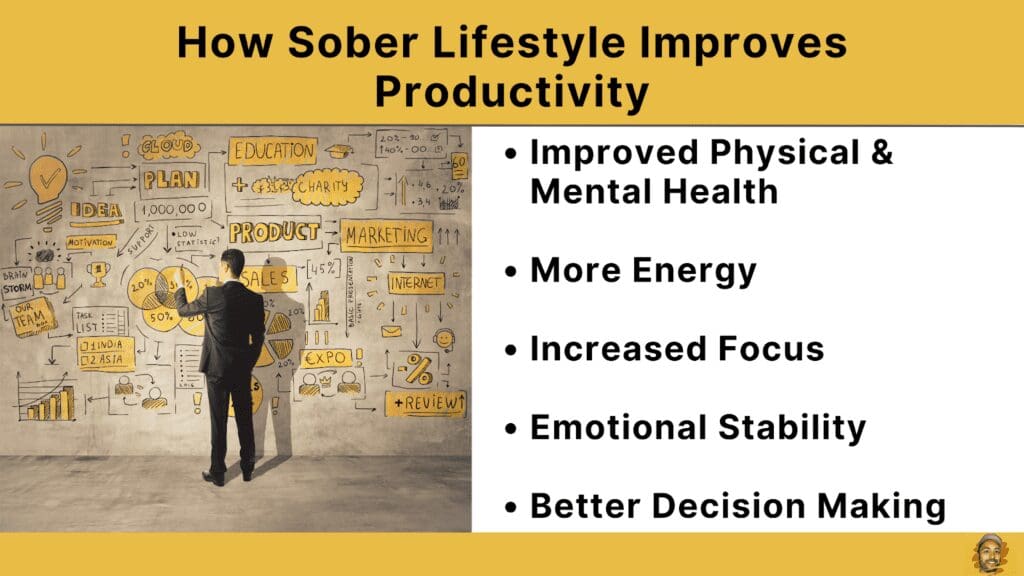A sober lifestyle can transform you and others around you. It renews your life in a way that you find yourself engaging with the world like you have never done before.
Among many things, a sober lifestyle improves productivity in the following ways:
- **Improved Physical and Mental Health –** As you recover, so does your physical and mental health. You will soon experience positive changes like increased energy, vitality, and cognitive clarity. These factors play a vital role in enhancing your focus and endurance, thereby enhancing your productivity.
- **More Energy –** Without the detrimental effects of substances on your physical health and [sleep](https://www.simonstapleton.com/how-much-is-enough-sleep/), you will experience increased energy and well-being. This boost in energy also boosts your vigor and efficiency, which, in turn, positively impacts your productivity levels.
- **Increased Focus –** Substance use can disrupt your brain chemistry and functioning, leaving you feeling foggy and unfocused. The great thing about becoming sober is that it boosts your mental clarity, keeping your brain active and engaged. An active and engaged brain means better focus, which directly [affects your productivity](https://www.simonstapleton.com/4-biggest-threats-to-your-productivity-and-how-to-avoid-them/).
- **Emotional Stability –** Sobriety fosters emotional harmony, reducing anxiety and mood swings. Without these internal distractions, you are better equipped to stay connected and engaged with your present, all of which contribute to your productivity.
- **Better Decision Making –** When there are no substances to cloud your mind, it clears the mental clutter and improves clarity. This allows you to focus, engage in problem-solving, and make productive decisions.
## Benefits of Sober Lifestyle
Yes, a sober lifestyle increases your vigor and productivity. It allows you to embrace life with a zest and provides many other benefits like the following:
- **Increased Confidence –** Your sobriety is your journey, a very fulfilling one at that! It is full of wins and milestones. With every achievement, you experience a boost in your [confidence](https://www.simonstapleton.com/confident/) and renewed belief in yourself.
- **More Financial Stability –** Substance use is not only destructive, it is also expensive. Moreover, it can lead to legal entanglements as well, furthering the strain on your pocket. When you decide to become sober, you cut off these expenses and learn how to manage your finances effectively. It is a vital step in your recovery journey.
- **Greater [Self-Awareness](https://www.simonstapleton.com/lack-of-self-awareness/) –** A sober lifestyle encourages introspection and personal growth. It is only when you develop a deeper understanding of yourself you learn to identify and manage challenges leading to self-destructive behaviors.
- **Improved Relationships –** Substance use can wreak havoc on your relationships. Therefore, rebuilding those bridges becomes integral to your journey toward sobriety. A sober lifestyle becomes an opportunity to reconnect and rebuild those relationships you thought were lost. Not just that, with your sobriety, you may find that you will be setting a positive example for your loved ones and serve as an inspiration to many near and dear to you.
- **Better Sleep –** Substance misuse often disrupts sleep patterns, leading to fatigue and lethargy. When you embrace a sober lifestyle, you will begin to enjoy a deeper, more restorative sleep, allowing you to wake up feeling refreshed and rejuvenated.
## Final Reflections
Embracing a sober lifestyle means embracing a brand new way of life. A life that is new, different, and exciting. It goes well beyond abstaining from substances and allows you to achieve your full potential, which means you will be able to lead a productive and meaningful life.
Author Bio:
[Derek Eckley](https://www.linkedin.com/in/derek-eckley), a New Jersey native, overcame a decade-long battle with addiction and now mentors young men in recovery. Drawing from his own experience, he guides them through early sobriety challenges, emphasizing discipline, accountability, and 12-step involvement. Passionate about rebuilding lives, he helps others navigate relationships, careers, and lasting recovery.
**Categories:** Careers, Mental Health, Try This
**Tags:** mental health, physical health, productivity, sober lifestyle, sobriety
---
### [Sonodynamic Therapy for Cancer in Mexico: A Revolutionary Treatment Option](https://www.simonstapleton.com/sonodynamic-therapy-for-cancer-in-mexico-a-revolutionary-treatment-option/)
**Published:** March 20, 2025
**Author:** Simon
**Content:**
Cancer remains one of the most challenging diseases worldwide, but advances in medical technology offer new hope for patients seeking alternative treatments. One such innovation is sonodynamic therapy (SDT), which is emerging as a promising treatment option for various types of cancer. In Mexico, this cutting-edge therapy is being explored as part of the country’s growing medical tourism industry, drawing patients from all over the world. Let’s explore what sonodynamic therapy is, how it works, and why Mexico is becoming a hub for this innovative cancer treatment.
## What Is Sonodynamic Therapy (SDT)?
Sonodynamic therapy (SDT) is a non-invasive cancer treatment that combines ultrasound waves with a special drug (known as a sonosensitizer) to target and destroy cancer cells. The procedure involves administering the sonosensitizer, which is a substance that becomes activated by ultrasound energy. Once activated, the drug produces reactive oxygen species (ROS), which damage the cancer cells, leading to their destruction.
Unlike traditional treatments such as chemotherapy and radiation, which can be harsh on the body and cause significant side effects, SDT is considered to be gentler and more focused. This approach minimizes damage to surrounding healthy tissues, which is a key benefit of sonodynamic therapy. For those interested in exploring this innovative treatment, [sonodynamic therapy for cancer](https://www.immunitytherapycenter.com/therapies/sonodynamic/) offers a promising option, particularly in medical centers in Mexico where it is gaining recognition.
## How Sonodynamic Therapy Works
The process of SDT involves several steps:
1. **Drug Administration**: The patient is given a sonosensitizer drug, which is typically injected into the bloodstream. The drug is absorbed by the tumor cells over time.
2. **Ultrasound Exposure**: Once the drug has accumulated in the cancer cells, ultrasound waves are directed at the tumor. These high-frequency sound waves cause the sonosensitizer to release energy, which activates the drug and generates ROS.
3. **Tumor Cell Destruction**: The reactive oxygen species produced during activation damage the cancer cells’ structures, leading to their death. The ROS can also induce apoptosis (programmed cell death), which is a natural mechanism the body uses to eliminate damaged or dysfunctional cells.
## Benefits of Sonodynamic Therapy
Sonodynamic therapy offers several advantages over conventional cancer treatments, including:
- **Targeted Action**: The therapy specifically targets cancer cells, sparing surrounding healthy tissues. This makes SDT a potentially less harmful alternative to chemotherapy or radiation, which often have severe side effects.
- **Non-Invasive**: Unlike surgical procedures, SDT does not require incisions or physical removal of the tumor. This non-invasive approach is appealing for patients who are looking for less aggressive treatment options.
- **Fewer Side Effects**: Because SDT is more focused on the tumor, patients may experience fewer side effects compared to other cancer treatments. Common side effects like fatigue, hair loss, and nausea are typically less pronounced.
- **Combination Potential**: SDT can be combined with other cancer therapies, such as chemotherapy, to enhance treatment outcomes. It is also being explored in conjunction with immunotherapy and radiation therapy for more comprehensive cancer care.
## Why Mexico Is Leading in Sonodynamic Therapy
Mexico has become a key destination for [cancer](https://www.hudsonfarmhouse.com/embracing-life-after-breast-cancer-treatment/) patients seeking sonodynamic therapy. The country is home to a number of advanced medical centers and research institutes that are pioneering this promising treatment. There are several reasons why Mexico is attracting international patients for SDT:
1. **Medical Tourism**: Mexico has long been a hub for medical tourism, offering high-quality healthcare services at more affordable prices compared to other countries like the United States and Canada. Patients seeking alternative cancer treatments, including SDT, can benefit from this cost-effective yet advanced healthcare option.
2. **Advanced Treatment Centers**: Mexico is home to some of the world’s most innovative cancer treatment centers. Many of these facilities offer cutting-edge therapies, including SDT, and are equipped with the latest technology to ensure the best possible outcomes for patients.
3. **Personalized Care**: Mexican medical centers often provide more personalized care, allowing patients to receive tailored treatment plans. This approach is important for cancer treatment, as each case requires unique attention and expertise.
4. **Multidisciplinary Expertise**: Many hospitals in Mexico employ multidisciplinary teams of experts, including oncologists, radiologists, and ultrasound specialists, to ensure the most effective application of SDT. These teams collaborate to provide comprehensive care and improve patient outcomes.
## Conclusion
Sonodynamic therapy represents an exciting frontier in the fight against cancer. Its ability to target tumors with minimal damage to healthy tissue makes it an attractive option for patients looking for alternatives to traditional treatments. Mexico’s thriving medical tourism industry, combined with its expertise in advanced cancer treatments, makes it a top destination for those seeking sonodynamic therapy. As more research is conducted and the therapy continues to evolve, it may become an integral part of cancer treatment protocols worldwide. If you or a loved one are considering SDT, Mexico could be a promising place to receive this innovative and effective treatment.
**Categories:** Try This
**Tags:** alternative treatment, cancer treatment, medical technology, mexico, sonodynamic therapy
---
### [5 Ways To Kick-start A Home Business In 30 Days Or Less](https://www.simonstapleton.com/5-ways-to-kick-start-a-home-business-in-30-days-or-less/)
**Published:** March 20, 2025
**Author:** Simon
**Content:**
Getting started with a [home business](https://www.simonstapleton.com/payroll-pitfalls-that-could-cost-your-startup-more-than-money/) is something that most pundits tell you takes a long time. This cautious approach is understandable, but when you think about it, it doesn’t make much sense.
Firstly, if your business is really valuable, it shouldn’t begin with a slow burn. Instead, clients and customers should want to buy from you–everything you have if possible–because what you’re doing helps them so much.
Secondly, there’s no point waiting in business. The longer you delay receiving payments, the worse off you become (especially if you’ve taken out a loan).
So, how do you kickstart your [business in 30 days or less](https://www.earlytorise.com/?p=71235)? What tactics and strategies will really help you achieve that goal?
## **Outsource Time-Consuming Tasks**
You’ll want to begin by outsourcing time-consuming tasks. Passing these over to a specialist is usually more economically efficient and frees you up to set up and run the business in other ways.
Outsourcing to humans is one option. However, these days AI is so powerful that it is possible to pass cognitive labour over to machines. It’s cheap, too, meaning you aren’t going to get into financial difficulties if you use it.
## **Network Online**
Next, you’ll want to allocate a portion of your day to networking online. Joining Facebook and Reddit forum conversations can be highly productive for this because they can connect you with people who are willing to pay you immediately to get a job done.
Of course, if you join any of these communities, you’ll want to [avoid being overly salesy](https://www.reddit.com/r/marketing/comments/ma5z1p/how_to_avoid_coming_off_as_too_salesy/) (that doesn’t usually work). However, you do want to hint that you can solve problems and then wait for people to come to you.
## **Run A Flash Sale**
Another way to boost business in the first 30 days is to run a flash sale. These are highly effective because they encourage impulse purchases, something that is valuable in the early days of a business.
If you don’t like the idea of a flash sale, you could also run a giveaway. These create a buzz among prospective customers, especially if you target them online, creating a surge in demand from the get-go. Often, you can make enough sales to finance marketing drives that will ultimately allow your brand to reach optimal scale.
## **Ask For Referrals**
You could also try [asking for referrals](https://www.indeed.com/career-advice/finding-a-job/request-for-referral) if you have an existing customer base. Getting them to talk to your people who could be your prospective clients is highly effective because it is a form of social proof.
Of course, if referees are successful, you’ll want to pay them a commission. This encourages them to keep doing it and, therefore, build your business.
## **Pop Up Somewhere**
Finally, you could try popping up somewhere. Once you have a stall and a [stand banner](https://www.standbanner.co.uk/), you’re ready to go.
Pop-ups are effective because they take advantage of consumer excitement. Usually, you can give your business a kick start by going somewhere where people are already primed to spend money and are just looking for a service to spend it on.
Try it today and see how it works for you.
**Categories:** Try This
**Tags:** 30 days, home business, kickstart, networking, outsourcing
---
### [Revolax Deep: Say Goodbye to Deep Wrinkles with This Lightweight Filler](https://www.simonstapleton.com/revolax-deep-say-goodbye-to-deep-wrinkles-with-this-lightweight-filler/)
**Published:** March 20, 2025
**Author:** Simon
**Excerpt:** Revolax Deep is a high-quality dermal filler designed to treat deep wrinkles and restore facial volume. With its stable formula and long-lasting gel, it provides natural-looking results while keeping the skin hydrated.
**Content:**
Smooth, youthful skin is something many people want. [**Revolax Deep**](https://frayamedsupply.com/brand/revolax/) makes it easier to treat deep wrinkles and restore lost volume with a thick and longer-lasting formula.
## What Makes Revolax Deep Different?
A stable and consistent product matters when it comes to dermal fillers. Revolax Deep stands out with its high viscoelasticity and thick composition. Developed for the treatment of deep wrinkles, it works well in the deeper dermis or subcutaneous tissue.
## Key Features of Revolax Deep
Revolax Deep is a CE-marked medical device known for its quality and safety. The formulation includes hyaluronic acid, a natural component that helps keep skin [hydrated](https://www.simonstapleton.com/how-much-is-enough-hydration-and-how-much-is-too-much/). It’s also a non-animal-based product, making it a safe choice for many individuals.
- High viscoelasticity for a thick and longer-lasting gel
- Non-animal-based formula
- CE-marked medical device
- Designed for deeper dermis or subcutaneous implantation
### Treatment Areas and Benefits
Revolax Deep is used for the augmentation of the cheeks, chin, and lips. It helps improve facial contours and restore volume in areas that have lost elasticity. The lightweight dermal filler integrates smoothly into the skin, giving natural-looking results.
- **Cheeks, Chin, and Lips**: Adds volume and enhances facial contours.
- **Nasolabial Folds**: Reduces the appearance of deep lines.
- **Non-Surgical Rhinoplasty**: Ideal for subtle nose reshaping.
### Safe and Tested for Quality
Safety is a priority in dermal fillers. Revolax fillers undergo stringent safety tests before reaching the market. Each injection site is carefully assessed, and numbing cream is often applied to minimize discomfort. The revolax range also includes Revolax Fine for more superficial lines and Revolax Sub Q for areas needing thickest properties.
## How It Works
Revolax Deep is injected into the deeper dermis or subcutaneous tissue. The cross-linking technology guarantees a stable and consistent product that lasts longer than other fillers. Its longer-lasting gel formula makes it a reliable option for those looking to treat deep wrinkles effectively.
## Who Should Avoid It?
Some people may not be suitable candidates for Revolax Deep. Those who develop hypertrophic scarring or demonstrate hypersensitivity to any ingredients should consult a specialist before use. People with areas presenting cutaneous [inflammation](https://www.simonstapleton.com/the-top-ten-causes-of-inflammation/) should also avoid treatment. It is not recommended for breastfeeding people or individuals undergoing post-laser therapy or chemical peeling.
## Why Choose Revolax Deep?
Fox Pharma produces Revolax fillers, ensuring high-quality standards. The product line includes options for different treatment areas, with Revolax Deep being one of the most lightweight dermal fillers designed for the deeper dermis. It offers natural-looking results while helping maintain skin hydration.
Revolax Deep is a reliable choice for those looking to restore volume, improve facial contours, and treat deep wrinkles with a stable and consistent product.
## Final Thoughts
Smooth, youthful skin is achievable with the right dermal filler. Revolax Deep is known as the nation’s favourite dermal filler, providing a long-lasting and natural-looking solution for deep wrinkles. Its stable formula and advanced technology make it a trusted choice for facial contouring and volume restoration.
### Frequently Asked Questions
#### **What makes Revolax Deep different from other fillers?**
Revolax Deep is a stable and consistent product with high viscoelasticity, making it long-lasting and effective for deep wrinkles.
#### **Is Revolax Deep safe to use?**
Revolax produce products that undergo stringent safety tests, meeting CE-marked medical device standards.
#### **How fast do results appear after treatment?**
The previous menu speed of Revolax Deep allows immediate visible results, with further improvements as the filler settles.
#### **What are the key benefits of Revolax Deep?**
The description Revolax Deep highlights its ability to restore volume, refine facial contours, and improve skin texture.
**Categories:** Try This
**Tags:** deep wrinkles, dermal filler, facial contouring, revolax deep, volume restoration
---
### [Best Restylane Solutions from Best Buy Fillers for Smooth, Plump Skin and Defined Facial Contours](https://www.simonstapleton.com/best-restylane-solutions-from-best-buy-fillers-for-smooth-plump-skin-and-defined-facial-contours/)
**Published:** March 20, 2025
**Author:** Simon
**Excerpt:** Restylane fillers have become a trusted choice for medical professionals looking to restore volume, smooth fine lines, and enhance facial features. Best Buy Fillers provides high-quality, FDA-approved Restylane products that use hyaluronic acid particles to deliver natural, long-lasting results.
**Content:**
## **A Trusted Source for Quality Dermal Filler Products**
Dermal filler treatments have become an essential part of aesthetic medicine, offering solutions for volume loss, fine lines, and facial rejuvenation. Among the most trusted names in the industry, Best Buy Fillers provides medical aesthetic professionals with high-quality products, including some of the best [**Restylane fillers**](https://bestbuyfillers.com/brand/restylane/) available.
## The Role of Hyaluronic Acid in Facial Rejuvenation
Hyaluronic acid fillers have revolutionized cosmetic treatments. This naturally occurring substance is known for its ability to attract and retain moisture, helping restore lost volume and smooth lines and wrinkles. Injectable fillers based on hyaluronic acid, such as Restylane dermal fillers, offer natural-looking results that enhance facial contours and improve overall skin texture.
FDA-approved HA fillers like Restylane products are widely used for various treatment areas. Lip fillers help create a fuller upper lip and define lip volume, while cheek filler injections restore cheek fullness and aid in cheek augmentation. Patients seeking facial rejuvenation often turn to under-eye fillers to address dark circles and tear troughs, while nasolabial folds and marionette lines can be softened using targeted Restylane injections.
## Restylane: A Leading Choice for Natural-Looking Enhancements
Restylane has established itself as one of the most effective and versatile hyaluronic acid-based fillers. The Restylane family includes a range of specialized dermal filler products, each designed for specific concerns. Restylane Silk is commonly used for vertical lip lines and lip plumping, providing subtle yet noticeable lip enhancement. For those looking to restore volume in the midface, Restylane Lyft is a popular choice for cheek enhancement and facial contours.
Other dermal fillers in the Restylane line include Restylane Contour, which helps redefine cheek fullness, and Restylane Kysse, formulated specifically for soft and flexible lip augmentation. Restylane Refyne and Restylane Defyne work effectively on smile lines and marionette lines, allowing for natural facial movements while reducing deep wrinkles.
### Choosing Safe and Effective Dermal Filler Injections
Patients seeking filler treatment often consider various factors, including the [longevity](https://www.simonstapleton.com/ten-practical-tips-for-longevity/) of results, the safety of the procedure, and the expertise of their provider. Restylane injections offer a safe and effective alternative to [fat](https://www.simonstapleton.com/fat-is-not-your-enemy/) grafting or fat injections, providing consistent and predictable outcomes. With its cross-linked hyaluronic acid composition, the filler gel maintains structure while allowing for smooth integration into facial tissues.
Best Buy Fillers ensures that medical aesthetic professionals have access to Restylane filler products sourced from trusted manufacturers. The company prioritizes safety and quality, supplying FDA-approved fillers that adhere to strict regulatory standards. By maintaining partnerships with leading brands, Best Buy Fillers supports practitioners in delivering high-quality injectable treatments with confidence.
### Advancing Aesthetic Medicine with Reliable Products
As non-surgical cosmetic procedures continue to gain popularity, the demand for reliable dermal filler products remains strong. Best Buy Fillers plays a vital role in meeting this demand, providing seamless ordering, expert support, and a wide selection of injectable fillers. Whether enhancing facial features, restoring lost volume, or refining facial contours, professionals can depend on Best Buy Fillers for the best Restylane products to achieve outstanding results.
## The Takeaway
Restylane products continue to set the standard for safe and effective facial fillers, helping patients achieve long-lasting, natural-looking results. The best Restylane treatments utilize hyaluronic acid particles to add volume and refine facial contours with precision. Trusted suppliers like Best Buy Fillers make it easier for medical professionals to access high-quality products that support a youthful appearance.
### Frequently Asked Questions
#### **How do facial fillers help achieve a youthful appearance?**
Facial fillers smooth fine lines, restore lost volume, and enhance facial contours for a refreshed and youthful look.
#### **What makes the best Restylane products different from other fillers?**
Restylane fillers use cross-linked hyaluronic acid particles to provide long-lasting, natural-looking results with precise volume restoration.
#### **Can facial fillers add volume to sunken areas of the face?**
Yes, injectable treatments like Restylane add volume to areas such as the cheeks, lips, and under-eye hollows to create a balanced appearance.
#### **Are hyaluronic acid particles in Restylane safe for the skin?**
Yes, Restylane fillers contain FDA-approved hyaluronic acid particles that integrate smoothly into the skin for safe and effective results.
**Categories:** Try This
**Tags:** dermal fillers, facial rejuvenation, hyaluronic acid, restylane, volume loss
---
### [Reduce Pain and Swelling After Wisdom Tooth Removal with These Tricks](https://www.simonstapleton.com/reduce-pain-and-swelling-after-wisdom-tooth-removal-with-these-tricks/)
**Published:** March 20, 2025
**Author:** Simon
**Excerpt:** Learn effective ways to reduce pain and swelling after wisdom tooth removal. Speed up your recovery with these expert-backed tricks and home remedies.
**Content:**
Getting a [wisdom tooth extraction](https://www.nuffielddental.com.sg/wisdom-tooth-extraction) can be a daunting experience. Whether it was necessary due to impaction, overcrowding, or persistent pain, the aftermath of the procedure often comes with swelling, discomfort, and soreness. However, with the right care and techniques, you can significantly reduce the pain and swelling, allowing for a smoother and faster recovery.
Many people make the mistake of ignoring post-surgery care, which can lead to prolonged discomfort or even complications. Instead of struggling through the pain, let’s explore effective ways to minimize swelling and manage pain naturally while ensuring a quick and comfortable healing process.
## **Why Does Swelling Happen After Wisdom Tooth Removal?**
Swelling is a natural response to trauma. When a [wisdom](https://www.simonstapleton.com/wisdom-vs-intelligence/) tooth is removed, the body sends extra blood and fluids to the area to aid in healing. While this is beneficial in the long run, it can cause discomfort, puffiness, and tenderness in the first few days. The intensity of swelling varies from person to person, depending on factors like the complexity of the extraction and the [body’s natural healing](https://pmc.ncbi.nlm.nih.gov/articles/PMC8958667/) response.
Most swelling peaks around the second or third day after surgery and then gradually subsides. However, without proper care, it can last longer and cause unnecessary discomfort.
## **Effective Tricks to Reduce Pain and Swelling**
### **Apply Ice Packs Early On**
Cold therapy is one of the most effective ways to minimize swelling. Applying an ice pack to the affected area for 15-20 minutes at a time, with short breaks in between, can help constrict blood vessels and reduce [inflammation](https://www.simonstapleton.com/the-top-ten-causes-of-inflammation/). This method is most effective within the first 24-48 hours after the surgery.
To avoid skin irritation, wrap the ice pack in a soft towel before applying it to your cheek. The cold not only numbs the pain but also helps reduce swelling significantly.
### **Keep Your Head Elevated**
Sleeping with your head elevated helps prevent excessive blood flow to the area, reducing swelling overnight. Use two or three pillows to keep your head in a slightly upright position while sleeping. Avoid [lying](https://www.simonstapleton.com/psychological-tricks-for-exposing-a-liar/) flat, as this can lead to increased swelling and discomfort.
### **Stick to Soft, Cold Foods**
Eating the wrong foods after surgery can aggravate pain and swelling. Opt for soft, cool foods like [yogurt](https://www.simonstapleton.com/the-amazing-health-benefits-of-fermented-foods/), smoothies, applesauce, and mashed potatoes. Cold foods can provide a soothing effect, while soft textures prevent unnecessary strain on the healing area. Avoid spicy, crunchy, or extremely hot foods, as they can irritate the surgical site.
### **Stay Hydrated but Avoid Straws**
Drinking enough water is crucial for a smooth recovery, but avoid using straws. The suction created when sipping through a straw can dislodge the blood clot forming at the extraction site, leading to a painful condition called dry socket. Instead, drink directly from a glass and stick to water or non-acidic fluids to keep your mouth [hydrated](https://www.simonstapleton.com/how-much-is-enough-hydration-and-how-much-is-too-much/).
### **Rinse with Warm Salt Water**
After the first 24 hours, gently rinsing your mouth with warm salt water can help reduce swelling and prevent infection. Mix half a teaspoon of salt in a cup of warm water and swish it around gently. Avoid forceful rinsing, as it could disturb the healing tissue. Doing this a few times a day can keep the surgical area clean and promote faster healing.
### **Take Prescribed or Over-the-Counter Pain Relievers**
Pain medications can be a lifesaver in the first few days following surgery. Your dentist or oral surgeon may prescribe specific painkillers, or you may use over-the-counter options like ibuprofen to help with swelling and discomfort. Always follow the recommended dosage and never exceed the instructions given by your healthcare provider.
### **Avoid Physical Exertion**
Strenuous activities like running, lifting heavy objects, or bending over can increase blood pressure, leading to more swelling and bleeding at the extraction site. Resting for a few days after the surgery is essential to allow the body to heal properly.
### **Maintain Oral Hygiene Carefully**
Keeping your mouth clean is important, but be gentle around the surgical site. Brushing should be done carefully to avoid disturbing the clot. Avoid mouthwashes with alcohol, as they can irritate the area. Instead, use dentist-recommended solutions or warm salt water rinses.
### **Watch for Signs of Infection**
While swelling is normal, excessive pain, foul odor, pus, or persistent bleeding could indicate an infection. If you experience these symptoms, contact your dentist or oral surgeon immediately. Ignoring an infection can lead to complications and prolonged recovery.
### **Give It Time**
Patience is key. The body needs time to heal, and rushing the process can lead to unnecessary discomfort. Follow your dentist’s instructions, rest as much as possible, and trust that the swelling will gradually subside in the coming days. If you have any concerns, the team at [Nuffield Dental](https://www.nuffielddental.com.sg/) is always available to provide guidance and support.
## **Conclusion**
Recovering from a wisdom tooth removal doesn’t have to be unbearable. By following these simple yet effective tricks, you can significantly reduce pain and swelling while ensuring a faster healing process. Rest, hydration, cold therapy, and [proper oral care](https://www.simonstapleton.com/dispelling-dental-myths-a-guide-to-proper-oral-care/) are all essential components of a smooth recovery. Listen to your body, follow your dentist’s advice, and be patient with the healing process. Before you know it, the discomfort will be a thing of the past, and you’ll be back to enjoying your favorite foods and daily routines.
## **Frequently Asked Questions**
### **How Long Does Swelling Last After Wisdom Tooth Removal?**
Swelling typically peaks around the second or third day and then starts to decrease. By the end of the first week, most of the puffiness should be gone. However, if swelling persists beyond ten days, consult your dentist.
### **Can I Use Heat to Reduce Swelling?**
Heat should not be applied within the first 48 hours, as it can increase inflammation. After two days, warm compresses can help relax the muscles and promote blood flow to the healing area.
### **What Foods Should I Avoid After Surgery?**
Avoid crunchy, spicy, acidic, and hot foods that can irritate the wound. Stick to soft and cool foods for the first few days.
### **Is It Normal to Experience Bruising?**
Yes, mild bruising around the jaw or cheek is common, especially in more complex extractions. This should fade within a week.
### **When Can I Resume Normal Activities?**
Most people can resume light activities within a few days, but avoid strenuous exercise for at least a week to prevent complications.
**Categories:** Try This
**Tags:** pain management, post, surgery care, swelling reduction, wisdom tooth removal
---
### [How to Set Your Business Up for Success](https://www.simonstapleton.com/how-to-set-your-business-up-for-success/)
**Published:** February 4, 2025
**Author:** Simon
**Content:**
When it comes to being in business, there really is no right or wrong way to get things off the ground. But at the same time, you will always want to make sure that you’re avoiding costly mistakes. Not every business ever started is successful. In fact, many will never see past their first year. But for the businesses that are able to stand the test of time and actually see some success, it’s safe to say that they make sure they’re set up correctly in the beginning. This goes beyond the idea of [having the right plan or being efficient](https://www.simonstapleton.com/how-to-optimize-your-business-office-for-productivity-and-efficiency/) – it’s all about having the right intentions and doing your best to make sure that your business avoids issues and does a great job. But how can you make sure that happens?
Protecting your business at all costs is important here. If you’re careless with your operations or activity, it could come back to bite you! So to stop that from happening and make sure that you are building a business with success, here’s exactly what you need to focus on from the beginning. Let’s take a look.
## Set the Right Goals from the Start
You’ll often find that it’s important to start off on the right foot. It’s never the best idea to just get started and worry about getting things right later on down the line – this could be costly. So, make sure that you are setting the right goals in the beginning. Be really clear with yourself about [what you want to achieve and how you’re going to do it](https://www.betterup.com/blog/how-to-set-goals-and-achieve-them). Thinking things through concisely and in-depth here can help you get set up successfully from the start.
## Create a Detailed Business Plan
To back that up, it helps if you have a detailed plan in place. If you are launching a large company that needs [capital](https://www.simonstapleton.com/preparing-for-a-big-venture-expert-tips-and-tricks/) from the very beginning, your business plan is going to play a huge role in that. Therefore, you’ll want to think through every area of the business from financial forecasting to marketing plans to team structure. This can also act as a guide and ensure that you’ve been meticulous in your planning.
## Form Your Company Properly
The next thing here is to make sure that your company is formed correctly. Again, this isn’t something that can just wait. If you want to be a viable, legitimate business without any errors, you need to do this as a priority. So depending on where you’re based, make sure that you’re forming your company under local legislation and tax laws. You could even use a company to help you do this. When you’re all set up, you’re then ready to start trading.
## Bring in Key Insurance Products
Something that you cannot overlook is making sure that your business is protected. Insurance can be a non-negotiable for this reason. This is even more pressing if you work in person with clients and go to their premises or they come to yours! Here, looking for specific [general liability insurance for contractors](https://rightawayinsurance.com/business-insurance/general-liability-insurance/) or the type of business you’re in can be important. That way, you know that your company is protected should something happen.
## Build Lasting Relationships
The next thing for you to focus on is the relationships you have with your clients and customers. Depending on the kind of business you have, this can be something where you’re looking to form close personal connections or speak to your wide customer base as a whole. However, the [relationships you build here are crucial](https://professional.dce.harvard.edu/blog/how-to-build-business-relationships/). They are often what will form loyalty and mean that your customers continue to buy from you year after year.
## Prioritize Powerful Marketing Strategies
To make sure that you find the success you’re looking for, you need to make sure that you have a solid marketing plan. It’s not enough to just be fleeting and hope for the best. You’ll want to be creative, impactful, and make sure that you’re speaking directly to your target audience. Working with a seasoned marketing agency could really work out for you here. Then, you should start to build the traction you’re looking for.
## Provide Exceptional Customer Service
However, it’s never just enough to get the customers in – you need to be able to keep them! This isn’t only just for the long-term success of the business, but to ensure that you’re making a positive contribution to the world too. So here, you’ll find that [providing faultless customer service is priceless](https://www.helpscout.com/blog/good-customer-service/). When your customers are happy, it’s more likely that they’ll be loyal to your brand – and that’s very much what you need to see results well into the future.
## Embrace the Latest Technology
To stay competitive and set your business up for long-term success, adopting the latest technology is essential. Innovation moves quickly, and businesses that fail to modernize risk falling behind. Whether it’s upgrading your software, automating processes, or improving your customer experience with digital tools, investing in technology can streamline operations and boost efficiency. Many companies are now exploring artificial [intelligence](https://www.simonstapleton.com/wisdom-vs-intelligence/), cloud computing, and data analytics to make smarter, more strategic decisions.
If you’re unsure where to start, working with an [AI transformation advisory](https://www.russellreynolds.com/en/capabilities/how-can-i-lead-business-transformation/artificial-intelligence-advisory) service can help you integrate AI-driven solutions tailored to your business needs. From automating customer service to enhancing data-driven marketing strategies, AI can offer significant advantages. Businesses that embrace these technological advancements early can improve productivity, reduce costs, and gain a competitive edge. By staying ahead of industry trends and adopting the right technology, you’ll ensure your company is well-positioned for future growth.
## Act With Integrity and Transparency
Next, you also need to make sure that you’re [valuing integrity](https://hbr.org/2020/07/how-to-build-a-company-that-actually-values-integrity) in everything that you do. It should be in the fabric of your company. If you know that you want to be in business for years to come and even leave a legacy, authenticity and transparency are key here. It’s all about doing good and being as above board as you can be. You will be respected for this. If not, it could be something that tarnishes your business and compromises your chances for success.
## Be in it for the Right Reasons!
Ultimately, you will want to make sure that you’re in this for the right reasons. When you’re not, it could mean that you have a harder time making this work out – and it may not last long. Caring about what you’re creating with your company, looking to make a difference in people’s lives, and wanting to do a good job will help you to go a long way!
## Final Thoughts: What it Takes to Build a Successful Business
Building a business that generates a healthy profit and is loved by your customers isn’t the easiest of things to do. However, when you follow the right steps and aim to make the best go of things, it can be possible. Just remember to avoid cutting corners and making mistakes from the beginning. By focusing your intentions on doing the right thing, protecting the business, and serving your customer from a place of caring about their needs, everything is likely to work out for you. So take these key points, apply them to what you’re doing, and so how it goes!
**Categories:** Try This
**Tags:** business, business plan, business planning, company formation, customer service, integrity, marketing strategies, starting a business, success, transparency
---
### [The Science of Personalized Addiction Treatment Plans](https://www.simonstapleton.com/the-science-of-personalized-addiction-treatment-plans/)
**Published:** March 19, 2025
**Author:** Simon
**Content:**
## Key Takeaways
- Personalized treatment plans are integral for effective recovery.
- Understanding various treatment modalities can empower individuals seeking help.
- Scientific research supports the benefits of personalized approaches.
## Introduction
As addiction rates continue to climb worldwide, the essential need for personalized addiction treatment plans becomes increasingly apparent. Each individual’s journey through addiction and into recovery is unique and marked by personal stories, challenges, and strengths. Recognizing this, healthcare providers emphasize the importance of a custom-fit approach that considers the multifaceted nature of addiction. Personalized plans offer tailored solutions that acknowledge the complexity of addiction, significantly increasing the likelihood of [sustainable](https://www.simonstapleton.com/sustainable-as-one-building-an-eco-friendly-office/) recovery. If you’re contemplating options for addiction treatment, it might be insightful to [read more](https://numarecoverycenters.com/) about the different methods that can be employed to tackle these challenges.
## Understanding Addiction
Understanding the intricate nature of addiction is fundamental to appreciating the necessity of personalized treatment. [Addiction](https://www.cbsnews.com/newyork/news/addiction-therapy-drug-rehabilitation-substance-dependence/), though often perceived merely as habitual behavior, is indeed a multi-layered brain disorder influenced by genetics, psychological makeup, and environmental factors. These components interact in complex ways that differ greatly from person to person, underscoring the need for a treatment approach that is as individual as the people it serves. Factors like family history, co-occurring mental health conditions, and personal experiences shape addiction’s trajectory, making generic treatments insufficient in most cases.
## The Role of Personalized Treatment Plans
Personalized treatment plans depict a paradigm shift in how addiction is approached, aiming to address each individual’s unique medical history, mental health status, and life circumstances. These plans not only tailor therapies to meet specific needs but also engage individuals in their recovery journey by involving them in [decision-making](https://www.simonstapleton.com/psychology-of-decision-making/) processes. The significance of this individualized approach is acknowledged by the National Institutes of Health, which points out that customized plans can improve patient participation and treatment adherence, resulting in better outcomes. By constructing a treatment blueprint that individuals can relate to, a sense of ownership and responsibility toward their recovery process is cultivated, paving the way for long-term success.
## Types of Addiction Treatment Modalities
### Behavioral Counseling
Behavioral counseling, particularly [cognitive-behavioral therapy (CBT)](https://www.verywellmind.com/what-is-cognitive-behavior-therapy-2795747), is a cornerstone of modern addiction treatment. It emphasizes on recognizing and changing harmful thought patterns, giving people useful tools to control triggers and avoid relapsing. By promoting healthier thinking and behavior patterns, CBT empowers individuals to confront the psychological roots of their addiction.
### Medications
Medications are a critical component of many personalized addiction treatment plans. They assist in alleviating withdrawal symptoms, reducing cravings, and managing co-occurring mental health disorders. When people take their medications as prescribed, they can stabilize and [concentrate](https://www.simonstapleton.com/what-to-do-when-you-cant-concentrate/) on the behavioral and psychological aspects of their recovery.
### Support Groups
Recovery benefits greatly from the sense of belonging and shared experience that support groups provide. Joining a group offers a secure setting where people may talk about their struggles and victories while learning from others who have been through similar experiences. This communal support helps reinforce the commitment to sobriety and provides ongoing encouragement.
## Benefits of a Tailored Approach
The tailored approach to treatment is beneficial in numerous ways, enhancing engagement with therapy and reducing the risk of relapse. For instance, an individual like John, who benefitted from a personalized recovery program, illustrates how such a tailored method can lead to sustained sobriety. Each element of his plan was specifically chosen to address his unique challenges, resulting in a highly personal and successful recovery journey. Additionally, personalized plans contribute to overall well-being by supporting the individual’s physical, emotional, and social health needs.
## Developing a Personalized Plan
The development of a personalized plan involves a meticulous process where clinicians assess various aspects of an individual’s background and current situation. This includes medical history, lifestyle, and psychological profile. With this information, healthcare providers design a bespoke combination of therapies and interventions. Technology often plays a pivotal role in this process, providing tools to track progress and make necessary adjustments, ensuring that the plan remains relevant and effective as the individual progresses.
## Scientific Backing for Personalized Approaches
Scientific evidence increasingly validates the effectiveness of personalized treatment plans. Extensive research, including studies published by the American Psychological Association, highlights how customized approaches significantly improve recovery outcomes. Tailored methods have been shown to better address the diverse pathways through which addiction manifests, offering a more effective roadmap to recovery. This understanding fosters an environment where individuals are more likely to engage with their treatment, resulting in higher success rates.
## Conclusion
As the understanding of addiction deepens and evolves, so too must the methods we use to treat it. Personalized addiction treatment plans are becoming not just a preferred strategy but a necessary standard for effective recovery. By acknowledging the unique nature of each individual’s journey, these plans enhance the likelihood of attaining long-term sobriety. Those grappling with addiction are encouraged to seek professional counseling to explore tailored treatment options, taking a significant step toward reclaiming their lives and well-being.
**Categories:** Try This
**Tags:** addiction, personalized treatment plans, recovery, scientific research, treatment modalities
---
### [Amazing Things You Can do to Reduce Staff Turnover](https://www.simonstapleton.com/amazing-things-you-can-do-to-reduce-staff-turnover/)
**Published:** July 12, 2018
**Author:** Simon
**Content:**
It is pretty evident that the staff rank among the most important components of any business. Without your workers putting in the effort and the hard graft, you wouldn’t be in a position to achieve success. But, the thing to remember is that many businesses suffer due to abnormally high staff turnover. People are often leaving jobs or working environments for a majority of reasons.
So, as a business owner, it is important for you to ask yourself [why good employees leave](https://www.simonstapleton.com/2018/07/06/why-do-good-employees-leave/), and what you can do to stop this. High staff turnover can be problematic, and will often likely result in damaging morale and reducing productivity. So, you need to arm yourself with as many wonderful ideas as you can to help you reduce staff turnover, and focus on improving [employee retention](https://www.simonstapleton.com/what-is-retention/). Here are a few things you will need to think about if you want to achieve this.
## **Appropriate Compensation**
You need to make sure that anyone you hire is going to receive the appropriate compensation for their work. A lot of companies out there expect a lot from their employees, but they don’t pay them accordingly. You have to make sure you pay people what they deserve to be paid. This is something that you are going to need to get right if you are serious about retaining employees.
## **Great Working Conditions**
Great working conditions are also essential if you are serious about keeping hold of your best employees. This means prioritizing comfort in the workplace as much as you possibly can. Think about the furniture you have and how it can be improved. Make sure you have comfortable chairs with the right [casters](https://www.castercity.com) attached. Ensure the desks are the optimum height for working comfortably. Also, try to ensure that you have all the equipment needed to get this right as much as you can.
## **Impressive Business Values**
[Business values](https://cezannehr.com/hr-blog/2020/09/hr-professionals-manage-pressure-from-business/) actually play much more of a role in your business than you might have thought. You need to make sure the values and ethics you have line up with what other people want to see from the business. If you can impress your staff with the right business approach, and helping the right causes, you should be able to retain the people who play a big role in your business.
## **Diversity**
Diversity is something you have to think about because it can play a big role in helping the success of the business. [You have to have a diverse staff base](https://marshallelearning.com/blog/understanding-equality-and-diversity-in-the-workplace/), and focus on mixing the team of employees you have. It is essential that you have the right mixture of employees from all backgrounds. This is going to be more appealing to your staff and will help you retain those who are important in your business.
These are some of the best things you can do to help you reduce staff turnover and ensure that you retain some of the best employees in the business. You need to make sure you focus on looking at what your employees want, and focus on providing that for them.
**Categories:** Try This
**Tags:** business, business values, comfort, compensation, diversity, employees, ethics, furniture, retention, staff turnover, working conditions
---
### [5 Benefits of Scalp Scrubbing: Unlock Healthy Hair Growth](https://www.simonstapleton.com/5-benefits-of-scalp-scrubbing-unlock-healthy-hair-growth/)
**Published:** March 19, 2025
**Author:** Simon
**Content:**
[Scalp](https://www.simonstapleton.com/what-is-a-trichologist-and-what-do-they-do/) scrubbing is becoming an important part of many people’s hair care routines. This technique involves using tools or products to remove buildup and dead skin from the scalp gently. Many believe that scalp scrubbing can promote healthier hair by improving circulation and encouraging hair growth.
Various tools, like the[ hair scrubber by Try Spartan](https://www.try-spartan.com/products/premium-scalp-scrub-brush-for-hair-growth), are designed specifically for scalp care. They often have soft bristles to help clean the scalp effectively. Understanding the benefits of scalp scrubbing can provide valuable insights as people explore more ways to keep their hair healthy.
1. Promotes Healthier Hair by Removing Excess Oil and Buildup
Scalp scrubbing can help maintain a clean and healthy scalp. By removing excess oil and buildup, the scalp becomes a better environment for hair to grow. Oil and leftover hair products can clog hair follicles, affecting hair health.
Regular scalp exfoliation can support healthier hair by clearing away impurities. When oil and product residue accumulate, they can block the hair roots. This blockage could hinder the growth of strong hair strands.
Clearing away excess oil and buildup allows hair products to work more effectively. Clean follicles mean that shampoos, conditioners, and treatments can reach the scalp more easily. This may improve the effectiveness of these products.
Keeping the scalp free from buildup can also make hair appear more vibrant and lively. By regularly addressing the oil and debris layers, individuals may notice their hair looking fresher and cleaner. This practice may contribute to a more confident appearance overall.
2. Stimulates Blood Flow to the Scalp for Stronger Hair Growth
Scalp scrubbing can boost blood circulation in the scalp. This increased blood flow brings more nutrients and oxygen to hair follicles. It can support healthier hair growth, as follicles need these elements to function well.
Massaging the scalp during scrubbing also encourages relaxation. This can reduce [stress](https://www.simonstapleton.com/using-yoga-to-reduce-stress-and-improve-concentration/), which is sometimes linked to hair loss. A relaxed scalp environment may indirectly support hair growth.
Research indicates regular scalp massage can promote hair thickness. While not a guaranteed solution, it’s an easy practice to incorporate into hair care routines. This method is both practical and accessible for many people.
3. Helps Reduce Dandruff and Scalp Itching
Scalp scrubbing can make a noticeable difference in managing dandruff and itching. By removing dead skin cells and buildup, it helps keep the scalp clean. This process can lead to a reduction in flaky skin, which is often associated with dandruff.
When the scalp is scrubbed, circulation is stimulated. Improved blood flow can lead to a healthier scalp environment, which may contribute to reducing itching. This is important because a less irritated scalp often means fewer dandruff issues.
Regular exfoliation helps in balancing the natural oils on the scalp. When oil production is balanced, excess buildup and flakiness that cause itching might be prevented. Regular scalp care, including scrubbing, is a simple step that can contribute to a healthier, more comfortable scalp.
4. Encourages Cell Turnover by Removing Dead Skin Cells
Scalp scrubbing is a useful way to promote healthy cell turnover. It helps clear away dead skin cells from the scalp. This process allows new cells to form quickly. As a result, the scalp stays fresh and can function better.
By removing dead skin cells, the scalp can remain clear of build-up. This helps improve comfort and reduces flakes, often making scalp conditions more manageable. When done regularly, scalp scrubbing keeps the scalp cleaner and healthier.
This technique can be part of a regular hair care routine. People often notice their scalp feeling cleaner over time after adopting this practice. With less build-up, the hair may also appear more vibrant and look more lively.
Keeping the scalp free from dead skin allows nourishing products to reach the scalp more effectively. This gives better results from hair treatments. Scalp scrubbing combines the benefits of better product absorption with improved overall scalp condition.
5. Can improve absorption of hair care products
Scalp scrubbing can make hair care products more effective. Products can penetrate better when the scalp is clean from dead skin and residue. This means ingredients like serums and conditioners can easily reach the hair roots.
Exfoliating the scalp helps remove excess oil and product buildup. This allows treatments to work more effectively. A cleaner scalp surface provides a better environment for products to be absorbed.
Regularly scrubbing the scalp can make it more receptive to hair treatments. This makes scalp scrubbing an important part of a hair care routine for those looking to get the most out of their products.
## Conclusion
Scalp scrubbing offers several benefits for hair health. By removing dead skin cells and debris, it creates a clean environment for hair growth. A consistent exfoliation routine can improve scalp blood flow, supporting stronger hair.
Using scalp scrubs may also help manage oiliness and provide relief from itchiness. This can result in a scalp that feels refreshed and healthy.
Maintaining a regular scalp care routine is simple but can make a noticeable difference in hair appearance and feel. Regular exfoliation is a valuable step in achieving and maintaining healthy hair.
**Categories:** Try This
**Tags:** hair care, hair growth, healthier hair, scalp care, scalp scrubbing
---
### [Revolutionize Your Approach: Adwords Campaign Best Practices Unleashed](https://www.simonstapleton.com/adwords-campaign-best-practices/)
**Published:** November 19, 2024
**Author:** Simon
**Excerpt:** […] like click-through and conversion rates, we can tweak our ad placements to perfection. A well-thought-out approach to keyword planning and organization is the bedrock for our AdWords success, making sure we squeeze every dollar out of our ad spend while keeping folks interested. For nosy parker insights on how we’re doing, our Google Ads performance […]
**Content:**
## Planning Your Ad Campaigns
Getting our ducks in a row with our ad game is vital. We start by honing in on the keywords we’re gonna use and making sure they’re lined up to hit our target audience just right.
### Keyword Research Strategies
Nailing the right keywords is like hitting the jackpot for our ad campaigns. We’ve got tricks up our sleeves, such as tools and techniques, to figure out what folks are actually typing in that search bar. One savvy move is figuring out the search intent, understanding not just the “what” but the “why” behind those searches. Tools like Google’s Keyword Planner are our best buddies, showing us the keywords that matter and giving insights on how often they’re searched and who we’re up against.
Our game plan should mix up both broad and focused keywords. The broad ones cast a wide net, but the focused ones zero in on folks ready to take action. By mixing up our keywords like a top bartender, we boost our campaign’s mojo.
Here’s a handy chart on keyword flavors:
Keyword TypeWhat It’s All AboutFor ExampleBroad MatchCasts wide; grabs more folk“shoes”Phrase MatchTargets phrases; less vague“running shoes”Exact MatchPinpoints precise search\[running shoes\]Tapping into these keyword strategies sets us up for campaigns that follow the [AdWords campaign protocols](https://www.simonstapleton.com/adwords-keyword-optimization).
### Organizing Keywords Effectively
With our keywords in hand, lining them up into ad groups is the next move. This little trick keeps our ad text laser-focused, making sure it’s as relevant as the first sip of [morning](https://www.simonstapleton.com/how-to-create-a-morning-routine-that-sets-you-up-for-success/) [coffee](https://www.simonstapleton.com/the-benefits-of-coffee-for-career-success/). Tight ad groups lead to higher Quality Scores, which means better ad placements and saving bucks.
To keep our keywords sorted, here’s what we should do:
1. **Group by Theme:** Bundle up similar keywords – think product or service types.
2. **Keep It Tight:** Aim for 5-20 keywords per group to stay sharp and on-point.
3. **Ad Text Precision:** Craft ads that speak directly to the keywords – they’ll perform like a rockstar when done right.
Features like [AdWords bidding strategies](https://www.simonstapleton.com/adwords-bidding-strategies) sync well with our organized keywords. By crunching numbers on metrics like click-through and conversion rates, we can tweak our ad placements to perfection.
A well-thought-out approach to keyword planning and organization is the bedrock for our AdWords success, making sure we squeeze every dollar out of our ad spend while keeping folks interested. For nosy parker insights on how we’re doing, our [Google Ads performance metrics](https://www.simonstapleton.com/google-ads-performance-metrics) give a solid peek into what’s working and what needs a bit of elbow grease.
## Optimizing Ad Placement
Hey there! Let’s chat about giving our AdWords campaigns a boost and getting those ads front and center where they’ll really shine. It’s all about smart ad placement and playing our cards right with neat tricks like Exact Match Marketing and making the most of location benefits. These steps are our golden tickets to catching the eye of our folks out there efficiently.
### Exact Match Marketing
Now, this Exact Match Marketing thing is like playing darts with laser precision. We pick keywords super carefully so our ads hit the bullseye – showing up only for searches matching our chosen words exactly. Imagine having the remote control to channel ad placement where it’ll cost less and perform better. You know, when we zero in with exact match, our ads do this magic trick of increasing click-through rates because they talk directly to the audience that matters. Makes the folks leaning in ready to shop!
Keyword TypeProsConsExact MatchSpot-on relevance, Peppy CTRsNot the biggest net, Might overlook broader searchesPhrase MatchPretty relevant, Bigger netLess grip on exact searchesBroad MatchWide castLess focus, Higher billsDialing in those exact matches means our ad copy speaks the keywords’ [language](https://www.simonstapleton.com/category/language/) fluently, snagging users already jazzed about what we’re offering. Curious minds? Pop over to our adwords keyword optimization guide for the inside scoop.
### Location Targeting Benefits
Location, location, location! By targeting in AdWords, we [zoom](https://www.simonstapleton.com/which-is-best-for-a-small-business-teams-or-zoom/) in on golden spots – whether it’s a state, region, or a cozy zip code nook. That’s how we make every ad meet its match in specific spots. Got a business that’s a local hero? Then using location targeting, only the neighbors and nearby folks get the goods in their search results.
Location Targeting FeatureBenefitTargeted RegionsStrikes a chord with the right crowdRadius TargetingAll about the local love – it’s like a neighborhood party invite!Custom LocationsShapes campaigns for unique customer vibesGive location targeting a big bear hug and watch your ad run where it truly matters. Our messages will land just right, and conversion rates? Oh, they’ll sparkle! Want in on more hunting tips? Glide onto our piece on [adwords targeting options](https://www.simonstapleton.com/adwords-targeting-options).
Those tips? They’re the unsung heroes for making the most of AdWords. Mash up Exact Match Marketing and location targeting, and see our campaigns get wind under their wings, reaching the peeps we’ve got in mind and bagging top-notch results. And hey, don’t forget to peek at our google ads performance metrics article to see how these moves are playing out in real life!
## Testing and Performance Improvement
### Multi-Ad Variation Testing
Trying different ad variations is a key trick up our sleeve to make our campaigns shine. This means crafting multiple ad versions and keeping a sharp eye on which ones hit it off with our crowd. As [Arcalea](https://arcalea.com/blog/7-tips-to-improve-your-ad-copy) points out, playing around with different ads helps us fine-tune our approach without breaking a sweat.
A/B testing takes center stage here, where we pit ad variations against each other to see what’s buzzing. Factors like copy, visuals, and buttons take the heat, revealing what really clicks with folks out there. Monitoring goodies like click-through rates (CTR) and conversion rates tell us if we’re on the right track or need a tweak.
**Check out this easy table to see how our ads might be doing during testing:**
Ad VersionClick-Through Rate (CTR)Conversion RateCost per ConversionVersion A5.1%2.3%$12.00Version B3.7%1.8%$15.00Version C6.4%3.0%$10.00The insights gathered let us sharpen our ads consistently, leaving no stone unturned to ditch the weak links. A/B testing isn’t a one-shot deal; it’s our ongoing loyalty card to amp up our Google Ads game, much like [Elevation Ten Thousand](https://www.elevation10k.com/blog/digital-marketing-5-key-elements-for-a-successful-google-ads-campaign/) suggests.
### Data-Driven Decision Making
Tapping into data is our secret sauce for turning ads from good to groovy. Campaign stats aren’t just numbers; they’re the map to what’s rocking and what’s not. Tools like the search terms report let us laser-focus on the best keywords, turning chaos into controlled power moves.
Skipping analyzing the search terms report is like tossing coins into a bottomless pit – inefficient and surprising no one. With regular peeks, we can dodge irrelevant keywords, and scoop up hidden gems to revamp our campaigns, as pointed out by [LinkedIn](https://www.linkedin.com/pulse/10-common-google-ads-mistakes-how-avoid-them-jason-j-zotara/).
We amp up our show with AdWords bidding strategies synced with our insightful data moves, making our campaigns smoother than ever. When testing meshes with smart data sleuthing, it’s the winning combo driving our ad magic.
Using these tricks helps us craft campaigns that really hit home and deliver the goods. To keep our mojo going strong, diving into Google Ads performance metrics, AdWords keyword optimization, and AdWords targeting options could be our next clever move.
## Boosting Ad Visibility
To step up our AdWords game and make sure our ads land in front of the right folks, we need to work on boosting ad visibility. Achieving this means nailing where we place our ads and taking advantage of site links and other handy ad tools.
### Spot-On Placement Ideas
Google lets us play matchmaker with ads and websites using their Placement Targeting feature. It’s awesome for smaller gigs because we can pick websites that vibe with our crowd’s interests ([Arcalea](https://arcalea.com/blog/7-tips-to-improve-your-ad-copy)). Picking the right spots means more eyes on our ads from people who are already into similar stuff.
Placement ChoicesWhat’s the Deal?Specific WebsitesWe get to pick websites that speak to our crowd and have our ads pop up there.Bits of WebsitesZero in on specific areas of a site that jive with what we’re pushing.Google Display NetworkGo big with Google’s massive network but keep it cozy by targeting particular interests.With these tactics, our ads can hang out in places where they’re most likely to catch someone’s attention.
### Using Site Links & Extras
Adding site links and other ad extras to our AdWords campaigns can really crank up those click-throughs. These tools show off more about what we offer, like how to reach us, where we are, or what cool stuff we sell, without costing a dime more ([Arcalea](https://arcalea.com/blog/7-tips-to-improve-your-ad-copy)).
A few extensions you don’t want to miss:
Ad ExtrasWhy They RockSitelinksGuide folks straight to what’s important on our site, making it easier to score conversions.Call ExtensionsGive folks an easy-peasy way to ring us up, breaking down those barriers to contact.Location ExtensionsPut our business on the map, helping local customers swing by without a hitch.Review ExtensionsFlaunt those rave reviews to gain trust and look good to folks checking us out.Using these tools helps our ads pop in search results, arming potential customers with just the info they need, upping the odds they’ll click on our ad.
By mixing placement strategies with smart site links and ad extensions, we can make our ads even more of a showstopper. This not only pulls in more customers but also makes sure we’re chatting with the crowd that really digs what we’ve got. For more tips to supercharge our AdWords efforts, check out a few tricks on AdWords bidding strategies and AdWords keyword optimization.
## AdWords Profitability Insights
Let’s chat about getting the most bang for our buck with AdWords! We’re diving into how our campaigns rake in the moolah and measuring if all those clicks are working their magic.
### Revenue Generation
When we throw cash at AdWords, we’re hoping to make some serious green in return. Did you know that on average, for every dollar spent on Google Ads, businesses often see $2 roll back in? That’s like getting a 2-for-1 deal just by being smart with our ads ([Report Garden](https://reportgarden.com/post/optimize-ad-campaigns)).
Let’s break it into simple numbers to show how our campaigns can really pay off:
InvestmentRevenue GeneratedReturn$1$2200%$100$200200%$500$1000200%See how sweet those returns can be with a little strategy and flair? To keep the cash flowing, we need to ace our bidding game and make sure our campaigns are on point.
### Return on Investment Analysis
Figuring out our return on investment (ROI) is like taking a selfie of our ad success. It’s all about seeing if we’re turning clicks into dollars ([Google Ads](https://ads.google.com/intl/en_us/home/resources/articles/how-to-analyze-google-ads-successfully/)). The goal? Make more than we spend on getting folks to click.
Here’s how we size up our game:
1. **Revenue per Job**: Cash we make from each sale.
2. **Profit**: Total earnings minus anything we spend.
3. **Ad Spend**: Every cent spent to catch attention.
4. **Conversion Rate**: The percent of visitors saying “yes” to what we’re selling.
5. **Cost Per Click (CPC)**: The price we pay every time someone gives us a click.
Let’s check out a little math:
MetricValueRevenue per Job$500Cost per Job$300Ad Spend$200Conversion Rate2%Cost Per Click (CPC)$1Time for the magic formula: \[ \\text{ROI} = \\frac{( \\text{Total Revenue} – \\text{Ad Spend})}{\\text{Ad Spend}} \\times 100 \]
Imagine getting 200 clicks, with a 2% conversion rate. That means 4 conversions, so:
- Total Revenue = 4 (conversions) × $500 (revenue per job) = $2000
- ROI = ((2000 – 200) / 200) \\times 100 = 900%)
Keeping tabs on our ROI helps us decide if our efforts are paying off or if it’s time to tweak things. For more nerdy numbers, check out our Google Ads performance metrics. By hitting up AdWords keyword optimization and playing with AdWords targeting options, we’re on course for even more wins!
## Audience Targeting Strategies
To truly make our AdWords campaigns pop, we need to get cozy with our audience. By tuning into what makes them tick and personalizing our strategies, we end up with ads that hit all the right notes.
### Diving Into the Audience Psyche
Crafting killer ads isn’t just about age and location. We need to dig deeper. Think of it like being a detective; we’re on the hunt for clues about values, hobbies, and daily routines ([Report Garden](https://reportgarden.com/post/optimize-ad-campaigns)). Once we have that, our ads can speak to the heart of who they are.
What We’re Looking ForHow It Helps UsValuesWhat lights their fire?InterestsWhat keeps them up at night?LifestyleWhat does a day in their life look like?Armed with this info, we can write ad copy that feels like a conversation with a friend ([Elevation Ten Thousand](https://www.elevation10k.com/blog/digital-marketing-5-key-elements-for-a-successful-google-ads-campaign/)). It’s this kind of personalization that makes engagement and conversion happen.
### Personalization Strategies
Understanding our audience is just the start. Next, we put on our chef hats and cook up some ads that are personal to them. It’s not rocket science, but it does involve a bit of savvy.
- **Dynamic Ads**: Mix and match elements so everyone gets a dish they love.
- **Segmentation**: Split them up by what they’re into – like sorting candy.
- **Custom Messaging**: Whisper sweet nothings that only they understand.
When our ads speak their language, it’s easier to catch their attention and get them clicking. We keep an eye on key numbers like Cost Per Click (CPC) and Conversion Rate. For a deeper dive, our guide on google ads performance metrics dishes out the details.
We’re not just throwing spaghetti at the wall here; we’re building bonds and getting our money’s worth. Tools gathering data on preferences can turn our strategies from meh to marvelous, boosting both profits and success chances. Check out our thoughts on adwords bidding strategies for a little extra magic.
Putting these strategies to work means we’re saying “hello” to more potential customers and “goodbye” to missed opportunities. With a bit of charm and know-how, we’re making our campaigns not just successful, but memorable.
## Keyword Selection Best Practices
Picking the right keywords is a game-changer for our AdWords stuff. We gotta step into our customer’s shoes and juggle those broad and specific keywords like pros.
### Thinking Like Customers
To whip up a killer list of keywords, we gotta channel our inner customer. Picture the words or phrases they’d type when they’re craving our product or service. As Google Ads Support suggests, start with the core categories of our biz and then jot down relevant keywords from those.
Here’s some advice worth pocketing:
1. **Speak Their Lingo**: Tune into the words our peeps use when searching.
2. **Get Creative**: Brainstorm a cocktail of synonyms and related words they might punch into that search bar.
3. **Spot the Pain**: Focus on the hassles they’re trying to solve – this guides what we pick.
Stick to this game plan, and we’ll have ads speaking directly to the folks who need ’em.
### Balancing General and Specific Keywords
Finding that sweet spot between broad and niche keywords can turbocharge our ads. According to Report Garden, pinpointing the right keywords is like hitting the jackpot for boosting our AdWords mojo and getting our ads out there.
#### General Keywords
General keywords are like throwing a big net to capture everyone. But beware: casting too wide a net might mean showing up in searches that have zilch to do with us, which can water down our ads. For example:
Keyword TypeExampleAudience ReachGeneral“shoes”Huge crowdSpecific“women’s running shoes”Niche market#### Specific Keywords
Specific keywords pin our message right on target. They make sure our ads pop up for searches that are super relevant to what we offer. But don’t go too narrow, or we might miss potential customers. Imagine using “organic coffee beans” instead of just “coffee” to catch those specifically hunting for organic.
The trick is to test both ends of the spectrum – general and specific – to see what clicks. Plus, using nifty tools like Smart Bidding can help us snag the perfect audience without emptying our pockets.
By carefully picking our keywords and wearing the shoes of our customers, our ad campaigns will be singing with success. For more goodies on boosting our AdWords game, dive into topics on AdWords keyword improvement and AdWords bidding skills.
## Grouping Keywords Efficiently
Getting our AdWords campaigns shipshape boils down to how we bunch up our keywords. Smart sorting not only makes sure more folks see our ads, but it also gives our campaign an extra boost. Let’s dive into two important points: Getting our ad groups in order and making our keywords hit the mark.
### Ad Group Organization
Keeping our keywords tidily sorted into ad groups is our secret weapon for making our campaigns shine. Each group should zero in on a single theme or product, letting us whip up ads that speak directly to our crowd. This laser-focused strategy scores us a better click-through rate (CTR) and ramps up our quality score.
A possible setup might go like this:
Ad GroupKeywordsRunning Shoesbuy running shoes, best running shoes, affordable running shoesHiking Equipmenthiking gear, outdoor hiking shoes, best backpacks for hikingFitness Apparel[yoga](https://www.simonstapleton.com/why-i-started-yoga/) pants, workout tops, gym shortsBy sticking to this orderly framework, we keep our keywords and ads playing nicely together. This helps bump up our AdWords keyword optimization and polishes our performance stats.
### Maximizing Keyword Relevance
To really nail keyword relevance, we gotta use lots of related keywords without muddying the waters. A smart mix of broad and narrow keywords means we’re talking to a big group while still homing in on niche crowds.
Here’s how we can make our keywords really pop:
1. **Align with user intent**: Clustering keywords based on what people typically search for boosts our ad messages.
2. **Mix in variations**: Don’t put all our eggs in one basket, add in variations that shoppers might be typing in.
3. **Ease up on adjectives**: Too many descriptive words can clutter things and shift the spotlight from our main keywords.
We should peek at our campaign’s pulse regularly via Google Ads performance metrics to spot spots that need tweaking. If some keywords aren’t pulling their weight, it might be time to shake up the ad copy or try out some tweaks. Doing this gets us ads that hit the bullseye and trims down wasteful ad spend.
As we keep fine-tuning our AdWords game plan, let’s keep in mind that tidy keyword grouping is a big player in making our ads rock, helping us sharpen our aim and truly match what our audience wants. Plus, there might be some AdWords targeting options out there to give our campaigns even more pop.
**Categories:** All Featured Articles
**Tags:** ad campaigns, adwords, keyword organization, keyword planning, keywords
---
### [Navigate Adwords Success: Our Comprehensive Targeting Options Guide](https://www.simonstapleton.com/adwords-targeting-options/)
**Published:** December 5, 2024
**Author:** Simon
**Excerpt:** By aiming our ads at the right folks and using smart content moves, we can really punch above our weight with advertising.
**Content:**
## Targeting Options in Google Ads
Alright, let’s get down to business and talk Google Ads. Understanding how to make the most of Google Ads is what we’re here for – it’s like working with a toolkit to fine-tune our ad campaigns. By aiming our ads at the right folks and using smart content moves, we can really punch above our weight with advertising.
### Audience Targeting Options
Google Ads throws a bunch of audience targeting options our way, like picking a team in gym class. We get to choose who exactly sees our ads based on who they are and what they do online. The aim? Make sure our ads strike a chord with the right crowd. We’ve got demographics, interests, and online behavior to play with. Here’s a bite-sized rundown of what these options look like:
Audience Targeting OptionWhat’s It About?Demographic TargetingThink age, gender, parental status, or household bank balance.Interest TargetingChat up folks interested in what we’re pushing. Relevant crowds make happy audiences.Behavior TargetingZero in on users’ internet habits, like what they browse and buy.Custom SegmentsMake our own groups based on our special sauce – fine-tuning like a pro.For the lowdown on mastering audience targeting, peek at the [Google Ads Help page](https://support.google.com/google-ads/answer/1704368?hl=en) or check out the [Audience Targeting Cheat Sheet](https://www.wordstream.com/blog/ws/2022/09/21/google-ads-audience-targeting-cheat-sheet).
### Content Targeting Strategies
Content targeting with Google Ads is all about choosing where our ads take the stage. We’re talking hand-picking topics, spots (like websites or apps), or keywords linked to content we think fits the bill. It’s all about spreading the word far and wide with precision – think sharpshooter not scattergun. Here’s the quick guide:
Content Targeting MethodWhat’s It Do?Topic TargetingAds pop up on content that matches topics we dig.Placement TargetingPick which websites or apps get to show our ads. Easy to decide where we’ll buy a round.Keyword TargetingNail those keywords that line up with what we’re selling. Our ads will appear in search results or web pages singing the right tune.Customizing where our ads show up helps make sure our brand and marketing mindsets are in sync. For the full scoop on content targeting, take a gander at the [Google Ads Support page](https://support.google.com/google-ads/answer/1704368?hl=en).
By playing these audience targeting options and content strategies right, we’re setting our Google Ads up for success. Want more pro tips? Check out [adwords bidding strategies](https://www.simonstapleton.com/adwords-bidding-strategies) and the best practices to really nail those adwords campaigns [adwords campaign best practices](https://www.simonstapleton.com/adwords-campaign-best-practices). Its like passing go and collecting 200 bucks on the path to digital marketing success.
## Maximizing Google Ads Effectiveness
Alright folks, let’s talk about getting the most bang for our buck with Google Ads. We all want our campaigns to shine, right? So let’s dive into some top-notch moves that’ll make sure they sparkle: performance check-ups, smart scheduling, and noodling around with that nifty Keyword Planner. These bad boys can seriously pep up our advertising mojo.
### Regular Performance Review
Keeping an eye on our ads is a bit like checking the oven when you’re baking [cookies](https://www.simonstapleton.com/why-are-cookies-called-cookies-the-history-and-inventor-behind-the-name/). Too long, and they’re burnt; too short, and they’re gooey. We need to look at how well we’re targeting our peeps with audience and content dial-ins. The [Google Ads performance metrics](https://www.simonstapleton.com/google-ads-performance-metrics) are our trusty roadmap – showing us the gems and the duds in our ad arsenal.
Here’s what we need to chat about: CTR, conversion rates, and ROAS. Dive into these numbers like they’re grandma’s secret recipe. They guide us to tinker and tweak our campaigns for juicier results.
MetricGoalWhy It MattersClick-Through Rate (CTR)2%+Shows if folks dig what we’re putting outConversion Rate5%+Tells us how sharp our targeting isReturn on Ad Spend (ROAS)400%+Checks if our piggy bank’s looking healthy### Ad Schedule Optimization
Running ads is all about timing – kind of like hitting snooze or grabbing [coffee](https://www.simonstapleton.com/the-benefits-of-coffee-for-career-success/), timing can make or break it. Setting up a neat ad schedule helps us decide when to splash our ads or pinch pennies. Google Ads gives us room for six schedules a day per campaign ([Google Ads Help](https://support.google.com/google-ads/answer/6372656?hl=en)). So, let’s fish around and see when users are more likely to bite.
Past data shows us when to hustle. We shift our cash to megaphones at peak times, and keep our wallets shut when traffic’s taking a nap.
Day/TimeConversionsMove We Should MakeMonday 9 AM – 12 PMHighThrow in more doughTuesday 2 PM – 5 PMLowDial down spendingThursday 7 PM – 10 PMMediumKeep as is and watch closely### Keyword Planner Utilization
This one’s a treasure chest – Keyword Planner. Use it like Google’s magic eight-ball to snoop around keywords that represent what we’re all about ([adwords keyword optimization](https://www.simonstapleton.com/adwords-keyword-optimization)). It helps check search volumes and costs, spotting which keywords are golden and which are fool’s gold ([Google Ads Support](https://support.google.com/google-ads/answer/7337243?hl=en)).
Armed with these juicy tidbits, we’re aiming those ads right where it counts. Keep using this tool to suss out fresh avenues, pimp our current keyword stash, and stay fresh as the market does its quirky dance.
So folks, let’s rock those regular check-ins, plan our ad schedules like pros, and play it smart with Keyword Planner. We’ll turbocharge our Google Ads like nobody’s business and watch our campaigns soar. For some insider sauce on bids, hop over to our adwords bidding strategies. Cheers to more wins and happy clicking!
## Advanced Audience Targeting
Every good sales pitch starts with knowing your crowd, right? Well, when it comes to Google Ads, we’re talking about doing that at warp speed thanks to some nifty audience targeting tricks. Here, let’s break down custom segments, combined segment targeting, and optimized targeting, so we can make sure our ads aren’t just shouting into the void.
### Custom Segments
Custom Segments are like a VIP list for Google Ads, letting us mold our audience plan around what makes our business tick. We mix Google’s treasure trove of data with our sales goals to build some tailored audience groups. We got three ways to slice and dice these segments, giving us a toolbox full of options ([link](https://www.wordstream.com/blog/ws/2022/09/21/google-ads-audience-targeting-cheat-sheet)).
Custom Segment TipWhat’s It Do?Keyword MagicPick key words that scream our business.URL TrackingTag folks who’ve clicked on certain sites.App ScoutKeep tabs on users diving deep into our apps.Working Custom Segments into our game plan can turbocharge our ad hustle – hitting those who’re ready to bite based on past clicks.
### Combined Segment Targeting
Alongside Custom Segments, we’ve got the ace in the hole: Combined Segment Targeting. This isn’t just sticking pieces together; it’s like building a super brand-specific audience. Mash up varied audience criteria and the outcome is a precise target band that gets the conversion wheels turning ([link](https://www.wordstream.com/blog/ws/2022/09/21/google-ads-audience-targeting-cheat-sheet)).
Imagine we team up people curious about fitness with users who’ve popped onto our site lately. Bam! Our ads land right in the sweet spot of interest and readiness.
Combined Know-HowWho’s Showing Up?Gym Buffs + Web ReturnersFitness fiends fresh from our corner of the internet.[Gadget](https://www.simonstapleton.com/20-mind-blowing-gadgets-you-didnt-know-existed/) Gurus + Last-Month ShoppersTech lovers who just whipped out the plastic.Jumping into Combined Segment Targeting is our ticket to a lean, mean audience target and a better bang for our buck.
### Optimized Targeting
Optimized Targeting is Google’s high-tech pal that uses machine learning to meet our targeting dreams. This method gives our audience list a growth spurt without us lifting a finger, finding folks who walk the same walk as our top buyers ([link](https://www.wordstream.com/blog/ws/2022/09/21/google-ads-audience-targeting-cheat-sheet)).
Hoping to cast a wider net while keeping that conversion rate solid? Here’s Optimized Targeting in action:
Perks of OptimizedWhy It MattersTarget GrowthSniffs out potential customers like our VIPs.Smarts Over TimeAdjusts with endless data crunching.Boosted ConversionsBoosts our reach without losing grip on quality.Working in some Optimized Targeting smooths out audience growth while keeping our metrics shining.
Mastering these advanced targeting maneuvers lets us revamp our Google Ads mojo, pointing our campaigns in the direction of success. For even deeper ad-smarts, check out Adwords bidding strategies and Google Ads performance metrics to fine-tune our results.
## Remarketing Strategies in Google Ads
Let’s talk about how we can make our Google Ads be even more awesome! We’re focusing on a trick called remarketing, which is like sending a friendly “hey, remember us?” to people who’ve checked us out before. This means better chances they’ll finish what they started with us.
### Remarketing vs. Similar Segment Audiences
It’s helpful to know the difference between two groups we can target: remarketing audiences and lookalike audiences. Remarketing audiences are folks who already know us – they’ve visited our site, clicked our ads, or used our apps. Our goal? Get them back to seal the deal or dive deeper into what we offer.
Then there are lookalike audiences. These guys haven’t met us yet but are a lot like our best customers or those in our remarketing audiences. Google figures out who they are by checking out their online habits and preferences. This lets us find new pals who might just love what we’re offering.
Audience TypeWho They AreWhat We Want to DoRemarketing AudiencesFolks who’ve already checked us outWoo them back to our siteLookalike AudiencesPeople who act or look a lot like our best visitorsFind fresh faces to join the partyFor a long read on the ins and outs of audience targeting, you could check out our piece on [AdWords targeting options](https://www.wordstream.com/blog/ws/2022/09/21/google-ads-audience-targeting-cheat-sheet).
### Your Data Segments
So Google’s spruced up “remarketing,” calling it “Your Data,” highlighting how cool it is to use what we know about our visitors well. By using Remarketing and Lookalike audiences, we craft messages that feel personal and meaningful, just like chatting with an old friend.
When we dig into remarketing, we take out some secret sauce from previous Google Ads adventures or from our customer data treasure chest. This makes our pay-per-click (PPC) ads sharper – and smarter too – reaching out to those who’ve already shown a little love for what we’re doing. Remarketing has a great record for boosting [Google AdWords ROAS](https://www.clairejarrett.com/5-ppc-strategies-to-increase-your-google-ads-roas/) by reeling back those who’ve already given us the thumbs-up.
Snagging this approach helps us not just pinpoint the right audiences but also shape ads that say, “This is exactly for you!” Encouraging more talks, clicks, and yes – more success. For more golden nuggets on making our AdWords better, peek at our AdWords campaign best practices and Google Ads performance metrics.
## Smart Bidding Strategies
### Understanding Smart Bidding
Here at our ad command center, we’ve hooked onto Smart Bidding like a kid in a candy store, and it’s all about juicing Google Ads to their max potential. You got flavors like Target CPA, Target ROAS, Maximize Conversions, and Maximize Conversion Value. With a little sprinkle of Google AI magic dust, Smart Bidding cranks up conversions for every auction by doing some Jedi-like, real-time bid magic ([Google Ads Help](https://support.google.com/google-ads/answer/7065882?hl=en)).
This nifty tool factors in everything from what gadget you’re using and where you at, to when you’re scrolling. It’s like having a virtual chameleon that adapts to your environment, boosting your ad game like you wouldn’t believe ([Google Ads Help](https://support.google.com/google-ads/answer/7065882?hl=en)).
Small biz or big shots, Smart Bidding’s your buddy. It even gets the ball rolling when you’ve got little data to start with. We gotta remind ourselves to peek at the numbers over a good stretch, like a month, with at least 30 conversions under our belt (or 50 if you’re rocking Target ROAS) to call it a proper evaluation party ([Google Ads Help](https://support.google.com/google-ads/answer/7065882?hl=en)).
### Optimizing Bids with Machine Learning
The best thing about Smart Bidding? Its super-brainy machine-learning algorithms. These whiz kids churn through a bajillion parameters that would make the average human’s head spin, letting you make laser-precise bid predictions and tweaking the conversion game on your whole account ([Google Ads Help](https://support.google.com/google-ads/answer/7065882?hl=en)).
And let’s not forget, Smart Bidding is as clear as Grandma’s chicken soup. It lets you eyeball performance results, keep those bids on track, and catch glitches faster than a caffeinated squirrel. Keeping a close look at Google Ads performance metrics helps paint a picture of wins and tweaks.
Choosing Smart Bidding is like upgrading to the fast lane for bids, racing towards better results. Understanding all the whistles and bells and staying sharp with our tactics brings us closer to hitting those golden marketing goals. For more golden tips, check out AdWords bidding strategies and AdWords campaign best practices. They’re kinda like our ad playbook for success.
## Bid Adjustments in Google Ads
Alright, grab a coffee, because we’re diving into bid adjustments in Google Ads – a super handy way of shaping how often your ads pop up. These little levers let us play with our visibility based on stuff like the device used, where folks are searching from, or when they’re online. Use ’em right, and our campaigns can really shine.
### Multiple Bid Adjustment Techniques
So, have a peek at multiple bid adjustment strategies! We get to tweak bids using different targets like the gadget people use, where they are, and when they’re browsing. As per [Google Ads Support](https://support.google.com/google-ads/answer/2732132?hl=en) (worth a read), stacking these tweaks means they multiply together to give a final kick to our bid. A heads up, though – there are a few quirks when it comes to devices and places.
Here’s a cheat sheet of handy adjustments:
Adjustment TypeDescriptionDeviceTweak bids depending on the device (phone, desktop, tablet).LocationShift bids based on where the search kicks off from.TimePlay with bids for certain hours or days.DemographicsChange bids by age, gender, or income bracket.Let’s say we slap a 20% [hike](https://www.simonstapleton.com/how-to-plan-an-enjoyable-family-hiking-trip/) for mobiles and another 10% boost for folks hunting from California – our bid jumps by 32% (1.2 x 1.1 = 1.32) thanks to good ol’ multiplication.
### Setting Effective Bid Adjustments
To nail bid adjustments, we need to keep our eye on what we want out of the campaign and how it’s doing. Just remember – the bump can’t shoot past 900%, so a $1 bid maxes out at $10 tops. Don’t go crazy, we can go as far down as -90% too, keeping something on the board even during lean times as [Google Ads Support](https://support.google.com/google-ads/answer/2732132?hl=en) notes.
Check out this table for a U.S. market campaign example:
FactorOriginal BidLocation AdjustmentDay AdjustmentFinal BidU.S. (Base)$1.00California (+50%)Saturday (+20%)$1.50 x 1.20 = $1.80By spotting where our ads win and the best times, we can bag more eyeballs and clicks. For nitty-gritty details on tweaking our bids right, scope our guides on adwords bidding strategies and google ads performance metrics.
When it comes to turbocharging our Google Ads mojo, understanding these bid adjustments and working ’em right can take our campaigns from blah to boom. Let’s make those ads work harder for you, shall we?
## Strategies for Google Ads ROAS
Alright, pals, let’s chat about squeezing the most out of our bucks with Google Ads. We’re talkin’ about hitting the jackpot when it comes to return on ad spend (ROAS). Our secret weapon? Embracing those [sneaky](https://www.simonstapleton.com/signs-of-a-sneaky-person/) competitor keywords and zeroing in on conversion magic.
### Integrating Competitor Keywords
So, here’s a little trick from our toolbox: funneling in keywords from those neighborhood rivals. Why? Because, picture this – we’re swooping in as customers are caught in the spotlight, scoping out their options. We sneak into extra eyeball time on the search results and snag those Googlers looking to make a choice right then and there. It’s like having a front-row seat without paying Broadway prices.
Now, how about a quick peek at some numbers to spice things up:
Keyword TypeAverage CPCClick-Through Rate (%)Conversion Rate (%)Our Own Keywords$1.505%10%Competitor A Keywords$2.004%8%Competitor B Keywords$1.803%9%See what we’re onto? This table highlights how using competitor names can pull all kinds of tricks on costs and outcomes, urging us to tweak bidding and target tactics like pros.
For more tips and tricks, hop over to our post on adwords keyword magic.
### Conversion Rate Optimization for ROAS
Let’s tackle another seriously cool angle – mastering the art of conversion rate wizardry (CRO for the techies). It’s not just about staring at ad stats; we gotta look at the whole shebang: the conversion funnel. Every little drip matters, and patching leaks means turning those trickles into rivers of success.
Here’s some of our bag of tricks:
- **A/B Testing**: Playing around with ad copies, landing pads, and calls to action. It’s a battle of the best to see who charms the most.
- **Landing Page Magic**: Make sure these pages vibe with our ads – slick, speedy, and easy to cruise through.
- **Sweet Deals**: Tailor offers based on what makes folks tick. Maybe it’s a discount for first-timers or a sample of something we’re trying to push.
Fine-tuning these strategies pumps up those conversion numbers and, guess what, our ROAS too! And hey, don’t forget to keep an eye on those google ads performance stats to steer us toward smarter moves.
Craving more details? Swing by our page on adwords campaign pro tips for more chatter on how to boost ROAS and keep it climbing.
**Categories:** All Featured Articles
**Tags:** audience targeting, behavior targeting, demographics, google ads, interests
---
### [The Road to ROI: Optimizing Google Ads Performance Metrics](https://www.simonstapleton.com/google-ads-performance-metrics/)
**Published:** January 3, 2025
**Author:** Simon
**Excerpt:** Understanding the ins and outs of Quality Score and why being relevant matters can give a nice boost to our ad game.
**Content:**
## Maximizing Google Ads Performance
Time to get our Google Ads revved up! Understanding the ins and outs of Quality Score and why being relevant matters can give a nice boost to our ad game. These things are like the secret sauce to making our campaigns pop.
### Understanding Quality Score
So, what’s this Quality Score thing all about? It’s Google’s way of giving our keywords and PPC ads a thumbs-up. This little number tells us how we’re doing with things like our cost per click (CPC) and our ad rank during those eye-popping auction moments. Several things affect our Quality Score, but click-through rate (CTR) is like the heavyweight champ here – it really pulls its weight ([WordStream](https://www.wordstream.com/quality-score)).
Getting those Quality Scores up can save us some serious dough on conversions and boost our ROI. A high score doesn’t just lower our CPC; it bumps our ads higher up the pecking order, so more eyeballs land on them. Here’s a quick peek at how Quality Score stacks up against CPC:
Quality ScoreAverage CPC Comparison10 (Awesome)$1.007 (So-So)$1.505 (Ouch)$2.00By keeping that score up and giving some love to [adwords bidding strategies](https://www.simonstapleton.com/adwords-bidding-strategies) and [adwords keyword optimization](https://www.simonstapleton.com/adwords-keyword-optimization), we make our campaigns work harder for us.
### Importance of Relevance
Relevance is where the magic happens. We need to make sure our keywords, ads, and landing pages are on the same wavelength. Nail this, and our Quality Score, costs, and ad rank will thank you.
When our ads hit the sweet spot with what people are looking for, they’re more likely to click, buy, or just give us serious props. Using [adwords targeting options](https://www.simonstapleton.com/adwords-targeting-options) helps us reach just the right folks, making our campaigns worth their weight in gold.
Crafting our ads to speak our audience’s [language](https://www.simonstapleton.com/category/language/) and picking the right keywords helps in meeting their needs just right. Following [adwords campaign best practices](https://www.simonstapleton.com/adwords-campaign-best-practices) turns our ads from just being out there, to getting noticed and, importantly, driving action. Our ad spend should feel like it’s doing some heavy lifting by giving us solid returns.
## Impactful Google Ads Metrics
When we check out our Google Ads mojo, we pay special attention to two stars of the show: Cost-per-Acquisition (CPA) and Return on Ad Spend (ROAS). These lightbulb-moments reveal how our money moves in the ad wonderland and let us stretch those budgets like a pro.
### Cost-per-Acquisition (CPA)
Alright, CPA is our golden goose egg. It tells us what we shell out to score a precious conversion from our ads. Keeping an eye on this beauty every day helps us see if we’re spending wisely and getting those wallets to smile back ([Agency Analytics](https://agencyanalytics.com/blog/google-ads-metrics)).
A few things that play with our CPA include:
- How crowded our business field is
- What it takes, on average, for folks to click (CPC)
- How well our landing pages work their conversion magic
So, let’s say we toss $500 into the ad pot and snag 50 conversions from it. The CPA math goes down like this:
Total Ad SpendNumber of ConversionsCost-per-Acquisition (CPA)$50050$10We’re spending $10 for a high-five conversion, but with a bit of magic, we can trim that price down some more.
### Return on Ad Spend (ROAS)
Now, ROAS is our revenue compass. It shows us how much our ads are making back, in a dollars-and-cents dance, considering the cash we spent. This is super handy info, especially for businesses juggling all sorts of price tags ([Agency Analytics](https://agencyanalytics.com/blog/google-ads-metrics)).
To figure out the ROAS puzzle, just divide our revenue by what we threw into Google Ads. So, if we pulled in $3000 in revenue for a $500 ad splurge, here’s the ROAS breakdown:
Revenue GeneratedTotal Ad SpendReturn on Ad Spend (ROAS)$3000$5006Put simply, for every dollar we lob at ads, we reel in $6. Checking out the ROAS gives us the scoop to tweak campaigns for even cushier profits.
In this rollercoaster of CPA and ROAS, our Adwords campaign habits are crucial. They’re the goo inside the strategy doughnut, giving us the know-how to up our advertising game. Whether we’re diving into Adwords bidding tactics, locking in the right keywords, or fiddling with Adwords targeting choices, keeping these metrics under our hats will steer us toward bigger wins.
## Making Ads Work Better
To really pump up our Google Ads performance, we gotta keep a close watch on two big kahunas: Click Through Rate (CTR) and Conversion Rate (CVR). They help us get a grip on whether our ads hit the mark with folks and show us how to jazz up our campaigns.
### Click Through Rate (CTR)
CTR is like the spark in our ad’s engine. It shows how often people feel curious or convinced enough to click. If our CTR’s on the high side, it means our ad’s got the right vibe and appeals to their trust. Playing around with different ad versions can help find that sweet spot.
CTR LevelWhat It Means0% – 1%Yikes; ads aren’t getting anyone excited.1% – 3%So-so; ads catch a bit of attention but need more zing.3% – 5%Solid; ads are hitting the right notes with folks.5% and aboveBoom; ads are winning hearts and clicks!According to [DashThis](https://dashthis.com/blog/most-important-google-ads-metrics), a killer CTR is awesome news for our Quality Score – it decides our ad rank and click cost. Plus, if we’ve done well in the past, it means we’ve got a better shot next time too, as [Instapage](https://instapage.com/blog/quality-score/) suggests. So, keep switching things up until we find that golden combination.
### Conversion Rate (CVR)
Now, CVR shows who takes the plunge after they click. Whether they buy something or sign up for our updates, a high CVR means our pitch really seals the deal.
Conversion RateWhat It Means0% – 1%Ouch; ads aren’t doing their job.1% – 3%Fair; they work okay but could use a boost.3% – 5%Nice; ads are convincing plenty of clicks to take action.5% and aboveHigh five; they’re converting like champs.To make our CVR sparkle, we should fine-tune our landing pages so they match our ad promises and smooth out any hiccups in the user journey. Check out our adwords campaign best practices for tips.
Getting into adwords keyword optimization and exploring different adwords targeting options makes our ads even more kick-butt in the CTR and CVR leagues. By digging into the numbers, we set ourselves up for a winning Google Ads strategy each time.
## Strategies for Better Results
Time to shake up our Google Ads game! We can up those performance numbers with smart moves like managing bids and jazzing up landing pages. Let’s boost those profits together.
### Smart Bid Tricks
Getting a grip on bid management is like having the secret sauce for Google Ads. With a mix of AdWords bidding strategies, we can tinker with bids to fit our goals, wallets, and rivals. Here are a few tricks to keep up our sleeves:
TrickWhat It DoesManual BiddingWe take the wheel, deciding the max bids for our keywords. Total spending superpower!Automated BiddingGoogle does the legwork, tweaking bids to meet goals like snagging max conversions.Target CPASet a spending limit for each new customer and let Google aim for conversions without breaking the bank.Trying different approaches gives us wiggle room. By keeping tabs on bids and tweaking based on results, we’ll save cash and land our ads in primo spots.
### Amping Up Landing Pages
Landing pages need some love too – they can make or break our ads’ mojo! By syncing these pages with our ads, we’ll soar through the Quality Score ranks – which means slashing costs and boosting profits ([DashThis](https://dashthis.com/blog/most-important-google-ads-metrics/)). A landing page that’s tuned to our ad acts as a smooth runway.
Here’s how to turn up the juice:
1. **Stay on Topic**: The page should vibe with the ad and hit visitors’ needs spot on. Custom pages = better ad mojo ([Instapage](https://instapage.com/blog/quality-score/)).
2. **Speed It Up**: Fast pages = happy visitors = happy us. Tools like Google PageSpeed Insights will help shave off those pesky seconds.
3. **Clear Directions (CTA)**: Big, bold, and simple. Nudge your visitors towards what they came for – buying stuff or signing up!
4. **Think Mobile**: Everyone’s glued to their phones, so let’s make sure those pages look spiffy on the tiny screens too.
Tuning in to these tips will likely mean lots more clicks and conversions, turning our campaigns into profit magnets.
Want to get even better at Google Ads? Think about checking out our tips on AdWords keyword optimization and scoping out AdWords targeting options. Know your enemy and heed these AdWords campaign best practices to crush it on the ad field.
## Analyzing Industry Benchmarks
Let’s chat about how keeping up with industry benchmarks is like a secret weapon for us digital marketers – especially when wrangling with those Google Ads metrics. Getting a grip on the average costs per click (CPC) and soaking in some historical data vibes helps us see exactly where we slot in against other folks in the biz. That way, we can tweak our game plan to level up our campaigns.
### Average CPC Comparisons
CPC can hop all over the place depending on the kind of things you’re advertising.
Ad TypeAverage CPCNotesSearch Ads$2.69Across all industries ([Blobr](https://www.blobr.io/how-to-guides/what-is-a-good-cpc-for-google-ads))Display Ads$0.63Average cost across all sectorsExcluding Legal$1.72Average CPC for Search AdsGoogle Shopping$0.58Average in 2021; ranges from $0.17 to $1.55 ([WordStream](https://www.wordstream.com/blog/ws/2021/08/17/lower-cost-per-click))Looking at these numbers, it’s clear we have to keep a sharp eye on our own CPC. Staying competitive? Yeah, that’s the ticket.
### Historical Data Insights
Keeping tabs on CPC trends from back in the day can be a real eye-opener. Over the last few years, Google Search and Display ads have jumped around a bit:
- For Google Search ads, the CPC has bounced between $2.39 and $2.69 ([WordStream](https://www.wordstream.com/blog/ws/2021/08/17/lower-cost-per-click)).
- Google Display ads? They’ve cooled down a notch, dropping from $0.66 to $0.41. Without some extremes, we’re looking at about $0.34.
This glance at history gives us a solid ground to judge how we’re doing and swap gears as needed. By tapping into these insights, blended with some neat average CPC comparisons, we’re in a good spot to hatch and roll out our future campaigns and fine-tune strategies like adwords bidding strategies and adwords keyword optimization.
**Categories:** Try This
**Tags:** ad game, cost per click, google ads, quality score, relevance
---
### [Stay Ahead of the Game: Our Innovative AdWords Keyword Optimization Methods](https://www.simonstapleton.com/adwords-keyword-optimization/)
**Published:** February 5, 2025
**Author:** Simon
**Excerpt:** Making our AdWords campaigns more awesome starts with smart keyword research and fine-tuning those ad groups. Let's take a closer look at each step.
**Content:**
## How to Optimize Adwords Campaigns
Making our AdWords campaigns more awesome starts with smart keyword research and fine-tuning those ad groups. Let’s take a closer look at each step.
### Effective Keyword Research
Think of keywords as the bread and [butter](https://www.simonstapleton.com/fat-is-not-your-enemy/) of our Google Ads campaigns. They’re what help us get noticed and connect with the right folks. Put yourself in our customers’ shoes – what would they search for if they needed our stuff? Tools like [Google’s Keyword Planner](https://business.google.com/in/ad-tools/keyword-planner/) can whip up keyword ideas, predict bids, and polish our strategies.
When digging for keywords, balance is key between how popular the search term is and how fierce the competition can be. Here’s a quick table to show what I mean:
KeywordSearch Volume (Monthly)How Crowded is it?Worth a Go?“digital marketing tips”5,000Not so badYep!“buy shoes online”20,000Yikes, Tough!Nope“social media strategies”3,200Kinda BusyYep!Go for keywords with good traffic and not too insane competition to get the most bang for our buck. The goal? Let’s stick to the keywords that best hook up with what we’ve got, based on [AdWords campaign best practices](https://www.simonstapleton.com/adwords-campaign-best-practices).
### Refining Ad Groups
Once keywords are in our pocket, it’s time to shape up those ad groups. Putting keywords into neat, focused piles is the way to get ads that really click with people. Each group should be all about a theme or product.
Say we’re all about digital marketing. We’d have ad groups like:
- Content Marketing
- Social Media Management
- SEO Services
Our ad lingo should match the keywords of the group, so our ads speak the same [language](https://www.simonstapleton.com/category/language/) as the searchers. Get it right, and we’ll see better relevancy scores and less cash-per-click.
And hey, a smooth tip? Keep an eye on how things are rolling with [Google Ads performance metrics](https://www.simonstapleton.com/google-ads-performance-metrics). Tweaking keywords and rearranging ad group structures can seriously pump up the power of our AdWords.
By staying sharp with our keyword picks and refreshing those ad groups, we’re laying down the tracks for a killer AdWords campaign.
## Getting the Most Out of Keyword Planner
We’re here to talk about making our AdWords campaigns work their magic, and Google Keyword Planner is our trusty sidekick. This handy tool helps us whip up the best keyword lists, daydream about new keyword ideas, guess-timate those bids, and polish our marketing strategies till they shine.
### How to Get Started
First things first, we’ve got to have our Google Ads account decked out and fabulous. Here’s how we jump into the Keyword Planner goodness:
1. **Finish Your Account Setup:** Make sure your Google Ads account is ready to [rumble](https://www.simonstapleton.com/youtube-vs-rumble-how-to-choose-which-platform/).
2. **Switch to Expert Mode:** If you’re still hanging out in Smart Mode, hop on over to Expert Mode to unlock the good stuff.
3. **Reach the Keyword Planner:**
- Smash that “Tools” icon in the top corner of your Google Ads dashboard.
- In the dropdown, hit up “Planning.”
- Pick “Keyword Planner” from the list.
Now with just three easy peasy steps, we can start diving into all the free treasure Keyword Planner offers to pump up our AdWords keyword game.
### Playing with Keyword Suggestions
So, what’s the plan when we’re cruising inside the Keyword Planner? Well, it throws us a lifeline with keyword suggestions. This buddy shows us the ropes on potential search campaign keywords, their performance gig, and prop tips on bidding. Here’s our game plan to make it work for us:
1. **Keyword Brainstorming:** Pop in some seed words or your website, and voilà – you’ve got yourself a bucketload of keyword suggestions based on how often they’re searched and how well they’ll work for us.
2. **Ideas for Ad Groups:** It conjures up some genius ad group ideas to help us ace our campaign organization.
3. **Performance Peeks:** We get to peek at how keywords are doing on the field – perfect for sorting out the keepers from the benchwarmers.
4. **Bidding and Budgeting:** It guesses the CPC (cost-per-click) for each keyword, helping us tweak our bids and budget smarter. With these deets, we can make sure our ads score the best spots ([adwords bidding tips](https://www.simonstapleton.com/adwords-bidding-strategies)).
MetricsSearch VolumeEstimated PriceKeyword 15,000$1.20Keyword 210,000$0.90Keyword 32,000$1.50These nuggets of [wisdom](https://www.simonstapleton.com/wisdom-vs-intelligence/) let us map out our battle plan and handle our money moves like the pros we are, juicing up our Google Ads success. By keeping tabs on how our keywords are doing and making tweaks using Google Keyword Planner, we stay on top of the ad game in the wild world of digital marketing.
For more details on building and setting up campaigns, our AdWords campaign tips and [AdWords targeting choices](https://www.simonstapleton.com/adwords-targeting-options) have got your back.
## Using Negative Keywords
Chatting about getting the best bang for our buck with [AdWords keyword optimization](https://www.datafeedwatch.com/blog/performance-max-negative-keywords), we soon find ourselves singing praises for negative keywords in our campaigns. These words help us dodge the irrelevant searches, keeping our ads on track. When we get it right, two big wins come our way: improving ad relevance and juicing up those click-through rates.
### Making Ads More Relevant
Negative keywords are like a sieve for our ad targeting, letting through only the top searches that fit our groove. With ads that speak to what folks are searching for, users have a better time which translates into more interaction and overall stellar performance.
Imagine we run an online sneaker store. We don’t want searches for “used” or “cheap” kicking up our shoes in the listings. Our aim is to pull in folks hunting for shiny new pairs. Smart use of negative keywords keeps our campaigns streamlined, shaving down our cost per click and making our ad game strong ([DataFeedWatch Blog](https://www.datafeedwatch.com/blog/performance-max-negative-keywords)).
Keyword CategoryKeywords to ExcludeReason for ExclusionProduct Type“used”, “cheap”To filter buyers looking for new shoesService Type“DIY”, “free”To avoid customer types not willing to payGeographic Terms“international shipping”To hone in on local buyers only### Boosting Click-Through Rates
Plopping those negative keywords in can lift our click-through rates (CTR) straight off. Relevant ads hook more clicks. By ditching the off-base terms, we’re strapping jets to our ads. When well-aimed ads pull in the right crowd, we waste less cash on folks who aren’t biting.
As we loop in negative keywords, we tailor our pool of interested people, trimming costs-per-click and ramping up conversions. By reaching the right folks, we’re pinching pennies that can fuel more successful pushes ([DataFeedWatch Blog](https://www.datafeedwatch.com/blog/performance-max-negative-keywords)).
Here’s a clear view on how negative keywords play on CTR:
Campaign TypeBefore Negative KeywordsAfter Negative KeywordsClick-Through Rate IncreaseSports Shoes2%4%Pretty awesome at 100%Fitness Equipment1.5%3%Good jump at 100%Apparel2.5%4.5%Not too shabby at 80%Wrapping it up, slapping in negative keywords makes our ads pop in all the right ways, tweaking our click-through rates and campaign flair for the better. For more cool tricks on wrangling our AdWords campaigns, feel free to hit up our reads on AdWords bidding strategies and AdWords campaign best practices.
Sure thing! Here’s the revamped piece:
## Advanced Adwords Strategies
We’ve found that giving our Adwords game an edge means getting into the nitty-gritty of advanced tactics. It comes down to two heavy hitters: handling account-level exclusions and mastering those pesky but powerful negative keywords. Let’s break it down.
### Account-Level Exclusions
Account-level exclusions are like a bouncer at the club, letting in only what’s gonna make the party pop. By stopping our ads from showing up for certain search terms, we’ve got better control. This sneaky little trick helps us line up our ads with the right folks and stay true to our goals. Instead of pouring cash down the drain with useless clicks, we hone in on what actually counts.
Exclusion TypeWhat It DoesSearch TermsStops our ads from showing on irrelevant search terms.Shopping InventoryMakes sure our ads don’t rub shoulders with stuff that doesn’t fit our vibe.These come in extra handy when we’ve got lots of campaigns humming the same tunes. It tightens our grasp and jazzes up our performance. Want more details on managing your campaigns? Dive into adwords campaign best practices.
### Negative Keywords Best Practices
Sprinkling in negative keywords is our secret sauce to make ads spot on. These are the terms we want to dodge so our ads don’t wander off-track. Imagine we’re a family law firm – we don’t need “employment lawyer” or “personal injury attorney” cluttering our space. Thanks to resources like the [HawkSEM Blog](https://hawksem.com/blog/optimizing-google-ads/), we keep our ads zeroed in on our turf.
Adding negative keywords to our Performance Max gigs beefs up the benefits:
- Targeting only the likely squads
- Chopping down cost-per-click (CPC)
- Saving us bucks on conversions
- Juicing up those conversion rates ([DataFeedWatch Blog](https://www.datafeedwatch.com/blog/performance-max-negative-keywords))
Keeping our negative keyword list fresh is like tending a garden – gotta keep up with trends and what folks are searching for. It makes sure we’re not throwing cash away while trying to rack up sales online.
So, by playing it smart with account-level exclusions and nailing our negative keywords game, we’re giving our Adwords a serious boost. For more juicy tidbits on leveling up ad performance, check out our takes on adwords bidding strategies or peek into google ads performance metrics.
## Boosting Ad Performance
Getting better results from our AdWords campaigns ain’t rocket science! It’s all about a good mix of strategies that really make things click. Here’s where we chat about using the optimization score and some clever bid tweaking to turn our ads into rockstars.
### Optimization Score Insights
Think of the optimization score like a report card for our Google Ads – 0 to 100%, where 100% means we’re totally acing it. It offers handy pointers to spruce up each campaign. [Google Ads Support says so](https://support.google.com/google-ads/answer/9061546?hl=en). Knowing our score helps us figure out where to put our efforts for the best results.
*What Affects the Optimization Score:*
ThingChanges Score How Much?Bid strategiesDepends – better choices, better scoreCampaign settingsBig impact – tweak for the best scoreKeyword relevanceHelps everything perform betterAd qualityNicer ads? Better score!These suggestions are like a GPS pointing us toward goals like getting more conversions or having more folks see our stuff. Each idea comes with a boost prediction from a teeny <0.1% to a whopping 100%, showing how much it’ll jazz up our numbers. By making these improvements regularly, we could hit that 100% score! [Check it out on Google Ads Support](https://support.google.com/google-ads/answer/9061546?hl=en).
### Strategic Bid Adjustments
Tuning our bids is the secret sauce for getting our ads in front of more eyeballs. Swapping our bidding style with our goals in mind, fueled by smart data? Now we’re talking!
1. **Shifting Bids on Performance:** See which keywords or audience segments are bringing home the bacon. Spend more dough on winners and tighten the purse strings on the weak links.
2. **Peak-Time Tweaks:** Use old campaign data like a crystal ball to spot the best time for action. Crank up bids during these jackpots for prime ad spots.
3. **Device-Based Tinkerings:** Different gadgets, different game rules. If mobile folks are loving what we serve, crank up the bids for mobile and watch those conversions climb.
Wanna dig deeper? Check out our resources on adwords bidding strategies and google ads performance metrics. Keep an eye on those bids and flex with the trends, and let’s make our AdWords soar!
## Targeting Strategies
To get our ads seen by the right folks, we’re all about nailing that AdWords keyword optimization. Need to make sure the right eyes land on our ads, and targeted strategies make a difference. By leaning into first-party data and zoning in on what the audience’s actually typing into search bars, our ad campaigns pack more punch.
### Utilizing First-Party Data
One of our ace moves in Google Ads: working with first-party data. It’s all about gathering intel from places like CRM systems, lead forms from Google Ads, and social media chatter. This info paints the full picture of our audience, making sure we hit the jackpot with our ad placements ([LeadsBridge](https://leadsbridge.com/blog/google-ads-best-practices/)).
Here’s a peek at where that golden data comes from:
Data SourceBenefitsCRMInsights into what makes customers tickGoogle AdsHow good we’re at hooking leadsSocial MediaWho’s who and what’s hot in engagementUsing this treasure trove of data lets us whip up campaigns that vibe well with users and bump up those conversion rates.
### Audience-Centric Keywords
Another ace in our sleeve? Keywords that hit home for the audience. When our keywords sing the same tune as our audience, we see our ads’ effectiveness get a boost. It’s all about speaking their language, right? Consider what they’re googling when they’re looking for our goods or services.
One nifty tip is to throw in keyword variations with symbols, like the good ol’ ampersand (&) or adding that little extra flair with an accent mark (á). Picture “sidewalk cafe” and “sidewalk café” – both will catch those searching, yet can capture differing groups using variations. Just steer clear of symbols that’ll throw error fits on you ([Google Ads](https://support.google.com/google-ads/answer/2453981?hl=en)).
By diving into the words our crowd’s using, with help from a load of tools and platforms, we pinpoint the popular terms that fit like a glove with our brand mission. Stuffing audience-centric keywords into our campaigns improves our ad’s visibility and draws in clicks.
When it all comes together with AdWords targeting options, combining the know-how from first-party data with spot-on keywords gives our campaigns the lift they need. This savvy approach gets us climbing up the success ladder with our marketing efforts.
## Engaging Targeted Audiences
Our secret weapon to pull off a killer AdWords campaign isn’t rocket science. It’s all about zeroing in on our crowd and making sure they don’t forget us. Our two secret sauces? Going for those sneaky long-tail keywords and getting back in touch with folks who’ve shown interest.
### Long-Tail Keywords
Picture long-tail keywords as specific phrases that look like “buy,” “purchase,” or “quote” wrapped in three to five words. These words are like magnets for people who already know what they want. It’s like fishing with the right bait to catch quality over quantity. According to the [HawkSEM Blog](https://hawksem.com/blog/optimizing-google-ads/), this approach is not just a hat trick – it’s magic for upping our Google Ads mojo and making our KPIs look real pretty.
Here’s a peek at why long-tail beats generic:
Keyword StyleCompetition LevelSearch IntentClick-Through Rate (CTR)Basic KeywordThrough the RoofLane-wideShrugsLong-Tail KeywordManageableBullseyeAll SmilesWhen we dial in on those long-tail wonders, not only do we see more people knocking, but those knockers are also more likely to stick around and take action.
### Retargeting Practices
Let’s not forget second chances. Retargeting reels back in all those curious cat visitors who’ve clicked around our space but haven’t taken the plunge yet. It’s like sending a friendly, “Hey, remember us?” which means double the chances for conversion.
Pair this with negative keywords and we’ve got ourselves the cream of the crop audience. By using negative keywords, we dodge wasting our cash showing ads to people looking for things we’re not selling ([Google Ads Support](https://support.google.com/google-ads/answer/11396330?hl=en)). For instance, if our gig is premium stuff, we’ll tag “cheap” or “discount” as no-go words.
This combo of long-tail love and retargeting magic makes our ads feel like they’re written just for the person seeing them. Want more tricks up your sleeve? Check out our posts on AdWords bidding strategies and AdWords campaign best tips.
## Metrics for Success
Alright, so let’s cut to the chase. Making sense of all those numbers in AdWords can feel like trying to make sense of your Aunt Edna’s fruitcake recipe. But cracking the code on key metrics is the secret sauce to making our campaigns not just run, but sprint like Usain Bolt. We’re zeroing in on the stuff that actually tells us if people are taking the bait, specifically conversions and how smart we are with using our ad elements.
### Focus on Conversions
Conversions are the rock stars of our AdWords lineup. They’re not about how many people glanced at our ad like those random likes on your social pics. Nope, they’re about real action, like Steve finally buying those funky socks or Helen signing up for our genius newsletter. Skip the fluff metrics and zero in on these, according to our pals at [HawkSEM Blog](https://hawksem.com/blog/optimizing-google-ads/):
What We’re Looking AtWhy It MattersConversionsNumber of valuable actions takenCost Per ConversionAmount shelled out to nail one conversionConversion RateClicks that led to actual, valuable actionsROASBucks made for every $1 thrown into adsKeeping a hawkeye on these numbers gives a clue if we’re hitting the mark or missing it. Maybe try weaving in some long-winded but tempting phrases with about 3 to 5 words, that scream “hey, buy me!” They can steer the right folks to our ads and give our conversions a little love tap ([HawkSEM Blog](https://hawksem.com/blog/optimizing-google-ads/)).
### Asset Utilization Benefits
Assets (or as the pros say, ad extensions) are like extra toppings on a pizza – why not add them? Things like call options, fancy location snippets, direct-to-website links, and upfront pricing can make our ads hard to ignore ([HawkSEM Blog](https://hawksem.com/blog/optimizing-google-ads/)).
Assets pop our ads into the spotlight and boost those click-happy moments. Here’s a quick rundown:
Asset TypeWhat’s the PerkCall ExtensionsInvite folks to ring us upLocation ExtensionsShow our spots to seekers nearbySitelink ExtensionsSend folks directly where they wanna bePrice ExtensionsTease with prices that make them wanna clickUsing assets like a boss means our ads get eyeballed and clicked on more often, pushing that ROI up. We’ve gotta keep an eye on our Google Ads performance metrics to see if we’re getting through to our crowd.
In the end, strutting our stuff with conversions and playing it smart with our ad extensions is what makes our AdWords campaigns burn bright. Keep tweaking, learning from the smart numbers turned in by these metrics, and sticking to the playbook that’ll guide us to advertising glory, which you can dig into in our AdWords campaign best practices.
**Categories:** All Featured Articles
**Tags:** ad groups, adwords, google ads, google keyword planner, keyword research
---
### [Revolutionize Your Ads: Our Dynamic Adwords Bidding Strategies](https://www.simonstapleton.com/adwords-bidding-strategies/)
**Published:** March 19, 2025
**Author:** Simon
**Excerpt:** We'll look at Adwords bidding strategies, the tools that turn our ad spend into genuine traffic gold. Let’s break this down so even our pets get it.
**Content:**
## Understanding Adwords Bidding Strategies
Alright folks, we know the hustle. Getting those ads to the top of Google Ad searches can be like navigating a theme park map without a clue. But don’t sweat it. We’re talking about Adwords bidding strategies, the tools that turn our ad spend into genuine traffic gold. Let’s break this down so even our [pets](https://www.simonstapleton.com/the-amazing-health-benefits-of-pets/) get it.
### Overview of Bidding in Adwords
Bidding in Adwords? It’s all about setting what we’re ready to pay to get our handsome mugs (read: ads) some prime real estate on search result pages. Google’s got this fancy auction that decides whose ads get that top spot, based on keywords, quality score, and the ad rank – like the throne games, but for ads.
When it comes to choosing our weapons – I mean, bidding systems – we’ve got a couple of arrows in the quiver. Automated bids, like Smart Bidding, let Google’s AI work the magic to boost conversions while automated bidding rides shotgun. If control’s more your speed, manual bids allow you to take the wheel and steer each keyword like a seasoned driver ([SEMrush](https://www.semrush.com/blog/google-ads-bid-strategy/)).
Bidding TypeDescriptionSmart BiddingAI wizardry that dials up conversions with auction signals.Manual CPC BiddingFlex those biceps and set bids yourself for direct control.Enhanced CPC BiddingPuts the pedals in your hands but lets AI adjust speed based on the road.### Importance of Bidding Strategies
Now, imagine trying to hit a piñata blindfolded – that’s us without the right bidding strategy. The goal is clicks, conversions, or performance metrics that make our bosses smile. With a rock-solid strategy, we ensure our budget isn’t just sailing down the river; it’s building bridges to more traffic and conversions.
Good bidding can crank up ad visibility (hello, eyeballs!), boost clickthrough rates, and fill our conversion tanks. Change is like [coffee](https://www.simonstapleton.com/the-benefits-of-coffee-for-career-success/) – essential – so be ready to tweak your strategy depending on your campaign. What wins the race for conversions isn’t always what maximizes product visibility.
Each campaign’s a snowflake – unique. So it’s not just about picnicking with a single strategy but matching our objectives with what’s out there. Google Ads is like a buffet of strategies for all flavors, from [adwords keyword optimization](https://www.simonstapleton.com/adwords-keyword-optimization) to [adwords targeting options](https://www.simonstapleton.com/adwords-targeting-options). By making metrics our best friends and continually fine-tuning our moves based on [google ads performance metrics](https://www.simonstapleton.com/google-ads-performance-metrics), we keep our strategy sharp and effective.
Being the grandmasters of these strategies means our campaigns stay on point, dancing head-to-head with the best in the ever-busy advertising party.
## Smart Bidding Strategies
Alright folks, let’s chat about how we can crank up our Adwords game to a whole new level with some nifty smart bidding strategies. The magic sauce here is about letting tech do the heavy lifting, so we can sit back and enjoy the results. We’ve got four savvy strategies to explore: Target CPA Bidding, Target ROAS Bidding, Maximize Conversions Bidding, and Maximize Clicks Bidding.
### Target CPA Bidding
Think of Target CPA (Cost Per Acquisition) bidding as your personal budget manager. It tweaks our bids to snatch up as many conversions as we can, all while keeping our wallets in check. You set a target, and the algorithm dances around it to reel in valuable leads. Here’s a peek at how target CPA settings typically play out for us:
Target CPAEstimated Conversions$10100$1580$2060Need a more in-depth look? Hit up [Google Ads](https://support.google.com/google-ads/answer/2390684?hl=en) for the nitty-gritty details.
### Target ROAS Bidding
For those of us chasing the big bucks rather than just sheer numbers, Target ROAS (Return on Ad Spend) is our go-to. It’s all about squeezing the most profit outta every click. This approach hones in on the moolah, adjusting bids based on future value predictions.
Target ROAS (%)Expected Return ($)200%$500300%$750400%$1000This isn’t just about boosting revenue; it’s about aligning our Ad spend with our grander money-making schemes. Want more? [WordStream](https://www.wordstream.com/blog/google-ads-smart-bidding) has us covered.
### Maximize Conversions Bidding
When we’re itching to see those lead numbers go up, Maximize Conversions is our best pal. It hunts down a ton of leads on our set budget without us fixating on individual conversion costs. Great, right? More leads, less headache.
Daily BudgetEstimated Conversions$10020$20050$300100Perfect for a quick lead-generating punch. If you’re curious about optimizing your budget, our [adwords campaign best practices](https://www.simonstapleton.com/adwords-campaign-best-practices) might come in handy.
### Maximize Clicks Bidding
Next up, Maximize Clicks is the strategy that gets our sites buzzing with traffic. It’s the best choice when we crave more eyeballs on our stuff rather than pushing for immediate buys.
Daily BudgetPotential Clicks$100200$200400$300600Bringing more folks through the digital door builds buzz and piques interest. Dive into adwords keyword optimization for extra tips on this.
Tapping into these smart bidding tactics means we’re playing smarter, not harder, with Google Ads. Tailoring our strategy can tip the scales towards awesome campaign results while keeping an eye out for budget surprises. Let’s make those ad dollars work harder for us!
## Manual Bidding vs. Automated Bidding
So, here we are, exploring the ups and downs of playing the Adwords game, always stuck between the crossroads of manual and automated bidding. Each has its perks and quirks, so let’s break this down.
### Manual CPC Bidding
Manual Cost Per Click (CPC) bidding is like having the steering wheel in our hands. We decide how much to bid for each click at both the keyword and ad group level. It’s perfect for those of us who love tweaking, tinkering, and always being in the driver’s seat. But let’s be real – it’s not for the faint-hearted. Keeping this ship running smoothly takes time and attention to detail. Give it a momentary slip-up, and bam! Things can go south real fast. So, you better be ready to keep tabs on it consistently to make the most out of this method.
FeaturesManual CPC BiddingControlHighTime CommitmentModerate to HighIdeal ForThose who like to roll up their sleevesFlexibilityGood, but you gotta work for itWith manual bidding, we’re right there at the pulse of market changes. But it is like having a toddler – constant supervision required!
### Automated Bidding Optimization
Enter automated bidding, the autopilot of Adwords, that uses some pretty nifty algorithms to decide our bids for us. Goals are the name of the game here. Want more clicks or conversions? It’s got you covered. Just sit back, set it, and let the system give your campaign some automated TLC.
A particular favorite here is enhanced cost per click bidding. Picture setting your budget, and voila – the system does all the heavy lifting, adjusting bids as needed to keep you in the sweet spot ([Amazon Advertising got more info](https://advertising.amazon.com/library/guides/cost-per-click)).
FeaturesAutomated BiddingControlKinda sparseTime CommitmentLow – more time for snacks!Ideal ForFolks who like a set-it-and-forget-it approachFlexibilityHigh, without all the fussHaving this little buddy saves us heaps of time and could definitely boost our ad’s return on investment (ROI) – worth a shot, right?
### Benefits of Smart Bidding Strategies
Smart bidding is like automated bidding’s cooler sibling – powered by Google’s AI magic, it’s here to help optimize for conversions on autopilot. It takes into account all sorts of neat signals like device type, where folks are hanging out, even what time it is when folks engage ([Check SEMrush](https://www.semrush.com/blog/google-ads-bid-strategy/)).
Here are some of the goodies you get from smart bidding:
- **Efficiency Boost**: Let’s us off the hook from babysitting bids and gets the job done.
- **On-the-Fly Tweaks**: Thanks to constant learning, it adapts and refines our game plan like a pro.
- **Hitting the Mark**: Targets audiences right where we want them with smart data moves.
Figuring out whether manual or automated bidding floats our boat depends on what we need and the campaign we’re rocking. And since we love sharing the wealth of information, why not check out our pieces on google ads performance metrics and adwords campaign best practices for tips on getting the most out of our digital marketing swagger.
## Factors Influencing Bidding
Learning what shapes our bidding game in the world of Google Ads can pump up the volume on our campaign results. Let’s break down the big players: Ad Rank and Quality Score, Auction Heat, and Your Max Bid.
### Ad Rank and Quality Score
Ad Rank is your ad’s passport to top positions on search results. It rides on things like:
- **Expected clickthrough rate**: Like a crystal ball, it guesses how often folks will click based on past performance.
- **Ad relevance**: Are our ads hitting the right note with the searched keywords?
- **Landing page vibe**: Is your landing page a smooth ride or a bumpy bus? Usability and content rule here.
- **Max. CPC bid**: The most we’re ready to fork out for a click.
- **Auction smackdown**: How our ad sizes up against the competition.
- **Your search bubble**: A mix of user needs and where they’re clicking from.
- **Impact of cool ad tricks**: Flashy ad formats can up the charm factor.
All these pieces come together to boost our Ad Rank, nudging our spot in the lineup of search results ([Google Ads Support](https://support.google.com/google-ads/answer/6297?hl=en)).
### Competitiveness in Auctions
Ad auctions can be a bit like a dance-off – loads of energy and the best ranked may not always lead. But, being top dog in Ad Rank often means paying more for that premium real estate. Here’s the scoop:
Ad PositionLikely CPCWhat’s Up1HigherOn top, but pricey.2ModerateCould win a good deal with less wallet pain.3LowerCaution: lower bids risk losing out.Even if we’re ready to put down a big bid, we often end up paying less, just enough to inch out the next competitor ([Google Ads Support](https://support.google.com/google-ads/answer/6297?hl=en)). Our final cost-per-click can surprise us – behaving itself below our maximum thanks to smart bidding and keeping an eagle eye on competition.
### Setting Maximum Cost Per Click
Your Max CPC is the top dollar for a single click, but it’s like a yardstick – reality usually comes up shorter thanks to cool factors:
- Company peeps: What other brands are willing to pay nudges our cost.
- Getting good grades: Better quality scores mean we save some cash.
- Auction tango: We pay just [shy](https://www.simonstapleton.com/how-does-shyness-in-the-workplace-affect-you/) of dethroning the ad next in line ([Amazon Advertising](https://advertising.amazon.com/library/guides/cost-per-click)).
Grasping this helps us keep our bids keen, wallets happy, and campaign results beefy. If you’re all about leveling up your Google Ads mojo, scope out our guide on google ads performance metrics.
## Bidding Strategy Considerations
So, we’re diving into the mixed bag of [AdWords bidding strategies](https://google-ads-performance-metrics/), and it’s all about making choices with some extra smarts. No point wandering in blind, right? We’re going to chat about the difference between Target CPA and Target ROAS, picking just the right bid strategy, and keeping our bids fresh based on season buzz.
### Target CPA vs. Target ROAS
Let’s talk about these two fussy pals: Target CPA (Cost Per Action) and Target ROAS (Return on Ad Spend). They’re the go-to automatic helpers when it comes to running our ad campaigns.
- **Target CPA** is like a conversion hound – its job is to snag as many actions as possible, all at the average cost-per-catch we decide on. Like if we’ve got a specific return on investment in mind and want those conversions to just roll in nice and slick ([Google Ads](https://support.google.com/google-ads/answer/2390684?hl=en)).
- **Target ROAS** comes in when we’re talking serious cash money. It’s all about boosting that revenue based on what each conversion is worth to us. If our eyes are set on hunting for big bucks more than sheer numbers, this is the buddy to go with ([WordStream](https://www.wordstream.com/blog/google-ads-smart-bidding)).
Here’s a quick look-see at what each one means for us:
StrategyFocusBest ForTarget CPAConversions at a friendly costPlaces with a clear profit goalTarget ROASRaking in the revenueBig-bucks businesses eyeing high-value catches### Choosing the Right Bid Strategy
Picking the right bid strategy is like picking the best tool for the job. For our ads to shine, here’s what we’re gonna chew over:
- **Campaign Goals:** Do we want a bunch of leads, make the brand a household name, or just ring up some sales?
- **Ad Format and Network:** The ‘where’ matters. Networks and ad styles can steer us to strategies fit for clicks, impressions, or good ol’ conversions ([Google Ads Support](https://support.google.com/google-ads/answer/2472725?hl=en)).
- **Flexibility with Cash:** If our pockets are deep enough, maybe we lean towards strategies to maximize what we’re getting back or stick a target ROAS in play for some juicy returns ([Google Ads Support](https://support.google.com/google-ads/answer/6167148?hl=en)).
### Adapting Bids for Seasonality
When it comes to changing how we play our bids by season, that can seriously shake things up. During the high-energy rush-times, nudging those bids up might snag us the prime spots. When it’s all quiet, pulling back lets us keep some dough in our pockets.
Here’s how it goes down:
- **Digging Into History:** Just like watching reruns, looking back at past seasonal performances shows us who we should be following and how we should dot our bids.
- **Tweaking the Bids:** Setting different bid styles for different times of the year is smart. Holiday highs? Let’s punch up those bids to keep up with everyone rushing for gifts.
- **Keeping an Eye on the Scoreboard:** Track those Google Ads performance metrics to fine-tune how we’re dancing on the bidding floor.
By thinking through this stuff, we can supercharge our AdWords runs and ace it to fit exactly what we want out of our ads. Dying for more tips? Peek at our stories on Adwords keyword optimization, Adwords targeting options, and Adwords campaign best practices.
## Implementation and Optimization
Alright, folks, let’s dive into the nuts and bolts of our **Adwords bidding strategies**. It’s all about putting them to work and keeping them sharp. We’re talking about setting smart bid caps, tweaking on the fly, and eyeballing how we’re doing in terms of bang for the buck. Yeah, we want those ad campaigns running like a well-oiled machine.
### Setting Bid Limits
We hear you – limits can be a mixed bag. With the Target CPA strategy, Google Ads doesn’t exactly thrive on restrictions. Putting a lid on bids might tighten Google’s ability to hit that sweet CPA spot. Now, if we do hover a cautious finger over the bid cap button, it’s only for Search Network auctions. It’s a delicate dance balancing effectiveness with performance ([Google Ads Support](https://support.google.com/google-ads/answer/6268632?hl=en)).
Bid TypeSuggested Game PlanTarget CPAKeep it limit-free, if you canMaximize ClicksTread softly with limitsTarget ROASOnly limit if you absolutely must### Real-Time Bidding Adjustments
Making snappy bidding tweaks in real-time keeps our ads on their toes. Keeping an eye on the metrics helps us stay ahead of the curve, allowing us to adjust bids based on tricks and trends the market throws at us.
During those golden traffic moments, we can crank up bids to keep ads visible and proud. If costs suddenly decide to grow arms and legs, pulling back might save our wallet from a massacre. Google Ads’ psychic metrics give us a heads-up on what might happen if we twist the knob on our bids ([Google Developers](https://developers.google.com/google-ads/api/docs/campaigns/bidding/strategy-types)).
Adjustment TypeMoveWhyIncrease BidsBuzzing timesKeep shining in search resultsDecrease BidsExpense fiestaStretch the budget, save the dayAnalyze CompetitorsPeek at rival movesKeep us ahead of the pack### Measuring Performance and ROI
Numbers don’t lie. Our Adwords strategy rides on measuring what’s working and what’s not. We’ve got our eyes on click-through rates, conversion highs, and ROI.
By sifting through these, we see which strategy hits the jackpot. For those who love to get into the nitty-gritty, hop on over to our guide on google ads performance metrics for a joyride through the data. It’s about tweaking, learning, and spending smart.
We’re about consistency here – a routine look-see at performance and making those necessary adjustments keeps things fresh. With this practice, we use that ad dough wisely, steering the ship to the sweet promise of campaign dreams fulfilled (adwords campaign best practices).
## Advanced Bidding Strategies
Hey, fellow digital marketers! We’re always on the hunt for nifty ways to crank up our AdWords campaigns, right? In this session, let’s chew over some high-flying bidding techniques: stuff like portfolio bidding, enhanced cost-per-click (CPC), and a few hot takes on CPC methods.
### Portfolio Bidding Strategies
Ever think about wrangling a bunch of campaigns together? That’s what portfolio bidding’s all about. When you’ve got campaigns with the same vibe, like shared goals or audiences, this is your strategy:
- Get the most bang for your buck across several campaigns, all at once.
- Save time by sussing out data across the board.
- Go ahead and tweak bids based on the whole shebang, not just one campaign.
This is a home run if your biz has a variety of stuff to offer. It’s a neat way to juggle bids to hit a big-picture goal.
Portfolio Strategy PerksWhy It RocksTime SaverBundles campaigns, so you spend less time.Juice the DataSmashes insights together for smarter bids.Big Picture EyesTweaks bids based on shared wins.### Enhanced CPC Bidding
Meet enhanced CPC bidding (EPC), the laid-back option that gives you wiggle room while staying in control. You set the max CPC, and Google does its magic by shaking up your bids based on a conversion sniff. It’s a golden blend of self-guidance with a dash of autopilot, so you’re always in the race for conversions.
Let’s say Google’s got a hunch a keyword is about to shine – they’ll pull the lever to boost your bid slightly. It’s like getting a hand with your campaigns while holding onto some reins. If you’re into a bit of autopilot with a side of manual steering, this is your jam.
FeatureWhy It’s HandyBendableShifts bids with conversion vibes.Budget WiseYou cap the CPC to keep the cash in check.Mix of BothPairs your touch with some behind-the-scenes smart.### Cost-Per-Click Bid Strategies
When the goal’s getting clicks, picking the right cost-per-click tools is the real deal. Here’s a couple of goodies from Google Ads:
1. **Maximize Clicks**: You set a daily budget, and this [sneaky](https://www.simonstapleton.com/signs-of-a-sneaky-person/) auto-bidder goes to town to grab as many clicks as possible. It’s a set-and-forget winner for those who love volume.
2. **Manual CPC Bidding**: Prefer to be in the driver’s seat? With this, you can fiddle with bids at keyword or ad group levels for those who thrive on fine-tuning based on what’s cooking.
CPC Bid TrickThe LowdownMaximize ClicksGoes all out for clicks based on your budget.Manual CPC BiddingLets you tweak bids by hand for ultimate control.So, there you have it, folks! Spicing up our Google Ads with these slick bidding tactics can pack a punch to our outcomes. With portfolio moves, spiffed-up CPC, or nailing cost-per-click maneuvers, there’s a fit for everyone. Keep on checking and tweaking those bids for top-notch performance. Want more? Peek at our other reads on Google Ads performance metrics and AdWords campaign cool tricks.
## Adwords Bidding Best Practices
Getting our Google Ads to work like a charm demands smart bidding strategies. Let’s keep it simple and dive into the best practices that’ll make our ad campaigns rock.
### Ad Positioning and Clickthrough Rates
Where our ad shows up is like, super important if we want clicks. With Google Ads, we might not pay our top cost-per-click (CPC) bid but just the lowest amount needed to beat the next guy or meet the threshold. If nobody’s below us, we hit the reserve price ([Google Ads Support](https://support.google.com/google-ads/answer/6297?hl=en)).
Here’s a little cheat sheet on what affects where our ad lands and what it might cost us:
FactorAd Position ImpactCost ImpactMaximum CPC BidHigher bids = Better spotsMight cost moreAd QualityBetter quality = Better positionCould cost less if we rank higherCompetitivenessLess competition = Better spotsCould save us lotsGetting these right means our ads are seen more and clicked more without breaking the bank.
### Adapting to Market Competition
Knowing the competition game helps us tweak our strategies. Ad Rank decides where we pop up. It’s like this winning combo of expected clicks, ad friendliness, landing page mojo, and MAX CPC bid. Plus, how packed the auction gets changes what we pay and where we land ([Google Ads Support](https://support.google.com/google-ads/answer/6297?hl=en)).
To keep up, let’s keep an eye on:
- Auction reports
- How competitors are doing
- How folks’ clicking habits change
- What’s the buzz with seasonal trends
Changing up our bids based on these insights keeps us ahead of the game.
### Bidding for Different Campaign Goals
Goals in the campaign world want their own kind of bidding. If we’re all about raking in clicks, Google Ads gives us two ways:
1. **Maximize Clicks**: This one’s gonna do the heavy lifting, managing bids under a set daily budget to scoop up those clicks.
2. **Manual CPC Bidding**: Gives us the reins on max CPC bids so we can keep costs in check while boosting clicks ([Google Ads Support](https://support.google.com/google-ads/answer/2472725?hl=en)).
If showing our face everywhere is the mission, manual vCPM bidding is the play. But it’s not a ticket for campaigns that need customer actions like buying stuff or filling out forms ([Google Ads Support](https://support.google.com/google-ads/answer/2472725?hl=en)).
By matching our bids with what we truly want out of our campaigns, we’re set to see better outcomes in our marketing gigs. For more tricks up our sleeve, hit up our articles on adwords keyword optimization and adwords campaign best practices.
**Categories:** All Featured Articles
**Tags:** adwords, adwords bidding strategies, bidding strategies, google ad searches, smart bidding
---
### [How AI is Making Online Shopping More Personalized](https://www.simonstapleton.com/how-ai-is-making-online-shopping-more-personalized/)
**Published:** March 19, 2025
**Author:** Simon
**Content:**
Online shopping has come a long way from simple product catalogs and generic recommendations. Today, artificial [intelligence](https://www.simonstapleton.com/wisdom-vs-intelligence/) (AI) is reshaping the e-commerce landscape, offering shoppers a highly personalized experience tailored to their preferences and behaviors. From customized product suggestions to AI-driven virtual assistants, technology is revolutionizing how people interact with brands and make purchasing decisions.
For businesses including [Amazon account management services](https://www.bebolddigital.com/services/amazon-account-management), leveraging AI in retail isn’t just an option – it’s becoming a necessity. With consumer expectations rising, companies must harness AI-powered solutions to stay competitive, increase conversions, and improve customer experience.
## **The Rise of AI in E-Commerce & Retail**
AI is at the heart of modern e-commerce innovation, making shopping smarter and more efficient. Brands are integrating AI to analyze customer data, predict buying behavior, and offer real-time solutions that enhance the user experience. Whether it’s a chatbot assisting with product queries or an algorithm suggesting the perfect pair of shoes, AI is driving the future of online retail.
With AI-driven tools, retailers can now provide hyper-personalized shopping journeys, ensuring that customers find exactly what they need – sometimes before they even realize it themselves.
## **Why Personalization is the Future of Online Shopping**
Shoppers today expect more than just a transactional experience. They want personalized interactions that cater to their preferences, past purchases, and browsing history. AI makes this possible by processing vast amounts of data in real-time and delivering highly targeted recommendations.
Retailers using AI personalization strategies are seeing increased engagement, higher conversion rates, and stronger customer loyalty. When shoppers feel understood, they’re more likely to complete a purchase and return for future transactions.
### **Key Benefits of AI-Powered Shopping Personalization**
- **Enhances customer [satisfaction](https://www.simonstapleton.com/the-difference-between-motivation-and-satisfaction/)** through tailored product recommendations
- **Increases conversion rates** by displaying relevant products at the right time
- **Reduces returns** by offering better size, color, and style predictions
## **How AI is Transforming E-Commerce Shopping**
AI is revolutionizing how customers shop online by automating processes and making product discovery more intuitive. Here are some of the key technologies shaping the future of online shopping:
### **AI Technologies That Are Changing Online Shopping**
1. **AI-Driven Recommendation Engines** – Platforms like Amazon and Netflix use sophisticated AI algorithms to analyze browsing history, purchase patterns, and even social media activity to suggest products customers are likely to buy.
2. **Chatbots and Virtual Assistants** – AI-powered bots provide real-time customer support, answer questions, and guide shoppers through the purchasing process, improving overall satisfaction.
3. **Voice Search and Smart Shopping Assistants** – Devices like Amazon [Alexa](https://www.simonstapleton.com/20-cool-ways-to-use-your-amazon-alexa/) and Google Assistant are making shopping hands-free and more intuitive by allowing users to make purchases through voice commands.
## **How Amazon Uses AI to Improve Shopping Experiences**
As the world’s largest online retailer, Amazon leads the way in AI-driven personalization. The company’s powerful AI algorithms analyze user behavior to optimize product recommendations, search results, and even pricing strategies.
### **Key AI Features in Amazon’s Personalization Strategy**
- **AI-powered product recommendations** – By analyzing millions of data points, Amazon delivers highly relevant product suggestions to customers.
- **Personalized pricing and dynamic promotions** – AI adjusts pricing in real-time based on user demand, competition, and purchasing trends.
- **Amazon Alexa & voice commerce** – AI-driven voice assistants make shopping seamless with hands-free search and purchase options.
### **Traditional vs. AI-Driven E-Commerce Personalization**
**Feature****Traditional E-Commerce****AI-Driven E-Commerce**Product RecommendationsGeneric suggestionsTailored to user behaviorCustomer SupportManual responsesAI-powered chatbotsPricingStatic pricingDynamic, real-time adjustmentsSearch ExperienceKeyword-basedContextual, intent-driven## **Why Amazon Sellers Need AI-Optimized Listings & Advertising**
For brands selling on Amazon, understanding AI’s role in search rankings, advertising, and product discovery is crucial. Optimized listings powered by AI-driven strategies can significantly improve visibility and sales.
By leveraging Amazon account management services, sellers can ensure their product pages align with AI-powered search algorithms, leading to better ranking positions and increased conversions.
### **How an Amazon Agency Helps Sellers Optimize for AI-Based Search**
- **Improving product listings** to align with AI-powered recommendation engines
- **Using AI-driven advertising** to increase product reach
- **Enhancing customer data insights** for better targeting strategies
## **Stay Ahead in AI-Powered E-Commerce with Expert Optimization**
The future of e-commerce belongs to businesses that embrace AI-driven personalization. Whether it’s through AI-powered recommendations, dynamic pricing, or smart advertising strategies, brands must adapt to evolving technology to remain competitive.
For Amazon sellers, investing in Amazon account management services ensures optimized listings, targeted advertising, and improved visibility in an AI-driven marketplace. Now is the time to harness AI’s power and take online retail to the next level.
**Categories:** Try This
**Tags:** artificial intelligence, commerce, e, online shopping, personalized experience
---
### [How to Safely Store and Use Compounded Semaglutide in the Fridge: A 6-Step Guide](https://www.simonstapleton.com/how-to-safely-store-and-use-compounded-semaglutide-in-the-fridge-a-6-step-guide/)
**Published:** March 19, 2025
**Author:** Simon
**Content:**
Storing medication correctly is important for maintaining its effectiveness. Compounded semaglutide, a medication often used for managing type 2 diabetes and aiding in weight loss, must be stored at appropriate temperatures to guarantee its potency. Refrigeration is generally recommended, but understanding specific [storage](https://www.simonstapleton.com/creative-and-smart-storage-solutions-for-your-home/) guidelines is important for anyone using this medication.
An additional aspect to consider is any potential side effects, such as[ fatigue symptoms caused by semaglutide](https://www.thehcginstitute.com/does-semaglutide-make-you-tired/). Recognizing side effects helps in managing medication use effectively, making it important to follow proper storage methods to maximize the medication’s benefits.
## Store between 36-46°F for Stability
Compounded semaglutide should be stored in a refrigerator to keep it stable. The recommended temperature range is 36-46°F. Storing the medication within these temperatures helps maintain its quality.
Exposure to temperatures outside this range can damage the medication. It’s important to check that the fridge stays at the right temperature consistently.
Avoid placing semaglutide near the freezer section. Freezing temperatures can harm the medication, making it less effective. Keep it in a safe spot within the fridge to avoid accidental freezing.
## Never Freeze Compounded Semaglutide
Compounded semaglutide should be stored with care. One important rule is never to freeze it. Freezing the medication can alter its structure, making it ineffective. This can harm its ability to work properly for those needing it.
The correct way to store compounded semaglutide is in the fridge. The recommended temperature range is between 36 to 46°F. Keeping it within this range helps maintain its effectiveness. Avoid situations where the medication enters a freezing environment or becomes too cold.
## Use within 56 Days if Stored at Room Temperature
Semaglutide once opened and in use, should be stored at room temperature. It can remain at temperatures between 59°F and 86°F. This convenient flexibility allows users to store the medication outside the fridge if needed.
It’s important to remember that the semaglutide must be used within 56 days when kept at room temperature. After this period, it should not be used even if some medication remains. This time limit guarantees the drug maintains its effectiveness and safety.
Because of this time frame, setting reminders or marking the date on the packaging is a good way to track its usage. Keeping track helps make sure the medication is fresh and safe to use. Always make sure to keep the semaglutide away from direct sunlight and heat, even at room temperature.
## Keep in Original Packaging Until Use
Storing compounded semaglutide in its original packaging is important. The packaging is designed to protect the medication from light and moisture. This helps keep it stable until it’s ready to be used.
Do not open the packaging until you need to use the medicine. This prevents contamination and keeps it safe for use. Always check that the package is sealed and in good condition when storing.
If the original packaging is damaged or missing, consult a healthcare provider for guidance. They can provide advice on maintaining the medication’s quality and effectiveness. Remember, following these guidelines guarantees the medication remains effective until it is used.
## Check the Expiration Date Regularly
Checking the expiration date of compounded semaglutide is important for safe use. Each vial or pen will have a date marked by the pharmacy. This should be checked before administration.
Expired medication may not work as intended. Using it could also pose health risks, so it’s better to discard expired doses. Regular checks prevent you from accidentally using past-date medication.
Store semaglutide in the fridge at 36°F to 46°F (2°C to 8°C) according to guidelines. This helps maintain its effectiveness until the expiration date. Always follow storage instructions and consult a healthcare professional if you have questions about the medication’s shelf life.
## Avoid Exposure to Direct Sunlight or Heat
Semaglutide should be kept out of direct sunlight. Exposure to bright light can reduce its effectiveness. To keep it safe, store it in a location shielded from the sun’s rays.
Avoid storing semaglutide near heat sources as well. High temperatures can affect how well it works. Keep it in a cool spot, like inside the refrigerator, to maintain its quality.
If traveling with semaglutide, remember to protect it from temperature changes. Use insulated bags or cool packs when necessary to keep the temperature stable. This helps guarantee the medication remains effective until use.
## Conclusion
Storing compounded semaglutide correctly is important for its effectiveness. Refrigeration is required to maintain the medication at the right temperature. It should be kept between 36°F to 46°F to prevent any loss of potency.
Never expose compounded semaglutide to direct sunlight or excessive heat as this can damage the medication. When handled with care, it can help support a treatment plan effectively.
Always check the medication for any changes in color or consistency before use. If the appearance changes, contact a healthcare provider. Following these steps will help maintain the integrity of compounded semaglutide.
**Categories:** Travel, Try This
**Tags:** compounded semaglutide, medication guidelines, medication storage, type 2 diabetes, weight loss
---
### [Leading Providers of Rotary Spray Cleaners: Top 6 Companies for Safe Industrial Cleaning](https://www.simonstapleton.com/leading-providers-of-rotary-spray-cleaners-top-6-companies-for-safe-industrial-cleaning/)
**Published:** March 19, 2025
**Author:** Simon
**Content:**
Maintaining clean and safe environments is necessary for efficient operations in today’s industrial world. One method used is the use of rotary spray cleaners, which play an important role in keeping tanks and equipment free from contamination. Rotary spray cleaners are valued for their ability to improve cleaning efficiency while minimizing water and energy usage.
It is important to understand the advantages of these devices and how they fit into different cleaning processes. As the industrial sector continues to grow, finding effective cleaning solutions remains a priority for many businesses. Rotary spray cleaners stand out as a solution that meets the demands of modern industries.
## Central States Industrial (CSI)
Central States Industrial (CSI) specializes in providing high-quality solutions for industrial cleaning needs. Their product offerings are highly regarded in the industry. They focus on clean-in-place systems and rotary spray cleaners that promote efficient cleaning while conserving resources.
CSI is known for offering some of the [best rotary spray cleaners](https://store.csidesigns.com/en/catalog/node/tank-equipment) available. These devices are designed to thoroughly clean tanks and other equipment. This helps industries maintain cleanliness and operational efficiency without excess water or chemical use.
Customers seeking reliable equipment can benefit from their tank equipment options, which support hygienic processes.
Key Features
- Reduces water and chemical use.
- Promotes efficient cleaning.
- Supports hygienic processing systems.
## Alfa Laval Rotary Spray Heads
Alfa Laval is known for producing high-quality rotary spray heads that are used in various industries for tank cleaning. These devices deliver efficient cleaning and help maintain hygiene standards. They are particularly suitable for applications that require low maintenance and reliable performance.
The rotary spray heads offer several advantages. They are designed to cover every part of the tank surface, which guarantees thorough cleaning. This feature minimizes water usage and reduces cleaning times. Moreover, the design supports a longer service life, making it an excellent choice for those looking to save on operational costs.
Key Features:
- Efficient cleaning with minimized water usage.
- Designed for complete coverage of tank surfaces.
- Long-lasting performance reduces maintenance needs.
These spray heads are available in different models to cater to specific operational requirements. For those focusing on hygiene, some models are engineered to meet stringent hygienic standards, making them suitable for delicate processes.
## Toftejorg Tank Cleaning Devices
Toftejorg tank cleaning devices are designed to clean tanks efficiently and effectively in various industries. These devices are known for using rotary jet heads and rotary spray heads to provide excellent cleaning results. The equipment is tailored to meet the challenges of cleaning tanks of different sizes and designs.
The Toftejorg rotary jet heads provide comprehensive cleaning with high-impact jet patterns. This technology is known to cover all areas within a tank, reducing the need for manual cleaning efforts. This helps in areas that are difficult to reach, guaranteeing a thorough cleaning process.
Toftejorg devices come with a crevice-free design, which helps in reducing water, energy, and cleaning agent usage. By using less of these resources, these devices offer an environmentally friendly solution.
Key Features:
- High-impact jet patterns for complete tank coverage
- Crevice-free design for resource efficiency
- Suitable for tanks of various sizes and shapes
## JAYCO Aerospace Cleaners
JAYCO specializes in creating cleaning solutions for the aerospace industry. Their products meet strict specifications, helping maintain the safety and functionality of aircraft components. They provide advanced cleaning systems designed to handle the unique needs of aerospace parts.
JAYCO uses modern formulations for ultrasonic cleaning, rotary basket systems, spray methods, and passivation processes. This approach allows for thorough cleaning of parts used in aviation, supporting maintenance and manufacturing standards.
The company has provided certified cleaning systems to leading aerospace manufacturers for over 15 years. Their products are used widely in North America, making them a key player in the industry.
Key Features:
- Meets aerospace industry standards.
- Specialized cleaning solutions for different applications.
- Trusted by leading manufacturers for over 15 years.
## Better Engineering Parts Washers
Better Engineering is well-known for designing and manufacturing industrial cleaning systems. Their parts washers are designed for various industries, offering effective cleaning solutions. These machines handle different types of parts, including those with complex designs.
Turntable-style parts washers are significant products from Better Engineering. They are efficient spray cabinet washers intended for demanding cleaning tasks.
Another product line includes rotary basket washers, which are part of the Cyclojet series. These are tumbling parts washers that clean and dry intricate parts.
Key Features:
- High-pressure spray systems for thorough cleaning.
- Variety of models to suit different industrial needs.
- Designed for parts with complicated shapes and blind holes.
## Alliance Manufacturing Aqueous Systems
Alliance Manufacturing specializes in industrial water-based cleaning systems. Their systems are developed to clean parts using an aqueous solution, which is both effective and environmentally friendly. These systems are customized to fit different applications, providing a tailored experience for various industries.
The company focuses on designing and engineering washers that meet specific needs. By using water-based technology, they create a safer and more efficient cleaning environment for industrial tasks. This method minimizes the use of harmful chemicals, reducing exposure risks to workers.
Key features of the aqueous systems include:
- Customizable settings to match various industrial applications.
- Environmentally friendly cleaning solutions that reduce hazardous chemical use.
- Enclosed cleaning chambers to improve worker safety.
## Conclusion
Rotary spray cleaners play an important role in maintaining safe and efficient industrial cleaning processes. They offer significant benefits such as water, energy, and chemical savings. Comparing different types of spray cleaners highlights the advantages of rotary models.
Rotary spray heads and jet heads are preferred for their superior coverage. This makes them effective for cleaning tanks and other surfaces. Their design allows them to tackle tough deposits and reduce cleaning time in various industries, including ethanol production and pharmaceuticals.
**Categories:** Try This
**Tags:** clean, efficient operations, industrial cleaning, rotary spray cleaners, tank cleaning
---
### [The Essential Supplements I Take Daily on Keto](https://www.simonstapleton.com/keto-essential-supplements/)
**Published:** September 29, 2024
**Author:** Simon
**Excerpt:** After years of fine-tuning and research, I've developed a supplement routine that works for me. I'm going to break down what I take daily and why.
**Content:**
Look, I’m not going to sugarcoat this (pun intended) – following a ketogenic diet can be challenging. It’s a complete overhaul of how most of us are used to eating, and it comes with its own set of nutritional considerations. That’s where supplements come in. They’re not a magic bullet, but they can help fill in the gaps and optimize your health while you’re in ketosis.
I’ve been on the keto train for a while now, and through trial and error, research, and consultation with healthcare professionals, I’ve developed a supplement routine that works for me. I’m going to break down what I take daily and why.
## 1. Electrolytes: The Holy Trinity of Sodium, Potassium, and Magnesium
Let’s start with the big three. When you’re on keto, your body flushes out a lot of water, and with it goes essential [electrolytes](https://www.simonstapleton.com/the-five-signs-of-an-electrolyte-deficiency/). This can lead to the dreaded “keto flu” and other nasty side effects. Here’s how I keep my electrolytes balanced:
### Sodium
Yeah, I know. We’ve been told for years that [sodium](https://www.simonstapleton.com/are-you-getting-enough-salt/) is the devil. But on keto, you need more of it. I aim for about 5,000mg of sodium per day. Here’s how I get it:
- I liberally salt my food with pink Himalayan salt or sea salt.
- I drink [bone broth](https://www.simonstapleton.com/bone-broth/) daily.
- I take sodium tablets if I’m feeling low on energy or have a headache.
### Potassium
Potassium is crucial for muscle function and heart health. I shoot for about 3,500mg daily. My sources include:
- Lo-Salt or Nu-Salt (potassium chloride) on my food
- Avocados (when I can afford them!)
- Spinach and other leafy greens
- A potassium supplement if needed
### Magnesium
This mineral is a godsend for muscle cramps, [sleep](https://www.simonstapleton.com/how-much-is-enough-sleep/), and overall well-being. I take about 400mg daily, split into two doses. I prefer magnesium glycinate for its high absorption and gentle effect on the stomach.
## 2. Omega-3 Fatty Acids: Not All Fats Are Created Equal
Yes, keto is a high-fat diet, but the type of fat matters. Omega-3s are anti-inflammatory powerhouses that support brain health, heart health, and more. I take 2-3 grams of high-quality fish oil daily. Look for brands that are third-party tested for purity and potency. If you’re vegan, algae-based omega-3 supplements are a great alternative.
## 3. Vitamin D: The Sunshine Vitamin
Unless you’re basking in the sun daily (with proper protection, of course), chances are you’re not getting enough vitamin D. It’s crucial for immune function, bone health, and mood regulation. I take 5,000 IU daily, but your needs may vary based on your sun exposure and current vitamin D levels. Get your levels checked and supplement accordingly.
## 4. MCT Oil: Rocket Fuel for Ketosis
Medium-chain triglycerides (MCTs) are fats that are easily converted to ketones, giving you a quick energy boost and potentially deepening your state of ketosis. I add about 1-2 tablespoons of MCT oil to my morning coffee or smoothie. Start slow with this one – too much too soon can lead to digestive discomfort. Trust me, I learned that the hard way.
## 5. Digestive Enzymes: Give Your Gut a Hand
A high-fat diet can be tough on digestion, especially if you’re new to keto. Digestive enzymes, particularly lipase (which breaks down fat), can help ease the transition and improve nutrient absorption. I take a broad-spectrum enzyme supplement with meals, especially if I’m indulging in a particularly fat-heavy dish.
## 6. Probiotic: Keep Your Gut Bugs Happy
Changing your diet drastically can wreak havoc on your gut microbiome. A high-quality probiotic can help maintain a healthy balance of gut bacteria, supporting digestion, immune function, and even mental health. I take a probiotic with multiple strains and at least 20 billion CFUs daily.
## 7. Collagen: More Than Just a Beauty Supplement
Collagen isn’t just for plump skin and strong nails (though those are nice bonuses). It’s also great for joint health, gut healing, and can even help with satiety. I add a scoop of grass-fed collagen peptides to my morning coffee or smoothie. It’s flavorless and dissolves easily.
## 8. Vitamin B Complex: Energy and Brain Function
The keto diet can be low in certain B vitamins, particularly if you’re not eating a wide variety of vegetables. B vitamins are crucial for energy production, brain function, and metabolism. I take a B complex daily that includes B12, B6, folate, and other B vitamins.
## 9. Multivitamin: Insurance Policy
While I strive to get most of my nutrients from whole foods, a high-quality multivitamin serves as my nutritional insurance policy. Look for one that’s specifically formulated for keto dieters or low-carb eaters. These often have higher amounts of the nutrients that can be lacking on a keto diet.
## 10. Berberine: The Blood Sugar Balancer
This one’s a bit more niche, but I’ve found it incredibly helpful. Berberine is a compound found in several plants that has been shown to help regulate blood sugar and improve insulin sensitivity. It’s often touted as a natural alternative to metformin. I take 500mg twice daily with meals. As always, consult with your doctor before adding this or any supplement, especially if you’re on medication.
## 11. L-Theanine: The Calm Inducer
This amino acid, found naturally in green tea, promotes relaxation without sedation. It can help take the edge off caffeine jitters and promote a sense of calm focus. I take 200mg with my morning coffee and sometimes another 200mg in the afternoon if I’m feeling stressed. For a comprehensive understanding of appropriate L-theanine dosages for various purposes, refer to this [guide to L theanine dosage](https://tabs.co/blogs/news/l-theanine-dosage-guide), which provides detailed insights into optimal amounts for sleep, anxiety, and more.
## 12. Creatine: Not Just for Bodybuilders
Creatine is one of the most well-researched supplements out there. It’s known for improving strength and muscle mass, but it also has cognitive benefits. I take 5 grams daily, whether I’m working out or not. It’s especially beneficial if you’re not eating much red meat, which is a natural source of creatine.
## 13. Turmeric: Nature’s Anti-Inflammatory
Inflammation is at the root of many chronic diseases, and while the keto diet itself can help reduce inflammation, I like to give my body an extra boost with turmeric. I take a supplement that contains curcumin (the active compound in turmeric) with black pepper extract for better absorption. About 500mg daily does the trick for me.
## 14. Vitamin K2: The Unsung Hero
Vitamin K2 works synergistically with vitamin D to ensure calcium ends up in your bones and teeth where it belongs, rather than in your arteries. It’s particularly important if you’re supplementing with vitamin D. I take 100mcg daily, usually in a combo supplement with D3.
## The Bottom Line
Now, I know what you’re thinking – that’s a lot of pills to pop every day. And you’re right. It can feel overwhelming at first. But here’s the thing: these supplements have made a noticeable difference in how I feel on the keto diet. More energy, better sleep, less brain fog, and fewer cravings.
That said, supplements are just that – supplemental. They’re not meant to replace a healthy, varied keto diet. Focus on getting your nutrients from whole foods first, and use supplements to fill in the gaps.
And let’s talk about cost for a second. Quality supplements aren’t cheap, and this regimen can add up. If budget is a concern (and when is it not?), prioritize the essentials: electrolytes, vitamin D, and omega-3s. Add others as you can, or as you feel you need them.
Lastly, don’t be afraid to experiment and adjust. What works for me might not work for you. Pay attention to how you feel, get regular blood work done, and adjust your supplement routine accordingly.
Remember, the goal of keto isn’t just to lose weight or stay in ketosis at all costs. It’s to feel good, have stable energy, and improve your overall health. If a supplement isn’t serving you, ditch it. If you feel great without a certain supplement, you probably don’t need it.
Keto is a journey, not a destination. Your supplement needs may change as your body adapts to the diet, as your activity levels change, or as you age. Stay flexible, stay informed, and most importantly, listen to your body.
Here’s to your health, fellow keto warriors. May your ketones be high and your electrolytes balanced!
**Categories:** Food & Drink, Health & Fitness, Mental Health
**Tags:** berberine, collagen, digestive enzymes, electrolytes, ketogenic diet, l-the, magnesium, mct oil, multivitamin, omega-3 fatty acids, potassium, probiotic, sodium, supplements, vitamin b complex, vitamin d
---
### [Top Solutions for Fixing Damaged or Crooked Teeth](https://www.simonstapleton.com/top-solutions-for-fixing-damaged-or-crooked-teeth/)
**Published:** August 12, 2024
**Author:** Simon
**Content:**
Damaged or crooked teeth are common dental issues that can affect your appearance and [oral health](https://www.simonstapleton.com/the-important-links-between-teeth-and-overall-health/). Addressing these problems is crucial for maintaining a healthy smile and boosting your self-confidence. Whether your teeth are chipped, cracked, or misaligned, various solutions are available to restore your smile. This article explores the top solutions for fixing damaged or crooked teeth, helping you understand your options and make informed decisions.
# Understanding the Causes of Damaged or Crooked Teeth
Before exploring the solutions, it’s important to understand the causes behind damaged or crooked teeth. Damaged teeth can result from trauma, such as a fall or an accident, or from decay and wear and tear over time. Crooked teeth, on the other hand, are often due to genetics, crowding, or early loss of baby teeth. Both damaged and crooked teeth can have a significant impact on your oral health, leading to issues like difficulty chewing, increased risk of tooth decay, and gum disease. Additionally, they can affect your [self-esteem](https://www.simonstapleton.com/self-worth-self-esteem-impostor-syndrome/), making you hesitant to smile or speak confidently.
# Top Solutions for Fixing Damaged Teeth
When it comes to fixing damaged teeth, several effective treatments are available:
**Dental Bonding**: This procedure involves applying a tooth-colored resin to the damaged area and then hardening it with a special light. Dental bonding is ideal for minor chips, cracks, and discoloration. It’s a quick and cost-effective solution that can restore the appearance of your tooth in just one visit.
**Dental Crowns**: For more extensive damage, dental crowns are a great option. A crown is a cap that covers the entire tooth, restoring its shape, size, and strength. To learn more about how long temporary crowns last and what to expect from them, check out [My DDS Supply](https://myddssupply.com/blogs/news/how-long-does-a-temporary-crown-last) for expert insights and guidance. Crowns are often used for teeth that are significantly decayed, cracked, or weakened after a root canal. They not only improve the tooth’s appearance but also provide long-term protection.
**Dental Fillings**: If your teeth are damaged by [cavities](https://www.simonstapleton.com/early-cavity-symptoms-to-watch-out-for/) or minor decay, dental fillings can restore their function and appearance. Fillings can be made from various materials, including composite resin, porcelain, or amalgam. They are a common and effective solution for small areas of decay.
# Top Solutions for Fixing Crooked Teeth
Crooked teeth can be addressed through several orthodontic treatments:
**Braces**: Traditional metal braces are the most common solution for severe misalignment. They consist of metal brackets and wires that gradually shift your teeth into the correct position. Braces are highly effective, though they require a longer treatment period, typically ranging from one to three years.
**Invisalign**: For those seeking a more discreet option, Invisalign offers a clear aligner system that straightens teeth without the use of metal brackets. Invisalign is best suited for mild to moderate misalignment and offers the benefit of being removable, allowing for easier cleaning and eating.
**Retainers**: Retainers are typically used after orthodontic treatment to maintain the new position of your teeth. They can also be used in mild misalignment cases to prevent further teeth shifting.
# Implant vs. Veneer: Choosing the Right Solution
When it comes to more significant dental repairs, choosing between an [**implant VS veneer**](https://doctorsimplants.com/implants-vs-veneers-a-comparison/) can be challenging. Both options offer unique benefits depending on your specific needs.
**Dental Implants**: Implants are a permanent solution for missing or severely damaged teeth. They involve surgically placing a titanium post into the jawbone, which acts as a replacement for the tooth root. A crown is then attached to the post, providing a natural-looking and durable result. Implants are ideal for those who have lost a tooth due to decay or injury and are looking for a long-lasting solution.
**Veneers**: Veneers are thin shells made of porcelain or composite resin that are bonded to the front surface of the teeth. They are used to cover cosmetic imperfections such as chips, gaps, or discoloration. Veneers are less invasive than implants and can instantly improve the appearance of your smile. They are best suited for those looking to enhance their smile rather than replace missing teeth.
Choosing between an implant and a veneer depends on the condition of your teeth, your budget, and your long-term goals. Consulting with a dentist can help you make the right decision.
# Choosing the Right Dentist for Your Dental Repair
Selecting the right dentist is crucial for achieving the best results in fixing damaged or crooked teeth. A skilled and experienced dentist will guide you through the available treatment options and recommend the best course of action based on your needs. When looking for a dentist, check their credentials and experience, especially in cosmetic and restorative dentistry. Reading reviews and asking for recommendations can also help you find a reputable professional.
To start your journey toward a healthier smile, you can click [**here**](https://freshdental.ca/) to visit Fresh Dental. Scheduling a consultation will allow you to discuss your concerns and receive a personalized care plan tailored to your needs.
# Conclusion
Fixing damaged or crooked teeth is an important step in maintaining your oral health and confidence. With a range of solutions available, from dental bonding to Invisalign, and implants to veneers, there’s an option for everyone. By understanding the different treatments and choosing the right dentist, you can achieve the smile you’ve always wanted.
**Categories:** Try This
**Tags:** appearance, crooked teeth, crowding, damaged teeth, decay, dental bonding, dental crow, dental issues, genetics, oral health, orthodontic treatments, self confidence, trauma, wear and tear
---
### [7 Safety Tips for Offshore Rig Workers](https://www.simonstapleton.com/7-safety-tips-for-offshore-rig-workers/)
**Published:** January 2, 2020
**Author:** Simon
**Content:**
There are [numerous dangers](https://work.chron.com/dangers-onshore-oil-rig-23643.html) involved in working on an oil rig. You are at a much higher risk of nonfatal injury than most other jobs.
Oil field safety becomes more important when you are offshore. You’ll have a lack of access to emergency services. Help will have to come from shore via boat or helicopter and can be impeded by bad weather.
Taking the proper precautions is vital to not becoming an injury statistic. As offshore oil drilling continues to grow in popularity, so too do the number of accidents that occur.
Specialist equipment is essential for maintaining safety and efficient operations on a rig. Quality is paramount. Source equipment from dedicated suppliers like [Texas’ RWLS LLC](https://renegadewls.com/), who focus on the oil and gas industry.
## **7 Safety Tips for Offshore Oil Workers**
Working offshore comes with a variety of stresses that working onshore doesn’t. Working out at sea can bring about feelings of separation that can cause a lack of attention to detail.
Falling, explosions and fire are all leading causes of injury and death. When you are offshore, the danger posed by any accident is much higher.
1. **Pay Attention to Regular Maintenance**
[Complacency](https://www.simonstapleton.com/complacent/) is the cause of most accidents. Not properly maintaining your equipment will cause injury. Out at sea, there is no room for second chances when it comes to properly caring for equipment.
Remember that you’re not alone when working offshore. Try to encourage the people around you to take regular maintenance seriously. This should include things like on rig repairs and ensuring that equipment is functioning properly to maximise safety. This should also include underwater tasks like using [non destructive testing equipment](https://isubc.com/product-category/non-destructive-testing-ndt-equipment-and-tools/) to ensure that subsea corrosion is not affecting the rigging, as well as performing spot checks on the rig structure to ensure that operations can continue safely.
Any kind of breakdown can cause risks to you and those around you. You have to rely upon your entire team to keep everyone safe.
2. **Report Unsafe Behaviors**
It can be difficult to complain or report safety violations. Nobody wants to report a fellow worker for not working safely. You might even feel that your job could be at risk if you do so.
If someone gets hurt or killed because of a behavior you could’ve stopped, you’ll [regret](https://www.simonstapleton.com/how-to-cope-with-painful-regret/) it forever. On an offshore oil rig, their behavior could get you or someone else hurt or killed too.
Protect your team and yourself by making sure to address any unsafe behaviors head-on. It’s far more important that everyone goes home safe.
3. **Always Wear Protective Equipment**
It can be a big hassle to use all the personal protective equipment you are provided. In a survey of those who received eye injuries, [three-fifths of workers](https://www.ehstoday.com/ppe/hand-protection/article/21904489/workers-are-risking-injury-by-not-wearing-safety-equipment) weren’t wearing proper equipment.
Injuries in the oil industry can cause lasting impacts. The chemicals and solvents used can cause serious damage to you.
Wearing your protective equipment does not make you appear weak. Encourage your teammates to do the same thing. If everyone wears their protective equipment, fewer injuries will occur.
4. **Communicate Safety Concerns**
Inspectors and management should be made aware of any concerns that you have. If you inform them of potentially unsafe machines or situations, they have a responsibility to act.
Document all of your safety concerns as well. Note whether or not you have had a chance to communicate them. This will help you in the event an accident does occur.
Federal law has [strict provisions](https://www.law.nyu.edu/centers/state-impact/issues/oceans-and-water-policy/offshore-drilling-regulations) for offshore oil rigs that your company has to follow. If they don’t, they open themselves up for fines and lawsuits. Be proactive to prevent injury.
5. **Carry out Safety Sweeps**
Tour the area you are going to be working in. A visual inspection should be made at all times. If any repairs need to be made, do them.
Make sure access points are open and not blocked. Passageways and catwalks should be free of impediments. Liquids that have spilled or leaked should be cleaned up immediately.
Check to see if all emergency equipment is easy to reach and clearly labeled. Being able to reach the proper equipment in an emergency can be the difference between life and death.
6. **Pay Attention to Mental Health**
Working on any oil rig comes with certain expectations. Most oil rig workers want to be seen as tough and capable by their peers.
Being on an offshore oil rig for extended periods can cause a lot of issues. [Depression](https://www.simonstapleton.com/how-to-spot-the-early-signs-of-depression/) and anxiety are very common in these situations, especially to those who are new to working offshore.
Many accidents are caused by distractions and mental [stress](https://www.simonstapleton.com/using-yoga-to-reduce-stress-and-improve-concentration/) makes us more easily [distracted](https://www.simonstapleton.com/complete-tasks-when-easily-distracted/). Do not feel pressured to hide any difficulties you are having.
Working as a team means supporting each other as a team. Take care of yourself and do what you can for those around you.
7. **Make Your Team a Safety First Team**
It is not just management and executives that should try to promote safety. As an offshore oil rig worker, safety should be one of your primary concerns.
If proper oil field safety protocols aren’t followed, you’ll be the one most affected. Promote the importance of safety to your team every chance you get.
## **Oil Field Safety Is Never Ending**
You must be prepared at all times and follow safe working practices. Just because you’re familiar with a process or job doesn’t mean you should drop your guard and let it become routine. Stay alert and on your toes.
Even when we do our best, accidents will still happen. If you are injured while working on an offshore oil rig, you do have legal protections. The [Jones Act](https://www.robertsmarkland.com/blog/heres-what-the-jones-act-says-about-working-on-an-offshore-oil-rig) provides protections for people working at sea.
Being on an oil rig is legally considered to be working at sea.
## **Safety First and Everyone Comes Home**
While you can’t stop all accidents from happening, working safe will reduce the likelihood of serious injury. Fatalities are far less common when everyone keeps an eye on oil field safety as they work.
Being an offshore oil rig worker can be very lucrative. It won’t do you any good to make good money if you aren’t around to enjoy it.
The very same loved ones that motivate you to work long, hard hours in an isolated environment want you to come home. If you are healthy and happy, your family will be healthy and happy.
The only way to ensure your safety is to take safety seriously.
We hope this article helped you understand the importance of safety for offshore rig workers. If you found it insightful, we invite you to browse our website for other related reads!
**Categories:** Try This
**Tags:** accidents, jones act, legal protections, mental health, offshore, oil field safety, oil rig, protective equipment, regular maintenance, safety concerns, safety first team, safety sweeps, safety tips, specialist equipment, unsafe behaviors
---
### [Are Lip Plumpers Worth It? Ingredients, Effects, and Alternatives](https://www.simonstapleton.com/are-lip-plumpers-worth-it-ingredients-effects-and-alternatives/)
**Published:** March 19, 2025
**Author:** Simon
**Content:**
## What Makes Lip Plumpers Work?
Many [lip plumpers](https://fieracosmetics.com/products/fiera-fulluptuous-lip-plumper-hydrator?srsltid=AfmBOoqaknADuAdIVIxBrPEffU-L79JDmY-rkiN64eOjgLBoSaiWsMqy) contain ingredients that trigger a reaction in the lips, creating a temporary swelling effect. Some common ingredients include:
- [Capsaicin](https://www.simonstapleton.com/the-amazing-health-benefits-of-chilli-peppers/) (found in chili peppers)
- Menthol and menthol derivatives
- Camphor
- [Cinnamon](https://www.simonstapleton.com/the-amazing-health-benefits-of-cinnamon-a-comprehensive-guide/) oil
- Mint and ginger extracts
These ingredients promote vasodilation, meaning they expand blood vessels to increase circulation. This swelling makes the lips appear fuller, but the effect is short-lived. The tingling or burning sensation often associated with these products indicates skin irritation rather than an actual change in lip volume.
### Lip Plumpers vs. Long-Term Lip Care
Many lip plumpers offer a temporary increase in volume, often relying on ingredients that stimulate blood flow or cause mild irritation. While options like cinnamon oil or capsaicin provide an instant swelling effect, they may also lead to dryness or sensitivity over time. This is why some prefer alternatives that emphasize [hydration](https://www.simonstapleton.com/how-much-is-enough-hydration-and-how-much-is-too-much/) and nourishment rather than irritation. Products such as peptide-based treatments, hyaluronic acid formulations, and [fiera lip plumper](https://1883magazine.com/fiera-fulluptuous-lip-plumper-why-women-are-obsessed/) are designed to enhance the look of fullness while supporting overall lip health, offering a different approach to achieving a plumper pout without compromising comfort.
## Can Lip Plumpers Harm Your Lips?
Regular use of ingredients that irritate the lips can have unintended consequences. The skin on the lips is thinner and more delicate than other areas, making it more prone to damage.
Some effects of using harsh plumping agents frequently include:
- Increased dryness over time
- Sensitivity or recurrent irritation
- Potential thinning of the lips due to repeated [inflammation](https://www.simonstapleton.com/the-top-ten-causes-of-inflammation/)
When irritation is a consistent factor, the skin barrier can weaken. The short-term benefit of plumper-looking lips may come at the cost of long-term dryness or discomfort.
## Hydration-Based Lip Plumping
For those looking to enhance lip fullness without irritation, hydration-focused ingredients offer another option. Certain humectants and conditioning agents can improve the look and feel of lips over time.
### Hyaluronic Acid and Lip Plumping
Hyaluronic acid and related ingredients help lips retain moisture, supporting a smoother and more supple appearance. These ingredients prevent moisture loss and can give lips a naturally plumper look by keeping the skin well-hydrated.
- Humectants (such as [sodium](https://www.simonstapleton.com/are-you-getting-enough-salt/) hyaluronate) help attract and hold moisture.
- Glucomannan works alongside hyaluronic acid to maintain hydration.
These ingredients will not cause immediate swelling but can help lips appear fuller and smoother with consistent use.
### Peptide-Based Lip Plumpers
Peptides act as messengers to improve skin structure. Certain peptides help restore the underlying substances that support lip volume.
- Palmitoyl tripeptide-1: Helps maintain skin hydration and smoothness.
- Palmitoyl tripeptide-38: Supports the substances that give lips a firmer, fuller appearance over time.
Regular use of peptide lip treatments can improve lip texture and volume without resorting to irritation-based plumpers.
## Ingredients to Look for in Lip Plumpers
Products that focus on hydration and skin repair rather than irritation tend to be gentler and more effective long-term. Consider formulations containing:
- Squalane – Mimics the skin’s natural oils to lock in moisture.
- Cocoa and shea butters – Provide antioxidants and moisturizing benefits.
- Glycerin – A humectant that reinforces the skin’s barrier and prevents moisture loss.
## Makeup Techniques for Fuller Lips
For those who prefer a makeup-based approach to enhancing lip fullness, there are small adjustments that make a big difference:
- Lip liner placement: Outlining the lips slightly beyond their natural shape creates a fuller look.
- Lipstick shade selection: Lighter or neutral shades can make lips appear larger, while very dark shades often have the opposite effect.
- Gloss application: Adding a small amount of gloss to the center of the lips enhances volume with light reflection.
## Professional Treatments for Longer-Lasting Volume
For those seeking more dramatic and lasting changes, cosmetic procedures like lip injections remain an option. Hyaluronic acid-based fillers provide volume that can last for months before additional treatments are needed. Consulting a professional is important for understanding the potential results and risks.
**Categories:** Try This
**Tags:** camphor, capsaicin, ingredients, lip plumpers, menthol
---
### [How to Choose the Right Multi-Purpose Beauty Product for Your Skin](https://www.simonstapleton.com/how-to-choose-the-right-multi-purpose-beauty-product-for-your-skin/)
**Published:** March 19, 2025
**Author:** Simon
**Content:**
With the ever-growing number of skincare products available, it can be overwhelming to maintain a detailed routine. That’s where multi-purpose beauty products come in – they simplify your regimen while delivering multiple benefits. Whether you need [hydration](https://www.simonstapleton.com/how-much-is-enough-hydration-and-how-much-is-too-much/), protection, or a quick skin fix, choosing the right multi-use product is key to achieving [**skin perfection**](https://sweetbeenaturals.com/products/skin-perfection-kit). From tinted moisturizers to nourishing [**beauty balm**](https://sweetbeenaturals.com/collections/ultra-beauty-balm), finding the best option depends on your skin type and needs. Let’s explore how to choose the right multi-purpose beauty product for glowing, healthy skin.
## **1. What Are Multi-Purpose Beauty Products?**
Multi-purpose beauty products are designed to serve more than one function, making them a convenient and cost-effective addition to your skincare routine. Instead of layering multiple products, a single high-quality product can provide hydration, coverage, sun protection, and even anti-aging benefits.
### **Examples of Multi-Purpose Beauty Products:**
- **BB Creams & CC Creams:** Combine skincare benefits with light coverage.
- **Tinted Moisturizers with SPF:** Hydrate, protect, and even out skin tone.
- **Beauty Balms:** Deeply nourish the skin while addressing concerns like dryness, redness, or irritation.
- **Multipurpose Oils:** Used for moisturizing the face, body, and even hair.
- **Lip & Cheek Tints:** Provide a natural, dewy finish with minimal effort.
Choosing the right product means understanding its ingredients, benefits, and how it fits into your routine.
## **2. Understanding Your Skin Type**
Before selecting a multi-purpose product, it’s important to identify your skin type. Different products cater to different concerns, so knowing your skin’s needs will help you make the right choice.
### **Common Skin Types & Ideal Multi-Purpose Products:**
- **Oily Skin:** Look for lightweight, oil-free formulas that control shine.
- **Dry Skin:** Choose hydrating products with ingredients like hyaluronic acid and ceramides.
- **Combination Skin:** Opt for balanced formulations that provide hydration without excess oiliness.
- **Sensitive Skin:** Avoid products with artificial fragrances and harsh chemicals; soothing ingredients like chamomile and aloe vera are ideal.
- **Normal Skin:** Most multi-purpose products will work well, so focus on your primary skincare goals (hydration, brightening, etc.).
## **3. Key Ingredients to Look for in Multi-Purpose Products**
A great multi-purpose beauty product should contain effective ingredients that address multiple concerns. Here are some key ingredients to look for:
- **Hyaluronic Acid:** Provides deep hydration and plumps the skin.
- **Vitamin C:** Brightens and evens out skin tone.
- **Zinc Oxide & Titanium Dioxide:** Offer broad-spectrum sun protection.
- **Niacinamide:** Helps reduce redness and [inflammation](https://www.simonstapleton.com/the-top-ten-causes-of-inflammation/) while improving texture.
- **Peptides & Retinol:** Promote [collagen](https://www.simonstapleton.com/collagen-supplement/) production and reduce fine lines.
If hydration and nourishment are your main concerns, a **beauty balm** infused with these ingredients can be a game-changer in your routine.
## **4. Beauty Balm: The Ultimate Multi-Tasker**
One of the most versatile multi-purpose products is the **beauty balm**. Originally designed to soothe post-treatment skin, it has evolved into a staple for those seeking hydration, protection, and light coverage all in one.
### **Why Choose a Beauty Balm?**
- Acts as a moisturizer, primer, and skin treatment in one.
- Provides sheer to medium coverage while improving skin health.
- Contains skin-loving ingredients like antioxidants and SPF for daily protection.
- Suitable for all skin types, including sensitive and mature skin.
For best results, apply a small amount to clean skin and blend evenly. It can be used alone for a natural finish or under makeup for added radiance.
## **5. Achieving Skin Perfection with Multi-Purpose Products**
Multi-purpose beauty products are designed to simplify your skincare and makeup routine while delivering noticeable results. If your goal is **skin perfection**, selecting high-quality products with beneficial ingredients is key.
### **Tips for Choosing the Right Product:**
- **Check the Ingredients:** Avoid harmful chemicals, parabens, and artificial fragrances.
- **Look for SPF:** If using a daily multi-purpose product, ensure it offers sun protection.
- **Pick the Right Texture:** Lightweight formulas work best for oily skin, while creamy textures suit dry skin.
- **Test for Compatibility:** Try a patch test before full application to ensure it suits your skin.
By incorporating the right multi-purpose beauty products, you can achieve a flawless complexion with minimal effort.
## **6. How to Incorporate Multi-Purpose Beauty Products into Your Routine**
### **Morning Routine:**
1. **Cleanse:** Start with a gentle cleanser to remove overnight impurities.
2. **Apply Beauty Balm or BB Cream:** Even out skin tone while nourishing the skin.
3. **Set with Powder (if needed):** For a matte finish, lightly dust translucent powder on oily areas.
4. **Use a Lip & Cheek Tint:** Add a natural flush to enhance your look.
### **Night Routine:**
1. **Double Cleanse:** Remove makeup and sunscreen with an oil-based cleanser, followed by a gentle water-based cleanser.
2. **Apply Serum or Moisturizer:** If using a beauty balm, choose a lightweight serum to prevent buildup.
3. **Use a Multipurpose Oil:** Massage into dry areas for intense hydration.
## **7. Common Mistakes to Avoid When Choosing Multi-Purpose Beauty Products**
While multi-purpose products can be highly beneficial, there are some common mistakes to avoid:
- **Skipping Patch Tests:** Always test new products on a small area of skin to prevent irritation.
- **Relying Solely on One Product:** While convenient, layering additional skincare (like serums or exfoliants) may still be necessary for targeted concerns.
- **Not Reapplying SPF:** If using a tinted moisturizer or BB cream with SPF, remember to reapply throughout the day for full protection.
## **Final Thoughts: Simplify Your Routine with the Right Multi-Purpose Beauty Product**
Finding the perfect multi-purpose beauty product can transform your skincare routine. Whether you choose a nourishing **beauty balm** or a BB cream packed with skin-loving ingredients, the right product can help you achieve **skin perfection**effortlessly. Focus on high-quality formulations suited to your skin type, and enjoy a simplified, effective beauty regimen that delivers real results!
**Categories:** Try This
**Tags:** beauty routine, hydration, multi, purpose beauty products, skincare
---
### [A Beginner’s Guide to Google AdWords](https://www.simonstapleton.com/a-beginners-guide-to-google-adwords/)
**Published:** November 12, 2018
**Author:** Simon
**Content:**
You want your product or service information to be visible to as many possible clients as possible. However, visibility itself isn’t enough to make for the most efficient marketing process. Simply throwing information about your website or company out onto the internet for all to see certainly will increase traffic, but not as efficiently as one might hope.
By targeting specific audiences that are more likely to be interested in your products or services, you are able to reach readers who are a better match for what you are offering. This reduces the amount you must spend on marketing and increases the rate of individuals who are converted from readers into buyers.
One of the best ways that new companies can find and meet their target audiences is through the use of Google AdWords. It can be difficult to navigate the complexities of this incredibly beneficial system, but once you understand the basics, you will be able to increase your conversion rate. You’re just a few steps away from making your marketing campaign the most financially efficient that it can be.
## **How Does It Work?**
Google AdWords is essentially a method of ranking content for visibility in Google searches. It is based on a number of factors relating primarily to keywords that consumers will search. Where your website appears in Google’s rankings can affect whether or not it is seen by the right people, and if it is able to appear when the right keyword to match your content is searched, then you are more likely to gain a client.
AdWords works by allowing companies to bid on keywords. When a potential client types in a keyword, the ads that appear at the top of the page gain their highly visible place based on how high the company bid for that keyword, and the quality score for the ad.
## **What Is Quality Score?**
A quality score is a measure of how well your content matches the inquiry or search of the consumer. It can be calculated by measuring the CTR, or click-through-rate, the quality of the page, and the keyword relevance. A high-quality score will gain you higher, more visible rankings if it appears alongside a bid for the keywords being searched.
## **How Does Bidding Work?**
The process of bidding is a major component that contributes to where your ad appears in the Google rankings. Google auctions occur each time a keyword is searched. The mechanism will look at the bids each advertiser has made, along with the quality score. From there, they will then determine the placement of the ad, as well as the cost per click, or CPC.
## **The Language of AdWords**
- **CPC:** Cost Per Click, or how much a company pays for their ad each time that a consumer clicks on it. This varies depending on each auction and what the other bids are, but it is always lower than the maximum bid price.
- **CTR:** Click-through-rate. This describes how often your ad is clicked on compared to other ads of the same search criteria.
- **CPM:** Cost Per Thousand Impressions. This type of bidding is based on the number of impressions as opposed to CPC, which is based on the number of clicks.
- **SEO:** Search Engine Optimization is a method of organically increasing site visibility by tailoring the content to include targeted keywords, links, and other methods.
- **PPC:** Pay-per-click is the process by which advertisers pay for their ads each time their link is clicked on by an individual utilizing the search engine.
## **Pay-Per-Click Services**
Effectively managing your ads can make a major difference in the conversion rate of viewers to buyers. Finding the right company to work effectively as a [PPC management agency](https://digitalnomadshq.com.au/google-ads-brisbane/) can be difficult, but once you find one that is the right match for your company and your ad campaign, it can be one of the most beneficial decisions you make in promoting your brand, products, or services.
**Categories:** Try This
**Tags:** bidding, click, conversion rate, cost per click, cost per thousand impressions, google adwords, keywords, marketing, pay, per, quality score, rate, search engine optimization, target audience, through
---
### [What to Expect During CCTV Installation by Professionals in Perth](https://www.simonstapleton.com/what-to-expect-during-cctv-installation-by-professionals-in-perth/)
**Published:** March 18, 2025
**Author:** Simon
**Content:**
How do you know what to expect during CCTV installation? Understanding the process can help make the experience smooth and stress-free. Professional installation ensures everything is set up properly and securely. Let’s explore the step-by-step process of CCTV installation by professionals in Perth.
### **Initial Consultation and Assessment**
The first step in the CCTV installation process is the consultation and assessment. [**CCTV installers Perth**](https://perthsecuritysystems.com/services/security-camera-installation/) will visit the property to evaluate the security needs. They will assess your property’s layout, identify potential blind spots, and determine the best locations for cameras. A proper assessment helps in choosing the right camera type and placement to ensure optimal coverage.
During this stage, the professionals will discuss the specific requirements and preferences you may have. They will offer recommendations based on your home or business’s size and security risks. This ensures that the installation is customised to suit your specific security needs. After the assessment, the next step is finalising the plan and scheduling the installation date.
### **Planning and Installation Preparation**
Once the initial consultation is complete, the planning and preparation stage begins. The CCTV installing team in Perth will finalise the placement of cameras, the type of system to be installed, and the required wiring.
**Installation Preparation Checklist**:
- Assess camera placement and coverage
- Select appropriate cameras and system components
- Ensure compatibility of equipment
- Address any potential wiring or mounting obstacles
- Gather tools and materials for installation
Proper planning helps ensure that the installation process proceeds smoothly.
### **Professional Installation of Cameras and Wiring**
Once everything is ready, the actual assembly process begins. Professional installers in Perth will carefully mount cameras in the pre-determined locations. This process may involve drilling holes or mounting brackets to secure the cameras properly. The goal is to ensure that cameras are firmly positioned to capture clear, unobstructed footage.
Additionally, wiring plays a crucial role in connecting the cameras to the main system. Skilled professionals will ensure that wires are neatly installed, hidden where possible, and not exposed to external elements. Proper wiring ensures that the cameras function effectively without interference. Once the cameras are installed, the system is connected to the monitoring device, such as a smartphone, tablet, or computer.
### **System Configuration and Testing**
After the[ physical installation](https://www.police.vic.gov.au/installing-cctv) is complete, the next step is configuring and testing the system. The CCTV installers will ensure that all cameras are connected to the main recording system and are operational. They will adjust camera settings such as focus, angle, and motion detection sensitivity to provide optimal coverage.
Testing the system ensures that all components are working correctly and that cameras are capturing clear footage. The installers will perform several tests to confirm the system’s performance, such as checking the camera views, recording capabilities, and remote monitoring functionality. Any issues identified during testing will be addressed before the process is considered complete.
### **Selecting a Certified Company for Installation**
Choosing a certified and experienced company for CCTV installation is crucial for ensuring the job is done correctly. Certified companies in Perth follow industry standards and have the necessary expertise to provide high-quality services. They ensure that the system is installed in compliance with local regulations and works as intended.
A reputable company will also offer customer support, ensuring that any issues that arise after installation can be addressed quickly. Selecting a certified company with experience in CCTV installations guarantees that you get a reliable and efficient security system. It also ensures that the assembly is completed correctly, with minimal disruptions to your daily life.The process of CCTV installation by professionals in Perth involves a thorough assessment, careful planning, and precise execution. By choosing experienced **CCTV installers in Perth**, you ensure that your security system is set up properly and functions optimally. A certified company will provide professional service, offer reliable equipment, and give peace of mind that your property is secured.
**Categories:** Try This
**Tags:** consultation, installation, perth, process, professionals
---
### [Top Features To Look For in a Cryptocurrency Trading Platform](https://www.simonstapleton.com/top-features-to-look-for-in-a-cryptocurrency-trading-platform/)
**Published:** March 18, 2025
**Author:** Simon
**Content:**
The cryptocurrency market is growing fast, and choosing the right platform is more important than ever. A reliable trading system ensures a smooth experience and secure transactions. Knowing key features can assist you in making the best choice with so many options available. This article highlights the essential elements to consider when selecting a cryptocurrency trading platform.
### **Strong Security Measures for Safe Transactions**
Security is the backbone of any cryptocurrency trading system. A platform that supports [crypto SMSF](https://swyftx.com/au/smsf/) investments should have top-tier encryption and multi-factor authentication. These features protect accounts from unauthorized access and ensure secure transactions. Without strong security, user funds remain at risk, making it crucial to prioritize safety.
A secure trading system also includes cold [storage](https://www.simonstapleton.com/creative-and-smart-storage-solutions-for-your-home/) for digital assets. Keeping a significant portion of funds offline reduces the risk of cyber threats. Regular security audits and compliance with industry standards further enhance trustworthiness. Choosing a platform with these safeguards ensures a reliable and stress-free experience.
### **User-Friendly Interface for Easy Navigation**
A complicated trading setup can make investing stressful and confusing. A good system should have an intuitive design, making it easy to buy, sell, and track assets. Simple navigation helps both beginners and experienced traders execute trades without unnecessary frustration. A clean layout with essential tools easily accessible enhances the overall experience.
A mobile-friendly version further improves accessibility. Having the ability to trade on the go keeps users connected to the market at all times. A streamlined interface with clear charts and instant updates makes [decision-making](https://www.simonstapleton.com/psychology-of-decision-making/) smoother. Choosing a well-designed system makes trading enjoyable rather than [overwhelming](https://www.simonstapleton.com/i-feel-overwhelmed/).
### **Competitive Fees and Transparent Pricing**
Trading fees can eat into profits, making it important to choose a system with fair pricing. Some platforms charge high commissions, while others offer low-cost transactions. Understanding fee structures ensures no hidden costs could impact investment returns. A clear breakdown of costs helps in making informed financial decisions.
Platforms with fee discounts for high-volume trading are even more attractive. A system that offers low spreads and minimal withdrawal costs provides better value. Transparency in pricing builds trust and allows traders to plan their strategies effectively. Comparing different options ensures the best deal is chosen.
### **Wide Range of Cryptocurrencies for Portfolio Diversification**
A diverse asset selection allows traders to explore multiple investment opportunities. An ideal platform should support various digital currencies, [including Bitcoin](https://www.investopedia.com/terms/b/bitcoin.asp), Ethereum, and altcoins. Having access to a broad range of tokens makes it easier to diversify holdings. A well-balanced portfolio reduces risk and maximizes potential gains.
More cryptocurrency options also mean greater flexibility in trading strategies. Investors can capitalize on emerging trends and promising projects. The ability to access new and trending assets enhances market participation. A system offering a vast selection of coins keeps investment choices open.
### **How Can a Reliable Trading Platform Improve Investment Success?**
A well-structured trading system provides essential tools that enhance investment opportunities. Security features, ease of access, and seamless transactions all contribute to a successful experience. A trusted platform ensures that trades are executed smoothly, reducing risks associated with market fluctuations.
Reliable platforms also provide insights and real-time updates to help traders make informed decisions. With a stable and user-friendly system, investment management becomes more efficient. A trading setup designed for long-term growth ensures that users can build a strong portfolio with confidence. Choosing the right platform plays a crucial role in achieving financial goals in the cryptocurrency space.Understanding the essential features of a trading platform is crucial before investing in **crypto SMSF** opportunities. Security, ease of use, fair pricing, and a broad range of assets all contribute to a smooth trading experience. A well-chosen platform makes cryptocurrency trading more accessible and efficient. Exploring different options and making an informed decision leads to a successful and rewarding investment journey.
**Categories:** Try This
**Tags:** cryptocurrency, encryption, multi, security, trading platform
---
### [The Hottest Gold Chains for Men That Are Defining Trendy Fashion](https://www.simonstapleton.com/the-hottest-gold-chains-for-men-that-are-defining-trendy-fashion/)
**Published:** March 18, 2025
**Author:** Simon
**Content:**
What makes a gold chain the perfect statement piece? A well-designed chain adds confidence, luxury, and individuality to any outfit. It’s a blend of classic elegance and modern edge. Let’s explore the hottest styles shaping fashion.
### **Why Gold Chains Remain a Style Icon**
Gold jewelry has been a staple for generations. A high-quality piece never loses its shine or significance. A [**mens chains gold**](https://goldurban.com/collections/gold-chain) provides versatility, allowing wearers to express their personal style. Whether worn alone or layered, it adds a polished touch to casual and formal wear.
The right chain makes a lasting impression while maintaining durability. From sleek minimal styles to bold statement designs, gold remains a go-to material. Investing in a high-quality chain ensures a timeless look with lasting appeal.
### **The Timeless Appeal of a Tennis Chain**
A tennis chain is known for its sleek and refined look. It features a continuous row of stones, offering a seamless shine.
- Known for its elegant yet modern design.
- Often set with diamonds or cubic zirconia for extra brilliance.
- Works well as a standalone piece or layered with other chains.
- Complements both casual streetwear and upscale outfits.
- Available in different thicknesses for a bold or subtle look.
- A go-to choice for celebrities and trendsetters.
This offers a luxurious feel without being overpowering. Its clean structure makes it one of the most sought-after designs.
### **The Bold Look of a Spiked and Barbed Chain**
For those who want to push boundaries, a spiked or barbed chain is the perfect option. This design adds an edgy and rebellious touch. Inspired by punk and streetwear fashion, it represents strength and confidence. The sharp, angular elements make it stand out from traditional styles.
This piece pairs well with urban outfits, enhancing bold and fearless looks. Whether finished in yellow or white gold, it remains a unique statement. Many choose this design to showcase individuality and an unconventional sense of style.
### **Choosing a Premium Brand for Quality and Style**
Investing in a well-crafted piece ensures both [longevity](https://www.simonstapleton.com/ten-practical-tips-for-longevity/) and value. A premium brand provides better materials, expert craftsmanship, and strong clasps for durability. High-quality plating or solid gold options prevent tarnishing and wear.
Reputable jewelers offer certification, ensuring the authenticity of the piece. A trusted seller also provides customization options for those who want a unique touch. Investing in a well-made jewelry eliminates the risk of breakage or fading over time.
### **The Byzantine Chain’s Intricate Detailing**
A Byzantine chain is known for its elaborate, woven design. It showcases skilled craftsmanship and historical significance. The complex interlocking pattern gives it a rich and textured appearance. Unlike basic link type, this style carries an old-world charm with modern appeal.
It works well for those who [appreciate](https://www.simonstapleton.com/i-appreciate-you/) intricate, well-constructed jewelry. The thick and detailed structure ensures durability for everyday wear. Whether paired with a pendant or worn alone, it remains a standout piece.
### **The Statement of a Gold Iced-Out Drip Chain**
An iced-out drip chain is designed to shine. This piece is all about luxury and extravagance. Covered in diamonds or high-quality stones, it delivers maximum brilliance. The “drip” design mimics flowing gold, creating a striking visual effect.
This is perfect for special events or making a bold impression. It pairs well with other flashy pieces, enhancing the overall look. Many fashion-forward individuals opt for this style to embrace high-end trends.
A well-chosen chain adds boldness and sophistication to any outfit. A **mens chains in gold** collection offers a mix of tradition and modern influence. From sleek tennis chains to extravagant iced-out designs, there’s a style for everyone. Investing in a high-quality piece ensures lasting appeal and durability. A standout jewelry elevates any look, making it a must-have accessory. Whether worn casually or for special occasions, gold chains remain a defining element of fashion.
**Categories:** Try This
**Tags:** celebrities, classic elegance, confidence, cubic zirconia, diamonds, durability, fashion, gold chain, individuality, jewelry, luxury, modern edge, refined, sleek, statement piece, tennis chain, timeless look, versatility
---
### [The Road to a Safer Ride: Innovative Automotive Services](https://www.simonstapleton.com/the-road-to-a-safer-ride-innovative-automotive-services/)
**Published:** March 18, 2025
**Author:** Simon
**Content:**
## Key Takeaways
- Discover the latest advancements in automotive services that prioritize safety and convenience.
- Learn how these innovations can contribute to a better driving experience.
- Understand the role of technology in vehicle maintenance and enhancement.
## Table of Contents
- Introduction to Automotive Services
- Smart Technologies in Vehicle Safety
- Enhanced Car Maintenance Services
- Window Tinting for Comfort and Protection
- The Role of Customization in Driver [Satisfaction](https://www.simonstapleton.com/the-difference-between-motivation-and-satisfaction/)
- [Sustainable](https://www.simonstapleton.com/sustainable-as-one-building-an-eco-friendly-office/) Automotive Solutions
- The Impact of Technological Advancements on Automotive Services
- Future Trends in Automotive Services
## Introduction to Automotive Services
The automotive industry is a dynamic field that is ever-evolving to meet the changing needs of drivers worldwide. With increased technological advancements, automotive services have also transformed to provide enhanced safety, [longevity](https://www.simonstapleton.com/ten-practical-tips-for-longevity/), and efficiency. One pivotal advancement that has gained traction involves [automotive ceramic coating](https://www.tintworld.com/services/automotive-services/), offering superior protection and longevity for vehicles. Ceramic coatings create a protective layer over a car’s paint, guarding against damage from environmental factors like UV rays, dirt, and chemicals. Such innovations redefine standards by emphasizing durability and optimizing every ride’s safety and efficiency.
In this evolving landscape, automotive services now offer enhanced features designed to meet and surpass vehicle owners’ expectations. This shift sees cars as more than a means of transportation; they represent milestones of personal taste, lifestyle, and technological integration, seamlessly fitting into modern life.
## Smart Technologies in Vehicle Safety
Modern automobiles feature innovative safety technologies like adaptive cruise control, blind-spot detection systems, and lane departure warnings. These technologies work together to ensure a secure ride, reducing collisions and providing haptic feedback or audio alerts when a vehicle drifts out of a lane. Consumer Reports reports that these advanced driver-assistance systems significantly improve overall safety statistics.
These innovations showcase the impressive technical capabilities of modern vehicles while highlighting proactive safety measures designed to protect drivers and passengers. These advancements reduce accidents, simplify driving, and enhance overall road safety by improving situational awareness. With each journey, motorists experience greater confidence and ease behind the wheel. Additionally, applying the [best ceramic coating for cars](https://www.tintworld.com/) preserves a vehicle’s exterior and complements these cutting-edge technologies, ensuring performance and protection remain at the highest standard.
## Enhanced Car Maintenance Services
[Routine maintenance](https://community.triblive.com/articles/Ten-Essential-Car-Maintenance-Tips-for-2024) has always been fundamental to ensuring a vehicle’s longevity and performance. However, with the advent of technology, conventional maintenance methods have been revolutionized. Innovations such as digital diagnostics allow technicians to accurately assess a vehicle’s condition, predicting and addressing issues before they escalate into costly repairs. Additionally, computerized alignment systems have redefined precision in vehicle maintenance, optimizing performance efficiency.
This streamlining of services means convenience for the vehicle owner and increases the vehicle’s reliability and lifespan. Drivers can enjoy a seamless blend of efficiency, efficacy, and economically sound vehicle care by incorporating technology into maintenance practices.
## Window Tinting for Comfort and Protection
[Window tinting](https://www.caranddriver.com/shopping-advice/a26114973/car-window-tinting/) may initially seem like a mere aesthetic enhancement, but its practical benefits are profound. High-quality tints safeguard against UV rays that can damage the skin and vehicle interiors. Moreover, they assist in maintaining cooler interior temperatures, especially during hot weather, enhancing the comfort of all occupants. Tinted windows also increase privacy and reduce glare during driving, which can lead to distractions or fatigue.
The evolution of window tinting underscores the importance of multifunctional elements in vehicle design. These elements merge elegance with functionality to ensure enhanced comfort and security.
## The Role of Customization in Driver Satisfaction
The opportunity to personalize a vehicle can significantly influence driver satisfaction and overall experience. Customization options range from unique color finishes to meticulously chosen interior materials. These elements can transform a car from keeping in line with one’s personality to adapting to specific functional needs.
Besides augmenting comfort, customization caters to specific usability requirements. For instance, drivers might opt for ergonomic seating for enhanced support or sophisticated lighting for an ambiance that complements their preferred driving environment. Ultimately, such tailored details amplify the aesthetic appeal and ensure the vehicle matches the owner’s unique lifestyle.
## Sustainable Automotive Solutions
The automotive industry’s shift toward sustainability is not solely a trend but a necessary transformation to reduce environmental impact. Increasing awareness about vehicle emissions has spearheaded the development of eco-friendly technologies and manufacturing processes. Electric vehicles and hybrid models are contributing to this push and have become significant movers in the industry. A recent article from The Guardian emphasizes the notable impact these zero-emission vehicles have on reducing global carbon footprints.
Further, sustainable manufacturing practices are gaining traction as automakers innovate in materials sourcing, efficient production processes, and waste reduction strategies – all pivotal in realizing a more sustainable future.
## The Impact of Technological Advancements on Automotive Services
The rapid infiltration of technology into automotive services has greatly enhanced service delivery and efficiency. Mobile applications have transformed how drivers manage vehicle health, offering real-time updates, remote diagnostic capabilities, and personalized service reminders. Artificial [intelligence](https://www.simonstapleton.com/wisdom-vs-intelligence/) plays its part by learning usage patterns and predicting maintenance needs before issues arise, effectively preempting breakdowns and minimizing repair costs.
This tech infusion undeniably improves customer convenience and satisfaction. Solving traditional pain points in automotive service management allows vehicle owners to engage in more proactive car care, ensuring fewer [interruptions](https://www.simonstapleton.com/how-to-handle-people-who-constantly-interrupt-you/) and an optimized driving experience.
## Future Trends in Automotive Services
The horizon for automotive services is broad and has innovative potential, with trends leaning towards greater automation and connectivity. We are approaching an era where autonomous vehicles will revolutionize personal and public transportation. The Internet of Things (IoT) promises wide connectivity, where vehicles communicate with infrastructure and other automobiles to enhance safety, manage traffic flows, and increase efficiency.
In addition to preparing drivers for future changes in the automobile industry, keeping up with these trends will give them the knowledge they need to make wise choices regarding future car purchases, maintenance procedures, and mobility tactics in general.
**Categories:** Try This
**Tags:** automotive services, car maintenance, convenience, driving experience, enhancement, safety, smart technologies, technological advancements, technology, vehicle maintenance, vehicle safety, window tinting
---
### [How Strong Presentation Skills Can Boost Your Career](https://www.simonstapleton.com/how-strong-presentation-skills-can-boost-your-career/)
**Published:** March 18, 2025
**Author:** Simon
**Content:**
Clear and persuasive communication is one of the most valuable assets in any workplace. Whether presenting ideas in meetings, pitching to clients, or leading discussions, strong presentation skills play a key role in professional growth. Those who can deliver ideas with confidence and clarity tend to stand out, gain recognition, and advance in their careers more quickly than those who struggle with [public speaking](https://www.simonstapleton.com/public-speaking-overcoming-anxiety/).
While many professionals focus on [technical skills](https://medium.com/@matt_weingarten/technical-presentation-skills-for-dummies-423288d5449), communication is just as important. Being able to structure information effectively and engage an audience can make a lasting impact. From job interviews to leadership roles, presentation skills influence the way professionals are perceived and the opportunities they receive.
### **Confidence in Professional Settings**
The ability to communicate clearly fosters confidence. Professionals who speak with authority and assurance often find that their opinions are taken more seriously. Whether addressing a small team or presenting to a larger audience, confidence in delivery can determine how well a message is received.
Building confidence in public speaking does not happen overnight. Many professionals struggle with nerves before giving presentations, but with the right techniques and practice, anxiety can be reduced. Proper preparation, understanding the audience, and using structured training methods help individuals feel more comfortable when speaking in front of others. Over time, this confidence extends beyond formal presentations, influencing daily workplace interactions and leadership potential.
### **Persuasion and Influence in Business**
The ability to persuade and influence is one of the greatest benefits of strong presentation skills. Whether leading a project, negotiating with clients, or pitching an idea to executives, a well-structured and compelling presentation can shape decisions.
Many professionals develop these skills through structured training. Learning how to engage an audience, organise content effectively, and present ideas with confidence takes practice. Investing in **a** [2-day course on presentation skills](https://www.impactfactory.com/programmes/presentation-skills-training/open-courses/presentation-skills-course/) can provide valuable techniques for improving clarity, structuring messages persuasively, and managing audience engagement. These skills not only enhance public speaking but also improve everyday communication, from leading meetings to handling challenging conversations.
### **Making a Lasting Impression**
Presentations are an opportunity to make a strong impact. Well-prepared and [engaging delivery](https://www.linkedin.com/advice/1/what-some-delivery-skills-can-help-you) helps professionals establish credibility and ensures that key messages are remembered. Those who can communicate ideas effectively stand out in competitive work environments, increasing their chances of securing promotions, new roles, or important projects.
A polished presentation is more than just words; [body language](https://www.simonstapleton.com/how-to-decode-body-language-to-find-out-if-someone-likes-you/), tone of voice, and pacing all contribute to how an audience responds. People remember not just what is said, but how it is said. Professionals who can deliver a message with clarity and conviction create a positive and lasting impression, whether in internal meetings or external business settings.
### **Advancing Your Career Through Communication**
Professionals with strong presentation abilities often find themselves in leadership roles. Whether managing teams, delivering reports, or representing a company, the ability to communicate effectively is a crucial factor in career progression. Senior positions require individuals who can articulate ideas clearly, inspire confidence, and lead discussions with authority.
Beyond leadership roles, presentation skills also contribute to networking and professional relationships. Engaging presentations foster trust and credibility, making it easier to build connections and create new opportunities. Those who communicate persuasively are more likely to be recognised for their contributions, putting them in a strong position for career growth.
### **Conclusion**
Presentation skills are not just about standing in front of an audience. They shape the way professionals are perceived, influence [decision-making](https://www.simonstapleton.com/psychology-of-decision-making/), and open doors to new opportunities. Investing time in developing these skills builds confidence, enhances credibility, and creates a lasting professional impact. Whether through practice, feedback, or structured training, improving public speaking abilities is a valuable step towards career success.
**Categories:** Try This
**Tags:** audience engagement, career progression, career success, communication, confidence, influence, leadership, networking, presentation skills, professional growth, professional relationships, public speaking, structured training, workplace
---
### [One for the bucket list: Hiking in Europe's most iconic mountain ranges](https://www.simonstapleton.com/one-for-the-bucket-list-hiking-in-europes-most-iconic-mountain-ranges/)
**Published:** March 18, 2025
**Author:** Simon
**Content:**
Ready to trade the daily grind for something extraordinary? How do towering peaks, tranquil valleys, and the sound of your footsteps echoing through rugged trails sound? [Hiking](https://www.simonstapleton.com/how-to-plan-an-enjoyable-family-hiking-trip/) in Europe’s stunning mountain ranges offers that and so much more.
The European Alps, Pyrenees, and Dolomites are perfect destinations. These majestic mountains not only deliver incredible physical challenges, but they also invite you to explore nature’s untouched beauty at your own pace. The question is: are you ready to answer the call?
# The allure of the Alps
Europe’s crown jewels for hikers. It boasts some of the world’s most recognizable peaks, including the mighty Mont Blanc at 15,766.4ft. The Alps stretch across several countries, offering diverse landscapes that cater to all levels of hiking.
For a more intense challenge, consider the Tour du Mont Blanc. This classic trek of around 102 miles spans three countries (Switzerland, Italy, and France), taking you through alpine meadows, dense forests, and glacier-carved valleys. But don’t worry if you’re new to hiking – plenty of well-marked, moderate trails wind through the Alps, giving you access to breathtaking views without requiring expert mountaineering skills. You can opt for [one of many Mont Blanc hiking tours](https://www.exodustravels.com/us/destinations/europe-holidays/france-holidays/mont-blanc) to guide you through these stunning landscapes, giving you a mix of challenge and comfort in your experience.
# The quieter Pyrenees
If you’re seeking a less crowded experience, [the Pyrenees might be calling your name](https://www.france.fr/en/destination/pyrenees/). This mountain range forms the natural border between France and Spain, offering a more secluded alternative to the bustling Alps.
Here, you can hike through deep forests, across rushing rivers, and into secluded valleys where you might only hear the calls of birds and the rustle of leaves at times. The trails here are ideal if you want to get off the beaten path and away from the masses of tourists.
The Pyrenees offer hiking routes that range from easy, family-friendly trails to more challenging paths for experienced hikers. You can also explore a rich blend of cultures, as you’ll pass through both French and Spanish towns.
# The charming Dolomites
In the northeast of Italy, [the Dolomites](https://www.dolomites.org/) present a completely different experience. Known for their sheer, jagged peaks and dramatic landscapes, they are as visually striking as they are diverse. These mountains offer not only traditional hiking trails but also Via Ferrata, a type of climbing route equipped with fixed ladders and cables for those looking for an adrenaline rush.
The region’s charming Alpine villages offer a perfect break to recharge, with fantastic food and a welcoming atmosphere. You can choose the famous [Tre Cime di Lavaredo](https://www.alltrails.com/en-gb/trail/italy/veneto/tre-cime-di-lavaredo-drei-zinnen) or explore quieter routes, there is something to be found for every kind of hiker.
# How to prepare for your hiking adventure
First things first: pack light, but don’t skimp on essentials. Good hiking boots, layers for all types of weather, and a reliable map or GPS will be your best companions. Before hitting the trails, spend a few weeks building your stamina with hikes or walks in your local area. If you’ve never hiked at high altitudes, start with shorter, easier hikes and work your way up. Stay safe, and make sure to [hydrate](https://www.simonstapleton.com/how-much-is-enough-hydration-and-how-much-is-too-much/) as you go. Also, be prepared for [altitude changes](https://my.clevelandclinic.org/health/diseases/15111-altitude-sickness), which can leave even the fittest hikers a bit breathless at times.
Ready? Pack your boots, set your sights high, and get ready for an unforgettable journey!
**Categories:** Try This
**Tags:** alps, altitude, bucket list, dolomites, europe, hiking, hiking boots, italy, mont blanc, mountain ranges, pyrenees, tour du mont blanc, via ferrata
---
### [How to Secure the Best Housing Deal in a Competitive Market](https://www.simonstapleton.com/how-to-secure-the-best-housing-deal-in-a-competitive-market/)
**Published:** March 18, 2025
**Author:** Simon
**Content:**
Deciding to relocate is exciting, but the process that takes place in the meantime is what feels [overwhelming](https://www.simonstapleton.com/i-feel-overwhelmed/). The competitive market has increased the demand and limited the inventory, which is a challenging phase for both buyers and sellers. However, securing the best deal is not just about luck but a good understanding and smart [decision-making](https://www.simonstapleton.com/psychology-of-decision-making/).
From buying a house to exploring [**rental home communities**](https://wanbridge.com/tx/san-antonio/), understanding the market and its trends helps to make an informed decision. This comprehensive guide explores the competitive landscape of real estate and how to finalize the best deal without breaking the bank.
## **Research the Market Before You Start Searching**
Conducting thorough market research of your desired neighborhood is the first practical step to go further. Factors such as inventory levels, average home prices, and rental rates can help set realistic expectations. Price fluctuations are unavoidable, especially when this applies more in places of high demand.
Researching available options is particularly helpful for those seeking **rental home communities**. This is because it gives a clear insight into lease terms and reliable amenities to determine whether it is suitable or not.
## **Get Pre-Approved or Financially Prepared**
Getting pre-approved for a mortgage is crucial if you’re buying a home. A lender’s pre-approval letter signals to sellers that you’re financially ready to move forward. This lets you determine your budget and help you find the home that meets all your checklists.
For renters, having all necessary documents ready – such as proof of income, credit reports, and references – can speed up the approval process. In fast-moving markets, landlords often choose tenants who can sign a lease and make a deposit immediately.
## **Be Ready to Move Quickly**
As the demand increases, so does the people’s interest in them. Rentals won’t sit for long, especially in a desired location. Sometimes, the home that clears all your criteria can slip off when you hesitate to make a wise decision. This doesn’t mean you should act quickly, but strategies that can be swift can save money as well as the home.
For buyers, this may mean submitting a strong offer as soon as you find a property you like. For renters, it could mean applying the same day you tour a home in a sought-after rental home community. Proactive decision-making increases your chances of securing a home before someone else does.
## **Work with an Experienced Real Estate Professional**
Traveling all the way through the process is obviously daunting, and that’s where real estate professionals provide valuable insights. Reaching out to a knowledgeable agent and conveying your needs is helpful to navigate the best of your [new home](https://www.simonstapleton.com/how-to-plan-a-housewarming-party/).
Expert professionals can assess the perks and benefits of each neighborhood to fit your preferences. If you’re considering a rental home community, working with a leasing agent can provide access to the best available properties and exclusive deals.
## **Make a Competitive Offer Without Overpaying**
In a competitive market, making an attractive offer is key. However, this doesn’t mean you should pay more than necessary. For buyers, a strong offer includes a reasonable price, minimal contingencies, and a flexible closing timeline. Offering a larger earnest money deposit can also make your offer stand out.
For renters, offering to sign a longer lease, providing a larger security deposit, or being flexible with move-in dates can make you a more appealing candidate. Landlords and property managers prioritize tenants who show financial stability and commitment.
## **Consider Expanding Your Search Area**
Always having a backup plan is smart when things are not going in your desired way, and finding a home is no exception. If the competition is high, consider nearby areas that might satisfy you when you fully take advantage of the home. So, when your search expands more from your radar, it can give you the opportunity to experience better pricing without affecting the quality of living.
## **Stay Flexible and Keep an Open Mind**
In a competitive market, finding the perfect home at the perfect price can be challenging. Staying flexible with your must-haves and being open to compromise can increase your chances of securing a home that fits your overall needs.
For buyers, this may mean considering homes that need minor renovations or adjusting preferences on square footage or layout. For renters, it might involve exploring different floor plans, lease terms, or move-in incentives. Having a realistic and adaptable approach ensures you don’t miss out on great opportunities.
## **Final Thoughts**
Navigating the best home and securing the deserved housing deal is defined by how you approach it; from researching to professional guidance, every step of the way helps you relax in the new home. Being proactive and strategic is a chance to find the best deal that is not above the current market requirements.
The confidence in tracking down the home that suits your needs generally increases when you collaborate with real estate professionals, staying flexible and demanding valid negotiations. This ultimately serves the result that can be cherished over long periods of time.
**Categories:** Money, Travel, Try This
**Tags:** buyers, competitive market, housing, real estate, relocation
---
### [What is the difference between a promise and an engagement ring?](https://www.simonstapleton.com/what-is-the-difference-between-a-promise-and-an-engagement-ring/)
**Published:** March 18, 2025
**Author:** Simon
**Content:**
So, you’ve probably seen promise and engagement rings, and you’re wondering: What’s the difference? While both symbolize love and commitment, they carry distinct meanings and expectations. The decision between the two can be tricky, especially if you’re unsure about your relationship’s next step
# Understanding promise rings
These aren’t just pretty accessories – [they’re meaningful tokens](https://www.brides.com/what-is-a-promise-ring-5069736). Think of them as a commitment to a person or a relationship, often given to express devotion without the pressure of a betrothal. You might exchange one early in a relationship or as a sign of loyalty during a period of uncertainty. While it doesn’t come with the expectation of marriage, it shows that you’re serious about your future together. It’s often a symbol that declares to stay true to each other, whether you’re waiting for the right time or just not quite ready for the next chapter yet.
Promise rings tend to be smaller and simpler than the other, which helps keep the focus on the personal connection, not the public declaration of a proposal.
# What makes engagement rings different?
Engagement rings are all about the future – marriage, that is. You’re making a formal declaration that you want to marry them. They are typically given after you’ve made plans for a wedding or are ready to make that commitment and often come with a big moment: a proposal.
When [looking for an engagement ring](https://www.shaneco.com/engagement-rings/c), you’ll want to consider factors like your partner’s taste, your budget, and the emotional significance of it. As they typically carry more weight both financially and emotionally, so it’s important to [take your time when selecting one](https://www.vogue.com/article/buying-engagement-ring-avoid-mistakes). You can’t go wrong by choosing a design that aligns with your partner’s style but also remember that they are meant to be worn for a lifetime.
# When to give one vs. the other
Promise tokens might be exchanged on a significant date like an anniversary or after a meaningful conversation about the future. Engagement rings, on the other hand, come much later. They’re usually given when you and your partner are ready to take the next step in your relationship.
Knowing when to give each one of them depends on where you stand. If you’re still in the getting-to-know-each-other phase or have a long-distance relationship, a promise band can help solidify your bond, while the other one is reserved for the phase when you’re confident in your love and ready to publicly declare it with a wedding plan.
# Emotional and symbolic differences
The emotional weight of a promise band is much lighter than that of an engagement. The former can symbolize loyalty, a bond, or an intention to eventually marry, but it doesn’t carry the same expectation. It’s a beautiful way to say, “I’m committed to you,” without putting a timeline on marriage. The other one represents a clear assurance of a future together.
**Categories:** Try This
**Tags:** commitment, difference, engagement ring., love, promise ring
---
### [5 Things you might not know about how to set up your bedroom](https://www.simonstapleton.com/5-things-you-might-not-know-about-how-to-set-up-your-bedroom/)
**Published:** March 18, 2025
**Author:** Simon
**Content:**
Your bedroom should be your sanctuary. It’s where you retreat after a busy day, where you unwind and re-energise for the next. Yet, many of us overlook small but important factors that can transform this space into a restful haven. There are simple steps you can take to improve both the look and feel of your room – you might be surprised at how a few thoughtful changes can make a world of difference.
# 1. The power of bed placement
Where you position your bed can have a profound effect on your [sleep](https://www.simonstapleton.com/how-much-is-enough-sleep/) quality. In the realm of interior design, we often talk about [feng shui principles when discussing bed placement](https://www.thespruce.com/place-your-bed-for-good-feng-shui-1274331) – and for good reason. Try to avoid positioning your bed directly in line with the door. According to feng shui, this creates a sense of vulnerability, disrupting your ability to relax. Instead, place your bed diagonally from the door, ensuring you can see the entrance without being directly in its path.
# 2. Reducing clutter
[Clutter](https://www.simonstapleton.com/this-simple-change-will-transform-your-home-overnight/) can make even the most beautiful bedroom feel chaotic and uncomfortable. Piles of clothes, scattered books, or mismatched accessories create visual noise that can prevent your mind from fully relaxing. Minimising these items around you and finding efficient ways to store them can create a more tranquil environment.
A little extra [storage](https://www.simonstapleton.com/creative-and-smart-storage-solutions-for-your-home/) space, such as [a nicely fitted wardrobe](https://www.hammonds-uk.com/fitted-wardrobes/) or a bed under which you can put away items, can go a long way in keeping your room organised, allowing you to maintain a peaceful, clutter-free atmosphere.
# 3. Choosing the right colours
When it comes to creating a bedroom that promotes relaxation and restfulness, you need to be strategic with your colour palette. Soft, muted tones such as pale blue, lavender, or light grey are often [considered the most soothing choices](https://www.calm.com/blog/best-bedroom-colors-for-sleep), as they help calm the nervous system and prepare your mind for sleep. Avoid using bright colours like red or orange, which can increase energy and make it harder to wind down at night. If you want to add a little warmth or vibrancy to the room, consider using these colours in accents like throw pillows or artwork instead.
# 4. Quality bedding and textiles
Investing in high-quality materials can significantly enhance your sleep experience. Choose soft, breathable fabrics like Egyptian cotton or linen. These materials regulate temperature, keeping you cool in the summer and warm in the winter.
Don’t underestimate [the importance of your mattress](https://www.healthline.com/health/healthy-sleep/does-a-good-mattress-improve-sleep) and pillows either – these are essential for supporting your body during sleep. A supportive mattress will align your spine and reduce discomfort, while pillows that offer the right amount of support will prevent neck strain.
# 5. Natural light and ventilation
Finally, let’s talk about the environment in your bedroom. Natural light helps regulate your body’s internal clock, improving your ability to fall asleep and wake up. If possible, arrange your bed near a window that lets in plenty of sunlight. During the day, keep the curtains open to let in as much natural light as possible.
Ventilation is just as important. A room with proper airflow will feel fresher, making it easier to breathe and relax. Opening a window for just 10-15 minutes each [morning](https://www.simonstapleton.com/how-to-create-a-morning-routine-that-sets-you-up-for-success/) helps clear out stale air, reducing the chances of feeling sluggish or unwell.
Simple adjustments can all lead to a more restful, peaceful bedroom. With these tips in hand, you’re well on your way to crafting a space that helps you unwind, sleep deeply, and wake up refreshed.
**Categories:** Try This
**Tags:** bedroom, clutter, feng shui, relaxation, sanctuary
---
### [How to Reduce Home Maintenance Costs with Smart Exterior Upgrades](https://www.simonstapleton.com/how-to-reduce-home-maintenance-costs-with-smart-exterior-upgrades/)
**Published:** March 18, 2025
**Author:** Simon
**Content:**
Home maintenance costs can add up quickly, especially when dealing with frequent exterior repairs. Weather exposure, aging materials, and poor installation can lead to damage that requires constant upkeep. Homeowners looking to cut maintenance expenses should consider upgrades that improve durability while reducing the need for ongoing repairs.
The right exterior improvements help protect a home from common issues like water damage, heat exposure, and structural wear. Choosing high-quality materials and professional installation reduces the risk of costly repairs in the future. Investing in durable siding, roofing, and [energy-efficient](https://www.simonstapleton.com/make-your-home-more-energy-efficient/) windows lowers long-term expenses while keeping a home in good condition.
**Siding Replacement: A Cost-Effective Long-Term Investment**
Siding serves as a protective barrier against wind, rain, and temperature changes. Over time, exposure to the elements can cause cracks, warping, and moisture damage. When siding begins to fail, homeowners may notice rising energy bills, water leaks, or even structural damage.
Replacing old siding with durable materials reduces maintenance needs and improves energy efficiency. Some of the best options include:
- **Fiber Cement Siding** – Resistant to fire, pests, and moisture, this option lasts for decades with little maintenance.
- **Vinyl Siding** – A cost-effective and low-maintenance choice that withstands harsh weather conditions.
- **Engineered Wood Siding** – Offers the look of natural wood with better resistance to rot and insect damage.
In addition to choosing the right material, proper installation is essential. Poorly installed siding allows water to seep into the home, leading to mold and foundation issues. Professional services, like those offered by [Pacific Exteriors LLC](https://www.pacificexteriorsllc.com/), ensure the job is done right, preventing future repairs and keeping a home protected for years. By working with professionals, homeowners can choose siding materials that resist weather damage and require minimal upkeep.
**Investing in High-Quality Roofing Materials**
A well-maintained roof plays a major role in reducing home maintenance costs. A damaged or aging roof allows water to enter, leading to interior leaks, [mold growth](https://www.epa.gov/mold/brief-guide-mold-moisture-and-your-home), and insulation problems. Regular inspections help detect minor issues before they require expensive repairs.
When it’s time for a roof replacement, choosing high-quality materials provides long-term benefits. Some of the best options include:
- **Metal Roofing** – Highly durable, resistant to extreme weather, and requires little maintenance.
- **Architectural Shingles** – More durable than traditional asphalt shingles, offering better resistance to wind and rain.
- **Clay or Slate Tiles** – Long-lasting options that withstand fire, water, and heavy impacts.
Beyond material selection, proper ventilation and drainage systems help extend the lifespan of a roof. Adding attic vents and installing high-quality underlayment reduces wear and tear, preventing costly repairs down the road.
**Upgrading Windows and Doors for Efficiency and Durability**
Windows and doors play a key role in maintaining a home’s energy efficiency and structural integrity. Poor insulation, air leaks, and moisture buildup can lead to long-term issues that increase maintenance costs. Upgrading to high-quality materials helps prevent these problems while lowering energy bills.
Some of the best window and door upgrades include:
- **Double- or Triple-Pane Windows** – These provide better insulation, reducing drafts and preventing heat loss in the winter and heat gain in the summer.
- **Fiberglass or Vinyl Windows** – These materials resist warping, cracking, and weather-related wear.
- **Weatherproof Doors** – Exterior doors with tight seals and insulated cores help reduce drafts and moisture damage.
Homeowners can also apply [weatherstripping](https://www.energy.gov/energysaver/weatherstripping) and caulking around windows and doors to block gaps where air and water might enter. These small improvements reduce strain on heating and cooling systems while preventing moisture-related damage.
**Gutter and Drainage System Improvements**
A well-maintained gutter and drainage system prevents serious exterior problems like foundation damage, mold growth, and roof deterioration. When water is not directed away from a home, it can cause erosion, leaks, and wood rot. Installing effective drainage solutions helps homeowners avoid costly repairs.
Key gutter and drainage upgrades include:
- **Seamless Gutters** – Unlike traditional gutters, these reduce the risk of leaks and require less frequent cleaning.
- **Gutter Guards** – These keep leaves and debris out, minimizing the need for constant maintenance.
- **Proper Downspout Placement** – Extending downspouts away from the home prevents water from pooling near the foundation.
- **French Drains or Gravel Beds** – These help redirect water away from the home’s structure, preventing soil erosion and basement flooding.
By upgrading gutters and improving drainage, homeowners can avoid long-term structural problems and reduce exterior maintenance expenses.
**Exterior Paint and Protective Coatings**
A home’s exterior paint and finishes provide more than just curb appeal – they help protect surfaces from the elements. Sun exposure, moisture, and temperature changes can cause fading, cracking, and peeling. Choosing high-quality paint and protective coatings reduces maintenance needs and extends the lifespan of exterior materials.
Some effective options include:
- **UV-Resistant Paint** – Prevents fading and cracking due to sun exposure.
- **Moisture-Resistant Coatings** – Protects wood, stucco, and other materials from water damage.
- **Mildew-Resistant Finishes** – Helps prevent mold and mildew buildup, especially in humid climates.
Regularly repainting or applying protective treatments keeps surfaces looking new while reducing long-term maintenance costs.
**Landscaping and Hardscaping for Low-Maintenance Exteriors**
Thoughtful landscaping choices help protect a home’s foundation, reduce erosion, and minimize exterior upkeep. Low-maintenance plants, durable ground coverings, and well-planned hardscaping reduce the need for frequent yard work.
Some smart landscaping solutions include:
- **Native Plants** – Require less water and care compared to traditional gardens.
- **Gravel or Mulch Beds** – Reduce weed growth and soil erosion.
- **Retaining Walls** – Help manage slopes and prevent water runoff from damaging the home’s foundation.
- **Paved Walkways and Patios** – Require less maintenance than traditional grass lawns and add functionality to outdoor spaces.
These upgrades create a visually appealing outdoor space while minimizing upkeep time and expenses.
Smart exterior upgrades help homeowners reduce maintenance costs while improving a home’s durability. Investing in durable siding, efficient windows, a strong roof, and proper drainage solutions prevents long-term repair expenses. Thoughtful landscaping and protective coatings further extend the life of a home’s exterior. By choosing high-quality materials and professional services, homeowners can enjoy a well-maintained home with less effort and lower costs.
**Categories:** Try This
**Tags:** durability, exterior repairs, home maintenance, siding replacement, upgrades
---
### [Start Making Some Serious Steps Towards The Growth Of Your Company](https://www.simonstapleton.com/start-making-some-serious-steps-towards-the-growth-of-your-company/)
**Published:** June 27, 2019
**Author:** Simon
**Content:**
All businesses are on a steady path of growth, but some companies grow more successfully than others. It can be disheartening to see your rivals achieve greater success than you in the industry, but you don’t have to let your business fall behind. There are always opportunities for small companies to climb to greater heights within their industries. You just have to be smart with regards to your expansion projects. It’s time to start making some serious steps towards the growth of your company, and the following suggestions should help you to find your way.
## **Research your competitors and the target market.**
Business expansion starts with research. The essential thing to remember is that your research is never over. If you want to grow your company on a continuous basis then you need to ceaselessly update your knowledge so that you understand the current state of the market at any time. That’s how you’ll get ahead of your rivals, big or small. The marketplace is always changing, and it’s always important to pay attention to those changes. You have to [start adapting](https://www.businessnewsdaily.com/7690-rapid-business-growth-tips.html). Don’t stubbornly adopt a business-as-usual approach. Otherwise, your company will get left behind. Start by researching your competitors. If you want success on the same level as the huge corporations in your industry then you need to figure out what they’re doing so well. Additionally, you need to pay attention to their mistakes so your business can avoid making the same errors. You’re not researching your competitors so you can copy them; you’re researching them so you can *improve* on their methods.
Researching your competitors can teach you a lot about the business techniques that are successful or unsuccessful, but researching the target market in a direct manner is one of the smartest approaches you can take. You don’t want to be following the big players in your industry like a sheep. If your small company is going to take off then you have to create a unique brand for yourself. You have to develop solutions that are in demand, and the best way to do this is to figure out what your intended customers are missing. Talk to people. Collect feedback. Find out what the target demographic wants to see change with regards to your business and *all* businesses in your marketplace. Once you find gaps in the market, you can start offering solutions that’ll turn heads in the industry because you’ll be listening to consumers. That’s why research is such a powerful tool on your journey towards growing your company.
## **Host an event or join one.**
Another great way to start making some serious steps towards the growth of your company is to host [an event](https://www.extremeuncertainty.com/getting-the-right-attention-hosting-a-great-business-event-for-clients-and-customers-alike/) or join one. This is a fantastic opportunity for any business to make a real connection with people, even in the age of the internet. We’ll talk about digital marketing later because that’s obviously an important advertising technique, but companies can still have some influence through traditional forms of marketing. You definitely shouldn’t dismiss old-fashioned networking as a means of expanding your company. Trade shows can be very useful when it comes to business growth.
It’s all about presentation. If you’re hosting an event then it’s easy to make your branding prevalent throughout the location of the gathering, but you have to be bolder if you’re simply running a stall at a larger networking event. You have to make sure that you put out the right image. You have to think about your target demographic. What would entice the kind of clients you’re hoping to acquire? The key is to be engaging without being pushy. It’s a hard line to walk, but it’s achievable. Make sure the team members you designate to man the stall are social and vibrant people too. They’re the face of your brand, so they have to do the entire business justice. It’s a big job, but it’ll hugely benefit your company on the whole.
## **Move to a bigger location.**
Again, some forms of physical expansion are still important in the digital age. Something that might really aid the growth of your company is moving to a bigger location. Every company has humble beginnings, but you have to spread your wings at some point. Rather than waiting for your business to magically grow out of nowhere, you have to think ahead. If you want to meet the demands of a larger client then you’ll need a larger workforce, more resources, and so on. That will require more space. So, it might be time to move to a bigger location. You could seek help from moving experts who assist companies when it comes to [office relocation](https://interstateremovalists.sydney/office-removals/). It’s important to make sure all of your precious and valuable resources are transported to the new workplace in a safe, timely, and cost-effective manner. When it comes to business expansion, there are smart and not-so-smart ways of helping your company to grow effectively.

## **Rethink your digital marketing methods.**
You might have an online presence, but that doesn’t mean your presence is as extensive as possible. And even an extensive presence isn’t necessarily going to make an *impact* on the target market. If your company is going to expand then you need to be prepared to make changes when things aren’t working. And if your business has yet to expand to the level you desire then it’s definitely time to rethink your digital marketing methods. Start off with your content. Your website needs smart keywords and a responsive layout that looks good on all manner of browsers and devices. That way, you’ll not only impress search engines to increase the ranking of your website on result pages but you’ll also impress visitors. In turn, you’ll increase the conversion of traffic to sales on your site. That’s how your company will grow online.
You also need a strong social media strategy. We talked about the importance of researching the market earlier; social networks are great tools to connect with your customers in this way. You can communicate directly with existing or potential clients, and this helps you to build real and lasting relationships with people. But you can go further than this. If you want to market your business effectively then you have to use word-of-mouth advertising to your advantage. You can do more than companies could in the pre-internet era. If word of a business spreads online then it catches on much more quickly than it would if word-of-mouth spread offline. But how are you going to convince people to talk about your business? Well, you could offer to enter people in a prize draw if they share ymy posts on social media. That’s a good way to encourage people to market your company for you. You have to think outside the box if you want to start making some serious steps towards the growth of your company.
## **Think of the best ways to invest your money.**
You have to spend money to make money. Every entrepreneur knows that, so this isn’t news to you. Of course, that doesn’t mean you’re necessarily spending your money in the most effective way. If you want your company to grow more quickly without compromising on its quality or its core brand identity then you have to learn to manage your finances wisely. The first step is to cut down on unnecessary spending so that you have more money available for the investments that will really matter with regards to your company’s overall growth and development. Maybe you could go paperless because paper is a costly and unnecessary resource in the modern business world; create, store, and transfer documents digitally. You could also run your company in a [sustainable](https://www.simonstapleton.com/sustainable-as-one-building-an-eco-friendly-office/) manner. Insulate windows to conserve heat, and replace old appliances with more [energy-efficient](https://www.simonstapleton.com/make-your-home-more-energy-efficient/) upgrades (once they break, of course); both of these things will reduce your monthly utility bills.
The more money you save, the bigger your profit margins will be. And that’ll give you more funding for investments that will help the growth of your company. You might already have a plan of action in terms of how you’re going to expand the business, but it’s important that you get the balance of cost and benefit just right. You don’t want to cut corners because quality control is essential. That being said, as we just discussed, wastefulness can be avoided. For instance, you might want to invest in new employees so that you can increase your company’s daily output. However, you could reduce costs by outsourcing instead. This will achieve the same goal for less money, *but* you won’t be compromising on quality. If you outsource smartly then you’ll still be putting your business’ workload in the hands of highly-trained professionals. They just won’t be based in-house; that’s all.
If you want to start making some serious steps towards the growth of your company then you have to start thinking about the future. You have to think of ways to grow your brand steadily but effectively. Your goal is to make an impact on the market, of course, but you want that impact to be *positive*. Not all publicity is good publicity in the world of business. Make sure you don’t cut corners just to grow quickly. Be responsible.
**Categories:** Try This
**Tags:** business expansion, competitor research, growth strategies, market analysis, research
---
### [Say Goodbye to Dark Spots Fast with a Brightening Serum](https://www.simonstapleton.com/say-goodbye-to-dark-spots-fast-with-a-brightening-serum/)
**Published:** March 17, 2025
**Author:** Simon
**Content:**
Uneven skin tone and dark spots make skin look dull and aged. Many factors contribute to pigmentation, including sun exposure, pollution, and post-inflammatory marks. A brightening expert serum targets these issues at the source, helping restore clarity and radiance. Formulated with potent ingredients, the right one accelerates skin renewal and prevents further discoloration. Consistent use ensures long-term results, leaving skin visibly smoother and brighter.
### **Say Goodbye to Stubborn Marks**
Many struggle to say farewell to uneven skin tone caused by accumulated damage. However, for instance, if you [**discover Clarins Bright Plus for skin brightening**](https://www.clarins.com.sg/skincare/face-200/bright-plus/), it might turn out to be the best choice for your skin. That is because products like these target discoloration fast. They also break down stubborn pigmentation for a more even complexion. Those who say they want flawless skin need a formula that penetrates deep into the skin barrier. With consistent use, people say their skin looks visibly clearer and more refined. Experts say targeted ingredients break down pigmentation at a cellular level. Say no to dullness and uneven patches that affect skin’s natural glow.
### **Goodbye to Discoloration for Good**
No one wants to deal with spots that linger for years. A brightening serum accelerates skin renewal, promoting a smoother and even complexion. Those using the right formula say that dark patches fade significantly with daily application. Layering hydrating ingredients with agents improves absorption and enhances results. Skincare experts say proper [hydration](https://www.simonstapleton.com/how-much-is-enough-hydration-and-how-much-is-too-much/) strengthens the skin barrier, making treatments more effective. The right blend of [antioxidants](https://www.simonstapleton.com/the-top-ten-causes-of-inflammation/) and active compounds helps prevent new marks from forming. Effective products work on multiple layers of skin to correct pigmentation deeply.
**Dark Spots Disappear with the Right Formula**
- [Dark pigmentation](https://www.medicalnewstoday.com/articles/323808) results from sun exposure, hormonal changes, and inflammation.
- A lotion with brightening properties reduces dark areas while preventing future damage.
- Without targeted treatment, dark blemishes remain visible for extended periods.
- Ingredients such as vitamin C and niacinamide actively repair dark zones for a more radiant complexion.
- Hyperpigmentation from acne and UV damage creates uneven skin texture and tone.
- Some individuals struggle with dark patches for years due to ineffective treatments.
### **Spots Fade Faster with Targeted Ingredients**
Spots caused by acne scars and sun exposure need scientifically proven ingredients to fade. A serum infused with vitamin C and plant extracts reduces spots while preventing new ones from forming. Niacinamide strengthens the skin barrier, minimizing future spots and enhancing texture. Lightweight formulas absorb quickly, delivering active compounds deep into the skin. Uneven skin tone makes them appear more pronounced, especially on lighter complexions. Using a lotion daily ensures spots diminish progressively without irritation.
### **Fast Results with Daily Use**
Fast results matter when treating hyperpigmentation. The right serum delivers visible improvements within weeks, depending on skin type. Clinical studies show that fast absorption enhances the effectiveness of active ingredients. Pigmentation fades fast when vitamin C, niacinamide, and exfoliating acids work together. A cream absorbs fast, allowing ingredients to work deeply without leaving residue. Skin layers renew fast when supported by hydration and antioxidants. Regular exfoliation combined with a lotion helps brighten dull patches fast.
### **A Solution for Lasting Radiance**
Brightening agents correct pigmentation at the source. Dermatologists recommend these formulas for stubborn marks that do not fade on their own. A cream infused with these elements ensures even tone and long-term clarity. Many skincare products claim effects but lack the potency needed for deep correction. Consistency with these products leads to noticeable improvements in overall skin quality. Hyperpigmentation needs care daily to prevent recurrence. Advanced technology enhances the skin’s ability to repair itself.
### **Expert Care for Clearer Skin**
- Expert formulations blend science with nature to target pigmentation effectively.
- Dermatologists create treatments for stubborn marks that require advanced correction.
- Each expert-approved serum undergoes rigorous testing to ensure maximum safety and efficiency.
- Skincare solutions use concentrated ingredients that target melanin production.
- Pigmentation specialists study the best brightening compounds for optimal performance.
### **Serum for Deep Correction**
A potent serum corrects discoloration efficiently by targeting melanin clusters. A lightweight lotion penetrates multiple layers of skin to treat pigmentation at the root. Dermatologists recommend serum-based treatments for stubborn pigmentation that does not fade naturally. Applying a cream daily ensures better absorption and faster results. A well-balanced formula minimizes irritation while maximizing efficacy. Hydrating agents in it support the skin barrier, preventing further damage. The right one provides antioxidants that protect against environmental stressors.
For instance, if you **discover Clarins Bright Plus for skin brightening**, it could be a wonderful choice for your skin. That’s because you can now bid farewell to uneven pigmentation with a brightening serum designed for fast correction. By doing a thorough work on dark spots at the source, it ensures expert care for clearer skin.
**Categories:** Try This
**Tags:** dark spots, pigmentation, pollution, sun exposure, uneven skin tone
---
### [How Warehousing Fulfilment Can Cut Costs and Speed Up Delivery Times](https://www.simonstapleton.com/how-warehousing-fulfilment-can-cut-costs-and-speed-up-delivery-times/)
**Published:** March 17, 2025
**Author:** Simon
**Content:**
For any business that sells physical products, fulfilment is one of the biggest operational challenges. Customers expect fast delivery, and shipping costs can quickly eat into your profits. That’s where warehousing fulfilment comes in.
By using a fulfilment service with dedicated warehouses, businesses can optimise [storage](https://www.simonstapleton.com/creative-and-smart-storage-solutions-for-your-home/), streamline shipping, and significantly reduce costs – all while ensuring customers receive their orders faster. Let’s explore how warehousing fulfilment can transform your business logistics.
## **Lower Storage and Operational Costs**
Renting and managing your own storage space can be expensive. From warehouse leases to utility bills and staffing, the costs add up quickly. A fulfilment service with warehouses allows businesses to store products without taking on these expenses. You can get [secure and scalable warehousing options](https://www.futureprologistics.com/service/fulfilment-warehouse) by clicking the link.
Since fulfilment providers manage multiple clients, they distribute operational costs across different businesses, making storage more affordable. This means you only pay for the space you use, eliminating the financial burden of maintaining your own warehouse.
## **Reduced Shipping Costs**
Shipping can be one of the biggest expenses for businesses, especially if orders are sent from a single location. Warehousing fulfilment providers often operate multiple warehouses in strategic locations, reducing the distance between products and customers.
This results in:
- **Lower courier fees** – Shorter shipping distances mean reduced costs.
- **Bulk shipping discounts** – Fulfilment providers handle large shipping volumes, allowing them to negotiate better rates with carriers.
- **Regional shipping benefits** – Storing inventory closer to customers reduces the need for expensive express shipping.
By leveraging warehouse fulfilment, businesses can offer affordable (or even free) shipping without sacrificing profit margins.
## **Faster Delivery Times**
Consumers expect quick deliveries, and delays can hurt customer [satisfaction](https://www.simonstapleton.com/the-difference-between-motivation-and-satisfaction/). With a fulfilment service that uses multiple warehouses, businesses can significantly reduce shipping times.
Here’s how:
- **Strategic warehouse placement** – Products are stored in locations closer to customers, minimising transit time.
- **Automated fulfilment processes** – Orders are picked, packed, and shipped efficiently, reducing handling delays.
- **Reliable carrier partnerships** – Fulfilment centres work with trusted shipping providers, ensuring fast and dependable delivery.
The result? Happier customers, fewer complaints, and a competitive edge in your industry.
## **Better Inventory Management and Stock Control**
Poor inventory management can lead to overspending, lost sales, and wasted storage space. Fulfilment centres use advanced inventory tracking systems to monitor stock levels in real time, helping businesses avoid common issues like:
- **Stockouts** – Prevent losing sales due to unavailable products.
- **Overstocking** – Avoid tying up cash in excess inventory.
- **Manual errors** – Reduce mistakes that lead to costly delays and returns.
With better stock control, businesses can optimise their supply chain and prevent unnecessary costs.
## **Scalability Without Extra Investment**
Scaling a business often means handling higher order volumes, which can overwhelm in-house operations. Warehousing fulfilment makes it easier to scale without major upfront investments.
- **Seasonal flexibility** – Handle peak demand (such as holiday sales) without investing in additional warehouse space or staff.
- **International expansion** – Sell to new regions without setting up local distribution centres.
- **On-demand storage** – Use only the space you need, adjusting as your business grows.
This flexibility allows businesses to expand efficiently without being held back by logistical challenges.
## **Improved Returns Handling**
Managing returns can be time-consuming and expensive. A fulfilment service with warehouses streamlines the process by:
- **Providing a centralised returns hub** – Returns are processed quickly, reducing delays.
- **Restocking returned items efficiently** – Get products back into circulation faster.
- **Offering hassle-free returns to customers** – Improving the post-purchase experience.
By simplifying returns, businesses can cut costs while maintaining a positive customer relationship.
## **Signs of a Good Warehouse**
Something that you need to make sure about is that all of your products are going to be safe and secure when they’re being stored in a warehouse. Indeed, you need to trust the suppliers and that they’re providing the best facilities for the services they provide. In order to make sure this is the case, you should examine the warehouse and read more about what the facility is like. Here are some signs that you’ve found a premium option.
## **There is a lot of Security**
Of course, the last thing you want is for products to be stolen. You’re leaving them in a storage facility and want to ensure peace of mind. With a great warehouse, they’re going to have a lot of security available. This can include having a sophisticated CCTV system that keeps an eye on everything. It can also have alarms that are working 24/7.
## **Temperature Control Available**
The last thing you want is a warehouse getting too hot and your products being negatively impacted. Therefore, you need to look for facilities with temperature control. This ensures that your products can be safely stored and they’re going to be ready for customers in the best condition.
## **Maximise Storage**
You want to look for a large warehouse. But, you also want to search for providers that are going to take advantage of this space. This means that they have smart storage solutions, which are going to allow you to keep a lot of products there. This allows you to keep everything you need in stock and ready for customers.
## **Conclusion**
Warehousing fulfilment isn’t just about storage – it’s a powerful tool for reducing costs and speeding up delivery times. By using strategically placed warehouses, businesses can lower expenses, improve inventory control, and offer faster, more affordable shipping.
For businesses looking to grow, improve efficiency, and boost customer satisfaction, investing in a fulfilment service with warehouse capabilities is a smart move. Ready to optimise your fulfilment strategy? It’s time to embrace warehousing fulfilment.
**Categories:** Try This
**Tags:** business logistics, fulfilment, shipping, storage, warehousing
---
### [Dermal Fillers: The Secret to Youthful Skin Without Surgery](https://www.simonstapleton.com/dermal-fillers-the-secret-to-youthful-skin-without-surgery/)
**Published:** March 17, 2025
**Author:** Simon
**Content:**
Aging changes everything. Skin loses elasticity, and facial volume fades. [**Dermal fillers**](https://www.medicalsparx.com/dermal-fillers.html) bring back what time takes away.
## What Are Injectable Fillers?
Soft tissue fillers add volume beneath the skin. They smooth deep wrinkles, fill in depressed scars, and restore lost volume. Different types exist, but hyaluronic acid fillers remain the most popular. These gels work with the body’s own [collagen](https://www.simonstapleton.com/collagen-supplement/) to create a more youthful appearance.
### How Do Filler Injections Work?
Cosmetic surgeons inject them beneath the skin to restore volume and enhance facial contours. The procedure is quick, and results appear almost immediately. The treatment area may swell or bruise for a few days, but most patients return to daily life right away.
### Types of Injectable Dermal Fillers
Not all fillers work the same way. Some focus on soft tissue augmentation, while others treat deeper wrinkles. The most common types include:
- **Hyaluronic Acid (HA) Fillers** – Hydrating and versatile, HA fillers smooth lines, add volume, and improve facial contours. Many people choose them for lip enhancement and nasolabial folds.
- **Calcium Hydroxylapatite (CaHA) Fillers** – Thicker than HA fillers, CaHA fillers treat deeper wrinkles and restore volume to larger areas like the cheeks.
- **Poly-L-Lactic Acid Fillers** – Designed for gradual improvement, these fillers stimulate the body’s collagen production over time. They help treat facial [fat](https://www.simonstapleton.com/fat-is-not-your-enemy/) grafting loss and deeper wrinkles.
- **Polymethyl Methacrylate Microspheres (PMMA)** – A semi-permanent option, these fillers provide long-term results for deeper wrinkles and scars.
### Who Benefits from Filler Injections?
Patients seeking non-surgical options to smooth wrinkles and enhance facial features often choose dermal filler injections. Common treatment areas include:
- **Lips** – Injectable fillers add volume and definition.
- **Cheeks** – Soft tissue fillers restore lost volume and improve contour.
- **Smile Lines** – Nasolabial folds and marionette lines become less visible.
- **Vertical Lines** – Wrinkle fillers help reduce frown lines and other facial creases.
- **Depressed Scars** – Some fillers work to smooth out scars left by acne or injury.
### What Happens During the Procedure?
Treatment takes place in a medical spa or dermatologist’s office. Patients share medical history to avoid complications. Blood thinners may need to be stopped before the appointment. The cosmetic surgeon then marks the injection site and applies a numbing agent to ease pain.
Next, fillers are injected with precision. Some types require a series of treatments for desired results. Swelling and bruising fade within a week. Most people return to normal activities the same day.
### Risks and Considerations
Like any medical procedure, injectable dermal fillers come with risks. Allergic reaction is rare but possible. Bruising, swelling, and redness at the injection site usually subside quickly. Choosing a qualified professional in clinical and aesthetic dermatology reduces risks and ensures better results.
### Comparing Fillers to Facial Fat Grafting
Facial fat grafting offers another option for soft tissue augmentation. Instead of using an off-the-shelf substance, a patient’s own fat is harvested through liposuction, processed, and reinjected. While effective, fat grafting requires a longer recovery time and may not be as predictable as dermal filler injections.
### How Long Do Fillers Last?
Duration depends on the type of filler used. HA fillers last between six months to two years. CaHA fillers and poly-L-lactic acid options last longer, sometimes over two years. Factors like metabolism, treatment area, and lifestyle also affect [longevity](https://www.simonstapleton.com/ten-practical-tips-for-longevity/).
## Choosing the Right Provider
Medical devices like fillers should only be handled by trained professionals. Aesthetic dermatology specialists understand how fillers work and how to achieve natural results. The right provider assesses facial features, explains treatment options, and customizes a plan for each patient.
## Final Thoughts
Aging doesn’t mean losing volume forever. Dermal fillers restore lost volume, smooth lines, and enhance facial contours. Whether treating marionette lines, nasolabial folds, or facial scars, the right injectable dermal fillers will create a more youthful appearance without surgery.
### Frequently Asked Questions
#### **Is getting dermal fillers an outpatient procedure?**
Yes, dermal filler injections are a quick outpatient procedure that requires no hospital stay and minimal downtime.
#### **Can dermal fillers help smooth fine lines?**
Yes, injectable fillers effectively smooth fine lines by adding volume beneath the skin and improving facial contours.
#### **How do dermal fillers interact with connective tissues?**
Certain fillers stimulate the body’s connective tissues to boost collagen production, enhancing skin elasticity and volume over time.
**Categories:** Try This
**Tags:** aging, dermal fillers, facial volume, skin elasticity, soft tissue fillers
---
### [Main reasons for registering companies in Seychelles 2025](https://www.simonstapleton.com/main-reasons-for-registering-companies-in-seychelles-2025/)
**Published:** March 15, 2025
**Author:** Simon
**Content:**
## **Registering companies in Seychelles 2025**
Seychelles can be a smart choice for company formation for multiple business types, including banking, Forex, FinTech, and even crypto. The incorporation is extremely easy and fast, and the companies registered in the Seychelles are not subject to any corporate taxation. Besides, the country gives its local companies the freedom to self-govern, not imposing any financial reporting obligations on them. There is much more to the benefits of this jurisdiction: here is everything you need to know about Seychelles as the next home to your business.
### What are the key legal and regulatory advantages in Seychelles?
Perhaps the main advantage of **[Seychelles company formation](https://legalbison.com/company-registration/seychelles/)** is the country’s tax-free regime. As long as you do not provide your services in the Seychelles and all your income is generated outside the country, there is no obligation to pay a corporate income tax. Such a favorable tax regime makes Seycheless an extremely attractive jurisdiction for recently established businesses that want to expand and startups.
Another benefit of Seychelles company incorporation is that the full company set-up process usually takes around one business week on average. This procedure can be sped up if you use the assistance of a lawyer experienced in helping entrepreneurs form legal entities in the Seychelles. Besides, the country is open to all kinds of innovation in banking, fintech, and crypto spheres: right after you form an IBC (International Business Company) in the Seychelles, you will be able to apply for a FinTech, Forex, or crypto license in the Seychelles with an accelerated procedure.
### How are the incorporation and maintenance costs in Seychelles?
Normally, incorporation costs in Seychelles are not insurmountable since this is an offshore jurisdiction, which means that it is considerably cheaper to launch and maintain business in. However, the costs might fluctuate slightly depending on the type of company you want to establish: a holding, an e-commerce company, a financial services company, an asset management company, or a consulting business. Overall, there is no financial reporting requirement for any of these company models: therefore, entrepreneurs have almost full freedom to use the company’s finances at their own discretion.
### What types of businesses find Seychelles particularly attractive in 2025?
Thanks to its flexibility and [absence](https://www.simonstapleton.com/bulletproof-excuses-to-get-out-of-work/) of a corporate income tax, Seychelles is a perfect destination for practically any kind of business. However, three types of companies are taking leading positions when it comes to company formation in the Seychelles: these are fintech, Forex, and crypto businesses. The main reason is that the country issues official licenses for all these three business types. Obviously, if you form a company in the Seychelles, the process of obtaining either a fintech, Forex, or crypto license will be significantly simplified.
### What are the current political and economic conditions in Seychelles?
Seychelles currently has a stable political situation with a multi-party democracy. However, in 2025, the country will hold the next presidential and legislative elections, which might influence the overall political landscape. At the same time, Seychelles is considered an economically stable country with a relatively high GDP per capita in Africa. Even though the local economic sector is heavily reliant on tourism, the government of the Seychelles is trying to diversify its economy by offering tax incentives to investors from abroad. The country aims to attract more young businesses and startups to register in the Seychelles.
### How do they impact the business environment in 2025?
Overall, the stable political environment in the Seychelles is considered extremely beneficial for businesses. The government’s focus on economic diversification creates more opportunities for companies in such sectors as banking, fintech, Forex, and crypto. In 2025, it is more popular than ever to establish IBCs (International Business Companies) in the Seychelles because of how cheap and fast to set up they are. Even the upcoming 2025 elections are unlikely to change the general business-friendly landscape of the country.
### How does Seychelles’ infrastructure support international businesses in 2025?
One of the main pieces of evidence that Seychelles is extremely encouraging towards international businesses is the fast development of the local infrastructure by the government. The country has a well-developed transportation network, including an international airport and seaports. The local government is constantly investing in the improvement of the infrastructure, including transportation, electricity, and telecommunications, which are all extremely important for businesses of all kinds.
### What are the requirements and reporting obligations for companies registered in Seychelles in 2025?
The main piece of legislation governing businesses registered in the Seychelles is the Companies Act. As we have already mentioned, one of the main benefits of Seychelles company incorporation is the absence of financial reports: locally registered IBCs are exempt from financial reporting. At the same time, there is a Financial [Intelligence](https://www.simonstapleton.com/wisdom-vs-intelligence/) Unit in place to monitor financial transactions to prevent money laundering and terrorist financing. There are also obligations in place to maintain proper accounting records and file annual returns with the Registrar of Companies.
Overall, none of these ongoing obligations should pose any problem if you have a reliable legal partner on your side. We highly recommend finding a legal partner with deep regulatory knowledge of offshore jurisdictions before you get down to forming and authorizing your business in Seychelles.
**Categories:** Money, Try This
**Tags:** banking, business, company formation, crypto, economic, fintech, forex, free regime, incorporation, jurisdiction, legal entities, multi, offshore jurisdiction, party democracy, political situation, seychelles, startups, tax, tax regime
---
### [How to Stop Comparing Yourself to Others and Focus on Your Own Path](https://www.simonstapleton.com/how-to-stop-comparing-yourself-to-others-and-focus-on-your-own-path/)
**Published:** April 22, 2025
**Author:** Simon
**Excerpt:** Measuring ourselves against others can be exhausting and counterproductive. The key to personal fulfillment lies in focusing on our own path.
**Content:**
In the age of social media, comparing ourselves to others has become second nature. We see curated highlight reels, carefully selected images, and success stories that make us feel inadequate in our own journey. But constantly measuring ourselves against others can be exhausting and counterproductive. The key to personal fulfillment lies in focusing on our own path. When we compare, we often focus on what we lack instead of what we have achieved. Instead of fostering [motivation](https://www.simonstapleton.com/the-difference-between-motivation-and-satisfaction/), it fuels self-doubt and anxiety. However, shifting our mindset can lead to a healthier, more fulfilling life. Here’s how to break free from the cycle of comparison.
## **1. Acknowledge That Comparison is a Trap**
Comparison is not a fair game. You’re often comparing your everyday reality to someone else’s best moments. No one posts their struggles, failures, or insecurities in the same way they showcase achievements. Recognizing that comparison is inherently flawed can help you detach from it. It’s important to remind yourself that the version of people you see online is often highly curated. Even in real life, people tend to emphasize their wins and downplay their setbacks. Instead of comparing, remind yourself that everyone is dealing with their own challenges – many of which are hidden from view. By acknowledging this, you free yourself from the toxic habit of measuring your worth against an illusion.
## **2. Identify Your Personal Triggers**
What situations make you feel the need to compare? Is it scrolling through social media, attending family gatherings, or hearing about a colleague’s promotion? Identifying your triggers allows you to consciously minimize exposure to them or change the way you react. If you notice that certain platforms, events, or people make you feel inadequate, take a step back and analyze why. Are these comparisons driven by unrealistic expectations or self-doubt? Once you understand what sparks these feelings, you can take control. For example, if social media leaves you feeling down, try taking regular breaks or unfollowing accounts that make you feel insecure. Awareness is the first step to change.
## **3. Set Your Own Goals and Define Success for Yourself**
Success is personal. Instead of measuring yourself against someone else’s accomplishments, define what success looks like for you. Set goals based on your values and aspirations rather than external pressures. Society often dictates what success should look like – a high-paying job, a picture-perfect family, or a glamorous lifestyle. But true success comes from living a life that aligns with your own values and passions. Take the time to reflect on what truly matters to you. Whether it’s personal growth, meaningful relationships, or creative expression, set goals that are tailored to your own desires, not what others expect of you.
**Check out: [How to Describe an Achievement – Pro Style](https://www.simonstapleton.com/7-keys-to-describe-your-achievements/ "How to Describe an Achievement – Pro Style")**
## **4. Limit Social Media Consumption**
Social media can be a breeding ground for comparison. Consider setting time limits on apps, unfollowing accounts that make you feel inadequate, and focusing on content that inspires rather than discourages you. The algorithm is designed to show you the most engaging and aspirational content, which can distort reality. If you find yourself feeling worse after spending time online, it’s a sign to reevaluate your habits. Try replacing [screen time](https://www.simonstapleton.com/is-it-time-for-a-digital-detox/) with activities that enrich your life, like reading, exercising, or spending time with loved ones. Taking regular detoxes from social media can help you reconnect with your own reality and [appreciate](https://www.simonstapleton.com/i-appreciate-you/) your own progress.
## **5. Cultivate Gratitude**
Gratitude shifts your focus from what you lack to what you have. Practicing gratitude daily can help you appreciate your own progress and keep you from dwelling on someone else’s perceived success. Instead of constantly chasing after what you think you’re missing, take time each day to acknowledge what you already have. This could be as simple as keeping a gratitude journal, where you list three things you’re thankful for each day. The more you focus on the positives in your own life, the less power comparison will have over you. Gratitude fosters contentment and helps you realize that your life is already filled with meaningful experiences and achievements.
## **6. Focus on Your Strengths and Growth**
Everyone has unique talents and strengths. Recognize yours and focus on self-improvement rather than trying to match someone else’s skills or lifestyle. When you put energy into growing as a person, you naturally become less concerned with how you measure up to others. Take inventory of your skills, passions, and accomplishments. What are you good at? What do you enjoy? How have you grown over the years? Instead of envying someone else’s journey, invest in your own self-development. Learn new skills, take up hobbies that excite you, and work on becoming the best version of yourself. Your growth is your own, and it doesn’t have to follow anyone else’s timeline.
## **7. Celebrate Small Wins**
Success is built on small achievements. Every step forward, no matter how minor, is progress. Celebrating these wins helps you stay motivated and keeps your focus on your own journey rather than someone else’s timeline. Too often, people dismiss their own achievements because they seem small compared to others’ milestones. But progress is made up of little victories. Whether it’s completing a project, sticking to a new habit, or making a difficult decision, take the time to acknowledge and celebrate your efforts. These small moments add up over time and help build momentum toward larger goals. Recognizing your own progress prevents you from feeling stuck or discouraged.
## **8. Shift from Competition to Inspiration**
Instead of feeling envious of others, use their success as motivation. If someone has achieved something you admire, ask yourself what you can learn from them rather than feeling inadequate. Rather than seeing successful people as competitors, view them as proof of what’s possible. What habits, strategies, or mindsets do they use that you can apply to your own life? Inspiration is a much healthier alternative to envy. It shifts your perspective from one of lack to one of possibility. Instead of asking, “Why not me?” reframe it as, “How can I learn from this?”
## **9. Surround Yourself with Supportive People**
The people you surround yourself with influence your mindset. Choose friends and mentors who uplift and encourage you rather than those who foster competition and negativity. Toxic relationships can amplify feelings of inadequacy, while positive, supportive connections help you feel valued and confident in your own path. Seek out friends who celebrate your achievements and inspire you to grow. Likewise, be that supportive person for others. When you build a network of people who genuinely care about each other’s success, you’ll find it easier to focus on your own path without the constant pressure of comparison.
## **10. Practice Self-Compassion**
Be kind to yourself. No one has it all figured out. Everyone has setbacks, struggles, and moments of self-doubt. Acknowledge your challenges without being too hard on yourself. Treat yourself with the same kindness you would extend to a friend. Instead of dwelling on perceived failures, remind yourself that growth comes from learning and perseverance. Perfection is an illusion – everyone is a work in progress. Practicing self-compassion allows you to move forward with confidence, knowing that your journey is uniquely yours. When you give yourself grace, you free yourself from the pressure of trying to meet unrealistic standards set by others.
By focusing on your own path and shifting your mindset, you can break free from the toxic cycle of comparison. Life isn’t a race – it’s a personal journey, and the only person you need to be better than is the person you were yesterday.
**Categories:** All Featured Articles, Mental Health
**Tags:** achievements, anxiety, comparison, compassion, doubt, envy, goals, gratitude, growth, improvement, inspiration, mindset, motivation, personal fulfillment, relationships, self, social media, success, triggers
---
### [How to Beat Traditional Storage in Your Garden](https://www.simonstapleton.com/how-to-beat-traditional-storage-in-your-garden/)
**Published:** March 14, 2025
**Author:** Simon
**Content:**
Traditional garden storage solutions like wooden sheds, plastic units, and also brick structures are often the first choice for home owners that are looking to store their tools, outdoor furniture, and other seasonal equipment. However, these conventional options do come with their limitations such as weather susceptibility and limited space efficiency. But if you’re looking for a better way to optimize your garden storage, it could be time to explore alternatives that are smarter, more durable, and more functional.
One of the most efficient and durable alternatives you can find is **Quonset steel storage** who offer superior protection against harsh weather, pests, and wear over time. These steel structures are built for durability and they provide customizable storage solutions that are tailored to your individual needs. Their **curved design** makes them structurally strong but also space-efficient, which reduces wasted storage space. If you’re interested in upgrading your garden storage, [Quonset steel storage](https://www.steelmasterusa.com/quonset-huts/kits/storage/) provides a very reliable and cost-effective solution that will outperform a traditional shed in nearly every way.
### **The Key Advantages Over Traditional Storage**
1. **Superior Durability** – Traditional storage sheds that are made from wood or plastic can degrade over time because of various environmental conditions. Wood can rot, be infested with termites, or be subject to mold. Plastic can become brittle, warp, or crack because of fluctuating temperatures. Instead, steel storage buildings are made from high-quality [galvanized steel](https://en.wikipedia.org/wiki/Hot-dip_galvanization) that is resistant to rust, corrosion, and damage from impact. Unlike wooden sheds, steel storage doesn’t require frequent repainting or treatment with chemical. So this makes it a one-time investment that will remain. structurally sound and reliable for many decades, without the need for extensive repairs or replacement.
2. **Resistance to Weather** – Weather is one of the biggest threats to a traditional storage unit because of their construction materials. You’ll find that wooden sheds often become moldy because they become waterlogged, and plastic storage units might not withstand severe cold or extreme heat. Whereas steel buildings, designed to cope with harsh weather conditions, are far more resistant to weather. Also, their curved shape improves their aerodynamic capabilities which allows wind to pass over smoothly without causing structural damage. Additionally, steel won’t absorb moisture like wood often does, making it a great choice for use in regions with high humidity levels, frequent storms, or heavy winter snow fall. People who choose steel buildings find that this level of resilience ensures that their stored items, such as [garden furniture](https://www.simonstapleton.com/how-to-match-outdoor-furniture-with-your-garden/), remain protected all year-round.
3. **Customizable Design** – Many traditional storage sheds are pre-built or often come in a fixed size that might not suit your storage needs. Also, if you require additional shelves, oversized doors, or maybe specific ventilation options, you could find that customizing them can be difficult and therefore costly. Steel storage offers superior customization options and you can choose dimensions, where doors are placed, and you can even add internal shelving or increase insulation based on your own requirements. So if you need a small tool shed or a larger workshop, choosing steel storage will provide you with flexibility that traditional wooden or plastic sheds cannot offer you, which makes it the ideal solution for tailored storage.
4. **Easy Assembly** – Traditional wooden and plastic storage sheds often require you to have expert installation, or DIY tools and knowledge to assemble them safely and correctly. Many steel storage kits, particularly Quonset-style models, will come with pre-drilled holes and bolt-together assembly. This makes installation much simpler, unlike wooden structures that require precise cuts, measurements, and reinforcement. Steel storage buildings follow a straightforward process for assembly. Even individuals with limited construction experience will find that they can put together a steel storage unit in a fraction of the time it would take to build a traditional wooden shed. The ease of installation will make steel storage a great option for home owners that are seeking a practical and efficient storage solution.
5. **Space Maximization** – The curved design of steel [storage](https://www.britannica.com/technology/storage-goods) buildings is perfect for maximizing internal storage capacity, without a compromise to their strength. Because traditional storage sheds often have sloped roofs or support beams, they take up valuable space. Instead, a steel structure will eliminate unnecessary interior obstructions – which provides a fully open and functional storage area for flexible use. This design approach is beneficial for organizing large equipment, stacking crates or storage bins, or even setting up a workspace inside. You’ll maximize vertical and horizontal space this way. Steel buildings provide more efficient storage and better organization when compared to traditional options.
6. **Low Maintenance** – Maintenance is a big concern with traditional storage units. Wooden sheds require frequent treatment, sealing, and a repaint to prevent decay and also pest infestation. Plastic sheds do not generally need repainting, but they can be subject to fading, warping, or become brittle over time which leads to replacement costs. However, steel storage requires minimal upkeep because the galvanized steel used in its construction resists rust and corrosion, which eliminates the need for regular maintenance. An occasional wash, with water and mild soap, is enough so that it continues to look new. This low-maintenance benefit will save you both time and money in the long run, which makes it the most convenient of storage choices.
### **Choosing the Right Alternative for Your Needs**
If a **steel storage** solution isn’t a perfect fit – either for your budget or space – you could consider other **alternative storage solutions**, such as:
- **Container Storage:** A shipping container can provide a cost-effective and secure option for garden storage, although they’re not aesthetically pleasing.
- **Green Roof Storage Sheds:** These combine eco-friendliness and storage functionality by allowing you to grow vegetables on the roof.
- **Underground Storage:** If your space is very limited an underground storage bunker could be a great way to maximize your garden space, without taking up surface area.
### **Conclusion**
Traditional garden storage solutions might work for some home owners, but if you’ re looking for a durable, weather resistance, and efficient storage solution, it’s will definitely be worth considering more advanced alternatives like **steel storage**. When you opt for a solution that maximizes your space, minimizes maintenance, and stands the test of time and weather, you will be sure that your garden remains clutter-free and organized for many years in the future.
**Categories:** Home & Garden, Money, Try This
**Tags:** alternatives, brick structures, garden storage solutions, harsh weather, home owners, limited space efficiency, outdoor furniture, pests, plastic units, quonset steel storage, seasonal equipment, superior protection, tools, traditional garden storage, weather susceptibility, wooden sheds
---
### [How to Monitor and Respond to Security Threats on Your VPS Server?](https://www.simonstapleton.com/how-to-monitor-and-respond-to-security-threats-on-your-vps-server/)
**Published:** March 14, 2025
**Author:** Simon
**Content:**
As the digital world continues to evolve and adapt, cybercriminals are constantly looking for new ways to infiltrate systems. So, now more than ever, organizations must improve their cybersecurity measures to protect against any potential and known cyber threats. While VPS is generally considered safer compared to shared hosting, it is still possible for cybercriminals to breach the system and steal financial information and sensitive customer data.
Therefore, to avoid spending thousands of dollars later to secure your IT system again, here are a few essential measures to take to monitor and respond to security threats on your VPS server. Let’s dive in.
## Enable Real-time Server Monitoring
Real-time server monitoring is a significant aspect of managing your online assets and tracking network activity. Enabling real-time server monitoring on VPS ensures smooth operations, data-driven [decision-making](https://www.simonstapleton.com/psychology-of-decision-making/), and improved uptime. Not only this, but server monitoring also allows IT teams to respond to issues as they occur, ensuring your virtual environment is operating at maximum efficiency.
Moreover, with real-time monitoring of your [VPS server](https://www.liquidweb.com/vps-hosting/) hosting by Liquid Web, you can detect early security threats on your server, giving you enough time to intervene before the problem escalates. In essence, continuous server monitoring is an indispensable tool for your IT infrastructure. By leveraging it, you can deliver consistent, high-quality, and secure services to your users.
## Use Intrusion Detection and Prevention Systems
The primary purpose of an intrusion detection and prevention system (IDPS) is to act as your first line of defense. They provide an extra layer of protection by actively monitoring network traffic and spotting suspicious activities. In case of a security threat, the system automatically alerts security administrators to take action and stop any known threats.
Therefore, using IDPS on your VPS server alongside your other cybersecurity tools is crucial for system security to protect sensitive data stored on your VPS. They will actively monitor, detect, and respond to a security threat that may penetrate your primary defenses.
## Regular Security Audits and Log Analysis
One of the best ways to monitor and respond to security threats on your VPS server is regular security audits and log analysis. Security audits are a systematic evaluation of an organization’s network, IT infrastructure, and overall security measures. These audits are crucial for protecting an organization’s data, [reputation](https://www.simonstapleton.com/online-reputation-management-tips/), and overall operations. With these audits, you can monitor security measures, find vulnerabilities, ensure compliance, and safeguard your system against any potential threats.
In addition to security audits, log analysis also plays a crucial role in monitoring and addressing security threats. From pinpointing bottlenecks to uncovering unauthorized access attempts and monitoring logs from network devices to enhancing network security, regular log analysis is a strategic asset that does much more than just troubleshooting.
## Regular Software and Firewall Updates
Since cyber threats are constantly evolving, you must stay one step ahead to combat these threats effectively. This means your security measures, cybersecurity strategy, antivirus software, and firewall must be regularly updated as well.
With regular software and firewall updates, you can reduce the risk of a successful cyber attack, improve system stability, and enhance data security. Additionally, updated antivirus software and firewalls will monitor and respond to new malware and threats, ensuring protection against emerging threats.
**Categories:** Try This
**Tags:** antivirus software, cyber threats, cybersecurity, firewall updates, intrusion detection and prevention system, log analysis, real, security audits, server monitoring, time monitoring
---
### [10 Ways to Boost Your Overall Health This Summer](https://www.simonstapleton.com/10-ways-to-boost-your-overall-health-this-summer/)
**Published:** March 14, 2025
**Author:** Simon
**Content:**
There’s never a better time than summer to reset your health. The seasons’ nicer weather, travel opportunities, and less demanding schedule makes pursuing positive changes possible. Create lasting change this summer and improve your health, [happiness](https://www.simonstapleton.com/what-makes-people-happy/), and outlook on life.
## 1. Find Your Wellbeing Baseline
You may suspect that something regarding your health is off, but now is the time to know for certain. Keep a detailed journal and log your [sleep](https://www.simonstapleton.com/how-much-is-enough-sleep/), diet, activity, and [stress](https://www.simonstapleton.com/using-yoga-to-reduce-stress-and-improve-concentration/) levels for at least a week. Identify trends that cause concern and bring them to your healthcare provider to discuss. Make a plan to revise your routine, and discuss with your healthcare provider if they recommend ordering bloodwork to determine any underlying causes for your symptoms.
## 2. Incorporate Supplements
Once you’ve cleared things with your healthcare provider, incorporate supplements that fill in the gaps of your diet. Some nutrients, like vitamin D, are hard to get enough of through food alone. If you experience frequent urinary tract infections (UTIs), a [UTI supplement](https://solvwellness.com/pages/gennamd) can help you balance the pelvic triangle–the gut, vagina and urinary tract. Genetics, long-term [antibiotic](https://www.simonstapleton.com/why-we-should-take-antibiotics-only-when-we-have-no-other-option/) use, and aging can make UTIs more prevalent, and supplements can help reduce repeat infections.
## 3. Improve Your Sleep Hygiene
The importance of sleep is a mantra you won’t stop hearing any time soon; most people operate with a significant sleep debt and it may be the source of many health and wellness issues. Try to get at least seven to eight hours of [quality sleep](https://www.nih.gov/news-events/news-releases/nih-offers-new-comprehensive-guide-healthy-sleep)in your dark, blue-light-free bedroom. For optimal sleep quality, avoid blue light-emitting devices before bed, and maintain the same sleep and wake time each day.
## 4. Make Daily Movement a Non-Negotiable
There’s a reason you feel sore and creaky – you aren’t moving enough. Take advantage of summer’s better weather and take walks during breaks and after meals. Walking after eating helps improve [digestion](https://www.simonstapleton.com/the-vital-importance-of-your-gut-microbiome/), puts glucose to work, and can reduce post-meal sluggishness. A short, ten-minute walk is enough to reduce stress, clear your mind, and can even boost creativity. Make a plan to continue your summer walking habit by using a walking pad or treadmill indoors.
## 5. Care For Your Gut Health
The gut contributes greatly to your overall wellness and bodily processes, but it’s often ignored and abused. Restore your gut’s healthy bacteria by incorporating probiotics through food, like yogurt and fermented foods. Supplements can help your food-based probiotics do their best work. When you have a balanced digestive system, you can reduce brain fog, increase energy levels, and improve regularity.
## 6. Crack the Code on Stress
Stress is a normal part of life, but if you’ve been on high alert for too long, it can have a negative impact on all areas of your life, including your health and personal relationships. Identify areas of your life that cause you stress and consider what you can realistically change. Some jobs are naturally high-stress, like those of a first responder, but you can manage stressors outside of work. Strive to balance stress where you can, do deep breathing exercises, mediate, and create a sense of calm at home.
## 7. Get Outside
The sun, fresh air, and summer breeze can do wonders for your outlook and health. Get outside throughout the day to get the mood-boosting benefits of sunshine as well as natural vitamin D. Wear sunscreen daily to protect your skin and wear sunglasses to ensure your healthy habit doesn’t cause damage. Get 15-30 minutes outside daily, which you can get during your new walking routine. For the best benefits and least UV exposure, schedule your walk during the morning or late afternoon.
## 8. Nourish Your Skin
Give your skin the moisture it craves by establishing a skin-loving routine. Keep hydrated to nourish the skin and keep your body feeling great. If you struggle to get enough water, add fresh fruit to mix things up. Exfoliate the body weekly, paying special attention to the feet, whose soles take a toll thanks to summer footwear. Use lotion with lactic acid for additional moisture and exfoliation, which will extend hydration and reduce bumps and ingrown hairs.
## 9. Prioritize Your Mental Well-Being
A healthy mind is critical for your wellbeing, and in some communities, caring for your mental health is uncommon. Even if you aren’t experiencing a mental health concern, having a person to talk with is beneficial. Your loved ones, friends, and partner are there for you, but your therapist provides an essential outlet for your feelings. Trained to listen, support, and counsel, a therapist can provide much-needed perspective and space for you to work through things. You’ll learn healthy coping skills, receive focused support, and have space to explore issues and new ideas.
## 10. Make Time for Personal Pursuits
All work and no play makes life a drag, but it doesn’t have to be. Life’s demands can make it seem like there’s no time for fun, but you can’t afford not to have fun. Carve out time for things that are just plain fun, with no expectation of the activity to yield additional rewards. Set aside your obligations and opt for silliness, novelty, and new experiences, all of which infuse joy into your day. When you do, you feed your soul, feel lighter, and can have a brighter outlook on your entire life.
## Make Summer Your Season of Renewal
Healthy habits can be synonymous with your lifestyle in just a few months. Take this season to establish new routines, try different approaches, and reset your baseline health factors. When you do, you’ll improve your livelihood, address long-overdue issues, and elevate your life for years to come.
**Categories:** Mental Health, Travel, Try This
**Tags:** fun, health tips, healthy habits, mental health, overall health, routine, sleep quality, summer, supplements, vitamin d, wellbeing, wellness
---
### [Lighting as Art: The Bold Elegance of Kelly Wearstler’s Designs](https://www.simonstapleton.com/lighting-as-art-the-bold-elegance-of-kelly-wearstlers-designs/)
**Published:** March 14, 2025
**Author:** Simon
**Content:**
Lightning serves not only to brighten up the space but also to create a good mood, highlight architectural interest, and even is a piece of art in itself. In the world of high-end design, people like Kelly Wessler, a visionary whose lightning creation lines sculpture and function. These fixtures are an exploration of firm texture and material exemplifying a bool design philosophy that has captivated the industry. Whether it is a channel that you are looking for in Oregon or a table lamp that starts a conversation, Wearstler’s lightning collection redefines the way we use the light in our lives.
## **A Boundary-Pushing Designer**
Kylie Wessler has built a [reputation](https://www.simonstapleton.com/online-reputation-management-tips/) for bold-breaking designs. Her interiors are rich with unexpected contrast, late textures, and fearless use of material and lighting, which follow the same philosophy. Her work not only reflects mid-century modernism, brutalism, and contemporary art but also gives a good feel of timelessness. The way she plays with geometry, metals, glass, and stone makes every piece feel like a collector’s item rather than just a home accessory.
## **The Defining Features of Kelly Wearstler’s Lighting**
### **1. Sculptural, Architectural Forms**
The [Kelly Wearstler lighting collection](https://www.visualcomfort.com/us/c/our-designers/kelly-wearstler) is crafted with sculptural intent, each piece carefully composed with the balance of lines, curves, and negative space, making it captivating when the lights are off or when they’re glowing. Chandeliers feature dramatic branching structures, scones resemble abstract world art, and table lamps take on unexpected geometrical silhouettes. No matter the piece, it has a presence.
### **2. A Rich Play of Materials**
Material matters and wrestlers’ designs use tactile and visually engaging contrast as the main feature. You will often see:
- **Antiqued brass and burnished bronze** for a warm, vintage-inspired glow
- **Satin black metal** for a moody, contemporary feel
- **Alabaster and marble** to introduce a touch of organic elegance
- **Smoky and opal glass** that softens the light while adding intrigue
A mix of metallic sheen, organic stone, and hand-blown glass makes each piece feel both grounded and luxurious.
**3. Effortless Versatility**
One of the most remarkable things is how these designs blend seamlessly into different interiors. Whether your home is a modern penthouse, a classic brownstone, or an eclectic loft, her design fits in the right, adding a layer of sophistication without feeling forced. These designs work well in both minimalistic spaces, where they act as bold focal points, and in maximalist environments, where they complement layer textures and artistic decor.
### **4. Thoughtfully Designed Illumination**
All of Wearstler’s pieces create an intentional lightning experience. They play between direct and indirect light, the way shades create a soft, warm glow; her adjustable element allows you to control the ambience to showcase her deep understanding of how light interacts with space. Whether you want a dramatic statement piece that casts shadows in striking ways or a subtle warm glow that enhances comfort, her collection has everything for all functions and moods.
## **Iconic Pieces That Redefine Lighting**
### **1. Melange Chandelier – The Balance of Beauty**
This breathtaking chandelier is a masterpiece of contrast. Its hand-carved alabaster shades against its ordered brass framework engage light and dark, soft and strong. Dangling above a dining table or a sweeping entrance, it’s warm and sculptural.
### **2. Linden Table Lamp – A Balance of Geometry and Beauty**
This sculptural table lamp is both beautiful and functional. The contrast of sharp angles and organic materials creates a mid-century modern look with a modern twist. It’s just the right touch for a desk, bedside, or entry console.
### **3. Nodes Wall Sconce – Subtle Drama**
With its clean, unobtrusive line, this sconce boasts a round glass diffuser against a modern metal base. The result? A gentle, warm light that provides warmth without [overwhelming](https://www.simonstapleton.com/i-feel-overwhelmed/) the room. Ideal for hallways, bathrooms, or snug nooks.
### **4. Strada Pendant – A Starburst of Light**
Reminiscent of mid-century starburst patterns, this pendant light boasts radiating metal rods with dainty light elements. It’s dramatic, surprising, and ideal for a homeowner who wants to bring a dash of retro luxury with a contemporary twist.
## **Why Wearstler’s Lighting is More Than Just Fixtures**
Lighting is usually Not considered a primary thing when it comes to interior design, but Wearstler’s lightning shows that it can be center stage. Buying her light isn’t merely acquiring a stunning fixture. It’s about changing the feel of your space.
- They said the mood. The right lighting makes all the difference; the design of light can evoke warmth, drama, or soft elegance, depending on which piece you select.
- They raise your game. These lights don’t merely go unnoticed; they elevate your space, making it seem more thoughtful and intentional.
- They last forever. With top-quality material and careful attention to detail, this lightning isn’t fairly fashionable. It’s enduring.
## **Where to Get the Kelly Wearstler Lighting Collection**
If you’re looking to bring bold, artistic lighting into your home, you’ll find the Kelly Wrestlers Lightning collection at Visual Comfort & Co. Each piece is crafted with a deep understanding of design, material, and ambiance, ensuring that your space doesn’t just look good it feels extraordinary. Whether you are designing a [new home](https://www.simonstapleton.com/how-to-plan-a-housewarming-party/), refreshing your interiors, or simply searching for that one perfect lighting piece, her collection offers something inspiring, timeless, and effortlessly elegant.
Kelly Wearstler’s lighting designs are more than just sources of illumination; they are sculptural masterpieces that change the way we see light in our homes. Each fixture tells a narrative by combining strong architectural forms, rich materials, and deliberate lighting effects that alter the feel of a room. Whether you like the drama of a chandelier, the calm elegance of a sconce, or the refined beauty of a table lamp, her collection demonstrates how lighting can be a distinguishing feature of any space.
**Categories:** Try This
**Tags:** bold, breaking designs, brutalism, century modernism, contemporary art, design philosophy, end design, function, geometry, glass, high, kelly wearstler, lightning, material, metals, mid, sculpture, stone, texture
---
### [How to Recall an Email in Outlook: Windows, Mac, iOS, and Android Differences](https://www.simonstapleton.com/how-to-recall-an-email-in-outlook-windows-mac-ios-and-android-differences/)
**Published:** March 15, 2025
**Author:** Simon
**Excerpt:** Recalling an email in Microsoft Outlook can be a lifesaver if you send a message to the wrong recipient or realize there was an error in your email.
**Content:**
Recalling an email in Microsoft Outlook can be a lifesaver if you accidentally send a message to the wrong recipient, forget to include an attachment, or realize there was an error in your email. However, the ability to recall an email differs significantly between the Windows, Mac, iOS, and Android versions of Outlook. Below is a breakdown of how the recall feature works across different platforms.
## **Why Do People Recall Emails?**
There are many reasons why someone might want to recall an email. One of the most common reasons is sending an email to the wrong recipient. A simple mistake in typing an address can result in confidential or sensitive information being sent to the wrong person, creating potential security risks or embarrassment.
Another frequent issue is forgetting to include an attachment. Many people send emails referencing a file, only to realize moments later that they forgot to attach it. This can lead to confusion and inefficiency, requiring a follow-up email.
Typos and grammatical mistakes also play a role in email recall. Sending a professional email with spelling errors, missing information, or incorrect details can make a poor impression. In a business environment, these errors can affect credibility and clarity, leading senders to quickly try and retract the message.
Sometimes, people recall emails due to an emotional or hasty response. If an email is sent in frustration, anger, or urgency, the sender might later [regret](https://www.simonstapleton.com/how-to-cope-with-painful-regret/) the tone or wording and attempt to recall it before it is read. This is especially common in workplace disputes or high-pressure situations.
Lastly, recalling an email might be necessary due to incorrect or outdated information. If a sender realizes they provided wrong data, an incorrect meeting time, or outdated instructions, recalling and replacing the email with accurate details can prevent misunderstandings.
## **General Requirements for Email Recall in Outlook:**
1. Both the sender and the recipient must be using Microsoft Exchange or Microsoft 365 within the same organization.
2. The email must not have been opened by the recipient.
3. The recall feature is only available in certain versions of Outlook, as detailed below.
## **How to Recall an Email in Outlook**
### **Recalling an Email in Outlook for Windows (PC/Desktop)**
The recall feature is **fully available** on Outlook for Windows, provided you meet the necessary conditions.
#### **Steps to Recall an Email on Windows:**
1. **Open Outlook and Navigate to Sent Items**
- Click on the “Sent Items” folder in the left-hand panel.
2. **Select the Email to Recall**
- Double-click on the email that you want to recall. This will open the message in a new window.
3. **Access the Recall Feature**
- In the opened email window, go to the **Message** tab.
- Click on **Actions** (found in the Move group), then select **Recall This Message**.
4. **Choose the Recall Option**
- A dialog box will appear with two options:
- **Delete unread copies of this message** (removes the email from recipients’ inboxes if they haven’t read it).
- **Delete unread copies and replace with a new message** (allows you to send a corrected version of the email).
- Check the box that says **Tell me if recall succeeds or fails for each recipient** if you want a notification of the recall status.
- Click **OK** to initiate the recall.
5. **(Optional) Edit and Resend the Email**
- If you selected the option to replace the email, a new email window will open where you can modify your message before resending it.
### **Recalling an Email in Outlook for Mac**
Outlook for Mac **does not support email recall** in the same way that Windows does. The recall feature is unavailable, meaning you cannot remove an email from a recipient’s inbox after sending it.
**Alternative Solutions on Mac:**
- **Send a follow-up email** apologizing and providing the correct information.
- **Use the “[Undo Send](https://support.microsoft.com/en-gb/office/undo-send-in-outlook-for-mac-a01e0043-b7b7-4e62-9dca-e0275e5e8ffd)” option** (if configured in settings, allows you to cancel sending within a short window).
- **Enable a delay on sent emails** using Outlook’s rules to prevent instant delivery and allow cancellations.
### **Recalling an Email in Outlook on iOS and Android**
The Outlook mobile apps for **iOS and Android do not support recalling emails**. Unlike the desktop version of Outlook for Windows, there is no built-in function to retrieve or replace sent emails.
**Alternative Solutions on Mobile:**
- **Use the “Undo Send” feature**: If enabled, Outlook allows a brief delay (e.g., 5-10 seconds) before sending an email, during which you can cancel it.
- **Manually send a correction email** explaining the mistake.
### **Limitations of Email Recall Across All Platforms:**
- If the recipient has already opened the email, the recall will fail.
- The recipient must be using an Exchange or Microsoft 365 email within the same organization.
- Email recall does not work for recipients using non-Exchange email services (e.g., Gmail, Yahoo, or other IMAP/POP accounts).
- Some recipients may receive a notification that a recall attempt was made, even if it succeeds.
### **Best Practices to Avoid Email Mistakes:**
To minimize email errors and avoid reliance on the recall feature, consider these best practices:
- **Enable “Undo Send”**: Configure Outlook’s settings to introduce a delay (e.g., 10-30 seconds) before emails are sent. This provides a short window to cancel messages before they leave your outbox.
- **Double-check recipients and attachments**: Before hitting send, review email recipients, CC/BCC fields, and attachments to prevent miscommunication and missing files.
- **Use expiration rules**: When sending sensitive or time-limited emails, set expiration dates to ensure the message automatically becomes inaccessible after a certain period.
- **Use encrypted email for confidential information**: Encryption adds an extra layer of security, restricting email access and preventing unintended recipients from reading sensitive content.
- **Send test emails for critical messages**: If sending an important email (e.g., an announcement or report), consider sending a test email to yourself first to review formatting, tone, and attachments.
- **Be [mindful](https://www.simonstapleton.com/mindfulness/) of email tone and clarity**: Miscommunication often happens due to poorly worded messages. Take a moment to proofread and ensure the email’s intent is clear and professional.
- **Utilize Outlook’s email templates**: If you frequently send similar emails, create templates to reduce the risk of errors and improve efficiency.
- **Enable read receipts when necessary**: If you need confirmation that an email has been opened, enable read receipts, but be aware that recipients can choose to decline sending a read receipt.
By understanding how email recall works across different versions of Outlook and knowing its limitations, you can take the right steps to correct email mistakes quickly and prevent future errors.
**Categories:** All Featured Articles
**Tags:** android, email mistakes, email recall, email templates, ios, mac, microsoft 365, microsoft exchange, outlook, windows
---
### [The 10 Most Awesome Theme Parks in the World](https://www.simonstapleton.com/the-10-most-awesome-theme-parks-in-the-world/)
**Published:** March 13, 2025
**Author:** Simon
**Excerpt:** From Disney’s parks to adrenaline-fueled rides that defy gravity, here are the ten most awesome theme parks in the world that you absolutely must visit.
**Content:**
Theme parks are more than just places to ride roller coasters; they are immersive experiences that transport visitors into different worlds filled with thrills, excitement, and wonder. From Disney’s magical kingdoms to adrenaline-fueled rides that defy gravity, here are the **ten most awesome theme parks in the world** that you absolutely must visit.
## **1. Magic Kingdom (Walt Disney World, USA)**
Located in Orlando, Florida, Magic Kingdom is the **most iconic** Disney park in the world. Opened in 1971, it continues to be the most visited theme park globally, with Cinderella’s Castle as its centerpiece. The park is home to legendary attractions such as **Space Mountain**, **Haunted Mansion**, and **Pirates of the Caribbean**. The park also features spectacular parades, dazzling fireworks, and themed dining experiences that immerse guests in Disney magic. Whether it’s meeting beloved characters or taking a [nostalgic](https://www.simonstapleton.com/why-nostalgia-is-good-for-mental-wellbeing/) journey through attractions like Peter Pan’s Flight, Magic Kingdom ensures an unforgettable adventure for visitors of all ages.
## **2. Disneyland (California, USA)**
As the **original** Disney theme park, Disneyland in Anaheim, California, set the gold standard for amusement parks worldwide. Opened in 1955, it’s home to classic rides such as **It’s a Small World**, **Indiana Jones Adventure**, and **Matterhorn Bobsleds**. The park is divided into themed lands like Fantasyland, Adventureland, and Tomorrowland, each filled with immersive attractions. Guests can experience cutting-edge rides such as Star Wars: Rise of the Resistance and nostalgic favorites like the Jungle Cruise. Disneyland also offers seasonal events, world-class entertainment, and magical fireworks that make every visit feel truly special.
## **3. Tokyo Disneyland & DisneySea (Japan)**
While Tokyo Disneyland is a **fantastic** Disney experience in its own right, Tokyo DisneySea takes things to another level. Opened in 2001, DisneySea offers unique, **nautically themed** lands such as Mediterranean Harbor, Mysterious Island, and Mermaid Lagoon. Unlike any other Disney park, DisneySea focuses on high-quality storytelling, jaw-dropping scenery, and technologically advanced rides like Journey to the Center of the Earth. Attractions such as Tower of Terror, Indiana Jones Adventure, and Sinbad’s Storybook Voyage offer a balance of thrills and family-friendly fun. The park’s exquisite theming, incredible dining options, and exclusive experiences make it a must-visit.
## **4. Universal Studios Japan (Osaka, Japan)**
Universal Studios Japan is home to some of the most exhilarating rides in the world, including **The Wizarding World of Harry Potter**, **Super Nintendo World**, and **Jurassic Park: The Ride**. The park combines Hollywood magic with Japan’s attention to detail, making it a standout among Universal Studios parks. Super Nintendo World is particularly unique, bringing iconic Nintendo characters to life with interactive experiences. The park also features Minion Park, The Amazing Adventures of Spider-Man, and the heart-pounding Hollywood Dream coaster. Universal Studios Japan is an immersive blend of blockbuster franchises, thrilling attractions, and cultural elements that make it truly special.
## **5. Europa Park (Germany)**
Europe’s second-most popular theme park, **[Europa Park](https://www.europapark.de/en)**, is located in Rust, Germany. It features themed lands representing different European countries and is home to **some of the best roller coasters in the world**, such as Silver Star, Blue Fire, and Wodan. The park’s dedication to detail makes visitors feel as if they are traveling across Europe. From the charm of a Scandinavian fishing village to the elegance of a Parisian boulevard, Europa Park offers a world-class experience. In addition to thrill rides, the park boasts spectacular shows, a variety of dining experiences, and seasonal events that enhance its appeal.
## **6. Universal Studios Florida (USA)**
Part of the **Universal Orlando Resort**, Universal Studios Florida is a dream destination for movie lovers. It features cutting-edge rides like **Harry Potter and the Escape from Gringotts**, **The Amazing Adventures of Spider-Man**, and **[Revenge](https://www.simonstapleton.com/how-to-get-revenge-without-breaking-the-law/) of the Mummy**. Visitors can step into the worlds of their favorite films and TV shows, from The Simpsons to Transformers. The park’s immersive design transports guests to settings such as Diagon Alley and Springfield. With thrilling roller coasters, live entertainment, and an electrifying nighttime show, Universal Studios Florida offers excitement for every kind of theme park enthusiast.
## **7. Efteling (Netherlands)**
For those who love fairy tales, **[Efteling](https://www.efteling.com/en)** in the Netherlands is a magical paradise. This park predates Disneyland and is filled with enchanting rides based on European folklore. Attractions like **Fata Morgana**, **Baron 1898**, and **Symbolica** bring stories to life with a mix of technology and tradition. The park is renowned for its immersive storytelling and lush landscapes. Visitors can explore the Fairytale Forest, where classic stories like Little Red Riding Hood and Cinderella are beautifully depicted. With a balance of thrilling roller coasters and serene attractions, Efteling is one of the most enchanting parks in the world.
## **8. Disneyland Paris (France)**
Disneyland Paris may be smaller than its American counterparts, but it delivers some of the most stunning visuals and best-designed rides. Attractions like **Phantom Manor**, **Big Thunder Mountain**, and **Ratatouille: The Adventure** make this park stand out. It combines classic Disney charm with European elegance, featuring beautiful castle grounds and unique rides not found in other Disney parks. Visitors can also experience the neighboring Walt Disney Studios Park, home to Marvel Avengers Campus and the upcoming Frozen-themed land. With stunning parades, nighttime spectaculars, and world-class restaurants, Disneyland Paris is a must-visit for Disney fans in Europe.
## **9. Universal Studios Hollywood (California, USA)**
The birthplace of the **Universal theme park empire**, Universal Studios Hollywood blends a working film studio with incredible attractions. The **Studio Tour**, which takes visitors behind the scenes of real Hollywood productions, is a unique experience. Popular rides like **Jurassic World – The Ride**, **Transformers: The Ride 3D**, and **The Secret Life of [Pets](https://www.simonstapleton.com/the-amazing-health-benefits-of-pets/): Off the Leash** add to its appeal. Visitors can explore immersive lands like The Wizarding World of Harry Potter, where they can ride Harry Potter and the Forbidden Journey. With behind-the-scenes movie magic and thrilling rides, this park offers a truly cinematic adventure.
## **10. Lotte World (South Korea)**
Lotte World in **Seoul, South Korea**, is one of the largest indoor theme parks in the world, combined with an outdoor section known as Magic Island. It features attractions such as **Atlantis Adventure**, **French Revolution**, and **Gyro Drop**, making it a fun mix of thrilling rides and family-friendly entertainment. The indoor park allows for year-round fun regardless of the weather, with an ice-skating rink and elaborate parades. The outdoor Magic Island features a stunning castle, high-speed coasters, and a beautiful lakeside setting. Lotte World is a must-visit destination for visitors seeking both thrill and charm.
## **Final Thoughts**
Whether you’re looking for record-breaking roller coasters, immersive storytelling, or magical experiences, these ten theme parks are among the **best in the world**. Each offers a unique adventure that makes them worth visiting at least once in a lifetime. If you’re planning a trip, make sure to add these must-visit parks to your travel bucket list!
**Categories:** All Featured Articles, Travel
**Tags:** attractions, disney, disneyland, disneyland paris, efteling, europa park, immersive experiences, lotte world, magic kingdom, rides, roller coasters, theme parks, tokyo disneysea, universal studios florida, universal studios hollywood, universal studios japan
---
### [The Cost of Waiting: Why Hiring a Truck Accident Lawyer Early is Critical](https://www.simonstapleton.com/the-cost-of-waiting-why-hiring-a-truck-accident-lawyer-early-is-critical/)
**Published:** March 13, 2025
**Author:** Simon
**Content:**
## Key Takeaways
- Acting swiftly to hire a truck accident lawyer can safeguard your legal rights.
- Early legal intervention often results in easier access to crucial evidence and witnesses.
- Timely legal guidance helps maximize potential compensation for injuries and damages.
## Introduction
Truck collisions are distressing occurrences that often leave those affected struggling with bodily harm, psychological distress, and confusing legal complexities. It’s understandable to experience a sense of being [overwhelmed](https://www.simonstapleton.com/i-feel-overwhelmed/) following such an incident, but postponing the choice to retain legal counsel can unintentionally undermine your chances of obtaining equitable recompense. This piece explores the crucial factors that underscore the importance of promptly consulting a truck accident attorney to impact the recovery process following these situations.
## Preserving Evidence and Witness Accounts
In the immediate aftermath of a truck accident, a wealth of evidence – physical, digital, and testimonial – can be crucial for building a strong case. Understanding [when to hire a truck accident lawyer](https://solomonlawsc.com/truck-accident/) ensures this evidence is preserved effectively. Delaying legal intervention risks losing access to critical evidence, such as tire marks, debris, electronic logs, and surveillance footage, which can be wiped or degraded over time. Moreover, witness memories fade, making their testimonies less reliable as time elapses. A lawyer can act swiftly to collect and protect this information, securing affidavits and ensuring comprehensive documentation of the accident’s circumstances.
## Understanding Your Rights and Legal Options
Truck accidents typically involve a complex web of legal regulations, often unique to the commercial trucking sector. Navigating these laws without guidance can lead to missed opportunities for justice and compensation. When you engage a lawyer early, they clarify your legal rights and responsibilities. They assess all potential claims, explore the nuances of state and federal trucking regulations, and determine any third-party liability that may apply. This timely guidance ensures that your case is on the right path from the outset, avoiding procedural missteps that could weaken your stance.
## Maximizing Compensation Opportunities
A critical component of a truck accident case is seeking fair compensation for the injuries and damages sustained. However, the value of a claim can diminish when a victim delays the legal process. Engaging a lawyer early allows for a comprehensive assessment of medical records, income loss, and future injuries’ implications. Lawyers can consult with medical and economic experts to project long-term costs accurately, strengthening your case for higher compensation. Negotiations with insurance companies also benefit from this prompt legal approach, as early comprehensive case presentation makes it harder for them to diminish the claim’s value.
## Mitigating Insurance Company Tactics
Insurance companies often approach accident victims swiftly, aiming to negotiate settlements less than victims might receive with legal representation. These companies might use tactics that pressure victims into settling quickly or releasing crucial medical information that could be used against them. Having a lawyer manage interactions with insurance companies protects you from these tactics, ensuring that any communication serves your best interest. Furthermore, a lawyer’s understanding of policy [jargon](https://www.simonstapleton.com/my-rant-about-corporate-jargon/) prevents missteps that could jeopardize your claim.
## Managing Stress and Focusing on Recovery
The period following a truck accident is inherently stressful, affecting [physical recovery](https://news.google.com/read/CBMiV0FVX3lxTE9GTVhmVkc3V1pHUkx3a1YxRGNGS0RFNDZwLUJDeTB0dkE4aDBteUxYVUp6dFR4bnM1d29mel9VWHRETDhTMExMNTNoeGx0dnFVUHJfbTNrRQ?hl=en-PH&gl=PH&ceid=PH%3Aen) and emotional well-being. Juggling legal, medical, and personal matters without assistance can exacerbate this [stress](https://www.simonstapleton.com/using-yoga-to-reduce-stress-and-improve-concentration/). Hiring a lawyer is a buffer, allowing you to focus on healing and family. They handle the intricate details of your case, providing updates as needed and reassuring you that your legal proceedings are being managed competently. This peace of mind is invaluable, facilitating a smoother path to recovery.
## Conclusion
Engaging a truck accident lawyer early after an incident is not merely advisable but critical. The benefits of timely legal intervention – such as preserved evidence, comprehensive case evaluation, and effective negotiation with insurance companies – underscore this fact. By understanding the cost of waiting, victims can make informed decisions that significantly impact their ability to secure compensation and begin their recovery journey. With a lawyer’s expertise guiding you, the path through legal complexities becomes more apparent, allowing you to focus on restoring your life post-accident.
**Categories:** Try This
**Tags:** commercial trucking sector, damages, early intervention, fair compensation, injuries, legal counsel, legal guidance, legal regulations, legal rights, medical records, potential compensation, recovery process, truck accident lawyer
---
### [Protecting the Value Of Your Florida Car Accident Claim: Factors That Can Impact Its Value](https://www.simonstapleton.com/protecting-the-value-of-your-florida-car-accident-claim-factors-that-can-impact-its-value/)
**Published:** March 13, 2025
**Author:** Simon
**Content:**
How much are you going to receive from your personal injury claim? This isn’t a question with an easy answer. If you’re wondering if you even need to worry about this question, the answer’s a toss-up. An estimated [24,433 traffic crashes in Duval County](https://www.baggettlaw.com/jacksonville-car-accident-lawyer/highway-crash/) in 2021.
The statistic indicates there’s a pretty good chance you’re going to be involved in a Florida traffic crash at least once. So, how do you know the value of your car accident claim? Your total losses don’t always represent what you’re actually going to receive from the insurance provider.
## Attorney Fee Structures Affect Everyone
All attorneys regardless of their field of practice can charge clients an hourly rate. Lawyers can also collect upfront fees or charge clients based on the type of case. However, personal injury lawyers have another payment option. They can charge clients a [contingency fee](https://www.law.cornell.edu/wex/contingency_fee). Before you start wondering why this isn’t an option for family, business, or even criminal defense attorneys, it’s due to how the fee structure works.
Instead of coming up with attorney fees at the start of your accident claim, you can enter into a contingency fee agreement. This essentially means your attorney is working for free until they successfully settle your personal injury claim. Once your claim is settled, your accident lawyer deduct their fees from your insurance check. Since contingency fees are a percentage of your settlement, usually between 22% and 33%, the amount they make depends on your claim’s value.
So, if your insurance settlement is $100,000 and your contingency fees are 25%, your attorney earns $25,000 and you receive $75,000.
## Liability Impacts Accident Claim Values
Several states follow [comparative negligence guidelines](https://www.law.cornell.edu/wex/comparative_negligence#:~:text=Modified%20Comparative%20Negligence%3A&text=Under%20the%2050%20percent%20bar,or%20more%20of%20the%20fault.) and Florida is one of them. Sometimes the insurance rule works in your favor, but it can also affect compensation.
How comparative negligence works is fairly simple. The rule allows more than one individual to be responsible for causing the accident. Here’s a quick example. You’re speeding through an intersection and are hit by another driver who ran a red light. In this scenario, both motorists are liable for the accident. You and the other driver are assessed a percentage of fault. When your accident claim is settled, your compensation is reduced by your percentage of blame.
You shouldn’t have a problem filing a personal injury claim even if comparative negligence applies, as long as you’re not assessed more than 50% of the fault for the accident.
## Your Insurance Coverage
If you have a registered vehicle and are planning on hitting the road, insurance is a requirement. This isn’t a suggestion, it’s state law. The Sunshine State requires all licensed drivers to carry at least [liability and personal injury protection](https://www.floridabar.org/public/consumer/tip002/) (PIP) coverage.
Liability insurance covers damages you cause to another driver’s property. Your PIP insurance covers up to 80% of medical costs and lost wages or your policy’s cap, whichever threshold you hit first. This means you’re still left with at least 20% of these losses. If you’re only carrying liability insurance, your property damage isn’t covered so you’re stuck with 100% of these expenses.
After filing a claim with your auto and PIP carrier, you can file for compensation against the at-fault driver to try to recover your remaining damages. However, there’s no guarantee you’re going to receive the full amount. Things like comparative negligence can reduce compensation amounts. Your potential settlement may also be reduced during negotiations.
A quick tip is to never accept a low settlement amount even if it means getting an insurance check in a couple of days. After covering contingency fees, you may not have enough left to cover your remaining damages. Once you settle a personal injury claim you can’t refile for additional compensation, even if you still have damages.
## The Severity of Your Damages
This should be a pretty obvious factor impacting compensation amounts. Your claim’s value is based solely on your damages. In other words, you can’t just pick a settlement amount out of the air and submit the claim to the insurance company. You must prove each damage regardless of how small or ridiculous it may seem.
Injury severity. Your medical expenses tend to make up a significant portion of your accident claim. After all, healthcare isn’t exactly cheap. Serious injuries typically require extended care and this tends to increase accident claim values. If your injuries require long-term or lifetime care, this is also going to up your claim’s value.
The extent of your property damage. Your property damage also impacts your claim’s value. Your claim is going to jump in value if your vehicle needs extensive repairs. Property damage also isn’t limited to your vehicle. You can pretty much list anything you own that’s damaged in the accident. This can include things like a purse, clothing, and electronics. However, before you start listing random items, make sure you can prove it was damaged in the accident.
Most personal injury claims list non-economic damages. This is something you definitely want to discuss with your Florida accident attorney. Your non-economic losses can significantly increase your potential settlement amount. Your attorney can also help you calculate these damages since your pain and suffering don’t come with convenient price tags.
## Your Accident Claim Turns Into a Lawsuit
Even though the majority of personal injury claims manage to stay out of civil court, some turn into lawsuits. This can have a few upsides for you and your [personal injury attorney](https://www.simonstapleton.com/personal-injury-attorney/). However, there are also potential downsides.
The primary disadvantage is trials aren’t exactly speedy. You’re probably going to find yourself waiting several months before your accident claim is finally settled. You’re also watching your contingency fees increase. While your attorney’s probably happy, you’re watching your potential settlement decrease. This can be enough to make you determined to stay out of civil court.
You may run into some good news with a personal injury lawsuit. Receiving the full value of your claim may be a little easier.
The factors affecting your personal injury claim’s value are the same ones impacting your accident attorney’s earnings. However, working with a Florida traffic accident attorney is usually the best way to recover fair compensation for your damages.
**Categories:** Try This
**Tags:** attorneys, car accident claim, comparative negligence, contingency fee, duval county, florida, hourly rate, insurance check, insurance provider, liability insurance, percentage, personal injury claim, personal injury protection, settlement, traffic crashes, upfront fees
---
### [How to Improve Your Photography with a Smartphone Camera](https://www.simonstapleton.com/how-to-improve-your-photography-with-a-smartphone-camera/)
**Published:** March 13, 2025
**Author:** Simon
**Excerpt:** Whether you're capturing landscapes, portraits, or everyday moments, here are practical ways to improve your smartphone photography.
**Content:**
Smartphone cameras have come a long way in recent years, boasting advanced features that rival professional equipment. However, taking great photos isn’t just about the tech – it’s about knowing how to use it effectively. Whether you’re capturing landscapes, portraits, or everyday moments, here are **practical ways to improve your smartphone photography.**
## **1. Clean Your Lens**
This might seem obvious, but many people overlook it. Your phone lens gathers fingerprints, dust, and smudges, which can blur your images. A dirty lens reduces clarity and can lead to foggy or distorted shots, no matter how advanced your camera is. Make it a habit to wipe your lens with a microfiber cloth before taking photos. If you don’t have a cloth handy, a soft cotton shirt can work in a pinch. Avoid using tissues or rough fabrics, as they may scratch the lens over time. A clean lens ensures sharp, high-quality images that make your shots look more professional.
## **2. Master Lighting Techniques**
Lighting makes or breaks a photo. Natural light is ideal because it enhances colors, details, and depth. The golden hour – shortly after sunrise and before sunset – offers warm, soft lighting that’s perfect for photography. When shooting indoors, position your subject near a window to take advantage of available light. Avoid harsh overhead lighting, which can create unflattering shadows. If shooting at night, use streetlights, candles, or other light sources to add ambiance. Instead of using your phone’s flash, which can be too harsh, consider using a secondary light source, such as a small LED light or a reflective surface, to soften shadows.
## **3. Use HDR Mode Wisely**
High Dynamic Range (HDR) mode balances the exposure in high-contrast scenes, capturing more detail in both bright and dark areas. It’s useful for photographing landscapes, cityscapes, and portraits with a bright background. However, HDR isn’t always ideal. Using it on moving subjects can cause blurring, and excessive HDR can make photos look unnatural. Experiment with it in different settings to determine when it enhances your shots. Some phones allow you to keep both the HDR and non-HDR versions of a photo, so you can compare results and choose the best one later.
## **4. Tap to Focus and Adjust Exposure**
Most smartphone cameras allow you to tap on the screen to focus on a specific subject. This feature is crucial when capturing detailed shots, such as close-ups of [flowers](https://www.simonstapleton.com/flower-meanings/) or portraits. Many phones also let you adjust the exposure by sliding your finger up or down on the screen after tapping to focus. This is especially helpful when dealing with backlit subjects or bright skies. Proper focus and exposure adjustments help prevent overexposed or underexposed shots, ensuring that your subject stands out with clarity. Taking a moment to fine-tune these settings will significantly improve your images.
## **5. Experiment with Composition Techniques**
Composition is a fundamental aspect of photography. One of the simplest yet most effective techniques is the **[rule of thirds](https://en.wikipedia.org/wiki/Rule_of_thirds)**. Enable grid lines in your camera settings and position key elements along these lines for a balanced composition. Additionally, try using leading lines – roads, fences, or pathways – to guide the viewer’s eye toward your subject. Symmetry and framing (such as shooting through a doorway or window) can also add depth and interest to your photos. Changing your angle or perspective can dramatically alter how a scene appears, making it more engaging and visually appealing.
## **6. Utilize Portrait Mode**
Most modern smartphones include a portrait mode that blurs the background, making your subject stand out. This feature simulates the **bokeh effect**, typically achieved with professional cameras. While portrait mode is designed for human subjects, it can also enhance photos of [pets](https://www.simonstapleton.com/the-amazing-health-benefits-of-pets/), food, or objects by creating a more artistic look. Experiment with different distances and angles to achieve the best effect. However, be [mindful](https://www.simonstapleton.com/mindfulness/) that portrait mode can sometimes struggle with defining edges, especially in low light. Reviewing and fine-tuning the shot afterward ensures that your subject remains sharp and well-separated from the background.
## **7. Keep Your Hands Steady**
Blurry photos are often caused by shaky hands. Stabilizing your phone with both hands can help, but if you’re shooting in low light or using a longer exposure, consider using a tripod or placing your phone on a stable surface. Many smartphones offer image stabilization features – optical or electronic – that help reduce blur caused by movement. You can also use your phone’s timer or voice control to take photos without pressing the shutter button, further reducing shake. If you’re serious about crisp shots, investing in a small, portable tripod can make a noticeable difference.
## **8. Explore Manual Settings**
Some smartphones offer **Pro Mode,** allowing you to manually adjust settings like ISO, shutter speed, and white balance. This gives you more control over your shots, especially in challenging lighting conditions. For example, lowering the ISO in bright settings prevents overexposure, while increasing it in low light can brighten your image. Adjusting shutter speed lets you capture motion blur for creative effects or freeze fast-moving subjects. White balance settings help you fine-tune color temperature, making your photos look more natural. Learning how to use these settings effectively can elevate your photography beyond simple point-and-shoot techniques.
## **9. Avoid Digital Zoom**
Using digital [zoom](https://www.simonstapleton.com/which-is-best-for-a-small-business-teams-or-zoom/) can degrade image quality by pixelating and reducing detail. Instead, move closer to your subject when possible. If your phone has optical zoom, use it sparingly for clearer images. Another alternative is to take the photo at full resolution and crop it later, maintaining better image quality. If you must zoom in, try using a third-party camera app that offers better zoom algorithms. When photographing distant subjects, such as [wildlife](https://www.simonstapleton.com/how-to-encourage-wildlife-in-your-garden/) or sports, a clip-on telephoto lens can be a great investment, offering a true zoom effect without sacrificing image clarity.
## **10. Try Different Angles and Perspectives**
Don’t just take photos from eye level – experiment with different angles to make your shots more interesting. **Low angles** can make subjects appear larger and more dramatic, while **high angles** offer a unique perspective. Try shooting from the ground for a worm’s-eye view or use reflections in water or glass to add an artistic touch. Tilting your phone slightly or incorporating foreground elements can also add depth to your photos. Changing perspectives can turn ordinary subjects into captivating images, making your photography stand out.
## **11. Edit Your Photos**
Post-processing enhances your shots by correcting exposure, contrast, and color balance. Apps like **Snapseed, Lightroom Mobile, and VSCO** provide professional editing tools, allowing you to fine-tune details without degrading image quality. Adjusting brightness, sharpening details, or applying subtle color grading can transform a good photo into a great one. However, avoid over-processing, as excessive filters or extreme saturation can make images look artificial. The goal of editing should be to enhance the natural beauty of your shot, not to distort it. Learning to edit effectively is just as important as taking the photo itself.
## **12. Capture Motion with Burst Mode**
When photographing action scenes, use burst mode to take multiple shots in quick succession. This is particularly useful for sports, pets, or any fast-moving subject where timing is crucial. Later, you can select the best frame from the sequence. Many smartphones also allow you to create GIFs or short videos from burst shots. Some cameras even offer motion tracking, which keeps the subject in focus while capturing movement. Burst mode ensures you never miss the perfect moment, increasing your chances of capturing dynamic, sharp images.
### Final Thoughts
Smartphone photography is all about **understanding light, composition, and camera settings**. By applying these techniques, you can take your photography from average to exceptional. The best camera is the one you have with you – so practice, experiment, and have fun capturing the world around you.
For further reading, check out the [Rule of Thirds](https://en.wikipedia.org/wiki/Rule_of_thirds) and [High Dynamic Range Imaging](https://en.wikipedia.org/wiki/High-dynamic-range_imaging) on Wikipedia for a deeper understanding of these essential concepts.
**Categories:** All Featured Articles, Technology & Gadgets
**Tags:** bokeh, burst mode, composition, digital zoom, editing, high dynamic range, image stabilization, lighting, portrait mode, pro mode, rule of thirds, smartphone camera, smartphone photography
---
### [The Rise of Gold Earrings in Men’s Fashion Culture](https://www.simonstapleton.com/the-rise-of-gold-earrings-in-mens-fashion-culture/)
**Published:** March 13, 2025
**Author:** Simon
**Content:**
Men’s fashion has evolved significantly over the years, embracing accessories that were once considered unconventional. One such trend that has gained immense popularity is gold earrings. Once associated with certain cultures and subcultures, these pieces have found a place in mainstream fashion. Today, they symbolize confidence, individuality, and a refined sense of style.
### The Evolution of Men’s Earrings
Historically, men have worn earrings for centuries, and [gold earrings for men](https://www.frostnyc.com/collections/gold-earrings-for-men) were particularly popular among ancient civilizations like Egyptian pharaohs, Persian warriors, and European aristocrats, who adorned their ears with gold to signify wealth and status. Over time, the trend faded but never disappeared entirely. The resurgence in recent decades can be credited to musicians, athletes, and fashion-forward celebrities who have embraced this classic accessory.
In the 1980s and 1990s, hip-hop culture played a crucial role in bringing this accessory back into the spotlight. Artists and entertainers wore them as a symbol of success and confidence. Today, it continues to evolve, becoming a must-have for those looking to enhance their personal style.
### Why Gold Earrings Are Trending
One reason gold earrings have gained traction in men’s fashion is their versatility. They can be worn casually or paired with formal attire, making them a practical addition to any wardrobe. From simple studs to intricate hoop designs, there’s a style for every preference.
Another factor driving this trend is self-expression. Accessories allow individuals to showcase their personality, and gold earrings are an easy yet impactful way to make a statement. Whether someone prefers a subtle touch of gold or a bold, oversized design, the options are endless.
### Choosing the Right Style
The perfect pair of gold earrings depends on personal preference and face shape. Small gold studs offer a refined and minimalistic appeal for a classic look. Hoop earrings, on the other hand, create a bolder statement and are seen in streetwear-inspired looks.
For those who want to experiment, diamond-studded or custom-designed earrings add an extra layer of luxury. Mixing and matching different styles allow individuals to adapt their accessories to different outfits and occasions.
### Investing in Quality Gold Jewelry
When purchasing gold earrings, quality should always be a priority. Genuine gold enhances durability and ensures a timeless appeal. Choosing between solid gold, gold-plated, or gold-filled options depends on budget and [longevity](https://www.simonstapleton.com/ten-practical-tips-for-longevity/) preferences. Investing in high-quality gold jewelry guarantees a lasting accessory that [retains its value](https://www.sleek-mag.com/article/unpacking-history-behind-the-single-earring-trend-for-men/) over time.
Proper maintenance is also crucial. Regular cleaning and safe [storage](https://www.simonstapleton.com/creative-and-smart-storage-solutions-for-your-home/) can keep gold earrings looking new. Keeping them away from harsh chemicals and removing them before swimming or showering helps maintain their shine and integrity.
### The Influence of Celebrities and Pop Culture
The endorsement of gold earrings by well-known figures has significantly contributed to their popularity. Celebrities from various industries, including music, sports, and film, have embraced this trend, inspiring many to follow suit. Their influence has helped erase outdated stereotypes, making gold earrings a widely accepted fashion choice.
From runway models to red-carpet appearances, gold earrings continue to make an impact. Fashion designers incorporate them into their collections, reinforcing their place in men’s style. The trend is no longer confined to a specific group but has become a global phenomenon embraced by individuals of all backgrounds.
**Gold earrings for men** are more than just a passing trend – they represent a shift in fashion norms and personal expression. With various styles, designs, and cultural influences, they offer a way to elevate any look. As fashion continues to evolve, these accessories will remain a staple in men’s jewelry, proving that style knows no boundaries.
**Categories:** Try This
**Tags:** accessories, ancient civilizations, celebrities, confidence, expression, face shape, gold earrings, hip, hop culture, individuality, luxury, maintenance, personal style, quality, self, style, versatility
---
### [Submitting Your Essay Paper: 7 Most Critical Steps to Overcome](https://www.simonstapleton.com/submitting-your-essay-paper-7-most-critical-steps-to-overcome/)
**Published:** March 13, 2025
**Author:** Simon
**Content:**
Writing an effective essay and submitting it on time is a daunting task for many students. Among them all, most suffer with [time management](https://www.simonstapleton.com/how-to-manage-your-time-like-a-high-performer/). This is not cool for them as it decides their future.
While studying in colleges and universities the role essay writing assignments are undeniable to get good grades. Degree is important at this stage of life and if the degree does not come with better grades, hunting for a better job will be cumbersome.
Submitting your essay paper on time is not a walk in the park and we all know that. However, some students are able to achieve it. But how?
Well, to go through this nerve-wracking experience, you have to overcome the critical steps, essay writing, and submission. Whether you are pursuing a college course or writing a scholarship essay, going for the right steps will always help you maintain the decorum and get good remarks from the reviewer.
However, this will only happen when you can make all the procedures of writing and submitting the essay paper easy. A professional opportunity comes with wise steps and your steps starts from your college days.
## **Overcoming essay submission errors**
We have seen many students are [failing](https://www.simonstapleton.com/why-failure-is-crucial/) to submit their essay even when they are good at writing. This indicates that becoming a good writer does not make you a proper essay writer. Essays are different. Yes, it requires adequate writing skills, but it does not stop here.
Other skills like proper knowledge on the subject matter, efficient research, and more are required in this process. While you are not the only one willing to cover the ideas and opportunities of essay writing, you have to be prominent with your steps and tricks.
Apart from that, writing is not enough to become good at your grades. When it comes to writing an essay paper and submitting it on time to the dedicated authority, most students fail to acknowledge the submission rules and regulations.
Well, don’t worry!
We have got you covered this time! With these steps you can reduce your timing of submission and increase the quality of writing.
## **1. Understand the Submission Guidelines**
Submitting your essay paper on time depends on how efficiently you have gone through the submission guidelines. Before you submit your essay paper, you have to go through the guidelines to reduce the risk of errors. Sometimes, professors do not consider any failure, and in those cases, you may completely lose your marks on your essay paper even after completing it.
Therefore, understand the submission guidelines provided by your instructor or the institution.
Check the formatting requirements and word count. This is basic! Yet, many students fail to acknowledge the word limits and make it a total mess in the eyes of the instructors. Writing is not enough. You have to be responsible with your work!
Go through the specific submission methods and ensure that you have met them.
Do not try to ignore these, as it can lead to penalties or even disqualification of your paper.
## **2. Proofread Your Essay Thoroughly**
Completing your essay is not enough!
You have to spend time proofreading your content. This is not just applicable for an essay, but anything you write along the way. While you are not the only one willing to cover the ideas and opportunities with your discussion on any subject matter, you have to ensure that it reads well.
Often, reading it on your own after completing the essay makes sense. However, you might miss the errors while reading it silently. Therefore, try reading it loudly.
Additionally, consider using tools like Grammarly or Hemingway to gain insights into your writing’s clarity and correctness. Thanks to these advanced tools that help reduce –
- Grammatical errors
- Spelling mistakes
- Awkward phrasing
Also, go for quality writing so that your [essay stands out](https://ayushipanth.medium.com/precision-7-tips-to-make-sure-your-essay-answers-stand-out-4ef69e30d8e0).
## **3. Check for Plagiarism**
Before submitting your essay, ensure that your work is original. Use a plagiarism detection tool, such as Turnitin or CopyScape, to check for any unintentional similarities with other sources.
Submitting work that isn’t entirely your own can lead to serious academic consequences, so make sure to properly attribute any quotes or references.
## **4. Formatting is Key**
Your essay’s presentation matters just as much as its content. Adhere to the specified formatting guidelines, including margins, headers, and page numbers. A well-formatted paper demonstrates professionalism and attention to detail, which can positively impact your reader’s perception.
Therefore, try to format your essay properly and also maintain one decorum throughout. This is a sign that you are a professional essay writer. If you are still confused, check out formatting and structure through [IvoryResearch](https://www.ivoryresearch.com/essay-writing-services/). They have professional writers with efficient samples ready for you. Check those and practice formatting properly.
## **5. Prepare Any Required Documentation**
Depending on your submission, you may need to include additional documents, such as a cover letter, a bibliography, or supplementary materials. Make sure you have all the required documentation ready and organized before submission.
Double-check that you’ve included everything necessary for a complete submission.
## **6. Submit on Time**
Timeliness is critical when it comes to essay submission. Plan ahead to ensure you provide ample time for any last-minute issues that may arise, such as technical difficulties with online submissions.
Writer’s block is a key to delay in submission. Try to overcome [writers’ block](https://web.uri.edu/graduate-school/strategies-to-overcome-writers-block/) with [meditation](https://www.simonstapleton.com/the-awesome-benefits-of-meditation-for-busy-people/), frequent breaks and mindful writing skill development. Set a deadline for yourself, a day or two before the actual due date to guarantee that you meet the requirements on time.
## **7. Confirm Receipt of Your Submission**
After submitting your essay, it’s prudent to confirm that it has been received. If you submit online, keep an eye out for confirmation emails or messages. If you send your paper via email, consider asking for a ready receipt or acknowledgment from the recipient.
This step provides peace of mind that your work has been successfully submitted.
## **Conclusion**
Submitting an essay paper involves more than just hitting the send button! If you have done this before, you know how things go.
Follow our suggestions to avoid the critical steps with ease. It is not like you can overcome your essay submission obstacles by reducing the steps or avoiding those. Instead, try to overcome your fear with the right skills and opportunities.
Good luck!
**Categories:** Try This
**Tags:** attention to detail, college, decorum, degree, essay, formatting, grades, guidelines, job, plagiarism, presentation, professionalism, proofreading, research, structure, submission, time management, timeliness, universities, writers, writing, writing skills
---
### [Pros and Cons Regarding Having Sex Crime Statutes of Limitations](https://www.simonstapleton.com/pros-and-cons-regarding-having-sex-crime-statutes-of-limitations/)
**Published:** March 12, 2025
**Author:** Simon
**Content:**
Many crimes have a statute of limitations the law attaches to them. The court system might have various reasons for doing this. However, in some instances, even if the statute of limitations passes for a violation of the law, that doesn’t mean the person who committed the crime can escape from a civil action.
If you look at sex crimes, you’ll sometimes see a statute of limitations attached. That applies for criminal and civil penalties.
[Understanding the statute of limitations for sex crimes](https://andrewalpert.com/blog/marylands-statutes-of-limitations-on-sex-crimes/) becomes crucial if you’re thinking about suing someone for an action that you feel violated you. You should also try to understand the statute of limitations for criminal penalties attached to this person’s action. By comprehending what civil action you might take and what a prosecutor can do about the situation, you should have an idea of whether the individual you allege harmed you will ever have justice meted out against them.
Some people feel like it’s good that many states have statutes of limitations regarding certain sex crimes. Others don’t like having those statutes. You should know that every state views these kinds of crimes a little differently, and the statutes of limitations each one has typically reflect that.
In this article, we’ll talk about pros and cons having to do with sex crime statutes of limitations. As you read them, you might find that you’re taking one side more than the other. It is everyone’s prerogative how they feel about this particular issue.
## What Constitutes a Sex Crime?
First, let’s define sex crimes to make sure that you know what we mean when we use this term. Sex crimes fall into a rather large legal category. In the most general sense, sex crimes mean any criminal acts of a sexual nature.
Making or distributing child pornography falls into the sex crimes category. So does raping or sexually assaulting someone. Sexual harassment falls into this category. Having sexual contact with someone who the state considers a minor also lands you on the list of individuals who committed a sex crime.
You can probably think of some other examples as well. The law often views sex crimes in a particularly harsh light, and rightly so.
## What Does a Statute of Limitations Mean?
As for the term “statute of limitations,” this means there’s a designated length of time during which you can bring a civil action against someone for a perceived crime or violation against you. There’s usually also a statute of limitations regarding how long the court system can take action against a person who allegedly committed a crime.
Sex crime statutes of limitations often exist, but you can also find many other categories of crimes that have statutes of limitations attached. The statute usually applies in terms of both potential civil and criminal penalties.
Now, let us look at the pros and cons of having statutes of limitations attached to sex crimes.
## Pros of Having a Statute of Limitations for Sex Crimes
[If you look at having a statute of limitations for many sex crimes](https://www.law.cornell.edu/wex/statute_of_limitations), you can probably think of some pros with very little trouble. For one thing, if you have a statute of limitations in place, then when someone commits an alleged sex crime, there’s an incentive for the violated person to report their action to the authorities quickly.
That’s probably something that most people regard as positive. If someone doesn’t report that an individual harmed them sexually, then they might internalize what happened. They might resort to alcohol or drug use to bury the pain. They may suffer in many other areas of their lives as well.
[If you have a statute of limitations for sex crimes](https://rainn.org/statutes-limitations), that also means someone who says an individual molested them or did something else illegal can’t bring those charges against them 20 years down the line, or even 50. After that much time, it’s extremely hard to prove that anything occurred.
If there’s a statute of limitations in place, then someone who alleges that an individual or group of people harmed them can probably come up with physical evidence or find eyewitnesses easier. If they’re trying to find physical evidence or to produce eyewitnesses decades later, that could prove almost impossible.
## Cons of Having a Statute of Limitations for Sex Crimes
As for cons connected to having a statute of limitations for sex crimes, most people point to the inability of individuals to get justice years after the alleged incident. Maybe you have a situation where someone blocked the memories of their childhood abuse out of their minds. They did so as a way of compartmentalizing what happened.
Years later, [they may remember in therapy what took place](https://www.psychologytoday.com/us/basics/therapy). At that point, maybe they’re past the statute of limitations, so they can’t try to get the courts to charge the perpetrator with abuse.
However, it’s possible the alleged victim can still bring a civil action against the person or group of people who they say harmed them. Some states still allow this, though proving sexual abuse years after the fact becomes more difficult.
## What’s the Best Option?
If you think about it, you might land firmly on one side of this discussion or the other. However, many people can see both sides of this [argument](https://www.simonstapleton.com/how-to-win-an-argument/).
Even if you’re one of the [individuals who feels that statutes of limitations need to exist](https://www.investopedia.com/terms/s/statute-of-limitations.asp) for criminal penalties in sex abuse or assault cases, though, you might still feel amenable toward states allowing lawsuits years after the fact. It’s usually easier to get a verdict in your favor via a civil action than to get a jury to convict someone of a criminal act.
At the very least, if someone remembers an alleged sexual trauma that someone caused years later, then they can then sue that person and perhaps get some money from them. They won’t see this individual get jail time, but at least they can make a public accusation.
**Categories:** Money, Try This
**Tags:** assault cases, civil action, cons, criminal penalties, lawsuits, pros, sex abuse, sex crimes, statute of limitations
---
### [Question of the Day for Work - 50 Awesome Ideas](https://www.simonstapleton.com/question-of-the-day-for-work/)
**Published:** January 5, 2024
**Author:** Simon
**Excerpt:** As a manager, a positive and engaging work environment is crucial. One way to do this is to add a "Question of the Day for Work" into daily team interactions.
**Content:**
As a manager, fostering a positive and engaging work environment is crucial. One way to do this is by incorporating a “Question of the Day for Work” into your [team meetings](https://www.simonstapleton.com/10-reasons-why-team-meetings-are-important/) or daily interactions. This practice not only adds a bit of fun to the workday but also encourages team bonding and opens up avenues for better communication. They’re great for [breaking the ice](https://www.simonstapleton.com/breaking-the-ice/) and opening up a meeting casually. I have used this many times myself and I have a list of them prepared for when the occasion calls for it.
Below are 50 lighthearted examples of a question of the day for work that you can ask your staff to spark lively and enjoyable conversations. Or if you’re short of time and need a leg up, then [**check out these easy-to-use conversation starter cards**](https://amzn.to/3YP1and) designed for these situations.
## Question of the Day for Work (1-25)
1. **If you could have any superpower just for today, what would it be and why?**
A classic question of the day for work that invites creativity and often leads to humorous and imaginative responses.
2. **What’s the most unusual thing you’ve ever eaten?**
This question can lead to tales of travel, adventure, or funny childhood memories.
3. **If you could be any character from a book or movie for a day, who would you choose?**
This allows team members to share a bit about their interests and personalities.
4. **What’s your go-to karaoke song?**
A fun question that can also serve as inspiration for the next team-building event!
5. **If you could teleport to anywhere in the world right now, where would you go?**
This opens discussions about dream destinations and travel experiences.
6. **What was your favorite TV show as a child?**
[Nostalgia](https://www.simonstapleton.com/why-nostalgia-is-good-for-mental-wellbeing/) is a great way to bond, as team members recall their childhood favorites.
7. **If you could only eat one food for the rest of your life, what would it be?**
A whimsical question that often sparks debate and laughter.
8. **What’s a skill you’d love to learn if time and resources weren’t an issue?**
This gives insight into each person’s aspirations and interests outside of work.
9. **If you could switch places with anyone in the company for a day, who would it be and why?**
This question can reveal a lot about your team members’ perceptions and aspirations.
10. **What’s the best piece of advice you’ve ever received?**
Sharing advice can be both inspiring and enlightening.
11. **What would the title of your autobiography be?**
This encourages team members to think about their life story in a creative way.
12. **If you could invite any three people, dead or alive, to dinner, who would they be?**
This reveals more about who your team members admire or are intrigued by.
13. **What’s the silliest fear you have?**
A question that can lead to funny stories and shared laughs.
14. **If you won the lottery tomorrow, what’s the first thing you’d buy?**
This can lead to discussions about dreams, desires, and practical choices.
15. **What’s a movie you can watch over and over without ever getting tired of?**
This can spark conversations about shared interests in movies and genres.
16. **If you could have dinner with any historical figure, who would it be and why?**
This is a great way to learn about each other’s interests in history and influential figures.
17. **What’s your secret talent that no one at work knows about?**
A question that lets team members share more about their personal lives.
18. **If you were an animal, which one would you be and why?**
This question often leads to humorous comparisons and reasons.
19. **What’s your favorite board game?**
This can even lead to the planning of a game night for the team.
20. **If you could live in any time period, when would it be and why?**
This question can reveal interests in different historical eras or future aspirations.
21. **What’s the most interesting place you’ve ever visited?**
Sharing travel experiences is always a great way to learn about each other.
22. **If you could learn any language fluently, what would it be?**
This can lead to discussions about culture, travel, and personal growth.
23. **What’s your favorite holiday and how do you usually celebrate it?**
This is a great way to learn about cultural and personal traditions.
24. **If you could have any job in the world for just one day, what would it be?**
This often reveals hidden passions or dream jobs.
25. **What’s a book that you think everyone should read?**
Sharing book recommendations can lead to a deeper understanding of each other.
## Question of the Day for Work (26-50)
26. **If you could be a contestant on any game show, which one would you choose?**
This can lead to fun discussions about strategy and entertainment preferences.
27. **What’s a hobby you’ve always wanted to pick up but never did?**
This question can spark conversations about aspirations and hobbies.
28. **If you could meet any fictional character, who would it be and why?**
This reveals a lot about the types of stories and characters your team finds compelling.
29. **What’s the best concert you’ve ever been to?**
Music is a great way to connect, and this can lead to discussions about musical tastes.
30. **If you were to write a book, what genre would it be?**
This allows team members to share their creative side or literary interests.
31. **What’s your favorite way to relax after a long day?**
This can lead to the sharing of relaxation techniques and self-care practices.
32. **If you could be an Olympic athlete, what sport would you compete in?**
This question often leads to discussions about sports, fitness, and aspirations.
33. **What’s your favorite thing about the city we work in?**
This can lead to shared experiences or recommendations within the city.
34. **If you had to eat at one restaurant for the rest of your life, which would it be?**
A fun way to talk about favorite foods and restaurants.
35. **What’s your favorite question of the day for work**?
This question can reveal if the exercise is effective and provokes reflection on previous questions.
36. **If you could have any actor play you in a movie, who would it be?**
This is a fun way to talk about personal traits and favorite actors.
37. **What’s the best gift you’ve ever received?**
This often leads to heartfelt stories and meaningful memories.
38. **If you could live in any fictional world, which one would you choose?**
This reveals what types of fictional universes appeal to your team members.
39. **What’s something you’re proud of but never have an excuse to talk about?**
This question gives team members a chance to share personal [achievements](https://www.simonstapleton.com/7-keys-to-describe-your-achievements/).
40. **If you could have dinner with one person you regard as a mentor, who would it be?**
Sharing about mentors can be inspiring and insightful.
41. **What’s the most interesting documentary you’ve ever watched?**
This can lead to discussions about interests in different topics and learning.
42. **If you could be a master of any musical instrument, which would you choose?**
This question often leads to discussions about music, arts, and culture.
43. **What’s your idea of a perfect vacation?**
Talking about vacations can be a great way to relax and dream together.
44. **If you could start a charity, what would it be for?**
This question can reveal passions and concerns about societal issues.
45. **What’s a skill you think everyone should have?**
This can lead to debates about practical life skills and personal development.
46. **If you could witness any event past, present, or future, what would it be?**
This question can lead to discussions about historical events, current events, or future possibilities.
47. **What’s the most useful thing you’ve ever bought?**
Sharing about practical purchases can be both informative and amusing.
48. **If you had a theme song that played every time you entered a room, what would it be?**
This is a fun way to explore how people see themselves or wish to be seen.
49. **What’s one thing you’ve always wanted to try but never did?**
This can inspire conversations about fears, aspirations, and future plans.
50. **If you could give a piece of advice to your younger self, what would it be?**
This allows for reflective, often insightful, and sometimes humorous responses.
Incorporating a “Question of the Day for Work” into your daily routine is a simple yet effective way to build a stronger, more connected team. Not only do these questions lighten the mood, but they also encourage your staff to share and engage with each other in a fun and meaningful way. Remember, the key to success with these questions is in the follow-up discussions they spark, allowing you to learn more about your team and them about each other.
## Do you have Examples you have used?
If you have a great question of the day for work you have effectively used before, then please share it by leaving a comment below.
**Categories:** All Featured Articles, Careers
**Tags:** aspirations, communication, conversation starter, daily interactions, enjoyable, fun, interests, leadership, manager, productivity, question of the day, questions, staff, team bonding, team meetings, team members, work environment, _protected
---
### [A Compassionate Approach to Senior Care: Balancing Independence and Safety](https://www.simonstapleton.com/a-compassionate-approach-to-senior-care-balancing-independence-and-safety/)
**Published:** November 26, 2024
**Author:** Simon
**Content:**
## Table of Contents
1. Introduction: The Modern Challenges of Senior Care
2. Understanding Senior Independence
3. Safety First: Mitigating Common Risks
4. Communication: Building Trust with Seniors
5. Mental Health and [Emotional Well-being](https://www.simonstapleton.com/why-our-emotional-wellbeing-is-critical-for-career-success/)
6. Technology’s Role in Senior Care
7. Real-life Examples of Compassionate Care
8. Conclusion: Striking the Right Balance
## Introduction: The Modern Challenges of Senior Care
The world of senior care is undergoing significant transformations, challenging families, caregivers, and healthcare professionals to adapt rapidly. With the global population aging, the demand for nuanced and effective caregiving strategies is at an all-time high. Today, caregivers aim to meld safety with the cherished independence many seniors desire, a complex task in light of increasing life spans and evolving social dynamics. This balance is crucial for enhancing seniors’ quality of life and requires innovative solutions and a compassionate mindset.
Addressing the blend of independence and safety involves understanding the unique needs of seniors, which can sometimes conflict with modern-day healthcare challenges. As caregivers strive to provide supportive and effective care, a thorough understanding of these dynamics becomes indispensable.
## Understanding Senior Independence
Independence is essential to the dignity and self-worth of many seniors. It’s more than just the ability to perform daily activities without assistance; it’s a mindset, an emotional state, and a crucial element of personal identity. Seniors often find joy and [satisfaction](https://www.simonstapleton.com/the-difference-between-motivation-and-satisfaction/) in controlling their lives and decisions. Respecting this autonomy is vital for caregivers, who must facilitate environments where seniors can express preferences and make choices about their care. Encouraging independence nourishes seniors’ self-esteem and contributes to overall well-being. For more insights into senior care services, you can [read more](https://www.1stmeridiancareservices.com/).
## Safety First: Mitigating Common Risks
While promoting independence, ensuring safety remains a key objective in senior care. Falls, for example, are among the most common and dangerous risks, often leading to severe injuries. Caregivers can mitigate these risks by making practical home modifications, such as installing grab bars in bathrooms, ensuring rugs and mats are non-slip, and maintaining good lighting throughout the home. Personal alarm systems and wearable alert devices can provide seniors with immediate access to help should they encounter any emergencies. After a certain age, it is also important to consider driving seniors around rather than having them drive themselves. Even though it can seem like they’re loosing independence, it is important to remember that dealing with an [accident caused by a senior citizen](https://atlantaadvocate.com/legal-guides/car-accidents/senior-citizens/) can be a time-consuming process and can cause a great deal of harm for the senior involved. These proactive measures help protect seniors and reassure family members about their loved one’s well-being.
## Communication: Building Trust with Seniors
Effective communication is foundational in fostering a trustful and positive relationship between seniors and caregivers. Open lines of dialogue allow seniors to articulate their needs and desires, paving the way for more personalized care. Active listening, [empathy](https://www.simonstapleton.com/empathetic/), and patience can facilitate a nurturing caregiving environment. It’s also essential for caregivers to ask open-ended questions to prompt meaningful discussions, enabling seniors to feel genuinely heard and valued in decisions regarding their care.
## Mental Health and Emotional Well-being
Addressing physical health needs in senior care is essential, but seniors’ mental and emotional well-being is equally crucial. Older adults face unique mental health challenges, such as isolation, [depression](https://www.simonstapleton.com/how-to-spot-the-early-signs-of-depression/), and anxiety, often exacerbated by health changes or the loss of loved ones. Caregivers should remain vigilant to these issues and seek supportive interventions, such as engaging activities, social connections, and professional therapy when needed. By fostering a stable and supportive environment, caregivers can help seniors maintain a positive outlook on life and an enduring sense of purpose. Understanding these mental health challenges is crucial for providing well-rounded care.
## Technology’s Role in Senior Care
Technological advancements have become invaluable in senior care, offering tools that promote safety and independence. Modern devices, such as [wearable health monitors](https://healthtechmagazine.net/article/2024/03/trends-wearable-technology-for-healthcare-perfcon), empower seniors by allowing them to track vital signs and health metrics. These devices provide real-time data and alerts to caregivers, facilitating timely interventions. Moreover, telemedicine has tremendously increased access to healthcare professionals, enabling seniors to consult with doctors and receive medical advice from home, reducing the need for in-person visits, and minimizing exposure to potential health risks. Embracing these technological solutions significantly enhances the quality of life for seniors while easing the caregiving process.
## Real-life Examples of Compassionate Care
Real-world examples of innovative and compassionate senior care solutions highlight the profound impact of personalized care approaches. For instance, community-based programs focusing on shared living environments can help foster social interactions while keeping seniors safe and supported. Such models provide companionship and leverage shared resources, contributing to a higher quality of life. Personalized care plans, tailored to individual needs and preferences, underscore the importance of nuanced caregiving strategies. These examples demonstrate how [creativity](https://www.simonstapleton.com/creative-skills/) and empathy can lead to successful and fulfilling caregiving experiences.
## Conclusion: Striking the Right Balance
Finding the right balance between safety and independence in senior care demands empathy, innovation, and dedication. Caregivers must remain forward-thinking and adapt to seniors’ evolving needs while keeping their well-being and dignity at the forefront. By prioritizing open communication, embracing modern technology, and fostering supportive environments, caregivers can help seniors navigate their later years with joy, contentment, and a sense of autonomy. The ultimate goal remains clear as the landscape shifts: ensuring seniors enjoy their golden years.
**Categories:** Mental Health, Try This
**Tags:** balance, being, communication, compassionate care, emotional well, independence, mental health, safety, senior care, technology
---
### [How to Choose the Perfect Residential Flagpole](https://www.simonstapleton.com/how-to-choose-the-perfect-residential-flagpole/)
**Published:** March 12, 2025
**Author:** Simon
**Content:**
A flagpole isn’t just a pole. It’s a statement. Whether you’re displaying the Stars and Stripes, a state flag, or a custom banner, choosing the right flagpole makes all the difference. But with so many options, where do you start?
Maybe you’ve seen an [aluminum flagpole](https://www.united-states-flag.com/commercial-grade-aluminum-flagpoles.html) standing tall in a neighbor’s yard and thought, “That looks great!” But is aluminum the best choice for you? What about height, installation, and durability?
That’s what we’re here to figure out. In this guide, we’ll break down everything you need to know – without the confusing [jargon](https://www.simonstapleton.com/my-rant-about-corporate-jargon/). Let’s get started!
## Types of Residential Flagpoles
Not all flagpoles are created equal. The right one for you depends on space, budget, and personal preference. Here are the most common types:
### In-Ground Flagpoles
This is the classic choice. A sturdy, permanent flagpole anchored into the ground. These can range from 15 to 35 feet tall, depending on the size of your property.
They’re durable, professional-looking, and ideal for long-term use. If you want that official flag display, an in-ground flagpole is the way to go.
### Wall-Mounted Flagpoles
Short on yard space? A wall-mounted flagpole is a great alternative. These attach to the side of your house, garage, or porch, allowing you to fly a flag without a large footprint.
They’re easy to install and maintain. But keep in mind – since they’re mounted on a structure, they’re not as versatile as an in-ground pole.
### Telescoping vs. Sectional Flagpoles
Ever seen a flagpole that collapses like a telescope? That’s a telescoping flagpole. These are great for homeowners who want flexibility. They’re easy to store, adjust, and transport.
On the other hand, sectional flagpoles come in multiple pieces that fit together. They’re sturdy but take more effort to assemble. Which one is better? If convenience matters, go for telescoping. If strength is your priority, sectional might be a better fit.
## Key Considerations Before Buying a Residential Flagpole
Now that you know the types, let’s dig into the details. Here’s what to think about before making your purchase.
1. **Choosing the Right Height**
Size matters. A flagpole that’s too short won’t stand out. One that’s too tall might overwhelm your home.
A good rule of thumb? If your home is one story, a 15–20 foot pole works well. Two-story homes? Go for 20–25 feet. Larger properties with open space can accommodate 30 feet or more.
Also, think about visibility. Do you want your flag to be a centerpiece or a subtle accent? The height you choose determines how much attention it gets.
2. **Material Options and Durability**
Flagpoles come in different materials, but aluminum and fiberglass are the most common.
- Aluminum: Lightweight, rust-resistant, and strong. Perfect for most residential areas.
- Fiberglass: Offers flexibility, reducing wind resistance. Also rust-proof, but slightly less rigid than aluminum.
- Steel: Very sturdy but prone to rust if not properly treated. Best for heavy-duty applications.
For most homeowners, an aluminum flagpole is the best balance of durability, cost, and ease of maintenance.
3. **Installation Considerations**
How handy are you? Some flagpoles require professional installation, while others are simple [DIY](https://www.simonstapleton.com/diy-meaning/) projects.
In-ground poles need a concrete base. That means digging, pouring concrete, and setting the pole. Telescoping and sectional poles, on the other hand, are much easier to install – some don’t even require concrete.
Think about your time, skills, and patience before making a decision.
4. **Flagpole Mounting and Anchoring**
For in-ground flagpoles, a ground sleeve helps secure the pole while allowing for some movement in high winds. This reduces [stress](https://www.simonstapleton.com/using-yoga-to-reduce-stress-and-improve-concentration/) and prevents bending.
Wall-mounted poles need strong brackets to hold up against wind and weather. Always make sure you’re securing the mount into a solid structure, like a stud or masonry.
5. **Halyard Systems: Rope vs. Internal Mechanisms**
The halyard system is what raises and lowers your flag. You have two choices:
- External Halyard: A simple rope and pulley system on the outside of the pole. Easy to use but exposed to weather (and potential vandalism).
- Internal Halyard: The rope is inside the pole, accessed by a locking mechanism. More secure and sleek-looking but costs more.
For most homeowners, an external halyard is fine. But if security or aesthetics are a priority, an internal system is worth considering.
6. **Selecting the Right Flagpole Finish**
Looks matter. Your flagpole’s finish affects its durability and style.
- Anodized Aluminum: Prevents rust and fading. Comes in silver, bronze, or black.
- Powder-Coated: Adds extra weather resistance. Available in various colors.
- Brushed or Natural: Simple, traditional, and blends well with surroundings.
Want a modern look? Black or bronze anodized aluminum is a sleek choice. Prefer a classic feel? Go with a brushed or natural finish.
7. **Flagpole Accessories and Add-Ons**
A basic flagpole gets the job done. But accessories can take it to the next level.
- [Solar](https://www.simonstapleton.com/sustainable-as-one-building-an-eco-friendly-office/) Lights: Keep your flag visible at night.
- Ornaments (Finials): Gold balls, eagles, or custom toppers add a nice touch.
- Cleat Covers: Protect the rope from weather and tampering.
Little details like these can make a big difference in your flag display.
8. **Local Regulations and HOA Guidelines**
Before you install, check your local rules. Some areas have height restrictions. Others regulate how and when flags can be flown.
If you live in a neighborhood with a homeowners’ association (HOA), they may have additional guidelines. Better to check first than deal with complaints later!
## Make the Right Choice for Your Home
A flagpole is more than just a piece of metal in your yard. It’s a symbol. A statement. And an investment.
By choosing the right height, material, and installation method, you’ll have a flagpole that stands tall for years to come. Whether you go with an in-ground aluminum flagpole or a simple wall-mounted option, the key is to find what fits your home and lifestyle best.
Now, it’s time to fly your flag with pride!
**Categories:** Try This
**Tags:** flag display, flag types, flagpole, flagpole accessories, flagpole finish, flagpole materials, flagpole mounting, halyard systems, local regulations, residential
---
### [Healthcare Startup Ideas](https://www.simonstapleton.com/healthcare-startup-ideas/)
**Published:** September 12, 2017
**Author:** Simon
**Content:**
We all care about our health, and most of us would do anything we could to ensure that we remain as healthy as possible. This is good news for entrepreneurs who are looking to enter a sector where there are lots of money making opportunities to be had.
There are countless opportunities to make a success of oneself as a healthcare entrepreneur; it’s just a matter of finding a niche that fills a gap and which will work for you. If you’re interested in the opportunities of the healthcare industry, but you’re not sure where to start, check out these healthcare startup ideas for inspiration:
### **A Fitness Center**
If you have a passion for health and wellbeing, setting up your own fitness center could be a dream come true. A fitness center is a place where people can come to exercise, destress and relax via massage and other healthy activities. The key to succeeding with a fitness center [startup](https://www.simonstapleton.com/2017/09/10/common-problems-facing-new-startups-and-how-to-avoid-them/) is to offer something a little different from the other gyms and fitness centers in the area; perhaps you could specialize in sports massage or kettlebell training to pull the customers in, for example.
### **Medical Center Design**
If you’re more the creative type, a career in [medical centre design](https://www.perfectpractice.com.au/services/medical-fitout/) could be just right for you. What a lot of people don’t realise is that medical center, hospitals, and surgeries need to be very expertly designed to comply with regulations, make life easier for employees and put patients at ease. It’s a skill that needs to be learned, but if you’re up to the challenge, it could be a great startup opportunity for you.
### **A Home Care Agency**
With a growing elderly population, there has never been a better time to get into the home care business. As a home care company, you will be tasked with providing high-quality care to elderly people in their own homes, supporting them so that they can continue to live as independently as possible. This can require a fair bit of capital to initiate as staff will need to be hired and equipment obtained, but fortunately, there are [no equipment fees for medical alert](https://www.lifeassure.com/information/no-fee-medical-alert-system/) devices, so you can save a fair bit on expenses in this department.
### **Mobile Medical Screening**
[Mobile medical screening](https://www.usmhe.com/) is another great option in the healthcare industry because, with just a few simple pieces of technology and software, you can be up and running, helping people to get their health checked out in the most convenient way possible, and assisting them in making follow-up appointments if any problems are found.
### **Online Pharmacy**
Online pharmacies are on the rise, which makes sense because it is so much more convenient to order your medication online and have it delivered directly to your door than it is to visit your local pharmacy where you may be waiting around for a long time. Internet shopping is popular for everything else, so why not medication too? Invest in this sector now, while it’s still relatively young and you could do quite well.
### **Vitamin Sales**
[The vitamin industry](https://www.nutraceuticalsworld.com/contents/view_online-exclusives/2016-06-10/supplement-industry-contributes-122-billion-to-us-economy) is a huge one, generating billions worldwide every year. If you can create high-quality vitamins and supplements that really do the trick, and you have a talent for marketing to drive traffic to your store, selling vitamins could make for a lucrative startup venture.
Obviously, these ideas are just the tip of the iceberg, and when you’re choosing a startup idea, you should play to your strengths and interests if you want to succeed.
**Categories:** Money, Try This
**Tags:** fitness center, healthcare, home care, mobile medical screening, online pharmacies, supplements, vitamins
---
### [Top Preventative Health Tips for 2025](https://www.simonstapleton.com/top-preventative-health-tips-for-2025/)
**Published:** March 12, 2025
**Author:** Simon
**Content:**
As we move into 2025, maintaining good health remains a crucial focus for individuals worldwide. The landscape of health and wellness is ever-evolving, with new research and advancements continually shaping how we approach living healthier lives. This article aims to provide a comprehensive overview of preventative health strategies to consider as we embrace this new year. Health trends and expert insights play a significant role in keeping us informed and proactive about our well-being. From bolstering our immune systems to integrating mental wellness practices, these tips aspire to empower everyone to lead healthier, more fulfilling lives.
### 1. How Can I Improve My Immune System in 2025?
In 2025, strengthening the [immune system](https://www.simonstapleton.com/how-to-boost-your-immune-system-naturally/) involves combining time-tested methods with modern advancements. A balanced diet rich in vitamins and minerals, such as zinc and vitamin C, continues to be foundational. Regular exercise and sufficient [sleep](https://www.simonstapleton.com/how-much-is-enough-sleep/) also play essential roles in supporting optimal immune function.
Integrating [probiotics](https://www.simonstapleton.com/what-are-the-most-effective-strains-of-probiotics-for-weight-management/) into your diet is another beneficial strategy for boosting immunity. Research has shown that a healthy [gut microbiome](https://www.simonstapleton.com/the-vital-importance-of-your-gut-microbiome/) can enhance the body’s defense mechanisms. In addition, innovations in immune health supplements with targeted nutrient delivery are becoming increasingly popular.
Staying updated with vaccinations and routine health screenings is critical in fortifying immune resilience against prevalent diseases. As stated by the World Health Organization, oral diseases affect nearly [3.5 billion people](https://www.jayswansondds.com/how-a-local-dentist-can-greatly-improve-your-oral-health), highlighting the importance of maintaining oral health as part of overall well-being. Engaging in regular preventive care promotes [longevity](https://www.simonstapleton.com/ten-practical-tips-for-longevity/) and reduces the likelihood of developing chronic illnesses.
### 2. What Are the Most Effective Ways to Incorporate Mental Wellness Into My Daily Routine?
Prioritizing mental wellness is vital for holistic health and can be achieved through daily mindful practices. Incorporating meditation and deep breathing exercises helps in reducing stress and enhancing focus. These practices, when performed consistently, contribute significantly to emotional stability and mental clarity.
Establishing a daily routine that includes scheduled time for relaxation and reflection can improve mental health outcomes. Many people find that activities such as journaling or engaging in creative hobbies aid in processing emotions and reducing anxiety. Social connections also play an essential part in mental wellness, offering a sense of community and support.
Mental wellness practices are particularly effective when complemented by proper nutrition and physical activity. According to Atlas Health Medical Group, [IV therapy](https://recoveryhydrationtherapy.com/how-to-choose-the-right-iv-therapy-for-your-specific-needs/) offers rapid delivery of nutrients, promoting overall bodily and mental wellness. This approach bypasses the digestive system, ensuring that the body receives the full benefit of these nutrients for complete absorption.
### 3. What Are the Latest Advancements in Personalized Healthcare?
Personalized healthcare is revolutionizing the way individuals manage their health through precisely tailored approaches. Advances in genetic testing and bioinformatics provide insights into personal health predispositions, allowing for custom prevention strategies. Personalized nutrition, fitness plans, and therapies are increasingly based on individual genetic profiles for targeted results.
This trend is coupled with technological advancements like wearable health devices that track physiological data in real time. These devices empower individuals to monitor and respond to their health metrics, fostering proactive health management. Telehealth services also contribute by facilitating convenient and personalized patient care.
Developments in AI and machine learning continue to drive the innovation of tailored healthcare strategies. According to the National Institutes of Health, a significant portion of adults [report trouble hearing](https://www.hopkintonaudiology.com/why-it-pays-to-visit-an-audiologist-for-a-hearing-evaluation), emphasizing the need for personalized auditory health solutions. The integration of technology in healthcare promotes precision in diagnosis and effectiveness in treatment plans.
The preventative health measures outlined for 2025 underscore the advancements and practices essential for nurturing well-being. From strengthening the immune system to adopting mental wellness routines, every strategy plays a significant role in a holistic health approach. Personalized healthcare represents a transformative shift in medical disciplines, offering new opportunities for individualized care.
Ensuring a balanced lifestyle that incorporates these modern methodologies fosters resilience and longevity. As we continue to embrace these health tips, the prospect of achieving a healthier life becomes more attainable. Keeping informed and proactive about emerging health trends provides a foundation for thriving physical and mental health in the years ahead.
**Categories:** Mental Health, Try This
**Tags:** balanced diet, exercise, expert insights, gut microbiome, health screenings, health trends, immune health supplements, immune system, mental wellness, minerals, oral health, preventative health, probiotics, sleep, vaccinations, vitamin c, vitamins, zinc
---
### [The Road to Redemption: Transforming Your Life After Drug Addiction](https://www.simonstapleton.com/the-road-to-redemption-transforming-your-life-after-drug-addiction/)
**Published:** October 30, 2024
**Author:** Simon
**Content:**
The journey from the depths of drug addiction to the pinnacle of a reformed life is a road fraught with challenges and triumphs. To traverse this path successfully, understanding the gravity of addiction’s influence on personal health and overall life quality is crucial. Obtaining professional support such as a **[drug help hotline](https://nationalrehabhotline.org/ohio/)** is also recommended. Nobody should face these tough situations alone.
For some, seeking legal guidance, such as consulting an [Arizona DUI attorney](https://dmcantor.com/arizona-dui-lawyer), can be an essential step in addressing the consequences of substance abuse. As we delve into the transformative process of recovery, we uncover strategies and supportive measures that can lead to lasting sobriety and meaningful life changes. One such supportive measure is seeking comprehensive treatment at [CBH Palm Desert](https://cabehavioral.com/california/palm-desert/), where individuals can access personalized care and resources designed to facilitate recovery and empower lasting change. Below, we explore the multifaceted approach to overcoming addiction and reclaiming one’s life.
## **Embracing Change: The First Steps to Drug Addiction Recovery**
Acknowledging a drug problem is a difficult but crucial step towards recovery. It’s more than admitting a weakness – it’s recognizing the need for a life-changing decision. The journey begins by reaching out for help, whether through loved ones or professional support like a drug rehab center, which offers tailored, holistic recovery plans focused on both physical and emotional healing.
The first stage of recovery often involves detoxification, supervised by medical professionals to manage withdrawal symptoms. From there, evidence-based therapies like cognitive-behavioral therapy help individuals cope with cravings and avoid relapse. Education is also vital, as understanding addiction equips individuals to recognize triggers and maintain long-term sobriety.
## **Incorporating Healthy Habits and Routines in Recovery**
Adopting a holistic approach to recovery involves embracing healthy habits like good nutrition and regular exercise. A balanced diet, especially plant-based options, can boost both physical and mental health, improving mood and energy levels. For those interested in exploring plant-based lifestyles, New York vegan culinary schools offer programs to support this positive lifestyle change. Regular exercise, on the other hand, helps improve physical health while boosting [mental well-being](https://www.simonstapleton.com/why-our-emotional-wellbeing-is-critical-for-career-success/) through [endorphin release](https://www.medicalnewstoday.com/articles/320839).
Incorporating mindfulness practices like meditation and [yoga](https://www.simonstapleton.com/why-i-started-yoga/) also aids in [stress](https://www.simonstapleton.com/using-yoga-to-reduce-stress-and-improve-concentration/) management, helping individuals maintain sobriety by staying present and grounded. Engaging in fulfilling activities, such as new hobbies or volunteer work, can reignite passion and provide a sense of purpose, further supporting long-term recovery.
## **Understanding the Impact of Drug Addiction on Life and Health**
Drug addiction is a chronic brain disease that leads to physical and emotional health issues, including medical complications, mental health issues, and loss of occupational and societal roles. It can cause acute health problems, chronic diseases, and increased risks of [depression](https://www.simonstapleton.com/how-to-spot-the-early-signs-of-depression/), anxiety, and psychosis.
Behaviorally, addiction can lead to breakdowns in trust and communication, isolation, and social withdrawal. The struggle to manage addiction often results in deprioritization of responsibilities and hobbies, fueling the cycle of addiction. Recognizing these impacts is crucial for seeking help and beginning the journey to recovery. Acknowledging the damage inflicted by addiction is essential for healing and providing light amidst the darkness of addiction’s grip.
## **Building a Support System for Sustainable Sobriety**
A strong support system is crucial for addiction recovery, as isolation can trigger relapse. Fostering relationships with peers, family, and caregivers is essential for recovery. Support groups provide a platform for sharing experiences and learning from others. Professional counselors and therapists are vital for providing guidance and accountability.
Sponsors and mentors offer insight and [empathy](https://www.simonstapleton.com/empathetic/), proving recovery is achievable. Family therapy helps rebuild and maintain strong support networks, restoring trust and reinforcing healthy dynamics. The rise of digital platforms has expanded the reach of support, making it accessible to those who may not have access to local groups or prefer anonymity. This democratization of support ensures that aid and camaraderie are readily available for all in recovery.
## **Navigating Relapse and Maintaining Resilience on the Road to Redemption**
Relapse is a common part of recovery, but it should be seen as an opportunity for growth and learning. Understanding the reasons behind a relapse helps strengthen coping strategies and resilience. Rapid action is crucial, including reconnecting with support groups, counselors, and rehabilitation services. Maintaining open communication and seeking help is essential.
Resilience involves setting realistic expectations and being patient with oneself. Self-compassion and determination are powerful tools in navigating the challenges. Despite setbacks, perseverance and hope are essential. As individuals progress, they rewrite their narrative, replacing addiction with stories of recovery, resilience, and hope. This process helps individuals rewrite their narrative and discover their true strength.
Altogether, the journey through drug addiction recovery is a testament to human strength and perseverance. It’s not just about overcoming substance dependence; it’s about reclaiming a life worth living and stepping into a future filled with possibilities, health, and happiness.
**Categories:** Mental Health, Try This
**Tags:** addiction recovery, challenges, detoxification, drug addiction, drug problem, embracing, embracing change, exercise, healthy habits, holistic approach, human strength, impact of drug addiction, lasting sobriety, legal guidance, life quality, meaningful life changes, meditation, mental health, mindfulness, mindfulness practices, nutrition, overcoming addiction, palm desert, perseverance, personal health, physical health, recovery, recovery plans, redemption, rehabilitation, relapse, resilience, sobriety, strategies, support system, supportive measures, therapies, therapy, transformative process, triumphs, yoga
---
### [Say Goodbye to Knee Pain: Hiking Tips for Healthy Joints](https://www.simonstapleton.com/say-goodbye-to-knee-pain-hiking-tips-for-healthy-joints/)
**Published:** June 13, 2024
**Author:** Simon
**Content:**
## **Introduction**
[Hiking](https://www.simonstapleton.com/how-to-plan-an-enjoyable-family-hiking-trip/) is a fantastic way to enjoy the great outdoors, get some exercise, and clear your mind. However, for many people, [knee pain](https://nydnrehab.com/blog/knee-pain-specialist-nyc/) can be a big problem on the trail. Healthy knees are key to a good hike, and there are simple steps you can take to protect your joints.
In this article, we’ll share easy tips to help you say goodbye to knee pain while hiking. Whether you’re a beginner or a seasoned hiker, these tips will help you keep your knees in top shape.
Ready to enjoy pain-free hiking? Let’s get started with some great tips for healthy joints!
When planning your next hike, it’s essential to have the right gear to support your knees; you can explore options and [shop for Breg knee braces online](https://orthobracing.com/collections/breg-knee-braces) to find the perfect fit for your needs.
## **Overview of Knee Pain and Its Causes**
Knee pain can make hiking challenging, but understanding what causes it can help you avoid it. Here are some common reasons hikers experience knee pain:
- **Overuse:** Hiking long distances or on challenging trails can put a lot of strain on your knees.
- **Poor Technique:** Bad walking habits, like taking long steps or walking with your knees locked, can cause pain.
- **Weak Muscles:** Weak leg muscles don’t support your knees well, leading to more pressure on your joints.
- **Improper Footwear:** Shoes that don’t fit well or lack support can increase the risk of knee pain.
Knowing these causes can help you take steps to [prevent knee pain during hiking](https://backcountry.physio/best-prevention-and-treatment-for-knee-hurt-after-hiking/) before it starts.
## **Pre-Hike Preparations**
### **Warm-Up and Stretching**
Warming up before your hike is important. It gets your blood flowing and prepares your muscles and joints for activity. Here are some simple warm-up exercises:
- **Leg Swings:** Stand on one leg and swing the other leg forward and backward. Do this 10 times on each leg.
- **Knee Circles:** Stand with your feet together and hands on your knees. Make small circles with your knees, 10 times in each direction.
### **Stretching**
After warming up, stretch your muscles to improve flexibility and reduce the risk of injury:
- **Quadriceps Stretch:** Stand on one leg, pull your other foot towards your buttocks, and hold for 15-20 seconds. Switch legs and repeat.
- **Hamstring Stretch:** Sit on the ground with one leg extended. Reach for your toes and hold for 15-20 seconds. Switch legs and repeat.
### **Choosing the Right Footwear**
Wearing the right shoes is important for protecting your knees. Here’s what to look for:
- **Good Fit:** Shoes should fit snugly but not too tight.
- **Support:** Look for shoes with good arch and ankle support.
- **Cushioning:** Adequate cushioning helps absorb impact and reduce [stress](https://www.simonstapleton.com/using-yoga-to-reduce-stress-and-improve-concentration/) on your knees.
## **During the Hike: Tips for Healthy Knees**
### **Proper Hiking Techniques**
Using the right techniques while hiking can greatly reduce knee strain:
- **Short Steps:** Take shorter steps to reduce the impact on your knees.
- **Bend Your Knees:** Keep a slight bend in your knees, especially when going downhill.
- **Use Your Core:** Engage your core muscles to help support your body and reduce pressure on your knees.
### **Pacing and Breaks**
Listen to your body and take breaks when needed:
- **Pace Yourself:** Start slow and gradually increase your pace.
- **Rest Regularly:** Take short breaks to rest your knees and drink water.
### **Using Trekking Poles**
Trekking poles can be a great help on the trail:
- **Support:** They help distribute weight and reduce stress on your knees.
- **Stability:** Poles provide extra stability, especially on uneven terrain.
### **Navigating Different Terrains**
Different terrains require different techniques to protect your knees:
- **Flat Terrain:** Maintain a steady pace and use short steps.
- **Uphill:** Lean slightly forward and use your whole foot to push off the ground.
- **Downhill:** Take small, controlled steps and use trekking poles for balance.
## **Post-Hike Care**
### **Cool-Down Exercises and Stretches**
Cooling down after a hike helps your muscles relax and recover:
- **Walking:** Walk slowly for 5-10 minutes to help your body cool down.
- **Stretching:** Repeat the stretches you did before the hike to keep your muscles flexible.
### **Rest and Recovery**
Giving your knees time to recover is just as important as the hike itself:
- **Rest:** Take a day off between long hikes to let your knees recover.
- **Elevate:** If your knees are sore, elevate them and use ice packs to reduce swelling.
- **Professional Care:** If knee pain persists after hiking, seeking expert advice can help prevent long-term issues. [Centers For Knee Pain](https://centersforkneepain.com/) provides specialized treatments to address joint discomfort and support long-term knee health.
### **Hydration and Nutrition**
Staying [hydrated](https://www.simonstapleton.com/how-much-is-enough-hydration-and-how-much-is-too-much/) and eating well supports overall joint health:
- **Water:** Drink plenty of water during and after your hike to stay hydrated.
- **Healthy Foods:** Eat foods rich in vitamins and minerals to support joint health, like fruits, vegetables, and lean proteins.
## **Long-Term Strategies for Joint Health**
### **Strength Training**
Building strong muscles around your knees can help support and protect them:
- **Leg Exercises:** Include exercises like squats and lunges in your routine.
- **Core Exercises:** Strengthen your core with planks and other core workouts.
### **Maintaining a Healthy Weight**
Keeping a healthy weight reduces the stress on your knees:
- **Balanced Diet:** Eat a balanced diet to maintain a healthy weight.
- **Regular Exercise:** Stay active with low-impact activities like swimming or cycling.
### **Low-Impact Activities**
Incorporate low-impact activities into your routine to keep your joints healthy:
- **Swimming:** Provides a full-body workout without stressing your joints.
- **[Yoga](https://www.simonstapleton.com/why-i-started-yoga/):** Improves flexibility and strengthens muscles around your joints.
### **Supplements and Nutrition**
Certain supplements can support joint health:
- **Glucosamine:** This may help with joint pain and stiffness.
- **[Omega-3](https://www.simonstapleton.com/the-vital-importance-of-omega-3-for-health/):** Found in fish oil, it can reduce inflammation.
## **When to Seek Professional Help**
Sometimes, knee pain requires professional attention:
- **Persistent Pain:** If your knee pain doesn’t go away, see a doctor.
- **Severe Pain:** Sharp or severe pain should be checked by a medical professional.
Types of professionals who can help include orthopedic specialists and physical therapists, such as those at [Backcountry Physical Therapy](https://backcountry.physio/). They can provide treatments and exercises tailored to your needs.
## **Conclusion**
Taking care of your knees is key to enjoying your hikes. Following these tips can keep your joints healthy and hike pain-free. Remember to warm up before your hike, use proper techniques during your hike, and care for your knees afterward. With these strategies, you’ll be able to hit the trails with confidence and say goodbye to knee pain. Happy hiking!
**Categories:** Try This
**Tags:** cool, down, footwear, healthy joints, hike care, hiking, hiking techniques, hydration, knee braces, knee pain, nutrition, pacing, post, post-hike care, proper techniques, rest, strength training, stretching, terrain, terrains, trekking poles, up, warm, warm-up, weight
---
### [The Fusion of Creativity and Precision in Dining Experiences](https://www.simonstapleton.com/the-fusion-of-creativity-and-precision-in-dining-experiences/)
**Published:** March 11, 2025
**Author:** Simon
**Content:**
## Key Takeaways
- Learn the components that go into creating a memorable dining experience.
- Learn about the role of ambiance, service, and culinary excellence.
- Explore how psychology influences dining [satisfaction](https://www.simonstapleton.com/the-difference-between-motivation-and-satisfaction/).
## Understanding the Essentials of a Memorable Dining Experience
A great dining experience is more than just good food; it involves the right balance of atmosphere, service, and comfort. How a restaurant is designed, from lighting to seating arrangements, influences people’s feelings. Friendly and attentive service ensures guests enjoy their meals without unnecessary delays or [interruptions](https://www.simonstapleton.com/how-to-handle-people-who-constantly-interrupt-you/). Background music, temperature, and even the presentation of dishes all contribute to how enjoyable the meal is. When these elements come together, they create an experience that people remember and want to return to.
For those looking to celebrate special occasions, [restaurants that host private events](https://www.lawrysonline.com/lawrys-the-prime-rib-las-vegas/) play a key role in shaping memorable gatherings. These venues offer a controlled setting where groups can enjoy a customized dining experience without distractions. Whether it’s a family celebration or a business dinner, the ability to tailor menus and seating arrangements adds a personal touch. A dedicated staff for the event ensures smooth service, allowing guests to focus on their time together.
## The Role of Ambiance in Dining Satisfaction
Ambiance is key in how people experience a meal, influencing mood, comfort, and overall satisfaction. Factors like lighting, music, seating arrangements, and decor contribute to the atmosphere, shaping how guests feel while dining. In a [private event restaurant](https://www.lawrysonline.com/lawrys-the-prime-rib-las-vegas/), ambiance becomes even more critical as it sets the tone for special gatherings, from business dinners to family celebrations. A well-designed space can enhance conversation, encourage relaxation, and make the dining experience more enjoyable. Whether casual or formal, the right ambiance ensures that food is eaten and genuinely experienced, creating lasting memories for guests.
## Service: The Human Touch in Dining
Service is undeniably the personal touch that can transform an ordinary dining outing into a memorable occasion worth sharing. Interactions with attentive and knowledgeable staff add essential warmth to the dining experience, fostering positive emotions and building customer loyalty. Small, thoughtful acts of service can profoundly impact the overall experience. For instance, a server who remembers your name or your usual order can create lasting memories. Furthermore, a collaborative team that delivers prompt service effortlessly enhances diners’ perceptions, contributing to a seamless experience.
## Culinary Craftsmanship: More Than Just a Meal
At the heart of any dining experience lies the food itself. The mastery of culinary techniques and a passion for innovation work in unison to elevate dishes from mere sustenance to artistic masterpieces. What makes certain flavors and plating captivate our senses? It’s about the skilled orchestration of fresh ingredients, intricate techniques, and creative presentation, combining to excite the eyes and the palate. Today, chefs are akin to artists, and their creations are canvases designed to please not just the hunger but also diners’ aesthetic and sensory desires.
## The Psychology of Dining: How the Mind Influences Enjoyment
Dining is a sensory experience deeply intertwined with psychology. A meal’s expectation, presentation, and delivery engage the mind as much as the senses. For example, how food is presented can significantly enhance perceived taste – a phenomenon often rooted in the brain’s interpretation. Similarly, the social aspects of dining, such as eating with family or friends, can amplify overall enjoyment and add more profound satisfaction to the meal. The environment, compounded by whom you share it with, can transform a standard meal into a celebratory experience, making psychology an integral part of dining.
## Consistency: The Secret Ingredient
The foundation of fostering visitor loyalty and trust is consistency. Delivering a reliable experience in both taste and service is crucial for creating a strong first impression and encouraging return visits. Diners value predictability, providing comfort and assurance that a meal will repeatedly meet their expectations. This consistency is achieved through regular staff training, high-quality ingredients, and meticulous attention to detail. Establishments that consistently manage these aspects build a [reputation](https://www.simonstapleton.com/online-reputation-management-tips/) that naturally draws guests through positive word-of-mouth.
## Integrating Technology for a Seamless Dining Experience
In today’s tech-driven world, [technology](https://www.hospitalitynet.org/opinion/4125576.html) is indispensable in refining dining experiences. Whether through mobile ordering systems or AI-driven recommendations, technology has enhanced efficiency and personalization. These advancements, such as reservation apps and contactless payments, streamline the dining process, offering guests a smooth and tailored experience. Emerging trends include app-based pre-ordering and tailored recommendations that leverage previous dining habits, all designed to cater to individual preferences, thus enhancing convenience and satisfaction.
## The Future of Dining: Trends and Innovations
The restaurant industry is continually transforming and adjusting to consumers’ shifting preferences and desires. With a focus on sustainability and cutting-edge culinary methods, patrons can look forward to emerging trends and advancements in the years ahead. These include a push for more plant-based menu offerings, adopting [sustainable](https://www.simonstapleton.com/sustainable-as-one-building-an-eco-friendly-office/) sourcing practices, and the creative use of technology to personalize experiences further. As the industry evolves, it reflects broader cultural shifts towards wellness and environmental consciousness, indicating a future where dining is more dynamic and engaging than ever.
**Categories:** Rants, Try This
**Tags:** ambiance, atmosphere, background music, comfort, culinary excellence, dining experience, lighting, mood, music, presentation of dishes, private events, psychology, satisfaction, seating arrangements, service, special occasions
---
### [Essential Guide to Choosing the Best Kids Clothes](https://www.simonstapleton.com/essential-guide-to-choosing-the-best-kids-clothes/)
**Published:** March 11, 2025
**Author:** Simon
**Content:**
Picking the right clothes for your child can be difficult. You need to find clothes that are both comfortable and stylish. Comfort should always be your top priority. Clothes should fit properly and allow your child to move easily. It is also important that your child feels good in what they wear. Soft fabrics like cotton are great for comfort. Clothes should be easy to wash too since kids tend to get dirty quickly.
Think about the different types of clothes your child will need. They will need everyday clothes, school clothes, and clothes for special events. Each situation may need different styles or fabrics. This article will guide you in picking the best clothes for your child. It will help you know what to look for and how to make shopping easier.
## **The Importance of Comfort in Kids Clothes
Comfort should be your top priority when choosing toddler clothes. Tight clothes can be uncomfortable, while loose clothes can be hard to manage. Look for clothes that fit well and allow your child to move freely. Soft fabrics like cotton are great because they feel gentle on the skin. Choose fabrics that will keep your child cool and comfortable all day.
It is important to pick the right fabric. Natural fabrics like cotton, bamboo, and linen are soft and breathable. These fabrics allow your child’s skin to breathe, helping them stay cool. Clothes made from these materials are gentle and will not irritate the skin. Avoid rough fabrics, as they can cause discomfort or rashes. Choosing the right fabric will help your child feel comfortable throughout the day.
## **The Evolution of Kids Fashion**
Kids’ clothing today is much different than before. In the past, clothes were mostly about comfort and warmth. Now, style is also very important. Kids want clothes that make them feel confident and stylish. Bright colors and fun patterns are popular choices. Fashion lets your child show their personality and stand out. They don’t just want comfort; they want something that looks good too.
Kids, like adults, follow trends. They may want to wear the same clothes as their favorite stars. Graphic t-shirts, sneakers, and oversized jackets are trendy now. If your child likes these trends, you can find affordable clothes that fit their style. Letting your child wear trendy clothes can boost their confidence. Fashion allows them to express who they are.
## **Choosing the Right Kids Clothes for Different Occasions**
### **Everyday Wear**
Everyday clothes should be comfortable and easy to wear. Look for simple clothes for play, school, and other daily activities. T-shirts, sweatpants, and leggings are great choices. These clothes are easy to put on and let your child move freely. The best everyday clothes should last and be easy to wash. Kids get dirty, so clothes need to be tough and simple to clean.
### **Special Occasions**
Special occasions need special [kids clothes](https://www.patpat.com/kids-clothing-c.html). Whether it’s a [birthday](https://www.simonstapleton.com/happy-birthday-wishes-for-long-distance-friends-and-family/), a family gathering, or a holiday, your child needs clothes that match the event. Boys can wear button-up shirts and trousers. Girls can wear dresses or skirts. These clothes should look nice and feel comfortable. Soft fabrics like cotton and linen are good choices. Your child will feel more comfortable and enjoy the occasion.
### **School Clothes**
School clothes should be practical. Your child should focus on learning, not adjusting their clothes. Many schools have [uniforms](https://www.simonstapleton.com/dress-code-policy/), but comfort and durability are still important. Choose clothes that are easy to wear and can handle daily use. Soft fabrics and simple designs make school clothes comfortable. When your child wears comfortable clothes, they can focus on their work.
## **Sustainable Kids Clothing**
### **Eco-friendly Choices**
Choosing eco-friendly clothes helps protect the environment. Organic cotton, bamboo, and hemp are good options. These fabrics are natural and better for your child and the planet. Organic fabrics do not use harmful chemicals.
### **Benefits of Sustainable Clothing**
[Sustainable](https://www.simonstapleton.com/sustainable-as-one-building-an-eco-friendly-office/) clothes are great for the planet and your wallet. They last longer and don’t wear out after a few washes. When you buy durable clothes, you don’t need to replace them often. You can pass clothes down to younger siblings or donate them. Sustainable clothing has a smaller impact on the environment. It is better for both the planet and your family.
### **Reusing Kids Clothes**
Reusing clothes is a smart choice. Kids grow quickly, and their clothes may not fit after a few months. Instead of throwing them away, pass them on to a younger sibling or donate them. Reusing clothes helps reduce waste. It is also a good way to save money. Reusing clothes teaches your child to care for things and be more responsible.
## **Popular Kids Clothing Brands**
### **Affordable Quality**
Many brands offer good quality [toddler clothes](https://www.patpat.com/toddler-clothes-c.html) at low prices. Stores like H&M, Gap Kids, and Zara Kids have stylish clothes that last. You don’t need to spend a lot to dress your child well. These stores provide clothes that are easy to wash and care for. They offer a variety of clothes for all occasions. You can find clothes that match your child’s style without spending too much.
### **Creative and Unique Designs**
If you want something different, try independent brands. They offer clothes with unique designs, fun prints, and bright colors. Your child can show off their personality with these creative designs. Some brands let you add your child’s name or favorite character to the clothes. These clothes make your child feel special. If you want something unique, independent brands have great options.
## **Tips for Shopping for Kids Clothes**
### **Prioritize Durability**
When buying clothes, focus on items that will last. Kids can be tough on their clothes, so they need clothes that can handle everyday use. Choose clothes made from strong fabrics and well-made stitching. These clothes will hold up longer and stay in better shape. Durable clothes save money because you won’t need to replace them often.
### **Plan for Seasonal Changes**
Think ahead when shopping for kids’ clothes. As the seasons change, your child’s wardrobe needs to change too. When the weather gets colder, buy warm clothes like coats and boots. In summer, pick lightweight clothes that keep your child cool. Plan ahead to avoid rushing when the season changes. Shopping early also lets you find sales and good deals.
### **Involve Your Child in the Process**
Let your child help choose their clothes. When they have a say in what they wear, they feel more confident. Ask them what they like and let them pick from different options. This also teaches them to make decisions. Involving your child makes shopping fun and helps you understand their style better.
## **Conclusion**
Choosing toddler clothes can be fun and simple. Comfort should always come first. Look for clothes that are easy to wear and let your child move freely. Choose durable fabrics that last longer. Consider eco-friendly options to help protect the environment. You don’t need to sacrifice style for comfort. Today, many options let you dress your child well without spending a lot. Remember to involve your child and enjoy the shopping experience.
**Categories:** Money, Try This
**Tags:** comfort, durable clothes, eco, everyday clothes, fabric, friendly, independent brands, kids clothes, reusing clothes, school clothes, special occasions, style, sustainable, toddler clothes, trends
---
### [How to Thrive in Today's Dynamic Work Environment](https://www.simonstapleton.com/how-to-thrive-in-todays-dynamic-work-environment/)
**Published:** March 11, 2025
**Author:** Simon
**Content:**
Today’s work environment is fast-paced and constantly evolving. If you want to stay relevant, you have to be willing to adjust to the increasing demand for up-to-date knowledge and skills. Plus, remote or hybrid work models require greater digital proficiency and self-management.
The good news is that many companies emphasize innovation over traditional hierarchies, so it’s easier to show your worth and prove yourself. Even if you don’t have years of experience or the most advanced tech skills, you can still move forward if you’re willing to take intentional steps.
Professional growth is no longer about how much time you can spend in a company; nowadays, it’s all about the desire to learn and amass skills that will propel you forward. By staying curious and adaptable, it’s easy to carve out a fulfilling [career path](https://www.simonstapleton.com/formulating-your-ideal-career-path/).
In this blog post, we’ll show you a few steps you can take right now to move things along.
## Prioritize Lifelong Learning
We learn new things every day. Whether it’s finding a new [coffee](https://www.simonstapleton.com/the-benefits-of-coffee-for-career-success/) flavor you enjoy or getting to know your new colleague better, every interaction with the world generates information. It’s just that we don’t see it that way.
So what would happen if you were intentional about it?
People who are inclined to be lifelong learners maintain their curiosity and desire to learn beyond what is expected (formal education or corporate training). They continue to hone their skills and pick up new ones to expand their knowledge.
If you prioritize lifelong learning in your field, you will soon become more knowledgeable than the average professional in your position. Furthermore, if you pick up skills adjacent to your field, like coding or AI, your value as an employee will increase.
The best part about being a lifelong learner is that you now have access to a wide array of information. From online platforms to well-designed courses (such as [Unitech’s training programs](https://unitechta.edu/)) to following professionals you find interesting online, this is the golden age of learning!
## Strengthen Soft and Technical Skills
Soft skills help you communicate, adapt, and [lead effectively](https://www.simonstapleton.com/5-essential-soft-skills-for-effective-leadership-in-crisis-management/), while technical skills ensure you can use advanced technologies and tools.
Say you are a knowledgeable IT specialist with years of programming under your belt. However, if you can’t communicate with your team members or collaborate across departments, your opportunities are limited.
On the other hand, even if you are a wonderful communicator with excellent interpersonal skills, you may not be able to occupy a management position without data analysis know-how.
Many exciting positions require a combination of soft and technical skills, such as emotional [intelligence](https://www.simonstapleton.com/wisdom-vs-intelligence/), [time management](https://www.simonstapleton.com/how-to-manage-your-time-like-a-high-performer/), communication, data literacy, and proficiency with relevant software/tools in your field.
## Learn How to Manage Your Time
We all have 24 hours in a day; some people just know how to take full advantage of theirs.
If you find yourself wondering how Janet in accounting can get so much done and still find time for a full personal life, it may be a sign you don’t master your time.
Time management is a skill you can learn and hone throughout your life as a professional. It helps you work smarter, reduce [stress](https://www.simonstapleton.com/using-yoga-to-reduce-stress-and-improve-concentration/), and accomplish more in less time.
Start by observing your current habits for a week. During this time, pay attention to your habits. Do you tend to leave everything for the last mile? Do tasks pile up in your calendar until you start feeling pressured? How do you prioritize and delegate?
Once you identify the gaps in your time management, it will be easier to correct them. For instance, if [your To-do list is always full](https://asana.com/resources/make-better-to-do-lists), you may have to learn how to prioritize (check out the Eisenhower Matrix to learn more). Also, if your calendar has gaps, it may be helpful to learn how to use time-blocking.
## Networking and Effective Communication
Even though we spend less time chatting in person with peers, leaders, and mentors, networking and proper communication are still vital skills. When you focus on creating professional connections, you also get to know interesting people and learn about their ideas.
Networking opens doors to collaborations, mentorships, and job leads that might not be advertised. For example, connecting with professionals on LinkedIn can lead to unexpected career advancements or insights into industry trends.
## In Summary
The best way to thrive in today’s work environment is by staying curious and determined to carve your own path. Today’s employers appreciate professionals who actively work on improving their skills and will support your efforts. So don’t shy away from becoming the best version of yourself!
**Categories:** Try This
**Tags:** lifelong learning, networking, professional growth, self, skills, soft skills, technical skills, time management, work environment
---
### [How Comparative Negligence Can Impact Your Car Accident Case](https://www.simonstapleton.com/how-comparative-negligence-can-impact-your-car-accident-case/)
**Published:** February 15, 2025
**Author:** Simon
**Content:**
Understanding how comparative negligence affects car accident cases is essential for navigating the legal process and protecting your right to compensation.
When multiple parties share fault in an accident, comparative negligence laws determine how responsibility is divided and how much each party can recover. This principle ensures that fault is allocated fairly, but it can also complicate the outcome of your case.
Evidence such as police reports, witness statements, and accident details are essential to use in [determining liability after a car accident](https://billallenlaw.com/factors-affecting-accident-liability/). These factors help establish fault percentages, which impact the amount of compensation you can recover. Understanding this process and the specific laws in your state is essential for protecting your rights and securing a fair resolution to your case.
## Definition of Comparative Negligence
Comparative negligence is a legal principle used to allocate fault when multiple parties are responsible for an accident. Unlike systems where one party must be entirely at fault, this rule acknowledges that both sides can share blame. For example, if one driver runs a red light but the other was speeding, both may be partially responsible for the crash.
The key feature of comparative negligence is that it adjusts the compensation based on each party’s percentage of fault. If you are found 20% at fault for an accident and the total damages are $10,000, your compensation would be reduced by 20%, leaving you with $8,000. This concept ensures fairness by holding everyone accountable for their actions leading up to the incident.
## Types of Comparative Negligence
There are [two main types of comparative negligence systems](https://www.investopedia.com/terms/c/comparative-negligence.asp) used in the United States:
- **Pure Comparative Negligence:** In this system, you can recover damages no matter how much fault you bear, even if you are 99% at fault. However, your compensation will be reduced by your percentage of fault. For instance, if you are 80% responsible for an accident with $50,000 in damages, you would still recover 20%, or $10,000.
- **Modified Comparative Negligence:** This system limits your ability to recover damages if your fault exceeds a certain threshold. In most states, you cannot recover compensation if you are 50% or 51% at fault, depending on the state’s laws. For example, if you are found 60% responsible, you would not be eligible for compensation under this system.
Understanding which system your state uses is essential to managing your expectations for recovery.
## Determining Fault in Car Accidents
Determining fault in car accidents involves analyzing evidence to assign responsibility to each party. This process considers factors such as police reports, which provide an impartial account of the incident and highlight any traffic violations, and eyewitness statements that can clarify the sequence of events.
Physical evidence, like skid marks, vehicle damage, or surveillance footage, also plays a crucial [role in reconstructing the crash](https://www.sciencedirect.com/science/article/pii/S2665910723000105). Insurance adjusters or courts use this information to allocate fault percentages, which directly affect compensation under comparative negligence laws.
For instance, if one driver fails to yield while another was texting, fault might be split, such as 70/30. Because fault assignment can significantly influence your recovery, working with an experienced attorney ensures your case is presented effectively, helping minimize your fault percentage and maximize potential compensation.
## Impact on Compensation
Comparative negligence laws directly influence the amount of compensation you can recover after a car accident. Your fault percentage plays a critical role in determining how much you are entitled to receive. If you are partially at fault for the accident, your compensation will be reduced accordingly.
However, in states with modified comparative negligence systems, you may be barred from recovering anything if your fault exceeds the state’s threshold. Understanding how these rules work and gathering evidence to minimize your fault can significantly impact the outcome of your case.
- **Fault Percentage Reduces Compensation:** Comparative negligence reduces the amount of compensation you can recover based on your assigned percentage of fault. For instance, if you are 20% at fault in an accident with $50,000 in damages, you would only recover $40,000 (80% of the total).
- **Threshold Limits in Modified Systems:** In modified comparative negligence states, you cannot recover compensation if your fault exceeds a specific threshold (50% or 51%, depending on the state). For example, if you are 55% at fault in a state with a 51% threshold, you would not be eligible to receive any compensation.
- **Importance of Reducing Fault:** [Lowering your fault percentage](https://www.avvo.com/legal-answers/can-i-fight-the-percentage-of-fault-in-a-car-accid-3008107.html) is crucial for maximizing compensation. Strong evidence, clear arguments, and skilled legal representation can minimize your assigned fault.
## Proving Your Case with Legal Help
Successfully navigating a comparative negligence case often requires the expertise of an experienced attorney. They can help gather evidence, build a strong [argument](https://www.simonstapleton.com/how-to-win-an-argument/), and advocate on your behalf to minimize your assigned fault percentage.
Key steps an attorney can assist with include:
1. **Collecting Evidence:** Securing accident reports, witness statements, and surveillance footage to support your case.
2. **Reconstructing the Accident:** Using experts to recreate the incident and clarify fault distribution.
3. **Negotiating with Insurers:** Countering attempts by insurance companies to increase your fault percentage and reduce your compensation.
Hiring a lawyer ensures that your case is presented effectively and backed by compelling evidence. Their guidance can maximize your chances of receiving fair compensation, even in complex cases involving shared fault. For individuals involved in car accidents in Oklahoma, understanding local legal nuances is crucial for ensuring fair compensation. An experienced [Oklahoma City car accident attorney](https://www.dmlawusa.com/oklahoma-city/car-accidents/) can provide the specialized knowledge needed to navigate Oklahoma’s comparative negligence laws and minimize your fault percentage effectively.
## Conclusion
Navigating a car accident case under comparative negligence can be complex, especially when fault is shared between parties. Understanding how fault impacts compensation, the role of state laws, and the importance of minimizing your fault percentage is essential for protecting your financial recovery.
Seeking legal assistance ensures you have the expertise needed to build a strong case and negotiate effectively. By staying informed and working with an experienced attorney, you can confidently pursue the compensation you deserve, even in challenging situations involving shared responsibility.
**Categories:** Try This
**Tags:** accident details, car accident, car accident cases, comparative negligence, compensation, definition, evidence, fault allocation, legal process, liability, police reports, pure comparative negligence, state laws, types, witness statements
---
### [What Is Mouse Jiggler Detection and How Does It Affect Employee Monitoring?](https://www.simonstapleton.com/what-is-mouse-jiggler-detection-and-how-does-it-affect-employee-monitoring/)
**Published:** March 11, 2025
**Author:** Simon
**Content:**
### **Introduction**
With the rise of remote work and productivity monitoring, the use of [mouse jiggler detection](https://www.monitask.com/en/blog/how-to-identify-mouse-jigglers-among-your-remote-team) has become a hot topic in employee monitoring. Mouse jigglers are small devices or software programs that simulate mouse movement to prevent computers from going idle, often used to maintain active status on productivity tracking tools.
However, as employee monitoring software becomes more sophisticated, companies are increasingly implementing mouse jiggler detection to ensure accurate productivity metrics. This article explores what mouse jiggler detection is, how it works, its impact on employee monitoring, and ethical considerations for employers and employees alike.
### **What Is a Mouse Jiggler?**
A mouse jiggler is a device or software that mimics mouse movements to prevent a computer from entering [sleep](https://www.simonstapleton.com/how-much-is-enough-sleep/) mode or showing inactivity. It works by:
- **Hardware Mouse Jiggler:** A USB device that simulates slight mouse movements. It’s typically undetectable by most software.
- **Software Mouse Jiggler:** A program that generates virtual mouse movements, preventing screensavers or idle status from activating.
Mouse jigglers are often used to avoid automatic logouts, keep screens active during presentations, or maintain an “active” status in time tracking or employee monitoring software.
### **What Is Mouse Jiggler Detection?**
Mouse jiggler detection is a feature in advanced employee monitoring software designed to identify and prevent the use of mouse jigglers. It works by analyzing mouse movement patterns to distinguish between natural human input and artificial movements generated by jigglers.
### **How Does Mouse Jiggler Detection Work?**
Mouse jiggler detection uses several methods to identify unusual mouse activities:
- **Pattern Recognition:** It analyzes the movement patterns, including speed, direction changes, and randomness. Human movements are typically more varied and inconsistent compared to the steady and repetitive patterns of jigglers.
- **Inactivity vs. Active Time Analysis:** It compares mouse movement with other activity metrics, such as keyboard usage and application interaction, to detect inconsistencies.
- **AI and Machine Learning Algorithms:** Advanced monitoring tools leverage AI algorithms to learn normal user behavior over time, making it easier to identify artificial movements.
### **Why Do Companies Use Mouse Jiggler Detection?**
Organizations implement mouse jiggler detection for several reasons:
- **Ensuring Accurate Productivity Metrics:** Mouse jigglers can manipulate productivity tracking tools, leading to inaccurate reports. Detection ensures that productivity data reflects actual work activities.
- **Preventing Time Fraud:** By identifying artificial activity, companies can prevent time fraud and ensure employees are genuinely working during recorded active hours.
- **Maintaining Fair Performance Evaluation:** Accurate monitoring allows for fair performance evaluations and ensures high-performing employees receive the recognition they deserve.
### **Impact of Mouse Jiggler Detection on Employee Monitoring**
Mouse jiggler detection significantly influences how organizations monitor productivity and manage remote teams.
### **1. Improved Accuracy and Accountability**
By detecting artificial movements, companies can obtain more accurate productivity metrics, leading to better [decision-making](https://www.simonstapleton.com/psychology-of-decision-making/) and resource allocation. This ensures employees are held accountable for their actual work performance.
### **2. Enhanced Security and Compliance**
Mouse jiggler detection helps maintain data integrity and compliance with organizational policies. It reduces the risk of insider threats by preventing unauthorized use of systems during idle times.
### **3. Potential Privacy Concerns**
While mouse jiggler detection improves monitoring accuracy, it also raises privacy concerns among employees. Employees may feel that constant tracking and behavioral analysis invade their personal privacy. Organizations must balance monitoring needs with ethical practices to maintain trust.
### **Ethical Considerations in Using Mouse Jiggler Detection**
To implement mouse jiggler detection ethically and responsibly:
- **Communicate Transparently:** Inform employees about monitoring practices, including mouse jiggler detection, and explain the reasons behind its use.
- **Focus on Productivity Metrics, Not Surveillance:** Monitoring should be limited to productivity-related activities and avoid unnecessary surveillance of personal habits.
- **Obtain Employee Consent:** Always obtain employee consent before implementing monitoring tools to ensure compliance with data privacy laws and ethical practices.
- **Provide Feedback and Support:** Use monitoring insights constructively by offering feedback and supporting employees in improving their productivity.
### **Alternatives to Mouse Jiggler Detection**
If mouse jiggler detection seems too invasive, organizations can consider alternative productivity monitoring methods:
- **Task and Project Tracking:** Monitoring task completion and project milestones to measure productivity without constant activity tracking.
- **Output-Based Evaluation:** Focusing on deliverables and outcomes rather than monitoring time spent on activities.
- **Periodic Check-Ins:** Regular one-on-one meetings or team check-ins to discuss progress and challenges.
These alternatives can maintain productivity and accountability without compromising employee privacy or trust.
### **Conclusion**
Mouse jiggler detection has become an essential feature in modern employee monitoring software, ensuring accurate productivity metrics and preventing time fraud. However, it also raises ethical considerations and potential privacy concerns.
Organizations should implement mouse jiggler detection transparently and responsibly, balancing productivity tracking with employee trust and privacy. By doing so, companies can optimize productivity monitoring while maintaining a positive and ethical work environment.
### **FAQ: Mouse Jiggler Detection and Employee Monitoring**
**1. What is a mouse jiggler, and why do people use it?
A mouse jiggler is a device or software that simulates mouse movements to prevent a computer from going idle. People use it to maintain active status on productivity tracking tools, avoid screensavers, or prevent automatic logouts.
**2. How does mouse jiggler detection work?
Mouse jiggler detection identifies artificial mouse movements by analyzing patterns, comparing activity metrics, and using AI algorithms to distinguish between human and automated inputs.
**3. Why do companies use mouse jiggler detection in employee monitoring?
Companies use mouse jiggler detection to ensure accurate productivity metrics, prevent time fraud, and maintain fair performance evaluations. It helps organizations make data-driven decisions and improve accountability.
**4. Is mouse jiggler detection ethical?
Mouse jiggler detection is ethical when implemented transparently and responsibly. Organizations should communicate monitoring practices clearly, obtain employee consent, and focus on productivity metrics rather than intrusive surveillance.
**Categories:** Try This
**Tags:** artificial movements, employee monitoring, ethical considerations, machine learning algorithms, mouse jiggler, mouse jiggler detection, mouse movement, pattern recognition, productivity, productivity tracking, software programs, time tracking
---
### [Why Msofas' Corner Sofas Are the Ultimate Choice for Your Living Room](https://www.simonstapleton.com/why-msofas-corner-sofas-are-the-ultimate-choice-for-your-living-room/)
**Published:** March 11, 2025
**Author:** Simon
**Content:**
When it comes to finding the perfect corner sofa for your home, Msofas stands out as a top contender. Known for its combination of style, comfort, and craftsmanship, Msofas offers an impressive range of corner sofas that are designed to fit various home styles and sizes. Whether you’re furnishing a spacious living room or need something more compact for a smaller space, Msofas has something for everyone.
## The Appeal of Corner Sofas
Corner sofas have become increasingly popular due to their ability to maximize space without sacrificing comfort. These versatile pieces of furniture are perfect for both large, open-plan rooms and smaller, more intimate spaces. By utilizing corners, they provide ample seating while still leaving room for other furniture or décor elements. Whether you’re hosting a movie night with friends or curling up with a good book, corner sofas allow for cozy, comfortable seating.
## Msofas’ Wide Range of Corner Sofas
What makes Msofas unique in the crowded market of corner sofas is their impressive variety. The brand offers an extensive selection that caters to all tastes, from sleek and contemporary designs to more traditional, plush options. Each piece is carefully crafted to complement modern interiors while ensuring durability and long-lasting comfort.
From luxurious leather finishes to soft fabric choices, Msofas offers customization to suit your needs. Their range also includes different shapes, such as classic L-shaped models or larger sectional configurations, making it easy to find the right fit for your living space.
## Exceptional Comfort and Quality
One of the main reasons people turn to Msofas for their corner sofas is the outstanding quality of the products. Msofas prioritizes comfort and durability, using premium materials to create sofas that stand the test of time. Whether it’s the soft cushioning that makes lounging a delight or the sturdy frame that supports years of use, Msofas ensures that their corner sofas meet high standards of quality.
The attention to detail is evident in every stitch and design choice. Each corner sofa is designed to provide both aesthetic appeal and functionality. And with easy maintenance options, the sofas not only look great but are also simple to care for.
## A Sofa for Every Home
Whether you’re outfitting a modern apartment, a traditional family room, or something in between, Msofas has a corner sofa to suit every need. With a range of colors, fabrics, and sizes available, it’s easy to find a piece that aligns perfectly with your interior design vision. And for those with specific needs, Msofas offers customization options to ensure the sofa fits both your space and your lifestyle.
## Why Choose Msofas?
Choosing the right corner sofa can transform your living space, and Msofas understands this. Their dedication to both style and quality has earned them a [reputation](https://www.simonstapleton.com/online-reputation-management-tips/) for offering some of the best corner sofas on the market. From their wide selection of designs to the exceptional craftsmanship behind each piece, Msofas continues to be a leading choice for homeowners looking for the perfect sofa.
If you’re ready to elevate your living room with a corner sofa that’s both functional and stylish, visit [Msofas’ corner sofa collection](https://www.msofas.co.uk/collections/corner-sofas) and find your ideal match today.
**Categories:** Try This
**Tags:** colors, comfort, corner sofa, craftsmanship, customization, design, durability, fabrics, functionality, furniture, home, interior design, living room, maintenance, msofas, quality, sizes, space, style
---
### [The Results Are In: Texas Has Been Crowned as a Food Lover’s Paradise](https://www.simonstapleton.com/the-results-are-in-texas-has-been-crowned-as-a-food-lovers-paradise/)
**Published:** March 10, 2025
**Author:** Simon
**Content:**
Texas might be widely associated with cowboys, rodeos, and wide-open spaces, but get your taste buds ready for a treat when you come, as it’s also a haven for food lovers.
HubScore publishes data about trends within the United States and their survey about which state is the best for food lovers. It saw Texas achieve exalted status within the category of cuisine experience. The results show what many already know, that The Lone Star State is a food lover’s paradise.
If you are looking at [homes for sale in Joshua TX](https://landseahomes.com/dallas-fort-worth/johnson-county/joshua), for instance, and want to know about the eateries in and around Johnson County, the good news is that this is one of the foodie hotspots where all sorts of amazing culinary experiences are right on your doorstep.
From sizzling barbecues and mouthwatering Tex-Mex to gourmet fine dining and eclectic [food trucks](https://www.simonstapleton.com/food-truck-ideas/), Texas ticks all the right boxes when it comes to incredible eating experiences.
Let’s take a look at what’s behind this food revolution in the Lone Star State and highlight some of the places you simply must pay a visit to.
## **Enjoy A Melting Pot of Culinary Influences**
One of the biggest reasons Texas is a culinary dream is the state’s rich cultural history. Texas cuisine is heavily influenced by Mexican, German, Czech, and Southern traditions. This has created a unique food scene that blends bold flavors and innovative techniques.
Whether it’s a classic Texas barbecue, a sizzling plate of fajitas, or a buttery kolache, the food on your plate is a brilliant reflection of the diverse heritage that continues to evolve.
## **Texas Barbecue: A Legendary Experience**
No discussion about Texan food is complete without mentioning barbecue. The state is rightly renowned for its slow-cooked, smoky, and tender meats, particularly beef brisket, which is often seasoned with a simple yet flavorful rub before being smoked for hours.
As you might imagine, you are spoiled for choice if you want to enjoy a classic barbecue experience in Texas.
To give you a flavor of some of the top-rated barbecue joints in Texas, here are some venues that consistently score high ratings and enjoy lots of repeat custom.
Franklin Barbecue in Austin is frequently hailed as one of the best barbecue spots in the country, This venue is famous for its melt-in-your-mouth brisket. Be prepared to wait in line for your food, it’s worth the wait.
If you want to try a legendary, small-town barbecue joint with a cult following, it has to be [Snow BBQ in Lexington](https://snowsbbq.com/). This eatery is best known for its perfect balance of smoky and juicy meats.
A Dallas hotspot is Pecan Lodge. This is considered a must-visit spot for brisket, ribs, and their famous “Hot Mess” loaded sweet potato.
Tucked away in Johnson County, you will discover BBQ on the Brazos, in Cresson. This hidden gem serves up some of the best brisket, [sausage](https://www.simonstapleton.com/my-five-favorite-types-of-sausages/), and ribs in the area, making it a must-visit for BBQ aficionados.
## **Tex-Mex and Authentic Mexican Cuisine**
Tex-Mex is a staple of Texas dining, offering a fusion of Mexican and American flavors. If you can’t resist the allure of sizzling fajitas, cheesy enchiladas, and loaded nachos topped with fresh guacamole and pico de gallo, you are in for a treat. You can enjoy authentic Mexican flavors in many great establishments as Texas is home to numerous taquerias and family-run establishments that serve up delicious handmade tortillas and slow-cooked meats.
Amongst the many gems, there are some definite must-visit Tex-Mex and Mexican restaurants to try. Ninfa’s on Navigation in Houston is one of them. It is considered the birthplace of fajitas and a Houston institution. This spot arguably offers some of the best handmade tortillas and sizzling meats you can find.
Another great choice would be Joe T. Garcia’s in Fort Worth. This restaurant is known for its lush patio and no-menu dining experience. It’s a historic restaurant that serves classic Tex-Mex favorites in a vibrant setting.
A Johnson County favorite is Fresco’s Cocina Mexicana in Burleson. This is a local magnet where you are sure to sample fresh ingredients, flavorful margaritas, and standout Tex-Mex dishes.
## **Gourmet and Fine Dining**
While Texas is famous for its casual eats, the state also boasts an excellent fine dining scene with award-winning chefs and innovative menus.
If you want to sample some of the top fine dining spots in Texas, there are more than a few that should be on your list to try. These include Uchi, which has restaurants in Austin, Dallas, and Houston. It is a modern Japanese restaurant that offers some of the best sushi in Texas by blending traditional techniques with contemporary flavors.
You should also try a Pappadeaux Seafood Kitchen. It has eateries across the state and is regarded as a staple for fresh seafood with a Cajun twist, offering dishes like crawfish étouffée and grilled redfish.
Another worthy contender would be The Lazy J in Cleburne. This is an intimate steakhouse in Johnson County that is well known for its high-quality cuts and warm, rustic atmosphere.
## **Food Trucks and Unique Dining Experiences**
It is also well worth highlighting that away from the traditional restaurant offerings, Texas is also home to a booming food truck scene. You can get everything from gourmet tacos to fusion dishes in most parts of the state.
Amongst the most popular food truck eating experiences is Valentina’s Tex Mex BBQ in Austin. You can expect a perfect blend of Texas barbecue and Mexican flavors. It also serves brisket tacos that are sure to get your taste buds zinging.
If you want a food truck that is dedicated to the ultimate comfort food, Dallas Grilled Cheese Company does what it says on the tin. It serves awesome grilled cheese sandwiches with gourmet twists.
You probably didn’t need the results of a national survey to confirm what many already know about Texas. It is a food lover’s dream destination, offering a diverse and delicious array of options for every palate.
If you’re planning a food tour through Texas, or looking to find a home in the state, be sure to check out these recommended spots. You are also bound to find plenty more eateries that deliver an incredible culinary experience.
**Categories:** Rants, Try This
**Tags:** barbecue joints, cuisine experience, culinary experiences, dallas grilled cheese, fine dining, food lovers, food trucks, foodie hotspots, mex, tex, texas, texas barbecue, texas cuisine
---
### [Understanding Tooth Root Damage and Treatment Options for Leawood Residents](https://www.simonstapleton.com/understanding-tooth-root-damage-and-treatment-options-for-leawood-residents/)
**Published:** February 28, 2025
**Author:** Simon
**Content:**
Roots play a vital role in tooth health and function. When they begin to degrade or become damaged, their health is compromised. Problems in this area can be caused by poor oral hygiene, trauma, or underlying health conditions. Understanding these causes and preventative measures is essential for maintaining strong, healthy teeth.
## **Common Causes of Tooth Root Damage**
A [**dentist Leawood**](https://restoredentalkc.com/) can help identify the common causes. Plaque and bacteria buildup leads to [cavities](https://www.simonstapleton.com/early-cavity-symptoms-to-watch-out-for/), which, if left untreated, can damage the enamel and penetrate deeper into the structure, eventually reaching the roots. This decay can cause infections, abscesses, and intense pain.
Another significant factor in tooth deterioration is gum disease. When the gums recede due to poor oral care, they expose the teeth to harmful bacteria and plaque. The exposed area becomes vulnerable to potential decay and infection as the gum line shrinks back. Gum disease also weakens the supportive tissues, making the teeth more susceptible to damage.
Trauma and injury to the mouth can also cause harm. A decisive blow, whether from an accident or sports injury, can fracture or loosen teeth and, in some cases, damage the underlying structures. If not addressed promptly, this type of trauma can result in pain, infection, or tooth loss.
## **Risk Factors for Tooth Root Issues**
Certain lifestyle habits and health conditions impact dental health. Smoking, for example, accelerates gum disease and reduces blood flow to the gums, leading to receding gums. Additionally, Leawood residents with diabetes or those who suffer from other chronic health issues are at a higher risk of gum problems.
Acidic foods and drinks can also weaken it. Over time, the acids from citrus fruits, sodas, and other acidic items can erode enamel, making them more vulnerable to damage. A proper diet and good [hydration](https://www.simonstapleton.com/how-much-is-enough-hydration-and-how-much-is-too-much/) can help reduce this risk.
## **Protecting Roots Through Good Oral Hygiene**
Maintaining good oral hygiene is essential for protecting the roots. Brushing at least twice daily with fluoride toothpaste, flossing regularly, and visiting a Leawood dentist for routine cleanings can help prevent decay and gum disease. Using mouthwash that contains fluoride can also provide additional protection by strengthening the enamel and reducing the risk of infection.
It’s important to note that brushing should be done gently, as brushing too aggressively can cause gum recession, exposing the roots to harmful bacteria. Soft-bristled toothbrushes and a gentle brushing technique are recommended to avoid damage.
## **Routine Dental Visits and Professional Care**
Routine visits to a dentist are essential for maintaining [healthy teeth and gums](https://www.nia.nih.gov/health/teeth-and-mouth/taking-care-your-teeth-and-mouth). Regular check-ups allow for early detection of potential issues, including decay, gum disease, and damage to the underlying structures. During these visits, the dentist can perform deep cleanings to remove plaque and tartar buildup that may not be addressed with at-home care. Sometimes, a Leawood dentist may recommend sealants or fluoride treatments to strengthen the enamel and protect the vulnerable areas. Professional cleanings also help manage gum disease, preventing further damage to the gums and supporting structures.
Individuals seeking specialized care for their teeth can benefit from services offered by a local clinic. These services include comprehensive dental exams, root canal therapy, and restorative treatments designed to protect and repair damaged areas. The emphasis is on providing personalized care to each patient, addressing their needs and health concerns. These services also include preventive treatments to preserve [oral health](https://www.simonstapleton.com/the-important-links-between-teeth-and-overall-health/) and prevent further damage.
Preventive measures, such as maintaining a proper oral hygiene routine, reducing the intake of acidic foods, and visiting a **dentist in Leawood** regularly, can go a long way toward ensuring their strength. Recognizing risk factors and symptoms can help individuals seek timely treatment, preventing further complications. Staying proactive in oral health makes preserving teeth and supporting healthy smiles possible.
**Categories:** Try This
**Tags:** abscess, dent, dental health, gum disease, infection, oral hygiene, preventive measures, professional care, restorative treatments, root canal therapy, tooth decay, tooth health, tooth loss, tooth root damage, tooth roots, trauma
---
### [Food Cravings Explained: What Your Body Is Really Telling You?](https://www.simonstapleton.com/food-cravings-explained-what-your-body-is-really-telling-you/)
**Published:** March 10, 2025
**Author:** Simon
**Content:**
Cravings may seem random, but remember they always have a reason. The body constantly sends signals, and food cravings often reveal what it truly needs. Sometimes, they point to nutrient deficiencies. Other times, they stem from emotions, habits, or even dehydration.
Take sugar cravings, for example. They often mean blood sugar levels have dropped or [stress](https://www.simonstapleton.com/using-yoga-to-reduce-stress-and-improve-concentration/) levels have spiked.
On the other hand, salty food cravings mean a lack of essential minerals or the need for better [hydration](https://www.simonstapleton.com/how-much-is-enough-hydration-and-how-much-is-too-much/). Have you ever wondered [**why am I craving oatmeal?**](https://sunwarrior.com/blogs/health-hub/10-common-cravings-causes) Just know it means your body wants fiber and complex carbs.
In this way, different cravings mean different body needs. All you need to understand them so that you can provide warmth and comfort to your body.
## **What are Nutrient Deficiencies and Cravings?**
Sometimes, your cravings signal your body about its specific needs. So, it is very important for all of you to understand these signs and provide your body with the things it needs.
Remember a strong urge for chocolate is not an ordinary thing. It also has some meaning hidden in it. All you need to do is to understand that this is the time when your body is facing a [magnesium](https://www.simonstapleton.com/why-you-should-eat-magnesium-rich-food/) deficiency.
Likewise, if a person craves red meat or ice. It indicates low iron levels in his body. Despite this, if you are feeling a strong desire for salty foods then it’s important to mention that there may be a chance of an [electrolyte](https://www.simonstapleton.com/the-five-signs-of-an-electrolyte-deficiency/) imbalance.
Therefore, at the end, only this thing matters, how much you understand these signs. This is also important to nourish your body with all the essential nutrients.
## **Don’t Confuse Between Emotional Eating & Physical Hunger**
It’s very important to mention that cravings don’t always stem from nutrient deficiencies. Sometimes, emotions drive the urge to eat. Stress, boredom, sadness, or even [happiness](https://www.simonstapleton.com/what-makes-people-happy/) can trigger sudden food cravings.
For example, sugar cravings often spike during stressful moments. This is the time when your body seeks a quick serotonin boost for comfort.
In the same way, salty snacks are good to consume when, especially someone is going through frustration or anxiety. At such a situation, crunchy foods can provide a sense of relief.
Therefore, all we want to understand is to understand whether you eat due to emotional disturbance or you are actually hungry. This is really important to recognize so that you can avoid unnecessary eating.
Keep in mind that if you are going through any emotional imbalance then there is a solution for you. You should try to manage your stress and avoid unhealthy patterns.
Instead of reaching for food, we would suggest you to find alternative ways to cope. These are methods – like a short walk, deep breathing, or journaling. Trust me, they can make a big difference.
## **Breaking Free from Unhealthy Cravings**
Cravings can feel overpowering, but remember that simple changes can make a big difference. You should start eating balanced meals with enough protein, fiber, and healthy fats. This helps you to keep your blood sugar stable. Also, it will be effective to reduce your sudden urges for sugary or salty snacks.
Staying hydrated also plays a key role. Sometimes, thirst disguises itself as hunger. Hence, if you start drinking enough water throughout the day, it would be great for you. This way you can also control your appetite naturally.
At the end, it is important to manage your stress. For this purpose, you should go for activities like deep breathing, exercise, or even a short walk. Over time, all these habits will help you to strengthen your self-control, including your overall health.
## **Concluding Thoughts**
Remember that cravings are themselves a reminder from your body. All you need to do is to understand why they are happening and how you are going to cope with them. We would suggest you never underestimate your cravings ever.
Listen to your body signals and try to find out ways by which you can easily overcome these cravings. For this purpose, you should recognize the cause of such cravings first. This is the only way you can go for their solution.
Keep in mind food addiction is different from actual cravings. So, it’s better to understand the type and cause of your eating. This way you can treat yourself better.
**Categories:** Try This
**Tags:** balanced meals, body signals, control,, food addiction, food cravings, hydration, nutrient deficiencies, salt cravings, self, sugar cravings
---
### [The Future of Skincare and Advanced Tools to Watch Out For](https://www.simonstapleton.com/the-future-of-skincare-and-advanced-tools-to-watch-out-for/)
**Published:** February 14, 2025
**Author:** Simon
**Content:**
Skincare technology is evolving, offering more effective solutions than ever before. Advanced skincare devices, from red light therapy to eye treatment masks, help target specific concerns with professional-grade results. Let’s explore the future of skincare and the tools that are changing the game.
### **1. Red Light Therapy with Skincare Wand for Rejuvenation**
[Red light therapy is becoming a key part](https://rouge.care/) of skincare routines. Devices like a skincare wand work by emitting wavelengths that support healthy collagen production. Reputable skincare companies such as [**Solawave**](https://www.solawave.co/) provide high-quality options for at-home use. These tools provide targeted results with Red Light Therapy, Galvanic Current, Facial Massage, and Therapeutic Warmth. Many people use it to improve skin texture and reduce visible signs of aging.
Red light therapy is known for reducing the look of sun damage and improving overall skin tone. It penetrates deep into the skin to support long-term results. Regular use helps with reducing the appearance of [inflammation](https://www.simonstapleton.com/the-top-ten-causes-of-inflammation/) and redness caused by acne, leading to a healthier, more radiant complexion.
### **2. Advanced Skincare Face Masks for Targeted Results**
A [**red light therapy mask**](https://www.solawave.co/products/wrinkle-retreat-light-therapy-mask) comes with advanced technologies providing an effective, hands-free solution for enhancing skin health. The combination of Red and Near-Infrared Light Therapies offers deep rejuvenation, helping to restore a healthy-looking face over time.
These masks offer more than just aesthetic advantages; they also promote relaxation. Many users find them helpful for reducing puffiness and defining facial contours. They are designed for gentle daily use without irritation.
### **3. Eye Treatment Masks for a Refreshed Look**
The delicate skin around the eyes often shows aging first. A light treatment eye mask designed for the under-eye area helps reduce the look of puffiness and dark circles. These devices use gentle red light to refresh tired skin. Many professional-grade options are now available for home use. Regular treatments improve firmness and smooth the under-eye area.
Lightweight and easy to wear, these masks make treatments effortless. Many also help with fine lines around the eyes. A high-quality mask can rejuvenate the under-eye area. Investing in an eye treatment device revitalizes the skin, promoting a healthier-looking, glowing appearance.
### **4. Neck & Chest LED Masks for Complete Skincare**
Skincare should not stop at the face. The neck & chest LED mask targets delicate skin that often shows early aging. This device helps in reducing the appearance of fine lines, wrinkles, and uneven texture. It also reduces the look of sun damage and strengthens the skin barrier. Many people overlook these areas, but they benefit from targeted treatments.
Professional-grade red and near-infrared light therapy further enhances visible improvements. Using an LED mask regularly can make the skin on the neck and chest appear firmer. The treatment is non-invasive and safe for all skin types. It provides a convenient way to maintain healthier-looking skin beyond the face.
### **Why Choose Professional Grade Skincare Devices?**
Choosing a professional-grade device ensures both safety and effectiveness. These devices offer reliable performance and long-term benefits. A high-quality **red light therapy mask** enhances a skincare routine while maintaining ease of use. Its thoughtful design allows for effortless integration into daily skincare.
Advanced skincare tools make achieving professional-grade results easier at home. A red light therapy can smooth the look of fine lines and support long-term skin health. Quality products from **Solawave**, a leading skincare brand, offer safe and effective solutions backed by technology. Investing in the right tools ensures visible improvements over time. The future of skincare is here, making high-quality treatments more accessible than ever.
**Categories:** Try This
**Tags:** advanced skincare devices, aging, collagen production, evolving, eye treatment masks, facial massage, galvanic current, inflamm, red light therapy, skincare, skincare wand, solawave, sun damage, technology, therapeutic warmth
---
### [The Importance of Obtaining a Contractor License for Home Improvement Projects](https://www.simonstapleton.com/the-importance-of-obtaining-a-contractor-license-for-home-improvement-projects/)
**Published:** March 26, 2024
**Author:** Simon
**Content:**
In today’s bustling world of home renovations and [DIY](https://www.simonstapleton.com/diy-meaning/) trends, the role of a licensed contractor cannot be overstated.
Whether you’re planning a small bathroom upgrade or a full-scale home remodel, obtaining a contractor license is a crucial step that ensures not only quality work but also legal compliance and peace of mind.
Let’s delve into why having a contractor license is so important for home improvement projects and explore the significance it holds for both contractors and homeowners.
## Why Get a Contractor License?
First and foremost, a contractor license signifies expertise and professionalism. It’s a testament to the contractor’s knowledge, skills, and ability to adhere to industry standards and regulations.
When you hire a licensed contractor, you can trust that they have undergone proper training and have the experience to handle your project competently.
Moreover, a contractor license is often required by law for certain types of construction work. Each state has its own set of regulations regarding contractor licensing, with specific requirements and exams that must be met.
This licensing process is designed to protect consumers from unqualified or unscrupulous contractors and ensures that projects are completed safely and up to code.
## Legal Compliance and Consumer Protection
One of the primary reasons for obtaining a contractor license is to [comply with legal requirements](https://www.kaufcan.com/news/articles/a-contractors-license-who-needs-one-and-why/).
Unlicensed contractors may face fines, penalties, and legal consequences for performing work without the necessary credentials.
For homeowners, hiring a licensed contractor provides a layer of protection against potential liabilities and ensures that the work is done according to industry standards.
In Georgia, contractors are required to obtain a license from the Georgia State Licensing Board for Residential and General Contractors, demonstrating their understanding of local building codes, safety protocols, and business practices through rigorous exams.
Similarly, in Tennessee and North Carolina, contractors must also pass examinations administered by the respective licensing boards to legally operate and ensure compliance with state-specific regulations.
Many states also [mandate a general surety bond](https://www.bondconnect.ca/general-surety-bond-alberta/) as part of the licensing process, ensuring financial accountability and compliance with contractual obligations.
These exams assess not only technical knowledge but also ethical standards, reinforcing the importance of continuous education and professional development within the contracting industry. To successfully pass these exams, NC and [Tennessee contractors license](https://rocketcert.com/construction/tennessee) prep exams are an excellent starting point.
By navigating these licensing processes successfully, contractors showcase their expertise and commitment to maintaining high standards in their work, benefiting both clients and the construction sector as a whole.
## Quality Assurance and Warranty Protection
Another key benefit of hiring a licensed contractor is the assurance of quality workmanship. Licensed contractors are held to higher standards of performance and are accountable for the results of their work.
This includes meeting deadlines, using quality materials, and maintaining a professional work environment.
Additionally, many licensed contractors offer warranties or guarantees for their work, providing homeowners with added confidence and protection. In the event of any issues or defects, a licensed contractor will typically address them promptly and ensure that the project meets the agreed-upon standards.
## Building Trust and Professionalism
A contractor license also plays a crucial role in building trust and credibility within the industry. Licensed contractors are often preferred by clients, insurers, and suppliers due to their adherence to standards and commitment to professionalism.
This can lead to better opportunities, partnerships, and referrals, ultimately contributing to the success and [reputation](https://www.simonstapleton.com/online-reputation-management-tips/) of the contractor’s business.
Furthermore, homeowners are more likely to trust and feel comfortable with a licensed contractor, knowing that they are dealing with a legitimate and reputable professional.
This trust factor is essential in fostering positive relationships and ensuring a smooth and satisfactory [home improvement](https://www.simonstapleton.com/2020/12/04/how-home-remodeling-has-become-a-booming-business/)experience.
### Compliance with Industry Standards
Having a contractor license is not just about legal compliance; it also signifies a commitment to upholding industry standards and best practices. Licensed contractors are required to stay updated with the latest building codes, safety regulations, and technological advancements in their field.
By adhering to these standards, licensed contractors ensure the safety of their clients, workers, and the community at large. They are knowledgeable about proper construction techniques, materials, and methods, leading to high-quality results that meet or exceed industry expectations.
Furthermore, licensed contractors often undergo continuing education and training to enhance their skills and stay abreast of industry developments. This continuous learning process enables them to adapt to changing trends, incorporate [sustainable](https://www.simonstapleton.com/sustainable-as-one-building-an-eco-friendly-office/) practices, and deliver innovative solutions to their clients.
In essence, a contractor license serves as a symbol of excellence and a commitment to delivering projects that are not only compliant with legal requirements but also aligned with the highest standards of quality and professionalism in the construction industry.
## Conclusion
In conclusion, obtaining a contractor license is not just a formality but a fundamental requirement for anyone involved in home improvement projects.
From legal compliance and consumer protection to quality assurance and professionalism, a contractor license serves as a cornerstone of credibility and trust in the construction industry.
By highlighting the importance of the contractors’ license, we underscore the need for contractors to adhere to state-specific regulations and uphold the highest standards of workmanship.Whether you’re a contractor seeking licensure or a homeowner planning a project, understanding the significance of a contractor license is essential for a successful and rewarding construction experience.
**Categories:** Try This
**Tags:** building trust, compliance, construction industry, consumer protection, contractor license, credibility, expertise, home improvement, industry standards, legal compliance, licensed, licensing process, professionalism, quality assurance, quality workmanship, renovation, trends, warranty protection
---
### [How to Break Free from Negative Thought Patterns](https://www.simonstapleton.com/how-to-break-free-from-negative-thought-patterns/)
**Published:** April 17, 2025
**Author:** Simon
**Excerpt:** Negative thoughts can feel like an unshakable shadow, creeping into your mind and affecting your emotions, decisions, and overall well-being.
**Content:**
Negative thoughts can feel like an **unshakable shadow**, creeping into your mind and affecting your emotions, decisions, and overall well-being. If left unchecked, these patterns can lead to [stress](https://www.simonstapleton.com/using-yoga-to-reduce-stress-and-improve-concentration/), anxiety, and even [depression](https://www.simonstapleton.com/how-to-spot-the-early-signs-of-depression/). But the good news is that breaking free from negative thought patterns is possible. It requires awareness, effort, and a commitment to change. You must first identify these negative thought patterns, challenge them logically, and actively work to replace them with healthier perspectives. Developing habits such as mindfulness, self-compassion, and intentional reframing of thoughts can make a huge difference. By implementing specific strategies to shift your mindset and seeking support when necessary, you can break free from the cycle of negativity and build a more optimistic outlook. Here’s how you can take control and create a healthier mindset.
## **Recognizing Negative Thought Patterns**
Before you can change negative thinking, you need to recognize when it’s happening. Our brains often fall into repetitive loops of negativity, which can make us feel stuck. By becoming aware of these patterns, you can start the process of change. Some common patterns include:
- **All-or-Nothing Thinking:** This happens when you see things in black and white, leaving no room for middle ground. If something isn’t perfect, you may view it as a complete failure. For example, if you didn’t get every answer right on a test, you might think you’re terrible at the subject. In reality, progress and success often exist in the gray areas. Recognizing this pattern helps you reframe your expectations and [appreciate](https://www.simonstapleton.com/i-appreciate-you/) partial successes.
- **Overgeneralization:** Making broad assumptions based on a single negative event can create a cycle of negativity. For instance, if you fail one job interview, you might conclude that you’ll never get hired anywhere. This kind of thinking can be incredibly discouraging. Instead of letting one setback dictate your expectations, remind yourself that every experience is unique and that failures are opportunities to learn and improve.
- **Mental Filtering:** This occurs when you focus only on the negatives while ignoring the positives. If someone gives you five compliments but one critique, you may fixate on the critique and let it overshadow everything else. This can make it seem like things are worse than they are. A more balanced approach involves consciously acknowledging the positives, giving them equal weight, and viewing feedback as constructive rather than discouraging.
- **Catastrophizing:** Expecting the worst possible outcome in every situation can heighten stress and anxiety. For example, if you make a minor mistake at work, you might assume you’ll be fired, even if no one else noticed the error. Catastrophizing is a cognitive [exaggeration](https://en.wikipedia.org/wiki/Exaggeration#Cognitive_distortions) that creates unnecessary fear and prevents you from thinking clearly. Taking a step back and evaluating situations logically can help reduce this tendency.
- **Personalization:** Blaming yourself for things outside your control can lead to feelings of guilt and inadequacy. If a friend is in a bad mood, you might assume it’s because of something you did when, in reality, they may just be having a tough day. Learning to separate your responsibility from external factors can help you avoid unnecessary self-blame.
- **Mind Reading:** Assuming you know what others think about you, usually in a negative light, can make you anxious and self-conscious. If a coworker doesn’t greet you one morning, you might assume they’re upset with you. However, they could simply be distracted. Instead of jumping to conclusions, remind yourself that you can’t read minds, and it’s best to communicate openly.
Once you identify these thought patterns, you can start to challenge them.
## **Challenge Your Negative Thoughts**
Instead of accepting negative thoughts as absolute truths, question their validity. Many times, these thoughts are based on assumptions rather than facts. Challenging them allows you to break the automatic cycle of negativity and adopt a more realistic perspective. Consider asking yourself:
- **Is this thought based on facts or assumptions?** Often, our minds fill in the gaps with assumptions, which can be misleading. If there’s no concrete evidence for a thought, it may not be as valid as it seems.
- **What evidence supports or contradicts this belief?** Writing down supporting and opposing evidence can provide a more balanced view of the situation. For example, if you think, “I’m bad at my job,” consider listing recent accomplishments that contradict that belief.
- **Would I think the same way if a friend were in this situation?** We tend to be much harsher on ourselves than we are on others. Imagine a close friend was experiencing the same thought – how would you reassure them? Extend that same kindness to yourself.
- **Is there a more balanced or realistic way to view this?** Instead of “I’ll never succeed,” try “I’m facing a challenge, but I’ve overcome difficulties before and will learn from this.” A small shift in perspective can significantly impact your mental outlook.
By questioning your thoughts, you create distance from them, allowing yourself to respond more rationally.
## **Practice Mindfulness and Awareness**
**[Mindfulness](https://www.simonstapleton.com/mindfulness/)** helps you stay present and detach from negative thought spirals. It involves becoming more conscious of your thoughts without letting them control you. Practicing mindfulness can prevent negative thinking from escalating and improve overall emotional regulation. Here are some ways to incorporate mindfulness:
- **Observing your thoughts without judgment:** Rather than fighting negative thoughts, acknowledge them as passing mental events. Recognize that just because you think something doesn’t mean it’s true.
- **Acknowledging negative thoughts without letting them define you:** Instead of saying, “I am a failure,” reframe it as, “I’m feeling discouraged right now, but that doesn’t mean I’m a failure.” Separating your thoughts from your identity helps reduce their power.
- **Bringing your focus back to the present moment:** Many negative thoughts stem from regrets about the past or worries about the future. Engaging in grounding techniques like deep breathing, noticing your surroundings, or engaging in a physical activity can help you stay anchored in the present.
[Meditation](https://www.simonstapleton.com/the-awesome-benefits-of-meditation-for-busy-people/), deep breathing, and grounding exercises can help reinforce mindfulness and reduce reactivity to negative thinking.
## **Reframe Negative Thoughts**
Shifting your perspective can transform negative thoughts into more constructive ones. Instead of saying, “I always mess up,” try, “I made a mistake, but I can learn from it.” Reframing allows you to see setbacks as learning experiences rather than failures. Recognizing that challenges are a natural part of life and that personal growth often comes from overcoming difficulties can help you build resilience. Practicing positive affirmations, journaling your progress, and seeking alternative explanations for negative thoughts can make reframing easier over time.
## **Cultivate Self-Compassion**
Being harsh on yourself only reinforces negative thought patterns. Treat yourself with the same kindness you would offer a friend. Recognize that nobody is perfect, and mistakes are part of growth. Practicing self-compassion involves acknowledging your struggles without judgment, offering yourself words of encouragement, and remembering that everyone faces challenges. Engaging in self-care activities and surrounding yourself with supportive people can also strengthen self-compassion.
## **Seek Professional Help If Needed**
If negative thoughts are overwhelming, seeking support from a therapist or counselor can be invaluable. Cognitive Behavioral Therapy (CBT) is particularly effective in helping individuals rewire negative thought patterns.
## **Final (Positive) Thoughts**
Breaking free from negative thought patterns takes time, but it is entirely possible with practice and patience. By becoming aware of your thoughts, challenging their accuracy, and replacing them with more constructive perspectives, you can take control of your mental well-being. Remember, your thoughts do not define you – you have the power to change them.
**Categories:** All Featured Articles, Mental Health
**Tags:** all, anxiety, awareness, being, commitment, compassion, decisions, depression, effort, emotions, mental health, mindfulness, mindset, negative thought patterns, negative thoughts, or, positive thinking, reframing, self, stress, unshakable shadow, well
---
### [How to Master the Art of Saying No Without Guilt](https://www.simonstapleton.com/how-to-say-no-without-guilt/)
**Published:** April 16, 2025
**Author:** Simon
**Excerpt:** Saying no is one of the most powerful skills you can develop, yet so many people struggle with it: the guilt and the fear of disappointing others.
**Content:**
Saying no is one of the most powerful skills you can develop, yet so many people struggle with it. The guilt, the fear of disappointing others, and the anxiety about potential conflict can make it seem impossible. However, mastering the art of saying no can improve your relationships, increase your self-respect, and give you more time for what truly matters.
## **Why Saying No is So Difficult**
Most of us are conditioned to please others from a young age. Whether it’s cultural expectations, social norms, or personal insecurities, the idea of rejecting someone’s request can feel deeply uncomfortable. We are often taught that saying yes is a sign of generosity, cooperation, and being a “good” person. This leads to an internal conflict whenever we consider declining a request, as we fear appearing selfish or unkind. Additionally, many people worry about damaging relationships or facing negative reactions when they say no. The discomfort is often amplified when dealing with authority figures, close friends, or family members. Moreover, a strong desire for approval and validation can make it difficult to prioritize personal needs over others’ expectations. In reality, constantly saying yes can lead to exhaustion, resentment, and even [burnout](https://www.simonstapleton.com/beating-burnout-how-to-recharge-and-love-your-work-again/). Learning to say no with confidence is crucial to maintaining mental and [emotional well-being](https://www.simonstapleton.com/why-our-emotional-wellbeing-is-critical-for-career-success/) while preserving authentic and respectful relationships.
## **The Benefits of Saying No**
When you learn to say no effectively, you experience several key benefits:
- **More Time for Priorities:** You stop overcommitting and focus on what truly matters.
- **Less [Stress](https://www.simonstapleton.com/using-yoga-to-reduce-stress-and-improve-concentration/):** Saying yes to everything spreads you thin and increases anxiety.
- **Stronger Relationships:** Boundaries help build respect in personal and professional interactions.
- **Greater Self-Respect:** You reinforce your own value by protecting your time and energy.
## **How to Say No Without Guilt**
1. **Recognize That No is a Complete Sentence**
Many people feel the need to justify their refusal with long-winded explanations. However, saying no does not require an excuse, and over-explaining often leads to the other person attempting to negotiate or push back. When you recognize that “no” is a complete sentence, you free yourself from the pressure of providing excessive justifications. A simple “I can’t commit to that” or “I won’t be able to help this time” is often enough. If you start providing unnecessary reasons, you risk sounding uncertain, which invites further discussion. The key is to say it confidently and without hesitation. The clearer and more direct you are, the easier it is for others to accept your response without pressing further. Practicing short and firm responses will help you get more comfortable with this approach, making it easier to say no when necessary.
2. **Be Honest, But Tactful**
Honesty is important when saying no, but it should be delivered with care to maintain relationships and prevent misunderstandings. Being honest does not mean being [blunt](https://www.simonstapleton.com/when-directness-is-the-most-caring-approach/) to the point of being rude; it means expressing your boundaries clearly while remaining respectful. For example, instead of saying, “I don’t want to do that,” you might say, “I appreciate the offer, but I can’t take it on right now.” This allows you to be truthful while still showing consideration for the other person’s feelings. If you feel uncomfortable declining outright, you can acknowledge their request before gently declining: “I see how important this is, but I won’t be able to participate.” The key is to balance honesty with empathy so that you don’t feel guilty, and the other person doesn’t feel dismissed. Tactful honesty helps establish boundaries without unnecessary conflict or hard feelings.
3. **Practice Self-Compassion**
Many people struggle with saying no because they feel guilty about prioritizing themselves. They may worry about letting others down or appearing selfish. However, it’s essential to recognize that your well-being matters just as much as anyone else’s. Practicing self-compassion means understanding that setting boundaries is not an act of selfishness – it’s an act of self-care. Instead of beating yourself up for saying no, remind yourself that you have the right to protect your time and energy. Reframe your thinking: saying no to something that doesn’t serve you allows you to say yes to something that does. It’s okay to put yourself first sometimes. If you feel guilty, ask yourself, “Would I expect someone else to say yes if they were in my position?” Likely, the answer is no. Learning to extend the same kindness to yourself that you show to others is key to overcoming guilt.
4. **Use “I” Statements**
The way you phrase your refusal can make a significant difference in how it is received. Using “I” statements allows you to take ownership of your decision without making the other person feel blamed or attacked. Instead of saying, “You always ask me for too much,” which can come across as accusatory, say, “I don’t have the capacity to take this on right now.” This keeps the focus on your personal boundaries rather than the other person’s behavior. Similarly, saying “I need to prioritize other commitments” is much more effective than “You should have asked someone else.” By keeping the focus on yourself, you prevent defensiveness and keep the conversation productive. This technique is particularly useful in professional settings, where maintaining relationships and avoiding unnecessary tension is important. It also helps you stand firm in your decision while keeping the conversation respectful and constructive.
5. **Offer Alternatives (If You Want To)**
If you genuinely want to help but can’t commit to what is being asked, offering an alternative can be a good compromise. However, this should only be done if you truly want to and have the capacity to do so. For example, if a friend asks you for a favor that you can’t accommodate, you might say, “I can’t do that, but I can help in a different way.” In professional settings, you might say, “I don’t have time for that project, but I can assist with a smaller task.” This approach allows you to maintain your boundaries while still being supportive. However, be cautious – offering alternatives too often can lead to you taking on tasks that you were initially trying to avoid. Always assess whether providing an alternative aligns with your priorities and energy levels before making an offer.
6. **Stay Firm and Avoid Over-Explaining**
One of the biggest mistakes people make when saying no is feeling the need to justify their decision excessively. Over-explaining can make you sound unsure, which can encourage the other person to push back or try to persuade you otherwise. Instead of saying, “I really wish I could, but I have a lot going on, and I’m not sure if I can manage it, and I have other commitments,” simply say, “I’m unable to commit to that right now.” The more concise and confident your response, the harder it is for someone to argue with you. If someone insists on pressing further, repeat your refusal calmly but firmly. You don’t owe anyone a detailed breakdown of your schedule or personal obligations. Being direct and standing your ground will make it clear that your decision is final, reducing the likelihood of continued pressure or guilt-tripping.
## **Scripts for Saying No in Different Situations**
- **Work Requests:** “I appreciate you thinking of me, but I’m at full capacity right now.”
- **Social Invitations:** “That sounds great, but I need some downtime this weekend.”
- **Family Obligations:** “I love spending time with you, but I can’t make it this time.”
- **Unwanted Favors:** “I’m not in a position to help with that right now.”
## **Final Thoughts**
Saying no is an essential life skill that protects your time, energy, and well-being. The more you practice, the easier it becomes. People who respect you will understand, and those who don’t were likely taking advantage of your kindness. By mastering the art of saying no, you take control of your own life – without guilt.
**Categories:** All Featured Articles, Mental Health
**Tags:** being, boundaries, care, compassion, emotional well, relationships, respect, saying no, self, setting boundaries
---
### [3 Home Upgrades That Save You Money and Boost Value](https://www.simonstapleton.com/3-home-upgrades-that-save-you-money-and-boost-value/)
**Published:** March 9, 2025
**Author:** Simon
**Content:**
When it comes to increasing the value of your home while simultaneously saving money in the long run, strategic upgrades can make a significant difference. Not only do these improvements enhance your living environment, but they also offer great returns on investment. In this article, we will explore three impactful upgrades that are worth considering for homeowners looking to both enhance their property and boost their savings over time.
### **Enhancing Outdoor Recreation: The Value of Pool Enclosures**
One way to enhance the value of your home is by installing a pool enclosure, which can transform your backyard into a year-round haven. Beyond aesthetics, a pool enclosure extends swimming seasons while also maintaining the cleanliness of the pool from debris. Although the prices can range significantly, these installations can fit within a vast array of budgets.
While the initial investment may seem steep, ranging from [$5 to $65](https://www.lightningaluminum.com/what-to-look-for-in-a-pool-enclosure-company) per square foot, pool enclosures provide substantial value. The expense varies with size and materials, averaging between $4,000 to $50,000. However, the long-term savings on maintenance can be significant, making it a wise financial decision.
These enclosures are not only cost-effective but also improve safety for families and [pets](https://www.simonstapleton.com/the-amazing-health-benefits-of-pets/). They act as a barrier to prevent accidental falls and unauthorized access, adding a layer of security to your property. Consequently, this addition appeals to potential buyers, ultimately increasing the home’s market value.
### **Maintaining Comfort and Efficiency: The Importance of HVAC Systems**
Regular maintenance of your HVAC system is a crucial yet often overlooked upgrade that ensures optimal performance and efficiency in your home. Keeping your system serviced annually can significantly enhance its [longevity](https://www.simonstapleton.com/ten-practical-tips-for-longevity/) and efficiency. This routine upkeep doesn’t just prevent breakdowns but also reduces energy consumption over time.
The American Society of Heating, Refrigerating and Air-Conditioning Engineers suggests regular check-ups to ensure the system functions at its best. An efficient HVAC system doesn’t struggle to maintain comfortable temperatures, which saves money on utility bills. More than just comfort, a well-maintained system contributes to a healthier home environment by improving [air quality](https://www.simonstapleton.com/how-to-improve-indoor-air-quality-for-a-healthier-home/).
When you plan to sell your home, potential buyers often [appreciate](https://www.simonstapleton.com/i-appreciate-you/) an updated or well-maintained HVAC system. It’s a reflection of how well the home has been cared for and can be a selling point that boosts value. As Today’s Homeowner advises, adhering to a [12-month](https://www.airconnectionsinc.com/improving-indoor-air-quality-by-updating-your-hvac) servicing schedule is a good practice for any homeowner.
### **Curb Appeal and Functionality: The Impact of a New Garage Door**
Looking to give your home an instant curb appeal boost? Installing a new garage door is a cost-effective upgrade that offers impressive returns. With garage doors being a prominent feature on many homes, updating this aspect can significantly improve the overall look and feel of your home.
According to HomeLight, this investment often yields more than a [100% return](https://www.a1-doors.com/9-reasons-that-garage-door-replacements-are-so-popular/) on investment, recouping its cost and more when selling. It’s an upgrade that doesn’t just improve aesthetics but also enhances functionality. A new garage door can offer better insulation, saving energy and reducing heating and cooling costs.
Beyond the immediate financial benefits, a new garage door also increases security with updated locking systems and durable materials. As home safety continues to be a priority for homeowners, this upgrade reassures both current and potential future residents. Consequently, it leverages both practical and economic benefits for those looking to add value to their home.
Investing in key home upgrades such as pool enclosures, regular HVAC maintenance, and a new garage door can provide substantial financial benefits over time. They not only improve the aesthetic and functional aspects of your home but also deliver substantial returns on investment. By making these smart improvements, homeowners can both enjoy their living spaces more and see a significant boost in property value.
**Categories:** Money, Try This
**Tags:** aesthetics, curb appeal, garage door, home upgrades, maintenance, pool enclosure, property value, savings, security, value
---
### [3 Remodeling Ideas to Transform Your Kitchen](https://www.simonstapleton.com/3-remodeling-ideas-to-transform-your-kitchen/)
**Published:** March 9, 2025
**Author:** Simon
**Content:**
The kitchen is often hailed as the heart of the home, where families gather to cook, eat, and create lasting memories. Transforming this important space can profoundly impact both the aesthetic and functional aspects of your home. This article explores three remodeling ideas that can breathe new life into your kitchen, turning it into a space that meets both your culinary and design needs.
Given the rapid advancements in kitchen technologies and designs, 2025 promises significant growth in various markets related to kitchen enhancements. According to Mordor [Intelligence](https://www.simonstapleton.com/wisdom-vs-intelligence/), the global kitchen exhaust cleaning market alone is projected to hit [$10.2 billion](https://www.greasebusters.com/3-ideas-for-upgrading-your-commercial-kitchen/) by 2025. This statistic highlights the increasing demand for improved kitchen environments, underscoring the importance of a well-maintained kitchen space.
### 1. Upgrade Your Appliances
One of the most impactful changes you can make in your kitchen is upgrading your appliances. High-efficiency models not only reduce energy consumption but also come with advanced features that can elevate your cooking experience. Consider investing in appliances that offer smart technology integration, allowing for easier control and monitoring.
It’s important to keep in mind the lifespan of your appliances when planning your upgrades. According to Consumer Reports, refrigerators typically last around [10 years](https://www.neapplianceinstallations.com/). This means that if your current model is approaching this age, it might be time to consider investing in a new, [energy-efficient](https://www.simonstapleton.com/make-your-home-more-energy-efficient/) model.
Modern appliances can blend seamlessly with the rest of your kitchen’s aesthetic when selected thoughtfully. Stainless steel and matte finishes are popular due to their timeless appearance and versatility. Remember to choose appliances that suit the cooking habits and preferences of your household so they meet both practical and stylistic needs.
### 2. Enhance Your Storage Solutions
Kitchens often struggle with [clutter](https://www.simonstapleton.com/this-simple-change-will-transform-your-home-overnight/), making efficient [storage](https://www.simonstapleton.com/creative-and-smart-storage-solutions-for-your-home/) solutions essential. Installing innovative cabinetry and shelving can maximize your kitchen’s functionality and reduce the time spent searching for ingredients and utensils. Consider options like pull-out shelves, lazy Susans, or drawer dividers to optimize every inch of your kitchen space.
Utilizing vertical spaces can also be a game-changer for kitchen organization. Overhead storage, pot racks, and wall-mounted solutions can free up counter space, providing a cleaner and more spacious look to your kitchen. Implementing these solutions is a simple yet effective way to transform your kitchen into a more efficient hub at the heart of your home.
### 3. Brighten Your Space with Natural Lighting
Integrating natural light into your kitchen is one of the simplest ways to enhance its ambiance. Sunrooms or expanded windows can infuse your kitchen with warmth and vibrancy. Based on findings by Home Stratosphere, approximately [55% of sunrooms](https://www.vinylsash.co/how-to-create-the-perfect-reading-space-in-your-sunroom/) are medium-sized, making them a viable addition to many homes.
Natural lighting not only illuminates workspaces but also provides energy savings by reducing reliance on artificial light. It brings a touch of nature to your home, creating a welcoming and refreshing environment. Through thoughtful placement of glass doors or skylights, you can transform your kitchen’s atmosphere significantly.
Maximizing natural light has the added benefit of making your kitchen appear larger and more inviting. This approach can enhance the overall feel of your home and positively impact your mood and productivity. When planning your kitchen remodel, prioritize options that leverage natural light for optimal transformations.
A well-executed kitchen remodel can do more than just enhance the look of your space – it can improve functionality, boost energy efficiency, and create a more enjoyable environment for cooking and gathering. Upgrading to modern appliances streamlines meal preparation, while innovative storage solutions help keep your kitchen organized and clutter-free.
Incorporating natural light can make the space feel brighter and more inviting, transforming it into a warm and welcoming hub for your household. By carefully considering these three remodeling ideas, you can craft a kitchen that not only meets your aesthetic preferences but also adapts to your daily needs.
**Categories:** Try This
**Tags:** energy efficiency, kitchen appliances, kitchen design, kitchen enhancements, kitchen organization, kitchen remodeling, natural light
---
### [5 Remodeling Projects to Consider Investing In](https://www.simonstapleton.com/5-remodeling-projects-to-consider-investing-in/)
**Published:** March 9, 2025
**Author:** Simon
**Content:**
Home remodeling projects are an excellent way to enhance the comfort, functionality, and value of your property. Whether you’re working with a modest starter home or a place you’ve lived in for years, the right updates can transform your space into something that better meets your needs. But with so many renovation possibilities, how do you decide where to focus your efforts and resources?
One major factor driving renovation decisions is the influx of new property owners seeking to customize their investments. In fact, [nearly one-third](https://www.rclfms.com/) of all individuals who purchased a home in 2023 were first-timers, according to BankRate, which means many people are tackling renovations for the first time to make their newly purchased spaces feel uniquely theirs.
Below are five remodeling projects you might consider when looking to boost both your property’s value and your daily living experience.
### **1. Kitchen Renovation**
Kitchen renovations consistently rank high on the list of projects that deliver a solid return on investment. A refreshed kitchen can attract potential buyers if you choose to sell and significantly enhance the enjoyment of your home in the meantime. Upgrading appliances, installing modern cabinetry, and adding high-quality countertops can all contribute to a functional, appealing cooking space. Because the kitchen is often the social center of the home – where families gather to eat, talk, and entertain – it offers an excellent place to see a strong financial impact. In fact, remodeling work can provide a [69% boost to your overall investment](https://normanbuilders.com/how-home-remodeling-can-increase-the-value-of-your-home/), according to Architectural Digest, making the kitchen a top priority for budget-conscious homeowners looking for a substantial return.
### **2. Bathroom Transformation**
Another popular renovation project involves updating an outdated bathroom. Whether you choose to expand the master bath, build a stylish guest bathroom, or simply refresh a powder room, these improvements often deliver high value for relatively modest costs. Modern fixtures such as low-flow toilets and rainfall showers can offer added luxury while helping conserve water. Replacing worn or outdated tiling with sleek ceramic or porcelain can also give an immediate facelift, and proper lighting design can elevate the entire space. By paying attention to details such as [storage](https://www.simonstapleton.com/creative-and-smart-storage-solutions-for-your-home/), aesthetics, and efficiency, you’ll create a bathroom that’s both visually appealing and functional – a combination that’s sure to impress both you and any future buyers.
### **3. Window Upgrades**
When thinking about remodeling, many homeowners overlook windows. However, swapping out old, inefficient windows for more [energy-efficient](https://www.simonstapleton.com/make-your-home-more-energy-efficient/) models can lower utility bills and increase overall comfort. High-quality windows can help regulate indoor temperatures, keeping the heat in during winter and out during summer. This efficiency isn’t just a minor consideration – it can significantly impact monthly expenses. In fact, heat gain and heat loss through windows account for an estimated [25% to 30% of a home’s heating and cooling energy use](https://www.clearvuewindows.net/), according to Energy.gov. By investing in windows designed for better insulation, you’re likely to see a noticeable drop in energy costs over time.
### **4. Outdoor Living Enhancement**
Enhancing your outdoor living area can expand your home’s usable space and create a tranquil place to unwind. Whether you build a deck, install a patio, or set up a cozy fire pit, these upgrades can encourage quality time spent outdoors and potentially increase your home’s market appeal. Adding thoughtful landscaping – such as native plants, perennial gardens, or an eco-friendly irrigation system – can also elevate your yard’s visual appeal. With people increasingly valuing at-home leisure, an inviting outdoor living area could be the key to creating a holistic indoor-outdoor lifestyle that suits your tastes and keeps your property in demand.
### **5. Basement or Attic Finishing**
A finished basement or attic can offer extra space for a home office, guest suite, workout area, or entertainment hub. Converting these underutilized areas into functional rooms not only adds square footage but also significantly raises a home’s overall market value. Be sure to address any foundational or structural concerns – like waterproofing in the basement – before diving into cosmetic details. Proper insulation, well-placed lighting, and versatile flooring materials can complete the transformation and ensure you’re adding comfortable living space rather than just additional square footage.
When deciding where to invest your remodeling budget, prioritize projects that align with your lifestyle and provide the highest returns. Consider factors such as energy efficiency, [longevity](https://www.simonstapleton.com/ten-practical-tips-for-longevity/) of materials, and market trends. By making thoughtful choices, you can create spaces that reflect your personal style while enhancing your property’s value and function. After all, a renovation should not only look impressive but also serve as a long-term investment in your home’s future.
**Categories:** Try This
**Tags:** bathroom updates, energy, home remodeling, investment, kitchen renovations, market appeal, outdoor living area, property value, renovation projects
---
### [How to Communicate with Someone Who Always Thinks They're Right](https://www.simonstapleton.com/how-to-communicate-with-someone-who-always-thinks-theyre-right/)
**Published:** April 15, 2025
**Author:** Simon
**Excerpt:** Whether it’s a coworker, friend, or family member, dealing with them can be frustrating and exhausting. Here is how to handle these people.
**Content:**
We all know that one person who insists they are always right, no matter the topic. Whether it’s a coworker, friend, or family member, dealing with them can be frustrating and exhausting. However, effective communication with such individuals is possible. The key is to approach the conversation strategically rather than emotionally. It’s important to understand their motivations, whether they stem from insecurity, a need for control, or a desire for validation. By implementing effective communication strategies, you can maintain your composure and navigate these conversations without unnecessary conflict, ensuring that your perspective is at least acknowledged.
## **Understand Their Mindset**
People who always think they’re right often have a strong need for control or validation. They might believe their knowledge or experience is superior, or they may simply be insecure and overcompensating. Understanding their underlying motivations can help you tailor your approach. Recognizing whether they are defensive due to past experiences or simply unaware of how they come across can make a difference in how you handle them. By empathizing with their mindset and identifying the root cause of their behavior, you can better anticipate their reactions and adjust your strategy for a more productive discussion.
## **Stay Calm and Composed**
Reacting emotionally will only escalate tensions. Even if their attitude is aggravating, keep your tone neutral and measured. If you remain calm, you maintain control of the conversation and prevent it from becoming a heated [argument](https://www.simonstapleton.com/how-to-win-an-argument/). Practicing deep breathing, pausing before responding, or even stepping away if needed can help keep the conversation from spiraling into a full-blown confrontation. When you stay composed, it also subtly demonstrates emotional [intelligence](https://www.simonstapleton.com/wisdom-vs-intelligence/), which may influence them to mirror your behavior. Maintaining a relaxed demeanor can defuse the situation and encourage a more rational, productive exchange instead of a tense standoff.
## **Use Open-Ended Questions**
Rather than engaging in direct opposition, ask open-ended questions to encourage a discussion. Questions like, *“How did you come to that conclusion?”* or *“What makes you feel so strongly about this?”* force them to explain their reasoning and may expose gaps in their logic. This approach allows them to articulate their perspective more fully, sometimes leading them to realize flaws in their argument on their own. Instead of putting them on the defensive, it encourages reflection and critical thinking. It also shifts the dynamic of the conversation from confrontation to curiosity, making the discussion feel less like a debate and more like an exploration of perspectives.
## **Acknowledge Their Perspective**
People who always think they’re right often respond better when they feel heard. Instead of outright dismissing their viewpoint, acknowledge it with statements like, *“I see your point”* or *“That’s an interesting perspective.”* This approach makes them more receptive to your input. When people feel validated, they are less likely to be defensive and more willing to engage in meaningful dialogue. It’s not about conceding to their argument but about demonstrating respect for their thought process. This subtle validation can make them more open to considering alternative viewpoints, creating an environment where differing opinions can be discussed more constructively.
## **Present Facts, Not Emotions**
Stick to logical arguments and evidence rather than emotional appeals. People who are convinced they’re always right tend to respond better to hard facts. When possible, provide data or objective sources to support your stance. Avoid statements like “I feel” or “I believe” – instead, rely on verified statistics, reputable sources, or expert opinions. Facts provide an anchor in the discussion that can’t be easily dismissed as subjective. While they may still argue against it, presenting evidence-based arguments forces them to engage with the actual information rather than simply asserting their opinion as truth without substantiation.
## **Pick Your Battles**
Not every argument is worth having. Sometimes, letting them believe they’re right (even when they’re not) is the best course of action, especially if the topic isn’t significant. Save your energy for discussions that truly matter. If their stance has no real consequence, there’s little to gain from challenging it. However, if the issue affects decisions, relationships, or well-being, then standing your ground becomes necessary. Knowing when to let go and when to push back is an essential skill in maintaining peace while ensuring that important conversations receive the focus they deserve.
## **Use a Third-Party Perspective**
If you’re stuck in a stalemate, referring to an external source can be useful. Saying something like, *“Experts in this field generally agree that…”* or *“According to this study…”* can shift the focus from a personal debate to a broader, more neutral discussion. This removes the argument from a personal level and positions it within a more objective framework. Third-party perspectives introduce credibility into the conversation, making it harder for someone to dismiss an argument outright. This strategy works especially well when dealing with topics that require expertise beyond personal opinions, reinforcing that truth is not a matter of ego.
## **Set Boundaries**
If their behavior is consistently difficult, setting boundaries may be necessary. Let them know you’re willing to have discussions but won’t engage in endless debates. Statements like, *“I respect your opinion, but I don’t think we’re going to agree on this,”* can help shut down unproductive arguments. Establishing clear limits prevents exhaustion from repetitive conflicts. If someone refuses to respect those boundaries, limiting engagement with them may be necessary. Healthy communication includes knowing when to disengage to protect your peace and ensuring that interactions remain constructive rather than draining and confrontational.
## **Lead by Example**
Demonstrate [open-mindedness](https://www.simonstapleton.com/expand-your-thinking/) yourself. If you expect them to consider your point of view, be willing to acknowledge when they make a valid argument. This may encourage them to do the same over time. Being receptive to new ideas shows intellectual maturity and confidence in your own viewpoints. By modeling the kind of behavior you want to see in them, you subtly challenge their rigid thinking. Over time, they may start to notice and [appreciate](https://www.simonstapleton.com/i-appreciate-you/) the benefits of being more open to discussion rather than rigidly clinging to the idea that they are always right.
## **Know When to Walk Away**
Some people simply won’t change, no matter how well you communicate. If someone’s need to be right is negatively impacting your well-being, it may be best to limit your interactions with them. Continuing to engage with someone who refuses to listen can be draining and unproductive. Recognizing when a conversation is no longer beneficial allows you to preserve your mental and emotional energy. If avoidance isn’t possible, setting strict boundaries about the nature of your interactions can help minimize frustration while maintaining a level of necessary engagement in unavoidable situations.
## **Final Thoughts**
Communicating with someone who always thinks they’re right requires patience, strategy, and self-control. By using these tactics, you can navigate conversations more effectively, reduce frustration, and possibly even help them become more open to alternative viewpoints. However, if all else fails, remember that you don’t have to win every argument – sometimes, preserving your peace is the real victory. Knowing when to push forward and when to step back is essential for maintaining healthy interactions with difficult individuals. Practicing these techniques ensures that you remain in control of your responses and that your well-being remains a priority in all discussions.
**Categories:** All Featured Articles, Mental Health
**Tags:** based arguments, communication, conflict resolution, control,, dealing with difficult people, effective communication strategies, emotional intelligence, ended questions, evidence, healthy interactions, logical arguments, mindedness, open, self, setting boundaries, validation
---
### [The Basics of Employee Retention for New Managers](https://www.simonstapleton.com/the-basics-of-employee-retention-for-new-managers/)
**Published:** February 25, 2025
**Author:** Simon
**Excerpt:** Employee retention is a critical challenge that businesses face. Retaining talent is essential for maintaining productivity and a positive workplace culture.
**Content:**
[Employee retention](https://www.simonstapleton.com/what-is-retention/) is one of the most critical challenges businesses face today. Retaining top talent is essential for maintaining productivity, reducing costs, and fostering a positive [workplace culture](https://www.simonstapleton.com/workplace-culture/). While competitive salaries and benefits are often emphasized, they are just one piece of the puzzle. Employee retention requires a strategic, multi-faceted approach that considers the needs and motivations of your workforce.
## **Understanding Employee Retention**
At its core, employee retention refers to an organization’s ability to keep its employees over time. Retention is more than just a metric; it is a reflection of how well an organization understands and meets the needs of its workforce. High retention rates are often indicative of satisfied and engaged employees who feel a strong connection to their roles and the organization’s mission. Conversely, low retention rates can highlight underlying issues such as dissatisfaction, mismanagement, or limited growth opportunities.
Retention impacts all areas of an organization, from financial performance to workplace culture. When employees remain with a company, they build institutional knowledge, strengthen [team dynamics](https://www.simonstapleton.com/what-are-team-dynamics-and-how-to-influence-them/), and contribute to a stable and consistent work environment. However, achieving high retention requires an understanding of why employees leave. Common reasons include a lack of career growth, inadequate compensation, poor management, and a mismatch between employee expectations and organizational culture.
The costs of high turnover extend beyond monetary concerns. Frequent employee exits can disrupt workflows, lower morale, and damage a company’s [reputation](https://www.simonstapleton.com/online-reputation-management-tips/). Potential candidates may view high turnover rates as a red flag, making it harder to attract skilled talent. Moreover, employees who stay in a high-turnover environment may experience increased workloads and [burnout](https://www.simonstapleton.com/beating-burnout-how-to-recharge-and-love-your-work-again/), further exacerbating retention challenges.
Organizations can improve retention by creating a supportive and engaging environment. This means fostering open communication, offering opportunities for development, and aligning company values with employee expectations. Retention is not a one-size-fits-all approach; it requires tailoring strategies to the unique needs and motivations of the workforce. By investing in their people, companies can ensure long-term success and stability.
## **Why Retention Matters**
Retention has far-reaching impacts on an organization’s performance. When employees leave, their institutional knowledge, skills, and relationships often leave with them. This can lead to:
- **Higher costs:** Recruitment, hiring, and training expenses can quickly add up. According to industry research, replacing an employee can cost anywhere from 50% to 200% of their annual salary, depending on their role and experience level. These costs include advertising job openings, conducting interviews, onboarding new hires, and the time it takes for them to reach full productivity.
- **Lower morale:** High turnover can create a sense of instability and demotivation among remaining staff. Employees who see colleagues leave frequently may begin to question their own future with the company. This can result in a domino effect, where one departure triggers others.
- **Reduced productivity:** New hires often need time to acclimate and reach full productivity levels. During this period, existing employees may have to take on additional responsibilities to fill the gap, leading to potential burnout.
- **Brand reputation damage:** A revolving door of employees can tarnish your employer brand and make it harder to attract quality talent. Job seekers often research companies through reviews and word-of-mouth, and a high turnover rate can deter top candidates.
- **Disrupted team dynamics:** Frequent changes in team composition can hinder collaboration and cohesion. Teams function best when members understand each other’s strengths, weaknesses, and communication styles – a process that takes time to develop.
Retention matters because it directly affects a company’s bottom line and its ability to achieve long-term goals. An engaged, committed workforce drives innovation, ensures customer satisfaction, and contributes to a positive workplace culture. By prioritizing retention, organizations can position themselves as employers of choice and build a resilient, high-performing team.
## **Key Factors That Influence Retention**
Retention isn’t just about paying people well. It’s about creating an environment where employees feel valued, supported, and motivated. Below are some key factors that influence retention:
1. **Leadership and Management:** Effective leadership sets the tone for a positive work environment. Employees look to their managers for guidance, support, and recognition. Poor management is one of the top reasons employees leave. Leaders who communicate transparently, set clear expectations, and provide regular feedback can significantly boost retention. Conversely, micromanagement, lack of trust, and inadequate support can push employees to seek opportunities elsewhere.
2. **Career Development Opportunities:** Employees want to feel they’re growing. Providing training, mentorship, and clear paths for advancement is critical. Companies that invest in employee development show their workforce that they value their growth. This can include offering workshops, access to online learning platforms, tuition reimbursement, and regular performance reviews with actionable development plans.
3. **Work-Life Balance:** Flexible schedules, remote work options, and adequate time off contribute significantly to employee satisfaction. Employees who feel overworked or unable to balance their personal and professional lives are more likely to experience burnout and leave. Offering flexible work arrangements and encouraging employees to use their vacation time can go a long way in improving retention.
4. **Recognition and Rewards:** Recognizing employees for their contributions fosters a sense of value and belonging. Recognition doesn’t always have to be monetary; simple gestures like a thank-you note, public acknowledgment, or a shoutout in a team meeting can make employees feel appreciated. Additionally, structured reward programs, such as employee of the month or performance bonuses, can further incentivize engagement.
5. **Culture and Engagement:** A strong, inclusive company culture that aligns with employees’ values can make all the difference. Culture encompasses everything from the organization’s mission and values to how employees interact daily. Companies with a positive culture promote collaboration, respect, and innovation. Regular team-building activities, open communication channels, and diversity initiatives can strengthen cultural alignment.
6. **Job Fit and Purpose:** Employees are more likely to stay when they find their work meaningful and aligned with their skills and interests. Job misalignment often leads to frustration and disengagement. Organizations can mitigate this by clearly defining roles during the hiring process and ensuring new hires’ goals align with the company’s mission. Providing opportunities for employees to work on projects they’re passionate about can also enhance job satisfaction.
7. **Compensation and Benefits:** While not the sole factor, competitive pay and benefits are foundational to retention. Employees want to feel fairly compensated for their work. Beyond salaries, benefits like health insurance, retirement plans, parental leave, and wellness programs demonstrate an organization’s commitment to its employees’ well-being.
8. **Workplace Environment:** The physical and emotional environment plays a crucial role in retention. A safe, comfortable, and inclusive workplace where employees feel respected and supported fosters loyalty. Factors such as ergonomic workspaces, access to resources, and a zero-tolerance policy for harassment contribute to a positive environment.
## **Strategies for Improving Employee Retention**
To improve retention, companies must adopt strategies that address the diverse needs of their workforce. Below are actionable approaches to retain employees effectively:
1. **Conduct Regular Employee Surveys:** Understanding employee sentiments through surveys and feedback sessions helps identify pain points and areas for improvement.
2. **Invest in Onboarding Programs:** A strong onboarding process ensures new hires feel welcomed and equipped to succeed.
3. **Offer Competitive Compensation Packages:** While money isn’t everything, fair pay and benefits are foundational to retention.
4. **Develop Leadership Skills:** Train managers to lead effectively, communicate transparently, and build strong team relationships.
5. **Promote Internal Mobility:** Encourage employees to explore different roles and departments within the organization.
6. **Build a Strong Company Culture:** Focus on inclusion, collaboration, and aligning company values with employee expectations.
7. **Foster Work-Life Balance:** Provide flexible working arrangements and promote a culture that respects personal time.
8. **Recognize and Celebrate Achievements:** Implement reward programs and celebrate milestones, both big and small.
9. **Encourage Feedback and Communication:** Maintain open lines of communication and act on employee suggestions.
10. **Focus on Well-being:** Offer resources and support for mental and physical health, such as counseling services and wellness programs.
## **Measuring Retention Success**
To gauge the effectiveness of your retention strategies, it’s essential to track metrics such as:
- **Turnover Rate:** Calculate the percentage of employees who leave within a specific period. Breaking this down by role, department, and tenure can provide deeper insights into where retention challenges lie.
- **Exit Interviews:** Understand why employees are leaving to identify recurring issues. These interviews can uncover trends such as dissatisfaction with management, lack of career growth, or workplace culture concerns.
- **Employee Engagement Scores:** Regular engagement surveys can reveal how invested employees are in their work and the organization. High engagement scores often correlate with higher retention rates, while low scores may indicate areas needing improvement.
- **Retention Rate by Department:** Analyzing retention rates by team can help pinpoint areas needing attention. Departments with higher turnover may require targeted interventions, such as leadership training or workload adjustments.
- **Time to Full Productivity:** Measuring how long it takes new hires to reach full productivity can indicate the effectiveness of your onboarding and training programs. A shorter time to productivity suggests that employees are receiving the support they need to succeed.
- **Internal Mobility Metrics:** Tracking promotions and lateral moves within the organization can highlight whether employees see opportunities for growth. Low internal mobility rates may signal a need for better career development initiatives.
## **Conclusion**
Employee retention is a complex but rewarding challenge. By prioritizing your workforce’s needs, fostering a supportive culture, and implementing thoughtful strategies, you can significantly improve retention rates. The benefits extend far beyond cost savings – a committed, engaged workforce drives innovation, productivity, and long-term success. Remember, retention is not a one-time effort but an ongoing commitment to your employees’ growth and satisfaction.
**Categories:** All Featured Articles, Careers, Money
**Tags:** burnout, career development, challenges, costs, employee retention, engagement, leadership, life balance, management, morale, organization, productivity, recognition, recruitment, reputation, rewards, satisfaction, training, turnover, work, workforce, workplace culture
---
### [How to Get Quality Sleep in a Hotel Room](https://www.simonstapleton.com/how-to-get-quality-sleep-in-a-hotel-room/)
**Published:** April 10, 2025
**Author:** Simon
**Excerpt:** Whether you're traveling for business or leisure, getting quality sleep in your hotel room is essential for maintaining your energy and well-being.
**Content:**
Sleeping in a hotel room can be a challenge, especially if you’re sensitive to unfamiliar environments, noises, or disruptions. Whether you’re traveling for business or leisure, getting **quality [sleep](https://www.simonstapleton.com/how-much-is-enough-sleep/)** is essential for maintaining your energy and well-being. Here are several strategies to ensure you rest well during your hotel stay.
## **1. Choose the Right Hotel**
Not all hotels are created equal when it comes to sleep quality. When booking, look for hotels known for their quiet rooms and comfortable beds. Reading **guest reviews** can provide insight into noise levels and overall comfort. Higher-end hotels often invest in better **[soundproofing](https://www.simonstapleton.com/how-to-soundproof-your-home-office-for-maximum-focus/), blackout curtains, and high-quality bedding.** If possible, check for hotels that offer sleep-focused amenities such as pillow menus, soundproofed walls, and sleep-inducing aromatherapy. Chain hotels that cater to business travelers are often designed with sleep quality in mind. Additionally, avoid budget hotels in high-traffic areas as they tend to have thinner walls and fewer sleep-friendly features. Prioritizing the right hotel can make a significant difference.
## **2. Request a Quiet Room**
Upon check-in, request a room in a quiet area of the hotel. Ideal locations include:
- **Away from elevators, ice machines, and stairwells**
- **Higher floors to avoid street noise**
- **Rooms facing away from main roads or nightlife areas**
Many hotels accommodate these requests if you ask politely at the front desk. If you are a light sleeper, it may be worth calling the hotel in advance to confirm availability. Some hotels even have designated “quiet floors” that cater to business travelers and those seeking uninterrupted rest. If you have elite status with a hotel loyalty program, you may have a better chance of securing a premium room in a more peaceful part of the building. Taking a proactive approach can prevent unwanted disturbances during your stay.
## **3. Bring Earplugs and a White Noise Machine**
Unexpected noises, such as slamming doors, hallway chatter, or nearby construction, can disrupt sleep. Carry a pair of **high-quality earplugs** or use a **white noise app** on your phone. A portable **white noise machine** can also be a game-changer, masking external sounds and helping you relax. Some hotel rooms have thin walls, making it easy to hear conversations or television noise from adjacent rooms. If you don’t have a white noise machine, setting a fan or the air conditioning unit to run continuously can help drown out disruptive sounds. These simple measures can improve your sleep quality significantly.
## **4. Block Out Light**
Light pollution from city lights, hallways, or electronics in the room can interfere with your ability to fall and stay asleep. To reduce light disturbances:
- Use **blackout curtains** (or bring clips to ensure they close fully)
- Unplug or cover electronic devices with bright LED lights
- Wear a **sleep mask** for complete darkness
Even a small amount of light can interfere with [melatonin](https://www.simonstapleton.com/why-i-take-melatonin-before-bed-every-night/) production, making it harder to fall asleep. If blackout curtains don’t fully close, using binder clips or even placing a towel along the window edges can block out unwanted light. If your room has an illuminated alarm clock, turn it away from your bed or unplug it entirely. Eliminating excess light sources ensures a deeper, more restorative sleep.
## **5. Control the Room Temperature**
Most people sleep best in a room temperature between **60-67°F (15-19°C).** Hotel rooms often have inconsistent temperature control, so adjust the thermostat or request extra blankets if needed. If the room is too warm and the AC is too noisy, a **portable fan** may help. Some hotel HVAC systems automatically reset at night, changing the temperature unexpectedly. If you find the thermostat unresponsive, calling the front desk for assistance or asking for additional bedding can help. Packing light, breathable sleepwear suitable for various temperatures ensures you’re comfortable regardless of the room’s climate. A well-regulated temperature fosters better sleep.
## **6. Choose the Right Bedding**
If you have specific bedding preferences, such as a firmer or softer pillow, many hotels provide **pillow menus** with different options. If you’re sensitive to certain fabrics or materials, consider bringing your own **pillowcase or travel pillow** for familiarity and comfort. Some hotels offer hypoallergenic pillows and duvets upon request, reducing allergic reactions that could disrupt sleep. If you struggle with hotel mattresses, using a travel mattress pad or requesting extra comforters to cushion the bed can improve support. Personalizing your sleeping environment as much as possible helps recreate the comforts of home, ensuring a restful night’s sleep.
## **7. Stick to Your Sleep Routine**
Your body thrives on routine, so try to maintain your usual **pre-sleep habits**. This could include:
- Reading a book (instead of scrolling on your phone)
- Taking a warm shower
- Practicing deep breathing or [meditation](https://www.simonstapleton.com/the-awesome-benefits-of-meditation-for-busy-people/)
Avoid late-night **[caffeine](https://www.simonstapleton.com/the-benefits-of-coffee-for-career-success/) or alcohol**, as they can negatively impact your sleep cycle. Keeping your bedtime and wake-up schedule consistent, even when traveling, helps your internal clock stay regulated. If you normally listen to relaxing music or use an essential oil diffuser at home, consider bringing these elements with you. Sticking to familiar habits signals to your brain that it’s time to rest, improving sleep consistency despite being in a different environment.
## **8. Minimize Jet Lag Effects**
If traveling across time zones, gradually **adjust your sleep schedule** to the new time zone a few days before departure. Exposure to **natural sunlight** during the day and avoiding screens at night can help regulate your circadian rhythm. When arriving at your destination, try to stay awake until a reasonable bedtime rather than napping. Staying hydrated and eating light, healthy meals also aids in adjusting to a new time zone. If necessary, taking melatonin supplements an hour before bed for a few nights can help reset your internal clock. Managing jet lag properly ensures you sleep well in your hotel room.
## **9. Secure the Room for Peace of Mind**
Feeling secure in a hotel room can impact sleep quality. Ensure your **doors and windows are locked**, use the **security latch**, and place valuables in the **safe**. If you’re worried about disturbances, placing a **“Do Not Disturb”** sign on the door can prevent unnecessary interruptions. Double-check that the peephole is covered, and consider bringing a small portable door lock for added security. If traveling alone, request a room near the front desk where security personnel are present. Knowing you are in a safe, secure environment helps you relax, reducing anxiety that may interfere with sleep.
## **10. Use Sleep Aids Cautiously**
While sleep aids such as **melatonin** can help with jet lag, relying on **over-the-counter or prescription sleep medications** should be a last resort. Natural options like **chamomile tea** or **lavender essential oils** can promote relaxation without dependency. Sleep medications can leave you feeling groggy the next day, affecting your productivity and energy levels. If you must use a sleep aid, start with the lowest effective dose. Herbal teas, magnesium supplements, and deep breathing exercises can be just as effective in helping you wind down. Prioritizing natural sleep solutions allows your body to adjust without relying on medication.
By implementing these tips, you can significantly improve the quality of your sleep in a hotel room, ensuring you wake up refreshed and ready for the day ahead.
**Categories:** All Featured Articles, Health & Fitness, Travel
**Tags:** bedding preferences, hotel room, hotel stay, jet lag, light pollution, quality sleep, sleep quality, temperature control
---
### [Communicating Bad News Effectively: A Guide to Delivering Difficult Messages](https://www.simonstapleton.com/communicating-bad-news/)
**Published:** April 7, 2008
**Author:** Simon
**Excerpt:** Nobody enjoys delivering bad news, but at some point, we all have to. How you communicate bad news significantly impacts the outcome.
**Content:**
Nobody enjoys delivering **bad news**, but at some point, we all have to. Whether it’s a business decision, a workplace issue, or a personal matter, **how you communicate bad news** significantly impacts the outcome. Do it poorly, and you risk damaging relationships, morale, and trust. Handle it well, and you can **preserve dignity, maintain respect, and even strengthen relationships** despite the negativity of the message.
Communication is one of the most fundamental aspects of human interaction, and within it lies the delicate task of **delivering difficult messages**. The way we approach this task can define our relationships, our professional credibility, and our personal integrity. Whether in a business setting – such as informing an employee of a layoff – or in personal life – such as breaking difficult news to a friend or family member – the need to handle these conversations with **clarity, [empathy](https://www.simonstapleton.com/empathetic/), and respect** is critical.
Many people struggle with this because of the emotional weight that bad news carries. **Fear of confrontation, worry about negative reactions, and personal [guilt](https://www.simonstapleton.com/how-to-say-no-without-guilt/)** often lead people to **avoid the conversation, sugarcoat the truth, or deliver the message poorly**. However, avoiding the conversation or [failing](https://www.simonstapleton.com/why-failure-is-crucial/) to communicate effectively can lead to **more confusion, false hope, and long-term resentment**.
The goal of this guide is to provide practical strategies to help you communicate bad news with **confidence and care**, ensuring that the message is delivered with **honesty, empathy, and professionalism** while minimizing unnecessary harm.
## **Why Communicating Bad News is Difficult**
We’re wired to avoid confrontation. It’s uncomfortable, often emotional, and the fear of backlash can make us hesitant. But avoiding bad news or sugarcoating it doesn’t help – it often makes things worse. The key is **to be clear, compassionate, and direct** while managing the emotional and psychological impact on the receiver.
## **The Core Principles of Delivering Bad News**
### **1. Prepare Thoroughly**
Before delivering bad news, ensure you have all the necessary information. **Anticipate questions and prepare clear answers.** If it’s a professional setting, understand the policies, reasons, and any alternatives you can offer. If it’s personal, ensure you’re emotionally composed and ready for the conversation.
### **2. Be Direct but Empathetic**
There’s a fine line between being **[blunt](https://www.simonstapleton.com/when-directness-is-the-most-caring-approach/) and being clear.** Avoid jargon, excessive detail, or passive language. Instead of saying, *“Due to budget constraints, we are forced to make some difficult choices,”* say, *“Unfortunately, your role is being [made redundant](https://www.simonstapleton.com/2-big-reasons-why-being-laid-off-is-good/) due to budget cuts.”*
However, directness doesn’t mean being **cold or detached.** Acknowledge the impact the news will have on the individual. Use compassionate phrases like *“I understand this is difficult”* or *“I know this isn’t the news you were hoping for.”*
### **3. Choose the Right Setting**
Whenever possible, deliver **bad news in person.** It’s tempting to send an email or a message to avoid discomfort, but face-to-face communication allows for **immediate clarification, emotional support, and a more human connection.**
If an in-person meeting isn’t possible, a phone or video call is the next best option. Emails should be a last resort and only used when **logistics prevent a real conversation.**
### **4. Be Honest, Not Overly Optimistic**
It’s natural to want to soften the blow by **adding positive spins**, but false hope can lead to confusion and mistrust. If you’re letting an employee go, don’t say, *“I’m sure you’ll find something quickly”* unless you have **genuine and specific opportunities** to offer.
Instead, be honest about the situation and focus on **what comes next.** Offer support, guidance, or practical solutions where possible.
### **5. Allow for an Emotional Reaction**
Receiving bad news is tough, and people will react differently. **Some may be silent, others emotional, and some might even be angry.** Allow them space to process their emotions without **rushing them or becoming defensive.**
Use **active listening** by nodding, maintaining eye contact, and using phrases like *“I hear you”* or *“I understand how you feel.”* Giving them room to express themselves can ease the tension and help them move forward.
### **6. Offer Next Steps and Support**
After breaking the news, **focus on what comes next.** If it’s a job loss, can you provide a reference or career support? If it’s a financial issue, can you discuss payment plans or solutions? If it’s personal, can you offer emotional support or resources?
People cope better when they feel they **still have some control over their situation.** Provide clear options and encourage them to take proactive steps.
## **Examples of Communicating Bad News Well**
### **Example 1: Layoff Notification**
**Bad Approach:** *“Unfortunately, we have to let you go. It’s nothing personal – just business.”*
**Better Approach:** *“John, I regret to inform you that due to company restructuring, your role is being eliminated. I know this is difficult news. I want to acknowledge your hard work and contributions, and we will do our best to support you in your transition.”*
### **Example 2: Negative Performance Review**
**Bad Approach:** *“You’re just not meeting expectations. You need to do better.”*
**Better Approach:** *“I want to talk about some performance concerns. Your recent work hasn’t met the expected standards, and I’d like to discuss how we can improve this together. Let’s go over specific areas where you can improve and what support you need.”*
### **Example 3: Rejecting a Business Proposal**
**Bad Approach:** *“We’re not interested in your proposal. Thanks anyway.”*
**Better Approach:** *“We appreciate the time and effort you put into this proposal. After careful consideration, we’ve decided to move in a different direction. However, we’d love to stay in touch for potential future opportunities.”*
## **Common Mistakes to Avoid**
- **Being too vague:** Clarity is crucial. Avoid phrases like *“things aren’t working out”* without specifics.
- **Delaying the conversation:** Procrastination only increases anxiety and makes the situation worse.
- **Over-apologizing:** While empathy is important, excessive apologies can make the recipient feel pity rather than respect.
- **Not allowing discussion:** Bad news shouldn’t be a one-way speech. Allow for dialogue and questions.
- **Ignoring body language:** If in person, watch for nonverbal cues. If they seem overwhelmed, pause and allow them to gather their thoughts.
## **Conclusion: Delivering Bad News the Right Way**
**Bad news is inevitable, but how we communicate it determines its impact.** By being direct, empathetic, and supportive, you can ensure that the conversation is constructive, not destructive. Whether in a professional or personal setting, **handling difficult conversations well builds trust, strengthens relationships, and demonstrates true leadership.**
When bad news is delivered with **clarity and respect**, it allows the receiver to process the situation more effectively and take action. A poorly communicated message can leave a person feeling **confused, resentful, or abandoned**, while a well-delivered message can lead to **understanding, acceptance, and even gratitude** for the way it was handled.
In both professional and personal relationships, **the ability to communicate bad news effectively is a vital skill.** Leaders, managers, and individuals who master this skill **earn the respect and trust of those around them**. Whether it’s a **workplace decision, financial trouble, or personal loss**, the right communication approach makes a significant difference in how the news is received and how the relationship progresses afterward.
If you want to improve your communication skills, consider **training in emotional intelligence and conflict resolution.** These skills not only help in delivering bad news but also enhance your overall ability to connect with others effectively.
For more insights on communication strategies, check out [this guide on crisis management](https://en.wikipedia.org/wiki/Crisis_communication).
**Categories:** All Featured Articles, Careers, Language
**Tags:** bad news, business, communication, disappointing news, implications, management, positive energy, problem, responsibility, solutions, stakeholder management, western world
---
### [The Best Bulletproof Excuses to Get Out of Work](https://www.simonstapleton.com/bulletproof-excuses-to-get-out-of-work/)
**Published:** August 21, 2024
**Author:** Simon
**Excerpt:** In this article I will delve into some of the most bulletproof excuses to get out of work, sharing what I have used in the past, supported by examples.
**Content:**
There are moments when we all desperately need a break. Whether it’s for mental health, attending to urgent personal matters, or simply recharging our exhausted batteries, there are times when we just can’t make it to work. However, navigating the fine line between a reasonable excuse and one that raises eyebrows can be tricky. This article delves into some of the best **bulletproof excuses to get out of work**, and is supported by examples and scenarios that ensure you maintain your professional credibility whilst you secure the time off you need.
## The Importance of a Good Excuse
Before diving into the specifics, you must understand why having a well-thought-out excuse is crucial. In most workplaces, it is expected that employees are honest and reliable. A poorly executed excuse not only fails to get you the time off but it also damages your professional [reputation](https://www.simonstapleton.com/online-reputation-management-tips/). On the other hand, a carefully crafted excuse that resonates with understanding helps you maintain your standing at work while addressing your personal needs.
## 1. **Health-Related Excuses**
HHealth-related excuses are among the most commonly used reasons for missing work. They are also some of the most **legitimate** and difficult to contest. However, it’s crucial that you approach this category with honesty and tact, as misuse can lead to mistrust or even disciplinary actions.
### **Example 1: “I’m feeling under the weather with a bad cold.”**
This is a classic excuse that is typically accepted without much scrutiny. Colds and mild flu-like symptoms are common, especially during [flu](https://www.simonstapleton.com/easy-natural-remedies-for-seasonal-flu/) season. When you use this excuse, it’s best to convey the message early in the [morning](https://www.simonstapleton.com/how-to-create-a-morning-routine-that-sets-you-up-for-success/), indicating that you are too ill to perform your duties effectively.
- **Scenario**: You wake up with a sore throat and congestion. You inform your boss, “I woke up feeling quite sick with a cold. I don’t want to spread it around the office and think it’s best if I rest today. I’ll keep you updated if I feel better later.”
### **Example 2: “I have a severe migraine.”**
Migraines are debilitating and can significantly impact your ability to work. Because migraines often require rest in a dark, quiet room, this excuse is highly plausible and difficult to dispute.
- **Scenario**: After a night of poor [sleep](https://www.simonstapleton.com/how-much-is-enough-sleep/), you feel a migraine coming on. You email your supervisor, “I’ve developed a severe migraine and am finding it hard to focus on anything. I’ll need to take the day to recover and hopefully be back to full capacity tomorrow.”
### **Example 3: “I’m experiencing food poisoning.”**
Food poisoning is another excuse that is hard to contest because it can come on suddenly and forcefully. It’s also understood that it’s not something that will resolve quickly within a few hours.
- **Scenario**: You ate something questionable the night before and wake up feeling nauseous. You text your manager, “Unfortunately, I’m dealing with food poisoning today. I’m unable to keep anything down and need to rest. I’ll check in later to see how I’m feeling.”
## 2. **Family Emergencies**
Family emergencies are another reliable and elegant category of excuses, as they often necessitate immediate attention and cannot be ignored. Use these excuses because they evoke [empathy](https://www.simonstapleton.com/empathetic/) and are generally met with understanding and sympathy.
### **Example 4: “There’s been an accident, and I need to go to the hospital.”**
When there’s a [medical emergency](https://www.simonstapleton.com/how-to-ask-your-boss-for-emergency-time-off/ "How to Ask Your Boss for Emergency Time Off") involving a family member, most employers will understand that you need to prioritize your loved ones. This excuse is particularly effective because it’s unpredictable and out of your control.
- **Scenario**: You receive a call that a close relative has been in an accident. You quickly inform your boss, “I just got a call that my brother was in a car accident. I’m heading to the hospital to be with him and my family. I’ll keep you posted on what’s happening.”
### **Example 5: “My child is sick, and I need to care for them.”**
If you’re a parent, using this excuse is not only understandable but also expected. Children’s illnesses are common, and as a parent, you’re often their primary caregiver.
- **Scenario**: Your child wakes up with a fever. You inform your employer, “My son woke up with a high fever, and I need to stay home to care for him. I’ll be checking in as much as I can, but I need to prioritize his health today.”
### **Example 6: “There’s a family emergency that requires my immediate attention.”**
This is a broader excuse that covers various scenarios, from a sudden illness in the family to urgent matters that need to be resolved. It’s vague enough to protect your privacy while serious enough to convey the importance.
- **Scenario**: A family issue arises that needs your attention. You email your manager, “I’m dealing with a family emergency that requires my immediate attention. I’m sorry for the short notice, but I need to take today to manage this situation.”
## 3. **Mental Health Days**
In recent years, the importance of mental wellbeing has been recognized more broadly, and taking a mental health day is becoming more accepted. While not all workplaces may be equally understanding, framing the need for a mental health day in the right way can make it a bulletproof excuse.
### **Example 7: “I’m feeling overwhelmed and need a day to reset.”**
Honesty about mental health is increasingly valued, but it’s still a delicate subject. Phrasing your need in a way that emphasizes your intention to return refreshed can make this excuse more acceptable.
- **Scenario**: You’ve been dealing with a lot of stress and need a break. You inform your boss, “I’ve been feeling really overwhelmed lately and think I need to take a day to reset and recharge. I believe this will help me come back more focused and productive.”
### **Example 8: “I’m experiencing burnout and need a day to recuperate.”**
Burnout is recognized as a legitimate issue in many industries, and acknowledging it can show that you’re proactive about maintaining your mental health, which benefits your work in the long run.
- **Scenario**: After weeks of intense work, you’re feeling burned out. You contact your supervisor, “I’ve been feeling the effects of burnout and think it’s important for me to take a day to recuperate. I’m confident this will help me return with better energy and focus.”
### **Example 9: “I’m struggling with anxiety and need to focus on self-care today.”**
Anxiety can be crippling, and taking time to manage it is necessary. Being open about this can foster a supportive work environment, though it’s essential to gauge how your specific workplace might respond.
- **Scenario**: You’ve been dealing with high anxiety and need a break. You inform your manager, “I’m having a tough time with anxiety today and think it’s best if I take the day to focus on self-care. I appreciate your understanding.”
## 4. **Home-Related Emergencies**
Home-related emergencies are often unavoidable and require immediate attention. These excuses are usually well-received because they involve issues that, if left unattended, could escalate into more significant problems.
### **Example 10: “My plumbing has burst, and I need to handle the repairs.”**
A burst pipe or similar emergency can cause significant damage if not addressed immediately. This excuse is believable and urgent enough to justify missing work.
- **Scenario**: You wake up to find your bathroom flooded due to a burst pipe. You contact your boss, “I’ve just discovered that a pipe has burst in my home, and there’s water everywhere. I need to handle the repairs and will keep you updated on when I can return to work.”
### **Example 11: “The power is out at my house, and I need to wait for the electrician.”**
Power outages can disrupt your ability to work from home or even get ready for the day. Waiting for an electrician is a legitimate reason, especially if it impacts your home’s safety.
- **Scenario**: A power outage occurs in your neighborhood. You email your manager, “The power went out at my house this morning, and I need to wait for the electrician to restore it. Unfortunately, this means I won’t be able to work until it’s fixed. I’ll keep you informed.”
### **Example 12: “I’m locked out of my house and waiting for a locksmith.”**
Getting locked out is an unexpected event that’s hard to plan for, making it a strong excuse for missing work.
- **Scenario**: You realize you’ve locked yourself out of the house without your keys. You inform your boss, “I accidentally locked myself out of my house and am waiting for the locksmith to arrive. This might take a while, so I’ll need to take the day off.”
## 5. **Car Troubles**
Car troubles are another category of excuses that are generally accepted, especially if your job requires commuting. Like home-related emergencies, they’re often out of your control and can cause significant delays.
### **Example 13: “My car won’t start, and I’m waiting for a tow truck.”**
When your car won’t start, you’re at the mercy of mechanics and tow trucks. Use this excuse because it works well and it’s both plausible and inconvenient.
- **Scenario**: You try to start your car, but it’s dead. You call your boss, “My car won’t start this morning, and I’m waiting for a tow truck to take it to the shop. I’m not sure how long this will take, so I’ll need to take the day off.”
### **Example 14: “I got a flat tire on the way to work and need to handle it.”**
A flat tire can delay your arrival at work, especially if you’re not near a repair shop. This excuse is believable and allows for some flexibility in how long it might take to resolve.
- **Scenario**: You’re driving to work when you get a flat tire. You inform your supervisor, “I just got a flat tire on my way to work. I’m going to need to wait for roadside assistance and get it fixed before I can continue. It might take a few hours, so I’ll need to take the morning off.”
### **Example 15: “My car broke down, and I’m stuck waiting for a mechanic.”**
A full breakdown is more severe than a flat tire and could potentially require the entire day to resolve, depending on the issue.
- **Scenario**: Your car breaks down in the middle of your commute. You text your boss, “My car just broke down, and I’m waiting for a mechanic to diagnose the problem. It looks like I’ll be out for the day, but I’ll keep you posted.”
## 6. **Jury Duty and Legal Obligations**
Legal obligations such as [jury duty](https://en.wikipedia.org/wiki/Jury_duty) or a court summons are non-negotiable and are recognized by employers as legitimate reasons for missing work. These excuses are often bulletproof because they are beyond your control and are mandated by law.
### **Example 16: “I’ve been called for jury duty.”**
Jury duty is a civic responsibility, and most employers respect this obligation. You are legally required to attend, making this an unquestionable excuse.
- **Scenario**: You receive a jury duty summons. You notify your boss, “I’ve been called for jury duty starting today. I’m not sure how long it will last, but I’ll keep you updated on my availability.”
### **Example 17: “I have a court appearance I need to attend.”**
Whether it’s as a witness, defendant, or for any other legal matter, court appearances are time-sensitive and unavoidable.
- **Scenario**: You have a scheduled court appearance. You inform your employer, “I have a mandatory court appearance today that I cannot miss. I’ll return to work as soon as it’s concluded.”
### **Example 18: “I need to meet with my lawyer regarding an important matter.”**
Legal consultations are necessary, especially when dealing with serious personal matters. This excuse is generally respected due to the importance of legal affairs.
- **Scenario**: You need to discuss an urgent legal matter with your lawyer. You contact your manager, “I need to meet with my lawyer today regarding an important personal matter. This will likely take the entire day, so I won’t be able to come in.”
## 7. **Workplace-Related Excuses**
Sometimes, the reason for missing work is directly related to the work environment or the nature of your job. These excuses can be more sensitive to navigate, as they might involve factors within the workplace itself.
### **Example 19: “I’m dealing with a work-related injury.”**
If you’ve sustained an injury at work or as a result of work-related activities, this excuse is legitimate and often covered under workplace policies.
- **Scenario**: You injured yourself while lifting a heavy object at work the day before. You inform your employer, “I’m experiencing pain from a work-related injury yesterday and think it’s best to rest and recover today. I’ll see how I’m feeling tomorrow.”
### **Example 20: “I need to attend a mandatory training that conflicts with work.”**
Sometimes, external training sessions or certifications are necessary and can conflict with your regular work schedule. This excuse works well because it’s directly related to your professional development.
- **Scenario**: You’re scheduled for a training session that overlaps with your work hours. You notify your boss, “I have a mandatory training session today that’s essential for my certification. Unfortunately, it conflicts with my work hours, so I’ll need to take the day off.”
## 8. **Miscellaneous Excuses**
There are other less common but equally legitimate reasons for missing work that don’t fit neatly into the categories above. These miscellaneous excuses are still bulletproof when used appropriately.
### **Example 21: “I’m attending a funeral.”**
Funerals are significant life events that require your presence, and most employers will understand the need to attend.
- **Scenario**: You need to attend the funeral of a family friend. You inform your supervisor, “I’m attending a funeral today and will be unavailable for work. I’ll resume my duties tomorrow.” This works particularly well if you make a video call [wearing the right attire for a funeral](https://www.simonstapleton.com/what-to-wear-to-a-funeral/ "What to Wear to a Funeral: All You Need to Know").
### **Example 22: “I’m moving and need the day to manage it.”**
Moving homes is a stressful and time-consuming process, often requiring a full day to manage. This excuse is generally accepted if communicated in advance.
- **Scenario**: You’re in the process of moving to a new house. You inform your employer, “I’m moving today and need the day to handle the logistics. I’ll be back at work tomorrow once everything is settled.”
### **Example 23: “I’m volunteering at a charity event.”**
Volunteer for a cause because it can be seen as a noble reason for missing work, especially if your company supports community involvement.
- **Scenario**: You’re participating in a charity event that requires your full-day involvement. You inform your boss, “I’m volunteering at a charity event today that I committed to months ago. I’ll return to work tomorrow as scheduled.”
## **Need to Leave Work Early?**
If you’re already at work and need to skip town early then you’ll need to read this post about [crafting your email to your boss](https://www.simonstapleton.com/your-how-to-ask-to-leave-work-early-email/ "crafting your email to your boss").
## **So, What’s Your Excuse?**
Have a bulletproof excuse to get out of work – it is not just about securing a day off; it’s about maintaining your professional reputation while addressing your personal needs. The key to using any of these excuses effectively is to be honest, considerate, and communicative with your employer. Ensure that you use these excuses sparingly and only when genuinely necessary, as overuse can lead to suspicion and potential disciplinary action.
Remember, the best excuse is one that’s truthful and reflects your current situation. By using the examples and scenarios provided in this article, you can navigate the delicate balance of work and personal life with integrity and confidence.
**Categories:** All Featured Articles, Careers
**Tags:** bulletproof excuses, car troubles, excuses, family emergencies, health-related, health-related excuses, home-related emergencies, honesty, jury duty, legal obligations, mental health, mental health days, miscellaneous excuses, professional credibility, professional reputation, work, workplace-related excuses
---
### [The Best Bulletproof Excuses to Get Out of Work](https://www.simonstapleton.com/bulletproof-excuses-to-get-out-of-work/)
**Published:** August 21, 2024
**Author:** Simon
**Excerpt:** In this article I will delve into some of the most bulletproof excuses to get out of work, sharing what I have used in the past, supported by examples.
**Content:**
There are moments when we all desperately need a break. Whether it’s for mental health, attending to urgent personal matters, or simply recharging our exhausted batteries, there are times when we just can’t make it to work. However, navigating the fine line between a reasonable excuse and one that raises eyebrows can be tricky. This article delves into some of the best **bulletproof excuses to get out of work**, and is supported by examples and scenarios that ensure you maintain your professional credibility whilst you secure the time off you need.
## The Importance of a Good Excuse
Before diving into the specifics, you must understand why having a well-thought-out excuse is crucial. In most workplaces, it is expected that employees are honest and reliable. A poorly executed excuse not only fails to get you the time off but it also damages your professional [reputation](https://www.simonstapleton.com/online-reputation-management-tips/). On the other hand, a carefully crafted excuse that resonates with understanding helps you maintain your standing at work while addressing your personal needs.
## 1. **Health-Related Excuses**
HHealth-related excuses are among the most commonly used reasons for missing work. They are also some of the most **legitimate** and difficult to contest. However, it’s crucial that you approach this category with honesty and tact, as misuse can lead to mistrust or even disciplinary actions.
### **Example 1: “I’m feeling under the weather with a bad cold.”**
This is a classic excuse that is typically accepted without much scrutiny. Colds and mild flu-like symptoms are common, especially during [flu](https://www.simonstapleton.com/easy-natural-remedies-for-seasonal-flu/) season. When you use this excuse, it’s best to convey the message early in the [morning](https://www.simonstapleton.com/how-to-create-a-morning-routine-that-sets-you-up-for-success/), indicating that you are too ill to perform your duties effectively.
- **Scenario**: You wake up with a sore throat and congestion. You inform your boss, “I woke up feeling quite sick with a cold. I don’t want to spread it around the office and think it’s best if I rest today. I’ll keep you updated if I feel better later.”
### **Example 2: “I have a severe migraine.”**
Migraines are debilitating and can significantly impact your ability to work. Because migraines often require rest in a dark, quiet room, this excuse is highly plausible and difficult to dispute.
- **Scenario**: After a night of poor [sleep](https://www.simonstapleton.com/how-much-is-enough-sleep/), you feel a migraine coming on. You email your supervisor, “I’ve developed a severe migraine and am finding it hard to focus on anything. I’ll need to take the day to recover and hopefully be back to full capacity tomorrow.”
### **Example 3: “I’m experiencing food poisoning.”**
Food poisoning is another excuse that is hard to contest because it can come on suddenly and forcefully. It’s also understood that it’s not something that will resolve quickly within a few hours.
- **Scenario**: You ate something questionable the night before and wake up feeling nauseous. You text your manager, “Unfortunately, I’m dealing with food poisoning today. I’m unable to keep anything down and need to rest. I’ll check in later to see how I’m feeling.”
## 2. **Family Emergencies**
Family emergencies are another reliable and elegant category of excuses, as they often necessitate immediate attention and cannot be ignored. Use these excuses because they evoke [empathy](https://www.simonstapleton.com/empathetic/) and are generally met with understanding and sympathy.
### **Example 4: “There’s been an accident, and I need to go to the hospital.”**
When there’s a [medical emergency](https://www.simonstapleton.com/how-to-ask-your-boss-for-emergency-time-off/ "How to Ask Your Boss for Emergency Time Off") involving a family member, most employers will understand that you need to prioritize your loved ones. This excuse is particularly effective because it’s unpredictable and out of your control.
- **Scenario**: You receive a call that a close relative has been in an accident. You quickly inform your boss, “I just got a call that my brother was in a car accident. I’m heading to the hospital to be with him and my family. I’ll keep you posted on what’s happening.”
### **Example 5: “My child is sick, and I need to care for them.”**
If you’re a parent, using this excuse is not only understandable but also expected. Children’s illnesses are common, and as a parent, you’re often their primary caregiver.
- **Scenario**: Your child wakes up with a fever. You inform your employer, “My son woke up with a high fever, and I need to stay home to care for him. I’ll be checking in as much as I can, but I need to prioritize his health today.”
### **Example 6: “There’s a family emergency that requires my immediate attention.”**
This is a broader excuse that covers various scenarios, from a sudden illness in the family to urgent matters that need to be resolved. It’s vague enough to protect your privacy while serious enough to convey the importance.
- **Scenario**: A family issue arises that needs your attention. You email your manager, “I’m dealing with a family emergency that requires my immediate attention. I’m sorry for the short notice, but I need to take today to manage this situation.”
## 3. **Mental Health Days**
In recent years, the importance of mental wellbeing has been recognized more broadly, and taking a mental health day is becoming more accepted. While not all workplaces may be equally understanding, framing the need for a mental health day in the right way can make it a bulletproof excuse.
### **Example 7: “I’m feeling overwhelmed and need a day to reset.”**
Honesty about mental health is increasingly valued, but it’s still a delicate subject. Phrasing your need in a way that emphasizes your intention to return refreshed can make this excuse more acceptable.
- **Scenario**: You’ve been dealing with a lot of stress and need a break. You inform your boss, “I’ve been feeling really overwhelmed lately and think I need to take a day to reset and recharge. I believe this will help me come back more focused and productive.”
### **Example 8: “I’m experiencing burnout and need a day to recuperate.”**
Burnout is recognized as a legitimate issue in many industries, and acknowledging it can show that you’re proactive about maintaining your mental health, which benefits your work in the long run.
- **Scenario**: After weeks of intense work, you’re feeling burned out. You contact your supervisor, “I’ve been feeling the effects of burnout and think it’s important for me to take a day to recuperate. I’m confident this will help me return with better energy and focus.”
### **Example 9: “I’m struggling with anxiety and need to focus on self-care today.”**
Anxiety can be crippling, and taking time to manage it is necessary. Being open about this can foster a supportive work environment, though it’s essential to gauge how your specific workplace might respond.
- **Scenario**: You’ve been dealing with high anxiety and need a break. You inform your manager, “I’m having a tough time with anxiety today and think it’s best if I take the day to focus on self-care. I appreciate your understanding.”
## 4. **Home-Related Emergencies**
Home-related emergencies are often unavoidable and require immediate attention. These excuses are usually well-received because they involve issues that, if left unattended, could escalate into more significant problems.
### **Example 10: “My plumbing has burst, and I need to handle the repairs.”**
A burst pipe or similar emergency can cause significant damage if not addressed immediately. This excuse is believable and urgent enough to justify missing work.
- **Scenario**: You wake up to find your bathroom flooded due to a burst pipe. You contact your boss, “I’ve just discovered that a pipe has burst in my home, and there’s water everywhere. I need to handle the repairs and will keep you updated on when I can return to work.”
### **Example 11: “The power is out at my house, and I need to wait for the electrician.”**
Power outages can disrupt your ability to work from home or even get ready for the day. Waiting for an electrician is a legitimate reason, especially if it impacts your home’s safety.
- **Scenario**: A power outage occurs in your neighborhood. You email your manager, “The power went out at my house this morning, and I need to wait for the electrician to restore it. Unfortunately, this means I won’t be able to work until it’s fixed. I’ll keep you informed.”
### **Example 12: “I’m locked out of my house and waiting for a locksmith.”**
Getting locked out is an unexpected event that’s hard to plan for, making it a strong excuse for missing work.
- **Scenario**: You realize you’ve locked yourself out of the house without your keys. You inform your boss, “I accidentally locked myself out of my house and am waiting for the locksmith to arrive. This might take a while, so I’ll need to take the day off.”
## 5. **Car Troubles**
Car troubles are another category of excuses that are generally accepted, especially if your job requires commuting. Like home-related emergencies, they’re often out of your control and can cause significant delays.
### **Example 13: “My car won’t start, and I’m waiting for a tow truck.”**
When your car won’t start, you’re at the mercy of mechanics and tow trucks. Use this excuse because it works well and it’s both plausible and inconvenient.
- **Scenario**: You try to start your car, but it’s dead. You call your boss, “My car won’t start this morning, and I’m waiting for a tow truck to take it to the shop. I’m not sure how long this will take, so I’ll need to take the day off.”
### **Example 14: “I got a flat tire on the way to work and need to handle it.”**
A flat tire can delay your arrival at work, especially if you’re not near a repair shop. This excuse is believable and allows for some flexibility in how long it might take to resolve.
- **Scenario**: You’re driving to work when you get a flat tire. You inform your supervisor, “I just got a flat tire on my way to work. I’m going to need to wait for roadside assistance and get it fixed before I can continue. It might take a few hours, so I’ll need to take the morning off.”
### **Example 15: “My car broke down, and I’m stuck waiting for a mechanic.”**
A full breakdown is more severe than a flat tire and could potentially require the entire day to resolve, depending on the issue.
- **Scenario**: Your car breaks down in the middle of your commute. You text your boss, “My car just broke down, and I’m waiting for a mechanic to diagnose the problem. It looks like I’ll be out for the day, but I’ll keep you posted.”
## 6. **Jury Duty and Legal Obligations**
Legal obligations such as [jury duty](https://en.wikipedia.org/wiki/Jury_duty) or a court summons are non-negotiable and are recognized by employers as legitimate reasons for missing work. These excuses are often bulletproof because they are beyond your control and are mandated by law.
### **Example 16: “I’ve been called for jury duty.”**
Jury duty is a civic responsibility, and most employers respect this obligation. You are legally required to attend, making this an unquestionable excuse.
- **Scenario**: You receive a jury duty summons. You notify your boss, “I’ve been called for jury duty starting today. I’m not sure how long it will last, but I’ll keep you updated on my availability.”
### **Example 17: “I have a court appearance I need to attend.”**
Whether it’s as a witness, defendant, or for any other legal matter, court appearances are time-sensitive and unavoidable.
- **Scenario**: You have a scheduled court appearance. You inform your employer, “I have a mandatory court appearance today that I cannot miss. I’ll return to work as soon as it’s concluded.”
### **Example 18: “I need to meet with my lawyer regarding an important matter.”**
Legal consultations are necessary, especially when dealing with serious personal matters. This excuse is generally respected due to the importance of legal affairs.
- **Scenario**: You need to discuss an urgent legal matter with your lawyer. You contact your manager, “I need to meet with my lawyer today regarding an important personal matter. This will likely take the entire day, so I won’t be able to come in.”
## 7. **Workplace-Related Excuses**
Sometimes, the reason for missing work is directly related to the work environment or the nature of your job. These excuses can be more sensitive to navigate, as they might involve factors within the workplace itself.
### **Example 19: “I’m dealing with a work-related injury.”**
If you’ve sustained an injury at work or as a result of work-related activities, this excuse is legitimate and often covered under workplace policies.
- **Scenario**: You injured yourself while lifting a heavy object at work the day before. You inform your employer, “I’m experiencing pain from a work-related injury yesterday and think it’s best to rest and recover today. I’ll see how I’m feeling tomorrow.”
### **Example 20: “I need to attend a mandatory training that conflicts with work.”**
Sometimes, external training sessions or certifications are necessary and can conflict with your regular work schedule. This excuse works well because it’s directly related to your professional development.
- **Scenario**: You’re scheduled for a training session that overlaps with your work hours. You notify your boss, “I have a mandatory training session today that’s essential for my certification. Unfortunately, it conflicts with my work hours, so I’ll need to take the day off.”
## 8. **Miscellaneous Excuses**
There are other less common but equally legitimate reasons for missing work that don’t fit neatly into the categories above. These miscellaneous excuses are still bulletproof when used appropriately.
### **Example 21: “I’m attending a funeral.”**
Funerals are significant life events that require your presence, and most employers will understand the need to attend.
- **Scenario**: You need to attend the funeral of a family friend. You inform your supervisor, “I’m attending a funeral today and will be unavailable for work. I’ll resume my duties tomorrow.” This works particularly well if you make a video call [wearing the right attire for a funeral](https://www.simonstapleton.com/what-to-wear-to-a-funeral/ "What to Wear to a Funeral: All You Need to Know").
### **Example 22: “I’m moving and need the day to manage it.”**
Moving homes is a stressful and time-consuming process, often requiring a full day to manage. This excuse is generally accepted if communicated in advance.
- **Scenario**: You’re in the process of moving to a new house. You inform your employer, “I’m moving today and need the day to handle the logistics. I’ll be back at work tomorrow once everything is settled.”
### **Example 23: “I’m volunteering at a charity event.”**
Volunteer for a cause because it can be seen as a noble reason for missing work, especially if your company supports community involvement.
- **Scenario**: You’re participating in a charity event that requires your full-day involvement. You inform your boss, “I’m volunteering at a charity event today that I committed to months ago. I’ll return to work tomorrow as scheduled.”
## **Need to Leave Work Early?**
If you’re already at work and need to skip town early then you’ll need to read this post about [crafting your email to your boss](https://www.simonstapleton.com/your-how-to-ask-to-leave-work-early-email/ "crafting your email to your boss").
## **So, What’s Your Excuse?**
Have a bulletproof excuse to get out of work – it is not just about securing a day off; it’s about maintaining your professional reputation while addressing your personal needs. The key to using any of these excuses effectively is to be honest, considerate, and communicative with your employer. Ensure that you use these excuses sparingly and only when genuinely necessary, as overuse can lead to suspicion and potential disciplinary action.
Remember, the best excuse is one that’s truthful and reflects your current situation. By using the examples and scenarios provided in this article, you can navigate the delicate balance of work and personal life with integrity and confidence.
**Categories:** All Featured Articles, Careers
**Tags:** bulletproof excuses, car troubles, excuses, family emergencies, health-related, health-related excuses, home-related emergencies, honesty, jury duty, legal obligations, mental health, mental health days, miscellaneous excuses, professional credibility, professional reputation, work, workplace-related excuses
---
### [The Investment Lure of Precious Metals Explained](https://www.simonstapleton.com/the-investment-lure-of-precious-metals-explained/)
**Published:** March 8, 2025
**Author:** Simon
**Content:**
Precious metals like gold and silver hold a special place in investing. But what makes them attractive during economic uncertainty?
Many investors see precious metals as reliable safeguards, particularly when markets fluctuate or currencies weaken. Historically, these tangible assets maintain their value through financial storms.
If you’re thinking about including precious metals in your investment portfolio, understanding their stability factors is crucial. So why exactly do investors trust these shiny commodities?
Read along to learn in detail; the practical reasons behind this enduring appeal.
## Why Precious Metals Stand Strong in Economic Turmoil
When factors like inflation or political instability disrupt economies, stocks often crumble and real estate values can plummet overnight. But metals like gold and silver usually hold steady – or even increase in value – during these challenging periods.
Why?
That’s because they’re tangible assets with intrinsic worth, unlike paper currencies which governments can print at will. Investors have relied on this solidity throughout history to protect their wealth during crises.
## Understanding the Stability Factors Behind Gold and Silver Investments
Unlike stocks or cryptocurrencies, precious metals don’t depend heavily on market hype or digital trends. Their value often rises when interest rates drop, and currencies lose strength.
Think about gold as an insurance policy during inflationary periods. Its worth remains steady because central banks can’t create more gold from thin air.
Silver follows suit, combining industrial usefulness with monetary appeal to offer balanced stability to your investment portfolio.
## Practical Insights on Trading and Measuring Precious Metals
If you’re thinking about precious metals as investments, knowing exactly how they’re measured and traded becomes essential. Investors commonly trade these commodities by weight, usually using the “troy ounce” standard rather than typical ounces.
This distinction matters because one troy ounce isn’t equal to a regular ounce from your kitchen scale. Seeking reliable resources online is critical for novice traders, like perhaps checking out a clear [guide to Troy Ounces of Silver](https://www.pimbex.com/article/how-many-grams-are-in-a-troy-ounce-of-silver/). It helps you grasp practical details accurately before making investment decisions.
## Historical Lessons: When Precious Metals Saved Investors’ Portfolios
Throughout history, financial crises have blindsided investors, shaking even the most stable markets to their core. In moments like these, precious metals often stepped up and offered a lifeline.
Consider the global crisis of 2008. While stock markets collapsed worldwide and many investment portfolios dwindled rapidly, gold prices moved in the opposite direction.
Even further back during the Great [Depression](https://www.simonstapleton.com/how-to-spot-the-early-signs-of-depression/) of the 1930s, silver maintained considerable value while other assets became nearly worthless overnight. These examples highlight why savvy investors still see gold and silver as essential safeguards today.
## How Global Economic Indicators Influence Metal Prices
Changes in the global financial landscape often trigger noticeable movements in precious metal markets. Recently, the economic slowdown in late 2024 led to significant price spikes for gold and silver.
Investors typically rush into these tangible assets when currency values wobble or inflation ticks upward. Tracking central bank announcements and key economic data closely can help you stay ahead of these shifts.
## What Makes Gold Different from Other Investment Choices?
Talk of [smart investment strategies for financial growth](https://www.simonstapleton.com/achieving-financial-growth-through-smart-investment-strategies/). Unlike stocks or bonds, gold carries no credit risk because it doesn’t depend on a company’s ability to repay debt. Its worth remains consistent due to limited supply and universal acceptance as currency across borders.
Additionally, gold doesn’t corrode or degrade over time like other commodities such as oil or grain. This durability lets investors store value long-term without worrying about spoilage or deterioration impacting their investment returns.
## Lesser-Known Benefits of Adding Silver to Your Portfolio
Silver offers significant industrial demand because industries use it extensively in electronics. Medical devices and renewable energy solutions benefit from it as well. This continuous practical need often ensures steadier price support compared to purely speculative assets.
Moreover, silver investments typically involve a rigorous [authentication and verification process](https://www.simonstapleton.com/understanding-the-authentication-and-verification-process-of-gold-and-silver-bullion-dealers/) guaranteeing purity standards for traders. Such thorough measures help safeguard investor confidence by reducing the risks linked with asset quality concerns.
## Real-Life Examples of Successful Precious Metal Investments
Again, history shows numerous examples where investing in metals paid off significantly:
- Gold prices soared over 25% during [the 2020 global pandemic](https://www.washingtonpost.com/business/2020/08/05/5-reasons-why-gold-prices-are-soaring/).
- Silver values increased nearly fivefold from 2001 to 2011.
- Central banks boosted gold holdings sharply amid late-2024 market instability.
These cases illustrate precious metals’ resilience.
Considering precious metals opens an intriguing window into strategic financial planning. Their intrinsic qualities reflect the subtleties of global economies, providing thoughtful investors with a unique perspective on preserving value amid shifting markets and unpredictable monetary climates in 2025 and beyond.
**Categories:** Try This
**Tags:** central banks, economic uncertainty, financial storms, global crisis, gold, inflation, investing, political instability, precious metals, real estate, silver, stability factors, stocks, tangible assets, troy ounce
---
### [How Career Coaching Influences Employee Retention in 2025](https://www.simonstapleton.com/how-career-coaching-influences-employee-retention-in-2025/)
**Published:** March 8, 2025
**Author:** Simon
**Content:**
Workers want a fight club-level clarity about where they’re headed – not just that direct deposit hit. Surprise: they’re now peer-pressuring HR into hosting career coaching sessions.
Skip the pay spreadsheet poetry; give them pie charts mapping promotion pathways and checklists for escaping Meeting Purgatory.
When personal ambitions align with workplace opportunities, everyone wins. [Retention](https://www.simonstapleton.com/what-is-retention/) improves because employees feel seen and valued.
This article will unpack the practical ways career coaching shapes modern workplaces.
## Strengthening Workforce Loyalty Through Focused Guidance
Keeping employees loyal isn’t all about flashy perks or vague promises. You should show them that they matter. Career coaching offers something personal – real guidance that connects their goals with the company’s vision.
But let’s be honest, it takes skill to do this right. Professionals with advanced training, like a [master’s degree in counseling psychology](https://www.faulkner.edu/online/online-masters-degrees/counseling/), bring an understanding of both career development and human behavior. They know how to address concerns that go beyond surface-level issues.
Employees are more likely to stay put when they feel heard and supported by someone who genuinely gets them. Companies investing in this kind of focused guidance see fewer resignations and stronger teams built on trust – not just contracts or paychecks – but real connections.
## Shaping Career Paths That Drive Long-Term Commitment
Nobody wants to feel like they’re going nowhere in their job. When employees can see where they’re headed – and it’s somewhere that excites them – they [stick around longer](https://www.simonstapleton.com/the-basics-of-employee-retention-for-new-managers/). That’s where career coaching makes all the difference.
You don’t have to shove everyone toward a promotion. It’s about helping people figure out what really drives them and then finding ways to align those goals with what the company needs too.
Great coaches listen. They dig into what an employee values most and help shape opportunities that actually mean something.
Businesses know this isn’t optional anymore in 2025 – it works. Focusing on individual growth paths is helping companies [build trust](https://www.simonstapleton.com/how-to-rebuild-trust-after-its-been-broken/) and commitment that lasts while at the same time building careers.
## Bridging Personal Aspirations with Corporate Goals in 2025
Employees aren’t chasing paychecks – they crave a legacy that isn’t just a LinkedIn platitude. Companies thrive when their workforce feels aligned with the mission, but this alignment doesn’t happen by chance. Career coaching bridges that gap by connecting what employees hope to achieve with where the organization is headed.
Here’s how it works:
- Coaches start by understanding individual goals, like skill growth or [work-life balance](https://www.simonstapleton.com/work-life-balance-and-feeling-trapped/).
- They align these ambitions with opportunities within the company – whether it’s new roles, projects, or training programs.
In doing so, career coaching fosters a sense of belonging and direction that keeps people engaged long-term. It’s about meeting in the middle: valuing employee aspirations while driving business success forward hand-in-hand toward shared outcomes everyone believes in!
## Career Development Programs Keep Employees Engaged
People want to feel like their work has [a purpose](https://www.simonstapleton.com/why-purpose-is-better-than-happiness/) and that they’re moving forward. Career development programs give employees a reason to stay by offering real opportunities for growth, not just empty promises or vague goals. These programs help employees map out clear steps toward what’s next in their careers.
The best ones focus on more than job titles or promotions – they dig into what makes individuals tick. Coaches guide meaningful conversations about personal values, professional aspirations, and how those connect with the company’s future.
An organization that invests in the success of its employees [creates trust and loyalty](https://talentculture.com/blog/five-simple-ways-to-increase-trust-and-loyalty-with-your-employees/). In 2025, this is becoming essential – because engagement isn’t bought; it’s built through support and honest commitment from both sides.
## Tailored Coaching Reduces Turnover Rates in Modern Workplaces
Employees are not just another name on the payroll. People stay where they’re valued, and that starts with recognizing their unique needs. Tailored career coaching makes this possible by focusing on individuals instead of offering a one-size-fits-all approach.
Forget team-building trust falls and corporate McMuffin [wisdom](https://www.simonstapleton.com/wisdom-vs-intelligence/). Real coaching starts with “What fuels you at 3 AM?” Maybe team lead Jedi training. Or Python wizard upgrades. Whatever’s screaming for attention – grab the duct tape, even for chaos like baby goat [yoga](https://www.simonstapleton.com/why-i-started-yoga/) bailouts.
If your employees see that kind of care – real investment in who they are, they will stick around. It’s simple: people don’t leave when they feel supported. This is how modern workplaces are transforming turnover into loyalty every day.
## The Future of Employee Retention Through Coaching and Connection
Keeping employees is about showing them they matter. Career coaching brings real conversations and personal growth into the workplace, helping people see a future they’re excited to be part of.
Loyalty follows naturally when companies invest in this kind of support. The takeaway? Retention starts with connection, and building those connections today sets everyone up for success tomorrow. It’s that simple – and that powerful.
**Categories:** Careers, Try This
**Tags:** career coaching, counseling psychology, employee retention, human behavior, modern workplaces, professional development, workplace opportunities
---
### [Payroll Pitfalls That Could Cost Your Startup More Than Money](https://www.simonstapleton.com/payroll-pitfalls-that-could-cost-your-startup-more-than-money/)
**Published:** March 8, 2025
**Author:** Simon
**Content:**
## **Ever-Changing Compliance: A Constant Headache**
Payroll rules are never static. Wage laws, tax codes, and record-keeping requirements change frequently, making compliance an ongoing task. A missed update can lead to penalties or legal disputes.
One option is to monitor government labor sites, but that demands time that small teams often lack. Payroll software with compliance tracking can reduce the workload, flag law changes, and ensure deductions meet regulations. Another approach is outsourcing to professionals who specialize in payroll law. Either way, staying compliant is non-negotiable.
## **Data Security Is Not Optional**
Payroll data includes bank account numbers, [Social Security](https://www.simonstapleton.com/is-social-security-enough-for-retirement-a-brutally-honest-look/) details, and salaries. A leak could mean identity theft, financial fraud, or loss of trust. An insecure process – like sending bank details over email – risks exposing employees to unnecessary harm.
Encryption protects sensitive data by ensuring only authorized users can read stored information. Limiting access to payroll files and enforcing multi-factor authentication adds another layer of protection. Employees should also be trained on handling sensitive records securely.
## **The Hidden Costs of Payroll Mistakes**
Payroll errors do more than frustrate employees. They can lead to fines, tax penalties, and hours spent correcting mistakes. Inconsistent record-keeping might cause late filings, while inaccurate calculations can trigger unexpected liabilities. Small startups, already working with limited resources, may find these errors harder to recover from.
One way to minimize risk is through [payroll software for small business](https://www.joinhomebase.com/payroll), which automates calculations, tracks tax obligations, and integrates with timesheet systems. Compared to manual processing, automated tools help mitigate human error while keeping payroll records organized. Similar to accounting software and expense management tools, a reliable payroll system can prevent avoidable financial headaches.
## **When Payroll Data Disappears**
A misplaced spreadsheet or crashed hard drive may seem like an inconvenience – until employees stop getting paid. Recovering months of lost payroll data is time-consuming and, in some cases, impossible.
To prevent this, backups should be automated and stored securely. Cloud-based solutions create copies with minimal effort, while external drives offer offline protection. Payroll records should also be kept for legal reasons, ensuring historical data remains accessible during audits.
## **Managing Growth Without Creating Payroll Chaos**
Payroll management becomes more complex as a team expands. Manually updating spreadsheets works in the early days, but once employee numbers grow, errors and inefficiencies multiply.
A structured payroll process saves time and prevents unnecessary [stress](https://www.simonstapleton.com/using-yoga-to-reduce-stress-and-improve-concentration/). Tools with time tracking, automated tax calculations, and direct deposit options keep records organized and reduce manual data entry. Employees can also access their payment history without needing HR intervention.
## **The Domino Effect of Payroll Errors**
An underpayment can damage morale, while overpayments force awkward reconciliation conversations. Both erode trust in the payroll system. Employers dealing with frequent complaints may find [retention](https://www.simonstapleton.com/what-is-retention/) rates dropping.
Payroll review processes should be built into every payment cycle. Checking for discrepancies before payroll disbursement prevents larger corrections later. Automated audits catch miscalculations before they reach employee bank accounts, avoiding both frustration and financial complications.
## **Too Many Systems, Too Many Problems**
Running payroll using separate systems for time tracking, tax filing, and payments leads to data entry mismatches. Double-checking payroll numbers across multiple platforms slows operations and introduces more opportunities for mistakes.
An integrated system connects payroll with attendance, tax reporting, and benefits management. This eliminates duplicate data entry and ensures consistency across records. A unified payroll approach also simplifies compliance by keeping all financial data in one place.
## **Finding an Efficient Payroll Solution**
Payroll issues drain time and create unnecessary financial complications. Startups benefit from systems that automate calculations, reduce manual input, and ensure accuracy. Payroll software tailored for small businesses combines compliance tracking, data security, and efficient processing in a single tool. Choosing the right approach – whether through automation, external services, or dedicated in-house management – determines how smoothly payroll operations run.
**Categories:** Money, Try This
**Tags:** automation, based solutions, cloud, compliance, data entry, data security, encryption, financial complications, keeping, mistakes, outsourcing, payroll, payroll software, record, small business, tax obligations, time tracking
---
### [How to Set Up an Effective Committee](https://www.simonstapleton.com/how-to-set-up-an-effective-committee/)
**Published:** April 4, 2025
**Author:** Simon
**Excerpt:** Setting up a committee can be an effective way to achieve goals, whether in a business, non-profit organization, or community group.
**Content:**
Setting up a committee can be an effective way to achieve goals, whether in a business, non-profit organization, or community group. However, an ineffective committee can waste time and fail to deliver results. Committees are formed to focus on specific objectives and enable efficient [decision-making](https://www.simonstapleton.com/psychology-of-decision-making/) within a structured group. A well-organized committee can bring expertise together to solve problems, develop policies, and ensure projects move forward smoothly. However, if not managed properly, committees can become ineffective, leading to endless discussions with no concrete outcomes. Here is a step-by-step guide to creating a committee that functions efficiently and achieves its objectives.
## **1. Define the Purpose and Scope**
Before forming a committee, clearly define its **purpose** to ensure clarity and direction. Committees should have a specific reason for existing, whether it’s overseeing a project, improving processes, or advising leadership. The purpose should be written in a concise mission statement, and the scope should also be outlined to avoid **mission creep** – when the committee’s role expands beyond its original intention. This ensures that members remain focused on their primary objective and prevents unnecessary diversions. A well-defined purpose helps keep discussions productive, ensures accountability, and provides measurable success criteria to determine whether the committee is achieving its goals.
## **2. Choose the Right Members**
The success of a committee largely depends on its members. Select individuals who bring **expertise, experience, and commitment** to the table. A strong committee should consist of people who understand the objectives, are motivated to contribute, and can work well in a group setting. Consider **diversity in skills and perspectives**, as this encourages well-rounded decision-making. Appointing members who are engaged and proactive is crucial. Avoid including members who may have conflicts of interest, a lack of enthusiasm, or the potential to derail discussions. Establishing membership criteria ensures that the committee functions effectively and maintains a strong team dynamic that works towards the committee’s goals.
## **3. Establish Clear Roles and Responsibilities**
Assigning roles ensures accountability and efficiency within the committee. Every member should understand their specific responsibilities and how they contribute to the committee’s overall success. Common roles include:
RoleResponsibilitiesChairpersonLeads meetings, sets agendas, and ensures progress. Keeps the team focused on the goals.SecretaryTakes minutes, keeps records, and manages communication between members and external parties.MembersParticipate actively, contribute expertise, follow through on assigned tasks, and provide input on discussions.Clearly defining roles prevents confusion and duplication of effort. Without designated responsibilities, committees can become chaotic, leading to unproductive meetings and stalled progress. Each member should be accountable for their assigned role and contribute meaningfully to discussions and decisions.
## **4. Set Clear Goals and Deadlines**
Every committee needs **[SMART goals](https://www.simonstapleton.com/s-m-a-r-t-goals-for-the-modern-era/)** (Specific, Measurable, Achievable, Relevant, Time-bound) to function effectively. Without defined objectives, projects can lack direction and [motivation](https://www.simonstapleton.com/the-difference-between-motivation-and-satisfaction/). Setting deadlines ensures that tasks progress in a timely manner and prevents committees from becoming stagnant. Large goals should be broken down into smaller, manageable tasks with assigned due dates to keep momentum. Having **clear milestones** also allows the committee to track progress and adjust strategies if needed. Regular check-ins help maintain focus, and members should be held accountable for meeting deadlines. Keeping goals realistic and achievable increases the likelihood of success and maintains committee motivation.
## **5. Establish Rules of Engagement**
Set ground rules for how the committee will operate to maintain professionalism and efficiency. These guidelines ensure that discussions remain structured and that all members adhere to agreed-upon protocols. Essential rules include:
- **Decision-making processes** (e.g., voting, consensus, executive decision-making)
- **Communication methods** (e.g., email, video meetings, in-person sessions, Slack channels)
- **Confidentiality agreements** if sensitive information is discussed
- **Attendance and participation expectations** to ensure commitment from all members
By establishing these ground rules from the beginning, committees can avoid conflicts, misunderstandings, and inefficiencies. Well-defined engagement rules help streamline discussions and ensure members work together effectively while maintaining transparency and accountability.
## **6. Hold Efficient and Productive Meetings**
Meetings should have **clear agendas** that are prepared in advance and distributed to all members. Without an [agenda](https://www.simonstapleton.com/what-makes-a-good-meeting-agenda/), discussions can quickly become unfocused and unproductive. The agenda should outline key topics, time allocations, and objectives for each discussion point. Best practices for productive meetings include:
- **Limiting meeting times** to 30-60 minutes to maintain engagement
- **Encouraging active participation** by all members
- **Assigning follow-up tasks** to ensure decisions are executed
- **Summarizing key points** and action items at the end of each meeting
Sticking to a well-structured meeting format prevents wasted time and ensures that discussions lead to meaningful outcomes. Members should leave each meeting with a clear understanding of next steps and their individual responsibilities.
## **7. Foster Accountability and Follow-Through**
Accountability mechanisms ensure that committee members stay engaged and that tasks are completed. Without proper follow-through, even the most well-planned committees can fail to deliver results. Methods to enforce accountability include:
- **Assigning action items** with specific deadlines and responsible persons
- **Regular progress reports** to monitor advancement toward goals
- **Periodic [performance reviews](https://www.simonstapleton.com/how-to-answer-performance-review-questions/)** to assess the committee’s effectiveness
Committees should maintain a culture of responsibility where each member understands the impact of their contributions. When members are held accountable, they are more likely to stay committed, engaged, and proactive in achieving the committee’s objectives.
## **8. Review and Improve Regularly**
Committees should evaluate their effectiveness periodically to identify successes, challenges, and areas for improvement. This includes:
- Reviewing progress toward objectives
- Identifying obstacles that may be slowing progress
- Making necessary structural or strategic adjustments
If a committee is failing to meet its goals or is no longer needed, restructuring or dissolving it may be necessary. Regular reviews help committees stay relevant and ensure that they continue to add value. A well-run committee is adaptable, learning from past challenges and continuously refining its approach to maximize efficiency and effectiveness.
## **9. Communicate Outcomes Clearly**
Regular updates should be shared with **stakeholders, team members, or external parties** to ensure transparency and maintain engagement. This can be done through reports, newsletters, or presentations. Effective communication ensures that:
- Key decisions and progress updates are conveyed clearly
- Stakeholders remain informed and confident in the committee’s work
- Miscommunication or misunderstandings are minimized
Clear communication not only keeps stakeholders in the loop but also reinforces the importance and impact of the committee’s work. Committees should have a designated method for reporting outcomes to ensure that their efforts are recognized and supported by the broader organization.
## **10. Dissolve the Committee When Necessary**
A committee should not exist indefinitely. Once its objectives are met, consider **disbanding** it to free up resources and prevent unnecessary meetings. If the work is still relevant but requires a different focus, reassess goals and potentially reconfigure the team. Signs that a committee should be dissolved include:
- Completion of its primary objectives
- Decreased participation or engagement from members
- Lack of ongoing relevance to organizational goals
By proactively disbanding committees that are no longer necessary, organizations can optimize their resources and ensure that time and effort are spent on productive initiatives. A successful committee is one that accomplishes its goals and transitions out effectively when its purpose has been fulfilled.
By following these steps, you can set up a **high-functioning committee** that drives meaningful results. Effective committees foster collaboration, make informed decisions, and contribute to the success of their organizations.
**Categories:** All Featured Articles, Careers
**Tags:** business, committee, community group, decision, deliver results, effective, expertise, goals, ineffective, making, non, policies, profit organization, projects, setting up, specific objectives, step, structured group
---
### [How to Make Your Home More Energy-Efficient and Save Money](https://www.simonstapleton.com/make-your-home-more-energy-efficient/)
**Published:** April 3, 2025
**Author:** Simon
**Excerpt:** Energy efficiency is one of the smartest investments you can make for your home. It reduce your carbon footprint, and it also saves you money on utility bills.
**Content:**
Energy efficiency is one of the smartest investments you can make for your home. Not only does it reduce your carbon footprint, but it also saves you money on utility bills. The best part? Many energy-efficient upgrades require little effort and can lead to significant savings. By implementing simple changes and investing in energy-efficient appliances and home improvements, you can significantly lower your energy consumption. Many homeowners are unaware of the inefficiencies in their homes, leading to excessive energy bills. However, with the right knowledge and tools, you can create a home that is both environmentally friendly and cost-effective. Here’s how to optimize your home for energy efficiency and cut down on unnecessary expenses.
## **Upgrade Your Insulation**
Proper insulation is a crucial factor in maintaining energy efficiency. Without it, your home may lose heat in the winter and gain excessive warmth in the summer, forcing your heating and cooling systems to work harder. Insulation helps maintain a stable indoor temperature by reducing the transfer of heat through walls, ceilings, and floors. There are several types of insulation to consider, including fiberglass, spray foam, and cellulose. Each has its own benefits depending on the specific needs of your home. Insulating your attic is one of the most effective ways to reduce heat loss, as heat naturally rises and escapes through the roof. Additionally, insulating your walls and floors can further enhance energy efficiency. While professional insulation services may be costly upfront, they provide significant long-term savings on energy bills, making them a worthwhile investment.
## **Seal Air Leaks**
Air leaks are one of the most common sources of energy waste in homes. These leaks allow conditioned air to escape, making your heating and cooling systems work harder than necessary. Common areas for air leaks include windows, doors, electrical outlets, and ventilation ducts. Identifying and sealing these leaks can result in noticeable savings on your energy bills. One of the easiest ways to detect air leaks is by conducting a simple draft test using a candle or an incense stick. If the flame flickers when held near a window or door frame, there is likely an air leak. To address these leaks, use weatherstripping for doors and windows, caulk for smaller gaps, and expanding foam for larger cracks. In addition to reducing energy waste, sealing air leaks improves indoor comfort by preventing drafts and reducing the infiltration of outdoor pollutants. Over time, these small improvements can contribute to a more energy-efficient and comfortable living environment.
## **Switch to LED Lighting**
Lighting accounts for a significant portion of household energy use, and traditional incandescent bulbs are highly inefficient. Switching to LED bulbs can reduce energy consumption by up to 80% per bulb compared to incandescent lighting. LEDs not only use less electricity but also last much longer, with an average lifespan of up to 25,000 hours. This means fewer replacements and reduced maintenance costs. Another advantage of LED lighting is its versatility. LEDs are available in various color temperatures, from warm white to cool daylight, allowing you to customize the ambiance of your home. They also generate less heat than incandescent bulbs, reducing the risk of overheating and lowering cooling costs in the summer. Many homeowners overlook the impact of lighting on their energy bills, but making the switch to LEDs is one of the easiest and most cost-effective ways to improve energy efficiency.
## **Invest in Energy-Efficient Appliances**
Older appliances tend to consume more energy than modern, energy-efficient models. When upgrading household appliances, look for the **ENERGY STAR** label, which signifies higher efficiency and lower energy consumption. Energy-efficient refrigerators, washing machines, dishwashers, and air conditioners use advanced technology to optimize performance while reducing energy usage. For instance, ENERGY STAR-certified refrigerators use up to 40% less energy than standard models, while modern washing machines use less water and electricity per cycle. Although energy-efficient appliances may have a higher upfront cost, they provide substantial savings over their lifetime by lowering utility bills. Additionally, some government programs offer rebates and incentives for purchasing energy-efficient appliances, further offsetting the initial investment. Making the switch to energy-efficient appliances is a practical step toward reducing energy consumption and lowering household expenses.
## **Install a Programmable Thermostat**
Heating and cooling costs account for a significant portion of a household’s energy bills. A programmable thermostat allows you to set temperatures according to your daily schedule, ensuring that energy isn’t wasted when you’re not home. Smart thermostats go a step further by learning your habits and adjusting settings automatically for maximum efficiency. For example, you can program the thermostat to lower the temperature while you’re asleep or away at work, then return to a comfortable setting before you arrive home. This simple change can lead to substantial savings on heating and cooling expenses. Many smart thermostats also provide remote control access via smartphone apps, allowing you to adjust temperatures even when you’re not at home. Some models include energy usage reports, giving you insight into your consumption patterns and helping you make further adjustments. With minimal effort, a programmable or smart thermostat can significantly improve your home’s energy efficiency.
## **Upgrade to Energy-Efficient Windows**
Single-pane windows allow significant heat transfer, making it difficult to maintain a comfortable indoor climate. Replacing them with double or triple-pane energy-efficient windows can drastically improve insulation and reduce heating and cooling costs. These windows are designed with insulating gas layers and low-emissivity (low-E) coatings that minimize heat transfer while still allowing natural light to enter. While the initial investment in energy-efficient windows may be high, the long-term savings on energy bills make it a worthwhile upgrade. If a full replacement isn’t feasible, there are cost-effective alternatives, such as applying window films or using heavy curtains. Window films help reflect heat, reducing [solar](https://www.simonstapleton.com/sustainable-as-one-building-an-eco-friendly-office/) heat gain in the summer and retaining warmth in the winter. Properly installed energy-efficient windows not only enhance comfort but also increase the overall value of your home.
## **Use Smart Power Strips**
Many electronics continue to draw power even when they are turned off, a phenomenon known as phantom load or standby power. Devices such as televisions, gaming consoles, chargers, and kitchen appliances often consume electricity even when not in use. Smart power strips help eliminate this unnecessary energy drain by detecting when devices are idle and cutting off power to them. Some smart power strips even allow you to control individual outlets remotely via smartphone apps, ensuring that no device is left unnecessarily plugged in. By using smart power strips, you can prevent wasted energy and lower your electricity bills. Additionally, these strips protect electronics from power surges, extending the lifespan of your devices. Integrating smart power strips into your home is a simple yet effective way to enhance energy efficiency with minimal effort.
## **Harness Solar Energy**
Solar energy is one of the most sustainable ways to power your home. Installing solar panels can significantly reduce your reliance on grid electricity, leading to substantial savings over time. While the upfront cost of solar panel installation can be high, government incentives and tax credits often help offset these expenses. Many homeowners who invest in solar power find that the system pays for itself within several years through reduced electricity bills. Even if installing a full solar panel system isn’t feasible, you can still harness solar energy in other ways. Solar-powered outdoor lights, water heaters, and chargers offer practical alternatives that utilize renewable energy without requiring a major investment. By incorporating solar technology into your home, you contribute to a cleaner environment while reducing energy costs in the long run.
## **Reduce Water Heating Costs**
Water heating is one of the biggest energy expenses in most homes, often accounting for about 18% of energy use. To cut down on these costs, lower your water heater’s temperature to 120°F (49°C), which is sufficient for daily household needs while reducing energy waste. Additionally, installing a water heater blanket can prevent heat loss, improving efficiency. Switching to a tankless water heater can also make a significant difference, as it heats water on demand rather than maintaining a full tank of hot water. Using low-flow showerheads and faucets can further help by reducing the amount of heated water used, leading to both water and energy savings.
## **Perform Regular Maintenance**
Regular maintenance of household systems and appliances ensures they run efficiently, preventing unnecessary energy consumption. Clean or replace HVAC filters every one to three months to keep air flowing smoothly, as clogged filters make systems work harder. Water heaters should be flushed annually to remove sediment buildup, which can cause inefficiencies. Refrigerators and freezers operate best when coils are clean and free of dust. Scheduling annual professional inspections for HVAC systems can help identify and fix any issues early, preventing costly breakdowns and keeping your energy use in check. Taking the time to maintain these essential components can save money in the long run and extend the lifespan of your appliances.
## **Change Your Habits**
Small changes in daily habits can lead to noticeable reductions in energy consumption. Always turn off lights and electronics when they are not in use. Unplug chargers and appliances that are not frequently needed, as they can still draw power when plugged in. Washing clothes in cold water instead of hot can save a significant amount of energy, as heating water for laundry is one of the biggest electricity consumers. Air-drying clothes rather than using a dryer, whenever possible, can also help. Similarly, take advantage of natural sunlight during the day instead of using artificial lighting. Cooking efficiently by covering pots and using the right-sized burners can help conserve energy, while limiting oven use in favor of microwaves or air fryers can cut down on electricity costs. These simple yet effective changes can make a big difference in overall energy consumption.
## **Consider Energy-Efficient Landscaping**
Your home’s surroundings can play a major role in its energy efficiency. Planting shade trees around your house can block the sun’s heat in the summer, reducing the need for air conditioning. Deciduous trees, when planted on the south and west sides, offer summer shade while allowing sunlight through in the winter when they shed their leaves, providing natural heating. Evergreen trees and shrubs on the north side can act as windbreaks, reducing heat loss in colder months. Using mulch around plants helps retain soil moisture, reducing the need for frequent watering. Additionally, xeriscaping – landscaping with drought-resistant plants – can significantly cut down on water and maintenance needs. Installing green roofs or vertical gardens can further enhance insulation, keeping homes cooler in summer and warmer in winter, while adding aesthetic appeal.
## **Final Thoughts**
Making your home more energy-efficient doesn’t require a complete overhaul or a massive budget. Start with simple, cost-effective changes like sealing leaks, switching to LED bulbs, and adjusting your water heater settings. Gradually move towards bigger investments such as upgrading appliances, installing solar panels, or improving insulation. The long-term savings on energy bills make these efforts worthwhile, and many improvements also increase the value of your home. Beyond the financial benefits, reducing energy waste contributes to a more sustainable future, lowering your environmental footprint. By adopting a [mindful](https://www.simonstapleton.com/mindfulness/) approach to energy use, you can create a more comfortable, efficient, and eco-friendly living space. Whether you take small steps or make major upgrades, every change helps – and the savings will add up over time.
**Categories:** All Featured Articles, Home & Garden, Money
**Tags:** air leaks, cost, eco, efficient appliances, efficient windows, energy, energy consumption, energy efficiency, friendly, insulation, lighting, maintenance, phantom load, programmable thermostat, smart power strips, solar energy, water heating
---
### [How to Support an Anxious Coworker Without Becoming Their Therapist](https://www.simonstapleton.com/how-to-support-an-anxious-coworker-without-becoming-their-therapist/)
**Published:** April 1, 2025
**Author:** Simon
**Excerpt:** Supporting a coworker with anxiety is a delicate balance. On one hand, you want to be empathetic, but on the other, you are not a trained therapist.
**Content:**
Supporting a coworker with anxiety is a delicate balance. On one hand, you want to be [empathetic](https://www.simonstapleton.com/empathetic/) and supportive, but on the other, you are not a trained therapist, nor should you be expected to take on that role. Maintaining boundaries while offering genuine support is key. Here’s how you can navigate this situation effectively.
## **1. Recognize the Signs of Anxiety**
Anxiety manifests in different ways, and it is important to recognize the signs early on. Some coworkers may withdraw and become quiet, while others might fidget, have trouble focusing, or even exhibit physical symptoms like headaches or stomach discomfort due to [stress](https://www.simonstapleton.com/using-yoga-to-reduce-stress-and-improve-concentration/). They may avoid [team meetings](https://www.simonstapleton.com/10-reasons-why-team-meetings-are-important/), delay responding to emails, or become visibly stressed when faced with deadlines. It’s important to be observant but not intrusive. If you notice these signs, offering a simple check-in like, *“Hey, you seem a bit overwhelmed. Is everything okay?”* can open the door for conversation without making them feel pressured to share. Understanding that everyone handles anxiety differently can also help in knowing how to best approach your coworker with kindness and discretion.
## **2. Offer Support, Not Solutions**
When a coworker expresses their anxiety, your instinct may be to jump in and offer solutions to fix their problems. However, this can often do more harm than good. Many anxious individuals aren’t looking for immediate solutions but rather a space where they can feel heard and understood. Instead of saying, *“You just need to take deep breaths”* or *“You should try [meditation](https://www.simonstapleton.com/the-awesome-benefits-of-meditation-for-busy-people/),”* focus on validating their emotions. A statement like, *“I can see that this is really stressful for you. That must be tough.”* acknowledges their feelings without diminishing their experience. If they do ask for advice, offer gentle suggestions rather than directives, and remember that the best course of action is to empower them to find their own solutions rather than imposing yours.
## **3. Respect Their Boundaries**
Not everyone with anxiety wants to discuss it, and it’s essential to respect their personal space. If your coworker chooses not to open up, do not push them to talk. Creating an environment where they feel safe and not pressured to share is more beneficial. You can let them know you’re there for support, but beyond that, respect their decision on how much they want to disclose. Additionally, if they do confide in you, keep that information private unless there’s a legitimate concern for their well-being. Confidentiality fosters trust, and violating that trust can make their anxiety worse. The key is to be supportive without being overbearing or making them feel like they owe you an explanation.
## **4. Encourage Professional Help**
If a coworker frequently shares their struggles with you, it might be a sign that they need professional support. However, suggesting therapy or professional help can be a sensitive topic. The best way to bring it up is in a non-judgmental, supportive manner. Instead of saying, *“You should see a therapist,”* try something more subtle like, *“That sounds really difficult to handle on your own. Have you considered talking to someone who specializes in this?”* Many workplaces have Employee Assistance Programs (EAPs) that offer counseling services, so you might also mention available resources without making it seem like a directive. Your role isn’t to diagnose or treat their anxiety but to gently nudge them toward professional help if needed.
## **5. Keep Work-Related Support Practical**
While offering emotional support is valuable, your main focus should be on how you can help your coworker in a professional context. If they are struggling with a workload that is exacerbating their anxiety, you can ask how you can assist with tasks or collaborate more efficiently. For example, if they are [overwhelmed](https://www.simonstapleton.com/i-feel-overwhelmed/) by deadlines, you could offer to brainstorm ways to manage time better or break down large projects into smaller, more manageable tasks. Simple gestures like offering to proofread a report, sharing task management tips, or helping to prioritize tasks can be incredibly helpful. The goal is to offer practical assistance that eases their stress without getting entangled in their emotional struggles beyond what is appropriate in a workplace setting.
## **6. Be Mindful of Your Own Well-Being**
Providing support for a struggling coworker can be emotionally taxing, and it’s crucial to set boundaries for your own well-being. You are not their therapist, nor are you responsible for managing their emotions. If the conversations become too emotionally heavy or start impacting your own mental health, it’s okay to redirect or excuse yourself. For instance, you might say, *“I really value our talks, but I’m feeling a bit overwhelmed myself. Maybe we can shift gears for a bit?”* This lets them know that while you care, you also need to protect your own emotional energy. If necessary, take breaks, seek support from trusted colleagues, or even discuss with HR if the situation becomes too demanding.
## **7. Create a Positive Workplace Environment**
Anxiety can often be exacerbated by a toxic or high-pressure work environment. As a colleague, you can contribute to a healthier workplace by fostering positivity, clear communication, and teamwork. A simple “thank you” or acknowledgment of someone’s contributions can go a long way in making an anxious coworker feel valued. Additionally, promoting a culture of respect, patience, and kindness can create a more inclusive and less stressful work environment. When coworkers support one another, it helps alleviate workplace stress and promotes a more cohesive and productive team. Even small changes – like encouraging open dialogue, promoting work-life balance, and reducing unnecessary stressors – can make a big difference in how anxiety is managed in the workplace.
## **8. Know When to Escalate the Situation**
While it’s important to respect a coworker’s privacy, there are situations where intervention may be necessary. If their anxiety is severely impacting their ability to function at work, or if they express thoughts of self-harm or extreme distress, it’s time to escalate the situation. This doesn’t mean going behind their back but rather encouraging them to seek support from HR or a manager who can provide the appropriate resources. If you’re unsure how to proceed, you can discreetly consult HR for advice without disclosing unnecessary details. Ensuring that they have the proper support system in place is the most responsible and ethical course of action.
Supporting an anxious coworker doesn’t mean becoming their emotional crutch. By being compassionate, setting boundaries, offering practical work-related assistance, and encouraging professional help, you can create a balanced and healthy work relationship that benefits both of you while maintaining professionalism.
**Categories:** All Featured Articles, Mental Health
**Tags:** anxiety, boundaries, confidentiality, coworker, emotional support, intervention, professional help, related assistance, setting boundaries, support, work
---
### [How to Handle a Boss Who Plays Favorites in the Office](https://www.simonstapleton.com/how-to-handle-a-boss-who-plays-favorites-in-the-office/)
**Published:** March 28, 2025
**Author:** Simon
**Excerpt:** Dealing with a boss who plays favorites can be frustrating and demotivating. It creates an unfair workplace, fosters resentment, and can hinder career growth.
**Content:**
Dealing with a boss who plays favorites can be frustrating and demotivating. It creates an unfair workplace, fosters [resentment](https://www.simonstapleton.com/resentment/), and can even hinder career growth. When favoritism exists, it often causes disengagement among employees who feel overlooked. However, handling the situation strategically can help maintain your professionalism and career trajectory. Whether favoritism is intentional or unintentional, addressing it with the right mindset and approach is key. Instead of letting emotions take over, focus on practical solutions that position you for success. If you’re stuck in this situation, here’s how to handle it effectively and professionally.
## **1. Assess the Situation Objectively**
Before jumping to conclusions, take a step back and assess the situation logically. Is favoritism actually happening, or does it just feel that way? Look for patterns in promotions, assignments, and recognition. Are certain employees consistently receiving better opportunities despite similar performance levels? Consider whether those favored employees bring specific skills, experience, or long-term company loyalty that justifies preferential treatment. If favoritism is based on [friendships](https://www.simonstapleton.com/how-to-make-friends-as-an-adult-from-lonely-to-connected/), personal [bias](https://www.simonstapleton.com/expand-your-thinking/), or unrelated factors, then you have a real issue. Being objective will help you determine if this is a workplace injustice or simply a misunderstanding of performance-based rewards.
## **2. Keep Your Emotions in Check**
It’s natural to feel frustrated or even angry when you believe you are being treated unfairly. However, letting emotions dictate your actions can do more harm than good. Instead of venting to coworkers, which can fuel [gossip](https://www.simonstapleton.com/how-to-survive-working-with-a-gossipy-team-member/) and create workplace tension, focus on staying professional. Take time to process your feelings privately, through journaling or talking to a trusted friend outside of work. When you address the issue, do so calmly and rationally. Employers value employees who can handle difficult situations with maturity, and maintaining emotional control ensures you don’t give your boss any reason to discredit your concerns.
## **3. Strengthen Your Own Work Ethic**
If favoritism is preventing you from advancing, one of the best ways to combat it is by becoming indispensable. Go above and beyond in your role by taking initiative, improving your skills, and consistently delivering high-quality results. Even if your boss isn’t acknowledging your contributions now, others in leadership might. Building a strong [reputation](https://www.simonstapleton.com/online-reputation-management-tips/) within the company will help ensure you’re considered for opportunities, regardless of favoritism. Instead of focusing on what’s unfair, channel your energy into professional growth. Over time, exceptional performance can outweigh personal bias and open doors to new possibilities.
## **4. Build a Good Relationship with Your Boss**
You don’t have to be a favorite to be treated fairly. Developing a professional, respectful, and communicative relationship with your boss can help you receive equal opportunities. Make an effort to understand their expectations and work style. Schedule regular check-ins to discuss your progress and future goals. Show enthusiasm for your role and demonstrate reliability. By being proactive and engaged, you make it easier for your boss to recognize your value. If favoritism stems from a lack of awareness rather than intentional bias, improving your relationship may help balance the playing field over time.
## **5. Find an Advocate or Mentor**
If your boss consistently overlooks you, seeking mentorship from another leader in the organization can be beneficial. Find someone who recognizes your potential and is willing to guide you. A mentor can provide career advice, support, and even advocate for you when opportunities arise. They can also offer insight into how to navigate workplace politics effectively. Having someone in your corner can help you gain visibility within the company and improve your chances of growth. While favoritism can limit opportunities within one department, a strong advocate can help you move forward in your career despite these challenges.
## **6. Document Unfair Treatment**
If favoritism is significantly affecting your ability to grow or succeed, keeping records can be crucial. Document instances where preferential treatment resulted in missed opportunities for you. Keep track of emails, assignments, promotions, and verbal exchanges that indicate bias. The goal isn’t to create conflict but to build a fact-based case should you need to address the issue formally. If you decide to escalate the matter, having well-documented examples strengthens your argument. HR and upper management take claims more seriously when they are presented with clear, objective evidence rather than vague complaints based on perception.
## **7. Speak Up Professionally**
If favoritism is impacting your role, consider addressing it with your boss in a professional manner. Instead of accusing them, frame the conversation around your career growth. For example, rather than saying, “You always favor Sarah,” try, “I’d like to understand what I can do to be considered for similar opportunities.” This approach keeps the conversation constructive and solution-focused. Express your desire to contribute more and seek their advice on how you can improve. If your boss is reasonable, they may recognize the imbalance and adjust their approach. If not, it may signal deeper issues in the workplace.
## **8. Utilize HR If Necessary**
If favoritism persists and affects your professional growth or well-being, involving HR may be necessary. However, this should be a last resort after attempting to address the issue directly. When speaking with HR, remain factual and professional. Present your documented evidence and explain how favoritism is affecting morale and fairness in the workplace. Keep the conversation focused on company values, equality, and work performance rather than personal grievances. HR is more likely to take action when favoritism leads to legal concerns, productivity issues, or a toxic work environment that affects multiple employees.
## **9. Know When to Move On**
Sometimes, favoritism is so deeply ingrained in a company’s culture that no amount of effort will change it. If you’ve tried everything and still find yourself stuck in a toxic environment, consider looking for a better opportunity. Staying in a workplace where favoritism is rampant can hinder your career and negatively impact your mental health. There are many companies that prioritize fairness and merit-based advancement. If you consistently feel undervalued despite your efforts, it may be time to explore new job opportunities where your contributions are genuinely recognized and rewarded.
## **10. Stay Professional Regardless of the Outcome**
No matter how you choose to handle favoritism, always maintain professionalism. Whether you choose to address it, escalate it, or leave the company, acting with integrity will benefit you in the long run. Avoid burning bridges, as you never know when professional connections may cross paths again. Stay focused on your career goals and keep building your skills and network. In the end, your success should be defined by your abilities and hard work, not by office politics. By staying professional and persistent, you can navigate workplace favoritism while keeping your career on track.
Navigating favoritism at work isn’t easy, but with a strategic approach, you can protect your career and maintain your professional integrity.
**Categories:** All Featured Articles, Careers, Mental Health
**Tags:** career growth, emotional control, involving hr, job opportunities, mentorship, professional, professional growth, professionalism, toxic work environment, workplace favoritism, workplace injustice
---
### [What Financial Planning in the UAE Can Teach You About Diversification and Risk Management?](https://www.simonstapleton.com/what-financial-planning-in-the-uae-can-teach-you-about-diversification-and-risk-management/)
**Published:** January 9, 2025
**Author:** Simon
**Content:**
Financial planning in the UAE offers valuable lessons in diversification and [risk management](https://www.simonstapleton.com/risk-management-for-small-businesses/). The unique economic landscape of the Emirates, with its tax-free environment and global investment opportunities, provides a fertile ground for developing robust financial strategies. Effective financial planning in the UAE emphasizes the importance of balancing diverse investment portfolios to mitigate risks and maximize returns.
The UAE’s financial sector, known for its innovation and rapid adoption of technology, showcases the potential of combining traditional financial [wisdom](https://www.simonstapleton.com/wisdom-vs-intelligence/) with cutting-edge solutions. An AI-driven financial advisory service in UAE can provide personalized insights, helping investors navigate complex market conditions and make informed decisions. This blend of human expertise and technological advancements exemplifies the UAE’s approach to modern financial planning.
Risk management strategies in the UAE often reflect the country’s global outlook. From real estate to international stocks, UAE-based financial planners encourage a wide-ranging approach to wealth preservation and growth. This global perspective teaches investors the value of looking beyond local markets and considering opportunities across various sectors and regions.
### Key Takeaways
- Diversification is crucial for financial stability in the UAE’s dynamic economy
- Technology integration enhances financial planning and risk management strategies
- Global investment perspectives are essential for comprehensive wealth management
## Understanding Financial Planning in the UAE
Financial planning in the UAE involves strategic approaches to manage wealth, set goals, and mitigate risks. The unique economic landscape of the UAE shapes how individuals and businesses approach their financial futures.
### Defining Financial Goals and Assessing Risk Tolerance
Financial goals in the UAE often reflect the region’s dynamic economy. Expatriates may focus on saving for repatriation, while locals might prioritize business expansion or property investments. Risk tolerance assessment is crucial, considering factors like job security in a transient market and currency fluctuations.
Investors in the UAE typically categorize their goals into short-term (1-3 years), medium-term (3-7 years), and long-term (7+ years) objectives. This categorization helps in aligning investment strategies with personal timelines and risk profiles.
A common approach is the 50/30/20 rule:
- 50% for necessities
- 30% for wants
- 20% for savings and investments
This framework provides a starting point for budgeting and goal-setting in the UAE’s high-income, high-cost environment.
### The Role of Diversification in Investment Portfolios
Diversification is a cornerstone of UAE investment strategies. The local market offers various asset classes, including:
- Real estate
- Stocks (local and international)
- Bonds
- Commodities (particularly gold)
- Islamic financial products
A well-diversified portfolio in the UAE might include a mix of these assets. For example:
- 40% in local real estate
- 30% in international stocks
- 20% in bonds
- 10% in gold
This approach helps balance the risks associated with market volatility and economic cycles specific to the region. Investors often seek exposure to both local opportunities and global markets to enhance diversification.
### Wealth Management and Financial Advisors in UAE
Wealth management in the UAE caters to a sophisticated clientele, including high-net-worth individuals and family offices. Financial advisors play a crucial role in navigating the complex financial landscape.
Key services offered by UAE wealth managers include:
- Tax planning (especially for expatriates)
- Succession planning
- Investment management
- Risk mitigation strategies
Financial advisors in the UAE must be licensed by the Securities and Commodities Authority (SCA) or the Dubai Financial Services Authority (DFSA) in the Dubai International Financial Centre (DIFC). They provide tailored advice on:
- Asset allocation
- Offshore investments
- Sharia-compliant financial products
The UAE’s status as a financial hub attracts international wealth management firms, offering clients access to global expertise alongside local market knowledge.
## Strategies for Effective Risk Management
Effective risk management in the UAE involves diversification, regular portfolio reviews, and balancing returns with market risks. These strategies help investors navigate the unique financial landscape of the region.
### Investment Options and Asset Classes in UAE
The UAE offers a diverse array of investment options. Real estate remains a popular choice, with Dubai’s property market attracting both local and international investors. Stocks and bonds from UAE-based companies provide exposure to the region’s growth sectors.
Islamic finance products, including sukuk (Islamic bonds), cater to Sharia-compliant investors. Commodities like gold and oil play a significant role in UAE portfolios. Many investors also consider international stocks and bonds for global diversification.
Exchange-traded funds (ETFs) tracking UAE and regional indices offer a cost-effective way to gain broad market exposure. Private equity and venture [capital](https://www.simonstapleton.com/preparing-for-a-big-venture-expert-tips-and-tricks/) opportunities are growing, especially in technology and innovation sectors.
### Rebalancing and Portfolio Review Best Practices
Regular portfolio reviews are crucial in the UAE’s dynamic market. Investors should assess their asset allocation quarterly or semi-annually. This helps maintain the desired risk profile as market conditions change.
Rebalancing involves selling overperforming assets and buying underperforming ones to restore target allocations. This disciplined approach can help lock in gains and capitalize on market shifts.
Investors should consider tax implications and transaction costs when rebalancing. Setting rebalancing thresholds (e.g., 5% deviation from target allocation) can guide [decision-making](https://www.simonstapleton.com/psychology-of-decision-making/).
Annual reviews of investment goals and risk tolerance are recommended. Life changes or shifts in the economic landscape may necessitate adjustments to the overall strategy.
### Maximizing Returns while Mitigating Market Risks
Diversification across asset classes and geographies is key to balancing returns and risks in the UAE. Investors can consider a mix of local and international investments to spread risk.
Dollar-cost averaging, or investing fixed amounts regularly, can help smooth out market volatility. This strategy is particularly useful in the UAE’s sometimes volatile market conditions.
Hedging strategies, such as using options or futures contracts, can protect against currency fluctuations or commodity price swings. These tools are especially relevant given the UAE’s oil-dependent economy.
Staying informed about regional geopolitical events and economic policies is crucial. These factors can significantly impact UAE markets and investment performance.
Conservative investors might consider capital-protected products offered by UAE banks. These provide exposure to market gains while limiting downside risk.
## Conclusion
Financial planning in the UAE offers valuable lessons in diversification and risk management. The country’s unique economic landscape emphasizes the importance of a well-rounded investment strategy. Expats and locals alike can benefit from professional advice to navigate the complexities of the UAE financial market.
Effective planning involves balancing short-term needs with long-term goals while considering the specific challenges and opportunities present in the region. By applying these principles, individuals can build resilient financial portfolios capable of withstanding market fluctuations and achieving [sustainable](https://www.simonstapleton.com/sustainable-as-one-building-an-eco-friendly-office/) growth.
**Categories:** Try This
**Tags:** diversification, emirates, financial advisory service, financial planning, financial strategies, free environment, global investment opportunities, global outlook, human expertise, innovation, investment portfolios, risk management, tax, technological advancements, technology, technology integration, wealth preservation
---
### [Redefining Beauty: Embracing Your Skin’s Journey](https://www.simonstapleton.com/redefining-beauty-embracing-your-skins-journey/)
**Published:** March 6, 2025
**Author:** Simon
**Content:**
Flawless complexions, airbrushed magazine covers, and social media filters have long dictated beauty standards. However, the journey to self-acceptance is about recognising that beauty isn’t defined by perfection – it’s about embracing our unique stories, including those told by our skin. For many, acne scars serve as a reminder of past struggles with breakouts, but rather than viewing them as imperfections, they can be seen as part of an individual’s journey.
That said if you are looking for acne scar treatment options, whether for personal confidence or skin health, many effective methods are available today. In this guide, we’ll explore different ways to treat acne scars while focusing on self-care and self-love.
## Understanding Acne Scars
Acne scars form when breakouts penetrate the skin deeply, damaging the tissue beneath. Some scars fade over time, while others remain visible due to the body’s natural healing process. The type of acne scars you have often determines the best treatment approach.
### Common Types of Acne Scars
- **Atrophic Scars** – Indented scars that form due to collagen loss. These include:
- *Ice Pick Scars* – Deep, narrow scars that resemble small punctures.
- *Boxcar Scars* – Broad, rectangular depressions with sharp edges.
- *Rolling Scars* – Scars with a wavy, uneven appearance.
- **Hypertrophic & Keloid Scars** – Raised scars are caused by excessive collagen production and are more common in darker skin tones.
- **Post-Inflammatory Hyperpigmentation (PIH)** – This is not a true scar, but dark spots are left after acne heals, usually fading over time.
## Acne Scar Treatment Options
While scars can be permanent, [acne scar treatment](https://www.thelondonscarclinic.com/treatments/acne-scarring/) can help reduce their appearance, smooth the skin, and improve overall skin texture.
### 1. Professional Treatments
Seeking professional care is often the most effective route for treating acne scars. Dermatologists offer several options, including:
- **Laser Therapy** – Uses targeted light to stimulate collagen production and resurface the skin, improving the appearance of atrophic scars and pigmentation.
- **Microneedling** – Tiny needles puncture the skin to encourage healing and collagen growth, gradually reducing scars.
- **Chemical Peels** – Acid-based treatments that exfoliate the top layer of skin, helping to reduce hyperpigmentation and minor scarring.
- **Dermal Fillers** – Injectable treatments that temporarily plump up indented scars for a smoother skin surface.
- **Subcision** – A minor surgical procedure where a needle breaks up scar tissue beneath the skin, allowing it to rise and smooth out.
### 2. At-Home Treatments
For those who prefer non-invasive or budget-friendly options, treatments can improve mild scarring and skin texture.
- **Retinoids** – Topical creams derived from Vitamin A that promote cell turnover and collagen production.
- **Exfoliation** – Gentle exfoliants like AHAs (alpha hydroxy acids) or BHAs (beta hydroxy acids) can help improve skin texture.
- **Vitamin C Serums** – Help brighten skin and reduce the appearance of dark marks left by acne.
- **Silicone Gel Sheets** – Commonly used for raised scars, these help flatten and fade hypertrophic scars.
### 3. Natural Remedies
While professional treatments offer the best results, some natural ingredients may support scar healing:
- **Aloe Vera** – Known for its soothing and healing properties.
- **Honey** – Contains natural antibacterial properties that may support skin regeneration.
- **Rosehip Oil** – Rich in Vitamin C and essential fatty acids, helping to improve skin texture and fade scars.
## The Emotional Aspect of Acne Scars
The psychological impact of acne scars is often underestimated. Many people struggle with self-confidence due to their skin’s appearance, but shifting the focus from perfection to self-acceptance is important.
- **Self-Care is Key** – Skincare should be about looking after your skin’s health rather than striving for unrealistic ideals.
- **Redefine Beauty on Your Terms** – The presence of scars does not take away from one’s beauty. Many people, including celebrities and influencers, are choosing to embrace their scars rather than hide them.
- **Support and Community** – Connecting with others who have had similar experiences can be reassuring. Online forums and support groups can provide valuable advice and encouragement.
Your skin’s journey is uniquely yours, and while acne scar treatment can help improve the appearance of scars, embracing your skin with confidence is just as important. Whether you choose professional treatments, at-home care, or simply wear your scars with pride, remember that beauty is not about perfection but self-love, confidence, and authenticity.
If you’re considering treatment options, consulting a dermatologist can help determine the best course of action for your skin type and needs. Whatever path you take, the most important thing is feeling comfortable and happy in your skin.
**Categories:** Try This
**Tags:** acceptance, acne scar treatment, acne scars, atrophic scars, beauty standards, chemical peels, dermal, dermatologists, hypertrophic scars, inflammatory hyperpigmentation, laser therapy, microneedling, post, professional care, self
---
### [Navigating Online Content: What Small Business Owners Need to Know](https://www.simonstapleton.com/navigating-online-content-what-small-business-owners-need-to-know/)
**Published:** March 6, 2025
**Author:** Simon
**Content:**
Small businesses rely on digital content to market their brands, engage customers, and build credibility. From blog posts and social media updates to website graphics and promotional videos, online content plays a key role in business growth. However, many small business owners unknowingly put themselves at risk by misusing online materials. Understanding what can and cannot be used legally is essential for protecting a brand’s [reputation](https://www.simonstapleton.com/online-reputation-management-tips/) and avoiding costly legal issues.
Using online content improperly can result in copyright infringement claims, fines, or even lawsuits. Business owners often assume that content found online is free to use, but [failing](https://www.simonstapleton.com/why-failure-is-crucial/) to verify permissions can have serious consequences. Using [copyrighted material without proper authorization](https://www.kleinandwilson.com/blog/2025/02/small-business-copyright-infringement/) can lead to serious legal trouble for small businesses. Whether it’s repurposing an image found on Google, embedding a video without permission, or copying text from another website, business owners must be aware of the legal implications and best practices for content usage.
## Common Misconceptions About Online Content Usage
A widespread belief among small business owners is that if content is available online, it’s free to use. This is far from the truth. Just because an image, article, or video appears in a search result doesn’t mean it is in the public domain. Most content is automatically copyrighted upon creation, meaning its use requires explicit permission from the creator.
Another misconception is that giving credit to the original creator makes it acceptable to use copyrighted material. While attribution is important, it does not override copyright laws. Unless the material is specifically labeled for reuse under a license such as Creative Commons, businesses should assume they need permission before using it.
Finally, many businesses assume that small modifications, such as cropping an image or slightly rewording text, exempt them from copyright infringement. However, derivative works – any adaptation of original content – can still violate copyright laws if proper authorization isn’t obtained.
## The Risks of Using Unlicensed Materials
The misuse of online content can result in serious consequences for small businesses. Copyright holders have the right to issue takedown notices, demand financial compensation, or file legal action against infringing businesses. Even if a business unintentionally uses copyrighted material, [ignorance](https://www.simonstapleton.com/when-does-ignorance-is-bliss-really-apply/) is not a valid legal defense.
Financial penalties can be significant, with some copyright infringement lawsuits costing thousands of dollars in damages. Additionally, social media platforms and search engines penalize businesses for using unauthorized content, affecting visibility and customer engagement. A business’s credibility can also take a hit if customers perceive it as unethical or careless in its content practices.
Beyond legal risks, content misuse can also create branding inconsistencies. Using low-quality or unrelated content sourced from questionable online sources can dilute a brand’s identity and reduce trust among customers.
## How to Legally Use and Protect Content
To avoid content-related legal issues, small businesses must take proactive steps in sourcing and using online materials responsibly. The safest approach is to create original content whenever possible. Writing unique blog posts, taking custom photos, and producing original graphics ensure that a business fully owns its digital assets.
If original content creation isn’t an option, businesses should turn to royalty-free media libraries that provide legally licensed images, videos, and music. Websites such as Unsplash, Pexels, and Pixabay offer free stock images, while paid platforms like Adobe Stock and Shutterstock provide high-quality licensed content.
Additionally, businesses should familiarize themselves with fair use guidelines. Fair use allows limited use of copyrighted material under specific conditions, such as commentary, criticism, or educational purposes. However, fair use is a gray area in law and should be approached with caution.
To protect their own content, businesses should consider copyright registration for original works. Copyrighting blog posts, logos, and marketing materials gives legal standing in case of infringement claims. Monitoring tools like Google Alerts and Copyscape can help track unauthorized use of a business’s content.
## Best Practices for Building a Content Strategy Without Legal Trouble
Developing a clear content strategy can prevent legal risks while enhancing a business’s online presence. Here are some key best practices:
- **Use only licensed or original content:** Whether it’s an image, video, or text, ensure that proper usage rights are in place before publishing.
- **Read licensing agreements carefully:** Even stock photo websites have different rules regarding usage, modification, and attribution requirements.
- **Educate employees on content usage policies:** If multiple team members manage a business’s content, ensure they understand copyright rules and best practices.
- **Seek permission when in doubt:** If a piece of content is essential to your marketing but isn’t clearly labeled for reuse, reach out to the owner and request permission.
- **Give proper attribution when required:** If using Creative Commons-licensed material, follow the licensing terms carefully, including giving credit where necessary.
By following these guidelines, small businesses can build a strong online presence while staying legally compliant.
## Smart Content Practices Protect Small Businesses
As small businesses continue to grow in the digital landscape, understanding online content usage is more important than ever. Avoiding common misconceptions, recognizing legal risks, and following best practices can protect a business from copyright infringement claims and reputational damage.
Businesses can confidently market themselves without fear of legal consequences by prioritizing original content creation, using legally licensed materials, and implementing clear content policies. Navigating online content responsibly not only safeguards a brand but also establishes credibility and trust with customers, ensuring long-term success in an increasingly digital world.
**Categories:** Try This
**Tags:** attribution, branding, consequences, content usage, copyright infringement, copyright laws, copyright registration, digital content, fair use guidelines, legal issues, licensing agreements, marketing, misuse of online content, online content, original content, permissions, small business
---
### [How to Compost at Home and Reduce Waste](https://www.simonstapleton.com/how-to-compost-at-home-and-reduce-waste/)
**Published:** March 20, 2025
**Author:** Simon
**Excerpt:** Composting is one of the simplest and most effective ways to reduce household waste while creating nutrient-rich soil for gardening.
**Content:**
Composting is one of the simplest and most effective ways to reduce household waste while creating nutrient-rich soil for gardening. By recycling organic materials, you can cut down on landfill contributions, reduce greenhouse gas emissions, and improve soil health. Whether you live in an apartment or have a large backyard, composting can be tailored to suit your space and lifestyle.
## **Understanding the Basics of Composting**
Composting is a natural process where organic matter, such as food scraps and yard waste, decomposes into a nutrient-rich substance known as humus. Microorganisms, fungi, and insects break down the organic materials, creating a rich soil amendment that enhances plant growth and retains moisture. To ensure effective composting, you need three main components:
1. **Greens** – These are nitrogen-rich materials like fruit and vegetable scraps, [coffee](https://www.simonstapleton.com/the-benefits-of-coffee-for-career-success/) grounds, and grass clippings. They provide essential nutrients for microbial activity and speed up decomposition.
2. **Browns** – These provide carbon and include items like dried leaves, cardboard, paper, and small branches. They help balance the compost pile and prevent excessive moisture, which can lead to odors.
3. **Water** – Proper moisture levels help facilitate decomposition and keep beneficial organisms active. If your compost pile is too dry, decomposition will slow down; if too wet, it may develop an unpleasant smell.
In addition to these core components, composting relies on microorganisms such as bacteria and fungi, along with larger decomposers like worms and insects. These organisms work together to break down organic matter into humus, a nutrient-rich material that enhances soil quality.
A well-balanced compost pile will heat up as microbial activity increases, helping to kill weed seeds and pathogens. Regular aeration and proper layering of greens and browns ensure that your compost remains active and efficient.
## **Choosing a Composting Method**
There are various composting methods depending on the available space and personal preferences. Choosing the right method ensures that composting fits seamlessly into your routine.
- **Backyard Composting**: Ideal for those with outdoor space, this method involves setting up a compost pile or bin where organic materials are added and turned regularly. Open piles work well for large gardens, while enclosed bins help contain odors and pests.
- **Vermicomposting**: Uses worms (typically red wigglers) to break down food scraps. This method is excellent for indoor use and small spaces. Worm bins can be placed in basements, garages, or under sinks, making composting accessible for urban dwellers.
- **Bokashi Composting**: An anaerobic process that ferments food waste using a specialized bran. It is a great option for those with limited space and no outdoor area. Unlike traditional composting, bokashi can handle dairy, meat, and cooked foods.
- **Tumbler Composting**: A rotating bin that speeds up the decomposition process by regularly aerating the compost. It’s an efficient and low-maintenance option for those who want quick results with minimal effort.
- **Trench Composting**: A simple method where organic waste is buried directly in garden soil. Over time, the material breaks down and enriches the soil, making it an excellent choice for gardeners looking for a hands-off approach.
Each method has its benefits, and the choice depends on factors such as space, effort, and the type of materials you compost. By selecting the right approach, you can make composting a [sustainable](https://www.simonstapleton.com/sustainable-as-one-building-an-eco-friendly-office/) and manageable part of your daily life.
## **What to Compost and What to Avoid**
To create high-quality compost, it’s essential to know what materials can and cannot be composted.
Compostable Items (Yes)Non-Compostable Items (No)Fruit and vegetable scrapsMeat, fish, and dairyCoffee grounds and filtersOily or greasy foodsEggshellsPlastic or synthetic materialsYard waste (grass, leaves)Diseased plantsShredded paper and cardboard[Pet](https://www.simonstapleton.com/the-amazing-health-benefits-of-pets/) wasteTea bags (non-plastic)Coal or charcoal ashes## **Maintaining Your Compost**
To ensure your compost pile or bin remains healthy and decomposes efficiently, follow these simple tips:
- **Balance the Greens and Browns**: Aim for a ratio of about 2-3 parts browns to 1 part greens to maintain an ideal carbon-to-nitrogen balance.
- **Aerate Regularly**: Turn or mix the compost every few weeks to allow oxygen to reach microorganisms and speed up decomposition.
- **Monitor Moisture Levels**: Compost should be damp, like a wrung-out sponge. If too dry, add water or moist greens; if too wet, add more browns.
- **Chop or Shred Materials**: Smaller pieces break down faster, so consider chopping up large food scraps or shredding paper before adding them.
- **Cover Food Scraps**: Always bury fresh food scraps under a layer of browns to prevent odors and deter pests.
## **Using Finished Compost**
After a few months to a year, your compost will be dark, crumbly, and have an earthy smell. Once ready, it can be used in multiple ways to enrich the soil and promote plant health:
- **Garden Soil Enrichment**: Mix compost into garden beds to improve soil structure, boost microbial activity, and enhance nutrient content. This leads to healthier plants with improved resistance to pests and diseases.
- **Lawn Improvement**: Spreading a thin layer of compost over your lawn provides essential nutrients and encourages robust grass growth. It also improves soil aeration and water [retention](https://www.simonstapleton.com/what-is-retention/), reducing the need for chemical fertilizers.
- **Mulching**: Applying compost as a top layer around plants helps retain moisture, suppress weeds, and prevent soil erosion. It also adds organic matter back into the soil over time.
- **Potting Mix Additive**: Blend compost with potting soil for container gardening to provide a balanced and nutrient-rich growing medium for houseplants, herbs, and [flowers](https://www.simonstapleton.com/flower-meanings/).
- **Compost Tea**: Soaking finished compost in water for several days creates a liquid fertilizer known as compost tea. This nutrient-rich solution can be used to water plants, delivering a boost of organic nutrients directly to their roots.
Using compost regularly enhances soil health, reduces reliance on synthetic fertilizers, and promotes sustainable gardening practices. It’s a simple, effective way to recycle organic waste while fostering a thriving garden.
## **Common Composting Problems and Solutions**
ProblemCauseSolutionBad odorToo many greens, excess moistureAdd more browns, aerate the pilePestsExposed food scraps, meat or dairy addedBury scraps, avoid non-compostable itemsSlow decompositionLack of aeration or moistureTurn pile, check moisture levelsMold growthNormal for decompositionNo action needed unless excessive## **The Environmental Benefits of Composting**
By composting at home, you actively reduce the amount of waste sent to landfills, lowering methane emissions – a major contributor to climate change. Additionally, composting helps conserve water by improving soil’s ability to retain moisture and reduces reliance on chemical fertilizers that can harm ecosystems.
## **Getting Started Today**
Starting a composting habit is easier than you think. Begin by setting up a compost bin or pile, learning what materials to include, and maintaining the right conditions. Even small efforts, like vermicomposting in a kitchen container, can make a big impact over time. By taking these simple steps, you contribute to a healthier planet while creating a valuable resource for your plants.
For further reading, check out [Wikipedia’s guide on composting](https://en.wikipedia.org/wiki/Composting) and [home composting methods](https://en.wikipedia.org/wiki/Home_composting).
**Categories:** All Featured Articles, Home & Garden
**Tags:** composting, household waste, nutrient, organic materials, reduce waste
---
### [How to Handle a Drama Queen (or King) in the Workplace](https://www.simonstapleton.com/how-to-handle-a-drama-queen-or-king-in-the-workplace/)
**Published:** March 31, 2025
**Author:** Simon
**Excerpt:** Whether it's constant complaints, exaggerated reactions, or stirring up conflicts, a workplace drama queen can drain productivity and morale.
**Content:**
Every office has one – the coworker who thrives on drama, turning minor inconveniences into full-blown crises. Whether it’s constant complaints, exaggerated reactions, or stirring up conflicts between colleagues, a workplace drama queen (or king) can drain productivity and morale. Their behavior can create unnecessary [stress](https://www.simonstapleton.com/using-yoga-to-reduce-stress-and-improve-concentration/), disrupt workflows, and even lead to workplace tension that affects team collaboration. The good news? You don’t have to get caught in their whirlwind of chaos. With the right strategies, you can navigate their theatrics without losing your sanity. By recognizing their behavior, setting firm boundaries, and maintaining professionalism, you can keep workplace drama at bay and focus on your work without unnecessary distractions. Here’s how to handle it effectively.
## **1. Recognize the Behavior, Not the Person**
Before you label someone as “toxic,” recognize that drama-driven behavior often stems from deeper insecurities, a need for validation, or even stress. Understanding this can help you approach the situation with professionalism rather than frustration. Instead of reacting emotionally, identify the patterns: Do they constantly seek attention? Do they exaggerate problems? Are they always involved in conflicts? Often, drama-driven individuals feel unheard or unappreciated, which fuels their need for attention. By acknowledging this, you can avoid personal [resentment](https://www.simonstapleton.com/resentment/) and focus on addressing their behavior objectively. Recognizing patterns also allows you to predict their actions and prepare responses that defuse situations before they escalate. Instead of taking their behavior personally, consider why they act this way and determine the best strategy for keeping interactions professional and productive.
## **2. Avoid Feeding the Fire**
Drama queens and kings love an audience. The more people react to their theatrics, the more validation they receive. The best response? Don’t engage. Stay neutral, keep responses brief, and don’t get sucked into unnecessary debates or emotional discussions. If they are gossiping, change the subject. If they are exaggerating a problem, stick to the facts. Avoid showing visible irritation or amusement, as either reaction can encourage them to continue their behavior. Instead, acknowledge their statements without amplifying their emotions. A simple, “That sounds frustrating, but what do you think we should do about it?” can redirect the conversation toward solutions instead of complaints. Over time, if they see that you refuse to indulge their dramatics, they may seek attention elsewhere.
## **3. Set Clear Boundaries**
Just because someone thrives on drama doesn’t mean you have to participate. If they try to pull you into workplace conflicts or vent about personal issues excessively, politely excuse yourself or redirect the conversation. Be firm but professional: “I understand you’re frustrated, but I have a deadline to meet. Let’s focus on work.” Clear boundaries protect your time, mental energy, and professionalism. If they persist in involving you in office drama, reinforce your stance by disengaging consistently. Avoid venting to others about their behavior, as this can inadvertently fuel more workplace [gossip](https://www.simonstapleton.com/how-to-survive-working-with-a-gossipy-team-member/). Instead, lead by example – show that you prioritize professionalism over office politics. Over time, maintaining firm boundaries will discourage them from seeking you as an outlet for their theatrics.
## **4. Keep Communication Professional**
Drama-prone colleagues often rely on emotional [manipulation](https://www.simonstapleton.com/how-to-spot-manipulation-disguised-as-help/) or [passive-aggressive](https://www.simonstapleton.com/how-to-work-with-a-passive-aggressive-coworker-effectively/) comments. Stick to clear, professional communication. If they make vague accusations or exaggerate, ask for specifics. If they send overly emotional emails, respond with short, factual statements. Written communication can also be useful in keeping interactions on record in case things escalate. Keep your tone neutral and avoid mirroring their emotions. If they attempt to provoke a reaction, respond calmly and factually: “I understand your concern. Let’s focus on resolving the issue.” In meetings, remain focused on work-related topics and avoid unnecessary personal discussions that may lead to drama. By maintaining a professional approach at all times, you establish a standard that discourages manipulative behavior and keeps workplace interactions productive.
## **5. Encourage Solutions, Not Complaints**
Drama lovers often focus on problems rather than solutions. If they come to you with a complaint, ask them, “What do you think should be done about it?” This forces them to shift from complaining to problem-solving – which is far less entertaining for a drama-seeker. Encourage them to take ownership of their concerns rather than expecting others to solve their problems. This approach makes it less rewarding for them to dwell on negativity and, instead, fosters a more constructive mindset. Over time, if they see that their complaints are consistently met with a push toward resolution rather than sympathy, they may reduce their habit of dramatizing issues. Encouraging a solution-based approach also contributes to a healthier workplace culture, where challenges are addressed proactively rather than through gossip and blame.
## **6. Maintain Your Own Emotional Control**
It can be tempting to roll your eyes, get defensive, or snap back when dealing with a drama queen or king. But remember, they thrive on emotional reactions. The calmer and more composed you remain, the less satisfying it is for them to continue. If they raise their voice, lower yours. If they try to provoke you, remain neutral. By refusing to mirror their emotions, you take away their power to escalate situations. This not only preserves your own peace of mind but also sets a standard for professional conduct. Taking a deep breath before responding and mentally detaching yourself from their theatrics can help prevent unnecessary confrontations. The less reactive you are, the less reason they have to continue seeking drama from you.
## **7. Involve Management When Necessary**
If the drama starts to impact team performance, workplace culture, or even your mental well-being, it may be time to escalate the issue to HR or management. Keep records of any disruptive behavior and approach leadership with a solution-focused mindset: “I’ve noticed ongoing conflicts that affect productivity. What can we do to create a more professional environment?” When discussing the issue with management, stick to facts rather than personal grievances. Provide specific examples of how their behavior disrupts the workplace and suggest practical solutions. This will help leadership take the issue seriously. If others in the office are also affected, encourage them to voice their concerns as well. A collective request for a more professional work environment can prompt management to take appropriate action.
## **8. Lead by Example**
The best way to counteract workplace drama is to model the opposite behavior. Stay professional, solution-oriented, and positive. Avoid gossip, unnecessary venting, or excessive complaining. Others may follow your lead, creating a work culture where drama is less tolerated. When faced with negativity, redirect conversations toward constructive discussions. Be known for being a voice of reason rather than someone who engages in office theatrics. If you lead by example, even drama-prone coworkers may gradually adjust their behavior to match the office norm. Workplace culture is shaped by collective behavior, so maintaining a calm, professional attitude can significantly reduce the overall level of drama within your team. Consistency in professionalism encourages a healthier and more productive work environment.
## **9. Know When to Walk Away**
If your workplace is saturated with drama, and leadership does nothing to address it, consider whether it’s worth staying. A toxic environment can affect your job satisfaction, mental health, and career growth. Sometimes, the best move is to seek a healthier workplace. If attempts to set boundaries, involve management, and encourage professionalism have failed, it may be time to prioritize your own well-being. Constant exposure to workplace drama can lead to stress and burnout. Assess whether the workplace aligns with your values and career goals. If the answer is no, begin exploring other opportunities where professionalism is valued. Leaving a toxic environment can lead to greater job satisfaction, a healthier mindset, and a more fulfilling career path.
Dealing with a drama queen or king at work can be frustrating, but it doesn’t have to be disruptive. By setting boundaries, staying professional, and refusing to engage in unnecessary theatrics, you can maintain your productivity and peace of mind while subtly discouraging drama in the workplace.
**Categories:** All Featured Articles, Mental Health
**Tags:** career growth, communication, drama king, drama queen, leadership, office dynamics, problem, productivity, professionalism, setting boundaries, solving, workplace culture, workplace drama
---
### [How to Survive Working with a Gossipy Team Member](https://www.simonstapleton.com/how-to-survive-working-with-a-gossipy-team-member/)
**Published:** March 21, 2025
**Author:** Simon
**Excerpt:** One of the most challenging types coworkers to deal with is the gossipy team member. Here is how to cope with such people.
**Content:**
Workplaces are filled with different personalities, and while some coworkers make life easier, others can test your patience. One of the most challenging types to deal with is the **gossipy team member**. These individuals thrive on drama, spread rumors, and often create an atmosphere of mistrust. If you’re stuck working with someone like this, don’t worry – you can navigate the situation while keeping your sanity and professionalism intact. Understanding how to handle workplace gossip can save you from unnecessary [stress](https://www.simonstapleton.com/using-yoga-to-reduce-stress-and-improve-concentration/) and even improve your working relationships. The key is to set firm boundaries, stay professional, and ensure that their behavior does not negatively impact your work or [reputation](https://www.simonstapleton.com/online-reputation-management-tips/). Below are ten effective strategies that will help you survive and thrive when dealing with a gossipy coworker.
## **1. Understand Their Motives**
Not all gossipers are malicious, but their behavior can still be damaging. Some gossip because they find it entertaining, while others use it to gain social influence or control within the workplace. Some may even be unaware of the harm their words cause. Understanding their motives can help you decide how best to respond. If they gossip out of boredom, they might not have malicious intent, but their words can still spread [misinformation](https://www.simonstapleton.com/what-is-the-difference-between-misinformation-vs-disinformation/). If they gossip to manipulate situations, be extra cautious about what you share with them. Recognizing their reasons allows you to approach the situation with [empathy](https://www.simonstapleton.com/empathetic/) but also with caution. Instead of assuming the worst, try observing their patterns and interactions. The more you understand, the better equipped you’ll be to deflect or shut down their gossip without unnecessary confrontation. This will allow you to respond strategically and avoid getting dragged into unnecessary workplace drama.
## **2. Set Boundaries Early**
If you don’t want to get entangled in workplace drama, make it clear that you’re not interested in gossip from the start. People who enjoy gossiping tend to seek out willing participants, so if you refuse to engage, they will likely move on to someone else. When a gossipy team member starts talking about someone else, you can respond with neutral phrases like:
- “I prefer not to discuss others.”
- “Let’s focus on the task at hand.”
- “I’d rather not get involved in that.”
Setting boundaries politely but firmly will signal that you’re not a willing participant. If you find yourself in a situation where gossip arises frequently, consider limiting your interactions with that person or steering conversations toward neutral, work-related topics. Over time, they will get the message that you are not an easy target for gossip. This will help maintain a more professional work environment and keep your reputation intact.
## **3. Avoid Sharing Personal Information**
Gossipers feed on personal details. The less they know about you, the less ammunition they have to spread rumors. It can be tempting to share personal experiences with coworkers, especially if you spend a lot of time with them, but in a gossip-heavy environment, this can backfire. Keep conversations professional and avoid discussing topics like your personal relationships, financial matters, or workplace frustrations. If you must share something personal, do so only with trusted colleagues who have demonstrated discretion. Be particularly cautious about venting work-related frustrations – gossipers love to twist complaints and exaggerate them for drama. If a gossipy colleague asks you probing questions, redirect the conversation back to work-related topics or give vague responses. By keeping a professional distance, you protect yourself from becoming the subject of workplace rumors and ensure that your words are not used against you in unexpected ways.
## **4. Redirect the Conversation**
When gossip starts, one of the best tactics is to steer the conversation in a different direction. If they begin discussing a coworker’s personal life, you might respond with:
- “Speaking of that, did you see the email about the new project?”
- “That reminds me – I wanted to ask your opinion on something work-related.”
By shifting the topic, you subtly discourage their behavior without being confrontational. The key is to remain neutral while making it clear that you’re not interested in discussing other people. Over time, they will recognize that gossiping around you is unproductive. If you are in a group where gossip arises, take the initiative to introduce a neutral or positive topic. This prevents gossip from escalating and sets a standard for professionalism. Redirecting conversations also helps in maintaining workplace morale by keeping interactions focused on constructive topics rather than unnecessary drama.
## **5. Keep a Professional Distance**
You don’t have to be rude, but maintaining a bit of distance can help prevent entanglement in unnecessary drama. Gossipers often seek validation and engagement from others, and if you don’t provide that, they are less likely to involve you in their antics. Be polite and friendly, but avoid getting too personally involved in their discussions, especially outside of work-related topics. If you frequently find yourself pulled into gossip, consider physically distancing yourself when they start talking about others – step away, excuse yourself, or redirect your attention to your work. If they attempt to engage you in gossip regularly, limit your interactions with them to essential work matters only. Over time, they will realize that you are not an easy target and will likely move on. Keeping a professional distance ensures that you maintain a good reputation and stay focused on your job without unnecessary distractions.
## **6. Verify Information Before Reacting**
If a gossipy team member spreads rumors about you or someone else, don’t react impulsively. Instead, verify the facts before making any assumptions or responding. Reacting emotionally can escalate the situation, whereas gathering accurate information allows you to handle the matter with professionalism. If the gossip involves work-related concerns, address them through the proper channels rather than engaging in the drama. If someone approaches you with a rumor, ask yourself: Does this information come from a reliable source? What is the intention behind sharing it? By taking a step back and assessing the situation logically, you can avoid falling into the trap of misinformation. If necessary, talk to the individual directly and clarify any misunderstandings. By handling rumors in a mature and composed manner, you prevent unnecessary conflicts and ensure that you are not contributing to a [toxic workplace](https://www.simonstapleton.com/toxic-work-environment-2/) culture.
## **7. Speak Up When Necessary**
If gossip is harming the workplace culture or targeting individuals unfairly, consider addressing it. You don’t have to be confrontational, but you can say:
- “I think it’s best we respect everyone’s privacy.”
- “I’m not comfortable discussing this without that person present.”
These statements discourage gossip and show that you stand for integrity. If you witness a coworker being unfairly targeted by gossip, offering them support can also help foster a healthier workplace culture. In some cases, speaking up can be as simple as changing the subject or making it clear that the conversation is inappropriate. If the situation becomes persistent, consider reporting it to management or HR. Workplace gossip, when left unchecked, can damage reputations, lower morale, and create a hostile work environment. By standing up against it, you help maintain a respectful and professional workplace for yourself and others.
## **8. Involve Leadership if Needed**
If gossip escalates to harmful rumors, bullying, or workplace toxicity, it might be time to involve a manager or HR. Document incidents if necessary and approach leadership with a focus on maintaining a positive work environment rather than attacking the individual. Explain how the behavior is affecting workplace productivity and morale. Providing clear examples will make it easier for leadership to address the issue. Most organizations have policies in place to deal with workplace gossip and toxic behavior, so do not hesitate to use the resources available to you. Involving leadership should be a last resort, but if the gossip is persistent and damaging, professional intervention may be necessary. Ensuring that management is aware of the issue can help establish stronger workplace policies against gossip and create a culture that prioritizes respect and professionalism.
## **9. Stay Focused on Your Work**
The best way to rise above workplace gossip is to **stay committed to your tasks and maintain professionalism**. Avoid getting distracted by workplace drama and keep your focus on delivering results. Prioritizing your work not only boosts your credibility but also makes it clear that you have no interest in engaging in unproductive chatter. If gossip arises in your presence, simply excuse yourself and return to your work. Over time, your behavior will set a precedent, showing that you value productivity over petty conversations. If you consistently demonstrate that you are focused and results-driven, gossipers may naturally begin to avoid involving you in their discussions. Additionally, by maintaining high performance, you can ensure that your reputation is built on the quality of your work rather than office politics.
## **10. Build Relationships with Positive Colleagues**
While gossipers thrive on negativity, surrounding yourself with **like-minded, positive individuals** can make your work environment much more enjoyable. Seek out colleagues who encourage a culture of mutual respect, support, and professionalism. Engaging with these individuals can help counteract the negativity created by gossipers. Try to participate in team-building activities, collaborate on projects, or even have casual lunch breaks with coworkers who uplift others rather than tear them down. Building these strong workplace relationships not only helps improve morale but also gives you a network of trustworthy allies who, like you, want to foster a positive work culture. When you surround yourself with people who share your values, you naturally create a buffer against gossip and negativity, making it easier to navigate workplace dynamics and maintain peace of mind.
Dealing with a gossipy team member can be frustrating, but by setting boundaries, redirecting conversations, and staying professional, you can avoid unnecessary drama and maintain a healthy workplace dynamic.
**Categories:** All Featured Articles, Mental Health
**Tags:** handling workplace drama, professional boundaries, professionalism, team, workplace culture, workplace dynamics, workplace gossip, workplace relationships
---
### [How Experienced Lawyers Build a Strong Uber Accident Case](https://www.simonstapleton.com/how-experienced-lawyers-build-a-strong-uber-accident-case/)
**Published:** March 6, 2025
**Author:** Simon
**Content:**
Uber has transformed the way people get around, offering a convenient alternative to traditional transportation. However, when an Uber ride turns into an accident, the legal aftermath can be complicated. Understanding liability, insurance coverage, and the right steps to take is crucial for those seeking justice. That’s where [experienced Uber accident lawyers](https://www.prestigelaw.com/palmdale-uber-accident-attorney/) step in, guiding victims through legal complexities to secure rightful compensation. In Palmdale, California, where highways like State Route 14 see heavy commuter traffic, accidents involving rideshare vehicles are not uncommon.
As a growing city in Los Angeles County, Palmdale’s mix of suburban streets and high-speed roadways creates unique challenges when it comes to Uber-related crashes. Determining responsibility in these incidents can be difficult, as multiple parties – Uber drivers, passengers, other motorists, and even the company itself – may be involved. Additionally, California’s rideshare insurance laws add another layer of complexity, making it essential for injured parties to seek legal guidance. Whether an accident occurs on Palmdale Boulevard, near the Antelope Valley Mall, or on a busy freeway, knowing your rights is the first step toward financial and physical recovery. Having strong legal representation ensures that those affected receive the support and compensation they deserve.
## Initial Case Evaluation
A [competent](https://www.simonstapleton.com/what-does-it-mean-to-be-a-competent-person/) attorney starts by investigating the incident at hand to fully grasp the specifics of the circumstances of the accident. These are essential details, including where and when it occurred and who was involved in the situation. Lawyers diligently scrutinize both police reports and statements given by witnesses, as these components serve as the groundwork for a thorough examination of the case.
## Determining Liability
Determining [liability](https://www.law.cornell.edu/wex/liability) in an accident with an Uber vehicle demands a careful analysis approach. Lawyers review the actions of everyone involved – drivers, passengers, and other vehicles on the road. A thorough inquiry aids in identifying the responsible persons. By scrutinizing proof, such as footage from traffic cameras and phone records, legal representatives pinpoint responsibility. This stage is crucial in constructing a persuasive case.
## Navigating Insurance Complexities
Handling insurance issues regarding Uber accidents can get complicated, but skilled lawyers are adept at navigating these intricacies by reviewing both Uber insurance policies and those of the drivers involved in the incident. Understanding how coverage is applied in different situations is key in this process. Legal professionals engage in negotiations with insurance companies to secure fair compensation for their clients. Ultimately, this specialized knowledge helps prevent clients from bearing unnecessary financial strain.
## Collecting Proof
Compelling evidence is crucial in building a case for lawyers who [concentrate](https://www.simonstapleton.com/what-to-do-when-you-cant-concentrate/) on gathering a variety of documents to support their arguments effectively. Photographically capturing the accident scene plays a vital role here, while medical records and repair invoices provide additional support. Testimonies from witnesses also help bolster credibility. A lawyer’s skill in presenting a comprehensive range of evidence further reinforces the case.
## Expert Advice Sessions
In some cases, attorneys work together with specialists to strengthen their arguments. Experts in accident reconstruction shed light on the dynamics of the event, while medical professionals offer evaluations of the injuries sustained. This partnership enhances the case by presenting an expert viewpoint, which frequently influences decisions in favor of the injured party.
## Legal Document Preparation
Creating proper paperwork requires a keen eye for detail, and precision is key for lawyers to meet court standards effectively. From composing letters to initiating actions in courtrooms, getting every detail right is crucial to avoid any setbacks. Experienced attorneys place a high value on being meticulous, as it’s vital for keeping the legal process moving forward smoothly.
## Strategic Negotiations
Negotiating settlements calls for careful planning and tactful maneuvers on the part of attorneys. They must grasp their client’s requirements thoroughly to reach positive outcomes through skillful negotiation tactics that lead to favorable settlement terms. This is a method that helps clients avoid the time-consuming and anxiety-inducing process of prolonged legal battles.
## Trial Representation
In situations where settlements are challenging to achieve in legal matters, experienced attorneys invest effort in getting ready for court proceedings. They develop arguments backed by evidence throughout the trials. These legal professionals clearly and confidently represent their client’s stance. Their skill and knowledge guarantee that the plaintiff’s message connects effectively with the jury.
## Client Interaction
It is crucial to keep communication channels with clients open to ensure they understand complex legal matters and stay informed about the progress of their cases. This open communication helps [build trust](https://www.simonstapleton.com/how-to-rebuild-trust-after-its-been-broken/) and confidence, as clients feel empowered, knowing that their interests are a top priority.
## Adapting to Legal Developments
Ride-sharing regulations are always changing. Lawyers stay up-to-date with these updates to adjust their strategies accordingly based on legal developments. As a result, they are able to provide clients with the most current protections and advantages available.
## Building a Strong Uber Accident Case: Final Thoughts
Crafting a strong Uber accident claim entails employing a well-rounded strategy. Experienced attorneys utilize their skills to handle obstacles. By conducting in-depth inquiries and engaging in discussions during negotiations, they work tirelessly to ensure optimal outcomes for their clients. This commitment ultimately leads to better compensation and a sense of resolution for those involved.
**Categories:** Try This
**Tags:** accident, accident reconstruction, california, court proceedings, insurance coverage, insurance issues, lawyers, legal guidance, legal representation, liability, medical professionals, negotiation, palmdale, paperwork, settlements, specialists, uber
---
### [How to Motivate a Coworker Who Lacks Ambition](https://www.simonstapleton.com/how-to-motivate-a-coworker-who-lacks-ambition/)
**Published:** March 27, 2025
**Author:** Simon
**Excerpt:** While you cannot force someone to change, you can certainly influence their behavior positively and encourage them to take a more proactive stance in their work life.
**Content:**
Motivating a coworker who lacks ambition can be a frustrating challenge, but it is possible with the right approach. The key is to understand what drives them, identify potential barriers, and use strategic techniques to inspire greater engagement. Not everyone is motivated by promotions, financial incentives, or professional growth. Some people may simply view work as a means to an end, while others may struggle with internal or external challenges that hinder their enthusiasm. By taking the time to assess their mindset and tailoring your approach accordingly, you can create an environment that fosters [motivation](https://www.simonstapleton.com/the-difference-between-motivation-and-satisfaction/) and engagement. While you cannot force someone to change, you can certainly influence their behavior positively and encourage them to take a more proactive stance in their work life.
## **Understand Their Perspective**
Before jumping to conclusions, take time to understand your coworker’s perspective. Not everyone defines success the same way. Some people prioritize work-life balance over career growth, while others may be struggling with personal issues or workplace dissatisfaction. A person’s ambition level may be influenced by their background, values, experiences, and even generational attitudes toward work. Instead of assuming they are lazy or disinterested, consider engaging in a casual, non-judgmental conversation to explore their motivations, fears, and aspirations. Ask open-ended questions about what they enjoy about their job and what they find frustrating. Listen attentively to their responses and acknowledge their feelings. You may find that they feel underappreciated, stuck in a rut, or simply unclear about their future within the company. By understanding their perspective, you can better address their concerns and tailor your motivational efforts accordingly.
## **Identify Possible Barriers**
Several factors can cause a lack of ambition, including:
- **Burnout:** They may feel overwhelmed by work and lack the energy to pursue new challenges. Employees who are constantly under pressure or burdened with excessive workloads can experience burnout, leading to decreased motivation and enthusiasm. In such cases, addressing workload management and offering support can help reignite their drive.
- **Lack of Recognition:** If their efforts go unnoticed, they may see no point in trying harder. Employees who feel unappreciated or undervalued often disengage from their work. A simple acknowledgment of their contributions can make a significant difference in their motivation levels.
- **Unclear [Career Path](https://www.simonstapleton.com/formulating-your-ideal-career-path/):** If they don’t see a future in the company, they may not feel motivated to excel. Employees need a sense of purpose and direction to stay engaged. Without clear growth opportunities, they may lose interest in their work and adopt a passive approach.
- **Personal Issues:** Health problems, financial [stress](https://www.simonstapleton.com/using-yoga-to-reduce-stress-and-improve-concentration/), or family concerns can impact work performance. External stressors can greatly influence an individual’s motivation. If a coworker is dealing with personal struggles, offering empathy and support can help them stay connected to their work.
- **Poor Leadership:** A lack of direction from management can make employees disengage. If the workplace culture lacks inspiration and effective leadership, employees may struggle to find motivation on their own. Clear communication, encouragement, and proper guidance from leaders and coworkers can counteract this issue.
Once you pinpoint the cause, you can address it more effectively. Understanding what is holding them back is the first step in developing an effective strategy to reignite their ambition.
## **Encourage Small Wins**
Motivation builds over time. Encouraging your coworker to take on small challenges and celebrating their progress can help foster a sense of accomplishment. Many people become disengaged because they feel their work lacks significance or impact. By breaking tasks into manageable steps and setting achievable goals, you can help them regain confidence in their abilities. Recognizing even minor [achievements](https://www.simonstapleton.com/7-keys-to-describe-your-achievements/) – such as meeting a deadline early, successfully handling a client request, or learning a new skill – can create momentum. Reinforce their progress with positive reinforcement, such as verbal praise or a simple acknowledgment in a [team meeting](https://www.simonstapleton.com/10-reasons-why-team-meetings-are-important/). When they see that their efforts are noticed and appreciated, they may be more inclined to take on bigger challenges. Encouraging small wins helps build a habit of engagement, making motivation a natural part of their work routine over time.
## **Lead by Example**
If you want to inspire motivation, demonstrate it yourself. Show enthusiasm for your work, take initiative, and highlight the benefits of a proactive attitude. Your energy and passion can be contagious, and people tend to mirror the behavior of those around them. If you maintain a positive outlook, embrace challenges, and take pride in your work, your coworker may feel inspired to follow suit. Avoid complaining about workplace issues, as negativity can be infectious. Instead, focus on solutions and ways to improve the work environment. Be the person who volunteers for new opportunities, helps others when needed, and brings a positive attitude to team meetings. If your coworker sees that your enthusiasm leads to professional growth, recognition, or personal satisfaction, they may be more willing to adopt a similar mindset.
## **Make Work More Engaging**
Sometimes, a lack of ambition stems from boredom. If the work is repetitive or uninspiring, help them find new ways to make it more interesting. This might include suggesting job rotations, cross-training opportunities, or taking on a special project that aligns with their skills and interests. If possible, introduce gamification elements, such as friendly competitions or challenges, to make tasks more stimulating. Encouraging creativity, autonomy, and problem-solving can also reignite their enthusiasm. Some people need variety to stay engaged, so helping them diversify their work responsibilities can make a significant difference in their motivation levels. Additionally, offering opportunities for collaboration with other departments or teams may provide a fresh perspective and new learning experiences.
## **Help Them Set Goals**
Some people lack motivation because they don’t have clear goals. Help your coworker set small, achievable objectives. This could be as simple as learning a new skill, improving efficiency, or taking on a minor leadership role. Goal-setting provides a sense of purpose and direction. Without goals, work can feel meaningless and monotonous. Encourage them to set short-term and long-term objectives and track their progress. Offering support and checking in on their milestones can help them stay accountable. When they achieve a goal, celebrate their success and encourage them to aim for the next milestone.
## **Recognize Their Strengths**
Everyone has strengths, even if they aren’t always obvious. Point out your coworker’s skills and talents, and show how they can be valuable in the workplace. Sometimes, people need an external perspective to recognize their own potential. Highlight instances where they performed well or contributed positively to a project. Encouragement and recognition can help them feel more confident and motivated to take on new challenges. By reinforcing their abilities, you can help them shift their mindset from doubt to self-assurance.
## **Create a Supportive Environment**
A toxic work culture can kill motivation. If negativity, micromanagement, or lack of support are issues, advocate for a more positive environment. Encourage teamwork, constructive feedback, and open communication. People thrive in a setting where they feel valued, respected, and supported. By fostering a culture of encouragement and collaboration, you can help your coworker feel more connected and motivated.
## **Know When to Let Go**
If you’ve tried multiple strategies and your coworker still shows no interest in improvement, recognize that you can’t change everyone. Focus on creating a positive work environment for yourself and others who are willing to grow. Some people may simply be content with their level of ambition, and that is their choice. Instead of becoming frustrated, continue to focus on your own professional growth and contribute to a productive workplace atmosphere.
Motivating a coworker who lacks ambition requires empathy, strategy, and patience. By understanding their challenges, offering support, and creating opportunities for engagement, you can help them find renewed purpose in their work.
**Categories:** All Featured Articles
**Tags:** ambition, approach, barriers, burnout, career growth, career path, challenges, coworker, encouragement, engagement, leadership, life balance, mindset, motivation, personal issues, perspective, recognition, small, success, techniques, work
---
### [The Future of Home Care Services: Embracing Innovation and Compassion](https://www.simonstapleton.com/the-future-of-home-care-services-embracing-innovation-and-compassion/)
**Published:** March 5, 2025
**Author:** Simon
**Content:**
## Table of Contents
- Why Home Care Services Are More Critical Than Ever
- Technological Advancements Shaping Home Care
- The Rise of Personalized Care Plans
- The Role of Family in Home Care
- Importance of Continuous Caregiver Education
- Challenges Faced by the Home Care Industry and Possible Solutions
- Trends to Watch in the Coming Years
- Final Thoughts on the Future of Home Care Services
## Why Home Care Services Are More Critical Than Ever
In the era of rapid demographic changes, reliable and personal home care services have become indispensable. The industry has witnessed significant growth as families seek alternatives to institutional care. Platforms like [1stmeridiancareservices.com](https://www.1stmeridiancareservices.com/) respond to this demand by providing comprehensive care solutions that fit seamlessly into the home environment. As medical needs become more complex, the desire for individualized, comfortable, patient-centered care drives the increased demand for home care services. Home care provides a safe, familiar environment that promotes healing and peace of mind, reflecting a societal shift towards compassionate, personalized care approaches that focus on enhancing quality of life rather than just managing illnesses.
## Technological Advancements Shaping Home Care
Incorporating [technology into home care services](https://www.homecareassociation.org.uk/resource/how-technology-and-a-i-are-shaping-home-care-services.html) ushered in a revolution in care provision. Telehealth systems and remote monitoring devices have become essential tools for ensuring continued patient care without the constraints of physical distance. These digital innovations provide caregivers and medical professionals real-time data, enabling more proactive and informed [decision-making](https://www.simonstapleton.com/psychology-of-decision-making/).
Furthermore, artificial [intelligence](https://www.simonstapleton.com/wisdom-vs-intelligence/) has introduced predictive analytics capabilities that foresee potential health issues, offering a paradigm shift from reactive to proactive healthcare. Patients benefit from these technologies’ convenience and accuracy, allowing for continuous and consistent care that minimizes disruptions to their daily lives.
## The Rise of Personalized Care Plans
In the quest for individualized attention, personalized care plans have emerged as a key component of modern home care services; by focusing on the person’s specific needs, whether for chronic disease management or support with everyday activities, caregivers can better tailor their approaches and interventions. These customizable plans respect patients’ unique health requirements while acknowledging their lifestyle preferences and [emotional well-being](https://www.simonstapleton.com/why-our-emotional-wellbeing-is-critical-for-career-success/).
Personalized care involves more than just medical adjustments; it also includes emotional support and respect for personal dignity, leading to better health outcomes, positive patient experiences, and increased [satisfaction](https://www.simonstapleton.com/the-difference-between-motivation-and-satisfaction/) for patients and their families. Home care services can provide more effective and meaningful care.
## The Role of Family in Home Care
Family involvement is at the heart of successful home care. Relatives offer the essential emotional and psychological support patients need and are vital in managing and coordinating care plans. They serve as advocates, ensuring that care aligns with the patient’s values and preferences, creating a partnership that enhances the effectiveness of care provided.
Families are essential to the care process because they gain information about the patient’s health and requirements from organized dialogue. Their active participation creates robust support systems and encouraging environments, significantly impacting the patient’s recovery and well-being. Integrating families into care plans fosters trust and relationships.
## Importance of Continuous Caregiver Education
Ongoing education for caregivers is crucial to the delivery of high-quality home care services. To maintain a high level of competency in a constantly changing healthcare environment, caregivers must stay current on the newest methods and tools. This ensures they can provide the best care and empowers them to utilize expert insights effectively in their practice.
Continual professional development encourages adaptability and innovation among caregivers, promoting a culture of learning that benefits both them and the patients they serve. Enhancing technical skills and [emotional intelligence](https://www.simonstapleton.com/high-eq/) through training programs is crucial because it prepares caregivers to manage their patients’ varied and frequently complex requirements with compassion and knowledge.
## Challenges Faced by the Home Care Industry and Possible Solutions
The home care sector faces workforce shortages, financial constraints, and regulatory complexities. To overcome these, technology can streamline processes, reduce errors, and improve communication between caregivers and healthcare teams. Advocating for financial and educational support for caregivers can attract and retain talent. Investing in workforce development through training programs and competitive compensation packages can alleviate pressures. A supportive work environment is crucial for future-proofing the industry and ensuring home care remains viable.
## Trends to Watch in the Coming Years
Looking ahead, several trends are poised to shape the [future of home care](https://www.ncbi.nlm.nih.gov/books/NBK315916/). Integrating smart home technologies promises patients enhanced safety and ease of daily living. Additionally, there is an increased emphasis on comprehensive care models that include mental health support and preventive practices, fostering a holistic approach that addresses physical and emotional well-being.
These trends indicate a shift towards creating integrated care environments where patients’ needs are met seamlessly and coordinated. To fulfill the increasing need for practical, patient-centered, and responsible home care solutions, providers must remain flexible and keep coming up with new ideas as the industry adjusts to these developments.
## Final Thoughts on the Future of Home Care Services
The home care industry is transforming by focusing on personalized care, technology, and family involvement. This method enhances patients’ lives and raises the standard of care. The future of home care is promising, driven by empathy and innovation, adapting to the complexities of modern healthcare while delivering comfort and care to those in need.
**Categories:** Mental Health, Try This
**Tags:** centered care, comprehensive care models, continuous caregiver education, family role, home care services, innovation, integrated care, patient, personalized care plans, smart home technologies, solutions, technological advancements
---
### [How to Choose the Best Paint Colors for Every Room](https://www.simonstapleton.com/how-to-choose-the-best-paint-colors-for-every-room/)
**Published:** March 18, 2025
**Author:** Simon
**Excerpt:** Whether you're aiming for a cozy retreat, an energizing workspace, or a welcoming living area, color plays a crucial role in setting the mood.
**Content:**
Choosing the right paint color for a room can transform its look and feel. Whether you’re aiming for a cozy retreat, an energizing workspace, or a welcoming living area, color plays a crucial role in setting the mood. Here’s how to select the best paint colors for every room in your home.
## **1. Understand Color Psychology**
Different colors evoke different emotions. Understanding the psychology of color can help you decide what mood you want to create in each room. Colors are powerful tools that influence feelings and perceptions. For instance, blue is often associated with calmness and tranquility, making it ideal for bedrooms and bathrooms where relaxation is key. On the other hand, red is an intense, stimulating color that can create excitement and warmth, making it a great choice for dining rooms or spaces meant for social gatherings. Green symbolizes balance and freshness, perfect for living rooms and kitchens. Yellow exudes cheerfulness and energy, which works well in kitchens, sunrooms, and play areas. Gray provides a sophisticated and neutral backdrop, fitting almost any space while adding a touch of modernity. Lastly, white is classic and airy, making spaces feel bigger and brighter. By aligning color choices with psychological effects, you can create rooms that serve their intended emotional and functional purpose.
- **Blue** – Calming and serene, great for bedrooms and bathrooms.
- **Red** – Stimulating and passionate, ideal for dining rooms and accent walls.
- **Green** – Refreshing and balanced, perfect for living rooms and kitchens.
- **Yellow** – Cheerful and warm, suitable for kitchens and sunrooms.
- **Gray** – Neutral and sophisticated, works well in almost any room.
- **White** – Clean and airy, enhances space and light.
## **2. Consider the Room’s Purpose**
Think about how the room will be used before selecting a paint color. If the room is a bedroom, opt for soft, calming hues like light blues, greens, or neutrals, as they help promote relaxation and [sleep](https://www.simonstapleton.com/how-much-is-enough-sleep/). A home office benefits from productivity-boosting colors like muted greens, soft blues, or earthy tones that encourage focus without [overwhelming](https://www.simonstapleton.com/i-feel-overwhelmed/) the senses. In contrast, dining rooms and entertainment areas can handle bolder colors such as deep reds, warm oranges, or jewel tones that create an inviting and energetic atmosphere. Bathrooms often benefit from light, spa-like colors like soft grays, pastels, or seafoam greens, making them feel fresh and serene. Kitchens thrive with bright and welcoming colors like yellow or warm neutrals, which promote energy and conversation. By selecting a color that aligns with the function of the space, you can enhance its usability and ambiance for the people who use it most.
## **3. Take Lighting into Account**
Lighting plays a crucial role in how colors appear. Natural and artificial light sources affect how a shade is perceived, which is why it’s essential to test colors in different lighting conditions before committing. A color that looks perfect under artificial light might seem entirely different in natural daylight. For example, in **north-facing rooms**, cooler light can make colors appear muted, so warmer tones work best to add warmth and brightness. **South-facing rooms** receive abundant light throughout the day, enhancing most colors but making overly bright hues overwhelming. **East-facing rooms** have warm [morning](https://www.simonstapleton.com/how-to-create-a-morning-routine-that-sets-you-up-for-success/) light but shift to cooler tones in the afternoon, so choosing colors that look good in both warm and cool conditions is wise. **West-facing rooms** benefit from dramatic evening light, making warm tones glow beautifully while cooler colors might look dull. Keeping these factors in mind ensures your chosen paint color looks consistent and attractive throughout the day.
## **4. Test Paint Samples**
Never commit to a paint color based solely on a swatch or a digital sample. Colors can appear drastically different when painted on an actual wall due to lighting, texture, and surrounding decor. The best way to ensure [satisfaction](https://www.simonstapleton.com/the-difference-between-motivation-and-satisfaction/) with your choice is to buy small sample pots of the colors you’re considering and apply them to different areas of the room. Paint large swatches on various walls and observe them at different times of the day, as colors shift based on daylight, shadows, and artificial lighting. Pay attention to how the color interacts with your furniture, flooring, and natural surroundings. If you’re testing multiple shades, label them clearly to avoid confusion. Taking the time to test samples prevents costly mistakes and ensures you’ll be happy with your selection in the long run. When in doubt, consider choosing a slightly lighter shade, as colors often appear darker once applied to a full wall.
## **5. Coordinate with Furniture and Decor**
Your paint color should complement, not clash with, your existing furniture and decor. Before choosing a shade, take stock of the dominant colors in your furniture, rugs, artwork, and accessories. If your room already has bold or colorful furnishings, opt for neutral walls like whites, grays, or beiges to create balance. Conversely, if your furniture and decor are primarily neutral, you can experiment with a statement wall or a rich color to add character and depth. Patterns and textures also play a role – if your space features intricate patterns, stick to simple, complementary wall colors to avoid visual overload. Another approach is using color [theory](https://www.simonstapleton.com/what-is-the-difference-between-a-theory-and-a-hypothesis/) to create harmony. For example, pairing complementary colors (opposite on the color wheel) can create a vibrant contrast, while analogous colors (adjacent on the wheel) create a more soothing effect. Thoughtful coordination ensures that your paint choice enhances your space rather than competes with it.
## **6. Consider the Flow Between Rooms**
If you have an open floor plan or adjacent rooms that connect, consider how colors transition between spaces. A well-planned color scheme should allow for smooth, harmonious transitions. Using a common palette with slight variations in shades helps maintain consistency while still adding interest. For example, if your main living area is painted in a neutral taupe, you could use a slightly darker or lighter variation of the same color in adjoining spaces to create cohesion. Accent colors should also be carefully considered – using a consistent accent shade throughout different rooms can tie the whole house together. Another strategy is to create a subtle gradient effect by selecting colors that belong to the same color family but differ in intensity. Ensuring color harmony throughout your home enhances the overall aesthetic, making spaces feel more intentional and connected rather than disjointed or random.
## **7. Don’t Ignore the Ceiling**
Many people default to painting their ceilings white, but incorporating subtle color can add unexpected depth and dimension to a room. White ceilings can make a room feel higher and more open, especially in smaller spaces. However, if you want to add coziness and character, consider using a softer hue like pale blue, light gray, or warm beige. These shades can create an inviting atmosphere without overwhelming the space. For a bold statement, darker ceilings add drama and intimacy, especially in dining rooms, libraries, or cozy sitting areas. If you’re unsure, a good rule of thumb is to choose a ceiling color that’s a lighter version of the wall color. This approach creates a cohesive look while maintaining an open, airy feel. Experimenting with ceiling colors allows for creative expression and can dramatically influence the perception of height and depth in a room.
## **8. Think About Finish**
The paint finish impacts both aesthetics and durability. Different finishes serve different purposes, affecting how a color appears and how well it holds up over time. Here’s a quick guide:
FinishBest ForMatteLow-traffic areas, ceilingsEggshellLiving rooms, bedroomsSatinKitchens, bathrooms, high-traffic areasSemi-glossTrim, doors, cabinetsGlossAccents, furnitureEach finish has unique benefits. Matte offers a smooth, non-reflective look, ideal for creating a modern, sophisticated feel. Eggshell adds slight durability without excessive shine. Satin is excellent for areas requiring easy cleaning, like kitchens and bathrooms. Semi-gloss and gloss finishes provide durability and moisture resistance, making them perfect for high-touch surfaces.
## **9. Follow Trends Sparingly**
Trendy colors come and go quickly, and what looks stylish today may feel outdated in just a few years. If you love a trending shade, consider using it in ways that are easy to change, such as throw pillows, rugs, or wall art, rather than committing to an entire wall or room. For long-term satisfaction, opt for classic, timeless hues that will remain stylish and versatile through changing trends. Neutral shades like whites, grays, and beiges provide a strong foundation that can be refreshed with accent colors over time. If you’re drawn to bold trends, use them strategically – perhaps in a statement wall that you can easily repaint when tastes shift. Keeping the balance between trendy and timeless ensures that your home remains fresh and stylish without requiring frequent overhauls.
## **10. Trust Your Instincts**
While design principles and expert advice are helpful, the most important factor is how a color makes you feel in your own space. You’re the one who will live with the color daily, so it should reflect your personality, tastes, and comfort level. If a shade speaks to you and makes you feel good, it’s likely the right choice, even if it’s unconventional. Take your time to experiment with samples and trust your instincts over fleeting trends or what others say is “right.” At the end of the day, your home should be a space where you feel at ease and inspired, so choose colors that bring you joy and create the atmosphere you desire.
For further reading on color psychology, visit [Wikipedia](https://en.wikipedia.org/wiki/Color_psychology). If you’re interested in design principles, check out [this article](https://en.wikipedia.org/wiki/Interior_design).
**Categories:** All Featured Articles, Home & Garden
**Tags:** color psychology, interior design, paint colors, room decor, room function
---
### [4 Personality Traits the Best Bosses Should Have](https://www.simonstapleton.com/4-personality-traits-the-best-bosses-should-have/)
**Published:** March 5, 2025
**Author:** Simon
**Content:**
We’ve all had bad bosses in the past. Those who are rude and belittle their employees, or those who have to [micromanage every little task](https://www.breathehr.com/en-gb/blog/topic/health-and-wellbeing/8-signs-youre-dealing-with-a-micro-manager-and-how-to-manage-them). But on the other end of the spectrum, everyone can remember a great boss too. Someone who manages their team well, earning respect and giving it back to their staff in equal measure. A boss you feel comfortable talking to, and doesn’t make you dread going into the office.
If you are on the other side of the table, finding yourself managing a team of employees, you want to be in the second category. As a boss, you need to get the best out of your team, not only striving for the best results, but ensuring they are as happy and healthy as can be.
There is no one right way to be a boss. It all depends on your individual leadership style, the people you are managing, and the type of organization you run. But there are certain character [traits](https://www.simonstapleton.com/character-traits/) that provide a common thread between all good managers. Here are four attributes all the best bosses must have.
## Good Communication
Being able to communicate well is not just about giving information. It’s also about listening too. A great boss can articulate instructions clearly, so that their entire team knows exactly what is expected of them. But they should also listen to feedback and consider everyone’s ideas and opinions. Don’t be rigid in your approach. Be flexible enough to embrace good ideas and change your plans accordingly. You want your staff to feel comfortable talking to you.
## Curiosity
To be in a position of power in business requires knowledge. That is, knowledge of your industry, market trends, modern technology, and more. But as any good boss knows, learning never stops. The worst leaders are those who are stuck in their ways and refuse to embrace change. But the world is constantly changing, and we must all move with it. Make an effort to be continually feeding your mind, consuming news, reading books, and learning from other industry professionals. Whether it’s researching the latest social media trends, [sales CRM insights](https://pipelinecrm.com/blog/), or the technologies that are shaping the business world, knowledge can empower you to lead your team into the future.
## Delegation
When a boss micromanages, no one wins. The watched employee will feel stressed and less productive as a result, and the boss wastes their own time that could be better spent on other areas of the business. An effective manager hires the best people for the task, and trusts them to get on with it. Delegation is important, as it makes people feel empowered, and they are happier and more productive as a result.
## Ethics
Although any [successful business owner](https://www.simonstapleton.com/how-to-start-a-successful-business/) wants to make money, it should not come at the cost of sacrificing one’s ethics. Many organizations pride themselves on their corporate social responsibility, forging initiatives to protect the environment, promote human rights, and treat their employees fairly. Set a good example for your employees, and show them that business is about more than just profit margins.
**Categories:** Money, Try This
**Tags:** communication, corporate social responsibility, delegation, ethics, knowledge, leadership
---
### [Relocation Hacks You Need to Know](https://www.simonstapleton.com/relocation-hacks-you-need-to-know/)
**Published:** March 5, 2025
**Author:** Simon
**Content:**
Moving to a new home can be both exciting and [overwhelming](https://www.simonstapleton.com/i-feel-overwhelmed/). Whether you’re relocating for a job, school, or a fresh start, the process requires careful planning and organization. To help make your move as smooth as possible, we’ve compiled some essential relocation hacks that can save you time, money, and [stress](https://www.simonstapleton.com/using-yoga-to-reduce-stress-and-improve-concentration/).
## 1. Declutter Before You Pack
Packing up your entire life is daunting, but it’s the [perfect opportunity to declutter](https://paradehomeandgarden.com/home/decluttering-checklist). Go through your belongings and decide what to keep, donate, or toss. The less you move, the cheaper and easier your relocation will be. Consider selling unused items online or donating them to charity.
## 2. Use a Packing System
Instead of randomly stuffing things into boxes, label each box with the contents and the room it belongs to. Use color-coded labels or a numbering system to keep track of everything. This will make unpacking in your [new home](https://www.simonstapleton.com/how-to-plan-a-housewarming-party/) much more efficient.
## 3. Pack a Moving Day Essentials Box
One of the most frustrating parts of moving is rummaging through boxes to find necessary items. Pack a box with essentials like toiletries, chargers, snacks, important documents, and a change of clothes. This way, you’ll have everything you need without having to unpack right away.
## 4. Take Photos of Your Electronics Setup
Before unplugging electronics, take pictures of how the cords are connected. This will save you a lot of time and frustration when setting everything back up in your new home.
## 5. Use Household Items for Packing
Instead of spending money on bubble wrap, use items you already have. Wrap fragile items in towels, blankets, or clothing. Socks can be used to protect glassware, and suitcases can hold heavy items like books.
## 6. Plan for Vehicle Transportation
If you’re moving long-distance, driving your car to the new location may not always be feasible. Fortunately, there are services that can help with [vehicle transportation in Colorado](https://www.shiply.com/us/car-shipping/colorado-car-shipping), ensuring your car arrives safely without added wear and tear.
## 7. Notify Important Contacts Early
Don’t forget to update your address with banks, [subscription](https://www.simonstapleton.com/how-to-cancel-any-service-without-calling/) services, and government agencies before moving. This will help to prevent any disruptions in services or important mail from getting lost.
## 8. Set Up Utilities Before Moving In
Avoid moving into a dark, internet-less home by arranging for utilities like electricity, water, and internet to be set up before you arrive. This ensures a smooth transition and lets you settle in comfortably.
## 9. Unpack Strategically
Start by [unpacking the most essential rooms](https://archmoving.com/the-best-ways-to-unpack-after-a-move/) first, like the kitchen, bathroom, and bedroom. Prioritize items you use daily, and gradually work your way through the rest of the boxes.
## 10. Take Breaks and Stay Hydrated
Moving can be exhausting, so don’t forget to take breaks and drink plenty of water. Pushing yourself can lead to [burnout](https://www.simonstapleton.com/beating-burnout-how-to-recharge-and-love-your-work-again/), making the process more stressful than it needs to be.
Following these relocation hacks can make your move as stress-free as possible. With proper planning, organization, and a little help from the right services, settling into your new home will be a breeze!
**Categories:** Money, Try This
**Tags:** breaks, colorado, declutter, electronics, essentials, hacks, moving, moving day, new home, organization, packing, planning, relocation, services, transportation, unpacking, utilities
---
### [How to Easily Add Underfloor Heating to Your Home](https://www.simonstapleton.com/how-to-easily-add-underfloor-heating-to-your-home/)
**Published:** March 14, 2025
**Author:** Simon
**Excerpt:** If you're considering adding underfloor heating to your home, here’s everything you need to know to make the process as easy and stress-free as possible.
**Content:**
I recently installed **electric underfloor heating** in my bathroom, and I have to say, it was much simpler than I expected. But I’ll admit, I was initially hesitant. I had always assumed that installing underfloor heating was a complex, expensive, and time-consuming process, best left to professionals. I was also unaware of the electrical option, assuming all underfloor heating was based on pipework integrated into a central heating system. And then the thought of pulling up flooring and dealing with wiring or plumbing felt [overwhelming](https://www.simonstapleton.com/i-feel-overwhelmed/). Plus, I wasn’t sure if it would be worth the cost – after all, I had managed just fine with a traditional radiator for years.
However, as winter approached, the idea of stepping onto icy tiles every [morning](https://www.simonstapleton.com/how-to-create-a-morning-routine-that-sets-you-up-for-success/) became less appealing. I started researching my options and quickly realized that electric underfloor heating was not only **affordable** but also **surprisingly easy to install**. The more I looked into it, the more I saw homeowners like me installing it themselves, with minimal hassle. That gave me the confidence to take the plunge, and I’m so glad I did. Now, every time I walk into my warm, cozy bathroom, I wonder why I didn’t do it sooner! (Please note: a professional electrician completed the installation. This is very important to comply with building regulations, if they are mandatory in your country.)
If you’re considering adding underfloor heating to your home, here’s everything you need to know to make the process as **easy and stress-free** as possible.
The system I chose is very similar to this: [GCCSJ 16 Sqft Heating Mat, 180W 120V Electric Radiant Floor Heating System with WiFi Controlled Thermostatic Tloor Sensor and Cable Monitor, Easy to Install Under Tile, Wood and Marble](https://amzn.to/41I4WzB)
### Why Choose Underfloor Heating?
Underfloor heating offers **even heat distribution**, better energy efficiency compared to traditional radiators, and a cleaner aesthetic without the need for bulky heaters. It works well with **various flooring types**, including tile, laminate, and even carpet (if properly installed). One of the biggest benefits is **comfort** – no more stepping onto cold floors in the morning (something my wife continually complained about, I should add!) Additionally, it helps **free up wall space**, allowing for more flexibility in room design and furniture placement.
Another major advantage is **energy efficiency**. Unlike radiators, which heat the air unevenly and create cold spots, underfloor heating distributes warmth across the entire floor surface. This means you can achieve the same level of warmth at a lower temperature, reducing energy consumption. In well-insulated homes, this can lead to **lower heating bills** over time.
Underfloor heating is also a **healthier option** for those with [allergies](https://www.simonstapleton.com/science-based-challenges-to-the-plant-based-diet/). Traditional radiators cause air to circulate dust and allergens, whereas underfloor heating provides warmth without disrupting [air quality](https://www.simonstapleton.com/how-to-improve-indoor-air-quality-for-a-healthier-home/). This can make a noticeable difference for people with respiratory issues or sensitivities.
There are two main types of underfloor heating systems:
TypeDescriptionBest For**Electric (Dry)**Uses electric heating mats or wires installed beneath the floor. Quick to install and great for smaller areas like bathrooms.Small rooms, renovations, [DIY](https://www.simonstapleton.com/diy-meaning/) installations**Water (Wet)**Connected to a central heating system, with warm water circulating through pipes under the floor. More energy-efficient in the long run but requires professional installation.Whole-house heating, new builds, larger areasSince I was working with a **small bathroom**, the **electric system** was the best choice. It was a (mostly) **straightforward DIY project**, and installation only took a few hours. I didn’t have to worry about major plumbing work, and the total cost was much lower than I had anticipated (materials and system: $150; electrician: $150).
### Installation Steps for Electric Underfloor Heating
1. **Plan Your Layout** – Before starting, I measured the space and ensured the heating mat would cover the necessary areas, avoiding fixtures like the toilet and vanity.
2. **Prepare the Floor** – The surface must be **clean, dry, and level**. I installed an insulation board first to improve efficiency and prevent heat loss.
3. **Lay Substrate** – I used insulation boards underneath the mat to reduce heat loss.
4. **Lay the Heating Mat** – The mat rolled out easily, and I secured it using the adhesive backing. It’s important to keep the wires from overlapping.
5. **Connect the Thermostat** – A qualified electrician wired the system into a thermostat to regulate temperature.
6. **Cover with Flooring** – Since I had tiles, I used a floor-levelling compound to ensure a complete level floor, and then applied a flexible adhesive and grout to prevent cracking from heat expansion.
7. **Test the System** – Before sealing everything up, I tested the heating mat to ensure everything was working correctly.
### Things to Consider Before Installation
- **Cost:** Electric underfloor heating is relatively inexpensive upfront, but **running costs** depend on usage and insulation.
- **Power Supply:** Ensure your electrical system can handle the extra load.
- **Flooring Compatibility:** While tile and stone work best due to heat retention, you can install underfloor heating beneath laminate, vinyl, or carpet with proper precautions.
- **Installation Complexity:** DIY is possible for **electric systems**, but **wet systems require a professional** due to plumbing work.
### Final Thoughts
Adding **underfloor heating** to my bathroom has been one of the best home improvements I’ve made. It’s **affordable, easy to install**, and makes a noticeable difference in comfort. Not only has it improved my mornings by eliminating the shock of cold floors, but it has also enhanced the overall warmth of the room, making it feel more inviting.
One of the things I love most is the ability to **control the temperature with a thermostat**. I can program it to warm up just before I wake up, so my bathroom is cozy by the time I step in. It’s also energy-efficient – by using it strategically, I don’t need to rely as much on central heating.
If you’re considering underfloor heating, I highly recommend starting with a small space like a bathroom or kitchen before moving on to larger areas. You might be surprised at how simple the process is, even if you’re not particularly handy. The installation was straightforward, and the benefits far outweigh the effort involved. I only wish I had done it sooner!
Would you consider adding underfloor heating to your home? Let me know your thoughts!
**Categories:** All Featured Articles, Home & Garden
**Tags:** bathroom heating, cost, electric underfloor heating, energy efficiency, flooring compatibility, home improvement, underfloor heating
---
### [How to Pick the Perfect Accessories to Elevate Your Look](https://www.simonstapleton.com/how-to-pick-the-perfect-accessories-to-elevate-your-look/)
**Published:** March 12, 2025
**Author:** Simon
**Excerpt:** Whether it’s a striking necklace, a carefully chosen belt, or the perfect handbag, accessories act as the finishing touches that complete your style.
**Content:**
Accessories have the power to transform any outfit, turning a simple ensemble into a statement look. The right accessories enhance personal style, add polish, and create an impression of effortlessness. But selecting the perfect ones requires a balance of taste, proportion, and occasion. Whether it’s a striking necklace, a carefully chosen belt, or the perfect handbag, accessories act as the finishing touches that complete your style.
Beyond aesthetics, accessories can also communicate confidence, sophistication, or playfulness. They allow individuals to showcase their personality without saying a word. Understanding how to choose the right pieces and pair them with outfits correctly can make a world of difference. In this guide, we’ll break down key factors to consider when selecting accessories, ensuring that you maximize their impact while maintaining harmony in your overall look.
## **Understanding the Role of Accessories**
Accessories serve various functions, each contributing to the way an outfit is perceived. Some accessories are purely decorative, such as statement jewelry, while others are functional, like handbags, belts, and sunglasses. When chosen correctly, they create a harmonious balance between style and practicality.
Jewelry, for example, is often used to draw attention to certain areas of the body. Earrings highlight the face, while necklaces can enhance the neckline. Bracelets and rings draw attention to the hands, which can be beneficial for those who use expressive gestures. Scarves, on the other hand, can add color and texture while also providing warmth.
Bags and belts are both practical and stylish. A well-structured handbag not only completes an outfit but also serves the function of carrying essentials. A belt, while holding up trousers or cinching a dress, can also create definition in an outfit by emphasizing the waist.
Sunglasses and hats provide protection from the sun, but they also add an extra layer of sophistication. The right pair of sunglasses can make a person look instantly stylish, while a hat can define an outfit’s overall aesthetic, whether it’s a wide-brimmed straw hat for summer or a sleek fedora for a polished city look.
## **Consider Your Personal Style**
Before selecting accessories, it’s essential to understand your personal style. This ensures that every piece you choose complements your wardrobe and aligns with your aesthetic preferences. Are you drawn to minimalism, or do you love bold, statement pieces? Some people lean toward timeless elegance, opting for pearl earrings, neutral-toned handbags, and delicate necklaces. Others prefer an edgy look, incorporating chunky rings, layered chains, and oversized sunglasses into their daily outfits.
One way to determine your style is by analyzing the pieces you are naturally drawn to. Do you prefer neutral colors and structured designs, or are you more inclined toward bohemian, free-spirited elements like tassel earrings and layered bracelets?
Additionally, your lifestyle plays a huge role in your accessory choices. If you work in a corporate environment, subtle accessories like a leather watch, stud earrings, and a structured tote bag may be best. On the other hand, if your days are filled with social outings and creative endeavors, you may want to embrace bold statement pieces that showcase your artistic side.
Your wardrobe should act as a guide for selecting accessories. If your closet is filled with classic, tailored pieces, then elegant and minimalistic accessories will suit you best. If you tend to wear flowy dresses, fringed jackets, and eclectic prints, then bohemian-inspired accessories may be a better fit. By identifying your fashion preferences, you can ensure that every accessory you add enhances rather than clashes with your overall aesthetic.
## **Match Accessories with the Occasion**
Context matters when choosing accessories. Every occasion has its own unspoken rules regarding appropriate attire, and the right accessories help refine your look to fit the event. A formal event calls for elegance – this means delicate jewelry, a polished clutch, and classic heels. In contrast, a casual day out offers the freedom to play with more relaxed accessories, such as crossbody bags, playful earrings, and sneakers.
Workwear accessories should reflect professionalism. Subtle jewelry like a simple pendant necklace or pearl studs can add sophistication without being overpowering. A structured handbag, sleek watch, and classic belt further enhance a polished office look. In contrast, [weekend](https://www.simonstapleton.com/happy-weekend/) outfits allow for more creative freedom. Layered necklaces, oversized sunglasses, and a stylish hat can effortlessly elevate an everyday ensemble.
Evening events, whether a romantic dinner or a cocktail party, require accessories that make a statement. Think bold earrings, an embellished clutch, and elegant heels. The goal is to complement your outfit without [overwhelming](https://www.simonstapleton.com/i-feel-overwhelmed/) it. On the other hand, travel-friendly accessories prioritize both function and style. A roomy tote, a chic but comfortable pair of shoes, and practical yet fashionable sunglasses are must-haves for anyone on the go.
Sporting events and outdoor activities demand practical accessories that enhance comfort. A stylish yet functional backpack, a cap, and performance sunglasses can complete an outfit while ensuring utility. The key is to align your accessories with both the dress code and the functional requirements of the occasion.
## **Proportion and Balance**
Accessories should complement your outfit without overwhelming it. If you are wearing bold patterns, opt for understated accessories. Conversely, a monochrome or neutral outfit benefits from statement pieces like a vibrant handbag or eye-catching earrings. Balance is key – wearing multiple bold accessories can create visual [clutter](https://www.simonstapleton.com/this-simple-change-will-transform-your-home-overnight/) rather than elegance.
Outfit TypeRecommended AccessoriesCasualStatement sunglasses, layered necklaces, sneakersFormalPearl earrings, structured handbag, classic watchOffice WearSubtle jewelry, leather belt, elegant scarfPartyChunky earrings, embellished clutch, metallic heelsIf your outfit features an intricate neckline, avoid heavy necklaces that compete for attention. Instead, opt for bold earrings or rings that balance the overall look. Similarly, if you are wearing long sleeves with embellishments, keep your bracelets and rings minimal to prevent an over-accessorized appearance.
Another factor in proportion is body shape. Those with petite frames may find that oversized accessories can appear overwhelming, whereas those with taller or curvier figures can carry off bolder pieces with ease. Understanding how different accessories interact with your body proportions ensures that they enhance rather than detract from your look.
## **Invest in Versatile Pieces**
Some accessories work well across multiple outfits and occasions. A high-quality leather belt, a neutral-toned handbag, or a pair of diamond studs can be styled in endless ways, making them wardrobe essentials. When in doubt, opt for versatility over trendiness.
A structured handbag in a neutral shade, for instance, seamlessly transitions from office wear to evening attire. Classic stud earrings work with everything from casual jeans and a t-shirt to formal gowns. Watches are another versatile accessory – whether leather-banded for a professional look or metallic for a glamorous finish, they are both stylish and functional.
Timeless pieces offer [longevity](https://www.simonstapleton.com/ten-practical-tips-for-longevity/). While trendy items may capture momentary attention, investment in high-quality, versatile accessories ensures you always have go-to options that never fall out of style. Quality should take precedence over quantity, ensuring that each piece contributes to an effortlessly refined look.
## **Confidence is the Best Accessory**
No accessory can replace the impact of confidence. The way you carry yourself determines how accessories enhance your appearance. If you feel good about your choices, your style will naturally exude sophistication.
Confidence allows you to experiment with trends and develop a signature style that reflects your personality. No matter how stunning an accessory is, if you don’t wear it with conviction, it won’t have the desired effect. The key is to choose pieces that make you feel empowered, stylish, and comfortable.
Picking the perfect accessories is about striking a balance between style, function, and personality. Whether you prefer timeless elegance or bold trends, choosing the right pieces will always help you elevate your look effortlessly.
**Categories:** Style & Beauty, Travel
**Tags:** accessories, bags, belts, bracelets, casual, earrings, fashion, formal, handbags, hats, jewelry, lifestyle, necklaces, occasion, outfit, personal style, rings, scarves, style, sunglasses, wardrobe
---
### [Empower Your Transition: Best Apprenticeships for Veterans](https://www.simonstapleton.com/apprenticeships-for-veretans/)
**Published:** January 27, 2025
**Author:** Simon
**Excerpt:** […] Transition Tips Navigating the transition from military to civilian life can be seamless with the right strategies. Here are some transition tips to set you up for success as you prepare for an apprenticeship. Preparing for an Apprenticeship Preparation starts long before the actual start date of your apprenticeship. Begin by researching various apprenticeship […]
**Content:**
## Bridging the Gap: Apprenticeships for Veterans
### The Value of Apprenticeships for Veterans
Apprenticeships offer a valuable pathway for veterans transitioning to civilian careers. These programs allow you to learn new skills while earning a paycheck, making the transition smoother and more financially stable. Apprenticeships for veterans bridge the gap between military service and civilian employment by providing structured training, mentorship, and hands-on experience in various industries.
The structured environment of an apprenticeship mirrors the discipline and teamwork you’ve already mastered in the military, making it an excellent fit. You’ll find a variety of opportunities in industries ranging from construction to information technology (IT), providing a wide array of career options tailored to your interests and strengths.
### Benefits of Transitioning Through Apprenticeships
Transitioning through apprenticeships offers numerous benefits that can make your shift to a civilian career smoother and more successful:
BenefitDescription**Hands-On Experience**Gain real-world experience in your chosen field, preparing you for future job roles.**Skill Development**Acquire new skills that are highly sought after in the civilian job market.**Earning While Learning**Receive a steady income while you train, reducing financial [stress](https://www.simonstapleton.com/using-yoga-to-reduce-stress-and-improve-concentration/) during the transition.**Mentorship**Benefit from the guidance and support of experienced professionals in your industry.**Networking Opportunities**Build valuable connections that can help you advance in your new career.One of the major advantages of apprenticeships is the balance between work and learning. You’ll be able to apply practical knowledge immediately, reinforcing what you’ve learned and developing a deeper understanding of your new role. The structured training programs often include both on-the-job training and classroom instruction, ensuring that you receive comprehensive education in your chosen field.
For more information on how to find the right apprenticeship program for you, check out our guide on [how to find apprenticeships](https://www.simonstapleton.com/how-to-find-apprenticeships).
Apprenticeships also provide opportunities for veterans to leverage their military experience in meaningful ways. Skills such as leadership, problem-solving, and teamwork are highly transferable and valued in civilian roles. To make the most out of your transition, explore our tips for leveraging military experience in apprenticeships.
In summary, apprenticeships offer a win-win scenario for veterans seeking a seamless transition into civilian careers. With the right apprenticeship, you can harness your military experience, gain new skills, and build a fulfilling new career. Explore various [apprenticeship programs](https://www.simonstapleton.com/apprenticeships-programs) available today to find the one that best suits your goals.
## Understanding Apprenticeships
### What are Apprenticeships?
An apprenticeship is a structured program that combines on-the-job training with classroom instruction. These programs are designed to teach you the skills necessary for a specific trade or profession while you earn a wage. Apprenticeships are a bridge that allows you to gain practical experience while still learning theoretical aspects of the job.
These programs usually last from one to four years, during which you work under the guidance of experienced professionals. On completion, you receive a certification that validates your skillset, making it easier to secure employment in your chosen field.
AspectExplanationDuration1-4 yearsTraining StyleCombination of on-the-job and [classroom training](https://www.simonstapleton.com/online-training-vs-classroom-training/)Certification receivedYesIndustries involvedVarious – including construction, IT, healthcare, manufacturing### How Apprenticeships Support Career Development
Apprenticeships offer a robust pathway for career development. They provide not only the technical skills you need but also the confidence and experience required in the workplace. Here’s how apprenticeships support career growth:
- **Hands-On Experience**: Apprenticeships give you real-world experience that can be invaluable when transitioning into a new career. You get to learn while doing the job, which helps you gain proficiency faster.
- **Skill Development**: The structured nature of apprenticeships includes learning modules that are aligned with industry standards. This ensures that you develop the essential skills required for the job.
- **Earning While Learning**: One of the significant advantages of apprenticeships is that you earn a salary while you train. This financial aspect can be particularly beneficial if you are transitioning from military service to a civilian job.
- **Networking and [Mentoring](https://www.simonstapleton.com/whats-the-difference-between-a-coach-and-a-mentor/)**: You get the opportunity to work alongside seasoned professionals who can offer advice and mentorship. Networking is a crucial element in any career, and being part of an apprenticeship enhances your opportunities to make valuable connections.
For more on how apprenticeships can benefit you, click here: [benefits of apprenticeships](https://www.simonstapleton.com/benefits-of-apprenticeships).
By understanding what apprenticeships entail and how they can support your career development, you can make informed decisions about the best path forward. If you want to know more about various apprenticeship programs and how to find them, check out our comprehensive guide on apprenticeships programs.
## Identifying Industry Opportunities
When exploring apprenticeships as a [career path](https://www.simonstapleton.com/formulating-your-ideal-career-path/), it’s crucial to know the various industries that offer promising opportunities. Understanding these options can help you make a more informed decision about the best fit for your skills and interests.
### Overview of Various Industries Offering Apprenticeships
There are numerous industries where you can find fulfilling apprenticeship programs. Each industry offers unique benefits and chances for career growth. Here’s a look at some key sectors:
- **Construction**: Plumbing, electrical work, carpentry, and HVAC.
- **Information Technology (IT)**: Software development, cybersecurity, network administration.
- **Healthcare**: Nursing, medical assisting, pharmacy technician roles.
- **Manufacturing**: Welding, machining, quality control.
- **Finance**: Banking, accounting, financial advising.
Here’s a basic table summarizing the estimated demand and average salary for key apprenticeship roles in these industries:
IndustryIn-Demand RolesAverage Salary (Annual)ConstructionElectrician, Plumber$50,000Information TechnologySoftware Developer, Cybersecurity Analyst$70,000HealthcareNurse, Medical Assistant$60,000ManufacturingWelder, Quality Control$45,000FinanceAccountant, Financial Advisor$55,000### Navigating Apprenticeship Programs
Finding and navigating apprenticeship programs can be [overwhelming](https://www.simonstapleton.com/i-feel-overwhelmed/), but there are several strategies to make the process smoother:
1. **Research Online Resources**: Websites that specialize in apprenticeship listings can provide a wealth of information. Check our guide on how to find apprenticeships for more tips.
2. **Utilize Veteran Services**: Many organizations offer services specifically for veterans transitioning into civilian careers. These can include job boards, counseling, and placement services.
3. **Connect with Trade Unions**: Trade unions often sponsor apprenticeship programs and can be a valuable resource for finding opportunities in various fields.
4. **Leverage Social Networks**: Use platforms like LinkedIn to network with professionals in your desired industry. Join groups related to apprenticeships and veteran support.
5. **Attend Job Fairs and Workshops**: These events can provide direct connections to employers offering apprenticeship programs and valuable networking opportunities.
By exploring multiple industries and understanding how to navigate various apprenticeship programs, you can better position yourself for a successful career transition. Learn more about the benefits of apprenticeships and how they can serve as a stepping stone to fulfillment and growth. For more opportunities, check out our specific guide on [apprenticeships for women](https://www.simonstapleton.com/apprenticeships-for-women), which can also offer valuable insights applicable to all prospective apprentices.
## Top Apprenticeships for Veterans
Finding the right apprenticeship can be a key step in your career transition. Here are some of the top apprenticeship opportunities for veterans, tailored to leverage your skills and experience.
### Construction Industry Apprenticeships
The construction industry offers a range of apprenticeships that can provide you with valuable hands-on experience. These programs often include training in various trades such as carpentry, electrical work, and plumbing. The structured training can help you develop the skills needed to excel in this field.
Apprenticeship TypeAverage DurationMedian SalaryCarpentry4 years$48,000Electrical Work4-5 years$55,000Plumbing4-5 years$53,000For more information on navigating construction apprenticeships, visit our guide on apprenticeships programs.
### Information Technology (IT) Apprenticeships
The IT sector is another excellent option for veterans. IT apprenticeships can provide you with skills in software development, cybersecurity, and network administration. The fast-paced, dynamic nature of the industry makes it ideal for veterans looking to apply their problem-solving skills.
Apprenticeship TypeAverage DurationMedian SalarySoftware Development2-3 years$70,000Cybersecurity3 years$75,000Network Administration2-3 years$65,000To learn more about how to find the right IT apprenticeship for you, check out our article on how to find apprenticeships.
### Healthcare Sector Apprenticeships
Healthcare apprenticeships are another great choice, offering roles such as medical assistants, pharmacy technicians, and nursing aides. These programs not only offer important skills but also a sense of purpose and community, aligning well with veterans’ values.
Apprenticeship TypeAverage DurationMedian SalaryMedical Assistant1-2 years$34,000Pharmacy Technician1-2 years$32,000Nursing Aide1-2 years$28,000Find more opportunities in healthcare apprenticeships by reading our section on apprenticeships for women, as many of these programs may overlap.
### Manufacturing Apprenticeships
Manufacturing apprenticeships offer veterans a chance to work with advanced machinery and production technologies. These roles are essential for developing technical skills in areas like welding, machining, and quality control.
Apprenticeship TypeAverage DurationMedian SalaryWelding3-4 years$45,000Machining3-4 years$47,000Quality Control2-3 years$50,000For additional benefits of pursuing these opportunities, visit our article on the benefits of apprenticeships.
By considering these top industries for apprenticeships, you can find a program that matches your interests and utilizes your unique skill set. Whether you choose to work in construction, IT, healthcare, or manufacturing, these apprenticeships can provide a solid foundation for your future career.
## Advantages of Apprenticeships for Veterans
### Hands-On Experience
Apprenticeships provide you with the invaluable advantage of hands-on experience. Unlike traditional classroom settings, apprenticeships allow you to work directly in your chosen field. This real-world exposure can be especially beneficial for veterans, as it makes use of the discipline and practical skills you’ve honed during your service.
Benefits of Hands-On ExperienceDescriptionImmediate ApplicationApply skills and knowledge on-the-job.Real-World Problem SolvingTackle real-life challenges.Confidence BuildingGain confidence through practical experience.### Skill Development and Training Programs
Apprenticeships go beyond just working on the job. They include structured training programs that are designed to enhance your skills systematically. For veterans, these programs can be particularly rewarding, as they offer a new avenue to leverage your existing skills while learning new ones.
To understand more about how these programs work, visit our section on apprenticeships programs.
Training ComponentBenefitTechnical TrainingLearn job-specific skills.Soft Skills DevelopmentImprove communication and teamwork.CertificationGain industry-recognized credentials.### Networking and Mentoring Opportunities
One of the often overlooked advantages of apprenticeships is the networking and mentoring opportunities they provide. Building a professional network can be crucial for career advancement. Additionally, veterans can benefit from mentoring relationships that guide them through their new career paths.
For more tips on how to make the most of these opportunities, check out our article on how to find apprenticeships.
Networking/Mentoring BenefitDescriptionProfessional ConnectionsBuild relationships with industry experts.MentorshipReceive guidance and advice from experienced professionals.Job OpportunitiesIncrease potential for future job offers.Exploring these advantages can provide a robust foundation for your career transition. Your military experience is valuable and can be effectively leveraged in various industries offering apprenticeships.
## Transition Tips
Navigating the transition from military to civilian life can be seamless with the right strategies. Here are some transition tips to set you up for success as you prepare for an apprenticeship.
### Preparing for an Apprenticeship
Preparation starts long before the actual start date of your apprenticeship. Begin by researching various apprenticeship programs to find one that aligns with your interests and career goals. Gather information on the specific skills and qualifications required for the positions you are interested in.
Creating a resume that highlights both your military and civilian skills is crucial. Focus on transferable skills such as leadership, teamwork, and problem-solving. Also, take advantage of available workshops and vocational training programs specifically designed for veterans. These can provide you with additional certifications or skill sets valuable in your chosen field.
### Leveraging Military Experience in Apprenticeships
Your military experience provides a unique advantage in an apprenticeship. Highlighting your disciplined work ethic, leadership capabilities, and specialized training can set you apart from other candidates. Employers value the dedication and adaptability you possess from your time in service.
Translate military terminology into civilian terms on your resume and during interviews. For example, instead of listing your military rank, describe the leadership role you performed and the number of individuals you managed. This makes it easier for employers to understand your background and see how it applies to the apprenticeship.
### Seeking Support and Resources for a Successful Transition
Utilizing available support and resources can make a significant difference in your transition. Many organizations offer services tailored to veterans, including career counseling, resume building workshops, and interview preparation. Seek out veteran-friendly employers and networking events.
Veteran support groups and mentorship programs are also invaluable resources. Connecting with other veterans who have successfully transitioned into apprenticeships can provide insights and encouragement. Look for organizations that specialize in helping veterans bridge the gap between military and civilian careers.
Remember, leveraging these support resources will not only ease your transition but will also open doors to networking and mentoring opportunities. For more tips and resources, explore our article on benefits of apprenticeships.
**Categories:** All Featured Articles, Careers
**Tags:** apprenticeships, benefits, career, career development, certification, civilian careers, construction, finance, hands, healthcare, industry opportunities, information technology, manufacturing, mentorship, military, networking, on experience, skill development, skills, training, transition, veterans
---
### [Craft Your Career: Essential Steps on How to Find Apprenticeships](https://www.simonstapleton.com/how-to-find-apprenticeships/)
**Published:** January 3, 2025
**Author:** Simon
**Excerpt:** Discover how to find apprenticeships with our easy steps. Unlock your career potential today!
**Content:**
## Introduction to Apprenticeships
### What Are Apprenticeships?
Apprenticeships combine on-the-job training with classroom instruction, allowing you to earn while you learn. These programs are ideal for gaining real-world experience in a specific field. Unlike traditional education pathways, apprenticeships offer practical skills that employers value highly.
Apprenticeships typically cover a wide range of industries, including:
- Construction
- Healthcare
- Information Technology
- Advanced Manufacturing
- Culinary Arts
These programs often last one to four years, depending on the field and the complexity of the job. Upon completion, apprentices usually receive a nationally recognized credential, which boosts their employability.
IndustryDuration (Years)Certification RewardedConstruction2-4Journeyman CertificateHealthcare1-2Licensed Practical Nurse (LPN)IT1-3CompTIA A+ CertificationAdvanced Manufacturing2-4National Institute for Metalworking Skills (NIMS)Culinary Arts1-2Culinary Certification### The Benefits of Pursuing an Apprenticeship
Choosing an apprenticeship has several advantages that can broadly impact your career development:
1. **Earn While You Learn**: One of the most significant benefits is earning a wage while gaining valuable skills. This financial independence can reduce the burden of student loans.
2. **Hands-On Experience**: Apprenticeships provide practical, hands-on training in your chosen field. This experience is invaluable and often preferred by employers.
3. **Nationally Recognized Credential**: Completing an apprenticeship usually grants you a certification that is recognized across the industry, making you a more attractive candidate.
4. **Networking Opportunities**: Engaging with professionals in your field offers abundant networking opportunities. Building relationships with mentors and colleagues can help you advance your career.
5. **Career Advancement**: Successful apprentices stand out to potential employers, which may lead to job offers or promotions within the company.
For more detailed insights on how to leverage these advantages, visit our article on the [benefits of apprenticeships](https://www.simonstapleton.com/benefits-of-apprenticeships).
BenefitDescriptionFinancial IndependenceEarn a wage while trainingHands-On SkillsPractical, industry-specific experienceRecognized CredentialNational certification upon completionNetworkingBuild professional relationshipsCareer GrowthHigher employability and advancementUnderstanding what apprenticeships entail and recognizing their numerous benefits can help you make an informed decision about your [career path](https://www.simonstapleton.com/formulating-your-ideal-career-path/). To explore various apprenticeship programs, check out our guide on [apprenticeships programs](https://www.simonstapleton.com/apprenticeships-programs).
## Assessing Your Interests and Skills
Before diving into the world of apprenticeships, it’s essential to gain a clear understanding of your interests and skills. This will help you choose a path that aligns with your passions and strengths.
### Self-Reflection: Identifying Your Passions
Finding an apprenticeship that excites you starts with identifying what you are passionate about. Take some time to reflect on activities and subjects that you naturally gravitate towards.
Consider the following questions to guide your reflection:
- What hobbies or activities do you enjoy in your free time?
- Which school subjects or courses do you find most interesting?
- What types of tasks or projects give you a sense of [satisfaction](https://www.simonstapleton.com/the-difference-between-motivation-and-satisfaction/) and fulfillment?
You might also want to create a list of potential fields or industries that intrigue you. This list can serve as a helpful reference when researching apprenticeships programs.
### Assessing Your Skills and Strengths
Once you have identified your passions, the next step is to assess your skills and strengths. Knowing what you are good at can help you select an apprenticeship where you can excel and grow.
Consider both your hard skills (technical abilities) and soft skills (personal attributes). Use the table below to track your skills and identify areas where you might want to improve:
Skill TypeExample SkillsYour Strengths (1-5)Hard SkillsCoding, Carpentry, Design\[ \]Soft SkillsCommunication, Teamwork\[ \]Technical AbilitiesMachine Operation, Software Proficiency\[ \]Personal AttributesLeadership, [Creativity](https://www.simonstapleton.com/creative-skills/)\[ \]Reflecting on your skills can also help you identify fields where you can maximize your potential. If you are undecided, consider seeking advice from mentors, teachers, or career counselors. They can offer valuable insights and guidance.
By thoroughly assessing your interests and skills, you can make informed decisions when exploring [apprenticeships for women](https://www.simonstapleton.com/apprenticeships-for-women), [apprenticeships for veterans](https://www.simonstapleton.com/apprenticeships-for-veterans), and other tailored programs. This preparation sets the foundation for a rewarding apprenticeship journey.
## Researching Apprenticeship Opportunities
Finding the right apprenticeship involves diligent research across multiple channels. Here are key methods to uncover potential opportunities.
### Utilizing Online Platforms
Online platforms are an excellent starting point for searching for apprenticeships. Various websites specialize in listing apprenticeships across different industries. These platforms allow you to filter searches based on your interests, location, and preferred company size.
Make use of features like email alerts which can notify you when new opportunities matching your criteria are posted. This can save time and help you stay ahead in the competitive landscape.
PlatformFeaturesJob BoardsFilters for location, industry, alertsCompany WebsitesDirect listings, detailed descriptionsGovernment PortalsVerified listings, eligibility criteriaExplore our guide on apprenticeships programs for a deeper dive.
### Networking in Your Desired Industry
Networking is a powerful tool for uncovering hidden opportunities. Industry events, seminars, and workshops are excellent venues to meet professionals who can provide insights and potential leads. Maintaining connections with professors, career counselors, and alumni can also open doors to apprenticeship opportunities.
Use social media platforms to join industry groups where professionals share job opportunities and career advice. Engaging in discussions and showcasing your enthusiasm can increase your visibility to potential employers.
**Networking Tips:**
- Attend Industry Events
- Connect on Professional Social Media
- Seek Advice from Educators and Alums
### Reaching Out to Local Organizations
Local organizations, including community centers, chambers of commerce, and trade associations, often have information on apprenticeship opportunities. Schedule visits or calls to inquire about available programs and upcoming apprenticeship fairs.
[Volunteering](https://www.simonstapleton.com/how-not-to-manage-a-team-of-volunteers/) with local organizations can also provide invaluable experience and expose you to potential apprenticeship roles. Building relationships within your community can lead to recommendations and referrals which can be incredibly beneficial.
Consider checking out apprenticeships for veterans for specific opportunities tailored for veterans, as local veteran associations frequently offer tailored apprenticeship programs.
By utilizing these methods, you can effectively navigate the landscape of apprenticeship opportunities and take definitive steps toward crafting a fulfilling career.
## Crafting Your Application
Securing an apprenticeship can be a competitive process. Ensuring that your application stands out is crucial. Here are essential steps to enhance your resume, write a compelling cover letter, and prepare for interviews.
### Polishing Your Resume
Your resume is often the first impression a potential employer will have of you. It should be clear, concise, and highlight your relevant skills and experiences.
- Start with your contact information.
- Include a professional summary.
- List your education and relevant coursework.
- Highlight your work experience, focusing on [achievements](https://www.simonstapleton.com/7-keys-to-describe-your-achievements/).
- Include any certifications or special training.
- Add volunteer experiences if relevant to the apprenticeship.
Here is an example format:
SectionDetailsContact InformationName, Email, Phone NumberProfessional SummaryBrief introduction about your career goalsEducationSchools attended, Degrees earned, Relevant courseworkWork ExperienceCompany name, Role, AchievementsCertificationsList any relevant certificationsVolunteer ExperienceOrganizations, Roles, AchievementsFor more tips, visit our page on apprenticeships programs.
### Writing a Compelling Cover Letter
A strong cover letter accompanies your resume and serves to introduce yourself to potential employers. It should explain why you are the perfect fit for the apprenticeship.
- Address the letter to a specific person if possible.
- Start with an attention-grabbing opening.
- Highlight why you are interested in the apprenticeship.
- Explain how your skills and experiences make you a suitable candidate.
- Show enthusiasm for the role and the company.
Here’s a simple structure to follow:
SectionDetailsGreetingAddress to a specific person (if possible)OpeningGrab attention with an engaging first paragraphBodyDiscuss why you are interested and how you fitConclusionExpress enthusiasm and invite them to contact you### Preparing for Interviews
Preparation is key to performing well in interviews. Being well-prepared will help you feel more confident and increase your chances of success.
- Research the company thoroughly.
- Prepare answers to common interview questions like “Tell me about yourself” and “Why do you want to work here?”
- Practice your responses with a friend or in front of a mirror.
- Prepare questions to ask the interviewer about the apprenticeship.
Common interview questions might include:
QuestionYour ResponseTell me about yourself.Provide a brief overview of your education and experience.Why do you want this apprenticeship?Explain your motivations and how it fits your career goals.What are your strengths and weaknesses?Highlight your strengths and discuss areas for improvement.Building a strong application is the first step towards landing a valuable apprenticeship. Utilize resources like benefits of apprenticeships and apprenticeships for women to learn more about optimizing your application process.
## Navigating the Apprenticeship Experience
Once you’ve secured an apprenticeship, navigating the experience effectively is essential for maximizing your growth and development. This involves setting goals, building strong relationships with mentors, and actively seeking opportunities for advancement.
### Setting Goals and Expectations
Setting clear goals and expectations is crucial for a successful apprenticeship. Reflect on what you hope to achieve during your apprenticeship period. Consider both short-term and long-term objectives.
Goal TypeExamplesShort-Term GoalsMastering new skills, understanding company processesLong-Term GoalsSecuring a full-time position, building a professional networkHaving well-defined goals helps you stay focused and motivated. Regularly review your progress to make adjustments if necessary. Communicate these goals with your mentor to ensure alignment and to seek their guidance.
### Building Relationships with Mentors
Your mentor plays a vital role in your apprenticeship experience. They provide invaluable support, advice, and feedback. Building a strong relationship with your mentor can enhance your learning and open doors to new opportunities.
1. **Be Proactive:** Take the initiative to schedule regular meetings with your mentor. Use these sessions to seek feedback, ask questions, and discuss any challenges you face.
2. **Show Appreciation:** Acknowledge your mentor’s time and effort. Express gratitude for their guidance and support.
For more on how relationships can benefit your career, check our article on apprenticeships programs.
### Seizing Opportunities for Growth
Apprenticeships offer numerous opportunities for growth. Actively seek out experiences that can help you develop both professionally and personally.
- **Additional Training:** Look for workshops, courses, or seminars offered by your organization.
- **Taking on Extra Projects:** Volunteering for additional tasks can show your eagerness to learn and contribute.
Growth OpportunityPotential BenefitWorkshopsSkill enhancementExtra ProjectsExperience and visibilityNetworking EventsBuilding connectionsRemember to leverage these opportunities while managing your primary responsibilities effectively. For further details on apprenticeship growth benefits, visit our page on benefits of apprenticeships.
**Categories:** All Featured Articles, Careers, Rants
**Tags:** advanced manufacturing, apprenticeships, benefits, certification, classroom instruction, construction, culinary arts, duration, employability, financial independence., hands, healthcare, information technology, job training, on, practical skills, real, the, world experience
---
### [Elevate Your Career: Must-Know Apprenticeship Programs for You](https://www.simonstapleton.com/apprenticeship-programs/)
**Published:** February 12, 2025
**Author:** Simon
**Excerpt:** Discover top apprenticeships programs to boost your career. Hands-on learning and mentorship await!
**Content:**
## Introduction to Apprenticeships
### What Are Apprenticeship Programs?
Apprenticeship programs are structured systems of training professionals in various trades and industries. Unlike traditional classroom education, apprenticeships combine on-the-job training with academic instruction, allowing you to gain practical experience while learning the theoretical aspects of your chosen field.
Apprenticeships cover a wide range of industries, from technology and engineering to healthcare and skilled trades. By participating in these programs, you can develop the skills needed to excel in your career, guided by experienced mentors and professionals.
### Benefits of Participating in Apprenticeships
Participating in apprenticeship programs offers numerous advantages that can significantly enhance your career prospects. Here are some key benefits:
BenefitDescription**Hands-On Learning**Gain practical skills that are directly applicable to your chosen field.**Mentorship**Receive guidance and support from experienced professionals.**Earn While You Learn**Get paid while you acquire new skills and knowledge.**Job Security**Increase your employability and career stability.**Career Advancement**Opportunities for promotions and career growth.1. **Hands-On Learning**: By actively working in your chosen field, you gain hands-on experience that can’t be replicated in a classroom. This practical knowledge is invaluable and prepares you for real-world challenges.
2. **Mentorship**: Apprenticeships offer you the chance to work closely with experienced mentors who provide personalized guidance and support. This mentorship can help you navigate your [career path](https://www.simonstapleton.com/formulating-your-ideal-career-path/) more effectively.
3. **Earn While You Learn**: Unlike traditional education programs that can be a financial burden, apprenticeships allow you to earn a salary while you learn. This makes it easier to support yourself financially as you gain new skills.
4. **Job Security**: Completing an apprenticeship can significantly enhance your job security. Many employers value the practical experience and skills gained through apprenticeships, making you a more attractive candidate for future job opportunities.
5. **Career Advancement**: Apprenticeships provide a strong foundation for future career growth. The skills and experience you acquire can open doors to advanced roles and promotions within your industry.
For more insights on the benefits of apprenticeships, visit our detailed article on the [benefits of apprenticeships](https://www.simonstapleton.com/benefits-of-apprenticeships).
Apprenticeships cater to various demographics, including specialized programs like [apprenticeships for women](https://www.simonstapleton.com/apprenticeships-for-women) and [apprenticeships for veterans](https://www.simonstapleton.com/apprenticeships-for-veterans). To explore more about finding the right program, you can refer to our guide on [how to find apprenticeships](https://www.simonstapleton.com/how-to-find-apprenticeships).
## Exploring Different Apprenticeship Programs
Apprenticeships span various industries, providing invaluable hands-on experience and skills in your chosen field. Here are some prominent apprenticeship programs across different sectors to kickstart your career.
### Technology and Engineering Apprenticeships
Technology and engineering fields are rapidly expanding, and apprenticeships in these areas are in high demand. These programs often combine technical training with practical experience, allowing you to work on real-world projects while learning from industry experts.
**Key Features:**
- Gain experience with cutting-edge technology.
- Opportunities to work on innovative projects.
- High demand for skilled professionals.
ProgramDurationAverage Salary Post-CompletionSoftware Development2 years$75,000Network Engineering2-3 years$65,000Electrical Engineering3 years$80,000For more information on finding technology and engineering apprenticeships, visit our guide on how to find apprenticeships.
### Healthcare Apprenticeship Programs
Healthcare is another field where apprenticeships offer substantial opportunities for growth. These programs provide you with the chance to learn critical skills while working alongside experienced healthcare professionals.
**Key Features:**
- Learn in real healthcare settings.
- Work with patients and medical staff.
- High job placement rates post-completion.
ProgramDurationAverage Salary Post-CompletionMedical Assistant1 year$35,000Nursing Assistant1-2 years$30,000Pharmacy Technician1-2 years$40,000Check out our article on the benefits of apprenticeships for more details on healthcare programs.
### Skilled Trades Apprenticeships
Skilled trades apprenticeships offer hands-on experience and are ideal for those who prefer practical, skill-based work. These programs cover a variety of trades, including construction, plumbing, and welding.
**Key Features:**
- Hands-on training with immediate application.
- Learn from master tradespeople.
- Strong demand for skilled trade professionals.
ProgramDurationAverage Salary Post-CompletionCarpentry4 years$50,000Plumbing4-5 years$60,000Welding2-3 years$45,000Explore apprenticeships tailored for different audiences like apprenticeships for veterans or apprenticeships for women.
Choosing the right apprenticeship program is a critical step towards building a fulfilling career. Whether you opt for technology, healthcare, or skilled trades, you’ll gain valuable skills and experience that will set you on the path to success.
## Benefits of Apprenticeship Programs
Participating in apprenticeship programs offers numerous benefits that can help you elevate your career. Here are the key advantages of enrolling in these programs.
### Hands-On Learning Experience
One of the primary perks of apprenticeship programs is the opportunity for hands-on learning. Unlike traditional classroom settings, apprenticeships allow you to apply what you learn directly in real-world situations. This practical experience helps you quickly develop the skills required in your chosen field and makes you more competitive in the job market.
Type of LearningBenefitsHands-On LearningImmediate skill application, Real-world experienceClassroom LearningTheoretical knowledge, Academic understandingFor more on the practical benefits, check out our detailed article on the benefits of apprenticeships.
### Mentorship and Guidance
Another key advantage is the mentorship and guidance you receive from experienced professionals. Mentors in apprenticeship programs provide valuable insights and advice, helping you navigate your career path more effectively. They offer personalized support, making it easier for you to overcome challenges and achieve your goals.
- Personal mentorship
- Professional guidance
- Skill-specific advice
These relationships often extend beyond the duration of your apprenticeship, providing long-term career benefits.
### Earning While Learning
Apprenticeship programs stand out because they allow you to earn while you learn. Unlike unpaid internships or costly educational programs, apprenticeships provide a salary, enabling you to support yourself financially while gaining valuable experience.
Program TypeEarningsUnpaid Internship$0Paid ApprenticeshipVaries by industry and locationUniversity ProgramCost-Tuition feesThis financial support means you can focus more on learning and less on worrying about expenses. For insights on finding the right program, visit how to find apprenticeships.
These benefits make apprenticeship programs a compelling option for young professionals looking to advance their careers. Whether you are interested in technology, healthcare, or skilled trades, the hands-on learning, mentorship, and financial benefits of apprenticeships can significantly enhance your career prospects. Check out our section on apprenticeships for women for more tailored advice.
## Finding the Right Apprenticeship for You
Choosing the right apprenticeship program is crucial to building a successful career. Here’s how you can find the perfect fit for you.
### Researching Available Programs
Start by researching various available apprenticeship programs in your field of interest. Look into both local and national options to broaden your choices. Utilize online platforms, job boards, and career fairs to gather information. Networking with professionals already in the field can also provide valuable insights.
ResourceDescriptionOnline PlatformsWebsites that list available apprenticeshipsJob BoardsPlatforms to find job and apprenticeship postingsCareer FairsEvents to meet potential employers offering apprenticeshipsNetworkingConnecting with industry professionals for adviceYou can find a comprehensive guide on how to find apprenticeships in our dedicated article.
### Understanding Program Requirements
Each apprenticeship program has specific requirements you need to meet. These can include educational [qualifications](https://www.simonstapleton.com/qualifications-vs-experience-which-is-more-valuable/), skills, and prior experience. Understanding these requirements is essential to tailor your applications effectively.
Program TypeCommon RequirementsTechnology and EngineeringHigh school diploma, basic coding skillsHealthcareDiploma in relevant field, certificationsSkilled TradesSome experience, vocational trainingReview the details of the programs to ensure you meet the qualifications and prepare any necessary documentation in advance.
### Application Process and Deadlines
The application process for apprenticeship programs can vary. Some might require an online application, while others might need you to attend an interview or assessment center. Be aware of the deadlines to ensure timely submission.
StepsDescriptionOnline ApplicationSubmit your details and resume through a websiteInterviewIn-person or virtual interview to assess suitabilityAssessmentSkills or aptitude tests specific to the fieldDeadlineLast date to apply, which varies by programMark the important dates in your calendar to avoid missing out on opportunities. For more guidance, read our article on the application process for apprenticeships.
By following these steps, you can find an apprenticeship that aligns with your career goals and sets you on a path to success. For more insights on the benefits of apprenticeships, check out our article on the benefits of apprenticeships.
## Success Stories of Apprentices
### Real-Life Examples of Apprenticeship Success
Hearing about real-life examples of apprenticeship success can be greatly inspiring. Many young professionals like yourself have embarked on apprenticeships and found them to be life-changing experiences. Below are some success stories from various fields:
NameFieldInitial RoleCurrent PositionDurationAmanda K.TechnologySoftware Developer ApprenticeSenior Software Engineer2 yearsDaniel M.HealthcareMedical Assistant ApprenticeRegistered Nurse3 yearsLucy J.EngineeringMechanical Engineering ApprenticeProject Engineer4 yearsMarcus L.Skilled TradesElectrician ApprenticeMaster Electrician5 yearsThese individuals began their journeys with specific apprenticeships and steadily advanced their careers. Amanda K. started as a software developer apprentice and is now a senior software engineer. She attributes her rapid growth to the hands-on learning and mentorship she received.
Similarly, Daniel M., after completing his medical assistant apprenticeship, pursued further education and training. He now works as a registered nurse, a transition made smoother through mentorship and practical experience gained during his apprenticeship. Lucy J. and Marcus L. have experienced similar success, rising to prominent positions in engineering and skilled trades, respectively.
### How Apprenticeships Transformed Careers
Apprenticeship programs offer you a unique blend of education, practical experience, and mentorship. They can profoundly impact your career trajectory. Let’s see how:
- **Hands-On Experience**: Apprenticeships let you apply classroom knowledge in real-world scenarios, illustrating how theoretical concepts work in practice. For example, as a mechanical engineering apprentice, Lucy J. could work on actual engineering projects while learning from seasoned engineers.
- **Mentorship**: Having a [mentor](https://www.simonstapleton.com/whats-the-difference-between-a-coach-and-a-mentor/) can make a significant difference in comprehending the intricacies of your chosen field. Marcus L. credits his master electrician for guiding him through complex electrical systems, enhancing his problem-solving skills and confidence.
- **Professional Growth**: Apprenticeships expose you to a network of professionals. This not only broadens your horizons but also opens up numerous career opportunities. Amanda K., through her network, could transition from basic coding tasks to leading significant software development projects.
The personal stories of Amanda, Daniel, Lucy, and Marcus illustrate the transformative power of apprenticeships. Their successes show that an apprenticeship can be more than just training – it can be a launchpad for achieving your career goals. Explore more about the benefits of apprenticeships and how they can shape your future.
If you’re curious about how to begin or find suitable programs for your interests, refer to our guide on how to find apprenticeships. Whether you’re a young professional just starting out or looking to switch careers, an apprenticeship can open new doors and set you on the path to success.
## Apprenticeship Myths Debunked
Understanding apprenticeship programs is crucial for young professionals eager to advance their careers. Unfortunately, several misconceptions about these programs can deter potential applicants. Let’s debunk these common myths to provide a clearer picture of what you can truly expect from apprenticeship programs.
### Addressing Common Misconceptions
Many people hold misconceptions about apprenticeships, believing them to be outdated or limited to certain trades. Here, we clarify some of the most common myths around apprenticeships:
**Myth 1: Apprenticeships are only for [manual labor](https://www.simonstapleton.com/manual-labor-jobs/) jobs.**
Contrary to popular belief, apprenticeships span a wide range of industries beyond traditional trades. You can find apprenticeships in technology, healthcare, engineering, and more. Check out our detailed exploration of different apprenticeship programs for various fields.
**Myth 2: Apprenticeships are for those not academically inclined.**
Apprenticeship programs offer hands-on experiences that complement academic learning. Many apprenticeships require classroom instruction alongside practical training, combining [theory](https://www.simonstapleton.com/what-is-the-difference-between-a-theory-and-a-hypothesis/) with application for a comprehensive education. Explore the benefits of apprenticeships to understand how they support academic growth.
**Myth 3: Apprentices are paid poorly.**
While pay rates can vary, apprentices typically earn a competitive wage that increases as they progress through the program. Compared to unpaid internships, apprenticeships provide financial stability, making them an attractive option. For more details, visit earning while learning.
### Clarifying Myths About Apprenticeships
To further demystify apprenticeships, let’s clarify additional myths and present the facts:
**Myth 4: Apprenticeships offer no career advancement.**
Fact: Many apprentices transition to full-time positions within the same company after completion of their program. Employers value the skilled workforce developed through apprenticeships, often leading to higher retention and promotional opportunities.
**Myth 5: Only large companies offer apprenticeships.**
Fact: Both small and large businesses offer apprenticeship programs. Various companies understand the value apprentices bring to their workforce and are willing to invest in developing future talent. Visit our page on how to find apprenticeships for tips on discovering opportunities across different business sizes.
**Myth 6: Apprenticeships lack diversity and inclusiveness.**
Fact: Modern apprenticeships promote inclusiveness and are available to a diverse group of individuals, including women, veterans, and minorities. Explore apprenticeships for women and apprenticeships for veterans for specialized programs tailored to these groups.
By debunking these myths, you can better appreciate the advantages of participating in an apprenticeship program. Understanding the reality behind these misconceptions empowers you to make informed career choices and leverage apprenticeship opportunities effectively.
Here’s a quick reference table to summarize the common myths and their corresponding facts:
MythFactApprenticeships are only for manual labor jobs.Apprenticeships span multiple industries, including technology and healthcare.Apprenticeships are for those not academically inclined.Apprenticeships offer hands-on experience and classroom instruction.Apprentices are paid poorly.Apprentices receive competitive wages that often increase over time.Apprenticeships offer no career advancement.Many apprentices gain full-time positions and promotions.Only large companies offer apprenticeships.Both small and large companies provide apprenticeship programs.Apprenticeships lack diversity.Modern apprenticeships promote inclusiveness and diversity.Understanding these corrected beliefs will help you navigate your career path with confidence and clarity.
## Tips for Excelling in Your Apprenticeship
Making the most out of your apprenticeship involves strategic efforts and a proactive mindset. Here are essential tips to excel in your apprenticeship journey.
### Setting Clear Goals
Setting clear objectives is crucial for your success in any apprenticeship program. Define what you aim to achieve by the end of your apprenticeship. Whether it’s mastering a specific skill or understanding a particular process, having defined goals helps you remain focused and motivated.
Goal CategoryExamplesSkillsMastering a new software toolKnowledgeUnderstanding industry regulationsExperienceLeading a project### Building Professional Relationships
Developing strong professional relationships can significantly enhance your apprenticeship experience. Engage with your mentors, supervisors, and peers. Networking within the organization can provide valuable insights, support, and opportunities for growth.
- **Mentors:** Seek guidance regularly.
- **Peers:** Collaborate on projects.
- **Supervisors:** Communicate your progress.
### Taking Initiative in Learning and Growth
Being proactive in your learning journey sets you apart. Don’t wait for tasks to be assigned; instead, volunteer for additional responsibilities and show enthusiasm toward learning new things. Utilize resources like training sessions, workshops, and online courses to enhance your knowledge and skills.
- **Volunteer for projects.**
- **Attend workshops and training sessions.**
- **Explore online courses.**
By focusing on these strategies, you’ll not only excel in your apprenticeship but also set a strong foundation for your future career. For more insights on leveraging apprenticeships, check out benefits of apprenticeships and how to find apprenticeships.
**Categories:** All Featured Articles, Careers
**Tags:** apprenticeship programs, apprenticeships, benefits of apprenticeships, career advancement, earn while you learn, finding the, hands, healthcare apprenticeship programs, job security, job training, mentorship, on, on learning, skilled trades apprenticeships, technology and engineering apprenticeships, the, training
---
### [The Pros and Cons of Nepotism](https://www.simonstapleton.com/nepotism/)
**Published:** March 11, 2025
**Author:** Simon
**Excerpt:** […] to individuals they know personally rather than external candidates. This trust often stems from the belief that family members will be more committed to the organization’s long-term success and less likely to act against its interests. Additionally, nepotism can be driven by cultural traditions. In some cultures, family-run businesses are the norm, and it […]
**Content:**
## **Introduction**
Nepotism is a deeply ingrained practice in many organizations and industries, sparking significant debate on its ethical implications and practical consequences. While some [argue](https://www.simonstapleton.com/how-to-win-an-argument/) that nepotism fosters trust, loyalty, and long-term stability within businesses and institutions, others see it as a major impediment to meritocracy and fairness. The concept is particularly prevalent in family-run enterprises, where leadership is passed down through generations, as well as in politics, where maintaining power often relies on keeping positions within a close-knit circle.
However, nepotism extends beyond these traditional domains and can be observed in corporate settings, academia, and even entertainment industries. Understanding its causes, benefits, and drawbacks is crucial for determining whether nepotism ultimately strengthens or weakens an organization. This article explores why nepotism occurs, its advantages and disadvantages, and how businesses and institutions can balance personal relationships with professional integrity.
## **Understanding Nepotism**
[Nepotism](https://en.wikipedia.org/wiki/Nepotism) is the practice of favoring relatives or close friends in professional settings, typically in hiring, promotions, or special privileges. The term originates from the Latin word *nepos*, meaning “nephew,” and historically referred to the preferential treatment of family members in the Catholic Church and aristocratic institutions. Today, nepotism is most commonly associated with businesses, politics, entertainment, and other professional fields where personal relationships can override meritocratic processes.
Nepotism can occur in various forms, ranging from subtle [biases](https://www.simonstapleton.com/expand-your-thinking/) in hiring to blatant [favoritism](https://www.simonstapleton.com/how-to-handle-a-boss-who-plays-favorites-in-the-office/) that places unqualified individuals in key roles. It is especially prevalent in family-owned businesses, where leadership is often passed down through generations. However, nepotism is not exclusive to family enterprises; it can be seen in corporate boardrooms, government positions, and even academia.
## **Why Nepotism Occurs**
Nepotism occurs for several reasons, primarily due to trust, loyalty, and personal investment. In many cases, business owners or leaders feel more comfortable entrusting responsibilities to individuals they know personally rather than external candidates. This trust often stems from the belief that family members will be more committed to the organization’s long-term success and less likely to act against its interests.
Additionally, nepotism can be driven by cultural traditions. In some cultures, family-run businesses are the norm, and it is expected that leadership will remain within the family. In politics, nepotism can be a strategic tool to maintain power and influence. By positioning family members in key roles, leaders can ensure continuity and safeguard their interests.
Another reason nepotism persists is that hiring through personal networks can be more convenient and cost-effective than conducting external recruitment. Many businesses prioritize efficiency over an exhaustive hiring process, leading them to rely on personal connections rather than objective [qualifications](https://www.simonstapleton.com/qualifications-vs-experience-which-is-more-valuable/).
## **The Benefits of Nepotism**
Despite its controversial nature, nepotism has certain advantages, particularly in family businesses and close-knit organizations. Some of these benefits include:
- **Trust and Loyalty:** Family members or close associates are often more loyal and committed to an organization’s success, reducing the likelihood of conflicts and instability.
- **Continuity and Stability:** Keeping leadership within the family or trusted circle ensures continuity in decision-making, which can contribute to long-term business success.
- **Efficient Hiring and Training:** Hiring relatives can reduce recruitment costs and the time required for onboarding, as family members may already be familiar with the organization’s culture and expectations.
- **Stronger Team Cohesion:** Employees who have personal bonds may collaborate more effectively, leading to a more harmonious work environment.
- **Long-term Investment:** Family members in leadership positions may be more willing to reinvest profits and prioritize [sustainable](https://www.simonstapleton.com/sustainable-as-one-building-an-eco-friendly-office/) growth over short-term gains.
## **The Challenges of Nepotism**
While nepotism can provide advantages, it also presents several challenges that can negatively impact businesses and organizations. These include:
- **Lack of Meritocracy:** Nepotism undermines the principles of merit-based hiring and promotion, leading to the selection of less qualified candidates over more capable ones.
- **Resentment Among Employees:** Favoritism can create resentment and lower morale among employees who feel overlooked for opportunities despite their qualifications and performance.
- **Reduced Innovation and Competitiveness:** Hiring based on relationships rather than skills can stifle innovation and prevent fresh perspectives from entering the organization.
- **Increased Risk of Poor Performance:** Unqualified or underperforming individuals placed in key roles can lead to inefficiencies, mismanagement, and financial losses.
- **Legal and Ethical Concerns:** In some industries and regions, nepotism can violate employment laws and ethical guidelines, exposing organizations to legal risks and reputational damage.
## **Balancing Nepotism in Professional Settings**
Organizations that wish to maintain a balance between personal trust and professional integrity must implement strategies to ensure fairness. Some ways to manage nepotism effectively include:
- **Transparent Hiring Practices:** Establishing clear and objective hiring and promotion criteria helps ensure that all candidates are evaluated based on their skills and qualifications rather than personal relationships.
- **Accountability Measures:** Implementing oversight mechanisms, such as independent hiring committees or performance evaluations, can help prevent excessive favoritism.
- **Training and Development:** Ensuring that family members or close associates receive proper training and mentorship can improve their competence and mitigate the risks of placing unqualified individuals in key roles.
- **Encouraging Diversity:** Organizations should actively seek to hire and promote individuals from diverse backgrounds to foster innovation and avoid stagnation.
- **Ethical Guidelines:** Establishing and enforcing policies against unfair favoritism can help maintain fairness and professionalism in the workplace.
## **Conclusion**
Nepotism is a complex issue with both advantages and disadvantages. While it can foster trust, stability, and efficiency in organizations, it can also lead to resentment, inefficiency, and ethical concerns. Whether nepotism is beneficial or detrimental depends on how it is managed. Businesses and institutions must strike a balance between personal loyalty and professional meritocracy to ensure fairness and long-term success.
A well-managed approach to nepotism can enable organizations to benefit from loyalty and stability while avoiding the risks of favoritism and inefficiency. Transparent hiring practices, accountability measures, and diversity initiatives can help mitigate the negative aspects of nepotism while allowing businesses to leverage the advantages of trust and familiarity. Ultimately, organizations must recognize that while personal relationships can contribute positively to an enterprise, fairness, competence, and performance should remain the driving forces behind hiring and promotions. By ensuring that decisions are made with both business success and ethical integrity in mind, companies can cultivate a workplace that values both relationships and merit.
**Categories:** All Featured Articles, Careers
**Tags:** academia, close, corporate settings, entertainment industries, ethical implications, fairness, family, generations, industries, knit circle, leadership, loyalty, meritocracy, nepotism, organizations, politics, power, practical consequences, run enterprises, stability, trust
---
### [10 Natural Ways to Add Iron into Your Diet](https://www.simonstapleton.com/10-natural-ways-to-add-iron-into-your-diet/)
**Published:** March 6, 2025
**Author:** Simon
**Excerpt:** I recently discovered I was slightly deficient in iron, so I looked for natural ways to increase iron intake through food and smart nutritional choices.
**Content:**
I recently discovered I was slightly deficient in iron (its medical term is *sideropenia*), and naturally, I wanted to resolve this in the healthiest way possible. It all started when I began feeling unusually fatigued, even after a full night’s [sleep](https://www.simonstapleton.com/how-much-is-enough-sleep/). My energy levels were low, I often felt dizzy, and I struggled to concentrate. At first, I thought it was just [stress](https://www.simonstapleton.com/using-yoga-to-reduce-stress-and-improve-concentration/) or lack of sleep, but after noticing my pale complexion and frequent headaches, I decided to dig deeper.
After discussing my symptoms with my doctor, they suggested a blood test to check my iron levels. The results showed that while I wasn’t severely anemic, my iron levels were lower than optimal, which explained my symptoms. My doctor recommended dietary changes before considering supplements, and I was eager to explore natural ways to boost my iron intake.
Rather than jumping straight to supplements, I explored natural dietary sources of iron and simple ways to enhance my body’s ability to absorb it. Here are ten natural ways to increase iron intake through food and smart nutritional choices to combat [iron deficiency](https://en.wikipedia.org/wiki/Iron_deficiency).
## **1. Eat More Red Meat and Organ Meats**
Red meat, such as beef and lamb, is one of the richest sources of heme iron, the form that is easiest for the body to absorb. Organ meats like liver are even more potent, making them a great option for quickly boosting iron levels. Liver, in particular, is packed with essential vitamins like [B12](https://www.simonstapleton.com/why-vitamin-b12-is-good-for-our-wellbeing/), folate, and vitamin A, making it a powerhouse food. While some people might not enjoy the taste, there are ways to prepare it that make it more palatable. Mixing it into ground beef, making pâté, or combining it with flavorful herbs and spices can help make it more enjoyable.
## **2. Incorporate Shellfish into Your Diet**
Shellfish, particularly clams, oysters, and mussels, are packed with iron. A small serving can provide a significant portion of the daily recommended intake, and since it’s heme iron, it’s highly bioavailable. Clams, for example, contain up to 28 mg of iron per 100 grams, which is more than most meats. Besides iron, shellfish also provide zinc, protein, and healthy [omega-3](https://www.simonstapleton.com/the-vital-importance-of-omega-3-for-health/) fatty acids. They can be prepared in various ways, including steaming, grilling, or adding them to soups and pasta dishes. Consuming shellfish regularly can support overall health while ensuring optimal iron levels.
## **3. Load Up on Dark Leafy Greens**
Vegetables like spinach, kale, and Swiss chard are excellent sources of non-heme iron. While non-heme iron isn’t as easily absorbed, pairing it with vitamin C-rich foods can significantly enhance absorption. These greens are also packed with fiber, [antioxidants](https://www.simonstapleton.com/the-top-ten-causes-of-inflammation/), and other essential vitamins like vitamin K and folate. A simple way to incorporate more greens into your diet is by adding them to smoothies, omelets, salads, or stir-fries. Cooking these greens can also reduce their oxalate content, which helps improve iron absorption. Adding a squeeze of lemon juice can further enhance their benefits.
## **4. Pair Iron-Rich Foods with Vitamin C**
Eating foods high in vitamin C, such as oranges, bell peppers, and tomatoes, alongside iron-rich foods can improve absorption. This is especially important for those relying on plant-based sources of iron. Vitamin C helps convert non-heme iron into a more absorbable form. For example, adding bell peppers to a spinach salad or drinking a glass of orange juice with an iron-rich meal can boost iron levels significantly. Including strawberries, kiwi, and citrus fruits as snacks or in meals is another simple way to ensure better iron absorption while benefiting from the immune-boosting properties of vitamin C.
## **5. Consume More Legumes**
Beans, lentils, chickpeas, and peas are fantastic plant-based sources of iron. They are also rich in protein and fiber, making them a great choice for vegetarians and vegans looking to boost their iron intake. A single cup of cooked lentils can provide up to 6.6 mg of iron, which is about 37% of the daily recommended intake. Soaking or sprouting legumes before cooking can help reduce phytates, which can inhibit iron absorption. Including legumes in stews, salads, or hummus recipes can provide a tasty and nutritious way to increase iron intake while promoting overall digestive health.
## **6. Snack on Nuts and Seeds**
Pumpkin seeds, sesame seeds, and cashews contain notable amounts of iron. They’re an easy and convenient snack that can be sprinkled over meals or eaten on their own. A handful of pumpkin seeds can provide around 4.2 mg of iron, making them a great option for daily snacking. These seeds and nuts are also high in healthy fats, magnesium, and protein. Adding them to yogurt, oatmeal, or trail mix can help diversify your diet while ensuring steady iron intake. Opting for unsalted and raw varieties can help maximize their nutritional benefits without excess sodium.
## **7. Opt for Fortified Foods**
Many cereals, breads, and plant-based milk alternatives are fortified with iron. Checking labels and choosing iron-fortified options can help bridge any dietary gaps. Some breakfast cereals provide up to 100% of the daily recommended iron intake, making them an excellent choice for individuals struggling to meet their iron needs through whole foods alone. Fortified plant-based milks like soy or almond milk can be another valuable source for vegans and vegetarians. When selecting these products, opting for varieties with low sugar content ensures you reap the benefits without excessive added sugars.
## **8. Cook with a Cast-Iron Skillet**
Cooking acidic foods, such as tomatoes, in a cast-iron skillet can actually increase the iron content of your meals. This is a simple and natural way to boost your intake without changing your diet drastically. Studies show that food cooked in cast iron can absorb small amounts of iron from the cookware, particularly when simmering acidic foods like tomato sauce. Regularly using cast-iron cookware for meal preparation is an effortless way to increase daily iron intake, especially for those who may struggle to get enough through diet alone.
## **9. Reduce Intake of Iron Inhibitors**
Certain foods and drinks, like coffee, tea, and calcium-rich dairy, can interfere with iron absorption. Try to consume these separately from iron-rich meals to maximize absorption. Tannins in tea and coffee bind to iron and reduce its bioavailability, while calcium competes with iron for absorption in the gut. If you enjoy tea or coffee, try drinking it between meals rather than with meals. Similarly, consuming dairy products at different times of the day can help maintain optimal iron absorption. Making these small adjustments can significantly impact iron levels over time.
## **10. Add More Dried Fruits to Your Diet**
Dried fruits, such as apricots, raisins, and prunes, contain good amounts of iron. They make for a tasty and nutritious snack while contributing to your daily iron intake. A quarter-cup of dried apricots provides about 1.2 mg of iron, along with fiber and antioxidants. These fruits are great for adding natural sweetness to meals without refined sugars. They can be included in breakfast cereals, trail mix, or even desserts. Since dried fruits are calorie-dense, consuming them in moderation while balancing with other whole foods ensures a well-rounded, iron-rich diet.
**Categories:** All Featured Articles, Food & Drink, Health & Fitness
**Tags:** based, concentration, dietary changes, dizziness, fatigue, fortified, heme iron, iron deficiency, iron intake, legumes, non, plant, seeds, sideropenia, supplements, vitamin c
---
### [10 Unique Honeymoon Ideas](https://www.simonstapleton.com/10-unique-honeymoon-ideas/)
**Published:** March 5, 2025
**Author:** Simon
**Excerpt:** Whether you crave adventure, culture, or seclusion, here are ten unconventional and unique honeymoon ideas that will make your trip unforgettable.
**Content:**
Planning a honeymoon is just as exciting as the wedding itself, but for couples who want something beyond the usual beach getaway, there are plenty of unique options. Whether you crave adventure, culture, or seclusion, here are ten unconventional and unique honeymoon ideas that will make your trip unforgettable.
## **1. Stay in an Overwater Bungalow in the Maldives**
For couples who want luxury and privacy, staying in an overwater bungalow in the [Maldives](https://en.wikipedia.org/wiki/Maldives) is a dream come true. These stunning villas offer direct access to the ocean, glass floors to watch marine life, and private infinity pools. Many resorts provide personalized services such as candlelit dinners on the beach, spa treatments, and snorkeling excursions. The Maldives is renowned for its pristine waters and incredible marine biodiversity, making it a paradise for newlyweds. You can spend your days relaxing in the sun, diving with manta rays, or simply enjoying uninterrupted moments together. With a variety of high-end resorts to choose from, you can find the perfect setting to celebrate your new life as a married couple.
## **2. Sleep Under the Northern Lights in Finland**
Trade the sun-soaked beaches for the mesmerizing glow of the Northern Lights. A honeymoon in Finnish Lapland is an enchanting experience, where couples can stay in glass igloos or luxury cabins designed for aurora viewing. The best time to visit is between September and March when the skies are the clearest. Aside from the breathtaking celestial display, you can enjoy dog sledding, reindeer safaris, and snowmobiling through the Arctic wilderness. Cozy up by a fireplace with a warm drink after a day of adventure. Some resorts even offer private saunas and ice dining experiences. Finland’s winter wonderland is a honeymoon destination that offers both romance and excitement in a truly magical setting.
## **3. Embark on an African Safari in Tanzania**
For adventurous couples, a safari honeymoon in Tanzania offers breathtaking landscapes and up-close encounters with [wildlife](https://www.simonstapleton.com/how-to-encourage-wildlife-in-your-garden/). The Serengeti and Ngorongoro Crater are home to the Big Five – lions, leopards, rhinos, elephants, and buffalo. Staying in a luxury tented camp or lodge lets you enjoy the raw beauty of nature without compromising on comfort. Witness the Great Migration, where thousands of wildebeest and zebras traverse the plains. Guided game drives at sunrise and sunset offer unforgettable moments, and some lodges provide romantic bush dinners under the stars. You can also combine your safari with a beach getaway in Zanzibar, where white sand beaches and clear blue waters provide a stunning contrast to the African savannah.
## **4. Take a Road Trip Through New Zealand**
A self-drive honeymoon through New Zealand’s stunning landscapes is perfect for couples who love the open road. Rent a campervan or a car and explore both the North and South Islands at your own pace. Marvel at the fjords of Milford Sound, visit the geothermal wonders of Rotorua, and relax in the scenic vineyards of Marlborough. The country is filled with adventure activities such as bungee jumping, glacier [hiking](https://www.simonstapleton.com/how-to-plan-an-enjoyable-family-hiking-trip/), and white-water rafting. If you’re a fan of *The Lord of the Rings*, stop by Hobbiton for a whimsical experience. With its combination of breathtaking scenery, outdoor adventures, and welcoming locals, New Zealand offers a honeymoon filled with unforgettable moments.
## **5. Experience a Japanese Ryokan and Hot Springs**
Immerse yourselves in Japanese culture by staying at a traditional ryokan (inn) and enjoying natural hot springs (onsen). Destinations like Hakone, Kyoto, and Kusatsu offer the perfect mix of relaxation and cultural exploration. In a ryokan, you’ll experience Japanese hospitality, [sleep](https://www.simonstapleton.com/how-much-is-enough-sleep/) on tatami mats, and wear yukata robes. Many ryokans have private onsen baths where couples can soak in mineral-rich waters with scenic views of mountains or forests. Explore ancient temples, take part in a tea ceremony, and savor exquisite kaiseki cuisine. Japan’s seamless blend of tradition and modernity makes for a honeymoon that’s both peaceful and culturally enriching. Whether in the winter or spring, a honeymoon in Japan is a serene and unforgettable journey.
## **6. Live Like Royalty in a European Castle**
Why stay in a regular hotel when you can sleep in a castle? Europe is home to numerous castles that have been transformed into luxurious hotels, offering couples the chance to experience history, grandeur, and romance. France, Scotland, and Ireland boast stunning castle stays where you can enjoy lavish decor, fine dining, and breathtaking countryside views. Many of these castles offer spa services, horseback riding, and wine tastings. You can even have a private candlelit dinner in a medieval dining hall. If you love history, explore nearby ancient ruins, charming villages, and picturesque landscapes. A honeymoon in a castle transports you to another era while still providing modern comforts fit for royalty.
## **7. Set Sail on a Private Yacht in the Greek Islands**
Avoid crowded cruise ships and rent a private yacht to explore the Greek islands at your own pace. Sail through turquoise waters, stopping at islands like Santorini, Mykonos, and Crete. Enjoy hidden coves, whitewashed villages, and traditional Greek cuisine at seaside tavernas. Many chartered yachts come with a crew to handle all the details, allowing you to focus on relaxation and adventure. Spend your days swimming, snorkeling, or sunbathing on deck. At night, dine under the stars with the Aegean Sea as your backdrop. A private yacht honeymoon offers ultimate freedom and exclusivity, creating an intimate and unforgettable experience.
## **8. Go Glamping in Patagonia**
For couples who love the great outdoors but don’t want to sacrifice comfort, glamping in Patagonia is an unforgettable experience. Stay in luxury eco-domes with panoramic views of mountains, glaciers, and pristine lakes. Torres del Paine National Park in Chile is a top destination, offering hiking trails that lead to breathtaking vistas. Enjoy guided excursions to see glaciers, go horseback riding, or take a scenic boat tour. After a day of adventure, relax in a cozy dome with fine dining and a crackling fireplace. Patagonia’s remote beauty and rugged landscapes make it a honeymoon destination like no other, perfect for nature lovers seeking an extraordinary escape.
## **9. Discover the Ancient Temples of Cambodia**
Explore the wonders of Angkor Wat and other ancient temples while experiencing the rich history and culture of Cambodia. Siem Reap is home to some of the most breathtaking temple complexes in the world. Take a sunrise tour of Angkor Wat, visit the mysterious Ta Prohm with its overgrown trees, and admire the intricate carvings of Bayon Temple. Beyond temples, enjoy a luxurious stay at a boutique hotel with world-class spas and private pools. Take a traditional boat ride on Tonle Sap Lake or experience Khmer cuisine at a fine dining restaurant. A honeymoon in Cambodia offers the perfect balance of history, adventure, and relaxation.
## **10. Chase Waterfalls in Iceland**
If dramatic landscapes and natural wonders are your thing, Iceland is a top honeymoon destination. Rent a car and embark on the famous Ring Road to see black sand beaches, hot springs, and powerful waterfalls like Seljalandsfoss and Skogafoss. Take a dip in the Blue Lagoon or visit the lesser-known geothermal pools for a more secluded experience. Marvel at ice caves, go whale watching, or take a helicopter ride over volcanic landscapes. Iceland’s raw beauty and otherworldly scenery create an unforgettable honeymoon experience. Whether visiting in summer for the midnight sun or winter for the Northern Lights, Iceland is a spectacular and unique choice for newlyweds.
No matter your travel style, choosing a unique honeymoon ensures memories that last a lifetime. Whether it’s adventure, romance, or relaxation you seek, stepping outside the usual honeymoon choices can make the experience even more special.
**Categories:** All Featured Articles, Travel
**Tags:** adventure, african safari, aurora viewing, beach getaway, culture, finland, Finnish Lapland, honeymoon, luxury, maldives, ngorongoro, northern lights, overwater bungalow, privacy, seclusion, serengeti, tanzania, unique, unique destinations
---
### [Effective Strategies for Maintaining Commercial Roofs: Expert Tips and Tricks](https://www.simonstapleton.com/effective-strategies-for-maintaining-commercial-roofs-expert-tips-and-tricks/)
**Published:** March 5, 2025
**Author:** Simon
**Content:**
A well-maintained roof shields businesses from the unpredictable elements, providing protection and peace of mind. Commercial roofing is subject to various elements, such as wind, rain, snow, and sun, which can exploit vulnerabilities in roofing structures if not properly managed. [Failing](https://www.simonstapleton.com/why-failure-is-crucial/) to engage in regular maintenance can lead to costly repairs and potential disruptions to business operations, sometimes even resulting in temporary closures. By investing in routine roof care, businesses ensure the [longevity](https://www.simonstapleton.com/ten-practical-tips-for-longevity/) of their property, safeguarding against unexpected financial burdens.
Maintaining a solid and reliable commercial roof is crucial for business owners looking to protect their assets and preserve the aesthetic appeal of their premises. In [commercial roofing Chicago, IL](https://www.showalterroofing.com/chicago-illinois-commercial-roofing/), the significance of consistent care is amplified by the varied weather conditions that influence roofing longevity. Maintaining a well-maintained roof enhances a building’s structural integrity and safeguards valuable inventory and equipment in commercial spaces, thereby reducing unexpected costs and ensuring uninterrupted operations.
Good roof maintenance protects the structure and enhances cost efficiency by improving energy regulation. Proper roof management optimizes insulation, reducing heating and cooling energy. Businesses can navigate the complexities of roof maintenance, ensuring safety and functionality while embracing environmentally [sustainable](https://www.simonstapleton.com/sustainable-as-one-building-an-eco-friendly-office/) practices.
## Key Benefits of Regular Roof Maintenance
Regular maintenance significantly reduces long-term expenses by preventing extensive damage that can necessitate full roof replacement. Enhanced energy efficiency is also a direct benefit, as a well-maintained roof helps regulate building temperature and reduce energy consumption. The savings gained through reduced energy bills can be considerable, particularly for large commercial properties that consume substantial power daily. Furthermore, the environmental impact of replacing a roof can be mitigated by prioritizing maintenance, promoting sustainability by extending the lifecycle of existing materials, and reducing waste.
## Common Challenges in Roof Maintenance
Weather-related damage, such as heavy rain and snow, can cause water pools on flat roofs, leading to leaks or structural decomposition. Additionally, seasonal temperature fluctuations can cause roofing materials to expand and contract, creating gaps through which water can penetrate. Issues such as ponding water and inadequate drainage systems can exacerbate problems, leading to leaks and structural deterioration that may compromise the safety and functionality of the building. These challenges underscore the necessity for thorough maintenance programs tailored to the specific challenges posed by local climate conditions.
## Strategies for Effective Commercial Roof Care
A regular inspection schedule is essential for identifying early signs of wear and tear before they become significant problems. [Scheduled assessments](https://www.idealhome.co.uk/renovation/how-to-maintain-your-roof) can help pinpoint areas needing attention, such as loose fittings, minor cracks, or emerging leaks. Promptly addressing minor repairs can prevent major issues like mold growth or structural weaknesses. Professional maintenance services offer expertise to identify and resolve potential problems using advanced tools and techniques. This ensures the roof’s condition is maintained, protecting the investment.
## Seasonal Maintenance Tips
Seasonal maintenance is crucial for commercial roofs, as each season presents unique challenges. Winter involves ensuring drainage systems are not clogged with ice or debris, preventing overburdening the roof structure. Summer maintenance involves checking for sun damage and promptly repairing heat-related issues. Consistent preparation ensures a robust defense against elements year-round, promoting roof durability. Visible signs of leaks, cracks, and discoloration indicate immediate attention, while signs of aging, such as curling shingles, visible rust, or sagging areas, signal a need for professional evaluation and potentially substantial repair. Addressing these symptoms early can prevent severe damage and costly repairs, contributing to long-term sustainability and minimizing business [interruptions](https://www.simonstapleton.com/how-to-handle-people-who-constantly-interrupt-you/).
**Categories:** Try This
**Tags:** business operations, challenges, commercial roofing, cost efficiency, energy regulation, environmental impact, expert tips, inspection schedule, maintenance programs, property protection, roof maintenance, seasonal maintenance, sustainability, weather elements
---
### [3 Reasons To Invest in New Windows for Your Home](https://www.simonstapleton.com/3-reasons-to-invest-in-new-windows-for-your-home/)
**Published:** March 5, 2025
**Author:** Simon
**Content:**
The decision to invest in new windows for your home is not always as straightforward as it seems. With numerous options available, homeowners are often faced with tough choices regarding the replacement or modernization of their windows. However, upgrading your windows can lead to substantial benefits, both financially and in terms of comfort and safety.
New windows are not just about aesthetics; they play a crucial role in the energy efficiency and security of a home. Advancements in window technology provide new options that promise enhanced benefits over older systems. Let’s delve into some compelling reasons why investing in new windows could be one of the smartest home improvement decisions you make.
### 1. Enhanced Safety and Protection
One of the major considerations for any homeowner is the safety and security of their property. Modern windows are designed with state-of-the-art materials to withstand significant external forces. According to Forbes, specially designed hurricane-proof windows can endure wind speeds up to an astonishing [200 mph](https://www.brumartglass.com/how-entry-door-glass-inserts-can-protect-your-household-from-tropical-storms), providing an extra layer of protection during severe weather conditions.
This level of durability also translates into enhanced security against break-ins and intrusions. Windows that resist heavy wind also act as strong barriers against attempted break-ins, reducing the risk of unauthorized entry. The peace of mind offered by these robust constructions is invaluable for a home’s overall security environment.
### 2. Improved Energy Efficiency
Energy efficiency is a critical consideration in modern home living, primarily due to environmental concerns and rising energy costs. New windows can significantly improve a home’s energy efficiency, reducing the need for excessive heating or cooling. According to the U.S. Department of Energy, about [25% to 30%](https://www.eichersprovinyl.com/7-signs-you-need-window-replacement) of residential heating and cooling energy usage can be attributed to heat gain and loss through windows.
With innovative technologies such as double-glazing, Low-E coatings, and gas fills, modern windows drastically reduce energy waste. By minimizing the transfer of heat in both cold and hot seasons, these technologies help maintain a consistent temperature inside your home. This reduced reliance on heating and cooling appliances not only lowers your energy bills but also contributes to a smaller carbon footprint.
Furthermore, [energy-efficient](https://www.simonstapleton.com/make-your-home-more-energy-efficient/) windows can also lead to eligibility for certain tax benefits or energy rebates. These incentives further reduce the cost of upgrading and improve the return on investment for homeowners. Investing in your home’s windows now can translate into substantial savings in the long run.
### 3. Longevity and Cost Savings
Investing in durable, high-quality windows can result in significant long-term savings for homeowners. According to Real Homes, properly maintained windows can have a lifespan ranging from [20 to 50 years](https://www.allamericandoorinc.com/blog/5-signs-that-its-time-to-replace-your-windows/) based on the material. This [longevity](https://www.simonstapleton.com/ten-practical-tips-for-longevity/) helps cut costs associated with frequent window replacements or repairs.
Choosing the right material for your windows – be it wood, vinyl, aluminum, or fiberglass – can greatly influence their durability and maintenance needs. Quality windows that last decades provide savings not just through energy efficiency, but also via decreased maintenance and repair expenses over time. A higher initial investment can be justified by the diminished need for ongoing upkeep and replacement.
Additionally, upgrading your windows can add to the resale value of your home. Prospective buyers love homes with modern, efficient windows that promise lower energy bills and minimal future expenditure. This attractiveness can make a significant difference if you decide to sell your home in the future, providing you with a competitive edge in the market.
The value and benefits of investing in new windows are clear. From enhancing safety and protection to boosting energy efficiency and providing long-term financial returns, the advantages comprehensively cover many critical aspects of home ownership. By integrating modern technologies and materials into your home’s windows, you provide yourself, and your family, a space that is not only secure but also serene and cost-effective.
**Categories:** Try This
**Tags:** cost-savings, energy efficiency, home improvement, investing, longevity, materials, modern technologies, new windows, protection, resale value, safety
---
### [5 Tips for Designing a Cottage-Style Kitchen This Spring](https://www.simonstapleton.com/5-tips-for-designing-a-cottage-style-kitchen-this-spring/)
**Published:** March 5, 2025
**Author:** Simon
**Content:**
In the world of interior design, cottage-style kitchens have become a beloved staple, known for their charm, coziness, and timeless appeal. As spring approaches, many homeowners are eager to refresh their kitchens to reflect the season’s rejuvenation and warmth. Here are five essential tips for crafting the perfect cottage-style kitchen this spring!
### **1. Embrace Soft, Natural Colors**
A cottage-style kitchen thrives on warmth and inviting hues, making soft, natural colors a perfect choice. Opt for light pastels, creamy whites, and gentle earth tones to create an airy, spacious feel in your kitchen. These colors not only enhance the brightness of the interior but also offer a soothing, calming atmosphere that resonates with the essence of home.
Investing in [interior painting can provide a 107% ROI](https://www.affordableweaverpaintingpa.com/choosing-the-perfect-interior-paint-color), highlighting the financial benefits of refreshing your kitchen’s color scheme. Light shades can make a small kitchen appear larger, while simultaneously offering a fresh and clean aesthetic. Pastel hues, reminiscent of blooming spring [flowers](https://www.simonstapleton.com/flower-meanings/), add a subtle charm to your cooking space.
Neutral tones paired with pastel accents create a harmonious blend that complements cottage-style kitchens. Consider incorporating a feature wall with a soft floral or striped pattern to add visual interest. This careful selection of colors serves as the backdrop for additional design elements, setting the stage for a cohesive and inviting space.
### **2. Incorporate Vintage-Inspired Fixtures**
Vintage-inspired fixtures bring an authentic and [nostalgic](https://www.simonstapleton.com/why-nostalgia-is-good-for-mental-wellbeing/) touch to a cottage-style kitchen. Think of charming pendant lights with ornate details, aged brass faucets, and retro appliances for a classic yet functional kitchen environment. Such fixtures embody the timeless appeal linked with cottage-style design, creating a bridge between past and present.
The global [kitchen cabinets market size was projected to grow to $100.79 billion](https://www.twinvalleywoodcrafts.com/blog/the-benefits-of-custom-cabinets-over-stock-or-semi-custom-options) in 2024, indicating a rising interest in kitchen renovations. Incorporating vintage-style knobs and handles can revitalize your cabinets and drawers with minimal investment. These elements, though small, can drastically influence the overall vibe of your kitchen.
Besides fixtures, antique kitchenware displayed on open shelving adds layers of character and charm. Consider utilizing heirloom dishware or flea market finds that hold sentimental value. Blending these elements with modern conveniences ensures your kitchen remains both stylish and practical for everyday living.
### **3. Use Natural Materials**
A cottage-style kitchen is incomplete without the inclusion of natural materials that exude warmth and authenticity. Wooden cabinetry, stone countertops, and ceramic tiles are quintessential choices that contribute to the rustic elegance of the design. Such materials are not only aesthetically pleasing but also durable additions to any home.
For instance, [granite countertops can last for over 100 years](https://www.graniteinnovationsgi.com/are-granite-slabs-the-best-materials-for-countertops), offering both [longevity](https://www.simonstapleton.com/ten-practical-tips-for-longevity/) and a timeless appeal to your kitchen setup. Their natural patterns add a unique touch, setting each piece apart in its beauty. Additionally, wood floors or exposed beams introduce an organic element that complements the cottage theme.
Utilizing natural materials not only enhances the visual appeal but also aligns with [sustainable](https://www.simonstapleton.com/sustainable-as-one-building-an-eco-friendly-office/) home design trends. Together with other eco-friendly choices, you contribute to a healthier environment while creating a beautiful space. These choices also promote a sense of harmony and continuity throughout your kitchen, elevating its cottage charm.
### **4. Add Floral and Botanical Elements**
Florals and botanical elements are staple characteristics of a cottage-style kitchen, reflecting the beauty of the outdoors indoors. Fresh blooms in charming vases or potted herbs on windowsills introduce life and color to your space. These elements create a lively atmosphere that embraces the essence of spring.
Consider using floral-patterned textiles such as tea towels, curtains, and tablecloths to add intricate patterns to your kitchen’s design. These small touches can significantly affect the overall aesthetic, weaving nature seamlessly into your home. As trends shift towards biophilic design, integrating nature-inspired elements becomes ever more relevant.
The addition of botanical art or wallpaper can enhance your kitchen’s cottage theme further. Choose prints that resonate with your color palette for a cohesive look. These nature-inspired nuances bring forth the warmth and rejuvenation that spring symbolizes, making your kitchen a haven of tranquility.
### **5. Mix and Match Furniture**
Cottage-style kitchens benefit from eclectic furniture choices that showcase personality and warmth. Mixing and matching furniture pieces, like pairing a vintage table with modern chairs, adds depth and uniqueness to your kitchen. This approach encourages [creativity](https://www.simonstapleton.com/creative-skills/) and highlights the welcoming nature of the cottage style.
Collecting different styles and eras of furniture brings a sense of history and comfort into your home. It provides opportunities for personal expression while maintaining functionality. By choosing second-hand or repurposed furniture, you embrace sustainability – a key consideration in contemporary home design.
Consider incorporating open shelving with mixed elements of wood and metal to blend rustic and industrial aesthetics. These details reflect an authentic character and charm, further elevating your kitchen into a cottage-inspired haven. As you assemble this diverse mix, your kitchen becomes not just a functional space, but a true extension of your home’s personality.
Designing a cottage-style kitchen this spring is an opportunity to bring warmth, charm, and functionality into your home. By focusing on elements such as color palettes, lighting, decor, flooring, and layout, you can create a space that is both timeless and refreshed for the new season. Embrace these tips to transform your kitchen into a delightful cottage retreat.
**Categories:** Try This
**Tags:** botanical elements, colors, cottage, home design, inspired fixtures, interior design, mix and match furniture, natural materials, spring, style kitchens, vintage
---
### [8 Ways Metrology Software Reduces Errors in Inspection Processes](https://www.simonstapleton.com/8-ways-metrology-software-reduces-errors-in-inspection-processes/)
**Published:** March 5, 2025
**Author:** Simon
**Content:**
When it comes to precision engineering and manufacturing, accuracy is more than a goal – it is a requirement. Potatoes are an important crop, and the inspection stage plays a significant role in maintaining product quality, yet it is mostly done through human error and traditional methods. Metrology Software is a vital solution that provides tools and capabilities designed to eliminate errors in the inspection process. In this post, we explore eight ways this technology helps reduce errors and produce goods that meet rigorous quality standards.
## 1. Enhanced Measurement Accuracy
Advanced algorithms available in [metrology software](https://mspltd.com/) ensure higher measurement accuracy. These algorithms handle complex data, minimising the chance of human miscalculation. No matter how complex the measurement, the software, powered by the latest technology, guarantees consistent and precise measurements at all times. The added accuracy reduces defects and enhances overall productivity by optimising inspection processes.
## 2. Automated Data Collection
Automation of the data collection process is a game-changer in inspection processes. However, traditional strategies rely upon manual input, which is error-prone. Metrology software streamlines this process, capturing data directly from the measurement tools, leading to a centralised system. Automation reduces human error and accelerates the growth process, enabling inspectors to devote themselves more to analyses than data entry. It results in quicker [decision-making](https://www.simonstapleton.com/psychology-of-decision-making/) and increased quality control.
## 3. Standardised Reporting Guidelines
Furthermore, it is imperative to achieve uniformity in reporting, which is the backbone of sustaining the quality assurance process throughout different manufacturing stages. They also help standardise data reporting formats, ensuring consistency across the board and making comparing and analysing data more manageable. Such an approach standardises the variability that primarily stems from different styles of reporting that help the inspection process. Thus making it more consistent and less prone to errors.
## 4. Real-Time Feedback
Real-time feedback is essential, as it is significant during inspections and gives immediate feedback, which can also eliminate errors. Metrology software has the potential to deliver real-time analysis that can help inspectors address issues on the spot. Having this immediate feedback loop means we can catch issues before they become significant, avoiding the costly production delays we experienced. Real-time insights enable inspectors to make informed decisions on the spot, significantly increasing the quality of the inspection process.
## 5. Improved Data Management
In every inspection process, the proper management of data is critical. Once your data is in metrology software, it is managed and stored more effectively. This organisation helps to minimise the risk of data loss and misrepresentation, guaranteeing that information stays accessible and accurate. Well-established [data management](https://bmmagazine.co.uk/business/best-data-management-tools-for-higher-efficiency-best-picks/) practices help to simplify the retrieval process and ensure access to key information quickly when needed. The software’s capability to rapidly process large amounts of data also helps ensure inspection accuracy.
## 6. Document-Based Data – How It Works
To achieve the best results, modern inspection processes are contemporary, integrating with multiple technologies. Seamless Integration: Metrology software can easily connect to other systems, such as CAD and CAM, ensuring a cohesive inspection environment. Through this integration, data can be transferred directly between the platforms, minimising the chances of errors through manual input and [supporting workflow efficiency](https://www.simonstapleton.com/cost-effective-ways-to-optimise-your-companys-workflow/). When all systems work together as part of a unified technological ecosystem, the potential for mistakes minimises.
## 7. User Training and Support
Excellent training and support packages make for an effective metrology software package. Proper training prepares the inspection teams with the knowledge of how to use the software efficiently. Not only does ongoing support provide users with a troubleshooting point for any of their problems, but it also facilitates a continuous process of achieving accuracy and efficiency. Companies should also invest accordingly in user education and support, as much of the hesitation 791 or wrong software use is due to user inexperience.
## 8. Customisable Solutions
Metrology software comes with flexible options because every manufacturing process has its own news. It provides a degree of flexibility that can be tailored to meet those specific needs. Solutions customised according to these specificities allow for great flexibility and adaptability, which makes all the difference in minimising the probability of error due to mismatched functionalities compared to actual inspection protocols. Customisation also enables software features to be tailored to alleviate industry trends, ensuring inspection remains applicable and precise in the long run.
## Final Thoughts
As metrology becomes a part of the factory, integrating metrology software into inspection processes transforms quality assurance in manufacturing. This technology eliminates familiar sources of errors and streamlines inspection activities by improving measurement accuracy and offering real-time feedback. By automating data collection and providing customisable solutions, metrology software guarantees that products not only meet quality standards but generally surpass them.
**Categories:** Try This
**Tags:** accuracy, algorithms, capabilities, crop, data, errors, goal, human error, human miscalc, inspection, inspection stage, manufacturing, measurement accuracy, metrology software, miscalculation, precision engineering, product quality, requirement, tools, traditional methods
---
### [How Can Technicians Save Money On Parts?](https://www.simonstapleton.com/how-can-technicians-save-money-on-parts/)
**Published:** March 5, 2025
**Author:** Simon
**Content:**
One of the most significant areas where technicians can save money is on the procurement of parts. Whether you’re a car mechanic or an appliance engineer, you are likely to have many options as to where you can buy parts from – and the price is likely to vary depending on which supplier you choose. The condition of parts can also affect the cost – a used part could be much cheaper than a brand new one.
Of course, when looking for ways to save money on parts, it’s important to not sacrifice quality and to make sure that the parts you order are fit for use. To help you strike the balance, here are several part-buying tips that could be useful to follow as a technician.
## **Identify parts correctly**
A lot of time and money can be wasted as a result of ordering the wrong parts. It’s important that you always take the time to research and double check exactly which components you require.
Some parts like bearings may seem simple enough to identify. But in fact, bearings can come in many different sizes and materials – with very small differentiations having a big impact on their applications. These are distinguished by a bearing number, and it’s important to research [what bearing numbers mean](https://www.lily-bearing.com/resources/blog/bearing-number-meaning/) in order to track down the precise part you need.
If you are uncertain as to exactly which part you need, consider tracking down the manufacturer of the machine you are fixing and see if a customer support agent can help you identify the right part. To provide you with some insurance, consider looking into the return policy when buying parts and make sure that you are able to return parts easily for free.
## **Consider aftermarket options**
Aftermarket parts are often cheaper than original equipment manufacturer (OEM) parts. Many of these aftermarket parts are just as high quality, making them a worthwhile alternative.
The one downside of aftermarket options is that you have to do more research to check that they are compatible. Use reputable aftermarket parts suppliers that have customer support staff on hand to help you identify the compatibility of parts. It’s also worth reading reviews to see what buyers are saying.
## **Explore used and refurbished parts**
Compared to brand new parts, used and refurbished parts often come at a much lower price tag. They are often worth exploring when trying to greatly reduce the cost of repairs – but you do need to be careful of the condition of these parts.
When buying used and refurbished parts online, check what information is provided by the seller. Are there clear photos? Is information on the part history provided? Have they been tested and is there some form of warranty? Doing all these checks will help to choose a used part that is not overly worn.
## **Buy parts in bulk**
Bulk-buying commonly purchased parts to keep in stock can also save you a lot of money. Many suppliers offer discounts when you buy parts in bulk. Not only does this save you money, but it provides you with easily accessible parts to carry out quick repairs.
Specialist technicians that are used to working on the same types of machines can greatly benefit from bulk-buying. For example, if you are a mechanic who specializes in repairing a certain brand of car, you can stock up on parts for the most popular models and be certain to use them all. Bulk-buying parts may be less worthwhile for general technicians that work with all kinds of machines and brands, although you may still be able to save money on basic parts like screws.
## **Build relationships with suppliers**
While some experts recommend continuously shopping around for the best deals on parts, there can be benefits to staying loyal to one supplier. Certain suppliers may give you exclusive discounts if you commonly use them.
**Categories:** Money, Try This
**Tags:** aftermarket options, appliance engineer, bearings, bulk, buying, buying tips, car mechanic, identify parts, original equipment manufacturer, part, parts, procurement, quality, refurbished parts, relationships with suppliers, save money, supplier, technicians
---
### [Why Hiring a Moving Service for a Fifth Wheel Camper Is the Smartest Choice](https://www.simonstapleton.com/why-hiring-a-moving-service-for-a-fifth-wheel-camper-is-the-smartest-choice/)
**Published:** March 3, 2025
**Author:** Simon
**Excerpt:** Towing a fifth-wheel camper isn’t as simple as hitching it to a truck. These heavy units require precision, experience, and the right equipment to ensure safe transport.
**Content:**
Towing a fifth-wheel camper isn’t as simple as hitching it to a truck and hitting the road. These large, heavy units require precision, experience, and the right equipment to ensure safe transport. A specialized transport company eliminates these risks, providing a safer, more efficient way to relocate a fifth-wheel camper without unnecessary hassle or expense.
### **Requires Specialized Handling**
A fifth-wheel camper is larger and heavier than standard trailers, requiring expert maneuvering. A [**Fifth Wheel Moving Service**](https://www.wewilltransportit.com/fifth-wheel-transportation-company/) understands weight distribution, braking distances, and securement methods to prevent shifting during transit. Mishandling can lead to accidents, structural damage, or excessive sway on the road. Drivers without proper training may also struggle with wind resistance and trailer swing, which can make highway travel especially dangerous.
### **Prevents Wear on Your Vehicle**
- Towing a large camper puts significant strain on a personal truck.
- The added weight increases engine load, transmission [stress](https://www.simonstapleton.com/using-yoga-to-reduce-stress-and-improve-concentration/), and brake wear.
- Long-distance hauls accelerate wear and tear, leading to expensive repairs or even premature vehicle failure.
- Using a transport service keeps a personal vehicle in top condition while ensuring the camper reaches its destination safely.
- Continuous heavy towing can also void manufacturer warranties, leaving owners with unexpected repair costs.
### **Experienced Drivers for Smooth Transport**
Navigating highways, backroads, and tight spaces with a fifth-wheel camper requires skill. Professional drivers have the experience needed to handle sudden stops, steep inclines, and heavy traffic while ensuring stability. Unfamiliar drivers often struggle with turns, braking distances, and maintaining control, increasing the [risk of accidents](https://gearjunkie.com/motors/towing-safety-know-before-you-tow). Transport professionals use advanced driving techniques to manage trailer sway and prevent sudden lane shifts that can be dangerous in high-traffic areas.
### **Specialized Trailers for Protection**
Not all trailers are built to handle the size and weight of a fifth-wheel camper. Standard towing setups may cause structural stress, leading to frame bending or hitch damage. Professional transport companies use custom trailers designed specifically for heavy loads, ensuring a secure fit and smooth ride. These specialized trailers also help minimize vibrations, which can cause interior fixtures and appliances inside the vehicle to loosen or break.
### **Easily Maneuvers Tight Turns**
The height and length of a fifth-wheel camper make certain roads difficult to navigate. Overpasses, sharp turns, and narrow lanes create challenges for inexperienced drivers. Transport professionals plan routes in advance, choosing the safest, most efficient paths to avoid unnecessary detours or hazards. This planning prevents clearance issues that could lead to costly roof damage from low bridges or tree limbs.
### **No Need for Expensive Hitch Installs**
Fifth-wheel campers require a specialized hitch mounted in a truck bed. Installing this equipment is expensive, and not all trucks are compatible. Hiring a transport service eliminates the need for costly modifications, allowing owners to move their camper without investing in additional gear. Many towing setups also require suspension upgrades to safely handle the camper’s weight, adding even more expenses.
### **Handles Permits and Legal Requirements**
- Transporting a fifth-wheel camper often requires permits, especially for oversized loads.
- Regulations vary by state, and [failing](https://www.simonstapleton.com/why-failure-is-crucial/) to secure the correct paperwork can lead to fines or delays.
- Professional transport companies handle these legal requirements, ensuring full compliance with state and federal laws.
- Without expert guidance, owners risk violating weight limits, axle restrictions, or road-use fees that could result in unexpected penalties.
Weight distribution, route planning, legal compliance, and proper equipment are crucial in safe and damage-free transport. A specialized **Fifth Wheel Moving Service** eliminates the risks, saves time, and protects both the camper and towing vehicle. Instead of dealing with the stress and potential hazards of self-transport, trusting experts ensures a smooth, hassle-free relocation.
Content Quality Form
Content Proof checked by: Tiyas Golder
Relevancy:
1\. Related to the client’s products or services (Yes)
2\. No Review type content (Yes)
3\. Relevant to the target link included in the article (Yes)
Topic:
1\. Topic should be editorial and related to the brand’s product or service (Yes)
2\. Content should not be overly promotional about the brand’s product or service (Yes)
3\. Quality (Yes)
4\. Written in US English (Yes)
5\. No grammar, spelling errors, run on sentences, etc. (Yes)
6\. Minimum 500 words (Yes)
7\. Tense, POV maintained across the content (Yes)
Links:
1\. Link is geo-focused; content should be related to that geo. Ex: if the link is about a specific location, the content should also be related to that location (Yes)
2\. Link is not out of place with the content (Yes)
3\. Link should appear as early in the content as possible (Yes)
4\. Only include the 1 brand link provided (i.e. do not add additional links to the client’s other pages or homepage unless specified) (Yes)
Anchor Text:
1\. Matches exactly with what is provided (pay attention to intentional misspellings and upper/lowercase) (Yes)
2\. Flows naturally into the sentence and not be awkwardly stuffed in other links (Yes)
3\. Included at least 1 outbound relevant link to non-competitor sites (Yes)
4\. Included at least 1 internal relevant link within the shortlisted site (Yes)
5\. Anchor text is relevant to the page it’s linking to (Yes)
Disclosure
1\. Not written as if the client wrote it, do not use terms like “we” and “us” (Yes)
2\. Relevant Image included (No)
**Categories:** Travel, Try This
**Tags:** anchor text, camper relocation, content quality, disclosure, experienced drivers, fifth wheel camper, legal requirements, moving service, permits, specialized handling, specialized trailers, specialized transport company, tight turns, towing, transport company, transport service
---
### [Are Digital Marketing Agencies Too Expensive for Startups?](https://www.simonstapleton.com/are-digital-marketing-agencies-tooexpensive-for-startups/)
**Published:** March 3, 2025
**Author:** Simon
**Excerpt:** For startups, every dollar counts. While digital marketing agenciesoffer expertise to scale businesses, their price tags can be daunting.
**Content:**
## **How to Find Budget-Friendly Solutions Without Compromising on Quality
For startups, every dollar counts. While digital marketing agenciesoffer expertise to scale businesses, their price tags can be daunting. With costs ranging from $900 to$20,000 per month, many entrepreneurs wonder: *Are* *digital marketing agencies too expensive for startups?*
The truth is, hiring an agency doesn’t have to drain your budget. In this article, we’ll explore the factors influencing agency costs, cost-effective alternatives, and tips for maximizing your return on investment.
## Understanding Digital Marketing Agency Pricing
### What Determines the Cost?
A digital marketing agency provides a variety of services, including SEO, PPC, social media management, content creation, and analytics. **The pricing depends on several factors:
- **Scope of Services** – A full-service package (SEO, PPC, social media, etc.) will cost more than a specialized service like email marketing.
- Agency [Reputation](https://www.simonstapleton.com/online-reputation-management-tips/) & Experience – Established agencies charge premium fees, whilenewer or boutique firms offer competitive rates.
- **Customization** – Tailored strategies cost more than pre-packaged services.
- **Industry Competition** – More competitive industries, like finance or e-commerce, oftenrequire higher ad spends and advanced strategies.
## Affordable Digital Marketing Strategies for Startups
### 1. Prioritize Cost-Effective Services
Instead of investing in a full-service agency, startups can focus on high-impact, budget-friendly strategies such as:
- **Search Engine Optimization (SEO)** – Organic traffic through SEO is a long-term investment that reduces dependency on paid ads.
- **Social Media Marketing** – Platforms like Instagram, LinkedIn, and TikTok allow startups to build brand awareness for free.
- **Content Marketing** – Blogs, videos, and infographics position startups as industry experts and drive traffic organically.
### 2. Work with Scalable Agencies
Startups don’t need to start with a $10,000/month retainer. Many agencies offer flexible pricing plans tailored to business size and growth stage. Look for agencies that:
- Offer customized packages rather than one-size-fits-all solutions.
- Allow you to start small with essential services and scale as your business grows.
- Provide performance-based pricing or pay-as-you-go models to control costs.
### 3. Use Hybrid Marketing Models
A cost-effective strategy is to combine in-house efforts with outsourced agency work. For example:
- Handle organic social media and content marketing in-house.
- Outsource complex tasks like PPC campaigns, technical SEO, and data analytics.
- Use AI tools (like ChatGPT for content writing or Canva for design) to reduce costs.
### 4. Negotiate & Compare Pricing
Many agencies customize their pricing based on your needs. Here’s how startups can negotiate better rates:
- Request a tailored quote instead of choosing a pre-set package.
- Compare multiple agencies and leverage pricing differences.
- Look for startup-friendly agencies that offer introductory discounts or flexible payment plans.
## The ROI of Hiring a Digital Marketing Agency
### Long-Term Value vs. Short-Term Costs
While agencies require an initial investment, their expertise often leads to:
- **Higher conversion rates** through targeted marketing campaigns.
- **Better brand visibility** that leads to sustained organic traffic.
- **Time savings**, allowing startups to focus on growth instead of marketing details
## Conclusion
Digital marketing agencies can seem expensive for startups, but they don’t have to be. By prioritizing cost-effective services, choosing scalable agencies, and using hybrid marketing models, startups can access professional marketing expertise without overspending.
**Looking for an agency that understands startup needs? A** [**digital**](https://casamediahouse.com/) [**marketing agency**](https://casamediahouse.com/) can help businesses scale efficiently without breaking the bank.
# Additional Resources
- [How to Use ChatGPT for Content Writing | Surfer SEO](https://surferseo.com/blog/chatgpt-for-content-writing/)
- [Why Choosing a Web Design Company Can Make All the Difference |](https://casamediahouse.com/web-design-company/) [CASA Media House](https://casamediahouse.com/web-design-company/)
**Categories:** Try This
**Tags:** agency costs, analytics, brand visibility, budget, content creation, content marketing, conversion rate, conversion rates, costs, digital marketing, digital marketing agencies, expertise, friendly, hybrid marketing, hybrid marketing models,, industry competition, long, organic, pricing, quality, scalable agencies, seo, services, short, social media, startup, startups
---
### [I Live in the Cotswolds. What That’s Really Like](https://www.simonstapleton.com/i-live-in-the-cotswolds-what-thats-really-like/)
**Published:** October 2, 2024
**Author:** Simon
**Excerpt:** While the Cotswolds are indeed a stunning part of the UK, living here isn’t quite as romantic as those glossy brochures or Instagram reels make it out to be.
**Content:**
Living in the Cotswolds sounds like a dream, doesn’t it? Rolling hills, charming stone cottages, quaint little villages where the postman knows your name and greets you by it. Well, if you’re imagining a life of eternal peace and Instagram-perfect moments, I hate to burst your bubble, but it’s not all frolicking in wildflower meadows with tea parties on the village green. While the Cotswolds are indeed a stunning part of the UK, living here isn’t quite as romantic as those glossy brochures or [Instagram](https://www.simonstapleton.com/how-to-build-a-community-on-instagram/) reels make it out to be.
So, what’s it really like living in the Cotswolds? Let me break it down for you – honestly, and with a bit of [blunt](https://www.simonstapleton.com/when-directness-is-the-most-caring-approach/) truth you don’t often hear about.
**Check out: [The 5 Best Affordable Towns to Live in The Cotswolds](https://www.simonstapleton.com/affordable-towns-to-live/ "The 5 Best Affordable Towns to Live in The Cotswolds")**
## The Scenery Is as Good as They Say… Until It Rains
Let’s start with the good stuff. The landscape here is undeniably beautiful. Whether it’s the rolling green hills stretching out like something from a Tolkien novel, or the honey-coloured limestone cottages that make up the backbone of so many villages, the Cotswolds genuinely does have that picture-perfect charm.
But the thing no one really tells you is how bloody wet it can get. On a bright, sunny day, yes, it’s like living in a postcard. On a dreary, rainy day, though, which happens more often than I care to admit, it’s a different story. The roads get muddy, and those charming little streams can quickly turn into rushing torrents. That walk you’ve planned? You’ll need wellies and waterproofs, or you’ll come back looking like you’ve waded through a swamp. Living here means adjusting to the reality that you’ll spend as much time dealing with damp socks and rain as you will basking in golden-hour glow.
## It’s Remote – And That’s Both a Blessing and a Curse
I’ll admit, the peace and quiet is one of the reasons I love living here. You’re not constantly bombarded with the noise of traffic, sirens, or, heaven forbid, people. When I step outside, it’s often just me, a few birds, and the occasional sheep. There’s something magical about having space, real space, to breathe.
But – and this is a big but – remote living has its downsides. Want to pop to the shop for a loaf of bread? Prepare for a half-hour round trip, if you’re lucky. And that’s if the shop’s open. Living in the Cotswolds means that convenience isn’t a word we often use. The nearest Tesco might be miles away, and if you need something urgent, you might have to make do or wait until you can make the trip. Oh, and Amazon Prime? Forget about next-day delivery out here. It’s more like “sometime this week if the roads aren’t flooded.”
The truth is, if you’re used to living in a city where everything is just around the corner, the Cotswolds will feel like a lesson in patience. You’ll learn to stock up, plan ahead, and lower your expectations of spontaneity.
## The Villages Are Adorable… But There’s No Hiding in Small Communities
If you’ve ever visited a Cotswolds village, you’ve probably fallen in love with the thatched roofs, winding lanes, and blooming flower boxes. Pubs and friendly dogs. And yes, I’ll admit, living in one of these villages feels a bit like stepping into a fairytale. The sense of history is palpable; some of these cottages have been standing for centuries.
But while those stone walls might be thick, they’re not thick enough to block out the [gossip](https://www.simonstapleton.com/how-to-survive-working-with-a-gossipy-team-member/). In small communities like these, everyone knows everyone else’s business. You can’t exactly disappear into the crowd here. If you don’t show up to the village fete, someone will ask why. And heaven help you if you upset the wrong person at the pub – word travels fast. It’s a bit like being part of a big, nosy family. For some people, this can be comforting. For others, it’s suffocating.
There’s also the challenge of fitting in. While most locals are friendly, some can be wary of “outsiders,” especially if you’re a city-dweller who’s decided to “escape to the country.” There’s a certain amount of skepticism you might have to face, and it can take time to feel truly accepted. But once you’ve been here long enough, you’ll find your place.
## The Wildlife Is Everywhere, and You’d Better Be Ready for It
One thing you’ll quickly discover living in the Cotswolds is that the [wildlife](https://www.simonstapleton.com/how-to-encourage-wildlife-in-your-garden/) is just as much a part of the landscape as the hills and trees. From deer darting across country lanes to badgers raiding your bins, you’ll have your fair share of run-ins with the local fauna. And while the sight of a pheasant strutting through your garden might seem quaint at first, it’s less charming when it’s 5 a.m., and a fox is howling outside your window, waking you up from a deep [sleep](https://www.simonstapleton.com/how-much-is-enough-sleep/).
You also learn to live with the less glamorous side of country life – mice in the house, spiders the size of your hand, and the odd bat that somehow gets into the attic. If you’re not an animal lover, you’ll either have to toughen up or invest in some serious pest control.
Oh, and let’s not forget the farm animals. Sheep are lovely to look at from afar, but they’re noisy and smell worse than you’d think. Cows too. That serene mooing is nice until you’re downwind of a herd.
## Driving Is an Art Form
If you move to the Cotswolds and don’t know how to drive, you’re going to struggle. Public transport here is, to put it mildly, unreliable. The buses exist, sure, but they run when they feel like it, and routes are limited. Unless you want to be stranded, you’ll need a car. And driving here is an adventure in itself.
The roads, for starters, are narrow. I’m talking barely-wide-enough-for-one-car narrow. Add in a few blind corners and some wandering livestock, and you’ve got yourself a real challenge. If you’ve never had to reverse 100 meters down a lane to let someone pass, you’ll learn fast. And don’t get me started on winter driving. I’ve slid down my fair share of icy hills, praying to every higher power that I won’t end up in a ditch.
But once you’ve mastered the roads, you get a strange sense of accomplishment. It’s like you’ve passed some unspoken Cotswolds test.
## The Tourist Invasion
There’s no denying that the Cotswolds are a tourist hotspot. On weekends and during the summer, the normally peaceful villages are flooded with visitors. Suddenly, those quiet lanes are packed with cars, and the quaint tea rooms are overflowing with people who’ve come to “get a taste of country life.”
**Check out: [A Holidaymakers Guide to the Cotswolds](https://www.simonstapleton.com/a-holidaymakers-guide-to-the-cotswolds/ "A Holidaymakers Guide to the Cotswolds")**
As a local, this can be a bit of a double-edged sword. On the one hand, tourism brings money and supports local businesses. On the other, it’s a bit annoying when you can’t get a table at your favourite pub because a coach-load of tourists got there first. You learn to avoid the main attractions on weekends and head for the quieter, less well-known spots when you want some peace.
But despite the occasional frustration, I’ll admit that it’s nice to see people appreciating the beauty of the Cotswolds. It reminds you why you live here in the first place.
## The Cost of Living in the Cotswolds is High – Very High
One of the biggest shocks for anyone thinking about living in the Cotswolds is the cost of living. For an area known for its simplicity and rustic charm, it’s surprisingly expensive to live here. Property prices are sky-high, especially in the more picturesque villages. If you’re dreaming of buying a quaint stone cottage, be prepared to spend a small fortune.
Even day-to-day expenses can add up. Groceries are more expensive than you’d expect, and eating out, even at the local pub, isn’t always as affordable as it should be. Part of this is because the Cotswolds are seen as a desirable place to live, and with that comes a bit of a premium.
Here’s an approximate overview of average property prices in selected Cotswold towns, with conversions to US dollars (using an exchange rate of £1 = $1.25):
Town2-Bed3-Bed4-Bed5-BedChipping Norton£200,000
($250,000)£300,000
($375,000)£400,000
($500,000)£500,000
($625,000)Kingham£400,000
($500,000)£500,000
($625,000)£650,000
($812,500)£750,000
($937,500)Charlbury£250,000
($312,500)£350,000
($437,500)£450,000
($562,500)£550,000
($687,500)Woodstock£300,000
($375,000)£400,000
($500,000)£500,000
($625,000)£600,000
($750,000)Great Tew£220,000
($275,000)£320,000
($400,000)£420,000
($525,000)£520,000
($650,000)Wigginton£210,000
($262,500)£310,000
($387,500)£410,000
($512,500)£510,000
($637,500)Ramsden£230,000
($287,500)£330,000
($412,500)£430,000
($537,500)£530,000
($662,500)Swerford£240,000
($300,000)£340,000
($425,000)£440,000
($550,000)£540,000
($675,000)Ebrington£350,000
($437,500)£450,000
($562,500)£550,000
($687,500)£650,000
($812,500)South Harting£400,000
($500,000)£500,000
($625,000)£600,000
($750,000)£700,000
($875,000)Stroud£298,006
($372,508)£475,553
($594,441)£715,560
($894,450)£1,711,138
($2,138,923)**Notes:**
- The average price for a property in the Cotswolds is approximately £444,971 over the last year. [rightmove.co.uk](https://www.rightmove.co.uk/house-prices/cotswolds.html)
- In Chipping Norton, two-bedroom 18th-century cottages start from £200,000, with three-bedroom period homes ranging from £250,000 to £350,000. [mansionglobal.com](https://www.mansionglobal.com/articles/the-cotswolds-villages-are-storybook-style-and-their-prices-reflect-it-53149)
- In Kingham, a village near Chipping Norton, two-bedroom houses cost between £400,000 and £500,000, while four to five-bedroom houses can sell for between £650,000 and £750,000. [mansionglobal.com](https://www.mansionglobal.com/articles/the-cotswolds-villages-are-storybook-style-and-their-prices-reflect-it-53149)
- Ebrington is noted for its strong community and picturesque setting, with average property prices around £726,650. [thetimes.co.uk](https://www.thetimes.co.uk/article/the-20-best-secret-villages-to-live-in-fd3km6q9p)
- South Harting offers views of the South Downs and has become popular among families, with average property prices around £851,870. [thetimes.co.uk](https://www.thetimes.co.uk/article/the-20-best-secret-villages-to-live-in-fd3km6q9p)
Please note that these figures are approximate and can vary based on specific property features, exact locations within the towns, and current market conditions. For the most accurate and up-to-date information, consulting local real estate agents or property listings is recommended.
## The Community Spirit
Despite the challenges, one of the best parts about living in the Cotswolds is the sense of community. There’s something special about being part of a village where people genuinely care about each other. It’s not uncommon for neighbours to drop by with freshly baked cakes or vegetables from their garden. And when something goes wrong – whether it’s a power cut or a flood – the community rallies together to help out.
There’s a real sense of looking out for one another here, and that’s something you don’t often find in cities. People take the time to chat, to lend a hand, and to make sure no one is left out. If you’re someone who values that kind of connection, you’ll find it in abundance in the Cotswolds.
## Life Slows Down – and That’s a Good Thing
Living in the Cotswolds forces you to slow down. Life here doesn’t move at the same frenetic pace as it does in the city. Things take time, whether it’s getting your morning coffee or driving to the nearest town. But that slower pace brings a certain level of peace. You learn to appreciate the small things – a walk in the woods, a chat with a neighbour, or just sitting in your garden with a cup of tea, watching the clouds drift by.
Case in point: I live in a small hamlet called Watledge, on the edge of Nailsworth, and our community has (what I refer to as) ‘Watledge Morning’; locals greet each other *good morning* up to 14:30, yet it feels natural and not deliberate. Time really does *take time* to catch up here!
In a world that’s constantly rushing, living in the Cotswolds feels like a return to a simpler, more grounded way of life. It’s not perfect, but it’s real. And that’s what I love about it.
## It’s a Food-Lovers Heaven
The Cotswolds is not only renowned for its picturesque landscapes but also for its vibrant culinary scene, making it a haven for food enthusiasts. Here’s why the region stands out:
### **Farmers’ Markets and Local Produce**
The Cotswolds boasts some of the UK’s finest farmers’ markets, offering a plethora of local produce. The Stroud Farmers’ Market, for instance, is held every Saturday and has been recognized nationally for its quality and variety. Visitors can explore stalls brimming with fresh vegetables, artisanal cheeses, and homemade preserves, providing an authentic taste of the region.
### **Traditional Delicacies**
The region’s agricultural heritage is reflected in its traditional foods. Notable products include Single Gloucester cheese and Gloucester Old Spot pork, both of which have earned Protected Designation of Origin status. Other local specialties such as Tewkesbury mustard and Bibury trout further highlight the area’s rich culinary traditions.
### **Dining Experiences**
From rustic country pubs to refined Michelin-starred establishments, the [Cotswolds offers a diverse range of dining options](https://www.cntraveller.com/gallery/best-restaurants-cotswolds). Le Champignon Sauvage in Cheltenham, for example, has been celebrated for its innovative cuisine and has held Michelin stars for over a decade. Additionally, establishments like The Wild Rabbit in Kingham and The Kingham Plough showcase modern British dishes crafted from locally sourced ingredients.
### **Food Festivals and Events**
The Cotswolds hosts numerous food festivals throughout the year, celebrating its culinary heritage. The [Cheltenham Food & Drink Festival](https://en.wikipedia.org/wiki/Cheltenham_Food_%26_Drink_Festival), established in 2008, attracts thousands of visitors each June, featuring local chefs, restaurants, and a wide array of food and drink stalls. These events provide an excellent opportunity for food lovers to immerse themselves in the local gastronomy.
### **Beverage Craftsmanship**
The region is also home to a burgeoning craft beverage scene. Hawkstone Brewery, formerly known as Cotswolds Brewing Co., produces a range of beers, vodkas, and gins. Their commitment to quality and innovation has made them a notable name among local producers.
In essence, the Cotswolds offers a rich and diverse culinary landscape, making it a true haven for food lovers seeking authentic and high-quality gastronomic experiences.
## Conclusion
Living in the Cotswolds isn’t for everyone. It’s beautiful, yes, but it’s also remote, expensive, and occasionally frustrating. The weather can be brutal, the roads are a challenge, and tourists can make life difficult in peak season. But despite all of that, there’s something undeniably magical about this place.
The Cotswolds is a place where you can find peace, where community matters, and where the beauty of nature is always just outside your door. It’s a place where life slows down, where you learn to adapt, and where the simple pleasures become the most important ones. So, if you’re thinking about making the move, just know that while it won’t always be easy, it will definitely be worth it.
**Categories:** Home & Garden
**Tags:** community, community spirit, cost of living, cotswolds, driving, living in the cotswolds, nature, peace, remote living, scenery, tourism, traffic, weather, wildlife
---
### [5 Ways to Make Bone Broth More Interesting](https://www.simonstapleton.com/bone-broth/)
**Published:** March 10, 2025
**Author:** Simon
**Excerpt:** Bone broth is a nutritional powerhouse, packed with collagen, amino acids, and minerals that support gut health, joint function, and overall wellness.
**Content:**
Bone broth is a nutritional powerhouse, packed with [collagen](https://www.simonstapleton.com/collagen-supplement/), amino acids, and minerals that support gut health, joint function, and overall wellness. It has been used for centuries as a healing remedy, a comforting drink, and a base for soups and stews. Whether you’re drinking it for its health benefits or simply enjoying its warmth, bone broth can be a staple in any diet. However, its plain, sometimes bland taste can make it difficult to consume daily.
Fortunately, there are many ways to enhance its flavor and nutritional profile. From infusing it with fresh herbs to turning it into a complete meal, you can transform your broth into something you genuinely look forward to sipping. In this guide, we’ll explore five creative ways to make bone broth more exciting, complete with easy-to-follow recipes to keep your taste buds intrigued.
## **What is Bone Broth?**
Bone broth is a nutrient-rich liquid made by simmering animal bones and connective tissues for an extended period. This slow cooking process allows the minerals, collagen, and gelatin from the bones to be extracted into the broth, making it a highly nutritious drink. Unlike regular stock, which is typically cooked for a few hours, bone broth is simmered for at least 12 to 24 hours, resulting in a richer, more concentrated liquid.
Bone broth is known for its numerous health benefits, including supporting gut health, strengthening joints, improving skin elasticity, and boosting the [immune system](https://www.simonstapleton.com/how-to-boost-your-immune-system-naturally/). It is commonly made from beef, chicken, pork, or fish bones, often with the addition of vegetables, herbs, and seasonings to enhance its flavor. Many people enjoy sipping it on its own, while others use it as a base for soups, stews, and sauces.
If you’re looking for ways to make your bone broth more flavorful and enjoyable, here are five exciting methods to try.
For more information on the health benefits of bone broth, check out this post: [**Understanding the Healing Power of Bone Broth**](https://www.simonstapleton.com/understanding-the-healing-power-of-bone-broth/ "Understanding the Healing Power of Bone Broth")
## **1. Infuse with Aromatics and Herbs**
Adding fresh herbs and aromatic vegetables can transform your broth from bland to bold. Try combinations like rosemary and thyme for an earthy depth, or ginger and lemongrass for an Asian-inspired twist. [Garlic](https://www.simonstapleton.com/the-amazing-health-benefits-of-garlic/), [onions](https://www.simonstapleton.com/the-amazing-health-benefits-of-onions/), and leeks also add complexity while enhancing the broth’s immune-boosting properties.
### **Recipe:**
- 4 cups bone broth
- 2 sprigs fresh rosemary
- 2 sprigs fresh thyme
- 1 clove garlic, minced
- 1 small onion, thinly sliced
- 1-inch piece of ginger, sliced (optional)
- Salt and pepper to taste
### **Instructions:**
1. Heat the bone broth in a pot over medium heat.
2. Add the herbs, garlic, onion, and ginger.
3. Simmer for 15 minutes, allowing the flavors to meld.
4. Strain out the herbs and aromatics before serving.
5. Enjoy warm, or store for later use.
## **2. Boost with Spices for Extra Flavor and Health Benefits**
Spices not only enhance flavor but also offer additional health benefits. [Turmeric](https://www.simonstapleton.com/the-amazing-health-benefits-of-turmeric/) and black pepper work together as powerful anti-inflammatory agents, while cumin and coriander provide a warm, nutty taste. For a little heat, add a pinch of cayenne or smoked paprika.
### **Recipe:**
- 4 cups bone broth
- 1 teaspoon ground turmeric
- ½ teaspoon black pepper
- ½ teaspoon ground cumin
- ½ teaspoon coriander
- ¼ teaspoon smoked paprika
- Salt to taste
### **Instructions:**
1. Heat the bone broth in a pot over medium heat.
2. Stir in the turmeric, black pepper, cumin, coriander, and smoked paprika.
3. Simmer for 10 minutes, stirring occasionally.
4. Taste and adjust salt as needed.
5. Serve warm and enjoy the added depth of flavor.
## **3. Add a Splash of Acid**
A bit of acidity brightens the flavors of bone broth and helps extract even more nutrients from the bones. A squeeze of fresh lemon, a splash of apple cider vinegar, or a dash of balsamic vinegar can enhance the taste and nutritional profile of your broth.
### **Recipe:**
- 4 cups bone broth
- 1 tablespoon apple cider vinegar or balsamic vinegar
- 1 teaspoon fresh lemon juice
- 1 teaspoon honey (optional, for balance)
- Salt and pepper to taste
### **Instructions:**
1. Heat the bone broth in a pot over medium heat.
2. Stir in the vinegar, lemon juice, and honey (if using).
3. Simmer for 5 minutes, then taste and adjust seasoning.
4. Serve warm and enjoy the brighter, more complex flavors.
## **4. Incorporate Coconut Milk for a Creamy Twist**
For a rich and velvety broth, stir in some coconut milk. This not only adds creaminess but also introduces a slightly sweet and nutty element, making your broth feel more indulgent. It pairs well with ginger, turmeric, and curry flavors.
### **Recipe:**
- 4 cups bone broth
- ½ cup coconut milk
- 1 teaspoon ground turmeric
- 1 teaspoon grated fresh ginger
- ½ teaspoon salt
- ¼ teaspoon cayenne pepper (optional, for heat)
### **Instructions:**
1. Heat the bone broth in a pot over medium heat.
2. Stir in the coconut milk, turmeric, ginger, and salt.
3. Simmer for 10 minutes, stirring occasionally.
4. Taste and adjust seasoning as needed.
5. Serve warm for a creamy, nourishing experience.
## **5. Turn It into a Complete Meal**
Make your bone broth more substantial by adding cooked proteins like shredded chicken, tofu, or poached eggs. Toss in leafy greens, mushrooms, or spiralized vegetables for a nutrient-dense soup. You can also stir in miso paste for an umami kick and gut-friendly probiotics.
### **Recipe:**
- 4 cups bone broth
- 1 cup cooked shredded chicken or tofu
- 1 cup leafy greens (spinach, kale, or bok choy)
- ½ cup sliced mushrooms
- 1 tablespoon miso paste
- 1 teaspoon soy sauce or tamari
- 1 soft-boiled egg (optional, for extra protein)
### **Instructions:**
1. Heat the bone broth in a pot over medium heat.
2. Stir in the miso paste and soy sauce.
3. Add the mushrooms and simmer for 5 minutes.
4. Stir in the leafy greens and cooked chicken or tofu.
5. Let simmer for another 3 minutes.
6. Serve warm with a soft-boiled egg on top, if using.
## **What Will You Do With Bone Broth?**
Bone broth is a versatile and nutrient-dense staple that can be transformed in many ways to keep it interesting and delicious. By adding herbs, spices, acidity, creamy elements, or turning it into a full meal, you can enjoy bone broth in a way that never feels repetitive. Each variation provides not only an exciting taste but also enhanced nutritional benefits, making it a go-to for overall wellness.
Experiment with different ingredients and find combinations that work best for you. Whether you’re sipping it for its health properties or using it as a base for hearty meals, bone broth can be a delightful addition to your daily routine. With a little creativity, you can elevate its flavor and ensure that it remains a comforting, nourishing part of your diet for years to come.
**Categories:** All Featured Articles, Food & Drink, Health & Fitness
**Tags:** amino acids, animal bones, bone broth, collagen, connective tissues, drink, gut health, health benefits, herbs, joint function, minerals, nutrient, recipes, remedy, rich, slow cooking, soups, stews, wellness
---
### [Understanding the Healing Power of Bone Broth](https://www.simonstapleton.com/understanding-the-healing-power-of-bone-broth/)
**Published:** March 3, 2025
**Author:** Simon
**Content:**
Traditional broth has been a cornerstone of nourishment and healing in traditional societies for centuries. Cultures around the world have relied on this nutrient-dense liquid to support health, aid [digestion](https://www.simonstapleton.com/the-vital-importance-of-your-gut-microbiome/), and restore vitality. Whether used as a warming remedy during illness or a staple in daily meals, it remains one of the most effective natural sources of essential nutrients.
### **A Time-Honored Tradition for Wellness**
Long before modern medicine, traditional societies understood the power of food as medicine, with [Bone Broth](https://drkellyann.com/) being a foundational remedy. This nourishing broth was a go-to remedy for weakness, joint pain, and digestive discomfort. By simmering bones for extended periods, they extracted vital minerals, [collagen](https://www.simonstapleton.com/collagen-supplement/), and amino acids, creating an elixir that supported overall well-being.
From ancient China to medieval Europe, different cultures developed their own variations of this broth, using locally available ingredients. Whether it was a restorative broth prescribed in traditional Chinese medicine or a hearty stock in European kitchens, its purpose remained the same: to heal, strengthen, and rejuvenate the body.
### **Nutritional Richness in Every Sip**
This broth is packed with nutrients that play a crucial role in maintaining health. Collagen and gelatin, which come from the slow breakdown of connective tissues, provide structural support for skin, joints, and the gut lining. Essential minerals such as calcium, [magnesium](https://www.simonstapleton.com/why-you-should-eat-magnesium-rich-food/), and phosphorus promote bone health, while amino acids like glycine and proline aid in digestion and reduce [inflammation](https://www.simonstapleton.com/the-top-ten-causes-of-inflammation/).
This nutrient profile made traditional broth especially valuable in traditional diets, where food sources were limited. Communities used every part of the animal to ensure nothing went to waste, maximizing sustenance and healing benefits.
### **A Natural Remedy for Gut Health and Digestion**
Traditional healers recommended broth for digestive issues. The gelatin it contains helps repair the gut lining, making it beneficial for those with [leaky gut syndrome](https://my.clevelandclinic.org/health/diseases/22724-leaky-gut-syndrome) or other digestive disorders. The amino acids in this nourishing liquid support the production of stomach acid and digestive enzymes, which are essential for breaking down food and absorbing nutrients.
Additionally, the soothing nature of warm broth makes it easy to digest, providing a gentle yet effective way to nourish the body. Many ancient cultures believed in consuming it regularly to maintain a strong digestive system and overall vitality.
### **Strengthening Immunity Through Generations**
Traditional societies viewed broth as a powerful immune booster. During cold seasons or times of illness, it was commonly prepared to help fight infections and speed up recovery. The minerals and amino acids in this nourishing liquid support immune function by reducing inflammation and providing the body with essential building blocks for repair and defense.
Many families passed down recipes for medicinal broths, adding immune-supporting herbs and spices to enhance their healing properties. These broths were considered a first line of defense against seasonal ailments, helping people recover naturally and efficiently.
### **Expertise in Crafting Nourishing Solutions**
Dedicated to the principles of natural nourishment, some professionals focus on developing high-quality, nutrient-dense broths that align with traditional wellness practices. By emphasizing the use of premium ingredients and time-honored preparation methods, these experts ensure that consumers receive the maximum benefits from each serving. Their commitment to preserving the integrity of this age-old remedy contributes to the growing awareness of holistic health and nutrition.
###
The [wisdom](https://www.simonstapleton.com/wisdom-vs-intelligence/) of traditional societies continues to shape health practices today, and nourishing broth remains a testament to the power of natural nourishment. **Bone Broth**, with its ability to support digestion, strengthen immunity, and provide essential nutrients, makes it a valuable addition to any diet. By embracing this time-honored tradition, individuals can experience the same healing benefits that generations before them relied upon. This nutrient-dense liquid is more than just a comforting drink – it’s a source of lasting wellness that stands the test of time.
Content Quality Form
Content Proof checked by: Yashika Priya G
Relevancy:
1\. Related to the client’s products or services (Yes)
2\. No Review type content (Yes)
3\. Relevant to the target link included in the article (Yes)
Topic:
1\. Topic should be editorial and related to the brand’s product or service (Yes)
2\. Content should not be overly promotional about the brand’s product or service (Yes)
3\. Quality (Yes)
4\. Written in US English (Yes)
5\. No grammar, spelling errors, run on sentences, etc. (Yes)
6\. Minimum 500 words (Yes)
7\. Tense, POV maintained across the content (Yes)
Links:
1\. Link is geo-focused; content should be related to that geo. Ex: if the link is about a specific location, the content should also be related to that location (Yes)
2\. Link is not out of place with the content (Yes)
3\. Link should appear as early in the content as possible (Yes)
4\. Only include the 1 brand link provided (i.e. do not add additional links to the client’s other pages or homepage unless specified) (Yes)
Anchor Text:
1\. Matches exactly with what is provided (pay attention to intentional misspellings and upper/lowercase) (Yes)
2\. Flows naturally into the sentence and not be awkwardly stuffed in other links (Yes)
3\. Included at least 1 outbound relevant link to non-competitor sites (Yes)
4\. Included at least 1 internal relevant link within the shortlisted site (Yes)
5\. Anchor text is relevant to the page it’s linking to (Yes)
Disclosure
1\. Not written as if the client wrote it, do not use terms like “we” and “us” (Yes)
2\. Relevant Image included (No)
**Categories:** Food & Drink, Health & Fitness, Try This
**Tags:** amino acids, ancient china, collagen, cultures, dense, digestion, food as medicine, gelatin, healing, health, medieval europe, minerals, nourishment, nutrient, nutritional richness, remedy, societies, traditional broth, traditional societies, vitality, wellness
---
### [How to Boost Your Immune System Naturally](https://www.simonstapleton.com/how-to-boost-your-immune-system-naturally/)
**Published:** March 5, 2025
**Author:** Simon
**Excerpt:** A strong immune system doesn’t just happen—it requires conscious effort, from diet and exercise to stress management and sleep.
**Content:**
Your immune system is your body’s first line of defense against illness and infection. A strong immune system doesn’t just happen – it requires conscious effort, from diet and exercise to [stress](https://www.simonstapleton.com/using-yoga-to-reduce-stress-and-improve-concentration/) management and [sleep](https://www.simonstapleton.com/how-much-is-enough-sleep/). If you’re constantly getting sick or just want to fortify your defenses, here’s how you can naturally boost your immune system.
## **1. Prioritize a Nutrient-Dense Diet**
A healthy diet is one of the most effective ways to support immune function. Focus on whole foods that provide essential vitamins and minerals:
- **Vitamin C**: Found in citrus fruits, bell peppers, strawberries, and [leafy greens](https://www.simonstapleton.com/the-amazing-health-benefits-of-leafy-greens/), vitamin C is a powerful antioxidant that supports white blood cell function.
- **[Vitamin D](https://en.wikipedia.org/wiki/Vitamin_D)**: Essential for immune response, vitamin D is best obtained from sunlight exposure, fatty fish, and fortified foods.
- **Zinc**: Crucial for immune cell development, zinc is abundant in meat, shellfish, legumes, nuts, and seeds.
- **Probiotics & Prebiotics**: A healthy gut is key to a strong immune system. Include fermented foods like yogurt, kefir, and sauerkraut, as well as fiber-rich foods like bananas and garlic.
## **2. Get Enough Sleep**
Lack of sleep weakens your immune response, making you more vulnerable to infections. Aim for **7-9 hours of quality sleep** each night. Good sleep hygiene includes:
- Maintaining a consistent sleep schedule
- Avoiding screens before bed
- Keeping your room cool and dark
- Reducing [caffeine](https://www.simonstapleton.com/the-benefits-of-coffee-for-career-success/) intake in the afternoon
## **3. Manage Stress Effectively**
Chronic stress increases cortisol levels, which suppress immune function. Find ways to manage stress through:
- Meditation or deep breathing exercises
- [Yoga](https://www.simonstapleton.com/why-i-started-yoga/) or gentle stretching
- Spending time in nature
- Engaging in hobbies or activities that bring joy
## **4. Stay Hydrated**
Water is essential for overall health and helps flush toxins from the body. **Drink at least 2-3 liters of water daily** to keep your body functioning optimally. Dehydration can impair the body’s ability to fight infections by slowing down lymphatic drainage, which is crucial for transporting immune cells. Staying hydrated also ensures proper digestion and nutrient absorption, which play a role in immune function. Herbal teas, broths, and water-rich fruits and vegetables, such as cucumbers and oranges, can help maintain hydration levels. Be mindful of beverages that contribute to dehydration, such as alcohol and caffeinated drinks, and aim to balance them with sufficient water intake. If you struggle to drink enough water, try carrying a reusable bottle with you throughout the day or setting reminders on your phone to sip regularly.
## **5. Engage in Regular Exercise**
Moderate exercise strengthens the immune system by promoting circulation and reducing inflammation. Activities like walking, swimming, cycling, and strength training for **30 minutes most days of the week** can improve immune function. Exercise helps immune cells move freely throughout the body, making it easier for them to detect and fight infections. Additionally, physical activity contributes to lower stress levels, improved sleep, and better weight management, all of which benefit immune health. However, overtraining can have the opposite effect, leading to suppressed immunity and increased susceptibility to illness. Listen to your body and allow time for rest and recovery. For optimal results, incorporate a mix of aerobic exercise, resistance training, and flexibility exercises. If you find it challenging to stay motivated, consider joining a fitness class, finding a workout partner, or integrating physical activity into your daily routine through activities like walking or cycling instead of driving.
## **6. Get Fresh Air and Sunlight**
Vitamin D is essential for immune health, and the best way to get it is through **sun exposure**. Aim for at least **15-30 minutes of direct sunlight** on your skin daily. Additionally, fresh air can help reduce stress and improve mood. Spending time outdoors allows your body to regulate melatonin levels, which supports better sleep, another crucial factor in immune function. Exposure to nature has also been linked to lower blood pressure, reduced inflammation, and improved mental well-being, all of which contribute to a stronger immune system. Activities such as gardening, hiking, or simply sitting outside can be beneficial. If you live in a region with limited sunlight, especially during winter, consider supplementing with vitamin D to prevent deficiencies. Indoor air can become stale and full of pollutants, so regularly ventilate your home by opening windows and using air purifiers when necessary.
## **7. Limit Processed Foods and Sugar**
Excessive sugar intake weakens white blood cells and increases inflammation. Processed foods can disrupt gut health, which plays a major role in immunity. Choose whole, nutrient-dense foods instead. High-sugar diets can impair the body’s ability to fight bacteria and viruses for hours after consumption. Additionally, processed foods often contain additives and preservatives that may negatively impact gut bacteria, which are essential for maintaining a healthy immune response. Instead of reaching for sugary snacks, opt for whole fruits, nuts, and seeds that provide natural energy without spiking blood sugar levels. Preparing home-cooked meals with fresh ingredients ensures you get the necessary vitamins and minerals to support immunity. Reading nutrition labels can also help you identify hidden sugars and unhealthy additives in packaged foods. Making small dietary swaps, such as choosing whole grains over refined carbs, can significantly improve immune health over time.
## **8. Use Natural Immune Boosters**
Certain herbs and natural remedies have been shown to enhance immune function:
- **Garlic**: Contains allicin, which has antiviral and antibacterial properties.
- **Ginger**: Helps reduce inflammation and supports the body’s defenses.
- **Turmeric**: Rich in curcumin, a powerful anti-inflammatory compound.
- **Elderberry**: Traditionally used to fight colds and flu.
## **9. Avoid Smoking and Excessive Alcohol**
Both smoking and heavy drinking suppress the immune system. If quitting smoking feels overwhelming, consider reducing consumption gradually. Alcohol should be consumed in moderation – **no more than one drink per day for women and two for men**. Smoking weakens the lungs and reduces the ability to fight respiratory infections, making smokers more susceptible to illnesses such as pneumonia and bronchitis. It also lowers the effectiveness of vaccines by compromising immune response. If quitting smoking feels challenging, seek professional support, use nicotine replacement therapies, or join a cessation program. Alcohol, on the other hand, can disrupt gut health, impair liver function, and dehydrate the body, all of which weaken immunity. Heavy drinking can also increase the risk of bacterial and viral infections. Opt for low-alcohol alternatives and balance alcohol intake with water and nutritious meals to mitigate its impact on immune function.
## **10. Stay Socially Connected**
Social connections and positive relationships reduce stress and improve overall health. Even if physical distancing is necessary, staying in touch with loved ones through calls or video chats can boost mental well-being and immune function. Studies have shown that individuals with strong social ties tend to have better immune responses and lower levels of stress hormones. Engaging in meaningful conversations, sharing laughter, and feeling a sense of belonging contribute to overall happiness, which positively affects immune function. If you find it difficult to maintain social connections, consider joining community groups, volunteering, or participating in online forums related to your interests. Building a support network can also help you navigate challenging times, reducing the risk of stress-related immune suppression. Even small acts like writing letters, checking in on friends, or having regular video calls can make a big difference in emotional and physical well-being.
## **Final Thoughts**
Building a resilient immune system requires consistency and balance. By adopting these natural strategies – focusing on nutrition, sleep, exercise, stress management, and healthy habits – you can strengthen your body’s defenses and enhance your overall well-being. Start incorporating these changes today, and your immune system will thank you in the long run.
**Categories:** All Featured Articles, Food & Drink, Health & Fitness
**Tags:** dense diet, diet, exercise, hydration, illness, immune function, immune system, infection, minerals, nutrient, prebiotics, probiotics, sleep, sleep hygiene, stress management, vitamin c, vitamin d, vitamins, water, zinc
---
### [Why Prioritizing Wellness Leads to a Happy and Fulfilling Life](https://www.simonstapleton.com/why-prioritizing-wellness-leads-to-a-happy-and-fulfilling-life/)
**Published:** March 4, 2025
**Author:** Simon
**Content:**
Wellness is about feeling good in daily life. It is about having enough energy to get through the day, feeling comfortable in your skin, and enjoying simple moments without feeling drained. When wellness is a priority, everyday tasks feel easier, meals become more satisfying, and even small activities, like going for a walk or chatting with a friend, feel more enjoyable.
Many people think of wellness as complicated, but it does not have to be. Small habits like eating balanced meals, getting enough rest, and staying active help create a routine that supports both body and mind. When people focus on what makes them feel their best, they tend to enjoy life more and feel more in control of their daily experiences.
## **Role of Nutrition in Wellness**
Food is fuel, and eating well makes a difference in how the body feels throughout the day. A balanced diet helps maintain steady energy levels, making daily tasks feel less exhausting. Instead of experiencing mid-day slumps or cravings that lead to unhealthy choices, a mix of proteins, fats, and carbohydrates keeps the body satisfied and ready for anything.
Some people also choose to add supplements like [BiOmega](https://www.usana.com/ux/cart/en-ca/product/122.020104) from USANA to their routine. It contains [omega-3](https://www.simonstapleton.com/the-vital-importance-of-omega-3-for-health/) fatty acids, which are found in foods like fish and plant-based sources. A well-rounded diet paired with quality supplements helps people stay consistent with their nutrition goals. When meals are balanced and the body gets what it needs, it is easier to focus on daily activities without feeling drained.
## **Feeling Physically Well Makes Life Enjoyable**
Daily life is filled with little tasks that require energy. Carrying groceries, running errands, or even standing in line can feel tiring when the body is not cared for. When people feel physically well, these activities become easier, and they can focus on what they are doing instead of just trying to get through the day.
Skipping meals, sitting too long, or staying up too late can leave the body feeling tired. When wellness is part of the routine, there is enough energy to enjoy the small moments in life, like cooking a favorite meal, going for a walk, or playing with [pets](https://www.simonstapleton.com/the-amazing-health-benefits-of-pets/). Taking care of the body allows people to be present in their experiences rather than just pushing through them.
## **How Regular Movement Builds Confidence**
Movement does not have to mean intense workouts or spending hours at the gym. Finding ways to stay active that feel natural and enjoyable makes all the difference. Whether it is stretching, dancing, or taking a short walk, regular movement helps the body feel more capable and strong.
When movement is part of everyday life, confidence grows. Simple things like lifting heavier grocery bags or walking up a flight of stairs without getting winded become small victories. Instead of seeing movement as a chore, it becomes something to look forward to, especially when it is tied to fun activities.
## **Good Rest Makes Everything Better**
Waking up after a solid night of [sleep](https://www.simonstapleton.com/how-much-is-enough-sleep/) feels completely different from dragging through the [morning](https://www.simonstapleton.com/how-to-create-a-morning-routine-that-sets-you-up-for-success/) after tossing and turning. It is easier to focus, decisions feel more natural, and even simple things like making breakfast or getting ready for the day feel smoother.
Skipping sleep or constantly running on empty makes even the smallest tasks feel [overwhelming](https://www.simonstapleton.com/i-feel-overwhelmed/). Instead of just powering through exhaustion, setting up a bedtime routine and making rest a priority allows the body to recharge properly.
## **Avoid Unnecessary Discomfort**
Small things can throw off the day, like a headache from not drinking enough water or feeling sluggish because of skipped meals. Wellness habits help avoid these little discomforts, making it easier to focus on what really matters. Drinking enough water, eating at regular times, and staying active all help the body feel steady throughout the day.
Nobody enjoys feeling out of sync, and many of these issues are easy to avoid with small adjustments. Keeping a water bottle nearby, grabbing a balanced meal instead of processed snacks, or taking breaks to move around can prevent unnecessary struggles.
## **Greater Sense of Control**
Taking care of wellness helps people feel in charge of their own lives. When habits like eating well, staying active, and getting enough sleep become part of the routine, there is less guesswork involved in feeling good.
Rather than reacting to feeling tired, overwhelmed, or uncomfortable, wellness allows people to be proactive. Knowing what works for the body and making choices based on that understanding creates a sense of independence.
## **Long-Term Fulfillment**
Wellness is not about following trends or doing everything perfectly. It is about creating habits that make life easier and more enjoyable. When people take care of themselves consistently, they feel more present in their experiences.
Over time, these small efforts add up. Feeling good becomes second nature, and daily activities feel more fulfilling. Whether it is having more energy, feeling more confident, or simply being able to enjoy each day without unnecessary struggles, wellness is one of the simplest ways to create a life that feels steady and rewarding.
## **Feeling Good Physically Helps with Social Interactions**
It is much easier to enjoy time with [others](https://www.annafreud.org/resources/children-and-young-peoples-wellbeing/self-care/spending-time-with-friends) when the body feels good. Social events, conversations, and outings feel more natural when there is enough energy to be present in the moment. On the other hand, being overly tired, hungry, or uncomfortable can make even fun activities feel like a chore.
Wellness habits help create consistency so that there is energy to spend time with friends, family, and coworkers without feeling drained. Simple things like eating balanced meals before going out, staying hydrated, and getting enough rest beforehand make social interactions more enjoyable.
## **Helps Handle Unexpected Situations Better**
Whether it is a last-minute work project, a long day of errands, or an unplanned event, feeling physically and mentally prepared makes everything less overwhelming.
Skipping meals, losing sleep, or going through the day feeling sluggish makes unexpected challenges even harder to manage. A strong routine that includes consistent meals, movement, and rest helps keep the body and mind steady no matter what happens.
## **Wellness Makes Everyday Tasks Feel Easier**
Daily life is full of small [responsibilities](https://www.the-well.com/editorial/do-you-have-responsibility-fatigue), from grocery shopping to doing laundry to keeping up with work. When the body is well taken care of, these tasks feel much easier to complete. There is no unnecessary fatigue or lack of motivation slowing things down.
Eating well, staying active, and getting enough rest make it easier to move through the day without feeling stuck or unmotivated.
Prioritizing wellness makes life easier and more enjoyable. It is not about following complicated routines but about making small, thoughtful choices that support stability and comfort. When wellness is a priority, there is more control over daily life, more energy for things that matter, and a greater ability to handle challenges without feeling overwhelmed. Over time, these habits turn into a way of life that feels steady, fulfilling, and sustainable.
**Categories:** Try This
**Tags:** 3 fatty acids, balanced meals, bedtime routine, comfort, confidence, control,, daily activities, daily life, discomfort, energy, feeling good, good rest, habits, movement, nutrition, omega, physically well, regular movement, rest, staying active, wellness
---
### [Understanding Credit Utilization: A Key Factor in Your Credit Score](https://www.simonstapleton.com/understanding-credit-utilization-a-key-factor-in-your-credit-score/)
**Published:** September 24, 2024
**Author:** Simon
**Content:**
For many people who want to improve their financial situation, understanding how credit utilization works and how to manage it effectively can make a big difference. For those who are just learning about financial management or working to repair their finances, knowing how to use it is essential. Here, services like [moneyfor.com](https://moneyfor.com/) can be of great help as they provide valuable support in managing your money and improving your finances.
## What Is Credit Utilization?
It is the amount of credit you use compared to the total limit accessible to you. It is expressed as a percentage and is one of the key factors that financial institutions and bureaus use when calculating your score. For example, if you have a [credit card](https://www.simonstapleton.com/using-credit-cards-should-only-be-a-last-resort/) with a $1500 limit and your balance is $450, your ratio is 30 percent.
Maintaining a low rate is one of the key points of having a healthy score. In general, it is recommended to keep your utilization below 30 percent of your total limit. The lower the ratio, the better it impacts your score and can show lenders that you can manage your finances responsibly.
## Why Credit Utilization Matters
This ratio is an essential component of your score because it demonstrates how well you manage [revolving credit](https://www.munich-business-school.de/en/l/business-studies-dictionary/financial-knowledge/revolving-credit#:~:text=A%20Revolving%20Credit%2C%20also,the%20amount%20actually%20used.). Lenders view a low rate as a sign that you are not overly reliant on borrowed funds and can handle them responsibly. A high rate on the other hand can signal financial [stress](https://www.simonstapleton.com/using-yoga-to-reduce-stress-and-improve-concentration/) and increase the risk of default.
Here’s why managing credit utilization effectively is so important:
- **Impacts credit score**: It accounts for a significant portion of your score calculation. High utilization can cause a decrease in your score, while the low one can boost it.
- **Shows financial responsibility**: Lenders want to see that you can use credit without relying too heavily on it.
- **Influences loan approval**: High utilization may make lenders hesitant to approve you for additional loans, as it may indicate that you are stretched thin financially.
## How to Calculate the Utilization Rate
1. Determine your total limit by adding up the limits of all your cards.
2. Add up the balances on all of your credit cards.
3. Divide your added balance by your limit and multiply by 100. Here’s your credit utilization percentage!
For example, if you have two credit cards with a combined limit of $2,000 and your current total balance is $500, your utilization rate is 25 percent. This would be considered a healthy rate.
## What Is a Good Credit Utilization Rate?
While it is generally recommended to keep the rate below 30 percent, lowering it even further can have additional benefits for your score. Most creditors consider the 10 percent rate to be excellent. It shows that you know how to use your funds responsibly without relying too heavily on loans. Here’s how different utilization levels influence your score:
0 – 10% – very positive
11 – 30% – positive
31 – 50% – neutral or slightly negative
Over 50% – negative
## Strategies for Reducing Credit Utilization
1. **Pay down your balances**: The most direct way to lower your rate is to reduce the balances on your credit cards. Pay off high-interest debt first, then work on lowering your overall balance. One important factor often overlooked in managing your personal finances is the selection of appropriate financial products that can help you control your credit utilization. Exploring suitable options such as [UK credit cards](https://www.118118money.com/credit-cards/) designed for building and improving credit scores can be a smart move. This allows you to manage credit effectively while working towards an improved financial profile.
2. **Increase your limit**: If you have a good payment history, you may be able to request a limit increase. By raising your limit, your utilization rate will decrease without influencing your spending habits.
3. **Avoid using too many loaned funds**: Try to limit your credit card usage to necessary expenses and avoid maxing it out.
4. **Spread out your spending**: Distribute your expenses across different accounts. This can help keep your utilization lower on each individual card.
5. **Make more frequent payments**: Paying your credit card balance multiple times per month can help keep your utilization low. This strategy ensures that your reported balance remains manageable and does not spike at the end of the billing cycle.
## The Long-Term Benefits of Managing Credit Utilization
Managing your rate effectively helps improve your score in the short term and provides long-term benefits for your overall financial health. By keeping your rate low, you increase your chances of being approved for loans and other financial products with better terms and lower interest rates.
Additionally, a strong score can open doors to better job opportunities, as some employers check financial reports as part of their hiring process. It can also lead to lower insurance premiums and improved rental housing options, as landlords often review applicants’ financial backgrounds.
## Common Misconceptions About Credit Utilization
There are several misconceptions about how utilization works and affects your score. One common belief is that carrying a balance on your credit card will improve your score. In reality, [carrying a balance does not help your score](https://www.forbes.com/advisor/credit-cards/carrying-credit-card-balance-hurt-credit-score/#:~:text=There%E2%80%99s%20generally%20no%20benefit%20to%20carrying%20a%20balance%20when%20it%20comes%20to%20your%20credit%20score.) and can result in higher interest charges.
Another misconception is that closing unused credit accounts will improve your score. However, closing an account reduces your available credit and can increase your ratio and lower your score. Instead of closing accounts, it is better to keep them open but with little or no balance.
## Credit Utilization and Financial Stability
For individuals with limited financial resources, the utilization rate can be a powerful tool for improving financial stability. Low credit card usage demonstrates responsible financial behavior and can help you gradually build a stronger profile. By paying off debt, controlling spending, and making consistent payments, you can improve your utilization rate and, over time, see improvements in your financial situation.
## Final Thoughts
Credit utilization plays a pivotal role in shaping your financial future. Understanding how it affects your score and managing it wisely can help you unlock better financial opportunities. By implementing practical strategies, such as paying down balances and spreading out expenses, you can take control of your finances and build a better future for yourself.
**Categories:** Money, Try This
**Tags:** balance, credit card, credit cards, credit score, credit utilization, credit utilization percentage, financial health, financial institutions, financial management, financial responsibility, financial stability, interest rates, limit, limit increase, loan approval, loaned funds, money management, strategies, utilization rate
---
### [A Jobseeker's Guide to Amazon Data Entry Jobs](https://www.simonstapleton.com/amazon-data-entry-jobs/)
**Published:** March 3, 2025
**Author:** Simon
**Excerpt:** In this guide, we’ll break down the job role, qualifications needed, salary expectations, and how to apply for Amazon data entry jobs.
**Content:**
Amazon, as one of the world’s largest companies, offers a variety of job opportunities, including data entry positions. With its vast inventory, customer database, and financial records, Amazon requires meticulous data management to keep operations running smoothly. Data entry jobs play a crucial role in ensuring that product listings are accurate, customer orders are processed efficiently, and financial transactions are recorded correctly. Whether you’re looking for a remote position or prefer working in an office setting, Amazon offers diverse roles to fit different needs. Many of these positions require minimal prior experience, making them an attractive option for job seekers looking to break into the workforce or switch careers. Additionally, Amazon provides competitive salaries, benefits, and growth opportunities within the company. In this guide, we’ll break down the job role, [qualifications](https://www.simonstapleton.com/qualifications-vs-experience-which-is-more-valuable/) needed, salary expectations, and how to apply effectively to increase your chances of landing a position.
## **Who Is Best Suited to Amazon Data Entry Jobs?**
Amazon data entry jobs are ideal for individuals who are detail-oriented, organized, and comfortable working with large volumes of data. If you enjoy structured tasks and have strong accuracy in typing, this could be a great role for you. Here are some characteristics of people best suited for Amazon data entry roles:
- **Fast and Accurate Typists** – Since data entry requires handling large amounts of information, a strong typing speed with minimal errors is essential.
- **Highly Organized Individuals** – If you have excellent organizational skills and can maintain large datasets efficiently, this role will suit you well.
- **Independent Workers** – Many data entry positions, especially remote ones, require self-motivation and the ability to work independently without constant supervision.
- **Tech-Savvy Candidates** – Familiarity with spreadsheets, databases, and data processing tools like Excel, Google Sheets, and CRM software is a plus.
- **People Looking for Flexible Work** – With remote opportunities available, these jobs are great for students, parents, or those needing flexible working hours.
- **Career Starters and Entry-Level Workers** – If you are new to the workforce or transitioning careers, data entry can provide valuable experience in an office or remote setting.
## **What Are Amazon Data Entry Jobs?**
Amazon data entry jobs typically involve inputting, verifying, and maintaining information in the company’s vast databases. These roles can be part of departments like logistics, inventory management, customer service, or finance. Responsibilities often include:
- Entering and updating product details
- Processing customer orders and returns
- Managing inventory records
- Handling financial data, invoices, and purchase orders
- Ensuring data accuracy and consistency
- Collaborating with other teams to maintain database integrity
## **Types of Data Entry Jobs at Amazon**
Job TitleDescriptionWork TypeData Entry ClerkInputs and verifies various data for internal databasesRemote/In-officeWarehouse Data AssociateManages inventory records and stock movement dataIn-officeCustomer Service Data EntryUpdates customer information and order recordsRemote/In-officeFinance Data EntryProcesses invoices, transactions, and other financial dataRemote/In-officeAI Training Data AnnotatorOrganizes and labels data to train Amazon AI modelsRemote## **Skills and Qualifications Needed**
Amazon data entry jobs require a keen eye for detail, accuracy, and efficiency. The ideal candidate should have:
- A high school diploma (some roles may require a bachelor’s degree)
- Proficiency in typing and data processing software (e.g., Excel, Google Sheets, SQL databases)
- Strong attention to detail and organizational skills
- Basic knowledge of Amazon’s platforms (preferred but not required)
- Ability to meet deadlines and work independently
- Experience with CRM or inventory management systems (a plus)
## **Salary Expectations**
The pay for Amazon data entry jobs varies based on location, experience, and job type. Here’s a general estimate:
Job TitleHourly Pay (USD)Annual Salary (Approx.)Data Entry Clerk$15 – $20$31,000 – $41,000Warehouse Data Associate$16 – $22$33,000 – $45,000Customer Service Data Entry$14 – $18$29,000 – $37,000Finance Data Entry$17 – $25$35,000 – $52,000AI Training Data Annotator$18 – $30$37,000 – $62,000## **How to Apply for Amazon Data Entry Jobs**
1. **Visit Amazon’s Career Page** – Go to [Amazon.jobs](https://www.amazon.jobs/) and search for data entry roles using keywords like “data entry,” “data associate,” or “administrative support.”
2. **Check Remote and In-Office Options** – Some jobs require you to work at a specific Amazon facility, while others allow remote work.
3. **Prepare Your Resume** – Highlight relevant skills such as data entry experience, proficiency with spreadsheet software, and attention to detail.
4. **Customize Your Application** – Tailor your cover letter and resume to emphasize relevant experience with data management, accuracy, and efficiency.
5. **Ace the Assessment Tests** – Some roles may require an online skills test to evaluate your typing speed and accuracy.
6. **Follow Up** – If you haven’t received a response within a couple of weeks, follow up through Amazon’s job portal.
## **Pros and Cons of Amazon Data Entry Jobs**
ProsCons**Opportunity to work remotely** – Many data entry jobs at Amazon offer remote options, allowing flexibility and eliminating commuting time.**Competitive hiring process** – Amazon receives thousands of applications, making the selection process highly competitive.**No advanced degree required** – Most data entry positions require only a high school diploma, making them accessible to many job seekers.**Repetitive tasks** – Data entry roles often involve repetitive work, such as entering the same type of information daily.**Competitive pay and benefits** – Amazon offers salaries above the industry average, along with benefits such as healthcare and paid time off.**Potentially high workload** – Data entry clerks may need to process large volumes of information under tight deadlines.**Career growth within Amazon** – Successful employees may advance into higher-paying roles in data analysis, customer service, or logistics.**Data security and compliance pressures** – Handling sensitive information means following strict security and accuracy standards.## **Alternative Platforms for Amazon Data Entry Work**
If Amazon’s direct hiring process doesn’t work for you, consider freelance and third-party job platforms that offer data entry projects related to Amazon:
- **Fiverr** ([Fiverr](https://go.fiverr.com/visit/?bta=1073032&brand=fp)) – A freelance marketplace where you can offer data entry services.
- **Upwork** – A freelance job platform with Amazon-related data entry gigs.
- **FlexJobs** – A job board specializing in remote work, including data entry jobs.
- **Clickworker** – A micro-task platform that offers data entry and annotation work.
## **Final Thoughts**
Amazon data entry jobs offer a great entry point for those looking to gain experience in a corporate setting while working with large-scale data management. These roles provide job security, competitive pay, and the possibility of career progression within one of the world’s biggest companies. While the work can sometimes be repetitive, it is a critical function that keeps Amazon’s operations efficient. Additionally, these jobs serve as a stepping stone for roles in data analysis, logistics, or customer service within the company. If you are detail-oriented, organized, and capable of handling data processing tasks with accuracy, this job might be the right fit for you. However, due to the high demand for these positions, competition can be stiff. By crafting a well-tailored application and staying persistent, you can improve your chances of securing a role. If Amazon doesn’t work out, consider freelance options to gain experience and build your skills.
**Categories:** All Featured Articles, Careers
**Tags:** amazon, benefits, career starters, competitive salaries, data entry, entry, flexible work, growth opportunities, independent work, job opportunities, office setting, organizational skills, qualifications, remote work, salary expectations, savvy, tech, typing
---
### [Are Curtain Bangs the Style You've Been Looking For?](https://www.simonstapleton.com/are-curtain-bangs-the-style-youve-been-looking-for/)
**Published:** March 4, 2025
**Author:** Simon
**Excerpt:** Curtain bangs have been making a strong comeback in recent years, popping up in celebrity hairstyles, influencer posts, and everyday street style.
**Content:**
Curtain bangs have been making a strong comeback in recent years, popping up in celebrity hairstyles, influencer posts, and everyday street style. If you’ve been considering a change in your look but aren’t sure what will suit you, curtain bangs might be the answer. They’re versatile, stylish, and can work with almost any face shape and hair type. But before you take the plunge, it’s important to understand what curtain bangs are, how they differ from other bang styles, and whether they’ll complement your features and lifestyle.
Unlike [blunt](https://www.simonstapleton.com/when-directness-is-the-most-caring-approach/) bangs that require a strict commitment to maintenance, curtain bangs offer a more forgiving transition. They provide a flattering, face-framing effect that blends effortlessly into the rest of your hair, making them easier to grow out if you change your mind. Plus, they can be styled in various ways, from sleek and polished to tousled and effortless. Whether you’re looking to soften your features or add a touch of retro flair to your look, curtain bangs could be the perfect solution for a fresh, stylish update.
## **What Are Curtain Bangs?**
Curtain bangs are a type of fringe that parts in the middle, framing your face on both sides. Unlike blunt bangs, which create a straight line across the forehead, curtain bangs have a softer, more relaxed look. They typically taper at the ends, blending seamlessly with the rest of your hair. This style was particularly popular in the 1960s and 1970s and has since resurfaced as a go-to hairstyle for those looking for effortless chic.
## **Why Are Curtain Bangs So Popular?**
One of the biggest reasons for the resurgence of curtain bangs is their adaptability. They can be worn with short, medium, or long hair, and they work with straight, wavy, or curly textures. Additionally, they’re easier to grow out than blunt bangs, making them a lower-maintenance option if you decide to transition to another style.
Another appeal of curtain bangs is their ability to complement different face shapes. Whether you have a round, oval, square, or heart-shaped face, curtain bangs can be adjusted in length and volume to enhance your features. They add softness to angular faces and structure to rounder ones, making them an incredibly flattering choice.
## **Are Curtain Bangs Right for You?**
Before making the decision to get curtain bangs, consider the following factors:
1. **Your Face Shape:** While curtain bangs can be adapted to suit different face shapes, the way they are cut and styled makes a difference. If you have a round face, slightly longer curtain bangs that frame your cheeks can create the illusion of elongation. For square faces, a wispy texture can soften sharp angles.
2. **Your Hair Type and Texture:** If you have fine hair, curtain bangs can add volume and movement. If your hair is thick, a professional stylist may need to thin them out to avoid excessive bulk. Wavy and curly-haired individuals may need extra styling to keep their curtain bangs in place, but the natural texture can add a beautiful, effortless effect.
3. **Your Styling Commitment:** While curtain bangs are relatively low-maintenance compared to other bang styles, they still require some upkeep. Regular trims are necessary to keep them at the right length, and a bit of styling – whether blow-drying, curling, or straightening – may be required to achieve your desired look. If you prefer a wash-and-go routine, you might need to reconsider or find a way to embrace their natural movement.
4. **Your Lifestyle:** If you frequently work out or live in a humid climate, consider whether you’re willing to deal with potential frizz or sweat-induced styling challenges. Curtain bangs can be pinned back easily, but they still require some effort to keep them looking fresh throughout the day.
## **How to Style Curtain Bangs**
One of the best things about curtain bangs is how versatile they are when it comes to styling. Here are a few popular methods:
- **Blow-Drying:** Using a round brush and a blow-dryer, you can create volume and shape. Blow-dry the bangs away from your face for a feathered effect.
- **Heatless Styling:** If you want to minimize heat damage, consider using Velcro rollers or pinning your bangs back while they dry to encourage a natural curve.
- **Curling or Straightening:** Depending on your preference, you can add soft waves for a relaxed look or straighten them for a sleek, polished appearance.
- **Dry Shampoo and Texture Spray:** These products can help add volume and keep your bangs looking fresh between washes.
## **Variations of Curtain Bangs**
Curtain bangs can be tailored to different hair lengths, textures, and personal styles. Here are a few popular variations:
- **Short Curtain Bangs:** These are cut just above the eyebrows and create a bolder, more defined frame for the face. They work well with pixie cuts and shorter hairstyles.
- **Wispy Curtain Bangs:** These have a feathered, delicate look that blends naturally into the rest of the hair. Ideal for those who want a soft, barely-there fringe.
- **Layered Curtain Bangs:** Perfect for longer hair, these bangs are cut into layers that add movement and depth to the overall style.
- **Thick Curtain Bangs:** For those with naturally voluminous hair, thicker curtain bangs create a more dramatic effect while still maintaining the signature face-framing look.
- **Curly Curtain Bangs:** Worn by individuals with naturally wavy or curly hair, these bangs embrace texture for a carefree, stylish appearance.
## **How to Grow Out Curtain Bangs Gracefully**
If you decide to transition away from curtain bangs, the process is much easier than growing out traditional blunt bangs. Here are some tips to help:
- **Regular Trims:** Keeping the rest of your hair trimmed while your bangs grow out will maintain balance.
- **Blending Layers:** Ask your stylist to blend your bangs into the rest of your hair with soft layers.
- **Styling Tricks:** As your bangs grow, try pinning them back or incorporating them into braids and updos to keep them looking stylish.
## **Final Thoughts**
Curtain bangs are a timeless and adaptable hairstyle that can refresh your look without requiring a dramatic transformation. Their soft, face-framing effect makes them a flattering choice for many people, and their versatility allows for multiple styling options. However, they do require some maintenance and styling effort, so it’s important to consider your hair type, lifestyle, and commitment level before making the chop. If you’re looking for a change but aren’t ready for a full fringe, curtain bangs might be the style you’ve been searching for!
**Categories:** All Featured Articles, Style & Beauty
**Tags:** bangs, curtain bangs, face, face shape, framing, fringe, hair, hair lengths, hair type, hairstyle, maintenance, styling, styling options, texture
---
### [5 Benefits of Centralized Pixel Management for Shopify Stores](https://www.simonstapleton.com/5-benefits-of-centralized-pixel-management-for-shopify-stores/)
**Published:** March 3, 2025
**Author:** Simon
**Content:**
E-commerce stores largely rely on data for targeting, optimisation, and advertising. Tracking pixel or code is one of the most powerful ways for gathering and utilising such metrics. Managing these codes across multiple platforms can become cumbersome for Shopify store owners. Centralised management has emerged as a solution to streamline this process, offering numerous advantages for online businesses.
## **1. Simplified Pixel Tracking Across Multiple Platforms**
Centralised management provides a unified platform to handle all pixel-related activities. A [**Shopify app for social media pixels**](https://multipixels.com/) simplifies the entire process, enhancing efficiency and providing a clearer view of the store’s performance on each platform. Businesses do not need to manually configure and update individual information for different platforms.
The store owners can integrate all their tracking into one system. It eliminates any repetitive tasks and also reduces the chance of errors. By consolidating management, store owners can ensure accurate tracking without switching between various accounts and settings.
## **2. Improved Data Accuracy and Quality**
Accurate analysis is critical for making informed decisions about marketing strategies, product promotions, and customer behaviour. Centralised management significantly improves consistency. When these codes are tracked individually on each platform, discrepancies may arise, leading to inaccurate insights.
Centralisation ensures that all metrics are collected in one place, reducing the risk of errors or missing information. By consolidating the metric flow into one streamlined system, Shopify store owners can rest assured that the information they use to make business decisions is precise and reliable. This leads to better insights into customer behaviour, [conversion rates](https://www.geeksforgeeks.org/conversion-rate-what-is-it-how-to-calculate-it/), and return on investment (ROI) across different channels.
## **3. Time and Cost Efficiency**
Managing multiple advertising channels and pixels individually can take valuable time and resources. Each platform requires constant monitoring, adjustments, and updates, which can be time-consuming and costly. With centralisation, the effort to manage them across several platforms is drastically reduced.
This approach saves time and lowers operational costs. Businesses can avoid needing multiple employees to manage each platform’s tracking process or third-party tools. The centralised approach allows store owners to focus on growing their business while their tracking system works seamlessly in the background.
## **4. Enhanced Targeting and Retargeting Capabilities**
Centralised management significantly improves targeting and retargeting efforts. By consolidating all the data, store owners gain a more comprehensive understanding of customer interactions across different platforms. This aggregated data allows for creating more refined audience segments, enabling better-targeted ads.
The combined insights help the store owners identify customer behaviour patterns, such as abandoned carts or past purchases, which can be leveraged for more effective retargeting. When pixels are unified, it is easier to create laser-focused campaigns, reducing ad spend while improving conversion rates.
## **5. Better Compliance and Data Privacy Management**
With growing concerns over privacy and regulatory compliance, managing information in a centralised system ensures better oversight of collection and usage. Laws such as GDPR and CCPA require businesses to maintain strict control over user details, and centralised code management simplifies this process. The goal is to safeguard customer privacy and business interests.
Centralisation allows store owners to monitor consent statuses, manage opt-outs, and ensure full compliance with current data protection regulations. It also streamlines the handling of user information under various privacy laws, reducing the risk of legal complications and protecting customer trust.
This type of management offers numerous advantages to store owners. It is essential for modern e-commerce businesses because it simplifies the tracking process across multiple platforms, improves data accuracy, and increases time and cost efficiency. A specialised **Shopify app for social media pixels** is an invaluable tool for optimising pixel tracking. It offers the convenience and precision needed to thrive in today’s competitive online marketplace. It enhances targeting and retargeting efforts, which boosts conversion rates and ROI.
Content Quality Form
Content Proof checked by: Poulomee
Relevancy:
1\. Related to the client’s products or services (Yes)
2\. No Review type content (Yes)
3\. Relevant to the target link included in the article (Yes)
Topic:
2\. Content should not be overly promotional about the brand’s product or service (Yes)
3\. Quality (Yes)
4\. Written in US English (Yes)
5\. No grammar, spelling errors, run-on sentences, etc. (Yes)
6\. Minimum 500 words (Yes)
7\. Tense, POV maintained across the content (Yes)
Links:
1\. Link is geo-focused; content should be related to that geo. Ex: if the link is about a specific location, the content should also be related to that location (Yes)
2\. Link is not out of place with the content (Yes)
3\. Link should appear as early in the content as possible (Yes)
4\. Only include the 1 brand link provided (i.e. do not add additional links to the client’s other pages or homepage unless specified) (Yes)
Anchor Text:
1\. Matches exactly with what is provided (pay attention to intentional misspellings and upper/lowercase) (Yes)
2\. Flows naturally into the sentence and not be awkwardly stuffed in other links (Yes)
3\. Included at least 1 outbound relevant link to non-competitor sites (Yes)
4\. Included at least 1 internal relevant link within the shortlisted site (Yes)
5\. Anchor text is relevant to the page it’s linking to (Yes)
Disclosure
1\. Not written as if the client wrote it, do not use terms like “we” and “us” (Yes)
2\. Relevant Image included (No)
**Categories:** Try This
**Tags:** advertising, centralised management, code, commerce, cost, customer behaviour, data, data accuracy, e, marketing strategies, metrics, optimisation, pixel tracking, quality, shopify, social media pixels, store owners, targeting, tracking pixel
---
### [Supporting Liver Health During Alcohol Recovery: Effective Detox Strategies](https://www.simonstapleton.com/supporting-liver-health-during-alcohol-recovery-effective-detox-strategies/)
**Published:** March 3, 2025
**Author:** Simon
**Content:**
Recovering from alcohol addiction is a significant journey that involves both mental and physical healing. One of the most crucial organs affected by alcohol abuse is the liver. As the body’s detoxifying organ, the liver bears much of the strain when alcohol is consumed in excess. However, with the right care and strategies, it is possible to support and restore liver function during alcohol recovery.
This article will explore how liver health plays a vital role in recovery, and share effective detox strategies that can aid the healing process.
## The Impact of Alcohol on the Liver
The liver performs multiple essential functions, including filtering toxins, metabolizing nutrients, and producing bile to aid digestion. Alcohol consumption can cause damage to liver cells, leading to [inflammation](https://www.simonstapleton.com/the-top-ten-causes-of-inflammation/), fat accumulation, scarring, and, in extreme cases, liver failure. The more alcohol a person consumes over time, the greater the [stress](https://www.simonstapleton.com/using-yoga-to-reduce-stress-and-improve-concentration/) placed on the liver. Chronic heavy drinking can lead to conditions such as:
- **Fatty liver disease**: The accumulation of [fat](https://www.simonstapleton.com/fat-is-not-your-enemy/) in liver cells, which can interfere with normal liver function.
- **Alcoholic hepatitis**: Inflammation of the liver, often accompanied by symptoms like jaundice and abdominal pain.
- **Cirrhosis**: Scarring of the liver tissue, which impairs its ability to function effectively and can lead to life-threatening complications.
For individuals in alcohol recovery, supporting the liver’s ability to heal is a crucial step toward overall wellness.
## Why Detoxification Matters
During alcohol recovery, detoxification is the process of eliminating toxins from the body. While the liver is already adept at detoxifying, alcohol recovery places a heightened demand on it. Alcohol abuse can impair the liver’s ability to regenerate and repair itself. As the liver attempts to heal, providing it with the right nutrients and support can aid its [restoration and improve overall liver function](https://mentalhealthproviders.org/health-care/10-signs-liver-needs-detoxing/).
A proper detox plan includes not just removing harmful substances but also replenishing the liver with nutrients it may have been deprived of during heavy drinking. This is important not only for liver health but for overall well-being during the recovery journey.
## Effective Detox Strategies for Liver Health During Alcohol Recovery
### Stay Hydrated
[Hydration](https://www.simonstapleton.com/how-much-is-enough-hydration-and-how-much-is-too-much/) is essential for the detoxification process. When alcohol is consumed, it acts as a diuretic, leading to dehydration. Chronic dehydration can impair the liver’s ability to process toxins and nutrients. Drinking plenty of water is one of the simplest and most effective ways to support liver health during recovery. Aim for at least 8-10 glasses of water per day to help flush out toxins and keep the liver functioning at its best.
In addition to water, herbal teas such as dandelion root, [ginger](https://www.simonstapleton.com/the-amazing-health-benefits-of-ginger/), and milk thistle tea can provide additional liver-supporting benefits. These herbs are known to have detoxifying properties and may help reduce inflammation in the liver, assisting in its repair.
### Nutrient-Dense Diet
The liver requires a variety of nutrients to support its detoxification processes. A nutrient-dense diet rich in antioxidants, vitamins, and minerals is key to helping the liver recover from alcohol abuse. Some of the most beneficial foods for liver health include:
- **Cruciferous vegetables**: Vegetables like broccoli, kale, and Brussels sprouts contain compounds that support liver detoxification enzymes.
- **Garlic**: Garlic contains sulfur compounds that help activate liver enzymes, which assist in eliminating toxins from the body.
- **Beets**: Beets are high in antioxidants and can help improve liver function by increasing the flow of bile, which aids in fat digestion.
- **Citrus fruits**: Lemons, limes, and oranges are rich in vitamin C and antioxidants, which can help the liver neutralize free radicals and support detoxification.
Including these foods in your daily meals can boost the liver’s ability to regenerate and function optimally during recovery.
### Incorporate Liver-Supporting Supplements
While whole foods should always be prioritized, certain supplements can offer additional support to the liver during alcohol recovery. Some key supplements that may help promote liver detoxification include:
- **Milk thistle**: This herb contains silymarin, a compound that has been shown to protect liver cells from damage and stimulate liver regeneration. Milk thistle is often used to support detoxification and liver health during recovery.
- **Turmeric**: Curcumin, the active compound in turmeric, has powerful anti-inflammatory and antioxidant properties that can help reduce liver inflammation and promote healing.
- **N-acetylcysteine (NAC)**: NAC is a powerful antioxidant that supports the liver by replenishing levels of glutathione, a critical antioxidant that plays a role in detoxification.
Before introducing any supplements, it’s essential to consult a healthcare provider, especially if you’re already taking medications or have other health conditions.
### Exercise Regularly
Exercise plays a crucial role in overall health and detoxification. Physical activity promotes blood circulation and helps the body eliminate toxins through sweat. Regular exercise can also support liver function by reducing inflammation and promoting the liver’s ability to process fats and toxins.
Activities such as walking, yoga, and swimming are excellent choices for individuals in alcohol recovery. These exercises can improve liver function, boost metabolism, and enhance mood, which is particularly important during the emotional ups and downs of recovery.
### Reduce Toxic Exposure
During recovery, it’s also important to reduce exposure to other environmental toxins that can put additional stress on the liver. This includes avoiding exposure to chemicals, harsh cleaning products, or environmental pollutants whenever possible. Opting for natural, non-toxic products can ease the liver’s detox burden and support overall recovery.
## The Importance of Supporting Liver Health
Liver health is vital for individuals recovering from alcohol addiction. By adopting effective detox strategies, such as staying hydrated, eating nutrient-rich foods, incorporating liver-supporting supplements, exercising, and reducing exposure to toxins, individuals can support their liver in its healing process. These strategies not only promote liver health but also enhance overall well-being during recovery. If you’re in alcohol recovery, remember that taking care of your liver can be a powerful step toward long-term health and a brighter future.
**Categories:** Try This
**Tags:** alcohol abuse, alcohol addiction, alcohol recovery, dense diet, detox plan, detox strategies, detoxification, exercise, hydration, liver, liver function, liver health, nutrient, overall well, supporting supplements, toxic exposure
---
### [Bean-to-Cup, Barista, or Espresso: Which Coffee Machine Suits Your Kitchen?](https://www.simonstapleton.com/bean-to-cup-barista-or-espresso-which-coffee-machine-suits-your-kitchen/)
**Published:** November 20, 2024
**Author:** Simon
**Content:**
A good [coffee](https://www.simonstapleton.com/the-benefits-of-coffee-for-career-success/) machine can completely transform your mornings, making it easy to enjoy café-quality coffee in the comfort of your own home. However, with so many options available – ranging from bean-to-cup machines to barista-style models and traditional espresso machines – choosing the right one can feel [overwhelming](https://www.simonstapleton.com/i-feel-overwhelmed/). Each type has its own strengths and limitations, and the best choice for you will depend on your preferences, lifestyle, and budget. Here, we’ll explore these machines in detail and help you decide which is ideal for your home.
## Bean-to-Cup Machines
Bean-to-cup machines are the ultimate in convenience, designed to handle the entire coffee-making process for you. These machines grind the beans fresh, brew the coffee, and in some models, even froth the milk automatically. They are perfect for busy households or those new to coffee-making, as they require little effort. Energy consumption for these machines tends to be efficient, although the built-in grinders may increase usage slightly.
Like [commercial coffee machines](https://caffia.com/product-category/commercial-coffee-machines/), one of their standout features is speed; a bean-to-cup machine can go from cold to brewing in under two minutes. However, they are often bulky, which means you’ll need sufficient counter space to accommodate them. Maintenance costs can add up over time, as grinders and other internal mechanisms require regular cleaning and occasional part replacements. Despite these costs, their ease of use and all-in-one functionality make them a fantastic option for coffee lovers seeking simplicity and quality.
## Barista-Style Machines
Barista-style machines are perfect for those who enjoy the craft of making coffee. Unlike automated machines, these models require a separate grinder to prepare the coffee grounds. While this adds an extra step, it gives you greater control over the brewing process, allowing you to fine-tune your grind size, extraction time, and milk texture. These machines are a favourite among coffee enthusiasts who value the art and precision of creating the perfect cup.
Barista-style machines generally consume moderate energy, though the power can vary depending on the heating elements and additional attachments. They take longer to prepare a coffee, usually 5-10 minutes from start to finish, as each step must be done manually. Maintenance costs tend to be mid-range, as regular cleaning of the portafilters and steam wands is required.
For beginners, these [commercial coffee machines](https://www.logicvending.co.uk/commercial-coffee-machines) may feel intimidating at first, but with practice, they offer unparalleled customisation and [satisfaction](https://www.simonstapleton.com/the-difference-between-motivation-and-satisfaction/). If you enjoy experimenting with coffee or want to replicate the barista experience at home, these machines are an excellent choice.
## Espresso Machines
Espresso machines are a versatile option, with models ranging from semi-automatic to professional-grade. While some include a built-in grinder, many require a separate one, which can increase the initial cost but also provides more flexibility. These machines excel at producing high-quality espresso shots and can be paired with steam wands or milk frothers for additional drink options.
Energy consumption is typically higher due to the need for consistent pressure and temperature control. However, they are quick to heat up, often ready to brew in 1-3 minutes. Their size can vary widely; smaller semi-automatic models are compact enough for most kitchen counters, while higher-end machines with additional features can be larger and more demanding of space.
Maintenance costs are moderate, with occasional descaling and part replacements (such as gaskets or filters) being necessary. Ease of use depends on the model; some semi-automatic machines are beginner-friendly, while professional-grade options require more skill and experience. For those who want a balance of control, quality, and speed, espresso machines are a solid choice.
## Factors to Consider
Energy consumption is an important consideration, particularly for frequent coffee drinkers. Bean-to-cup machines are often the most efficient, while espresso machines tend to use more energy due to their pressure and heating requirements. Time is another key factor; if you’re looking for speed, bean-to-cup or espresso machines are your best bet. Barista-style machines, while slower, offer a more hands-on experience.
Maintenance and part costs should not be overlooked. Bean-to-cup machines are convenient but require regular upkeep of internal grinders, while barista and espresso machines may involve cleaning steam wands, portafilters, and grinders.
Lastly, consider ease of use. Beginners will [appreciate](https://www.simonstapleton.com/i-appreciate-you/) the simplicity of bean-to-cup machines, while barista and espresso machines are better suited to those who enjoy experimenting with their coffee-making process.
Choosing the right coffee machine for home use depends on your [priorities](https://www.simonstapleton.com/how-do-you-prioritize-your-work/). If convenience and ease of use are your top concerns, a bean-to-cup machine is ideal. For those who love the artistry of coffee-making, a barista-style machine offers endless possibilities. Espresso machines strike a balance, offering high-quality results with varying levels of control and automation. By considering factors like energy use, preparation time, space, maintenance, and usability, you can find the perfect machine to bring café-quality coffee into your home.
**Categories:** Try This
**Tags:** barista, bean, beginners, brewing process, café, coffee, coffee enthusiasts, coffee machine, Coffee machines, convenience, cup machines, ease of use, energy consumption, enthusiasts, espresso machines, home, home use, kitchen, maintenance, making, making process, part costs, quality, speed, style machines, to
---
### [VPS Hosting: A Great Solution For HR Teams](https://www.simonstapleton.com/vps-hosting-a-great-solution-for-hr-teams/)
**Published:** March 3, 2025
**Author:** Simon
**Content:**
Businesses are often under pressure to be more effective in managing data and communications. VPS Hosting is a solution that helps to keep the HR teams working securely and stably. Such a service ensures high performance and security. These are essential when working with employees’ personal information.
HR departments can meet their needs by using [vps hosting](https://ishosting.com/en/vps) and setting up virtual spaces. This is done without having to spend much on physical infrastructure. With VPS, HR teams can manage data, store critical information, and ensure all necessary services are available.
If you require such features, you can visit the is\*hosting platform. It offers several virtual personal hosting packages. You can study each offer, its features, and its costs, allowing you to choose the best option without overpaying.
## Advantages of VPS for HR Departments
For HR teams, the system’s stability and flexibility must be able to respond to changes quickly. A virtual private server provides many advantages that make it an excellent choice. Among the main advantages are the following:
- settings flexibility;
- high level of security;
- control over resources;
- remote access;
- reduced infrastructure costs.
HR teams often face a variety of tasks that require an individual approach. VPS allows you to customize the server to specific needs. He quickly adapted the system to the department’s requirements and made it as efficient as possible.
Equally important is the high-security level. Minimize the risk of data leakage with server isolation. This feature is ideal for HR, which works with employees’ personal information. Due to isolation, information is protected from external threats and other users. These characteristics guarantee confidentiality.
VPS allows server resources to be controlled, which is helpful for HR teams working with large data volumes. The ability to scale allows you to quickly increase resources as the workload or number of employees increases.
A virtual private server provides accessibility for remote employees. HRs can secure access to data and tools from anywhere, allowing them to work without losing productivity.
VPS significantly reduces infrastructure costs. You do not need to buy expensive equipment. All resources can be rented in the virtual space, considerably reducing initial costs.
## Convenience for HR Employees
HR teams work with large amounts of information every day. A system that stores data securely and provides quick access becomes an invaluable tool for organizing work. You get:
- remote access to data – employees can work from anywhere;
- confidentiality – data is always under reliable protection;
- speed of work – high system performance for quick task completion;
- updates without intervention – automatic system setup and update;
- collaboration on the platform – integration with other services and tools.
The advantage of VPS hosting is the ability to customize the virtual space easily to the HR team’s requirements and tasks. Another critical factor is the ease of scaling. You can add additional resources to process large amounts of data if necessary.
## How VPS Helps Automate HR Processes
Process automation is one of the most critical tasks for HR departments. VPS hosting can play an essential role in its implementation. Integrate HR systems with virtual private hosting to [automate data](https://blog.ishosting.com/en/ai-marketing-tools) handling, reporting, and more. This frees up time for more critical and creative work by significantly accelerating the execution of routine tasks.
Automate communication with candidates and employees through integration with CRM systems. HR can manage data more efficiently and quickly track candidate status. This helps speed the hiring process.
In addition, on VPS, you can set up a flexible system for scheduling meetings and interviews. All HR employees can synchronize their calendars and not forget the most important events. Automatic notification of upcoming meetings helps to avoid mistakes and misunderstandings.
Automate your company’s internal processes with a virtual private server. This includes the processing of leave requests, the maintenance of employee reports, and the evaluation of the effectiveness of the portal. In this way, VPS ensures efficient operations. It establishes the interaction process for all management and organizational issues.
## Conclusion
VPS hosting is an excellent tool for ensuring that HR departments work efficiently. This server type provides increased control, security, and flexibility. Employees do not have to spend time on everyday tasks. They can focus on solving more creative situations.
VPS benefits include improved performance, scalability, data protection, and remote access. Platforms like is\*hosting offer a variety of packages to meet the needs of your business.
**Categories:** Try This
**Tags:** automation, businesses, communications, confidentiality, hosting, infrastructure costs, remote access, scalability, security, teams, virtual private server, vps hosting
---
### [Exploring Decentralized Finance: How to Get Started with DeFi](https://www.simonstapleton.com/exploring-decentralized-finance-how-to-get-started-with-defi/)
**Published:** February 28, 2025
**Author:** Simon
**Content:**
Decentralized finance, or DeFi, is a financial system that operates independently of the traditional system, away from traditional banks and institutions. Rather than relying on middlemen, DeFi operates with the use of blockchain technology and smart contracts to facilitate transactions. This allows users to lend, borrow, trade, and earn interest on assets without needing a central authority to give their approval.
The appeal of DeFi, to its users, lies in accessibility and transparency. Unlike with traditional banking, where fees and delays can complicate a transaction, DeFi stands out by enabling direct transactions of a kind that is known as peer-to-peer (p2p). This decentralized approach is intended to offer users more control over their finances and ideally reduce costs.
## **Why people are turning to DeFi**
Wider interest in DeFi has increased due to its ability to provide financial services and freedom to a global audience without the need for a traditional bank account. Here are some key reasons why DeFi has become a topic of interest for a wider audience.
- Financial Independence: Users are able to manage their funds without the oversight of banks and governments, which can help in [authoritarian](https://peacerep.org/wp-content/uploads/2024/10/Exploring-Blockchain-Technology-for-Humanitarian-Aid-in-Conflict-Zones-DIGITAL.pdf) and war-torn locations.
- 24/7 Access: Unlike traditional money markets, DeFi operates around the clock.
- Lower Fees and Better Interest Rates: DeFi platforms don’t need to cut in an intermediary, so can provide more competitive rates compared to traditional financial institutions.
- Transparency: DeFi transactions are recorded on a blockchain, which allows them to be verifiable by those on either end of the transaction.
These benefits notwithstanding, DeFi is still a developing industry so it is best to inform oneself about the challenges and risks ahead of getting involved.
## **Ways of Getting Involved in DeFi**
For those looking to find out more about decentralized finance, there are some key steps to take.
1. Set up a Crypto Wallet: In order to store and manage DeFi assets, a digital wallet is needed. It’s a good idea to read reviews of different wallets to find out which suits you.
2. Choose a Blockchain Network: Ethereum is the most widely-used network for DeFi, but there are also those who swear by Binance and Solana among others.
3. Explore DeFi Applications: Users can engage with platforms that offer [DeFi trading](https://coinstash.com.au/defi), lending and staking opportunities. DeFi platforms provide a way to swap and invest in digital assets.
4. Do Your Research: This is a relatively new space, so it is constantly evolving and new opportunities emerge often, and new challenges too. It’s important to stay informed and only use reputable platforms.
## **Navigating the Challenges of DeFi**
While DeFi presents genuine investment opportunities, it is not without risks. Here are some challenges that you need to be aware of.
- [Security](https://www.simonstapleton.com/why-every-employee-is-responsible-for-data-security/) Threats: This is an industry prone to hacking, phishing attacks, and contractual vulnerabilities
- Volatility: Cryptocurrency prices can be highly unpredictable, and the value of your investment can go a long way down: only invest money if you can afford to lose it.
- Regulatory Uncertainty: Governments and regulators are still developing their policies when it comes to DeFi, and where they land could affect users and platforms.
- User Error: Unlike traditional banking, DeFi transactions are not reversible – so you need to ensure you are sending funds to the correct address.
- Scams and Fraudulent Schemes: The rise of cryptocurrency in particular has led to an increase in scams. [Rug-pulls](https://www.comparitech.com/crypto/cryptocurrency-scams/), where a developer abandons a project after collecting the initial investor funds, are growing in frequency. Other issues include fake platforms which merely take your funds and don’t invest them. Be vigilant, and conduct extensive research.
Mitigating these risks involves extra steps such as using extra-secure wallers, enabling 2FA, and avoiding any speculative schemes that seem suspicious; the launch of a new coin linked to minor celebrities or current events (often known as “memecoins”) should be treated with extreme skepticism.
## **The Future of Decentralized Finance**
As DeFi continues to expand, it could reshape global finance in significant ways. Experts are divided on whether traditional financial institutions are likely to integrate blockchain-based services, or whether the systems will operate in parallel. The future landscape may include:
- Wider Adoption: More businesses and individuals could embrace DeFi and crypto for everyday transactions.
- Improved Security: Developers are working on better security for smart contracts and more robust fraud prevention methods.
- Regulatory Clarity: Governments may introduce clearer regulations, helping with legitimacy and stability.
Whether DeFi goes mainstream, providing a comparable alternative to traditional banking, or it remains a niche market, it will continue to have an impact on financial systems. By taking the time to learn more about it today, you may find yourself better-positioned for involvement in the financial landscape of the future.
**Categories:** Money, Try This
**Tags:** binance, blockchain technology, crypto wallet, decentralized finance, defi, defi platforms, ethereum, financial independence., peer, security threats, smart contracts, solana, to, transparency, volatility
---
### [Flipping Houses with No Money: Insider Strategies for Zero-Capital Investors](https://www.simonstapleton.com/flipping-houses-with-no-money-insider-strategies-for-zero-capital-investors/)
**Published:** February 28, 2025
**Author:** Simon
**Content:**
Flipping houses is one of the fastest ways to build wealth in real estate. But what if you don’t have the cash to get started? The good news is that you don’t need a fortune to start flipping. Investors are successfully using creative strategies to flip houses with little to no money. [How to flip houses with no money?](https://www.brrrr.com/post/how-do-you-flip-a-house-with-no-money) One of the most effective methods is the BRRRR strategy – Buy, Rehab, Rent, Refinance, and Repeat. This method allows investors to continuously reinvest [capital](https://www.simonstapleton.com/preparing-for-a-big-venture-expert-tips-and-tricks/), turning one successful flip into multiple deals. By leveraging alternative financing options such as hard money loans, private investors, and seller financing, even those without upfront capital can enter the market. If you understand how to find undervalued properties and structure financing correctly, flipping houses with no money becomes achievable. Here’s how you can do it without upfront capital.
## **Understanding the BRRRR Method with No Money**
The BRRRR method is a powerful strategy that allows investors to recycle their initial investment over and over. The challenge for many beginners is to come up with the money for the first deal. How to use the [BRRRR Method with no money](https://www.brrrr.com/post/how-do-you-flip-a-house-with-no-money)? By leveraging other people’s money, financing creatively, and structuring deals strategically, you can start flipping without personal cash.
### **1. Using Hard Money Loans**
Hard money lenders provide short-term loans based on the property’s value rather than your financial standing. These loans typically cover both the purchase price and the cost of renovations. Because they are asset-based, they often require little to no money down, especially when purchasing properties at a significant discount. To successfully use hard money loans in the BRRRR method, investors need to identify undervalued properties, secure financing that covers acquisition and rehab expenses, complete renovations to increase property value, and then refinance with a traditional lender. This process allows investors to repay the hard money loan and reinvest their capital into the next project, making it a viable strategy for flipping houses with no money.
### **2. Partnering with Private Investors**
Private lenders, including friends, family, or experienced investors, can provide an alternative to hard money lenders by financing deals in exchange for a return on investment. Structuring a deal with private money involves offering a clear return, using the borrowed funds to acquire and renovate the property, and then refinancing to repay the lender while keeping the profits. These partnerships allow investors to bypass traditional lending obstacles and move forward with a flip without personal capital. By presenting a solid investment opportunity with a well-thought-out exit strategy, private investors can be a reliable funding source for those looking to scale their real estate business without using their own money.
### **3. Seller Financing**
Seller financing allows buyers to purchase a property directly from the owner without relying on a traditional mortgage. Instead of securing a bank loan, the buyer makes payments directly to the seller over time, which can significantly reduce or eliminate the need for an upfront down payment. Many sellers agree to this arrangement because it provides them with steady income without the responsibilities of property management. Additionally, those struggling to sell through conventional means may find seller financing a viable option. Spreading the income over multiple years can also help sellers avoid significant capital gains taxes, making this method beneficial for both parties involved in the transaction.
### **4. Using Lease Options to Control Properties**
A lease option allows investors to control a property without having to purchase it upfront, making it a powerful strategy for those with limited capital. In this arrangement, the investor leases the property with the option to buy it later, typically after making improvements that increase its value. This strategy enables investors to benefit from [appreciation](https://www.simonstapleton.com/i-appreciate-you/) and potential profits without needing a mortgage or large down payment. By negotiating a favorable lease option with little to no upfront cost, improving the property to boost its market value, and then selling it for a profit before exercising the purchase option, investors can successfully flip houses with minimal financial risk.
### **5. Wholesaling to Fund Your First Flip**
Wholesaling is an effective way to generate quick cash for those who want to start flipping houses but lack initial capital. This strategy involves finding distressed properties, securing them under contract at a discounted price, and then selling the contract to an investor for a fee. By closing several wholesale deals, investors can quickly build enough capital to fund their first BRRRR project. The profits from wholesaling can serve as a down payment or cover renovation costs, allowing for a smoother transition into the BRRRR method. Once an investor has consistent cash flow, they can move on to larger and more profitable flips without relying on personal funds.
### **6. Using Business Credit and Lines of Credit**
For investors with strong credit, business credit cards and lines of credit can serve as an effective funding source for house flips. Many investors take advantage of 0% introductory APR credit cards to cover short-term rehab costs, allowing them to finance renovations without paying high-interest rates. By using business credit to cover these expenses, investors can preserve personal funds and focus on improving the property’s value. Once the property is renovated and refinanced, the balance can be paid off, ensuring the investor remains in good financial standing. Profits from the flip can then be reinvested into the next deal, creating a [sustainable](https://www.simonstapleton.com/sustainable-as-one-building-an-eco-friendly-office/) cycle of growth in real estate investment.
### **7. House Hacking to Fund Your First Flip**
House hacking is a strategy where investors to gain hands-on experience while gradually scaling their real an investor purchases a multi-unit property, lives in one unit, and rents out the remaining units to cover mortgage payments. By using loan programs like FHA or VA loans, which require low or no down payments, investors can acquire properties with minimal upfront costs. Over time, the rental income helps build equity, making refinancing easier for future investments. Additionally, by reducing personal housing expenses, house hacking frees up capital that can be reinvested into property improvements or used for future flips. This approach allows estate portfolio without significant personal funds.
### **8. Cash-Out Refinancing to Reinvest**
After successfully flipping a house, cash-out refinancing can be a powerful way to access equity and reinvest in future projects. This process allows investors to refinance a property based on its new, higher value after renovations and take out the difference in cash. By completing the rehab, stabilizing the property with reliable renters, and working with a lender to secure a favorable refinance, investors can extract capital to fund another deal. This strategy enables continuous reinvestment, making it possible to scale a real estate portfolio without needing additional personal funds. With proper execution, cash-out refinancing becomes a sustainable method for long-term real estate success.
## **Finding Deals That Work with No Money Down**
Since you aren’t using your own capital, selecting the right properties is crucial. The best opportunities often come from distressed houses, motivated sellers, and off-market deals. Foreclosures and auctions frequently offer properties below market value, making them an attractive option for investors. Probate sales present another opportunity, as heirs may seek a quick sale rather than manage a property. Distressed sellers, facing financial trouble, are often willing to negotiate flexible terms. Networking with agents and experienced investors can provide insider knowledge of deals before they hit the open market. Identifying and securing these deals is key to flipping houses with little to no upfront capital.
## **The Importance of Working with a Knowledgeable Lender**
When using the BRRRR method, securing the right financing is critical. Not all lenders understand the nuances of this strategy, which can lead to delays or lost opportunities. Working with a lender like BRRRR Loans, a [leader](https://www.simonstapleton.com/leader-follower-situation-model/) in real estate investment financing, ensures you get the right terms and support. They specialize in these types of loans, offering flexibility and quick approvals. Choosing the right lender provides confidence that your deal will close smoothly and that you can efficiently move through the BRRRR process without unnecessary hurdles.
## **Final Thoughts**
Flipping houses with no money is possible, but it requires strategy, networking, and persistence. The BRRRR method allows you to recycle your investment, making it a repeatable process. By leveraging hard money loans, private financing, seller financing, and creative strategies, you can start flipping with little to no personal capital. Success comes down to finding great deals, structuring financing properly, and taking calculated risks. With the right approach, you can build a profitable real estate business from the ground up – even without money in the bank.
**Categories:** Money, Try This
**Tags:** business credit, cash, creative financing, flipping houses, hard money loans, house hacking, lease options, lines of credit, no money down, out, private investors, real estate, real estate investment, seller financing, wealth-building, wholesaling
---
### [How to Effectively Attract and Convert Real Estate Leads](https://www.simonstapleton.com/how-to-effectively-attract-and-convert-real-estate-leads/)
**Published:** February 11, 2025
**Author:** Simon
**Content:**
What is the secret to consistently attracting and converting leads in real estate? Generating interest and building trust are critical steps in turning prospects into clients. By employing the right strategies, agents can consistently grow their client base and close more deals. Let’s explore proven methods to attract and convert leads effectively.
### **Understanding Your Target Audience**
Knowing who you are trying to reach is the first step in generating leads. Understanding your target audience allows you to create strategies that resonate with their needs. When thinking about [**how to get leads in real estate**](https://wisepelican.com/how-to-get-leads-in-real-estate/), focus on identifying key details like demographics, preferences, and property interests.
For instance, first-time buyers may prioritize affordability and guidance, while luxury home clients look for exclusivity and premium service. This understanding helps you create personalized campaigns that speak directly to each audience. By honing in on your audience’s needs, you can position yourself as a trusted professional who delivers solutions.
### **Building a Strong Online Presence**
An [online presence](https://www.business.com/articles/building-online-presence/) is non-negotiable for generating customers. Clients often start their property search online, making it essential to have a strong digital presence. A professional website acts as your central hub, showcasing listings, testimonials, and your expertise. Optimize your site for search engines by using relevant keywords and offering helpful content.
Upgrading your online listings with advanced technologies can significantly enhance buyer engagement. Incorporating [virtual tour solutions](https://www.giraffe360.com/us/the-product/virtual-tours/) allows potential clients to experience properties as if they were walking through them in person. By utilizing immersive 360 virtual tours, you offer buyers a comprehensive viewing experience that could boost the likelihood of conversion by showcasing all intricate details.
Social media platforms are great for engaging with potential leads. Posting regularly, using high-quality visuals, and sharing market insights can increase visibility. A well-maintained online presence ensures that prospects find you when they are ready to buy or sell.
### **Leveraging Direct Mail Campaigns**
Direct mail is a tried-and-true method for reaching potential clients. It provides a personal touch that stands out in a digital-first market. Postcards, brochures, and newsletters can showcase recent transactions, market updates, and your unique services. Including a call-to-action, such as “Contact us for a free home valuation,” encourages engagement.
Personalized messages, like referencing a recipient’s neighborhood, make your mailers more relatable. Consistent direct mail campaigns keep you top-of-mind for prospects who may not be ready to act immediately. This strategy builds long-term awareness and trust with potential clients.
### **Creating Valuable Content**
You can establish yourself as an authority in the real estate sector by using educational materials. By providing value, you [build trust](https://www.simonstapleton.com/how-to-rebuild-trust-after-its-been-broken/) and attract potential leads. This can include blog posts, videos, or guides on topics such as home-buying tips, investment strategies, or staging advice.
For example, a video series explaining the home-buying process can appeal to first-time buyers. Sharing this content on your website, social media, or email campaigns ensures it reaches your audience. Valuable content not only educates prospects but also demonstrates your commitment to helping them succeed.
### **Networking Within the Community**
Networking is a powerful way to attract leads and build relationships. Engaging with your local community connects you to potential clients and enhances your visibility. Participate in community events, join local organizations, or host workshops to showcase your expertise.
For example, offering a seminar on how to increase property value can attract homeowners considering selling. Building genuine relationships through networking fosters trust and keeps you top-of-mind when prospects are ready to act. By being an active member of the community, you establish yourself as a trusted resource.
**Choosing a Professional Marketing Service** Selecting a professional marketing service can significantly enhance your ability to attract and retain leads. Experienced marketing services provide access to advanced tools, strategies, and industry expertise. These services often offer tailored solutions, such as personalized direct mail campaigns, digital advertising, or professional content creation.
Partnering with a professional marketing service also connects you with insights on targeting the right audience effectively. This collaboration allows you to focus on delivering exceptional service while ensuring your marketing efforts are polished and impactful. A professional service elevates your brand and helps you reach high-quality prospects with greater efficiency.
### **Using Testimonials and Success Stories**
Client testimonials are a powerful tool for showcasing expertise and attracting customers. They provide social proof that builds trust with potential clients. Featuring testimonials across your website, direct mail, and social media reinforces credibility and strengthens your brand.
Case studies with measurable results further highlight your success and professionalism. Sharing these experiences fosters connections with potential leads, demonstrating the value you bring to every transaction.
### **Offering Free Resources**
Free resources are an effective way to engage potential leads and build relationships. These can include tools, guides, or consultations that address common client needs. For example, offering a free home valuation or a downloadable guide on preparing a property for sale attracts potential sellers.
Tools like mortgage calculators or market analysis reports are also valuable for buyers. By providing something of value upfront, you establish trust and encourage prospects to engage further. This strategy creates a positive impression and positions you as a helpful resource.
### **Following Up Consistently**
Consistent follow-up is essential for converting leads into clients. Many prospects require multiple touchpoints before they make a decision. Use email campaigns, phone calls, or personalized direct mail to stay in contact with leads.
For example, sending periodic market updates or reminders about your services keeps you on their radar. Personalizing follow-ups based on their needs and preferences increases engagement. A systematic approach to follow-ups ensures no potential lead slips through the cracks.
### **Tracking and Analyzing Results**
Tracking the performance of your lead generation strategies is key to improving them. Analytics provide valuable insights into what works and where to refine your approach. Monitor metrics like website traffic, email open rates, or response rates from direct mail campaigns.
Tools such as CRM software or Google Analytics make it easier to track engagement. By reviewing this data, you can adjust your strategies to focus on high-performing channels. Regular analysis ensures your lead generation efforts remain efficient and effective.
Learning **how to get leads in real estate** requires a mix of targeted strategies and consistent effort. By focusing on understanding your audience, building trust, and leveraging tools like direct mail and testimonials, agents can attract and convert quality leads. Partnering with a reputable firm and refining strategies through analytics further enhances success. Combining these approaches ensures agents can effectively grow their client base and thrive in the real estate industry.
**Categories:** Try This
**Tags:** analytics, converting leads, direct mail campaigns, follow, free resources, lead generation strategies, lead-generation, networking, online presence, professional marketing service, real estate, real estate marketing, success stories, target audience, testimonials, up, valuable content
---
### [Senior Health Chronicles: The Hydration Edition](https://www.simonstapleton.com/senior-health-chronicles-the-hydration-edition/)
**Published:** February 28, 2025
**Author:** Simon
**Content:**
A recent study found that up to [60% of community-dwelling seniors](https://www.ncbi.nlm.nih.gov/pmc/articles/PMC10255140/#:~:text=An%20observational%20study%20reported%20that,on%20different%20measures%20%5B8%5D.) were suffering from varying levels of dehydration.
Hydration, nutrition, and rest are the foundations of a balanced and healthy lifestyle, particularly for seniors.
Are you aware of the benefits of hydration and what can happen if you neglect your hydrational health? Keep reading as we delve into the hydration edition of the senior health chronicles – giving you the information you need to stay healthy and vibrant in your later years!
## Why Is Hydration So Important In Later Life?
Your health becomes more sensitive when you enter the later years of life. Small changes in your routines can drastically affect your health and feelings. Here are some of the reasons to look out for your hydration levels.
### Benefits Of Hydration
When you start committing to a healthier lifestyle and meeting your water intake requirements, you’ll notice the following benefits:
- **More alertness and energy:** Drinking plenty of water can help transport oxygen and valuable nutrients throughout the body more easily. You’ll notice an increased feeling of alertness, less sluggishness, and more energy. Water truly is the cornerstone of vitality!
- **Weight management:** When dehydrated, food cravings can make it hard to stick to a diet plan. Drinking plenty of water daily can curb those cravings and make your weight management plan easier while keeping you in great shape.
- **Supple joints:** Your joints require synovial fluid as cushioning, and your cartilage comprises 80% water. When you are dehydrated, these body parts can suffer, exacerbating [joint pain](https://www.simonstapleton.com/natural-remedies-for-joint-pain-relief/). By getting your daily water intake, you can ensure your joints have the hydration they need for proper cushioning and support to decrease friction.
- **Skin health:** By drinking plenty of water, you ensure your skin has the hydration to remain elastic. Skin elasticity leads to fewer wrinkles, and the extra water levels in your skin can create a bouncier and more rejuvenated look.
- **Maintaining the body:** Hydration plays an important role in maintaining body temperature levels and blood pressure regulation. When you’re dehydrated, these systems aren’t in full harmony and could lead to negative health consequences. By drinking enough water every day, you can instill balance and harmony in your body for a feeling of total health.
### Health Consequences Of Poor Hydration
So, what happens when you don’t drink enough water? Here are some of the health consequences of [poor hydration](https://www.simonstapleton.com/how-much-is-enough-hydration-and-how-much-is-too-much/) that are particularly prevalent in senior adults:
- I**ncreased risk of UTI:** When your body doesn’t have enough water to flush out harmful bacteria, this can lead to an infection in the urinary tract. A urinary tract infection can be extremely dangerous for older adults, leading to confusion and neurological events.
- **Heat [stress](https://www.simonstapleton.com/using-yoga-to-reduce-stress-and-improve-concentration/):** When your body isn’t hydrated, you’re unable to sweat. Sweat is important for evaporative cooling, which prevents heat stress on the body. Heat stress leads to disorientation, overheating, [sickness](https://www.simonstapleton.com/perfect-excuses-for-phoning-in-sick/), and heart palpitations.
- **Dry mouth:** When you’re dehydrated, your body can’t produce as much saliva, leading to a dry mouth. Dryness in the mouth leads to increased bacteria growth, and can cause extremely bad breath, which would inhibit your social interactions and quality of life.
- **Disorientation, dizziness, and lethargy:** Since water is so instrumental to bodily harmony and energy levels, failing to drink enough water can lead to severe drowsiness. You may feel confused, have brain fog, and have difficulty waking up in the morning if you’re not getting enough water.
- **Low blood pressure:** Since your blood won’t have as much water content when you’re dehydrated, your blood pressure will drop. Low blood pressure can cause fatigue and fainting, increasing your risk of falling and injuring yourself.
With so many negative consequences to consider, this should be your wake-up call to start prioritizing your hydration levels today.
## Top Ways To Stay Hydrated (Even If You Hate Drinking Water)
Even those who hate drinking tap water still need to stay hydrated – here’s how to do it!
### Hydrating Foods
Even if you’re still not a fan of drinking water, you can hydrate yourself by snacking on nutritious and highly hydrating foods. Here are some examples to add to your diet:
- Cucumber
- Watermelon
- Celery
- Bell peppers
- Broths
- Strawberries
- Tomatoes
Of course, you’ll need to manage your sugar intake when eating hydrating fruits, especially if you’re diabetic. However, you can use hydrating foods to reduce the water you drink daily.
### Infused Water
Water doesn’t have to be boring. You can spice it up however you like. Whether you prefer [ginger](https://www.simonstapleton.com/the-amazing-health-benefits-of-ginger/), lemon, strawberry, or mint, you can create or buy [infused water](https://justwater.com/) that hits your tastebuds right and provides lip-pursing refreshment. Infusing your water with refreshing elements like ginger and mint can help you manage bad breath. Try switching it up daily to increase your desire to drink water and maintain a consistent hydration routine.
### Juice
Concentrated juice is something you can simply add to your water when you want a sweeter and more appetizing taste. It comes in delicious flavors, from apple to blackcurrant and orange. And if you’re diabetic, you can opt for a sugar-free version!
### Tea & Coffee
Despite popular belief, tea and [coffee](https://www.simonstapleton.com/the-benefits-of-coffee-for-career-success/) still contribute to your daily water intake – but only if you don’t add sugar. Despite their caffeine content, they provide a generous amount of water, making them hydrating.
## Summary
We all want to stay healthy and in our prime, even in later years. And, there’s no way to have a healthy lifestyle without our life source, water. By adding more water breaks into your daily routine, you’ll have supple skin and joints, more energy, and more clarity. Consider the different hydration tips listed above and which options best suit you.
**Categories:** Try This
**Tags:** benefits of hydration, clarity, dehydration, energy, health consequences, healthy lifestyle, hydration, hydration tips, joints, nutrition, rest, senior adults, senior health, supple skin, water intake
---
### [How To Correctly Protect A Job Site](https://www.simonstapleton.com/how-to-correctly-protect-a-job-site/)
**Published:** February 28, 2025
**Author:** Simon
**Content:**
There’s no construction site or site of operation in which safety should be an afterthought. The general rule any professional planner should live by is that if something can go wrong, it will go wrong, and taking steps to prevent that will be essential.
This preventative mindset will mean you [pay attention to all of the details](https://www.simonstapleton.com/the-basics-of-employee-retention-for-new-managers/), never let second best be an option, and also makes you take a cohesive look at your safety plans and how each system interacts with one another.
However, as you’ll often find, all of this is just a platitude. When planning for the correct safety outcomes, essential planning, documentation, and strict procedure is essential, and this is a tangible set of tasks and reporting focuses that should be appreciated.
In this post, we’ll discuss how to correctly protect a job site, what hazards and threats you may find, and how to ensure even a wider space is secured:
## **Clear Borders**
Most construction crews use temporary fencing, and the fence type actually matters. Chain-link is most often used because it’s great for projects that stick around a while, but sometimes plastic mesh fences might do the trick if you need to quickly seal off an area, as can plastic ribbons.
But keep in mind that such borders won’t help much if they keep falling over, and so you could try adding some concrete blocks here and there to keep everything sturdy, or install them capably into dirt ground. Consider the properties of the site, where the safe distance will be, how you can gate access, and where appropriate [authoritative reviews of entry](https://www.bunkabin.co.uk/blog/five-essential-priorities-when-setting-construction-site) can take place.
## **Visible Signs & Directions**
There are official symbols and sign standards that must be in place on a job site, such as the ever-recognizable hard hat symbol or the no entry sign. But sometimes custom instructions must be given. Such signs need to be placed at points where decisions are made, such as before entering hazardous areas, at pathway connections, and anywhere specific dangers exist. You need to make sure you get the message clear and use brevity, as vague warnings get ignored. On top of that, many sites neglect to consider visibility conditions throughout the entire workday, and so reflective materials may be necessary.
## **Safely Stored Equipment**
Organization logic matters tremendously. Tools grouped by function, frequency of use, or by crew assignment will help you ensure the daily retrieval of your equipment and tools follows an organized system people actually follow, which ultimately lets them be tracked. The easier you make proper [storage](https://www.simonstapleton.com/creative-and-smart-storage-solutions-for-your-home/), the more likely workers comply with protocols, even if they have to bring [lifting equipment](https://lifting365.com/collections/lifting-equipment) from one area to another, or store sharp tools that could otherwise be considered a safety risk. Tool sheds and an inventory system for their use will ensure a job site is correctly managed, and assigning a staff member to specialist equipment can help act as a gatekeeper for you in such circumstances.
With this advice, you’re sure to protect that job site with confidence.
**Categories:** Try This
**Tags:** borders, construction, documentation, fencing, hazards, inventory system, job site, organization, planning, preventative mindset, procedure, safety, signs, threats, tools, visible
---
### [A guide to improving how your business operates](https://www.simonstapleton.com/a-guide-to-improving-how-your-business-operates/)
**Published:** February 28, 2025
**Author:** Simon
**Content:**
Running a business is a big achievement and can lead to many rewards – especially as you grow! As a business owner, you get the freedom of choosing who you work with, you don’t have to report to anyone higher up and can choose when you want to take your holidays. Plus, the revenue you bring in is yours, which means the more money you make, the greater the profits, which you can reinvest and treat yourself with.
Part of running your own business involves making improvements each year. Improvements can vary but one area specifically that you should focus on is how your business operates. The better your business operates, the more efficient you are going to be, which will lead to an increase in revenue.
So, how do you improve how your business operates? Keep on reading to learn more.
## Improve your IT operations
No matter your business, having a good IT infrastructure is very important. In today’s world, everything is online, so the last thing you want is a bad IT setup, where there is a potential of hackers being able to get into your system and cause damage. Your IT operations should be taken as a priority and one way in which you can do this is to work with [IT service management](https://www.matrix42.com/en/it-service-management). By outsourcing it to the experts, you can rely on them to make your infrastructure safe, meaning you can work on the other areas of your business, which will hopefully bring in more money.
## Spend time developing your finance operations
How do you manage your finances? As you can imagine, your finances are key to your success and growth, meaning this is an area you should focus on to improve. Do you have an accountant that supports you? Or do you have a finance team that looks after all your invoices and expenses? At the bare minimum, you should have an [accounts package](https://startups.co.uk/accounting/best-accounting-software-small-businesses/) that you use to record all your finances. A good accounts package will allow you to run reports, pay employees, track your profits, organise your expenses and most importantly, send invoices out.
## Develop your staff
The heart of the business is your staff. They are the people who come in every day to work for you and help you develop. As a business owner, you should be developing your staff to help them improve. Training programs are a great way to improve your staff members – they allow them to improve on their strengths and weaknesses. As part of your development plan, you should reward staff members when they do a good job as well as encourage them to work together, as this will help them learn more.
When signing employees up for training programs, speak to them first and decide whether they would prefer to do an [online training program or a face-to-face session](https://www.elucidat.com/blog/online-learning-vs-face-to-face-learning/). Both have their pros and cons but the same desired outcome. It goes without saying that when signing up for courses, make sure you read the reviews first, to ensure they are a reputable company and have good customer reviews. Training sessions will help them [develop their career. ](https://www.simonstapleton.com/category/careers/)
## Invest in technology
Technology has a huge impact on most business’s success. Keeping up to date with technology and investing in it, helps you compete with your competitors whilst also keeping you on top if you are already there. Depending on the type of business you operate, will depend on the different pieces of tech that you can invest in. For example, if you run a design business and haven’t updated your laptops in a long time, then this would be a good place to start as over the years they have improved a lot.
As you can imagine, there are a plethora of ways you can improve how your business operates. The above four are important, but with a little bit of research, you’ll find a myriad of additional methods. The trick is to work out what works for you – not every business is the same. Some areas of your business you may be doing really well at, such as training your staff, but other areas you may not be doing as well at, such as investing in new tech that can help you develop and become a market [leader](https://www.simonstapleton.com/leader-follower-situation-model/).
What recommendations would you make to someone looking to improve how their business operates? Which of the above recommendations do you think is most important? Is there anything missing in our guide that you think we should be adding? Let us know in the comment box below, we look forward to hearing from you.
**Categories:** Money, Try This
**Tags:** achievement, business, business owner, finance operations, freedom, infrastructure, rewards, service management, technology, training programs
---
### [The ideal fit: Which joggers should you choose?](https://www.simonstapleton.com/the-ideal-fit-which-joggers-should-you-choose/)
**Published:** February 27, 2025
**Author:** Simon
**Content:**
Joggers were initially designed for exercise but have become increasingly popular as an everyday, all-purpose wear. Ever since their association with the athleisure trend, it became customary for people to wear them on many occasions. There are a considerable number of styles to choose from when it comes to joggers so make sure you pick the right pair for the right occasion.
This article discusses how to choose the right fit for your body type to ensure you feel more confident.
## What are Joggers?
Joggers are unique pants that are wide at the top and taper down to the ankle, usually considered to be [slim fit jogging set](https://www.rockstaroriginal.com/cat/mens/tracksuits-set/jogging) that are designed to enhance comfort and stress-free movement with an elastic or drawstring waist. Joggers are stylish, lightweight, and versatile, unlike sweatpants, which are heavier, sweat absorbent, and made for cold weather.
## Different Type Styles of Joggers
All joggers come with an adjustable waist, stretchy fabric, and slightly tapered ankles. However, varying joggers have certain unique aspects that make them suitable for different people and occasions.
Here are different types of joggers and their use cases:
### 1. Athletic Joggers
Athletic joggers are an obvious choice for [fitness enthusiasts](https://www.simonstapleton.com/why-squash-is-my-cardio-exercise-of-choice/), given that joggers and sweatpants were originally made for exercising. Nowadays, most athletes use them for several activities, including running errands or just lounging.
### 2. Fleece Joggers
These pants are ideal for anyone looking for something that closely resembles sweatpants. Fleece and athletic joggers of clothes use fleece material, which is why they are so warm. However, fleece joggers have elastic ankles, making them assume the typical jogger pant shape.
### 3. Denim Joggers
While Denim joggers may be a rare style, they’re very popular among younger people who love to stay trendy. Like all denim clothes, these joggers use a jeans material and most tend to be baggy.
### 4. Parachute Joggers
These baggy, voluminous, or slouchy joggers are in trend, making them a fashionista’s choice. They are ideal for summer months because they are made from lightweight cotton, nylon, or other highly durable light crinkly materials.
### 5. Skinny Joggers
While they may resemble leggings and are tight, these jogger pants have a drawstring waist and pockets. If you are confident enough to show off various parts of your lower half, skinny joggers are a great choice.
### 6. Chino Joggers
While they are not a popular workout attire, these joggers are ideal for dressing up. The laid-back chino material is great for most casual environments and occasions, including a date.
### 7. Cargo Joggers
These jogger pants are also more popular among younger lads, just like denim joggers. They sport the signature huge pockets on the leg sides that are synonymous with cargo pants.
### 8. Harem Pants
When you are looking to make a [striking statement](https://www.theartyologist.com/harem-pants-interesting-scandalous-history/) wherever you are headed, these are the best joggers to wear. They originate from the Middle East and have a loose fit with a very noticeable tapering at the bottom. They are made of silk, cotton, chiffon, or other lightweight, flowy materials.
## Choosing the Most Fitting Jogger Pants
The three key things to keep in mind when shopping for a jogger are:
### What’s your body type
Choose a looser fit if you have a slender body. Similarly, if you have a curvier body, go for a jogger that aligns with your thighs and hips. Ensure that your joggers are neither too loose nor tight. When you fit them, they should hit just or below your anklebones.
### What activity are you headed to
Relaxed fabrics are ideal for casual occasions, while intense activities like workouts require more comfortable and breathable joggers. Fleece joggers, for instance, are ideal when going out for a run, while chino joggers are superb when going out with friends.
### What’s your style
Depending on your style, you could opt for a jogger pant that allows you to dress up or down. You should also opt for joggers that complement your fashion sense.
## Conclusion
In the modern fashion world, joggers have evolved from simple gym clothes to versatile style statements. They come in numerous designs, allowing just about anyone to find a type that suits their taste. All you have to do is evaluate your [body shape](https://www.medicinenet.com/body_type_ectomorph_endomorph_or_mesomorph/article.htm), style choices, and where you are headed to find the perfect pair of jogger pants.
**Categories:** Try This
**Tags:** athleisure, body type, comfort, fabric, fashion, fit, fitness, joggers, materials, occasion, occasions, style, types of joggers
---
### [Protecting Your Hard-Earned Salary: How to Spot and Avoid Payroll Scams](https://www.simonstapleton.com/protecting-your-hard-earned-salary-how-to-spot-and-avoid-payroll-scams/)
**Published:** February 27, 2025
**Author:** Simon
**Content:**
Your paycheck is more than just a number – it represents the hours, effort, and dedication you put into your job. But in today’s digital landscape, payroll [scams](https://www.simonstapleton.com/top-scams-to-avoid-in-2025/) are becoming increasingly sophisticated, targeting employees and employers alike. Falling victim to such fraud can lead to financial loss, identity theft, and even long-term damage to your credit.
Understanding the most common payroll scams and learning how to protect yourself is essential. This guide will walk you through the red flags to watch for, best practices to safeguard your salary, and what to do if you suspect fraudulent activity.
### **Common Payroll Scams You Should Know**
Payroll scams come in many forms, but most rely on deception and urgency to trick employees or payroll departments into making costly mistakes. Here are some of [the most prevalent payroll scams](https://www.fbi.gov/contact-us/field-offices/portland/news/press-releases/oregon-fbi-tech-tuesday-building-a-digital-defense-against-payroll-phishing-scams):
#### **1. Direct Deposit Fraud**
Fraudsters pose as HR representatives or payroll managers and attempt to change an employee’s direct deposit details. They may send an urgent email or call requesting that you update your banking information. If successful, your paycheck is rerouted to a scammer’s account instead of yours.
#### **2. Phishing Emails from “Payroll”**
Cybercriminals send convincing emails that appear to come from your employer’s payroll department. These emails may contain fake invoices, urgent requests for information, or links to malicious websites designed to steal your login credentials.
#### **3. Fake Employee Payroll Accounts**
Some scams target businesses directly by creating fake employee accounts within payroll systems. Fraudsters manipulate records, causing companies to unknowingly pay ghost employees – who, in reality, do not exist.
#### **4. Tax Form Scams**
Scammers send emails impersonating the IRS or your company’s HR department, requesting personal information such as [Social Security](https://www.simonstapleton.com/is-social-security-enough-for-retirement-a-brutally-honest-look/) numbers. This information is then used to file fraudulent tax returns and claim refunds under your name.
### **How to Protect Yourself from Payroll Fraud**
Preventing payroll scams requires a combination of awareness, vigilance, and security measures. Whether you’re an employee or a business owner, these best practices can help keep your earnings safe.
#### **1. Use Strong, Unique Passwords**
Many payroll scams start with compromised login credentials. Use strong passwords that include a mix of letters, numbers, and symbols, and never reuse passwords across different accounts. Implement two-factor authentication (2FA) whenever possible.
#### **2. Verify All Payroll Change Requests**
Never update your banking details or personal information based on an email request alone. If you receive a request to update your [routing number and account number](https://www.sofi.com/learn/content/routing-number-vs-account-number/), contact your payroll or HR department directly through official channels to confirm the change is legitimate.
#### **3. Educate Employees and Employers**
Cybersecurity training should be part of every company’s payroll security plan. Employees should learn how to identify phishing attempts, suspicious links, and fraudulent requests.
#### **4. Regularly Monitor Your Payroll and Bank Statements**
Frequently reviewing your paycheck deposits and account transactions can help you detect unusual activity early. If you spot discrepancies, report them immediately.
#### **5. Implement Security Software**
Businesses should use secure payroll software that includes fraud detection features. Employees can also use antivirus software and email security tools to reduce the risk of phishing attacks.
### **How to Spot Payroll Scams Before They Harm You**
Recognizing the signs of a payroll scam can [prevent financial loss](https://www.forbes.com/councils/forbesfinancecouncil/2021/02/02/12-ways-business-can-guard-against-unexpected-financial-losses/) and identity theft. Here are key warning signs to watch for:
- **Unsolicited Requests for Personal Information** – Legitimate payroll or HR departments will not ask for sensitive details like Social Security numbers or bank details via email.
- **Urgency and Pressure Tactics** – Scammers often create a false sense of urgency, demanding immediate action to prevent a so-called problem.
- **Suspicious Email Addresses** – Always check the sender’s email address carefully. Fraudulent emails often come from addresses that look similar but are slightly altered.
- **Unexpected Changes to Payroll Details** – If you receive an email claiming that your direct deposit has been changed without your request, verify with HR before taking any action.
- **Poor Grammar and Spelling Errors** – Many phishing emails contain awkward phrasing and errors that a legitimate organization wouldn’t make.
### **What to Do If You Fall Victim to a Payroll Scam**
Despite your best efforts, scammers sometimes succeed. If you suspect that your payroll information has been compromised, act quickly to minimize the damage.
#### **1. Notify Your Employer and Payroll Department**
Report the fraud immediately so they can halt or reverse any unauthorized transactions.
#### **2. Contact Your Bank**
If your paycheck was rerouted to a fraudulent account, notify your bank as soon as possible. They may be able to stop the transaction or help you recover your funds.
#### **3. Monitor Your Accounts for Fraudulent Activity**
[Review your bank statements and credit reports](https://www.cnbc.com/select/what-to-look-for-when-you-review-your-credit-report/) for any unusual activity. If your personal details were stolen, consider placing a fraud alert on your credit file.
#### **4. Report the Scam to Authorities**
File a complaint with the Federal Trade Commission (FTC) or your country’s relevant cybersecurity agency. If identity theft is involved, consider filing a police report.
**Conclusion**
Payroll scams are a growing threat, but knowledge is your best defense. By understanding how fraudsters operate, recognizing red flags, and implementing security measures, you can protect your hard-earned salary from falling into the wrong hands. Staying vigilant and proactive ensures that your paycheck remains secure and that scammers are kept at bay.
Your financial security starts with awareness. Share this information with colleagues, friends, and family to help prevent payroll fraud from affecting more people.
**Categories:** Try This
**Tags:** cybersecurity, direct deposit fraud, fake employee accounts, financial, fraud prevention, identity theft, payroll change requests, payroll scams, phishing, phishing emails, security software, tax form scams
---
### [Breaking Unhealthy Habits: Small Changes That Make a Big Impact](https://www.simonstapleton.com/breaking-unhealthy-habits-small-changes-that-make-a-big-impact/)
**Published:** February 27, 2025
**Author:** Simon
**Content:**
Changing long-standing habits can feel like an [overwhelming](https://www.simonstapleton.com/i-feel-overwhelmed/) task, but the truth is that even small adjustments can lead to significant improvements in overall well-being. Whether it’s poor eating choices, lack of exercise, excessive [screen time](https://www.simonstapleton.com/is-it-time-for-a-digital-detox/), or substance use, breaking unhealthy patterns is possible with the right approach. Building better habits doesn’t require a complete life overhaul overnight – rather, it starts with small, intentional steps that lead to long-term success.
### **The Power of Small Changes**
Many people believe they need to make drastic changes to see results, but real transformation happens through consistency. Simple adjustments, like drinking more water, taking short daily walks, or reducing processed food intake, can gradually improve energy levels, mood, and overall health. The key is to set realistic goals that can be maintained over time, rather than attempting extreme lifestyle shifts that quickly become unsustainable.
For example, someone looking to improve their diet doesn’t need to cut out all unhealthy foods at once. Instead, replacing sugary drinks with water, adding more vegetables to meals, and opting for whole grains over refined carbs can create a noticeable difference. Similarly, those trying to be more active don’t have to spend hours at the gym – short walks, stretching, or at-home workouts can serve as a stepping stone to a more active lifestyle.
### **Identifying Triggers and Patterns**
One of the most effective ways to [break an unhealthy habit](https://www.simonstapleton.com/stress-and-psychology/) is to identify what triggers it. [Stress](https://www.simonstapleton.com/using-yoga-to-reduce-stress-and-improve-concentration/), boredom, and routine often play a role in reinforcing negative behaviors. By recognizing patterns, individuals can begin to replace old habits with healthier alternatives.
For instance, if stress leads to emotional eating, finding a new coping mechanism – such as deep breathing exercises, journaling, or engaging in a hobby – can help break the cycle. If mindless scrolling on social media results in lost productivity or disrupted [sleep](https://www.simonstapleton.com/how-much-is-enough-sleep/), setting time limits on apps or designating screen-free hours can be beneficial. The goal is to understand what drives the habit and develop strategies to replace it with a more constructive alternative.
### **The Role of Mindset in Habit Change**
A growth mindset plays a crucial role in making lasting changes. Instead of focusing on past failures or setbacks, shifting the perspective to see each small success as progress can increase [motivation](https://www.simonstapleton.com/the-difference-between-motivation-and-satisfaction/). Self-compassion is also important – no one is perfect, and occasional slip-ups are part of the process. What matters is consistency and the willingness to get back on track rather than dwelling on moments of weakness.
Practicing mindfulness and self-awareness can also help individuals stay present and make conscious choices rather than falling into automatic behaviors. Meditation, gratitude journaling, or simply taking a moment to pause and reflect before making a decision can make a significant impact on daily habits.
### **When Professional Support is Needed**
Some habits are deeply ingrained and require more than just willpower to break. This is especially true for substance-related dependencies. Seeking professional help can provide the structure and support necessary to overcome these challenges.
For individuals struggling with alcohol dependence, an [alcohol detox center](https://wisepathrecoverycenters.com/) can be a critical first step in the recovery process. These centers provide medical supervision, ensuring a safe withdrawal process while helping individuals transition into long-term treatment and behavioral change. Detoxing in a controlled environment reduces health risks and provides access to counseling, therapy, and other resources that support a sustainable recovery.
Beyond substance use, professional guidance can also help with other behavioral changes. Health coaches, therapists, and support groups offer accountability and expert advice tailored to an individual’s unique situation. Having a structured plan and a support system increases the likelihood of long-term success.
### **Building a Sustainable Healthy Lifestyle**
Once [unhealthy habits have been addressed](https://www.nytimes.com/2016/12/07/learning/do-you-have-any-bad-health-habits.html), the next step is to create a sustainable lifestyle that supports well-being. This involves setting up systems that reinforce good habits, such as meal prepping to encourage healthy eating, scheduling workouts to ensure consistency, and prioritizing sleep hygiene for better rest.
Surrounding oneself with a positive environment also plays a role in long-term habit change. Spending time with supportive friends, engaging in communities that promote well-being, and reducing exposure to negative influences can all contribute to a healthier, more fulfilling lifestyle.
### **The Path to a Better You**
Breaking unhealthy habits is not about perfection – it’s about progress. Small, consistent actions lead to big results over time. Whether it’s improving diet, increasing physical activity, reducing screen time, or seeking professional help for deeper challenges, every positive change contributes to overall wellness.For those facing more complex struggles, knowing that help is available can make all the difference. Whether through self-discipline, support from loved ones, or professional resources like therapy or detox centers, change is always possible. By taking the first step and committing to gradual improvements, anyone can build a healthier, more fulfilling life.
**Categories:** Try This
**Tags:** being, breaking unhealthy habits, detox center, diet, discipline, exercise, habits, healthy habits, lifestyle, mindset, positive change, professional support, progress, self, small changes, substance use, support, sustainable lifestyle, therapy, well, wellness
---
### [Why Do We Still Tiptoe Around Women's Health?](https://www.simonstapleton.com/why-do-we-still-tiptoe-around-womens-health/)
**Published:** February 27, 2025
**Author:** Simon
**Content:**
Women’s reproductive health has been stuck in a weird place – either overly clinical or drenched in unnecessary shame. It’s 2025, and yet conversations about periods, menopause, fertility, and everything in between still feel like they come with an asterisk, like we’re supposed to keep it all discreet. But let’s be honest: half the population deals with this. Women deserve better than outdated advice, limited options, and whispers in the OB-GYN’s office.
The truth? Owning your reproductive health isn’t just about getting through cycles and symptoms – it’s about feeling in control, comfortable, and completely unbothered by the things we were taught to hide.
## **Period Care Shouldn’t Feel Like a Setback**
For decades, period products have stayed in their lane, offering the same limited solutions as if women weren’t out here running businesses, raising families, and living full lives while bleeding for a week every month. And sure, the menstrual cup made waves, but what if you want ease and absolute security? The game-changer? The upgrade no one talks about?
[Period diapers](https://www.getrael.com/products/organic-cotton-period-underwear) that don’t even feel bulky are the way, and every woman who’s ever tried them never looks back. The freedom to move, [sleep](https://www.simonstapleton.com/how-much-is-enough-sleep/), and wear what you want without worrying about leaks? That’s the level of comfort we should all be demanding. No more layering products, no more running to the bathroom every few hours. Just actual peace of mind. It’s wild that something so simple has taken this long to become mainstream, but once you switch, there’s no going back.
## **The Fertility Timeline Isn’t One-Size-Fits-All**
If there’s one thing women have had drilled into them for decades, it’s the pressure of the so-called “biological clock.” But fertility isn’t just a countdown – it’s influenced by lifestyle, genetics, [stress](https://www.simonstapleton.com/using-yoga-to-reduce-stress-and-improve-concentration/), and, yes, even the narratives we’ve absorbed since we were teenagers.
Egg freezing is no longer just for high-powered execs, and alternative fertility treatments are more accessible than ever. Women in their 30s and 40s are redefining what it means to start a family on their own terms, while others are choosing paths that don’t involve children at all. The bottom line? There’s no single way to approach reproductive choices, and any decision made from a place of confidence instead of fear is the right one.
## **Menopause Deserves Better Solutions**
Why is menopause still treated like some dreaded downfall instead of just another phase of womanhood? It’s as inevitable as puberty, yet women are often left scrambling for solutions once symptoms hit. Hot flashes, brain fog, mood swings – none of it should be brushed off as “just part of aging.”
Modern medicine has evolved, and [HRT for menopause symptoms](https://www.simonstapleton.com/cyclical-hrt-explained-how-it-helps-manage-menopause-symptoms/) is finally getting the nuanced conversation it deserves. Hormone therapy isn’t one-size-fits-all, and the stigma around it has done more harm than good. Women deserve access to research-backed options, not just blanket advice to “stay active” and “manage stress.” The shift is happening, but the conversation still needs to get louder.
## **Birth Control Needs a Rebrand**
For something that’s been around for decades, birth control still feels unnecessarily complicated. Too many women have been prescribed the pill without a real discussion about [birth control side effects](https://my.clevelandclinic.org/health/treatments/3977-birth-control-the-pill), while IUD horror stories circulate just as fast as success stories. Meanwhile, non-hormonal options remain under the radar, and male birth control is still treated like a mythical concept.
Birth control should be about choice, not settling for the least-worst option. It’s time to push for more innovation, better transparency, and actual support when navigating the options. No woman should have to go through five different types before finding something that works for her body.
## **Sexual Wellness Isn’t a Luxury – It’s Essential**
For too long, women’s pleasure has been treated like an afterthought, while men’s sexual health gets entire pharmaceutical empires. But intimacy isn’t just about relationships – it’s about personal well-being. A strong pelvic floor, a healthy libido, and the confidence to ask for what you need are just as important as diet and exercise.
From hormone shifts to stress levels, so many factors influence desire, yet women are often left with vague advice like “just relax.” No. Real solutions exist – whether it’s pelvic therapy, supplements that actually work, or even medical treatments designed to support arousal and comfort. Women deserve access to pleasure without the stigma, and it’s about time the conversation moved beyond awkward silences and outdated myths. Reproductive health isn’t just about function – it’s about living fully, in every sense of the word.
## **Owning Your Health, No Apologies**
Women’s health isn’t just about reproductive function – it’s about autonomy. The ability to choose what works, demand better options, and talk about it without feeling like it’s taboo. The more we push for better solutions and ditch outdated ideas, the closer we get to a world where managing reproductive health isn’t a headache – it’s just part of life.
**Categories:** Try This
**Tags:** autonomy, birth control, egg freezing, fertility, fertility timeline, menopause, menopause symptoms, period care, reproductive health, sexual wellness, stigma, taboo, women, women's health
---
### [The Benefits of Using a Golf Simulator for Swing Analysis](https://www.simonstapleton.com/the-benefits-of-using-a-golf-simulator-for-swing-analysis/)
**Published:** February 27, 2025
**Author:** Simon
**Content:**
Golf is a sport that really puts your skills to the test! Getting better at your swing takes a lot of practice and dedication, and not everyone has access to golf courses all year round, which can make things tricky! That’s where golf simulators come in handy; they offer a way for people to work on their skills in a controlled environment and improve their performance regardless of the weather conditions.
## Diving Into the Realm of Golf Simulation
Virtual [golf simulators](https://www.aboutgolf.com/) use technology to replicate playing environments by analyzing every aspect of a player’s swing mechanics, such as club speed and ball trajectory, through sensors and cameras. They provide players with feedback on how they can improve their performance by analyzing spin rate data. These simulation setups often include course options that allow players to experience various landscapes and challenges without leaving the comfort of their homes.
## Accessibility
Using golf simulators provides an edge over traditional golf practices that come with time and travel limitations for practice sessions. Setting up simulators at home or recreational spots allows individuals to practice whenever they please with ease. This easy access increases the frequency of practice and leads to improvements in a player’s performance out on the course.
## All Season Preparation
Adverse weather situations such as rain or strong winds can be tough for golfers aiming to enhance their skills in the greenery of the course. Nevertheless, simulators provide a remedy by crafting a controlled setting that permits players to train without the interference of weather conditions. This enables golfers to focus on honing their skills and forming routines that may result in enhanced performance during matches.
## Cost-effectiveness
Having a golf simulator may initially seem like a hefty investment, but it can actually help you save money in the long term compared to frequent trips to a golf course. The latter can add up over time, with expenses like green fees and travel costs, along with equipment expenses as well! Simulators offer the opportunity to access a variety of courses for an upfront payment or through a beneficial [subscription](https://www.simonstapleton.com/how-to-cancel-any-service-without-calling/) fee for avid golfers who enjoy regular practice sessions.
## Thorough Examination
Simulators provide insights into all elements of a golf swing, like the angle of the clubface and the path of the swing, as well as the [impact position](https://www.golfdigest.com/story/golf-drills-scoop-impact-position-trillium-rose), to assist golfers in evaluating their abilities accurately and identifying areas for enhancement. This detailed analysis enables players to make adjustments that could lead to better performance on the field. Unlike traditional training techniques that don’t offer feedback channels, simulators emerge as an invaluable tool for committed players looking to gain an advantage in their sport.
## Vast Variety
Virtual golf setups often offer a variety of customization options for users to personalize their experience to their liking. Players can adjust settings such as wind strength and course difficulty while also being able to create customized practice routines. This flexibility allows for special training sessions that focus on specific areas needing improvement. Moreover, these setups grant access to a large selection of courses to keep practice sessions engaging and challenging.
## Avoiding Accidents
Numerous golfers encounter strain injuries that may stem from their technique or overexertion during gameplay sessions. Simulators provide a controlled environment for players to refine their swings without the need to traverse a course on foot. Furthermore, the instant feedback offered by simulators assists golfers in recognizing and correcting any swing habits before they lead to injuries. The proactive approach of utilizing simulators deems them a valuable asset for golfers seeking to improve their training regimen.
## Elements of Competition
Simulators also emphasize the golf experience by enabling players to engage in multiplayer modes with friends or family members for a round of golf. This feature adds excitement and inspiration during practice sessions by introducing a collaborative and competitive dynamic. Furthermore, online leaderboards and tournaments provide players with opportunities to challenge competitors worldwide.
## Conclusion
Incorporating a golf simulator into your practice routine has many benefits to offer you as a golfer! It not only gives you a breakdown of your swings and lets you practice regardless of the weather conditions but also improves your overall golf experience by providing customized sessions and instant feedback that can significantly boost your skills in the long run. Additionally, the social interactions and competitive aspects bring an extra layer of enjoyment to elevate any golfer’s routine for those committed to refining their abilities on the field.
**Categories:** Money, Travel, Try This
**Tags:** accessibility, all season preparation, avoiding accidents, benefits, competition, cost, customization, dedication, effectiveness, golf, golf simulators, improvement, practice, sport, swing analysis, technology, thorough examination, virtual golf
---
### [What is The Difference Between a Theory and a Hypothesis?](https://www.simonstapleton.com/what-is-the-difference-between-a-theory-and-a-hypothesis/)
**Published:** February 27, 2025
**Author:** Simon
**Excerpt:** Many people use the terms theory and hypothesis interchangeably, but in science, they have distinct meanings. But what are they? Let's dive in.
**Content:**
Many people use the terms **theory** and **hypothesis** interchangeably, but in science, they have distinct meanings. Understanding these differences is crucial, especially when evaluating scientific claims, research, and explanations of natural phenomena.
### **Definition of a Hypothesis**
A **hypothesis** is a **proposed explanation** for a phenomenon. It is based on **limited evidence** and is meant to be tested through experimentation and observation. A good hypothesis is **testable** and **falsifiable**, meaning it can be supported or refuted by empirical data.
For example, a scientist interested in the effects of [sleep](https://www.simonstapleton.com/how-much-is-enough-sleep/) on memory might develop the following hypothesis:
*“If an individual gets at least eight hours of sleep before an exam, then their test performance will be higher compared to individuals who get fewer hours of sleep.”*
This hypothesis is **testable** because it can be evaluated through a controlled experiment. The researcher can divide participants into two groups: one that sleeps for at least eight hours before a test and another that gets less than five hours of sleep. By measuring their test scores, the scientist can analyze whether the amount of sleep has a significant impact on memory [retention](https://www.simonstapleton.com/what-is-retention/) and academic performance.
This hypothesis is also **falsifiable**, meaning that data could potentially disprove it. If test results show no significant difference between the two groups, or if those with less sleep perform better, the hypothesis would be considered incorrect or in need of revision.
Hypotheses like this one drive scientific inquiry. Whether supported or refuted, they contribute to a deeper understanding of a subject. If enough similar hypotheses are tested and consistently supported by evidence, they can help build the foundation for a broader scientific theory on sleep and cognitive function.
### **Definition of a Theory**
A **theory**, in the scientific sense, is a **well-substantiated explanation** of an aspect of the natural world that has been **repeatedly confirmed** through observation and experimentation. Unlike a hypothesis, a theory is **not just an educated guess**; it is supported by a **large body of evidence**.
For example, the **[Germ Theory of Disease](https://en.wikipedia.org/wiki/Germ_theory_of_disease)** is a well-established scientific theory that explains how microorganisms cause illness. Before this theory was widely accepted, people believed diseases were caused by bad air or imbalances in bodily fluids. However, through extensive research and experimentation, scientists such as Louis Pasteur and Robert Koch demonstrated that microscopic organisms like bacteria and viruses are responsible for many infectious diseases.
Pasteur’s experiments with sterilization and fermentation provided strong evidence that [microbes](https://www.simonstapleton.com/the-vital-importance-of-your-gut-microbiome/) could be killed by heat, leading to the development of **pasteurization**. Koch formulated **Koch’s postulates**, a set of principles used to identify whether a microorganism is the cause of a disease. These discoveries revolutionized medicine by introducing the concept of antiseptics, vaccines, and [antibiotics](https://www.simonstapleton.com/why-we-should-take-antibiotics-only-when-we-have-no-other-option/).
The Germ Theory is now the foundation of modern medicine. It has led to practices such as handwashing in hospitals, the development of vaccines for deadly diseases like smallpox and polio, and advancements in antibiotics that have saved millions of lives. Despite evolving with new discoveries in microbiology, the core principle remains unchanged: microorganisms are the primary cause of many diseases. This theory continues to drive research and medical innovations in the fight against infectious diseases.
### **Key Differences Between a Theory and a Hypothesis**
FeatureHypothesisTheoryDefinitionA testable statement that predicts an outcomeA well-supported explanation of natural phenomenaBasisLimited evidence and initial observationsExtensive evidence from multiple sourcesTestingCan be tested and falsified through experimentsHas already been tested and widely acceptedScopeNarrow and specific to one study or experimentBroad and applies to many observationsExample“If I eat less sugar, I will lose weight.”The Germ Theory of Disease (explaining how microorganisms cause illness)### **How a Hypothesis Becomes a Theory**
A **hypothesis does not automatically become a theory**, even if it is supported by data. Instead, many hypotheses that explain related phenomena contribute to the development of a theory.
To transition from a hypothesis to a theory, a proposed explanation must undergo extensive testing and validation. Scientists perform multiple experiments, often across different fields of study, to collect data that either supports or contradicts the hypothesis. The results are then analyzed, and if the hypothesis consistently holds up under scrutiny, it gains credibility within the scientific community.
Over time, as more studies validate the hypothesis and independent researchers reproduce the results, it evolves into a broader framework. This process involves peer review, replication of experiments, and the accumulation of supporting evidence from various disciplines. If an explanation continues to withstand rigorous testing without significant contradictions, it becomes accepted as a theory.
For instance, early scientists hypothesized that microscopic organisms caused diseases. Through repeated testing, experimentation, and accumulation of supporting evidence, this idea contributed to what is now known as the **Germ Theory of Disease**. It was only after extensive validation through microbiological research, medical advancements, and experimental observations that the hypothesis gained widespread acceptance and became a foundational scientific theory.
### **Common Misconceptions**
1. **“A theory is just a guess.”** – No, in science, a theory is a **well-substantiated** explanation backed by evidence.
2. **“Once proven, a hypothesis becomes a theory.”** – A hypothesis may be supported by data, but theories develop from **multiple tested hypotheses** and a broader evidence base.
3. **“A theory can never be disproven.”** – Scientific theories are constantly evaluated, and if new evidence contradicts a theory, it may be revised or replaced (e.g., Einstein’s theories adjusting Newtonian physics).
### **Why This Matters**
Understanding the difference between a hypothesis and a theory is essential when discussing scientific topics like **climate change, evolution, and medical research**. A strong scientific theory represents **the highest level of understanding** we have about a topic based on evidence.
Scientific theories guide advancements in **medicine, technology, and engineering**. For example, the **[theory of electromagnetism](https://en.wikipedia.org/wiki/Electromagnetism)** has led to the development of modern communication devices, including smartphones, radios, and Wi-Fi networks. The **germ theory of disease** has revolutionized medical treatments, reducing mortality rates through vaccines, antibiotics, and hygiene practices.
Moreover, distinguishing between a hypothesis and a theory helps in **evaluating [misinformation](https://www.simonstapleton.com/what-is-the-difference-between-misinformation-vs-disinformation/)**. Many pseudoscientific claims misuse these terms to give false credibility to untested ideas. Recognizing that a theory is **the product of extensive research and validation** can prevent the spread of misleading information and encourage reliance on scientific evidence.
Next time you hear someone say, “It’s just a theory,” remember that in science, a theory is far more than a simple guess – it is a well-supported explanation of how the world works, backed by rigorous testing and analysis.
**Categories:** All Featured Articles, Language
**Tags:** academic performance, definition, empirical data, experimentation, explanation, falsifiable, germ theory of disease, hypothesis, memory, micro, natural phenomena, observation, research, science, scientific claims, scientific inquiry, scientific theory, sleep, testable, theory
---
### [Revolutionizing Your Online Presence: The Future of Digital Advertising](https://www.simonstapleton.com/revolutionizing-your-online-presence-the-future-of-digital-advertising/)
**Published:** December 27, 2023
**Author:** Simon
**Content:**
In the ever-evolving world of digital marketing, staying ahead of the curve isn’t just a nice to have. It’s essential for survival. As someone who’s been navigating these waters for years, I’ve seen firsthand how the tides of digital advertising are constantly shifting. Today, let’s talk about revolutionizing your online presence and what the future holds for digital advertising.
## **The Shift in Consumer Behavior**
Gone are the days when traditional advertising ruled the roost. Now, it’s all about being digital-first. Consumers today are more connected than ever, spending a significant chunk of their day online. This shift has necessitated a change in how businesses approach advertising. It’s no longer about who shouts the loudest but who effectively connects. It’s also about who reacts quickly to shifts in consumer behavior. This is why artificial intelligence tools are changing the ways content is created, or co-created. Use of an [AI picture maker](https://www.adobe.com/products/firefly/features/text-to-image.html) has become part of every creators pipeline. If you’re not using AI to speed up your [creativity](https://www.simonstapleton.com/creative-skills/) process yet then you’re behind the curve already.
## **Personalization is Key**
One of the biggest trends shaping the future of digital advertising is personalization. The one-size-fits-all approach is obsolete. Now, it’s about tailoring your message to resonate with your audience. According to [Exults marketing](https://exults.com/), effective personalization can lead to higher engagement, conversion rates, and customer loyalty. This means diving into data analytics, understanding your audience’s preferences, and delivering content that speaks directly to them.
## **The Rise of Social Media Advertising**
Social media platforms have become powerhouses for digital advertising. With billions of active users, platforms like Facebook, [Instagram](https://www.simonstapleton.com/how-to-build-a-community-on-instagram/), and Twitter offer a goldmine for businesses looking to enhance their online presence. The key here is to create content that is not only engaging but also aligns with the platform’s unique environment. For instance, Instagram demands high-quality visuals, while Twitter is all about snappy, engaging text.
## **Video Content Dominates**
If a picture is worth a thousand words, a video is worth a million. The rise of video content in digital advertising is meteoric. Platforms like YouTube, TikTok, and even LinkedIn are seeing an increased preference for video content. The reason? Videos are engaging, easy to consume, and can convey a message more effectively than text alone.
## **Leveraging Influencer Marketing**
Influencer marketing has taken the digital advertising world by storm. Collaborating with influencers can give your brand a human face and tap into a pre-established audience. The trick is to partner with influencers who align with your brand values and have an engaged following. It’s not just about the number of followers but the quality of engagement they bring.
## **SEO: The Backbone of Digital Visibility**
Search Engine Optimization (SEO) remains a critical component of digital advertising. It’s about enhancing your online visibility and driving organic traffic to your website. The [future of SEO](https://www.forbes.com/sites/forbesbusinesscouncil/2023/03/14/the-future-of-seo-is-answer-engine-optimization-aeo/) lies in adapting to the ever-changing algorithms of search engines. Here are some key points to focus on:
- **Keyword optimization:** Identify and use relevant keywords in your content to improve search rankings.
- **Quality content:** Create content that is not only keyword-rich but also valuable and engaging for your audience.
- **Mobile optimization:** Ensure your website is mobile-friendly, as search engines favor mobile-optimized sites.
- **User experience (UX):** A smooth, navigable website enhances user experience, which is a crucial factor for SEO.
- **Backlink strategy:** Build a network of quality backlinks to increase your site’s authority and search ranking.
By focusing on these areas, you can optimize your content effectively for search engines, enhancing your online visibility and driving more organic traffic to your website.
## **Embracing New Technologies**
The future of digital advertising is also tightly intertwined with emerging technologies. [Artificial Intelligence (AI)](https://www.simonstapleton.com/2022/05/29/what-is-artificial-intelligence/), Augmented Reality (AR), and Virtual Reality (VR) are starting to play a more significant role. These technologies offer innovative ways to engage customers and create immersive advertising experiences.
## **The Importance of Data Privacy**
With the increasing focus on personalization and data-driven strategies, it’s crucial not to overlook data privacy. Consumers are more aware of their data rights, and businesses must ensure compliance with privacy regulations. Being transparent about how you collect and use data can [build trust](https://www.simonstapleton.com/how-to-rebuild-trust-after-its-been-broken/) with your audience.
## **Actionable Takeaways**
- **Understand your audience:** Dive deep into analytics to know your audience. Tailor your content to meet their preferences.
- **Leverage multiple platforms:** Utilize the strengths of different social media platforms for diverse content delivery.
- **Invest in video content:** Create engaging and informative video content to capture your audience’s attention.
- **Partner with the right influencers:** Choose influencers who resonate with your brand and have an engaged audience.
- **Stay SEO-savvy:** Keep up with SEO trends and optimize your content to ensure maximum visibility.
- **Be tech-forward:** Explore emerging technologies to create innovative advertising experiences.
- **Prioritize data privacy:** Be transparent about your data practices to build trust with your audience.
## **Conclusion**
Revolutionizing your online presence in the realm of digital advertising requires a multifaceted approach. It’s about understanding your audience, embracing new technologies, and staying agile in a rapidly changing landscape. Remember, the future of digital advertising is not just about reaching your audience; it’s about connecting with them in a meaningful way. So, gear up, dive deep into these strategies, and watch your online presence soar to new heights.
**Categories:** Try This
**Tags:** ai, ar, artificial intelligence, augmented reality, consumer behavior, data, digital advertising, digital marketing, influencer marketing, mobile optimization, online presence, personalization, search engine optimization, seo, social media advertising, user experience, video content, virtual reality
---
### [3 Tips for Planning a Garage Refresh This Spring](https://www.simonstapleton.com/3-tips-for-planning-a-garage-refresh-this-spring/)
**Published:** February 27, 2025
**Author:** Simon
**Content:**
For many homeowners, the garage serves as more than just a place to park cars; it’s an extension of their home, an area for [storage](https://www.simonstapleton.com/creative-and-smart-storage-solutions-for-your-home/), a workshop, or even an entryway. As spring approaches, it is the perfect time to plan a refreshing update to this versatile space. Whether your goal is to make better use of the space, improve the aesthetics, or increase home value, these three tips can guide you through a successful garage refresh.
### **1. Maximize Your Space with Smart Organization**
One of the most effective ways to refresh your garage is to maximize the available space with smart organization techniques. Considering that an average [double-car garage can vary in size from 20 by 20 feet to 24 by 24 feet](https://www.behrsbuildings.com/determining-the-right-dimensions-for-your-new-garage/), according to ReoLink, it’s essential to use this space efficiently. Start by assessing your storage needs and identifying unused vertical and wall space that can accommodate shelves or cabinets.
To create an organized environment, categorize items according to frequency of use and importance. Store seasonal items or rarely used tools in less accessible areas, while frequently needed items should be within easy reach. Installing a pegboard or a track system can greatly enhance accessibility by keeping tools and accessories visible and organized.
Keep in mind the advantages of clear bins and labels as these can significantly reduce [clutter](https://www.simonstapleton.com/this-simple-change-will-transform-your-home-overnight/) and chaos. Transparent bins make it easy to locate items, and clearly labeled containers help maintain order. By systematically arranging your garage, you create a more functional area that adds value and utility to your home.
### **2. Revitalize with Durable Flooring**
Elevate your garage’s aesthetic and utility by updating the flooring. A popular choice for garage floors is epoxy, which not only provides a sleek finish but also offers durability. With proper care, [an epoxy floor can sustain its quality for up to 20 years](https://www.socalelitecrete.com/what-makes-epoxy-an-appealing-concrete-floor-coating), according to Architectural Digest, depending on the environmental conditions and extent of usage.
Besides its [longevity](https://www.simonstapleton.com/ten-practical-tips-for-longevity/), epoxy flooring is also resistant to stains, spills, and damage from chemicals, making it an ideal choice for a garage setting. The application process, though requiring some time and effort, results in a highly polished look that significantly enhances the space. Investing in high-quality flooring transforms the garage into a clean, professional space that can be comfortably included in your home improvements.
To maintain the new flooring, ensure that spills are cleaned promptly and consider periodic touch-ups to high-traffic areas. Routine maintenance can significantly prolong the life of your epoxy flooring, preserving its aesthetic and functional benefits. Upgrading the floor not only improves visual appeal but also contributes to the garage’s long-term upkeep and value.
### **3. Upgrade to a Reliable Garage Door Opener**
Another crucial aspect of a garage refresh is upgrading the garage door opener. A reliable and efficient opener not only adds convenience but also enhances security. On average, [garage door openers can function effectively for 10 to 15 years](https://www.heartlanddoorandwindow.com/faqs), but with proper upkeep, some can last well beyond two decades, according to The Spruce.
When selecting a new garage door opener, consider the type of drive system – belt-driven openers tend to be quieter compared to chain-driven models. Modern openers also offer added features such as smartphone connectivity, allowing you to control and monitor your garage door remotely. These smart features integrate seamlessly into your home automation system, boosting both functionality and security.
Regular maintenance checks and timely upgrades can ensure the longevity and smooth operation of your garage door opener. Investing in a high-quality model with advanced features not only adds convenience but also enhances the safety of your home. Ultimately, a dependable garage door opener is a vital component of a successful garage refresh.
A well-executed garage refresh can significantly transform this versatile part of your home. By organizing effectively, opting for durable flooring, and upgrading essential components like the garage door opener, homeowners can create a functional and aesthetically pleasing space. Embracing these tips not only improves the utility of the garage but also adds value to the entire home, making it a worthwhile undertaking this spring.
**Categories:** Try This
**Tags:** aesthetics, cabinets, clear bins, durable flooring, epoxy, garage door opener, garage flooring, garage refresh, home value, labels, organization, pegboard, shelves, smart organization, spring, storage, track system, workshop
---
### [5 Myths About the Flu Busted](https://www.simonstapleton.com/5-myths-about-the-flu-busted/)
**Published:** February 27, 2025
**Author:** Simon
**Content:**
Understanding the truth about the [flu](https://www.simonstapleton.com/easy-natural-remedies-for-seasonal-flu/) is crucial, especially during flu season. Many myths and misconceptions can cloud judgment and affect health. Let’s debunk some of the most common myths about the flu.
### **Myth 1: You Can Get the Flu from the Flu Vaccine**
A prevalent myth is that receiving the flu vaccine can give you the flu. This misconception deters many people from getting vaccinated annually. However, flu vaccines are designed with inactivated viruses, meaning they cannot cause the illness.
The side effects some individuals experience, such as mild fever or muscle aches, are reactions to the vaccine, not the flu itself. These reactions are generally short-lived compared to the debilitating flu infection. Ensuring everyone at home gets vaccinated can significantly reduce the risk of spreading the flu.
Medical professionals emphasize the importance of vaccination as a key preventive measure. By understanding that the vaccine is safe, more individuals can protect themselves and their community. Public health campaigns continue to educate people to dispel this myth.
### **Myth 2: The Flu is Just a Bad Cold**
Another common misconception is that the flu is merely a severe cold. In truth, the flu is a much more serious respiratory illness that can lead to significant complications. Unlike the common cold, the flu can result in hospitalizations and even fatalities.
The symptoms of the flu are generally more intense than those of a cold, often including high fever, severe fatigue, and body aches. While most people won’t have to seek help for the flu, if symptoms persist, [seeking professional advice is crucial](https://convenienturgent.com/4-signs-you-need-to-seek-treatment-for-an-illness/). It’s important to understand the difference to ensure timely medical treatment.
Staying informed about the flu helps in recognizing the symptoms early. Taking preventive measures at home, such as maintaining good hygiene and getting vaccinated, can reduce the risk of illness. Educating oneself about the flu and its implications is vital for health preservation.
### **Myth 3: Healthy People Don’t Need to Worry About the Flu**
Some individuals believe that if they’re healthy, they don’t have to be concerned about the flu. Unfortunately, this myth can lead to [complacency](https://www.simonstapleton.com/complacent/) and neglect of preventive measures. Even healthy individuals can contract the flu, and transmission can occur in environments like the home or workplace.
While a robust [immune system](https://www.simonstapleton.com/how-to-boost-your-immune-system-naturally/) can assist in recovery, the flu can still have severe effects, especially on those with underlying conditions. Vaccination remains a critical practice regardless of one’s overall health status. By understanding this, individuals can contribute to lowering the community transmission rate.
The flu also poses a risk to vulnerable populations, and healthy individuals can unknowingly become carriers. Protecting oneself with a seasonal flu shot helps protect these at-risk groups. Thus, dispelling this myth is crucial for promoting collective community health.
### **Myth 4: You Only Need to Get Vaccinated Once**
A misconception that can lead to decreased vaccination rates is the belief that a single flu shot is sufficient for lifelong immunity. In reality, flu viruses evolve rapidly, necessitating annual vaccinations. The CDC recommends a [seasonal influenza vaccination every year](https://carestationmedical.com/flu-vaccines/) for everyone six months old and older.
This recommendation helps ensure that individuals have immunity against the most current strains of the virus. At-home preventative measures, such as regular hand washing, complement the annual flu vaccine. Staying informed about vaccination schedules and updates can optimize flu prevention strategies.
Flu vaccines are reformulated each year to address viral changes. Understanding the importance of yearly vaccination can help people make informed decisions about their health. By addressing this myth, communities stand a better chance of minimizing the impact of flu season.
### **Myth 5: Antibiotics Can Cure the Flu**
A widespread myth is that antibiotics can be used to treat the flu, but this is incorrect. Antibiotics are designed to combat bacterial infections, not viruses like the influenza virus. Misusing antibiotics can lead to [antibiotic](https://www.simonstapleton.com/why-we-should-take-antibiotics-only-when-we-have-no-other-option/) resistance, which poses a significant public health risk.
Instead, antiviral medications may help in certain cases if administered early during flu illness. It’s essential to differentiate between conditions treatable with antibiotics and those that are not. [Vitamin B12](https://keystonemedicalwellness.com/your-questions-about-vitamin-iv-treatments-answered/), important for a healthy nervous and circulatory system, cannot cure flu but supports general health, particularly in the form of IV treatments.
Understanding the proper use of medications ensures effective treatment and reduces unnecessary antibiotic use. Encouraging proper use of prescription drugs at home is essential for health and safety. Debunking this myth underscores the importance of seeking appropriate medical advice for flu symptoms.Addressing common myths about the flu is essential for better public understanding and health outcomes. By dispelling these misconceptions, individuals can make informed decisions to protect themselves and their communities during flu season. Keeping homes flu-free requires both education and active participation in preventive measures.
**Categories:** Try This
**Tags:** antibiotic resistance, antiviral medications, community health, flu, flu prevention, flu season, flu symptoms, flu vaccine, health, influenza virus, misconceptions, myths, prevention, public health, vaccination
---
### [How to Settle Into Your New Home Before Your Surrogate Baby Arrives](https://www.simonstapleton.com/how-to-settle-into-your-new-home-before-your-surrogate-baby-arrives/)
**Published:** February 27, 2025
**Author:** Simon
**Content:**
Welcoming a new baby into your home is an exciting and transformative experience. When the baby is arriving through surrogacy, the journey takes on an added layer of complexity. This article will provide you with insightful tips on creating a comforting and organized home environment before your surrogate baby makes their grand entrance.
### Understanding the Surrogacy Timeline
Before your surrogate baby arrives, it’s crucial to familiarize yourself with the surrogacy process and timeline. In the [initial three months](https://www.elevatebaby.com/surrogacy/surrogate-screening/), surrogate mothers go through the necessary paperwork, legal formalities, and medical evaluations, according to sources like Elevate Baby. Having a clear understanding of this timeline allows you to better prepare your home in alignment with the anticipated arrival of your baby.
This period can also serve as the perfect window to organize and [declutter](https://www.simonstapleton.com/this-simple-change-will-transform-your-home-overnight/) your home, ensuring that the baby’s space is clean and ready. By taking steps to organize early, you minimize the [stress](https://www.simonstapleton.com/using-yoga-to-reduce-stress-and-improve-concentration/) and chaos that could accompany your baby’s arrival. Begin by categorizing your belongings and finding a dedicated space for the baby’s nursery essentials, ensuring your home remains functional and welcoming.
### Designing the Baby’s Nursery
Designing a nursery is one of the most delightful tasks when expecting a baby. Creating a safe and nurturing environment is critical, both for the baby’s comfort and your peace of mind. Incorporate soothing colors, comfortable furniture, and appropriate lighting to create a serene retreat for your little one within your home.
While planning the nursery, consider the potential impacts on your home’s overall design and layout. A well-thought-out nursery can beautifully complement the aesthetic of your entire living space. According to home improvement experts like Bob Vila, a well-designed personal space can increase your home’s value by [up to 20%](https://www.schwartzgreenhouse.com/helpful-tips/benefits-of-participating-in-a-mum-fundraiser-this-fall/), serving both practical and financial benefits.
### Creating a Welcoming Environment for Your Home
Creating a warm and inviting environment is essential for both the baby and the new parents. Small yet significant changes in your home’s atmosphere can make a substantial difference in how comfortable you and your baby will feel. Consider incorporating soft textiles, calming scents, and personalized touches throughout the home.
Your home environment should reflect tranquility and warmth, fostering a sense of security and belonging. Developing a vision for how you want your living space to feel and function can guide your decorating efforts. This attention to detail can make your transition smoother as you adapt to life with a newborn.
### Investing in Your Home and Its Value
Investing in your home’s aesthetic and functional aspects can significantly impact its market value over time. Recent data indicates the median price of single-family homes in places such as Florida rose dramatically [from $145,000 in 2012 to $348,000 by 2021](https://www.henrifrank.com/5-signs-your-family-could-benefit-from-living-in-newly-constructed-condos/). Making strategic improvements can enhance the livability and worth of your residence.
Consider landscape improvements as part of these enhancements. A well-planned landscape design not only adds curb appeal but can also increase property value by up to 20%, as noted by experts like Bob Vila. This creates a pleasant external setting that complements your home’s interior upgrades.
### Preparing for the Big Day
Prepare for your baby’s arrival by ensuring everything is in place in your home. Stock up on essential baby supplies, ensuring you have enough diapers, clothing, and feeding equipment for the initial weeks. Creating a checklist can help you track necessary items and arrangements.
Discussing roles and responsibilities with your partner can help distribute the workload and ease stress. Ensure that both feel prepared and ready to handle the demands of a newborn. Having clear communication and a shared plan can create a supportive and effective teamwork dynamic.
Lastly, include time to relax and enjoy the moments before your new routine starts. Embrace the anticipation and excitement of bringing a baby into your loving home. These final preparations set the stage for a joyful and organized homecoming.
Settling into your [new home](https://www.simonstapleton.com/how-to-plan-a-housewarming-party/) before your surrogate baby arrives involves meticulous planning and thoughtful design. By considering the surrogacy timeline, designing a safe and inviting nursery, investing in home improvements, and ensuring all arrangements are made, you create a conducive environment for this significant life change. With preparation and strategy, you lay the foundation for a loving home that will nurture your growing family for years to come.
**Categories:** Try This
**Tags:** home environment, home improvements, new baby, nursery design, planning, surrogacy, surrogacy timeline, surrogate baby, welcoming environment
---
### [Minor Issues Any Homeowner Can Check On](https://www.simonstapleton.com/minor-issues-any-homeowner-can-check-on/)
**Published:** February 27, 2025
**Author:** Simon
**Content:**
### Leaks and Plumbing Concerns
Homeowners often overlook minor plumbing issues that can lead to significant water waste. According to Plumbfit.com, it’s estimated that about [10% of U.S. households have leaks](https://www.plumbfit.com/7-toilet-problems-you-should-never-ignore/) that can waste up to 90 gallons of water per day. Regularly inspecting pipes and faucets for signs of leakage can help save both water and money.
Simple plumbing concerns such as dripping faucets or running toilets can be resolved with basic tools and minimal plumbing knowledge. These seemingly small issues can escalate if neglected, leading to higher water bills and potential water damage. Homeowners can prevent these issues by being proactive with their plumbing checks.
It’s essential to become familiar with the home’s plumbing layout, including the shut-off valves. This knowledge allows homeowners to respond quickly to leaks, minimizing potential damage. Regular maintenance and immediate repair of issues play a significant role in maintaining home efficiency and comfort.
### HVAC Systems
The HVAC system is another crucial component of home maintenance that requires regular attention. In the United States, [homeowners spend over $10 billion annually](https://www.comfortzone-acheating.com/3-ways-to-make-sure-you-don-t-break-the-bank-on-hvac-services) on HVAC repairs and maintenance. This highlights the importance of periodic checks to ensure the system’s efficiency and [longevity](https://www.simonstapleton.com/ten-practical-tips-for-longevity/).
Checking air filters and ensuring they are clean can significantly improve the system’s performance. Dirty or clogged filters can force the system to work harder, leading to increased energy consumption and higher utility bills. By simply replacing or cleaning filters, homeowners can improve [air quality](https://www.simonstapleton.com/how-to-improve-indoor-air-quality-for-a-healthier-home/) and system efficiency.
Another important check is inspecting the thermostat to ensure it is functioning correctly. A malfunctioning thermostat can result in poor temperature regulation and increased energy costs. Regular checks and timely maintenance can help homeowners avoid costly repairs and extend the system’s lifespan.
### Roof Inspections
Roof maintenance is crucial for protecting the home from weather-related damage. According to Bob Vila, scheduling professional roof inspections at least [once a year is essential](https://www.roofersedgeinc.com/the-consequences-of-missing-your-roof-s-regularly-scheduled-maintenance). This helps identify issues early, reducing the risk of extensive damage and costly repairs.
Homeowners can perform visual inspections themselves to spot obvious signs of wear and tear, such as missing shingles or debris buildup. Keeping gutters clean and free of debris can also prevent water from backing up and causing damage. Regular inspections not only extend the lifespan of the roof but also protect the home’s overall structure.
During a self-inspection, homeowners should also check for any sagging or water pooling on the roof. These signs could indicate more significant underlying problems that need professional attention. Being proactive with roof maintenance ensures the home remains a safe and secure environment.
### Sealing and Insulation
Effective sealing and insulation are key to maintaining a comfortable home and reducing energy costs. Drafts around doors and windows can lead to significant heat loss in winter and higher cooling costs in summer. Checking seals and weatherstripping can help minimize these energy losses.
Additionally, inspecting attic insulation is crucial, as a poorly insulated attic can increase energy consumption. Upgrading or adding insulation can enhance energy efficiency and improve indoor comfort. Simple actions like sealing gaps and adding insulation contribute to a more [sustainable](https://www.simonstapleton.com/sustainable-as-one-building-an-eco-friendly-office/) and cost-effective home.
Homeowners can use inexpensive tools like caulk and weatherstripping to improve seal integrity. These simple do-it-yourself fixes can have a significant impact on the home’s energy efficiency. Regular checks and maintenance of sealing and insulation should be a part of every homeowner’s routine.
### Foundation and Drainage
The foundation of a home is fundamental, and issues can lead to severe structural problems. Homeowners should regularly inspect their foundation for cracks or shifts, which may indicate potential issues. Addressing these early on can prevent costly structural repairs down the line.
Proper drainage around the home’s exterior is also crucial. Poor drainage can lead to water pooling around the foundation, increasing the risk of leaks and structural damage. Ensuring gutters and downspouts are functioning correctly can help manage rainwater effectively.
Additionally, checking for signs of moisture or mold in the basement can indicate leaks or poor drainage. These signs should be addressed promptly to maintain the foundation’s integrity. Routine inspections and maintenance help ensure the home remains safe and structurally sound.
**Categories:** Money, Try This
**Tags:** air filters, drainage, energy efficiency, foundation, home maintenance, inspections, insulation, leaks, maintenance, plumbing, plumbing concerns, roof inspections, roof maintenance, sealing, structural problems, systems, thermostat, water waste
---
### [The Science of Willpower: Why Motivation Alone Isn’t Enough for Weight Loss](https://www.simonstapleton.com/the-science-of-willpower-why-motivation-alone-isnt-enough-for-weight-loss/)
**Published:** February 26, 2025
**Author:** Simon
**Content:**
Losing weight is often framed as a battle of willpower. The common belief is that if you stay disciplined, eat less, and exercise more, you’ll reach your goals. But science tells a different story. Willpower is a finite resource, and relying on it alone often leads to frustration and [failure](https://www.simonstapleton.com/why-failure-is-crucial/). [Sustainable](https://www.simonstapleton.com/sustainable-as-one-building-an-eco-friendly-office/) weight loss requires a deeper understanding of the biological and psychological forces.
## Why Willpower Alone Fails
Willpower works like a muscle – it can get stronger with practice, but it also fatigues over time. Studies show that people who rely solely on self-control to lose weight often struggle with long-term success. This happens because willpower is affected by [stress](https://www.simonstapleton.com/using-yoga-to-reduce-stress-and-improve-concentration/), fatigue, and even blood sugar levels. As the body resists change, cravings intensify, making it harder to stick to a strict regimen.
Hormones also play a role. Leptin and ghrelin, two key regulators of hunger, influence appetite in ways that willpower cannot override. When you diet, leptin levels drop, signaling your brain to eat more, while ghrelin levels rise, making you feel hungrier. This is why crash diets and extreme calorie restrictions often fail – your body fights back against deprivation.
Additionally, [sleep](https://www.simonstapleton.com/how-much-is-enough-sleep/) deprivation can significantly impact self-control. Poor sleep increases levels of ghrelin, making high-calorie foods even more tempting. Lack of rest also impairs decision-making, increasing the likelihood of impulsive eating. Studies have shown that individuals who sleep fewer than six hours per night tend to consume more [calories](https://www.simonstapleton.com/when-you-should-and-you-shouldnt-count-calories/) and have a harder time maintaining weight loss.
## The Role of Science in Sustainable Weight Loss
Understanding the body’s biological resistance to weight loss has led to medical advancements beyond traditional dieting methods. New treatments are emerging that help regulate metabolic function and curb excessive hunger, making it easier to maintain progress. These approaches address the root causes of weight gain rather than relying solely on lifestyle adjustments.
Among these advancements, new [treatments designed to support metabolic health](https://www.invigormedical.com/plans/buy-tirzepatide/) have been shown to influence hunger hormones and glucose regulation, leading to more effective weight management. For individuals who have struggled with conventional diets, these options provide an alternative path that supports long-term success without relying on extreme self-discipline.
Research into metabolic adaptation has revealed why weight loss slows over time. The body’s metabolism naturally adjusts to lower calorie intake, reducing energy expenditure and making it harder to shed pounds. Treatments that counteract this adaptation allow individuals to progress without constantly decreasing their food intake.
Incorporating structured meal planning with evidence-based treatments can help individuals maintain consistency in their weight loss journey. A balanced approach leads to sustainable results rather than extreme dieting or reliance on sheer willpower.
## The Impact of Environment on Eating Habits
Another reason willpower isn’t enough is that external factors influence eating behaviors. The modern food environment is filled with ultra-processed, high-calorie options designed to be addictive. Social gatherings, workplace habits, and even advertising subconsciously steer people toward overeating.
Instead of battling cravings with self-restraint, successful weight management often involves restructuring environments to reduce temptation. Simple changes – like meal prepping, keeping healthy snacks available, or modifying portion sizes – can make a significant difference. The key is to create systems that support healthy choices rather than relying on moment-to-moment self-control.
One effective method is reducing decision fatigue. When people are forced to make numerous food choices throughout the day, they are more likely to give in to unhealthy options. Having pre-planned meals, structured grocery lists, and designated snack options eliminates the need for constant decision-making, making it easier to stay on track.
Another factor is mindful eating. Studies show that distractions, such as watching TV while eating, can lead to overconsumption. Paying attention to hunger cues and eating slowly allows the brain to register fullness, preventing overeating. Implementing these small behavioral shifts can lead to significant long-term improvements.
## The Psychology of Long-Term Success
Psychological factors also play a significant role in weight loss. Emotional eating, stress, and habits developed over the years make it difficult to change behaviors through sheer determination. Research suggests that self-compassion and gradual habit changes are far more effective than guilt-driven dieting.
Cognitive behavioral techniques, such as mindful eating and habit stacking, help individuals reshape their approach to food without the need for constant restraint. In some cases, individuals also explore cosmetic procedures that help them feel more confident in their bodies, such as [breast augmentation](https://www.sarahmessmd.com/breast-procedures/implants/), complementing their weight loss efforts with aesthetic changes that align with their personal goals. People create sustainable routines that naturally lead to healthier outcomes by shifting the focus from restriction to positive reinforcement.
Another essential component of long-term success is setting realistic expectations. Many people expect rapid results and become discouraged when weight loss slows. Understanding that progress happens in phases, with occasional plateaus, can help individuals stay committed even when the scale isn’t moving as quickly as they’d like.
Additionally, social support is a powerful tool in sustaining motivation. Research shows that people who engage with supportive communities, whether through weight loss groups, coaching programs, or accountability partners, are more likely to stick to their goals. Sharing experiences and challenges with others reinforces commitment and fosters resilience during difficult periods.
## Moving Beyond the Willpower Myth
Weight loss is not about personal weakness or lack of motivation – it’s about understanding the underlying forces that shape behavior. Science has proven that biological mechanisms, environmental influences, and psychological habits affect long-term success. By embracing a strategy incorporating these factors, individuals can move beyond the failed diet cycle and toward sustainable health.
While motivation and discipline are valuable, they must be paired with practical strategies that align with how the body and mind truly work. The future of weight management isn’t about forcing willpower – it’s about leveraging science for real, lasting results. With medical innovation, behavioral adaptation, and psychological resilience, individuals can achieve and maintain their health goals without the constant battle of self-restraint.
**Categories:** Try This
**Tags:** biological factors, decision fatigue, eating habits, emotional eating,, environment, ghrelin, hormones, leptin, meal planning, metabolic adaptation, metabolic health, mindful eating, psychological factors, psychology, science, sustainable weight loss, weight loss, willpower
---
### [Can Rapamycin Slow Aging? Exploring the Science Behind Its Longevity Benefits](https://www.simonstapleton.com/can-rapamycin-slow-aging-exploring-the-science-behind-its-longevity-benefits/)
**Published:** February 26, 2025
**Author:** Simon
**Content:**
Aging is often seen as an unavoidable decline. But what if science could slow it down? Rapamycin, a compound first discovered in soil bacteria from Easter Island, is emerging as one of the most promising anti-aging drugs. Originally developed as an immunosuppressant for organ transplant patients, it has since caught the attention of [longevity](https://www.simonstapleton.com/ten-practical-tips-for-longevity/) researchers. Studies suggest that Rapamycin can extend lifespan and improve healthspan. Let’s explore how Rapamycin works, the science behind its longevity benefits, and what this means for those seeking a longer, healthier life.
[How Does Rapamycin Work?](https://agelessrx.com/rapamycin/) Rapamycin works primarily by inhibiting a protein called mTOR (mechanistic target of Rapamycin). mTOR plays a key role in cell growth, metabolism, and aging. When mTOR is overactive, cells grow and divide rapidly, but this comes at a cost – less time for repair and maintenance. By suppressing mTOR activity, Rapamycin slows cellular aging. It shifts the body’s focus from growth to preservation, allowing cells to repair damage, clear out defective proteins, and improve overall function. In simple terms, Rapamycin tells the body to prioritize quality over quantity when it comes to cell production.
Clinical trials suggest that Rapamycin has benefits beyond lifespan extension. Studies indicate it may reduce age-related immune decline, lower the risk of neurodegenerative diseases, and improve markers of metabolic health. One of the most promising findings is Rapamycin’s ability to combat cellular senescence. Senescent cells, often called “zombie cells,” stop functioning properly yet refuse to die. They release harmful chemicals that trigger chronic [inflammation](https://www.simonstapleton.com/the-top-ten-causes-of-inflammation/) and tissue damage. Rapamycin helps clear out these dysfunctional cells, reducing overall inflammation and slowing the aging process.
**Potential Benefits of Rapamycin**
As individuals age, their immune systems weaken, increasing their susceptibility to infections and diseases. Rapamycin has shown promise in rejuvenating immune cells, potentially reducing infection risks. This enhancement may also improve vaccine efficacy by bolstering immune function. Therefore, Rapamycin could play a significant role in strengthening the [immune system](https://www.simonstapleton.com/how-to-boost-your-immune-system-naturally/) in older adults.
Neurodegenerative diseases, like Alzheimer’s and Parkinson’s, are linked to cellular dysfunction and chronic inflammation. Research involving animal studies suggests that Rapamycin might provide neuroprotective effects by protecting brain cells from damage. This protection could potentially lower the risk of cognitive decline. Thus, Rapamycin offers promising possibilities for safeguarding against these debilitating diseases.
Rapamycin has the potential to support metabolic health by enhancing insulin sensitivity. It can also help reduce [fat](https://www.simonstapleton.com/fat-is-not-your-enemy/) buildup, which is beneficial in managing metabolic disorders. These disorders include diabetes and obesity, both of which are major global health concerns. By improving insulin function and reducing fat accumulation, Rapamycin may offer significant benefits for individuals with these conditions.
Chronic inflammation is associated with aging. By lowering inflammation and removing damaged cells, Rapamycin may help maintain cellular function. This process can potentially slow age-related decline. Overall, Rapamycin contributes to reducing inflammation and cellular damage.
Another significant potential benefit of Rapamycin is its ability to extend healthspan, which refers to the number of years lived in good health. This sets it apart from many longevity interventions that primarily target lifespan. By contributing to prolonged periods of good health, Rapamycin may offer a unique advantage. Unlike other approaches, it focuses not only on increasing the length of life, but also on enhancing the quality of those additional years.
As interest in Rapamycin grows, so does the risk of counterfeit or low-quality products. This is why purchasing from a reputable source like AgelessRx.com is essential. AgelessRx is a leader in longevity telehealth solutions, offering high-quality[ ](https://agelessrx.com/rapamycin/)[Rapamycin](https://agelessrx.com/rapamycin/) with proper medical oversight. Buying from a trusted provider ensures that you receive an authentic product, accurately dosed, and prescribed by medical professionals. AgelessRx monitors dosages and provides ongoing medical guidance, reducing the risk of improper use. Choosing a regulated, legitimate source protects your health and maximizes the potential longevity benefits of Rapamycin.
**The Future of Rapamycin and Aging**
Rapamycin represents one of the most promising breakthroughs in longevity science. While more research is needed, early findings suggest that it could be a game-changer for extending healthspan and improving quality of life. Could Rapamycin help redefine aging as we know it? The evidence so far is compelling, and as clinical trials continue, we may soon have more definitive answers. Until then, those interested in exploring Rapamycin for longevity should consult with experts and ensure they are sourcing it from a reliable provider.
Aging may not be optional, but how we experience it could be. With innovations like Rapamycin, the future of longevity looks brighter than ever.
**Categories:** Health & Fitness, Try This
**Tags:** agelessrx, aging, aging drugs, anti, cellular senescence, healthspan, immune system, inflammation, longevity, longevity science., metabolic health, neurodegenerative diseases, quality of life, rapamycin, science
---
### [What Is Temperature Regulation in Bed Sheets and Why It Matters](https://www.simonstapleton.com/what-is-temperature-regulation-in-bed-sheets-and-why-it-matters/)
**Published:** February 26, 2025
**Author:** Simon
**Content:**
Have you woken up in the middle of the night feeling too hot or too cold? The right bed sheets can make all the difference in maintaining a comfortable [sleep](https://www.simonstapleton.com/how-much-is-enough-sleep/) temperature. Temperature regulation in bed sheets helps maintain an optimal sleep environment, promoting better rest. Let’s explore what temperature regulation in bed sheets is and why it matters.
### **Understanding Temperature Regulation in Bed Covers**
Temperature regulation in bed sheets refers to the ability of the fabric to adjust to body temperature, keeping the sleeper comfortable throughout the night. Premium brands such as [**Miracle Made**](https://www.miraclebrand.co/) offer bed sheets with 3-Temperature-Zone Comforter™ that incorporate this technology, ensuring that the fabric stays breathable and cool when needed.
**Key Benefits of Temperature-Regulating Sheets:**
- Keeps the body cool during warm nights
- Maintains warmth during colder weather
- Helps improve sleep quality by preventing temperature fluctuations
- Minimizes the need for frequent blanket adjustments
- Supports better, deeper rest without disturbances
Temperature regulation is a simple yet effective way to enhance comfort, leading to more restful nights and improved sleep cycles.
### **Choosing the Right Fabric for Comfort**
When selecting sheets with temperature regulation features, it’s important to focus on the material and the weave of the fabric. Materials like cotton, linen, and eucalyptus blends are known for their breathable qualities, which help wick moisture away and keep the bed feeling cool.
The weave of the fabric also plays a role in heat regulation. Looser weaves allow more air circulation, making the sheets lighter and cooler, while tighter weaves trap warmth, making the [**bedding**](https://www.miraclebrand.co/collections/bedding) warmer. The right balance between material and weave is essential for optimizing comfort in any season.
### **Fabric Technologies that Enhance Temperature Control**
There are several fabric technologies designed to enhance thermal condition regulation in bed sheets. These innovations either cool or warm the body based on its needs during sleep. For example, some sheets are made with moisture-wicking materials that draw sweat away from the skin, keeping the body cooler during the night. Other fabrics are Silver-infused fabrics that help lower body heat when overheating occurs.
Technology in bed accessories has come a long way, and the ability to control the heat of sheets provides significant comfort benefits. The ability to adjust the fabric to your body’s needs makes a huge difference in overall sleep quality, leading to more restful and uninterrupted nights.
### **Choosing a Certified Brand for Quality and Effectiveness**
When it comes to temperature-regulating **bedding**, choosing a certified brand ensures that the product meets high-quality standards. Certified products undergo rigorous testing to ensure they provide the desired benefits, such as effective moisture-wicking and thermal control.
Investing in certified brands guarantees that the materials are made from high-quality, eco-friendly materials. These brands often provide detailed information about their product features, including thermal condition regulation capabilities, helping customers make informed decisions. Choosing a certified product ensures quality and comfort, making it a worthwhile investment in sleep health.
### **Maintaining Temperature-Regulating Sheets**
To get the most out of temperature-regulating sheets, proper maintenance is essential. Regular washing helps maintain the fabric’s effectiveness, allowing it to continue regulating thermal condition properly. Avoid using harsh detergents or fabric softeners that can damage the fabric and minimize its cooling or heating properties. Following the care instructions provided by the brand ensures that the sheets maintain their performance for a longer period.
Additionally, storing the sheets properly, away from direct sunlight or excessive heat, will preserve the quality of the fabric and its temperature-regulating features. By taking good care of the sheets, you can ensure consistent comfort and long-lasting performance.
Temperature regulation in bed cover is essential for achieving optimal sleep comfort. **Miracle Made***®* is an example of a brand that offers high-quality products that enhance sleep quality with effective temperature regulation. By selecting the right fabric, caring for it properly, and choosing reliable brands, it’s easy to improve comfort and overall sleep health.
**Categories:** Try This
**Tags:** bed sheets, certified brand, comfort, maintenance, miracle made®, sleep quality, sleep temperature, temperature regulation, thermal control
---
### [When Is Stress Actually Good For Us?](https://www.simonstapleton.com/when-is-stress-actually-good-for-us/)
**Published:** February 4, 2025
**Author:** Simon
**Excerpt:** To understand when stress is good, it’s crucial to look beyond its negative connotations and explore how it can enhance our lives.
**Content:**
[Stress](https://www.simonstapleton.com/using-yoga-to-reduce-stress-and-improve-concentration/) often gets a bad reputation. For most people, the word conjures images of [overwhelming](https://www.simonstapleton.com/i-feel-overwhelmed/) deadlines, sleepless nights, and frayed nerves. Yet, stress isn’t always the villain. In fact, stress, when experienced in moderation and managed well, can be a powerful motivator, a teacher, and even a life-saver. To understand when stress is good, it’s crucial to look beyond its negative connotations and explore how it can enhance our lives under the right circumstances.
## The Biology of Stress: Friend and Foe
Stress is a natural response triggered by our bodies to handle perceived threats. This “fight-or-flight” response releases hormones like adrenaline and cortisol, which prepare us to face challenges. In small doses, this response is beneficial. It sharpens focus, boosts energy, and primes the body for action. However, chronic stress – when this state is prolonged – can lead to health problems, including anxiety, heart disease, and weakened [immunity](https://www.simonstapleton.com/how-to-boost-your-immune-system-naturally/).
The key to determining whether stress is good lies in its intensity, duration, and our ability to manage it. When stress is short-term and [purposeful](https://www.simonstapleton.com/why-purpose-is-better-than-happiness/), it’s referred to as “eustress.” This positive stress can drive us to excel, adapt, and grow.
## Positive Stress in Everyday Life
Eustress isn’t just an abstract concept; it’s something many of us experience regularly without realizing its benefits. Here are some situations where stress proves to be a force for good:
1. **Performance Pressure**: Athletes often describe a “good kind of stress” before a big game. This heightened state of arousal helps them focus, react quickly, and perform at their peak. Similarly, public speakers or performers experience a rush of nervous energy that sharpens their delivery and engagement with the audience.
2. **Deadlines and Productivity**: Deadlines create stress, but they also create urgency. When approached with a structured plan, the pressure to meet deadlines can enhance focus, prioritize tasks, and eliminate procrastination. This is why students often perform better under exam conditions or professionals excel during critical projects.
3. **Learning and Adaptation**: Stress often accompanies new experiences, such as starting a new job, moving to a new city, or learning a new skill. While stepping out of your comfort zone can feel uncomfortable, it pushes you to adapt, build resilience, and grow personally and professionally.
4. **[Motivation](https://www.simonstapleton.com/the-difference-between-motivation-and-satisfaction/) for Change**: Sometimes, stress signals that something in our lives needs adjustment. For instance, financial strain might motivate you to create a budget, or dissatisfaction at work might inspire you to pursue a more fulfilling career. Stress can be the catalyst for transformative change.
## The Role of Stress in Physical and Mental Fitness
Eustress plays a vital role in physical and mental fitness. Without stress, the body and mind stagnate. For example:
- **Exercise**: Physical exertion is a form of stress that breaks down muscle fibers. The body repairs these fibers, making them stronger and more resilient. This principle, known as adaptation, is the cornerstone of fitness training.
- **Cognitive Challenges**: Mental stress from problem-solving, learning new concepts, or facing complex situations strengthens cognitive abilities. Like a muscle, the brain grows through use, and eustress provides the necessary stimulation.
## Stress and Resilience
One of the most significant benefits of experiencing stress in manageable doses is the development of resilience. Resilience is the ability to bounce back from challenges and setbacks. People who encounter and overcome moderate stress are often better equipped to handle life’s inevitable difficulties than those who have led stress-free lives.
A study published in the journal *Psychological Science* found that individuals exposed to moderate levels of adversity reported higher levels of well-being and satisfaction than those who faced either high levels of adversity or none at all. This “stress inoculation” effect demonstrates how manageable stress can build psychological strength.
## The “Flow” State: When Stress Meets Engagement
Psychologist Mihaly Csikszentmihalyi introduced the concept of “flow,” a state of deep engagement where you’re fully immersed in an activity. Stress plays a role in achieving this state. The right amount of challenge – not too easy, not too difficult – creates a balance that keeps you motivated and focused. Flow often occurs during activities like writing, coding, playing an instrument, or competing in sports. It’s an example of stress driving peak performance and satisfaction.
## The Importance of Recovery
For stress to remain beneficial, recovery is essential. Just as athletes need rest days to allow their bodies to repair, the mind and body need time to recover from stress. Practices like mindfulness, regular sleep, healthy eating, and relaxation techniques help ensure that stress doesn’t tip into harmful territory. Without recovery, even eustress can lead to burnout.
## When Good Stress Turns Bad
While stress can be beneficial, it’s important to recognize the tipping point where it becomes harmful. Chronic stress – unrelenting and unmanaged – can lead to physical and emotional exhaustion. The symptoms include fatigue, irritability, trouble concentrating, and a weakened immune system.
The key to harnessing stress is self-awareness. Recognizing your limits and implementing strategies to manage stress effectively ensures you reap its benefits without succumbing to its downsides.
## Practical Tips to Leverage Good Stress
Here are actionable ways to turn stress into a positive force:
1. **Reframe Your Perspective**: Instead of viewing stress as a threat, see it as an opportunity to grow or perform better. This mindset shift can significantly impact how stress affects you.
2. **Set Clear Goals**: Stress is easier to manage when you have a clear sense of purpose. Break down big tasks into smaller, actionable steps to make them feel less overwhelming.
3. **Practice Stress-Management Techniques**: Deep breathing, meditation, and regular exercise can help you recover from stress and maintain balance.
4. **Build a Support System**: Sharing your experiences with friends, family, or colleagues can reduce the burden of stress and provide fresh perspectives.
5. **Monitor Your Limits**: Pay attention to your body and mind. If stress begins to feel unmanageable, take a step back and seek help if needed.
## Stress in Perspective
Stress is neither inherently good nor bad. Its impact depends on how we perceive, experience, and manage it. When embraced as a natural part of life, stress can serve as a powerful tool to push boundaries, achieve goals, and build resilience. Recognizing its potential and balancing it with adequate recovery allows us to harness the positive aspects of stress while minimizing its risks.
In the end, stress is a part of being human. Rather than avoiding it altogether, learning to navigate and embrace it can lead to a more fulfilling and productive life. As the saying goes, “Smooth seas do not make skillful sailors.” A little stress – like a challenging wave – can help us grow stronger, wiser, and more capable of navigating life’s journey.
**Categories:** All Featured Articles, Mental Health
**Tags:** adaptation, awareness, biology of stress, deadlines, eustress,, good stress, learning, mental fitness, motivation for change, performance pressure, positive stress, productivity, recovery, resilience, self, stress
---
### [How Often Should You Replace Your Lawn Mower Blades?](https://www.simonstapleton.com/how-often-should-you-replace-your-lawn-mower-blades/)
**Published:** January 31, 2025
**Author:** Simon
**Content:**
Lawn mower blades are crucial in keeping your lawn healthy and looking its best. Sharp and well-maintained blades ensure clean cuts, promoting better grass growth and reducing [stress](https://www.simonstapleton.com/using-yoga-to-reduce-stress-and-improve-concentration/) on your mower. On the other hand, dull or damaged blades can tear grass, leading to an unhealthy lawn and inefficient mowing.
So, how often should you replace your lawn mower blades? Let’s explore the key signs, factors, and maintenance tips to help you determine the proper replacement schedule.
## Signs That Your Lawn Mower Blades Need Replacement
**Uneven or Ragged Grass Cutting:** Dull [blades for lawn mowers](https://udcparts.com/collections/mower-blades) do not cut grass cleanly; instead, they tear it, resulting in uneven patches and a ragged appearance. If your lawn looks uneven after mowing, it may be time to inspect your blades.
**Visible Damage:** Regular checks for cracks, bends, or excessive wear on the blades are essential. Any visible damage indicates that replacement is necessary to maintain optimal performance.
**Increased Effort:** If you notice that your mower is struggling or requires more effort to operate, this could signify blade issues. A well-functioning mower should cut through grass with ease.
**Grass Discoloration:** Torn grass tips can turn brown, indicating poor blade performance. This discolouration is a clear sign that your blades may need replacing.
## Factors That Affect Blade Lifespan
**Frequency of Use:** The more often you use your mower, the faster the blades wear out. Regular mowing can significantly decrease blade lifespan.
**Lawn Size and Terrain:** Larger lawns or those with rough terrain (rocks, roots) can accelerate blade wear due to increased strain during mowing.
**Grass Type:** Tougher grass varieties tend to dull blades more quickly than softer grasses. Understanding the type of grass in your lawn can help determine maintenance needs.
**Maintenance Habits:** Regular cleaning and sharpening can extend blade life. Neglecting maintenance can lead to premature wear and the need for replacement. Even automated lawn mowers require maintenance to keep them operating at full efficiency. For example, the [Mowrator remote lawn mower](https://mowrator.com/) has easy to replace mower blades. Automated mowers are just as easy to keep your lawn looking neat.
## General Guidelines for Replacement
**Average Lifespan:** A good rule of thumb is replacing blades every 20-25 hours or at least once per mowing season. For frequent users, annual replacement may be necessary.
**Seasonal Check:** Inspecting blades at the start and end of each mowing season can help ensure they are in good condition for optimal performance.
Sharpen vs. Replace: Regular sharpening may be sufficient for minor dullness; however, replacement is essential if blades show significant damage or wear.
## How to Inspect Your Lawn Mower Blades
1. Safety First: Always wear safety gloves when handling mower blades.
2. Remove the Blades: Safely detach the blades according to your mower’s manual instructions.
3. Inspect for Damage: Look for cracks, bends, dull edges, and overall wear.
4. Balance After Sharpening/Replacement: Ensure that blades are balanced after sharpening or replacement to avoid uneven cutting.
## Tips to Extend Blade Life
You can implement several effective strategies to prolong the lifespan of your lawn mower blades. First, make it a habit to clean your blades regularly by removing grass clippings and debris after each use. This prevents buildup that can dull the blades and affect performance.
Proper [storage](https://www.simonstapleton.com/creative-and-smart-storage-solutions-for-your-home/) is also essential; always store your mower in a dry area to protect it from rust and corrosion. Additionally, be cautious while mowing to avoid complex objects like rocks and sticks, which can cause damage to the blades.
Finally, consider sharpening your blades regularly, ideally two to three times per season, depending on how frequently you use your mower and the conditions of your lawn. Following these tips ensures that your blades remain sharp and effective for longer, contributing to a healthier lawn.
## When to Call a Professional
In some cases, [DIY](https://www.simonstapleton.com/diy-meaning/) sharpening or replacement may not suffice. If you notice persistent issues with cutting quality or significant damage beyond minor nicks or dullness, consider seeking professional servicing for thorough maintenance and safety assurance.
## Conclusion
Timely blade replacement is crucial for maintaining lawn health and mower efficiency. Regular inspections and adherence to maintenance tips will ensure that your mower operates effectively while keeping your lawn looking its best. Check your blades today and take proactive steps to ensure your lawn stays in top shape!
**Categories:** Try This
**Tags:** blade lifespan, blade longevity, blade replacement, grass cutting, grass growth, lawn health, lawn mower blades, maintenance, maintenance tips, mower efficiency, professional servicing, replacement schedule, sharpening, signs of blade wear
---
### [9 Career Skills Enhanced by Medical Coding Knowledge](https://www.simonstapleton.com/9-career-skills-enhanced-by-medical-coding-knowledge/)
**Published:** February 25, 2025
**Author:** Simon
**Content:**
Think about landing your [dream job](https://www.simonstapleton.com/dream-jobs/) in healthcare – without ever stepping into an operating room.
Medical coding isn’t just for those behind the scenes in hospitals. It’s a powerhouse skill that sharpens analytical thinking, attention to detail, and problem-solving – [traits](https://www.simonstapleton.com/character-traits/) that fuel success across countless careers.
Whether you’re in administration, IT, finance, or even [project management](https://www.simonstapleton.com/how-to-become-a-project-manager/), mastering medical coding can set you apart. It boosts your ability to navigate complex data, understand industry regulations, and communicate effectively in the medical world.
Make the jump today.
## 1. Attention to Detail
Medical coding demands precision. Assigning the wrong code to a procedure can result in billing errors, insurance rejections, and even compliance issues. This level of meticulous attention to detail translates well into careers in finance, legal research, data entry, and any profession where accuracy is non-negotiable.
If you can spot a misplaced decimal in a string of medical codes, you’ll likely excel in roles that require careful data analysis and record-keeping, such as auditing or compliance management. If you’re looking to expand your career potential with medical coding skills, consider exploring opportunities in a [medical billing career](https://prismcareerinstitute.edu/career-services/medical-coding-career-paths/).
## 2. Analytical Thinking
Medical coders don’t just memorize codes. They analyze complex patient records, physician notes, and treatment plans to determine the correct classification. This problem-solving ability is valuable in any analytical role, whether you’re working in:
- Business intelligence
- [Market research](https://www.simonstapleton.com/how-to-undertake-market-research-before-launching/)
- Quality control
- Academics
By refining your ability to break down information, spot trends, and apply logic, you’re setting yourself up for success in data-driven careers that require critical thinking and informed [decision-making](https://www.simonstapleton.com/psychology-of-decision-making/).
## 3. Organizational Skills
Handling large amounts of data daily requires strong organizational skills. Medical coders must efficiently:
- Categorize information
- Maintain detailed records
- Ensure accuracy within tight deadlines
- Be able to find data quickly
These skills are highly sought after in administrative roles, project management, and even event planning.
If you’re someone who thrives on structure and efficiency, medical coding experience can help strengthen your ability to manage workloads effectively in any industry that relies on well-organized processes.
## 4. Communication Skills
While medical coding may seem like a solo endeavor, it actually requires clear communication. Coders must interact with healthcare providers, insurance companies, and billing teams to clarify documentation and ensure accurate claims processing. This ability to interpret complex information and explain it in simple terms is invaluable in:
- Customer service
- Technical support
- Sales
- Public relations
- Human resources
Understanding medical terminology and regulatory requirements gives coders an advantage in bridging knowledge gaps between departments, important in any collaborative work environment.
## 5. Technological Proficiency
The medical coding profession requires using specialized software, electronic health records systems, and data management tools. Becoming proficient with these platforms enhances overall tech-savviness, a skill that is increasingly essential in the modern workforce.
This adaptability makes medical coders well-suited for careers in health informatics, IT support, and even digital marketing, where managing databases and analyzing online metrics are key components of the job.
## 6. Time Management
Deadlines are a daily reality for medical coders, who must complete coding tasks promptly to prevent delays in billing and patient care. Being able to prioritize tasks and work efficiently translates to almost any career, from content creation and consulting to operations management.
[Time management skills](https://ca.indeed.com/career-advice/career-development/time-management-skills):
- Ensure productivity
- Reduce [stress](https://www.simonstapleton.com/using-yoga-to-reduce-stress-and-improve-concentration/)
- Improve job performance
- Boost operational efficiency
Making you a valuable asset in fast-paced work environments.
## 7. Compliance and Ethics Awareness
Healthcare is a highly regulated industry, and medical coders must adhere to strict compliance guidelines, including HIPAA regulations and insurance policies. This expertise in regulatory compliance can benefit professionals in law, human resources, corporate governance, and financial auditing.
Understanding how to navigate policies and ensure ethical standards are met is a skill that provides credibility and reliability, whether you’re working in healthcare or another highly regulated industry.
## 8. Data Analysis and Interpretation
Medical coders constantly work with large amounts of numerical and textual data. By learning how to interpret medical records, insurance policies, and procedural codes, coders develop strong data analysis skills that can be applied to business analytics, financial forecasting, and research roles.
Whether you’re identifying patterns in medical billing trends or analyzing market data, the ability to extract meaningful insights from complex information is an asset in numerous career paths.
## 9. Problem Solving Under Pressure
Every day, coders face different challenges. The ability to look at complex scenarios, identify discrepancies, and find solutions quickly is a skill that carries over into countless professions.
For instance, when a provider’s notes don’t align with the procedure performed, a coder must dig deeper, communicate with medical staff, and resolve the issue without delaying patient care or reimbursements. This fast-paced problem-solving ability is invaluable in any role that demands quick thinking, from healthcare administration to business operations.
## Medical Coding: Get Started Today
Medical coding isn’t just about assigning numbers to procedures – it’s about developing a well-rounded set of professional skills that can be applied in numerous industries.
Whether you’re looking to advance within healthcare or pivot into a new career, the knowledge gained through medical coding training provides a solid foundation for success.
**Categories:** Careers, Try This
**Tags:** analytical thinking, attention to detail, career skills, communication skills, compliance and ethics awareness, data analysis, healthcare, medical coding, organizational skills, problem-solving, professional skills, regulatory compliance, technological proficiency, time management
---
### [Drive in Style, Travel in Comfort: How to Balance Both on a Budget](https://www.simonstapleton.com/drive-in-style-travel-in-comfort-how-to-balance-both-on-a-budget/)
**Published:** February 5, 2025
**Author:** Simon
**Content:**
## Key Takeaways
- Achieving style and comfort in travel doesn’t have to break the bank.
- Prioritize the features that matter most to your travel experience.
- Adopt innovative strategies and make informed choices for vehicle purchases and travel planning.
## Introduction
Balancing style and comfort while sticking to a budget can seem like an uphill battle, especially regarding travel. Whether a road trip or your daily commute, the right vehicle can make a significant difference. Many believe stylish and comfortable driving is out of reach for budget-conscious consumers, but this is far from the truth. With the right approach, you can have a vehicle that caters to your style and comfort needs without emptying your wallet. This article explores how savvy buyers can achieve this delicate balance, providing tips and insights to ensure every journey is as enjoyable as economically sound.
## Focus on Key Features
When seeking the perfect vehicle, focusing on the features that offer the most value for your lifestyle and comfort needs is crucial. Look for cars that provide an excellent mix of design and functionality. For example, the [new Honda CR-V](https://www.hondaofstonemountain.com/new-inventory/index.htm?model=CR-V) is noted for its stylish design and comfortable interior, combining practicality and elegance. Such models often have features like enhanced seating comfort, advanced climate control systems, and ample space for passengers and luggage. Prioritizing these features while keeping within budget involves comparing available models and focusing on those that best meet your criteria.
## Explore Local Deals and Offers
Knowing where to find the best deals is critical in balancing style and comfort on a budget. Local dealerships often have attractive offers that can significantly lower vehicle costs. Potential buyers can explore options at [Honda dealerships in Georgia](https://www.hondaofstonemountain.com/), where regular promotions and financing deals can make stylish and comfortable vehicles more accessible. In addition to dealership offers, it’s wise to consider certified pre-owned cars, which often provide nearly new options at a fraction of the cost.
## Prioritize Fuel Efficiency
Fuel efficiency should be a top consideration for those traveling frequently. Vehicles with good mileage reduce the frequency of fuel stops and offer long-term savings, further stretching your budget. Opt for cars with advanced engine technologies and aerodynamic designs that enhance fuel economy. While hybrids and electric vehicles may have a higher upfront cost, they typically save money in the long run on fuel and maintenance.
## Keep an Eye on Maintenance and Reliability
Maintenance and reliability are crucial factors in managing a travel budget effectively. A vehicle with low maintenance needs and a [reputation](https://www.simonstapleton.com/online-reputation-management-tips/) for reliability will save money over time and avoid unexpected repair costs. Researching the vehicle’s track record before purchase can prevent future headaches. Many manufacturers provide warranties and service packages that can help manage maintenance costs, offering peace of mind and keeping the car running smoothly over distance and time.
## Plan Your Trips Wisely
Travel comfort extends beyond the vehicle and requires wise trip planning. Efficient route planning can save time and fuel, increasing comfort by minimizing [stress](https://www.simonstapleton.com/using-yoga-to-reduce-stress-and-improve-concentration/). Consider utilizing an [unlimited stops route planner](https://getcircuit.com/teams/blog/free-route-planner-unlimited-stops) to enhance your travel experience. These tools optimize routes for efficiency, potentially reducing fuel consumption and travel time. This strategy is particularly beneficial for long road trips, where maintaining comfort while staying within budget is crucial. Packing smartly is also essential; keeping unnecessary weight out of your vehicle helps maintain efficiency and ensures plenty of space for occupants to travel comfortably.
## Accessorize for Comfort and Style
Accessories can be a cost-effective way to enhance both style and comfort. Simple additions such as seat cushions, steering wheel covers, and custom floor mats can significantly boost the in-car experience. Window shades and sun reflectors help maintain a comfortable cabin temperature, while high-quality audio systems can make long drives more enjoyable. You can tailor your driving experience to suit your style and comfort preferences by prioritizing the right accessories.
## Conclusion
With the right approach, achieving stylish and comfortable travel on a budget is a realistic goal. By focusing on key features, exploring local deals, prioritizing fuel efficiency, [maintaining your vehicle well](https://www.carsales.com.au/editorial/details/how-to-extend-the-lifespan-of-your-car-146963/), planning your travels thoughtfully, and accessorizing smartly, you can enjoy a premium travel experience without a premium price tag. With careful planning and informed decisions, style and comfort can go hand-in-hand with affordability, ensuring that every journey is satisfying and budget-friendly.
**Categories:** Money, Travel, Try This
**Tags:** achieving style, balancing style, budget, climate control systems, comfort, conscious consumers, daily commute, dealership offers, design, features, functionality, informed choices, innovative strategies, insights, key takeaways, road trip, savvy buyers, seating comfort, style, tips, travel, travel planning, value, vehicle, vehicle purchases
---
### [Remote Work and Disability: Why Flexible Jobs Are Changing the Game for Disabled Professionals](https://www.simonstapleton.com/remote-work-and-disability-why-flexible-jobs-are-changing-the-game-for-disabled-professionals/)
**Published:** February 25, 2025
**Author:** Simon
**Content:**
For people with disabilities, traditional jobs can be challenging. Long commutes, rigid schedules, and inaccessible offices make working difficult. But remote work is changing that. This guide explains how flexible jobs are helping disabled professionals thrive.
## **Why Remote Work Matters for People with Disabilities**
Remote work allows people to work from home or any comfortable location. This is especially helpful for those with disabilities because it removes many physical and mental barriers to employment.
## **Benefits of Remote Work for Disabled Professionals**
### **1. No Commute**
Many people with disabilities struggle with transportation. Remote work removes this obstacle, allowing them to work without [stress](https://www.simonstapleton.com/using-yoga-to-reduce-stress-and-improve-concentration/).
### **2. Flexible Schedules**
Chronic illnesses, mental health conditions, and mobility challenges can make traditional 9-to-5 jobs difficult. Remote work lets people set schedules that fit their health needs.
### **3. Comfortable Work Environments**
Working from home allows people to create a workspace that meets their needs, whether that means using special equipment, adjusting lighting, or taking breaks as needed.
### **4. Less Workplace Discrimination**
Many disabled professionals face [bias](https://www.simonstapleton.com/expand-your-thinking/) at traditional workplaces. Remote work focuses on skills and results rather than physical presence.
## **Best Remote Jobs for Disabled Professionals**
Many industries offer remote work opportunities. Some of the best jobs include:
- Customer service representative
- Data entry specialist
- Graphic designer
- Writer or editor
- Virtual assistant
- IT support specialist
## **How to Find Remote Work as a Disabled Professional**
1. **Check Job Boards** – Websites like Remote.co, FlexJobs, and We Work Remotely list [remote jobs](https://www.simonstapleton.com/remote-jobs-for-college-students/).
2. **Network Online** – Connect with professionals on LinkedIn and industry forums.
3. **Apply for Work-From-Home Programs** – Some companies offer programs specifically for disabled workers.
4. **Ask About Accommodations** – If you need special software, extra breaks, or other accommodations, talk to potential employers.
## **Can SSDI Recipients Work Remotely?**
Yes, but there are income limits. If you receive SSDI, you must follow Social Security’s work rules. Earning too much could affect your benefits. [A disability lawyer](https://www.collinsprice.com/) can help you understand your options.
**Categories:** Mental Health, Try This
**Tags:** accommodations, benefits of remote work, best remote jobs, comfortable work environments, disability, disabled professionals, flexible jobs, flexible schedules, from, home programs, job boards, no commute, remote work, social, work, work-from-home, workplace discrimination
---
### [Why Regular Podiatry Check-Ups are Essential for Healthy Feet](https://www.simonstapleton.com/why-regular-podiatry-check-ups-are-essential-for-healthy-feet/)
**Published:** February 25, 2025
**Author:** Simon
**Content:**
Taking care of your feet is essential for your overall well-being, yet they are often overlooked when it comes to health maintenance. Our feet carry us through life, supporting our entire body weight with each step. Regular visits to a podiatrist can significantly improve foot health, offering both preventive measures and treatments for existing problems. These check-ups play a crucial role in keeping you mobile, comfortable, and active, allowing you to continue doing the activities you enjoy.
## Delving into the Field of Podiatry
[Massey podiatry](https://norwestpodiatry.co.nz/) is a specialised branch of medicine that focuses on diagnosing and treating foot and ankle issues while also working to prevent future complications. Podiatrists are medical professionals trained to handle a wide range of conditions, from common ailments like bunions and hammertoes to more serious concerns, such as managing diabetic foot care. Their extensive knowledge and expertise allow them to assess each patient individually and provide personalised care suited to the needs of that patient.
Beyond treating specific conditions, podiatrists focus on improving the overall health of your feet. This is important because many foot problems can lead to issues elsewhere in the body, including poor posture, back pain, and even joint problems. Podiatrists are well-equipped to offer comprehensive foot care, whether you are dealing with an injury, a chronic condition, or simply want to ensure that your feet stay healthy and pain-free.
## Routine Check-ups
Routine visits to a podiatrist are crucial for maintaining foot health over time. These regular check-ups allow podiatrists to catch potential problems early before they become serious issues that may require more invasive treatments later. During a check-up, podiatrists can examine your feet and provide advice on maintaining healthy feet, such as footwear choices, proper foot hygiene, and lifestyle habits that impact foot health.
## Coping with Long-Term Health Issues
Chronic conditions, such as diabetes, [arthritis](https://www.simonstapleton.com/natural-remedies-for-joint-pain-relief/), and circulatory problems, often lead to foot complications. People living with these conditions are at a higher risk of developing foot problems that could lead to more severe issues down the line. For example, diabetics are more prone to poor circulation, nerve damage, and slow-healing wounds, all of which can affect the health of their feet.
## Managing Pain and Discomfort
Foot pain can significantly impact your quality of life. Whether you’re dealing with an injury, an overuse problem, or a chronic condition like plantar fasciitis or heel spurs, discomfort in the feet can make daily activities challenging. When you experience foot pain, it can affect everything from your ability to walk comfortably to your overall well-being.
Visiting a podiatrist for regular check-ups allows for the early detection of problems that could lead to pain. Podiatrists can identify the root causes of discomfort, whether it’s an underlying medical issue or simply a misalignment of the feet. They can then offer targeted treatments, such as physical therapy, custom orthotics, or other interventions, to address the issue and alleviate pain. Getting help early can make a big difference in how quickly you recover and how well you manage pain in the long term.
## Enhancing Foot Functionality
Foot functionality is not just about comfort – it’s about balance, posture, and the overall movement of your body. Your feet are responsible for providing stability as you walk, run, and stand. When they are not functioning properly, it can lead to poor posture, imbalance, and an increased [risk of injury](https://www.worksafe.govt.nz/research/work-health-and-safety-an-overview-of-harm-and-risk-in-aotearoa-new-zealand-2024/).
## Personalised Shoe Recommendations
Shoes play a critical role in maintaining foot health. Wearing ill-fitting shoes can cause a range of problems, from blisters and calluses to more serious conditions like bunions, hammertoes, and plantar fasciitis. Podiatrists are experts in helping you choose footwear that is comfortable, supportive, and suited to your individual foot structure.
## Preventing Sports Injuries
For athletes or those who engage in regular physical activity, foot health is essential for preventing injuries. Foot injuries, such as sprains, strains, and [stress](https://www.simonstapleton.com/using-yoga-to-reduce-stress-and-improve-concentration/) fractures, are common among active individuals. Regular visits to a podiatrist can help identify risks and prevent sports-related injuries before they happen.
Podiatrists can offer advice on selecting the right footwear for your sport, techniques to reduce foot strain, and exercises to strengthen the muscles in your feet. By taking a proactive approach to foot care, athletes can enhance their performance, reduce the risk of injury, and continue participating in their favourite activities without setbacks.
## Summary
Routine appointments with a podiatrist are essential for maintaining foot health and overall wellness. These check-ups provide expert care, pain management, and personalised guidance to support your foot’s well-being. Regular visits to a podiatrist can improve mobility, reduce discomfort, and enhance your quality of life. Whether you’re dealing with an existing condition, managing pain, or simply looking to maintain healthy feet, podiatric care offers essential support. Taking the time to care for your feet today will ensure a healthier, more active future.
**Categories:** Try This
**Tags:** chronic conditions, diabetic foot care, foot conditions, foot functionality, foot health, foot pain, mobility, pain management, podiatrist, podiatry, preventive care, quality of life, shoe recommendations, sports injuries
---
### [7 New Fixtures to Check Out if You're Looking to Upgrade Your Home](https://www.simonstapleton.com/7-new-fixtures-to-check-out-if-youre-looking-to-upgrade-your-home/)
**Published:** February 25, 2025
**Author:** Simon
**Content:**
Home improvement projects can breathe new life into your living space, and one of the most impactful ways to modernize your home is through updated fixtures. Whether you’re planning a complete renovation or looking for quick upgrades, here are seven innovative fixtures that can transform your home’s functionality and aesthetic appeal.
## Smart Faucets with Touchless Technology
The kitchen has evolved significantly in recent years, and smart faucets are leading the charge in both convenience and hygiene. The latest models feature motion sensors that allow you to start and stop water flow with a simple wave of your hand. Many also [include voice-control capabilities](https://www.deltafaucet.com/voiceiq?srsltid=AfmBOoqbF4baSIeBVQr9kwhbi9tedLu41TJaoW4vaP6qwD1odmqpOW0t), enabling you to request specific water temperatures and quantities. Some advanced models even monitor water usage and alert you to potential leaks. While these fixtures come with a higher price tag than traditional faucets, the combination of convenience, water conservation, and improved sanitation makes them a worthwhile investment for many homeowners.
## Integrated Ceiling Fan and Air Purifier Combinations
[Air quality](https://www.simonstapleton.com/how-to-improve-indoor-air-quality-for-a-healthier-home/) has become a primary concern for many homeowners, and new ceiling fixtures (like [this caged ceiling fan from Hunter](https://www.hunterfan.com/collections/caged-ceiling-fans)) are addressing this need elegantly. These innovative units combine traditional ceiling fan functionality with advanced air purification systems. Using multi-stage filtration, including HEPA filters and UV-C light technology, these fixtures can effectively remove allergens, dust, and other airborne particles while circulating air throughout the room. Many models also feature smart controls, allowing you to monitor air quality and adjust settings remotely.
## Customizable LED Light Fixtures
Lighting technology has made remarkable strides, and modern LED fixtures now offer unprecedented control over your home’s ambiance. New integrated systems allow you to adjust not only brightness but also color temperature throughout the day. These fixtures can be programmed to simulate natural daylight patterns, helping to maintain your circadian rhythm and enhance overall well-being. Many models also include smartphone connectivity, allowing you to create personalized lighting scenes for different activities or moods. The energy efficiency of LED technology means these fixtures can pay for themselves through reduced electricity bills over time.
## Rainfall Shower Heads with Aromatherapy Integration
Transform your daily shower into a spa-like experience with the latest rainfall shower heads. These fixtures combine the gentle cascade of rainfall-style water delivery with built-in aromatherapy diffusers. Some models feature removable capsules that release essential oils into the steam, creating an immersive sensory experience. Additional features often include adjustable spray patterns, self-cleaning nozzles, and water-saving modes. These fixtures can significantly upgrade your bathroom’s luxury factor while potentially improving your [morning](https://www.simonstapleton.com/how-to-create-a-morning-routine-that-sets-you-up-for-success/) routine through aromatherapy benefits.
## Smart Thermostatic Shower Valves
Speaking of bathroom innovations, thermostatic shower valves have become increasingly sophisticated. These fixtures maintain precise water temperature regardless of pressure changes elsewhere in your home’s plumbing system. The latest models include digital displays, programmable presets for different family members, and smartphone integration. Some even offer voice control through popular smart home platforms. While installation might require professional assistance, the improved shower experience and potential water savings make these fixtures an attractive upgrade option.
## Integrated Ceiling Fan and Air Purifier Combinations
Air quality has become a primary concern for many homeowners, and new ceiling fixtures are addressing this need elegantly. These innovative units combine traditional ceiling fan functionality with advanced air purification systems. Using multi-stage filtration, including HEPA filters and UV-C light technology, these fixtures can effectively remove allergens, dust, and other airborne particles while circulating air throughout the room. Many models also feature smart controls, allowing you to monitor air quality and adjust settings remotely.
## Under-Cabinet Task Lighting with Motion Sensing
Modern under-cabinet lighting has evolved beyond simple fluorescent strips. New fixtures incorporate motion sensors, allowing them to automatically illuminate work areas when needed and dim or turn off when you step away. Some models include color-changing capabilities and can be programmed to serve as subtle night lights. The latest LED strips are ultra-thin and nearly invisible when not in use, providing both functionality and aesthetic appeal. Many can be integrated with smart home systems for automated scheduling and remote control.
## Multi-Function Bathroom Mirrors
The humble bathroom mirror has undergone a dramatic transformation. Today’s smart mirrors combine traditional reflective surfaces with integrated lighting, anti-fog technology, and built-in displays. These fixtures can show weather updates, news headlines, or your daily calendar while you prepare for the day. Some models include motion-activated lighting that automatically adjusts to optimal brightness levels for different tasks, from applying makeup to nighttime visits. Built-in speakers allow for music or podcast streaming, while some high-end models even offer skin analysis features to help with your skincare routine.
When considering these home upgrades, it’s important to evaluate both your immediate needs and long-term plans for your home. While some of these innovations may seem like luxury items, many offer practical benefits that can improve daily life and potentially increase your home’s value. Installation complexity varies significantly between different fixtures, so consider consulting with professionals to ensure proper integration with your home’s existing systems.
Additionally, many of these modern fixtures are designed with sustainability in mind, incorporating water-saving features, [energy-efficient](https://www.simonstapleton.com/how-led-lighting-revolutionises-energy-efficiency-in-homes/) lighting, and eco-friendly materials. This focus on environmental responsibility not only helps reduce utility bills but also appeals to increasingly environmentally conscious homeowners and potential buyers.
As home technology continues to evolve, these fixtures represent just a fraction of the innovative solutions available to homeowners. Whether you’re looking to improve functionality, enhance comfort, or simply update your home’s appearance, these seven fixtures offer compelling options for your next home improvement project.
**Categories:** Try This
**Tags:** air purifier, air quality, ambiance, aromatherapy integration, ceiling fan, energy efficiency, fixtures, home improvement, hygiene, kitchen, lighting technology, modernize, rainfall shower heads, renovation, smart faucets, touchless technology, water conservation
---
### [Quick Home-Staging Tips to Make Your Property Sales-Worthy](https://www.simonstapleton.com/quick-home-staging-tips-to-make-your-property-sales-worthy/)
**Published:** February 24, 2025
**Author:** Simon
**Content:**
The American residential real estate market is uncertain right now. Bankrate notes that slowing construction and rising prices present a grim picture for buyers. The new presidential administration may also have an unprecedented impact on the market. There’s good news for sellers as the median home-sale price touched $406,100 in November 2024, a growth of 4.7% from the last year.
However, things may vary according to the location and condition of your property. Expect it to take longer to sell if your area has lower demand or the property is not that great. Home staging focuses can do the trick as it makes your property shine and attracts potential buyers.
Fortunately, home staging does not require professional expertise. You can turn your space into a paradise with a few easy changes. These quick tips will help showcase your home’s best features and entice more buyers.
## Deep Clean and Declutter
You must focus on the key components of home staging: deep cleaning and decluttering. This process goes beyond mere tidying; it’s about crafting an environment that captivates potential buyers. Begin by giving every area a thorough clean – think sparkling windows, tidy countertops, and polished floors.
Next, it’s time to tackle the [clutter](https://www.simonstapleton.com/this-simple-change-will-transform-your-home-overnight/). That’s a [big problem for Americans](https://nypost.com/2024/09/04/lifestyle/half-of-americans-have-at-least-one-room-in-their-home-that-they-believe-is-unsalvageable-with-clutter-according-to-new-research-half-of-americans-think-at-least-one-room-in-their-home-is-unsalvageabl/) because half of them think that at least one room in their homes is unsalvageable. Almost 36% of the respondents in the same survey feel too cramped in their current spaces. A majority of them are apartment dwellers.
When purging extra stuff, keep in mind that less is more. Store away personal items, clean surfaces, and create open spaces. That’s because buyers [concentrate](https://www.simonstapleton.com/what-to-do-when-you-cant-concentrate/) on the home’s features, not your personal belongings.
## Get a Fresh Coat of Paint
A fresh coat of paint can be magical and effortless. The best part is that [house painting](https://www.eapropainters.com/painting-company/issaquah) projects need not burn a hole in your wallet. However, we don’t recommend [DIY](https://www.simonstapleton.com/diy-meaning/) even if you plan to sell your place sooner rather than later.
EA Pro Painters highlights the significance of calling experts for the job. Professional painters ensure aesthetics, quality, and durability. You can trust them to complete the project on time and within budget. You may also get some valuable input regarding choosing the best colors for home staging.
To create a bright and airy feel, you must opt for neutral, light colors such as soft grays, beiges, or whites. Painting the front door with a bold color can make a welcoming first impression. Touch up any worn walls or trim to keep everything looking sharp. A little effort with paint can transform your home, making it more attractive to buyers.
## Rearrange the Furniture
Rearranging your furniture is an excellent way to refresh your space for home staging. And you don’t need to spend anything on this project. According to The Spruce, you must follow some [essential rules](https://www.thespruce.com/rules-for-arranging-furniture-2213418) when rearranging living room furniture. Consider popular layouts, such as L-shaped, symmetrical, and floating layouts to see what suits the best.
You can group your furniture to promote conversation, like positioning sofas and chairs to face each other. Ensure a clear path for people to move around comfortably. It creates a pleasing and warm atmosphere.
You must remove or swap out any pieces that seem bulky or out of place. Additionally, highlight the room’s best features by arranging furniture to draw attention. With [creativity](https://www.simonstapleton.com/creative-skills/), you can transform your home into an inviting haven that buyers will [appreciate](https://www.simonstapleton.com/i-appreciate-you/).
## Depersonalize Your Space
HomeLight notes that a house to sell is not for you anymore. It should feel like a home to the person who wants to buy it. Depersonalizing your space can help you achieve this. Experts recommend depersonalizing three major areas to begin with: the master bedroom, living room, and kitchen.
Start by putting away family photos, personal memorabilia, and any unique decor that showcases your style. While these items are meaningful to you, they can distract buyers from seeing the home’s true potential. Instead, opt for neutral decor, simple artwork, or tasteful accents that appeal to a broad audience.
These small steps enable buyers to imagine themselves living. The more neutral your space feels, the more likely it is to resonate with potential buyers.
## Boost Curb Appeal
Improving your home’s curb appeal is crucial for creating an excellent first impression on potential buyers. It also gives you more chances to sell and get better deals. In fact, 92% of realtors say that sellers must invest in curb appeal before listing their homes for sale. Projects like landscape maintenance, lawn care, and tree care can be game-changers in this context.
Begin with the front yard – keep a vibrant, green lawn by trimming it regularly and incorporating some bright flowers or shrubs for added color. A well-maintained garden appears welcoming and indicates that the property is well cared for.
Pay attention to the entryway; think about painting your front door a cheerful color, adding a stylish welcome mat, and placing potted plants on each side. It helps establish an inviting atmosphere that attracts people. Finally, pay attention to the details – clean windows, neat walkways, and outdoor lighting can significantly enhance the charm and character of your home.
## Frequently Asked Questions
### What is home staging?
Home staging is making a home ready for sale to make it attractive to prospective buyers. In a competitive market, you have to invest in the presentation of your home to ensure that people are interested in buying your property.
### Does home staging affect the chances of sale?
Home staging can increase your likelihood of selling your home. By crafting a welcoming and move-in-ready environment, staging allows potential buyers to imagine themselves living there. Homes staged sell more quickly and can fetch higher prices than those not staged, making it a valuable investment.
### What are the factors to consider in staging?
When staging your home, a few factors determine its attractiveness. You must start by planning the timeline and budget for the staging projects. For example, someone who wants to sell within weeks should do quick fixes like furniture rearrangement and a fresh coat of paint. Those who can wait a bit can go for projects like a landscape makeover.Quick and easy home staging tips help your property stand out. The key is to create an environment where potential buyers can picture themselves living. These straightforward adjustments can elevate your listing from ordinary to a must-buy.
**Categories:** Try This
**Tags:** american residential real estate market, bankrate, buyers, construction, curb appeal, declutter, deep clean, depersonalize, fresh coat of paint, home staging, home staging tips, presentation, property, real estate market, rising prices, sellers, uncertain
---
### [Understanding Debt Relief Options and How to Regain Financial Control](https://www.simonstapleton.com/understanding-debt-relief-options-and-how-to-regain-financial-control/)
**Published:** February 21, 2025
**Author:** Simon
**Content:**
Life can throw unexpected expenses, making it difficult to manage payments and stay on track. When bills pile up, finding a clear path forward feels [overwhelming](https://www.simonstapleton.com/i-feel-overwhelmed/). Fortunately, different strategies exist to reduce burdens and improve stability. This article explores various methods to ease financial [stress](https://www.simonstapleton.com/using-yoga-to-reduce-stress-and-improve-concentration/) and regain control over personal obligations.
### **Exploring Debt Relief Programs**
Finding a reliable approach requires thorough research and understanding of available solutions. For instance, [WorkMoney.org Reviews](https://workmoney.org/about-us) provide insights into different relief strategies, helping people navigate options effectively. Settlement programs negotiate with lenders to lower outstanding balances, making payments more manageable. On the other hand, consolidation combines multiple dues into one, simplifying monthly commitments.
Bankruptcy serves as a last resort when no other solutions work, offering legal protection against overwhelming dues. While it clears certain obligations, long-term consequences make it a serious decision. Credit counseling teaches responsible budgeting and payment planning, guiding individuals toward long-term stability. Choosing the right plan depends on personal circumstances, goals, and financial conditions.
### **How Debt Consolidation Works**
Combining multiple balances into one can simplify repayment and reduce interest rates. This strategy works best when payments become difficult to track, and high-interest charges make progress slow. Loan providers offer consolidation programs that bundle different accounts, creating a single monthly payment. Lower rates help reduce total repayment costs, making it easier to regain financial stability.
Some programs require collateral, such as [home equity](https://www.investopedia.com/terms/h/home_equity.asp) or vehicles, while others work based on creditworthiness. Choosing a trustworthy lender ensures fair terms and prevents hidden fees. Weighing options carefully prevents further financial strain and ensures a practical long-term strategy. Budget adjustments alongside consolidation create a more [sustainable](https://www.simonstapleton.com/sustainable-as-one-building-an-eco-friendly-office/) repayment plan.
### **Negotiating with Creditors**
Open communication with lenders can lead to more manageable agreements. Many creditors prefer working with borrowers rather than risking complete defaults. Requesting lower interest rates, extended repayment terms, or waived fees can ease financial pressure. A structured approach and clear negotiation strategy increase the chances of approval.
Hardship programs exist for those facing significant struggles due to medical emergencies or job loss. These arrangements temporarily lower or pause payments, allowing time to recover. Documentation and honesty play key roles in securing beneficial terms. Seeking guidance from legal or financial professionals ensures fair and realistic agreements.
### **Creating a Stronger Financial Future**
Managing obligations is only part of the journey toward long-term stability. Developing smart budgeting habits prevents future struggles and builds a secure foundation. Tracking spending, prioritizing necessary expenses, and setting aside emergency savings reduce reliance on external help. Small lifestyle changes can lead to significant financial improvements over time.
Educational resources provide valuable insights into responsible money management. Learning about credit scores, interest rates, and repayment strategies empowers individuals to make informed decisions. Seeking assistance from trained counselors ensures personalized guidance tailored to unique circumstances. Building good financial habits reduces stress and increases future opportunities.
### **The Role of Financial Guidance in Helping with Financial Challenges**
Expert financial guidance offers valuable insights into managing financial difficulties and making informed decisions. Access to professional advice helps individuals understand debt relief strategies, budgeting techniques, and repayment solutions. They provide resources that promote stability and empower individuals to regain control. Evaluating different approaches ensures better financial outcomes and long-term security.Some firsthand accounts highlight practical steps to improve budgeting, debt management, and saving habits. For example, by examining real experiences shared in [**WorkMoney.org Reviews**](https://workmoney.org/), individuals can gain valuable insights into effective financial strategies. A well-planned approach leads to long-term financial freedom and stress reduction. Understanding the best course of action today ensures a brighter, more secure future.
**Categories:** Money, Try This
**Tags:** bankruptcy, budgeting, credit counseling, debt consolidation, debt management, debt relief programs, financial control, financial freedom, financial guidance, financial stability, negotiating with creditors, saving habits, stress reduction
---
### [Building A Strong Online Presence: Surefire Strategies For Startups](https://www.simonstapleton.com/building-a-strong-online-presence-surefire-strategies-for-startups/)
**Published:** February 24, 2025
**Author:** Simon
**Content:**
A strong online presence is essential for startups looking to establish credibility and attract potential customers. Without it, even the best products or services can go unnoticed.
The digital landscape is crowded, making it crucial for startups to differentiate themselves. A compelling brand identity, consistent messaging, and a well-optimized website lay the groundwork for long-term success.
Social media and content marketing also play a vital role in shaping how potential customers perceive your business. Engaging, high-quality content not only drives traffic but also fosters trust and loyalty among your audience.
Every interaction with your brand should reinforce your value and expertise, encouraging customers to choose you over competitors. Read on to discover surefire strategies to build a strong online presence for your startup.
## Optimize Your Website for Search Engines
Your website is the foundation of your online presence. If it isn’t optimized, potential visitors may never find it. Search engine optimization improves your visibility, helping you reach your target audience more effectively.
Below are key strategies to improve your website’s performance on search engines:
- **Use relevant keywords:** Incorporate relevant keywords in page titles, meta descriptions, and content to align with search intent. This increases your chances of ranking for terms your target audience is searching for.
- **Improve website speed:** A slow site can frustrate visitors and lower your search engine rankings. Compress images, use caching, and remove unnecessary code to enhance loading times.
- **Ensure mobile-friendliness:** A mobile-responsive design is an essential step to providing a seamless user experience. Leading search engines prioritize websites that function well on all devices.
- **Secure your website:** An SSL certificate and HTTPS encryption protect visitor data and signal to search engines that your site is safe and trustworthy.
- **Optimize for local searches:** List your business in online directories and encourage online reviews to boost local search rankings and credibility.
An optimized website improves visibility and attracts more potential customers. Working with a [Google Ads agency](https://www.newsxtend.com.au/) can further enhance your digital marketing strategy by driving targeted traffic through paid campaigns. Their expertise in keyword targeting, ad optimization, and performance tracking ensures you get the best return on your advertising investment.
## Leverage Social Media for Customer Engagement
A strong social media presence helps businesses connect with their target audience and maintain direct communication with potential and existing customers. The right approach can strengthen relationships and increase brand awareness.
To maximize customer engagement, consider the following:
- **Choose the right social platforms:** Each social media platform attracts a unique audience. Prioritize the ones where your target customers are most engaged to maximize your content’s reach.
- **Develop a social media strategy:** A well-planned social media strategy ensures consistent engagement. Posting valuable content regularly, interacting with followers, and responding to messages promptly can improve engagement rates and [build trust](https://www.simonstapleton.com/building-trust-how-quality-seals-strengthen-brand-credibility/).
- **Encourage user-generated content:** Customer testimonials, reviews, and shared experiences enhance credibility. Featuring User-generated content on your social media profiles makes your brand more relatable and trustworthy.
- **Leverage social media ads:** Running social media ads allows businesses to reach a broader audience with targeted messaging. Platforms like Facebook and [Instagram](https://www.simonstapleton.com/how-to-build-a-community-on-instagram/) offer tools to fine-tune audience targeting based on interests, behaviors, and demographics.
- **Incorporate visual content:** High-quality images, infographics, and video content attract attention and increase social media engagement. Posts with strong visuals tend to get more shares and interactions.
- **Use a content calendar:** Planning and scheduling social media posts in advance helps maintain consistency. A well-structured content calendar prevents gaps in posting and ensures a steady flow of valuable content.
A strategic approach to social media marketing strengthens your online presence and keeps your brand top of mind with your target customers.
## Invest in Content Marketing to Build Authority
A strong content marketing strategy helps position your startup as an industry [leader](https://www.simonstapleton.com/leader-follower-situation-model/). Regularly publishing high-quality content attracts potential customers and strengthens credibility.
Below are ways to use content marketing effectively:
- **Write engaging blog posts:** A well-researched blog post addresses industry challenges and provides solutions. Writing about popular keywords that match search intent improves visibility in search engines.
- **Leverage video content:** Video content increases customer engagement and makes information easier to digest. Tutorials, product demos, and behind-the-scenes videos keep viewers interested.
- **Develop educational resources:** Offering educational content like e-books, case studies, or webinars provides value and establishes authority. This attracts a niche audience looking for in-depth insights.
- **Repurpose content across platforms:** Turning a blog post into social media posts, infographics, or email newsletters maximizes its reach. Sharing across online channels helps reinforce key messages.
- **Encourage user-generated content:** Reviews, testimonials, and customer stories create authenticity. Incorporating User-generated content into blogs or social media profiles enhances trust.
Consistently delivering valuable content builds a loyal customer base and improves search engine rankings.
## Utilize Email Marketing to Nurture Leads
Email marketing remains a powerful tool for staying connected with your target audience and turning prospects into loyal customers. Unlike other digital channels, email allows direct communication, making it an essential part of a well-rounded digital marketing strategy.
To maximize the effectiveness of your email marketing campaign, consider the following:
- **Build a strong email list:** A well-curated email list is key to reaching the right audience. Use website sign-ups, exclusive offers, and lead magnets to collect email addresses from interested prospects. This ensures you engage with those genuinely interested in your offerings.
- **Segment your audience for personalization:** Not all subscribers have the same interests. Grouping them based on factors like purchase history, location, or engagement level allows for personalized messaging. Tailoring content to different segments improves customer communication and increases [conversion rates](https://www.forbes.com/councils/forbesagencycouncil/2024/01/19/conversion-rate-optimization-the-most-underused-e-commerce-strategy/).
- **Send well-timed email newsletters:** A thoughtfully crafted email newsletter keeps your audience informed about promotions, new products, and industry updates. Sending emails too frequently can lead to unsubscribes, while infrequent emails risk losing interest. Find the right balance to keep engagement high.
- **Use automation for lead nurturing:** Automated email sequences help guide potential customers through the customer journey without requiring constant manual effort. Set up welcome emails, follow-ups, and re-engagement campaigns to keep your brand top of mind.
- **Track performance with analytics tools:** Monitoring metrics such as open rates, click-through rates, and unsubscribe rates helps measure success. Using analytics tools allows for data-driven improvements, ensuring your emails remain effective.
A well-executed email marketing campaign strengthens customer relationships and keeps your brand relevant. When combined with other elements of your digital presence, email marketing plays a crucial role in long-term business success.
## Final Thoughts
Building a strong online presence takes time, consistency, and the right strategies. Every interaction with your audience shapes how they perceive your brand, making it essential to focus on engagement, trust, and value. By refining your digital approach and staying adaptable to industry trends, you can create lasting connections with customers and stand out in a competitive market. A well-established online presence drives growth and positions your startup for long-term success.
**Categories:** Try This
**Tags:** brand identity, content marketing, credibility, customer engagement, friendliness, google ads agency, keywords, local searches, messaging, mobile, online presence, potential customers., search engine optimization, social media, startups, website speed
---
### [Where’s the Beef? 5 Cities Serving Up Steaks Worth Crossing the Globe For](https://www.simonstapleton.com/wheres-the-beef-5-cities-serving-up-steaks-worth-crossing-the-globe-for/)
**Published:** February 21, 2025
**Author:** Simon
**Content:**
The steak – simple in [theory](https://www.simonstapleton.com/what-is-the-difference-between-a-theory-and-a-hypothesis/), transformative in practice. It’s not just about searing meat to perfection; it’s about the atmosphere, the city’s vibe, the people who raise the cattle, and the hands that slice through a marbled ribeye like it’s silk. Sure, you can find a decent cut almost anywhere, but there are cities where steak isn’t just dinner – it’s an experience. From smoky grills in South America to unexpected gems in the U.S., here are five cities where ordering a steak feels like you’ve just made the best decision of your life.
## **1. Buenos Aires, Argentina: Where Steak is Practically a Religion**
Buenos Aires doesn’t just serve steak – it lives it. This city is the beating heart of Argentina’s beef culture, where parillas (grill restaurants) are as common as [coffee](https://www.simonstapleton.com/the-benefits-of-coffee-for-career-success/) shops, and every local has strong opinions about their favorite cut. What makes Buenos Aires exceptional isn’t just the meat – though the grass-fed cattle from the Pampas is the stuff of legend – it’s the ritual. The sizzling sound as your steak hits the grill, the faint aroma of wood smoke mingling with red wine, the crispy char giving way to tender, juicy perfection inside. Whether you’re devouring a bife de [chorizo](https://www.simonstapleton.com/chorizo-recipes-you-will-fall-in-love-with/) (sirloin) or a melt-in-your-mouth ojo de bife (ribeye), it’s clear: this city was built for steak lovers.
## **2. Boston, USA: The Underdog That Packs a Serious Punch**
When people talk about iconic American steak cities, Boston isn’t always the first to come up. But it should be. This city’s steak scene has an old-school edge that pairs perfectly with its cobblestone streets and revolutionary history. There’s something about the no-nonsense approach here – steaks aren’t dressed up with fussy garnishes or drowned in sauces. It’s all about bold, straightforward flavors.
While [traveling around the UK](https://www.simonstapleton.com/6-means-of-transportation-for-traveling-around-the-uk/) might offer its own culinary delights, Boston holds its ground with dry-aged cuts that are rich, beefy, and unapologetically hearty. And a [steakhouse in Boston](https://www.eddiemerlots.com/boston/)? Come on! That’s worth the trip alone. The vibe is often cozy yet refined, with dim lighting, worn leather booths, and that intoxicating aroma of seared meat lingering in the air. It’s a city that doesn’t need to shout to be heard – just one bite and you’ll know you’ve found something special.
## **3. Tokyo, Japan: Where Steak Meets Precision and Perfection**
If Argentina celebrates steak with rustic passion, Tokyo approaches it like an art form. Here, beef isn’t just food – it’s a canvas, and the chefs are meticulous artists. The city is famous for its legendary wagyu, with marbling so delicate it looks like a topographical map. But Tokyo doesn’t stop at luxury cuts; it’s also about the ritual of preparation. Chefs often cook right in front of you, with every slice and sizzle choreographed to perfection.
The contrast is what makes Tokyo’s steak scene so unforgettable. One minute, you’re navigating neon-lit streets packed with ramen joints and izakayas, and the next, you’re seated at a quiet counter, watching a chef sear a strip of wagyu with the focus of a scientist. It’s indulgent, sure, but it’s also deeply respectful of the craft. In Tokyo, steak isn’t just a meal – it’s an experience that demands your full attention.
## **4. São Paulo, Brazil: Bold Flavors in a City That Knows How to Feast**
In São Paulo, steak is part of a larger, louder, meat-loving party. This city embraces bold flavors and generous portions, with [churrascarias](https://pos.toasttab.com/blog/glossary/what-is-a-churrascaria?srsltid=AfmBOooawPQuplM06AMmHbRchkOntrw-wF6stL20lAezja6oWguS7nW2) (Brazilian steakhouses) that turn dining into a celebration. Picture skewers of juicy beef carved tableside, the aroma of garlic and sea [salt](https://www.simonstapleton.com/are-you-getting-enough-salt/) filling the air, and the sound of laughter mingling with the clink of caipirinhas.
But São Paulo isn’t just about quantity – it’s about quality. The beef here is often grass-fed and richly flavorful, seasoned simply with rock salt to let the meat shine. The city’s multicultural vibe adds layers to the experience, with influences from Italian, Japanese, and Lebanese cuisines subtly weaving their way onto the plate. It’s a place where steak isn’t just food – it’s part of the city’s pulse.
## **5. Cape Town, South Africa: The Unexpected Steak Paradise**
Cape Town might not be the first city that comes to mind when you think of steak, but that’s exactly why it’s such a standout. The city’s culinary scene is a dynamic mix of cultures, and its steakhouses reflect that eclectic energy. Here, you’ll find everything from traditional South African braai (barbecue) to sophisticated eateries serving up grass-fed cuts alongside bold local wines.
What sets Cape Town apart is its connection to the land. The beef often comes from farms just a few hours away, where cattle graze freely, resulting in meat that’s deeply flavorful and ethically sourced. Add in the breathtaking views of Table Mountain or the Atlantic Ocean, and you’ve got a steak experience that’s as much about the setting as it is about the food.
## **Meat, Meet City: The Final Word**
Great steak isn’t just about the cut or the cooking technique – it’s about the city that surrounds it. It’s the buzz of Buenos Aires on a warm night, the understated cool of Boston’s historic streets, the precision of Tokyo’s culinary masters, the festive spirit of São Paulo, and the natural beauty of Cape Town. These cities don’t just serve steak; they elevate it into something memorable. So, the next time you find yourself craving the perfect bite, maybe it’s time to book a flight instead of just a reservation.
**Categories:** Travel, Try This
**Tags:** argentina, boston, brazil, buenos aires, cape town, cities, culinary, culture, dining, experience, food, japan, são paulo, south africa, steak, tokyo, travel
---
### [Is Your Garage Properly Maintained to Protect Your Car?](https://www.simonstapleton.com/is-your-garage-properly-maintained-to-protect-your-car/)
**Published:** February 23, 2025
**Author:** Simon
**Content:**
A garage often serves as more than just a simple place to park your car; it’s a cornerstone of vehicle maintenance and protection. Home garages that are well-designed and properly maintained can significantly extend the life of your car. Statistics reveal that the average American vehicle spends up to [95% of its time parked](https://www.city-side.com/does-your-car-need-collision-repair), making it clear that the quality of your garage is key to keeping your vehicle safe. As such, the maintenance of the garage environment cannot be overstressed. This article will delve into key considerations for maintaining a garage that effectively protects your vehicle and fits into the ever-evolving automotive landscape.
### The Role of Your Garage in Protecting Your Car
A well-maintained garage plays a critical role in protecting your vehicle from external elements such as harsh weather. Ensuring your garage is weatherproof can prevent damage associated with excessive heat or cold, which can deteriorate both the interior and exterior of your vehicle. Investing in quality insulation and weather stripping will help in maintaining a more stable temperature inside your garage.
In addition, a garage with inadequate security measures can make your vehicle vulnerable to theft. Installing a robust security system, including surveillance cameras and motion sensors, can provide peace of mind when it comes to safeguarding your car. Proper lighting and secure locks also add additional layers of security, turning your garage into a safe haven for your vehicle.
Keeping your garage organized and clutter-free also contributes to vehicle protection. Storing tools and other items in organized shelves or [storage](https://www.simonstapleton.com/creative-and-smart-storage-solutions-for-your-home/) units can prevent accidental scratches and mechanical mishaps. An organized garage also facilitates easier access to your vehicle, minimizing the risk of unintended damage when maneuvering in and out of your home.
### What’s the Ideal Garage Setup?
Designing an ideal garage setup involves considering the specific needs of your car and home lifestyle. The most popular option among homeowners, according to Eye on Housing, is the [two-car garage](https://www.mysuperiordoor.com/3-signs-you-need-a-new-garage-door), which provides the flexibility to store multiple vehicles and additional items. However, the garage layout should allow for ample space around the vehicles to avoid accidental damage. Ventilation is another crucial factor when setting up your garage, as it helps to dispel harmful fumes and maintain [air quality](https://www.simonstapleton.com/how-to-improve-indoor-air-quality-for-a-healthier-home/). This is particularly important for those who use their garages as part-time workshops or for home projects.
Lighting plays an essential role in proper vehicle maintenance, helping you to inspect and clean your vehicle effectively. Choosing [energy-efficient](https://www.simonstapleton.com/make-your-home-more-energy-efficient/) LED lights ensures good visibility while being economical in terms of energy consumption. Proper illumination in your garage also enhances security measures, making it easier to monitor the space and detect any potential threats.
### The Future of Cars: Electric Vehicles and Garage Needs
As we look toward the future, garages will need to adapt to accommodate the increasing number of electric vehicles (EVs). Bloomberg predicts that by 2040, [two-thirds of car sales](https://www.northwindre.com/why-an-ev-charging-station-is-essential-for-your-business) will be electric, necessitating charging stations at home garages. A well-designed garage for an electric vehicle requires thoughtful planning around the installation of charging equipment. Ensuring that your garage has the necessary electrical capacity to support a charging station is fundamental. Consulting with an electrician can provide insights into any upgrades needed to meet the electrical demands of modern EVs.
In conclusion, maintaining an optimal garage setup is essential. With considerations around security, organization, and upcoming EV needs, a well-equipped garage offers invaluable peace of mind for vehicle owners. By taking proactive steps now, homeowners can ensure their garages remain effective spaces for car storage and maintenance. Whether you have one or multiple vehicles, the benefits of a maintained garage extend far beyond simply having an extra space in your home.
**Categories:** Try This
**Tags:** charging stations, electric vehicles, garage, garage setup, home garages, lighting, organization, security measures, vehicle maintenance, vehicle owners, vehicle protection, ventilation, weatherproof
---
### [How to Secure Your Outdoor Living Space with Smart Technology](https://www.simonstapleton.com/how-to-secure-your-outdoor-living-space-with-smart-technology/)
**Published:** February 17, 2025
**Author:** Simon
**Content:**
A home doesn’t begin and end at the front door, No!
The outdoor living space is a crucial part of it too. And being so, it deserves keenness in security just as much as your interiors. Smart technology is changing how we protect these spaces, making safety convenient and reliable.
From automated gates to motion-triggered lighting, countless ways exist to enhance peace of mind and usability for your patio or garden.
Could you be looking for an easy guide to securing outdoor spaces with the latest tech? Very well. Follow along for practical tips on keeping unwanted visitors out while enjoying modern comfort outside.
## Choose the Right Smart Cameras for Outdoor Spaces
Outdoor security begins with selecting cameras designed to thrive outside. Extreme weather, variable lighting, and long-range visibility present hurdles that indoor systems never face.
Modern smart cameras rise above these challenges with features like infrared night vision, weather-resistant casings rated IP65 or higher, and wide-angle lenses for comprehensive coverage.
Many even include AI-powered object detection to differentiate between a wandering cat and an actual intruder, effectively reducing false alarms! Always opt for devices supporting strong wireless connections or hardwired power options to ensure uninterrupted performance in any condition.
## The Role of Automated Gates in Modern Home Protection
A secure outdoor perimeter is incomplete without a reliable main entry point. Automatic gates combine strength and convenience, offering a seamless way to control access while enhancing safety. For homes with pools or [pets](https://www.simonstapleton.com/the-amazing-health-benefits-of-pets/), they also double as essential barriers to prevent accidents.
Professionals come in handy during installation and upgrades, but the hardware too needs to come from reliable providers.
Take D&D Technologies, for instance, a leading [manufacturer of gates and fences](https://allsecurityequipment.com/collections/d-d-technologies) easily accessible online. Their advanced latches and automated locks offer durability and user-friendly integration with smart home systems. This ensures both manual operation flexibility and robust automated security in one package!
## Enhance Backyard Security with Motion Sensors
Yet another revolutionary security solution, motion sensors excel in detecting activity before it even reaches your doorstep. Installed strategically, they monitor zones like backyards or entry paths that often go unnoticed.
Advanced models integrate seamlessly with lighting and camera systems, ensuring instant illumination and visual tracking when triggered.
What about raccoons or wind triggers? Many also allow customizable sensitivity settings to avoid activation from small animals or swaying branches – making them precise without being overly sensitive to minor disturbances.
## Integrate Lighting Systems for Nighttime Safety
Dark corners often invite risks, but a well-lit yard flips the script by merging security with elegance. Advanced lighting systems now feature motion-activated options or schedules synced to dusk and dawn cycles.
Wise lighting choices also enhance curb appeal. Strategically placed path lights and spotlights are one of the secrets to [](https://www.simonstapleton.com/7-creative-ways-to-revitalize-your-backyard-without-major-renovations/)[revitalizing your backyard without major renovations](https://www.simonstapleton.com/7-creative-ways-to-revitalize-your-backyard-without-major-renovations/).
These systems work beautifully alongside cameras, creating an atmosphere that’s as safe as it is visually welcoming.
## Protect Your Garden With Smart Perimeter Alarms
Your garden deserves the same level of security as your home. Advanced smart perimeter alarms act as invisible shields, alerting you to any unusual movement without disturbing the peace.
If curious [wildlife](https://www.simonstapleton.com/how-to-encourage-wildlife-in-your-garden/) often invades your plants or prized landscaping, these systems keep nature at bay without causing harm.
With integration into mobile apps, they let you monitor everything remotely. Paired with cameras or [motion sensors](https://www.security.org/home-security-systems/motion-detectors/), they create a layered defense that makes intrusions nearly impossible.
## Consider Weatherproofing Technology to Handle Outdoor Conditions
Your outdoor living space also needs to be secure from the elements, not just burglars or would-be thieves. Rain, heat, and freezing temperatures can all take a toll on smart devices if they’re not built for rugged environments.
Look for [gadgets](https://www.simonstapleton.com/20-mind-blowing-gadgets-you-didnt-know-existed/) rated IP65 or higher – they’re designed to resist water jets and dust intrusion. You should also prioritize materials like stainless steel hardware or UV-resistant plastics that won’t degrade over time. Durability ensures consistent security year-round.
## Balancing Privacy and Surveillance Effectively
Also, security doesn’t have to mean sacrificing your privacy. Modern solutions let you maintain control without feeling watched in your own backyard.
You can angle cameras strategically to cover entry points while leaving lounging areas out of view. Many smart systems also feature customizable privacy zones, so recordings avoid specific spaces altogether.
This balance not only enhances safety but ensures that outdoor living remains comfortable for both you and your family members every day.
Ultimately, smart technology transforms outdoor spaces into secure and welcoming areas. Protecting your backyard, garden, or patio doesn’t just enhance safety – it also adds peace of mind. When you invest in these solutions, you create a safer, more enjoyable environment for everyone at home.
**Categories:** Try This
**Tags:** automated gates, backyard, cameras, garden, lighting systems, motion sensors, outdoor living, outdoor living space, outdoor security, patio, perimeter alarms, privacy, security, smart cameras, smart technology, surveillance, weatherproofing technology
---
### [How Can Wholesale Cabinets Help You Achieve a Luxury Kitchen on a Budget: Expert Insights](https://www.simonstapleton.com/how-can-wholesale-cabinets-help-you-achieve-a-luxury-kitchen-on-a-budget-expert-insights/)
**Published:** February 23, 2025
**Author:** Simon
**Content:**
Achieving a luxurious kitchen without emptying your wallet may seem challenging, but wholesale cabinets offer a smart solution. They provide the quality and style of high-end cabinetry at a fraction of the cost. By choosing wholesale cabinets, homeowners can transform their kitchens into high-end spaces while staying within budget.
Wholesale cabinets are perfect for those who want to combine style with affordability. Whether remodeling a single kitchen or managing multiple projects, these cabinets can meet diverse needs. They allow homeowners to explore a range of designs and finishes that fit both modern and classic aesthetics.
In addition to affordability, wholesale cabinets stand out for their durability and value. Ideal for flipping houses or personal use, they offer long-lasting choices that support any design vision. With wholesale options, creating a dream kitchen becomes a more attainable goal.
## Benefits of Choosing Wholesale Cabinets
Wholesale cabinets provide a cost-effective, customizable solution for those looking to improve their kitchen without spending a fortune. These cabinets are not only budget-friendly but also offer numerous options for personalization and long-term savings.
### Cost-Effectiveness
One major advantage of wholesale cabinets is their affordability. By purchasing in bulk, homeowners save significantly compared to buying individual pieces. Wholesale suppliers often offer discounts that aren’t available in retail settings. This is especially beneficial for large projects or complete kitchen remodels. Many buyers seek the [best deals on wholesale cabinets in Sacramento](https://highlandcabinetry.com/wholesale-cabinets/california/sacramento/), where competitive pricing is common.
A lower price point doesn’t necessarily mean lower quality. Many wholesale cabinets are made from materials similar to higher-end options. This combination of cost savings and quality makes them an attractive choice for budget-conscious shoppers.
### Customizable Options for Personalization
Wholesale cabinets come in various styles, materials, and finishes, allowing homeowners to personalize their kitchen space easily. From modern frameless designs to classic shaker styles, the range of choices caters to different preferences.
Many suppliers offer options that can be tailored to fit unique spaces and needs. Customers can choose from ready-to-assemble (RTA) options or fully assembled cabinets, making it easy to match their specific design vision. Those looking for RTA kitchen cabinets in Sacramento also find plenty of high-quality options.
With the [ability to customize](https://www.forbes.com/councils/forbesbusinesscouncil/2024/02/23/the-power-of-product-personalization-and-customization/), these cabinets fit seamlessly into existing decor or form the basis of a new look. This flexibility is a distinct advantage for creative homeowners aiming to achieve a personalized, luxurious feel on a budget.
### Quality and Durability for Long-Term Savings
Quality is a key factor in selecting wholesale cabinets. Many brands prioritize durability, guaranteeing that the cabinetry withstands the test of time. Solid construction and durable materials contribute to [longevity](https://www.simonstapleton.com/ten-practical-tips-for-longevity/), reducing the need for frequent replacements or repairs.
Initial investment in quality wholesale cabinets leads to long-term savings. High durability means these cabinets maintain their appearance and functionality over the years. Buyers benefit from products that not only fit their budget initially but also offer consistent performance, avoiding additional expenses.
In essence, selecting wholesale cabinets provides both economic advantages and assurance in quality, making them a wise choice for a luxurious kitchen transformation.
## Implementing Luxury Designs with Budget Cabinets
Transforming a kitchen to achieve a luxurious look doesn’t require spending a fortune. Homeowners can create elegant spaces without high costs by selecting key styles, using strategic accessories, and designing for functionality.
### Selecting the Right Styles and Finishes
Choosing styles and finishes is important when designing on a budget. White shaker cabinets continue to be popular due to their timeless appeal and clean lines. Frameless cabinets offer a modern touch with their sleek appearance and full-access [storage](https://www.simonstapleton.com/creative-and-smart-storage-solutions-for-your-home/). Wood finishes, or veneers can mimic luxurious materials at a lower cost. Quality does not need to be sacrificed when selecting budget-friendly designs; guaranteeing the right choice can still offer elegance and durability.
### Strategic Use of Accessories and Hardware
Accessories and hardware can change a kitchen’s appearance without altering cabinetry. Using high-quality, budget-friendly handles and pulls can add a touch of sophistication. Consider installing under-cabinet lighting to highlight workspaces and create ambiance. These minor details contribute significantly to the overall design and can be customized to fit various styles. Coordinating the style and finish of the hardware with the rest of the kitchen can complete the look, guaranteeing a polished final result.
### Maximizing Space with Functional Design
Functional design is important for creating a luxury feel in a kitchen. Frameless cabinets can provide full access and maximize storage, making the space more practical. Including pull-out shelves or lazy Susans can improve accessibility and organization. A well-thought-out layout can guarantee that every inch of space is used efficiently without crowding the kitchen. Prioritizing practicality while choosing design features can keep costs down while achieving the desired aesthetic.
## Conclusion
Wholesale cabinets provide a smart way to create a luxury kitchen without breaking the bank. Their cost-effectiveness allows homeowners to allocate savings to other parts of remodeling, improving the kitchen’s overall value.
Choosing wholesale cabinets offers a balance of quality and affordability. They often match the high standards found in more expensive options and can also be [purchased in bulk](https://fastercapital.com/topics/advantages-of-bulk-purchases.html) which reduces costs. Many styles and finishes are available, catering to various design tastes.
When planning a kitchen remodel, considering wholesale cabinets can lead to impressive results. They help make dreams of a stylish and functional kitchen a reality for budget-conscious individuals.
**Categories:** Try This
**Tags:** affordability, cost, cost-savings, customizable, designs, durability, effective, end cabinetry, finishes, frameless designs, high, long, luxurious kitchen, personalized, quality, remodeling, sacramento, shaker, style, term savings, value, wholesale cabinets
---
### [The True Cost of WoW Endgame: Gold, Resources, and Time Management](https://www.simonstapleton.com/the-true-cost-of-wow-endgame-gold-resources-and-time-management/)
**Published:** February 21, 2025
**Author:** Simon
**Content:**
Endgame stuff in World of Warcraft is where things get hard, but it needs a lot of time and gold. Whether doing Mythic raids, pushing high Mythic+ keys, or fighting in ranked PvP, players have to keep track of many resources, like consumables, gear boosts, repair costs, and gold expenses. The cost of being competitive can feel too much, so a lot of players look for different ways to keep their in-game money going. With so many costs in high-level stuff, many want to [safely buy WoW gold](https://skycoach.gg/wow-boost/gold) to progress faster, allowing them to focus more on their performance instead of grinding for money.
## Costs of Endgame Content
Getting to the endgame in WoW is a big deal, but it also starts a fight to handle rising costs. From expensive consumables to many gear upgrades, staying good in high-end content needs a lot of gold. Whether it’s getting ready for Mythic raids, making gear better for PvP, or doing high-level Mythic+ dungeons, players spend lots of in-game money just to stay competitive. The money [stress](https://www.simonstapleton.com/using-yoga-to-reduce-stress-and-improve-concentration/) hits hard at the start of a new raid level when players rush to enchant, gem, and upgrade their gear before tough battles.
Raiders have especially high costs for consumables. One night of Mythic raiding can need several Flasks of the Endless Fathoms, Battle-Scarred Augment Runes, and Potions of Unbridled Fury, with prices changing based on server demand. Plus, repair bills add up quickly, especially when facing hard bosses needing numerous tries. These costs can’t be avoided, and players who aren’t making gold may struggle with the money needed for regular raid advancement.
In PvP, costs are different but still big. Gear upgrades depend on Honor and Conquest Points, but optimizing gear needs constant changes. Secondary stats like Versatility and Mastery change in importance with balance updates, pushing players to look for new gear, enchants, and gems. High-end PvP players also need consumables like Gladiator’s Medallion, mana potions, and food buffs, to add to their totals. The need to adapt to the competitive scene means PvPers have to be financially stable just like raiders.
## Costs of Consumables and Upgrades
Players at the endgame have big expenses linked to their gear. Socket enchants, and legendary crafting take a lot of gold. Prices for enchants and gems can change based on patch updates, so it’s smart to gather materials early. Some professions, like Jewelcrafting and Enchanting, help by letting players make their gear boosts, but many still face these unavoidable costs.
Another key cost is BoE (Bind on Equip) gear, which can give a big power boost at the start of a patch. These items often cost hundreds of thousands of gold in the Auction House, making them only reachable to the richest players. While some players farm [WoW gold](https://gold4gaming.com/) by collecting or flipping items, others look for other solutions to keep their spending power up.
## Farming for Gold vs. Playing
Finding a balance between farming gold and enjoying gameplay is a big challenge in World of Warcraft. Every player needs a steady gold flow for key expenses, but grinding for money for hours can take away from the fun parts of the game. Many wish to focus on raiding, Mythic+ dungeons, or PvP instead of gathering or flipping items on the Auction House. But if players ignore making gold completely, they can end up in financial trouble. Struggles make it hard to pay for consumables, repairs, and gear upgrades when they are needed most. Traditional ways of making gold, like farming herbs, ores, and leather, or finishing tasks and world quests, still work but need steady effort.
Some players choose to craft jobs like Alchemy and Enchanting, selling popular consumables to cover costs. Others buy low and sell high in the Auction House to take advantage of market changes. While these techniques can bring in gold, they require patience and a good grasp of the in-game market. Without smart planning, players may waste time on old farming methods or lose gold in a changing market.
For players focused on progression, having a steady source of gold without too much grinding is important. Instead of farming materials or checking the Auction House for hours, many look for better ways to maintain their gold balance. Whether by improving weekly gold income, using multiple characters, or [concentrating](https://www.simonstapleton.com/what-to-do-when-you-cant-concentrate/) on profitable in-game tasks, finding a solid mix lets players remain competitive without losing valuable playtime.
## Mythic+ and the Costs of Dungeon Running
Doing high-level Mythic+ keys is one of the most rewarding but costly activities in World of Warcraft. Players aiming for +20 or higher must optimize their characters, which involves keeping several gear sets, enchantments, and consumables ready. Each dungeon run needs a consistent supply of mana and health potions, weapon oils, and augment runes, which add up over time. Frequent wipes lead to high repair costs, especially for tanks and melee DPS who take the most damage. Unlike raiding, where teams can reset and change strategies between attempts, Mythic+ requires quick problem-solving, often resulting in costly trial-and-error.
Beyond direct gold costs, Mythic+ players also face the hidden cost of time. Finding a good group, dealing with random matchmaking, and optimizing routes take a lot of preparation. Keystone depletion can be a frustrating setback, forcing players to redo dungeons they have already completed to regain lost progress. The need to finish runs on time pushes many players to invest in [BoE gear](https://wowpedia.fandom.com/wiki/Bind_on_Equip), high-quality crafted items, and consumables, making gold essential for staying competitive. Without good financial planning, keeping up a consistent Mythic+ run can become tiring and costly.
## The Financial Aspects of PvP
While PvP in World of Warcraft doesn’t need as many consumables as raiding, it still comes with high gold costs. Progressing in PvP gear relies on Honor and Conquest Points, but keeping an optimized setup often requires constant changes. Shifts in the meta, balance patches, and new gear upgrades can lead players to re-enchant their equipment, add sockets, or change secondary stats to stay competitive. Even small updates, like upgrading a Versatility-heavy piece for more Mastery, can quickly increase gold spent on gems, enchants, and reforging. Consumables like Gladiator’s Distinction, mana potions, and food buffs are crucial, especially for long arena matches where small stat boosts can matter.
Another big cost in PvP is boosting and rating carries. Players aiming for Gladiator mounts, Elite PvP sets, or seasonal titles often look for high-rated carries, which can be very expensive depending on the service level. Rated Battleground teams, arena partners, and coaching services all come with costs, often pushing players to find extra income to afford these perks. While dedicated PvPers can avoid some costs linked to PvE content, keeping a solid financial base is still needed for those looking to excel. To adapt to the changing competitive environment.
## The Constantly Changing WoW Economy
The economy in World of Warcraft is always changing, affected by updates, player needs, and gold inflation. New raids, PvP seasons, or expansions alter the market, leading some materials and items to rise in price while others lose value suddenly. Professions like Alchemy and Enchanting often experience significant demand jumps with new content, as players hurry to enhance their gear with potions and enchants. On the other hand, gathering raw materials like herbs and ores can be very profitable at the start of a patch but may decrease in value as more players supply the market. Grasping these trends is crucial for players wanting to stay financially ahead, as delayed reactions can lead to missed profit chances.
Gold inflation also impacts long-term wealth management in WoW. What appears as a large sum at the start of an expansion often becomes a typical amount by the end. Blizzard often adds gold sinks, like costly vendor mounts and transmog sets, to stabilize the economy. However, when new catch-up mechanics arrive, rare items can lose their value, causing players’ investments to weaken. Those who keep an eye on the economy and modify their tactics – whether by trading items on the Auction House, investing in limited-time items, or gathering valuable resources – often find financial success throughout an expansion.
## Conclusion
Ultimately, every WoW player has to decide how much time they want to spend on farming versus enjoying the game’s thrilling content. While some prefer the grind, others focus on high-end raiding, Mythic+, or PvP.
Knowing the real cost of endgame content – both in money and time – helps players make informed choices. Whether through efficient farming, smart trading, or other ways to earn gold, every player must discover what works best for their objectives. The best endgame players manage their resources well, ensuring they have what they need to stay competitive while avoiding [burnout](https://www.simonstapleton.com/beating-burnout-how-to-recharge-and-love-your-work-again/).
**Categories:** Money, Try This
**Tags:** competitive, consumables, endgame, farming, game money, gear boosts, gold expenses, gold inflation, high, in, level stuff, mythic raids, mythic+ keys, pvp, ranked PvP, repair costs, world of warcraft, wow economy, wow gold
---
### [The True Cost of WoW Endgame: Gold, Resources, and Time Management](https://www.simonstapleton.com/the-true-cost-of-wow-endgame-gold-resources-and-time-management/)
**Published:** February 21, 2025
**Author:** Simon
**Content:**
Endgame stuff in World of Warcraft is where things get hard, but it needs a lot of time and gold. Whether doing Mythic raids, pushing high Mythic+ keys, or fighting in ranked PvP, players have to keep track of many resources, like consumables, gear boosts, repair costs, and gold expenses. The cost of being competitive can feel too much, so a lot of players look for different ways to keep their in-game money going. With so many costs in high-level stuff, many want to [safely buy WoW gold](https://skycoach.gg/wow-boost/gold) to progress faster, allowing them to focus more on their performance instead of grinding for money.
## Costs of Endgame Content
Getting to the endgame in WoW is a big deal, but it also starts a fight to handle rising costs. From expensive consumables to many gear upgrades, staying good in high-end content needs a lot of gold. Whether it’s getting ready for Mythic raids, making gear better for PvP, or doing high-level Mythic+ dungeons, players spend lots of in-game money just to stay competitive. The money [stress](https://www.simonstapleton.com/using-yoga-to-reduce-stress-and-improve-concentration/) hits hard at the start of a new raid level when players rush to enchant, gem, and upgrade their gear before tough battles.
Raiders have especially high costs for consumables. One night of Mythic raiding can need several Flasks of the Endless Fathoms, Battle-Scarred Augment Runes, and Potions of Unbridled Fury, with prices changing based on server demand. Plus, repair bills add up quickly, especially when facing hard bosses needing numerous tries. These costs can’t be avoided, and players who aren’t making gold may struggle with the money needed for regular raid advancement.
In PvP, costs are different but still big. Gear upgrades depend on Honor and Conquest Points, but optimizing gear needs constant changes. Secondary stats like Versatility and Mastery change in importance with balance updates, pushing players to look for new gear, enchants, and gems. High-end PvP players also need consumables like Gladiator’s Medallion, mana potions, and food buffs, to add to their totals. The need to adapt to the competitive scene means PvPers have to be financially stable just like raiders.
## Costs of Consumables and Upgrades
Players at the endgame have big expenses linked to their gear. Socket enchants, and legendary crafting take a lot of gold. Prices for enchants and gems can change based on patch updates, so it’s smart to gather materials early. Some professions, like Jewelcrafting and Enchanting, help by letting players make their gear boosts, but many still face these unavoidable costs.
Another key cost is BoE (Bind on Equip) gear, which can give a big power boost at the start of a patch. These items often cost hundreds of thousands of gold in the Auction House, making them only reachable to the richest players. While some players farm [WoW gold](https://gold4gaming.com/) by collecting or flipping items, others look for other solutions to keep their spending power up.
## Farming for Gold vs. Playing
Finding a balance between farming gold and enjoying gameplay is a big challenge in World of Warcraft. Every player needs a steady gold flow for key expenses, but grinding for money for hours can take away from the fun parts of the game. Many wish to focus on raiding, Mythic+ dungeons, or PvP instead of gathering or flipping items on the Auction House. But if players ignore making gold completely, they can end up in financial trouble. Struggles make it hard to pay for consumables, repairs, and gear upgrades when they are needed most. Traditional ways of making gold, like farming herbs, ores, and leather, or finishing tasks and world quests, still work but need steady effort.
Some players choose to craft jobs like Alchemy and Enchanting, selling popular consumables to cover costs. Others buy low and sell high in the Auction House to take advantage of market changes. While these techniques can bring in gold, they require patience and a good grasp of the in-game market. Without smart planning, players may waste time on old farming methods or lose gold in a changing market.
For players focused on progression, having a steady source of gold without too much grinding is important. Instead of farming materials or checking the Auction House for hours, many look for better ways to maintain their gold balance. Whether by improving weekly gold income, using multiple characters, or [concentrating](https://www.simonstapleton.com/what-to-do-when-you-cant-concentrate/) on profitable in-game tasks, finding a solid mix lets players remain competitive without losing valuable playtime.
## Mythic+ and the Costs of Dungeon Running
Doing high-level Mythic+ keys is one of the most rewarding but costly activities in World of Warcraft. Players aiming for +20 or higher must optimize their characters, which involves keeping several gear sets, enchantments, and consumables ready. Each dungeon run needs a consistent supply of mana and health potions, weapon oils, and augment runes, which add up over time. Frequent wipes lead to high repair costs, especially for tanks and melee DPS who take the most damage. Unlike raiding, where teams can reset and change strategies between attempts, Mythic+ requires quick problem-solving, often resulting in costly trial-and-error.
Beyond direct gold costs, Mythic+ players also face the hidden cost of time. Finding a good group, dealing with random matchmaking, and optimizing routes take a lot of preparation. Keystone depletion can be a frustrating setback, forcing players to redo dungeons they have already completed to regain lost progress. The need to finish runs on time pushes many players to invest in [BoE gear](https://wowpedia.fandom.com/wiki/Bind_on_Equip), high-quality crafted items, and consumables, making gold essential for staying competitive. Without good financial planning, keeping up a consistent Mythic+ run can become tiring and costly.
## The Financial Aspects of PvP
While PvP in World of Warcraft doesn’t need as many consumables as raiding, it still comes with high gold costs. Progressing in PvP gear relies on Honor and Conquest Points, but keeping an optimized setup often requires constant changes. Shifts in the meta, balance patches, and new gear upgrades can lead players to re-enchant their equipment, add sockets, or change secondary stats to stay competitive. Even small updates, like upgrading a Versatility-heavy piece for more Mastery, can quickly increase gold spent on gems, enchants, and reforging. Consumables like Gladiator’s Distinction, mana potions, and food buffs are crucial, especially for long arena matches where small stat boosts can matter.
Another big cost in PvP is boosting and rating carries. Players aiming for Gladiator mounts, Elite PvP sets, or seasonal titles often look for high-rated carries, which can be very expensive depending on the service level. Rated Battleground teams, arena partners, and coaching services all come with costs, often pushing players to find extra income to afford these perks. While dedicated PvPers can avoid some costs linked to PvE content, keeping a solid financial base is still needed for those looking to excel. To adapt to the changing competitive environment.
## The Constantly Changing WoW Economy
The economy in World of Warcraft is always changing, affected by updates, player needs, and gold inflation. New raids, PvP seasons, or expansions alter the market, leading some materials and items to rise in price while others lose value suddenly. Professions like Alchemy and Enchanting often experience significant demand jumps with new content, as players hurry to enhance their gear with potions and enchants. On the other hand, gathering raw materials like herbs and ores can be very profitable at the start of a patch but may decrease in value as more players supply the market. Grasping these trends is crucial for players wanting to stay financially ahead, as delayed reactions can lead to missed profit chances.
Gold inflation also impacts long-term wealth management in WoW. What appears as a large sum at the start of an expansion often becomes a typical amount by the end. Blizzard often adds gold sinks, like costly vendor mounts and transmog sets, to stabilize the economy. However, when new catch-up mechanics arrive, rare items can lose their value, causing players’ investments to weaken. Those who keep an eye on the economy and modify their tactics – whether by trading items on the Auction House, investing in limited-time items, or gathering valuable resources – often find financial success throughout an expansion.
## Conclusion
Ultimately, every WoW player has to decide how much time they want to spend on farming versus enjoying the game’s thrilling content. While some prefer the grind, others focus on high-end raiding, Mythic+, or PvP.
Knowing the real cost of endgame content – both in money and time – helps players make informed choices. Whether through efficient farming, smart trading, or other ways to earn gold, every player must discover what works best for their objectives. The best endgame players manage their resources well, ensuring they have what they need to stay competitive while avoiding [burnout](https://www.simonstapleton.com/beating-burnout-how-to-recharge-and-love-your-work-again/).
**Categories:** Money, Try This
**Tags:** competitive, consumables, endgame, farming, game money, gear boosts, gold expenses, gold inflation, high, in, level stuff, mythic raids, mythic+ keys, pvp, ranked PvP, repair costs, world of warcraft, wow economy, wow gold
---
### [How to Look Sexy and Stylish in a Wheelchair](https://www.simonstapleton.com/how-to-look-sexy-and-stylish-in-a-wheelchair/)
**Published:** March 3, 2025
**Author:** Simon
**Excerpt:** Whether you want to turn heads, feel empowered, or simply express yourself, here’s how to master sexy and stylish wheelchair fashion.
**Content:**
Looking good is about confidence, personality, and understanding how to make fashion work for you. If you use a wheelchair, style isn’t off-limits. In fact, many wheelchair users develop a keen sense of fashion because they have to be more intentional with their clothing choices. Whether you want to turn heads, feel empowered, or simply express yourself, here’s how to master sexy and stylish wheelchair fashion.
## **1. Focus on Fit and Comfort**
Well-fitted clothes make a world of difference. Baggy clothes can bunch up when sitting, making you look disheveled and unpolished. Instead, opt for tailored outfits that enhance your figure while ensuring comfort. High-waisted pants are a great option because they prevent exposure when seated, while structured blazers create a polished and professional look. Well-fitted tops, especially those with stretch, highlight your shape without restricting movement. A perfect outfit balances style and ease, ensuring you feel comfortable throughout the day. Fabrics that allow for flexibility, such as cotton blends or jersey materials, can help avoid stiffness. Additionally, consider adaptive fashion brands that cater specifically to wheelchair users, as they offer designs with hidden magnets, side openings, or pull-on features. By choosing garments that fit your body well and don’t bunch up or sag when sitting, you create a clean, sophisticated look that allows you to exude confidence effortlessly.
## **2. Play with Proportions**
Balance is key in fashion, and understanding how to play with proportions can make all the difference. Since you’re seated, traditional fashion proportions might not always apply. Long tops, oversized jackets, or asymmetrical designs can create a stylish and elongating effect. Crop tops and fitted jeans work well to emphasize curves, while sleek leggings or slim trousers maintain a streamlined appearance. Avoid wearing clothes that add unnecessary bulk around the waist and hips, as these areas are naturally more pronounced in a sitting position. Instead, layering fitted clothing with well-tailored jackets or structured tops can add definition and shape. High-low hemlines or strategically placed seams can enhance your natural proportions, making you appear taller and more put-together. Accessories such as belts, scarves, or jewelry can further balance out an outfit. The key is to create visual interest without [overwhelming](https://www.simonstapleton.com/i-feel-overwhelmed/) your frame, ensuring a look that is both flattering and fashionable.
## **3. Prioritize Accessible and Adaptive Fashion**
Fashion should be both functional and stylish. Many mainstream brands have recognized the need for adaptive clothing, offering stylish options that cater to those with mobility challenges. Look for features like magnetic closures, side zippers, and elastic waistbands, which make dressing easier without compromising aesthetics. Tommy Hilfiger Adaptive and IZ Adaptive are two brands that provide fashionable and practical clothing designed for wheelchair users. Customizable garments ensure that you don’t have to sacrifice style for convenience. Soft, stretchable fabrics allow for better movement, while designs with seamless construction prevent pressure sores or discomfort. Consider pants with a higher back and lower front to accommodate sitting, or tops with open-back designs that make dressing simpler. Accessibility and fashion are not mutually exclusive – when combined, they empower you to express yourself while feeling comfortable. Investing in adaptive fashion ensures you can look effortlessly chic without struggling with impractical designs.
## **4. Footwear That Works**
If your shoes don’t need to be walking-friendly, this gives you the freedom to explore bold and stylish footwear choices. Statement shoes, vibrant heels, and stylish boots can add an extra layer of sophistication to your outfit. If you prefer comfort, sleek sneakers or elegant flats can elevate your look without sacrificing ease. Consider shoes with eye-catching details like embellishments, textures, or unique designs, as they draw attention and enhance your outfit’s overall impact. Since you don’t need to prioritize arch support for walking, you can indulge in more experimental styles, such as delicate stilettos or structured boots that complete an outfit. Your footwear choice is an opportunity to show off your personality and complement your wardrobe. Investing in stylish shoes that enhance your outfit allows you to exude confidence while ensuring practicality for all-day wear, whether you’re out for a casual stroll or attending a formal event.
## **5. Layer with Confidence**
Layering can enhance your look, but it should be done strategically. Long coats, structured blazers, or cropped jackets help add shape without overwhelming your frame. Scarves, wraps, and ponchos can also provide warmth while adding an element of chic style. The key to layering successfully in a wheelchair is ensuring that the layers do not bunch up or create unnecessary bulk in areas that may be restrictive when seated. Lightweight, breathable fabrics can create a sleek look without making you feel overly warm or constricted. Cropped jackets that end at the waist help define the torso, while longer coats with structured silhouettes create a streamlined appearance. Experiment with different textures, such as leather, wool, or cotton, to add dimension to your outfit. Layering should not just be about warmth – it’s an opportunity to play with different styles, colors, and cuts to enhance your overall aesthetic.
## **6. Choose the Right Fabrics**
Soft, stretchy, and breathable fabrics prevent discomfort while sitting for long periods. Avoid stiff materials that can bunch up or restrict movement. Jersey, cotton blends, and soft wool are great choices for both comfort and style. Fabrics with some elasticity allow for better movement, preventing tightness or discomfort during the day. Lightweight materials help keep you cool, while thicker fabrics provide warmth without adding unnecessary bulk. Wrinkle-resistant materials ensure that your outfit remains crisp and polished, even after hours of wear. Additionally, opting for fabrics that are easy to wash and maintain can save time and effort, making fashion more practical and enjoyable. Choosing the right textiles not only improves comfort but also enhances the overall fit and feel of your clothing, allowing you to look stylish without compromising ease or functionality.
## **7. Accessorize Boldly**
Accessories are a game-changer. Statement necklaces, bold earrings, and stylish sunglasses draw attention upward and make a strong fashion statement. Handbags that attach easily to your chair or stylish lap blankets can also add flair to your look. Accessories help personalize your outfit, making even the simplest clothing choices stand out. Hats, headbands, or even stylish gloves can add another layer of sophistication. Colorful scarves or belts can help define your silhouette and add contrast to your outfit. Choose accessories that highlight your personality, whether you prefer classic elegance or bold, modern designs. Finding a signature accessory, such as a favorite pair of earrings or a standout watch, can add a touch of uniqueness to your look. Fashion is all about expression, and accessories provide the perfect opportunity to elevate your style with ease and confidence.
## **8. Confidence is Key**
No outfit is complete without confidence. Own your style choices and wear what makes you feel good. The sexiest thing you can wear is self-assurance. Confidence transforms any outfit, turning even the most casual look into something striking. Embracing your unique style and choosing outfits that reflect your personality allow you to exude charisma. Self-expression through fashion should be empowering, so dress in a way that makes you feel attractive, strong, and bold. Stand tall, smile, and let your personality shine – when you feel good about what you wear, it shows.
## **9. Hairstyles and Makeup That Elevate Your Look**
Since people will often see you from the torso up, your hair and makeup can make a big impact. Experiment with bold lip colors, glowing skin, and well-defined brows. As for hair, find styles that frame your face beautifully and require minimal maintenance. Loose waves, sleek ponytails, or elegant buns can add sophistication without requiring constant touch-ups. Play with makeup to enhance your features – whether that means a sharp cat-eye, glowing highlighter, or natural, dewy skin. Grooming is a simple yet effective way to boost confidence and add that extra element of polish.
## **10. Customizing Your Wheelchair**
Your wheelchair is part of your look, so why not personalize it? Custom wheel covers, sleek frame colors, and stylish seat cushions can add personality and flair. Treat it as an extension of your fashion sense by making modifications that reflect your style.
## Final Thoughts
Looking sexy and stylish in a wheelchair is all about understanding what works for you and owning your look with confidence. Fashion is for everyone, and with the right choices, you can turn heads and feel unstoppable every day.
**Categories:** All Featured Articles, Style & Beauty
**Tags:** accessories, adaptive fashion, assurance, comfort, confidence, fabrics, fashion, final thoughts, fit, footwear, hairstyles, layering, makeup, personality, proportions, self, sexy, style, wheelchair fashion
---
### [Avoid Costly Replacements: Why Timely Garage Door Repairs Matter](https://www.simonstapleton.com/avoid-costly-replacements-why-timely-garage-door-repairs-matter/)
**Published:** February 21, 2025
**Author:** Simon
**Content:**
Have you ever considered how much wear and tear your garage door requires daily? Protecting your belongings, whether costly or not, and providing convenient access to your home is an integral part of your routine. But do you know what happens when it starts showing trouble signs? If you delay garage door repairs, thinking it’s a minor issue at first, it can lead to future replacements that are pretty expensive.
Taking action quickly is paramount as it saves money, time, anxiety and unnecessary [stress](https://www.simonstapleton.com/using-yoga-to-reduce-stress-and-improve-concentration/). Let’s go through why time to time repairs are very important and how they protect your investment. So, without further ado, read further to explore the possibilities of excellent garage door repair services.
## Recognizing the Warning Signs Early
Many homeowners or garage owners make huge mistakes, including ignoring the initial signs of malfunctioned garage doors or leaving them unattended. Certain common signs include difficulty opening and closing the door, unusual noises, and slower operation. Many people might feel these issues are minor and not urgent, but they signal underlying problems that can worsen over time.
For example, [jerky](https://www.simonstapleton.com/food-dehydrator/) door movements could mean misaligned tracks, whereas squeaking sounds indicate a lack of lubrication. If you ignore these minor issues, your garage door mechanisms will strain quickly, leading to significant damage. Identifying these signs at the earliest stage allows you to address the problem quickly, ensuring your garage door remains functional and efficient. Check out to see what services they provide to fix garage doors.
## Preventing Larger and Costlier Problems
If you ignore minor issues, they may turn into huge problems that are more expensive to fix. If repairing garage doors is done timely, it can prevent you from costly things. Quick fixes and regular maintenance are paramount to ensure that all garage door parts work together smoothly. Now, if you invest in repairs, it can save you from doing expensive repairs or installations. For example, if the spring is broken, it might look like a minor problem, but using the door with this problem can damage the opener or other components.
## Enhancing Safety For Your Family & Property
If you don’t feel inconvenienced with your faulty garage door, you need to at least change it just for the sake of safety. If you leave the issue unattended, it can cause injuries or even damage your property. Regular installation and repairs ensure that all safety mechanisms are functioning well.
A faulty or malfunctioning garage door compromises nothing but the security of your home. If you address repairs immediately, you’ll protect your family and ensure your home remains safe and secure.
## Extending the Lifespan of your Garage Door
A garage door is not a short investment. You install it for a long-term investment, thinking it’ll last long. Regularly paying attention to your door’s components, such as cables, openers, and springs, will prevent them from [failing](https://www.simonstapleton.com/why-failure-is-crucial/).
If you keep everything in optimal condition, your garage door will operate smoothly for many years. This will save you money and lessen the hassle of dealing with consequent breakdowns.
## Boosting Energy Efficiency and Reducing Utility Costs
A well-maintained garage door contributes significantly to your home’s energy efficiency. Damaged or poorly functioning doors often allow air leaks, causing your heating or cooling systems to work harder to maintain indoor temperatures. This inefficiency can lead to increased utility bills over time. Ensuring timely repairs can keep your garage door properly sealed and insulated, preventing drafts and temperature fluctuations.
For instance, repairing weather stripping or addressing gaps around the door can make a noticeable difference. Additionally, an [energy-efficient](https://www.simonstapleton.com/make-your-home-more-energy-efficient/) garage door lowers costs and reduces your environmental footprint, making it an innovative and [sustainable](https://www.simonstapleton.com/sustainable-as-one-building-an-eco-friendly-office/) choice.
## Choosing the Right Professionals For Repairs
Garage doors are not lightweight; they’re heavy, involving complex, dangerous mechanisms. If you hire experienced technicians, the problem can be diagnosed accurately and appropriately fixed with utmost safety.
While selecting a repair service, look for a company with a good reputation and positive reviews. One such company is A1 Garage, which prioritizes customer satisfaction and quality. They have skilled technicians who handle various issues, from minor to major repairs. Working with professionals provides peace and safety that your door is in good hands.
The garage door is essential to your home’s safety, convenience and functionality. If you ignore minor issues now that seem harmless, they may lead to expensive replacements and risks. You need to recognize minor issues as soon as possible, address the problems quickly, and ensure that your garage door remains in good condition.
Don’t wait for your garage issues to worsen. If you notice, take steps to repair and install it. You can have a smooth, safe, reliable garage door with the proper care and attention for many years.
**Categories:** Money, Try This
**Tags:** cost, costly replacements, effective solutions, energy efficiency, family, garage door, garage door repairs, lifespan, preventative maintenance, professionals, property, repairs, safety, timely repairs, utility costs, warning signs
---
### [Fridge Trailer Hire: A Must-Have for Restaurants and Food Trucks](https://www.simonstapleton.com/fridge-trailer-hire-a-must-have-for-restaurants-and-food-trucks/)
**Published:** February 21, 2025
**Author:** Simon
**Content:**
Refrigeration is the backbone of any food business. Whether you run a restaurant or a [food truck](https://www.simonstapleton.com/food-truck-ideas/), keeping ingredients fresh and stored at the right temperature is non-negotiable. But what happens when you run out of space, face an equipment [failure](https://www.simonstapleton.com/why-failure-is-crucial/), or need extra storage for a big event? This is where hiring a fridge trailer can be a game-changer.
Fridge trailer hire provides a flexible, cost-effective solution for restaurants and food trucks that need additional refrigeration without the hassle of investing in permanent cold [storage](https://www.simonstapleton.com/creative-and-smart-storage-solutions-for-your-home/). Let’s explore why renting a fridge trailer is an essential move for food businesses and how it can help you avoid costly mishaps.
## **The Key Benefits of Hiring a Fridge Trailer**
### **Extra Storage for Peak Seasons**
Every restaurant and food truck owner knows how hectic peak seasons can be. Whether it’s the Christmas rush, a summer food festival, or a special event, demand can skyrocket overnight. Hiring a fridge trailer gives you the extra cold storage space needed to keep up with the demand without compromising food quality.
For restaurants, this means stocking up on ingredients without overloading your kitchen’s existing refrigeration. Food trucks, on the other hand, can use a fridge trailer to store pre-prepped ingredients for busy trading days, ensuring they never run out of supplies mid-shift. Check out [IceCool Trailers](https://www.icecooltrailers.co.uk/) if you’re interested in learning more about the hiring process.
### **Emergency Refrigeration Backup**
Refrigeration breakdowns are a nightmare for any food business. A sudden fridge or freezer failure can lead to massive stock losses, health risks, and a dent in your [reputation](https://www.simonstapleton.com/online-reputation-management-tips/). Instead of scrambling for last-minute solutions, having access to a fridge trailer as a backup can save you from unnecessary [stress](https://www.simonstapleton.com/using-yoga-to-reduce-stress-and-improve-concentration/) and financial loss.
For food trucks, an unexpected breakdown of built-in refrigeration can mean having to cancel a day’s trade. But with a hired fridge trailer, you have a backup ready to go, ensuring your business can continue running smoothly.
### **Flexibility and Mobility**
One of the biggest advantages of fridge trailers is their portability. Unlike walk-in freezers or fixed refrigeration units, a fridge trailer can be moved to where you need it most. This is especially beneficial for food trucks that operate at different locations or attend pop-up events.
Need to store extra produce at a festival? No problem. Running a catering event where fresh ingredients need to be kept cool on-site? A fridge trailer has you covered. The mobility aspect makes them a must-have for businesses that don’t operate from a fixed location.
### **Cost-Effectiveness Compared to Permanent Refrigeration Solutions**
Expanding your refrigeration capacity permanently can be expensive. Buying a larger walk-in freezer or installing additional refrigeration units requires a hefty upfront investment, plus ongoing maintenance costs.
Hiring a fridge trailer, on the other hand, offers a budget-friendly alternative. You only pay for the period you need it, without the commitment of a permanent upgrade. Plus, since maintenance is handled by the rental company, you don’t have to worry about unexpected repair bills.
## **How to Clean a Fridge Trailer**
Do you feel like there’s a bad odour coming from your fridge trailer? Not only can this be an unpleasant experience every time you enter the trailer but it can also pose threats of mould and bacteria growth. After all, there’s been a spillage of some sort, or something is going off that you have to remove. Here are some cleaning tips to ensure that your fridge trailer remains hygienic and pleasant for your team to work with.
### **Empty Out the Content**
For a deep clean, you need to ensure that you’re emptying out everything from the fridge trailer. This allows you to get all of the shelves and everything underneath. Therefore, start the process by taking everything out and storing it safely. This should be in another refrigeration unit if it’s temperature-sensitive.
### **Time to Scrub**
Next, there’s some hard work required. You need to scrub the fridge trailer. This should be done with an appropriate cleaner. You don’t want to be using any harsh chemicals in this space. The hiring company might recommend a special cleaner you can use or you can include natural ingredients that aren’t going to harm what you’re storing or the trailer itself.
### **Provide Ventilation**
During a deep clean, you want to make sure that the fridge trailer is getting ventilation. This means ensuring you leave the door open for a while before you put all of the items back in. This can help with odour prevention.
## **Conclusion**
For restaurants and food trucks, reliable refrigeration is the key to success. Whether you need extra storage for peak seasons, an emergency backup, or a mobile solution for events, hiring a fridge trailer is a smart and cost-effective choice.
Instead of worrying about food spoilage, stock limitations, or unexpected fridge breakdowns, a fridge trailer hire ensures your business runs smoothly. If you’re in the food industry and haven’t considered renting one yet, now might be the time to explore your options!
**Categories:** Rants, Try This
**Tags:** cleaning tips, cost, emergency refrigeration, food business, food truck, fridge trailer, fridge trailer hire, refrigeration, refrigeration backup, restaurant, ventilation
---
### [The Hidden Benefits of Using a Claims Management Company After a Car Accident](https://www.simonstapleton.com/the-hidden-benefits-of-using-a-claims-management-company-after-a-car-accident/)
**Published:** February 21, 2025
**Author:** Simon
**Content:**
If you’ve ever been in a car accident, you know how [overwhelming](https://www.simonstapleton.com/i-feel-overwhelmed/) the aftermath can be. Between dealing with insurance companies, arranging repairs, and trying to secure compensation, the process can quickly become stressful and time-consuming. This is where claims management companies come in.
While many people turn to these companies for help with the basics, there are several lesser-known benefits that can make the experience smoother and more beneficial. Let’s explore the hidden advantages of using a claims management company after an accident and why more UK drivers are choosing this route.
## **1. Hassle-Free Claim Handling**
One of the biggest advantages of using a claims management company is the ability to hand everything over to professionals. Instead of spending hours on hold with your insurer or filling out confusing paperwork, these companies take care of the entire process for you.
They act as intermediaries between you and the insurance company, ensuring that your claim is processed quickly and efficiently. This means less [stress](https://www.simonstapleton.com/using-yoga-to-reduce-stress-and-improve-concentration/), fewer delays, and a much smoother experience overall. Are you wondering [how long does accidents affect insurance](https://www.rtaclaims.co.uk/post/how-long-does-a-car-accident-stay-on-your-insurance-record)? This is advice you can get from a claims management company, as they’re happy to help with any questions you have.
## **2. Better Compensation Than Insurers Offer**
Did you know that many insurance companies initially offer lower settlements than you may be entitled to? Claims management companies are experts at negotiating with insurers and fighting for the compensation you deserve.
Because they have experience handling accident claims, they understand what a fair settlement should look like and can push for higher payouts for: Vehicle repairs or replacements. Medical costs for injuries. Loss of earnings due to time off work. Compensation for emotional distress.
Without their expertise, many drivers accept the first offer from their insurer, unaware that they could have received more.
## **3. Faster Access to Courtesy Cars and Repairs**
If your car is damaged in an accident, waiting for your insurer to sort out repairs can be frustrating. Claims management companies often speed up this process by working with trusted repair networks and ensuring you get a courtesy car while yours is being fixed.
For non-fault accidents, they make sure the at-fault driver’s insurance covers everything, so you don’t have to pay out of pocket or claim through your own insurer – protecting your no-claims discount in the process.
## **4. Protection Against Insurance Premium Increases**
Making a claim through your own insurance – even if you weren’t at fault – can sometimes lead to an increase in your premium. Many drivers don’t realise that using a claims management company can help avoid this issue.
By handling the claim directly with the at-fault driver’s insurer, these companies ensure your own policy remains untouched, reducing the risk of price hikes when it’s time to renew.
## **What Type of Evidence Helps a Car Accident Claim?**
While you can be 100 per cent certain that you didn’t cause the car crash, you need to convince people that weren’t there. This is particularly true if the other driver disputes what happened. Indeed, you need to have evidence of the accident so that it shows you’re innocent. It’s important to gather evidence after it’s happened, as this is going to help your claim. Here are some types of evidence you need to have.
### **Dashcam Footage**
One device that you want to have in your vehicle is a dashcam. It’s at times like this when they can really help you. Indeed, they’re going to have a video of the crash, which can demonstrate that you weren’t at fault.
### **Photos from the Scene**
Something you definitely want to do is take a lot of photos at the scene. You want to capture the damage to your vehicle, where you are on the road and the other car. These photos can help to visualise what happened and show the damage your vehicle has sustained.
### **Medical Records**
If you’ve sustained injuries, you’re going to have medical records that prove what’s wrong with you. This is why it’s important to see a medical professional immediately after the accident. They’re going to have notes on what they see and any treatment you require.
### **Witness Statements**
If there are people who witnessed the crash on the road, you need to get a statement from them. They can prove that the other driver was at fault. They’re an unbiased party, which is going to be respected by those handling your claim.
## **Conclusion**
While claims management companies are often seen as just an alternative to dealing with insurers, their benefits go far beyond that. From securing higher payouts to protecting your no-claims discount and providing legal support, these services offer a level of convenience and financial protection that many drivers don’t realise they need.
If you’ve been in an accident, it’s worth considering whether a claims management company could help you navigate the process more smoothly. With their expertise, you’ll have peace of mind knowing your claim is in good hands.
**Categories:** Try This
**Tags:** aftermath, benefits, better compensation, car accident, claim handling, claims management company, compensation, courtesy car, dashcam footage, evidence, financial protection, free claim handling, hassle, insurance, insurance companies, medical records, photos, repairs, witness statements
---
### [Improving Lead Generation In Competitive Markets](https://www.simonstapleton.com/improving-lead-generation-in-competitive-markets/)
**Published:** May 24, 2024
**Author:** Simon
**Content:**
**Key Takeaways:**
- Differentiating your business through strategic approaches is crucial to effectively reach and engage potential customers in competitive markets.
- Optimizing your website, leveraging content marketing, and utilizing SEO strategies are foundational tactics to enhance lead generation efforts.
- Integrating marketing automation, utilizing [CRM with lead management](https://nethunt.com/leads), and continuously analyzing data can streamline processes and improve the efficiency of your lead generation strategy.
Is your lead generation strategy drowning in a sea of competition? Are you tired of shouting into the void, only to see your ideal customers flock to your competitors? It’s time to stop blending in and start standing out.
That said, this guide won’t just diagnose the problem, it will provide a roadmap to success. It will equip you with the strategies and tactics to cut through the [clutter](https://www.simonstapleton.com/this-simple-change-will-transform-your-home-overnight/), attract your ideal customers, and outperform your competitors in the lead generation game.
## What Is Lead Generation?
Lead generation is all about reeling in those potential customers – turning complete strangers into folks who are legitimately interested in what you’ve got to offer. In the marketing and sales game, a lead is someone or some company that’s raised their hand to say, ‘Hey, I want what you’re selling,’ making them a prime target for conversion.
For instance, one effective method in the real estate industry is learning [how to get leads from Zillow](https://ijungo.com/how-to-get-mortgage-leads-from-zillow/). By leveraging platforms, such as Zillow, real estate professionals can attract a steady stream of interested buyers and sellers, thus enhancing their lead generation marketing.
## Strategies In Improving Lead Generation
Improving lead generation in competitive markets requires a strategic approach that differentiates your business from competitors while effectively reaching and engaging potential customers, whether you are using [UK lead generation software](https://d-gate.io/) or SEO. Here are several strategies to enhance lead generation efforts:
### Optimize Your Website for Conversions
To optimize your website for conversions, start by ensuring it has a user-friendly design. This means intuitive navigation, clean layouts, and clearly defined calls-to-action (CTAs) that guide visitors towards desired actions. Mobile optimization is crucial as more users access websites via smartphones; a responsive design that adapts to different screen sizes can significantly enhance user experience. Additionally, site speed and performance are critical factors. Slow-loading pages can lead to high bounce rates, so it’s important to optimize images, use efficient coding practices, and leverage content delivery networks (CDNs) to ensure fast load times.
### Leverage Content Marketing
Content marketing is a powerful tool for attracting and engaging potential leads. Create valuable content that addresses the specific pain points and interests of your target audience. Regularly publishing blog posts can drive organic traffic and establish your business as a thought [leader](https://www.simonstapleton.com/leader-follower-situation-model/) in the industry. Offering in-depth resources like eBooks and whitepapers in exchange for contact information can help you build a robust email list. Additionally, diversify your content types by incorporating videos, infographics, and case studies to cater to different audience preferences.
### Utilize SEO Strategies
Want your website to be the belle of the search engine ball? Then mastering SEO is a must. Start by doing some serious keyword digging to uncover the exact terms your audience is punching into Google. Once you’ve got that keyword gold, sprinkle it throughout your site’s content, meta tags, and URLs. If you’re a local business, make sure you’re waving your location flag high on directories and location-specific pages. And don’t forget to schmooze with other reputable sites for those sweet, sweet backlinks – they’ll give your search rankings a major boost and send more organic traffic your way.
### Engage Through Social Media
Social media platforms are excellent channels for engaging with your target audience. Maintain an active presence by regularly posting relevant content and interacting with your followers. Targeted advertising on platforms like Facebook, LinkedIn, and [Instagram](https://www.simonstapleton.com/how-to-build-a-community-on-instagram/) allows you to reach specific demographics and interests effectively. Use interactive content such as polls, quizzes, and live videos to engage your audience and encourage participation. Social media also provides a space to build community and foster direct communication with potential leads.
### Implement Email Marketing Campaigns
Email marketing remains one of the most effective lead generation tools. Build a segmented email list to send personalized messages tailored to the interests and behaviors of your recipients. Craft compelling email campaigns with engaging subject lines and valuable content to capture your audience’s attention. Automated drip campaigns can nurture new leads over time by delivering a series of pre-scheduled emails that guide recipients through the sales funnel. Regularly analyze your email campaign performance to identify areas for improvement and optimize future emails. With the right [digital marketing service](https://allegiantdigital.com/houston/), you can nail repeated promotional strategies, always using the prior campaign to inform your next.
### Invest in Paid Advertising
Need to get that traffic flowing and lead pipeline pumping? Paid advertising is your express lane. Google Ads and [pay-per-click (PPC)](https://www.simonstapleton.com/2024/03/26/ppc-budgeting-strategies-for-effective-advertising/) campaigns let you zero in on the keywords your target audience is searching for, putting you front and center in those results. Don’t [sleep](https://www.simonstapleton.com/how-much-is-enough-sleep/) on social media ads either – platforms like Facebook or LinkedIn can broadcast your message to a massive audience. And for those window shoppers who showed interest but didn’t seal the deal, retargeting ad campaigns are the clutch for reeling them back in. Just be sure to keep a close eye on your ROI so those ad dollars are converted into real, measurable results.
### Use Marketing Automation and CRM Tools
Marketing automation and customer relationship management (CRM) tools streamline lead generation and nurturing processes. Automate repetitive tasks such as email follow-ups, social media posting, and lead scoring to save time and improve efficiency. A robust CRM system helps you track and manage leads, ensuring no opportunities are missed. Integrate your CRM with other marketing efforts to create a seamless experience for your qualified leads. Lead scoring allows you to prioritize high-potential leads, focusing your efforts on those most likely to convert.
### Analyze and Utilize Data
Data analytics is crucial for informed [decision-making](https://www.simonstapleton.com/psychology-of-decision-making/) in lead generation strategies. Track key performance indicators (KPIs) such as conversion rates, cost per lead, and customer acquisition cost to gauge the effectiveness of your strategies. Conduct [A/B testing](https://blog.hubspot.com/marketing/how-to-do-a-b-testing) on various elements of your marketing campaigns, such as headlines, CTAs, and landing pages, to determine what works best. Use customer insights gained from data analytics to understand behaviors and preferences, allowing you to tailor your approach accordingly. Continuous analysis and optimization based on data will help you refine your strategies and achieve better results.
### Engage in Networking and Partnerships
Building relationships through networking and strategic partnerships can significantly enhance your lead generation efforts. Attending industry conferences, trade shows, and networking events to meet quality leads and establish connections. Form strategic alliances with complementary businesses to expand your reach and access new customer segments. Implement referral programs that incentivize existing customers to refer new sales leads to your business, leveraging their networks to generate more opportunities.
### Offer Free Trials and Demos
Offering free trials and demos is a great way to showcase the value of your product or service. Allow potential customers to experience your offer firsthand, demonstrating its benefits and features. Free trials can help build trust and reduce the perceived risk of trying something new. Ensure the trial period is long enough for users to see tangible results but short enough to encourage timely decision-making. Follow up with trial users to gather feedback and address any concerns, increasing the likelihood of conversion.
### Utilize Influencer Marketing
Influencer marketing can help you reach a broader audience and build credibility. Identify influencers in your industry who have a significant following and align with your brand values. Collaborate with these influencers to promote your products or services through authentic endorsements. Influencers can create content, share reviews, and host giveaways that drive engagement and generate leads.
### Enhance User Experience (UX)
A positive UX is essential for converting website visitors into leads. Design your website and apps to be user-friendly and visually appealing. Optimize site speed and mobile responsiveness to ensure a smooth experience across all devices. Simplify navigation and user flow, making it easy for visitors to find the information they need and take desired actions. Incorporate interactive elements like chatbots and live chats to engage visitors and provide immediate assistance.
### Foster Customer Relationships
Building strong relationships with your leads and customers is key to long-term success. Maintain consistent communication through personalized follow-ups, ensuring leads feel valued and understood. Provide excellent customer support to address inquiries and resolve issues promptly. Engage with leads and customers on social media and other channels to build trust and loyalty.
### Adopt Innovative Technologies
Staying ahead of technological trends can give you a competitive edge in lead generation process. Explore the use of artificial intelligence (AI) and machine learning to personalize marketing efforts and predict customer behavior. Implement chatbots to engage with website visitors, answer questions, and collect lead information in real-time. Utilize advanced analytics tools to gain deeper insights into your marketing performance and customer preferences.
## Conclusion
Remember, lead generation is an ongoing process. By implementing the strategies outlined in this guide, consistently analyzing your results, and refining your approach, you can turn the tide in your favor. Don’t be afraid to experiment, embrace new technologies, and stay ahead of the curve. With a commitment to excellence and a focus on building genuine connections, you can transform your lead generation efforts to long-term success.
**Categories:** Try This
**Tags:** artificial intelligence, competitive markets, content marketing, crm tools, customer relationships, data analytics, demos, email marketing, free trials, influencer, influencer marketing, innovative technologies, lead generation software, lead management, lead-generation, marketing automation, networking, paid advertising, partnerships, social media, strategic approaches, strategies, tools, user experience
---
### [The Rise of Independent Comic Book Publishers](https://www.simonstapleton.com/the-rise-of-independent-comic-book-publishers/)
**Published:** August 16, 2024
**Author:** Simon
**Content:**
A big change is happening in comic books as independent publishers become more popular. These smaller companies are led by creators and are shaking up the big publishers’ hold. They offer stories that are more diverse and tell stories in new ways.
Independent comic book publishers are all about passion and wanting to change things up. They give creators the chance to try new themes and styles. This brings in readers who want stories that are different and more inclusive.
These indie publishers are winning over fans and bringing in new readers. They’re using **self-publishing** and digital platforms to change the comic book world. This is making the future of comics more exciting and diverse.
## **Exploring the Indie Comics Revolution**
For a long time, big publishers ruled the comic world. But now, **indie comic book publishers** are bringing new [creativity](https://www.simonstapleton.com/creative-skills/) and diversity. They let **marginalized creators** share their unique stories and views. [Toongod is one such platform](https://www.toongod.org/) that supports independent artists in reaching a wider audience.
### **Challenging the Mainstream Dominance**
Indie publishers are breaking down old barriers. They give creators the freedom to try new themes and storytelling. This lets diverse voices shine, making comics more exciting and fresh.
### **Diverse Voices and Unique Storytelling**
Indie comics have given a voice to many creators, including those often overlooked. Publishers are spotlighting LGBTQ+ artists and creators of color. This brings us stories that challenge the usual and offer new insights into life.
**Mainstream Comics****Indie Comics**Dominated by a few major publishersDiverse range of independent publishersFocus on superhero and action-oriented storiesExplore a wide variety of genres and themesLimited representation of **marginalized creators**Amplify the voices of underrepresented groups## **The Impact of Crowdfunding and Digital Platforms**
The rise of crowdfunding and digital channels has changed the indie comics world. Platforms like *Kickstarter*, *Indiegogo*, and online comics sites let creators and small publishers reach readers directly. They skip traditional publishing paths.
These digital tools have made comics more open to new creators. Now, aspiring artists can share their work with people all over the world. Crowdfunding helps indie creators get funds for their projects. Online sites offer spaces for **self-publishing** and sharing comics digitally.
**Crowdfunding Platform****Key Features***Kickstarter*Allows creators to set funding goals and offer rewards to backers. Successful campaigns have funded many **independent comics** projects.*Indiegogo*Provides flexible funding options and a platform for indie creators to showcase their work and engage with their audience.*[Patreon](https://www.simonstapleton.com/how-to-launch-an-online-community-with-patreon/)*Enables creators to build a recurring revenue stream through fan subscriptions, supporting the continued production of **independent comics**.In addition to traditional conventions, many independent comic creators are using digital platforms as a [**platform for comic book fans**](https://www.biowars.com/) to connect, share their love for indie comics, and discover new stories outside mainstream publishers.
Thanks to *crowdfunding for comics* and *online comics platforms*, indie creators and small publishers can now share their unique stories. They don’t have to go through traditional gatekeepers anymore. This has brought new stories and diverse views to the comics industry.
## **Embracing the Comic Book Subculture**
Independent comic book publishers and creators have really taken to the vibrant comic book subculture. They’ve built strong connections with their fans. By creating online and in-person communities, they make sure the indie comics scene gets noticed. This strengthens the link between creators and readers.
### **Building Dedicated Fan Communities**
Indie comics creators use social media and fan forums to build strong communities. Here, readers can talk with creators, share their favorite stories, and find new comics. These efforts make sure indie comics get the spotlight and grow a loyal fan base.
### **Conventions and Events**
Special conventions and events bring the comic book subculture to life. Indie publishers and creators meet their fans here. These events let them show off new comics, have panel discussions, and connect with fans. By being part of these events, indie creators help fans [appreciate](https://www.simonstapleton.com/i-appreciate-you/) the diversity and creativity in comics.
**Categories:** Try This
**Tags:** comic books, comics, conventions, creativity, creators, crowdfunding, digital platforms, diverse voices, diversity, events, fan communities, independent publishers, indie comics, indie comics revolution, indiegogo, kickstarter, marginalized creators, online comics platforms, passion, patreon, publishing, self, self-publishing, subculture, toongod, unique storytelling
---
### [Financial Wellness for Seniors: Tax Benefits of Supplemental Medicare Insurance](https://www.simonstapleton.com/financial-wellness-for-seniors-tax-benefits-of-supplemental-medicare-insurance/)
**Published:** February 20, 2025
**Author:** Simon
**Content:**
As [retirement](https://www.simonstapleton.com/at-what-age-should-we-begin-planning-for-retirement/) approaches, financial security becomes a top priority for many seniors. Managing healthcare costs effectively is an essential part of maintaining long-term financial wellness. One often-overlooked strategy is leveraging tax deductions on supplemental Medicare insurance to reduce out-of-pocket expenses.
Understanding how these deductions work can help retirees make the most of their savings while ensuring they have the necessary coverage. Many seniors explore ways to manage healthcare expenses, including understanding which costs may be tax-deductible. Strategic planning can significantly reduce overall expenditures, providing long-term financial relief.
## Managing Healthcare Costs in Retirement
With rising healthcare costs, proactive financial planning is essential for seniors looking to manage expenses effectively. Understanding how [supplemental Medicare insurance](https://myguidetoretirement.org/supplemental-medicare-insurance-tax-deductible/) fits into a broader tax strategy can help retirees reduce out-of-pocket costs while maintaining long-term financial stability. Exploring tax-deductible options ensures they maximize savings and make informed decisions about their healthcare coverage.
## How Supplemental Medicare Insurance Affects Your Finances
Healthcare costs can be unpredictable, especially as individuals age. While Medicare provides essential coverage, it doesn’t cover all medical expenses, leaving gaps that can lead to significant out-of-pocket costs. Supplemental Medicare insurance, or Medigap, helps seniors manage copayments, coinsurance, and deductibles.
Financially savvy retirees understand that every dollar saved counts. One key benefit of supplemental Medicare insurance is its potential to be tax-deductible. By strategically incorporating these deductions into tax planning, seniors can offset some of their healthcare costs while maintaining financial stability. For many, this can lead to substantial savings over the course of retirement, allowing them to allocate funds toward other essential expenses.
Medigap plans are designed to cover what traditional Medicare does not, but policies and coverage options vary. It’s essential to review available plans and understand how premiums contribute to overall medical costs. The right plan ensures that retirees can manage their healthcare without significant financial strain.
## Are Supplemental Medicare Insurance Premiums Tax Deductible?
The IRS allows certain medical expenses, including health insurance premiums, to be deducted if they exceed a specific percentage of a taxpayer’s adjusted gross income (AGI). For many seniors, out-of-pocket medical expenses, including Medicare Part B, Part D, and Medigap premiums, can contribute to reaching this threshold.
To qualify for this deduction, medical expenses – including supplemental Medicare insurance premiums – must exceed 7.5% of AGI for the tax year. If a retiree’s total medical costs surpass this limit, they can deduct the portion that exceeds the threshold, reducing taxable income and potentially lowering their tax bill.
## Maximizing Tax Deductions for Healthcare Expenses
A few key strategies can make a difference for retirees looking to optimize their tax savings. Tracking all medical expenses, including insurance premiums, prescriptions, and out-of-pocket costs, ensures accuracy when filing for deductions. Some seniors benefit from bunching expenses into a single tax year to surpass the 7.5% AGI threshold more easily.
Consulting a tax professional can help retirees identify all eligible deductions and ensure compliance with IRS regulations. Many retirees are unaware of the full scope of tax-saving opportunities, making professional guidance a valuable investment.
Another useful strategy is to plan expenses around major medical procedures or treatments. If possible, scheduling expensive procedures in the same year can push total medical costs above the deduction threshold, allowing for greater tax benefits.
## The Long-Term Financial Impact of Tax Deductions
The ability to deduct supplemental Medicare insurance premiums provides seniors with a powerful financial planning tool. Reducing taxable income not only lowers the immediate tax burden but also frees up resources for other essential expenses, such as housing, transportation, and daily living costs.
Beyond tax savings, financial wellness for retirees involves making informed decisions about healthcare, retirement funds, and budgeting strategies. By incorporating tax deductions into their broader financial plan, seniors can stretch their savings further and enjoy greater financial peace of mind. Retirement financial planning should be holistic, integrating tax benefits with asset management, estate planning, and investment strategies.
Many seniors also take advantage of health savings accounts (HSAs) and other tax-advantaged tools to help cover medical costs. While Medicare enrollees cannot contribute to HSAs, those with an account before enrolling may still benefit from using these funds for qualified expenses.
## Why Understanding Tax Benefits Matters
Many retirees overlook tax deductions that could significantly impact their financial health. Supplemental Medicare insurance is an essential expense, but with proper planning, it doesn’t have to be a financial strain.
By understanding how tax deductions work, seniors can maximize their benefits and secure a more stable retirement. Exploring how supplemental Medicare insurance fits into a tax strategy can provide valuable insights into eligibility and the best ways to maximize deductions.
In addition, staying informed about changes to tax laws and healthcare policies ensures that retirees continue to make the best financial decisions. Tax benefits can shift based on federal regulations, making it essential to stay updated on annual adjustments that may affect Medicare deductions.
## Planning Ahead for a Secure Retirement
Financial wellness in retirement is about making smart choices that maximize resources while ensuring adequate healthcare coverage. Tax deductions on supplemental Medicare insurance can lower overall healthcare costs while maintaining financial security. By staying informed and proactively managing their tax situation, retirees can take full advantage of this benefit and enjoy a more comfortable and stress-free retirement.
Ensuring financial stability requires regular reassessment of tax strategies, insurance needs, and savings plans. Many retirees find it beneficial to conduct an annual financial check-up with a professional to evaluate potential tax savings, investment performance, and changes in healthcare costs. With a comprehensive approach to financial wellness, seniors can maintain peace of mind and enjoy their retirement years with confidence.
**Categories:** Try This
**Tags:** coins, copayments, deductible, financial security, healthcare costs, healthcare expenses, long, medicare, medigap, of, out, pocket expenses, retirement, savings, supplemental medicare insurance, tax, tax deductions, tax planning, term financial wellness
---
### [Building a Sober Social Life: Activities and Communities That Help](https://www.simonstapleton.com/building-a-sober-social-life-activities-and-communities-that-help/)
**Published:** February 20, 2025
**Author:** Simon
**Content:**
**Table of Contents:**
1. Introduction
2. The Importance of a Sober Social Life
3. Engaging Activities for a Sober Lifestyle
4. Building Connections Through Sober Communities
5. Leveraging Online Communities
6. Conclusion
Creating a sober social life is essential for those committed to recovery, offering meaningful connections and enjoyable experiences without the influence of alcohol or substances.
Diverse activities and supportive communities provide various avenues for socialization, personal growth, and a fulfilling lifestyle.
Engaging in sober activities can enhance mental health, boost [self-esteem](https://www.simonstapleton.com/self-worth-self-esteem-impostor-syndrome/), and build lasting [friendships](https://www.simonstapleton.com/how-to-make-friends-as-an-adult-from-lonely-to-connected/).
## Introduction
Navigating social interactions and activities can be challenging and rewarding in the journey toward sobriety. Developing a social life that doesn’t revolve around alcohol or drugs is vital for anyone looking to maintain a sober lifestyle. This process involves finding activities and communities that offer support, enjoyment, and fulfillment without substances. Engaging in sober activities helps individuals in recovery establish healthy interpersonal relationships and rediscover interests that contribute to personal growth and [happiness](https://www.simonstapleton.com/what-makes-people-happy/). This article will delve into the importance of building a sober social life and explore various activities and communities that support this endeavor.
## The Importance of a Sober Social Life
A sober social life is more than just abstaining from substances; it involves creating a healthier environment where individuals can thrive. By participating in social situations sans alcohol or drugs, people can foster relationships built on mutual respect and shared interests. A sober social network is a foundation for emotional support, offering encouragement and inspiration for long-term recovery. Engagement in such a network can mitigate feelings of isolation often encountered in sobriety, reduce the risk of relapse, and amplify personal and social skills. Tools like the [NJAA meeting finder](https://www.aa-meetings.com/directory/new-jersey) can provide essential support by connecting individuals to meetings and groups, fostering recovery-centric relationships.
## Engaging Activities for a Sober Lifestyle
Choosing fun, engaging, and alcohol-free activities is a cornerstone of developing a sober lifestyle. These activities provide entertainment and foster social interaction and personal development.
**Outdoor Adventures:** Engaging in outdoor pursuits such as [hiking](https://www.simonstapleton.com/how-to-plan-an-enjoyable-family-hiking-trip/), cycling, or kayaking offers a double physical and mental wellness benefit. These activities promote fitness and provide a venue for connecting with like-minded individuals who share an [appreciation](https://www.simonstapleton.com/i-appreciate-you/) for nature and health. Parks and recreational groups often offer scheduled activities and group outings suitable for sober-minded individuals.
**Exercise and Wellness Programs:** Yoga, pilates, and group fitness classes can significantly enhance one’s physical health and mental clarity. These activities are excellent ways to relieve stress while meeting people focused on maintaining a healthy lifestyle. Local gyms and health clubs often feature community boards where members can find wellness events and classes.
**Creative Hobbies:** Exploring creative pursuits such as painting, writing, or playing musical instruments can be therapeutic and enriching. Engaging in these activities allows individuals to express themselves uniquely and can lead to meeting others with similar artistic interests. Community centers and art schools frequently offer workshops catering to beginners and experienced artists.
**Volunteering:** Dedicating time to volunteer work not only aids the community but also creates a sense of purpose and fulfillment. Volunteering connects individuals with others who are passionate about positively impacting and fostering meaningful and supportive connections. Many organizations provide opportunities for group volunteering, helping participants build camaraderie as they contribute to a common cause.
**Cultural and Educational Events:** Attending local cultural events, lectures, and workshops is a constructive way to spend time and meet new people. These events encourage learning and artistic appreciation, offering a venue where individuals can engage in stimulating discussions with fellow attendees.
## Building Connections Through Sober Communities
Establishing a network of sober friends is a critical aspect of maintaining sobriety. Sober communities provide a supportive environment where individuals can share experiences, offer encouragement, and participate in activities without the temptation or pressure to use substances. Various organizations and groups cater to those in recovery, ranging from formal support groups to informal social clubs.
**Support Groups:** Local support groups can be instrumental in building a sober social network. These groups meet regularly, providing a safe space for individuals to discuss challenges, share victories, and develop coping strategies. Whether through a dedicated recovery program or community-driven meetups, these gatherings foster a sense of belonging and accountability.
**Sober Meetups and Clubs:** Many cities host sober meetups and clubs that organize events and activities exclusively for individuals in recovery. These gatherings can include everything from coffee meetups to sports leagues, offering a variety of interests for individuals to explore. Participation in these clubs not only diversifies one’s social circle but also helps solidify a [sober lifestyle](https://news.google.com/read/CBMiuAFBVV95cUxQNjZ1T1c0dkYyN09Kb3BwV3picmVMZWZKTTlkbjlfMGRpQVZGREFSS3Q1WGlkQlFBdjNWbEVJM2d1RENBUEkydG9YZVI0RjVnQkNxdjE3VXdHN3VMaUR6bVNIanhscWY1WDFBdUpoWno2aGh3NUdILUd5cHo2S1A4Zk0zdUVYS0NyTjVuQWd1T19mbmR5NC1hQkpyTGFURmJXQmotMXJ4bXhCS1ZVMzgwUmF4SXhuTWJp0gG-AUFVX3lxTFBjd2JYelFkTFJIRENocWVUdVRVdWhuanlUTHhQcGd3OWJtd3FBUHMySEp5dV9vblBTR0l1SHRsblNMX21BNDNjanJSSUZkc2lBZEx6VUVscU5FX1BlQU1SRkJZYVpKeVdHZUtza0xMYXUyR25kc0RQcGttMUlBeU5id1F2RVRTaDYwLTBZVlc3bi1DcGJQOGpxQ1JaZ2YzaW00THpxaExkTnNES2FGRmwzNHMtSnBlRkR2eVdWbWc?hl=en-PH&gl=PH&ceid=PH%3Aen).
## Leveraging Online Communities
The digital age offers extensive avenues for community building through online platforms. Online forums, social media groups, and virtual meetups enable individuals to connect with others worldwide who are navigating similar journeys toward sobriety. These platforms provide an accessible and convenient way to seek support and share insights, with the added benefit of anonymity.
**Virtual Support Groups:** Many recovery programs offer online support groups, allowing individuals to participate in meetings from their homes. These virtual sessions can be as powerful as in-person meetings, providing a sense of community and shared purpose.
**Recovery-focused Social Networks:** Specialized social networking sites and apps focus on connecting individuals in recovery. These platforms facilitate relationship-building and the exchange of resources, providing a supportive environment for sober living. Users can discuss, share goals, and celebrate milestones with peers committed to a substance-free life.
## Conclusion
Nurturing a sober social life is integral to maintaining recovery and enhancing one’s overall quality of life. By engaging in substance-free activities, individuals can cultivate healthy relationships and personal interests that align with their sobriety goals. Sober communities provide support and foster a sense of belonging in person or online. As individuals embark on their journey towards a sober lifestyle, exploring these diverse activities and joining supportive communities can make the process both enjoyable and fulfilling.
**Categories:** Mental Health, Try This
**Tags:** activities, building a sober social life, building connections, communities, healthy relationships, mental health, online communities, personal growth, recovery, sober communities, sober lifestyle, sobriety goals, social interactions, social networking, support groups
---
### [Protecting Your Investment: Essential Upgrades for Long-Term Home Value](https://www.simonstapleton.com/protecting-your-investment-essential-upgrades-for-long-term-home-value/)
**Published:** February 20, 2025
**Author:** Simon
**Content:**
Owning a home is one of the most significant investments many people will make in their lifetime. But simply purchasing a property is only the beginning; maintaining and enhancing its value over time is where the real work lies.
Well-planned home upgrades can increase a property’s value, making them essential for anyone looking to protect their investment. However, not all upgrades are created equal. Some improvements provide a much higher return on investment (ROI) than others, while also enhancing your living experience. In this article, we’ll explore the most impactful upgrades you can make to ensure your home retains its value over the long haul.
## 1. Update Your Siding: Boosting Curb Appeal and Protection
Your home’s exterior is the first thing people notice, and siding plays a crucial role in shaping that all-important first impression. Over time, siding can wear down, fade, or even crack, leaving your home vulnerable to the elements. Updating your siding not only improves the look of your home but also offers better protection against weather damage. Modern siding materials, such as fiber cement or vinyl, are designed to last longer and require less maintenance than older materials like wood. This upgrade is an investment in both aesthetics and durability, ensuring your home looks appealing and stays protected for years to come.
## 2. Roof Replacement: Securing the Foundation of Your Home
The roof is arguably the most critical component of your home’s structure, yet it’s often overlooked until a problem arises. A well-maintained roof not only protects your home from the elements but also plays a significant role in energy efficiency and overall home value. If your roof is more than 20 years old, shows signs of wear such as missing shingles or leaks, or simply looks outdated, it may be time for a replacement.
[Roof replacement](https://www.precisionroofingmi.com/lansing/roof-replacement/) is a substantial investment, but one that offers a high ROI. Additionally, modern roofing materials are designed to be more durable and [energy-efficient](https://www.simonstapleton.com/make-your-home-more-energy-efficient/), which can further reduce your energy bills. By replacing your roof, you’re securing the foundation of your home, ensuring it remains safe and valuable for years to come.
## 3. Modernize the Kitchen: The Heart of the Home
Whether you’re planning a full renovation or just a few strategic updates, modernizing your kitchen is a surefire way to increase your home’s value.
Focus on upgrading key elements such as countertops, cabinets, and appliances. High-quality materials like [quartz](https://www.forbes.com/home-improvement/kitchen/quartz-countertops-pros-cons/) or granite countertops, paired with energy-efficient appliances, can make your kitchen more functional and visually appealing. Even small changes, like updating the backsplash or installing modern lighting, can have a big impact. A modern kitchen not only adds value but also makes your home more attractive to potential buyers.
## 4. Bathroom Renovations: Creating a Spa-Like Retreat
Bathrooms are another area where upgrades can significantly boost your home’s value. A clean, modern bathroom is a major selling point for any home. Buyers are drawn to spaces that feel luxurious and functional, and bathroom renovations can help you achieve that. Whether it’s updating fixtures, adding a double vanity, or installing a walk-in shower, these changes can transform a basic bathroom into a spa-like retreat.
In addition to aesthetics, bathroom renovations can improve your home’s functionality. Adding extra [storage](https://www.simonstapleton.com/creative-and-smart-storage-solutions-for-your-home/), improving lighting, and upgrading to water-efficient fixtures are all practical changes that enhance the overall experience of the space. A well-renovated bathroom is not just a luxury; it’s a valuable upgrade that can increase the appeal and worth of your home.
## 5. Improve Insulation: Maximizing Comfort and Efficiency
One of the most often overlooked aspects of a home is its insulation. Yet, it plays a crucial role in maintaining a comfortable indoor environment and keeping energy bills in check. Poor insulation forces your HVAC system to work overtime, increasing energy costs and reducing the overall efficiency of your home.
[Improving insulation](https://www.washingtonpost.com/home/2021/11/23/upgrade-home-insulation-prevent-drafts/), whether in the attic, walls, or floors, is a relatively low-cost upgrade with a high return on investment. By sealing gaps and adding modern insulating materials, you can significantly reduce energy loss and create a more consistent indoor climate. Enhanced insulation also contributes to noise reduction, creating a quieter, more peaceful home environment. As energy efficiency becomes increasingly important to buyers, having a well-insulated home can make your property more appealing and valuable.
## 6. Landscaping Enhancements: Elevating Your Home’s Curb Appeal
The exterior of your home sets the stage for what’s inside, and landscaping is a key component of this first impression. A well-designed, well-maintained yard can do wonders for your home’s curb appeal, making it more attractive to potential buyers and increasing its market value. Simple enhancements like planting trees, adding flower beds, or installing a new lawn can make a significant difference.
Landscaping doesn’t have to be complex or expensive to be effective. Sometimes, just trimming overgrown bushes, adding mulch, or installing a garden path can elevate the look of your yard. For those with a larger budget, adding outdoor features like a deck, patio, or even a water feature can create an inviting space for relaxation and entertainment. Remember, the outside of your home is just as important as the inside when it comes to protecting and enhancing its value.
## 7. Finish the Basement: Expanding Your Living Space
Finishing your basement is one of the most effective ways to add usable living space to your home, which can significantly increase its value. An unfinished basement is often underutilized, serving as little more than a storage area. However, with a well-planned renovation, your basement can be transformed into a functional and inviting space.
Consider converting your basement into a family room, home office, or even an extra bedroom with a bathroom. These additions can appeal to a wide range of buyers, from growing families to those looking for additional space for hobbies or remote work. A finished basement also offers the potential for rental income, making it an attractive option for homeowners looking to maximize their investment. By expanding your home’s living space, you’re not only enhancing its value but also making it more versatile and appealing.
In conclusion, protecting and enhancing your home’s value is about making smart, strategic upgrades that offer both immediate and long-term benefits. From updating your siding and roof to adding smart home features and finishing the basement, these improvements can significantly increase your property’s appeal and market value. By prioritizing upgrades that enhance both the functionality and aesthetics of your home, you’re investing in its future value and ensuring it remains a valuable asset for years to come. Remember, a well-maintained home is not only more enjoyable to live in but also more attractive to potential buyers, making it a win-win for homeowners looking to protect their investment.
**Categories:** Try This
**Tags:** aesthetics, bathroom renovations, curb appeal, energy efficiency, functionality, home upgrades, home value, investment, kitchen upgrades, landscaping enhancements, market value, property investment, roof replacement, siding
---
### [The Role of Proper Attic Ventilation in Roof Longevity](https://www.simonstapleton.com/the-role-of-proper-attic-ventilation-in-roof-longevity/)
**Published:** February 20, 2025
**Author:** Simon
**Content:**
Portland’s climate presents unique challenges for homeowners, especially when it comes to roof maintenance. The region experiences heavy rainfall, damp conditions, and fluctuating temperatures, all of which can take a toll on roofing materials. Without proper attic ventilation, moisture gets trapped, leading to mold growth, wood rot, and premature shingle deterioration. Additionally, summers bring bursts of heat, which, when trapped in an attic, can warp roofing components. Many homeowners overlook ventilation, assuming their roofs are built to withstand the elements. However, an improperly ventilated attic accelerates wear and tear, leading to costly repairs or even full roof replacements far sooner than expected.
**1. How Attic Ventilation Affects Roof Performance**
Attic ventilation plays a crucial role in regulating temperature and moisture levels, both of which significantly impact a roof’s lifespan. When airflow is unrestricted, excess heat escapes in the summer, preventing shingles from becoming brittle. During colder months, it prevents condensation from forming, which can lead to mold and structural damage. Without ventilation, warm, moist air from daily household activities, such as cooking and showering, rises and collects in the attic. This trapped moisture compromises the integrity of the roofing system over time.
**2. The Climate Challenges of Portland and Why Ventilation Matters**
Portland’s climate requires homeowners to be particularly [mindful](https://www.simonstapleton.com/mindfulness/) of attic ventilation. The city experiences prolonged wet seasons, which create the perfect environment for mold and mildew. Without adequate ventilation, moisture lingers in the attic, leading to wood rot and compromised insulation. Over time, this weakens the structure of the roof, making it more susceptible to leaks and deterioration. Additionally, the fluctuating temperatures can cause roofing materials to expand and contract, hastening wear and tear. Many homeowners realize the consequences too late, often resulting in extensive damage that requires contacting a [Portland roof replacement](https://www.kvnconstruction.com/portland-or/roofing/) specialist. Preventative measures, including balanced intake and exhaust ventilation, help avoid these costly issues.
**3. Preventing Moisture Damage with Proper Ventilation**
One of the most significant threats to roof [longevity](https://www.simonstapleton.com/ten-practical-tips-for-longevity/) is [moisture buildup](https://www.epa.gov/sites/default/files/2014-08/documents/moisture-control.pdf), which occurs when warm air meets a cold surface and forms condensation. When an attic lacks sufficient ventilation, this moisture accumulates, leading to mold growth and wood decay. Insulation becomes less effective as it absorbs dampness, reducing energy efficiency and allowing heat to escape in winter. Over time, water damage weakens the roof deck, making it more susceptible to leaks. A well-ventilated attic ensures a steady flow of air, preventing condensation and preserving the structural integrity of the roofing system. This simple but essential step can save homeowners thousands in future repairs.
**4. Energy Efficiency and Lower Utility Bills**
Proper attic ventilation doesn’t just extend roof life; it also improves energy efficiency. When an attic overheats, it forces a home’s cooling system to work harder, increasing energy consumption. Poor ventilation traps hot air during summer, causing temperatures to rise significantly inside the house. In winter, trapped moisture reduces the effectiveness of insulation, allowing heat to escape and leading to higher heating costs. With a well-ventilated attic, air circulates efficiently, stabilizing indoor temperatures and reducing reliance on heating and cooling systems. Homeowners notice a substantial difference in their utility bills, making ventilation an investment that pays for itself over time.
**5. The Impact of Ice Dams on Roof Longevity**
Ice dams form when warm attic air causes snow on the roof to melt, only for it to refreeze at the eaves. This cycle creates a barrier that traps water behind it, forcing moisture under shingles and into the roofing structure. Ice dams accelerate roof deterioration by causing leaks and weakening support structures. Without proper ventilation, warm air remains trapped in the attic, increasing the risk of [ice dam formation](https://extension.umn.edu/protecting-home-rain-and-ice/dealing-and-preventing-ice-dams). A well-designed ventilation system regulates attic temperature, preventing uneven melting and refreezing. By addressing ventilation issues before winter, homeowners can avoid costly roof damage and extend the lifespan of their roofing materials.
**6. The Role of Intake and Exhaust Vents**
A balanced attic ventilation system relies on two main components: intake and exhaust vents. Intake vents, usually installed along the soffits, allow fresh air to enter the attic, while exhaust vents, located along the ridge or roofline, push warm, moist air out. Without both elements working together, airflow becomes restricted, leading to heat buildup and moisture [retention](https://www.simonstapleton.com/what-is-retention/). Many homeowners make the mistake of installing only one type of vent, which disrupts circulation and creates ventilation imbalances. A properly designed system ensures continuous air movement, preventing stagnant pockets of heat and humidity. This balance is essential for protecting roofing materials and maintaining energy efficiency.
**7. Common Signs of Poor Attic Ventilation**
Many homeowners don’t realize they have a ventilation problem until significant damage occurs. Warning signs include unusually high energy bills, excessive attic heat during summer, or condensation forming on rafters. Mold or mildew growth inside the attic is another clear indicator of inadequate airflow. Shingles that curl or crack prematurely often result from excessive heat trapped beneath them. Ice dams forming on the roof during winter signal uneven temperatures caused by poor ventilation. Recognizing these signs early allows homeowners to address issues before they lead to costly repairs or full roof replacements. Regular attic inspections help catch these problems in time.
**8. How Ventilation Extends Shingle Life**
Shingles are one of the most vulnerable parts of a roof, directly exposed to weather conditions year-round. When an attic overheats due to poor ventilation, shingles bake from the underside, making them brittle and more prone to cracking. The trapped heat also weakens the adhesive that holds shingles in place, increasing the risk of them becoming loose or blowing off in strong winds. In winter, excess moisture contributes to shingle deterioration by creating a damp environment that encourages rot. By keeping attic temperatures stable and reducing moisture buildup, proper ventilation significantly extends the lifespan of shingles, delaying the need for replacement.
Attic ventilation plays a vital role in preserving the integrity of a roof. Without it, homeowners face issues ranging from moisture damage and mold growth to high energy bills and premature shingle [failure](https://www.simonstapleton.com/why-failure-is-crucial/). A well-ventilated attic prevents these problems by regulating airflow, maintaining stable temperatures, and reducing excess humidity. Whether addressing existing ventilation issues or planning a new roof installation, ensuring a balanced system of intake and exhaust vents is essential. Proper ventilation not only extends the lifespan of a roof but also protects the entire home from unnecessary wear and costly repairs. Investing in ventilation today can prevent major roofing problems in the future.
**Categories:** Try This
**Tags:** attic ventilation, climate challenges, energy efficiency, exhaust vents, ice dams, intake vents, moisture buildup, moisture damage, mold growth, portland, proper ventilation, roof longevity, roof maintenance, roof performance, shingle life, wood
---
### [Assessing Storm Damage - 6 Essential Steps to Take for Exterior Repairs](https://www.simonstapleton.com/assessing-storm-damage-6-essential-steps-to-take-for-exterior-repairs/)
**Published:** February 20, 2025
**Author:** Simon
**Content:**
Storms can cause significant damage to a home’s exterior, leaving behind a trail of destruction that requires immediate attention. Whether it’s heavy rain, strong winds, or hail, these weather events can wreak havoc on roofs, siding, windows, and more. The aftermath of a storm can be [overwhelming](https://www.simonstapleton.com/i-feel-overwhelmed/), but taking quick action is essential to prevent further damage. Storms can weaken the structural integrity of your home, which can cost you a lot if you don’t fix the issues.
In Peoria, the weather can be particularly challenging. The city experiences a variety of storm types, including intense thunderstorms, hailstorms, and even the occasional tornado. Each of these weather events brings its own set of risks, often causing damage that isn’t immediately visible. The combination of heavy rain and strong winds, common in Peoria, can lead to roof damage, water intrusion, and other serious issues. Homeowners in Peoria must be prepared to assess and repair storm damage quickly to protect their homes from long-term problems.
# **1. Inspecting Roof Damage**
Storms can cause a variety of problems to the roof, such as missing or damaged shingles, leaks, or even structural damage. It’s important to inspect your roof as soon as it’s safe to do so, looking for obvious signs of damage like missing shingles, loose flashing, or visible debris. However, not all damage is immediately visible from the ground, which is why a thorough inspection is necessary.
For a comprehensive assessment, hiring professionals can be a wise decision. Engaging [Peoria Storm Restoration](https://www.readyroof.com/storm-restoration/) Services is particularly beneficial because they have the skills and equipment needed to thoroughly inspect your roof and identify any damage that may not be immediately apparent. They can safely check for issues such as hidden leaks, damaged underlayment, or weakened structural elements. Getting the roof fixed with the help of professionals helps prevent more extensive damage down the line.
# **2. Checking Siding and Exterior Walls**
Heavy winds and hail can cause cracks, dents, and even holes in the siding, which can compromise the protection it offers. After a storm, it’s crucial to walk around your home and inspect the siding and walls for any visible damage. Look for cracks, gaps, or any areas where the siding appears to have pulled away from the wall. These issues can lead to water intrusion, which can cause further damage if not addressed quickly.
In addition to visible damage, check for hidden problems that might not be immediately obvious. Even small cracks or gaps can allow water to seep in, leading to mold growth or rot in the underlying materials. Repairing damaged siding and sealing any gaps can help maintain the structural integrity of your home and protect it from future storms.
# **3. Assessing Windows and Doors**
High winds can cause windows to crack or break, while hail can leave dents or even punch holes in them. After a storm, it’s important to carefully inspect all windows and doors for signs of damage. Look for cracks in the glass, damaged frames, or any gaps where the window or door may have shifted. Otherwise, they can lead to drafts, which not only make your home less [energy-efficient](https://www.simonstapleton.com/make-your-home-more-energy-efficient/) but can also allow water to enter during the next storm.
In addition to checking for physical damage, it’s a good idea to test the functionality of your windows and doors. Check whether they open and close properly and if there are any issues with the locks or seals. Damaged seals can lead to water intrusion and drafts, which can cause further damage and increase your energy bills. If you find any damage, it’s important to repair or replace the affected windows or doors as soon as possible to maintain the security and energy efficiency of your home.
# **4. Evaluating Gutters and Downspouts**
Gutters and downspouts play a critical role in directing water away from your home’s foundation. However, storms can cause significant damage to these systems, leading to clogs, leaks, or even structural [failure](https://www.simonstapleton.com/why-failure-is-crucial/). After a storm, it’s important to inspect your [gutters](https://www.forbes.com/home-improvement/gutter/gutter-installation-cost/) and downspouts for any signs of damage. Look for areas where the gutters may have pulled away from the house, dents caused by hail, or sections that are sagging under the weight of debris. If left unchecked, damaged gutters can cause water to overflow. In turn, this can cause erosion of the foundation and flooding of the basement.
Clearing debris from gutters and downspouts is an essential task after a storm. Leaves, twigs, and other debris can quickly clog your gutters, which prevents them from draining properly. This blockage can cause water to back up and overflow, potentially damaging your home’s exterior walls and foundation.
# **5. Inspecting the Foundation**
Once the storm has calmed down, take the time to inspect your foundation for any visible cracks or shifts. Even small cracks can be a sign of larger issues and should not be ignored. Look for cracks in the walls of your basement, around windows, or near doors, as these can indicate that the foundation has been compromised.
If you notice any signs of foundation damage, it’s important to contact a professional as soon as possible. Foundation repairs can be complex and should be handled by experts who can assess the extent of the damage and recommend the best course of action. Neglecting foundation problems can result in more severe structural issues, including uneven floors, doors and windows that no longer close properly, and, in extreme situations, the risk of collapse.
# **6. Documenting Damage for Insurance Claims**
After assessing the damage to your home, take detailed photos of all affected areas. This includes the roof, siding, windows, doors, gutters, and foundation. Be sure to capture close-up shots of specific damage, such as cracks, missing shingles, or broken windows, as well as wider shots that show the overall condition of your home. These photos will serve as evidence when you file your claim.
Similarly, make detailed notes about the damage. Include information such as the date and time of the storm, the types of damage observed, and any immediate actions you took to mitigate further harm. This documentation will be helpful when working with your insurance adjuster. It’s also important to keep copies of any receipts or estimates for repairs, as these can support your [claim](https://www.forbes.com/home-improvement/contractor/storm-damage-claims/).
Addressing storm damage is a critical task that requires careful attention to detail. By thoroughly inspecting your roof, siding, windows, doors, gutters, and foundation, you can identify and address issues before they become more severe. Hiring professionals for assistance, especially for complex repairs like those related to the roof and foundation, is essential to keep your home safe and sound. Properly documenting the damage for insurance claims is also an important step in the recovery process.
**Categories:** Try This
**Tags:** documentation, doors, exterior repairs, foundation, gutters, inspection, insurance claims, peoria, repair, roof damage, siding, storm damage, weather events, windows
---
### [Types of HIIT Workouts for Maximum Fat Loss and Endurance](https://www.simonstapleton.com/types-of-hiit-workouts-for-maximum-fat-loss-and-endurance/)
**Published:** February 20, 2025
**Author:** Simon
**Content:**
What makes HIIT one of the most effective workout styles? It combines short bursts of intense movement with recovery periods to burn [calories](https://www.simonstapleton.com/when-you-should-and-you-shouldnt-count-calories/) and build stamina. This method helps improve both endurance and [fat](https://www.simonstapleton.com/fat-is-not-your-enemy/) loss. Let’s explore different types of HIIT workouts that deliver results.
### **Understanding HIIT and Its Benefits**
HIIT, or High-Intensity Interval Training, alternates between intense exercise and short rest periods. Fitness studios like [**HOTWORX**](https://www.hotworx.net/) take this to the next level by incorporating heat to amplify calorie burn. The fast-paced nature of these workouts elevates heart rate, enhancing cardiovascular endurance. Additionally, HIIT triggers the afterburn effect, allowing the body to continue burning calories even after the session ends. This makes it one of the most effective methods for fat loss and overall fitness.
The body learns to recover faster between intervals, which boosts stamina. Over time, muscles adapt to high-intensity effort, making other workouts feel easier. Whether aiming for weight loss or performance, this method is highly effective. A well-structured session challenges both strength and endurance.
### **Cycle Sessions for Cardiovascular Fitness**
Cycling-based HIIT workouts target endurance and lower-body strength. These sessions alternate between high-speed pedaling and recovery phases. Sprinting on a bike forces the legs to work with maximum effort. Resistance can be adjusted to increase intensity and muscle engagement. This type of workout is ideal for boosting cardiovascular performance.
Indoor cycling studios or stationary bikes make these workouts accessible. Short intervals of intense pedaling, followed by slower recovery, keep the heart rate elevated. The combination of speed and resistance builds lean muscle in the legs. Sessions can range from 15 to 30 minutes, making them time-efficient.
### **Upper Body Push and Pull with Levers**
HIIT isn’t just about [cardio](https://www.simonstapleton.com/why-squash-is-my-cardio-exercise-of-choice/); strength training plays a key role. Upper body-focused HIIT workouts use push and pull movements to build endurance and muscle tone. Exercises like push-ups, shoulder presses, and lat pulldowns engage major muscle groups. Adding resistance increases the challenge and calorie burn.
Levers and [resistance bands](https://www.simonstapleton.com/why-i-recommend-resistance-bands-for-building-muscle-mass/) provide controlled movement for push-and-pull training. Short bursts of maximum effort, followed by brief rest, allow for muscle recovery. The combination of strength and speed improves functional fitness. This workout style benefits those looking to tone their arms, shoulders, and back while burning fat. It also enhances grip strength, which supports other training styles.
### **Key Bodyweight HIIT Movements**
HIIT workouts don’t always require equipment. Bodyweight exercises offer a simple yet effective way to burn fat and build endurance. The focus is on explosive movements that engage multiple muscle groups. These exercises improve coordination, mobility, and core strength. Some of the best bodyweight HIIT movements include:
- **Jump squats** – Boost lower body power and endurance.
- **Burpees** – Combine cardio and strength in one full-body move.
- **Mountain climbers** – Target core stability while increasing heart rate.
- **Lunges with jumps** – Strengthen legs and improve balance.
- **Plank-to-push-up** – Enhance upper body and [core strength.](https://www.healthline.com/health/core-strength-more-important-than-muscular-arms)
Each exercise should be performed in short, intense bursts. Rest periods should be brief to maintain a high heart rate. These exercises provide an effective way to burn fat without the need for gym equipment.
### **Fitness Studios with Advanced Amenities**
Access to top-tier equipment and expert guidance makes a difference. Professional trainers help ensure proper form and intensity levels. Many studios, such as **HOTWORX**, offer group sessions that boost [motivation](https://www.simonstapleton.com/the-difference-between-motivation-and-satisfaction/) while incorporating heat and infrared technology for added benefits. Advanced facilities provide an ideal environment for high-intensity workouts, with specialized flooring to reduce joint impact during intense movements. Structured sessions make it easier to stay consistent with training, while fitness centers also provide recovery tools like foam rollers and stretching areas. The right environment maximizes results and keeps workouts engaging.
HIIT workouts come in various forms, all designed to boost endurance and maximize fat burn. Whether incorporating cycle training, strength-based intervals, or bodyweight exercises, the key is pushing your limits in short, intense bursts. Adding elements like heat or resistance can further enhance results. A well-structured HIIT session ensures workouts remain efficient, challenging, and highly effective.
**Categories:** Try This
**Tags:** advanced amenities, cardiovascular fitness, cycle sessions, endurance, fat loss, fitness studios, high, intense bursts, intensity interval training, maximum fat loss, professional trainers, structured sessions, workout, workout styles
---
### [A Practical Guide to Taking Care of Your Facial Skin](https://www.simonstapleton.com/a-practical-guide-to-taking-care-of-your-facial-skin/)
**Published:** February 20, 2025
**Author:** Simon
**Excerpt:** Check out this article to learn how to establish a professional skincare routine for your face at home. Discover useful tips, facts, and reliable cosmetic brands.
**Content:**
Observing models with flawless skin in [beauty salon images](https://depositphotos.com/photos/beauty-salon.html) might give the impression that achieving similar results at home is unattainable. But in reality, you don’t always require costly procedures to achieve good results. It’s enough to choose suitable care that meets your skin’s needs. Of course, genetics can be one more influential factor, but it’s just another aspect of the equation. Understanding how different components work, committing to regular skincare routines, and choosing safe products is what truly matters.
This article compiles practical tips and trusted cosmetic brands to assist you in establishing gentle, at-home care routines tailored to your skin type. Check them out!
## How to take care of your skin: 6 expert tips
Caring for your skin isn’t just about looking good; it’s also about your health. After all, this organ plays a vital role in your body’s metabolism, helping to eliminate toxins and excess water.
### FAQ: What beauty salon procedures are good for improving facial skin?
Consider regular **procedures in a beauty salon** to enhance your skin’s condition. These might be peels, beneficial substance injections, or machine-based treatments. For example, you can inject dermal fillers to smooth out facial features. Or, opt for salicylic peels to balance skin tone. Just be sure to choose a qualified specialist.
To take proper care of your facial skin, follow these simple tips:
### \#1 Make skin care your daily routine
The hardest part of skincare is sticking to a routine. But to see results, you need to make simple procedures part of your [morning](https://www.simonstapleton.com/how-to-create-a-morning-routine-that-sets-you-up-for-success/) and evening rituals. Keep in mind that even with the most expensive and effective products, results won’t appear in one day. Your skin requires time to absorb the beneficial components.
### \#2 Determine your skin type
Depending on your genetic predispositions, you might have one of five possible skin types – normal, dry, oily, combination, or sensitive. It’s crucial to select skincare products that cater to your specific needs.
To determine your skin type, you can consult a beauty therapist or dermatologist. However, you can also do it at home using a simple tissue test.
Thoroughly wash and cleanse your face with [soap](https://www.simonstapleton.com/when-was-soap-invented-a-history-of-cleanliness/), then wait 30 minutes without applying any cosmetic products. Afterward, gently blot your face with a tissue. This will help you assess the results:
- If the tissue remains clean, you have dry skin;
- If there are oily spots on the tissue, you have oily skin;
- If there are oily spots on the T-zone but the tissue is clean on the cheeks, you have combination skin;
- If there are barely noticeable oily spots on the tissue, you have normal skin.
Sensitive skin is usually characterized by a high frequency of breakouts.
### \#3 Adapt your skincare depending on the season
Your facial skin is especially sensitive to temperature, humidity, and sun exposure changes. Since these conditions vary throughout the year, your skincare routine should be adapted accordingly.
Summer poses challenges for your skin due to the heat, which can lead to increased moisture loss and exposure to dust and pollutants. That’s why during this season, enhanced purification is advisable. To remove dirt, you can use acids like AHA, BHA, and PHA. Nonetheless, opt for specific products depending on your skin type:
- AHA – for dry skin;
- BHA – for oily and sensitive skin;
- PHA – is suitable for most skin types.
Skincare formulations infused with these compounds effectively slough off dead skin, kickstart collagen production, and alleviate [inflammation](https://www.simonstapleton.com/the-top-ten-causes-of-inflammation/). AHAs are a praised staple for summer skincare. Nonetheless, according to Michigan State University, [they should be paired with SPF products](https://www.canr.msu.edu/news/trending-sun-safety-alpha-hydroxy-acids) due to heightened skin sensitivity to UV rays.
During winter, shielding the skin from frost and wind is necessary. American dermatologist Allison Bodzy [suggests ramping up the use of moisturizing products in the cold season](https://cumberlandskin.com/winter-skincare-routine-tips/). She also recommends opting for skincare formulations containing ceramides and hyaluronic acid to combat skin dryness.
### \#4 Focus on ingredients, not visual aesthetics
Cosmetic brands often create eye-catching product packaging, which consumers are drawn to. However, this doesn’t always guarantee skincare product quality. It’s better to find a single reputable line and stick to it. When choosing, pay close attention to the ingredients. Good skincare products contain cleansing agents (e.g., sodium lauryl sulfate), moisturizing ingredients (e.g., glycerin), active components (e.g., vitamin C), and antioxidants (e.g., [green tea](https://www.simonstapleton.com/the-amazing-health-benefits-of-green-tea/)). Nevertheless, manufacturers often include [harmful substances](https://www.amymyersmd.com/article/ingredients-to-avoid-in-skincare) like parabens, formaldehyde, and triclosan.
### \#5 Take care of your skin’s pH
Maintaining acid-base balance, measured by pH, is important for human skin. It forms a protective barrier that prevents harmful bacteria growth and facilitates excess moisture removal. A good skin pH ranges between 4.7 to 5.75.
However, this balance can be disrupted by using only tap water or harsh soaps. That’s why you should opt for specialized skincare products like micellar water, oil cleansers, and gentle foaming cleansers.
### \#6 Always remove makeup
Not washing off your makeup, especially heavy coverage foundations, is the primary reason for clogged pores, leading to breakouts. Besides, it irritates the skin, hindering its natural functions. Get into the habit of removing your makeup every night before going to bed.
### FAQ: What products can you use daily for your face skincare?
This depends on your skin type. For example, if your skin is dry, it’s essential to moisturize it daily. For sensitive skin types, you should find products like gentle cleansers or hypoallergenic moisturizers that won’t cause breakouts or other issues. To figure out your skin type, consult with a dermatologist you trust. They can also help you develop an appropriate skincare routine.
## 3 reliable skincare cosmetic brands
Cosmetic brands promise perfect facial skin in their ads. But not all of them are transparent with their customers. Check out three companies known for their stellar [reputation](https://www.simonstapleton.com/online-reputation-management-tips/) and proven effectiveness.
### FAQ: What is the best way to take care of your facial skin?
The best way to take care of your facial skin is through maintaining a healthy lifestyle. After all, this organ serves as a reflection of your overall [well-being](https://depositphotos.com/stock-photography/emotional-and-social-well-being.html). For example, smokers often experience telangiectasia (“spider veins”) due to the detrimental effects of nicotine on blood vessels. Chronic sleep deprivation can result in dark circles under the eyes, while excessive salt intake may lead to swelling, potentially causing skin stretching and acne breakouts.
### La Roche-Posay
La Roche-Posay is a French dermatological laboratory owned by the L’Oréal brand. It develops cosmetic solutions specifically for sensitive and problematic skin. La Roche-Posay’s products help combat eczema, dryness, and acne. Moreover, its skincare lines are recommended by dermatologists. Only safe ingredients are used in production, while the effectiveness is proven through clinical trials.
### CeraVe
CeraVe is another French cosmetic brand. Their entire product line is formulated by dermatologists to target common issues like dryness, roughness, and irritation. The brand’s standout feature is utilizing ceramides, which are essential components of the skin barrier.
### Paula’s Choice
This skincare brand was founded by American talk radio host Paula Begoun, known as “The Cosmetics Cop.” The company prioritizes scientific research and ingredient efficacy in product development. They steer clear of trendy ingredients and focus on what truly benefits their consumers’ skin. Moreover, Paula’s Choice’s founder claims they are one of the few who recommend products from other brands if necessary.
### FAQ: What steps are necessary for improving your facial skin?
Many dermatologists recommend a four-step face skincare routine. First, you must cleanse to remove dirt and sebum. Second, use a toning solution to calm the skin. Then, apply moisturizer to keep it hydrated. And lastly, use sunscreen with high SPF to protect your skin from UV rays. As these recommendations are general, you should customize your skincare routine based on your individual needs.
### Conclusion
Taking care of your skin shouldn’t feel exhausting; sometimes, it’s just about reassessing your habits and adopting healthy practices like quitting smoking and staying hydrated. Also, keep in mind that the care depends on your skin type and can vary depending on the season.
**Categories:** Try This
**Tags:** at, beauty salon, beauty therapist, combination skin, cosmetic brands, dermatologist, dry skin, facial skin, genetics, home care, ingredients, la roche, normal skin, oily skin, posay, regular routines, sensitive skin, skin ph, skin type, skincare, skincare products, skincare routine
---
### [Considerations When Choosing Long-Lasting Gifts in Relationships](https://www.simonstapleton.com/considerations-when-choosing-long-lasting-gifts-in-relationships/)
**Published:** February 20, 2025
**Author:** Simon
**Content:**
Finding the perfect long-lasting gift for your partner takes thought and care. It’s not just about the item itself, but its meaning, usefulness, and connection to your relationship.
Let’s explore key considerations to make your choice truly unforgettable.
## Reflecting on the Gift’s Longevity and Durability
A long-lasting gift should stand the test of time, both physically and emotionally. Items crafted from durable materials are less likely to wear down or lose value over the years. Think about gifts like sturdy leather goods, quality watches, or timeless jewelry pieces.
Jewelry can be particularly meaningful when considering [longevity](https://www.simonstapleton.com/ten-practical-tips-for-longevity/). For instance, an emerald ring not only carries symbolic beauty but can also provide a tangible reminder of your bond for decades to come.
So, if that sounds like a good option to give to your partner, [check diamondere.com](https://www.diamondere.com/rings/emerald-rings) for natural emerald rings that are of the highest AAAA quality.
When choosing a gift with staying power, think about how it might grow alongside your relationship. A well-chosen item becomes more than just a possession; it transforms into a shared story that continues unfolding year after year.
## Considering Your Partner’s Individual Preferences and Interests
The most meaningful gifts reflect an understanding of your partner’s unique personality. A thoughtful choice demonstrates that you pay attention to their likes, hobbies, and aspirations.
Whether it’s a book by their favorite author or a [gadget](https://www.simonstapleton.com/20-mind-blowing-gadgets-you-didnt-know-existed/) tailored to their interests, customizing your gift shows genuine care.
Taking time to match the gift with what excites them ensures it holds lasting emotional value. A truly personal present will stay significant over time because it speaks directly to who they are.
When a gift is chosen with deep consideration for individuality, its importance only grows as the years go by-turning something thoughtful into something timeless.
## Thinking About Practicality as Well as Sentimentality
A gift that balances usefulness and emotional significance can create a lasting impression. Practical gifts are appreciated because they add value to daily life, but pairing practicality with [sentiment](https://www.simonstapleton.com/sentiment-definition/) makes them unforgettable.
Consider items like [a high-quality bag](https://www.tatlerasia.com/style/fashion/5-qualities-your-go-to-bag-needs-to-have) they’ll use every day or a journal where you’ve written a heartfelt message on the first page.
The best long-lasting gifts find this balance. For example, something like an elegant [kitchen appliance](https://www.simonstapleton.com/top-17-modern-small-appliances-for-your-kitchen/) for someone who loves cooking shows thoughtfulness while being functional.
When you combine utility with meaning, your partner will not only think of you when using the item but also feel the sentimental weight behind it-ensuring its place in their heart over time.
## Choosing Gifts with Emotional Value
Some gifts resonate deeply because they carry an emotional story or meaning. These types of presents connect to shared experiences, personal milestones, or heartfelt gestures that reflect your relationship’s unique journey.
Consider something like a framed photo from [a memorable trip](https://www.simonstapleton.com/how-to-plan-and-prepare-for-your-next-trip/) together or a handwritten letter paired with a keepsake. Even simple items gain significance when tied to meaningful moments you’ve shared.
Gifts with emotional value aren’t about monetary worth; they’re about creating and preserving memories.
When chosen thoughtfully, these presents become treasured reminders of your bond-lasting far longer than trends or material objects ever could. They symbolize the depth and connection you share in ways words alone often cannot capture.
## Being Mindful of Timelessness Versus Trends
Trendy gifts might be exciting at the moment, but they often lose their appeal as time passes. When choosing a long-lasting gift, consider items that have timeless value and won’t feel outdated or irrelevant in a few years.
Classic choices like well-made leather goods, high-quality home décor items, or custom keepsakes tend to hold up better over time.
Focusing on timelessness ensures the gift remains meaningful no matter how much styles change.
It’s not about chasing what’s popular; it’s about finding something that stays special for decades ahead.
## Incorporating Symbolism to Strengthen Sentimental Value
Lastly, symbolic gifts carry deeper emotional meaning, making them stand out as lasting treasures. They can represent love, growth, or milestones in your relationship.
For instance, a tree you plant together could symbolize growing stronger over time.
By weaving symbolism into the gift, it becomes more than just an object-it represents what your relationship stands for and evolves alongside you both through life’s changes and memories.
**Categories:** Try This
**Tags:** durability, emotional value, individual preferences, lasting gift, lasting gifts, long, longevity, meaningful gift, partner, practicality, relationship, sentimental value, thoughtful gifts, timelessness, trends
---
### [What are the 10 Signs You're in Healthy Ketosis?](https://www.simonstapleton.com/what-are-the-10-signs-youre-in-healthy-ketosis/)
**Published:** February 20, 2025
**Author:** Simon
**Excerpt:** When are you in a healthy state of ketosis? Here are 10 key signs to look out for, along with tips to ensure your keto journey remains safe and effective.
**Content:**
The ketogenic diet has gained significant popularity for its potential benefits in weight loss, mental clarity, and overall health. But how can you be sure you’re truly in ketosis, and more importantly, that you’re in a healthy state of ketosis? Here are 10 key signs to look out for, along with tips to ensure your keto journey remains safe and effective.
## 1. **Steady Weight Loss**
One of the most noticeable signs of ketosis is weight loss, especially in the early stages. During the first week, much of the weight loss may come from water as your body uses up glycogen stores. Afterward, fat loss becomes more apparent. Healthy weight loss typically ranges from 1-2 pounds per week. This steady pace ensures your body is burning fat efficiently without causing unnecessary strain. If you’re losing weight too rapidly, it may be a sign you’re not consuming enough calories or nutrients, which can lead to fatigue and muscle loss. Adjust your caloric intake to match your energy needs, and focus on nutrient-dense foods. Keep in mind that factors such as exercise, [sleep](https://www.simonstapleton.com/how-much-is-enough-sleep/) quality, and [stress](https://www.simonstapleton.com/using-yoga-to-reduce-stress-and-improve-concentration/) levels also play a role in sustaining healthy weight loss on keto.
## 2. **Reduced Appetite**
Ketosis can naturally suppress appetite, making it easier to adhere to a reduced-calorie diet. This effect is partly due to the stabilizing impact of ketones on blood sugar levels and their role in regulating hunger hormones like ghrelin. If you’ve noticed that you’re no longer reaching for snacks between meals or craving carb-heavy foods, it’s a strong indicator that your body is using [fat](https://www.simonstapleton.com/fat-is-not-your-enemy/) as its primary energy source. However, it’s important to distinguish reduced appetite from under-eating. Ensure you’re still consuming enough [calories](https://www.simonstapleton.com/when-you-should-and-you-shouldnt-count-calories/) to fuel your daily activities and provide essential nutrients. Reduced appetite should feel manageable and not lead to extreme calorie deficits that may harm your health over time.
## 3. **Increased Mental Clarity and Focus**
Many people report a significant boost in mental clarity and focus while in ketosis. This cognitive improvement happens because ketones, especially beta-hydroxybutyrate, serve as an efficient and steady energy source for the brain. Unlike glucose, which can cause energy spikes and crashes, ketones provide a consistent fuel supply. If you find yourself thinking more clearly, solving problems more efficiently, and maintaining focus throughout the day, it’s a good sign your brain is thriving on ketones. For those who experienced brain fog or energy slumps on a high-carb diet, this improvement can be life-changing. Remember, staying [hydrated](https://www.simonstapleton.com/how-much-is-enough-hydration-and-how-much-is-too-much/) and ensuring proper electrolyte balance is essential for maintaining this mental clarity.
## 4. **Sustained Energy Levels**
One of the hallmark benefits of ketosis is the ability to maintain steady energy levels throughout the day. Unlike glucose, which causes energy peaks followed by sudden crashes, ketones provide a more reliable and long-lasting source of fuel. This is because your body has access to a virtually unlimited supply of fat stores. If you notice that you no longer feel the mid-afternoon slump or rely on caffeine to power through the day, it’s a strong indicator you’re in ketosis. Additionally, this sustained energy can enhance productivity and improve your overall quality of life. To support this state, focus on a balanced intake of healthy fats, moderate protein, and low-carb vegetables while staying hydrated.
## 5. **Improved Physical Performance**
Although the transition to ketosis can temporarily affect athletic performance due to the depletion of glycogen stores, many individuals experience improved endurance once they’ve fully adapted. This improvement occurs because the body becomes more efficient at utilizing fat for fuel, which provides a nearly limitless energy supply compared to glycogen. If you’ve noticed that you can complete workouts without feeling fatigued and recover more quickly, it’s a strong sign of fat adaptation. Keep in mind that staying hydrated and replenishing electrolytes are crucial for optimal performance, especially during high-intensity activities. Incorporating low-carb, high-fat snacks like nuts or avocados can also help sustain energy during longer workouts.
## 6. **Stable Blood Sugar Levels**
Being in ketosis naturally stabilizes blood sugar levels, which can be particularly beneficial for individuals with insulin resistance or type 2 diabetes. When your body relies on ketones instead of glucose for energy, blood sugar fluctuations become less frequent, reducing the risk of crashes and sugar cravings. If you’ve noticed more consistent energy after meals and fewer hunger pangs, it’s a sign that ketosis is helping regulate your blood sugar. For those monitoring blood sugar levels, tracking fasting glucose and post-meal readings can provide additional confirmation of improved metabolic health. Always consult with a healthcare professional if you’re managing diabetes or other medical conditions while on a ketogenic diet.
## 7. **Ketone Presence in Your Breath or Urine**
One of the most direct ways to confirm ketosis is by detecting ketones in your breath, urine, or blood. During the early stages of a ketogenic diet, excess ketones are produced and can be measured using tools like urine strips or ketone breath meters. A fruity or metallic smell on your breath, often referred to as “keto breath,” is a common side effect and a clear sign your body is producing ketones. However, as your body becomes more keto-adapted, it uses ketones more efficiently, and excess ketones may no longer be detectable. This means that while testing can be helpful initially, the absence of measurable ketones later on doesn’t necessarily indicate you’re out of ketosis. Focus on how you feel and other signs of ketosis to gauge your progress.
## 8. **Better Sleep Quality**
Improved sleep quality is a surprising but welcome benefit of ketosis. Many people report falling asleep more quickly and experiencing deeper, more restorative sleep. This may be due to stabilized blood sugar levels and reduced inflammation, both of which can positively impact sleep patterns. If you’re waking up feeling refreshed and energized, it’s a strong indicator that ketosis is supporting your sleep health. However, it’s worth noting that some individuals may experience disrupted sleep during the initial stages of transitioning to keto, often referred to as the “keto flu.” This is usually temporary and can be mitigated by staying hydrated and replenishing electrolytes.
## 9. **Digestive Adjustments**
Switching to a ketogenic diet often leads to noticeable changes in digestion. Initially, you might experience constipation or diarrhea as your body adapts to higher fat intake and reduced fiber from carbohydrates. Over time, digestion typically normalizes as your gut microbiome adjusts. Regular and comfortable digestion is a positive sign that your body has adapted to burning fat efficiently. To support digestive health, include non-starchy, fiber-rich vegetables like spinach, broccoli, and zucchini in your meals. Additionally, staying hydrated and incorporating fermented foods like kimchi or sauerkraut can promote gut health and ease the transition to a ketogenic lifestyle.
## 10. **Improved Mood**
Ketosis has been linked to mood stabilization and a greater sense of well-being. The absence of sugar crashes, combined with the brain’s efficient use of ketones, contributes to fewer mood swings and enhanced emotional balance. If you’re feeling more positive, focused, and resilient in the face of stress, it’s a sign that ketosis may be supporting your mental health. Additionally, the consumption of omega-3 fatty acids from sources like salmon and walnuts can further enhance mood stability. Keep in mind that adequate sleep, hydration, and electrolyte balance are also crucial for maintaining emotional well-being while on a ketogenic diet.
## Tips for Maintaining Healthy Ketosis
To ensure you’re in a healthy state of ketosis, follow these guidelines:
- **Stay Hydrated**: Drink plenty of water to support digestion, prevent dehydration, and regulate electrolytes.
- **Prioritize Nutrient-Dense Foods**: Focus on whole foods like leafy greens, healthy fats (avocados, olive oil, nuts), and quality proteins.
- **Monitor Electrolytes**: Sodium, potassium, and magnesium levels are crucial on a keto diet. Incorporate foods like salmon, spinach, and nuts to maintain balance.
- **Don’t Overdo Protein**: Excess protein can be converted into glucose through gluconeogenesis, which may kick you out of ketosis. Stick to moderate protein intake.
- **Exercise Regularly**: Physical activity helps deplete glycogen stores and can enhance your body’s ability to use fat for fuel.
- **Track Your Progress**: Use tools like ketone meters or apps to monitor your ketone levels and adjust your diet as needed.
## When to Be Cautious
While ketosis offers numerous benefits, it’s not suitable for everyone. Pregnant or breastfeeding individuals, those with certain medical conditions, or people taking specific medications should consult a healthcare professional before starting a ketogenic diet. Additionally, if you experience persistent fatigue, dizziness, or other concerning symptoms, it’s important to reevaluate your diet and ensure you’re meeting your body’s needs.
By recognizing these 10 signs and following best practices, you can confidently navigate your ketogenic journey and enjoy the many benefits of being in a healthy state of ketosis.
**Categories:** All Featured Articles, Food & Drink, Health & Fitness, Mental Health
**Tags:** better sleep quality, healthy state, improved physical performance, increased mental clarity, ketogenic diet, ketone presence, ketosis, mental clarity, overall health, reduced appetite, stable blood sugar levels, steady weight loss, sustained energy levels, weight loss
---
### [The Ultimate Checklist for a Smooth Interstate Removal](https://www.simonstapleton.com/the-ultimate-checklist-for-a-smooth-interstate-removal/)
**Published:** February 19, 2025
**Author:** Simon
**Content:**
Moving to a new state is an exciting adventure, but it can also be [overwhelming](https://www.simonstapleton.com/i-feel-overwhelmed/) if you’re not prepared.
Whether you’re relocating for a new career, your family, or a fresh start, a well-organized plan is your best friend when moving to a new state. To help you navigate the process with ease, this post has put together a helpful checklist for hassle-free interstate removal. Follow these steps, and you’ll be settling into your [new home](https://www.simonstapleton.com/how-to-plan-a-housewarming-party/) in no time! Read on.
## Start Planning Early
The key to a stress-free interstate move is starting early. Ideally, you should begin planning at least a couple of weeks before your move. This gives you plenty of time to sort, pack, and organize without feeling rushed – giving you peace of mind.
Create a timeline with specific tasks for each week, like looking for [storage](https://www.simonstapleton.com/creative-and-smart-storage-solutions-for-your-home/) services, shopping around for high-quality packing materials, and so on, and stick to it. Procrastination is your biggest enemy here, so tackle one thing at a time.
## Declutter and Downsize
Before you start packing, take a hard look at your belongings. Do you really need that old [coffee](https://www.simonstapleton.com/the-benefits-of-coffee-for-career-success/) maker you haven’t used in years? Do you have room in your new home for your extra belongings?
Moving is the perfect opportunity to [declutter your belongings](https://www.simonstapleton.com/how-to-downsize-before-a-long-distance-move/) and downsize. Go room by room and sort items into three categories: keep, donate/sell, and discard. Not only will this save you money on moving costs, but it’ll make unpacking in your new home much easier as well.
## Research Interstate Movers
Not all moving companies are created equal, especially when it comes to interstate moves. Take the time to research reputable companies with experience in long-distance relocations. Read reviews, ask for recommendations, and get at least three quotes. Make sure the company is licensed and insured. Don’t forget to ask about their policies on delays, damages, and additional fees as well.
To be on the safe side, it’s best that you reach out and work with interstate movers offering comprehensive services – from debris disposal services to concierge services.
## Create a Budget for All of Your Interstate Removal Expenses
[Interstate removals](https://www.grace.com.au/removals/interstate-removals/) can be expensive, so it’s crucial to create a detailed budget. Include costs for packing supplies, moving services, travel expenses, and any unexpected fees when making the cross-country move. In addition, don’t forget to factor in costs for setting up your new home, like utility deposits and new furniture. Having a clear budget will help you avoid financial surprises down the road.
## Notify All Significant Parties About the Impending Move
There are a lot of people and organizations you’ll need to notify about your move. Make a list that includes your employer, bank, insurance providers, and any [subscription](https://www.simonstapleton.com/how-to-cancel-any-service-without-calling/) services you use. Don’t forget to update your address with the post office and the local driver’s office for your driving license and vehicle registration. The sooner you take care of this, the smoother the transition will be.
## Pack Strategically
Packing for an [interstate move](https://www.angi.com/articles/how-hire-interstate-moving-company.htm) requires a bit more thought than a local one. Start by gathering high-quality packing supplies, including sturdy boxes, bubble wrap, and packing tape.
Label each box clearly with its contents and the room it belongs to. Pack an essentials box with items you’ll need right away, like toiletries, clothes, and important documents. And remember, heavy items go in small boxes, while lighter items can go in larger ones.
## Plan Your Travel Arrangements
If you’re driving to your new state, plan your route in advance and book accommodations if needed. If you’re flying, on the other hand, make sure to coordinate with your moving company so your belongings arrive around the same time you do.
Finally, don’t forget to pack a travel bag with snacks, water, and entertainment for the journey, especially if you’re traveling with kids or pets.
## Prepare Your New Home
If possible, visit your new home before the move to take measurements and make any necessary arrangements. Schedule utility installations and repairs ahead of time, and consider hiring a cleaning service to ensure your new space is spotless when you arrive. If you can’t visit in person, ask your real estate agent or a trusted friend to help with these tasks.
## Take Care of Legal Matters
Moving to a new state often means dealing with new laws and regulations. Research the requirements for registering your vehicle, transferring your driver’s license, and updating your voter registration. If you have children, look into the new state’s school enrollment process. Taking care of these legal matters early will save you a lot of hassle later.
## Stay Organized on Moving Day
Moving day can be chaotic, but staying organized will help keep things running smoothly. Keep important documents, valuables, and your essentials box with you at all times. Do a final walkthrough of your old home to make sure nothing is left behind. And don’t forget to tip your movers if they’ve done a great job!
## Settle into Your New Home
Once you’ve arrived, take your time unpacking and settling in. Start with the essentials, and gradually work your way through the rest. Explore your new neighborhood, introduce yourself to your neighbors, and take note of nearby amenities like grocery stores, schools, and healthcare facilities. The sooner you make your new house feel like home, the more comfortable you’ll be.
## Handle All Post-Move-Related Tasks
After the move, there are still a few things to take care of. Confirm that your belongings have arrived safely and in good condition. Update your address with any organizations you may have missed, and start building a new routine. If you’re feeling overwhelmed, remember that it’s okay to take things one step at a time.
## Do not be Afraid to Embrace the Adventure
Moving to a new state is a big life change, but it’s also an opportunity for growth and new experiences. Embrace the adventure, stay positive, and give yourself grace as you adjust to your [new surroundings](https://www.wikihow.life/Move-Out-of-State). Before you know it, you’ll feel right at home.
## Final Words
An interstate move doesn’t have to be stressful. With careful planning, organization, and the right mindset, you can make the process smooth and even enjoyable. Use this checklist as your guide, and remember that every step you take brings you closer to your new beginning. Happy moving!
**Categories:** Money, Travel, Try This
**Tags:** adventure, budget, checklist, interstate removal, legal matters, moving, organization, packing, planning, post, research, settling in, travel arrangements
---
### [Local Marketing: Connecting With Your Community](https://www.simonstapleton.com/local-marketing-connecting-with-your-community/)
**Published:** February 19, 2025
**Author:** Simon
**Content:**
Local marketing involves building connections with the people who live near your business. It encompasses sharing your story, participating in neighbourhood events, and supporting local causes. This approach helps your company become a recognised part of the community. We will examine how many aspects of local marketing can benefit your business. We will also look at how including Indigenous stories can add cultural depth to your efforts.
## Local Marketing and Community Engagement
Local marketing demonstrates that your business cares about its local community. It includes sponsoring local events, sharing community news, and supporting projects. The aim is to inform residents that your business is part of the area. Having a presence in the neighbourhood helps to [build trust](https://www.simonstapleton.com/how-to-rebuild-trust-after-its-been-broken/); when people see your name associated with community events or possibly sponsoring a local team, they feel more connected to your business.
Activities like setting up a local fair or sponsoring neighbourhood sporting events provide customers with opportunities to interact with you. These efforts help create long-lasting relationships. People remember the friendly faces and regional support, and they pass these impressions on to their family and friends. Community engagement also helps your business understand local needs. When you attend local town meetings or community gatherings, you learn about the issues that matter most to residents. The insights gained guide your future decisions and help tailor your offerings to the area.
## Benefits for Your Business
Participating in local events offers notable rewards. It increases your visibility and enhances your recognition within the community. When people see your business repeatedly at these events, you become a familiar name. Additionally, local marketing fosters trust through personal connections that are difficult to achieve with distant advertising. Neighbours become loyal customers when they notice your commitment to the local area; they often recommend your business to others and frequently return as repeat visitors.
Being active in the community can bolster your business during challenging times, as a strong local customer base will support you when broader marketing efforts encounter difficulties. This support ensures that your business not only survives but remains steady for many years. The personal connections formed through involvement in local activities create a sense of reliability for your business, reassuring customers that you are dedicated to their needs and value the community’s well-being.
## Practical Local Marketing Strategies
Many ideas can help your business connect with residents. Hosting events such as workshops, attending community markets, or participating in local fairs gives people a reason to visit your business. These gatherings allow customers to experience your business in a more relaxed, friendly environment.
Partnering with local organisations is another great step; collaborations with community centres, schools, or neighbourhood groups can massively expand your reach. Joint events or projects benefit both your business and the partner organisation.
Creating local content also adds another layer to your marketing. Writing blog posts about the community or local history or producing videos that feature local landmarks makes your message more relatable. When customers see local stories told clearly and honestly, they are more likely to feel connected to your brand.
Offering local discounts or loyalty programmes rewards customers for their support. These incentives encourage people to choose your business over the competition. Simple rewards like special offers for residents demonstrate that your business values the community. Sponsoring neighbourhood projects, such as a community garden or charity events, also helps. These projects showcase that your company supports local causes. These actions strengthen your bond with the local community and make your business a part of daily local life.
## Engaging Local Media and Social Platforms
Local media outlets, such as newspapers and local radio, are excellent ways to communicate your business message. Collaborating with local journalists also ensures that residents notice your events and initiatives. When a local news outlet covers your story, it reinforces your presence in the community.
Social media groups that focus on local events are also very useful. Posting about community events, customer stories, or neighbourhood updates on these platforms can help disseminate your message extremely quickly.
Mixing traditional media and [online channels](https://www.simonstapleton.com/the-ultimate-guide-to-creating-engaging-content-for-your-business-website/) helps your business reach more people. Digital tools also allow you to engage directly with your audience. Photos from local events, simple posts, and customer testimonials can all be shared on social media platforms. These efforts create an online conversation that complements your in-person activities.
## Understanding Local Consumer Behavior
[Local consumers support businesses](https://www.great.gov.uk/learn/categories/selling-across-borders-product-and-services-regulations-licensing-and-logistics/get-your-goods-into-the-destination-country/understand-local-market-regulations-products/) that share their values and understand their needs. Spending time in the community teaches you what matters most to your neighbours. Attend regional meetings for informal discussions to gain insight into what residents expect from their businesses. Listening to customer feedback directly can provide insights that broader market research might miss.
Ask for opinions at the point of sale and set up short surveys after local events, as the opinions of those who live in the area offer significant opportunities to adjust your services and offerings for them.
Understanding local community behaviour also helps you tailor your message. When your business reflects the community’s character, people are likelier to support it and view it as a longstanding local business.
This effort demonstrates that you are selling products or services and significantly contributing to the community they already know and trust.
## Integrating Offline and Online Marketing
A balanced approach to the local market includes both offline and online strategies. Offline efforts, such as participating in community events or sponsoring global sports teams, are significant in the local community, allowing people to see and feel your support directly.
Your business can share local news, stories, and events online through social media or a dedicated blog. An online presence highlighting local [achievements](https://www.simonstapleton.com/7-keys-to-describe-your-achievements/) and events can reinforce physical efforts. When these two approaches work together, they create a consistent image of your business as a neighbourhood partner. For example, post photos and stories online after sponsoring a local event and invite customers to share their experiences through comments or local hashtags. This integration helps your business maintain a consistent voice across different platforms.
## Measuring Your Local Impact
It is useful to see how your local marketing efforts are performing. Collecting feedback directly from customers is one way to [measure your impact](https://www.salesforce.com/uk/marketing/local-marketing/#:~:text=Tracking%20metrics%20such%20as%20foot,marketing%20strategies%20in%20real%2Dtime.). Simple surveys or comment cards at your local venue provide clear signals about what your community appreciates and does not. Monitoring sales or customer visits after local events can also give you an indication of your success. When you notice an increase in business following a community event, it confirms that your efforts are paying off. Observations in local media and online reviews are another way to gather feedback.
Gathering this data means that you can make better decisions about future projects and attending local events. With clear, data-driven insights, you can continue to invest in activities that resonate with your audience. Learning what works well and making small adjustments each time strengthens your connection to the community.
## Long-Term Impact of Local Marketing on Business Growth
Local marketing is not about making immediate gains from your efforts; it will provide you with long-term benefits, such as a stable customer base and a strong community [reputation](https://www.simonstapleton.com/online-reputation-management-tips/). A business that is consistently seen as supporting its local community and events builds a legacy of trust and reliability over time.
These efforts accumulate and lead to a solid foundation for business growth. The presence of your business in community events and local media creates lasting memories for residents. When these positive associations occur, they contribute to repeat business and steady referrals. When the community knows your business well, it often becomes the go-to choice in your area.
A strong local reputation can also protect your business in uncertain times; customers who feel a personal connection are likelier to remain loyal during challenging periods. The bond built over time fosters a network of support from your local community, extending far beyond a single promotional campaign.
The long-term impact of local marketing provides you with a stable, respected business that feels like a part of the natural community, giving you an edge over competitors that rely on a broader market.
## Focusing on Local Marketing: Indigenous Promotions Example
A part of local marketing can include a focus on indigenous stories and merchandise. Sharing local indigenous stories, such as music or history, could pay a respectful homage to the area’s heritage. A business might have a small exhibit featuring a blog post about local traditions or invite a digital storyteller to any community events they are attending. This effort adds cultural depth to your local marketing by honouring a part of the community’s heritage when done with care. Featuring indigenous stories demonstrates that your business values all aspects of the community and enriches your local marketing message, connecting with residents who hold their cultural heritage in high regard. Look at this[ Indigenous Promotions](https://www.indigenouspromotions.com.au/) Page for more details, including how to incorporate Indigenous merchandise into your marketing.
## Final Thoughts
Local marketing helps your business build genuine connections with the people around it. A business that supports community events and shares local stories can create a welcomed presence in its neighbourhood. Customers tend to trust businesses that care about local issues and share their concerns while honouring community traditions. Embrace community events, share local stories, support local causes, and build a strong, connected business.
**Categories:** Try This
**Tags:** collaborations, community engagement, cultural depth, indigenous stories, local causes, local community, local content, local events, local fairs, local marketing, local needs, local organisations, local team, neighbourhood, relationships, sponsoring, trust
---
### [3 Ways You Can Extend the Lifespan of Your Gutters](https://www.simonstapleton.com/3-ways-you-can-extend-the-lifespan-of-your-gutters/)
**Published:** February 19, 2025
**Author:** Simon
**Content:**
In the realm of home maintenance, the humble gutter often goes unnoticed until a problem arises. These essential structures direct rainwater away from your home, protecting it from water damage. Extending the lifespan of your gutters not only saves you money but also ensures your home’s structural integrity over the years.
Many homeowners overlook the simple steps they can take to enhance the durability of their gutters. According to Bob Vila, most ordinary gutters last between [10 and 15 years](https://www.dollysroofing.com/4-benefits-seamless-gutters-offer-your-home). However, with proper care, it’s possible to prolong this lifespan significantly.
Regular maintenance of your gutters is crucial, as it helps prevent costly repairs and extends the lifespan of your home’s roofing system. By implementing effective strategies, you can avoid common issues such as clogs, leaks, and sagging. Let’s explore three ways to extend the lifespan of your gutters, ensuring your home is well-protected for years to come.
### 1. Regular Cleaning: A Fundamental Step
Keeping your gutters clean is the most basic yet effective way to increase their [longevity](https://www.simonstapleton.com/ten-practical-tips-for-longevity/). Debris such as leaves, twigs, and dirt can accumulate in gutters, leading to clogs and water overflow. According to Forbes, professionals recommend cleaning your gutters at least [two times per year](https://www.beilergutters.com/blog/5-benefits-of-seamless-gutters-for-your-home).
Clogged gutters can result in water spilling over the edges, which can damage your home’s foundation and landscaping. Regular cleaning allows for unobstructed water flow and prevents any potential structural issues. By sticking to a bi-annual cleaning schedule, you ensure that your gutters can do their job efficiently.
Homeowners can perform gutter cleaning themselves or hire professionals to do the job. While [DIY](https://www.simonstapleton.com/diy-meaning/) cleaning can be cost-effective, professionals have the tools and expertise to ensure a thorough job. Regardless of how you choose to clean them, regular maintenance is key to extending your gutters’ lifespan.
### 2. Resealing: Preventing Leaks and Corrosion
Over time, gutter seams and joints can begin to loosen, leading to leakage. To prevent water damage, it is essential to reseal your gutters periodically. According to Angi, resealing should be performed every [five to 10 years](https://www.roofworksinc.com/why-gutters-need-to-be-resealed-every-so-often/) to maintain optimal performance.
The resealing process involves applying a specialized sealant to seams and joints to prevent water seepage. This simple action can combat the effects of temperature fluctuations and corrosion, which are common causes of gutter deterioration. By keeping your gutters sealed, you protect your home from unnecessary water-related issues.
Neglecting to reseal gutters can result in leaks, rust, and even structural damage to the home. Ensuring that your gutters remain watertight not only extends their lifespan but also preserves the overall integrity of your home. By incorporating resealing into your maintenance routine, you take a proactive approach to home care.
### 3. Professional Inspection: Catching Issues Early
While cleaning and resealing are vital, professional inspections can reveal hidden problems that may otherwise go unnoticed. Gutter specialists can identify potential issues like improper slope or inadequate fastening, which can affect performance. Early detection of these problems through professional inspection can save you from costly repairs and extend the durability of your gutters.
Inspections should ideally be conducted annually to ensure gutters remain in peak condition. Professionals have the expertise to spot small issues before they escalate, making them a worthwhile investment for any homeowner. By choosing periodic inspections, you ensure that your home remains protected against the challenges of the changing seasons.
In addition to identifying existing issues, professionals can provide valuable maintenance tips tailored to your home’s specific needs. Their insights ensure that you execute the most effective gutter maintenance strategies. By incorporating professional inspections into your home routine, you enhance your gutter system’s performance and longevity.
By prioritizing regular cleaning, resealing, and professional inspections, homeowners can significantly extend the lifespan of their gutters. These measures are essential not just for the gutters’ performance but also for the overall health of your home. With a proactive maintenance routine, you can prevent unexpected repairs and enhance your home’s protection against the elements.
**Categories:** Money, Try This
**Tags:** gutter cleaning, gutter maintenance, gutter specialists, gutters, home maintenance, proactive maintenance, professional inspection, related issues, water, water damage
---
### [How to Save Money on Home Repairs](https://www.simonstapleton.com/how-to-save-money-on-home-repairs/)
**Published:** February 19, 2025
**Author:** Simon
**Content:**
Home repairs can be a daunting task for any homeowner. Unexpected issues, like leaky roofs or cracked foundations, can strain your budget and demand immediate attention. However, by planning ahead and investing wisely in home improvements, you can not only save money but also increase the value of your home. This article will guide you through cost-effective methods to handle common home repairs, ensuring you maintain both peace of mind and a healthy wallet.
### Investing in Durable Materials
One of the best ways to save money on home repairs is to invest in durable materials that require less frequent replacements. For instance, using fiber cement or vinyl siding can be beneficial in the long run. According to Bob Vila, these materials offer a return on investment [(ROI) of nearly 70%](https://www.kcqualityexteriors.com/faqs/), making them a smart choice for homeowners seeking both durability and enhanced home value.
Choosing the right materials can significantly impact the [longevity](https://www.simonstapleton.com/ten-practical-tips-for-longevity/) and maintenance cost of your home. Fiber cement and vinyl are known for their resilience against environmental wear and tear. By opting for materials with a high ROI, homeowners can ensure that they are getting the most out of their investment while reducing future repair costs.
In addition to siding, roofing materials should also be chosen with sustainability in mind. Not only do these choices impact your maintenance expenses, but they also contribute to the overall aesthetic and energy efficiency of your home. A careful selection can lead to fewer repairs and increased [satisfaction](https://www.simonstapleton.com/the-difference-between-motivation-and-satisfaction/) with your home environment.
### Recycling and Sustainability in Home Repairs
Sustainability is increasingly becoming a pivotal factor in home repairs and improvements. Opting for recyclable materials can significantly reduce waste and contribute to environmental conservation. According to RemodelingCosts.org, [metal is 100% recyclable](https://www.kandgmetals.com/4-reasons-to-use-metal-in-your-construction-projects), unlike many other roofing and construction materials, making it an eco-friendly and cost-effective choice for repairs.
Using recyclable materials not only supports eco-friendly practices but also reduces long-term costs. Metals that can be recycled help in lowering the need for new raw materials, bringing down the expenses associated with repairs or installations. Consequently, homeowners who prioritize sustainability in their repair choices experience lower expenses and a reduced environmental footprint.
By incorporating [sustainable](https://www.simonstapleton.com/sustainable-as-one-building-an-eco-friendly-office/) practices, homeowners also increase the appeal and resale value of their property. Buyers often look for homes that align with green living principles. Therefore, by making eco-conscious choices, you are not only reducing costs but also potentially enhancing the marketability and value of your home.
### Preparing for Unexpected Repairs
While it is impossible to predict every home repair, being prepared can minimize the financial impact of unexpected issues. Setting up a maintenance schedule helps in identifying problems early, reducing the need for costly emergency repairs. According to HomeAdvisor, dealing with foundation issues can cost homeowners [around $4,640](https://www.foundationsfirstnw.com/how-to-know-you-need-foundation-repair), highlighting the importance of regular inspections.
Scheduling regular inspections and performing routine maintenance can keep a home in optimal condition and help avert major repairs. Early detection of issues such as foundation cracks can prevent them from turning into more serious problems that demand a greater financial investment. Furthermore, it keeps your home safe and structurally sound.
Homeowners should also consider setting aside a budget specifically for repairs, creating a financial cushion that can be used during emergencies. By anticipating potential repairs and saving in advance, the financial burden is lessened, making it easier to address any issues that arise without [stress](https://www.simonstapleton.com/using-yoga-to-reduce-stress-and-improve-concentration/) or delay.
### DIY Repairs and When to Call a Professional
While some repair tasks can be handled on your own, others require professional expertise. Knowing the difference can save you a significant amount of money in the long run. For smaller repairs and maintenance tasks, homeowners can take a [DIY](https://www.simonstapleton.com/diy-meaning/) approach to avoid labor costs.
However, it is crucial to recognize when a job requires a professional touch. Complex issues, like electrical problems or significant plumbing repairs, should be handled by experts to prevent further damage or safety hazards. Calling in a professional ensures that the repair is done correctly the first time, potentially saving costs associated with failed DIY attempts.
Investing in quality tools and resources for DIY projects can also make these activities more efficient and affordable. Educating yourself through online tutorials or workshops can expand your skills, helping you take on more repair tasks confidently. Yet, always weigh the risks; some repairs might cost more if improperly handled by untrained hands.
Saving money on home repairs involves a strategic approach that combines wise material choices, sustainability, preparedness, and discernment in handling repairs. By investing in durable and recyclable materials, planning for unexpected issues, and balancing between DIY and professional help, homeowners can effectively manage costs. Ultimately, these strategies not only ensure a more sustainable home but also contribute to long-term savings and increased property value.
**Categories:** Money, Try This
**Tags:** cost, durable materials, effective methods, financial cushion, home improvements, home repairs, maintenance schedule, preparedness, professional expertise, property value, quality tools, recyclable materials, saving money, sustainability, sustainable practices, unexpected repairs
---
### [Transform Your Healthcare Business: Outsource Medical Billing Services](https://www.simonstapleton.com/transform-your-healthcare-business-outsource-medical-billing-services/)
**Published:** February 7, 2024
**Author:** Simon
**Content:**
The healthcare industry is both a cornerstone of public service and a significant contributor to the global market. Amid the complexities of medical services, billing stands out as a critical yet intricate process. Many healthcare businesses now look to strengthen their operational efficiency and service quality by outsourcing medical billing services.
In this article, we focus on the transformational benefits of outsourcing this complex component of healthcare operations.
## The Significance of Medical Billing
Medical billing serves as the cornerstone that holds the financial health of a medical practice.
### **Bridge Between Patients and Providers**
Medical billing aids as a vital communication medium between healthcare providers and patients or insurance agencies. It ensures the appropriate handling of sensitive patient data, precise coding, and timely claim submissions for reimbursements.
### **Ensures Regulatory Compliance**
Medical billing is a labyrinth of constantly updating regulatory norms and coding conventions. An in-house team might not keep up with these recurrent changes as promptly as a dedicated outsourced team. The [pt modifier is one such crucial code](https://physicaltherapybilling.com/2023/08/28/pt-modifier-insights-enhancing-coding-for-clinics/) that requires accurate application to ensure proper reimbursement and compliance.
### **Dedicated Outsource Team**
To bolster security and protect patient information, attention to [medical device cybersecurity](https://bluegoatcyber.com/) is becoming as essential as regulatory compliance in medical billing operations. With a rising number of healthcare providers integrating connected devices, robust cybersecurity measures are crucial for preventing data breaches and ensuring uninterrupted care. Outsourcing partners experienced in both regulatory standards and cybersecurity can offer additional safeguards, helping healthcare organizations maintain compliance while protecting sensitive data from potential cyber threats.
## **Why Outsource Medical Billing**
Choices about medical billing arrangements directly imply on the financial health and operational efficacy of healthcare practices.
### **Improved Efficiency**
There is a measurable improvement in efficiency when you choose to [outsource medical billing](https://www.outsource2india.com/healthcare-bpo/medical-billing-services/). Dedicated billing vendors employ specialists who accurately process and submit claims, reducing rejections and ensuring faster reimbursements.
### **Cost-Effective**
Outsourcing reduces overhead costs associated with staffing, infrastructure, software, and constant training setups. You only pay for the services rendered, bringing down excessive in-house expenses.
### **Enhanced Patient Care**
Free from administrative tasks, healthcare providers can focus on their core function – patient care. This ensures improved patient [satisfaction](https://www.simonstapleton.com/the-difference-between-motivation-and-satisfaction/) and better medical outcomes.
## **Specialized Medical Billing Outsourcing: DME Billing**
Certain subsets of medical billing, like Durable Medical Equipment (DME) billing, have their unique set of rules and requirements.
### **Tailored Expertise**
[DME billing services](https://www.outsource2india.com/healthcare-bpo/medical-billing/dme-billing-services.asp) Providers have knowledge about DME-specific codes, coverage criteria, and authorization prerequisites. This ensures adherence to billing guidelines for claims related to medical equipment.
### **Navigating the Intricacies**
Handling DME billing involves navigating intricate loopholes and exceptions, patient education, and document control. An in-house team might struggle with such complexities, making outsourcing a prudent choice.
## **Conclusion**
Choosing to outsource medical billing services can revolutionize your healthcare business, enhancing operational efficiency and profitability. It allows healthcare providers to create a balance between administrative tasks and medical duties, mile stoning the way towards improved patient care and satisfaction. Furthermore, outsourcing specialized services like DME billing can navigate through the unique requirements and deliver precision, ensuring compliance and rapid reimbursements. As the healthcare domain continues to evolve, adapting to such operational transformations can be key to a flourishing practice.
**Categories:** Try This
**Tags:** billing, billing guidelines, coding conventions, communication, connected devices,, cybersecurity, durable medical equipment, efficiency, financial health, global market, healthcare, healthcare industry, healthcare providers, insurance agencies, medical billing, medical billing services, medical device cybersecurity, medical practice, medical services, operational efficiency, outsourcing, patient care, patient satisfaction, patients, profitability, providers, pt, public service, regulatory compliance, service quality, specialized services, transformational benefits
---
### [How to Succeed as a Young Manager](https://www.simonstapleton.com/young-manager/)
**Published:** February 4, 2024
**Author:** Simon
**Excerpt:** Embarking on a journey as a young manager presents a unique blend of opportunities and challenges. I'll show you how to approach them.
**Content:**
## **Introduction**
Embarking on a journey as a young manager presents a unique blend of opportunities and challenges. This pivotal role, often occupied by individuals stepping into leadership early in their careers, demands not only technical skills but also a keen understanding of people management. Young managers frequently confront obstacles such as establishing authority, earning respect, and navigating complex [team dynamics](https://www.simonstapleton.com/what-are-team-dynamics-and-how-to-influence-them/) in environments where age and experience are diverse.
This transition can be daunting, as it requires balancing one’s own professional growth with the responsibility of guiding a team. However, with the right mindset and strategies, young managers can transform these challenges into stepping stones for success. In this comprehensive guide, we will explore practical and effective methods to excel as a young manager. Covering everything from building credibility and fostering strong relationships to mastering the art of communication and resilience, this article is designed to equip young leaders with the tools needed to thrive in their managerial roles.
## **1. Establishing Credibility** as a **Young Manager**
For a young manager, establishing credibility is a foundational step towards effective leadership. This process begins with demonstrating [competence](https://www.simonstapleton.com/what-does-it-mean-to-be-a-competent-person/) and expertise in your field. It’s essential to show your team that you possess the necessary skills and knowledge to lead, even if you are continuously learning and growing in your role. This doesn’t imply having an answer for everything; rather, it emphasizes the importance of being resourceful, proactive, and willing to seek out information or solutions when needed. Consistency in your actions and decisions plays a crucial role in building trust. This involves being reliable, fair, and transparent in your interactions and managerial decisions. Your team needs to see that they can depend on you to guide them through challenges and that your leadership is grounded in a solid understanding of the business and its goals. By combining competence with consistency, you create a strong foundation of credibility that earns the respect and trust of your team.
## **2. Building Relationships**
The ability to build strong, trusting relationships with team members is a cornerstone of effective young management. This goes beyond mere professional interactions; it’s about genuinely understanding each individual in your team. Take time to learn about their strengths, weaknesses, career goals, and personal interests. This knowledge not only helps in task delegation but also shows your team that you care about them as individuals, not just as employees.
Regular one-on-one meetings are an excellent tool for building rapport. These meetings provide a private space for open dialogue, where team members can share their thoughts, concerns, and aspirations. Such interactions demonstrate your commitment to their personal and professional development.
Being approachable and open to feedback is crucial. Encourage your team to voice their ideas and concerns, and show that you value their opinions. This approach fosters a sense of belonging and collaboration, creating a team environment where everyone feels heard and respected.
## **3. Effective Communication** as a **Young Manager**
Effective communication is a vital skill for any young manager. It involves more than just transmitting information; it’s about ensuring clarity, understanding, and engagement within your team. Start by being clear and direct in your instructions and expectations. Ambiguity can lead to misunderstandings and inefficiencies, so it’s crucial to articulate your thoughts and plans succinctly and clearly.
Encourage a culture of open communication within your team. Foster an environment where team members feel comfortable sharing their ideas, concerns, and feedback. This two-way communication is essential for building trust and understanding different perspectives.
Active listening plays a significant role in effective communication. Pay attention to what your team members are saying and show [empathy](https://www.simonstapleton.com/empathetic/). Acknowledge their contributions and respond thoughtfully. Remember, communication is not just about speaking; it’s equally about listening and understanding.
Regular [team meetings](https://www.simonstapleton.com/10-reasons-why-team-meetings-are-important/), as well as informal check-ins, can help maintain clear lines of communication. These interactions provide opportunities to align goals, discuss progress, and address any issues that may arise. By prioritizing clear, open, and consistent communication, you can create a more cohesive and productive team environment.
## **4. Leading by Example**
For a young manager, leading by example is a powerful strategy to establish respect and set the standard for the team. This approach goes beyond verbal instructions; it’s about embodying the qualities and work ethics you wish to see in your team. Display dedication, integrity, and commitment in your daily tasks. When you consistently exhibit these [traits](https://www.simonstapleton.com/character-traits/), your team is more likely to mirror them.
Leading by example also involves demonstrating a positive attitude, especially in challenging situations. Show resilience and a solution-focused approach, which can inspire your team to tackle difficulties with a similar mindset. It’s about showing, not just telling, how to navigate workplace challenges and achieve objectives.
Moreover, embody the values of your organization in your actions. If teamwork, innovation, or customer service are core values, actively demonstrate these in your work. This not only earns you respect but also contributes to a positive and cohesive workplace culture, aligning the team’s actions with the organization’s overall vision and goals.
## **5. Embracing Learning and Development**
Embracing continuous learning and professional development is crucial for a young manager. The business landscape is constantly evolving, and staying abreast of the latest trends, technologies, and management techniques is essential. Participate in workshops, seminars, and conferences relevant to your industry. This not only broadens your knowledge base but also keeps you equipped with fresh perspectives and innovative approaches.
Encouraging and facilitating learning opportunities for your team is equally important. Identify their areas of interest and potential for growth. Support them in attending training sessions, taking online courses, or pursuing relevant certifications. This demonstrates your investment in their career development and contributes to building a more skilled and versatile team.
Remember, learning is a continuous journey. Be open to feedback and willing to adapt your management style and strategies based on new insights and knowledge. By fostering a culture of learning and development, you and your team can remain competitive and adaptable in an ever-changing business environment.
## **6. Managing Upwards** as a **Young Manager**
As a young manager, effectively managing upwards is crucial for aligning your team’s efforts with the broader objectives of the organization. This involves developing a strong relationship with your own superiors and ensuring that there is a clear line of communication between you and them. Keep your superiors informed about your team’s progress, achievements, and the challenges you face. This transparency helps in building trust and demonstrates your capability to handle responsibilities.
Seeking advice and feedback from your superiors is also essential. It shows your willingness to learn and grow in your role. Moreover, their experience and perspective can provide valuable insights that can help you navigate complex situations and make informed decisions.
Furthermore, understanding your superiors’ expectations and priorities is key. This knowledge allows you to align your team’s goals and strategies with those of the organization, ensuring that your team contributes effectively to the company’s success. By mastering the art of managing upwards, you not only enhance your own leadership skills but also position your team for greater impact within the organization.
## **7. Delegating Effectively** as a **Young Manager**
Effective delegation is a crucial skill for any young manager, striking a balance between maintaining control and empowering team members. It starts with understanding the strengths and capabilities of your team. Assess each member’s skills and experience, and delegate tasks that align with their strengths. This not only ensures that tasks are completed efficiently but also helps in the professional growth of your team members.
Delegation is not about offloading your responsibilities. Instead, it’s about entrusting tasks to your team in a way that fosters trust and development. Clearly communicate the expectations and outcomes for each task. Provide the necessary resources and support, but avoid micromanaging. This gives team members a chance to take ownership and develop their problem-solving skills.
Remember to provide feedback on the delegated tasks. Constructive feedback helps team members learn and grow from their experiences. By delegating effectively, you not only manage your workload more efficiently but also empower your team, building their confidence and capabilities.
## **8. Handling Conflict**
Conflict management is an inevitable and crucial aspect of a young manager’s role. In a diverse team, disagreements and differing viewpoints are common, but how these conflicts are handled can significantly impact team morale and productivity. As a young manager, it’s important to approach conflicts professionally and impartially, seeing them as opportunities for growth and understanding, rather than obstacles.
When conflicts arise, address them promptly. Allowing issues to fester can lead to bigger problems. Start by understanding all sides of the conflict. Listen to each party involved without bias, and strive to understand their perspectives. This demonstrates your commitment to fairness and finding a solution that respects everyone’s viewpoints.
In resolving conflicts, aim for solutions that are mutually beneficial, rather than imposing decisions. Encourage open dialogue and collaboration among team members to find a resolution. Remember, effective conflict resolution is not just about ending disputes; it’s about strengthening team dynamics and building a more resilient team. Your ability to handle conflicts calmly and constructively will not only resolve immediate issues but also set a positive example for your team.
## **9. Maintaining Professionalism**
Maintaining professionalism is crucial for a young manager, as it sets the tone for the entire team. This involves more than adhering to workplace dress codes or standard etiquette; it encompasses the way you conduct yourself in all aspects of your managerial role. As a young leader, it’s particularly important to establish and uphold a professional demeanor to gain and retain the respect of your team, especially in contexts where age gaps may blur traditional hierarchical lines.
Professionalism includes how you communicate, both in verbal and written forms. It’s important to keep communications clear, respectful, and appropriate for the workplace. This also extends to digital communication platforms and social media.
Additionally, professionalism is reflected in how you handle sensitive situations, manage your emotions, and make decisions. It’s about demonstrating integrity, respect, and ethical behavior in all your interactions. While it’s natural to develop friendly relationships with team members, maintaining a certain level of professional boundary is key. This balance helps in establishing your authority without alienating team members.
Lastly, professionalism means being dependable and punctual, meeting deadlines, and fulfilling your responsibilities. By embodying these qualities, you set a positive example for your team to follow.
## **10. Being Adaptable and Resilient**
In the rapidly evolving landscape of modern business, adaptability and resilience are key traits for a young manager. The ability to quickly adjust to changing circumstances, embrace new ideas, and pivot strategies when necessary is crucial. This means staying informed about industry trends, being open to new technologies, and understanding how shifts in the market can impact your team and objectives.
Resilience is equally important. Challenges and setbacks are inevitable in any leadership role, but they are especially pronounced when you’re a young manager facing the dual task of proving yourself and managing a team. Developing a resilient mindset involves maintaining a positive attitude in the face of difficulties, learning from failures, and viewing challenges as opportunities for growth and improvement.
Cultivating adaptability and resilience not only helps you navigate the complexities of management but also sets a powerful example for your team. It encourages them to be flexible, to embrace change positively, and to bounce back from setbacks. By embodying these qualities, you create a dynamic, forward-thinking team culture that can withstand the ups and downs of the business world.
## **11. Celebrating Success**
Celebrating success is an essential aspect of fostering a positive and motivating team environment. As a young manager, recognizing and appreciating the achievements of your team, regardless of their scale, is crucial. It’s not just about acknowledging the completion of major projects or hitting significant milestones; it’s also about valuing the small wins that contribute to these larger goals.
Acknowledging success can be done in various ways, from a simple ‘thank you’ in a meeting to more formal recognition methods like awards or public acknowledgments in company communications. Consider introducing innovative forms of recognition, like funny trophies for lighthearted achievements or more elegant options, such as bespoke awards from a [crystal trophy collection](https://www.awards.com/crystal-awards/1), depending on your team’s preferences. Tailoring recognition to fit your team’s style can make it feel more personal and meaningful. These gestures of appreciation go a long way in boosting morale and motivation. They signal to your team that their hard work and contributions are noticed and valued.
Celebrations can also be an opportunity for team bonding. Organizing a team lunch, an outing, or a casual get-together to mark a successful project completion can strengthen relationships within the team. This not only creates a sense of camaraderie but also helps in building a supportive and collaborative work culture.
Remember, celebrating success is not just about the end result; it’s about appreciating the effort, dedication, and teamwork that went into achieving it. By consistently recognizing achievements, you help cultivate an environment where team members feel valued and are encouraged to strive for excellence.
## **Conclusion**
Succeeding as a young manager requires a combination of skills, attitude, and continuous growth. Establish credibility, build strong relationships, communicate effectively, and lead by example. Embrace learning, manage upwards, delegate effectively, handle conflicts, maintain professionalism, and be adaptable. Remember, being a successful manager is not just about overseeing a team; it’s about inspiring and guiding them towards achieving common goals. With dedication and the right approach, you can excel in your managerial role and pave the way for a rewarding career.
**Categories:** All Featured Articles, Careers
**Tags:** adaptability, celebrating success, communication, conflict management, credibility, delegating effectively, delegation, leadership, leading by example, learning and development, management, managing upwards, professionalism, relationships, resilience, skills, success, teamwork, young manager
---
### [The Ultimate Guide to Creating Engaging Content for Your Business Website](https://www.simonstapleton.com/the-ultimate-guide-to-creating-engaging-content-for-your-business-website/)
**Published:** February 18, 2025
**Author:** Simon
**Content:**
Creating content that captivates your readers can significantly impact your business website. In this guide, we will explore ways to craft content that maintains the interest of your visitors and guides them through your narrative. A website that resonates with its audience can help [build trust](https://www.simonstapleton.com/how-to-rebuild-trust-after-its-been-broken/) and encourage them to spend more time discovering what you have to offer.
## Understand Your Audience
Before you start writing, you need to have a good understanding of who you are writing for.
Spend time researching the background, interests, and needs of your target audience. Ask yourself questions like:
– What problems do your customers face?
– What questions are they likely to ask?
– Which topics are relevant to them and will capture their attention?
Your research might include feedback from current customers, conversations on social media, and surveys. The more you know about the people you wish to reach, the better you can write in a way that feels personal and relatable.
Knowing your audience helps you decide on the [language](https://www.simonstapleton.com/category/language/) you use, the examples you share, and the tone of your content. Choose words that resonate with your readers, understand what they will enjoy, and avoid overly complex phrases or industry-specific terms unless you are certain that the audience will understand and be comfortable with them. Simple language that speaks directly to your readers often has the greatest impact.
## Craft a Clear Message
A strong message sits at the centre of any engaging content. Decide what your core ideas are and what you want to communicate. This message should be woven through your content and serve as a guide for every piece you create. A clear message helps readers quickly understand the purpose of your website and what you stand for.
Organise your content in a way that leads your visitors from one idea to the next. A structured approach might include an introduction that presents the problem, a middle section that explains your solution, and a final part that encourages readers to take action. Breaking your content into sections with descriptive headings can also help them navigate through the material.
Keep paragraphs short and your sentences direct. This makes it easier for readers to follow your ideas. When the message is clear, and each section has its own defined purpose, readers are more likely to stay on your website and explore further.
## Choose the Right Format
The format of your content is really important. It has an impact on how your target audience will engage with your content.
A mixture of images, text, and possibly even videos can provide a richer experience. Use lists or bullet points to [break up](https://www.simonstapleton.com/the-considerate-way-to-break-up-with-someone/) large blocks of text; this technique allows visitors to scan your content quickly and grasp the main points without feeling [overwhelmed](https://www.simonstapleton.com/i-feel-overwhelmed/).
For longer articles, you need to make use of subheadings that clearly indicate the topic of each section. A table of contents at the beginning of your post can also be helpful, enabling readers to navigate through your content. When your content is organised in a user-friendly way, visitors are more likely to retain the information and return for more.
## Use Engaging Visuals
[Visual elements](https://www.theblogsmith.com/blog/blog-images-best-practices/) play a significant role in keeping readers engaged. Charts, pictures, and infographics can help illustrate your ideas in a way that text cannot. When choosing visuals, aim for images that directly relate to your content. A photo that resonates with your topic draws readers in and makes them more likely to spend time on your page. Investing time in creating simple graphics and sourcing images that fit your brand can enhance your content. Graphics should support your ideas and provide clarity on complex topics. A well-placed image can capture attention and encourage readers to explore the text further.
## Writing in a Clear and Direct Style
Words carry the power to invite readers into a conversation. Ensure you are using [simple and direct language](https://www.wordstream.com/blog/ws/2015/02/09/how-to-write-a-blog-post#:~:text=Keep%20Sentences%20Short%20and%20Paragraphs%20Shorter&text=It's%20a%20common%20mistake%20for,making%20your%20audience's%20job%20easier.) that clearly conveys your ideas and thoughts rather than relying on flowery language or complex sentences. Aim for clarity; every sentence should have a clear purpose and contribute to your content’s message.
Vary the length of your sentences to maintain the reader’s interest; a mixture of shorter and longer sentences can create a rhythm that makes your content more engaging. In your writing, avoid unnecessary [jargon](https://www.simonstapleton.com/my-rant-about-corporate-jargon/) that may alienate readers who are not familiar with specific industry terms. Use plain language to make your message accessible to a much wider audience.
## The Role of Storytelling
Stories possess the power to engage readers and maintain their interest. Consider incorporating personal experiences or customer narratives that illustrate your points. Such narratives can help humanise your business and foster a connection with [your audience](https://www.simonstapleton.com/how-to-grab-the-attention-of-your-target-audience/). A story might detail how your business resolved a problem or highlight a pivotal moment for a customer. When sharing stories, ensure they feel authentic and not excessively polished; real-life experiences lend credibility to your messages and encourage readers to envision themselves in a similar situation.
## Content is King, but So is Design!
Articles can capture attention; however, when paired with thoughtful design, they make your website even more attractive. A clean layout with clear navigation allows users to find what they need without unnecessary distractions. This is where an [experienced web design agency](https://www.dbs.digital/web/website-design/) can play a role.
A skilled design team constructs websites so that every page feels inviting and easy to navigate. The official presentation of your content works in harmony with your words. Simple colours, balanced spacing, and a clear hierarchy of information help to make your message stand out. When your website looks well put together, users are more likely to stay and explore the content you have to offer, whether that be a blog post or an e-commerce store.
Design is not just about how your website looks; it also involves creating a space where users can find the information they need without frustration. A thoughtfully designed website builds trust with your readers and leads them to take action, whether that means contacting you, signing up for a newsletter, or exploring your products and services.
## Maintaining Your Content
Creating engaging content is only the first step; you also need to ensure that your [content remains fresh](https://www.linkedin.com/advice/0/how-do-you-maintain-content-long-term-skills-content-development). This is extremely important, as regularly updating your website shows your visitors that you are active and your business stays current with trends. It can be as simple as refreshing old posts with new information or writing about recent events related to your industry. Consider setting a schedule for reviewing and updating your content. Regular checks can help you spot any areas that might need clarification or additional details. Over time, your content will grow and evolve, reflecting the changes in your business and the needs of your audience.
## Measuring Engagement
Measuring engagement levels is useful for understanding how well your content connects with your readers. Look for signs that your readers are interacting with your website. Metrics such as the amount of time spent on a page, comments on your blog posts, or shares on social media can provide insights into what is working well. Tracking these indicators helps you see which topics and formats resonate most with your audience. Use this information to refine your content strategy and improve future posts. By understanding what your readers enjoy reading, you can continue to build a website that truly reflects your audience’s interests.
## Balancing Words and Design
The design of your website plays a significant role in the readers’ overall experience. A layout that supports the written content can lead to a more enjoyable visit to your site. This balance is important for a business website that aims to keep visitors coming back.
A well-organised website helps guide readers naturally from one section to the next. Visual cues such as images and clear headings work with the written word to create a pleasant experience. When both content and design work well together, they create a memorable visit that leaves a positive impression.
Collaborating with a skilled team can help you achieve this balance. An experienced web design agency can ensure that every element of your website feels intentional and flows well. A clean design makes it easier to focus on your words, leading to a more satisfying visit with a website that feels both inviting and easy to navigate. Your visitors will be more likely to explore further and return in the future.
## Staying True to Your Brand
Your website is an extension of your brand; every piece of content needs to reflect the voice and personality of your business. Whether your tone is professional, friendly, or somewhere in between, consistency is key. Customers appreciate knowing what to expect from your website and business. Keep your style consistent across all pages, as inconsistency undermines trust with your audience. When your content feels like it comes from a single source, visitors are more likely to remember your message and recognise your brand in other contexts.
## Final Thoughts on Engaging Content
The content on your website is a conversation that you have with readers. Every word counts, so you need to ensure that each word and your design supports your grant message. Continue providing your ideas and welcome feedback, as your effort and intensity will help establish a space that truly serves your audience.
**Categories:** Language, Try This
**Tags:** business website, content strategy, creating engaging content, design, engaging visuals, storytelling, target audience, user
---
### [How to Stay Warm While Waiting for a New Boiler Installation](https://www.simonstapleton.com/how-to-stay-warm-while-waiting-for-a-new-boiler-installation/)
**Published:** February 18, 2025
**Author:** Simon
**Content:**
If your boiler has broken down and you are waiting for a new one to be installed, staying warm can be a real challenge, especially in the colder months. Without central heating, your home can quickly become uncomfortable. But do not worry. There are plenty of ways to keep yourself and your space warm until your new boiler is up and running.
Here is a practical guide to staying warm while waiting for your new boiler installation.
## **Use Portable Heaters Wisely**
Electric and oil-filled radiators, fan heaters, and halogen heaters can provide quick warmth in specific rooms. Here is how to use them efficiently.
- Stick to one or two rooms and close doors to keep the heat contained.
- Be [mindful](https://www.simonstapleton.com/mindfulness/) of running costs, as some electric heaters can be expensive to use.
- Stay safe by keeping heaters away from flammable materials and never leaving them unattended.
If you do not have a portable heater, consider borrowing one from a friend or checking local rental options. Don’t forget to find a supplier with fast delivery times, such as [www.mrcentralheating.co.uk/](https://www.mrcentralheating.co.uk/). This will make sure you don’t wait too long for the installation. When you have all the materials ready, this will allow experts to get on with the job and you won’t have to live in a cold house for too long.
## **Layer Up with Warm Clothing**
Wearing multiple layers helps trap heat and keep you warm. Choose the right materials for insulation.
- Thermal tops and leggings provide a great base layer to retain body heat.
- Thick jumpers and fleece fabrics, such as wool and fleece, are excellent for insulation.
- Socks and slippers help prevent heat loss from your feet.
- Hats and gloves, even indoors, can keep you warm by reducing heat loss from your head and hands.
## **Maximise Heat Retention in Your Home**
Even without central heating, there are simple ways to prevent heat from escaping.
- Block draughts by using draught excluders, rolled-up towels, or blankets to seal gaps under doors.
- Close curtains at night to help trap heat inside your home.
- Open curtains during the day to let natural sunlight warm up your rooms.
- Use rugs and carpets to insulate cold floors and prevent heat loss.
## **Stay Active to Generate Body Heat**
Moving around helps keep you warm by increasing circulation. Try these activities.
- Light exercise such as stretches, squats, or even housework can get your blood pumping.
- Dancing to your favourite music is a fun way to stay warm and active.
- Drinking hot drinks and eating warm meals like soups and stews can keep you cosy from the inside out.
## **Use Hot Water Bottles and Heated Blankets**
A simple but effective way to stay warm is to use heated accessories.
- Hot water bottles are great for keeping your bed warm or placing on your lap.
- Microwavable heat packs provide a quick way to warm up.
- Electric blankets are a cost-effective way to stay warm while you [sleep](https://www.simonstapleton.com/how-much-is-enough-sleep/).
## **Camp Out in One Room**
If possible, choose one warm room to stay in most of the time. A smaller space will be easier to heat. Move sofas, chairs, and even mattresses into this area so you can be comfortable.
For extra insulation, consider putting up a blanket over the doorway to help trap heat.
## **Take Advantage of Other Warm Places**
If your home is unbearably cold, you might want to spend some time elsewhere.
- Visit a friend or family member if possible and stay with someone who has heating.
- Go to warm public places such as libraries, cafes, shopping centres, and community centres.
- Work from a heated space such as a co-working space or [coffee](https://www.simonstapleton.com/the-benefits-of-coffee-for-career-success/) shop if you work remotely.
## **Speed Up Your Boiler Installation Process**
If you are desperate for heat, check with your installer to see if there is a way to fast-track your boiler installation. Some companies offer emergency installations or next-day services.
Also, ensure that you have confirmed your installation date, any necessary paperwork is sorted in advance, and your home is prepped for the engineers to get straight to work.
## **Final Thoughts**
Waiting for a new boiler installation is not ideal, but with these tips, you can stay as warm and comfortable as possible. Layer up, use portable heaters wisely, block out draughts, and keep moving.
If you are still waiting for your installation date, it is worth checking whether your installer can fit you in sooner.
**Categories:** Try This
**Tags:** boiler installation, central heating, electric heaters, emergency installations, heat retention, heated accessories, hot drinks, insulation, oil, portable heaters, staying warm
---
### [How Insulation Protects Your Metal Building from Damage and Decay](https://www.simonstapleton.com/how-insulation-protects-your-metal-building-from-damage-and-decay/)
**Published:** February 18, 2025
**Author:** Simon
**Content:**
Metal buildings are durable, cost-effective, and versatile, making them a popular choice for everything from warehouses to workshops and [storage](https://www.simonstapleton.com/creative-and-smart-storage-solutions-for-your-home/) units. However, without proper insulation, these structures are vulnerable to a range of issues, including moisture damage, temperature extremes, and even structural decay.
If you want to protect your investment and extend the lifespan of your metal building, insulation is a must. Let’s explore how insulation acts as a shield, preventing damage and decay while keeping your space comfortable and [energy-efficient](https://www.simonstapleton.com/make-your-home-more-energy-efficient/).
## **1. Prevents Moisture Buildup and Condensation**
One of the biggest threats to a metal building is moisture. When warm air inside meets the cold surface of the metal walls or roof, condensation forms. Over time, this can lead to rust, corrosion, and even structural weakening.
**How Insulation Helps:**
- Insulation acts as a moisture barrier, preventing warm air from reaching cold metal surfaces.
- Reduces the risk of mold and mildew, which thrive in damp environments.
- Helps maintain a dry interior, protecting stored items and equipment from water damage.
Without insulation, moisture buildup can accelerate the decay of your metal building, leading to costly repairs or even premature replacement. To avoid this, [discover insulation for metal buildings](https://bluetexinsulation.com/collections/metal-building-insulation-products) from BlueTex today.
## **2. Protects Against Temperature Fluctuations**
Metal buildings are known for their lack of natural insulation, which means they quickly absorb and transfer heat. This can make them unbearably hot in the summer and freezing cold in the winter. Constant temperature fluctuations can cause materials to expand and contract, leading to structural [stress](https://www.simonstapleton.com/using-yoga-to-reduce-stress-and-improve-concentration/) and wear over time.
**How Insulation Helps:**
- Keeps the interior temperature stable, reducing the strain on the building’s materials.
- Prevents thermal expansion and contraction, which can weaken metal joints and fasteners.
- Creates a more comfortable working or storage environment.
Insulation not only improves comfort but also prevents long-term damage caused by extreme temperature swings.
## **3. Reduces the Risk of Rust and Corrosion**
Rust is a major issue for metal buildings, especially in humid or wet environments. When condensation forms on metal surfaces and isn’t properly managed, it speeds up the oxidation process, leading to rust and corrosion. Over time, this can compromise the integrity of your building.
**How Insulation Helps:**
- Acts as a protective barrier, stopping moisture from settling on metal surfaces.
- Reduces humidity levels inside the building, lowering the risk of rust formation.
- Helps maintain the strength and durability of metal panels, beams, and fasteners.
By controlling moisture and humidity, insulation plays a crucial role in preventing rust-related decay.
## **4. Extends the Lifespan of Your Metal Building**
A well-insulated metal building lasts significantly longer than one left exposed to the elements. Insulation protects against many factors that contribute to deterioration, such as temperature extremes, moisture infiltration, and environmental wear.
**How Insulation Helps:**
- Minimises damage from weather-related stress.
- Reduces the need for frequent maintenance and repairs.
- Preserves the structural integrity of the building for decades.
Investing in insulation early on can save you money on repairs and replacements down the line.
## **Are Free Insulation Samples a Good Sign?**
When you’re looking at a metal building insulation company’s website, you suddenly see that the team are offering free samples. This can be intriguing, and you’re probably wondering if this is an offer that you should take advantage of. Most of the time, it’s a safe and useful offer that can help you make better decisions. Let’s take a look at why this is a great sign and only something that the best companies offer.
### **Demonstrates Confidence**
Think about it; if a company wasn’t confident in its products, it wouldn’t let you see them for free. Instead, they’ll be looking for ways to deceive you and just get their hands on your money. Therefore, when a company is proud of its insulation, it’s going to offer you free samples so that you can see for yourself. Indeed, they’re confident that you’ll be impressed and that you’ll come back and make an order.
### **You Get to Test the Product**
If you’re going to be spending a lot of money on insulation, you want to ensure that you’re making the best decision from the beginning. Thankfully, samples give you the opportunity to test the product without spending anything. You can know whether this is worth the investment before laying out all of the money. In many cases, free samples can save you a fortune.
### **Analyze the Service**
Don’t forget that you have the opportunity to test the service of the company before you make a big order. If they’re efficient with their samples, this is a good sign and can indicate that they’ll prioritize a big order.
## **Conclusion**
If you want to protect your metal building from damage and decay, insulation is a must-have. It prevents moisture buildup, stabilises temperatures, reduces rust, and extends the lifespan of your structure. Plus, it helps lower energy costs and minimises the need for frequent repairs.
Whether you’re using your metal building for storage, work, or business operations, insulation ensures it remains strong, efficient, and damage-free for years to come. Don’t wait until problems arise – invest in insulation now and protect your building before costly issues develop.
**Categories:** Money, Try This
**Tags:** condensation, corrosion, cost, damage prevention, durability, effective, insulation, metal buildings, moisture barrier, moisture buildup, moisture damage, protection, rust, storage units, structural decay, temperature extremes, versatile, warehouses, workshops
---
### [Creating a Luxurious Look: How Bespoke Wardrobes Can Enhance Your Home’s Aesthetic](https://www.simonstapleton.com/creating-a-luxurious-look-how-bespoke-wardrobes-can-enhance-your-homes-aesthetic/)
**Published:** February 18, 2025
**Author:** Simon
**Content:**
When it comes to home design, creating a luxurious, polished aesthetic often comes down to the finer details. One of the most impactful yet often overlooked elements of a room is the wardrobe. While traditional wardrobes can blend into the background, a bespoke, custom-designed wardrobe can elevate your entire space, giving it a sophisticated, tailored feel. Let’s explore how bespoke wardrobes can transform the look and feel of your home, adding a touch of luxury that speaks volumes.
## **Customisation: Tailored to Your Taste**
The first step to achieving a luxurious look with a bespoke wardrobe is the level of customisation available. Unlike off-the-shelf solutions, bespoke wardrobes are designed with your personal style, preferences, and needs in mind. This means you can select everything – from the materials and finishes to the hardware and design features – that best suit your home’s décor.
Whether you’re aiming for a modern, minimalist style with sleek, handleless designs or a more classic, elegant look with rich wood tones and traditional detailing, bespoke wardrobes can be crafted to reflect your aesthetic vision. The ability to choose every element ensures that your [high quality fitted wardrobe](https://www.iwardrobes.co.uk/) doesn’t just blend in with the room but enhances it, creating a cohesive, luxurious atmosphere that feels unique to your home.
## **The Quality of Materials**
One of the defining characteristics of bespoke wardrobes is the quality of materials used. High-end, custom wardrobes are made from premium materials, which not only contribute to the wardrobe’s durability but also elevate the overall aesthetic of the room. Think polished wood, sumptuous leather, or sleek metal finishes that add texture and depth to your space.
The quality of materials used in a bespoke wardrobe makes a visible difference, creating an air of sophistication and luxury that mass-produced wardrobes simply cannot achieve. For instance, rich wood finishes like oak, walnut, or mahogany can add warmth and timeless elegance, while glossy lacquered surfaces or mirrored panels offer a contemporary, high-end appeal. The result is a wardrobe that not only serves a practical purpose but also doubles as a statement piece in your home.
## **Seamless Integration with Your Space**
One of the standout benefits of a bespoke wardrobe is its ability to blend seamlessly into your room. Custom wardrobes are built to fit your space perfectly, whether you have a small, compact room or an expansive master suite. The wardrobe becomes part of the architecture, integrating smoothly with the walls, floor, and ceiling, which enhances the room’s flow and overall design.
This seamless integration helps create a polished, refined look that makes the room feel well-thought-out and [purposeful](https://www.simonstapleton.com/why-purpose-is-better-than-happiness/). No awkward gaps, no furniture that looks out of place – everything fits together, contributing to a cohesive, luxurious feel. When done right, the wardrobe itself becomes an extension of the room, making it feel like an integral part of your home’s design.
## **The Disadvantages of Freestanding Wardrobes**
When you need to add [storage](https://www.simonstapleton.com/creative-and-smart-storage-solutions-for-your-home/) space to your bedroom, a new wardrobe is the first item of furniture to come to your mind. In particular, you can assume that a freestanding option is going to be the best choice. They can be affordable, easy to build by yourself and offer an instant solution. However, know that there are many disadvantages to freestanding wardrobes that you need to consider. Sometimes, a fitted and bespoke design is worth the investment. So, let’s take a look at the drawbacks of the freestanding variety.
### **Less Storage Efficiency**
Often, there are unused areas in a freestanding wardrobe, which means you’re missing out on storage opportunities. For example, there can be awkward gaps about an integrated coat rack, or the shelves are preset, which means that you can’t use them all properly. Consequently, you can’t store as much as you can in your wardrobe, which can leave you with a problem. Choosing a bespoke option means that you can design something that’s more suitable for your storage needs.
### **Not as Durable**
Remember that items of furniture are cheap for a reason. There will be less durable materials used, which keeps the cost down for you. If you’re looking for a short-term solution, this might be suitable for you. But, if you want a new wardrobe that’s going to last many years and be dependable, you’re better off with a fitted and bespoke option. Generally, you’ll receive better quality materials.
### **Limited Styles**
Do you want to make sure that all of your furniture matches? Unfortunately, this can make choosing a freestanding wardrobe difficult. There are often limited styles available, which can mean that you have to have different items of furniture in the room. This can bring down the overall aesthetic.
## **Conclusion**
When it comes to creating a luxurious look in your home, bespoke wardrobes offer an unparalleled opportunity to enhance both the aesthetics and functionality of your space. From the customisation and quality of materials to the seamless integration and high-end features, a bespoke wardrobe is much more than just a storage solution. It’s a statement of style, elegance, and sophistication.
By investing in a bespoke wardrobe, you’re not only creating a space that’s beautifully organised but one that exudes luxury and timeless design. If you’re looking to elevate the aesthetic of your home, a custom wardrobe could be the perfect addition – transforming your room into a refined, stylish sanctuary that feels as good as it looks.
**Categories:** Try This
**Tags:** aesthetics, architecture, bespoke, bespoke wardrobes, classic, custom, customisation, designed, durable, elegant, finishes, high-quality, home design, luxurious, luxury, materials, minimalist, modern, polished aesthetic, refined look, seamless integration, sophistication, storage, tailored, wardrobe
---
### [Is a Corner Sofa Right for You? Things to Consider Before Buying](https://www.simonstapleton.com/is-a-corner-sofa-right-for-you-things-to-consider-before-buying/)
**Published:** February 18, 2025
**Author:** Simon
**Content:**
Corner sofas have become a popular choice for many people looking to enhance their living spaces. Not only do they provide more seating, but they also bring a stylish, modern touch to any room. However, before making the leap, it’s important to consider if a corner sofa is the right fit for your home. Let’s break down everything you need to think about before purchasing one, from room size to comfort, budget, and more.
## **Space and Room Layout**
One of the first things to consider when thinking about getting a corner sofa is your available space. While corner sofas are great for filling out a room and maximising seating, they aren’t always ideal for every layout. If you have a small room, a corner sofa might feel too bulky, or it may overwhelm the space, making it feel cramped.
The shape of the room matters too. If your room has an open plan, a corner sofa can help define the space and create a cosy, intimate seating area. On the other hand, in smaller or more awkwardly shaped rooms, a corner sofa might make it difficult to move around. Make sure to measure the space carefully, accounting for not just the sofa’s size but also the room’s flow. Generally, you’ll find that they’re [perfect fit for living rooms](https://honeypotfurniture.co.uk/collections/corner-sofas), while some homeowners will position them in a large kitchen.
## **Functionality and Usage**
Another important factor is how you’ll be using the corner sofa. Is it just for lounging or for entertaining guests? If you host large gatherings, a corner sofa can be perfect for creating a relaxed, social space where everyone can gather. However, if the sofa is more for relaxing with your family, comfort will be your top priority, and you’ll want to ensure the sofa provides enough support for everyone.
Think about who will be using it as well. Do you have young children or [pets](https://www.simonstapleton.com/the-amazing-health-benefits-of-pets/)? Some corner sofas come with features like reclining seats or modular designs, which could offer more flexibility based on your needs. If you’re someone who enjoys watching movies, look for sofas with deeper seating and enough space to stretch out.
## **Aesthetic and Style**
Style is another key consideration. A corner sofa can either complement or clash with the overall aesthetic of your room, so it’s important to pick one that fits the vibe you’re going for. Whether you’re going for a sleek modern look or something more traditional, the design and colour of your corner sofa should blend seamlessly with your other furniture.
The fabric you choose will also affect the overall look. Leather corner sofas are often seen as more sophisticated and timeless, while fabric sofas tend to feel more casual and comfortable. Think about the colours that best match your room’s decor and your lifestyle – light colours can brighten up a room, while darker tones offer a more dramatic, contemporary look.
## **Budget Considerations**
Corner sofas come in a wide range of prices, and it’s important to set a budget before you start shopping. While it’s tempting to splurge on a high-end model, there are plenty of affordable corner sofas that offer great value without sacrificing quality. Consider the long-term benefits of investing in a well-made sofa that will last for years.
Look for a balance between cost and quality – don’t just go for the cheapest option if it sacrifices comfort, durability, or style. Keep in mind that a corner sofa is typically a more significant investment than a traditional sofa, so make sure you’re happy with your choice in terms of both price and function.
## **When is a Darker Sofa a Good Idea?**
Are you debating whether you should get a light or dark colour for your new sofa? Most people are naturally drawn to lighter colours. However, this is not a good choice for busy homes and when you’ve got clumsy people. It’s not a choice that’s going to last. Instead, a darker sofa can be a good idea and one that’s going to last for many years. Let’s take a look at when you should consider getting a darker colour for your living room.
### **When You Eat in the Living Room**
Do you like to have your dinner in front of the television? This is an example of when you should get a darker sofa. It means that if you do drop any food, it’s not going to be as visible if it leaves a mark. Yes, you’ve got to be quick and clean it up. But, there are some foods that can stain. Therefore, if a stain does exist, it’s not going to look as bad when you have a dark colour.
### **When You Have Dogs and Cats**
Do you have a lot of pets running around your home? They can get dirty and leave paw prints and mud everywhere. Indeed, they often like to [sleep](https://www.simonstapleton.com/how-much-is-enough-sleep/) and lounge on the sofa, which can be a nightmare if it’s a light colour. All of the marks they leave will be very visible. Thankfully, when you have a darker sofa, this isn’t going to happen. The marks and hairs they have shouldn’t be seen as easily.
### **When You Have Children**
Do you have young children that seem to leave a mess everywhere you go? You need to make sure that the furniture you choose will suit this lifestyle. Indeed, darker colours are better for families with young children since they can hide imperfections.
## **Conclusion**
Before you make the leap into purchasing a corner sofa, take the time to consider the key factors that will impact your decision. Room size, functionality, style, comfort, and budget all play a role in determining whether a corner sofa is right for you. If you’ve weighed up these considerations and feel confident that a corner sofa suits your needs, it can be a fantastic addition to your living space, offering both practicality and style.
Remember to measure your space carefully, think about who will be using the sofa, and choose a design and material that fits both your aesthetic and lifestyle. And most importantly, make sure it’s comfortable enough to enjoy for years to come!
**Categories:** Try This
**Tags:** budget, budget considerations, colour, comfort, corner sofa, corner sofas, darker sofa, design, entertaining, fabric, functionality, investment, leather, living spaces, lounging, modern, room layout, room size, seating, space, style, usage
---
### [Is a Roof Window Installation Right for Your Property? Things to Consider](https://www.simonstapleton.com/is-a-roof-window-installation-right-for-your-property-things-to-consider/)
**Published:** February 18, 2025
**Author:** Simon
**Content:**
Roof windows have become a popular way to bring natural light and fresh air into spaces that might otherwise feel dark and stuffy. Whether you’re looking to brighten up your loft, improve your home’s energy efficiency, or add a stylish touch, roof windows can be a game-changer. However, before diving into installation, it’s important to assess whether they’re the right fit for your property. Here’s what you need to consider to make an informed decision.
## **Assessing Your Property’s Roof Structure**
The first thing to think about when considering roof window installation is your property’s roof structure. Roof windows are typically designed for pitched or slanted roofs, so if you have a flat roof, the process may be more complex (or not ideal at all). You’ll also need to assess the strength and material of your roof to ensure it can support the installation of the window.
For example, a roof made of timber or steel trusses may need additional reinforcement to accommodate a roof window. If you’re unsure about your roof’s suitability, it’s always a good idea to have a professional surveyor take a look before proceeding.
## **Natural Light and Ventilation Needs**
Roof windows can be a fantastic way to boost natural light in rooms that are typically dim, such as lofts, attics, or even ground-floor rooms that lack windows. They can make a space feel larger and more inviting. When choosing the size of the window, it’s important to consider how much light you need and the size of the room. Too large a window in a small room can feel [overwhelming](https://www.simonstapleton.com/i-feel-overwhelmed/), while too small a window might not bring in enough light.
Additionally, roof windows can significantly improve ventilation. If you live in an area prone to damp or humidity, having roof windows that can be opened can make a huge difference in [air quality](https://www.simonstapleton.com/how-to-improve-indoor-air-quality-for-a-healthier-home/), helping to reduce moisture buildup and prevent issues like mould. You can even [save energy with roof windows](https://www.jjroofingsupplies.co.uk/roof-windows/).
## **Choosing the Right Style and Size of Roof Window**
Once you’ve assessed the structure and your needs for natural light and ventilation, it’s time to think about the style and size of your roof window. There are several different types of roof windows to choose from, including fixed windows, hinged windows, and pivoting skylights. The style you choose will depend on how you intend to use the space and how you want the window to function.
For instance, a fixed window is great if you just want to let in light but don’t need ventilation. A hinged or pivoting window, on the other hand, allows for airflow and is ideal for rooms that need both light and fresh air. In terms of size, it’s crucial to ensure the window is proportionate to the room, offering enough light and air circulation without overwhelming the space.
## **Privacy and External Views**
Another important factor to consider is privacy. Depending on where your roof windows are placed, they might offer clear views of neighbours’ properties or public spaces. If privacy is a concern, there are several solutions, such as frosted glass, external blinds, or tinted windows, to ensure you can enjoy your roof window without compromising your privacy.
On the flip side, if you’re installing a roof window in a room with great views, it’s important to position the window so you can make the most of the scenery. A well-placed roof window can allow you to enjoy views of the sky or surrounding landscape, helping to bring a sense of calm and connection with nature.
## **Potential Planning Permission and Regulations**
Before you go ahead with the installation, it’s essential to check if you need planning permission or if there are any regulations that could impact your project. In some cases, especially if your property is listed or in a conservation area, you may need permission from your local council before installing roof windows.
It’s always a good idea to check with your local planning authority or hire a professional installer who can guide you through the process and ensure your installation complies with local laws.
## **Elements That Will Impact the Price of Roof Windows**
### **The Type**
First, there are different types of roof windows. There are some that are flat and won’t open, while others can open and even give you access to the roof. Know that the type of roof window can impact the price. The more features they have, and if they’re a popular design plays a part in what companies will charge for them.
### **The Dimensions**
Of course, the size of the roof window is going to have a big impact on how much you pay. Typically, you’ll find that larger designs have a higher price tag. This is to be expected since you need more materials. If you have the choice, you can save money by choosing a smaller design. Consider your needs, such as the amount of light you want and the space you have on your roof.
### **The Brand**
The designer and maker of the roof window will also influence the price. For example, if you’re choosing a well-known brand, this is likely to attract a more expensive price tag. This is due to their [reputation](https://www.simonstapleton.com/online-reputation-management-tips/) and sometimes, it can be merited. They might have superior ways of designing roof windows. But this doesn’t mean that you should rule out brands you’ve never heard of. You can still have great choices if you do your research carefully.
### **The Glass**
You also have to take into account the glass used for a roof window. For instance, the thickness and glazing will come into play. The more a window has to offer, the more expensive it’s going to be. Sometimes, it can be worth investing in good glass so that your window has durability and [longevity](https://www.simonstapleton.com/ten-practical-tips-for-longevity/).
## **Conclusion**
Deciding whether roof windows are right for your property requires careful thought about your home’s structure, your needs for light and ventilation, and your budget. When installed properly, roof windows can improve your home’s aesthetics, functionality, and energy efficiency. By taking the time to consider the key factors discussed in this post, you’ll be in a better position to make an informed decision.
If you’re ready to start your roof window journey, it’s always a good idea to consult with an expert who can assess your property and recommend the best solution for your space.
**Categories:** Money, Try This
**Tags:** energy efficiency, flat roof, fresh air, installation, loft, material, natural light, property assessment, roof structure, roof windows, strength, vent, ventilation
---
### [How to Choose the Perfect Bath Panel for Your Bathroom Style](https://www.simonstapleton.com/how-to-choose-the-perfect-bath-panel-for-your-bathroom-style/)
**Published:** February 18, 2025
**Author:** Simon
**Content:**
A bath panel might not be the first thing you think about when designing your bathroom, but it plays a key role in tying everything together. Not only does it cover up unsightly plumbing, but it also enhances the overall aesthetic of your space.
With so many materials, colours, and styles available, choosing the right bath panel can feel [overwhelming](https://www.simonstapleton.com/i-feel-overwhelmed/). Whether you’re going for a sleek modern look or a cosy traditional vibe, this guide will help you pick the perfect bath panel to complement your bathroom style.
## **Choosing the Right Material**
The material of your bath panel affects both its durability and its appearance. Here’s a breakdown of the most common options:
### **Acrylic**
Acrylic panels are lightweight, affordable, and easy to install. They’re water-resistant and available in a variety of colours and finishes, making them a great option for modern bathrooms. Check out .
### **MDF (Medium-Density Fibreboard)**
MDF bath panels are more solid than acrylic and often come with a high-gloss, matte, or wood-effect finish. They add a sleek and stylish touch to any bathroom but need to be properly sealed to prevent water damage.
### **Wood**
If you love a classic, natural look, wooden bath panels are a great choice. They add warmth and character to a bathroom, especially in traditional or rustic designs. However, they require more maintenance to prevent warping from moisture exposure.
## **Matching the Bath Panel to Your Bathroom Style**
Your bath panel should seamlessly blend with your bathroom’s overall aesthetic. Here’s how to match the panel to different styles:
### **Modern Bathrooms**
Opt for a high-gloss acrylic or MDF panel in a neutral colour like white, grey, or black. Clean lines and minimal detailing will keep things looking sleek and contemporary.
### **Traditional Bathrooms**
Wooden or shaker-style MDF panels work beautifully in classic bathroom designs. Go for neutral or warm tones like cream, oak, or dark wood finishes.
### **Minimalist Bathrooms**
A simple, flat panel in a soft, muted shade will complement a minimalist space. Matte finishes and neutral hues help maintain a clutter-free, calming aesthetic.
### **Luxury Bathrooms**
For a high-end look, consider textured panels, metallic finishes, or custom-designed panels that add a unique touch to your bathroom.
## **Colour and Finish Considerations**
The right colour and finish can completely change the feel of your bathroom. Here’s what to consider:
- **Glossy finishes** reflect light and make small bathrooms appear bigger.
- **Matte finishes** create a modern, understated look that pairs well with soft lighting.
- **Wood-effect panels** bring warmth and a natural touch to any space.
- **Contrasting colours** can make the bath panel a statement feature, while matching tones create a seamless look.
Think about how your chosen bath panel will interact with the lighting, tiles, and overall décor of your bathroom.
## **Additional Features to Consider**
Beyond aesthetics, there are practical features to keep in mind:
### **Waterproofing**
Some MDF panels need extra waterproofing to prevent swelling. Always check that the panel is moisture-resistant if your bathroom has high humidity.
### **Storage Options**
If you’re short on [storage](https://www.simonstapleton.com/creative-and-smart-storage-solutions-for-your-home/), look for bath panels with built-in shelves or hidden compartments – perfect for keeping toiletries and cleaning products out of sight.
### **Easy Maintenance**
Consider how easy the panel will be to clean. Glossy panels are simple to wipe down, while textured or wooden panels may require more upkeep.
## **When is the Right Time to Purchase a Bath Panel?**
Is It time to upgrade your bathroom? As one of the most used rooms in your house, this is a space that you don’t want to neglect. Thankfully, there are upgrades you can make that can create a huge difference, and they don’t all require tearing the place apart and starting again. For example, one project you can start is replacing the bath panel. Here are some signs that you’ll benefit from this in your home.
### **There are Cracks and Chips**
Whether you’re a bath enthusiast and have one every night or your shower is in the bathtub, the panel can get damaged over time. Indeed, if you see visible damage to this panel, this is when you should consider making an upgrade. This can happen over time with use and as a result of water coming out of the bath. Either way, these cracks and chips can get worse if they’re left, and they bring down the look of the space.
### **You See Discolouration**
Often, there’s not a lot you can do when your bath panel gets stained. Certain materials can’t be cleaned up when they’re discoloured and they can’t be painted. So, you’ve got no choice but to replace it. After all, you don’t want your bathroom to look dated and uncared for, right? So, if you see discolouration and it’s starting to bother you, this is when you should start to look into a replacement.
### **It Is Outdated**
Let’s not forget that styles change over time. House styles that were trending a few years ago can now be out of the window. So, if you walk into your bathroom and realise that it seems outdated, a big reason for this might be the bath panel since it’s such a prominent feature. Take a look at what suppliers are offering to get inspiration.
## **Conclusion**
A well-chosen bath panel can enhance your bathroom’s style while adding a polished, finished look. Whether you prefer sleek acrylic, sturdy MDF, or warm wooden panels, there’s an option to suit every design preference.
By considering material, colour, finish, and additional features, you can find the perfect bath panel that complements your space and meets your practical needs.
**Categories:** Try This
**Tags:** acrylic, bath panel, bathroom design, colour, colours, easy maintenance, effect, finish, glossy, luxury, material, materials, matte, mdf, minimalist, modern, storage options, style, styles, traditional, upgrade, waterproofing, wood
---
### [Are Natural Burials Worth the Investment? Financial, Environmental, and Emotional Benefits](https://www.simonstapleton.com/are-natural-burials-worth-the-investment-financial-environmental-and-emotional-benefits/)
**Published:** February 18, 2025
**Author:** Simon
**Content:**
As more people become aware of the environmental and financial strains of traditional [funeral](https://www.simonstapleton.com/what-to-wear-to-a-funeral/) practices, natural burials are emerging as a compelling alternative. With their eco-friendly approach, cost savings, and emotional significance, natural burials offer families a way to honour their loved ones without the financial burden or environmental impact of traditional burial methods. But the question remains: are natural burials worth the investment? Let’s explore the financial, environmental, and emotional benefits to help you decide if this burial option is the right choice for you and your family.
## **Financial Benefits of Natural Burials**
When it comes to managing the cost of end-of-life arrangements, natural burials provide significant savings compared to conventional funerals. Here are some key financial benefits:
- **Lower Burial Costs:** Traditional funerals can be costly, with expenses adding up for embalming, caskets, vaults, and headstones. In contrast, natural burials tend to be much cheaper because they use simpler, biodegradable caskets, and families are often able to skip embalming. Without the need for expensive vaults or elaborate gravestones, burial site fees are also lower.
- **Reduced Funeral Home Fees:** Traditional funeral homes offer a range of services, including transportation, paperwork, and funeral director services. These services can be expensive. With natural burials, families can often handle arrangements independently or work with a funeral home offering a limited, cost-effective package, leading to lower overall fees.
- **No Need for Embalming:** Embalming is a costly process that involves preserving the body with chemicals. In the case of natural burials, embalming is not necessary. This can save anywhere from £100 to £1,000, depending on the service provider.
- **Long-Term Savings:** Many families find that natural burials offer long-term financial savings, especially when considering the overall cost of traditional funeral practices. These savings, combined with the simplicity of natural burial arrangements, can make it a worthwhile investment. Check out [Inspired Meadows Natural Burials](https://www.inspiredmeadows.co.uk/).
## **Environmental Benefits of Natural Burials**
Beyond financial savings, natural burials offer significant environmental benefits, making them an attractive option for those looking to leave a smaller ecological footprint. Here’s how:
- **Eco-Friendly Materials:** Traditional burials often use materials like metal caskets, concrete vaults, and embalming fluids, which are not biodegradable and can take hundreds of years to break down. In contrast, natural burials use biodegradable materials like wicker, cardboard, or shrouds that decompose naturally. This process supports the return of the body to the earth without polluting the environment.
- **[Sustainable](https://www.simonstapleton.com/sustainable-as-one-building-an-eco-friendly-office/) Land Use:** Many green burial sites are established on land that is dedicated to conservation. These burial grounds are often left to grow wild, supporting biodiversity and protecting natural ecosystems. Some natural burial grounds even serve as [wildlife](https://www.simonstapleton.com/how-to-encourage-wildlife-in-your-garden/) reserves, helping to preserve green spaces for future generations.
- **Reduced Carbon Footprint:** Traditional burials and cremations involve significant energy consumption and emissions. From the transportation of bodies to the processing of chemicals, the funeral industry contributes to the carbon footprint. Natural burials, on the other hand, reduce this impact by eliminating toxic chemicals and using simpler, more sustainable processes.
- **Contribution to Conservation:** In many cases, natural burial sites are situated in areas of natural beauty or land that is under conservation efforts. By choosing a green burial, families are directly contributing to the preservation of these spaces, ensuring they remain untouched by urban development.
## **Emotional Benefits of Natural Burials**
While the financial and environmental benefits are clear, the emotional significance of choosing a natural burial can be just as impactful. For many families, this type of burial offers a deeper, more meaningful connection to their loved one’s legacy.
- **Honouring a Loved One’s Values:** For individuals who were passionate about environmental sustainability, a natural burial can be a powerful way to honour their values and beliefs. Choosing a burial method that aligns with their desire for sustainability can provide comfort and meaning for family members and friends.
- **A Peaceful Resting Place:** Many people find comfort in the idea of their loved one returning to nature in a peaceful, tranquil environment. Green burial sites are often located in quiet, natural settings that offer a sense of calm and serenity, providing a lasting place of remembrance.
- **Personal and Spiritual Connection:** Natural burials often focus on simplicity and return to nature, which can offer families a more personal and spiritual way to say goodbye. The process itself feels more intimate and less commercialised, giving loved ones a chance to grieve and heal in a natural, soothing environment.
- **Less [Stress](https://www.simonstapleton.com/using-yoga-to-reduce-stress-and-improve-concentration/) and Overwhelm:** Traditional funerals can sometimes be [overwhelming](https://www.simonstapleton.com/i-feel-overwhelmed/), with numerous decisions, arrangements, and costs to manage. Natural burials often involve a simpler process, reducing the stress and emotional burden on families during an already difficult time.
## **Tips for Arranging a Natural Burial**
Are you eager to get started with planning your natural burial? Once you’ve made up your mind, you want to begin the process and have everything arranged for your family. This can allow you to relax and know everything is handled, which can include the price and location. But, one thing you don’t want to do is rush the process. Here are some tips on how you can successfully handle the planning and get the natural burial you deserve.
### **Know the Landscape**
Note that natural burials can be in a variety of locations. This can include lush forests as well as stunning meadows. It helps to know what type of landscape you love and what you think your family will admire. This can give you peace of mind, and you know that you’ve created a wonderful memorial spot.
### **Consider Personalisations**
Know that it’s not just the plot you can plan in advance. There’s also the opportunity to personalise your plot and make sure that it’s special for you and your loved ones. For example, you can plant a tree here, which your family can watch blossom and grow as the years go by. Instead, there are seasonal flowers that you might like, which can share your enthusiasm for nature. Discuss what you’d like during the planning stage and this personalisation can be arranged for when the time comes.
### **Have a Budget**
Generally, there are different plots, personalisations and add-ons you can choose when it comes to natural burials. Therefore, you need to have a budget and be willing to stick to it. After all, you want this to be an affordable option in end-of-life planning and take care of the bill to avoid burdening the family. Thus, always get a quote before agreeing on anything and know how much you want to spend ahead of time.
## **Is a Natural Burial Worth the Investment?**
For many, natural burials are worth the investment. The financial savings are clear, with lower costs for caskets, burial plots, and services. The environmental benefits are equally compelling, as green burials help reduce pollution and promote conservation. But perhaps most importantly, the emotional rewards are what make this choice meaningful. Choosing a burial method that honours both the life of a loved one and the planet can provide comfort and closure, knowing that the final resting place aligns with the values they cherished.
Ultimately, whether a natural burial is worth the investment depends on what you value most. If you’re seeking a cost-effective, eco-conscious, and emotionally fulfilling option, then a natural burial may be the perfect choice for your family. It offers a thoughtful, sustainable, and dignified way to say goodbye while benefiting future generations and the environment.
**Categories:** Try This
**Tags:** burial costs, carbon footprint, conservation, cost-savings, eco, embalming, emotional benefits, end, environmental benefits, environmental impact, financial benefits, friendly, friendly materials, funeral home fees, life arrangements, natural burials, of, sustainable land use
---
### [The Legal Protections Available for Whistleblowers](https://www.simonstapleton.com/the-legal-protections-available-for-whistleblowers/)
**Published:** February 15, 2025
**Author:** Simon
**Content:**
Whistleblowers in Baltimore are protected under federal and Maryland laws. The Maryland Whistleblower Law shields government employees from retaliation, while the Maryland False Claims Act allows reporting of fraud against state funds. Federal laws like the Whistleblower Protection Act and Dodd-Frank Act also apply. Baltimore employees facing retaliation can seek remedies, including reinstatement and compensation. Legal assistance is available through local employment attorneys and advocacy groups.
Whistleblowers are essential for upholding transparency and accountability across industries by uncovering unlawful practices and ensuring that organizations comply with ethical guidelines despite the risks involved in disclosing such information. Fortunately, various legal safeguards and [Baltimore whistleblower lawyers](https://www.kblitigation.com/whistleblower) are in place to protect those who decide to come forward. This piece delves into the laws and systems designed to support and defend individuals who bravely speak out against misconduct within an organization.
## Exploring the Safeguards for Whistleblowers
Laws safeguarding individuals who expose wrongdoing differ from location to location and aim to guard them against repercussions while highlighting the importance of their revelations being addressed seriously by authorities. These laws usually encompass issues related to work environment mistreatment and misconduct. They also cover violations of environmental protection and public safety concerns. Having a grasp of these provisions enables whistleblowers to choose how to proceed when unveiling behavior judiciously.
## Regulations set by the government
Whistleblower protection laws in nations provide safeguards for individuals who report wrongdoing by prohibiting any form of retaliation against them. These legal regulations typically consist of clauses that prevent retaliation and ensure confidentiality while offering rewards to incentivize individuals to disclose information that aids in enforcement actions. For instance, certain regions even offer incentives to those who reveal details contributing to the success of legal actions, thereby fostering a culture where people feel empowered to speak up without worrying about financial consequences.
## Job Security Rights
Retaliation in the workplace continues to be a worry for those who speak out against misconduct as whistleblowers. There is often a fear of job loss or demotion for individuals who report wrongdoing. Luckily, there are laws in place in countries that protect whistleblowers from repercussions initiated by their employers. These legal protections may involve reinstatement to their positions, receiving back pay that is owed to them, or being compensated for any damages suffered as a result of their actions. By upholding these safeguards, whistleblowers can carry on with their careers without the constant anxiety and apprehension stemming from potential retaliation.
## Keeping Information & Protecting Identities
Confidentiality is crucial for safeguarding whistleblowers by enabling them to report wrongdoing without disclosing their identities to authorities or other parties involved in the investigation process as mandated by regulations, which also promote the use of reporting channels, like hotlines or secure online platforms to encourage whistleblowers to come forward and disclose unethical behavior while reducing their vulnerability to potential risks.
## State and Local Safeguards
State and local governments frequently go beyond regulations to provide safeguards for whistleblowers in their jurisdictions. This additional protection is tailored to address particular concerns that are relevant to specific areas or industries. State legislation may offer broader interpretations of what constitutes whistleblower activities and may extend coverage to more industries. Local protections play a crucial role in addressing issues specific to communities and contribute significantly to ensuring the overall safety of whistleblowers.
## International Standards
Whistleblower safeguards go beyond country boundaries as per agreements and rules that urge nations to implement legal structures for protection purposes. Entities like the United Nations and the European Union advocate for whistleblower safeguard standards. By following these rules across countries, governments maintain an approach to shielding whistleblowers effectively. Furthermore, global businesses frequently implement regulations that mirror norms, thus fostering an environment that prioritizes safeguarding individuals who speak out.
## The Difficulties Encountered by Individuals Speaking Out About Wrongdoings
Despite safeguards in place to protect them, whistleblowers still face difficulties at times. Individuals may be hesitant to speak out due to concerns about backlash, harm to their [reputation](https://www.simonstapleton.com/online-reputation-management-tips/), or getting involved in drawn-out disputes. Additionally, a lack of awareness about the protections available might add to their reluctance. Furthermore, differences in laws from one place to another can make the situation more complex. Overcoming these obstacles involves continuous work to enhance awareness and bolster legal safeguards.
## Promoting a Culture that Supports Whistleblowers
It’s crucial to cultivate an atmosphere to empower whistleblowers within organizations, where transparency and accountability are highly regarded values that shape the culture positively. Encouraging conduct can be achieved through the introduction of internal guidelines and educational initiatives. Furthermore, highlighting the significance of lines of communication and setting up reporting systems are key practices for employers. Appreciating and acknowledging the efforts of whistleblowers who come forward in faith serves as a reinforcement of integrity within an organization.
## In Summary
Whistleblowers play a role in upholding standards within companies by speaking out about misconduct and wrongdoing they witness within the organization’s walls. Legal safeguards are essential to protect these individuals from facing any backlash as a result of their disclosures and to ensure that their concerns are addressed promptly. Federal laws and protections and confidentiality protocols form the cornerstone of safeguarding whistleblowers’ interests.
**Categories:** Careers, Try This
**Tags:** accountability, advocacy groups, baltimore, baltimore whistlebl, baltimore whistleblower lawyers, compensation, confidentiality, culture, dodd, employment attorneys, eth, ethical guidelines, false claims act, federal laws, frank act, international standards, job security, job security rights, laws, legal assistance, legal protections, legal safeguards, location, maryland, maryland false claims act, maryland whistleblower law, organizations, protection laws, regulations, remedies, reporting, retaliation, safeguards, transparency, unlawful, unlawful practices, whistleblower, whistleblower law, whistleblower protection, whistleblower protection act, whistleblowers
---
### [What Happens If You Don’t Get SR-22 Insurance When Required?](https://www.simonstapleton.com/what-happens-if-you-dont-get-sr-22-insurance-when-required/)
**Published:** February 18, 2025
**Author:** Simon
**Content:**
SR-22 insurance is a legal requirement for certain high-risk drivers in California. If you’re required to file an SR-22 but fail to do so, you could face serious consequences that impact your driving privileges, finances, and even your future insurance costs. Here’s what happens if you don’t get SR-22 insurance when required.
## **1. License Suspension or Revocation**
The California DMV requires SR-22 insurance for drivers who have had serious violations, such as DUIs or reckless driving. If you don’t obtain an SR-22 when required, your **driver’s license may be suspended or revoked** until you comply. This means you won’t be legally allowed to drive until your SR-22 is filed and active. Click on the link to [learn more about SR22 in California](https://www.mis-insurance.com/sr22-insurance/).
## **2. Extended SR-22 Requirement**
Most SR-22 requirements last **three years**, but if you fail to maintain continuous coverage, the clock could **reset**. For example, if your SR-22 lapses after a year, you may have to restart the full three-year period, costing you more time and money in the long run.
## **3. Higher Insurance Premiums**
[Failing](https://www.simonstapleton.com/why-failure-is-crucial/) to file an SR-22 makes you an even riskier driver in the eyes of insurance companies. As a result, your insurance premiums could **skyrocket** once you do get coverage. Some insurers may even refuse to provide a policy, limiting your options to high-risk, more expensive providers.
## **4. Additional Fines and Legal Penalties**
If your SR-22 requirement stems from a **court order**, failing to comply could result in **hefty fines, additional penalties, and even jail time** in some cases. Courts take non-compliance seriously, especially if your offense involved reckless or impaired driving.
## **5. Ineligibility for License Reinstatement**
If your license is already suspended, an SR-22 is typically **required for reinstatement**. Without it, you **won’t be able to drive legally**, and attempting to do so without a valid license can lead to even more severe legal trouble.
## **How to Avoid These Issues**
To stay compliant and avoid unnecessary costs or penalties:
**Get an SR-22 policy** from an insurer that offers it. **Maintain continuous coverage** – no lapses! **Pay your premiums on time** to keep your policy active. **Check with the DMV** to confirm when your SR-22 requirement ends.
## **How Long Will You Need SR22 Insurance For?**
Suddenly, when you have another expense to pay, you want to know how long it will last. Indeed, when you’ve been advised to get SR-22 insurance, you want to know how long this is going to be an obligation. The duration of SR22 insurance will depend on the requirements of California and the severity of your offence. For example, if you have a DUI offense and this is why you need this cover, this could be around three years. However, if you’ve been caught for something even more serious, such as reckless driving, you might need SR-22 insurance for around five years. Know that SR-22 insurance isn’t something that you need for a lifetime.
Note that if you’re caught for another offense during this time, you might have to extend how long you have SR-22 insurance. For instance, if you’re involved in an accident or get a ticket. This means that it’s going to be your responsibility to get insurance for the amount of time necessary. Often, you’ll be told how long you need it for.
There are some providers that will keep your SR-22 insurance running. In other words, they won’t cancel your policy. But, if you find that the policy lapses, this means that your license can be suspended by the DMV. Therefore, it’s going to be your responsibility to make sure that your policy continues for as long as you need it if you want to keep driving. Always make sure that you keep up with your payments and know when you have to renew the policy.
## **Final Thoughts**
Not getting SR-22 insurance when required can lead to **license suspension, legal trouble, and even more expensive insurance rates**. The best way to avoid these consequences is to **comply with the SR-22 requirement as soon as possible** and keep your coverage active for the entire mandated period.
If you’re unsure about your SR-22 status or need help finding affordable coverage, consider reaching out to an insurance agent who specialises in high-risk policies.
**Categories:** Money, Try This
**Tags:** 22 insurance, 22 requirement, california, consequences, extended, fines, high, higher insurance premiums, insurance companies, jail time, legal penalties, legal requirement, license reinst, license suspension, reckless driving, risk drivers, serious violations
---
### [How to Combat Stress and Anxiety in a Fast-Paced Business Environment](https://www.simonstapleton.com/how-to-combat-stress-and-anxiety-in-a-fast-paced-business-environment/)
**Published:** February 18, 2025
**Author:** Simon
**Content:**
These providers will help you deal with interpersonal conflict at work, problems at home, and give you time-tested methods to help you work through stressful situations that may occur every day. The time you spend in the workplace should not compound or create difficulties. Instead, it should be a place to thrive and flourish while growing your professional skill set.
## **Seek Workplace Supported Counselling**
Seeking professional help, such as [EAP counselling](https://www.healthhero.com/services/eap/), to manage [stress](https://www.simonstapleton.com/using-yoga-to-reduce-stress-and-improve-concentration/) and anxiety effectively is an important and proactive solution to managing stress and anxiety in your place of work. If your employer offers EAP counselling services as part of their benefits package, you are entitled and encouraged to take advantage of it.
These providers will help you deal with interpersonal conflict at work, problems at home, and give you time-tested methods to help you work through stressful situations that may occur every day at work. The time you spend in the workplace should not compound or create difficulties, but instead be a place where you can thrive and flourish while growing your professional skill set.
## **Learn How Mindfulness Can Improve Your Business Performance**
[Mindfulness](https://www.simonstapleton.com/mindfulness/) is a practice where you focus on the present moment without worrying about anything else around you or what you need to do next. You pay attention to your body and the air going in and out of your lungs. Mindfulness can assist you in business [success](https://www.randstadusa.com/job-seeker/career-advice/career-development/career-growth-meets-mindfulness-how-to-succeed-without/) by helping you calm down and relax in moments of heightened tension and stress in the workplace.
Watch this video to learn how you can practice mindfulness at work.
## **Rethink Your Career Path**
If you have come to realize that your current job is causing stress beyond reasonable measure, perhaps you need to take realistic steps to make some changes that will benefit your professional and personal life.
Consider your options when rethinking your [career path](https://www.simonstapleton.com/formulating-your-ideal-career-path/) by answering these questions.
- Do you like your current company? If so, try speaking to your manager regarding a better balance at work. Or maybe another position in the company is better suited to your work style, abilities, and personality.
- Do you like your job but not the company? In this instance, begin looking for a [job change](https://www.leaderstat.com/knowledge-base/strategies-to-reduce-stress-when-making-a-job-change) in a lateral move to a new company with a value set that better aligns with yours to create a better fit and balance.
- Would you like to do something different? In that case, look for education opportunities to earn a certification, continuing education credits, a higher level degree, or a new degree altogether.
Maintain your work-life balance to better manage stress and anxiety in a rapidly moving workplace by taking advantage of the services available to you. If your employer offers EAP counselling, schedule an appointment right away. The EAP professionals can support your success by helping you work through your concerns while guiding you towards the best practices in stress and anxiety reduction. Your [mental health](https://www.simonstapleton.com/4-career-benefits-of-prioritizing-mental-health/) matters to your company because they want the best for and from you. Showing up with the knowledge of how to manage your stress will help you achieve your goals and enjoy going to work more than ever before.
**Categories:** Mental Health, Try This
**Tags:** anxiety management, anxiety reduction., career path, counselling, interpersonal conflict, life balance, mindfulness, stress management, work, workplace supported counselling
---
### [How Freelancers Can Optimize Financial Wellness](https://www.simonstapleton.com/how-freelancers-can-optimize-financial-wellness/)
**Published:** February 17, 2025
**Author:** Simon
**Content:**
Freelancing offers freedom and flexibility, but it also comes with financial challenges that can feel [overwhelming](https://www.simonstapleton.com/i-feel-overwhelmed/) if not managed carefully. As your own boss, you’re responsible for tracking income, budgeting smartly, and staying prepared for taxes.
The good news is that with the right strategies in place, you can create stability and build financial confidence over time. From setting clear goals to refining your budgeting habits, these techniques help you take control of your money. By prioritizing both planning and self-care, freelancers can achieve lasting financial wellness while continuing to thrive in their careers.
## 5 Ways Freelancers Can Optimize Financial Wellness
### 1. Set Clear Financial Goals
As a freelancer, setting clear financial goals is crucial for long-term stability and peace of mind. Start by identifying what you want to achieve financially – this could be saving for taxes, building a [retirement](https://www.simonstapleton.com/at-what-age-should-we-begin-planning-for-retirement/) fund, or even paying off debt. Whatever it is, have one main goal.
Break these goals into smaller, manageable steps so they feel less overwhelming. For instance, if you’re aiming to create an emergency fund, decide on a monthly savings target and stick to it.
Tracking your income is just as important; tools like a [Google Docs invoice template by Invoice Simple](https://www.invoicesimple.com/invoice-template/freelance-invoice-template) can help you organize payments consistently. By establishing realistic objectives, you’ll have both clarity and confidence in managing your finances successfully over time.
### 2. Separate Business and Personal Finances
Keeping your business and personal finances separate is a game-changer for freelancers. It simplifies tracking income and expenses, helping you stay more organized year-round. Start by opening a dedicated business bank account to manage incoming payments and [outgoing](https://www.simonstapleton.com/ten-quick-ways-to-manage-your-outgoings-downwards/) costs like subscriptions, supplies, or software fees.
When tax season rolls around, having clear records will save time and [reduce stress](https://www.simonstapleton.com/when-is-stress-actually-good-for-us/). Additionally, separating these finances offers better insight into the profitability of your work. It’s easier to see exactly how much you’re earning after deducting business expenses.
This clarity not only keeps you organized but also allows for smarter financial decisions as you continue to grow your freelance operation.
### 3. Budget Consistently for Irregular Income
Freelancing often comes with [fluctuating income](https://www.buzzfeed.com/jackielam/freelancer-money-management-tips), which makes consistent budgeting a necessity. Start by identifying your essential monthly expenses – like rent, utilities, and groceries – and prioritize covering those first. During months when income is high, set aside extra cash to create a buffer for slower periods.
It’s also helpful to categorize expenses into “needs” and “wants,” so you know where to cut back if finances get tight. A separate savings account can act as a safety net during lean stretches or unexpected situations. Budgeting regularly not only ensures stability but also gives you peace of mind knowing you’re prepared for the ups and downs of freelance work.
Remember, consistency is key to staying financially resilient.
### 4. Plan Ahead for Taxes
Freelancers are responsible for managing their own taxes, and planning ahead can save you a lot of [stress](https://www.simonstapleton.com/using-yoga-to-reduce-stress-and-improve-concentration/). Unlike traditional employees, taxes aren’t automatically withheld from your payments, so it’s crucial to set aside money regularly.
A good rule of thumb is to reserve about [25-30% of each payment](https://www.buzzfeed.com/jackielam/freelancer-money-management-tips) specifically for tax purposes. Additionally, familiarize yourself with deductions such as home office costs, internet bills, or business-related purchases – these can significantly lower your taxable income.
Keeping detailed records of expenses will make filing easier when the time comes. Consider using financial software or hiring an accountant who understands self-employment tax rules if needed. By staying organized and proactive, you’ll avoid last-minute surprises at tax season.
### 5. Invest in Your Skills and Self-Care
As a freelancer, your skills and well-being are the foundation of your success, so regular investments in both are essential. Keep sharpening your expertise by taking online courses, earning certifications, or attending industry conferences to stay competitive.
Clients value specialized knowledge, which can lead to higher-paying opportunities. Equally important is self-care – freelancing often blurs work-life boundaries, making it easy to overwork yourself. Prioritize activities that recharge you, like exercise or spending time with loved ones.
Remember that [burnout](https://www.simonstapleton.com/beating-burnout-how-to-recharge-and-love-your-work-again/) can hurt both your productivity and health in the long run. By regularly improving your abilities while maintaining balance in your personal life, you’ll sustain long-term success and continue delivering quality work for clients.
## You Can Optimize Financial Wellness With These Tips
Taking charge of your financial wellness as a freelancer may seem daunting, but it’s absolutely within your reach. By implementing smart strategies and staying intentional with your money, you can create a stable foundation for both your career and personal life. Start small – set goals, track expenses, and plan ahead – and watch how these efforts pay off over time.
**Categories:** Careers, Money, Try This
**Tags:** budgeting, care, employment tax, financial challenges, financial goals, financial management, financial wellness, freelancing, investments, personal finances, self, taxes
---
### [4 Steps To Becoming A Better Trader](https://www.simonstapleton.com/4-steps-to-becoming-a-better-trader/)
**Published:** February 17, 2025
**Author:** Simon
**Content:**
You can make a career out of trading or engage in it as a hobby. In either case, you’re dealing with money and want to ensure that you can increase your earnings and reduce the chance of losing money.
Trading isn’t something that you can just decide to do one day and be successful. Instead, it takes educating yourself, patience, and a deep knowledge of the markets if you’re going to get and stay ahead. The good news is that there’s always room for growth and to do better. Here you can review four steps to becoming a better trader.
1. **Pick What to Trade**
A good place to start is to decide what you want to trade. What you pick will depend on your education and experience level as well as your interests. For example, you can take into consideration the options of stocks, bonds, currencies (forex), commodities, and futures. Another idea to add to your list is experimenting with cryptocurrencies. Just make sure that you understand the importance of using an exchange platform that has deep [crypto liquidity](https://www.gsr.io/cryptocurrency-exchanges/) so you can have a more positive experience. This way you will be able to seamlessly trade in and out of positions.
2. **Implement A Strategy**
When it comes to trading you don’t want to wing it. If you’re going to succeed and become a better trader then you must [implement a strategy](https://www.investopedia.com/terms/t/trading-strategy.asp) to follow and execute. This will act as your roadmap and guide you to making good decisions even when the market isn’t doing what you had hoped. Treat it like a business and always use a trading plan. It will dictate how you function in the market and make you more confident since it will be based on tried and tested pre-set rules. You’ll be more disciplined this way and be able to successfully manage risk.
3. **Spend Time Studying the Markets**
Another step to becoming a better trader is to take the time to [study the markets](https://www.nerdwallet.com/article/investing/how-to-research-stocks). Each day you should be committed to learning more. Keep in mind that it’s an ongoing process and something that you’ll have to continue to work toward. You may also find it helpful to work with an experienced trader and observe them in action. Not only understand the current markets but also the past ones. You’ll want to realize what impacts and influences the markets such as the weather, economic trends, and new events.
4. **Focus on the Psychology of Trading**
If you’re going to succeed at trading then you must get your mind right. Become a better trader by focusing on the psychology of trading. You need to avoid letting your emotions get the best of you and making decisions based on what you’re feeling. You must realize that your mental state can impact your trading decisions and results. Some emotions to be aware of that can have a negative impact are fear and greed. You may catch yourself [being overconfident](https://www.simonstapleton.com/overconfidence-in-forex-trading-profession/) which can cause you to make mistakes that you normally wouldn’t make. You need to be honest and transparent and stay poised and in control no matter what the market is doing.
**Categories:** Money, Try This
**Tags:** bonds, business, career, commodities, cryptocurrencies, currencies, decisions, earnings, education, experience, futures, growth, hobby, liquidity, markets, money, stocks, strategy, studying, trader, trading, trading plan
---
### [Empower Your Projects: Unveiling the Best Project Management Software](https://www.simonstapleton.com/project-management-software/)
**Published:** August 13, 2024
**Author:** Simon
**Excerpt:** Discover the best project management software to empower your projects with top features and enhance team collaboration!
**Content:**
## Project Management Software Benefits
[Project management](https://www.simonstapleton.com/how-to-become-a-project-manager/) software can really boost your team’s efficiency and productivity. Two big perks are making teamwork smoother and keeping tasks on track.
### Making Teamwork Smoother
Project management software gives everyone a central spot to collaborate in real-time. This means better communication and fewer mix-ups, speeding up project progress ([Najmee](https://www.najmee.com/blog/benefits-of-project-management-software)). When everyone can see updates, share files, and give feedback in one place, it cuts down on misunderstandings and keeps things running smoothly.
BenefitImpactReal-time updatesKeeps everyone in the loopCentralized communicationFewer misunderstandingsFile sharingEasy access to infoThis software is a game-changer for remote work, making it easier to manage projects and keep everyone productive, no matter where they are. This is super important for young pros who are often working remotely or in hybrid setups. For more tips on managing remote teams, check out our section on [project management software for remote teams](https://www.simonstapleton.com/project-management-tools).
### Keeping Tasks on Track
Good task management is another big win with project management software. These tools help with planning and scheduling, offering features like task dependencies and Gantt charts. This helps create realistic timelines and use resources wisely.
FeatureBenefitTask dependenciesBetter workflow planningGantt chartsClear project timelinesResource allocationSmarter resource useThe software also lets managers track progress in real-time, spot bottlenecks, and make quick decisions ([Najmee](https://www.najmee.com/blog/benefits-of-project-management-software)). This keeps projects on track and within budget, which is crucial for those aiming for [project management entry-level jobs](https://www.simonstapleton.com/project-management-entry-level-jobs).
For more on must-have project [management skills](https://www.simonstapleton.com/what-are-the-most-important-conceptual-skills-in-management/), visit our page on [project management skills](https://www.simonstapleton.com/project-management-skills).
By getting the hang of these benefits, young professionals can use project management software to boost teamwork and task management, leading to better project results.
## Why Project Management Software Rocks
Project management software and [resource planning software](https://www.retaininternational.com/) is like having a superpower for your projects. It keeps everything running smoothly and makes sure nothing falls through the cracks. Two biggies here are scheduling and resource allocation, and reporting and analytics.
### Scheduling and Resource Allocation
Scheduling and resource allocation are the bread and [butter](https://www.simonstapleton.com/fat-is-not-your-enemy/) of project management software. These tools let you whip up project timelines, set milestones, and divvy up resources like a pro. Good scheduling means you can use your resources smartly, dodge conflicts, and keep tabs on your project’s progress in real-time.
Key features include:
- **Task Dependencies**: Know which tasks need to be done before others can start. This helps in planning and creating a solid timeline.
- **Gantt Charts**: These are like the project’s roadmap, showing task durations, dependencies, and milestones in a visual format.
- **Resource Allocation**: Assign team members or equipment to specific tasks to make sure everything is used efficiently.
Here’s a quick look at some popular [project management tools](https://www.simonstapleton.com/project-management-tools/) and their scheduling features:
SoftwareTask DependenciesGantt ChartsResource AllocationAsanaYesYesYesTrelloNoYes (with Power-Ups)Yes (with Power-Ups)Microsoft ProjectYesYesYesMonday.comYesYesYesWant more info on different project management tools? Check out our project management tools page.
### Reporting and Analytics
Reporting and analytics are a project manager’s best friends. They help you keep an eye on progress, spot problems early, and make smart decisions fast ([Najmee](https://www.najmee.com/blog/benefits-of-project-management-software)). Real-time tracking keeps projects on track and within budget.
Key reporting features include:
- **Progress Reports**: Get updates on task status, milestones, and overall project health.
- **Performance Metrics**: Measure team productivity and project efficiency to see where you can improve.
- **Customizable Dashboards**: Visualize key metrics and project data at a glance, making it easier to monitor performance.
According to [Medium](https://medium.com/@saraalvi952/the-role-of-project-management-software-in-remote-work-success-755d5f417708), detailed reports and analytics give insights into project performance and team productivity, which are gold for remote teams aiming to get better all the time.
Here’s a peek at the reporting features of some top project management software:
SoftwareProgress ReportsPerformance MetricsCustomizable DashboardsAsanaYesYesYesTrelloYes (with Power-Ups)Yes (with Power-Ups)Yes (with Power-Ups)Microsoft ProjectYesYesYesMonday.comYesYesYesFor more on how these features can boost your projects, check out my article on [project management methodologies](https://www.simonstapleton.com/project-management-methodologies).
By using the awesome features of project management software, you can plan, execute, and monitor your projects like a champ, making sure everything runs smoothly and efficiently.
## Project Management Software for Remote Teams
### Why It Matters for Remote Work
Remote work is the new normal for many of us. Project management software is like the glue that holds remote teams together, making sure everyone knows what they’re doing and when. It keeps things running smoothly and helps teams work better together, no matter where they are.
One big plus of these tools is how they boost teamwork. They give everyone a single place to chat, share files, and keep track of tasks. This means everyone stays in the loop, and projects move faster ([Najmee](https://www.najmee.com/blog/benefits-of-project-management-software)). This is super important for remote teams who might be spread out across different cities or even countries.
BenefitDescriptionCentralized CollaborationReal-time updates and communication in one spotEnhanced ProductivitySmooth workflows and easy task managementReal-Time TrackingKeep an eye on project progress and spot issues earlyWant to know what skills you need to be a project management pro? Check out our section on project management skills.
### Tackling Remote Work Challenges
Remote teams have their own set of problems like communication gaps, different time zones, and missing that face-to-face interaction. Project management software helps tackle these issues by giving everyone a central place to work together and keep an eye on things.
Communication can be a big headache for remote teams. Project management tools fix this by offering instant messaging, video calls, and file sharing all in one place. This makes it easy for everyone to stay connected, no matter where they are.
Different time zones can also be tricky. With project management software, team members can update their tasks in real-time, so everyone knows what’s going on. This cuts down on the need for constant check-ins and lets people focus on their work.
ChallengeSolutionCommunication GapsBuilt-in messaging and video call toolsTime Zone IssuesReal-time task updates and visibilityMissing Face-to-Face InteractionCentral platform for collaboration and oversightThese tools also let managers track project progress in real-time, spot any roadblocks, and make quick decisions to keep things on track and within budget.
Want tips on managing a remote team? Check out my guide on [project management team management](https://www.simonstapleton.com/project-management-team-management).
Using the right project management software, remote teams can tackle these challenges and work more efficiently, making sure their projects succeed. For a list of the best tools out there, visit my article on project management tools.
## Industries Using Project Management Software
Project management software is a game-changer for many industries. Let’s see how it helps the construction and IT sectors.
### Construction Sector
In construction, project management software is like a Swiss Army knife. It handles planning, execution, and wrapping up projects. These tools help with scheduling, resource allocation, budget tracking, and keeping everyone in the loop.
Key BenefitsWhat It DoesSchedulingSets up project timelines and deadlines.Resource AllocationEfficiently assigns resources like labor and materials.Budget ManagementTracks expenses to keep projects within budget.Real-time CommunicationAllows instant communication among team members and stakeholders.Thinking about a career in construction project management? Getting a [project management certification](https://www.simonstapleton.com/project-management-certification) can be a big plus.
### Information Technology (IT) Industry
In IT, project management tools are a must-have for tracking progress, managing sprints in agile setups, and keeping cross-functional teams on the same page. These tools ensure software projects finish on time and within scope.
Key BenefitsWhat It DoesProgress TrackingMonitors the status of tasks and project milestones.Sprint ManagementSupports agile methods like [Scrum](https://www.simonstapleton.com/scrum-project-management) and [Agile](https://www.simonstapleton.com/agile-project-management).Cross-functional AlignmentKeeps all teams working towards the same goals.DocumentationRecords project changes and decisions.For those eyeing a career in IT, learning agile project management and getting familiar with different project management tools is crucial. Check out the [project management job requirements](https://www.simonstapleton.com/project-management-job-requirements) to get a head start.
Knowing how these industries use project management software can give you a leg up if you’re looking to advance in this field. Comprehensive [project management training](https://www.simonstapleton.com/project-management-training) and acquiring the right project management skills can set you on the path to success.
## Picking the Right Project Management Software
Finding the perfect project management software can feel like hunting for a needle in a haystack. With so many choices out there, it’s easy to get [overwhelmed](https://www.simonstapleton.com/i-feel-overwhelmed/). But don’t worry, we’ve got your back. Let’s break down what you need to look for and check out some of the top contenders.
### What to Look For
When you’re on the hunt for project management software, keep these must-haves in mind:
1. **Easy to Use**: The software should be user-friendly so your team can hit the ground running.
2. **Team Collaboration**: Look for features like discussion threads, comments, and file sharing to keep everyone on the same page.
3. **Scalability**: Make sure the software can grow with your team and projects.
4. **Integrations**: It should play nice with other tools you’re already using.
5. **Security**: Protect your data with top-notch security features.
6. **Affordable**: Find something that fits your budget without skimping on the essentials.
For more tips on picking the right tool, check out my guide on project management tools.
### Top Picks
Here are some of the best project management software options, each with its own perks and quirks:
SoftwareKey FeaturesProsConsBasecampCommunication tools, automation, flexible plans, multiple views, client access toolsGreat for larger teams, comprehensive feature setLacks customization options, limited integration supportSmartsheetAutomation, workflow customization, communication tools, form creation, flexible viewsVersatile, suitable for projects of all sizesComplexity may require experienced usersProjektron BCSMulti-project management, ticket system, Kanban board, CRM, quotation generation, time recording, invoicingComprehensive, supports classic, hybrid, and agile methodsMay be overwhelming for small teamsFigures courtesy [Impact My Biz](https://www.impactmybiz.com/blog/comparing-different-types-of-project-management-software/) and [Projektron](https://www.projektron.de/en/blog/details/project-management-software-comparison-3669/)
- **Basecamp**: Basecamp is packed with features that make managing large teams and complex projects a breeze. It includes communication tools, automation, flexible plans, multiple views, and client access tools. The downside? It’s not very customizable and doesn’t integrate well with other tools.
- **Smartsheet**: Smartsheet is a jack-of-all-trades. It offers automation, workflow customization, communication tools, form creation, and flexible views. But, it can be a bit complex, so you might need a seasoned team to get the most out of it ([Impact My Biz](https://www.impactmybiz.com/blog/comparing-different-types-of-project-management-software/)).
- **Projektron BCS**: Projektron BCS is a powerhouse for multi-project management. It’s great for classic, hybrid, and agile methods. It comes with a ticket system, Kanban board, CRM, quotation generation, time recording, and invoicing. However, it might be too much for smaller teams ([Projektron](https://www.projektron.de/en/blog/details/project-management-software-comparison-3669/)).
Want to dive deeper into project management methods? Check out my articles on agile project management and [waterfall project management](https://www.simonstapleton.com/waterfall-project-management). And if you’re curious about the skills you need in this field, visit project management skills.
## Features of Project Management Software
### Project Planning
Project planning is the backbone of any good project management software. It gives us the tools to map out and organize our projects. These tools often include task dependencies and Gantt charts, which help us create realistic timelines and allocate resources effectively. This ensures every part of the project is well-coordinated ([Najmee](https://www.najmee.com/blog/benefits-of-project-management-software)).
FeatureDescriptionTask DependenciesLink tasks to manage and prioritize them effectivelyGantt ChartsVisualize project timelines and progress### Task Management
Task management is another key feature. It lets us break down projects into smaller tasks, making it easier for team members to track what they need to do. By updating progress and meeting deadlines, we can keep everything organized ([Najmee](https://www.najmee.com/blog/benefits-of-project-management-software)). Task management usually includes:
- Breaking down tasks into smaller pieces
- Assigning tasks and subtasks to team members
- Setting deadlines for clear accountability ([The Digital Project Manager](https://thedigitalprojectmanager.com/projects/managing-schedules/common-features-project-management-software))
FeatureDescriptionTask BreakdownsDivide projects into smaller, manageable tasksTask AssignmentAssign specific tasks to team membersDeadlinesSet deadlines to ensure accountabilityFor more tips on organizing tasks and projects, check out my guide on task management.
### Automation Features
Automation features in project management software make life easier by handling status updates, progress reports, feedback workflows, and team utilization. By automating these routine tasks, project managers can focus on more important activities and keep track of multiple projects at once ([The Digital Project Manager](https://thedigitalprojectmanager.com/projects/managing-schedules/common-features-project-management-software)).
FeatureDescriptionStatus UpdatesAutomate updates on project statusProgress ReportingGenerate automatic progress reportsFeedback WorkflowsStreamline feedback collection and integrationTo see how automation can boost your project management, check out my article on project management automation.
Using these features in project management software can greatly improve our project planning, task management, and automation processes. If you’re looking to up your game, consider checking out [project management courses](https://www.simonstapleton.com/project-management-courses) or getting a project management certification.
**Categories:** Careers
**Tags:** analytics, benefits, centralized communication, communication, customizable, file sharing, gantt charts, performance metrics, productivity, progress reports, progress tracking, project management, project management software, project progress, real, real-time updates, remote work, reporting, resource allocation, scheduling, task dependencies, task management, teamwork, time updates
---
### [Empower Your Projects: Unveiling the Best Project Management Software](https://www.simonstapleton.com/project-management-software/)
**Published:** August 13, 2024
**Author:** Simon
**Excerpt:** Discover the best project management software to empower your projects with top features and enhance team collaboration!
**Content:**
## Project Management Software Benefits
[Project management](https://www.simonstapleton.com/how-to-become-a-project-manager/) software can really boost your team’s efficiency and productivity. Two big perks are making teamwork smoother and keeping tasks on track.
### Making Teamwork Smoother
Project management software gives everyone a central spot to collaborate in real-time. This means better communication and fewer mix-ups, speeding up project progress ([Najmee](https://www.najmee.com/blog/benefits-of-project-management-software)). When everyone can see updates, share files, and give feedback in one place, it cuts down on misunderstandings and keeps things running smoothly.
BenefitImpactReal-time updatesKeeps everyone in the loopCentralized communicationFewer misunderstandingsFile sharingEasy access to infoThis software is a game-changer for remote work, making it easier to manage projects and keep everyone productive, no matter where they are. This is super important for young pros who are often working remotely or in hybrid setups. For more tips on managing remote teams, check out our section on [project management software for remote teams](https://www.simonstapleton.com/project-management-tools).
### Keeping Tasks on Track
Good task management is another big win with project management software. These tools help with planning and scheduling, offering features like task dependencies and Gantt charts. This helps create realistic timelines and use resources wisely.
FeatureBenefitTask dependenciesBetter workflow planningGantt chartsClear project timelinesResource allocationSmarter resource useThe software also lets managers track progress in real-time, spot bottlenecks, and make quick decisions ([Najmee](https://www.najmee.com/blog/benefits-of-project-management-software)). This keeps projects on track and within budget, which is crucial for those aiming for [project management entry-level jobs](https://www.simonstapleton.com/project-management-entry-level-jobs).
For more on must-have project [management skills](https://www.simonstapleton.com/what-are-the-most-important-conceptual-skills-in-management/), visit our page on [project management skills](https://www.simonstapleton.com/project-management-skills).
By getting the hang of these benefits, young professionals can use project management software to boost teamwork and task management, leading to better project results.
## Why Project Management Software Rocks
Project management software and [resource planning software](https://www.retaininternational.com/) is like having a superpower for your projects. It keeps everything running smoothly and makes sure nothing falls through the cracks. Two biggies here are scheduling and resource allocation, and reporting and analytics.
### Scheduling and Resource Allocation
Scheduling and resource allocation are the bread and [butter](https://www.simonstapleton.com/fat-is-not-your-enemy/) of project management software. These tools let you whip up project timelines, set milestones, and divvy up resources like a pro. Good scheduling means you can use your resources smartly, dodge conflicts, and keep tabs on your project’s progress in real-time.
Key features include:
- **Task Dependencies**: Know which tasks need to be done before others can start. This helps in planning and creating a solid timeline.
- **Gantt Charts**: These are like the project’s roadmap, showing task durations, dependencies, and milestones in a visual format.
- **Resource Allocation**: Assign team members or equipment to specific tasks to make sure everything is used efficiently.
Here’s a quick look at some popular [project management tools](https://www.simonstapleton.com/project-management-tools/) and their scheduling features:
SoftwareTask DependenciesGantt ChartsResource AllocationAsanaYesYesYesTrelloNoYes (with Power-Ups)Yes (with Power-Ups)Microsoft ProjectYesYesYesMonday.comYesYesYesWant more info on different project management tools? Check out our project management tools page.
### Reporting and Analytics
Reporting and analytics are a project manager’s best friends. They help you keep an eye on progress, spot problems early, and make smart decisions fast ([Najmee](https://www.najmee.com/blog/benefits-of-project-management-software)). Real-time tracking keeps projects on track and within budget.
Key reporting features include:
- **Progress Reports**: Get updates on task status, milestones, and overall project health.
- **Performance Metrics**: Measure team productivity and project efficiency to see where you can improve.
- **Customizable Dashboards**: Visualize key metrics and project data at a glance, making it easier to monitor performance.
According to [Medium](https://medium.com/@saraalvi952/the-role-of-project-management-software-in-remote-work-success-755d5f417708), detailed reports and analytics give insights into project performance and team productivity, which are gold for remote teams aiming to get better all the time.
Here’s a peek at the reporting features of some top project management software:
SoftwareProgress ReportsPerformance MetricsCustomizable DashboardsAsanaYesYesYesTrelloYes (with Power-Ups)Yes (with Power-Ups)Yes (with Power-Ups)Microsoft ProjectYesYesYesMonday.comYesYesYesFor more on how these features can boost your projects, check out my article on [project management methodologies](https://www.simonstapleton.com/project-management-methodologies).
By using the awesome features of project management software, you can plan, execute, and monitor your projects like a champ, making sure everything runs smoothly and efficiently.
## Project Management Software for Remote Teams
### Why It Matters for Remote Work
Remote work is the new normal for many of us. Project management software is like the glue that holds remote teams together, making sure everyone knows what they’re doing and when. It keeps things running smoothly and helps teams work better together, no matter where they are.
One big plus of these tools is how they boost teamwork. They give everyone a single place to chat, share files, and keep track of tasks. This means everyone stays in the loop, and projects move faster ([Najmee](https://www.najmee.com/blog/benefits-of-project-management-software)). This is super important for remote teams who might be spread out across different cities or even countries.
BenefitDescriptionCentralized CollaborationReal-time updates and communication in one spotEnhanced ProductivitySmooth workflows and easy task managementReal-Time TrackingKeep an eye on project progress and spot issues earlyWant to know what skills you need to be a project management pro? Check out our section on project management skills.
### Tackling Remote Work Challenges
Remote teams have their own set of problems like communication gaps, different time zones, and missing that face-to-face interaction. Project management software helps tackle these issues by giving everyone a central place to work together and keep an eye on things.
Communication can be a big headache for remote teams. Project management tools fix this by offering instant messaging, video calls, and file sharing all in one place. This makes it easy for everyone to stay connected, no matter where they are.
Different time zones can also be tricky. With project management software, team members can update their tasks in real-time, so everyone knows what’s going on. This cuts down on the need for constant check-ins and lets people focus on their work.
ChallengeSolutionCommunication GapsBuilt-in messaging and video call toolsTime Zone IssuesReal-time task updates and visibilityMissing Face-to-Face InteractionCentral platform for collaboration and oversightThese tools also let managers track project progress in real-time, spot any roadblocks, and make quick decisions to keep things on track and within budget.
Want tips on managing a remote team? Check out my guide on [project management team management](https://www.simonstapleton.com/project-management-team-management).
Using the right project management software, remote teams can tackle these challenges and work more efficiently, making sure their projects succeed. For a list of the best tools out there, visit my article on project management tools.
## Industries Using Project Management Software
Project management software is a game-changer for many industries. Let’s see how it helps the construction and IT sectors.
### Construction Sector
In construction, project management software is like a Swiss Army knife. It handles planning, execution, and wrapping up projects. These tools help with scheduling, resource allocation, budget tracking, and keeping everyone in the loop.
Key BenefitsWhat It DoesSchedulingSets up project timelines and deadlines.Resource AllocationEfficiently assigns resources like labor and materials.Budget ManagementTracks expenses to keep projects within budget.Real-time CommunicationAllows instant communication among team members and stakeholders.Thinking about a career in construction project management? Getting a [project management certification](https://www.simonstapleton.com/project-management-certification) can be a big plus.
### Information Technology (IT) Industry
In IT, project management tools are a must-have for tracking progress, managing sprints in agile setups, and keeping cross-functional teams on the same page. These tools ensure software projects finish on time and within scope.
Key BenefitsWhat It DoesProgress TrackingMonitors the status of tasks and project milestones.Sprint ManagementSupports agile methods like [Scrum](https://www.simonstapleton.com/scrum-project-management) and [Agile](https://www.simonstapleton.com/agile-project-management).Cross-functional AlignmentKeeps all teams working towards the same goals.DocumentationRecords project changes and decisions.For those eyeing a career in IT, learning agile project management and getting familiar with different project management tools is crucial. Check out the [project management job requirements](https://www.simonstapleton.com/project-management-job-requirements) to get a head start.
Knowing how these industries use project management software can give you a leg up if you’re looking to advance in this field. Comprehensive [project management training](https://www.simonstapleton.com/project-management-training) and acquiring the right project management skills can set you on the path to success.
## Picking the Right Project Management Software
Finding the perfect project management software can feel like hunting for a needle in a haystack. With so many choices out there, it’s easy to get [overwhelmed](https://www.simonstapleton.com/i-feel-overwhelmed/). But don’t worry, we’ve got your back. Let’s break down what you need to look for and check out some of the top contenders.
### What to Look For
When you’re on the hunt for project management software, keep these must-haves in mind:
1. **Easy to Use**: The software should be user-friendly so your team can hit the ground running.
2. **Team Collaboration**: Look for features like discussion threads, comments, and file sharing to keep everyone on the same page.
3. **Scalability**: Make sure the software can grow with your team and projects.
4. **Integrations**: It should play nice with other tools you’re already using.
5. **Security**: Protect your data with top-notch security features.
6. **Affordable**: Find something that fits your budget without skimping on the essentials.
For more tips on picking the right tool, check out my guide on project management tools.
### Top Picks
Here are some of the best project management software options, each with its own perks and quirks:
SoftwareKey FeaturesProsConsBasecampCommunication tools, automation, flexible plans, multiple views, client access toolsGreat for larger teams, comprehensive feature setLacks customization options, limited integration supportSmartsheetAutomation, workflow customization, communication tools, form creation, flexible viewsVersatile, suitable for projects of all sizesComplexity may require experienced usersProjektron BCSMulti-project management, ticket system, Kanban board, CRM, quotation generation, time recording, invoicingComprehensive, supports classic, hybrid, and agile methodsMay be overwhelming for small teamsFigures courtesy [Impact My Biz](https://www.impactmybiz.com/blog/comparing-different-types-of-project-management-software/) and [Projektron](https://www.projektron.de/en/blog/details/project-management-software-comparison-3669/)
- **Basecamp**: Basecamp is packed with features that make managing large teams and complex projects a breeze. It includes communication tools, automation, flexible plans, multiple views, and client access tools. The downside? It’s not very customizable and doesn’t integrate well with other tools.
- **Smartsheet**: Smartsheet is a jack-of-all-trades. It offers automation, workflow customization, communication tools, form creation, and flexible views. But, it can be a bit complex, so you might need a seasoned team to get the most out of it ([Impact My Biz](https://www.impactmybiz.com/blog/comparing-different-types-of-project-management-software/)).
- **Projektron BCS**: Projektron BCS is a powerhouse for multi-project management. It’s great for classic, hybrid, and agile methods. It comes with a ticket system, Kanban board, CRM, quotation generation, time recording, and invoicing. However, it might be too much for smaller teams ([Projektron](https://www.projektron.de/en/blog/details/project-management-software-comparison-3669/)).
Want to dive deeper into project management methods? Check out my articles on agile project management and [waterfall project management](https://www.simonstapleton.com/waterfall-project-management). And if you’re curious about the skills you need in this field, visit project management skills.
## Features of Project Management Software
### Project Planning
Project planning is the backbone of any good project management software. It gives us the tools to map out and organize our projects. These tools often include task dependencies and Gantt charts, which help us create realistic timelines and allocate resources effectively. This ensures every part of the project is well-coordinated ([Najmee](https://www.najmee.com/blog/benefits-of-project-management-software)).
FeatureDescriptionTask DependenciesLink tasks to manage and prioritize them effectivelyGantt ChartsVisualize project timelines and progress### Task Management
Task management is another key feature. It lets us break down projects into smaller tasks, making it easier for team members to track what they need to do. By updating progress and meeting deadlines, we can keep everything organized ([Najmee](https://www.najmee.com/blog/benefits-of-project-management-software)). Task management usually includes:
- Breaking down tasks into smaller pieces
- Assigning tasks and subtasks to team members
- Setting deadlines for clear accountability ([The Digital Project Manager](https://thedigitalprojectmanager.com/projects/managing-schedules/common-features-project-management-software))
FeatureDescriptionTask BreakdownsDivide projects into smaller, manageable tasksTask AssignmentAssign specific tasks to team membersDeadlinesSet deadlines to ensure accountabilityFor more tips on organizing tasks and projects, check out my guide on task management.
### Automation Features
Automation features in project management software make life easier by handling status updates, progress reports, feedback workflows, and team utilization. By automating these routine tasks, project managers can focus on more important activities and keep track of multiple projects at once ([The Digital Project Manager](https://thedigitalprojectmanager.com/projects/managing-schedules/common-features-project-management-software)).
FeatureDescriptionStatus UpdatesAutomate updates on project statusProgress ReportingGenerate automatic progress reportsFeedback WorkflowsStreamline feedback collection and integrationTo see how automation can boost your project management, check out my article on project management automation.
Using these features in project management software can greatly improve our project planning, task management, and automation processes. If you’re looking to up your game, consider checking out [project management courses](https://www.simonstapleton.com/project-management-courses) or getting a project management certification.
**Categories:** Careers
**Tags:** analytics, benefits, centralized communication, communication, customizable, file sharing, gantt charts, performance metrics, productivity, progress reports, progress tracking, project management, project management software, project progress, real, real-time updates, remote work, reporting, resource allocation, scheduling, task dependencies, task management, teamwork, time updates
---
### [How to Live the Life You Want Without Going Broke](https://www.simonstapleton.com/how-to-live-the-life-you-want-without-going-broke/)
**Published:** February 17, 2025
**Author:** Simon
**Content:**
We’ve all had that moment, daydreaming about quitting our jobs, traveling the world, or finally pursuing that passion project. But then reality kicks in. Bills, rent, groceries, savings… It’s easy to feel stuck in the daily grind, thinking the life we want is out of reach.
Here’s the thing: You don’t need to be rich to live the life you want. You just need to be smart about it. It’s all about [priorities](https://www.simonstapleton.com/how-do-you-prioritize-your-work/), strategy, and understanding how to stretch your money without sacrificing [happiness](https://www.simonstapleton.com/what-makes-people-happy/). So how do you make it happen? Let’s dive in.
## Define What ‘Living the Life You Want’ Means to You
First things first, what does “the life you want” actually look like? Is it traveling more? Working fewer hours? Starting your own business? Having more time for family? If you don’t know what you’re aiming for, how can you work toward it?
Think about what truly makes you happy. It’s easy to get caught up in what social media or society tells us we should want. But do you really need that luxury car, or would you be just as happy with a reliable ride that gets you where you need to go? Define your version of success, and you’ll be in a much better position to make it happen without going broke.
## Budgeting for Your Ideal Lifestyle
Budgeting might not be the most exciting topic, but let’s be real – it’s the foundation of financial freedom. Without a budget, money slips through your fingers faster than you realize.
But here’s the good news: [Budgeting](https://corporatefinanceinstitute.com/resources/fpa/budgeting/) doesn’t mean cutting out everything fun. It’s just about making your money work for you. Start by tracking your expenses for a month, every [coffee](https://www.simonstapleton.com/the-benefits-of-coffee-for-career-success/), every impulse buy, every subscription you forgot about. Once you see where your money is going, you can start shifting your spending to match your priorities.
Love traveling? Maybe that daily latte habit isn’t worth it. Passionate about fitness? Swap an expensive gym membership for at-home workouts or community fitness programs. Small changes add up fast, and before you know it, you’ll have extra cash for what truly matters to you.
## Smart Financial Strategies for Sustainable Living
So, how do you actually afford the life you want long term? Here are a few ways to keep your finances strong while still enjoying yourself:
### 1. Save Before You Spend
Most people spend first and save whatever’s left – if anything. Flip that mindset. Automate savings each paycheck, even if it’s just. Over time, those small amounts add up to big financial security.
### 2. Invest in Experiences, Not Just Things
Ever notice how the excitement of buying something new fades fast? Experiences, on the other hand, create lasting memories. Instead of chasing the latest [gadget](https://www.simonstapleton.com/20-mind-blowing-gadgets-you-didnt-know-existed/), spend money on things that bring real joy – travel, concerts, and time with loved ones.
### 3. Find Ways to Earn More Without Burning Out
Side hustles aren’t just trendy – they’re practical. Whether it’s freelancing, selling digital products, or tutoring online, an extra income stream can make a huge difference. But don’t fall into the trap of working non-stop. The goal is freedom, not exhaustion.
## When Borrowing Makes Sense
Let’s be honest, debt can be a slippery slope. But sometimes, borrowing is a smart move if done right. Personal loans, for example, can provide quick access to funds for major investments, like furthering your education or consolidating high-interest debt. However, it’s essential to weigh the [pros and cons of personal loans](https://www.sofi.com/learn/content/pros-and-cons-of-personal-loans/) to ensure they align with your financial goals.
Other options, like home equity loans or credit lines, may also offer flexible borrowing solutions, depending on your needs. Used wisely, a loan can help you move forward, but if used recklessly, it can set you back. The key? Borrow only what you can comfortably repay and always read the fine print.”\*
## Avoiding Lifestyle Inflation
Ever gotten a raise and somehow still felt just as broke? That’s lifestyle inflation. The more we earn, the more we tend to spend. It’s a [sneaky](https://www.simonstapleton.com/signs-of-a-sneaky-person/) trap that keeps people stuck in a cycle of paycheck-to-paycheck living, no matter how much they make.
So how do you fight it? By keeping your spending in check, even when your income grows. Instead of upgrading everything the second you get a raise, put that extra cash toward savings, investments, or a future goal. The less you let lifestyle inflation take over, the faster you’ll reach financial freedom.
## Long-Term Planning for Financial Freedom
It’s easy to focus on the here and now, but long-term financial planning is what keeps you from scrambling later. A few key things to consider:
### 1. Build an Emergency Fund
Life happens – unexpected car repairs, medical bills, job changes. An emergency fund keeps you from spiraling into debt when things go sideways. Aim for at least three to six months’ worth of expenses.
### 2. Plan for Retirement – Even If It Feels Far Away
Retirement might seem like a lifetime away, but the earlier you start saving, the easier it’ll be. Thanks to compound interest, even small contributions to a retirement account now can grow into a solid nest egg later.
### 3. Think About Your Future Self
When making financial decisions, ask yourself: “Will future me thank me for this?” If the answer is yes, you’re on the right track. If not, maybe rethink that splurge.
## Final Thoughts: Small Steps, Big Changes
Living the life you want without going broke isn’t about deprivation – it’s about intention. It’s about making small, smart choices that add up over time. So, what’s one change you can start today? Maybe it’s tracking your spending, setting up a savings account, or finally launching that side hustle. Whatever it is, take that first step. Your future self will thank you.
**Categories:** Money, Travel, Try This
**Tags:** budgeting, emergency fund, financial freedom, financial goals, investments, lifestyle, priorities, savings, side hustle, smart choices
---
### [The Pros and Cons of Composite Cladding: Is it Right for Your Property?](https://www.simonstapleton.com/the-pros-and-cons-of-composite-cladding-is-it-right-for-your-property/)
**Published:** February 17, 2025
**Author:** Simon
**Content:**
When it comes to choosing the right cladding for your property, there are many options to consider. One that has been growing in popularity in recent years is composite cladding. But what exactly is composite cladding, and is it the right choice for your home? Let’s explore the pros and cons of composite cladding to help you make an informed decision.
## **Pros of Composite Cladding**
**1. Durability and [Longevity](https://www.simonstapleton.com/ten-practical-tips-for-longevity/)**
One of the standout benefits of composite cladding is its exceptional durability. Unlike traditional timber cladding, composite options are resistant to the elements, including rain, wind, and extreme temperatures. This makes them an ideal choice for homes located in areas with harsh weather conditions. Plus, composite cladding won’t rot, warp, or attract pests, ensuring your property remains protected for years to come. In fact, some [cladding for your home](https://www.dino.co.uk/category/composite-cladding/) can last 20 to 30 years with minimal wear and tear.
**2. Low Maintenance**
If you’re not keen on constant upkeep, composite cladding could be a dream come true. Unlike wood, which requires regular painting or staining to keep it looking its best, composite cladding needs very little attention. In most cases, a simple clean with soapy water or a pressure wash will do the trick. You won’t need to worry about fading, peeling, or splintering like you would with timber, making it a great choice for homeowners who want a hassle-free exterior.
**3. Eco-Friendly**
In today’s eco-conscious world, sustainability is a top priority for many homeowners. The good news is that composite cladding is often made from recycled materials, including wood fibres and plastics, making it a more environmentally friendly choice than some other cladding options. Additionally, the manufacturing process for composite cladding tends to have a lower carbon footprint compared to traditional materials, so you can feel good about your decision to go green.
**4. Aesthetic Appeal**
Composite cladding is available in a wide range of designs, colours, and finishes, making it incredibly versatile. Whether you prefer the rustic look of wood or the sleek, modern appearance of metallic cladding, you can find a composite option that suits your style. Many composite cladding products are designed to mimic the natural grain and texture of timber, providing the best of both worlds – traditional beauty and modern performance.
**5. Energy Efficiency**
Composite cladding can also help improve your home’s energy efficiency. While not as effective as insulation, it can provide an additional layer of protection against temperature fluctuations. This can keep your home cooler in the summer and warmer in the winter, helping to reduce your reliance on heating and cooling systems. In the long run, this can result in lower energy bills and a more comfortable living environment.
## **Cons of Composite Cladding**
**1. Initial Cost**
While composite cladding offers long-term value, the upfront cost can be higher than other cladding options, such as vinyl or timber. If you’re on a tight budget, the initial expense might make you hesitate. However, it’s important to remember that the durability and low maintenance requirements of composite cladding often make it a more cost-effective choice in the long run, as you won’t need to replace or maintain it as frequently as other materials.
**2. Potential for Fading and Discolouration**
Over time, composite cladding can be subject to fading or discolouration due to prolonged exposure to sunlight. While many composite products are designed to resist UV damage, the colours may still lose their vibrancy over the years. Regular cleaning and maintenance can help minimise this effect, but it’s something to keep in mind if you’re looking for a cladding option that stays as vibrant as the day it was installed.
**3. Limited Repairability**
One drawback of composite cladding is that it can be difficult or expensive to repair if it gets damaged. While traditional wood cladding can be easily sanded or replaced, composite cladding may need to be entirely replaced if it’s significantly damaged. This is something to consider if your property is in an area prone to harsh weather conditions or accidents.
## **How to Successfully Spruce Up Composite Cladding**
New composite cladding always looks amazing. The colours and texture are mesmerising, bringing a new style to your property. However, the British weather is going to take its toll. Composite cladding will be exposed to all of the elements throughout the winter months, which means that when spring rolls around again, you’ve got some cleaning to do. The great thing about composite is that it’s easy to spruce up and get back to its best. Here are some tips on how you can do this.
### **Choose a Specialised Cleaner**
Don’t grab the first cleaning products you can find when it comes to composite cladding. You run the risk of damaging it, which could include leaving stains or lead to fading. Instead, you should buy a cleaner that’s safe for composite. This is going to allow you to get rid of dirt and algae without jeopardising your investment.
### **Scrub with Soft Bristles**
There’s often a misconception when it comes to getting off stubborn dirt and debris. That is, you have to use a tough brush and put a lot of elbow grease into it. But, sometimes, it’s more about being gentle and the right technique. Indeed, when you’re using a specialised cleaner, it’s best to combine this with a soft-bristled brush. This can still get debris from the composite cladding, but it’s going to do it in a way that’s non-damaging. You can make sure that you’re not causing scratch marks on the surface.
### **Use a Hose**
It can be tempting to get the pressure washer out when you want to clean up the composite cladding. However, this could be too strong. It’s recommended that you use a hose and rinse off all of the cleaner instead of battering it with a pressure washer.
## **Conclusion**
Composite cladding is a modern, durable, and eco-friendly option for homeowners looking to enhance the exterior of their property. While it has its drawbacks – such as a higher initial cost and potential fading over time – the long-term benefits of low maintenance, energy efficiency, and longevity make it an attractive choice for many. By considering your budget, property type, and climate, you can decide if composite cladding is the right fit for your home.
**Categories:** Try This
**Tags:** aesthetic appeal, cladding, composite cladding, discolouration, durability, eco, energy efficiency, fading, friendly, initial cost, longevity, low maintenance, property, pros and cons, repairability
---
### [Slash Your Childcare Costs: The Little-Known Subsidies That Could Save You Thousands!](https://www.simonstapleton.com/slash-your-childcare-costs-the-little-known-subsidies-that-could-save-you-thousands/)
**Published:** February 17, 2025
**Author:** Simon
**Content:**
## **Introduction**
Childcare costs can feel like a second mortgage, draining your budget month after month. For many families, the rising price of daycare, preschool, and early learning programs creates financial [stress](https://www.simonstapleton.com/using-yoga-to-reduce-stress-and-improve-concentration/), forcing parents to make tough decisions about work, finances, and even family planning. But here’s the good news: you may be paying far more than you need to. Hidden in government programs and financial assistance schemes are childcare subsidies designed to slash your out-of-pocket costs – potentially saving you thousands of dollars every year. The challenge? Many parents don’t know these subsidies exist or assume they don’t qualify.
Understanding how childcare subsidies work, what you’re entitled to, and how to access them can completely change the game for your family’s finances. And thanks to tools like the subsidy eligibility tool, determining what support you can receive is easier than ever.
## **The Real Cost of Childcare – and Why It’s Rising**
Childcare expenses have soared in recent years, with families across the globe feeling the pinch. The average cost for full-time daycare in many regions now exceeds a family’s monthly rent or mortgage. Several factors contribute to this increase, including higher wages for qualified educators, stricter regulations for safety and learning environments, and the rising cost of running childcare centers. While quality early education is an invaluable investment in your child’s development, the financial burden can be [overwhelming](https://www.simonstapleton.com/i-feel-overwhelmed/).
Governments recognize this struggle, which is why various subsidies and financial aid programs exist to ease the pressure. The problem? Many of these programs are underutilized because parents either aren’t aware of them or find the application process too complicated.
## **Are You Leaving Money on the Table?**
One of the biggest mistakes parents make when it comes to childcare is assuming they don’t qualify for assistance. Many people think childcare subsidies are only for low-income families, but that’s not always the case. Governments often provide tiered benefits based on factors such as household income, the number of children in care, work or study commitments, and even the type of childcare service used.
Using a subsidy eligibility tool can help you determine exactly how much financial assistance you might be eligible for. In many cases, families earning well above minimum wage still qualify for some level of support, significantly reducing their childcare expenses.
## **The Hidden Subsidies You Might Not Know About**
Depending on where you live, you may have access to a range of financial assistance programs, each with its eligibility criteria. Some of the most common types of subsidies include:
Income-Based Childcare Subsidies: These government-funded programs offer direct financial aid to families, reducing the cost of childcare based on household income. The lower your income, the higher the subsidy – but even middle-income earners can often receive partial support.
Work- or Study-Related Childcare Assistance: Some subsidies are designed specifically for parents who are working, studying, or in vocational training. If you’re trying to balance a career with raising children, you may qualify for additional assistance to help cover the cost of care while you work or further your education.
Universal or Flat-Rate Subsidies: Certain regions provide a fixed amount of assistance to all families with children in approved childcare services, regardless of income. This ensures that every child has access to quality early learning without cost being a barrier.
Special Circumstances Subsidies: Families facing financial hardship, single parents, those with children who have additional needs, and families in crises may be eligible for extra funding or special childcare programs that offer reduced fees.
Employer-Sponsored Childcare Benefits: Some companies provide childcare subsidies or partner with local childcare centers to offer discounted rates for employees. If you’re unsure whether your employer offers such benefits, it’s worth asking your HR department.
Navigating these options can be complex, which is why using a [subsidy eligibility tool](https://www.careforkids.com.au/child-care-subsidy-calculator) is a smart move. It helps you cut through the confusion and pinpoint the exact programs you qualify for – often unlocking savings you didn’t even know existed.
## **How to Apply for Childcare Subsidies Without the Headache**
The process of applying for childcare subsidies varies depending on the country or region, but some common steps can make it easier:
First, gather your financial documents. Most subsidy programs require proof of household income, which may include tax returns, payslips, or other financial statements. If you or your partner are studying, proof of enrollment may also be needed.
Next, choose an approved childcare provider. Many subsidies are only available for registered or government-approved childcare centers, family daycares, or preschools. If your provider isn’t part of the eligible list, you may need to switch to a participating center to qualify for financial assistance.
Once you have these details ready, use a subsidy eligibility tool to get a clear estimate of how much assistance you could receive. These tools are typically offered by government agencies or childcare support organizations and can provide personalized results based on your income, childcare provider, and hours of care needed.
Finally, submit your application as early as possible. Some programs have waiting periods or require approvals before benefits take effect, so the sooner you apply, the sooner you’ll start saving.
## **The Long-Term Impact of Childcare Subsidies on Families**
Accessing the right childcare subsidy isn’t just about saving money in the short term – it has a ripple effect on your entire family’s financial future. When parents receive financial support for childcare, they can stay in the workforce, pursue career growth, and avoid falling into debt just to afford care.
For children, attending high-quality early learning programs enhances cognitive and social development, setting them up for success in school and beyond. Many governments recognize this and are committed to increasing funding for childcare assistance programs to ensure that all children – regardless of their family’s financial situation – have access to quality early education.
## **Conclusion**
If you’re currently paying full price for childcare, there’s a high chance you’re missing out on savings. The best way to find out what you’re entitled to is by using a subsidy eligibility tool, which takes the guesswork out of the process and ensures you don’t leave money on the table.
Every dollar saved on childcare is a dollar that can go toward your family’s future, whether that means investing in education, buying a home, or simply having financial peace of mind. Childcare subsidies exist to support families like yours – don’t wait to claim the assistance you deserve.
Start exploring your options today and take the first step toward significantly reducing your childcare costs. Your budget – and your child’s future – will thank you for it.
**Categories:** Money, Try This
**Tags:** childcare subsidies, early education, employer, financial assistance, financial burden, government programs, income, long, special circumstances subsidies, subsidy eligibility tool, term impact, work
---
### [How to Choose Charcoal Underwear That Fits Your Lifestyle](https://www.simonstapleton.com/how-to-choose-charcoal-underwear-that-fits-your-lifestyle/)
**Published:** February 17, 2025
**Author:** Simon
**Content:**
What makes charcoal underwear the perfect choice for your daily needs? This innovative fabric is known for its odor-neutralizing properties, making it an ideal choice for individuals managing [digestive](https://www.simonstapleton.com/the-vital-importance-of-your-gut-microbiome/) concerns. Choosing the right style and features ensures it suits your lifestyle seamlessly. Let’s explore how to select the ideal charcoal underwear.
### **Understanding the Basics**
When exploring charcoal underwear options, it’s essential to understand how the material works. Brands like **[Shreddies](https://www.shreddiesusa.com/)** use activated charcoal fibers, which absorb odors and provide exceptional freshness throughout the day. This technology sets charcoal underwear apart, making it a practical choice for those looking for an effective way to manage odor concerns.
Charcoal-infused fabrics work by trapping odor molecules before they become noticeable. This makes them beneficial for individuals dealing with flatulence related to IBS, [Crohn’s disease](https://www.mayoclinic.org/diseases-conditions/crohns-disease/symptoms-causes/syc-20353304), colitis, dyspepsia, gastritis, and other digestive disorders. Understanding these basics helps you choose underwear that aligns with your needs and provides greater confidence in social settings.
### **Choosing the Right Fit and Style**
The fit and style of your underwear significantly impact comfort and effectiveness. Look for options that offer a snug yet flexible fit to ensure they move with you throughout the day. Popular styles for men include boxers, briefs, and hipsters, while women often opt for bikinis or high-waisted briefs. These fitted designs help keep the odor-absorbing fabric in close contact with the body for maximum effectiveness.
Comfortable waistband designs and seamless stitching enhance wearability, preventing irritation or discomfort during extended use. A well-fitted pair of charcoal underwear boosts comfort and ensures optimal odor management without feeling restrictive.
### **Key Features to Consider**
When shopping for charcoal underwear, prioritize these essential features:
- **Odor Control:** Ensure the fabric effectively neutralizes odors using activated charcoal technology.
- **Discreet Design:** Look for styles that provide coverage without bulkiness, making them easy to wear under any outfit.
- **Skin-Friendliness:** Choose materials that are gentle on sensitive skin and free from harsh chemicals.
- **Durability:** Opt for high-quality fabrics that maintain their effectiveness after multiple washes.
These features ensure that your charcoal underwear provides lasting performance while offering comfort and discretion.
### **Selecting for Specific Needs**
For individuals managing flatulence due to digestive conditions, charcoal underwear offers an effective solution. Unlike traditional fabrics that do little to neutralize odors, charcoal-infused material acts as a barrier, absorbing gases and preventing embarrassment in social or professional settings.
For those seeking odor control, there are underwear that provide discreet, comfortable options that help individuals feel more at ease in everyday situations. By selecting high-quality underwear designed specifically for this purpose, wearers experience increased confidence and improved [mental well-being](https://www.simonstapleton.com/why-our-emotional-wellbeing-is-critical-for-career-success/).
### **Choosing a Trusted Brand**
Selecting the right brand ensures you get high-quality underwear that delivers on its promises. Reputable companies use advanced technology and premium materials to create reliable products. They often provide detailed information about their fabric innovations, helping you make an informed decision.
Trusted brands like Shreddies also offer a variety of styles and sizes to suit diverse needs. Additionally, they prioritize customer [satisfaction](https://www.simonstapleton.com/the-difference-between-motivation-and-satisfaction/) by providing durable and effective products. By choosing a dependable brand, you can enjoy the full benefits of charcoal underwear while ensuring long-term comfort and performance.
Finding the perfect charcoal underwear for your lifestyle involves understanding the fabric’s benefits, choosing the right fit, and prioritizing key features. Reputable brands offer high-quality options that provide comfort and odor control. Selecting the right pair ensures your underwear supports your daily activities and keeps you fresh and confident all day.
**Categories:** Try This
**Tags:** activated charcoal fibers, charcoal underwear, colitis, comfort, digestive concerns, discreet, dyspepsia, effectiveness, fit, flatulence, gastritis, neutralizing, neutralizing properties, odor, odor control, odor management, style
---
### [Instant Cash Solutions: Navigating Financial Emergencies](https://www.simonstapleton.com/instant-cash-solutions-navigating-financial-emergencies/)
**Published:** February 17, 2025
**Author:** Simon
**Content:**
Money problems can arise at any moment, making it crucial to have quick options available. A [cash advance](https://albert.com/apply/instant-need-cash-today) can provide relief, offering immediate funding when time is short. Many seek emergency loan solutions to cover unexpected expenses, medical bills, or urgent payments. Understanding how to secure and use fast funds wisely can make all the difference during financial hardships.
## **Understanding Instant Cash Solutions**
When financial troubles strike, having access to quick cash is essential. Instant cash solutions help people cover urgent expenses without long delays. Unlike traditional loans, cash solutions offer immediate funding, which may take days to process.
Many lenders provide personal loans with different terms, catering to people with varying credit histories. Unsecured personal loans and secured ones serve various purposes. A secured one requires collateral, like a car or property, while an unsecured loan does not.
Lenders typically check applicants’ credit and minimum credit scores to determine eligibility. Companies like Rocket Loans and SoFi Personal Loans Funded help borrowers obtain financial assistance quickly.
## **The Importance of Emergency Cash Solutions**
**1. Quick Access to Funds**
Unexpected situations require fast funds to handle immediate expenses. Emergency loan options, such as advances and paydays, help fill financial gaps without waiting for traditional approval processes. However, some lenders may charge origination fees, so knowing all terms is crucial before applying.
**2. Secured vs. Unsecured Loans**
- **Secured Loans:** They require collateral and often come with lower interest rates.
- **Unsecured Loans**: They do not require collateral but may have higher interest rates and stricter credit approval standards.
**3. Credit Score Considerations**
Maintaining a responsible credit statement increases the chances of loan approval. People with poor credit can still explore emergency loan alternatives but may face higher interest rates. Checking bank account requirements and eligibility criteria beforehand helps in planning better financial decisions.
**4. Understanding Loan Costs**
Different lenders have varying costs associated with loan funding. Some may charge origination fees, while others offer lower rates for applicants with a strong credit history. Reviewing loan terms before proceeding is essential.
**Comparing Emergency Loan Providers**
**Loan Provider****Loan Type****Approval Time****Additional Costs**Rocket LoansPersonal Loan1-2 DaysMay include feesSoFi Personal LoansUnsecured LoanFast ApprovalNo origination feePayday LendersShort-Term LoanInstantHigh interest rates## **Tips to Save Money While Rapid Borrowing**
- **Build an Emergency Fund:** A strong savings habit can reduce reliance on loans.
- **Compare Loan Options:** Always check multiple lenders before choosing.
- **Check for Hidden Costs**: Look for origination fees and prepayment penalties.
- **Use Loans Wisely:** Borrow only what is necessary to avoid unnecessary debt.
## **Additional Considerations for Borrowers**
**1. Understanding Loan Repayment Plans**
Different lenders provide various repayment plans. Some offer fixed monthly payments, while others allow flexible options. Reviewing terms in advance can help borrowers plan for timely payments.
**2. The Role of Interest Rates in Loan Selection**
Interest rates affect the total loan cost. Unsecured loans often have higher rates than secured loans. Borrowers should calculate their potential repayment amounts before applying.
**3. The Importance of Having an Emergency Fund**
Relying on loans for financial emergencies can be stressful. Building an emergency fund over time ensures financial security and reduces dependence on borrowed money.
**4. Alternatives to Emergency Loans**
Some people prefer emergency loan alternatives like borrowing from friends or using savings. Considering these options can prevent unnecessary debt and high-interest charges.
## **Additional Insights into Instant Cash Solutions**
**1. Impact of Loan Repayment on Credit Score**
Making monthly payments on time helps improve credit history. Late payments, on the other hand, can lower credit scores and make future borrowing more expensive. Borrowers should set up reminders or automatic payments to avoid missed deadlines.
**2. The Growing Popularity of Online Lenders**
Online lending platforms like Rocket Loans and SoFi [Personal Loans](https://www.simonstapleton.com/smart-spending-5-personal-finance-tips-everyone-should-follow/) Funded provide a fast and paperless way to secure emergency funding. Many lenders offer same-day approvals, making them a convenient choice for urgent cash needs.
**3. Government Assistance Programs for Financial Emergencies**
Some individuals qualify for financial aid programs that offer low-interest emergency loans or grants. Researching available government assistance options can be a practical way to secure funds without taking on high-interest debt.
## **Final Words**
Financial emergencies can happen anytime, but smart planning and quick access to advanced options can help ease [stress](https://www.simonstapleton.com/using-yoga-to-reduce-stress-and-improve-concentration/). Responsible borrowing and understanding different loan proceeds ensure better financial stability. Comparing lenders and knowing your options makes it easier to handle unexpected financial burdens.
## **FAQs**
**1. How quickly can an advance be approved?**
Most cash advance options provide funding within a few hours to a day. Lenders like Rocket Loans and SoFi Personal Loans offer rapid processing for eligible applicants.
**2. Can people with low credit scores apply for emergency loans?**
Yes, but terms may vary. Some lenders approve applicants with poor credit but may charge higher interest rates or require collateral.
**3. What are the key differences between payday loans and personal loans?**
Payday loans are short-term, high-interest loans meant for urgent needs. Personal loans usually have longer repayment periods and lower interest rates, making them a better choice for planned borrowing.
**Categories:** Money, Rants, Try This
**Tags:** cash advance, credit, emergency loan, emergency loan solutions, fast funds, financial hardships, immediate funding, instant cash solutions, medical bills, money problems, personal loans, quick cash, quick options, relief, traditional loans, unexpected expenses, urgent expenses, urgent payments
---
### [ 5 Times AI is Not Going to Work in Your Business](https://www.simonstapleton.com/5-times-ai-is-not-going-to-work-in-your-business/)
**Published:** February 16, 2025
**Author:** Simon
**Content:**
As artificial [intelligence](https://www.simonstapleton.com/wisdom-vs-intelligence/) continues to dominate headlines and business strategies, it’s crucial to recognize that AI isn’t always the answer to every business challenge. While AI can be transformative in many scenarios, there are specific situations where implementing AI solutions might do more harm than good. Understanding these limitations can help businesses make more informed decisions about their technology investments.
## Translation Services
Despite the impressive advances in machine translation, AI-powered translation services still fall short in many business contexts. While they may work adequately for basic communication or getting the general gist of a document, they often miss crucial cultural nuances, industry-specific terminology, and context-dependent meanings. This becomes particularly problematic in legal documents, marketing materials, or sensitive customer communications where precision is paramount and [translation quality assurance](https://www.responsivetranslation.com/language-expertise/quality-assurance/) essential.
For instance, a manufacturing company recently attempted to use AI translation for their technical documentation across multiple markets. The result was a series of potentially dangerous misunderstandings about safety procedures and equipment operation. The cost of correcting these errors far exceeded what they would have spent on professional human translators. When accuracy and cultural sensitivity are essential, human translators remain irreplaceable.
## Complex Customer Service Scenarios
While chatbots and AI customer service solutions excel at handling routine queries, they often falter when dealing with complex, emotionally charged situations that require [empathy](https://www.simonstapleton.com/empathetic/) and nuanced understanding. Consider a healthcare insurance company that implemented AI to handle claim disputes. The system struggled with multi-faceted cases where patients were dealing with both medical and financial hardships, leading to increased customer frustration and escalated complaints.
The inability of AI to truly understand emotional context and provide genuine empathy means it’s not suitable for situations where human connection is crucial. This includes handling sensitive issues like medical concerns, financial hardships, or personal grievances where customers need reassurance and understanding beyond pre-programmed responses.
## Creative Strategy Development
Despite [AI’s ability to analyze trends and generate content](https://www.simonstapleton.com/striking-a-balance-between-quality-and-quantity-with-ai-content/), it falls short in developing truly innovative creative strategies that require human insight, intuition, and understanding of subtle market dynamics. A well-known advertising agency learned this lesson when they attempted to use AI to develop campaign concepts for a luxury brand. The AI-generated ideas, while technically sound, lacked the emotional resonance and cultural relevance that the target audience expected.
Creative strategy requires understanding unspoken cultural shifts, emerging societal values, and subtle emotional triggers that AI systems currently cannot fully grasp. Human [creativity](https://www.simonstapleton.com/creative-skills/), with its ability to make unexpected connections and understand deeper cultural contexts, remains essential for developing compelling creative strategies.
## High-Stakes Decision Making
When it comes to critical business decisions that could significantly impact company direction, employee livelihoods, or long-term sustainability, AI should not be the primary decision-maker. While AI can provide valuable data analysis and insights, it lacks the ability to understand complex organizational dynamics, long-term implications, and ethical considerations that come with major business decisions.
A retail chain learned this lesson when they used AI to determine store closures based purely on performance metrics. The system failed to consider factors like community impact, employee loyalty, and long-term market potential that weren’t captured in the data. The resulting decisions damaged both company morale and community relationships in ways that weren’t apparent in the numerical analysis. Google has even [warned about the misuse of AI](https://cloud.google.com/blog/topics/threat-intelligence/adversarial-misuse-generative-ai).
## Specialized Professional Services
In fields requiring deep expertise and professional judgment, such as legal counsel, management consulting, or specialized medical services, AI cannot replace human expertise. While AI can assist with research and data analysis, it lacks the ability to synthesize complex information with professional experience and judgment in ways that these fields require.
For example, a consulting firm attempted to use AI to generate preliminary recommendations for organizational restructuring. The system could analyze efficiency metrics and organizational charts, but it couldn’t understand the subtle power dynamics, institutional knowledge, and personal relationships that would make or break the success of any reorganization effort.
The key to successful AI implementation lies in understanding these limitations and using AI as a complement to human capabilities rather than a replacement. Businesses should focus on deploying AI in areas where it can truly add value, such as data analysis, process automation, and routine task management, while maintaining human oversight and involvement in areas requiring [emotional intelligence](https://www.simonstapleton.com/high-eq/), creative thinking, and complex [decision-making](https://www.simonstapleton.com/psychology-of-decision-making/).
Before implementing AI solutions, organizations should carefully evaluate whether AI is truly the best solution for their specific needs. This includes considering factors like the complexity of the task, the need for emotional intelligence, the importance of cultural understanding, and the potential consequences of errors. In many cases, a hybrid approach that combines AI capabilities with human expertise will yield the best results.
Understanding when not to use AI is just as important as knowing when to implement it. By recognizing these limitations, businesses can make more strategic decisions about their technology investments and avoid costly mistakes in their digital transformation journey. The future of business success lies not in blindly adopting AI for every function, but in thoughtfully integrating it where it can truly enhance human capabilities while preserving the irreplaceable value of human judgment, creativity, and emotional intelligence.
**Categories:** Try This
**Tags:** artificial intelligence, chatbots, creative strategy, customer service, data analysis, decision making, emotional intelligence, human expertise, hybrid approach, limitations, quality assurance, specialized professional services, technology investments, translation, translation services
---
### [The Secrets to Efficient Teamwork Without Micromanaging](https://www.simonstapleton.com/efficient-teamwork-without-micromanaging/)
**Published:** January 8, 2025
**Author:** Simon
**Excerpt:** Effective teamwork is important for successful organization, but managing a team without falling into micromanagement is a challenge many leaders face.
**Content:**
Effective teamwork is the backbone of any successful organization, but managing a team without falling into the trap of [micromanagement](https://www.simonstapleton.com/how-to-deal-with-being-micromanaged/) is a challenge many leaders face. Striking the right balance between providing guidance and fostering independence can significantly boost morale, productivity, and [creativity](https://www.simonstapleton.com/creative-skills/). Here are actionable strategies to encourage efficient teamwork without hovering over every detail.
## 1. Define Clear Goals and Expectations
Start by setting well-defined objectives for your team. Ensure that each member understands the overall goal, their specific role, and how their contributions fit into the bigger picture. When expectations are clear, team members are more likely to work independently and deliver results. Clear goals eliminate ambiguity and help team members prioritize their efforts.
When defining goals, make them SMART – specific, measurable, achievable, relevant, and time-bound. For example, instead of instructing, “Make sure the report is detailed,” clarify, “The report should cover Q4 sales trends, include visual data representations, and provide actionable recommendations for the next quarter.” Break larger objectives into manageable tasks and assign responsibilities accordingly. Encourage team members to ask questions if anything is unclear and provide a document or project plan they can refer back to. Regularly revisit these goals to ensure everyone stays aligned, especially if [priorities](https://www.simonstapleton.com/how-do-you-prioritize-your-work/) shift.
Moreover, communicate why these goals matter. Explain how their work contributes to the organization’s success, which fosters a sense of purpose and [motivation](https://www.simonstapleton.com/the-difference-between-motivation-and-satisfaction/). Use [team meetings](https://www.simonstapleton.com/10-reasons-why-team-meetings-are-important/) or one-on-one sessions to discuss progress and address any misalignment. Reinforce the importance of deadlines and the quality standards expected without micromanaging the process. This clarity not only empowers team members but also reduces the need for constant oversight.
## 2. Empower Through Trust
Trust is the foundation of effective teamwork. Show your team you trust them by delegating tasks and giving them the autonomy to decide how to approach their work. Avoid the urge to check in constantly or redo their work – it undermines confidence and stifles initiative. Instead, demonstrate confidence in their abilities and communicate that you believe they’re capable of achieving the desired results.
Delegation is more than just assigning tasks – it’s about giving ownership. Assign responsibilities based on individual strengths and interests, which not only enhances performance but also boosts engagement. For example, if someone excels in data analysis, let them lead a metrics-driven project. Once delegated, resist the temptation to interfere unnecessarily. If you’ve set clear expectations and provided adequate resources, trust your team to deliver.
Mistakes may happen, but they’re part of the learning process. Use errors as opportunities for constructive feedback rather than reasons to tighten control. When team members feel trusted, they’re more likely to take initiative, think creatively, and collaborate effectively. Trust-building is a two-way street – be reliable and consistent in your actions so that your team reciprocates. Over time, this trust fosters a culture of independence and accountability.
## 3. Foster Open Communication
Encourage an environment where team members feel comfortable voicing their ideas, concerns, and progress updates. Regular check-ins, either weekly or bi-weekly, allow you to stay informed without micromanaging. Use these sessions to provide feedback, address challenges, and realign on priorities. Open communication is the cornerstone of a collaborative and efficient team.
To foster this, establish multiple channels for dialogue, such as team meetings, one-on-one sessions, and digital platforms. For instance, tools like Slack or Microsoft Teams enable quick updates and real-time discussions. During check-ins, focus on listening actively. Ask questions like, “What’s working well for you?” or “What obstacles are you facing?” instead of diving straight into what’s incomplete. This approach encourages honesty and problem-solving.
Create a safe space for feedback. Let team members know their opinions are valued and won’t result in punitive actions. When addressing concerns, be constructive and solution-oriented. For example, if a deadline is missed, discuss ways to improve time management rather than assigning blame. Your openness to feedback about your leadership style also demonstrates your commitment to continuous improvement.
Effective communication isn’t just about resolving issues – it’s also about celebrating successes. Recognize milestones, share updates on the team’s progress, and encourage members to share their achievements. Over time, this open dialogue fosters trust and ensures everyone remains aligned with the team’s objectives.
## 4. Leverage Collaborative Tools
Utilize project management tools such as [Trello](https://trello.com) (which I use), [Asana](https://asana.com) (which I think is awesome), or Slack to streamline communication and task tracking. These platforms allow everyone to stay updated on project progress without unnecessary emails or status meetings. Collaborative tools offer a centralized space for documentation, timelines, and task assignments, reducing confusion and inefficiencies.
For example, Asana lets you assign tasks, set deadlines, and monitor progress with ease. Slack, on the other hand, facilitates quick communication while integrating with other tools like Google Drive or Zoom. When introducing these tools, ensure the team is adequately trained and understands how to use them effectively. Provide guidelines on when and how to use different communication channels – for instance, reserving emails for formal updates and using Slack for day-to-day collaboration.
These tools also promote transparency. Team members can see what others are working on, which reduces duplication of efforts and fosters a sense of accountability. For managers, these tools provide an overview of project status without requiring constant check-ins. Encourage your team to update their progress regularly and use dashboards to identify bottlenecks early.
Leverage automation features where possible to save time on repetitive tasks. For instance, setting up automated reminders for deadlines or recurring tasks ensures nothing falls through the cracks. By integrating collaborative tools into your workflow, you create an organized, efficient, and self-sufficient team environment.
## 5. Recognize and Celebrate Contributions
Acknowledging team efforts – both big and small – reinforces positive behavior and motivates members to keep performing at their best. Public recognition during meetings or via internal communications boosts morale and fosters a sense of accomplishment. Recognition is more than just a pat on the back – it’s about showing genuine appreciation for someone’s hard work.
Personalize your recognition to make it more meaningful. For instance, if a team member goes above and beyond to meet a deadline, acknowledge their dedication with a specific compliment like, “Great job on the presentation, Alex. Your thorough analysis and clear visuals made a strong impact.” Public shoutouts in team meetings can inspire others, but don’t overlook private recognition for those who may prefer it.
Celebrate team achievements as well. Organize small events, such as a lunch outing or a virtual celebration, to mark milestones like completing a major project. Integrating award ceremonies with custom trophies, such as ones from [Fine Awards](https://www.fineawards.com/), can add a personal and lasting touch, while also instilling a sense of pride in the employee. These moments of celebration build camaraderie and remind the team of their collective strength.
Recognition doesn’t always have to be elaborate. Simple gestures like a thank-you email, a handwritten note, or even a small reward like a gift card can make a big difference. Consistent recognition fosters a positive work culture, where team members feel valued and motivated to contribute their best.
## 6. Provide Resources and Support
Ensure your team has access to the tools, training, and information they need to succeed. Being a resourceful leader means guiding them to solutions without solving every problem for them. Providing resources demonstrates that you’re invested in their growth and enables them to work more efficiently.
Start by identifying potential gaps in skills or resources. Conduct regular assessments to understand what your team needs to achieve their goals. For example, if a team member struggles with software, offer additional training rather than taking over the task. Partner with HR or external providers to organize workshops or access to online courses.
Beyond technical resources, offer emotional and professional support. Be approachable and make it clear that team members can come to you with challenges. When they do, resist the urge to fix everything yourself. Instead, guide them toward finding solutions. For instance, ask questions like, “What steps have you tried so far?” or “What options do you think might work?”
Regularly check that workloads are manageable and redistribute tasks if necessary to prevent burnout. Providing adequate resources and support creates a balanced environment where your team can thrive.
## 7. Focus on Outcomes, Not Processes
Micromanagers often get bogged down in how tasks are completed. Shift your focus to the results your team delivers. As long as ethical and organizational standards are met, allow flexibility in how tasks are accomplished. This approach fosters innovation and empowers team members to work in ways that suit them best.
To implement this, start by setting clear expectations about deliverables and deadlines. For example, instead of dictating every step of a marketing campaign, outline the desired outcomes, such as increasing website traffic by 20% over the next quarter. Let your team decide the best strategies to achieve this goal.
Review progress periodically to ensure alignment without micromanaging. Use KPIs or metrics to evaluate success, and discuss any necessary adjustments during regular check-ins. Encourage creativity and experimentation, even if it means occasional failures. Mistakes often lead to valuable insights and improvements.
By focusing on outcomes, you create an environment where team members feel trusted and motivated to excel. This approach also frees you to concentrate on strategic planning and leadership.
## 8. Encourage Peer-to-Peer Collaboration
Promote an environment where team members can learn from and support one another. Peer collaboration reduces dependency on the leader for every decision and enhances collective problem-solving. When team members share knowledge and skills, the entire team becomes stronger.
Encourage activities like peer reviews or cross-training sessions. For instance, pairing experienced employees with newer team members for mentorship opportunities benefits both parties. The mentor hones their leadership skills, while the mentee gains valuable insights. Collaborative brainstorming sessions can also generate innovative ideas and strengthen team bonds.
Foster a culture of openness where team members feel comfortable seeking help from their peers. Set the tone by acknowledging the value of collective expertise. For example, say, “Sarah has experience with this software; perhaps she can share some tips with the team.”
Over time, peer-to-peer collaboration builds trust and reduces reliance on management for problem-solving, enabling a more autonomous and efficient team.
## 9. Embrace Feedback – Both Ways
Regularly solicit feedback on your leadership style and team dynamics. This openness not only improves your approach but also shows your team you’re committed to their growth and satisfaction. Feedback is a powerful tool for continuous improvement and mutual understanding.
Create formal and informal opportunities for feedback. For example, conduct anonymous surveys to gather honest opinions about your leadership. During one-on-one meetings, ask direct questions like, “How can I better support you in achieving your goals?” Actively listen to their responses and take actionable steps to address concerns.
Encourage team members to give each other feedback as well. Provide training on how to deliver constructive criticism effectively. For instance, using the “feedback sandwich” method – starting with a positive comment, addressing the area for improvement, and ending with encouragement – can make critiques more palatable.
Equally important is your willingness to act on feedback. When your team sees their input leading to tangible changes, they’ll feel valued and more engaged.
## 10. Lead by Example
Demonstrate the behaviors and attitudes you wish to see in your team. Model accountability, transparency, and respect for others’ autonomy. When team members see these values in action, they’re more likely to emulate them. Leadership by example is a powerful motivator and sets the tone for the entire team.
For instance, meet your deadlines and communicate openly about challenges you’re facing. Show empathy when team members face difficulties and maintain a solution-oriented mindset. Actively listen during discussions, and respect others’ time by keeping meetings concise and purposeful.
Your actions set the standard for what’s acceptable and expected within the team. If you value learning, share resources or discuss insights from professional development activities. When you model accountability, such as admitting your mistakes, you foster a culture of honesty and continuous improvement.
Leading by example creates a ripple effect, inspiring your team to uphold the same high standards in their work and interactions.
## Conclusion
Encouraging efficient teamwork without micromanaging is about finding the balance between involvement and independence. By setting clear goals, fostering trust, leveraging tools, and focusing on outcomes, you empower your team to work efficiently while maintaining a positive and productive work environment. Remember, a great leader guides without controlling and inspires without overwhelming.
**Categories:** Try This
**Tags:** collaboration, collaborative tools, communication, delegation, efficient teamwork, feedback, goal-setting, leadership, leading by example, micromanagement, open communication, outcome, outcomes, peer collaboration, recognition, support, tools, trust
---
### [Here’s What You Need to Know Before You Buy a Rental Property](https://www.simonstapleton.com/heres-what-you-need-to-know-before-you-buy-a-rental-property/)
**Published:** January 31, 2023
**Author:** Simon
**Content:**
Did you know that [real estate is the most popular investment vehicle in America](https://www.bankrate.com/investing/survey-favorite-long-term-investment-2021/) right now? A rental property can generate a steady stream of income, and the longer you hold onto it, the more income it will generate and the more value it will gain thanks to [appreciation](https://www.simonstapleton.com/i-appreciate-you/). But you shouldn’t rush into buying a rental property just because you can.
You need to know what you’re getting into with becoming a landlord, because owning a rental property can be a lot of work and you can even lose money on the investment, especially if you don’t manage it right. You need to have the time and skills to keep your rental property in good condition, or the willingness to pay a property management company to manage it for you. You need real estate savvy to choose a property in a good location and one that can command enough rent to be profitable for you.
## Being a Landlord Is a Lot of Work
When people daydream about owning rental property, they typically fantasize about collecting rent checks on the side from their regular paycheck. They don’t think about all the work that goes into being someone’s landlord. You’re responsible for repairing things when they break, fielding calls from your tenants at all hours of the day and night, taking care of the landscaping, finding tenants, updating the property between tenants, collecting rent, and starting eviction proceedings. [Managing a rental property](https://www.landlordstudio.com/blog/property-management-software-for-small-landlords) can be a full-time job. Even if you’re not doing repairs and maintenance on the property yourself, you’re going to need connections among local contractors so you know who to call and can have them show up reliably.
However, if you can’t handle all of that responsibility, there is another option. According to one of the top [letting agents in Warrington](https://easyletresidential.co.uk/), for 10 to 20 percent of the rent you earn each money, you can hire a property management company to take care of your property for you. They’ll do everything from find tenants to maintain the property to perform evictions as needed. It can be expensive to hire a property management company, but it can be worth it to not have to worry about your rental property – and then you really can sit back and collect rent checks every month.
Additionally, tenant screening is vital for landlords. Conducting thorough background and credit checks ensures reliable tenants who always pay rent on time and take care of your property. Effective screening reduces risks and contributes to a stable, profitable rental experience. [This blog post](https://www.softpullsolutions.com/blog/posts/2024/march/credit-consumer-reports-for-tenant-screening/) streamlines your tenant screening process. Most importantly, tenant screening reduces the [stress](https://www.simonstapleton.com/using-yoga-to-reduce-stress-and-improve-concentration/) of landlord work, bringing you peace of mind and assurance you’ll have a stable rental income flow monthly.
## An Investment in Rental Property Has Its Risks
Just like any investment, an investment in rental property has its risks. You run the risk of a tenant not paying rent and taking months to evict, during which time you’ll have to cover the expenses on the property. You run the risk of a tenant doing costly damage to the property, especially if they become disgruntled. You run the risk of the property depreciating, or losing value, so you need to know, [how does rental property depreciation work](https://www.gatsbyinvestment.com/education-center/how-rental-property-depreciation-works)? If the location becomes less desirable over time, or you can’t afford to maintain the property and it deteriorates, that could cause depreciation, for example. And, of course, if you have trouble finding tenants and your rental property sits empty, that will cost you money too.
## You Will Need to Get Your Finances in Order to Get a Mortgage to Buy a Rental Property
Getting a mortgage to buy a rental property isn’t typically as easy as getting a mortgage to buy a primary residence, because you don’t qualify for government-backed loan programs like [Federal Housing Administration (FHA) loan](https://www.bankrate.com/mortgages/what-is-an-fha-loan/) or the [Department of Veterans Affairs (VA) loan](https://www.va.gov/housing-assistance/home-loans/loan-types/). Of course, that’s not the case if you plan to live in the property yourself, whether you’re [house hacking](https://www.forbes.com/sites/davidgreene/2018/12/04/house-hacking-how-financially-savvy-people-live-in-expensive-markets-while-saving-money/) or buying a multi-family unit. You can buy up to a four-unit property and still qualify for a primary residence loan as long as you live in one of the units yourself.
A hard money loan is also one option if you intend to mortgage a rental property. While these may seem as a quick solution, they do require real estate as collateral. If this is something you’re looking into, follow this link to know more about [hard money options in Maryland](https://pinefinancialgroup.com/borrowers/maryland/) to finance your rental property purchase in the area.
Otherwise, you’re going to need to save up 15 to 25 percent for a down payment. You’ll need a credit score of at least 620 (if not higher). You’ll need a [debt-to-income ratio (DTI)](https://www.consumerfinance.gov/ask-cfpb/what-is-a-debt-to-income-ratio-en-1791/) of no more than 45 percent. You’ll need at least six months of mortgage payments saved up. And you’ll need 3 to 6 percent of the purchase price to cover closing costs on the loan. You can also consider a [home equity line of credit](https://www.firsthope.bank/home-equity/) on your existing properties to fund your investment.
## You’ll Have Expenses as Well as Returns
Expenses on a rental property include taxes, insurance, upkeep, and repairs. Payments toward mortgage principal aren’t considered an expense because they build equity, which increases your investment returns. Most landlords use the one percent rule, which states that rent should be at least one percent of the purchase price of the home, and the 50 percent rule, which states that expenses should never be more than 50 percent of the rent. As far as returns go, you can expect a return of about six percent in the first year, going up to about 10 percent in subsequent years.
You shouldn’t buy rental property on a whim. Take your time to consider whether it’s a good investment in your area and with your financial situation, so you don’t end up making an investment you’ll [regret](https://www.simonstapleton.com/how-to-cope-with-painful-regret/).
**Categories:** Money, Try This
**Tags:** expenses, finances, investment, landlord, location, mortgage, property management, real estate, rental property, returns, risks, tenant screening
---
### [Can You Sue for Loss of Enjoyment of Life After a Motorcycle Accident?](https://www.simonstapleton.com/can-you-sue-for-loss-of-enjoyment-of-life-after-a-motorcycle-accident/)
**Published:** February 15, 2025
**Author:** Simon
**Content:**
A motorcycle accident in Duluth or any other region can leave victims with more than just physical injuries – it can take away their ability to enjoy life as they once did. Whether it’s chronic pain, mobility issues, or emotional trauma, these effects can prevent victims from participating in hobbies, social activities, or even everyday tasks. In personal injury cases, this is known as “loss of enjoyment of life,” and it can be a key factor in determining compensation. Courts recognize that a serious accident impacts not just finances but also quality of life.
A [**motorcycle accident lawyer in Duluth**](https://slamdunkattorney.com/duluth/motorcycle-accident-lawyer/) can help you pursue compensation for this often-overlooked damage. By working with medical experts and gathering evidence of how the accident has altered your daily life, an attorney can build a strong case for fair compensation. Loss of enjoyment of life is not easy to quantify, but with skilled legal representation, you can fight for a settlement that truly reflects the impact of your injuries.
## Exploring the Diminishment of Life Pleasures
Experiencing a decrease in the ability to participate in activities that used to bring joy and [satisfaction](https://www.simonstapleton.com/the-difference-between-motivation-and-satisfaction/) is known as a loss of enjoyment of life. This reduction can stem from restrictions or emotional and psychological hardships triggered by an accident. Taking part in hobbies, sports, or everyday tasks might become difficult or unfeasible. Understanding this aspect of claims related to injury is crucial for individuals looking to receive compensation.
## Foundations for Legal Claims
[In injury law](https://www.law.cornell.edu/wex/injury), loss of enjoyment of life is categorized as economic harm. Unlike costs, like bills or income loss, these damages cannot be easily quantified in dollars and cents. Rather, they capture the subjective toll on an individual’s existence. Legal authorities and insurance providers typically assess factors such as injury severity, lifestyle alterations, and overall impact to arrive at a compensation figure.
## Establishing the Absence of Pleasure
To show how much joy in life has been lost, it involves collecting supporting documents and evidence, such as records and personal stories, to back up the claims made after an accident occurs. Professionals like psychologists or therapists can offer insights into the mental effects of an accident. Additionally, writing down struggles in a journal can help demonstrate how daily life is affected over time.
## Importance of Lawyers
Understanding the intricacies of personal injury law typically requires the help of an expert, like a lawyer specializing in motorcycle accident cases who has the necessary skills and experience to construct solid arguments for their clients and walk them through the legal proceedings while taking all important aspects into account Additionally adept lawyers engage in negotiations, with insurance companies to obtain just compensation safeguarding the rights and welfare of those affected.
## Issues with Claims
Securing payment for quality of life can be quite challenging, as insurance companies often try to downplay these claims by suggesting that the impact is purely subjective or exaggerated. To overcome these challenges successfully, one needs to present evidence and have a legal plan in place. Lawyers are crucial in this process as they work to counter arguments by highlighting the significant effects on an individual’s overall well-being.
## Importance of Comprehensive Compensation
Getting compensation involves more than just covering medical bills upfront. It’s about recognizing the wider impact on a person’s life, too! Acknowledging the loss of joy is key here, as it helps ensure that individuals are fairly compensated for the mental strain they go through following incidents like motorcycle accidents.
## What to Do Following a Crash
After a motorcycle crash occurs, there are steps to take for individuals thinking about taking action. It’s crucial to seek immediate medical help not only to address physical injuries but also to establish a clear connection between the accident and any subsequent difficulties that may arise. Consulting with a knowledgeable lawyer promptly ensures that victims receive personalized advice based on their situations. Gathering evidence, such as witness testimonies and medical documents, helps strengthen legal claims. These measures set the groundwork for a thorough legal pursuit.
## Emotional Recovery and Support
Recovering from a motorcycle crash goes beyond healing; emotional recovery is key to feeling normal again. Getting help from [medical office assistants](https://www.simonstapleton.com/how-a-medical-office-assistant-can-navigate-the-evolving-healthcare-landscape/), therapists or support groups and leaning on loved ones can really help with this. By opening up about feelings and experiences, we can heal and become stronger emotionally. It helps us move forward when things get tough.
## In Closing
Recovering damages for the quality of life following a motorcycle crash is a vital element of personal injury cases. The key steps involved include grasping the structure in place, mustering evidence, and enlisting the help of experienced legal professionals. Recognizing the effects on an individual’s life, the judiciary can offer proper restitution, enabling those affected to move forward and discover comfort in a fresh outlook filled with optimism and potential.
**Categories:** Try This
**Tags:** compensation, duluth, economic harm, emotional recovery, evidence, injury law, insurance companies, lawyers, legal claims, legal representation, loss of enjoyment of life, motorcycle accident, personal injury, personal injury cases, support
---
### [What to Expect If Your Personal Injury Case Goes to Mediation](https://www.simonstapleton.com/what-to-expect-if-your-personal-injury-case-goes-to-mediation/)
**Published:** February 15, 2025
**Author:** Simon
**Content:**
When pursuing a personal injury claim, many people assume that their case will end up in court. However, the majority of cases are settled outside of trial, often through mediation. In **New Haven**, mediation is a common step in resolving personal injury disputes, offering a faster and less stressful alternative to litigation. But what exactly does the process involve, and how can it impact your settlement?
A [New Haven personal injury lawyer](https://www.800perkins.com/practice-area/personal-injury/) can guide you through mediation, helping you understand your rights, prepare your case, and negotiate for fair compensation. With nearly 97% of personal injury cases settling before trial, knowing what to expect from mediation can make a significant difference in your case’s outcome. Let’s explore how mediation works, what to prepare for, and how legal representation can help you achieve the best possible settlement.
## Getting to Grips with Mediation
[Mediation](https://www.commerce.gov/cr/reports-and-resources/eeo-mediation-guide/what-mediation) is a method for resolving disputes outside of court settings by involving a mediator, a party who helps both sides reach a mutually acceptable agreement through open communication and understanding promotion efforts to steer clear of prolonged and expensive legal conflicts. Mediation typically offers a less confrontational approach that fosters collaboration among conflicting parties.
## Getting Ready for Mediation
Proper preparation is key in the mediation process in [cases of personal injury](https://www.simonstapleton.com/5-factors-to-look-for-when-hiring-a-personal-injury-attorney/). To be fully prepared, you should gather all documents, such as records and any evidence backing the claim. Understanding the case’s strengths and possible weaknesses is crucial to being able to address all aspects during the mediation session. Legal advisors typically have an impact as they provide strategic counsel and direction to increase the likelihood of reaching a favorable resolution in the end.
## The Interactions Within a Mediation Session
A mediation session usually kicks off with a group meeting where both parties share their views to gain insight into each other’s perspectives before moving on to discussions, with the mediator known as caucuses, for confidential talks and finding common ground for a resolution to be reached.
## The Function of the Mediator
The mediator guides the process by staying neutral and prioritizing communication and understanding over passing judgments or making decisions. They assist by asking questions and proposing solutions to help both parties explore different options. Encouraging both sides to evaluate the pros and cons of their stances ultimately directs them towards reaching a resolution.
## Advantages of Using Mediation
Mediation provides advantages compared to the court trial system. It tends to lead to resolutions, which saves time and lessens [stress](https://www.simonstapleton.com/using-yoga-to-reduce-stress-and-improve-concentration/) levels. The approach is adaptable, enabling parties to explore innovative solutions. Furthermore, it is often an option to forgo the substantial costs linked with courtroom proceedings. Privacy is also a benefit as mediation discussions are kept private, safeguarding details from being exposed to the public eye.
## Possible Hurdles
While mediation has advantages, it can also pose some difficulties. Feelings tend to escalate into injury disputes, which can impede communication. It’s important to stay concentrated on finding a solution and putting aside disagreements. Furthermore, reaching a consensus often involves making concessions, which might not be straightforward. Patience and being open to negotiation are essential for overcoming these challenges.
## Achieving a Resolution
Achieving success in mediation greatly hinges on the parties’ readiness to reach a resolution together. The key is for both sides to enter the process with an attitude and be willing to consider options. Being open to change and adjusting accordingly frequently results in results. In mediation sessions where an agreement is reached, it is practice to formalize the terms agreed upon by both parties in a settlement document.
## When Mediation Doesn’t Work
Although mediation is usually effective in resolving conflicts, disputes may not always be resolved through this method. If mediation fails, parties might have to explore options like arbitration or taking the matter to court. It’s crucial to keep in mind that an unsuccessful mediation session does not preclude the pursuit of methods for resolving conflicts. Legal advisors can advise on the steps to take if mediation is ineffective in achieving the desired outcome.
## Conclusion
Engaging in mediation offers a chance to effectively settle injury disputes in a smooth and friendly manner. It’s important to grasp the process and get ready properly, as it can greatly boost the likelihood of an outcome. Even though obstacles might crop up along the way, the advantages of mediation typically surpass any downsides, paving the way for a solution that benefits everyone involved. As people navigate through the intricacies of mediation, they can take comfort in knowing that being well-prepared can bring about results.
**Categories:** Try This
**Tags:** advantages of mediation, arbitration, communication, court trial, legal representation, litigation, mediation, mediator, negotiation, new haven, personal injury, personal injury claim, personal injury lawyer, preparation, resolution, settlement
---
### [How a Lawyer Can Help If Your Motorcycle Crash Claim Is Stalled](https://www.simonstapleton.com/how-a-lawyer-can-help-if-your-motorcycle-crash-claim-is-stalled/)
**Published:** February 15, 2025
**Author:** Simon
**Content:**
After a motorcycle crash, you expect your insurance claim to move smoothly so you can focus on recovery. But in **Kansas City**, many riders find their claims stalled due to delays, disputes, or lowball settlement offers. Insurance companies may [argue](https://www.simonstapleton.com/how-to-win-an-argument/) over liability, question the severity of injuries, or simply drag their feet – leaving you frustrated and struggling to cover medical bills and lost wages.
This is where a [**Kansas City motorcycle accident lawyer**](https://www.fosterwallace.com/kansas-city-mo/motorcycle-accident-lawyer/) can step in. Experienced attorneys know how to push back against insurers, gather crucial evidence, and negotiate aggressively to ensure you get the compensation you deserve. If necessary, they can take your case to court to fight for your rights. Let’s explore why claims get delayed and how legal representation can help you get things moving.
## Understanding the Claim Process
[Insurance claims](https://www.investopedia.com/terms/i/insurance_claim.asp) can be quite intricate in their processes. To start off, an individual filing a claim submits a report to the insurance provider. This report describes the event that occurred. The losses incurred. The insurance companies then assess the claim, which involves scrutinizing the details provided. Through investigations, they determine who is at fault, which ultimately affects the compensation amount. Occasionally, unexpected challenges arise, leading to delays in processing. These challenges could stem from a lack of evidence or disagreements regarding responsibility for the incident.
## Uncovering the Causes of Delays
It’s important to know why claims get stuck. Often, it’s because the paperwork is incomplete or there are conflicting stories about the accident involved. Insurers might ask for proof or witness accounts, which can drag out the process. Disputes about who’s at fault can also slow things down. Sometimes, insurers delay payments on purpose in faith. Being aware of these issues helps deal with them effectively. Lawyers specializing in motorcycle crash claims are good at figuring out why things aren’t moving forward and can devise a strategy to get roadblocks.
## Legal Expertise in Evidence Gathering
Evidence is crucial in insurance claims as it helps bolster the claimants’ position. Lawyers leverage their skills to collect evidence, like records and witness statements. A detailed process guarantees that no important details are missed. By putting forth a documented argument, legal representatives can push insurance companies to take action, leading to a quicker resolution of the matter.
## Negotiating with Insurers
Insurance companies negotiate to reduce their payouts, which is crucial in getting a deal for the claimant’s lawyers. With their expertise in handling negotiations and countering low offers, insurance companies vigorously advocate for their clients to secure a favorable settlement. Their active participation can tip the scales in favor of the person making the claim. With a skilled negotiator representing them, claimants frequently achieve more desirable results.
## Exploring Your Rights in the Legal System
After a [motorcycle accident](https://www.simonstapleton.com/6-reasons-why-you-should-get-an-injury-lawyer-after-a-motorcycle-accident/), many people are not fully informed about their rights. This lack of awareness can result in them settling for less than they deserve. Legal professionals step in to explain the rights individuals have, giving them the knowledge they need to make choices. Being aware of the ways compensation can be obtained helps individuals pursue what is theirs. Expert legal advice ensures that no entitlements go unnoticed.
## Seeking Legal Recourse
Sometimes, negotiations may not resolve claims, and legal action may be needed instead to move forward with the process effectively, especially when bad faith is involved, which can compel insurers to take action. The legal process requires knowledge, and lawyers help individuals navigate through it by preparing their cases, representing them in court, and aiming for a positive outcome. Although dealing with litigation can appear [overwhelming](https://www.simonstapleton.com/i-feel-overwhelmed/), having legal assistance can make it more manageable.
## Dealing with Stress and Anxiety
Legal processes, like court cases and discussions, can be quite stressful for individuals involved in them. Dealing with injuries and financial worries adds an added layer of anxiety. In situations like this, hiring a lawyer can help ease the pressure. By taking care of the details and nuances of the case, legal experts enable those making claims to [concentrate](https://www.simonstapleton.com/what-to-do-when-you-cant-concentrate/) on their recovery. Their assistance offers a sense of comfort, knowing that a skilled advocate is fighting on their side.
## Conclusion
When dealing with motorcycle accidents and insurance claims, you can face challenges that lead to delays and frustration. Having a lawyer’s support is crucial in handling stalled claims as they possess the skills to gather evidence and negotiate effectively while also understanding your entitlements. Lawyers work diligently to secure compensation for you and often succeed in obtaining results. Their guidance not only helps in resolving claims but also eases the burden of [stress](https://www.simonstapleton.com/using-yoga-to-reduce-stress-and-improve-concentration/) on claimants. Opt for assistance to ensure a seamless path towards receiving rightful compensation.
**Categories:** Try This
**Tags:** claim process, compensation, court, delays, disputes, evidence, evidence gathering, injuries, insurance claim, insurance provider, kansas city, lawyer, legal representation, liability, lost wages, lowball settlement, medical bills, motorcycle accident, negotiating
---
### [How a Lawyer Can Use GPS Data to Strengthen Your Truck Accident Case](https://www.simonstapleton.com/how-a-lawyer-can-use-gps-data-to-strengthen-your-truck-accident-case/)
**Published:** February 15, 2025
**Author:** Simon
**Content:**
In Maryland, truck accidents have been a significant concern. In 2014, there were 49 fatalities involving large trucks, slightly down from 59 in 2013. Additionally, tractor-trailer accidents in 2014 resulted in seven fatalities among truck drivers in the state.
If you’re involved in a truck accident in Baltimore, leveraging GPS data can be pivotal in building a strong case. A [truck accident lawyer in Baltimore](https://www.jennerlawfirm.com/areas-we-serve/baltimore-md/truck-accident-lawyer/) can utilize this data to reconstruct the events leading up to the collision. GPS tracking records a truck’s real-time location, speed, and route data through satellite systems, providing a detailed log of its movements. This information can help determine if the driver was speeding, made sudden stops, or deviated from their designated route, all of which can indicate negligence or violation of regulations. By analyzing this data, your attorney can establish a clearer picture of the incident, strengthening your position in negotiations or court proceedings.
## Exploring GPS Information
GPS technology has completely transformed how we navigate and track locations nowadays in modern vehicles. GPS lets us capture data on a vehicle’s whereabouts, travel path, and speed. For truck accidents specifically, GPS data can provide insights into the events leading up to a crash by offering a record that clears up any uncertainties while supporting factual statements.
## Identifying the Cause of the Issue
GPS information is crucial in truck collisions as it assists lawyers in determining liability. A review of the truck’s travel information allows for evaluation of breaches of traffic regulations. Swift lane changes, speed violations, and disregarding signals can be pinpointed, revealing the driver’s behavior. This data serves as evidence to showcase negligence.
## Reconstructing the Accident
[Accident investigation is valuable](https://www.sciencedirect.com/science/article/pii/S0925753521003829?via%3Dihub) in helping understand the circumstances leading to a crash. GPS data is helpful in reconstructing the series of events surrounding the accident. A lawyer can utilize location and speed details to understand the accident. This recreation not only aids attorneys in constructing a solid [argument](https://www.simonstapleton.com/how-to-win-an-argument/) but also enables witnesses to support their accounts, making the story more believable and convincing.
## Witnesses Testimonies
Sometimes, witnesses give versions of events that can make the case more complex to understand fully. GPS data can be used as a reference point to support or challenge witness testimonies. If a witness says a truck was speeding or suddenly changed direction, GPS records could confirm these claims. This confirmation helps strengthen the case by ensuring that the evidence provided is coherent and trustworthy.
## Establishing Adherence to Regulatory Standards
Truck companies have to follow rules that include making sure drivers take breaks when needed for rest and safety reasons according to regulations. This helps them comply with industry standards and transportation services sector guidelines. Data from GPS systems provides information on whether these regulations were observed by tracking the movements of vehicles and analyzing them for compliance with the mandated driver rest periods.
## Facing Assertions of Defense
Defendants often try to shift blame through different strategies. GPS data serves as a strong tool to counter these claims effectively. For example, if a truck driver states that they were driving within the speed limit, GPS records can disprove these statements. This concrete evidence can debunk assertions and guarantee justice in court.
## Enhancing Discussions for Reaching Agreements
Compelling evidence can significantly impact the [outcome of settlement discussions](https://www.simonstapleton.com/truck-accident-injury-settlements-explained/). GPS information strengthens one’s bargaining power by providing facts. When faced with unbiased evidence, the opposing side may struggle to challenge the assertions. This typically leads to favorable settlement terms and lessens the necessity of lengthy legal proceedings.
## Obtaining Testimony from Experts
Professionals with relevant domain knowledge are crucial in deciphering GPS data findings. Lawyers often team up with experts to scrutinize and convey this data. Expert statements help explain details of the information, helping judges and juries comprehend the situation better. This partnership guarantees a persuasive and credible presentation of the evidence
## Conclusion
Using GPS technology in modern vehicles represents a breakthrough in managing truck accident lawsuits. Utilizing accurate and unbiased data from GPS records proves to be a valuable asset for attorneys. These records play a key role in determining liability and reconstructing accidents, corroborating witness testimonies, and disputing defense assertions. With proof in hand, the path to justice becomes more straightforward, ensuring that victims receive the compensation they deserve.
**Categories:** Travel, Try This
**Tags:** accident investigation, baltimore, compensation, data, defense assertions, experts, fatalities, information, large trucks, liability, maryland, regulatory standards, settlement discussions, technology, tracking records, tractor, trailer accidents, truck accident lawyer, truck accidents, truck drivers, witnesses testimonies
---
### [How SD-WAN Can Revolutionize Your Business Network Infrastructure](https://www.simonstapleton.com/how-sd-wan-can-revolutionize-your-business-network-infrastructure/)
**Published:** January 7, 2024
**Author:** Simon
**Content:**
Traditional WANs fall short mainly because backhauling all traffic, including cloud-bound traffic from branch offices to centralized headquarters, introduces latency that hampers application performance. SD-WAN solves this issue with streamlined WAN architecture, lower costs, [bandwidth efficiency](https://firenet.com.au/blog/post/exploring-bandwidth-challenges-in-remote-work), and seamless on-ramp to the cloud. A centralized management portal makes it easy to onboard new sites, assign paths for critical applications, and perform software and firmware upgrades. It also enables admins to monitor WAN performance from one dashboard.
## Streamlined WAN Architecture
SD-WAN is a new networking solution that decouples the logical topology from the physical infrastructure. The result is a flexible, affordable network that supports the agile needs of today’s enterprises. This flexibility delivers various benefits, including centralized management and optimization of traffic routing, cost savings, enhanced security, improved performance, and a seamless path to the cloud. Traditional WAN architecture backhauls data from branch offices to headquarters over private connections like MPLS or VPNs and then from there to the Internet. This introduces latency and creates a subpar user experience. Still, SD-WAN solutions, like [Versa Networks](https://versa-networks.com/products/sd-wan/), can eliminate this issue by allowing traffic to burst directly to the Internet via a direct-to-internet (DIA) connection at each branch office. As a bonus, the centralized control function of an SD-WAN allows it to prioritize traffic and route across different paths in real-time. This means business-critical applications get priority over other traffic and are always guaranteed high performance. The technology is also transport agnostic, making it compatible with any data service. This includes LAN, 4G/5G, or broadband internet. This is a significant benefit for remote working as teams will have different connectivity options. The system can also work alongside existing Multi-Protocol Label Switching (MPLS) networks to prioritize data and deliver a seamless connection to the cloud for all team members.
## Cost-Effective Bandwidth Utilization
When business is conducted over the Internet, you can rely on SD-WAN to automatically prioritize and direct traffic to the best path. Critical applications are constantly accessible over a reliable connection, boosting productivity and morale. Traditional WANs use physical routers comprising a data plane (forwarding actual packets) and a control plane (where network administrators write commands to tell the data plan what to do). This is complex, time-consuming, and prone to error. By leveraging affordable Internet connections, SD-WAN reduces networking costs without sacrificing performance or security.
Additionally, SD-WAN centralizes network management by decoupling networking and security products at the edge and delivering advanced functionality through [Network Function Virtualization](https://www.opensourceforu.com/2023/07/the-role-of-network-function-virtualization-in-telecom-infrastructure/) (NFV) offerings. This provides centralized orchestration, zero-touch provisioning, and deep integrations with cloud on-ramps to accelerate connectivity. A business-driven SD-WAN proactively responds to real-time network conditions with programmable network devices and dynamic best-path routing, dramatically improving cost, agility, and application performance. This includes detecting performance degradation, like high latency and packet loss, and taking action, such as performing a seamless failover to a better-performing network link. This enables a business to keep its critical applications up and running during transport outages so employees can continue to work confidently. In addition, it ensures that unused resources are billed as they should be. This significantly cuts operating expenses and [capital](https://www.simonstapleton.com/preparing-for-a-big-venture-expert-tips-and-tricks/) expenditures.
## A Seamless Path to the Cloud
As you migrate to the cloud and adopt new applications, you must ensure your business performs best. With SD-WAN, you can prioritize critical data, eliminate traffic bottlenecks, and provide a seamless on-ramp to the cloud. This leads to improved application productivity, a more seamless and consistent security model, and increased business agility. Unlike traditional WANs that backhaul all traffic to the headquarters, SD-WAN enables branch offices to connect to the Internet directly for faster data traffic flow. This results in significantly reduced costs, greater [bandwidth efficiency](https://www.maritimeprofessional.com/news/bandwidth-efficiency-will-drive-maritime-362543), and superior application performance that translates to better customer [satisfaction](https://www.simonstapleton.com/the-difference-between-motivation-and-satisfaction/). Your chosen SD-WAN provider should offer a control portal with overlay, underlay, and application traffic visibility. This allows you to monitor connectivity and application performance for all endpoints across your network and optimize WAN routing policies accordingly. The portal should also be able to support your organization’s VPN and cloud-security functions, such as a secure web gateway, CASB, or zero-trust network access. Whether you are considering replacing MPLS with SD-WAN or simply enhancing your current WAN architecture, the right choice will help your organization lower OpEx and CapEx, deliver more bandwidth efficiently, reduce security risks, and simplify your networking infrastructure. However, the key to success will be your ability to assess and understand your current network conditions accurately. That is why it is essential to conduct a comprehensive IT Health Assessment.
## Improved Security
With SD-WAN, you can use a centrally managed network fabric to manage security policies and configurations across multiple locations. This means that changes made in one location automatically update in all other locations, delivering true simplicity at the enterprise scale. It also reduces reliance on expensive MPLS connections between locations, resulting in significant cost savings. With the ability to identify and prioritize traffic based on company-set policies, SD-WAN can increase application performance and quality of experience for workers. It can also optimize bandwidth utilization through WAN link selection, [prioritization](https://www.simonstapleton.com/how-do-you-prioritize-your-work/), and compression. It enables low-cost transport methods like broadband Internet and 4G/5G LTE to deliver cost-effective connectivity. A key benefit for organizations that rely on IaaS and [SaaS cloud solutions](https://www.trelica.com/blog/8-best-saas-management-platforms-in-2025) is the ability to connect remote sites to cloud services directly without backing them up to a data center. This eliminates latency and congestion issues that negatively impact cloud performance. Choosing the right SD-WAN solution is vital for companies that depend on a robust and reliable network to run their business. The best way to evaluate options is to check user reviews and testimonials and attend vendor user groups to get a candid look at product roadmaps and enhancements based on input from real users. Finally, it’s a good idea to find out whether your prospective vendor or their channels provide customer support and the process for escalating service requests.
**Categories:** Try This
**Tags:** agility, application performance, bandwidth, centralized, cloud, cost-effective, customer support, efficiency, iaas, infrastructure, management, network fabric, networking, optimization, saas, security, technology, testimonials, user reviews
---
### [Boosting Your Business With Multilingual Customer Support](https://www.simonstapleton.com/boosting-your-business-with-multilingual-customer-support/)
**Published:** February 14, 2025
**Author:** Simon
**Content:**
Expanding a business means connecting with customers from different regions, each with distinct needs and expectations. Clear communication shapes their perception of a brand and influences their willingness to engage.
[Language](https://www.simonstapleton.com/category/language/) accessibility goes beyond translation – it reflects a company’s commitment to understanding and valuing its customers. Businesses that prioritize multilingual support create stronger connections and stand out in competitive markets.
A well-executed multilingual strategy enhances customer interactions and opens doors to new growth opportunities. Read on to see how language accessibility can give your business a competitive edge.
Business woman, computer and talking in call center for contact us, help and online advice in office. Customer service agent, pc and multilingual support for language translation, smile and web chat.## Improve Customer Satisfaction with Language Accessibility
Customers feel more at ease when they can communicate in their preferred language. Removing language barriers leads to a smoother support experience and a more positive perception of the business.
Multilingual customer support helps businesses in the following ways:
- **Stronger customer relationships:** Speaking a customer’s primary language creates a sense of familiarity and trust. When customers feel understood, they are more likely to engage openly, ask questions, and develop a stronger connection with the brand. This leads to increased loyalty and long-term customer [retention](https://www.simonstapleton.com/what-is-retention/).
- **Higher resolution rates:** Clear and accurate communication minimizes confusion and speeds up problem resolution. When customers can fully express their concerns in their preferred language, support teams can provide precise solutions, reducing frustration and improving overall service efficiency.
- **Better brand [reputation](https://www.simonstapleton.com/online-reputation-management-tips/):** Businesses that offer multilingual support show a commitment to inclusivity and customer care. This not only enhances their credibility but also strengthens customer confidence, making them more likely to recommend the brand to others. A strong reputation for accessibility can set a company apart in competitive markets.
Customer support should be accessible to all customers, regardless of language differences. [Customer service translation](https://languageio.com/) platforms help businesses provide multilingual support without hiring dedicated language specialists. These tools ensure accurate translations, enabling businesses to assist customers efficiently across different languages.
## Expand Your Customer Base with Multilingual Support
A business that provides multilingual support has the opportunity to reach more customers. When potential buyers can communicate in their preferred language, they are more likely to engage and feel comfortable making a purchase.
Here’s how multilingual support helps attract a broader audience:
- **Increase market reach:** Supporting multiple languages enables businesses to engage with a broader audience across different regions and cultural backgrounds. It removes communication barriers, making it easier to connect with customers who might otherwise struggle with language limitations. This approach not only facilitates entry into international markets but also strengthens relationships with local communities that prefer communication in their native language.
- **Enhance sales opportunities:** Customers are more confident in their purchasing decisions when they fully understand product details, pricing, and policies. When businesses provide clear and accurate information in a customer’s preferred language, it eliminates uncertainty and builds trust. As a result, customers are more likely to complete transactions, reducing abandoned carts and increasing overall sales.
- **Strengthen competitive advantage:** Multilingual support differentiates a business by showing its commitment to inclusivity and customer [satisfaction](https://www.simonstapleton.com/the-difference-between-motivation-and-satisfaction/). Companies that prioritize language accessibility appeal to a wider customer base, improving brand perception and fostering long-term loyalty. This added value makes them stand out in competitive markets, giving them an edge over businesses that offer limited language options.
Expanding your customer base requires tools that make multilingual support seamless. A multilingual knowledge base and AI-powered chatbots ensure that businesses can assist customers effectively without needing a large team of translators.
## Improve Customer Retention with Personalized Support
Keeping customers engaged requires more than providing basic support. When businesses offer multilingual assistance tailored to individual needs, customers feel valued and are more likely to stay loyal.
Here’s how multilingual support helps improve retention:
- **Stronger customer connections:** Communicating in a customer’s preferred language makes interactions feel more personal. Customers are more likely to trust businesses that respect their language preferences, leading to long-term [customer loyalty](https://www.simonstapleton.com/how-employee-experience-shapes-customer-loyalty-lessons-for-modern-leaders/).
- **Reduced churn rates:** Language barriers can frustrate customers, leading them to switch to competitors. Offering clear and accessible communication helps maintain long-term relationships.
- **Better engagement across platforms:** Providing multilingual support on various channels – such as live chat, email, and phone – ensures a smooth experience. Customers can reach out using their preferred method without struggling with language differences.
A personalized approach to multilingual support strengthens customer relationships and builds lasting loyalty. Businesses that prioritize clear, culturally aware communication create a more engaging experience for their customers.
## Enhance Efficiency with AI-powered and Human Support
A multilingual support system becomes more efficient when AI and human expertise work together. AI-powered chatbots handle routine inquiries instantly, while human agents step in for complex issues that require judgment and cultural awareness.
Here’s how this approach improves multilingual customer support:
- **Faster response times:** AI chatbots provide immediate answers in multiple languages, reducing wait times. This ensures that customers get quick assistance while human agents focus on more intricate concerns.
- **Cost savings:** Automating translations and customer interactions reduces operational expenses. AI-driven tools manage multiple inquiries at once, lowering the demand for additional support staff.
- **Better handling of complex inquiries:** While chatbots assist with straightforward questions, human agents ensure accurate responses for nuanced issues. Their understanding of language subtleties and cultural contexts leads to [better customer interactions](https://www.forbes.com/sites/rogerdooley/2024/08/18/better-customer-interactions-new-insights-from-hbr-study/).
Integrating AI-powered automation with skilled human support allows businesses to deliver fast, cost-effective, and culturally aware multilingual customer service.
## Strengthen Your Multilingual Support Team
A well-prepared multilingual support team ensures smooth communication and a better customer experience. Training, technology, and ongoing development help customer service teams handle diverse language needs effectively.
To build a strong multilingual support team, the following key areas matter:
- **Hiring agents fluent in multiple languages:** Multilingual support agents improve interactions by handling queries accurately in different languages. This reduces miscommunication and makes customers feel more at ease.
- **Providing cultural training:** Understanding cultural norms helps agents communicate more effectively. Proper training prevents misunderstandings and ensures interactions are respectful and professional.
- **Using comprehensive support tools:** A multilingual help center and advanced customer service software streamline interactions. These tools help manage customer inquiries across live chat, email, and phone, improving response times.
A well-trained support team equipped with the right tools creates a seamless experience for customers across different languages and cultures.
## Final Thoughts
Expanding multilingual support is a powerful way to build trust, increase engagement, and drive business growth. Customers [appreciate](https://www.simonstapleton.com/i-appreciate-you/) businesses that make communication effortless, leading to stronger relationships and long-term loyalty. Investing in the right tools and strategies ensures that language barriers never stand in the way of excellent service. Businesses that prioritize accessibility set themselves apart, creating a more inclusive and customer-friendly experience.
**Categories:** Language, Try This
**Tags:** business, communication, competitive advantage, customer retention, customer satisfaction, customer service, efficiency, human support, language accessibility, market reach, multilingual strategy, multilingual support, personalized support, sales opportunities
---
### [What is a Market Maker in Crypto and Why Are They So Important?](https://www.simonstapleton.com/what-is-a-market-maker-in-crypto-and-why-are-they-so-important/)
**Published:** January 19, 2024
**Author:** Simon
**Excerpt:** Whether the market is up or down, having plenty of liquidity ensures that trades flow seamlessly, making it a cornerstone for crypto exchanges. Market makers play a crucial role in shaping how the market works. Market makers are liquidity providers for cryptocurrency exchange.
**Content:**
In the world of cryptocurrencies, having enough liquidity is like having a well-oiled engine – it keeps things running smoothly. Whether the market is up or down, having plenty of liquidity ensures that trades flow seamlessly, making it a cornerstone for crypto exchanges. Central to this liquidity puzzle are market makers, who play a crucial role in shaping how the market works. Market makers are [liquidity providers for cryptocurrency exchange](https://blog.whitebit.com/en/what-is-a-crypto-liquidity-provider/). For example, a well-known crypto exchange WhiteBIT has its own [crypto market-making program](https://whitebit.com/market-making-program), through which market makers facilitate liquidity for trading on its platform.
## The Role of a Market Maker in Crypto
Traditionally, exchanges have always relied on market makers to initiate buy/sell orders for digital assets throughout the day. This helps keep the spread of a digital asset within specific limits and ensures quick order execution, which is particularly valuable for users looking to swap crypto efficiently. By maintaining liquidity and providing continuous buy and sell orders, market makers make it easier for users to swap one cryptocurrency for another without large price fluctuations, even during high volatility. This stability is essential for major cryptocurrencies, as it impacts the [Bitcoin price](https://www.moonpay.com/price/bitcoin) and other digital assets, ensuring a smoother trading experience. Platforms like Moonpay also benefit from this liquidity, making it easier for users to enter and exit positions with minimal disruption. In simpler terms, market makers are essential for exchanges to stay competitive and attract more users by offering a smooth and reliable trading experience.
For individual crypto projects, market makers are also valuable. They help make sure there’s enough liquidity for newly-listed tokens. This is crucial because new tokens often struggle to get started without initial liquidity. In many cases, these projects don’t yet have a community to create demand for their tokens. Cryptocurrency market-making services provide liquidity and stabilize prices for new tokens. By keeping bid-ask spreads in check and offering continuous buy and sell orders, market makers contribute to the success of new projects.
Similarly, platforms like [Abstract Chain](https://abs.xyz/) offer tools that help new projects establish liquidity and stability, which are key to their long-term success in the market.
## What to Consider When Choosing a Crypto Market-Making Company?
When choosing a crypto market maker, consider the following factors:
- Software capabilities. Evaluate the technological capabilities of software-based market makers. A system must be robust and efficient for seamless trading.
- [Key performance indicators](https://www.simonstapleton.com/how-to-create-simple-kpis-for-your-complex-business/) (KPIs). Focus on KPI-based results, including spread, slippage, and execution speed. Transparent performance metrics are important for assessing the market maker’s effectiveness.
- Liquidity provision. Assess the market maker’s ability to provide liquidity in various market conditions. See if they can handle different trading volumes on a market-making platform and maintain stable spreads.
- Risk management. Consider the market maker’s approach to risk management. A solid risk management strategy ensures responsible trading practices.
- [Reputation](https://www.simonstapleton.com/online-reputation-management-tips/). Research the market maker’s reputation and track record in the industry. Positive reviews and a history of reliability talk about a potentially trustworthy partner.
- Compliance. Ensure the market maker complies with relevant regulations. Adherence to legal requirements is critical for a secure and compliant trading experience.
Before approving any liquidity provider or entity into a market maker program, the exchange’s management conducts due diligence on possible applicants. They check their ability to provide enough trading volume, credibility, and compliance. Altogether, it builds efficient cooperation between crypto platforms and market-making companies.
**Categories:** Try This
**Tags:** abstract chain, bid-ask spreads, bitcoin price, compliance, crypto, crypto exchange, crypto exchanges, crypto projects, cryptocurrencies, cryptocurrency, cryptocurrency exchange, cryptocurrency market, digital assets, due diligence, key performance indicators, liquidity, liquidity providers, liquidity provision, making services, market, market maker, market makers, market-making program, moonpay, new tokens, reputation, risk management, software capabilities, trades, trading, volatility
---
### [Psychology Behind Trading: Top Traits to Become a Successful Forex Trader](https://www.simonstapleton.com/psychology-behind-trading-top-traits-to-become-a-successful-forex-trader/)
**Published:** January 7, 2025
**Author:** Simon
**Excerpt:** A positive attitude and control over emotions are key traits to becoming a successful forex trader and getting maximum ROI from your investments.
**Content:**
The forex market is one of the most extensive trading systems in the world. Over 6 trillion USD worth of trade happens on the platform daily, which showcases how the market functions and what you can expect from it. However, the market is susceptible and can change drastically if something happens around the world. More information on the subject can be found at .
For those looking to invest with a more advanced approach, you can explore strategic insights at [KAMA CAPITAL](https://kama-capital.com/en/).
Thus, as a trader, the market can be tormenting and put on a loop of anxiety and sleepless nights. However, it is the opposite when you look at the elite traders, who know how the market functions and what they need to do to get the best ROI. Moreover, the success rate of the forex market is 60%, which shows that you will have some significant gains and some low lows.
For instance, you can see that Goldman Sachs made a profit on 212 days, while on the other 80 days, they lost. Conversely, on the winning day, they make 30 to 40 million USD, and it is all due to their elite mindset. Thus, to be a successful trader, you need to have an elite mentality and clear the cloud of emotions to become a “success” in the forex market.
## **What Do You Mean by a Successful Trader?**
While everyone is looking for that one successful trader, the real question is, what is success in forex trading, and why are people so [obsessed](https://www.simonstapleton.com/how-to-stop-thinking-about-someone-obsession/) with it? For some experts, it is the amount of money they earn from the platform, while for others, it’s performing at consistent levels. This, in other words, means managing risks, keeping a strict entry and exit policy, and growing their mentality with each trade.
Like in sports, a successful trader is determined by the discipline they possess, i.e., how focused and emotionally intelligent they are. This allows them to control every situation and make rational and objective decisions to ensure they invest in the right place. Later, this helps them make a calculated investment long-term and keep their finances up and running.
Moreover, the whole idea of a successful trader is known from their losses and not by their wins. How they bounce back from the losses with a new plan and strategy makes a trader a champion trader. This showcases their winning mentality and strong willpower, which is key for traders’ success in the long run.
Thus, we can conclude the segment with the thought that traders become successful with a profound mentality. They prioritize the long-term rather than the short-term and make investments that will help them grow their future financial goals. Lastly, a successful trader is well-informed and knowledgeable about the market and what’s happening worldwide. Hence, it allows them to make suitable investments and stay ahead of others in the market.
## **What is The Role of Psychology in Trading?**
Trading is based on psychology. Your mentality makes the decisions and ensures that they are right and will positively impact your finances in the future. Moreover, when we talk about attitude, we focus on emotional resilience and managing your fears, anxiety, and [happiness](https://www.simonstapleton.com/what-makes-people-happy/) to become a successful trader.
In addition, trading psychology focuses on factors like attitude, mindset, behavior, and emotional resilience. Thus, every expert trader knows how to control their emotions during wins and losses. They stay calm even when currency prices change and stay focused before moving. Hence, they have developed [self-awareness](https://www.simonstapleton.com/lack-of-self-awareness/), seeing positive outcomes and opportunities to use and become big in each situation.
So, if you want to become a pro trader, you need to remove the psychological barriers and focus on the greener side of the grass. That way, you can manage your emotions and make rational decisions before each investment move.
## **What are The Characteristics of a Successful Trader?**
In every domain, you will hear the word character, as it is critical to become successful. The right characteristics will always take you far in life and bring positive outcomes in the future. Similarly, in the forex market, successful traders are known for their various [traits](https://www.simonstapleton.com/character-traits/) and characteristics, which sets them apart from other traders in the market.
Here are a few characteristics to build and possess to become a successful forex trader and improve your financial outcomes –
## **Behavior Skills and Mindset**
One key facet of becoming a successful trader is having a positive mindset and a tight grip on your behaviors. That way, you can build the foundations for greater things to follow and make sound decisions to get better ROI from the market.
Here are a few things you need to possess –
- ***Discipline***: Discipline is the key trait every successful trader possesses. They make a plan and stick to it meticulously. Their plan has a risk management policy, which restricts them from making rash decisions and keeps them focused throughout the trading process.
- ***Patience***: Patience is paramount for any successful forex trader. This is because the forex market is highly volatile, and with patience, you can avoid the risks and find the best opportunity to make big profits in the long term.
- ***Adaptability***: The forex market is highly sensitive. Currency prices change in the blink of an eye. Thus, adaptability becomes a necessity, as you should have various strategies and plans to adapt to changes, stay ahead of the curve, and get a good ROI from your investment.
- ***Proper Routine***: Lastly, you must have a good routine that includes good sleeping habits to ensure you can spring up to any opportunity in the market. Thus, [sleep](https://www.simonstapleton.com/how-much-is-enough-sleep/) for 7 to 8 hours regularly to perform at high levels in the forex market.
## **Build Emotional Intelligence**
In modern times, emotional intelligence has become a necessity, especially for young forex traders. A sudden price movement can make people lose their cool and propel them to make an impulsive decision. However, that shouldn’t be the case, as successful traders always embrace emotion and possess self-awareness, which makes them successful over others.
Here are a few emotional intelligence traits you need to build as a forex trader –
- ***Self-awareness***: Self-awareness is essential in the forex market. It will help you stay aligned with your trading goals and restrict the urge to make a hasty move. Thus, knowing your emotional state and making moves based on that is necessary.
- ***Empathy***: Empathy is key in forex trading, as you need to understand the changes in the market and the motivations of different traders. Hence, you need to put yourself in other traders’ shoes and build a healthy market relationship. That way, you can foster collaboration and mutual respect in the market.
## **Develop a Winning Mindset**
Another factor essential to successful trading is developing a winning mindset. Every successful trader possesses a positive attitude and looks for continuous learning and development to improve. Thus, you should see challenges as an opportunity to grow and build self-confidence and resilience to perform better in the market.
Here are a few traits you should develop to have a winning mindset –
- ***Optimism***: For any trader, optimism is key, as it showcases a positive outlook, especially when you see changes in the price movement. Elite traders always have the confidence and determination to turn around at any moment.
- ***Determination***: Like Michael Jordan and Kobe, you must have a determined mindset to succeed in the forex market. Losses should not deter you. Instead, they stay determined. You will turn it around and see challenges as an opportunity to learn and improve as a trader.
- ***Resilience***: As a forex trader, you should always be able to bounce back. You should adapt to the changes and circumstances despite the setbacks and losses. Moreover, as a forex trader, you need to know that losses are inevitable. You need to take the opportunity from each one and learn quickly to bounce back and have a great winning run.
## **Build a Risk Management Strategy**
The forex market is a total of adversities. Thus, managing market risks and building risk management strategies that will help you manage your finances diligently is necessary. Thus, it is necessary to have good entry and exit strategies. This will save you from various risks and help you properly manage all the market issues. Also, it will help you have a critical mindset and become a better problem solver to make decisive moves in the market.
Here are some risk management traits to develop and become a successful trader in the forex market –
- ***Diversification***: In the forex market, an effective risk management strategy comes from diversifying your investment. In other words, you need to invest in different currency pairs and assets to reduce the risk of losing money in a big way. Hence, elite traders always diversify their portfolios to mitigate the risk and maximize their ROI.
- ***Allocating Asset***: As a trader, you should have an idea of position sizing, which determines the amount of money you want to allocate for each currency pair. This reduces risk and increases your chances of getting good rewards on each move. Thus, you should adjust position sizes properly to make the most of the market and gain more wins than losses.
- ***Risk-reward Ratio***: Another thing that elite traders possess is a balanced risk-reward ratio. This determines the perfect ratio between potential profit and losses while purchasing. Mostly, traders keep it 2:1 to maintain a balance or aim for higher gains. Hence, in each trade, you should always look for a higher return on risks to ensure you make the most positives with time and reduce the number of mistakes.
## **Learn From Your Mistakes**
In the end, it is key to learn from your mistakes and prepare yourself for the next move. That way, you can maintain the same attitude in your failures and successes. For this, you can read the poem If by Rudyard Kipling, which showcases success and failures as pitch and toss, but your attitude and personality will make you a successful person.
Thus, when trading in the forex market, you should always reflect on your moves and analyze them properly to identify and rectify the issues. That way, you can become more proficient in trading and become a successful forex trader. Moreover, if you are a newbie, it is crucial to study the market and the global news regularly to stay ahead of the curve and pounce on every opportunity.
In addition, you can use technology like AI and IoT technology, as they provide real-time data and help you in your decision-making process. Also, you will get all the news and issues happening in the global market to know about the opportunities and risks.
To build a winning mindset, you should read the article to inform yourself of the traits you must build. Subsequently, it will help you manage your emotions and keep a sane mind even if the market collapses or your profit reaches the sky.
## **FAQs**
Here are a few frequently asked questions –
### **What personality type is best for trading?**
INTJ personality types are seen as the best traders in the forex market. This is due to innate personality types, which separate them from others. A study concluded that more than 81% of INTJ traders have a higher success rate, while the loss rate is around 10%.
### **What skills do you need to be a forex trader?**
Here are a few skills you need to have as a Forex trader –
- Communication
- Leadership
- Data analysis
- Problem-solving
That way, you can interpret the global market and use the economic data to build investment strategies and get positive ROIs.
### **Which trading style is most profitable?**
Day trading is the most profitable trading style. It closes after a certain time, and there is zero chance of prices changing overnight. Whatever price movement occurs is during the day. Also, the price movements are on a short-term basis, which makes the platform highly encouraging for new traders.
### **How do you train your brain for trading?**
Most of the trading in the forex market is done in the mind. Thus, you must train your mind to assess both sides of the issue and then present a solution. In addition, you should avoid emotional biases, which can cloud your decision-making skills and put you on a pitfall of great losses.
**Categories:** Money, Try This
**Tags:** adaptability, aware, behavior skills, discipline, elite mentality, elite traders, emotional intelligence, entry and exit policy, financial goals, forex market, forex trading, goldman sachs, market functions, mindset, patience, platform, profit, psychology, risk management, self, success rate, successful trader, trade, trading, trading system, trading systems
---
### [Cyclical HRT Explained: How It Helps Manage Menopause Symptoms](https://www.simonstapleton.com/cyclical-hrt-explained-how-it-helps-manage-menopause-symptoms/)
**Published:** October 2, 2024
**Author:** Simon
**Excerpt:** The advantages of cyclical HRT may be completely felt on average for three to six months. During the adjusting time, you must be patient and keep constant contact with your healthcare professional.
**Content:**
## Menstruation of Menopause
The phase of transition preceding menopause is called perimenopause. Usually starting in a woman’s 40s, it might start several years before menopause; other women start sooner.
Typical symptoms comprise: menstrual flashes, nightly sweats, irregular cycles, vaginal dryness, troubles with [sleep](https://www.simonstapleton.com/how-much-is-enough-sleep/), mood swings and slowness of metabolism and weight increase, dry skin and thinner hair.
Knowing these phases and their related symptoms will enable women to negotiate the change more comfortably and get suitable medical treatment if necessary. To help with symptoms like vaginal dryness, you can explore options such as [Evvy’s](https://www.evvy.com/products/soothing-vulva-cream) Soothing Vulva Cream.
### Advantages of cyclical hormonal therapy. What is cyclical hrt?
Restoring hormonal equilibrium throughout menopause is among cyclical HRT’s main objectives. The medication helps to normalize hormone levels in the body by compensating for the lowered production of estrogen and progesterone by the ovaries. This stabilizing helps [emotional well-being](https://www.simonstapleton.com/why-our-emotional-wellbeing-is-critical-for-career-success/) in addition to relieving physical discomfort. To know more, about what is cyclical hrt. Utilizing cyclical HRT, restoring hormonal balance can result in more consistent moods and better energy levels, therefore facilitating women’s everyday routines and activities.
## Enhanced Menopausal Women’s Quality of Life
Menopausal women’s quality of life is much improved by the combined effect of lowering symptoms and restoring hormonal balance using cycle HRT. [Periods on cyclical HRT](https://ways2well.com/blog/does-cyclical-hrt-stop-periods-cyclical-hormone-replacement-therapy-effects) lets women lead more active, comfortable, and meaningful lives by treating the psychological as well as the physical features of menopause. Among the advantages women might get include greater general health, less [stress](https://www.simonstapleton.com/using-yoga-to-reduce-stress-and-improve-concentration/), and a higher quality of sleep. Moreover, cyclical HRT improves continuous health and well-being outside the menopausal transition by reducing long-term risks related to menopause, such as osteoporosis and cardiovascular disease.
### What is cyclical hrt? How HRT Might Boost Mental Clarity and Mood
Particularly cyclical HRT, hormone replacement therapy (HRT) provides major emotional and cognitive advantages that can considerably improve a woman’s quality of life both during and following menopause. The therapy helps control estrogen and progesterone levels, which are very important for stabilizing mental clarity and mood. Better [concentration](https://www.simonstapleton.com/what-to-do-when-you-cant-concentrate/), fewer spells of forgetfulness, and a more keen mental state can all follow from proper hormone balance. Many women on cyclical HRT say they have improved performance in their everyday activities and professional lives since they feel more focused and intellectually flexible.
### Taking Care of Anxiety, Depression, and Brain Fog
Menopause can seriously affect mental health, increasing anxiety, [depression](https://www.simonstapleton.com/how-to-spot-the-early-signs-of-depression/), and brain fog incidence. Because cyclical HRT keeps more constant hormone levels, it helps reduce these symptoms. Control of estrogen and progesterone influences brain neurotransmitter levels, which control mood. What is cyclical hrt? As such, women might feel less depressed and anxious. Furthermore, a better hormone balance helps to reduce brain fog, therefore lessening the load on cognitive activities. By addressing these emotional and cognitive difficulties, cyclical HRT supports improved mental health and a more balanced emotional state.
### With cyclical HRT, how soon should I expect symptom relief?
Women will differ in their experience of relief from menopausal symptoms following cyclical HRT. Within a few weeks of starting therapy, some women may find changes in symptoms like hot flashes and nighttime sweats. So how can you understand what is cyclical hRT? Other symptoms – especially those of cognitive ability and mood – may take some time to get better. The advantages of cyclical HRT may be completely felt on average for three to six months. During this first adjusting time, you must be patient and keep constant contact with your healthcare professional. This will enable any required dosage or type of hormone adjustment to be quickly handled, therefore optimizing your therapy results.
### Can other treatments be combined with cyclical HRT?
Indeed, cyclical hormone replacement therapy (HRT) can be used with other treatments to improve general well-being throughout menopause. Supporting roles can be played by complementary therapies, including alternative medicine, dietary supplements, and lifestyle changes. To help understand what is cyclical HRT and how to control menopausal symptoms and enhance bone health, for example, include a balanced diet high in calcium and vitamin D, frequent weight-bearing activities, and stress-reducing yoga or meditation practices. Apart from HRT, several non-hormonal drugs, such as selective serotonin reuptake inhibitors (SSRIs) or gabapentin, could be recommended to reduce hot flashes and mood swings.
Making sure the combined treatments are safe and efficient for your particular needs depends on you talking about these possibilities with your healthcare professional. This combined strategy can enable you to manage menopause in a balanced, whole manner, therefore maximizing your physical and mental health.
## Why Is Continual Monitoring Crucially Important During HRT?
What is cyclical HRT and how does it help? Safe and successful hormone replacement therapy (HRT) depends critically on regular medical monitoring. Constant observation lets doctors customize HRT to fit every woman’s unique requirements, therefore guaranteeing the proper amounts and forms of hormones are given. This customized strategy helps to maximize the advantages of HRT while limiting possible hazards, including blood clots, stroke, and some forms of cancer. Frequent visits also help to early identify and control any side effects or health issues that might develop during the treatment. Women who keep regular medical check-ups can boldly negotiate their menopausal path with the help of their healthcare team.
## Expected Tests and Check-Ups
Women undergoing HRT can anticipate a range of tests and visits to track their general condition and the efficacy of the treatment. These could be:
***Blood pressure readings:*** What is cyclical HRT? As HRT can cause adverse effects, including high blood pressure, any changes or increases should be sought.
***Mammograms:*** Knowledge of what is cyclical hRT can somewhat raise the risk of breast cancer, regular breast cancer tests are vital.
Comprehensive blood tests can track hormone levels, liver activity, and lipid profiles to guarantee the general state of the body and spot any early-on anomalies.
Bone density scans help to evaluate osteoporosis risk and track bone condition across time.
Regular pelvic checks can help find any alterations in the uterus and ovaries, among other reproductive organs.
An endometrial biopsy may be done to look for endometrial hyperplasia or cancer in women using estrogen-only HRT or with symptoms like irregular bleeding.
***Studies on mental health:*** Evaluating cognitive ability and mood helps to guarantee emotional and mental health all through the treatment.
Regular testing and check-ups allow women and their doctors to make well-informed decisions about continuing, modifying, or stopping the HRT as needed, therefore maximizing its benefits and guaranteeing a better, more comfortable menopausal transition.
In other words, what is cyclical HRT? Is cyclical HRT appropriate for you? Calculating the Benefits and Drawbacks. Choosing cycle hormone replacement therapy (HRT) depends on carefully balancing the advantages against any possible side effects. Positively, cyclical HRT provides a great degree of menopausal symptom alleviation, enhanced emotional and cognitive health, and greater general quality of life. Strong arguments in favor of this treatment are improved emotional stability, more mental clarity, and lower risks of chronic diseases such as osteoporosis and cardiovascular disease.
Still, one should also pay careful attention to the drawbacks. Among the hazards HRT might bring are blood clots, stroke, and a minor rise in breast cancer risk. Additionally considered should be possible adverse effects, including elevated blood pressure and irregular bleeding. Personalized medical advice and thorough monitoring are the secrets to informed decisions.
## Talking about cyclical HRT with your doctor
You really should talk closely with your healthcare physician before beginning cyclical HRT. Start by listing your symptoms, medical past, and worries. Inquire about alternative therapies, the precise advantages what is cyclical HRT in your situation, and the kinds of hormones best appropriate for you. Knowing what to expect in terms of frequent visits, possible side effects, and monitoring of the therapy can also help you to be clear and confident in your choice.
Working with your healthcare professional, you can create a customized treatment plan fit for your lifestyle and health objectives so you start this healing path informed and ready.
**Categories:** Mental Health, Try This
**Tags:** anxiety, brain fog, cognitive health, combined treatments, cyclical hrt, depression, dry skin, estrogen, hormonal therapy, hormone balance, menopause, menstruation, mental clarity, monitoring, mood, mood swings, perimenopause, progesterone, quality of life, relief, symptoms, tests, treatment, vaginal dryness, weight increase
---
### [Teosyal Redensity: The Game-Changer in Aesthetic Treatments](https://www.simonstapleton.com/teosyal-redensity-the-game-changer-in-aesthetic-treatments/)
**Published:** February 14, 2025
**Author:** Simon
**Content:**
Aging changes the way skin looks and feels. Fine lines, wrinkles, and loss of [hydration](https://www.simonstapleton.com/how-much-is-enough-hydration-and-how-much-is-too-much/) become noticeable. [**Teosyal Redensity**](https://www.medsupplysolutions.com/product/teosyal-puresense-redensity-ii/) is a powerful solution designed to restore skin vitality and enhance overall appearance.
## Why Skin Loses Its Glow
Skin ageing happens due to multiple factors – [stress](https://www.simonstapleton.com/using-yoga-to-reduce-stress-and-improve-concentration/), environmental damage, and reduced cell metabolism. Over time, [collagen](https://www.simonstapleton.com/collagen-supplement/) production slows down, making the skin lose its elasticity. Fine lines form, hydration levels drop, and areas like the eye area, neck, and nasolabial folds show signs of ageing.
Many aesthetic treatments exist, but hyaluronic acid injectables stand out for their ability to provide immediate and long-lasting results.
### What Makes Teosyal Redensity Different?
Unlike traditional dermal fillers, Teosyal Redensity is not just about volume. It combines cross linked hyaluronic acid with a dermo restructuring complex that contains vitamins, amino acids, minerals, and [antioxidants](https://www.simonstapleton.com/the-top-ten-causes-of-inflammation/). This unique formula supports skin hydration, boosts skin density, and stimulates the formation of new cells.
Teoxane Laboratories formulated Teosyal Puresense Redensity to target fine lines, wrinkles, and other skin concerns. The addition of lidocaine makes the procedure more comfortable for patients.
### Benefits Beyond Volume
1. **Hydration Boost** – The gel structure helps maintain skin moisture, keeping it plump and radiant.
2. **Brighter Skin Tone** – Targets dullness and uneven tone by promoting energy production in skin cells.
3. **Reduced Dark Circles** – Specially designed for tear trough treatment, minimizing under-eye shadows.
4. **Smoother Appearance** – Reduces fine lines around the crow’s feet, nasolabial folds, and injected area.
5. **Skin Repair and Protection** – Packed with amino acids, it supports the healing process and strengthens skin structure.
6. **Versatility** – Works on different skin types and may be used on the face, neck, and body.
### How It Works
The injection technique is key to achieving optimal results. A healthcare professional injects Teosyal Puresense into the dermis, where it immediately hydrates and rejuvenates the skin. The supplemented phosphate buffer ensures stability, allowing the filler to integrate naturally with skin tissues.
Results appear quickly, with improved elasticity and a visible reduction in signs of ageing. Swelling and bruising may occur initially but subside within days. Medical professionals guide patients through the healing process to ensure smooth recovery.
### Who Can Get the Treatment?
Patients looking to improve skin hydration, appearance, and skin density are ideal candidates. However, those with cardiac diseases, autoimmune diseases, or hepatocellular insufficiency should consult a doctor before considering treatment.
### Why Experts Trust It
The comprehensive range of Teosyal products has been widely used in aesthetic procedures. Safety, quality, and patient [satisfaction](https://www.simonstapleton.com/the-difference-between-motivation-and-satisfaction/) remain top priorities. With careful administration by healthcare professionals, it provides noticeable improvements in skin concerns without drastic changes.
Teosyal Redensity continues to be a trusted option for those seeking natural, refreshed skin with lasting benefits.
## The Takeaway
Skin rejuvenation is now easier with advanced treatments that restore hydration and smoothness. Teosyal Redensity offers a unique blend of hyaluronic acid, amino acids, and vitamins to improve skin texture and reduce signs of ageing. With proper administration by a qualified doctor, patients can achieve a more youthful and refreshed appearance.
### Frequently Asked Questions
#### How does a hyaluronic acid filler improve skin quality?
A hyaluronic acid filler hydrates the skin, smooths fine lines, and restores lost volume for a youthful look.
#### Can Teosyal Redensity be used in aesthetic plastic surgery procedures?
Yes, many aesthetic plastic surgery professionals use it to enhance facial features and improve overall skin quality.
#### Is Teosyal Redensity suitable to enhance lips?
Yes, its unique formula allows for subtle volume enhancement, helping to enhance lips while maintaining a natural look.
#### How long do the results of Teosyal Redensity last?
Results vary, but most patients enjoy the benefits for several months before needing a follow-up treatment.
**Categories:** Try This
**Tags:** aesthetic treatments, aging, collagen production, dermal fillers, fine lines, hyaluronic acid, hydration, skin changes, skin rejuvenation, skin texture, skin vitality, teosyal redensity, wrinkles
---
### [Easy Fixes To Make Your Home More Economical](https://www.simonstapleton.com/easy-fixes-to-make-your-home-more-economical/)
**Published:** February 14, 2025
**Author:** Simon
**Content:**
Whether you have lived in your house for a while and are wanting to make some changes, or you have just moved in somewhere, there are always ways you can make your house more economical. The home you live in is one of the most important things in your life as it’s where you will spend your free time and be your sanctuary, but is also one of the biggest causes of spending money. If you are looking to save on your bills, there are a few ways you can help make your home a bit more friendly for your wallet. Keep on reading to find out.
## **Sort out your windows and doors**
If you’re looking to make your home more economical, one of the first things you should do is look into [home window replacement](https://www.windownation.com/showrooms/replacement-windows-lenexa-kansas)**.** If you have old windows and doors, these will likely be letting in draughts and not keep the heat inside. This leads to you having to spend more on things like your heating and air con systems in order to keep your house at a comfortable temperature. You’d be surprised how much you can save just by sorting out your windows and no longer having gaps or weak glass and frames.
## **Invest in a smart heating system**
A smart heating system is designed to keep your home at a certain temperature. When your home temperature drops or rises above what you’ve set it, it will automatically adjust and get it back to your comfortable number you’ve set. This differs from a traditional heating system whereby you have to heat your [house](https://www.simonstapleton.com/how-to-speed-clean-your-house-in-under-an-hour/) from scratch when you come home which takes up a lot of energy to do. Smart heating systems can also be set on a timer, heat just for a little portion of the day and other smart functionalities designed to save you money.
## **Improve your insulation**
While your electronic heating and air conditioning systems are important, you should also sort out the [insulation](https://www.retrofoamofmichigan.com/blog/home-insulation-definition-types-materials) of your house. This tends to be in your attic and your walls and is what can help keep your home temperature constant and avoid heat being lost to the outside. A similar way to how your doors and windows do this, the insulation of your home can cost you a lot of money in energy bills if not done right. You could also consider switching your flooring to carpet or adding in rugs that can help with this too.
These are just a few easy fixes you can do that can help you to make your home more economical. Whether you are looking to sort it right now, or if it’s being added to your projects to get stuck into in the near future, you will soon reap the benefits that this provides. What are some of your top tips for making your home more economical? Let us know in the comments below, we’d love to hear from you.
**Categories:** Money, Try This
**Tags:** doors, economical living, energy efficiency, home improvement, home maintenance, insulation, smart heating system, smart home technologies, windows
---
### [The Artistic Craft of Designing Home Spaces with Garage Additions](https://www.simonstapleton.com/the-artistic-craft-of-designing-home-spaces-with-garage-additions/)
**Published:** February 14, 2025
**Author:** Simon
**Content:**
## Key Takeaways
- Understand the growing trend of garage additions.
- Explore creative design ideas for integrating garages into home architecture.
- Learn practical tips for enhancing functionality and value with garage spaces.
- Discover technological advancements helping in garage construction.
A well-designed garage addition can enhance [storage](https://www.simonstapleton.com/creative-and-smart-storage-solutions-for-your-home/), increase property value, and serve as a multi-purpose space. It should complement the home’s architecture, integrating custom shelving, a workshop area, or an extended living space. Attention to detail in materials, layout, and finishes ensures the addition blends seamlessly with the existing structure, maximizing utility.
## The Rising Trend of Garage Additions
In the modern housing market, the incorporation of garages has gained incredible traction among homeowners seeking functionality and style. As space becomes a premium in expanding cities, the need for efficient storage and vehicle accommodation becomes pressing. This necessity has sparked innovation in garage designs that merge purpose with aesthetic appeal. A carefully crafted garage not only fulfills practical needs but also enhances the architectural coherence of a home. Working with seasoned professionals, such as [garage builders at Park Ridge](https://absolutegaragebuilders.com/service-areas/park-ridge/), allows homeowners to tap into expert insights and explore various design possibilities that align with their vision and needs.
## Finding the Right Design for Your Home
Choosing the right design for a garage addition involves more than just aesthetics; it’s about fulfilling the unique demands of each household. Considerations include the existing architecture of the home, how the garage will be used, and the homeowners’ taste. While some individuals gravitate towards a timeless, traditional style, others prefer sleek, contemporary lines. The ultimate objective is to create a harmonious space that is both functional and visually appealing.
## Functional and Aesthetic Considerations
Designing a garage that balances functionality and aesthetics requires attention to detail and thoughtful planning. The intended primary use of the garage – whether for vehicle storage, as a workshop, or for other activities – will dictate essential design elements, such as space allocation, lighting, and entrance styles. Moreover, selecting materials, hues, and finishes that complement the broader architectural theme of the house is vital in maintaining a cohesive look. This balance ensures the garage operates efficiently, catering to your everyday needs while enhancing your home’s overall elegance.
## Garages That Add Value to Your Property
A garage is far more than a utilitarian space; it represents a significant investment that can increase a property’s market value. Specific garage improvements can result in substantial financial returns upon resale. Strategic enhancements make day-to-day living more convenient and appeal to potential buyers who see the value in added functionality. By considering future resale value, homeowners can ensure that their garage addition offers long-term benefits beyond immediate utility, contributing to the home’s overall financial and aesthetic appeal.
## Technological Advances in Garage Construction
Embracing modern technology in garage construction opens up a realm of possibilities that enhance both convenience and sustainability. Technology has redefined how garages are designed and utilized, from eco-friendly building materials to state-of-the-art smart garage door systems. Innovations such as [automated climate control](https://www.techtarget.com/whatis/definition/control-system) and integrated security systems ensure that the garage remains functional and safe while [energy-efficient](https://www.simonstapleton.com/make-your-home-more-energy-efficient/) materials contribute to environmental conservation. By incorporating these advancements, homeowners are equipped with adaptable garage spaces that meet evolving demands and reflect the latest construction technology.
## Creative Uses for Garage Spaces
The flexibility of garage spaces offers an opportunity for personalization that can transform how they are perceived and used. Homeowners can reimagine garages as vibrant [creativity](https://www.simonstapleton.com/creative-skills/), productivity, or leisure areas, such as home gyms, artist studios, or office spaces. By tailoring these spaces to suit personal interests and lifestyle changes, a garage can become a dynamic extension of the home. Efforts spent on thoughtful planning and design can significantly amplify the garage’s functionality, making it a unique asset that enhances daily life according to individual preferences.
## Bringing Your Garage Project to Life
Undertaking the construction or renovation of a garage is a bold endeavor that requires precise planning and expert collaboration. Engaging with experienced professionals ensures the alignment of your aspirations with practical realities, guiding the project from conception to execution. Collaborating with designers and architects specializing in innovative home additions paves the way for creating a space that caters to present needs and anticipates future demands. By investing in skilled guidance and creative vision, homeowners can realize a garage addition that complements and enhances their home’s overall charm and functionality.
**Categories:** Try This
**Tags:** architecture, custom shelving, design ideas, finishes, functionality, garage additions, garage builders, innovation, layout, living space, materials, multi, property value, purpose space, storage, style, technological advancements, value enhancement, workshop area
---
### [The Key Benefits Of Online Tutors](https://www.simonstapleton.com/the-key-benefits-of-online-tutors/)
**Published:** March 14, 2019
**Author:** Simon
**Content:**
Everybody needs a job, and others even need a second job just so they can make ends meet. The economy today is not very stable and people need to do what they can to survive or maintain their lifestyle. The good thing is that there is plenty of work you can find online, and one of those is being an online tutor. It is a [great way to make money as a student](https://clueylearning.com.au/become-an-online-tutor/) or even if you are already working as a teacher and looking for some extra cash.
## **Why should you choose to become an online tutor?**
Being one of the [private tutors in the UK](https://www.tutorchase.com/) has its benefits. However, there are those who are still not aware of these benefits so they take a pass on the job. Here are a few reasons why being an online tutor could be the job you have been looking for, and why you should grab the opportunity to become one today.
1. **Lessens expenses and eliminates travel time.** Surely, you have experienced commuting during rush hours. It’s no fun at all, especially if you didn’t wake up when your alarm went off. You even skipped breakfast just so you can make it in time for school or work. Also, you spend money on transportation. It may not be much, but if you combine what you spend on bus fares for a month, it’s quite a large amount. Not to mention the food you buy along the way because you don’t have time to prepare your lunch.Working as an online tutor eliminates all that. You can simply wake up, have a shower, and open your laptop. You can also save money on food because you can buy ingredients from the supermarket and prepare your meals at home. There’s nothing wrong with eating out, but doing it frequently is expensive.
2. **Easy access on a familiar medium.** Almost everybody knows how to use a computer and is very familiar with using the internet. Young people such as university students grew up using gadgets and all kinds of applications. As a college student working as an online tutor, it will be easy for you to access online materials 24/7. The same thing can be said for teachers. Traditional schools have gone digital. Accessing lessons and sharing them on file-sharing sites such as Dropbox is a walk in the park.While you are working online, you could also [find great business courses](https://www.australiscollege.edu.au/business-management-courses/) that may help you in your future career. The possibilities of what you can do online are limitless.
3. **Flexible schedule.** Companies offering online tutoring, like [Cluey Learning](https://clueylearning.com.au/become-an-online-tutor/) understand that most of their tutors can’t do this type of job full-time. They are hiring college students and teachers that want to earn extra money. This is why they offer a flexible schedule. You will be able to go to school, go to your day job, or spend quality time with your family. You can even work on weekends if you have a few hours to spare.
4. **Develop skills and gain more knowledge.** One of the best things about working for online tutorial companies is that they offer mentoring that could prove to be valuable in your career as an online tutor or a teacher. You will have [opportunities to enhance your skills](https://www.simonstapleton.com/2018/10/29/making-yourself-more-marketable/), provide you with constructive feedback, training on critical thinking, and tips on how to handle difficult kids. Most of these trainings can be done online at the convenience of the tutor.
5. **Competitive rates and a stable source of income.** Online tutorial has become very successful that is has been providing its employees a stable source of income. It offers convenience for both student and instructor, which makes it the choice of most parents for their children. If you are employed by a reputable online tutorial company, the rates are competitive and some are better than most part-time jobs. This is why it is also crucial that you find a reputable company by doing research and reaching out to other tutors they have employed.
6. **You become a better communicator.** Being an online tutor may not be very difficult, but it is no walk in the park either. You need to learn and adapt so you can communicate with your students better. You may use a particular approach when explaining a solution to a problem to one student and it could work, but it may not work on another student. This means you have to think of another approach to make the student understand. By doing this, you become a much better communicator and it is a skill that you could use in your future career.
7. **Being an online tutor is a rewarding experience.** Others think that being a tutor is too mundane, that it is repetitive and tiresome. It can never be farther from the truth. The truth is, being an online tutor can be quite rewarding. Knowing that you are helping students pass their subjects and making a difference in their lives is one of the best achievements you could ever have. These kids are often stressed about school and they get frustrated when they cannot solve a problem. Helping them go through this obstacle will mean a lot to them.
## **Conclusion**
There are online tutorial companies that offer more employee benefits in order to attract more instructors, and if you are a student or a teacher looking for part-time work, this could be the best option for you. All you have to do is study the lesson for the day and be familiar with the system that is being used. You can do it in the convenience of your own home or wherever you are most comfortable. Not only will you have the extra cash that you need, but you will also gain skills and more knowledge along the way.
If you are interested in being an online tutor while you are studying in university, make sure that you work with a reputable company. Do your research by talking to other tutors in their employ or look for feedback on their social media accounts.
**Categories:** Money, Parenting, Travel, Try This
**Tags:** career, commuting, economy, expenses, flexible schedule, job, knowledge, money, online tutor, private tutor, rewarding experience, second job, student, teacher, transportation, travel time
---
### [How to Create a Safe Home Environment for Children ](https://www.simonstapleton.com/how-to-create-a-safe-home-environment-for-children/)
**Published:** September 4, 2024
**Author:** Simon
**Content:**
Bringing a child into your home, whether as a new parent, foster carer, or adoptive parent, comes with great joy and excitement. However, it also brings tremendous responsibility to provide a safe, secure, and nurturing environment for that child to grow and thrive in. Keep reading to learn some helpful tips and advice for creating a safe home for children.
## Childproofing Your Home
Whether you’ve recently [become a foster parent](https://www.thefca.co.uk/about-fostering/how-to-become-a-foster-parent/) or you’ve been caring for your own children for many years, home safety is important. One of the first steps to creating a safe home is thorough childproofing. This involves going through each room and removing any potential hazards.
[Start by covering all electrical sockets](https://www.manchestereveningnews.co.uk/news/greater-manchester-news/electrical-plug-sockets-dangerous-children-13933725). Purchase safety covers or inserts to prevent curious fingers from getting shocked. Move any dangling cords out of reach or tie them up. Secure any unstable furniture to the wall using brackets and use corner cushions on sharp edges of furniture and fireplaces.
Check for any small items that could pose a choking hazard like buttons, marbles, coins, batteries, and small toy parts. Keep these well out of reach of babies and young toddlers. Install safety gates on your stairs. Use window stops to prevent windows opening more than 10cm to avoid falls.
## Teach Safety
As children grow, actively [teach them about safety](https://www.bbc.com/future/article/20221101-how-to-teach-kids-to-make-great-choices). Show them how to use toys and equipment properly. Talk to them about road safety. Teach appropriate behaviours around household dangers like plug sockets, hot ovens, and cleaning products. Supervise their play until you’re sure they understand safety rules. Repetition and leading by example are key.
## Manage Chemicals Safely
Household chemicals pose serious risks to children if they are ingested or handled improperly. Store all cleaning products, laundry supplies, automotive chemicals, paints, and medications up high or locked away. Read product labels carefully and never transfer chemicals into unmarked containers.
## Practise Fire Safety
The risk of fire makes smoke alarms essential in any home with children. Install alarms on every level of the home and inside every bedroom. Check them monthly and replace batteries yearly. Teach children what the alarm sounds mean. Make a family escape plan with two exits from every room and a meeting place outside.
## First Aid Essentials
Keep a well-stocked first aid kit to treat any minor injuries. Take a paediatric first aid class so you know how to respond in an emergency. Post emergency numbers clearly. Know details about any health conditions or [allergies](https://www.simonstapleton.com/science-based-challenges-to-the-plant-based-diet/) your child has. Make sure children know their full name, parents’ names, address, and phone number in case they ever get lost or separated from you.
## Focus on Supervision
Vigilant supervision is key to preventing safety issues before they occur. Actively supervise young children at all times. Do not leave babies alone on high surfaces or in baths, even for a moment. Secure babies in high chairs, swings, and playpens. Use baby monitors when children are napping or playing in another room. As children grow, match supervision to their demonstrated maturity level.
Creating a safe home takes effort but gives children the secure foundation they need. Focus on preventing injuries through supervision, education and childproofing. Be prepared to handle any incidents with first aid training and equipment. With some planning and attention, you can give children the safest home possible.
**Categories:** Parenting, Try This
**Tags:** childproofing, fire safety, first-aid, foster care, home safety, supervision
---
### [Fun Entertainment for Your Family Camping Holidays](https://www.simonstapleton.com/fun-entertainment-for-your-family-camping-holidays/)
**Published:** January 16, 2025
**Author:** Simon
**Excerpt:** Family camping holidays offer a perfect opportunity to bond, relax, and create unforgettable memories. However, keeping everyone entertained can be a challenge.
**Content:**
Family camping holidays offer a perfect opportunity to bond, relax, and create unforgettable memories. However, keeping everyone entertained throughout the trip can be a challenge, especially when traveling with kids of different ages. A well-planned camping adventure not only brings families closer but also allows everyone to unplug from the daily grind and immerse themselves in nature. Whether it’s the joy of [hiking](https://www.simonstapleton.com/how-to-plan-an-enjoyable-family-hiking-trip/) a scenic trail, the warmth of sharing stories around a crackling campfire, or the excitement of discovering new [wildlife](https://www.simonstapleton.com/how-to-encourage-wildlife-in-your-garden/), camping offers endless possibilities for fun and connection.
The key to a successful family camping holiday is preparation and variety. Different age groups have unique preferences, so balancing activities to cater to everyone is crucial. From engaging outdoor games to creative crafts and thrilling adventures, there are countless ways to keep all members of the family entertained. Camping also provides a chance to embrace tech-free entertainment, fostering a deeper [appreciation](https://www.simonstapleton.com/i-appreciate-you/) for the natural world and the simple pleasures of life.
This guide is designed to inspire and equip you with a range of fun entertainment ideas for your family camping holiday. With the right activities, you can ensure that your trip is as enjoyable as it is memorable, leaving everyone eager for the next outdoor adventure.
## Outdoor Games and Activities
One of the best aspects of camping is the access to the great outdoors. Use the natural environment to your advantage with these activities:
- **Scavenger Hunts**: Create a list of items for family members to find, such as specific leaves, rocks, or wildlife. This activity is fun and educational.
- **Obstacle Courses**: Set up a course using items from nature and camp supplies. Compete for the fastest time!
- **Frisbee or Catch**: Simple games like frisbee or ball toss are perfect for all ages.
- **Fishing**: If your campsite is near a lake or river, fishing can be a relaxing way to spend time together.
- **Stargazing**: Bring a star chart or a stargazing app to identify constellations and planets.
## Campfire Fun
A camping trip isn’t complete without evening activities around the campfire. Here are some classic and creative ideas:
- **Storytelling**: Take turns sharing ghost stories or funny tales. You can even make up a family story where everyone contributes.
- **S’mores Night**: Prepare marshmallows, chocolate, and graham crackers for the ultimate campfire treat.
- **Campfire Songs**: Pack a guitar or just sing a cappella. Teach kids classic tunes or make up your own silly songs.
- **Shadow Puppets**: Use the firelight to create shapes and animals on the tent wall.
- **Firelight Games**: Play charades or “Two Truths and a Lie” to keep everyone engaged.
## Creative Crafts
Get crafty with these ideas that double as keepsakes:
- **Nature Art**: Collect leaves, twigs, and stones to create art projects. Pressed leaves can make beautiful souvenirs.
- **[Friendship](https://www.simonstapleton.com/how-to-make-friends-as-an-adult-from-lonely-to-connected/) Bracelets**: Bring string or yarn to make bracelets as a fun group activity.
- **Painted Rocks**: Use paints to decorate rocks with designs, animals, or inspirational messages.
- **[DIY](https://www.simonstapleton.com/diy-meaning/) Journals**: Encourage everyone to document their camping experience through drawings, writing, or scrapbooking.
## Active Adventures
For families who enjoy staying active, these activities can provide an adrenaline boost:
- **Hiking**: Choose trails suited to your family’s fitness levels. Don’t forget to pack snacks and water.
- **Biking**: Explore the campsite and surrounding areas on two wheels.
- **Water Sports**: Canoeing, kayaking, or paddleboarding can be thrilling options.
- **Ziplining**: Some campsites offer ziplining for an exhilarating adventure.
- **Geocaching**: Join the global treasure hunt using a GPS or smartphone.
## Quiet Time Entertainment
When it’s time to relax, these options are ideal:
- **Reading**: Bring along books for all ages, or read a family-friendly novel aloud.
- **Board Games**: Compact travel games like chess, checkers, or card games are perfect for evenings.
- **Puzzle Challenges**: Jigsaw puzzles or Sudoku can keep minds sharp.
- **Coloring Books**: Great for younger kids to wind down.
## Rainy Day Ideas
Rain doesn’t have to ruin the fun. Be prepared with these indoor-friendly activities:
- **Tent Games**: Play card games or dice games inside the tent.
- **Story Writing**: Collaboratively write a story about your camping adventures.
- **Movie Night**: If you have a portable projector, create a mini-theater experience.
- **Cooking Challenges**: Experiment with camp recipes to see who can create the tastiest dish.
- **DIY Crafts**: Use craft supplies to create new projects or playdough for creative fun.
## Engaging the Kids
Keeping kids entertained is often the biggest hurdle. Here are kid-specific ideas:
- **Bug Hunts**: Provide a magnifying glass and guide kids in safely observing insects.
- **Nature Journals**: Encourage them to draw and write about what they see.
- **DIY Forts**: Use tarps and sticks to create imaginative play spaces.
- **Treasure Maps**: Design a treasure hunt for little adventurers.
- **Story Time**: Set aside time to read their favorite books or tell engaging tales.
## Tech-Free Fun
Disconnecting from screens can be refreshing. Emphasize these screen-free entertainment options:
- **Outdoor Yoga**: Start the day with some stretching and mindfulness as a family.
- **Cooking Together**: Prepare meals as a team, from gathering firewood to mixing ingredients.
- **Photography**: Let everyone take turns using a camera to document the trip.
- **Dance Parties**: Play music from a portable speaker and dance under the stars.
## Planning and Preparation
To ensure a smooth trip, plan entertainment activities in advance:
- Pack necessary supplies: games, craft materials, and sports equipment.
- Research the campsite: Check for available activities like kayaking or ziplining.
- Create a flexible schedule: Balance active and relaxed time.
- Encourage input: Let every family member choose an activity to include.
## Final Thoughts
Family camping holidays are about more than just spending time outdoors; they’re a chance to connect with loved ones, make memories, and enjoy experiences that are both fun and meaningful. By planning activities that cater to everyone’s interests, you’ll ensure that each member of the family has something to look forward to. Whether it’s an adventurous hike, a creative craft session, or a cozy evening by the campfire, the variety will keep the trip exciting and enjoyable.
Don’t be afraid to embrace spontaneity! Sometimes the best moments come from unplanned adventures, like discovering a hidden trail, spotting unexpected wildlife, or simply enjoying a quiet moment of reflection. Encourage family members to try new activities, as camping is the perfect setting to step out of comfort zones and embrace new experiences.
Additionally, consider involving everyone in the preparation process. Let kids choose a game or activity, and assign fun roles like “camp chef” or “trail leader.” This not only gets everyone excited but also fosters a sense of responsibility and teamwork.
Finally, remember to pack a few surprise items to keep the excitement alive, like glow sticks for nighttime games, a kite for a breezy afternoon, or even a small treasure box to hide for a family scavenger hunt. These little touches can make the trip feel even more special.
With creativity, planning, and a willingness to embrace the unexpected, your family camping holiday will be filled with laughter, bonding, and cherished memories. When it’s time to pack up and head home, you’ll leave with not just stories to share but a renewed appreciation for each other and the great outdoors.
**Categories:** All Featured Articles, Parenting, Travel
**Tags:** activities, bonding, camping adventure, creative crafts, family camping, family camping holidays, fishing, free entertainment, frisbee, kids, obstacle courses, outdoor games, preparation, relaxation, scavenger hunts, st, tech, unforgettable memories, variety
---
### [How to Plan an Enjoyable Family Hiking Trip](https://www.simonstapleton.com/how-to-plan-an-enjoyable-family-hiking-trip/)
**Published:** January 19, 2025
**Author:** Simon
**Excerpt:** Planning a family hiking trip is an exciting way to bond, explore nature, and get some exercise. However, a successful trip requires careful preparation.
**Content:**
Planning a family hiking trip is an exciting way to bond, explore nature, and get some exercise in a beautiful outdoor setting. However, a successful trip requires careful preparation to ensure everyone has a safe and enjoyable experience. From choosing the right trail to packing the essentials, every detail matters when planning an outing with family members of different ages and fitness levels.
### Step 1: Choosing the Right Trail
Selecting the appropriate hiking trail is the cornerstone of your trip’s success. Picking the right trail isn’t just about distance or difficulty; it’s about finding a balance that suits everyone in your group. Consider the following factors:
- **Difficulty Level**: Before settling on a trail, assess the fitness and experience levels of each family member. If you have toddlers or younger children, look for flat, well-maintained trails. Older kids and teens might [appreciate](https://www.simonstapleton.com/i-appreciate-you/) a bit of a challenge, but be mindful of their limits. Trails labeled “easy” or “moderate” often have gradual inclines and well-marked paths, making them ideal for family outings. If in doubt, opt for a shorter loop that allows for turning back if necessary.
- **Distance**: The trail length is another crucial factor to consider. For families, shorter trails of around 2-4 miles are often ideal, especially if you’re carrying young children or hiking with individuals new to the activity. Keep in mind that children may tire faster than adults, so plan accordingly. It’s better to finish a shorter hike feeling accomplished than to struggle through an overly ambitious trek.
- **Features**: A trail with engaging features can make the experience more enjoyable for everyone. Look for paths with waterfalls, scenic overlooks, wildlife habitats, or unique geological formations. These features provide natural points of interest that can motivate kids to keep going and create memorable moments for the entire family.
- **Accessibility**: Check for amenities near the trailhead, such as parking lots, restrooms, and picnic areas. Having these facilities nearby can make the trip more comfortable, especially for families with younger children. Some trails also offer wheelchair and stroller accessibility, which is a great option for including everyone.
Popular resources such as [AllTrails](https://www.alltrails.com) and national park websites are invaluable when researching trails. They often provide detailed reviews, maps, and photos to help you make an informed decision. Don’t forget to read comments from other hikers, as they can offer insights into current trail conditions and suitability for families.
### Step 2: Timing and Weather Considerations
Choosing the right time to hike can make a significant difference in your overall experience. Planning around the season, time of day, and weather is crucial for a successful outing:
- **Season**: The time of year you choose to hike can dramatically affect your experience. Spring and fall are often the best seasons for family hikes, as temperatures tend to be moderate and trails are less crowded. In spring, you can enjoy blooming [flowers](https://www.simonstapleton.com/flower-meanings/) and flowing streams, while fall offers stunning foliage. However, always research seasonal hazards. For example, spring may bring muddy trails or high water levels, while summer might involve extreme heat or pesky insects.
- **Time of Day**: Starting your hike early in the [morning](https://www.simonstapleton.com/how-to-create-a-morning-routine-that-sets-you-up-for-success/) has several advantages. Morning hikes allow you to avoid the heat of the day and give you ample time to complete the trail before sunset. Additionally, trails tend to be less crowded in the morning, which can make for a more peaceful experience. Evening hikes can also be enjoyable but require extra caution, such as carrying headlamps or flashlights.
- **Weather Forecast**: Always check the weather forecast a day or two before your hike and again on the morning of your trip. Unfavorable weather, such as thunderstorms, high winds, or extreme heat, can turn a pleasant outing into a dangerous situation. If the forecast looks uncertain, consider postponing the hike to a safer day. Keep in mind that weather conditions can change rapidly in certain areas, so it’s wise to bring layers and waterproof gear, just in case.
By carefully considering timing and weather, you can minimize discomfort and ensure a safer, more enjoyable hike for your entire family.
### Step 3: Packing Essentials
Packing appropriately ensures that everyone is comfortable and safe. A well-packed backpack can make the difference between an enjoyable outing and a challenging one. Here’s a detailed checklist of what to bring:
ItemPurpose**Backpacks**To carry gear and distribute weight evenly.**Water**Bring enough for everyone (roughly 1 liter per person per hour).**Snacks**High-energy snacks like trail mix, fruits, or granola bars.**First Aid Kit**Include bandages, antiseptic wipes, and any personal medications.**Navigation Tools**Maps, a compass, or a GPS device.**Sunscreen and Hats**For sun protection.**Layers**Extra clothing for changing weather.**Bug Spray**To keep insects at bay.**Comfort Items**Favorite toys or small games for younger children.Each of these items plays a critical role in ensuring the comfort and safety of your group. Backpacks should be lightweight yet sturdy enough to hold all essential items. Distribute items among family members according to their capacity – older kids and adults can carry slightly heavier loads, while younger children can handle smaller backpacks with lightweight items like snacks or a jacket. Snacks and water are particularly important. Choose snacks that provide quick energy, and avoid anything overly perishable. [Hydration](https://www.simonstapleton.com/how-much-is-enough-hydration-and-how-much-is-too-much/) is non-negotiable; carry enough water for the entire group and consider bringing a portable water filter for longer hikes.
A first aid kit is a must-have, even for shorter hikes. Accidents can happen, and it’s better to be overprepared than underprepared. Navigation tools are equally essential, even if the trail is well-marked. Download offline maps or carry printed versions in case of poor cell signal. Don’t forget to pack sunscreen and hats, as prolonged exposure to the sun can lead to sunburn or heat exhaustion. Bug spray is another essential item, especially in areas with mosquitoes or ticks.
For families with young children, comfort items like a favorite toy or small game can make the experience more enjoyable. If a child becomes restless or bored, having a [distraction](https://www.simonstapleton.com/complete-tasks-when-easily-distracted/) on hand can save the day.
### Step 4: Preparing the Family
Prepare your family for the hike by setting expectations and ensuring everyone is ready. A well-prepared group is more likely to enjoy the experience:
- **Physical Readiness**: Hiking requires a certain level of physical fitness, even on easy trails. Encourage light walks or practice hikes in the weeks leading up to your trip, especially for younger kids or those new to hiking. This can help build stamina and confidence. For longer or more challenging hikes, consider incorporating exercises like stair climbing to prepare for inclines.
- **Education**: Educate your family about trail etiquette and safety. Teach children to stay on marked trails to protect themselves and the environment. Discuss the importance of leaving no trace, such as packing out all trash and avoiding picking plants or disturbing wildlife.
- **Goals and Motivation**: Setting goals for the hike can keep everyone engaged and motivated. For example, you might aim to reach a specific viewpoint or identify certain types of wildlife along the way. Incorporating games like scavenger hunts or nature bingo can also add an element of fun and keep kids entertained.
### Step 5: Safety Precautions
Safety should always be a priority. Here are key steps to ensure your family’s safety during the hike:
- **Emergency Plan**: Decide on a meeting point in case someone gets separated from the group. Teach children to stay put if they become lost and make noise to attract attention.
- **Stay Together**: Keeping the group together is crucial, especially when hiking with children. Assign an adult to lead and another to stay at the back to ensure no one falls behind.
- **Wildlife Awareness**: Teach everyone how to safely observe animals and what to do in an encounter. For example, in bear country, make noise to avoid surprising animals and carry bear spray if recommended for the area.
- **Check-in**: Inform someone who isn’t joining the hike about your plans and expected return time. This way, help can be alerted if you don’t return as planned.
### Step 6: Enjoying the Experience
Make the hike enjoyable by embracing the journey and the surroundings.
- **Take Breaks**: Rest periodically to hydrate, snack, and take in the scenery. Breaks are especially important for kids, who may need time to recharge.
- **Capture Memories**: Bring a camera or smartphone to document your adventure. Photos and videos can serve as cherished memories and a way to share your experience with others.
- **Be Flexible**: Adapt to the group’s energy levels and be prepared to turn back if needed. Forcing the group to continue beyond their limits can turn an enjoyable outing into a stressful one.
### Step 7: Post-Hike Rituals
After the hike, celebrate your accomplishment together:
- **Stretch and Hydrate**: Prevent stiffness and fatigue by doing light stretches and drinking plenty of water.
- **Discuss the Highlights**: Share favorite moments and what everyone enjoyed most. This reflection can help build enthusiasm for future hikes.
- **Plan the Next Adventure**: Keep the excitement alive by brainstorming future hikes or other outdoor activities. Let everyone in the family have a say in choosing the next destination.
With proper planning and a positive attitude, a family hiking trip can become a cherished memory. Whether you’re trekking through a local park or exploring a national forest, the key is to prioritize safety, fun, and togetherness.
**Categories:** All Featured Articles, Health & Fitness, Parenting, Travel
**Tags:** accessibility, backpack, bonding, difficulty level, distance, exercise, explore nature, family hiking trip, first aid kit, nature exploration, outdoor setting, packing essentials, preparation, snacks, timing, water, weather considerations
---
### [How To Find The Perfect Teddy Bears For Your Little One](https://www.simonstapleton.com/how-to-find-the-perfect-teddy-bears-for-your-little-one/)
**Published:** January 30, 2025
**Author:** Simon
**Content:**
Teddy bears hold a special place in every child’s heart. It is a companion, a source of comfort, and often, a keepsake till adulthood. Choosing the right one can feel daunting, but focusing on key aspects can help you select the perfect plushie.
To [**shop teddy bears**](https://hazelandfawn.com/collections/teddy-bears), understanding what your child wants is crucial. From the materials used to their design, each detail plays a role in creating a toy that will captivate a child’s imagination. This guide outlines simple steps to help you make the best choice for your little one.
## Pick The Ideal Size
The right size ensures that the teddy bear is both practical and comforting. Smaller bears are easy to carry around, making them perfect for toddlers or young children who like to take their toys everywhere. Larger ones, on the other hand, offer a plush, huggable experience that is perfect for bedtime snuggles.
A mid-sized bear can strike the perfect balance for kids who like a mix of portability and cuddliness. When choosing, consider how and where the toy will be used, such as for playtime, travel, or decoration. Opt for a size that fits seamlessly into the child’s daily life.
## Choose Plush Materials For Ultimate Comfort
Softness often defines a teddy bear’s appeal. Materials like cotton, fleece, or plush microfiber offer a gentle and smooth texture that children love to cuddle. Quality stuffing ensures that the bear retains its shape while remaining soft and huggable. Durability is just as important. Look for sturdy stitching and fabrics that are resistant to wear and tear. Hypoallergenic materials are a great choice for sensitive skin, providing both comfort and safety in one package.
## Focus On Safe And Child-Friendly Features
Safety is a top priority when choosing toys for young children. Embroidered details, such as eyes and noses, are safer than plastic attachments that might come loose. A well-made teddy should also meet safety standards to ensure it’s free of harmful chemicals or materials. For younger kids, avoid options with small accessories like buttons or ribbons. Instead, go for bears that are simple in design yet appealing.
## Explore Colors And Unique Designs
Classic teddy bears in shades of brown remain popular, but there are countless creative options to explore. Pastel hues, bright colors, or even themed bears with outfits can add a unique touch. Personalizing the toy with a name or special embroidery creates a memorable gift.
Think about the child’s personality and preferences when selecting a design. A bear in their favorite color or featuring a whimsical pattern can quickly become a favorite. Unique touches make the toy more personal and special.
## Opt For Easy-To-Maintain Options
A washable teddy bear is practical for young children. Machine-washable options make it simple to [keep the toy fresh and clean](https://www.wikihow.com/Clean-a-Stuffed-Animal), especially after spills or outdoor adventures. Some plush toys only require surface cleaning, which can be done quickly.
*Look for these factors:*
- Machine washable options
- Bears with removable and washable covers
- Surface-cleanable designs with durable fabrics
## Prioritize Timeless Appeal Over Trends
Timeless teddy bears often hold more sentimental value than trendy designs. A bear with a classic look, soft fur, and a gentle expression can evoke feelings of comfort and warmth, making it a lasting treasure. Brightly colored or overly decorative options might initially look appealing but may not maintain their charm. Choose a simple, high-quality design that resonates emotionally with the child. This ensures the bear will be loved long after trends fade.Selecting the right teddy bear involves thoughtful consideration of size, material, and design. Focus on comfort, safety, and sentimental value to **shop** **for teddy** **bears** for your child. The one you pick should create lasting memories. A well-chosen bear will bring endless joy to any child and remain a cherished companion throughout their early years.
**Categories:** Parenting, Travel, Try This
**Tags:** colors, comfort, design, materials, safety, sentimental value, size, teddy bears, timeless, washable
---
### [Games for Kids of all Ages: Crossy Roads](https://www.simonstapleton.com/games-for-kids-of-all-ages-crossy-roads/)
**Published:** April 12, 2015
**Author:** Simon
**Excerpt:** My kids have entered the digital age, and one of their favorite games is Crossy Roads.
**Content:**
**My kids have entered the digital age, and one of their favorite games is Crossy Roads.**
If you’re a parent or have kids in your life, we have to be ultra-careful about the content we introduce to them. Nothing can be assumed to be ‘safe’. It was only last week that I was browsing Twitter and found all sorts of stuff that is 100% Adult Only.
So it’s great to find something that adults and kids alike can enjoy together.
My son told me about this game – **Crossy Roads** – that reminds me of the ‘Frogger’ game I used to play when I was a kid. I downloaded it to my iPhone and [iPad](https://www.simonstapleton.com/how-to-split-screen-on-the-ipad-the-complete-guide-2026-edition/) and we had a blast.
It’s entertaining and very funny. The characters you can play are cute and tongue-in-cheek at the same time. My favorite is playing as a box of *fish and chips*! You have to be quick with your fingers and move like lightning. It’s as much fun as a ‘brain-trainer’ app and does just as much good.
The kids love it. And so do I.
Like all ‘free’ games – there is a catch. There are in-game purchases for new characters, if you can’t be bothered to play long enough to unlock them yourself. It’s a shame, but we get naught for free today. I educate my kids not to press the buttons to complete a purchase. And NEVER share my iTunes password.
You can play this online using your browser, if you wish. Just go to
### Check back on this blog for more games reviews…
By subscribing to my newsletter, or following me on [Twitter](https://twitter.com/simonstapleton), [Facebook](https://www.facebook.com/pages/SimonStapletoncom/208271825869228) or [RSS](//www.simonstapleton.com/feed/).
**Categories:** All Featured Articles, Parenting, Try This
**Tags:** crossy roads, digital age, game purchases, games, in, kids
---
### [Talking to Kids About School and Careers](https://www.simonstapleton.com/talking-to-kids-about-school-and-careers/)
**Published:** October 23, 2020
**Author:** Simon
**Content:**
Do you have a teenager that is starting to give thought to their future career? Maybe they aren’t yet at the age for college or university, but are in high school and are starting to show an interest in what their future may be. This can be a very difficult, confusing, daunting, and yet exciting time for teens as the future seems wide open to them with endless possibilities. And while much of that [decision making](https://www.simonstapleton.com/psychology-of-decision-making/) will be on their shoulders, it doesn’t mean they couldn’t use a little help from their parents as they try to chart the course for their future.
Here we’ll take a look at how parents can successfully talk to kids about school and careers and really give them the support they need to figure out their way.
## Discuss the Importance of Schooling
A great place to really open up discussions is to highlight the [importance of schooling](https://www.empoweringparents.com/article/10-ways-motivate-child-better-school/). Schooling is meant to provide the foundations – the basics – to all the other lessons and skills a person will learn in their life. Encouraging your teen to fully apply themselves to all their subjects in school, whether they think they will be important down the road or not, is a great lesson to impart.
There should also be an emphasis on taking school seriously and applying themselves. What this means is that they don’t approach tests, quizzes, assignments, and work with a lazy attitude, rather they give it their all both in time and effort.
You can even help them with studying and preparation. For example, maybe they’ve got an important test coming up, or even the CAT4 test. [By studying sample test questions](https://pretestplus.co.uk/cognitive-abilities-test-cat4-practice-question-types-explained/), they can be better prepared going into the test, which means nerves won’t factor into the equation, and an accurate picture can be drawn from the test results.
## Recognize When They Need Help at School
Even for students that take school seriously and put in the effort, it can still be difficult. This is where as a parent it’s important to step in, ask about the challenges they are having, and help to find a solution to their problems. Perhaps a meeting with the teacher would help, as would working on extra assignments outside of class. Maybe you can sit down and offer one-on-one studying help, or it may be time to [consider a tutor](https://www.parents.com/kids/education/homework/6-signs-your-child-needs-a-tutor/).
## Encourage Kids to Start Thinking About a Career Path
If you’ve been waiting for a specific age to bring up the topic of a future career, it’s time to stop waiting. There is no set age to have this conversation, rather parents should be encouraging their kids to think about different career paths from a young age. You can gently ease them into this mode of thinking by asking them what they feel passionate about, what would they describe as their best skills and talents, and what do they want to learn more about.
It’s important you don’t shoot down any of their career goals, even if the career may seem far-fetched to you. You want your child to dream big, and go for their goals, so your role is to be the cheerleader and chief-support system.
## Schedule Campus Tours and Visits
As the time draws closer when your teen will be applying to university and/or college it’s also important for parents to take an active role. Go ahead and schedule those campus tours and visits, and go along with your teen not just for support, but as that extra set of eyes and ears to absorb all that is being shared.
## Play an Active Parent Role in Your Child’s Schooling and Career
By following each of these tips, you’ll be able to play an active role in your child’s schooling and career future.
**Categories:** Careers, Parenting, Try This
**Tags:** career, college, future, school, support, university
---
### [5 Things Your Kids Can Teach You About Marketing](https://www.simonstapleton.com/5-things-your-kids-can-teach-you-about-marketing/)
**Published:** December 10, 2021
**Author:** Simon
**Content:**
If you think marketing needs to be technical and sophisticated, think again. At root, it’s all about reaching out emotionally and pulling at people’s heartstrings. There’s nothing complicated about it.
In this post, we take a look at some of the things that your children – yes, yours – can teach you [about marketing](https://www.simonstapleton.com/2021/12/10/4-impacts-of-digital-marketing-for-your-company/).
## **Be As Familiar As You Can**
You want your brand to feel like home to your customers – somewhere they naturally want to go after doing battle with the world. For this reason, it’s crucial to be as familiar as possible.
[Kids love familiarity](https://www.psychologytoday.com/us/blog/the-baby-scientist/201907/why-children-repetition-and-how-it-helps-them-learn). In many ways, they’re slaves to it. They love going through the same actions over and over again. The same should be true of your brand. It shouldn’t try to break ranks and be something that it’s not. You should always stick to form, even if it seems dull and boring to you. After all, that’s what your audience wants.
## **Do Something Funny**
Which commercials do your kids remember the most? Is it the dry ones about building insurance? Or is it the humorous ones that make them laugh? Almost always, it’s the latter.
Do be afraid to do something silly in your marketing, so long as it fits your brand. Make people laugh, even if you need to do it in a sophisticated way to stay on point.
Being really funny means communicating with your audience in a way that only they would expect. Remember, you’re not trying to reach out to 100 percent of people – just the individuals who will actually buy from you.
## **Include An Element Of Storytelling**
Stories don’t have to be complicated. But if you want to market effectively, you need one.
Kids love stories. Whenever you read to them, they will listen intently, fascinated by what you’re saying.
Adults love them too, though most of them don’t realise it. Telling a story helps them [better identify with your brand](https://blog.hubspot.com/agency/develop-brand-identity) and think of you whenever they need a product or service. The more you can deliver “a-ha” moments in your storytelling, the more customers you’ll get.
## **Pay Attention To Packaging**
Packaging is important to both kids and adults alike. Whenever you sell a product off a store shelf or via a [mailing house](https://www.activemail.com.au/), you want it to feel like Christmas for the buyers.
Just look at how kids respond to cereal boxes. They love them, thanks to their bright colors and cartoons.
If you sell to adults, all you need to do is apply the same principles in a slightly more sophisticated way. The more you embellish your packaging, the more desirable it will make your brand appear, even if you typically target the lower end of the market.
## **Be Impactful**
Lastly, kids respond best to impactful adverts – those that go straight to the heart. Don’t focus on logic. It never works.
When advertising, always think about the emotion that your audience wants after consuming your product or service. Then home in on that, describing precisely how they’re going to get it.
**Categories:** Parenting, Try This
**Tags:** advertising, familiarity, humor, marketing, packaging, storytelling
---
### [Kids Clothing Essentials: Dress To Impress With 5 Stylish Clothes For Kids](https://www.simonstapleton.com/kids-clothing-essentials-dress-to-impress-with-5-stylish-clothes-for-kids/)
**Published:** May 29, 2024
**Author:** Simon
**Content:**
Whether enjoying a play date, spending the day at nursery, or embarking on a vacation, [kids’ clothing](https://www.temu.com/kids-clothing-s.html) can be just as stylish as adult attire.
From trending sneakers to the latest co-ords, there are various options available, all of which promise to elevate your kid’s wardrobe.
Here, we delve into the essentials, providing top tips on clothes for kids that embody an element of style. Read on to discover more.
## Importance of Correct Attire for Your Little Ones
Whether summer, spring, autumn, or winter, how you dress your children can affect their confidence, comfort, and coolness.
From sourcing clothes that fit to embracing ensembles that promise the utmost comfort, several factors are at play when considering your kid’s wardrobe. Do your research, and you’re guaranteed to find attire to suit even the most discerning of tastes, the most adventurous children, and even the mini trendsetter.
## 5 Stylish Clothes For Kids
### 1. Dress Shorts
Whether attending a BBQ, a summer [birthday](https://www.simonstapleton.com/happy-birthday-wishes-for-long-distance-friends-and-family/) party, or packing for an upcoming vacation, dress shorts or mini chino shirts create a clean, crisp look. The best part? They can be paired with various tops, spanning from button-down shirts to plain tees and jumpers. Which you choose to pair them with depends on the event.
Another benefit of adding dress shorts to your [kids clothes](https://www.temu.com/kids-clothing-s.html) essentials? They’re available in various hues and fabrics, meaning there is a style to suit all.
From thinner to thicker fabrics, which you choose for your little ones depends on the season and their lifestyle. Like us, when your kids look good, their [self-esteem](https://www.simonstapleton.com/self-worth-self-esteem-impostor-syndrome/) is heightened, which helps them try new things and face challenges.
### 2. Simple Plain T-Shirt
You can’t go wrong with a staple, simple tee. This wardrobe must-have pairs with everything from shorts to trousers, sports gear, and a classic pinafore dress. T-shirts made of quality cotton are soft and kind to the skin while also oozing a sophisticated style.
A good quality tee will be crafted from a durable and breathable fabric. This makes this essential item extremely versatile. As well as looking stylish, relaxed fits are comfortable and loose enough for children to play in without feeling restricted. When purchased in a slightly looser font and cared for correctly, this wardrobe staple is an investment piece that will stand the test of time.
In the summer and spring, your kids can wear this item alone. In the winter, layer t-shirts under long-sleeved jumpers or jackets for an effortless look.
Another benefit of the simple T-shirt? It’s available in various shades, spanning from minimal hues, such as white, beige, navy, and black, to vibrant colors. These include pink, orange, red, green and more. Having a few hues in stock will allow your little ones to get creative with their style or choose a t-shirt based on their mood.
### 3. Chunky Knit
Another timeless ensemble worn by boys and girls is the classic chunky knit. Whether a cardigan or jumper, it is a wardrobe essential for your little love. To ensure the ultimate in style, opt for high-quality wool. This will last a great deal longer. This item can even be passed down to brothers and sisters when one child outgrows it.
Aside from ensuring your child stays toasty on chilly days, classy knits pair well with various ensembles, including skirts and pants, dresses, dungarees, and shorts. They also come in various hues and designs, including those that button and zip up.
Some designs even feature hoods for additional warmth. On extremely cold days, add a hat and scarf to the ensemble.
### 4. Frill Sleeve or Patterned Top
Add a stylish twist to a simple wardrobe. A patterned or frill sleeve top is just the ticket. A fun pattern or frill promises to add an element to a staple wardrobe. The beauty of this piece of clothing? Dress it up or down.
When paired with a simple pair of denim jeans or shorts, it creates a more casual look. When teamed with a stylish pair of black trousers or a skirt, a dressy style. The latter is perfect for a fancy dinner or birthday party.
To ensure this top stands the test of time, opt for items crafted from natural materials such as cotton. Aside from lasting longer, cotton is comfortable on even the most sensitive skin. Clothing made from soft, non-irritating materials can help prevent rashes, itch and dryness.
### 5. Classic Dungaree
This style staple has been around for years and doesn’t show any sign of going out of fashion. Easy to pull on for any occasion, this comfy style is a functional and versatile staple. When worn with a vest and sandals, dungarees are perfect for the warmer months; when layered over long-sleeved shirts and jumpers, they’re ideal for winter. For even more warmth, add a chunky knit and boots.
Another bonus of dungarees? The snap closure means they can be easily put on and taken off, while the pockets allow your little ones to carry around a world of belongings. This may include everything from snacks to pens, pencils, gloves, and more.
As well as traditional denim styles, such as blue, black, and white, contemporary dungarees are available in pastel and hot hues too. Some even boast cutesy or funky prints.
## Bottom Line
When considering style staples for your little ones, think simple, stylish, functional, and comfortable.
Remember, your children are constantly on the move. While you want them to look as stylish as possible, it’s crucial their clothing doesn’t restrict their movement. This may involve investing in a bigger size or a flexible material.
Staples include simple white t-shirts, denim, a chunky knit, classic pinafore dresses, and statement shirts. Add an element of style to the mix with a floral or frill. This can be worn to jazz up a minimalistic ensemble or on a special occasion. The bottom line? With so many brands, fits, and styles of children’s clothing available, there is something to suit all. The result? Your children’s wardrobe can be just as stylish as ours!
**Categories:** Parenting, Style & Beauty, Try This
**Tags:** attire, chunky knit, comfort, dress shorts, dungarees, fashion, frill sleeve top, kids clothing, patterned top, style, stylish clothes, t-shirts
---
### [6 Favors You Should Start Doing for Your Kids Right Now!](https://www.simonstapleton.com/6-favors-you-should-start-doing-for-your-kids-right-now/)
**Published:** July 1, 2024
**Author:** Simon
**Content:**
You have a responsibility to help your child grow into a responsible, [empathetic](https://www.simonstapleton.com/empathetic/), and functional adult. Sure, being friends with your kid feels great, but you’re not their friend; you’re something more – a parent. This is why you need to stop prioritizing decisions that will make them like you more in the short term and find things that will turn their life for the better in the long run.
Some of these things won’t immediately seem like favors. After all, giving them more chores seems the opposite. However, in the long run, each of these six things will help them grow and turn them into a much better person. With that in mind, here are the top six favors you should start doing for your kids right now.
## 1. **Track what they’re doing online**
You need to understand the importance of tracking their activity in the digital world. Kids are masters at going around parental restrictions. In fact, they might even be digital-savvier than you are, which means that getting around any ban or block you install on their device won’t be that hard.
The solution is for you to find some of the [best free spy apps](https://www.techopedia.com/spy/best-free-spy-app), pick one, and install it on your device. This way, you’ll have the oversight without them ever getting wiser. According to tech specialist Krishi Chowdhary from Technopedia, these tools should give you access to their conversations, social media activity, browsing history, photos, and call records.
Is this illegal? Absolutely not! You can monitor your child and install a spy app on their device without any kind of permit. Is it immoral or a breach of their trust? Not if you’re doing it for their own protection.
Let’s face it: there is so much dangerous content online, and you’re right to be afraid of it.
## 2. **Empower them whenever you can**
A lot of parents make the mistake of overestimating the concept of tough love. There’s no such thing as tough love with (most) children. You won’t make them tougher by criticizing them, and not all kids will try harder because you tell them they’re not good enough.
For a lot of these kids, this is enough for their self-confidence to wither and set them on a lifetime of [failure](https://www.simonstapleton.com/why-failure-is-crucial/).
If your kids tell you that they don’t want to wear that shirt to school today, don’t make them. If you do, they’ll go to school with slouched shoulders and be too [self-aware](https://www.simonstapleton.com/why-self-awareness-should-be-your-ultimate-goal/). Let them wear what they want to wear because this is what they’ll feel the most comfortable in.
Now, we understand that there’s also the opposite problem. This is the so-called everyone-gets-a-trophy phenomenon. It can easily be avoided if you just pay a bit more attention to what you’re praising your kids for. You shouldn’t praise them for results when results are lacking. However, there’s no harm in praising them for their effort, is there? For example, in [12th grade math classes](https://www.mathnasium.com/12th-grade-math-tutors), acknowledging the effort put into solving complex problems can encourage persistence and growth, even if the results are not perfect.
## 3. **Teach them financial responsibility**
The biggest complaint about the educational system is that it doesn’t teach kids how to file their taxes while making them memorize all six wives of Henry VIII. Instead of lamenting and complaining, why not resolve the issue on your own? Why not take matters into your own hands and teach your kids how to be more financially responsible?
One of the things you could do is [get them a debit card when they become teens](https://www.simonstapleton.com/2022/03/12/debit-card-for-teens-teach-your-child-financial-responsibility/). This way, they’ll have to learn how to manage their own money. First of all, there are no hidden fees. Second, they won’t have to take your card in order to buy games from Steam or get themselves new skins in Fortnite.
This is also more secure than cash, which is always a concern when teens are involved.
Let’s face it: We live in a digital world, and most parents are still teaching their kids about finances with piggy banks and coins. If you can teach your kids a thing or two about credit cards and cryptocurrency, you’ll give them a significant head start.
## 4. **Give them love**
You can give them your time, your attention, and your money, but all of these things they can get elsewhere. One thing that they’ll never get elsewhere is parental love. Why? Well, because it’s unconditional.
You need to teach your child that you don’t love them because they’re pretty, smart, or even well-behaved. They need to understand that you love them because you’re their parent and they’re your kid. Would you not love them if they weren’t beautiful or smart? Do you only love them when they behave properly?
The thing is that you need to let them know that just because you’re mad or because you’ve grounded them, that doesn’t mean that you don’t love them.
They need to have that one thing that they know they have no matter what happens in life. Still, this is something you have to engrain in them while they’re young. Also, don’t just say it, show it.
## 5. **Teach them to take accountability**
One of the biggest oversights in modern [parenting](https://www.simonstapleton.com/category/parenting/) is teaching their kid that they’ve done nothing wrong no matter what. Sure, having your kid’s side feels good. It’s a lot better for them to know that you’ll have their back even when they’re wrong, seeing as how they’re more likely to come forward when they do something wrong.
While you may want to have their back publicly, make sure to give them an earful when you’re left alone. Explain to them that they have a certain responsibility. Tell them why this matters and why it’s important that they own up to their own mistakes.
This is the only way for them to grow as a person. Think about the quote that you learn best from your own mistakes. How will they ever do that if they go through life convinced that nothing is ever truly their fault? In other words, while it seems like you’re having their back, you’re actually doing theme one of the biggest disservices of their lives.
## 6. **Encourage their interests**
Kids love what they’re good at, and when they discover an interest that they can memorize easily, a sport that they excel at, or a musical instrument they’re great at, you need to [push them in that direction](https://www.tutordoctor.co.uk/blog/2022/october/7-ways-to-help-your-child-explore-their-passions/). If they’re into [instruments like the mandolin](https://blog.mcneelamusic.com/faq-mandolin-for-sale-top-10-questions/), for instance, it could be incredibly rewarding for them to learn the techniques and play songs they enjoy. Kids often thrive when they have the right support, so introducing them to resources or even group classes with peers who share similar interests can enhance their skills and keep them motivated.
[Competence](https://www.simonstapleton.com/what-does-it-mean-to-be-a-competent-person/) breeds confidence. Take the most introverted and socially anxious person on the planet and put them in a group where the topic is the lore behind their favorite fictional world, book, or video game. You’ll witness a miracle; you’ll see them opening up in front of complete strangers, even taking over the floor.
Sure, everyone can pursue their own interests, regardless of parental interference. However, encouraging and even financing some of their hobbies can make these things so much easier.
Also, not every hobby necessarily has to stay a hobby. If they’re creative, their drawings or stories can eventually turn them into artists. You could help them pick a career that they’re really passionate about.
Most importantly, when they speak about their passion, listen! Your attention matters more than anyone else’s.
## Think about their future when making decisions
Doing something instead of praising them when you should scold them and just trusting them unconditionally can feel good, but you’re a parent, and being a parent is about more than how you feel. When making decisions, try to think of the ripple effect this will cause further down the line. When choosing between the best decision for you and the best decision for them, always choose the latter.
**Categories:** Money, Parenting, Try This
**Tags:** accountability, financial responsibility, interests, love, parenting, responsibility, self confidence, spy apps, teaching
---
### [Limit Screen Time of Your Kids (Without it Feeling Like a Punishment)](https://www.simonstapleton.com/limit-screen-time/)
**Published:** October 1, 2024
**Author:** Simon
**Excerpt:** As parents, we know it’s a problem, trying to limit screen time can feel like you're being the bad guy, especially when screens are such a big part of life.
**Content:**
We live in a world where screens are everywhere, and let’s be honest, they’re not going anywhere. Whether it’s for learning, entertainment, or just a way to pass the time, kids are spending more time in front of screens than ever before. As parents, we know it’s a problem, but trying to limit [screen time](https://www.simonstapleton.com/is-it-time-for-a-digital-detox/) can feel like you’re being the bad guy, especially when screens are such a big part of everyday life. It doesn’t have to be a punishment though, for you or for your kids. Here’s how I’ve approached it in my own family – and what’s worked (and what hasn’t).
## Acknowledge the Reality (Screens Are Addictive)
Let’s get real here. Screens are addictive. Kids are hooked on them for the same reason adults are – instant gratification, endless content, and the escape they provide from boredom or [stress](https://www.simonstapleton.com/using-yoga-to-reduce-stress-and-improve-concentration/). When my kids are glued to their screens, it’s not because they’re lazy or bad. It’s because screens are designed to be irresistible. Let’s stop pretending that limiting screen time is easy or that we can solve this problem by wagging a finger and saying, “Because I said so.”
Once we recognize that screens are engineered to keep our kids (and us) coming back for more, we can start thinking about how to tackle this challenge more strategically.
## Start with Yourself (Lead by Example)
I know, I know. This is where it gets uncomfortable. But it’s true – if you’re constantly checking your phone, binge-watching Netflix, or glued to your tablet, your kids will notice. Believe me, I’ve had my kids call me out when I told them to put down their iPads, only for them to find me scrolling on my phone minutes later.
We can’t just tell our kids to get off their devices while we’re still tethered to ours. It’s hypocritical, and kids are quick to spot that. When I started being more [mindful](https://www.simonstapleton.com/mindfulness/) of my own screen habits, it became easier to encourage my kids to do the same. I’m not saying you have to become a digital monk – just be aware. If you need to check something on your phone, do it, but also make time for family activities that don’t involve screens.
## Set Clear and Reasonable Boundaries
No one likes rules, but let’s face it, they’re necessary. However, the key is making sure the rules are clear, consistent, and reasonable. In my house, we have a set time for screen usage. On school days, it’s limited to an hour after [homework](https://www.simonstapleton.com/who-invented-homework/) is done. On weekends, we’re a bit more flexible, but there are still time limits in place. The goal isn’t to ban screens altogether – because that’s unrealistic – but to give them structure.
Kids do well with structure. When they know exactly when they can have their screen time and how much they’re allowed, they tend to whine less about it. I’m not going to lie; there’s still the occasional pushback. But if they understand the rules upfront and you stick to them, it cuts down on the drama.
## Offer Alternatives That Don’t Suck
It’s one thing to say, “Turn off the screen!” but then what? If you don’t have anything fun or engaging to replace that time with, the whole thing will feel like a punishment. You can’t just say “Go outside” and expect them to magically entertain themselves. Kids today aren’t wired that way, unfortunately.
This is where you need to get creative. In my house, we try to keep a running list of non-screen activities the kids enjoy. Sometimes it’s a simple board game, other times it’s a family bike ride, or setting up a little [DIY](https://www.simonstapleton.com/diy-meaning/) project that we can all work on together. And yes, I do mean “together” – if you’re going to limit their screen time, you might need to be ready to spend more time actively engaging with them. It’s a trade-off, but a worthwhile one.
## Make Screen Time a Privilege, Not a Right
Here’s where I get blunt. Screen time is not a human right. Your kids might act like it is, but it’s not. One of the best decisions I made was to frame screen time as something that has to be earned. If my kids complete their chores, do their homework, and participate in non-screen activities, they get their designated screen time.
When screen time is treated as something to be earned, rather than something that’s just a given, it shifts the power dynamic. My kids understand that their screen time is a reward, not a guarantee. If they mess around or slack off, they know that privilege can be revoked. And trust me, when that happens, the lesson hits home. It’s not about punishing them – it’s about teaching responsibility and self-discipline.
## Avoid the All-Out Ban (It Will Backfire)
Let’s talk about banning screens altogether. I get the temptation, especially when you see your kids turning into screen-zombies. But banning screens is extreme and, let’s be honest, it rarely works. If you take away screens entirely, it becomes the forbidden fruit, and suddenly your kids will want them even more. They’ll either start sneaking screen time when you’re not looking, or they’ll become hyper-focused on when they can get their next fix. That’s not healthy.
A complete ban also sets your kids up for failure in a tech-driven world. Screens aren’t going away, and our kids need to learn how to manage them responsibly. Instead of an all-out ban, focus on finding a balance that allows them to enjoy screens without letting it dominate their lives.
## Use Educational Screen Time to Your Advantage
Not all screen time is bad. I’m a big advocate of using screens for educational purposes. There are tons of apps and programs out there that help kids learn new skills, explore creative outlets, and even improve their problem-solving abilities. If my kids are going to be in front of a screen, I’d much rather have them playing an educational game or watching something that expands their mind than zoning out to mindless cartoons.
Whenever possible, I try to guide my kids toward content that’s beneficial. We’ll look for apps that teach coding, science, or math in a fun, interactive way. It doesn’t replace reading a book or playing outside, but it helps me feel a little better about the time they’re spending on screens.
## Embrace the Power of Breaks
A lot of parents I know struggle with how to enforce screen time limits without turning it into a battle. One strategy that’s worked well for us is implementing regular breaks. We use timers. My kids get a set amount of time on their devices, but every 20 minutes or so, they need to take a break. During that break, they have to get up, stretch, or do something physical for a few minutes before they can go back to their screen.
These short breaks prevent them from becoming too zoned out, and it helps to minimize the “meltdown” factor when their time is up. Plus, it’s a healthy reminder that screens shouldn’t be an all-day activity.
## Set a “No Screens Before Bed” Rule
Screens and bedtime don’t mix. I’m sure you’ve read the studies – screens mess with our sleep, and kids are no exception. In our house, we have a hard stop on screen time at least an hour before bed. No exceptions. This has been a game-changer, and it’s something I wish I had done sooner.
When my kids used to go from the screen to bed, it was a nightmare getting them to fall asleep. They were overstimulated and cranky. Now, with the no-screens-before-bed rule, they’ve started winding down naturally. We use that last hour for reading, chatting, or some quiet playtime. It’s made a huge difference in their sleep quality and their moods the next day.
## Be Honest About Why You’re Limiting Screen Time
If there’s one thing I’ve learned, it’s that kids are more likely to cooperate when they understand why something is happening. Don’t just say, “Because I said so,” when they ask why screen time is being limited. Be honest about it.
I’ve had candid conversations with my kids about why we limit screen time. I’ve told them that too much screen time isn’t good for their brains or bodies, and that it can stop them from doing other important things, like playing outside, reading, or spending time with family. I’ve explained that screens can affect their sleep and mood, and that they need to learn how to use screens in a healthy way.
Being transparent about the reasons behind the limits makes them feel like they’re part of the conversation, rather than being arbitrarily restricted. It doesn’t always mean they’ll be thrilled about it, but at least they know you’re coming from a place of concern, not control.
## Involve Them in Creating the Rules
This one might seem counterintuitive, but hear me out. When you involve your kids in setting screen time rules, they’re more likely to stick to them. Sit down as a family and talk about what’s reasonable. Ask them how much time they think is fair for screen usage and what kinds of activities they would like to do during their breaks.
By making them part of the rule-setting process, they feel like they have some control over the situation. Of course, as the parent, you still have the final say, but giving them a voice helps reduce resentment. It turns the conversation from a power struggle into a collaboration.
## Be Consistent (But Not a Tyrant)
This is one of the toughest parts. Consistency is key, but you don’t have to be a tyrant about it. There will be days when you bend the rules. Maybe it’s a rainy weekend, and the kids want to watch a movie marathon. Or maybe they’ve had a tough day, and you decide to give them a little extra screen time as a treat. That’s okay.
The point is to stick to your general guidelines most of the time, but don’t be afraid to adapt when the situation calls for it. Being too rigid will just make screen time limits feel like a punishment, and that’s exactly what we’re trying to avoid.
## It’s Not About Perfection
Let’s be real – there’s no such thing as a perfect parent, and you’re not going to get it right every time. There will be days when you give in, and your kids get more screen time than you planned. There will be times when they throw a fit because they don’t want to give up their iPad, and you’ll wonder if it’s worth the battle.
It’s okay. What matters is that you’re trying, and that you’re doing your best to create healthy habits for your kids. Limiting screen time isn’t easy, but it doesn’t have to feel like a punishment. With a little bit of planning, creativity, and honesty, you can help your kids develop a healthier relationship with screens – without all the tears and tantrums (well, at least most of the time).
And remember, this isn’t about perfection. It’s about progress.
**Categories:** All Featured Articles, Mental Health, Parenting
**Tags:** alternatives, balance, bedtime, boundaries, breaks, consistency, creativity, education, family, habits, healthy habits, kids, limit, limits, parenting, progress, responsibility, rules, screen time, structure, technology
---
### [How to Entertain Kids on a Long Driving Trip](https://www.simonstapleton.com/how-to-entertain-kids-on-a-long-driving-trip/)
**Published:** February 12, 2025
**Author:** Simon
**Excerpt:** Taking kids on a driving trip can be daunting. The solution is preparation, setting the right expectations, and having a toolkit of ideas to engaged the kids.
**Content:**
Taking kids on a long driving trip can feel daunting. The potential for tantrums, endless “Are we there yet?” inquiries, and general boredom is enough to put anyone off. However, with proper planning, you can turn the journey into a fun and memorable part of your family’s adventure. While the idea of spending hours confined in a vehicle with young children might seem [overwhelming](https://www.simonstapleton.com/i-feel-overwhelmed/), the trip itself can be an excellent opportunity for bonding, laughter, and creating new memories. It’s all about being prepared, setting the right expectations, and having a toolkit of ideas to keep kids engaged. Whether you’re traveling with toddlers or teens, the key is to anticipate their needs and provide a mix of entertainment, comfort, and involvement. By approaching the journey as part of the adventure rather than a hurdle to overcome, you can transform those miles into a cherished family experience. Here’s how to keep kids entertained, calm, and even happy on a long drive.
## Preparation is Key
The secret to success lies in preparation. Before setting off, take some time to consider your children’s needs, interests, and attention spans. Different age groups require different strategies, so tailor your approach to suit everyone in the car.
### Checklist of Essentials
- **Snacks and Drinks**: Healthy, non-messy options like fruit slices, granola bars, and water in spill-proof bottles.
- **Comfort Items**: Blankets, pillows, or stuffed animals to help them relax.
- **First Aid**: Pack a basic kit with band-aids, antiseptic wipes, and motion [sickness](https://www.simonstapleton.com/perfect-excuses-for-phoning-in-sick/) remedies.
- **Tech [Gadgets](https://www.simonstapleton.com/20-mind-blowing-gadgets-you-didnt-know-existed/)**: Tablets, headphones, and portable chargers to keep devices powered.
## Games and Activities
**1. Classic Road Trip Games**
Sometimes the old-school options are the best. These games require no equipment and can engage everyone:
- **I Spy**: A simple game that’s great for younger kids.
- **20 Questions**: A guessing game where players ask yes/no questions to figure out what someone is thinking of.
- **License Plate Bingo**: Keep an eye out for license plates from different states or countries.
**2. Audiobooks and Podcasts**
Introduce kids to the magic of storytelling through audiobooks. Platforms like Audible and Spotify have a wealth of children’s titles and podcasts. Choose stories that are age-appropriate and engaging.
Recommended options:
- For younger kids: *The Gruffalo* by Julia Donaldson.
- For older children: *Harry Potter* series by J.K. Rowling.
**3. Creative Activities**
Pack a small bag with crayons, coloring books, and sticker sets. Magnetic drawing boards are a great mess-free alternative.
**4. [DIY](https://www.simonstapleton.com/diy-meaning/) Craft Kits**
Bring along pre-packed craft kits that kids can work on in their laps. Bracelets, paper crafts, or even simple origami can keep hands busy.
## Leverage Technology Wisely
Technology is your friend on long trips, but use it strategically. [Screen time](https://www.simonstapleton.com/is-it-time-for-a-digital-detox/) can work wonders, but it’s important to balance it with other activities.
- **Movies and TV Shows**: Download their favorite shows or movies before the trip.
- **Educational Apps**: Try apps like Duolingo Kids, Khan Academy Kids, or Minecraft Education Edition.
- **Interactive Games**: Multiplayer games like Heads Up! can involve everyone.
Set clear rules about screen time to avoid meltdowns when it’s time to turn off the devices.
## Plan Frequent Stops
Children need opportunities to burn off energy, so schedule regular breaks every two to three hours. Look for locations that offer more than just a chance to stretch legs; pick places where kids can explore and have fun. **Parks and Playgrounds** are ideal for younger children who need to run around and burn off pent-up energy. Even a 15-minute break at a playground can reset their mood and make the next stretch of driving much smoother. **Scenic Spots** along your route can turn into impromptu learning experiences. Short nature trails or iconic landmarks provide great opportunities for fresh air and family photos. Additionally, consider planning stops at places with kid-friendly attractions like petting zoos, interactive museums, or roadside attractions – these can make the journey itself feel like part of the vacation. Use these breaks as an opportunity to refuel – not just the car, but everyone’s spirits. A quick picnic or snack in a pleasant setting can recharge everyone for the next leg of the journey.
## Involve Them in the Journey
Kids love feeling included. Give them small responsibilities to keep them engaged and connected to the journey. For example, designate one child as the **Navigator**, allowing them to track the route on a map or GPS (age-appropriate versions, of course). They can announce upcoming turns or landmarks, making them feel like a crucial part of the team. Another idea is to assign the role of **Snack Manager** to a child, giving them the task of handing out snacks at designated times. This not only keeps them busy but also adds a sense of purpose to their role during the trip. For older kids, a **Trip Journal** is a wonderful way to involve them. Provide a notebook or even a digital diary for them to record highlights, draw interesting things they see, or jot down questions they have about the places you’re passing. Involving kids in the planning stages can also work wonders. Ask for their input on stopovers or activities along the route, making them feel invested in the trip’s success.
## Music and Sing-Alongs
Create a family playlist before the trip and include everyone’s favorite songs. Sing-alongs can lighten the mood and make the time fly by. For younger kids, nursery rhymes or songs like “The Wheels on the Bus” are perfect. Older kids might enjoy pop hits or soundtracks from their favorite movies.
## Emergency Boredom Busters
Sometimes, even the best-laid plans falter. Have a backup strategy to keep kids occupied during unexpected delays or moments of restlessness. A **Mystery Bag** filled with small toys, puzzles, or surprises can work wonders – let kids pick one item at a time when boredom strikes. **Storytelling** is another fantastic way to engage their imagination. Try a collaborative approach where each person adds a sentence to build a story. Not only does this pass the time, but it also sparks creativity and laughter.
Another option is **Trivia Games** tailored to their interests. Whether it’s questions about their favorite animals, movies, or geography, trivia can be both fun and educational. **Would You Rather** questions are also a hit, prompting kids to make silly or thought-provoking choices. Pack a few travel-sized games like magnetic chess, checkers, or card games for easy setup. If all else fails, let them create their own entertainment by giving them prompts like “draw your dream car” or “invent a superhero.”
The key to boredom busters is flexibility and variety. Having a few backup ideas ensures that no matter the situation, you’ll have a way to keep the mood positive and prevent frustration from taking over.
## Keep the Mood Light
Remember, kids take their emotional cues from you. Stay positive, patient, and flexible. It’s inevitable that unexpected hiccups will happen during a long trip, whether it’s traffic, a wrong turn, or a spilled drink. How you react to these moments can set the tone for everyone in the car. Turn delays or detours into opportunities for humor or learning. For example, if you’re stuck in traffic, start a game of counting red cars or making up silly songs. Keep a calm demeanor when things go wrong, and your kids are likely to follow suit. Share funny anecdotes or stories from your own childhood road trips to build camaraderie and laughter. Remember, the journey is as much about making memories as the destination. A light-hearted approach can turn minor annoyances into shared family stories that everyone will laugh about later. If tensions rise, take a moment to breathe and reset the mood – sometimes, a quick pause is all it takes to keep everyone’s spirits up.
## Final Thoughts
A long driving trip with kids doesn’t have to be a dreaded experience. With the right combination of preparation, creativity, and patience, the journey can be as enjoyable as the destination. Think of it as an opportunity to bond, share stories, and make memories that your family will treasure for years to come.
**Categories:** All Featured Articles, Parenting, Travel
**Tags:** alongs, audiobooks, emergency boredom busters, entertaining kids, flexibility, frequent stops, friendly attractions, interactive games, involvement, kid, long driving trip, podcasts, preparation, road trip games, sing, storytelling
---
## Pages
### [About](https://www.simonstapleton.com/about-me/)
**Published:** January 17, 2012
**Author:** Simon
**Content:**
### 50 Things About Me That You Probably Didn’t Know or Care About
Celebrating New Year’s1. I am British and I speak with a British accent
2. I have a 19 year old Son
3. I have four brothers, all younger
4. I live in Nailsworth, England
5. I have lived and worked in Seattle, WA for a while and fell in love with Pike Place Market
6. I am an entrepreneur and CEO of a SaaS company, helping business leaders with change
7. I was born in Manchester, in the north west of England
8. I love New York City, and I also love Greece and Spain
9. I am a MBA graduate from the University of Liverpool
10. As well as a BSc graduate in Computer Science
11. I have a Specialist Certificate in Business Strategy from Harvard Business School
12. I’d like to do a PhD, but to be honest it’s only because I’d like to choose to be called Dr Stapleton
13. My passion is personal growth and development
14. I also coach ‘rising stars’ to achieve more than they ever thought they could
15. And help people through tough times too
16. My previous employers were Microsoft, Oracle, and a string of US startups, particularly through the DotCom boom, and bust
17. My most famous failed project was BOO.COM
18. In my career I have been in roles focused on 1st line support, consulting, network security, web development, and management
19. My favorite kind of work is complex and challenging problems in a pressured environment
20. I am not as effective in a steady state
21. I thrive in extraordinary situations
22. Most of my experience is in financial services
23. I have written articles for several IT industry and Legal Sector magazines
24. And have had two articles featured on the British Computer Society website
25. I have been quoted in the Washington Post on the subject of reverse headhunting using social media
26. And contributed to two books about social media
27. I am available for comment or contribution to similar publications – get in touch
28. I am an author of 4 books on personal development and support
29. I am also an author of a novel about Sherlock Holmes’ neighbour (who turns out to be the brains behind the mysteries)
30. Sequels will follow!
31. I think, one day, I will turn my hand to becoming a serious author of books, but not necessarily an author of serious books
32. I love to spend time with my son
33. He often asks me questions that only a visit to Wikipedia can help me
34. I am 6’4″ tall
35. I have my own hair and teeth!
36. I love real ale
37. And real coffee, but tend to drink super-strong ‘builders’ tea (no milk or sugar please!)
38. I am not a fashionista
39. I’d hate to be a fashionista. although I appreciate style and the aesthetic
40. I love music of many varieties – my Apple Music collection is described by friends as ‘eclectic’
41. My favorite author is Terry Pratchett (RIP)
42. And my favorite books are the Discworld series
43. My favorite TV show is Game of Thrones, and I like Westworld and Boardwalk Empire too
44. I drive a British Racing Green Jaguar XJ
45. Although I love to ride bikes
46. I destroyed my Porsche Speedster a few years ago – not a happy moment
47. I prefer rugby than soccer – it’s a ‘proper’ game
48. I enjoy photography, but I consider myself an total amateur at present
49. I am useless at golf, which is why, one day, I will be taking lessons
50. Taking walks on a friday evening through my Cotswold town, followed by the pub with my friends and dog, is my favorite activity of all
## **Disclaimer**
**Last updated March 22, 2025**
### **WEBSITE DISCLAIMER**
The information provided by SimonStapleton.com (“we,” “us,” or “our”) on [https://www.simonstapleton.com](https://www.simonstapleton.com/) (the “Site”) is for general informational purposes only. All information on the Site is provided in good faith, however we make no representation or warranty of any kind, express or implied, regarding the accuracy, adequacy, validity, reliability, availability, or completeness of any information on the Site. UNDER NO CIRCUMSTANCE SHALL WE HAVE ANY LIABILITY TO YOU FOR ANY LOSS OR DAMAGE OF ANY KIND INCURRED AS A RESULT OF THE USE OF THE SITE OR RELIANCE ON ANY INFORMATION PROVIDED ON THE SITE. YOUR USE OF THE SITE AND YOUR RELIANCE ON ANY INFORMATION ON THE SITE IS SOLELY AT YOUR OWN RISK.
### **EXTERNAL LINKS DISCLAIMER**
The Site may contain (or you may be sent through the Site) links to other websites or content belonging to or originating from third parties or links to websites and features in banners or other advertising. Such external links are not investigated, monitored, or checked for accuracy, adequacy, validity, reliability, availability, or completeness by us. WE DO NOT WARRANT, ENDORSE, GUARANTEE, OR ASSUME RESPONSIBILITY FOR THE ACCURACY OR RELIABILITY OF ANY INFORMATION OFFERED BY THIRD-PARTY WEBSITES LINKED THROUGH THE SITE OR ANY WEBSITE OR FEATURE LINKED IN ANY BANNER OR OTHER ADVERTISING. WE WILL NOT BE A PARTY TO OR IN ANY WAY BE RESPONSIBLE FOR MONITORING ANY TRANSACTION BETWEEN YOU AND THIRD-PARTY PROVIDERS OF PRODUCTS OR SERVICES.
### **PROFESSIONAL DISCLAIMER**
The Site cannot and does not contain medical/health advice. The medical/health information is provided for general informational and educational purposes only and is not a substitute for professional advice. Accordingly, before taking any actions based upon such information, we encourage you to consult with the appropriate professionals. We do not provide any kind of medical/health advice. THE USE OR RELIANCE OF ANY INFORMATION CONTAINED ON THE SITE IS SOLELY AT YOUR OWN RISK.
### **AFFILIATES DISCLAIMER**
The Site may contain links to affiliate websites, and we receive an affiliate commission for any purchases made by you on the affiliate website using such links. Our affiliates include the following:
- Fiverr
- Impact
We are a participant in the Amazon Services LLC Associates Program, an affiliate advertising program designed to provide a means for us to earn advertising fees by linking to Amazon.com and affiliated websites.
---
### [Strategic Collaborations](https://www.simonstapleton.com/strategic-collaborations/)
**Published:** September 24, 2024
**Author:** Simon
**Content:**
This page is for **Strategic Collaboration Opportunities** with a budget of $1,000+. Use my [Advertisers Page](https://www.simonstapleton.com/advertisers/ "Advertisers") is you are looking for other collaboration options.
## Strategic Collaboration Opportunities on SimonStapleton.com
I appreciate your interest in a Strategic Collaboration with **SimonStapleton.com**.
**Target your message:** My readers have expressed their interests in the following areas:
- Leadership
- Career Development
- Personal Development
- Organizational Development
- Recruitment and Jobseeking
- Salary and Benefits
- Networking and Business Opportunities
- Mentorship and Coaching
- Finance and Financial Wellbeing
- Health and Fitness
- Beauty and Style
If your brand, product or service maps onto these areas of my reader’s interests then a **strategic collaboration** on **SimonStapleton.com** could be right for you and your business!
## What is in a Strategic Collaboration Package?
Here’s what is possible in a Strategic Collaboration Package:
- Multi-week or even multi-month content collaboration (multiple, interlinked posts promoting your business)
- Video enhancement with syndication to Youtube and/or Rumble
- Post stats tracking/reporting
- Email-list promotion and supporting content, e.g. ebooks or white-papers
- ‘White-Hat’ SEO (Search Engine Optimization)
**Please complete the form at the bottom of this page to contact me with your requirements.**
### Moz Stats
Check out my MOZ stats: [https://moz.com/domain-analysis?site=simonstapleton.com](https://moz.com/domain-analysis?site=simonstapleton.com "https://moz.com/domain-analysis?site=simonstapleton.com")
### Email Subscribers
I have 56,411 opted-in subscribers to my newsletter.
*Source: Brevo*
### Price
Please contact me using the form at the bottom of this page for collaboration options. Prices for the **Strategic Collaboration Package** start from $1,000USD.
### Ready to Collaborate?
Then please contact me using the following form, with your requirements/brief and I will respond with a quote as soon as possible.
Please enable JavaScript in your browser to complete this form.
Name \*First
Last
Email \*
Your requirements
Your budget ($USD)
Submit
---
### [Advertisers](https://www.simonstapleton.com/advertisers/)
**Published:** April 29, 2008
**Author:** Simon
**Excerpt:** Collaboration Opportunities on SimonStapleton.com
**Content:**
## **Collaboration Opportunities on SimonStapleton.com**
I appreciate your interest in becoming a valued collaborator of **SimonStapleton.com**. I believe that in becoming a collaborator you will be targeting your brand, products and services to a growing number of professionals from all seniority levels.
### **Moz Stats**
Check out my MOZ stats: [https://moz.com/domain-analysis?site=simonstapleton.com](https://moz.com/domain-analysis?site=simonstapleton.com "https://moz.com/domain-analysis?site=simonstapleton.com")
### **My Audience at a Glance**
- **Demographics:** Predominantly professionals aged 25–45, with a strong interest in business, self-improvement, and technology.
- **Engagement:** High click-through rates, strong time-on-page metrics, and loyal returning visitors.
### **Price and Terms**
Please contact me using the form at the bottom of this page for collaboration options.
### **Strategic Collaborations**
Looking for **premium collaborations** ($1,000+ budget)? Then [please look here instead](/strategic-collaboration).
### **Success Stories**
Here’s what past collaborators have said about working with me:
*“Collaborating with SimonStapleton.com helped us increase our brand visibility and engage with the right audience. The process was seamless, and the results exceeded our expectations!”* – Mohammad Ahmed Khan
*“Very fast turnaround time and quality means I have worked with SimonStapleton.com for many years now with over 200 campaigns completed”* – Oleksandr Shevchenko
### **Ready for a Content Collaboration?**
Then please contact me using the following form, with your requirements/brief and I will respond with a quote as soon as possible.
##### PLEASE NOTE:
- I don’t collaborate on content about casino/gambling/adult/dating/tobacco or marijuana products.
- I don’t enter into Link Exchanges.
- Please note above. **You will be wasting your time if you contact me about these things!**
##### **Contact me about collaboration with other sites:**
-
-
-
## **Next Steps**
Please complete the form below with your requirements.
Please enable JavaScript in your browser to complete this form.
Name \*First
Last
Email \*
Your requirements
Submit
SaveSave
---
### [Join My Email List](https://www.simonstapleton.com/join-my-members-club/)
**Published:** September 1, 2024
**Author:** Simon
**Content:**
**Join my Email List by adding your first name and primary email address in the form below, and click Join.**

Your e-mail address is only used to send you information about the activities of SimonStapleton.com. You can always use the unsubscribe link included in my emails.
---
### [Cookie Policy](https://www.simonstapleton.com/cookie-policy/)
**Published:** March 22, 2025
**Author:** Simon
**Content:**
**Scope of This Policy
1. Simon Stapleton (**we** or **us** or **our**) uses cookies when you visit our website, https://www.simonstapleton.com, (the **Website**) to help customise the Website and improve your experience using the Website.
2. This Policy applies between you, the user of this Website, and us, Simon Stapleton, the owner and provider of this Website.
3. When you visit the Website, and before your Website places cookies on your computer, you will be presented with a message bar requesting your consent to set those cookies. By giving your consent to the placing of cookies, you are enabling us to provide a better experience and service. You may, if you wish, deny consent to the placing of these cookies; however, certain features of the Website may not function fully or as intended.
4. This Cookie Policy should be read alongside, and in addition to, our Privacy Policy, which can be found at: https://www.simonstapleton.com/privacy-policy.
**What Are Cookies?
- A cookie is a small text file placed on your computer by this Website when you visit certain parts of the Website and/or when you use certain features of the Website.
- This Website may place and access certain cookies on your computer. We use these cookies to improve your experience of using the Website.
- Cookies do not usually contain any information that personally identifies you, as the Website user. However, personal information that we store about you may be linked to the information obtained from and stored in cookies. For more information on how such personal information is handled and stored, refer to our Privacy Policy which is available online at: https://www.simonstapleton.com/privacy-policy.
**Types of Cookies**
- This Website uses the following cookies:
**Type of cookie****Purpose**Analytical/performance cookiesThese cookies allow us to recognise and count the number of visitors and to see how visitors move around our Website when they are using it. This helps us to improve the way our Website works, for example, by ensuring that users are finding what they are looking for easily.- You can find a list of the cookies that we use in the attached Cookie Schedule.
- We have carefully chosen these cookies and have taken steps to ensure that your privacy is protected and respected at all times.
**How To Control Your Cookies
1. You can choose to enable or disable cookies in your internet browser. By default, most internet browsers accept cookies but this can be changed. For further details, please see the help menu in your internet browser.
2. You can switch off cookies at any time, however, you may lose information that enables you to access the Website more quickly and efficiently.
3. It is recommended that you ensure that your internet browser is up-to-date and that you consult the help and guidance provided by the developer of your internet browser if you are unsure about adjusting your privacy settings.
4. For more information generally on cookies, including how to disable them, please refer to aboutcookies.org. You will also find details on how to delete cookies from your computer.
**Changes To This Policy
1. Simon Stapleton reserves the right to change this Cookie Policy as we may deem necessary from time to time or as may be required by law. Any changes will be immediately posted on the Website and you are deemed to have accepted the terms of the Cookie Policy on your first use of the Website following the alterations.
**Contact Details
1. The Website is owned by Simon Stapleton of 6 Fairview Close, Watledge, GL6 0AX, England.
2. You may contact us:
- by email at privacy@simonstapleton.com.
**Last Updated**
This Policy was last updated on 22 March 2025.
**COOKIE SCHEDULE
Below is a list of the cookies that we use. We have tried to ensure this is complete and up to date, but if you think that we have missed a cookie or there is any discrepancy, please let us know.
Cookies that we use on the Website:
**Analytical/Performance Cookies
We use the following analytical/performance cookies:
**Name of cookie****Purpose of cookie**Analytics Cookie We use this cookie to help us analyse how users use the website.
---
### [Privacy Policy](https://www.simonstapleton.com/privacy-policy/)
**Published:** March 22, 2025
**Author:** Simon
**Content:**
**# PRIVACY POLICY**
**Last updated March 22, 2025**
This Privacy Notice for SimonStapleton.com (“**we**,” “**us**,” or “**our**“), describes how and why we might access, collect, store, use, and/or share (“**process**“) your personal information when you use our services (“**Services**“), including when you:
- Visit our website at , or any website of ours that links to this Privacy Notice
- Engage with us in other related ways, including any sales, marketing, or events
**Questions or concerns?** Reading this Privacy Notice will help you understand your privacy rights and choices. We are responsible for making decisions about how your personal information is processed. If you do not agree with our policies and practices, please do not use our Services. If you still have any questions or concerns, please contact us at privacy@simonstapleton.com.
**## SUMMARY OF KEY POINTS**
***This summary provides key points from our Privacy Notice, but you can find out more details about any of these topics by clicking the link following each key point or by using our*** [***table of contents***](#toc) ***below to find the section you are looking for.***
**What personal information do we process?** When you visit, use, or navigate our Services, we may process personal information depending on how you interact with us and the Services, the choices you make, and the products and features you use. Learn more about [personal information you disclose to us](#personalinfo).
**Do we process any sensitive personal information?** Some of the information may be considered “special” or “sensitive” in certain jurisdictions, for example your racial or ethnic origins, sexual orientation, and religious beliefs. We do not process sensitive personal information.
**Do we collect any information from third parties?** We do not collect any information from third parties.
**How do we process your information?** We process your information to provide, improve, and administer our Services, communicate with you, for security and fraud prevention, and to comply with law. We may also process your information for other purposes with your consent. We process your information only when we have a valid legal reason to do so. Learn more about [how we process your information](#infouse).
**In what situations and with which parties do we share personal information?** We may share information in specific situations and with specific third parties. Learn more about [when and with whom we share your personal information](#whoshare).
**How do we keep your information safe?** We have adequate organizational and technical processes and procedures in place to protect your personal information. However, no electronic transmission over the internet or information storage technology can be guaranteed to be 100% secure, so we cannot promise or guarantee that hackers, cybercriminals, or other unauthorized third parties will not be able to defeat our security and improperly collect, access, steal, or modify your information. Learn more about [how we keep your information safe](#infosafe).
**What are your rights?** Depending on where you are located geographically, the applicable privacy law may mean you have certain rights regarding your personal information. Learn more about [your privacy rights](#privacyrights).
**How do you exercise your rights?** The easiest way to exercise your rights is by submitting a [data subject access request](https://app.termly.io/notify/7714a0f3-aa74-461b-a412-529262597f08), or by contacting us. We will consider and act upon any request in accordance with applicable data protection laws.
Want to learn more about what we do with any information we collect? [Review the Privacy Notice in full](#toc).
**## TABLE OF CONTENTS**
[1. WHAT INFORMATION DO WE COLLECT?](#infocollect)
[2. HOW DO WE PROCESS YOUR INFORMATION?](#infouse)
[3. WHAT LEGAL BASES DO WE RELY ON TO PROCESS YOUR PERSONAL INFORMATION?](#legalbases)
[4. WHEN AND WITH WHOM DO WE SHARE YOUR PERSONAL INFORMATION?](#whoshare)
[5. DO WE USE COOKIES AND OTHER TRACKING TECHNOLOGIES?](#cookies)
[6. HOW LONG DO WE KEEP YOUR INFORMATION?](#inforetain)
[7. HOW DO WE KEEP YOUR INFORMATION SAFE?](#infosafe)
[8. DO WE COLLECT INFORMATION FROM MINORS?](#infominors)
[9. WHAT ARE YOUR PRIVACY RIGHTS?](#privacyrights)
[10. CONTROLS FOR DO-NOT-TRACK FEATURES](#DNT)
[11. DO UNITED STATES RESIDENTS HAVE SPECIFIC PRIVACY RIGHTS?](#uslaws)
[12. DO WE MAKE UPDATES TO THIS NOTICE?](#policyupdates)
[13. HOW CAN YOU CONTACT US ABOUT THIS NOTICE?](#contact)
[14. HOW CAN YOU REVIEW, UPDATE, OR DELETE THE DATA WE COLLECT FROM YOU?](#request)
**## 1. WHAT INFORMATION DO WE COLLECT?** **### Personal information you disclose to us** ***In Short:*** *We collect personal information that you provide to us.*
We collect personal information that you voluntarily provide to us when you express an interest in obtaining information about us or our products and Services, when you participate in activities on the Services, or otherwise when you contact us.
**Personal Information Provided by You.** The personal information that we collect depends on the context of your interactions with us and the Services, the choices you make, and the products and features you use. The personal information we collect may include the following:
- email addresses
**Sensitive Information.** We do not process sensitive information.
All personal information that you provide to us must be true, complete, and accurate, and you must notify us of any changes to such personal information.
**### Information automatically collected** ***In Short:*** *Some information – such as your Internet Protocol (IP) address and/or browser and device characteristics – is collected automatically when you visit our Services.*
We automatically collect certain information when you visit, use, or navigate the Services. This information does not reveal your specific identity (like your name or contact information) but may include device and usage information, such as your IP address, browser and device characteristics, operating system, language preferences, referring URLs, device name, country, location, information about how and when you use our Services, and other technical information. This information is primarily needed to maintain the security and operation of our Services, and for our internal analytics and reporting purposes.
The information we collect includes:
- *Log and Usage Data.* Log and usage data is service-related, diagnostic, usage, and performance information our servers automatically collect when you access or use our Services and which we record in log files. Depending on how you interact with us, this log data may include your IP address, device information, browser type, and settings and information about your activity in the Services (such as the date/time stamps associated with your usage, pages and files viewed, searches, and other actions you take such as which features you use), device event information (such as system activity, error reports (sometimes called “crash dumps”), and hardware settings).
- *Device Data.* We collect device data such as information about your computer, phone, tablet, or other device you use to access the Services. Depending on the device used, this device data may include information such as your IP address (or proxy server), device and application identification numbers, location, browser type, hardware model, Internet service provider and/or mobile carrier, operating system, and system configuration information.
- *Location Data.* We collect location data such as information about your device’s location, which can be either precise or imprecise. How much information we collect depends on the type and settings of the device you use to access the Services. For example, we may use GPS and other technologies to collect geolocation data that tells us your current location (based on your IP address). You can opt out of allowing us to collect this information either by refusing access to the information or by disabling your Location setting on your device. However, if you choose to opt out, you may not be able to use certain aspects of the Services.
**## 2. HOW DO WE PROCESS YOUR INFORMATION?** ***In Short:*** *We process your information to provide, improve, and administer our Services, communicate with you, for security and fraud prevention, and to comply with law. We may also process your information for other purposes with your consent.*
**We process your personal information for a variety of reasons, depending on how you interact with our Services, including:**
- **To save or protect an individual’s vital interest.** We may process your information when necessary to save or protect an individual’s vital interest, such as to prevent harm.
**## 3. WHAT LEGAL BASES DO WE RELY ON TO PROCESS YOUR INFORMATION?** ***In Short:** We only process your personal information when we believe it is necessary and we have a valid legal reason (i.e., legal basis) to do so under applicable law, like with your consent, to comply with laws, to provide you with services to enter into or fulfill our contractual obligations, to protect your rights, or to fulfill our legitimate business interests.*
***If you are located in the EU or UK, this section applies to you.***
The General Data Protection Regulation (GDPR) and UK GDPR require us to explain the valid legal bases we rely on in order to process your personal information. As such, we may rely on the following legal bases to process your personal information:
- **Consent.** We may process your information if you have given us permission (i.e., consent) to use your personal information for a specific purpose. You can withdraw your consent at any time. Learn more about [withdrawing your consent](#withdrawconsent).
- **Legal Obligations.** We may process your information where we believe it is necessary for compliance with our legal obligations, such as to cooperate with a law enforcement body or regulatory agency, exercise or defend our legal rights, or disclose your information as evidence in litigation in which we are involved.
- **Vital Interests.** We may process your information where we believe it is necessary to protect your vital interests or the vital interests of a third party, such as situations involving potential threats to the safety of any person.
***If you are located in Canada, this section applies to you.***
We may process your information if you have given us specific permission (i.e., express consent) to use your personal information for a specific purpose, or in situations where your permission can be inferred (i.e., implied consent). You can [withdraw your consent](#withdrawconsent) at any time.
In some exceptional cases, we may be legally permitted under applicable law to process your information without your consent, including, for example:
- If collection is clearly in the interests of an individual and consent cannot be obtained in a timely way
- For investigations and fraud detection and prevention
- For business transactions provided certain conditions are met
- If it is contained in a witness statement and the collection is necessary to assess, process, or settle an insurance claim
- For identifying injured, ill, or deceased persons and communicating with next of kin
- If we have reasonable grounds to believe an individual has been, is, or may be victim of financial abuse
- If it is reasonable to expect collection and use with consent would compromise the availability or the accuracy of the information and the collection is reasonable for purposes related to investigating a breach of an agreement or a contravention of the laws of Canada or a province
- If disclosure is required to comply with a subpoena, warrant, court order, or rules of the court relating to the production of records
- If it was produced by an individual in the course of their employment, business, or profession and the collection is consistent with the purposes for which the information was produced
- If the collection is solely for journalistic, artistic, or literary purposes
- If the information is publicly available and is specified by the regulations
**## 4. WHEN AND WITH WHOM DO WE SHARE YOUR PERSONAL INFORMATION?** ***In Short:*** *We may share information in specific situations described in this section and/or with the following third parties.*
We may need to share your personal information in the following situations:
- **Business Transfers.** We may share or transfer your information in connection with, or during negotiations of, any merger, sale of company assets, financing, or acquisition of all or a portion of our business to another company.
**## 5. DO WE USE COOKIES AND OTHER TRACKING TECHNOLOGIES?** ***In Short:*** *We may use cookies and other tracking technologies to collect and store your information.*
We may use cookies and similar tracking technologies (like web beacons and pixels) to gather information when you interact with our Services. Some online tracking technologies help us maintain the security of our Services, prevent crashes, fix bugs, save your preferences, and assist with basic site functions.
We also permit third parties and service providers to use online tracking technologies on our Services for analytics and advertising, including to help manage and display advertisements, to tailor advertisements to your interests, or to send abandoned shopping cart reminders (depending on your communication preferences). The third parties and service providers use their technology to provide advertising about products and services tailored to your interests which may appear either on our Services or on other websites.
To the extent these online tracking technologies are deemed to be a “sale”/”sharing” (which includes targeted advertising, as defined under the applicable laws) under applicable US state laws, you can opt out of these online tracking technologies by submitting a request as described below under section “[DO UNITED STATES RESIDENTS HAVE SPECIFIC PRIVACY RIGHTS?](#uslaws)“
Specific information about how we use such technologies and how you can refuse certain cookies is set out in our Cookie Notice.**### Google Analytics** We may share your information with Google Analytics to track and analyze the use of the Services. The Google Analytics Advertising Features that we may use include: Google Analytics Demographics and Interests Reporting. To opt out of being tracked by Google Analytics across the Services, visit . You can opt out of Google Analytics Advertising Features through [Ads Settings](https://adssettings.google.com/) and Ad Settings for mobile apps. Other opt out means include and . For more information on the privacy practices of Google, please visit the [Google Privacy & Terms page](https://policies.google.com/privacy).
**## 6. HOW LONG DO WE KEEP YOUR INFORMATION?** ***In Short:*** *We keep your information for as long as necessary to fulfill the purposes outlined in this Privacy Notice unless otherwise required by law.*
We will only keep your personal information for as long as it is necessary for the purposes set out in this Privacy Notice, unless a longer retention period is required or permitted by law (such as tax, accounting, or other legal requirements).
When we have no ongoing legitimate business need to process your personal information, we will either delete or anonymize such information, or, if this is not possible (for example, because your personal information has been stored in backup archives), then we will securely store your personal information and isolate it from any further processing until deletion is possible.
**## 7. HOW DO WE KEEP YOUR INFORMATION SAFE?** ***In Short:*** *We aim to protect your personal information through a system of organizational and technical security measures.*
We have implemented appropriate and reasonable technical and organizational security measures designed to protect the security of any personal information we process. However, despite our safeguards and efforts to secure your information, no electronic transmission over the Internet or information storage technology can be guaranteed to be 100% secure, so we cannot promise or guarantee that hackers, cybercriminals, or other unauthorized third parties will not be able to defeat our security and improperly collect, access, steal, or modify your information. Although we will do our best to protect your personal information, transmission of personal information to and from our Services is at your own risk. You should only access the Services within a secure environment.
**## 8. DO WE COLLECT INFORMATION FROM MINORS?** ***In Short:*** *We do not knowingly collect data from or market to children under 18 years of age.*
We do not knowingly collect, solicit data from, or market to children under 18 years of age, nor do we knowingly sell such personal information. By using the Services, you represent that you are at least 18 or that you are the parent or guardian of such a minor and consent to such minor dependent’s use of the Services. If we learn that personal information from users less than 18 years of age has been collected, we will deactivate the account and take reasonable measures to promptly delete such data from our records. If you become aware of any data we may have collected from children under age 18, please contact us at privacy@simonstapleton.com.
**## 9. WHAT ARE YOUR PRIVACY RIGHTS?** ***In Short:*** *Depending on your state of residence in the US or in some regions, such as the European Economic Area (EEA), United Kingdom (UK), Switzerland, and Canada, you have rights that allow you greater access to and control over your personal information. You may review, change, or terminate your account at any time, depending on your country, province, or state of residence.*
In some regions (like the EEA, UK, Switzerland, and Canada), you have certain rights under applicable data protection laws. These may include the right (i) to request access and obtain a copy of your personal information, (ii) to request rectification or erasure; (iii) to restrict the processing of your personal information; (iv) if applicable, to data portability; and (v) not to be subject to automated decision-making. In certain circumstances, you may also have the right to object to the processing of your personal information. You can make such a request by contacting us by using the contact details provided in the section “[HOW CAN YOU CONTACT US ABOUT THIS NOTICE?](#contact)“ below.
We will consider and act upon any request in accordance with applicable data protection laws.
If you are located in the EEA or UK and you believe we are unlawfully processing your personal information, you also have the right to complain to your [Member State data protection authority](https://ec.europa.eu/justice/data-protection/bodies/authorities/index_en.htm) or [UK data protection authority](https://ico.org.uk/make-a-complaint/data-protection-complaints/data-protection-complaints/).
If you are located in Switzerland, you may contact the [Federal Data Protection and Information Commissioner](https://www.edoeb.admin.ch/edoeb/en/home.html).
**Withdrawing your consent:** If we are relying on your consent to process your personal information, which may be express and/or implied consent depending on the applicable law, you have the right to withdraw your consent at any time. You can withdraw your consent at any time by contacting us by using the contact details provided in the section “[HOW CAN YOU CONTACT US ABOUT THIS NOTICE?](#contact)“ below.
However, please note that this will not affect the lawfulness of the processing before its withdrawal nor, when applicable law allows, will it affect the processing of your personal information conducted in reliance on lawful processing grounds other than consent.
**Opting out of marketing and promotional communications: You can unsubscribe from our marketing and promotional communications at any time by clicking on the unsubscribe link in the emails that we send, or by contacting us using the details provided in the section “[HOW CAN YOU CONTACT US ABOUT THIS NOTICE?](#contact)“ below. You will then be removed from the marketing lists. However, we may still communicate with you – for example, to send you service-related messages that are necessary for the administration and use of your account, to respond to service requests, or for other non-marketing purposes.
If you have questions or comments about your privacy rights, you may email us at privacy@simonstapleton.com.
**## 10. CONTROLS FOR DO-NOT-TRACK FEATURES** Most web browsers and some mobile operating systems and mobile applications include a Do-Not-Track (“DNT”) feature or setting you can activate to signal your privacy preference not to have data about your online browsing activities monitored and collected. At this stage, no uniform technology standard for recognizing and implementing DNT signals has been finalized. As such, we do not currently respond to DNT browser signals or any other mechanism that automatically communicates your choice not to be tracked online. If a standard for online tracking is adopted that we must follow in the future, we will inform you about that practice in a revised version of this Privacy Notice.
California law requires us to let you know how we respond to web browser DNT signals. Because there currently is not an industry or legal standard for recognizing or honoring DNT signals, we do not respond to them at this time.
**## 11. DO UNITED STATES RESIDENTS HAVE SPECIFIC PRIVACY RIGHTS?** ***In Short:*** *If you are a resident of California, Colorado, Connecticut, Delaware, Florida, Indiana, Iowa, Kentucky, Minnesota, Montana, Nebraska, New Hampshire, New Jersey, Oregon, Tennessee, Texas, Utah, or Virginia, you may have the right to request access to and receive details about the personal information we maintain about you and how we have processed it, correct inaccuracies, get a copy of, or delete your personal information. You may also have the right to withdraw your consent to our processing of your personal information. These rights may be limited in some circumstances by applicable law. More information is provided below.***### Categories of Personal Information We Collect** We have collected the following categories of personal information in the past twelve (12) months:
**Category****Examples****Collected**A. Identifiers
Contact details, such as real name, alias, postal address, telephone or mobile contact number, unique personal identifier, online identifier, Internet Protocol address, email address, and account name
NO
B. Personal information as defined in the California Customer Records statute
Name, contact information, education, employment, employment history, and financial information
NO
C. Protected classification characteristics under state or federal law
Gender, age, date of birth, race and ethnicity, national origin, marital status, and other demographic data
NO
D. Commercial information
Transaction information, purchase history, financial details, and payment information
NO
E. Biometric information
Fingerprints and voiceprints
NO
F. Internet or other similar network activity
Browsing history, search history, online behavior, interest data, and interactions with our and other websites, applications, systems, and advertisements
NO
G. Geolocation data
Device location
NO
H. Audio, electronic, sensory, or similar information
Images and audio, video or call recordings created in connection with our business activities
NO
I. Professional or employment-related information
Business contact details in order to provide you our Services at a business level or job title, work history, and professional qualifications if you apply for a job with us
NO
J. Education Information
Student records and directory information
NO
K. Inferences drawn from collected personal information
Inferences drawn from any of the collected personal information listed above to create a profile or summary about, for example, an individual’s preferences and characteristics
NO
L. Sensitive personal Information
NO
We may also collect other personal information outside of these categories through instances where you interact with us in person, online, or by phone or mail in the context of:
- Receiving help through our customer support channels;
- Participation in customer surveys or contests; and
- Facilitation in the delivery of our Services and to respond to your inquiries.
**### Sources of Personal Information** Learn more about the sources of personal information we collect in “[WHAT INFORMATION DO WE COLLECT?](#infocollect)“**### How We Use and Share Personal Information** Learn more about how we use your personal information in the section, “[HOW DO WE PROCESS YOUR INFORMATION?](#infouse)“
**Will your information be shared with anyone else?**
We may disclose your personal information with our service providers pursuant to a written contract between us and each service provider. Learn more about how we disclose personal information to in the section, “[WHEN AND WITH WHOM DO WE SHARE YOUR PERSONAL INFORMATION?](#whoshare)“
We may use your personal information for our own business purposes, such as for undertaking internal research for technological development and demonstration. This is not considered to be “selling” of your personal information.
We have not disclosed, sold, or shared any personal information to third parties for a business or commercial purpose in the preceding twelve (12) months. We will not sell or share personal information in the future belonging to website visitors, users, and other consumers.
**### Your Rights** You have rights under certain US state data protection laws. However, these rights are not absolute, and in certain cases, we may decline your request as permitted by law. These rights include:
- **Right to know** whether or not we are processing your personal data
- **Right to access** your personal data
- **Right to correct** inaccuracies in your personal data
- **Right to request** the deletion of your personal data
- **Right to obtain a copy** of the personal data you previously shared with us
- **Right to non-discrimination** for exercising your rights
- **Right to opt out** of the processing of your personal data if it is used for targeted advertising (or sharing as defined under California’s privacy law), the sale of personal data, or profiling in furtherance of decisions that produce legal or similarly significant effects (“profiling”)
Depending upon the state where you live, you may also have the following rights:
- Right to access the categories of personal data being processed (as permitted by applicable law, including Minnesota’s privacy law)
- Right to obtain a list of the categories of third parties to which we have disclosed personal data (as permitted by applicable law, including California’s and Delaware’s privacy law)
- Right to obtain a list of specific third parties to which we have disclosed personal data (as permitted by applicable law, including Minnesota’s and Oregon’s privacy law)
- Right to review, understand, question, and correct how personal data has been profiled (as permitted by applicable law, including Minnesota’s privacy law)
- Right to limit use and disclosure of sensitive personal data (as permitted by applicable law, including California’s privacy law)
- Right to opt out of the collection of sensitive data and personal data collected through the operation of a voice or facial recognition feature (as permitted by applicable law, including Florida’s privacy law)
**### How to Exercise Your Rights** To exercise these rights, you can contact us by submitting a [data subject access request](https://app.termly.io/notify/7714a0f3-aa74-461b-a412-529262597f08), Use the form at the bottom of this page, or by referring to the contact details at the bottom of this document.
Under certain US state data protection laws, you can designate an authorized agent to make a request on your behalf. We may deny a request from an authorized agent that does not submit proof that they have been validly authorized to act on your behalf in accordance with applicable laws.
**### Request Verification** Upon receiving your request, we will need to verify your identity to determine you are the same person about whom we have the information in our system. We will only use personal information provided in your request to verify your identity or authority to make the request. However, if we cannot verify your identity from the information already maintained by us, we may request that you provide additional information for the purposes of verifying your identity and for security or fraud-prevention purposes.
If you submit the request through an authorized agent, we may need to collect additional information to verify your identity before processing your request and the agent will need to provide a written and signed permission from you to submit such request on your behalf.**### Appeals** Under certain US state data protection laws, if we decline to take action regarding your request, you may appeal our decision by emailing us at privacy@simonstapleton.com. We will inform you in writing of any action taken or not taken in response to the appeal, including a written explanation of the reasons for the decisions. If your appeal is denied, you may submit a complaint to your state attorney general.**### California “Shine The Light” Law** California Civil Code Section 1798.83, also known as the “Shine The Light” law, permits our users who are California residents to request and obtain from us, once a year and free of charge, information about categories of personal information (if any) we disclosed to third parties for direct marketing purposes and the names and addresses of all third parties with which we shared personal information in the immediately preceding calendar year. If you are a California resident and would like to make such a request, please submit your request in writing to us by using the contact details provided in the section “[HOW CAN YOU CONTACT US ABOUT THIS NOTICE?](#contact)“
**## 12. DO WE MAKE UPDATES TO THIS NOTICE?** ***In Short:** Yes, we will update this notice as necessary to stay compliant with relevant laws.*
We may update this Privacy Notice from time to time. The updated version will be indicated by an updated “Revised” date at the top of this Privacy Notice. If we make material changes to this Privacy Notice, we may notify you either by prominently posting a notice of such changes or by directly sending you a notification. We encourage you to review this Privacy Notice frequently to be informed of how we are protecting your information.
**## 13. HOW CAN YOU CONTACT US ABOUT THIS NOTICE?** If you have questions or comments about this notice, you may email us at privacy@simonstapleton.com or contact us by post at:
SimonStapleton.com
6 Fairview Close
Watledge
Nailsworth, Gloucestershire GL60AX
England
**## 14. HOW CAN YOU REVIEW, UPDATE, OR DELETE THE DATA WE COLLECT FROM YOU?** Based on the applicable laws of your country or state of residence in the US, you may have the right to request access to the personal information we collect from you, details about how we have processed it, correct inaccuracies, or delete your personal information. You may also have the right to withdraw your consent to our processing of your personal information. These rights may be limited in some circumstances by applicable law. To request to review, update, or delete your personal information, please fill out and submit a [data subject access request](https://app.termly.io/notify/7714a0f3-aa74-461b-a412-529262597f08).
---
### [Thank You](https://www.simonstapleton.com/thank-you-advertiser/)
**Published:** September 13, 2024
**Author:** Simon
**Content:**
**I will be in touch when I receive your message**. I typically respond within 24 hours, but please be patient.
If I don’t respond within 48 hours, you are welcome to try again.
Best Wishes, *Simon*
---